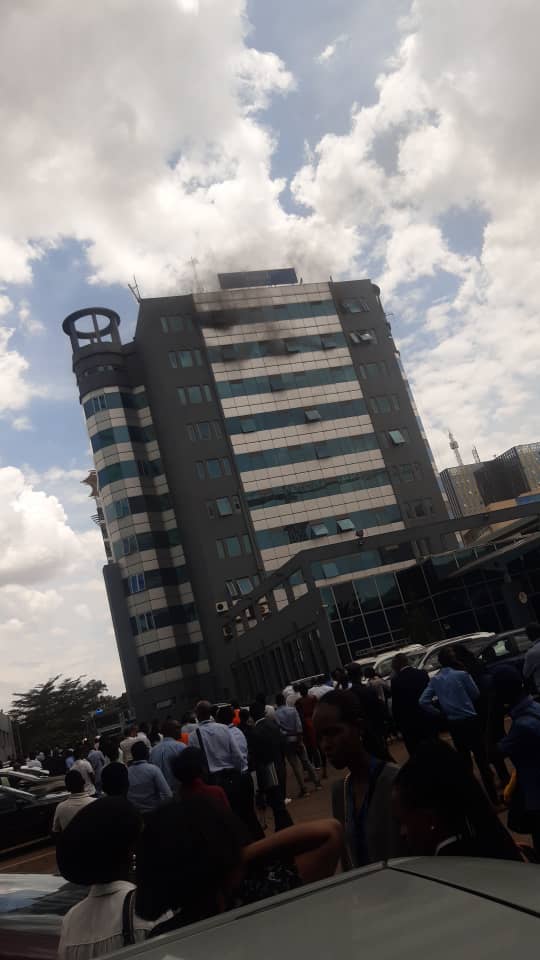
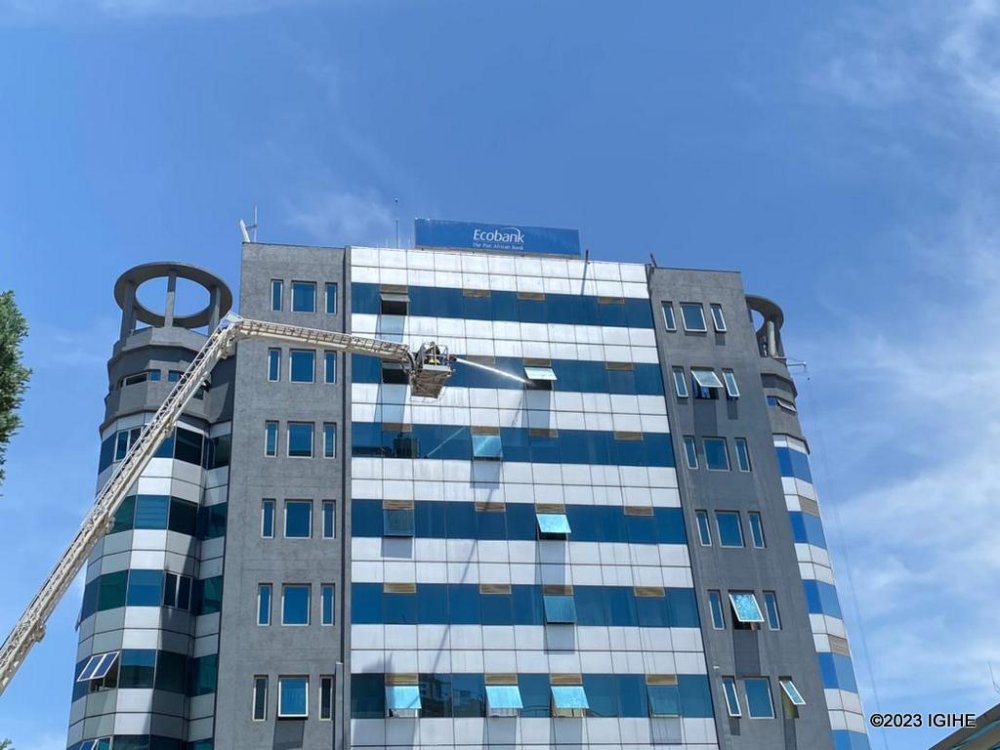
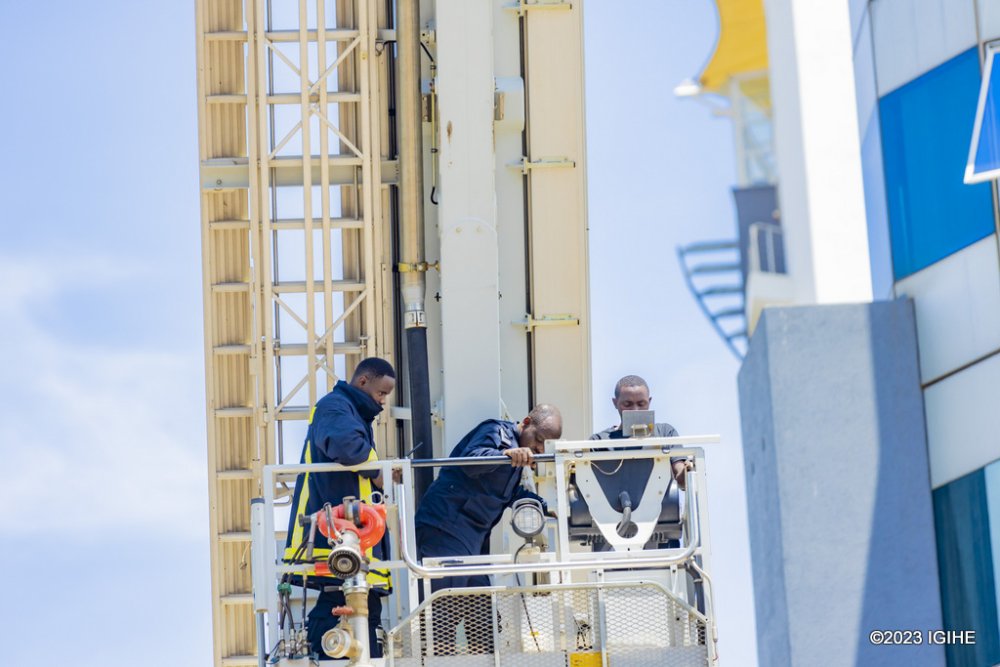
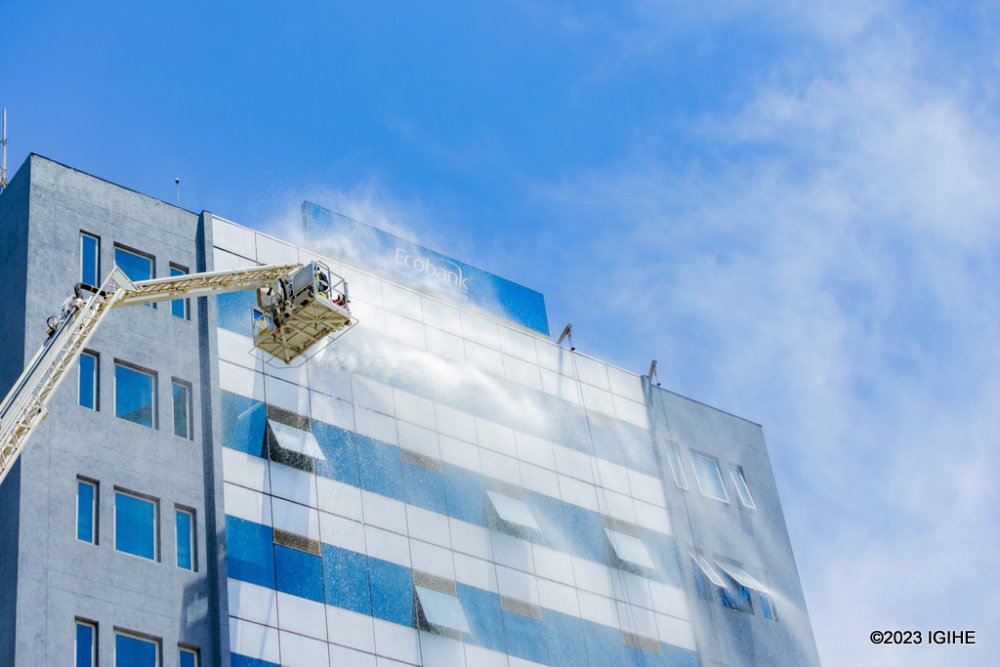
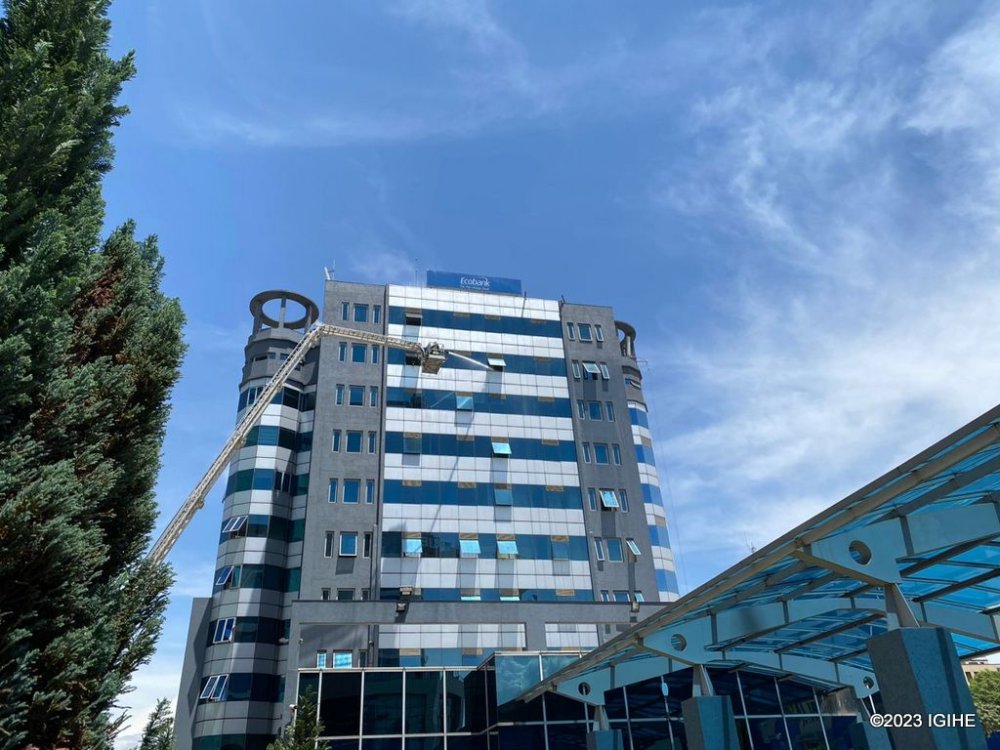
The situation demanded swift action, and the police forces’ rapid response facilitated immediate rescue efforts. Collaborating closely with on-site staff, they worked tirelessly to evacuate valuable assets.
Eyewitnesses present at the scene reported that the fire originated on the ninth floor, which, incidentally, constituted the building’s apex. Inhabitants of this floor detected smoke emerging from the ceiling, prompting them to evacuate promptly, clutching whatever they could salvage.
The exact causes of this incident remain unknown at this time. It is worth noting that the affected floors were primarily occupied by tenants.
In the aftermath of this unfortunate event, Ecobank had no choice but to temporarily halt its operations. Simultaneously, the bank redirected its customers to alternative branches to ensure their financial needs were met.
As authorities continue to piece together the puzzle surrounding the fire’s origin, they also work diligently to assess the extent of the damage incurred.
This incident is believed to have occurred around mid-day, marking a troubling development following recent resumptions of hostilities between the DRC’s armed forces (FARDC) and the M23 rebel group.
A statement released by the office of the government spokesperson indicates that the injured individual is currently receiving medical care at Cyanzarwe Health Centre in Rubavu.
Rwanda has expressed deep concern regarding the ongoing support and collaboration between the government of the DRC and various illegal armed groups and foreign mercenaries. These actions are seen as escalating provocations along the Rwandan border and are perceived as violations of the Luanda and Nairobi peace processes.
Fighting in eastern DR Congo, specifically in the North Kivu province, resumed on Sunday, October 1st. Both the FARDC and the M23 rebel group have accused each other of initiating the renewed hostilities. This is despite calls from regional leaders to seek a peaceful resolution to the conflict.
Notably, the Chiefs of Defence Staff from a four-bloc mechanism for DR Congo are set to convene in Addis Ababa, Ethiopia, under the auspices of the African Union (AU). The purpose of this meeting is to coordinate troop deployments in the resistant eastern regions of the DRC.
In response to these developments, Rwanda has pledged to maintain defensive and preventive measures to safeguard its airspace and borders. The goal is to counter any potential spill-over into Rwanda from armed groups, ensuring the security and safety of Rwandan citizens and residents.
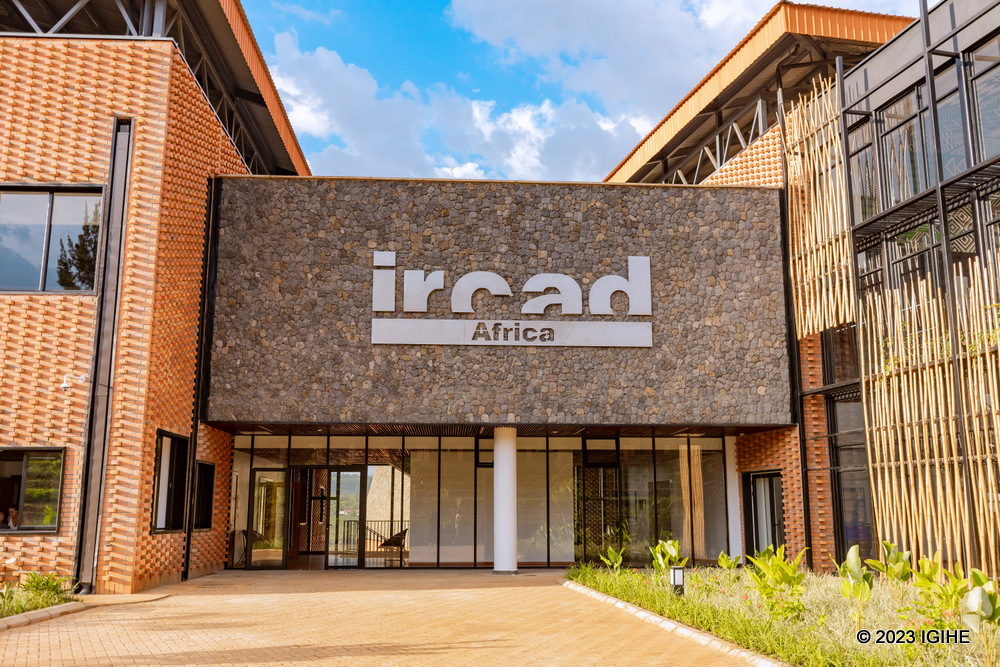
At the core of this innovative approach lies the integration of robotic technology and advanced camera systems, effectively diminishing post-operative discomfort while optimizing patient recovery times. This groundbreaking initiative is more than a medical endeavor; it is a catalyst for transformation that seeks to position Masaka as a multidisciplinary hub, embracing sports, technology, the economy, and, most significantly, healthcare.
This grand vision is not only about healing but also about enhancing the well-being of the community and fostering tourism rooted in these transformative services. Dr. Nsanzimana Sabin, Rwanda’s Minister of Health, sees this project as a momentous opportunity to centralize and elevate healthcare services to unprecedented heights.
“The realization of IRCAD Africa is a pivotal step in the establishment of many other projects in Masaka,” Dr. Nsanzimana commented. He was referring to the extensive plans that include the construction of hospitals, pharmaceutical infrastructure, state-of-the-art laboratories, hotels, and educational institutions, among others.
Among the flagship projects that underscore Rwanda’s commitment to advancing healthcare is the University Teaching Hospital of Kigali (CHUK), which is in the final stages of construction and slated for imminent completion. Furthermore, the establishment of the Heart Center, a specialized facility for cardiac surgery and groundbreaking research, is set to open its doors in 2024.
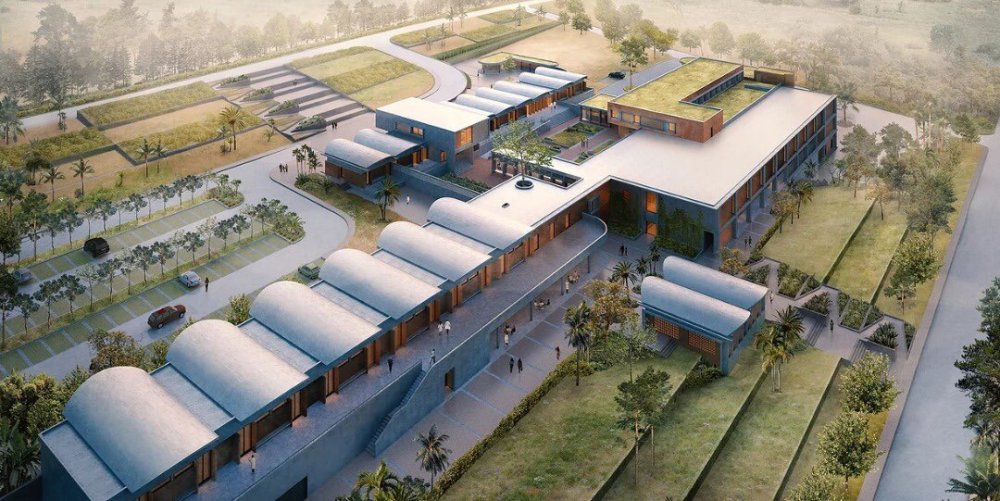
The transformative power of IRCAD Africa, which has already completed its construction phase, is evident in its dedication to training doctors. Since October 2, 2023, a cohort of 60 specialist doctors from 21 countries, including Rwanda, commenced their studies, with a collective goal to train an impressive 300 specialists annually.
In close collaboration with IRCAD, My Heart Center, whose construction began in late 2021, aspires to provide cutting-edge surgical interventions and groundbreaking research for cardiac patients. This facility, occupying a sprawling 4.4-hectare area with an estimated cost of $20 million, is expected to accommodate up to 1,000 inpatients.
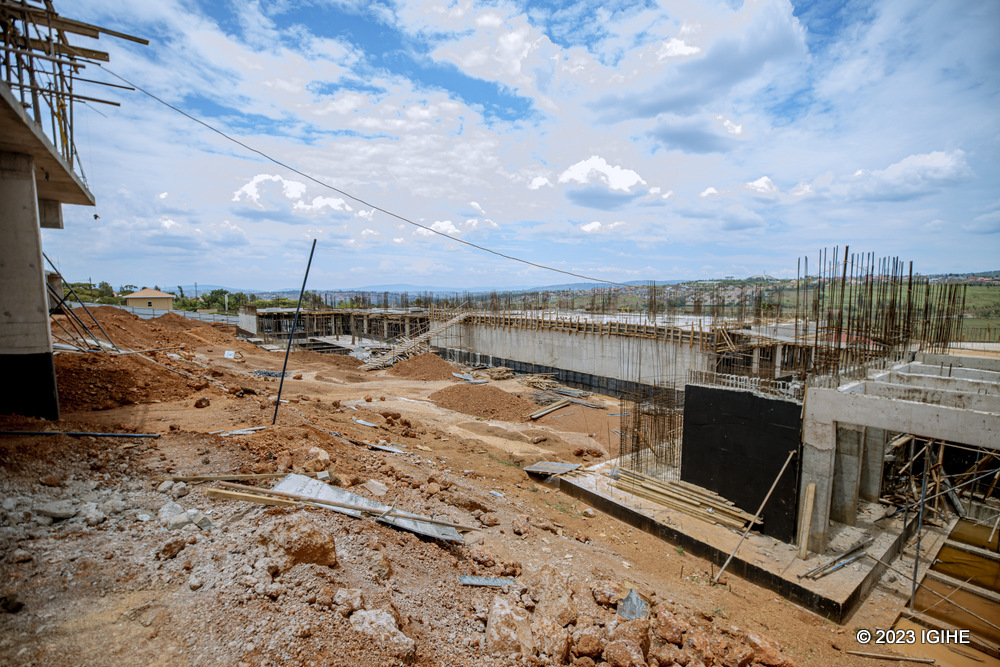
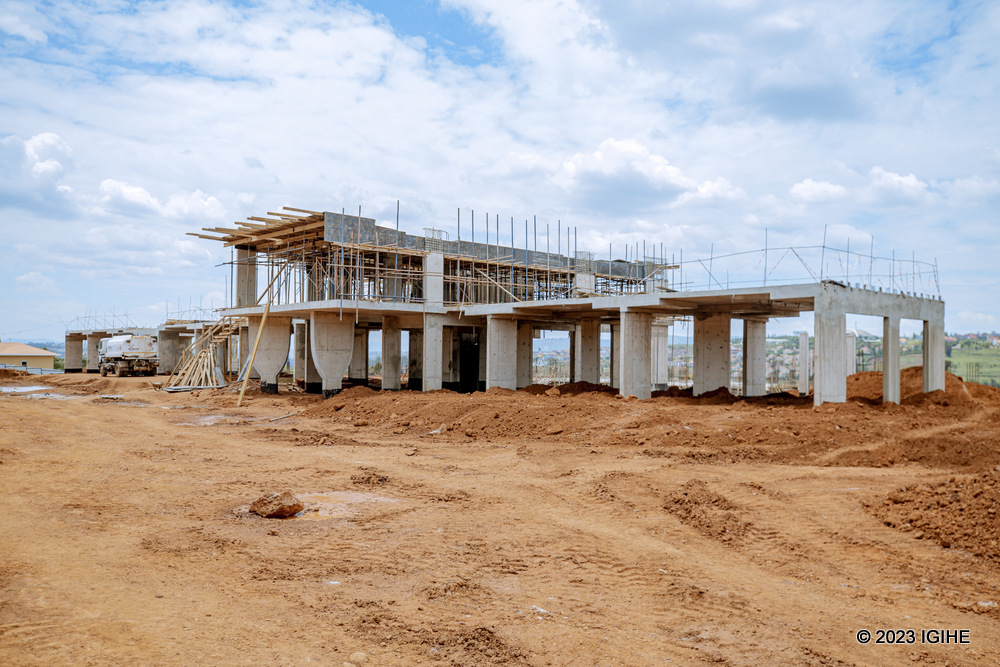
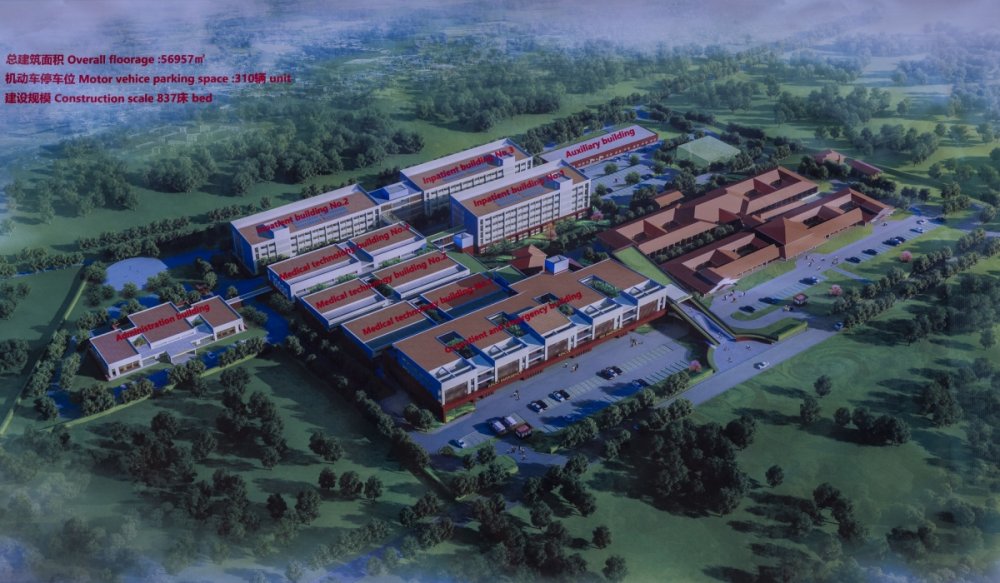
Across the horizon, construction of new facilities that will accommodate CHUK, has been underway since March 2023, and is expected to be inaugurated in 2025. Comprising three major buildings, this institution will offer an impressive 837 beds and be capable of serving up to 2,000 patients daily.
Masaka is also forging ahead with plans to establish a state-of-the-art non-communicable disease treatment center and advanced laboratories, including the Rwanda Food and Drug Authority (FDA) and the Rwanda Biomedical Center (RBC). These infrastructures are poised to revolutionize the pharmaceutical landscape, as Rwanda aims to produce its own medicines, thereby reducing dependence on imports.
The future of healthcare in Rwanda appears resplendent, with a remarkable array of cutting-edge projects that are bound to position the country as a trailblazer in healthcare on the African continent. With its visionary approach, Rwanda is not just investing in its medical future but also in the well-being and prosperity of its people, offering them access to world-class healthcare and catalyzing economic development on an unprecedented scale. In the heart of Masaka, a beacon of hope and transformation is rising, and it shines as a testament to Rwanda’s unwavering commitment to a brighter, healthier future.
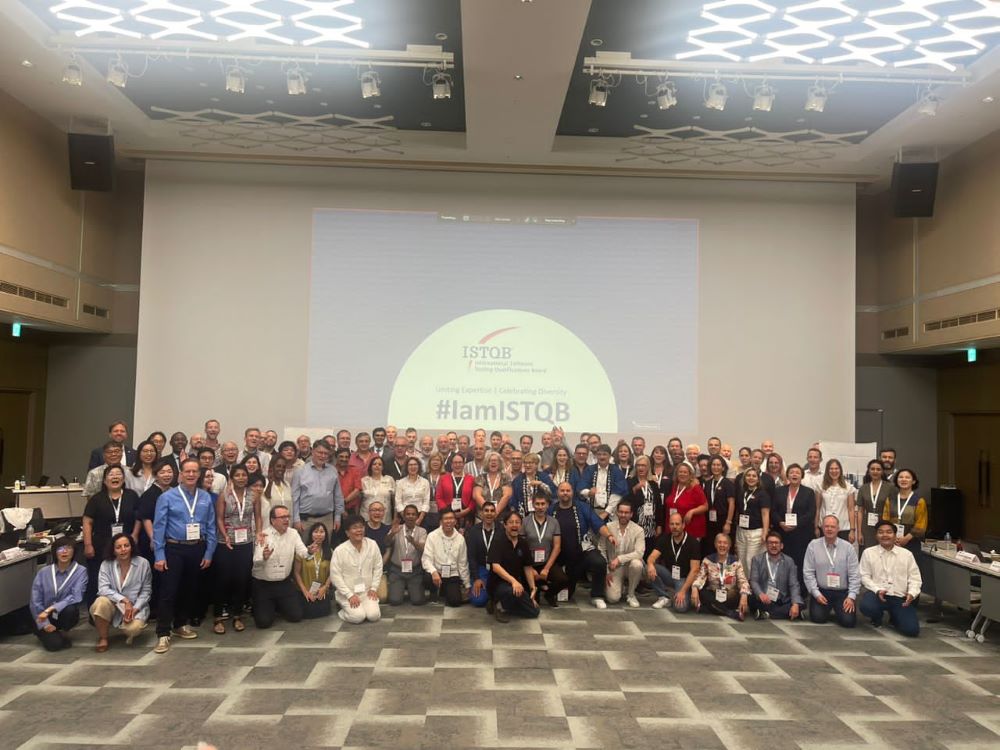
ISTQB is a non-profit organization comprising member boards, exam, and training providers collaborating to deliver the ISTQB Certified Tester scheme.
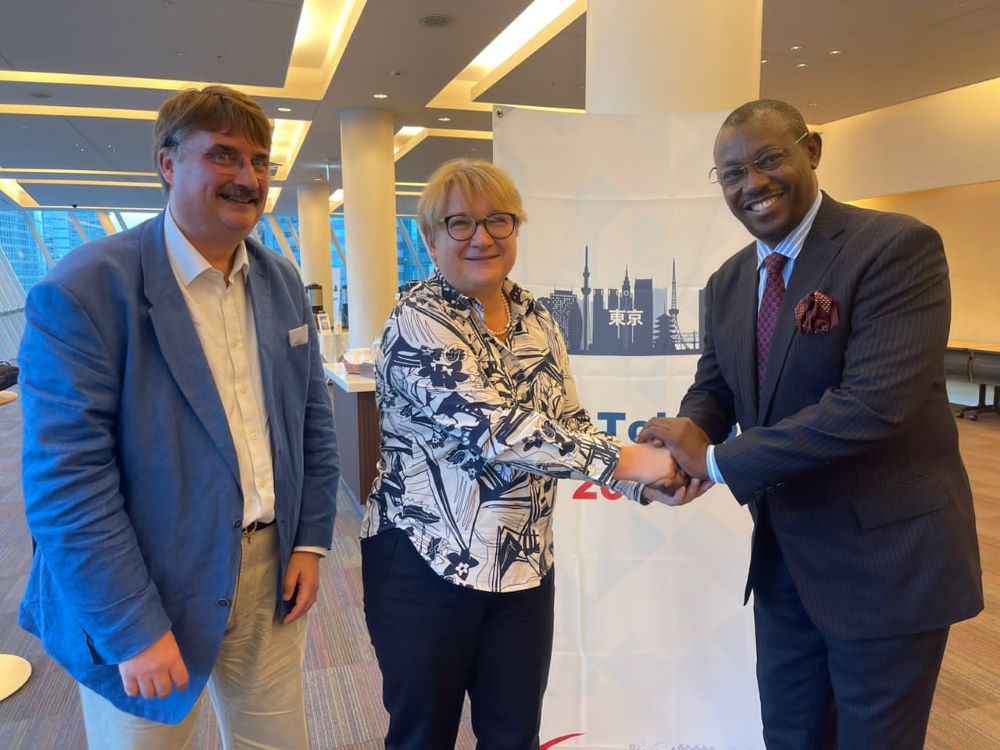
RWSTQB President, Robert Ford, participated in the recent meeting to represent the board and make the application.
During his presentation, Robert shared insights into Rwanda’s dedication to technology, innovation, and entrepreneurship, as well as its active promotion of equality and sustainability.
Rwanda boasts a predominantly youthful population, with the service industry as the primary sector of its economy, with an increasing emphasis on information and communication technology (ICT). Software testing capability and expertise will play a crucial role in Rwanda’s future.
Robert expressed his gratitude to the ISTQB® for the warm welcome, stating, “Today’s Information Age demands trusted and quality software. The RWSTQB is committed to leading the way for software testing in Rwanda. We have accredited training providers already offering training, and we have access to certification exams. Our next step will be engagement with the community and organizations who can leverage the value of ISTQB® to accelerate skills and career opportunities.”
Ford highlighted several benefits of Rwanda’s acceptance into the ISTQB®. Firstly, he explained that it provides Rwandan IT professionals with access to a global network of experts, resources, and best practices.
He believes that this exchange of knowledge will undoubtedly contribute to the skill development of the local workforce, enhancing their ability to deliver internationally standardized software testing solutions.
Additionally, being part of the ISTQB® community opens doors to international collaborations, fostering partnerships that can drive innovation and technology transfer.
ISTQB® President Klaudia Dussa-Zieger congratulated the new ISTQB® Member Board for Rwanda and remarked, “This new ISTQB® Member Board for Rwanda has already demonstrated its dedication to being part of the broader ISTQB® ecosystem and proliferating skills and expertise underpinned by the ISTQB® certification. I wish the team every success and know that this will help Rwanda emerge as a center of excellence for testing.”
As Rwanda continues its journey towards becoming a technology powerhouse in Africa, its presence in the global software testing community marks a pivotal moment in the history of software testing — a moment that symbolizes resilience, innovation, and a commitment to shaping a brighter, tech-driven future.
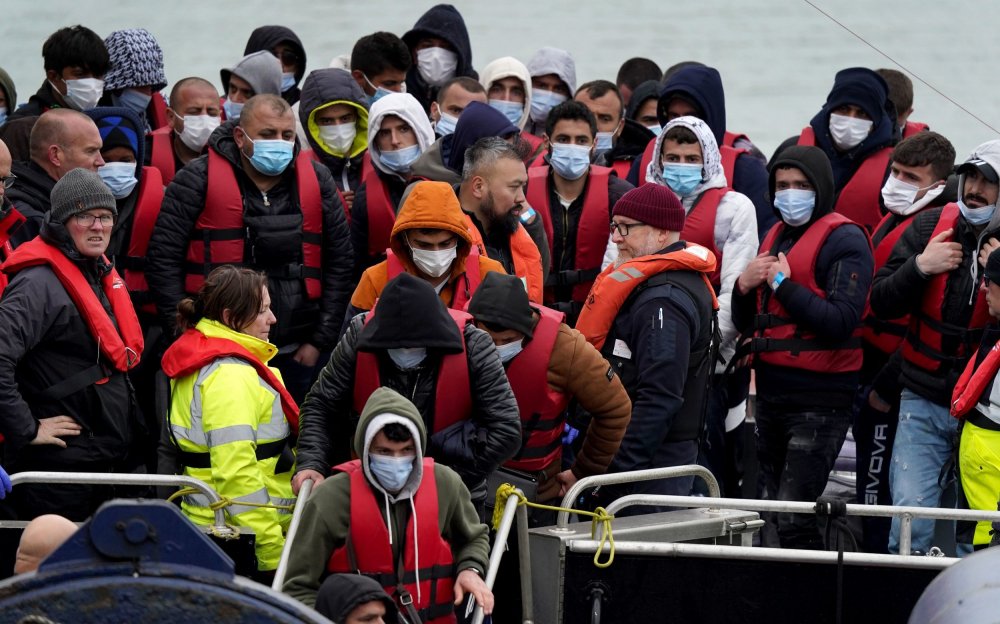
The British government has found itself embroiled in legal disputes with non-governmental organizations opposed to the deportation of immigrants who have entered the UK without authorization and who are destined for Rwanda.
This contentious matter revolves around an agreement forged between the United Kingdom and Rwanda, with the former seeking to provide support to immigrants in their transition to life in Rwanda and offer them various forms of assistance.
Recently, the High Court in England made a decision declaring the act of deporting migrants to Rwanda as unlawful. However, the British Government promptly lodged an appeal.
The subsequent verdict from the Supreme Court, as reported by The Daily Mail, ruled in favor of the legality of deportations, setting the stage for the first group of immigrants to arrive in Rwanda on February 24, 2024. Those who entered the UK illegally have been notified of their potential deportation to Rwanda.
In preparation for this significant development, civil servants have been engaged in the process of selecting the migrants who will be included in the first flight upon court approval.
Additionally, aside from Rwanda, the United Kingdom is reportedly in negotiations with five other African nations, exploring potential agreements to aid the European nation in receiving and resettling illegal immigrants.
At the heart of this grand occasion was the dedicated Airport Team, working tirelessly to ensure the smooth arrival and departure of participants. Their responsibilities spanned from issuing visas to ticketing, guaranteeing the safety of participants, and even handling unforeseen flight disruptions. In their unwavering commitment to safety and order, they left no stone unturned to ensure a seamless airport experience for all.
The skilled drivers from the HWPL Convoy Team as another group of volunteers undertook meticulous vehicle inspections to transport the participants with comfort and safety. Their professionalism and dedication left a lasting impression on visitors. The total distance driven by volunteer drivers during the event was approximately 800,000 km, or spinning 20 times of the globe.
Volunteer interpreters also played a vital role in facilitating communication in sessions of the summit. Their commitment to connecting communications ensured a meaningful experience for all involved. “All of the 800 guests participating in over 30 sessions require interpretation. And all materials have to be translated into over 20 languages. Not only private organizations but also most national forums do not operate on such a large scale. Our HWPL interpretation and translation volunteers are carrying out this entire process,” said a volunteer interpreter.
The broadcast media team, consisting of 208 volunteers, worked to capture and convey the essence of the summit to a global audience. “I believe that our videos serve as a powerful tool for spreading a culture of peace, making this event accessible to people around the world in various languages,” said a volunteer.
The medical department prepared a wide range of emergency medicines, from simple digestive medicines, to this event. They are all active doctors, oriental medicine doctors, nurses, volunteering to contribute to peace. Team leader of the Medical Department explained, “Because it is an event held by a private organization, many people do not know whether a medical team is prepared.” At the same time, he added that guest-room-visit for medical checks were also conducted.
All staff in the Security Department, which is responsible for the safety of personnel, are not professional security guards but volunteers made up of able-bodied men and women who have gathered for peace. In relation to this, Deputy General Manager of the Security Department, said, “For the event, about 400 Security Department members received continuous education and training starting in March with actual simulations.”
The installation team was responsible for the critical infrastructure necessary to make the event a success. They handled electrical setups, stage installations, and maintenance throughout the event, ensuring a seamless experience for attendees.
“All of these volunteers, driven by their passion for peace, are working tirelessly to support the peace summit, and their unwavering commitment is truly remarkable. We HWPL would like to appreciate their dedication and hope that the government will support this peace movement,” said a HWPL official.
HWPL, a South Korea-based international peace NGO affiliated with the UN ECOSOC and the UN DGC, has carried out global peace movements for world peace and cessation of war since its foundation in 2013. South Korea recently suffered from the recent 2023 World Scout Jamboree with global participants with poor management and apology from the government.
On the 12th, Heavenly Culture, World Peace, Restoration of Light (HWPL), an international NGO headquartered in South Korea and affiliated with the UN Economic and Social Council and the Seoul Metropolitan Government, released a statement regarding the Israel-Hamas war. This is HWPL’s third official statement advocating peace, following the statement on the human rights crisis of Myanmar in March 2021 and on Russia-Ukraine War in February 2022.
In the statement, HWPL said, “It is the innocent civilians who become the victims in wars, and everyone in the world is witnessing this situation in real time. Failing to stop an unjustified war will result in thousands and tens of thousands of civilian casualties. Can anyone compensate for such devastating atrocities?”
HWPL added that it urges “for the two parties of the war to immediately cease the acts of aggression, protect the citizens, and actively engage in efforts to ensure recovery and peace”, and calls on “the UN and the international community to swiftly take necessary measures such as mediating peace between the two parties to bring them to a dialogue and providing humanitarian support.”
On March 14, 2016, HWPL, together with international law experts from 15 countries, drafted and announced the “Declaration of Peace and Cessation of War (DPCW)” for an international law for peace. This declaration proposes international cooperation, citizen participation and cultural approaches to conflict prevention, mediation, and peace. HWPL announced that it plans to submit the DPCW to the United Nations. Through peace activities in more than 170 countries, HWPL is specifying action plans to build a world of peace by establishing institutional approach to the international community and raising peace awareness among the public.
Alternatively, civil cases arise when one party initiates a claim for damages against another party or parties. One of the more prevalent areas of civil law is negligence (or personal injury) law.
People can sue in civil court for claims such as wrongful death, breach of contract, defamation, trespass to property, and negligence, as mentioned above.
But this information merely scratches the surface. Keep reading to learn more about the many differences between civil and criminal law.
To grasp the differences between civil and criminal law in Rwanda, it’s crucial to delve deeper into specific aspects of these legal domains:
{{Case Filings – Plaintiff and Defendants}}
In civil cases, attorneys represent a private party, known as the plaintiff, who initiates the claim.
The defendant in a civil case is the party against whom the plaintiff brings the claim. In criminal cases, the public prosecutor prosecutes the party alleged to have committed the criminal offense, and this party is also referred to as the defendant.
{{Burden of Proof}}
In civil court, the burden of proof lies with the plaintiff, who must demonstrate their case by a “preponderance of the evidence” (over 50% likelihood). Criminal cases require the government to prove charges “beyond a reasonable doubt,” a higher standard of proof indicating no other logical explanation for the defendant’s actions.
{{Methods of Punishment}}
In civil suits, compensation typically takes the form of monetary or property restitution.
Criminal convictions may result in fines, imprisonment, or, for severe felonies, the death penalty.
{{Statute of Limitations}}
Both civil and criminal cases are subject to limitations on the time allowed for filing claims or pressing charges, varying by the Country
{{When Civil and Criminal Courts Overlap}}
Instances where civil and criminal courts overlap are not uncommon. For example, a defendant accused of battery resulting in permanent personal injury may face both criminal charges and a civil suit for damages. It’s important to note that court rulings are not mutually exclusive; an acquittal in criminal court does not preclude liability in civil litigation. In most cases the criminal case overrules.
Understanding the distinctions between civil and criminal law is essential for navigating the Rwandan legal system effectively. While both serve the purpose of addressing wrongful acts, they differ in their approach, objectives, and procedures.
Whether your case belongs in civil or criminal court, or potentially both, seeking legal counsel from an experienced attorney specialized in the relevant area of law is crucial to ensure a fair and just resolution.
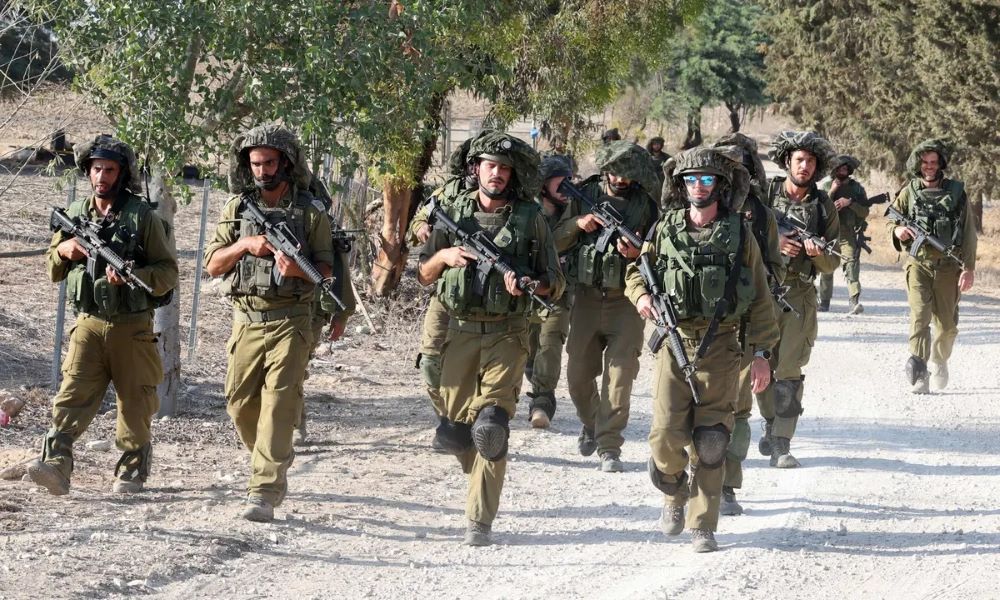
Addressing the Air Force on a Sunday, Gallant emphasized that this approach is intended to be the final action in Gaza, leaving no room for compromise with Hamas. The goal is to ensure the eradication of Hamas’s influence and capabilities within the region.
The conflict with Hamas dates back to October 7, 2023, when the group launched an attack on Israel. In response, Israel has been employing heavy aerial bombardments. However, this strategy has not produced the desired results, as Hamas still maintains bases in Gaza that Israel aims to dismantle entirely.
Israel has mobilized a substantial force of over 360,000 aid workers to support the regular army in the upcoming ground operation in Gaza. The Israeli military has confirmed its readiness to enter Gaza when the central government grants permission.
Notably, reports from Bloomberg indicate that the United States and European countries have advised Israel to exercise caution in launching the ground operation. This caution is due to concerns about the safety of prisoners held by Hamas, who were captured during the earlier conflict. The international community’s involvement in the situation highlights the complexity of the ongoing conflict in the region.
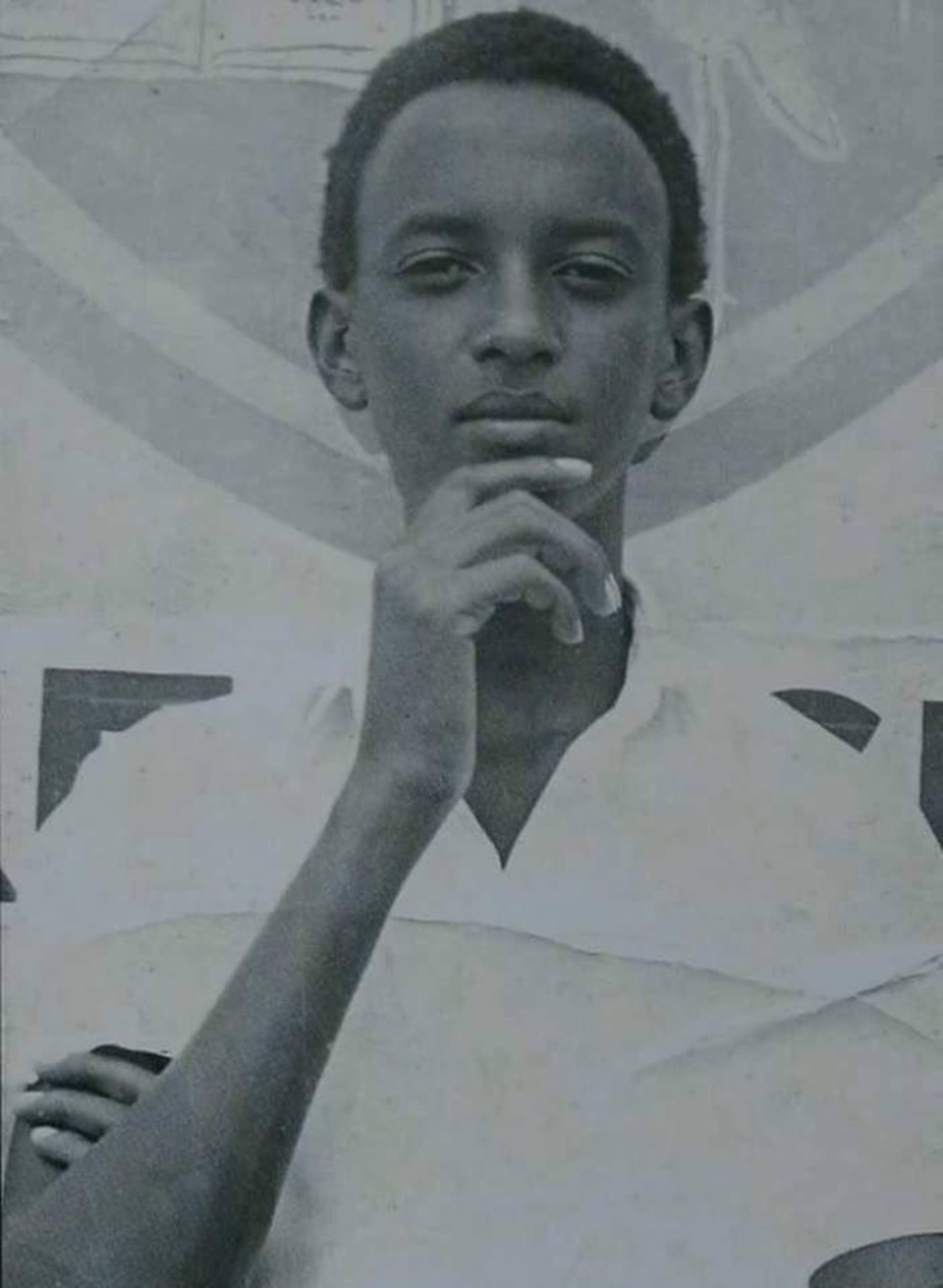
Kagame was the youngest of six siblings born to Deogratias Rutagambwa and Asteria. His family’s early life in Rwanda held promise, despite the turbulent times filled with ethnic and political tensions as the nation grappled with colonial influences. King Mutara III Rudahigwa advocated for a Rwanda free from foreign intervention, and Kagame’s family had royal lineage, with extended family connections to the monarchy.
However, tranquility gave way to turmoil in 1961 when Kagame’s family was forced to flee due to escalating unrest. Attacks on Tutsis by Hutu pushed them to seek refuge in Uganda, near the Rwandan-Ugandan border. Life in exile was challenging, and the family relied on the UN Refugee Agency (UNHCR).
Kagame began his education in Uganda, attending Rwengoro Primary School and later moving on to Ntare School, one of the country’s prestigious institutions. He was described as a diligent student with a natural aptitude for leadership and a low tolerance for injustice, which resulted in him being a leader at school.
Kagame’s life took a significant turn at the age of 15 when his father passed away, influencing his behavior and outlook on life. He continued his secondary education at Old Kampala Senior Secondary School.
In 1977, Kagame visited his family in Rwanda for six weeks, gaining insights into the discriminatory politics of the time which deepened his understanding of the challenges facing Rwandans.
In 1981 he joined Yoweri Museveni’s NRA rebels, a journey that lasted until 1986 when the NRA achieved victory and liberated Uganda. A substantial number of Rwandans were part of this rebel army about 20%
This triumph inspired Rwandans within Museveni’s army to seek to liberate Rwanda and in 1987, the RPF Inkotanyi, a political group, was established, leading to the formation of the RPA military wing.
It took three years for this group to regroup and embark on the struggle to liberate Rwanda.
Almost four years into the struggle, Major General Paul Kagame assumed leadership after Major General Fred Rwigema tragically fell in combat on the second day of the battle. Kagame played a pivotal role in ending the Genocide against the Tutsi in 1994, through the actions of RPA Inkotanyi soldiers.
Following this triumph, Kagame assumed various leadership roles, serving as Vice President and Minister of Defense. On March 24, 2000, Kagame took the interim presidency after the resignation of Pasteur Bizimungu and later secured his first term through the presidential elections held in 2003.
Today, as President Paul Kagame marks his 66th birthday, his journey from humble beginnings to outstanding prestigious leadership spans over six decades. Kagame emphasizes the importance of personal accomplishments over his family’s prominence, reflecting a life marked by resilience, sacrifice, and dedication to the nation.