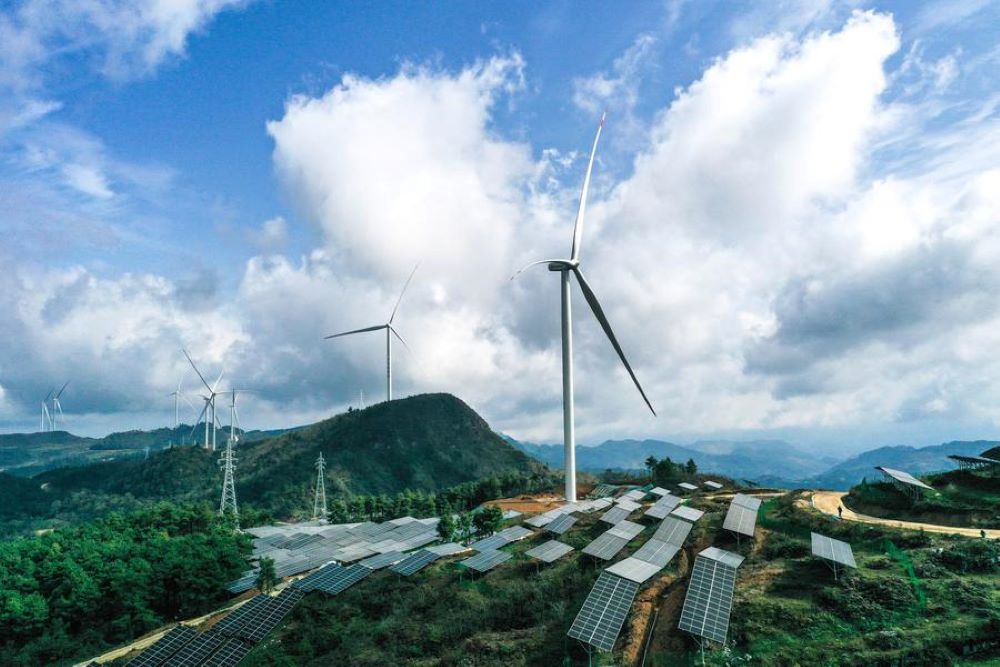
China has grown into an indispensable force to drive the development of the world’s clean energy, said the NEA’s Pan Huimin at a press conference.
The briefing was held a day ahead of the first-ever International Day of Clean Energy created by the United Nations.
Clean energy investment abroad by Chinese enterprises has spread across major countries and regions, covering wind, photovoltaic and hydro power, which, on the basis of mutual benefit and win-win results, has assisted the locals in their low-carbon growth, Pan said.
Meanwhile, China continues to promote technological and product innovation, and actively integrates itself into the global clean-energy industrial chain, she added.
China’s wind and photovoltaic power products have been exported to more than 200 countries and regions, helping in part to greatly reduce the costs of electricity generation over the past 10 years, according Pan.
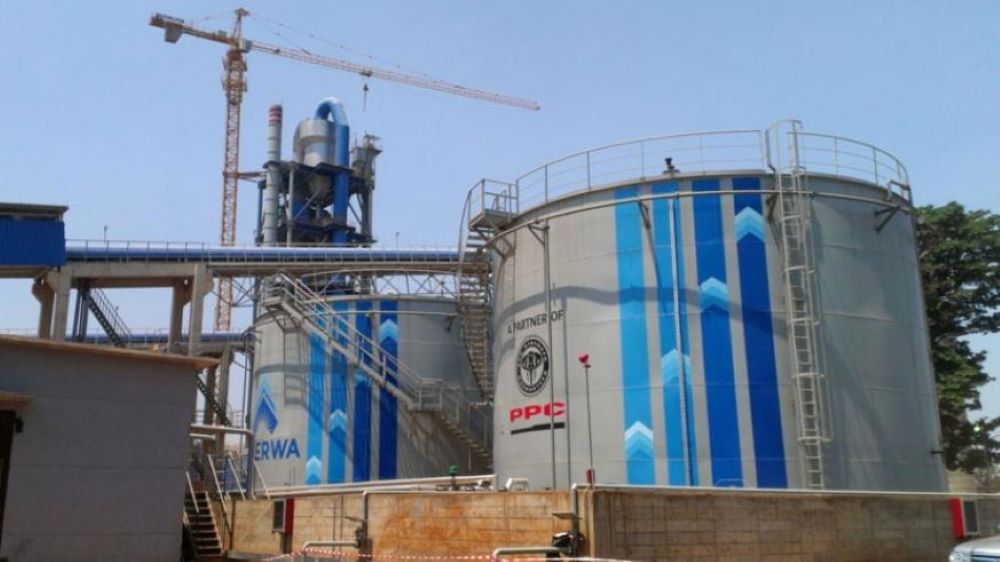
The acquisition, which was finalized on November 17, 2023, marked a strategic move by the National Cement Company to enhance CIMERWA’s production capacity from 270,000 to meet the rising demand in the region.
During a press conference on January 25, 2024, Dr. Narendra Raval emphasized the completion of the $85 million payment for the shares and announced plans for a further investment of $60 million to improve services and advance cement production capabilities. The primary objective is to reduce cement prices in Rwanda, making it accessible for every Rwandan to build their homes.
Dr. Narendra expressed a commitment to elevate CIMERWA to become a source of pride for Rwanda, ensuring that the country no longer relies on cement imports. He highlighted that the shares, acquired at $0.12 each, would likely see an increase in value in the near future.
Addressing the issue of regional competition, Dr. Narendra acknowledged the presence of cement from neighboring countries on the Rwandan market. However, he affirmed that the company’s efforts would gradually phase out imports and contribute to Rwanda’s self-sufficiency in cement production.
Dr. Narendra emphasized the company’s familiarity with the region’s challenges and commended the active leadership of Rwanda’s President in promoting self-sufficiency. Drawing from the success of their efforts in Kenya and Uganda, he pledged to collaborate with the government to ensure Rwanda no longer imports cement, prioritizing the country’s self-sufficiency over immediate profits.
Among others, Dr. Narendra Raval reiterated the company’s dedication to making CIMERWA a symbol of national pride and contributing to Rwanda’s economic resilience by reducing reliance on foreign imports.
This man has been apprehended by the police for asserting responsibility for a fire that claimed the lives of 76 individuals last year. His startling admission occurred during his testimony at an inquiry investigating the causes of the catastrophic blaze in August at a Johannesburg apartment building, one of the nation’s worst disasters.
The unidentified man disclosed that he started the fire while attempting to dispose of the body of a man he had allegedly strangled and beaten to death on the night of the incident. Reportedly, he doused the victim’s body in gasoline and set it ablaze with a match, following instructions from a drug dealer residing in the building.
The police later confirmed the arrest of a 29-year-old man who had confessed to his involvement in the fire during the inquiry. The individual, facing charges of 76 counts of murder, 120 counts of attempted murder, and arson, was not named by the authorities.
The inquiry, established to probe the fire’s potential causes, granted the man anonymity after his testimony, with legal assurances that it could not be used against him in criminal proceedings.
Referred to as “Mr X” by South African media, the man claimed responsibility for igniting the fire that swept through a dilapidated five-story building, causing numerous casualties, including at least 12 children, and leaving over 80 people injured.
The incident drew global attention to Johannesburg’s persisting issue of “hijacked buildings,” taken over by squatters and neglected by authorities. The building in question, owned by the city but under the control of illegal landlords, housed hundreds of impoverished individuals, many of whom were suspected illegal immigrants.
Mr X also testified that the building was a hub of criminal activity, primarily orchestrated by drug dealers. Emergency services officials highlighted the perilous conditions during the fire, emphasizing that most fire escapes were locked or chained shut, exacerbating the tragedy.
Witnesses recounted desperate attempts to escape, including jumping from windows several floors high. The building’s occupants, predominantly immigrants, faced a myriad of challenges, from broken limbs to back injuries.
South African President Cyril Ramaphosa initiated the inquiry, which commenced in October, beginning with testimony from emergency services personnel who responded to the early morning blaze on August 31. The acting chief of emergency services in Johannesburg labeled the building a “ticking time bomb,” citing overcrowding, makeshift wooden structures, and the absence of firefighting equipment as contributing factors to the disaster.
In a significant development, the inaugural UK-Rwanda Business Forum, scheduled for January 29-31, 2024, will be jointly hosted by the British High Commission Kigali and the Rwanda Development Board (RDB).
This event aims to bring together senior policymakers and business leaders from both nations, fostering trade and investment. Led by UK Prime Minister’s Trade Envoy to Rwanda Lord Popat and His Majesty’s Trade Commissioner for Africa, John Humphrey, the forum anticipates the participation of over 100 UK investors.
Focused on key sectors such as manufacturing, agriculture, financial and professional services, the green economy, infrastructure, and critical minerals, the forum aligns with the Vision 2050 ambitions of Rwanda. It will provide a platform for high-level dialogue, networking, and discussions on business opportunities, offering UK investors insights into Rwanda’s potential.
With a commitment to inclusivity, the forum aims to empower underrepresented groups and showcase female-led businesses.
The event will feature expert keynote addresses, panel discussions, business pitches, case studies, and networking opportunities. Attendees will also have the chance to experience Rwanda’s renowned coffee through a competition and visit sites of interest and thriving businesses.
Through an article run in The East African, British High Commissioner, Omar Daair shed more light on the forum.
Kigali, emerging as a regional and continental hub, is well-connected globally, facilitated by RwandAir with six weekly flights to London. The city has gained prominence in hosting conferences and events, ranking second in Africa for the Meetings, Incentives, Conferences, and Exhibitions (MICE) sector.
Additionally, the country’s infrastructure, marked by extensive mobile phone coverage and a growing fiber optic network, is conducive to business activities.
He continues that the United Kingdom and Rwanda have enjoyed a robust partnership spanning many years.
“Collaborating on various development initiatives, our focus has been on fostering trade, investment, and shared global objectives.
Over the past five years, bilateral trade has surged from $25 million in 2017 to $51 million in 2022, they believe there are significant untapped opportunities for further enhancement. We eagerly anticipate welcoming numerous guests to Kigali and witnessing local businesses exhibit their achievements.”
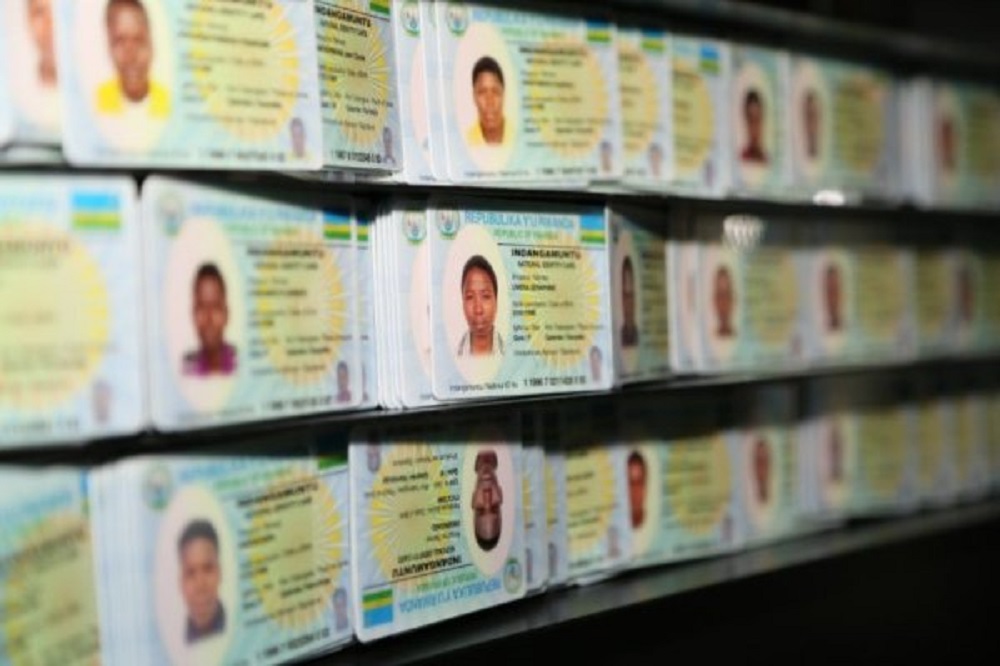
This official announcement, featured in the Official Gazette on January 23, 2024, emphasizes that the coordinating council, led by the Minister of ICT and Innovation, will supervise the implementation of the digital ID card project.
The composition of this council includes the Minister of Local Government (also the Vice President), the Director General of the National Identity Agency (Secretary), the Minister of Interior, the Minister of Health, the Director General of Immigration and Emigration, and the Chairperson of the Private Sector.
Addressing the challenges of scattered card and personal data storage, the SSDID system for Citizen’s Registration in Social Security ID has been introduced. This digital ID will store essential information such as facial photos, fingerprints, witness photos, names, birthdates, birthplaces, parental details, email addresses, phone numbers, and more.
Users can obtain this ID through traditional card issuance, on mobile devices or computers via a QR Code, and even share it with others. Ingabire Musoni Paula, the Minister of ICT and Innovation, has highlighted that the Rwandan government anticipates the system streamlining the delivery of various services.
The government asserts that the introduction of a new law pertaining to citizen registration through National Identity Card technology will enhance identity verification. This, in turn, is expected to optimize service provision in both the private and public sectors. The ambitious ID system project is set to receive an investment of over Rwf40 billion from the World Bank, with the Ministry of ICT and Innovation estimating a minimum of three years for the entire Rwandan population to obtain their digital identities once funds are secured.
If you inquire among those close to you about cancer diagnoses, you may find a few individuals who have been affected. Currently, those suffering from cancer often discover their condition after visiting a clinic.
Cancer has become a pervasive health challenge in Rwanda and globally, with the World Health Organization (WHO) revealing an annual influx of 20 million new cancer cases and a staggering 10 million deaths. Projections suggest a daunting 60% surge in cancer patients by 2040, reaching an alarming 30 million individuals.
These statistics indicate a 60% increase in cancer patients by 2040, totaling 30 million people.
Rwanda has six hospitals dedicated to diagnosing and treating cancer. However, health authorities indicate a continuous rise in the number of people diagnosed with cancer.
Dr. Theoneste Maniragaba, Director of the Cancer Programme at RBC, revealed to IGIHE that the overall number of cancer patients is increasing, with cervical cancer being the second most common type after breast cancer.
He emphasized the importance of early detection, stating that every year, they receive more than five hundred patients in need of radiotherapy, chemotherapy, or surgery.
Dr. Maniragaba highlighted that Rwandans, in general, were not sufficiently aware of the importance of getting tested for various cancers, even though effective treatments are available.
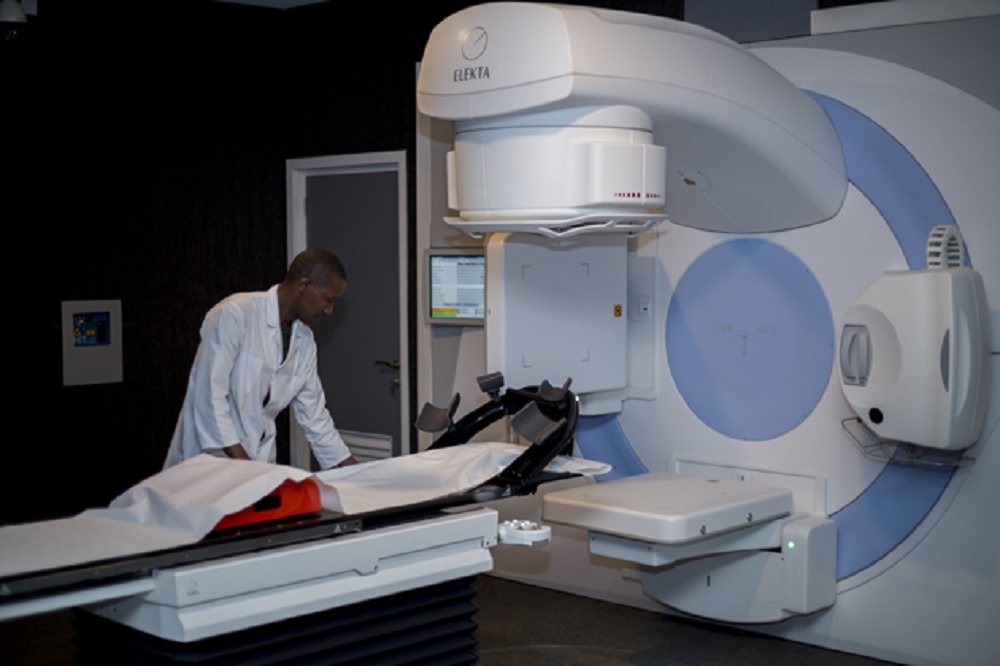
In Rwanda, there are 12 doctors specializing in cancer treatment using chemotherapy or radiation, 15 oncologists, and other healthcare professionals supporting various diseases. The three main cancer treatment methods include surgery, chemotherapy, and radiation.
Breast cancer remains the leading cause of death, with the number of cancer-related deaths in Rwanda increasing from 5,900 people in 2014 to 6,044 people in 2020.
Dr. Maniragaba emphasized that breast cancer is the most common cancer leading to fatalities in the country, according to 2020 statistics. The data revealed that breast cancer accounted for 24% of deaths, followed by cervical cancer at 23.9%, stomach cancer at 5.1%, prostate cancer at 4%, non-Hodgkin lymphoma at 3.5%, and other cancers at 39.6%.
For men, the leading causes of cancer-related deaths in Rwanda in 2020 included prostate, stomach, liver, colorectal, and lung cancers.
Dr. Maniragaba mentioned that many patients have been treated for cancer and are recovering, although ongoing research aims to determine the exact numbers.
To address this growing health crisis, the Rwandan government has focused on enhancing the capacity of cancer treatment clinics. Noteworthy achievements include the establishment of Butaro Hospital, providing free cancer treatment services, and Kanombe Military Hospital, equipped with state-of-the-art machines, catering to 150 patients daily.
Dr. Maniragaba emphasizes the importance of early cancer diagnosis, stating that timely detection not only facilitates treatment for symptomatic individuals but also opens avenues for a cure when the disease is at its nascent stage.
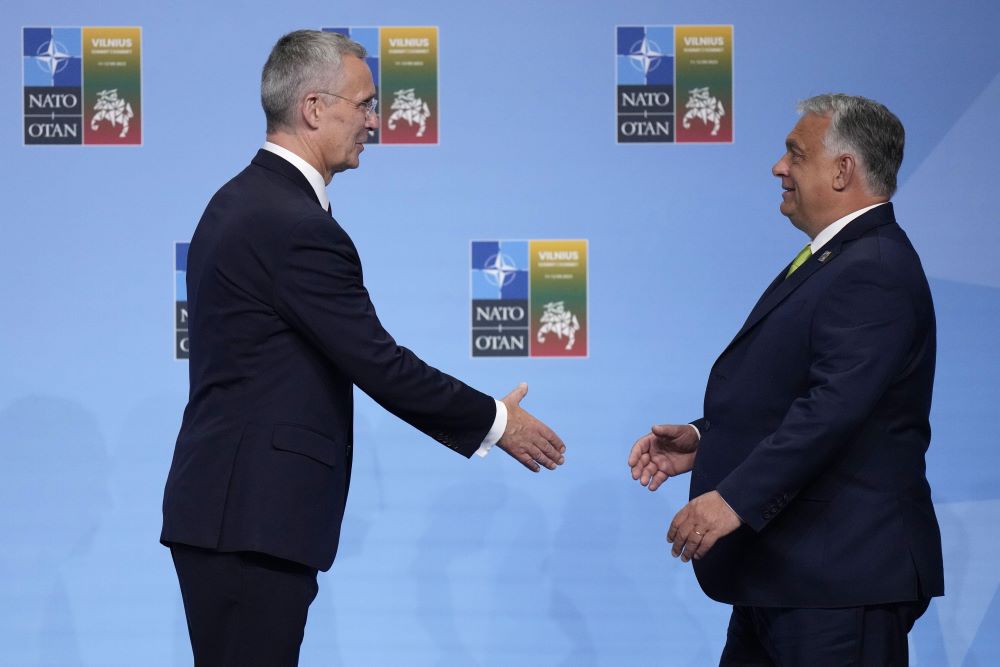
“Just finished a phone call with NATO Secretary General Jens Stoltenberg. I reaffirmed that the Hungarian government supports the NATO membership of Sweden. I also stressed that we will continue to urge the Hungarian National Assembly to vote in favor of Sweden’s accession and conclude the ratification at the first possible opportunity,” Orban wrote on social media platform X.
With Türkiye’s ratification on Tuesday, Hungary remains the only NATO member country that hasn’t approved Sweden’s application.
Stoltenberg tweeted shortly after his talks with Orban: “Good call with PM Viktor Orban of Hungary. I welcome the clear support of the Prime Minister and his government for Sweden’s NATO membership. I look forward to the ratification as soon as parliament reconvenes.”
The Hungarian Parliament is set to reconvene in the second half of February.
The Hungarian government submitted the draft resolution required for the ratification of Sweden’s NATO accession to parliament in July 2022.
Following Ankara’s approval, Orban sent an invitation letter to his Swedish counterpart Ulf Kristersson asking him to visit Hungary for talks on Sweden’s NATO integration and strengthening bilateral relations.
At a press conference at the UN headquarters in New York, Lavrov said Moscow requested a meeting for 3 p.m. Wednesday New York Time (2000 GMT). But obviously the meeting has not been scheduled accordingly.
Lavrov said a Russian IL-76 transport aircraft was downed with 65 captured Ukrainian military servicemen on board together with three Russian officers and six crew members. All people on board the plane died as a result of what he said a terrorist attack by Ukraine.
Lavrov said an air defense missile launched by Ukraine from the Kharkiv region downed the plane in the Belgorod region. The IL-76 was carrying the 65 captured Ukrainian soldiers from Moscow to Belgorod for a prisoner-of-war swap that had been agreed on between Moscow and Kiev.
The figure was lower than the previous festive season when 1,452 people were killed in road crashes, said Minister of Transport Sindisiwe Chikunga at a media briefing.
“Human factors contributed 80.8 percent of the crashes, while environmental factors contributed 10.4 percent as a result of heavy rainfall and storms that had a big impact on road use, and this is whereas vehicle factors contributed 8.8 percent,” said Chikunga.
South Africa recorded 1,184 fatal crashes during the festive period from Dec. 1, 2023 to Jan. 11 this year, a decrease of 2.3 percent compared to the previous festive season, the minister said.
Chikunga noted that drunk driving remains the main cause behind road accidents in the country, followed by reckless and negligent behavior on the road, adding that most of the people who lost their lives were between the ages of 25 and 44.
Over the past few days, the remains of 119 victims of genocide against Tutsi have so far been dug out of mass graves in a family compound of a resident of Ngoma village, according to Napthali Ahishakiye, executive secretary of IBUKA.
“Volunteers started to dig up the remains after a resident tipped off local authorities about the possibility of a mass grave there,” Ahishakiye told Xinhua.
“It had been kept secret until someone volunteered to give information, but it is likely that those who lived in the house knew about it,” he said.
Local authorities said investigations about the mass grave started last October after residents who were digging a foundation for the construction of a house fence dug out the remains of six people.
Stressing the importance of genocide survivors being able to locate where the bodies of their loved ones were buried, Ahishakiye said the recently discovered remains are being kept in plastic bags and will be given a decent burial at an appropriate time.
Local residents said some former soldiers of the past government lived in the area where the remains were discovered, and the soldiers played a big role in the killings of members of the Tutsi ethnic group.
Horrible crimes were committed in the Ngoma area in Huye District during the genocide as Tutsi were murdered in cold blood, some at roadblocks erected by military personnel, according to IBUKA.
The remains of more than 100,000 genocide victims are said to have been retrieved across Rwanda over the past five years.
More than 1 million people were killed by Hutu extremists in a span of 100 days during the genocide in 1994.