The announcement was made by Lieutenant General Fall Sikabwe, coordinator of military operations of DRC’s military in North Kivu, during the first joint meeting between the DRC military and SADC.
According to the DRC authorities, this SADC military force would carry out offensive operations, essentially targeting the rebels of the March 23 Movement (M23) who occupy several areas in the territory of Masisi and that of Rutshuru, located in the province of North Kivu.
“The SADC comes with an offensive mission. With the mandate of the heads of state member of the SADC, we will initiate large-scale operations against the enemies of the Republic”, said Fall Sikabwe, stressing that he is to put an end to hostility which has persisted for months.
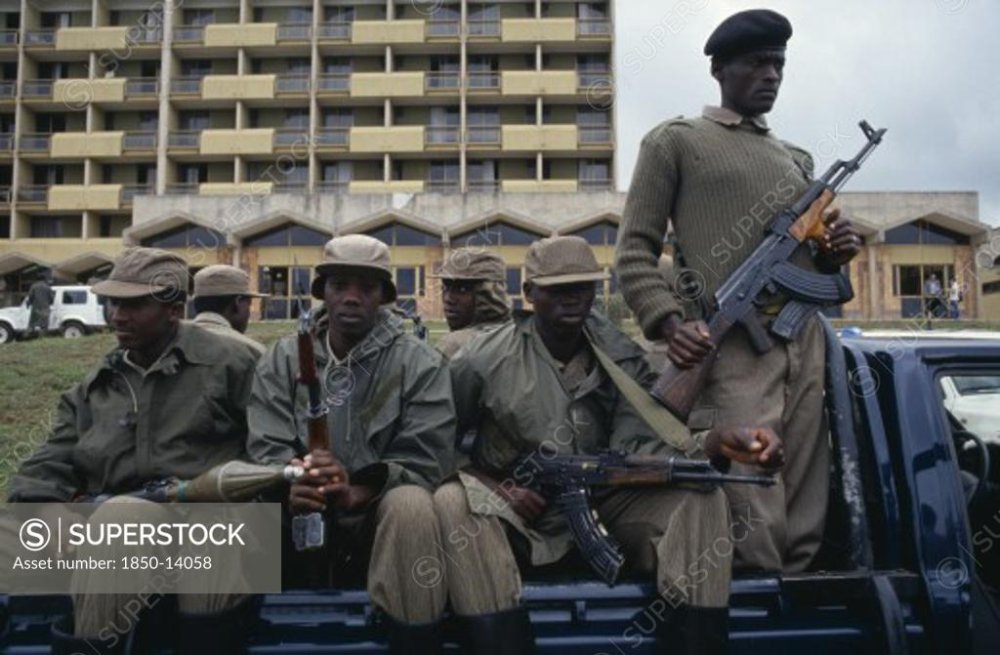
Composed mainly of military elements from South Africa, Tanzania and Malawi, this SADC military force replaces the regional force of the East African Community (EAC). DRC authorities deemed the EAC regional force ineffective and refused to renew its mandate.
For the moment, only South Africa and Malawi have already deployed part of its soldiers in Goma. Tanzania hopes to transfer its elements which are already on Congolese soil within the UN peacekeeping mission in the DRC, whose mandate should expire by the end of 2024.
Since late Monday, violent fighting broke out between the M23 rebels and the Congolese military in the territory of Masisi. Detonations of heavy and light weapons are heard in these areas, forcing a large number of residents to leave for the town of Sake, the city’s last bulwark.
Goma, a tourist town known for economic activities in the region, was occupied by the M23 for 10 days in December 2012.
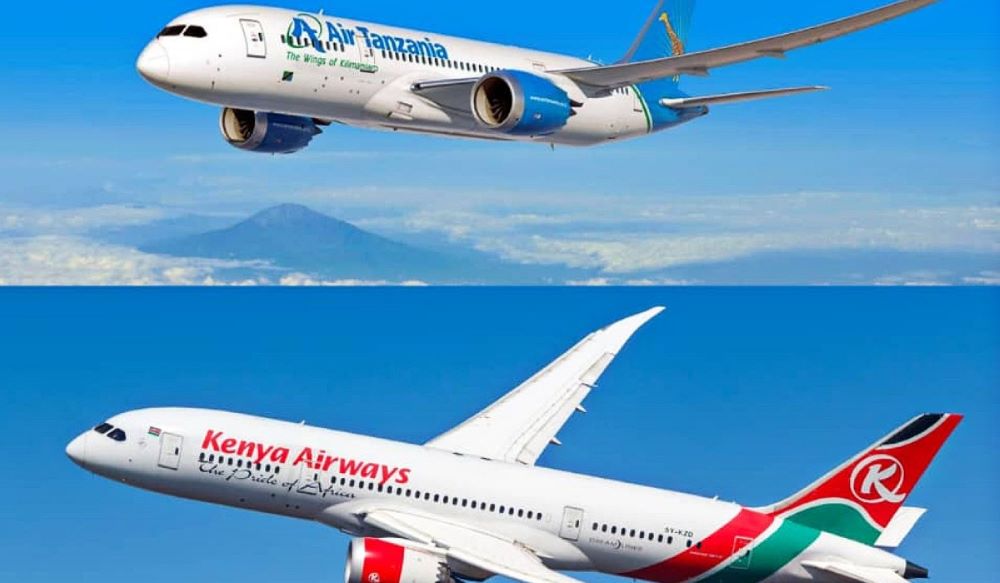
Responding to Tanzania’s request, Kenyan authorities granted Air Tanzania the Fifth Freedom Traffic Right for all-cargo services. This allows Air Tanzania to efficiently handle cargo operations, enhancing its international flights and promoting trade partnerships between Kenya and Tanzania.
The diplomatic maneuver, however, prompted a reversal of Tanzania’s earlier decision to withdraw Kenya Airways’ third and fourth freedom traffic rights for passenger services between Nairobi and Dar es Salaam. These rights enable airlines to transport passengers and freight between their own country and a foreign country (Third Freedom) and between two foreign countries (Fourth Freedom).
The reinstatement of Kenya Airways’ passenger operations ensures continued connectivity on the vital Dar es Salaam route, benefiting both passengers and businesses. Hamza S. Johari, Director General of the Tanzania Civil Aviation Authority, emphasized the positive spirit of cooperation between the two countries, expressing confidence that the decision will strengthen aviation and trade relations.
The dynamic nature of air services agreements and the importance of open communication between nations is underscored by this swift resolution. With the ban lifted and both airlines now benefiting from the new agreement, the skies between Tanzania and Kenya are clear for continued growth and cooperation in the aviation sector.
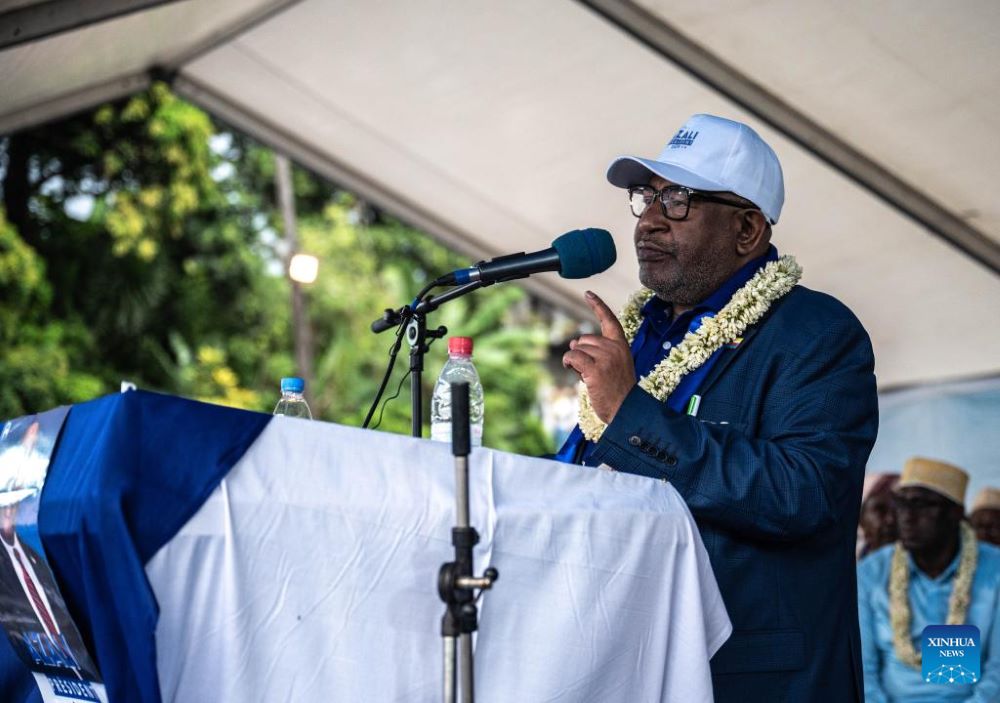
At a press conference, the commission announced that Assoumani secured a total of 33,209 votes, which constitutes 62.97 percent of the total votes and Salim Issa Abdallah from the Juwa party was the runner-up, garnering 20.26 percent of the votes.
Despite the election turnout being a mere 16.3 percent, the commission commended the voters in a press release, stating that they fulfilled their duty in a calm and serene atmosphere. It also expressed appreciation for the mobilization of all those involved in the electoral process.
The Comoros kicked off its first round of the presidential election on Sunday to select the national leader from among six candidates, including Assoumani, for the next five years. Registered voters from the total population of roughly 900,000 cast their ballots at 868 polling stations across the country.
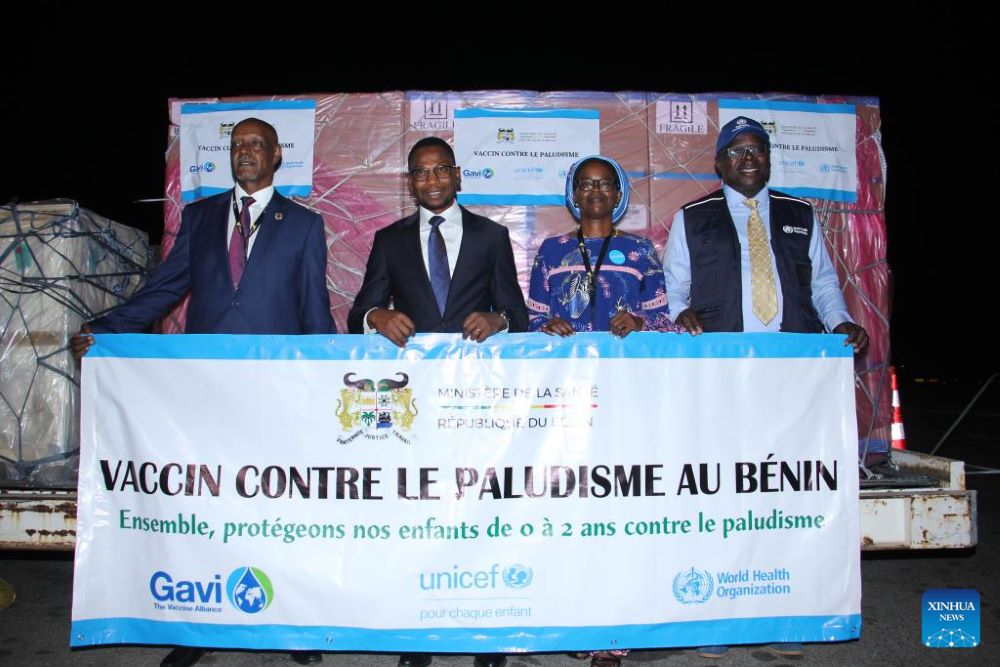
Speaking at the handover ceremony, Beninese Minister of Health Benjamin Hounkpatin said the doses of vaccine were acquired by the government with the support of its partners in the health sector, including the World Health Organization, the United Nations Children’s Fund, and Gavi, the Vaccine Alliance, which is an important step toward widespread vaccination against one of the most deadly diseases for African children.
“The introduction of the malaria vaccine into the Expanded Program on Immunization is a major step forward in the fight against this disease in Benin,” he said, adding that the administration of the malaria vaccine in highly endemic areas will make it possible to control the disease and save tens of thousands of lives every year.
“The combination of vaccination with other measures to combat malaria, such as the use of insecticide-impregnated bed nets, indoor residual spraying, intermittent preventive treatment for pregnant women, and the use of antimalarial drugs, will help to significantly reduce malaria-related deaths,” he said.
Malaria remains endemic in Benin and is the leading cause of death among children under 5, accounting for 40 percent of outpatient consultations and 25 percent of all hospital admissions in the country.
The incident happened at ten o’clock in the morning in the Shangazi business centre near a petrol station. Three of them were injured by the falling structure, and another died.
Narcisse Mupenzi the Mayor of Nyamasheke District has said that immediate rescue efforts were initiated upon learning of the accident.
Unfortunately, one of the victims succumbed to the injuries, while the others were promptly taken to a nearby health facility for medical attention
Mayor Mupenzi mentioned that an investigation has been launched to ascertain the cause of the incident.
In response to the tragedy, Mayor Mupenzi declared a halt to the construction of the building.
The decision was made to demolish the already constructed sections cautiously to prevent further casualties. The priority is to ensure that the demolition is carried out with utmost care to avoid any additional loss of life.
Within the four months at CND, these forces faced relentless attacks, particularly while transporting essential equipment from Mulindi. One harrowing incident unfolded in Gatsata, where RPA soldiers were ambushed from two directions, forcing them to abandon their vehicle and engage in trench warfare. Tragically, one RPA soldier lost his life, but timely intervention from CND allies drove the attackers away.
Another provocation occurred on January 5, 1994, during the celebration of female members of the Transitional Government. Prior to President Habyarimana’s arrival, his scattered bodyguards, attempted to assert security control. However, their efforts were thwarted as the Inkotanyi had also established a base, sparking a brief but intense conflict that ceased instantly.
In the ensuing months, provocations escalated, as confirmed by Sheikh Abdul Karim Harerimana, a prominent RPF Inkotanyi politician who resided in CND. In an exclusive interview with IGIHE, Amb. Sheikh Harerimana recounted a critical incident involving Habyarimana’s military plane flying over CND at a low altitude. It was only through Paul Kagame’s decisive leadership that a message was issued to shoot down the plane.
Sheikh Harerimana detailed the event, stating, “They sent a military aircraft, not for combat, but for routine military transportation. It flew over CND, disturbing our peace. After consultations, a message was sent – if it returned for the fourth time, it might not make it back. The plane heeded the warning and did not return.”
The provocations extended beyond government forces, with members of the CDR party, notorious for violence, also antagonizing the RPA and setting up barriers for its representatives. During negotiations between the RPF Inkotanyi and Juvénal Habyarimana’s regime, Lieutenant General (Rtd) Karenzi Karake, holding the rank of Lieutenant Colonel at the time, represented the RPA in the UN peacekeeping mission, MINUAR.
Amb. Harelimana revealed that CDR activists disrupted peace in Kigali during negotiations, engaging in protests, violence, road blockades, and even vandalizing the Ministry of Foreign Affairs office.
Sheikh Harelimana described the activists’ escalation to attacking CND and attempting to block local roads, demonstrating their audacity and defiance. The provocation of CDR members against Karenzi Karake occurred as he left to visit the Third Battalion in the CND, resulting in roadblocks that prevented the MINUAR meeting at Lando’s place.
“At that time, MINUAR had a meeting supposed to be held at Lando’s place, and they said to each other, ‘no, the meeting will not take place because the CDR has closed the roads’,” explained Sheikh Harelimana. The incident coincided with Lieutenant Colonel Karenzi Karake’s presence in MINUAR, representing the RPF-RPA. Despite roadblocks, Karake persevered, ensuring the meeting took place.
Wearing the MINUAR uniform, Karake proceeded to Chez Lando but encountered a barrier where CDR activists stopped him. Describing the tense moment, Sheikh Harelimana said, “The bullet was released. Of course, our soldiers started shooting. At the CND where we were ready, the boys started firing.”
Sheikh Harelimana underscored that RPA soldiers not only faced challenges from the CDR but also encountered government soldiers hiding in Gishushu. Despite the intensity of the conflict, the resilience and strategic prowess of RPA soldiers prevailed, ensuring the safe return of Karenzi Karake and his accompanying troops to CND.
In the tapestry of untold provocations faced by RPA soldiers at CND, these episodes exemplify their unwavering dedication to peace and liberation, navigating complex challenges with valor and determination.
Timbuktoo, is a pan-African hub based in Rwanda dedicated to nurturing world-class startups and addressing gaps in early-stage risk capital.
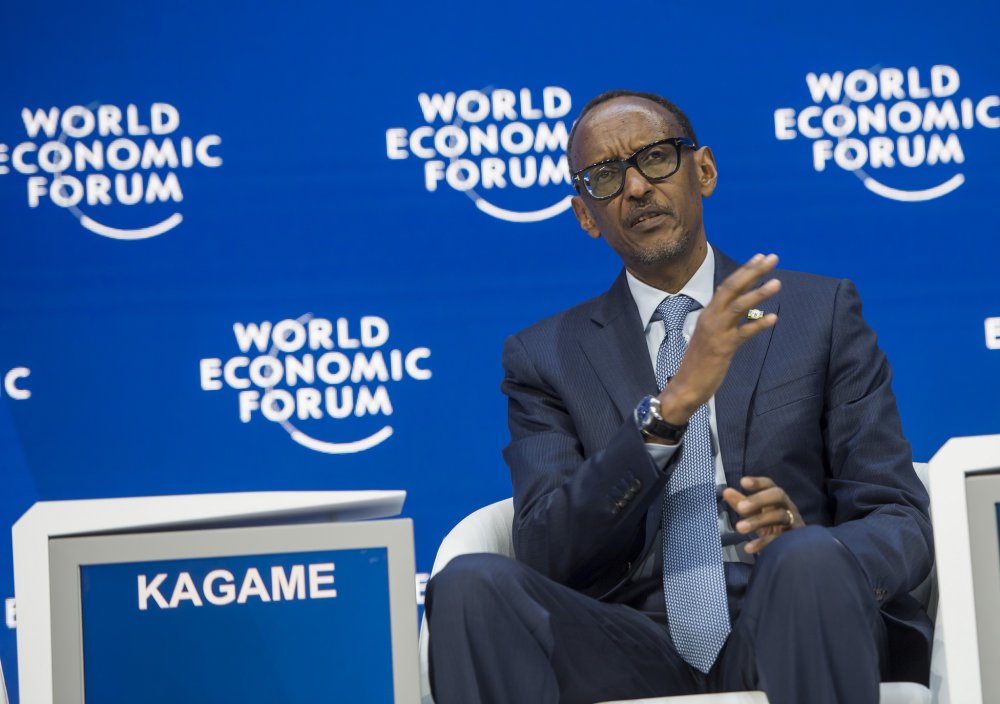
On January 17th, President Kagame is expected to engage in a discussion on the African Continental Free Trade Area (AfCFTA) with other leaders. The conversation seeks to explore the progress made towards the functioning of AfCFTA and its future prospects.
President Kagame will also meet with prominent leaders, including the Head of the World Trade Organization, Ngozi Okonjo-Iweala; the Prime Minister of the Netherlands, the President of Colombia, and Bill Gates for discussions focusing on fostering North-South cooperation to find solutions to global challenges.
The annual meeting, in its 54th iteration, convenes over 2000 world leaders and experts under the theme “Rebuilding Trust.”
The event prioritizes four key areas: achieving security and cooperation in a fractured world, creating growth and jobs for a new era, harnessing artificial intelligence as a driving force for the economy and society, and formulating a long-term strategy for climate, nature, and energy.
Nearly two weeks earlier, President Evariste Ndayishimiye had accused Rwanda of supporting the Red Tabara armed group, only to later state that no anti-Burundi government factions were collaborating with them.
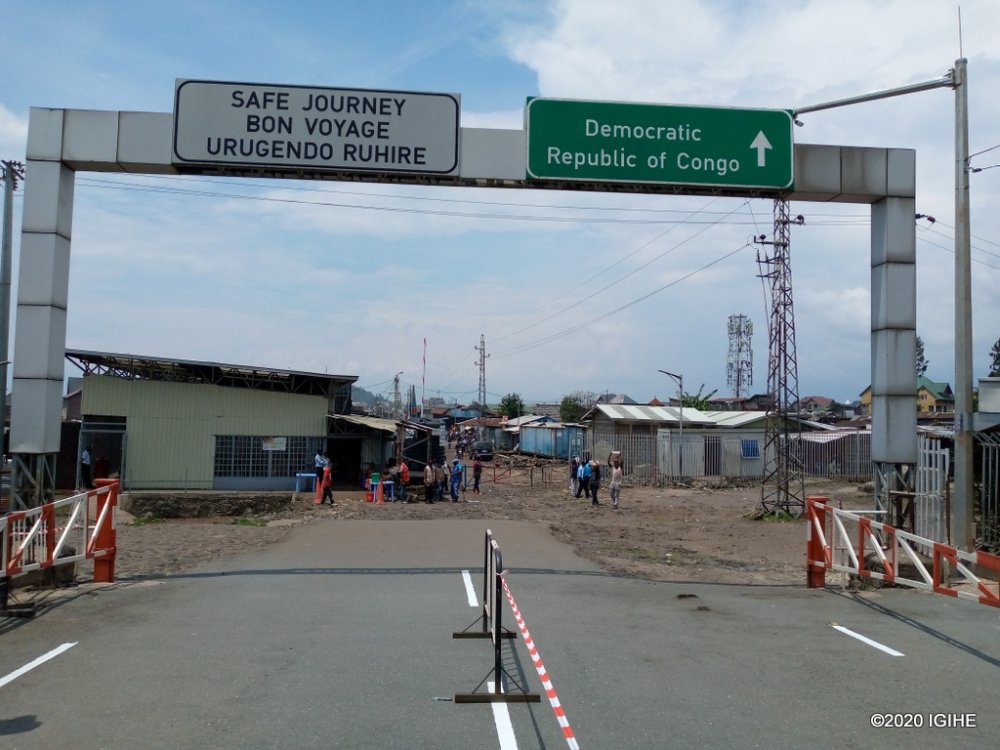
Traditionally, the Congolese populace utilized the Ruhwa border, connecting Rwanda and Burundi at the Rusizi region, for travel to Uvira and Bukavu, Bujumbura, or vice versa.
The Mapasa company, responsible for transporting passengers between Bujumbura and Bukavu in the Democratic Republic of Congo (DRC), also relied on the Ruhwa border due to the poor condition of the road from South Kivu to Burundi.
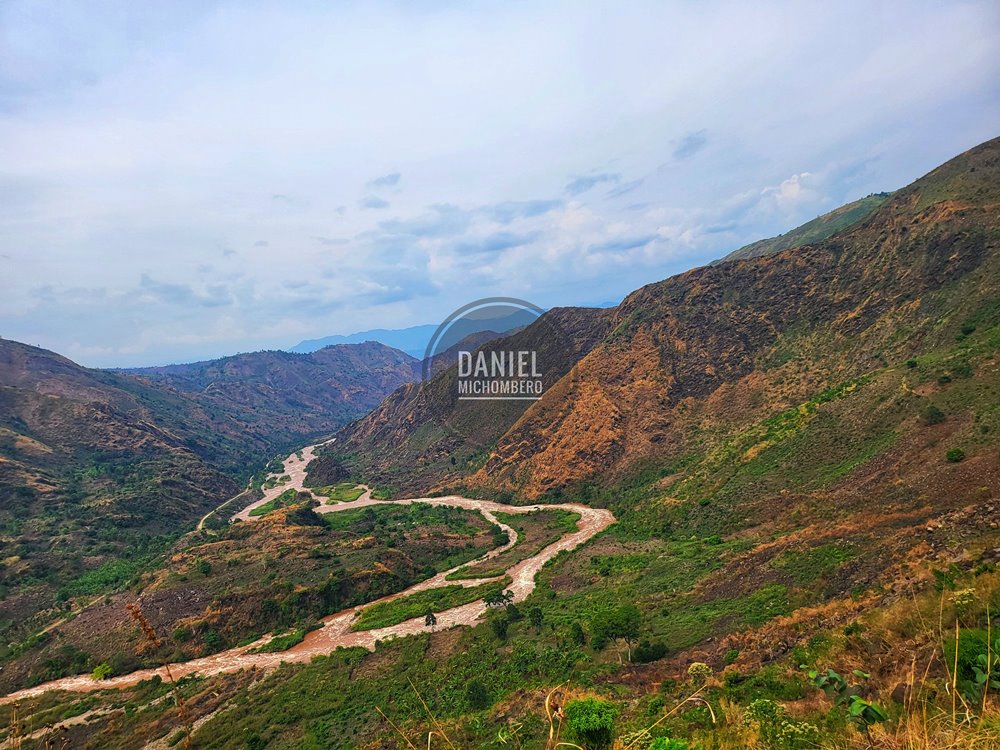
Reports from some newspapers in the DRC suggested that Governor Théo Ngwabidje Kasi of South Kivu is contemplating the renovation of the Bukavu-Ngomo-Uvira road to address the disruption caused by its passage through Rwanda or Burundi.
On January 15, 2024, Governor Kasi, along with investors and contractors, visited the road to assess its condition and determine the necessary steps for the proposed renovation. With the Ruhwa border closed, the only available route for Congolese and Burundians to travel to or from South Kivu is the Kavimvira road, linking Burundi with the DRC.
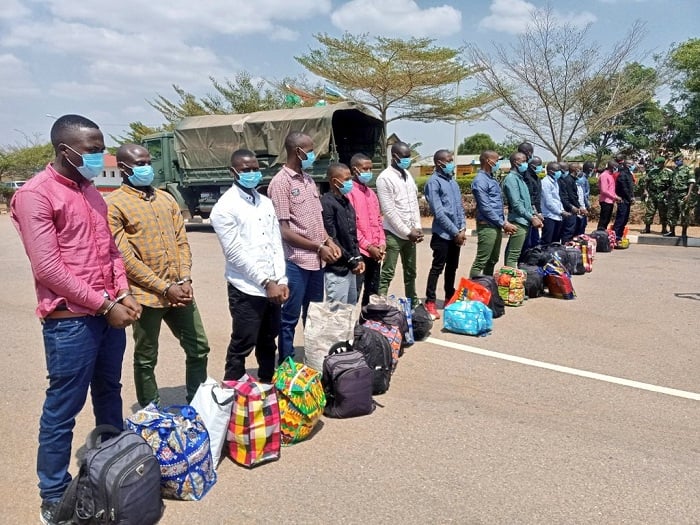
The statement released by RDF identified the two soldiers from the Democratic Republic of Congo (DRC) as Sgt Asman Mupenda Termite, 30, and Cpl Anyasaka Nkoi Lucien, 28. The arrests occurred in the night leading to Tuesday 16th January 2024, around 1:10 a.m.
“This morning at 01:10hrs, three armed soldiers of the Democratic Republic of Congo armed forces (FARDC) crossed the border from the DRC into Rwanda at Rubavu District [in Rubavu Sector/Rukoko Cell/Isangano Village],” reads part of the statement.
RDF reported that the two soldiers were apprehended by RDF patrols supported by the local neighborhood watch (Irondo).
“The FARDC soldiers had in their possession one AK-47 gun, four magazines with 105 rounds, one protective vest, and cannabis sachets. The third soldier was shot dead when he fired at the patrols,” adds the statement.
Rwanda’s military clarified that no one on the Rwandan side was injured, and further investigations are underway.
Residents in the area where the incident occurred mentioned that the dead soldier was fired upon in Gafuku Village, Gikombe Cell of Rubavu Sector.
Meanwhile, his colleagues were respectively arrested in Isangano Village of Rukoko Cell and Rurembo Village of Byahi Cell in Rubavu Sector. They had crossed the border and were near Byahi Health Center on the road.
This is not the first instance of Congolese soldiers violating Rwandan territory. In March last year, another soldier was shot after crossing the main border in Rubavu.
Despite occasional tensions, Rwanda has played a crucial role in supporting its neighbor, Burundi, during critical times. Here are five pivotal moments highlighting Rwanda’s assistance to Burundi.
{{Debt settlement in the East African Community }}
In December 2008, despite being in the early stages of development, Rwanda, moved by a sense of fraternity, paid off Burundi’s outstanding contribution of 1 million dollars to the East African Community (EAC). This act not only showcased Rwanda’s benevolence but also prevented Burundi from facing disruptions in EAC activities, given its challenges in meeting financial obligations due to an unstable economy.
{{Bujumbura Market Fire}}
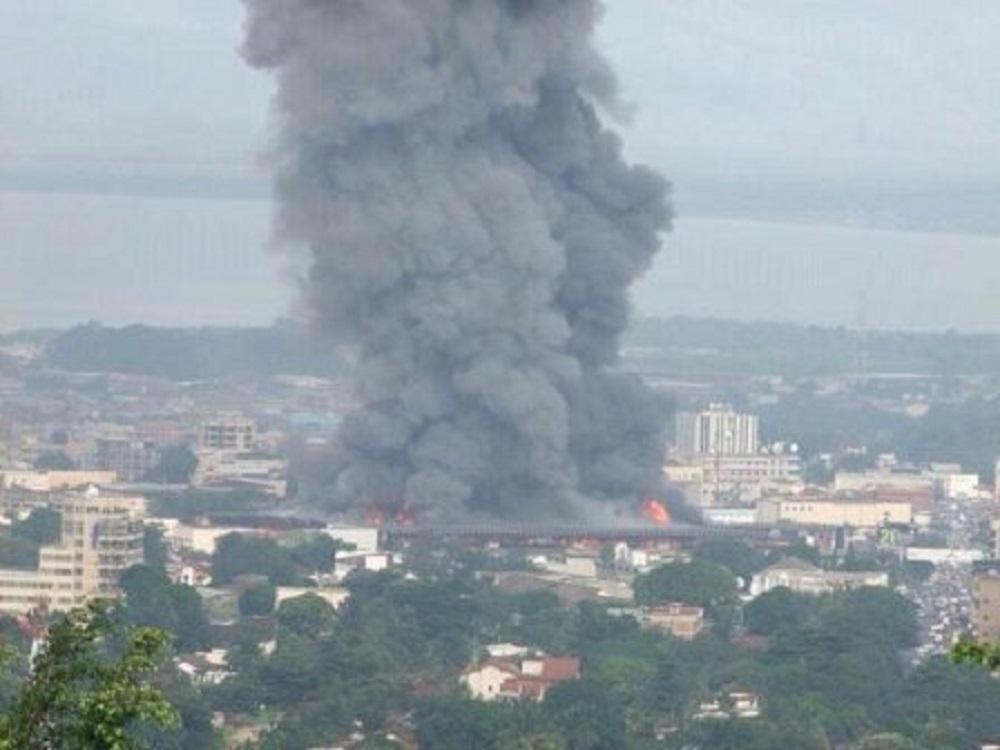
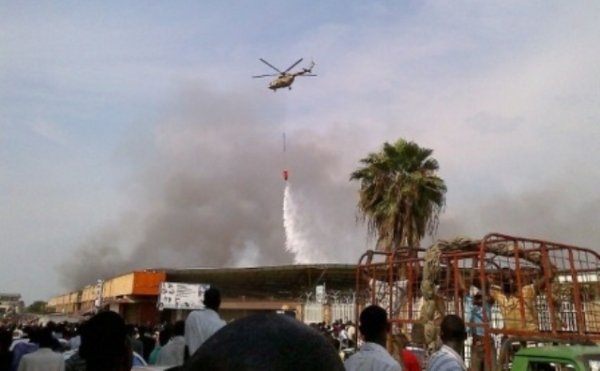
In January 2013, a devastating fire engulfed the main market of Bujumbura, Burundi. As Burundian police’s efforts proved futile, the Rwandan army swiftly dispatched two helicopters to help contain the blaze. The market, housing assets worth billions of Burundian francs, suffered severe damage. Rwanda’s prompt response demonstrated its commitment to supporting Burundi during emergencies.
{{Rescue Operation in the Central African Republic}}
On December 25, 2020, Burundian troops in the Central African Republic (CAR) faced an attack by an armed group. The Rwandan special forces, located 70 kilometers away, played a pivotal role in rescuing besieged Burundian soldiers. Despite the challenges, the Rwandan army successfully neutralized the threat, retrieving captured military assets and returning the bodies of fallen soldiers to Burundi.
{{Arrest and Handover of RED Tabara Fighters}}
In September 2020, the armed group RED Tabara engaged in a fierce battle with the Burundian army. Fleeing to Nyungwe Park in Ruheru, Rwandan soldiers apprehended 19 RED Tabara fighters along with weapons and ammunition. In an act of cooperation, Rwanda handed over the captured fighters to Burundi in July 2021, showcasing a commitment to regional stability.
{{Warning of Coup Plot}}
In September 2022, President Ndayishimiye of Burundi faced an attempted overthrow, leading to the removal and imprisonment of General Alain-Guillaume Bunyoni, the former Prime Minister.
Amidst complex geopolitical dynamics, Bunyoni claimed that Rwanda had access to his phone, providing information to Burundi. While neither country confirmed nor denied these allegations, the situation highlighted the delicate nature of regional relationships.