Tea cultivation commenced in Rwanda in 1952, and presently, there are 43 thousand tea farmers managing 28 hectares of tea plantations.
Rusizi District officials have declared that land assessments in the Bweyeye and Butare sectors indicate their suitability for tea cultivation, leading to plans for initiating planting. Tea is a lucrative crop that thrives in cold and acidic soils, and among Rwanda’s 18 tea factories, one is situated in the Rusizi district.
A feasibility study is underway to determine if the tea cultivation in Bweyeye and Butare can support the establishment of a tea factory there.
Ndagijimana Louis Munyemanzi, the Vice Mayor of Rusizi District in charge of economic development, mentioned that during President Kagame’s visit to Rusizi in August 2022, advice was provided on the tea cultivation project in this sector.
Munyemanzi expressed concerns about the challenge of finding buyers for the tea, with deliberations about whether to sell to the Shagasha factory, Gisakura, or Kitabi. Additionally, there is a contemplation between constructing a new tea factory or sustaining one of the existing factories that cultivate tea leaves.
As part of the government’s seven-year development blueprint, Rwanda aims to increase foreign exchange from tea production, targeting an increase from $64 million to $171 million by 2024. In 2022, Rwanda experienced a 10.3% growth in income from tea exports, rising from $96.7 million to $106.73 million. The Bweyeye and Butare sectors will join Giheke, Nkungu, Nyakarenzo, and Mururu sectors, already engaged in tea cultivation in the district.
Rutaremara highlighted Tshisekedi’s initial campaign promise to launch an attack on Rwanda, expressing doubt whether the President, now in a state of confusion, still stands by this commitment after securing victory.
In an analysis posted on X account, Rutaremara stated that Félix Tshisekedi is currently grappling with uncertainty, questioning whether he will persist in his intention to confront Rwanda. Rutaremara suggested that Tshisekedi is unsure about engaging with M23, the group that defeated his forces in North Kivu, to negotiate peace and security in the region.
Reflecting on the history of Tshisekedi’s presidency since 2019, Rutaremara recalled an earlier collaborative effort with M23 leaders to restore peace in the eastern part of the DRC. He pointed out that Tshisekedi, at that time, had agreed to establish specialized soldier brigades within six months to address security concerns in the region. However, Rutaremara noted that internal political pressures caused Tshisekedi to backtrack on this initiative.
Rutaremara also underscored that Tshisekedi’s recent provocations on Rwanda and President Paul Kagame are influenced by certain politicians benefiting from the country’s insecurity, including mine guards and Mai Mai groups associated with various crimes in the Kivu provinces.
The question arises as to whether Tshisekedi, having won the elections, will reconsider his stance, engage with M23 for a compromise, and revisit the original plan agreed upon with its leaders.
Rutaremara raised doubts about Tshisekedi’s reliance on the advice of politicians who, according to him, deceived the President. He questioned whether Tshisekedi would continue his current trajectory or choose to collaborate with M23, as initially intended. Additionally, Rutaremara pondered how Tshisekedi would navigate relations with the Burundian army, considering their previous involvement against M23, which ended in defeat.
Connecting the Burundian army’s failure to President Evariste Ndayishimiye’s accusations against Rwanda for supporting the RED Tabara group, Rutaremara emphasized that despite Tshisekedi and Ndayishimiye speaking negatively about Rwanda, the country would tolerate it as an act of incompetence.
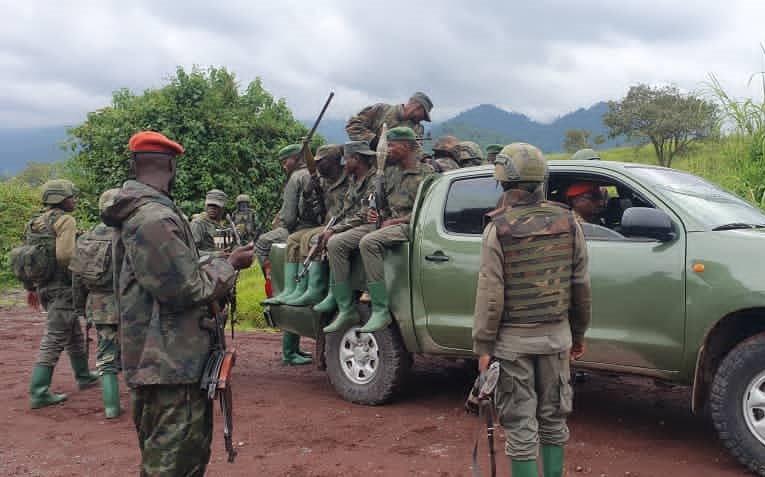
According to the report, the Congolese government formed the Wazalendo group, comprising fighters from various factions, including the Democratic Forces for the Liberation of Rwanda (FDLR), to assist in combating the M23 rebel group. Gen Peter Cirimwami played a crucial role in uniting Wazalendo and the FDLR, as per the report.
FDLR is a terrorist group formed by individuals responsible for the 1994 Genocide against the Tutsi.
In September, Cirimwami Nkuba assumed the role of interim military governor of North Kivu Province in the DRC, a region under military rule since 2021. Cirimwami, a member of the Abashi tribe from South Kivu Province, has predominantly operated in the East of the country.
Cirimwami gained media attention in April 2022 when appointed as the Head of military operations against rebels in South Kivu and North Kivu, known as Sokola II, involving clashes between government forces and the M23 militia.
The report alleges that on September 22 and 23, Cirimwami, accompanied by members of armed groups, particularly those associated with Wazalendo, held meetings in Goma. These armed individuals were reportedly hosted in Goma, with their residences protected by FARDC soldiers.
The UN report suggests that these fighters were transported by FARDC planes to various locations. Discussions during the meetings focused on establishing a collaborative mechanism between FARDC and Wazalendo to combat the M23, a group the Congolese government claims is backed by Rwanda.
However, Rwanda refuted the allegations and urged DR Congo to solve internal problems without dragging it into its mess.
The report details the assignment of specific areas of operation for participating units. Five fighters attended the meeting, each representing a group, with some individuals, including Guidon Shimiray Mwisa, leader of the NDC-Rénové group, being under international sanctions.
A week later, Wazalendo reportedly attacked M23-held areas, with the report asserting that these actions were ordered by the Office of the Governor of North Kivu. The UN report claims that the Congolese army provided weapons, equipment, and funds to Wazalendo leaders and fighters to facilitate the attacks.
Cirimwami, questioned about the FARDC-Wazalendo relationship, asserted that the use of Wazalendo was not part of the government’s plan but was a response to M23’s provocation.
The report highlights M23’s effective military tactics and their objective to capture key locations in South Kivu. Additionally, it notes the ongoing ambiguity in the relationship between the DRC and Burundi forces, with accusations from M23 regarding Burundian forces fighting on the Congolese side.
Despite a military agreement between Burundi and the DRC signed in August last year, the relationship remains unclear. The agreement outlines joint cooperation in potential attacks against either party, with a commitment to assist in case of attacks. The Congolese army accused the EAC of ineffectiveness against the M23, prompting the DRC government to seek assistance from Burundi.
The UN report reveals the presence of 1070 Burundian soldiers in Congo, fighting under FARDC uniforms since October 2023.
They arrived secretly in violation of EAC rules, cooperating with FARDC and Wazalendo in the fight against the M23. The Burundian military denies allegations that Gen Cirimwami gave orders to the Burundian army based on instructions from his superior.
The affected batch numbers are 5810315 and 581036 (expiry date: January 31, 2025), 5811390 (expiry date: August 31, 2025), and 5810022 (expiry date: August 31, 2022).
Businesses, pharmacies, and clinics in Rwanda that possess these batches are instructed to return them to their source.
Importers are urged to furnish relevant information within a 10-day timeframe. Meanwhile, reports suggest that these Fluconazole batches are still in use in Kenyan hospitals, with no official statement from the Kenyan Ministry of Health regarding discontinuation.
Fluconazole tablets serve various medical purposes, including the treatment of infections.
Discussions between the leaders occurred in Islamabad, focusing on enhancing bilateral relations, capacity building, and improving trade cooperation.
The meeting also addressed the role of the Pakistani diaspora in Rwanda’s development. The Pakistani Embassy in Rwanda played a crucial role in facilitating this visit, the second of its kind in Rwanda’s history on the Asian continent.
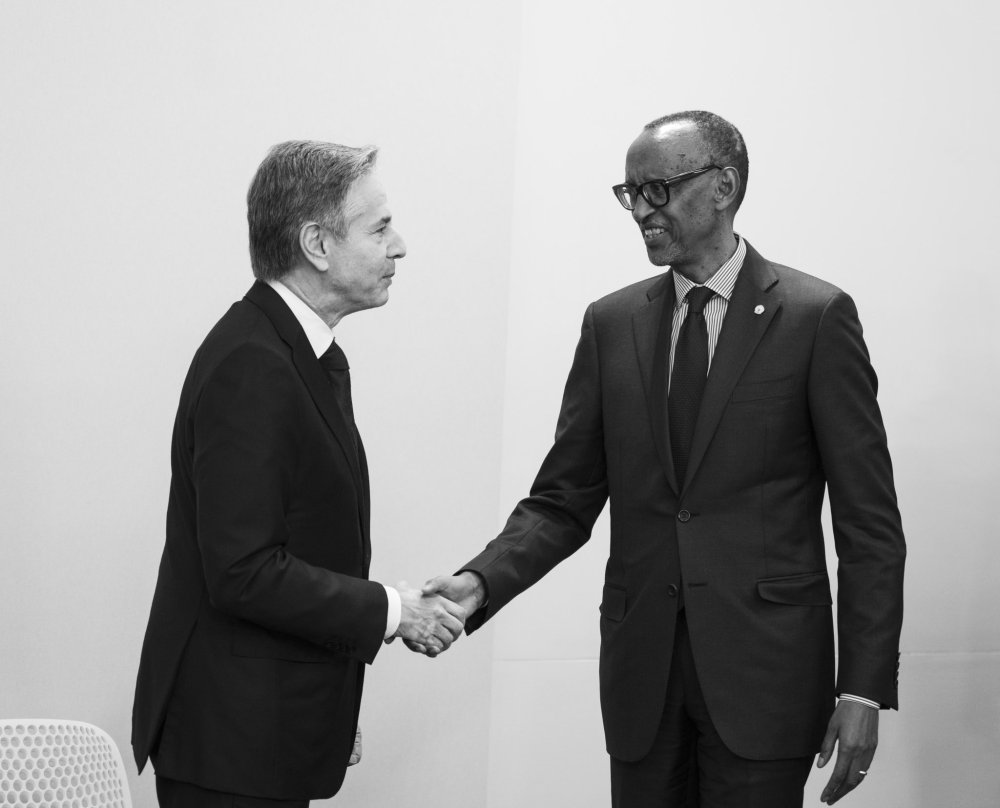
In a related development last August, Rwandan President Kagame received 12 new ambassadors, including Pakistan’s Naeem Ullah Khan. Ambassador Naeem emphasized the longstanding relations and friendship between Rwanda and Pakistan, pledging efforts to strengthen this bond. The two nations have previously signed a cooperation agreement in the health sector and security. Amb. Naeem expressed plans to explore additional areas of collaboration, such as trade and investment.
Amb. Naeem also highlighted specific initiatives, including connecting Rwandan tea exporters with Pakistan, facilitating the exchange of medical professionals, and exploring trade opportunities. He emphasized the potential of Pakistan’s large market for Rwandan products, such as tea, while mentioning Rwanda’s need for rice, a commodity Pakistan is known for producing. Additionally, he identified a reciprocal need for avocados, as Pakistan requires them, and Rwanda has a surplus.
In the pursuit of strengthening economic ties, Amb. Naeem outlined plans to encourage Pakistani investors to invest in Rwanda. Furthermore, there is a proposal to establish an industrial park in Rwanda. Overall, the discussions underscored the commitment to deepening cooperation and fostering mutually beneficial partnerships between Rwanda and Pakistan.
President Félix Tshisekedi Tshilombo of the Democratic Republic of the Congo, during a campaign rally on December 18, 2023, pledged to seek parliamentary approval for declaring war on Rwanda, once the M23 rebel group attacks Goma town. This statement reflected the President’s consistent rhetoric throughout 2023, envisioning Rwanda as the 27th province of the Democratic Republic of the Congo.
In a recent interview on January 2, 2024, Lt Col Simon Kabera reiterated the security and resilience of Rwanda. He emphasized that the Rwandan Army is impervious to threatening words, with a steadfast commitment to safeguarding citizens. Despite the sowing of hatred rooted in historical events, Lt Col Kabera asserted that efforts to divide Rwandans are futile, as the citizens reject such divisive ideologies.
Lt Col Kabera reassured the public, stating that those attempting to separate Rwandans have no chance of success, as the citizens remain united. He emphasized the army’s broader mission, not limited to border security but extending to the well-being and development of the people. Lt Col Kabera urged the public not to be disturbed by provocations, highlighting the country’s past successes in achieving security amid challenges.
Tourism, recreational activities, and daily life in Rwanda were encouraged to continue without disruption. Lt Col Kabera expressed confidence in the RDF’s ability to fulfill its responsibility in managing the security of Rwandans, citing positive feedback from the Rwanda Governance Scorecard, where security and stability received a high satisfaction rating of 93.63%.
Furthermore, Lt Col Kabera affirmed that people should continue their daily activities, emphasizing collaboration between the military and the public in building the country. The Rwandan Army’s commitment to social welfare was underscored, with examples of annual operations providing medical services and infrastructure development, including the settlement of 120 families in Rugerero Model Village.
Since the enactment of the immigration policy, which grants ministers the authority to detain illegal immigrants and facilitate their deportation to another country, the UK has granted permission for these individuals to stay.
The government has recently confirmed that applications approved under this policy will result in migrants being sent to Rwanda while their claims are processed.
According to The Telegraph, this directive implies that asylum seekers arriving after the issuance of this order in July 2023 will be initially directed to Rwanda during the processing period for approval or rejection.
The governments of Rwanda and the United Kingdom solidified their commitment to collaboration on migration issues and economic development through a revised agreement signed on December 15, 2023, following the Supreme Court’s determination that the initial plan was legally unacceptable.
Prime Minister Rishi Sunak emphasized that this agreement addresses concerns about Rwanda’s safety for immigrants and asylum seekers.
The approval of Parliament members was a crucial step to confirm Rwanda’s safety. Initial voting by deputies has been favorable, and the pending decision from members of the second chamber of UK’s parliament anticipated in January 2024.
Out of this collective need for healing and remembrance, the Ibuka family emerged. Established in Belgium on August 16, 1994, by Rwandans residing there at the time, Ibuka stands as an organization dedicated to the welfare of Genocide survivors, expanding its reach across continents.
Ibuka’s journey began with Ibuka-Belgium, followed by the establishment of branches in Switzerland, Rwanda, Europe, France, Italy, Holland, Germany, the USA, Senegal, Maine-USA, Finland, Sweden, Denmark, and Canada in subsequent years.
The inception of Ibuka in Belgium, given Rwanda’s historical ties with the country, was a challenging endeavor that demanded dedication, patience, and relentless effort, with some Rwandans and Belgians sacrificing nights until Ibuka materialized.
The organization’s first significant action took place on April 7, 1995, a poignant date when over a million Tutsis fell victim to the 1994 Genocide. Ibuka-Belgium played a crucial role in subsequent actions, including creating and publishing documents to expose Genocide suspects globally.
Advocacy efforts gained momentum as Ibuka members, guided by Rwandan government initiatives, pursued justice against those denying or trivializing the Genocide against the Tutsi, bringing perpetrators to trial in Belgium and France.
Belgium’s proactive stance in prosecuting Genocide perpetrators became evident, with the Court of Assizes in Brussels hosting trials from 2001 onwards. Notable cases include the Nuns of Sovu, Samuel Ndashikirwa, Etienne Nzabonimana, Bernard Ntuyahaga, Ephrem Nkezabera, and the landmark Fabien Neretse case in 2019. Recent convictions in 2023, such as Twahirwa Séraphin and Pierre Basabose, signify continued efforts to seek justice.
In France, trials against individuals like Captain Simbikangwa, Octavien Ngenzi, Tito Barahira, Claude Muhayimana, Bucyibaruta Laurent, Hategekimana Philippe, and Dr. Sosthène Munyemana resulted in convictions and 24-year sentences, marking a step forward in addressing Genocide-related crimes.
Beyond legal pursuits, Ibuka’s collaborative efforts with authorities, Rwandan Embassies, and city leaders have led to the erection of monuments in various European cities. These memorials serve as poignant reminders of the Genocide against the Tutsi, providing spaces for survivors and the public to reflect on the tragic events of 1994 and engage in discussions to prevent such atrocities from recurring.
In Belgium, monuments like “La Stèle Commémorative” in Brussels and the “Plaque commémorative” in Charleroi stand as enduring tributes. France boasts multiple monuments, including those in Cluny, Dieulefit, Bègles, and Paris’s “Jardin de la Mémoire.” Switzerland recently opened a commemorative site in Lausanne.
Italy contributes to the remembrance efforts with monuments like “Parco Nemorense” in Rome and one in Tradate’s Children’s Park. Turin’s “Piazza delle Vittime del Genocidio dei Tutsi” and Buttigliera d’Asti’s road further emphasize the global commitment to preserving memory.
In England, memorials in Plymouth and Liverpool, along with planned additions, demonstrate the international scope of remembrance efforts. Africa’s sole memorial is in Senegal, located at “La Place du Souvenir Africain.”
These endeavors underscore the ongoing commitment to uncovering the truth about the Genocide against the Tutsi. The collective efforts of Genocide survivors spanning European, African, and American continents continue to bear witness in courts and contribute to over 1000 documents demanding the arrest of Genocide suspects.
As Ibuka marks 29 years abroad, the question lingers: Will the unity forged in the face of adversity prevail in the next 30 years? Looking back, survivors who once endured the Genocide are now elders, using their strength to empower the younger generation. The journey towards lasting unity and remembrance remains a shared responsibility for the global community.
{{During commemoration events held in Belgium, survivors take the moment to share their testimonies.}}
On the morning of January 1, 2024, life in the City of Kigali continued its rhythmic pulse, with individuals resuming their daily pursuits. IGIHE embarked on a journey through diverse corners of Kigali, engaging with residents who, while expressing contentment about the new year, revealed their aspirations and goals for 2024.
Godiose Mukanizeyimana, a business owner in Kimisagara Market, shared his commitment to kickstart the year with work, driven by the belief that a diligent beginning sets the tone for success. Despite acknowledging the challenges of the past year, he remains optimistic, hoping for a positive turn of events in 2024.
In a similar vein, Paul, a motorcyclist, acknowledged the initial scarcity of customers on the first day but expressed a determination to break free from the shackles of rent by the year’s end.
Undeterred by the slow start, he envisioned a year of hard work and divine assistance to achieve his aspirations.
Adeline Musabwasoni, aiming to expand her economic horizons, declared a commitment to hard work and a hopeful outlook for 2024. Reflecting on the challenges of the previous year, she remains resilient, envisioning a future marked by diligence and tangible achievements.
Jean Imanakiza aspires to transform his life by relinquishing alcohol, recognizing its hindrance to personal progress. Focused on health, financial stability, and self-improvement, he intends to redirect the funds previously spent on alcohol towards constructive endeavors, such as home improvements.
The common thread woven through these diverse aspirations is the belief that the first day of the year serves as an auspicious moment to set goals in motion.
As Rwandans step into 2024, their dreams light the way forward, creating a tapestry of hope, resilience, and determination. The journey has begun, and the year ahead holds promises of growth, transformation, and the fulfillment of cherished aspirations.
Rwanda boasts a total of 15 banks, including 10 commercial banks and the Development Bank of Rwanda. These institutions not only facilitate savings but also provide essential loans for developmental endeavors, actively promoting economic growth.
Encouraged by a successful campaign urging citizens to use banks instead of unconventional methods to safeguard their money, the banking sector has emerged as one of the country’s fastest-growing segments. Statistics from the Central Bank of Rwanda reveal an 18.1% increase in the banking sector, attributed to rising capital and customer deposits.
As of June 2023, the assets of the 10 commercial banks stood at Rwf5,153 billion, soaring from Rwf4,445 billion in June 2022. By September 2023, the assets further escalated to Rwf5,364 billion, as reported by the Central Bank of Rwanda.
Tony Francis Ntore, CEO of the Rwanda Bankers’ Association (RBA), highlighted the sector’s robust development during a December 2023 meeting with Indian investors. He noted a substantial increase of over Rwf211 billion in the assets of the 10 commercial banks from June to September 2023.
Ntore emphasized the stability and strength of Rwandan banks, with a commendable capital adequacy ratio of 21%, exceeding the Central Bank’s stipulated 15%. This stability is reflected in the impressive financial performance, as all banks collectively earned Rwf96.9 billion in the first quarter of 2023, a 30.2% increase compared to the same period in 2022.
The Central Bank’s data revealed a remarkable 40% growth in the number of bank depositors and a 39% increase in borrowers from June 2022 to June 2023. In contrast, microfinance institutions and credit organizations experienced a 15% decrease in loan applicants during the same period.
Ntore pointed out the widespread presence of banks across the country, leveraging technology and collaborations with telecommunication companies. The adoption of digital banking channels is evident, with a 59% increase in mobile money transactions and a 191% surge in remittances through banking channels.
Internet banking also witnessed substantial growth, with a 67% increase in money sent and a significant rise in the number of transfers.