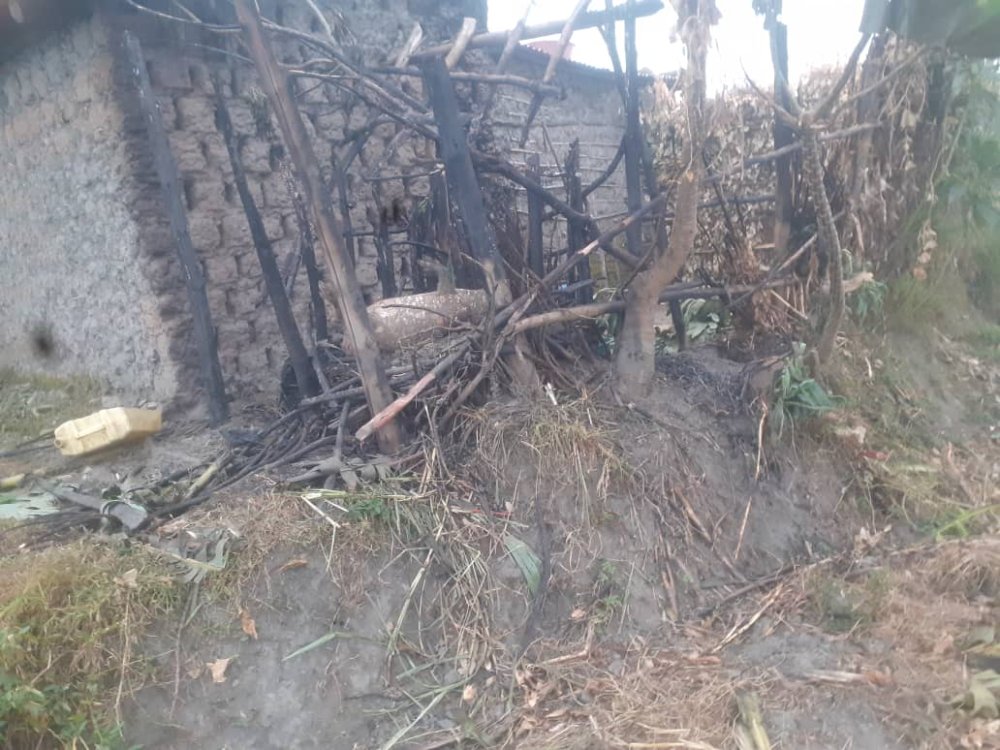
The incident occurred in Karongi Village, Nyarusazi Cell, Bwishyura Sector in Karongi District on July 22, 2024.
On the night of July 21st to 22nd, 2024, residents noticed the shed of Mukeshimana Dative on fire. Security patrols and residents rushed to extinguish the fire, but the pig inside did not survive.
After extinguishing fire, they saw another shelter belonging to Emmanuel Nshimyumukiza, which housed a calf, also up in flames but residents managed to save the calf before it was harmed.
Saïba Gashanana, the Executive Secretary of Bwishyura Sector, has told IGIHE that they went to the scene and spoke with the residents, but have not yet determined the exact cause of the arson.
He however, disclosed that three individuals have been arrested in relation to this case. “Three people have been arrested on suspicion of setting these shelters on fire. They are detained at Rwanda Investigation Bureau [RIB] station in Bwishyura Sector,” he stated.
There are reports suggesting that the arson might be rooted in property disputes, but Gashanana mentioned that the information provided by residents could not be immediately verified.
They are waiting for the results of the investigation being conducted by relevant authorities.
Following the incident, a meeting was held in the area, attended by the Vice Mayor of Karongi District in charge of Economic Development, Theophile Niragire, and security personnel and other sector officials.
The authorities commended the residents and patrols for swift response to help their neighbors. They urged them to continue reporting incidents promptly and to seek assistance from authorities when conflicts arise.
In a new wave of protests, the angry citizens took to the streets alleging that the Kenyan government planned to sell the country’s main airport to foreign investors.
Despite a police warning issued on Monday evening, the youth made an effort to enter the national airport on Tuesday morning to protest using the slogan ‘OccupyJKIA’.
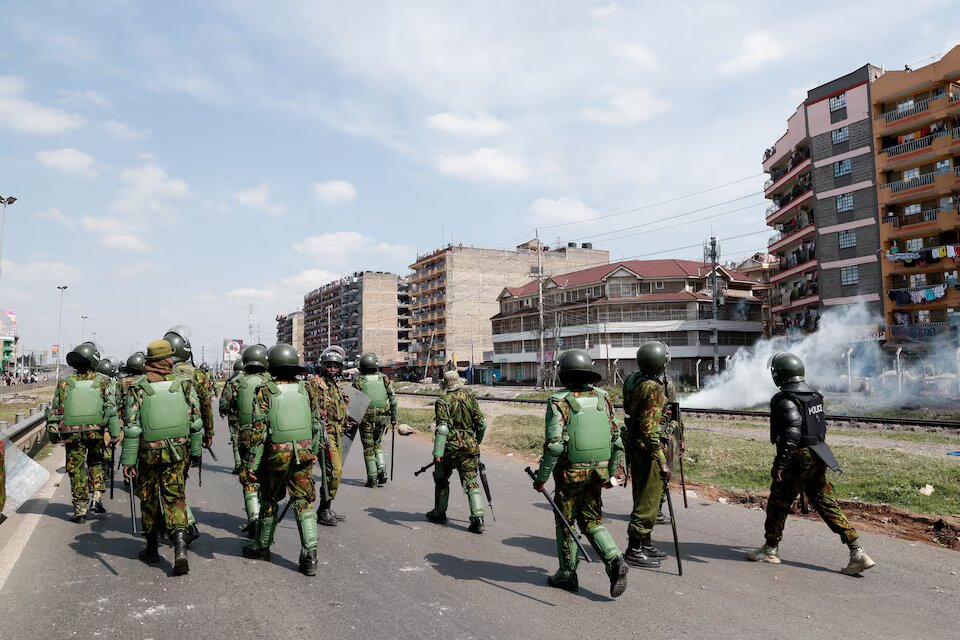
The youths erected barricades along the road leading to the airport in Embakasi, paralyzing transport.
Police were forced to lob tear gas canisters into the air to disperse the demonstrators and clear the road leading to the busy international airport.
Due to the anticipated protests, the Kenya Airports Authority (KAA) and national carrier Kenya Airways had advised passengers to arrive at JKIA at least four hours before their flights because of enhanced security checks.
The protests come a day after Prime Cabinet Secretary Musalia Mudavadi denied plans to sell JKIA.
Mudavadi told the National Assembly Budget and Appropriations Committee that the sale of such a high-value asset can only be done after public memoranda and approval by parliament.
“The airport is not on sale. This is a public asset, a strategic asset. If it was going to be sold, you can only do it after a full public process that parliament endorses,” Mudavadi told MPs on Monday.
Mudavadi, however, noted that there are plans to expand the airport and build a new terminal.
“The Kenya Airport Authority (KAA) must look at its investment programme very carefully, make sure that everything is transparent. So that during the expansion process of the second terminal, let it be done through the legal process so that everybody knows what is going on,” he added.
The anti-government protests began last month with calls for President William Ruto to withdraw a bill that sought to introduce additional taxes on Kenyans. However, despite the withdrawal of the bill and even the dissolution of his Cabinet, the protesters changed course and are now demanding the President’s resignation.
Over the weekend, the Kenyan Head of State vowed to crack down on the youthful protesters, saying “enough is enough”.
President Ruto said on Sunday that going forward he will ”protect the nation” saying he had already given everybody a chance to air their views.
“I dropped the Finance Bill, I called them to come to the table and talk to me, they refused and asked me to go to X, I went there but they ran away,” Ruto said.
“I have called them for talks but they have refused saying they are faceless and formless.”
According to the Kenya National Human Rights Commission (KNHRC), the protests have so far claimed 50 lives. At least 20 of the victims were shot dead when angry protesters stormed Parliament buildings in Nairobi shortly after the passing of the Finance Bill on June 25 2024.
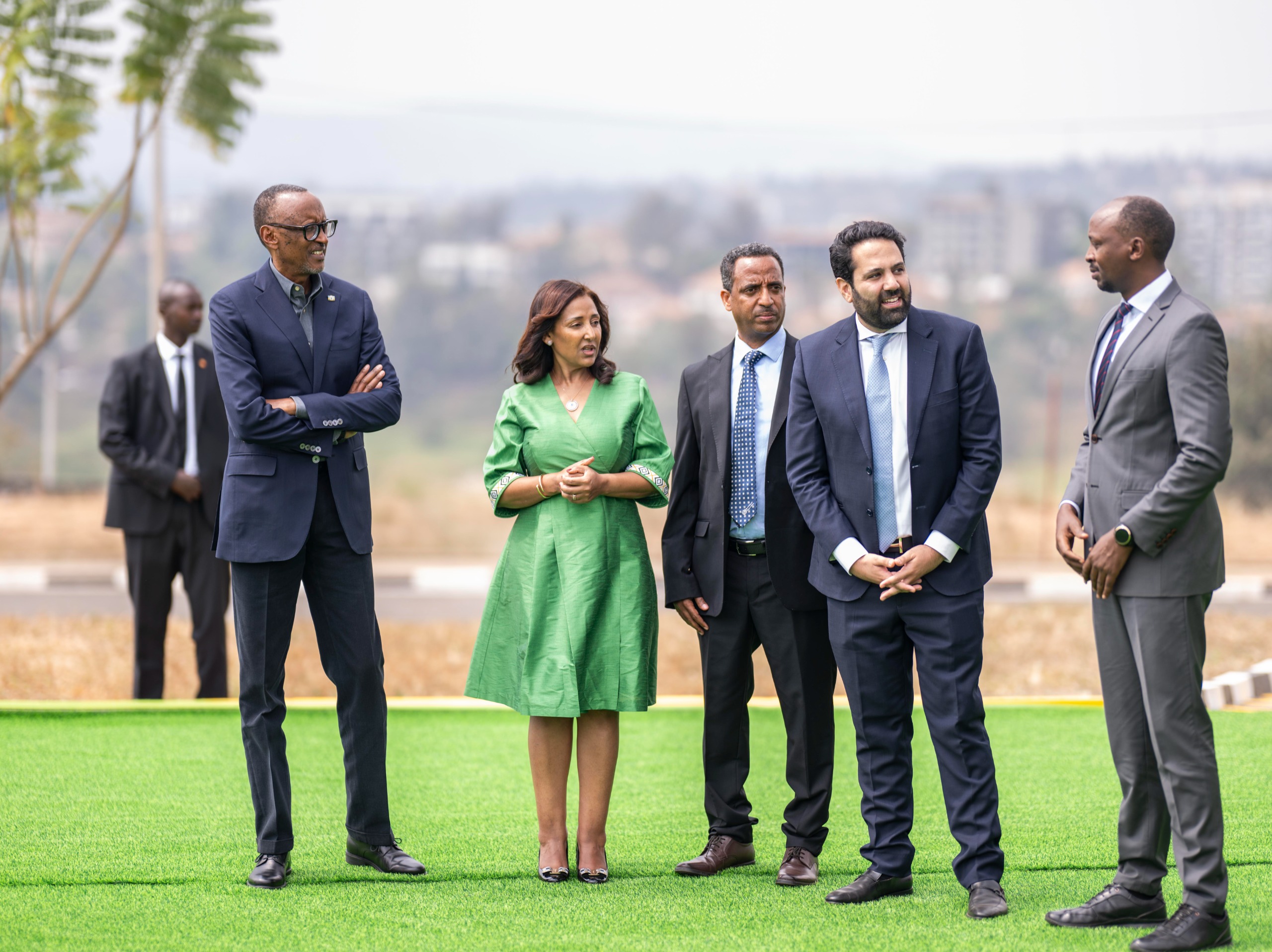
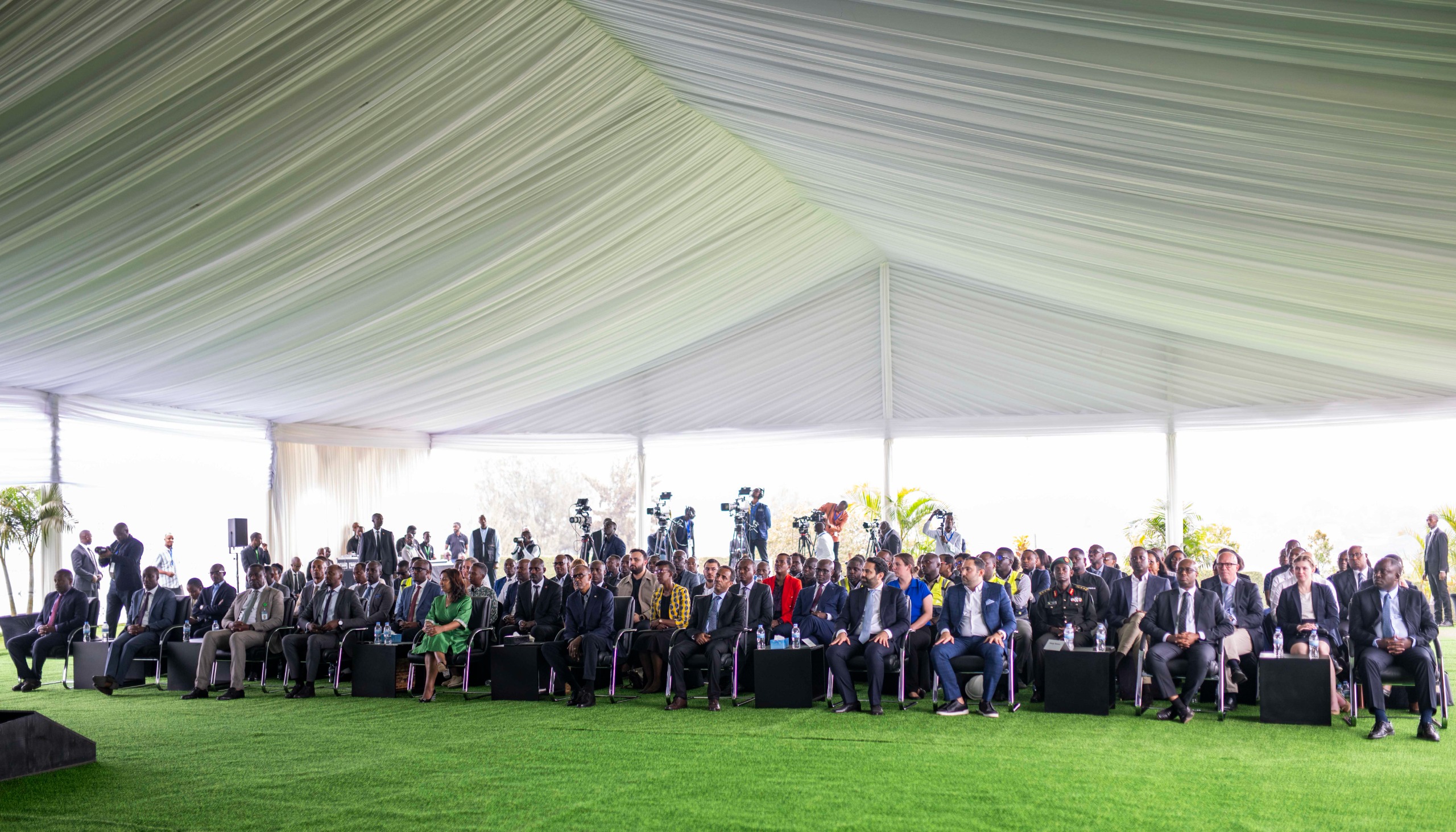
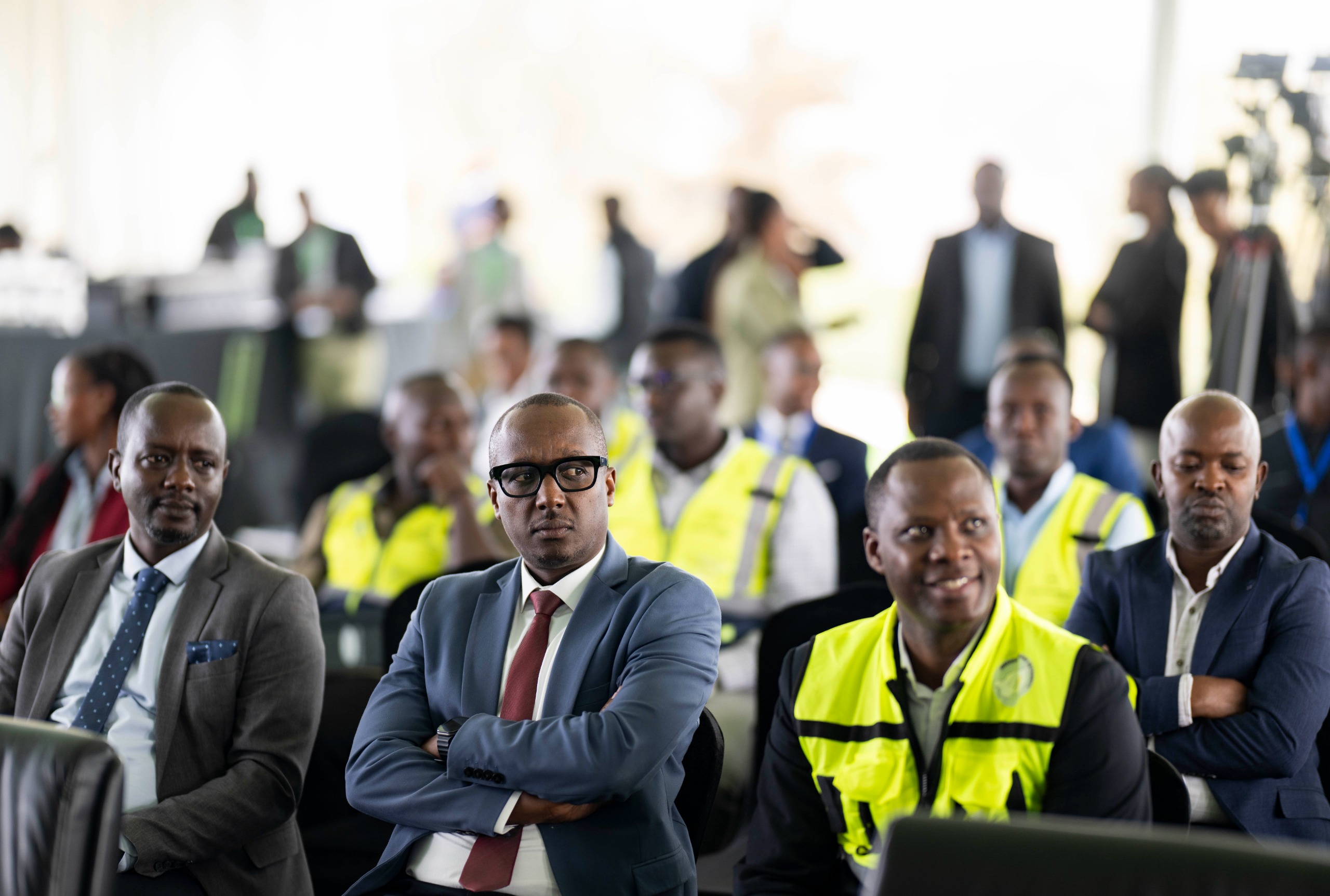
Speaking during the ground-breaking ceremony for the King Faisal Hospital (KFH) expansion on Monday, July 22, President Kagame noted that the expansion of health facilities will contribute to ongoing efforts to build more healthcare capacity in the country, ensuring that Rwandans won’t need to travel abroad to seek treatment.
The Head of State emphasized that the government will continue to partner with relevant institutions to improve its capacity in this key sector to even benefit healthcare demands in the region.
In the latest partnership between the Ministry of Health, the King Faisal Hospital Rwanda Foundation, and Shelter Group Africa, KFH says it will expand its bed capacity from 157 to 400, thereby increasing access to its services.
The expansion of KFH will add approximately 88,000 square meters to the existing infrastructure, accommodating advanced treatments for complex ailments, including heart surgery, joint replacements, and cancer therapy.
President Kagame lauded the institutions behind the expansion works, expressing his confidence that they will deliver. He revealed that he had broken his own vow of only presiding over completed projects to attend the ground-breaking ceremony because he trusts the partners involved.
“I had reduced my attendance at ground-breaking ceremonies to almost zero and preferred to attend ceremonies where something was already completed. However, due to the importance of this project and the great trust I have in those who invited me, I had to come. I broke my own rules because of that trust,” he stated.
At the same time, the President emphasized that training medical officers remains a priority in the healthcare transformation agenda, despite the frustrations that are often encountered. He urged that beneficiaries of international programs should apply the knowledge gained to advance local systems to higher levels.
“You send people to train abroad, they come back, but you continue sending patients for treatment outside. It doesn’t add up. We want this to translate into growth in capacity here in our country, in as many fields as we can, so that our people and others from the region can get the services they need from us, right here,” he added.
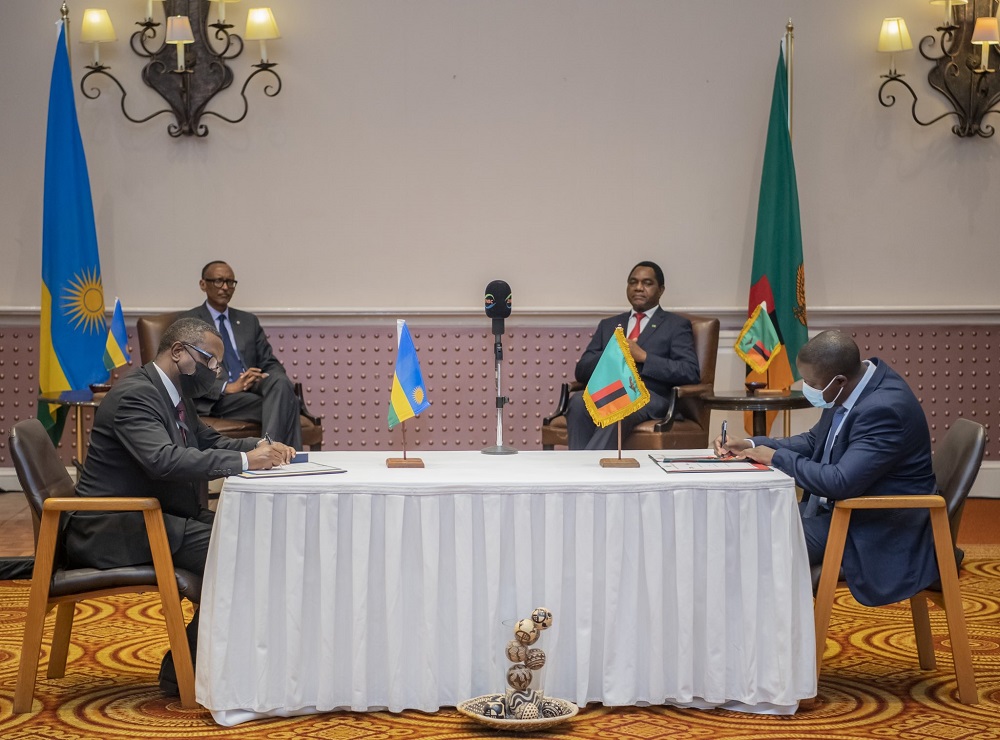
To gain more insight, IGIHE spoke with Rwanda’s High Commissioner to Zambia, Emmanuel Bugingo. He confirmed the allocation of the land and emphasized Rwanda’s readiness to utilize it effectively as per the agreements.
“Zambia provided this land to increase food production. It wasn’t a request; the agricultural agreement includes many aspects beyond just land,” Amb. Bugingo explained.
He further noted that the land has not yet been utilized due to infrastructural requirements that the Zambian government must fulfill. These include constructing roads for access, installing electricity for irrigation, and other necessary infrastructure.
“There is still work to be done by the Zambian government to delineate the land, and they are working on it,” Amb. Bugingo added.
The completion of these tasks will ensure the land can be used as intended, facilitated by the collaborative efforts of both countries.
This collaboration means Rwanda will also have a role once the land is officially handed over. Amb. Bugingo mentioned that Zambia has assured them of this, noting that some aspects require budget allocations but will be completed soon.
“Once the land is in the hands of the Rwandan government, our well-governed country will find a way to leverage it efficiently,” he stated.
When asked whether the farmers cultivating the land will be Rwandans or local Zambians, Amb. Bugingo said relevant authorities will determine the best approach to maximize the land’s potential.
Zambia is known for producing various crops, including maize, cassava, millet, peanuts, soybeans, and sorghum. Amb. Bugingo mentioned that the specific crops for the granted land have not yet been determined, but experts will assess its potential once it is handed over, given Zambia’s reputation for fertile soil.
Rwanda and Zambia continue to foster their relationship based on mutual respect, support in times of both adversity and prosperity, and other forms of cooperation.
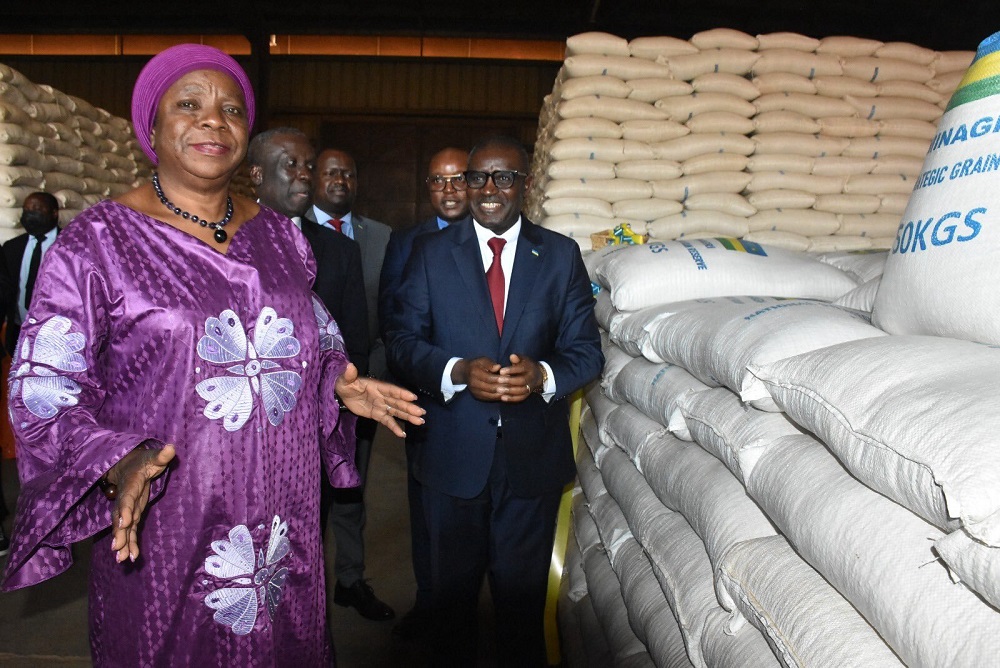
On July 18, 2024, Zambia received a donation of 1,000 metric tonnes of relief maize from Rwanda. The donation was a response to the severe drought affecting Zambia and other Southern African countries, exacerbated by the El Niño weather phenomenon and climate change. The drought has affected 84 out of Zambia’s 116 districts.
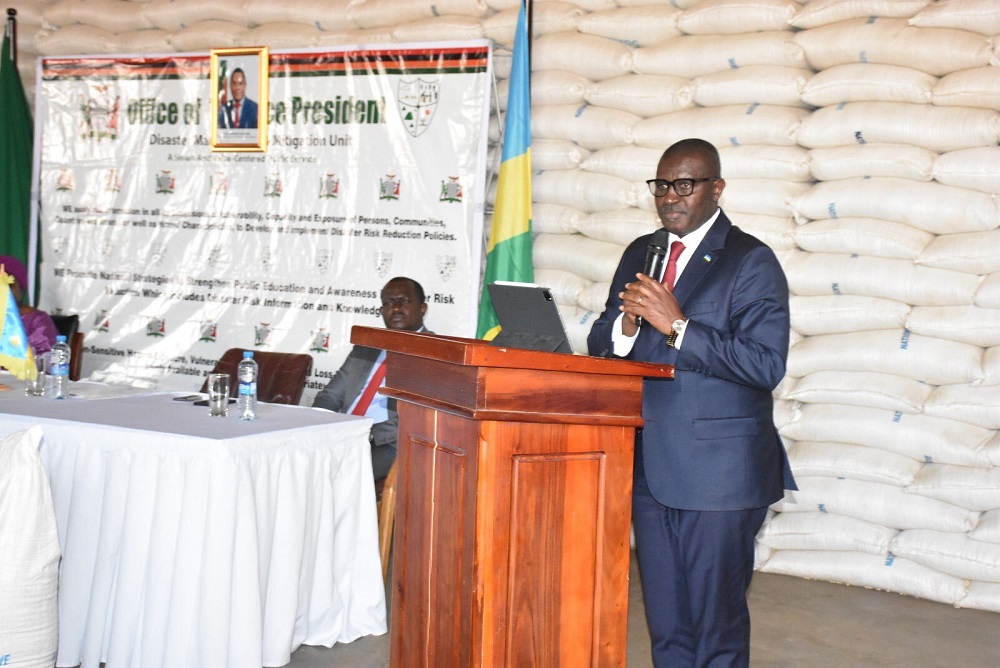
During the handover, Rwandan High Commissioner to Zambia, Emmanuel Bugingo, assured of Rwanda’s continuous support whenever possible. He expressed gratitude to the Zambian government for allocating 10,000 hectares of land to Rwanda for agriculture, adding that this partnership will be a sustainable solution to food security issues in both countries.
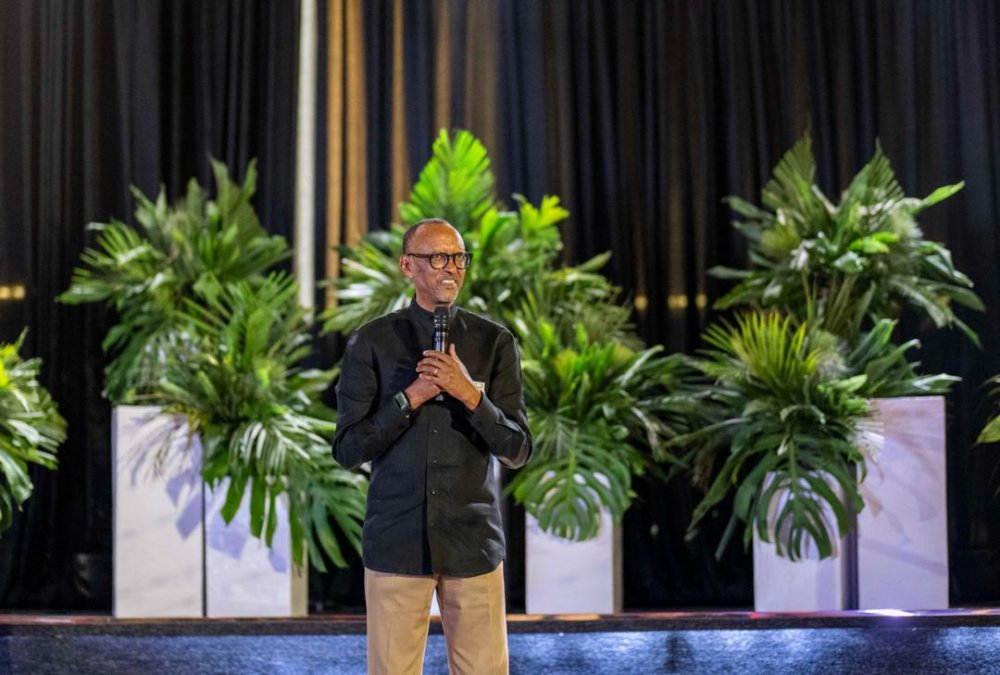
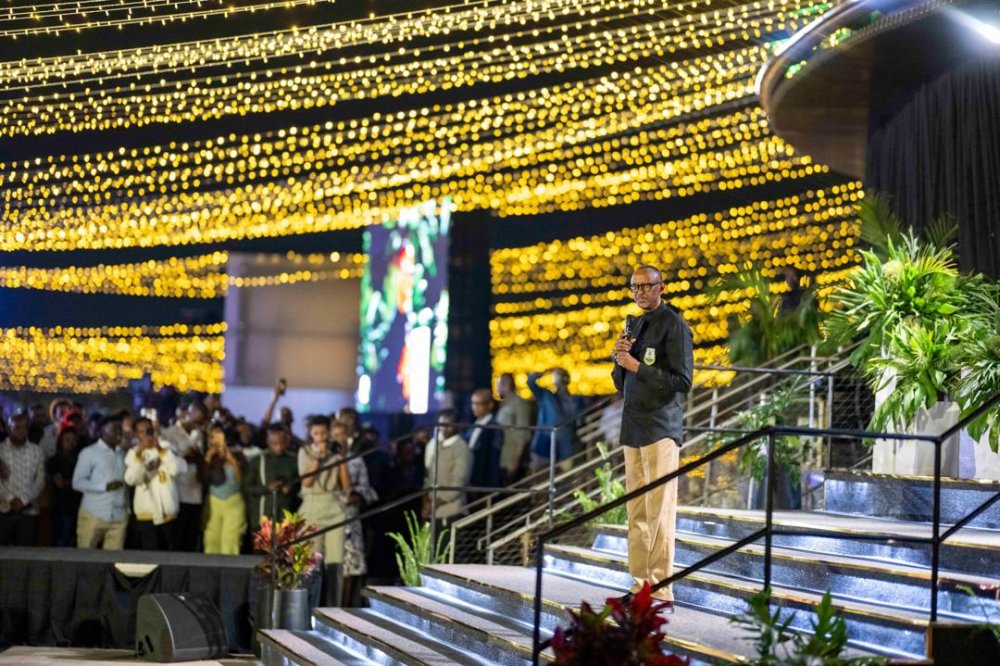
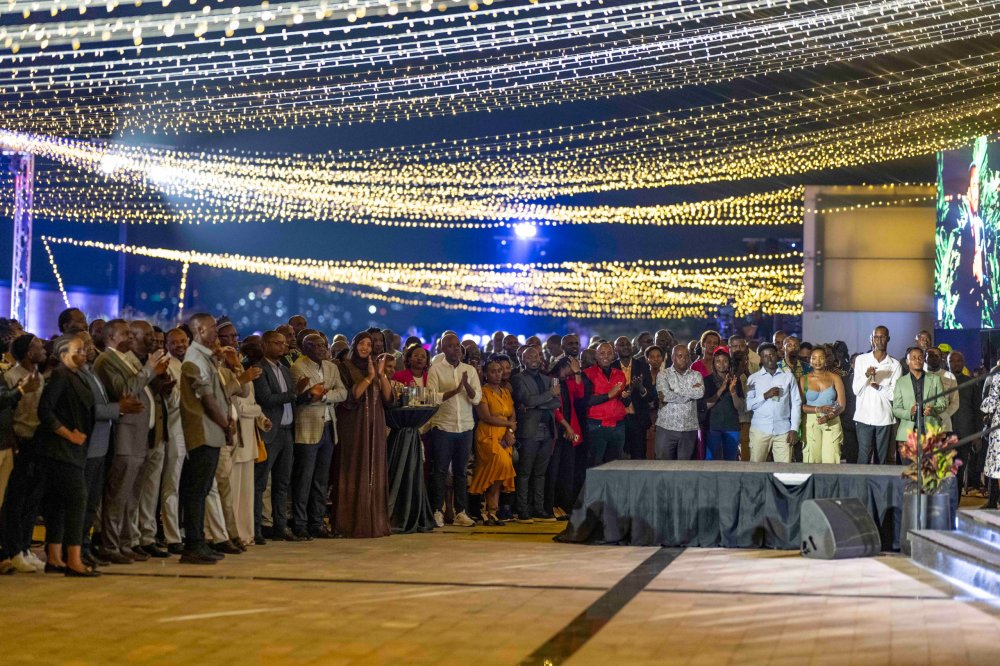
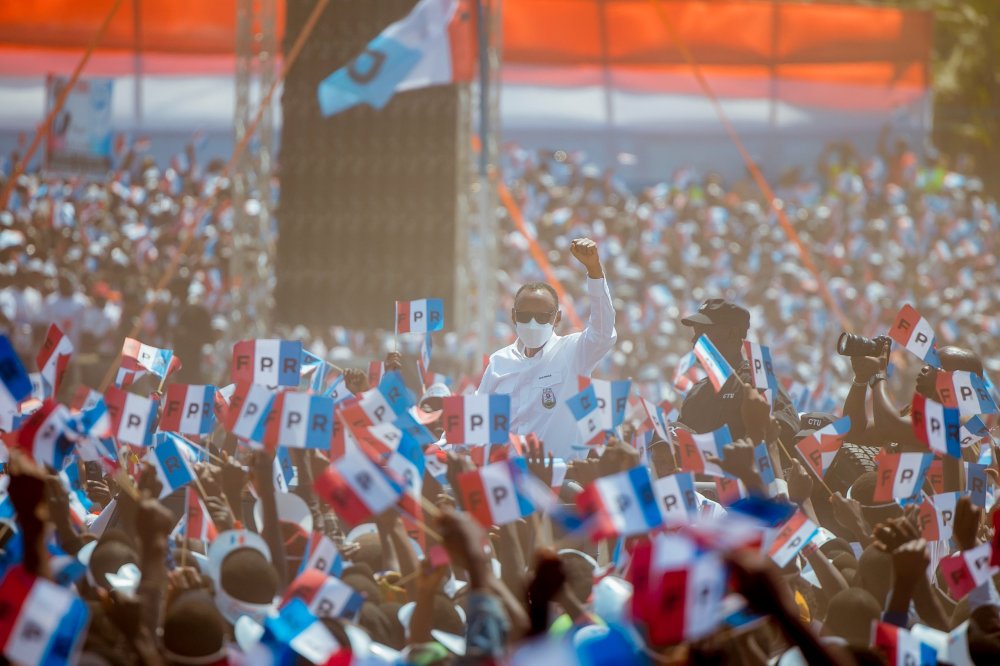
President Kagame made these remarks on the evening of Sunday, July 21, 2024, while hosting individuals who contributed to the successful conduct of his campaign activities. The event, held at the Kigali Convention Centre, was attended by various people, including RPF-Inkotanyi members, artists who supported the campaign, entrepreneurs, and other leaders.
In his speech, President Kagame expressed gratitude to all those who dedicated their efforts to ensure the campaign’s success.
He said, “I want to thank you on behalf of the RPF, on behalf of Rwandans, and personally for how we worked together. Achieving 100%, or even 99% and beyond, reflects the efforts of our supporters and those from other political parties we collaborate with. I want to particularly thank them.”
President Kagame expressed confidence that the work ahead, following the election victory, would proceed smoothly.
“Last time, I told you that the significant activity we’ve been engaged in for almost a month has gone smoothly. Now, the remaining tasks require even more effort than we’ve already exerted. But I have no doubt that we will succeed because of our determination, energy, and our resolve that Rwanda will never return to its dark past,” he said.
This ceremony came after the National Electoral Commission announced provisional election results showing President Kagame winning with 99.18% of the votes, followed by Dr. Frank Habineza of the Democratic Green Party of Rwanda with 0.50%, and independent candidate Philippe Mpayimana with 0.32%.
President Kagame reminded those present that Rwanda’s journey is one of rebuilding, aligned with its troubled history.
“As we build our country, we do so together, acknowledging the past that once devastated it but also recognizing the strength that emerged from that. This is our journey, knowing we are not insignificant, and ensuring everyone else recognizes that too,” he stated.
He further noted that Rwanda’s journey emphasizes friendship and cooperation with other nations. “Every country or individual has friends and enemies. With our combined efforts and those of our friends, the achievements are immeasurable. In RPF’s culture, we never rest; we work well with those willing to cooperate, becoming reliable friends they can count on.”
President Kagame mentioned that Rwanda even tries to engage its enemies for peaceful cooperation, but if they refuse, Rwanda will not falter in defending itself.
“For our friends, we are very good friends, you should rely on us. We won’t disappoint our friends. For our adversaries, for those who don’t wish us well, we will always extend a hand of cooperation. We will always show them that we can work together. But should they choose to keep us as enemies, Rwanda, Rwandans, RPF, we never take things for granted,” he stated.
“Our peace and security, we don’t take it for granted. For our enemies, we will always try to show them that we can work together but should they choose to keep us as enemies, we will also make sure that we don’t disappoint in fighting back. That is the spirit, the nature, the philosophy of RPF and which has become the Rwandan culture and philosophy,” added President Kagame.
Paul Kagame, 66, began leading Rwanda in March 2000 in a transitional capacity. He was first elected in 2003 during the country’s first elections post the Genocide against the Tutsi.
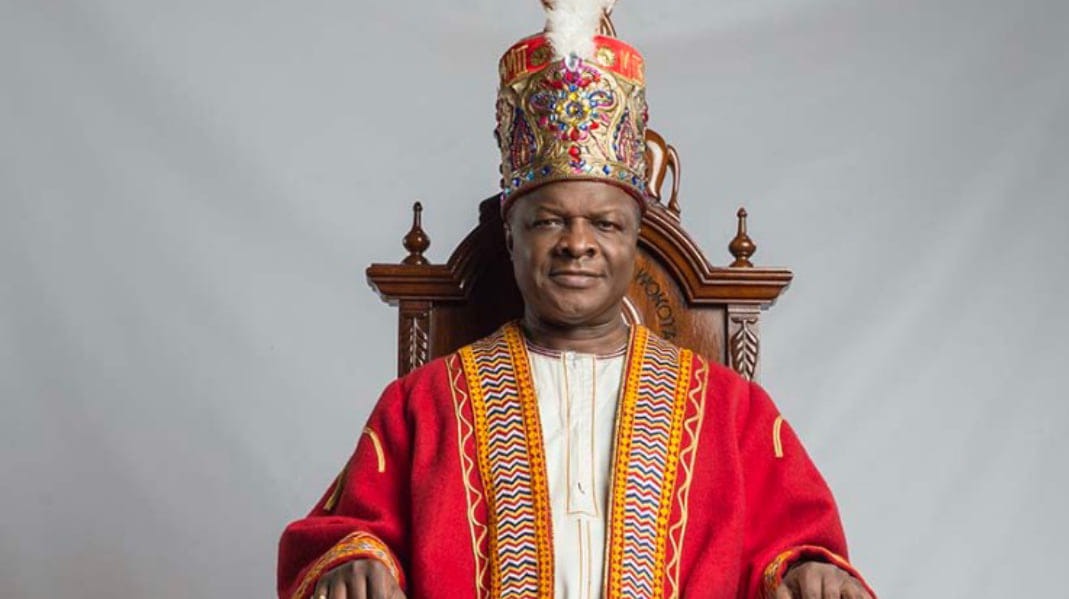
The Ministry of Home Affairs, Immigration, Safety and Security in Namibia said that the King’s continued stay had generated much controversy and raised security concerns for diplomatic staff in various countries.
Government was angry with widespread allegations instigated by his subjects that His Royal Highness was being illegally detained in Namibia, thereby throwing him out immediately.
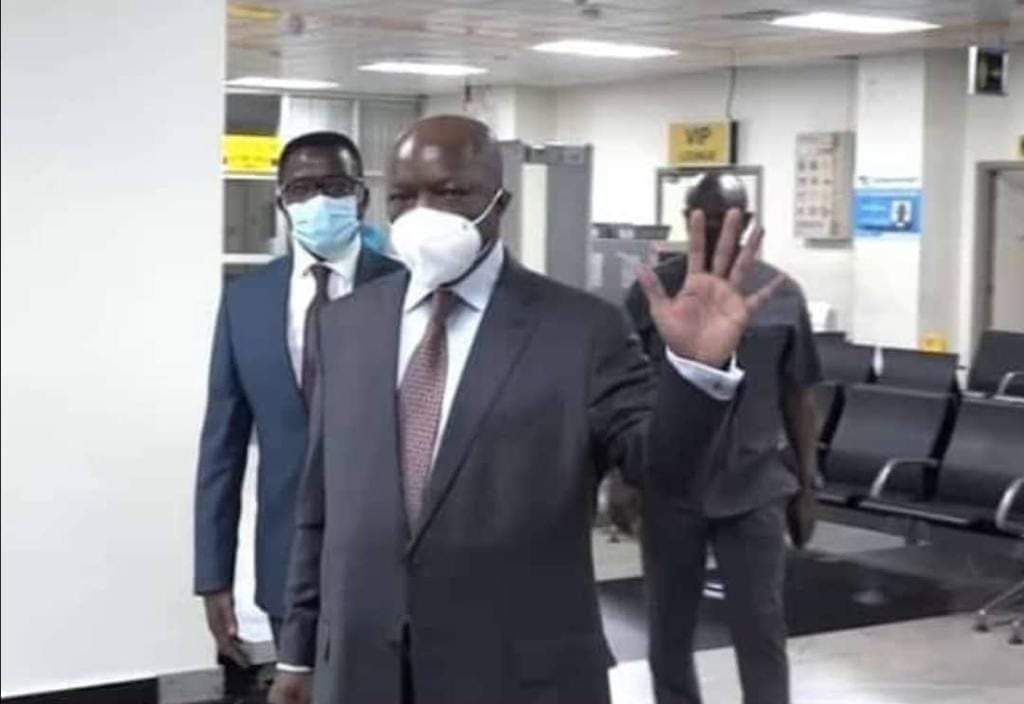
By press time, King Mutebi had already arrived in Uganda’s capital Kampala.
In a detailed statement, Etienne Maritz, the Executive Director at the Ministry disclosed that a decision was made as a sovereign State with a right to implement the laws of the Republic of Namibia and other international laws.
Maritz described how the King entered Namibia on 14 April 2024, on a private medical visit and was stationed at an undisclosed location in the country.
“In terms of Section 29 of the Immigration Control Act, 1993 (Act No. 7 of 1993), His Royal Highness was granted a maximum stay of ninety (90) days applicable to non-Namibians,” the statement reads.
Whilst the visit of His Royal Highness Mutebi II was purely private, trouble emerged when some of his subjects who seemed not to have been briefed about the travel raised concern and began demonstrating at Namibia’s Diplomatic Missions around the world.
“They started allegations and demonstrations that the Namibian Government conspired with the Ugandan authorities in abducting their King, and thus demanded his unconditional release from detention in Namibia,” Maritz said.
As such, these demonstrations threatened the security of Namibian diplomatic officials, and infringed on the nation’s right as a Sovereign State- a taboo under international law.
This did not only put at risk the security of Namibia’s personnel abroad, but also interfered greatly with the operations and security of Namibia’s diplomatic missions.
The Namibian government argued that such malicious allegations were not only meant to tarnish its respected international reputation but also undermine the good bilateral relations that exist between Namibia and Uganda.
They explained that the visit of His Royal Highness was purely private, and did not have an intention to interfere with his medical stay, but certain unscrupulous elements started a rowdy diplomatic brawl, leaving them with no other choice.
Based on this, the Government on Saturday July 20, 2024, declared a non- extension of the King’s Visa and sent him parking straight way.
No wonder the FPR-Inkotanyi party, along with its allied parties have already started celebrating and thanking Rwandans who voted for their Presidential candidate Paul Kagame with an overwhelming majority of 99.18 percent. The same RPF won 68.83 percent of the parliamentary vote.
Going by the results, it’s very clear that Kagame will soon be sworn in as the next president and his party will have the majority membership in Parliament.
The Democratic Green Party of Rwanda, the Ideal Democratic Party and PS-Imberakuri, which had initially secured at least five per cent of the votes in the parliamentary elections saw their results reduce.
5% is the threshold and Constitutional requirement to get seats in the Chamber of Deputies. Does that mean that the three parties had been voted out of Parliament?
Ordinarily, there are 80 seats in the Rwandan Parliament.
27 of them are reserved for quotas for special groups (24 women, 2 for youth and 1 for people with disabilities).
The remaining 53 representatives are elected through direct suffrage, with candidates from political parties and independents vying for the seats.
Since the only independent parliamentary candidate in the 2024 election could not get the minimum requirement to get a seat, the 53 seats will be shared by the parties.
With over 68 per cent, the RPF coalition, which includes PPC, PSR, PDC, PSP and UDPR, is assured of at least 37 seats. The Liberal Party (8.66 percent) and the Social Democratic Party (8.62 percent) could get five seats each. So who takes the remaining 6 slots?
According to NEC Executive Secretary Charles Munyaneza, Green Party, PDI and PS-Imberakuri could still get seats in Parliament, given that each of the party’s share of votes might be rounded off.
“Although some of the parties got 4.5 per cent or 4.6 per cent, that does not mean that they fell short of the required five per cent,” Munyaneza told the media earlier this week.
“When we have percentages like these, we round them to the nearest whole number, which is five in this case.” He said.
Therefore, he said, the three parties could still get a share in the 53 contestable seats in Parliament.
As per the available provisional results, it means that if the percentages of Green Party, PDI and PS-Imberakuri are rounded to 5, then they will get two seats each.
In the last Legislature, Green Party and PS-Imberakuri had two seats each. PDI, which was part of the RPF coalition, had one seat.
As the country awaits NEC to release the final results of the parliamentary elections by July 27, what do political parties have to say?
{{It was a double win for us- Liberal Party}}
PL received 8.66% of the votes, placing them second after FPR-Inkotanyi and are assured of 5 seats in the next Parliament.
The Party President Donatille Mukabalisa says that it is a double win for them given that the Presidential candidate of their preference also won.
She told IGIHE that the victory signifies their commitment to jointly work hard to achieve Rwanda’s development goals swiftly.
Mukabalisa, who is Former Speaker of the outgoing Parliament credited their success to thorough preparation and unity among PL members, which allowed them to reach many Rwandans in the shortest time possible.
{{We shall continue our cooperation with President Kagame- PSD}}
PSD received 8.62% of the votes guaranteeing five seats for them too.
In a statement released this week, PSD’s leadership expressed their delight in President Paul Kagame’s re-election, thanking Rwandans for voting for to enable them secur their representation in Parliament.
“PSD assures the nation of our full cooperation with President Kagame in building Rwanda based on democracy and development that benefits all Rwandans,” the statement said.
{{PDI aimed for 5% – Sheikh Harerimana}}
The Ideal Democratic Party (PDI), which supported the FPR-Inkotanyi presidential candidate, ran independently for parliamentary seats but aligned with FPR-Inkotanyi’s policies.
In an exclusive interview with IGIHE, PDI President Sheikh Musa Fazil Harerimana stated that the votes they received were what they had hoped for, even though they aimed for a full 5%.
“We were aiming for 5%. That way, we could be assured of two seats. It was challenging, but it shows that we explained our agenda well to the people,” he said.
Harerimana reasoned that it was PDI’s first time competing independently in parliamentary elections because previously they partnered with FPR-Inkotanyi. A partnership, he says, has strengthened PDI, and they plan to continue this collaboration in the future.
{{We fell short of our expectation- PS Imberakuri}}
PS Imberakuri party leader Christine Mukabunani says that the results were way below their expectations.
“The level we won at is not what we anticipated. Considering our efforts and discussions with citizens, we thought we would do much better, but we appreciate the votes we received. We thank the citizens for their trust.” She said in an interview.
Mukabunani noted that they expected at least 10% of the votes and found it challenging to pinpoint the exact reason they fell short, acknowledging the need to multiply efforts in the future to improve their performance.
{{DGPR missing out in Parliament is not a big deal- Dr. Frank Habineza}}
After securing only 0.53% of the Presidential votes, the Democratic Green Party of Rwanda President Dr. Frank Habineza says that he is not bothered with losing out on representation in parliament.
Dr. Frank Habineza, a former Member of Parliament, has confirmed that he will not return to Parliament as a representative of the Green Party, as he was not on the party’s list of parliamentary candidates.
However, he says, this would not change his party’s agenda of continuing to advocate for the people, promoting good governance and democracy, and ensuring everyone’s participation in decisions that affect them.
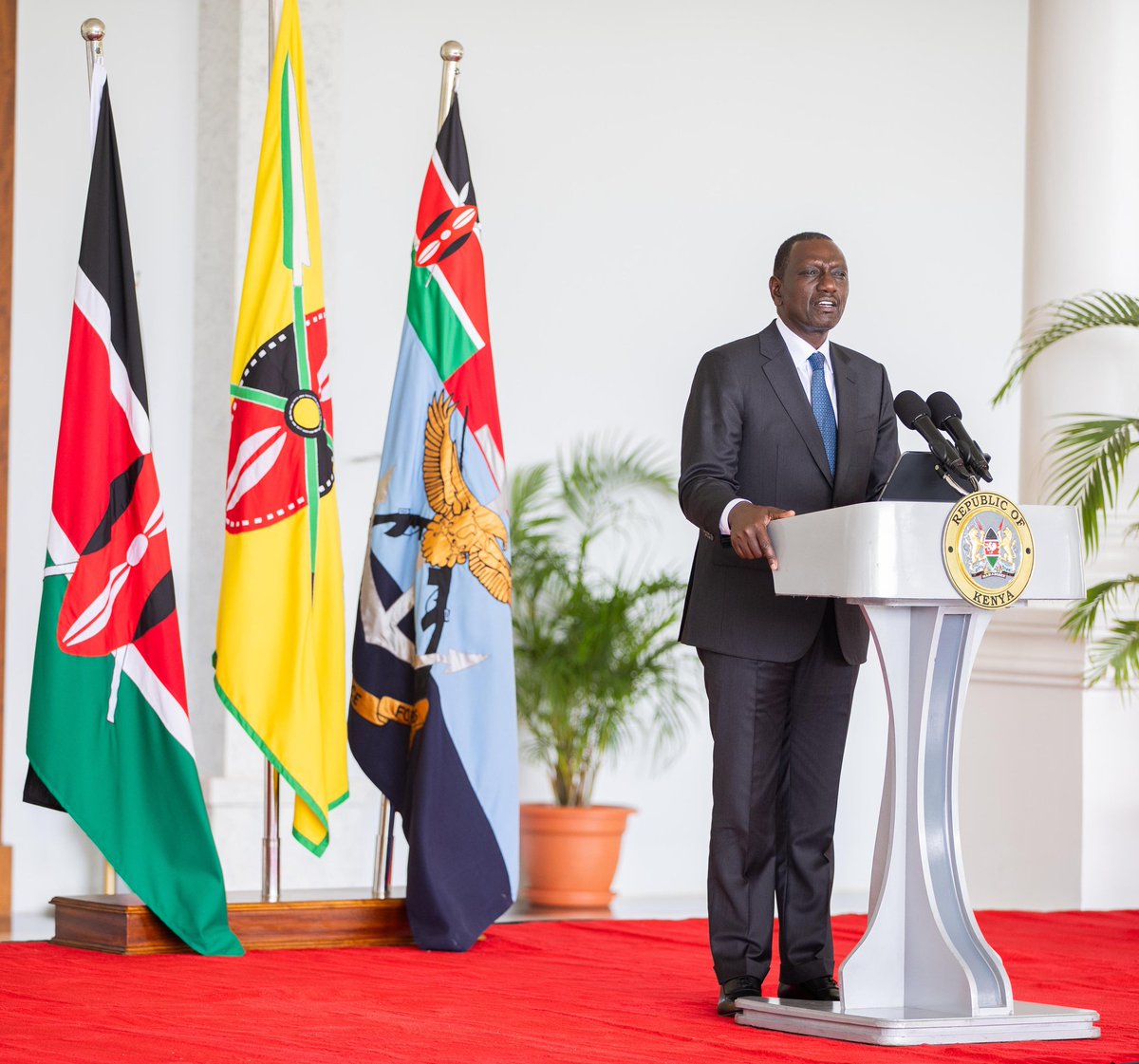
Ruto re-appointed the ministers of interior, defence, environment and lands and changed the portfolios of two other ministers.
Davis Chirchir, who served as Energy Cabinet Secretary, takes over the Roads and Transport docket from Kipchumba Murkomen.
Ruto mentioned that further consultations are ongoing, with more nominations to come.
“I will be issuing next week a clear roadmap on the assignment that the new cabinet is going to have, with clear timelines and deliverables,” Ruto said.
He acknowledged recent challenges to Kenya’s democratic integrity, citing Gen Z-led protests as a moment for reflection and renewal.
These protests, driven by dissatisfaction with governance, development, economic management, and national finances, have tested the nation.
The President emphasized the government’s commitment to meeting the people’s aspirations and serving with efficiency and integrity. He expressed optimism about Kenya’s ability to recover from the current crisis, which stems from multiple complex factors.
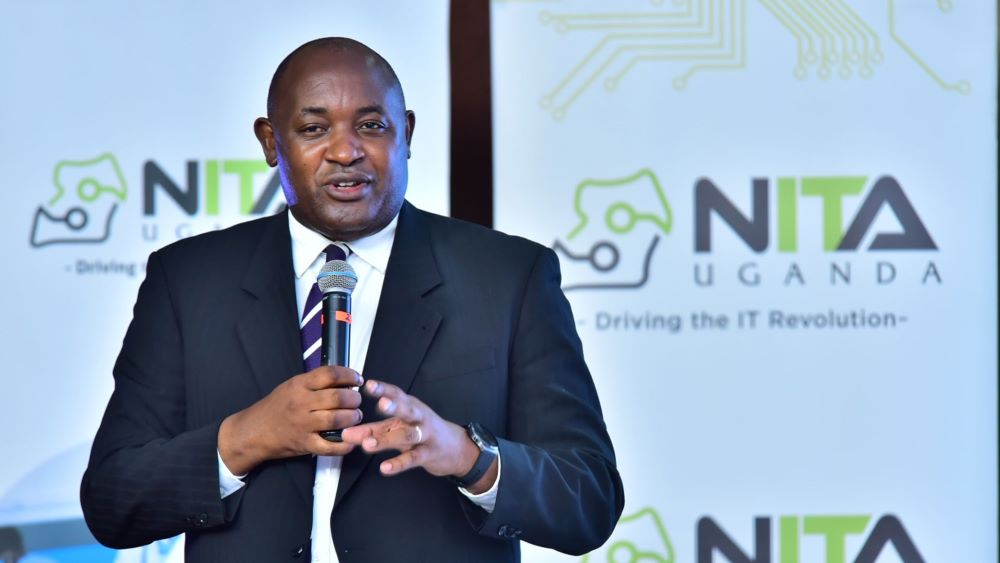
The Minister for ICT and National Guidance, Dr. Chris Baryomunsi advised that discontent towards the government can be expressed in different ways without necessarily engaging in violence.
“To confront government, you don’t have to copy what Kenyans have done. There are other civilized ways of expressing your dissatisfaction without losing blood,” he said.
Baryomunsi was addressing university students during the launch of student programme season 4 in Kampala organized by the Centre for Constitutional Guidance on Thursday July 18, 2024.
He advised Ugandans especially the young people to use other means to express themselves but within the law.
“Assemblies, processions and demonstrations are guided by the law, yes they can demonstrate provided they comply with what the law requires,” he said.
The call by the Minister comes at a time when hundreds youths are planning a demonstration by marching from Railway grounds in the city centre to parliament on July 23, 2024.
The youths say, they want to express their discontent over rampant corruption in several government institutions including the Parliament of Uganda.
Under article 29(1) (d) of the Ugandan constitution, every person has a right to the freedom of assembly and to demonstrate together with others peacefully and unarmed.
However, Baryomunsi says that his government will not sit back and watch if the planned demonstrations turn violent.
“We shall not look on if we see you trying to burn down the Parliament or causing unrest on the street,” he warned.
The Kenyan youth in recent days brought President William Ruto’s government to its knees, prompting him to fire his entire cabinet following riots over high taxes.
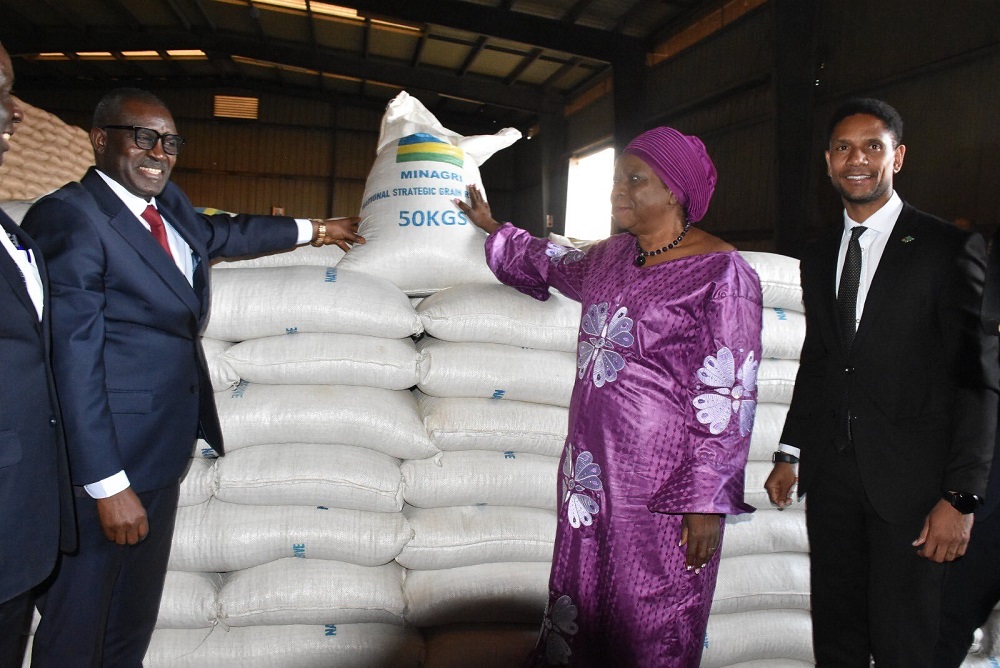
According to media reports; Vice President Mutale Nalumango, who received the relief maize at the Food Reserve Agency (FRA) sheds in Lusaka, emphasized the immediate and significant impact this donation will have on alleviating hunger thereby providing relief to those in need.
She highlighted that the maize will help food-insecure households in the affected districts to get access to sustenance, bringing hope to families struggling during this emergency.
Nalumango noted that this donation symbolizes a bond of friendship between Zambia and Rwanda, signifying Rwanda’s commitment to standing with Zambia during times of crisis.
She expressed gratitude to the Rwandan government, saying that such solidarity reinforces Zambia’s belief in the strength of international cooperation.
“Let us remember the importance of unity in times of crisis. Let us continue to support one another and work together to build a future where no one goes hungry or feels abandoned during their time of need,” Nalumango said.
Rwandan High Commissioner to Zambia, Emmanuel Bugingo expressed confidence that the donation will significantly aid the most affected Zambian families and assured of Rwanda’s continuous support whenever possible.
Rwanda’s Foreign Minister, Olivier Nduhungirehe, also said through his X handle that the donation is part of Rwanda’s tradition of intra-African solidarity.
Rwanda and Zambia maintain a strong relationship and cooperation in various sectors, including taxation, immigration, health, agriculture, investment promotion, fishing, and livestock farming.