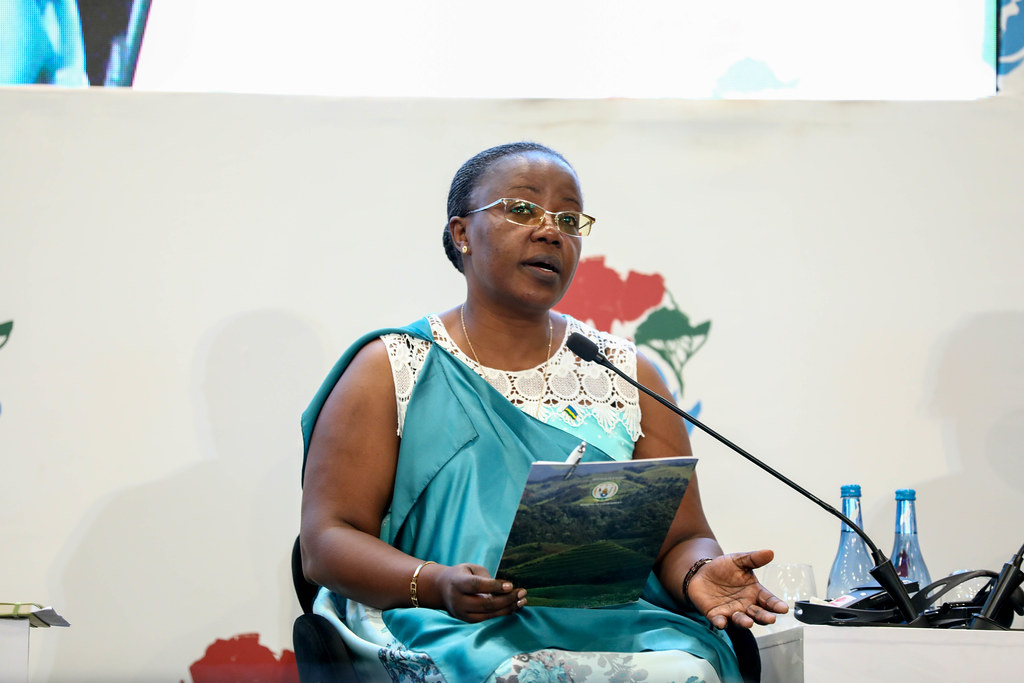
Prime Minister Édouard Ngirente announced President Paul Kagame’s decision to drop Dr. Mujawamariya from the Cabinet on Thursday morning, citing matters of accountability under investigation.
“Pursuant to the Constitution of the Republic of Rwanda, especially its Article 116; today, 25th July 2024, Dr. Jeanne d’Arc Mujawamariya has been dismissed from her position as Minister of Public Service and Labour (MIFOTRA) due to matters of accountability under investigation,” the Prime Minister announced.
Dr. Mujawamariya’s dismissal comes barely two months after she was appointed Minister of Labour.
The long-serving public officer, with a career spanning more than two decades in government, was among several ministers affected by a Cabinet reshuffle initiated by President Kagame on June 12, 2024.
She previously served as Minister of Environment for the Republic of Rwanda from 2019.
From 2013 to 2019, she served as the Ambassador of Rwanda to Russia. Prior to that, she had been the Vice Chancellor and Rector of the Kigali Institute of Science and Technology from 2011 to 2013.
From 2008 to 2011, she held the position of Minister in the Prime Minister’s Office in charge of Gender and Family Promotion.
She was the Minister of Education from 2006 to March 2008, and before that, from 2005 to 2006, she served as the Minister of State in Charge of Higher Education within the same ministry.
Between 2003 and 2005, she was the Minister of State for Primary and Secondary Education in the Ministry of Education of the Rwandan government.
Earlier in her career, from 2001 to 2003, she worked as a lecturer of Physical Chemistry in the Faculty of Education, Department of Biology and Chemistry at the National University of Rwanda.
In a historic moment in the cause of Palestinian liberation, as descried by Chinese Foreign Minister Wang Yi, the Palestinian factions inked a declaration on ending divisions and strengthening unity.
In the Beijing Declaration, they agree to realize national unity among all factions within the framework of the Palestine Liberation Organization (PLO).
Experts that CGTN spoke to applauded the significance of the Declaration and called it another major diplomatic victory for China’s dedication to promoting peace in the Middle East following the detente between Saudi Arabia and Iran through Beijing’s mediation in March 2023.
{{Milestone in intra-Palestinian reconciliation}}
Speaking at the closing meeting of the reconciliation dialogue among Palestinian factions on Tuesday, Wang said the most important consensus reached at the dialogue is to achieve grand reconciliation and unity among the 14 factions.
The core outcome is to make clear that the PLO is the sole legitimate representative of all the Palestinian people, said Wang, also a member of the Political Bureau of the Communist Party of China (CPC) Central Committee.
The most significant highlight is the agreement to form an interim national reconciliation government focusing on the post-war governance of Gaza, and the strongest call is for the creation of a truly independent Palestinian state in accordance with relevant United Nations (UN) resolutions, Wang said.
The Chinese foreign minister extended his congratulations on the success of the Beijing dialogue and the signing of the Beijing Declaration.
Speaking to CGTN’s Global Watch, Rong Ying, a senior research fellow at the China Institute of International Studies, said that the signing of the Beijing Declaration is a milestone for Palestine’s internal reconciliation.
This is the first time since the start of the Palestine-Israel conflict on October 7, 2023, that Palestinian factions have reached a reconciliation agreement, Rong noted.
The reconciliation is an essential step for Palestine to speak with one voice in the international community, said Yu Guoqing, professor at the Chinese Academy of Social Sciences and executive director of the Chinese Association of Middle East Studies.
It is also a major step towards ending the current conflict in Gaza, realizing a ceasefire and making post-war arrangements, Yu told CGTN.
Moreover, it marks an indispensable step towards the realization of a Palestinian state on the basis of the two-state solution, he stressed.
In a third-step approach unveiled on Tuesday, China also proposed to promote Palestine to become a full member of the UN.
Palestine has been a non-member observer state at the UN since November 2012. By June 2024, it had been recognized as a sovereign state by nearly 150 countries, with China among the first to do so.
{{China’s peace efforts}}
The latest round of talks came after Fatah, the Palestinian National Liberation Movement and the largest faction of the multi-party PLO, and Hamas, the Islamic Resistance Movement that runs Gaza, held talks on promoting intra-Palestinian reconciliation in Beijing at the end of April.
It also marked the first time that the 14 Palestinian factions gathered in Beijing for a reconciliation dialogue. At Tuesday’s closing meeting, Mahmoud al-Aloul, Fatah’s deputy chief and head of its delegation, and Moussa Abu Marzouk, who leads the Hamas delegation, gave speeches.
It is not easy logistically for representatives of all 14 factions to meet in Beijing since they reside in different places, some in the West Bank and others overseas, according to Yu.
“At present, I believe only China is able to bring together these factions, whose stances vary,” he said.
Yet it is only natural for China to make the get-together happen because Beijing has long been sincerely pushing for peace among different Palestinian factions, with an eye on the resolution of the Palestine issue, Yu added.
In the Beijing Declaration, the factions also expressed their appreciation for China’s sincere efforts to support the rights of the Palestinian people, end Palestine’s division and accommodate different stances.
“That speaks volumes for China’s image,” said Yu. “China seeks no interests for itself when it comes to Middle East issues.”
It shows the world once again that China, as a permanent member of the UN Security Council and a responsible major country, is practicing the concept of building a community with a shared future for mankind and the Global Security Initiative in the Middle East with real actions, he said.
China is contributing to the lasting security and peace in the Middle East and to the region’s development in the future, said Yu.
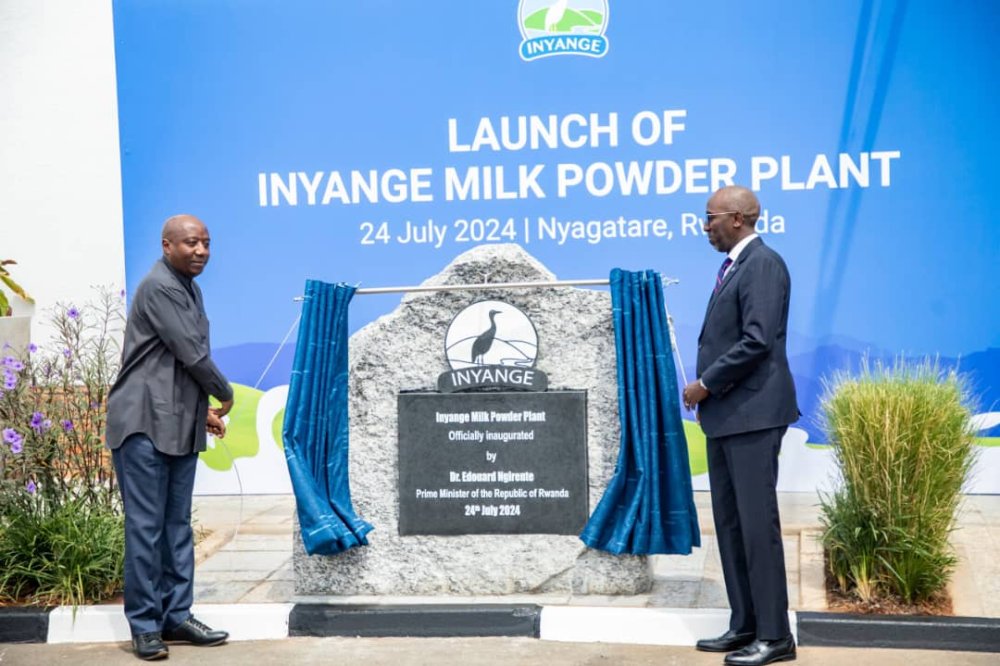
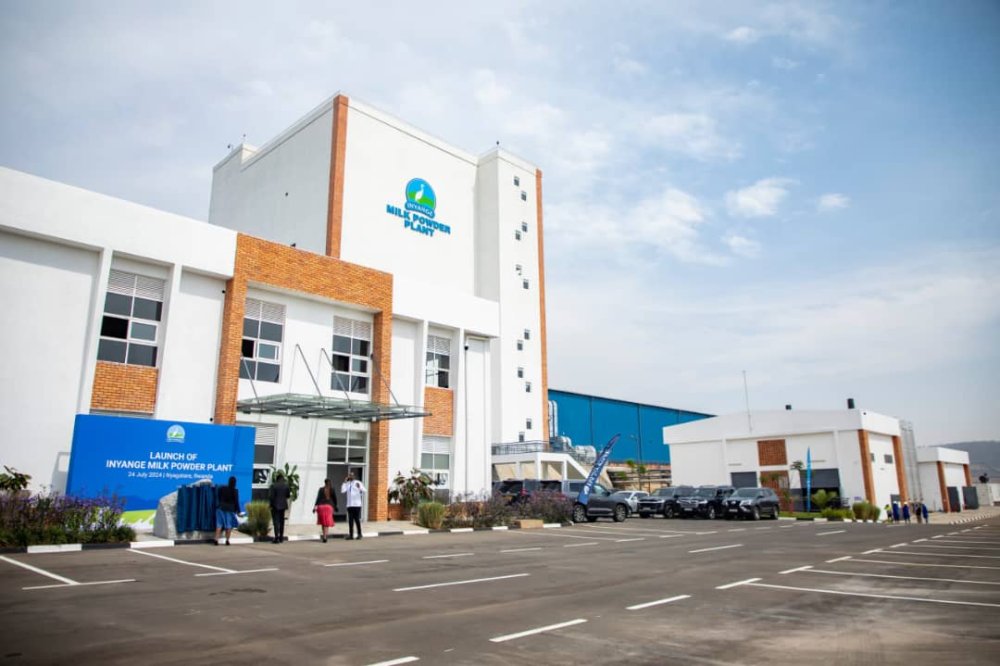
This facility inaugurated on July 24, 2024 has the capacity to process up to 650,000 liters of milk daily and receives 50,000 liters of milk per hour.
Speaking at the event, Ngirente emphasized that the new factory will significantly benefit farmers and herders while advancing the country.
He highlighted that the factory’s capacity to process and store 650,000 liters of milk per day ensures a steady market for herders’ milk, reducing waste.
“It will address the milk market issue, particularly for the herders’ milk we want to prevent from going to waste,” he stated.
Rwanda’s milk production increased from 776 million liters in 2017 to over a billion liters in 2023.
Ngirente urged livestock farmers to increase milk production by raising high-yield cows and using modern grass seeds.
He also stressed the importance of addressing livestock diseases collectively, assuring continued government support.
Standard guidelines stipulate that supplied milk is first inspected to ensure it meets quality standards, then filtered and cooled to 4 degrees Celsius before being stored.
Arsene Ntazinda, the Milk Powder Plant Manager, explained that the facility has two reception areas for milk, each capable of handling at least 25,000 liters.
The milk must be transported in specialized vehicles and then processed to separate the cream, resulting in distinct cream and milk products.
Ntazinda mentioned that milk consists of 87-90% water. During processing, the water is evaporated, leaving 10-12% of the original milk volume.
The plant uses technology to ensure that the milk’s nutrients are preserved during processing. The water removed from the milk is treated to be environmentally safe and is used for irrigation and other plant operations.
The plant has two state-of-the-art laboratories: A Physico-Chemistry Lab and a Microbiology Lab, which provide results within 24 hours.
“Normally, results might take 48 hours to five days, but here we receive them very quickly,” Ntazinda stated.
James Biseruka, the Managing Director of Inyange Industries, highlighted that the plant sources milk from across the country, producing goods for both domestic and international markets.
“We can process 650,000 liters of milk from across the country, and it’s exciting that our nation is now entering the international market. Unlike before, when we imported powder milk, Inyange now produces it locally,” he said.
Biseruka revealed that over $54 million has been invested in the plant. Since April 2024, the plant has processed 4.2 million liters of milk sourced nationwide.
“This investment has provided farmers with reliable market for their milk,” he emphasized.
Biseruka also mentioned that the products made at the plant would reduce the need for some imports.
“This plant allows us to cut down on imports and provides alternatives to imported milk powder.”
Besides milk powder, the Inyange Milk Powder Plant also produces ghee, cheese, and other dairy products. The milk powder is packaged in 25kg and 50kg bags, primarily for industrial use. It is designed to reconstitute into liquid milk when mixed with water.
Biseruka emphasized that Inyange Industries continually drives innovation, with its daily operations requiring packaging materials, chemicals, and other supplies that foster the growth of related industries.
The plant, equipped with advanced technology, employs 270 workers, and farmers supplying milk have been paid Rwf1.3 billion since April 2024.
The construction of the milk powder factory in Nyagatare Sector, Rutaraka industrial zone, began in October 2021.
“My deepest sympathies to Prime Minister Abiy Ahmed Ali and the victims of the devastating landslides that have claimed hundreds of lives in southern Ethiopia. Rwanda stands in solidarity and support with the people of Ethiopia during this difficult time,” President Kagame posted on his X handle.
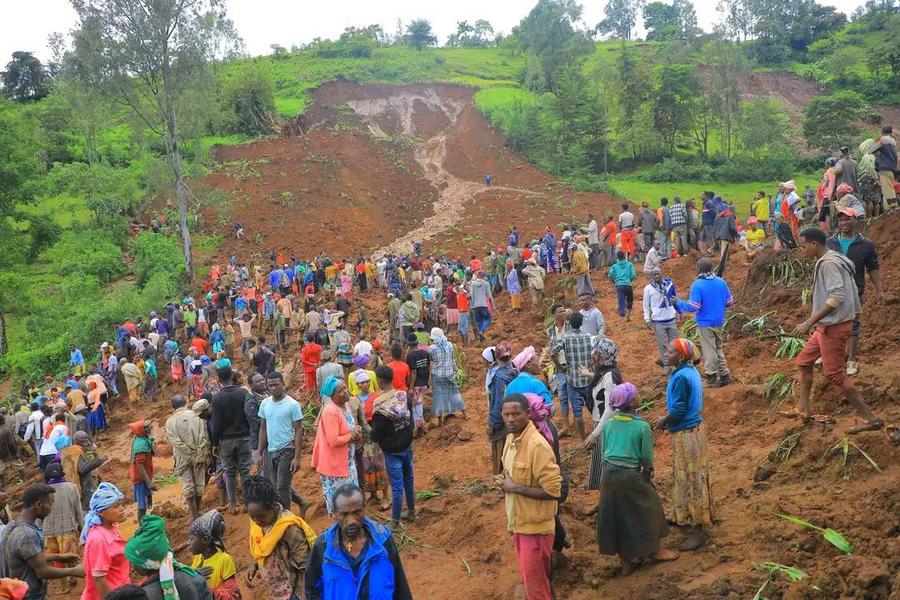
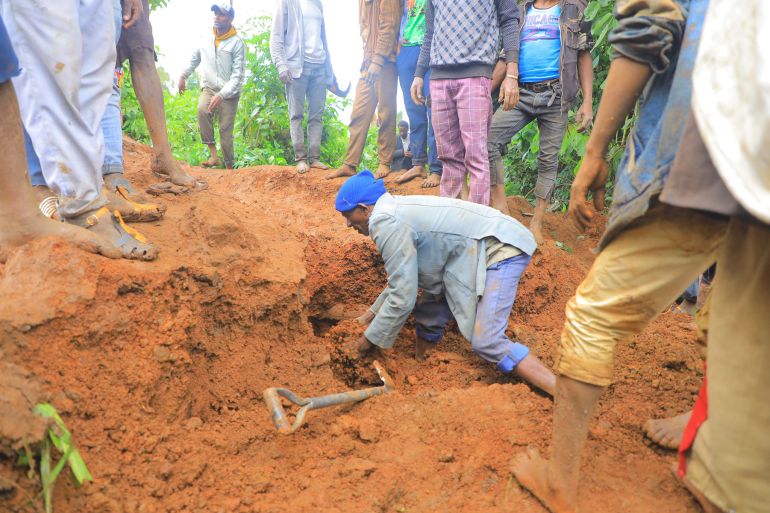
According to media reports, the landslides occurred on Sunday evening and Monday morning, triggered by heavy rains in the remote mountainous area of the Gofa zone in Southern Ethiopia.
Local authorities have reported that the search for survivors is “continuing vigorously,” but warned that the “death toll could rise.”
The Communications Affairs Department in Ethiopia disclosed that at least 148 men and 81 women were killed in the Kencho-Shacha locality in the Gofa Zone on Monday.
In May 2024, floods affected more than 19,000 people across several zones in Ethiopia, displacing over 1,000 and causing significant damage to livelihoods and infrastructure.
In 2017, at least 113 people died when a huge Stack of rubbish collapsed in a landfill on the outskirts of Addis Ababa.
Rwanda has also experienced similar tragedies. On the night of Tuesday, May 3, 2023, heavy rains led to floods and landslides that claimed over 130 lives.
However, the region has witnessed other devastating landslides.
In February 2010, mudslides in the Mount Elgon region of Eastern Uganda killed more than 350 people. The deadliest landslide in Africa occurred in Sierra Leone’s capital, Freetown, in August 2017, where 1,141 people died.
Sources say that Nemeyimana, on the night of July 23, 2024 staked to drink 13 bottles of the local brew that had been bought for him. Unfortunately, after consuming 11 bottles he accepted defeat and decided to go home only to be discovered dead on the roadside.
It is suspected that his death resulted from the effects of excessive quantities of the brew. The incident occurred in Rugerero Village, Muhambo Cell, Cyumba Sector.
An eye witness who spoke on condition of anonymity narrated that Nemeyimana was reportedly seen at a bar that night, where he accepted a bet from a 24-year-old acquaintance to drink 13 bottles of Nesha.
“After consuming 11 bottles, he began to feel weak and chose to go home. He was later found lying dead on the roadside near a church,” the eye witness said.
SP Jean Bosco Mwiseneza, spokesperson for the Rwanda National Police in the Northern Province has said that individuals suspected of any involvement in Nemeyimana’s death have been apprehended.
“An investigation is underway to determine the exact cause of death. Two individuals suspected of being responsible have been taken into custody and handed over to the Byumba RIB station,” he stated.
SP Mwiseneza urged the public to report any potential risks to safety promptly. The deceased’s body has been taken to Byumba Hospital for an autopsy.
The acquisition was disclosed on the evening of Tuesday, July 23, 2024, though details about the deal are still scanty. IGIHE has learnt that deal was finalized on July 18, 2024.
In a brief interview, Mahmoud Nasr, the CEO of Prime Cement, confirmed the development. Asked what could have triggered the deal, Mahmoud declined to divulge more details.
“It is the responsibility of the government. You should be asking them why the takeover happened,” he said before hanging up.
The CEO of the Rwanda Stock Exchange (RSE), Pierre Celestin Rwabukumba, also confirmed that CIMERWA had informed them about the acquisition last week.
“They informed us last week, and the process is ongoing. This acquisition has significant implications for CIMERWA and its shareholders. Prime Cement was a major competitor in the market. When you acquire a competitor, you are essentially taking over the market. National Cement Holdings Ltd, which acquired CIMERWA, aims to lead the market wherever they operate by reducing the importation of cement into the country,” he stated.
The amount CIMERWA paid to acquire Prime Cement has not been disclosed yet. This move follows CIMERWA’s acquisition by National Cement Holdings Limited, which owns cement manufacturing plants across Africa.
In November 2023, CIMERWA’s management announced that the company had been acquired by National Cement Holdings Limited after it secured 99.94% of its shares.
By January 2024, National Cement Holdings Ltd’s management announced they had completed the payment for the 99.94% shares in CIMERWA, amounting to $85 million, equivalent to Rwf107,963,175,000.
They committed to satisfying the cement demand in Rwanda by eliminating the need for imports thereby ensuring affordable prices to Rwandans.
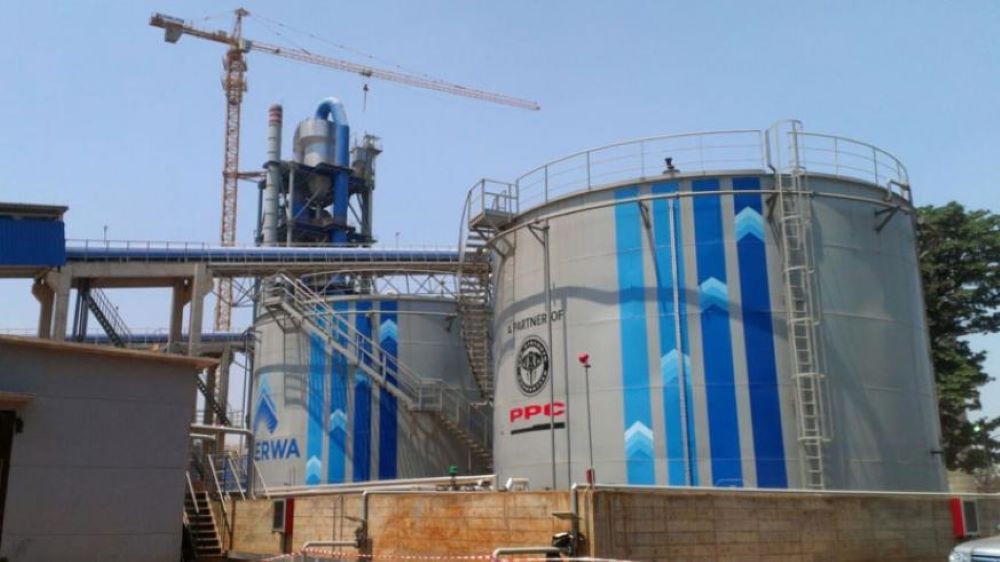
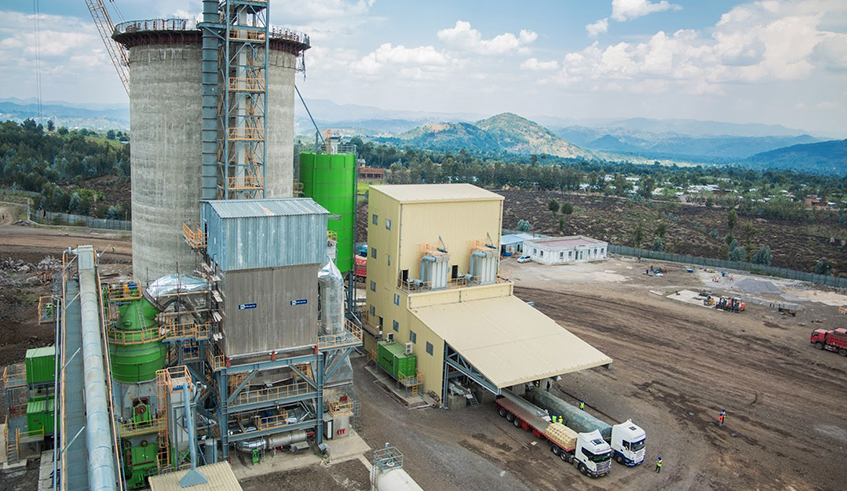
CIMERWA, established in 1984, became the first cement factory in Rwanda. Its cement has been used in major projects such as BK Arena, Bugesera International Airport, Amahoro Stadium, various roads, and over 2000 classrooms.
Prime Cement, the newly acquired factory, had a capacity of processing 600,000 tons of cement per year.
CIMERWA earlier announced through local media outlets that the acquisition of Prime Cement’s assets was an “off-market transaction.”
“CIMERWA Plc will take over all operational assets of Prime Cement, with the government retaining any outstanding liabilities. The company believes this acquisition will significantly boost its capabilities and market position,” reads a statement.
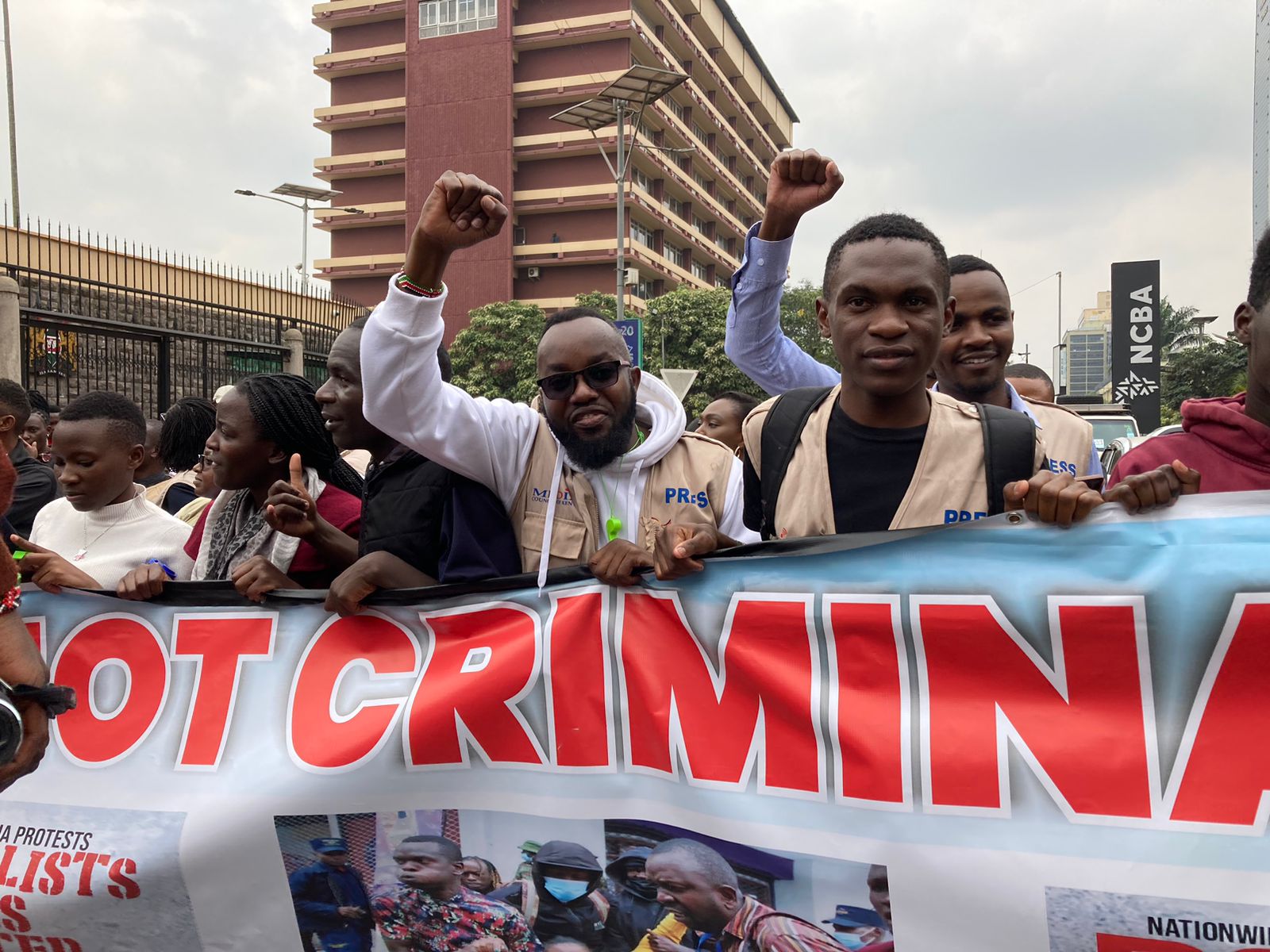
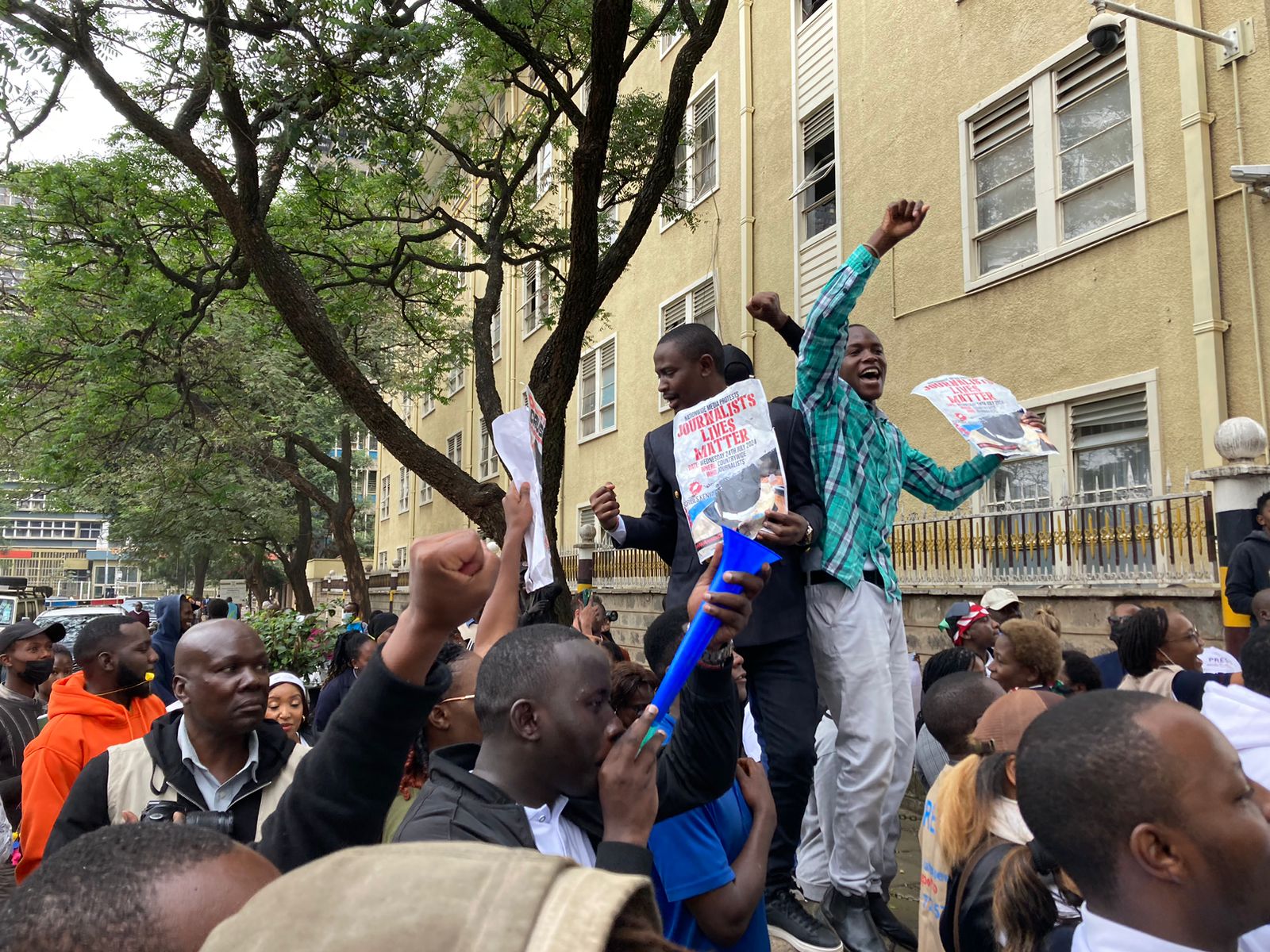
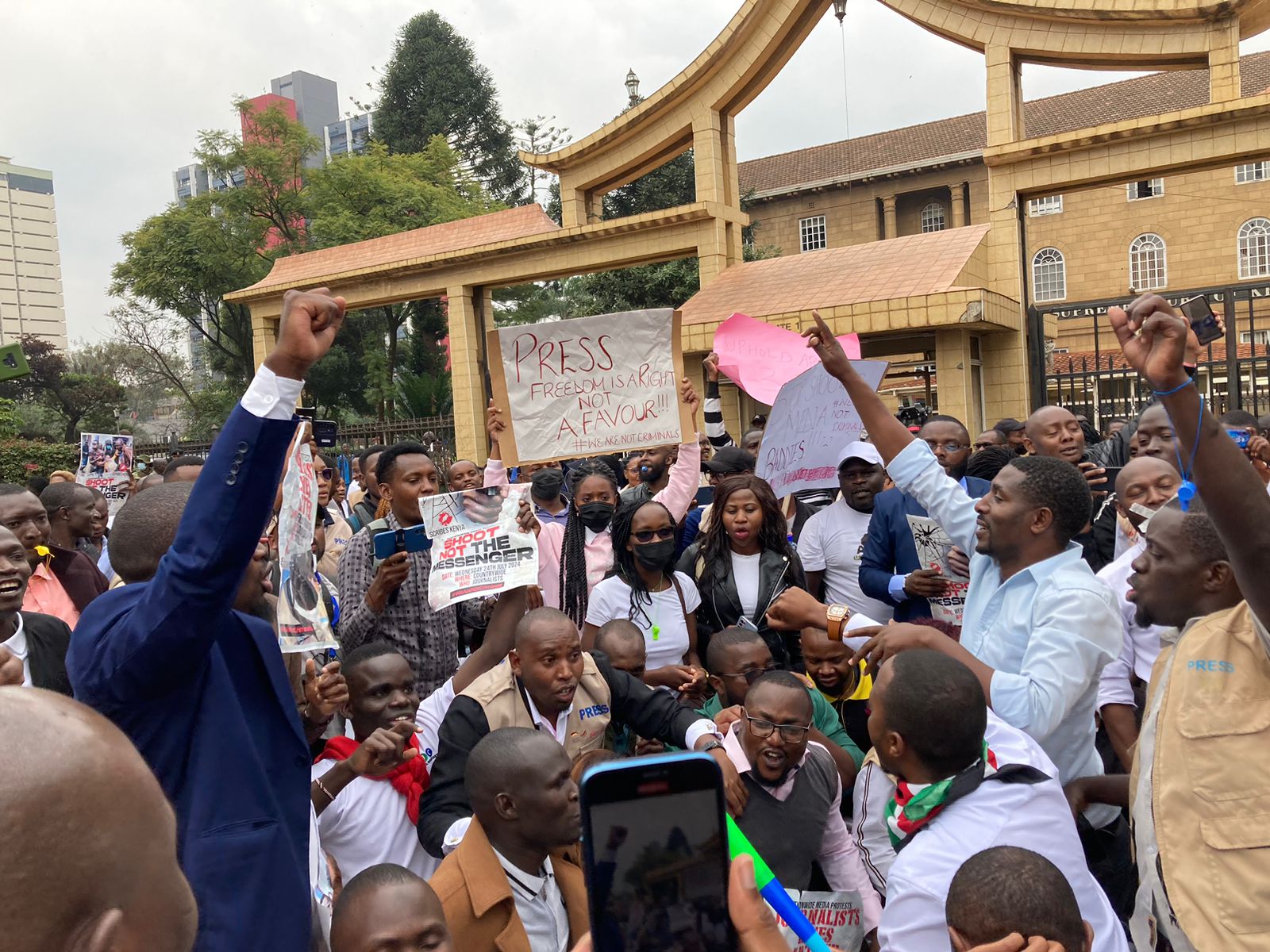
Through the Kenya Media Sector Working Group, journalists carrying placards with messages such as ‘Shoot Not the Messenger’ brought business to a standstill as they marched across Nairobi streets to deliver their petition to the police.
In the petition, the members of the press listed several demands including accountability for illegal shooting, beating, abduction, and harassment of journalists by state operatives.
They demanded immediate prosecution of rogue police officers including the one who shot a journalist in Nakuru.
The journalists also castigated the government over threats to shut down media houses covering the [anti-government protests->https://en.igihe.com/news/article/protesters-storm-kenyan-parliament-as-controversial-finance-bill-is-passed] that continue to be witnessed in the country.
“Today, we have appropriated our rights as citizens and professionals to gather and express our anger over police brutality against journalists, threats to shut media houses, and other primitive strategies by state organs and agencies, politicians, and their ill intentions bent on curtailing the hard-won freedom of expression and media,” the journalists said.
{{Journalist shot
}}
Catherine Wanjeri Kariuki, a journalist working with K24TV, was shot four times by police during an anti-government protest on July 16, 2024. Medics confirmed that three rubber bullets were lodged in her thighs, with one of them causing a serious injury.
Narrating her ordeal at a Nakuru hospital where she was admitted, Wanjeri told local media recently that she was being targeted by the police alongside other journalists for covering the anti-government protests.
“Nobody would convince me that I was not a target, it is not the first time I have been targeted. I had been hit by a teargas canister but I did not report nor escalate the matter. I just showed my colleagues the scar on the same leg that I was shot at,” she recounted.
In the same week, veteran journalist and newspaper columnist Macharia Gaitho was violently arrested while driving around Nairobi with his son. However, the police later freed the scribe without charge, terming the arrest a case of mistaken identity.
Recently, the Communications Authority of Kenya cautioned the media against broadcasting content pertaining to the ongoing protests, arguing that airing such content violates the Constitution.
Citing violent protests that have resulted in the loss of lives and destruction of property, the authority said the media is mandated with the critical role of maintaining public order and sensitivity.
The Government, through Rwanda Development Board (RDB), has entered into a long-term strategic partnership with Rio Tinto Minerals Development Limited for the exploration of lithium, tin, tantalum, tungsten, and other associated metal deposits in the country.
According to RDB, the goal of this partnership is to align with Rwanda’s strategic objectives to develop its mining sector as a key driver of economic growth. It is a remarkable step forward in advancing Rwanda’s contribution to the global green energy transition.
Francis Gatare, Chief Executive Officer at RDB, has expressed delight in partnering with Rio Tinto on the groundbreaking project.
“This collaboration elevates Rwanda’s standing in the global mining industry and promises substantial economic and technological advancements for our country. We are dedicated to supporting this endeavor and ensuring its success,” he stated.
The initiative will initially focus on the early stages of regional exploration, utilizing innovative technologies and modern exploration methodologies. The program will begin by collecting and interpreting high-quality data collection using advanced geological, geochemical, and geophysical techniques.
This venture brings on board Rio Tinto’s extensive global mineral exploration experience to blend with local expertise, setting new standards in Rwanda’s sustainable and responsible mining practices.
Francis Kamanzi, CEO of the Rwanda Mines, Petroleum and Gas Board (RMB), expressed confidence that the partnership will advance Rwanda’s mining industry, making it a major economic enabler and contributor to sustainable development.
“With this remarkable partnership, we look forward to blending our local expertise in mining with Rio Tinto’s global experience to leverage our mineral resources potential and enhance our geological capabilities,” he noted.
Dave Andrews, Head of Rio Tinto Exploration, expressed commitment to working with the Government of Rwanda to explore the country’s geological potential.
This strategic partnership follows the signing of a Memorandum of Understanding (MOU) between both parties in January 2024 for the exploration and mining of lithium in Rwanda’s Western Province.
Last year, Rwanda launched a three-year exploration campaign as part of a strategy to modernize the mining sector. This strategy aligns with other key areas, including mineral extraction and beneficiation, mineral value addition, and mineral trading. The mining sector contributes about 3% to Rwanda’s GDP and employs more than 72,000 people.
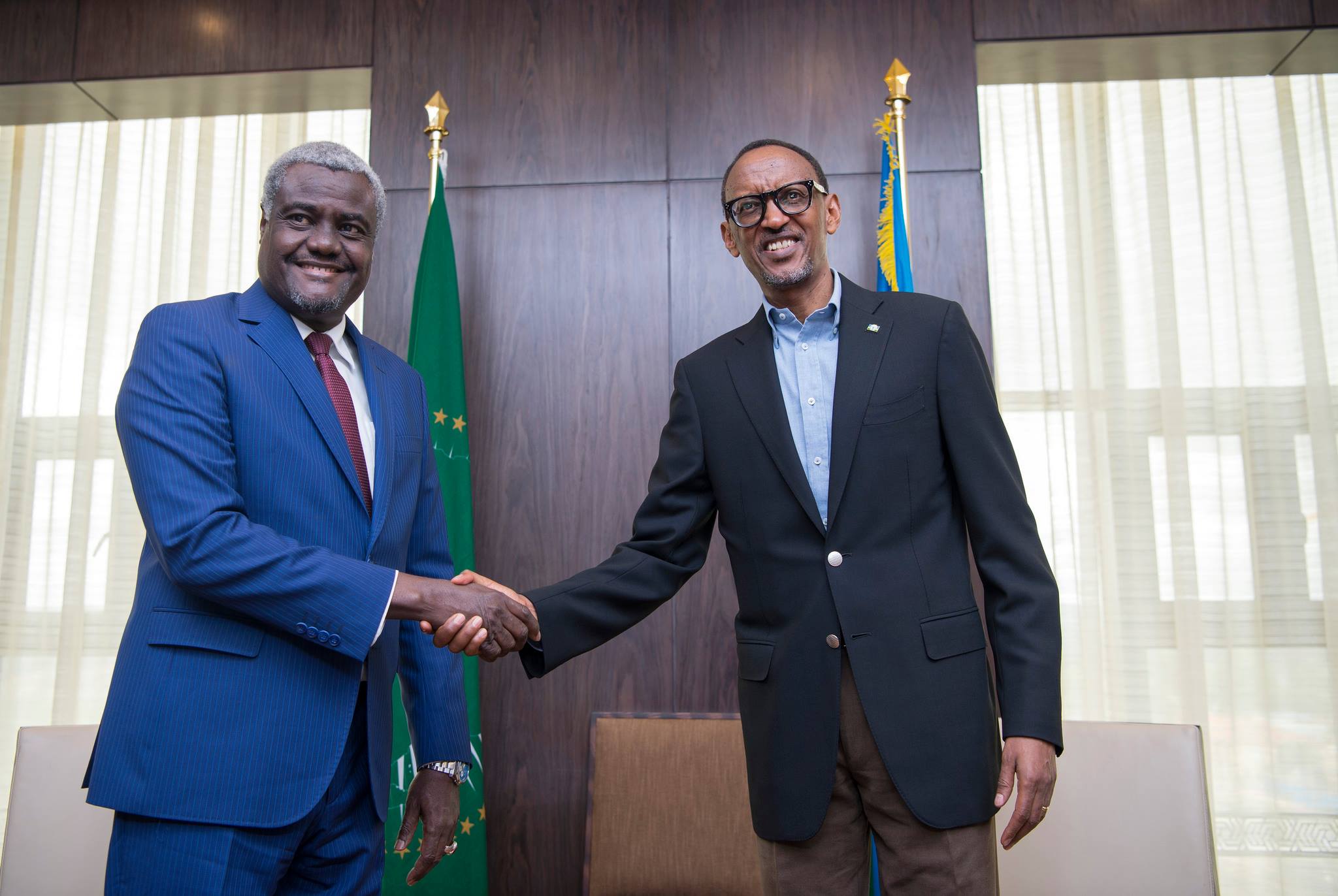
The AU chief made the comments while congratulating President Paul Kagame on his re-election in the recently concluded general election.
“H.E. Moussa Faki Mahamat warmly congratulates President Paul Kagame upon his brilliant re-election as Head of state following the announcement of the official presidential and legislative election results by the Rwandan National Elections Commission on 22 July 2024,” a statement issued by AUC on Tuesday, July 23, 2024, reads in part.
“The Chairperson also commended the Government and the National Elections Commission for the successful organization and conduct of the elections judged to be peaceful, transparent, free and fair by both national and international observers, including the joint African Union/COMESA Election Observation Mission.”
According to Faki, the Rwandan authorities’ self-financing of the entire electoral process illustrates strong national ownership and commitment to the country’s democratic and governance credentials.
Meanwhile, Chinese President Xi Jinping and his Togolese counterpart Faure Gnassingbé also joined other world leaders on Tuesday in congratulating Kagame for his landslide victory.
In his message to President Kagame, Jinping highlighted that Rwanda has traditionally been a friendly nation to China. He noted that in recent years, relations between China and Rwanda have developed rapidly, yielding fruitful results in various sectors and deepening their traditional friendship.
He committed to working with President Kagame to further enhance mutual political trust and to expand and deepen practical cooperation in various fields.
President Gnassingbe, on his part, said Kagame’s re-election reflects the renewed confidence of the Rwandan people in the RPF Inkotanyi leader’s leadership and vision for the country.
“I hope that this new term will strengthen the ongoing cooperation between our countries and the fraternity between our peoples,” he added.
Kagame secured a landslide victory in last week’s general election, garnering 99.18% of the votes. His opponents, Dr. Frank Habineza of the Democratic Green Party of Rwanda and independent candidate Philippe Mpayimana, received 0.50% and 0.32% of the votes, respectively.
The incident occurred this month at a rally in Pennsylvania, where a gunman nearly succeeded in bringing down the 2024 Republican presidential candidate.
The resignation follows increasing bipartisan pressure and investigations by lawmakers and an internal government watchdog into the agency’s handling of Trump’s security.
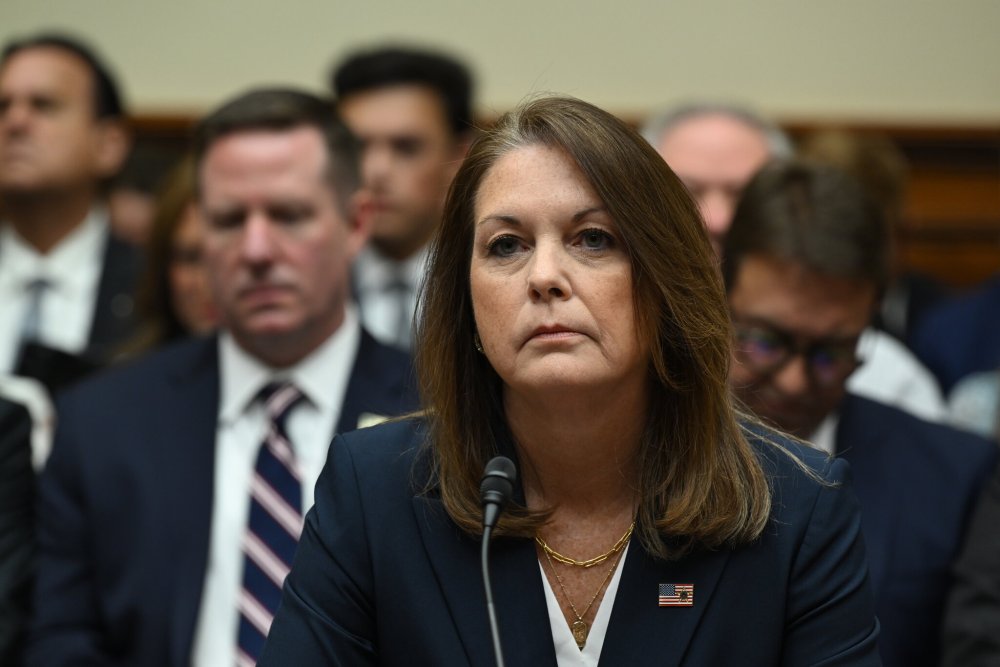
During a House Oversight Committee hearing, Cheatle admitted to “significant” security lapses but resisted calls for her resignation. “I think I am the best person to lead the Secret Service at this time,” she stated.
Speaking to the media, House Speaker Mike Johnson deemed the resignation “overdue” and emphasized the need to restore public trust in the Secret Service.
Cheatle, appointed by President Joe Biden in 2022, initially insisted she would not step down following the shooting.