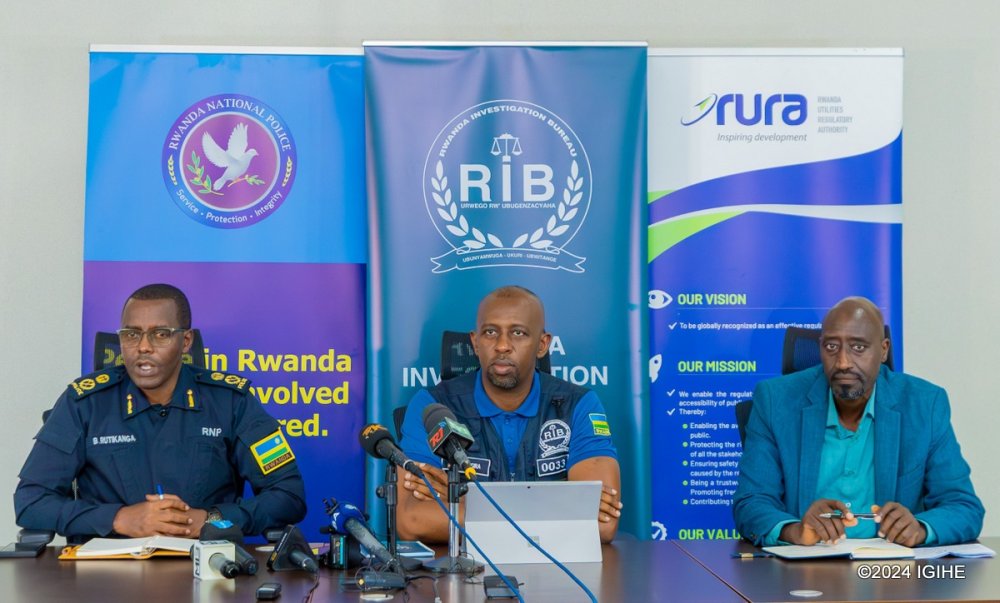
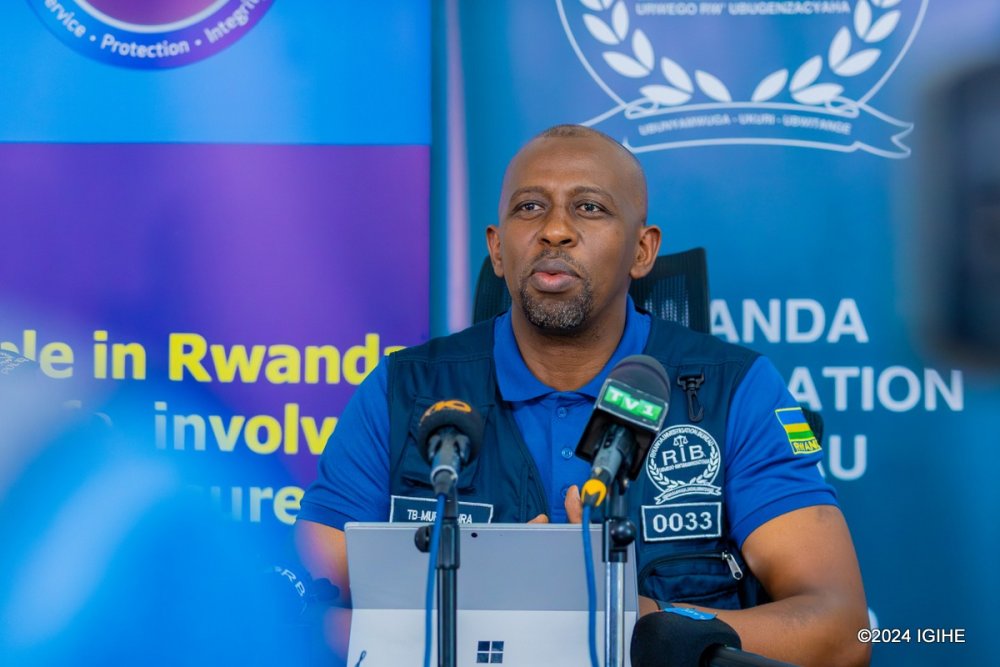
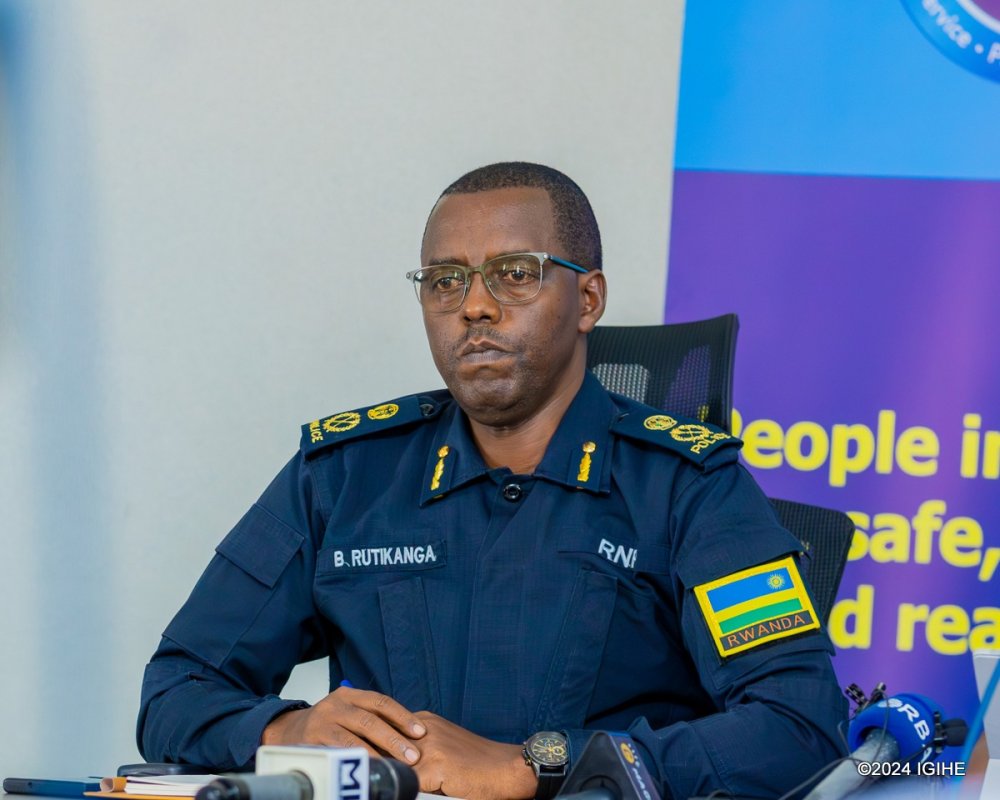
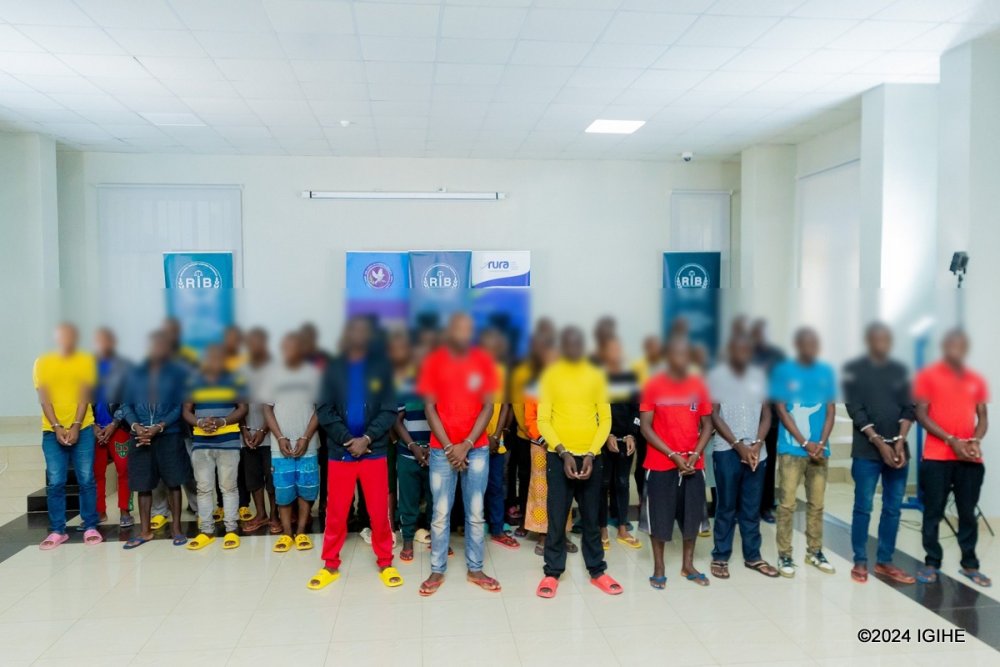
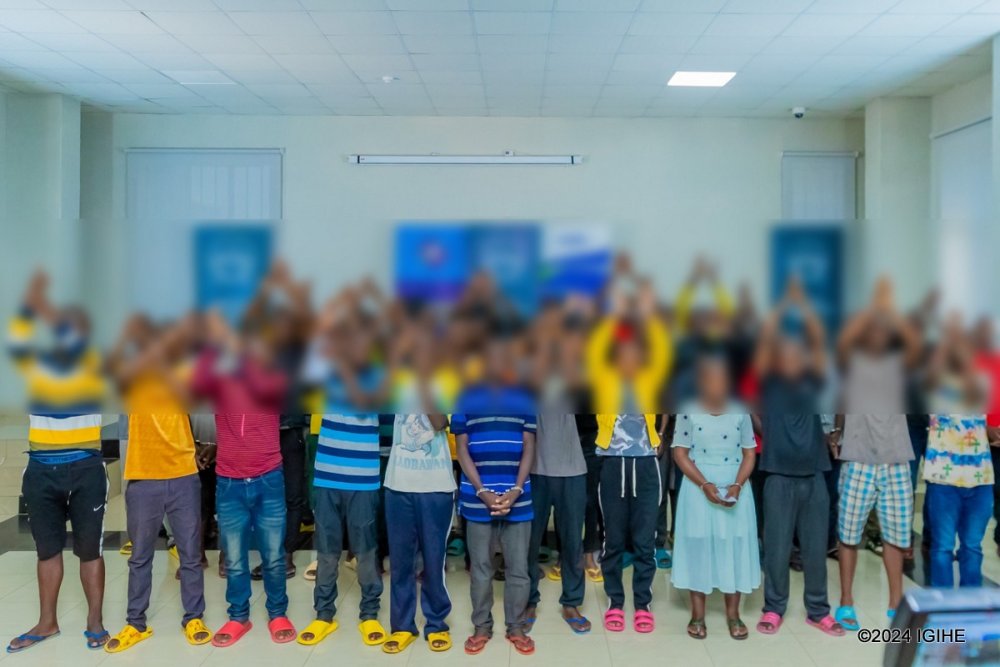
Sim Swap fraud is a type of identity theft where a malicious actor gains control of a victim’s mobile phone number by persuading or tricking a mobile network operator to transfer the SIM card associated with that number to a new device.
Once the scammer has control of the phone number, they can intercept calls and text messages, including those used for two-factor authentication (2FA). This allows the fraudster to gain access to the victim’s online accounts, such as banking, mobile money, email, and social media, potentially leading to financial loss and other types of identity theft.
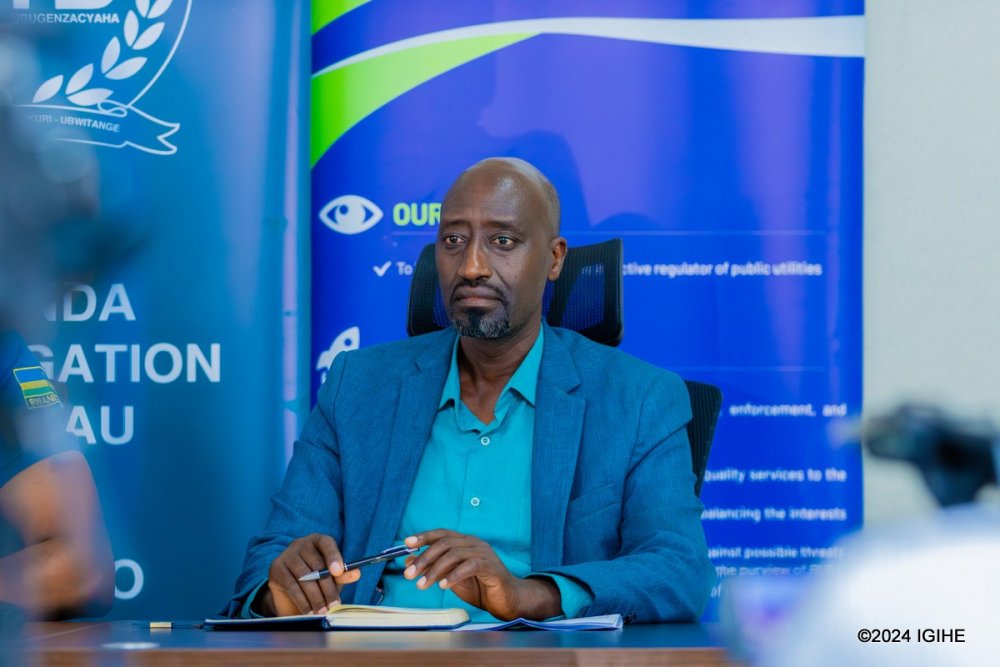
To address such cases, RURA has outlined several measures aimed at preventing future incidents.
In a notice to the general public on Wednesday, August 21st, 2024, the authority said SIM card registration or swaps are to be conducted only at permanent premises designated by mobile telecom companies and any SIM card involved in fraudulent activities will be immediately blocked, along with any other SIM cards registered to the ID of the suspected fraudulent individual.
Further, any telecom personnel/agents involved in fraudulent activities will have their business credentials revoked and their SIM cards deactivated.
Issuing or lending a SIM card registered under your ID to another person has been prohibited as it may be used in fraudulent activities.
RURA also announced that bulk Short Message Services (SMS) have been reviewed to enhance service delivery, stating that only telecom companies and licensed aggregators are permitted to send bulk SMS.
The authority further urged mobile users to be vigilant against unsolicited messages, calls requesting money or pretending to be from telecom or government personnel, especially those instructing you to dial certain phone numbers to avoid blocking your phone.
RURA reminded the general public to regularly check the SIM cards registered under their IDs by dialing *125# and following the instructions to self-deregister any unrecognized or undesired SIM cards.
The general public has also been urged to report any fraudulent activities to relevant telcos for assistance.
“In the event of any fraudulent activity, please contact your service provider by dialing the toll-free number 100, which is available for both MTN and Airtel. Alternatively, you may visit their respective service centers for further assistance,” RURA advised.
“For additional support, please contact RURA at the toll-free numbers 3988 or 2222.”
These appointments announced through a communiqué released by the Office of Prime Minister on Wednesday, August 21, 2024,come in the wake of the postponement of elections for other district representatives in the Kigali City Council last week.
According to Law No. 22/2019 of July 29, 2019, which governs the City of Kigali, the city is managed by its City Council, which should consist of 11 advisors—six elected members and five appointed by the Head of State.
However, the law permits the President to adjust the number of advisors he can appoint, a power that was exercised in this instance.
The Kigali City Executive Committee is elected from appointed councilors, along with those representing the districts.
The Executive Committee is composed of three members: the Mayor of Kigali, the Vice Mayor in charge of Urbanization and Infrastructure, and the Vice Mayor in charge of Socio-Economic Affairs.
The members of the Kigali City Executive Committee serve a five-year term, which can be renewed once, but they are not allowed to serve more than two consecutive terms.
Mega Global Market is an e-commerce platform with physical markets in Rwanda and branches in other regions. It offers a variety of products, including supplements, various services and an assortment of other services.
The official launch of Mega Global Market, both the online platform and physical market, is scheduled for September 15, 2024, in Rwanda.
During a meeting with the advisory board, Dr. Francis Habumugisha, the CEO of Mega Global Market, announced that the promotion was introduced to ensure customers continue to benefit from their offerings.
“We have introduced a promotion where everyone who makes purchases between August 19 and 26, 2024, will receive a 20% discount. This applies to the seven travel-related services, including study and leisure trips, as well as to those purchasing various supplements, who will also receive a 20% discount,” the CEO said.
However, he clarified that this discount does not apply to those purchasing a single piece of equipment.
Habumugisha also disclosed plans for a trip with members who have made various purchases on Mega Global Market, company representatives who sold products, and others who meet the required criteria. The trip is scheduled for December 2024 and will be held in Dubai.
During this trip, those who meet the requirements will have all expenses covered, including travel costs, meals, and other necessities until their return.
The CEO confirmed that they are initially focusing on the Asian market but plan to expand to other regions, including America and Europe.
Dr. Arthur Rukundo, Vice President of Mega Global Market in charge of health and well-being, announced that the market offers health-related products (supplements), equipment that promotes a healthy lifestyle, and travel services for those who need to go abroad for education, medical treatment, work, and other purposes.
The forces were flagged off by Maj Gen Vincent Nyakarundi, the Rwanda Defence Force (RDF) Army Chief of Staff alongside Commissioner of Police Vincent B. Sano who is the Deputy Inspector General of Police in charge of Operations.
During the briefing at Kigali International Airport, Maj Gen Nyakarundi emphasized the importance of maintaining the discipline and momentum that the Rwandan security forces have exhibited over the past three years.
On his part, Commissioner of Police Vincent B. Sano echoed similar sentiments, urging the troops to foster teamwork and avoid actions that could tarnish Rwanda’s reputation. He stressed the importance of unity in achieving their mission objectives.
The departing forces will be under the command of Maj Gen Emmy Ruvusha, who takes over from Maj Gen Alex Kagame. Their deployment is part of Rwanda’s ongoing commitment to supporting Mozambique in countering the insurgency that has plagued Cabo Delgado since October 2017, when armed extremists first launched a rebellion in the region.
In response to the escalating violence and widespread displacement, Rwanda began deploying its security forces to Mozambique on July 9, 2021. Initially consisting of 1,000 troops from both the Rwanda Defence Force and the Rwanda National Police, the contingent had grown to nearly 2,000 by the end of 2021.
By late 2022, it was announced that the number of Rwandan troops in Mozambique had increased to about 2,500, reflecting their expanded mandate to pursue and dislodge terrorists from their hideouts.
Mozambique has also received military support from the Southern African Development Community (SADC) since 2021. However, SADC forces began withdrawing in April this year as their mandate drew close to the end.
Before the intervention of Rwandan troops in 2021, terrorists had claimed the lives of 3,000 civilians, and more than 800,000 people had been displaced. The insecurity had also brought all development projects in the insurgent-controlled areas to a standstill.
Over the past three years, the Rwandan security forces, in collaboration with Mozambique’s armed forces, have made significant strides in dismantling the Al Sunna Wa Jama (ASWJ) terrorist group from their strongholds in Mocimboa da Praia and Palma. This has allowed a substantial number of internally displaced people to safely return to their villages.
Rwanda and Mozambique have enjoyed vibrant relations for many years, with cooperation agreements spanning various sectors, including security, trade, and investment.
This strategic decision positions Rwanda as a gateway for advanced drone technology across the continent. Dronlytics Africa, which owns a US-patented drone technology comparable to NASA’s ‘Perseverance’ rover on Mars, aims to leverage this innovation to address key challenges in Africa, including poverty reduction, food security, and environmental protection.
By utilizing drones to gather critical data, Dronlytics Africa seeks to reduce poverty by lowering production costs through precise data collection. This approach will help farmers increase their cash flows and achieve greater financial stability.
The company’s technology is also expected to enhance food security by providing timely and accurate data on crops, enabling farmers to make informed decisions that lead to improved yields.
Furthermore, Dronlytics Africa’s technology contributes to environmental protection by enabling the efficient application of agricultural chemicals, thereby minimizing nitrogen runoff and reducing environmental degradation.
Anthony Hall, the Managing Director of Dronlytics Africa Limited, highlighted the capabilities of their drones, which can fly, land, and traverse vast agricultural lands to collect valuable information.
“We are, first and foremost, a data-driven company. Our drone technology, proven in other parts of the world, increases farm productivity when data is understood and applied correctly. Instead of reinventing the wheel, we apply tried-and-tested technology alongside our advanced drone tech to improve yields,” he remarked.
Hall also emphasized that the drone technology reduces production costs for farming, ultimately leading to higher cash flows for farmers.
“In terms of enhancing food security, we provide critical data in a timely manner about farmed crops needed to increase yields. Finally, by assessing farms before applying chemicals, we can efficiently apply these chemicals in a way that reduces usage and minimizes nitrogen release into the environment,” he added.
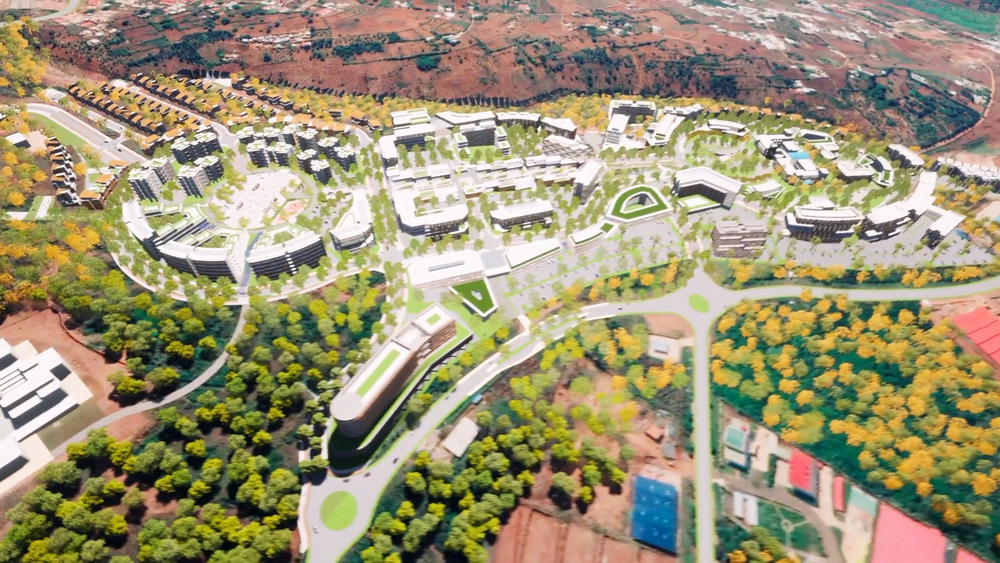
Dronlytics Africa is currently in the design phase for its new headquarters, having invited five local firms to tender building designs. Groundbreaking is anticipated towards the end of this year, with drone services expected to commence in the fourth quarter of 2024.
Africa’s agricultural sector lags behind regions like India and other emerging economies in technological advancement.
Dronlytics Africa envisions a paradigm shift, positioning Rwanda as a leader in drone technology and a hub for innovation on the continent.
According to the company’s management, Rwanda’s successful history with drone technology, exemplified by Zipline’s achievements, makes it the ideal location for Dronlytics Africa’s headquarters.
Among the new appointees are Richard Nyirishema, Minister of Sports, who replaced Aurore Mimosa Munyangaju, Prudence Sebahizi, Minister of Trade and Industry, who succeeded Prof. Ngabitsinze Jean Chrysostome; and Ambassador Christine Nkulikiyinka, Minister of Public Service and Labor, who took over from Prof. Jeannette Bayisenge.
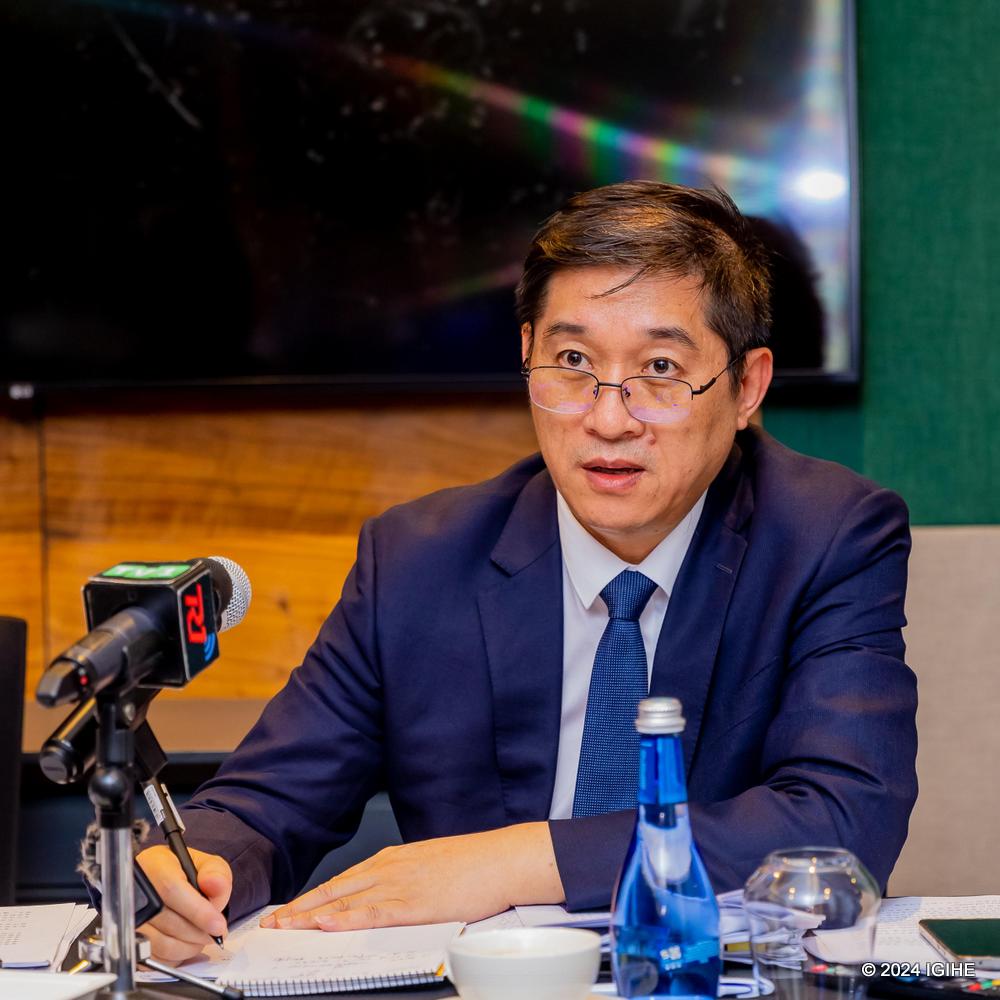
In an exclusive interview with IGIHE, Prudence Sebahizi, the newly appointed Minister of Trade and Industry, expressed his gratitude to the President for entrusting him with this role. He emphasized his commitment to driving positive changes within the Ministry.
“This Ministry oversees the industrial sector, which is crucial for the country’s production, as well as trade, which ensures that our products reach the market. I plan to address any existing challenges within these sectors and ensure that the products reach the market efficiently,” he stated.
Sebahizi also emphasized the importance of strengthening collaboration with various institutions and agencies that support the Ministry of Trade and Industry to enhance service delivery to the public.
Regarding the African Continental Free Trade Area (AfCFTA), he noted that Rwanda needs to invest in building a strong private sector capable of meeting the demands of this large market.
“We are going to focus on what we can produce in Rwanda and ensure it is of high quality for the international market, while also encouraging Rwandans to contribute to increasing the country’s output,” he added.
Amb. Christine Nkulikiyinka, the newly appointed Minister of Public Service and Labor, told IGIHE that she was at home when she received the news of her appointment, and it came as a complete surprise.
She expressed her dedication to serving the Rwandan people and contributing to their development.
“These are heavy responsibilities, but I am determined to fulfill them to the best of my ability. I am ready to work with everyone, exchange ideas, and understand the Ministry’s operations and vision,” she said.
Amb. Nkulikiyinka emphasized the need to focus on changing Rwandans’ perceptions of work. “Based on my previous experience, the first priority is learning. There are things you learn in school, but there are also life lessons. Another important aspect is changing mindsets and valuing all types of work,” she explained.
Prior to the ministerial appointment, Nkurikiyinka previously served as Rwanda’s Ambassador to several countries, including Germany, Sweden and Denmark, and represented Rwanda in Poland, Romania, Liechtenstein, the Czech Republic, Slovakia, Ukraine, Norway, Finland, and Iceland.
Meanwhile, the new Minister of Sports Richard Nyirishema underscored that he is set to prioritize collaboration and effective partnerships with various stakeholders.
“I am grateful for the trust the President has placed in me, and I am ready to contribute our efforts to advancing sports in collaboration with all stakeholders,” he said.
He noted that specific areas needing attention and focus to promote sports development would be outlined after the handover process.
Nyirishema is well-known in Rwandan sports, having been a member of the Executive Committee of the Rwanda Basketball Federation.
Twenty-one Ministers and nine State Ministers were last week appointed with new faces including Amb. Christine Nkulikiyinka (Public Service and Labor), Prudence Sebahizi (Trade and Industry), and Richard Nyirishema (Sports).
Several existing ministers were also reappointed to continue heading their respective ministries.
Additionally, Dr. Doris Uwicyeza Picard was appointed as the CEO of Rwanda Governance Board (RGB) succeeding Dr. Usta Kayitesi.
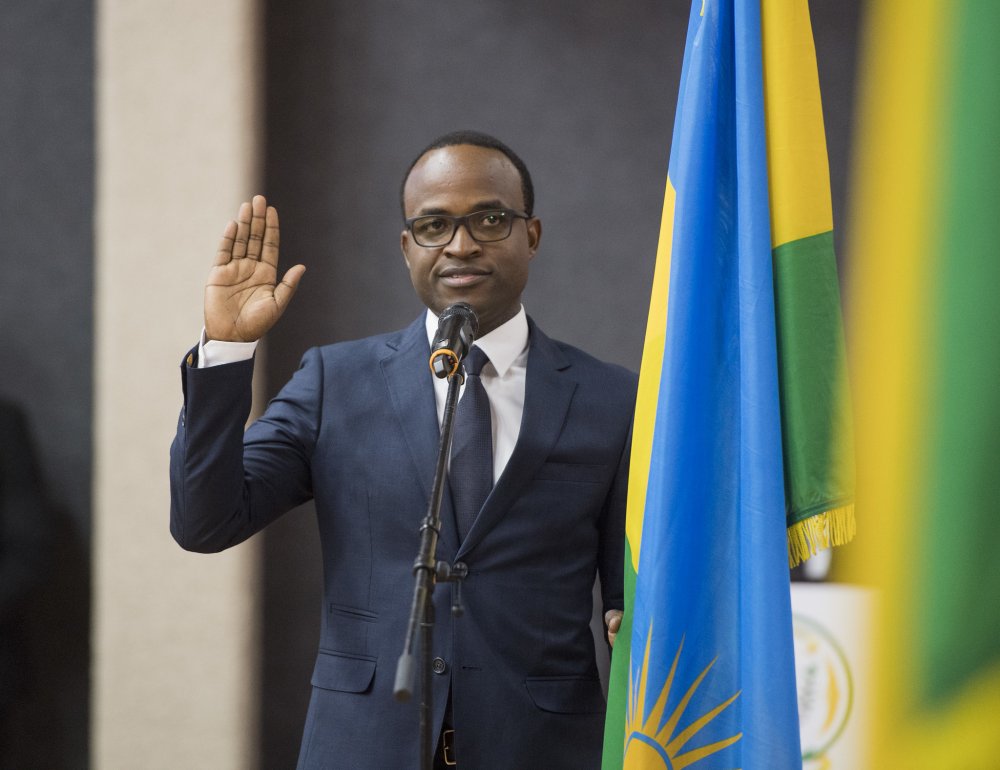
During Monday’s swearing-in ceremony, Kagame reminded both the newly appointed and returning leaders of the significant responsibility they bear in their roles.
He emphasized that the cabinet’s renewal is not merely a routine change but an opportunity for self-evaluation and a commitment to greater achievements.
“The way I see it, there are things we did well in the past, and things that did not go as well. It’s our duty to put everything together, analyze, and ask ourselves, ‘What can we do better moving forward?’ If you don’t see it this way, then there is a problem. What you did well before means you should do even better, and what was not done well needs to be corrected as we move on,” he advised.
Kagame also stressed the importance of appreciating public criticism and using it as a tool for correction to maintain the right direction when things are going well. However, he emphasized that self-evaluation should be a constant practice.
The Head of State urged the leaders to utilize available resources and their respective capacities efficiently to fulfil their responsibilities to the Rwandan people. He cautioned against prioritizing personal interests over the common good, stating, “This means that what you do for others should also be beneficial to you, but not something you do solely for your own benefit.”
President Kagame highlighted the significant progress Rwanda has made in recent years but warned against complacency, urging the leaders to strive for even greater accomplishments.
“We have achieved many things in the past, without a doubt. But when you do good things, it is not a time to relax. It is not a time to get carried away with joy to the point that what people have been working on could regress because you are no longer paying attention or following up. You should ask yourself, even though we have achieved a lot, couldn’t we have achieved even more?” he challenged.
He also encouraged the leaders to foster collaboration among institutions to ensure they complement each other in advancing the country’s development.
Addressing the absence of some officials from the recently formed cabinet, President Kagame clarified that it was not indicative of dismissal but rather a reassignment of duties.
He acknowledged that dismissals could occur due to accountability issues but assured those who did not retain their roles that future appointments would be announced in due course.
A background check on the new ministers’ education and work experience shows that the officials are experts in various fields, including law, engineering, Science and Technology, economics and medicine among other related fields.
A spot-check conducted by IGIHE also revealed that most members of the government hold undergraduate degrees from the University of Rwanda, particularly from when it was still known as the National University of Rwanda, as well as its affiliated colleges.
{{Legal Experts
}}
Among the legal experts is Judith Uwizeye, who was appointed as the Minister in the Office of the President. She obtained her undergraduate degree in law from the University of Rwanda in 2006. She later pursued further studies at the University of Groningen in the Netherlands, where she earned a master’s degree in international economics and business law. She joined the government in 2014 as a teacher of international economics and business at the University of Rwanda.
The Minister of Justice, Dr. Emmanuel Ugirashebuja, also studied law at the University of Rwanda and earned his Ph.D. from the University of Edinburgh in Scotland. Dr. Ugirashebuja has also taught law at various universities worldwide and served as the President of the East African Court of Justice.
The Minister of Foreign Affairs and International Cooperation, Ambassador Olivier Nduhungirehe, holds a master’s degree in tax management from Université Libre de Bruxelles (ULB) and a law degree from the Catholic University of Louvain in Belgium.
Between 2005 and 2007, Nduhungirehe taught law at various universities, including the University of Rwanda, while managing other responsibilities.
The Minister of National Unity and Civic Engagement, Dr. Jean Damascène Bizimana, earned a PhD in international law from the University of Toulouse in France in 2004. Dr. Bizimana also holds a master’s degree in law from the University of Montpellier in France and an undergraduate degree in philosophy and humanities.
{{Medical Professionals
}}
Among the medical professionals in the new government is the Minister of Health, Dr. Sabin Nsanzimana, who holds a Ph.D. in epidemiology from the University of Basel in Switzerland and a master’s degree in epidemiology from the University of Rwanda.
The Minister of State in the Ministry of Health, Dr. Ivan Butera, studied medicine at the University of Rwanda and practised in various hospitals including CHUK, CHUB, and the Kanombe Military Hospital. Dr. Butera has a master’s degree in medicine from the University of Global Health Equity (UGHE) in Butaro and a Ph.D. in human cell biology from the University of Liège in Belgium.
The Minister of Internal Security, Dr. Vincent Biruta, trained as a physician. He also holds post-graduate qualifications in planning and management of health services in developing countries, obtained from Université libre de Bruxelles, in Belgium.
Another doctor is the Minister of Youth and Arts Development, Dr. Utumatwishima Jean-Nepo Abdallah. He initially studied medicine at the University of Rwanda and earned his undergraduate degree there. Dr. Utumatwishima holds a master’s degree in public health from the University of Manchester in the UK and a Ph.D. from the University of Gothenburg in Sweden.
{{Economists
}}
Prime Minister Dr. Edouard Ngirente studied economics at the University of Rwanda and specialized in statistics and finance at the Catholic University of Louvain in Belgium.
The Minister of Finance and Economic Planning, Yusuf Murangwa, holds a master’s degree in statistics and research methodology from Cardiff University in Wales.
The Minister of Gender and Family Promotion, Consolée Uwimana, is an investor and banking expert with a master’s degree in banking. The Minister of Agriculture and Animal Resources, Dr. Ildephonse Musafiri, holds a Ph.D. in agricultural economics from the University of Bonn in Germany and a master’s degree in economics from the University of Rwanda. Dr. Musafiri was a lecturer and Head of Department of the Faculty of Business and Economics at the University of Rwanda.
{{Technology Experts
}}
The Minister of ICT and Innovation, Paula Ingabire, studied technology at the Massachusetts Institute of Technology (MIT) in the USA. She holds a degree in computer technology from the Kigali Institute of Science and Technology, which later became the College of Science and Technology of the University of Rwanda.
The Minister of Sports, Richard Nyirishema, also qualified with a bachelor’s degree in civil engineering and environmental technology from the Kigali Institute of Science and Technology in 2003.
The Minister of State in the Ministry of Education, Claudette Irere, obtained a master’s degree in computer science from Oklahoma Christian University in 2013 and a bachelor’s degree in computer science from the University of Rwanda in 2012.
The Minister of State in the Ministry of Infrastructure, Olivier Kabera, holds a bachelor’s degree in civil engineering and environmental technology from the Kigali Institute of Science and Technology obtained in 2004. Kabera also has a master’s degree in environmental management from the University of Stirling in the UK and a business and leadership degree from the Swedish Management Institute.
{{Science Experts
}}
The Minister of Environment, Dr. Valentine Uwamariya, holds a bachelor’s degree in chemistry from the National University of Rwanda. In 2006, she earned a master’s degree in chemistry from the University of the Witwatersrand in South Africa. In 2013, Dr. Valentine earned a Ph.D. in environmental engineering and a degree in water technology from UNESCO-IHE and Delft University of Technology in the Netherlands.
The Minister in charge of Emergency Management, Maj. Gen. (Rtd) Albert Murasira, holds a master’s degree in project management from the University of Liverpool in 2016. He also obtained a bachelor’s degree in mathematics from the University of Rwanda, obtained in 1986.
The Minister of Education, Gaspard Twagirayezu, holds a master’s degree in science engineering from Oklahoma Christian University obtained in 2013.
The Minister of Infrastructure, Dr. Jimmy Gasore, holds a Ph.D. in atmospheric science from the Massachusetts Institute of Technology (MIT). He has also previously taught at the University of Rwanda.
The Minister of Defence, Juvenal Marizamunda, holds a bachelor’s degree in social sciences and military science, a first-level degree in military and conflict resolution, a master’s degree in leadership from Ghana’s top school, and a master’s degree in international relations and diplomacy from Mount Kenya University.
In the Prime Minister’s Office, Inès Mpambara, was a teacher in the School of journalism and Communication and also served as its director. She studied journalism in Canada.
The Minister of Local Government, Jean Claude Musabyimana, also taught at the Higher Institute of Agriculture and Animal Husbandry (ISAE Busogo) before it became a branch of the University of Rwanda. He holds a Ph.D. in agriculture from the University of Gembloux in Belgium and a bachelor’s degree in agriculture from the National University of Rwanda.
The Minister of State in the Ministry of Youth and Arts Development, Sandrine Umutoni, holds a bachelor’s degree in international relations from Agnes Scott College in the USA, a master’s degree in French, and a degree in translation from Georgia State University in the USA.
The Minister of State in the Ministry of Local Government, Marie Solange Kayisire, holds a master’s degree in project planning from the University of Glasgow in Scotland, obtained in 2008.
The Minister of State in the Ministry of Finance and Economic Planning in charge of public finance, Richard Tusabe, holds a master’s degree in project planning from Watt University in the UK.
The Rwanda Development Board (RDB) confirmed this development on Monday, August 19, 2024 through their X handle.
“RDB is pleased to announce that the 20th edition of Kwita Izina will take place on October 18, 2024,” reads the statement.
Responsible for the tourism sector in Rwanda, RDB says that about 20 baby gorillas will be named. World celebrities and different illustrious personalities from around the world are expected to attend.
Many familiar names have been invited including celebrities and other prominent people in the field of conservation, whose identities will be revealed in the coming days.
Last year, the 19th edition of Kwita Izina was attended by various guests including some who work in the protection of animals and ecosystems, football stars, film actors, international celebrities and other renowned people.
Among them was Idrissa Akuna Elba OBE, an English film actor, accompanied by his wife Sabrina Dhowre Elba, a fashion expert. Others included Kevin Hart, Danai Gurira and many others.
In all, 23 baby gorillas were each given a name, in a ceremony graced by the First Lady Jeannette Kagame. Hundreds of thousands of residents of Musanze and Burera districts attended.
Kwita Izina is an opportunity to celebrate the achievements of mountain gorilla conservation. Mountain Gorillas are no longer endangered species of animals due to the measures taken for their protection.
Launched last month, these services mark a significant advancement in the ease and efficiency with which individuals abroad can manage their legal documentation processes, reflecting a broader commitment to digital governance.
According to the management of Irembo, the first of these services focuses on the legalization of public documents originating from abroad, intended for use within Rwanda.
This service simplifies the complex process of legalizing foreign documents, particularly for users from countries not part of the Apostille Convention.
For these countries, applicants must first secure legalization from their home country’s Ministry of Foreign Affairs before proceeding with the IremboGov platform.
Conversely, documents from countries within the Apostille Convention only require Apostille certification from the relevant local authorities. This service effectively bridges the gap between different legal frameworks, ensuring that documents meet Rwanda’s legal standards efficiently.
The second service pertains to the legalization of Powers of Attorney specifically related to property transfers. Traditionally a cumbersome and time-consuming process, this new online service provides a streamlined solution, allowing users to validate such legal instruments from anywhere in the world.
By digitizing this process, Irembo and the Ministry of Foreign Affairs seek to ensure that property transactions are both legally compliant and more accessible to all parties involved.
These services come with several advantages which collectively enhance the user experience in several ways. Firstly, they drastically reduce the time and effort required to legalize documents and validate Powers of Attorney. This newfound efficiency not only expedites property transactions but also smoothens the broader process of document legalization, offering a more seamless experience for users.
Secondly, the services reinforce legal compliance, ensuring that all transactions and documents intended for use in Rwanda adhere to the required legal standards.
Additionally, the government’s ability to oversee and process these transactions is significantly improved, promoting greater transparency and accuracy in public service delivery.
As per a statement from Irembo, this initiative represents a major milestone in the mission to enhance user convenience and operational efficiency.
Previously, navigating the legalization process involved multiple in-person visits to various offices, often leading to delays and frustrations. The introduction of these online services eliminates these barriers, allowing users to complete their transactions from the comfort of their homes or offices, no matter no matter the location.
More so, Irembo’s integration of these services is a testament to Rwanda’s vision of becoming a leading digital hub in Africa. By aligning with the government’s broader goals of improving public service delivery and promoting transparency.
Irembo is not only enhancing the user experience but also supporting the country’s ambitious digital transformation agenda.
To access these new services, users simply need to visit the IremboGov platform and select the appropriate service under the Foreign Affairs Consular Services category. From there, they can fill out the necessary forms, submit their applications, and receive their certificates in an electronic format, which is both easily storable and accessible for future use.
Additionally, the platform offers a convenient tracking feature, allowing users to monitor the status of their applications directly from their IremboGov dashboard.
As Irembo continues to lead the way in digital government services, these new innovations are a clear reflection of the platform’s dedication to reducing bureaucracy, enhancing accessibility, and providing a seamless experience for users.
This collaboration with the Ministry of Foreign Affairs and International Cooperation underscores a shared commitment to more efficient, transparent, and user-friendly public service delivery in Rwanda.