The resolution passed on September 18, 2024, demanded Israel “end without delay its unlawful presence” in the “Occupied Palestinian Territory” within 12 months. It also included a call for an arms embargo on weapons that Israel could use in those areas.
This resolution aligns with a previous decision by the International Criminal Court (ICC), which deemed Israel’s military presence in Palestinian territories unlawful.
The vote saw 124 countries in favor, 14 against, and 43 abstaining, including Rwanda.
Other abstaining nations included the United Kingdom, Ukraine, Germany, Italy, Canada, Australia, Austria, Japan, India, and Sweden.
The resolution was praised by several delegates, such as Syria, which called it an expression of global solidarity with the Palestinian people and a strong rejection of Israeli occupation, as reflected in a UN statement.
However, representatives of countries that opposed the resolution argued that it failed to address Israel’s significant security challenges.
The Czech Republic’s delegate expressed disappointment that the tresolution did not consider Hamas’ use of the Gaza Strip to launch attacks on Israel, using civilians as human shields.
Countries like Argentina, Hungary, and Papua New Guinea emphasized the need for a negotiated agreement, rather than unilateral actions, to foster long-term peace in the Middle East.
The UK delegation abstained, citing a lack of clarity in the resolution’s ability to support a negotiated solution. Switzerland also voiced concerns that the one-year timeline for Israel’s withdrawal did not address its legitimate security concerns.
Israel condemned the resolution, accusing it of ignoring the deadly attack by Hamas on October 7, 2023, which claimed the lives of 1,200 people, mostly civilians and during which terrorists abducted 251 people who were taken as hostages to Gaza.
The ongoing conflict has claimed over 41,250 Palestinian lives in Gaza, a territory with deep historical and geopolitical significance.
After Israel’s occupation of Gaza, the West Bank, and East Jerusalem in 1967, these areas became central to the Israeli-Palestinian conflict, with both sides asserting claims over the land.
This two-day event, organized by the Elsa Miller Foundation in collaboration with the Ministry of Health, the National Child Development Agency, and Imbuto Foundation, will gather international experts, policymakers, researchers, and other stakeholders to discuss critical measures to combat stunting in Rwanda.
Despite Rwanda’s impressive strides in child survival, poverty reduction, and agricultural development, stunting remains a persistent challenge. The country’s stunting rate decreased from 48% in 2000 to 33% in 2020, yet disparities remain, particularly in rural areas.
Districts in the Western and Northern provinces still report stunting rates above 40%, signaling an urgent need for targeted interventions.
Antenatal and early childhood health programs that focus on providing adequate nutrition, micronutrients, and sanitation have been proven to reduce the incidence of low birth weight, as well as stunting by the age of two.
The meeting aims to examine the current state of stunting in Rwanda, evaluate ongoing efforts, and identify gaps in policy and practice.
The event will be structured around different main objectives which include assessment of the current stunting situation in Rwanda, including the challenges and successes.
The other objective is to learn from global experts about proven interventions and strategies that could be adapted to Rwanda’s context and mobilize resources and partnerships for a comprehensive stunting prevention trial set to begin in 2025.
Key stakeholders from the Rwandan government, non-governmental organizations, academia, and international experts will participate in discussions. The meeting will serve as a platform for exchanging knowledge on effective maternal and child health interventions, particularly those that target high-risk populations.
Rwanda’s stunting prevention trial, which will commence in 2025, aims to test innovative approaches to combat stunting through improved maternal care, early childhood development, and access to essential health services. The trial is expected to benefit thousands of children and mothers across the country.
With the support of the Elsa Miller Foundation, the meeting highlights the importance of multi-sector collaboration in tackling stunting. By bringing together diverse stakeholders, the event seeks to ensure that children across Rwanda have the opportunity to grow and develop to their full potential.
The anticipated outcome of the meeting is a stronger, more coordinated response to child stunting and a renewed commitment to addressing maternal and newborn health challenges, which remain critical to Rwanda’s future.
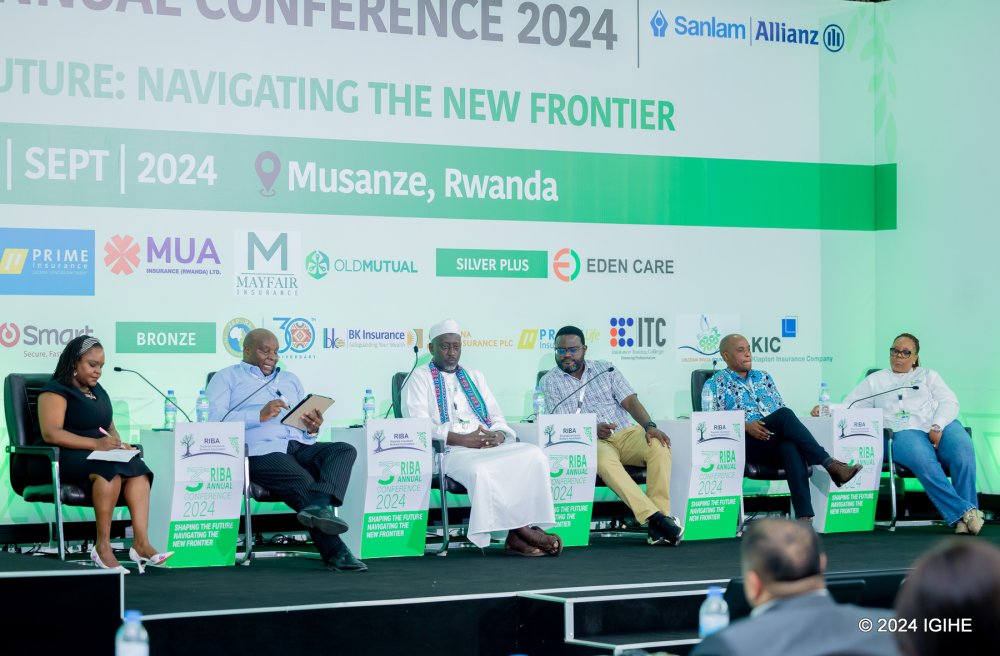
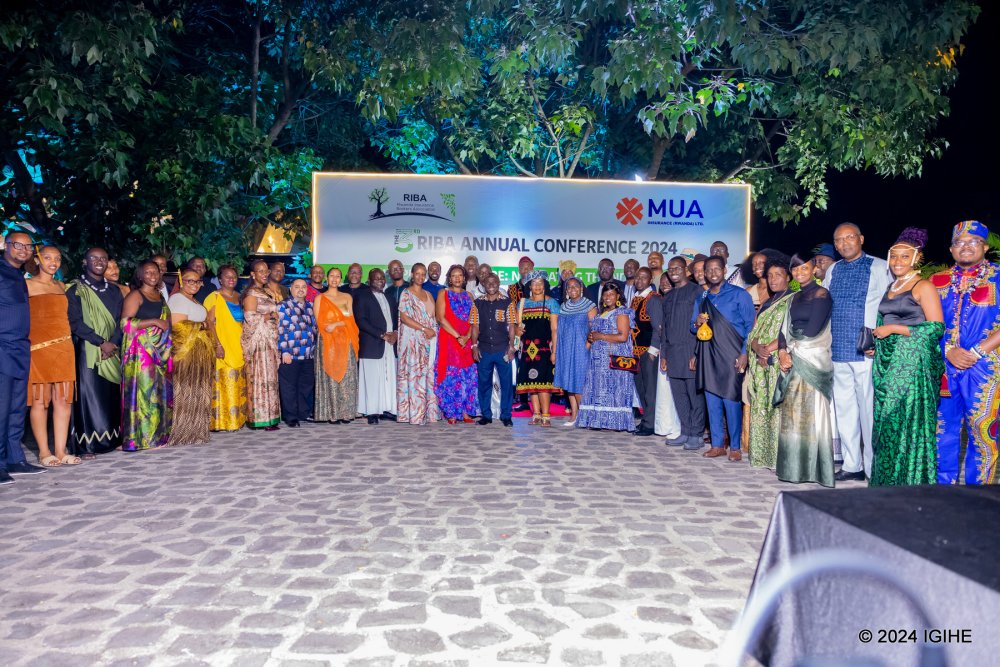
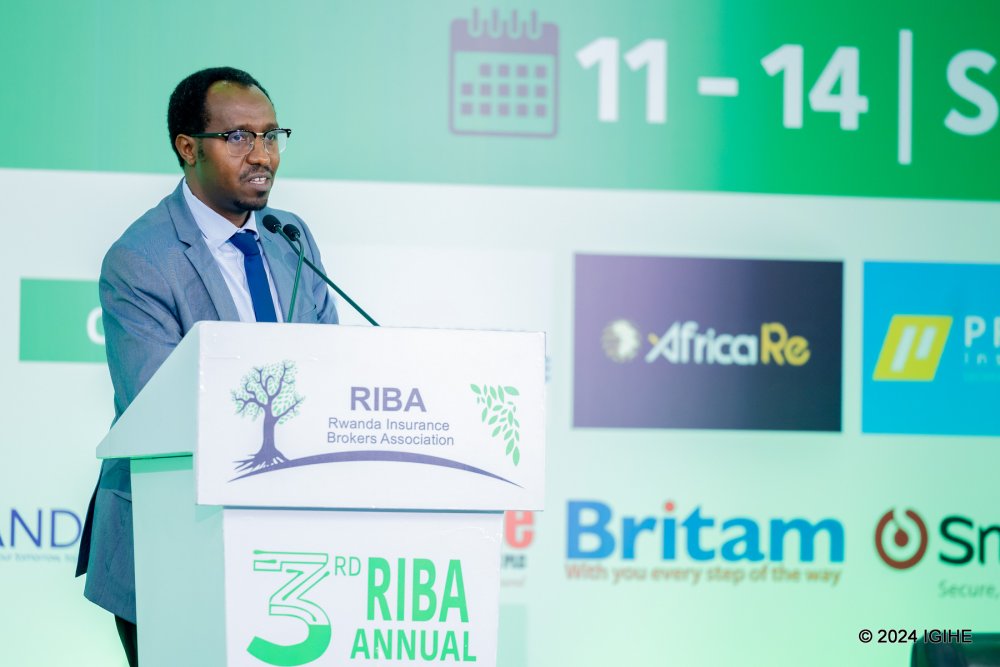
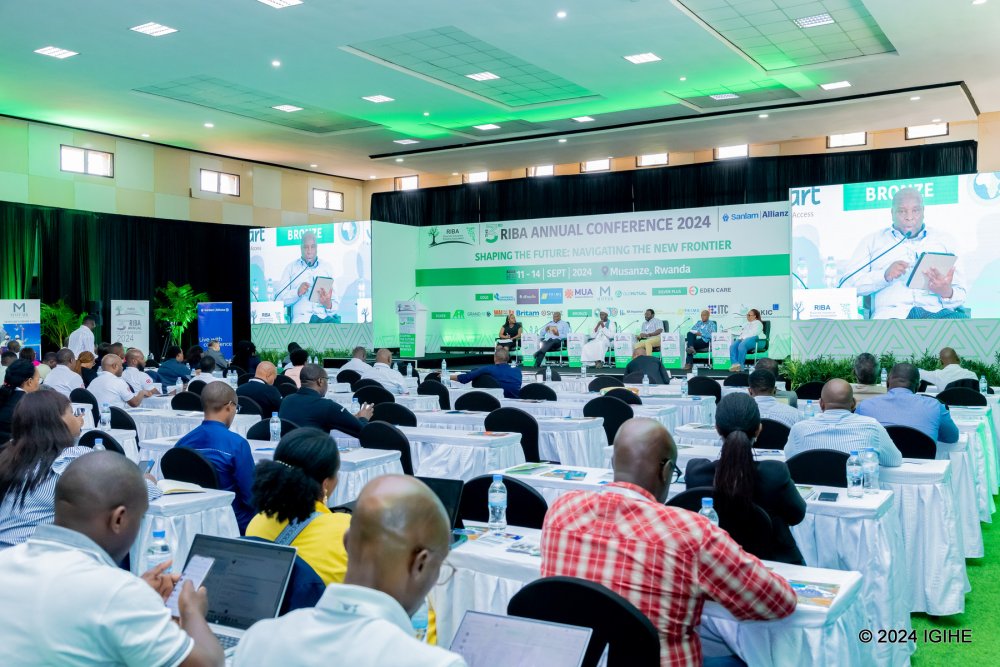
She brought this point to light during the 3rd ANNUAL RIBA CONFERENCE held from September 11 to 14, 2024 in Musanze district.
This association brings together insurance professionals in the region to assess challenges in the insurance sector, explore solutions, identify opportunities, and discuss how to contribute to the industry’s growth in various ways.
Mhiribidi said, “We also discussed artificial intelligence (AI), considering how we can collaborate with tech-savvy youth to create advanced solutions that will improve service delivery.”
“We urged companies to invest in technology, better understand their customers, and enhance their services to meet clients’ needs,” she added.
The Director of Policy and Legal Affairs in the Financial Sector Department at the National Bank of Rwanda, Bernard Nsengiyumva, pointed out the need for technology that connects insurance brokers, insurance companies, and service users to improve the efficiency of the sector and expand its reach.
He also noted that for the insurance sector to grow, efforts must be made to raise public awareness about the benefits of insurance, as many people are still hesitant to adopt it.
“How can today’s technological tools like phones help us? What is needed is for insurance brokers and companies to partner with young tech experts to develop technology tailored to their operations. We haven’t yet seen a strong connection between the tech industry and the insurance sector,” said Nsengiyumva
He urged insurance brokers to play a significant role in educating the public on the importance of insurance to ensure the sector continues to grow.
Data from the National Bank of Rwanda (BNR) shows that the percentage of the population in Rwanda with insurance cover is 1.6%. Across Africa, less than 1% of people have various types of insurance.
During the assembly, it was also discussed that for the insurance sector to grow, companies offering these services must adapt their operations to current trends, especially in a world facing climate change challenges and sectors such as agriculture, which is vital to Africa’s economy.
Ngoga Alain, Head of Sales at SanlamAllianz General Insurance, highlighted that insurance brokers are essential as they help extend services and impact company profits.
“The key is to strengthen technology because most operations are now done through it. We are planning to boost efforts to enhance more positive results,” he said.
Currently, SanlamAllianz General Insurance works with over 14 brokers and more than 345 agents in their market, contributing to 60% of the company’s revenue.
One of the initiatives encouraged by the National Bank of Rwanda for the insurance sector is innovating with technology (insurtech).
This requires using technology and innovations to drive the growth of the insurance sector and keep pace with current times, including modernizing different insurance practices such as selling insurance, resolving insurance-related issues, managing insurance companies, delivering quality customer service, and assessing potential risks.
They are also encouraged to establish programs that support the national fintech policy and foster collaboration between public and private sectors.
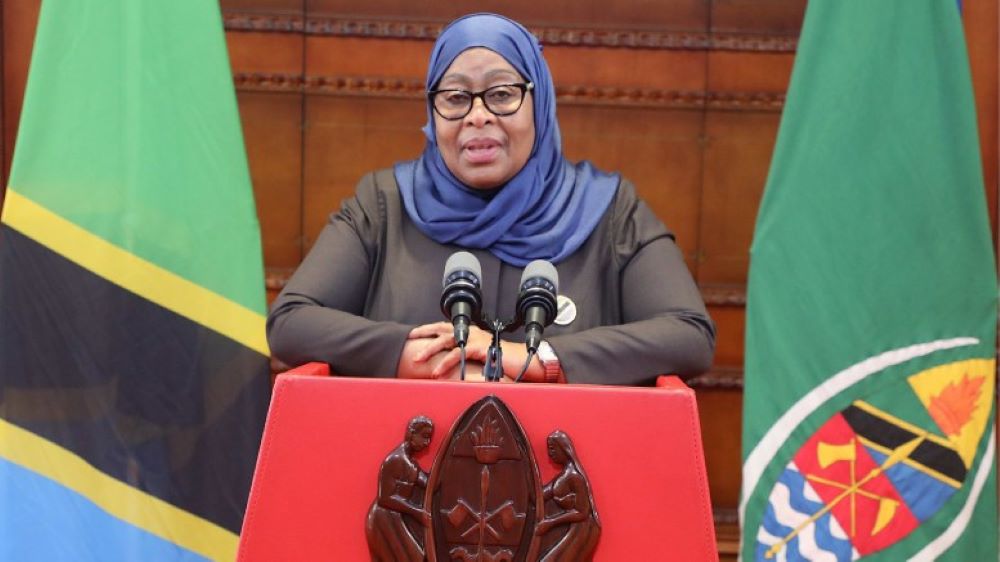
In her first substantive remarks on recent events that have cast a shadow over the upcoming civic poll, the president said statements of condemnation issued by several Western diplomatic missions stationed in Tanzania were not welcome and were in violation of the 1961 Vienna Convention on Diplomatic Relations.
She stressed that Tanzania would not take instructions from any country on how to go about investigating the politically-linked violence that reached a new zenith on September 6 with the brazen abduction and subsequent death in Dar es Salaam of a senior official of the opposition party Chadema.
Chadema secretariat member Ali Mohamed Kibao was snatched by supposedly plain-clothed security operatives off an upcountry-bound bus in full public view on the outskirts of the city. His lifeless body was found in a nearby bush hours later with his face partly disfigured by what is believed to be acid.
The incident came on the back of a growing number of disappearances, detentions and beatings involving political and human rights activists in what the United States in Dar es Salaam described in a September 9 statement as “efforts to disenfranchise citizens ahead of (the) elections.”
The European Union, British and Canadian High Commissions, and Norway and Switzerland embassies also issued a joint statement on September 10 condemning the incidents.
While the US embassy in Dar called for an “independent, transparent, and prompt investigation” into the incident, the other five missions called for a “thorough inquiry.”
In a televised speech at an event in Moshi on Tuesday this week marking the 60th anniversary of the Tanzania Police Force’s formation, President Samia said no “outsiders” could claim to be more pained by the sequence of events than Tanzanians themselves.
“It is our own responsibility to find out why they are happening at this moment in time. We know what we need to do as a sovereign nation and do not appreciate other countries telling us to do one, two, three,” she stressed.
“I believe these statements were not sanctioned by the heads of state of those countries, but I have my own ways of checking with my fellow presidents and once I confirm that they were I will lodge formal complaints with them,” she added.
Before the diplomatic corps intervened, the president had already ordered that Kibao’s death be investigated as quickly as possible and the final report to be made public.
Prime Minister Kassim Majaliwa on Monday said that although it was “easy to point fingers at the police” other disruptive elements working covertly could be responsible for “such incidents that tend to crop up during periods of elections.”
Meanwhile, Chadema party leader Freeman Mbowe has called for Britain’s Scotland Yard investigative unit to be incorporated into the probe on Kibao’s death, stating that the party did not trust Tanzanian law enforcement to conduct a “proper and transparent” inquiry.
The party has also threatened to lead nationwide protests from next week if there is no tangible progress in the Kibao investigation by then.
Kibao’s death along with other incidents have sparked public outrage and heightened safety concerns in relation to the nationwide municipal poll scheduled for November 28, which is expected to form the template for next year’s general election.
Next year, President Samia will be vying for another term as well as for the ruling CCM party to maintain its majority legislative control until 2030.
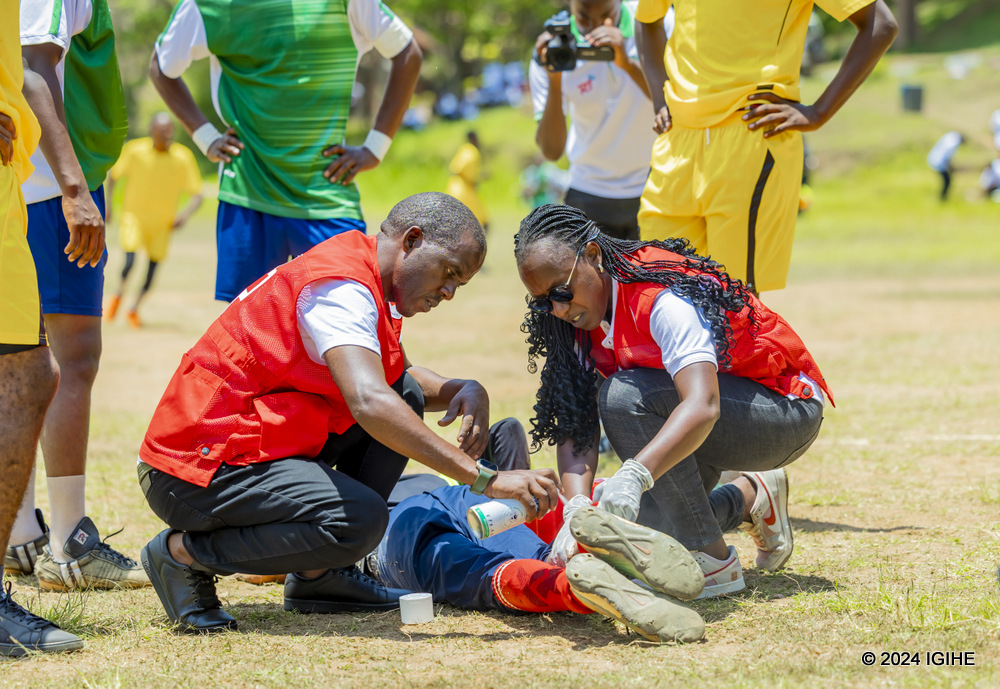
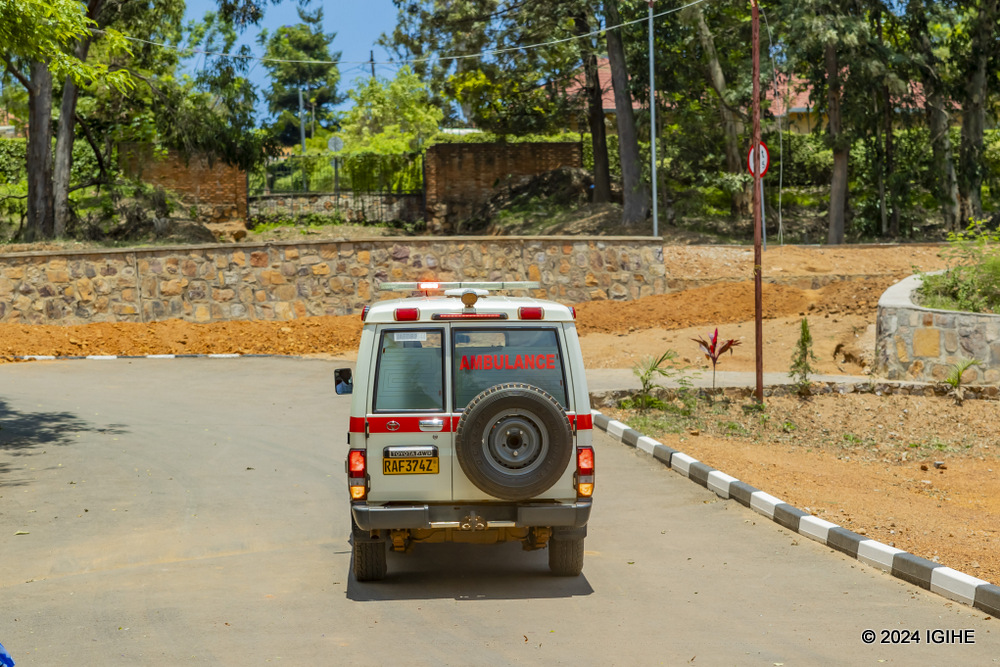
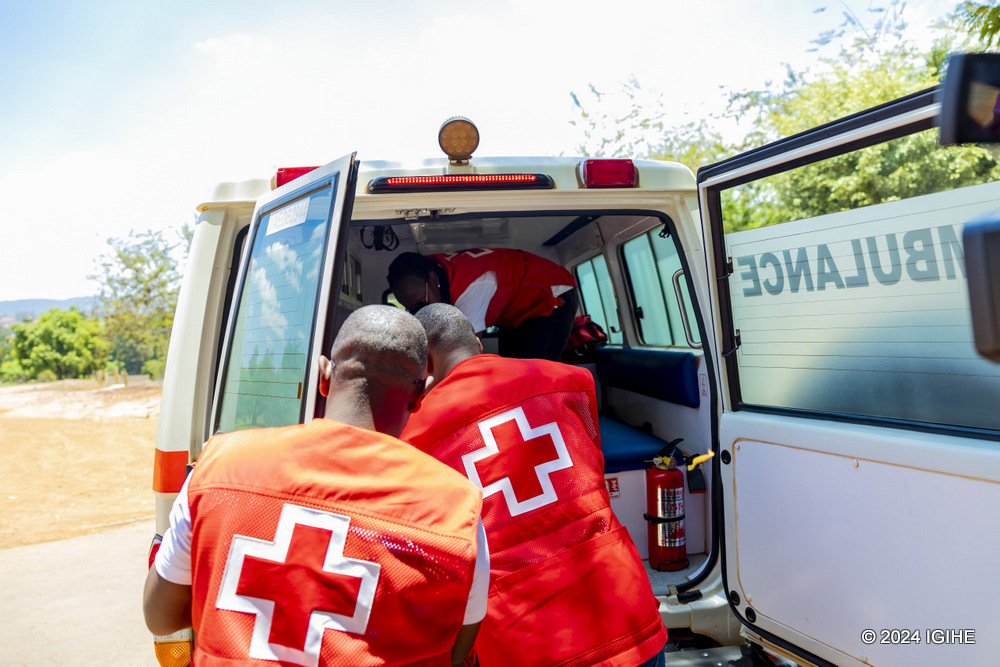
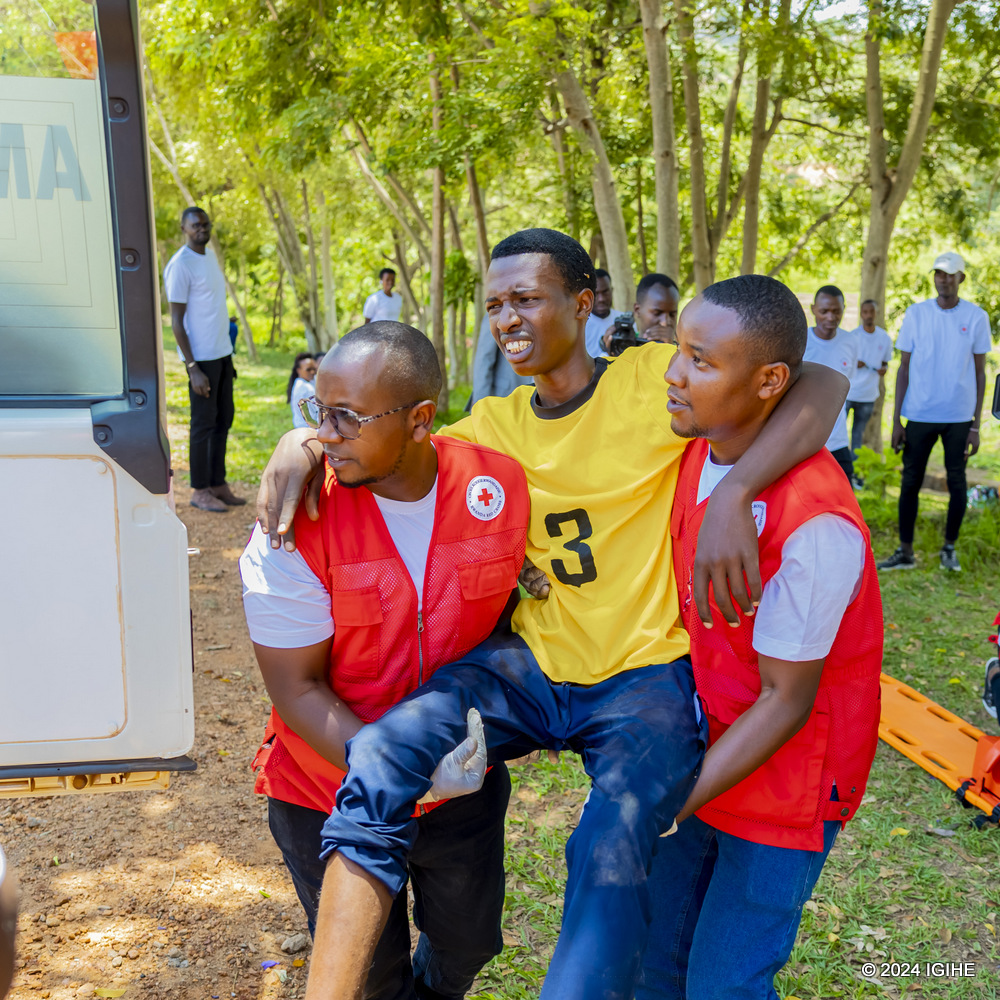
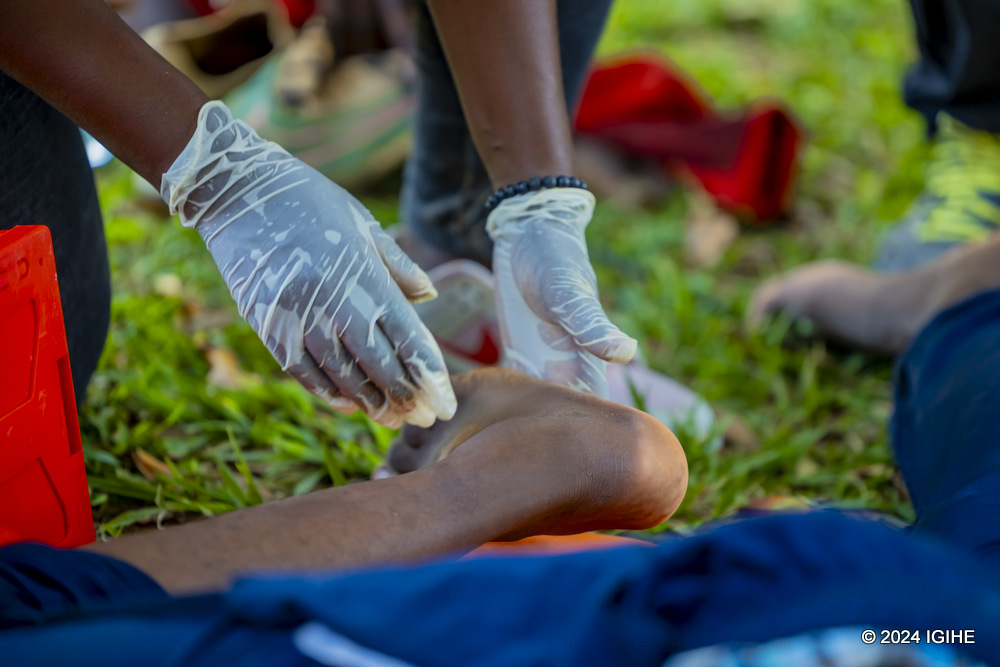
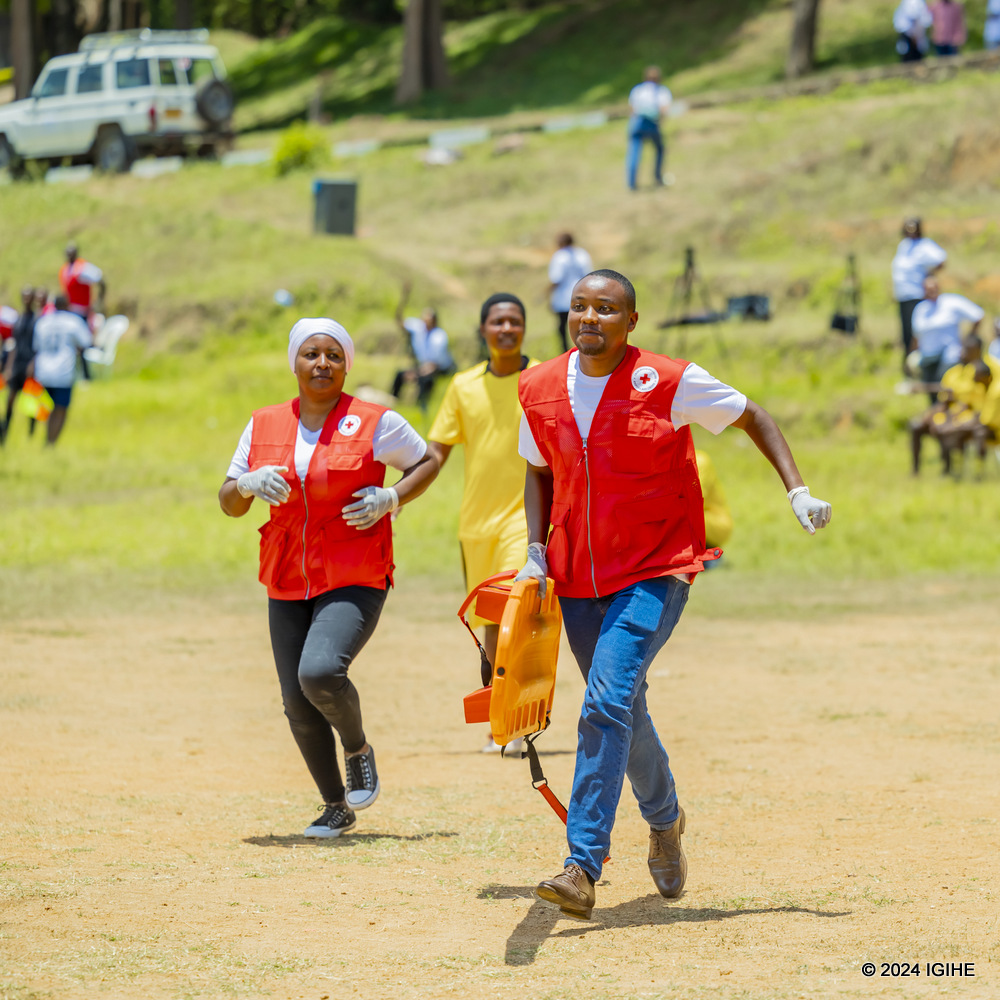
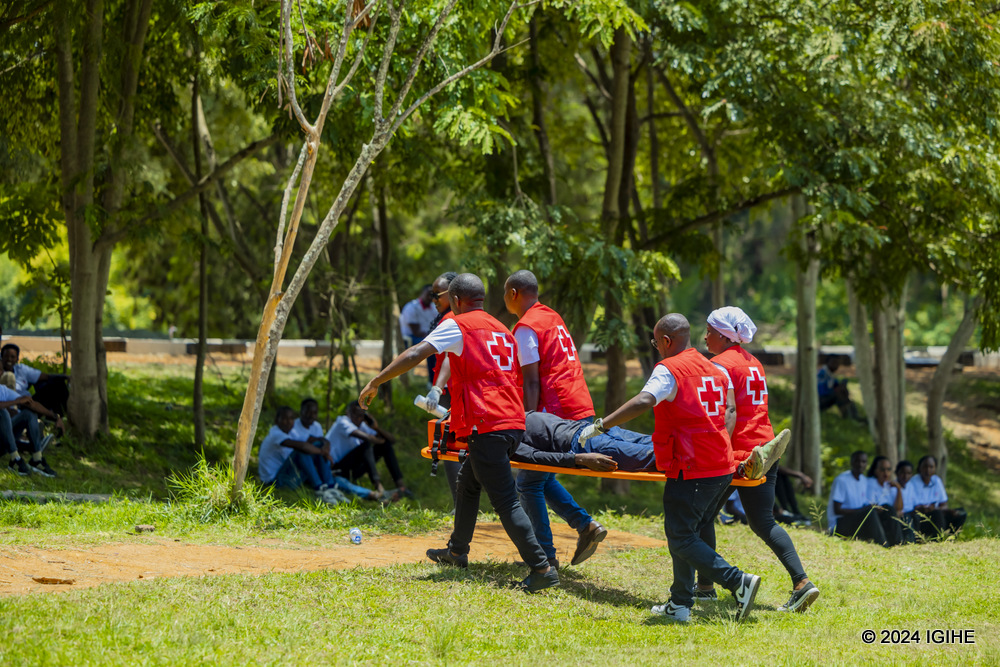
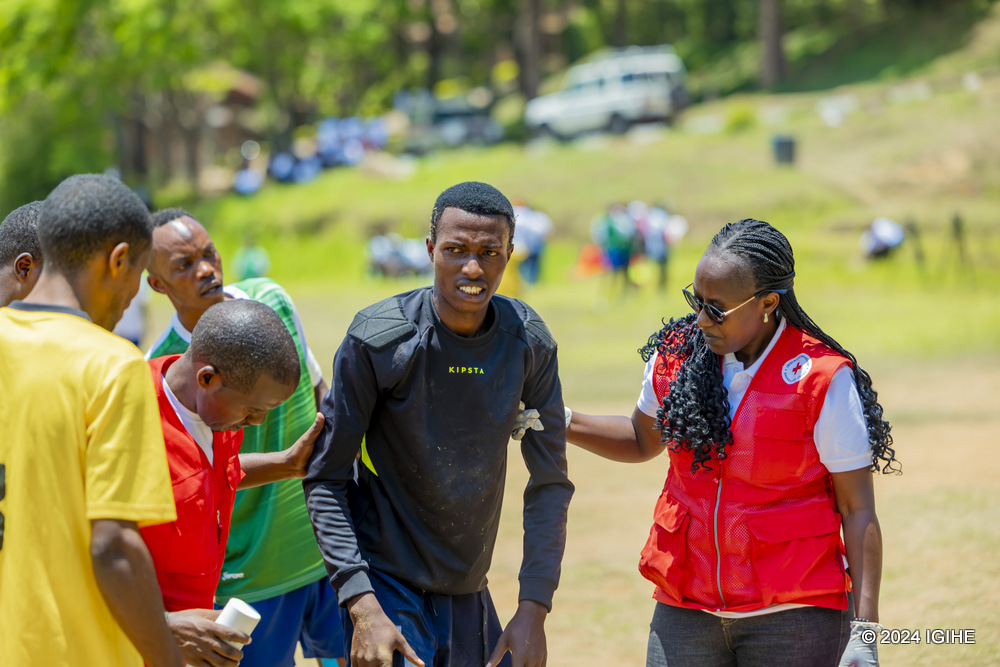
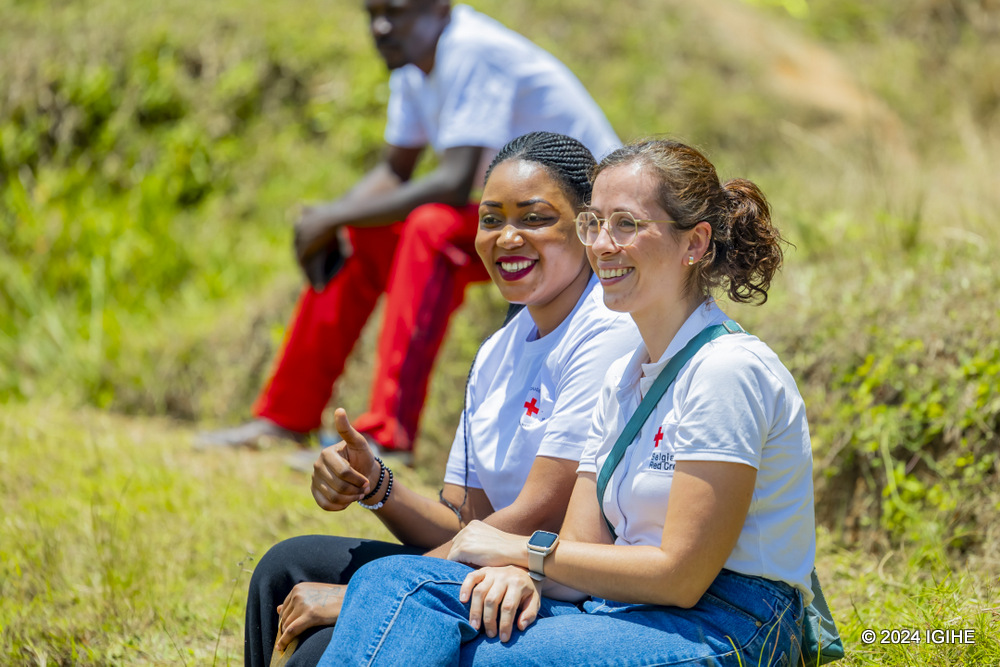
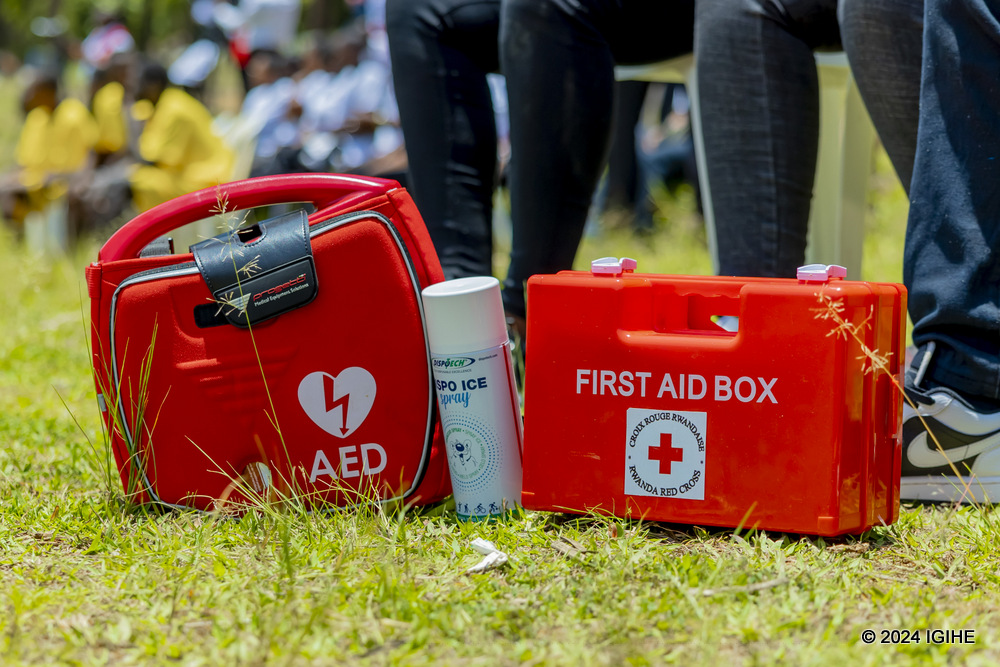
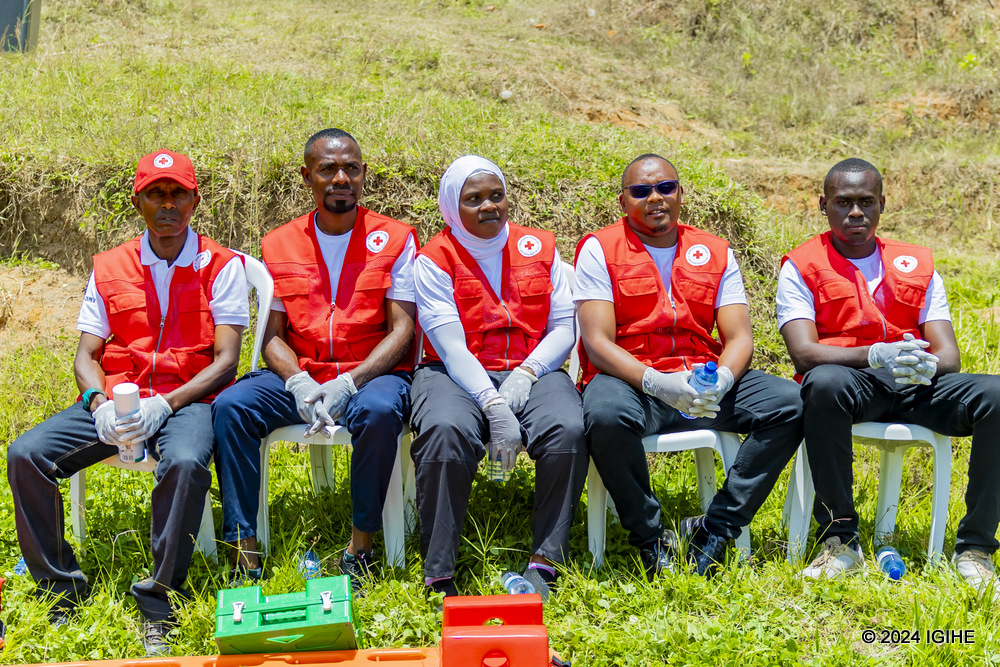
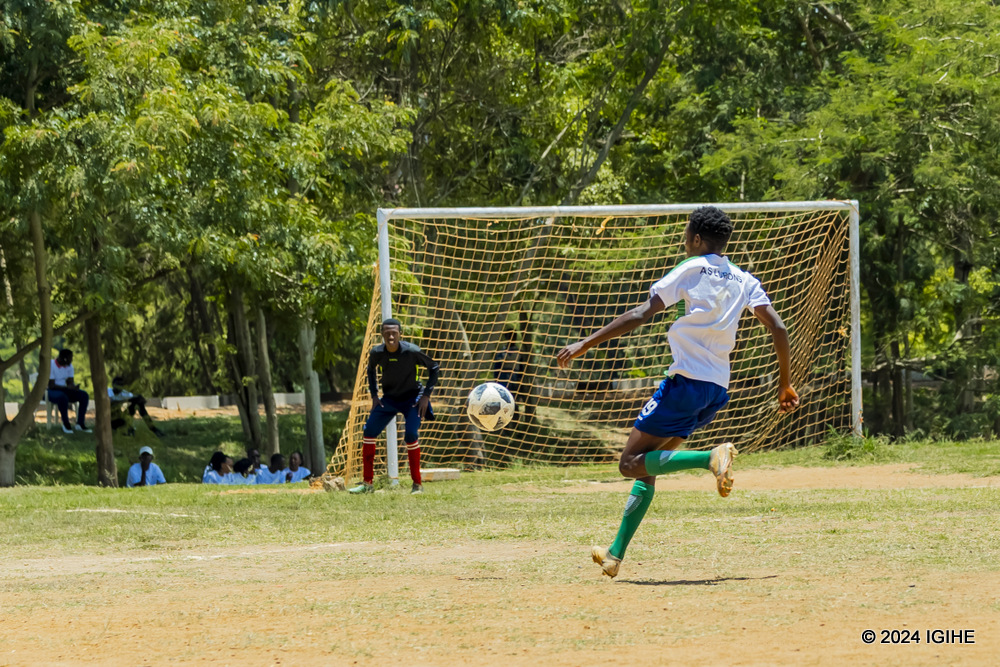
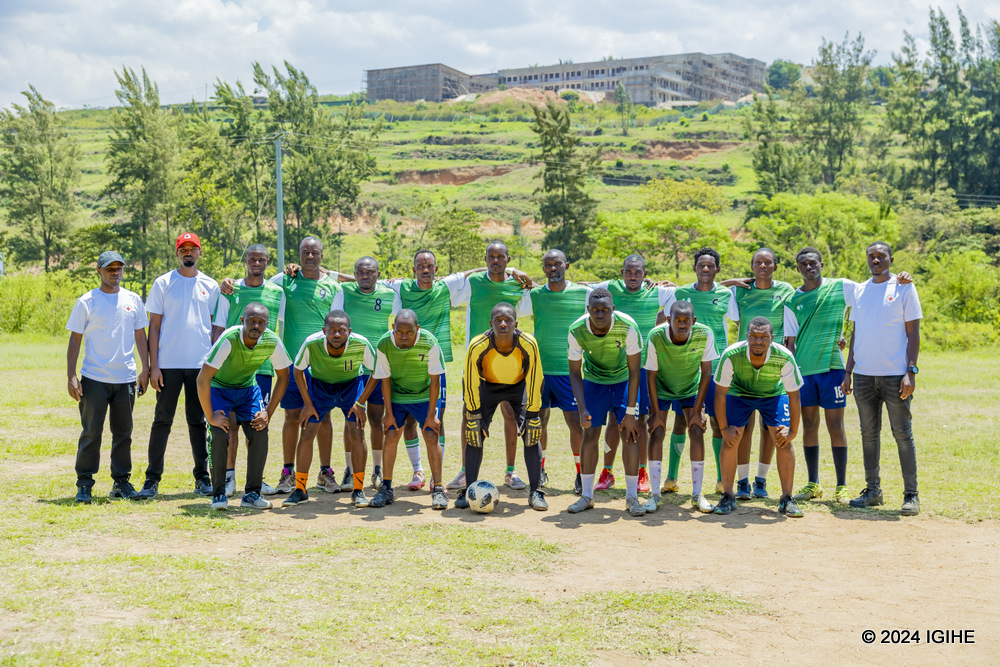
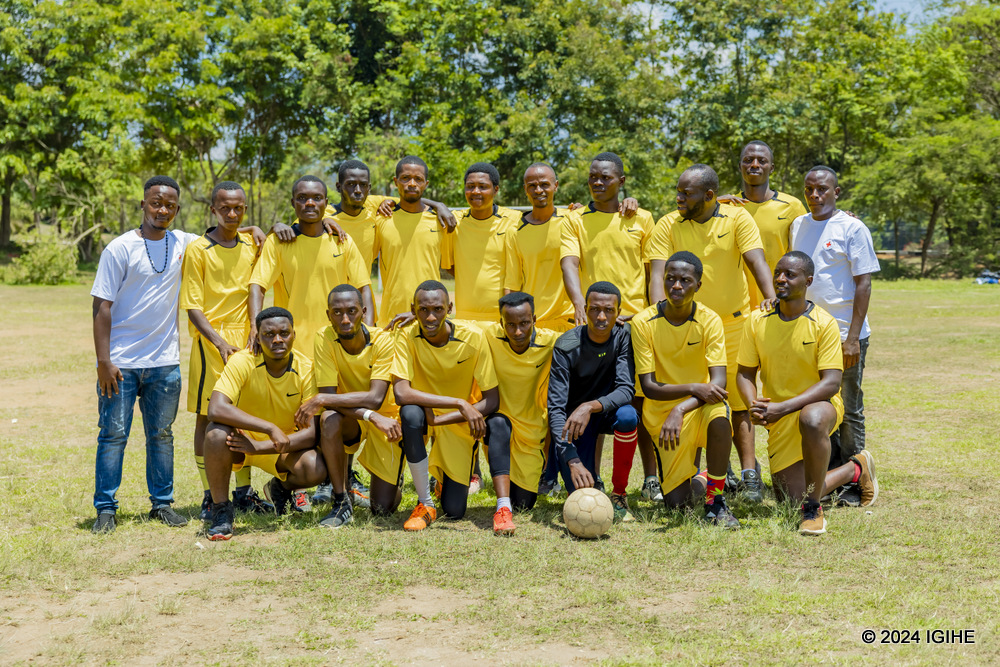
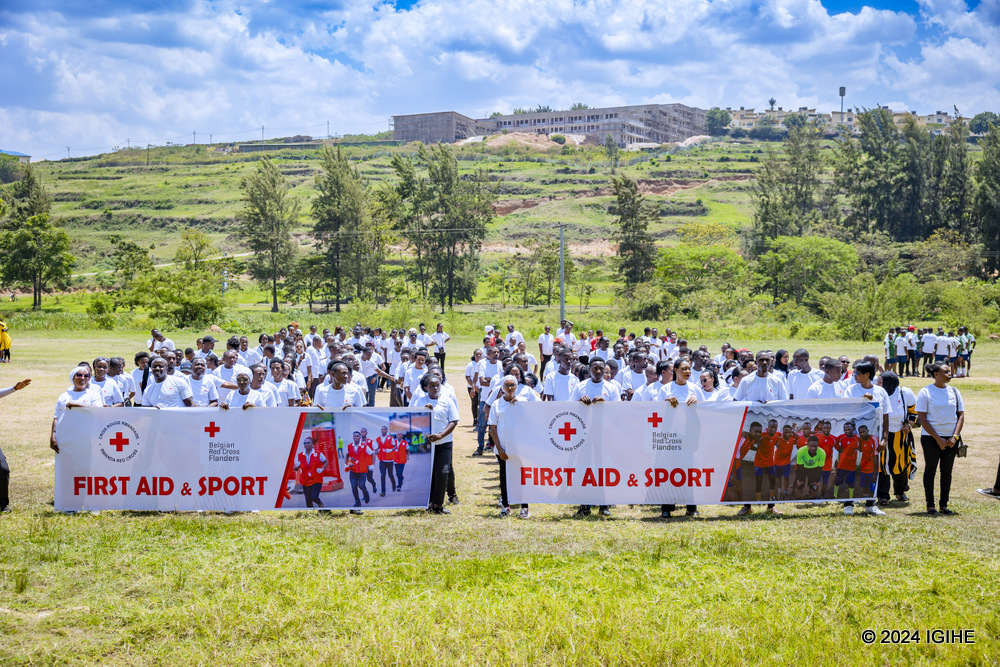
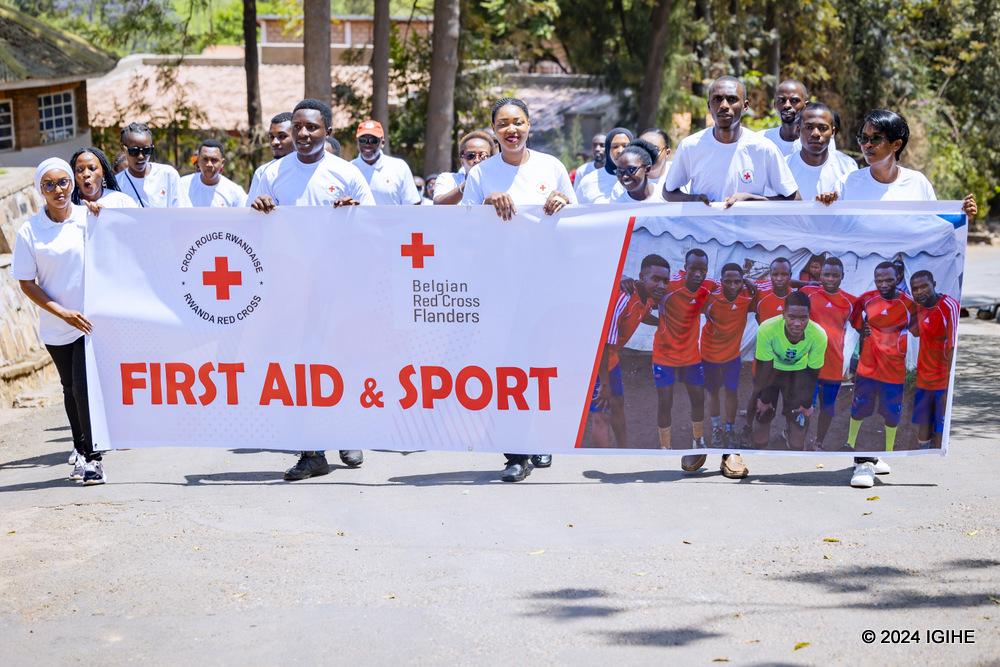
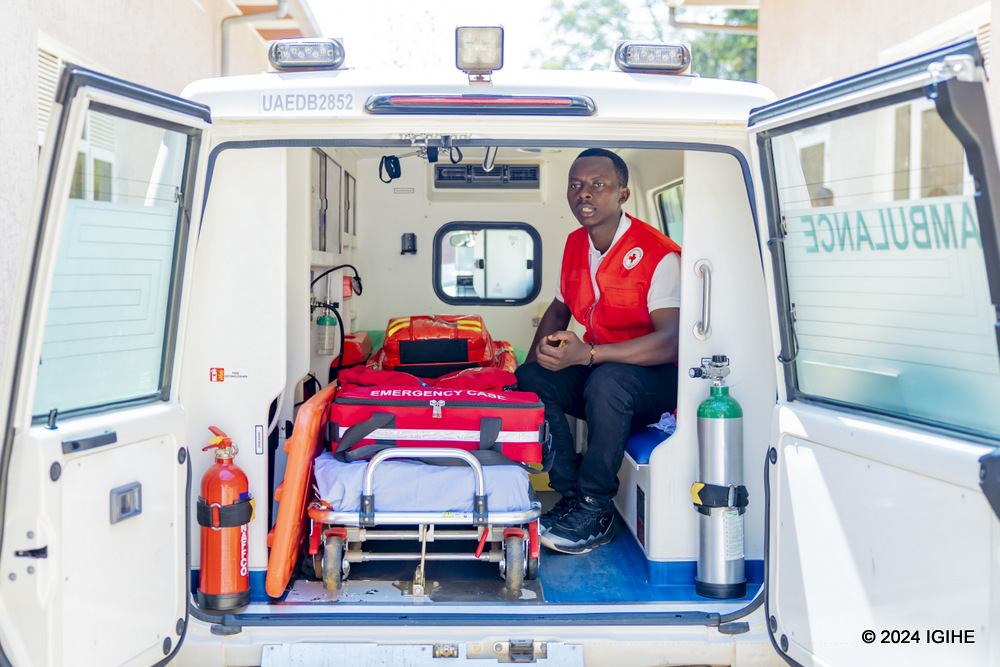
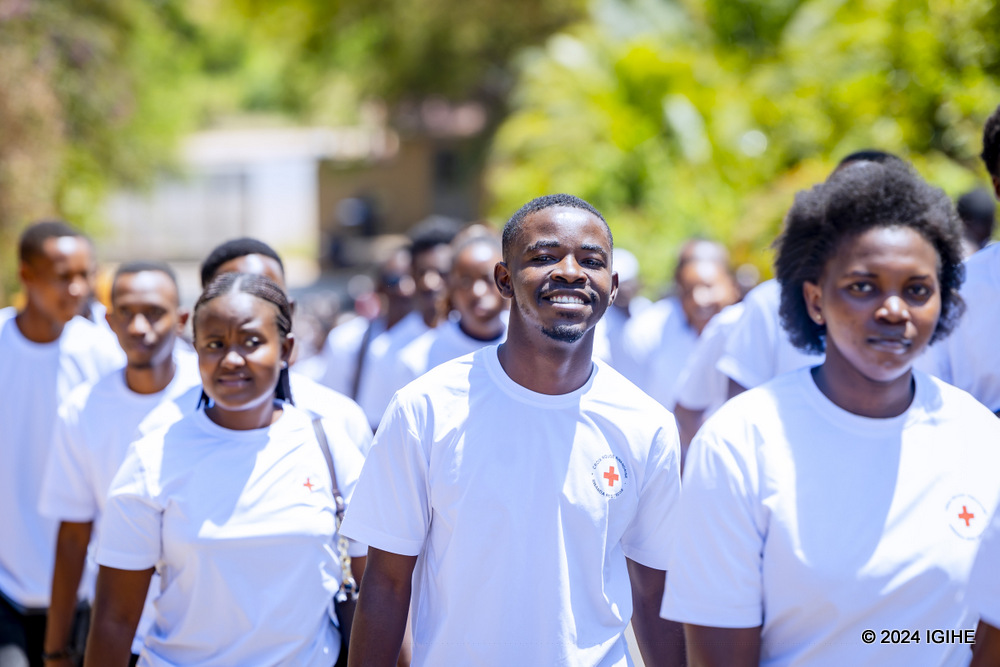
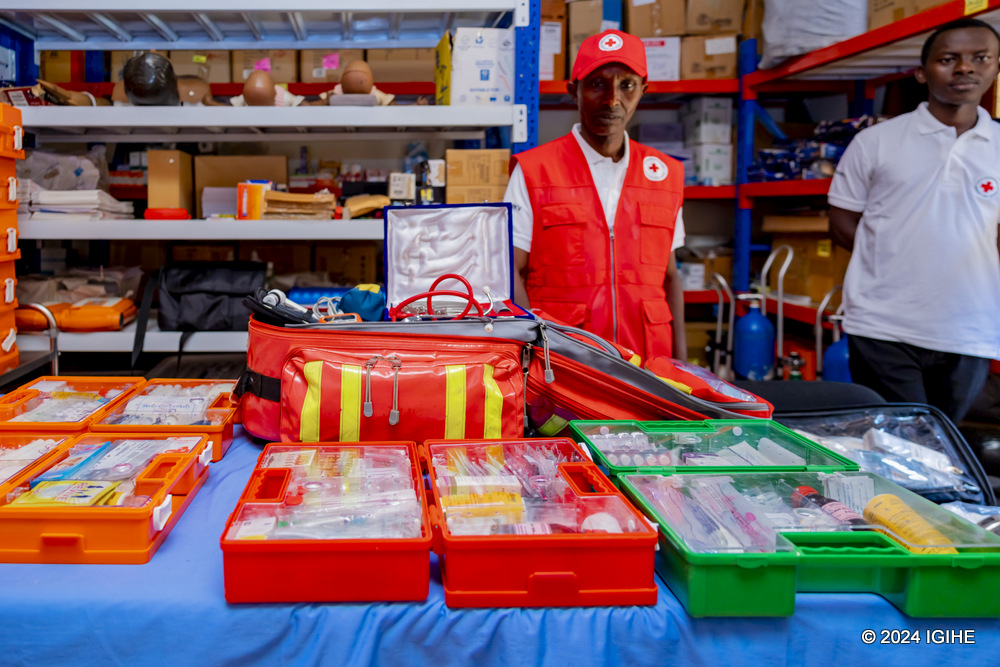
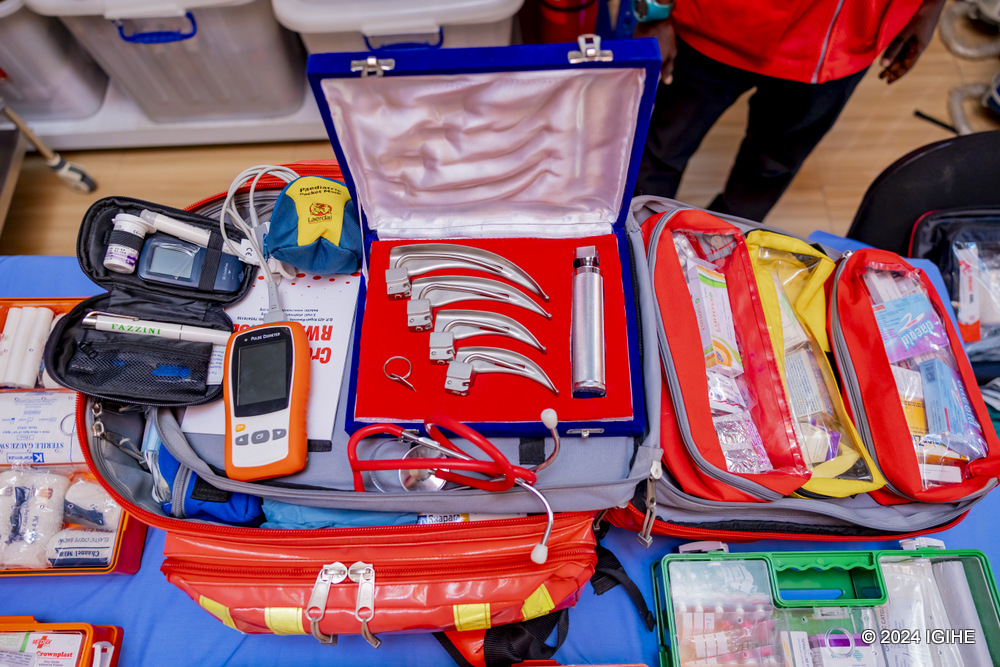
This message was highlighted during the celebration of World First Aid Day on September 14, 2024, under the theme “First Aid and Sports.”
Emmanuel Mazimpaka, Director of Communication, Fundraising, and Humanitarian Diplomacy at Rwanda Red Cross, stressed the need for first aid preparedness, especially in sports.
“There are sports activities that proceed without adequate first aid measures in place. Yet, injuries can occur, and without immediate intervention, they may worsen,” Mazimpaka explained.
He pointed out that many severe cases could have been avoided if someone trained in first aid had intervened quickly.
“In sports, an individual may start out perfectly healthy, but a sudden injury or emergency can occur. Having basic first aid skills can make a significant difference.”
Beyond sports, Mazimpaka emphasized the necessity of first aid knowledge in everyday life.
“In homes and communities, people often face accidents like burns or injuries. Knowing first aid allows individuals to help themselves or others before professional medical assistance arrives,” he said.
He highlighted the importance of first aid in emergency situations such as fire outbreaks or natural disasters like floods.
“Accidents like cuts, bleeding, or fractures are common in households, and first aid knowledge can be a lifesaver.”
Mazimpaka also urged employers in high-risk sectors, such as industries, mining, and construction, to ensure their employees receive first aid training.
He encouraged professions that frequently encounter accidents, including motorcyclists and drivers, to carry basic first aid kits and be prepared for emergencies.
The Rwanda Red Cross reported that over the past few years, they have trained 20 volunteers in every sector across Rwanda, and over 68,000 individuals have gained first aid skills nationwide.
Mazimpaka concluded by urging everyone to take first aid training seriously.
“Knowing how to help in an emergency ensures that assistance is provided correctly, preventing further harm.”
This nationwide push for first aid training aims to equip Rwandans with the skills needed to respond swiftly and effectively during emergencies, both in sports and daily life.
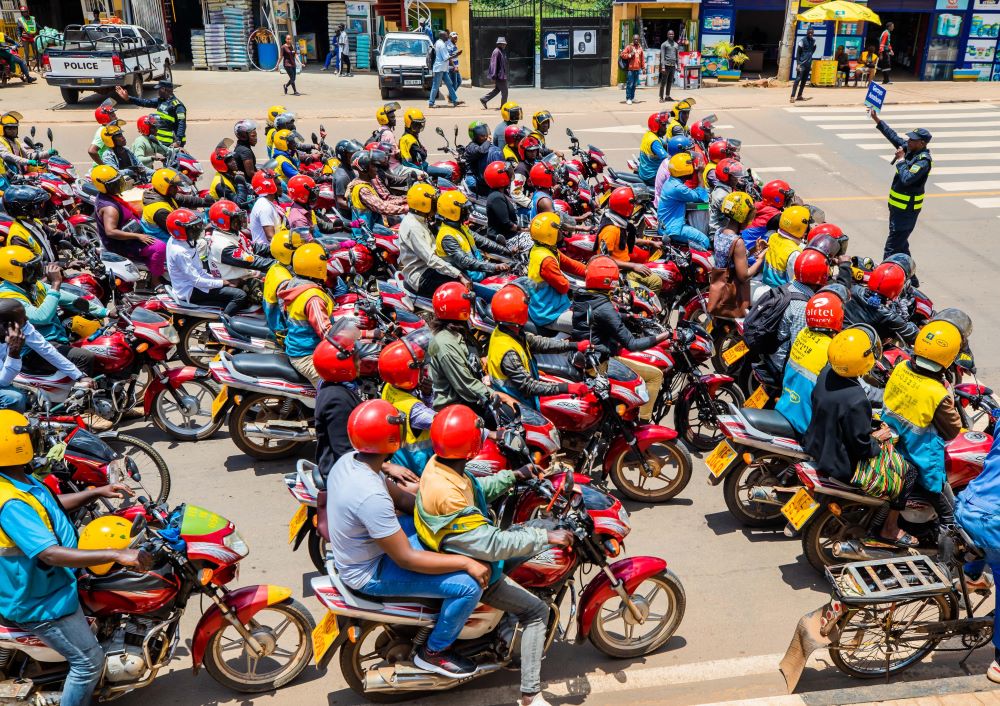
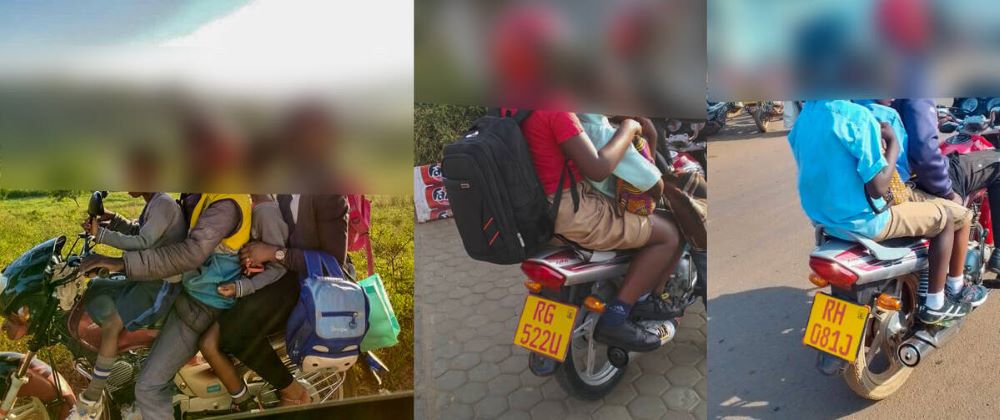
Superintendent of Police (SP) Emmanuel Kayigi, the spokesperson for the traffic department, said that the practice is common in taxi-moto operators transporting students, and foodstuff in markets.
At least 24 motorcycles were impounded on Monday after they were found transporting up to four people, each. The majority passengers were students.
Between July and August, 49 motorcycles were impounded for dangerous loading, 64 riders had no driver’s license, and 57 motorcycles had concealed or altered plate numbers.
“These are serious road traffic violations committed intentionally and putting lives of people in danger. Imagine a motorcycle transporting four children, rushing to school in those pick hours! Risks are high and the motorcycle has insurance for the rider and one passenger only,” SP Kayigi observed.
He added: “Some motorcycles transport large sacks of goods and in some cases they conceal number plates so as to avoid being detected and penalized.
“We have impounded 194 motorcycles since July 25, for overloading luggage and passengers, riding without a driver’s license and those with altered or concealed plate numbers. These operations are continuous.”
A motorcycle is licensed to carry only one passenger with both the rider and passenger wearing a helmet.
Article 31 of Law n° 042/2023 of 02/08/2023 governing land and waterways transport, provides that the operator of transport of people or goods on public road, uses a vehicle covered by insurance and complies with the terms and conditions stated in such insurance.
SP Kayigi reminded motorcyclists, who alter or conceal number plates that it is a crime punishable by law.
Under article 276 of the law determining offences and penalties in general, any person, who, with fraudulent intention, produces a false written document, causes to write false statements, or produces a conflicting declaration, is considered to have committed the offence of forgery.
Upon conviction, he or she is liable to imprisonment for a term of not less than five years but not more than seven years and a fine of between Frw3 million and Frw5 million, or one of these penalties.
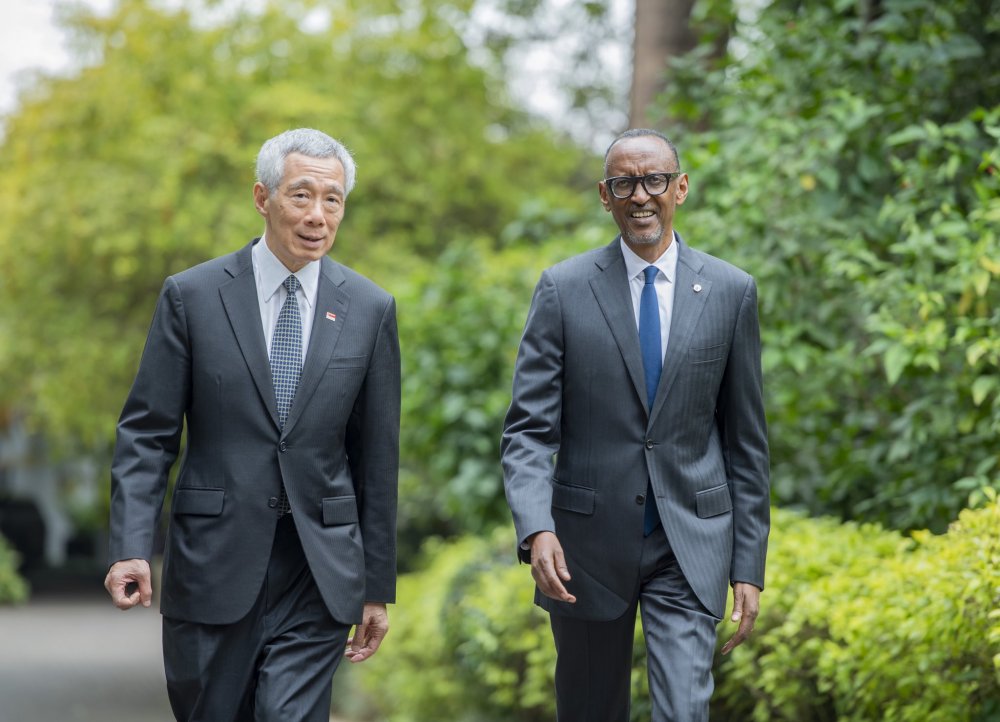
“President of the Republic of Rwanda Paul Kagame will make a Working Visit to Singapore from 18 to 23 September 2024. As fellow members of the Forum of Small States (FOSS), Singapore and Rwanda work closely together to advance the interests of small nations and strengthen the multilateral system,” the statement reads.
This will be President Kagame’s fourth visit to Singapore, following his last visit in September 2022.
During the trip, President Kagame is scheduled to meet with Singapore’s President Tharman Shanmugaratnam and Prime Minister Lawrence Wong, who also serves as Minister for Finance. He will be hosted to a meal by Senior Minister Lee Hsien Loong.
Rwanda and Singapore enjoy strong bilateral ties, collaborating in areas such as investment, trade, education, rule of law, technology, and air transport services.
Both nations are members of FOSS, an organization established in 1992 by Singapore, which comprises small nations working together to address global challenges and promote development.
The relationship between Rwanda and Singapore has been bolstered by frequent high-level visits. In 2022, Singapore’s then Prime Minister, Lee Hsien Loong, visited Rwanda, marking his first trip to both Rwanda and Africa.
The Senior Minister, who will host President Kagame, is the son of Singapore’s founding father, Lee Kuan Yew, renowned for leading the country’s transformation from a part of Malaysia to an independent, prosperous nation.
Singapore is one of the wealthiest countries globally. In 2023, its gross domestic product (GDP) reached $501 billion, a significant increase from just $0.70 billion in 1960. Its per capita GDP in 2023 stood at $84,600.
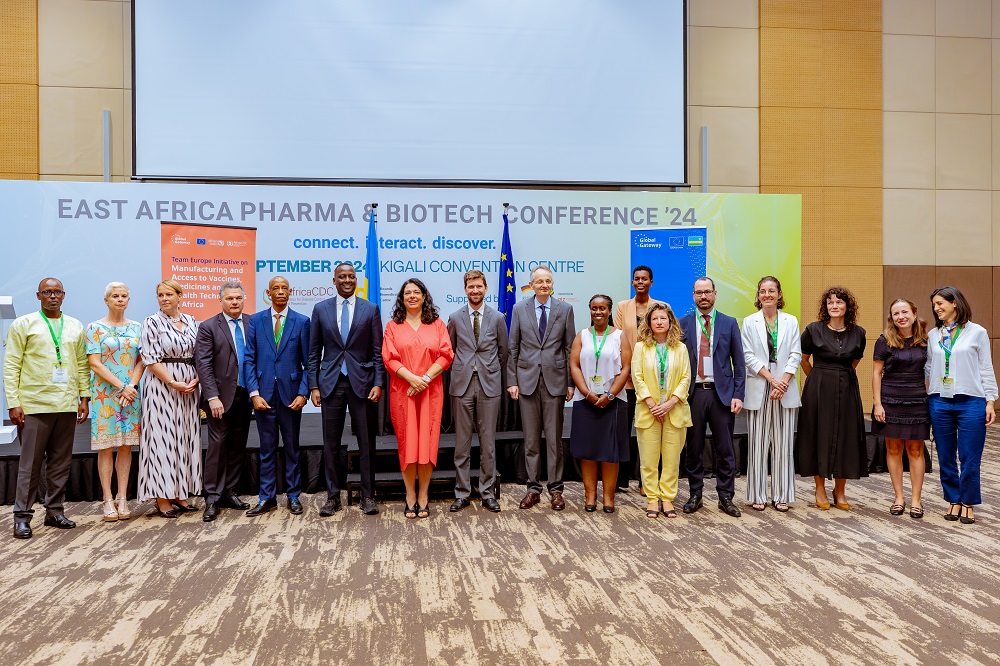
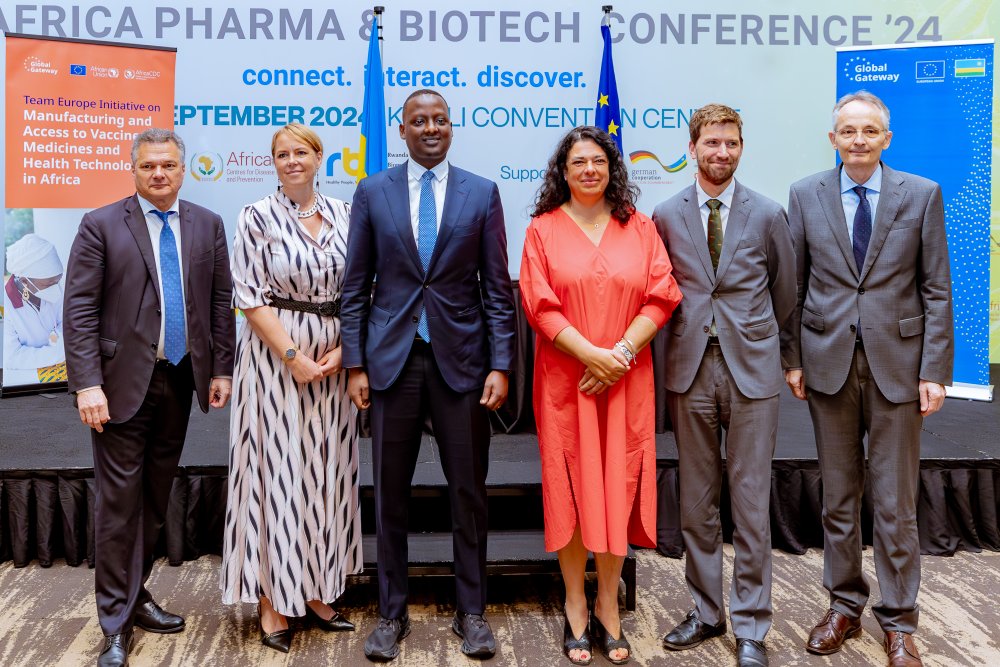
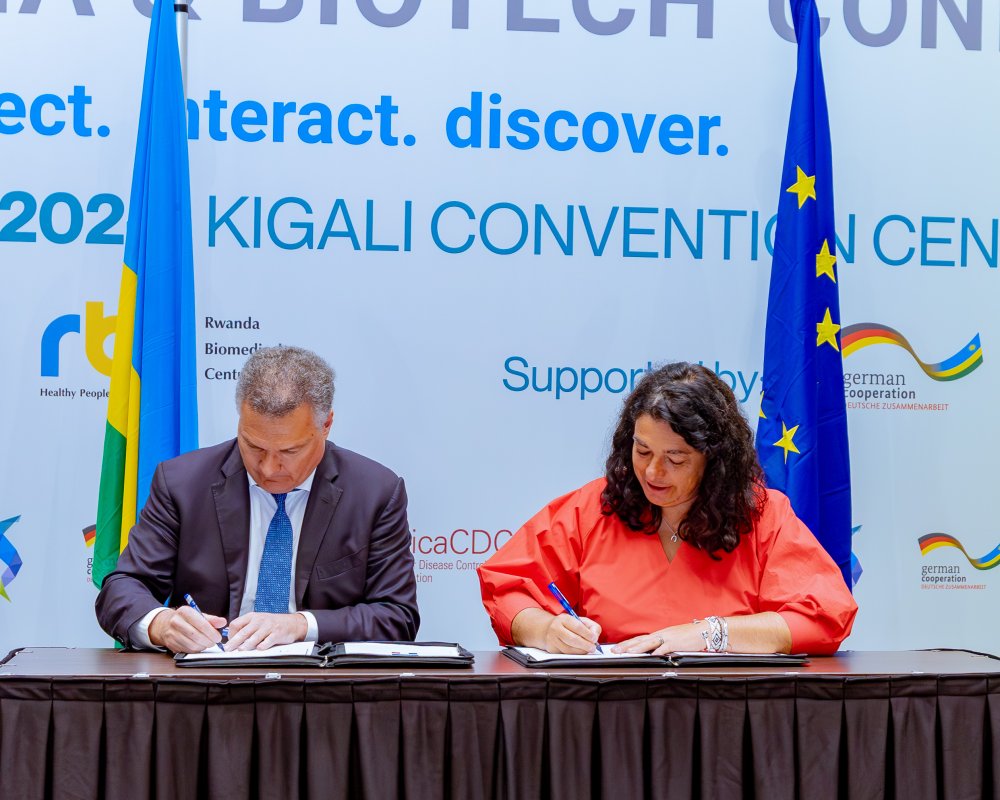
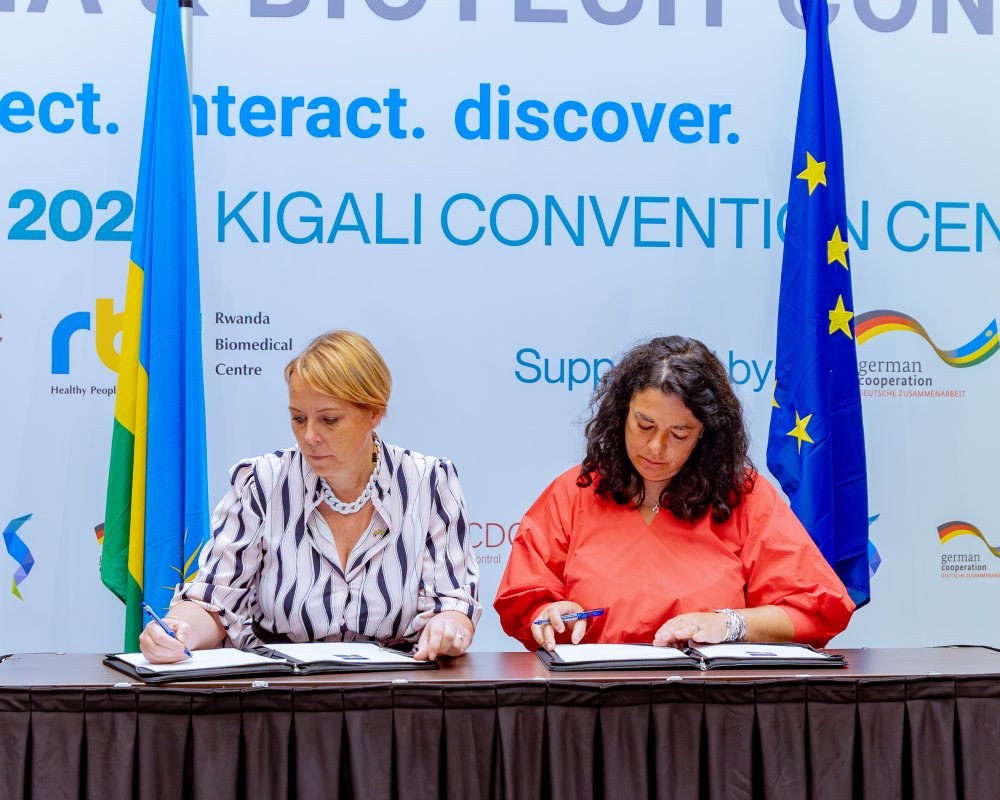
The funding will support various sectors, including pharmaceutical manufacturing, education, food and drug inspection, and technological advancements related to vaccine production.
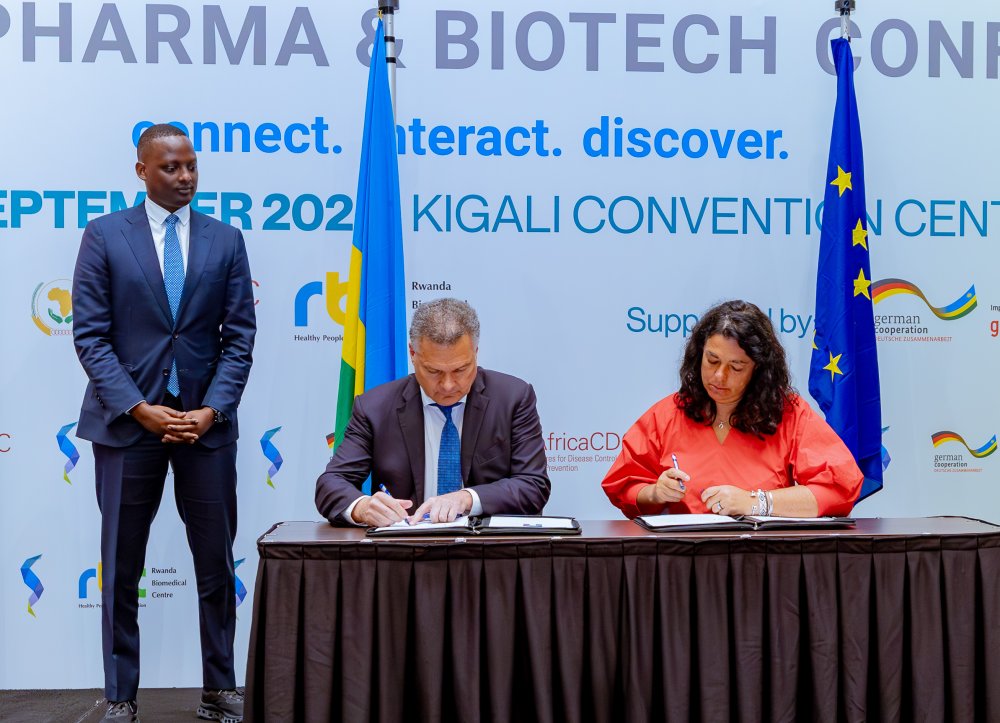
EU Ambassador Belén Calvo Uyarra highlighted that this grant was initially pledged by the EU President in December 2023 during the inauguration of BioNTech’s facility in Kigali. The initiative aligns with Rwanda’s broader plan to become a key hub for vaccine production in Africa.
The grant will help expand cooperation in the availability and production of vaccines, medicines, and medical technologies, underscoring a deepening partnership between Rwanda and the EU.
The project will involve companies from several EU countries, including France, Sweden, Germany, and Belgium, focusing on research, capacity-building for healthcare workers, and enhancing the pharmaceutical and vaccine manufacturing supply chain.
Ambassador Uyarra emphasized the importance of this partnership in bolstering global preparedness, particularly after the lessons learned during the COVID-19 pandemic. The EU has also extended collaborations to other African countries, including Ghana, Senegal, and South Africa.
Dr. Yvan Butera, Rwanda’s State Minister for Health, expressed optimism about the project’s potential, noting that it would significantly enhance Rwanda’s ability to produce vaccines and medicines. He added that this initiative would not only benefit Rwanda but also contribute to improving healthcare across Africa and beyond.
Dr. Butera stressed the importance of building strong institutions through collaboration, highlighting that the project aims to address challenges in vaccine production by empowering professionals and institutions in the field.
As part of the initiative, the EU will provide specialized training and support for professionals in Rwanda’s health sector, with a focus on developing skills in advanced pharmaceutical and vaccine manufacturing.
There will also be close collaboration with technical and vocational schools to ensure that students are equipped with the necessary expertise for the industry.
In addition to enhancing production capabilities, the agreement will focus on strengthening Rwanda’s regulatory framework. The EU will work alongside the Rwanda Food and Drugs Authority (Rwanda FDA) to improve guidelines and regulations, with a specific focus on vaccine and medicine distribution.
Dr. Butera expressed confidence in the outcomes of this project, stating that it will bring tangible progress in Rwanda’s goal of becoming a hub in vaccine and medicine production.
One of the most notable outcomes was China’s pledge of approximately $50.7 billion in financial support for Africa over the next three years, aimed at fostering partnerships across various sectors.
As Africa accelerates its development, China’s remarkable rise from adversity to becoming a global economic powerhouse provides valuable lessons.
In 2023, China’s GDP reached $17.9 trillion, reflecting a staggering 223-fold increase since 1952, with an average annual growth rate of 7.9%. The per capita GDP rose to $12,700, nearing the global average—a significant leap from just $194 in 1980.
Over the past decade, China has driven more than 30% of global economic growth, improving living standards and lifting around 100 million people out of poverty while eradicating extreme poverty.
China’s non-interference policy and mutual respect for Africa make it an ideal partner in the continent’s modernization efforts.
Given the critical importance of healthcare to people’s well-being, the sector represents a vital area for advancement in Africa. China’s experience in improving wellbeing and its expertise in cutting-edge innovations offer ample opportunities for further cooperation to enhance healthcare access across the continent.
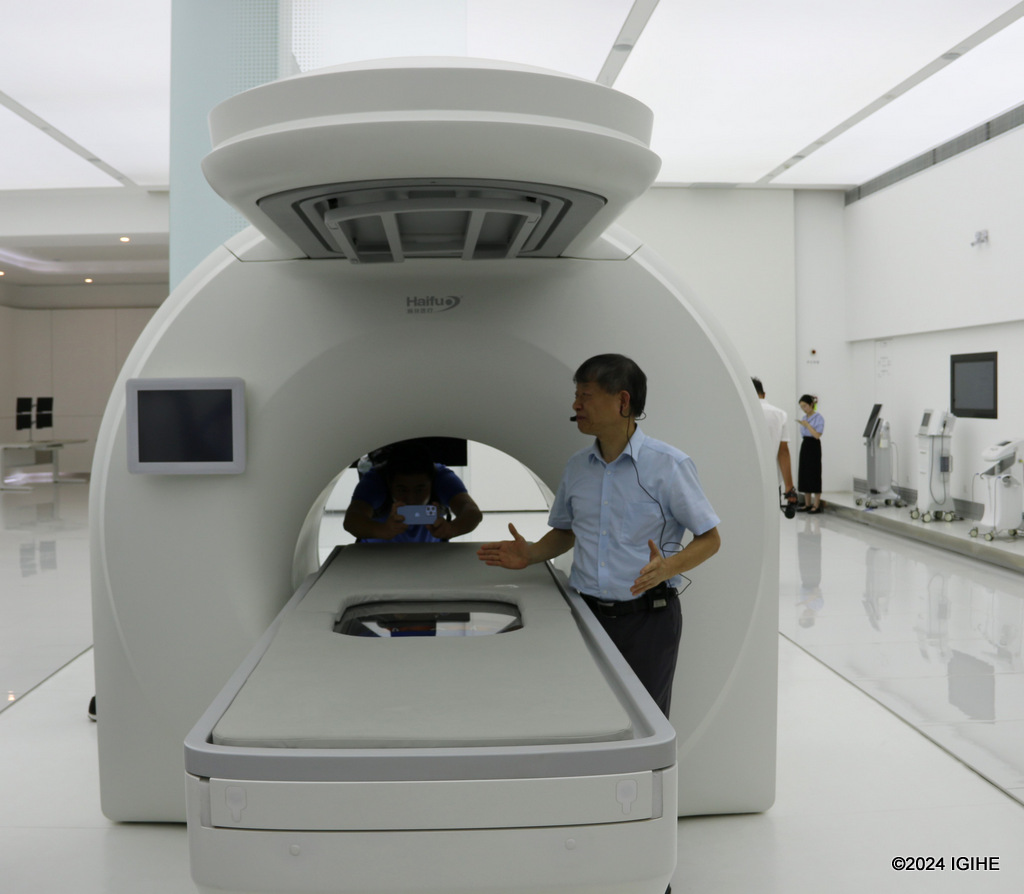
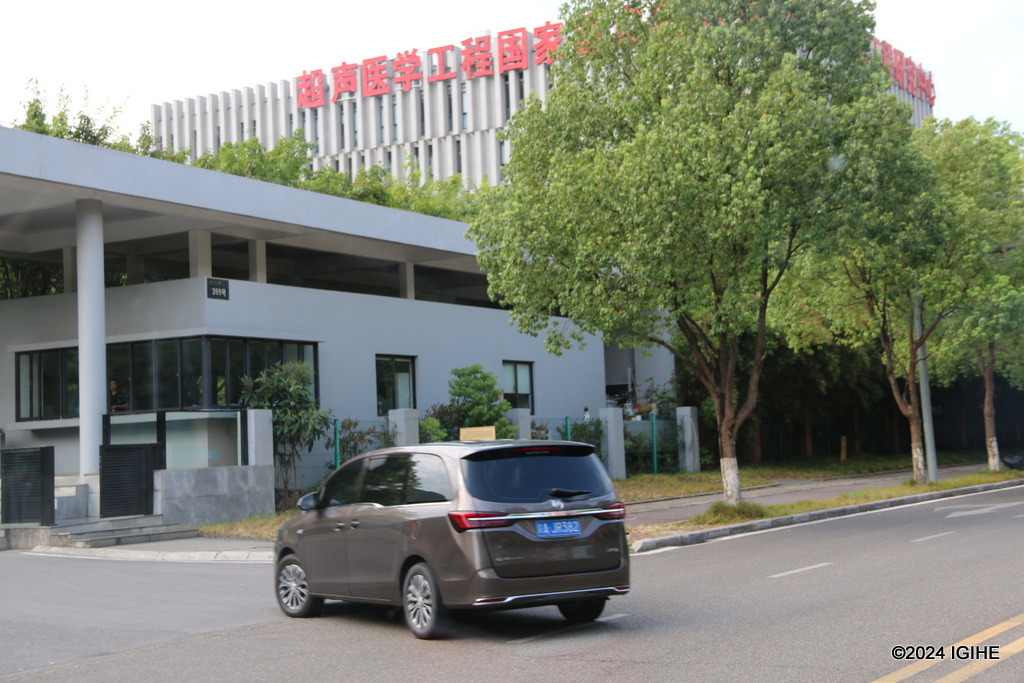
One of the most promising contributors to this shared vision is Chongqing Haifu Medical Technology Co. Ltd., a leading manufacturer of non-invasive ultrasound therapeutic systems.
Founded in 1999 and headquartered in Chongqing, Haifu specializes in treating malignant and benign tumors through High-Intensity Focused Ultrasound (HIFU) technology. This cutting-edge innovation has the potential to revolutionize healthcare in Africa, where access to advanced medical technologies remains limited.
Haifu, in collaboration with Chongqing Medical University and its affiliated hospitals, has developed a range of groundbreaking products.
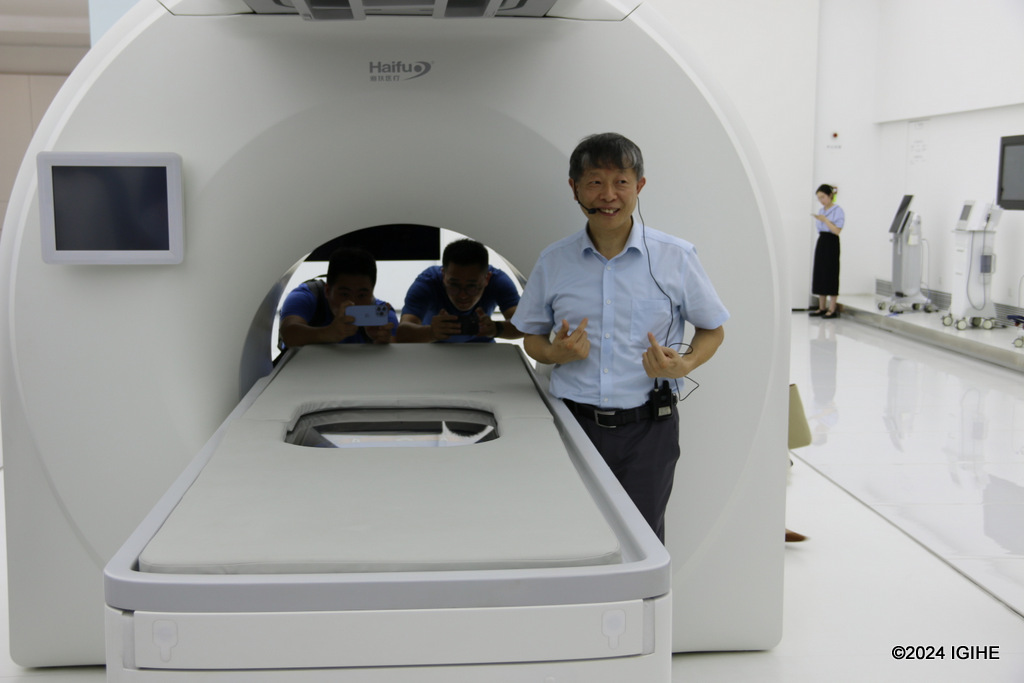
With over 600 employees and more than 600 patents, Haifu has facilitated around 280,000 treatments worldwide. The flagship Haifu JC series—comprising the JC300, JC, and JC200 models—uses focused ultrasound to treat solid tumors, including uterine fibroids and cancers of the pancreas, liver, kidneys, bones, and soft tissues.
Haifu’s mission to minimize harm while curing diseases lies at the core of its dedication to non-invasive treatment methods.
HIFU operates by harnessing ultrasound’s ability to penetrate human skin and organs without harming surrounding structures. Ultrasound beams are generated externally and converted from mechanical to thermal energy. This energy is then focused on specific tumor areas within the body, enabling non-invasive alternatives to traditional surgery.
According to the management, this approach reduces recovery time and significantly improves patients’ quality of life.
Haifu’s contributions to medical science have garnered numerous national awards and international recognition. In 2005, Haifu established the National Engineering Research Center of Ultrasound Medicine, China’s only center of its kind for digital medical devices. The company’s systems, including the JC series, are now approved in 45 countries, including the UK, Russia, and Japan.
During the COVID-19 pandemic, Haifu’s Global Telemedicine Service Platform completed over 4,600 ultrasound ablation procedures, demonstrating the technology’s resilience and global impact.
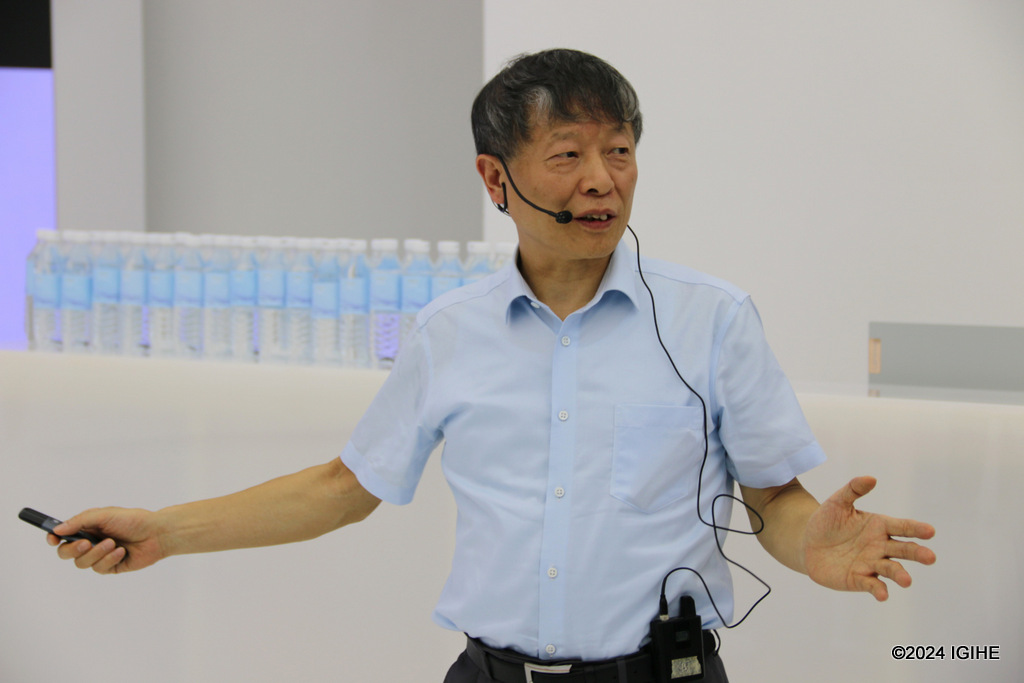
The company has introduced its systems in 33 countries, and its president, Wang Zhibiao, is optimistic about further expansion into Africa.
“I believe this technology will become more widespread in Africa over the next two years. It offers a cost-effective, non-invasive alternative to traditional surgeries, and I hope more African countries will adopt it,” Zhibiao remarked.
Haifu has already made inroads in Africa, introducing its systems in four countries including Egypt and South Africa.
The company has organized numerous training workshops to equip African doctors with the skills to use this life-saving technology effectively.
In Johannesburg and Cairo, around 20 doctors were trained in each session, and Haifu aims to train at least five percent of African doctors, thus increasing access to advanced medical technologies across the continent.
However, Zhibiao emphasized that government-to-government discussions are crucial for the widespread adoption of such life-saving technology in Africa. Currently, Haifu collaborates with 60 hospitals outside China and around 300 hospitals within China.
As China and Africa continue to deepen their cooperation, there is room for discussion to make Haifu’s innovative systems accessible in more African countries, which could mark a significant step toward improving healthcare outcomes and building a healthier future for the continent.
According to the latest GDP figures announced on Monday, September 16, by the National Institute of Statistics (NISR) and the Ministry of Finance and Economic Planning, the GDP is expected to grow by 6.6%, driven by the services and industrial sectors, as well as recovery in agricultural output.
Overall, in the second quarter, GDP increased by 9.8%, following a 9.7% growth in the first quarter of the year. By sector, agriculture grew by 7%, industry by 15%, and services by 10%.
In agriculture, subsistence crops increased by 8%, thanks to good performance in the first planting season of 2024. However, export crops decreased by 6% compared to the second quarter of 2023. NISR explains that one reason for the decline in agricultural exports is the reduced coffee output, as many coffee trees have aged, and there are now efforts to plant new ones.
In industry, construction contributed 18% to the growth, while manufacturing output rose by 17%. However, mining output dropped by 2% compared to the second quarter of 2023.
In the services sector, wholesale and retail trade grew by 10%, transportation increased by 9%, largely due to a 25% rise in air transport, hotel and restaurant services grew by 20%, ICT services increased by 33%, and insurance services grew by 10%