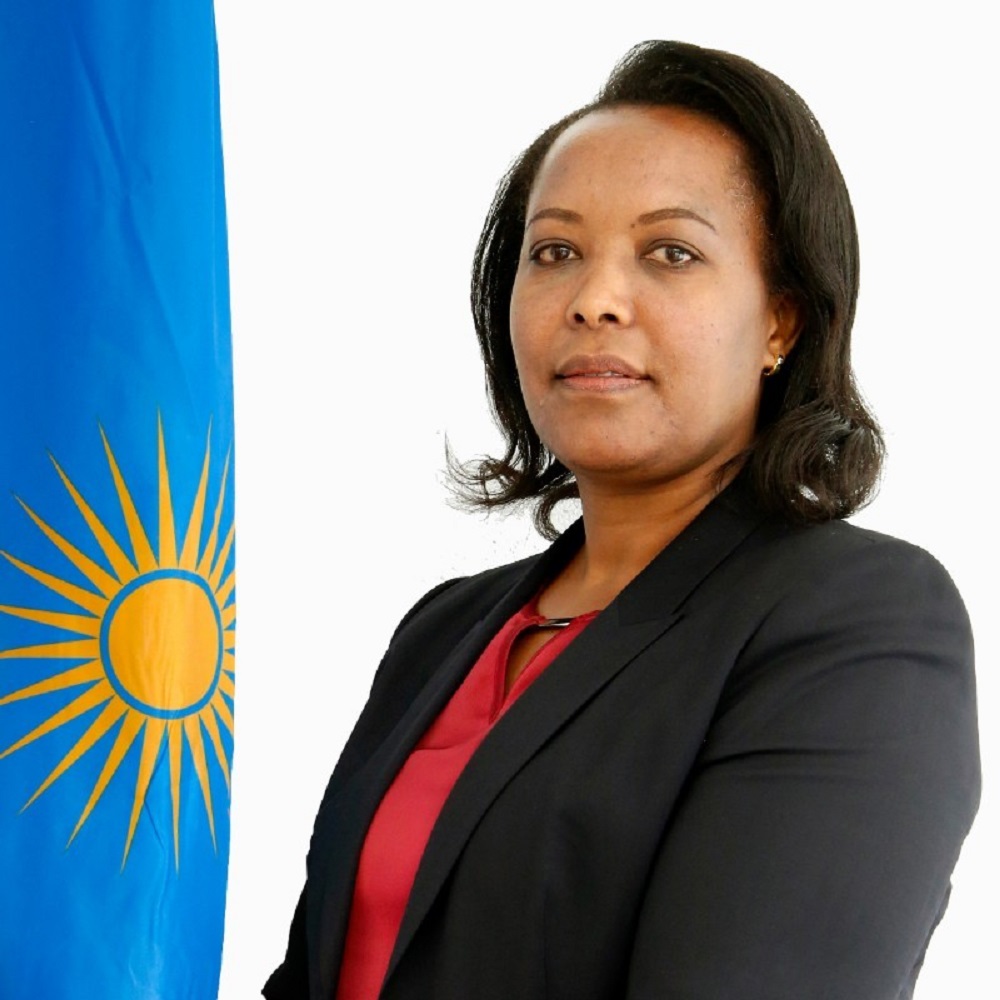
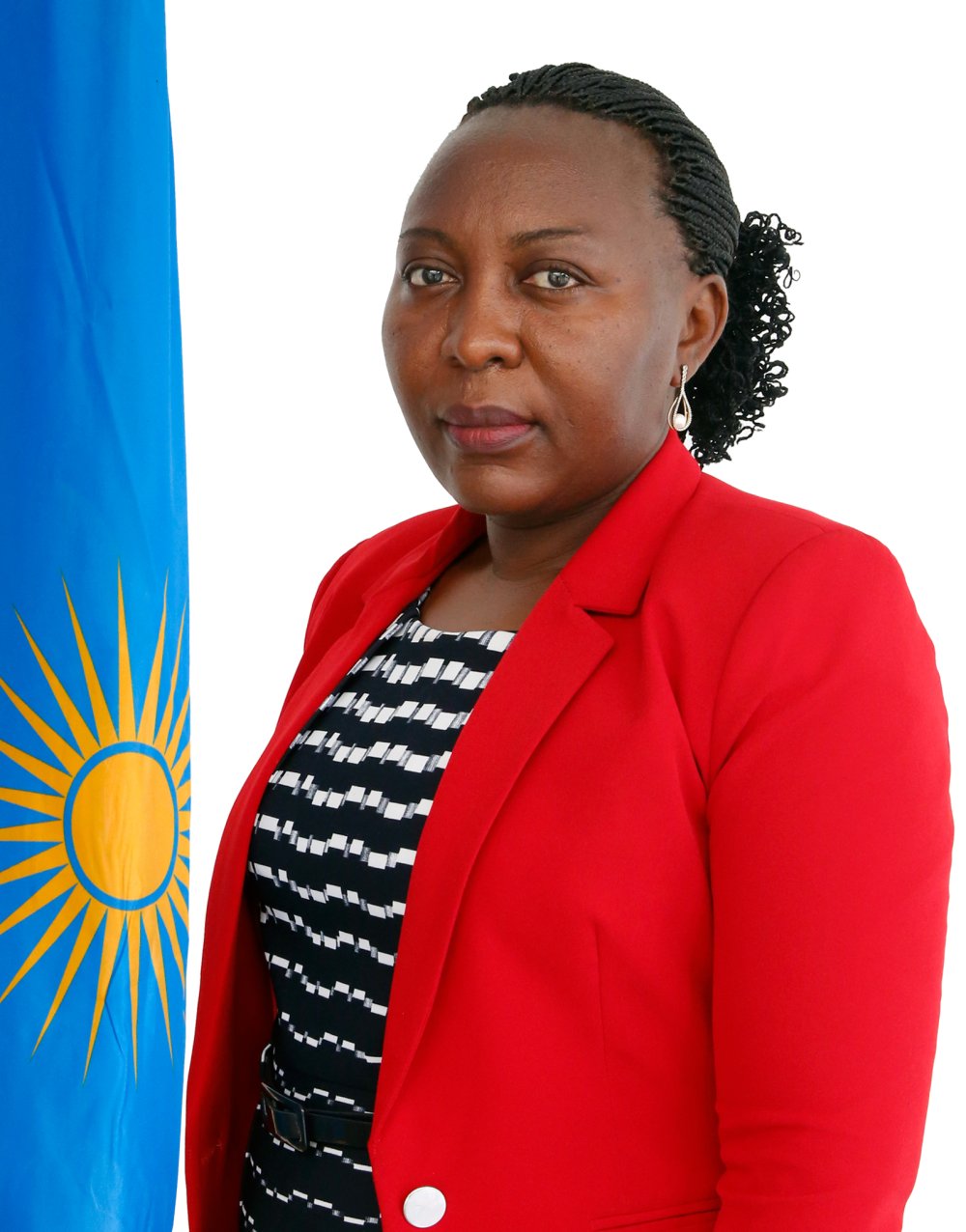
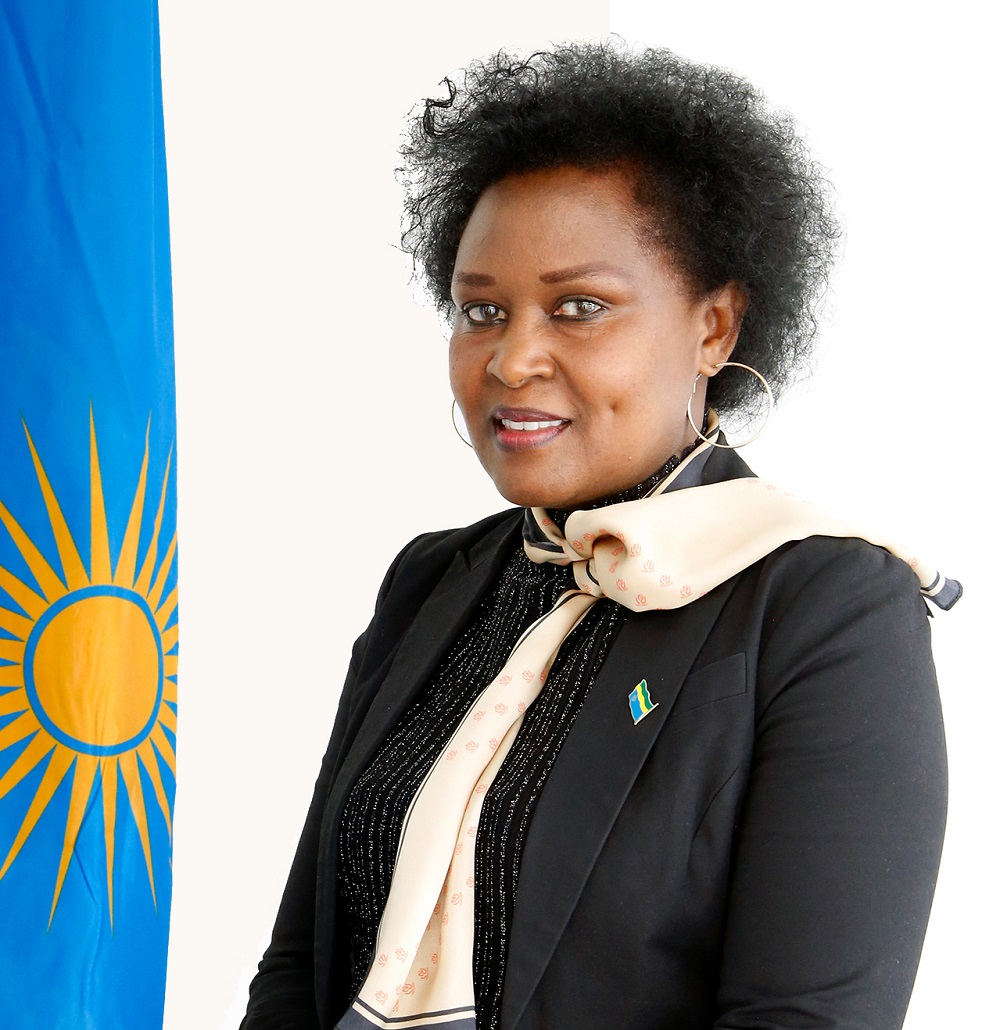
Isheja, a well-known and celebrated radio host in Rwanda with over 15years experience as a journalist, will deputize Cleophas Barore who was appointed RBA’s Director General in December 2023.
Isheja began her radio career at Huye-based Radio Salus in 2008, joining KFM in 2013 before moving to KISS FM in 2014.
Meanwhile Niyonkuru was dropped in an announcement made in a communiqué released by the Office of the Prime Minister, following a cabinet meeting chaired by President Kagame on Friday, August 23, 2024.
The communiqué did not provide specific reasons for Niyonkuru’s removal, who was appointed as the Permanent Secretary in a Cabinet meeting on January 30, 2023, succeeding Didier Shema Maboko.
His removal from cabinet comes a week after a broader Cabinet reshuffle by President Kagame, which also saw Aurore Mimosa Munyangaju replaced by Richard Nyirishema as the Minister of Sports.
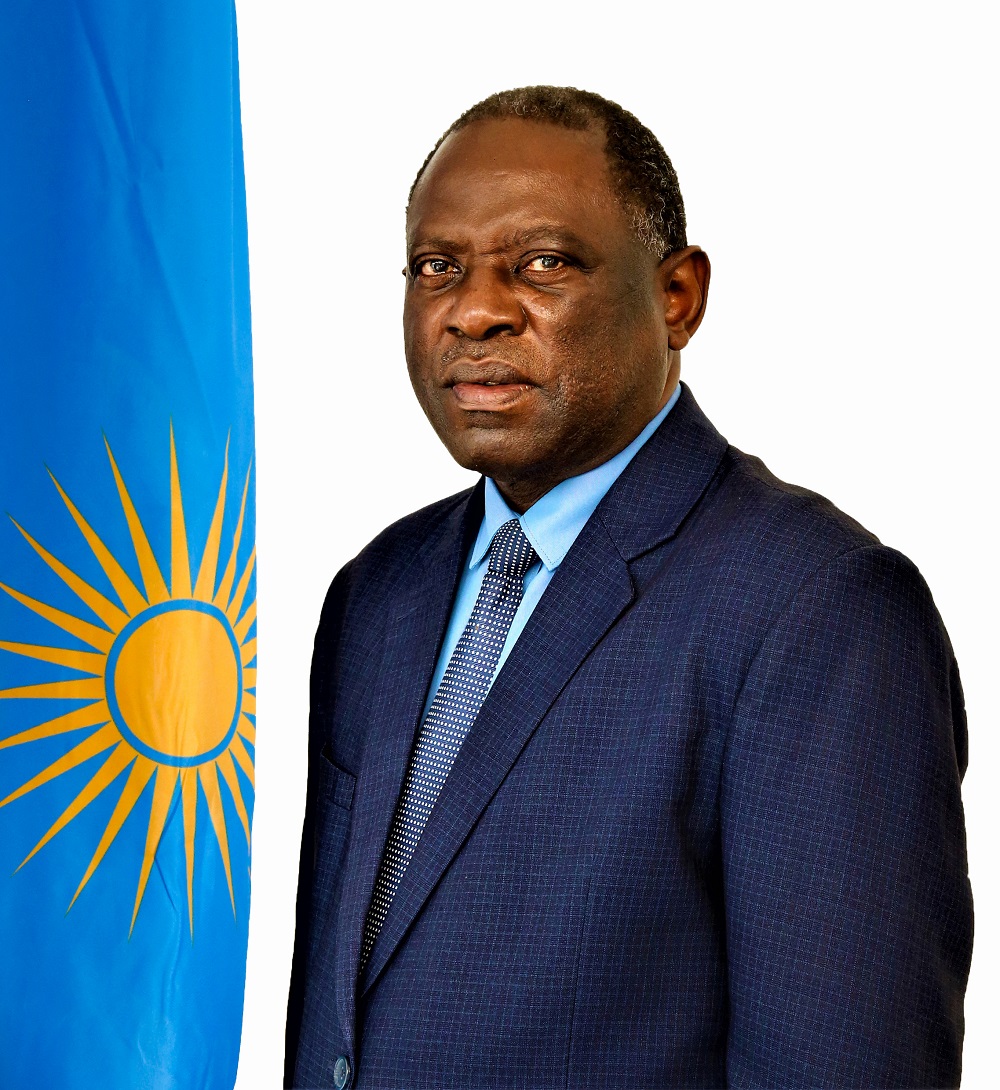
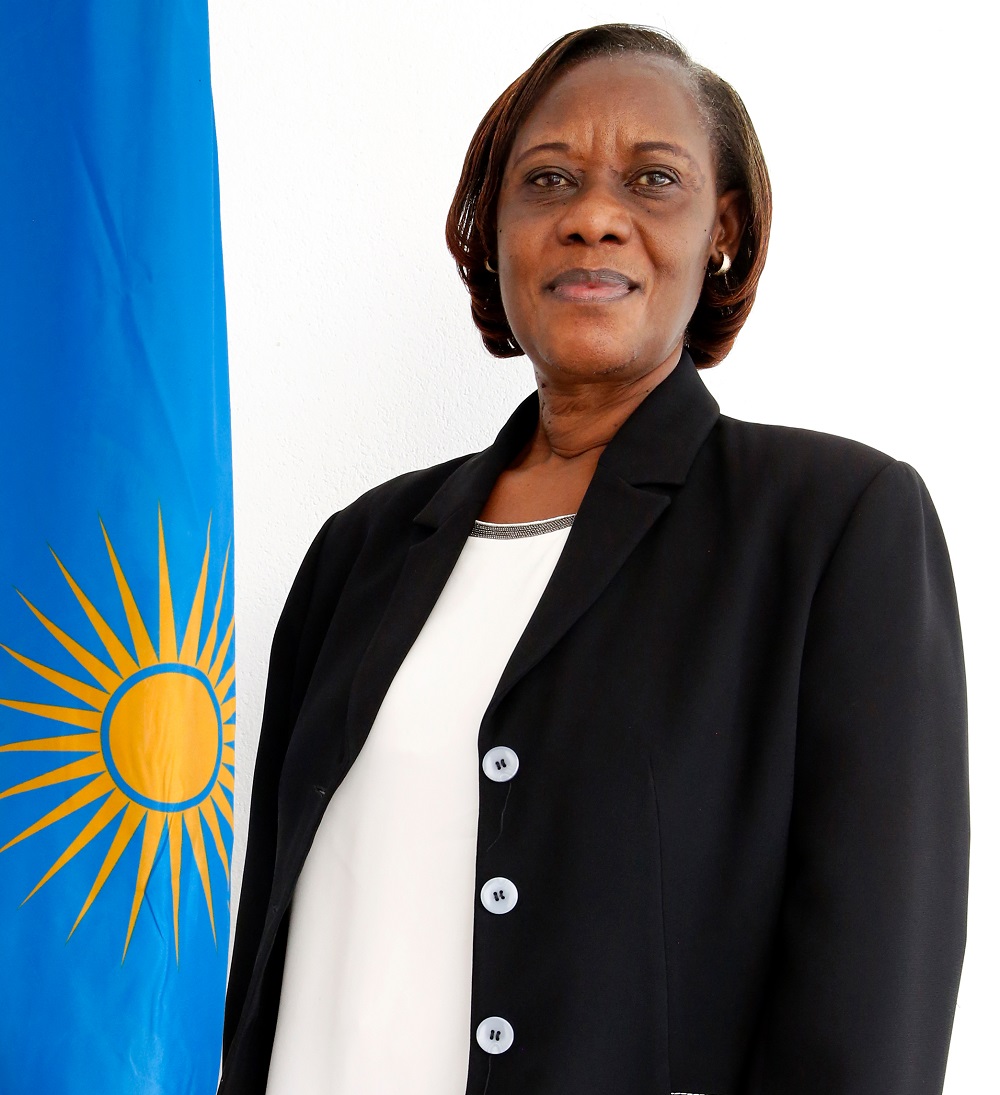
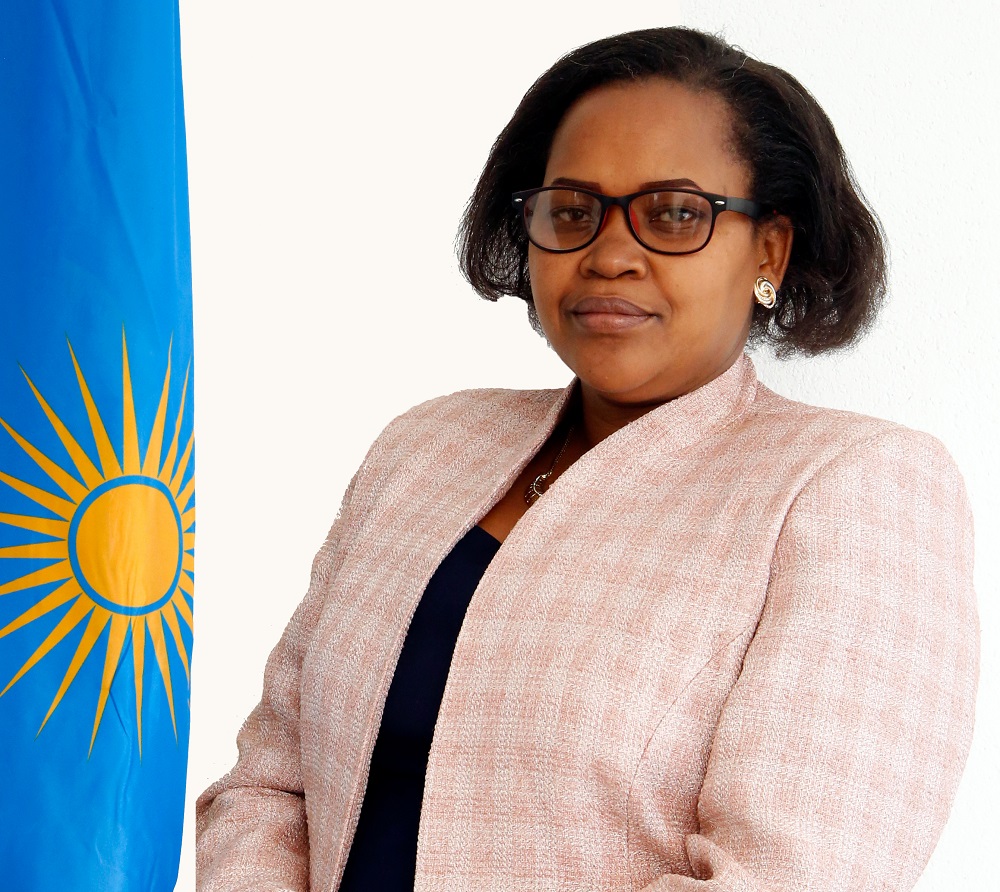
Among other appointees is Clarisse Munezero, who has been appointed Permanent Secretary at the Office of the Ombudsman, while Antoine Marie Kajangwe has been appointed Permanent Secretary in the Ministry of Trade and Industry.
Others include Beatrice Cyiza, who has been named Permanent Secretary in the Ministry of Environment, while Mukandutiye Speciose and Francis Karemera have been given roles as members of the Council of Elders.
Cyiza was previously a Director in Environment Ministry, with responsibilities that included addressing climate change, one of the pressing global issues today. She has led various projects and worked with the Rwanda Environment Management Authority (REMA).
Kajangwe, previously held the role of the Director General in charge of Trade and Investment at the same Ministry.
The Cabinet meeting also approved the representatives of countries and international organizations in Rwanda and endorsed the Second National Strategy for Transformation (NST2), which will be implemented from 2025 to 2029.
The addendum to the original Memorandum of Understanding, dated September 10, 2019, was signed on Thursday, August 22, 2024, and ensures that the ETM in Rwanda will continue until December 31, 2025.
Ambassador Charles Karamba, Permanent Representative of the Republic of Rwanda to the African Union, represented Rwanda at the signing ceremony.
In a joint statement, Rwanda, the AU, and the UN refugee agency emphasized that the extension reaffirms their commitment to providing protection and seeking durable solutions for those evacuated, offering them a safe haven in Rwanda.
“The Government of Rwanda reaffirms its unwavering commitment to receive and protect these individuals, as well as others identified as particularly vulnerable and at-risk,” the statement reads in part.
The parties disclosed that the second addendum emphasizes a more transparent selection process for evacuees, ensuring equal opportunities for all potential candidates regardless of nationality, ethnicity, race, gender, age, or any criteria other than their vulnerability.
The agreement also reinforces and strengthens information-sharing and reporting mechanisms between UNHCR, the Government of Rwanda, and the African Union in the implementation of solutions for evacuated individuals. It seeks to expand comprehensive efforts to find alternative durable solutions for evacuees who do not qualify for refugee status and are not willing to request a longer stay in Rwanda, including exploring options such as voluntary return, resettlement, family reunification, and access to other solutions in third countries.
Additionally, the second addendum reiterates the commitment of all parties to undertake bi-annual joint monitoring missions to inspect the entire process, thereby ensuring transparency and continuous improvement of the ETM operations.
As part of the agreement, the African Union Commission committed to continuing to provide high-level political support, capacity development, and resource mobilization, as well as enhancing joint coordination mechanisms.
Meanwhile, UNHCR will continue to provide protection and necessary assistance, including shelter, food, healthcare, and other essential services for evacuees during their stay in Rwanda.
Since the emergency evacuation mechanism was established more than four years ago, a total of 2,355 refugees and asylum seekers from Eritrea, Sudan, South Sudan, Somalia, Ethiopia, Nigeria, Chad, Cameroon, Guinea, Côte d’Ivoire, and Mali have been evacuated from Libya in 18 flights.
According to the parties, a total of 1,813 refugees have been resettled in third countries, finding a lasting solution to their displacement.
“UNHCR and the Rwandan authorities will continue to conduct individual registration of all evacuated individuals and issue Proof of Registration (POR) documents that allow them to travel within the country and access assistance provided at the center,” the statement added.
Both the AUC and UNHCR have called on other countries to follow Rwanda’s example in providing a safe haven for vulnerable refugees and asylum seekers.
In a letter seen by IGIHE, addressed to district leaders on August 22, 2024, and signed by the Minister of Local Government, Jean Claude Musabyimana, the ministry ordered the suspension of more than 40 religious organizations listed in the annex of the letter.
The decision was based on a letter from the Rwanda Governance Board (RGB) and ongoing inspections of religious denominations, which revealed that some should be halted.
The letter states, “I am writing to request the suspension of the organizations and activities listed in the annex of this letter, as well as any other organizations operating illegally across the country.”
The annex includes well-known religious denominations in Rwanda, such as the Lutheran Church in Africa, which operated in various provinces, particularly in the Eastern Province.
Other organizations listed include Philadelphia Church, Umugeni wa Kristo, Abagorozi, Abakusi, Abanywagake, Abarokore, Abavandimwe Church, Agape Sanctuary, Assemblies of Lord, Bethel Miracle Church, Intumwa n’Abahanuzi, Isoko Ibohora, Ivugurura n’Ubugorozi, Redeemed Baptist Church, Salvation Church, and others.
This action follows the recent suspension of other churches in Rwanda, including Umuriro wa Pentekote and Ebenezer Rwanda, for allegedly spreading divisive messages among Rwandans.
Additionally, RGB, in collaboration with local authorities, had previously conducted inspections that led to the temporary closure of nearly 8,000 churches for failing to meet required standards.
Celestin Seburikoko, the head of the Lutheran Church in Africa’s Rwanda branch, confirmed the suspension to IGIHE. He acknowledged that they were aware of the requirement to be officially registered and that they had already initiated the process, although they had not yet received legal status.
“This does not surprise me because I know that every organization or activity in the country must be recognized, and we had complied with all requirements. We applied for the necessary documents, but there were some corrections requested, which I had prepared but had not yet submitted [to RGB].”
Seburikoko also mentioned that he intends to inquire whether they can continue the registration process or if they are permanently shut down, as they had been granted a temporary permit that has now expired.
The Lutheran Church in Africa started operating in Rwanda in 2015 and has 2,037 congregants across the country.
Africa remains one of the few untapped markets for Formula 1 in its recent years of global expansion. In fact, an F1 race has not been held on the continent since the 1993 South African Grand Prix at Kyalami.
Motorsport officials have scheduled talks with Rwandan officials for September to discuss the country’s bid to host an F1 event.
Amid Rwanda’s push to make history as the first East African country to host the event, Hamilton believes it is the right time for a race to return to Africa. He made these remarks ahead of the Dutch Grand Prix, scheduled for Sunday, August 25, 2024.
“We can’t be adding races in other locations and continue to ignore Africa, which the rest of the world just takes from,” Hamilton stated.
“No one gives anything to Africa. There’s a huge amount of work that needs to be done there. I think a lot of the world that haven’t been there don’t realise how beautiful the place is, how vast it is,” he added.
The 39-year-old Mercedes driver dismissed the excuse that there are no ready tracks, stating that F1 can utilize and build on what is available. He also noted that Africa stands to benefit immensely from tourism during and after the races.
“I think having a grand prix there, it would really be able to highlight just how great the place is and bring in tourism and all sorts of things. Why are we not on that continent? And the current excuse is that there’s not a track that’s ready, but there is at least one track that’s ready there.
“In the short term, we should just get on that track and have that part of the calendar and then work on building out something moving forward,” he explained.
He lauded Rwanda’s interest in hosting an F1 event saying, “Rwanda is one of my favourite places I’ve been to actually”.
“I’ve been doing a lot of work in the background. I’ve spoken to people in Rwanda, I’ve spoken to people in South Africa. But that’s a longer project, Rwanda. It’s amazing that they’re so keen,” he added.
F1 CEO Stefano Domenicali confirmed the meeting with Rwandan officials earlier this. He described Rwanda as a ‘serious’ candidate for hosting a future Grand Prix and praised the Rwandan authorities for presenting a solid plan.
“They are serious,” said Domenicali. “They have presented a good plan and actually we have a meeting with them at the end of September. It will be on a permanent track.”
Domenicali’s comments followed a visit by representatives from the Rwanda Development Board to the Monaco Grand Prix in May, where they met with officials from the International Automobile Federation (FIA).
He had been serving as the Director for Institutional Matters and Programmes Coordination at the African Continental Free Trade Area (AfCFTA) Secretariat.
Sebahizi’s appointment was part of a broader cabinet reshuffle that also saw Richard Nyirishema appointed as Minister of Sports, replacing Aurore Mimosa Munyangaju, and Ambassador Christine Nkulikiyinka taking over as Minister of Public Service and Labor from Prof. Jeannette Bayisenge.
On Monday, August 19, 2024, Minister Sebahizi was sworn in alongside 21 other cabinet members, the majority of whom returned after reappointment following President Kagame’s re-election to serve a new five-year term.
In an exclusive interview with IGIHE, Sebahizi, shared his ambitious plans for steering the country toward a more balanced and prosperous economic future.
With over two decades of experience in fields related to trade and industry, his return to the ministry (this time as minister) is seen as a homecoming to where his career in public service began.
As Rwanda grapples with challenges such as trade imbalances, market fluctuations, and the need for greater industrial productivity, Sebahizi is focused on building on the achievements of his predecessor while addressing these issues head-on.
Reflecting on his journey, he likened his appointment to a natural progression and expressed his delight at returning home to serve Rwandans after spending ten years working outside the country.
{{Controlling inflation and market stability}}
Sebahizi has a clear vision for his tenure, with a strong focus on stabilizing market access, particularly for agricultural produce—a sector that forms the backbone of Rwanda’s economy.
As per 2023 statistics, agriculture accounted for nearly 27% of Rwanda’s GDP and employs over 60% of the workforce, making it a critical area for national development. However, the sector faces significant challenges.
Early July, the Consumer Price Index report from the National Institute of Statistics of Rwanda (NISR) indicated that inflation in Rwanda’s urban areas increased by 5% over the past year.
The report shows that inflation in urban centres was driven by an increase in the prices of food and beverages, as well as transportation costs.
Between June 2023 and June 2024, the prices of food and beverages increased by 3.1%, while transportation costs saw a significant increase of 23.2% over the past year.
“My top priority is to build on our achievements and ensure ongoing projects do not stall, while pushing for greater progress. Another key focus is addressing issues in the ministry, particularly in managing the supply chain for agricultural produce. Inconsistent availability and occasional oversupply can strain the market, leading to spoilage and price hikes, which adversely affect farmers. This needs urgent action,” he noted.
To address these issues, the Minister emphasized the need for collaboration with relevant institutions including the Ministry of Agriculture, Ministry of Local Government and ministry of Finance and Economic Planning particularly in fast-tracking the implementation of measures to ensure market stability.
“The government is constantly monitoring the situation and taking measures to prevent inflation,” he assured. One strategy mentioned by the Minister involves working with regional bodies like the East Africa Commodity Exchange to store surplus produce and release it to the market when needed, thereby stabilizing prices.
{{Tackling trade imbalance}}
One of the key priorities for the new Minister is addressing the trade imbalance that continues to affect Rwanda’s economy. While Rwanda’s economy has experienced an impressive growth rate of over 8% annually for the past decade, the country’s reliance on imports remains a challenge.
Rwanda’s trade deficit soared to US$ 411.62 million in June 2024, reflecting a 30.88% increase compared to June 2023 and a 13.71% rise from May 2024. This expanding deficit underscores the growing disparity between imports and exports, influenced by various factors including fluctuations in domestic exports and escalating imports.
“There’s a common misconception in Rwanda that trade is synonymous with importation,” Sebahizi explained.
“True trade is about putting our locally produced goods into both local and international markets.” The Minister highlighted the importance of initiatives like ‘Made in Rwanda,’ which aims to reduce dependency on imports and promote locally produced goods. By strengthening local industries and encouraging Rwandans to consume homegrown products, the Minister hopes to improve the balance of trade and bolster the economy.
{{Harnessing the potential of AfCFTA}}
Sebahizi is particularly optimistic about the opportunities presented by the African Continental Free Trade Area (AfCFTA). With a market of over 1.4 billion people, the AfCFTA offers a unique opportunity for Rwanda and the entire continent to enhance trade and investment.
However, the Minister emphasized the importance of developing local industries to fully capitalize on this opportunity.
“Africa holds immense potential in terms of resources and manpower,” he stated. “The challenge lies in investing in and promoting local industries. By establishing and nurturing local industries, we can ensure that the benefits remain within the continent, creating long-term value for our people.”
{{Enhancing industrial productivity}}
Rwanda’s industrial sector has seen significant growth, with the establishment of several industrial parks across the country. These parks are essential to the nation’s economic growth, providing infrastructure for manufacturing and other industries.
However, Minister Sebahizi acknowledges that there is still much work to be done.
“Infrastructure development is an ongoing process,” he noted. “We must prioritize these developments to ensure that we can continue to build a strong, diversified economy.”
In 2023, Rwanda’s GDP reached Rwf 16,355 billion, with the industrial sector contributing 22%.
According to a report from the National Institute of Statistics, Rwanda exported goods worth $16.20 million to the Democratic Republic of Congo (DRC) in June 2024, accounting for 9.55% of all the country’s exports. The DRC stands as the second-largest destination for Rwanda’s exports.
Traditionally, trade between Rwanda and the DRC has relied on land routes. However, since January 2024, Rwanda has developed a state-of-the-art port on Lake Kivu, equipped with 12 pillars designed to accommodate large cargo ships and passenger vessels.
The Mayor of Rubavu, Prosper Mulindwa, has told IGIHE that the port has already begun trial operations, with some Made-in-Rwanda products being transported through it.
“The port will handle 2.7 million passengers annually once fully operational. It also includes a section for tourists visiting sites along Lake Kivu and will facilitate the transport of at least 700,000 tons of goods each year,” Mulindwa stated.
He further added that the port is currently functional and offers uninterrupted services to traders. Additionally, it is providing employment opportunities for Rubavu residents, with four cooperatives of porters involved in loading and unloading cargo. Depending on the volume of goods, about 15 people are engaged during low-volume periods, while over 80 people are involved during peak times.
Mulindwa also confirmed that the port could dock two ships, each up to 60 meters in length, simultaneously. This capability is already in use, with available ships capable of carrying over a thousand tons per trip, accommodating up to 34 semi-trailers.
The port is managed by Rwanda Transport Development Agency (RTDA), which has deployed personnel to oversee operations, alongside the Police Marine unit and services from the Rwanda Revenue Authority.
Rubavu port primarily handles goods such as cement produced in Rwanda, general merchandise, and food products from Kenya and Tanzania destined for DRC.
Mulindwa mentioned that during the trial phase in July 2024, the port had already handled 26,000 tons of Rwandan cement.
“We are handling various goods, both locally made and imported. Most of our products are destined for Goma, Bukavu, and Minova,” he noted, adding that it is still too early to provide a precise evaluation of the port’s throughput.
The port operates similarly to a One-Stop Border Post, offering seamless services on the Rwandan side, though it will not host foreign government offices. Instead, it will feature services from RTDA, immigration, security agencies, and other border-related services, including Magerwa and the Rwanda Revenue Authority.
Additionally, the port includes a reception area for tourists visiting the scenic spots of the Western Province and storage facilities for goods, allowing traders to store equipment after unloading.
According to the Auditor General’s report for the fiscal year ending June 30, 2023, the Rubavu port was completed at a cost of $9.1 million, which represents a 39.6% increase from the initially planned budget of $6.5 million.
Dusengiyumva first assumed the role of Mayor on December 15, 2023, after his predecessor, Pudence Rubingisa, was appointed as the Governor of the Eastern Province. In the recent election on August 22, 2024, Dusengiyumva was the sole candidate, receiving strong backing from six councilors representing Kigali City’s three districts.
Having led Rwanda’s capital for nine months, Dusengiyumva was sworn in as a member of the Kigali City Council on the same day. He emphasized that his five-year term will focus on resolving infrastructure challenges, including roads and water supply, particularly in underserved areas.
Fulgence Dusabimana was elected as the Vice Mayor in charge of Urbanization and Infrastructure, receiving 258 votes (68%), defeating Frank Gatera, who garnered 123 votes (32%). Urujeni Martine was re-elected as the Vice Mayor in charge of Socio-Economic Affairs with 360 votes.
Urujeni, who has served in this role for two and a half years, reflected on the challenges they have faced, including domestic conflicts, street children, and over 3,000 street vendors who were provided with proper working spaces. She confirmed that in this term, they will focus on uplifting the underprivileged and supporting persons with disabilities by increasing their allocated budget and advancing youth development.
Jean Claude Musabyimana, the Minister of Local Government, commended Kigali City’s leadership for its role in various initiatives, particularly the successful management of the July 2024 elections and maintaining a clean, secure capital that welcomes all.
He urged the newly elected councilors and leaders to address the challenges faced by residents, especially those with limited means. “Those elected should remember that we have the responsibility to help the citizens we represent, particularly vulnerable groups, so that everyone can contribute to the development of the country, especially Kigali City,” he said.
Musabyimana highlighted the importance of supporting those with limited means to advance themselves. “Fortunately, we have a program to help citizens sustainably develop, not just to survive, but to lift them out of poverty. You have the responsibility to advocate for them and educate them so that everyone can take advantage of available opportunities available as the country continues to rebuild,” he added.
Before his election as Mayor of Kigali, Samuel Dusengiyumva served as the Permanent Secretary in the Ministry of Local Government (MINALOC) from November 2019.
He holds a law degree from the former National University of Rwanda, where he studied from 2001 to 2005. His career includes roles such as legal advisor in the National Service for Gacaca Courts, Country Manager of the One Laptop Per Child program, and legal advisor at the Regional Center on Small Arms, among others.
The Kigali City Council, now comprising 12 councilors, includes Rose Baguma, Frank Gatera, Liliose Larisse Nyinawinkindi, Aimé Tsinda, Muhammed Semakula, Urujeni Martine, Samuel Dusengiyumva, Flavia Gwiza, Christian Mugenzi Kajeneri, Marie Grace Nishimwe, and Jack Ngarambe.
Historically, Kigali’s roots date back between 8000 and 3000 BC, evolving from the creation of the country of Gasabo, which later expanded to form present-day Rwanda. The city itself, founded in 1907 by German Richard Kandt, has a 116-year history marked by gradual infrastructure development.
Since 1975, Kigali City has been led by 12 mayors, including Francois Karera (1975-1990), Col Renzaho Tharcisse (1990-1994), Rose Kabuye (post-Genocide), Protais Musoni (1997-1999), Marc Kabandana (1999-2001), Théoneste Mutsindashyaka (2001-2006), Aissa Kirabo Kacyira (2006-2011), Fidèle Ndayisaba (2011-2016), Monique Mukaruliza (2016), Pascal Nyamulinda (2017-2018), Marie Chantal Rwakazina (2018-2019), and Pudence Rubingisa (2019-2023).
Dusengiyumva became the 11th mayor of Kigali City after the 1994 Genocide against the Tutsi.
According to a statement released by the Ministry of Finance and Economic Planning (MINECOFIN), on Thursday, August 22, 2024, the loan, secured on semi-concessional terms, will be directed towards various projects, including urban economic development in two secondary cities and one district town, Government-funded modern irrigation (GFI), and the Sustainable Agriculture Intensification and Food Security Project (SAIP).
The ministry noted that these initiatives align with Rwanda’s Environmental, Social, and Governance (ESG) framework, reflecting the country’s unwavering commitment to building a sustainable and resilient future.
The successful acquisition of this funding was made possible by a positive second-party opinion from S&P Global Ratings, a credit rating agency on Rwanda’s ESG framework.
Lauding the approval, the ministry said, “This endorsement underscores Rwanda’s dedication to responsible governance and sustainable development, further enhancing its credibility as a borrower committed to upholding ESG principles.”
Rwanda has made significant strides in developing a robust ESG framework aimed at attracting investments and achieving sustainable development goals. This innovative approach aligns with the country’s long-term vision, particularly given the limited concessional financing available from traditional development partners.
With an ambitious goal of reaching upper middle-income status by 2035 and becoming a high-income country by 2050, Rwanda understands the importance of securing sustainable financing to realize this vision.
The ESG framework serves as a comprehensive set of standards, assessing Rwanda’s management of environmental impact, social policies, and governance practices. It offers valuable insights for investors, policymakers, and international organizations into Rwanda’s commitment to sustainability, ethical business practices, social responsibility, risk management, innovation, competitiveness, and long-term stability.
By strengthening its ESG framework, Rwanda aims to create new opportunities for investment, bolster its reputation as a nation dedicated to sustainability and responsible business practices, and enhance its overall competitiveness and long-term sustainability.
This comes days after WHO declared Mpox a public health emergency of international concern based on the ongoing outbreak in the Democratic Republic of Congo (DRC) that has spread to at least 13 other African countries, with several imported cases in Europe and Asia.
In a recent opinion piece published in the French magazine Jeune Afrique, Dr. Mihigo questioned why Africa has been left to struggle with repeated Mpox outbreaks for decades, despite the infection being caused by a virus known for many decades, unlike recent health emergencies such as COVID-19, which was first reported in China.
Dr. Mihigo called for concerted efforts to eradicate the outbreak of the viral disease, which had also been declared a public health emergency of continental security by Africa Centres for Disease Control and Prevention (Africa CDC).
He emphasized that increased collaboration between different countries, the private sector, and research bodies is necessary to lower the cost of vaccine production and immunization, thereby improving access to vaccines in low-income countries, which are often the most affected.
“Continental and global public health institutions, including financial partners, must contribute. Significant investments in research and development for local pharmaceutical industries are still necessary. The accumulation of patents, technologies, and vaccines in one part of the world is a counterproductive tactic. On the other hand, the creation of platforms and mechanisms for inter-state solidarity is necessary,” Dr. Mihigo explained.
For the collaborations to materialize, Dr. Mihigo said, WHO and Africa CDC have a “crucial role to play”.
“Africa should not face this epidemic alone. Nor should it bear the human cost of a disease we can and must eradicate on its own. By acting today, we can not only contain and eradicate monkeypox but also prepare our health systems to face tomorrow’s health threats,” DR. Mihigo stated.
Dr. Mihigo argued that systematic vaccination efforts have been halted since the eradication of smallpox in 1977, even though smallpox vaccination provided cross-protection against monkeypox.
According to him, there are about 200,000 vaccine doses available worldwide for the Mpox virus, a figure that is far too low considering the actual needs.
To address the threat that Mpox poses, he explained that several million vaccine doses are necessary to meet the demands of the East African region alone.
At the same time, Dr Mihigo emphasized the need to strengthen local health systems to handle emerging diseases.
“Developing a comprehensive strategy to combat this disease by strengthening capacities and empowering our health systems must be our priority,” he observed.
“It is time for Africa to place health at the heart of its development. This requires better resilience of health systems, adapted to local contexts, including socio-cultural, economic, and environmental determinants.”
He observed that the resurgence of Mpox outbreak also calls for the emergence of an intra-African and international public health pact.
“The WHO Africa office, for which I am a candidate for leadership, must play a pivotal role in redefining, in collaboration with the concerned countries, health priorities,” he stated.
The Regional Committee of the WHO African Region will vote to nominate the next Regional Director in a closed-door meeting during its 74th session from 26th to 30th August 2024 in Congo Brazzaville.
Dr. Mihigo is running against Dr. N’da Konan Michel Yao from Ivory Coast, Dr. Boureima Hama Sambo of Niger, Senegalese Dr. Ibrahima Socé Fall and Tanzanian Doctor Faustine Engelbert Ndugulile.
Although their tasks are challenging, they are not expected to perform miracles. The principle of compensation for work done is firmly rooted in the belief that those who work deserve to be paid, a notion even reflected in the biblical saying, “He who does not work shall not eat!”
To ensure that these officials remain focused and are not tempted by corruption, their remuneration has been clearly stipulated by the laws of Rwanda.
For Rwanda’s top political leaders, from the President to Members of Parliament, salaries have long been established under Presidential Order No. 004/01 of 16/02/2017.
This order defines the salaries and fringe benefits for high-ranking state officials and outlines the modalities of their allocation.
According to this order, the Government of Rwanda will allocate at least 79.4 million Rwandan Francs (Rwf) every month for the salaries of the 21 Ministers and nine State Ministers who have recently taken office.
The Cabinet will support President Kagame in delivering on the promises made to the citizens over the new five-year term. The order not only specifies the salaries of senior officials but also clarifies the specific benefits provided to both elected officials and those appointed by the President.
The top five leaders in the country receive different gross monthly salaries. The President of the Republic is entitled to a salary of Rwf6,102,756, while the President of the Senate, Speaker of the Chamber of Deputies, President of the Supreme Court, and Prime Minister each receive a monthly gross salary of Rwf4,346,156.
In addition to his salary, the President of the Republic is entitled to a fully furnished residential house, five permanent official vehicles with all maintenance costs paid by the state, an office entertainment allowance, and modern communication equipment paid by the state.
Furthermore, the President receives Rwf6,500,000 per month for residence and guest entertainment allowance, with household expenses including water and electricity covered by the state, along with continuous security at work, home, and any other place.
Other senior officials, such as the President of the Senate, the Speaker of the Chamber of Deputies, and the Prime Minister, are each entitled to a fully furnished residential house, one official vehicle with maintenance expenses covered by the state, Rwf600,000 for office entertainment allowance, modern communication equipment at work and home, Rwf600,000 per month for residential guest entertainment allowance, state-covered water and electricity bills, and continuous security at work, home, and anywhere else as deemed necessary.
Ministers in the Government of Rwanda receive a monthly gross salary of Rwf2,534,861, which is also the salary allocated to the Vice Presidents of the Senate and the Vice Speakers of the Chamber of Deputies. State Ministers receive a monthly gross salary of Rwf2,434,613, and Members of Parliament receive a gross monthly salary of Rwf1,774,540 each.
Considering the top five political leaders, ministers, state secretaries, and members of parliament, the government will disburse over Rwf235 million each month, excluding additional specific benefits beyond their salaries.