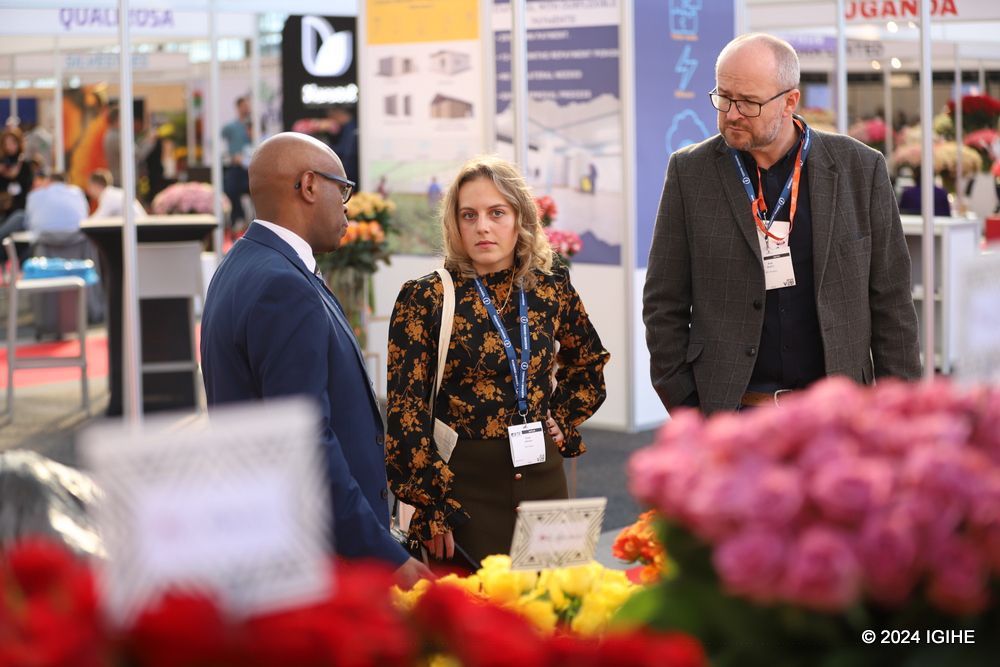
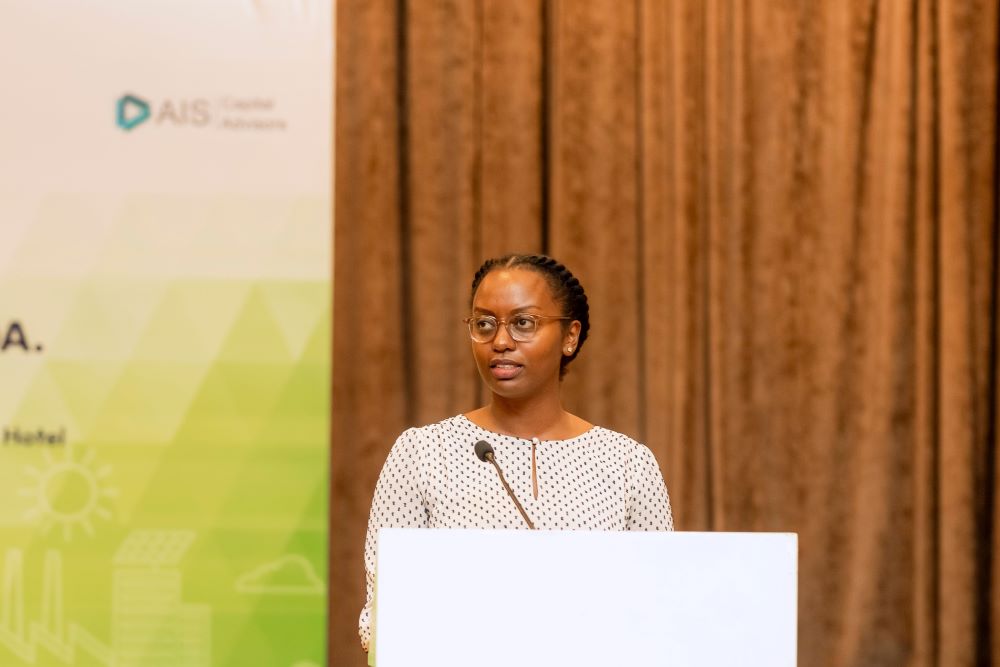
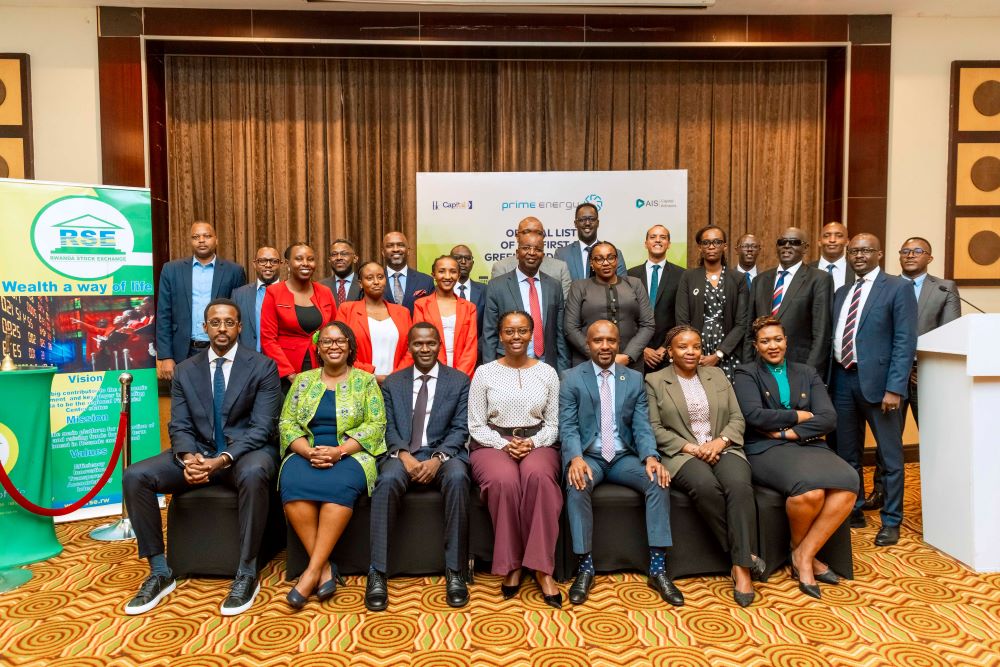
During a press conference on October 22, 2024, Nathan Ntaganzwa, the Managing Director of 1000Hills Events, shared insights into the upcoming ceremony, emphasizing the growing recognition of disability inclusion.
“From previous experiences, we realize that people are slowly getting to know the importance of disability inclusion. This year, we are introducing a one-day festival where people will showcase their work and create mass awareness about the importance of inclusion,” Ntaganzwa explained.
The event will recognize individuals, SMEs, and corporate companies that have championed the inclusion of people with disabilities in their workplace and communities. The day-long festival will feature an exhibition, keynote speeches reflecting on 30 years of progress in disability inclusion, and artistic performances by persons with and without disabilities.
Ntaganzwa highlited the role of the private sector in this journey.
“In the past, some private organizations showed interest in adopting inclusion policies but didn’t know how to proceed. The more we hold such events, the better we can connect those eager to work with people with disabilities and those willing to adopt inclusive hiring practices,” he said.
Stakeholders such as Feed the Future Rwanda Hanga Akazi are actively supporting the event. Speaking on behalf of the organization, Come Ndemezo, the Gender Equity and Social Inclusion Coordinator, stressed the need to encourage companies to adopt inclusion not out of sympathy but as a smart business strategy.
“Women, youth, and persons with disabilities are our focus. We want the private sector to see inclusion as a smart move and recognize the benefits of employing people with disabilities,” Ndemezo said, urging more companies to embrace the practice.
Dr. Donatille Kanimba, the founding Executive Director of the Rwanda Union of the Blind, echoed similar sentiments, praising the government and other sectors for their efforts in making people with disabilities feel included.
“Many of us were once afraid to express ourselves, even though we were capable of achieving great things. Now, we have accomplished much, and many with disabilities are more confident in reaching their career goals,” she remarked.
The event promises to be a vibrant celebration of the strides made in disability inclusion while also advocating for continued efforts to ensure people with disabilities can thrive in both professional and personal capacities.
You can nominate and vote for the person or institution of your choice on the link below.
{{[https://rdia.igihe.rw/->https://rdia.igihe.rw/]}}
The decision was made by the second collegiate court of the National Supreme Court of Specialized Criminal Justice, making Toledo the first of four investigated former presidents to go to jail in Odebrecht case, one of the largest bribery and graft scandals in Latin America.
The 78-year-old former president was extradited from the United States in April last year to face charges for allegedly taking at least 20 million U.S. dollars in bribes from Odebrecht, a Brazilian construction company, in exchange for a government contract to build the Interoceanic Highway linking Peru and Brazil.
During a hearing, Toledo insisted that he was “innocent,” saying that “I never made any arrangement with Mr. (Jorge) Barata,” former head of Odebrecht in Peru.
This project was launched in September 2021 in the districts of Huye, Gakenke, Gicumbi, and Burera in collaboration with the World Bank and the Government of Rwanda. Its goal is to empower citizens with development skills beginning with the ability to think and discover what benefits them based on the characteristics of their local environment.
The beneficiaries first underwent six months of training through development pathway meetings known as the ‘Facilitated Collective Action Process (FCAP). These meetings helped citizens identifying their own problems and the potential they have to tackle them to attain long-term and sustainable solutions over immediate need.
This community, spearheaded by the Community-Based Facilitator (CBF) locally known as Inyenyeri, has shown that poverty can be fought even in the most remote areas through local ownership and collective action.
The financial support is not given directly in cash but rather invested in the projects the community chooses. Spark Microgrants provided this funding in two phases, with each village receiving 4.6 million Rwandan Francs in the first phase (60% of the total), followed by an additional 3 million Rwandan Francs (40%) along with 5% of contributions from the district, amounting to 380,000 RWF.
Rwigemure Yahaya, a resident of Kabaya village in Ruhanga cell, shared how the bulls farming project they selected in their village has brought wealth to the community. “With the first grant, we bought 14 bulls. We took care of them and sold them once they matured, and distribute the profits among group members”, he said.
After selling the bulls, “the profits were shared. Part of the money went towards reinvesting in younger bulls, while the community also prioritised supporting its most vulnerable members, where they bought sheep, a hen, or any other materials for those in need to ensure that everyone benefits, no matter their situation,” Yahya added.
From the first round of shared profits, the group bought 41 sheep for 41 households in need. In the next cycle, after reselling bulls, the profits allowed them to distribute 37 more sheep to 37 additional households, bringing the total to 78 sheep distributed so far.
Some of these sheep have already reproduced, with some households now owning more than three sheep, helping them meet various domestic needs where necessary including manure.
Rwigemure further explained that the village received the second tranche which was invested in loaning scheme projects to support household small-scale businesses and improve their livelihoods.
In Gicumbi district, beneficiaries have started farming for the market. In Mutete sector, beneficiaries reported that agricultural production has become a source of income after receiving support from Spark Microgrants.
Odette Ugirasekuru, a resident of Kabeza cell in Kagarama village, shared how the cow she received significantly boosted her agricultural output. “After receiving the cow, as able to collect organic fertilizers and decided to establish a banana plantation. Unlike previously when had to buy fertilizers, could barely harvest three kilograms of bananas, now I harvest bunches weighing up to 80 kilograms each. Every month, I harvest around 40 bunches.”
“My cow produces eight liters of milk per day, and over the past three months, I’ve earned 270,000 RWF from selling the milk. I still have enough for my family to drink, and I even share with needy neighbors.”
In that village, out of 202 households, only nine have not yet received cows, but they are expected to be assisted by their neighbors.
Beneficiaries in Huye district also report positive changes due to the project. Appolinaria Mukanyabyenda, a resident of Kigoma cector and community-based facilitator for Kabingo village, said that the residents have successfully eradicated malnutrition by focusing on providing children with balanced diets.
Vestine Nyiramanywa, an elderly woman from Gishamvu sector, said that Spark Microgrants has helped them achieve food security through pig farming, which generates income and promotes savings on top of their usual agricultural activities.
Ange Sebutege , the Mayor of Huye district says that Spark Microgrants has greatly improving the well-being of residents, citing an example in Gishamvu sector, which ranked second in health insurance enrollment, in a district that used to lag behind such government programs.
He said, “What we did with Spark was to provide capacity support, but the ideas are theirs. They must remember that these projects are like investments for the village, where each resident has a share. We aim to eliminate poverty entirely in the future, so it is crucial to follow up on these projects.”
According to Donald Ndahiro, Spark Microgrants Country Director for Rwanda, the achievements of the ACE project so far offers hope for sustainable community development.
“When we look at the results since 2021, we see that their domestic possessions, like TVs, radios, money on bank accounts, livestock, and more, have increased by 120% as a result of the projects they implemented. Regarding nutrition, the number of people eating only one meal a day has dropped from 54% to 33%,” he said.
The ACE Project operates in 249 villages, but Spark Microgrants plans to expand to 2,500 villages in the coming years and collaborate with the Ministry of Local Government (MINALOC) to integrate lessons learnt from the project into national planning.
Spark Microgrants is an international non-profit based in the United States, which started its operations in Rwanda in 2010. The organization has transformed the lives of residents in over 339 villages across Gakenke, Gicumbi, Burera, Musanze, Huye, Nyabihu, Rulindo and Gisagara, districts.
With more than 240,000 beneficiaries, 64% of whom are women. Spark Microgrants operates in Rwanda, Uganda, Burundi, Ghana, Liberia, DRC, Malawi, and Ghana.
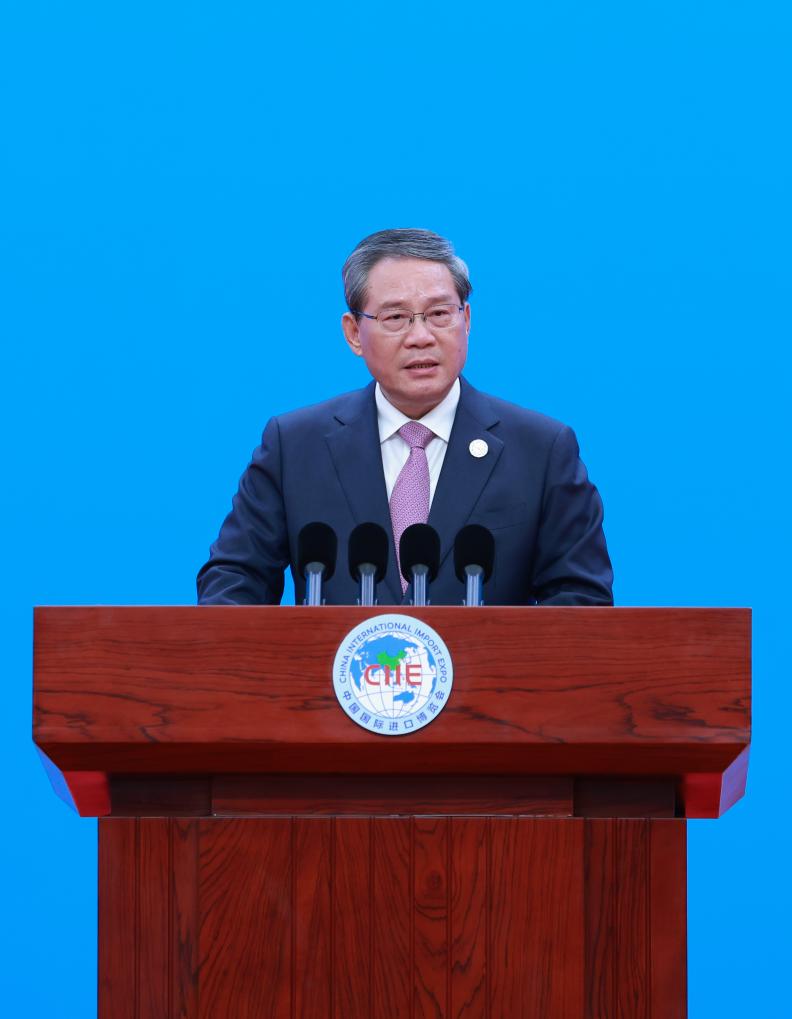
A steadfast champion of BRICS cooperation, Xi once compared its five members back then to the five fingers of one hand: They are short and long if extended, but form a powerful fist if clenched together. Now that hand has grown bigger and stronger, as its membership expanded last year, yet the essence of Xi’s metaphor is just becoming more relevant.
With the world trudging on in a new period of turbulence and transformation, the leader of the largest developing country is poised to help guide BRICS, the leading echelon of the Global South, to play a bigger role in building a better shared future for humanity.
{{GOLDEN VALUE}}
BRICS, an acronym for Brazil, Russia, India, China, and South Africa, is literally called “gold bricks” in Chinese, indicating optimism for its great potential and shining future.
The sanguine view features prominently in Xi’s engagement with the group. He has consistently placed BRICS high on China’s foreign policy agenda. His first appearance on the multilateral stage as China’s head of state was at the 2013 BRICS summit in Durban, South Africa, and he visited all other four BRICS countries during the first two years of his presidency.
“China led by President Xi Jinping has contributed significantly to the success of BRICS,” noted Bunn Nagara, a senior China researcher in Malaysia.
Thanks to the joint efforts of its members, the golden value of BRICS has kept rising. World Bank data show that the share of BRICS in global GDP grew from 18 percent in 2010 to about 26 percent in 2021, with increases in all years during the period.
Among the drivers of its remarkable growth is a strong orientation toward real results. “BRICS is not a talking shop, but a task force that gets things done,” Xi once stressed.
Following this spirit, practical cooperation has always been the foundation of the BRICS mechanism, a good example of which is the launch of the New Development Bank (NDB). Headquartered in Shanghai, the multilateral institution had approved 105 projects in all member countries for approximately 35 billion U.S. dollars by the end of 2023.
In view of BRICS’ evolving development needs, Xi, at the 2017 summit in China’s coastal city of Xiamen, joined other member leaders in formally incorporating cultural and people-to-people exchanges into the engines of BRICS cooperation, in order to further enhance the bond between these nations and reinforce the foundation of BRICS interaction.
Powered by the three engines, namely political and security, economic and financial, as well as cultural and people-to-people exchanges, the BRICS cooperation has witnessed even more substantial progress and growing popular support.
The unique value of the BRICS cooperation goes beyond economic terms, and the mechanism is an innovation of international cooperation, which is in marked contrast to some protectionist, exclusive political, military or economic alliances in the West, said Wang Lei, director of the BRICS Cooperation Research Center at Beijing Normal University.
In Xi’s words, the BRICS cooperation transcends the old formula of political and military alliances, the old mindset of drawing lines on the basis of ideology as well as the obsolete notion of “you-win-I-lose” and “winner-takes-all.”
The golden track record, as many observers have pointed out, has not only amply busted various gloom-and-doom claims such as that BRICS is nothing but “a motley crew,” but also significantly increased its appeal to the rest of the world.
{{GREATER BRICS}}
On Aug. 24 morning last year, the Sandton Convention Center in Johannesburg erupted with applause upon the announcement of BRICS’ historic expansion. That, Xi said at the press conference, demonstrates “the determination of BRICS countries and developing nations to unite.”
Since the inception of the BRICS mechanism, openness and inclusiveness have remained its members’ abiding commitment. Xi has repeatedly emphasized that BRICS countries gather not in a closed club or an exclusive circle. “A tree cannot make a forest,” he said as early as at his BRICS summit debut in Durban in 2013. A year later at the Fortaleza summit in Brazil, he proposed the “BRICS spirit” of openness, inclusiveness, and win-win cooperation.
With such an open mind, the group developed a tradition of inviting leaders of other countries to its summits. Then at the 2017 gathering in Xiamen, an ancient port city that has evolved into a dynamic hub in China’s opening-up and reform, Xi built on that outreach practice and put forward the “BRICS Plus” program, encouraging more participation of other emerging markets and developing nations.
In fact, this southern Chinese city of Xiamen happened to be where Xi came to work as deputy mayor in 1985 at 32. Now, under Xi’s initiative, an innovation base for the BRICS partnership on the new industrial revolution has taken root there.
Over the years, with profound changes reshaping the world at a degree rarely seen in history, the Chinese president has unwaveringly championed openness and cooperation. “Under the new circumstances, it is all the more important for BRICS countries to pursue development with open doors and boost cooperation with open arms,” Xi said at the 14th BRICS summit in 2022.
A year later, more than 60 countries gathered in Johannesburg for the BRICS summit. The gathering “is not an exercise of asking countries to take sides, nor an exercise of creating bloc confrontation,” Xi said. “Rather, it is an endeavor to expand the architecture of peace and development.”
Other than the countries that became new full members on Jan. 1, 2024, more than 30 nations have also formally applied to join BRICS, while many other developing countries are seeking deeper cooperation with the group.
“There is a reason why these countries choose to join BRICS,” said Mekhri Aliev, a board director of the BRICS innovation base in Xiamen. “Because they see future, they see potentials and opportunities within the BRICS.”
{{BIGGER VOICE}}
Three months after its expansion decision, BRICS convened an extraordinary joint summit on the Gaza situation with leaders of invited members, as well as UN Secretary-General Antonio Guterres. That was a first-of-its-kind meeting for the group. The meeting, as Xi said, marks “a good start” for greater BRICS cooperation following its enlargement.
Commenting on this summit, Al Jazeera said that leading countries of the Global South are looking for “a greater say in a global order dominated by the West.” Steven Gruzd, an analyst at the South African Institute of International Affairs, said: “It does reflect on the growing assertiveness and confidence of the BRICS grouping, not waiting for the West.”
BRICS is an important force in shaping the international landscape. Advancing a more just and equitable international order has been a consistent theme in Xi’s remarks on BRICS cooperation.
Effective coordination between BRICS members and other Global South countries is “adding more bricks to the global governance architecture,” said Wang Lei, the Chinese expert with Beijing Normal University.
The New Development Bank (NDB) exemplifies this effort. “The establishment of the bank serves as a beneficial supplement and improvement to the existing financial system,” Xi said, “which can encourage deeper reflection and more active reforms in the global financial system.”
During a meeting with Dilma Rousseff, former Brazilian President and incumbent NDB chief, in Beijing in 2023, Xi called on the NDB to help with the modernization of more developing countries. Rousseff shares Xi’s vision. “It is a vision that we don’t want BRICS to speak just for a few countries. What we want is for most countries to be part of BRICS,” she told Xinhua.
As Xi has observed, strengthening global governance is the right choice if the international community intends to share development opportunities and tackle global challenges.
“Economically, non-Western nations — with BRICS at the vanguard — are pushing the globe into a new reality: An emerging economic, social, and monetary status quo that is upending what the world has accepted as normal for nearly eight decades,” Jeff D. Opdyke, a global investment expert, has observed.
To Guan Zhaoyu, a research fellow with the Eurasian Studies Institute at Renmin University of China, BRICS cooperation “is neither anti-Western nor aimed at overthrowing the existing global order, but rather constructively reforming its unfair aspects to give more opportunities to the developing world.”
Xi maintains that development is an inalienable right of all countries, not a privilege of a few countries. Under his grand vision to build a community with a shared future for mankind, China has been joining hands with other developing countries in advancing their respective modernization.
China will always be a member of the Global South and the developing world, Xi has said on various occasions.
“President Xi has sent out a very clear message: China will unite with other emerging markets and developing countries in the process of global modernization and make sure no one is left behind,” said Guan.
BRICS is an acronym for Brazil, Russia, India, China, and South Africa, five major emerging markets with considerable economic potential. It has now evolved into an influential international cooperation mechanism with an expanded membership.
Over the past 18 years, China has upheld the BRICS spirit of openness, inclusiveness, and win-win cooperation and helped drive the BRICS cooperation mechanism to a new level, serving as a constructive force for safeguarding world peace, promoting common development, improving global governance and facilitating democratization of international relations.
This year marks the beginning of greater BRICS cooperation. During the upcoming summit, the first such gathering to be held after the BRICS expansion, Xi and leaders of other BRICS countries are expected to draw a blueprint for the development of its mechanism, inject new impetus into a multipolar world, facilitate economic globalization and democratization of international relations, and open up a new chapter for the solidarity and development of the Global South.
{{NEW STARTING POINT}}
“BRICS is an important force in shaping the international landscape. We choose our development paths independently, jointly defend our right to development, and march in tandem toward modernization. This represents the direction of the advancement of human society, and will profoundly impact the development process of the world,” said Xi during the 15th BRICS Summit in August 2023.
Other than the countries that officially joined the BRICS family on Jan. 1, 2024, over 30 countries like Thailand, Malaysia, Türkiye and Azerbaijan have either formally applied for or expressed interest in its membership.
After the expansion, the BRICS countries account for about 30 percent of the global GDP, nearly half of the global population and one-fifth of global trade.
China has been committed to deepening mutually beneficial cooperation with its BRICS partners. In the first quarter of this year, China’s imports and exports to BRICS countries increased by more than 11 percent year on year.
Ahmed Al-Ali, a researcher based in Dubai, the United Arab Emirates (UAE), said that the BRICS has become an important engine to drive global economic recovery and maintain world peace and stability thanks to its steady economic growth, and equal and extensive cooperation opportunities.
“Ethiopia’s BRICS membership could significantly boost the country’s socio-economic development through various economic opportunities, including increased investment, expanded South-South cooperation and trade partnerships,” said Balew Demissie, a researcher at the Policy Studies Institute of Ethiopia.
China’s cooperation with other BRICS members has strongly defended multilateralism and promoted the democratization of international relations, said Evandro Carvalho, a Brazilian professor at the Getulio Vargas Foundation, an economic think tank.
The appeal of the BRICS cooperation mechanism comes from its spirit of openness, inclusiveness, and win-win cooperation. “BRICS countries gather not in a closed club or an exclusive circle, but a big family of mutual support and a partnership for win-win cooperation,” Xi said during the 14th BRICS Summit in June 2022.
From the “BRICS Plus” cooperation approach proposed in 2017 to the historic expansion of BRICS membership, the mechanism is widely welcomed, with growing influence and appeal.
The BRICS cooperation mechanism respects the interests of all parties involved and is an “attractive platform for cooperation and mutual benefit,” said Elshad Mammadov, an Azerbaijani economics expert.
{{FRUITFUL ACHIEVEMENTS}}
At present, the mechanism is at a crucial stage of building on past achievements and ushering in a new era of cooperation. China is working with other BRICS partners, embarking on a new journey of greater BRICS cooperation.
“We should navigate the trend of our times and stay in the forefront. We should always bear in mind our founding purpose of strengthening ourselves through unity, enhance cooperation across the board, and build a high-quality partnership. We should help reform global governance to make it more just and equitable, and bring to the world more certainty, stability and positive energy,” Xi has said.
Applauding more participants and exploring new ways of cooperation within the mechanism, the BRICS countries will also have more opportunities and their roles in the global arena will continue to expand, said Ivan Melnikov, first vice-chairman of the Russian State Duma and chairman of the Russia-China Friendship Association.
China and its BRICS partners have worked together to advance practical cooperation and deepen mutual benefit, setting up projects such as the China-BRICS Science and Innovation Incubation Park for the New Era and the China-BRICS AI Development and Cooperation Center, as well as hosting the BRICS Forum on Partnership on New Industrial Revolution and BRICS Industrial Innovation Contest.
Set up by the BRICS and opened in 2015, the New Development Bank (NDB) aims to mobilize resources for infrastructure and sustainable development projects in BRICS and other emerging market economies and developing countries.
Meanwhile, people-to-people and cultural exchanges among BRICS countries are in full swing, with popular events such as film festivals, sports games, and co-productions of films and documentaries.
The first special session for BRICS countries of the International Youth Poetry Festival kicked off in the Southeastern Chinese city of Hangzhou in July, attracting 72 poets from BRICS countries.
In mid-September, over 60 media leaders from more than 40 countries joined the BRICS Media Summit in Moscow, discussing the role of BRICS media in promoting a multipolar world.
People-to-people exchanges have deepened among BRICS countries, and BRICS member states have worked towards a closer friendship, providing a “BRICS model” for promoting exchanges and mutual learning among civilizations, said Ahmed Hamadi, a political commentator of the Aletihad News Center of the UAE.
{{BRIGHT FUTURE}}
Thanks to the concerted efforts of all parties, the BRICS has increasingly become an important force in shaping the international landscape and safeguarding global stability.
The BRICS cooperation mechanism is now a key venue for emerging markets and developing countries to strengthen solidarity and cooperation and safeguard common interests, thereby serving as the most pivotal mechanism representing the Global South.
China is a significant promoter of BRICS cooperation and a natural member of the Global South. Beijing has all along stood with other developing countries through thick and thin.
While pursuing its own development, China has continuously provided new opportunities for the rest of the world by sharing its development dividends.
“China’s role in promoting the continuous development of BRICS is significant,” said Zukiswa Roboji, a researcher at Walter Sisulu University in South Africa.
The BRICS mechanism effectively promotes solidarity and cooperation among countries of the Global South, and enhances the representation of developing countries in global governance, and China has made positive contributions to raising the global influence of BRICS cooperation, Roboji said.
The genuine multilateralism advocated by China and its efforts in promoting the modernization of the Global South have brought confidence and important strength to the world, said Bunn Nagara, director and senior fellow at Belt and Road Initiative Caucus for Asia-Pacific.
“Today, China is exactly what the countries of the Global South want to be,” said Dilma Rousseff, former Brazilian president and president of the NDB, adding that China’s advocacy of more just and effective global governance is helping the world build a bright shared future.
The election took place during the General Assembly of the Chamber of Deputies on October 21, 2024.
PAP was set up under the 1991 Abuja Treaty to ensure the full participation of African peoples in the economic development and integration of the continent.
The legislative body of the African Union also serves as a platform for people from all African states to be involved in discussions and decision making on the problems and challenges facing the continent.
Each member country in PAP is represented by five national legislators, with a requirement that at least one must be a woman.
The representatives come from different political parties holding seats in their respective national parliaments and are appointed by their parliaments rather than through direct public elections.
For Rwanda, three Deputies and two Senators represent the country in PAP, and their mandate aligns with their tenure in the national legislature.
Deputy Jennifer Wibabara was elected with 77 out of 79 votes. She holds a Master’s degree in project management and has 30 years of experience in both government and non-governmental organizations.
Wibabara expressed her dedication to advancing Africa’s development, inspired by the leadership of President Kagame.
“This parliament represents the people, and we represent them too. I will work diligently and with dedication, following the leadership of our President, who strives for a proud, united, and self-sufficient Africa,” she said.
Deputy Diogene Bitunguramye, who received 78 votes, has served in Rwanda’s Parliament since 2016. He holds a Master’s degree in education and has held various government roles throughout his career.
Deputy Aimée Marie Ange Tumukunde, elected with 74 votes, highlighted her extensive experience resolving citizens’ issues in previous roles.
She committed to using her expertise at PAP to advocate for the welfare and economic development of Africans.
The Pan-African Parliament consists of 275 representatives from African Union member states that have ratified its protocol.
According to an RDF statement, the event was attended by the Heads of Departments of the Reserve Force.
Maj Gen Alex Kagame was appointed by President Paul Kagame, the Commander-in-Chief of the Rwanda Defence Force (RDF), on October 15, 2024.
The Reserve Force is one of the four branches of the Rwanda Defence Force.
Maj Gen Alex Kagame recently served as the Joint Task Force Commander of the Rwanda Security Forces (RSF) in Mozambique’s northern province of Cabo Delgado, before he was succeeded by Maj Gen Emmy Ruvusha.
Maj Gen Kagame first joined the military in 1987 and was part of the Rwanda Patriotic Army (RPA), the force that liberated Rwanda in 1994 and put an end to the Genocide against the Tutsi.
Throughout his military career, Maj Gen Kagame has commanded various RDF divisions, including Division 2 in the Northern Province, Division 3 covering the Western Province, and Division 4 in the Southern Province. Additionally, he served as the commander of the Republican Guard.
Maj Gen Alex Kagame holds a master’s degree in military science from China, where he also completed a command course.
He also took a military command course in Kenya, which was supplemented with courses in international relations.
Health Minister Dr. Sabin Nsanzimana revealed the findings during a press briefing in Kigali on Sunday, October 20, 2024, stating that the index case was a 27-year-old man who contracted the virus through contact with bats in a local cave.
Dr. Nsanzimana explained that extensive research, including genomic sequencing, epidemiological investigations, and environmental testing, pointed to a zoonotic origin, meaning the virus jumped from an animal to a human.
“The index case we presented today is a 27-year-old male,” he said, adding that the case shows a close evolutionary relationship to a strain observed during the 2014 outbreak in the region.
“Through our contact tracing, beginning from the hospital, we combined all five elements, which led us, with high precision, to determine that this was of zoonotic origin. This man had been exposed in a particular area of a cave with a specific species of bat that has been sequenced before in the region, confirming the link to the outbreak we are currently dealing with.”
The Marburg virus is a highly contagious disease that causes severe hemorrhagic fever. While outbreaks are rare, they often result in high mortality rates and present serious public health challenges.
According to the Ministry of Health, the outbreak in Rwanda was first identified after the index case was hospitalized at King Faisal Hospital, where he was treated in the intensive care unit. Healthcare workers attending to him soon exhibited symptoms, triggering an investigation into the source of the virus.
“Identifying the index case has been the result of several efforts. We are very happy to have reached this point because in many outbreaks, it is extremely difficult to do so,” the minister added.
With efforts continuing, the Ministry of Health remains focused on controlling the outbreak and ensuring that Rwanda is prepared for future health crises.
“We continue to expand our understanding of these dynamics within a One Health context. We will be providing more details about this index case and how we can prepare for preventing future outbreaks,” Dr. Nsanzimana emphasized.
Since the first-ever outbreak was declared in Rwanda on September 27, 2024, a total of 62 cases, 14 deaths, and 45 recoveries have been recorded. The fatality rate stands at 24%, significantly lower compared to the 88% observed in past outbreaks globally.
World Health Organization (WHO) Director-General Dr. Tedros Adhanom Ghebreyesus, who was present at the joint media briefing in Kigali, acknowledged Rwanda’s positive trend in managing the health emergency, as there have been no new cases or deaths in the past week.
The WHO chief highlighted that Rwanda was the first country in Africa to successfully intubate and later extubate patients suffering from the Marburg virus, a significant medical breakthrough.
He attributed the achievements to strategic measures and effective health interventions.
“We believe this is the first time patients with Marburg virus have been extubated in Africa. These patients would have died in previous outbreaks,” Dr. Tedros said, citing a recent incident where two patients successfully recovered.
“This reflects the work Rwanda has done over the years to strengthen the health system, to develop capacity in critical care and life support that can be deployed both in regular hospital care and emergencies,” he added.
Dr. Tedros confirmed the conversation through his X account on Sunday.
“I had a fruitful conversation with my brother, President Paul Kagame, regarding Rwanda’s ongoing response to the Marburg outbreak. I expressed my appreciation for his leadership and the effective management of the outbreak response, along with his commitment to end it soon,” he shared.
Dr. Tedros mentioned that they also discussed the significant investments in establishing a local vaccine manufacturing facility in Kigali.
He emphasized that the project is “well underway and making significant progress, leveraging lessons learned from COVID-19 to address the equity challenges faced by Africa.”
Dr. Tedros has been in Kigali to assess Rwanda’s response to the Marburg virus.
The first Marburg cases in Rwanda were reported on September 27, 2024.
According to figures from the Ministry of Health, a total of 4,715 people have been tested.
Out of these, 60 people have been infected while 15 died.
Currently, three patients are receiving treatment, while 44 individuals have recovered, and 1,070 people have been vaccinated against the virus.