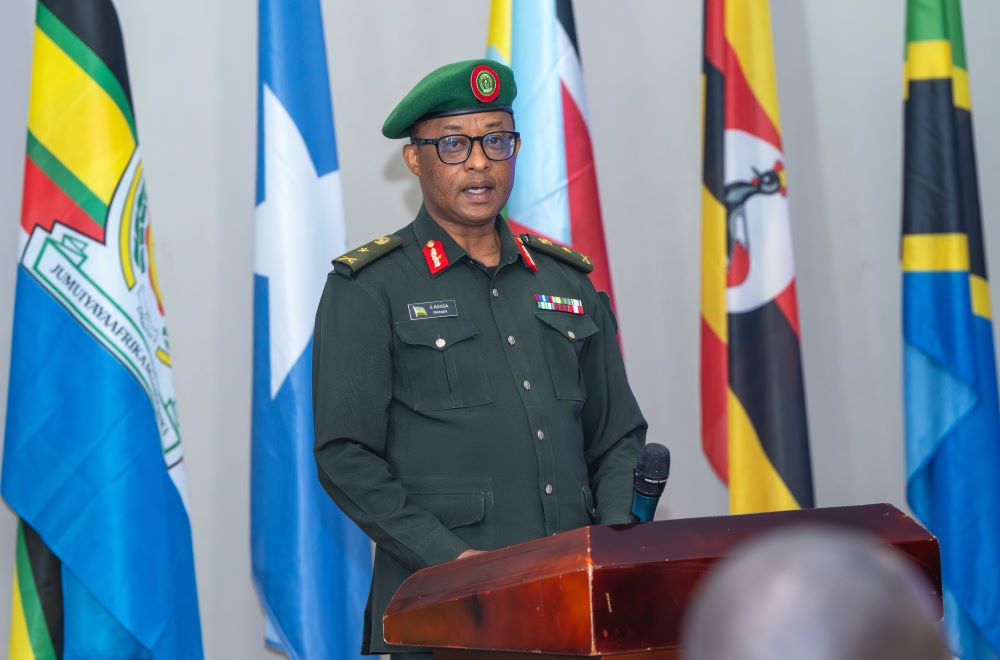
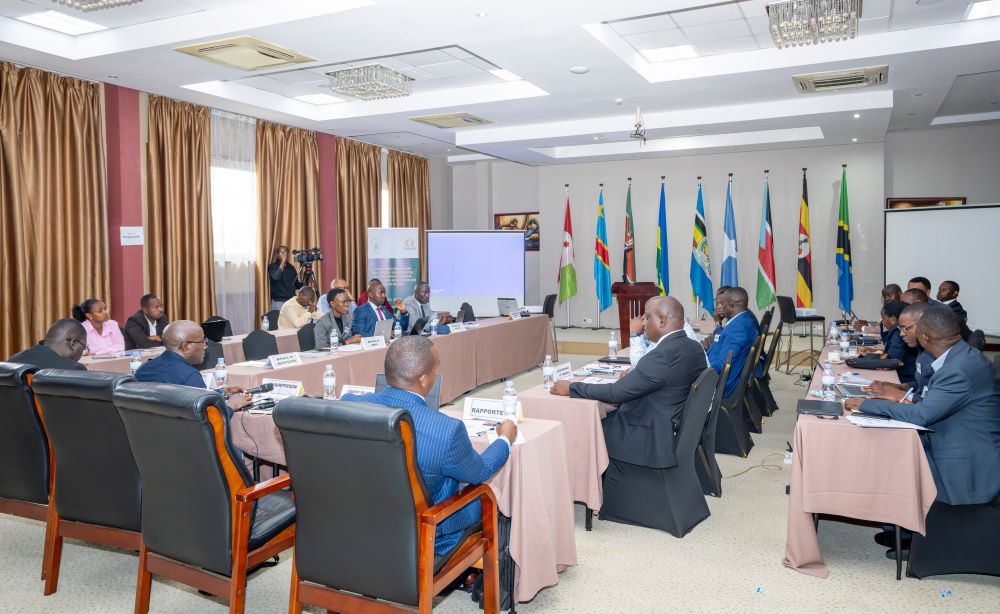
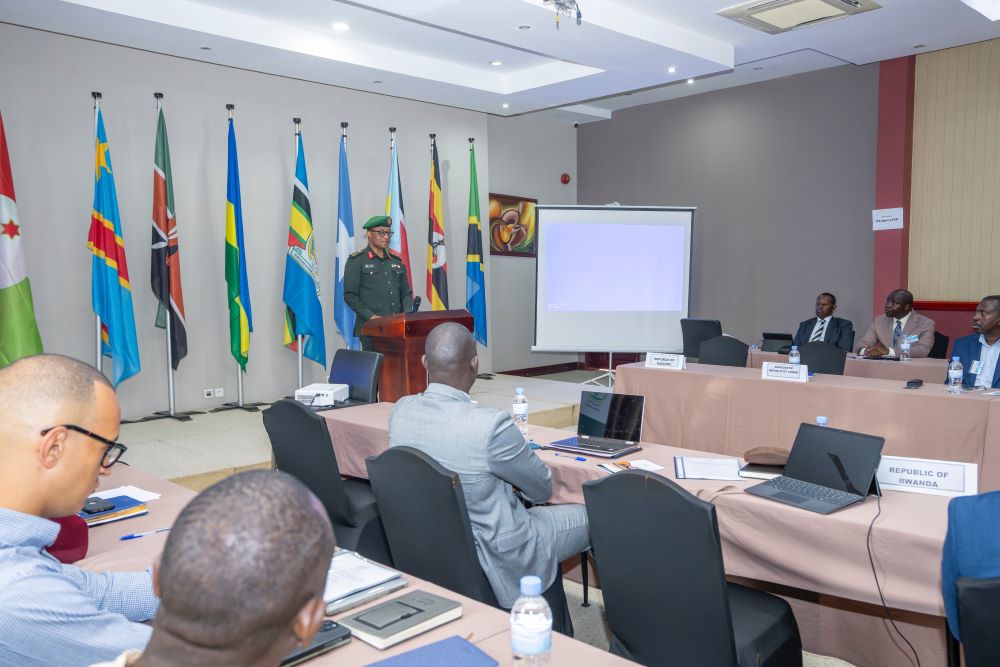
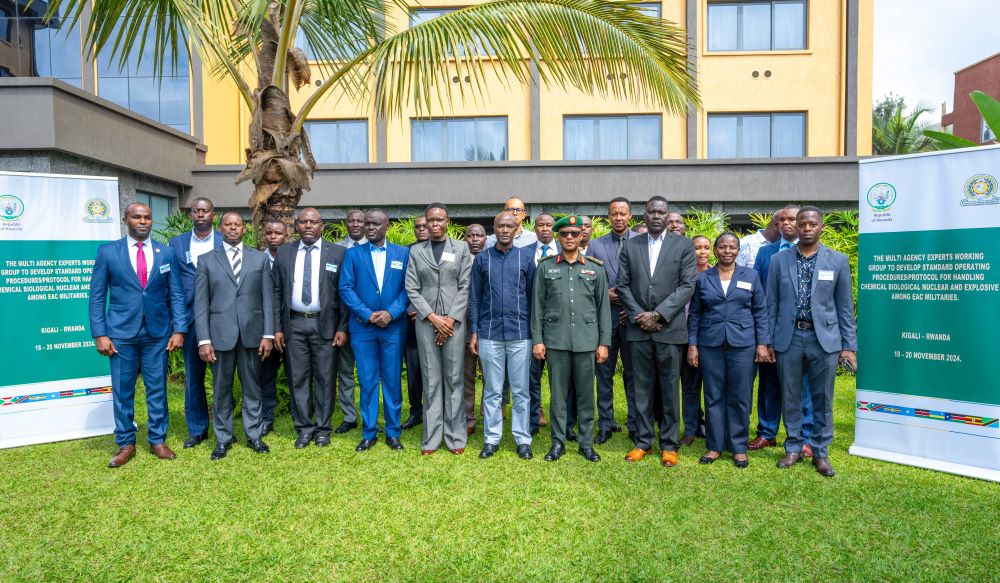
This three-day meeting, taking place from November 18 to 20, 2024, aims to establish Standard Operating Procedures and protocols for addressing Chemical, Biological, Radiological, Nuclear, and Explosive (CBRNE) threats across EAC member states.
In his opening remarks, Brig Gen Dr. Eugene Ngoga, speaking on behalf of the RDF Chief of Defence Staff (CDS), warmly welcomed the experts and highlighted the meeting’s crucial outcomes.
“Your presence here underscores our shared commitment to strengthening the collective security of our region and protecting our people from the complex and evolving challenges posed by CBRNE threats,” he stated.
He emphasized that the forum would enhance the region’s readiness and interoperability to ensure security.
“Through this forum, we are demonstrating the unity that underpins the EAC. Together, we have the opportunity to forge protocols and procedures that will enhance our readiness, improve our interoperability, and ensure the safety and security of our region,” he added.
Colonel Deng Mayom Manyang Malual, Defence Liaison Officer from South Sudan, and representative of the EAC Secretary General, expressed confidence in the meeting’s success.
He praised the diverse group of experts, including doctors, scientists, chemists, military personnel, police officers, and civilians, who have come together to develop a comprehensive document that will guide the military operations of EAC partner states.
The East African Community (EAC) is a regional intergovernmental organization comprising eight partner states, dedicated to promoting sustainable development and regional integration across sectors such as trade, infrastructure, and health.
Following is an English version of the full text of the article:
{{A Friendship Spanning Vast Oceans: A Voyage Toward a Brighter Shared Future}}
{{By Xi Jinping President of the People’s Republic of China}}
At the invitation of President Luiz Inacio Lula da Silva, I will soon pay a state visit to the Federative Republic of Brazil and attend the G20 Leaders’ Summit in Rio de Janeiro.
Endowed with an expansive land, abundant resources, breathtaking landscapes and a rich tapestry of cultures, Brazil is a favorite destination of the Chinese people. Over two hundred years ago, as Chinese products, such as tea, lychee, spice and porcelain, traversed the oceans to reach the Brazilian shores, trade and economic exchanges began to bridge our two nations and became a bond of friendship between our people.
Fifty years ago, on August 15, 1974, China and Brazil established full diplomatic ties. Our relationship has since withstood the test of a changing international landscape and become increasingly mature and vibrant. This dynamic relationship has not only boosted our respective development but also contributed significantly to world peace and stability. It has established a model for major developing countries to develop win-win cooperation and pursue a shared future.
China and Brazil value mutual respect and treat each other as equals. Our people appreciate and support each other’s choice of development path. Brazil is the first country to establish a strategic partnership with China. It is also the first nation in Latin America to enter into a comprehensive strategic partnership with China. Our relationship has always been a forerunner in the relations between China and fellow developing nations. The two governments have between them a full-fledged mechanism for dialogue and cooperation, of which the high-level commission for coordination and cooperation has been in effective operation for 20 years and played a significant role in coordinating and planning cooperation in various fields and in promoting common development.
China and Brazil value mutual benefit and promote synergy between our comparative strengths as we work hand in hand to advance respective modernization. China has been Brazil’s largest trading partner for 15 consecutive years, and is a major source of foreign investment in Brazil. According to statistics from the Chinese side, China’s annual imports from Brazil in the past three years have stayed above 100 billion U.S. dollars. Thanks to our joint efforts, the structure of trade is becoming increasingly optimized, the level of cooperation is improving, and the scope of shared interests is expanding. Our mutually beneficial cooperation, with no shortage of bright spots and fruitful outcomes in areas of agriculture, infrastructure, energy, resources, green development, technological innovation and finance, has greatly promoted economic and social progress in both countries.
China and Brazil champion openness, inclusiveness and mutual learning, and we share a natural affinity and a common pursuit of all that is beautiful. Brazil’s renowned poets and writers Cecilia Meireles and Joaquim Maria Machado de Assis translated poems from China’s Tang Dynasty (618-907 AD), though not directly from Chinese. Their commendable endeavors reflect the resonance between our two cultures that defy time and space. In recent years, music, dance, and other forms of art, along with cuisine and sport, have become a new bridge connecting the people of our two countries, helping to enhance amity and mutual understanding. Brazil’s cute capybaras, bossa nova music, Samba dance, and Capoeira are immensely popular in China. China’s traditional festivals like the Spring Festival and its cultural heritages such as traditional Chinese medicine are increasingly well-known among Brazilians. Our young people, journalists, and academics interact frequently, and subnational exchanges are active and vibrant. Since earlier this year, a series of events have been held in both countries to celebrate the 50th anniversary of diplomatic relations, presenting to our people an array of splendid cultural and artistic feasts. In the last couple of days, I received letters from over a hundred Brazilian friends from across sectors, including the Brazil-China Friendship Association, university teachers and students, and the Copacabana Fort Orchestra of Rio de Janeiro. I am profoundly touched by their fervent desire to strengthen the friendship between our two nations.
China and Brazil stay committed to peace, development, fairness and justice. We have similar or identical views on many international and regional issues. Both are staunch defenders of the basic norms of international relations and multilateralism, coordinating closely and consistently within the United Nations, G20, BRICS and other international organizations and multilateral mechanisms on crucial issues, including global governance and climate change. Not long ago, China and Brazil jointly issued a six-point common understanding on political settlement of the Ukraine crisis. Our initiative has received a positive response from the international community. China and Brazil, embracing our roles and responsibilities as major countries, have contributed to a multipolar world, conduced to greater democracy in international relations and injected positive energy into global peace and stability.
Today’s world is undergoing an accelerating transformation unseen in a century. New challenges and new changes continue to arise. As a Chinese saying goes, “In a race of a hundred boats, those who row hardest will lead; among a thousand sails competing, those who advance most bravely will win.” As major developing countries in the eastern and western hemispheres respectively and important members of BRICS, China and Brazil should unite more closely, row hardest and advance most bravely. We should pioneer new routes together and jointly set sail on a voyage toward a brighter shared future that belongs to both our people and the whole of humanity.
Our two countries should stay the course of friendly relations. We should remain committed to mutual respect, mutual trust and mutual learning. We should further intensify exchanges at all levels and across all fields, including between the governments, political parties, and legislatures, and step up the exchange of experience in state governance and national development. We should continuously strengthen strategic mutual trust and cement the political foundation of our bilateral relations. We should fully leverage the role of the China-Brazil high-level coordination and cooperation commission (COSBAN), the comprehensive strategic dialogue and other cooperation mechanisms to build a stable and mature major-country relationship and ensure its steady and sustained growth.
Our two countries should foster new growth drivers for mutually beneficial cooperation. Both China and Brazil prioritize accelerating economic development and improving people’s livelihoods and both are forging ahead on the path of modernization. At present, as the new sci-tech revolution and industrial transformation gather pace, our two countries must seize the opportunities offered by the times. We should promote synergy between China’s Belt and Road Initiative and Brazil’s development strategies, and we should keep enhancing the strategic impacts of our mutually beneficial cooperation, broaden its scope, and break new ground. We should foster more exemplary projects that align with the trends of the times, deliver lasting benefits to the people, and contribute to the common development of our countries and regions.
Our two countries should solidify the foundation of people-to-people friendship. China and Brazil boast rich, diverse and uniquely fascinating cultures that are complementary and drawn to each other. We should uphold openness and inclusiveness, values that are imbued in our traditions, and deepen our exchanges and cooperation in the areas of culture, education, science and technology, health, sports, tourism, and at the subnational levels. This will help our people view each other’s countries in a more accurate, multidimensional, and vivid light, and cultivate more people-to-people ambassadors who will carry forward the China-Brazil traditional friendship. Friendly exchanges, in turn, enhance harmony and mutual enrichment between our civilizations and make the garden of human civilization more colorful and more vibrant.
Our two countries should strengthen solidarity, support each other and fulfill our responsibilities as major countries. Despite its collective rise, the Global South has yet to have its voice and demands fully heard and reflected in the existing international governance system. As two of the world’s major developing countries, China and Brazil should take on the mantle of historical duty and responsibilities. We must work together with others in the Global South to resolutely safeguard the developing nations’ common interests, address global challenges through cooperation, and promote a global governance system that is fairer and more equitable. China and Brazil should make our distinctive contribution to world peace, stability and common development.
Another reason for my visit to Brazil this time is to attend the summit of the G20, an important platform for international economic cooperation. Following its assumption of the presidency, Brazil has established the summit theme as “Building a Just World and a Sustainable Planet” and made active efforts to advance G20 cooperation in various areas, laying a good foundation for the success of the summit in Rio de Janeiro. President Lula has placed fighting hunger and poverty high on the summit’s agenda and proposed the establishment of a Global Alliance Against Hunger and Poverty. China highly commends and will actively support his initiative.
Building a just world requires the G20 to honor the principles of mutual respect, equal-footed cooperation and mutual benefit, and support Global South countries in achieving greater development. Development must be placed at the center of G20 cooperation, and the attainment of the UN 2030 Agenda for Sustainable Development must be a top priority. A global partnership for sustainable development must be built, and global development must be more inclusive, beneficial to all and more resilient. It is important to press ahead with the reform of the International Monetary Fund, the World Bank and the World Trade Organization and to increase the representation and voice of the Global South. Macroeconomic policy coordination must be stepped up, and trade and investment liberalization and facilitation promoted, to create an open, inclusive, and non-discriminatory environment for international economic cooperation.
Building a sustainable planet requires the G20 to promote sustainable production and lifestyle as a way to achieve harmony between humanity and nature. The G20 must advance international cooperation in such areas as green and low-carbon development, environmental protection, energy transition and climate change response. It must honor the principle of common but differentiated responsibilities, and provide more funding, technology and capacity-building support to Global South countries. Thirty-two years ago, the UN Conference on Environment and Development held in Rio de Janeiro produced important outcomes such as Agenda 21. This time again in Rio, an important topic for discussion at the G20 leaders’ meeting is global green and low-carbon development, and I hope the summit will provide stronger momentum and greater confidence for global sustainable development.
I am confident that the Rio de Janeiro Summit will achieve fruitful outcomes and leave a distinct Brazilian mark on G20’s history. I also look forward to working with President Lula to usher in a new “golden 50 years” for China-Brazil relations, and promote a more just and sustainable community with a shared future.
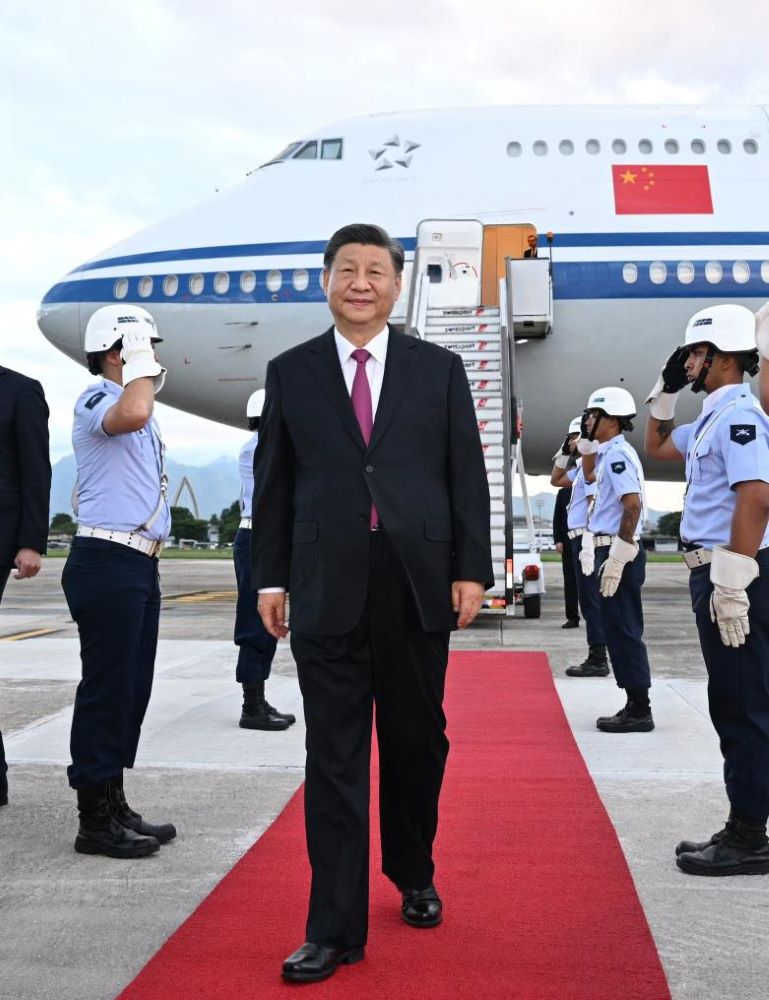
Xi made the remarks in a written statement upon his arrival in Brazil for the 19th G20 Leaders’ Summit and a state visit to the country at the invitation of President Lula. Xi also extended sincere greetings and best wishes to the government and people of Brazil.
Noting that he has visited Brazil four times and witnessed the development and changes in the country over the past 30 years, Xi said he feels very close to Brazil as he again stepped onto this passionate land.
China and Brazil are like-minded friends with the same aspirations and good partners forging ahead hand in hand, Xi said. Although separated by oceans, China and Brazil, two major developing countries in the eastern and western hemispheres respectively, are attracted to each other and echo each other at a distance, he said.
In recent years, the two countries have continued to deepen political mutual trust, yielded fruitful results in practical cooperation, achieved flourishing people-to-people and cultural cooperation, and showed new vitality of the times in the traditional friendship, Xi said.
China and Brazil have also jointly made the just voice of the Global South in the international arena and made important contributions to promoting world peace and development, Xi added.
As China and Brazil celebrate the 50th anniversary of the establishment of diplomatic ties this year, relations between the two countries stand at an important historical juncture of building on past achievements and forging ahead, he said.
Xi said he believes the visit will further strengthen the two countries’ strategic mutual trust, deepen exchanges and cooperation in various fields and usher in a new “golden 50 years” for China-Brazil relations.
Looking forward to attending the 19th G20 Leaders’ Summit, Xi said he is ready to work with all parties to discuss plans and seek development, jointly advocate an equal and orderly multi-polar world and a universally beneficial and inclusive economic globalization, and promote the G20 to continue to play a greater role as an important platform for international economic cooperation.
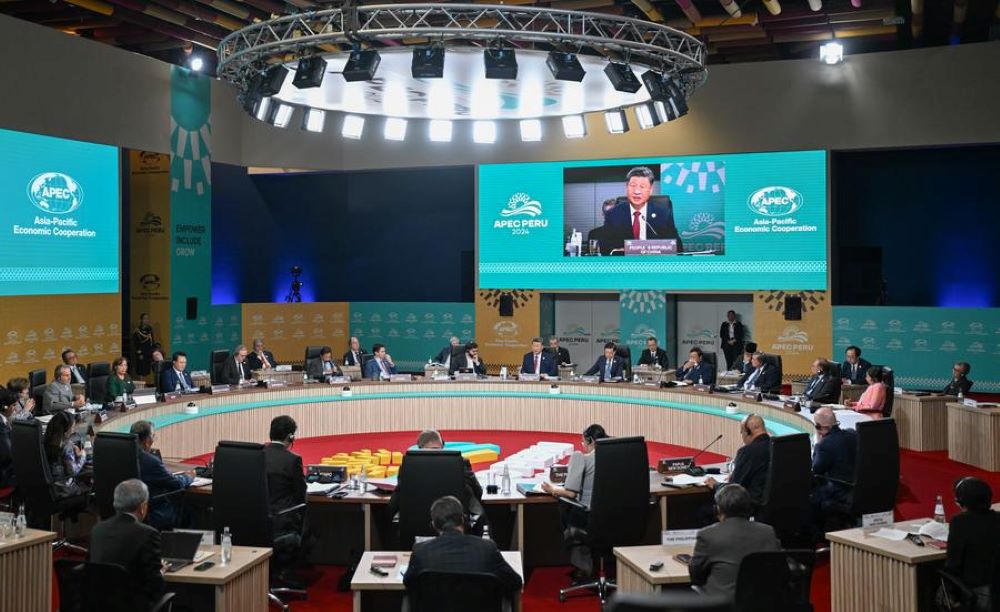
Xi arrived here from Lima, where he attended the 31st APEC Economic Leaders’ Meeting and paid a state visit to Peru.
In a written statement, Xi hoped for the G20’s greater role as an important platform for international economic cooperation.
This year’s G20 Leaders’ Summit, scheduled for Nov. 18-19, marks the first gathering of the kind since the accession of the African Union (AU) as a full member, a historic milestone that strengthens the voice of the Global South.
Javier Miranda, former president of Uruguay’s Broad Front party, expressed his hope that this summit will mark a significant step toward building a multi-polar world — one that fosters dialogue.
In a world fraught with wars and conflicts, the commitment to dialogue stands as one goal of this G20 meeting, he told Xinhua.
Following its assumption of the presidency, Brazil has established the summit theme as “Building a Just World and a Sustainable Planet.” Key priorities outlined by the Brazilian government include combating hunger, poverty, and inequality, advancing sustainable development, and driving reforms in global governance.
“Building a just world requires the G20 to honor the principles of mutual respect, equal-footed cooperation and mutual benefit, and support Global South countries in achieving greater development,” Xi said in a signed article published in Brazilian media outlet Folha de S. Paulo on Sunday.
“Building a sustainable planet requires the G20 to promote sustainable production and lifestyle as a way to achieve harmony between humanity and nature,” he said.
The Chinese president also pledged China’s active support for the initiative of a Global Alliance Against Hunger and Poverty proposed by Brazilian President Luiz Inacio Lula da Silva.
“As we gather at the G20 to address critical global issues such as governance, hunger, sustainability, and the environment, we recognize the crucial role of our partnership with China,” said Rodrigo Castro, deputy secretary for Major Events and Promotion Actions of the Government of the State of Rio de Janeiro.
Many of the solutions to address challenges faced by developing nations stem from ideas and practices already implemented in China, Castro said.
“For us Brazilians who are hosting the G20 … we are very proud to welcome the president and the entire Chinese delegation,” he told Xinhua.
Apart from the G20 summit, Xi is also to pay a state visit to Brazil, as this year marks the 50th anniversary of the establishment of diplomatic ties between the two countries.
During the visit, Xi will hold an in-depth exchange of views with the Brazilian president on bilateral relations and international and regional issues of common interest.
Brazil is the second stop of Xi’s two-nation tour, which has taken him to Peru. In Lima, he kept to a tight schedule, attending the 31st APEC Economic Leaders’ Meeting, paying a state visit to Peru and holding a series of bilateral meetings, including one with his U.S. counterpart, Joe Biden, on the sidelines of the APEC meeting.
He made the remarks when addressing the 31st APEC Economic Leaders’ Meeting held in the Peruvian capital. Under this year’s theme of Empower, Include, Grow, APEC members agreed to work towards an open, dynamic, resilient and peaceful Asia-Pacific community at a time of mounting challenges and uncertainties.
China’s hosting of the 2026 APEC summit underscores its advocacy for openness and cooperation, serving as a tangible step toward strengthening Asia-Pacific solidarity and fostering an Asia-Pacific community with a shared future.
It is expected to play a positive and pivotal role in building broader consensus and deliver more tangible results for regional connectivity and a more balanced, sustainable, and inclusive growth of Asia-Pacific and beyond.
{{CLOSE BOND WITH APEC}}
It will mark the third time China has hosted APEC. When China first hosted the APEC summit in 2001, it was poised to join the World Trade Organization, signaling its readiness to step fully into the global economic arena.
By the time China hosted APEC again in 2014, the country had become an economic powerhouse, driving global growth through deepened integration into the world economy.
Now, China is set to play host again with a significant mission: to unite Asia-Pacific economies to champion open economic and trade cooperation while rejecting protectionist and confrontational trade tactics.
To advance Asia-Pacific cooperation, China took the initiative to shoulder the responsibility by offering to host APEC in 2026, which is welcomed by APEC members and has received their endorsement at this year’s APEC Economic Leaders’ Meeting, a Chinese Foreign Ministry spokesperson said Saturday.
“We look forward to working with all parties to deepen Asia-Pacific cooperation to the benefit of the peoples in the region,” Xi said during his speech.
China’s previous experience in hosting APEC demonstrates its ability to build consensus, said Carlos Vasquez, 2024 chair of APEC senior officials ambassador.
“China played a very important role along with some other very important economies … to gain consensus again from the very beginning in the APEC year 2024 here in Peru,” said Vasquez.
Mehmood Ul Hassan Khan, executive director of the Islamabad-based Centre of South Asia and International Studies, said it is foreseeable that China will further share the achievements of its policies of openness, modernization, digitalization, and qualitative industrial development.
He expressed the hope that Chinese policymakers will share new befitting propositions, plans, and initiatives to enhance regional and global economic integration and foster international cooperation.
{{CALL FOR BETTER ASIA-PACIFIC DEVELOPMENT}}
During his speech, Xi urged APEC economies to “act in solidarity and cooperation to meet the challenges, fully deliver on the Putrajaya Vision 2040, build an Asia-Pacific community with a shared future, and start a new era in Asia-Pacific development.”
The Putrajaya Vision 2040, adopted by APEC leaders in 2020, envisions “an open, dynamic, resilient, and peaceful Asia-Pacific community by 2040, for the prosperity of all our people and future generations.”
This vision of shared prosperity and enduring stability faces growing challenges. Geopolitical tensions, coupled with economic disruptions fueled by unilateralism, protectionism, and attempts at “decoupling” and “de-risking,” have placed unprecedented strain on the region’s stability and growth.
“We should stay committed to multilateralism and an open economy, firmly uphold the multilateral trading system with the World Trade Organization at its core, fully reactivate APEC’s role as an incubator of global economic and trade rules, and advance regional economic integration and connectivity,” said Xi.
He also emphasized the need to make green innovation a catalyst for the Asia-Pacific and called on APEC members to increase support for developing economies and disadvantaged groups and work together to grow the pie and distribute it equitably to allow more economies and people to benefit from development.
Neo Letswalo, a researcher at the Department of Politics and International Relations in South Africa’s University of Johannesburg, said APEC members should foster more regional integration efforts, starting with establishing joint commitments to enhancing free trade, decarbonization and investments, as “strong economic interdependency prevents conflict and tension.”
In the views of Khan, “Xi’s suggestions facilitate a positive, productive, and participatory trading system, producing win-win situations for every country in the Asia-Pacific.”
{{COMMITMENT TO SHARED FUTURE}}
For the past three decades, APEC members have joined hands towards closer cooperation and deeper regional integration, making Asia-Pacific the world’s most dynamic and promising economic powerhouse, as well as a key driving force for global growth and poverty reduction.
Today, the world looks different. It is gripped by anemic growth and confronted with challenges such as unilateralism and protectionism. China, which has made great strides in economic growth and social development since its reform and opening up over 40 years ago, has offered and will continue to provide solutions to these problems.
Opening up is a distinct hallmark of Chinese modernization, and China has remained committed to opening its door wider to the world.
China continues to implement the Regional Comprehensive Economic Partnership against high standards, and is also working actively to join the Comprehensive and Progressive Agreement for Trans-Pacific Partnership and the Digital Economy Partnership Agreement, Xi said.
“China welcomes all parties to continue riding the ‘express train’ of its development and grow together with the Chinese economy so that we can all contribute to the modernization of all countries featuring peaceful development, mutually beneficial cooperation and common prosperity,” he added.
In interviews with Xinhua, Asia-Pacific experts and officials noted that China’s remarkable success through high-quality opening up has given it a deep understanding of the importance of an open global economic system and the critical need to advance multilateral and win-win cooperation.
As a major country in the Asia-Pacific, China “has consistently adhered to a development path that aligns with APEC’s spirit of openness, inclusiveness, and mutual benefit,” said Woo Su-keun, director of the Institute of East Asian Studies of Korea.
“It is more important for countries to demonstrate strong leadership through concrete actions rather than words,” Woo said.
For Ong Chong Yi, executive director of the Malaysian think tank Belt and Road Initiative Caucus for Asia-Pacific, China has opened its market to provide development opportunities for countries in the region, driving inclusive economic growth within the Asia-Pacific.
“At the same time, China actively supports infrastructure development in developing nations, enhancing connectivity and economic and social inclusivity across the region. These efforts create more opportunities for shared progress and prosperity,” he said.
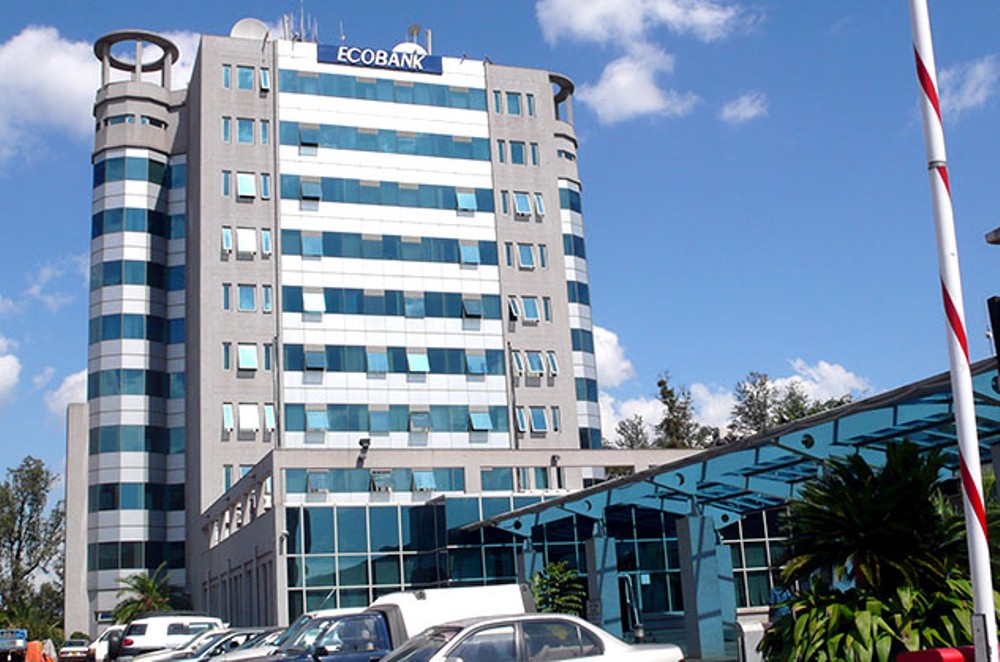
To access this service, customers with any bank-issued VISA or Mastercard can withdraw cash directly at Ecobank branches across Rwanda. Joselyne Mutesi, Head of Digital Payments at Ecobank, explained that the service is designed to streamline transactions for individuals who often spend time searching for forex exchange services.
“As the world advances technologically, it’s crucial for banks to offer services that allow customers quick, convenient, and secure access to their funds. This service enables foreign currency withdrawals for clients with VISA or Mastercard accounts, regardless of where the account is held,” Mutesi stated.
The new service primarily provides US dollar withdrawals, given the currency’s widespread acceptance. Mutesi added, “We offer US dollars as they are widely used internationally and accepted by most businesses. Each individual may withdraw up to $5,000 per day.”
Ecobank emphasizes that the ability to withdraw foreign currency through POS and card services will be especially valuable for tourists and international business travelers. By making foreign currency more accessible, Ecobank aims to support seamless international transactions.
As a pan-African bank, Ecobank is committed to providing innovative digital solutions to its customers. Operating in 33 African countries, Ecobank has eight branches in Rwanda, including the Main Branch, Remera, Kigali Heights, Nyabugogo, Kicukiro, Chic, Huye, and Rusizi branches and its widely spread agency network.
The funding is an additional contribution to the €20 million pledged towards the end of 2022 under the European Peace Facility (EPF).
According to a statement from the EU Council, the new support will facilitate the acquisition of personal equipment and cover costs associated with the strategic airlift needed to sustain the Rwandan deployment in Cabo Delgado.
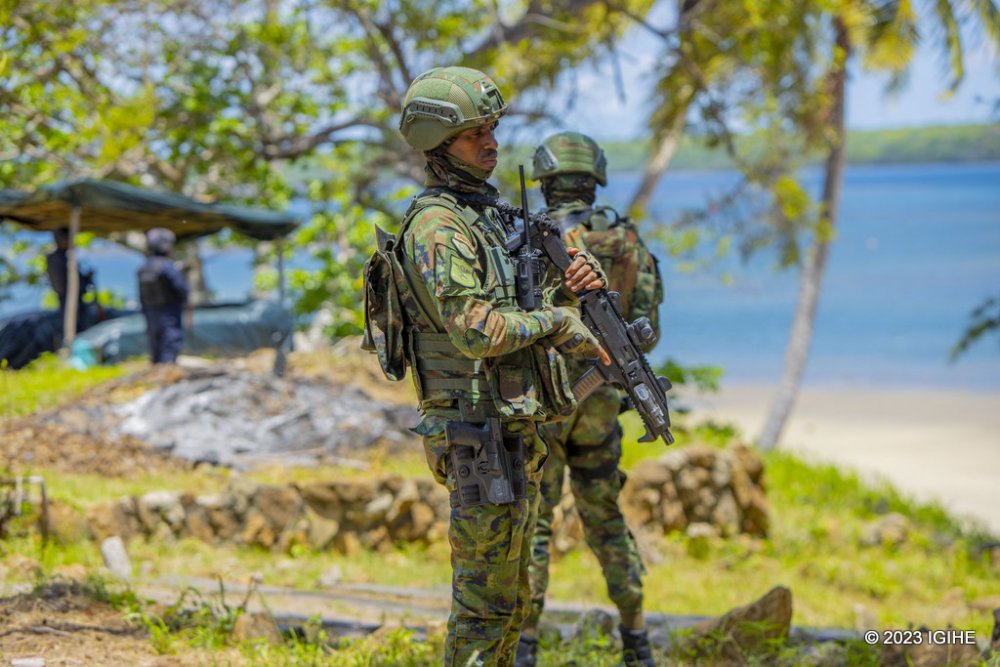
Rwandan troops began their deployment in July 2021 at the request of Mozambican authorities to assist in the fight against terrorism in Cabo Delgado. Prior to their intervention, terrorist activities had claimed the lives of over 3,000 civilians and displaced more than 800,000 people.
Insecurity had also caused all development projects in insurgent-controlled areas to come to a halt.
Over the past three years, Rwandan security forces, in collaboration with Mozambique’s armed forces, have made significant progress in dismantling the Al Sunna Wa Jama (ASWJ) terrorist group from their strongholds in Mocimboa da Praia and Palma. This has enabled a considerable number of internally displaced persons to safely return to their homes.
Since 2021, Mozambique has also received military support from the Southern African Development Community (SADC), although SADC forces began withdrawing in April 2024 as their mandate ended.
Josep Borrell, High Representative for Foreign Affairs and Security Policy, emphasized that the presence of Rwandan Defence Force troops has been crucial in making progress, and their continued presence remains vital, especially following the recent withdrawal of the Southern African Development Community Mission in Mozambique (SAMIM).
“This top-up measure is a testimony of the EU’s support to ‘African solutions for African problems’ and, as part of the global fight against terrorism, it will also serve EU interests in the region,” Borrell stated.
This additional support further complements the parallel assistance measure of €89 million for the Mozambican Armed Forces, who have previously been trained under the EU Training Mission (EUTM) Mozambique.
The European Peace Facility, established in March 2021, is designed to finance EU external actions with military or defense implications, with the aim of preventing conflict, preserving peace, and enhancing international security and stability.
In particular, the EPF enables the EU to fund actions that strengthen the military and defense capabilities of third countries, as well as regional and international organizations.
From 11th November to 20th December 2024, customers will have the chance to win great gifts by enjoying their favorite products. This exciting nationwide campaign celebrates our commitment to rewarding our loyal customers while creating an engaging and fun experience.
Once a customer buys a Bralirwa soft drink in a returnable bottle, they are invited to look under the crown of the bottle for a unique code. Once found, customers can enter the code by dialing *786# and find out if they have won exciting cash prizes. In addition to the cash prizes, those customers will also be automatically entered into weekly and monthly draws, giving them even more chances to win fantastic prizes.
The prizes offered by the Under the Crown Lottery (UTC) are as exciting as the experience itself. Those who submit codes are eligible for direct deposits to their mobile cash accounts. This makes the awarding of prizes a simple and straightforward process.
Through the weekly and monthly draws, customers stand a chance to win larger cash prizes. The grand prize is a reward of 5 million Rwandan francs which will be awarded to three lucky winners. This considerable sum, transferred directly to the winner’s MTN MoMo or Airtel account, is intended to recognize and celebrate Bralirwa’s most loyal customers and bring them joy in a meaningful way.
This Lottery is designed to bring the joy of true togetherness to all soft drinks consumers and encourage them to interact with Bralirwa’s products in a fun and engaging way.
“We are committed to creating great moments and rewarding experiences for our consumers. We want our customers to enjoy the products they love and feel valued and appreciated every step of the way,” said Fleury Sekiyuku, Bralirwa Sales Director.
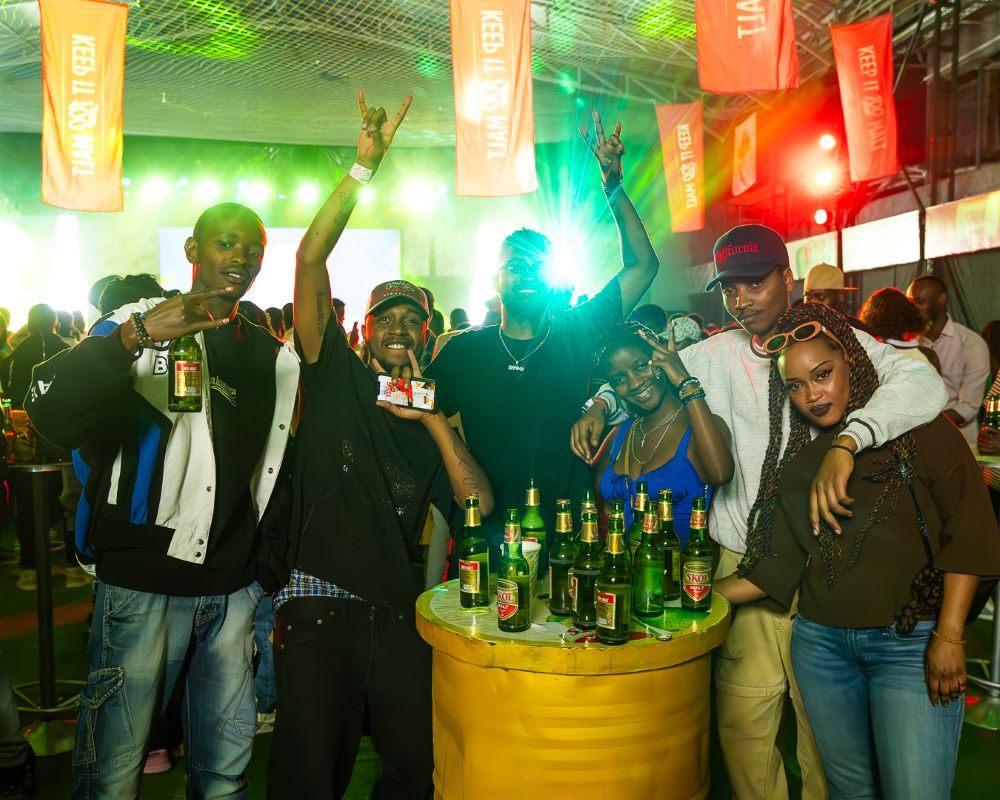
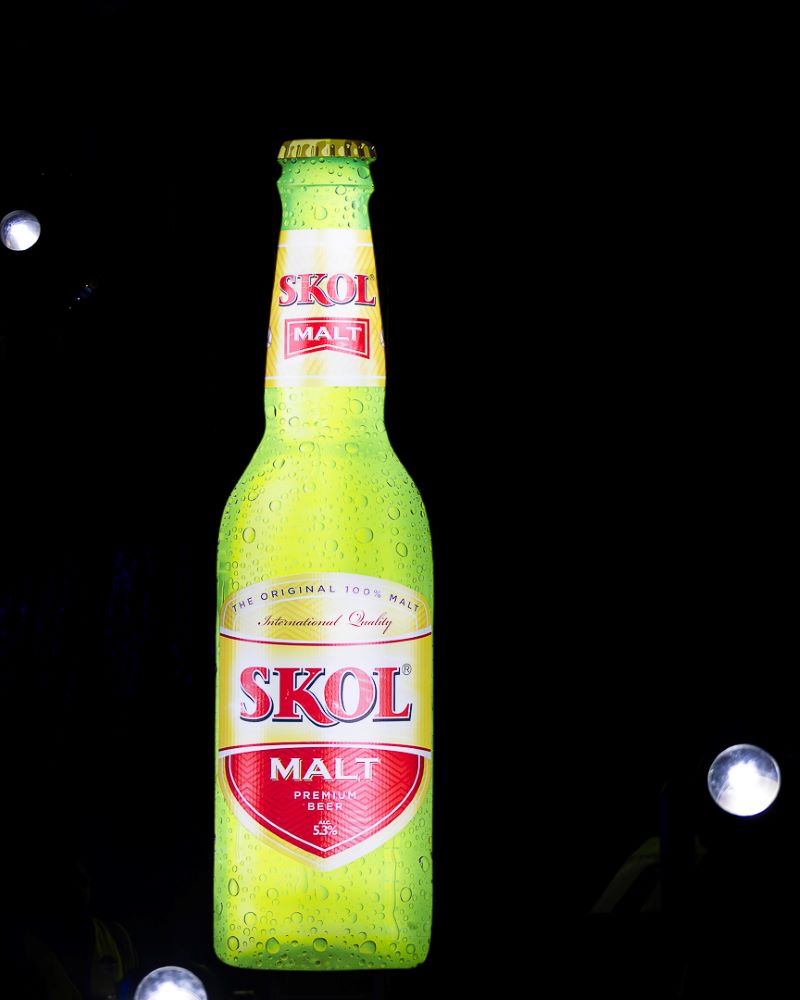
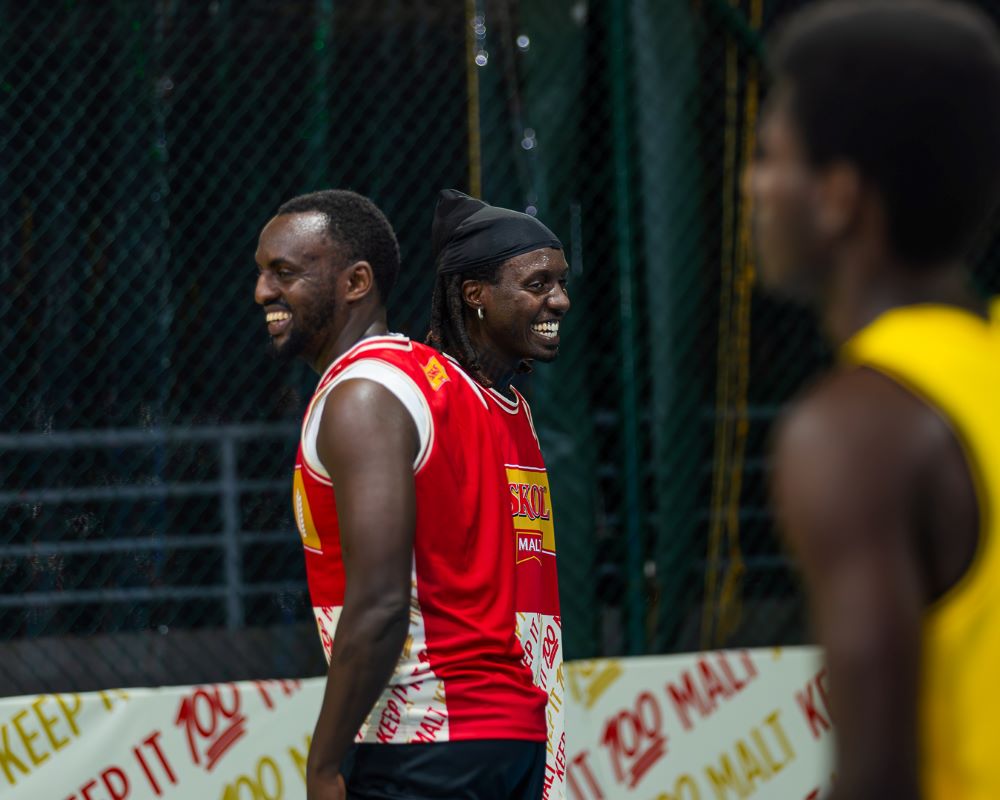
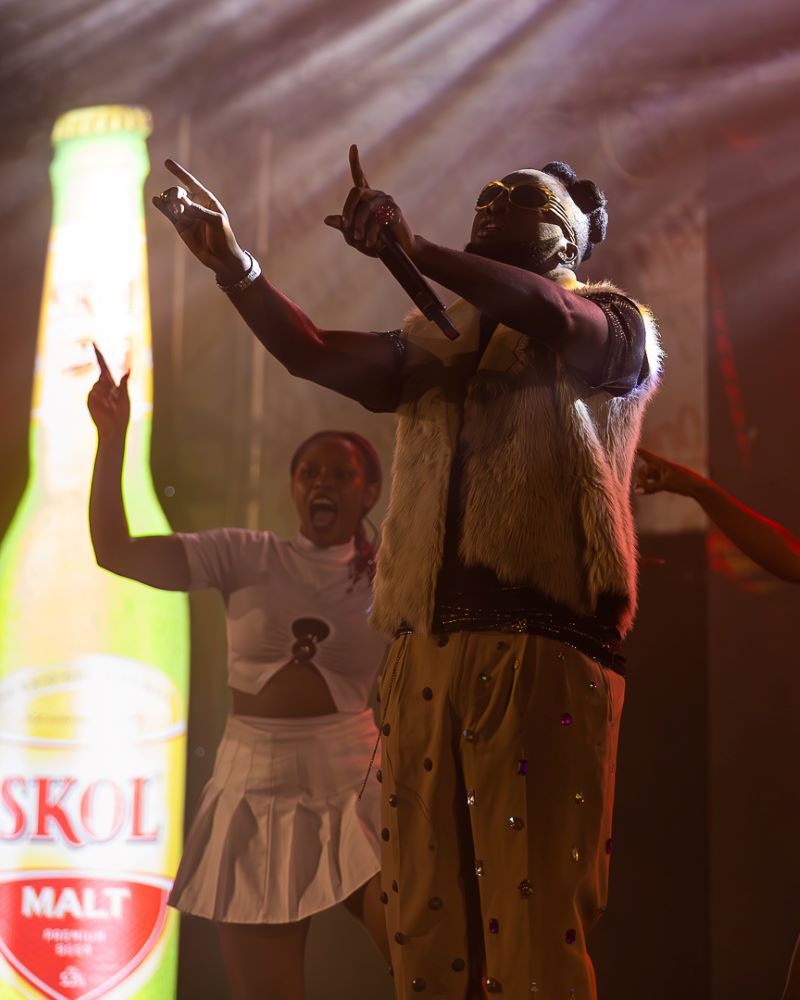
With a sleek design and an irresistibly refined taste, the new SKOL Malt bottle wowed fans who turned up in droves to celebrate the brand’s exciting transformation.
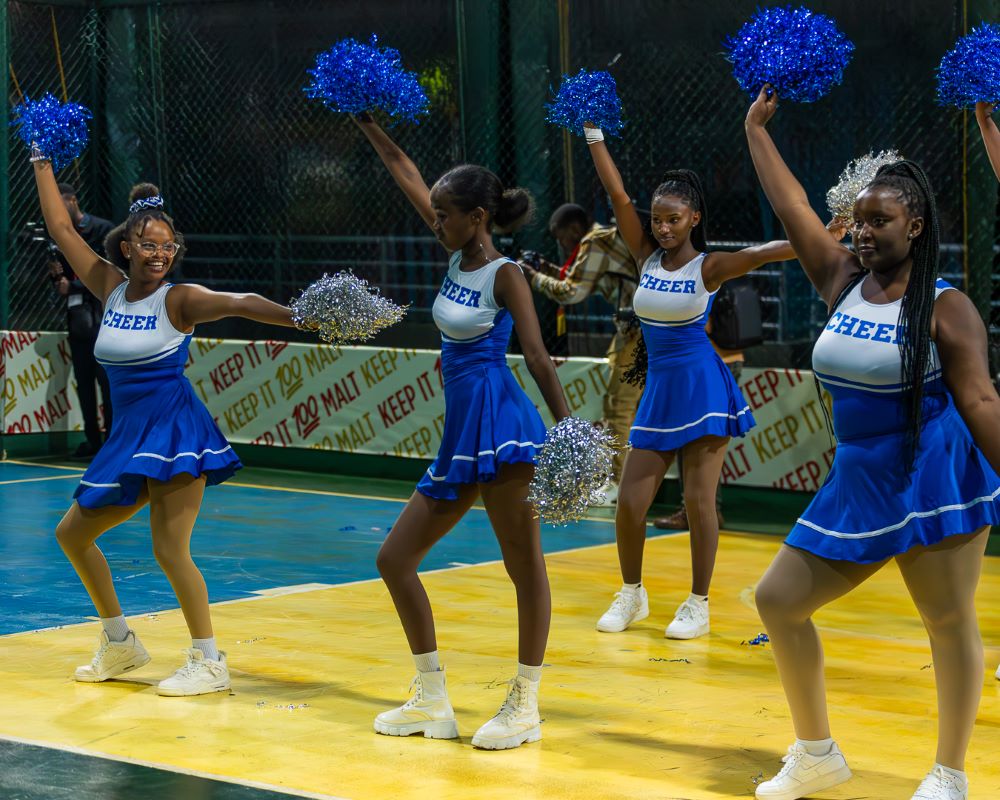
Held at Kigali Universe, the event delivered a night of unforgettable vibes, boasting stellar performances from Rwanda’s top hip-hop artists. Hosted by the dynamic duo Anita Pendo and Kate Gustave, the concert united music lovers in a showcase of talent, energy, and community spirit.
Fans were treated to electrifying performances from heavyweights Riderman and Bulldog, whose iconic beats and lyrics ignited the crowd. The stage also sizzled with the raw energy of Fireman, Bushali, Zeotrap, Nessa, and other rising stars like Be Attilla, Boy Chopper, Slum Drip, and Papa Cyangwe.
Mariepaule Niwemfura, the Marketing Manager at SKOL Brewery Ltd., expressed his enthusiasm about the rebranding. “This new SKOL Malt bottle represents our dedication to innovation and quality. We are thrilled to offer our consumers a product that not only tastes exceptional but also embodies the vibrant spirit of Rwanda’s culture,” she said.
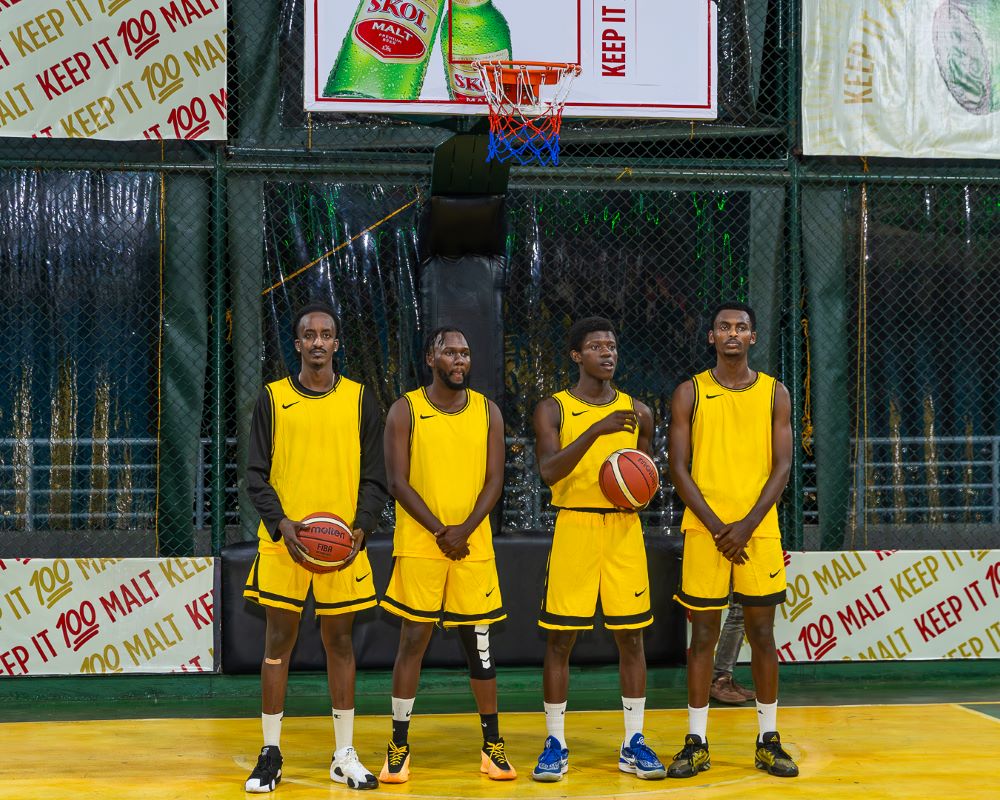
The friendly basket ball games between select teams and the surprise guest acts brought an extra dose of thrill, solidifying the event as a standout night in Kigali’s entertainment calendar.
As SKOL Malt’s new bottle took center stage, attendees couldn’t stop raving about its fresh, modern look and upgraded taste. Complementing the concert’s vibrant atmosphere, the new SKOL Malt became the perfect partner for fans to toast to the beats, the culture, and the brand’s unwavering commitment to Rwanda’s hip-hop scene.
Rafael Mugenzi, a reveler who turned up with his family and friends to enjoy the evening, shared his excitement. “I’ve attended many concerts, but this one was truly special. The performances were incredible, the vibe was unmatched, and SKOL’s new malt bottle is a game-changer. We all enjoyed to the maximum.”
With a massive crowd, iconic performances, and the unveiling of a game-changing SKOL Malt bottle, the “Keep It 100% Concert” delivered a night that will be etched in Kigali’s memory.
If current trends continue, AMR could lead to as many as 10 million deaths annually by 2050. Statistics show that economically, AMR could cost the global economy $3.4 trillion each year while pushing millions into poverty.
For low- and middle-income countries with healthcare systems already under strain, the need for coordinated, strategic responses is urgent.
From a layman’s understanding, AMR occurs when bacteria, viruses, fungi, and other microorganisms evolve to resist the drugs designed to kill them. Over time, these “superbugs” render standard treatments ineffective, harder and sometimes impossible.
Dr. Eric Mugabo, a Rwandan Public Health activist and The Executive Director of Oazis Health, explains that AMR doesn’t discriminate; it’s a global issue that affects everyone. Human daily actions ranging from handwashing to responsible antibiotic use, play a critical role in fighting AMR.
Rwanda is addressing AMR through antimicrobial stewardship, a strategy designed to promote the responsible use of antimicrobials in order to preserve their effectiveness. This means ensuring antibiotics and other antimicrobials are used correctly and only when necessary.
Consuming these antimicrobials without professional guidance increases chances of developing AMR since misuse and overuse are primary drivers. It means that healthcare providers are key players in ensuring that medications like antibiotics are administered with care to avoid fueling resistance.
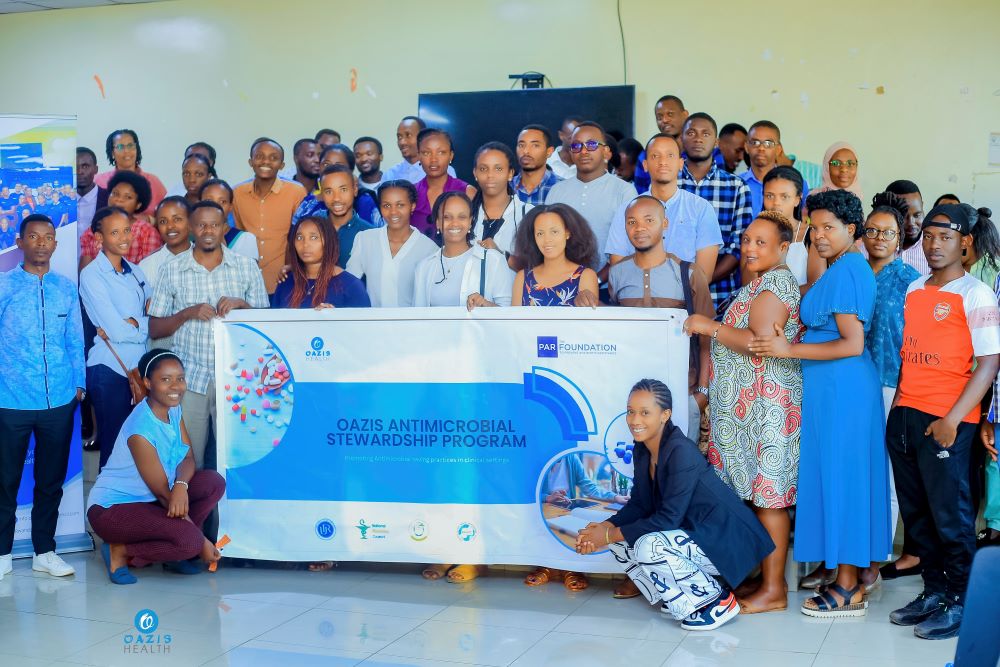
Through its Antibiotic Stewardship Program, Oazis Health and partners have developed initiatives to equip Rwandan healthcare professionals to become effective antimicrobial stewards.
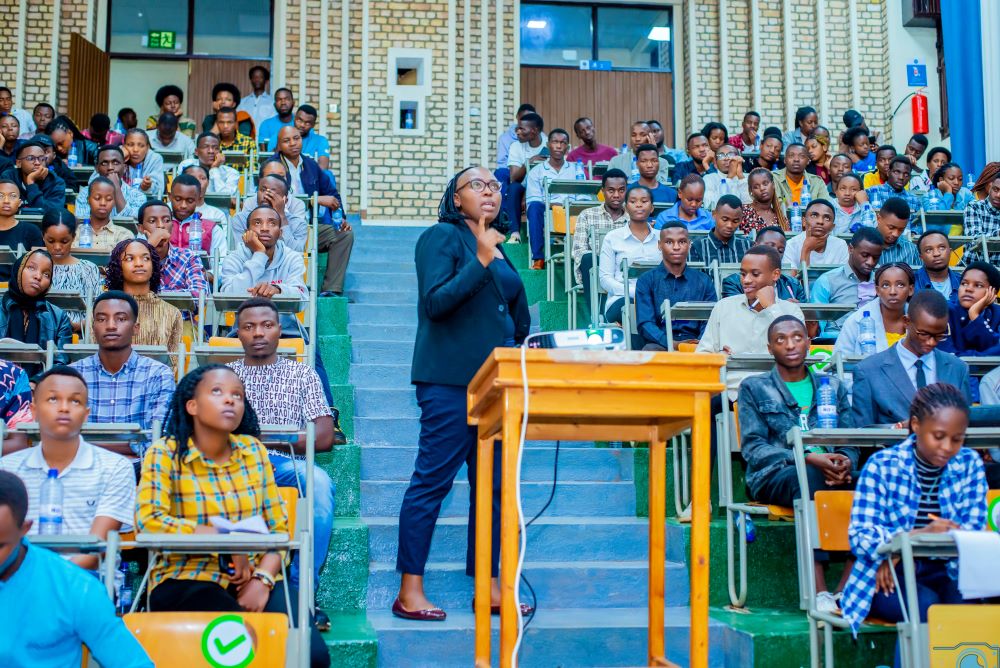
This training emphasizes on understanding AMR from a scientific perspective, best practices for antibiotic prescribing, and patient engagement on responsible medication use.
Oazis Health offers an online, CPD-accredited course available to clinicians and para-clinicians across Rwanda. Through this course, healthcare providers gain insights into AMR drivers and effects, learning how to incorporate antimicrobial stewardship principles into their daily clinical practice.
“Stewardship isn’t just about prescribing less; it’s about understanding when and why to use antimicrobials to balance their benefits while minimizing risks “Through education, we’re empowering healthcare providers to be guardians of these vital medicines,” says Dr Mugabo.
Rwanda’s healthcare workers increasingly recognize that every prescription matters in the fight against AMR and are learning to engage patients on responsible antibiotic use.
Public awareness is another critical strategy in containing AMR as recommended by the WHO. In collaboration with the University of Manchester, Oazis Health recently organized the “30 Days of Antibiotic Stewardship” campaign, designed to engage the public and raise awareness about AMR.
The campaign used an online course called Antibiotics and You, encouraging participants to learn about AMR and motivate others to take the course. Instead of relying on social media “likes,” the campaign measured engagement by the number of course certificates participants earned and shared online.
One standout participant was Felix Nahimana, a medical student at the University of Rwanda, who mobilized over 100 individuals to complete the course. He reflected on and shared his experience.
“Through this course, I understood the seriousness of AMR. As a future doctor, I’m committed to raising awareness and using social media to combat the spread of superbugs.”
The campaign’s hashtag-driven format allowed participants to spread key messages on hygiene, the dangers of self-prescribing antibiotics, and the global threat of resistance.
Despite these promising efforts, Rwanda faces challenges in its fight against AMR. Public awareness of AMR remains low, diagnostic resources are limited, and antibiotics are often purchased without prescription, which increases misuse.
Dr. Mugabo highlights the importance of addressing these gaps: “We’re making strides, but there’s a real gap in public understanding and policy enforcement. Rwandans need to understand that self-prescribing antibiotics or using them when unnecessarily contributes to AMR, impacting everyone in the long term.”
Experts agree that a multifaceted approach is essential to combat AMR effectively. For Rwanda, this includes increasing investments in Water, Sanitation, and Hygiene (WASH) in healthcare settings, raising public awareness, enforcing strict regulations around antibiotic prescriptions, and providing healthcare workers with proper diagnostic tools and training.
Dr Mugabo underscores the importance of collaboration: “Only by embracing the One Health approach and partnering with academic institutions, government bodies, and community organizations can we sustain change and successfully mitigate AMR’s impact.”
Oazis Health has ambitious plans to expand its impact. The organization aims to establish a regional Antimicrobial Stewardship Hub, dedicated to education, clinical training, and public awareness.
This hub would serve as a center for AMR knowledge and advocacy, connecting healthcare professionals with resources on AMR best practices.
Additionally, an online platform for AMR-related content is operational, with plans to collaborate with other media outlets to keep AMR a visible issue within the community.
These efforts are designed to build a foundation of knowledge, awareness, and responsible action against AMR in Rwanda and the wider region.
The battle against AMR requires sustained collaboration across all levels of society. While Rwanda advances its healthcare system, the commitment of healthcare professionals, activists, and community members provides a promising foundation.
Rwanda’s growing focus on antimicrobial stewardship and public engagement may pave the way for a healthcare system equipped to confront the silent but deadly threat of antimicrobial resistance.