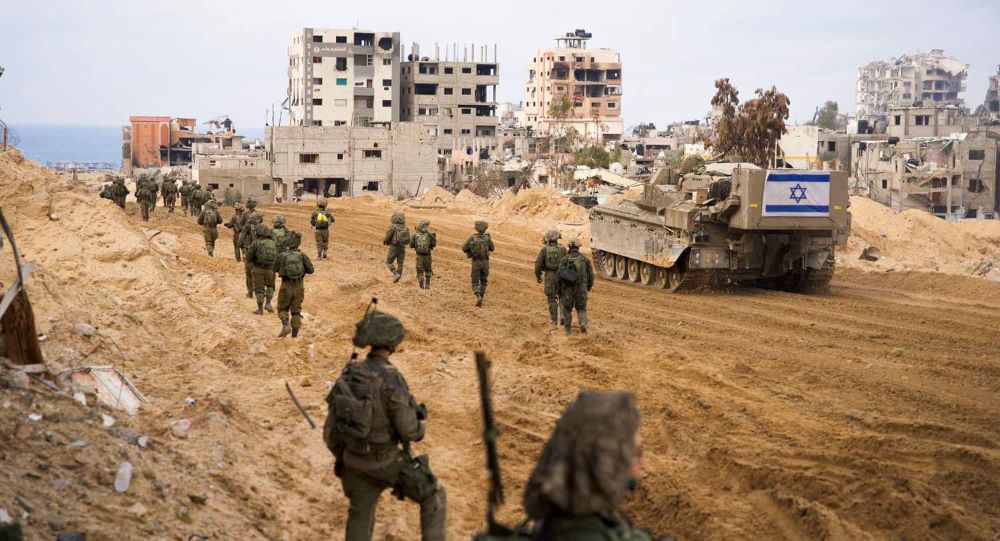
During a press briefing in Geneva on Wednesday, four Special Rapporteurs to the UN Human Rights Council called for greater international accountability for Israel’s actions, which they argue include excessive violence, humanitarian blockades, and the expansion of settlements in the Occupied Palestinian Territories.
Margaret Satterthwaite, the UN Special Rapporteur on the independence of judges and lawyers, condemned U.S. efforts to undermine the International Criminal Court through “unacceptable” threats, emphasizing that international justice must be applied fairly and without bias. “It’s time to end this double standard,” she stated.
Francesca Albanese, the Special Rapporteur on human rights in Palestine, highlighted the ongoing human rights violations, citing the high number of civilian casualties and attacks on UN personnel as examples of Israel’s systemic violations.
She also criticized the lack of action from the international community, which she believes has allowed Israel to operate with little consequence. “There are never sanctions on Israel,” Albanese remarked.
“Judicial processes are either ignored or circumvented, trade continues, and diplomatic ties remain intact. Member States seem paralyzed or awestruck, many of them still normalizing the occupation.”
Ben Saul, who specializes in human rights and counterterrorism, condemned Israel’s use of counterterrorism rhetoric to justify violence against Palestinians, noting the persistent dehumanization of Palestinians over the past year.
He called for thorough investigations into these actions and the end of impunity, pointing out that Israel’s actions have largely gone unchallenged by powerful states with the ability to influence change. He specifically called out the U.S. for not using its leverage as a key military supplier to Israel to address these violations.
Finally, George Katrougalos, a Special Rapporteur on promoting a just and equitable international order, warned that the continued lack of accountability for Israel’s actions risks creating a global system where some nations are immune to repercussions for violating international law.
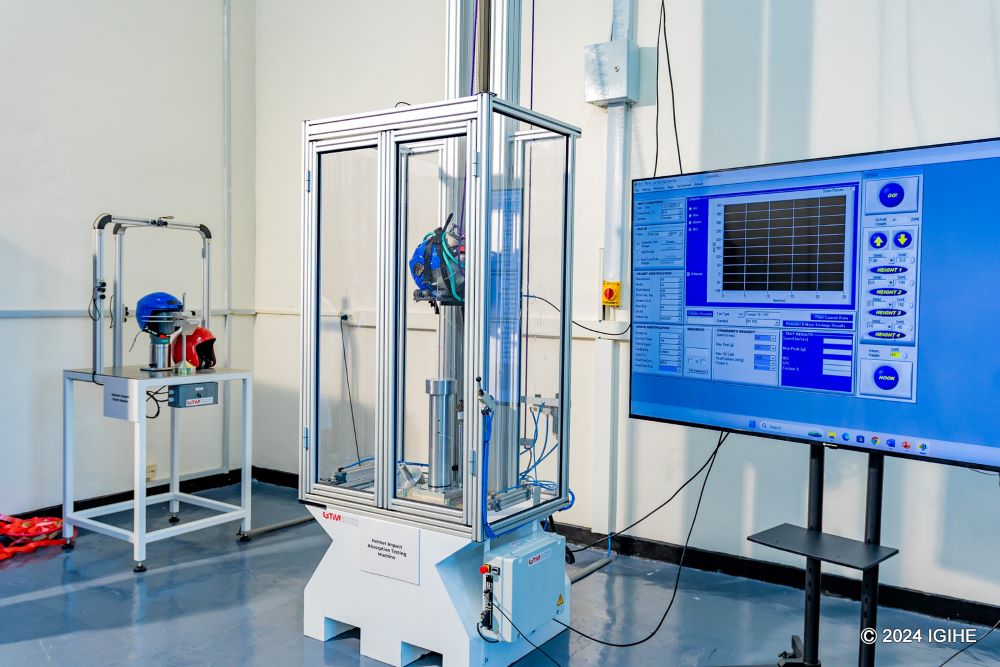
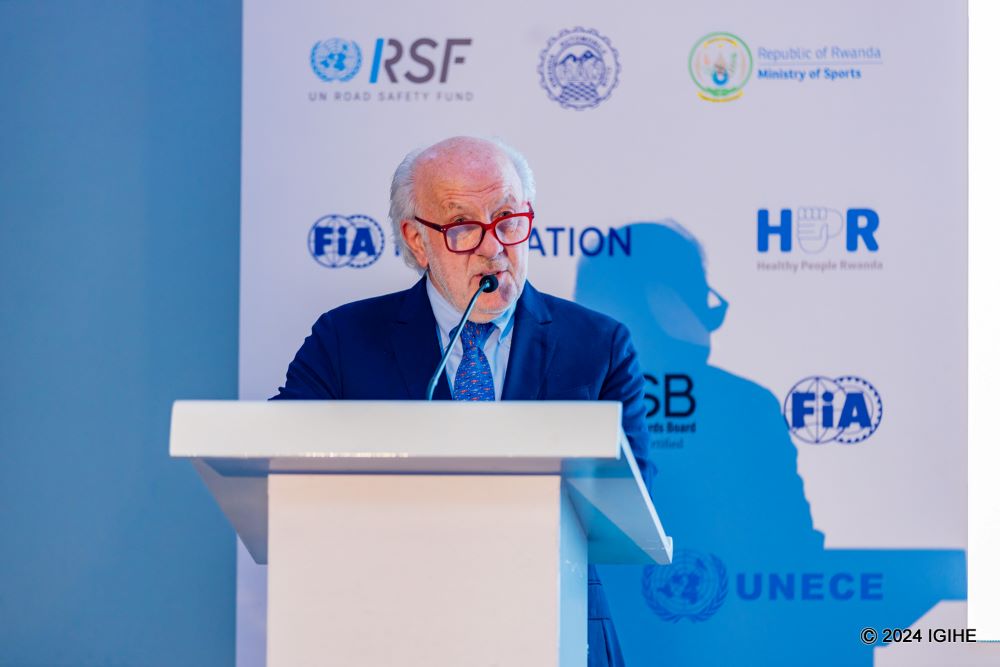
The facility, poised to help ensure helmets used by motorbike and moped riders meet national safety standards, has been established with support from the Fédération Internationale de l’Automobile (FIA).
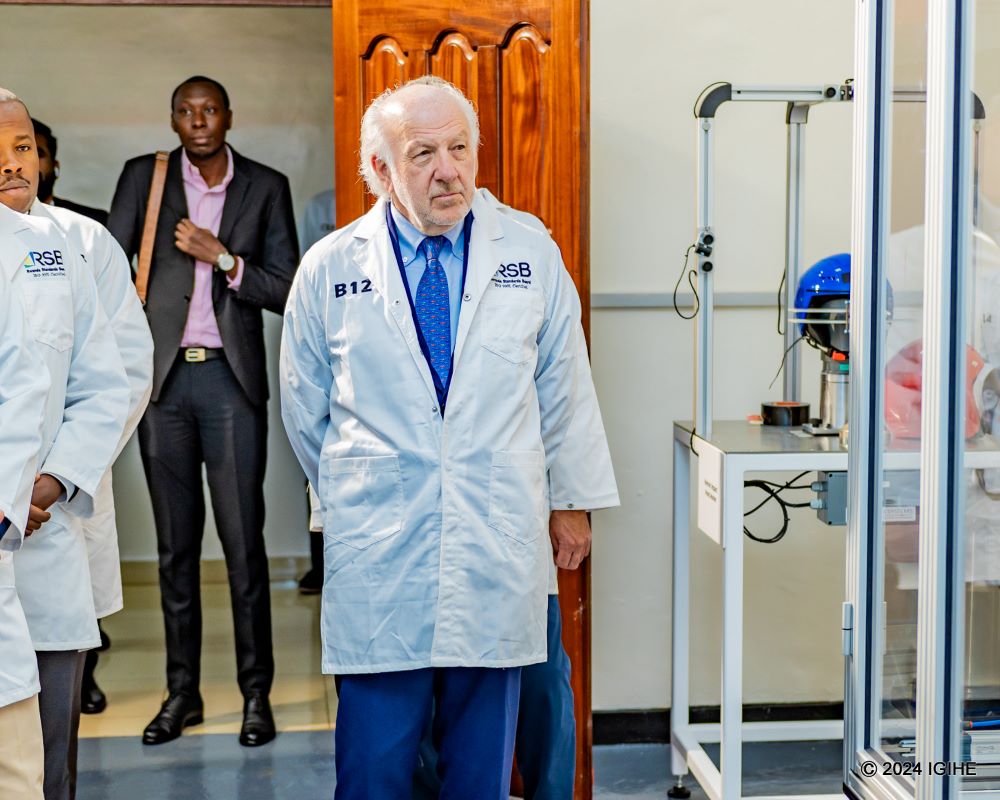
Located at the Rwanda Standards Board (RSB), the laboratory enables conformity assessment of helmets based on the RS 576: 2024 Protective helmets for motorcycle and moped users – Specification, reinforcing the country’s commitment to road safety.
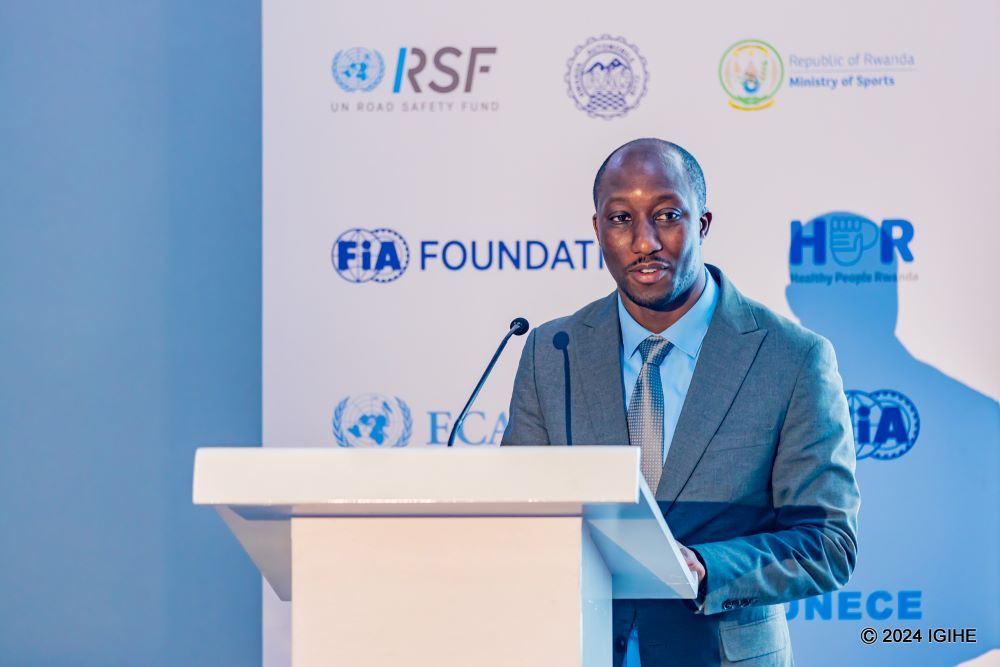
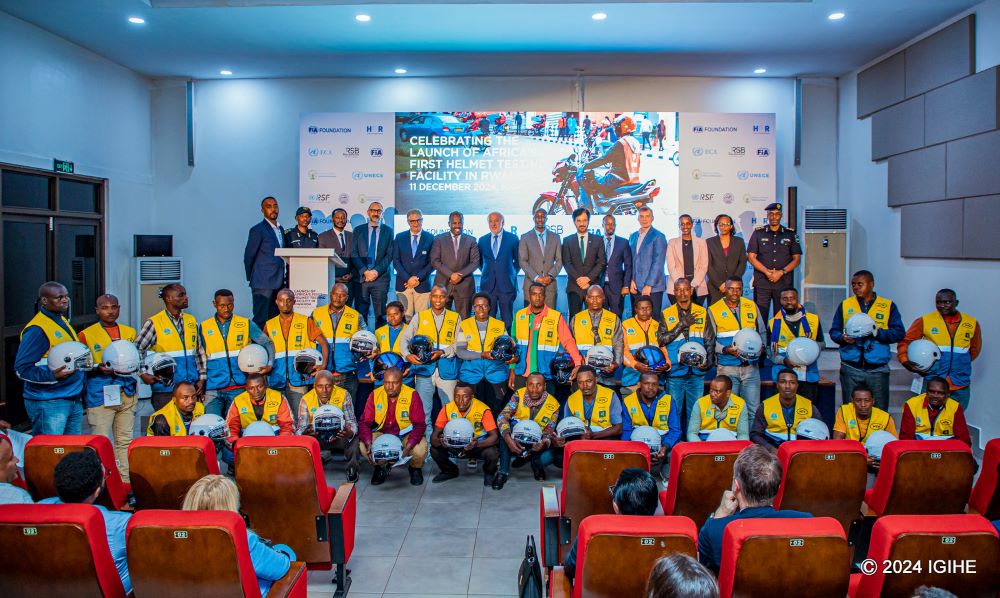
The launch, attended by over 200 participants was officiated by the Minister of Infrastructure Dr. Jimmy Gasore, FIA President Mohammed Ben Sulayem, and FIA Foundation Chairman David Richards.
It featured a guided tour of RSB’s testing laboratory, live demonstrations on proper helmet usage, and insightful discussions on the critical role of safety standards in the transport sector.
At the official launch, Minister Gasore said this laboratory will strengthen the country’s commitment to road safety by ensuring helmets meet quality standards.
“It’s a critical step in protecting lives and reducing road accidents. By collaborating with the FIA and the FIA Foundation, we are not only enhancing safety measures but also reinforcing Rwanda’s position as a leader in promoting sustainable and responsible mobility,” he said.
FIA Foundation Chairman, David Richards CBE noted that the launch of Africa’s first-ever helmet testing facility marks a significant milestone in the continent’s efforts to combat the rising number of motorcycle crash deaths and injuries.
“The FIA Foundation is proud to have supported the Tuwurinde Project in collaboration with local NGOs, government partners, and international development agencies,” he said
He appreciated Rwanda’s efforts in introducing helmet standards and the new regulation to assess the quality of new helmets demonstrates a bigger commitment of adopting best practices in the region.
“This initiative is an important blueprint for other countries across the region, and the world, who are looking for ways to adapt and manage their rising motorcycle fleet,” he emphasized.
As part of the activities embroiled in the 2024 FIA Annual General Assembly underway in Kigali, the Rwanda Automobile Club announced plans to donate 5,000 certified helmets across Rwanda alongside an education program for over 10,000 riders.
In the same regard, FIA President, Mohammed Ben Sulayem revealed that safety is at the heart of the FIA stands and expressed delight to witness the work taking place here in Rwanda.
“As a Federation, we are at the forefront of safety innovation and it is important that we continue working closely with our global communities to improve road safety outcomes,” he said.
On his part, Rwanda National Police Spokesperson, ACP Boniface Rutikanga, expressed optimism on the development.
“Road safety remains a priority, and initiatives like ‘Safe Helmet’ play a vital role in protecting lives. We are committed to working alongside RSB and FIA Foundation to ensure all taxi-moto riders in Rwanda have access to certified helmets, contributing to safer roads for everyone.”
On behalf of the Association of Taxi-Motos, Emmanuel Munyurangabo, pledged commitment as people at the front lines of road transport.
“Access to quality helmets not only ensures their safety but also enhances public confidence in using moto-taxis. We fully endorse this initiative and will advocate for its widespread adoption,” he said.
The helmet testing facility launch and donation from the FIA follows the introduction of Rwanda’s first motorcycle helmet standard regulation which was published in 2024. Head trauma is the leading cause of death for motorcycle riders, who make up a third of Rwanda’s road deaths.
Safe, quality helmets reduce the risk of death by over six times and brain injury by up to 74%, according to the World Health Organization. Other Tuwurinde project include UNRSF, UNECA and UNECE.
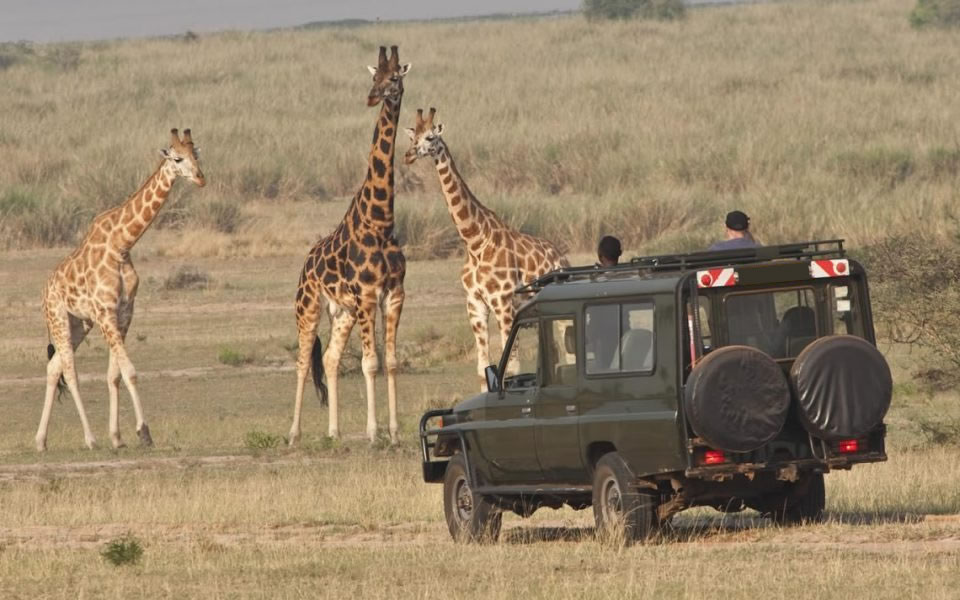
The initiative aimed not only to raise awareness of the country’s extraordinary landscapes but also to underscore Rwanda’s commitment to sustainable tourism and cultural exchange.
The gatherings attracted key players from the tourism industry, including tour operators, travel agents, and industry influencers, who were all invited to explore the multifaceted attractions that Rwanda has to offer.
Following the success of the event in Paris, the campaign continued its momentum in Brussels, further cementing Rwanda’s presence on the European tourism map.
The Rwandan Embassy’s chargé d’affaires a.i., Bucyana André, played a pivotal role in engaging Belgian tour operators, effectively showcasing the diverse experiences Rwanda has in store for European travelers.
Rwanda, long known for its breathtaking landscapes, is making waves as a vital tourism hub in Africa. The country has strategically positioned itself within the tourism sector, which has become a significant contributor to its economy.
In the first half of 2023 alone, tourism revenues surged to $247 million, marking a remarkable 56% increase compared to the same period in 2022. These results reflect the positive outcomes of government measures aimed at revitalizing the tourism industry and reinforcing Rwanda’s appeal on the global stage.
Several forward-thinking policies have been pivotal in driving this growth. One standout initiative is Rwanda’s visa policy, introduced in 2018, which allows citizens from all over the world to visit without the need for a visa. This move has positioned the country as one of the most accessible destinations in Africa, fostering increased international interest.
Rwanda’s world-class infrastructure further enhances its attractiveness. The Kigali Convention Centre, opened in 2016, and numerous high-quality hotels, including major international brands such as Marriott, Radisson Blu, and One&Only, have positioned Rwanda as a premier destination for business tourism.
The successful hosting of high-profile events, such as the Commonwealth Heads of Government Meeting (CHOGM) in 2022, demonstrated the country’s ability to cater to large-scale international gatherings.
Moreover, Rwanda’s dedication to conservation and ecotourism continues to set it apart.
The Volcanoes National Park, home to more than 1,063 mountain gorillas, is a prime example of the country’s successful protective measures. Akagera National Park, once ravaged by poaching, has seen the successful reintroduction of iconic species such as black rhinos and lions, thanks to ongoing conservation efforts.
Safety remains another cornerstone of Rwanda’s tourism offering, with a reputation for providing a secure and welcoming environment for visitors. The country’s robust safety measures ensure the free movement of people and goods at all times, offering peace of mind to those seeking adventure in the heart of Africa.
In a further demonstration of regional collaboration, Rwanda, Kenya, and Uganda have launched a joint East African tourist visa, making it easier for travelers to explore all three countries with a single entry. This initiative enhances the region’s appeal, simplifying travel for tourists and fostering a sense of shared tourism potential among the East African nations.
The roadshows in Brussels attracted around 30 travel agents at each event, providing a platform for the exchange of ideas and opportunities.
Led by Ariella Kageruka, Head of the Tourism Department at RDB, the Rwandan delegation was composed of industry representatives, including Betty Musoni from Primate Safaris, Lambert Hategekimana of Rwanda Eco Company, Daniella Gaza of Songa Africa, and Emmanuel Amani from Blue Monkey Tours, among others.
Through a combination of stunning landscapes, sustainable practices, and strategic partnerships, Rwanda is making its mark on the world stage as a leading African tourism destination.
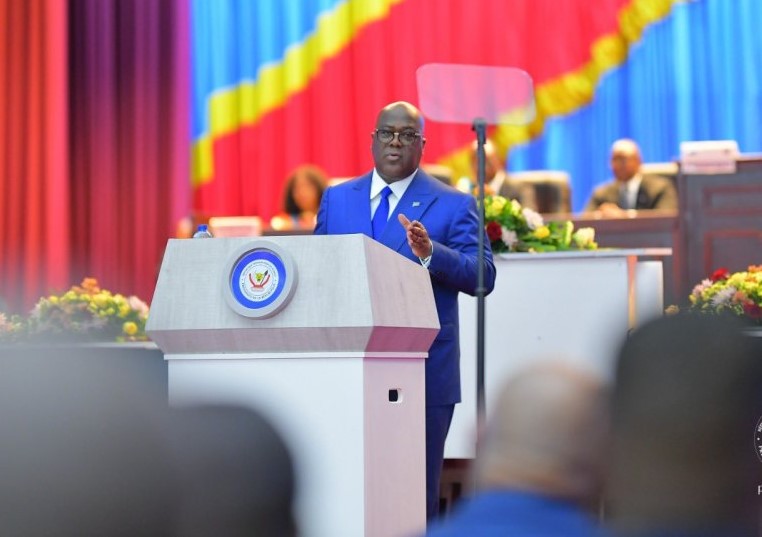
In a speech delivered to both chambers of the DRC Parliament on December 11, 2024, Tshisekedi acknowledged that the country’s development efforts are under threat with the ongoing insecurity.
He out rightly accused Rwanda of supporting the M23 group, which has been operating since November 2021, and of continuing to control territories such as Rutshuru, Masisi, Nyiragongo, and Lubero, causing mass displacement of civilians.
Rwanda has repeatedly dismissed the accusations as baseless, instead blaming the DRC’s military of collaborating with the Democratic Forces for the Liberation of Rwanda (FDLR) remnants of perpetrators of the 1994 Genocide against the Tutsi.
President Tshisekedi reiterated his position in late 2023, declaring his intent to take military action against Rwanda if M23 fired at the city of Goma, and even suggested offering support in ousting President Paul Kagame from office.
Despite Tshisekedi’s claims of military success, the M23 rebel group has continued to expand its positions in North Kivu, capturing new territories in Walikale in October 2024 and gaining ground in Lubero, including areas of Kaseghe and Mathembe.
The Congolese Head of State commended the efforts of his armed forces, the Wazalendo militia, and the support of the Southern African Development Community (SADC), which deployed additional troops to the North Kivu region for one year.
Tshisekedi also hailed the role of Angola in the ongoing peace talks, led by President João Lourenço as the mediator appointed by the African Union, which has been facilitating dialogue between Rwanda and the DRC since 2022.
Despite support for peace talks in Angola, Tshisekedi expressed skepticism, stating that he does not see negotiations as the sole solution. He emphasized the importance of military reforms, which he initiated in 2023 to improve the effectiveness of the DRC’s armed forces.
President Tshisekedi’s message comes ahead of the scheduled Luanda talks on December 15, 2024, where he is expected to meet with his Rwandan counterpart Paul Kagame with Angola’s João Lourenço as the host.
The outcome of these discussions remains uncertain, as both countries remain at crossroads over the situation in Eastern DRC.
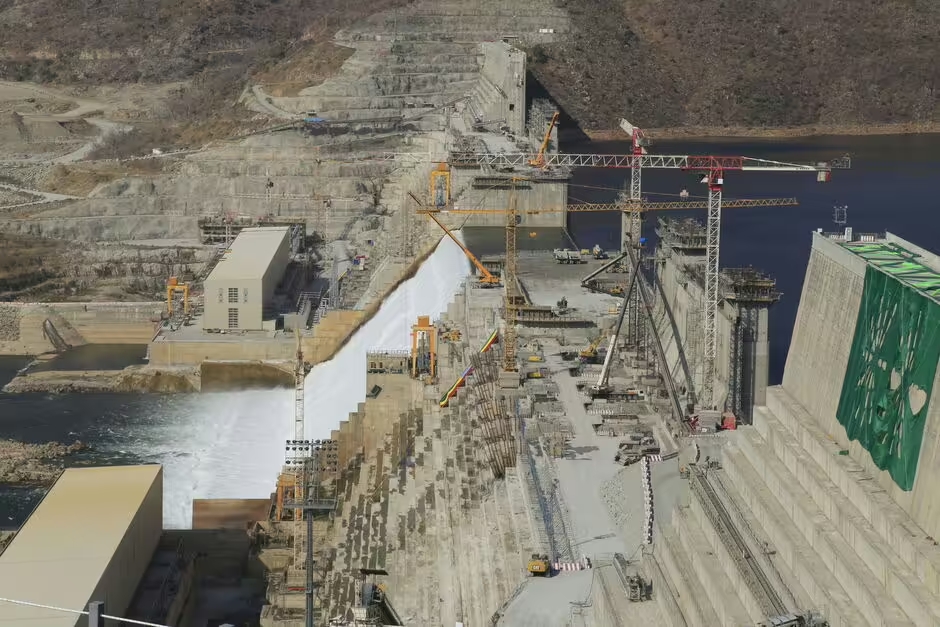
The dam, whose construction began in 2011 and was completed after nine years, cost $5 billion and has the capacity to generate 5.15 gigawatts of electricity, placing it among the top 20 largest dams in the world. its the biggest in Africa.
The ongoing dispute involves countries like Egypt, Ethiopia, and Sudan. Ethiopia argues that the dam will provide electricity to around 60% of its population, who currently live without power. However, Egypt fears that the dam will reduce the flow of the River Nile, which is crucial to its water supply and economy.
Ethiopia maintains that neighboring countries, including Sudan, will benefit from cheaper electricity, and Sudan itself is expected to see significant economic growth by 2060 through the agricultural sector.
Researchers predict Sudan’s GDP could reach $84 billion by that time, thanks to the economic benefits brought by the dam. Other countries, such as South Sudan, Kenya, Djibouti, and Eritrea, are also keeping a close eye on the project.
Egypt has warned that even a 2% reduction in Nile water would leave over 80,000 hectares of irrigated land dry, causing a significant decline in agricultural output.
Since construction began in 2011, the United States, Saudi Arabia, and the United Arab Emirates have tried to mediate negotiations, but these efforts have been futile. Ethiopia was initially prohibited from filling the dam, but it went ahead and began storing water.
On December 7, 2024, during the COP16 climate conference in Riyadh, Saudi Arabia, Egypt’s Minister of Water Resources, Hani Sweilem, highlighted the lack of negotiations between the parties before building the dam, warning that the failure to reach an agreement could lead to tensions, economic impacts, and environmental damage.
Sweilem stressed that Egypt was acting in its own national interest and called on Sudan to join in preventing any action that could harm the Nile River. He also emphasized Egypt’s commitment to supporting Sudan in water management initiatives.
Sudanese officials, including Dr. Mona Ali, the Secretary-General of the Sudanese High Council of Environment and Land, acknowledged the negative environmental impact of the dam, particularly in terms of water shortages.
Both ministers agreed on the importance of resolving water-related issues and called for further research into the environmental, economic, and broader impacts of major water projects to ensure that the rights of countries sharing water resources are respected.
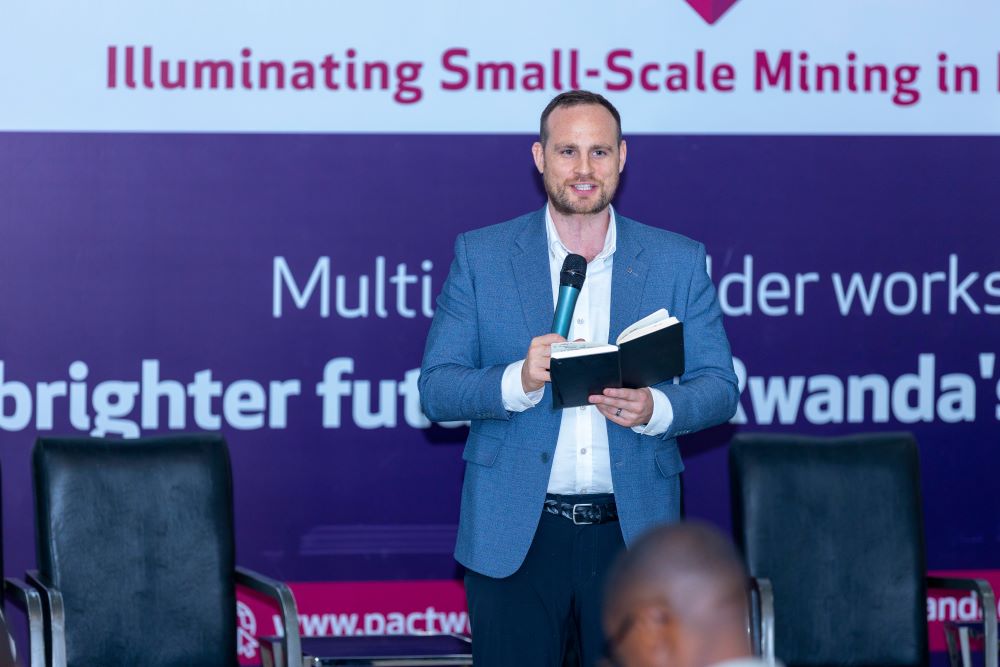
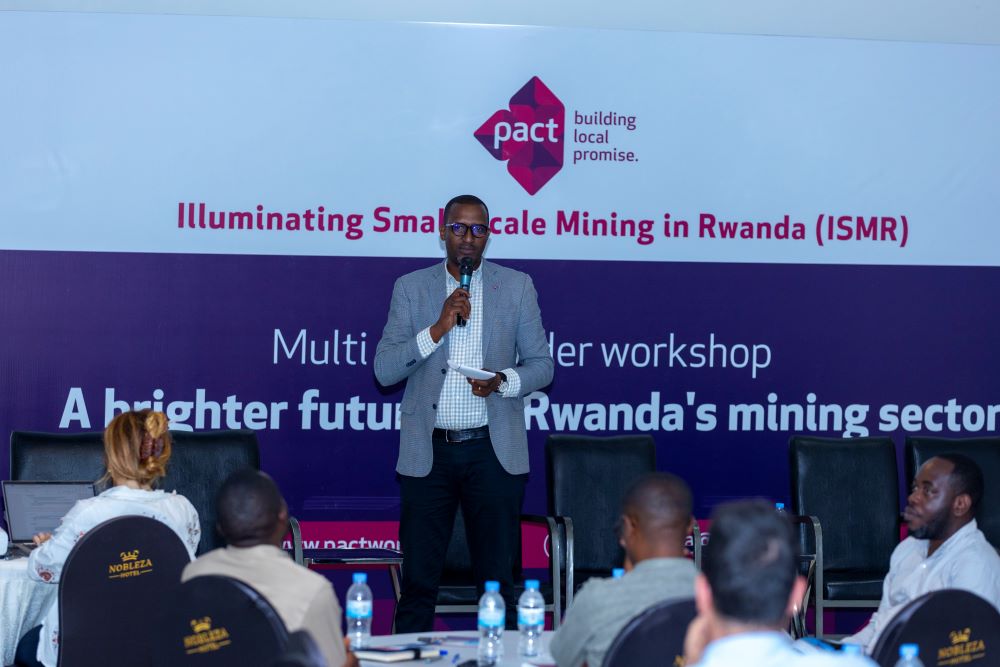
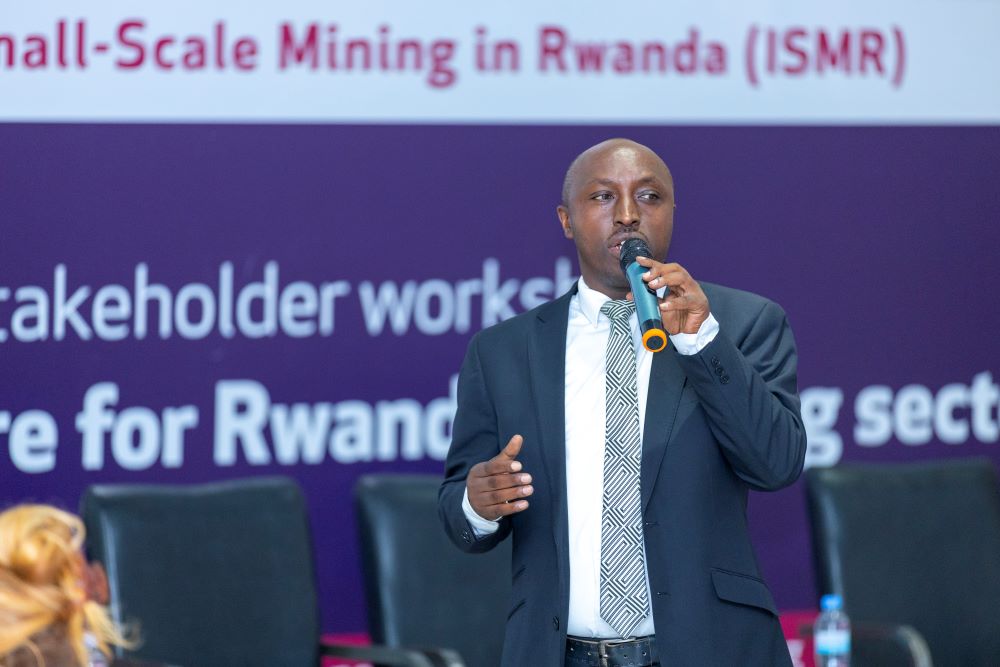
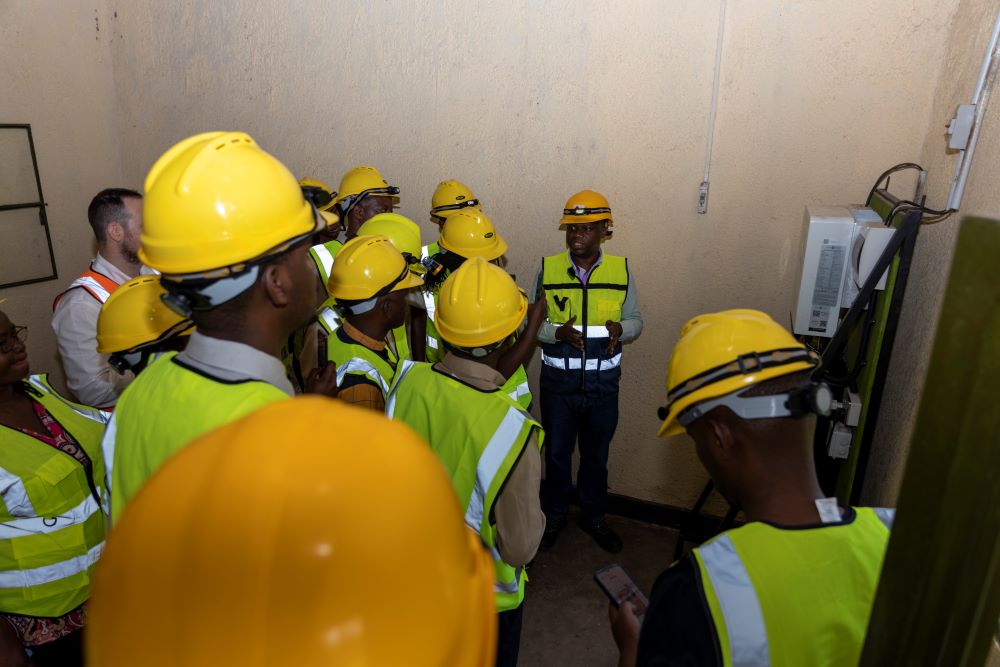
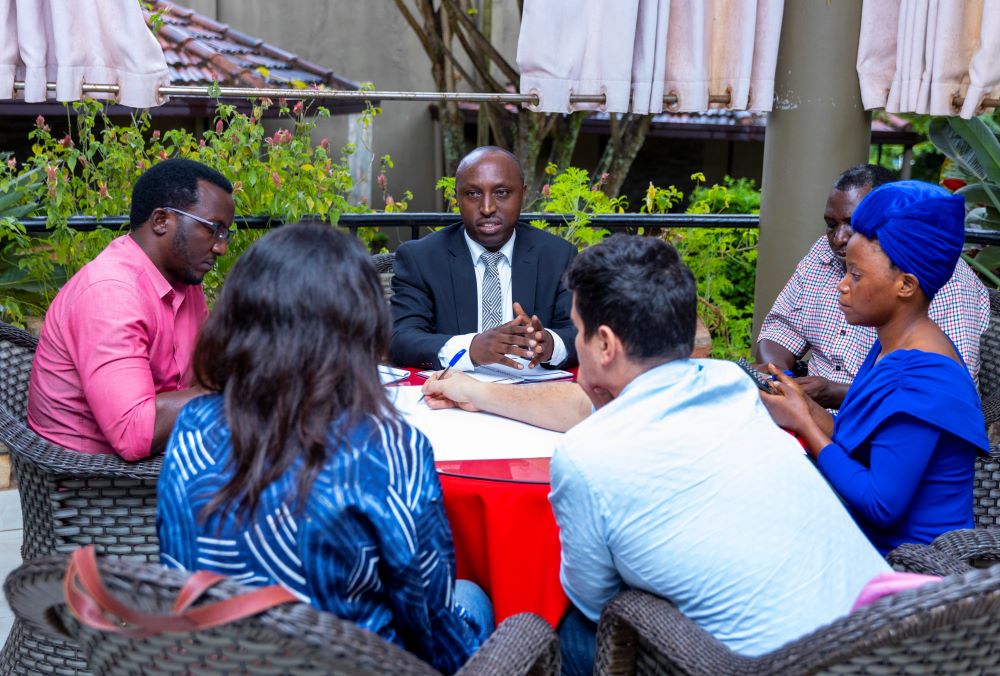
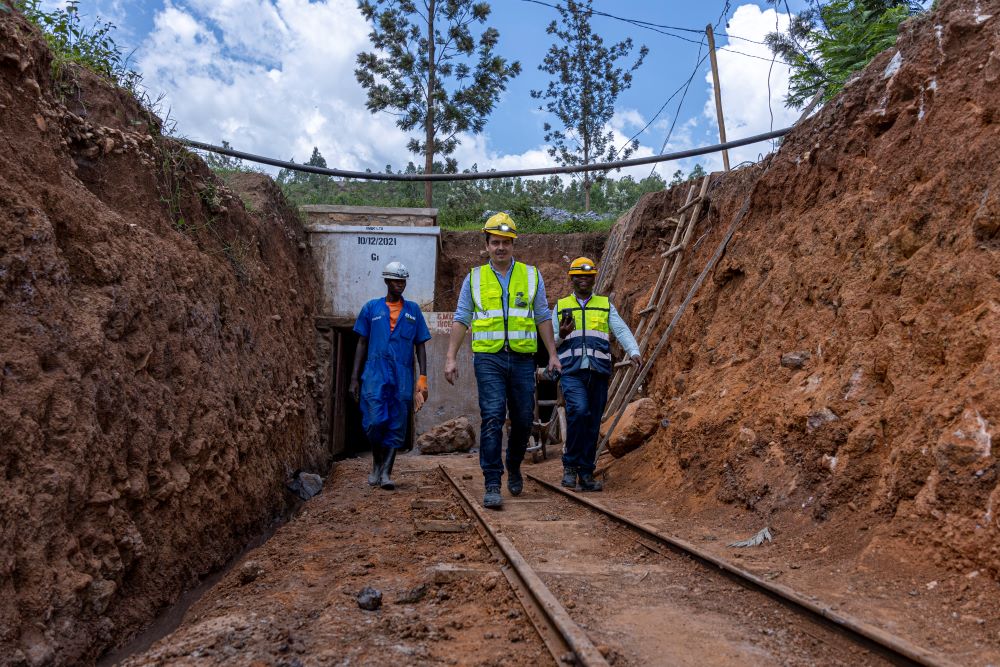
Industry leaders gathered to discuss the ongoing impact of solar-powered, rechargeable head torches and mini-grids on mining operations for different mining companies countrywide.
The Illuminating Small-Scale Mining in Rwanda (ISMR) project, led by PACT-Rwanda, is driving the adoption of these sustainable energy solutions as part of broader global efforts to promote resilience and social impact across various sectors, including public health, governance, and energy.
James Mcquilken, the Global Director of Responsible Mining at PACT, explained that the initiative, which began four years ago, aims to bring artisanal miners up to the same occupational health and safety standards as larger mining operations.
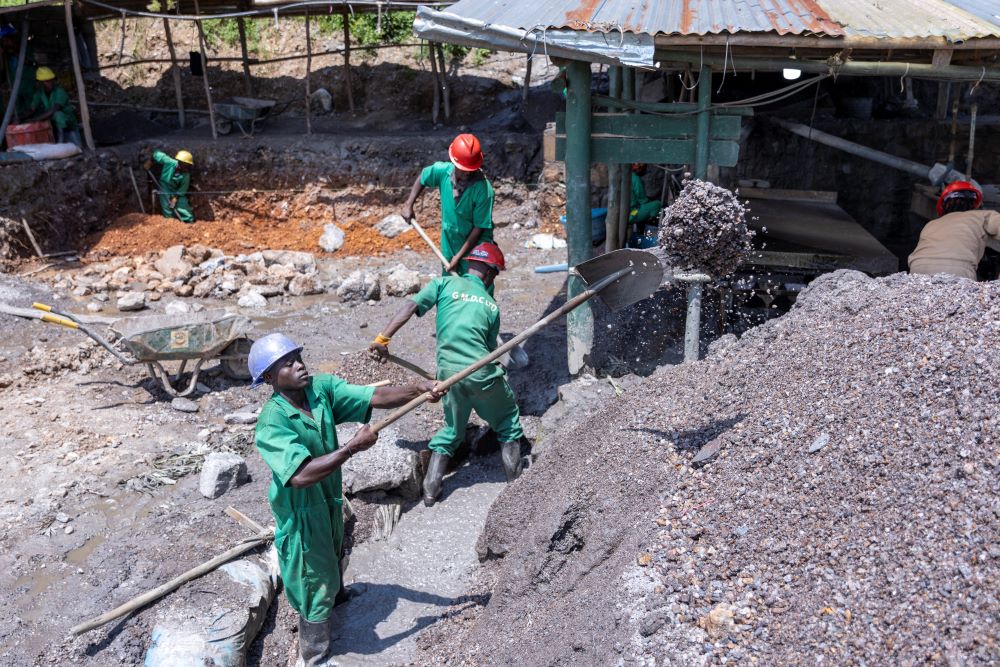
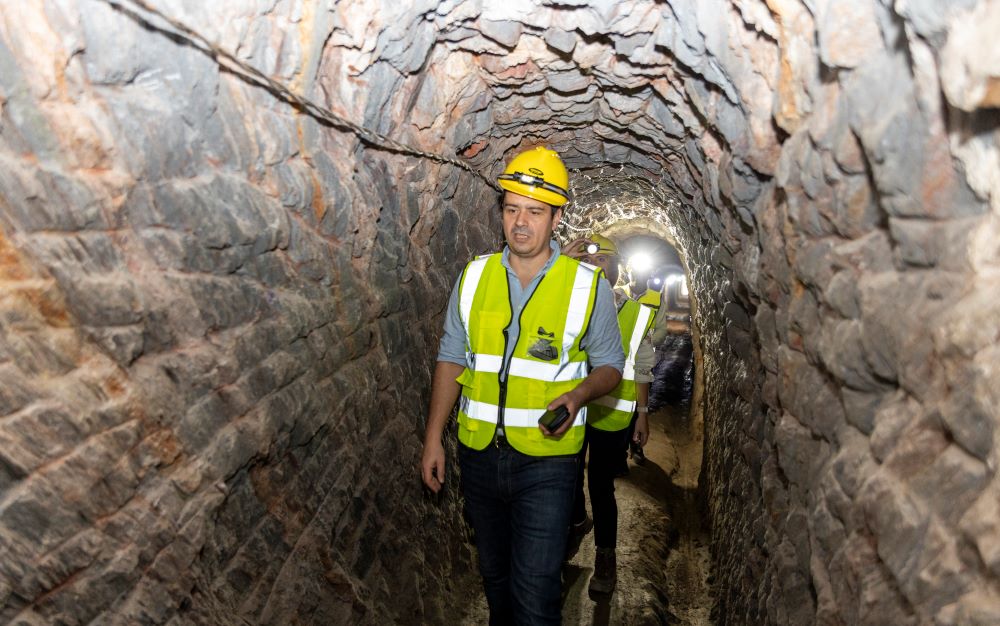
“Small-scale miners should have access to safe and decent working conditions. When we visited mines in Rwanda, miners were using handheld torches with poor lighting. This contrasts with the well-lit tunnels of large-scale mines, which use rechargeable head torches. We decided to introduce this technology to improve safety and productivity,” Mcquilken said.
Over the past year, the project has introduced solar-powered head torches and mini-grids at several partner mines. These changes aim to address the challenges faced by miners, particularly the high costs and environmental damage caused by traditional battery-powered torches.
“By providing miners with access to solar energy, we are not only improving working conditions but also reducing their reliance on expensive and environmentally harmful power sources,” he noted.
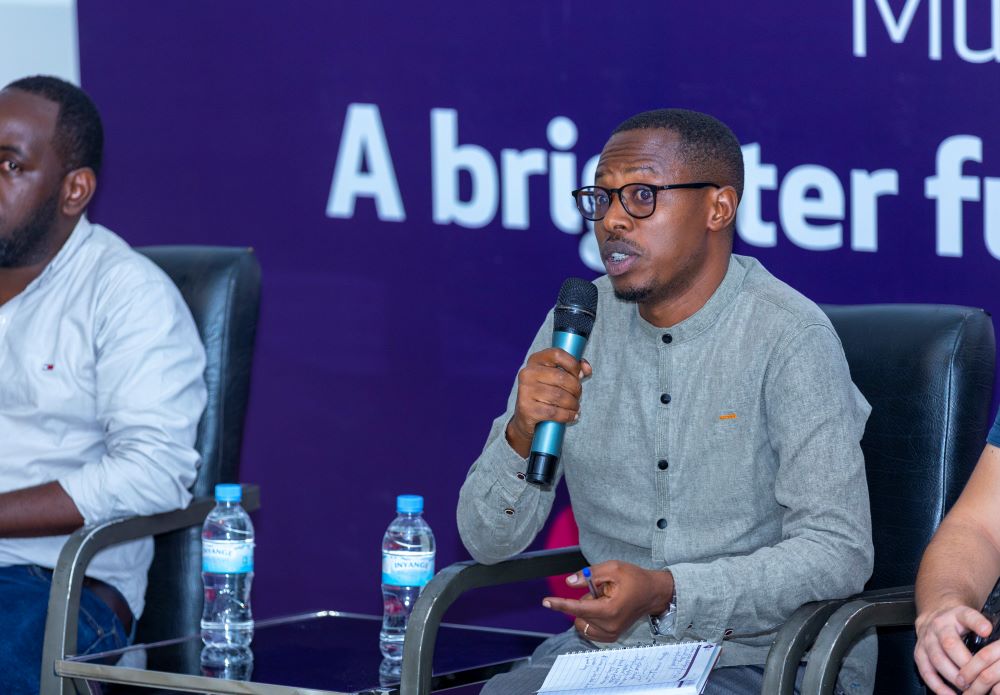
Moise Mutabazi, the Country Director of Pact Rwanda, highlighted the positive outcomes of the project, which include significant cost savings for small scale miners.
“Miners have saved up to 70% bills saving due to mini grid solar instalation. This has led to greater efficiency in their work, as they can now afford the electricity needed for their operations without overburdening themselves financially,” he said.
One of the key challenges affecting miners in Rwanda is access to finance where to support the adoption of renewable energy solutions, partnerships have been formed with financial institutions like Equity Bank Rwanda. Financial literacy training for miners has been critical in ensuring that they can afford these technologies.
The project’s focus on gender inclusivity has also garnered attention. Empowering women-led mining operation through the introduction of solar energy has not only improved working conditions but also empowered female miners.
Polcarpe Nshimirimana, Senior Program Manager at the ISMR project, says that gender equality is a central component of the initiative.
“We cannot afford to leave women behind in this sector. This project has not only provided access to better lighting but also promoted gender equality in the mining sector as a whole,” he said.
The Rwanda Mining Board has also played a key role in ensuring that the initiative aligns with national mining policies. Discussions with the Rwanda Mining Board are underway to scaling these changes to other mining operations across the country.
Donat Nsengumuremyi, the Mining Extraction and Inspection manager at Rwanda Mines, Petroleum and Gas Board (RMB) acknowledged that the imitative is a good move in the right direction.
“Through such forums, we get more acquainted on what has been achieved, discuss the best practices and forge a way forward,” he said.
The major focus is to provide miners with the tools and knowledge needed to operate more sustainably while maintaining the financial viability of their businesses. As the sector shifts toward renewable energy, the goal is not just to improve working conditions but also to set a precedent for responsible mining practices across the region and beyond.
The funds are included in the 2024/2025 national budget.
Télésphore Ngoga, Conservation Analyst at Rwanda Development Board (RDB), told RBA that the initiative will focus on addressing key challenges such as wildlife encroaching on local communities, providing clean water to residents who currently fetch it from the parks, and reducing overcrowding in schools near the parks.
Since 2005, the government has invested Frw10 billion in projects designed to improve the livelihoods of communities surrounding the national parks, including Volcanoes, Nyungwe, and Akagera parks.
In collaboration with RDB, which oversees tourism, as well as local government entities and nearby communities, more than 880 development projects have been implemented. These include schools, health centers, housing, water infrastructure, and initiatives to boost agricultural productivity.
According to RDB, these efforts not only support environmental conservation but also transform the lives of Rwandans. Many residents near the parks, who previously engaged in harmful activities such as poaching or collecting water from the parks, have since abandoned these practices.
The tourism sector is projected to continue expanding as a key driver of economic growth in Rwanda, with [revenues expected to exceed $660 million in 2024->https://en.igihe.com/economy/article/rwanda-s-tourism-revenue-projected-to-reach-660-million-by-end-of-2024#:~:text=Rwanda’s%20tourism%20revenue%20projected%20to,by%20end%20of%202024%20%7C%20IGIHE], up from $620 million in 2023.
In a statement issued on Tuesday, December 10, 2024, Kenya’s premier bar association expressed full support for Karua, calling the decision an unjustified attack on her professional integrity and a setback for regional cooperation in legal practice.
“We express our unqualified disenchantment with the derogatory, contemptuous, and high-handed decision taken by the Law Council of Uganda. This decision not only offends the mutual cooperation that exists between the Kenyan and Ugandan bar, but the manner in which it was communicated and the reasons given are ludicrous and distasteful,” LSK stated.
“It is inconceivable that the Law Council of Uganda would hold such little regard for Kenyan practitioners, especially a reputable and long-standing member of the Senior Counsel Bar.”
The Uganda Law Council had declined Karua’s application to represent Besigye and his co-accused at the General Court Martial, citing incomplete documentation and questioning the necessity of Karua’s involvement in the trial.
In its response, LSK has stated its intention to take immediate action to resolve the situation. The society called for an urgent engagement with the Kenyan Attorney General to address the issue and ensure a fair, reciprocal agreement on cross-border legal practice.
LSK also threatened to suspend the admission of Ugandan lawyers to Kenya until Uganda demonstrates a commitment to fostering mutual legal cooperation.
“Kenya has been a leader in promoting regional cooperation in legal practice, but the lack of reciprocity from Uganda is unacceptable,” the LSK statement read. “We must either find a mutually beneficial, reciprocal arrangement or withdraw from one-sided agreements that undermine the dignity of Kenyan legal practice.”
Karua, a former Justice Minister in Kenya and one of the senior lawyers in the country, had earlier also expressed her dismay over the decision.
“The issues raised in your letter could have been addressed if you had asked for any additional documents you required,” Karua wrote in her protest letter to the Uganda Law Council. “Instead, this decision undermines the spirit of regional cooperation and the principle of justice.”
Karua noted that the decision not only attacked her personal integrity but also violated Besigye’s constitutional right to choose his legal representation.
She had hoped to lead a team of 50 lawyers in the case where Besigye and his ally, Obeid Lutale, face charges related to alleged activities undermining Uganda’s security and the illegal possession of firearms. They were controversially apprehended in Nairobi, Kenya, on November 16, 2024, while attending the launch of a book by Karua.
The duo’s trial has drawn widespread attention, with rights groups and legal experts questioning the jurisdiction of the military court over civilians and the political motivations behind the charges.
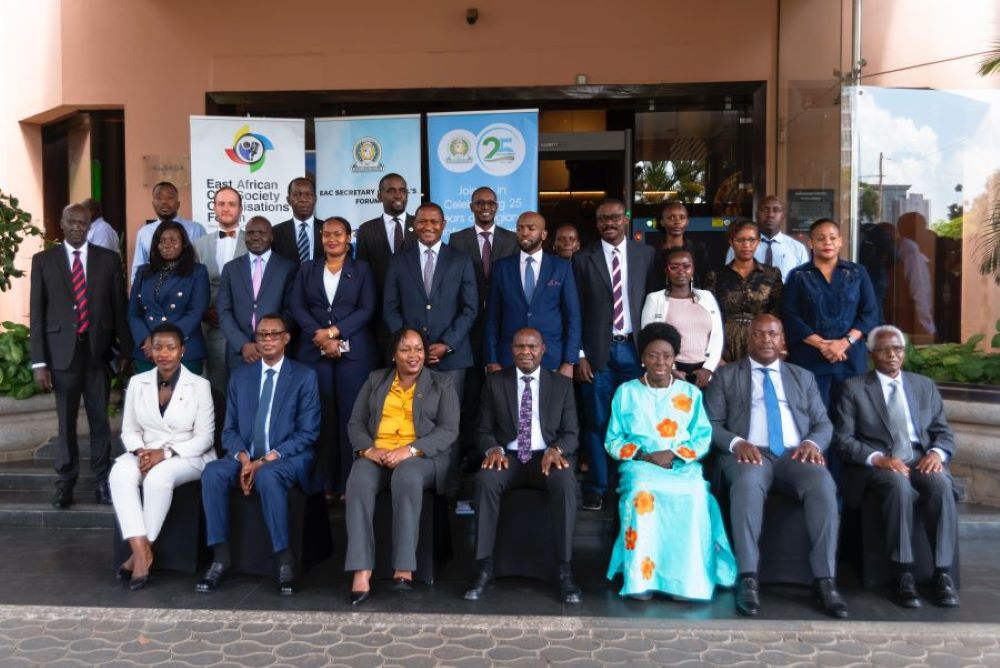
According to EAC Secretariat, the three-day forum provides a platform for stakeholders to share experiences and propose solutions on enhancing economic integration and social development, regional peace and security, progress on developing the constitution for the EAC political confederation and amending the EAC Treaty to serve the now enlarged EAC.
Participants include representatives from EAC Partner States’ governments, private sector organizations, civil society organizations, professional bodies, academia, EAC Organs and Institutions, development partners, and other interest groups.
Speaking during the forum, the Chief Guest, Mr. Felix Koskei, Chief of Staff and Head of Public Service in Kenya, reiterated President William Ruto’s commitment, as the new Chairperson of the Summit of EAC Heads, to steering the region toward increased economic and social integration.
Mr. Koskei commended EAC’s achievements in intra-regional trade, infrastructure development, and youth empowerment.
“Let’s encourage jointly working together. The joint hosting of AFCON 2027 will foster unity among Partner States, and build on future initiatives such as joint infrastructure projects, peace, security efforts and social integration programs. These milestones remind us of what we can achieve when we work together,” he noted.
He emphasized that accountability to citizens and efficient use of resources are crucial for regional integration. While commending EAC’s clean audit record and financial management, he called for enhanced transparency and citizen participation through various regional platforms.
He highlighted the Community’s efficiency improvements through institutional strengthening and citizen-focused initiatives like the East African Passport.
“Since the 2016 launch of the EAC e-Passport, member states’ nationals have enjoyed free travel across the region without separate visas or travel documents. Visa exemptions for EAC citizens have enhanced mobility, while efforts continue to harmonize immigration and visa policies in the Democratic Republic of Congo and Somalia,” he noted.
Mr. Koskei further added that the EAC Single Tourist Visa, introduced in 2014, allows tourists to move freely between Kenya, Rwanda, and Uganda, with plans to include more member states.
“Harmonized work permits and Mutual Recognition Agreements (MRAs) enable professionals like accountants and engineers to practice across member states,” he stated.
On her part, the EAC Secretary General, Veronica Nduva, highlighted the Community’s significant progress over 25 years, particularly in implementing the Customs Union, Common Market, and Monetary Union protocols.
“These frameworks have allowed for the liberalization of intra-regional trade, reduced barriers to business, and enhanced the movement of goods, services, and people,” she noted.
The Secretary General emphasized progress through initiatives like the Electronic Single Window System and East African Electronic Passport.
“The reduction of transit times for goods, particularly from Mombasa to Kigali, from 21 days to 3 days today, exemplifies the impact of our integration efforts,” she added.
One Stop Border Posts (OSBPs) have streamlined customs procedures, reducing border crossing times by 70% and generating annual savings exceeding USD 63 million. Transit times from Mombasa to Kampala have decreased from 18 days in 2007 to 4-5 days currently.
Nduva noted that the Electronic Single Window (ESW) System has simplified customs and trade documentation, while Regional Trucking Initiatives, including a Centralized Monitoring Centre, have enhanced goods tracking and response to emerging issues.
Significant infrastructure upgrades along the Northern Corridor have improved goods flow between Kenya, Uganda, Rwanda, and South Sudan.
“These efforts have yielded impressive results in regional trade. Intra-EAC trade grew from $6.2 billion in 2017 to $13.8 billion in 2023. The EAC’s merchandise trade with the rest of the world also rose from $65.3 billion in 2017 to $109.4 billion in 2023,” she added.
Trade between the EAC and Africa grew from $19.4 billion in 2017 to $24.4 billion in 2023, boosted by participation in the African Continental Free Trade Area (AfCFTA).
The forum aims to share good practices and lessons from 25 years of regional integration through presentations, recorded stakeholder testimonies (documentaries), and exhibitions.
The meeting will submit clear and practical recommendations to the Secretary General for consideration by the EAC Council of Ministers.
In his message, the Pope emphasized the themes of hope, fraternity, and peace, all conveyed through the Eucharist.
The event, which attracted thousands of participants including clergy, religious, and lay faithful from both Rwanda and beyond, provided an opportunity for reflection and spiritual renewal.
The message, which was signed by Cardinal Secretary of State Pietro Parolin, was addressed to Bishop Vincent Harolimana, Bishop of Ruhengeri and delegate of the Episcopal Conference of Rwanda (CEPR) for the Eucharistic Congresses.
In his message, Pope Francis joined the faithful in Rwanda in their “joy” and “thanksgiving,” celebrating the significance of the event.
Reflecting on the conference’s theme, “Let us fix our gaze on Jesus in the sacrament of the Eucharist: a source of hope, fraternity, and peace,” he described Communion as the “centre of all Christian life” and a “tangible sign of Christ’s love for humanity.”
The Pope encouraged the faithful to live out this message by embracing the call to “give ourselves to others,” fostering collaboration to “build a civilisation of love.”
He further underscored the Eucharist’s role in inspiring Catholics to become missionaries of fraternity and hope, emphasizing the need to address the various “hungers” humanity faces, particularly the “hunger for meaning.”
Looking ahead to the 125th anniversary of Rwanda’s evangelisation and the upcoming Jubilee, Pope Francis urged the faithful to turn to “Christ, the bread of life,” and extend solidarity to those in vulnerable situations.
“We must be tangible signs of hope,” he reminded them, echoing the message of the Bull of Indiction for the Holy Year.
In his conclusion, Pope Francis highlighted the shared responsibility the Eucharist calls for, not only in responding to humanity’s physical needs but also in nurturing a spiritual hope “in the triune God.”
He stressed that the Eucharist’s nature is “essentially relational,” inviting people to live “in community” and break down barriers of “race, language, or cultural tradition.”