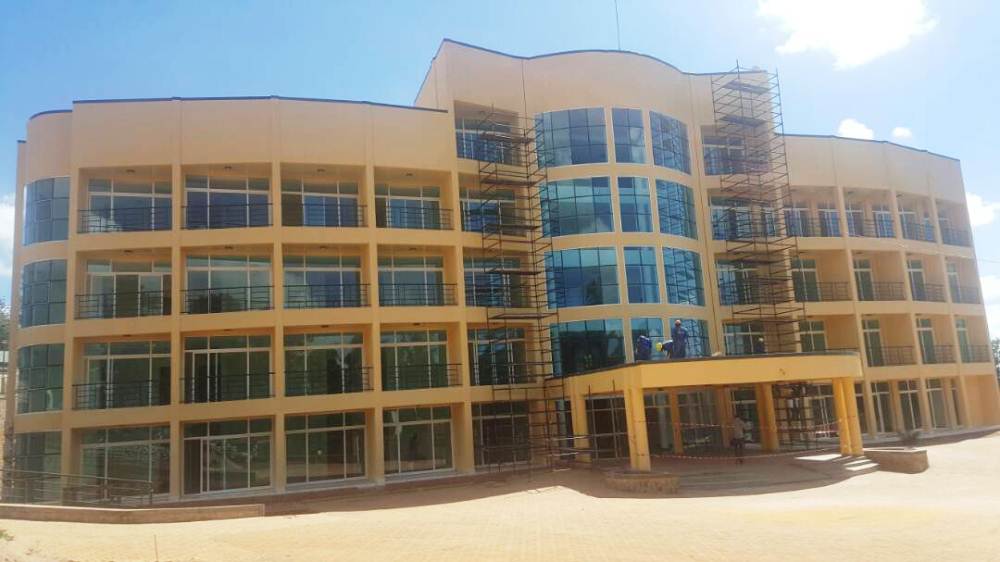
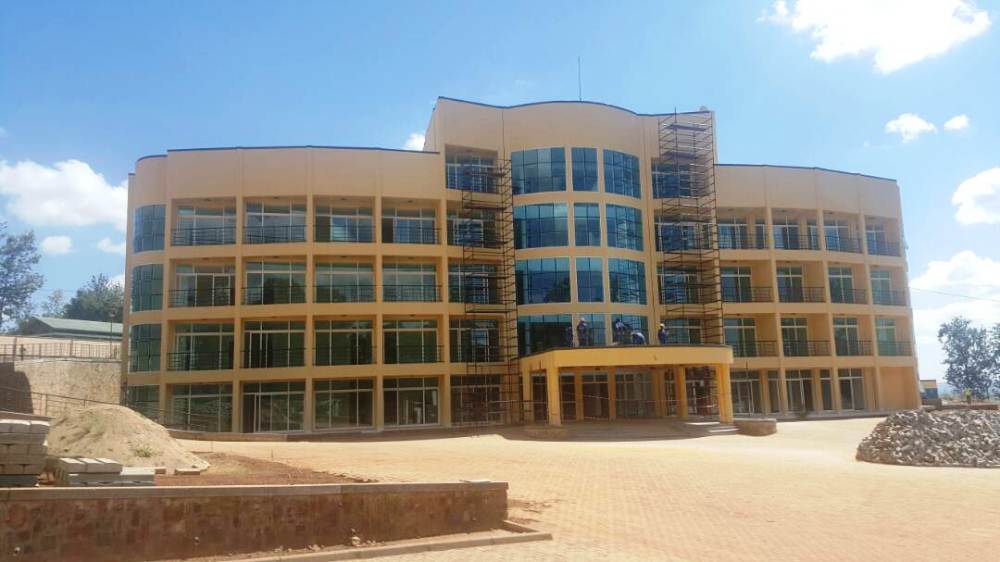
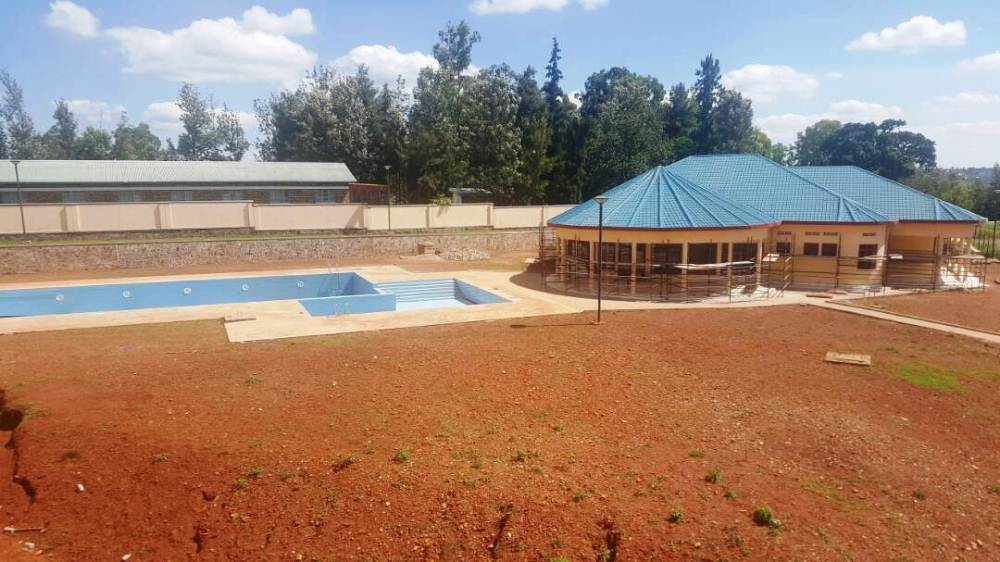
The Rwf3.5 billion hotel is expected to respond to the problem of the district’s visitors who have been going to neighbouring districts for accommodation.
The hotel’s construction started five years ago.
It is part of the pledges that President Paul Kagame made in the district in 2010. He had also promised a football stadium which is under construction as well.
Ngoma District’s Mayor Aphrodis Nambaje has told IGIHE that their visitors will no longer suffer lack of hotel services in a few months ahead.
He said the district will hand over the hotel to private investors upon its completion.
“This hotel will also earn the district with money to invest in other development projects and infrastructure,” he said.
The district’s resident Yves Hakizimana says the hotel should also benefit farmers in the area.
“We grow fruits, bananas and more. This hotel will give us a market for our produces,” he said.
The farmer said the hotel is also expected to give jobs to youth and other categories and urged the district’s leaders to give preference to its residents in recruitment.
The hotel covers 2.5 hectares. It is developed in public funds through the Local Administrative Entities Development Agency (LODA).
It has 70 guest rooms including 56 standard, 12 deluxe and two suites.
The hotel will also have a club, swimming pool, two conference rooms and a parking for a minimum of 100 cars.
The district is still looking for an investor to take up the hotel which is set to open operations before the year sinks.
One of the hotel names on table is East Guest Hotel but remains unconfirmed.
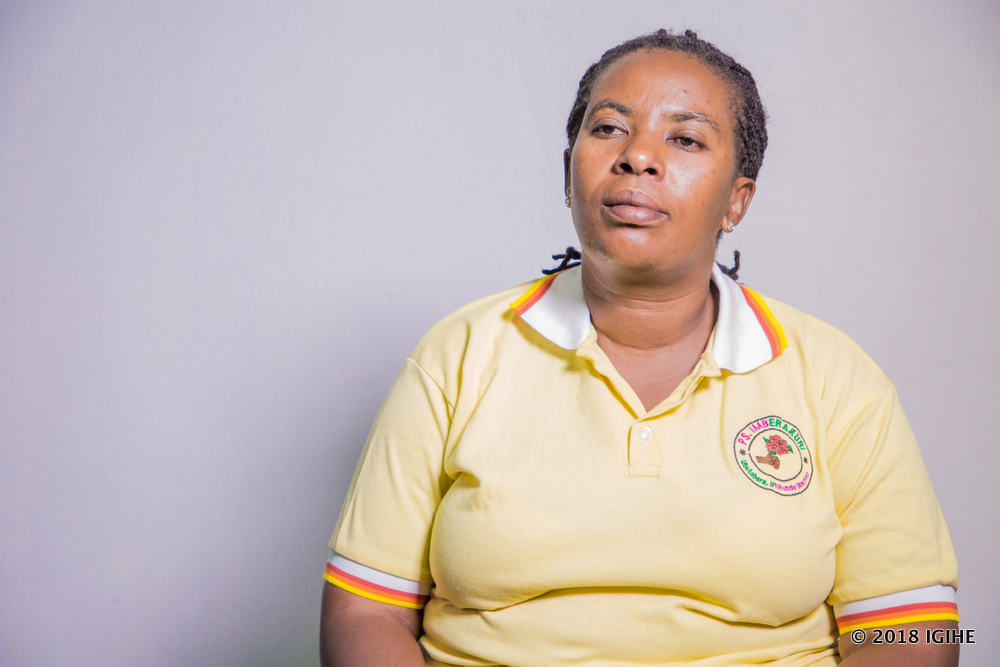
Christine Mukabunani, the President of PS-Imberakuri, has told IGIHE that there are many points the party disagrees with the government.
The points include the poor pay to teachers, the fact that most of the local leaders such as district mayors are at the same time leaders of a certain political party in the area and problem of water shortage in the country.
Mukabunani said her party will advocate for changes on these points in case they win seats in upcoming parliamentary elections.
She said teachers should have equal salary with other public servants at the same level of education. A teacher with bachelor degree is paid below Rwf130,000 net while others with the qualification earn around Rwf300,000 monthly.
Mukabunani says a teacher holding secondary school certificate (A2) should be paid at least Rwf70,000, up from the current monthly salary of around Rwf30,000.
“Teachers are not teaching well and, as a result, students complete studies with poor competences. This is because teachers earn insufficient salary,” she said.
Mukabunani noted that her party has highly knowledgeable members about education who are ready to share their expertise if they get into the Lower House.
Citing the current teaching of French language from primary to secondary schools as advocated by PS-Imberakuri, Mukabunani said the party founded in 2009 has got maturity to bring about changes in the country’s affairs.
She said a local government’s entity leader should represent the public interests without siding with any party
“The way political parties are represented in local governments should change. When one is mayor and party chairman in the district, they put on two coats. When there are political interests, the mayor sides with their party instead of considering views from all sides. They can be party members but not leaders while exercising public functions of leadership,” she said.
Ms. Mukabunani encouraged Rwandans to vote for her party to see many changes happening.
Opposition not fighting
Mukabunani claims that her party is in opposition but focusing on building the nation instead of fighting and taking on streets in violent protests.
“Some people wrongly think that being an opposition party means to go out in the streets to protest, to burn tyres,… that is what some want,” she said.
“We advance our views opposing the government without fighting. The time of fighting is no more; we are now building the country in a peaceful way. Even when there is something offending us, we denounce it without going to streets.”
With 45 candidates, it is at the second time PS-Imberakuri is contesting for seats in parliament.
In 2013, the party was unable to secure 5% votes to win a seat in the House.
From 2009, PS-Imberakuri has gone through dark days including the time it got split, creating the side of its founder, lawyer Bernard Ntaganda and the side under Mukabunani.
Mukabunani says the party was not stolen from Ntaganda but members changed the party’s leadership.
A total of 521 candidates are vying for 80 seats.
The parliamentary general elections will take place on September 2 and 3 in Diaspora and Rwanda respectively to decide on 53 seats. The 53 are contested by the RPF-led coalition of seven parties, other four parties apart and four independent candidates.
Other 27 seats will be voted for on September 4. They include 24 women representatives equivalent to 30% as it is provided for in the Constitution, two for the youth and one representative of the people with disabilities.
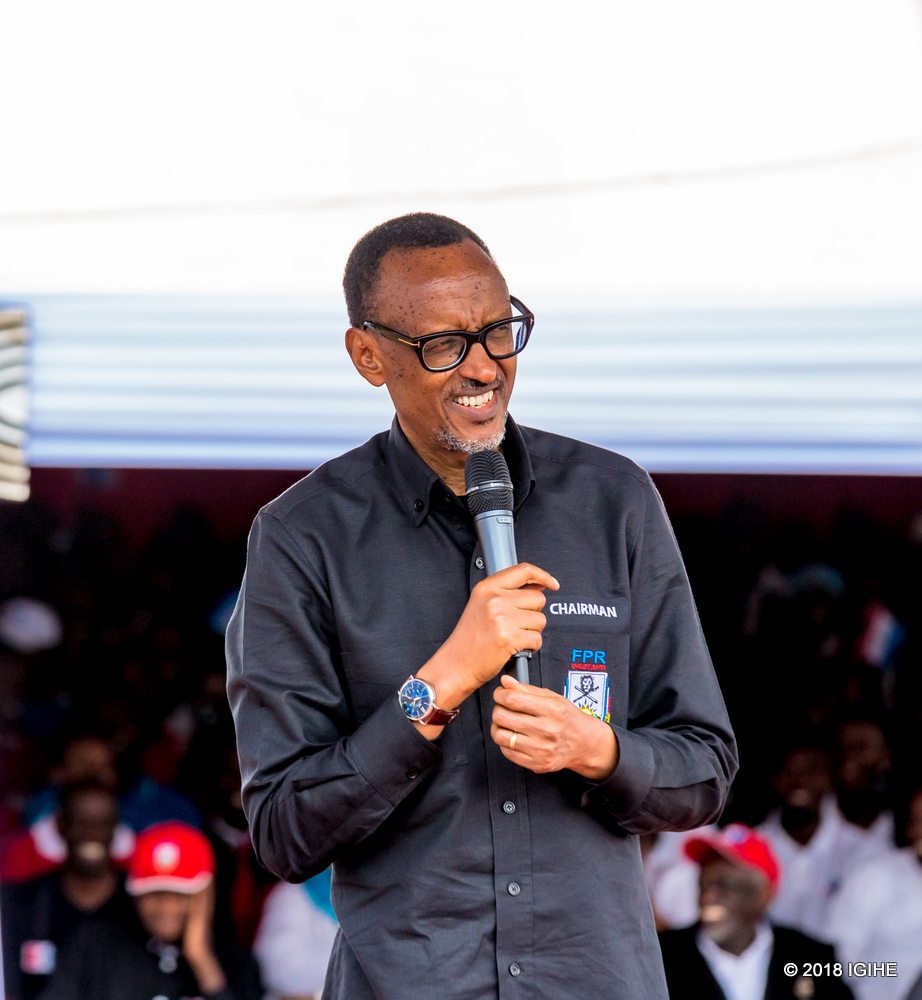
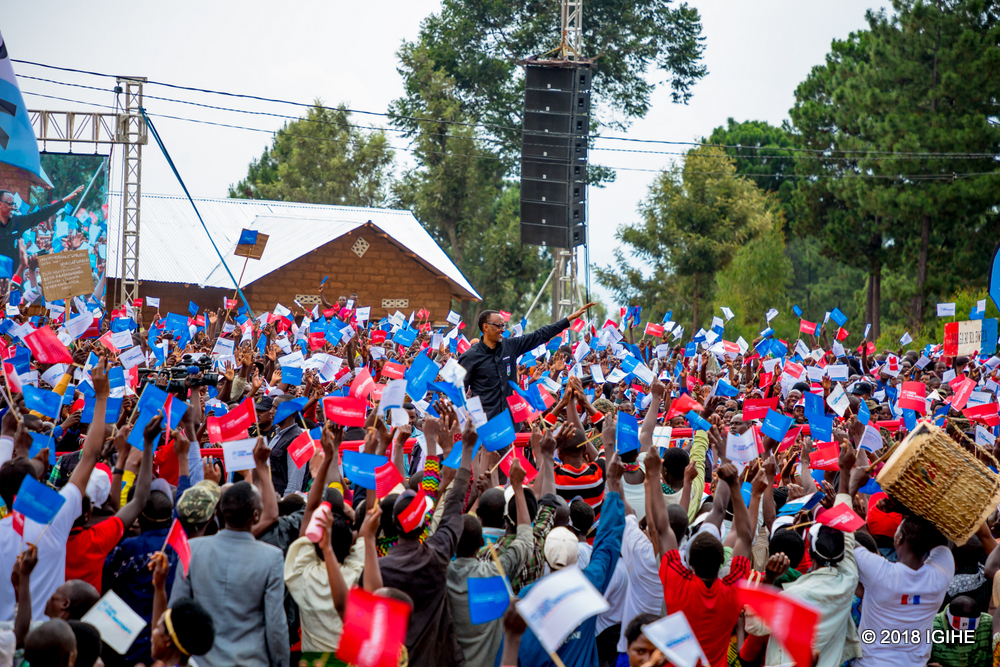
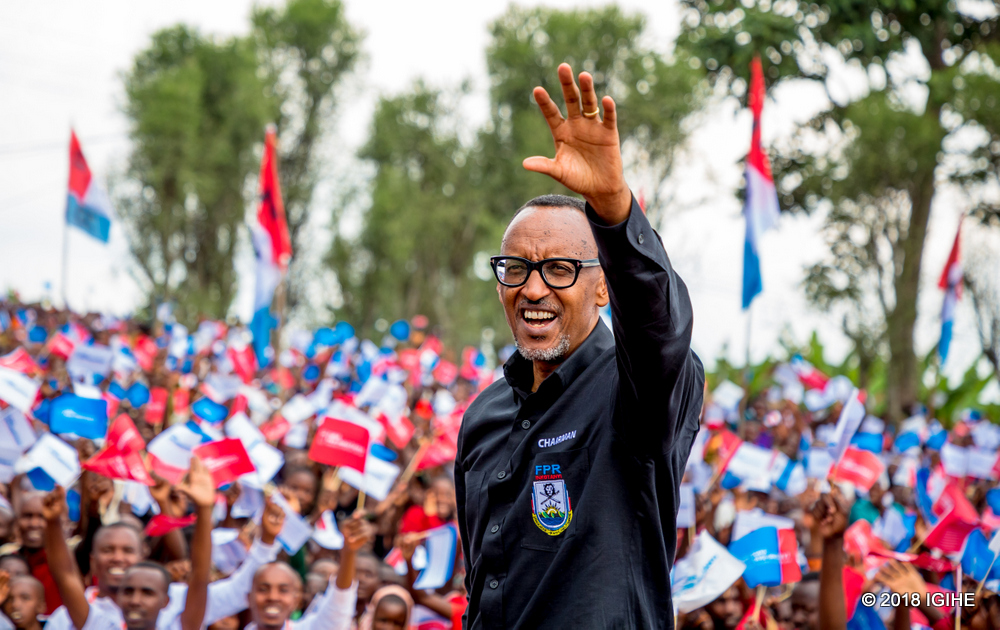
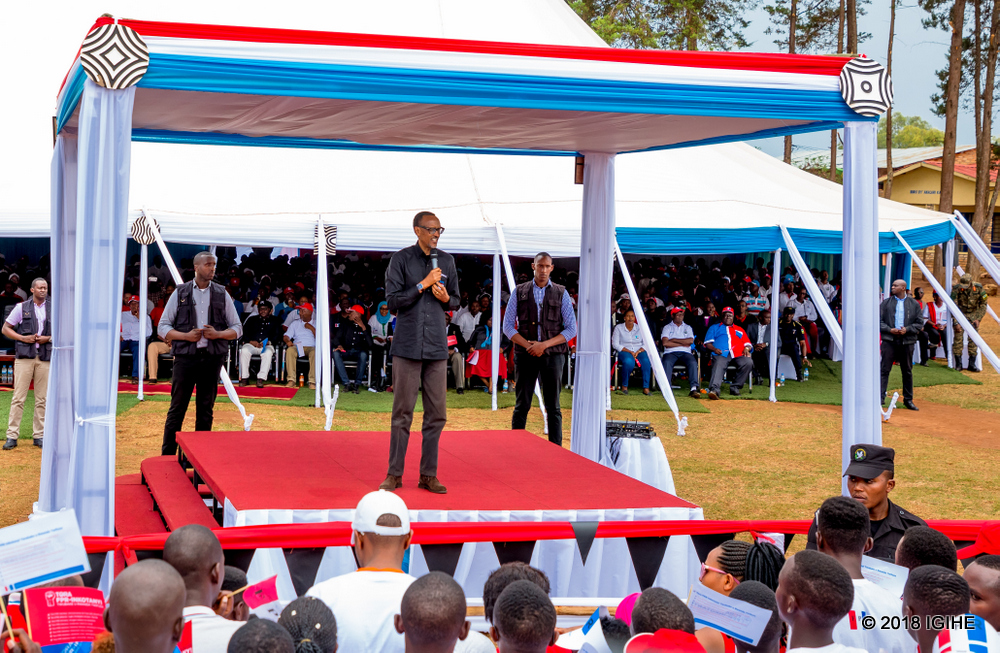
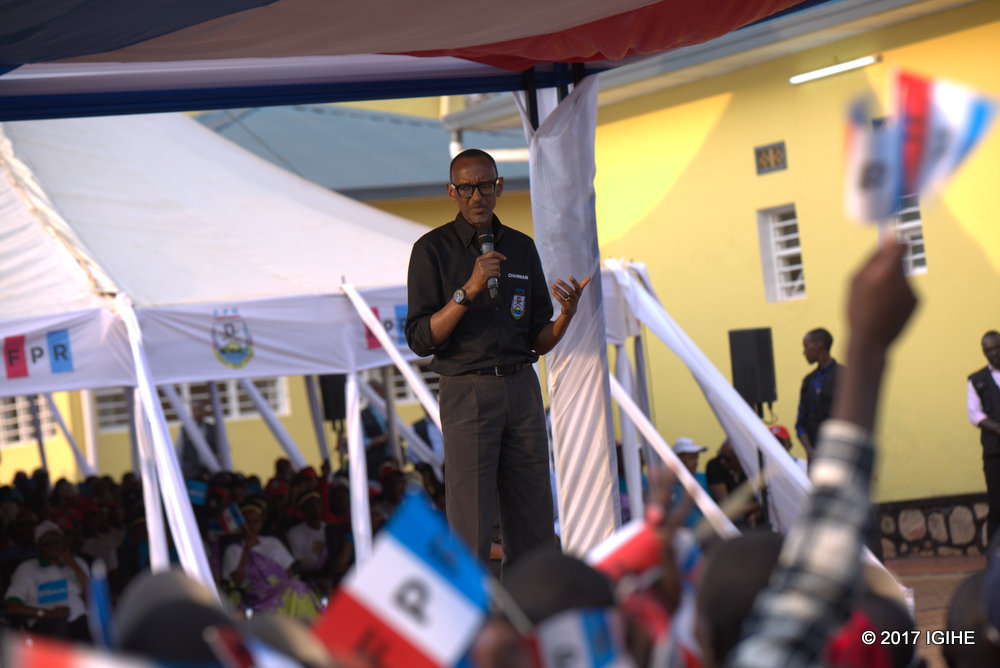
Kagame was campaigning for 80 candidates of RPF and its allied parties in the coalition.
The Southern Province Governor Marie Rose Mureshyankwano said the district bordering with Burundi was lagging behind in terms of development but a lot is changing.
“This district was left behind and residents ran to neighboring countries for most of the things they needed but it is no longer the case. They are stable and on the course for development,” she said.
President Kagame said it is important to work hard for development but more important to protect what one has done to avoid slipping back.
Citing a lion as the RPF emblem, Kagame said the beast is a good example of self-esteem and protection.
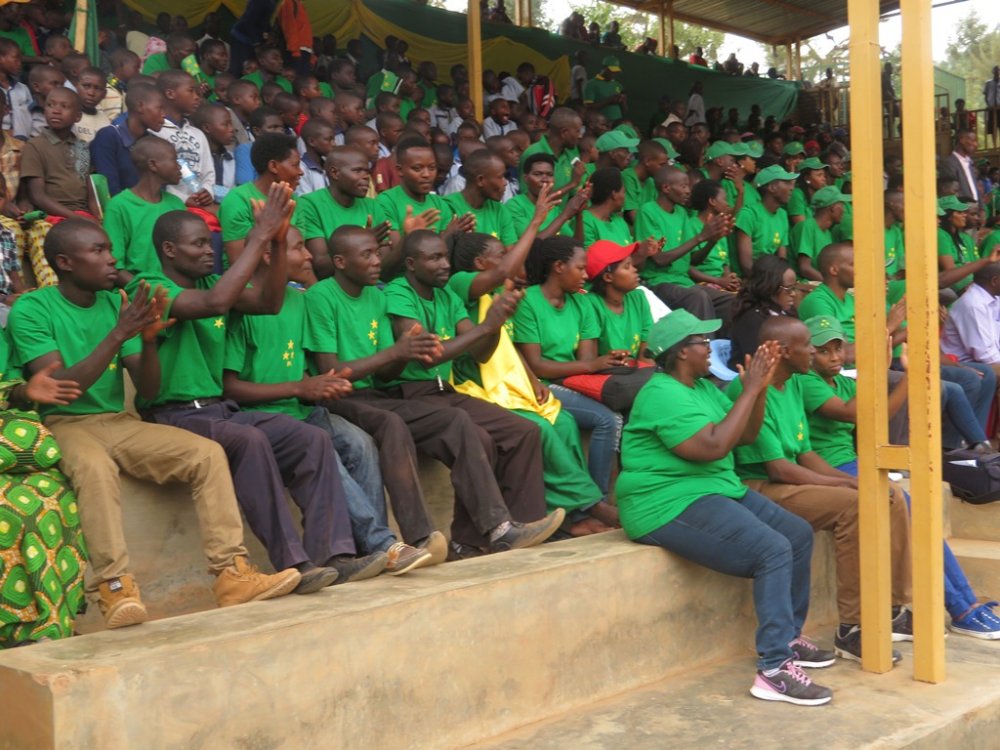
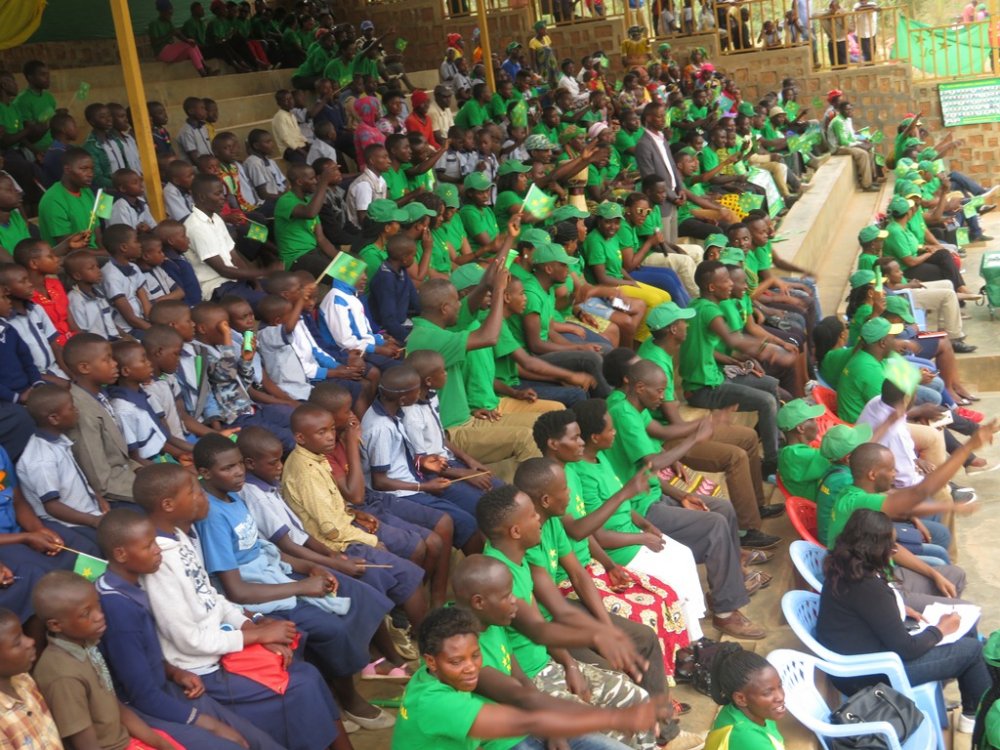
“Our party emblem is a lion. Lions do not provoke, they lay low because they know that when they decide to strike, nothing can stand in their way,” he told the rally in Gisagara, Thursday.
“We do not provoke but we do not want others to provoke us. We put all our efforts to build ourselves and protect what we have built.”
He said there is no advantage to neighbours not getting along.
“We gain more when we can work together and trade with each other. But we have to be prepared to defend what our country has achieved. If they are good with us, we can trade with each other, we have no problem. When you collaborate with a neighbour, there is profit,” he said.
The Head of State was apparently referring to Burundi which has halted some collaboration especially in trade with Rwanda.
Tensions between the two countries started in 2015 when Burundi accused Rwanda of supporting the failed coup against President Pierre Nkurunziza.
Rwanda has always denied the accusations, with President Kagame once saying that Burundi is trying to deflect attention from its own problems.
Kagame told Gisagara residents that though they are on the country’s boundaries, they can never be forgotten in the government’s activities, adding that they will be acquiring what they haven’t got yet.
RPF has 70 candidates while other six parties in its led-coalition have 10. The six are PDI, PSR, PDC, PPC, UDPR and PSP.
The coalition is vying for 53 seats in the 80-seat parliament. Other four parties, PSD, PL, DGPR and PS-Imberakuri, and four independent candidates are in the run.
RPF had 41 seats in the Lower House dissolved a fortnight ago while PSD and PL had seven and five respectively.
The Parliamentary general elections are slated for September 2-3 to decide on 53 seats while 27 seats—24 for women, two and one for youth and people with disabilities respectively— will be voted for on September 4.
Global Innovation Index (GII) released last week ranked Rwanda as 99th among 126 surveyed countries globally.
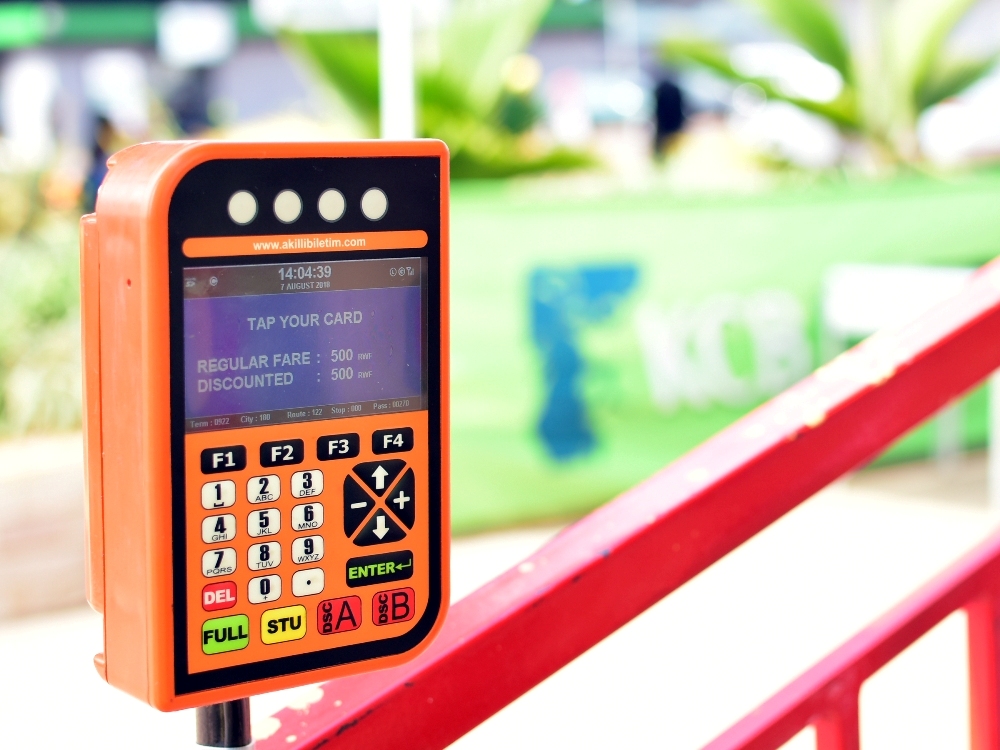
Rwanda has done different innovations in a few years including the AC Group’s Tap&Go card used to collect fares on public buses. The technology has been exported to Cameroon. The country has also put in place Rwanda Innovation Fund (RIF).
Rwanda hosts regional campus of American ICT and Science renowned Carnegie Mellon University. It hosts African Institute of Mathematics and Science (AIMS) in Kigali.
GII is conducted by US-based Cornell University, INSEAD Business School and the World Intellectual Property Organisation.
According to the Index, sub-Saharan Africa is lagging behind. However, the region is reported at the level of development and the results of some countries are not so bad.
Some 20 countries outperform in innovation compared to their level of development.
“Among these 20 economies, six come from sub-Saharan Africa,” reads the report.
These are Kenya, Mozambique, Rwanda, Madagascar, South Africa and Malawi.
“It is important to note that Kenya, Rwanda, Mozambique, Malawi and Madagascar have stood out by their ability to innovate at least three times over the last eight years,” said the three organisations.
The GII considered 80 indicators taking a broad view of innovation. They include the policy environment, education, infrastructure and business development.
Despite the good performance of the above-mentioned countries, sub-Saharan Africa comes last in the ranking by region with a score of 25/100.
North America is the most innovative region with a score of 56/100 while Europe is not far behind with 47/100.
Like last year, South Africa is ranked first in Africa and 58th globally, followed by Mauritius (75th), Kenya (78th), Botswana (91st), Tanzania (92nd), Namibia (93rd), Rwanda (99th) and Senegal (100th).
Kenya improves two places as Tanzania and Namibia improve four on their GII rankings compared to 2017.
Rwanda and Senegal remain stable. South Africa, Mauritius and Botswana have dropped positions.
Other 16 African countries are in the places above 100 but seven among them have improved on the ranking compared to 2017.
Those are Madagascar from 111th to 106th, Cameroon from 117th to 111th, Mali from 118th to 112th, Zimbabwe from 121st to 113th, Malawi from 115th to 114th, Nigeria from 119th to 118th, Guinea from 126th to 119th, Zambia from 124th to 120th and Niger from 123rd to 122nd.
Among ten least successful innovation countries, eight are in sub-Saharan Africa. As the authors of the study write, the global innovation gap remains large between high-income, high-ranking economies and developing countries.
The stations will help especially patients, their caregivers and hospitals’ workers to cast their votes.
Charles Munyaneza, the Executive Secretary of the National Electoral Commission, told IGIHE on Thursday that the move responds to previous complaints of the people who said they could not vote from hospitals.
He said all large hospitals such as referral, district’s and some private hospitals will have a polling station.
“We shall have a polling station in 33 large hospitals so that patients who can walk, their caregivers and hospitals’ workers can vote,” said Mr Munyaneza.
He noted, however, that transit centres will not have polling stations though they are not deprived of voting rights. The centres accommodate mainly street people and others with conducts offending the general public.
“We do not know those people in transit centres. They are there today and released tomorrow; some do not even have required documents; we have not considered them,” he said.
People with disabilities have also been considered for ease of casting votes. Visually impaired, for instance, will have polling cards written in Braille.
Registered voters are around 7.2 million, up from the last year’s 6.9 million who voted in presidential elections.
There are 46,955 voters expected to vote from 115 polling stations in Diaspora, up from the last year’s 44,362 in 98 stations.
In the country, 2,356 polling stations will be used, up from the last year’s 2,342.
The parliamentary elections slated for September 2-4 together with the last year’s presidential have a budget of Rwf5.4 billion.
Kagame who doubles as the Chairman of Rwanda Patriotic Front (RPF) is campaigning for the RPF-led coalition for the first time on Thursday.
The campaigns are in their 11th day. The coalition has put forward 80 candidates from seven parties with RPF at the front. Other six are PDI, PSR, PDC, PPC, UDPR and PSR.
Kagame was last in Gisagara in July 2017 campaigning for the presidency, a vote that he won in August.
RPF and allied parties are vying for 53 seats in the 80-seat Lower House. The seats are also sought by other four parties and four independent candidates.
The elections are slated for September 2 and 3 in Diaspora and Rwanda respectively to decide on the 53 seats.
More 27 seats will be decided on the next day. They include 24 women representatives equivalent to 30% as it is provided for in the Constitution, two for the youth and one representative of the people with disabilities.
PL made the commitment Wednesday in Burera and Gakenke districts as it campaigned for its 80 candidates for upcoming parliamentary elections.
The bank and scheme will be aimed at promoting agricultural and livestock production.
The sector consists of 70% of the country’s population and accounts for 33% of the Gross Domestic Product (GDP).
PL President Donatille Mukabalisa said the party intends to take agriculture and animal resources sector to a higher level.
“We cannot talk of sustainable development when citizens’ welfare is not improving. That is why PL aims to bring in place a bank and insurance fund for farmers,” said the former Speaker of the Lower House dissolved a fortnight ago.
She said the initiatives will improve farm production, food security and contribute to the country’s development.
Insurance scheme will cater for the farmers in case their crops or livestock face disasters or anything that hampers the yields.
Farmers in the country have always decried that existing financial institutions hesitate to give them loans while insurers do not consider the sector either.
At the rally, participants welcomed the commitment for agriculture bank and insurance for their crops.
Théophile Habinshuti said he looks forward to seeing the initiatives established to uplift the livelihoods of the farmers.
Agnès Nyiransabimana, a farmer, lauded the PL commitments, saying she trusts the party as it gives hope to farmers for better livelihoods.
PL also promised to advocate for good roads, electricity and more infrastructure in the areas they are scarce. The infrastructure will support human activities especially for farmers to easily send their produces to the markets.
The party also pledged value addition to minerals which are extracted in the Northern Province. It is also committed to promoting ICT especially among the youth, fight soil erosion and disasters of all kind.
A total of 521 candidates are vying for 80 seats of the Lower House.
The parliamentary general elections will take place on September 2 and 3 in Diaspora and Rwanda respectively to decide on 53 seats. The seats are contested by the coalition of Rwanda Patriotic Front (RPF), other four parties apart and four independent candidates.
More 27 seats will be voted for the next day. They include 24 women representatives equivalent to 30% as it is provided for in the Constitution, two for the youth and one representative of the people with disabilities.
Campaigning in Musanze District on Wednesday, the party observed that members of the cooperatives in the country are not getting due benefits.
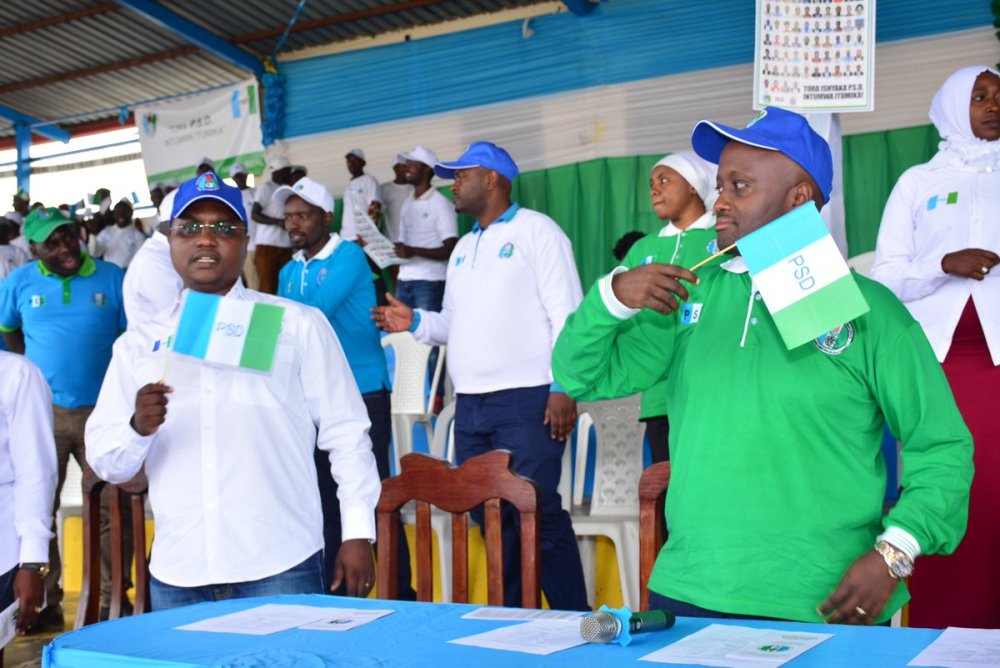
PSD has 65 candidates seeking seats in Rwanda’s 80-seat parliament for the next five-year term.
Théodomir Niyonsenga, PSD Deputy Executive Secretary in charge of the youth, said that once in the Lower House, its representatives will strive to have a special bank for farmers in order to develop this sector.
“Our representative will advocate for that bank to offer financing to farmers and get them insured,” he said.
“PSD will also strive for benefits of members of cooperatives especially those of Irish potatoes’ growers. We shall advance good management of these cooperatives to ensure that farmers earn more than dealers.”
Musanze District is a hub of most of Irish potatoes traded in the country.
Valens Muhakwa, the party leader in the Northern Province told the rally that PSD will emphasize principles of fighting genocide ideology and promoting gender balance.
He said they will also promote equitable justice especially through arbitration.
“We also want suspects to have bail and go through trial staying at home instead of prisons,” said Muhakwa.
PSD President Dr Vincent Biruta briefed the rally about the party’s 41-principle manifesto, highlighting what they will deliver in the next five years.
The principles are mainly about politics, governance and foreign affairs, economy and welfare.
Dr Biruta assured Musanze residents that, with PSD victory, their economic activities will thrive and earn them much more.
The parliamentary elections will take place on September 2 and 3 in Diaspora and Rwanda respectively.
The next day, the vote will decide on 24 women representatives reflecting 30% of the House, two for the youth and one representative of the people with disabilities.
On August 15, governments, educators and youth sought a way to reconciliation for peace at the ‘Ethiopia Peace Conference’ held in the United Nations Economic Commission for Africa (UNECA) located in Addis Ababa, Ethiopia.
The event saw several dignitaries including former President of Ethiopia, Negasso Gidada, representatives of 10 universities, state minister of education and 700 university students.
In his remarks, Dagmawit Moges, Deputy Mayor of Addis Ababa’s municipal government said “Addis Ababa city administration has a deep conviction that the launching of peace education in the Universities could help promote harmony among students regardless of their nationalities, cultural background and religions.”
At the event, eleven university presidents and representatives who attended the event laid the foundation for peace education in Ethiopia by signing an MOU to agree on peace education at their universities.
The Chairman of Heavenly Culture, World Peace, Restoration of Light (HWPL), says “We should also write a letter to the president to support the Implementation of international laws for the cessation of war. It says that the people have all the power of the state. That’s why the president has no reason to refuse what the people want.”
Also, about 50 pastors who participated in a pre-seminar and signed the Pledge for the Regular Operation of Open Dialogue in Ethiopia. They signed that religious leaders should lead in creating a peaceful environment through holding a regular event for different religious groups starting December this year.
At the “Addis Ababa Summit”, another peacebuiding event held in Medium CR, prominent leaders and politicians from Africa and the Middle East discussed the need for the international law for peace to bring out stability in the regions and promote peace-related projects at each continental level.
With this, prominent leaders had the time to sign the Declaration of Peace and Cessation of War (DPCW).
Rebecca A. Kadaga, Speaker of the Parliament of Uganda stressed the role of political leaders for realization of peace. “DPCW draws upon the principles of peace expressed through the ages by which the people of the world expressed their desire for global peace and called upon world leaders to put aside their vested interests that stand in the way of world peace and harmony. ”
Before these events in Ethiopia, an official declaration of support for the DPCW by heads of African countries such as Eswatini and Republic of Seychelles was followed.
The DPCW deals with the international cooperation to institutionalize and culturally develop peace and cessation of war through the cooperation of world legal experts by HWPL. It encourages friendly relations between nations, prohibit the use of the forces, respect of the international law, foster religious freedom, and spread a culture of peace.
The Chairman Lee of HWPL, emphasized the importance of peace movement to work as one in which each stratum came together, saying “If there is an answer to peace, then any family of the global village born in this era should become a messenger of peace, ending war and making sustainable peace a legacy for future generations.”
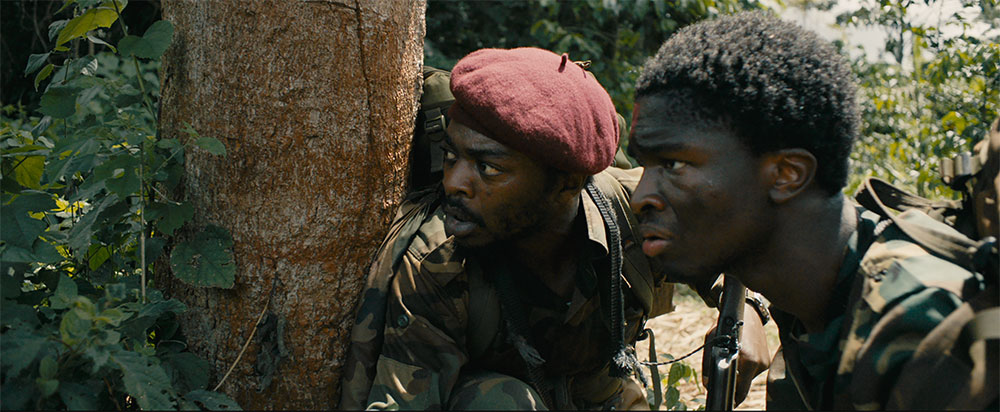
“The Mercy of the Jungle” is a profound road movie showcasing struggle, weakness and hope through the eyes of two lost soldiers. Set in the outbreak of the Second Congo War, a Sergeant called Xavier is sent into the vicious depths of the Congolese River Basin to hunt down those who perpetrated genocide in his native country, Rwanda. When he and a young private are accidentally left behind in the jungle, their bid for retribution turns into a struggle for pure survival. With only each other to count on, they embark on an odyssey across the most violent forest on earth, facing the depths of their own war-torn souls and the spiritual consequences of saving and taking lives.
The movie features popular France-based Rwandan artiste; Shanel Nirere.
According to Kerri Craddock, director of festival programming at TIFF “the nominated movies all have a unique message and personality to them.
This year’s edition announced a total of 46 titles in its Discovery program, which is devoted to up-and-coming filmmakers. The festival will screen 255 features and 88 shorts with 138 being world premieres.
The Discovery program includes Belgian director Lukas Dhont’s ‘Girl,” the story of a transgender teen; Adina Pintilie’s “Touch Me Not,” which won the Golden Bear and the best first feature award at this year’s Berlin Film Festival; and Adewale Akinnuoye-Agbaje’s “Farming,” starring Kate Beckinsale.