Uwase, currently an instructor at TCT, told IGIHE that she was inspired to create the machine to support diagnosis of obesity-related problems.
“Body mass index, or BMI, is a measurement which is a necessity in hospitals. It gives you an estimate of whether you have normal weight or not, through measuring your body-fat levels,” Uwase said.
“The machine is designed with three parts; one which measures body-fat levels, height and the server which saves and measures data. When you stand on the machine, it immediately provides you with your index,” she told IGIHE
When a person’s body weight is at least 20 per cent higher than it should be, he or she is considered obese. If your BMI is between 25 and 29.9 you are considered overweight. If your BMI is 30 or over you are considered obese. Normal weight falls between BMI of 18.5 to 24.9.
“When I designed the machine, I was thinking of a way to help doctors in getting these measurements. It is my first project since my enrollment in IPRC; I am planning to polish it more so that it can be used by health centres and hospitals soonest, ” Uwase said.
According to the organizers’ official statement, the ICC Cricket World Cup Trophy Tour will embark on its most extensive journey around the globe ahead of the showpiece event in England and Wales.
The CWC Trophy Tour will start its journey from the International Cricket Council headquarters in Dubai on Monday, 27th August 2018. Travelling across five continents, 21 countries and over 60 cities, it will allow fans around the world to get up close to the coveted prize that will be lifted at Lord’s Cricket Ground on 14 July, 2019.
According to ICC Chief Executive, David Richardson “The Trophy Tour is a unique opportunity for fans around the world to be part of the ICC Cricket World Cup and by going to more countries and more cities than ever before, we’re giving people more opportunities to be part of this fantastic sporting event.”
“Cricket has more than a billion fans and taking the trophy to new markets is a wonderful chance to raise the profile of the game and engage both new and existing fans as they get the rare opportunity to get up close to the trophy.”
During the nine-month journey, the Trophy Tour will travel in Rwanda, the USA, the West Indies, Sri Lanka, Pakistan, Bangladesh, Nepal, India, New Zealand, Australia, South Africa, Kenya, Nigeria, France, Belgium, the Netherlands and Germany before arriving in England and Wales on 19 February, 2019 for a 100-day domestic Trophy Tour.
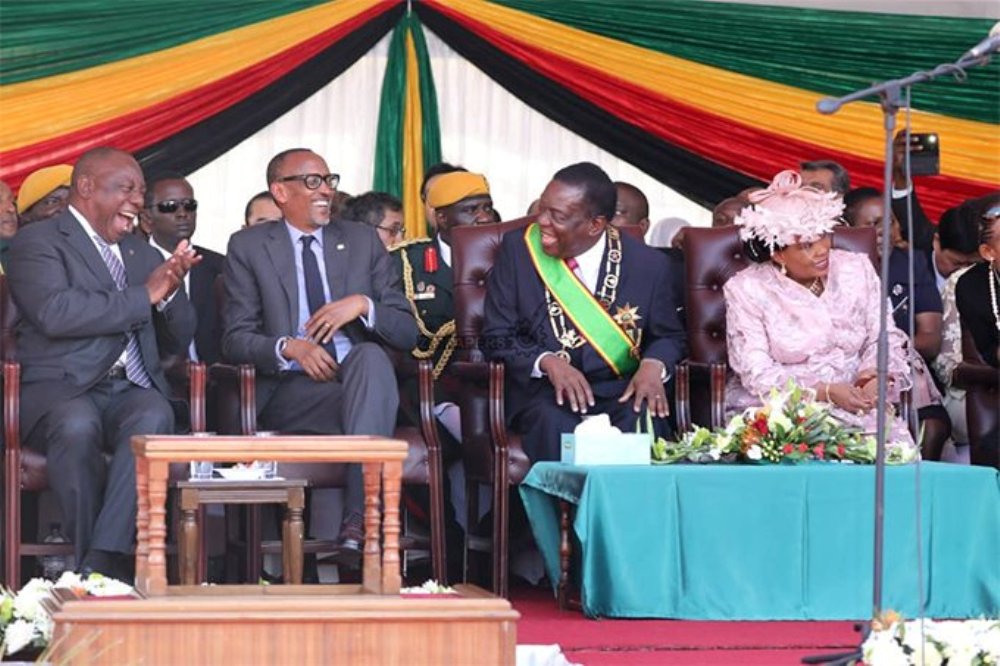
Thousands of people, including several dignitaries and foreign leaders gathered on Sunday at Harare’s national stadium for the swearing-in of Mnangagwa.
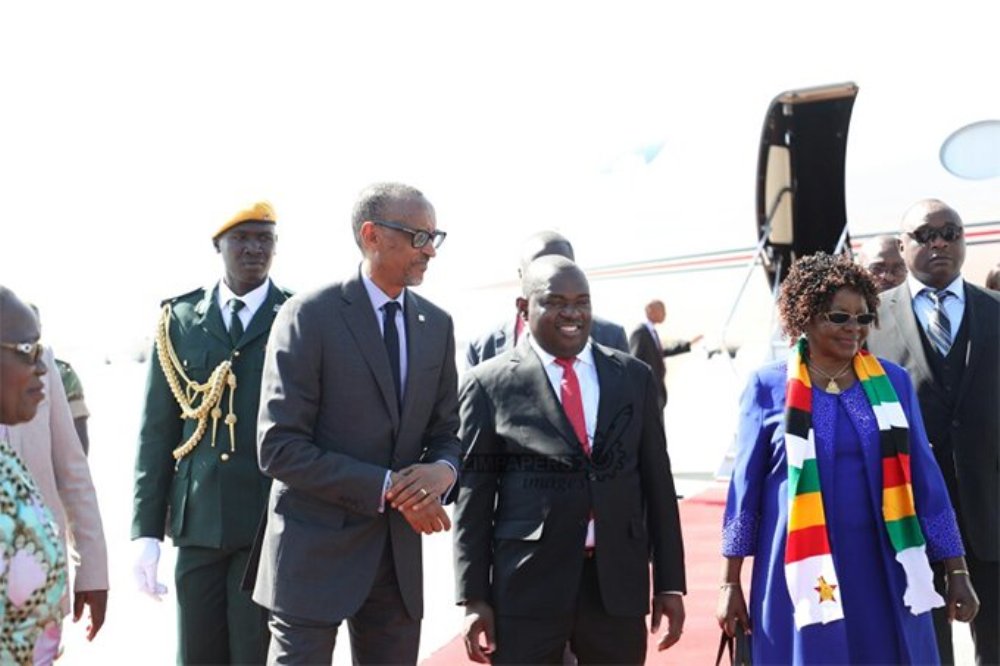
President Kagame arrived in Harare for the event, this morning.
Emmerson Mnangagwa, of the ruling ZANU-PF party, won the July 30 election with 50.8% of the vote — just enough to meet the 50% threshold needed to avoid a run-off against main opposition leader Nelson Chamisa, who scored 44.3%.
Mnangagwa pledged to “protect and promote the rights of Zimbabweans” in his oath.
The event was attended by South African President Cyril Ramaphosa‚Tanzania’s President John Magufuli, RDC’s President Joseph Kabila, Zambia’s President and Kenya’s President Uhuru Kenyatta among many others.
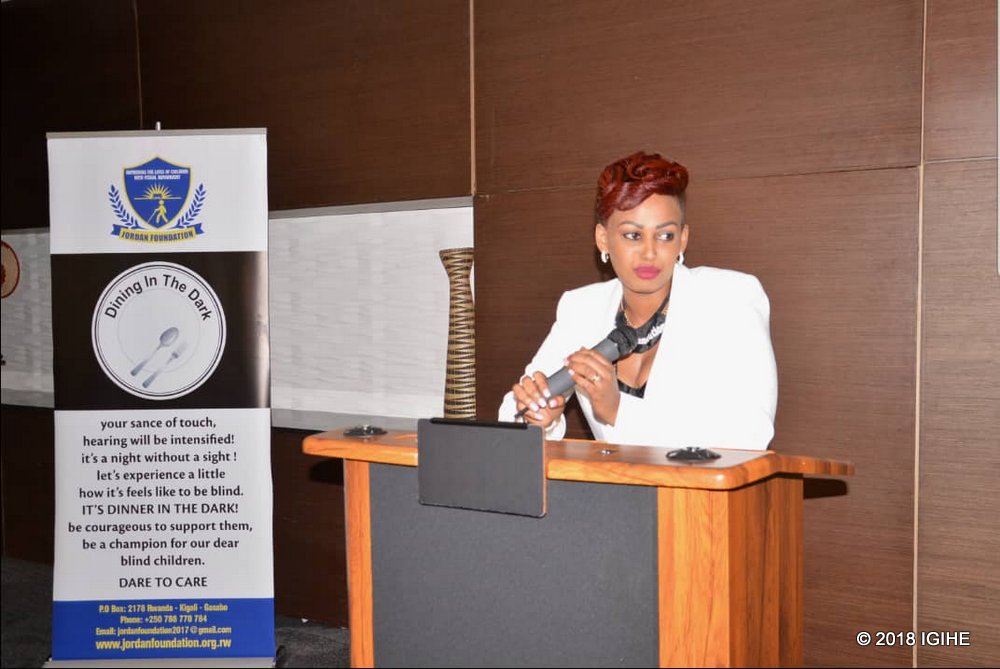
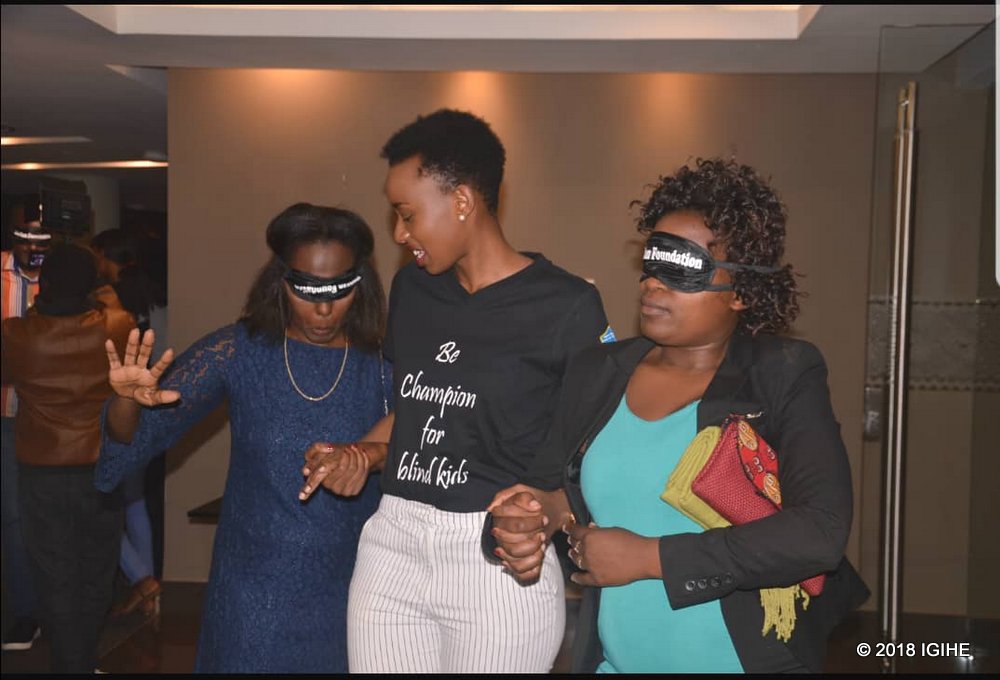
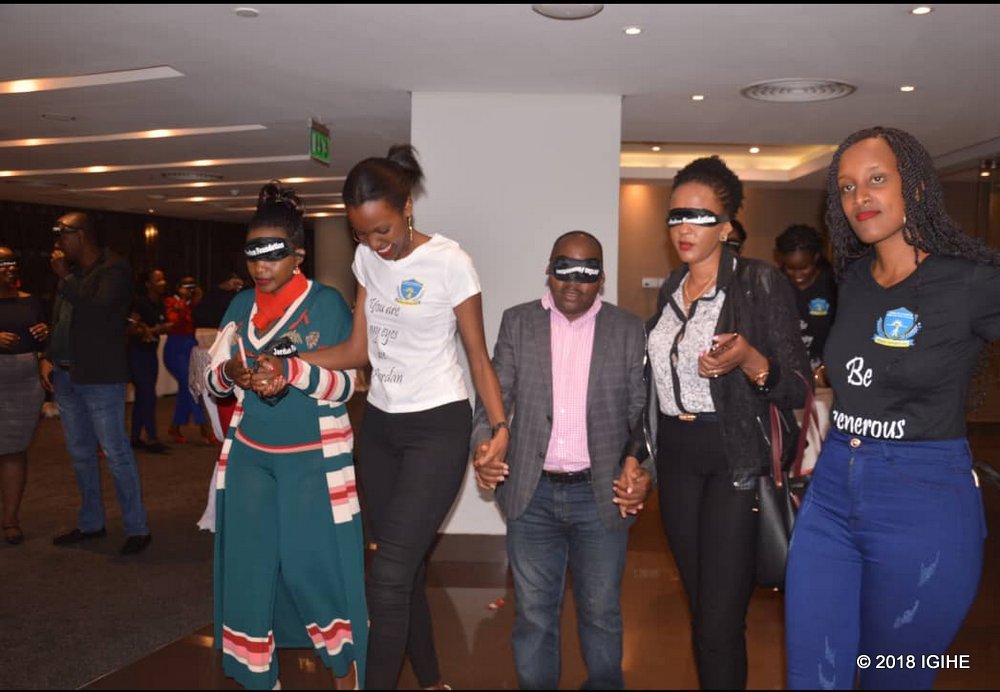
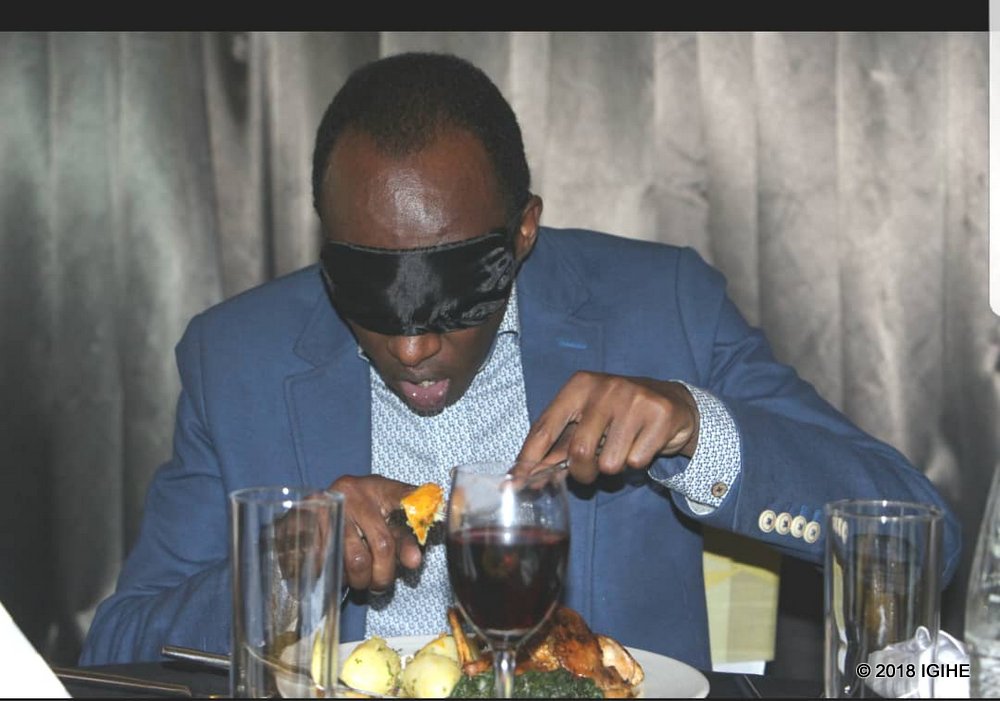
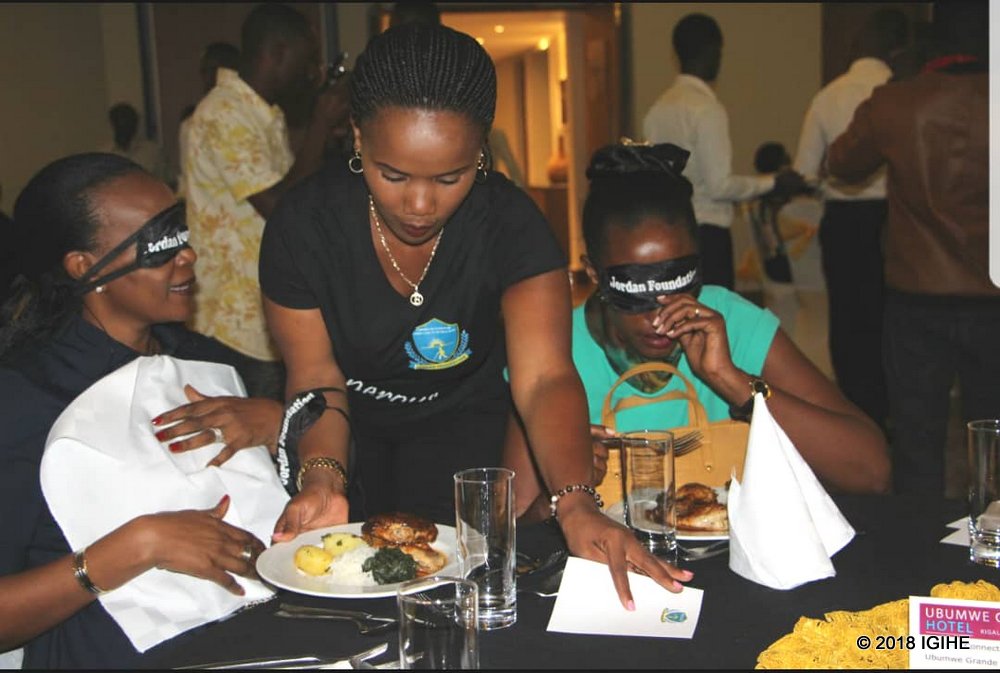
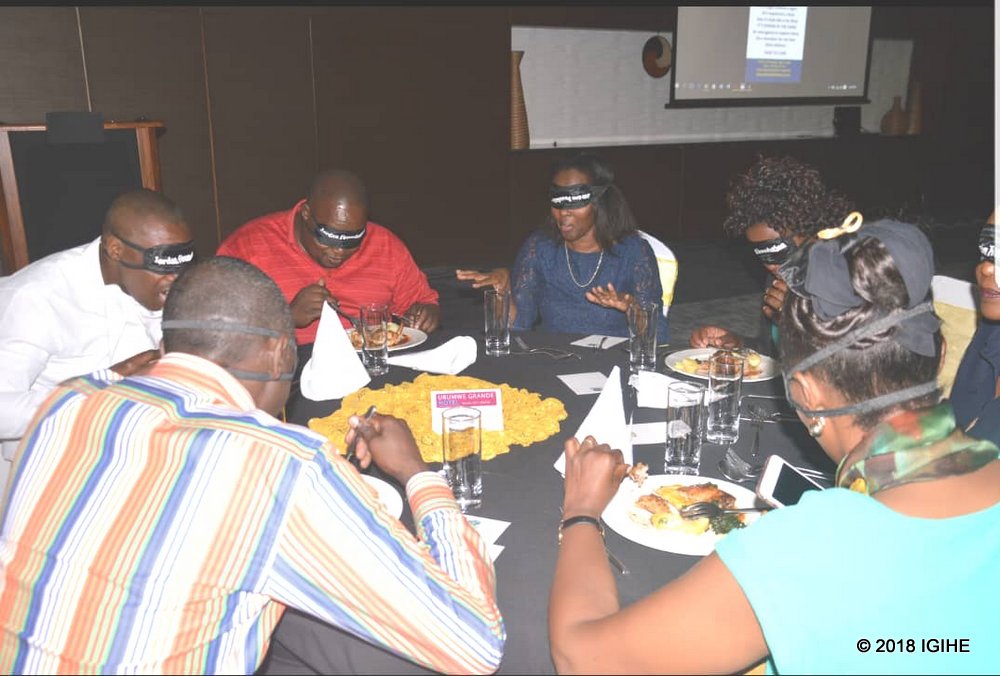
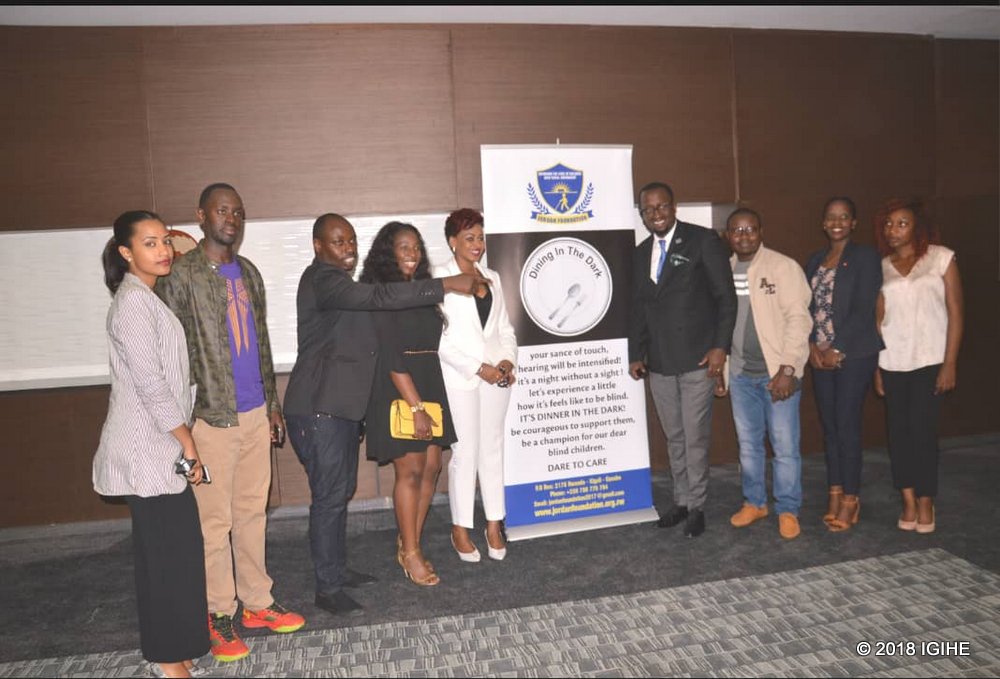
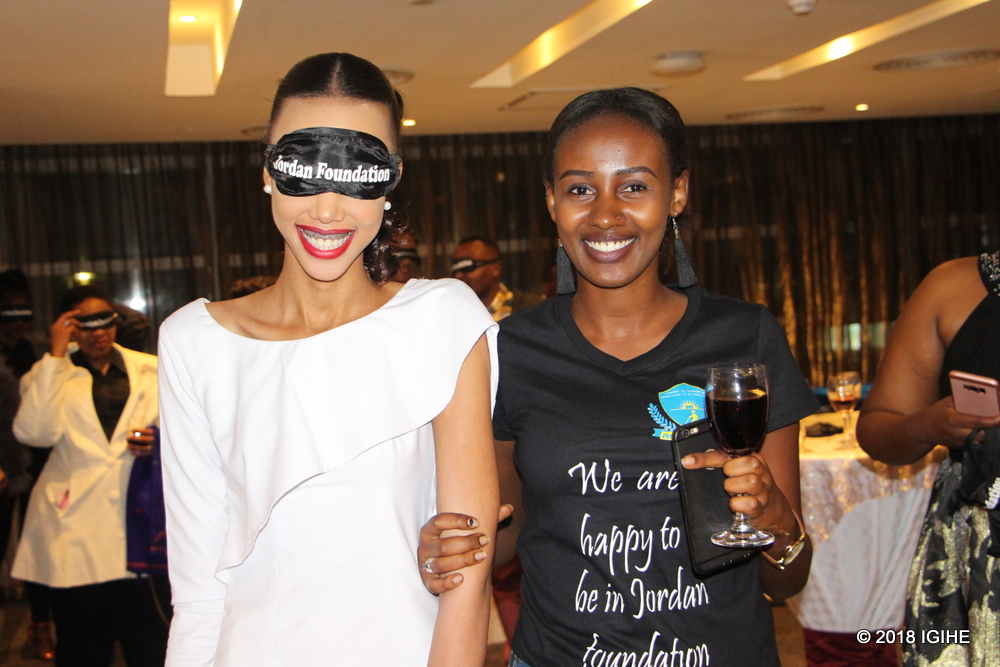
Held Friday by the charity which hosts in care 20 children with visual impairment, the party saw participants dine and exchange talks with their eyes covered using a black cloth.
Vanessa Bahati, the founder of Jordan Foundation, said she emulated the exercise from Singapore during her visit.
It is expected to be organised twice a year to let as many people as possible experience the feeling of losing sight in order to stimulate compassion towards the visually impaired.
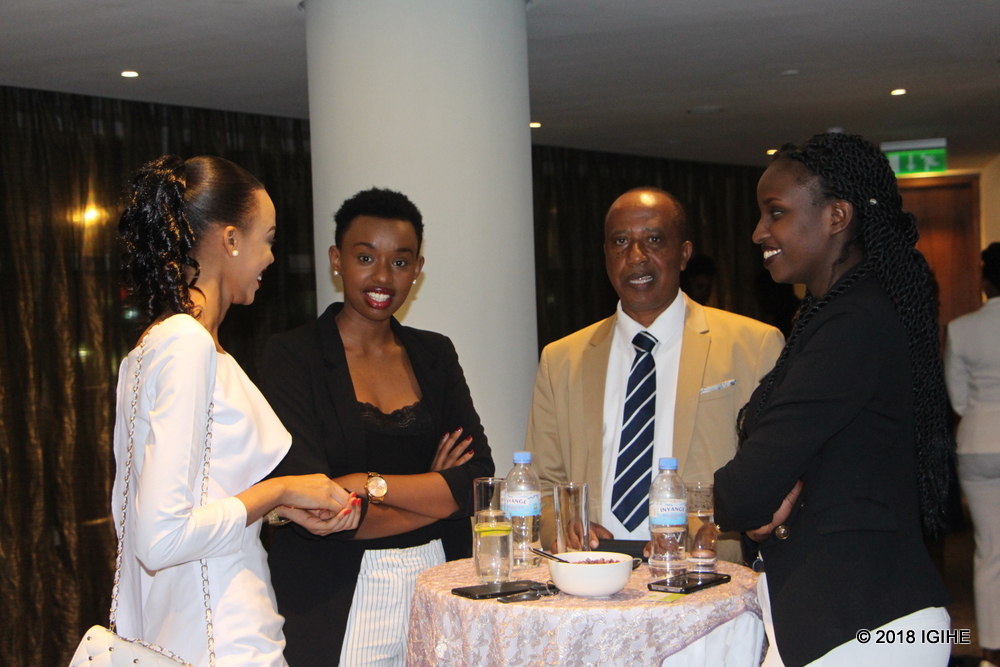
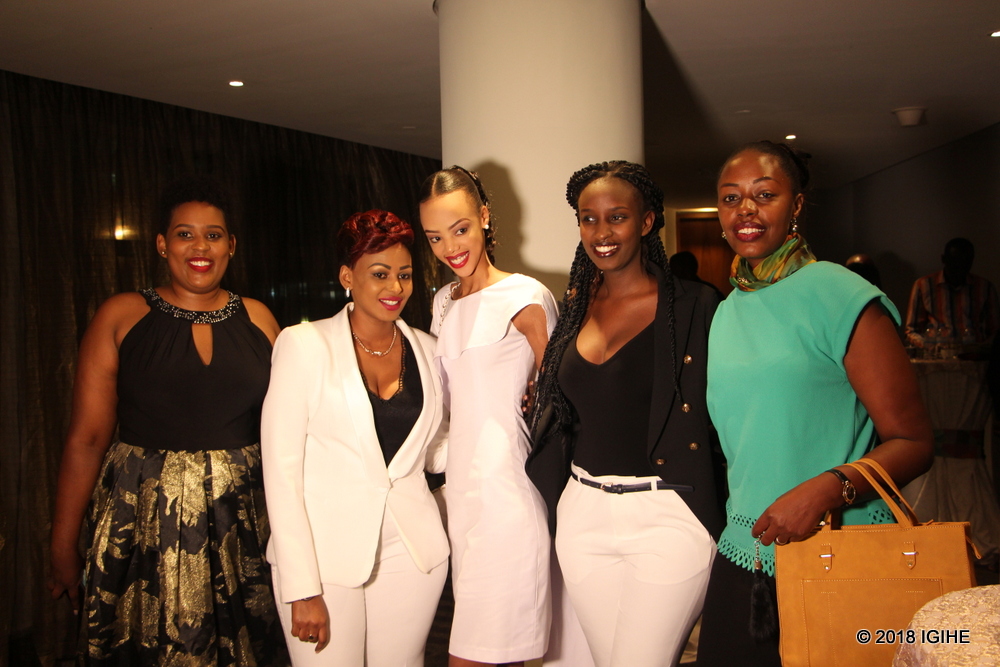
At the Dinner in the Dark moderated by comedian Diogène Ntarindwa aka Atome, participants were covered the eyes, led to the dining tables and given time to chat.
Most of them were challenged by walking and eating with their eyes covered. In the 55 sightless minutes, some shed emotional tears as a result of tasting on the bitterness of blindness.
The moment shed light on the life of people who identify things by tactile or smelling.
Participants testified of their experience and commitment to greater advocacy for the visually impaired children.
Herbert Muhirem hailed Bahati’s efforts to support the vulnerable children.
“A mum on my side has caught emotions and shed tears. I have now felt the life of our colleagues with visual impairment. Vanessa is very brave for living with these children every day. She is a woman who took a very hard decision,” he said.
Antoine Iyamuremye committed to advocating for people with visual impairment.
“It is good sharing about the life of visually impaired. This can make people care more about the visually impaired. I have committed encouraging people to visit these children, help them and advocate for the expansion of this project to reach more people,” he said.
Bahati said the exercise makes people feel the fate of the visual impairment.
“Participants have realised that interacting with others without sight requires good mind. This teaches us a lesson that we should respect people with disability of visual impairment,” she said.
She said she expects more people to support people with disabilities.
Bahati founded Jordan Foundation in 2015, named after her third child who was born with visual impairment and all medical efforts bore no fruits.
The foundation is currently caring for 20 children in its centre located in Gatsata, City of Kigali.
Bahati received the accolade from First Lady Jeannette Kagame in 2017 as recognition of her important project among the youth.
The news will come to pass Tuesday as Rwanda Education Board (REB) issues for the first time certificates that are made in Rwanda.
It will be soothing especially to over 3,900 secondary school leavers between 2008 and 2015 whose certificates had errors and sent back for correction.
REB Director General Dr. Irenée Ndayambaje has told IGIHE that to be issued Tuesday includes certificates for 2017 secondary school leavers.
The Ministry of Education announced in April that it was doing the best to issue academic certificates in a maximum period of six months from the release of examination results.
Results of 2017 examinations were released on February 16, 2018.
To address the challenge, the 14th National Leadership Retreat, Umwiherero resolved in March 2017 that all certificates must be made in Rwanda.
Failure to implement the resolution led to the firing of five senior officials at REB in April.
The five are Dr Joyce Musabe, who was Head of Curriculum, Teaching and Learning Resources Department; Dr Michael Tusiime Rwibasira, Head of Examinations, Selection and Assessment Department, and Peter Mujiji, who was the Head of Corporate Division. Others are Francis Karegesa, the Director of Finance, and Rutaha Bagaya, the Head of Procurement unit.
Now ready for issuance on Tuesday, it is the first time high education certificates or diplomas depending on the course have been made within the country.
Rwanda has been getting the services from either Germany or Sweden.
Rwanda leads England which is at the 19th place, the United States of America 22nd, France 29th, Germany 38th, Japan 16th and China 60th.
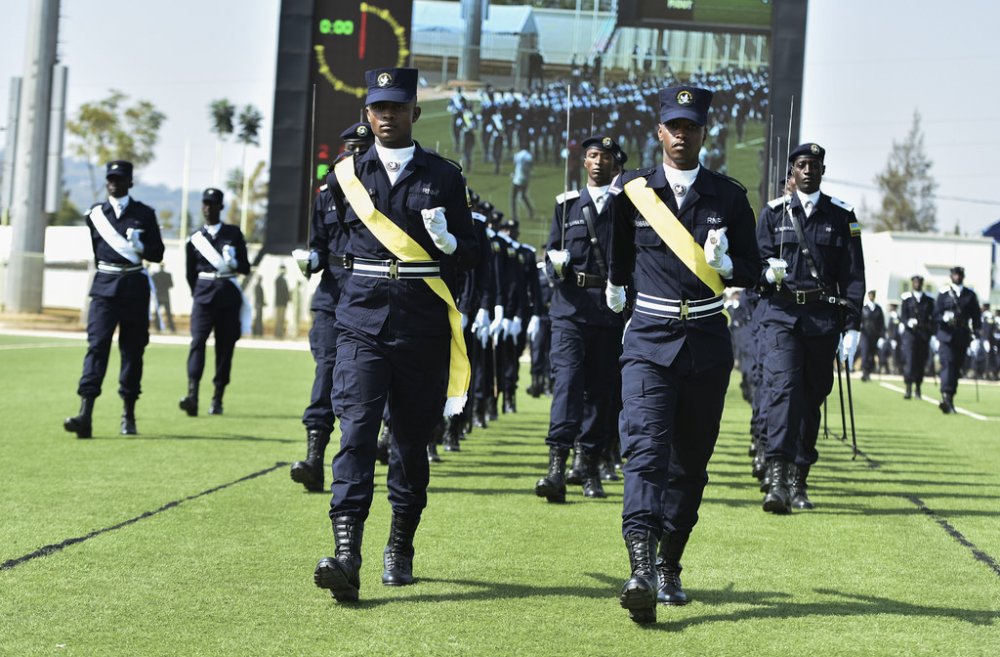
Speaking to IGIHE, Rwanda Police Spokesperson, Theos Badege said that citizens’ trust came from the Force’s persistence in respecting law, maintaining security, among others.
According to the latest Rwanda Governance Board (RGB) Citizen Report Card, an annual publication which is produced to ascertain the levels of community satisfaction with regard to services, the net trust for the National Police, DASSO and Reserve forces was 98.1%.
Rwanda National Police continuously seeks to consolidate security gains, going beyond to put up modern methods of policing to make citizens understand their role in crime prevention, anti-corruption mechanisms; encouraging e-policing and infrastructure development, among others.
As shown in the latest Corruption Perceptions Index reported by Transparency International, Rwanda National Police leads the way among bodies fighting corruption in the country. Previous reports indicate that corruption perception in RNP went down from 15.5 percent in 2016 to 8 percent in 2017.
Since 2005, RNP officers also trained in peacekeeping to extend support to countries in need. About 1200 officers have been sent to Sudan, South-Sudan, Haiti, and others, for peacekeeping.
Finland, Switzerland, Singapore, Norway, and UAE in that order top the list of the most secure countries worldwide, according to WEF Report.
In the region, South-Africa and Nigeria are ranked as least secure countries as shown by its 118th and 123rd positions, respectively.
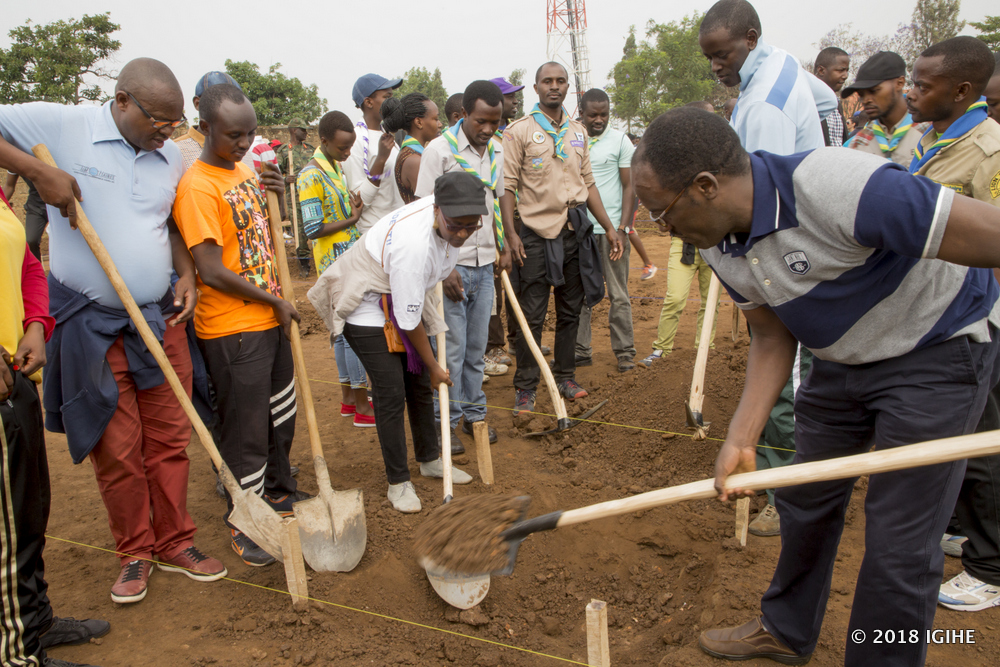
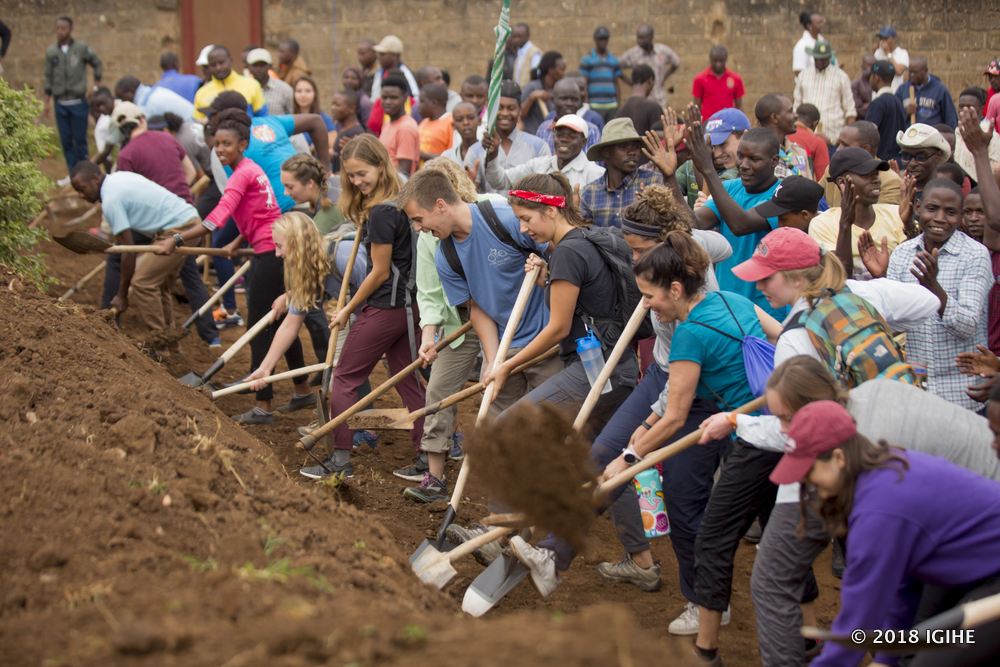
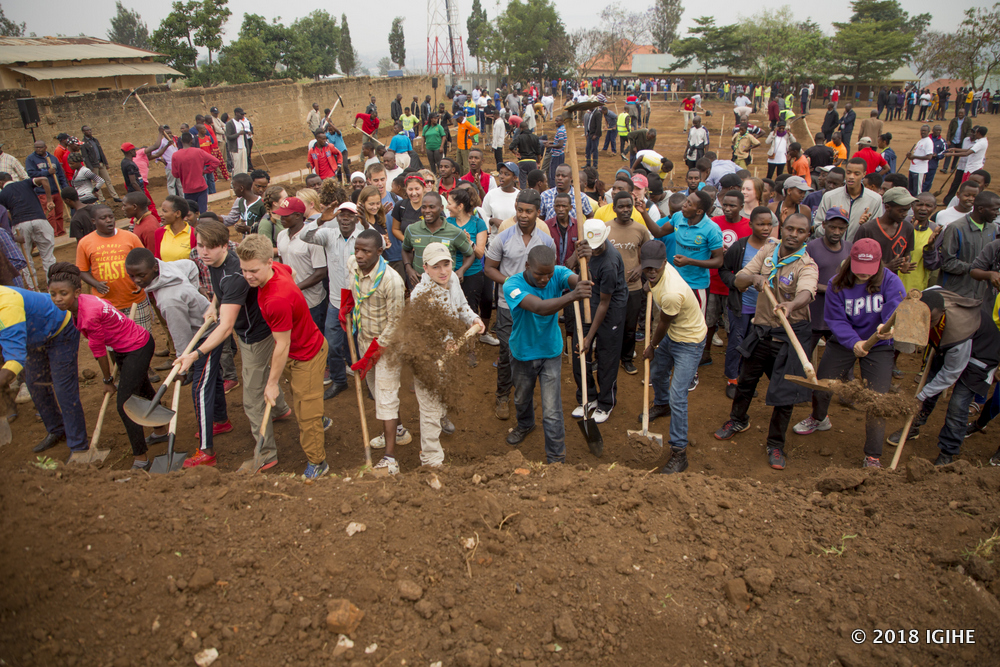
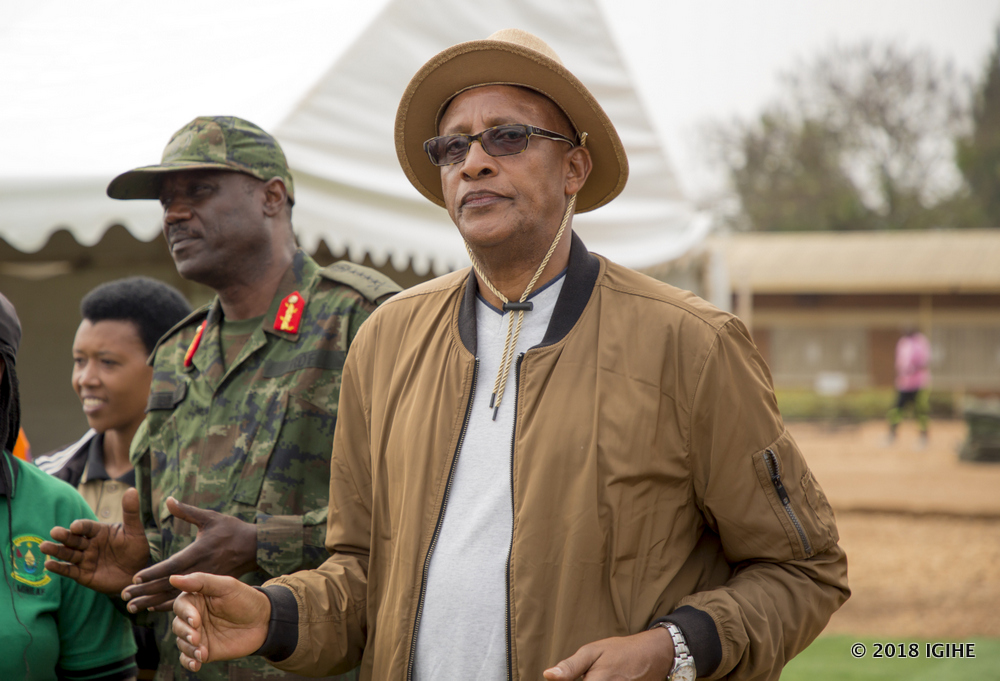
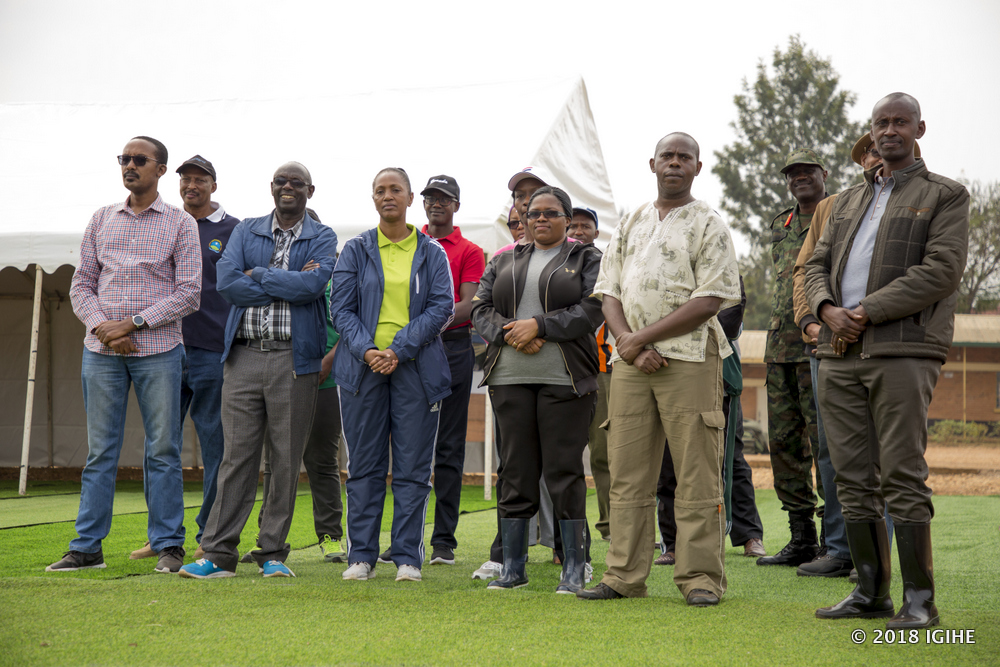
The pledge was announced by Minister of Defense, Gen. James Kabarebe in Kimironko as he participated in the monthly community work, Umuganda.
Gen. Kabarebe told the participants that President Kagame sent him to thank the residents for their commitment in building the nation as reflected in their massive participation in the monthly Umuganda.
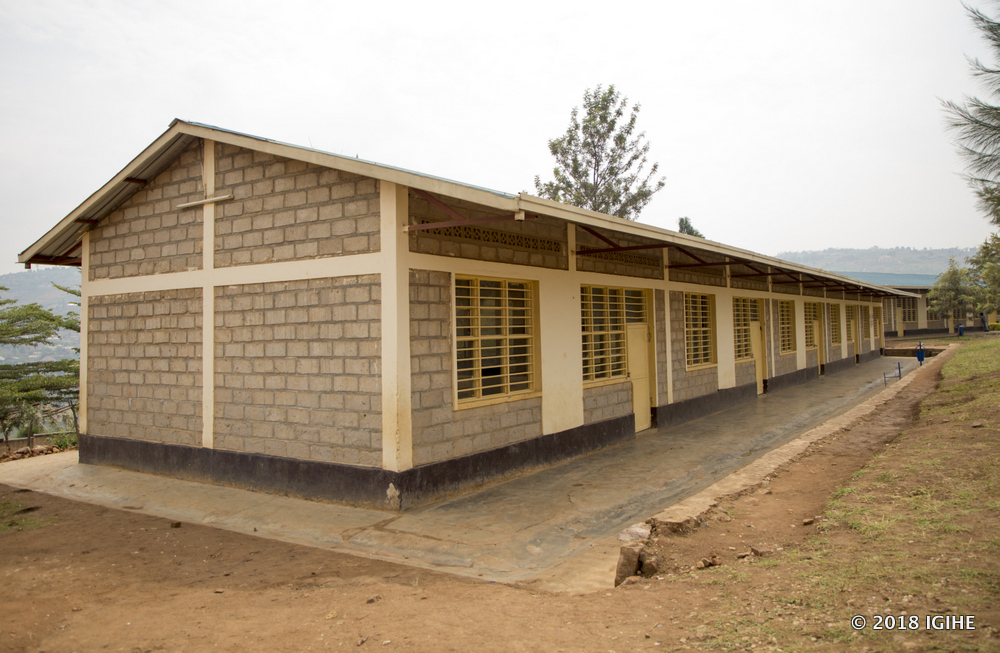
“As you may see, the school was not in a good-shape. President Kagame made the Rwf5 million contribution in his capacity as a citizen. The money will facilitate Rwanda Defense Forces and citizens in constructing the school,” Kabarebe said.
Gen Kabarebe added that the Head of State had explicitly requested that the construction process does not take more than six months.
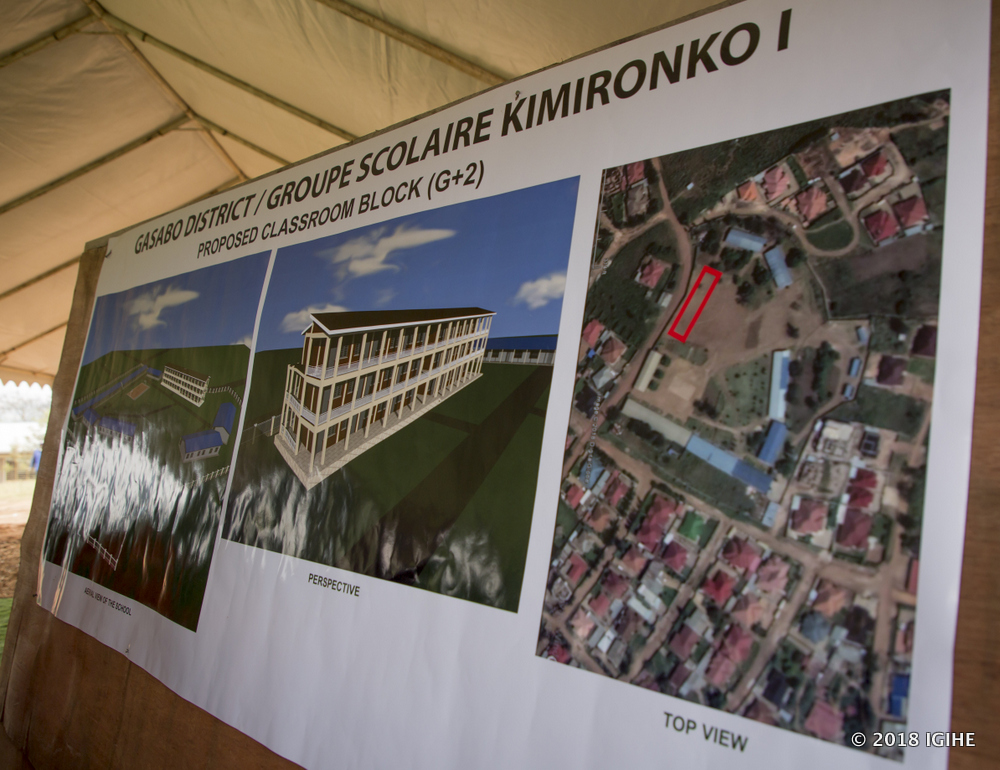
“And when the General issues a command, we carry out the orders. In six months from now, you will find the school standing with its new 18 classrooms,” Kabarebe assured Kimironko residents.
He added that with the partnership between Defense Forces, the district and residents, completing the project will be easily done.
Speaking to the press, Gasabo District Mayor, Stephen Rwamurangwa noted that with additional classrooms, there will be ample room for learners and an improvement in the study environment.
“The new 18 rooms will get the school in tandem with the Ministry of Education’s requirement of 45 students per classroom, reducing overcrowding and facilitate delivery of quality education,” Rwamurangwa said
Groupe Scholaire Kimironko has a student population of over 1000 children.
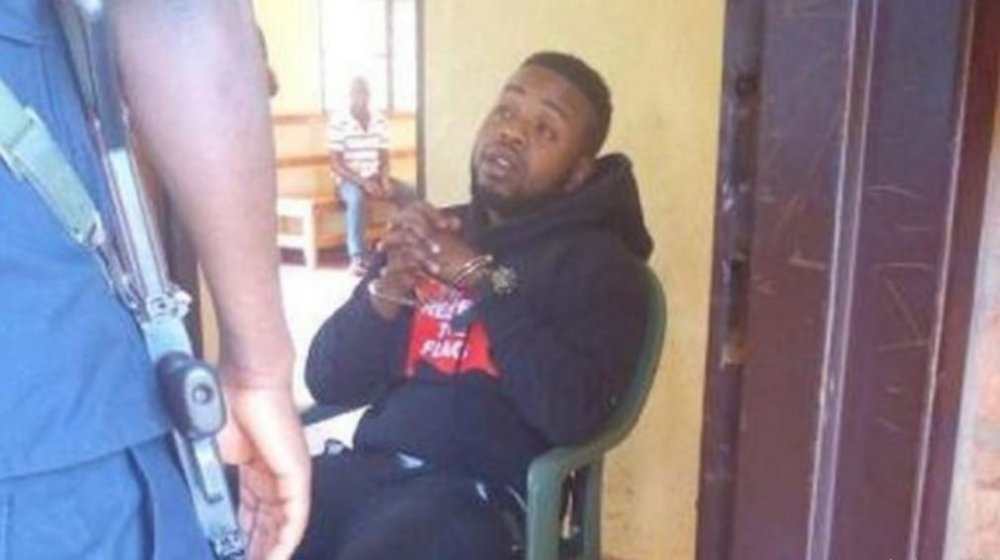
Gasabo Primary Court pinned Jay Polly on the charges on Friday.
The local artiste was arrested on August 4 after battering his wife and removing her three teeth.
In the pre-trial, Jay Polly admitted the charges. He apologised and said he was drunk at the time he battered his wife
Around 11 am, the court judge started reading the verdict. The court room had 11 people, most of them were from local media.
The star’s wife Mbabazi Sharifa and their daughter appeared in the room but Jay Polly didn’t.
During the trial a fortnight ago, defendants asked for the release of Jay Polly, claiming that the man had reconciled with wife. The wife had already withdrawn her case.
Jay Polly had also asked for release, citing challenges his family is going through in his absence because he is the sole bread winner for the family. He said the wife does not have job yet their daughter needs to go to school next month.
The prosecution had sought a two-year jail for him and a fine of Rwf100,000. The prosecution cited medical test which showed the man’s beatings damaged the wife’s body at the rate between 20% and 30%.
The court rejected requests for release, basing on the fact that Jay Polly was drunk when he committed the crime. It also claimed the withdrawal by the wife does not call for immediate release because the crime isn’t against the wife only but the general public.
The court also rejected the prosecution’s points on the medical test, citing lack of sufficient proofs.
Considering all sides’ claims, the court ruled that Jay Polly was to receive one-year sentence but it was lowered because he admitted the charges from the beginning, showing remorse and the fact that it is his first time being charged in court.
The judge said Jay Polly receives a penalty of five months in jail as a warning and correction. He was cleared of the court’s fees because he was detained during the trial.
Defendants have 30 days to appeal the verdict but they have not said a thing about that.
Ubudehe scheme categorises citizens according to their financial capacities.
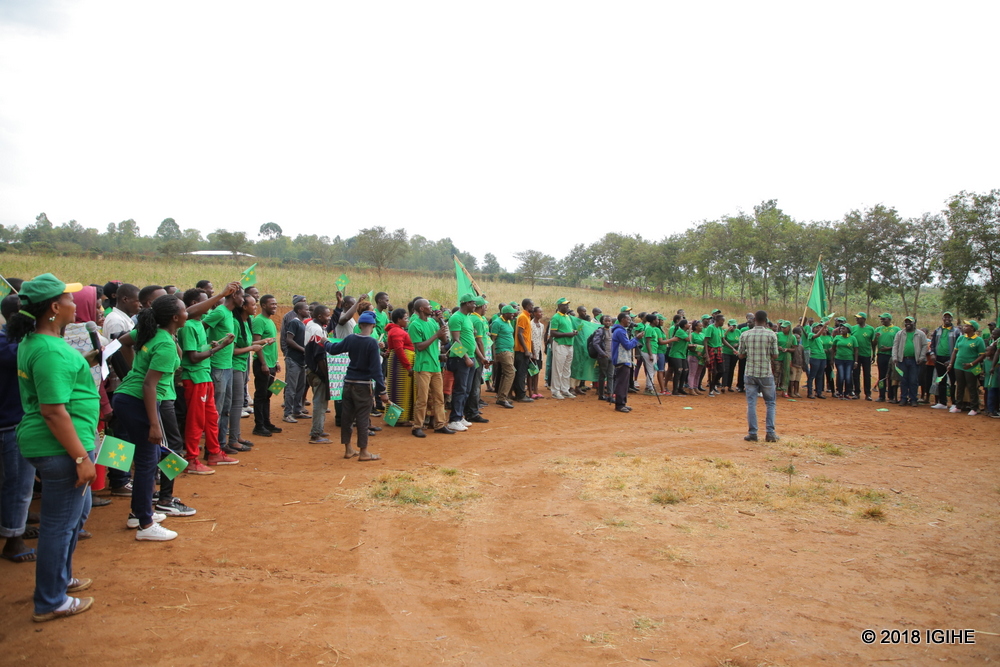
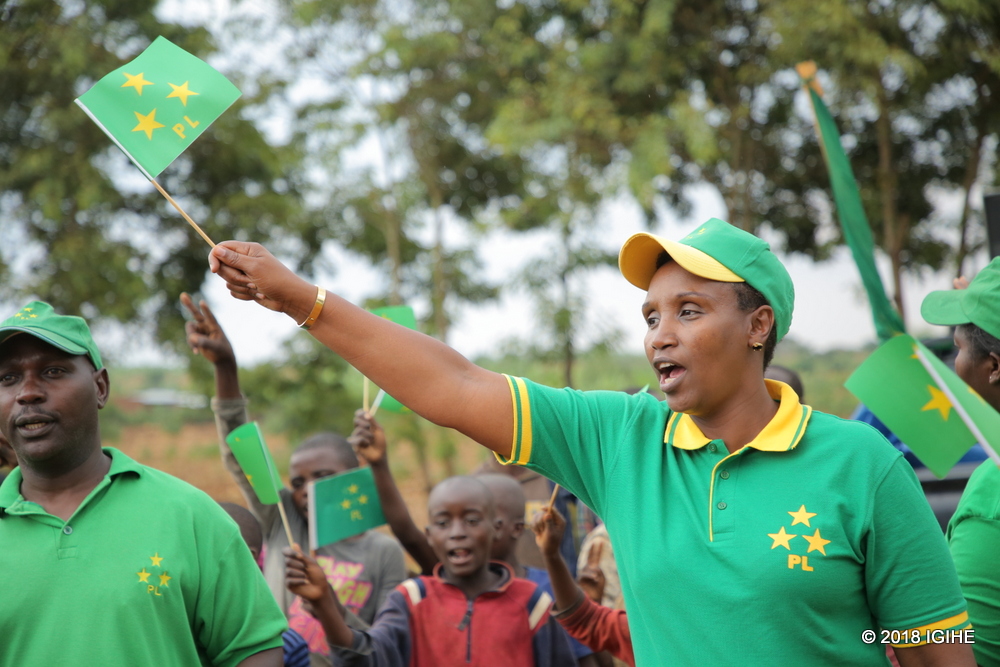
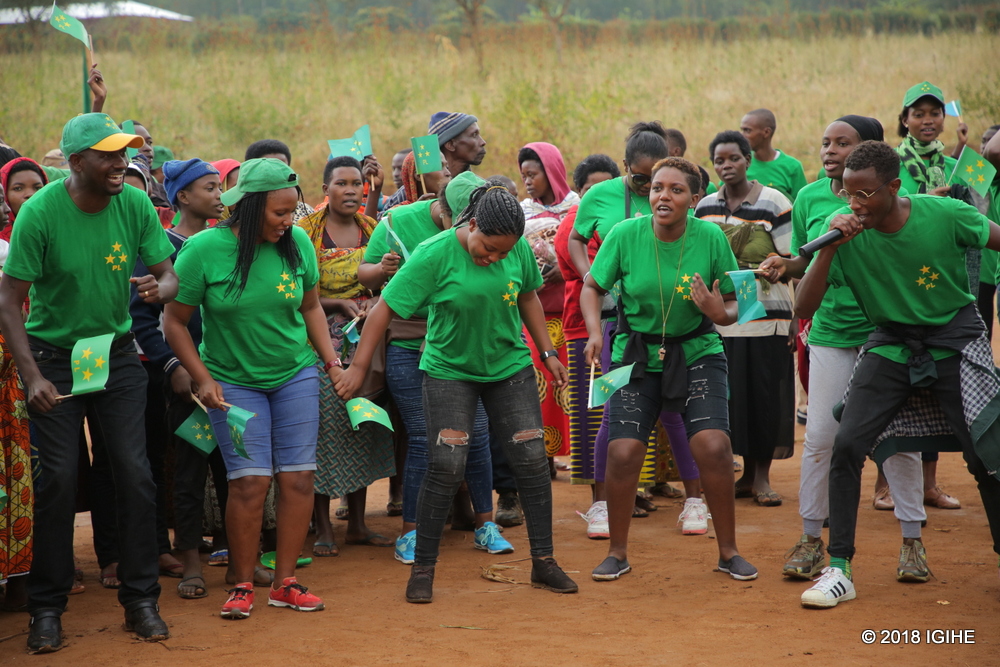
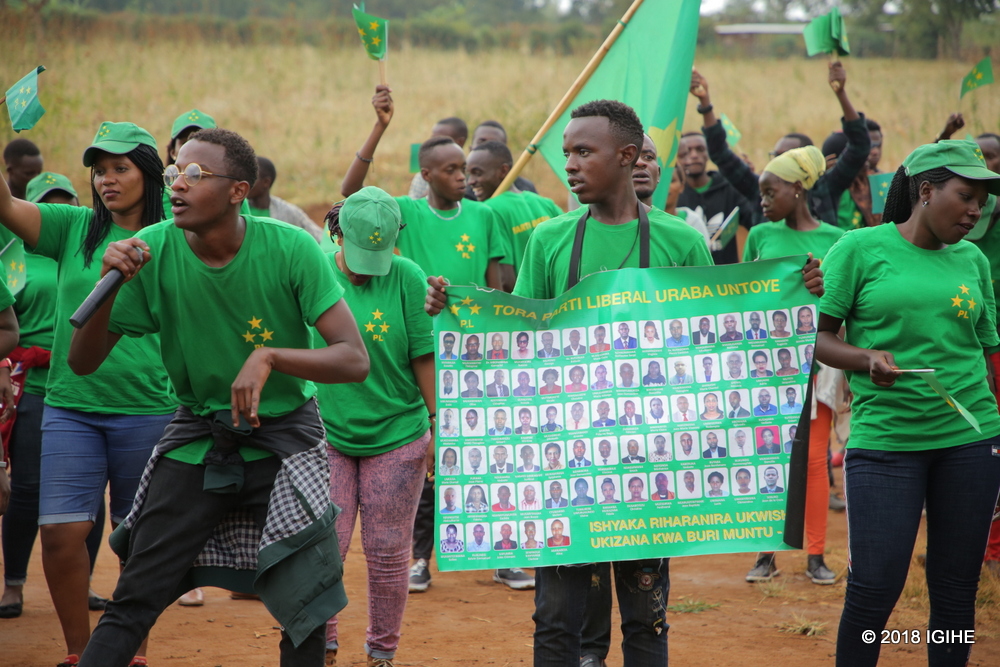
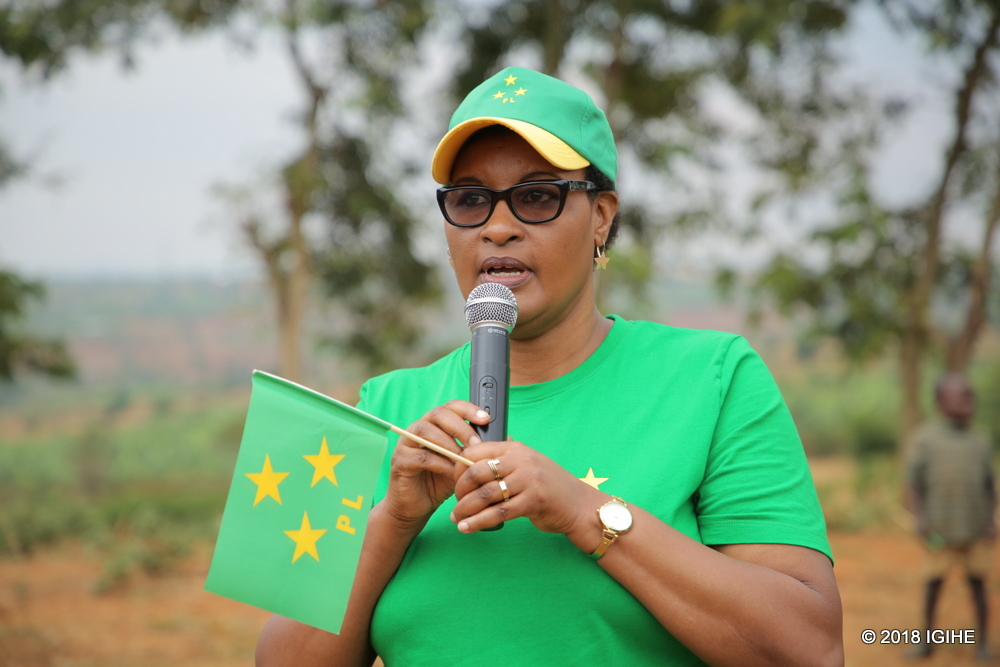
PL made the promise on Thursday as it campaigned in Gatsibo and Nyagatare districts. The party is seeking seats in the parliament’s Lower House.
PL President Donatille Mukabalisa said the party will pursue programmes that alleviate poverty and help citizens graduate from categories to others on a higher financial stage.
She said their Members of Parliament (MPs) will strive to have adequate Ubudehe categories and ensure the vulnerable receive due support.
“That is something we shall follow up and make sure there are programmes aiming at taking people from one category to a better one,” said the former Speaker of the Lower House dissolved a fortnight ago.
The current four Ubudehe categories of Rwandans were drawn up in 2016. There are 376,192 households in first and poorest category. The category has 1,480,167 in 2016 equivalent to 16% of the country’s population.
The second category has 703,461 households comprised of 3,077,816 people equivalent to 29.8% of the population.
Category three has 1,267,171 households of 5,766,506 members equivalent to 53.7% of the population. Category four has 11,664 households with 58,069 people equivalent to 0.5% of the population.
The categories have caused public outcry with most complaining that they are in categories above their means. The categories are considered for the social protection schemes, for schools’ scholarships and community-based health insurance also known as Mutuelle de Santé.
Jean Mugabire, a participant in PL campaign in Karangazi Sector of Nyagatare District, suggest Ubudehe categories be ignored for some services such as university scholarships.
He said the categories exclude students in some categories from benefiting government support yet their families are not able to afford higher education costs.
PL also stressed on developing agriculture and livestock sector and empowering the cell level of local government.
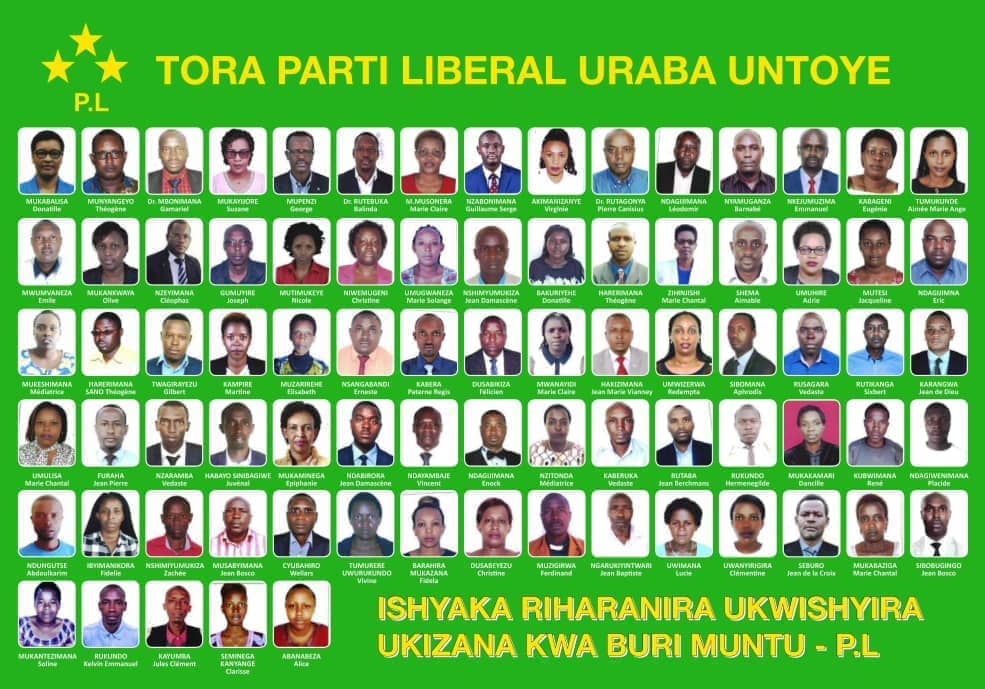
The party has put forward 80 candidates for the 53 seats in 80-seat parliament. The 53 are also sought by an RPF-lead coalition of seven parties, four other parties apart and four independent candidates.
PL had five MPs in the last parliament term 2013-2018 while RPF and PSD had 41 and seven respectively.
Parliamentary general elections are slated for September 2-3 to decide on 53 seats. Other 27 seats for women, youth and people with disabilities will be decided on September 4.
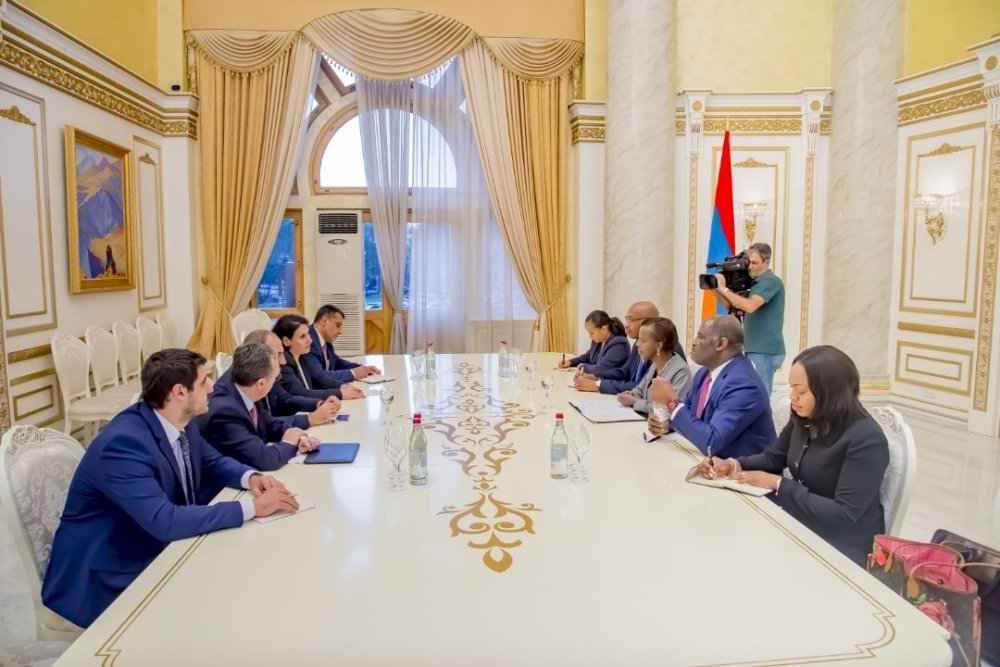
Rwanda’s Foreign Minister Mushikiwabo and Gabon Minister of Trade and Mines, Regis Immongault, were received by the premier on Thursday.
The Gabonese is the delegation behind Mushikiwabo.
Mushikiwabo posted on her campaign Twitter account yesterday that PM Pachinyan congratulated her and delegation for “the African solidarity which, in his view, reflects the values of La Francophonie.”
Former opposition leader Pachinyan was elected as Prime Minister in May.
The premier was delighted to receive African leaders for his first time yesterday.
Mushikiwabo said that their talks revolved around the future of OIF.
Armenia will host the General Assembly of OIF on October 11-12. The assembly of Heads of State and governments will vote the organisation’s General Secretary for the next four years.
Mushikiwabo and her delegation arrived in Armenia on Wednesday on a two-day visit aimed at seeking support in the upcoming OIF elections.
Upon their arrival on Wednesday, ministers Mushikiwabo and Immongault visited Tsitsernakaberd Genocide Memorial where 1.5 million victims of the 1915 Armenian Genocide are laid to rest.
Mushikiwabo had also on agenda to hold talks with her Armenian counterpart Zohrab Mnatsakanyan.
Mushikiwabo continues her campaign for the OIF top seat and was recently in Cambodia for the purpose where she held talks with her counterpart Prak Sokhonn.
Mushikiwabo has gathered support from France and 29 African countries, making her likely to win the top OIF position for the French speaking organisation of 58-member countries.
She is campaigning against the Canadian OIF incumbent Secretary General, Michaëlle Jean. Jean won the first term in 2015.