In a message by RIB via Twitter on Friday, it was announced that the suspects were arrested in Kamonyi District as they were sending messages to MTN users telling them that some amount of money had been inadvertently posted on their mobile money accounts and were looking for a way of retrieving it.
The suspects are being held at the RIB station in Runda as investigations get underway.
In an interview with British Broadcasting Corporation (BBC), Clément Boursin, ACAT representative in Africa said that Kizito had consulted them asking how he could leave Rwanda and they advised him to wait for conflicts between Rwanda, Uganda, and Burundi to settle.
“We advised him that the political situation between Rwanda and its neighboring countries was precarious at the moment and told him it would be a bad move to flee Rwanda.”
ACAT advised him not to violate his conditional liberty and wait for a good political atmosphere. “After all the advice we gave him, we were surprised to hear he had been apprehended trying to leave the country.”
Kizito had lost all hope of ever building a career in music in Rwanda given that his fan base had considerably reduced after he was convicted.
The sneaky ways Kizito used to flee the country further testify on how different he was from the renowned gospel singer figure he had built over the years.
News of his death evoked different reactions including Rwanda dissidents especially Kayumba Nyamwasa who compared him to a ‘savior’.
Many other people testified about Kizito’s plans to perpetrate genocide denial and that he had concocted the evil scheme since the release of ‘Igisobanuro cy’urupfu’, a song which advanced the double genocide theory.
Over the years, he had built a network with leaders of anti-Rwanda terrorist groups including RNC, FDLR, Jambo ASBL and notorious genocide revisionist, Charles Onana.
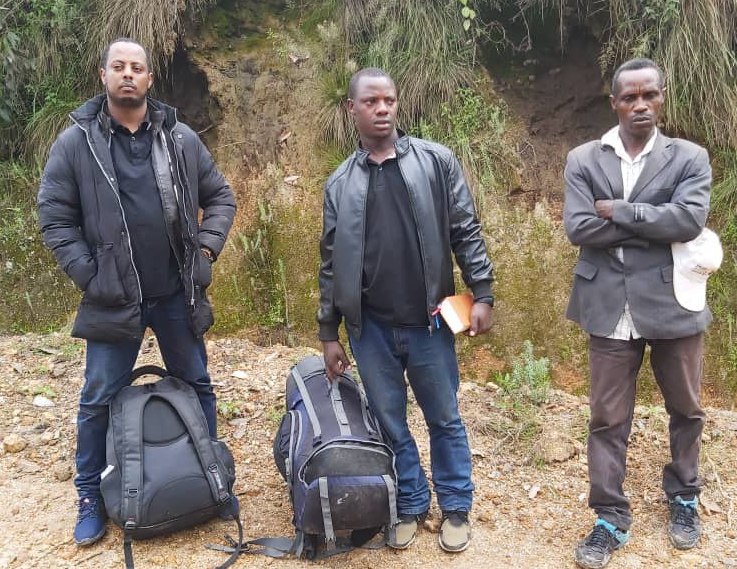
The 38-year old singer died from suicide three days after he was apprehended in Nyaruguru district as he tried to escape to Burundi.
Rwanda Investigation Bureau(RIB) confirmed he had plans of joining terrorist groups aiming at destabilizing the security of Rwanda.
His housemaid informed neighbors after seeing him through the window hanging and dead. The widow to the deceased is undergoing back-pain treatment at King Faisal Hospital in Kigali.
Harerimana’s neighbors said he had an alcohol addiction problem.
When residents broke the door, they found a suicide note bidding farewell to his wife and kids, saying he committed suicide since he realized that his drinking addiction could not give him peace.
The party expulsion follows Munyakazi’s resignation as a state minister on February 6, 2020, occasioned by his dishonesty by doctoring school performance ranking in national exams where he is suspected of placing a school among the best 10, yet it was among those in hundreds by rating.
The PDI president, Sheikh Musa Fazil Harelimana, has told IGIHE that his dismissal from the party follows the confession of his wrongdoing, which dented the trust the country had placed in him.
“So as an organization that respects national values, we have decided to dismiss him from the party,”
Harelimana said that Dr. Munyakazi had just written to quit from the party “for personal reasons”, where he was the second vice-president of the PDI. In his letter, he had asked to suspend involvement in the party’s activities for an unspecified period.
Harelimana, however, scorned at the ‘personal reasons.’: “His personal reasons were the ones we hold in much contempt. They were not his personal reasons but despicable acts that are harming the country. Due to that, we expelled him. We did not accept his resignation, but we expelled him.”
Harelimana said taking this decision was to take a message to other leaders from the party, to always exercise exemplary performance and should be role models in workplaces and while in other national duties.
“When a person has been trusted, he brings trustworthiness to the party; when he involves in reprehensible acts, he shames himself and humiliates the party,” lashed Harelimana.
During the National Leadership Retreat hosted at the Gabiro Military Training Centre last month, President Paul Kagame revealed that had taken a bribe of Rwf500,000
“Munyakazi met officials of some school that had been ranked last and they asked him to rank it among the top schools. He complied by putting the school among the top schools. He was awarded just Rwf500,000 for it. If I had not fired him, he would be here with us and none of you would come up to ask me why. That is how you have normalized bad behavior,” President Kagame told the officials.
Dr. Munyakazi was not the only PDI member in the government. Other senior officials include Harelimana, who is currently the Vice President of Parliament – the Chamber of Deputies – and Senator Murangwa Hadija.
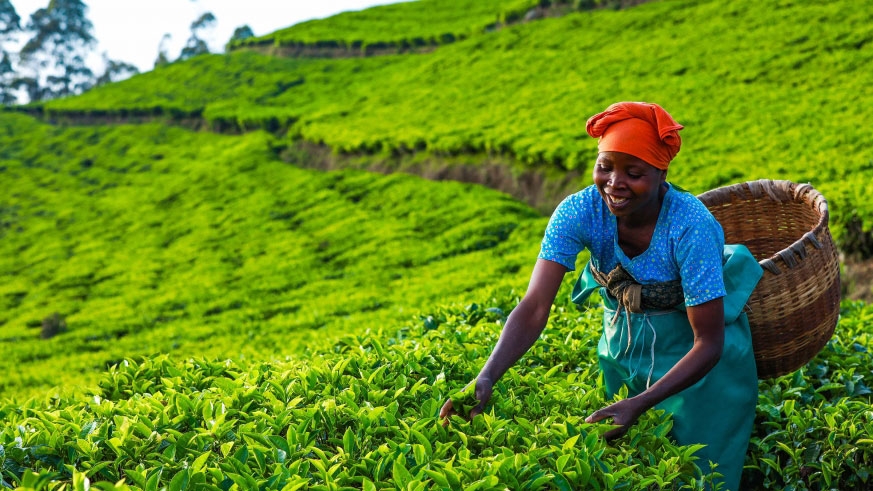
As stated by the National Agriculture Export Board (NAEB), during the 2019/2020 financial year, Rwanda expects revenues from tea exports equal to $102 million (Rwf 95.7 billion). In 2018, Rwanda recorded tea earnings of $83 million (about Rwf78 billion).
2019 was an even precarious year for tea factories as the price of a kilogram dropped furthermore to $2.79. Rwanda registered a loss in tea exports from $90.4 million in 2018 to $86.3 million in 2019.
In an interview with Doing Business, Surrender Jhijaria, Pfunda Tea Company Senior Manager stated that in the last three years, the company dealt with low production which he attributes to unfavorable climatic conditions. However, this year looks more promising as Pfunda Tea Company projects for an increase in production from 2.5 million kilograms in 2019 to 2.6 million kilograms.
Jonathan Nsengimana, a tea farmer in Nyabihu told Further Africa that due to unfavorable climate conditions, at least 40 Hectares of tea were damaged.
“There was a flood on Sebeya River which made us lose 40 Hectares of our tea plantation. However, if the weather is favorable this year, our production is likely to increase.”
To counter low productivity, tea farmers in cooperatives have suggested more incentives to address the negative effects of climate change including acquiring fertilizers at a low price. Given that tea and coffee are the two export crops expected to drive Rwanda’s agriculture exports as stated in the National Strategy for Transformation (NST1). agro-processing industries across Rwanda will be facilitated to access raw materials and fertilizers at an affordable cost. This year, tea factories will be increased from 16 to 19 across the country.
The notice of appearance was issued on June 14th, 2019 but Gasana failed to comply to appear in court. Missing a court hearing is punishable by a court warrant of arrest of the suspect.
The notice read “This is a civil action alleging rape in the first degree, in violation of N.Y.S Penal law 130.35, and crimes of violence motivated by gender. You are hereby summoned to answer the complaint in this action within 20 days or within 30 days if this summon is not personally delivered to you within the state of New York.”
Steven Cash, the counsel for the defence announced that the defendant has failed to appear in court since he was summoned in 2019. The court resorted to publishing the notice in newspapers and other media in the United States.
Gasana is accused of raping a twenty-one-year-old college student who was serving as an intern at the Permanent Mission of Rwanda to the United Nations. The incident happened in 2014 during the time Gasana was serving as Permanent Representative of Rwanda to the United Nations in New York City.
The 57-year-old suspect allegedly raped the victim twice on separate dates between June and July 2014 as formulated in the complaint. The victim reported that Gasana invited her at the Millennium Hilton Hotel and at One UN Plaza where he lured her to his room after lying to her that they were going to the conference room.
When they reached the room, Gasana reportedly raped the girl but she did not alert the authorities immediately because she feared Gasana would hurt her or her family in Rwanda.
Weeks after the first rape, Gasana repeated the crime on July 11th, 2014.
Gasana served as the Permanent Representative of Rwanda to the United Nations in New York City until 2016 and was recently granted citizenship in the United States.
Under New York Penal Code section 130.35, one is charged with rape in the first degree when they engage in sexual intercourse with another person by forcible compulsion, a person who is physically helpless or sexual intercourse with a child who is less than 13 if the suspect is at least 18.
Penalties for first degree rape range between 5 and 25 years of imprisonment. Convicts are eligible for not less than 10 years of community service. Convicts are also required to register as sex offenders in the state’s registry for 20 years or for life.
The entries are in different categories including, among others: best female actor; best male actor; best in arts, entertainment, drama series, sports, history, documentary series, best comedian and comedienne; breakthrough award and children’s program.
Among other categories are; day time program; history, science and natural history, soap and continuing drama and scripted comedy.
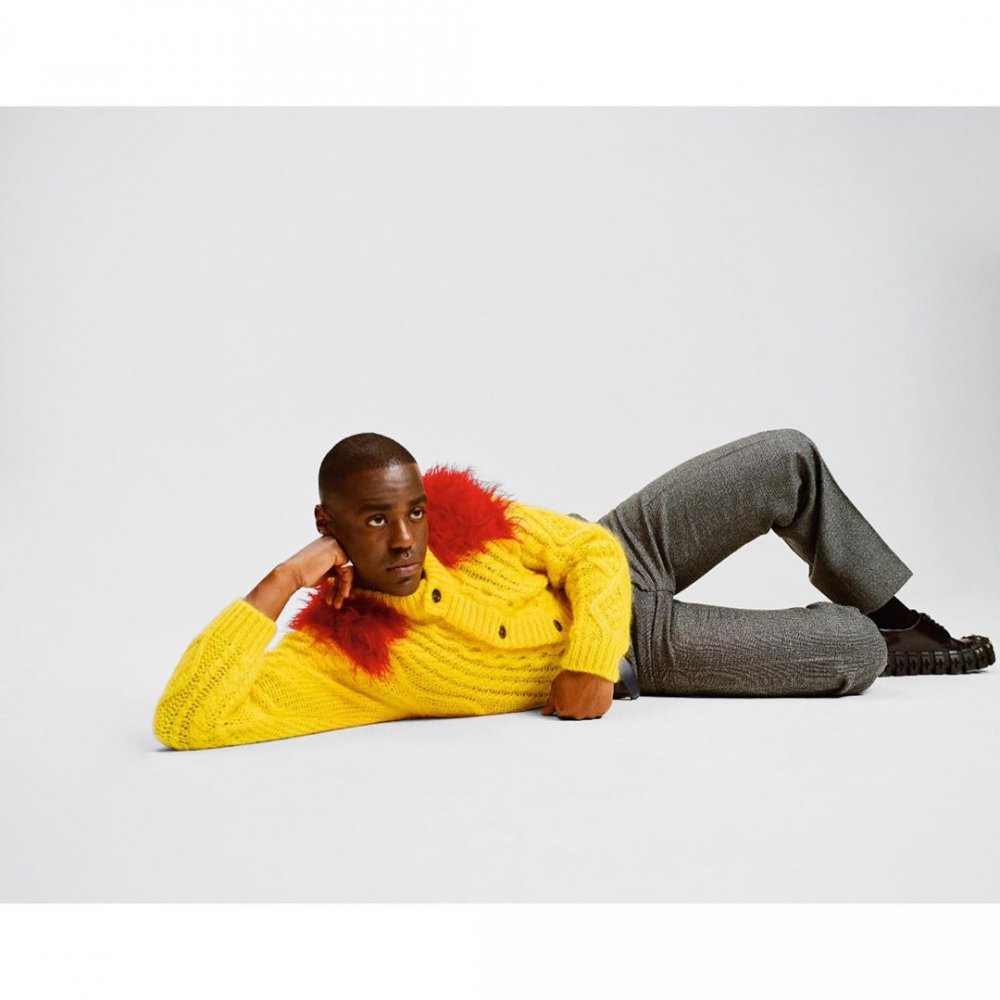
Ncuti Gatwa has been nominated for his role in ‘Sex Education’ an Eleven Film for Netflix original series. In his category, Ncuti is competing with Americans Alex Murphy & Chris Walley for their role in The Young Offenders and Youssef Kerkour for his featuring in Home.
The RTS grand finale award-winning event expected to splash grandeur and glamour under the auspices of Audio Network will take place on March 17, 2020, at the Grosvenor Hotel.
Aged 27, Ncuti Gatwa became a screen icon thanks to his scene-stealing role as Eric in ‘Sex Education’ on Netflix.
Gatwa was born in Nyarugenge, Kigali, Rwanda, in 1992 to Dr. Tharcisse Gatwa, who hails from Karongi District, a journalist with a Ph.D. in theology He was raised in Scotland, attended Boroughmuir High School, Dunfermline High School and graduated from the Royal Conservatoire of Scotland in Glasgow with a BA in Acting in 2013
He has featured under such brands as Cannes International Series Festival, in 2019 was nominated for MTV & Movie awards.
In May 2018, it was announced that Gatwa would star alongside Gillian Anderson and Asa Butterfield in the Netflix comedy-drama series Sex Education as Eric. The series was released on 11 January 2019, to critical acclaim. Gatwa’s portrayal of Eric Effiong in Sex Education has received praise from critics and cultural commentators, who noted his character was not relegated to the cliché of gay or black best friend slash sidekick stock character.
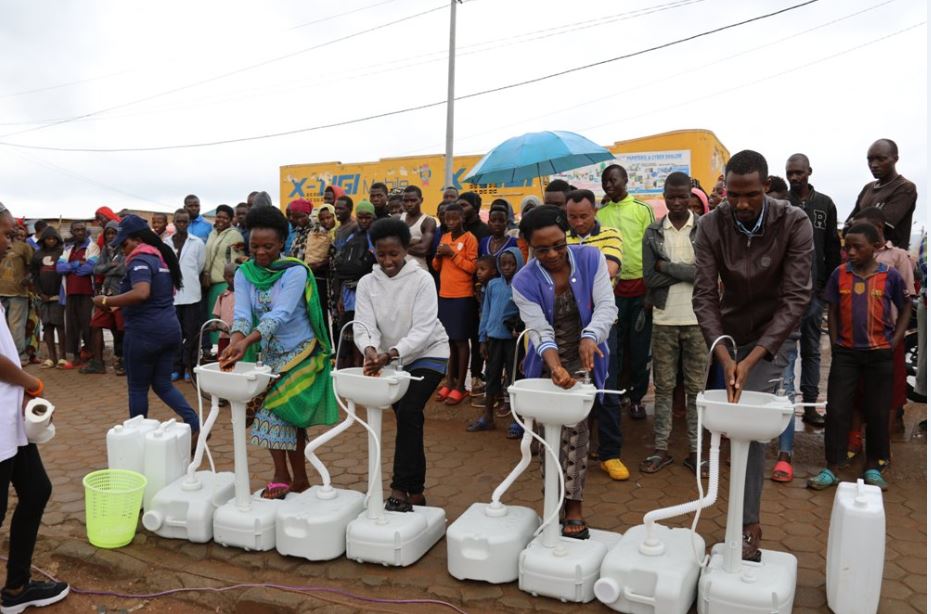
In various institutions and public spaces, preventive actions are being implemented including the distribution of hand sanitizers and access to clean water and soap. To help prevent the spread of the virus, Rwandans are recommended to avoid shaking hands, hugging or kissing.
In the event cases of the Coronavirus are detected in Rwanda, MINISANTE has prepared quarantine units where the patients will be treated.
So far, Kanombe Hospital has availed 25 quarantine rooms, Kabgayi Hospital, 120 rooms and 50 rooms at Kanyinya dispensary. 80 other health facilities across the country have each prepared two quarantine rooms and MINISANTE reported it has provided training to 430 health care providers regarding Coronavirus.
Dr, Mutaganzwa Avite, Kibagabaga Hospital Director said that no case of the virus has been detected in Rwanda so far but that the general public is continuously sensitized to adopt the appropriate preventive measures.
“We have distributed hand sanitizers around the hospital and continue to educate the public on proper sanitary measures.”
Dr. Zuber MUVUNYI, Director General of clinical services in the Ministry of Health said that the ministry ensures that proper hygiene is observed especially in public places.
“In all public places including bars, restaurants, public and private institutions as well as health facilities, we have provided hand sanitizers and eased the access to clean water and soap.”
Symptoms of the Coronavirus include cough, high temperature and shortness of breath. As many other respiratory diseases, the virus is spread through direct contact with an infected person, sneezing and coughing.
MINISANTE confirmed that no case of the Coronavirus has been detected to date.
Preventive measures include washing your hands with soap and water often or use an alcohol-based hand sanitizer, covering your mouth and nose while sneezing or coughing, avoiding shaking hands or direct contact with a person who shows the aforementioned symptoms.
People who might think they have been exposed to the virus are required to immediately seek medical care and stop all travels in case they have any of the symptoms.
Rwanda Development Board (RDB) has recently issued a notice urging all service providers including hotels, restaurants, bars, night clubs and tour agencies to provide clean water and soap to all customers they receive.
Coronavirus commonly known as COVID-19 originated from Wuhan, Hubei province in China. The first case was detected in the end of 2019. Currently, 90,000 people have been infected while 3000 died from the virus.
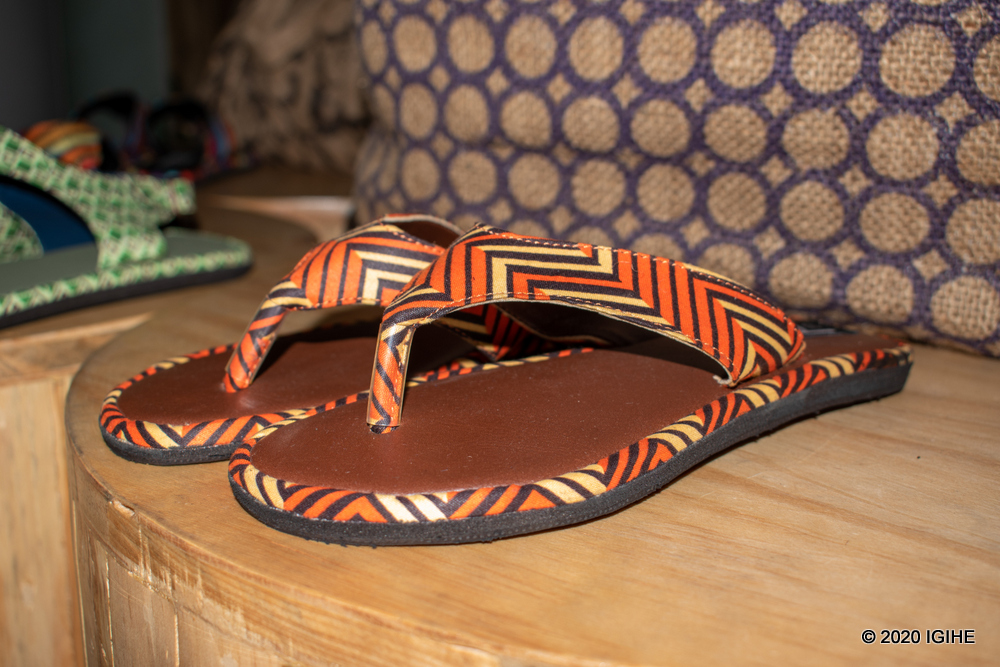
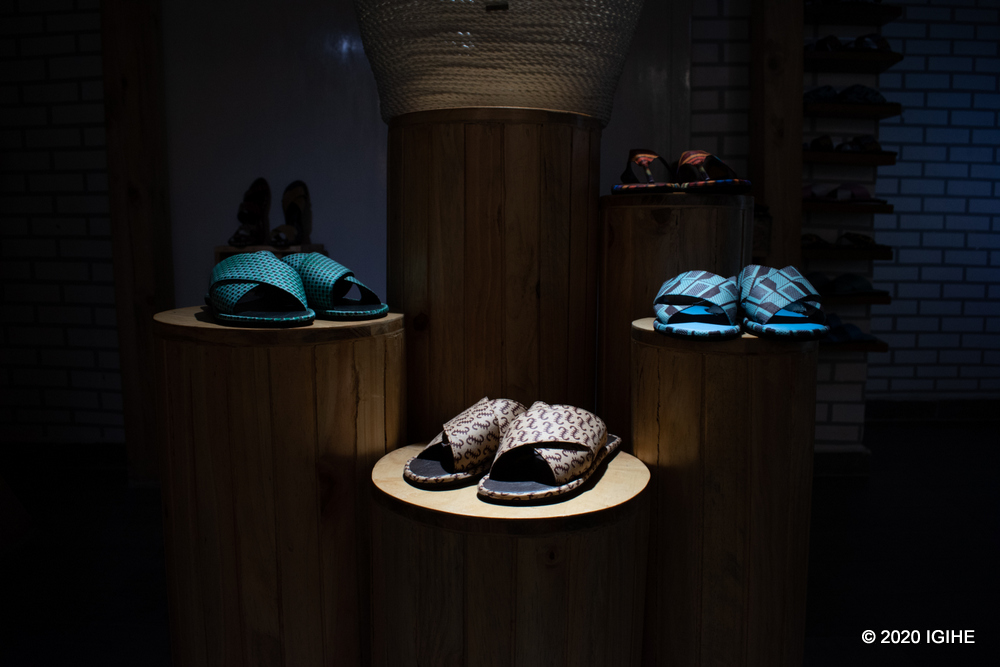
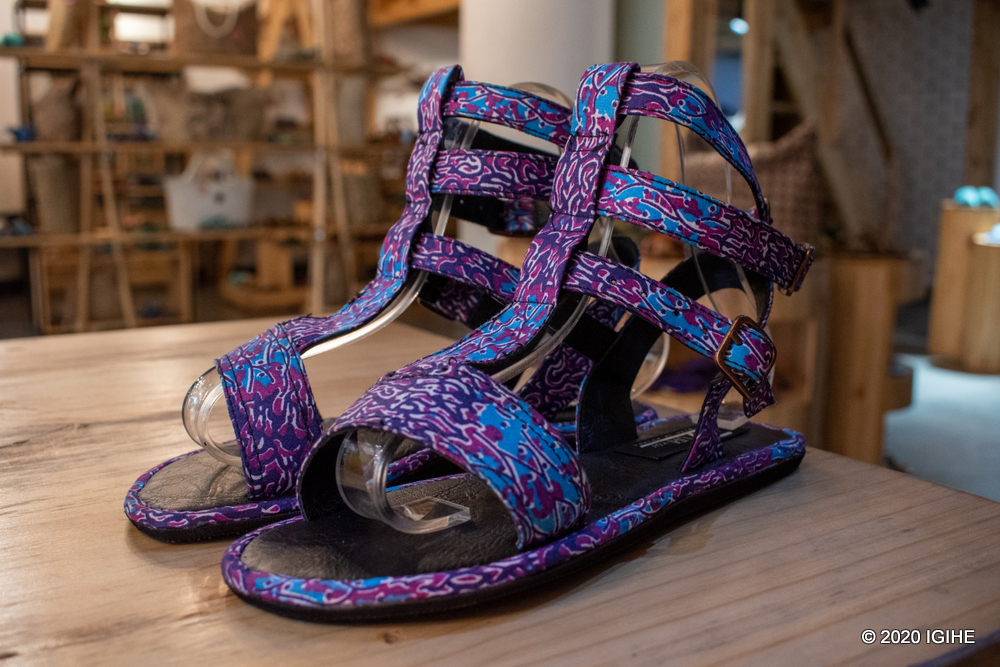
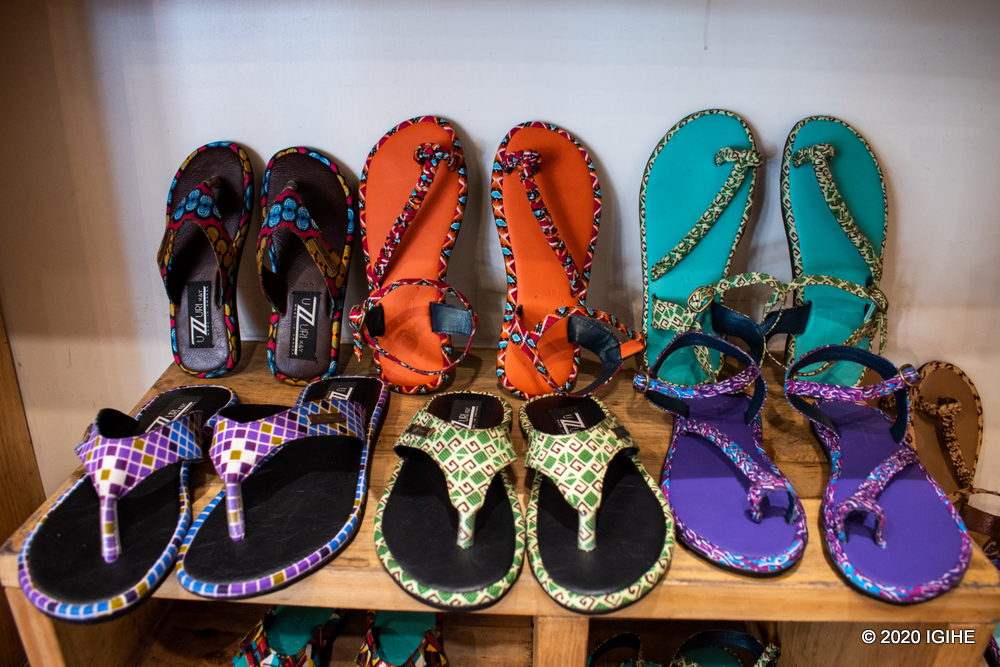
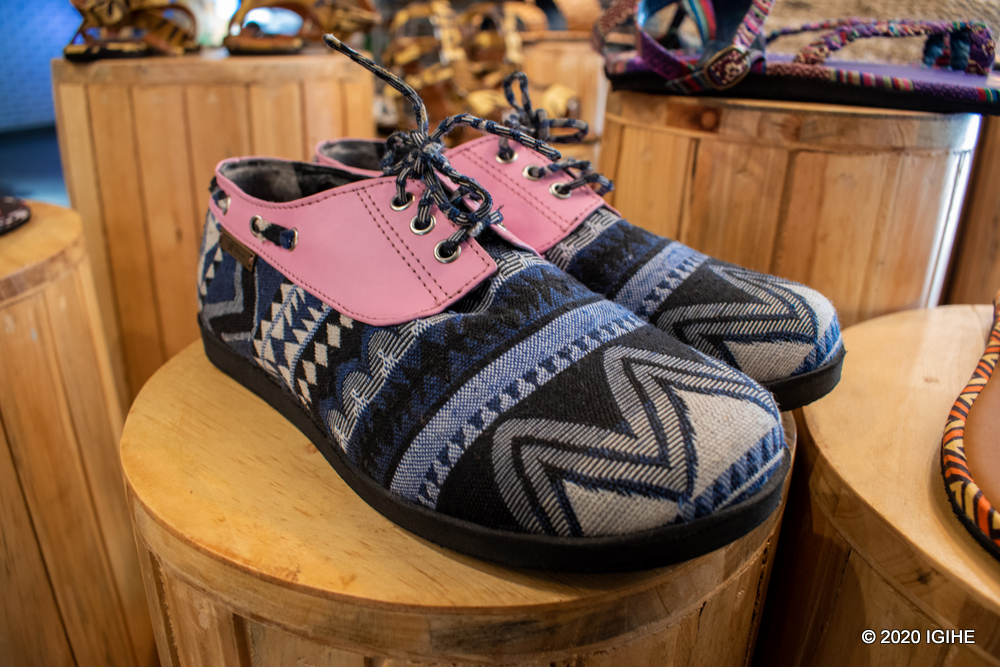
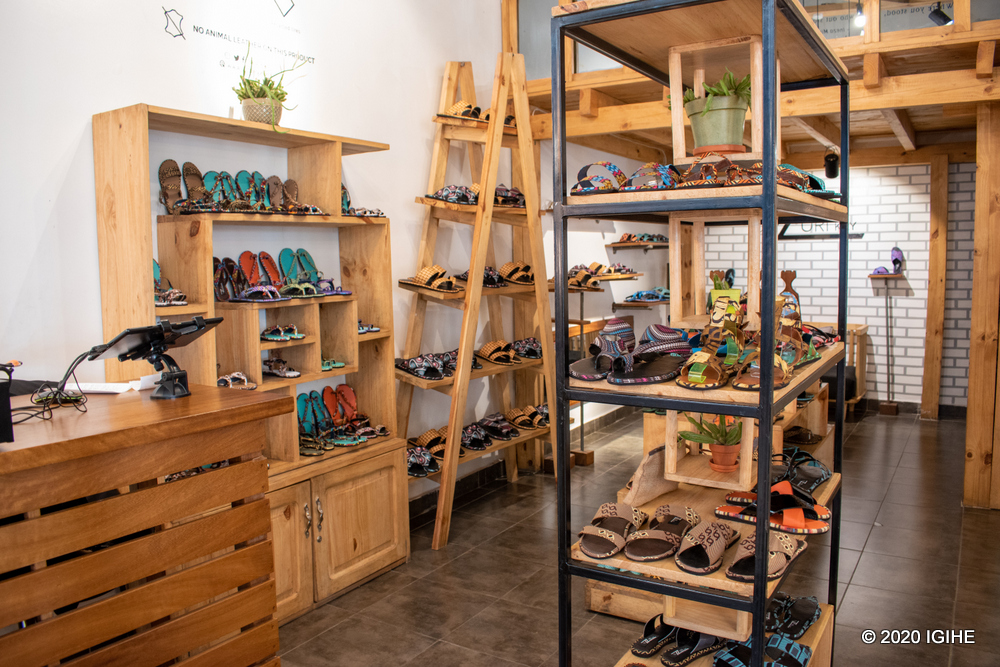
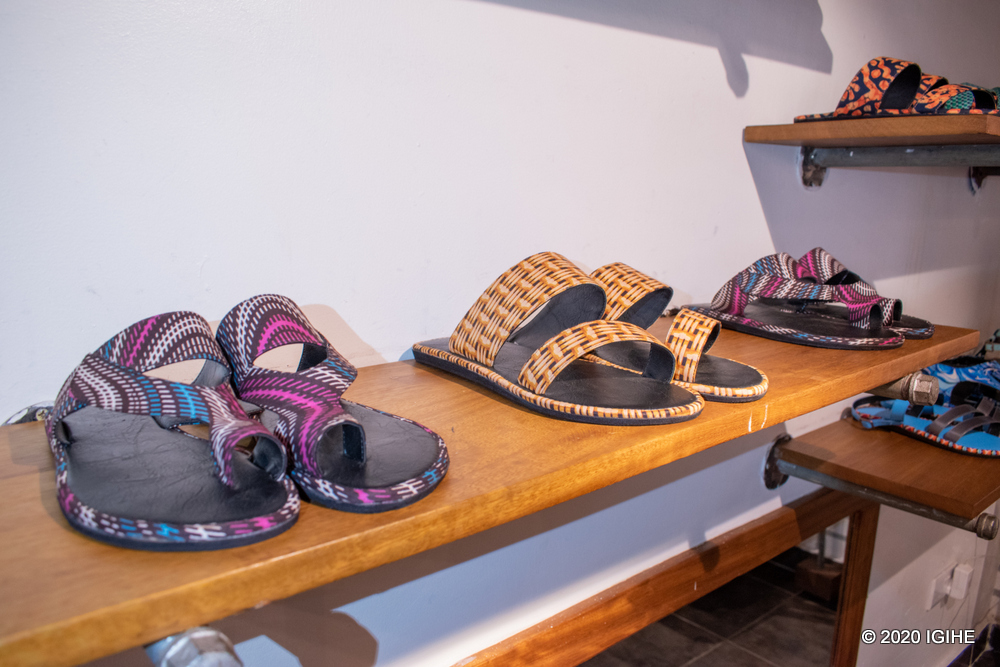
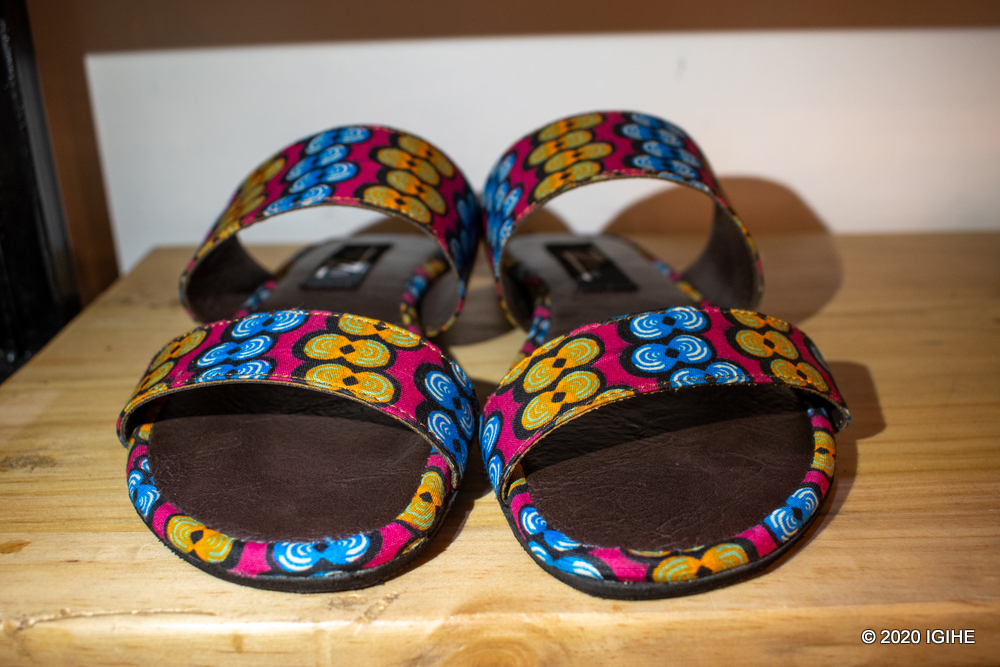
As a loyal customer of UZURI K&Y, here are 10 things you should know about the brand:
{{1. The first client who bought a pair at UZURI K&Y still wears them}}
The brand focuses on product durability to keep customers from going over their budget to purchase shoes every month. Six years and a half after the shoe company was founded, their first client still rocks the pair she bought.
{{2. Shoes are made with soles cut from recycled tires}}
In the beginning, UZURI used rubber to manufacture shoes but later on, as Shimwe and Kagirimpundu strolled through Kigali, they saw old tires which had been dumped on the roads and realized they could make better use of the tires more than rubber.
To this day, shoe soles are cut from recycled tires and final products are more durable and environment-friendly
{{3. The largest shoe size made by UZURI K&Y was 51 and the smallest 34 for a grown-up }}
Since 2015, the largest shoe size that the brand has ever produced was size 51. While it is known that 34 is a shoe size for children, UZURI once sold a size 34 pair of sandals to an Asian lady.
{{4. It took nearly two years for UZURI K&Y to perfect their craft}}
Since 2013, the brand strived to produce comfortable and durable shoes, it wasn’t until 2015, after various training, that the brand succeeded in manufacturing shoes which they believed met the standards they desired for their market.
5. UZURI tries on all the styles before putting them on the market
To access the quality, comfortability, and steadiness of all the shoes manufactured by the brand. The design team tries on samples of all the styles they produce before outing them on the market.
{{6. The brand employs entire families}}
It is usually not common to find a company where siblings or parents and their children work together but at UZURI, there is a father who was hired along with his two children and his sister-in-law.
{{7. UZURI K&Y transformed lives of hundreds of people}}
In 2013 when the company was founded, it only employed 3 people including its two owners. Currently, the brand employs more than 50 staff and provides training to youth aspiring for a career in the shoe-making industry.
{{8. Masiyiwa thinks UZURI K&Y is the NIKE of the future}}
During the Entrepreneurship Town Hall held last year in Kigali, London-based Zimbabwean billionaire businessman and the owner of Econet Wireless said that NIKE started small but that it currently has a $60 billion net worth. He believes that UZURI K&Y is on a good path to become the NIKE of the future.
{{9. Shimwe and Kagirimpundu were acquainted to each other because of a class assignment}}
Shimwe and Kagirimpundu first met at university while they were studying Creative Design. They weren’t friends at that time but after they were put together to work on a group assignment, they became friends and later decided to join hands on their entrepreneurial journey.
{{10. The owners declined one million Rwandan Francs to sell the company 6 years ago}}
Judging by how well the shoe brand is doing now, you would find it hard to believe an investor once offered Kagirimpundu and Shimwe one million Rwandans Francs to sell the company and become employees. The two owners turned down the offer because the investor’s vision for the brand did not match theirs.
{{
Rukundo Jean, 40, originates from Gitesi sector, Karongi District, and has been a security guard at one of the banks in Karongi.
The Western Province Police spokesperson, CIP Twizere Karekezi Bonaventure, told IGIHE that Rukundo shot himself around 12:45 Tuesday at his workstation.
“Investigations have got underway to establish the cause for the suicide. He did not have any problem at his workplace,” CIP Karekezi said adding that they are following on other possible causes.
Rukundo is the second employee of ISCO to commit suicide in 2020 following another, one Ntatinya Audace born in Gicumbi district, who took his life using a gun in January in Kicukiro.
![A Rwandan film actor based in the UK, Ncuti Gatwa, has been nominated for the prestigious Royal Television Society [RTS] award](https://en-images.igihe.com/IMG/jpg/ncuti_gatwa_amaze_kubaka_ibigwi_mu_ruganda_rwa_filime-c6bd2.jpg)