The suspect who is a resident of Gatsibo district is accused of raping two young boys on March 15th, 2020 after luring them with money.
Marie Michelle Umuhoza, RIB Spokesperson told IGIHE that RIB was informed of the crime by one of the boys’ parent who called in for help. “The suspect is currently held at RIB Rukara station as further investigation is being conducted.”
Umuhoza warned Rwandans that no criminal acts will be tolerated and that rapists in particular will be shown no mercy.
The penal code of Rwanda subjects one found guilty to between 20 and 25 years of imprisonment for sexual crimes committed on minors including defilement. If the victim is under 14, convicts are liable for life imprisonment with no possibility of parole.
When rape on a minor resulted into an incurable disease or handicap, the convict is liable for life imprisonment with no room for parole.
CHAN 2020 was expected to be the 6th edition of the championship and was scheduled from April 4th to April 25th, 2020. The championship was expected to bring together 16 football teams including Rwanda.
The announcement which was released on March 17th, 2020 attributes the changes to the outbreak of coronavirus. The next dates for the event were not communicated.
FIFA requested all member bodies to halt all football events till April with the hope that the World Health Organization (WHO) will find a cure to the pandemic.
CAF explained that the decision to postpone CHAN 2020 resulted from WHO advises to contain coronavirus and the fact that more cases have been identified in Africa. In Cameroon, 4 cases have so far been identified.
On March 17th, 2020, COCAN, CHAN governing body in Cameroon confirmed that it is practically impossible to host the championship with the ongoing pandemic.
Many African countries including Equatorial Guinea, Ghana, Rwanda, and Egypt have made changes in their football activities to address health threats posed by a coronavirus.
Coronavirus came as an exogenous bolt from the blue, coming with it a cascade of default actions and inactions. It has disrupted and altered our routines, culture, businesses, incomes, and welfare in just two weeks.
It is one of the most feared cataclysms in modern history with the possibility of zipping up, going into hibernation even more terrifying.
It’s a crisis playing out in microdecisions; how we go to the market, how our children school, intensified hygienic practices-tiny decisions with far reaching effects depending on how well each is done.
Many world powers at first took it for a triviality, with president David Trump saying in his usual tart dry statements: “It’s going to disappear. One day it’s like a miracle, it will disappear. Maybe [it could] go away. We’ll see what happens. Nobody really knows.”
In Rwanda, we are lucky to have a president who inspires confidence in normal and times of crisis. During this year’s Umwiherero [leadership Retreat] the former minister of health tried dilly-dallying with instructions of testing participants. She was fired.
When the first case of coronavirus was identified in the country, President Paul Kagame was the first to demonstrate an end to time-long practices of handshakes and hugs; issued a statement on avoiding panic but focus on recommended practices and discipline; and joined WHO in Safe Hands campaign-a handwashing promotion practice.
Since then, a number of drastic actions have been taken; students sent home, entertainment and conferences postponed, big gatherings banned, among others.
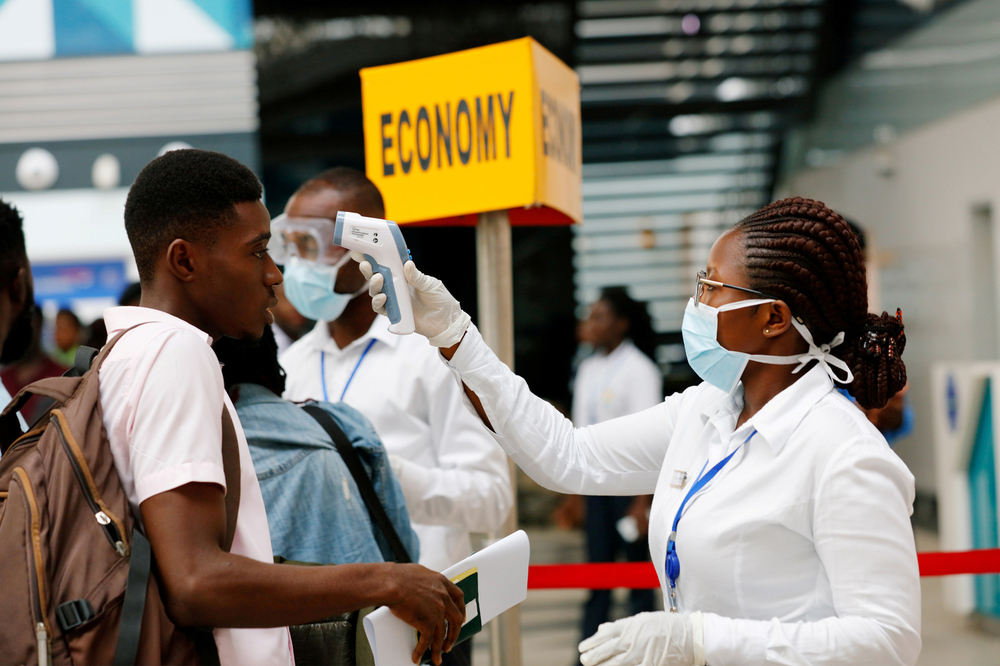
Controls and screening had earlier been established at the airport and border posts.
Good enough Rwandans have been compliant and vigilant. In Kigali, handwashing cans with liquid soap have been placed at every restaurant, bar, market and big malls.
For those that have the capacity to work online, are doing so, giving social distancing a meaning, reducing contact and attendant risks.
This has played well to demonstrate that in any developing crisis, it’s best not to panic but to be smart and prudent.
The vigilance, especially, has to be strengthened because much as coronavirus is not as lethal as Ebola, its danger lies more in its contagiousness i.e. the ability of the virus to spread from one sick person to others. Again, scientists say, coronavirus is not the most contagious disease there is, but it can spread quickly and, more alarmingly, an infected person can be contagious before symptoms appear, and thus unknowingly infect those around him or her.
So when you hear people say that schools in Rwanda have closed because the infected are in latent thousands, you know they do not understand the disease and the leadership of Rwanda. Rwandan leadership is not accustomed to consuming, and reacting to, “moments.” They prepare for the worst and work for the best. Simple.
So the important thing Rwanda has done is to communicate, to inform, to sort out who is really infected. Direct, transparent communications like it is being done by the Ministry of Health is crucial. More, though, needs to be communicated on; keeping distance, motor-taxi travels, saunas, gyms, salons, and beauty parlors.
As a country that is inching out of many shadows, including out of poverty, the leadership cannot afford the luxury of waiting for stern action only when everywhere the “system is blinking red.” No.
Getting overwhelmed by numbers should be kept at bay by doing the right preventive practices. Now.
Beyond the direct health realms, managing resource allocation, daily press briefings, identifying false information and formulating stop-gap measures to address deficits in the economic performance as a result of coronavirus is of great importance in relieving families and businesses that have been immensely affected by the pandemic.
Rwanda has already decided to consult with banks on the possibility of adjusting loan repayment regimes for borrowers whose businesses have been hit by the coronavirus and promised to lax tax returning and payment procedures and timing.
What will become of us as citizens of the world? That page is blank. For now.
On Tuesday, March 17, 2020, the Nyarugenge High Court ruled that Nkamiro Zaina, Umulisa Gisèle, Kamanzi Cyiza Cardinal, Umuhoza Konny, Umuhoza Rosine, Umutoni Hadidja and Uwimana Zainabu were guilty of attempted murder as charged.
The seven suspects were involved in a premeditated plot to murder Mukamana Sandrine but their heinous act was foiled.
Their trial of the case began in March 5, 2020. The defendants pleaded guilty of assaulting Mukamana but pleaded not guilty on charges of attempted murder. The sentence was passed in the defendants and their lawyers’ absence.
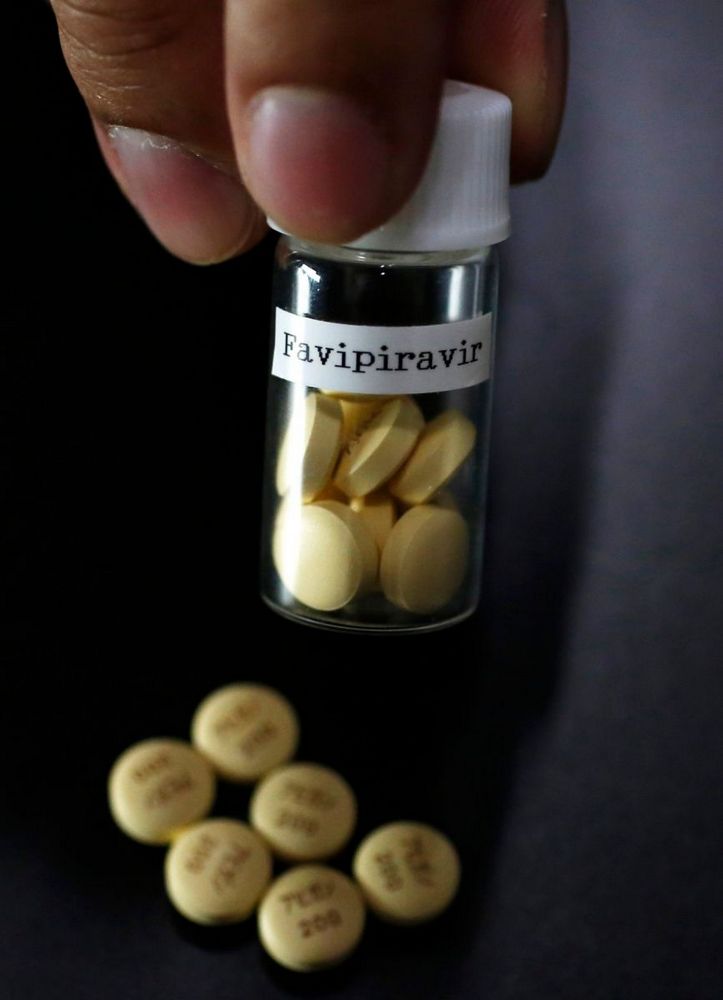
Zhang Xinmin, director of the National Center for Biotechnology Development, named the drug at a news conference in Beijing on Tuesday.
He said the drug was found to be effective in clinical trials by two medical organizations in the country. He said the medicine worked for coronavirus-related symptoms including pneumonia and had no obvious side effects.
The director said the tests were conducted in the cities of Wuhan and Shenzhen and involved 240 patients and 80 patients respectively.
He said those who were given the medicine in Shenzhen turned negative for the virus after a median of four days after becoming positive, while it took a median of 11 days for those without the drug.
The trial also found that X-ray photos confirmed improvements in lung conditions in about 91 percent of the patients who were given the medicine. The number stood at 62 percent for those without the drug.
The director said the drug is highly safe and its effect is obvious, and formally recommends the use of the medicine as a way to tackle the virus.
A Chinese firm that has licensed the drug from its Japanese developers got government approval last month to mass-produce the medication.
China on Monday confirmed 21 new cases of the virus infections, bringing the total in the country to more than 80,000. It’s death toll now stands at 3,226.
From Southeast Asia to Europe to the Americas, people found their lives upended by lockdowns and social distancing.
Shoppers in Malaysia stood in long lines to stock up at picked-over supermarkets. Commuters in the Philippines waited in huge traffic jams at checkpoints set up to take their temperatures before entering the capital of Manila.
Seven counties around San Francisco issued a sweeping shelter-in-place mandate, ordering millions to stay at home and go outside only for food, medicine and essential outings.
Spain, now the fourth-most infected country, saw infections rise Tuesday by more than 2,000 in one day to 11,178 and virus-related deaths jump by almost 200 to 491. Only China, Italy and Iran had more infections.
With the number of cases worldwide topping 183,000, a surge of patients in Madrid’s hospitals has fueled worries across Europe of what lies ahead. Please went out to send masks and ventilators to places like Italy and Spain that are struggling with soaring caseloads.
“There is no easy or quick way out of this extremely difficult situation,” Mark Rutte, the Dutch prime minister, said in the first televised speech by a Dutch leader since 1973.
Iran state TV warned the virus could kill “millions” in the Islamic Republic if the public keeps on traveling, ignoring health guidance. World Health Organization officials have said the number of cases there — nearly 15,000 with 853 deaths — have been sharply underreported.
Airlines across the world have slashed flights due to a plunge in demand but also because many countries have been barring foreign arrivals.
Turkey planned to evacuate 3,614 citizens stranded in nine European countries after flights were suspended, Foreign Minister Mevlut Cavusoglu said Tuesday.
Germany launched a 50 million-euro ($56-million) effort to bring home thousands of tourists stranded in popular winter vacation spots across the globe, including up to 5,000 in Morocco alone.
“Even if we will do everything humanly possible, we cannot in every case provide a solution within 24 hours,” Foreign Minister Heiko Maas warned.
In Lithuania, trucks seeking to enter Poland backed up in a line 60 kilometers (37 miles) long after Poland closed its border to foreigners due to the new coronavirus.
German police organized a convoy to help stranded citizens from Baltic states get back home by ferry after the Poland closure.
Italy reported another jump in infections, up to 27,980. With 2,158 deaths, Italy now accounts for well over a quarter of the global death toll.
The cascade of event cancellations continued, with Thailand calling off its water festival in April and the Kentucky Derby reportedly prepared to delay the famous U.S. horse race for the first time since World War II. India shut down the Taj Mahal.
Some bright spots emerged. Wuhan, the central Chinese city where the virus was first detected late last year and which has been under lockdown for weeks, reported just one new case Tuesday.
The virus causes only mild or moderate symptoms, such as fever and cough, for most people, but severe illness is more likely in the elderly and people with existing health problems. COVID-19 has killed over 7,100 people so far but more than 79,000 have recovered.
The economic toll from the crisis to both companies and individuals was only escalating. Shares reversed early losses in Asia on Tuesday after the U.S. stock market plunged to its worst day in more than three decades. Huge swaths of many economies have come to a standstill as businesses and travel shut down due to the outbreak.
In the United States, officials urged older Americans and those with chronic health conditions to stay home, and recommended all group gatherings be capped at 10 people. Americans returning from abroad encountered chaotic airport health screenings that clearly broke all virus-fighting rules against crowds
School closings in 56 countries kept more than 516 million students home, the United Nations said. New York City joined those ranks Monday, closing a school system with 1.1 million students.
Some countries that had resisted more stringent measures snapped into action, too.
British Prime Minister Boris Johnson told people to eliminate unnecessary contact with others, working from home where possible and avoiding bars, restaurants, theaters and other venues. Schools remained opened for the time being.
Some scientists, and many worried Britons, have said the government should have taken tough action sooner.
Britain’s dramatic escalation of social restrictions to fight COVID-19 was sparked by new scientific evidence suggesting that 250,000 people in the U.K. and more than 1 million in the U.S. might die if the country did not suppress the spread of the new coronavirus.
The analysis, published by Imperial College London epidemiologists, drew on the latest data from Italy. It found that a strategy of “mitigation” — slowing but not stopping the spread of the virus while protecting vulnerable groups like the elderly — would still lead to a huge number of cases that would overwhelm the health care system.
The scientists said a tougher “suppression” strategy would sharply reduce deaths but would “need to be maintained until a vaccine becomes available (potentially 18 months or more).”
As the virus ebbed domestically, China promoted its efforts to help other virus-stricken countries, including Italy, South Korea and Iran.
“When everyone needs to work together to fight the epidemic, no country can stand aloof, and we all must work together to get over the difficulties,” Foreign Ministry spokesman Geng Shuang Geng told reporters.
The government has been working on the program of completely getting rid of asbestos roofing materials for ten years because of its effects on human health including incurable diseases like lung cancer and others.
In May last year, President Kagame while on a visit to Musanze and Nyabihu districts, reiterated that the roofing materials have to be got rid of once and for all.
“We took decision on removing asbestos roofing materials from government buildings ten years ago. That is what I tasked leaders because on arrival here that is what one sees first.”
The Minister of Infrastructure, Gatete Claver, recently told the media that this year 2020, will leave all state buildings free of asbestos roofing because the required funds have been realized. The removal of remnant sheets will be done be the RDF Reserve Force.
Gatete also said that they are consulting with the private owners of asbestos roofed buildings to follow suit in their removal.
By June last year, the Ministry of Infrastructure announced that 57% government buildings with asbestos materials had been removed and 66% for private buildings.
Statistics show that since 2016, 73 juvenile convicts were pardoned and offered a chance to resume their studies but that only 47 did so while 26 dropped out of school.
Article 109 of the Constitution of Rwanda states that “The President of the Republic has the authority to exercise the prerogative of mercy in accordance with the procedures provided for by law and after consultation with the Supreme Court.”
Some of the youth who were granted pardon explained that they failed to resume studied due to a lack of means and stigmatization from school officials.
Nkundimana Dieudonné, one of the youth who were pardoned said “I met difficulties when I went back to school because I was required to start high school anew when I was supposed to be in my fourth year.”
One other youth said that he had obtained good grades in Ordinary level but that he was not able to pursue studies due to poverty.
Kayitesi Alice, Kamonyi district mayor said that apart from assisting the pardoned youth to find jobs, no other incentives were put in place to support them.
“We support the youth in finding jobs and creating businesses through the Business Development Fund (BDF) but so far no incentive is available to support youth who dropped out of school.”
Some of the youth who were granted pardon was expected to have graduated high school last year. CP Jean Bosco Kabanda, Rwanda Correctional Services (RCS) Commissioner in charge of correction said that going forward, RCS will collaborate with districts’ administrations to follow up on the education of pardoned youth and seek sponsors for those who are not able to pursue their studies due to financial barriers.
On March 16th, 2029, the European Union announced a complete shut down on all Schengen Area Borders, as an extreme measure to prevent the Coronavirus from further spreading in the borderless area.
The decision follows President Donald Trump’s resolution to ban entry to the US for Schengen area travelers.
President Macron confirmed that all travelers to the European Union (EU) and Schengen countries will be banned for 30 days starting Tuesday, March 17th, 2020 at noon.
“The travel ban was triggered by a sharp rise in the number of Covid-19 patients in the EU and Schengen countries and banning travels is not only a preventive measure but also a way to avoid putting unbearable pressure on our health systems.”
Macron said that French citizens still in foreign countries can go home and reminded those in France to remain isolated to prevent the spread of coronavirus.
The embassy of France in Rwanda advised French citizens in Rwanda to go back home before stricter bans are imposed and due to continuous flights suspension by various airlines across the world.
“All French tourists are immediately requested to leave Rwanda and inform the embassy about the airline they flew with.”
On Monday, March 16th, 2020, Brussels Airlines announced that all flights to and from Rwanda will be suspended starting Wednesday, March 18th, 2020.
In France, the number of newly infected coronavirus patients triples every day. It resulted into France banning all major businesses in the country to operate for 15 days.
5423 people have so far tested positive for COVID-19 whole 127 died from the virus.
French top health official Jerome Salomon said on March 16th, 2020 that the partial lockdown was imposed to curb the outbreak of the epidemic and put less pressure on the health system which is almost at capacity.
The announcement was published by the RRA on March 16th, 2020 via Twitter and involves many other preventive measures to be observed by taxpayers including using e-payment for custom duties and fees and declaring all imports and exports online.
Taxpayers who have not yet registered for e-payment services can approach their respective banks for support.
“For taxpayers who have already bought cars which are parked in the customs warehouse, acquisition of plate numbers and customs clearing will be done by their agents.”
In addition, customs exemption procedures will be done online via https://sw.gov.rw
Motor vehicle services request for vehicle duplicate documents and certificate for motor vehicle/cycle ownership is suspended for 2 weeks.
To all businesses, EBM installation and training will be conducted online but EBM local audit will continue to work as usual.