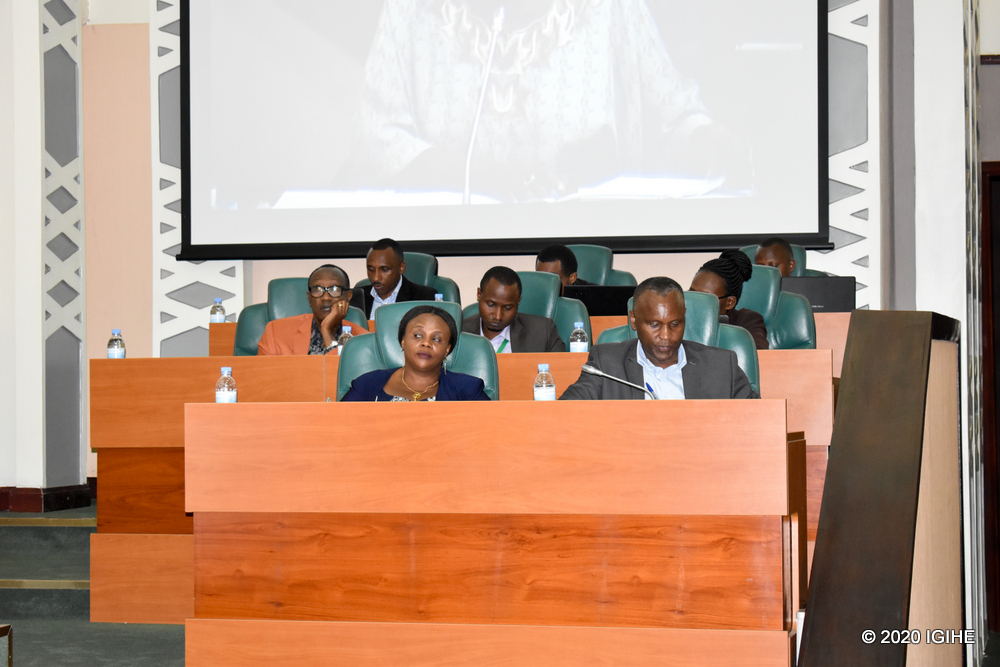
The challenge was raised as part of a 2018/2019 report from the National Commission for the Fight Against Genocide (CNLG) to the Senate’s Standing Committee on Foreign Affairs, Cooperation and Security.
Senator Bideri John Bonds, Head of the Senate Committee Foreign Affairs, Cooperation and Security noted that there is still a long way to go to render justice to genocide survivors.
“We cannot neglect the incredible achievements of the justice system in Rwanda but CNLG report showed that property restitution laws impede unity and reconciliation.”
Bideri said that one of the challenges met in settling property restitution claims was that some of the criminals who were accused of damaging and stealing property during the genocide are deceased while some others fled the country.
Settling claims is made impossible by the fact that the government cannot track those who fled the country and that for many of them, no property is registered in their names to compensate the survivors.
In 2019, Prof Jean Pierre Dusingizemungu, IBUKA President explained that apart from property restitution lawsuits, more than 141 ‘Gacaca’ legal actions were not settled and that also obstructs the process of unity and reconciliation.
In addition, the Rwandan Senate recently called for measures to fight against genocide denial and ideologies spread daily on social media platforms. Genocide propaganda on social media was said to be one of the major reason obstructing unity and reconciliation especially within Rwandan communities living abroad.
‘Gacaca Courts’ was a method of transitional justice which was created in 2002 to rebuild the Rwandan community in the wake of the genocide by placing justice in the hands of citizens. Up to 2 million lawsuits were settled by only 2012 when the lawsuits should have normally taken 110 years to settle.
In approximately 900,000 trials which were conducted under Gacaca Courts, 200,000 were claims for restitution of properties damaged or stolen during the genocide.
Currently, only 10 in 30 districts have completely settled lawsuits related to the 1994 genocide against Tutsi while in the remaining districts, the lawsuits are majorly about property restitution.
In the U.S., the caseload passed 1,000, and outbreaks on both sides of the country were stirring alarm, while in Europe, an increasingly locked-down Italy counted more than 10,000 infections and recorded soaring deaths among its aging population.
“Right now, the epicenter — the new China — is Europe,” said Robert Redfield, the head of the U.S. Centers for Disease Control and Prevention.
Rome’s usual boisterous hum was reduced to a whisper as Italy’s 62 million people were told to mostly stay home. Though shops, cafes and restaurants remained open, police around the country were enforcing rules that customers stay 1 meter (3 feet) apart and certain businesses shutter by 6 p.m.
Authorities said 631 people have died of COVID-19 in Italy, with an increase of 168 fatalities recorded Tuesday. The health crisis was dealing a serious blow to the country’s economy — the third-largest of the 19 countries using the euro — and threatened instability worldwide.ts across Asia dropped Wednesday despite Wall Street’s gains a day earlier. Investors seemed encouraged by promises by U.S. President Donald Trump of a relief package to cushion economic pain from the outbreak.
Governments around Asia and elsewhere have also announced billions of dollars in stimulus funds, including packages revealed in Japan on Tuesday and Australia on Wednesday.
“Investors are still worried that those fiscal stimulus packages may not be able to contain the virus outbreak as well as to mitigate the impact on the economy,” said Louis Wong of Philip Capital Management.
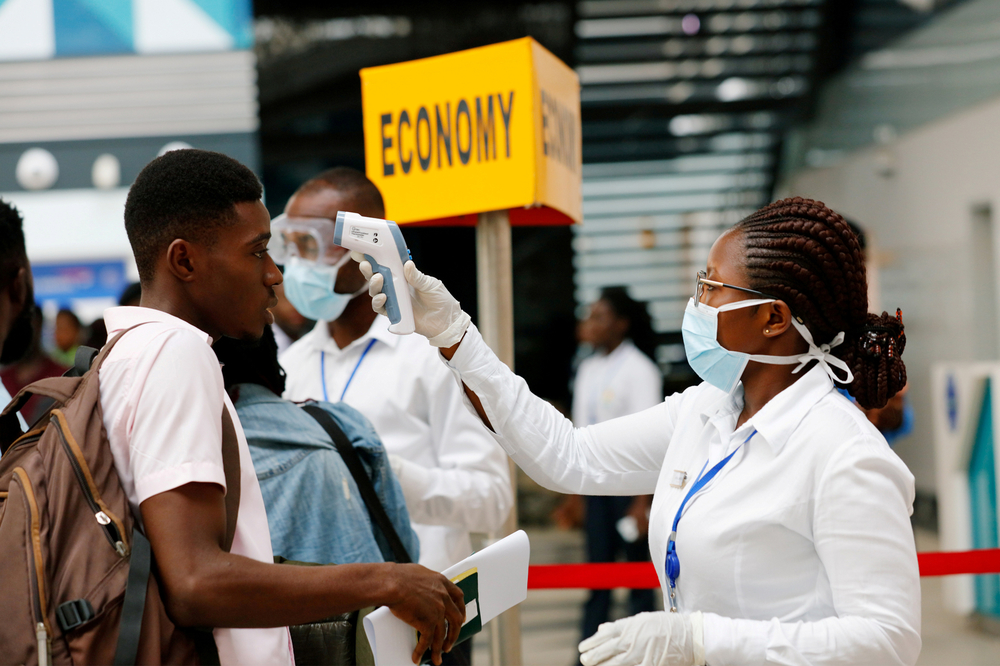
For most, the coronavirus causes only mild or moderate symptoms, such as fever and cough. But for a few, especially older adults and people with existing health problems, it can cause more severe illnesses, including pneumonia. More than 119,000 people have been infected worldwide and over 4,200 have died.
The virus has disrupted travel, closed schools and halted manufacturing in places around the globe.
The Vatican’s representative to the half-island nation of East Timor said Wednesday that an expected visit by Pope Francis, though never made official, would not happen later this year.
Francis’ Wednesday audience — typically a boisterous affair that fills St. Peter’s Square or the Vatican auditorium with tens of thousands — was instead held in the privacy of his library and shared by Livestream. The square was empty, with Vatican City adopting Italy’s lockdown measures.
In the U.S., dozens of cases were being tied to a conference in Boston, and leaders in multiple states were announcing curbs on large events. Colleges around the country emptied their classrooms as they moved to online instruction and uncertainty surrounded the upcoming opening of the major league baseball season and college basketball championships. Even the famed buffets of Las Vegas were affected, with some of the Strip’s biggest being closed in a precautionary measure.
“It’s terrifying,” said Silvana Gomez, a student at Harvard University, where undergraduates were told to leave campus by Sunday.
“I’m definitely very scared right now about what the next couple days, the next couple weeks look like.”
New York’s governor said National Guard troops would scrub public places and deliver food to a suburb where infections have spiked. In Washington state, where a Seattle-area nursing home was the center of an outbreak, officials said the virus had spread to at least 10 other long-term care facilities.
In California, thousands of restless passengers remained stuck aboard a cruise ship, waiting for their turn to disembark to begin quarantines.
Two men vying to take on Trump in the U.S. presidential election abruptly canceled rallies Tuesday and left open the possibility that future campaign events could be impacted, too.
Trump’s campaign insisted it would proceed as normal, though Vice President Mike Pence conceded future rallies would be evaluated “on a day to day basis.”
It was all evidence of the continuing westward push of the virus. In China, where it first cropped up, officials said they’d counted only 24 new cases on Wednesday.
In a reversal of positions, China is seeing new cases brought in from overseas. In Beijing, the capital, all the new cases of COVID-19 reported on Wednesday came from outside the country, five from Italy and one from the United States.
“The epidemic situation is at a low level and the prevention and control are continuously going well,” said Mi Feng, spokesman for the National Health Commission.
The province at the center of China’s virus outbreak said Wednesday that manufacturers, food processors and other businesses deemed essential to the national economy or providing daily necessities can resume operation.
The other major outbreak site in Asia, South Korea, continued to report improving numbers, too, with 242 new cases announced Wednesday. Still, a cluster of infections connected to a call center in one of the busiest areas of that country’s capital was raising alarms.
Adam Castillejo is still free of the virus more than 30 months after stopping antiretroviral therapy.
He was not cured by the HIV drugs, however, but by a stem-cell treatment, he received for cancer he also had, the Lancet HIV journal reports.
The donors of those stem cells have an uncommon gene that gives them, and now Mr. Castillejo, protection against HIV.
In 2011, Timothy Brown, the “Berlin Patient” became the first person reported as cured of HIV, three and half years after having similar treatment.
{{What is the treatment?}}
Stem-cell transplants appear to stop the virus being able to replicate inside the body by replacing the patient’s own immune cells with donor ones that resist HIV infection.
Adam Castillejo – the now 40-year-old “London Patient” who has decided to go public with his identity – has no detectable active HIV infection in his blood, semen or tissues, his doctors say.
It is now a year after they first announced he was clear of the virus and he still remains free of HIV.
Lead researcher Prof Ravindra Kumar Gupta, from the University of Cambridge, told BBC News: “This represents HIV cure with almost certainty.
“We have now had two and a half years with anti-retroviral-free remission.
“Our findings show that the success of stem-cell transplantation as a cure for HIV, first reported nine years ago in the Berlin Patient, can be replicated.”
But it will not be a treatment for the millions of people around the world living with HIV.
The aggressive therapy was primarily used to treat the patients’ cancers, not their HIV.
And current HIV drugs remain very effective, meaning people with the virus can live long and healthy lives.
Prof Gupta said: “It is important to note that this curative treatment is high-risk and only used as a last resort for patients with HIV who also have life-threatening hematological malignancies.
“Therefore, this is not a treatment that would be offered widely to patients with HIV who are on successful antiretroviral treatment.”
But it might offer hope of finding a cure, in the future, using gene therapy.
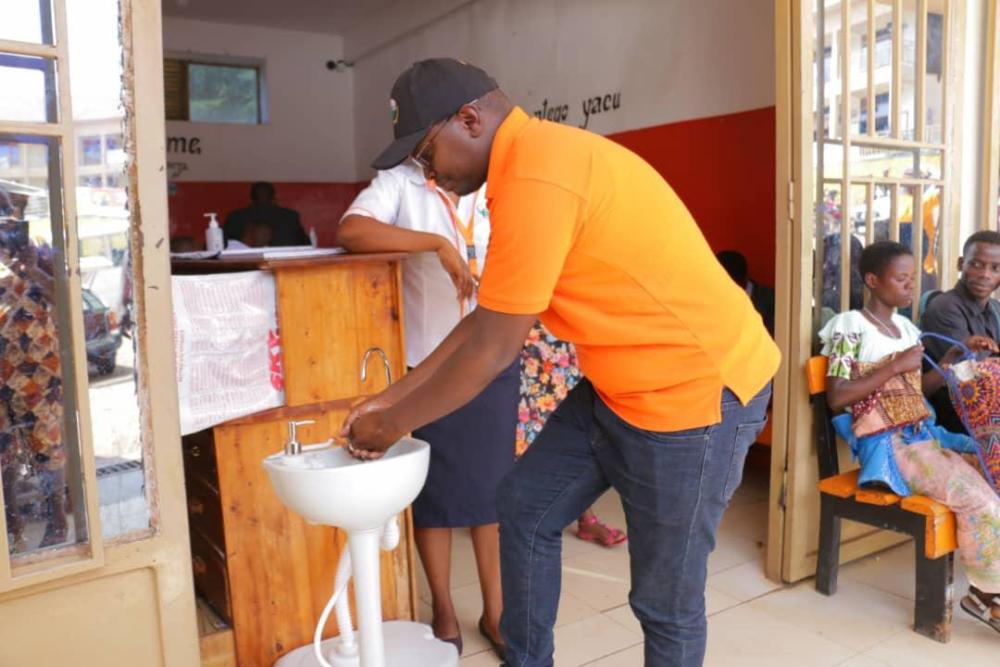
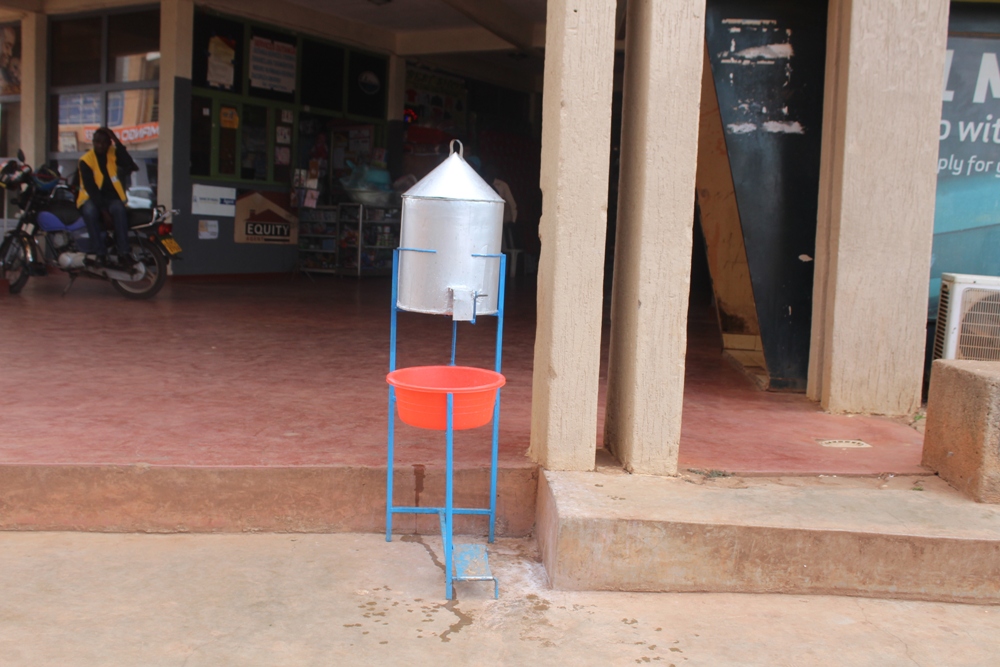
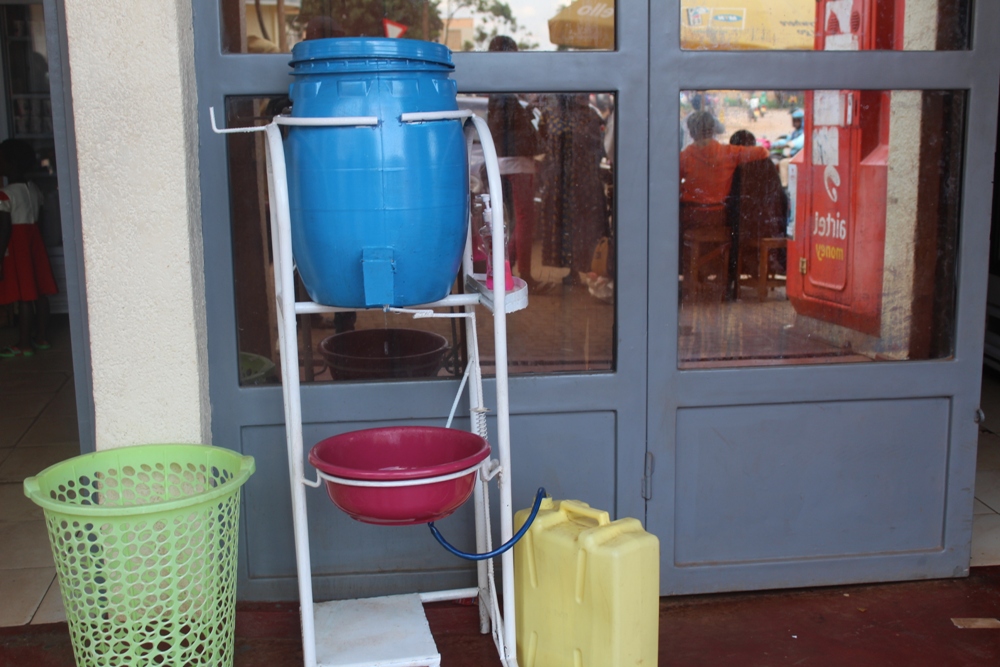
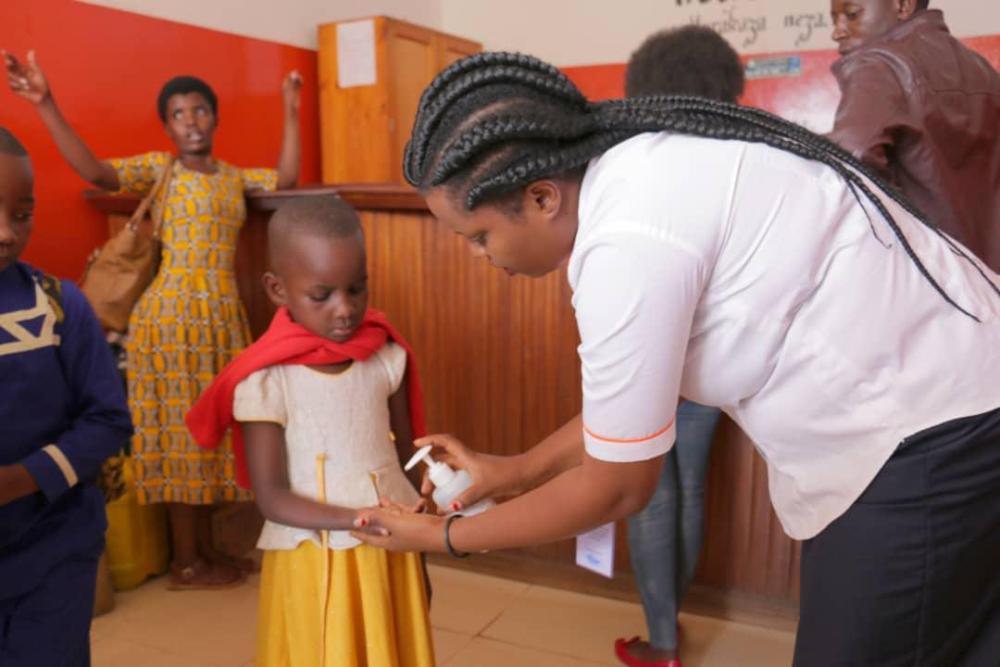
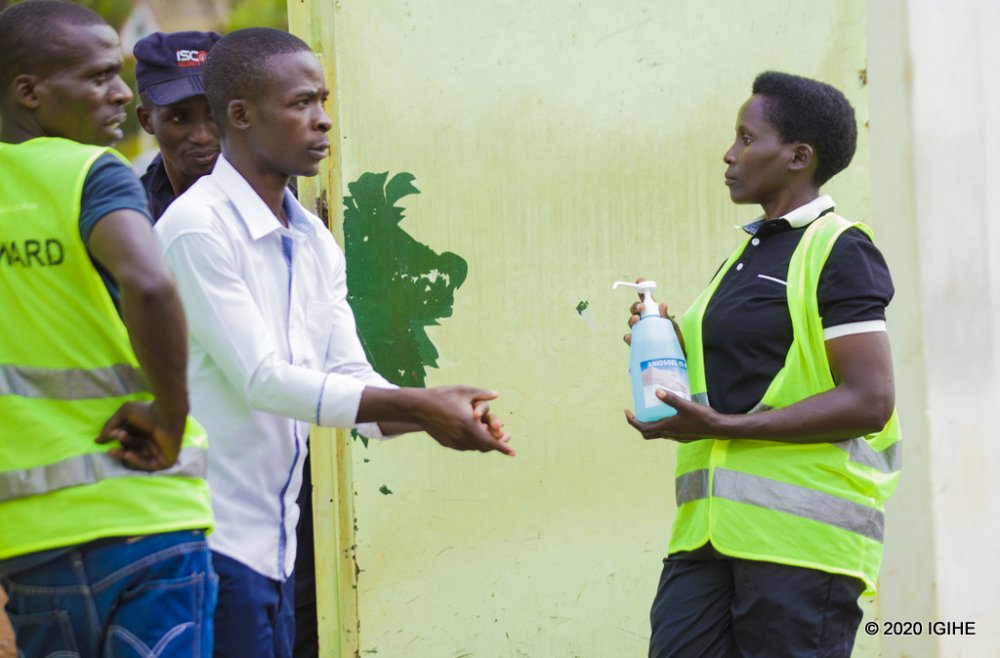
The district has availed soap and clean water in all public places including park stations, markets, and shops.
Residents applauded the initiative saying how worried they are about the quick spread of the virus and commended the district’s administration for the preventive measures.
“We are thankful for the preventive measures the government thought of. That virus is worrying as it has claimed several lives across the globe” said Uwamaliya Immaculé one of the residents.
Another resident, Mihigo Vincent, thanked the government of Rwanda for being proactive in preventing the spread of COVID-19 but suggested the program should be extended to taxi-moto riders as the most common transport means in Rwanda. “Taxi-moto riders should be advised to clean their helmets frequently to prevent the spread of the virus.”
Jean Bosco Bigirimana, the deputy director-general for Horizon Express, a public transport company said that they have adopted measures to prevent COVID-19 through sensitizing passengers to wash their hands before boarding the buses and before checking in at their service counters.
Ange Sebutege, Huye District Mayor called upon owners of shops, markets and other public places to avail hand sanitizers or soap and clean water and urged residents to cooperate to prevent the virus. He also advised them to avoid shaking hands as it is the quickest way for the virus to spread.
COVID-19 was identified towards the end of 2019 in Wuhan, China and has since spread in many countries including Italy, the US, France, Egypt, and Nigeria among others.
The virus spreads through direct contact with the infected person, sneezing and coughing. To prevent the spread of the virus, the World Health Organization advises regular hand washing with alcohol-based hand sanitizers or clean water and soap, covering mouth and nose when coughing and sneezing. In addition, it is important to avoid close contact with anyone showing symptoms of respiratory illness such as coughing and sneezing.
Recently, the Ministry of Health announced that no case of COVID-19 was identified in Rwanda so far.
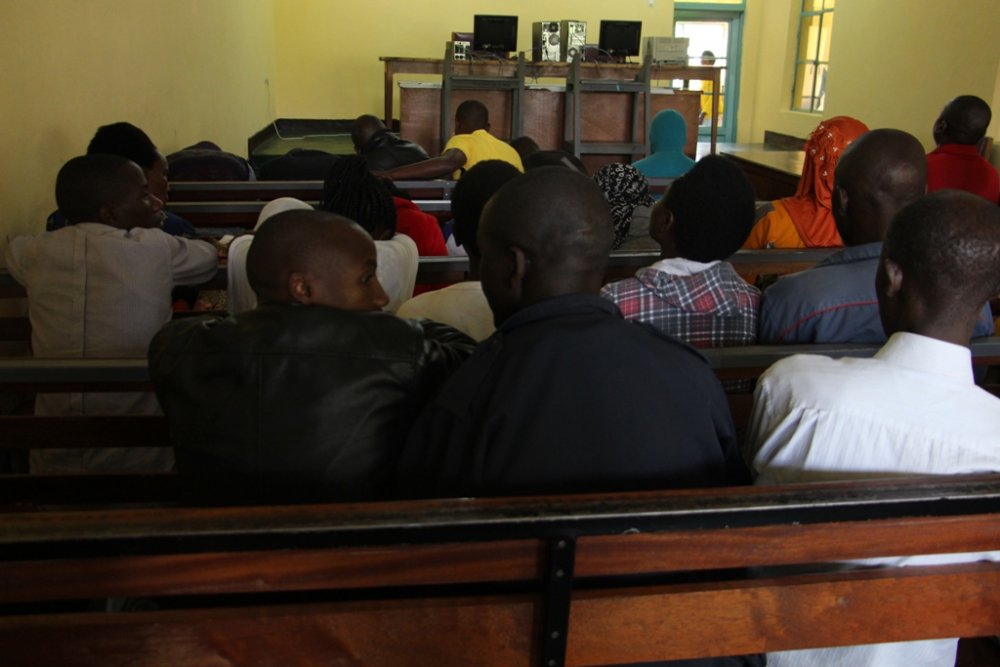
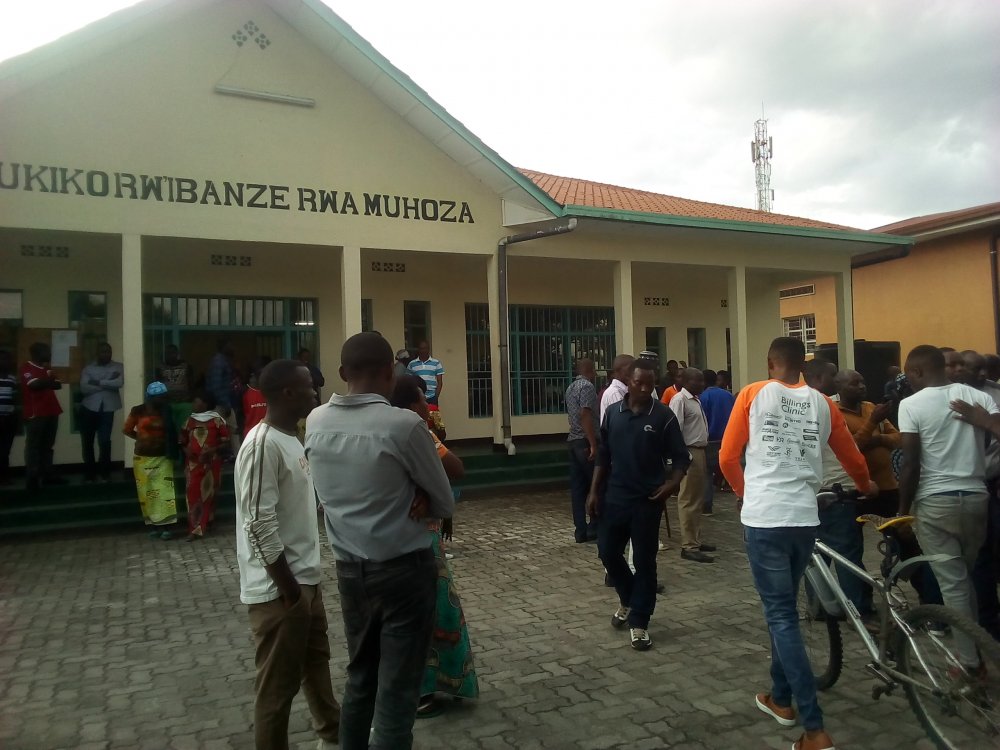
The court hearing which was postponed twice attracted huge crowds from Muhoza village where the crimes were committed.
It is alleged that on February 22nd, 2020, the suspects were involved in a heinous crime by burning a house where two minors, Célestine and Sifa, daughters of Manirafasha Jerôme, lost their lives. At the time of the arson, the mother of the two deceased had gone to a nearby trading center for groceries.
It is said that on a fateful day, the suspects broke the house windows, poured gasoline inside and burned the house, instantly killing one of the girls. The other girl survived but was gravely injured. She is currently being treated at Rwanda Military Hospital where one of her legs has been amputated.
All the 6 suspects denied committing the crimes and gave the alibi that it happened during working hours and that they were all at their respective jobs.
The prosecution said that even though all the suspects claimed innocence, Munyakazi Evariste admitted that his daughter who is currently in jail did it along with his wife and his two sons. The incident happened as a result of a long-time conflict between Munyakazi’s family and the victims’ family.
Nsengiyumva who is accused of complicity in committing the crimes allegedly advised Munyakazi to keep a low profile, pretend to reconcile with Manirafasha and kill him afterward.
Both Munyakazi and Nsengiyumva denied the crimes before the court and claimed they were pushed by fear to tell that story and that the testimony should be rendered inadmissible before the court.
The prosecution asked the court to maintain the validity of their testimony since none of them was coerced into speaking and prayed before the court that unless any of them claims mental illness, only then will the testimony be dismissed.
During the hearing, the suspects applied for bail but prosecution asked they remain in custody as investigations get underway.
The next hearing of the case will be on March 13th, 2020.
One of the events that have been postponed is the Water Africa and East Africa Building and Construction Exhibition that was scheduled for 11-13 March 2020 in Kigali
“As was stated in our recent email, we were faced with the fact that the coronavirus pandemic is causing serious disruption throughout the world and as a result, Rwanda is taking stringent precautions to limit population exposure to the virus. Exhibitions and seminars are seen as high-risk areas for people to attend, particularly where international visitors from affected countries are present.
In addition, the government of Rwanda through their Prime Minister have called upon their people to avoid touching in the form of handshaking, hugging, etc. and to avoid close contact with anyone who may be potentially infected with the virus,” the statement reads in part.
In addition, the statement says, organizers have we learned that Kenya had the previous day declared that all events are to be canceled for 30 days.
“This is an unprecedented move and one which we are sure will follow in other neighboring countries”.
Organizers say they also had to consider the possibility of exhibitors and visitors having problems when returning to the home countries as several countries have now placed a 14-day quarantine moratorium on all passengers arriving back from foreign travel.
“With these issues in mind and the fact that we were advised that visitors would boycott the event, we felt compelled to postpone the event for 6 months in the hope that coronavirus will have been brought under control and that business and travel are back to normal. We have provisionally rescheduled the event to take place from 16th to 18th September 2020 but will monitor the ongoing problems which are still on the increase,” concludes the statement signed by Tracey Nolan-Shaw. Managing Director of ACE Event Management.
The Police Spokesperson Chief Inspector Police (CIP) Alexis Rugigana, has said that the suspect was apprehended in Kabashotsi village, Nyamabuye cell, Kagogo sector after locals alerted the police.
“Residents called the police informing them the suspect was in possession of counterfeit bills and that she was planning on scamming them.”
Rugigana said that as soon as they received the call, they immediately headed to Kabashotsi village expecting to catch the suspect red-handed but she attempted to flee when she saw the police.
“When she saw us, she boarded a motorcycle and told the rider to speed off. She hid the bag which contained the fake bills and came back on foot not knowing we saw her hiding it.”
After intensive interrogation, she admitted to possessing the fake bills and showed the police where the bag was hidden. She had Rwf 319,000 fake bills in Rwf 2000 and Rwf 5000 denominations.”
Rugigana commended the cooperation of local residents and advised them to always provide information to the police on all suspected criminal activities.
“Our country’s security concerns us all. It is important to report all criminal activities especially the distribution of counterfeit bills as they impact the value of the Rwandan Franc and impede economic progress.”
The suspect is currently held at Rwanda Investigation Bureau (RIB) station in Cyanika as further investigation get underway.
Under article 269 of the Penal Code, any person, who fraudulently counterfeits, falsifies or alters coins or bank notes which are legal tender in Rwanda or abroad, notes issued by the Treasury with its stamp or brand, either banknotes or alike that have legal tender in Rwanda or abroad, or one who introduces or issues in Rwanda such effects or notes with knowledge that they are forged or falsified, commits an offence.
On conviction, the culprit is liable to imprisonment for a term of not less than five years and not more than seven years.
Starting last week, the Ministry of Sports held various meetings with football associations to identify ways in which COVID-19 can be prevented.
On Monday, March 9th, 2020, FERWAFA issued a notice to all football clubs in Rwanda banning handshakes in response to the COVID-19 pandemic.
The notice reads: “In response to the outbreak of the Coronavirus across the world and following measures which have been put in place by the government of Rwanda to prevent and fight the virus, FERWAFA has set measures to prevent the virus spread.”
Some of the measures FERWAFA imposed include availing soap and clean water or hand sanitizers at all stadiums entrance, a handshake ban between players and prohibition to host games before the aforementioned hygiene requirements are fulfilled.
All football teams that are not able to fulfill the COVID-19 prevention requirements are required to inform FERWAFA not later than March 10th, 2020 at 10 am for FERWAFA to inform the guest football teams regarding match cancellation.
Due to the outbreak of the Coronavirus, many countries around the world including China and Italy banned football matches until April 3rd, 2020.
In the United Kingdom, Morocco and France, teams will be playing behind closed doors with no fans in the stadiums.
Rwanda joined the Commonwealth in 2009 and was the second country which is not a former British colony to join after Mozambique.
Commonwealth Day was formerly known as Empire Day. This year, the annual celebration, often held on the second Monday in March was held under the theme “Delivering a common future”
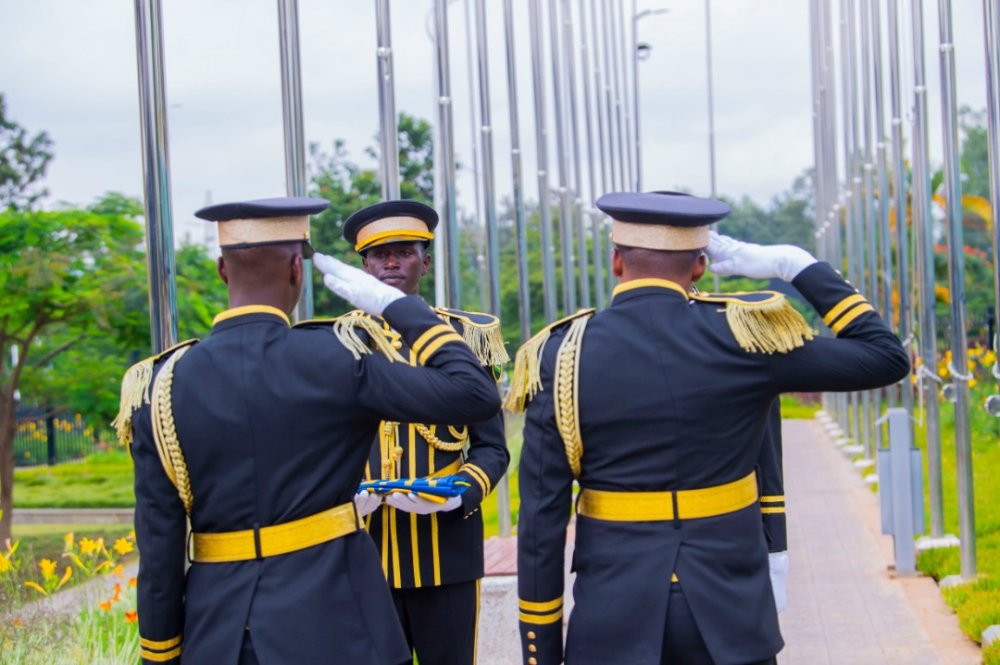
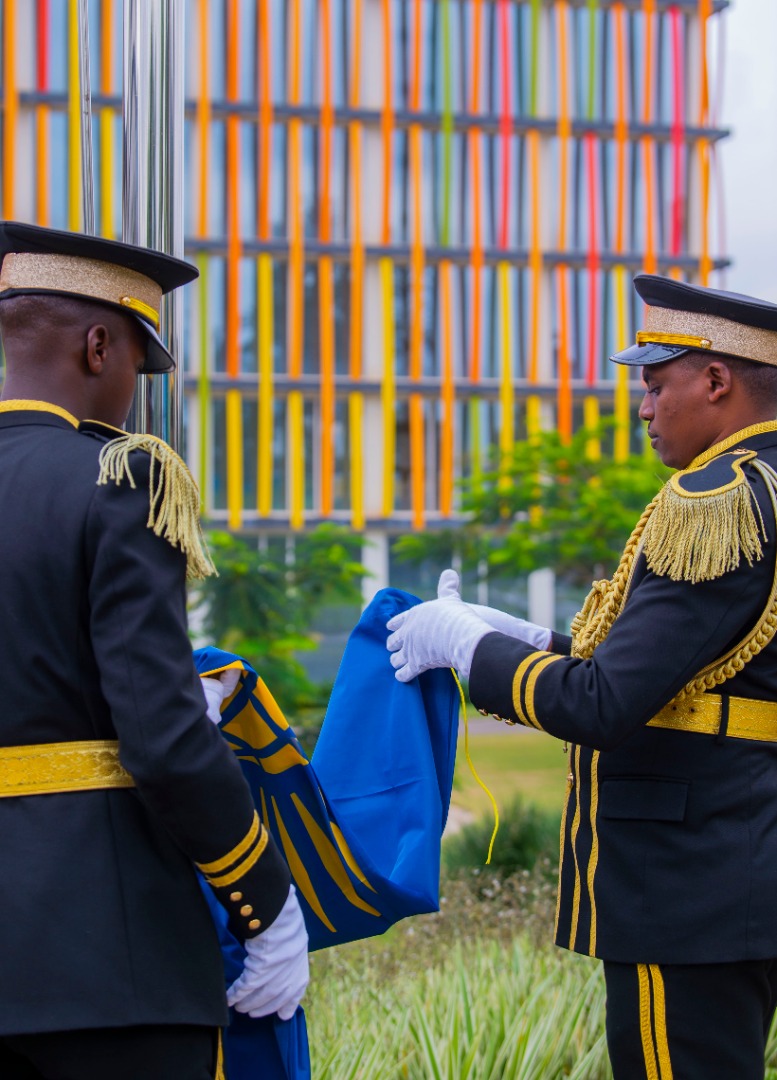
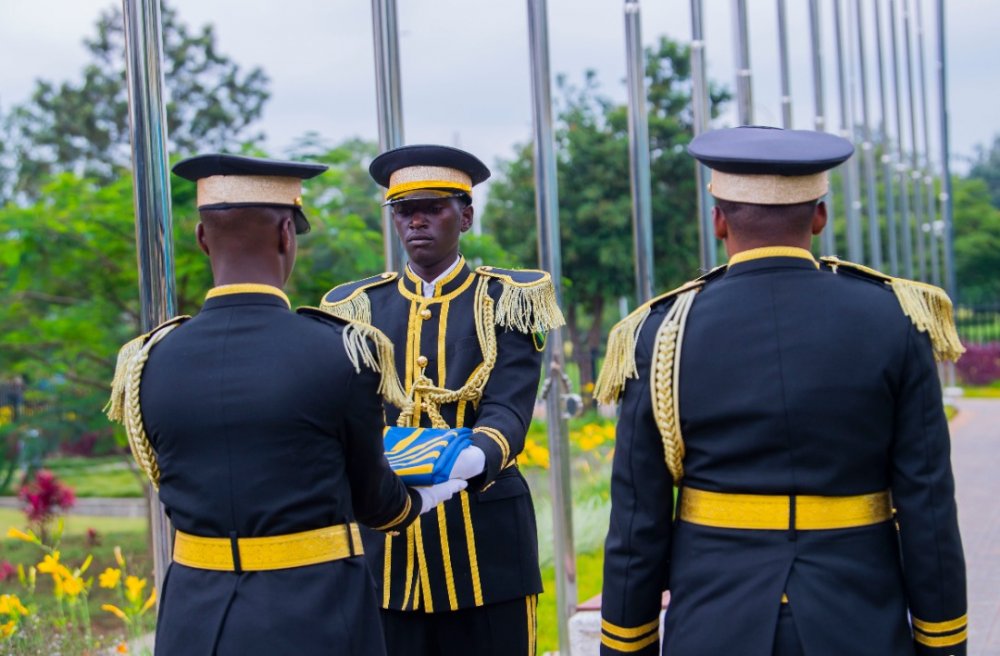
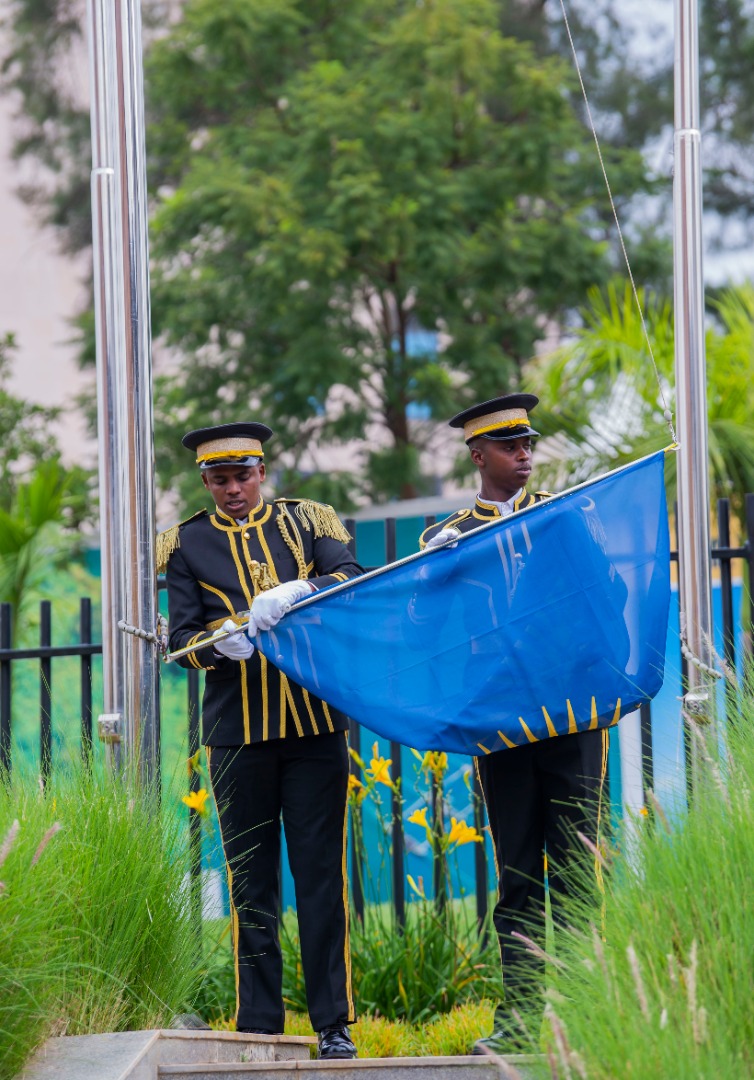
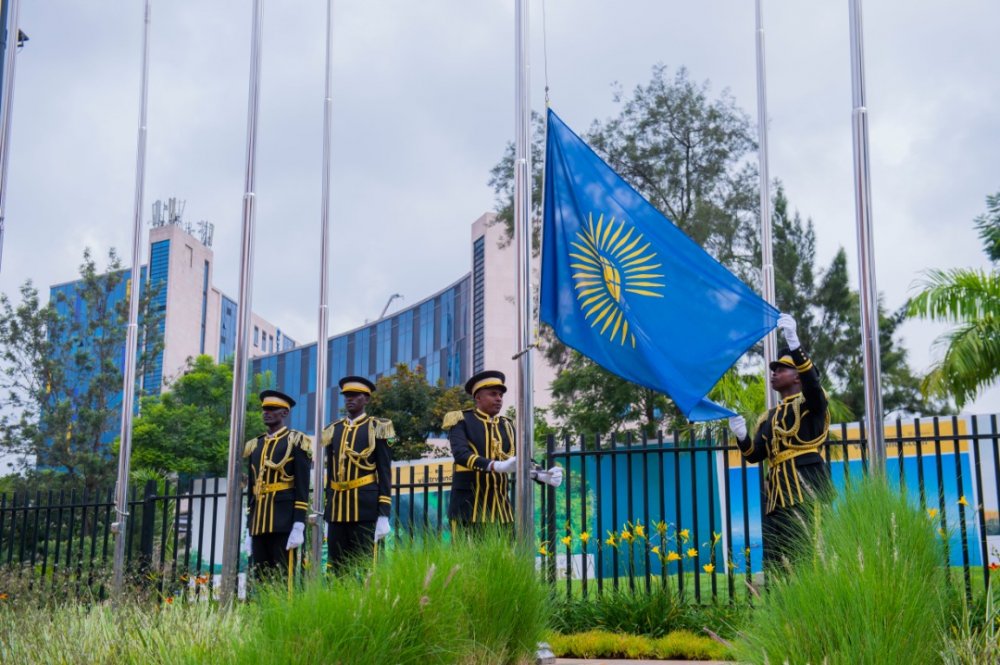
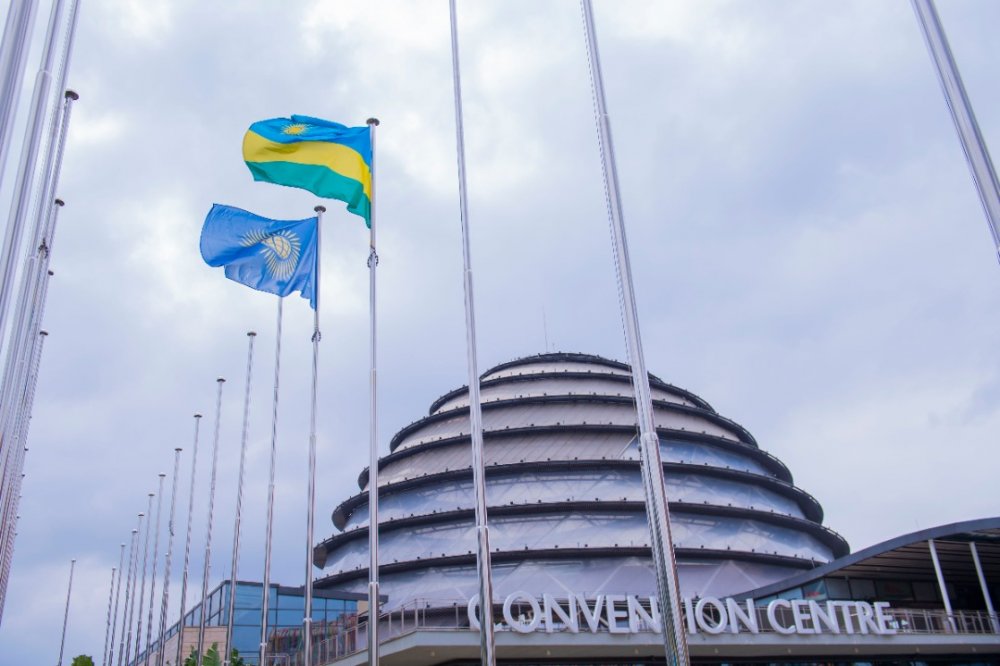
The Commonwealth flag was raised at KCC as it will host the Commonwealth Heads of Government Meeting (CHOGM) in June this year.
The Commonwealth Day Ceremony was held in London and was graced by the presence of Queen Elizabeth II, Head of the Commonwealth along with the Commonwealth Secretary-General and Commonwealth High Commissioners.
On April 20th, 2018, it was approved that Rwanda will host CHOGM. The meeting is scheduled in Kigali from June 22nd to June 27th, 2020 and will be attended by 53 member countries of the Commonwealth.
The theme for the meeting is ‘Delivering A Common Future: Connecting, Innovating, Transforming’.
Five sub-themes have been identified for discussion including governance and rule of law, ICT & Innovation, youth, environment, and trade.
In September 2019, President Kagame and Patricia Scotland, Commonwealth Secretary-General reaffirmed CHOGM will be held in Rwanda.
Dr. Denis Mukwege announced he will not attend the meeting because the ideas he suggested should be discussed about were not put on the agenda. Mukwege is the one who brought the idea of the meeting and led to its implementation with the support of senator Gérard Longuet.
Pierre Gény, the Executive Secretary of the Royal Academy for Overseas Sciences (RAOS) was also expected in the meeting, withdrew his attendance following the decision of Mukwege to not attend it.
Vincent Hervouët, a journalist on the LCI channel who is notorious for offering a platform to genocide perpetrators and ideologists announced he would not be attending as well due to time limitations.
The theme of the meeting is “Africa Great Lakes region, 60 years of political instability.”
Two panel discussions will be conducted one focusing on history, 60 years of killings, torture, and crimes against humanity and the second one exposing individuals who perpetrated killings, torture, and crimes against humanity both in the affected regions in the Great Lakes and internationally.
The meeting was organized with the support of two French politicians including Alain Richard, former French Minister of Defense and Gerard Longuet who also served as Minister of Defense from 2011 to 2012.
The Rwandan community in France (Communauté Rwandaise de France, CRF) and IBUKA France have urged the French senate to condemn the meeting and call out all acts denying the 1994 Genocide against Tutsi.
Among the guests are Judi Rever, a Canadian freelance print and broadcast journalist who is the author of many books denying the 1994 genocide against Tutsi. One of her books titled ‘In Praise of Blood, the Crimes of the Rwandan Patriotic Front’ brought polemic, controversial disputes and received negative reviews from genocide scholars.
In attendance is also Jean Marie Vianney Ndagijimana, former Ambassador of Rwanda to France who has also gained notoriety for advancing the double genocide theory through his speeches and manifestos.
There will also be Charles Onana, a French journalist and author who also claims that there was no genocide between 1990 and 1994. He is currently under investigation for the denial of crimes against humanity.
Hubert Vedrine, a French socialist politician, and former President Mitterrand’s diplomatic advisor, and former Secretary-General of the French Presidency from 1991 to 1995 will also be attending the meeting. Mitterrand’s government vehemently supported the 1994 genocide against Tutsi.
The meeting was initially organized by Dr. Denis Mukwege who received the Nobel Peace Prize in 2018. On the meeting’s agenda, Mukwege suggested to condemn the United Nations Mapping Report showing war crimes which were committed in the Democratic Republic of Congo between 1993 and 2003. After his suggestion was rejected, his secretary and La Croix newspaper announced he would not be attending the meeting.
Rumors that Gérard Longuet is the mastermind behind the meeting were not cleared.
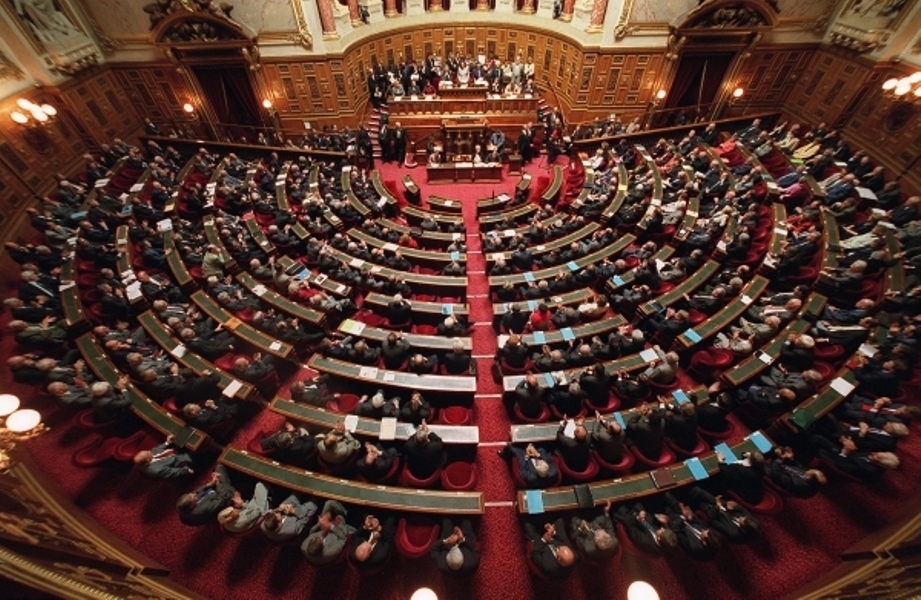
Like all French senators, Longuet is allowed to organize one meeting per year at Palais Bourbon with no restrictions whatsoever, even from Gérard Larcher, the French Senate President.
Given that most of the people who will attend the meeting are genocide deniers, many people have voiced concerns on the fact that the meeting will be held on French territory especially at a critical time where France prepares to commemorate the 1994 Genocide against Tutsi on April 7th.
As stated in Decree No. 2019-435 of May 13th, 2019 that “The 1994 Genocide against Tutsi shall henceforth be observed and commemorated in France every year on April 7th.”
In May 2019, French President Emmanuel Macron announced the establishment of a body of genocide scholars and researchers led by Prof. Vincent Duclert which will assess the role of France during the 1994 Genocide against Tutsi. The report on the research will be published within two years and findings will be incorporated in History programmes and curriculum in France.