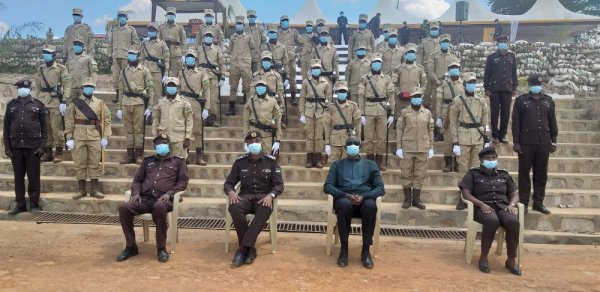
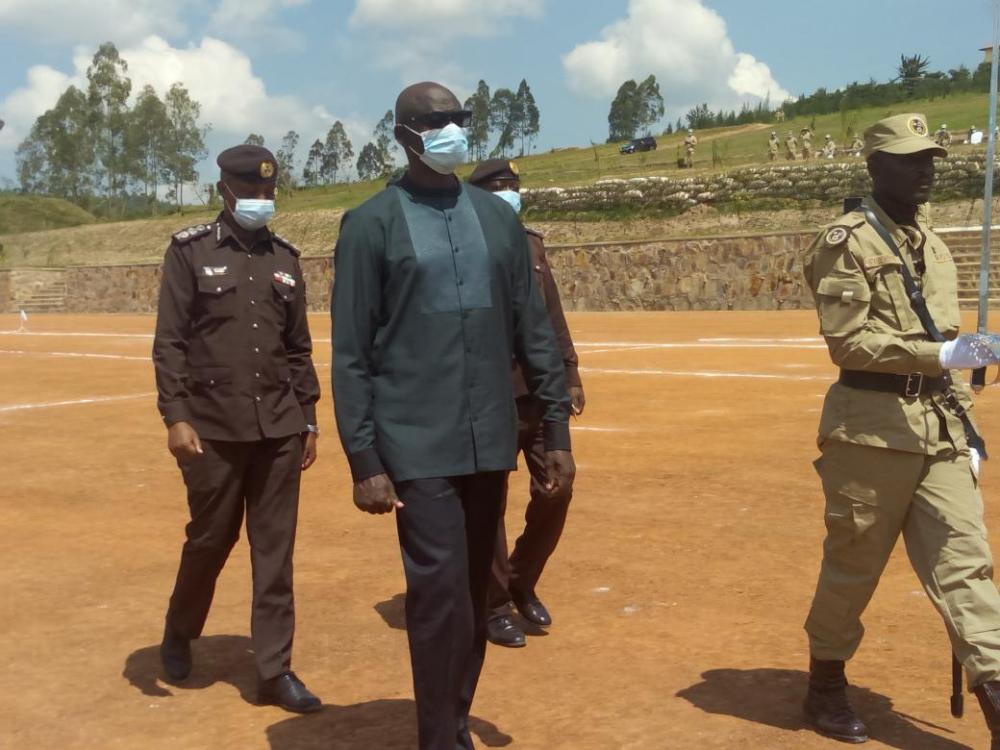
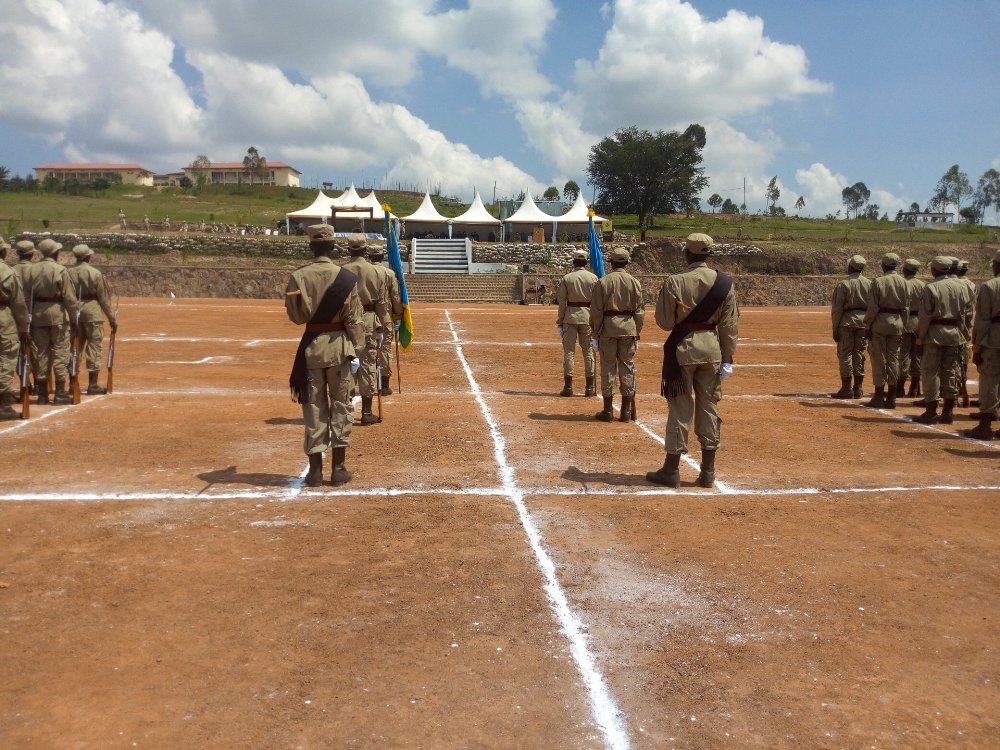
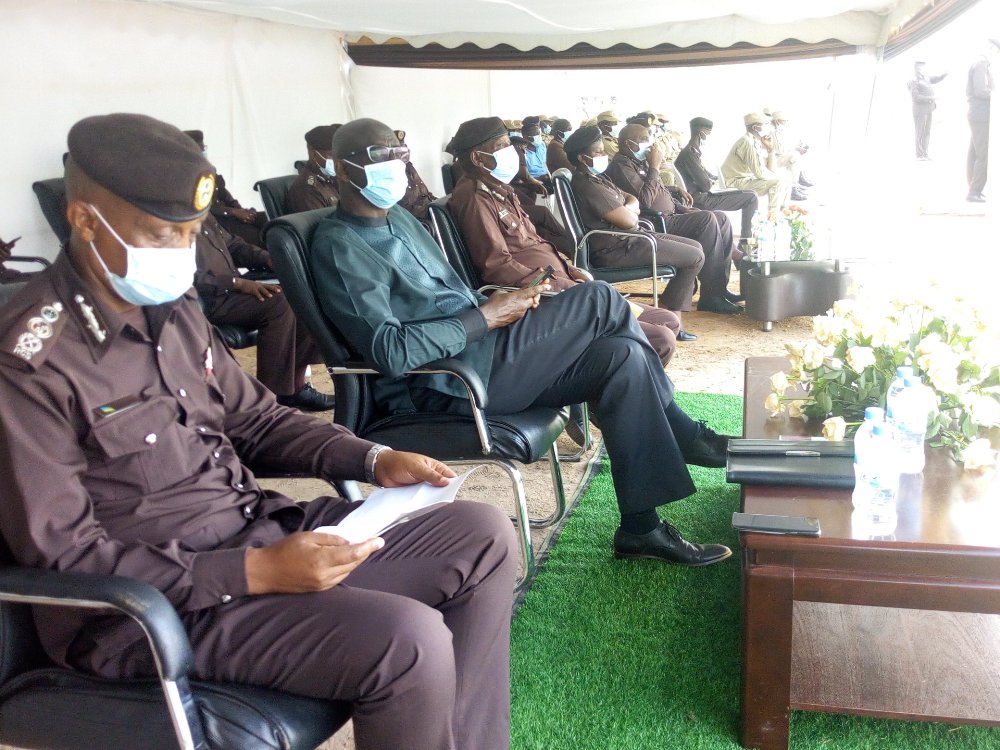
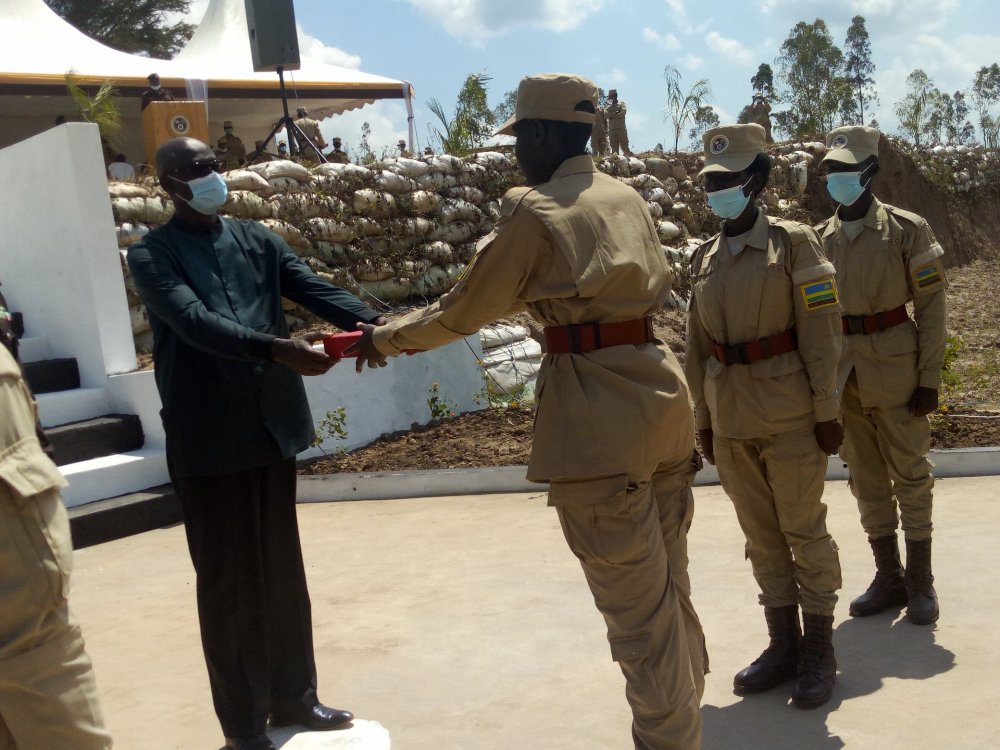
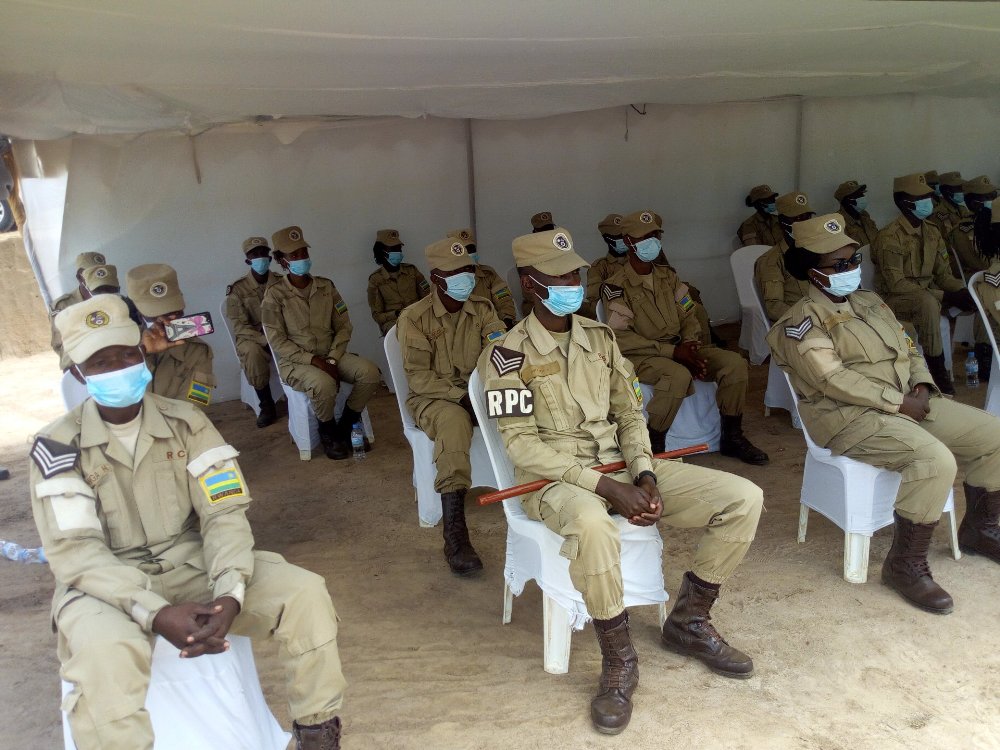
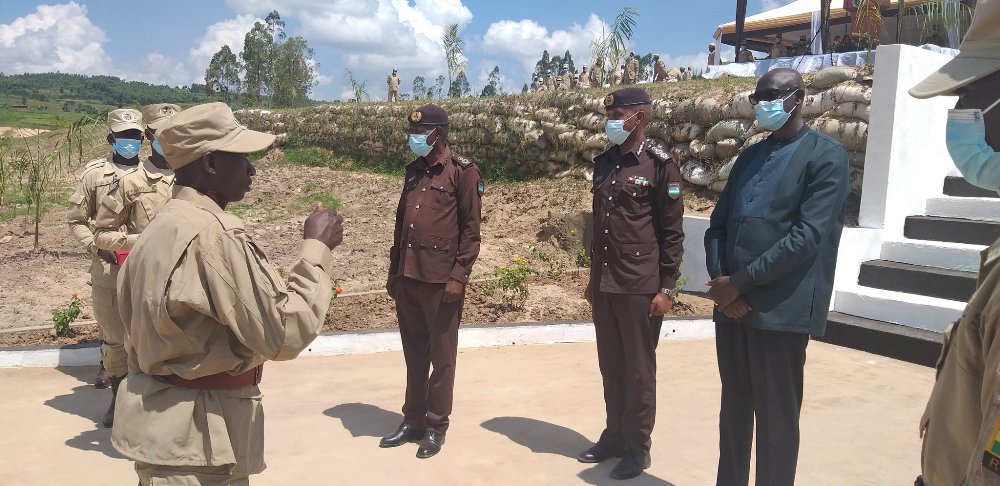
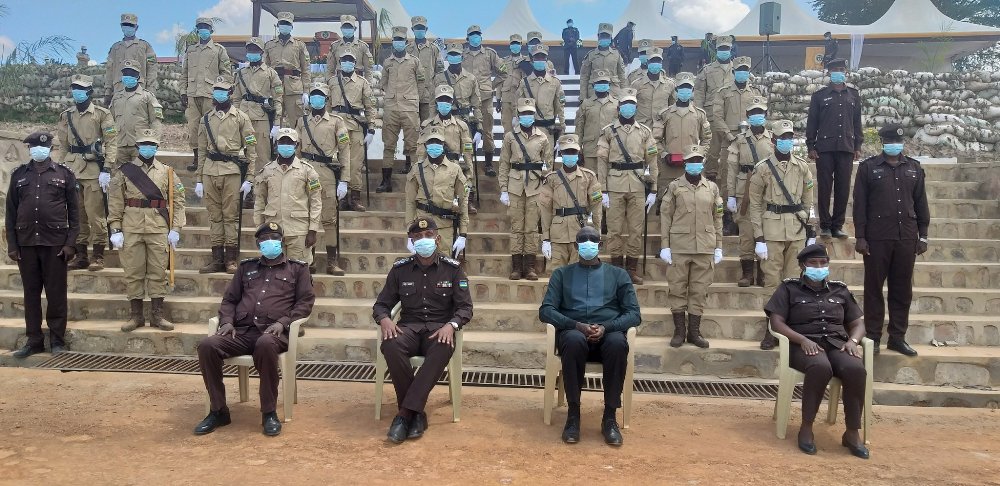
Commissioned officers are in the fourth category of prison warders who have been trained in the field of prison administration, consisting of 649 men and women. The ceremony was held at Rwamagana Prison School yesterday.
Busingye expressed appreciation for the good performance exhibited by the graduands and urged them to conduct their services in a professional manner.
He advised them to avoid being emotional and biased during work and as officers that are rendering correctional services, they are supposed to be honest and exemplary in following the law.
The commissioned warders officers were trained in physical education, human rights, criminal justice, security, and safety. Other components included map reading, prison operations, weapons use, basic psychology courses, peacekeeping activities and ethics.
There are currently 2369 prison guards in 13 prisons in Rwanda. In his jurisdiction, Minister Busingye gave them the rank of a warder.
On Wednesday evening, the Johns Hopkins tally showed 100,047 U.S. coronavirus deaths. The United States has seen more coronavirus deaths than any other country, according to the data — although analysts and critics frequently have questioned the numbers of cases and deaths reported in other countries.
As virus-related deaths continue to rise, the U.S. saw just 500 new deaths Monday, its lowest daily total since March 28, and 693 more on Tuesday, according to Johns Hopkins University. The number of confirmed infections has reached over 1.66 million.
New York, the hardest-hit state, has seen more than 363,000 coronavirus cases and over 23,000 deaths, according to recent estimates, followed by New Jersey, with reports of over 155,000 cases and over 11,100 deaths.
The news comes as the majority of states begin reopening their economies to a number of businesses.
Countries in Europe and Asia have also begun lifting restrictions that brought daily life to an effective halt for almost two months in some parts as a critical tradeoff to protect citizens. More than 2.3 million have recovered from the virus.
However, the World Health Organization (WHO) on Sunday warned that the world is still in the midst of a “first wave” of the pandemic.
“Right now, we’re not in the second wave. We’re right in the middle of the first wave globally,” said Dr. Mike Ryan, executive director of WHO.
“We’re still very much in a phase where the disease is actually on the way up,” Ryan told reporters, pointing to South America, South Asia, and other areas where infections are still on the rise.
India saw a record single-day jump in new cases for the eighth straight day. It reported 6,387 new infections Wednesday, raising its total to 151,876, including 4,346 deaths.
Brazil has 375,000 coronavirus infections — second only to the 1.6 million cases in the U.S. — and has counted over 23,000 deaths. Many fear Brazil’s true toll is much higher.
Worldwide, the virus has infected over 5.6 million people, killing over 350,000, according to Johns Hopkins University. Europe has had about 170,000 deaths.
All taxi motos operating in Kigali will start using only cashless payment platforms when charging their clients using MTN Rwanda and Airtel Rwanda digital currency platforms.
This goes in line with government plans to transform payment systems for taxi moto operators to cashless as defined by the vast success of the “Tap-and-go” payment system used on public commuter buses in Kigali.
Firms such as Yego Moto, Pascal Technology, and Mara Phone have already started rolling out the technology.
The new cashless payment system will see the 146 moto co-operatives across the country equip their fleet with GPS-enabled devices that calculate distance covered and the fare which will allow regulation of prices.
This could also reduce the common haggling for fares between taxi-moto riders and passengers often blamed for overcharging trips.
Only motorcyclists working in upcountry routes are exempted from meters for now but they are expected to use cashless payments as well.
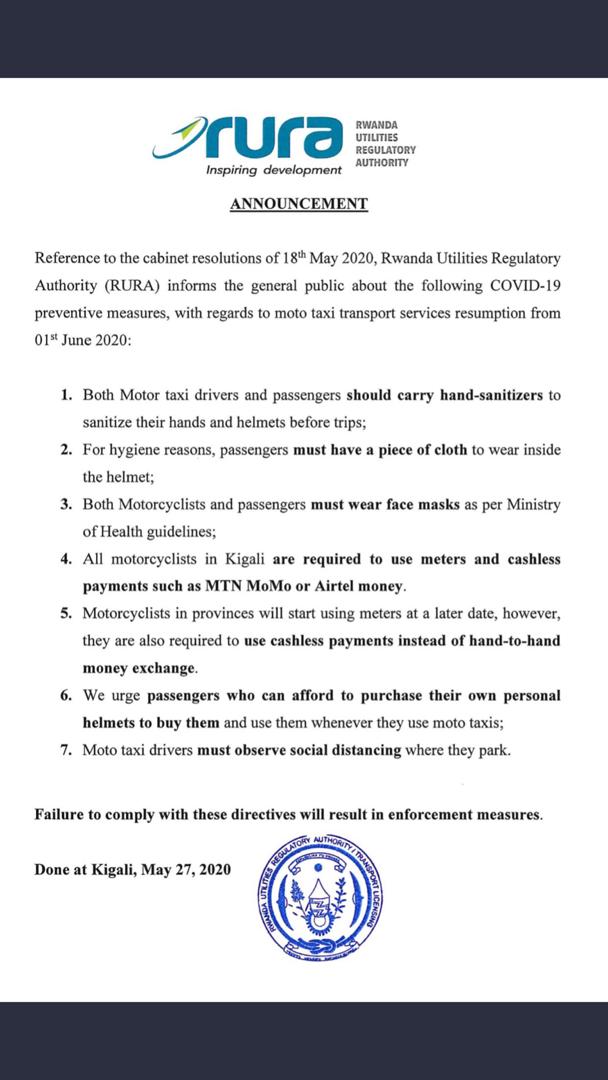
Among other directives, passengers will be required to have a piece of cloth to wrap their heads before putting on a helmet to reduce physical contact with the protective gear which is shared by passengers.
RURA is also urging passengers who can afford their own helmets to procure them for use when using the common means of transport.
Maintenance of hygiene measures such as sanitizing hands and helmets were also encouraged in directives given, as well as social distancing in parking. Face masks are mandatory for both passengers and riders.
The fact that taxi motos are resuming operations will improve transport operations across the city allowing movement to be more convenient, flexible, and affordable in comparison to cabs.
For taxi motos to resume work, about 1,000 of them have been tested for Covid-19 as the baseline, in a move government says is to ensure there is no vulnerability.
Yesterday Health Minister Dr. Daniel Ngamije said that sample testing of Kigali taxi moto drivers is ongoing to establish a baseline, ahead of safe return of motos on 1st June.
The minister also said that in order for all taxi motos to resume passenger transportation, they will be required to sanitize their helmets, carry hand sanitizers, and wear face masks just as the passengers.
In collaboration with Pascal Technologies, the government is distributing pro bono 10,000 motor meters to all taxi moto riders in Kigali.
“We plan on distributing these meters to all taxi motos in Kigali. This will take us another week and then we embark on other regions afterward, said Pascal Ndizeye, the CEO of Pascal Technologies.
Categories in the award include Top Innovations in Corporate Finance, Payments, Trade Finance, Cash Management, Islamic Finance, with Winners selected from different regions of the world.
The classes of award comprised Most Innovative Banks in Africa, Asia-Pacific, Central & Eastern Europe, Latin America, Middle East, North America and Western Europe; The Most Innovative Fintech Companies in Asia-Pacific, Central & Eastern Europe, North America, and Western Europe; and The Best Financial Innovation Labs
At the virtual awards announcement, Anita Hawser, European Editor at Global Finance and Lead, Global Finance Awards evaluation team, noted that companies recognized at the Innovators 2020 significantly stood apart.
She said the review panel looked at innovation in the context of product or process innovation, as they were ultimately more concerned with the impact of innovation in terms of creating value for customers or addressing a specific need, like speeding up lending or credit review process for small businesses; enabling companies to deposit cheques remotely and not having to visit the branches.
According to her, these are innovations that significantly reduce the time or cost of companies to perform financial tasks and really transform customers’ business lives helping them operate more effectively in a significantly challenging business and economic environment.
In his remark, Ade Ayeyemi, Ecobank Group CEO said: “We are pleased to be recognised as the ‘Most Innovative Bank in Africa’ by Global Finance. This attests to the strength of our brand in multiple countries across Africa, our unique pan-African platform, and our innovative banking products and solutions made possible by the success of our digital transformation journey”.
With a larger African footprint than any other bank operating in West, Central, East and Southern Africa, Ecobank is the only bank that has banking operations that spans 33 African countries, operating a truly integrated African network.
That is One unified integrated Ecobank Mobile Banking App, that works seamlessly across all 33 operating countries in Africa; One Ecobank Omni and Omni Lite serving Multinationals and SMEs in Africa; One Rapidtransfer app that breaks down country borders and allows the diaspora community send money directly to their loved ones, instantly and affordably across Africa; One Ecobank Online Banking platform that can be easily accessed across 33 African countries.
The Ecobank Group’s unique and largest pan-African platform is designed to help unlock the opportunities of the continent, for the benefit of the continent, through standardization, thereby enabling regional integration, and trade and investment across borders.
With the Group’s sterling performance, it has been severally recognized as ‘Best Retail Bank in Africa 2019’ at African Banker Awards; Most Admired Financial Services Brand in Africa 2019 by Brand Africa 100; Best Digital Bank in Africa – 2017 by Euromoney Awards; Best Retail Bank and Innovation in Banking both in 2018 by the African Banker Awards amongst others.
According to a press statement issued by WHO, the Foundation will be supporting the Organization’s efforts to address the most pressing global health challenges.
The newly unveiled foundation whose goal is to broaden WHO’ donor base is legally separate from the organization.
Dr. Tedros Adhanom Ghebreyesus, WHO Director-General said that development is An important part of WHO’s future success is broadening its donor base and increasing both the quantity and quality of funds at its disposal.
“The creation of the WHO Foundation is part of WHO’s transformation and an important step towards this goal, and towards achieving our mission to promote health, keep the world safe and serve the vulnerable.”
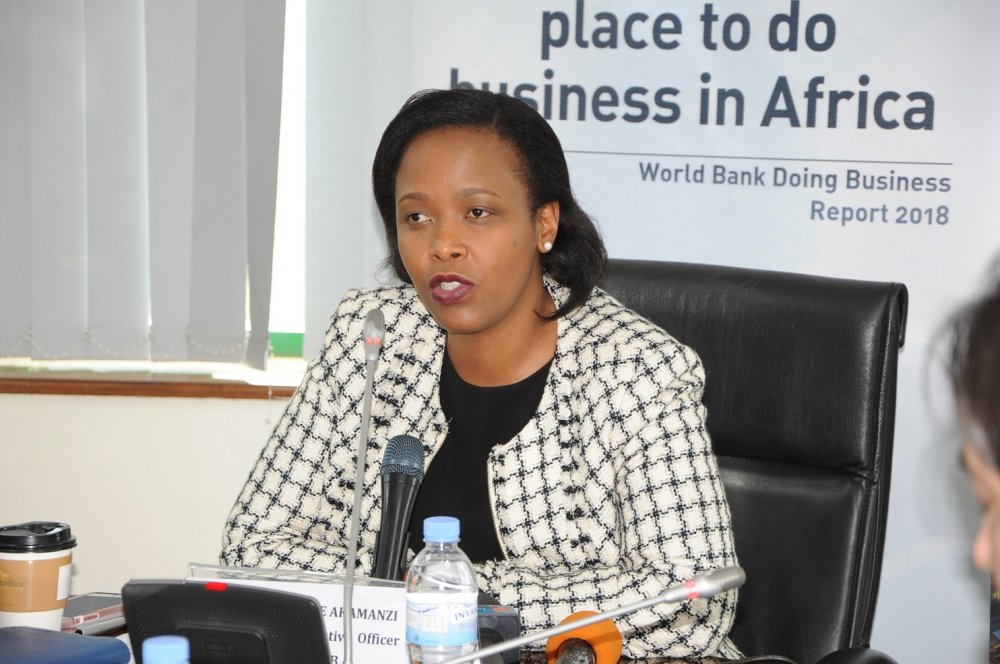
Akamanzi will serve alongside Bob Carter and Professor Thomas Zeltener; she welcomed the move and said on her Twitter account that the birth of WHO Foundation is a crucial addition to ongoing efforts to address global challenges.
The Foundation,which has its Headquarters in Geneva, will support global public health needs by providing funds to WHO and trusted implementing partners to deliver on the Organization’s “triple billion” goals.
Among other duties, the WHO Foundation will simplify the processing of philanthropic contributions in support of WHO and make such contributions possible on all aspects of health and WHO’s mission.
“The work of the WHO is vital for both safeguarding and promoting global health – a role that has become all the more crucial in light of the COVID-19 pandemic.”
“The WHO deserves a strong, independent, external advocate who can support and strengthen its impact,” said Professor Thomas Zeltner, Founder of the WHO Foundation.
In view of the COVID-19 pandemic, WHO Foundation will initially focus on emergencies and pandemic response, according to a press statement.
After the presiding judge read out the offenses that Kabuga was accused of, including genocide, persecution and extermination against Rwanda’s Tutsi minority, Kabuga denied the charges.
“Those are all lies,” Kabuga said through an interpreter. “I would not have killed my customers. They are lies.”
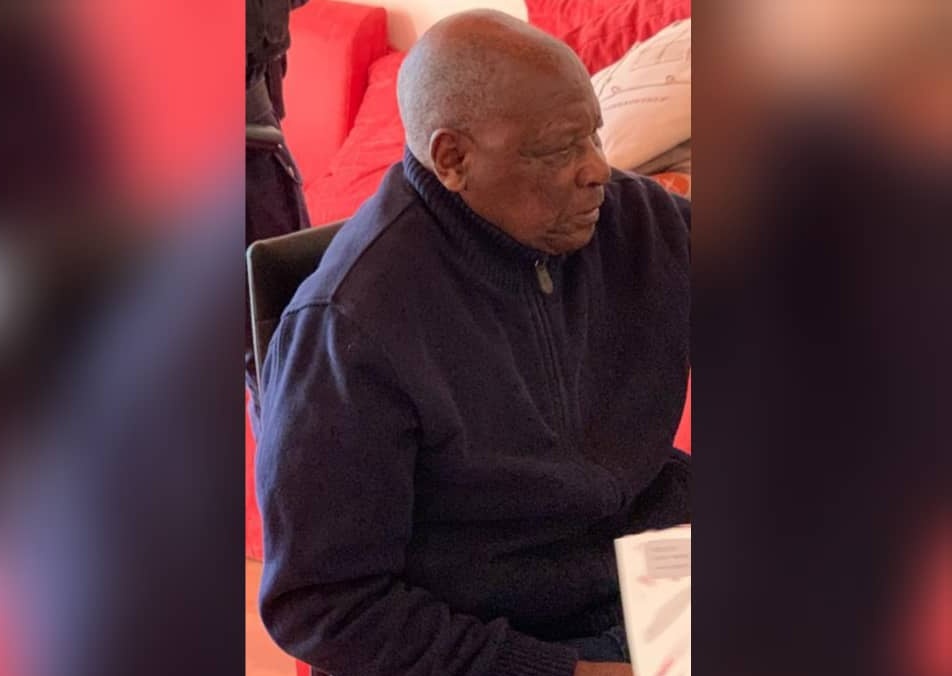
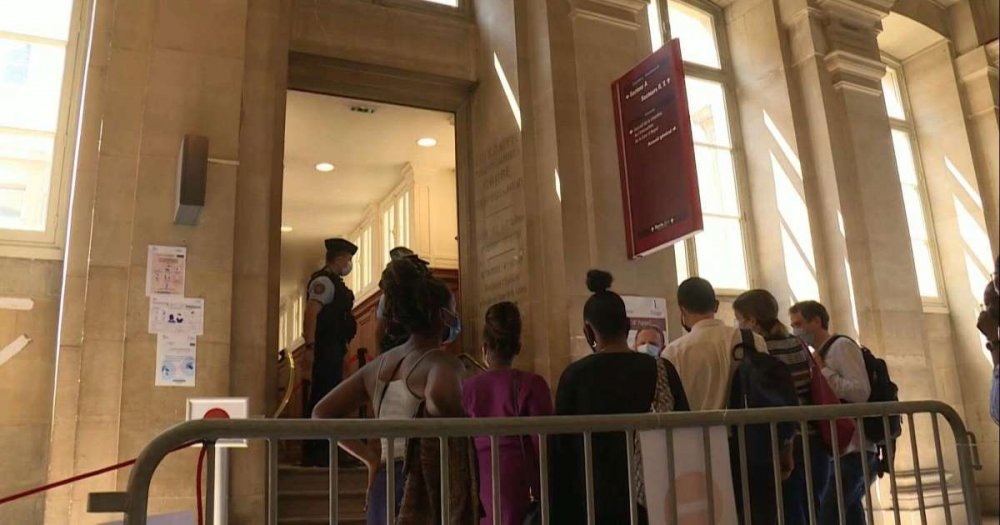
Kabuga appeared before a Paris Court of Appeal that will decide whether he will be transferred to an international court. The French court refused to release Kabuga on bail, despite his lawyer’s argument that he is in poor health. Kabuga appeared in court in a wheelchair, hands in his lap, wearing a face mask. No immediate medical concerns were known.
The defense lawyer said Kabuga would not receive a fair trial at a UN tribunal. The French court will determine whether he will be handed to an international court during its next session, which is scheduled for June 3.
{{Sponsor of death}}
Kabuga, who was arrested earlier this month in a Paris suburb was considered the most-wanted suspect connected to the 1994 genocide of Tutsis in Rwanda. He had been on the run for 25 years for his suspected role in crimes committed during the 1994 genocide against the Tutsi.
A tea and coffee tycoon, Kabuga was one of Rwanda’s richest people leading up to the genocide.
Prosecutors have accused Kabuga of using his wealth to import machetes and gardening tools that would be used as weapons in the 100-day genocide that killed several hundred thousand Tutsis and moderate Hutus. Kabuga also co-owned the Radio Television Libre des Milles Collines (RTLM), which spread ethnic hatred against Tutsis.
Kabuga managed to evade capture for years by living under false names and frequently moving. French police previously said he lived in several European and African nations — including Germany, Belgium, and Kenya — in the quarter-century since the genocide.
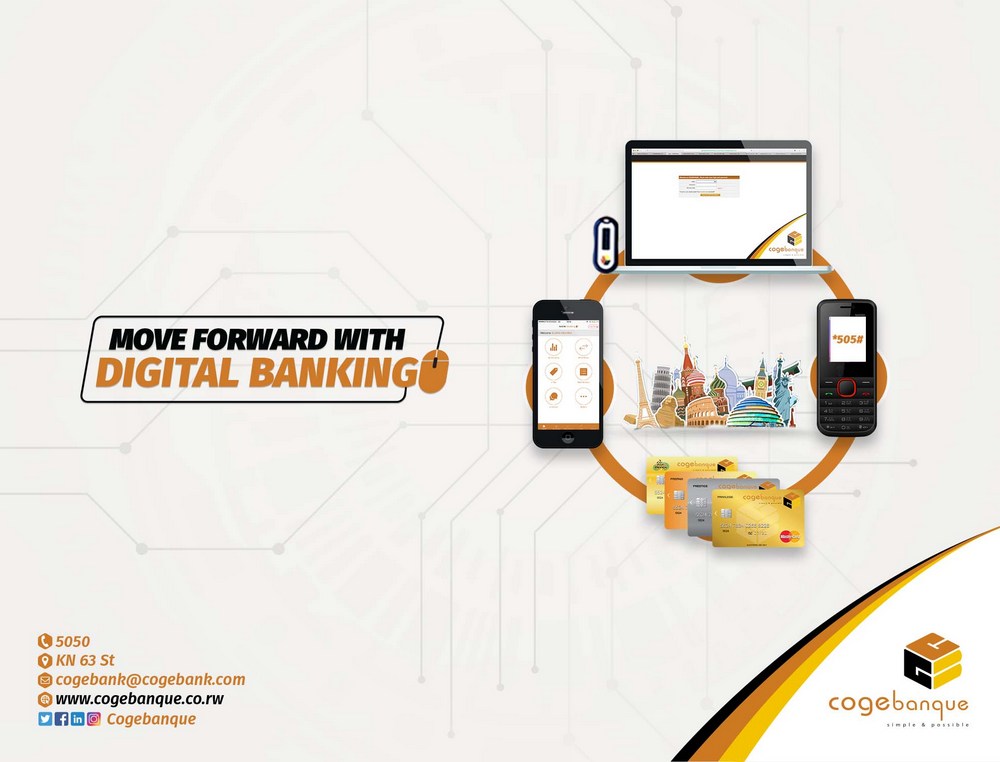
Cogebanque Plc has also integrated the use of ITs in its services and products in a bid to freeze time, distance and boost efficiency, and, in the process, contributing to the attainment of Government of Rwanda ambition of building a cashless economy.
As many Rwandans continue to use digital currency to beat the spread of coronavirus, many transactions are done through online platforms including shopping, payments, tax declaration and money transfers.
Cogebanque Plc customers have told IGIHE that the bank has gone an extra mile by approaching clients, advising and providing them with digital financial services that involve online and cashless transactions.
Nkubana Alphonse who has been banking with Cogebanque for 10 years says that during the Stay Home period, he was able to access his bank account online without any hindrance.
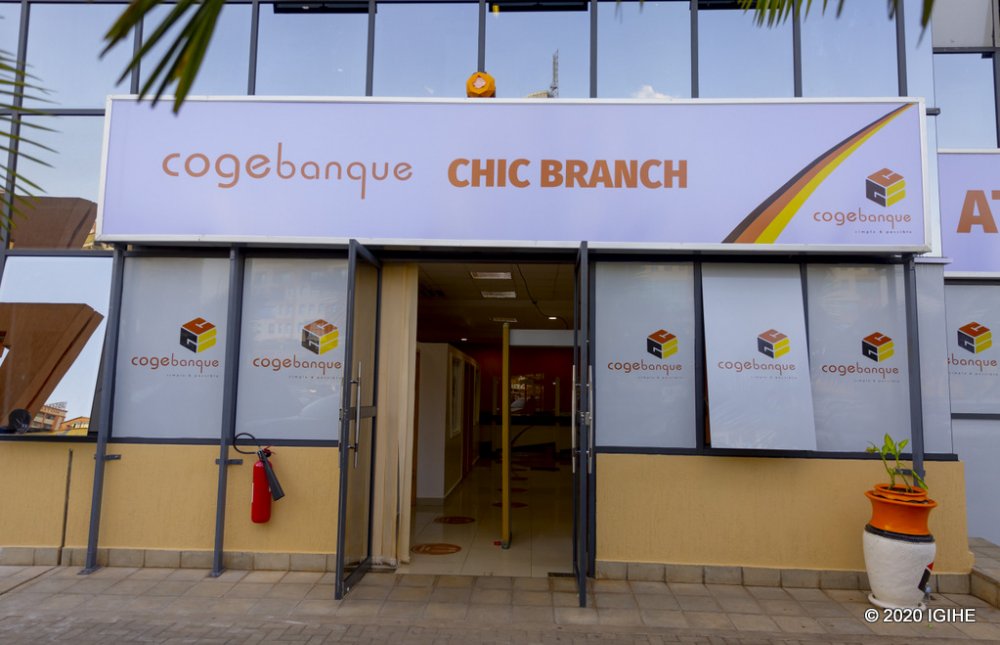
Nkubana, an account holder with CHIC’s Cogebanque Plc branch, said he is satisfied with the technology because ‘most of us used to send money and where you didn’t understand they would help you.’
“When you pay someone through digital platforms, there is proof that you paid for it. The transactions are also faster faster,” Nkubana said.
From cheques to M-Wallet
Cogebanque customers say they have now come to fully appreciate the importance of using cashless transactions given the thorough support extended by the bank.
“I now use ‘Mobile Wallet ’service which can be compared to having a bank in your hands at all times. Even with COVID-19 lockdown, I could access my bank account whenever and from wherever I so wished.. I used to use cheques or cash. Now I go to Rutsiro or Nyagatare, paying the workers without any problems using Cogebanque’s Mobile Wallet,” Butwatwa Paul, a time honoured customer of Cogebanque says.
Butwatwa says it also eliminates all security risks that would be involved in money transfer.
The building contractor who has been banking with Cogebanque for eight years says that even his employees now find it an easy banking option.
Yvon Gilbert Nishimwe, Director of IT Services at Cogebanque Plc, says all through the COVID 19 lockdown, their clients could access their accounts from their homes without any ado.
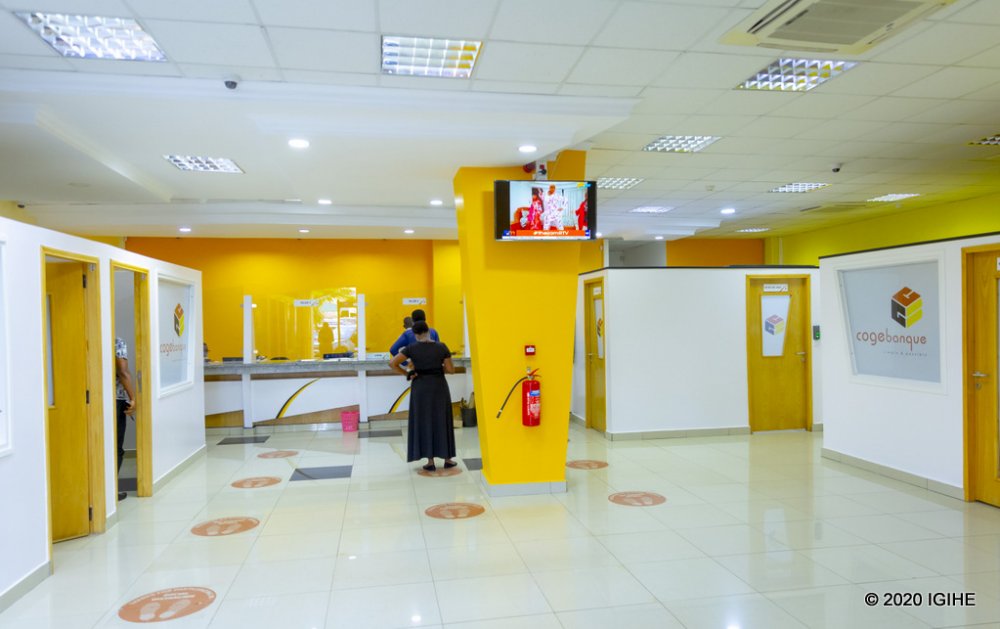
Cogebanque Plc has 28 branches nationwide. It has 36 ATM machines, over 600 agents who help it provide account opening, deposit and withdrawal services, remittances and other services including technology; Internet Banking; Mobile Banking (* 505 # and Coge mBank); The Smart Cash card and MasterCard.
Rwanda has set a target that by 2024, 80% of transactions will be made through digital transactions, up from 34.6% in 2019.
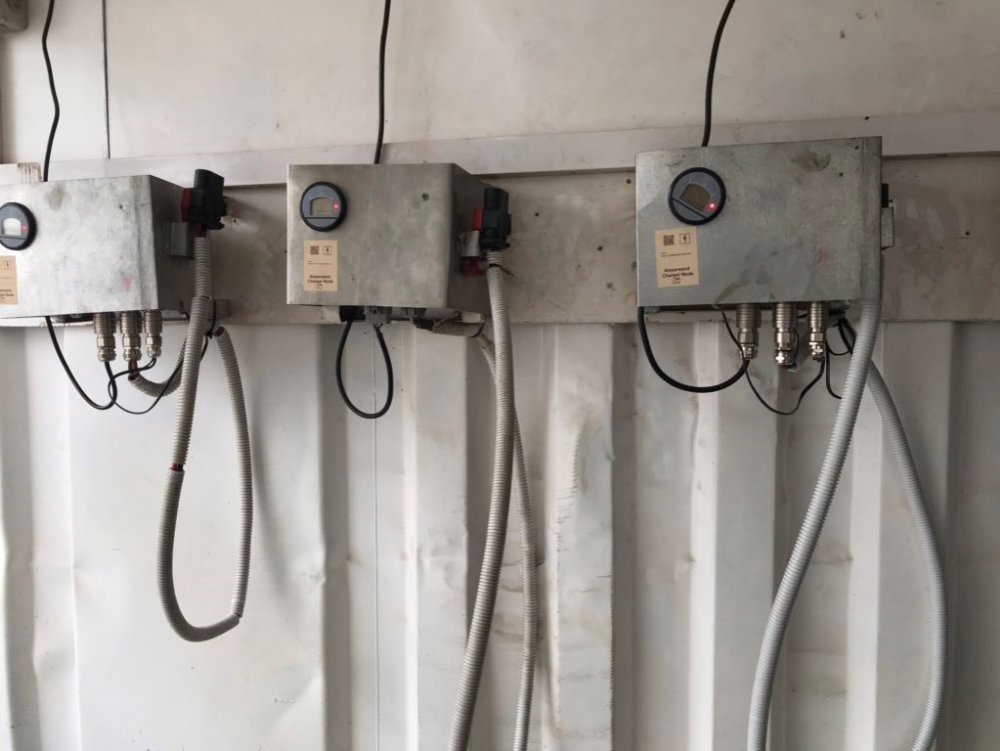
Ampersand, with a branch in Kigali, assembles and sells motorcycles with cheap, clean and efficient energy consumption.
In May 2019, 20 Ampersand motorcycles began operating in Kigali carrying passengers and luggage to test their usability on the Rwandan market.
In a message on twitter, the company said, “Last year we launched the first electric motorbikes, and since then we have now covered 400,000km, replaced 10,000 batteries in those motorbikes on the road. We now have seven thousand motorcyclists waiting for us, and we are ready to get back on the road on June 1.”
Clare Akamanzi, Director General of the Rwanda Development Board (RDB), praised the company for its successful year of operations in the country, saying that RDB is ready to continue working with it in the future.
In December last year, the company reported that its motorcycles had already covered 250,000km.
The Ampersand director, Josh Whale, says there are many opportunities that come with the use the electric motorbikes.
Currently, in Rwanda, half of the transportation on the road are motorcycles that carry passengers and, of recent due to COVID 19 lockdown, luggage.
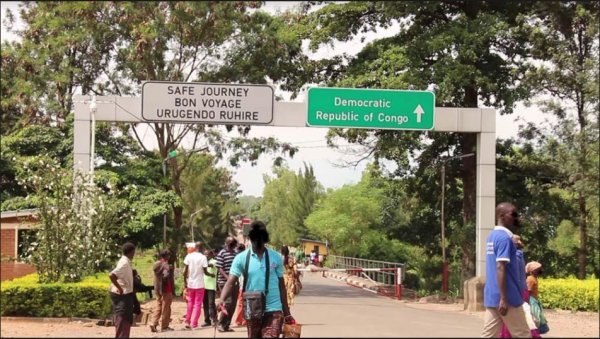
Local residents in villages neghbouring DRC in Rusizi district have been lamenting for days to be short on food supplies yet they had planted food crops in the DRC which they demand be allowed to harvest.
One of the local residents who requested to go to harvest their crops, told the media that the problem of hunger emanates from being prevented from entering Congo to harvest their food.
“Allow us for only three weeks to harvest our foods. Do not let us starve to death, the famine is too much. Give us only three weeks to harvest our crops.”
The residents say they were happy with the authorities’ decision of allowing them to cross and harvest their crops. They began crossing into DRC on Tuesday but expressed concern over the timing of their arrival, demanding that they are given three days.