Evelyn Kamagaju was appointed Vice-Chairman while other seven board members include Alice Nkulikiyinka, Diane Karusisi, Ivan Kagame, Eric Kacou, Solange Uwituze, Liban Soleman Abdi and Faith Keza.
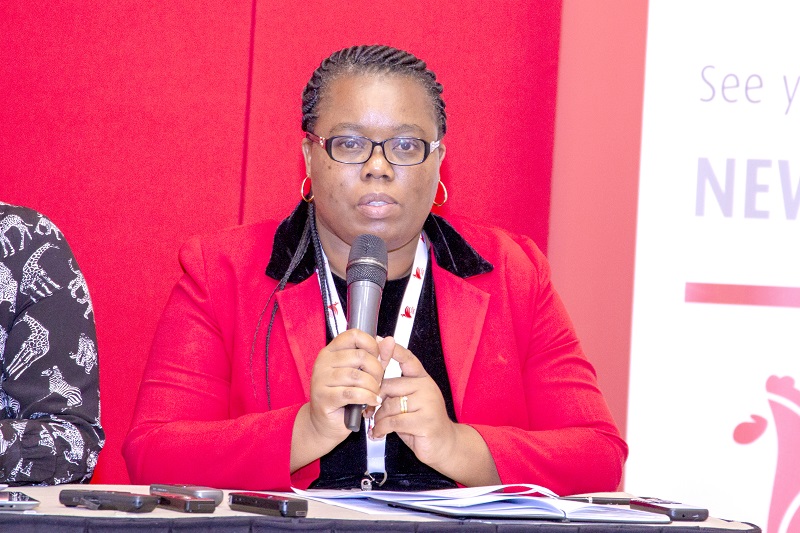
Uwituze has served as the Deputy Director-General in Charge of Animal Resources and Technology Transfer at Rwanda Agricultural Board (RAB) since 2018. She has a Ph.D. in Animal Nutrition and a Master’s degree in Animal Sciences.
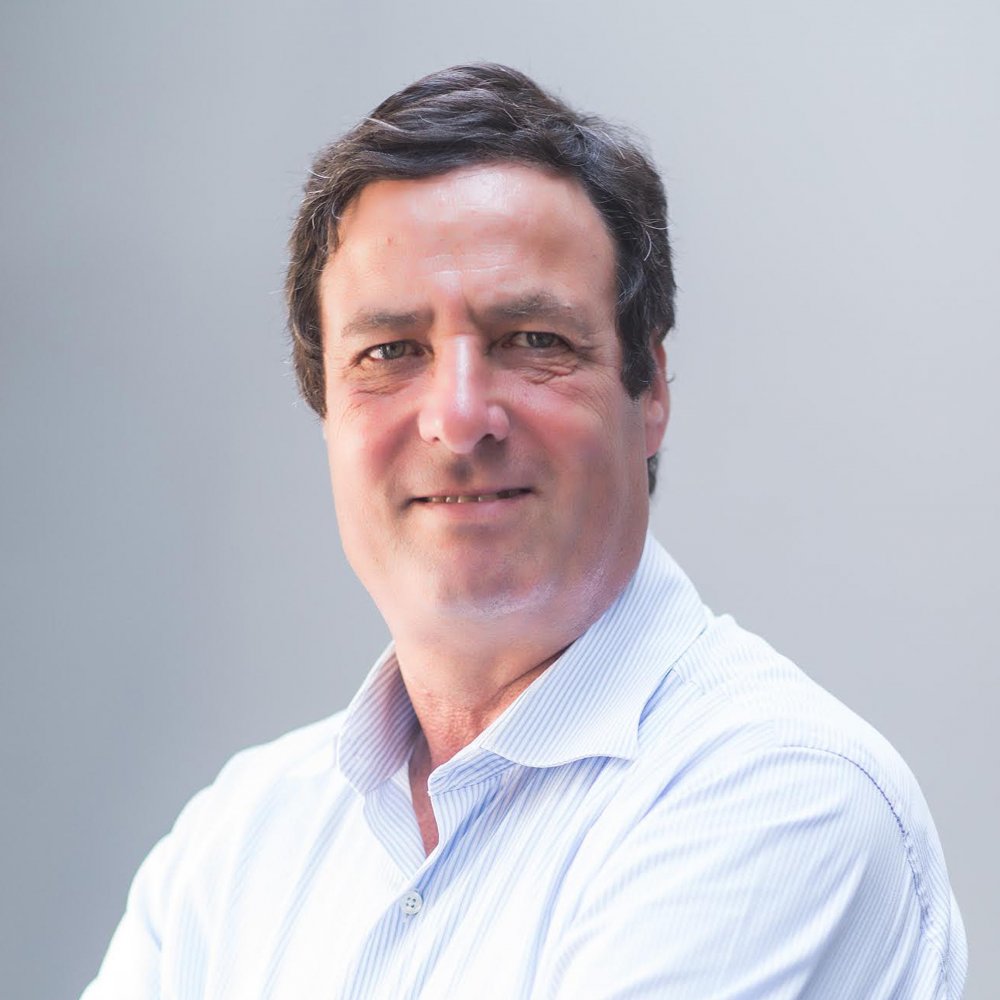
Ivan Kagame holds an MBA from the University of California. He is an entrepreneur and investor mainly in renewable energy.
Eric Kacou is an Ivorian national and the Co-Founder of Entrepreneurial Solutions Partners, a firm that offers consultancy to businesses.
Kacou’s operations in Rwanda started with his OTF Group, a firm that played a role in developing competitiveness in the country’s human capital in the aftermath of the 1994 Genocide against the Tutsi. He has also led the Rwanda National Innovation and Competitiveness Program.
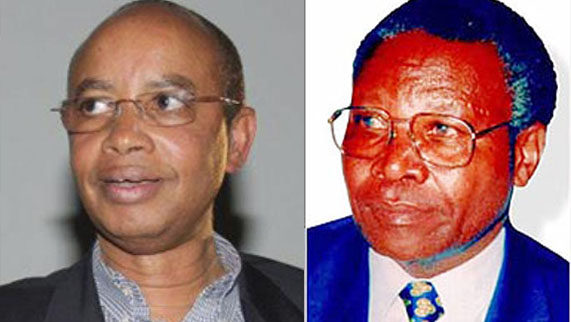
The defense French lawyer Emmanuel Altit, said his client would appear in court on Tuesday.
Altit is a longtime lawyer in the profession, defending former President Côte d’Ivoire’s Laurent Gbagbo on charges of war crimes.
Richard Gisagara, who lives in France and is currently defending the survivors of the Genocide against the Tutsi, told IGIHE that although Kabuga is appearing in court, it is very likely that a decision will not be made immediately.
The court shall notify him of the charges, and the complaint shall be submitted to the judges who shall hear his transfer within eight days.
They will decide whether Kabuga will be sent to the International Criminal Tribunal for Rwanda (ICTR) in Arusha. While Kabuga appeals to their decision, the complaint will be referred to the court of Cessation.
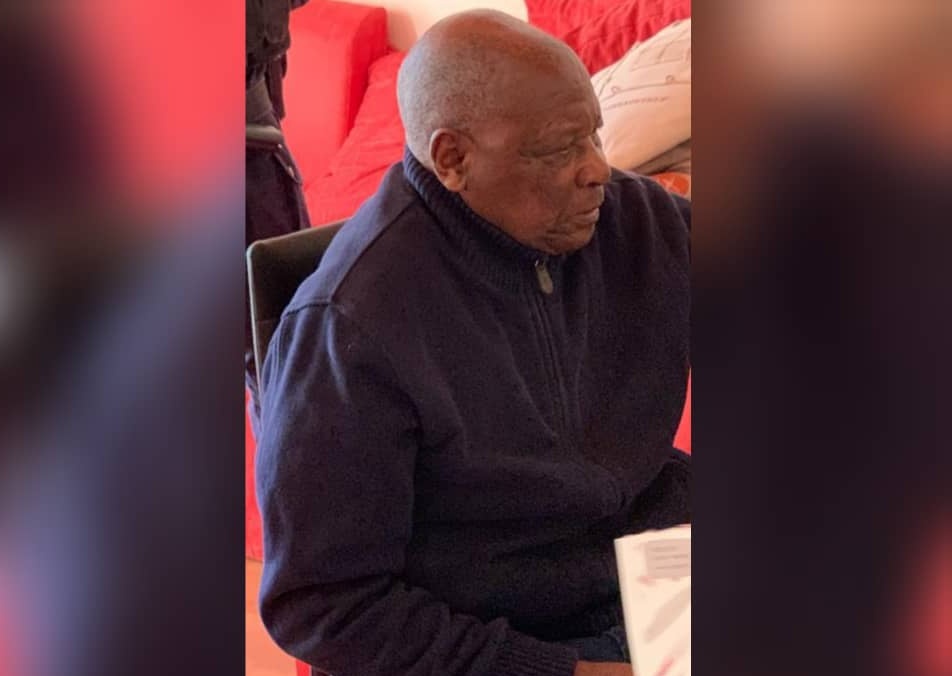
84-year-old Félicien Kabuga is considered a major perpetrator of the genocide, where in November 1993, his company Kabuga imported 25 tons of pangas from China, then in March 1994, he bought another 50,000 pangas. They are the weapons used in killing Tutsis during the Genocide.
In addition to being accused of being one of the founders of RTLM radio, he was instrumental in sowing hatred before and during the Genocide.
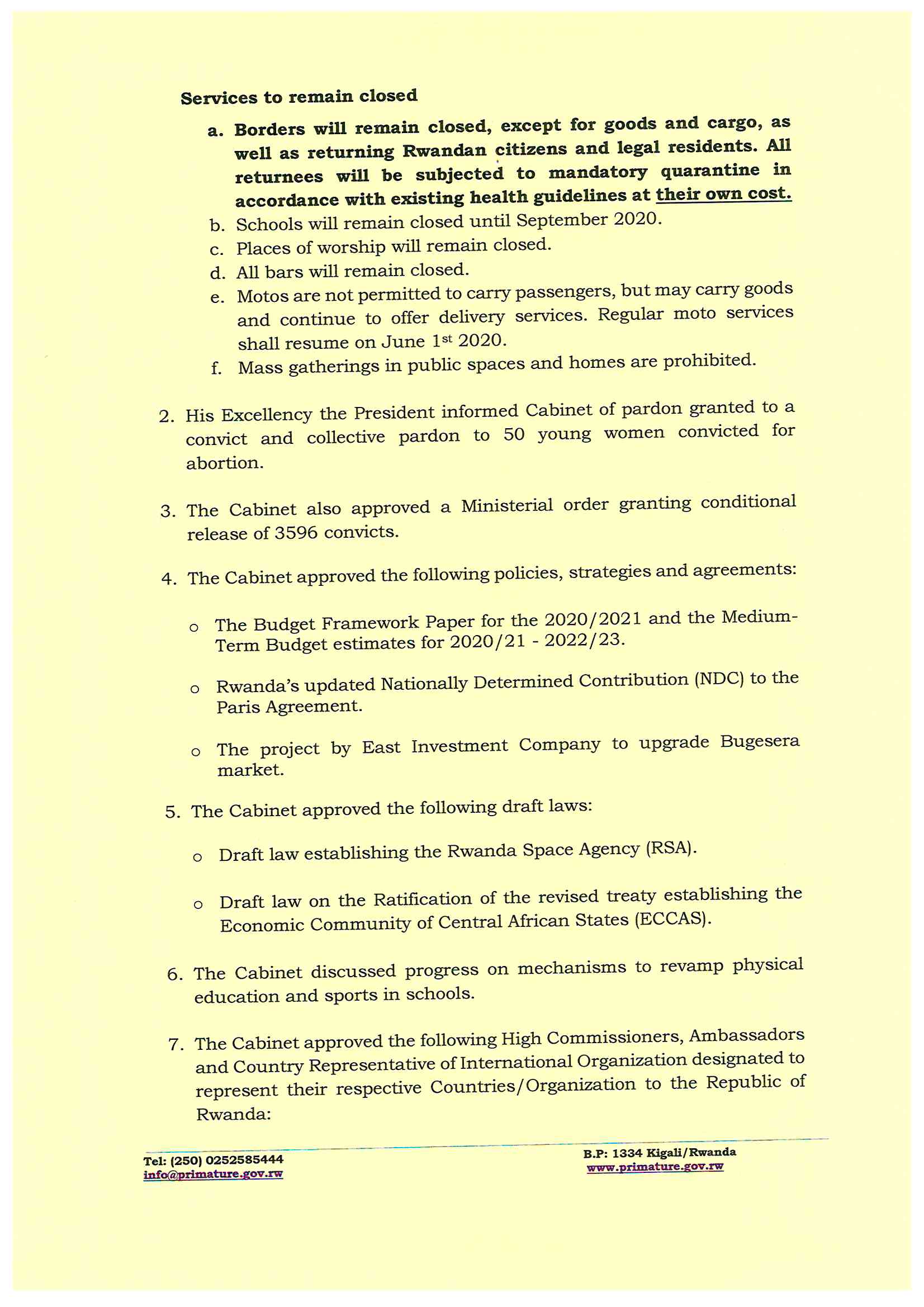
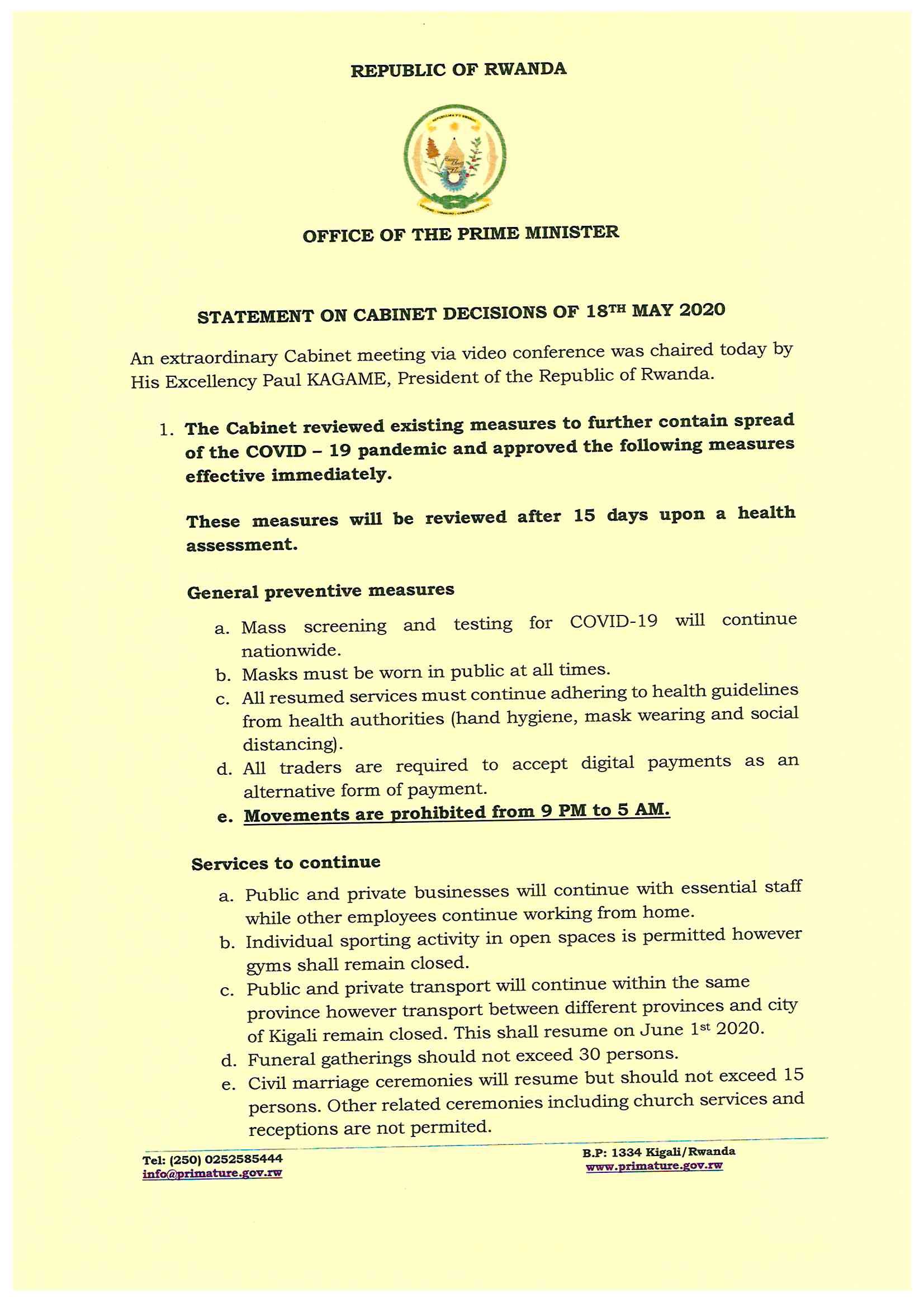
The development is part of the cabinet resolutions passed on Monday, May 18 and decided on many topics among which new guidelines for the prevention against the COVID-19 were released.
According to the same statement, apart from the 50 young women convicted of abortion, the cabinet also approved a Ministerial order granting conditional release of 3,596 convicts.
This makes a total of 3,647 convicts who are expected to be released with several obligations as citizens, also having to avoid recidivism.
The minerals were seized on Sunday from the house of one Wellars Nimuragire, 56, the suspected illegal dealer.
According to the Police spokesperson for Eastern region, Chief Inspector of Police (CIP) Hamdun Twizeyimana, the minerals were unlawfully collected from different mining concessions in a neighboring country before smuggling it into Rwanda through a porous border post.
“Police had received information from residents after they saw Nimuragire smuggling sacks of minerals into the country,” CIP Twizeyimana said.
He added: “After receiving information that there are people engaged in illegal mineral trade, police reacted and arrested Nimuragire with 296kgs of cassiterite minerals.”
The minerals were to be sold to other illegal mineral traders, he said.
CIP Twizeyimana noted that the illegal selling and buying of minerals is connected with illegal mining, which is a risky and dangerous to people’s lives.
“All these seized minerals are from illegal miners, who mine and steal them during the night. There is a need to adhere to mining rules and regulations and ensure that minerals are from legal mining cooperatives or licensed people. This will minimize irregularities that expose illegal miners to hazards and cause environmental degradation as well as fraud,” CIP Twizeyimana emphasized.
He added: “Most cases of death in mining concessions that are recorded are linked to illegal mining especially at night and under other risky circumstances. We urge people engage in mining activities only when they are legally authorized, have operational license using the right and protective tools in the right time and place.”
CIP Twizeyimana commended residents, who provided information on the illegal acts and further called for strengthened partnership and information sharing on any suspected unlawful acts.
“We urge people go through right channels to conduct legal mineral trade and mining, contrary to that they will be wasting their money especially in such cases when minerals are impounded and offenders arrested to answer before courts of law.”
Article 54 of the law on mining and quarry operations, states that “any person, who undertakes mineral or quarry exploration, exploitation, processing or trading without a license commits an offence
Upon conviction, the offender is liable to imprisonment for a term of between two and six months and a fine of not less than Rwf1 million and not more than Rwf5 million or only one of these penalties.”
As of May 16, he was one of the most wanted people in the world and the United States had set placed a bounty of $ 5 million for anyone who would provide information leading to his location and arrest.
His search has reached a point beyond the human mind, and the story begins to unfold without explanation. Because of the way he escaped shortly before his arrest.
Now his tricks are over!
One of the first failed arrest was in 2010. He used his fortune through Patrick Karegeya, who was in charge of foreign intelligence to escape. It was a relationship that had begun when Karegeya helped Kabuga’s children return their father’s property.
{{Karegeya returned Kabuga’s children their father’s property}}
In 2011, the Rwandan prosecution said that Col Patrick Karegeya was involved in the return of property to Kabuga’s children.
Kabuga’s two children, Donatien Nshimyumuremyi is known as Nshima and Séraphine Uwimana came to Rwanda between October and December 2003 to claim the property of her father’s fortune.
At the time, Karegeya got involved, and engaged a military attache at the Rwandan Embassy in Belgium, Janvier Mabuye, signing a letter authorizing the Kabuga children to be entitled to their father’s property.
The letters offering powers of attorney presented by Nshimyumuremyi were signed by Kabuga’s wife, Josephine Mukazitoni, while the one presented by Séraphine Uwimana was signed by Félicité Mukademali, one of Kabuga’s children.
Former Prosecution Spokesman Alain Mukurarinda said at the time in 2003 Karegeya influenced the return of Kabuga’s property to his children. He also paid their hotel bills for the time they stayed in Kigali, amounting to Rwf5 million.
The property they were given at the time included a building adjacent to City Plaza in the city center and a building that housed the Bank yabaturage in Muhima.
The two buildings were in Kabuga’s name, and a lease was signed between the tenants and Donatien Nshimyumuremyi and opened an account with BCDI, [the current Ecobank] so that tenants would credit the said account.
During their stay in Kigali, they lived in the Hotel de Mille Collines and at departure, an invoice was sent to the National External Investigation Agency for settlement.
The money was paid on February 25, 2004, by cheque number 438099 signed by Patrick Karegeya.
Kabuga’s children also stayed at the Gorilla Hotel and the invoice was sent to the National External Investigation Agency, on the same day in February the second payment was made to the check number 466952 signed by Karegeya.
Upon realizing this, the Prosecution immediately ordered that the property be re-confiscated along with all his bank accounts under the provisions of the law.
Mukurarinda that time said it was a shame that one of the properties had been returned to Kabuga without te knowledge of the Attorney General’s Office.
{{Karegeya once warned Kabuga and he escaped justice}}
In October 2010, the Rwandan Armed Forces accused Karegeya of obstructing the activities of the Government and the International Community for the arrest of Félicien Kabuga.
Former Rwandan Military Spokesperson Lt Col Jill Rutaremara and Gen Richard Rutatina, who was President Kagame’s Security Adviser, described how Kabuga paid Karegeya money in exchange for a tip-off that enabled him to flee from Kenya.
“What most people know is that Karegeya betrayed the country by protecting Félicien Kabuga, one of the most wanted genocide suspects,” Former Rwandan Foreign Minister Louise Mushikiwabo said.
She said that when he fled, it became clear that he was working with the Kabuga family to help him continue to avoid trial, and that the other would give him money as a reward for the help he had given him.
That’s how Kabuga lived for the past 26 years, day by day hiding, and spending money to find those who could help him escape.
President Paul Kagame in 2019 said Kabuga’s disappearance was a mystery, stressing that in any case, there were people who were helping him so that justice would not take hold of him.
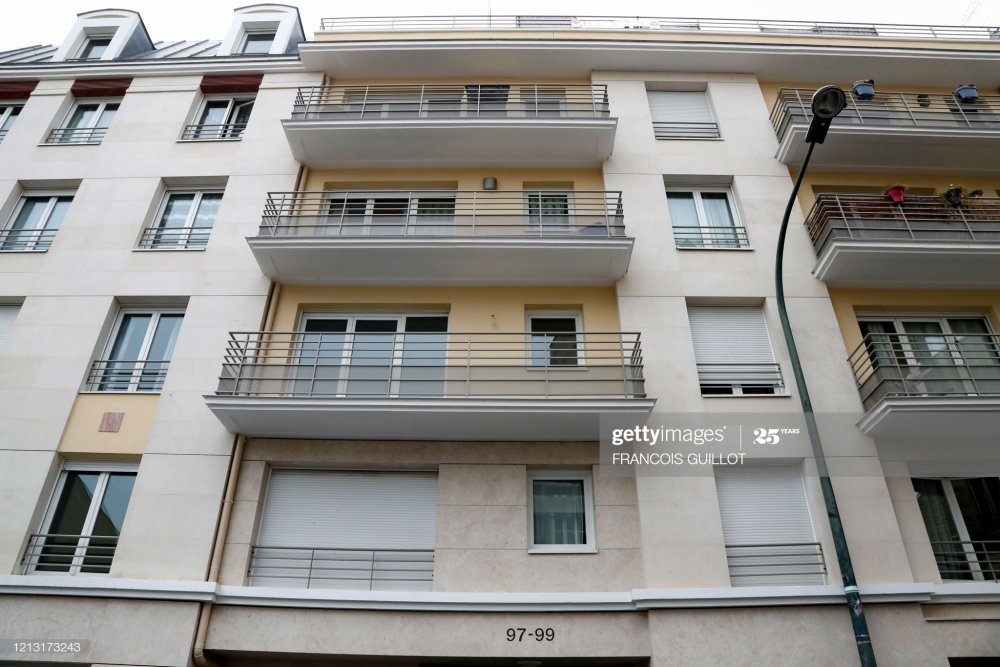
Kabuga has been fleeing various countries trying to hide from justice while also using false names. He lived in Kenya, Norway in Oslo, Germany in Frankfurt, Brussels in Belgium, and Paris in France where he was arrested.
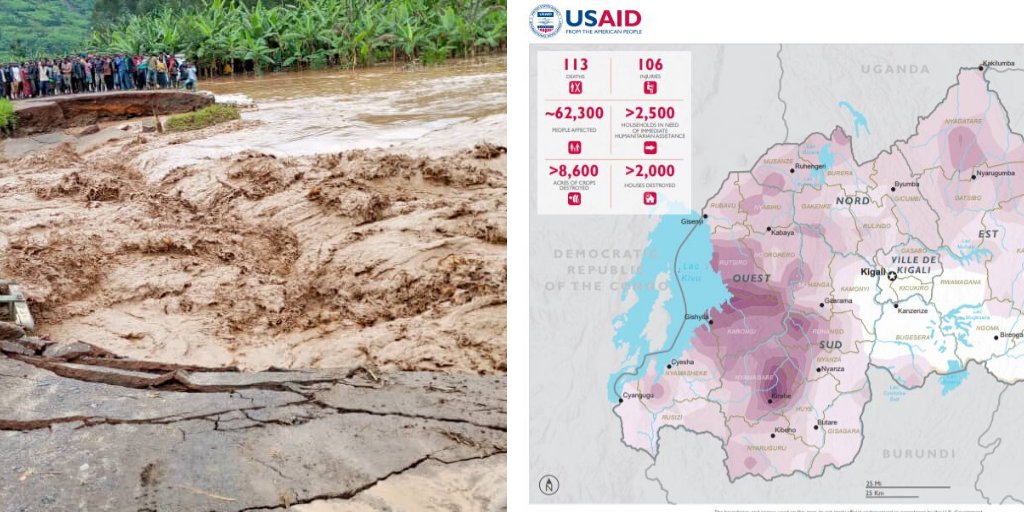
The aid was provided to CARE International in Rwanda (CARE Rwanda) to provide emergency relief supplies to households affected most by floods and heavy rains in Ngororero district.
These supplies include items such as sleeping mats, saucepans, blankets, mosquito nets, mattresses for pregnant women, jerrycans and hygiene products. In accordance with COVID-19 preparedness, CARE Rwanda staff will follow all Ministry of Health guidelines, including wearing masks and appropriate protective clothing for the delivery of the relief supplies.
Ambassador Vrooman announced the assistance in a Kinyarwanda-language video shared on WhatsApp and posted on Twitter (@USAmbRwanda), Facebook (U.S. Embassy Kigali, Rwanda) and YouTube : https://www.youtube.com/watch?v=4zGJvFsI3Vw.
The start of Rwanda’s first rainy season has been marked by heavy rain storms that have caused flooding, the destruction of housing, crops, bridges, and loss of life.
According to MINEMA at least 113 people were killed and over 2,000 houses had been destroyed or damaged since the beginning of April. Damage also affected roads, bridges, livestock, water supply lines, and electrical lines.
As of May 8, MINEMA estimates that tens of thousands of people have been directly and indirectly impacted by the above-average rainfall and resultant floods and landslides.
Given the strong partnership between the United States and the Government of Rwanda and its people, and the impact of this disaster on Rwanda, U.S. Ambassador Peter Vrooman is pleased to make available U.S. Government resources to assist the emergency response.
The cabinet maintained the curfew but extended the curfew by one hour, from 8p.m to 9p.m (until 5a.m), allowing couples to have civil weddings with only 15 attendees.
Under the new measures which will run for 15 days until June 1, the government eased some restrictions.
The new developments are contained in a communication of cabinet decisions reached on Monday, signed by Prime Minister Edouard Ngirente. Government also announced that inter-provincial travel (including to and out of City of Kigali) and taxi-moto transport will resume on June 1.
These are some of the latest Covid-19 decisions:
The Government has introduced a curfew from 8 pm to 5 am, when the total lockdown was partially lifted on May 1. Yesterday, the curfew was reduced by one hour and will now be observed between 9 pm to 5 am.
Since late-March, social gatherings, including weddings, have been banned. Under the new guidelines, however, civil weddings with 15 people are allowed; but related ceremonies such as church services and receptions are not permitted.
The cabinet statement said that borders will remain closed, except for goods and cargo, as well as returning Rwandan citizens and legal residents.
All returnees will be subjected to mandatory quarantine in accordance with existing health guidelines at their own cost.
Quarantine services for people returning from abroad were initially free.
The quarantine normally lasts for 14 days.
Moto taxis have been suspended from carrying passengers since the lockdown was ordered on March 21. But they are allowed to carry goods and other essential supplies. This will continue to be the case until June 1.
The cabinet also retained major coronavirus preventive measures.
For instance, schools remain closed until September, while churches and bars are still not allowed to open.
Major preventive measures such as wearing masks, keeping the required 1-metre distance between people and washing hands remain a requirement for everyone.
Gicumbi District Mayor Ndayambaje Felix said they will start building the classrooms from June 1 to September 30, 2020.
He said they will use various means to make the rooms available, including about 351 to be built under the auspices of World Bank.
A classroom should, at least accommodate 40 or 45 students but the Ministry of Education figures for 2018 show that in the Gicumbi district, in primary schools, a classroom had between 69-78 children.
Mayor Ndayambaje said they have reduced the number and now one classroom has 60 to 67 children.
He said new classrooms are needed because they cannot achieve the goal of building the capacity of the community without the development of education.
The substances were seized Saturday from seven distillers and sellers in Ruhashya, Tumba and Rusatira sectors.
About 620 litres of illicit brew were seized from two dealers in Tumba, Cyimana Cell in Ubumwe Village.
In Rusatira Sector, Kiruhura cell, Kiruhura Village two people identified as Danatille Uwimana, 37, and Jean Marie Vianney Habimana, 26, were found with 185 litres.
In Karama and Gatovu cells of Ruhashya Sector, 205 liters were seized from three separate homes.
Chief Inspector of Police (CIP) Sylvestre Twajamahoro, the Police spokesperson for Southern region, said that the targeted and successful operations were informed by credible information from local residents.
“The suspects had illegal distilleries in their homes. They were distributing to local dealers and selling them in bars in their homes,” explained CIP Twajamahoro.
He added: “Besides having illegal distillers, which were unhygienic and producing the poisonous substances, they were doing it and selling them in the period when all bars are closed. At the time, Police and local leaders found them selling the substances to consumers.”
Rwanda Standards Board (RSB) specifies that “only food-grade processing aids recognized as safe for human consumption shall be used during the manufacture.”
All drinks with an alcoholic content exceeding 45 percent as well as all those without the standard mark (S-Mark) issued by Rwanda Standards Board (RSB) are classified as narcotics.
Article 263 of the new penal code partly states that “any person who, unlawfully produces, transforms, transports, stores, gives to another or who sells narcotic drugs and psychotropic substances commits an offence, with a sentence ranging from seven years to life in prison, upon conviction, and a fine of between Rwf20 million and Rwf30 million.
To address such a challenge, StarTimes has launched an interactive e-shopping platform of premium selection named StarTimes GO. A programme of the same name will be on air on 6 channels including TV1, BTN TV, Flash TV, ISANGO STAR TV, ISIBO TV, and Prime TV from 18th May 2020, offering an access to the no-touch “TOP” shopping experience, namely through integrated services available via TV, Online and Phone-call. The newly born e-shopping service will generally cover pan-Africa area.
With the slogan “Better Life, Let’s GO”, the program frequently displays smart equipments such as TV set, solar power system and decoder, and the category will be expanded gradually.
The hosts of the programme will explain the feature, quality, usage of each product and show the differences in one series, and the audience shall know the specific information without risky physical contact with salesperson.
Aside from the safety consideration, a fact that makes your choice even wiser is that most products available are priced lower than market price. And by purchasing decoder and TV set, StarTimes ON (the streaming media APP) membership shall be complementary on three devices, enabling the audience to access content anytime and anywhere.
From picking to ordering to receiving the goods, the client does not need to leave home at all. A call at 0788156600(or WhatsApp at 0784033202)to the StarTimes call centre can have your order made directly; the OTT platform StarTimes ON can also help you pick and order product safely.
The payment can be made in a no-touch way such as mobile payment. And the installation service is also available after payment, together with a swift delivery to home, which will be arranged through the 3 level marketing system built by StarTimes.
“We know that a healthy environment is important for pandemic control,” said Deng Sanming, the CEO of StarTimes in Rwanda, “thus we innovated a safe platform as well as a modern shopping method in order to help people keep safe in the difficult time.