Protestestere Twitegure, 31-year-old was arrested after a search operation started based on information provided by the telecommunications company.
Senior Superintendent of Police (SSP) Burahinda Ntacyo, the District Police Commander (DPC) for Kicukiro, said that Twitegure was fraudulently withdrawing money from people’s mobile accounts.
He had been doing this for days, the closure of the line prompted employees to question the telecommunications center and tell them that the person who is withdrawing the money he stole it and he is wanted.
SSP Burahinda says the man had allegedly fraudulently transferred Rwf800, 000 from someone’s mobile account to different other accounts including those registered in his name.
“The telecom banking agent, where he made the last withdrawal of Rwf100, 000 was also vigilant. After completing the transaction, the agent saw Twitegure with many SIM Cards, interchanging them in his phone and disposing of others.”
With the help of people, they contained Twitegure, called, and handed him over to the Police in Nyarugunga.
Saving and sending money service providers are required to pay attention to those whom they provide such services as there are thieves.
When Covid-19 first hit Rwanda, one of the measures taken by the government to prevent it’s spreading all was to pay employ mobile money transactions.
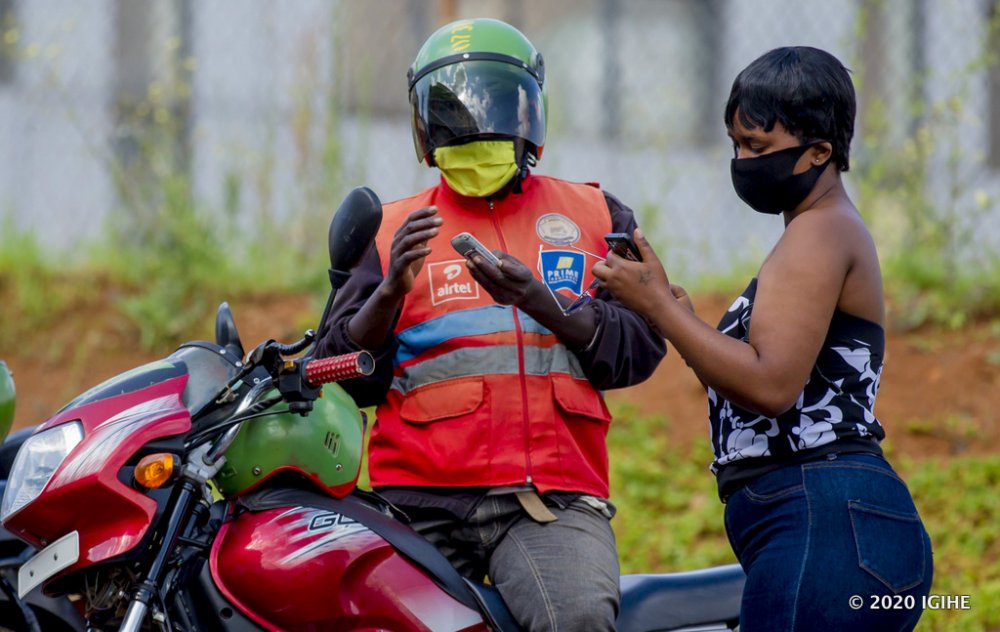
When community cases appeared among motorcycle riders, the Ministry of Health said they are using the technology to track down those that were in contact with the riders, especially passengers that will have paid through mobile money platforms.
In a press conference on June 28, Minister of Health, Dr. Ngamije Daniel reiterated the importance of using digital money transfers in monitoring suspects.
“We have a track record of people who have been transported, especially when they use mobile money to pay, which allows us to reach out to those people and check them out,” he said.
He urges Rwandans to continue paying motorists by phone because it is beneficial for them.
Ministry of Health says that since the motorcyclists returned to work on June 3, a few days later they appeared to be infected with the pandemic and are spreading it.
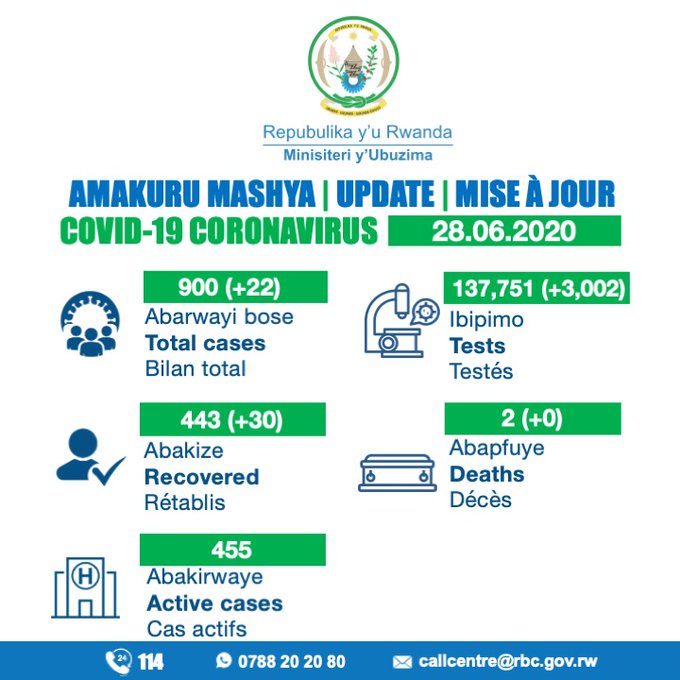
So far, the number of people infected with COVID-19 in Rwanda is 900, including 22 infected as of June 29, while the number of the recoveries is 443, and 2 deaths.
However, there were solutions: keep the genocidal guide in quarantine for three days, escort the Tutsi on foot to the French camp in Gishyita (an hour on foot), while night was falling and the genocidaires had returned home, escorting them to Kibuye where they would have arrived at 9 p.m., leaving French soldiers on the spot until reinforcements arrived. There were solutions.
Then the second round of the Bisesero genocide will be able to be set up exactly according to the conditions which prevailed in the massacre of the fifty thousand Tutsi civilians a month and a half earlier in the same place. Once the guide has informed his hierarchy, the Interahamwe [genocidal militia formed by French soldiers of Operation Noroît in 1992 and 1993] are called from other regions (Cyangugu, Gisenyi…). As was the case a month and a half earlier, buses full of murderers are sweeping over Bisesero. As was the case on May 13, the Tutsi saw the reappearance, in the hands of the killers, of these new sharp machetes on both sides, and of which former genocidaires remember today that soldiers of Turquoise distributed them by taking them from their boxes of their Jeep then parked at Colonel Simba’s in Cyangugu.
There ends the comparison. At the end of June, the Tutsi are only two thousand. On the morning of May 13, there were fifty thousand. At the end of June, exhausted, decimated, the Tutsi could only hide. Before May 13, their courage and their intelligence had led the Interahamwe to fear these men, women and children in rags and unarmed! So why couldn’t the Tutsi have withstood the May 13 massacre? Here is the answer.
Faced with so much bravery, the genocidaires had become afraid and no longer wanted to risk their lives to exterminate them. Therefore, a solution had to be found to overcome the last pocket of resistance to the genocide. White soldiers were called in to supervise these genocidaires from everywhere and to give them courage. The scenario was simple: encirclement of the mountains by the Hutu population supervised by the Interahamwe, then opening of heavy weapon fire by the white soldiers, then machine gunning by the white and Rwandan soldiers, finally entering the scene with the Interahamwe and Hutu population finishing the fewsurvivors.
All the Tutsi, among the survivors of the May 13 massacre, did not see the Whites during this great massacre. The latter were in fact only several dozen among a crowd of thousands of Rwandan genocidaires. But they were in charge. Some Tutsi only saw them on May 12, during the preparation for the massacre, others only saw them on the 13, others on both days, others did not see them at all.
Now back to June 27. Why do those Tutsi who saw the Whites of May 13 then trust French soldiers when they come out of their hiding place? An answer is given to us by Simeon Karamaga, deputy chief of the resistance at Bisesero.
Simeon only saw them on May 12, when they gathered in Ruhuha with the Rwandan genocidaires. When asked why he discovered himself to join the French soldiers on June 27, he who had just detailed the circumstances in which he had seen Whites joining his assassins the day before the great massacre a month and a half earlier, he replied: “There they called us. Imagine yourself dying for a long time. If someone calls you to tell you they’re going to save you, you don’t hesitate. “(Interview with Simeon Karamaga: http://www.bisesero.net/pages/l-enquete/extraits-filmes-de-temoignages.html)
This is what said other Tutsi survivors who had in memory these Whites of May 13 when they decided to discover themselves. They have nothing left to lose. Besides, aren’t these white people deployed on a humanitarian mission? Why, they may legitimately wonder, would they necessarily have a link with those of May 13?
Now let’s ask ourselves. On June 27, 1994, there was an opportunity to show the press that Operation Turquoise was there to save civilians threatened with massacre. Why then deprive yourself of such a demonstration in front of the journalists then present in the convoy? The opportunity was however unexpected! Tutsi civilians being exterminated come out everywhere and ask for the protection of the French humanitarian mission, all this in front of journalists! It’s a gift for Turquoise communication! So why not take this opportunity to make the front page of all the newspapers? Why ?
This question I am asking here is one that I was once asked to take into account by Bruno Boudiguet, author of “Friday the 13th in Bisesero”. I think he had just realized the reason for Turquoise’s abandonment of the Tutsi from Bisesero on June 27, 1994.
Because the answer to the question may well be that risk should not have been taken that survivors testify to the active participation of these white soldiers (French for some witnesses) in the May 13 massacre. And then as for the demonstrations to the press of the alleged humanitarian character of Turquoise, was it not the Nyarushishi camp that had been chosen to fulfill this function?
Simeon Karamaga died last May. He is one of those rare men whom you are given to meet in your life, rare by an exceptional courage such that it would have been necessary to call on external forces with heavy weapons to overcome men and women like him, ragged civilians with sticks and stones! So let’s not be silent on the sole reason why the Tutsi of Bisesero were defeated on May 13, at the risk of depriving them of the honor they deserve.
To do this, we need to listen to all the witnesses without sticking to those who have not seen the May 13 Whites. Rwandan television viewers heard some of Bisesero’s survivors testify to the active participation of Whites in this great massacre. The fact remains that these survivors suffer from the fact that their country, with too few exceptions, relay their word insufficiently.
There is a long list of survivors who do not understand that the story they bear witness to is still not accessible in memorials. They are at their disposal. History is written slowly, but witnesses are not eternal. Today it is time to offer to the fifty thousand Tutsi who died for the most part on May 13 under the fire of heavy weapons, the one and indivisible truth for burial.
Serge Farnel is the author of Rwanda, May 13, 1994. A French massacre? (Aviso / L’esprit Frappeur-2012) and Bisesero. The Rwandan Warsaw Ghetto (Aviso-2014).
His investigation into the active participation of white soldiers in the great genocidal massacre of May 13, 1994 in Bisesero is recorded on the website: www.bisesero.net (in French) a version of which is also available in English: www.bisesero.net/en This investigation was continued by Bruno Boudiguet, author of Friday the 13th in Bisesero (Aviso-2014).
On the same day, 30 patients were discharged from the Covid-19 treatment centers raising the number of recoveries to 443 against 455 active cases.
Dr. Sabin Nsanzimana, the Director-General of Rwanda Biomedical Centre said that among those discharged, 21 had been receiving treatment at a facility in Rusizi District.
The Ministry of Health stated that of the new cases: eight were from Rusizi, seven from Rubavu, six from the capital Kigali and one from Kirehe District.
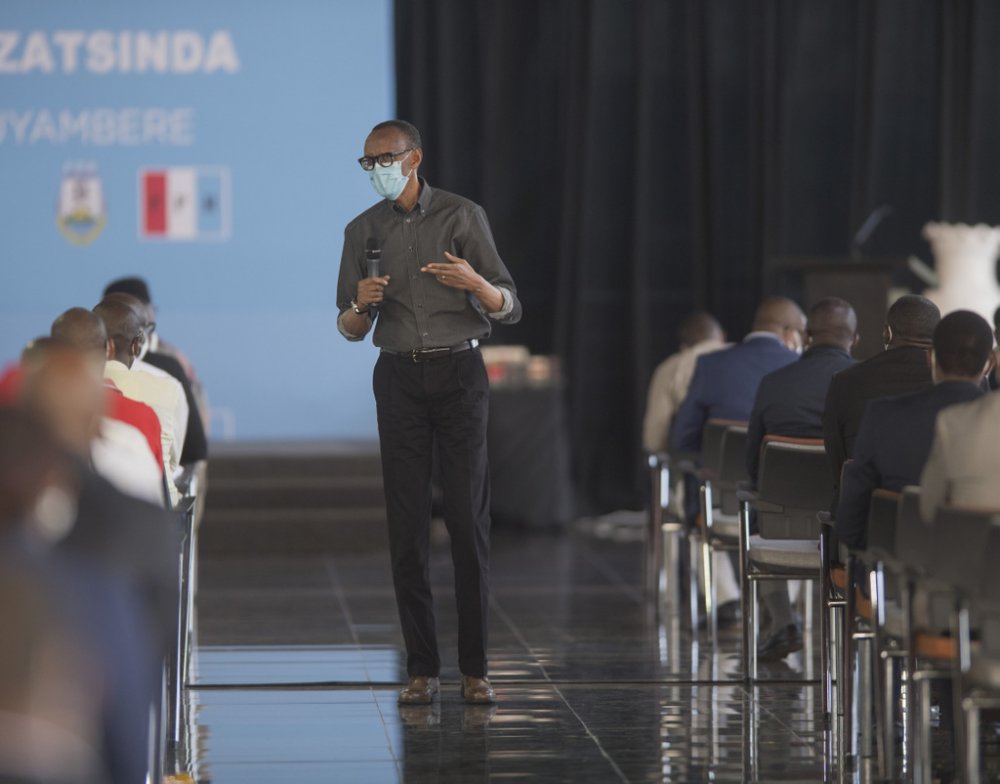
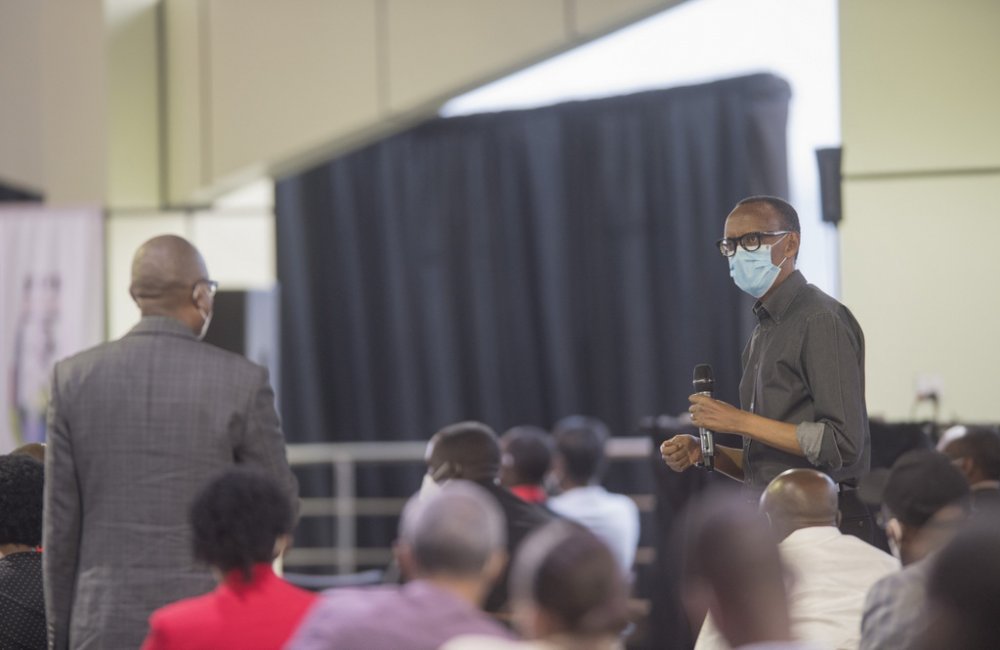
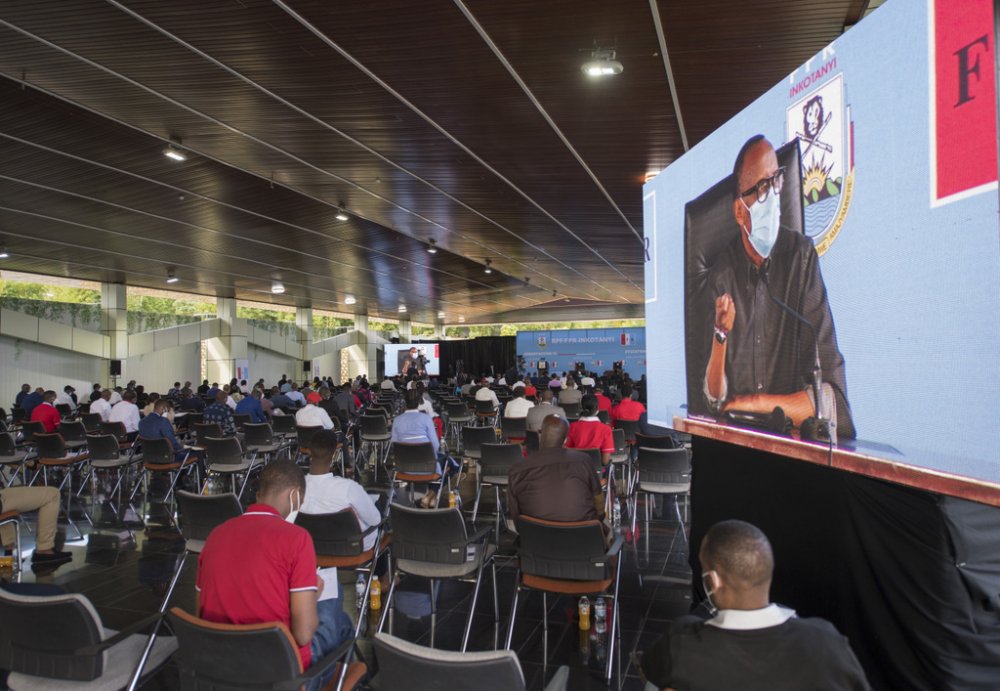
President Kagame, who is also the Chairman of the ruling party Rwanda Patriotic Front (RPF-Inkotanyi), on Friday was presiding over the party’s Extended National Executive Committee meeting at the party headquarters in Rusororo.
“The pandemic itself seems to be still here with us. Some say it is actually just starting. Much as I said earlier that we have been able to overcome it and many of those who contracted it are still alive, whatever measures we have put in place to prevent it must continue,” said the Head of State
“If anything, we need to do more to reinforce these measures further to continue managing it. This is something we cannot play around with. Those who investigate the virus on a daily basis, including scientists and researchers, are yet to fully figure everything about the Coronavirus, the new one as it is”
President Kagame assured that scientists are still trying to understand all about the virus so us to come up with a solution in the near future; this includes a possible vaccine or medication but until that happens, the preventive measures remain the same.
“How we conduct ourselves as individuals in terms of protecting ourselves further translates into protecting others as well,” President Kagame said,
Other safety measures including wearing a safety mask help safeguard of self and others while social distancing and avoiding the culture of hugging and getting close are all key in minimizing the spread.
Rwanda has so far registered 858 cases following 8 more cases which were recorded on Friday out of 3,763 tests conducted. Four of the cases were detected in Kigali while the other four are in Rusizi.
Habonimana is replacing Mr. Firmin Karambizi who served for 14 months in this position where he was appointed in April 2019.
On twitter, Habonimana was very thankful to the Head of State for this appointment.
“What an honor and a privilege to be given an opportunity to serve this great nation, #Rwanda! I am very humbled and forever grateful to His Excellency President @PaulKagame for the trust,” he said.
Before that, Habonimana was serving as Human Resource Manager at Energy Utility Corporation Limited (EUCL).
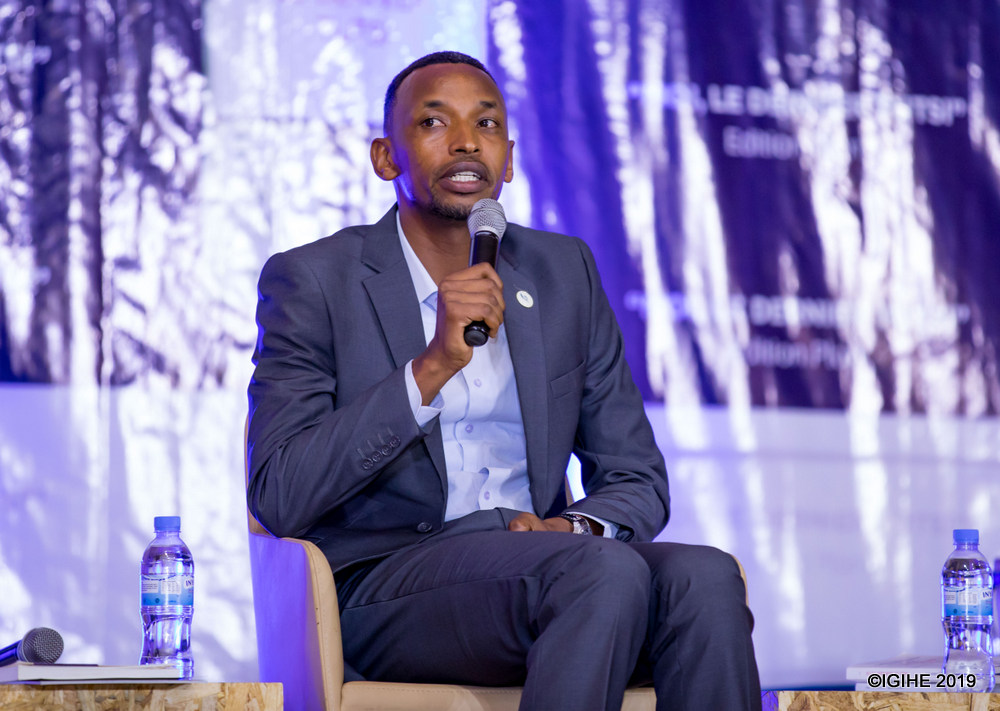
Charles Habonimana is also known for being an author of a French Book “Moi Le Dernier Tutsi” which gives a shocking testimony of how he survived the 1994 Genocide committed against Tutsi.
Habonimana also served as President of Alumni of the Students’ Genocide Survivors’ Association – GAERG.
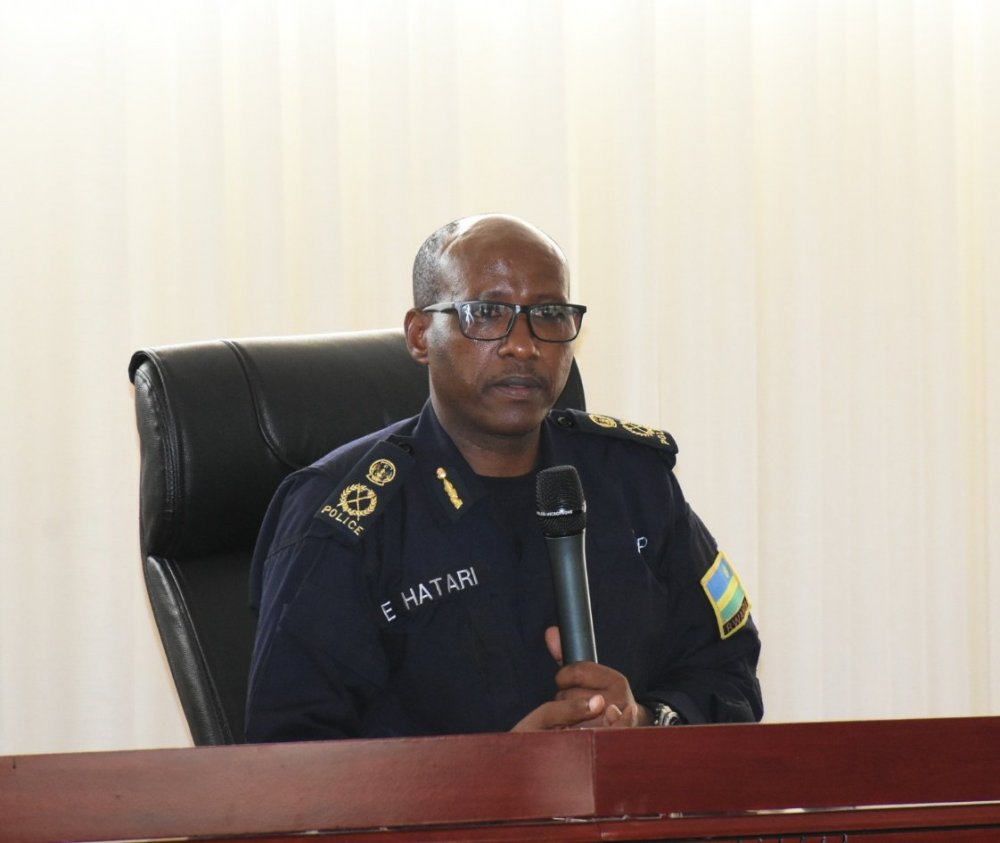
Kagame promoted two Assistant Commissioners of Police (ACP) Joseph Costa Habyara and Emmanuel Hatari to the rank of Commissioner of Police (CP). He also promoted eight Chief Superintendent of Police (CSP) to the rank of ACP, 22 Senior Superintendent of Police (SSP) to CSP, 39 Superintendent of Police (SP) to SSP and 37 Chief Inspector of Police (CIP) to SP rank.
Among the promoted ones commissioned officers, including 35 Inspectors of Police (IP) to CIP, 333 Assistant Inspector of Police (AIP) to Inspector of Police; 1709 non-commissioned Police Constable (PC) promoted to Corporal (CPL), 62 Corporals and Police Constable (PC) promoted to Sergeant, 25 Sergeant to Senior Sergeant (SSGT), nine SSGTs to Chief Sergeant (CSGT) and one CSGT promoted to Assistant Inspector of Police.
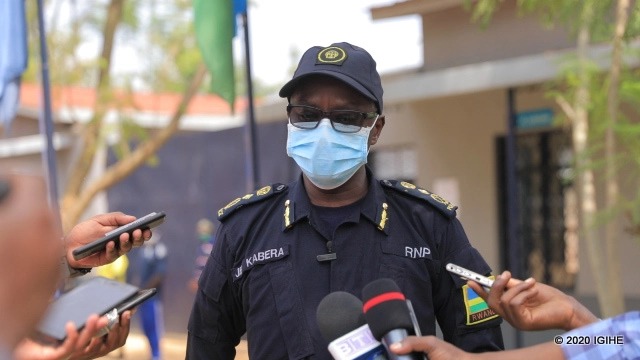
“Rwanda National Police (RNP) leadership congratulates all those who have been promoted and appreciates the selfless service of those who have retired,” said Police Spokesperson, John Bosco Kabera.
The last time the president promoted police officers was in January 2018, which witnessed three women among the officers raised to senior positions of leadership within the police force.
These are Lynder Nkuranga, Rose Muhisoni, Teddy Ruyenzi- all now Assistant Commissioners of Police (ACP).
The Ministry of Local Government, on Thursday, issued new directives in line with preventing the spread of Coronavirus.
Under the new directives, the following villages in Kigali were put under lockdown for at least 15 days:
Kamabuye and Zuba villages of Nyarurama cell as well as Nyenyeri village in Bwerankori cell; all in Kigarama Sector in Kicukiro District;
Rugano village in Kanunga cell of Gikondo Sector in Kicukiro District; as well as the villages of Kadobogo and Gisenga in Kigali cell, Kigali Sector in Nyarugenge District.
Movements in these affected villages are only restricted to emergency services with civil servants and those working in private institutions residing in these areas directed to work from their respective homes.
Rwanda National Police (RNP) spokesperson, CP John Bosco Kabera advised people living in these villages to be compliant for their safety and that of others.
“There is a reason as to why these specific villages were put under lockdown, which is to ensure their safety from catching or spreading COVID-19 to their families, neighbours, the community or even to other neighbouring villages and sectors,” said CP Kabera.
“Your home is your safety and no one should force you to ensure your safety, be the first respondent to you safety.
Avoid unnecessary movements because you will be arrested and penalized accordingly; go straight back home after acquiring the essential or emergency services; visits are not allowed, practice social distancing and wear facemask whenever you go out of your home for essential services; wash or sanitize your hands regularly.”
The spokesperson further urged people neighbouring the villages placed under lockdown, to refrain from going to these villages to avoid catching and spreading the virus to other places.
Police officers, he said, have been deployed in these villages to ensure compliance.
Jean Damascene Karambizi, 54, Faustin Buhiga, 47, Samuel Habumugisha and Jeremie Nkundimana, 39, were intercepted in Tumba Sector, Gitwa Cell in Rebero Village.
They were at the time found in possession of 10kgs of cannabis, Chief Inspector of Police (CIP) Sylvestre Twajamahoro, the Police spokesperson for the Southern region, said.
It is said that the four suspects were trafficking the narcotics into the country from the neighbouring Burundi, through porous border points.
“A concerned resident first reported Karambizi to be a major drug dealer heading a ring of other drug traffickers, local suppliers and retailers,” CIP Twajamahoro said.
“ANU officers posed as buyers, called Karambizi to supply them. Karambizi told them that the narcotics were out of store but informed them that he was waiting for another consignment from Burundi,” he added.
Indeed, on June 24, at about 7 PM, Burundi nationals, who are part of the ring, sneaked the narcotics into the country through Akanyaru.
“Karambizi sent Faustin Buhiga to Akanyaru to collect the new consignment. He (Karambizi) called the would-be retailers the following morning on June 25, to inform them of the new delivery.
When ANU arrived, they found Karambizi, Buhiga and their other two usual clients; Habumugisha and Nkundimana, who had also come to collect their share. They were all arrested and exhibits–10kgs of cannabis–impounded,” CIP Twajamahoro explained.
He thanked the resident, whose credible information led to the successful operation.
He further advised against such criminal practices and commended the role of the public in breaking trafficking and supply chains.
Anyone convicted as a major dealer or supply in “severe drugs” under article 263 of the law determining offences and penalties in Rwanda, faces between 20 years and life in prison, and a fine of up to Rwf30 million.
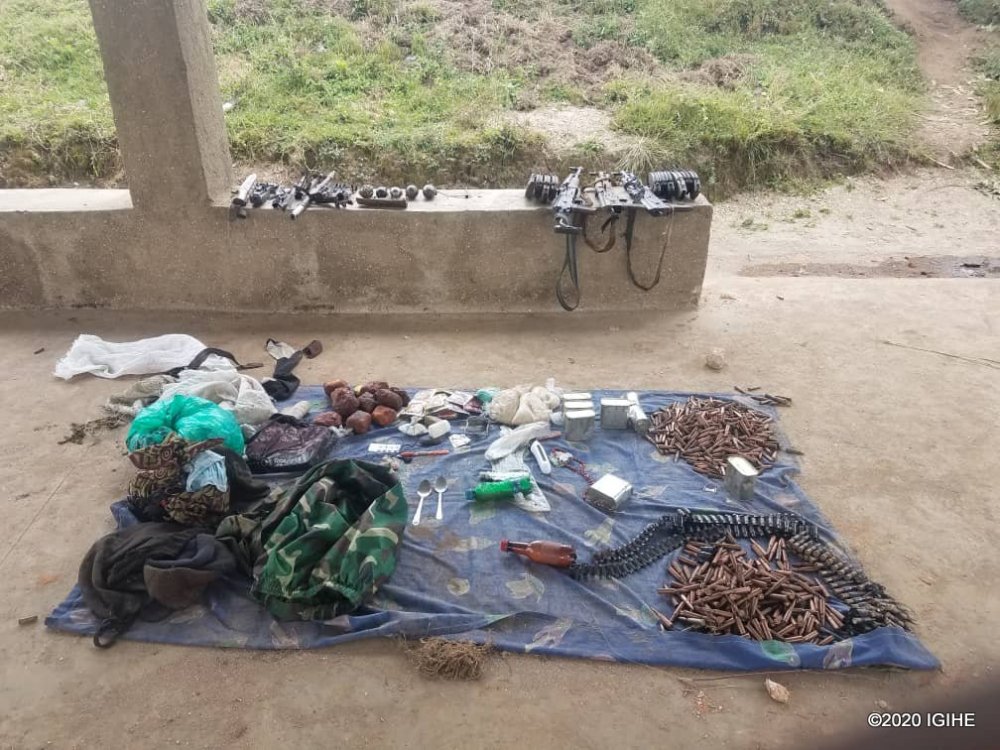
According to the Military Spokesperson, Lt Col Innocent Munyengango, the RDF is currently pursuing the attackers.
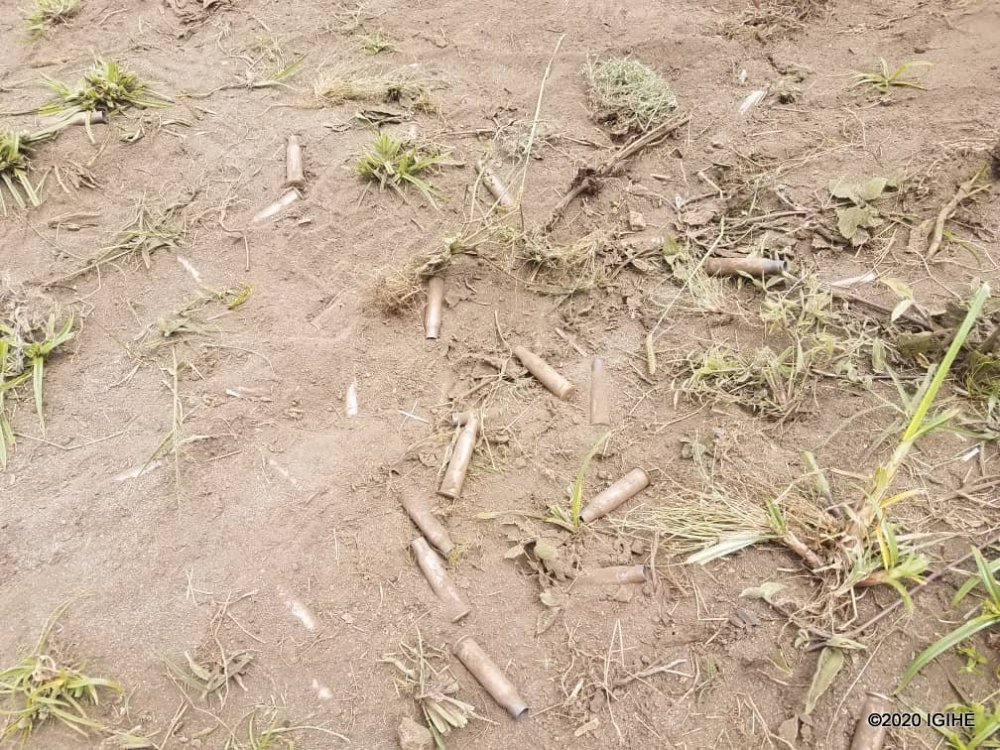
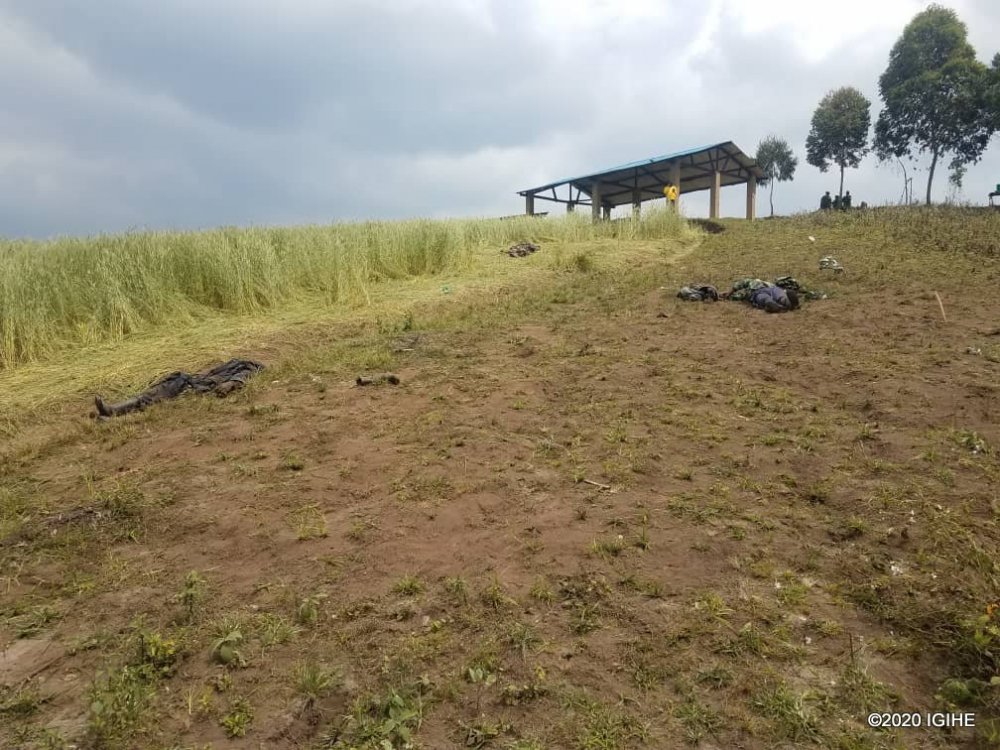
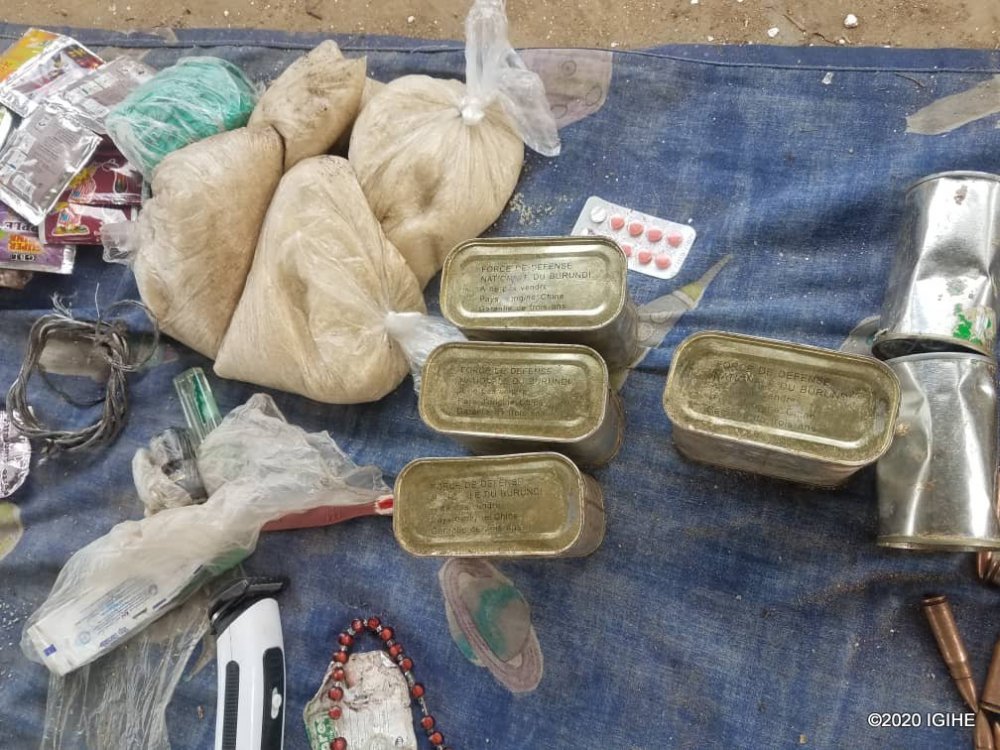
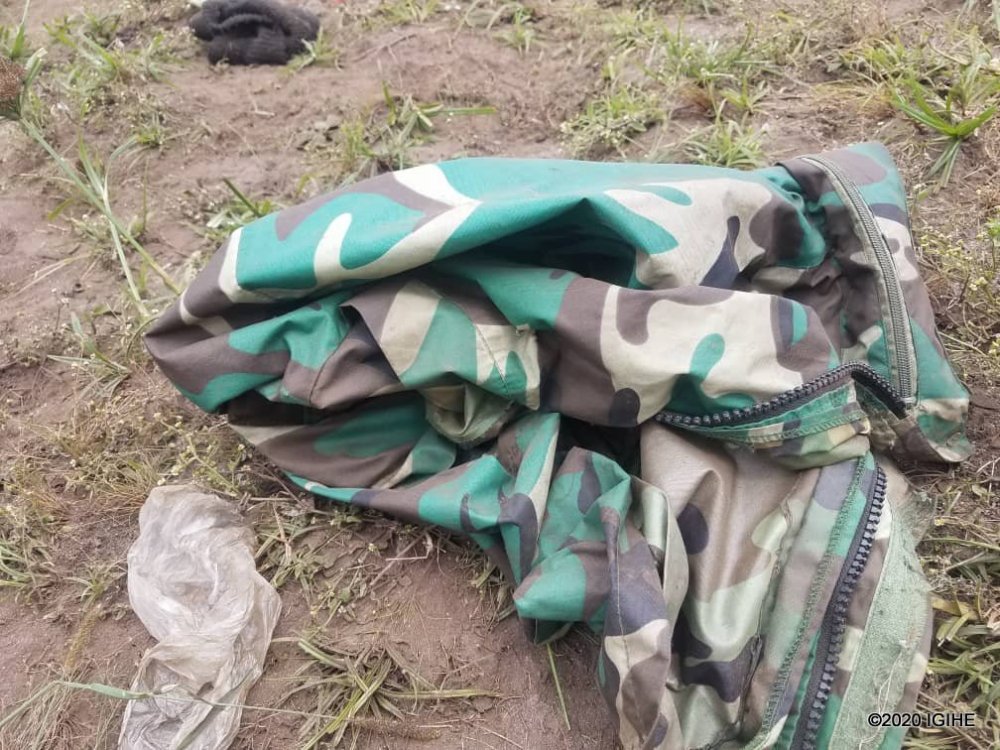
“The gunmen attacked from Burundi and they fled back in the same direction leaving behind four of their dead and various military equipment that include weapons and communication radios. Three of our soldiers sustained minor injuries. We reassure Rwandans that action will be taken against those responsible.”
He added that the attackers’ intention was to harm people inside Yanze IDP Model Village which is protected by the attached RDF position and located just one kilometre from the border. Additionally, the attacking force originated and retreated back in Burundi Defence Force position at Gihisi in Bukinanyana commune, Cibitoke Province.