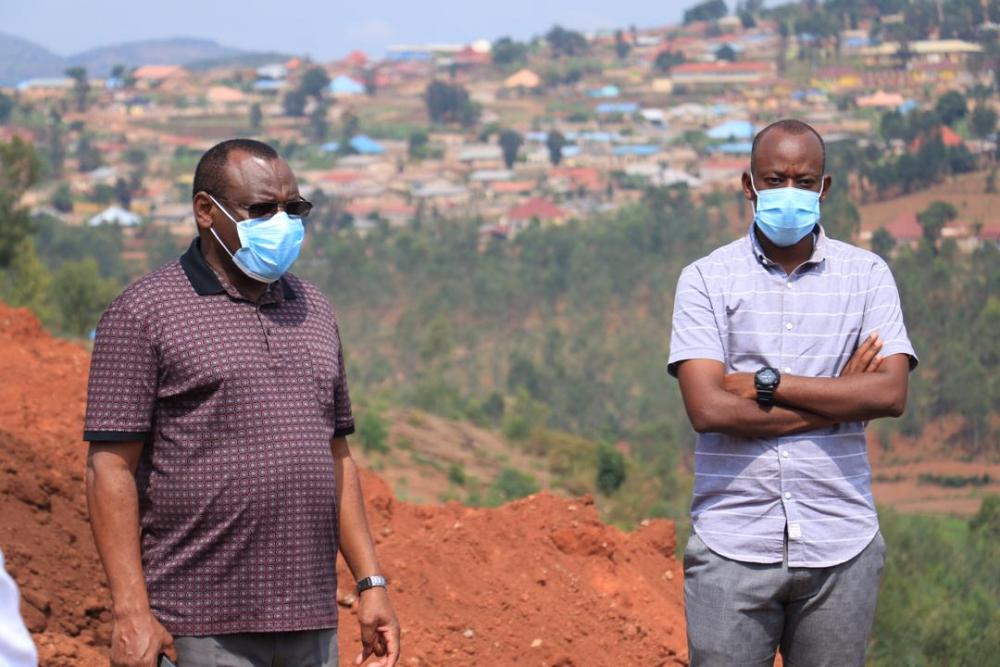
He said this on September 27, 2020 while in Huye District to visit various infrastructures, looking at the existing achievements and the needs that are yet to be met.
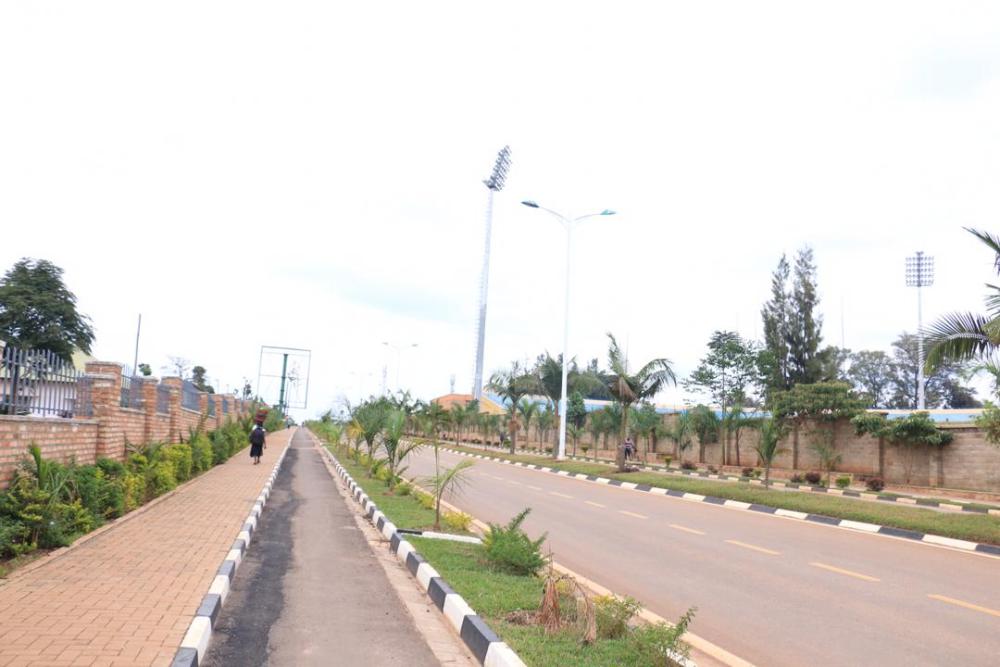
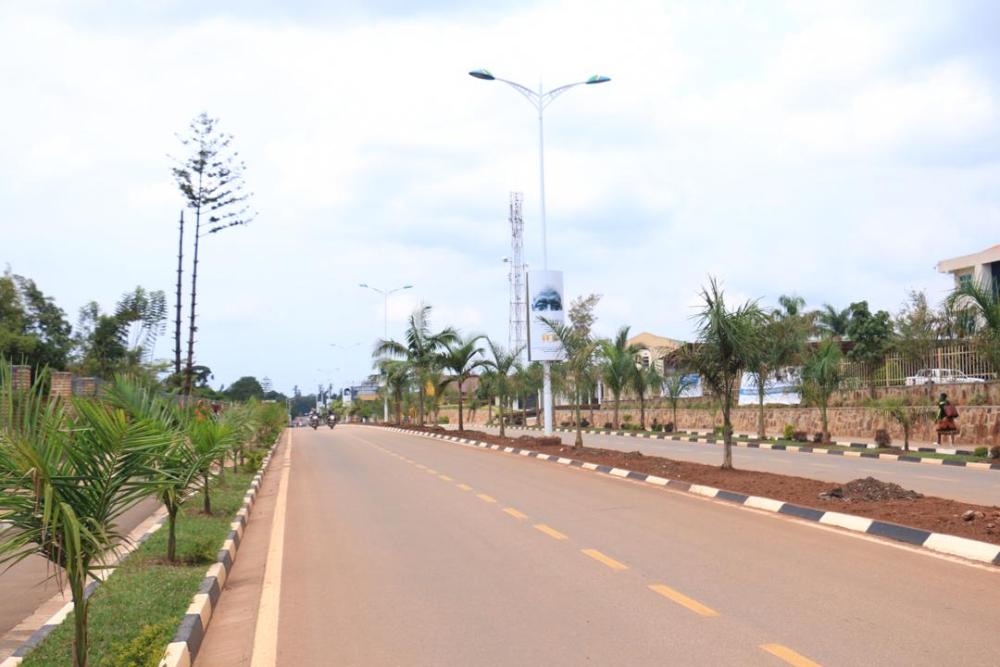
As the minister was exploring the streets of Huye, he said that the construction of the road has changed the appearance of the city.
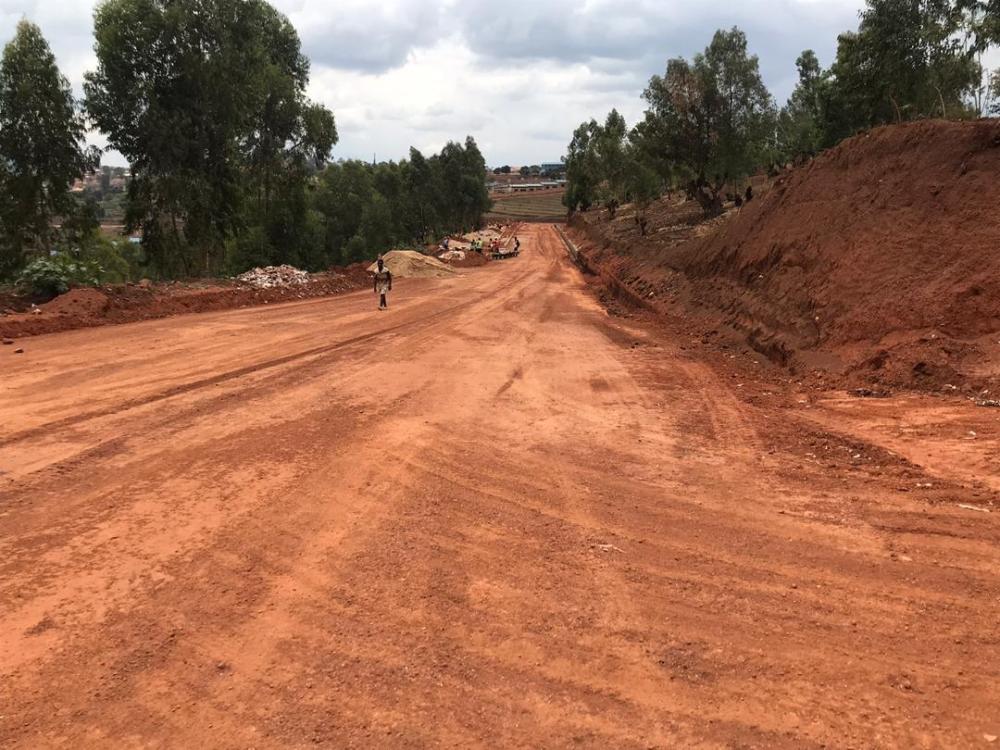
“In this World Bank project, especially on roads and other necessary infrastructure, we can see many good transformations and we have reached a very good stage; by next January all road infrastructures should have been completed,” he said, adding that it is very gratifying that the City of Huye is looking so different from what it was two years ago.
Gatete said that the City of Huye is clean and that the Huye District Administration has a positive vision for its improvement.
Huye District Mayor Sebutege Ange said they were currently constructing six-kilometer-long and 300-meter-long murrum roads in Huye City that would cost about Rwf6 billion.
Sebutege pointed out that other major projects will make Huye City the second largest city after Kigali including a school for the training and operation of small drones; industrial area; football academy and top-notch hospitality facilities.
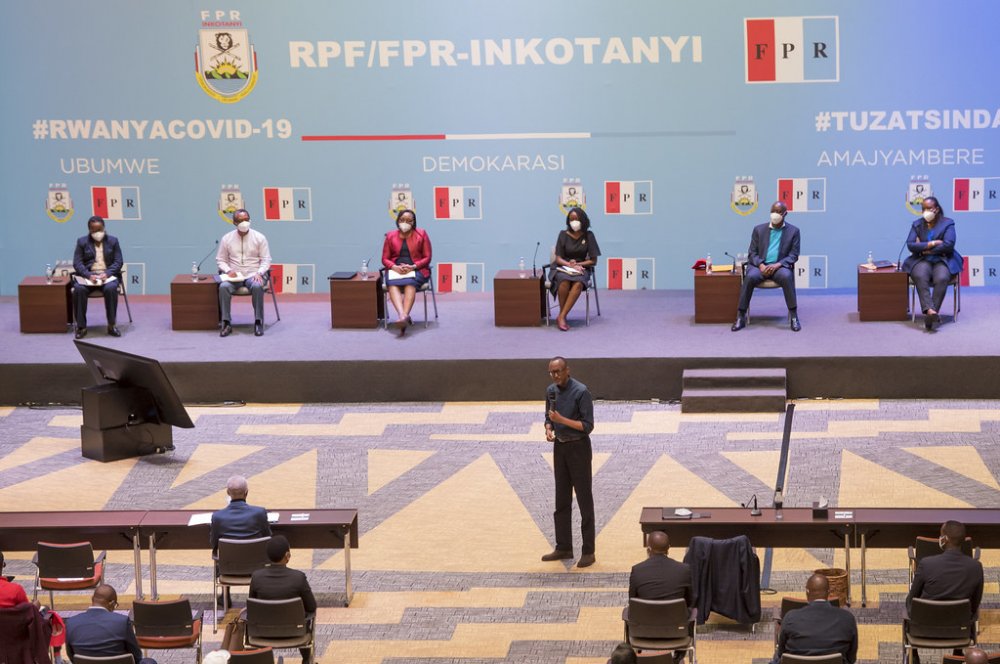
President Paul Kagame was on Monday, September 28, while addressing members of the extended National Executive Committee (NEC) of RPF-Inkotanyi, which took place at the party headquarters in Rusororo, Gasabo District.
“For years, we’ve had people requesting to be naturalized Rwandans. I keep telling leaders, I hope they agree with me, whoever wants to be one of us should be given the opportunity, as long as they want to make a contribution towards building our country,”
For Kagame, it would be shameful for any Rwandan to wish to belong somewhere else while many want to come here.
“I would not wish to be anyone else or from anywhere else. We must be proud to be who we are. Whoever wants to be someone else, that’s their problem. It would be shameful because there are people who want to be us,” Kagame said.
The president also referred to the hostilities of past Rwandan regimes that were against people, including Rwandans themselves and indicated that Rwanda today is different.
“We cannot say the country is full, like those before used to proclaim, therefore we could not be accommodated. That is not who we are. There is room for everyone, including those Rwandans who are still abroad,” the President said adding however that, accommodating people should not be interpreted wrongly.
“However, being accommodative of everyone should not be misconstrued to mean that we are submissive. It does not mean that some people are going to claim to be more important than everybody else. We are all equal and must be treated equally,” Kagame said.
Furthermore, President Kagame reiterated the values of a Rwandan leader and the dos and don’ts.
“Last time we met, we talked about corruption and other governance challenges that negatively impact Rwandans. This should not still be happening. When fighting a bad habit, we have to uproot it, rather than get to a point where it’s tolerable,” he said.
Kagame asked officials to work hard for the community they are meant to serve.
“Working for the wellbeing of Rwandans is a mandate that does not change under any circumstances. People should get what they deserve. We cannot be drawn back to where this country came from,” he said.
“For all our aspirations to be achieved, it will require effort of everyone, you and me. We may defer in ways we think or do things, but we have a common vision, building the nation. Everyone must make their contribution to move the country forward.”
President Kagame said that the government is doing all it can to ensure that life continues because when a business person isn’t able to trade, or children are not going to school, it becomes a problem not only for the people but also for the economy in general.
He said that whatever the government does is and should be for the wellbeing of Rwandans, something he said is a mandate that does not change under any circumstances.
“People should get what they deserve. We cannot be drawn back to where this country came from,” President Kagame said.
He said the ruling party will continue working towards achieving the goal but each and every Rwanda will have to play their part, especially young people, who he challenged to be solution seekers and stop pointing out where problems are in society without doing anything about them.
“For all our aspirations to be achieved, it will require effort from everyone, you and me. We may defer in ways we think or do things, but we have a common vision, building the nation. Everyone must make their contribution to move the country forward,”
“We face challenges in different forms; in our communities, as a nation, in the region we live in or even at the global scale. Overcoming these problems requires working together. Rwanda is not an island,”
The president was straight to the point where he indicated that it belongs to everyone to pay taxes.
“For instance, we must fulfill our fiscal responsibilities. When you have conducted business, it is your duty to pay tax. We need the tax to build schools, roads etc. It is for the general interest, so whether you like or not, you must comply,” he said.
The Head of State said that he has no problem with being insulted or Rwanda being called a ‘dictatorship’ as long as long as they don’t interfere with the country’s right to defend its territory or determine its development course.
Talking of bad services, President Kagame said that the biggest challenge the country faces today is poor service delivery, not because of lack of infrastructure or means to provide good services but mainly because of a poor attitude that doesn’t give priority to urgency.
“We need to be doing things at the pace we need to develop. We need to do things faster and better. Mindset is very important,” President Kagame said
He said there is a tendency of people saying that ‘the machine is not working’, ‘come back tomorrow’, and ‘we don’t have this or that’, just to delay a service that must be given to a citizen.
“The issue is in people’s mindsets. If you have everything required to give a service, why don’t you give the service? Why do you have to wait for another hour, another day to give a service you should give, there and then?”
He pointed out that that mindset or attitude cannot be imported from anywhere but it needs people to proactively reject bad service.
“It happens because of two reasons -the person who is supposed to give the service and is not doing so and you who is supposed to get a service and you don’t get it and then all of us who become part of the problem,”
“If you just accept things to be that way, you walk out of the room and go complaining on the way or you vent your anger elsewhere, you are part of the problem because you are not doing anything about it,” President Kagame said.
He encouraged the youth especially to be categorical in rejecting bad services and to also do something to address it rather than complaining.
House parties, visits and other social gatherings are prohibited under the government directives meant to fight further spread of COVID-19.
At about 3 am on Sunday, Police found the five people in the house of Marie Claire Kibukayire, who was holding a party in celebration of her newly built house.
Police was called in the night by neighbors, who were affected by noise pollution caused by loud music.
At the time, Police also found them drinking.
Kibukayire regretted holding “unlawful gathering and breaching the government safety guidelines.”
“I admit that what i did to organise a house-warming party and inviting friends… I violated the government safety directives, which prevents such social gatherings as a way of preventing people from infecting others with COVID-19.
Beyond that, we also caused noise pollution, and the truth is that I know this is prohibited and punishable by law. I have no excuse but to ask for liniency,” Kibukayire said.
Dollar Karumugabo is one of the people caught in the night house warming party.
He also regretted the “inappropriate action” for the social visit and not being in their respective homes by 10pm as directed by the recent Cabinet meeting.
“We were drinking and the music sound was really high. We violated the instructions and ask for forgiveness,” Karumugabo reckons
Rwanda National Police (RNP) spokesperson, CP John Bosco Kabera said the violators breached varied safety instructions because they were “complacent.”
CP Kabera said: “People should know that due to this pandemic, some events were prohibited. For Kibukayire to celebrate her achievement, there was no need to invite other people for the house-warming party.
These people came from different places, gathered under one roof, started drinking, they violated the movement hours because in any case, they were supposed to be in their homes by 10 pm, and as if that was not enough they disturbed the wellbeing of other people with their music.”
He reminded the general public that the pandemic is real, deadly, and still in our midst adding that there is no room to be complacent.
“Although life is slowly being restored with some services allowed to resume, this does not mean that we should relax and lean back; these services are allowed to resume under strict guidelines which should be followed as well as all other general directives still in place.”
The City of Kigali council resolutions taken on August 31, 2020, prohibit and penalize anyone, who organises, invites or attends social events such as home parties, religious services in homes, birthday parties, bridal or baby showers, among others.
Organising or inviting people for such prohibited events attracts a fine of Rwf200,000.
Everyone, who attends these prohibited gatherings faces a penalty of Rwf25,000.
Violators are also subjected to 24 hours in centres where they are enlightened on COVID-19 prevention directives and safety guidelines.
The law No. 48/2018 of 13/08/2018 on environment in its article 53, states that; “Without prejudice to the provisions of the law determining offences and penalties in general, any person who causes noise pollution is liable to an administrative fine of Rwf500, 000.”
Noise pollution, according to National Noise Pollution Guidelines, is determined when sound goes beyond 80 decibels (db). Decibel is the unit through which noise is measured and sound becomes “physically painful” when it goes beyond 80db.
The establishments include restaurants, motels and bars, which were found selling alcohol or operating their bar sections, which are supposed to be closed in this period as per the government directive.
These are among the violations that were observed during the two-week assessment and operations organized by Rwanda National Police (RNP) and conducted jointly with local authorities and other charged institutions.
At least 270 people were caught in the fined and closed hospitality facilities in prohibited social gatherings and drinking alcohol, according to the assessment report.
Over 130 businesses were also not using the recommended cashless payment systems while more than 30 others had neither hand washing apparatuses nor hand sanitizers available.
According to RNP spokesperson, Commissioner of Police (CP) John Bosco Kabera, the inspection was part of the “Rwanda National Police’s ongoing awareness on the government directives, safety behaviors and practices as well as maximum compliance.”
“It is the usual RNP proactive practice of implementing the law and other directives mainly through education and awareness,” CP Kabera said.
He added: “This specific inspection was, therefore, meant to assess the level of compliance, ensure that those caught in serious violations are penalized but more importantly remind and educate different groups of people on their responsive roles to exhibit behaviors and actions that not only make them safe from the pandemic but also prevent them from spreading the virus where they work, live, walk, in their businesses where they serve clients and anywhere someone runs personal errands.”
The inspection targeted hospitality establishments, markets and trading centers.
It also assessed key COVID-19 prevention guidelines like washing or sanitizing hands, social distancing, cashless payment, wearing facemask as well as respect for movement hours.
“It is commendable that the level of compliance is largely high, although one error or one person can lead to further spread of the pandemic; no one wants that and that calls for individual responsibility to make right and safety choices in whatever you do,” CP Kabera said.
He commended the role played by the public in sharing information on violators, and called for the continued spirit of community policing.
The Air Pollution Control Treaty, signed on September 16, 1987 in Montreal, Canada, came into force in January 1989, and was amended in 2016 in Kigali. The revised agreement, which came into force in 2019, is an international one aimed at eliminating air pollution by 80% over the next 30 years.
Martine Uwera, the National Focal Point of Montreal Protocol said that Rwanda has reduced the importation of chlorofluorocarbons (HCFCs) from 4.1 tonnes in 2010 to 1.89 tonnes currently.
“We have reduced ozone depleting substances by 54 per cent and there is still a gap of 2.21 tonnes which we seek to phase out by 2030,” she said.
Uwera said the effects of sunlight damage include skin cancer, DNA damage and more.
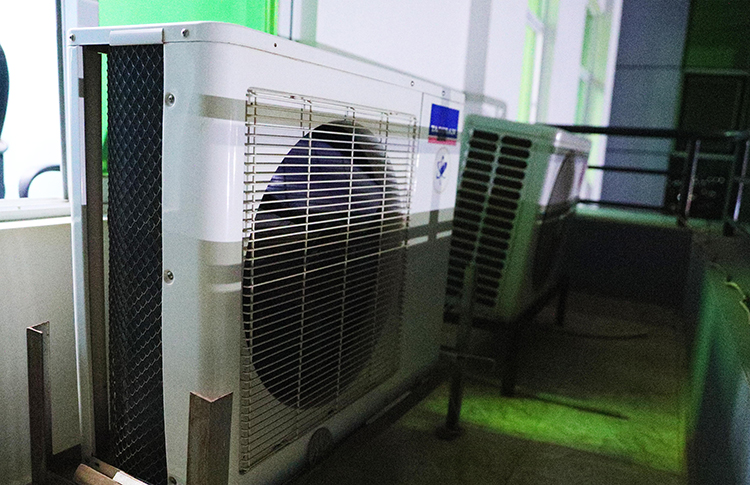
Rwanda has also taken steps to control modern equipment such as refrigerators and air conditioners that can release air pollutants.
“Currently new appliances such as fridges that use ozone depleting substances are not allowed to be imported. Those caught are arrested and are ordered to return such equipment to their country of origin or take them for recycling. We are only coping with imported gases that are not environmentally friendly,” she said adding
there are mechanisms to control illicit trade in ozone depleting substances.
Patrick Karera, the Permanent Secretary of the Ministry of Environment said that Rwanda has also adopted a National Cooling Strategy, which is one of the results of the Kigali Amendment to the Montreal Protocol to help phase out the gases.
Rwanda needs at least Rwf20 billion to encourage uptake of energy efficiency and climate friendly cooling solutions in the country as part of its obligation under the Kigali Amendment to the Montreal Protocol on Substances that Deplete the Ozone Layer.
“It is admirable that the Kigali Amendment has exceeded 100 ratifications. Without decisive and global action, emissions from the cooling sector are set to grow 90 per cent by 2050,” he said.
He said that the National Cooling Strategy approved by the cabinet in 2019 will help to roll out standards for cooling technologies.
“We are working with Rwanda Green Fund, Rwanda Business Development Fund, and UN Environment’ united for Efficiency initiative and Basel Agency for Sustainable Energy to ensure the success of financial mechanisms for climate-friendly cooling solutions,” he added.
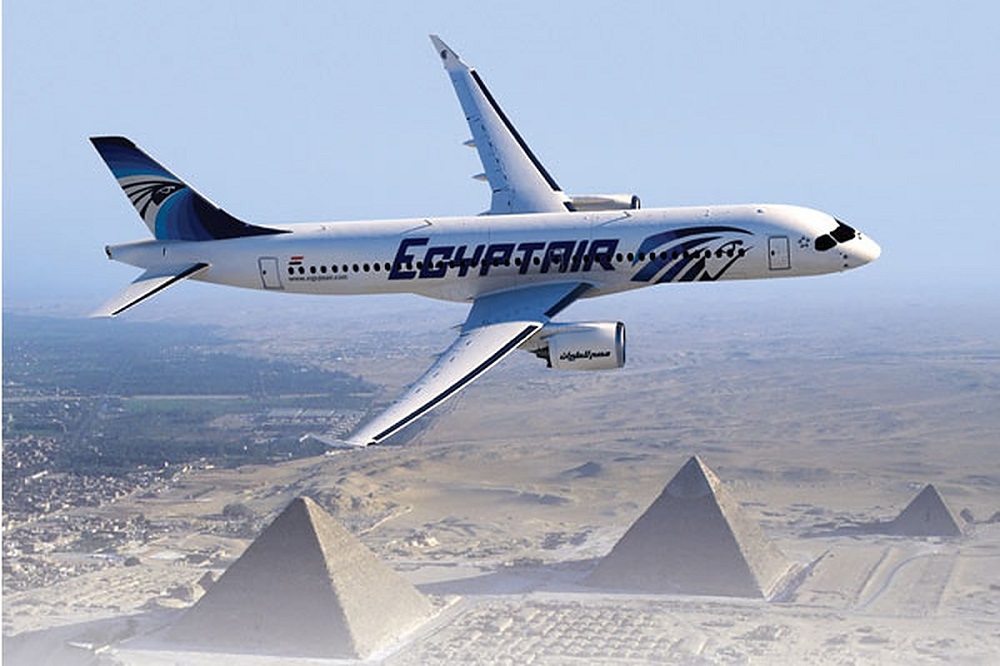
In a statement, the company added that starting from October 8, it will resume flights to Kigali and operate one flight per week.
The flights were suspended due to measures to prevent the spread of the Coronavirus pandemic, which prompted Rwanda to close its borders in March this year.
EgyptAir launched its flights between Rwanda and Egypt last year, aimed at facilitating the flow of people and goods between the two countries, which are also normally in good relations.
In addition to Kigali, EgyptAir also plans to resume flights to Uganda, South Africa, Oman, and Jordan.
Like RwandAir, EgyptAir is an internationally growing airline, with 66 planes and 13 more imported, operating in 75 destinations around the world.
Over the last decade, Davis College and Akilah have made strategic investments in a competency-based education model, designed to be delivered through both face-to-face and online instruction. Yet in response to COVID-19, campuses in Rwanda and across the globe were forced to close in March and halt in-person education, and immediately transition to distance learning.
With the Mastercard Foundation’s support, Davis College and Akilah will now have the resources needed to ensure that young people are able to continue learning online during the current COVID-19 crisis and that its incoming students and educators are prepared for the digital future of education.
“Through years of testing and refining our model, we’ve learned that online learning entails so much more than making lectures and coursework digitally accessible. It requires a holistic approach to the student experience, ensuring that learners have both the support they need to successfully complete their coursework, as well as the mentorship to thrive as independent learners facing new challenges. We’re grateful that with the Mastercard Foundation’s commitment, we will be able to provide students with financing support during this difficult time—and in particular, young women—while also investing in both the infrastructure and support systems that drive the success of online learning,” shared Akilah Institute President Karen Sherman.
The faculty at Davis College and Akilah will be equipped with the resources and skills needed to fully facilitate online competency-based education for students, and investments in its online learning platform and digital coursework will ensure that the transition to learning and studying from home continues to be as seamless as possible for its students as they navigate the COVID-19 pandemic.
Through its COVID-19 Recovery and Resilience Program, the Mastercard Foundation is assisting institutions like Davis College and Akilah, and communities in Africa, to withstand and respond to the short-term impacts of this pandemic, while strengthening resilience in the long-run.
“To build resilience, education institutions are increasingly leaning into the concept of principled flexibility—focusing on delivering high-quality learning opportunities through different modalities. We’re seeing this more and more, and Mastercard Foundation is committed to enabling this shift for the benefit of students both in Rwanda and across the continent,” says Rica Rwigamba, Rwanda Country Head of the Mastercard Foundation.
The COVID-19 global pandemic also shows how desperately the world needs ethically-minded, creative, collaborative leaders; those who can help their communities navigate widespread challenges like the one we are facing today. With the Foundation’s support, students are being positioned to effectively step into those leadership roles and ultimately help build sustainable and resilient communities. The success of students at Davis College and Akilah has never been confined to or reliant on a physical space. The College remains committed more than ever to its mission to equip students with the mindset and knowledge to solve the world’s most pressing challenges.
Davis College and Akilah look forward to collaborating with the Mastercard Foundation on promoting the positive impact that this partnership will have on the lives of its students and the broader community.
{{About the Mastercard Foundation}}
The Mastercard Foundation works with visionary organizations to enable young people in Africa and in Indigenous communities in Canada to access dignified and fulfilling work. It is one of the largest, private foundations in the world with a mission to advance learning and promote financial inclusion to create an inclusive and equitable world. Mastercard created the Foundation in 2006 as an independent organization with its Board of Directors and management. For more information on the Foundation, please visit www.mastercardfdn.org.
{{About the Mastercard Foundation COVID-19 Recovery and Resilience Program}}
The Mastercard Foundation COVID-19 Recovery and Resilience Program has two main goals. First, to deliver emergency support for health workers, first responders, and students. Second, to strengthen the diverse institutions that are the first line of defense against the social and economic aftermath of this disease. These include universities, financial service providers, businesses, technology start-ups, incubators, government agencies, youth organizations, and non-governmental organizations. For more on the Mastercard Foundation COVID-19 Recovery and Resilience Program, please visit https://mastercardfdn.org/covid19-recovery-resilience-program/. Follow the Foundation on Twitter at @MastercardFdn.
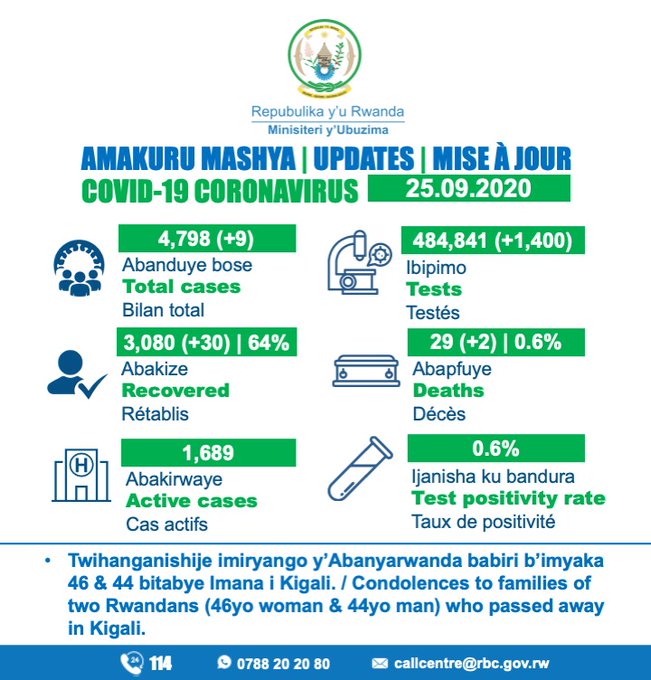
The ministry on Friday extended its condolences to the families of the victims, aged 46 and 44.
This is the third time in Rwanda that two people have died from COVID-19 caused by Coronavirus in one day.
On September 25, 2020, Rwanda recorded 9 new cases from 1,400 sample tests taken, bringing the total number of confirmed cases to 4798 while 30 have recovered bringing the total number of recoveries to 3080. So far 484,841 tests have been conducted in Rwanda and the number of active cases is 1689.
Of the new cases, five were identified in Kigali, two in Nyamagabe, and two in Nyagatare district.
Although many services are open, Rwandans are urged to remember that the pandemic is still there. They are advised to continue complying with government regulations, wear masks when leaving home or in public, frequent washing of hands with water and soap, avoid meetings and anything else that gathers many people especially those who feel the symptoms of this pandemic including coughing, flu, difficulty in breathing and so on, can call the toll-free number 114 for medical assistance.
Pyramid money trade is well-known in Rwanda, where its companies require people to buy certain shares, promising a profit that can increase depending on the number of people they bring in and buy shares.
This practice is what keeps those who are involved in these activities always concerned about bringing others to increase their profits.
The activities are advertised on social media, and sometimes even organize meetings to invite those who want to get involved in the business.
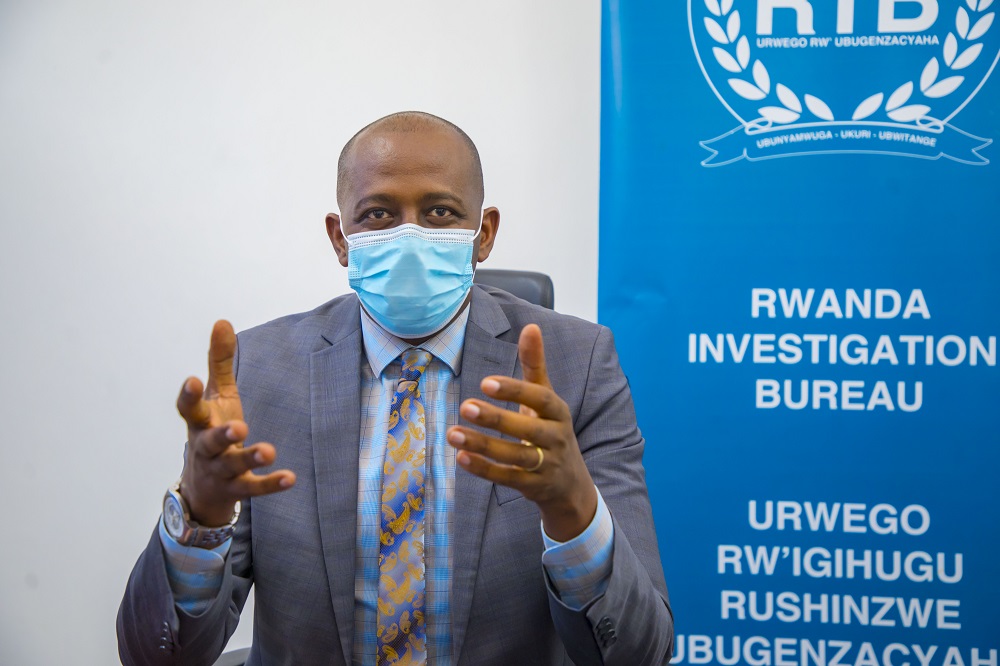
RIB spokesperson Dr. Murangira Thierry told Radio 1 that those who attract and encourage others to enter the business should stop because it is a crime and punishable by Rwandan law.
Dr. Murangira further urged the public to be vigilant before engaging in activities that assure them profits they didn’t work for.