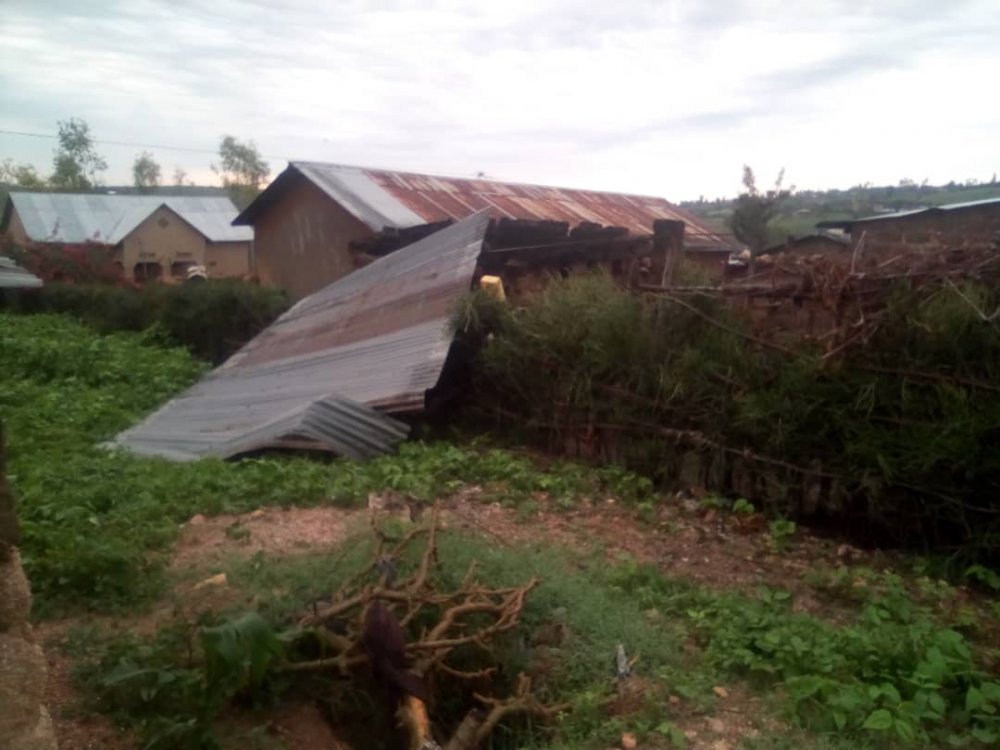
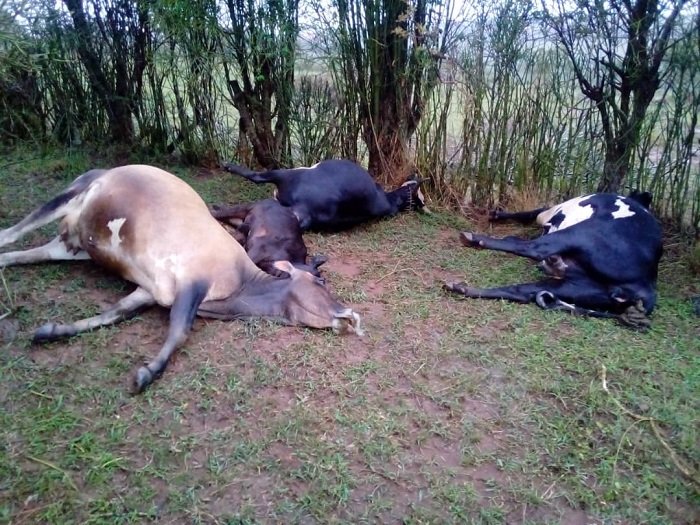
Nyagatare District Mayor Mushabe David Claudien told IGIHE that “Five cows struck by lightning are from Nyagatare Sector, and we are still compiling statistics to determine the damage.”
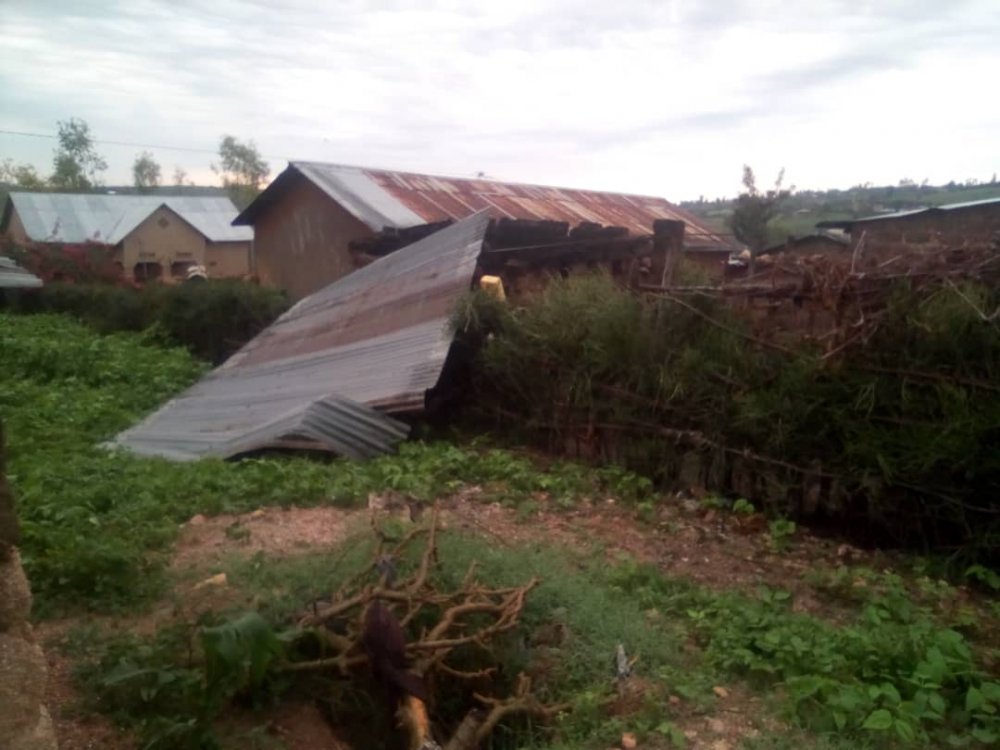
Musheri Sector Executive Secretary Kamu Stiven told IGIHE that residents have been accommodating their neighbors affected by the rains while community work is expected to help them restore the roofs properly.
He said that the government will help these residents by providing roofing iron sheets.
Citizens are also urged to take animal insurances to make it easier for them to recover from such losses.
Heavy rains also destroyed more than 200 houses in Kirehe District in recent weeks and damaged farmland.
The projections come after previous expectations and projections that the economy would grow by about 2 per cent.
After weeks of holding meetings with various government agencies, the IMF mission led by Haimanot Teferra revised downward informed by the extent of local and domestic shocks.
“Given the size of external shocks and the domestic shock caused by containment measures, real GDP growth is now projected to contract to -0.2 per cent in 2020 and rebound to 5.7 per cent in 2021,” the mission noted.
The IMF however noted that economic activity has started to show signs of recovery following a sharp contraction in the second quarter of 2020 caused by the COVID-19 pandemic and the stringent containment measures.
The continued monetary and financial measures and large fiscal packages deployed in response to the crisis were also found to have played an important role supporting the economy.
With the global economy quite uncertain, it is not possible to predict its effect on the Rwandan economy with regard to economic disruptions in Rwanda and in trading partners, the mission further noted.
The financial and banking system was found to be stable, liquid and well capitalized to foster economic recovery.
“Inflation remained high, partly reflecting supply disruptions, but it is expected to stay closer to the upper bound of the National Bank of Rwanda inflation benchmark band in 2020. The banking system has remained stable, liquid and well capitalized,” the mission’s statement noted.
Tax revenues have been stronger than expected at the time of the second IMF emergency financing under the Rapid Credit Facility (RCF), but expenditures are also expected to be higher as the fiscal measures to support vulnerable families and hard-hit firms are being extended.
An economic contraction means a decline in national output measured by the value added and created through the production of goods and services in the country during a certain period. It signifies a drop in real personal income, industrial production, and retail sales among others as was evidenced during the lockdown and consequent months.
Olivier Nshimiyimana, 22, alias ‘Major’ and Abdoul Sadam, 27, were arrested on Saturday, October 24, with four sachets of the severe drug. They were also caught with a syringe, which they were using to inject customers with heroin.
The suspects were handed over to RIB at Ngoma station.
Chief Inspector of Police (CIP) Michel Majyambere, the acting District Police Commander (DPC) for Huye, said that the arrest of the duo followed information provided by one of the addicted users, who had check in at Huye rehabilitation centre for medical assistance.
“An addicted youth, who had gone to seek medical help at Huye rehabilitation centre disclosed that he was buying the heroin from Nshimiyimana. Police traced and arrested Nshimiyimana, who was at the time found in possession of four sachets of heroin. Sadam, who was caught with Nshimiyimana, is also the latter’s client, who had come to be injected with heroin,” CIP Majyambere said.
“Heroin is among the very dangerous narcotic drugs with immediate effects to users, and with severe punishment especially to dealers in Rwanda,” the DPC warned.
It is said that Nshimiyimana was using the same syringe to inject several of his clients, which increased risks of spreading infectious diseases like HIV/AIDS.
{{Effects of heroin}}
Health experts say that after the initial effects of heroin, users usually will be drowsy for several hours; mental function is clouded; heart function slows; and breathing is also severely slowed, sometimes enough to be life-threatening.
Slowed breathing can also lead to coma and permanent brain damage.
According to the UN Office in Drugs and Crimes (UNODC), heroin is “very addictive” and development of tolerance and physical and psychological dependence occurs rapidly.
UNODC warns that heroin causes severe weight loss and malnutrition that can lead to damaged veins and liver disease. It can also lead to menstrual irregularity, sedation and chronic apathy.
Taking heroin also clouds the user’s judgment and increases the chance of him or her making bad choices, such as having unprotected sex and sharing needles. Thus, the user risks contracting HIV/AIDS, hepatitis and other infectious diseases.
{{What the law in Rwanda says}}
Heroin is listed as a “very severe drug” in Rwanda, alongside cocaine, opium and cannabis under the Ministerial Order No. 001/MoH/2019 of 04/03/2019 establishing the list of narcotic drugs and their categorisation.
In article 263 of the law relating to offences and offences in general, it specifies that anyone convicted for “severe narcotic drugs” faces a life imprisonment and a fine of between Frw20 million and Frw30 million.
We people can interpret morning differently; there are those who may consider it as the time at which they wake up yet people wake up at different hours.
Similarly, evening can be interpreted differently; some people may think it’s the time they go to bed or time they go to dinner which might vary along the week days or vary between people. All in all ,it’s not only the amount of medications to take that matters but also how often to take them is vital to maximizing the therapeutic effectiveness.
Consideration must always be given to the actual time of administration so that a sufficient period occurs between doses.
For some medicines it doesn’t matter what time you take them. But for others, the Pharmacist will recommend to take them at the same time each day. Medications taken regularly ensure that you have an effective amount of drug in your body at all times.
Though they are meant to improve our health, medications can harm us when not properly taken. When they are not taken regularly, the level of drug in the blood can become either too low to be effective or too high and damages the body organs like kidney or liver.
For each drug to reach to the unhealthy part of the body; it is first absorbed into the blood. The blood then distributes the drug through the body. Each drug has a maximum level of concentration in the blood that when it goes beyond it becomes no longer beneficial but rather toxic to the body.
The moment you start taking your medication, its level of concentration in the blood raises and later falls down to its minimum level as the body breaks down the active ingredients and eliminates the waste from the body.
That minimum level is called minimum effective concentration, below which the drug becomes not effective but rather the body becomes used to the medication and consequently in the future use of the same drug, the drug doesn’t bring the same benefits or effects as before.
Therefore, taking your next dose on time helps to ensure that the already reached drug in the blood stays above the lowest useful level/minimum effective concentration.
Taking a dose too soon could lead to drug levels that are too high, whereas waiting too long between doses could lower the amount of drug in your body and keep it from working properly.
Healthcare providers should make it clear on how many hours apart are between doses so that side effects can be minimized. The routine of telling patients to take their medication in the morning, noon, and in the evening, leaves the ambiguity and may cause other issues as it is not clear at what exact time is in the morning or the evening.
When your healthcare providers didn’t clarify your dosing intervals, it is simple to calculate but people need to make sure the schedule is according to their daily routine. For instance, medications that are to be taken three times a day are to be taken every eight hours.
They are not to be taken morning, noon and evening as most of us are led to believe. To know how to calculate it, you simply take 24 hours and divide by the number of times your medication ought to be taken per day. You will find how many hours should be between doses or dosing intervals.
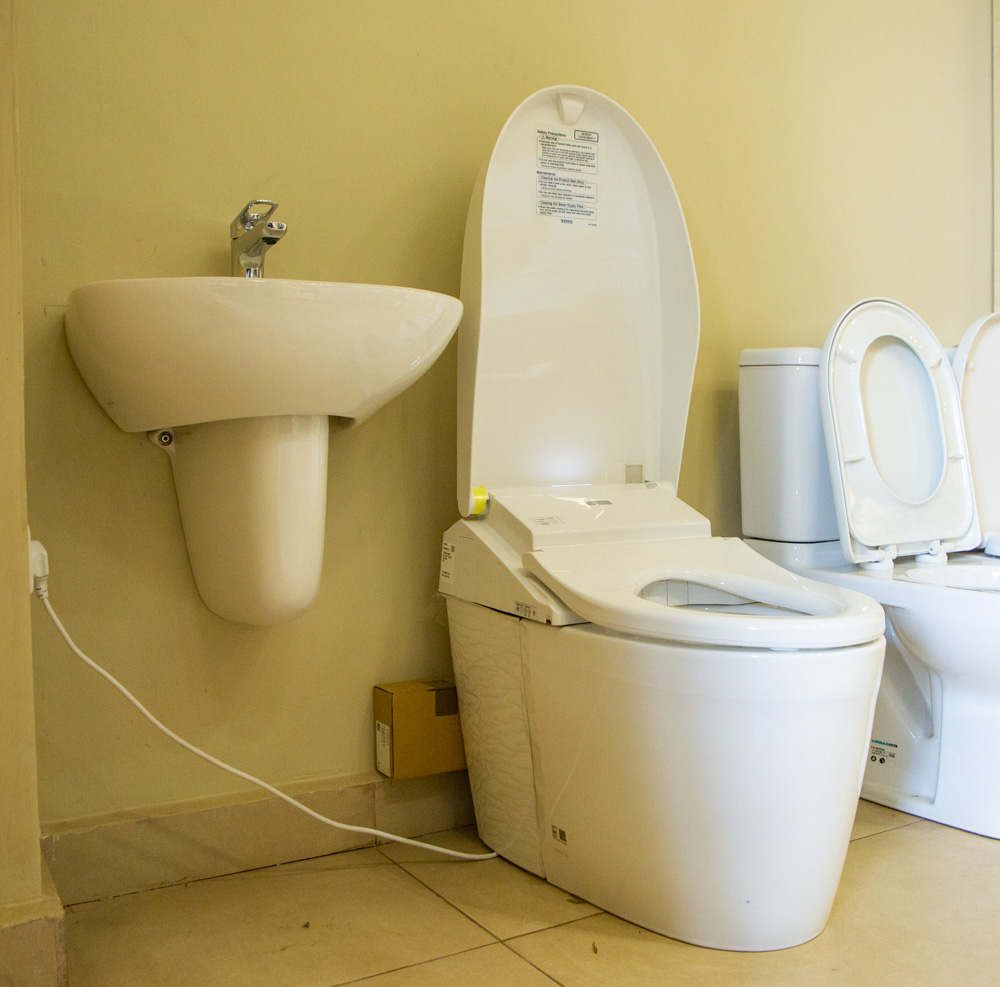
The group, which has been operating in Rwanda for two years, has been a staple in the use of state-of-the-art bath and toilet facilities.
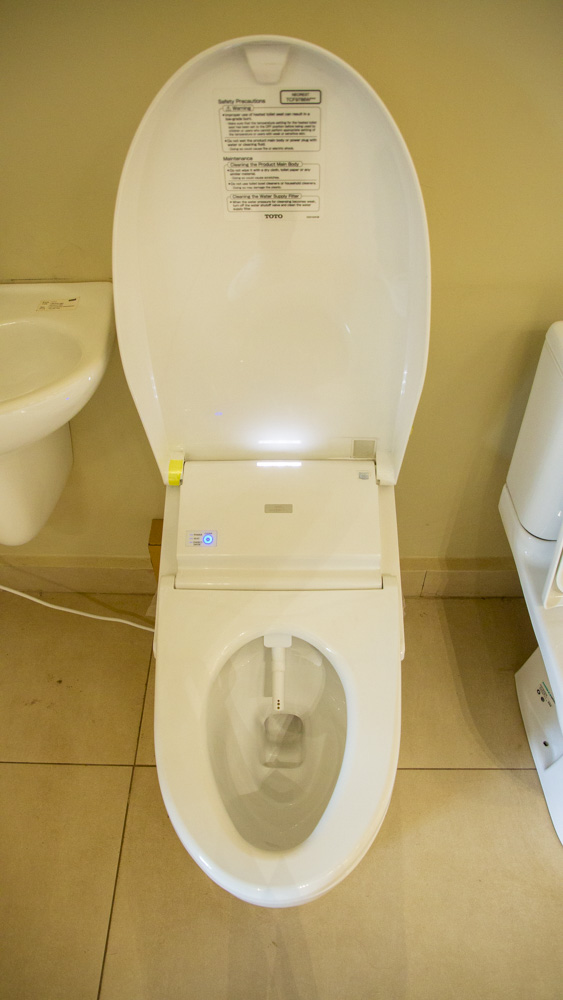
This is further emphasized by the introduction of modern toilets known as TOTO Neorest, which uses electricity and has modern technology, with auto-cleaning capacity.
These toilets work with movement detection, and can clean both the sitting area and the inside of it automatically.
Another special feature of this toilet is that it does not consume too much water, it consume between four to six liters as per user. It also has the ability to spray incense to eliminate bad smells in the bathroom.
They also thought about builders, bringing them special Polyceraine 1600×800 charcoal in Rwandan market, and at the same time making it easy to save space and bring more quality to the buildings.
These charcoal are available in a variety of colors including black, white, brown and gray. It has a size of 80 x160 M, making it only one charcoal in a large area.
Ajay Kumar, CEO of ABC Group Rwanda, told IGIHE that they are satisfied with the Rwandan market, and therefore have continue to bring quality and modern equipment.
“We are pleased with the relationship between us and our customers, which has strengthened our ability to bring these products that can be found nowhere else but in Rwanda, and we also wanted to expand our market,” he said.
Ajay Kumar went on saying that they chose these new materials because they would make Rwandans lives easy, seeing that they are durable and cheap.
“There are other kinds of charcoal and toilets but not like these, these are unique because they are durable, easy to use and when you look at the prices, you find them low compering to their duration.”
In addition to the new equipment they have brought, in ABC Group one can also find Estonian bathtubs, Bathx and Toto, Porcelain and Ceramic charcoal and smart toilets that are popular in developed countries.
ABC Group began operations in 1998 and has now become a champion in the bathroom and toiletries business. It currently has branches around the world such as Qatar, Oman, China, Uganda and Tanzania.
For more information email: info@abcgrouprwanda.com or call 0786661007 and 0789070770. You can also find them at the MIC building in central Kigali.
Among the new cases are four from Kigali while Burera, Muhanga and Musanze district each had one case.
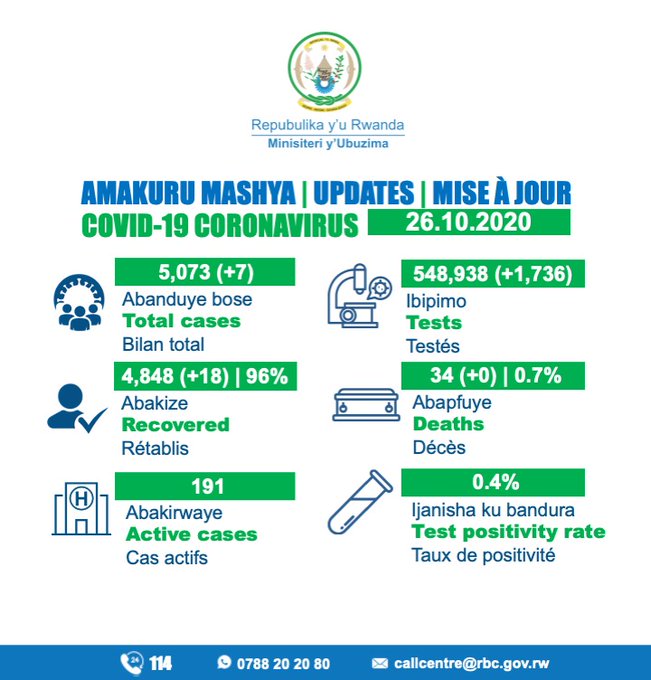
Since the first Coronavirus patient appeared in Rwanda, 548 938 sample tests have been made of which 5073 cases were confirmed. Of these, 4848 have already recovered while 191 are still active cases. 34 people have succumbed to the virus
Coronavirus symptoms include coughing, flu, and difficulty in breathing. The virus is said to be transmitted through the mucous membranes of the respiratory tract.
Rwandans are required to continue to comply with government regulations, especially with frequent washing of hands and water and soap, wearing masks when leaving home or in public.
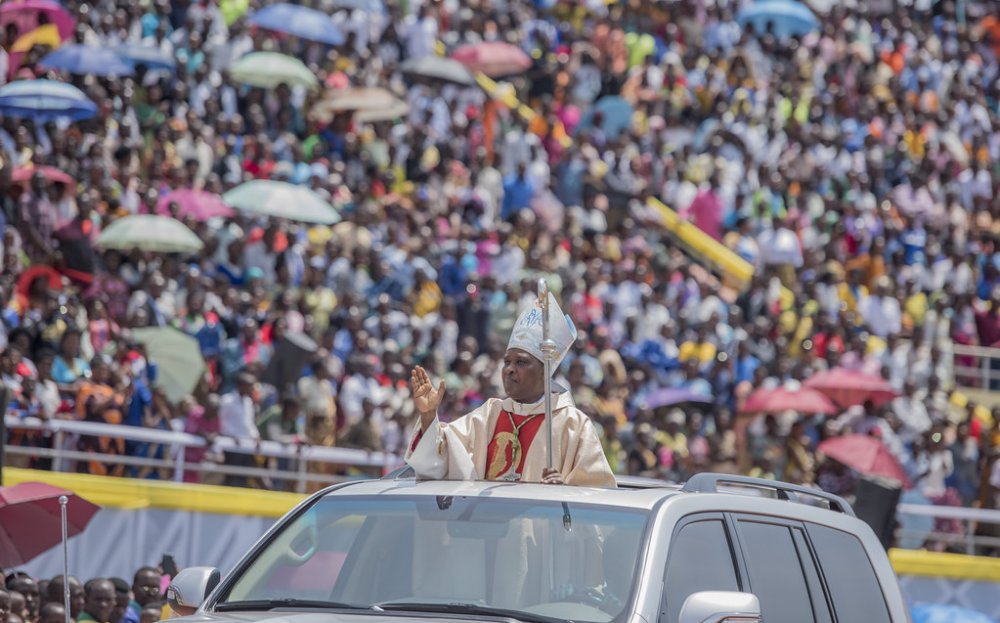
In a surprise announcement, Pope Francis elevated the 13 Archbishops from different parts of the world, including Archbishop Kambanda who is the first Rwandan Roman Catholic Church clergyman to attain such heights.
In his first interview upon being announced, the Archbishop of Kigali said on Rwanda Television that he was not aware of the development and it had not crossed his mind that he would be designated a Cardinal by Pope Francis.
“We thank God for his mercies, for it is He who decides everything. It is something I never thought of, but by the power of God, it has happened. I also thank His Holiness Pope Francis for showing trust in me and surprising me because I had no idea this was going to happen. People started telling me about it and I couldn’t believe it until I got the confirmation,” Archbishop Kambanda said.
“So, I’m thankful to God for this and I commit myself to continue serving him. This is something I love with all my heart and I have dedicated my life to serving him. This means a lot. The trust that has been put in me means that I will continue to serve the church wholeheartedly,” he said.
Archbishop Kambanda said that his elevation to Cardinal is a result of a number of factors, including the relationship between the church and country, the role of the church in Rwanda and his contribution in spreading the gospel and ensuring that the church promotes harmony and co-existence.
Archbishop Kambanda is the first Rwandan Cardinal in Rwanda and will only be the 2nd Cardinal in Service, together with the one of Kinshasa. Elsewhere, the Cardinals in Nairobi and Dar es Salaam have all retired after completing their mandate.
“It is a great honour not only for me but for the entire church in Rwanda and this creates hope for the Church in Rwanda. It comes with a number of privileges as one becomes an advisor of the Pope and is given a place in Diocese of Rome as one of the Pope’s Councilors,”
Archbishop Kambanda, who is turning 62 this November, was named Archbishop of Roman Catholic Archdiocese of Kigali on 11 November 2018.
He will officially be assigned the rank of cardinal by Pope Francis at a consistory scheduled for 28 November 2020.
Born on 10 November 1958 in Rwanda, Bishop Kambanda’s family fled from the ethnic violence that gripped Rwanda at the time where they moved briefly to Burundi and then to Uganda, where he attended elementary, and then to Kenya, where he attended high school.
He later returned to Rwanda, where he attended the junior Seminary in Rutongo, Kigali, from 1983 to 1984 and joined the Saint Charles Borromeo Major Seminary of Nyakibanda in Butare, in the current Huye District, from 1984 to 1990).
On September 8, 1990, he was ordained a priest in Kabgayi by Pope John Paul II. After that he was Prefect of Studies from 1990 to 1993 in the minor seminary of St. Vincent in Ndera, Kigali.
He then attended the Alphonsian Academy in Rome from 1993 to 1999, where he obtained a doctorate in moral theology. His parents and five of his six siblings, along with many other relatives and friends, were killed in 1994 Genocide against the Tutsi.
Kambanda was appointed Director of the diocesan office of Caritas in Kigali in 1999. He then became director of the Development Committee of the Diocese of Kigali, head of the “Justice and Peace” Commission of the diocese, and professor of moral theology and visitor at the Nyakibanda Major Seminary.
In September 2005 Cardinal Crescenzio Sepe appointed him rector of the inter-diocesan major philosophy seminary in Kabgayi. On 10 February 2006 Kambanda was appointed rector of the Saint Charles Borromeo Major Seminary of Nyakibanda.
He replaced Monseigneur Smaragde Mbonyintege, who had been named a bishop.
On 7 May 2013, Pope Francis named Kambanda Bishop of Kibungo, succeeding Kizito Bahujimihigo, who resigned in January 2010. The Episcopal Conference of Rwanda elected him to attend the Synod of Bishops in 2015. On 19 November 2018, Pope Francis named him Archbishop of Kigali.
Other Archbishops elevated to the rank of Cardinal include Washington D.C.
Archbishop Wilton Gregory, who will become the first Black U.S. prelate to earn the coveted red hat; an Italian who is the long-time papal preacher at the Vatican, the Rev. Raniero Cantalamessa, a Franciscan friar; the Capiz, Philippines, Archbishop Jose Feurte Advincula, the Santiago, Chile, Archbishop Celestino Aos and Franciscan Friar Mauro Gambetti, in charge of the Sacred Convent in Assisi.
The program aims to grow the technical skills of the graduates, train them in the Ericsson technology, solutions and their delivery and understanding our processes, methods and tools.
In addition, getting exposed to working in a large global matrix driven organization in terms of the ways of working, understanding vision, mission, strategies, corporate culture and values of the company. All this to get geared up to meet the business challenges of the future.
We believe this graduate program helps build local talent for our African markets and helps build into our long-term commitment to develop and grow our business in Africa. This way we access the best talent and provide them careers in a global environment, over a period of time.
Caroline Berns, Head of Talent Acquisition at Ericsson Middle East and Africa says: “The Fresh Graduate Program in Africa is designed to give graduates’ career an added momentum at just the right time – maximizing the skills they have gained in the course of their degree, adding more to their repertoire and equipping them to make a positive impact on the continent. Aiming to attract and guide the most talented, innovative and creative technology minds, the programs offers graduates an opportunity to engage with the most exciting technology on the planet and the challenges it brings.”
The Graduate Program helps Ericsson to move the needle on gender equality within the field of technology; half of the graduates hired are women. This is in alignment with Ericsson Educate and local Connect to Learn projects which empower women in STEM (Science, Technology, Engineering and Math) fields and leverage connectivity to increase access to education for children, especially girls.
Our young graduates with curious and innovative minds, work alongside the brightest minds in the industry and work on projects that are changing the world of communication and thus become the future of the telecoms industry in Africa.
Due to the sudden and unprecedented disruption of the COVID-19 pandemic, the Graduate Program will run virtually for the time being, and will focus on graduates in Kenya, Nigeria, Sudan and Angola. Applications are now closed for this phase but the program is expected to roll out in more countries in the continent during a second phase. Interested candidates can sign up for the job alert on
Ericsson.com/careers to be informed immediately when new programs are being opened.
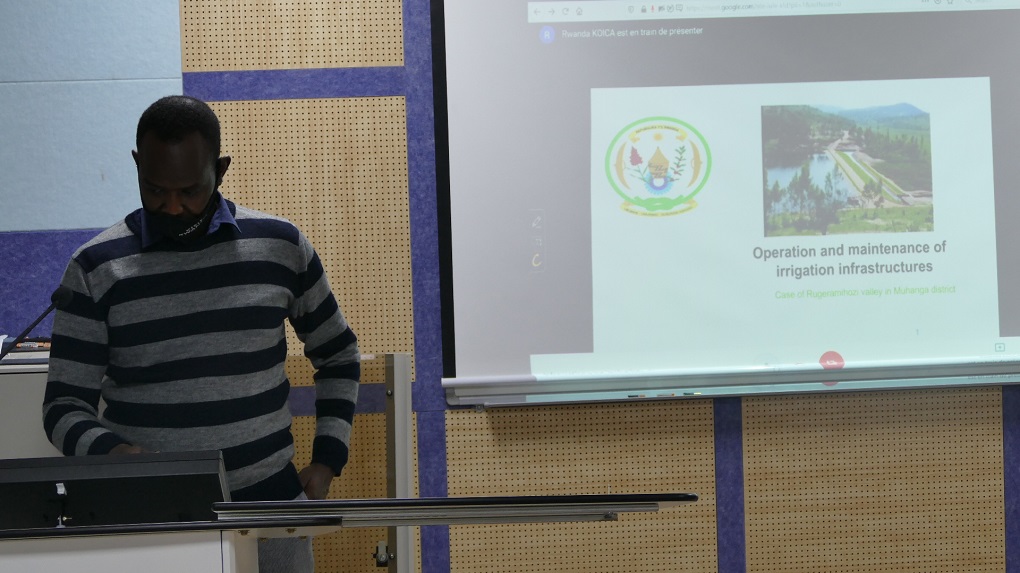
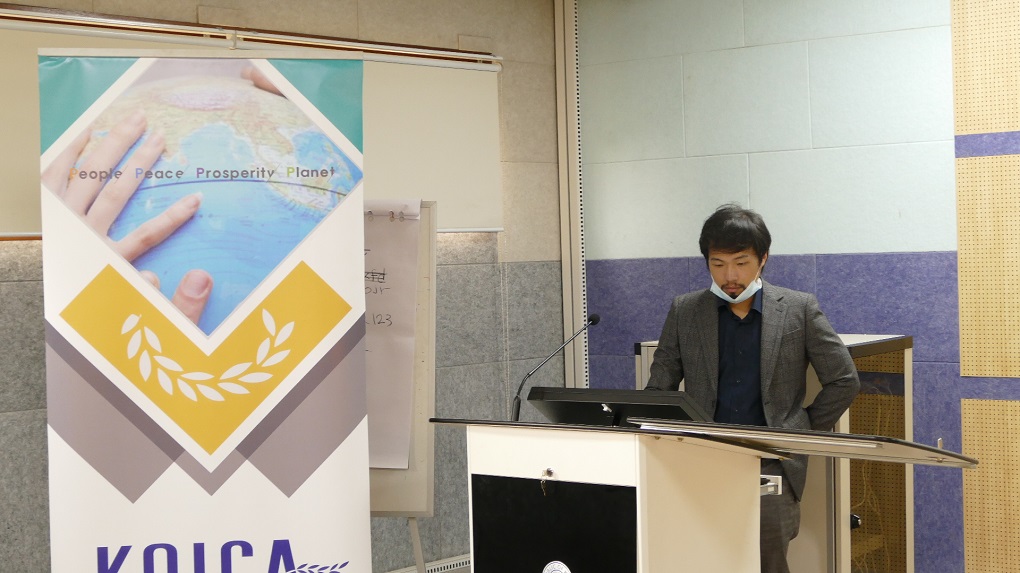
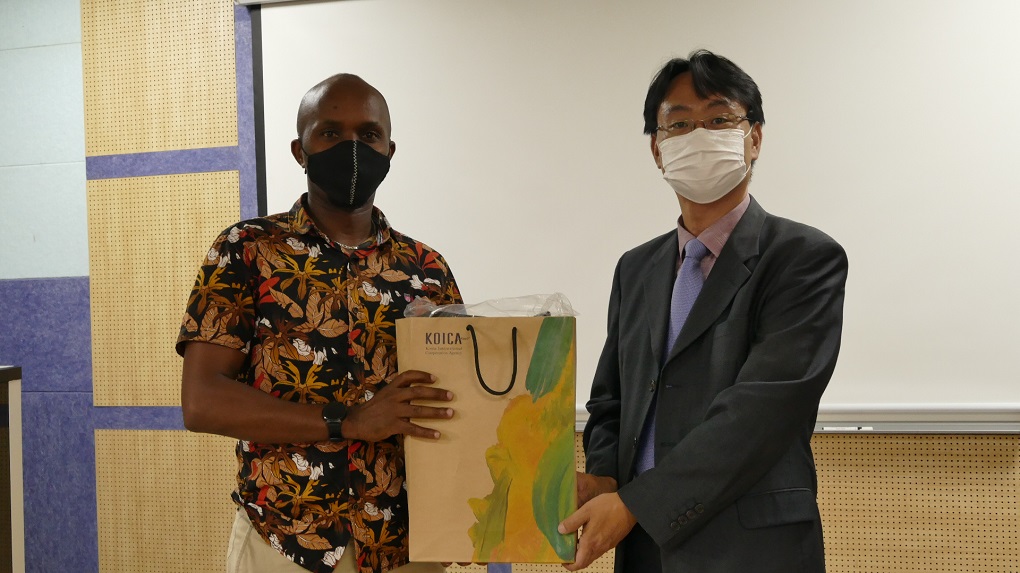
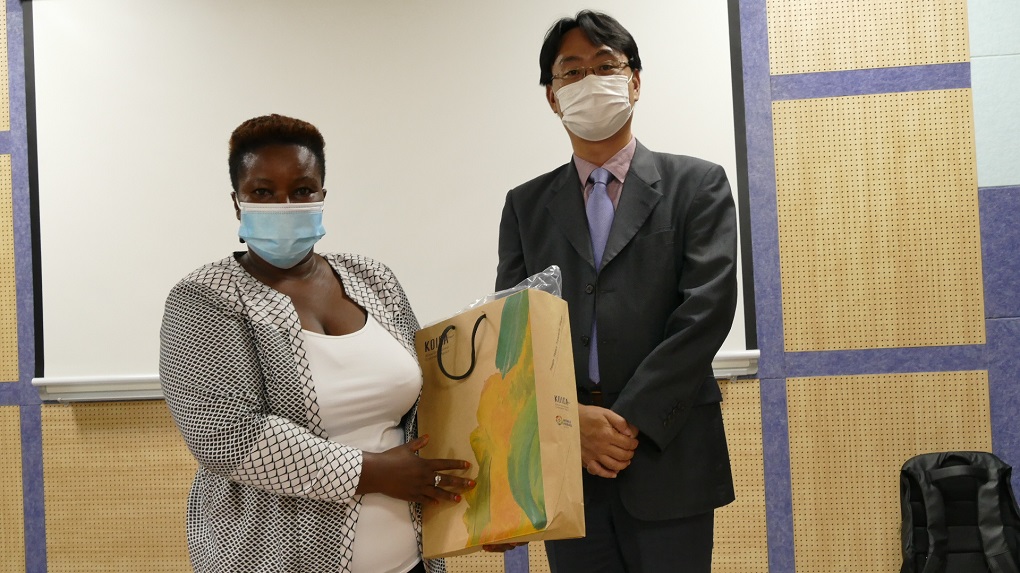
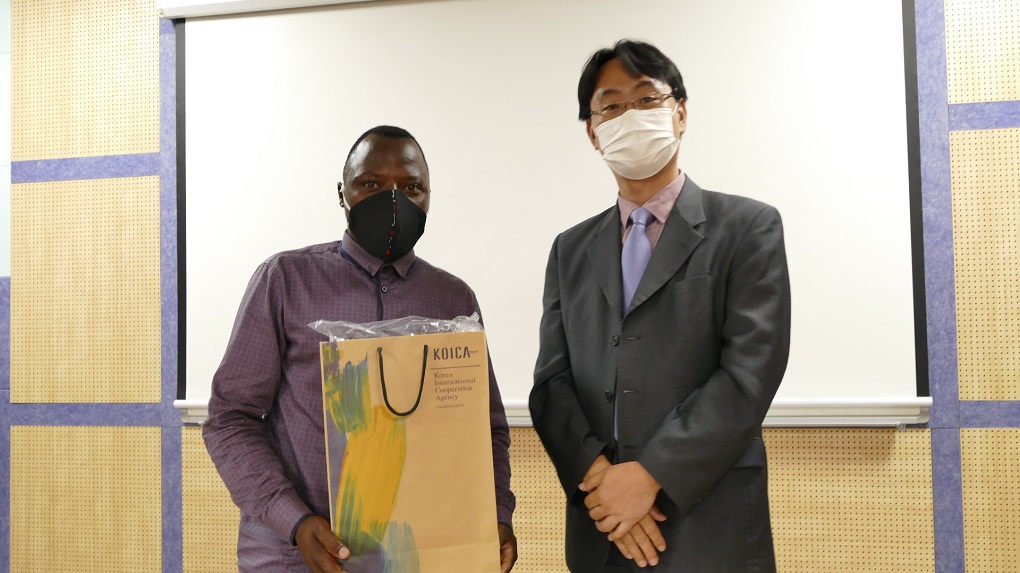
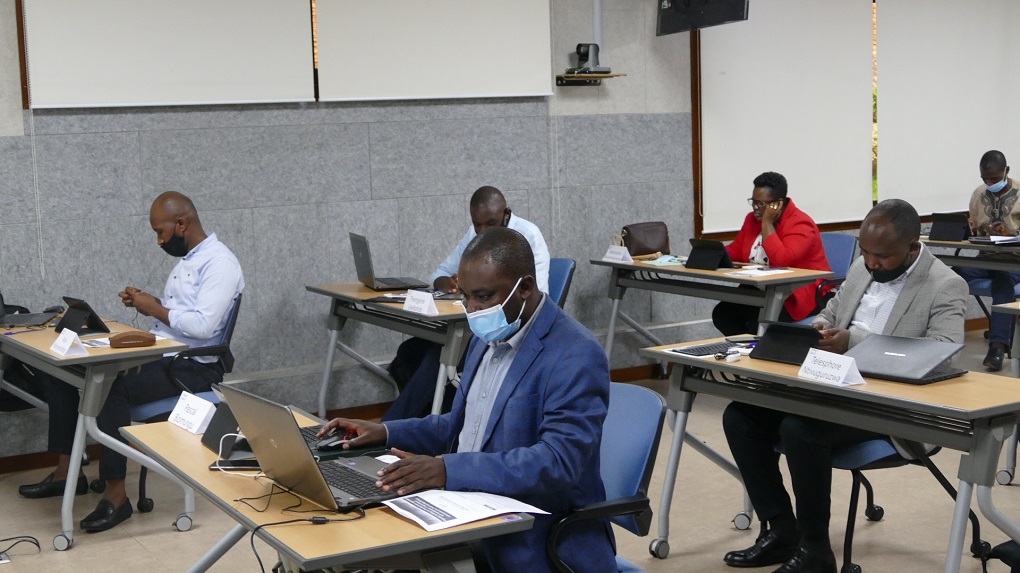
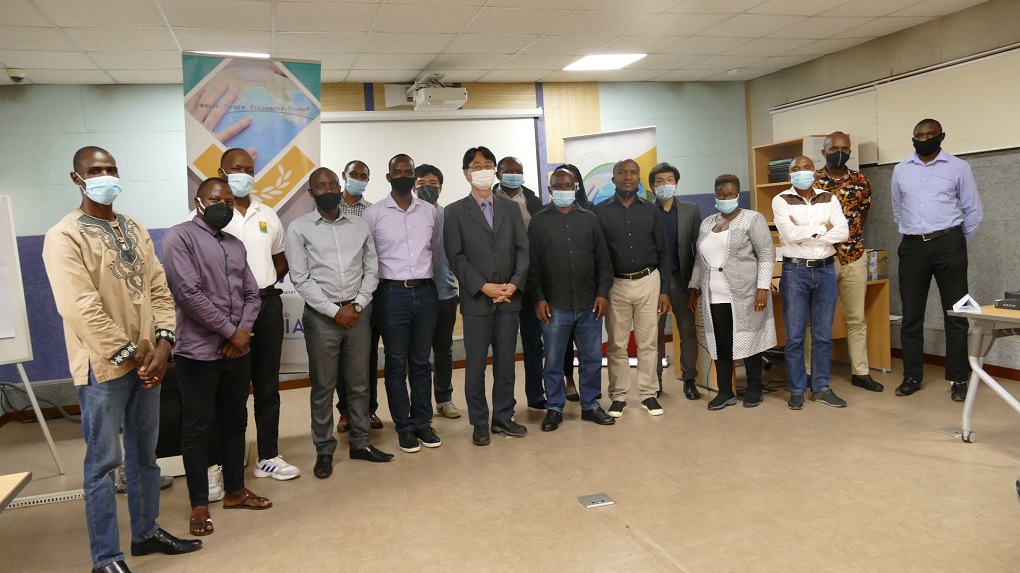
Kigali from October 14th to October 21, 2020. Attended by 13 civil servants and representatives of the private sector, the eight-day online training has been administered in collaboration with the Korea Rural Community Corporation (KRC) with the objective of equipping participants with knowledge and skills for agricultural development, sustainable water management, and appropriate response to climate change.
It prepared a diverse range of lectures and workshops to deliver practical knowledge on agricultural development to the participants.
RMI was chosen to be the host institution of the training because it was the primary beneficiary of KOICA’s project of “Human Resources Development for Civil Service Capacity Building (2014-2018)”. Under this project, KOICA financed the upgrading of its training facility with a cutting edge teleconference system, including sound and video systems and equipment and capacity building of RMI staff.
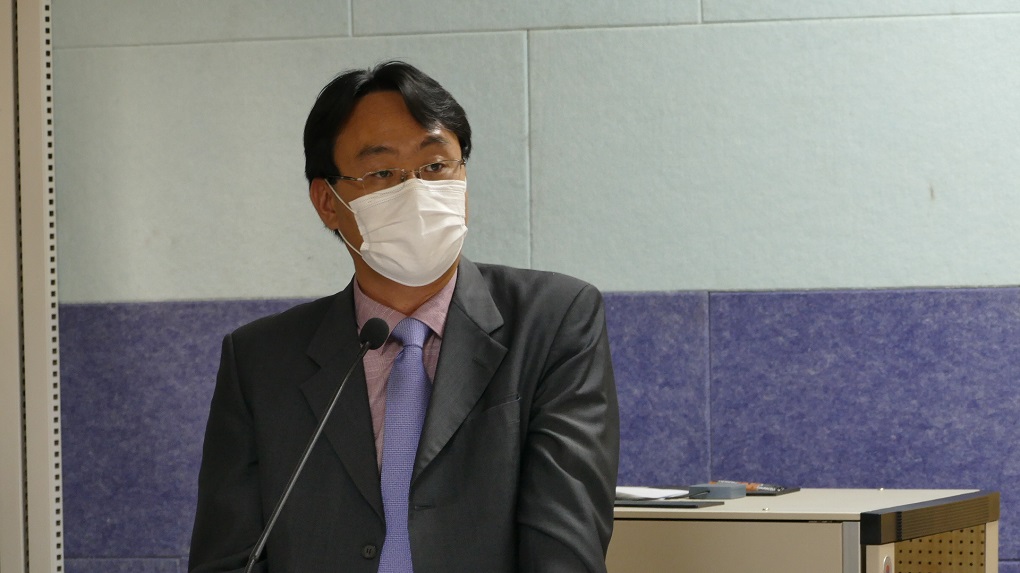
“In response to this unprecedented crisis posed by COVID-19, KOICA had to find an innovative alternative to keep our capacity building programs going”, Mr Chon Gyung Shik, Country Director of KOICA Rwanda office said in his closing remarks.
“Though this is the first online training, I believe this will clearly demonstrate how ICT can be incorporated into our grant programs and help strengthen our digital transformation strategy”. “As we navigate this challenge, we will keep trying to apply new ways of doing things to improve our performance while saving costs”, he added.
‘’This training has been important to me to get enough knowledge on the management of agriculture infrastructures as well as rural community, “said Alain Nzeyimana, Mechanization Workshop Specialist at RAB, one of participants of the training. “I now understand how to manage the infrastructure and how to involve community in the management of agriculture infrastructure“.
Every year, KOICA offers various training opportunities in the form of invitational training in Korea to its partner countries across the globe. In 2019, KOICA Rwanda office sent about 60 people to Korea for two-week short-term training programs, including “Capacity Building for Policy Development and Coordination” and “Capacity Building Program for Research on Natural Resources and Energy”.
However, due to the global health risks posed by COVID-19 which accompanied health measures and travel restrictions in many countries, KOICA has had to shift the inivational training to online training in which trainers and trainees are connected through an online platform.
Launched in Rwanda in April 2020, ayoba is an easy to use instant messaging platform that includes informative channels as well as gaming available to all networks in Rwanda. The unique proposition for MTN customers is to be able to communicate at no data cost with all their contacts.
Commenting on the launch of the promo, MTN’s Marketing Operations Senior Manager, Desire Ruhinguka said, “Our mission is to lead digital for a brighter Rwanda. As part of our Digital Celebration named Twizamukire, we are rewarding MTN customers for joining us on this digital journey by simply using ayoba for communication and entertainment.”
On a weekly basis, 30 lucky ayoba users will win cash prizes of up to Rwf50,000 and another 30 winners will receive airtime valued at Rwf5,000. New users simply have to download ayoba via Google Play Store or www.ayoba.me. Upon successfully downloading the app, the customer is required to register and use the ayoba existing features such as messaging and subscribing to channels.
Olivier Prentout, ayoba’s Head of Consumer Marketing said: “We are delighted once again to partner with MTN in Rwanda and we believe this promotion will provide new users on a great chance to join the ayoba family and enjoy the benefit of not using your data to play, share, listen and chat”
Ayoba is more than just a messaging app as it offers free games and music as well as lots of channels of information on sports, fashion, current news to name a few. MTN customers can stay connected to one another regardless of their network, access updated local content from channels like Igihe, listen to music and play games all at no data cost.