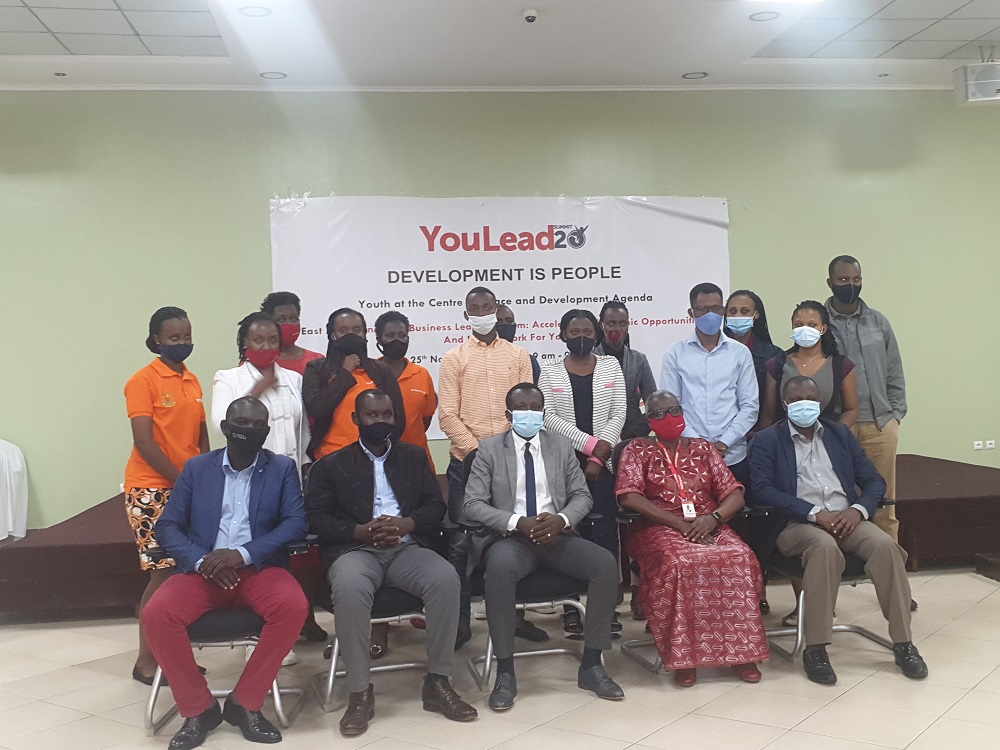
The request was made on Wednesday at the closure of three-day YouLead Summit 2020 bringing together the youth from East African Community (EAC) to assess their contribution towards addressing different problems pertaining to politics, peace and trade.
The meeting was held at the headquarters of EAC in Tanzania but some meeting points were established in different countries to participate virtually due to COVID-19.
Fredrick Kamusiime, the Division Manager for EAC and Eastern African Affairs at Rwanda’s Ministry of Foreign Affairs highlighted that Rwanda’s youth needs to push themselves to global market by creating outstanding innovations.
“You should put much effort in markets study. Apparently, there won’t be gun wars anymore. The remaining struggle is to liberate our market thrusting forward to make own cars and other technology gadgets,” he said.
“The war ahead is different from what your predecessors experienced. It is within your capacity to come up with new ideas and strive to take the lead,” added Kamusiime.
He stressed that their innovations need to be adapted to current technology to expand market as the world is going digital.
Josephine Uwamariya, the Country Director ActionAid Rwanda which heads organizations behind YouLead Summit in Rwanda explained that capacitating the youth is an investment for the better future.
“Youth are the leaders of today and tomorrow not only in Rwanda but also in EAC, Africa and across the world. The youth’s role is highly needed to act as the backbone for attain Sustainable Development Goals,” she stressed.
Uwamariya urged the youth to always update their innovations lest they are left behind.
ThroughoutYouLead Summit best youth’s projects were awarded.
The annual YouLead Summit is aimed at empowering EAC youth in the areas of trade and investment, leadership and peace.
Through this model, Jibu has given priority to girls and women who constitute 60% of its agents.
Joyeuse Muhimpundu is an agent based in Kabuga who has been working with Jibu for the past two years. She abandoned her shop after realizing many benefits of Jibu business. Muhimpundu started producing 1500 liters in 2018 but has grown to produce 4000 and 5000 liters on support of Jibu.
“Increased production helped me to grow income that I have hired eight employees,” she said.
Muhimpundu explains that being Jibu’s agent has unlocked other opportunities which saw her dealing in gases.
Rehema Uwamahoro is another agent who worked with Jibu since 2016. She lived in Kigali by the time she learnt about Jibu’s opportunities.
Realizing that many people had started such business in Kigali, Uwamahoro abandoned her job and moved to Rwamagana where she could face minimal competition. She has become financially stable and self-reliant entrepreneur.
“I was a public servant but I cannot apply for jobs anymore because I have made a giant step. I reaped many benefits including new businesses and starting a clinic. This is evidencing how working with Jibu is advantageous,” she said.
{{Loans to expand business}}
Jibu agents across the country attribute in no smaller part their progress to good relations with the company.
Muhimpundu explained that Jibu helps them with the provision of loans to sustain their businesses.
“Jibu provides car loans to help us distribute water to different shops. This contributes a lot to successfulness of our business,” she noted.
Uwamahoro also revealed that Jibu always seeks to turn their businesses profitable through different forms of support.
“Jibu conducts assessment to ensure adherence to standards. Apart from car loans, the company provides free loans paid in installments to buy equipment,” she revealed.
Jibu has recently in October received Transformational Business Award by ‘The Financial Times’ in partnership with International Finance Corporation (IFC).
Jibu is present in seven African countries. It has been in Rwanda for eight years and works with over 50 agents. In general, it has enabled the creation of 500 jobs with 60% women representation.
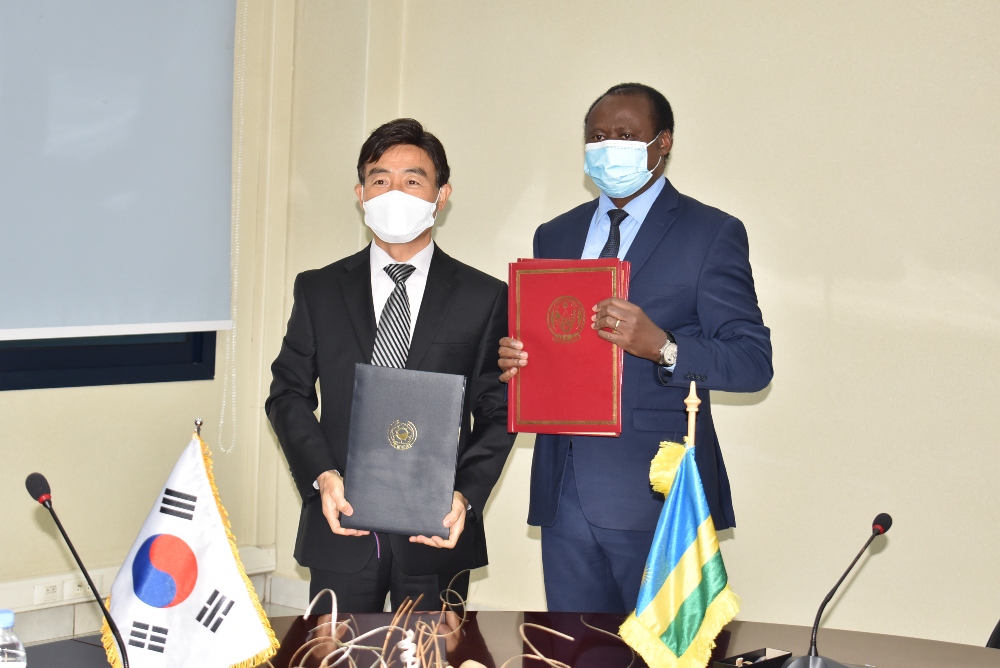
{The Governments of Rwanda and the Republic of Korea today signed an arrangement for a loan from the Economic Development Cooperation Fund for the electricity transmission and grid expansion project worth US$ 66.2 million (approximately Rwf 64 billion). }
The loan is concessional and will be repaid in forty (40) years including a grace period of fifteen (15) years, at the interest rate 0.01% per annum. Once complete, the project will reinforce the national power system through expanding the transmission grid and provide stable power.
Speaking after the signing of the arrangement for a loan agreement, the Minister of Finance and Economic Planning Dr. Uzziel Ndagijimana said: “This project will support our National Strategy for Transformation targets of 100% access to electricity for every Rwandan in 2024 from the current 54%. We thank the Government of the Republic of Korea for the continued support and collaboration in many areas of our economy but most importantly Agriculture, Education, Digitalization, and Water and sanitation.”
Ambassador Plenipotentiary and Extraordinary of the Republic of Korea to Rwanda, His Excellency Jin-weon CHAE assured that Korea will continue its close partnership with Rwanda in its journey towards sustainable development.
“I believe this project will provide solid electricity infrastructure, which is vital for industrial development and improvements in the quality of life of Rwandans,” he said.
The project will support the grid extension of Gasogi, Mamba, Nyabihu, Rwabusoro and Nyabarongo power sub-stations as well as connecting transmission lines and line bays.
This project comes to complement other projects in pipeline in a multi-Donor Program to support the Energy sector. These include financing from the World Bank, Africa Development Bank, European Investment Bank, Agence Française de Developpement (AFD), OPEC Fund for International Development (OFID) and Saudi fund for Development.
Other artists in the category include Thana Alexa’s Ona, Kurt Elling’s Secrets Are the Best Stories featuring Danilo Pérez, Carmen Lundy’s Modern Ancestors, and Kenny Washington’s What’s The Hurry.
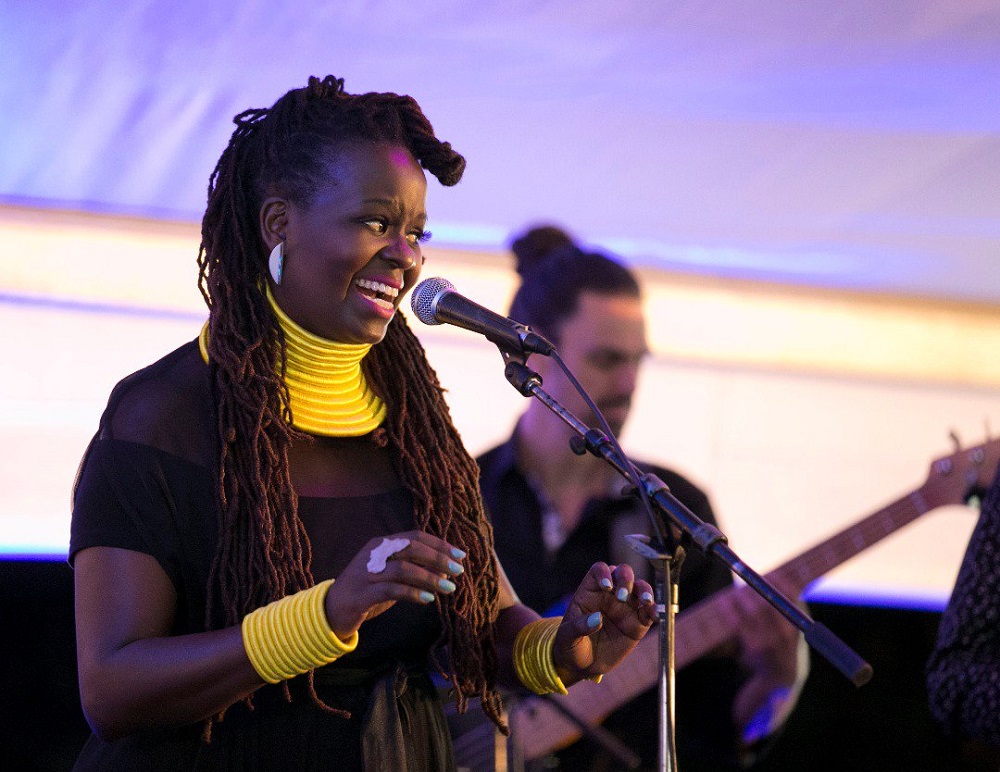
Somi’s Holy Room was recorded in an 18th-century opera house during a live concert in May 2019. The album features songs from Somi’s previous releases reimagined into brassy orchestral arrangements by award-winning conductor John Beasley. The illustrious Frankfurt Radio Big Band accompanies the honey-voiced singer with lush dexterity and freshness throughout the concert.
With this Grammy nomination, Somi becomes the first African woman to ever be nominated in any of the jazz categories and the first African artist nominated for a jazz vocal performance.
The awards are scheduled to take place on January 31st, 2021 at the Staples Center in Los Angeles and will be hosted by South African comedian Trevor Noah.
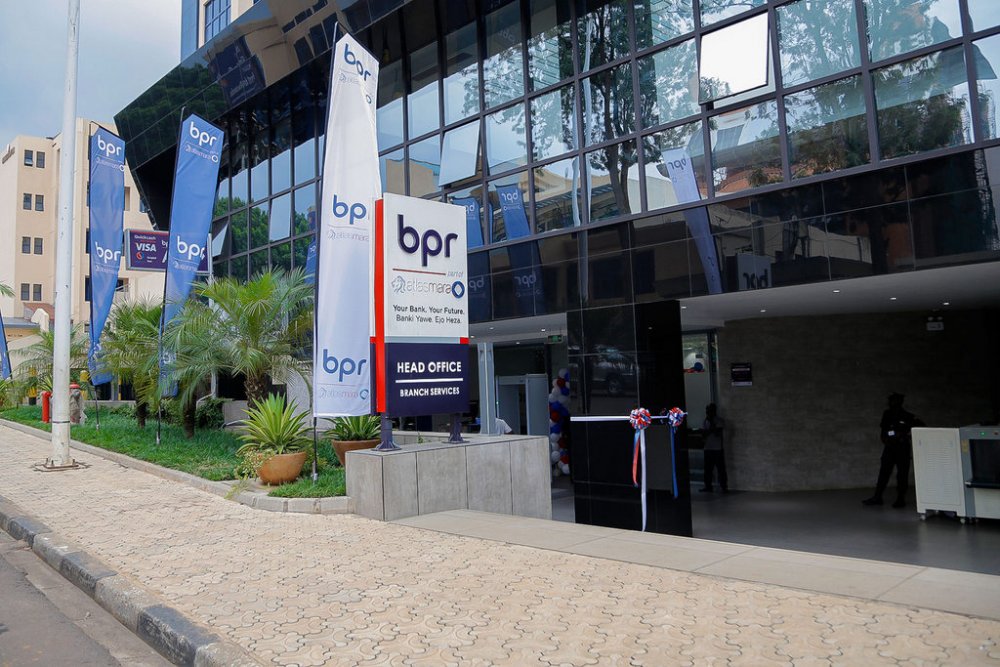
According to a statement from KCB Group, the proposed transaction will see KCB acquiring BPR Plc and African Banking Corporation Tanzania (BancABC).
“KCB Group Plc (KCB) and Atlas Mara (ATMA) have signed a definitive agreement which will see East Africa’s biggest Bank by assets increase its footprint within the region,” reads part of the statement.
This is through the acquisition of a 62.06% stake in BPR Plc and a 100% stake in African Banking Corporation Tanzania Limited (BancABC) from ATMA in Rwanda and Tanzania, respectively.
The successful completion of the transaction is subject to obtaining shareholder approval and to obtaining regulatory approvals in the respective countries.
KCB Group CEO and MD Joshua Oigara said the transaction was part of KCB’s ongoing strategy to explore opportunities for new growth while investing in and maximizing returns from the Group’s existing businesses. The acquisition, he added, will buttress the Group’s leadership position and give it a stronger edge to play a bigger role in driving the financial inclusion agenda in the East African region while building a robust and financially sustainable organization.
“The transaction fits within the Group’s expansion strategy and will see us increase our market share and distribution network across Rwanda and Tanzania and improve our operating leverage by enabling us to deliver our existing product offerings to a wider base of customers while positioning the bank for sustainable growth in the long-term, ” said Mr. Oigara.
“Once the transaction is completed, the Group’s Rwanda and Tanzania businesses are expected to have stronger financial credentials to support business growth in the post covid-19 macroeconomic recovery” he added.
In Rwanda, upon completion of the acquisition, the resultant KCB Group business is expected to see KCB double its market share to become the second largest bank in the country and solidify KCB Group’s leadership position.
In what reaffirms the Bank’s strong credentials, KCB Group Plc was ranked at position 667 globally in The Banker’s Top 1000 World Banks ranking for 2020, climbing 40 places in a survey that shows a stabilization in the finances of the majority of African major lenders. The performance is an improvement from position 717 last year in the ranking which tracks the health and wealth of the global banking sector. In 2018, KCB was ranked 809.
KCB Group has been running operations in Rwanda for 12 years since 2008.
The transactions come after Equity Group from Kenya (which also has a subsidiary in Rwanda) called of the plan of acquiring stakes in BPR Plc due to COVID-19 related effects. Talks for the canceled acquisition had started in April 2019 with the objective of reaching mutually acceptable terms for a strategic transaction.
After careful consideration, Atlas Mara (which owns 62 per cent share in BPR) and EGH mutually agreed to discontinue discussions.
In April 2015 Atlas Mara Limited (“Atlas Mara” or “the Company”) ( LSE : ATMA ), a financial services holding company with subsidiaries and investments in Botswana, Germany, Mozambique, Nigeria, Rwanda, South Africa, South Sudan, Tanzania, Zambia and Zimbabwe, acquired minority shares in BPR and later in 2016 it merged BPR with the commercial banking wing of the Development Bank of Rwanda (BRD) that it had acquired in 2014 giving Atlas Mara the controlling stake in BPR with 62.1% of shares, strategic partner Arise remaining with 14.6% and 23.3% retained by Local Shareholders.
The First Lady made the remarks yesterday at the virtual High-Level Inter-generational Dialogue on ‘Beijing+25 Young Women Manifesto’ to commemorate International Day for the Elimination of Violence Against Women.
Twenty-five years ago, the Fourth World Conference on Women in Beijing set a path-breaking agenda for women’s rights.
As a result of the two-week gathering with more than 30,000 activists, representatives from 189 nations unanimously adopted the Beijing Declaration and Platform for Action.
This historic blueprint articulated a vision of equal rights, freedom and opportunities for women everywhere, no matter what their circumstances that continue to shape gender equality and women’s movements worldwide.
The Beijing Platform for Action envisioned a world where every woman and girl can exercise her freedoms and choices, and realize her rights, such as to live free from violence, to go to school, to participate in decisions and to earn equal pay for work of equal value.
As a defining framework for change, the Platform for Action made comprehensive commitments under 12 critical areas of concern including elimination of violence against women, women empowerment and gender equality among others.
The Dialogue on ‘Beijing+25 Young Women Manifesto’ coincided with the commemoration of International Day for the Elimination of Violence Against Women.
Participants delivered messages revolving around barriers hindering young women inclusive development as well as durable solution.
Young ladies appealed for advocacy to enhance equal rights to job and economic self-reliance reliance.
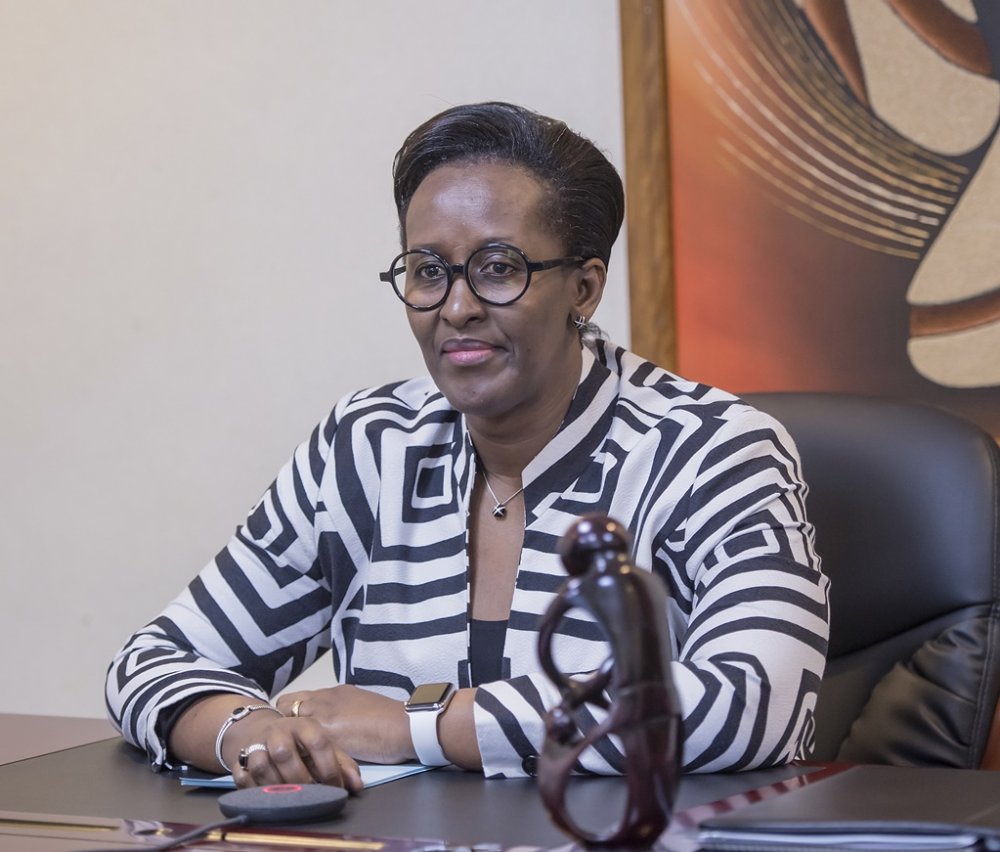
As she delivered keynote address, First Lady Jeannette Kagame highlighted the need for special attention to gaps hindering gender equality.
“We can no longer ignore existing gaps to improve the health and socio-economic indicators of our continent, gaps that slow down the meaningful engagement of our promising young minds, toward contributing to all political, social and economic processes. We need inspiration from our youth to dismantle these detrimental beliefs and norms, and we must also challenge the fact that gender equality is yet to be achieved, “she said.
First Lady explained that critical areas of concern that put African young women and girls at a disadvantage continue to be linked to poverty, inequality of economic opportunity, as well as exclusion from decision-making. She further stressed the need for gender equality and women empowerment which Jeannette Kagame said has been driving Rwanda’s transformation.
“It is disheartening to observe that deep-seated negative traditional and cultural practices, including negative social norms, still persist to this day in some of our countries,” she noted.
“Spearheaded by a sustained political will at the highest leadership level, gender equality and women’s empowerment has been the driving force for Rwanda’s vision and transformative agenda. In the last 25 years, my country, Rwanda, has made a deliberate choice to promote gender equality and women’s empowerment as an essential condition for attaining sustainable development,” stressed Jeannette Kagame.
The Gender Social Norms Index released by the United Nations Development Programme (UNDP) this year reveals that, despite decades of progress closing the equality gap between men and women, close to 90 percent of men and women hold some sort of bias against women, providing new clues to the invisible barriers women face in achieving equality, and a potential path forward to shattering the Glass Ceiling.
According to the index, about half of the world’s men and women feel that men make better political leaders, and over 40 percent feel that men make better business executives and that men have more right to a job when jobs are scarce. 28 percent think it is justified for a man to beat his wife.
Among women between the 24-35 age brackets globally, 35% live in extreme poverty while men occupy ¾ in parliaments.
Rwanda’s constitution grants 30% women representation in decision making positions. Currently, women representation constitues 50% in the cabinet , 60% in the parliament and 38% in the Senate.
First Lady Jeannette Kagame said that Rwanda’s experience is evidencing that the youth has what it takes to accelerate the advancement of gender equality.
“Rest assured that we are working alongside key partners to provide you the room and resources to come-up with solutions to the issues that matter to you most.You are the backbone of our continent. And your demands shall be our commands,” she noted.
“We need you to: advocate, promote financing for response and prevention initiatives; leverage available technology; continue and initiate new dialogues to educate, shift mind-sets, and disseminate potentially life-saving information. Young Leaders of tomorrow, we are conscious that more than ever, we need your voices, your expertise and innovative minds,” she added.
Rwanda was commended for youth empowerment initiatives whereby almost 45% of public servants are under the age of 35, 79% are under the age of 45 while 38% of public servants under the age of 30 are young women.
The airplane is expected to land at Kigali International Airport this Thursday at noon with 80 tourists onboard coming to explore Rwanda’s attractive beauty.
The maiden flight was announced last night by Israel ambassador in Rwanda, Ron Adam, via twitter account.
“Tomorrow Nov. 26 at noon, the first ever Israeli airline will land in beautiful @City of Kigali with more than 80 tourists. Welcome!” he tweeted.
IGIHE has learnt that the passengers will be along with Israel official to hold talks with Rwandan counterparts aimed at opening flights from Kigali to Tel Aviv in Israel.
RwandAir suspended flights to Tel Aviv due to COVID-19. The new dates for resuming flights have not yet been announced.
The statement from the Ministry released last night shows that 13 of new cases are inmates from Bugesera prison. Others include cases from Kigali city (9), Musanze (4), Gatsibo (2) and Rubavu (1).
Figures from MoH rates the prevalence of death toll at 0.8% and new cases at 1.1%.
The Ministry of Health confirmed the first case on 14th March 2020.
Since the COVID-19 outbreak in Rwanda, 5779 cases have been found out of 614 267 sample tests. 5317 of them have recovered, 415 are active cases while 47 have succumbed to the pandemic.
Coronavirus symptoms include coughing, flu, and difficulty in breathing. The virus is said to be transmitted through the mucous membranes of the respiratory tract.
Rwandans are required to continue to comply with government regulations, especially with frequent washing of hands and water and soap, wearing masks when leaving home or in public.
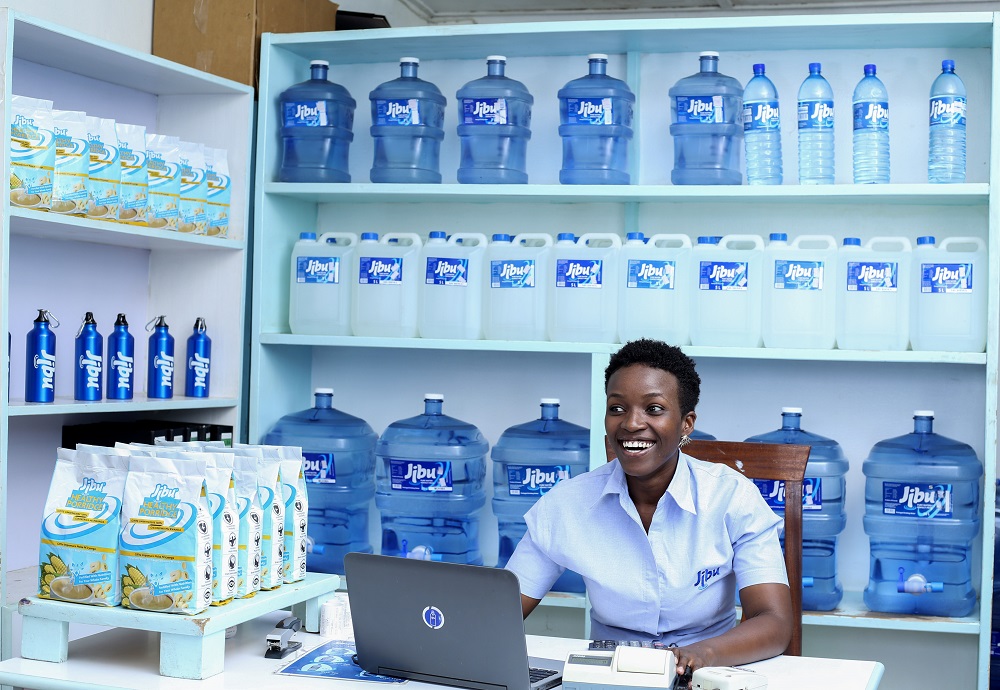
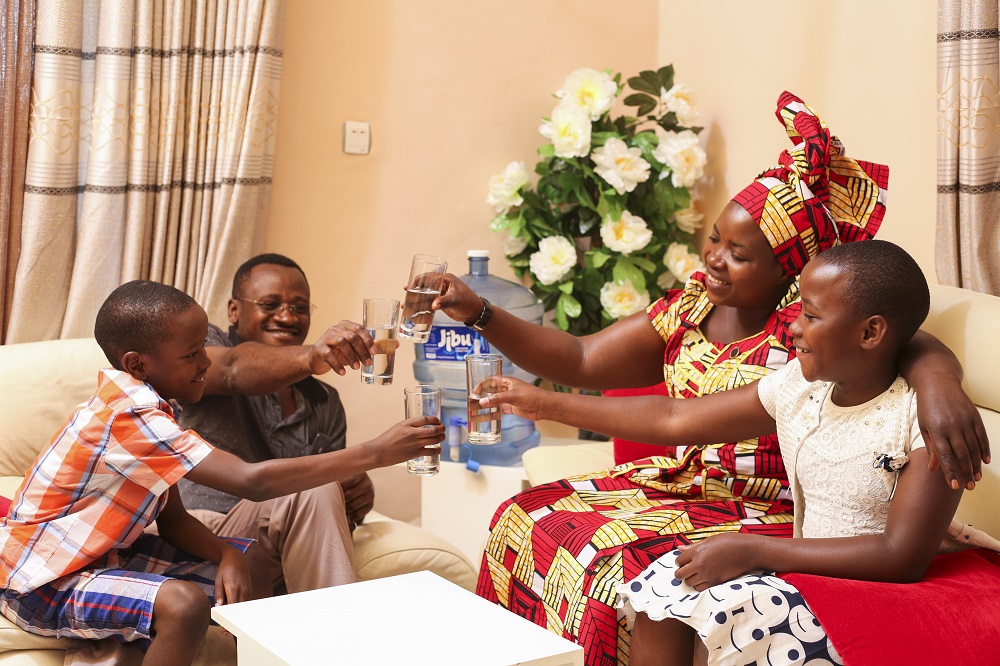
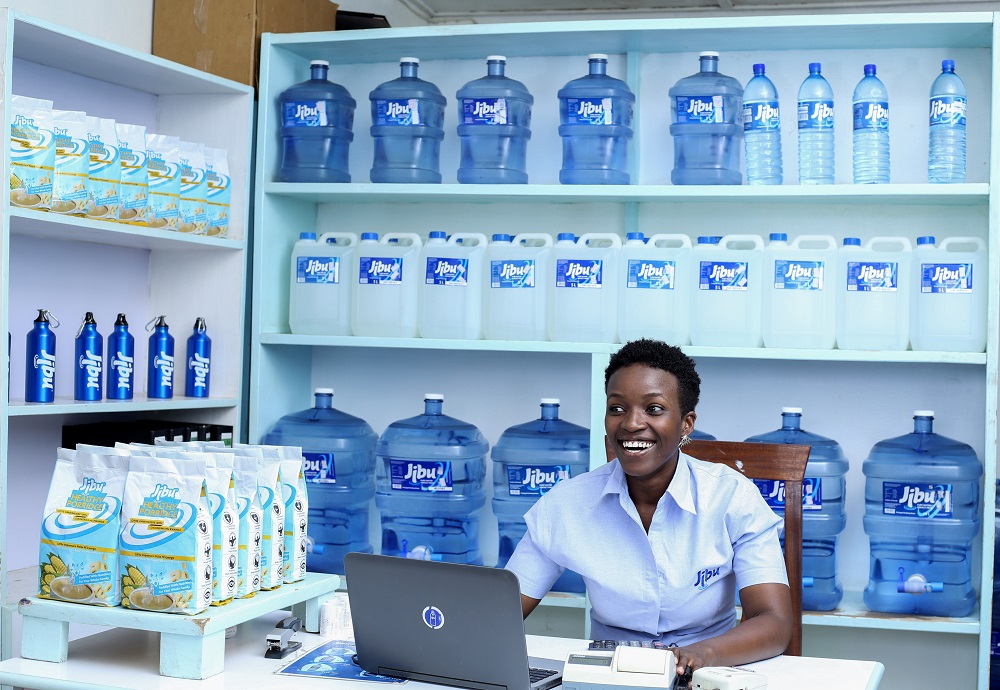
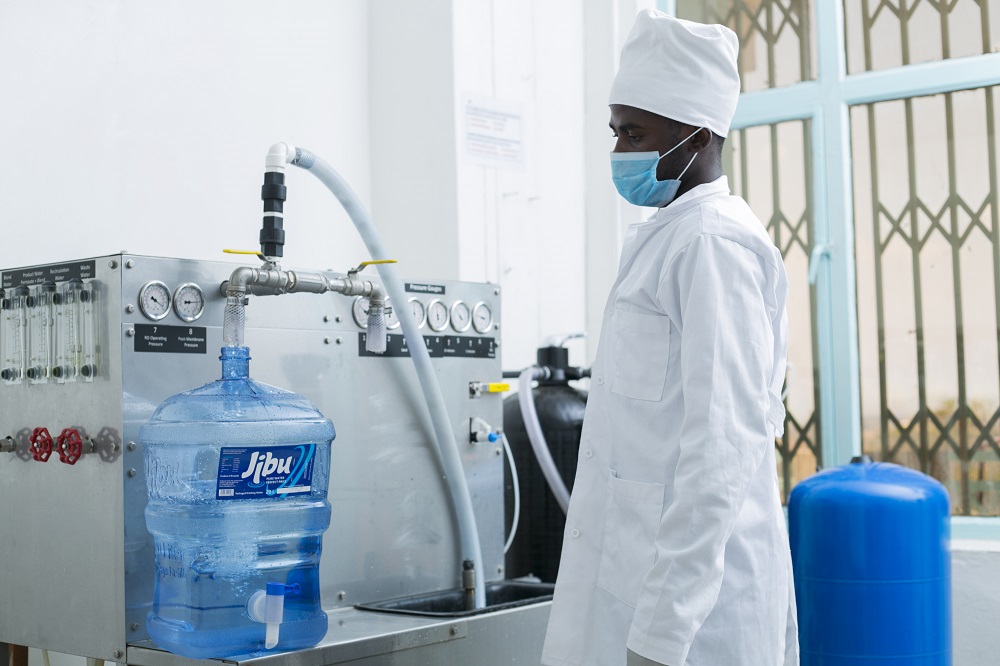
Jibu set up in Rwanda in 2012 with a focus on producing safe drinking water using up to date water purification methods licensed by Rwanda Standards Board (RSB) and Food and Drugs Authority (FDA).
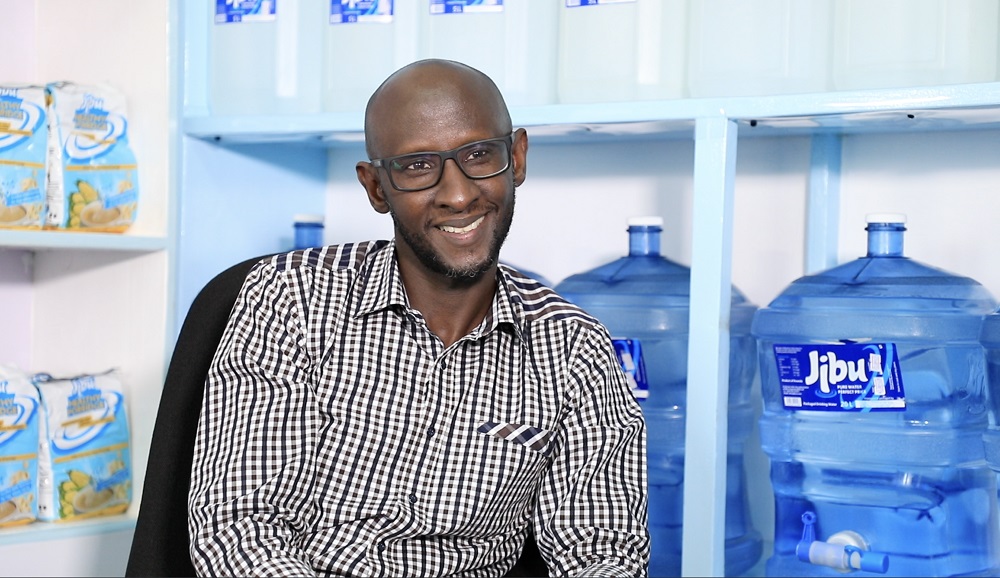
Kabatende Darlington, the Managing Director of Jibu Rwanda has told IGIHE that the company has since inception gradually instilled the culture of drinking safe water among Rwandans and created job opportunities for Rwandans.
“There are many achievements to celebrate. We have brought Jibu water closer to Rwandans and its benefits to public attention as much as we can. Rwandans are thankful because many people used to drink boiled water. It would take time and the hygiene of such water is sometimes compromised. We are happy that Rwandans in different districts have embraced our products over the past eight years,” he said.
Kabatende explained that the cost should not be a barrier for Rwandans because Jibu water is made available at fair pricing.
“We use reliable filtration methods to produce Jibu water and make it available nearby Rwandans’ homes at lower price. With only Rwf 1500, one can buy 20 liters contained in bottles with tap dispenser,” he noted encouraging more Rwandans to take advantage of that opportunity.
{{Providing job opportunities}}
Apart from instilling the culture of drinking safe water, Jibu has been a gateway for many to become entrepreneurs.
Through ‘Franchising’ model, Jibu has granted Rwandans an authorization to develop businesses acting as agents for the company’s products. According to Kabatende , this goes with progressive training to agents to ensure they meet requirements.
“We have among others granted authorization to many Rwandans to sell Jibu water which created room for new opportunities. We have agents representing us in many shops granted authorization to filter and sell Jibu water. It has created chains of job opportunities to many Rwandans countrywide involved in those activities,” he stressed.
Through the Franchising model, Jibu works with 50 agents producing its brand water and closely follows them up to ensure standards are respected.
To date, Jibu employs 500 Rwandans of whom the majority is the youth.
Jibu has footprints in other regional countries including Tanzania, Uganda, Kenya, Burundi, Zambia, Zimbabwe and the Democratic Republic of Congo (DRC).
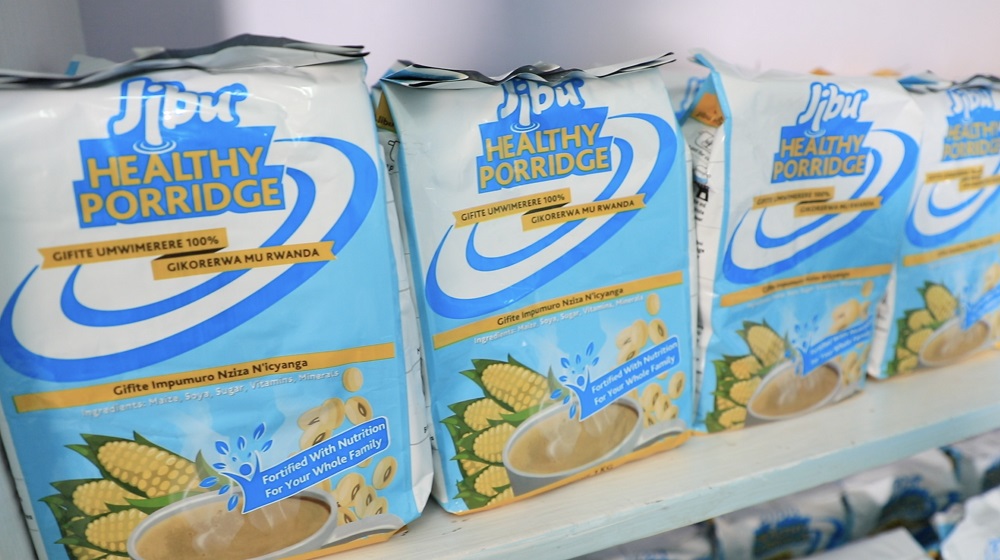
The company eyes expansion into other basic needs. It has already started manufacturing porridge flour known as ‘Jibu Healthy porridge’ and plans to introduce gas in coming days.
Jibu also participates in different Government programs aimed at promoting citizens’ welfare.
ARC which stands for Affordable, Reliable and Clean solar electricity has been in operation in Rwanda since 2017 and has immediate plans to connect 16,000 of its citizens nationwide. The creation of the Solar Business Parks reflects ARC’s desire to further empower rural communities of Rwanda and facilitate the emergence of untapped local business potential.
ARC Power’s team on the ground is comprised of 95% Rwandan nationals and is now installing first time, grid-quality power to communities where commercial activity has hence far been limited due to a lack of electricity.
The first of the parks- located in Murama in the Bugesera District- has recently opened its doors for business. Originally sporting four units, soon to expand to seven, the Solar Business Park will provide a home for a locally owned bakery, tailors, milling station and a welding shop. By early 2021, a further two Parks will go live to the Rwandan public.
The Business Park operates a ‘plug-and-pay’ business model which allows local entrepreneurs to pay for the power used, and the space they occupy at the park, at an agreed rate. For their part, ARC Power will provide any machinery required by the entrepreneurs on finance and charge businesses a small rental fee for each unit.
Community engagement is at the heart of ARC Power’s work and residents will be consulted on their specific wants and needs before future Business Park plans are drawn up. Each site will therefore differ from the last and reflect the community it serves. It is not just about business, however, as ARC Power hopes to install an open-air cinema on the Murama site when Covid restrictions are lifted.
By the end of 2021, ARC Power plans to have at least 20 Solar Business Parks up and running to power the creation of more than a hundred new businesses across Rwanda.
Commenting on the development, CEO of ARC Power, Karl Boyce, said: “Our work has always been about empowering the people of Rwanda by providing a solution to a lack of reliable power in rural areas. Through ARC Power’s clean, sustainable and dependable mini-grids we are well on our way and the creation of our Solar Business Parks is a further indication of our long-term intentions.”
“It is one thing bringing power to rural areas, but we want to facilitate an expansion of commercial activities in these places, and by building Solar Business Parks and assisting budding local entrepreneurs with the cost of machinery, we hope to support the next wave of Rwandan businesses to build something meaningful,” he added.