The two UN agencies, in a joint statement issued in the Kenyan capital, Nairobi, to mark World Mental Health Day confirmed commitment to joint action to make mental health a priority.
Mohamed M. Fall, UNICEF regional director for eastern and southern Africa, said the impact of violence or humanitarian crises is not limited to economic impact, noting that the invisible wounds suffered by communities must also be at the heart of the interventions. “The psychological distress in which hundreds of thousands of children and parents live across the continent has a dramatic impact on individuals and by extension on the well-being and development of societies,” Fall said.
The UN agencies said children and adolescents are particularly vulnerable, adding that Africa has one of the highest numbers of children and adolescents globally. They said the last 12 months have seen families and communities under growing strain as a result of the impact of climate shocks, global inflation and economic hardship.
Ethiopia, Kenya and Somalia are facing extreme droughts, while in the Sahel area, armed groups have stepped up exactions on communities, leading to massive displacement, the UN agencies said.
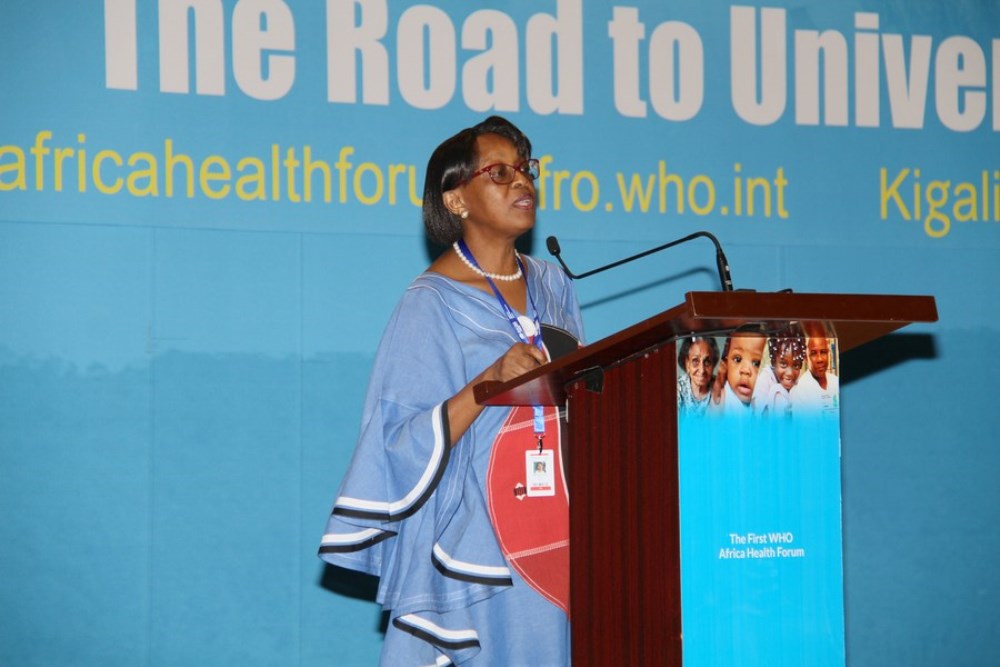
WHO Regional Director for Africa Matshidiso Moeti said mental health is integral to wholesome health and well-being. “The greatest challenge to adequate mental health service provision in Africa is the chronically low investments by governments. It’s time for a radical change,” Moeti said.
The UN agencies said the serious gaps that exist in mental health care in the region are a result of historic under-investment in mental health promotion, prevention and care.
The two agencies in 2020 agreed on a ten-year partnership on mental health, which seeks to address some of the main challenges to mental health and limitations in access to support.
Joint initiatives are underway in Nigeria, South Sudan, Ethiopia, Zimbabwe, and Mozambique, with both agencies working with governments to scale up mental health and psychosocial support services across sectors, according to the UN agencies.
According to the UN, responses to mental health need to encompass support beyond the area of specialized mental health services, including child and family services, education, protection, violence prevention, community support, housing and social protection.
Dossy Uwera (not real names) is among girls who went to a gynecologist for consultations. As she says, the first visit was fairly interesting.
Irakoze was accompanied by her mother but was caught in dilemma to hear the first question from a gynecologist who wanted to know if she was sexually active.
“This forced my mother to turn to me waiting for my answer,” narrated Irakoze.
“Between having to undress, the cold liquid referred to as ‘KY JELLY’ and having a man ask me questions such as; ‘do you plan on having a baby? Are you pregnant? Are you on any contraceptive pills? You go blank and don’t know what to say especially when your guardian is around,” said another young girl.
A 20-year old girl who also spoke to us on condition of anonymity has recounted her experience when she found herself in a situation where the only option was to consult a gynecologist after having unprotected sex.
“I was at the gynecologist because I had sex for the first time. A few weeks later, my vagina was itchy and I started to notice a few bumps on the sides. After a lot of Google searches, I got suspicious that I had contracted a disease or infection. I remember how scared I got.
I decided to go to a clinic and consult a gynecologist with whom we had a conversation that will forever be on my mind. Trying to precise where I had a problem was almost impossible. I could barely see the doctor in the eye and consider leaving right then or just lying to relieve the stress on me,” she said.
At some point, a patient will be asked to remove their trousers or raise their dress or skirt and lay on a little bed in the doctor’s office for an examination. As invasive as this sounds, it is the reality and triggers mixed reactions whether from an emotional level, religious values or cultural context.
Some checkups end with not only a doctor seeing patients’ private parts, but also some doctors do require to physically touch the private parts of their patients as part of the process to identify the right cause of suffering.
Poor communication during this procedure can cause a lot of misunderstandings, which can make the patient feel uncomfortable and push her to avoid the next appointment.
Knowing a patient’s medical history plays a significant role for the doctor to know if a patient has been sexually active or pregnant, hence informing his decision to recommend prescriptions matching with their health conditions.
Besides, this question is very important, especially in finding out whether the potential mother is aware that she is pregnant or not.
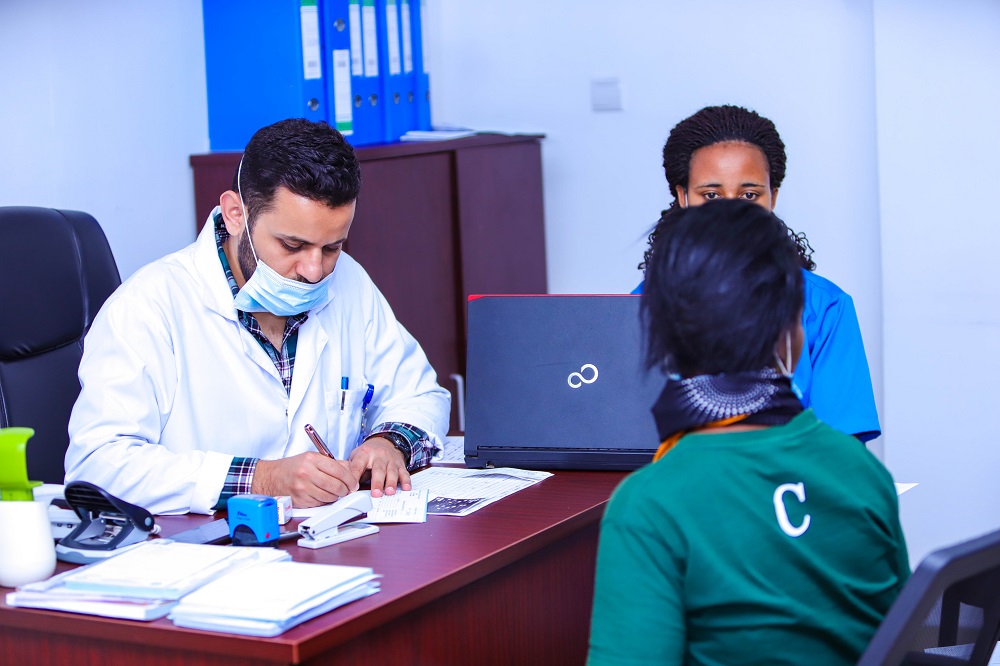
According to Dr. Magnifique Irakoze an Obstetrician/Gynecologist and Lecturer at the University of Rwanda; health care providers, be it doctors, nurses or midwives, rely on the patient’s information gathered through a conversation not recorded medical history.
This conversation helps the health care provider to get to know where to focus on for physical exam and know right laboratory tests. A good medical history contributes around 80% to to better treatment and right diagnosis whereby lying to a gynecologist could lead to worsened health conditions or take long to recover.
As Dr. Irakoze explained; the Gynecologist, like any other doctor, asks you the reason for the visit, an opening question like; how can I help you? Why did you come to see me today? What is the problem?
After the patient’s response to those questions, the doctor proceeds to ask additional questions and this will imply what physical exams to be done, which symptoms to focus on most, and any para-clinical exams needed. This can be laboratory or imaging exams.
Dr. Obed Budoromyi, another medical doctor who spoke to us has shed light on the relevance of frequently asked questions and their contribution to the healing process.
“They ask if you are sexually active because some of the diseases can be transmitted to sexually active people. They are more exposed than non-sexually active people and remember that if you are sexually active, you are more prone to getting pregnant than a person who is abstaining from sex,” he said.
Dr. Obed Budoromyi further revealed that contraceptive pills have a very huge impact on a woman’s health as they do not work well with other medication in some cases.
When asked what the worst scenario would be if a patient lied about their answers to their gynecologists, Dr. Dr. Budoromyi, explained that the gynecologist will not be able to diagnose a patient accurately which also affects prescriptions.
A patient or guardian has the right to ask for detailed explanations before undergoing any testing or treatment and have their questions answered. The doctor is required to give accurate and honest answers that can be comprehended by the patient or their guardian.
Emmanuel Mensah, the West Africa Regional Lead for the Noncommunicable Diseases and Injuries (NCDI) Poverty Network, decried their spike in the continent, citing sedentary lifestyles, smoking and poor dietary habits as key triggers.
According to Mensah, Africa was in a vantage position to reduce the burden of cancer, diabetes, hypertension and chronic respiratory infections once governments prioritized awareness, training of health workers, investments in diagnostic facilities and case management.
“The burden of non-communicable diseases including type one diabetes, sickle cell anemia and hypertension is rising in Sub-Saharan Africa. We need to deliver quality care to the most vulnerable,” Mensah remarked during a virtual interview with Xinhua.
An ambitious strategy to revitalize action on noncommunicable diseases called PEN-PLUS was adopted by health ministers attending the 72nd session of the World Health Organization (WHO) regional committee for Africa held on Aug. 23 in Lome, the capital of Togo.
Mensah said the strategy will focus on strengthening the capacity of local hospitals and health workers to diagnose and manage severe noncommunicable diseases and avert deaths.
PEN PLUS aims to ensure the rural poor with severe heart ailments, diabetes and sickle cell anemia have access to timely, affordable and quality treatment, said Mensah, adding that its implementation across Sub-Saharan Africa will aid in updating data on the magnitude of lifestyle diseases, to inform policy and biomedical interventions.
The PEN PLUS strategy has already been integrated into the health policies of Malawi and Rwanda, and its expansion to eight additional African countries is expected to boost case identification, treatment and psychosocial support for patients with severe forms of noncommunicable diseases, said Mensah.
Statistics from the WHO indicate that noncommunicable diseases like cancer, diabetes and cardiovascular ailments were responsible for 37 percent of deaths in Sub-Saharan Africa in 2019, up from 24 percent in 2000.
Gina Agiostratidou, program director for international health charity, the Helmsley Charitable Trust’s Type 1 Diabetes (T1D) Program, said that strategic partnerships combined with robust funding, enabling policy environment and awareness at the grassroots are key to strengthening the response to noncommunicable diseases in Africa.
The vaccine has been jointly developed by the Serum Institute of India, located in Pune city in the southern western state of Maharashtra, and the Department of Biotechnology under the Federal Ministry of Science and Technology.
Launching the vaccine, the minister said that cervical cancer ranked as the second most prevalent cancer in India, and accounted for nearly one-fourth of the world’s cervical cancer deaths despite being largely preventable.
He said current estimates indicated that every year approximately 125,000 women are diagnosed with cervical cancer, and over 75,000 died from the disease in India, and 83 percent of invasive cervical cancers were attributed to Human Papillomavirus (HPV) 16 or 18 in India.
The minister said that the most promising intervention for preventing cervical cancer was vaccination against the HPV.
“It is estimated that HPV types 16 and 18 (HPV-16 and HPV-18) together contribute to approximately 70 percent of all invasive cervical cancer cases worldwide,” he added.
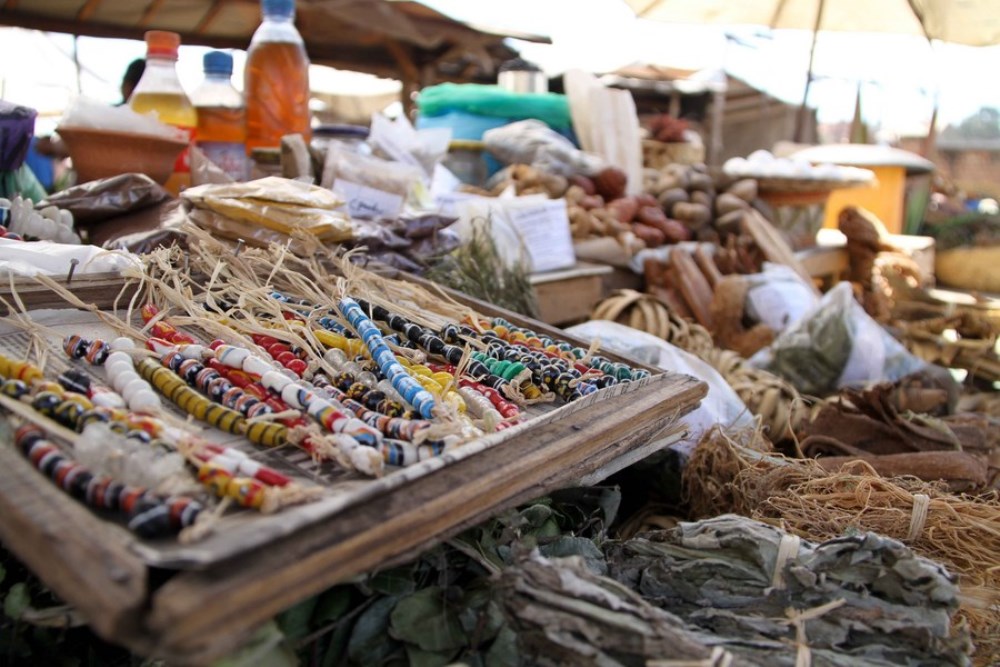
WHO Regional Director for Africa Matshidiso Moeti underscored the critical role of herbal medicine in lessening the burden of infectious and non-communicable diseases in the continent.
“Traditional medicine has been the trusted, acceptable, affordable and accessible source of health care for African populations for centuries,” Moeti said in a statement issued in Nairobi, the Kenyan capital, marking the 2022 African Traditional Medicine Day.
Eighty percent of Africa’s population relies on traditional medicine for their basic health needs, she said, adding that the continent has prioritized its development through enactment of policies, research and training.
The 2022 African Traditional Medicine Day was being celebrated under the theme of “Two Decades of African Traditional Medicine Day: Progress Towards Achieving Universal Health Coverage in Africa.”
Moeti noted that in the last two decades, the continent has come up with ambitious strategies to mainstream traditional medicine in national healthcare programs.
In particular, Moeti said, more than 40 African countries have developed national traditional medicine policies as of 2022, up from eight in 2000, while 30 countries have also integrated traditional medicine into their national health policies.
“Additionally, 39 countries have established regulatory frameworks for traditional medicine practitioners, compared to only one in 2000, demonstrating good governance and leadership,” she said.
Currently, 34 research institutes aimed at promoting research, development and commercialization of traditional medicine have been established in 26 countries, Moeti said.
She noted that 12 African countries have dedicated funds toward research and development of traditional medicine, adding that domestication of WHO protocols on safety and efficacy of traditional medicine have enhanced their use in treating priority diseases like HIV/AIDs, malaria, diabetes and hypertension.
These are among reasons why many people dislike glasses or wear them by accident.
As the world evolves, new technologies and innovations are being embraced to improve health services.
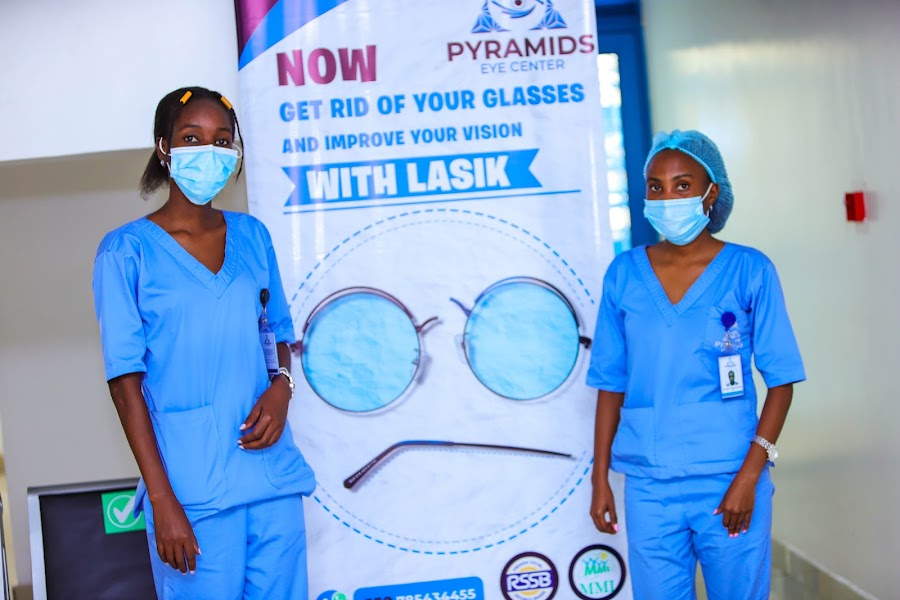
It is against this background that health facilities helping people to get rid of glasses have been introduced.
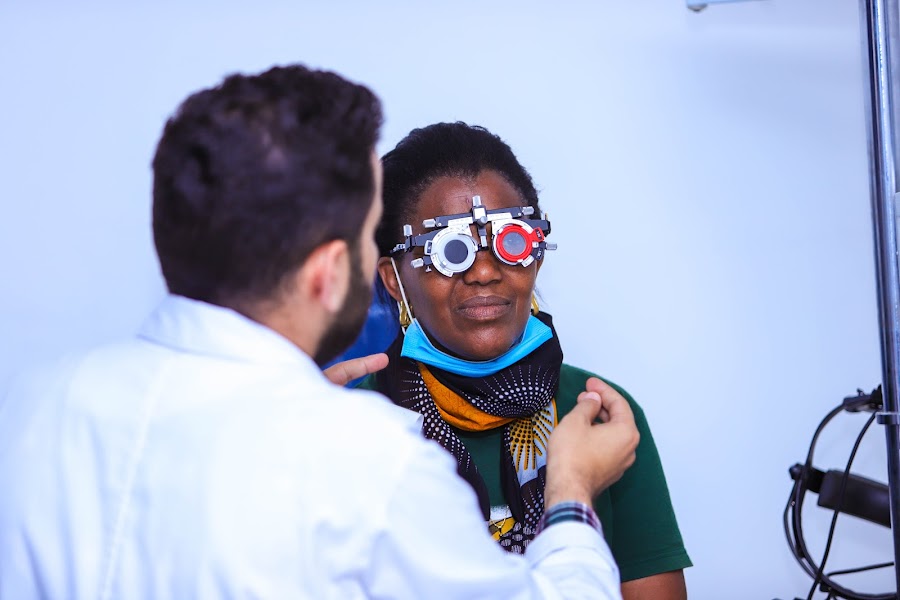
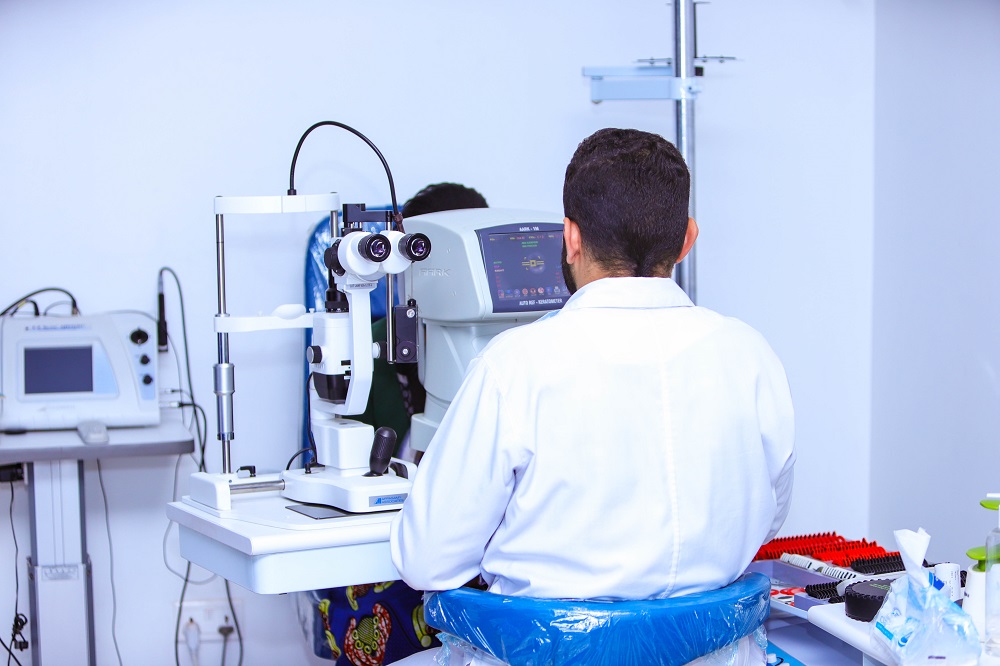
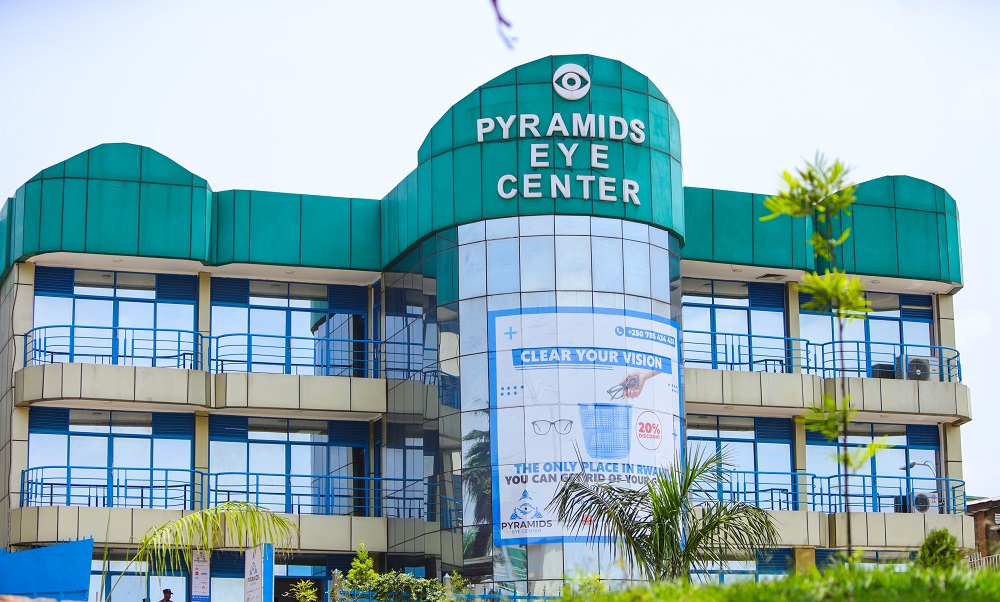
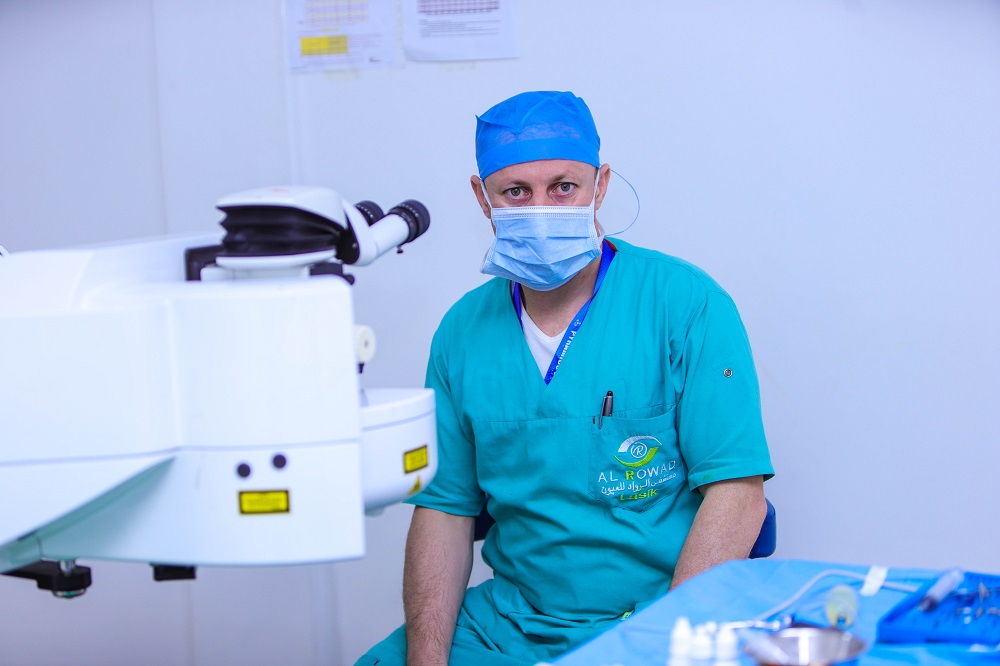
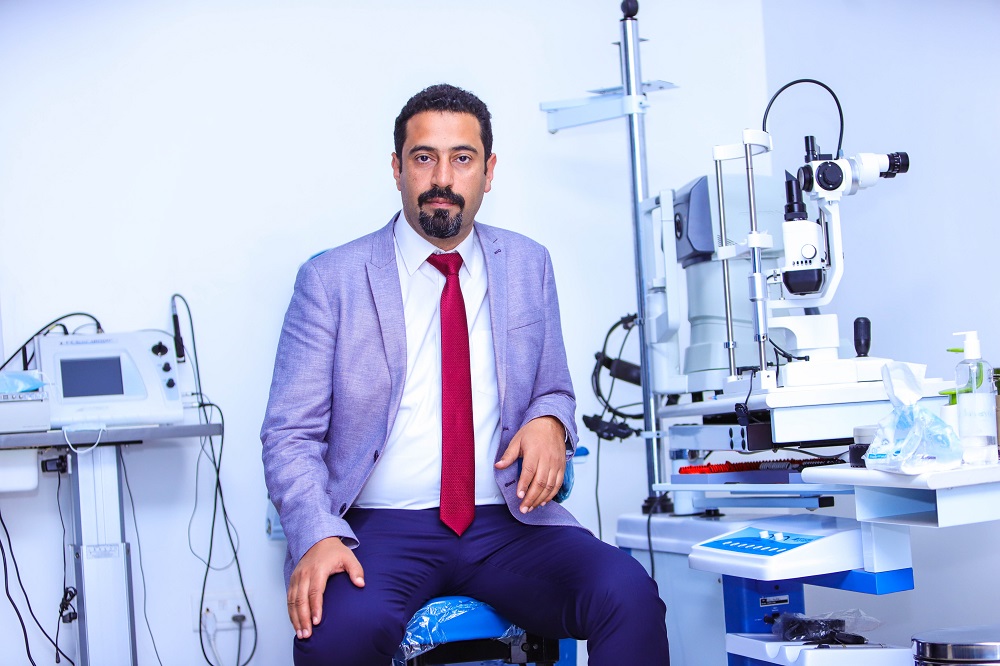
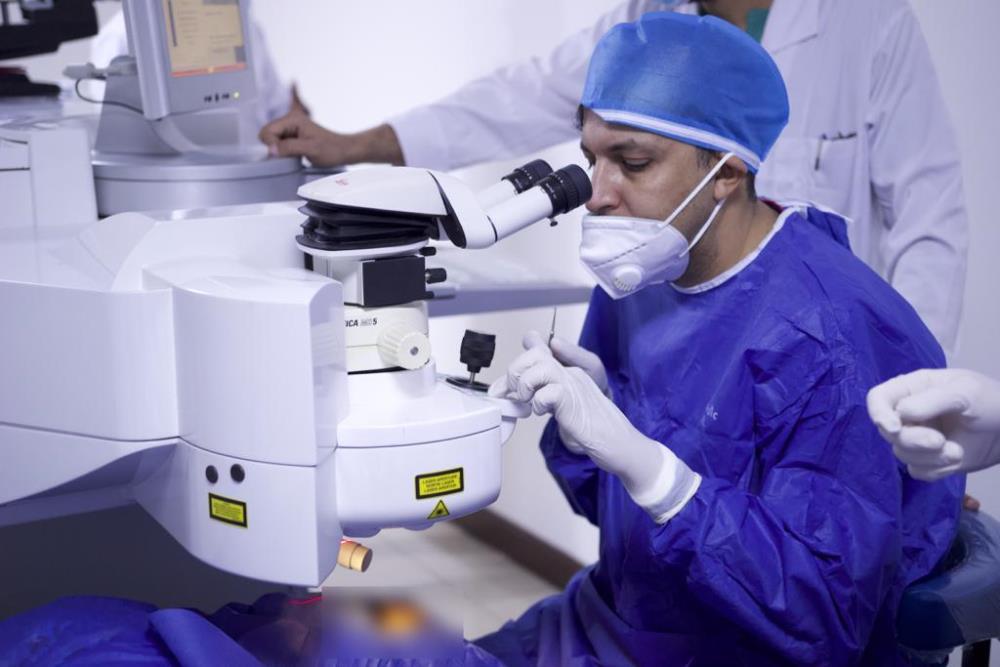
These include Pyramid Eye Center. The latter has introduced the Lasik Eye Procedure which uses the best known ‘Lasik’ technology to correct vision problems and help people get rid of glasses as they continue their work without disruptions.
The facility located in Kicukiro District of Kigali City is the first of its kind offering such services in Rwanda.
{{What is the latest technology to correct the vision?}}
As revealed by specialist doctors from Pyramid Eye Center, when the degree is less than -9 (myopia) and than +5 (hyperopia), the entire correction can be done by LASIK.
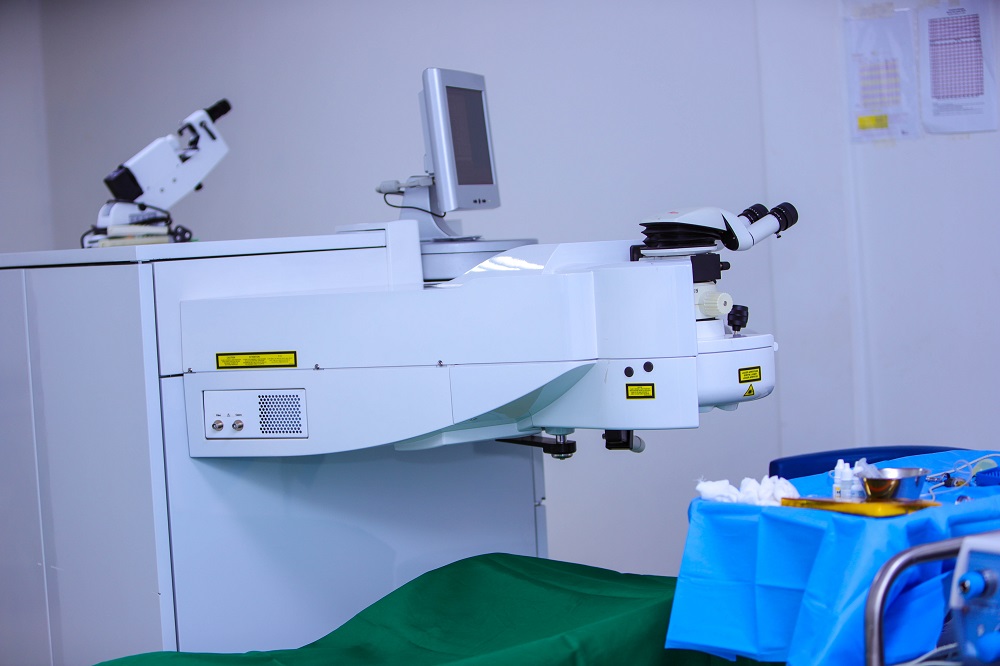
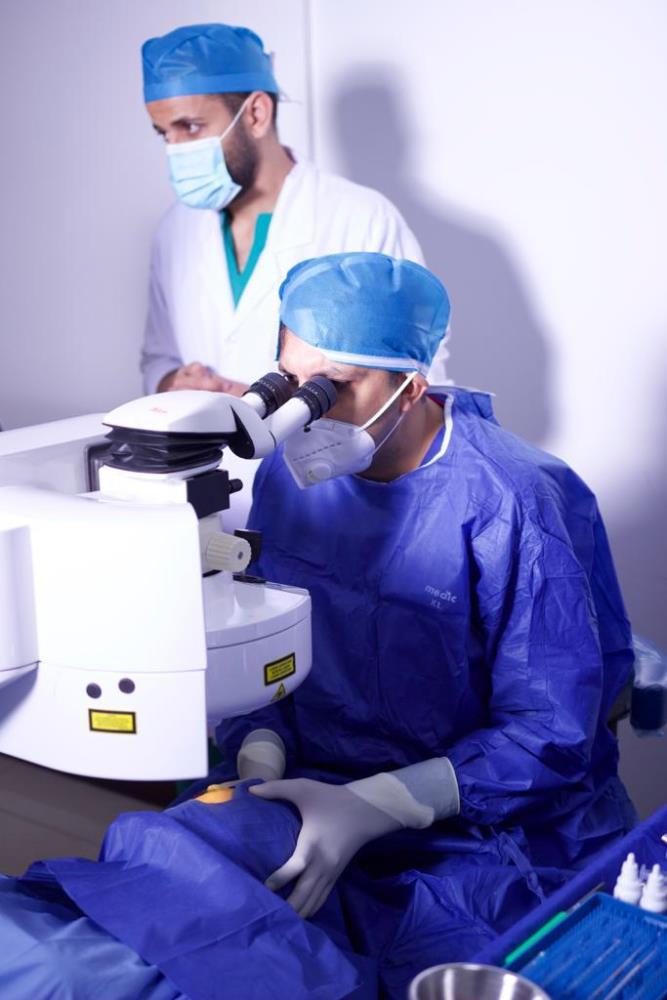
During LASIK Procedure, a special type of cutting laser is used to precisely change the shape of the dome-shaped clear tissue at the front of your eye (cornea) to improve vision.
“LASIK” is an acronym that stands for “laser-assisted in situ keratomileusis.” “In situ” translates into “in position” or “in place” and “keratomileusis” is the medical term for the reshaping of the cornea in your eye.
In eyes with normal vision, the cornea bends (refracts) light precisely onto the retina at the back of the eye. But with nearsightedness (myopia), farsightedness (hyperopia) or astigmatism, the light is bent incorrectly, resulting in blurred vision.
Glasses or contact lenses can correct vision, but reshaping the cornea itself also will provide the necessary refraction.
The laser Procedure is popular in countries with advanced eye care services including the United States of America (USA), France, the United Kingdom (UK) and Japan among others.
This Procedure has been applied to over one million people across the world.
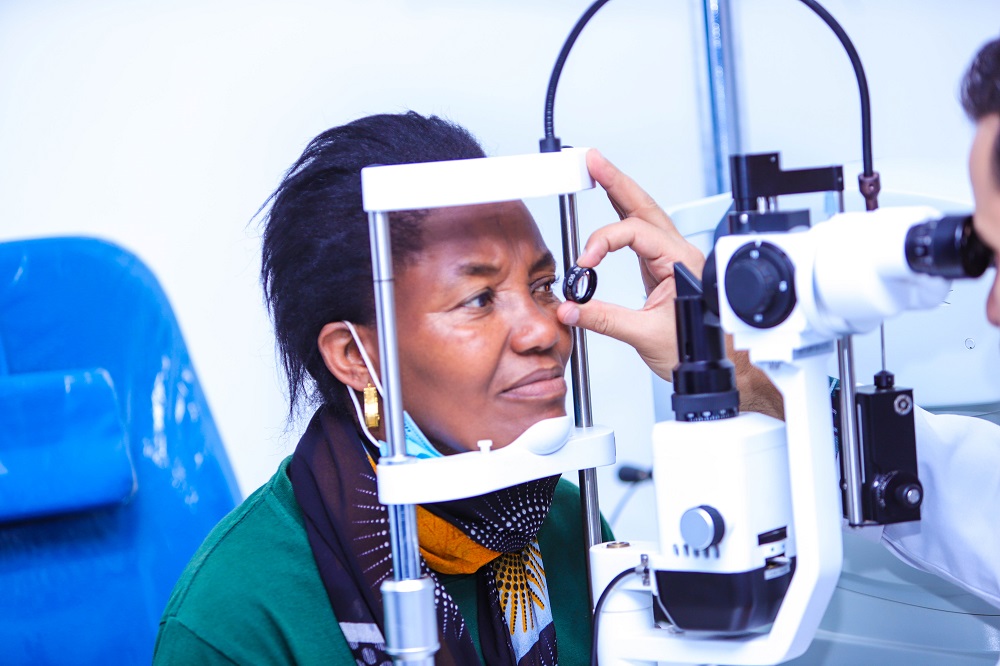
Laser eye surgery is most appropriate for people who have a moderate degree of refractive error and no unusual vision problems. This procedure is conducted after using an investigation machine to detect the nature of one’s conditions and establish whether it could not be dangerous if the surgery is conducted.
This surgery is not recommended to people aged below 18 .
It can be conducted within ten minutes without inflicting pain to the patient.
And when the degrees are above -9 and above +5 the method here is called {{BIOPTICS:}}
It it is done by implanting a very thin lens (ICL) made of collamer that never rejects and placed directly behind the pupil and rests forever inside the eye to correct degrees of myopia, hyperopia ,or astigmatism, no matter how much.
It is an easy and simple procedure that takes place within 15 minutes under local anaesthesia to give permanent results.
During the Bioptics method may need to perform a second stage after lens implantation for a complete correction via laser by a device based on the eye print this procedure called contoura vision.
The suspected case was a 46-year-old woman who died on Aug. 15 in Beni, a town in North Kivu.
The case received care at the Beni Referral Hospital, initially for other ailments, but subsequently, exhibited symptoms consistent with Ebola virus disease, said the statement, noting that the country’s National Institute of Biomedical Research (INRB) is in the process of testing samples to determine if the patient contracted Ebola.
This file photo taken on March 21, 2021, shows a medical worker disinfecting a local Ebola treatment center in North Kivu province, northeastern Democratic Republic of the Congo (DRC). (Photo by Alain Uaykani/Xinhua)
Health authorities in DRC are investigating a case suspected of Ebola virus disease, in the country’s northeastern province of North Kivu.
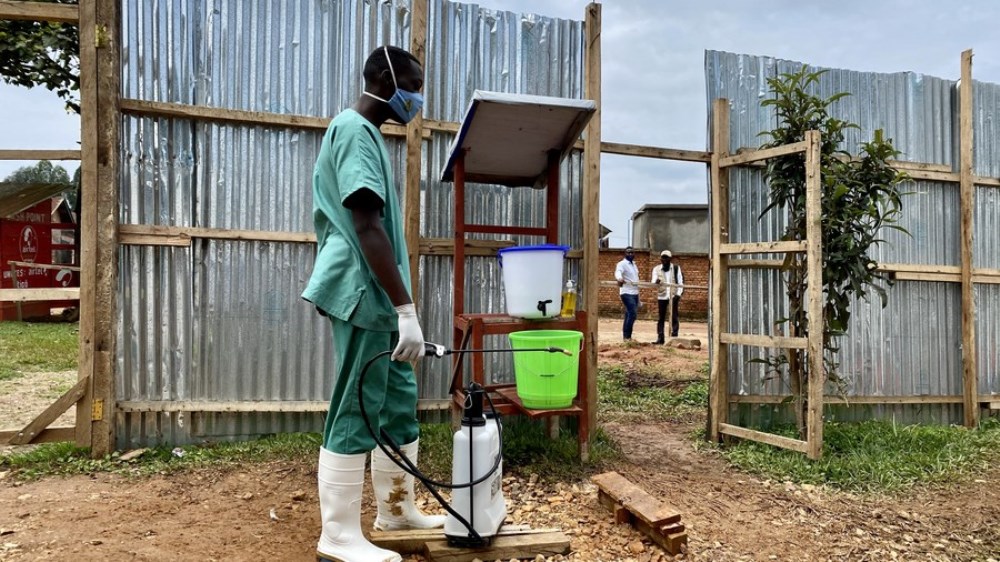
BRAZZAVILLE, Aug. 21 (Xinhua) — Health authorities in the Democratic Republic of the Congo (DRC) are investigating a case suspected of Ebola virus disease, in the country’s northeastern province of North Kivu, as DRC’s latest Ebola epidemic was declared over in early July, said the World Health Organization (WHO) regional office for Africa via a statement Saturday.
The suspected case was a 46-year-old woman who died on Aug. 15 in Beni, a town in North Kivu. The case received care at the Beni Referral Hospital, initially for other ailments, but subsequently, exhibited symptoms consistent with Ebola virus disease, said the statement, noting that the country’s National Institute of Biomedical Research (INRB) is in the process of testing samples to determine if the patient contracted Ebola.
“While the analysis is ongoing, WHO is already on the ground supporting health officials to investigate the case and prepare for a possible outbreak,” said Matshidiso Moeti, WHO Regional Director for Africa.
On July 4, the DRC officially declared an end to the latest Ebola outbreak that erupted less than three months ago in Mbandaka, the capital of the northwestern Equateur Province. There were four confirmed cases and one probable case, all of whom died, in the latest outbreak. It was the third outbreak in the province since 2018 and the country’s 14th overall.
GENEVA, July 27 (Xinhua) — Europe and the Americas have been affected the most by the monkeypox outbreak, Director General of the World Health Organization (WHO) Tedros Adhanom Ghebreyesus told journalists here on Wednesday.
These two regions have reported 95 percent of the diagnosed cases, he said, warning against stigma and discrimination in monkeypox messaging.
Over 18,000 monkeypox cases have been reported to the WHO from 78 countries. More than 70 percent of these came from the European region and 25 percent from the Americas, he said.
He said that 98 percent of the reported cases have been among men who have sex with men, stressing that stigma and discrimination can be “as dangerous as any virus and can fuel the outbreak.”
“As we have seen with COVID-19 misinformation,” it can spread rapidly online, he said, “so we call on social media platforms, tech companies and news organizations to work with us to prevent and counter harmful information.”
Last Saturday, the WHO officially declared monkeypox a public health emergency of international concern (PHEIC). A PHEIC is the highest level of alert that the United Nations (UN) health body can give.
The WHO has been urging countries to take the monkeypox outbreak seriously by taking the steps needed to stop transmission and protect vulnerable groups. “The best way to do that is to reduce the risk of exposure and make safe choices,” he said.
“For men who have sex with men, this includes, for the moment, reducing your number of sexual partners, reconsidering sex with new partners, and exchanging contact details with any new partners to enable follow-up if needed.”
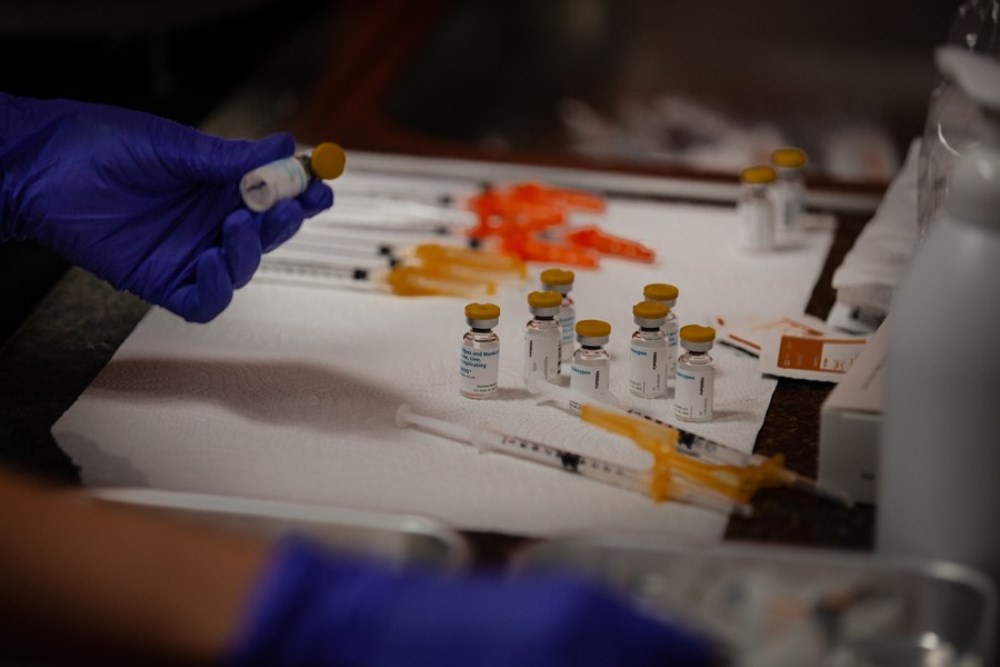
Meanwhile, Canada, the European Union and the U.S. have already approved the vaccine called MVA-BN (Modified Vaccinia Ankara — Bavarian Nordic) for use against monkeypox, and two other vaccines are also being assessed. However, due to the lack of data on the effectiveness and dosage of the vaccines, the WHO currently does not recommend mass vaccination against monkeypox. It also urges all countries that are administering such vaccines to collect and share critical data on their effectiveness.
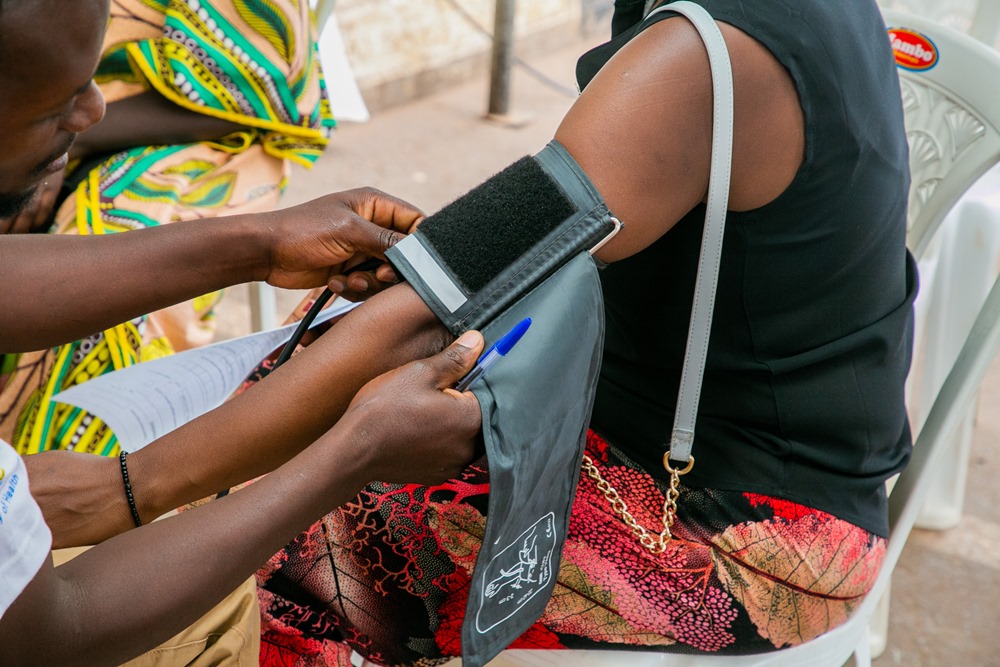
Hypertension is a major cause of premature deaths globally. People living with hypertension have persistently elevated blood pressure, which results in damage to the heart if not controlled and managed. The disease is also referred to as the ‘silent killer’ because it does not present with symptoms and people with high blood pressure are often unaware of it unless diagnosed.
According to WHO estimates from 2016, non-communicable diseases (NCDs) accounted for 44 percent of total annual deaths in Rwanda. The Rwanda nationwide non-communicable diseases STEPwise survey revealed that 15.9 percent of participants had elevated blood pressure. RBC further estimates that out of over one million people with hypertension, only 80,000 are enrolled at clinics , revealing a gap between diagnosis and treatment.
Commenting on the development, Dr. Francois Uwinkindi, Non-Communicable Diseases Division Manager at Rwanda Biomedical Centre said: “It is not difficult to diagnose hypertension, and it can be treated with low-cost medicines and lifestyle changes, nevertheless there are significant gaps in the diagnosis and management of high blood pressure in Rwanda which needs to be addressed to reduce the burden of NCDs on our health systems.
We welcome partnerships such as the Healthy Heart Africa programme which is committed to providing education and awareness of the disease for better prevention and control. It also embodies the principles of our National NCD strategy that encourages community action to increase early identification of ailments, and multisector collaboration to address illnesses such as hypertension. ”
Strategies put in place by the Ministry of Health, the RBC and other stakeholders in Rwanda are meant to take all the steps needed to prevent an avoidable burden of NCDs in the country.
Speaking at the event, Dr. Daniel Ngamije, the Minister of Health revealed that Rwanda’s current investment in preventing NCDs is aimed at saving future costs in treating advanced stages of diseases such as hypertension.
“We have continued to keep our NCD policies updated, setting in place plans such as the 2020-2025 National Strategy and Costed Action Plan for the Prevention and Control of Non-Communicable Diseases. This plan’s main objective is to reduce NCD-related premature mortality by 25% by 2025. It aims to implement an inclusive, equality-based access to healthcare strategy for the benefit of all people,” he noted.
HHA is a multi-country programme currently implemented in nine countries including Kenya, Ethiopia, Tanzania, Ghana, Uganda, Côte d’Ivoire, Senegal, Rwanda, and most recently, Nigeria.
Ashling Mulvaney, Vice President, Global Sustainability, Access to Healthcare, at AstraZeneca expressed delight for the official launch of the Healthy Heart Africa programme in Rwanda in collaboration with the Rwanda Biomedical Centre and PATH.
“It builds on the remarkable effort that the Ministry of Health and RBC have invested to address the growing challenge of non-communicable diseases. HHA is an access to healthcare initiative that contributes to building resilient sustainable healthcare systems by training healthcare providers, providing education and awareness for NCD risk factors and equipping healthcare systems with the resources needed to diagnose and manage hypertension,” she said.
In the effort to halt and reverse the prevalence of hypertension, collecting accurate data from countries is vital since it helps to build a true picture of the problem and informs stakeholders in developing counter measures.
“Our primary healthcare approach has always been people-centred and driven by data, and we will use this approach to our implementation to reach people where they live and work and link them to quality care for hypertension as part of our mission to reduce health inequalities,” said Helen McGuire, Global Programme Leader, Non-communicable Diseases at PATH.
“We are excited to collaborate with HHA to bring hypertension care services to more people, and possibly impact future decision-making on hypertension policies through data collected via the programme.”
{{About Healthy Heart Africa}}
Healthy Heart Africa (HHA) is AstraZeneca’s innovative programme committed to tackling hypertension (high blood pressure) and the increasing burden of cardiovascular disease (CVD) in Africa. To achieve this, HHA supports local health systems by increasing awareness of the symptoms and risks of hypertension and by offering education, screening, reduced-cost treatment, and control.
Since launching in Kenya in 2014 and subsequently expanding to Ethiopia in 2016, Tanzania in 2018, Ghana in 2019, Uganda in 2020, and Côte d’Ivoire, Senegal and Rwanda in 2021, HHA has conducted over 27.1 million screenings, trained over 9,100 healthcare workers to provide education and awareness, screening and treatment services for hypertension; activated over 950 healthcare facilities in Africa to provide hypertension services, with the establishment of secure supply chains for low cost, high-quality branded antihypertensive medicines where applicable, and identified over 5.3 million elevated blood pressure readings.
{{About AstraZeneca}}
AstraZeneca is a global, science-led biopharmaceutical company that focuses on the discovery, development, and commercialisation of prescription medicines in Oncology, Rare Diseases and BioPharmaceuticals, including Cardiovascular, Renal & Metabolism, and Respiratory & Immunology. Based in Cambridge, UK, AstraZeneca operates in over 100 countries and its innovative medicines are used by millions of patients worldwide.
{{About PATH}}
PATH is a global nonprofit dedicated to ending health inequity. With more than 40 years of experience forging multisector partnerships, and expertise in science, health, economics, technology, advocacy, and dozens of other specialties, PATH develops and scales innovative solutions to the world’s most pressing public health challenges.
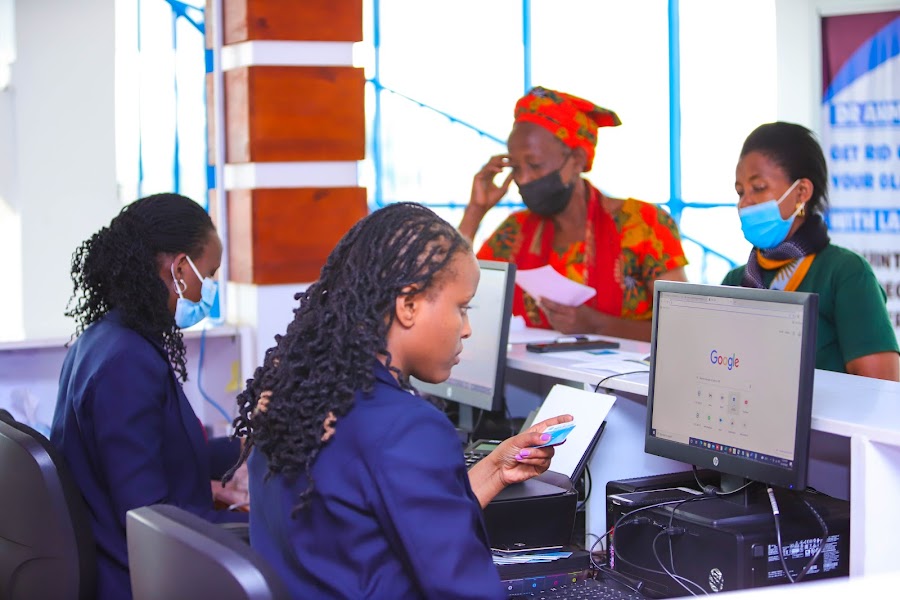
These include Pyramid Eye Center which has introduced advanced eye care services in Rwanda to help people to get rid of glasses.
Located in Kicukiro District of Kigali City, the facility conducts cornea transplant to treat some of the eye problems, hence helping people to continue their work without disruptions.
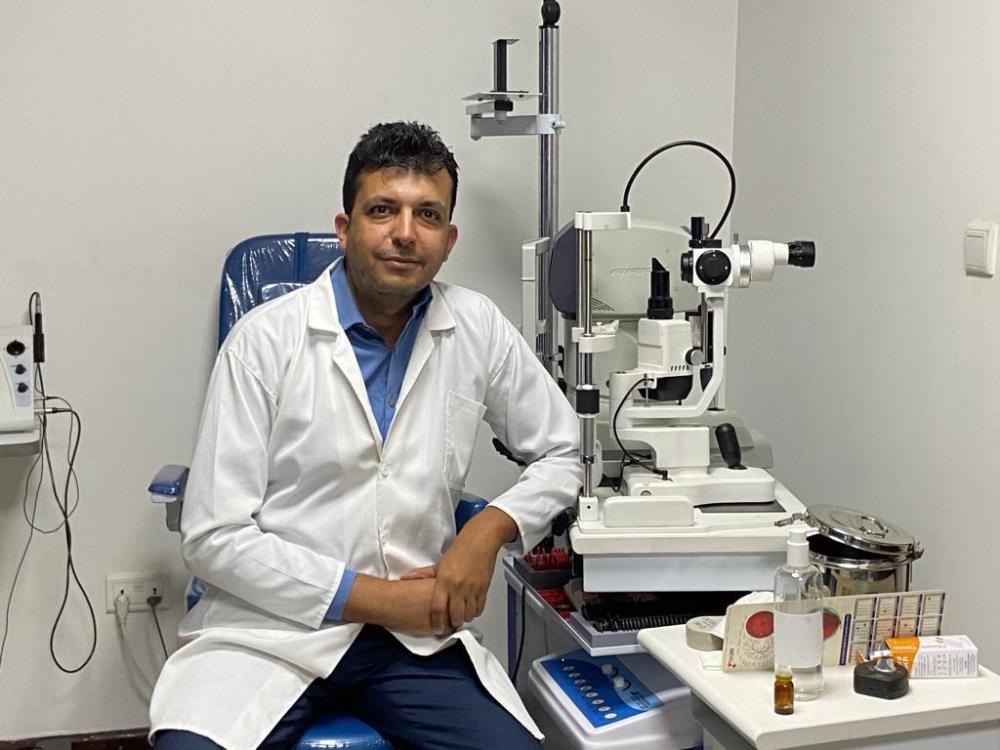
We have caught up with Ophthalmologists at Pyramid Eye Center who shed light on cornea conditions, cornea transplant and related conditions that can be treated among others.
{{Cornea transplant}}
A cornea transplant (keratoplasty) is a surgical procedure to replace part of your cornea with corneal tissue from a donor. A cornea is the transparent, dome-shaped surface of one’s eye. It’s where light enters your eye and is a large part of your eye’s ability to see clearly.
A cornea transplant can restore vision, reduce pain, and improve the appearance of a damaged or diseased cornea.
Also, most cornea transplant procedures are successful but carries a small risk of complications, such as rejection of the donor cornea.
{{Why it’s done}}
A cornea transplant is most often used to restore vision to a person with a damaged cornea. A cornea transplant can also relieve pain or other signs and symptoms associated with cornea diseases.
{{Below are a number of conditions that can be treated with a cornea transplant: }}
-* A cornea that bulges outward (keratoconus)
-* Fuchs’ dystrophy, a hereditary condition
-* Thinning or tearing of the cornea
-* Cornea scarring, caused by infection or injury
-* Swelling of the cornea
-* Corneal ulcers not responding to medical treatment
-* Complications caused by previous eye surgery
{{Keratoconus}}
Keratoconus (ker-uh-toe-KOH-nus) occurs when your cornea — the clear, dome-shaped front surface of your eye — thins and gradually bulges outward into a cone shape.
A cone-shaped cornea causes blurred vision and may cause sensitivity to light and glare. Keratoconus usually affects both eyes, though it often affects one eye more than the other. It generally begins to affect people between the ages of 10 and 25. The condition may progress slowly for 10 years or longer.
In the early stages of keratoconus, you might be able to correct vision problems with glasses or soft contact lenses. Later, you may have to be fitted with rigid, gas permeable contact lenses or other types of lenses, such as scleral lenses. If your condition progresses to an advanced stage, you may need a cornea transplant.
A new treatment called corneal collagen cross-linking may help to slow or stop keratoconus from progressing, possibly preventing the need for a future cornea transplant. This treatment may be offered in addition to the vision correction options above.
{{Symptoms}}
Signs and symptoms of keratoconus may change as the disease progresses.
{{They include:}}
-* Blurred or distorted vision
-* Increased sensitivity to bright light and glare, which can cause problems with night driving
-* A need for frequent changes in eyeglass prescriptions
-* Sudden worsening or clouding of vision
{{When to see a doctor}}
See your eye doctor (ophthalmologist or optometrist) if your eyesight is worsening rapidly, which might be caused by an irregular curvature of the eye (astigmatism).
He or she may also look for signs of keratoconus during routine eye exams.