Susan Nakhumicha Wafula, cabinet secretary in the Ministry of Health, said during the signing of the Memorandum of Understanding (MOU) in Nairobi, the capital of Kenya, that the hub is a huge resource to Kenya given that the country is faced with an increasing number of health emergencies ranging from disease outbreaks such as the ongoing cholera outbreak in Kenya and the recent outbreak of Marburg virus disease in the region.
“These emergencies pose major health, social, economic and security risks that threaten to reverse years of health and development progress in Africa,” Nakhumicha said.
She lauded the WHO for the support, adding that over the past three years, the COVID-19 pandemic has highlighted the critical importance of preparedness and response in the face of health emergencies.
Nukhumicha said that Kenya is further collaborating with the WHO in developing disease-specific contingency plans, including viral hemorrhagic fevers, pandemic influenza, cholera, Rift Valley fever and polio.
She noted that through the partnership with the WHO, Kenya will have access to the UN health agency’s global network of experts, knowledge and resources. The hub will enable Kenya to build on the progress already made toward achieving universal health coverage in Kenya.
Abdourahmane Diallo, the WHO country representative in Kenya, said that the new innovative initiative is aimed at improving the capacities of African countries to respond in real-time to increasingly numerous and complex health emergencies.
Diallo noted that the WHO regional office for Africa is strengthening and expanding the emergencies hub to coordinate high-quality responses to health emergencies in Kenya and other eastern and southern African countries.
He said that the hub will serve as a modern storage center for essential medical equipment and consumables that will ensure timely logistical support to countries with emergencies in eastern and southern Africa. It is expected to house a center of excellence specialized in capacity building in health and crisis emergency management.
The hub would allow the WHO to effectively and swiftly support Kenya and all eastern and southern African countries by maintaining stockpiles of medical and logistical supplies, training multi-disciplinary teams of human-resource to serve as Africa’s elite emergency experts to ensure quick deployment during public health and humanitarian emergencies in Kenya and Africa as a whole.
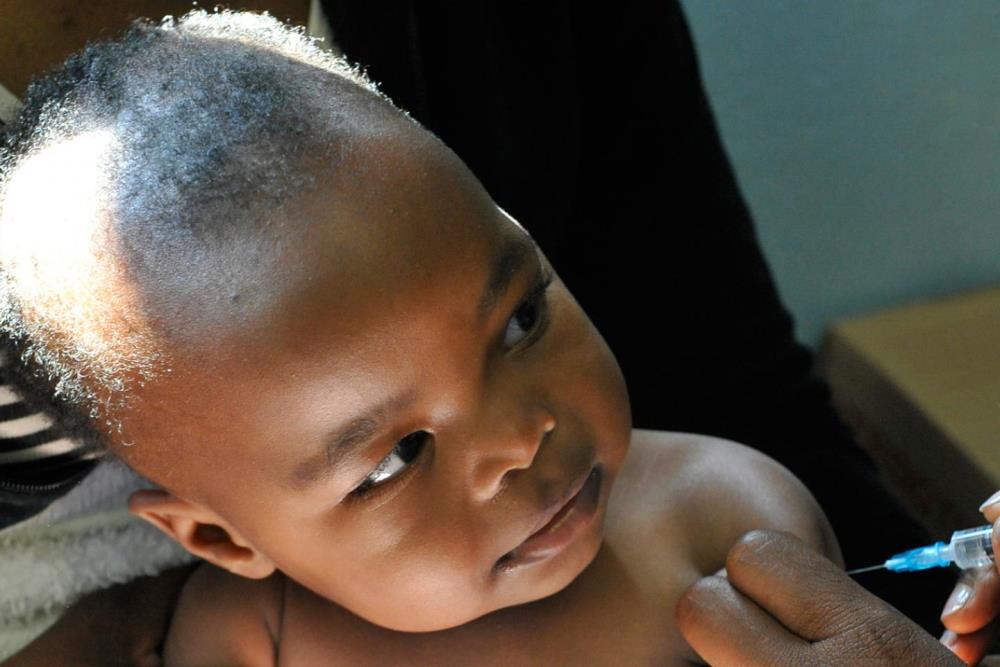
UNICEF, in its report entitled “State of the World’s Children 2023: For Every Child, Vaccination – Regional Brief: Eastern and Southern Africa” issued late Thursday, said immunization is “one of humanity’s most remarkable success stories. It has saved countless lives.”
Figures from UNICEF show that globally, an estimated 67 million children missed out entirely or partially on routine immunization from 2019 to 2021. In Eastern and Southern Africa, this figure is 12 million children.
“As these children pass the age when vaccines are routinely given, it will require a dedicated effort to ensure that they catch up with their vaccinations,” UNICEF said.
Noting that immunization allows children everywhere to live lives free of many forms of disability and illness, UNICEF said immunization has led to the eradication of smallpox, a disfiguring and often fatal disease that in the 20th century alone claimed an estimated 300 million lives.
“There has been remarkable progress, too, towards eradicating polio. The power of immunization was demonstrated again in the COVID-19 pandemic,” the report said.
It said the backsliding in immunization highlighted that the story of zero-dose and under-vaccinated children is overwhelmingly a story of inequities.
“The children who are not vaccinated are also often the children of mothers who have not been able to go to school and who are given little say in family and spending decisions,” UNICEF said.
It said immunization is key to achieving Sustainable Development Goal 3, which aims to “ensure healthy lives and promote well-being for all at all ages.” It is also linked to 13 of the other SDGs.
“In that sense, immunization is at the heart of our collective commitment to achieve a better and more sustainable future for us all,” UNICEF said.
Gynecologist Dr. Emery Nimubona says that one should have no difficulty getting pregnant again as fertility will return almost immediately after discontinuing any birth control method, with the exception of what is known as injectable depot-medroxyprogesterone acetate (DMPA).
A contraceptive injection is administered every three months, which allows the user to not worry about pregnancy daily.
With this contraception, it may take a while before you can conceive once you stop using it.
Dr. Nimubona told IGIHE that a person using this contraceptive would have to wait at least a year after discontinuing this method to plan their pregnancy.
You have the liberty not to worry about contraceptives for months and still get to be fertile only a year after discontinuing this birth control.
This remains one of the most used contraceptives in Africa, especially by women who do not wish for society or their families to be aware that they are on birth control.
Hormonal contraception comes with known side effects. So, it is crucial to speak with a medical professional before using any contraceptives and understand these effects.
A therapist, counselor, psychologist, shrink, however you refer to a certified mental health practitioner, is not in any way supposed to solve whichever reason you come to them with.
They can help you get in touch with your true self but not erase your painful memories. They can guide you in digging deep to find the root of a certain habit but
they cannot force you to behave in different ways.
And most importantly, they cannot read your mind as some have neither come to believe nor can they clear your past.
Many who have had sessions with counselors have different experiences because each of us is different and certainly reasons that bring us to those professionals are not similar but you can count on them to do their best to provide you with the help you need. What I like most about it is the confidentiality that the relationship brings where you are allowed to be free and speak your mind without worrying that there will be any sort of gossip outside of what you said during the sessions.
Some have the excuse that these professionals are hard to find in Rwanda but that is false. Clinics are available with trained and licensed counselors ready to help you at any time, and those worried about how much it will cost, know that it is all worth
it and most of these centers accept several insurances. So, do not let that be the reason you do not get help.
There are also virtual ways to get mental health care like Positive which is one of the apps that you can download and seek an appointment with a counselor for free as it is a platform that volunteers and give time and skills to be there when you need help.
So, go to therapy with an open mind and be ready to do the work with the help of your therapist, and be the best you that you can be.
Sexual trauma is the exposure to any sexually inappropriate behaviors that cause a person to experience a great deal of stress.
Inappropriate sexual behaviors can be physical, from being touched or grabbed in a sexual manner. It could also be verbal through humiliation or threats of sexual acts, it could be visual, such as being forced to view sexual images or acts.
These behaviors could lead to the victim being physically hurt, experiencing intense fear, or even being forced into performing sexual acts.
A lady called Rosa (not her real name) tells us her experience, being new to relationships. Rosa did not know how she was supposed to behave but with her naivety, she decided to trust her partner believing that he would not do something to her that they both did not agree on and though it was not the first time he had made moves on her, it was certainly a day she will never forget.
The pain she felt, covered in blood, the tears and screams begging him to stop, all remained futile. And when he was satisfied, she had to get herself up and clean what she could but never the emotional scars and definitely never to get her innocence back.
Continuing life like nothing happened only lasted her so long until one day in the shower that it all came crashing down like she was back reliving every single second that felt like it lasted longer than it should, she blamed herself for it all. For agreeing to be in the relationship in the first place to believing that he would not hurt her, to not fighting hard enough before serious damages occurred.
Most people blame the person who experienced this or similar to it saying that it is their fault for trusting the wrong person or that they are lying that in some way they caused it by being there or seducing the other in the first place which makes people who face such events to keep it to themselves rather than being seen as the starters, hence increasing the possibility of more trauma due to keeping it all bottled up.
Just because a person goes through sexual assault does not make them less of the person they were before it happened. They are still the same and more in need of the support of their loved ones more than ever regardless of their own contribution to the event or not.
And for all those having faced this, open up to a mental health specialist to help you heal and though it may be hard and takes time but you will rise from the ashes to the beautiful creature you are.
We all know women(by nature/biological) have “visits” where during that time, they bleed, and though like everything else in this world, this is another experience that is different for each woman varying from when it begins, length of it, how much, all that is considered normal and more.
Now you wonder, what does PCOS have to do with this? Well, PCOS or in full words Polycystic Ovarian Syndrome is a condition that affects women, described as a syndrome rather than a disease because it shows up as a group of signs and symptoms that can occur in any combination.
It is caused by a hormone or insulin imbalance that affects how a woman’s menstrual cycle usually goes, it is also hereditary, either parent can be a carrier.
There are several symptoms that show if one has PCOS. One is Oligomenorrhea, which is when women have prolonged periods of no menstruation for 36 days or more, and lack ovulation.
Then, there might be Hyperandrogenism, which is the excessive presence of the male sex hormones testosterone, androsterone, and androstenedione which is the cause of excess hair growth, loss, and acne.
It is understandable that with the above information one may be scared. As a matter of fact, many who are diagnosed with this syndrome end up feeling depressed or with anxiety due to body image and possible infertility but to assure you, Estella (not actual name) shared her experience with IGIHE.
When she was diagnosed with this syndrome years after having been experiencing some of the symptoms for a couple of years, she could not decide if she was relieved or sad.
For years, doctors told her that her weight was an issue even though they most likely did not know enough about the condition.
This felt more like body shaming because she has always been plus-size, so with every prolonged period which can cause serious anemia to some. She dreaded going to hospital even more.
Then, in her 20s when most ladies get diagnosed, she was told she had PCOS by a doctor who saw her as more than just an overweight girl, and she started a treatment that is now helping her get her menstrual cycle back on track.
Ladies during their periods go through a lot but add PCOS and you get longer painful and heavy bleeding, not to mention how it can affect them physically and emotionally.
If you know someone with similar symptoms or you are one yourself, know you are not alone. Get diagnosed by a specialist (Gynaecologist) and get yourself the help you deserve.
The most sought-after treatment resulting in medical tourism amongst undeveloped and developing countries include; weight loss treatment, fertility treatment, cardiovascular treatment, cosmetic treatment, orthopedic treatment and cancer treatment which cannot be satisfactorily received in their home country due to lack of inadequate medical infrastructure, and high expenses. According to a report, around 650,000 people traveled from Africa for medical tourism in 2015. Since then, the numbers have been rapidly growing with the African market losing billions in medical tourism each year.
{{Dubai is Rapidly Growing as a Destination for Medical Tourism}}
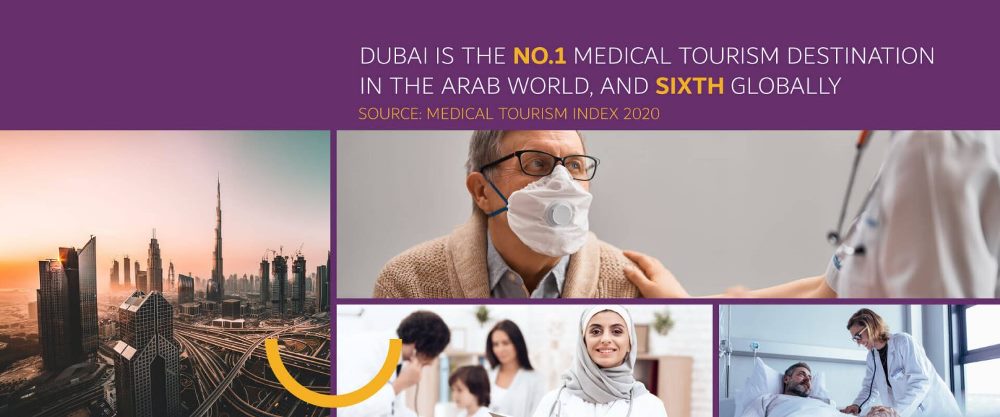
In recent years, Dubai is slowly emerging as the preferred destination for medical tourism amongst international travelers, ranking sixth in the Global Medical Tourism Index issued by the International Healthcare Research Centre (IHRC). Besides its breathtaking tourist attractions from its impressive skyline, to spectacular buildings, glamorous malls, mouth-watering cuisine, high-end restaurants, 5-star hotels, stunning beaches, and dazzling nightlife, Dubai has become the latest trend in medical tourism.
Over the years, the country has invested in healthcare infrastructure with the aim of becoming one of the best medical tourism destinations in the world rapidly surpassing countries like France and Brazil with the introduction of an affordable and more effective medical care system.
The Healthcare System in Dubai is managed by the Dubai Health Authority (DHA) which have put in place effort to develop medical tourism as a means of attracting tourist and improving the city’s economy. As the medical tourism market continues to improve in Dubai, it has attracted international patients from around the world and has become the number one top medical destination in the Arab region.
It also received the highest ranking in the region for its handling of the COVID -19 pandemic. Dubai Healthcare offers several healthcare treatments ranging from dental surgery, cardiac surgery, cosmetic surgeries, psychological treatment, and convalescent care amongst others. However, according to reports, orthopedics, dermatology, and ophthalmology are the most sought-after treatments.
While Dubai has seen rapid development in its medical tourism market and has become a famous medical destination for people in pursuit of cheaper/ more effective medical care, the medical tourism market remains quite competitive. Countries like India, Turkey, Malaysia, Brazil, and Singapore are known for their effective medical treatments which have been a major source of attraction to international travelers.
-# India is home to world-class medical professionals, with effective medical services. The country’s medical tourism market is ranked No.1 in the medical tourism sector by Medical Tourism Index. India’s healthcare offers medical treatments like spine treatments, Cardiac surgery, Gastroenterology, orthopedic treatments, oncology, fertility treatments, and complicated surgeries like Organ transportation.
-# Turkey is a popular medical tourism destination for travelers in need of eye care, cancer treatment, orthopedic, and heart care.
-# Malaysia is prominent for its high-end medical facilities and it offers oncology treatment, blood work, general surgery as well as in-vitro fertilization.
-# Singapore is a cost-effective medical tourism destination and it is known as one of the best medical tourism destinations in Asia. It is a great tourism destination for patients in need of general treatment like cardiology, cancer treatment, and oncology.
-# Singapore has International Patient Service Centers (IPSCs) which act as a medical travel agency to mediate between international patients and Singaporean healthcare providers.
-# Brazil is popular for its cheap and impressive cosmetic surgery. It has one of the most thriving medical tourism markets in the world.
-# Germany is widely known for its innovative technologies for surgeries. The country was ranked 12th by Medical Tourism Index. It offers healthcare services ranging from oncology, cardiac surgery, Neurosurgery, Orthopedics, Hematology, and Oncology.
-# The United Kingdom is ranked fifth in the global ranking of medical tourism destinations by the world by Medical Tourism Index. The country is prominent for its state-of-the-art medical facilities.
-# The United Kingdom offers services like Oncology, Trauma treatment, Diabetes treatment, skincare treatments as well as fertility
-# Canada has been ranked as one of the most preferred destinations by the Medical Tourism Index. It is popular for its surgical procedures i.e. angioplasty, joint replacements, plastic surgery, and coronary angiography.
{{Why Dubai Should Be Your Preferred Medical Tourism Destination}}
{{1) Outstanding Infrastructure and Facilities}}
Dubai is a slick country that has continued to attract international visitors with its marvelous real estate from the Burj Khalifa skyscraper, to the spectacular beaches, glamorous hotels, splendid weather, and thriving food scene. As a country with outstanding infrastructural facilities with major tourist attractions, international travelers are wooed and this account for one of the reasons why Dubai has seen a major boost in its medical Tourism market. Today, Dubai is one of the most sought-after Medical Tourism destinations for its breathtaking setting and convenient geographic location.
{{2) Timely Access to Healthcare Services}}
Dubai has put in place an efficient healthcare system that enables international visitors to get fast and easy access to any medical treatment. This is one of the major attractions of Dubai as a medical tourism destination for international travelers who cannot tolerate the long wait lists in their home country. Due to a large number of qualified doctors and nurses in Dubai hospitals, the medical process which usually takes months in other countries is reduced to a day or two in the city.
{{3) Inexpensive Medical Cost}}
The major reason why Dubai is now regarded as one of the most sought-after medical tourism destinations is the high standard of healthcare with affordable costs. Due to the price regulations and laws put in place by Dubai Health Authority, healthcare institutions in Dubai are directed to maintain reasonable prices. While medical treatment cannot be said to be cheap, it can be gotten at a lower and more reasonable cost in comparison to places like the United States of America and the United Kingdom. This makes it the perfect destination for travelers who do not have insurance coverage for treatments like skin care, dental treatments, and orthopedics.
{{4) No Language Barrier}}
Dubai is arguably one of the most diverse and cosmopolitan cities in the world with almost 200 different nationalities residing in the United Arab Emirates and 80% of the population being emigrants. With the diverse population, there is a host of medical professionals who are well versed in the language of their home country and this helps in erasing the language barrier amongst international travelers looking for medical treatment.
English is most widely used for communication in Dubai and most locals are bilingual, thus creating no communication problem. In situations where communication is a problem, international visitors can hire translators and interpreters who can assist them during their medical tourism.
{{5) State-of-the-art Art Medical Facilities}}
The lack of medical facilities is one of the major reasons people embark on medical tourism. International travelers who are unable to undergo treatments in their home country are irresistibly attracted to Dubai for its innovative facilities. The city has invested heavily in its healthcare system, including the procurement of high-end medical equipment.
Dubai offers world-class healthcare facilities equipped with cutting-edge technology like 3D printing technology for dental treatments and other reconstructive surgeries, wireless brain sensors, and CRISPR. The medical facilities are designed to ensure that medical procedures and recuperative needs are effectively carried out for patients. Dubai introduced the use of medical drones for transporting packets of blood to the hardly accessible villages of Rwanda in 2016.
{{6) Qualified Medical Professionals}}
Dubai’s healthcare system is home to well-trained and qualified medical experts who acquired training from the top universities around the world. The medical experts have immense knowledge in their respective fields which complements the healthcare facilities put in place.
In Dubai, a medical body oversees and ensures that only highly-trained medical practitioners are licensed to practice medicine. The medical staff display professionalism and are very efficient in carrying out their respective duties. Moreover, they are available 24 hours a day for providing quick and effective medical attention to patients.
{{7) Introduction of the Medical Tourism Portal}}
Government initiatives are inarguably one of the driving factors for the development of Medical Tourism in Dubai. Dubai Health Experience (DXH) portal was launched by the government back in the year 2016, to provide tourists with the best medical tourism services. Through the portal, international travelers can receive information on accredited healthcare providers, book medical appointments, receive medical insurance, accommodation reservation, get information regarding visas, and book transportation amongst other services.
Since a TCM center was opened at Parirenyatwa Hospital in the capital Harare in 2020, thousands of locals with different ailments have thronged the center to receive treatment free of charge.
Charity Nyakurimwa, one of the patients who have received treatment at the center, said she opted for acupuncture due to its non-invasive nature.
“I was having sciatic nerve pain on my right leg because of the nature of my job — I will be standing most of my time, so the pain was now radiating to my back. So I said oh! There is a Chinese center which is giving acupuncture to patients. So that’s when I decided to come for acupuncture,” Nyakurimwa told Xinhua.
“So I came in and I had acupuncture done on me on my right gluteal muscle, and my back, after that the pain was much much better,” Nyakurimwa added.
Another patient, Catherine Sadza who suffers from arthritis, said she has witnessed significant progress since she came for her first session of acupuncture.
“I came here with a problem with my neck, my hand, and my knees. When I came here they performed acupuncture, now I am feeling better than before,” she said.
TCM is a holistic ancient system of health and wellness that has been used in China for thousands of years. It encompasses several therapeutic methods that include acupuncture, cupping, Chinese herbs, Tai Chi among others.
Zhu Wei, a TCM doctor at the center, and Captain of the 19th Chinese Medical Team in Zimbabwe, said the ancient knowledge system is proving to be a viable medical alternative.
“It can help to unblock meridians and bring back balance to the body because people get ill because of imbalance of the body, so acupuncture can bring back balance in the body and people can be kept in health,” Zhu said.
The physician said TCM offers many tangible benefits.
“More than 5,000 people came here and received acupuncture treatment. They have spread the information to their relatives, so at present more and more patients come here to try acupuncture treatment,” he said.
To meet growing demand for Chinese medicine in Zimbabwe, in July the TCM center started offering acupuncture training to local health personnel.
“We are planning to train more local doctors who can specialize in acupuncture and they can help more people,” Zhu said.
Richard Mutingwende, a Homeopathy Specialist and a TCM Trainee at the center, said Chinese medicine has many advantages.
“And also it can address so many health conditions such as arthritis, spinal injuries, chronic conditions, such as diabetics, such as hypertension, so it has so many advantages than any other type of medicine, and also reliable because it has been in existence for the past 5,000 years compared to other systems of medicines,” he said.
“I will be doing acupuncture, moxibustion and also Tai Chi. Such types of treatment are very safe, they are non-invasive,” he added.
Soo Bishop, a patient who sought medical attention at the center after suffering from muscle spasms in her shoulder, neck and head, said as a form of natural intervention, traditional treatments are beneficial.
Bishop said her condition improved a lot following her acupuncture sessions at the center.
Tatenda Chimbunde, a trained Pharmacist and a TCM Trainee at the center, said unlike conventional medicine, TCM has no side effects.
In addition, Chimbunde said TCM is more beneficial since it addresses the cause of the problem rather than just treating the symptoms.
After witnessing first hand the benefits of traditional remedies, Chimbunde hopes to pursue a career in TCM.
“In the near future, I hope to be able to practice acupuncture on many people with different ailments, as well as working in the public sector as well as in the private sectors,” she added.
Zimbabwe and China share a long period of cooperation in the health sector. Since 1985, China has dispatched 19 medical teams to the southern African country.
The UNOCHA said in its latest situation update issued Thursday that some 491 cholera cases, including 20 deaths, have been reported in the affected areas as of Wednesday.
The cholera outbreak has spread out to 41 localities of 4 districts in the Bale zone of Oromia region and 2 districts of Liban zone of Somali region, it said.
According to the UNOCHA, close to 555,000 people are currently at high-risk of the ongoing cholera outbreak in the six affected districts.
Figures from UNOCHA show that the caseload of affected people has increased by 28 percent in the last two weeks with new daily cases reported in Berbere, Gura Damole, Quarsadula districts.
In Gura Damole district of Liban zone, cholera cases are expanding at high pace, especially across internally displaced people (IDP) sites, where more than 60 percent of the new affected caseloads are recorded, it said.
The Ethiopian Public Health Institute (EPHI), the Oromia and Somali regional health bureaus, the World Health Organization (WHO), UN Children’s Fund (UNICEF) and partners are presently supporting the scale-up of health as well as water, sanitation and hygiene activities in priority areas.
The UNOCHA, however, stressed that the ongoing response is hindered by insufficient funding and limited partners’ presence.
It warned that coping mechanisms of the affected communities have been deteriorating due to multiple consecutive shocks, notably the current drought, conflict leading to a high prevalence of malnutrition, especially among the IDPs community.
Shortage of water, sanitation and hygiene treatment chemicals, limited amount of water storage items, insufficient water trucking capacity as well as a large number of non-functional water schemes are said to be among the major gaps affecting the reposes efforts.
The International Federation of Red Cross and Red Crescent Societies (IFRC) had last month indicated that the latest cholera outbreak is drought-related as Ethiopia is currently experiencing one of the most severe droughts in recent history.
Despite regular exercises and eating a balanced diet and green vegetables, the mother of three never thought it could happen to her.
“It was not something I imagined, not even in my dreams that I could be a victim,” said the resident in Nyarugenge district, on the outskirts of Rwanda’s capital, Kigali.
She was diagnosed with breast cancer in 2016, but luckily, she has recovered and encourages women to take prevention seriously.
Awareness campaigns on breast cancer are running throughout October in Rwanda, featuring awareness walks and screening women and girls for breast cancer using breast clinical examination.
In 2020, at least 2.3 million women worldwide were diagnosed with breast cancer and 685,000 died from the disease, according to the World Health Organization (WHO).
Four women are diagnosed with breast cancer every minute, and it is projected that the number of breast cancer cases will double over the next 20 years in less developed countries, the WHO says.
In Rwanda, at least 650 patients were diagnosed with breast cancer in 2020, the majority of whom succumbed to the disease due to late diagnosis, according to the Ministry of Health.
Breast cancer remains the most common among cases recorded in the east African country, followed by cervical, prostate, stomach and liver cancers.
Talking about her experience, Uwumukiza recalled that it was during a self-check routine when she felt a lump. She underwent a breast clinical examination which confirmed it was cancer.
“I couldn’t believe, and wondered why it had happened to me,” she said.
Uwumukiza started her chemotherapy at a hospital in neighboring Kenya’s capital Nairobi as her family had the financial means.
The therapy succeeded and she had surgery to remove the area where the lump was found. She later underwent radiotherapy.
“I think this was one of the most difficult moments in my life because of the excruciating pain,” she said. “As a survivor, I feel proud because I had a second chance to be still alive today.”
Early detection through periodic breast self-examination gives patients the best chance of survival, Daniel Ngamije, Rwanda’s Health Minister said during a recent awareness campaign in Kigali.
“Common symptoms can easily be detected such as a lump in the breast or armpit, swelling of part of the breast, irritation or dimpling of breast skin, pulling in of the nipple,” he said.
Other symptoms include nipple discharge, including blood, pain in the breast, or redness around the nipple.
Now Uwumukiza’s goal is to spread awareness among young women in Rwanda, in particular about the importance of check-ups.
She said other than targeting older women for awareness most times, young women need awareness too. “We need to teach younger women how to care about their bodies and open up to their parents or doctor when they feel anything strange,” she said.
Uwumukiza believes while high cost and lack of developed treatment infrastructure in developing countries is a challenge, ignorance and lack of awareness are the real killers of people. Delays in screening, diagnosis, and treatment due to a lack of awareness are a challenge, she said.
Health officials say 80 percent of breast lumps are not cancerous but there is still a 20 percent chance. Women are encouraged to have mammograms before the age of 40.
Other Rwandan breast cancer survivors Jackline Musoni and Charlotte Uwimana said the earlier one finds out, the higher the chances of getting cured. “Not checking and ignoring symptoms is deadly.”
“With early detection, breast cancer heals with strict adherence to health advice,” said Musoni.
Noting that men can also suffer from breast cancer, Minister Ngamije said Rwanda now has a full capacity of treating breast cancer patients once detected early.