In an insightful interview with IGIHE, Dr. Eldirdiri Osman Ali, a medical expert from Baho International Hospital, shared valuable knowledge about the types, causes, symptoms, and management of diabetes.
The diabetologist’s expertise sheds light on how early recognition and lifestyle changes can make a significant difference in combating this pervasive disease.
Dr. Ali began by distinguishing between the two main types of diabetes: type 1 and type 2. Type 2 diabetes, he noted, accounts for approximately 90% of cases worldwide, making it the predominant form.
This condition arises when the body either fails to produce sufficient insulin—a hormone essential for transporting sugar into cells—or becomes insensitive to insulin, impairing sugar metabolism.
The result is a cascade of health issues that can affect nearly every organ in the body, from the heart and kidneys to the eyes, feet, and nervous system. Beyond physical complications, diabetes can also take a toll on mental health and interpersonal relationships, underscoring its far-reaching consequences.
The causes of diabetes, as Dr. Ali explained, are multifaceted, with lifestyle playing a central role. Obesity, lack of physical activity, and a sedentary lifestyle are major contributors, particularly when coupled with excessive abdominal fat, which triggers inflammation throughout the body. Hereditary factors also increase susceptibility, meaning individuals with a family history of diabetes are at higher risk.
Other risk factors include gestational diabetes during pregnancy, certain ovarian conditions, and the use of medications like steroids, which can induce the condition. Dr. Ali emphasized that these factors, while diverse, often converge on one key issue: lifestyle choices.
Recognizing diabetes early is crucial to preventing its severe complications, which include heart attacks, kidney failure, blindness, non-healing wounds, and neurological issues.
Dr. Ali highlighted common symptoms that should prompt a visit to the doctor: excessive thirst, frequent urination (especially at night), blurred vision, slow-healing wounds, and persistent fatigue.
Alarmingly, some individuals remain unaware of their condition until a major complication, such as a heart attack, reveals it.
“If you delay diabetes for five years without knowing, that’s when complications arise,” Dr. Ali warned, stressing that while early-stage diabetes is manageable, reversing complications is far more challenging.
Prevention and management, according to Dr. Ali, hinge on proactive lifestyle changes. He advocated for at least 30 minutes of brisk walking five times a week, describing it as a simple, cost-effective way to reduce risk.
Dietary adjustments are equally important: avoiding sugary foods, white bread, rice, and fizzy drinks while prioritizing vegetables, beans, and lean meats can significantly improve health outcomes.
Smoking cessation and minimal alcohol consumption further support prevention efforts. For those already diagnosed, controlling blood sugar through regular testing, adherence to prescribed medications, and exercise is paramount.
Dr. Ali underscored the importance of exercise, noting that it constitutes “50% of the treatment” for diabetes, complementing the effects of medications.
Treatment approaches vary depending on the severity of the condition. Initial management often involves Metformin, a tablet taken once or twice daily, with additional drugs introduced if blood sugar levels remain high.
In advanced cases, where the pancreas no longer produces insulin, injections become necessary. Dr. Ali emphasized the role of regular check-ups and tests like glycated hemoglobin, which provide a three-month snapshot of blood sugar control, guiding treatment decisions.
Below are some fascinating reasons behind this biological inequality and what it might mean for human health bearing in mind that every day, cells face an onslaught of oxidative stress.
This occurs when unstable molecules called free radicals build up faster than your body can neutralize them. These free radicals damage cells through a process similar to how rust corrodes metal or how a cut apple turns brown when exposed to air.
The human body counters this threat by producing antioxidants, molecules that neutralize free radicals before they can cause harm. Antioxidants can be compared to cellular firefighters, constantly putting out tiny biochemical fires before they spread and cause serious damage.
While diet provides some antioxidants, the most important defense comes from enzymes your body produces internally. Unlike dietary antioxidants, which work once and are used up, these enzymatic antioxidants can neutralize thousands of free radicals before needing replacement.
The efficiency of this internal antioxidant production system varies dramatically between individuals. Some people simply hit the genetic lottery when it comes to antioxidant production. Their bodies naturally create more protective enzymes thanks to specific genetic variations.
Some people carry variants that make this system more responsive, essentially giving them a more sensitive alarm system that activates defenses earlier and more robustly.
If you inherited advantageous versions of these genes from your parents, your cells might be better equipped to handle oxidative stress without you doing anything special. It’s an invisible advantage that becomes apparent only over decades as your body accumulates less damage than others.
{{The hormonal effect}}
Beyond baseline genetic differences, some people’s bodies respond more effectively to environmental challenges, ramping up antioxidant production precisely when needed.
This adaptive response works like muscle growth. Just as lifting weights stresses your muscles and triggers them to grow stronger, mild biological stress can prompt your cells to boost their antioxidant defenses.
This phenomenon, called hormesis, explains why certain types of stress can actually make you more resilient. People with highly responsive stress adaptation systems experience a stronger hormetic effect.
When exposed to moderate exercise, intermittent fasting, temperature extremes, or even certain plant compounds, their bodies dramatically increase antioxidant enzyme production.
This biological resilience isn’t distributed equally. Some individuals show a robust hormetic response to mild stressors, while others produce a much weaker reaction to the same stimulus.
Those with more responsive systems effectively train their cellular defenses each time they encounter manageable stress, continuously strengthening their protection against oxidative damage.
The difference becomes apparent when facing major stressors like illness, injury, or environmental toxins. High responders rapidly mobilize their enhanced antioxidant defenses, potentially limiting tissue damage and accelerating recovery.
Your body’s relationship with inflammation fundamentally influences its antioxidant capacity, creating another source of variation between individuals.
Autonomic nervous system balance also plays a crucial role. Those whose nervous systems favor parasympathetic activity tend to experience less stress-induced inflammation.
This biological tendency toward a “rest and digest” state rather than “fight or flight” reduces oxidative burden and preserves antioxidant resources.
Autoimmune tendencies create another source of variation. Some individuals have immune systems more prone to attacking their own tissues, creating inflammation and oxidative damage. Others maintain better immunological self-tolerance, avoiding this additional oxidative burden.
These differences in inflammatory tendency mean that even among people with similar antioxidant-producing capacity, those with naturally lower inflammation effectively have more antioxidant resources available to handle other challenges.
{{The lifestyle amplifiers}}
While genetics sets your baseline antioxidant production capacity, lifestyle choices can dramatically amplify or diminish this natural potential.
Sleep quality acts as a major regulator of oxidative stress. During deep sleep, your body activates powerful antioxidant and repair systems. People who naturally sleep deeply or prioritize quality sleep give their bodies extended time to neutralize free radicals and repair oxidative damage.
Dietary patterns influence both inflammation levels and the raw materials available for antioxidant production. Some individuals intuitively prefer foods rich in antioxidant precursors like sulfur compounds and minerals that support enzyme function.
This natural preference provides their bodies with optimal building blocks for antioxidant enzymes. Exercise habits also create perhaps the most significant lifestyle difference. Regular physical activity stimulates mitochondrial growth and enhances antioxidant enzyme production.
However, excessive exercise without adequate recovery can overwhelm antioxidant defenses and increase oxidative damage. People who naturally find the sweet spot of beneficial hormetic stress without crossing into damaging territory reap the greatest antioxidant benefits.
Environmental exposure varies dramatically between individuals. Some people habitually avoid toxins in their food, water, and household products, reducing the oxidative burden on their bodies.
Others inherited detoxification systems that more efficiently neutralize unavoidable environmental contaminants. Either way, their antioxidant systems face less demand from external toxins.
{{The practical takeaways for everyone}}
While we can’t change our genetic inheritance, understanding the factors that influence antioxidant production offers practical insights for everyone, regardless of your natural starting point. Genetic testing can provide clues about your antioxidant potential.
Phytonutrient consumption becomes particularly important if you suspect your antioxidant genes aren’t top performers. Compounds like sulforaphane from cruciferous vegetables, resveratrol from grapes, and curcumin from turmeric can activate the pathway and boost your body’s antioxidant enzyme production.
Strategic hormesis through practices like contrast showers, intermittent fasting, or high-intensity interval training can train your adaptive stress response systems to become more efficient.
Start gently and progress gradually to avoid overwhelming your current capacity. This approach becomes especially valuable if you have genetic variants associated with higher inflammatory tendencies.
Micronutrient adequacy ensures your body has all the raw materials needed for antioxidant enzyme production. Key nutrients include selenium, zinc, manganese, and copper, which serve as cofactors for various antioxidant enzymes.
Whether you’re naturally blessed with robust antioxidant production or need to work a bit harder to support your cellular defenses, these approaches can help maximize whatever genetic potential you have.
The goal isn’t to compare yourself to others but to optimize your unique biological machinery for greater resilience and longevity.
The remarkable diversity in human antioxidant capacity reminds us that health isn’t just about what we do but also about the invisible biological resources we’re working with.
Understanding these differences fosters both self-compassion and targeted approaches to supporting our individual biochemistry.
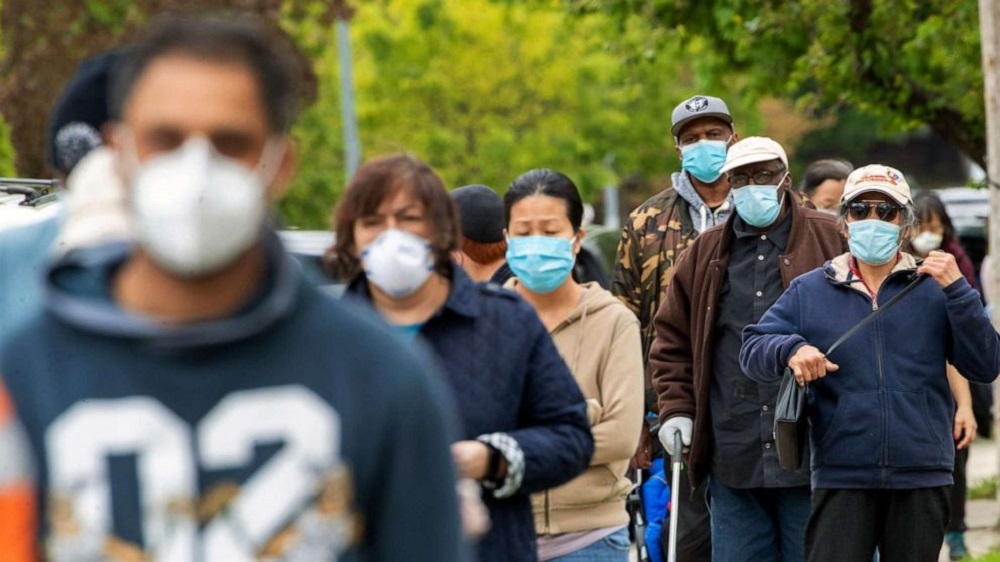
This was announced by WHO Director-General Dr. Tedros Adhanom Ghebreyesus in a speech delivered on April 7, 2025, where he urged governments to invest in healthcare infrastructure and prioritize international agreements aimed at preventing pandemics.
“The next pandemic could happen 20 years from now—or tomorrow. But it will come, and no matter when it does, we must be ready,” Ghebreyesus stated.
He emphasized that a future pandemic could cause greater damage to societies and economies than war, highlighting how current investments in health are minimal compared to what governments spend on military efforts.
The WHO reminded the world that the most recent global pandemic, COVID-19, claimed 20 million lives worldwide and cost an estimated $10 trillion globally.
In February, during an appearance on ABC News’ The View to promote his new book Source Code: My Beginnings, Bill Gates also warned of another potential pandemic following COVID-19.
He reflected on his previous warnings about pandemics, noting how they sadly came true when COVID-19 struck in 2020. When asked how he felt about having predicted the crisis, he responded:
“The sad thing is, the pandemic we warned about did happen. And that won’t be the last one. The next could be even worse,” he said.
Bill Gates estimated the timeline of a potential new pandemic. “It could happen once in the next 25 years. And based on the viruses currently circulating, there’s about a 10% chance we’ll see a pandemic in the next four years,” he said.
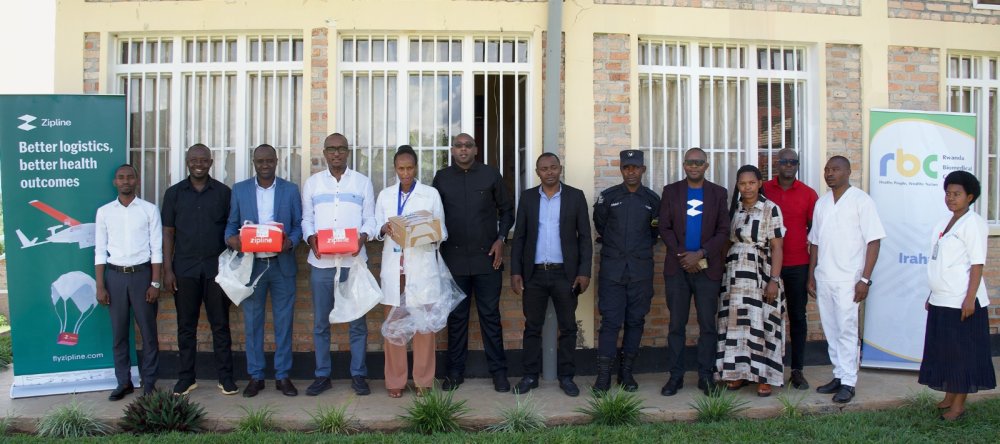
The program, launched on April 3, 2025, in Gisagara District at Gakoma Hospital, is part of a collaboration between the Rwanda Biomedical Center (RBC) and Zipline, a company specializing in drone-based medical deliveries.
Dr. Jean Damascène Niyonzima, who heads the malaria control unit at RBC, said the new approach is designed to solve delays in the traditional drug delivery system, which can put patients at serious risk, especially in urgent malaria cases.
“The distribution routes for medication are often long, and road transport tends to face challenges that cause delays. That’s why we introduced this drone delivery system to ensure that if a patient with severe malaria needs an urgent injectable treatment that’s out of stock locally, the medicine can reach them in time,” he explained.
He emphasized the importance of technology in modern healthcare response, “Embracing technology is something we’ve found to be very effective in helping us respond quickly to patients in need.”
Gisagara district mayor, Jérôme Rutaburingoga, highlighted the area’s vulnerability to malaria due to surrounding wetlands, which provide ideal breeding conditions for mosquitoes. He said new strategies are being implemented to fight the disease.
“We’ve taken special measures. Right now, our community health workers are treating more patients than all other health professionals combined. This ensures anyone who gets sick is treated immediately and no time is lost,” he said.
He also mentioned efforts to make mosquito nets more affordable: “We’ve agreed with RBC to reduce the price of insecticide-treated nets to 5,000 Rwandan Francs from the current 10,000, to make them more accessible to the population.”
Gisagara District recorded approximately 106,000 malaria cases in the 2024/25 fiscal year, up from over 59,000 in the previous year. The most affected sectors are those near wetlands.
Severe malaria cases have been reported in Gisagara, Nyamasheke, and Nyagatare, with some patients losing their lives due to delayed treatment. Nationwide, malaria has claimed 61 lives so far this year, according to RBC data.
The drone-based delivery system will initially operate in Gisagara, Nyamasheke, and Nyagatare Districts, serving hospitals and health centers. The program is expected to expand to other parts of the country in the near future.
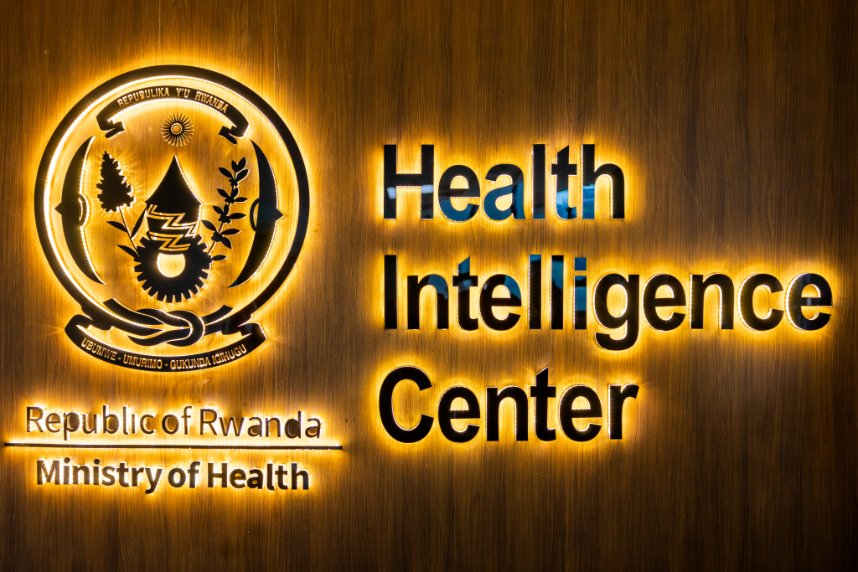
The hub was launched on the sidelines of the Global AI Summit on Africa on April 3, 2025, by the Minister of Health, Dr. Sabin Nsanzimana, and Minister of State Dr. Yvan Butera. They were joined by fellow African Health Ministers and esteemed partners.
According to the officials, the facility leverages real-time data from communities and health facilities to track trends, enhancing evidence-based disease surveillance. It will enable timely decision-making, efficient resource allocation, and policy adjustments to drive impactful change in healthcare.
Located in Kiyovu within the Rwanda Utilities Regulation Authority (RURA) building, the center employs a diverse team, including medical doctors, data scientists, software developers, and programmers.
The initiative focuses on tracking the efficiency of public health equipment such as ambulances and hospital refrigeration systems while also collecting and analyzing medical procedure outcomes to inform policies.
A key feature of the facility is its data warehouse, which stores patient care records, routine reports from healthcare facilities, and feedback from community health workers and the public.
This data is used to assess service delivery, monitor hospital performance, and improve health system efficiency.
Advanced technological solutions, including machine learning and artificial intelligence (AI), play a crucial role in predicting health trends and improving service delivery. For instance, AI-driven models can analyze maternal health data to anticipate pregnancy complications and issue early warnings to healthcare providers.
The hub also integrates telemedicine services, allowing remote consultations and enhancing access to healthcare. Additionally, real-time monitoring systems have been deployed to track hospital equipment functionality.
Refrigeration units in health facilities are now fitted with sensors that relay temperature data to the intelligence facility, ensuring vaccines and other temperature-sensitive medical supplies are stored safely.
“We can see the fridges and the exact temperature at which they are in real time. We can put the sensors on all of the equipment,” Muzungu Hirwa, a data scientist and medical doctor, remarked.
Similarly, ambulances are equipped with tracking systems that provide real-time data on their locations and operational efficiency.
Muhammad Semakula, head of the Planning, Monitoring, Evaluation, and Health Financing Department at the Ministry of Health, emphasized the importance of leveraging big data to optimize resource allocation and improve healthcare outcomes.
He highlighted that data from Rwanda’s 58,000 community health workers would be integral to the facility’s operations, feeding into a centralized digital system for streamlined service delivery.
Health Minister Dr. Sabin Nsanzimana praised the initiative, stating that it will facilitate data-driven decision-making, reducing delays in policy implementation.
The move aligns with Rwanda’s broader digital health strategy, which includes the upcoming launch of e-Ubuzima, a platform designed to provide patients with online access to their medical records and appointment scheduling.
The global health body now faces a $2.5 billion budget deficit, including a $1.9 billion gap in its planned $4.2 billion budget for 2026-27 and an additional $600 million deficit through the end of 2025, according to senior WHO officials who spoke at a recent global staff ‘Town Hall’ meeting.
Health Policy Watch, a nonprofit global health news outlet, reports that the U.S.—historically the WHO’s largest donor—has yet to pay its 2024 dues of $130 million, further deepening the organization’s financial crisis.
In total, the country owes WHO $260 million for the 2024-25 period, funds that are unlikely to be paid following newly elected President Donald Trump’s decision to withdraw from the organization.
While the U.S. withdrawal will only take effect in January 2026 due to a required one-year notice period, the financial repercussions are already being felt.
Raul Thomas, WHO’s Assistant Director General of Business Operations, highlighted that the withdrawal of U.S. funding has played a key role in the crisis. The country contributed nearly $1 billion in both fixed and voluntary payments in 2022-23. The loss of these funds means WHO must now make significant budgetary adjustments to continue its core operations.
In response, WHO Director General Dr. Tedros Adhanom Ghebreyesus has announced strategic reductions across all levels of the organization, beginning with senior leadership.
Speaking to WHO staff via Zoom, he emphasized that the organization will undergo a prioritization exercise to focus on its core functions and maximize its impact despite reduced resources.
“Everything is on the table, including merging divisions, departments, and units, and relocating functions,” Tedros stated, adding that the prioritization process will be completed by the second half of the month.
He assured that the cuts will be guided by strategic need rather than contract type or grade level.
A newly formed “prioritization working group” led by Deputy Director General Dr. Mike Ryan, alongside Regional Directors Hans Kluge (Europe) and Hanan Balkhy (Eastern Mediterranean), will oversee the restructuring efforts. Thomas and WHO Chief Scientist Jeremy Farrar are also part of this team.
President Trump’s decision to pull the U.S. from WHO marks the second time he has pursued such action. During his first term, he initiated the withdrawal in response to what he claimed was WHO’s mismanagement of the COVID-19 pandemic. His successor, President Joe Biden, reversed that decision upon taking office. However, upon his return to the White House in January 2025, Trump swiftly signed an executive order to withdraw again.
While the full impact of the U.S. withdrawal will only take shape in 2026, WHO officials are already bracing for the financial and operational consequences of losing its largest donor. The organization now faces tough choices to ensure that it continues its global health initiatives with significantly reduced funding.
The study, conducted at the TASK clinical research site in Cape Town, South Africa, is a first-in-human single ascending dose (SAD) and multiple ascending dose (MAD) trial. It is assessing the safety and pharmacokinetics of AKG-100 in both healthy volunteers and pulmonary TB patients. The study will enroll approximately 100 participants.
Dr. Daryl Drummond, Chief Science Officer at Akagera Medicines, expressed optimism about the progress. “The completion of the first cohort in this study is an important milestone as we progress a novel long-acting injectable and targeted treatment option for patients with pulmonary TB,” he said.
“AKG-100 demonstrated promising preclinical data, and we believe that its addition to drug-resistant TB treatment regimens will improve anti-TB activity and provide a favorable safety profile.”
Tuberculosis remains one of the world’s deadliest infectious diseases, disproportionately affecting low-income populations. Despite being both preventable and treatable, TB continues to claim nearly two million lives each year, with 400,000 of these deaths occurring in children.
“TB is the greatest killer in human history. One out of seven people who ever lived has died from it. Nearly two million of the poorest people in Russia, India, Africa, and China die from it every year.” said Michael Fairbanks, Executive Chairman of Akagera Medicines.
AKG-100 is a pegylated liposomal formulation of an oxazolidinone antibiotic. Liposomal drug delivery systems offer significant advantages, including improved drug stability, increased drug solubility, and reduced toxicity.
“Liposome-encapsulated drugs are a promising area of drug delivery research. This formulation enhances drug efficacy by increasing uptake and retention by target cells, allowing for higher drug concentrations at the site of action,” explained Dr. Sachin Marulkar, Chief Medical Officer of Akagera Medicines.
The study’s successful completion of its first cohort marks an important step in the development of a more effective TB treatment. AKG-100’s long-acting injectable formulation is expected to provide much-needed flexibility and improve treatment adherence, especially in resource-limited settings.
Many TB patients struggle with the lengthy and demanding treatment regimens currently available, leading to poor compliance and the rise of drug-resistant strains.
Founded in 2018 in Kigali, Akagera Medicines is dedicated to developing innovative lipid nanoparticle formulations of antibacterial drugs and mRNA vaccines. In 2022, it established a 100%-owned subsidiary in Kigali for manufacturing and clinical trials.
Among its founding and current board members are Ambassador Dr. Albrecht Conze, Dr. Paul Farmer of Harvard Medical School, Dr. Donald Kaberuka, former Chair of the Global Fund for Malaria, HIV, and TB, and Dr. Eliane Ubalijoro, CEO of CIFOR-ICRAF. UN Ambassador Valentine Rugwabiza and Philippe Watrin, Chief Investment Officer of the RSSB, also serve on the board.
Task clinical research, which is conducting the trial, is a leading multinational research institute based in Cape Town, South Africa. It has completed over 100 clinical studies focused on infectious diseases.
It is led by Professor Andreas Diacon, a recognized expert in TB research who received the 2016 Scientific Prize from the International Union Against Tuberculosis and Lung Disease.
The global burden of TB extends beyond human health, with significant economic and geopolitical implications. TB-infected mothers are associated with a six-fold increase in perinatal deaths.
The World Health Organization warns that a large TB infection pool, coupled with factors such as drug resistance and inadequate case detection, continues to fuel the epidemic.
Political conflicts further complicate efforts to control TB, while the disease also poses a direct threat to wildlife. Many animal species, particularly primates, are vulnerable to TB due to increased exposure to eco-tourists.
Cancer cells typically hide from the immune system by displaying minimal recognizable proteins. However, in this new study, researchers disrupted protein production within the cancer cells, forcing them to produce abnormal proteins.
These new proteins made the cancer cells more visible to the immune system, prompting a stronger immune response capable of targeting and destroying them.
In tests using mouse models, the method successfully activated immune cells to target and inhibit tumor growth.
When combined with existing immunotherapy treatments, the approach led to the complete eradication of tumors in approximately 40 percent of the mice, according to Yardena Samuels, who led the research.
This innovative technique holds significant promise for improving cancer treatment, particularly for cancers with fewer mutations.
The research team is now investigating how the method can be applied to various other cancers, including breast, pancreatic, and colorectal cancers, hoping it will lead to more effective, widespread therapies in the future.
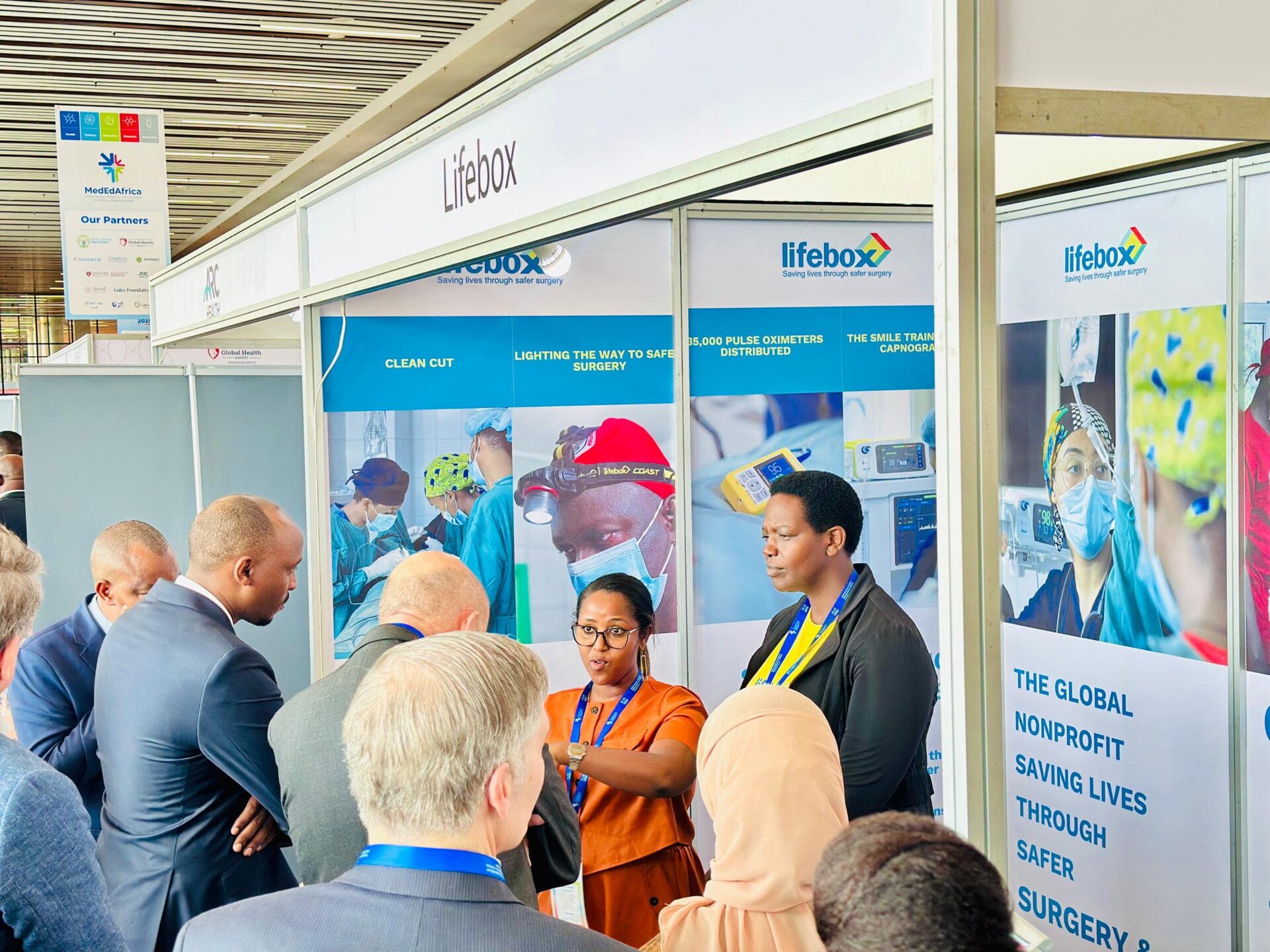
With five out of seven people lacking access to safe surgery and 4.2 million dying within 30 days of operations each year, experts at the inaugural Advancing Medical Education in Africa Conference (MedEdAfrica 2025) this week highlighted how these interventions, paired with innovative training, are reducing risks and reshaping healthcare education.
“When the lights go off mid-operation, our headlamp comes on, and we continue,” said Professor Nobhojit Roy, a Lifebox governing board member and surgery professor at the University of Global Health Equity (UGHE).
Lifebox’s headlamps, distributed across 116 countries, tackle a universal hurdle: power interruptions.
In Rwanda, like many other countries in the region, they have illuminated operating theaters, with Prof. Roy describing them as a “practical fix” in cases of power hitches, ensuring surgeries can continue uninterrupted even with the slightest interruption.
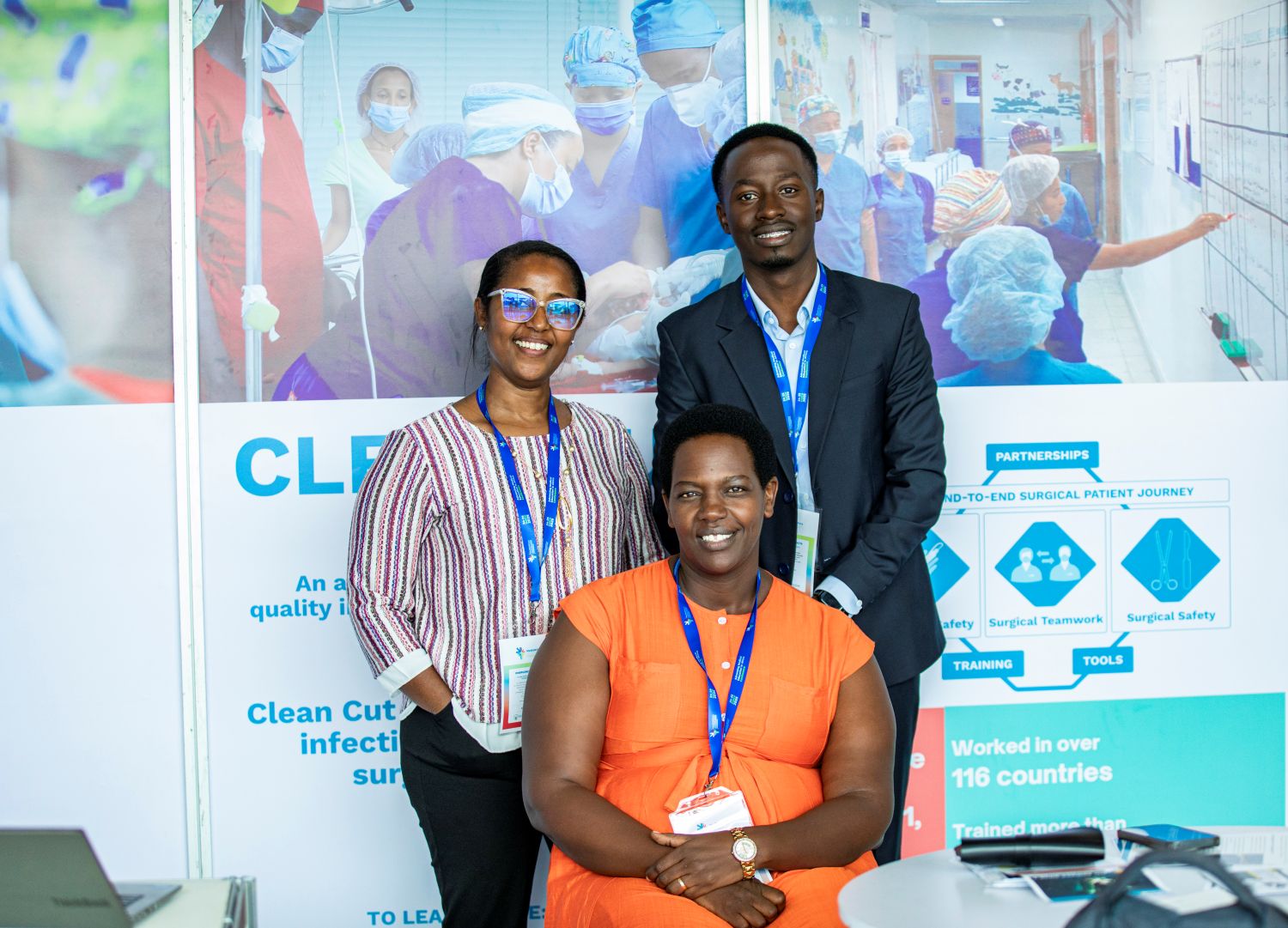
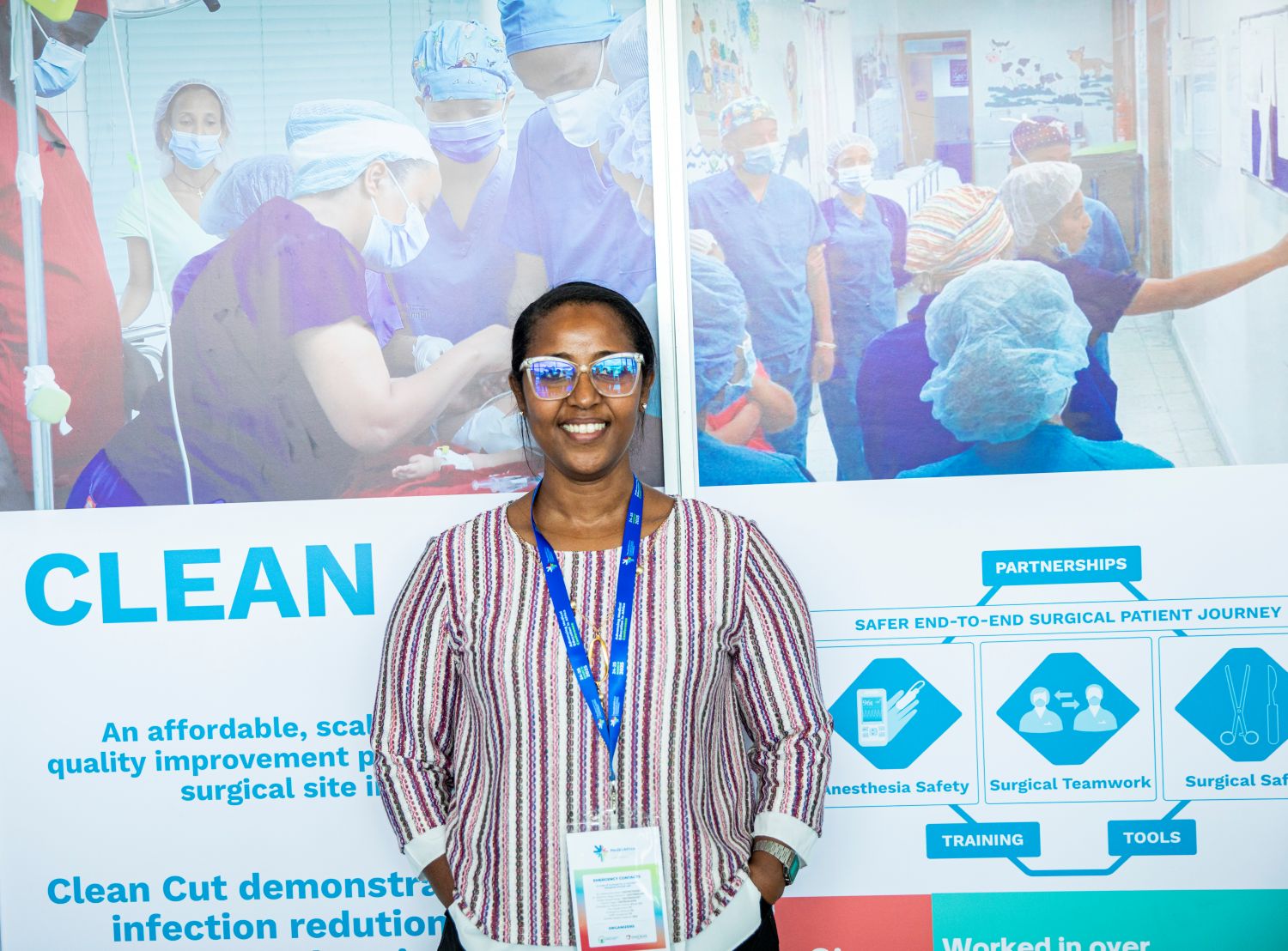
Senait Bitew Alemu, Lifebox’s Chief Programme Officer, highlighted the WHO Surgical Safety Checklist as a cornerstone of their Clean Cut project, which includes components such as proper hand hygiene, skin antisepsis, sterile equipment and environment, and timely antibiotic prophylaxis.
In Rwanda, the non-profit organization focused on improving the safety of surgery in low-income countries has been implementing the Clean Cut program in four facilities, including CHUK, Kabgayi, Kigeme, and Kirehe. According to the organization, globally, Clean Cut has demonstrated a 35% reduction in infections among all patients.
“A patient shouldn’t return with an infection,” Alemu said, emphasizing the importance of safer recoveries for mothers post-cesarean.
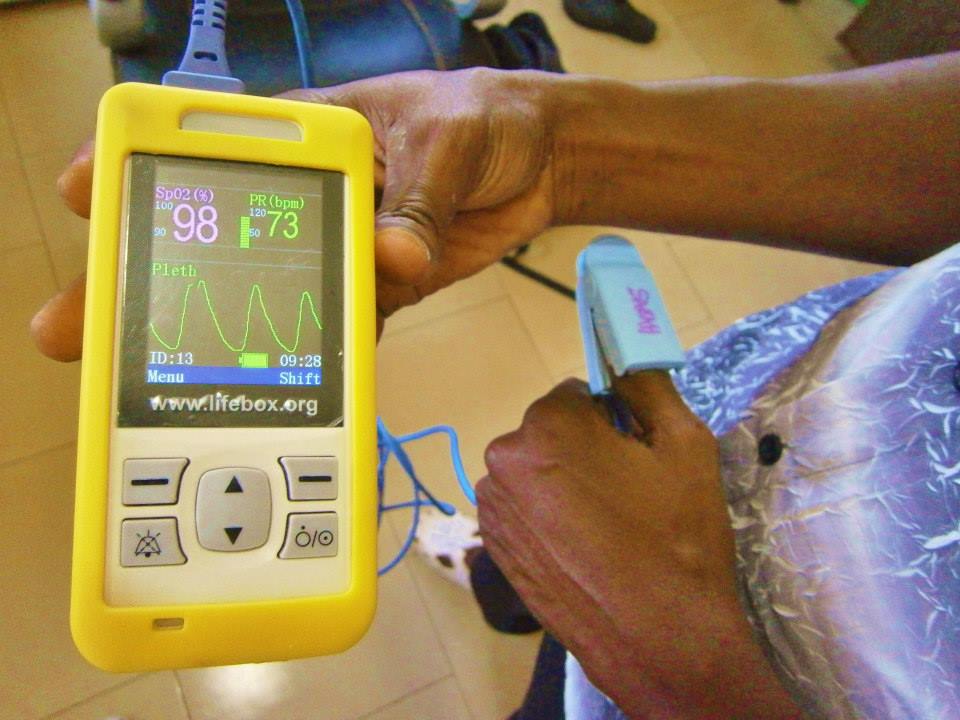
Pulse oximeters, which monitor oxygen levels, have also played an important role in safer surgeries.
“It’s a device you saw during COVID,” Prof. Roy noted.
A pulse oximeter is the only piece of equipment included on the WHO Surgical Safety Checklist and is a minimum standard for safe anesthesia. Yet, operating rooms across the world still lack this essential device, putting millions of lives at risk, according to Lifebox experts.
Since 2011, Lifebox has distributed more than 35,000 pulse oximeters in 116 countries. Coupled with the training of more than 14,000 healthcare providers on safe surgeries, these efforts are making surgery safer for more than 200 million patients.
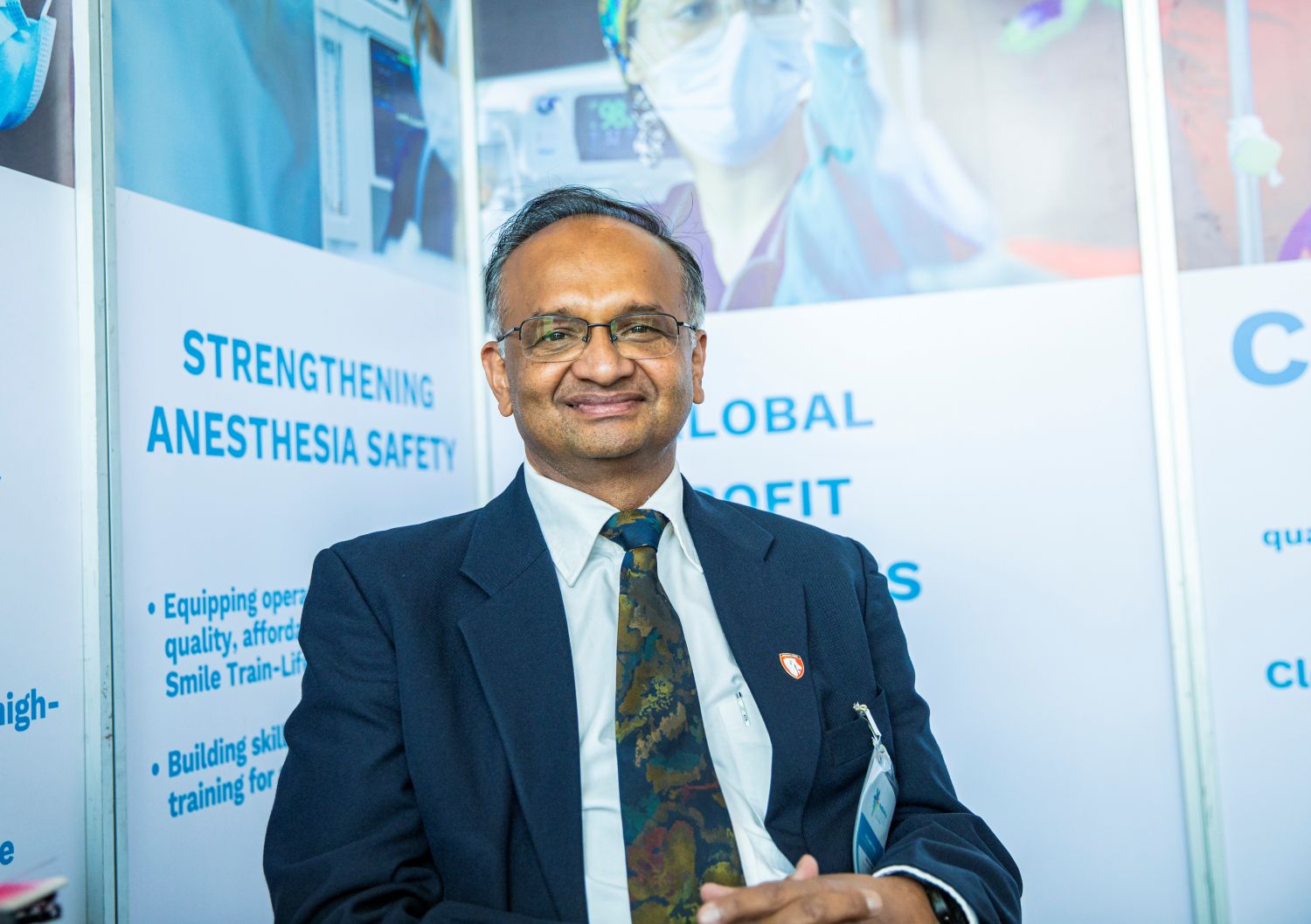
Additionally, as part of efforts for safer surgeries, Lifebox, in partnership with Smile Train, is equipping 650 operating rooms with Smile Train-Lifebox Capnographs. These essential monitors ensure patients receive adequate oxygen during anesthesia. While they have been used universally in high-income countries for decades, they remain absent in many low-resource operating rooms.
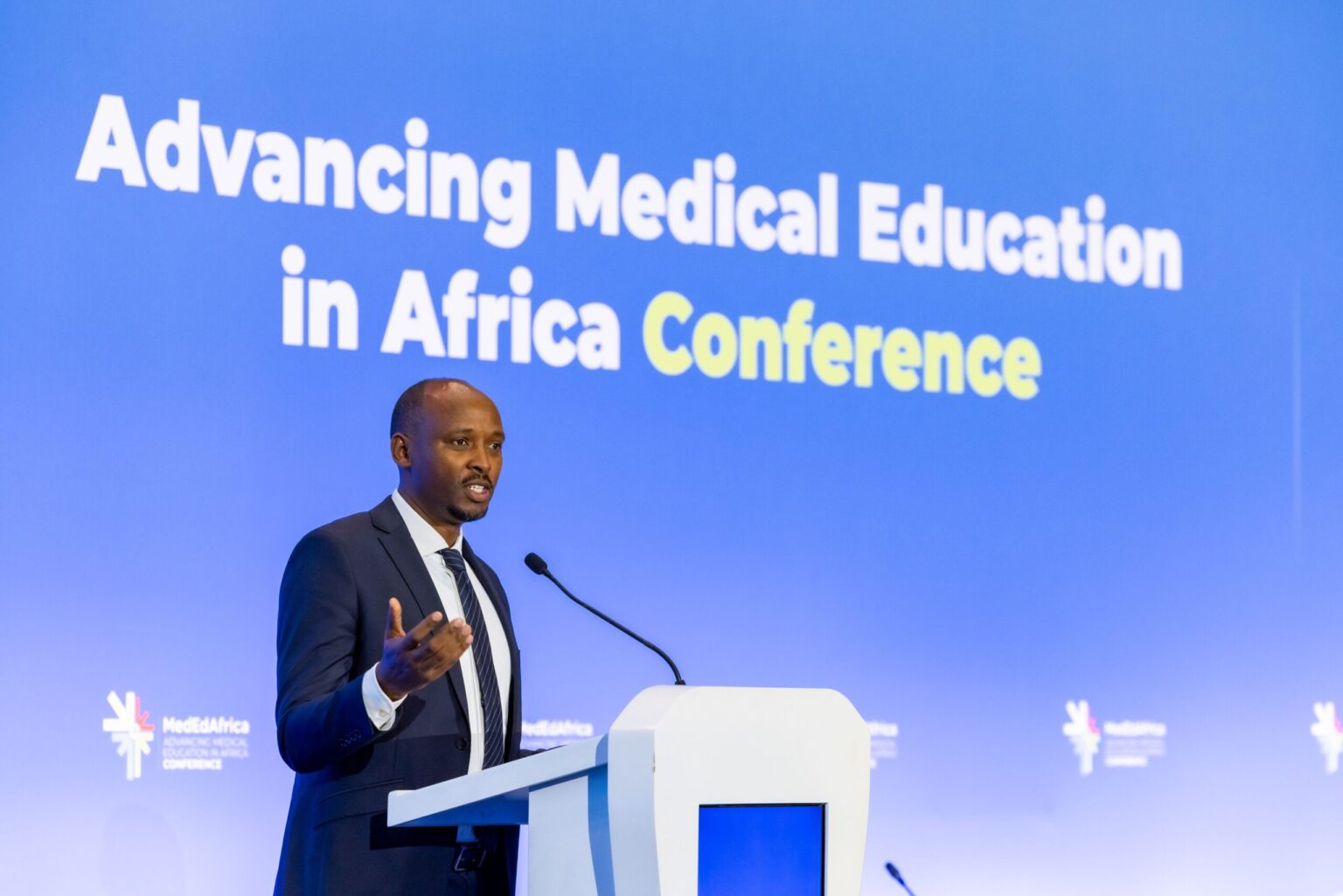
The MedEdAfrica conference, launched Monday at the Kigali Convention Centre, drew over 600 medical educators, students, healthcare leaders, and policymakers from Africa and beyond.
Hosted by UGHE, the Ministry of Health, and partners, it birthed the Consortium of Medical Schools in Africa (COMSA) to foster collaboration.
Speaking during the opening of the conference, Health Minister Dr. Sabin Nsanzimana stressed the importance of evolving education to meet a shifting health landscape.
“Diseases have moved from malaria to cancer as life expectancy rises,” he said. “We need specialists, and fast.”
Lifebox supports the ministry through a nine-month nursing fellowship at Butaro Teaching Hospital, which began two months ago and is ongoing.
“Nurses are the backbone,” Alemu affirmed. “We’re training them in safety, leadership, and sterilization,” she added.
The Lifebox training program, targeting general nurses in perioperative roles, aims to cascade training across Rwanda, with five initial trainees set to mentor others.
{{Reforms on medical training
}}
Professor Abebe Bekele, UGHE’s Dean and COMSA co-chair, emphasized the need for education reform across Africa to address existing gaps.
“Africa can’t afford 15-20-year training timelines,” he said, advocating for shorter, intensive programs and multi-level training to meet rural healthcare demands.
He termed the reforms as crucial to supporting initiatives such as the 4×4 program launched in July 2023, which aims to quadruple the number of healthcare workers in the country within four years, with a target to achieve this by 2027.
Thomas Weiser, a Stanford surgeon and Lifebox collaborator, echoed this call for change: “We’ve trained doctors the same way for 120 years—it’s too slow.” He proposed simulation and task-sharing with non-medical doctors, noting, “Nurse anesthetists handle 80% of rural US anesthetics.”
Minister Nsanzimana pushed for a tech-driven overhaul, stating, “The demand is growing, and we must respond by aligning medical education with healthcare needs. There is no debate—medical education is crucial. The burden of disease is increasing and evolving. We have moved from primarily dealing with malaria, HIV, and tuberculosis to addressing chronic illnesses like cancer and organ failure. These shifts are recent—perhaps in the past decade—but they are significant.”
He added, “AI is already transforming fields like radiology and pathology. Should we continue training the same number of specialists in these fields, or should we adapt to the changing landscape? Technology is not replacing healthcare professionals, but it is shifting how we work. We must integrate these advancements into medical education.”
Prof. Roy reinforced this urgency: “With population growth, we need faster training—15 years won’t cut it.”
The World Health Organization (WHO) reports that respiratory infections cause between 290,000 and 650,000 deaths annually, with 99% of these occurring in children from low-income or developing countries.
One of the challenges often encountered is that many people still resist seeking medical attention for respiratory illnesses, opting instead to take over-the-counter medications or resort to herbal remedies.
Dr. Fentahun Alemu Tsegaw, a pediatrician specialist in treating respiratory diseases among children, based at Baho International Hospital explained that these conditions require careful attention and should be managed thoroughly due to their potential severe impact on a child’s health.
He said that respiratory diseases, particularly airway allergies, are common among children. There are two main types; Allergic Rhinitis (hay fever), which is caused by allergens in the air and results in constant sneezing, nasal congestion, and watery discharge from the nose, and Asthma, which affects the airways, causing them to swell and leading to symptoms such as severe coughing and difficulty breathing.
Fentahun noted that airway allergies are especially prevalent in children and can be spread through genetic factors or environmental triggers, such as polluted air, dust, and pollen.
“Respiratory diseases can be triggered by several factors, including air pollution from agricultural activities, vehicle exhaust, industrial emissions, and even smoking near children, all of which put them at greater risk,” he stated.
He advised against placing children in enclosed spaces with poor ventilation, like smoke-filled rooms, and ensure that windows are opened to allow fresh air to circulate.”
He further explained that if respiratory diseases are not properly managed, and medical attention is delayed when symptoms appear, the risks of complications increase. For instance, untreated asthma can lead to chronic chest pain and even be life-threatening.
Fentahun mentioned that there are six approved medications specifically for children over the age of two, which can be prescribed to treat respiratory conditions. Treatment must be adjusted according to the child’s condition and must be done under medical guidance.
He advised anyone suffering from respiratory conditions to promptly seek medical help, educate parents on how to care for children during illness, avoid exposure to smoke, unpleasant odors, and extreme temperatures, and follow prescribed medication and medical advice.
To further protect and treat children with respiratory diseases, Baho International Hospital launched a week dedicated to children’s health, focusing particularly on respiratory illnesses. This initiative began on March 24, 2025, and will run until April 5, 2025.
Baho International Hospital boasts international specialists in treating a variety of diseases and offers expert advice on maintaining your health.