An official who spoke to IGIHE said the initiative aims to expand access to both functional and aesthetic plastic surgery services, provided by a team of experienced local and visiting specialists.
The camp will provide treatments including liposuction, tummy tucks, breast reduction and augmentation, buttock lifts, brachioplasty, fat grafting, and non-surgical cosmetic procedures.
While the camp is fully booked for the week, patients scheduled for these procedures will benefit from reduced costs and comprehensive care.
The camp also serves to build the capacity of local plastic surgeons by fostering collaboration with visiting experts.
King Faisal Hospital’s approach to plastic surgery is described by the facility as patient-centered and aligned with international standards. The hospital representative noted that the hospital integrates “advanced medical technology, multidisciplinary expertise, and a patient-centred care model within a tertiary hospital setting.”
According to the hospital, procedures will be performed by certified specialists in accredited operating theatres, following strict surgical safety protocols.
“Each patient undergoes a thorough preoperative assessment and receives a personalised postoperative care plan,” the official added.
This model aims to ensure both safety and effective outcomes, particularly for patients seeking either reconstructive or aesthetic enhancements.
In addition to the camp, the hospital plans to open a dedicated cosmetology clinic offering non-surgical aesthetic treatments such as Botox, dermal fillers, and laser skin rejuvenation in the coming weeks. This clinic will further enhance Rwanda’s access to high-quality aesthetic care in a controlled hospital environment.
The hospital encourages patients interested in plastic surgery and cosmetology services to consult their outpatient system to schedule future appointments once the clinic opens.
According to the World Health Organisation, low back pain is now the leading cause of disability worldwide, affecting over 619 million people in 2020, with numbers projected to soar to 843 million by 2050.
These figures highlight how essential it is to care for our spines, not just to avoid discomfort but to preserve overall well-being.
The good news? Most spine problems are preventable with simple, everyday habits. Here are ten expert-backed tips to help you maintain a strong, healthy spine for life.
{{1. Maintaining good posture
}}
Whether you’re sitting at your desk, standing in line, or scrolling on your phone, slouching can put real strain on your spine. Health experts say keeping your shoulders relaxed, your back straight, and your head aligned over your shoulders can go a long way in preventing long-term pain and stiffness.
{{2. Regular physical activity
}}
Exercise strengthens the muscles that support the spine, improves flexibility, and helps manage weight, all factors that lower the risk of back pain.
Activities like walking, swimming, yoga, and Pilates are excellent for maintaining spinal health, as they promote gentle stretching and muscle balance.
{{ {{3. Lift smarter, not Harder
}}
}}
Safe lifting techniques are another key factor often overlooked until injury strikes. Bending from the knees and hips rather than the waist, keeping objects close to the body, and avoiding twisting motions are vital to protect the lower back. Improper lifting remains a common cause of sudden back injuries, both at work and at home.
{{4. Watch your weight
}}
Extra body weight, especially around your waist, puts stress on the lower back and can accelerate disc problems or joint pain. People who maintain a healthy weight have lower rates of chronic back pain, making healthy eating and regular exercise essential.
A study by R. Shiri, a professor of hepatic inflammation and metabolic health at Maastricht University in the Netherlands, found a clear link between obesity and chronic low back pain, highlighting the importance of maintaining a healthy weight as a powerful tool for preventing spinal problems.
{{5. Sleep in spine-friendly positions
}}
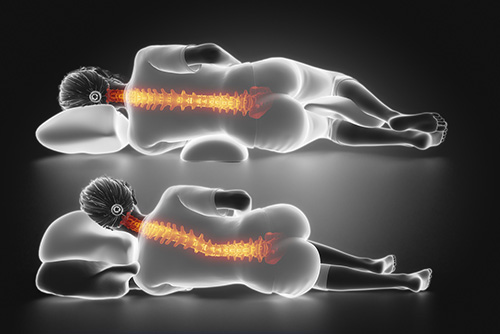
The way you sleep can affect how your spine feels all day. Doctors recommend sleeping on your side with a pillow between your knees, or on your back with a pillow under your knees to help maintain the spine’s natural curves. A supportive mattress also makes a big difference.
6. Regular stretching
Flexibility, often underestimated, is critical in preventing injuries and maintaining spinal health. Regular stretching keeps the muscles and connective tissues supple, reducing stiffness and improving range of motion. Even a few minutes of gentle stretches each day can make a meaningful difference.
{{7. Avoiding prolonged sitting
}}
Spending hours sitting, especially without breaks, compresses spinal discs and weakens muscles. Researchers have found that sitting more than eight hours a day is linked to a higher risk of chronic back pain. Stand up, stretch, or take a short walk every hour to give your back a break.
{{8. Supportive footwear
}}
Believe it or not, your choice of shoes can affect your spine. Poor footwear can throw off your posture and gait, leading to back pain over time. Opt for shoes with good arch support and cushioning, especially if you spend a lot of time standing or walking.
{{9. De-stress to protect your back
}}
Mental well-being is intertwined with physical health, including spinal health. Stress and anxiety can cause muscle tension, particularly in the neck and shoulders, which may radiate pain to the back. Practices like deep breathing, mindfulness, and engaging in enjoyable hobbies help reduce stress and protect the spine.
{{10. Don’t ignore persistent pain
}}
Persistent or severe back pain should never be ignored. Seeking timely medical advice can prevent small problems from escalating into serious conditions requiring extensive treatment. Health professionals such as doctors, physiotherapists, or chiropractors can offer personalised guidance for managing or preventing spinal issues.
In a world increasingly shaped by sedentary work and digital devices, caring for our spines has never been more crucial. Small, consistent habits can go a long way toward ensuring that our backbone both literally and figuratively remains strong, flexible, and pain-free. As the global burden of back pain rises, prioritising spinal health is an investment not just in comfort but in long-term quality of life.
The hospital shared the news on Friday via its official X platform, describing the procedure as a safe, minimally invasive solution designed to support adults struggling with weight loss through conventional means.
“Our hospital is proud to introduce Gastric Balloon Placement—a safe and effective procedure designed to help you achieve your health goals!” the hospital wrote.
The gastric balloon, which typically remains in the stomach for about six months, works by reducing stomach capacity, promoting a feeling of fullness, and helping patients adopt healthier portion control and eating habits.
The service is targeted at adults with a Body Mass Index (BMI) between 27 and 40 who have not seen results from diet and exercise alone.
In addition to the procedure, KFHR offers comprehensive patient support, including nutrition counselling and ongoing follow-up care to help ensure lasting outcomes.
This latest service is part of KFHR’s broader efforts to provide innovative, patient-centred care, reinforcing its position as a leading provider of specialised healthcare in the region.
📢 Exciting Announcement!
Now Offering Gastric Balloon Placement for Weight Management at KFHR!
Are you looking for a non-surgical, reversible solution to support your weight loss journey? Our hospital is proud to introduce Gastric Balloon Placement—a safe and effective… pic.twitter.com/AniGFFKmpG
— King Faisal Hospital Rwanda (@kfaisalhospital) June 27, 2025
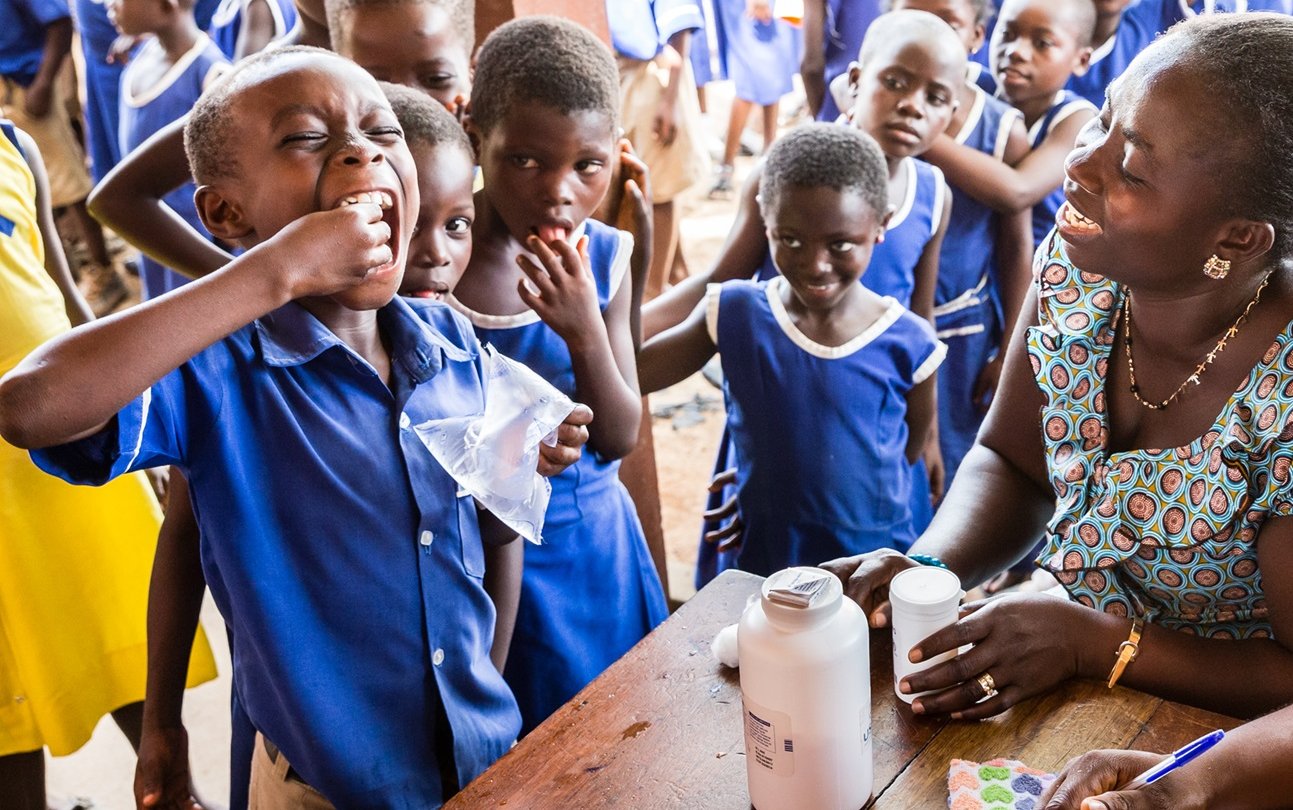
This is according to a statement released Tuesday marking the third anniversary of the Kigali Declaration on NTDs.
Since its launch in 2022 by Rwandan President Paul Kagame, the declaration has grown from 57 initial endorsers to 84 countries and organisations, reflecting a surge in international commitment to combat diseases that continue to afflict over one billion people worldwide, primarily in the poorest and most vulnerable communities.
“We can confidently say this is not where we started, and that’s worth celebrating. Every decision by a country to endorse the Kigali Declaration represents a step toward eliminating diseases that continue to devastate lives,” said Dr.Isatou Touray, Executive Director of Uniting to Combat Neglected Tropical Diseases.
“What we need now is concrete, sustained commitment to go further and faster. That’s exactly what it will take to reach the goal of eliminating NTDs by 2030.”
The Kigali Declaration has attracted support from across sectors, including strong backing from the pharmaceutical industry. Merck recently delivered its five billionth dose of Mectizan, GSK has distributed 12 billion doses of albendazole, and Novartis has nearly doubled its investment in research and development for NTD treatments. Earlier this year, the European and Developing Countries Clinical Trials Partnership (EDCTP) announced a €46 million fund to support NTD research.
Despite the achievements, the statement warned of growing threats to progress due to sharp cuts in official development assistance (ODA), particularly from major donors such as the United States. Without urgent action, more than a million donated medicines could expire in the next nine months, putting millions at risk of going untreated.
To help track progress and maintain accountability, the Kigali Declaration Commitment Tracker, considered the world’s only publicly accessible NTD financing tracker, remains a key tool for governments and stakeholders.
The statement also highlighted recent success stories: at the 2025 World Health Assembly, Mauritania and Papua New Guinea were recognised for eliminating trachoma, bringing the total number of countries that have eliminated at least one NTD to 56.
As the declaration marks three years, health advocates are calling for renewed financing and policy action to preserve gains and push toward the 2030 target of ending NTDs globally.
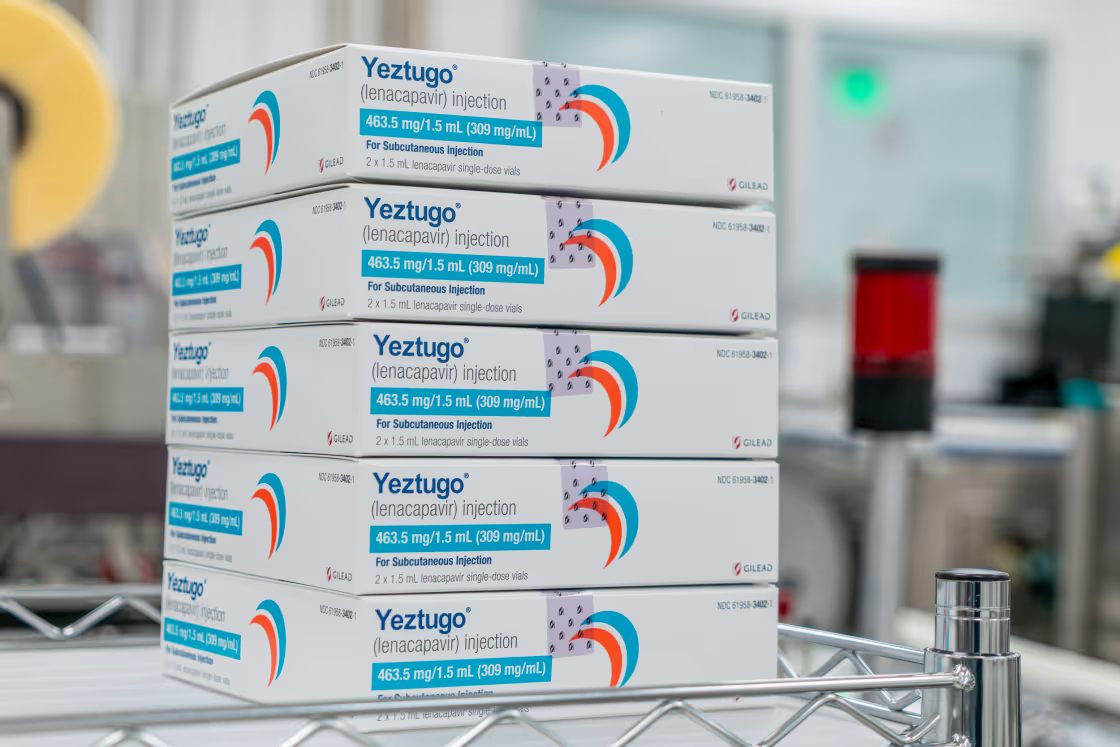
Developed by Gilead Sciences, Yeztugo (generic name: lenacapavir) is the first and only pre-exposure prophylaxis (PrEP) option administered just twice per year, offering a highly effective and potentially transformative tool in curbing HIV transmission.
The approval follows remarkable results from two Phase 3 clinical trials, PURPOSE 1 and PURPOSE 2, in which Yeztugo demonstrated near-complete protection against HIV.
In the PURPOSE 1 study among cisgender women in sub-Saharan Africa, not a single participant who received Yeztugo contracted HIV. In the PURPOSE 2 trial, which enrolled cisgender men and gender-diverse individuals, 99.9% of those given Yeztugo remained HIV negative, with only two infections reported among over 2,100 participants.
“This is the single best opportunity in 44 years of HIV prevention,” said Mitchell Warren, executive director of the HIV advocacy nonprofit AVAC.
Gilead’s CEO, Daniel O’Day, called the approval “historic,” emphasising that Yeztugo could help “end the HIV epidemic once and for all.”
Yeztugo works by blocking HIV’s ability to infect and replicate inside immune cells. Its long-acting formula only requires administration twice a year, solving one of the most persistent barriers to effective PrEP use: daily adherence.
Older PrEP medications, such as Truvada and Descovy, both oral pills taken daily, have shown over 99% effectiveness when used consistently, but real-world adherence has been uneven, particularly among at-risk populations.
The new drug arrives at a pivotal moment. According to the Centers for Disease Control and Prevention (CDC), only about one-third of eligible individuals in the U.S. are currently prescribed any form of PrEP.
Usage is especially low among Black, Latino, and Southern populations, groups disproportionately impacted by HIV. Experts believe Yeztugo’s simplified dosing schedule may help reduce these disparities if access is widespread.
However, challenges remain. At a list price of $14,109 per injection, affordability and insurance coverage will be critical. While Gilead has committed to offering co-pay assistance for insured patients and free medication for eligible uninsured individuals, barriers like high out-of-pocket costs and complex insurance authorisations could restrict uptake.
Adding to concerns is the political climate. The Trump administration’s proposed 2026 budget seeks to slash domestic HIV funding by 35%, including eliminating the CDC’s HIV-prevention division. Experts warn that such cuts could undermine the infrastructure needed to deliver Yeztugo to the populations who need it most.
Dr. Carlos del Rio of Emory University said Yeztugo “could greatly address key barriers like adherence and stigma,” but emphasised the importance of equitable access. “We must ensure it reaches those most vulnerable to HIV.”
Gilead has submitted applications for approval in other countries, including South Africa, Brazil, and EU member states, with the goal of global rollout.
While there is still no cure for HIV or AIDS, the FDA’s approval of Yeztugo brings the U.S. one step closer to controlling the epidemic, with science, strategy, and equitable implementation all playing vital roles.
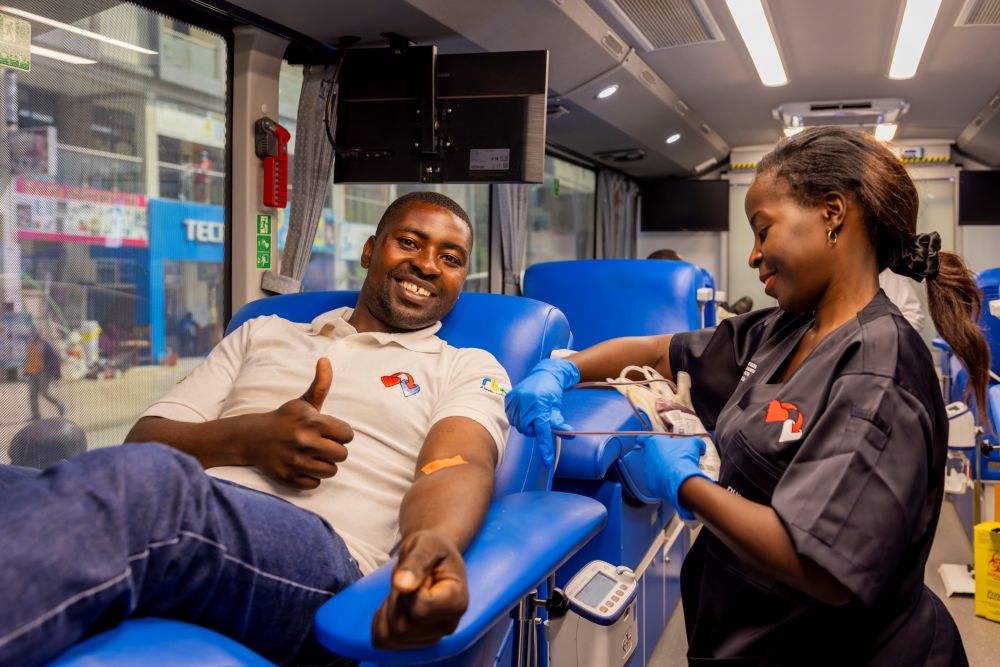
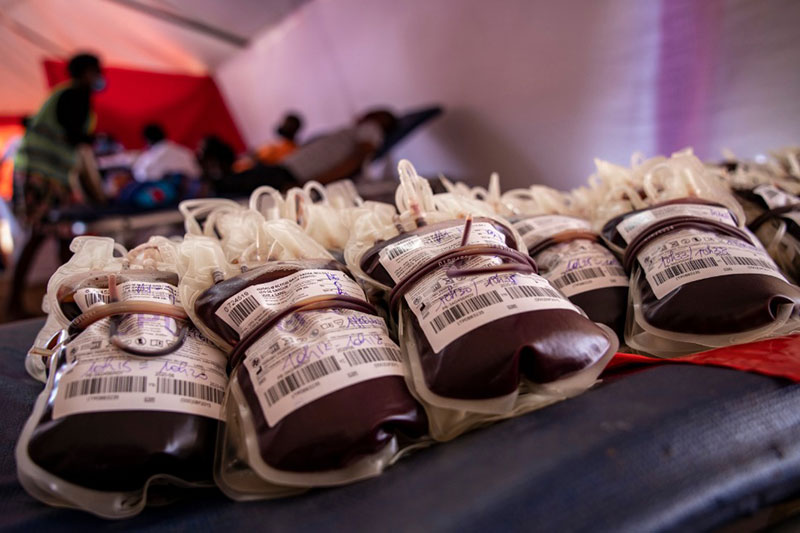
According to data from the Rwanda Biomedical Centre (RBC), the most frequently donated blood type was O+, accounting for 40,291 bags. This was followed by 3,431 units of O-, 20,007 of A+, and 1,124 of A-. Meanwhile, 15,137 units of B+ were collected, 831 of B-, 3,393 of AB+, and 169 of AB-.
O+ stood out as the dominant blood type, representing 47.75% of all donated blood. The least donated was AB-, which made up just 0.2%. In total, 58,688 people donated blood in 2024. Among them, 16,366 were women (27.89%) and 42,322 were men (72.11%).
Moïse Tuyishimire, Blood Donor Recruitment and Retention at the National Center for Blood Transfusion (NCBT), explained that men played a larger role, contributing 59,394 units, which is 70.39% of the total. Women donated 24,989 units, representing 29.61%.
By blood type, 26,564 donors were O+, making up 45.26%, while 2,246 were O-. There were 17,070 A+ donors (29.09%) and 693 A- donors (1.18%). B+ donors totaled 9,367 (15.96%), while B- donors numbered 483 (1.82%). For AB+, there were 2,111 donors (3.60%), and for AB-, just 154 people (0.26%).
Tuyishimire noted that Kigali led the country in blood donations with 27,259 units donated, accounting for 32% of the total. These came from 18,830 individuals, with men contributing 13,323 units (22.7%) and women 5,507 (9.38%).
Following Kigali, the Northern Province came second, with 14,751 blood bags (18%) donated by 10,329 people—7,753 men (13.21%) and 2,576 women (4.39%). The Eastern Province followed with 14,231 units (17%) donated by 9,572 people—7,039 men (11.99%) and 2,533 women (4.32%).
In the Southern Province, 14,150 units (17%) were donated by 10,097 people, including 7,425 men (12.65%) and 2,672 women (4.55%). The Western Province contributed 13,492 blood bags (16%) from 9,860 donors—6,772 men (11.56%) and 3,078 women (5.24%).
Age distribution also reflected strong youth engagement. Donors aged 18–25 contributed the most, with 27,080 individuals (46.10%). Those aged 26–35 were 11,242 (19.2%), and those aged 36–45 totaled 12,702 (21.6%). Donors between 46–60 years were 7,526 (12.8%), while only 138 donors (0.2%) were over 60 years old.
Rwanda has continued to make impressive progress toward self-sufficiency in blood supply. In 2024, hospitals were able to meet 99.72% of their blood needs. Typically, a unit of donated blood contains about 450 milliliters, though in some countries this can go up to 500 milliliters.
After donation, the blood is screened to ensure it is disease-free, then safely stored until it is needed. When administered, it is matched to the recipient’s blood type and the specific blood components required. Blood consists of red blood cells, which carry oxygen from the lungs and give blood its color; white blood cells, which fight infection; and platelets, which help with clotting in case of injury.
There is also plasma, a yellowish fluid component of blood that is often underutilized but can be life-saving for patients who have lost a lot of fluids, such as burn victims, cancer or malaria patients, and those who have experienced severe bleeding. Rwanda collects around 40,000 liters of plasma each year, but only about 2,000 liters—or 5%—are used. The rest often goes to waste.
To address this, on July 11, 2024, the Ministry issued a new directive allowing for the export of unused plasma to ensure it is utilized more effectively abroad.
Speaking at the celebration of the National Blood Donor Day on June 14, 2025, in Musanze District, Northern Province Governor Maurice Mugabowagahunde reaffirmed their commitment to saving lives through donation and pledged that, if possible, the province would surpass 20% of donated blood this year.
Dr Thomas Muyombo, Head of the National Centre for Blood Transfusion at the Rwanda Biomedical Centre stated that Rwanda’s blood donation system is stable, and those in need of blood are receiving it.
He emphasized the need for continuity, noting that regular donors may eventually become ineligible due to age or health, which is why new donors are constantly needed.
He also reassured the public that donating blood is safe, mentioning that some individuals have donated more than 75 times. He explained that the body continuously produces new blood, maintaining balance and health.
Dr. Muyombo reminded the public that anyone who has received a blood transfusion due to illness must wait at least 12 months before becoming eligible to donate again, provided they are medically cleared.
Eugene Bagirishya told IGIHE that he began donating blood at 17 and has now donated over 70 times by the age of 44. He said it gives him pride to know that every time he donates, he may be saving one or two lives—and that’s why he will never stop.
A 2024 hospital survey showed that 99.72% of requested blood components were fulfilled. Of the 127,198 units needed, 126,837 were available and processed, underscoring Rwanda’s steady progress toward a reliable and responsive blood donation system.
The latest figures show that Nigeria, Africa’s most populous nation and one of its largest economies, has the lowest life expectancy in the world, with the average person expected to live just 54.6 years. This is approximately 32 years less than Monaco, which tops the global ranking for life expectancy.
Other African countries with life expectancies under 60 years include Chad (55.2 years), South Sudan (57.7), Central African Republic (57.7), and Lesotho (57.8).
Ongoing political instability, conflict, inadequate healthcare systems, and poverty continue to suppress life expectancy across much of the region.
Nauru, a tiny island nation in Oceania, is the only non-African country on the list, with an average life expectancy of 62.3 years.
The gender divide is also evident, with women outliving men in nearly all these countries, sometimes by several years. The widest gender gap is in Mozambique, where women live an average of 6.2 years longer than men. Guinea is the only country on the list where men slightly outlive women.
Despite the grim figures, the report notes encouraging progress. Africa’s average life expectancy rose from 53.7 years in 2000 to 63.8 years in 2023, a significant improvement over two decades.
Countries such as South Sudan and Niger, while still ranked low in life expectancy, are among the fastest-growing economies, offering hope that sustained development could eventually translate into longer, healthier lives for their citizens.
Looking ahead, the UN projects that Africa’s average life expectancy will reach 66 years by 2035 and over 68 years by 2050, though still trailing behind the global average.
Here is the full list of countries with the lowest life expectancy, according to the UN data:
RBC Director General, Prof. Claude Mambo Muvunyi, told IGIHE that after observing a resurgence of cases in several countries, an assessment was conducted to evaluate the local situation in Rwanda.
“After seeing an increase in infections in places like the United States, we carried out an evaluation and found that new cases had also emerged here,” he said.
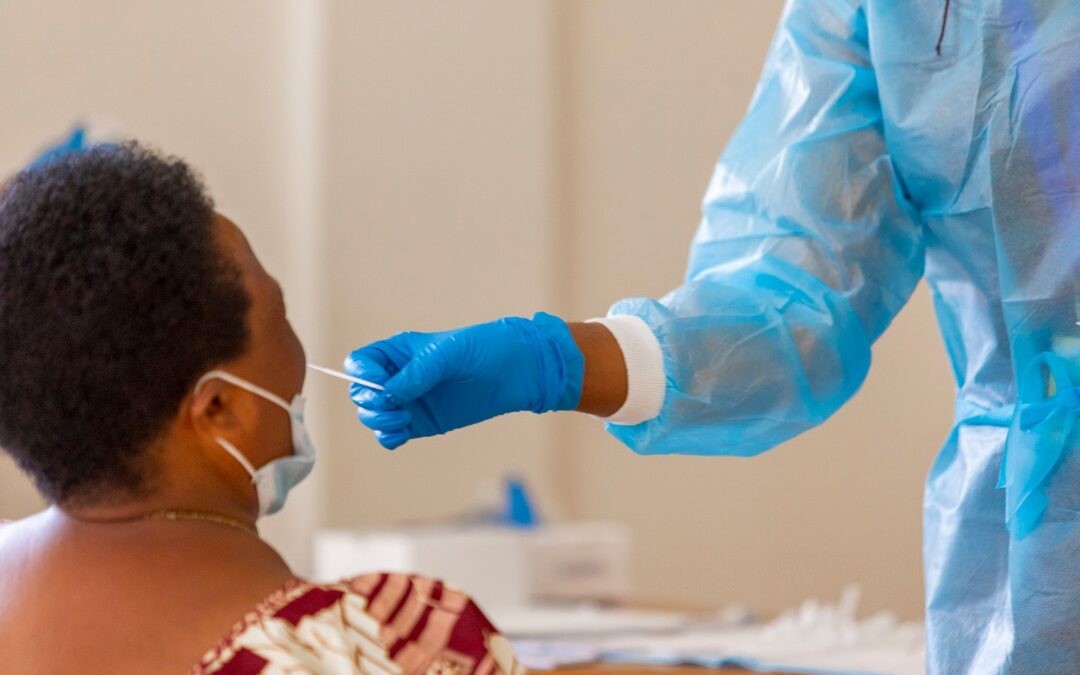
Of approximately 16,000 tests conducted, 0.7% returned positive results. All individuals who tested positive are currently receiving appropriate medical care.
Prof. Muvunyi reported that most of the detected cases involved individuals who travel abroad frequently or had contact with international travellers.
“All confirmed cases are being treated using standard protocols, and they’ve been advised to take precautions to avoid spreading the virus,” he said.
Prof. Muvunyi emphasised that there is no cause for concern at this stage, as the cases are mild and resemble common flu symptoms. None of the patients is in serious condition.
“There’s nothing alarming. The confirmed cases are experiencing mild symptoms, and the overall infection rate is still below 1%,” he said, adding, “Anyone with flu symptoms should seek medical attention, avoid close contact with others, practice hand hygiene, and wear a mask if symptomatic.”
{{Global trends and a new variant
}}
Countries such as the United Kingdom and the United States have also seen a spike in Covid-19 cases. A new variant, known as NB.1.8.1, now accounts for around 10% of global infections and has been identified in Northern Ireland and Wales.
Although this variant does not appear to cause more severe symptoms than previous ones, experts caution that it may be more efficient at entering human cells.
According to the World Health Organisation (WHO), Covid-19 has continued to mutate between January and May. The current strain is considered the most rapidly spreading variant so far.
Since January 2025, the Omicron variant has spread widely across the United States, Australia, and Thailand, and remains dominant in China and Hong Kong.
RBC has assured the public that it is maintaining active surveillance and continues working to contain the virus.
{{Health Ministry urges caution
}}
Earlier, through a social media post X, the Minister of Health, Dr. Sabin Nsanzimana, urged the public to remain vigilant in the face of rising seasonal illnesses, including Covid-19, as the country transitions from the rainy season to the dry season.
“Maintain good hygiene and protect others if you have symptoms,” he said.
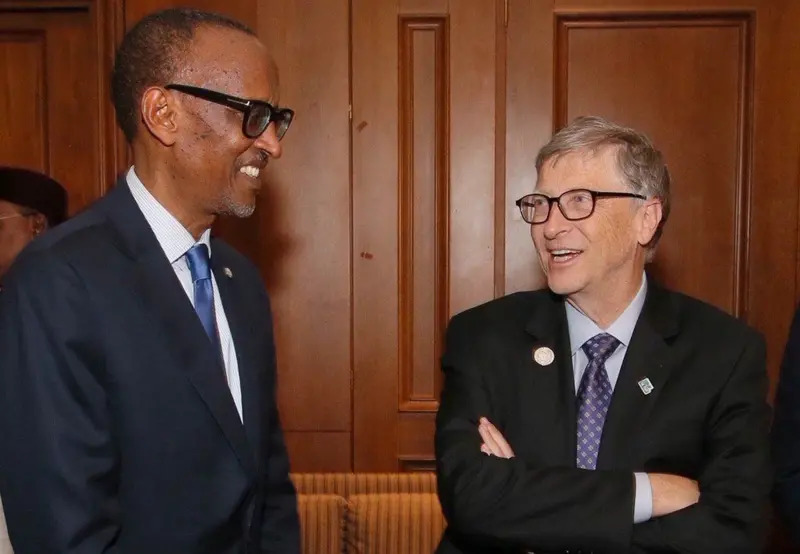
The Gates Foundation chairman spoke at the foundation’s event held at the African Union headquarters in Addis Ababa on Monday, June 2. The event was attended by over 12,000 participants, including African leaders, health workers, development experts, and youth.
He reiterated his commitment to donate $200 billion over the next 20 years, most of which will go to Africa, to support health systems and sustainable development.
Gates said that resilient health systems cannot be achieved without African leadership and homegrown solutions. He emphasised that unleashing human potential through health and education should place every African country on a path to prosperity.
“By unleashing human potential through health and education, every country in Africa should be on a path to prosperity – and that path is an exciting thing to be part of,” he added.
He stressed the transformative role AI can play in healthcare, citing Rwanda’s use of AI-powered ultrasound to detect high-risk pregnancies and improve maternal care.
He also highlighted how African youth are embracing AI and thinking critically about how to apply it to solve local problems.
In addition to Rwanda, Gates mentioned Ethiopia, Zimbabwe, Mozambique, Nigeria, and Zambia as countries where data, technology, and community-based systems are being used to reduce child mortality and combat diseases like malaria and HIV.
“I’ve always been inspired by the hard work of Africans even in places with very limited resources. The kind of fieldwork to get solutions out, even in the most rural areas, has been incredible,” Gates remarked.
In Rwanda, companies such as eFiche are providing AI-powered health services that include disease prediction, health data management, and advanced diagnostics.
Recently, Rwanda’s Ministry of Health launched a new AI-driven platform that allows community health workers to receive training via mobile phones, removing the need for in-person sessions.
During his speech, Gates called for deeper investment in primary healthcare, describing it as foundational to improving well-being and reducing inequality across the continent.
“With primary healthcare, what we’ve learned is that helping the mother be healthy and have great nutrition before she gets pregnant, while she is pregnant, delivers the strongest results,” he said.
“Ensuring the child receives good nutrition in their first four years as well makes all the difference.”
The event also featured remarks from international figures such as WTO Director-General Ngozi Okonjo-Iweala, UN Deputy Secretary-General Amina Mohammed, and advocate Graça Machel, who called for sustained partnerships to advance Africa’s development goals.
Machel described Gates’ long-standing collaboration with Africa as a reflection of his respect for African leadership, ideas, and innovation.
“We are counting on Mr Gates’ steadfast commitment to continue walking this path of transformation alongside us,” Machel stated.
Gates committed to giving 99% of his wealth to charity as the Gates Foundation marked its 25th anniversary last month. At the event, he also shared his plan to wind down the foundation by 2045.
He noted that this decision was inspired in part by Andrew Carnegie’s 1889 essay, ‘The Gospel of Wealth,’ which argued that the rich should return their fortunes to society.
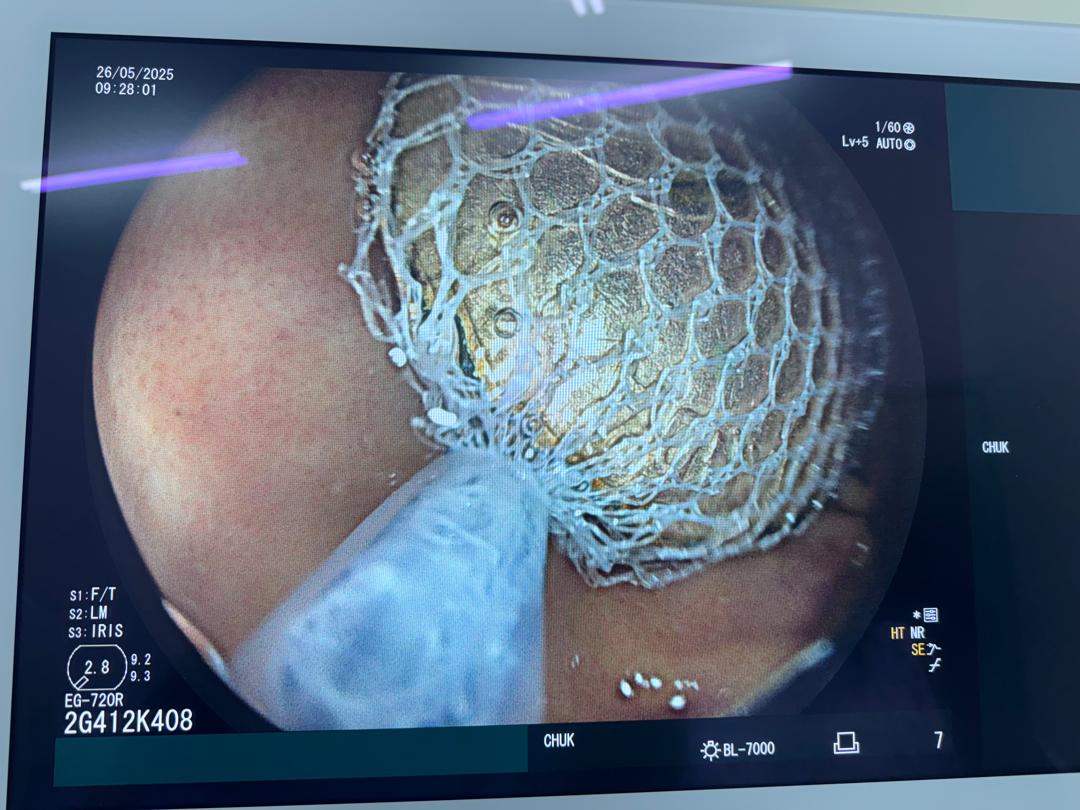
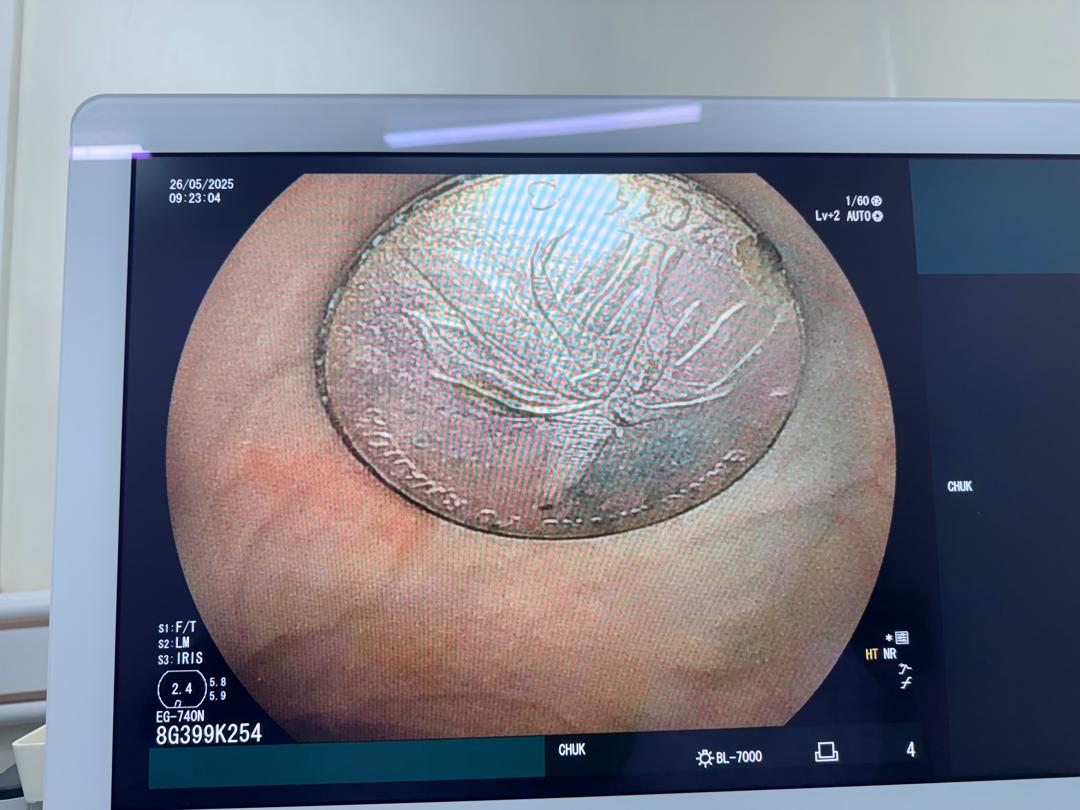
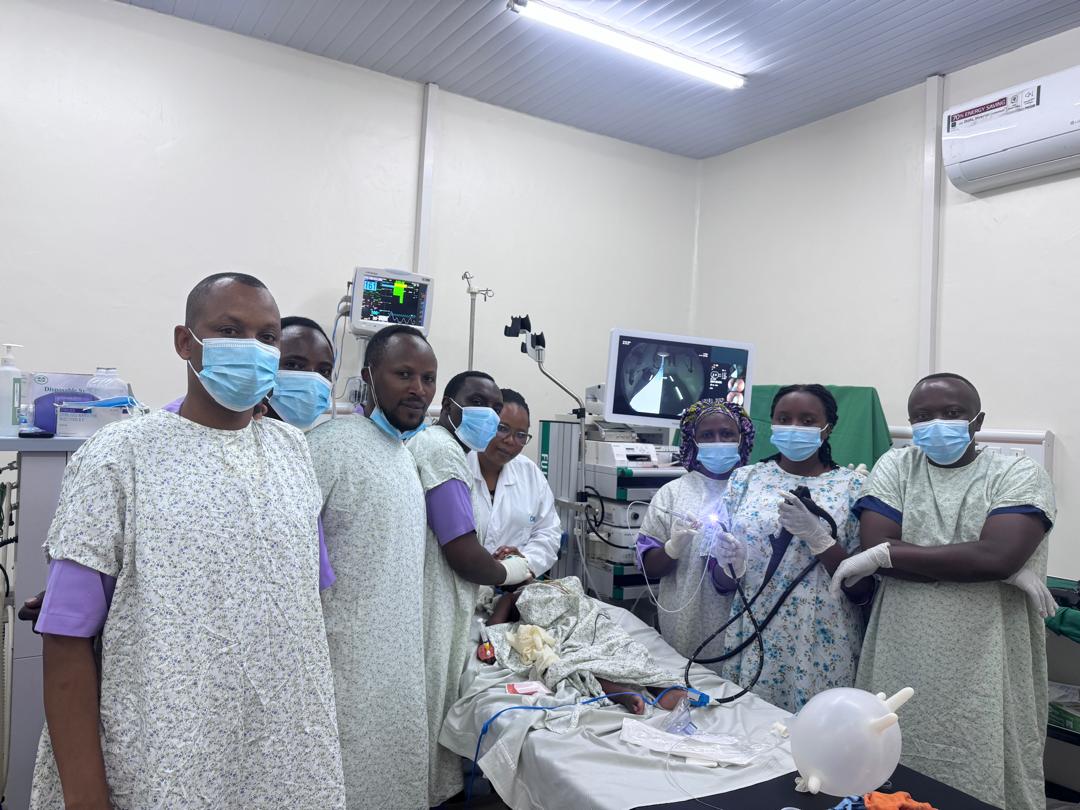
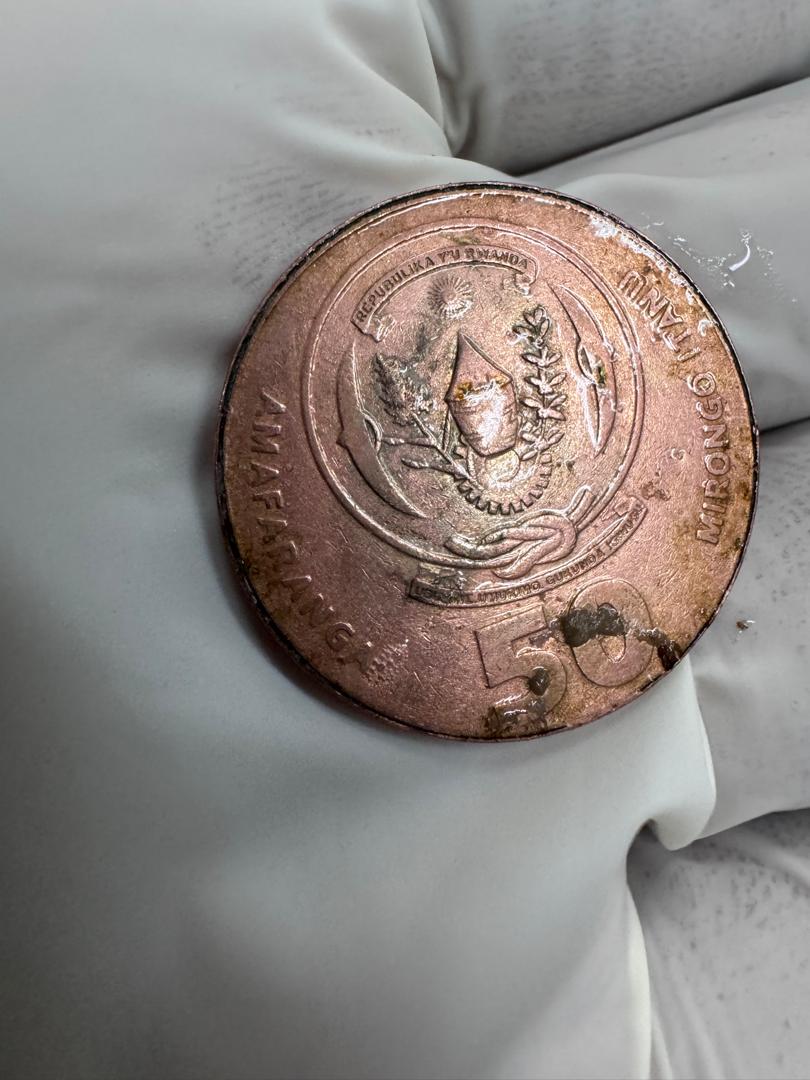
The Frw 50 coin was extracted on Monday, May 26, 2025, using endoscopy, a minimally invasive procedure that avoided the need for surgery.
The child’s mother said she had initially been told that surgery would be necessary to remove the coin.
However, doctors at CHUK’s gastrointestinal (GI) medical service used an endoscope, a flexible tube with a camera and tools inserted through the mouth into the stomach, to locate and safely remove the foreign object.
Endoscopy allows doctors to diagnose and treat conditions inside the digestive tract without making incisions, reducing recovery time and risks associated with open surgery.
This successful procedure comes amid growing advances in Rwanda’s medical field. Earlier this month, King Faisal Hospital performed the country’s first percutaneous closure of a patent foramen ovale (PFO), a rare heart procedure conducted on a stroke patient.
The procedure, carried out on May 16, was led by visiting Swiss cardiologist Dr. Hugues Lucron alongside Rwandan specialist Dr. Gérard Misago.
A PFO is a small opening between the heart’s upper chambers that normally closes after birth but can remain open in some people, increasing the risk of stroke.
Using a catheter inserted through a vein, the medical team deployed a nickel-titanium closure device to seal the opening permanently. Over time, heart tissue grows around the device, completing the repair.
King Faisal Hospital expressed gratitude to Occlutech Europe and its partners for supporting this national milestone, calling it a significant step forward in advancing cardiovascular care in Rwanda.
The two recent successful procedures showcase Rwanda’s progress in adopting minimally invasive medical technologies that enhance patient outcomes and save lives.