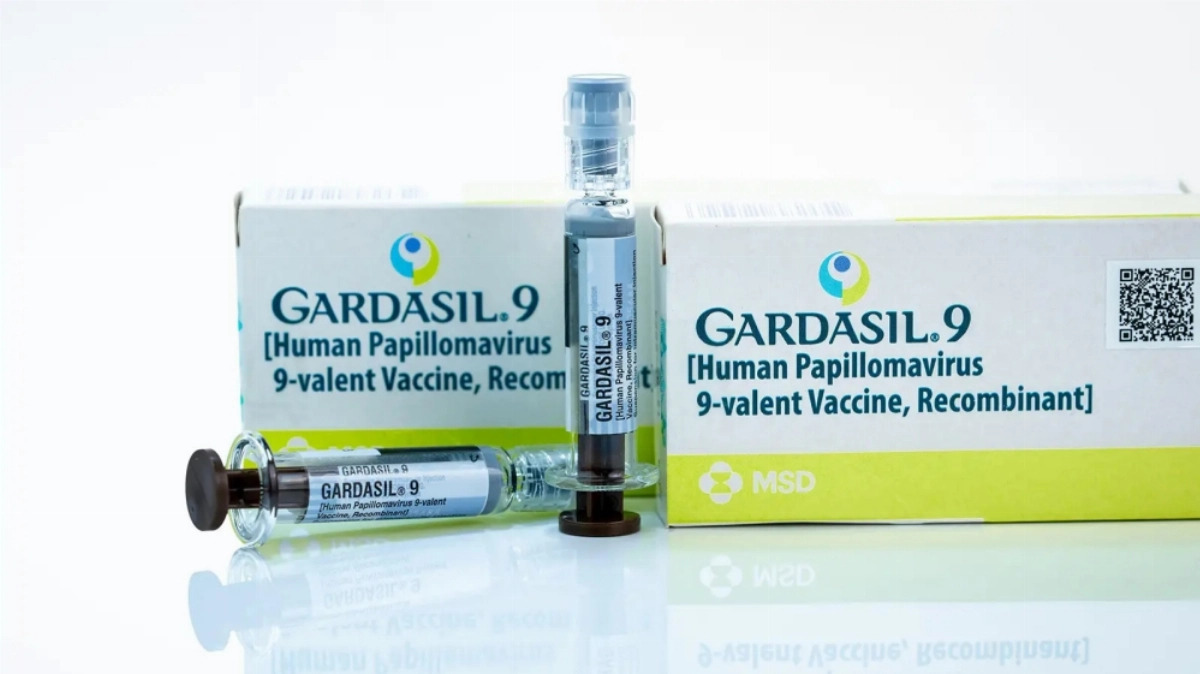
Hassan Sibomana, Director of the Vaccine Programmes Unit at the Rwanda Biomedical Center (RBC), told The New Times that Gardasil 9 protects against nine HPV types, compared with the previous Gardasil 4, which covered only four. The additional strains allow broader prevention of HPV-related cancers.
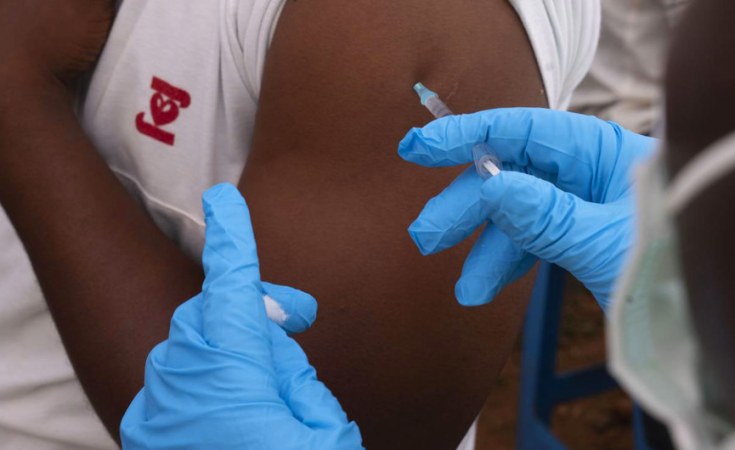
The vaccine is administered in one or two doses depending on age, with two doses recommended for women 29 and older. Sibomana stressed that Gardasil 9 is safe, highly effective, and comparable in safety to its predecessor.
Currently, the rollout is limited to the four districts to monitor the vaccine’s effectiveness and acceptability before expanding nationwide. Once more doses are available, Gardasil 9 will be accessible at health facilities in the targeted areas, and communities will be informed.
“With broader coverage, we can accelerate the elimination of cervical cancer. Our target is 90% vaccination coverage, 70% of women screened, and treatment for 90% of those who test positive,” Sibomana said.
Rwanda has already achieved high HPV vaccination rates among 12-year-old girls, with more than 95% of districts reporting over 90% coverage. The Gardasil 9 rollout aligns with World Health Organization guidelines that extend HPV vaccination to adults, including women who were not covered when the program began in 2011.
The new vaccine is administered in one or two doses, depending on age, with two doses recommended for women 29 and older.
Long COVID is a condition where symptoms of COVID-19 persist for weeks or months after the initial infection has cleared.
People with Long COVID often experience fatigue, shortness of breath, and “brain fog,” even if their initial illness was mild.
New research in mice sheds light on why coronavirus infections can have longer-lasting effects than influenza.
In the study published by European Medical Journala, researchers compared the long-term impact of coronavirus with influenza A on the lungs and brain.
Both viruses caused lung inflammation, but coronavirus led to ongoing tissue damage, including scarring, abnormal repair, and persistent activation of inflammatory and clotting pathways.
Influenza, by contrast, triggered a strong early immune response followed by effective lung repair, helping explain why breathing difficulties are more common after coronavirus infection.
The study also found that coronavirus affected the brain, even though the virus itself was not present there. Mice infected with coronavirus showed early microbleeds and sustained brain inflammation.
Changes in gene activity suggested blood vessel problems, immune system overactivity, and disrupted signaling in areas controlling hormones and sensory processing.
These changes mirror neurological symptoms reported by people with long COVID, such as fatigue and cognitive difficulties. Influenza did not produce these brain effects.
The findings suggest that long COVID is not just about lingering virus, but rather ongoing immune activation, blood vessel damage, and impaired tissue repair.
The research also points to lasting effects on how organs communicate, including the lung-brain connection.
While mouse studies cannot fully replicate human disease, these insights could help scientists develop targeted treatments to reduce inflammation, prevent lung scarring, and protect the brain.
Further clinical studies are needed to confirm these mechanisms in people, but this work helps explain why coronavirus can leave a longer-lasting mark on the body than influenza.
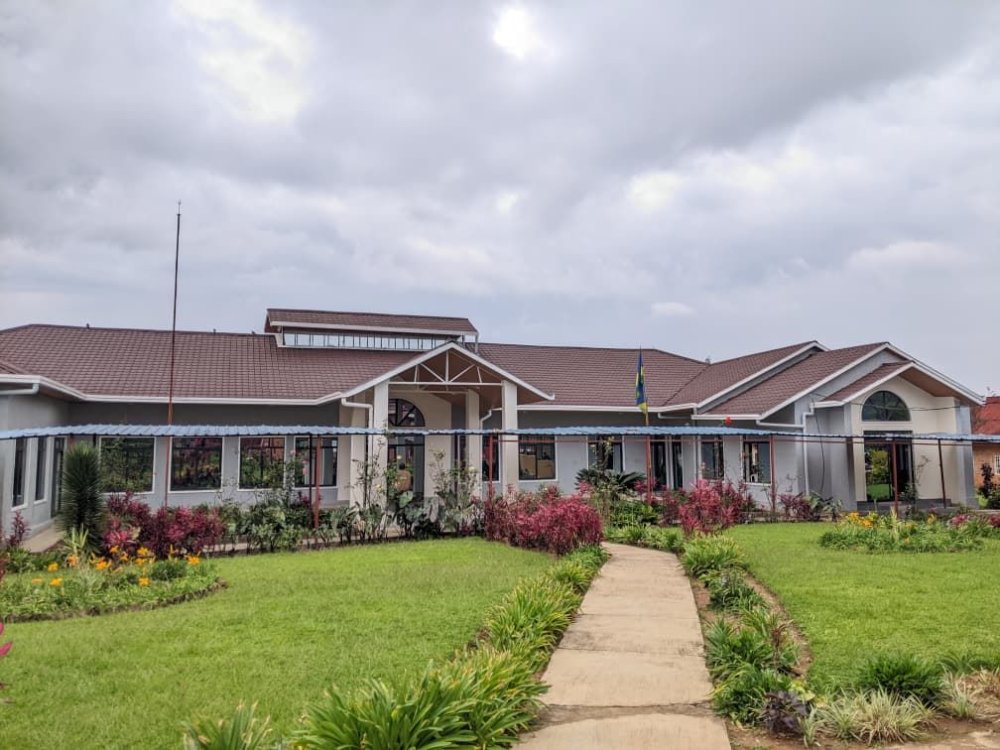
Mugonero Hospital was established in 1931 by Seventh-day Adventist missionaries at the Ngoma Mission. Over the years, its responsibilities expanded, and it now serves around 150,000 people from Karongi and Nyamasheke districts.
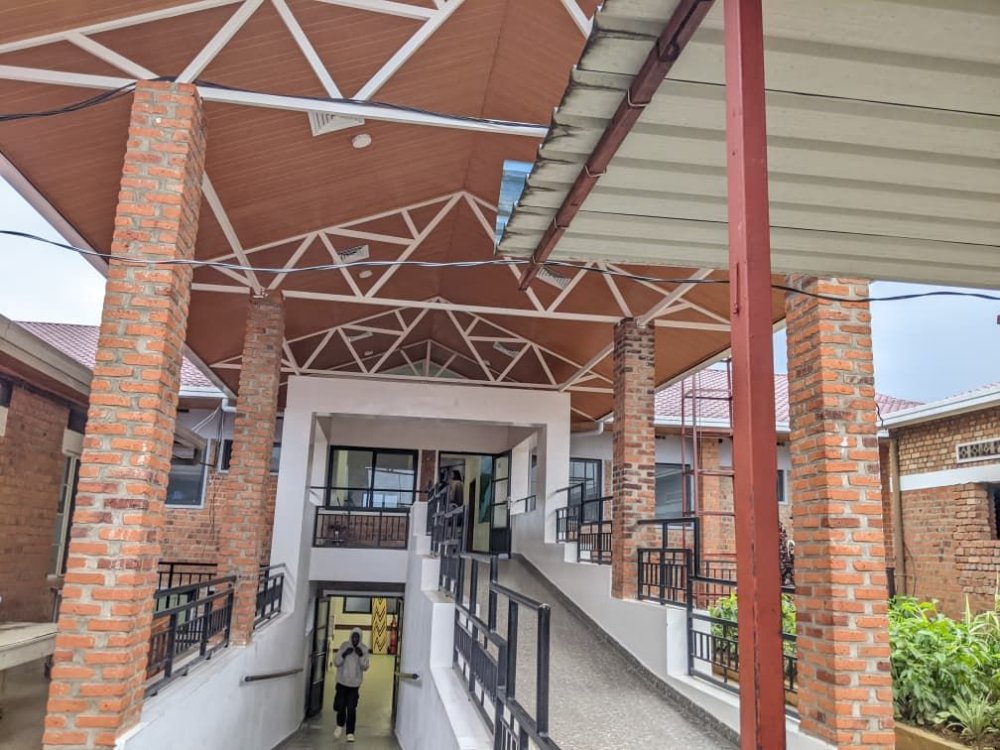
Many of the hospital buildings had become outdated, prompting the government, in partnership with the Adventist Church, to launch a phased renovation program. Renovated facilities include the children’s ward, maternity ward, and offices for staff and hospital management.
Mediatrice Umuhoza, a patient, told IGIHE that before the renovations, she worried about challenges associated with old buildings.
“During heavy rains, water would leak down the walls. Hospital beds were worn out and few, and with so many patients, it was a real challenge,” she said.
Jean Claude Mutuyimana, treated for bone-related illnesses, said receiving care had been difficult due to cramped and outdated facilities.
“Before the renovations, treatment here was challenging. We thank the government and partners for refurbishing the hospital. The main remaining challenge is the low number of doctors and nurses,” he said.
The Director General of the hospital, Mwumvaneza Mutagoma said more than Rwf 1 billion was spent on renovations, including Rwf 700 million for the maternity ward, Rwf 135 million for staff offices, and additional funds for the children’s ward.
“The remaining challenge is a shortage of medical staff, especially nurses and midwives. However, we are hopeful that more will be available soon, thanks to a program aimed at quadrupling the number of doctors over the next four years.
“We currently have six midwives out of the 19 needed, 41 nurses out of the 58 required, and no specialist doctors. The orthopedic doctor we had, a missionary, has left, and we are waiting for a replacement,” he explained.
Mugonero Hospital collaborates with nine health centers, seven in Karongi and two in Nyamasheke, and serves approximately 150,000 people.
The hospital has 130 beds and mainly treats patients for respiratory illnesses, bone diseases, infections caused by poor sanitation, and other common conditions.
Over Rwf 1 billion has been invested in the renovation of Mugonero HospitalMugonero Hospital was established in 1931 by Seventh-day Adventist missionaries at the Ngoma Mission.
The agreement was simultaneouly signed on Thursday, March 5, 2026, in Addis Ababa by Dr Jean Kaseya, Director General of Africa CDC, and in Tokyo by Professor Dr. Norihiro Kokudo, President of JIHS.
According to a statement released by Africa CDC, the agreement establishes a framework for enhanced cooperation to address emerging and re-emerging public health threats and to strengthen pandemic prevention, preparedness, and response.
The partnership will promote closer collaboration in infectious disease surveillance and early warning systems, laboratory and research capacity, and coordinated responses to public health emergencies.
It will also support workforce development through structured training programs, institutional exchanges, and technical collaboration aimed at strengthening resilient public health institutions.
“Health threats cross borders, and preparedness depends on strong partnerships,” said Dr Jean Kaseya, Director General of Africa CDC. “This cooperation with JIHS will strengthen scientific collaboration, reinforce public health institutions and workforce capacity, and accelerate our ability to prevent, detect, and respond to outbreaks.”
The collaboration will also advance One Health and climate-resilient approaches to address zoonotic diseases, antimicrobial resistance, and other emerging risks.
“JIHS was established as an integrated national institution combining infectious disease intelligence, research and development, clinical expertise, and international cooperation,” said Professor Dr. Norihiro Kokudo, President of JIHS. “Through this partnership with Africa CDC, we look forward to expanding joint research, strengthening workforce development, and building practical collaboration that contributes to regional and global health security.”
The cooperation reflects a shared commitment to strengthening science-based preparedness and fostering mutual learning between institutions, researchers, clinicians, and public health professionals from Africa and Japan.
It also supports Africa CDC’s Strategic Plan (2023–2027) and theAfrica Health Security and Sovereignty (AHSS) Agenda. The partners will operationalize the agreement through a Joint Action Plan that will define priority activities, timelines, and implementation mechanisms.
The agreement was signed in Addis Ababa by Dr. Jean Kaseya, Director General of Africa CDC, and in Tokyo by Professor Dr. Norihiro Kokudo, President of JIHS.
Researchers from UC Santa Barbara, UC San Francisco, and the City University of New York have linked decades of climate and weather data to a multinational cohort of 2.2 million people living with or at risk for HIV.
The study, published in GeoHealth and supported by the National Institutes of Health, highlights how EWEs affect HIV treatment and public health.
“People living with HIV are an especially vulnerable population, many of whom live in areas that are historically and/or increasingly prone to severe weather events,” said UCSB geographer Frank Davenport.
The research focused on 777 HIV clinics in the NIH-funded IeDEA network, tracking drought exposure from 1981 to 2023 and flood exposure from 2006 to 2023.
Lead author Sophia Arabadjis explained, “But when you have disruptions like floods and droughts, where people may not have access to the right drugs, care or basic food/water supplies, the viral load begins to build in these patients.”
Droughts typically have indirect effects, increasing food insecurity and prompting migration or transactional work that can disrupt treatment.
Floods often cause immediate damage to infrastructure, displacing patients and making clinic access difficult, while also raising the risk of waterborne or mosquito-borne diseases.
Southern Africa’s IeDEA sites are currently most exposed to both drought and flood risks. Arabadjis emphasized that “pinpointing which clinics are at-risk helps us target resources and mitigation efforts across the network.”
While the study does not examine patient-specific outcomes, it provides a foundational record for future research and could inform policies to protect HIV patients during extreme weather events.
But beyond the ward rounds and clinical consultations, another mission has been steadily unfolding, one that could reshape the future of medical research in Rwanda.
A question that changed everything
Like many young doctors, Dr. Munyaneza entered medicine driven by curiosity and a desire to serve. Science fascinated him. So did the power of evidence, how data and research could shape decisions, strengthen health systems, and influence national policy.
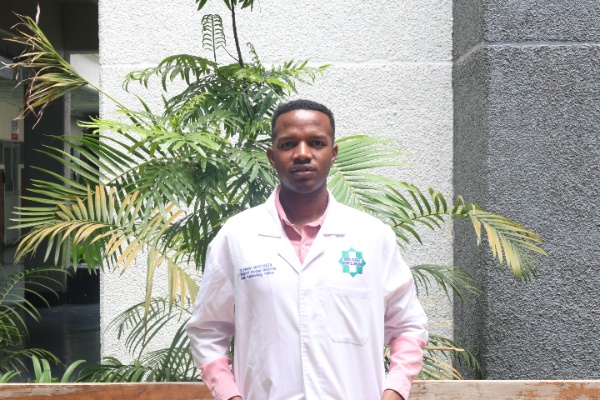
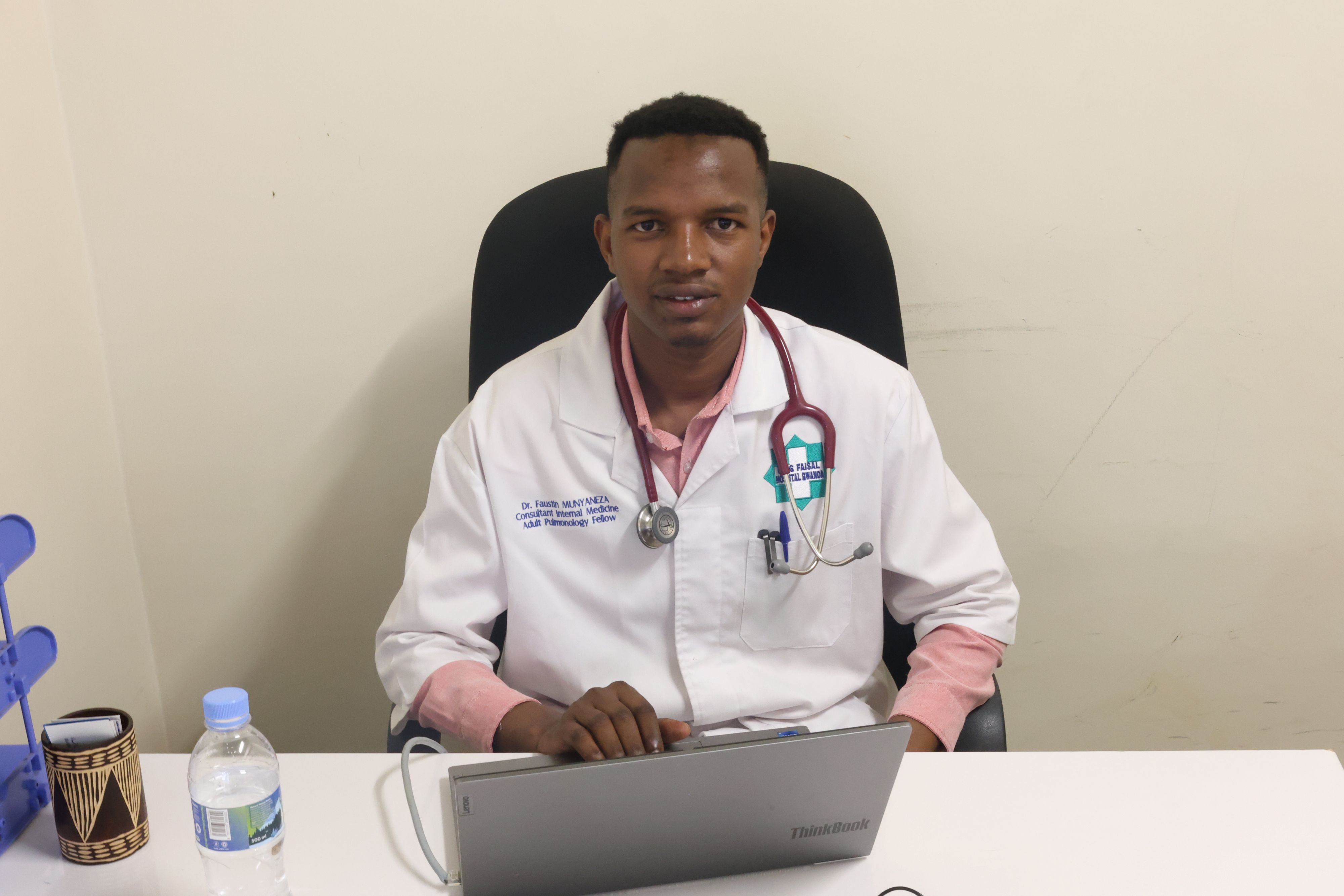
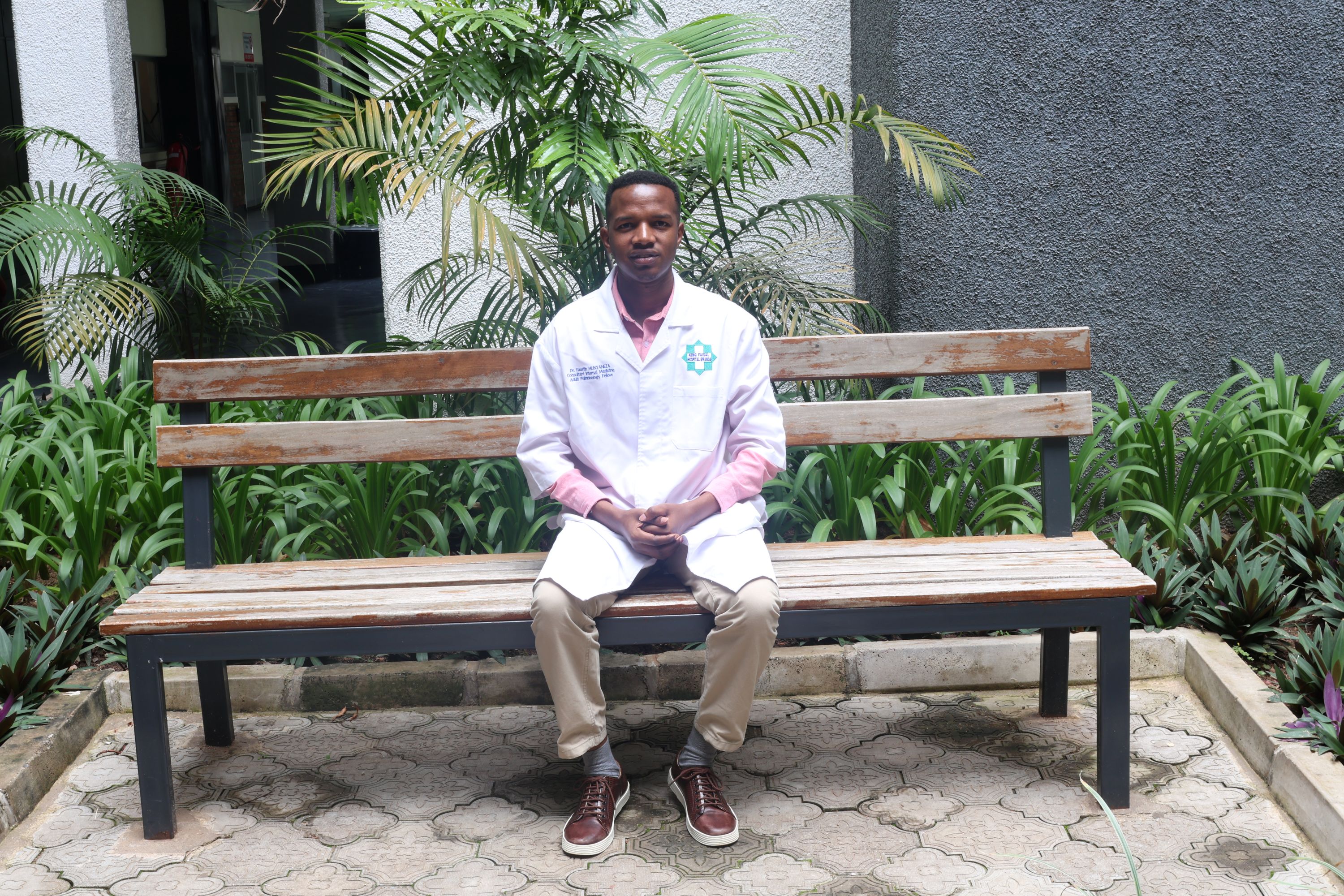
Dr. Faustin Munyaneza is an Internal Medicine Specialist and Pulmonology Fellow at King Faisal Hospital Kigali.
During his residency training at the University of Rwanda, he began to observe opportunities to further strengthen practical research mentorship for medical trainees.
Like any tertiary institution, research was a graduation requirement. Every resident had to complete a dissertation. As Dr. Munyaneza began shaping his own research topic, he sought guidance from senior colleagues, hoping to learn from their experience.
What he found was that many residents were navigating similar challenges themselves, balancing clinical duties while trying to translate research theory into practical project design, data analysis, and scientific writing. Some projects progressed more slowly than expected, occasionally extending training timelines. It became clear to him that the issue was not a lack of ability or dedication, but the need for more structured, hands-on mentorship throughout the research journey.
“We were taught research methodology once, mostly in theory, and then left to navigate complex projects largely on our own,” he explains.
Curious and concerned, he examined the university repository of medical Master’s theses dating back to 2014. Fewer than 10 percent had been published in peer-reviewed journals. In conversations and needs assessments with fellow residents, more than 85 percent cited lack of mentorship and practical research skills as major barriers.
Valuable local data was being generated, but rarely reaching the global scientific community.
Dr. Munyaneza founded NextGen MedResearch, an initiative designed to strengthen practical research mentorship for medical trainees.
Rather than accepting the gap, Dr. Munyaneza decided to build something to fill it.
He founded NextGen MedResearch, an initiative designed to strengthen practical research mentorship for medical trainees. Its flagship program, the Resident Research Space (RRS), offers structured, step-by-step guidance from the earliest stages of idea development all the way to journal submission.
Residents receive support in designing strong protocols, navigating ethical approvals, planning statistical analyses, interpreting their own data, and writing manuscripts that meet publication standards.
Importantly, the program does not replace academic supervisors. It complements them, reducing supervisory burden while strengthening residents’ independence and confidence.
The transformation, he says, has been striking.
“Residents who consistently participate show remarkable growth. They don’t just complete dissertations. They understand their data. They defend their methodology. They think like researchers.”
A shift in identity
Perhaps the most powerful change has been less technical and more personal.
Residents who once viewed research as an academic hurdle now see it as part of their professional identity. They begin to imagine futures that include academic medicine, doctoral training, conference presentations, and independent projects.
“They no longer see themselves only as clinicians,” Dr. Munyaneza notes. “They see themselves as contributors to knowledge.”
That shift matters. In a country like Rwanda, with its unique epidemiological patterns, environmental factors, and health system realities, relying solely on external data can limit effectiveness. Local research ensures that clinical guidelines and policies reflect lived realities.
For Dr. Munyaneza, strengthening research output is not about prestige. It is about patient care.
“Without strong local evidence, we make decisions based on assumptions that may not fully apply to our context,” he says. “Research improves outcomes.”
Collaboration and vision
The initiative has grown through collaboration. Partnerships with the University of Rwanda, teaching hospitals, and international collaborators like Oli Health Magazine Organization are expected to expand mentorship networks and create new opportunities for publication and conference engagement.
Rwanda’s policy environment, including its emphasis on innovation and evidence-based healthcare, provides fertile ground. Still, Dr. Munyaneza sees room for growth: protected research time for residents, stronger infrastructure, access to statistical tools and journals, and sustainable funding.
Looking ahead, he envisions expanding the Resident Research Space nationally, developing AI-powered mentorship tools, and launching a digital mentor–mentee matching platform to connect Rwandan trainees with experts across Africa and beyond.
“Africa does not lack talent,” he often says. “It lacks systems that nurture that talent.”
Ask him where he hopes Rwanda will stand in a decade, and his answer comes without hesitation.
He sees hospitals generating high-quality, clinician-led research. Residents graduating not only as competent specialists but as confident researchers. Local data shaping national health policy. Rwanda emerging as a continental hub for scientific innovation.
But if his journey proves anything, it is that systems can be built. Gaps can be addressed. And change often begins with one person who refuses to accept that things must remain as they are.
The analysis found that more than 40% of adults with chronic headache conditions experience symptoms of depression or anxiety.
Chronic headaches were defined as occurring on more than 15 days per month or lasting longer than three months.
Across 48 eligible studies, researchers reported that 43.1% of adults with chronic headaches had clinical symptoms of anxiety, while 45.9% showed symptoms of depression.
Compared with people without headaches, those with chronic headaches were nearly five times more likely to experience depression and more than seven times more likely to experience anxiety.
They were also more than twice as likely to report both conditions compared with individuals who suffer from episodic headaches.
The findings highlight the urgent need for improved mental health screening and treatment among people with chronic headache disorders.
Previous research has shown similar social and health patterns. The 2010 American Migraine Prevalence and Prevention study found that individuals with chronic migraine had lower household incomes, were less likely to work full time, and were more likely to experience occupational disability than those with episodic migraine.
They were also more likely to report respiratory illnesses such as asthma and bronchitis, as well as cardiovascular risk factors including hypertension, diabetes, high cholesterol and obesity.
Researchers note that chronic pain conditions show comparable mental health trends, reinforcing the need for targeted psychological support, particularly for women and younger patients.
The announcement was made on Tuesday, February 24, 2026, during events marking 25 years of community-based health insurance in Rwanda, held in Rusera Cell, Kabarondo Sector, Kayonza District. The occasion also marked the launch of new reforms aimed at strengthening community-based health insurance services nationwide.
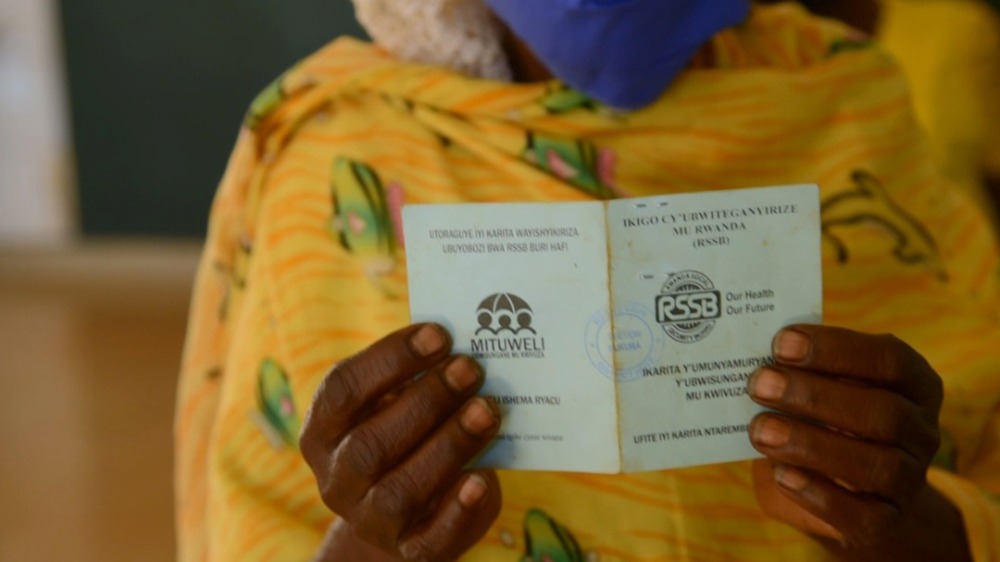
Mutuelle de Santé is one of the Government’s flagship social protection programs, built on the principle of solidarity and designed to ensure that healthcare remains accessible to all citizens. It reflects Rwanda’s long-standing policy of placing citizens’ wellbeing at the center of national development.
When the scheme began, each citizen paid 1,000 Rwandan Francs annually. In 2011, the contribution rose to Rwf 3,000 . Under the new structure, fully government-supported beneficiaries will now receive coverage valued at Rwf 4,000 per person.
Citizens in the second level of social registry will pay Rwf 3,000 with a Rwf 1,000- government subsidy. Those in the third level will pay Rwf 5,000; the fourth level, Rwf 8,000; while individuals in the fifth level will contribute Rwf 20,000 per year.
RSSB estimates that about 90 percent of members will pay between Rwf 4,000 and Rwf 8,000 annually.
RSSB Director General Regis Rugemanshuro explained that, historically, citizens’ contributions covered about 67 percent of healthcare costs. However, as the cost of services rose and coverage expanded, that share dropped to 34 percent.
Over the past decade, total spending under Mutuelle de Santé more than doubled, from Rwf 39 billion in 2015/2016 to Rwf 98 billion in 2024/2025. The increase is largely attributed to the rising cost of healthcare and the addition of high-cost services.
Newly covered treatments include cancer care, kidney treatment, organ replacement, orthopedic and spinal surgery, and assistive devices for people with hearing or vision impairments. These services, many of which have been covered for the past two years, significantly increased the program’s financial demands.
Rugemanshuro noted that although services expanded, contributions had not changed since 2011. Last year alone, Mutuelle de Santé spent Rwf 98 billion, while members contributed only Rwf 31 billion, about 34 percent of total funding.
The remaining resources came from government support, including revenues from telecommunications taxes, fuel levies, and other funding streams.
Even with the new contribution rates, citizens’ payments will account for about 42 percent of total program financing, with the government continuing to cover the majority share. Around 70 percent of Rwandans are expected to pay no more than Rwf 5,000 annually, while only about 8 percent will pay Rwf 20,000.
Number of covered medicines to nearly double
Minister of Health Dr. Sabin Nsanzimana said the contribution adjustment is directly linked to improved treatment access. The number of medicines available under Mutuelle de Santé will increase from 845 to 1,450.
He emphasized that, considering the breadth of services now covered, contributions could have exceeded Rwf 50,000 per person if the government had not stepped in with substantial subsidies.
“Today, patients can receive treatment for conditions that would normally cost Rwf 10 to 20 million, heart disease, kidney conditions, and major surgeries, under Mutuelle de Santé,” he said. “Someone who used to pay Rwf 3,000 is now asked to pay Rwf 5,000 francs if they are able.”
Cancer treatment will now be fully covered under Mutuelle de Santé, including diagnostics, imaging, medication, and related care. Kidney dialysis, previously limited to eight sessions, will now be available as needed. Major heart surgery, often costing at least Rwf 10 million, will also be accessible through the scheme.
The minister added that the government will begin advancing funds to health centers for medicine procurement so that patients consistently find drugs available at facilities. The measure is intended to eliminate shortages previously caused by delayed reimbursements from RSSB.
Residents speak out
Celestin Niyonsaba, a 75-year-old resident of Kabarondo praised the scheme, recalling that in 2018 he underwent abdominal surgery at University Teaching Hospital of Kigali (CHUK) costing Rwf 3 million francs but paid only 52,000 because he had Mutuelle de Santé coverage.
“Since then, I never delay paying,” he said. “Without Mutuelle de Santé, I would have sold my house or land. Instead, I sold a goat, received treatment, and recovered.”
Josephine Barakagwira from Rusera also welcomed the reform, noting she once paid Rwf 3,000 francs and received surgery that would otherwise have cost over one million Rwandan francs. She acknowledged that while some households face financial constraints, the program remains highly valuable.
Citizens have been urged to begin paying the new rates now to ensure uninterrupted access to healthcare starting July 1, 2026.
Mutuelle de Santé spent Rwf 98 billion, while members contributed only Rwf 31 billion, about 34 percent of total funding last year.
Researchers analyzed post-surgery blood samples and linked the presence of circulating tumor cells — cancer cells that have broken away from a tumor and entered the bloodstream — to increased recurrence odds, said a statement from Australia’s Centenary Institute on Wednesday.
Around 5,500 Australians face diagnosis annually for head and neck cancer, which affects the lining of the mouth, throat and voice box. While many patients respond well to treatment, a significant number experience relapse, often with limited early warning, said the study published in the European Journal of Surgical Oncology.
Follow-up care relies heavily on scans and clinical exams, which do not always spot early relapse risks, said study co-senior author Jonathan Clark, director of Head and Neck Cancer Research at Australia’s Chris O’Brien Lifehouse, in collaboration with Centenary Institute.
“Our findings suggest that detecting circulating tumor cells could provide additional information to help identify patients who may benefit from closer monitoring after surgery,” said study lead author Dannel Yeo, laboratory head at the Centenary Institute’s Center for Cancer Innovations.
The findings add to growing evidence that blood-based biomarkers could play an important role in more personalized cancer care, the researchers said.
Under the revised structure, individuals in the first level are required to contribute Rwf4,000 annually, an amount fully covered by the Government. Those in the second level of social registry pay Rwf3,000 per year, supplemented by a Rwf1,000 government contribution. Members in the third, fourth and fifth categories contribute Rwf 5,000, Rwf8,000 and Rwf20,000 respectively per person per year.
The Order also maintains a co-payment system for services received through Mutuelle de Santé. Beneficiaries pay Rwf200 when receiving care at health centers and primary clinics, and 10 percent of treatment costs at hospital level. However, individuals classified as indigent are exempt from these co-payments.
The Prime Minister’s Order issued on February 16, broadens the range of contributors supporting the scheme. Banking institutions and general insurance providers have now joined the list of entities required to support Mutuelle de Santé financially. The order, published on February 23, 2026, had earlier been reviewed and approved by Cabinet on January 17, 2025.
The order confirms that funding for the scheme comes from multiple sources, including the Government, employees in both public and private sectors, health insurers, telecommunications companies, petrol and gas oil trade companies, general insurance providers and banks. Direct government support amounts to Rwf 6 billion annually from the national budget, in addition to targeted subsidies for people in the first and second levels of the social registry.
Further public contributions are drawn from a range of regulatory and service-related revenues. Half of the fees collected for the registration of pharmaceutical products, medical devices and food products are channeled into the scheme through the Rwanda Food and Drugs Authority.
Revenue from vehicle mechanisation inspection and a share of traffic fines collected by the Rwanda National Police also support the system, alongside penalties imposed on traders dealing in substandard goods. Additional funding is generated through parking fees collected by the City of Kigali, a share of tourism revenue, and charges applied to vehicle and motorcycle ownership transfers.
Employee participation remains a central component of the financing model. Workers in both public and private sectors contribute 0.5 percent of their net salary, which employers deduct and remit monthly to the Mutuelle de Santé fund.
Health insurance providers operating in Rwanda contribute five percent of their annual premiums, while telecommunications companies provide three percent of their yearly turnover. General insurance companies contribute five percent of annual pre-tax profits, and banking institutions contribute two percent of their annual profit before tax.
Institutions are required to transfer their contributions within 30 days following the close of their financial year. Where audits reveal underpayment, the concerned entity must settle the outstanding amount and may face an administrative fine equivalent to 200 percent of the unpaid contribution.
Together, the revised contribution levels and expanded funding base are intended to strengthen the sustainability of Rwanda’s community-based health insurance system.
Rwanda has revised contribution levels for community-based health insurance, Mutuelle de Santé, under a Prime Minister’s Order dated 16 February 2026.