A team of researchers from Baylor College of Medicine and international collaborators found that metformin targets a small protein in the ventromedial hypothalamus (VMH), a part of the brain that helps regulate energy and blood sugar levels.
The protein, called Rap1, is crucial for metformin’s action. When metformin suppresses Rap1 activity, it causes special nerve cells in the VMH to become more active, helping to lower blood sugar.
To test this, the research team used lab mice engineered to lack Rap1 in their VMH. These mice did not respond to metformin, showing that Rap1’s presence is necessary for the drug to function properly. The findings suggest that metformin works not only by acting on the liver and gut but also through direct action in the brain.
Further experiments were conducted where metformin was delivered directly into the brains of diabetic mice. Even though the doses were much smaller than the oral doses typically used, the mice still showed significant reductions in blood sugar. This experiment confirms that the drug’s effects are not limited to peripheral organs but also directly involve the brain’s regulation of blood sugar.
The research also showed that metformin activates SF1 neurons in the VMH, which are essential for blood sugar control. Without Rap1, these neurons did not respond to the drug, further reinforcing the idea that this brain pathway is critical to metformin’s function.
This discovery is a game-changer in diabetes research. It not only alters our understanding of how metformin works but also opens the door to developing new treatments that target brain pathways for better blood sugar control. The study also raises questions about the drug’s potential impact on brain aging and overall brain health, offering exciting possibilities for future research.
With this new insight, scientists are now exploring how metformin’s action in the brain could lead to more effective treatments for diabetes and other related health conditions.
Metformin’s long-hidden brain pathway may redefine how diabetes is treated.
At the spring, Niyonambaza Rachel Aisha, a representative of the women, remembers how different life used to be.
“In our daily lives, many things have changed. Before, we did not have clean water,” she says.
For more than two decades, cooperation between the Government of Rwanda and the Government of Japan, implemented through the Japan International Cooperation Agency (JICA), has quietly transformed rural water services. Behind each functioning water point are people like Rachel.
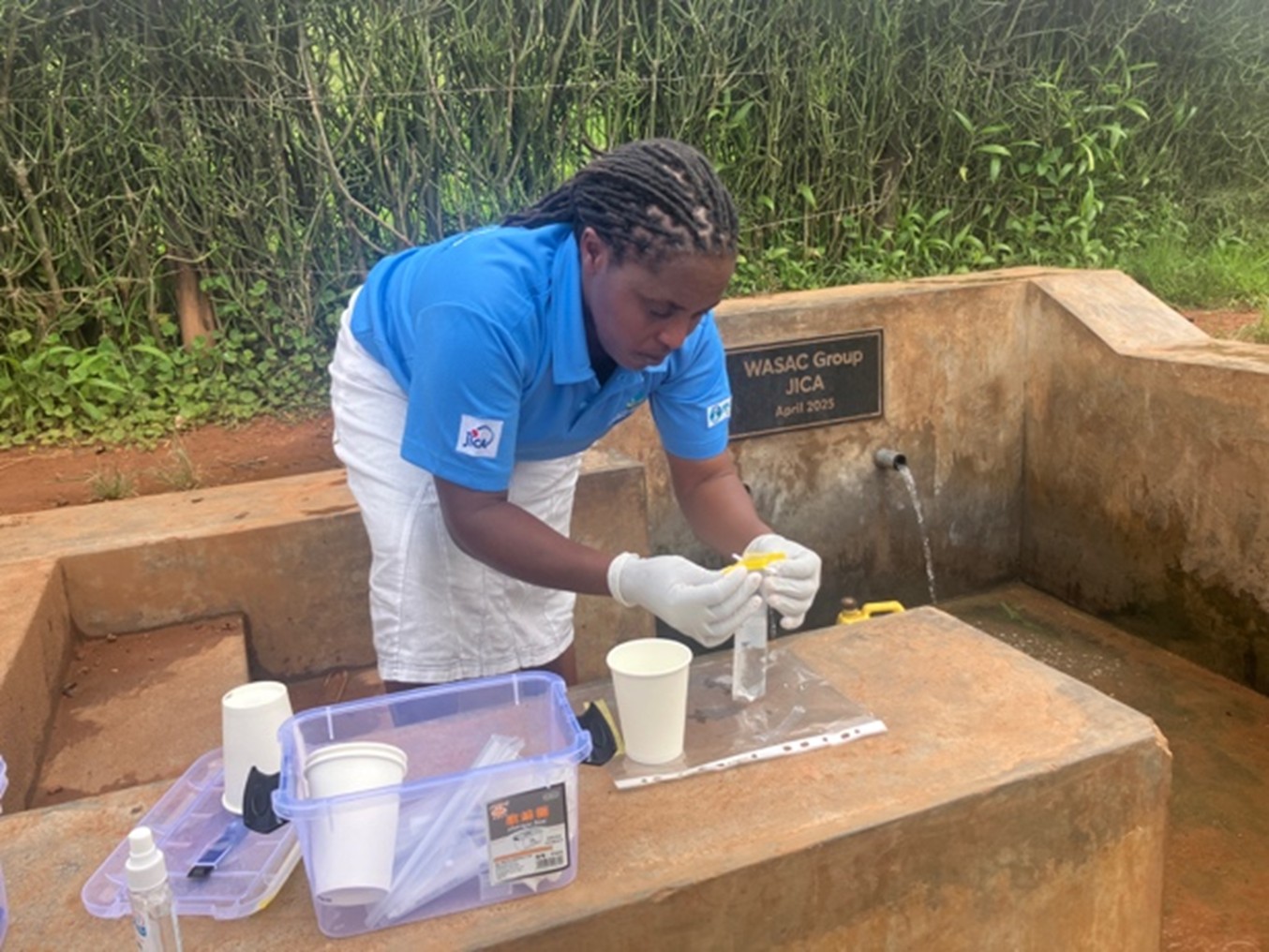
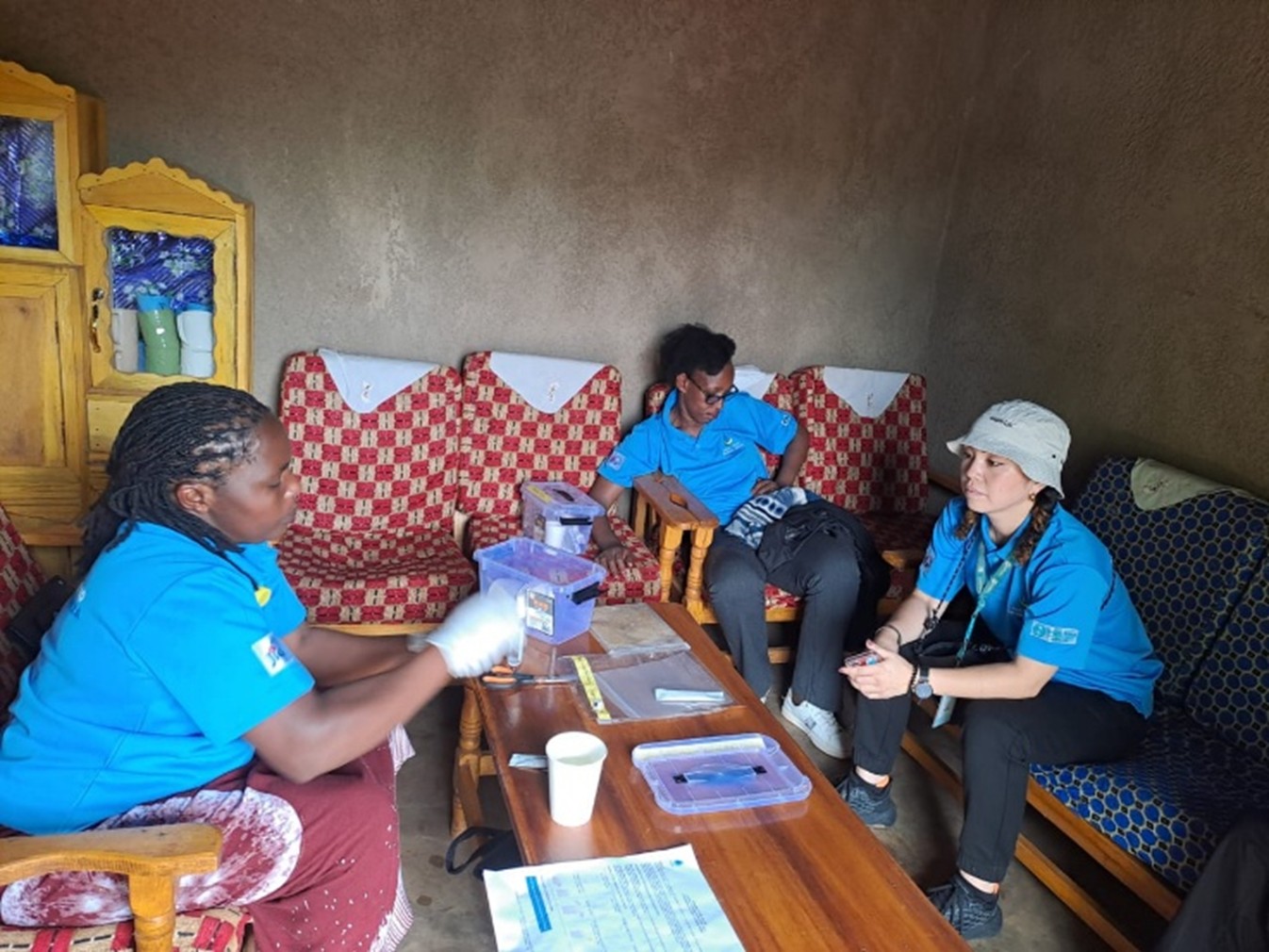
A community environmental health officer conducts an E. coli test at the household level for Kampambara Spring, Kazo Sector, Ngoma District, on February 23, 2026.
Before the rehabilitation of Kagezi spring under the “Project for Rural Water Supply Services and Infrastructure Management Development (RWASOM2)” in October 2024, fetching water was a daily struggle.
“The water was dirty and contained worms. Many in our community fell ill from unsafe water,” Rachel recalls.
Today, the spring is capped, channeled, and protected. Clear water now flows through a tap onto a clean concrete platform. The improvement is visible, but its deeper impact is measured in health and dignity.
“When you have clean water, you have good health. Now children go to school and study well because they are healthy,” Rachel says.
Seeing the transformation, Rachel and her community have committed themselves to protecting the spring. Every Saturday, they clean the area and ensure it remains safe.
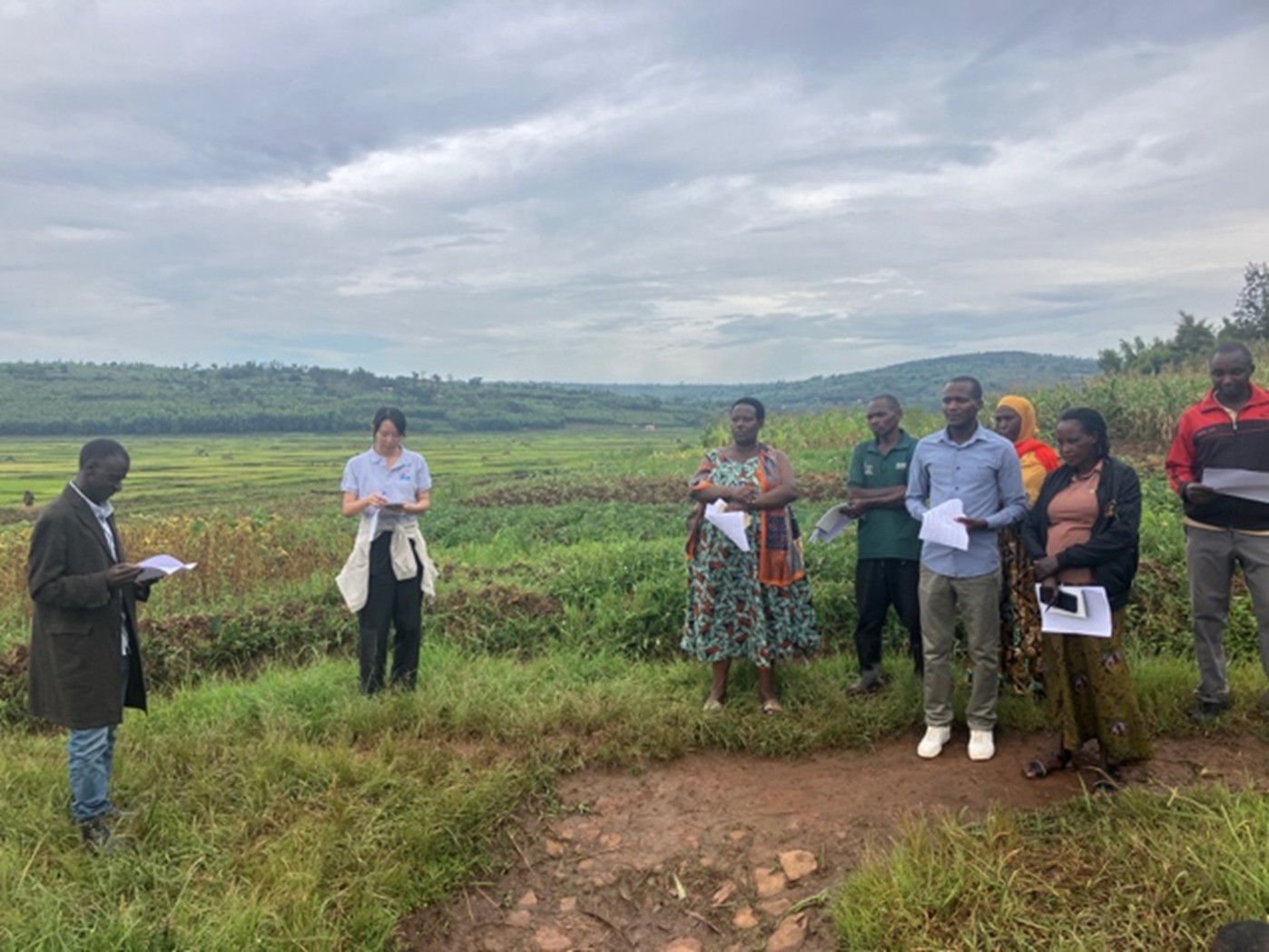
Transect walk during the workshop on CWSP monitoring for Rwamatabaro Spring in Rubona Sector, Rwamagana District, on February 5, 2026.
Building systems, strengthening communities
At the national level, rural water management is coordinated by the Water and Sanitation Corporation (WASAC). For Vincent de Paul Mugwaneza, Director of Water Supply at WASAC Development, the partnership with JICA has been both technical and transformative.
“Our projects with JICA are designed to address existing challenges. Before implementation, we ensure they align with national water strategies and are likely to deliver real, measurable impact,” he explains.
JICA’s long-standing cooperation has gone beyond infrastructure development; it has helped build a stronger and more sustainable ecosystem for water supply management by strengthening management structure, training private operators, and providing district teams with tools for planning, monitoring, and maintenance.
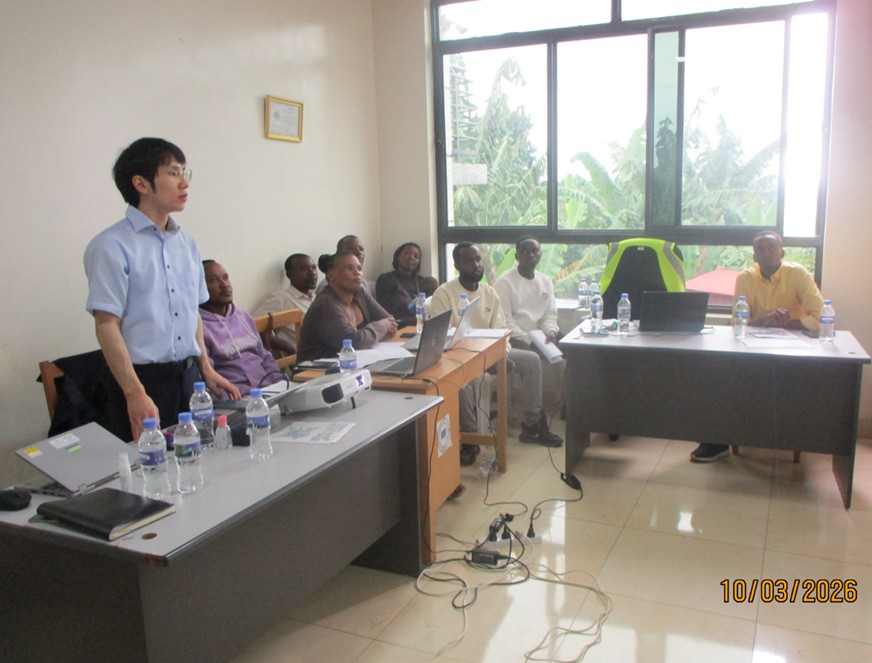
Business development training for sustainable water management for staff of AYATEKE Star Company Ltd (PO-Gatsibo), 10–12 March 2026.
RWASOM’s JICA expert Satoshi Ishida notes that sustainability depends less on construction and more on post-project management.
“Private operators manage rural pipelines and contribute a royalty fee equivalent to 10% of their revenue to WASAC, which funds major repairs and facility renewal plans,” he says.
The project improved how private operators plan repairs, shifting them from reactive to preventive management. Ishida adds that mapping facilities with GIS helps operators prioritise investments and promotes a culture of preventive maintenance.
Measurable improvements have followed. “We track functioning versus non-functioning systems and citizen complaints. These indicators provide a clear picture of progress,” Mugwaneza explains.
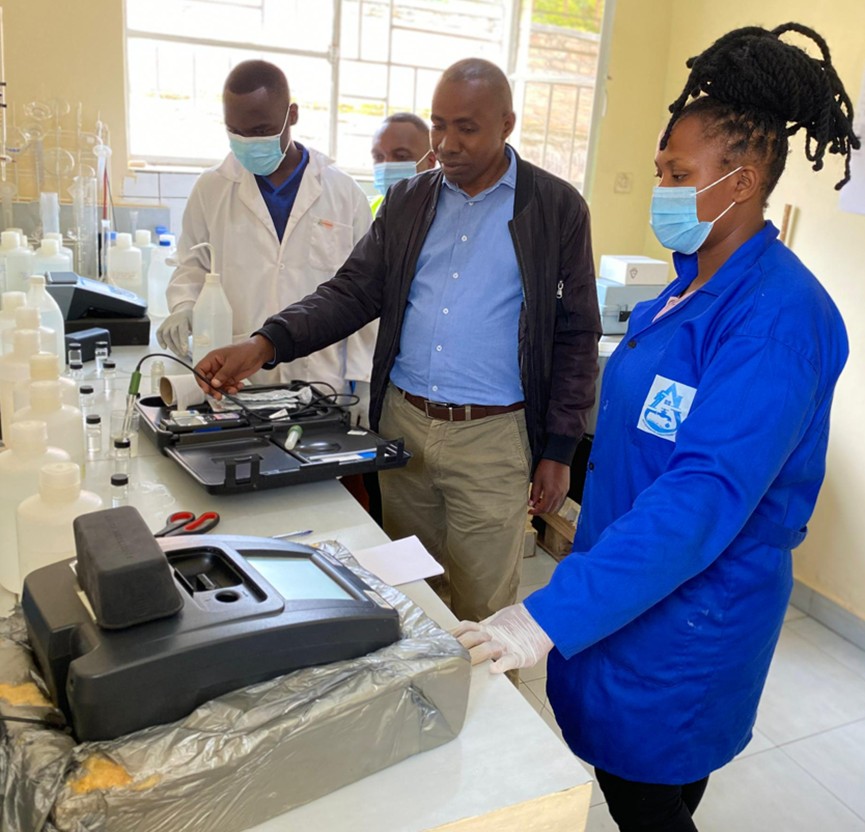
Refresher training for staff of Waterways Creation Ltd and Patto Water Ltd on conducting water quality testing for physico-chemical parameters, February 13, 2026.
On the ground, district officers ensure that systems continue to run. In Eastern Province, Nderabakura Jean Claude, District WATSAN Officer, monitors water points across wide rural areas.
“We must know how many water points we have, which are functioning, and why some are not,” he explains.
Training supported by JICA has expanded the district’s technical capacity. Officers now develop expansion plans using GIS and QGIS, design pipelines on paper, and calculate realistic budgets. Ishida notes that embedding skills in WASAC, districts, and communities ensures that knowledge is institutionalised rather than reliant on external experts.
Water quality monitoring is also essential. “We test chemical and biological parameters, check chlorine levels, ensure pH balance, and supervise cleaning of storage tanks,” Jean Claude says.
The impact is clear: waterborne diseases have decreased, even in health facilities.
Protecting gains
Despite progress, challenges remain. In some rural areas, vandalism and illegal connections threaten infrastructure, particularly during dry seasons. JICA has introduced digital monitoring and mapping tools to help operators respond quickly.
“Mapping water systems and sharing operational reports online allows rapid identification of failures,” Ishida explains.
“Some cut pipes for mud bricks or industries,” Jean Claude notes, adding that security patrols and community sensitisation have reduced incidents.
Yet even amid constraints, the principle of community ownership remains central.
Staff of Waterways Creation Ltd measuring residual free chlorine in Ngoma District, February 10, 2026.
To strengthen that ownership, JICA volunteers are rooted in the community and dedicated to protecting water sources. Over the past two decades, 61 JICA volunteers in water and sanitation have been placed in rural districts, supporting daily operations, data management, maintenance training, and hygiene promotion. Before these interventions, many boreholes with handpumps were not functioning.
“The government’s development policy emphasises citizen participation,” Jean Claude says. “When citizens request infrastructure and see it delivered, they appreciate it. They recognise its value and become more willing to protect and maintain it.”
Rachel embodies that spirit. At Kagezi Spring, they do not wait for breakdowns. They clean drainage channels, check for cracks, and keep watch.
“Now we have been given water, and we also have the responsibility to protect it,” she says firmly. “No one is allowed to damage it.”
Oral diseases are a global issue, not just limited to Rwanda. According to the World Health Organization (WHO), about 3.5 billion people worldwide suffer from some form of oral health problem. Over 2.5 billion people experience tooth decay, and many others struggle with gum disease.
Additionally, an estimated 350 million people lose at least one tooth, and $380 billion is spent annually on treating these issues globally.
In honor of World Oral Health Day, KFH has committed to assess the oral health of its staff, patients, and visitors to evaluate their oral hygiene and needs.
Dr. Madeleine Uwamahoro, the Head of the Oral and Dental Surgery Department at KFH, emphasized that oral health affects not only the teeth but also the surrounding tissues, and these conditions are becoming increasingly prevalent.
“During routine examinations, it is rare to find a person without dental problems or oral health issues. You could examine people for a month and hardly encounter someone with perfect oral health,” she said.
Consequences of neglecting oral health
A 2021 study by Rwanda Biomedical Centre (RBC) found that 57% of people do not regularly seek dental checkups, with 92.8% only visiting a dentist when they experience pain. Only 1% of individuals engage in routine dental visits.
Dr. Uwamahoro stressed that untreated oral health issues can lead to serious health complications, such as miscarriage and stroke.
“Oral diseases have a direct impact on the bloodstream. Pregnant women with poor oral health are at risk of giving birth to underweight babies, and in some cases, this could lead to miscarriage. Hormonal changes during pregnancy can exacerbate gum issues, and combined with inadequate nutrition, it becomes a significant health risk for both mother and child.”
She also pointed out the challenges children face, particularly with severe dental issues that often go untreated. Some young children lose all their teeth, requiring anesthesia for proper treatment, which complicates care.
Dr. Uwamahoro further highlighted the social stigma faced by individuals with crooked teeth, who may have difficulty eating, speaking, or facing other challenges, including heart-related issues.
“Certain bacteria in the mouth can contribute to heart disease. Some people develop swelling due to bacteria in the mouth, which can enter the bloodstream and cause a stroke. These infections can also affect the respiratory system.”
The need for advocacy and timely treatment
Dr. Uwamahoro noted that issues like gum disease and jawbone problems are long-term conditions that require consistent care.
With over 10 years of experience at KFH, Dr. Uwamahoro shared that tooth decay and gum diseases are the most common oral health concerns in Rwanda.
“On average, we treat between 700 and 800 patients each month, including returning patients. This is a high number, and it shows that people need to be more proactive about their oral health,” she added.
She encouraged the public to adopt proper oral hygiene practices, such as brushing their teeth at least twice a day, changing toothbrushes every three months, and scheduling regular dental visits every six months.
KFH has pledged to assess the oral health of over 500 individuals to provide them with the necessary guidance and recommendations for maintaining good oral hygiene.
A woman who recently visited KFH for a dental checkup shared her thoughts on the initiative: “I’ve had dental issues for a while, mainly due to sugary drinks, but this initiative has been incredibly helpful. I’ve been considering seeing a dentist but was concerned about the costs. I encourage others to take advantage of this opportunity.”
Focusing on prevention and early diagnosis
KFH is not only focused on diagnosing oral health problems but also on preventive measures. The hospital is dedicated to educating the public about proper oral care, identifying early signs of disease, and making treatments more accessible.
The hospital is working to ensure that dental care services are readily available, particularly for common issues such as tooth decay, gum disease, tooth replacement, and restoring appearance with prosthetics.
KFH provides specialized care, including treatments for damaged teeth, oral surgeries to correct dental problems, cleaning, aligning teeth, advanced diagnostic tools for detecting serious diseases, and gum disease treatment. The hospital also offers surgeries for abscesses and other dental issues.
Additionally, KFH offers special services for children, which may require full or partial anesthesia to ensure they receive the necessary care and support.
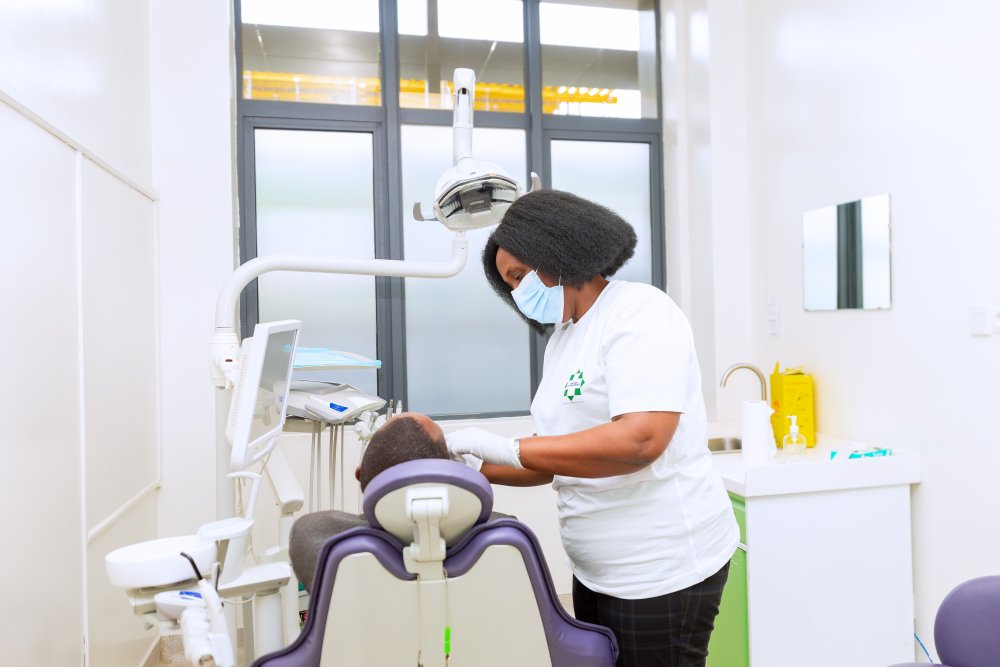
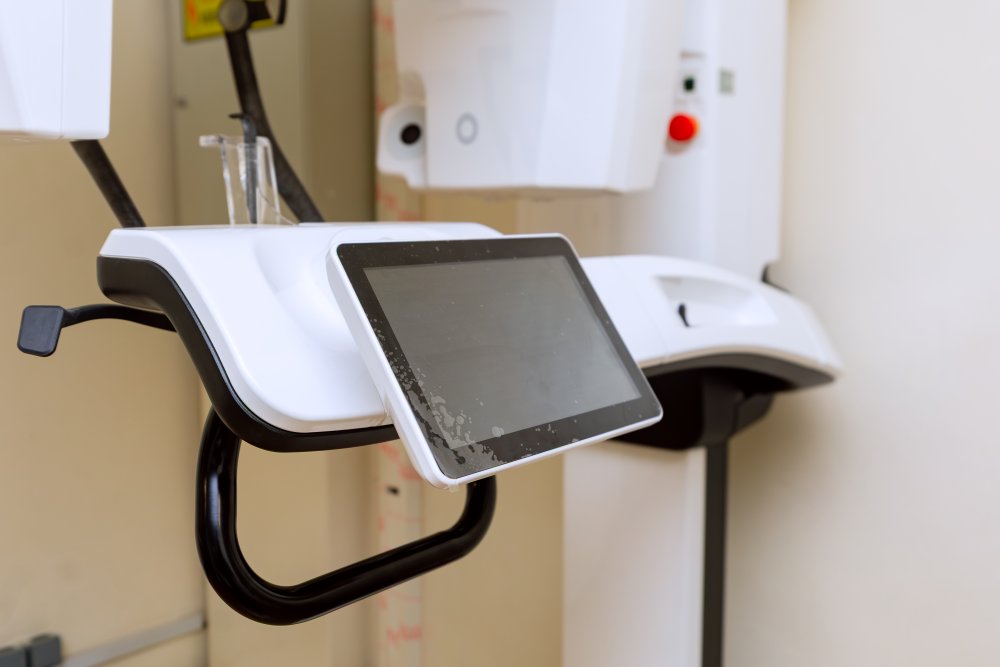
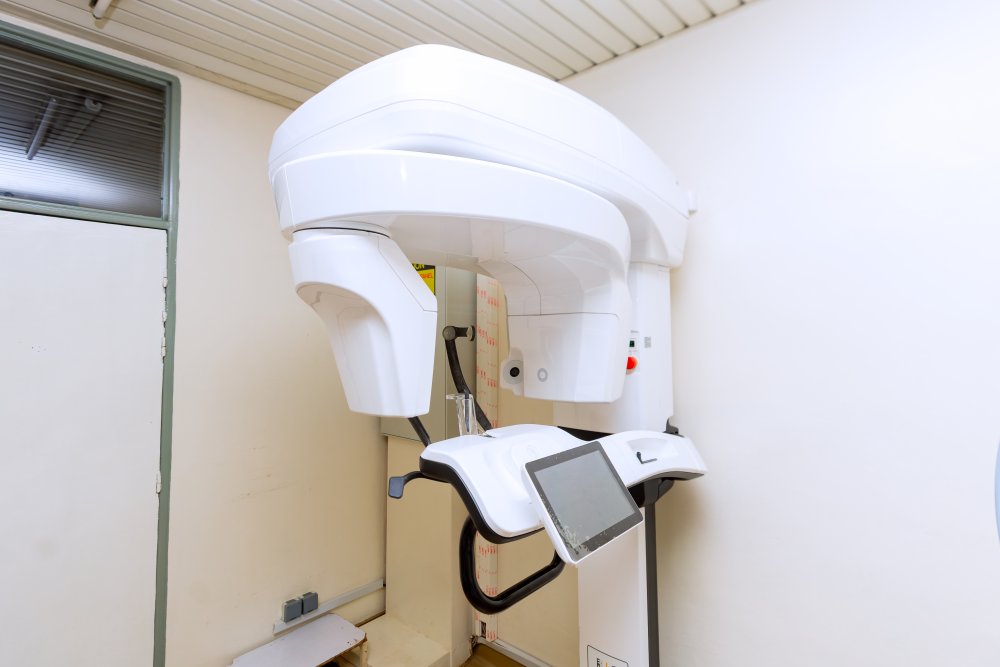
King Faisal Hospital’s new campaign aims to screen 500 people for oral health diseasesKing Faisal Hospital is equipped with state-of-the-art technology for oral health checkupsState-of-the-art equipment at King Faisal Hospital ensures comprehensive oral health screeningsKing Faisal Hospital has intensified efforts in the fight against oral health diseasesKing Faisal Hospital is located in Kacyiru
This discovery, led by scientists at the University of Cologne, focuses on the role of caspase‑8, a protein involved in programmed cell death, and how its absence contributes to cancer progression.
SCLC is known for its aggressive nature, and while patients often respond to chemotherapy initially, the cancer typically relapses quickly, showing resistance to further treatment.
For years, the mechanism behind this rapid recurrence has remained unclear. The research team, led by Professor Dr. Silvia von Karstedt, used a genetically engineered mouse model lacking caspase‑8 to mimic human cancer behavior and gain deeper insights into the disease.
Their findings revealed that without caspase‑8, cancer cells die in a necrotic, inflammatory manner known as necroptosis. This form of cell death creates a hostile environment within the lungs, even before full tumors develop.
As Dr. von Karstedt explained, “The absence of caspase‑8 leads to a type of inflammatory cell death called necroptosis that creates a hostile, inflamed environment even before tumors fully form.”
What was most surprising is that this inflammation actually promotes cancer growth. Instead of preventing tumor development, the inflammation weakens the immune system’s ability to fight the cancer, making it easier for cancer cells to survive and spread.
Furthermore, the inflammation pushes cancer cells into a more immature, neuron‑like state, enhancing their ability to metastasize and fueling the recurrence of the disease.
The study also demonstrated that this process of pre‑tumoral necroptosis contributes to a cancer-promoting environment, conditioning the immune system in a way that aids the cancer’s spread.
Dr. von Karstedt emphasized, “We were also intrigued to find that pre‑tumoral necroptosis can in fact promote cancer by conditioning the immune system.”
Although these findings have not yet been confirmed in all human SCLC patients, they represent a crucial step in understanding SCLC biology.
By identifying the role of caspase‑8 loss and inflammation, the study opens up potential pathways for improving treatments and early detection, offering hope for better outcomes in the future.
New insights into why small cell lung cancer keeps coming back.
In a statement citing the Global Tuberculosis Report 2025 released by the World Health Organization, the Rwanda Biomedical Center (RBC) said tuberculosis cases in the country fell from 238 to 62 per 100,000 people between 2000 and 2024, while deaths dropped from 77 to 3 per 100,000 people over the same period due to various health interventions.
The interventions cited by the RBC include increasing the role of health workers in awareness campaigns, promoting early detection and supporting treatment in villages. In addition, the agency highlighted the extension of free diagnosis and treatment of tuberculosis to health facilities across the country.
During an event held on Tuesday to mark World Tuberculosis Day, Albert Tuyishime, in charge of disease prevention and control at the RBC, reaffirmed the government’s commitment to curbing tuberculosis by 2035.
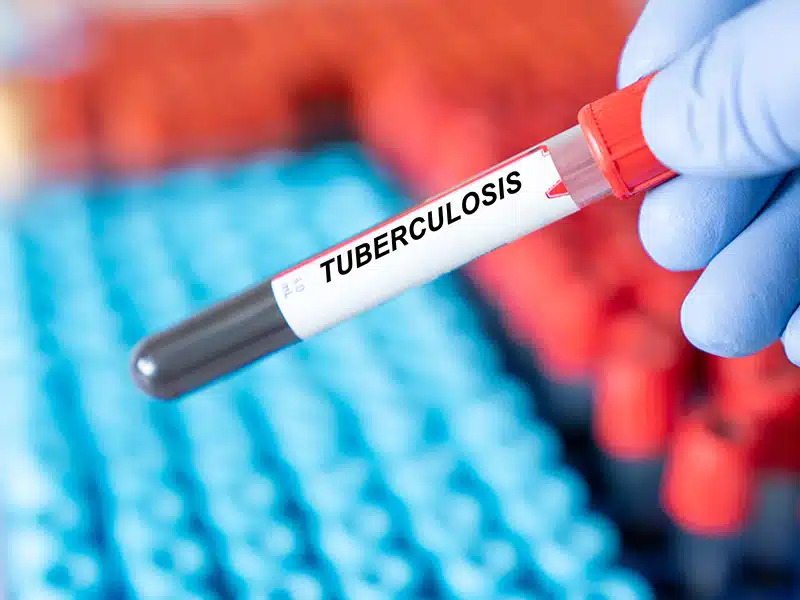
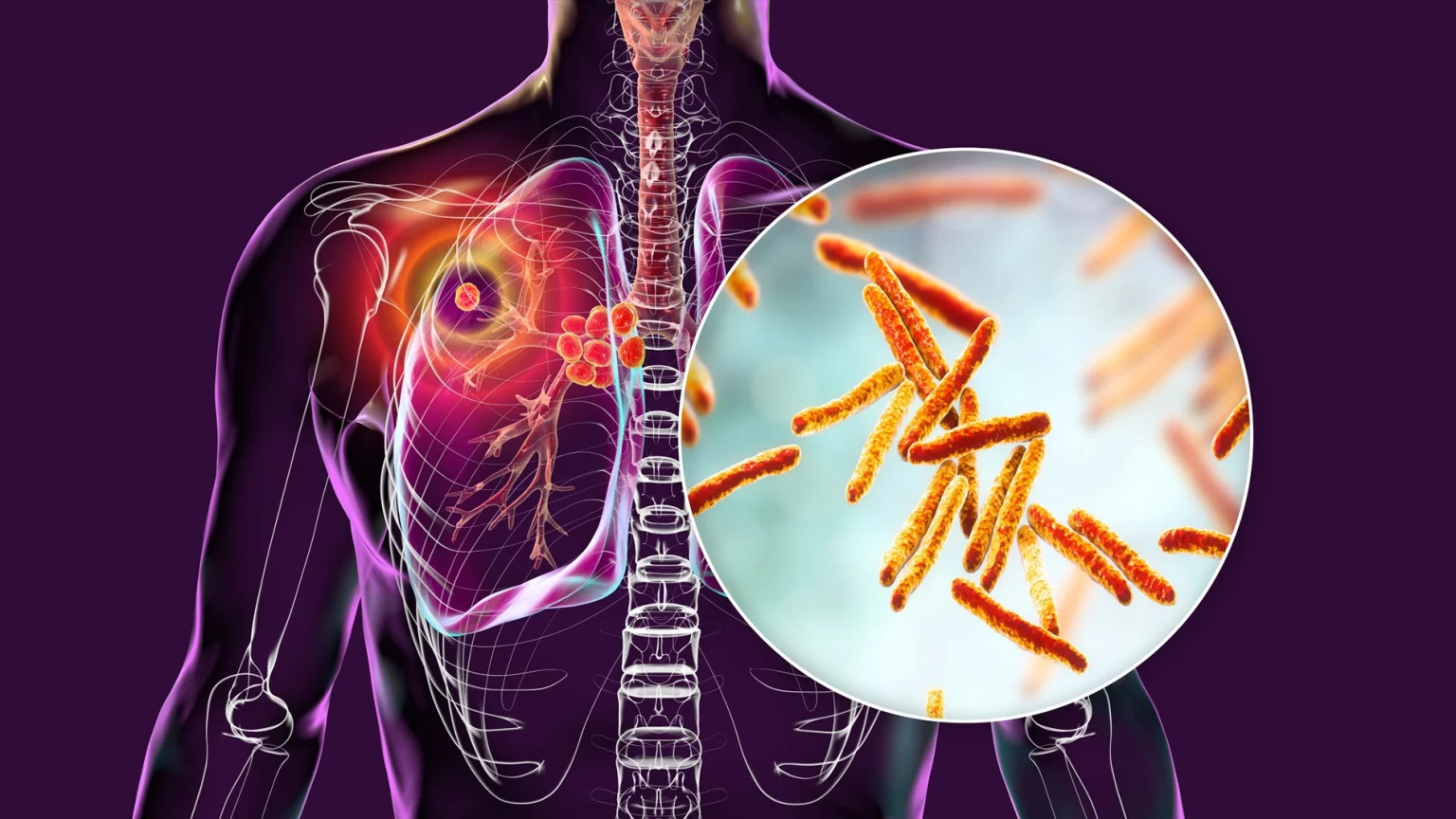
Tuberculosis is an infectious disease caused by bacteria that spread through the air when an infected person coughs or sneezes.
However, in Rwanda, a lack of awareness among many people about how tuberculosis spreads, its symptoms and prevention measures calls for more public education, health officials said.
About 600,000 people with tuberculosis in the African region are either undiagnosed or not receiving treatment every year, according to the World Health Organization.
Tuberculosis is an infectious disease caused by bacteria that spread through the air when an infected person coughs or sneezes.
The Head of the Tuberculosis Division at the Rwanda Biomedical Centre (RBC), Dr. Habimana Mucyo Yves, said that although the disease has decreased compared to previous years, it has not been eliminated.
He made the remarks on March 23, 2026, during the national commemoration of World Tuberculosis Day held in Gasabo District.
“From July 2024 to June 2025, we recorded 8,196 TB patients. While the numbers have not significantly dropped, we are confident that through collaboration with community health workers, the disease can eventually be eradicated,” he said.
Dr. Habimana noted that one of the key strategies involves strengthening the role of community health workers in raising awareness about TB prevention and encouraging early testing.
He emphasized that 27% of all TB patients were referred to health facilities by community health workers, highlighting the progress made in combating the disease.
Tuberculosis remains among the top 10 causes of death globally and disproportionately affects people living with HIV.
The World Health Organization (WHO) Representative in Rwanda, Dr. Brian Chirombo, said that global data from 2024 shows that more than 10.7 million people contracted TB, with 1.23 million deaths, including 150,000 among people living with HIV.
In Rwanda, TB prevalence has significantly declined over the years, dropping from 238 cases per 100,000 people in 2000 to 62 cases per 100,000 in 2024.
Recent data from the National Institute of Statistics of Rwanda (NISR) also shows a general decline in TB-related deaths.
The mortality rate was 6.1% in 2019, 6.4% in 2020, rising to 7.9% in 2021, before dropping to 5.7% in 2022, 4.8% in 2023, and 4.5% in 2024.
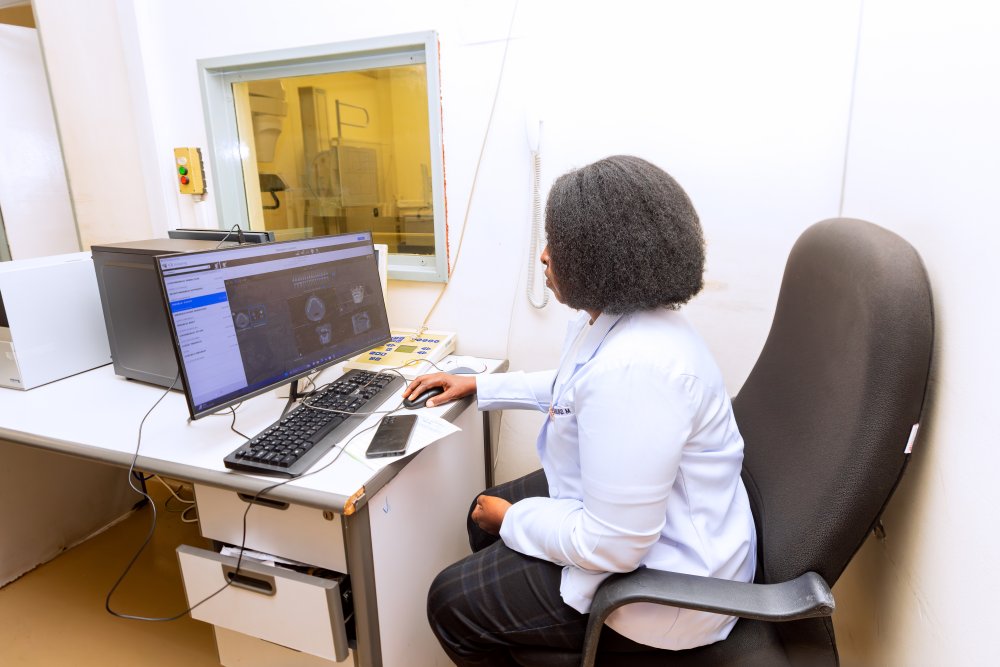
Dr. Habimana said Rwanda aims to eliminate tuberculosis entirely by 2035, noting that advanced diagnostic tools such as chest X-ray machines are increasingly being used to detect the disease early.
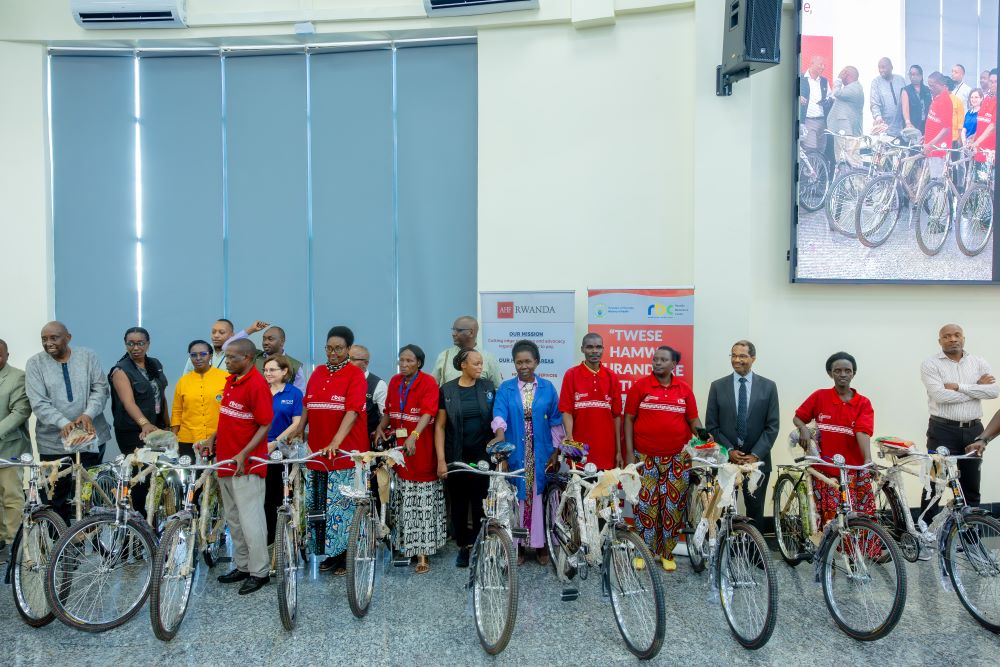
The Head of the Tuberculosis Division at the Rwanda Biomedical Centre (RBC), Dr. Habimana Mucyo Yves urged Rwandans not to be complacent as TB has not been eliminated.Outstanding community health workers received bicyclesThe event was an opportunity for participants to undergo TB check ups
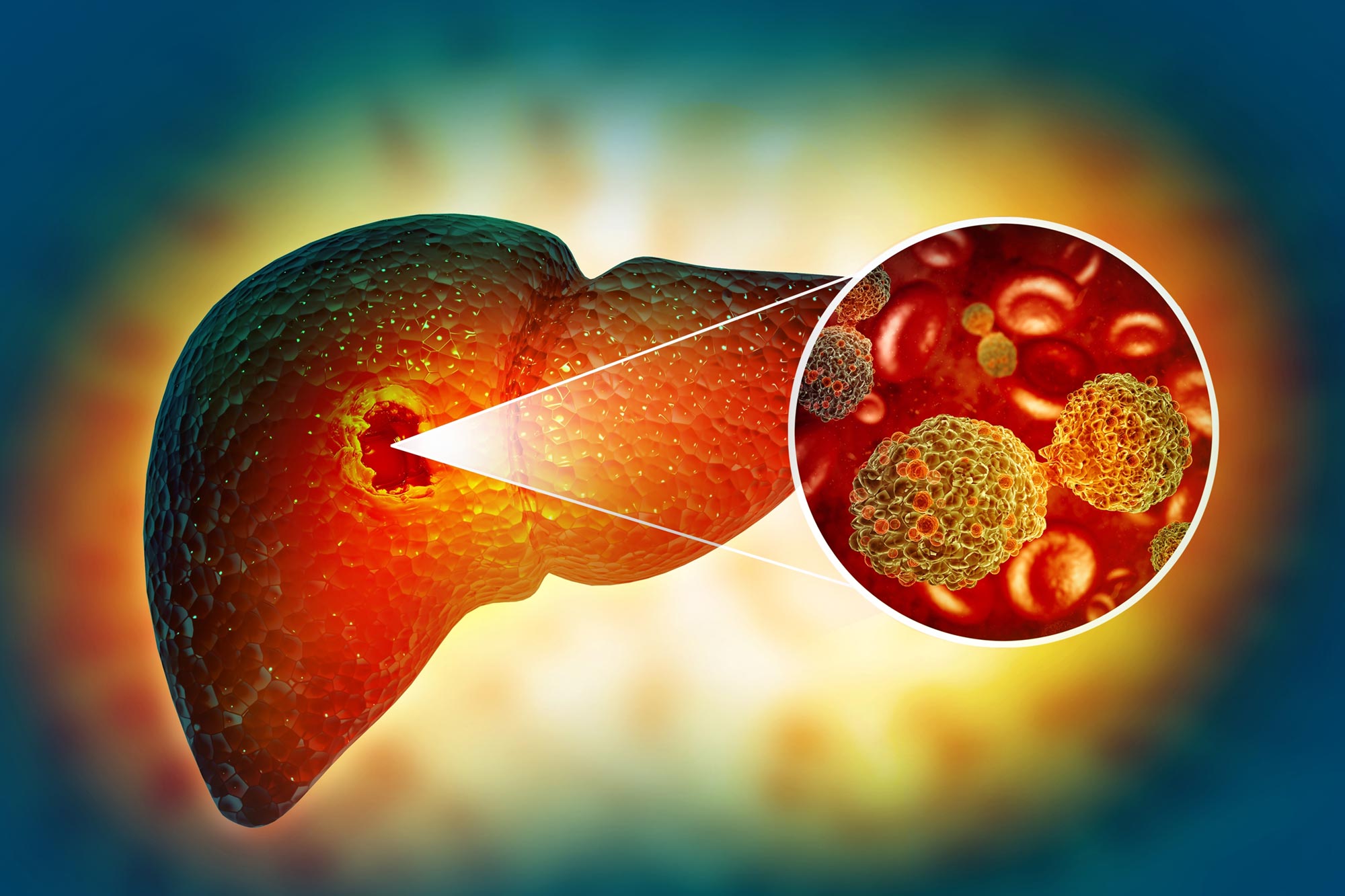
The research, led by Dr. Loretta Dorstyn and senior author Professor Sharad Kumar, reveals that Caspase‑2 plays an important role in protecting the liver against damage.
The team found that without this enzyme, the liver cells of mice began to exhibit an abnormal buildup of genetic material, leading to enlarged liver cells and increased inflammation. Over time, these changes resulted in liver damage and an increased risk of cancer.
The study, which was published in the journal Science Advances, highlighted that while blocking Caspase‑2 may seem like an effective strategy for treating fatty liver disease in the short term, it could contribute to chronic inflammation, fibrosis, and liver cancer as people age.
This new insight is crucial because it shows that inhibiting Caspase‑2 can inadvertently increase susceptibility to these serious conditions.
Dr. Dorstyn explained that liver cells have extra copies of genetic material that help the liver cope with stress. The study showed that without Caspase‑2, these cells are more likely to become damaged.
The researchers observed that the mice lacking this enzyme developed signs of hepatitis‑like disease, including scarring and oxidative damage, and were significantly more likely to develop liver tumors.
The University of Adelaide team warns that while the inhibition of Caspase‑2 was once seen as a promising therapeutic approach, this new evidence suggests the potential risks may outweigh the benefits, especially for long‑term health.
A promising fatty liver treatment may raise cancer risk.
In the study titled ‘A Large Retrospective Cohort Study on the Risk of Alzheimer’s Disease and Related Dementias in Association with Vascular Diseases and Cancer Therapy in Men with Prostate Cancer’, researchers analyzed 1,693 patients with confirmed primary lung cancer who had at least two chest CT scans before diagnosis.
Tumours were considered fast-growing if they doubled in size or mass in less than 400 days.
The study found that 18% of patients had fast-growing cancers. Solid nodules were especially aggressive, with 41% growing quickly, compared to just 9% of subsolid lesions. Key factors associated with rapid growth included solid tumour density, male sex, smoking history, and personal or family history of cancer.
Smoking stood out as a consistent risk factor, driving faster tumour growth in both solid and subsolid nodules. Genomic analysis in 128 patients also showed that mutations in the TP53 gene were linked to aggressive tumour behavior, affecting roughly 18% of that subgroup.
These findings highlighted the need to combine clinical, imaging, and genetic information to identify patients at higher risk. Those with solid nodules, a history of smoking, or cancer in the family may require closer imaging follow-up.
He made the remarks on March 19, 2026, during a session with the Parliamentary Committee on Governance, Gender Equality, and Women’s Empowerment.
According to Dr. Nsanzimana, the addition of services that were previously not covered has significantly raised the cost borne by the Rwanda Social Security Board (RSSB). These new services are expected to increase annual expenditure by at least Rwf 21 billion.
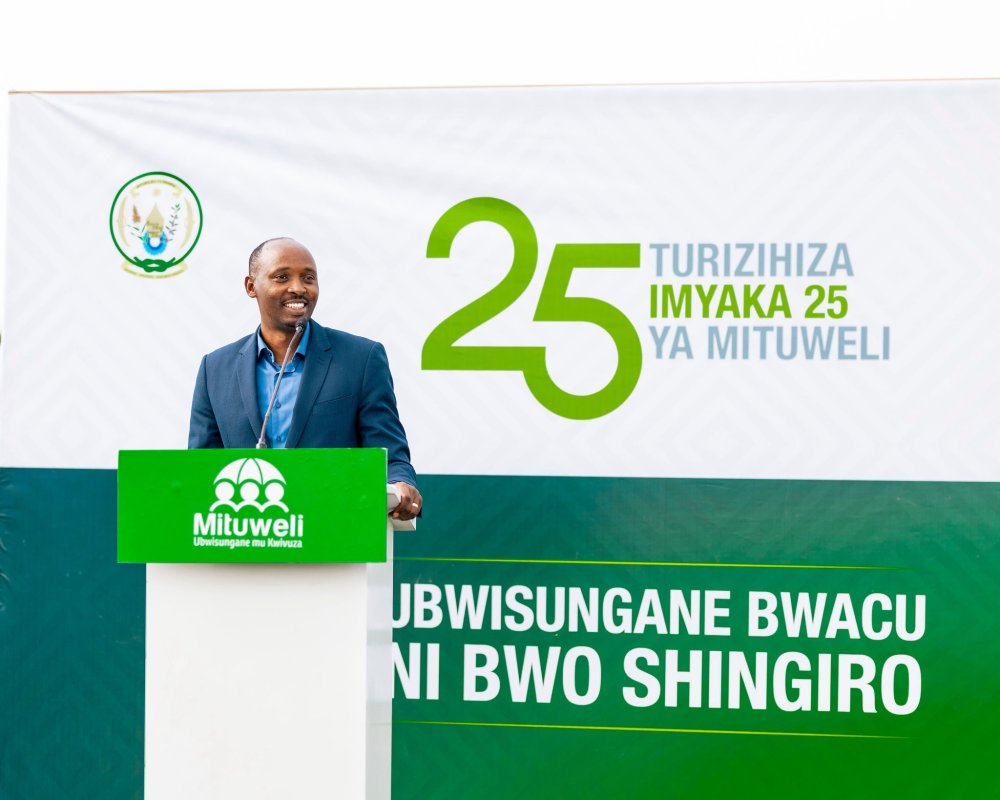
On February 24, 2026, the government announced reforms aimed at strengthening Mutuelle de Santé, a program that has been in place for 25 years and is rooted in the principle of solidarity to improve access to healthcare for all Rwandans.
Initially, citizens contributed Rwf 1,000, a figure that was later raised to Rwf 3,000 in 2011. Under the new structure, contributions are now categorized based on socio-economic status: citizens in the first social registry will be fully subsidized by the government; those in the second category will pay Rwf 3,000; the third category Rwf 5,000; the fourth Rwf 8,000; while those in the fourth social registry will contribute Rwf 20,000. RSSB estimates that about 90% of members will pay between Rwf 4,000 and Rwf 8,000.
The minister emphasized that the increase reflects the inclusion of costly but essential treatments such as cancer care, kidney dialysis, organ transplants, orthopedic and spinal surgeries, and assistive devices for people with disabilities, including hearing and vision impairments.
Last year, the scheme spent Rwf 98 billion, while member contributions totaled Rwf 31 billion, just 34% of total funding, highlighting the financial gap the reforms seek to address.
Dr. Nsanzimana detailed the distribution of contributors: 6.89% of citizens are fully covered by the government due to extreme poverty; 23% will pay Rwf 3,000 with a government top-up of Rwf 1,000; over 35% will pay Rwf 5,000; 26% will contribute Rwf 8,000; and 8% will pay Rwf 20,000.
He noted that efforts are underway, led by the Ministry of Local Government (MINALOC) and RSSB, to correct misclassifications in socio-economic categories to ensure fairness. These adjustments are expected to be completed by July 2026, when the new insurance year begins.
Despite the increase, the minister stressed that contributions remain relatively low compared to the cost of services provided. For instance, the inclusion of cancer treatment drugs alone has added at least Rwf 9 billion annually to RSSB expenditures.
“These costs are substantial, which is why we had to review how to strengthen the scheme financially, while ensuring that the burden on citizens remains manageable,” he said, noting that earlier proposals had considered raising contributions up to Rwf 15,000 from Rwf 3,000.
He warned that failing to adjust contributions over time had strained service delivery. “It was like trying to draw water from an empty container. We must reinvest in the system, especially now that we have added very expensive services,” he said.
The expansion of coverage is already improving access to care. Previously, dialysis sessions covered by the scheme were limited to 18 per patient, after which individuals had to cover the costs themselves.
Each dialysis session costs about Rwf 75,000, and patients typically require at least three sessions per week, making it unaffordable for many without insurance support.
Dr. Nsanzimana also highlighted progress in specialized treatments, including kidney transplants now performed by Rwandan doctors trained abroad, as well as plans to expand services such as heart surgery.
He noted that in 2024, more than 6,000 patients in need of orthopedic surgery had been unable to access care, but have since been treated following the inclusion of such services under Mutuelle de Santé.
Lawmakers called for increased public awareness to ensure citizens understand the reasons behind the changes. MP Deogratias Nzamwita pointed out that similar resistance was observed when RAMA and Mutuelle de Santé were first introduced, but public understanding later improved.
MP Etienne Mvano Nsabimana added that clear communication would help ease public concerns.
Meanwhile, Anastase Nabahire, Chairperson of the committee, urged authorities to address persistent issues such as inconsistencies in prescribed medication, where treatments recommended by specialists are sometimes altered by RSSB-affiliated doctors, raising questions among patients.
The revised contributions have already begun to be collected and will officially take effect in July 2026.
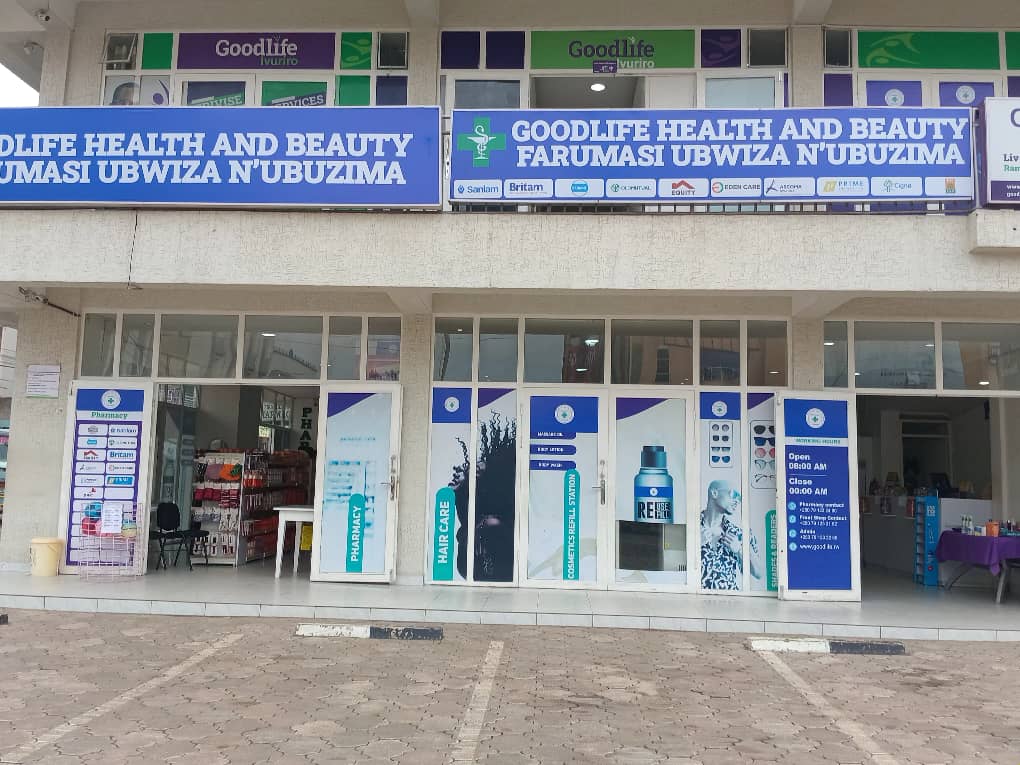
Since launching its flagship store in October 2022, Goodlife has expanded to 16 pharmacy locations nationwide, offering medicines, pharmacy services, and a range of health and wellness products. The company serves more than 100,000 customers each month and operates a customer loyalty program with over 100,000 registered members.
The investment comes from BK Capital’s Africa Private Debt Fund, which focuses on providing financing to businesses in Rwanda. The financing will support further expansion of Goodlife’s network, strengthen its supply chain, and improve operational capacity across both standalone and hospital-based outlets.
Goodlife operates pharmacy services at Kibagabaga Hospital in collaboration with the Ministry of Health and Rwanda Medical Supply, and has partnered with Legacy Clinics, a private healthcare provider.
Goodlife has quickly established one of the first world-class pharmacy chains in Rwanda,” said Théogène Uwimpuhwe, Acting Managing Director of BK Capital. “We are pleased to provide the capital needed to fuel this industry pioneer’s next phase of growth, ultimately improving access to quality healthcare and medicines for all Rwandans.”
“Access to medicines and professional pharmacy services is essential for healthcare delivery,” said Grant M. Beyers, Chief Executive Officer of Goodlife Health and Beauty. “This investment will support our ongoing expansion and operational improvements.”
The transaction was supported by Steve Mutaboba, who acted as Lead Financial and Strategic Advisor to Goodlife.
The investment reflects continued investor confidence in Rwanda’s healthcare sector and the role of private capital in supporting access to essential health products and services.