Dr. Nsanzimana made the call on Thursday during a two-day working visit to the Southern Province, where he is assessing the quality of healthcare services at primary and secondary health facilities while also engaging communities and young people on health and wellbeing.
In Nyanza District, the minister visited Nyamiyaga Health Centre, Gati and Gasoro Health Posts, as well as Nyanza District Hospital, assessing the delivery of health services from the community level to specialised care.
The facilities form part of Rwanda’s decentralised healthcare network, which includes Community Health Workers (CHWs), health posts and health centres.
According to the Ministry of Health, these services have helped reduce travel time for patients by up to 45 minutes and can manage up to 95% of healthcare service demand, bringing care closer to communities.
During the visits, Dr. Nsanzimana engaged with frontline health workers, particularly Community Health Workers, whom he described as the backbone of Rwanda’s health system.
He stressed the importance of ensuring that increased access to healthcare is matched by quality services, reaffirming that “decentralized, quality care remains a top priority.”
The minister also met students from different schools in Nyanza as they marked the start of the new academic year.
Following a friendly volleyball match, he encouraged the students to make physical activity part of their lives and to resist peer pressure that could lead them to substance abuse.
Reminding them that they “only have one body,” Dr. Nsanzimana urged the students to make responsible choices that would protect their health and support their education and future.
Artists DJ Ira, Nel Ngabo and Tom Close also took part in the event, performing for the students while reinforcing the message on sobriety, healthy living and commitment to education.
The Health Minister tours a health facility in Nyanza as part of his two-day visit to the Southern Province.Health Minister Dr. Sabin Nsanzimana engaged with frontline health workers during his visit to Nyanza District.Health Minister Dr. Sabin Nsanzimana (second left) engages with frontline health workers during his visit to Nyanza District.Dr. Nsanzimana assessed healthcare services at Gati Health Post in Nyanza District.The Health Minister , Dr. Nsanzimana was welcomed by Southern Province Governor during his visit. Health Minister Dr. Sabin Nsanzimana interacts with healthcare personnel in Nyanza District. Community Health Workers engaged with Health Minister Dr. Sabin Nsanzimana during his visit to Nyanza District.
People who drink at least one sugar-sweetened beverage every day may face a substantially higher risk of developing stomach cancer, according to new research from the Mass General Brigham Cancer Institute.
The study, which analyzed data from 112,284 participants in the Nurses’ Health Study and Health Professionals Follow-Up Study, found that people who consumed at least one serving of a sugar-sweetened beverage each day had 2.45 times the risk of developing gastric cancer compared with those who consumed less than one serving per month.
The researchers followed participants over several decades, collecting detailed information about their diets, lifestyles and health. During the follow-up period, 278 participants developed gastric cancer.
The association was observed in both men and women. Among women in the Nurses’ Health Study, those who consumed more than one sugar-sweetened beverage per day had a 3.04-fold higher risk of gastric cancer compared with women who rarely consumed such drinks.
The study also found that higher overall consumption of fructose, the main sweetener in many sugar-sweetened beverages, was associated with a higher incidence of gastric cancer.
Researchers defined sugar-sweetened beverages as carbonated drinks, punch, lemonade and sports drinks.
By comparison, greater consumption of artificially sweetened beverages was not associated with an increased incidence of gastric cancer after accounting for other factors.
The researchers also examined whether infection with Helicobacter pylori, commonly known as H. pylori, could help explain the association.
The bacterium is a known risk factor for gastric cancer. However, among the 940 participants for whom H. pylori information was available, researchers found no association between sugar-sweetened beverage consumption and H. pylori infection.
Andrew T. Chan, a gastroenterologist and epidemiologist at the Mass General Brigham Cancer Institute and the study’s senior author, said the research was the first to demonstrate an association between sugar-sweetened beverage consumption and gastric cancer in a US population.
However, the researchers stressed that the findings do not prove that sugary drinks directly cause stomach cancer.
The study was observational, meaning it identified an association rather than establishing a cause-and-effect relationship.
Other factors may have contributed to the higher cancer rates among people who consumed more sugar-sweetened beverages.
The researchers also noted limitations, including limited information about participants’ H. pylori status and family histories of gastric cancer.
In addition, most participants were white, meaning the findings may not apply equally across all racial and ethnic groups.
Despite these limitations, the researchers said the study benefited from its large population and the detailed health, diet and lifestyle information collected over many years.
Daily consumption of sugary drinks was associated with a higher risk of stomach cancer in a long-term study.
Researchers from Xi’an Jiaotong-Liverpool University, Stanford University, Shanghai Jiao Tong University and the University of Chinese Academy of Sciences investigated compounds called plasmalogens, which are naturally occurring fats found in high levels in sea squirts.
Sea squirts are marine animals eaten in parts of Asia, including Korea and Japan.
Plasmalogens are important components of cell membranes and are particularly abundant in the brain, heart and immune cells. Their levels naturally decline with age.
In the study, researchers added plasmalogens to the diets of aging mice and examined changes in their memory, brain health and physical appearance.
The results showed that the treated mice performed significantly better in tests of learning and memory than older mice that did not receive the supplements.
Researchers used the Morris water maze, a common test in which mice must learn to locate a hidden platform.
After five days of training, mice receiving plasmalogens reached the platform faster, performing more like younger animals.
When scientists examined their brains, they found that the treated mice had more synapses, the connections that allow nerve cells to communicate. These connections also appeared to be in better condition.
The researchers also found substantially lower levels of inflammation in the brains of mice receiving plasmalogens.
Chronic inflammation in the aging brain can damage nerve cells and interfere with communication between brain cells, potentially contributing to cognitive decline.
Another surprising finding involved the mice’s appearance. According to the researchers, older mice receiving plasmalogens developed new hair that was thicker, darker and glossier than that of untreated mice.
Scientists believe plasmalogens may work through several mechanisms.
They may encourage the development of neurons and synapses, improve the flexibility of cell membranes and potentially influence the gut-brain connection.
However, researchers stress that the findings do not yet prove that plasmalogens can reverse aging in humans.
The study was conducted in mice, and further research is needed to determine whether similar effects occur in people, what dosage might be effective and whether long-term supplementation is safe.
A compound found in edible sea squirts improved memory and brain health in aging mice, while also restoring thicker and darker hair.
In experiments involving mice, the treatment helped damaged brain tissue develop new blood vessels, supported the growth of nerve fibres and improved movement.
The researchers say the approach works partly by creating an environment that encourages the body’s own immune cells to participate in the healing process.
Ischemic strokes occur when a blood clot blocks blood flow to part of the brain.
Emergency treatments can restore circulation and protect brain tissue that has not yet died. However, once brain tissue is permanently damaged, restoring blood flow cannot bring the lost tissue back.
Severe strokes can therefore leave a cavity where healthy brain tissue once existed.
Rehabilitation can help the brain’s surviving circuits adapt, but it does not directly rebuild the damaged area.
To address this problem, Duke researchers developed a material known as a microporous annealed particle scaffold, or MAPS.
It is made from tiny hydrogel particles that form a porous structure, creating space where cells can enter and potentially support tissue repair.
The researchers combined the scaffold with extracellular vesicles produced by astrocytes, star-shaped cells found in the brain.
Extracellular vesicles are tiny packages released by cells that carry biological signals, including proteins, lipids and genetic material, which can influence other cells.
Rather than injecting these vesicles alone, the researchers attached them to the surface of the hydrogel particles.
This helped keep the signals concentrated in the damaged area, allowing incoming cells to interact with them.
The scientists found that a combination of two signalling molecules, IL-4 and C1q, was particularly effective at attracting immune cells to the damaged region.
Among the cells recruited were macrophages and neutrophils.
Neutrophils are commonly associated with inflammation and tissue damage during the early stages of stroke, but the study suggests they may have a different role later in recovery when exposed to the appropriate signals and environment.
When researchers reduced the population of neutrophils, the formation of new blood vessels decreased and the scaffold underwent less remodeling.
This suggested that the cells were contributing to the repair process.
The treatment also produced physical improvements in the mice. Researchers observed more axonal fibres in and around the damaged area.
Axons are structures that allow nerve cells to communicate with one another.
The treated mice also performed better on a grid-walking test that measures movement and coordination.
After eight weeks, their performance was statistically similar to that of healthy control mice, and the improvement continued for the rest of the study.
The researchers also tested the extracellular vesicles without the biomaterial scaffold.
The vesicles alone did not produce the same level of blood vessel repair, suggesting that the scaffold itself plays an important role by keeping the biological signals concentrated within the injured area.
Despite the promising results, the treatment is still at an early, preclinical stage.
The experiments so far have been conducted in mice, with the material injected directly into the damaged part of the brain.
More research is needed to determine the treatment’s safety, understand how different immune cells contribute to recovery and establish whether the approach can work in larger animals and eventually humans.
The research team is also exploring the use of extracellular vesicles produced by human induced pluripotent stem cell-derived astrocytes, which could provide a more scalable and clinically relevant source of the therapeutic material.
Duke researchers developed an injectable biomaterial that helped damaged brains regrow blood vessels and improve movement in mice.
“We’re still early to say that we’re controlling the whole outbreak,” Africa CDC official Wessam Mankoula told an online press briefing, noting that the outbreak “is still evolving.”
According to the latest government situation report published Thursday, the DRC had recorded 6,250 confirmed cases and 3,039 deaths as of Sept. 1, with a case fatality rate of 48.6 percent. A total of 1,439 patients have recovered. The outbreak has affected 60 health zones across six provinces.
Four health zones have interrupted transmission after reporting no new cases for more than 42 days, while another five are in “control phase”, which have gone between 21 and 42 days without a new case. Transmission, however, remains active in 51 health zones, Mankoula said.
“For the last two weeks, we are seeing a decline in the number of cases; we are almost at the plateau phase,” Mankoula said, cautioning that “it’s very early to say we have sustained decline in this outbreak.”
Mankoula said the plateau could reflect stronger surveillance, earlier case detection, active case finding, infection prevention and control measures, and improved case management. “Hopefully, when we’re following now the third week, we continue with this plateau, then we start seeing a decrease,” he said.
But he cautioned against drawing conclusions too soon. “We saw this plateau previously in June, then later on it’s followed by an increase. This is why we are cautiously interpreting those data,” Mankoula said.
The current outbreak, declared in May, has since become the country’s largest and deadliest Ebola epidemic on record and the second-largest globally, behind the 2014-2016 epidemic in West Africa.
Mankoula also noted that while Uganda recently declared its own Ebola outbreak over, the continued active transmission in DRC’s eastern provinces bordering Uganda poses a persistent cross-border risk.
He stressed that strong surveillance systems must remain in place at points of entry and along border communities to detect any potential spillover cases early and prevent a new wave of cross-border transmission.
“This outbreak is still evolving,” Mankoula said. “Incremental measures are no longer effective. This is the time for scaling up all different responses to control the situation on the ground.”
Africa CDC Director-General Jean Kaseya said Wednesday that Ebola in the DRC “remains extremely serious and continues to spread.” “Despite the considerable efforts of the (DRC) government and partners, we are not yet where we need to be,” said Kaseya.
With no approved vaccine or treatment specifically targeting Bundibugyo virus, the cause of the current outbreak, the international community is turning to experimental and repurposed medical tools.
As for vaccines, the Ervebo vaccine, the licensed shot against the Zaire ebolavirus, is currently being evaluated for cross-protection against the current Bundibugyo strain through an effectiveness study in the field.
Meanwhile, under protocol-governed compassionate use, which allows the use of unapproved or partially studied vaccines in an outbreak setting, vaccinations for frontline healthcare workers and at-risk populations began on Aug. 27.
As of Sept. 1, a total of 1,124 healthcare workers and frontline workers had been vaccinated, said Mankoula.
“So we think that very soon we’ll be able to provide more detail and a precise answer regarding the level of cross-protection using the Ervebo vaccine,” said Placide Mbala Kingebeni, Africa CDC’s director for research, clinical trials and innovation at the briefing, noting that Ervebo’s efficacy against the Bundibugyo ebolavirus has not been demonstrated yet.
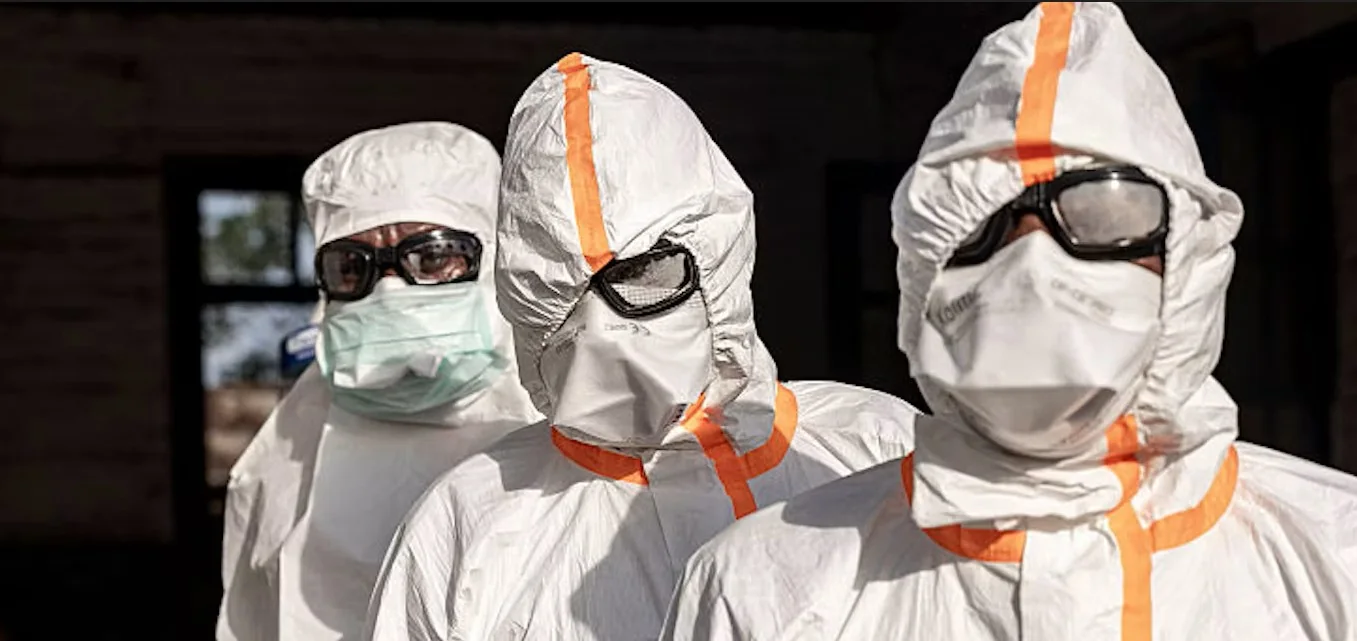
Workers in protective equipment during the Ebola outbreak response in Ituri province, eastern Democratic Republic of Congo, 2026.
Researchers from the University of Illinois Urbana-Champaign reviewed 18 randomized controlled trials examining positive psychology and mindfulness programmes designed to improve mental and physical health.
The programmes included activities such as mindfulness exercises, gratitude journaling, optimism training and motivational sessions.
The studies involved adults who already had an increased risk of cardiovascular problems, including people with uncontrolled high blood pressure and heart failure.
Most programmes lasted between six and 12 weeks and combined regular sessions with activities participants completed at home.
The researchers found that programmes involving frequent practice and regular reinforcement produced the most consistent improvements in cardiovascular health.
In some groups, eight weeks of mindfulness-based programmes were associated with reductions in systolic blood pressure and inflammation.
One 12-week digital programme based on spirituality recorded a reduction of 7.6 points in systolic blood pressure measured with a standard cuff.
The research also showed that some programmes encouraged healthier behaviours.
An eight-week WhatsApp-based programme combined weekly sessions with daily activities designed to encourage participants to exercise more, improve their diets and take their medications as prescribed.
Another programme using motivational interviewing increased participants’ physical activity by about 1,800 steps per day while also improving medication adherence.
Researchers said the benefits appeared strongest when participants practised these techniques daily and received weekly reinforcement over an eight to 12-week period.
However, they noted that continued support may be necessary to maintain behavioural changes over the longer term.
The findings highlight a growing connection between psychological well-being and cardiovascular health.
Previous research has linked characteristics such as optimism, gratitude and positive emotions with healthier hearts.
Rosalba Hernandez, who led the research team, said the findings suggest that positive psychology approaches could become an additional tool for cardiovascular disease prevention and treatment.
Researchers also emphasized the importance of addressing mental and behavioural health as part of heart care.
They suggested that routine screening and access to behavioural interventions could help improve cardiovascular health.
The study does not suggest that mindfulness or positive thinking should replace medical treatment.
Instead, researchers see these practices as potential additions to existing approaches for preventing and managing cardiovascular disease.
The findings provide further evidence that mental well-being and physical health are closely connected.
Simple practices such as mindfulness, gratitude and optimism could offer an accessible way to support heart health, particularly when they are practiced consistently and combined with healthy lifestyle changes.
Researchers found that mindfulness, gratitude and optimism programmes may improve blood pressure and other measures of cardiovascular health within eight to 12 weeks.
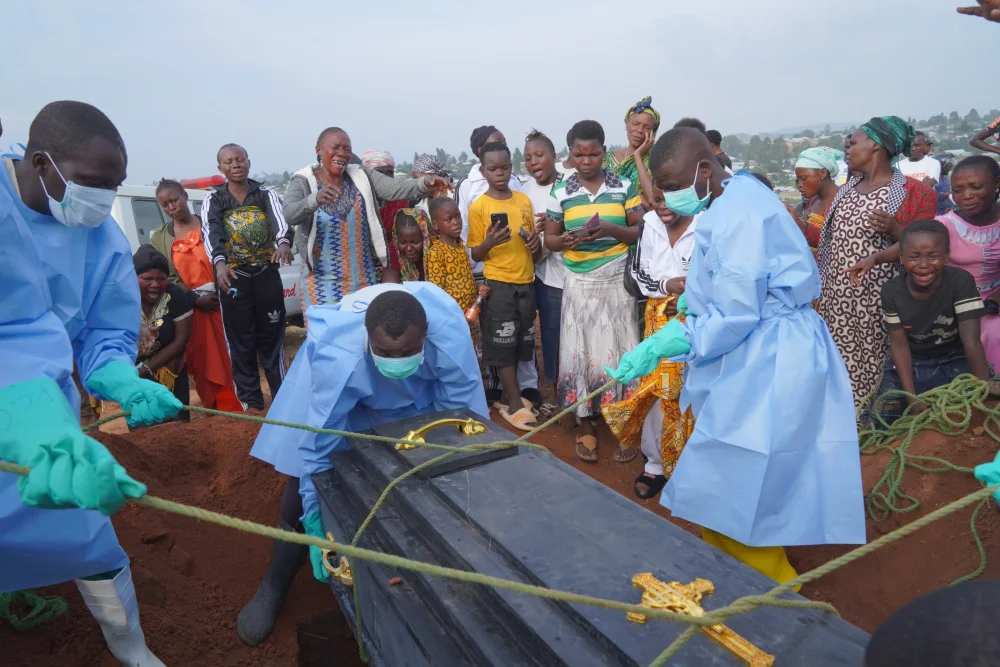
Figures released by the DRC Ministry of Health show that 6,186 people have contracted the virus, including 3,007 who have died, since the outbreak was declared in mid-May 2026. It is now the fastest-spreading Ebola outbreak ever recorded.
The outbreak has mainly affected parts of eastern DRC, where efforts to contain its spread have been hampered by several challenges, including insecurity, attacks on health workers and limited medical infrastructure.
The World Health Organization (WHO) has warned that the outbreak could become the most serious Ebola epidemic on record, potentially surpassing the West Africa outbreak of 2014 to 2016, which killed about 11,000 people.
The outbreak is caused by the Bundibugyo virus, one of the less common Ebola species. There is currently no approved vaccine or specific treatment for the virus.
Despite this, the DRC government continues to use the Ervebo vaccine, which has been used in previous Ebola outbreaks, with WHO saying it may help protect people who receive it.
The Ebola virus has so far spread to six provinces in the DRC.
More than 3,000 people have died from an Ebola outbreak in the Democratic Republic of Congo.
Researchers at Columbia University’s Zuckerman Institute found that microglia, immune cells that play an important role in protecting and developing the brain, take several years to mature in humans.
The findings suggest that the unusually slow development of these cells could be one of the factors behind the complexity and cognitive abilities of the human brain.
Microglia are the brain’s most abundant immune cells. Besides protecting the brain from harmful substances and helping remove damaged cells, they also play an important role in shaping developing brain circuits.
Researchers found that human microglia can take approximately four to eight years to mature. By comparison, microglia in mice reach maturity in about three weeks.
The study focused on SRGAP2, a gene with copies that emerged specifically in humans.
Earlier research had shown that these human-specific copies influence neurons by increasing the number of connections between them while slowing the process through which those connections mature.
In the latest study, scientists made an unexpected discovery. The human-specific copies of SRGAP2 were found to be nearly 10 times more abundant in microglia than in neurons.
Experiments involving mice and human cells showed that the gene significantly slows the development of human microglia.
Scientists believe this slow developmental process may allow microglia and neurons to develop in coordination, helping shape the sophisticated networks found in the human brain.
The researchers linked the finding to a process known as neoteny, in which human development occurs over a much longer period compared with many other mammals.
The extended development of the human brain is believed to contribute to the emergence of advanced cognitive abilities.
The researchers now want to understand more precisely how SRGAP2 controls the development of microglia and other brain cells.
They also hope the findings could provide new insight into conditions involving brain development and degeneration, since microglia have been linked to neurodevelopmental disorders and neurodegenerative diseases.
The study, published in the journal Neuron, provides new evidence that the distinctive development of the human brain may depend not only on neurons but also on the immune cells that help organize and maintain brain circuits.
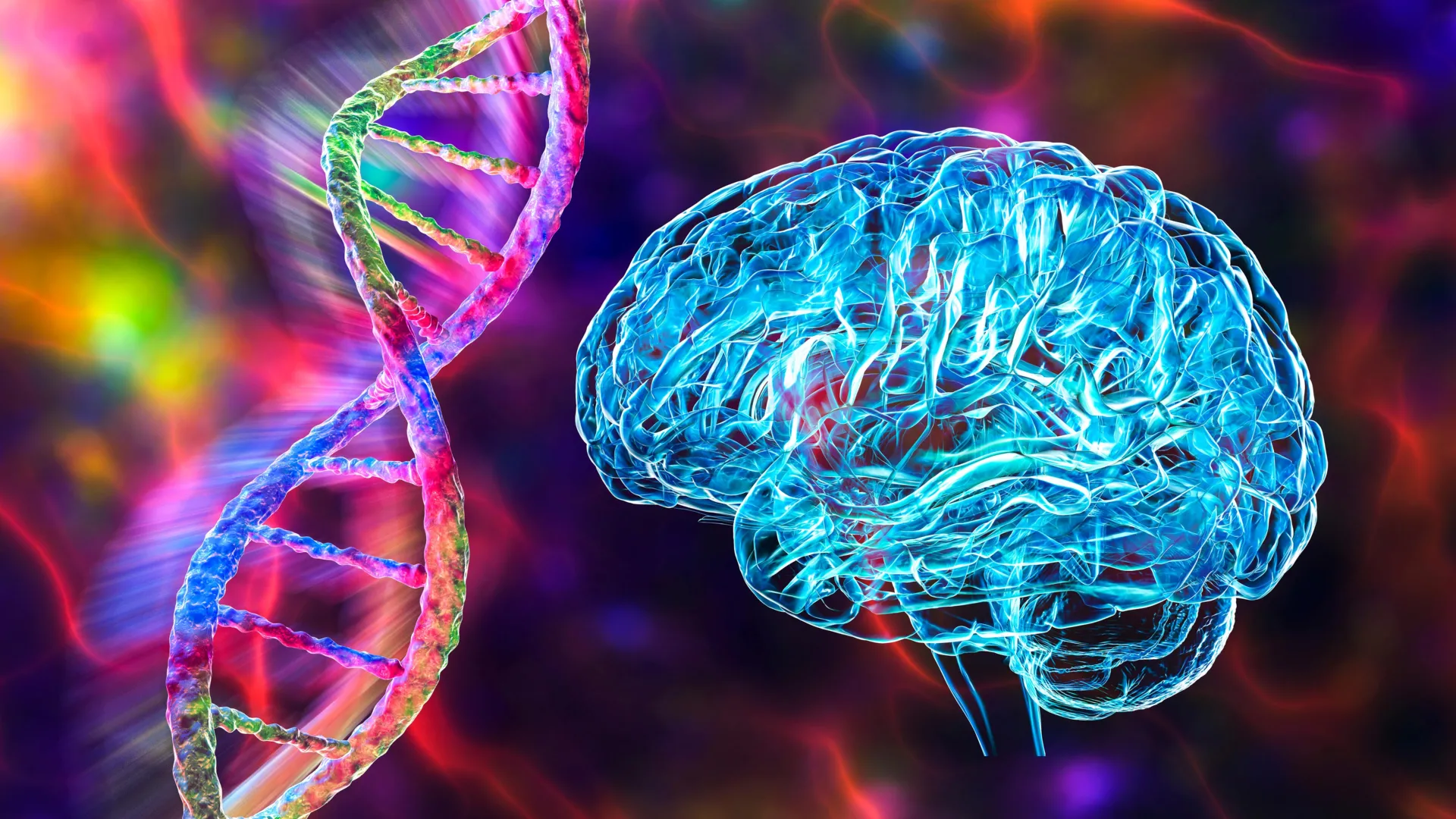
Scientists have identified gene linked to the unique development of the human brain
The announcement was made by Minister of Health Dr Sabin Nsanzimana following the handover of the newly expanded Rwanda Masaka Hospital, constructed with support from China.
Dr Nsanzimana said CHUK will relocate in phases to avoid disrupting the services it currently provides, while measures are also being taken to address the gap that could arise after it leaves its current location in central Kigali.
He explained that no new hospital is planned for the current CHUK site. Instead, the government intends to strengthen nearby Muhima and Nyarugenge hospitals.
“Nyarugenge Hospital is planned for a second-phase expansion, and Muhima Hospital will also be expanded. We want to link them so that CHUK patients who cannot travel to Masaka have other places to go without congestion. That means expanding those other hospitals nearby.”
Dr Nsanzimana said the government is also expanding district hospitals that are being developed into fully-fledged teaching hospitals.
Hospitals nearing that status include Kibungo, Rwamagana, Kibagabaga and Nyamata, while expansion and upgrading works are also underway at Kibuye, Kibogora, Kiziguro and Nyagatare hospitals.
The minister said the programme is expected to accelerate from 2027, as more specialists become available to provide healthcare services and train medical students.
The researchers found that a protein known as the aryl hydrocarbon receptor, or AHR, acts like a molecular “brake” that limits the ability of injured nerve cells to regrow damaged axons.
The findings, published in the journal Nature, suggest that blocking AHR could help damaged nerves regenerate and improve movement and sensation following nerve or spinal cord injuries.
Axons are long extensions of nerve cells that carry signals between different parts of the nervous system.
When these structures are damaged or severed, the ability of neurons to rebuild them plays an important role in determining how much a person can recover.
However, adult mammals have a limited ability to regenerate damaged axons.
This is one of the reasons injuries to nerves and the spinal cord can result in long-lasting or permanent problems with movement and sensation.
The new study found that AHR plays an important role in this process.
According to the researchers, when neurons are injured, they must balance two competing needs.
They need to protect themselves from cellular stress while also producing the proteins necessary to rebuild their damaged connections.
The researchers discovered that AHR pushes neurons toward managing stress rather than rebuilding their axons.
When scientists removed AHR from neurons or used drugs to block its activity, damaged nerve fibers were able to regenerate more effectively.
Experiments in mice with peripheral nerve injuries and spinal cord injuries also showed that suppressing AHR was associated with improved movement and sensation.
The researchers found that AHR normally supports a protective process known as proteostasis, which helps cells maintain protein quality during stress.
While this response helps injured neurons survive, it can also reduce the production of new proteins needed for axon growth.
When AHR was blocked, neurons appeared to change their priorities. They increased the production of proteins and activated biological pathways linked to growth and nerve regeneration.
The researchers also identified HIF-1α as an important factor in this process. HIF-1α helps regulate genes involved in metabolism and tissue repair.
Hongyan Zou, a professor of neurosurgery and neuroscience at Mount Sinai and the study’s senior author, said the findings show how neurons balance survival and regeneration following injury.
AHR was initially known for its role in detecting environmental toxins and pollutants.
The new findings suggest that the protein has a broader role inside neurons, where it helps connect environmental signals with cellular processes that determine whether damaged axons can regenerate.
The discovery could eventually contribute to new treatments for nerve injuries.
Some drugs designed to inhibit AHR are already being investigated in clinical trials for other medical conditions, raising the possibility that similar approaches could eventually be studied for nerve and spinal cord injuries.
However, the researchers stressed that the work is still at an early stage.
More studies are needed to determine the appropriate timing and dosage of AHR inhibitors and to understand how blocking the protein affects other cells involved in the body’s response to injury.
The Mount Sinai team plans to investigate AHR-blocking drugs and gene therapy approaches that could reduce AHR activity specifically in neurons.
Researchers hope these approaches could eventually help improve recovery from spinal cord injuries, stroke and other neurological conditions.
Researchers have identified AHR as a molecular “brake” that limits nerve regeneration, opening a potential new path toward treatments for nerve and spinal cord injuries.