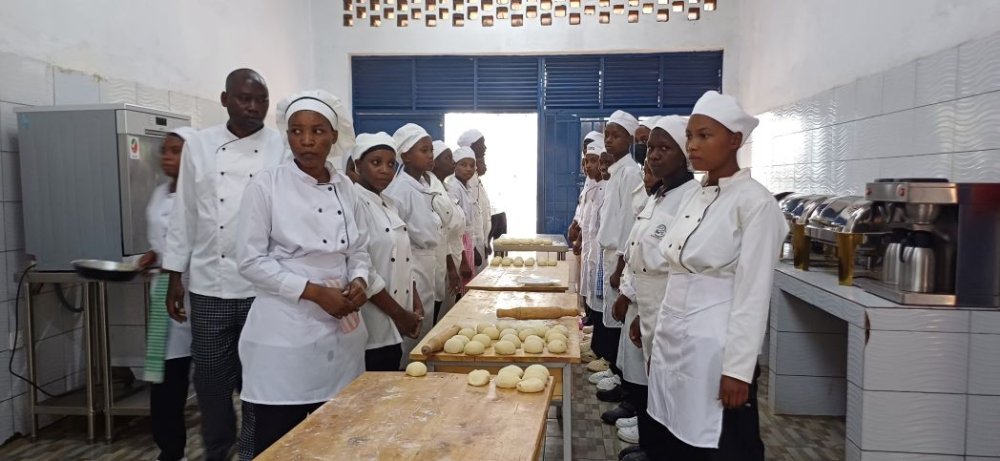
For some time now, messages encouraging girls to embrace vocational training have been widely shared through the media and other public spaces. These efforts are paying off, as more girls are now joining TVET schools.
RTB’s Director General, Eng. Paul Umukunzi, noted that while the number of girls in TVET schools is still lower than that of boys, the gap is much smaller compared to previous years.
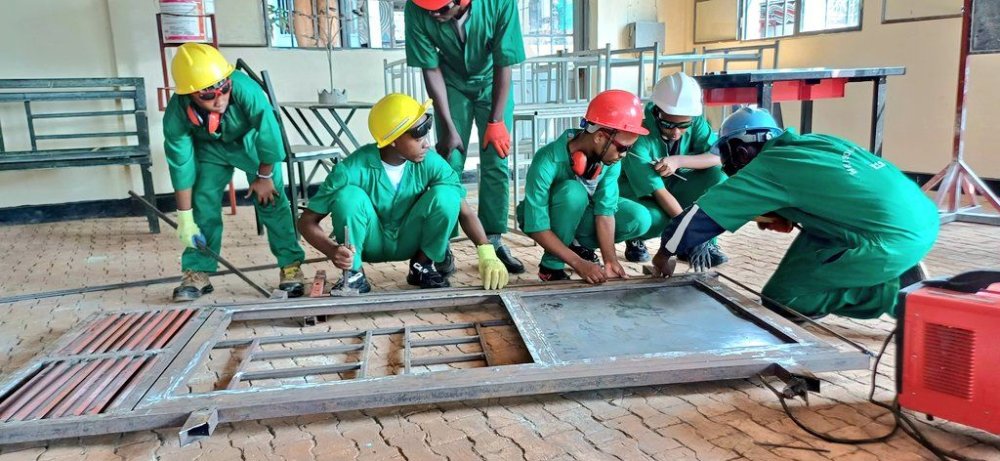
“Girls now make up 43% of students in technical, vocational, and training schools. The challenge is that they tend to concentrate in certain programs while avoiding others,” he said. In 2023, only 15% of TVET students were girls.
Umukunzi explained that the government has introduced initiatives to encourage girls to enroll in fields they traditionally avoided due to cultural perceptions.
“For example, in construction and manufacturing, the number of girls remains low. We have introduced programs to show them that they are just as capable as their male counterparts.”
Among these initiatives is a scholarship program designed to increase female participation in underrepresented fields, with RTB planning to award scholarships to 4,000 girls.
Additionally, the government is improving infrastructure in TVET schools to make them more accommodating for female students.
“The equipment we purchase today is modern and does not require excessive physical strength. Even though strength differences are often exaggerated, technological advancements now ensure that no job is exclusive to men,” he added.
Established by the Rwandan government in 2020, RTB is tasked with enhancing the quality of technical and vocational education to support economic development and improve the well-being of citizens.
Founded in 1881, The Wharton School of the University of Pennsylvania is the world’s first collegiate business school. Renowned for its rigorous curriculum, world-class faculty, and focus on practical applications, Wharton is a global leader in business education, excelling in fields such as finance, analytics, and innovation.
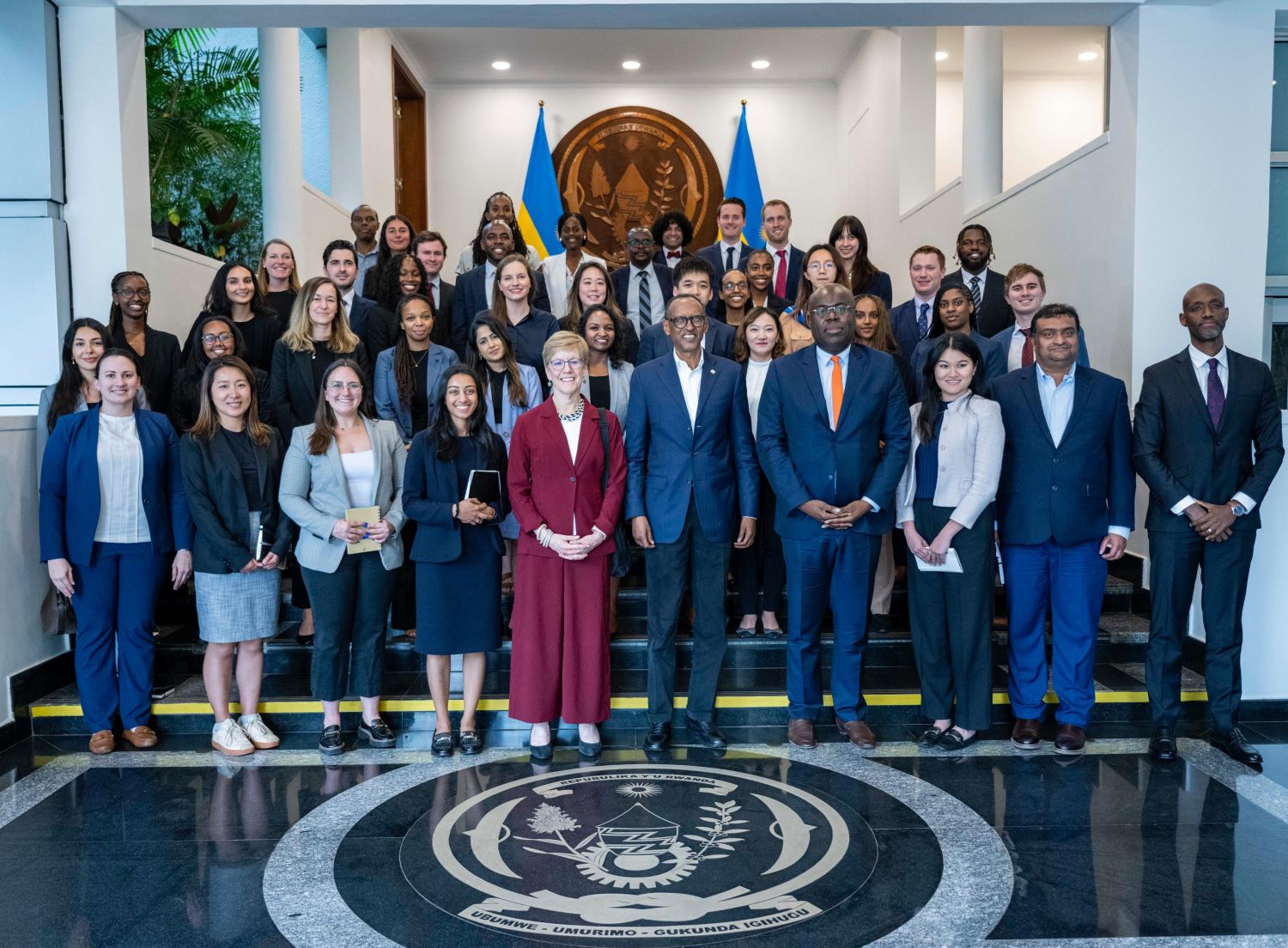
Led by Professor Katherine Klein and Eric Kacou, the group is in Kigali for the 11th Wharton Global Modular Course on Rwanda, titled “Conflict, Leadership, and Change: Lessons from Rwanda.” The course examines the transformative policies, governance, and leadership practices that have propelled Rwanda’s remarkable progress since the 1994 Genocide against the Tutsi.
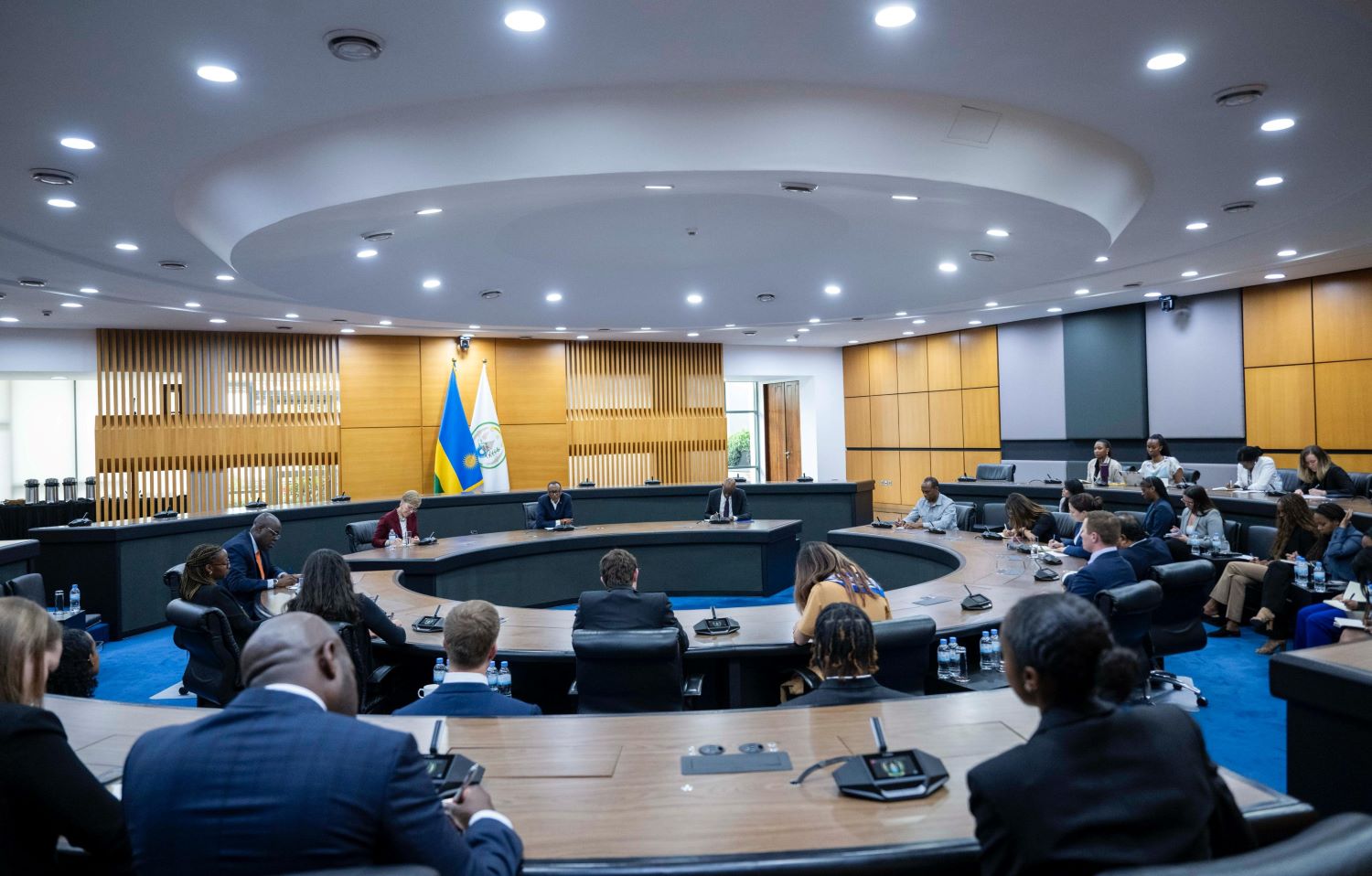
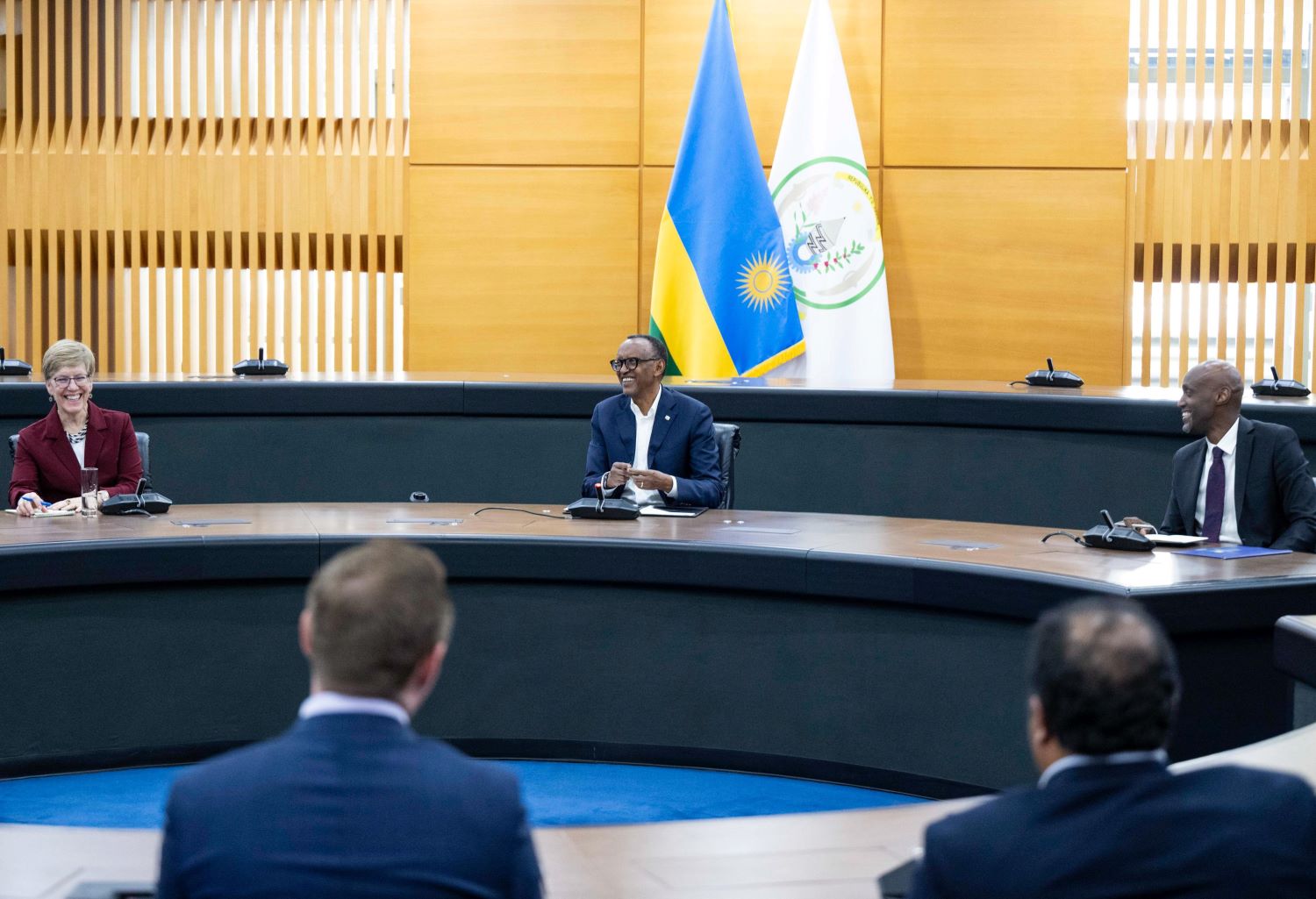
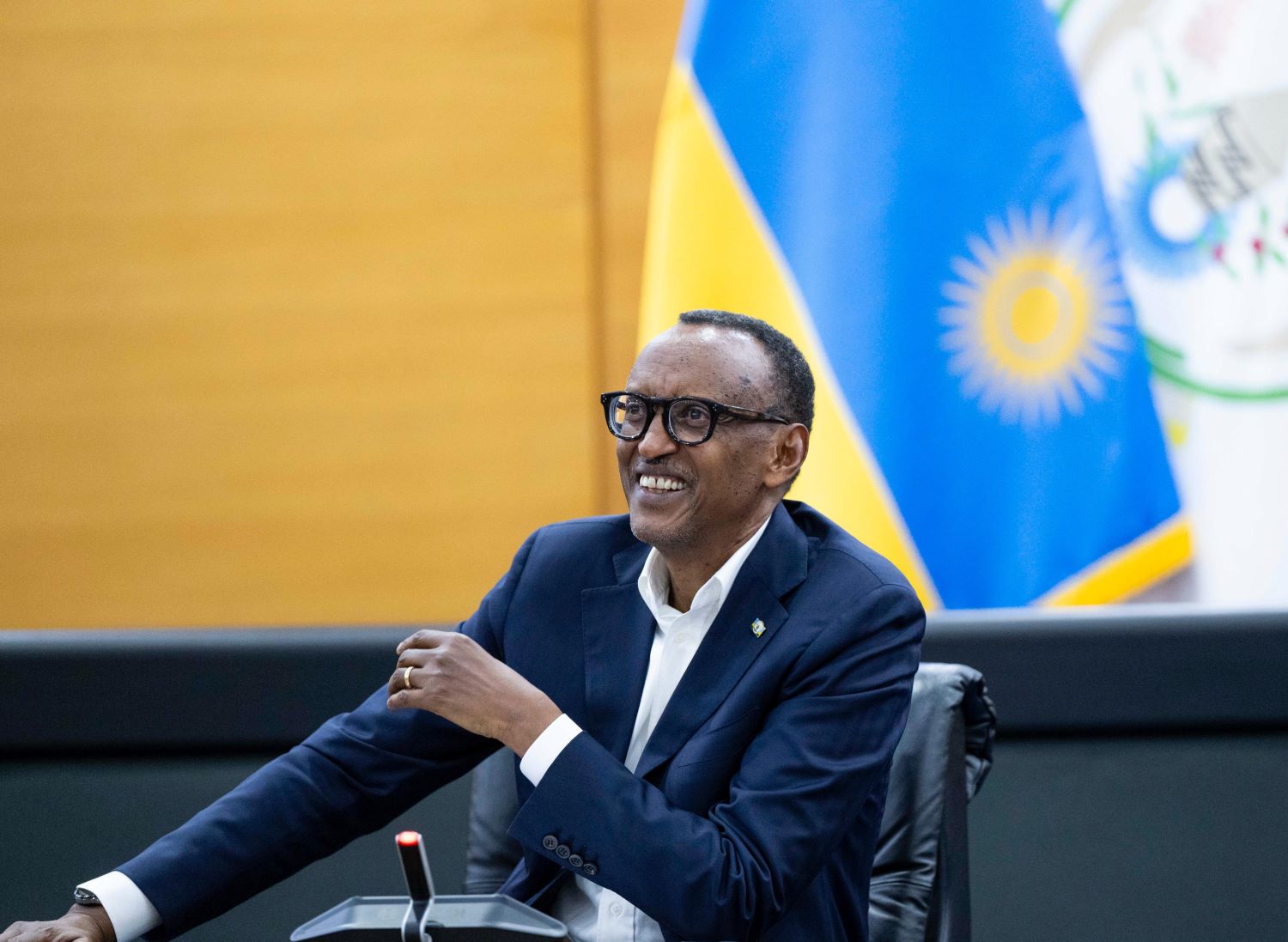
As part of their visit, the students met with President Paul Kagame on Wednesday, January 15, 2024, for discussions on Rwanda’s development trajectory and leadership principles.
President Kagame, who led the Rwandan Patriot Front (RPF) to end the 1994 Genocide against the Tutsi, is widely credited with spearheading Rwanda’s recovery and transformation. Under his leadership, the country has achieved notable economic growth, political stability, and social development milestones.
Since 2000, Rwanda has maintained an annual GDP growth rate of approximately 7-8%, making it one of Africa’s fastest-growing economies. Kagame’s policies emphasize national reconciliation, poverty reduction, improved healthcare and education, and gender equality.
The country’s achievements include a significant decline in poverty rates, which fell from 60.4% in 2000 to 38.2% in 2017, while extreme poverty dropped from 40% to 16% over the same period.
Universal health insurance coverage expanded dramatically from 43.3% in 2005 to 97.3% in 2022, greatly enhancing healthcare access. Additionally, access to electricity grew from 4.3% in 2005 to 61% in 2022, while the proportion of households using improved sanitation facilities increased from 58.5% in 2005 to 72% in 2022.
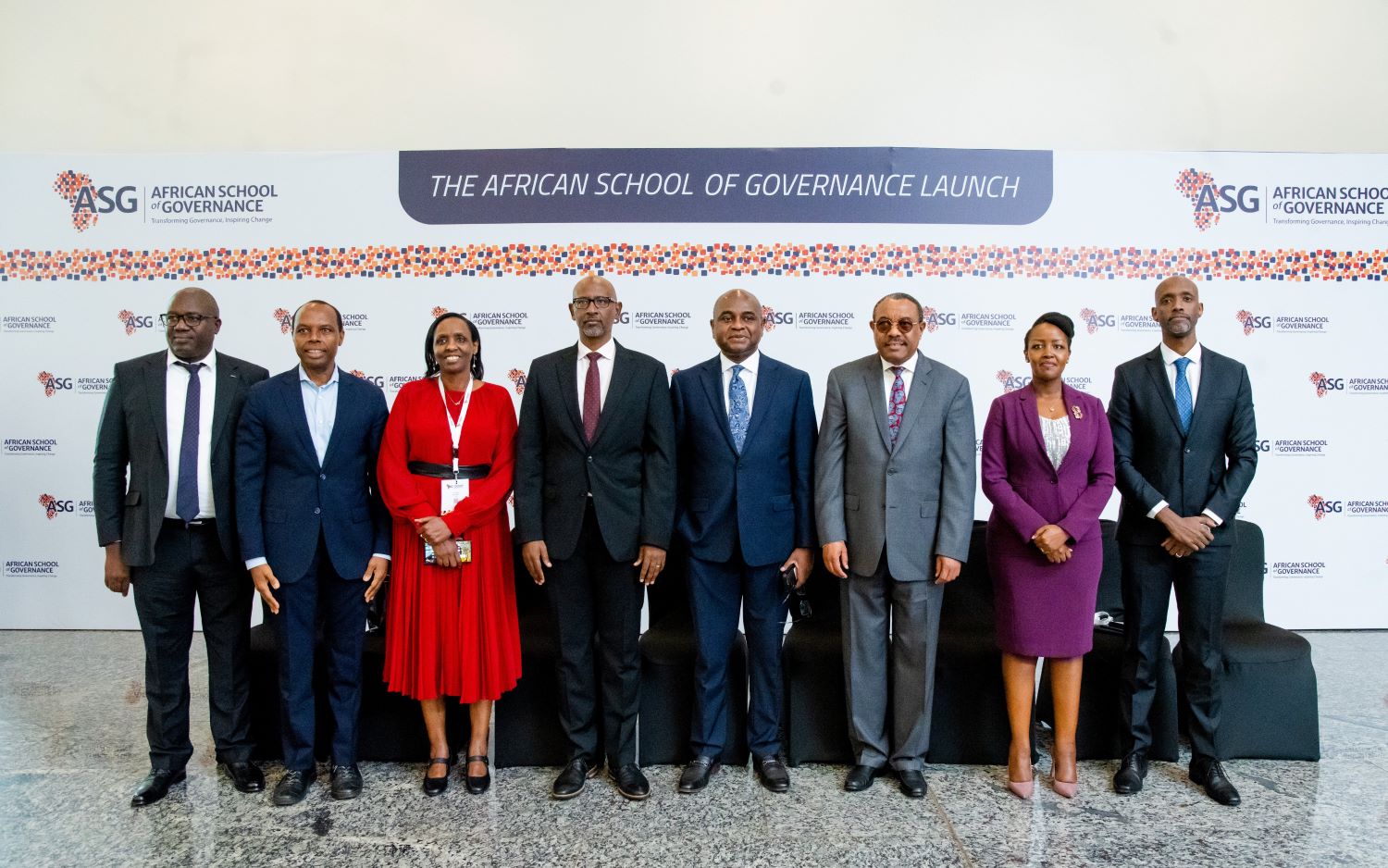
The institution, co-founded by Rwanda’s President Paul Kagame and Ethiopia’s former Prime Minister Hailemariam Desalegn, aims to redefine leadership across the continent through evidence-based policymaking, ethical governance, and cutting-edge research.
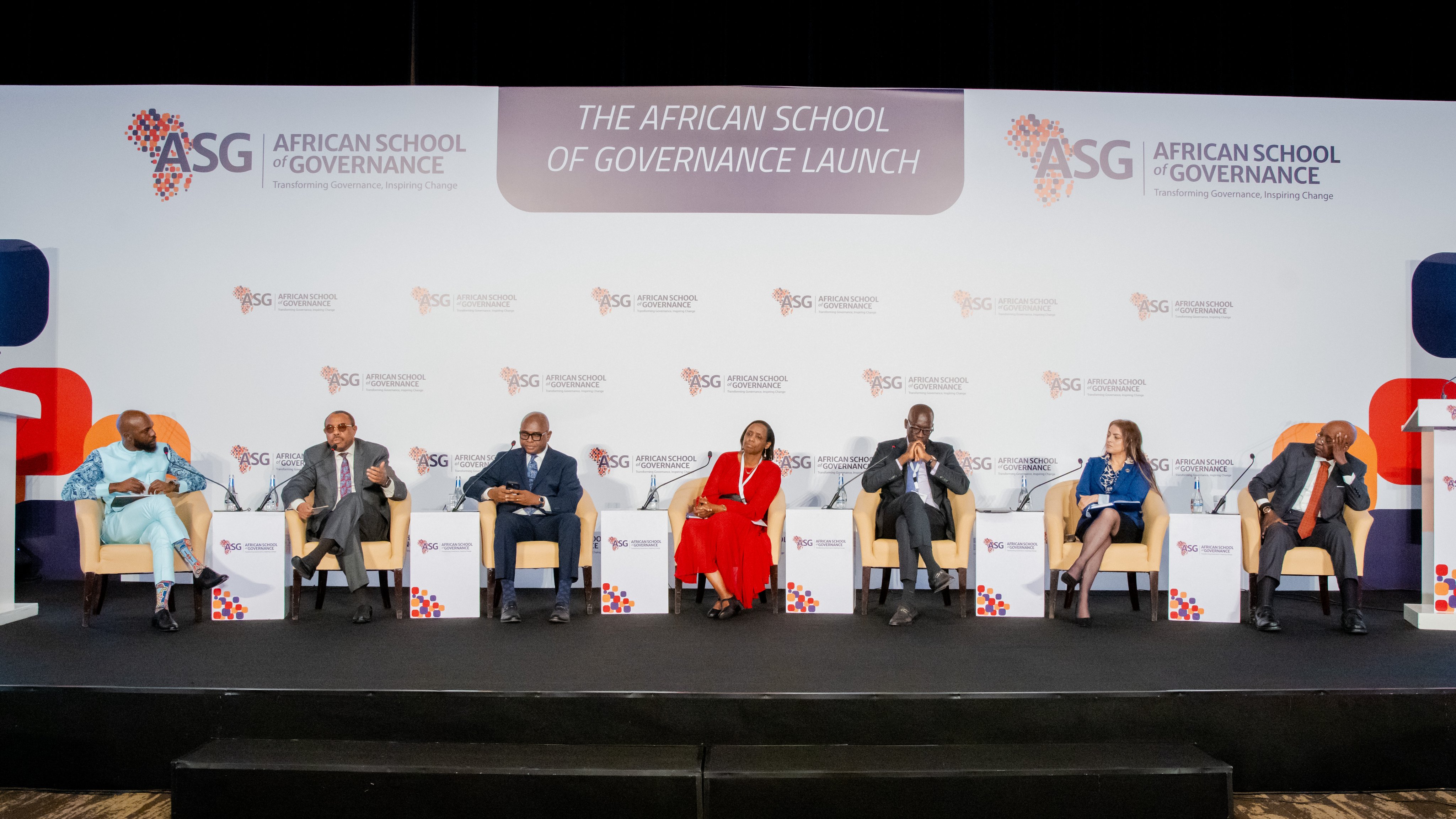
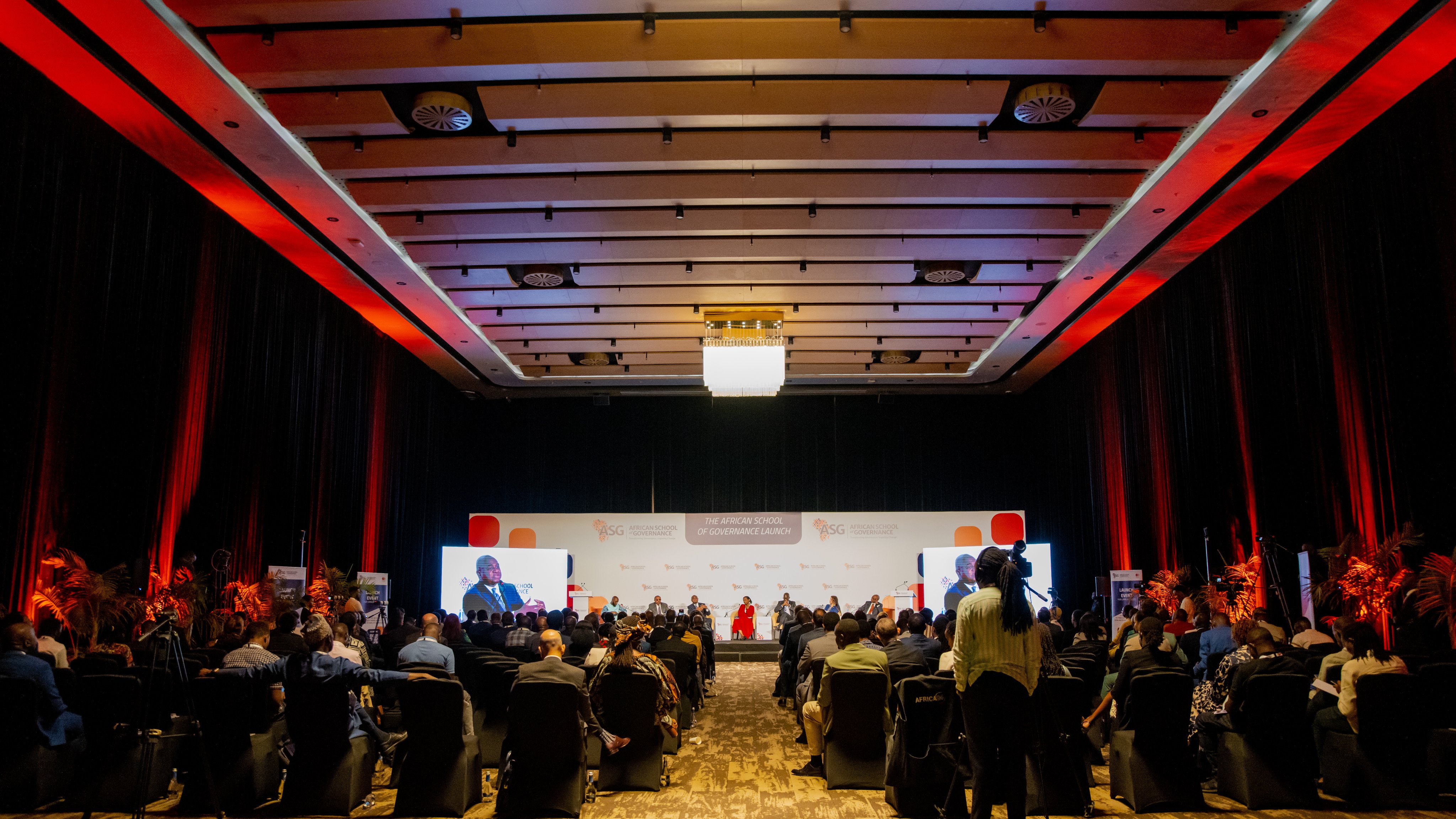
The inauguration drew notable dignitaries, including Rwanda’s Minister of Education, Joseph Nsengimana; the inaugural ASG president, Professor Kingsley Moghalu; Dr. Donald Kaberuka, former President of the African Development Bank; Prof. Peter Materu, Chief Program Officer at Mastercard Foundation; and other board members, including Francis Gatare, a senior presidential advisor.
The event came just days after the institution, which also has the backing of the Mastercard Foundation, received accreditation from the Higher Education Council of Rwanda on January 6, 2025.
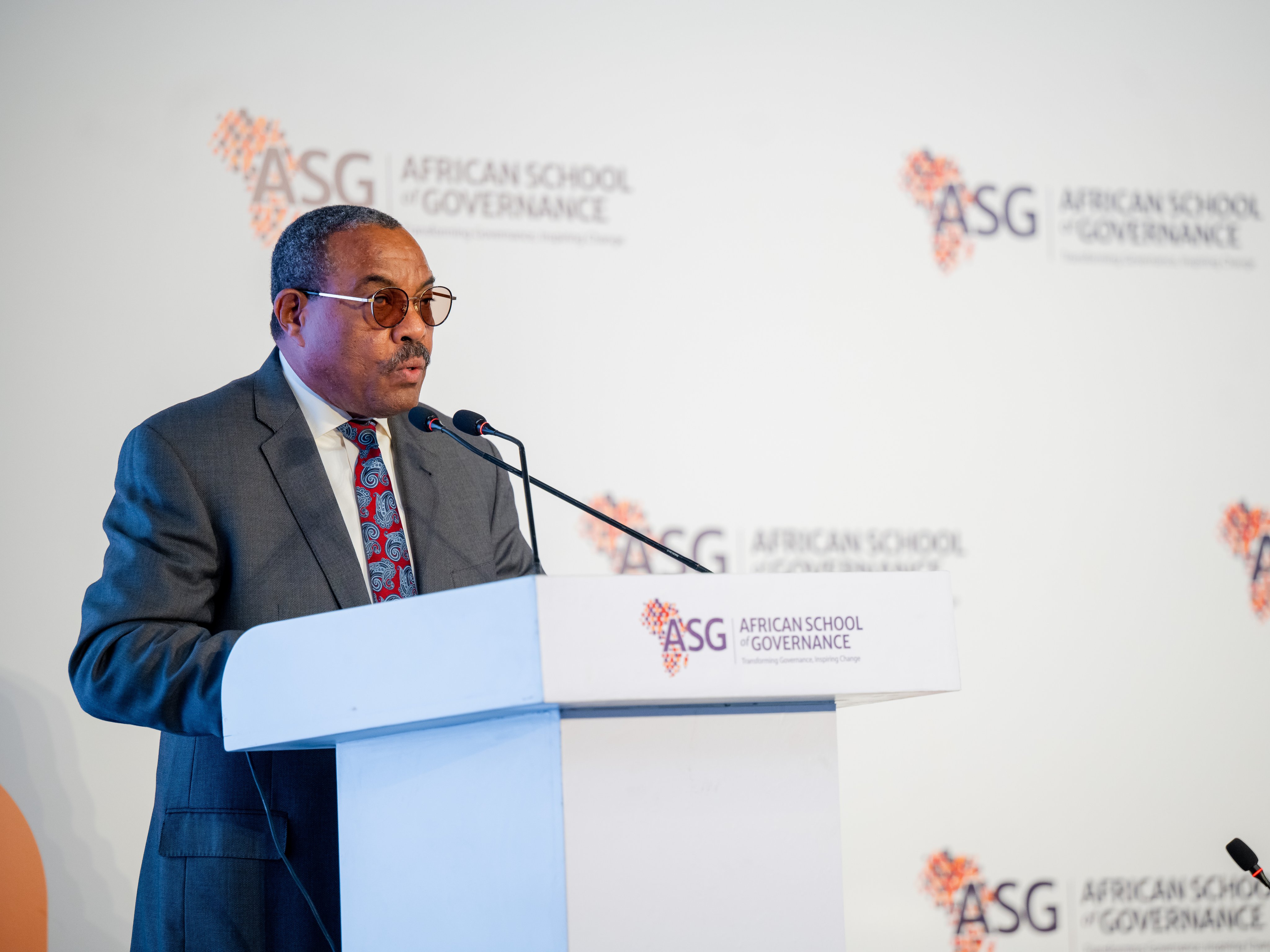
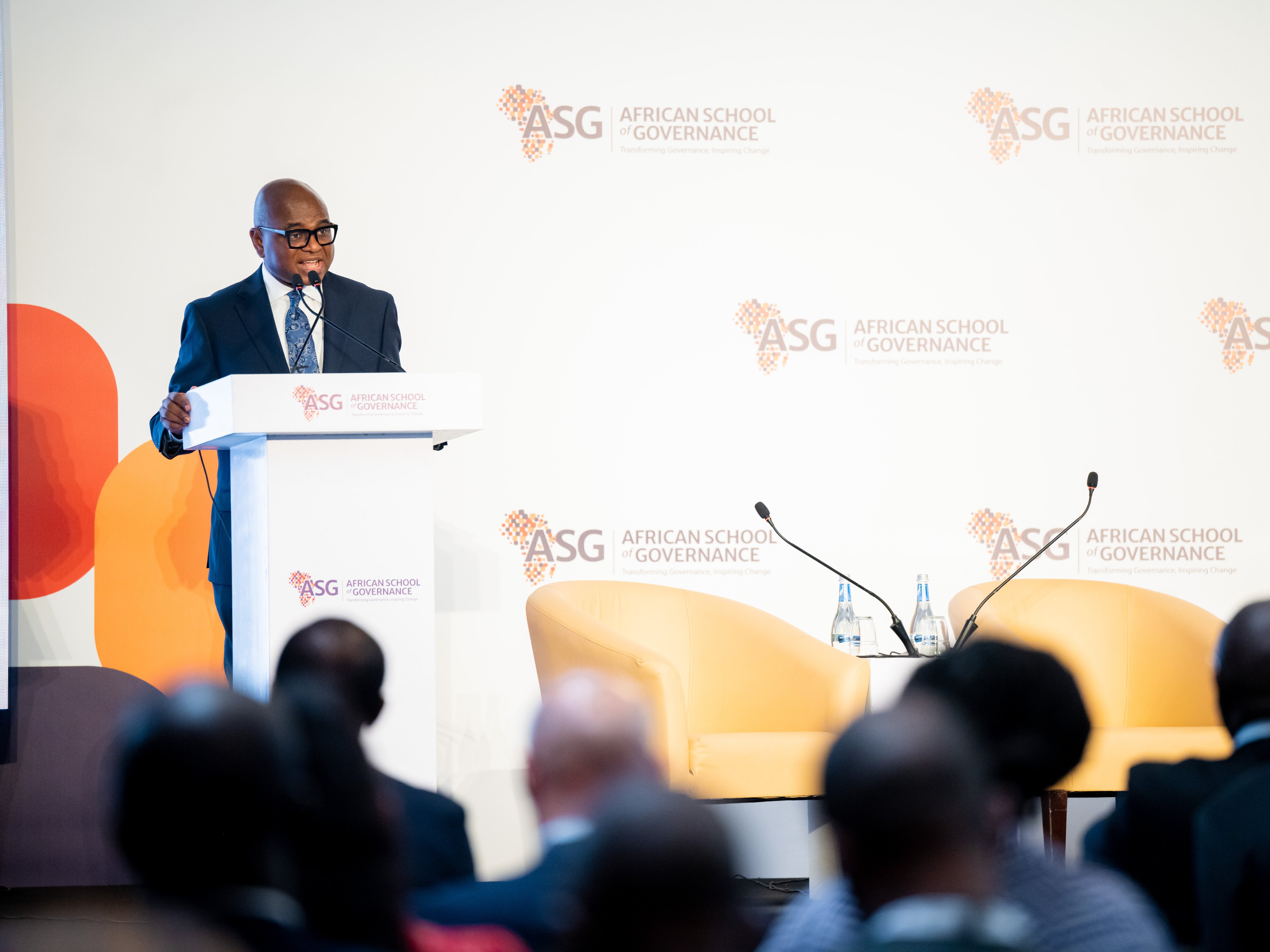
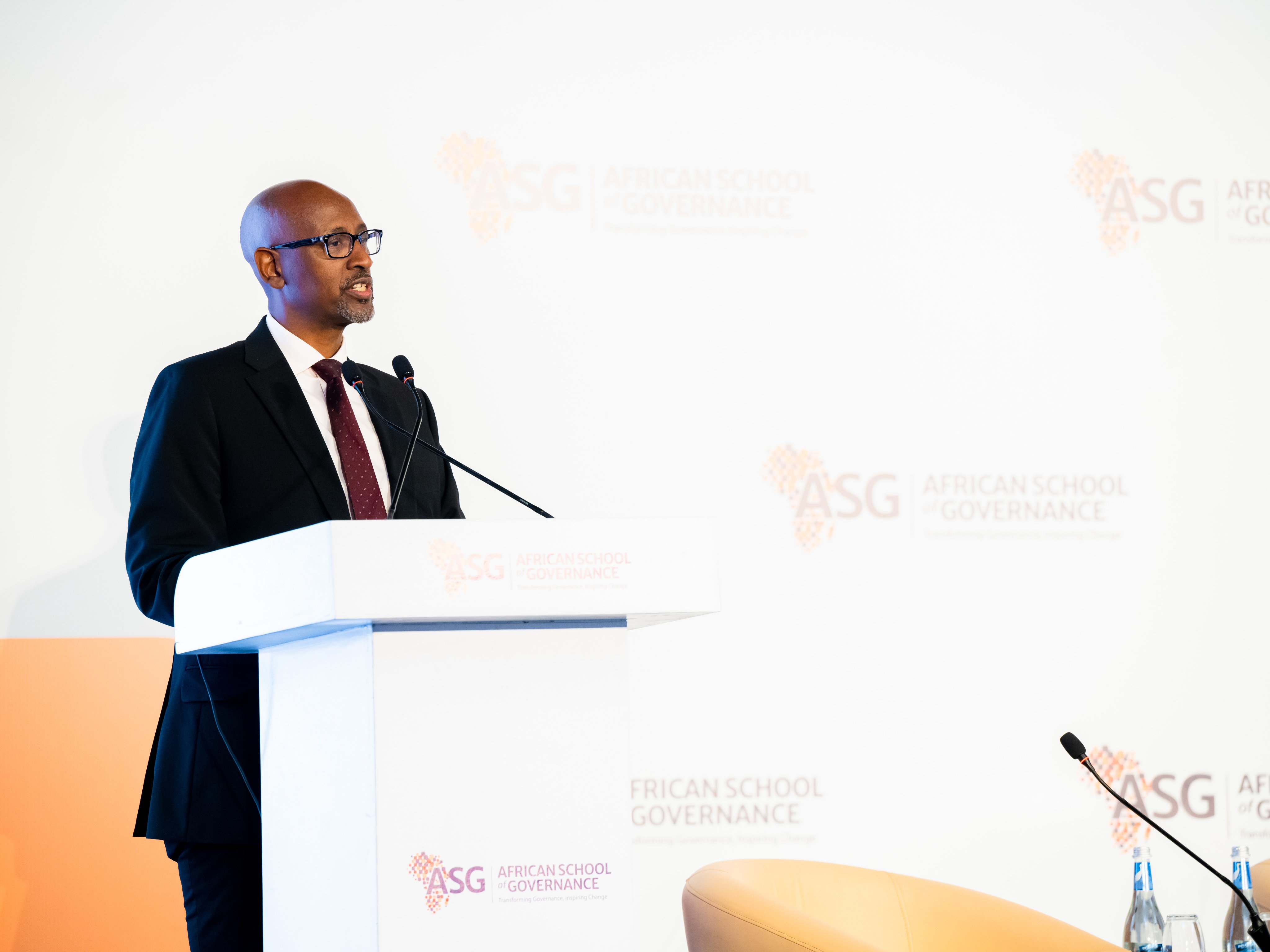
In his keynote address, former Prime Minister Desalegn highlighted the urgent need for leadership tailored to Africa’s unique challenges. He emphasized that the school’s establishment is driven by the belief that “Leadership matters, and one of the greatest things holding Africa back is a clear deficit in leadership that is fit for the purpose.”
Desalegn added that the ASG represents a response to the continent’s leadership challenges, characterized by a “lack of vision or strategies to deliver results, and even backsliding after periods of some gains.” He stressed that the school seeks to reverse this trend by nurturing leaders with a deep understanding of Africa’s history, political economy, and untapped potential.
He further noted that the ASG will integrate *home-grown solutions* to address Africa’s unique problems, ensuring leadership strategies are rooted in the continent’s realities, cultures, and values.
Professor Moghalu outlined the institution’s ambitious plans, including graduate-level programs in public policy, governance, and leadership.
The programs are designed to nurture current and future leaders capable of driving sustainable development, economic growth, and social transformation across Africa while elevating the continent’s voice in global governance discussions.
“This is an event of profound historic importance. ASG, as an accredited Pan-African graduate-level institution, is dedicated to leading the transformation of governance in Africa,” Moghalu remarked.
The ASG campus, located at the former Rwanda Development Board headquarters in Gishushu Village, Gasabo District, is under construction and will welcome its first cohort of students in September 2025.
Minister Nsengimana expressed Rwanda’s pride in hosting the ASG, describing it as a testament to the country’s commitment to visionary governance.
“The ASG finds a natural home here in Rwanda—a country that reflects the very principles this institution seeks to cultivate. Hosting the ASG is our shared responsibility to contribute to Africa’s future by investing in the next generation of leaders,” Nsengimana said.
He emphasized the institution’s potential to transform Africa’s challenges into opportunities through leadership that embodies integrity and resilience.
“The challenges facing Africa today range from economic inequalities and climate change to issues of social justice, and they are undoubtedly complex. Yet, with the right leadership, grounded in integrity and guided by strong values, these challenges can be transformed into remarkable opportunities,” he added.
ASG will offer five distinguished academic programs designed for students and executives across Africa and globally, each tailored to build governance and leadership capacities in public administration.
The courses include the Master of Public Administration (MPA), Executive Master of Public Administration (EMPA), General Executive Courses, the Young Leaders Program targeting high-potential recent graduates, and the Senior Leadership Fellowship.
Former Prime Minister Desalegn affirmed that admissions will be need-blind, with partnerships between governments and the private sector expected to pool resources to support students in need.
The leadership group will guide the institution as it continues its mission to promote academic excellence and innovation in governance across the African continent. The ASG initiative, launched in October 2024, aims to be a transformative force in leadership development across Africa.
In a statement, Professor Kingsley Moghalu, President of ASG, highlighted the significance of the appointments, emphasizing that the new leadership team is composed of world-class executives committed to advancing governance education.
“This exceptional group of leaders embodies the values of the African School of Governance. Their collective expertise, vision, and commitment to education and governance will drive our mission to shape the next generation of leaders in Africa,” Prof. Moghalu said.
Professor Anna Lucy Mdee, a renowned academic in the Politics of Global Development, has been appointed Acting Vice-President of Academic Affairs. Prof. Mdee, currently based at the University of Leeds, UK, brings over 25 years of experience in development research across Africa, with a focus on sustainable development, local governance, and social protection. She holds multiple degrees, including a PhD in International Development from the University of Bradford, UK.
Dr. Edward Kadozi has been appointed Director of Academic Affairs. With a PhD in Economics from the University of Amsterdam and vast experience in environmental economics and development economics, Dr. Kadozi previously taught at the University of Rwanda and Kigali Independent University. He is also the founder of the Center for Development Policy, a Pan-African research think tank.
Dr. Lite J. Nartey has been named Director of Executive Education. Holding a PhD from The Wharton School of the University of Pennsylvania, Dr. Nartey has extensive experience designing educational programs at top global institutions such as INSEAD and Tufts University. She is also a Managing Partner at Saense Strategy Consulting LLC.
In addition to the academic leaders, Ms. Ngozichukwu C. Njemanze has been appointed Director and Senior Policy Adviser to the President of ASG. A governance expert with vast experience in corporate governance, Ms. Njemanze has previously worked at the World Bank and the Central Bank of Nigeria.
Ms. Aissatou Diajhate will serve as the Director of External Affairs and Acting Director of Admissions. With a strong background in institutional partnerships and philanthropy, Ms. Diajhate has held leadership roles at institutions such as Mastercard Foundation and Suffolk University.
The appointments mark a new phase for ASG, which is committed to shaping future African leaders capable of tackling the continent’s governance challenges. The institution’s curriculum will integrate African socio-economic contexts, offering Master’s programs such as the Master of Public Administration (MPA) and Executive Master of Public Administration (EMPA) for professionals.
ASG is also building research centres dedicated to generating evidence-based solutions tailored to African governance challenges. These initiatives will engage with governments and other stakeholders to promote good governance and sustainable development across Africa.
With its distinguished leadership team and continued focus on innovation in governance education, ASG is poised to play a critical role in advancing leadership and governance excellence on the continent.
The African School of Governance is a pioneering institution focused on transforming leadership and governance in Africa.
ASG offers graduate-level programs and conducts research to develop innovative solutions to governance challenges.
The institution is backed by leading African figures, including President Paul Kagame and former Ethiopian Prime Minister Hailemariam Desalegn, and receives support from the Mastercard Foundation.
These details were shared by the BRD leadership during a gathering for Rwandans living abroad on January 3, 2025.
The event hosted by the Minister of Foreign Affairs and International Cooperation, Amb. Olivier Nduhungirehe, was attended by over 130 Rwandans from more than 40 countries.
In his address, the Minister emphasized that achieving the goals of the National Strategy for Transformation (NST2) will require ongoing effort and collaboration with relevant stakeholders, including the Rwandan diaspora.
The student loan scheme, which started in 1980 under the Ministry of Education, has undergone several changes over time.
Initially managed by the Ministry of Education, the responsibility shifted in 2008 to the Students Financing Agency of Rwanda (SFAR).
In 2013, following a merger of institutions under the Ministry of Education, SFAR was integrated into the Rwanda Education Board (REB) as a department responsible for student loans.
In 2016, BRD took over the management of student loans and collection of repayments from beneficiaries.
During the event, Wilson Rurangwa, Head of the Education Department at BRD, urged those who had benefited from the loans to begin thinking about repayment.
“As the Minister mentioned, the NST2 development agenda aims to build a knowledge based economy, and this can only be achieved through education.
“Many of us here have had the privilege of studying with these loans, but we must repay them so that future generations can have the same opportunity,” Rurangwa said.
BRD also advises loan applicants to open accounts with BRD Minuza, which will allow them to easily track their payments or have their employers deduct payments directly from their salaries if applicable.
The bank has been making adjustments to student loan repayment procedures as needed.
For example, in July 2024, 300 million Rwandan Francs were refunded to those who had overpaid on their loans.
The National Examination and School Inspection Authority (NESA) had earlier announced that the first group of boarding students is scheduled to return to their schools on January 3, 2025.
Congestion has been reported at various bus stations across Kigali, where students board vehicles to return to school, making it difficult for some to find transport.
Joseph Rutajobwa, an employee of Virunga Express, explained that the transportation challenges faced by students are largely due to non-compliance with the set return schedule.
“The problem is that students do not respect their designated days. For instance, if students from the Southern Province are assigned a specific date, they often fail to travel on that date and instead show up on other days, leading to overcrowding and delays,” he stated.
Emma-Claudine Ntirenganya, the Kigali City Director General in Charge of Communication and Education, stated that some parents have developed a habit of disregarding the schedule for returning students, creating challenges for service providers.
“When parents fail to follow the schedule, it becomes challenging for us as the Kigali City administration, and it also creates difficulties for transportation companies. These companies cannot combine students with other passengers, as students travel under standard fares without additional charges,” Ntirenganya explained:
Ntirenganya warned parents who delay their children’s return to school, stating that penalties will be introduced.
“Penalties will be implemented, requiring parents to either comply with the schedule or make personal arrangements to transport their children to school.”
NESA has indicated that the final group of boarding students is expected to return to school by January 6, 2025.
Huang Xin, deputy dean of the School of International Education at Jinhua University of Vocational Technology, said, “Talent training programs and teaching plans for the new group of Rwandan students are being perfected based on the feedback from the first group of students.”
Vocational education, as an important bridge to continue the traditional friendship between China and Africa, shoulders the important responsibility of training variety of talents, passing on technical skills, promoting employment and entrepreneurship, and adding youth power to the dream of modernization for China and Africa. At present, China has built the world’s largest vocational education system.
In the system, Luban Workshops shines like a pearl in the international cooperation of China’s vocational education. Currently, more than 30 workshops have been jointly built in Asia, Europe and Africa. And nearly 10,000 students have been trained in academic education and more than 31,000 people received vocational training.
Jinhua’s cooperation with African countries in vocational education is a “golden card” for China-Africa educational exchanges and cooperation.
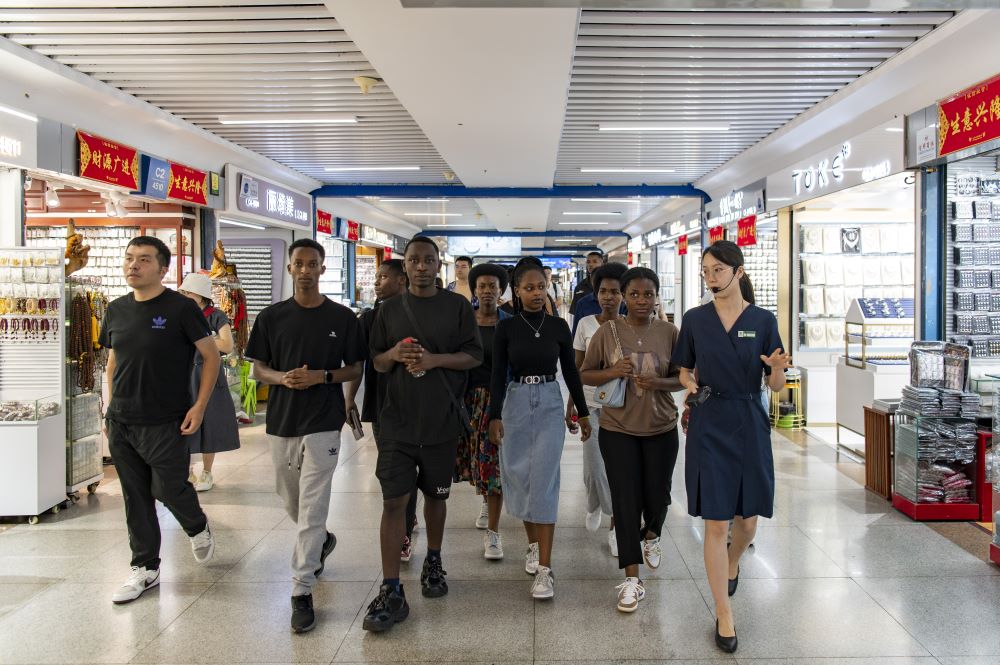
As the first batch of pilot institutions of “Future Africa– China-Africa Vocational Education Cooperation Plan” project, Jinhua University of Vocational Technology welcomed the first group of 30 Rwandan students involved in the Future of Africa—Vocational Education Cooperation Plan in April this year. They gained fruitful results during the year in Jinhua.
At Africa Tech Challenge (ATC) Season IX in 2024, MBONIMANA Philimine won the highest score while Tuyihimbaze Israel won the third prize.
In the finals of Industrial Robot Installation and Maintenance Technical Competition Season V(International Group) of the 2024 Belt and Road and BRICS Skills Development and Technological Innovation Competition, Tuyihimbaze Israel, Musengamana Eugene and Iradukunda Abel won the third prize; Umwali Ange Natacha, Ngabonziza Elie and Uwamahoro Alphonsine won the gold medal in the finals of the Finance and Business Circuit (International Group) of the 2024 World Vocational College Skills Competition, while Mbonimana Philimine won the bronze medal in the Equipment Manufacturing circuit (International Group).
Umwali Ange Natacha was also employed as the international communication envoy of Jin Hub and the promotion officer of Jinhua Mountain Cultural Travel, telling the good story of Jinhua to the world.
At present, Jinhua University of Vocational Technology is also preparing the graduation ceremony for these Rwandan students. The students say that they have lived an extremely fulfilling life in Jinhua and hope to become witnesses, beneficiaries, builders as well as story tellers of China-Africa friendship and cooperation.
Umwali Ange Natacha and Hafashimana Patrick say that they will stay in Jinhua after graduation and have signed letters of intent with Zhejiang Wandefu Intelligent Technology Co., LTD. and Jinhua Runxing Technology Co., LTD respectively.
“Most overseas students choose to return to their country after graduation. We have contacted Chinese enterprises in Rwanda through the Chinese Chamber of Commerce in Rwanda and the Association of Overseas Chinese in Rwanda, and actively helped them realize their dream of returning to China.”
Qian Xiangming, dean of Musanze International College of Jinhua University of Vocational Technology says. He hopes that Rwandan students will innovate and explore “small but beautiful” cooperation projects when promoting local economic development, and become a link of business exchanges between Jinhua and Africa.
In the overseas development of vocational education for Africa, in addition to Jinhua University of Vocational Technology, Yiwu Industrial & Commercial College and Zhejiang Guangsha Vocational and Technical University of Construction are highly active as well.
In October 2023, Yiwu Industrial & Commercial College and Morocco Mondiapolis University cooperated in running an overseas branch – Morocco Yiwu Business School, jointly carrying out the training of international trade talents, big data technical talents, and e-commerce talents.
In 2018, Zhejiang Guangsha Vocational and Technical University of Construction gave full play to the industrial advantages of national intangible heritage Dongyang wood carving, and cooperated with the Ministry of Forestry of the Republic of the Congo to recruit the first batch of international students from the country, becoming the first vocational college in Zhejiang province to recruit international students in the field of arts and crafts.
At the end of March this year, it cooperated with Sassu University of the Republic of the Congo to build the “China-the Republic of the Congo Silk Road College”, carrying out all-round cooperation in running schools around personnel training, skills training and cultural exchanges.
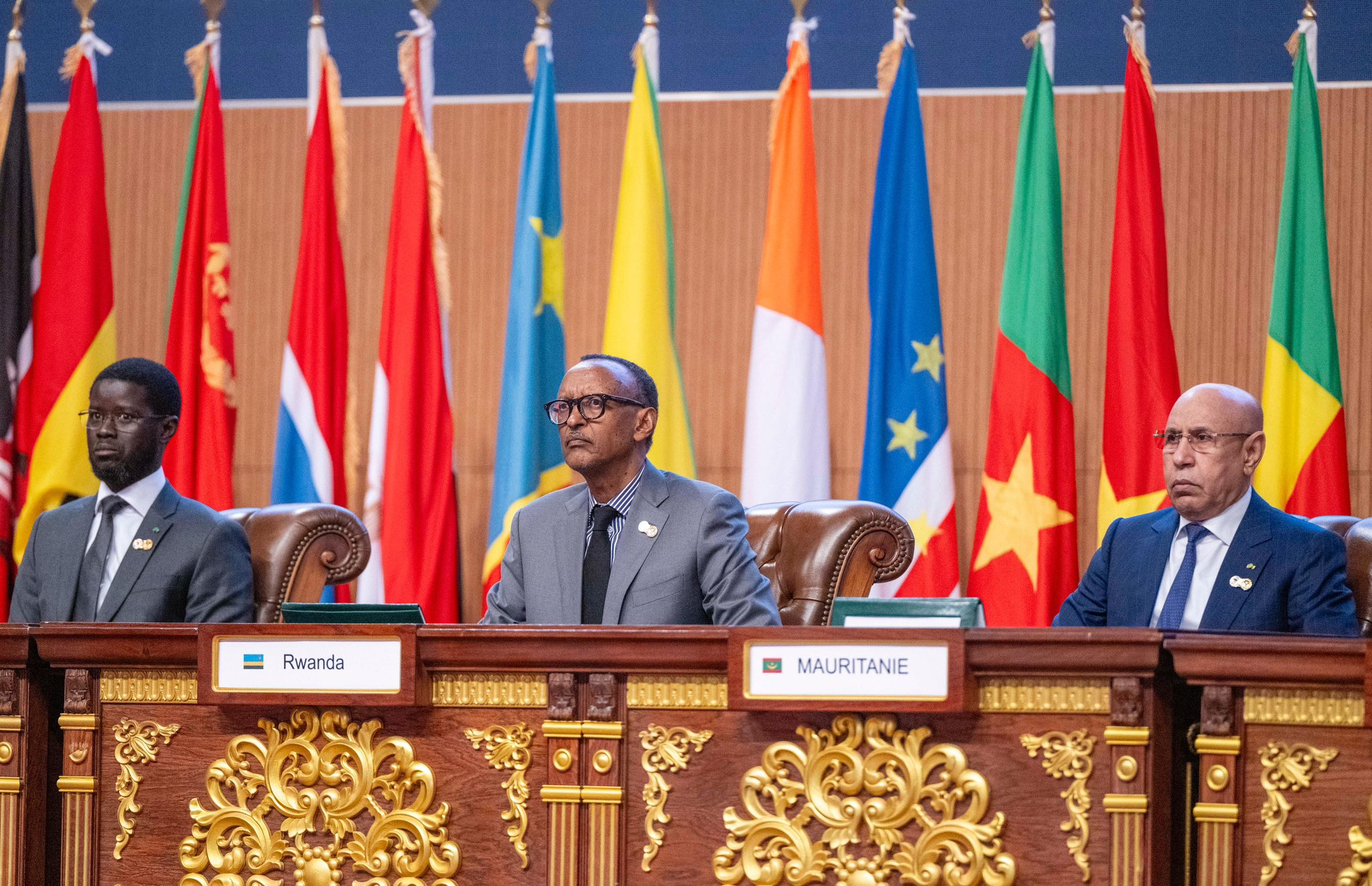
The forum, themed “Educating and Qualifying Our Youth for a Prosperous, Integrated, and Dynamic Africa,” brought together African leaders to address key challenges in education and youth employment.
Kagame pointed to the vast potential of Africa’s growing youth population, describing it as a critical driver of economic growth.
“In just a decade from now, young Africans will represent the biggest share of the global population entering the workforce,” he said.
“We cannot let this opportunity go to waste. This generation has the potential of becoming a powerful engine for growth and prosperity—not just for Africa, but for the rest of the world.”
The Rwandan Head of State stressed the need to equip young people with skills aligned with modern labour market demands.
“What we need to do is equip these young people with the skills and expertise to meet the demands of the labour market,” Kagame noted, highlighting the partnership with UNICEF for digital skills and connectivity as a promising model.
Kagame also emphasized the importance of increased investment in education, citing Rwanda’s efforts.
“In Rwanda, we have increased the share of education spending in our budget from 11% in the year 2020 to 17.7% in the year 2024,” he stated.
Beyond increased funding, he highlighted the importance of quality reforms, saying, “The focus should be on quality if we want to see long-term results. This means training and hiring better-qualified teachers, modernizing the curriculum, and encouraging critical thinking rather than rote memorization.”
He further urged African nations to take ownership of their education strategies, reducing dependence on external support.
“Effective partnerships should not be confused with outsourcing responsibility or leadership. It is not a question about being big or small or having sufficient resources; it is about making the right choices. This is well within Africa’s means,” Kagame asserted.
Hosted by Mauritania’s President Mohamed Ould Ghazouani in collaboration with the African Union and UNICEF, the forum aimed to explore sustainable solutions to reduce the number of out-of-school children, improve learning outcomes, and prepare youth to tackle Africa’s challenges.
The president closed with a call to action, urging leaders to create opportunities that discourage risky migration in search of better prospects.
“As we speak, many young Africans are putting their lives in danger to go find better opportunities abroad. This is a sign that we need to do more to empower our youth,” he remarked.
“Africa is our common home, and we must ensure that every African has a future on this continent.”
The forum’s outcomes are expected to inform policies to revamp education systems and boost youth employability, strengthening Africa’s position in the global economy.
Among the leaders present at the forum were President Muhammadu Ghazouani of Mauritania, who hosted the event and currently chairs the African Union; President Abdelmadjid Tebboune of Algeria; and Senegalese President Bassirou Diomaye Faye. Moussa Faki Mahamat, Chairperson of the African Union Commission, and Ted Chaiban, Deputy Director of UNICEF were also in attendance.
This growth reflects the expansion of Rwanda’s higher education sector, which has seen about 20 new institutions gain approval to operate in the country over the past seven years.
While some of these institutions offer specialized international programs, they are not the only schools drawing foreign students.
For instance, in October 2024, more than 8,000 students graduated from the University of Rwanda, 126 of whom were international students.
HEC data shows that in the 2017/2018 academic year, there were about 1,397 international students, with numbers now ballooning to over 9,100.
Speaking before the Parliamentary Committee on Education, Technology, Culture, Sports, and Youth, HEC Director General Dr. Rose Mukankomeje highlighted both the successes and the challenges of this growth.
“The number of international students has increased, but some arrive with insufficient information about study requirements and face unexpected challenges,” she said.
To address this, HEC is working closely with immigration authorities to ensure that information on study requirements is readily accessible online and that students can secure visas upon arrival.
“No one should come as a tourist and then attempt to enroll in school,” she emphasized.
Dr. Mukankomeje also raised concerns about individuals who enter Rwanda under false pretenses, sometimes claiming to seek work but lacking proper employment documentation.
She noted cases where people with medical backgrounds enroll in unrelated courses, such as computer programming, as a strategy to obtain equivalency documents and ultimately secure employment.
In October 2024, Prime Minister Dr. Edouard Ngirente reaffirmed the commitment to enhancing the quality of education at the University of Rwanda, which continues to attract international students. He stressed that maintaining high educational standards remains a top priority.
Since 2017, the number of highly qualified faculty members with Ph.D. degrees has also seen substantial growth, increasing from 776 to 1,195 in 2024.
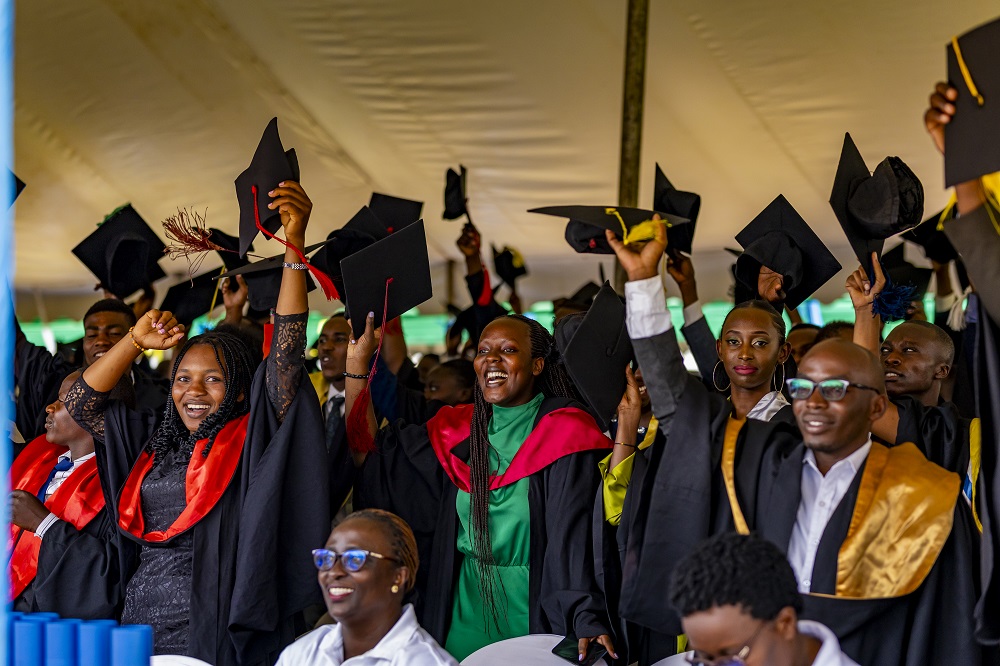
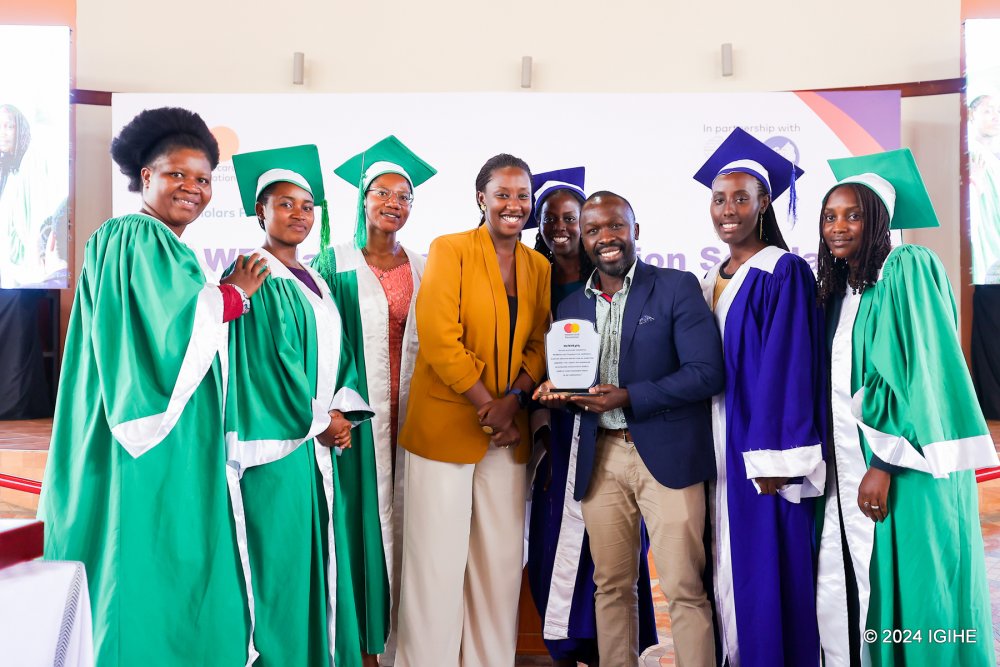
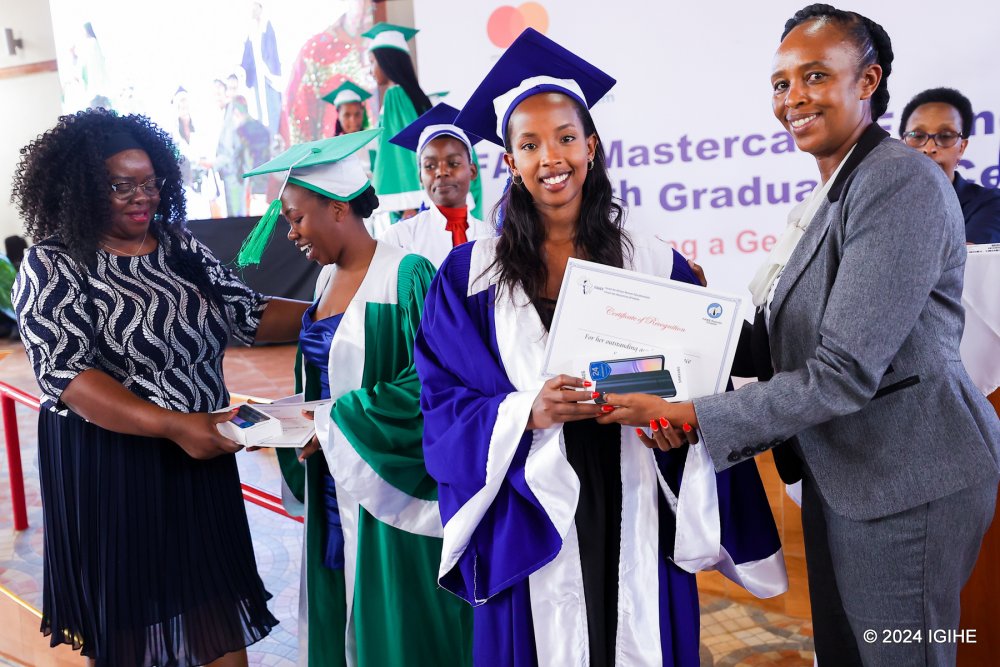
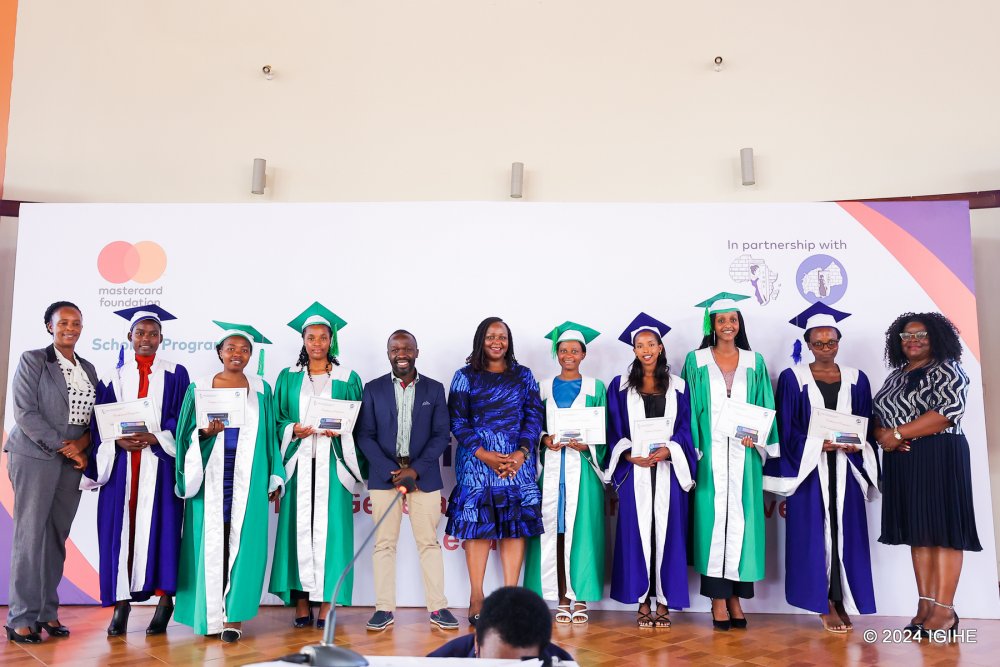
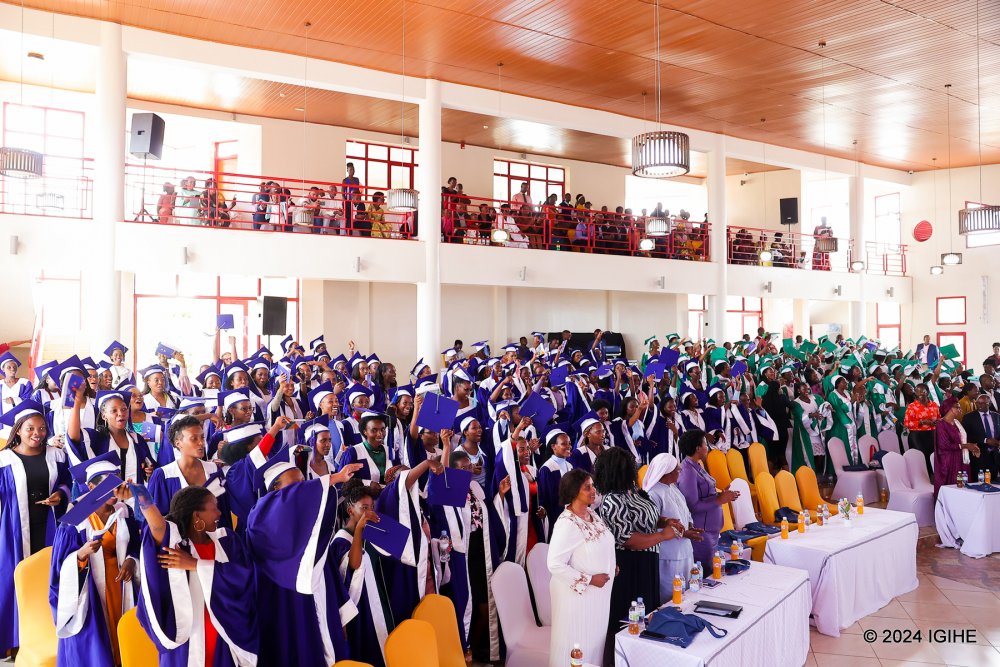
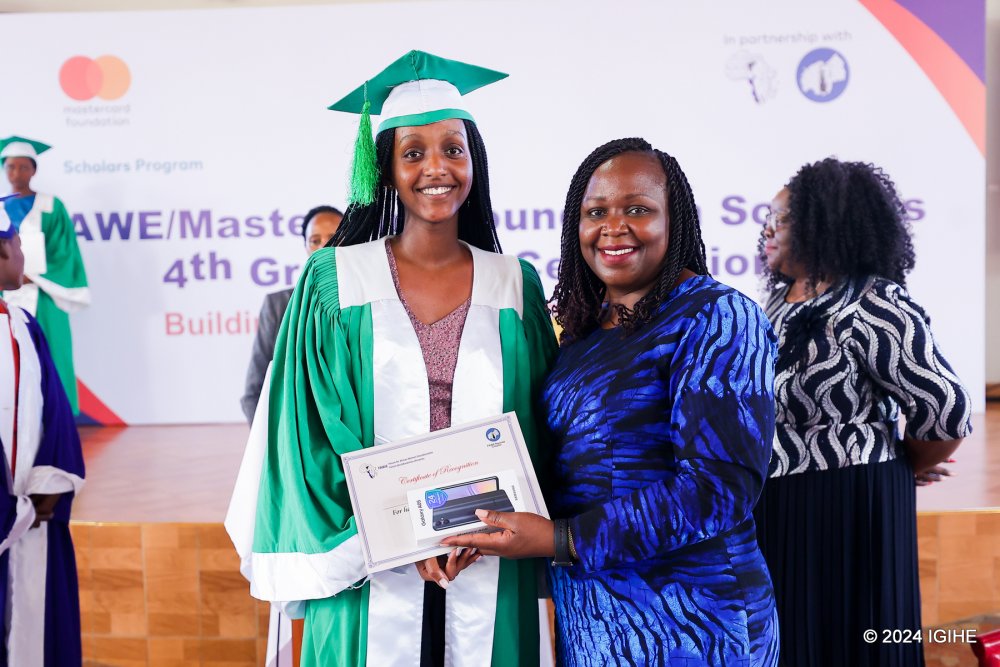
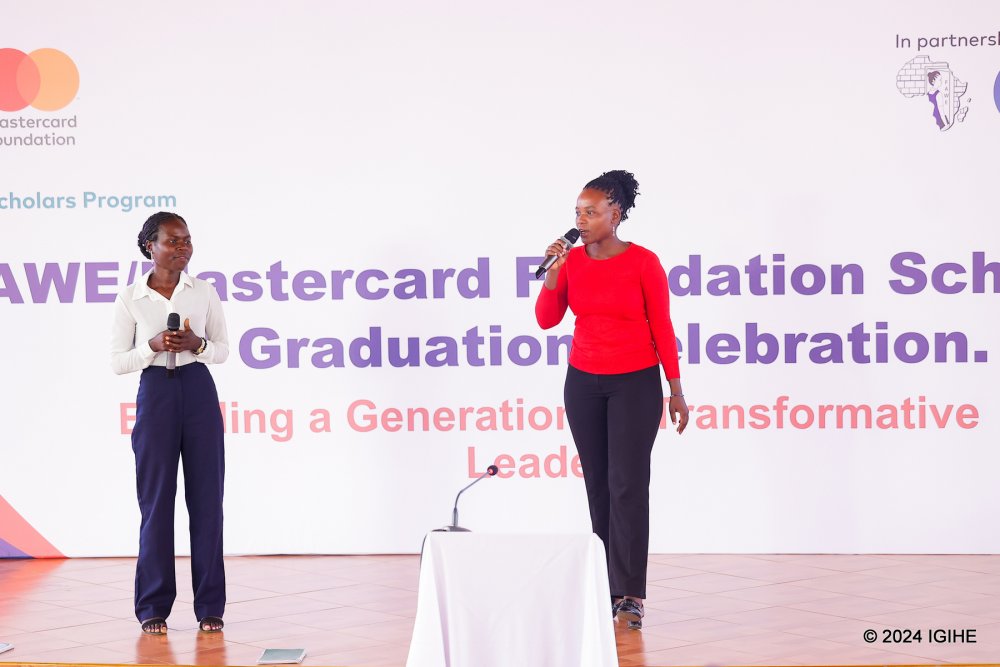
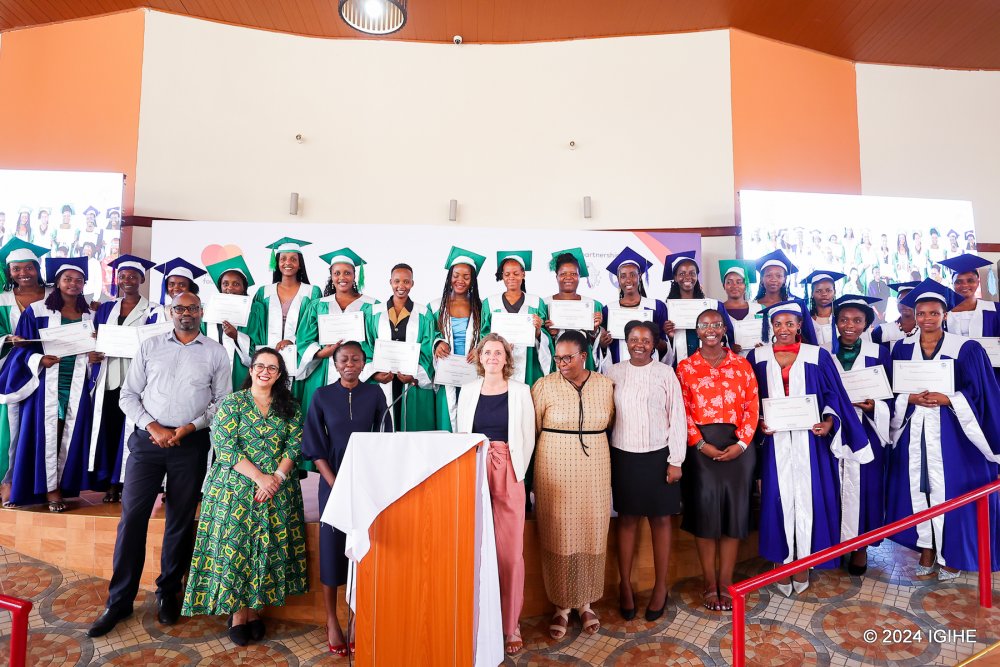
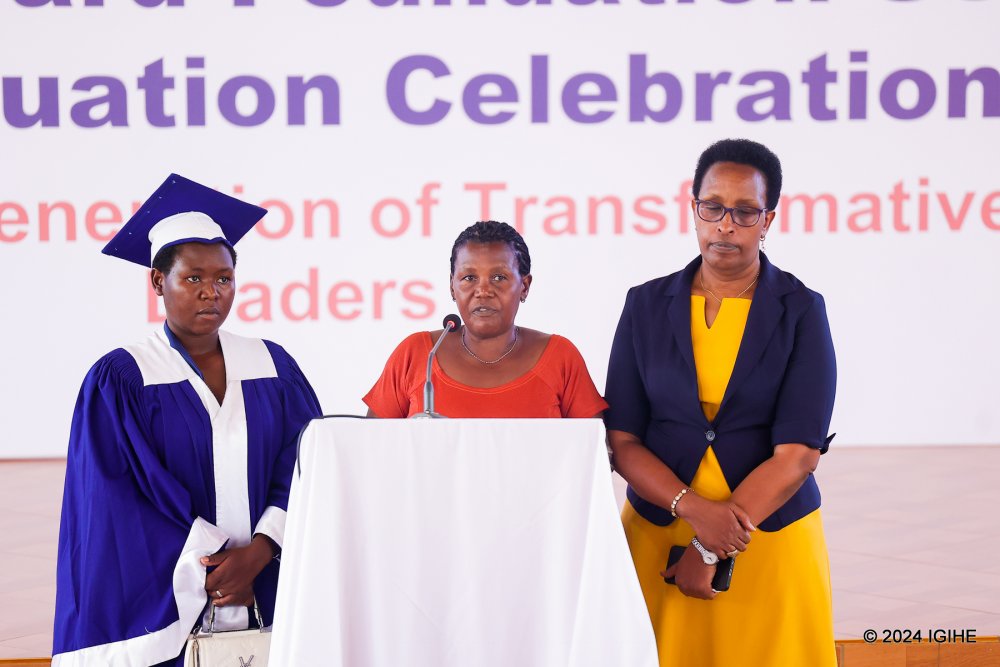
The students shared their testimonies during an event organized to celebrate their graduation from various institutions on September 27, 2024. This is the fourth such event for scholars hosted by FAWE in partnership with the Mastercard Foundation.
The graduates include 272 young women from low-income families, sponsored from their fourth year of secondary school through their university studies in various fields.
The group comprises 125 former students from the University of Rwanda (UR) and 147 from INES Ruhengeri, all of whom received their degrees at the end of 2023.
Mpinganzima Lydivine, who studied medicine at INES Ruhengeri, said FAWE Rwanda acted as a bridge to achieving her dreams.
She stated, “It was difficult to find the means to study. FAWE was like a parent to us from secondary school and turned our dreams into reality. As someone from a rural area, I never thought it would be possible.”
“We will use what we’ve learned to uplift the broader community and help others in rural areas build the confidence to succeed in completing their education.”
Shimwa Uwase Sylvie, who studied computer science at the University of Rwanda, shared that the support FAWE Rwanda provided helped her secure a job in her field.
She said, “After completing my studies, I secured a job in my field, and now I train youth in entrepreneurship, specifically in software development.”
“I’m delighted that FAWE helped me pursue studies in technology because it was my dream to be one of the women contributing to the technology sector, which our country prioritizes.”
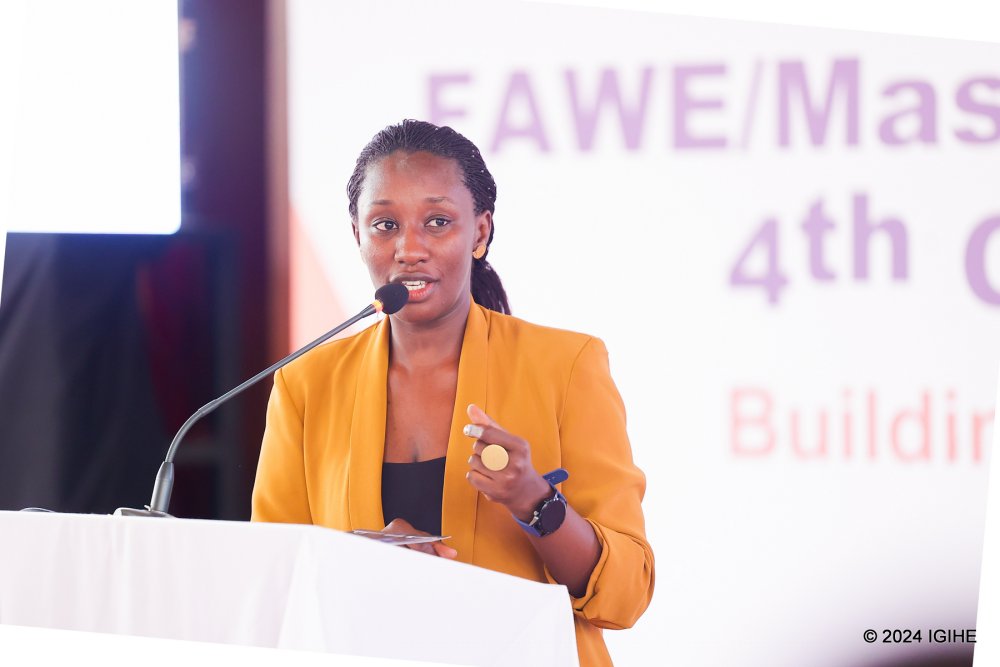
Mutoro Antonia, the FAWE Rwanda representative, encouraged the graduates to work hard and continue developing themselves while also giving back to the community, noting that 75% of them have already secured jobs.
She said, “We expect them to become women leaders who believe in their ability to help other girls advance. We also have programs that help them gain confidence in public speaking and becoming role models.”
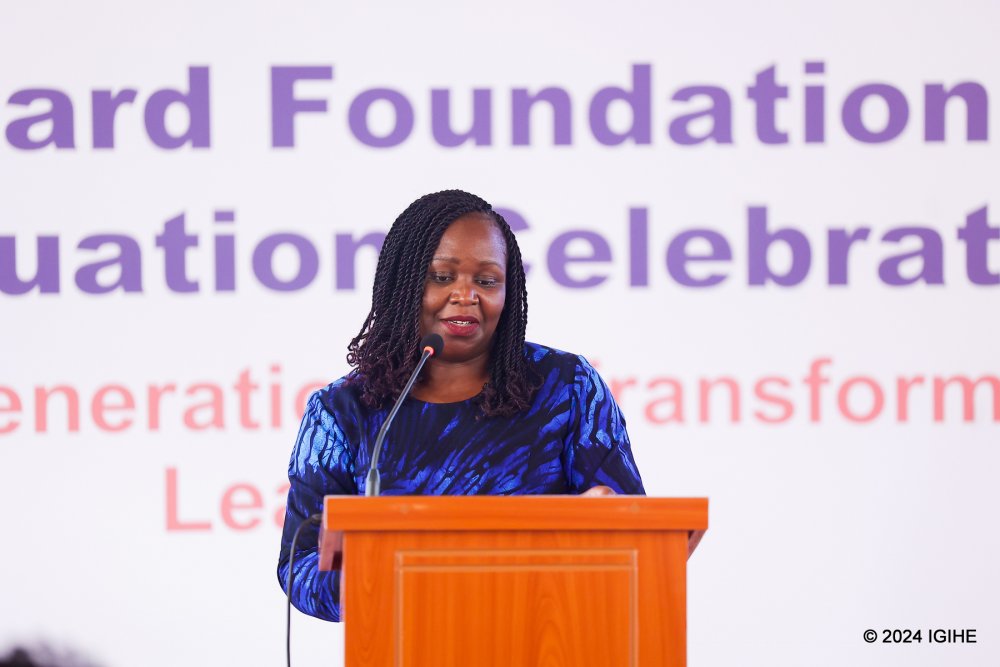
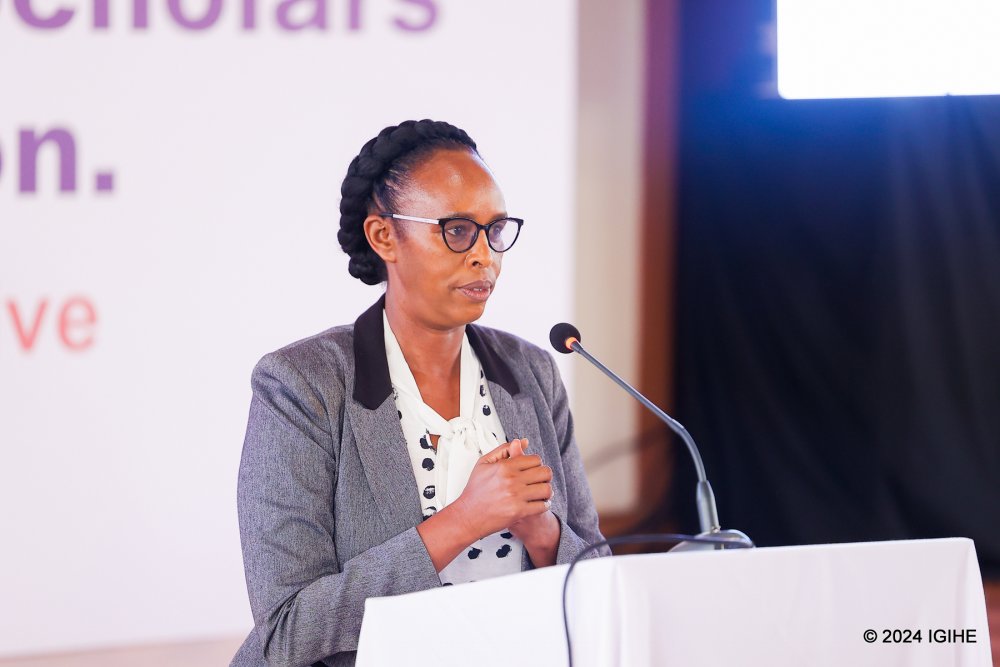
The Minister of State in the Ministry of Education, Irere Claudette, highlighted FAWE Rwanda’s role in promoting girls’ education.
She said, “The first FAWE school in Rwanda, founded in 1999, began by teaching girls and encouraging them to believe in their ability to study science, which they often feared, and to speak up when facing challenges. Since then, many have passed through FAWE’s programs, and both the school and FAWE’s initiatives have grown.”
Irere also addressed parents who still abandon their daughters when they become pregnant, telling them that “having a child does not mean life is over. She gives birth, but she should continue her education. If you don’t support her, she won’t be able to help her child in the future.”
FAWE began operating in Rwanda in 1997 and started sponsoring students in 2013 in partnership with Mastercard Foundation.
Since then, 12,000 girls have received school sponsorship, including over 800 who have gone on to university. The organization plans to begin sponsoring boys from disadvantaged families starting next year.