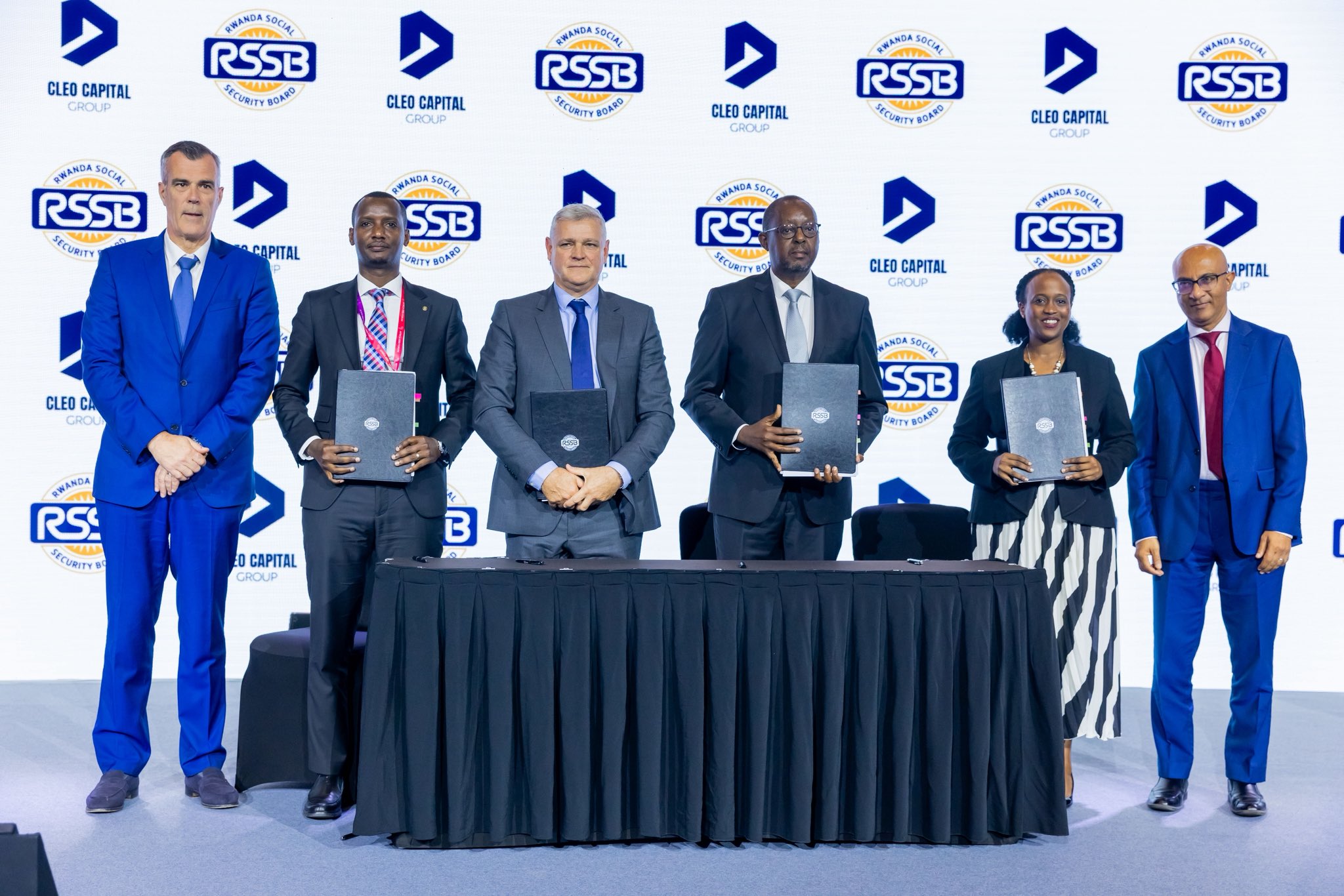
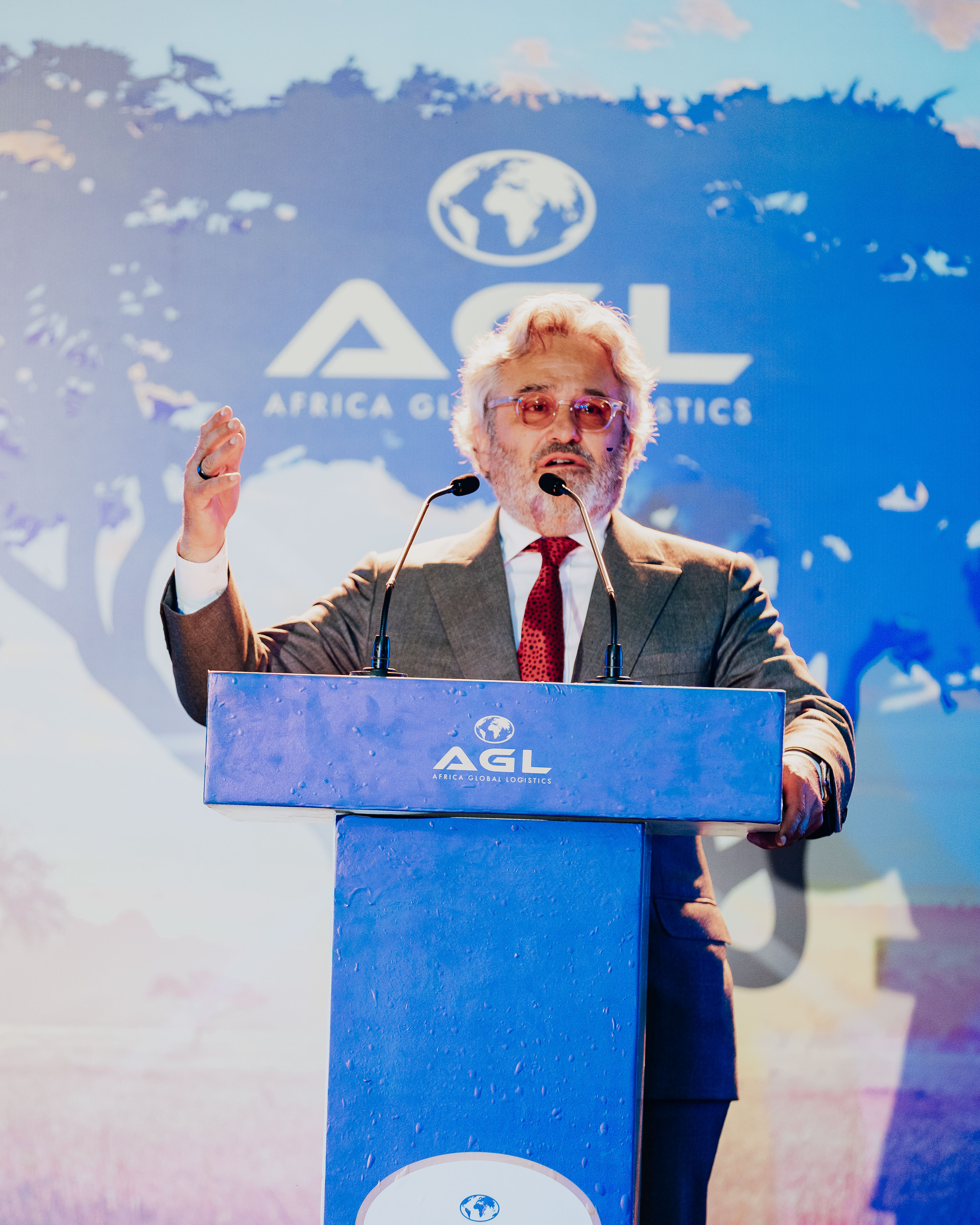
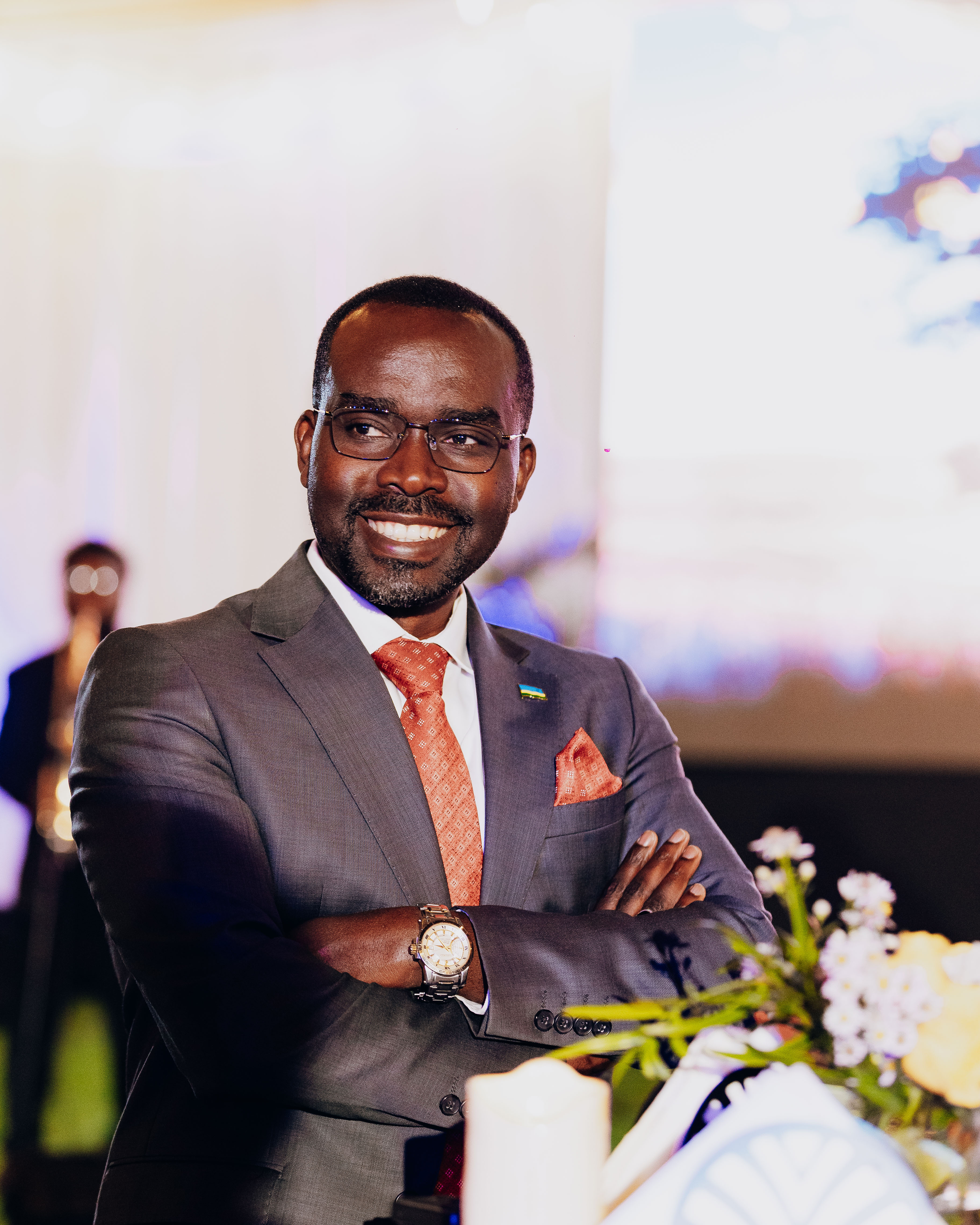
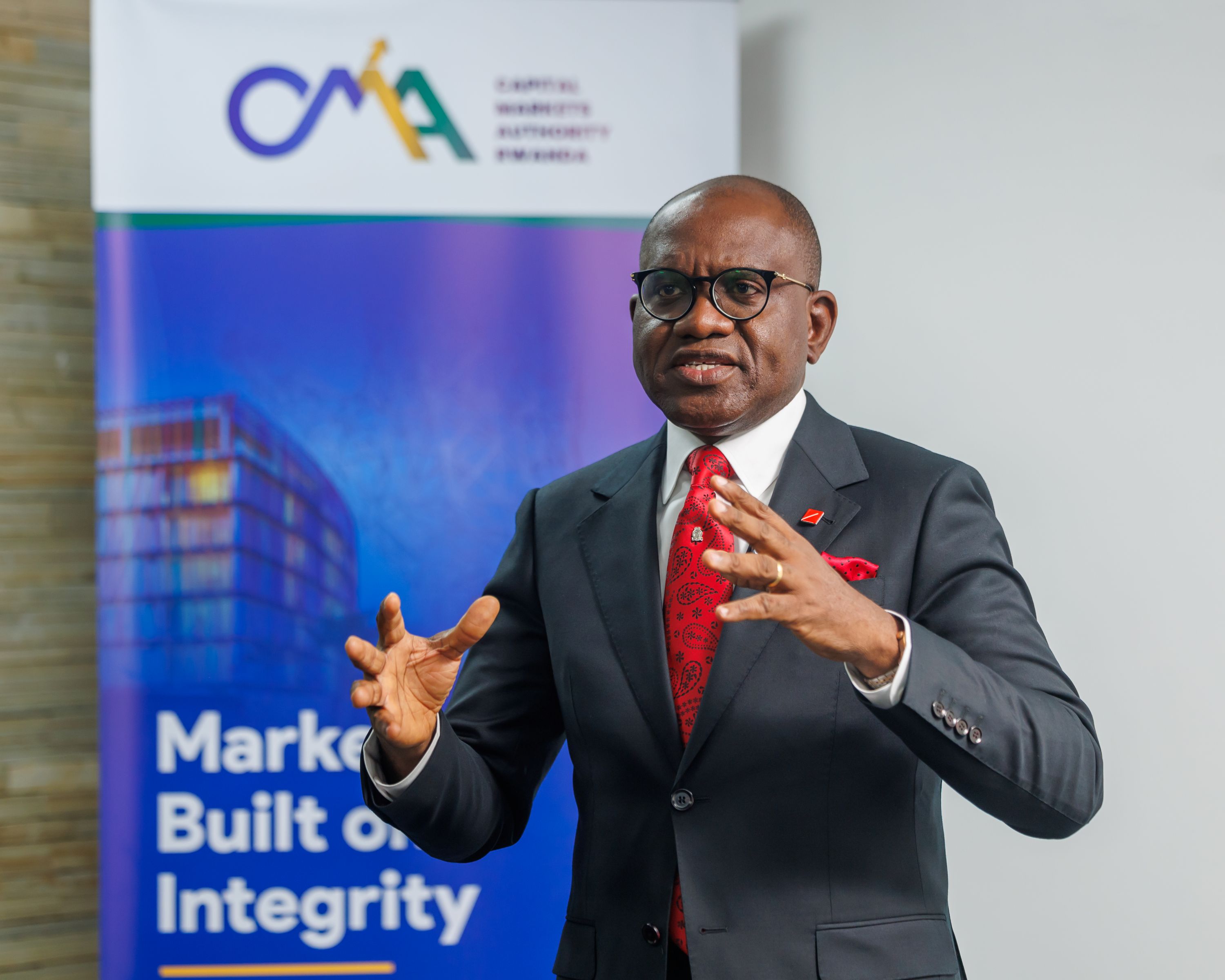
Among those celebrated was Peter Asiimwe from Uganda. He won a big award for his work in helping his community and showing great leadership.
Also in the spotlight was Rwanda’s own Isimbi Alliance, also known as Alliah Cool. She’s a well-known actress and social media influencer who received an award for her efforts in promoting change and entertaining people.
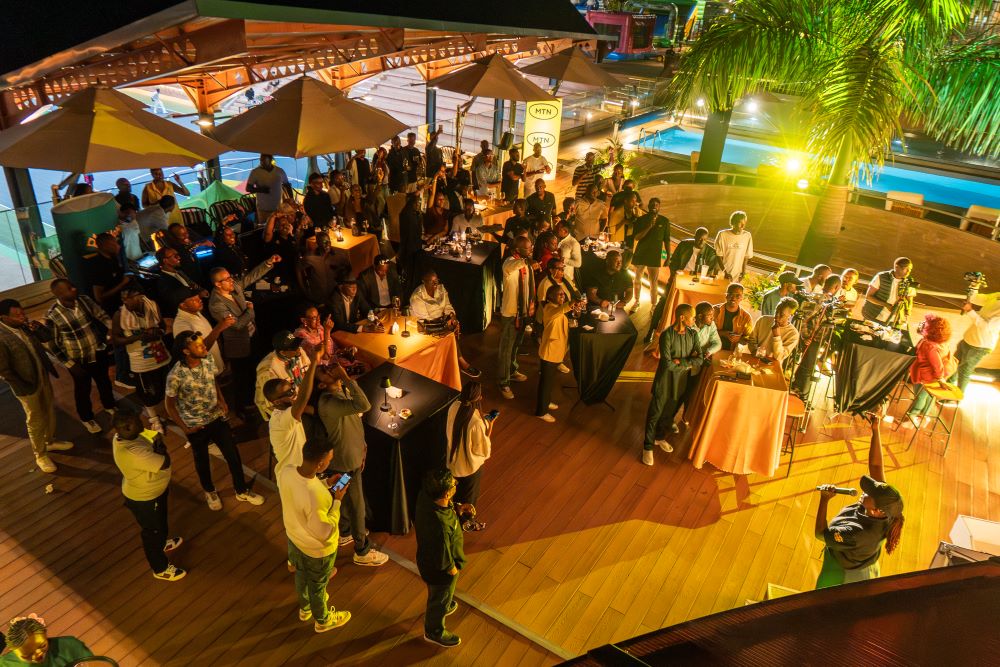
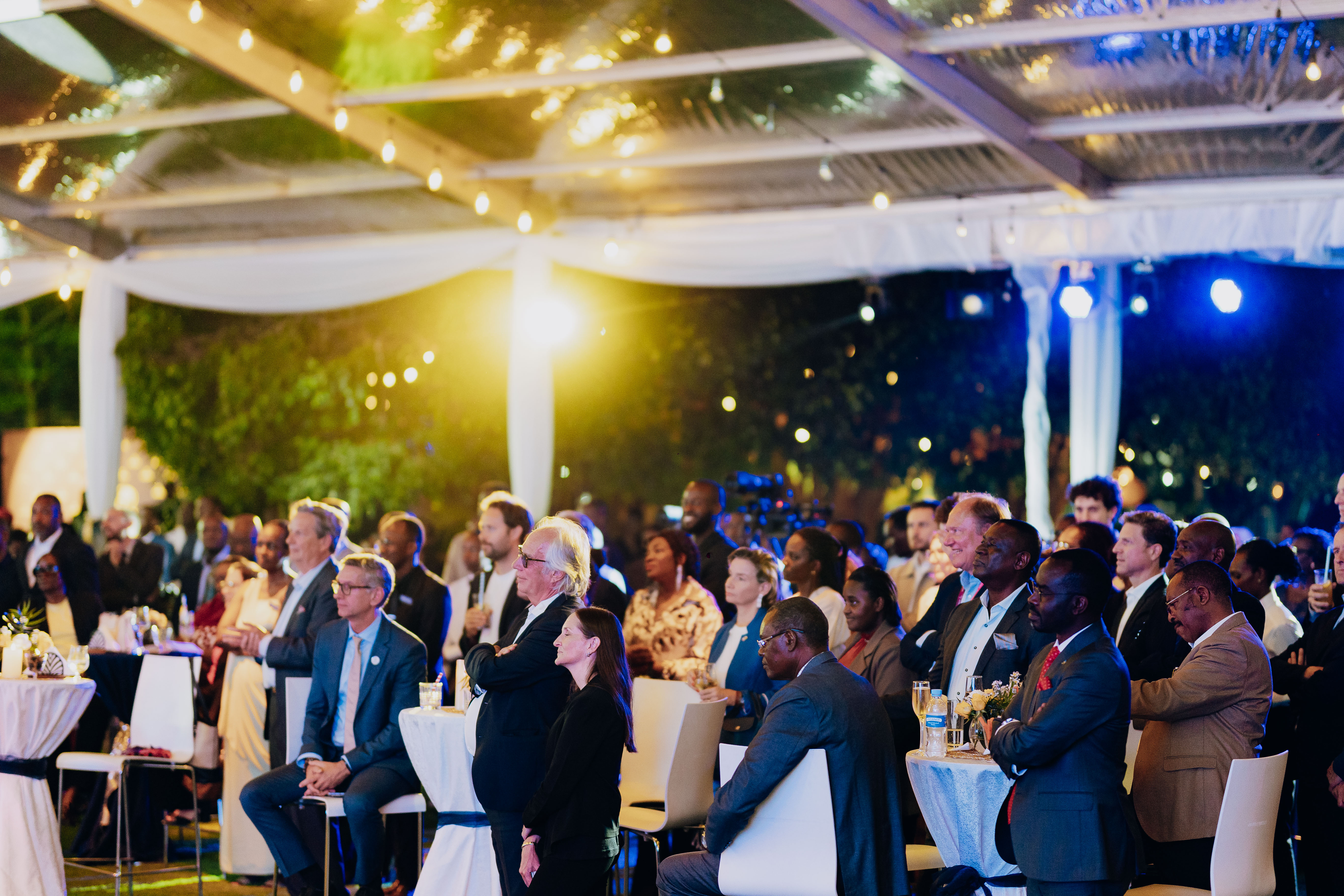
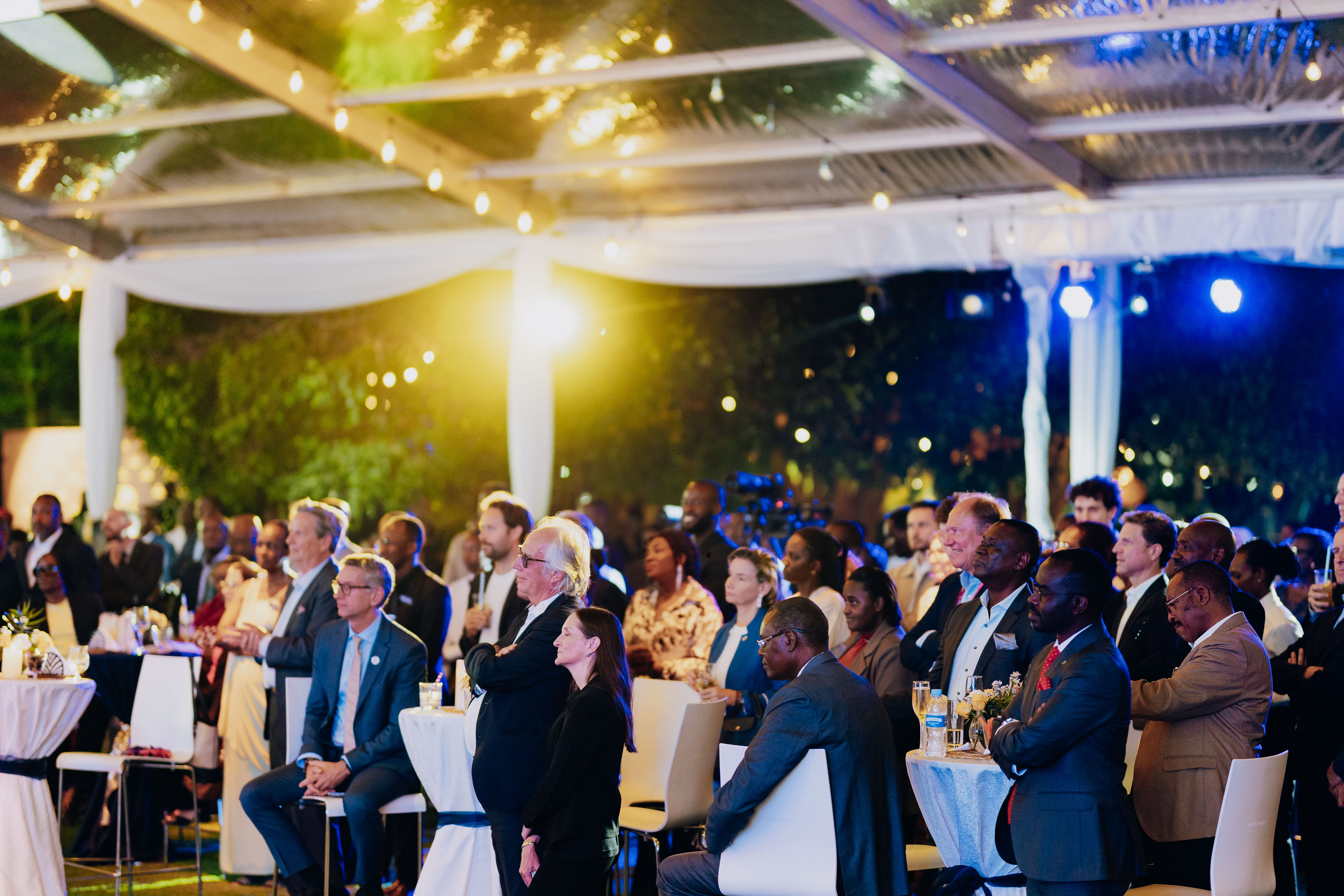
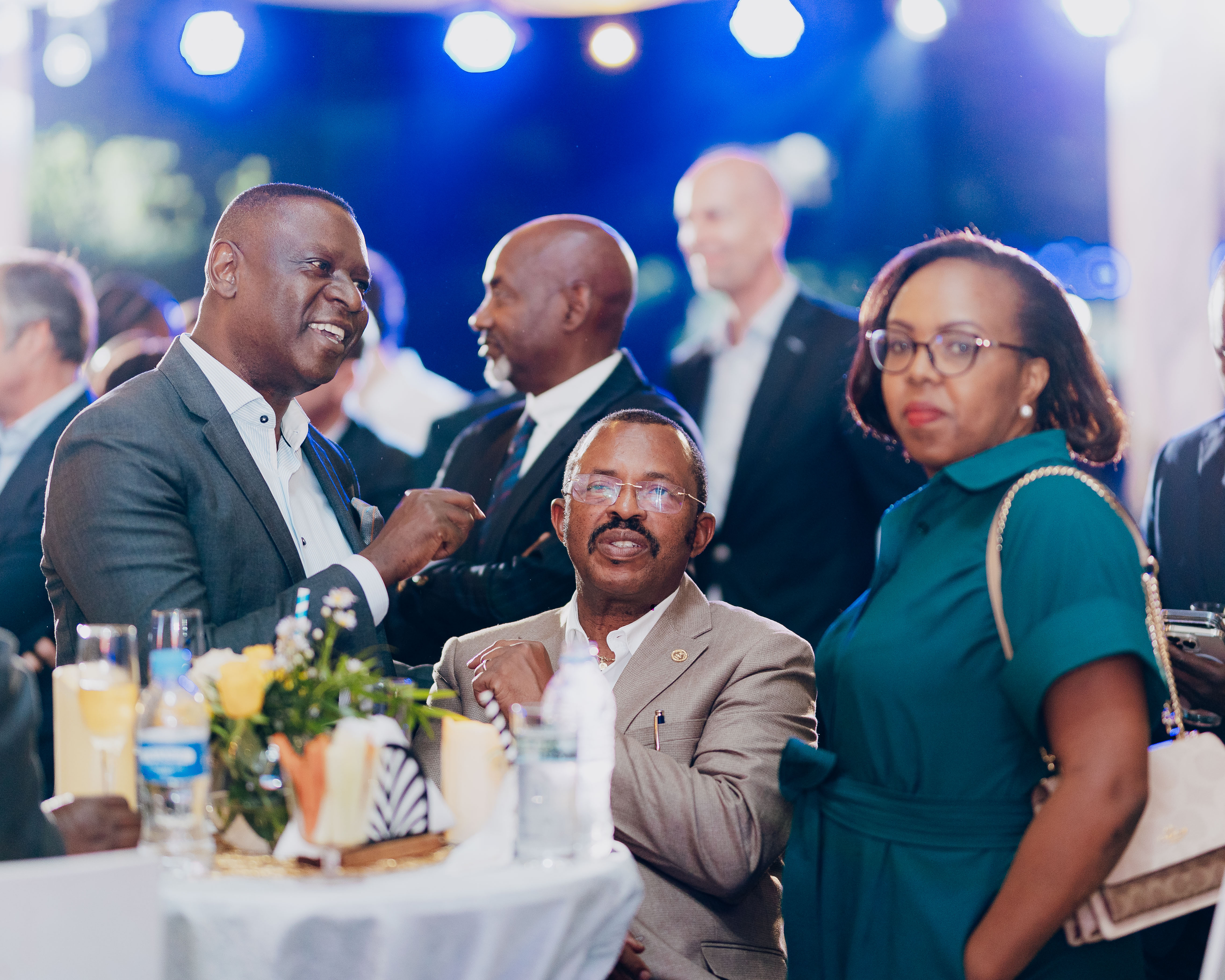
The event wasn’t just about handing out awards. There was a big dinner with lots of food and drinks that reflected the diverse tastes of Africa. Everyone enjoyed themselves, chatting and laughing through the evening.
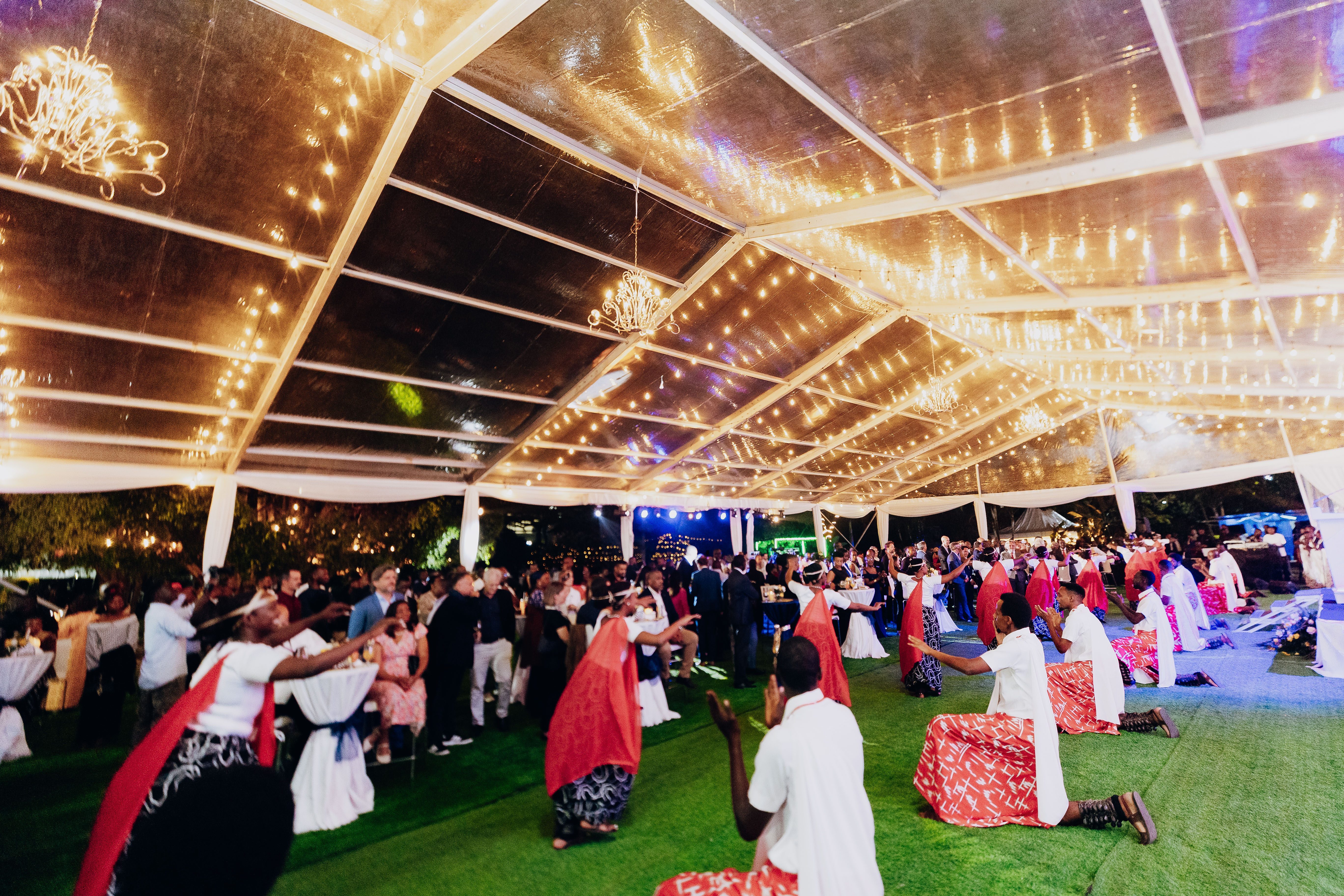
The entertainment was just as diverse. There were cultural dances and music that got everyone’s attention, showcasing the rich traditions of different African cultures.
What’s even more exciting is that this event will happen in Kigali for the next three years. It’s a big win for the city to continue hosting such important gatherings.
As everyone headed home, there was a strong feeling of unity and hope. The night was not just about recognizing what has been achieved but also looking forward to what can be done in the future.
This event promises to keep highlighting and supporting the leaders who are making a difference across Africa.
The Norwegian firm sold its 54% stake in the project to Fortis Green Fund I Rwanda Holdings Ltd and Axian Energy Green Ltd.
According to the company, the transaction marks Scatec’s exit from the Rwandan market and is part of its broader strategy to optimize its investment portfolio.
“We continue to deliver on our strategy to consolidate our portfolio through divestment of assets in non-core markets, and recycling capital into new investments in renewable energy. We are very satisfied with the closing and would like to thank the teams in Scatec, Fortis, Axian, and other parties involved for a successful transaction.
“We are confident that the new owners will take good care of the solar power plant and continue to deliver clean renewable energy to the Republic of Rwanda for many years to come,” Scatec CEO Terje Pilskog stated.
The buyout supports Fortis Green’s Green Fund I and marks AXIAN Energy’s entry into the Rwandan market.
Fortis Green’s Managing Director, Benito Grimaudo, noted that the acquisition will contribute to development of green energy in Africa. AXIAN Energy’s CEO, Benjamin Memmi, said the acquisition is part of the company’s strategy to diversify its renewable energy assets and contribute to sustainable energy solutions.
The three companies signed the buyout agreement in December 2023, and the deal was scheduled to close before the end of 2024.
The solar power plant, located at the Agahozo-Shalom Youth Village in Rwamagana, began operations in 2014.
The project includes over 28,000 solar panels on a 50-acre site and has significantly improved access to clean energy in Rwanda, serving approximately 140,000 residents.
The generated power was sold under a 25-year Power Purchase Agreement with the state-owned utility, Electricity, Water and Sanitation Authority (EWSA).
In the past two years, Imara Properties has successfully delivered 5,000 square meters of prime villas and apartments, contributing to Kigali’s housing market. As the city experiences unprecedented urban growth, the demand for quality housing is soaring, spanning all market segments.
David Benazeraf, Managing Director of Imara Properties, attributes the company’s accomplishment to its commitment to quality and community.
“We are dedicated to creating not just homes, but thriving communities where residents can enjoy a high quality of life,” he states.
{{Completed Projects: A Testament to Quality and Community
}}
Imara Properties has earned a reputation for completing projects on time and with constant communication with owners. Notably, all of its projects have been sold out before completion, highlighting the demand for properties.
The developments in Rebero, in particular, showcase Imara Properties’ approach to community-focused design. Isange Estate Rebero (Phase 1) consists of 15 villas with shared common spaces and a swimming pool, delivered in July 2022.
Residents have praised the development, with one homeowner commenting, “Nice design and great professionalism in responding to concerns.”
Building on this success, Isange Phase 2 was fully handed over in January 2024 with a swimming pool and fitness room, delivered on time after just 14 months of construction.
The timely completion and seamless handover process have reinforced Imara Properties’ reputation for reliability and efficiency. Currently, some units from this phase are available for rental, providing more opportunities for residents to join this thriving community.
{{Looking Ahead: Exciting New Developments
}}
Imara Properties is not resting on its laurels. The company has several new projects in the pipeline, each promising to enhance Kigali’s urban landscape further.
Isange Apartments Kibagabaga: Set for completion in mid-2025, this project will feature 11 premium apartments and studios. Located on a tarmac road close to shops and Kibagabaga Hospital, the development will include a swimming pool and a rooftop shared fitness area. Booking rate has already reached 50% of available units.
Ituze Village Kanombe: Offering flexible living spaces, this project will feature four-bedroom houses that can be customized into two or three-bedroom layouts, catering to diverse family needs.
Isange Phase 3 in Rebero: this phase will introduce 20 premium 3 and 4-bedroom villas, continuing the tradition of quality and community that defines Imara Properties with modern design, premium finishes, a swimming pool, fitness, and children’s playground.
Benazeraf emphasizes the company’s forward-thinking approach, “Our projects are designed with the attention to detail, ensuring that every resident feels at home from the moment they move in.”
{{A Growing Legacy in Kigali
}}
Imara Properties has quickly become synonymous with quality and community in Kigali’s real estate market. As Kigali continues to grow and evolve, the company’s developments offer more than just housing—they provide a sense of belonging and community. By managing the common areas and maintaining constant service, Imara Properties ensures that its developments remain desirable and well-maintained.
In a city where the demand for housing is constantly rising, Imara Properties is setting a standard for what modern urban living can be. Their projects are not just about providing a place to live but about creating environments where residents can thrive. As David Benazeraf succinctly puts it, they build more than properties, they build communities.
Dr. Francis Habumugisha, the CEO of Mega Global Link, stated that the expansion aims to provide Canadian residents with easy access to products from around the world.
The first branch of the online market was recently opened in Rwanda and offers a variety of supplements, fitness equipment, and other services.
According to the CEO, the company plans to open offices in Toronto to expand its reach and help people invest using technology.
He highlighted that customers will be able to make their orders on the e-commerce platform and the products will be delivered promptly.
“Mega Global Market offers seven health products essential for men, women, and children to prevent diseases and assist those who are already sick. These products come from our various factories in China, America, and India,” the CEO explained.
The market also features seven types of fitness machines, including those that stimulate dormant body parts, stretch the spine, and provide massages from the feet upwards, among others.
“All of this is to promote better health, helping those with back pain and frequent illnesses. These products, previously available only in a store in Kigali, will soon be available in Toronto and New York City for easy access.”
Dr. Habumugisha mentioned that people can engage with Mega Global Market in various ways, including becoming customers of their products and services.
Another way to work with them is by representing them. You can invest money to take charge of one of the cities in Canada, receive products, supplements, and machines from their factories, and have them delivered under your account with your name, depending on your capacity.
He confirmed that they can also offer products to individuals with a gradual payment plan.
The Mega Global Link CEO also highlighted seven other services offered by the company, including assisting those who wish to study in different countries like America, Canada, and Europe; helping those who want to travel, work, or relocate in general.
“These are services needed by everyone. We used to assist you with these services without having offices in those countries.”
The employment matching service, previously available only in Europe, will now also be offered in Canada and the USA, as they will have offices there as well.
Irembo, in a recent statement, indicated that the partnership aims at empowering local talent thereby propelling Rwanda to the forefront of digital innovation.
The two institutions are collaborating on an ongoing internship program that comprises 28 interns, 16 of whom are from the prestigious coding academy.
Irembo, responsible for building and maintaining the government’s one-stop service portal, said that the cohort of interns who joined the company in March 2024 is the largest so far.
The company praised the interns for the significant strides made over the last several months, which include building and testing more than 100 services on top of the IremboGov technology portal.
“Their efforts have substantially accelerated the delivery cadence of new services and further positioned IremboGov as the one-stop portal for government services,” the statement reads in part.
Irembo noted that the interns have also contributed to advancing the company’s AI initiatives through successful experimentations. These include chatbots to answer questions about IremboGov services, assistants to improve developer productivity, and natural language processing for analytics.
“The interns are cultivating valuable teamwork and problem-solving skills in a dynamic environment under the mentorship of Irembo’s seasoned engineers,” said the statement.
According to the company, the talent and skills shown by the interns reflect the high-quality education and training provided by RCA and the diverse expertise brought in through the professional internship program.
“Their work drives significant progress in Irembo’s projects, demonstrating the powerful synergy between academic learning, professional growth, and real-world application. This collaboration creates a dynamic and productive atmosphere, fostering innovation and excellence in all our initiatives,” Irembo noted.
Patrick Ndjientcheu, Chief Product and Engineering Officer at Irembo, affirmed that the ongoing partnership reflects shared vision to nurture the next generation of African tech peers.
“The interns’ achievements showcase their hard work, dedication, and the innovative spirit that drives us all. We are excited to continue this partnership, creating more opportunities for growth and innovation. Together, we are building a digitally empowered Rwanda,” Ndjientche stated.
Dr Papias Niyigena, Principal of Rwanda Coding Academy, also lauded the students’ contributions to Irembo’s Innovative projects.
He said the partnership highlights the strength of the institution’s curriculum and showcases students’ exceptional talent and potential.
“By collaborating with Irembo, we aim to create meaningful opportunities for our students to excel and drive technological advancements, ultimately contributing to Rwanda’s growth as a tech hub in Africa,” he said.
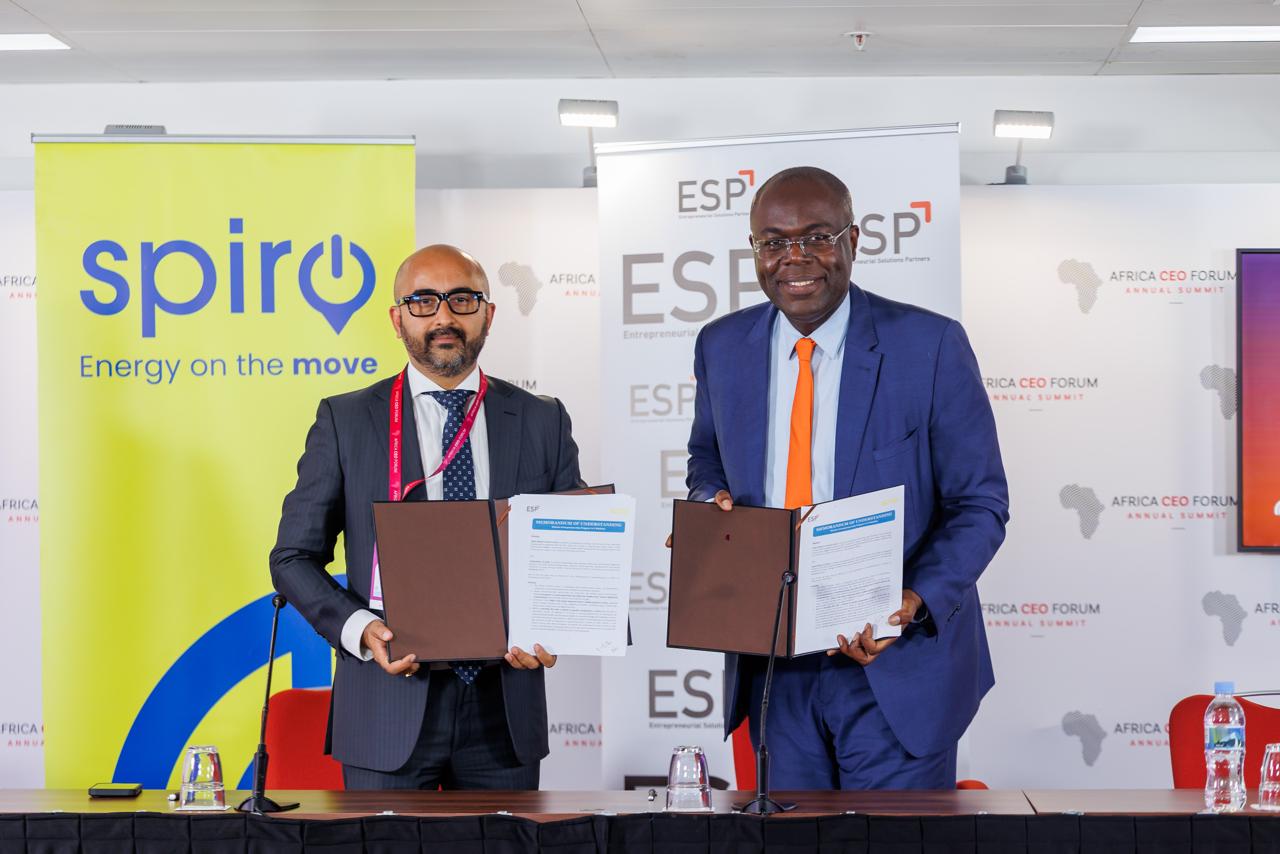
The drive, held on Saturday, July 27, brought together more than 150 riders using electric motorbikes, underscoring the company’s commitment to innovation and reducing carbon emissions across the continent.
The drive commenced at Spiro’s warehouse in Masoro, located in the Special Economic Zone, where the company has so far deployed 1,000 bikes on the road.
The route weaved through the scenic streets of Kigali, showcasing Spiro’s cutting-edge electric bikes and raising awareness about the benefits of electric mobility and its role in combating climate change.
The flag-off was conducted by two of Spiro’s youngest staff members, Atete Benigne and Akimanimpaye Odile, symbolizing the future generation’s involvement in sustainable initiatives.
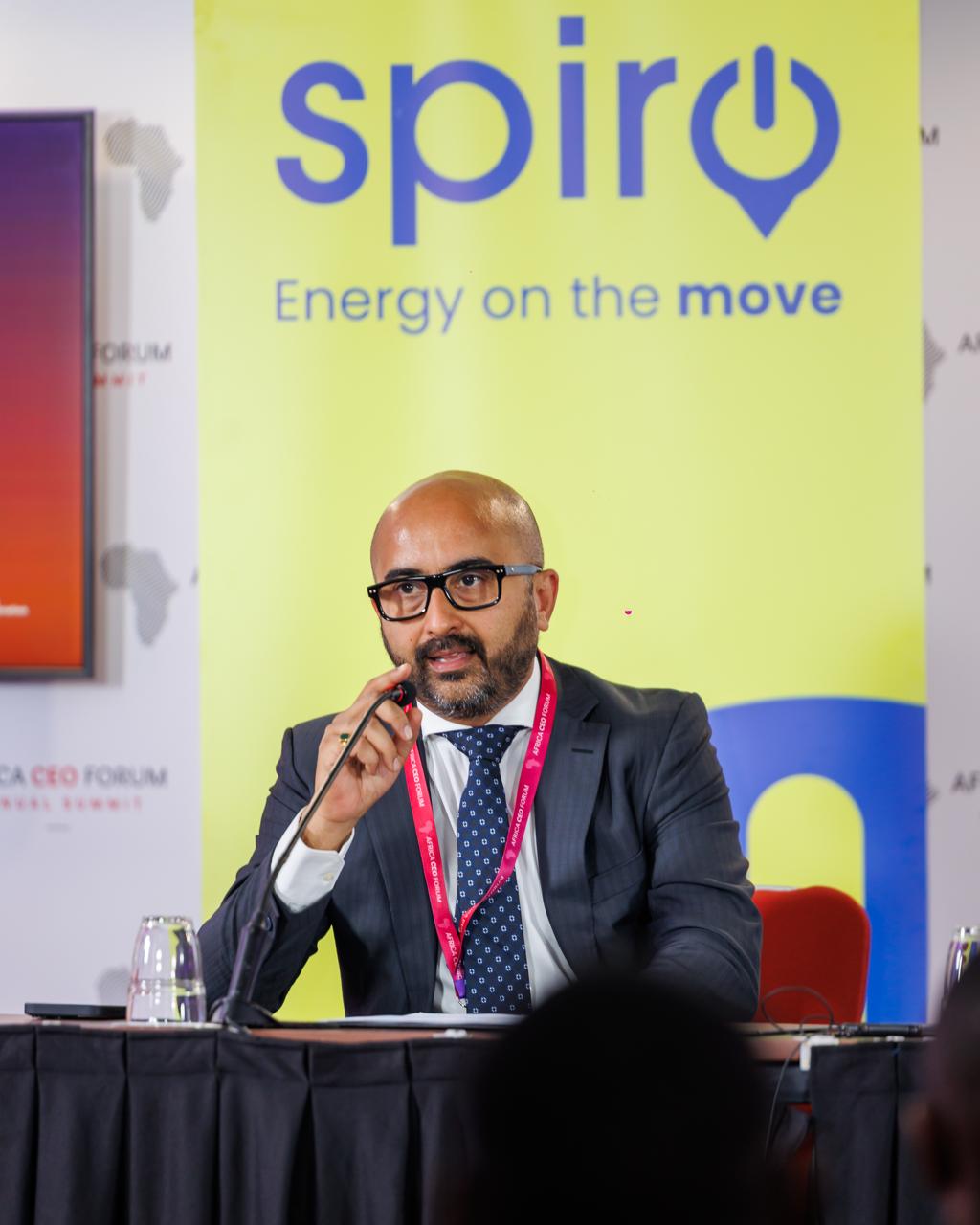
Kaushik Burman, CEO of Spiro, described the drive as a testament to the growing community of sustainable transportation advocates.
“We are proud to bring together 150 riders who share our vision for a cleaner, greener future,” the CEO stated.
Arun Bhandari, Head of Spiro Rwanda, said, “This drive is not only a celebration of our achievements but also a strong statement of our commitment to sustainable mobility in Africa. We are excited to see the positive impact our electric bikes are making in Rwanda and beyond.”
Spiro affirms that its bikes, equipped with mid-drive motors, are built to deliver better performance on Rwanda’s hilly terrain, which poses unique challenges for transportation.
“By placing the motor in the middle of the bike, the weight is evenly distributed, enhancing stability and making it easier to climb steep inclines. This design allows riders to tackle hilly terrains with greater ease and efficiency,” Spiro explains.
Spiro is keen to expand its operations into new regions, bringing the benefits of electric mobility to more communities across Rwanda.
Recently the company launched operations in Muhanga, located in the southern province. The operations of the office, the smart station, and the deployment of bikes were inaugurated by the CEO and the Spiro Rwanda team.
The launch was attended by cooperative members, including the president of the moto-taxi riders in Muhanga. The company has deployed 25 bikes in this area, with plans to increase the number of bikes on the road soon due to promising leads.
The company plans to expand into Huye, Bishenyi, Kayonza, Rwamagana, Bugesera, Nyamata, and Mayange before the end of the year.
So far, Spiro has distributed more than 18,000 electric motorbikes and 40,000 swappable batteries, which are in operation across Benin, Togo, Rwanda, and Kenya.
The management of Mega Global Market says the e-commerce platform will facilitate the buying and selling of various nutritional supplements and fitness equipment, promoting self-improvement and wellness.
Technology has permeated numerous aspects of human activity, with e-commerce demonstrating rapid growth.
While announcing the planned launch, Dr. Francis Habumugisha, the CEO of Mega Global Market, revealed the products on the new platform will be shipped from various factories in China, America, and India.
He said, “We have four factories in China that produce health and beauty products, beauty and health machines that help you look good and prevent premature ageing. We also have factories in India that produce products that change many people’s lives, including children, women, and men.”
He explained that this market has its own system of conducting business, but anyone who wants to become a partner can request to have an account registered in their name.
He added, “E-commerce and bringing such modern items online, so you can buy them from anywhere, is the best and most modern method. We want you to have your own channel, but we provide you with modern health products that are enjoyable and that children will love.”
“Our goal is to help you by providing fitness equipment needed by elderly men and women to stretch their muscles, those with back problems, and equipment that will help people prevent different health issues by activating the body and massaging all parts of the body, starting from the feet to wake up all dormant nerves.”
Habumugisha revealed that customized fitness equipment or nutritional supplements can be provided upon request.
He explained that to start this business, certain products, including fitness machines, must be purchased first. These purchases will also grant the buyer a membership card and are associated with the opportunity to represent the market in a chosen region, country, or continent.
He mentioned that there are “contracts we sign with you through a notary, including the documents of our factories, and the system details where we agree on how the products will be shipped from our location to yours, how you will pay, and which region you will operate in. We provide products that you can start selling, and you can pay gradually and improve your business.”
It is estimated that individuals working with Mega Global Market can achieve a profit margin of over 30%. In addition to the online market, there is a physical store where customers can purchase items in person.
The management plans to open the first branch in Rwanda, staffed by experts including administrative officials and business development leaders. Subsequent branches will follow in Canada, the United States, and Europe. The African headquarters will be based in Rwanda.
Mega Global Market offers seven original nutritional supplements certified by various international institutions to ascertain their safety. Additionally, the market provides a range of wellness products, including massage chairs, spinal alignment devices plus muscle and joint care equipment.
IGIHE has learned that the experienced banker has been confirmed for the position and will begin her new role in August 2024. She will be based at NCBA Group’s headquarters in Nairobi, Kenya.
NCBA Group operates as an investment company with a presence in Kenya, Rwanda, Uganda, and Tanzania.
Higiro’s appointment is part of NCBA Group’s strategy to streamline operations across all its banks, benefiting both employees and customers. This approach allows employees to move between branches or to the headquarters, based on their skills and expertise.
Since 2018, under Higiro’s leadership, NCBA Bank Rwanda has experienced significant growth in assets and client loans. When she took over, the bank was grappling with a loss of Rwf2.5 billion but within three years, she transformed the bank into a new phase of profitability.
Statistics indicate that from 2019 to 2023, NCBA Bank Rwanda’s assets increased from Rwf35 billion to Rwf205 billion. Loans to clients rose from Rwf19 billion in 2019 to Rwf103 billion in 2023, while client deposits grew from Rwf21 billion to Rwf140 billion over the same period.
In March 2023, NCBA Group’s Chief Financial Officer, David Abwoga, noted that their fastest-growing bank is in Rwanda, with assets increasing by 56%.
Higiro played a crucial role in this growth by focusing on technological advancement and establishing effective operational frameworks that enhanced employee productivity.
Her leadership also emphasized employee satisfaction, including providing maternal and partenal leave and creating a supportive work environment for mothers.
NCBA was the first bank to introduce a daycare and a mother’s room for breastfeeding, allowing mothers to work comfortably.
Similarly, fathers were granted 14 days of paternity leave, instead of the seven days mandated by law, which many employees say improved their ability to care for their families and increased workplace productivity.
She also launched the ‘Man Enough’ program, encouraging male employees to advocate for gender equality, making NCBA Bank Rwanda Plc the first to implement this initiative.
Recognizing the importance of mental health for productivity, Higiro initiated a program to support employees’ mental well-being, offering free services and access to psychological counsellors as needed.
In March 2023, NCBA Bank was awarded by the Government of Rwanda for its efforts in promoting gender equality and inclusivity among its employees.
In July 2023, Higiro introduced the need for mental health support programs for women in all workplaces to address issues such as gender-based violence and job loss due to pregnancy.
Higiro founded the Women In Finance Rwanda (WIFR) organization and serves as its CEO. The first WIFR agreement was signed in 2023 with the Chartered Institute for Securities & Investment (CISI) in the UK, providing scholarships to over 50 women.
WIFR also signed a partnership agreement with the Uganda Institute of Banking and Financial Services (UIBFS) in June 2024, aimed at training women in the financial services sector in Rwanda.
Higiro noted that this agreement would benefit over 13,000 women by providing essential knowledge.
In 2021, Higiro was among the top three finalists for the Angaza Award, recognizing women for impactful and skilled leadership in banking and financial services.
With extensive experience in banking operations, Higiro previously served as Chief Operating Officer at AB Bank Rwanda and Head of Planning and Marketing at I&M Bank.
From 2007 to 2011, she served as Head of Banking Services for small and medium enterprises at Guaranty Trust.
Higiro holds a Master’s degree in Business Leadership from the University of Liverpool in the UK, a Bachelor’s degree from North-West University in South Africa, and a diploma in Business and Communication from Ryerson University in Canada.
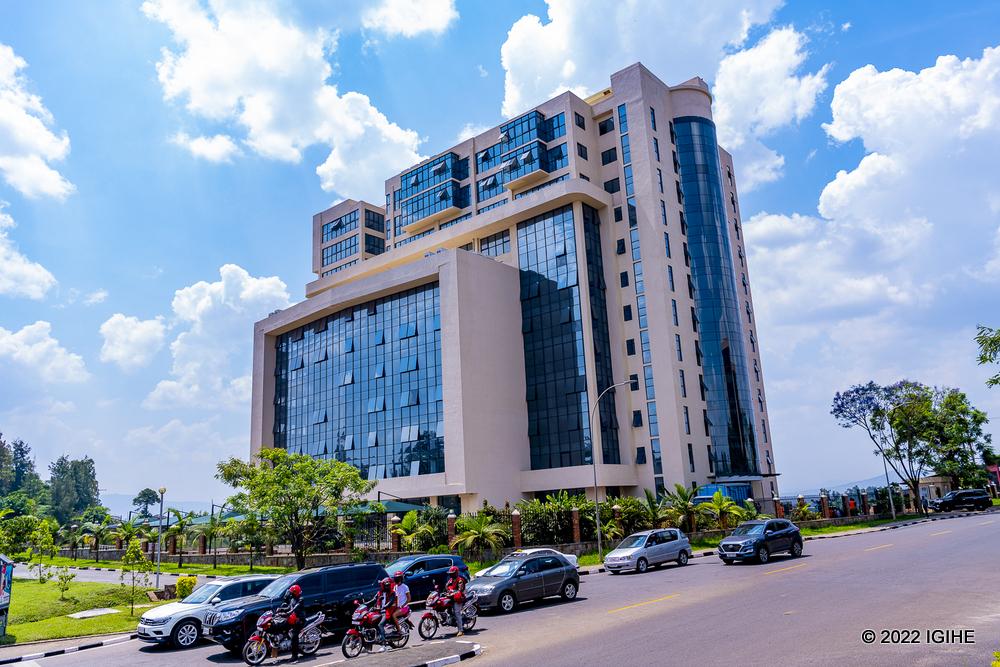
The number of property developers and architecture firms registered in the country over the last decade has grown significantly as property entrepreneurs seek to capitalize on this promising sector.
Johnson Bigwi is the founder of Futuristic Design Group (FDG) Africa, a local company which offers engineering services with a special focus on urban development. He told IGIHE in a recent interview that the sector has experienced exponential growth over the last decade, particularly in the architectural design of buildings emerging in Kigali and other parts of the country.
A graduate of Jomo Kenyatta University of Agriculture and Technology (JKUAT) in Nairobi, Bigwi ventured into real estate in 2014. At the time, he observed that most buildings shared a similar aesthetic design and this presented him with an opportunity.
“This gave us the chance to offer alternative, well-orchestrated designs and we have since grown to offer other services, including surveying and construction, to cater for the growing demands on the market,” Bigwi said.
Despite the setbacks brought about by the Covid-19 pandemic, Rwanda’s economic is on a steady trajectory. This has led to a rising middle class with increased disposable income, creating a fertile ground for diverse real estate investments.
Boris Muhirwa, a project manager for DND Developers in Kigali, concurs that the demand for luxury apartments is on the rise.
A civil engineer with close to 15 years of experience, Muhirwa is currently overseeing the refurbishment of the Royal Golf View Apartment Hotel in Kigali’s upscale Kacyiru neighborhood. The 10-storey structure will encompass residential apartments, retail spaces, and a hotel upon completion.
He revealed that while the project is only a month old and has a two-year timeline, several clients have already placed bookings.
“Previously, people were hesitant to pay upfront for something they had no input be it with design or execution. However, the industry has evolved, and clients now have more confidence in developers, allowing for installment payment plans,” Muhirwa said.
Beyond the traditional residential and commercial infrastructure, the Rwandan real estate market is experiencing robust growth fueled by a number of factors such as increased accessibility to financing through local financial institutions.
{{Government policies
}}
Prince Hoffman Banamwana, a real estate marketer and founder of Quick Homes Rwanda, believes that investor-friendly policies and unmatched security have been instrumental in attracting foreign investment, thereby stimulating growth in the sector.
“The government policies have ensured one thing beyond reasonable doubt– safety,” says Banamwana, a social sensation renowned for his vibrant YouTube channel where he showcases houses for potential clients to buy.
According to him, once people feel safe, they are bound to stay or even engage in productive activities in a given area.
Government advertising initiatives such as Visit Rwanda have also opened up Rwanda’s tourism sector, promoting the hotel and hospitality industry.
“The government is doing us a great service by advertising the country through Visit Rwanda campaigns, such as the partnership with Arsenal and other teams, which attract people to visit. Once here, they often fall in love with the country and want to stay,” he added.
Banamwana observed that infrastructure development makes Rwanda an attractive destination for real estate investors. Investments in transportation, energy, and telecommunications are improving the business environment and supporting real estate development.
Beyond the current improvements, there is widespread consensus that there are substantial investment opportunities for real estate developers, particularly in affordable housing and high-rise buildings.
“The current market is unaffordable. It’s expensive across the board. Anyone investing in affordable housing here would tap into a significant market that could be supported by government initiatives,” Banamwana stated.
By and large, there’s a growing need to explore high-rise buildings due to limitations of available land, the demand for modern and amenity-rich living spaces, and the desire for efficient and sustainable urban development.