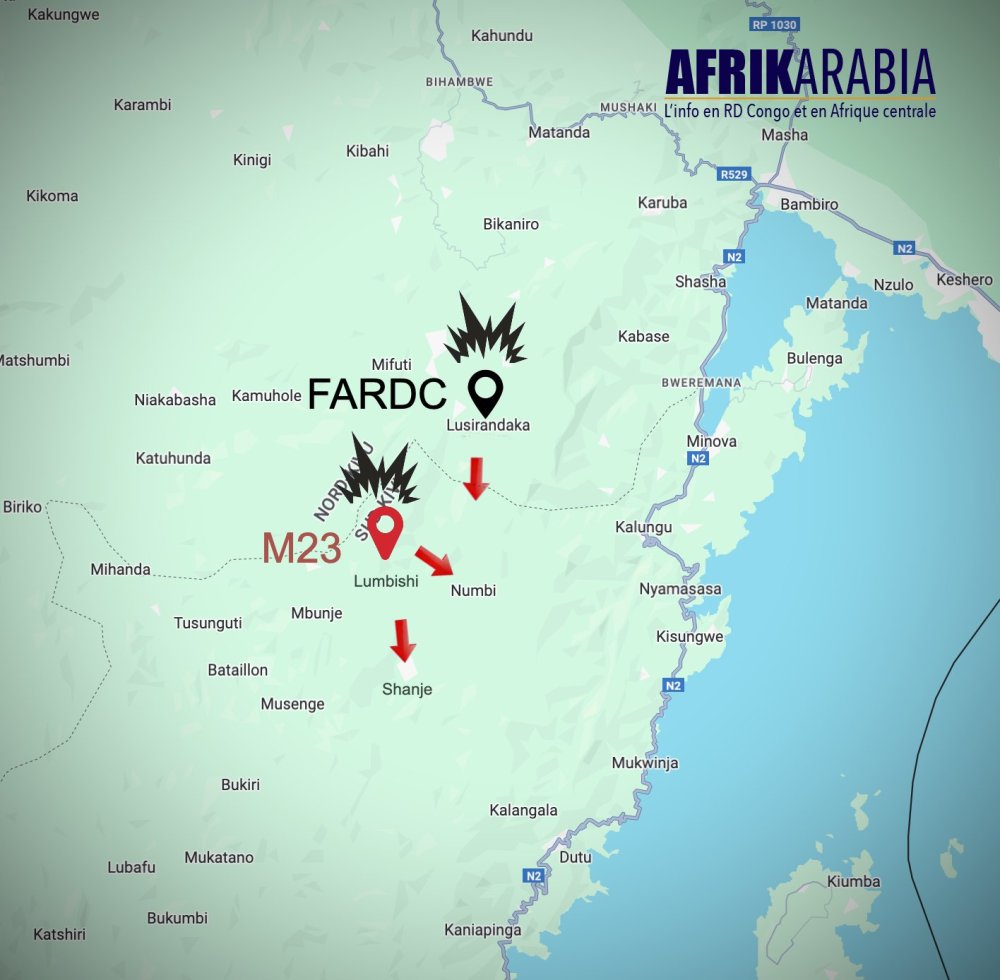
A report by United Nations experts released on December 27, 2024, revealed that DRC forces had established a significant base in Lumbishi, located in Kalehe Territory.
Since May 2024, the Congolese army, in collaboration with armed groups like the FDLR, launched attacks in Lumbishi, targeting M23 positions in Masisi Territory, such as Ndumba. Lt. Col. Ndjike told the media that the forces stationed in North and South Kivu launched “Operation Caterpillar” to prevent M23 fighters from expanding their positions in the two provinces.
Following intense clashes on January 18, 2025, M23 fighters captured Lumbishi and advanced to Numbi and Shanje on the morning of January 19, as reported by Kalehe Territory Administrator Thomas Bakenga.
“After taking Lumbishi, they proceeded to Numbi and Shanje, both in Kalehe Territory,” Bakenga said.
As M23 fighters took control of Lumbishi, residents welcomed them with joy, expressing relief at their arrival. They also voiced complaints about crimes committed by the Congolese government forces, the FDLR, and allied militias.
M23 informed Lumbishi residents that they had driven out the FDLR, predominantly composed of remnants of perpetrators of the 1994 Genocide against the Tutsi in Rwanda, putting an end to the community’s suffering caused by the terrorist group.
This included dismantling illegal roadblocks, ending unlawful taxation, stopping sexual violence, preventing child recruitment into armed forces, and addressing other grievances that had plagued the area.
“We thank President Trump for providing the necessary clarity and assurance to our service providers that they will face no penalties providing TikTok to over 170 million Americans and allowing over 7 million small businesses to thrive,” TikTok said in a statement.
“It’s a strong stand for the First Amendment and against arbitrary censorship,” said the company.
TikTok said it would work with U.S. President-elect Donald Trump, who will assume the presidency on Monday, for a long-term solution that would keep TikTok in the United States.
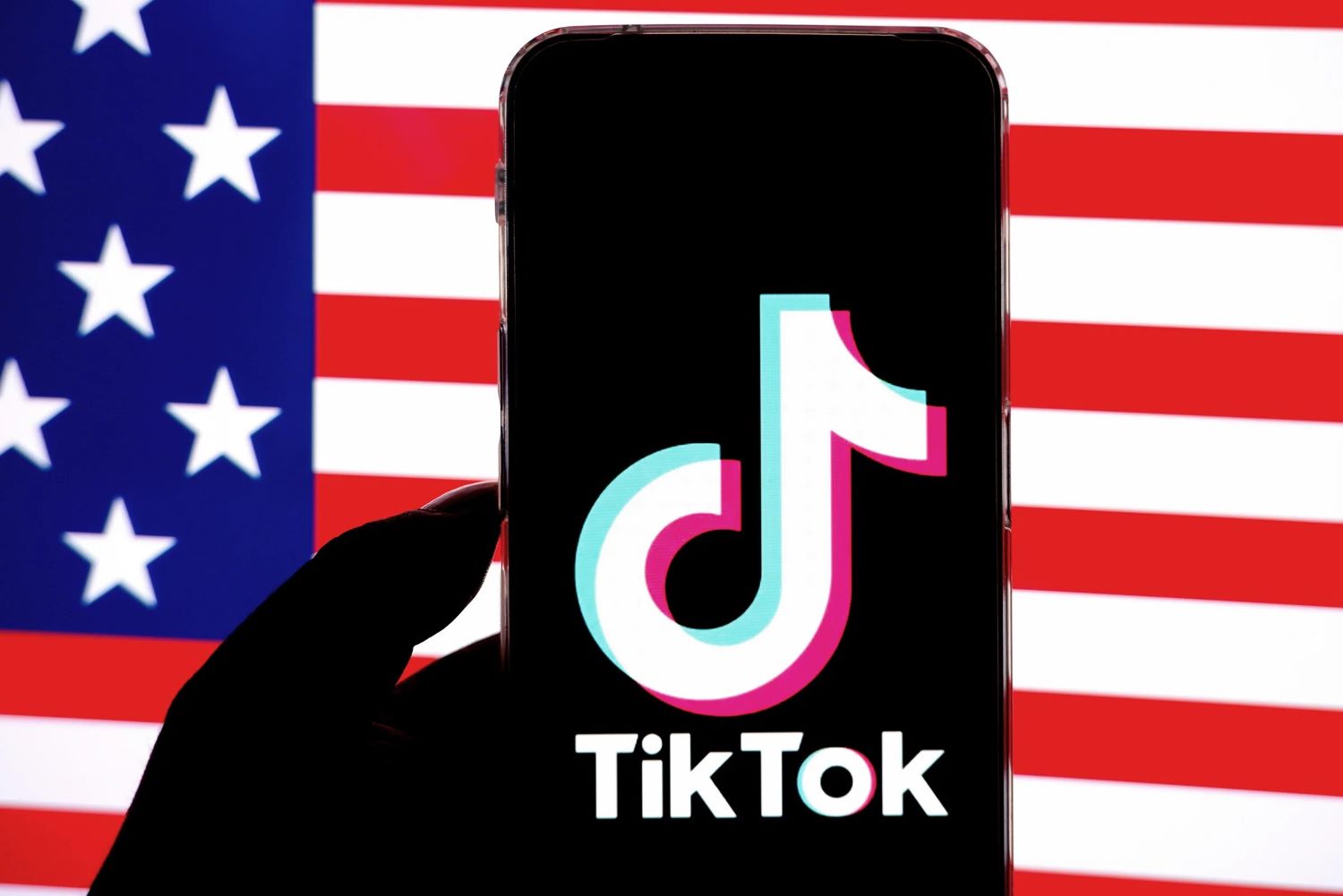
TikTok went dark late Saturday in the United States, one day after the U.S. Supreme Court announced its decision to uphold a law forcing TikTok’s Chinese owner, ByteDance, to sell the app to an American company, or face a nationwide ban starting on Sunday.
Trump said earlier Sunday on Truth Social that he will issue an executive order on Monday that will allow TikTok to continue operating.
He said on Saturday that he will “most likely” give TikTok a 90-day extension.
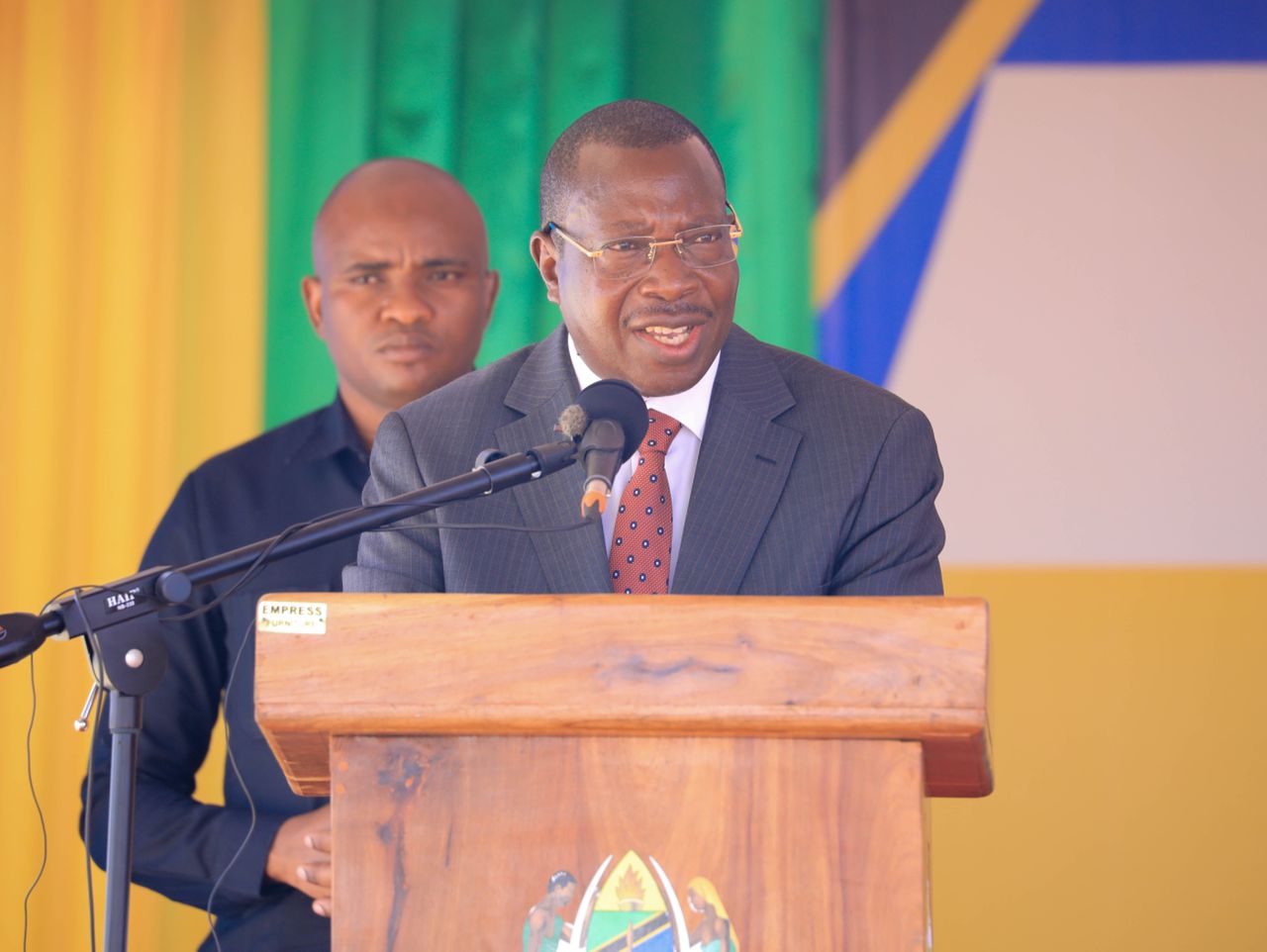
Speaking at a special general meeting in Dodoma, President Samia revealed that she had accepted Dr. Mpango’s “request to rest” after careful consideration. However, he will continue to serve as Vice President until the General Election scheduled for October.
“Dr. Philip Mpango, our Vice President, approached me recently to express his wish to step down. He cited several personal reasons, none related to his work. He mentioned that he is now 68 years old and would like to prioritize his health and well-being,” President Suluhu revealed.
“Last week, he handed me his resignation letter. While I initially hesitated, I later presented the matter to the Central Committee, and we collectively agreed to grant him his request,” she added.
Before assuming the vice presidency, Dr. Mpango served as Tanzania’s Minister of Finance and Planning from November 2015 to March 2021. His extensive career includes roles such as acting Commissioner General of the Tanzania Revenue Authority, Executive Secretary in the President’s Office (Planning Commission), Deputy Permanent Secretary at the Ministry of Finance & Economic Affairs, Personal Assistant to the President (Economic Affairs), Head of the President’s Economic Advisory Unit, and Senior Economist for the World Bank.
He was sworn in as Vice President on March 31, 2021, following unanimous consent from the Tanzanian Parliament and nomination by President Suluhu.
Mpango’s nomination for the vice presidency came in the wake of President John Pombe Magufuli’s passing, which led to then-Vice President Suluhu assuming the presidency.
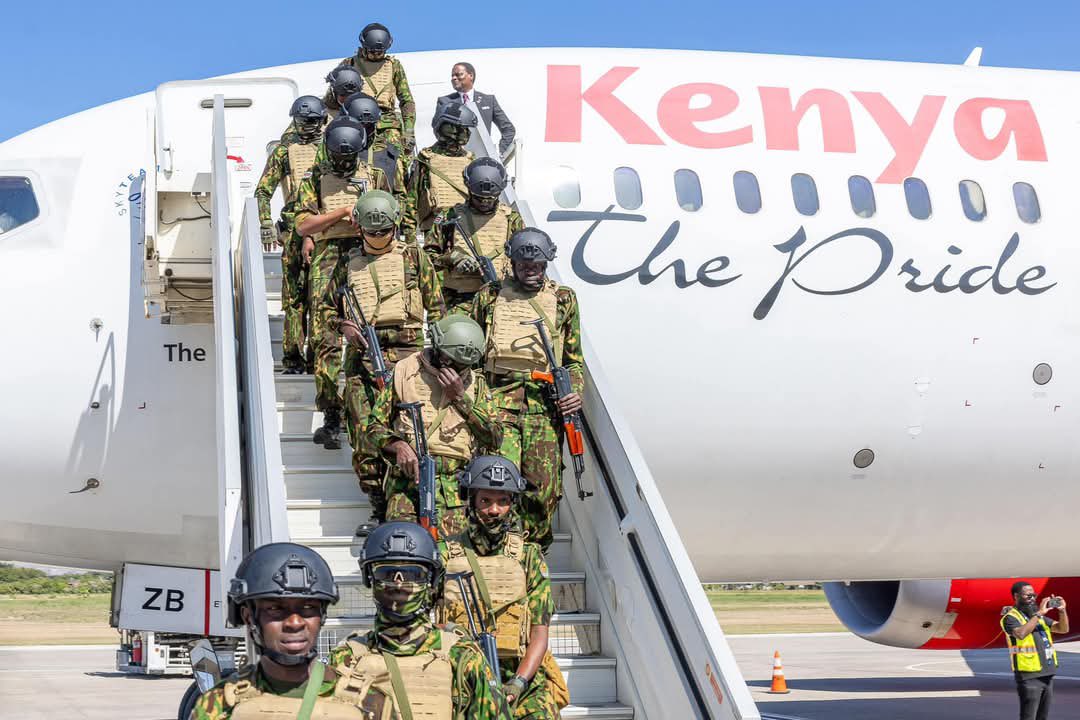
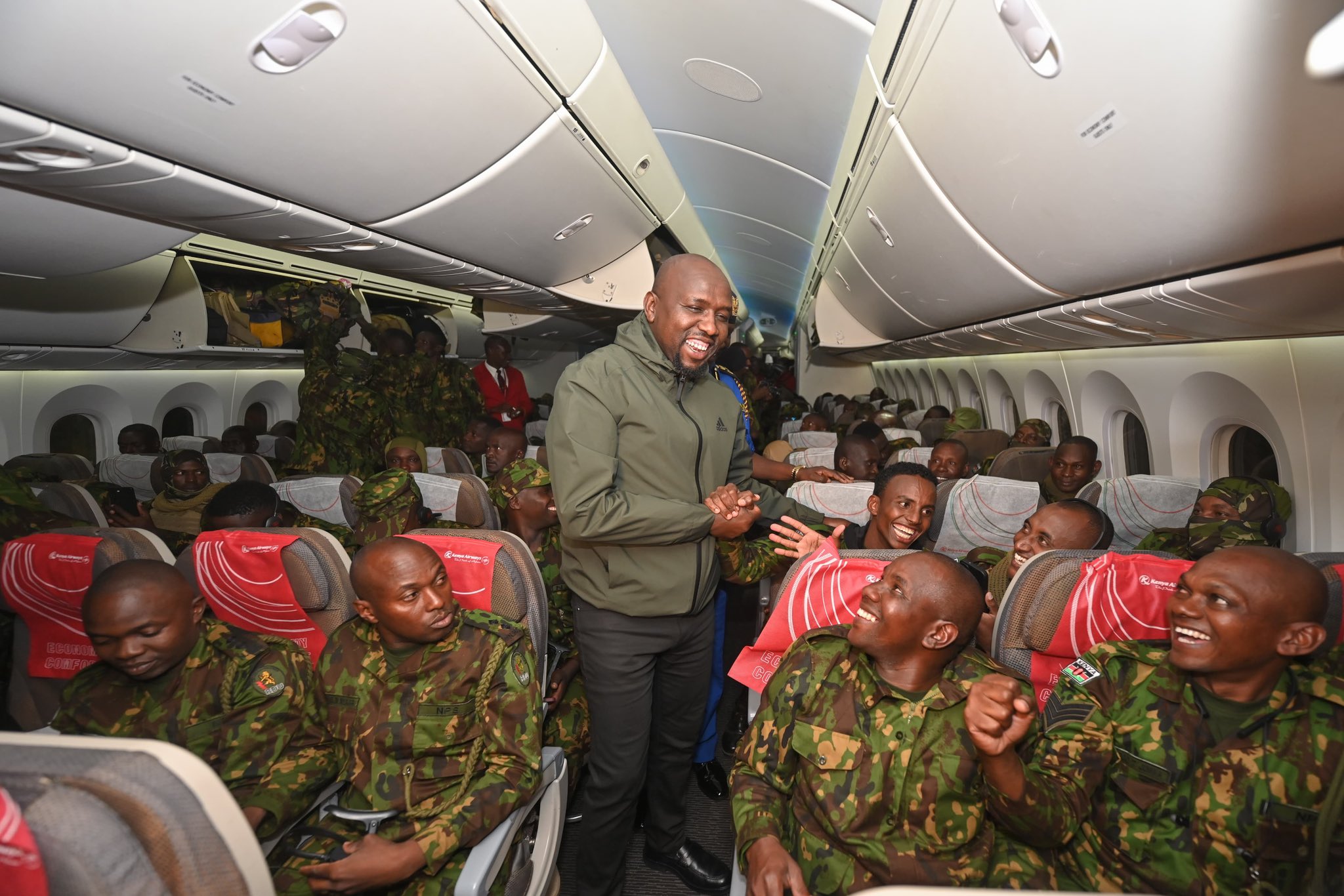
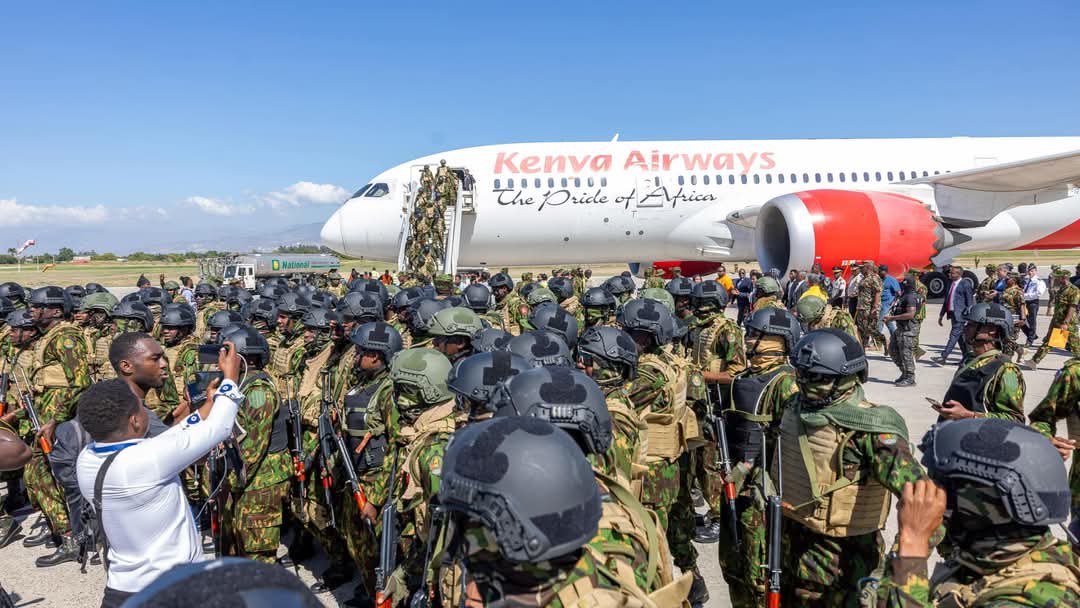
The 217 officers were flagged off by Interior Minister Kipchumba Murkomen on Saturday to assist the first batch of 400 officers deployed to the Caribbean nation last year.
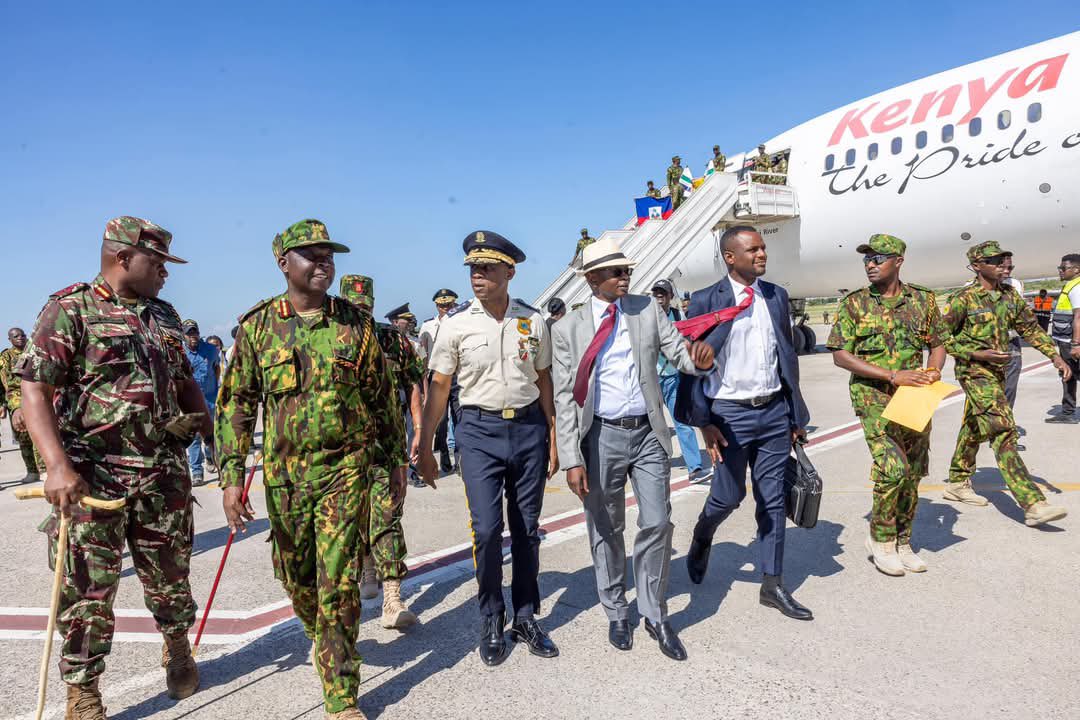
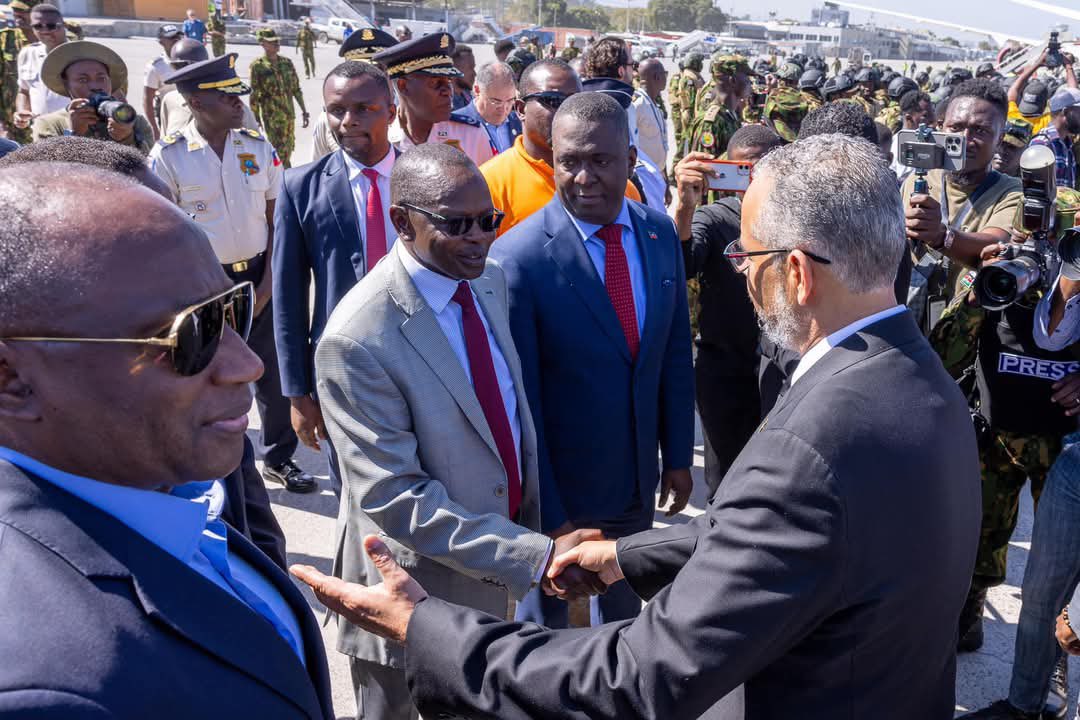
Upon their arrival at Port-au-Prince on Sunday morning, the officers were received by Prime Minister Alix Didier Fils-Aime and other government officials. The officers were accompanied by Deputy National Security Advisor Joseph Boinnet, Deputy Inspector General of the Administration Police Service Gilbert Masengeli, and Commandant-General of the Service Unit Ranson Lolmodooni.
The Prime Minister hailed the reinforcement as a crucial step in restoring order to the country, which has been plagued by gang violence for years.
Yesterday, Minister Murkomen noted that the Kenya-led mission has made tremendous progress in reducing gang violence.
“Our commitment to this historic mission is unwavering, and we will continue to mobilize all the necessary international support for it to succeed,” the minister stated.
The MSS mission, authorized by the United Nations Security Council in October 2023, has been tasked with assisting the Haitian government in re-establishing security amidst growing unrest.
Besides Kenya, the mission in Haiti has received commitments from several countries. As of January 2025, some of the contributing nations include Jamaica, Belize, the Bahamas, Guatemala and El Salvador.
Despite international efforts, the mission has faced challenges, including equipment shortages, logistical issues, and funding constraints, which have impacted its effectiveness.
{{Mission Extended
}}
The UN extended the mission’s mandate until October 2025 in a unanimous decision made in September 2024, amid warnings from experts and the Haitian government about the dire situation.
In a recent investigative report, the UN offices in Haiti documented a massacre in Port-au-Prince by the Wharf Jérémie gang, with at least 207 executions recorded between December 6 and 11, 2024.
With over 5,350 people killed in 2024 alone and 17,000 dead or injured since the gang’s rise in 2022, the UN highlighted the urgent need for international intervention.
Recent reports indicate that more than 700,000 people have been forced to flee their homes due to gang violence and insecurity. The number has been steadily increasing, with a significant rise between 2022 and 2023.
It is estimated that 2.7 million Haitians, including 1.6 million women and children, live in areas under gang control. The residents face daily threats of violence, extortion, and restrictions on their movement.
In recent days, social media platforms have seen an increase in the circulation of explicit images and videos featuring Rwandans engaging in nudity and sexual acts.
The Rwanda Investigation Bureau (RIB) has consistently warned the public against such activities, reminding them that these are punishable offences under the law.
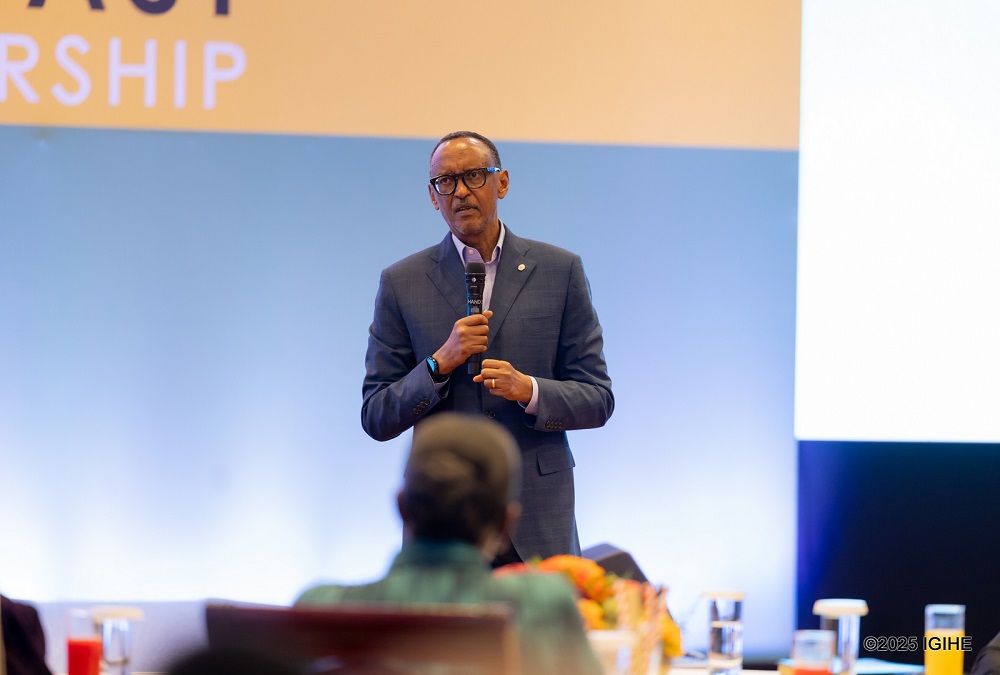
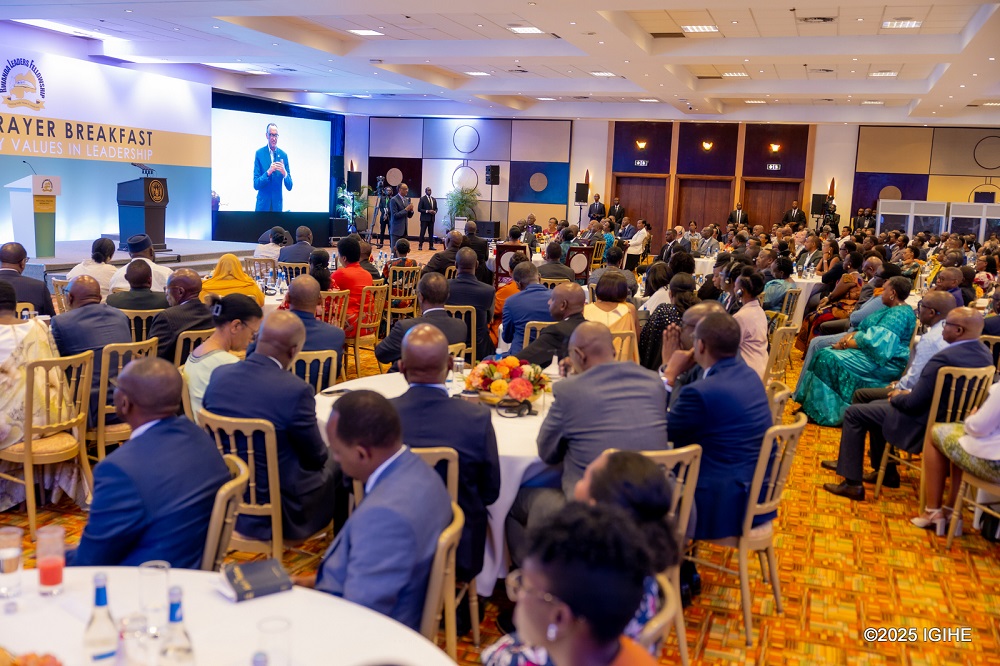
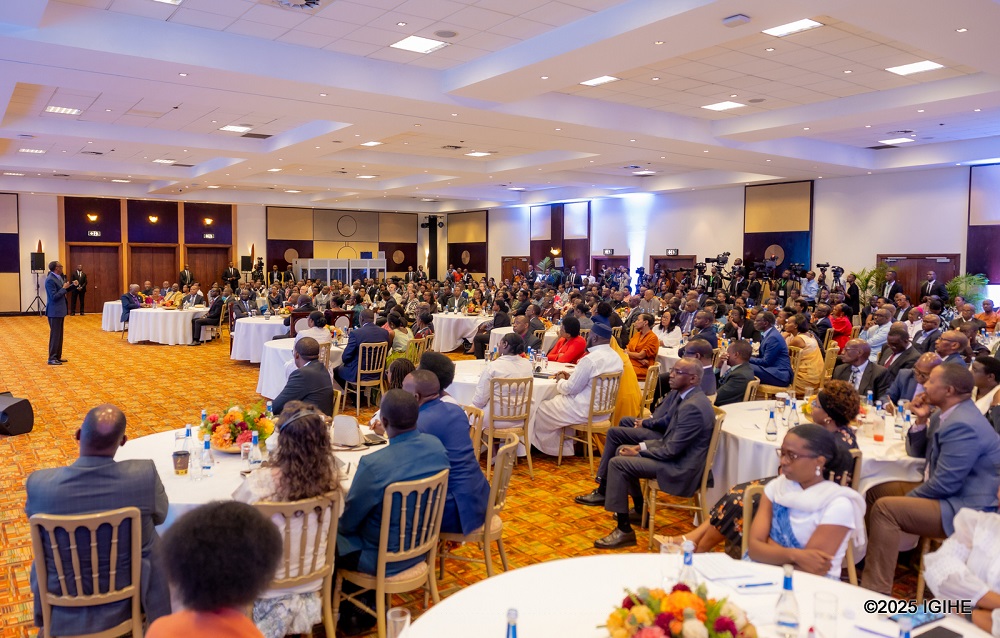
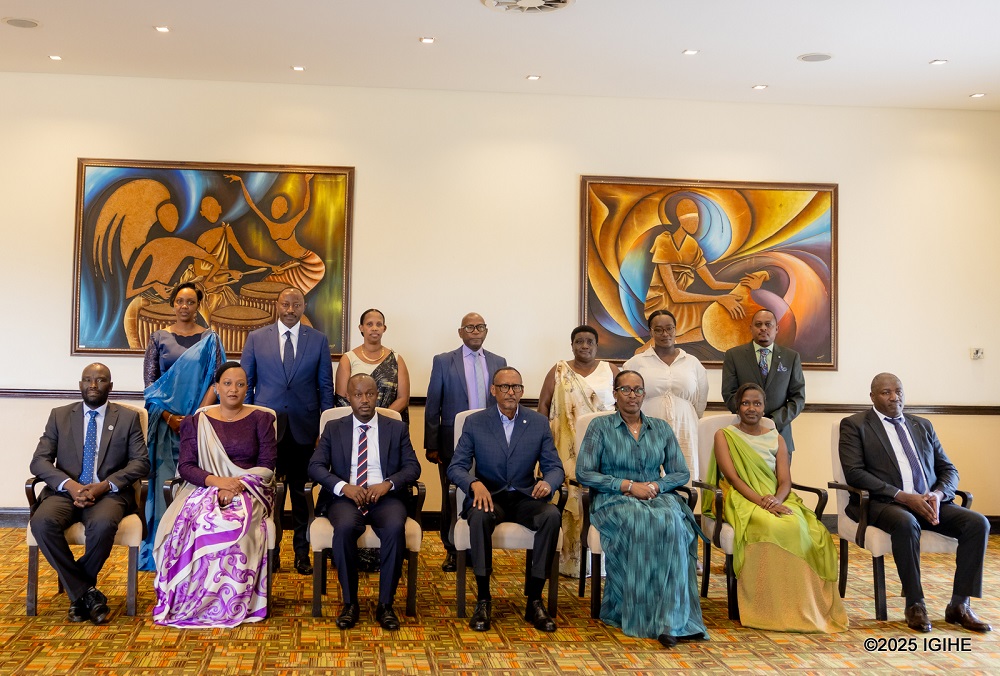
While attending the 30th National Prayer Breakfast hosted by the Rwanda Leaders Fellowship at Serena Hotel, President Kagame stated that it is unacceptable for society to tolerate individuals walking around naked, as this goes against Rwandan culture.
“I observe trends on social media, where young people roam the streets dressed inappropriately, practically naked. What exactly does someone who dresses like that hope to showcase? There is no religion that encourages nudity, nor is there any family that promotes it. But this nudity is not just physical; it also reflects emptiness in the mind, which is the real issue,” the Head of State remarked.
“How can we, as a society, allow such behaviour? As leaders, what responsibilities are we fulfilling if we tolerate such actions? Are we supposed to clothe Rwandans in indecency?”
The President also highlighted that among the challenges reported to him are issues plaguing Rwandan families, including drug abuse, domestic conflicts, and violence, even among newlyweds.
“Families are increasingly unstable, with young couples who have been married for just a few months, even before having children, already facing numerous disputes. Some fight, separate, or engage in other conflicts. As leaders, whether in religious or governmental roles, we must focus on addressing these issues to stabilize Rwandan families,” he noted.
A report from Rwanda’s judiciary revealed that out of 25,481 civil cases handled by courts in the 2023/2024 period, 2,833 were divorce cases, making them the most common type of civil lawsuit.
President Kagame urged leaders to adopt all possible measures to ensure peaceful and stable families, reiterating that marriage is not meant for constant conflict.
“When you see young people, say 29 or 25 years old, getting married, even at 30, they are still young. They didn’t marry to fight daily; they married to build a family, to live in peace, and to grow together,” he said.
He also linked some family conflicts to the misuse of drugs, stating, “Those involved in drug abuse—whether young or old—often bring other problems into their families, leading to constant quarrels.”
He stressed that such behaviour often stems from a lack of compromise, as everyone insists on being right. He called on leaders in both religious and governmental circles to take an active role in mitigating these issues, urging them not to remain passive observers.
“Should we just watch and let things fall apart? If so, what role are we really playing? If we fail to fulfil our responsibilities, we deceive ourselves,” he concluded.
In previous years, divorce rates in Rwanda have shown a steady rise. In 2019, 8,941 divorces were finalized in court. In 2020, courts received 3,213 divorce cases, and in 2021/2022, the number rose to 3,322.
During a Cabinet meeting chaired by President Paul Kagame on January 17, 2025, the government approved the inclusion of 14 advanced medical services, including cancer treatment, in the CBHI package.
Minister of Health Dr. Sabin Nsanzimana outlined on Saturday that services to be covered include chemotherapy, radiotherapy, kidney transplants, interventional cardiology, minimally invasive surgery, and hip and knee replacements.
The addition of new services to the scheme aims to ease the financial burden on patients and families struggling with the high costs of essential treatments. All the new services are expected to be fully integrated into the CBHI, which currently covers 92% of Rwandans, by June.
“By June 2025, all the 14 services will be fully integrated into the scheme,” Dr. Nsanzimana affirmed.
Mutuelle de Santé has been covering 90% of medical expenses, but chemotherapy and radiotherapy for cancer are excluded, leaving patients to bear the full cost, with treatments often running into millions of Rwandan francs.
The government’s decision to include cancer treatment under CBHI is expected to transform access to healthcare for thousands of families across the country. This expansion reflects Rwanda’s continued investment in its health sector, with improved infrastructure and advanced medical equipment enabling high-quality treatments.
In tandem with the expanded CBHI package, the Cabinet also approved a revision of health service tariffs, which were last updated in 2017.
Dr. Nsanzimana explained that outdated tariffs no longer reflected the actual costs of healthcare services. The revised tariffs ensure affordability for advanced treatments while maintaining government subsidies for essential services.
Under the new tariff structure, the cost of a CT brain scan for CBHI beneficiaries has dropped from RWF 45,000 to RWF 16,283, with a co-payment of just RWF 1,628.
Similarly, for a normal delivery at a public health facility, a CBHI beneficiary will now pay RWF 1,126, up slightly from RWF 926, while insurance covers RWF 11,261 of the cost.
The changes also include tailored rates for private insurance holders, East African citizens, and international clients, ensuring a comprehensive and equitable tariff system.
As part of the reforms, the government has committed to reviewing health service tariffs every two years to ensure they remain aligned with economic realities and healthcare advancements.
“Due to the complete interruption of electricity supply, a water crisis occurred as the Nile stations and wells went out of service,” the Khartoum State government said in a statement, attributing the power outage and water shortage to the RSF drone attack on the Merowe Dam, a hydroelectric dam on the Nile River.
“We are making intensive efforts to implement some urgent solutions to address the drinking water crisis,” it added.
The Merowe Dam, located about 350 km north of Khartoum, is one of the largest hydropower projects in Africa.
Governor of Khartoum State, Ahmed Osman Hamza, inspected a number of wells in the western districts of Al-Thawra neighborhood, checking the operation of wells with generators, the state’s media office said Saturday.
It noted that the governor has instructed authorities to supply citizens with water from Al-Manara water station’s reserve.
Meanwhile, Khartoum State Water Corporation said its engineers were working on implementing emergency measures to operate the water wells and restore water flow into the national network.
It revealed that 15 wells have been activated in several neighborhoods, which has significantly contributed to providing water supply to some areas.
Omdurman, Sudan’s second most populous city, has seen a surge in population after it became one of the safest areas in the state, prompting thousands of displaced people to move to the city. Amid the severe water shortage, residents have to stand in long queues to obtain water from old wells or water trucks.
Sudan has been gripped by a devastating conflict between the Sudanese Armed Forces and the RSF since mid-April 2023, which claimed at least 29,683 lives and displaced nearly 15 million people, either inside or outside Sudan, according to the latest estimates by international organizations.
The claims were made by outgoing U.S. Assistant Secretary of State for African Affairs, Molly Phee, during an interview with AFP.
Nduhungirehe termed the allegations as “totally false” in a statement shared on X late on Saturday, January 18, 2024.
Nduhungirehe clarified that Rwanda was never involved in any negotiations regarding the Lobito Corridor, nor did it oppose its extension.
“Rwanda was NEVER associated in any way in the negotiations for the Lobito Corridor. Therefore, our country NEVER opposed any extension of this corridor to the eastern DRC and was NEVER invited to the Lobito Summit held in December 2024 in Angola,” he stated.
The Lobito Corridor project, championed by the United States, seeks to connect the Lobito port in Angola to key regions in the DRC and Zambia, enhancing regional trade and economic integration.
Phee had in the interview indicated that Washington proposed “positive incentives” to both Rwanda and the DRC to reach an agreement, including a potential extension of the corridor to eastern DRC. However, she claimed that Rwanda distanced itself from the initiative, citing President Paul Kagame’s absence from the Luanda Summit in December 2024 as “evidence”.
Phee also noted that the extension of the Lobito Corridor project heavily relied on Kinshasa’s commitment to combat (FDLR), a terrorist group comprising remnants of persons responsible for the 1994 Genocide against the Tutsi in Rwanda. According to Phee, the Congolese government failed to act decisively, forcing the United States to reset its approach.
This "information" provided by the outgoing US Assistant Secretary of State for Africa is totally false. Rwanda was NEVER associated in any way in the negotiations for the Lobito Corridor. Therefore, our country NEVER opposed any extention of this corridor to the eastern DRC and… https://t.co/xiXn6GoCSl
The security situation in eastern DRC remains volatile due to the ongoing conflict between government and allied forces and the M23 militia group, which accuses the Congolese government of marginalizing and persecuting Congolese Tutsis.
M23 first emerged in 2012, launching an armed struggle to demand that the DRC government honour agreements made with the former National Congress for the Defense of the People (CNDP). The agreements aimed to restore the rights of Congolese Tutsis and end the violence they had endured.
Between 2012 and 2013, M23 captured significant areas in North Kivu province, including the city of Goma. However, these territorial gains were reversed following a decision by regional heads of state, who assured M23 that the DRC government would address the grievances of the Congolese in the east.
Despite these promises, the DRC government failed to fulfil its commitments. After eight years of waiting, former M23 fighters came under attack by DRC forces in November 2021, reigniting the conflict.
M23 maintains that it does not kill civilians or commit any form of abuse. Instead, the group claims to ensure civilian safety—a sharp contrast, it says, to the DRC government’s forces, who are accused of harming the very civilians they are meant to protect. M23 continues to urge the government to respect the terms of the agreements.
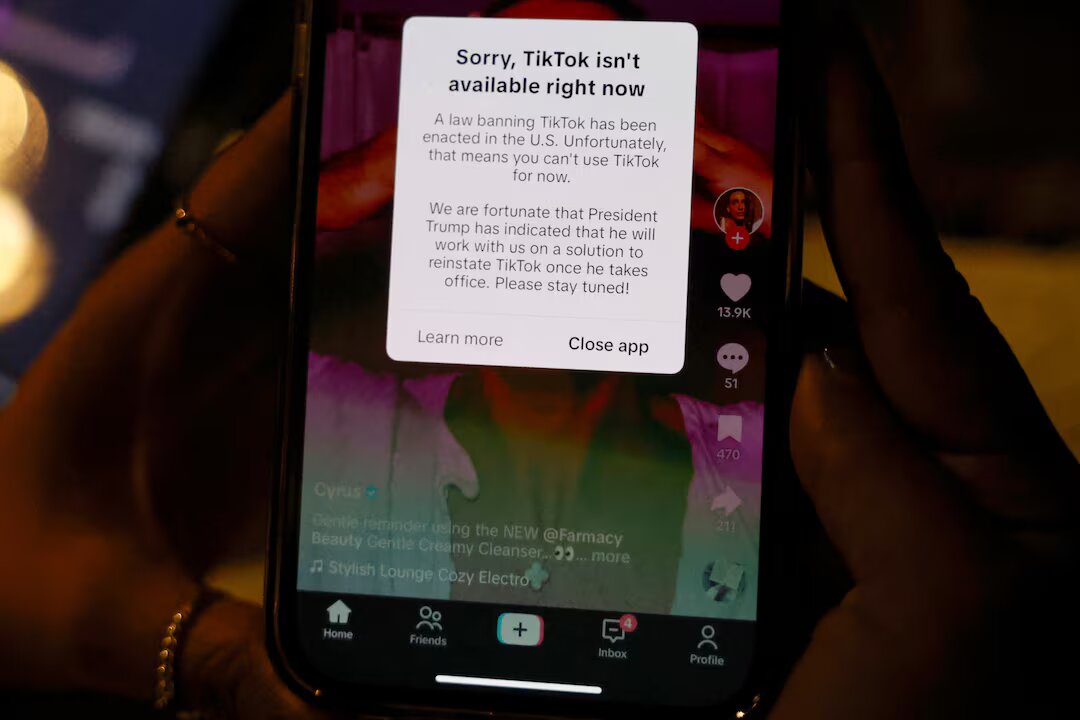
The Chinese-owned platform, beloved by 170 million Americans, now faces an uncertain future, though President-elect Donald Trump has hinted at a potential 90-day reprieve after his inauguration on Monday.
In a message displayed to users attempting to access the app, TikTok announced: “A law banning TikTok has been enacted in the U.S. Unfortunately, that means you can’t use TikTok for now. We are fortunate that President Trump has indicated that he will work with us on a solution to reinstate TikTok once he takes office. Please stay tuned.”
The shutdown comes after years of escalating tensions over TikTok’s ownership by China-based ByteDance, with U.S. lawmakers citing national security concerns.
The Protecting Americans from Foreign Adversary Controlled Applications Act, passed last year, required TikTok to be sold to a non-Chinese entity or face a ban. ByteDance, however, refused, arguing that divestment was “simply not possible: not commercially, not technologically, not legally.”
The app’s disappearance follows a series of court battles. On Friday, the U.S. Supreme Court upheld the law, rejecting TikTok’s argument that a ban violated free speech rights.
President Joe Biden’s administration left enforcement of the ban to the incoming Trump administration, with White House Press Secretary Karine Jean-Pierre stating, “We see no reason for TikTok or other companies to take actions in the next few days before the Trump administration takes office on Monday.”
TikTok CEO Shou Chew expressed hope for a resolution under Trump’s leadership. “On behalf of everyone at TikTok and all our users across the country, I want to thank President Trump for his commitment to work with us to find a solution that keeps TikTok available in the United States,” he said in a video posted before the app went dark.
Despite Trump’s earlier support for the ban, his newfound appreciation for TikTok’s role in his 2024 presidential campaign has led him to suggest a temporary extension.
“The 90-day extension is something that will be most likely done, because it’s appropriate,” he told NBC. “If I decide to do that, I’ll probably announce it on Monday.”
The sudden shutdown has left millions of American users and businesses scrambling. TikTok, a hub for small businesses, influencers, and cultural trends, warned that the app could face glitches and cybersecurity risks without regular maintenance.
Meanwhile, alternatives like China-based RedNote are already gaining traction among displaced users. “This is my new home now,” one user wrote on RedNote, tagging the post with “#TikTokRefugee” and “#Sad.”
Rival platforms like Instagram Reels and YouTube Shorts are also expected to see an influx of users, while searches for VPNs surged as Americans sought ways to bypass the ban. Marketing firms reliant on TikTok have described the situation as a “hair on fire” moment, rushing to adjust their strategies.
The ban has further strained U.S.-China relations, with Beijing accusing Washington of unfairly targeting TikTok. A spokesperson for the Chinese embassy in Washington stated, “China will take all necessary measures to resolutely safeguard its legitimate rights and interests.”
Back in the U.S., speculation swirls about TikTok’s future. Potential suitors, including former Los Angeles Dodgers owner Frank McCourt, have expressed interest in acquiring TikTok’s U.S. operations. Media reports also suggest that billionaire Elon Musk has been involved in talks about a possible sale, though ByteDance has denied the claims.
As TikTok’s fate hangs in the balance, its CEO plans to attend Trump’s inauguration, reportedly to seek a political resolution. Whether TikTok will return to U.S. devices remains unclear, but for now, an era of short-video dominance in the U.S. has come to an abrupt halt.
The announcement was made during a stakeholders’ meeting held at the Kigali Convention Centre on Friday, January 17, 2025.
The project is being implemented as a public-private partnership (PPP). The Ruzizi III Regional Hydropower Project will hold a 70% stake, while the remaining 30% will be shared equally among the three participating countries.
Once completed, the project is expected to benefit all three nations, as the electricity produced will be distributed equally among them.
Mohsin Tahir, the project manager of Ruzizi III, explained that discussions about the project have been ongoing for over a decade among the three countries. However, the project is now in its final stages of preparation, and construction is expected to begin soon, with a timeline of five years for completion.
“This project will not only benefit Rwanda, Burundi, and the DRC but will also have a significant impact across the continent. Ruzizi III is the first hydropower plant of its kind in the region,” Tahir said.
“We expect construction to take five years, and by 2030, the plant will begin supplying electricity. The construction phase alone will create over 2,000 jobs. This will be one of the most substantial infrastructure projects undertaken in the past 30 years, leveraging shared natural resources for the collective benefit of all involved nations.”
Rwanda’s Minister of Infrastructure, Gasore Jimmy, emphasized the importance of the project in addressing the region’s energy needs while promoting sustainable development.
“This project represents more than just a hydropower development. It is a beacon of hope for a sustainable and energy-secure future for the people of Rwanda, Burundi, and the Democratic Republic of Congo,” Minister Gasore stated.
The Minister reassured stakeholders that any political or diplomatic challenges among the participating countries would not hinder the project’s progress.
“Our confidence is based on past collaborations. For example, we have another joint project that has been operational since the 1990s and continues to function effectively. Meetings are held regularly, decisions are made collaboratively, and progress is achieved. For Ruzizi III, we have followed a similar approach, which has brought us this far.”
He further revealed that by September 2025, all stakeholders, including financiers, implementers, and the participating governments, are expected to reach a comprehensive agreement. This will allow construction to commence.
“We have already started issuing contracts to the builders. Once financial close is achieved, construction will begin in 2026 and is expected to take five years to complete,” Minister Gasore stated.
{{Regional cooperation and security
}}
Charles Vumbi Mbenga, the Director General of the Great Lakes Energy (EGL) company, which oversees energy projects in the East African Community, noted that all three countries are committed to implementing the project.
He urged security agencies in the respective countries to ensure safety in the areas where project activities will take place, as agreed by the participating nations in 2019.
The agreement to implement the Ruzizi III Hydropower Plant project was signed in Kinshasa on July 29, 2019.
The project is expected to cost $625.19 million, with $138.88 million provided by the African Development Bank (AfDB) and $50.22 million from a private-sector funding mechanism.
Ruzizi III is part of the Program for Infrastructure Development in Africa (PIDA) and will be constructed along the Ruzizi River, located between Rwanda and the DRC. The project will also include infrastructure for distributing electricity.
This initiative is expected to address energy shortages in Rwanda, Burundi, and the DRC, which have been exacerbated by rapid population growth outpacing the development of energy infrastructure.