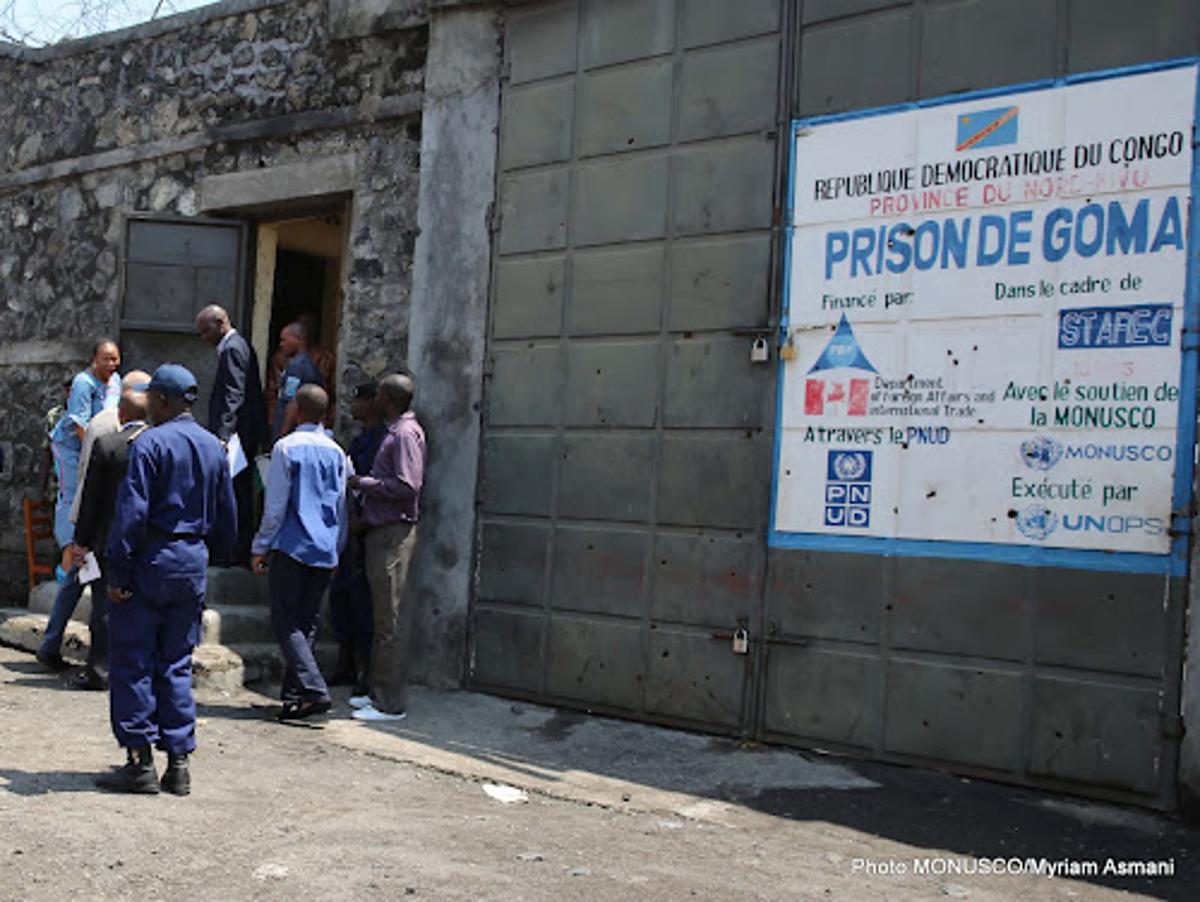
A video circulating on social media shows dozens of prisoners fleeing, shouting as they run. Gunfire echoes from the prison, and thick smoke rises from the areas where fires have been set.
The escape occurred after the M23 rebel group announced that it had taken control of the city early on January 27, 2025.
It also comes against the backdrop of M23 fighters continuing to clash with DRC soldiers, FDLR, and the Wazalendo militia in various areas of Goma.
🛑A #Goma, environ 4 400 détenus ont profité de la situation sécuritaire confuse et se sont évadés de la prison centrale de Munzenze, confirment des sources pénitentiaires ce matin. Ces détenus ont incendié une partie de la prison. Bilan : au moins 1⃣0⃣ décès, dont des femmes.… pic.twitter.com/G8l9nFmIES
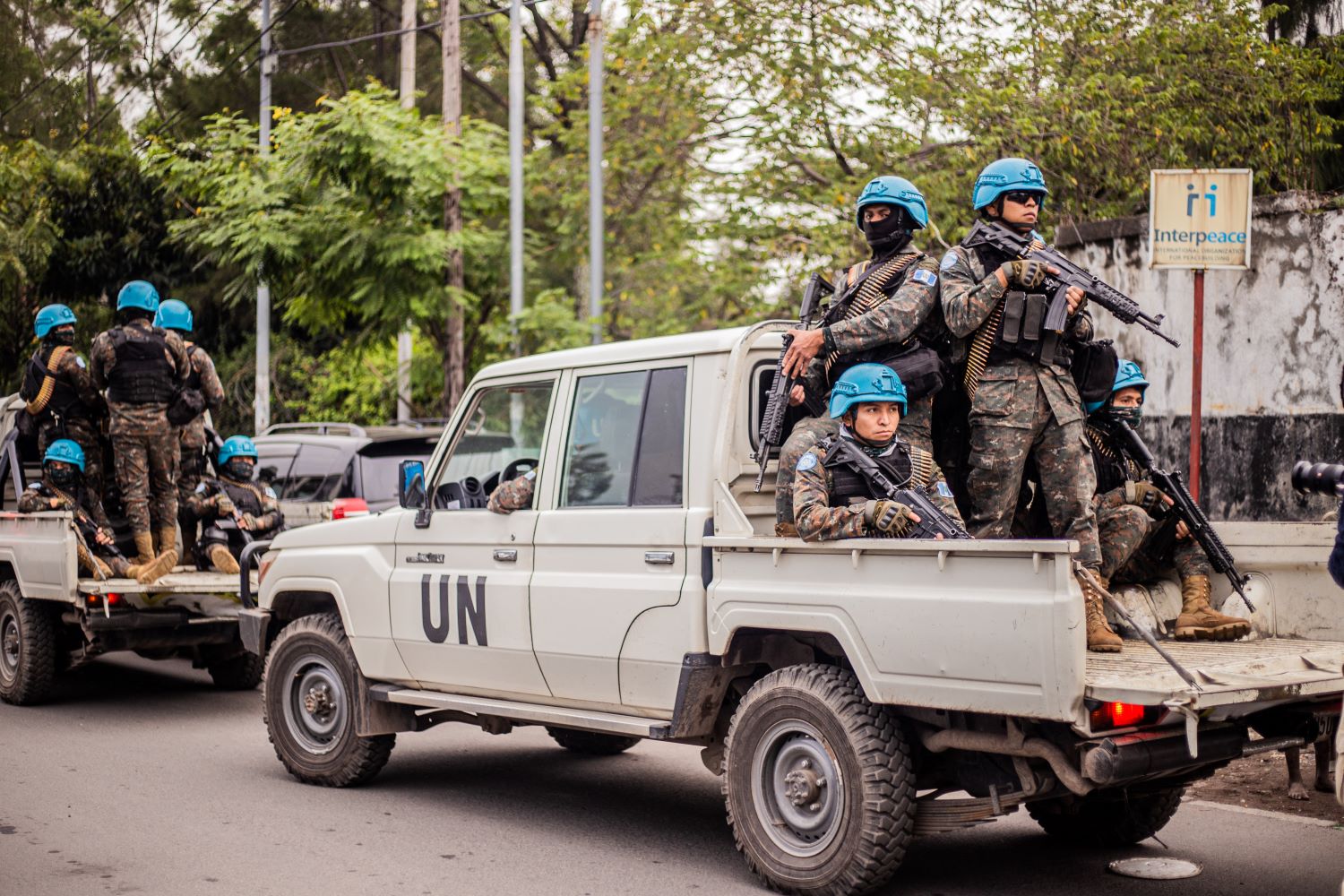
Many DRC soldiers have laid down their weapons, with some seeking refuge at the UN peacekeeping base (MONUSCO), others fleeing to the city of Bukavu through Lake Kivu, and some crossing into Rwanda.
Reports indicate that the country’s military forces remain limited, with FDLR and Wazalendo fighters continuing to battle M23 in a bid to regain control of the city. The coalition of forces in the DRC has also been linked to looting in the city.
Munzenze Prison holds many individuals accused of crimes committed in eastern DRC, including those involved in activities that threaten the security of Goma.
The website, officially unveiled on January 1, 2025, allows car owners to register their vehicles by providing details such as pricing and basic information. Renters can log in, input necessary details, and select the car they need. All transactions require users to create an account first.
The platform is free to use, and cars can be rented from anywhere in the country. It features vehicles from 12 leading car rental companies in Rwanda.
As of January 22—just three weeks after its launch—over 60 vehicles of various types had been listed on the platform. Additionally, the site had received 21,000 visitors, with hundreds of users already registered.
Mbabazi Jean Paul, the founder of Umunota Plus, the company behind Umunota.rw, explained that the platform was designed to provide solutions such as quick and easy access to cars, flexible rental durations, and a seamless process.
He stated: “Currently, finding a car to rent is difficult. It’s even harder to get one for short periods, like five hours, because most rentals are structured around daily bookings.
“We also aimed to tackle unemployment. For instance, we currently have 40 agents across the country. This platform has the potential to create over 100 jobs across various roles.”
The platform offers car rentals starting from as little as one hour. Renters can choose to have the car delivered to their location or pick it up themselves.
Additionally, renters can opt for cars with fuel included or arrange to pay for their own fuel. Pricing is transparent and displayed on the platform, with payment options available through the website’s integrated system or traditional methods.
Currently, services are accessible via the website, but mobile applications for both iOS and Android are set to launch in February 2025.
The platform is available in English, with plans to introduce Kinyarwanda and French versions in the future.
For those looking to rent a car, users need to log in to the website, specify their location (to find nearby cars), and provide the dates for when they need the vehicle and when they’ll return it. Once confirmed, the system provides car options based on the user’s input. The platform utilizes machine learning to enhance its functionality.
Car owners, on the other hand, can list their vehicles by clicking the “List Your Car” option, entering details about the car, and setting their prices.
Mbabazi reassured users about the platform’s security: “While the digital world faces privacy risks, our platform is secure, ensuring that unauthorized access to user data is not possible.”
In the future, the platform plans to introduce a system where drivers without cars, particularly young people, can offer their services. This feature will allow users to rent both cars and drivers if needed.
In a statement released on Monday, January 27, 2025, INTERPOL said the suspects, including alleged members of the Islamic State (ISIS), were apprehended in November and December 2024.
The joint operation targeted individuals linked to terrorist activities in the region.
Key arrests included 17 individuals in Kenya, among them two suspected ISIS operatives. Authorities also apprehended a suspected member of ISIS Mozambique in Tanzania.
Further arrests were made in the Democratic Republic of Congo and Somalia, where terrorist networks remain active and pose significant threats to regional stability.
Prior to the operation, each participating country prepared an operational plan, gathering intelligence on terror-related targets, including individuals and their known locations.
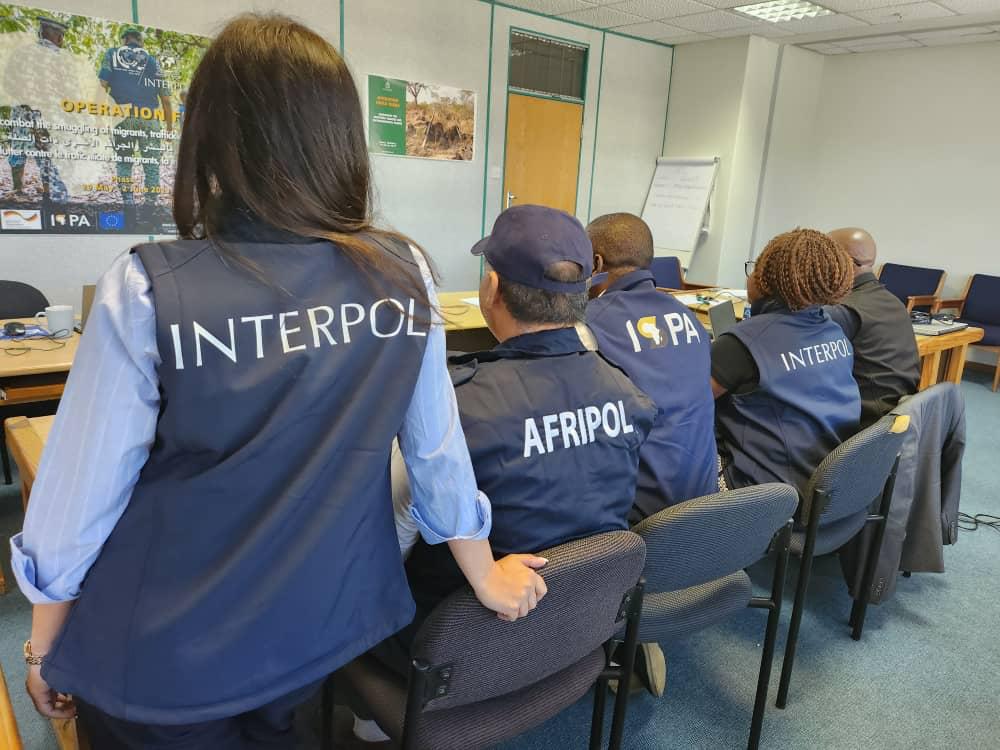
INTERPOL and AFRIPOL consolidated and analysed this information and shared it with all participating countries, facilitating a significant exchange of criminal intelligence.
During the tactical phase of the operation each country carried out strategic investigations and raids. Police received on-the-ground support from INTERPOL and AFRIPOL officers, who provided coordination, logistics and real-time data analysis.
Cyril Gout, INTERPOL’s Director of Operational Support and Analysis, emphasized the importance of cross-border collaboration in tackling terrorism.
“East Africa’s complex landscape, marked by political instability, porous borders, and socioeconomic challenges, continues to provide an environment conducive to terrorist activity,” he said.
“These positive results demonstrate the power of international collaboration in the fight against terrorism.”
The region has seen growing concerns over ISIS-linked activities, exacerbated by recent incidents abroad.
On New Year’s Day, a U.S. Army veteran flying an ISIS flag drove into a crowd in New Orleans, killing 15 people. This tragic event has intensified global vigilance and reinforced the urgency of counterterrorism efforts in vulnerable regions like East Africa.
INTERPOL, headquartered in France, continues to work closely with AFRIPOL and national authorities to strengthen security frameworks, disrupt terrorist networks, and ensure justice is served.
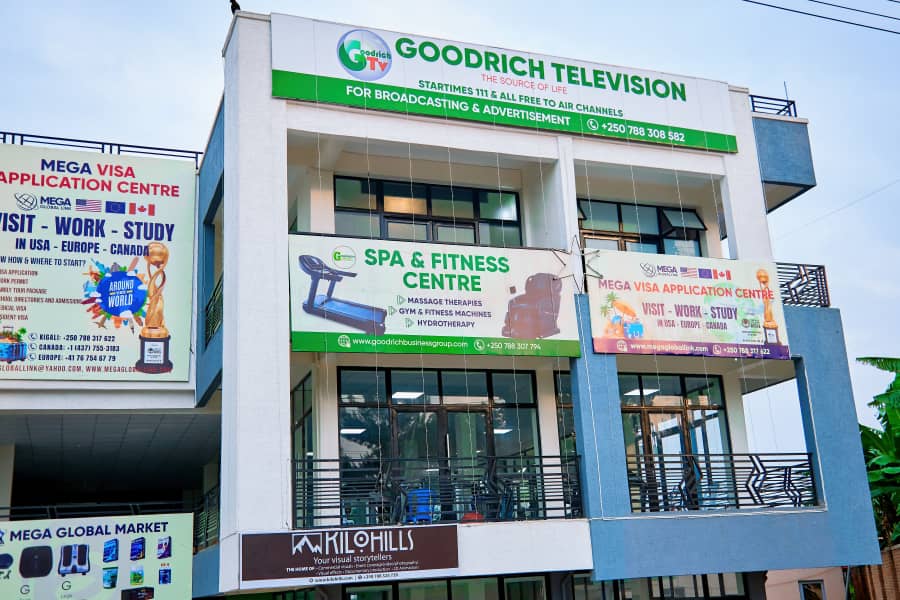
Mega Global Link is a renowned company supporting individuals travelling abroad for various purposes, including work, education (long-term and short-term studies), visiting friends and family, tourism, and medical treatment.
The company provides these services in European countries, Canada, the United States, and other regions.
The permit to operate in Toronto was granted to the company by the Canadian government on January 20, 2025.
Dr. Habumugisha Francis, the CEO of Mega Global Link, stated that the company’s services are now fully operational in Canada. He emphasized that those wishing to work in Canada are being supported, as the company has already signed agreements with employment agencies.
Dr. Habumugisha assured clients that the Canada office is equipped with a dedicated team ready to serve them. He extended a warm welcome to those wishing to visit or settle in Canada.
He said, “If you want to travel to Canada with your family, come and let us assist you. Whether you’re coming to work or study, we have signed work agreements to meet your needs. Everything will be handled smoothly.”
Mega Global Link runs a number of branches worldwide, including an office in Kicukiro District in Kigali City, operations in New York in the United States, and several locations in Europe.
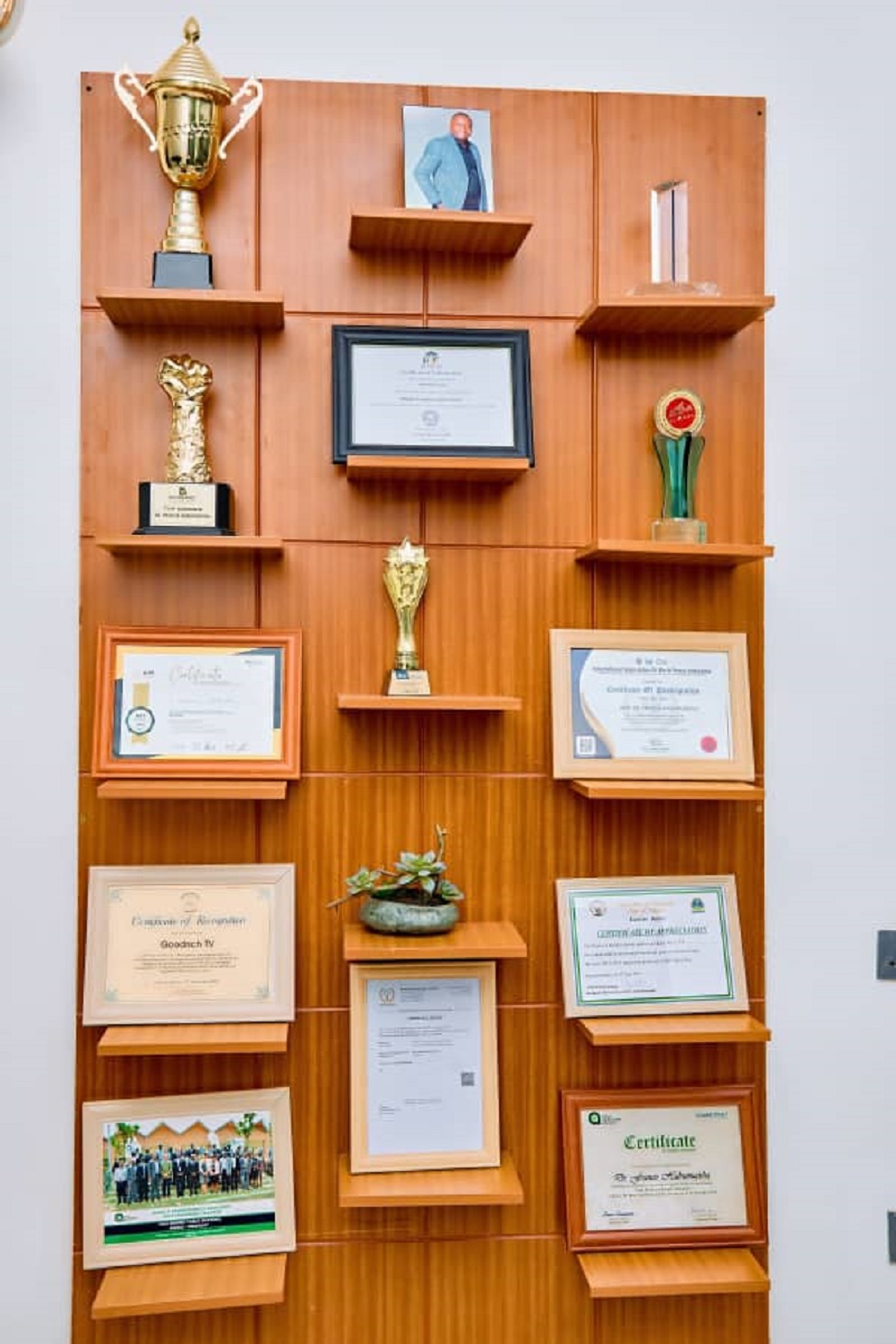
In 2024, Mega Global Link was awarded the Abroad Education Agency of the Year by Karisimbi Events for its outstanding service to clients.
The company recently ventured into an online marketplace for fitness equipment and nutritional supplements. The platform offers products designed to improve health and wellness.
Ambassador Rwamucyo emphasized that resolving the situation is primarily the DRC’s responsibility, stating that it requires ownership and political goodwill from the Congolese leadership rather than a military solution.
“The solution to this problem cannot be outsourced. It requires ownership and political will, and looking at the root causes of the conflict comprehensively and addressing them,” Ambassador Rwamucyo stated.
The meeting focused on the intensifying fight involving the M23 rebels, the Congolese army (FARDC), and allied forces, including FDLR and Burundian soldiers.
Ambassador Rwamucyo criticized the DRC for undermining peace initiatives and prioritizing military action.
“The DRC has all the necessary tools to achieve a lasting resolution to the ongoing conflict,” he said, lamenting that the Congolese government had instead opted for militarization.
He highlighted the deployment of heavy weaponry and additional troops near the Rwandan border, as well as the FARDC’s actions that violated a ceasefire agreement.
According to Ambassador Rwamucyo, the international community has failed to address these violations equitably.
“Unfortunately, we regret that the international community chose to condemn the M23 for extending its territories without condemning FARDC’s military coalition for violating the ceasefire,” he said.
A central issue raised during the speech was the presence of the FDLR, a genocidal militia responsible for the 1994 Genocide against the Tutsi in Rwanda, which has operated in eastern Congo for decades.
Ambassador Rwamucyo expressed Rwanda’s frustration over the DRC’s failure to neutralize the group, accusing Kinshasa of forming alliances with the FDLR.
“Today, the FDLR has even moved from being a speculative force to a strategic ally of the Kinshasa government,” he noted, describing the militia’s role in destabilizing the region and spreading genocidal ideologies.
He also pointed to MONUSCO’s controversial involvement, alleging that the UN mission had exceeded its peacekeeping mandate.
“MONUSCO… has now joined a broader coalition with a clearly stated goal, which is to enact regime change in Rwanda,” Ambassador Rwamucyo said, citing DRC President Félix Tshisekedi’s threats to invade Rwanda.
While reiterating Rwanda’s commitment to peaceful dialogue, he called for dialogue between the M23 and the Congolese leadership to resolve longstanding issues.
“We strongly believe that there is no military solution to this problem. It has to be resolved politically, diplomatically, and with the support of all partners acting together,” he said.
“Rwanda stands ready to do its part in making sure a practical solution is found that addresses the concerns of all actors involved on an equal footing.”
The ambassador’s remarks come amid mounting tension in eastern Congo, where the humanitarian crisis continues to worsen. Thousands of civilians have been displaced by the ongoing conflict, with reports of indiscriminate shelling and targeted attacks in populated areas.
Various member countries represented at the gathering also expressed concerns over the prevailing security situation in eastern Congo. M23 fighters have been gaining ground, seizing control of areas including Minova, Masisi, Lumbishi, Numbi, Shanje, and Sake, and threatening to capture Goma, the capital of North Kivu province and home to about two million people.
The group announced on Thursday that its mission is to liberate the Congolese people, particularly Rwandophones, whom the group alleges have faced long-standing persecution.
An intense battle between the coalition forces and M23 has claimed the lives of at least 13 foreign soldiers from MONUSCO and the Southern African Development Community (SADC) over the past three days.
The council members urged M23 to halt its offensive against the coalition forces and called for the resumption of the Luanda and Nairobi peace processes to help facilitate an amicable solution to the crisis.
A Head of State summit, which was scheduled for mid-December in Luanda, was postponed after the talks faltered due to the DRC’s refusal to engage directly with M23, despite previous commitments to do so.
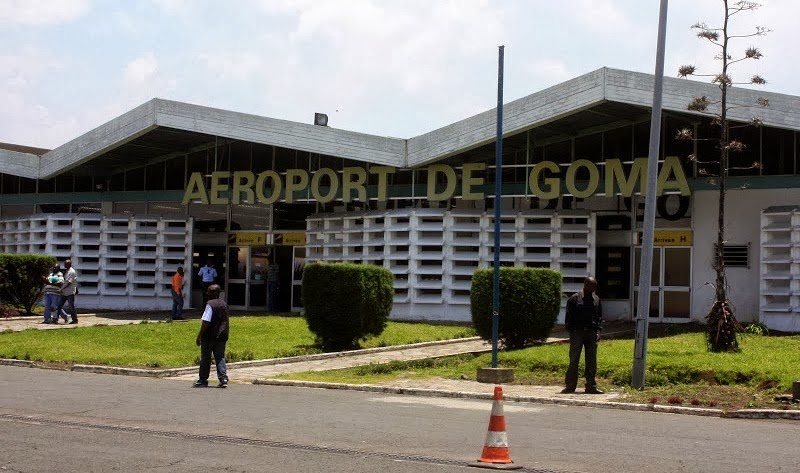
In a statement released on Sunday, January 26, 2025, the fighters accused the coalition forces of “using Goma airport to load bombs that are killing the civilian population”.
The fighters called for foreign troops working alongside the FARDC to stop killing civilians and immediately withdraw from the country’s territory.
“The coalition forces supporting the Kinshasa regime are using Goma airport to load bombs that are killing the civilian population,” said M23 political spokesperson Lawrence Kanyuka.
“AFC/M23 calls on all foreign armed forces present in the Democratic Republic of Congo, including the Burundian National Defense Force (FDNB), SAMIDRC, Private Military Companies (MPC) Ajemira, to immediately stop killing our people and leave Congolese soil.”
In recent days, heavy fighting has occurred between government forces (FARDC) and their allies, including SAMIRDC, Burundi’s military, MONUSCO troops, and allied groups such as FDLR and Wazalendo, in areas surrounding the City of Goma, with many FARDC soldiers having been expelled from these areas by the M23.
At least 13 soldiers from MONUSCO and SADC were killed over the last two days as M23 sought to capture Goma.
Meanwhile, M23 on Saturday, January 25, 2025, called for government forces and their allies to lay down their arms within 48 hours to prevent the conflict from escalating further.
Countries including Germany, the United Kingdom, France, and the United States have recently advised their citizens in Goma to leave and seek safer areas.
Yesterday, the UN announced that it had decided to temporarily relocate non-essential staff from Goma following a sharp escalation in hostilities.
In a statement, the UN confirmed that the relocation affects administrative personnel and those whose tasks can be performed remotely. However, the organization emphasized that this decision will not impact its ongoing humanitarian efforts in North Kivu, particularly in providing food, medical aid, and shelter to vulnerable populations.
The relocation will be reassessed as the security situation continues to evolve.
Reports of the death of Ntawunguka, also known as Omega began circulating on Saturday morning. He is said to have died during clashes between the M23 rebel group and a coalition of forces including the FDLR in Nyiragongo territory.
Rwanda’s Minister of Foreign Affairs, Amb. Olivier Nduhungirehe also mentioned the death of Ntawunguka while addressing the ongoing cooperation between the Congolese army, FARDC and the FDLR.
In a post on X, Minister Nduhungirehe pointed out that the collaboration was evidenced by a recent visit by the First Lady of the DRC, Denise Nyakeru Tshisekedi, to a hospital to see FDLR fighters injured in combat with the M23 fighters.
“I guess that we don’t need any more evidence of the support that this Rwandan genocidal force, which has spread its extermination ideology to the whole FARDC military coalition, benefits at the highest level in Kinshasa,” Minister Nduhungirehe stated.
He added, “It is worth noting that this visit happened few hours after the permanent neutralization of “General” Pacifique Ntawunguka, the FDLR top commander known as “Omega”, despite the attempts by the FARDC military coalition to save his life.”
Ntawunguka, also known by aliases Mulefu, Nzeri, and Israël, was born in 1964 in Gasebeya Sector, Gaseke Commune, in the former Gisenyi Prefecture, now part of Ngororero District in Rwanda’s Western Province.
He attended primary school in Gaseke and secondary school at Rwankeli before enrolling at Collège Christ Roi in Nyanza. Later, he pursued military training at ESM (École Supérieure Militaire) in Kigali. After ESM, he furthered his education in aviation in Egypt, Greece, and France.
When the 1994 Genocide against the Tutsi began, Omega was leading the 94th Battalion operating in Mutara. He was defeated by the Rwandan Patriotic Army (RPA) and sustained a leg injury during the fighting before retreating to Kigali.
Following the defeat of the former Rwandan Armed Forces (FAR), Omega fled to the Democratic Republic of Congo (DRC) along with other ex-FAR members.
Over the years, efforts were made to persuade Ntawunguka to return to Rwanda, but he consistently refused. In 2016, this was highlighted by Gen. (Rtd) James Kabarebe, who recounted his personal efforts to convince Omega to return.
Gen. Kabarebe stated: “I personally called him and said, ‘Pacifique, you’re educated, a pilot trained in France. You’re not ignorant. You’ve been in the Congo forests for over 20 years.
Don’t you see what you’re doing is futile? You’ll never win this war. Why not reconsider your actions? And we know you didn’t participate in the genocide because you were in France at the time for aviation training. What are you fighting for? Are you afraid of facing justice?’
“He listened to me and replied, ‘General, let me tell you one thing. I will return to Rwanda only when there isn’t a single Tutsi left in that country. If there’s nothing else you wanted to tell me, let’s end this conversation here.’ From that moment, I never spoke to Ntawunguka again.”
The move comes as the security situation in the region continues to deteriorate due to the advancing M23 rebels and confrontations with the Congolese army and allied militias.
In a statement, the UN confirmed that the relocation affects administrative personnel and those whose tasks can be performed remotely. However, the organization emphasized that this decision will not impact its ongoing humanitarian efforts in North Kivu, particularly in providing food, medical aid, and shelter to vulnerable populations.
The relocation will be reassessed as the security situation continues to evolve.
There have been mounting fears as M23 seized the strategic town of Sake, which had previously served as the last stronghold for government forces ahead of Goma. The group’s territorial gains have raised alarms that Goma, a city home to around two million people, could soon fall under M23 control.
Goma had already been briefly occupied by the rebels in 2012, and now, anxiety is spreading among the displaced populations in the area.
Due to the ongoing instability multiple foreign embassies have issued advisories urging their citizens to evacuate from North Kivu.
M23, which is fighting for the interests of the Tutsi community in eastern Congo, has announced its intention to “liberate” the people of the region, accusing the government of long-standing persecution.
The rebel group has been vocal about its grievances with the Congolese government, accusing it of failing to uphold agreements related to the rights and safety of Rwandophones in eastern DRC.
The ongoing clashes have claimed the lives of at least 13 peacekeepers and foreign soldiers and left several others wounded in the past few days. Those killed were part of the United Nations Organization Stabilization Mission in the Democratic Republic of the Congo (MONUSCO) and the Southern African Development Community (SADC) mission in the country.
The military governor of North Kivu Province, Maj Gen Peter Cirimwami, is also among the recent casualties. M23 announced that Cirimwami was killed on Thursday after travelling to locations near Sake, where the rebels engaged in battle with the government army coalition.
The South African National Defence Force (SANDF) confirmed in a statement on Saturday, January 25, 2025, that it lost nine soldiers in two days of intense fighting with the M23 as the group sought to capture Goma.
Seven of the fallen soldiers were part of the South African contingent deployed in eastern DRC in December 2023 as part of the Southern African Development Community (SADC) mission in the country, while two members were from the United Nations Organization Stabilization Mission in the Democratic Republic of the Congo (MONUSCO).
Additionally, four other soldiers died while fighting to prevent the M23 from capturing the city of Goma—three from Malawi and one from Uruguay, according to international media reports.
The United Nations force entered Congo more than two decades ago and has around 14,000 peacekeepers on the ground. The mission has often faced criticism for its perceived inability to effectively address the security situation in the troubled region.
M23 has made significant territorial gains in recent weeks, encircling the eastern city of Goma, which has about 2 million people. The group announced on Thursday that its mission is to liberate the Congolese people, particularly Rwandophones, whom the group alleges have faced long-standing persecution.
M23 had also warned of a potential confrontation with peacekeeping forces from the United Nations in the Democratic Republic of Congo (MONUSCO) and SADC troops after seizing Sake town, accusing them of collaborating with the Congolese army coalition.
The Congolese government coalition comprises FDLR, a militia linked to the 1994 Genocide against the Tutsi in Rwanda, troops from the Southern African Development Community, Burundian soldiers, European mercenaries and a host of local Congolese militia groups.
M23’s political spokesperson, Lawrence Kanyuka, stated that while the group has assured it harbours no hostile intentions toward the peacekeeping forces, they are prepared to defend themselves against attacks.
Earlier M23 had claimed responsibility for the killing of Maj Gen Peter Cirimwami, the military governor of North Kivu Province. Cirimwami had on Thursday reportedly travelled to locations near Sake where the rebels engaged in battle with the government army coalition.
Since M23 took control of several other areas like Minova and Masisi, the DRC government and international organizations have expressed concern that the group might advance and capture Goma. The group accuses the Congolese government of failing to honour past commitments regarding the interests of the Tutsi community in eastern Congo, which has faced marginalization and persecution for years.
The United Nations announced on Saturday that it had temporarily decided to relocate non-essential staff from Goma due to the deteriorating security situation amid calls for citizens to leave the area.
Meanwhile, various leaders, including French President Emmanuel Macron, have called for a ceasefire and urged that peace talks resume as soon as possible to restore normalcy to the region.
According to a statement from the French Presidency, Macron spoke separately with the two Heads of State on Saturday, January 25, 2025.
President Macron expressed concern over the ongoing situation in North Kivu, particularly around the city of Goma. He called for the M23 rebel group to cease its offensives and urged that peace talks resume as soon as possible. Macron also reaffirmed France’s commitment to supporting the peace process.
The discussions took place against a backdrop of escalating tensions, with M23 seizing various territories and recently signalling plans to take control of Goma.
The DRC government, which had previously agreed to negotiate with M23, has now declared it will no longer engage in talks with the group. This reversal disrupted the Luanda peace talks, which were initially scheduled to lead to a December 15, 2024, agreement between Presidents Kagame and Tshisekedi but were subsequently postponed.
Negotiations between the DRC and M23 were a key component of the proposed agreements. Mediators have stressed that resolving the conflict involving M23 is essential to addressing the broader issues between Rwanda and the DRC. Without a lasting solution, M23’s actions risk being repeatedly attributed to Rwanda, further perpetuating tensions between the two nations.
President Macron has reiterated that the Luanda peace talks must continue to find a sustainable resolution to the insecurity in the Great Lakes region. He highlighted this point during a discussion in Paris on January 16, 2025, with Angolan President João Lourenço, who serves as the mediator between Rwanda and the DRC.
Speaking to President Lourenço, Macron stated, “The peace process you initiated must move forward, and we urge the continuation of high-level discussions. France, as a close partner, fully supports this mediation and the steps toward peace.”
President Lourenço affirmed his commitment as a mediator to end the decades-long conflict in eastern DRC and restore peaceful relations between Rwanda and the DRC.
The M23 rebel group is primarily fighting for the interests of the Tutsi community in eastern Congo, which has faced marginalization and persecution for years. The group accuses the Congolese government of poor governance and failure to fulfil terms of previous agreements.