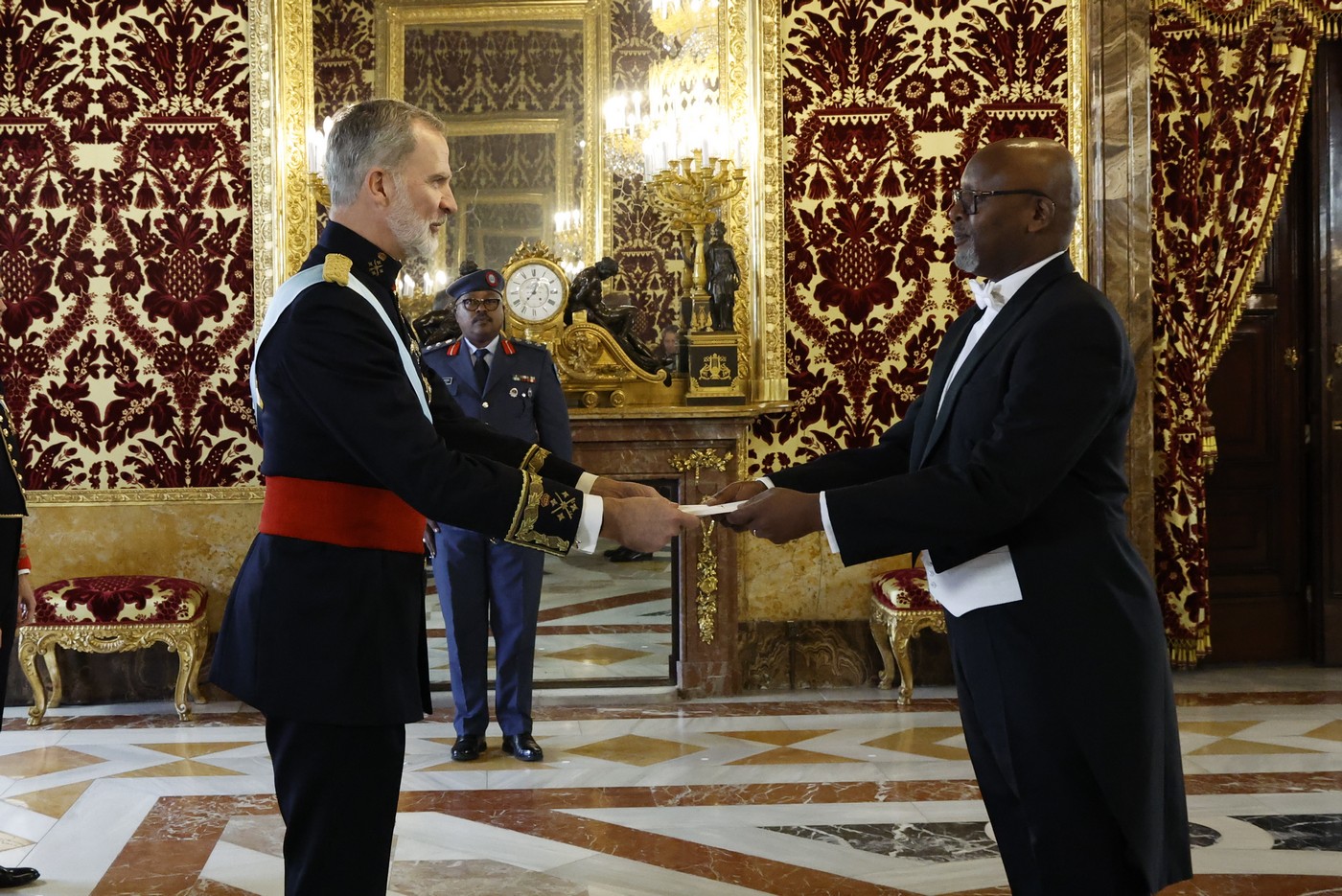
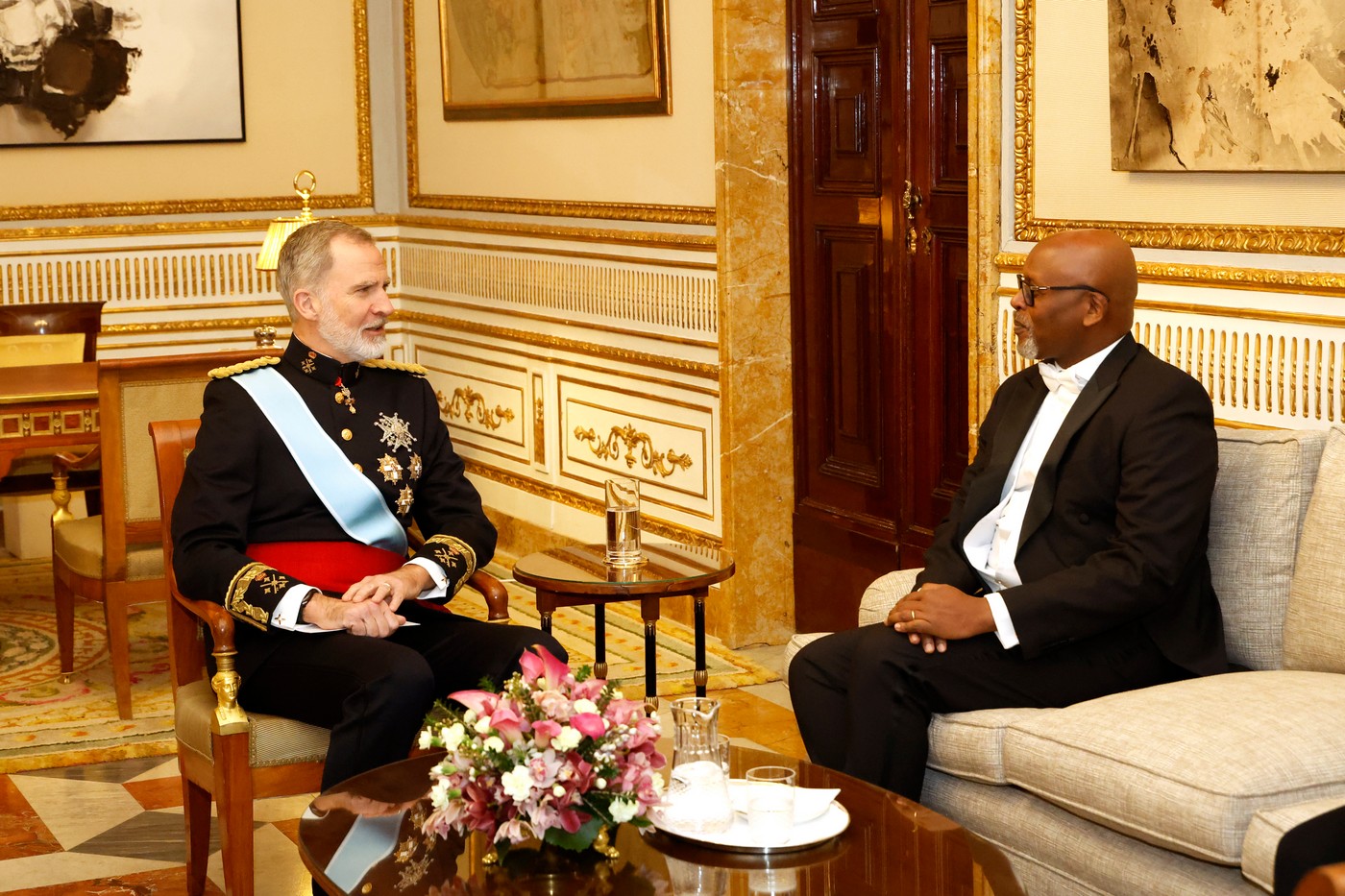
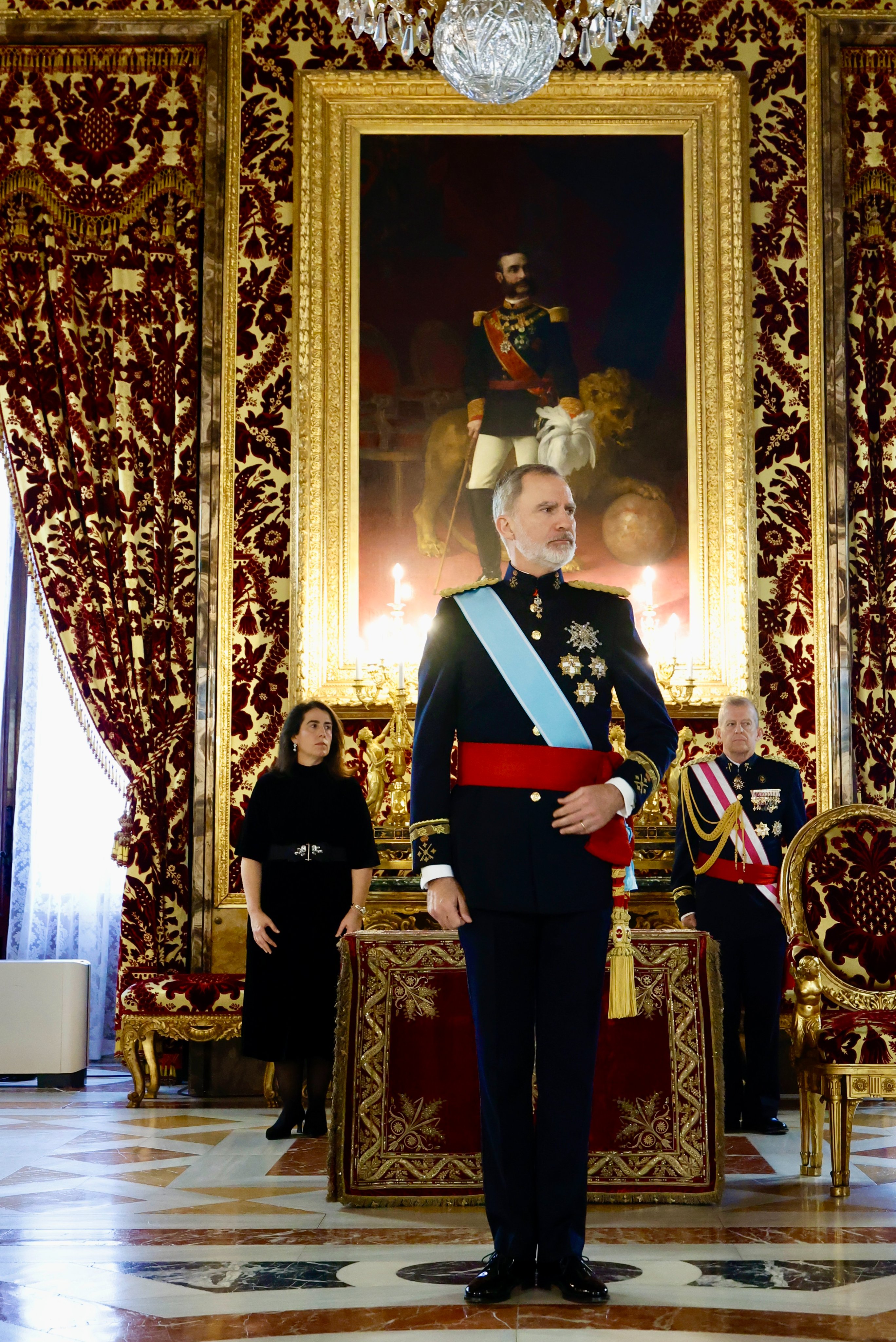
He presented his credentials alongside the ambassadors of Ghana, Slovenia, France, Nepal, and Mongolia in a ceremony that took place at the Royal Palace of Madrid on Monday, February 24.
Nkulikiyimfura, who also serves as Rwanda’s ambassador to France, Italy, Monaco, and Portugal, expressed his appreciation for the opportunity to strengthen diplomatic ties with Spain.
“It has been an honour to present my credentials to His Majesty King Felipe VI,” he said. “I express my deep gratitude to His Majesty and his Government for the solid cooperation with Rwanda in multiple sectors.”
Spain’s government reaffirmed its commitment to diplomatic traditions, noting that the presentation of credentials is a longstanding practice dating back to the 18th century.
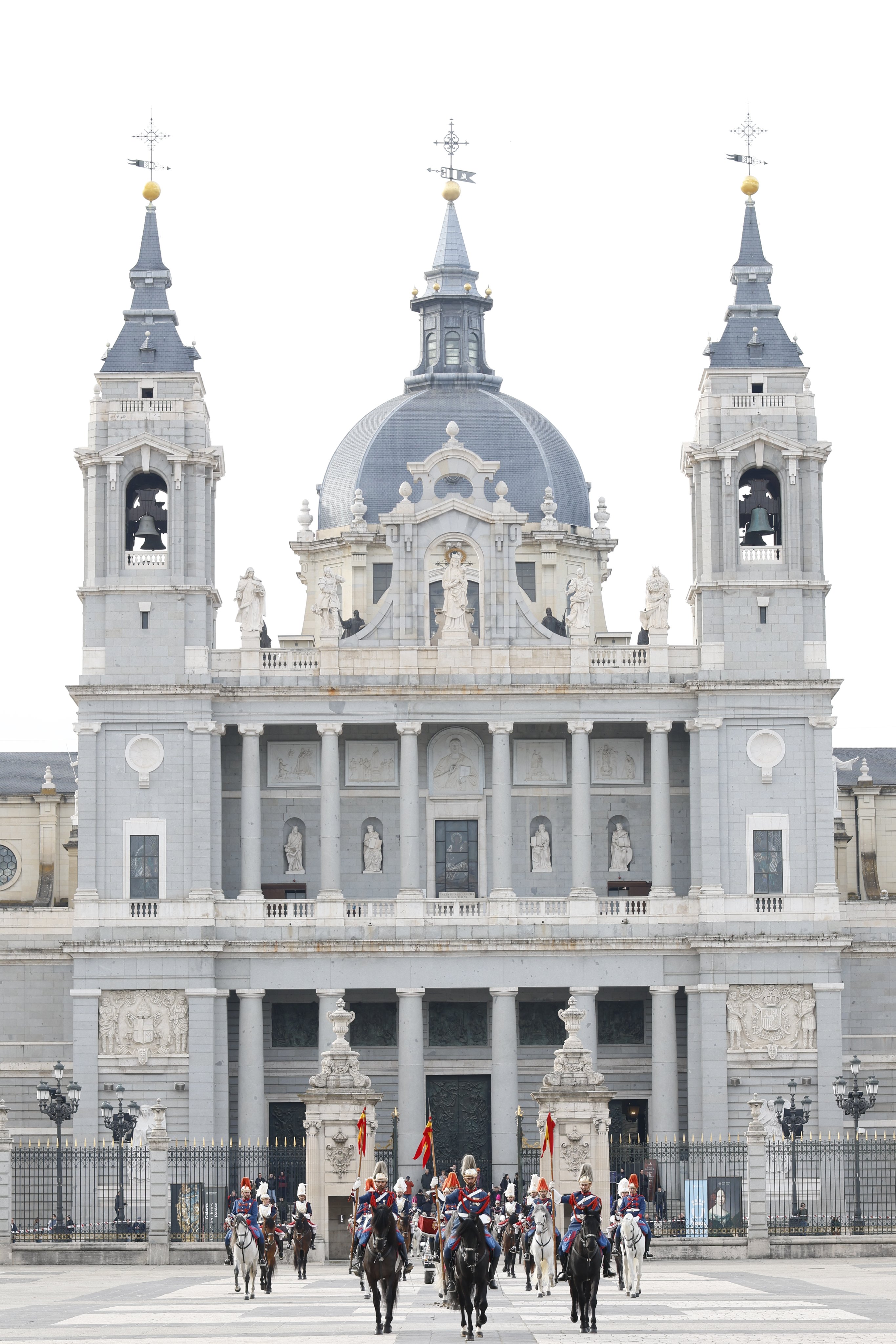
The ceremony, conducted with full honors, plays a key role in enhancing bilateral ties between Spain and its global partners.
The Letters of Credence formally recognize an ambassador as the highest diplomatic authority of their nation in the host country.
Nkulikiyimfura’s appointment is expected to further enhance Rwanda-Spain relations in various sectors.
The soldiers sustained injuries in recent clashes with the M23 rebel group and were evacuated on medical grounds to receive specialized care in their home countries.
The evacuees include 129 soldiers from the Republic of South Africa Battalion, 40 from the Malawi Battalion, and 25 from the Tanzania Battalion.
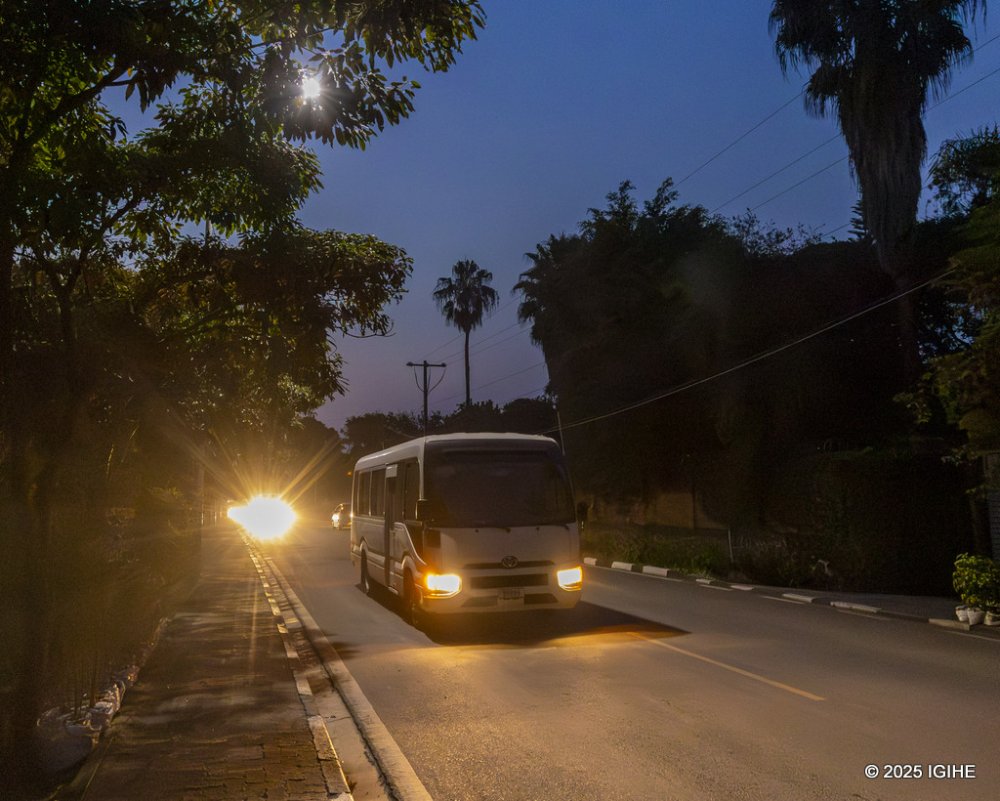
They arrived at the Rwandan border at around 1:00 p.m., where they were first searched by security officials before proceeding to have their passports stamped at the immigration office. They remained at the border in Rubavu until the evening, finally departing from the city at around 6:30 p.m. to head toward Kigali.
Some of the soldiers were confined to wheelchairs, having lost their legs in the intense battles they fought. Some were dressed in military uniforms, while others wore civilian clothes.
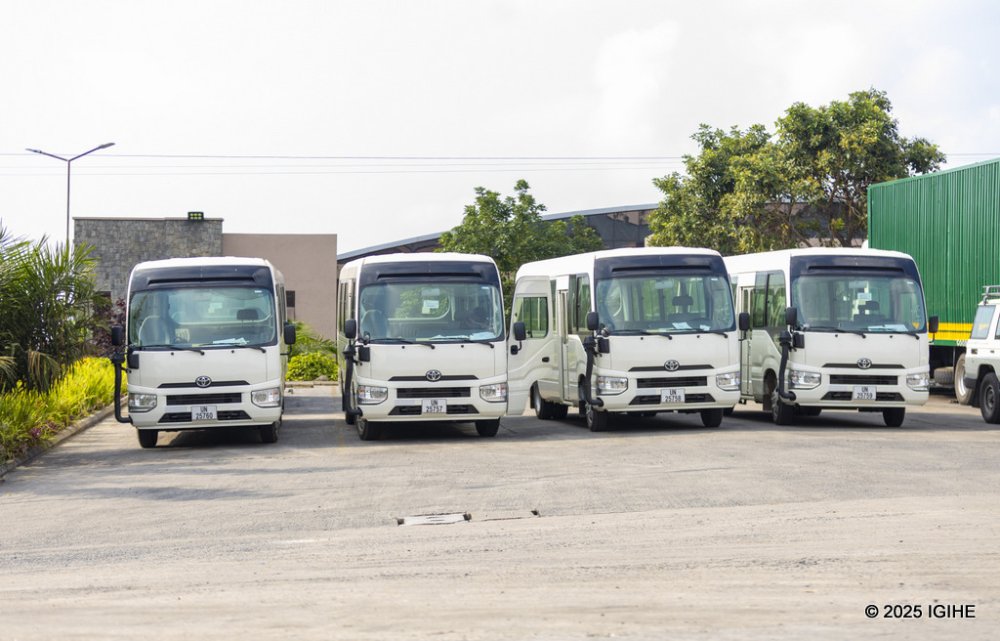
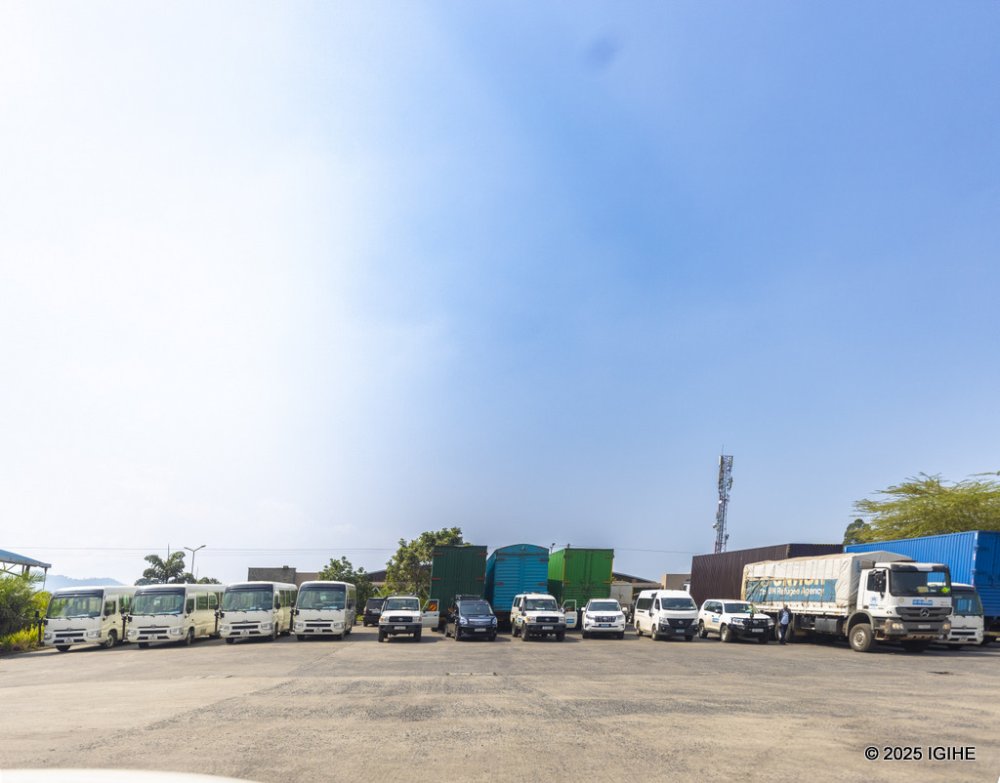
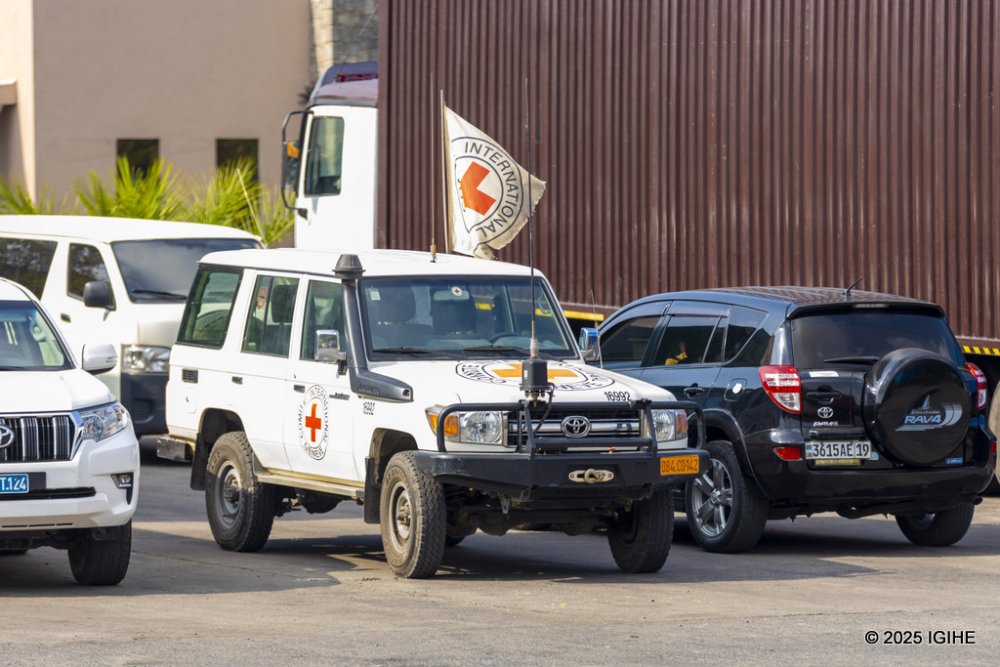
They were escorted from the La Corniche One-Stop Border Post to Kigali International Airport by the Rwanda Defence Force (RDF) Military Police.
The repatriation follows increasing pressure for the SADC mission to withdraw after 18 soldiers, including 14 from South Africa, were killed in clashes with M23 rebels.
The M23 fighters overpowered the Congolese army and the mission’s forces, capturing Goma and surrounding the remaining troops.
The deadly confrontation also resulted in the deaths of two Malawian and two Tanzanian soldiers during skirmishes in Sake and Goma, North Kivu Province.
Reports of the soldiers’ planned departure from Goma first emerged on Friday. However, the process was delayed at the last minute for undisclosed reasons.
For two weeks, discussions had been ongoing regarding their return, with the United Nations mediating talks with M23 rebels, who have long demanded the withdrawal of SADC forces from the DRC.
Among the injured soldiers, one has reportedly suffered a severe disability, losing both legs. Another, a young soldier, lost his eyesight during the war.
Several others sustained grenade injuries, which led to further complications due to the harsh living conditions they endured at the Sake military base. Reports indicate that among the soldiers, two women are expectant.
The repatriation comes even as South Africa’s Parliament continues to press President Cyril Ramaphosa to withdraw troops, criticizing the deployment as sacrificing soldiers in a foreign conflict for private interests.
The mounting losses have intensified debates over the country’s continued military involvement in the DRC.
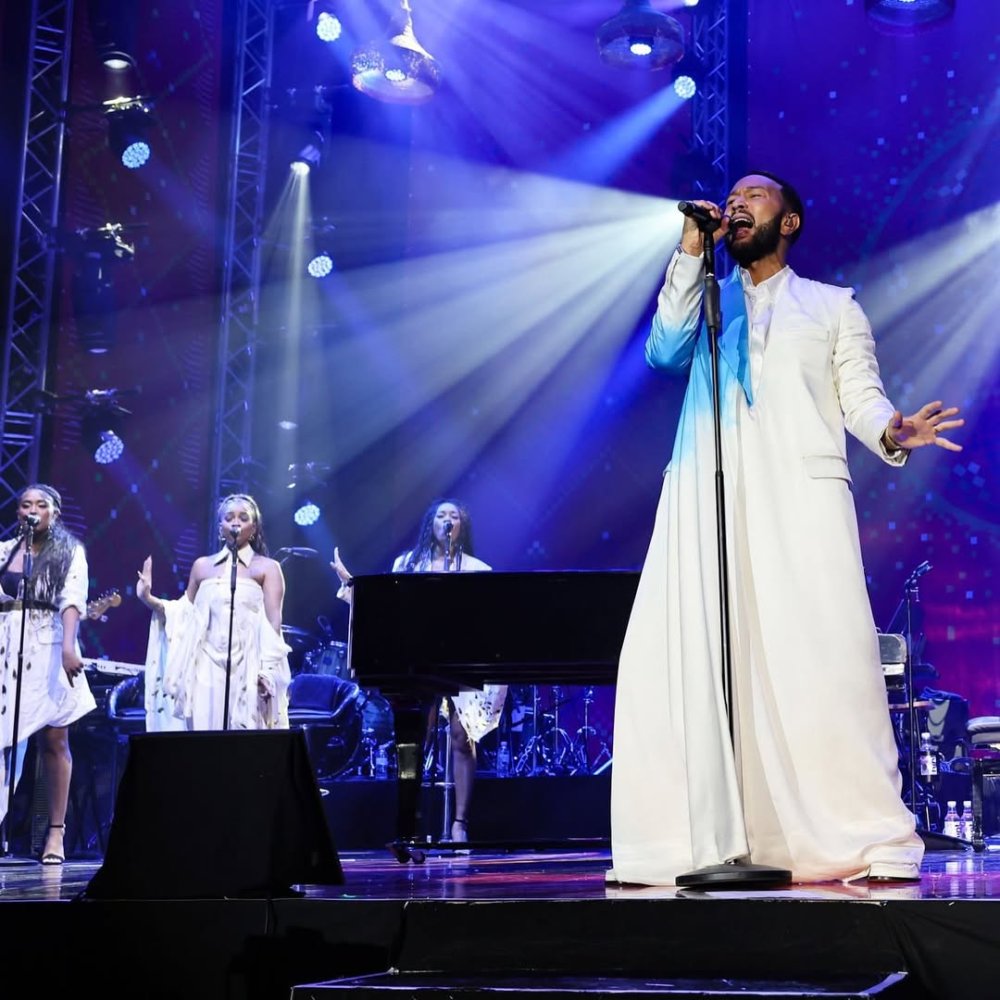
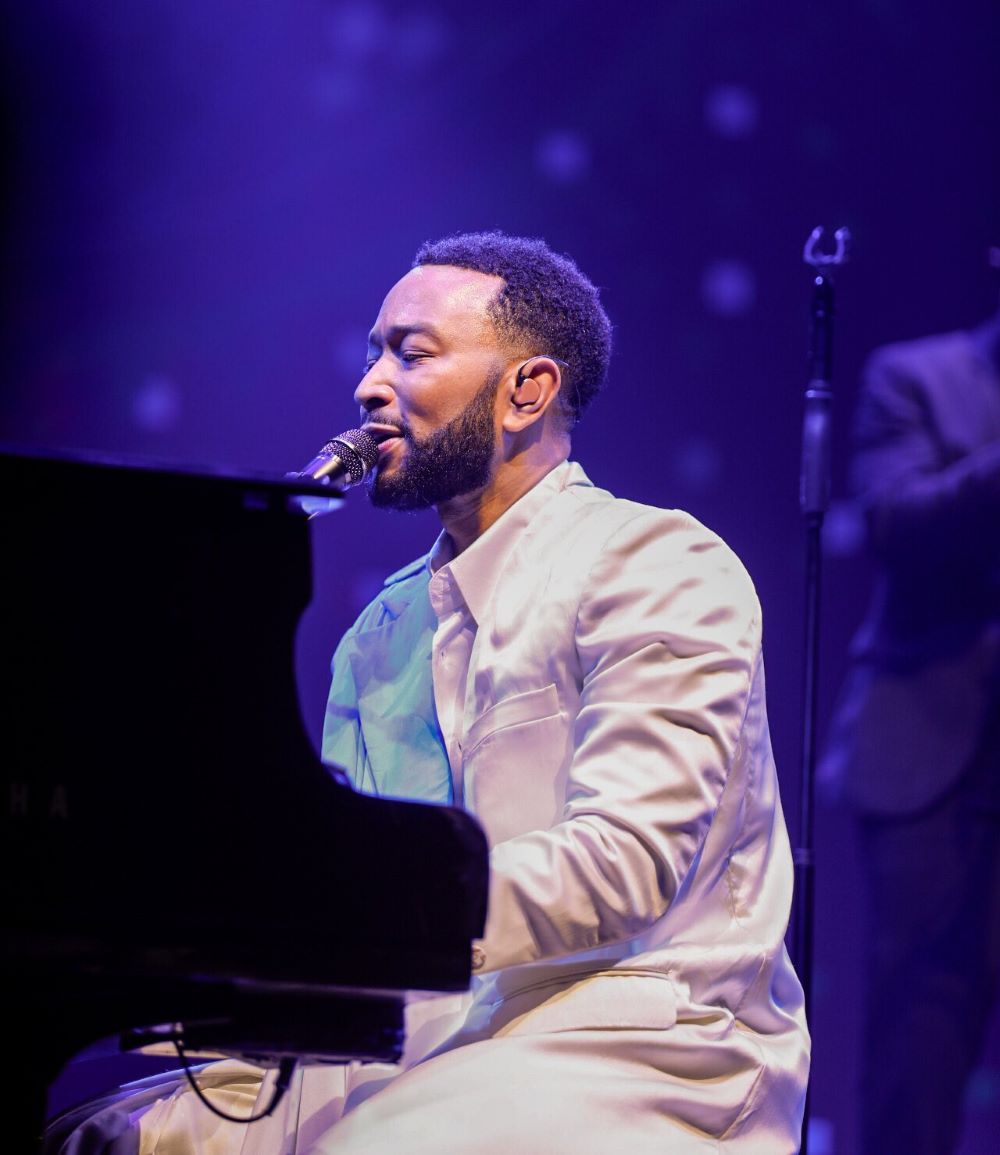
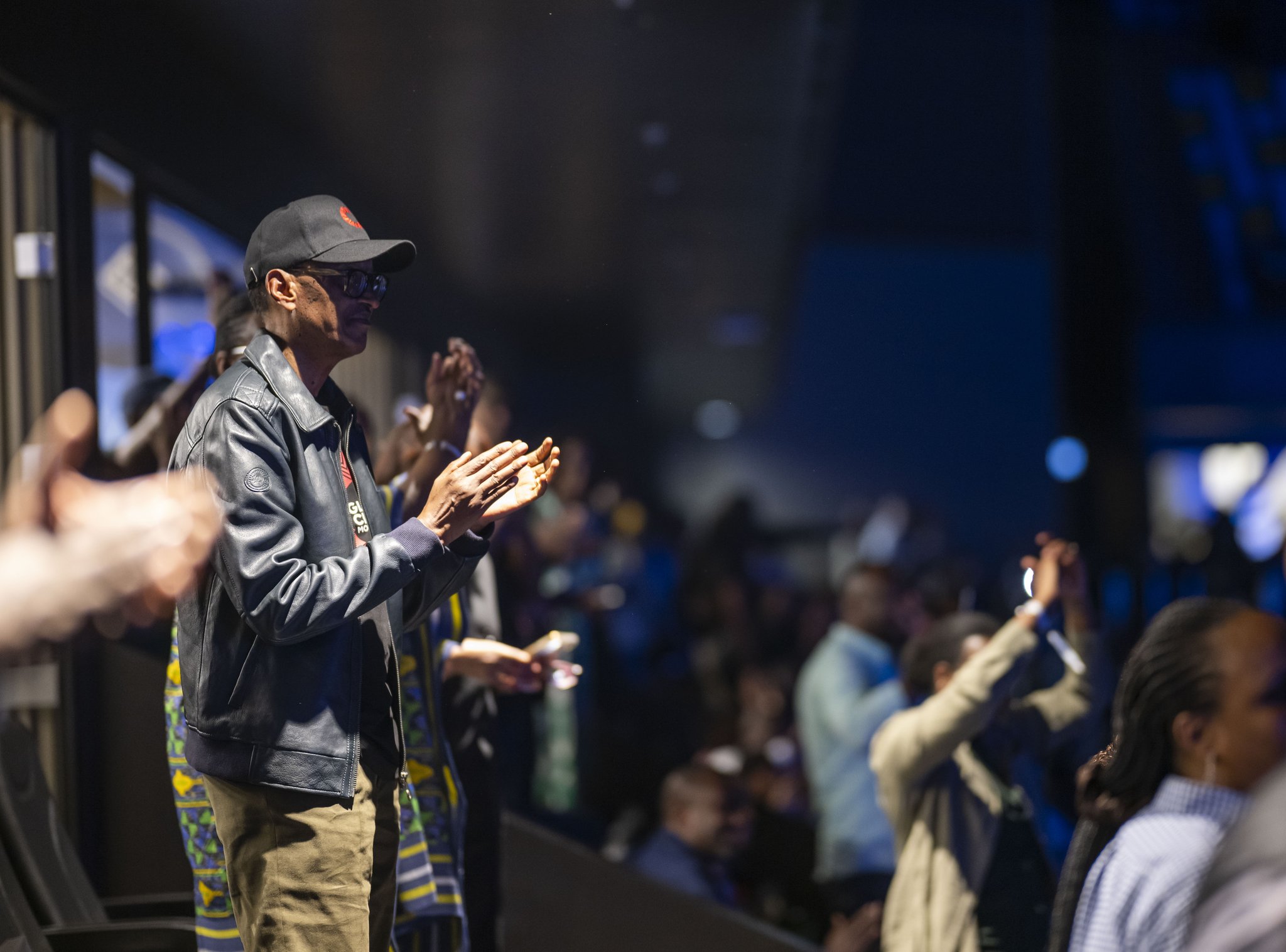
A section of netizens had called on the EGOT-winning artist to cancel his show in Kigali, where he headlined the second edition of Move Afrika, citing the ongoing stand-off between Rwanda and the Democratic Republic of Congo (DRC) over the root causes of the conflict in eastern Congo.
“I’m aware of what’s happening, and I’m aware of the calls for me not to do this show, but I really believe that the mission of Move Afrika is still important,” Legend said in a recent interview with the BBC.
He noted that fans should not suffer because of disagreements between leaders.
“It’s still important to bring international touring to Rwanda and to other places around the continent, and I didn’t want to abandon that mission just because I may not agree with everything that the leader of the country does. I don’t agree with everything the leader of my country does,” he remarked.
He added, “I don’t believe that we should punish the people of Rwanda and the people of other countries when we disagree with their leaders.”
Congolese authorities have long accused Rwanda of supporting the M23 rebel group. Rwanda has consistently denied the allegations, maintaining that M23 fighters are Congolese citizens fighting against decades of marginalisation and persecution of Kinyarwanda-speaking nationals.
Additionally, Rwanda has dismissed claims that it has mineral interests in the DRC, instead arguing that Congolese leadership is using the accusations to divert attention from governance and mismanagement issues.
John Legend [performed in Kigali->https://en.igihe.com/news/article/john-legend-fires-up-kigali-in-thrilling-move-afrika-concert-photos-video] on February 21, 2025, despite the pressure, unlike Grammy-winning singer Tems, whose recent cancellation over the same conflict drew criticism from Rwandan fans.
Tems was scheduled to perform in Kigali on 22 March 2025 as part of her Born in the Wild world tour, which includes stops in major African cities such as Lagos, Nairobi, Johannesburg, Accra, and Addis Ababa. Her decision to pull out of the event sparked criticism from Rwandan fans.
Concerns over the lack of international tours in Africa have persisted for years, with some attributing it to inadequate entertainment infrastructure. Addressing this issue, John Legend emphasised the need for development in the sector.
“I think there does need to be more development when it comes to making it possible for more acts to come and tour here.”
Move Afrika, a pioneering music touring circuit by Global Citizen, aims to drive economic growth, job creation, and entrepreneurship across Africa through world-class entertainment events.
The 2025 tour will expand from East to West Africa, with Nigeria as the next host country.
The project also seeks to set a new gold standard for entertainment events, boosting demand for international and regional artists to tour Africa.
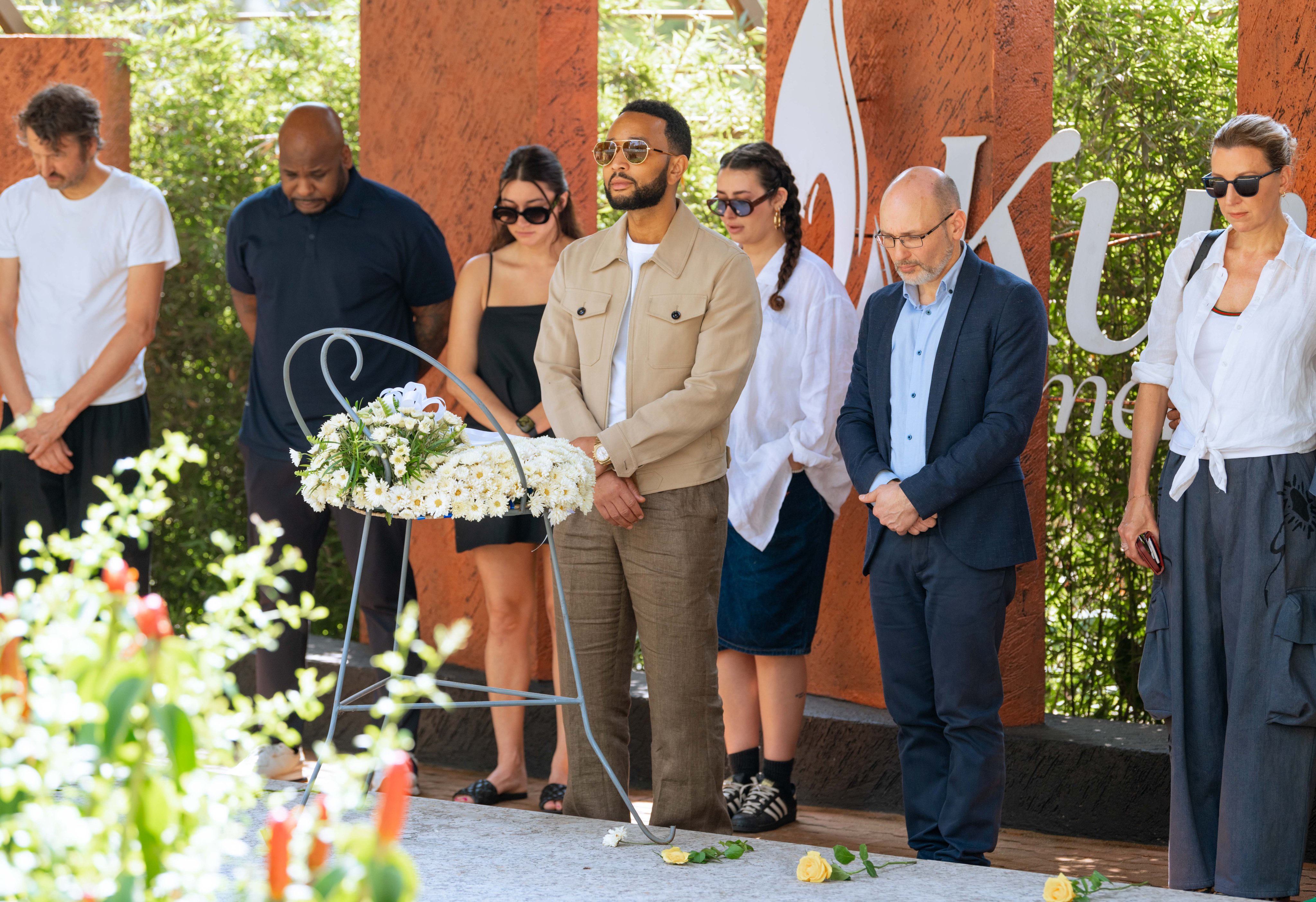
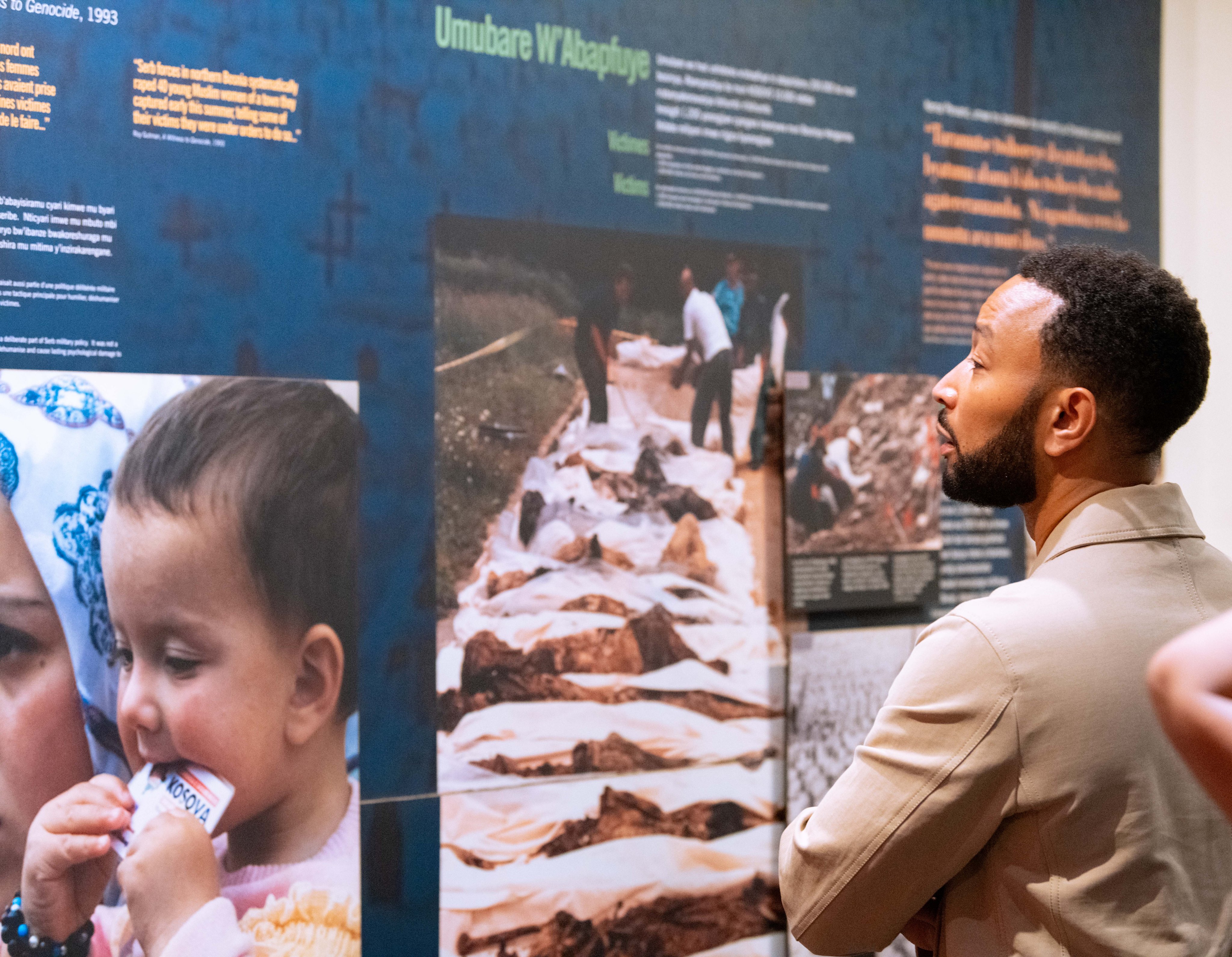
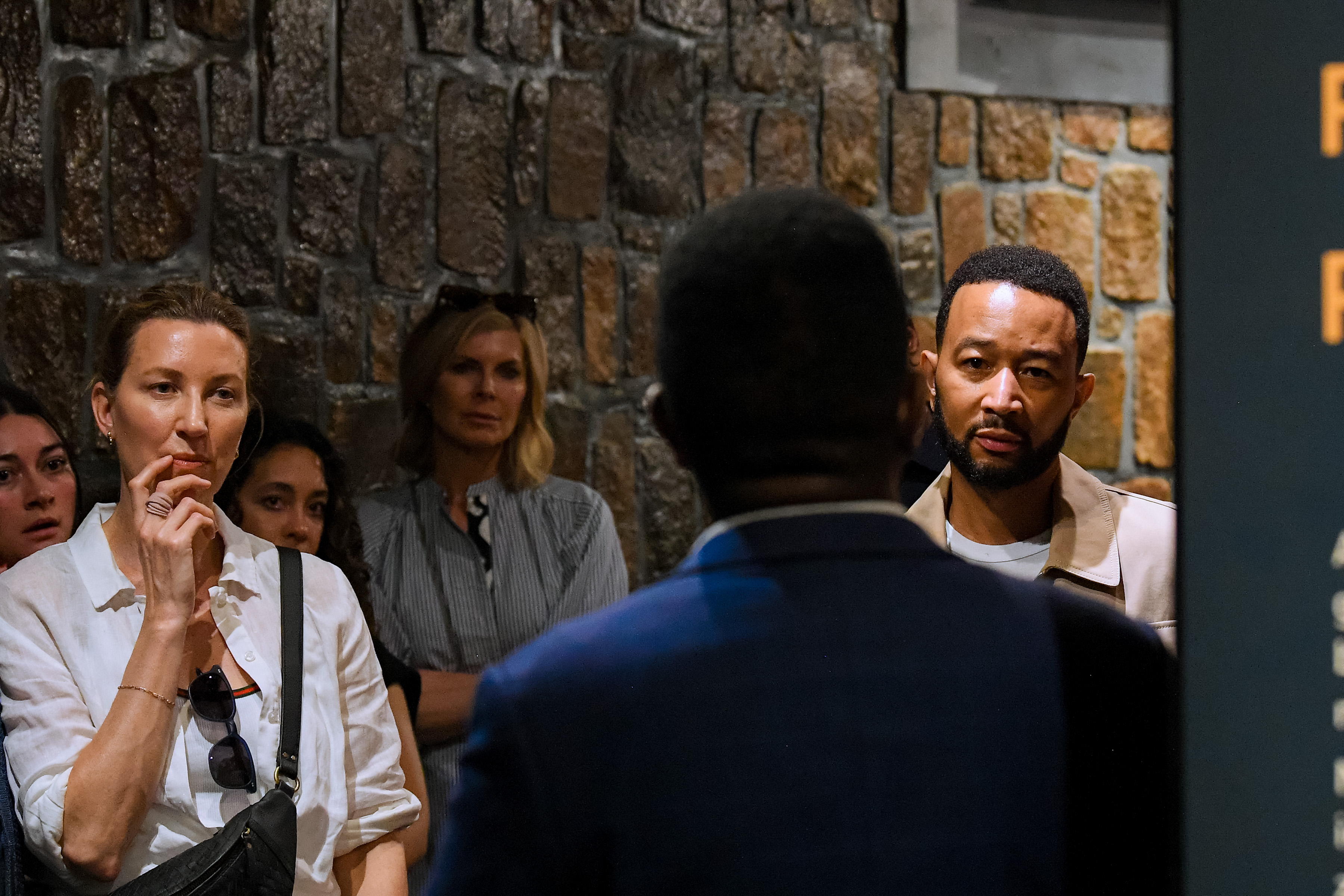
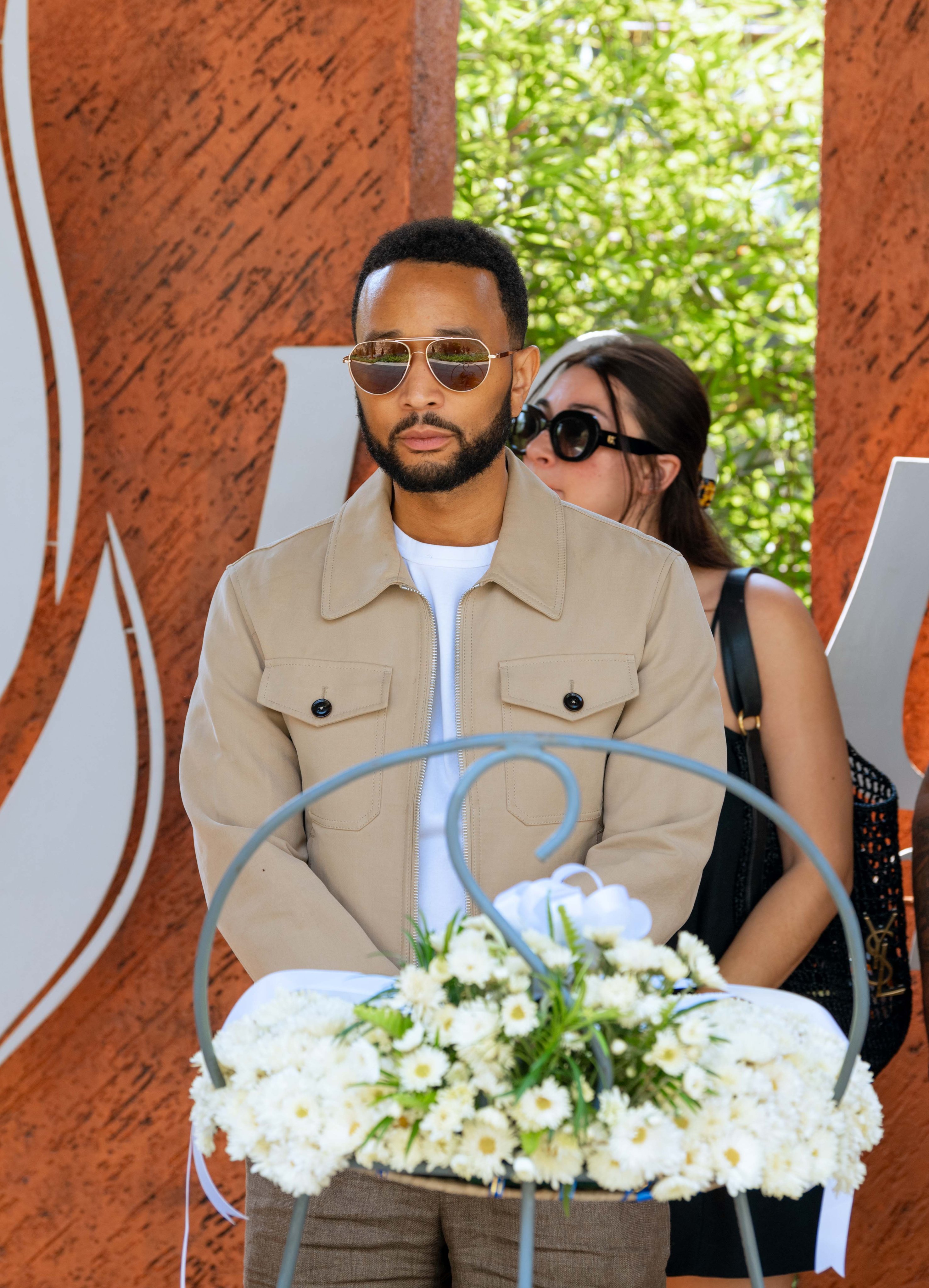
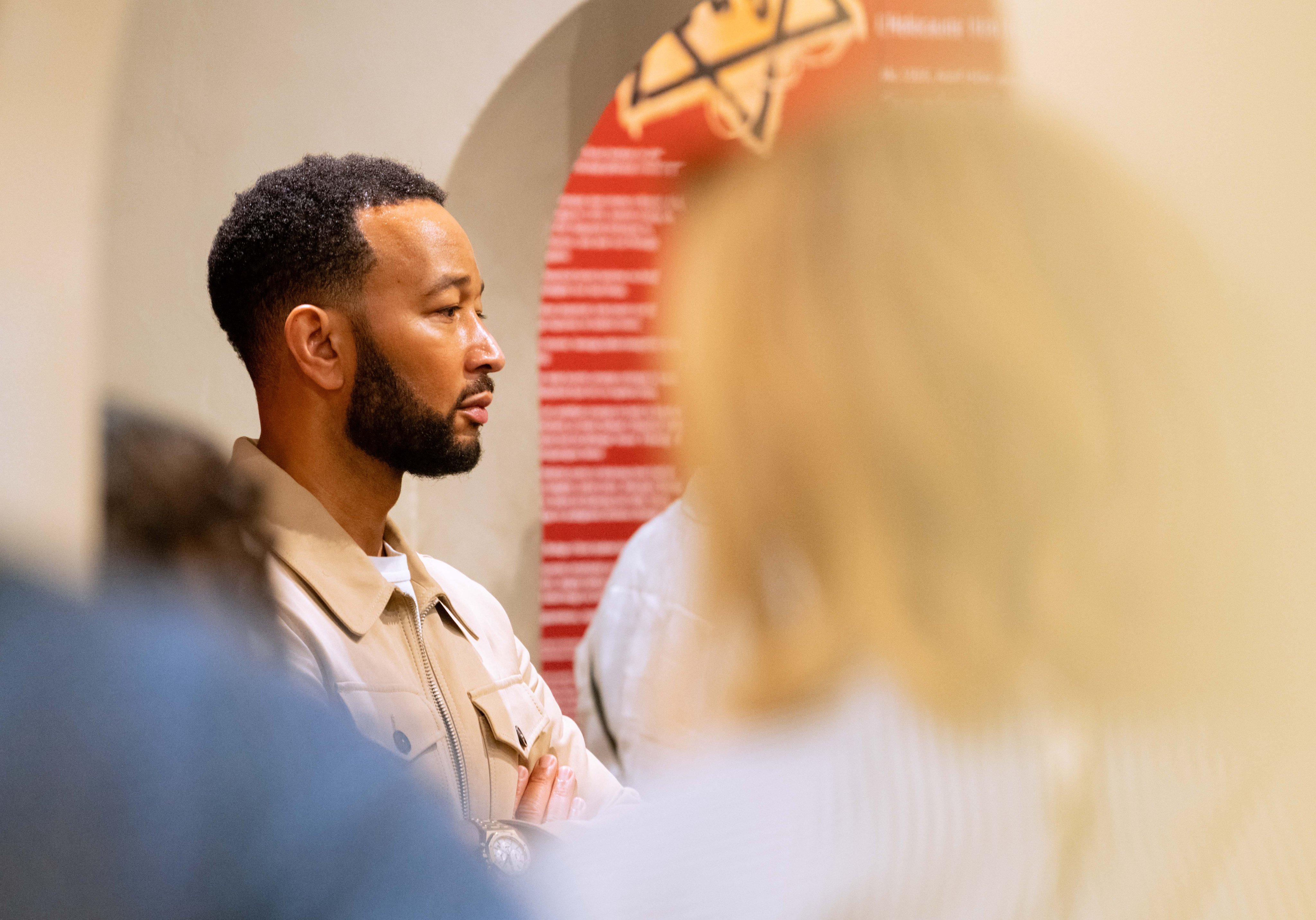
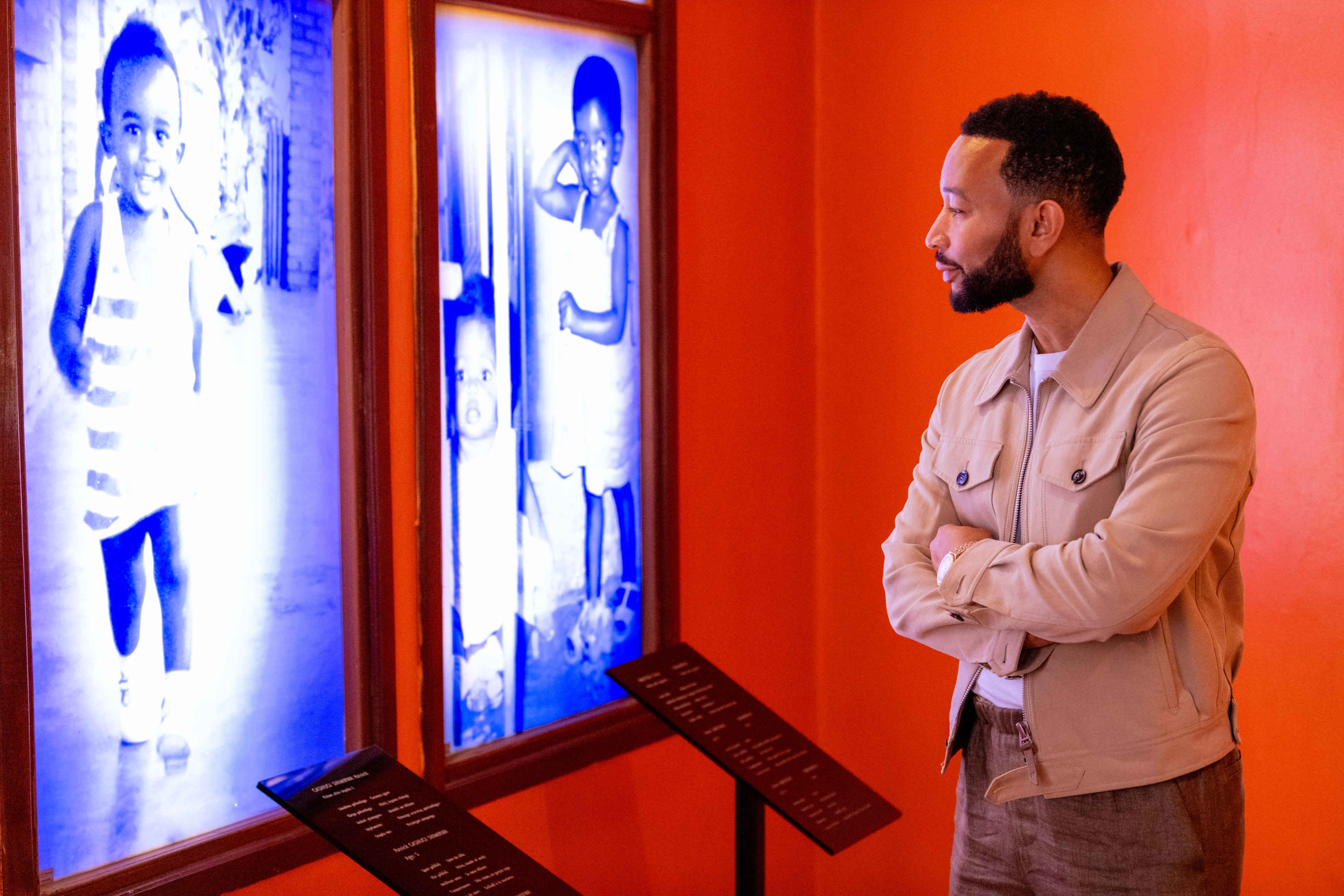
The management of the Kigali Genocide Memorial announced the visit in a statement on Monday, noting that through a guided tour of the memorial exhibits, John Legend and his team had the opportunity to learn about the causes and consequences of the Genocide against the Tutsi, as well as the incredible stories of post-genocide reconstruction.
The celebrated American singer and producer arrived in Rwanda on Friday to headline the second edition of Move Afrika at BK Arena.
Move Afrika, a pioneering music touring circuit by Global Citizen, aims to drive economic growth, job creation, and entrepreneurship across Africa through world-class entertainment events.
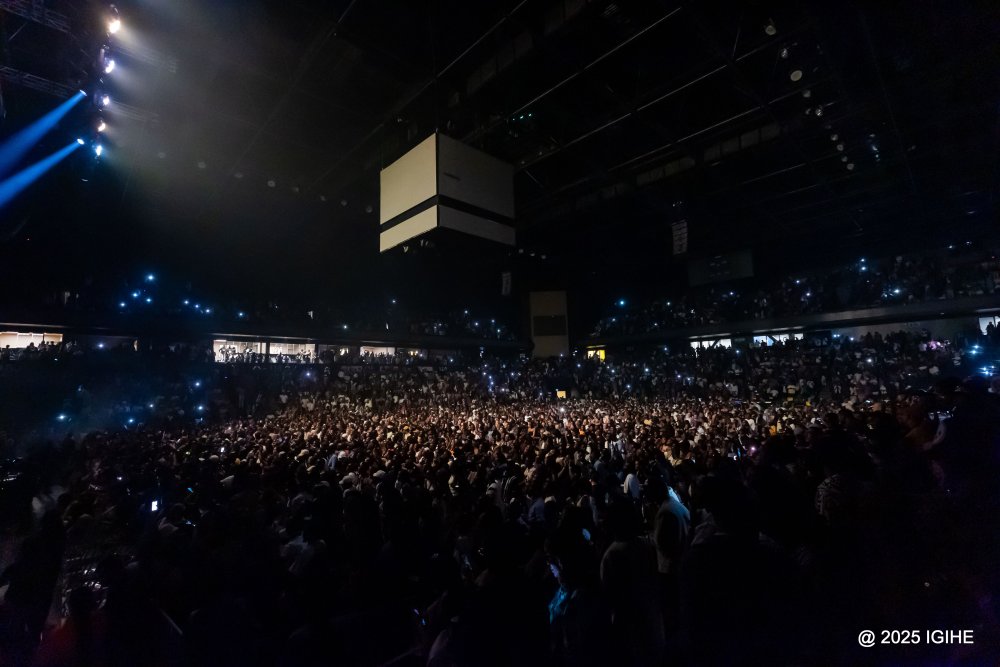
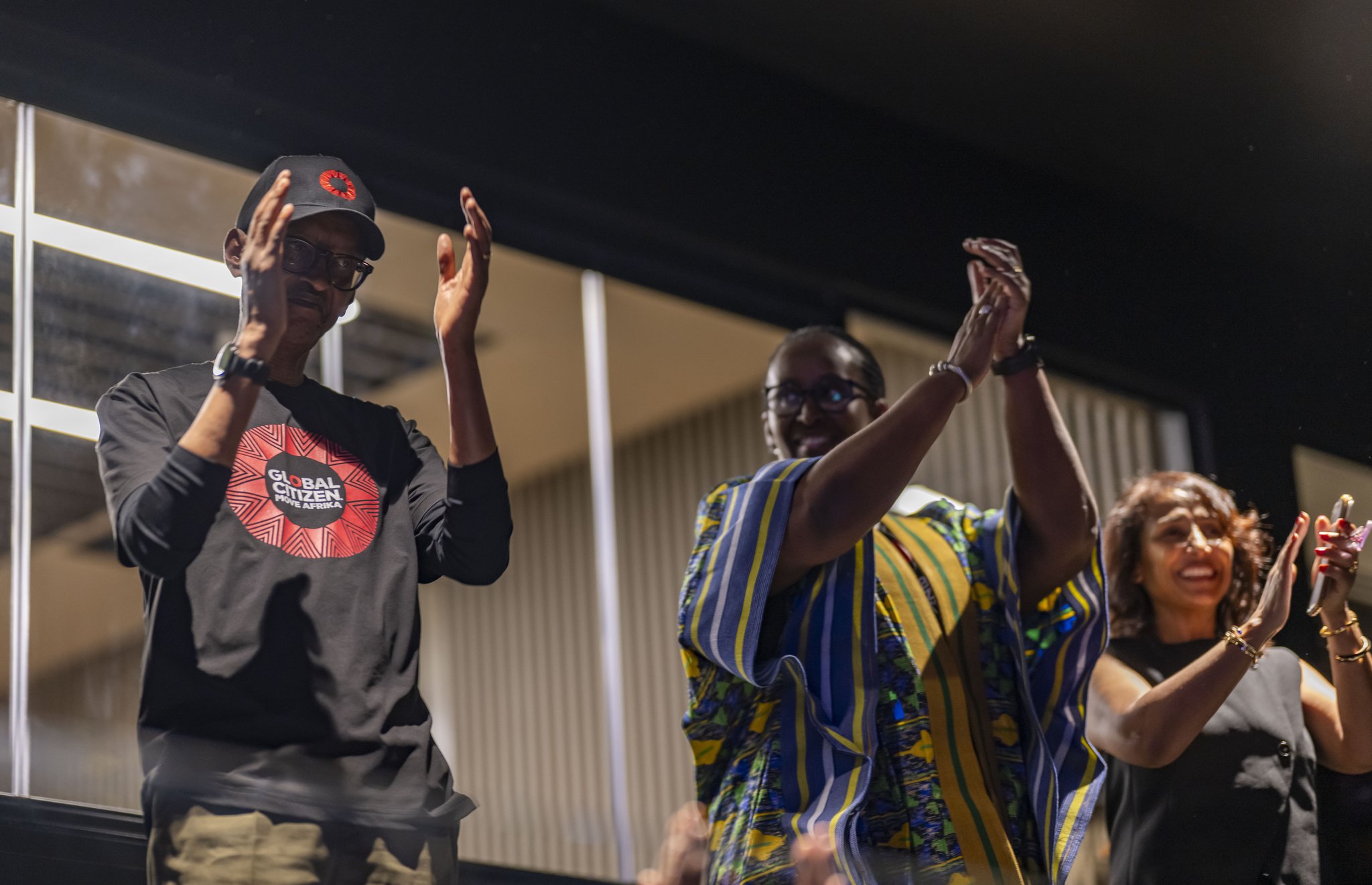
The concert in the Rwandan capital was attended by thousands of fans, including President Paul Kagame and First Lady Jeannette Kagame.
This marks John Legend’s first visit to Rwanda.
{{Kigali Genocide Memorial}}
The Kigali Genocide Memorial, located in Gisozi, Kigali, serves as the final resting place for over 250,000 victims of the genocide.
Established in 2004 to commemorate the 10th anniversary of the genocide, the memorial remains one of the most significant sites of remembrance in Rwanda.
The site includes detailed exhibits on the 1994 Genocide against the Tutsi, a section on other genocides worldwide, a children’s memorial honouring young victims, and mass graves where families continue to hold remembrance ceremonies.
The memorial underscores the importance of learning from the past to prevent future atrocities.
In 2023, the Kigali Genocide Memorial, along with other key genocide memorial sites such as Nyamata, Murambi, Gisozi, and Bisesero, was added to the UNESCO World Heritage List, further cementing its global significance as a place of reflection and education.
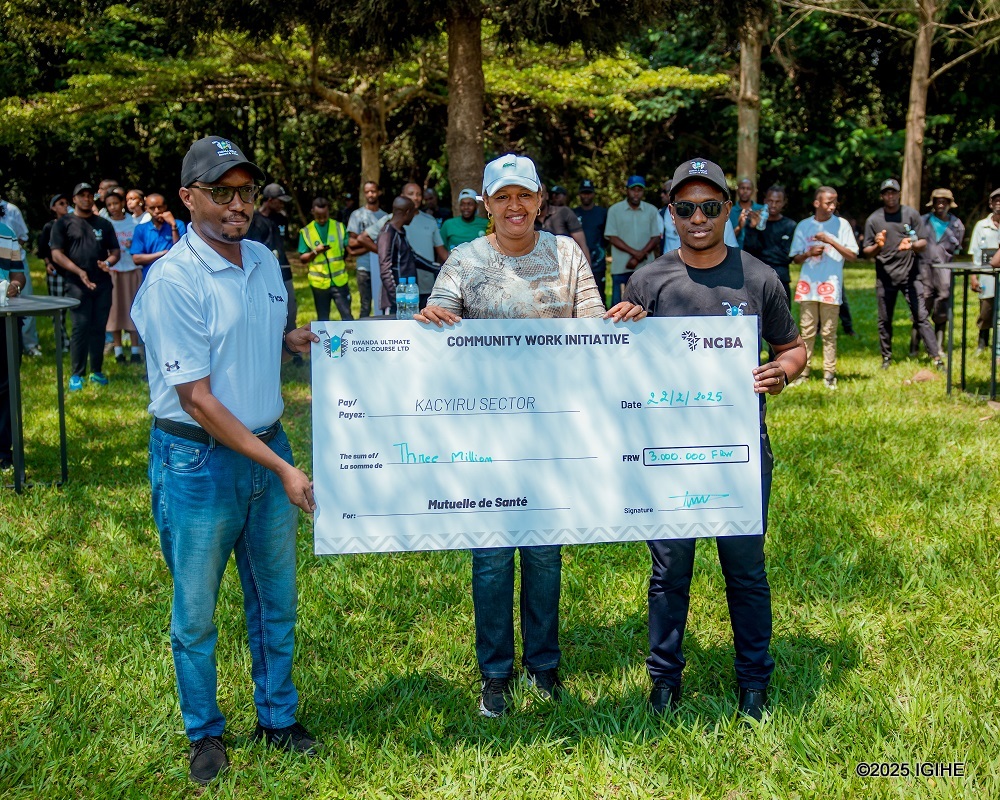
The insurance vouchers were issued on February 22, 2025, following a community service activity (Umuganda) conducted by the company’s staff, local residents, government officials, and various stakeholders.
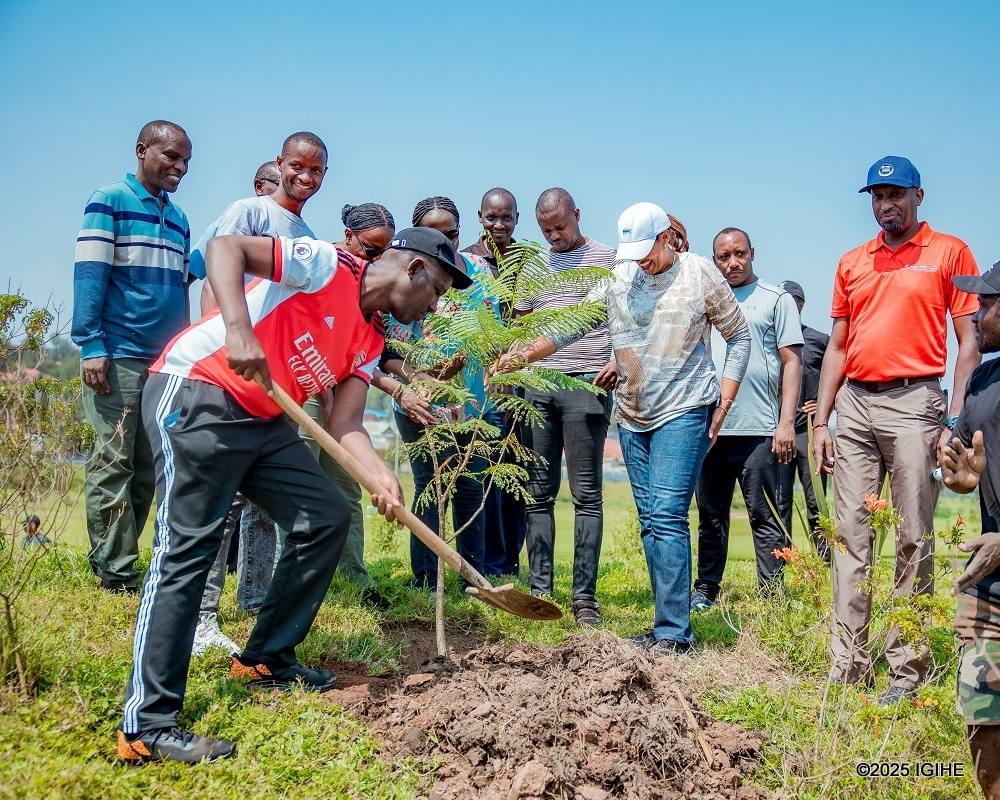
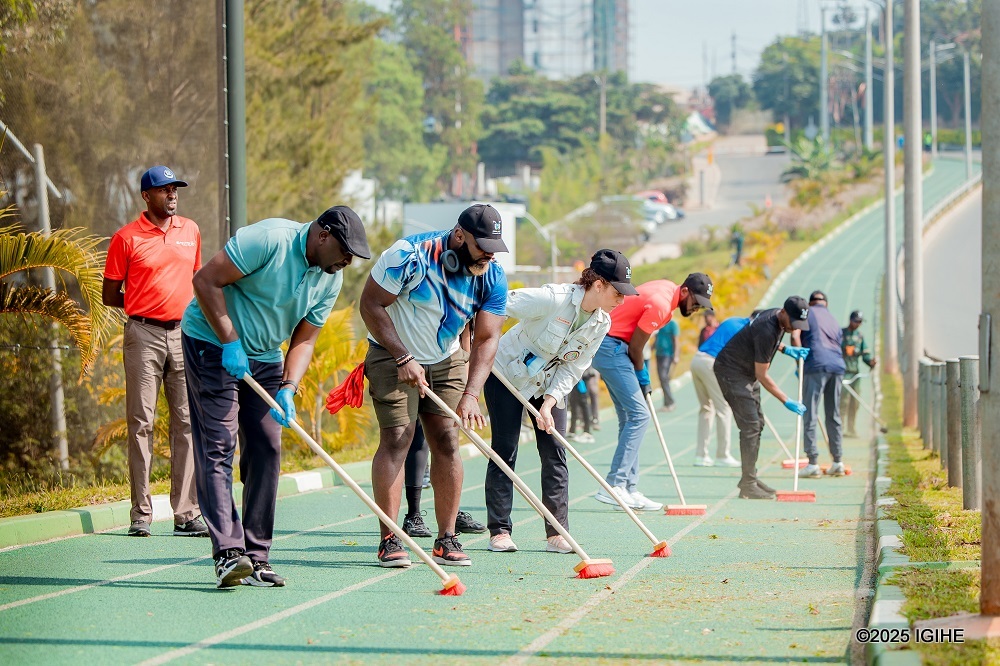
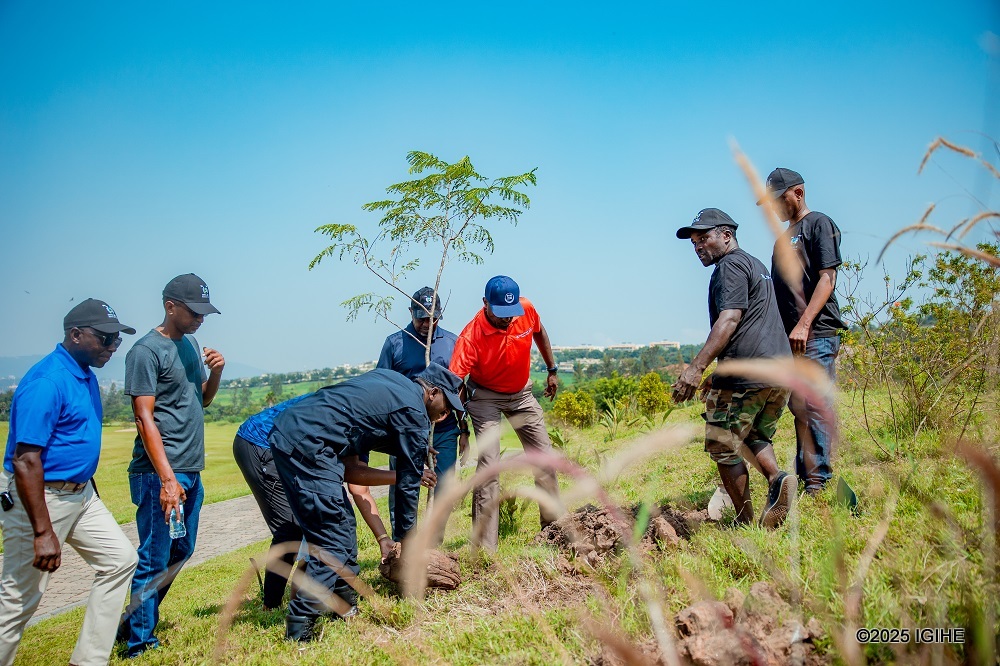
During the exercise, participants cleaned the Kigali Golf Course and its surroundings and planted 80 additional trees, complementing the 420 trees previously planted. The initiative aligns with the company’s environmental efforts to introduce a variety of tree species, including coffee, mango, and tea.
{{A Token of Appreciation to the Community
}}
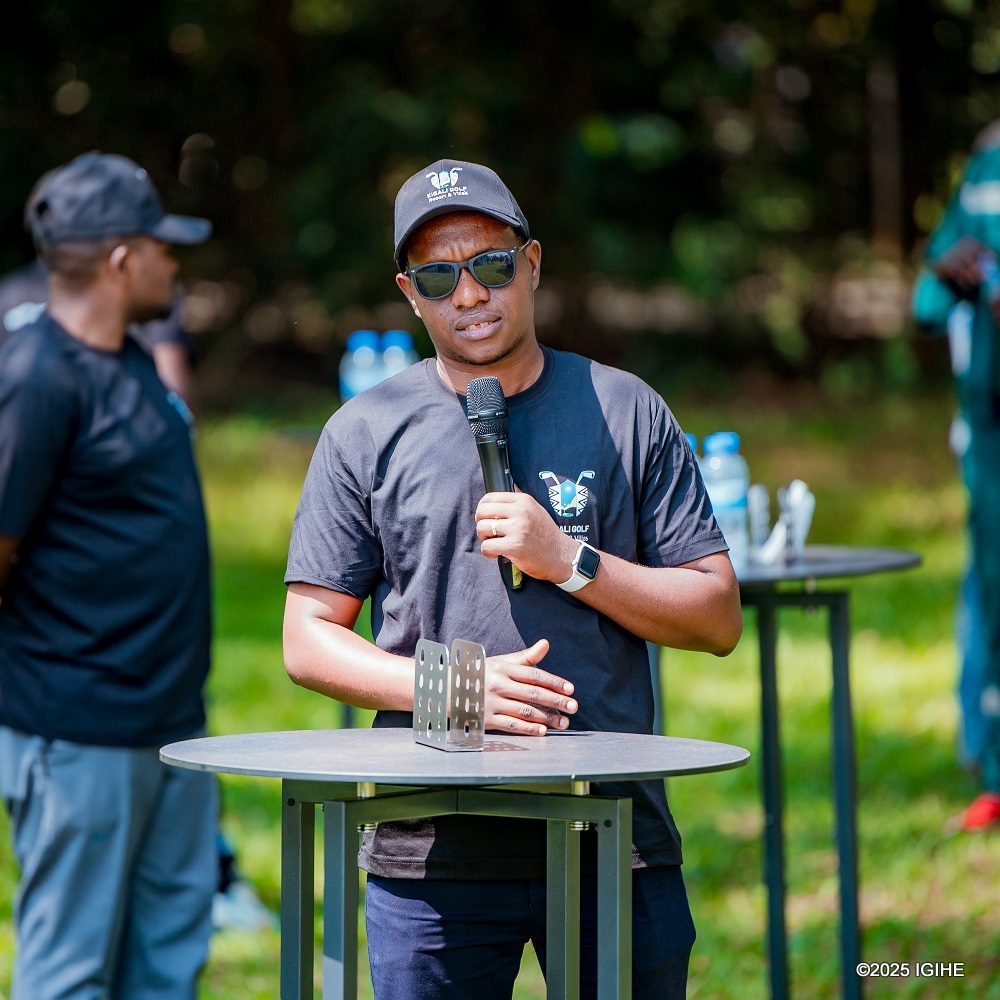
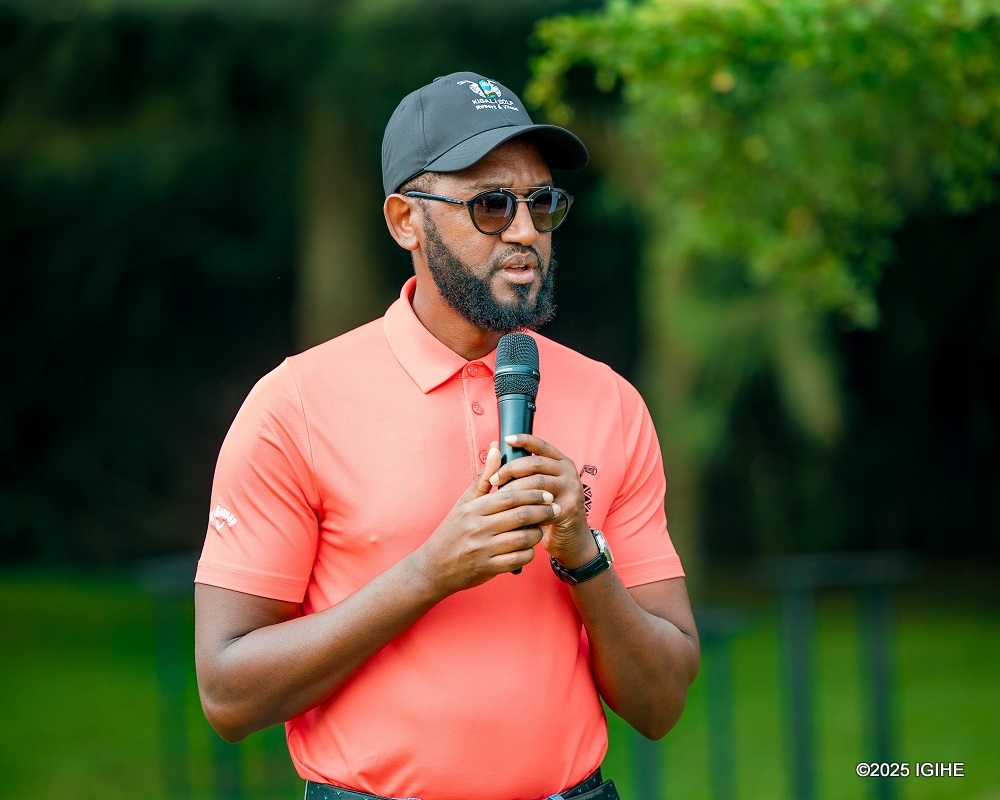
RUGC’s acting CEO, Gaston Gasore, expressed appreciation to the communities surrounding the Kigali Golf Course for being valuable partners in maintaining the facility’s aesthetic appeal.
“We called upon you to support us, and you turned up in large numbers. It wouldn’t be fair for RUGC to focus solely on itself, which is why we decided to show our gratitude by providing health insurance to some of you who may not afford it. It’s important that our neighbours have access to good healthcare,” Gasore stated.
The Head of Business Banking at NCBA Bank Rwanda, Nkubito Samuel, highlighted the importance of the initiative, stating that supporting residents’ healthcare needs aligns with their commitment to community well-being.
“It is heartbreaking to hear about people suffering at home because they cannot afford health insurance. We welcomed this idea because the community is our primary stakeholder,” he said.
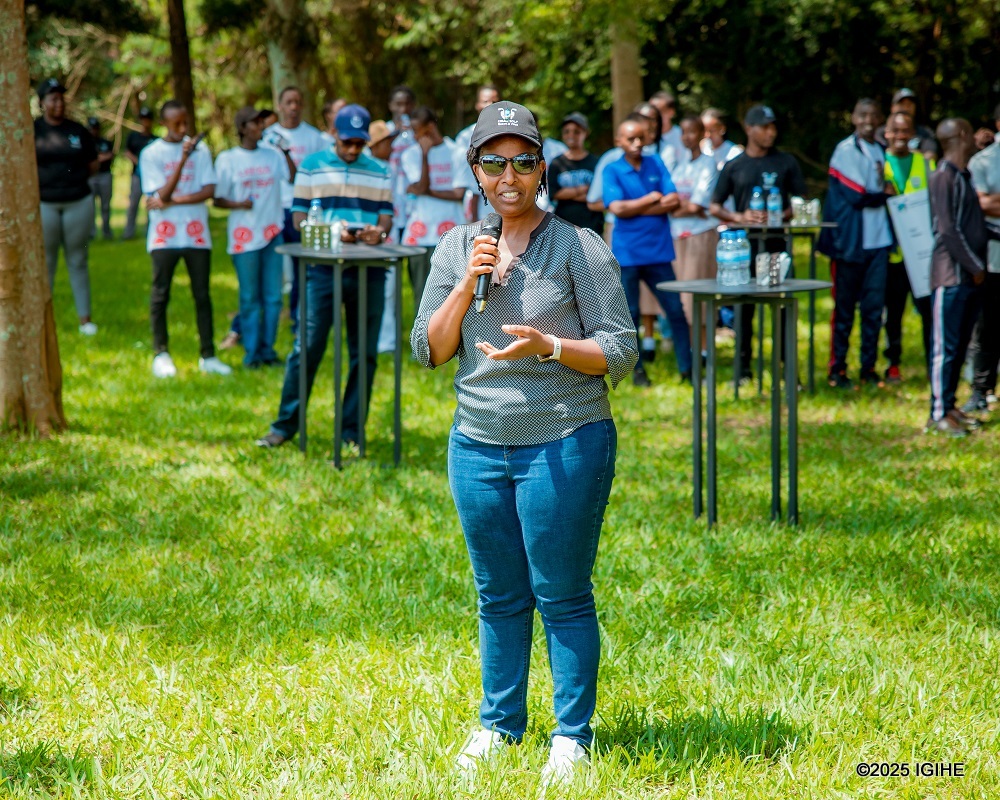
The Director General of the Rwanda Environment Management Authority (REMA), Juliet Kabera, commended RUGC and its partners for their noble initiative, which combined community service and support for vulnerable residents.
“This initiative embodies core Rwandan values, including unity, as we see people coming together and forming new friendships. It also reflects a strong work ethic and, most importantly, a spirit of generosity towards those in need,” Kabera noted.
RUGC is responsible for the management and maintenance of Kigali Golf Course, overseeing various development projects, including the Kigali Golf Resort and Villas.
This prestigious project features the Kigali Golf Course, a state-of-the-art Clubhouse, tennis courts, a running trail, a swimming pool, a fully equipped gym, and a fine dining area. The Clubhouse also offers a range of golf accessories, including professional attire, golf clubs, and bags.
The fatal incident occurred in the western Artibonite region, where Kenyan forces were conducting an operation to neutralise gang activity. According to the Kenyan mission, officers responded to distress calls from residents in an area known as Pont-Sonde when the officer was shot.
Godfrey Otunge, the commander of the Kenyan forces in Haiti, stated that the officer was airlifted for medical treatment but later succumbed to his injuries.
“Today, Sunday, February 23rd, 2025, one of our MSS officers from the Kenyan contingent was injured during an operation in Segur Savien, in the Artibonite department. The officer was immediately airlifted to Aspen Level 2 Hospital but, unfortunately, succumbed to the injuries,” Otunge said in an official statement.
Kenya has so far deployed nearly 800 police officers under the Multinational Security Support (MSS) mission, a UN-backed initiative aimed at restoring order in Haiti amid escalating violence.
The first contingent of 400 officers arrived in June last year, followed by 217 more in January and an additional 144 in February this year.
The mission was authorised by the United Nations Security Council in October 2023, with the goal of assisting Haiti’s government in re-establishing security in the gang-ridden country.
Although 10 countries, including Jamaica, Belize, the Bahamas, Guatemala, and El Salvador, have pledged a combined 3,100 troops for the MSS force, Kenya remains one of the few nations to have deployed officers on the ground.
Haiti has seen a dramatic increase in gang-related violence, with the UN documenting mass killings and widespread displacement. A recent report highlighted a massacre in Port-au-Prince by the Wharf Jérémie gang, in which at least 207 people were executed between December 6 and 11, 2024.
The UN estimates that over 5,600 people were killed in Haiti last year alone, while more than 17,000 have been killed or injured since gangs began tightening their grip on the country in 2022.
Gang control extends over vast areas, with an estimated 2.7 million Haitians—1.6 million of them women and children—living under constant threats of violence, extortion, and restrictions on movement.
In response to the deteriorating situation, the UN extended the MSS mission’s mandate until October 2025. The decision, made unanimously in September 2024, followed repeated warnings from experts and Haitian authorities about the urgent need for stronger international intervention.
The decision follows a series of measures that have significantly curtailed USAID operations worldwide.
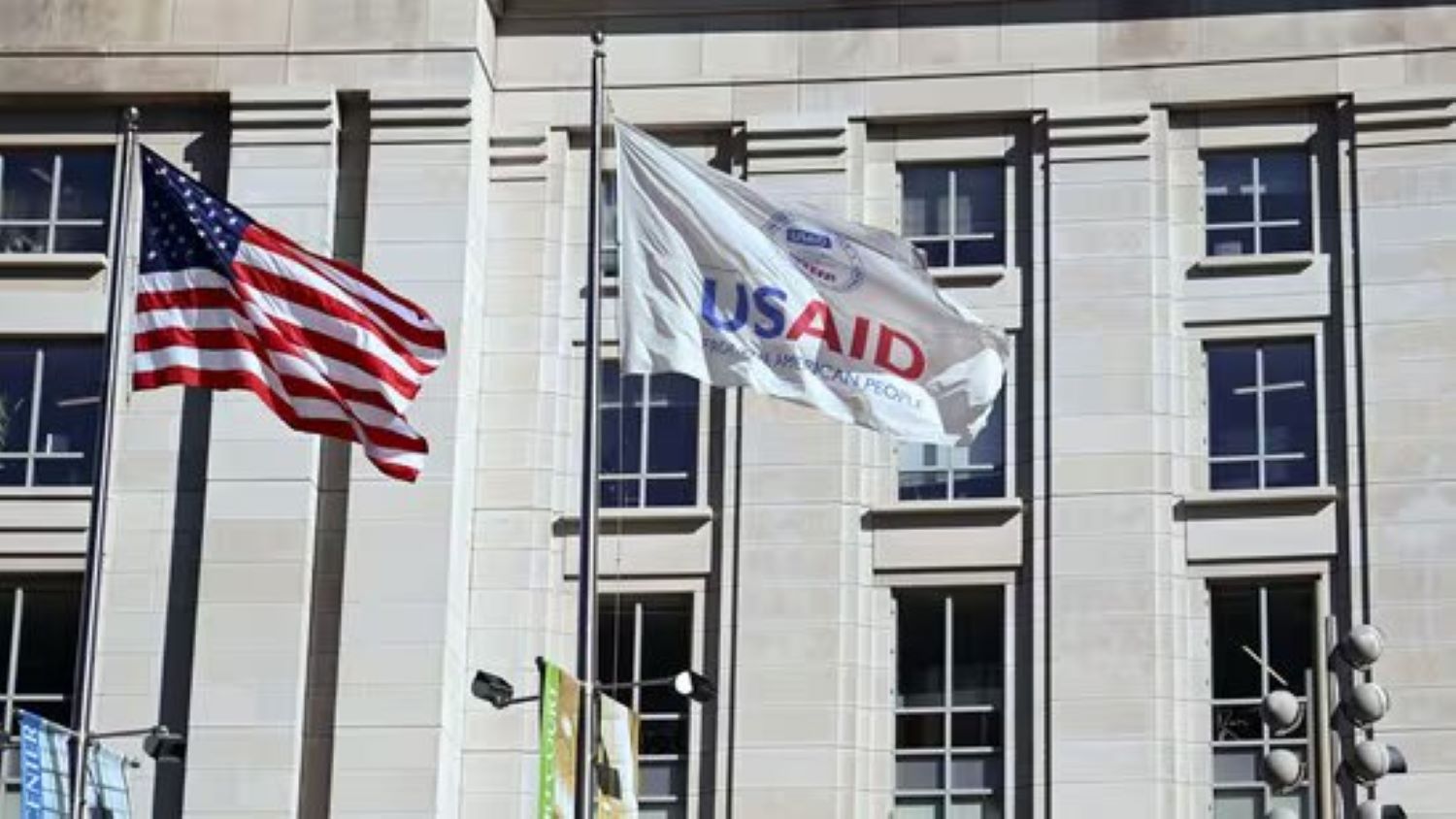
In a statement, USAID confirmed that all direct hire personnel, except for those assigned to mission-critical functions, core leadership roles, or specially designated programmes, would be placed on administrative leave globally starting at 11:59 p.m. EST on Sunday, February 23, 2025.
“Individuals that are impacted will receive specific notifications on February 23, 2025, with further instructions and information about their benefits and rights,” the agency stated.
Employees deemed essential will be informed by 5 p.m. EST the same day.
For overseas personnel, USAID has outlined plans for a voluntary Agency-funded return travel programme, ensuring access to diplomatic and other resources until their departure.
Details on retrieving personal items from former USAID workspaces and returning government-issued devices are expected to be released in the coming week.
Trump administration’s push to cut USAID
The move aligns with President Donald Trump’s efforts to scale back foreign aid, which he has repeatedly criticised as wasteful.
Since regaining office, Trump has explored ways to bring USAID under the direct control of the State Department, fueling concerns that the agency could face complete dissolution.
Democratic lawmakers have voiced strong opposition to the administration’s actions. Senators Jeanne Shaheen and Brian Schatz, along with Representatives Gregory Meeks and Lois Frankel, issued a joint statement highlighting that USAID’s independence is protected by law.
Senator Chris Murphy reinforced this view, stating that “a president cannot eliminate an appropriated federal agency by executive order.”
The restructuring of USAID has faced legal challenges. Earlier this month, U.S. District Judge Carl Nichols ruled in favour of a labour union-backed request to delay the administrative leave plan.
However, on February 21, he reversed the decision, allowing the Trump administration to proceed with its plans, including a 30-day countdown for overseas USAID employees to return home.
Further complicating the situation, billionaire Elon Musk has publicly attacked USAID, following an alleged confrontation between the agency’s security personnel and Trump’s newly established Department of Government Efficiency (DOGE), which Musk leads.
Musk has labelled USAID a “criminal organisation” and called for its shutdown. His post on X stating, “Time for it to die,” has intensified fears that the administration is committed to dismantling the agency altogether.
Reports indicate that the Trump administration aims to slash USAID’s global workforce from over 10,000 to fewer than 300—a staggering 97% reduction.
President Trump has claimed that “tremendous fraud” and “unprecedented levels of corruption” exist within USAID’s funding operations, reinforcing his demand for the agency’s closure.
With legal obstacles now cleared and a firm directive in place, the fate of thousands of USAID employees remains uncertain, as the agency undergoes one of the most significant shake-ups in its history.
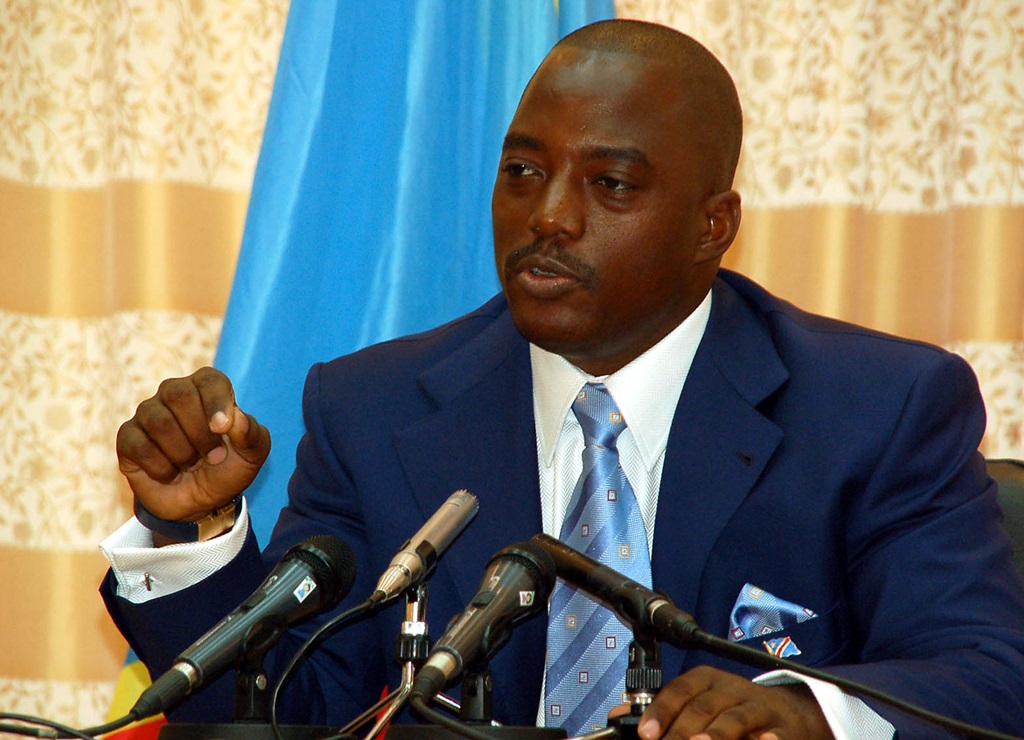
In a detailed opinion piece published in South Africa’s Sunday Times, Kabila reflects on the fleeting optimism of 2019, when the DRC celebrated its first peaceful transfer of power, only to see it collapse under Tshisekedi’s leadership.
“At the beginning of 2019, Africa and the world celebrated the first peaceful transfer of power in the Democratic Republic of Congo,” Kabila writes. “However, the optimism was short-lived as President Félix Tshisekedi soon dismantled the agreement that had underpinned the transition.”
Since then, he argues, the country has deteriorated, with the ongoing war threatening not only the DRC but the stability of the entire region.
Kabila points to the escalating conflict in eastern DRC, particularly the resurgence of the M23 rebel group since 2021, as a symptom of deeper failures. He dismisses the government’s narrative that the crisis hinges solely on M23 or tensions with Rwanda as “misleading.”
Instead, he insists, “The crisis… is multifaceted. It is not just a security and humanitarian emergency but also a political, social, and ethical one.”
Kabila also pokes holes in Tshisekedi’s “systematic dismantling of the Republican Pact,” the 2006 constitution born from the Sun City dialogue.
“The pact had provided a foundation for stability, enabling the country to end years of civil war, reunify, hold democratic elections, and witness its first peaceful transfer of power,” he notes.
Yet, under Tshisekedi, this progress has been undone through “violating the constitution, conducting fraudulent elections in December 2023, and consolidating absolute power.”
The former president accuses Tshisekedi of plunging the DRC into “severe democratic backsliding,” with political opposition silenced through “intimidation, arbitrary arrests, extrajudicial killings, and forced exile of politicians, journalists, and religious leaders.”
Economically, he warns, “The national debt, which had been stabilised in 2010, has surged once again, raising concerns about the country’s financial future.”
Kabila argues that military solutions alone—such as those backed by the Southern African Development Community (SADC)—cannot resolve the crisis without addressing its root causes.
“Any attempt to resolve the crisis without addressing its root causes—namely, the governance failures under Tshisekedi—will be futile,” he writes. “Human rights violations, constitutional breaches, and military crackdowns on civilians will persist even if negotiations with Rwanda are concluded or if M23 is defeated militarily.”
He urges SADC and the international community, particularly South Africa, to reconsider their approach.
“Given the histories of its member states, SADC should recognise this reality,” Kabila asserts. “The grievances of the Congolese people against their government must be acknowledged and addressed. If not, the country will face continued political turmoil, insecurity, institutional instability, and possibly another civil war.”
Kabila maintains that the current conflict can only be fully addressed through a broader solution.
“A lasting solution requires more than just military support—it demands efforts to restore democracy, peace, and stability. Wasting resources on propping up a dictatorship only prolongs the suffering of the Congolese people.”
“The international community, particularly South Africa, must decide whether it will continue supporting a tyrannical regime or championing the democratic aspirations of the people of the DRC.”
Kabila served as the fourth President of the Democratic Republic of the Congo from 2001 to 2019. His remarks come just days after Tshisekedi accused him of colluding with M23 rebels to destabilise Congo.
South Africa had deployed over 2,900 troops as part of the Southern African Development Community Mission in the DRC (SAMIRDC). They were joined by forces from Malawi and Tanzania, alongside Burundian troops, fighting alongside the FARDC, Wazalendo militias, and European mercenaries.
However, M23 fighters overwhelmed them, killing 14 South African soldiers, capturing Goma, and surrounding the remaining troops. Two soldiers from Malawi and two others from Tanzania also died during the clashes in Sake and Goma, the capital of North Kivu Province.
Following these losses, South Africa’s Parliament has been pressuring President Cyril Ramaphosa to withdraw the troops, arguing that they are being sacrificed in a foreign conflict for the benefit of private interests.
AFC/M23 spokesperson Lawrence Kanyuka recently told the media that it was time for South African troops stationed at the United Nations Organization Stabilization Mission in the Democratic Republic of the Congo (MONUSCO) bases to leave, as they had been offered safe passage through Rwanda.
He stated that Rwanda is the only viable route, as the airport in Goma remains closed after the group shut it down, accusing the Congolese government of using it to load and deploy bombs against civilian populations. He also added that the airport is not safe to use due to unexploded ordnance and a damaged runway.
“We informed them that they can return home via Rwanda. We have no issue with that. Even though they are stationed at MONUSCO bases, they must leave.”
Reports indicate that 189 South African soldiers, including five in critical condition and two expectant women, are set to be evacuated through the Rwandan border on Tuesday, 25 February 2025. These troops were deployed to the DRC in late 2023.
The bodies of the South African soldiers who died in Congo in late January were repatriated through the Rwandan border, transported to Uganda, and then flown home for burial. Reports indicate that South Africa refused an offer to airlift the bodies through Rwanda, accusing Rwanda of backing M23 fighters. Rwanda has repeatedly denied these claims, insisting that the rebels are Congolese citizens fighting for their rights after decades of marginalisation and persecution by Congolese authorities.
During a recent session, South African lawmakers accused President Ramaphosa of deploying troops to the DRC for personal interests, alleging that his family and close associates in the mining sector were seeking access to the region’s mineral wealth.
They also questioned why, out of the 15 SADC member states, only three countries deployed troops while the rest chose not to participate.
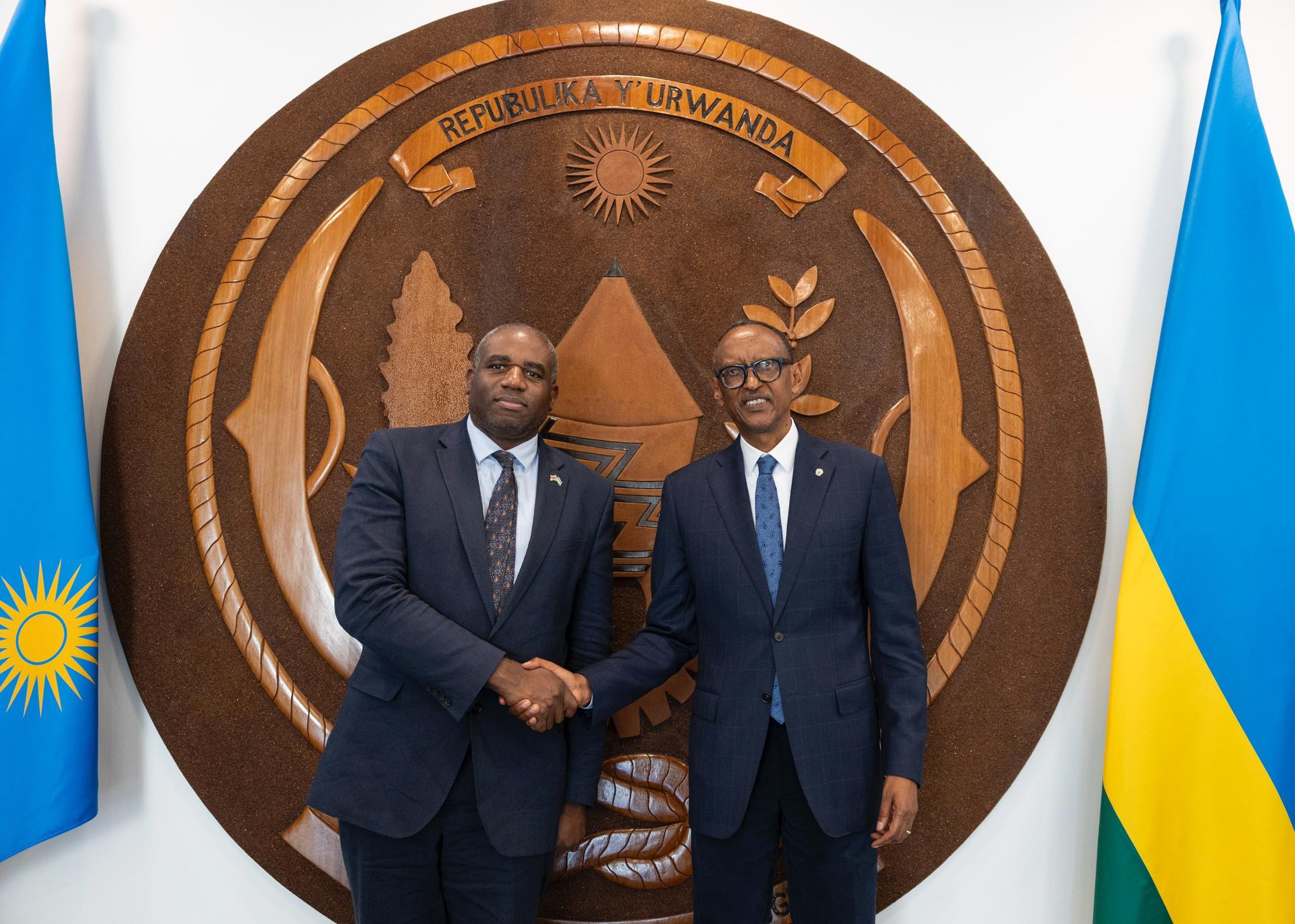
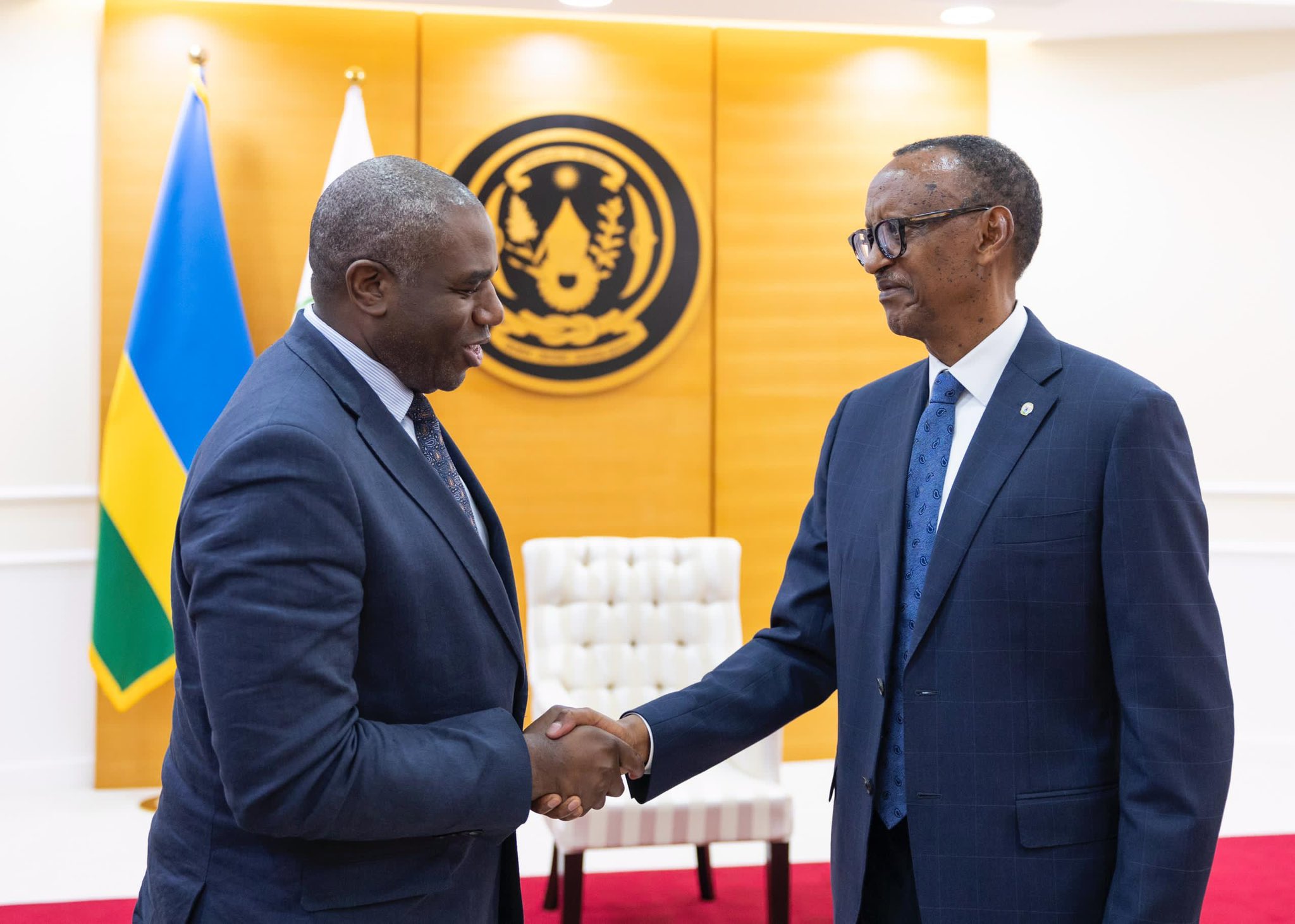
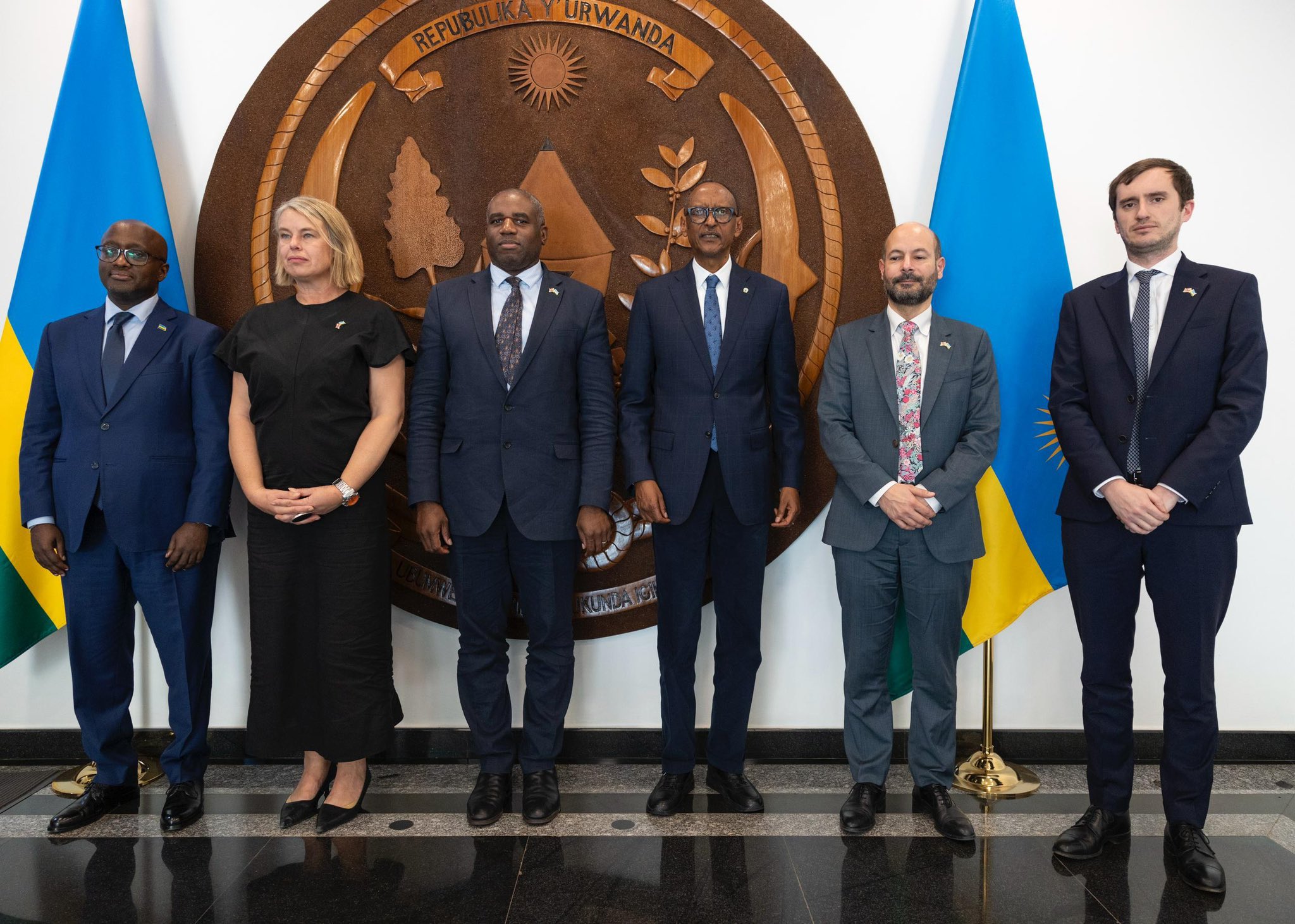
In a statement released on Sunday, the president’s office said that during the meeting, the Rwandan Head of State emphasised Rwanda’s commitment to a peaceful resolution while underscoring the necessity of recognising its legitimate concerns.
“President Kagame made it clear that Rwanda is committed to a peaceful resolution but its legitimate security interests must be recognized and respected,” the statement read.
The President also reiterated the importance of respecting the ongoing continental process to bring a lasting solution to the conflict in DRC.
Lammy’s visit to Rwanda followed his participation in the G20 meeting in South Africa, where he had vowed to deliver a strong message to President Kagame regarding alleged Rwandan military presence in eastern DRC. The UK has accused Rwanda of violating DRC’s sovereignty, an allegation Kigali has consistently dismissed as unfounded.
Ahead of Lammy’s visit, Rwanda’s Minister of Foreign Affairs Olivier Nduhungirehe indicated that discussions would be frank.
In a post on X, Nduhungirehe welcomed Lammy’s anticipated statements but hinted at Rwanda’s firm stance on the issue. “Really? I look forward to seeing this and reading a strong statement after the meeting. Welcome to Kigali, David Lammy!” he posted.
The Rwandan government has continued to criticise what it sees as an international bias in addressing the eastern DRC crisis, pointing to the persecution of Kinyarwanda-speaking Congolese and the DRC government’s support for the FDLR, a militia composed of remnants of the perpetrators of the 1994 Genocide against the Tutsi in Rwanda.
Kigali argues that any long-term solution must be rooted in regional mechanisms, including efforts led by the East African Community (EAC) and the Southern African Development Community (SADC) to address the conflict between the Congolese government and M23/AFC rebel group.
In contrast, the UK has signalled potential consequences for Rwanda if it continues to be involved in the conflict. However, Rwandan officials argue that threats of sanctions or punitive measures will not resolve the crisis, noting that past international interventions have failed to stabilise the region.
During his visit to Africa, Lammy also met with DRC President Félix Tshisekedi on Saturday.
Rwanda has defended its defensive measures along its border with the DRC, citing recent cross-border attacks and security threats posed by the FDLR. As tensions remain high, Kigali maintains that the solution lies in political dialogue between the Congolese government and armed groups, including M23, rather than external pressure on Rwanda.