Lavrov called the move a “direct, official and undisguised involvement of NATO countries in a war against the Russian Federation” and warned that the presence of such forces in Ukraine would be unacceptable to Moscow.
The remarks came after French President Emmanuel Macron announced Wednesday that he would consider sending European troops to Ukraine to enforce a peace deal, although he said the troops would not engage in frontline combat.
“This is a threat to Russia,” said Lavrov, adding that Moscow sees “no room for compromise” on the issue of deploying European forces to Ukraine.
“This discussion is being conducted with an openly hostile objective,” he said.
The foreign minister added that suspending U.S. military aid to Ukraine could help end the conflict quickly.
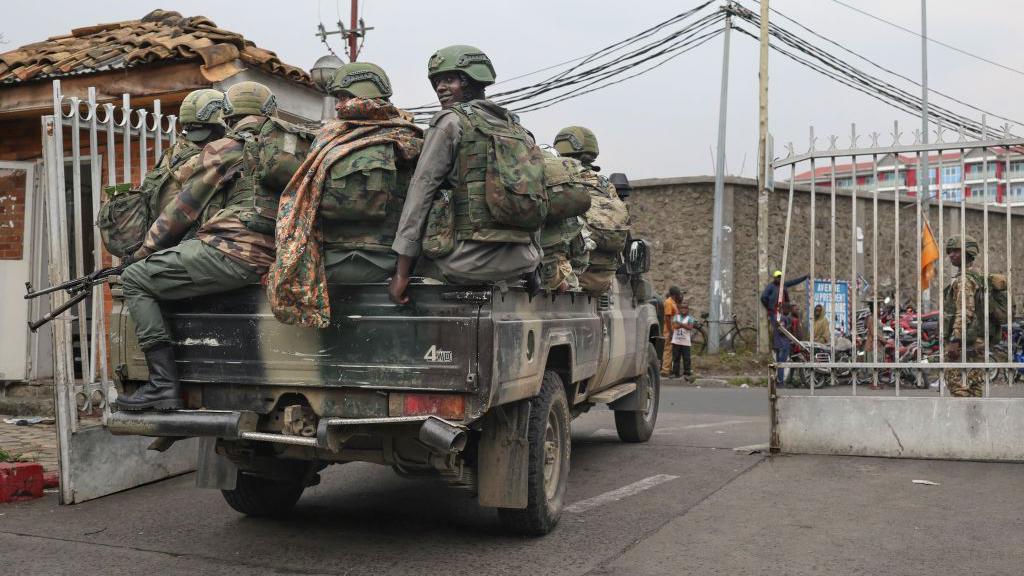
The directive follows a series of battlefield losses for the Congolese army and its allied forces in the conflict-ridden region.
According to diplomatic sources, Ndayishimiye convened a high-level meeting in Bujumbura on February 27, where he discussed the security crisis in eastern DRC and reiterated his commitment to combating M23.
While publicly advocating for a diplomatic resolution to the conflict, his continued deployment of troops suggests a contradictory approach—one that fuels the very war he claims to be mediating.
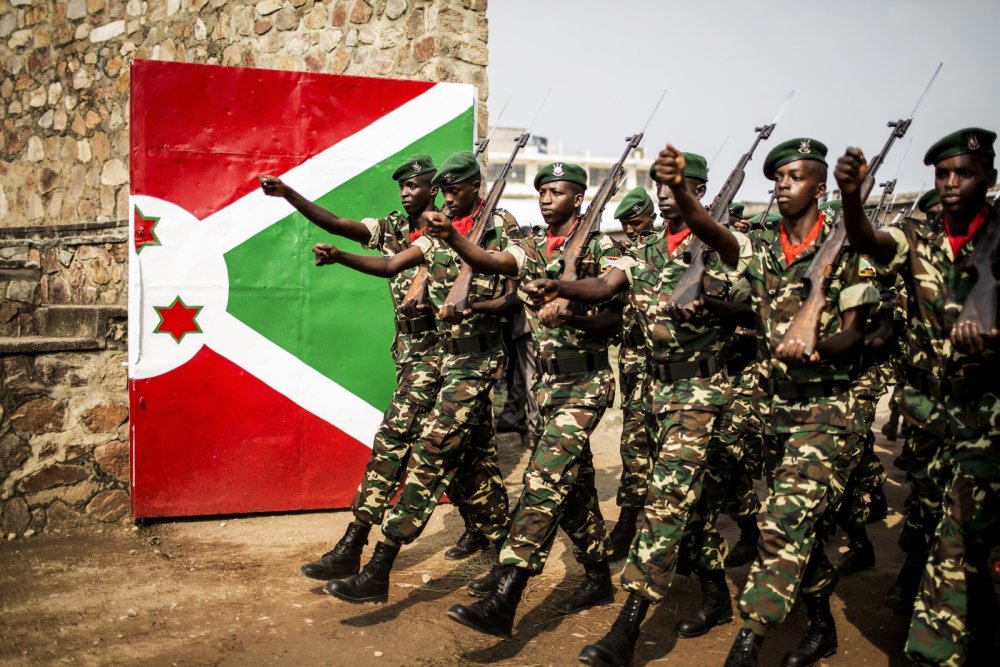
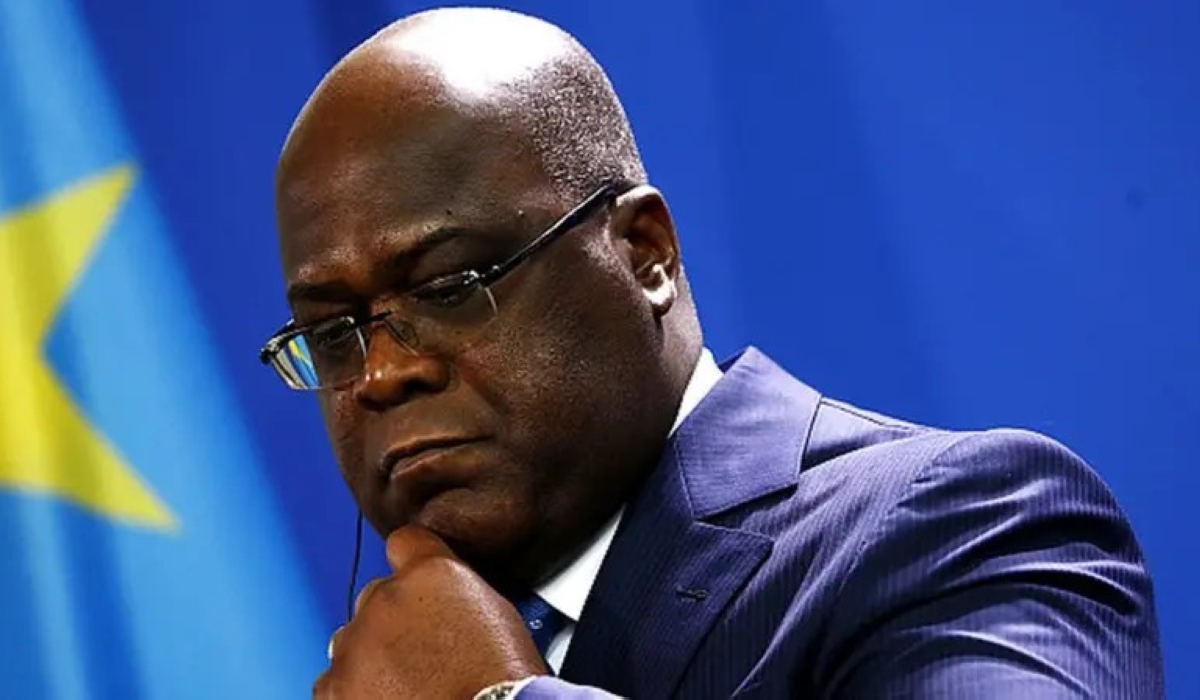
Since August 2023, Burundi has maintained a substantial military presence in eastern DRC under a controversial agreement with Congolese President Felix Tshisekedi. The deal, which reportedly grants Ndayishimiye a monthly payment of $5,000 per soldier, has raised concerns over the financial incentives driving Burundi’s involvement in the war.
Despite these payments, Burundian soldiers themselves reportedly receive only a fraction of the amount—$70 for junior ranks and $100 for officers—raising further questions about the true beneficiaries of the arrangement.
On February 23, Burundi reinforced its brigade in the Ruzizi Plain, deploying additional artillery units along the Vugizo border. IGIHE understands that the Burundian army has stationed surveillance drones and heavy artillery, including 120mm and 122mm guns, to fortify its positions ahead of anticipated clashes with M23.
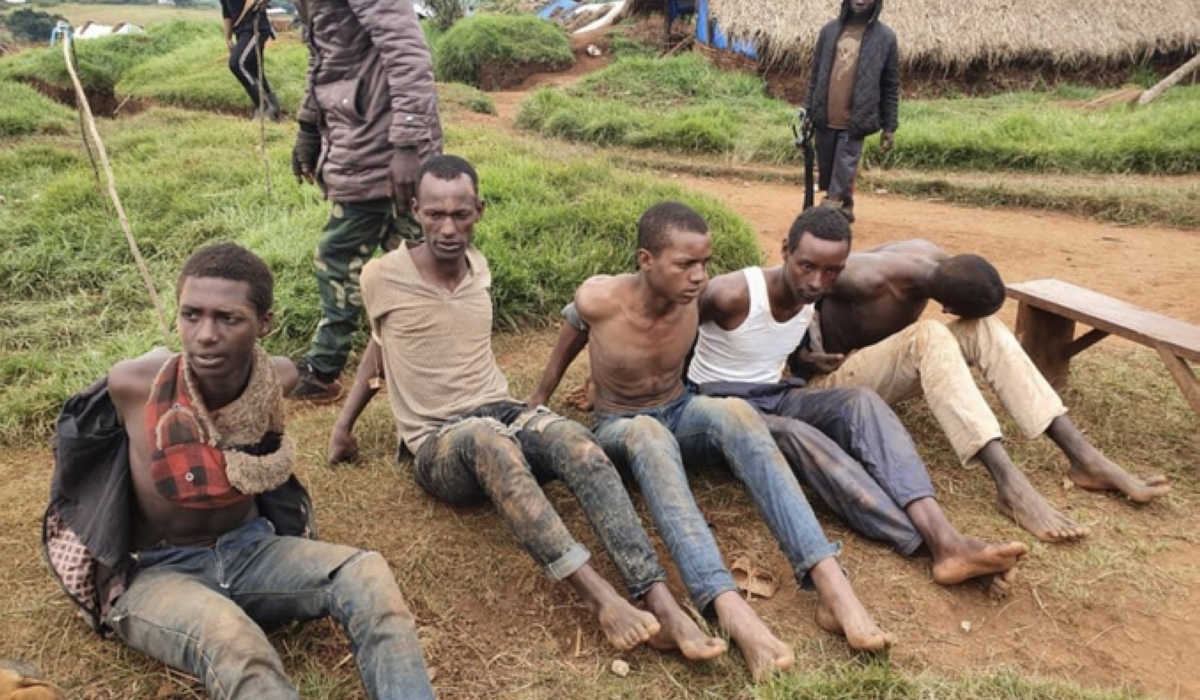
The Burundian presence in DRC has, however, been met with resistance. Reports indicate that hundreds of Burundian soldiers have been killed in North Kivu over the past year, while others have refused to continue fighting.
In January, 48 soldiers from the 20th Battalion declined deployment, an act of defiance that led to their detention under accusations of mutiny.
The worsening security situation has also triggered discord among Burundi’s top military and government officials. Critics argue that Ndayishimiye’s troop deployments prioritize personal financial gain over national security, while soldiers on the ground reportedly feel abandoned in an increasingly dire conflict.
Commanders stationed in Uvira have allegedly issued strict orders warning that any soldier attempting to flee across the Rusizi River back to Burundi would be treated as an enemy combatant and shot on sight.
Despite mounting casualties and internal discontent, Ndayishimiye remains adamant. His latest order aims to push Burundian forces deeper into South Kivu, with a primary focus on retaking key rebel-held areas, including Bukavu and Kavumu airport. However, reports from within Burundian military ranks suggest that soldiers are growing increasingly reluctant to engage M23, fearing heavy losses in what has become a grueling and costly conflict.
As regional leaders continue to push for a diplomatic resolution, Burundi’s deepening involvement complicates ongoing peace efforts.
During the February 8 summit of the East African Community (EAC) and the Southern African Development Community (SADC), calls for an immediate ceasefire and renewed dialogue were reiterated. However, with Burundian forces pressing ahead on the battlefield, the prospects for peace remain uncertain.
With the fall of Goma and Bukavu, along with increasing territorial losses, Kinshasa is seeking to leverage its vast mineral wealth to secure military and diplomatic backing from global powers.
In a bid to pressure Rwanda, which Tshisekedi accuses of backing the M23 rebels, Congolese envoys were recently dispatched to Washington to negotiate deals granting U.S. companies privileged access to the DRC’s rich mineral reserves.
High-level delegations, including officials from Gécamines and other state mining enterprises, have engaged with American authorities, with Jacques Tshisekedi, the president’s brother, personally involved in security discussions.
Kinshasa’s strategy, drawing parallels with Ukraine’s reliance on Western support, is aimed at ensuring that Washington prioritizes DRC’s security interests. However, the reception has been lukewarm, with skepticism in some U.S. circles about Kinshasa’s reliability and governance.
Amid uncertainty over U.S. commitment, Tshisekedi has also turned to the United Arab Emirates (UAE) for emergency military assistance. Recent discussions between Kinshasa and Emirati officials included offers of mining concessions in Lualaba province, which is rich in cobalt and copper, in exchange for military equipment. Reports indicate that the DRC sought an upfront payment of at least $250 million as part of the deal.
Similarly, Kinshasa explored potential support from Russia, despite Tshisekedi’s historically pro-Western stance.
A presidential envoy traveled to Moscow, but with Russia preoccupied with its war in Ukraine, there was little interest in direct intervention. The DRC also attempted to gain military backing from Mali’s ruling junta and Chad, though the latter ultimately rejected the deployment of troops.
On the African front, Burundi remains the only country with a significant troop presence in eastern DRC, with around 10,000 soldiers engaged in operations against M23. However, Kinshasa is increasingly wary of Burundi’s long-term commitment, especially following recent security talks between Rwandan and Burundian officials in Kigali.
Fears are mounting that President Évariste Ndayishimiye might shift his stance, possibly striking a non-aggression pact with Rwanda, which could alter the balance of power in the region.
{{The high-stakes gamble
}}
Tshisekedi’s push to exchange mining assets for military and diplomatic support shows just how desperate the Kinshasa regime and the dire state of the conflict.
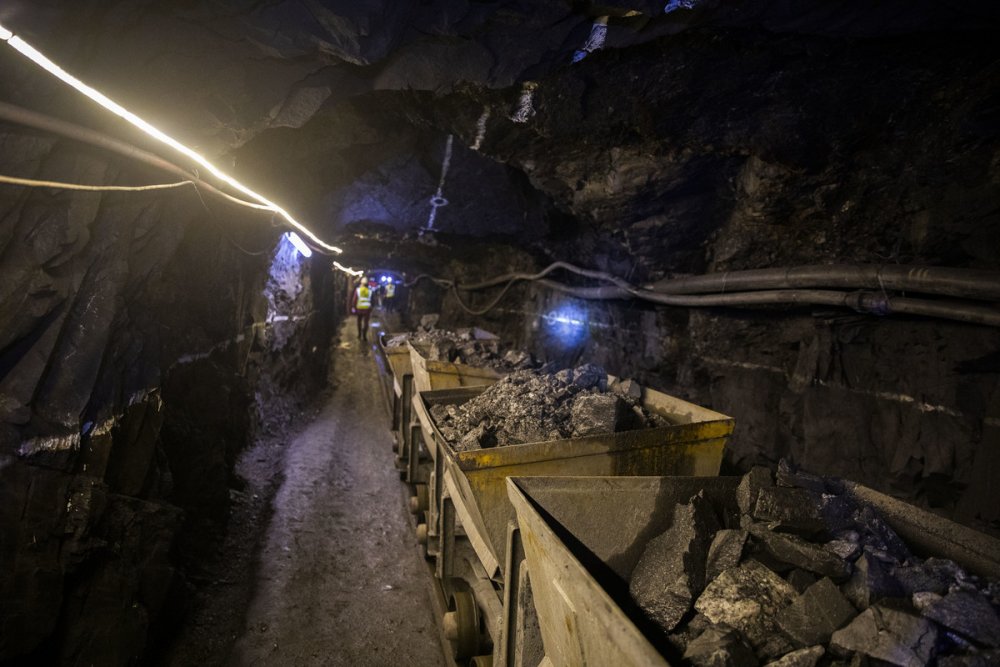
The DRC is home to some of the world’s most valuable minerals, including cobalt, copper, diamonds, and gold. These resources are crucial to global supply chains, making them a powerful bargaining chip. However, past experiences have shown that mining deals often fail to translate into lasting security gains, with local populations seeing little benefit from their country’s immense wealth.
Rwanda has repeatedly denied accusations of supporting M23, while the rebel group maintains that its fight is rooted in political grievances, particularly the treatment of Kinyarwanda-speaking communities in eastern Congo. M23 spokesperson Lawrence Kanyuka has insisted that the group’s objectives are not tied to mineral resources but rather to securing rights for marginalized populations.
The Office of the United Nations High Commissioner for Human Rights (OHCHR) had raised concerns over the alleged abductions, stating that M23 fighters stormed CBCA Ndosho Hospital and Heal Africa Hospital on the night of February 28.
According to OHCHR, 116 patients were taken from CBCA Hospital and 15 from Heal Africa in coordinated raids. They were accused of being DRC army soldiers or members of the pro-government Wazalendo militia.
However, in a statement issued on March 5, M23 rejected the allegations, insisting that the operation targeted illegal armed elements and was conducted peacefully, in adherence to international law.
“The operation conducted against 130 FARDC elements hiding in hospitals was carried out in a rigorously peaceful manner and in full compliance with international humanitarian law,” M23 said.
According to the rebel group, its actions were aimed at securing medical facilities that had allegedly been infiltrated by combatants posing as patients, thereby endangering both real patients and medical staff.
M23 further stated that the operation was conducted with the consent of hospital administrators, following reports of crimes committed by the alleged FARDC elements, including rape and theft.
“Under no circumstances have we attacked hospitals. On the contrary, our forces have secured these facilities to ensure access to medical care for those in urgent need,” the statement added.
In recent weeks, M23 has tightened its grip on strategic locations in eastern Congo, where it continues to fight what it describes as bad governance and decades of marginalization and persecution of Kinyarwanda-speaking Congolese.
The report highlights that the overall industrial output in the formal sector increased by 7.9% year-on-year, with mining and quarrying making a notable contribution.
The report shows that the mining and quarrying index stood at 69.7 in January 2025, up from 66.8 in January 2024. As a key pillar of the economy, the sector continues to drive exports and job creation.
Rwanda’s mining sector has been experiencing significant expansion, with mineral exports surpassing $1.1 billion in 2023, up from $772 million in 2022—an impressive 43% increase.
According to the Rwanda Mines, Petroleum, and Gas Board (RMB), the surge was driven by increased value addition, professionalization of the sector, greater investment in mechanization, and the implementation of sustainable and responsible mining practices.
In the fourth quarter of 2023 (October to December), mineral export earnings reached $252.99 million, marking a 34.9% increase compared to the same quarter in 2022.
Gold was the highest revenue generator, with 3,158 kilograms exported, bringing in $202.6 million. Cassiterite exports totalled 1,293,608 kilograms, valued at $19.7 million, while coltan exports reached 468,577 kilograms, generating $18.9 million.
Wolfram also contributed significantly, with 640,987 kilograms exported, earning $7.9 million, while other minerals combined accounted for 3,775,389 kilograms, valued at $3.9 million.
Beyond mining, Rwanda’s industrial sector continued to expand in January 2025. The manufacturing sector recorded a 7.1% increase, primarily driven by a 16.7% rise in food processing and a 13.9% increase in beverage and tobacco production.
Electricity production also saw an increase of 4.2%, reflecting improvements in the country’s energy supply, while the water and waste management sector experienced the highest growth, surging by 20%.
For more than three decades, Kinyarwanda-speaking communities, particularly the Tutsi and Banyamulenge in eastern DRC, have faced targeted killings, forced displacement, and systematic persecution.
According to IBUKA, the recent surge in violence, fueled by state-sponsored hate speech and the collaboration between the Congolese government and genocidal forces such as FDLR represents a severe humanitarian and security crisis.
“The recent escalation of violence, compounded by state-sponsored hate speech and the open collaboration between the Congolese government and the FDLR, a recognized genocidal militia composed of remnants of those responsible for the 1994 Genocide against the Tutsi, represents a grave human rights crisis that the international community must urgently address,” IBUKA stated in a statement released on Tuesday, March 4, 2025.
IBUKA drew chilling parallels between the current situation in the DRC and the events leading up to the 1994 Genocide against the Tutsi in Rwanda.
The organization pointed out that inflammatory rhetoric from senior Congolese officials, coupled with mass killings and displacement, mirrors the propaganda and violence that preceded the genocide three decades ago. The organization warns that ignoring these warning signs could lead to a repeat of history.
“The systematic dehumanization of an ethnic group, the use of state media to incite violence, the collaboration with genocidal militias, and the failure of the international community to act, all these factors mirror the pre-genocide conditions that led to the mass
slaughter of more than one million Tutsi in Rwanda,” the statement reads.
Despite the urgent threat, IBUKA criticized the international community for failing to take decisive action against perpetrators of hate speech and violence. The statement highlights the continued presence of genocide fugitives in foreign countries, where they evade justice while spreading genocide ideology.
Moreover, IBUKA condemned certain Western media outlets and political figures for distorting narratives about Rwanda while downplaying the security crisis posed by the FDLR’s activities in the DRC.
As the violence intensifies, IBUKA has called for an immediate international response, urging governments, human rights organizations, and regional leaders to take concrete steps to stop the ongoing atrocities.
The organization stressed that the Congolese government must be held accountable for its role in enabling hate speech and genocide, and it called for the dismantling of the FDLR, whose presence continues to threaten regional stability and Rwandan security.
IBUKA is also calling for increased pressure on MONUSCO to take effective measures or be replaced with a competent intervention force and immediate protection and humanitarian assistance for Tutsi and Banyamulenge communities facing persecution.
“The world must not turn a blind eye to the unfolding crisis in eastern DRC. The ongoing violence is not only a humanitarian catastrophe but also a direct continuation of the genocidal ideology that led to one of the worst crimes against humanity in modern history,” IBUKA warned.
“The world cannot afford to ignore these warning signs. Silence is not an option. Decisive action must be taken now.”
The suspension comes after a [tense Oval Office meeting->https://en.igihe.com/news/article/trump-and-zelenskyy-lock-horns-as-minerals-deal-flops] between President Donald Trump and Ukrainian President Volodymyr Zelenskyy, in which Trump urged Kyiv to accept a peace deal to end Russia’s invasion.
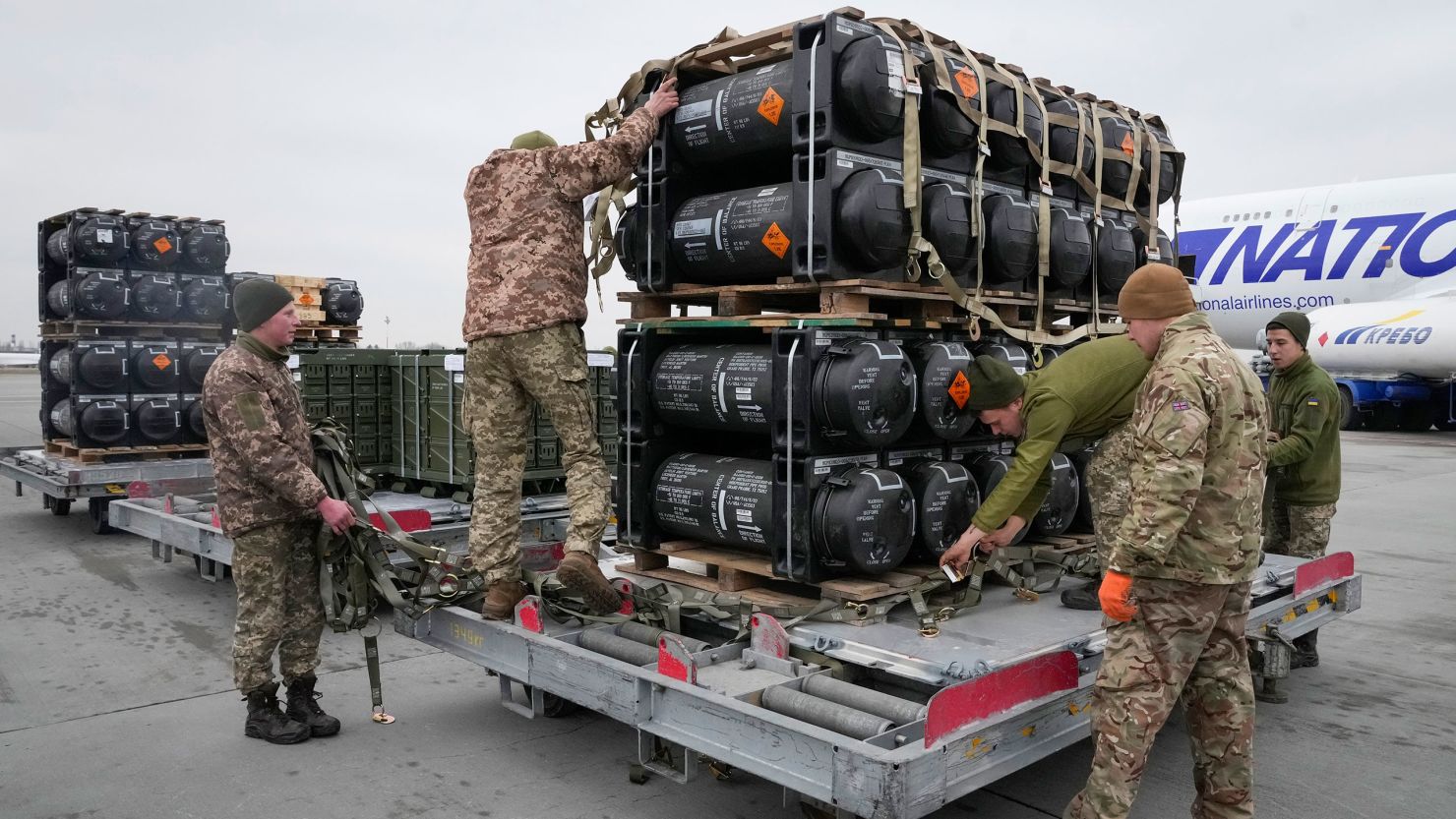
The freeze affects billions of dollars in military assistance, including ammunition, vehicles, and critical air defense systems—some of which were part of agreements made during Joe Biden’s presidency.
Since the beginning of Russia’s invasion nearly three years ago, the U.S. has allocated approximately $175 billion in aid to Ukraine, as reported by the nonpartisan Committee for a Responsible Federal Budget. Additionally, in December, shortly before the transition of power, former President Joe Biden announced an extra $5.9 billion in security and budget assistance.
With Ukraine relying heavily on Western aid to sustain its defense, officials warn that the suspension of military aid could have dire consequences.
{{Immediate consequences for Ukraine
}}
Oleksandr Merezhko, chair of Ukraine’s parliamentary foreign affairs committee, called the decision “shocking” and accused Trump of aiding Russian President Vladimir Putin.
“Trump is helping Putin to kill Ukrainians,” he said.
A Ukrainian intelligence official warned that the full impact of the aid suspension would be felt in two weeks, with ammunition shortages becoming critical by mid-summer.
“This is a black day for Ukraine and for Europe,” the official told ABC News, urging European countries to fill the gap left by the U.S.
Denys Shmyhal, Ukraine’s prime minister, expressed gratitude for past U.S. support but warned that the suspension could cost thousands of lives.
“We will continue to work with the U.S. through all available channels in a calm manner,” he said. “We only have one plan – to win and to survive.”
The aid freeze has also triggered concerns among European and NATO allies, who were not informed in advance.
Poland’s foreign ministry spokesperson, Paweł Wroński, emphasized that the decision was made without consultation.
“This is a very important decision, and the situation is very serious,” he stated.
Finnish Foreign Minister Elina Valtonen warned against withdrawing support at a critical moment, saying, “This definitely shouldn’t be a moment where we give in.”
Meanwhile, French Minister Delegate for Europe Benjamin Haddad stressed that the aid pause “means moving peace further away” and urged European nations to mobilize additional support for Ukraine.
European Commission President Ursula von der Leyen responded by announcing proposals to strengthen Europe’s defense industry, mobilizing close to €800 billion. The European Union is also set to hold an emergency summit to discuss the impact of the U.S. decision.
The Kremlin welcomed the move, with spokesperson Dmitry Peskov stating that the U.S. had been “the main supplier of this war so far” and suggesting that halting aid could be a step toward peace.
In the U.S., Democratic lawmakers criticized the suspension. Congressman Brendan Boyle called the move “reckless, indefensible, and a direct threat to our national security.”
Reports also indicate that the Trump administration is exploring ways to restore ties with Russia, with discussions underway to ease economic sanctions.
Despite the setback, Ukrainian officials insist that they have reserves to maintain their defense for at least six months.
“Ukraine will not collapse,” said Malcolm Chalmers, deputy director-general of the Royal United Services Institute. “But the effect will be cumulative.”
Ukrainian lawmakers remain determined to secure alternative sources of military aid.
“We are looking for ways for pragmatic cooperation and are ready to sign, including an agreement on minerals,” Prime Minister Shmyhal stated.
In a candid and reflective interview on Sanny Ntayombya’s “The Long Form” podcast, the chairperson of the Zimbabwe Anti-Sanctions Movement (ZASM) and founder of Zimbabweans Unite Against US War Sanctions (ZUAUWS) revealed a dramatic shift in perspective after visiting Rwanda for the first time, confronting his own ignorance and seeking reconciliation with a leader he once vilified.
“I’d apologize for my misguided words, born of ignorance, jealousy, and tribalism,” Matinyarare said when asked what he would say if he met Kagame. “I’m here to learn from his leadership, admired yet envied across Africa.”
The activist, known for his outspoken Pan-African advocacy, admitted to previously pushing narratives—such as claims that the Rwandan Patriotic Front (RPF) caused the 1994 genocide against Tutsis—that he now acknowledges were rooted in “helicopter journalism” and misinformation from books, exiled friends, and unverified reports.
“I was no different from the Western media I hated so much,” he confessed, citing a personal awakening spurred by Rwandans who approached him “without anger” to share their side.
Matinyarare’s apology comes amid a broader exploration of Rwanda’s role in the region. His visit, part of a documentary project on the Congo conflict, led him to reassess long-held beliefs about Rwanda, its president, and the ongoing crisis in the Democratic Republic of Congo (DRC).
{{M23 rebel group and the Congo crisis }}
Matinyarare offered a striking take on the conflict in eastern DRC, particularly regarding the M23 rebel group, which he met in Goma.
Far from seeing them as terrorists or Rwandan proxies—a narrative often perpetuated by the DRC government and other critics—he referred to them as “freedom fighters.”
“These are people separated from their land,” he said, tracing the conflict’s roots to colonial borders drawn at the Berlin Conference that split the Rwandan kingdom and fostered tribal divisions.
“They’re fighting for political, social, cultural, and human rights because colonial constructs persist under Black leadership.”
He recounted meeting M23 President Bertrand Bisimwa, first in Addis Ababa and later in Goma, debunking claims of their Rwandan origin.
“They’re Congolese people,” he insisted, noting their diverse tribal makeup and retreat to Uganda, not Rwanda, under persecution.
In Goma, he said he observed a vibrant city, not a war zone, with M23 patrolling the streets professionally, cleaning up, managing traffic, and earning public acceptance.
“The public didn’t seem intimidated,” he said, challenging the idea of coercion.
Visiting Nyakabande refugee camp in southwest Rwanda, Matinyarare said he was moved to tears by Congolese Kinyarwanda-speaking refugees, like a widow with eight children who claimed deep ancestral ties to Congo, not Rwanda.
“People are playing chess with people’s lives,” he lamented, rejecting narratives that these refugees are Rwandan imposters. He argued Rwanda, a small nation with limited resources, cannot sustainably absorb them, urging resolution over displacement.
{{Rwanda’s leadership and standards}}
Matinyarare revealed that his first impressions of Kigali, which he described as “a mind-blowing experience”, shattered his belief that its orderliness was a facade.
“I thought President Kagame was a magician pulling a rabbit out of a hat,” he admitted. “Only when I got here did I realize the meticulousness is real.”
Comparing Kigali’s manicured streets to Harare’s “shabby” decline, he attributed Rwanda’s success to disciplined leadership, contrasting it with Southern Africa’s “corrosion of corruption.”
He also debunked claims that Rwanda lacks resources, citing visits to mines like Trinity Metals’ tungsten operation—Africa’s largest—and Gatsibo’s cassiterite mine.
“I saw it with my own eyes,” he said, describing 15km underground shafts and rigorous regulation, refuting accusations that Rwanda steals Congo’s wealth through M23.
Defending his change of heart, the activist denied receiving payment from Rwanda to change his stance, saying, “My taxes would flag that immediately.”
He framed his journey as atonement and a push for African unity.
“I cannot fight to be right if my rightness means destruction,” he said, urging peace in Congo through negotiations that M23 claims to welcome.
{{Zimbabwe’s struggles and resilience}}
Addressing Zimbabwe’s current state, Matinyarare blamed 24 years of “illegal economic sanctions” since 1998 for its decline, freezing IMF loans and blocking trade, leading to brain drain and corruption.
Yet, he highlighted recovery: “We’re wheat self-sufficient, with the best tobacco, cotton, sugar cane, and Africa’s biggest steel plant.”
He criticized the West for targeting nations like Zimbabwe—and now Rwanda—with sanctions to suppress African potential, drawing parallels to his own past disinformation.
The response came through a statement from Rwanda’s Ministry of Foreign Affairs and International Cooperation following Canada’s decision to impose restrictions on Rwanda over its alleged role in the ongoing crisis.
“Rwanda takes note of the statement by Global Affairs Canada on the situation in eastern DRC and finds the defamatory attribution to Rwanda of alleged atrocities unacceptable. We will be seeking clarification on this from the Canadian government,” the ministry stated.
The Canadian government had in a statement on Monday, March 3, accused Rwanda of supporting M23 rebel group operating in the eastern DRC and violating the territorial integrity of the DRC.
In response, Rwanda criticised Canada for what it described as a biased approach that emboldens Kinshasa while disregarding atrocities committed by the Congolese army (FARDC) and its allies.
“Canada cannot claim to welcome the efforts of regional actors in the peace process when it places the blame for all kinds of violations on Rwanda and fails to hold the DRC Government accountable. This emboldens it to escalate attacks against its own civilians, including the ongoing daily bombing and attacks on Banyamulenge villages in South Kivu by FARDC, FDLR, and Wazalendo. Canada’s silence on these grave human rights violations is wrong and shameful,” the statement continued.
Rwanda maintained that measures Canada took, including review of existing engagements, would not contribute to resolving the conflict.
“The measures against Rwanda announced by Canada will not solve the conflict. Rwanda will continue to work with the region on the agreed African-led mediation process while we safeguard our national security,” the ministry emphasised.
The diplomatic spat adds to the growing tensions over the prolonged instability in eastern DRC, with regional and international actors divided over the root causes and solutions to the crisis.
Rwanda has consistently denied allegations of supporting M23 and insists that any lasting solution must address, among others, the presence of armed groups in the region, including the FDLR, which it considers a security threat.
The demand comes amid growing tensions between the two countries over British sanctions against Rwanda due to allegations of involvement in the Democratic Republic of Congo (DRC) conflict.
The Rwandan government has issued an invoice to the UK, stating its legal right to the payment after Britain failed to formally terminate the agreement that would have allowed the UK to send illegal migrants arriving on small boats across the English Channel to Rwanda for processing.
Rwanda Government Spokesperson Yolande Makolo said the funds were initially expected to be waived in good faith after Prime Minister Keir Starmer cancelled the deal last year. However, she described the recent measures, including the suspension of direct bilateral aid to Rwanda, as a “breach of trust.”
“The UK had asked Rwanda to quietly forgo the payment based on the trust and good faith existing between our two nations. However, the UK has breached this trust through unjustified punitive measures.”
According to Makolo, the UK government’s recent actions against Rwanda are unjustified and are intended to “coerce Rwanda into compromising our national security.”
She also criticised recent comments by UK Minister for Africa, Lord Collins of Highbury, which linked Rwanda to the Allied Democratic Forces (ADF), a Ugandan terrorist group operating in the DRC, calling them “inflammatory and irresponsible.”
“For these reasons, we are following up on these funds, to which the UK is legally bound,” she added.
Rwanda has repeatedly denied claims of backing M23 rebels operating in eastern DRC, insisting that the fighters are Congolese citizens fighting against decades of persecution and marginalisation of Kinyarwanda-speaking communities. Rwanda has also accused the international community of ignoring the root causes of the conflict, thereby hampering efforts to fully resolve it.
Under the original Migration and Economic Development Partnership, the UK had already transferred £220 million to Rwanda by February 2024. Three additional payments of £50 million were scheduled for April 2024, 2025, and 2026. It is believed that the £50 million now requested relates to the April 2025 payment.
Prime Minister Keir Starmer officially ended the scheme in July 2024, arguing that it would not effectively deter illegal migration.