In a post shared on X, Arsenal paid tribute to the victims and stood in solidarity with Rwanda.
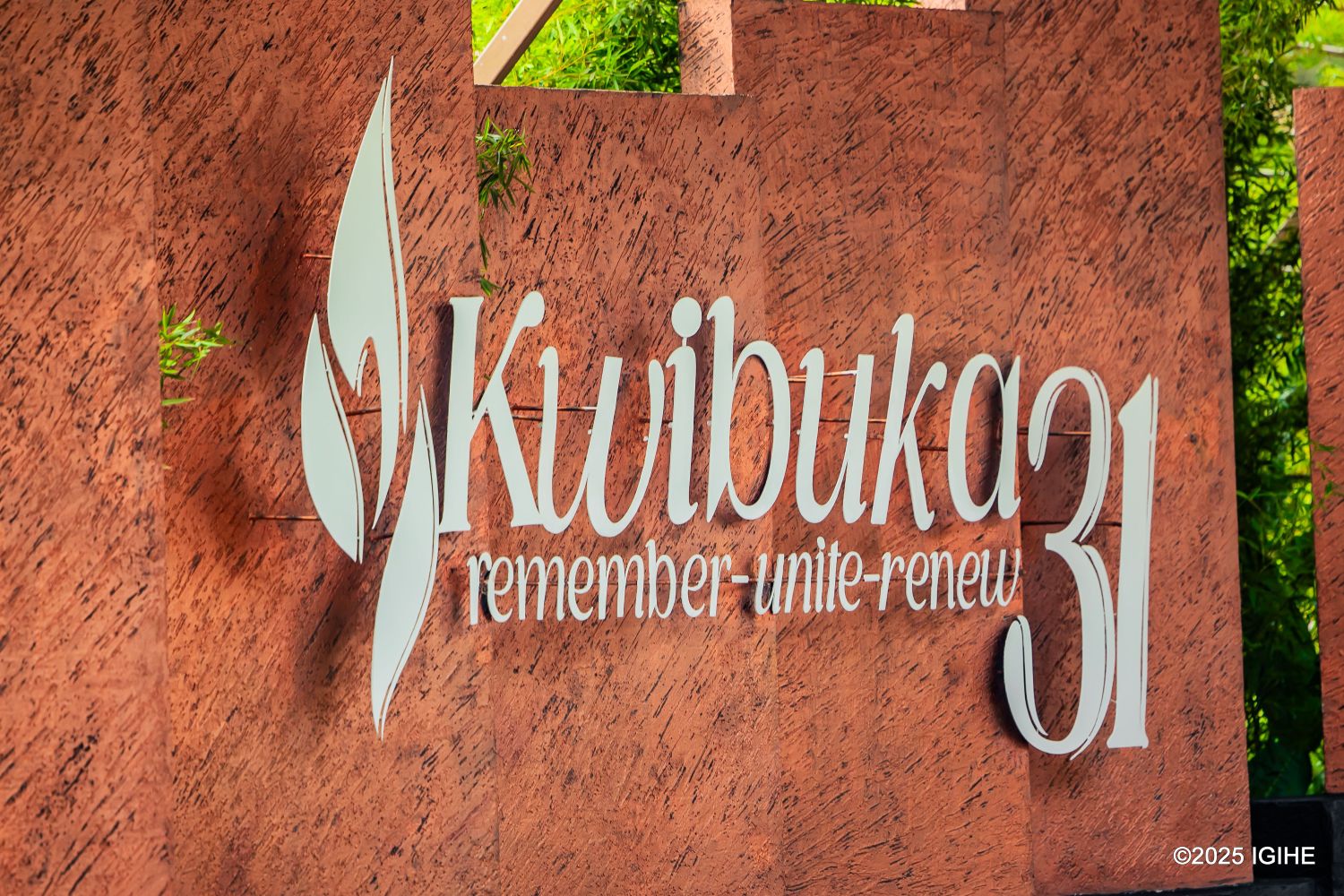
” ‘Kwibuka’ means ‘to remember’. Today we mark the 31st commemoration of the 1994 Genocide against the Tutsi in Rwanda,” Arsenal wrote.
April 7, officially recognised by the United Nations as the International Day of Reflection on the 1994 Genocide against the Tutsi, commemorates the day in 1994 when the genocide began, an atrocity in which over one million Tutsi were systematically killed over a period of 100 days.
In Rwanda, the April 7 commemoration, known as Kwibuka, which means “to remember” in Kinyarwanda, is observed as a national day of mourning and marks the start of a week-long period of remembrance and reflection.
It serves as a solemn occasion to honour the victims, support survivors, and reaffirm a global commitment to ensuring that such atrocities never happen again.
Arsenal has been a key partner in Rwanda’s recovery and development efforts through the Visit Rwanda campaign, which promotes tourism and investment opportunities in the country. The partnership began in 2018.
The Rwandan government has consistently called on the international community not only to remember the genocide but also to combat genocide ideology and denial. Arsenal’s act of remembrance sends a strong message about the value of global solidarity in honouring the memory of the victims of the Genocide against the Tutsi.
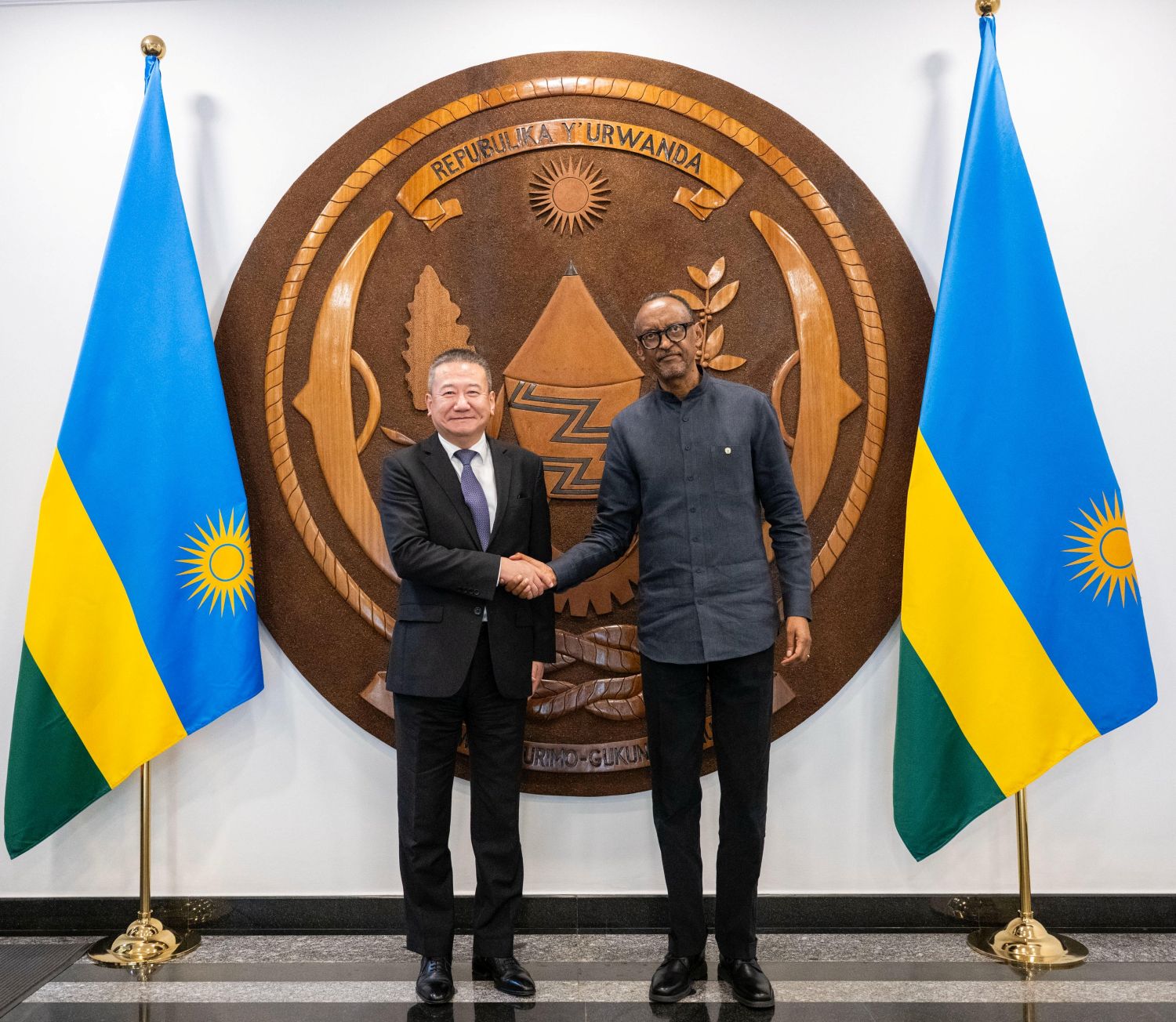
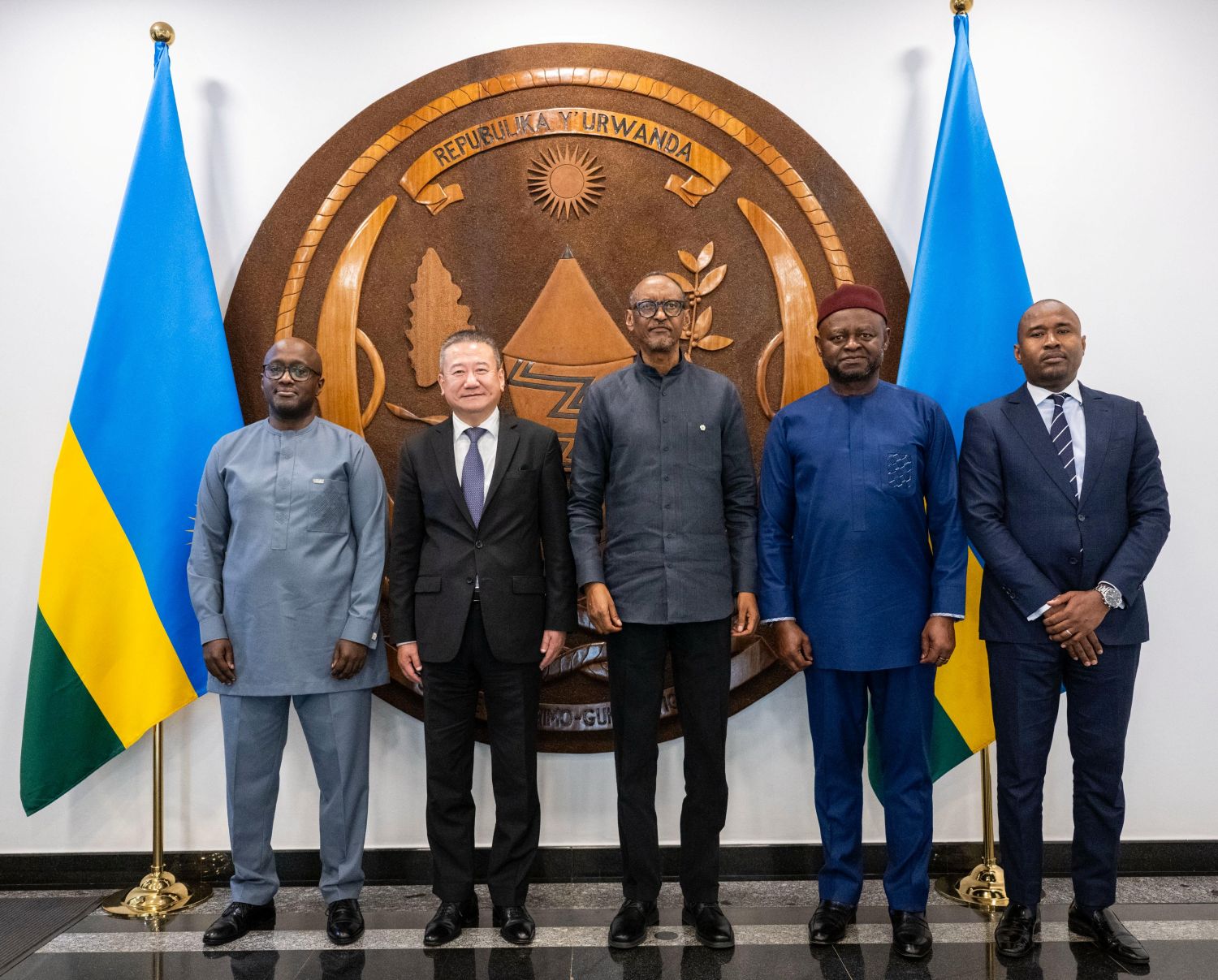
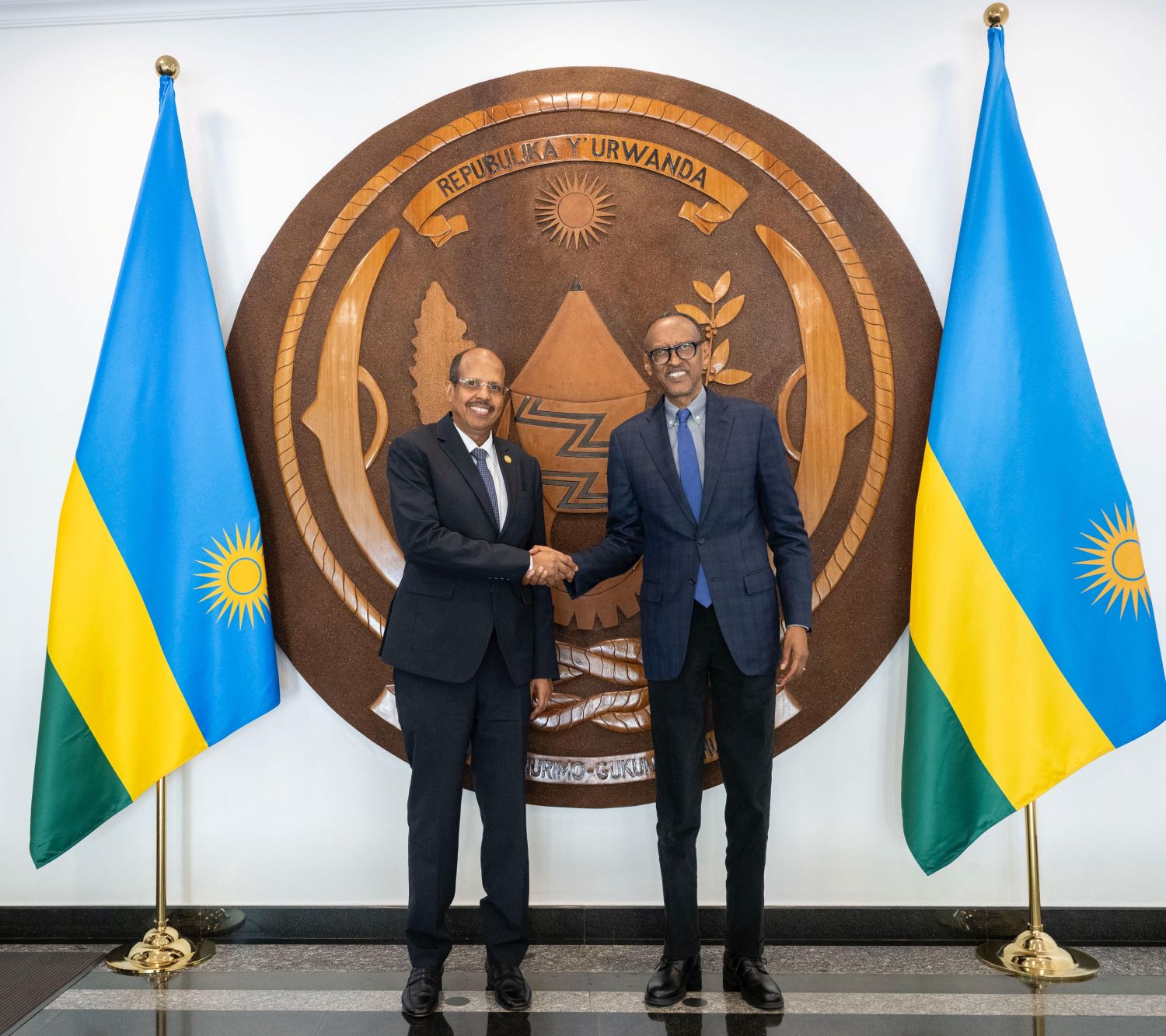
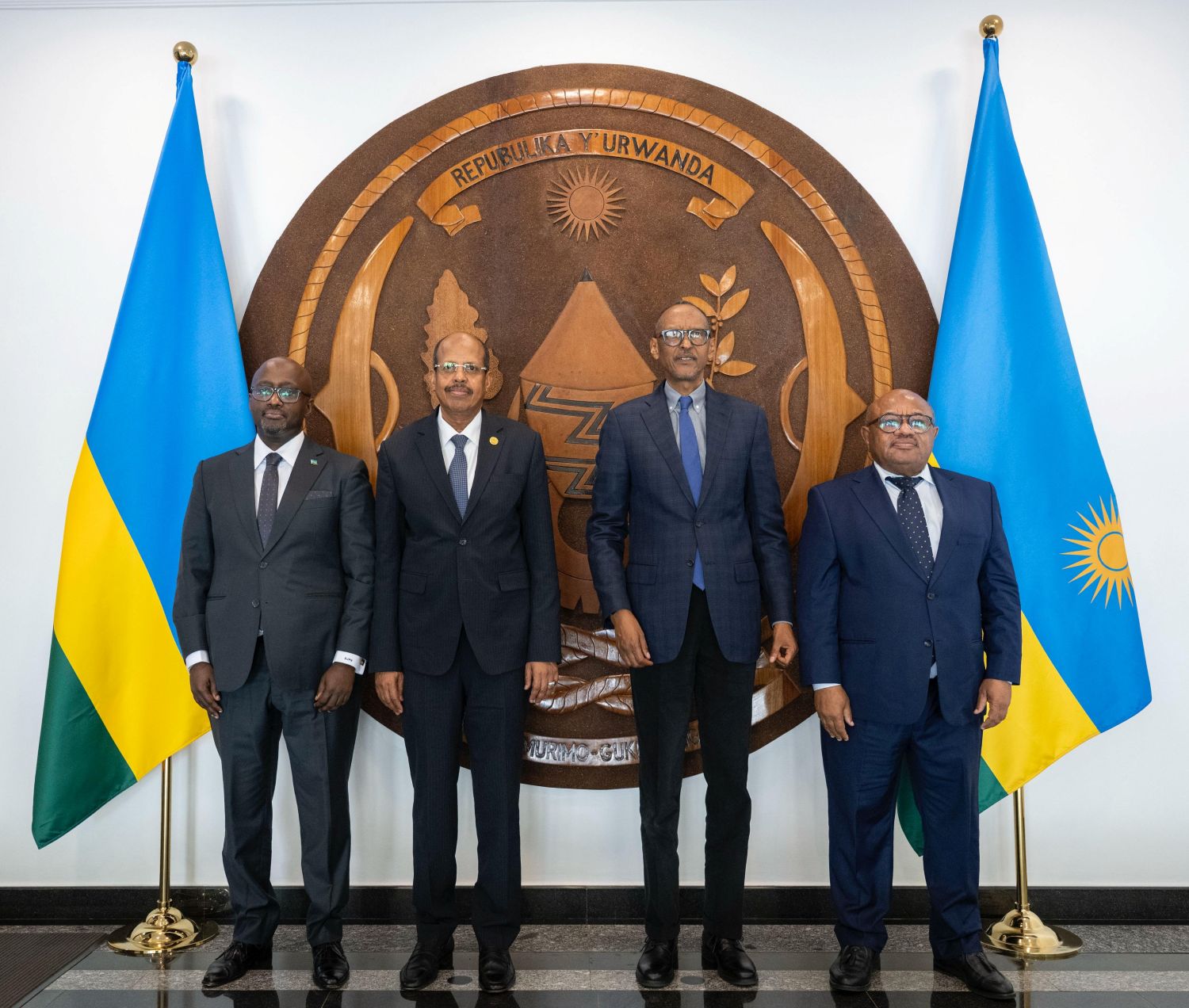
The meeting, held at Urugwiro Village, centered on the importance of supporting ongoing regional processes and strengthening efforts to address the root causes of conflict.
According to a statement from the president’s office, the two officials underscored the need for coordinated, evidence-based strategies that prioritize sustainable peace over short-term fixes.
“They discussed the importance of supporting ongoing regional processes and the need for fact-based, coordinated efforts that address the root causes of the conflict and prioritize achieving lasting peace in the region,” the statement reads in part.
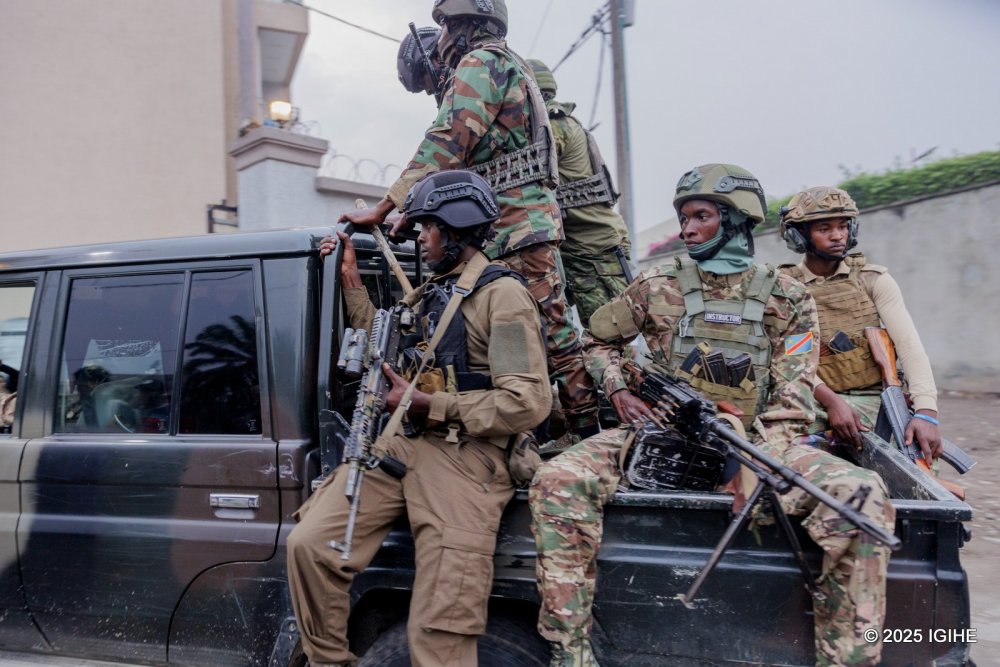
The meeting coincides with ongoing efforts to resolve the conflict in the eastern Democratic Republic of Congo, where recent battles between the M23 rebel group and government forces culminated in the takeover of strategic towns, including the cities of Goma and Bukavu.
In pursuit of a solution to the insecurity in eastern DRC, Heads of State from the East African Community (EAC) and the Southern African Development Community (SADC) resolved to merge the Luanda and Nairobi peace processes during an extraordinary summit held in Dar es Salaam, Tanzania, on February 8.
In a subsequent meeting held on March 24, the Heads of State appointed five former presidents to facilitate the peace talks. Those named to the expanded mediation team are Uhuru Kenyatta of Kenya, Olusegun Obasanjo of Nigeria, Kgalema Motlanthe of South Africa, Catherine Samba-Panza of the Central African Republic, and Sahle-Work Zewde of Ethiopia.
Meanwhile, direct talks between the Kinshasa administration and the M23 rebels are scheduled to take place in Qatar on April 9.
Qatar extended the invitation shortly after a March 18 meeting hosted by the Emir of Qatar, which brought together Rwandan President Paul Kagame and DRC President Félix Tshisekedi. The discussions focused on de-escalating tensions between the two countries, fueled by the presence of the FDLR militia group in the DRC—a group responsible for the 1994 Genocide against the Tutsi in Rwanda—and the DRC’s accusation that Rwanda supports the M23 rebels, claims that Rwanda has repeatedly denied.
Qatar’s Ministry of Foreign Affairs later announced that Presidents Kagame, Tshisekedi, and Sheikh Tamim had reaffirmed their commitment to cease hostilities in eastern DRC, in line with resolutions adopted by African leaders.
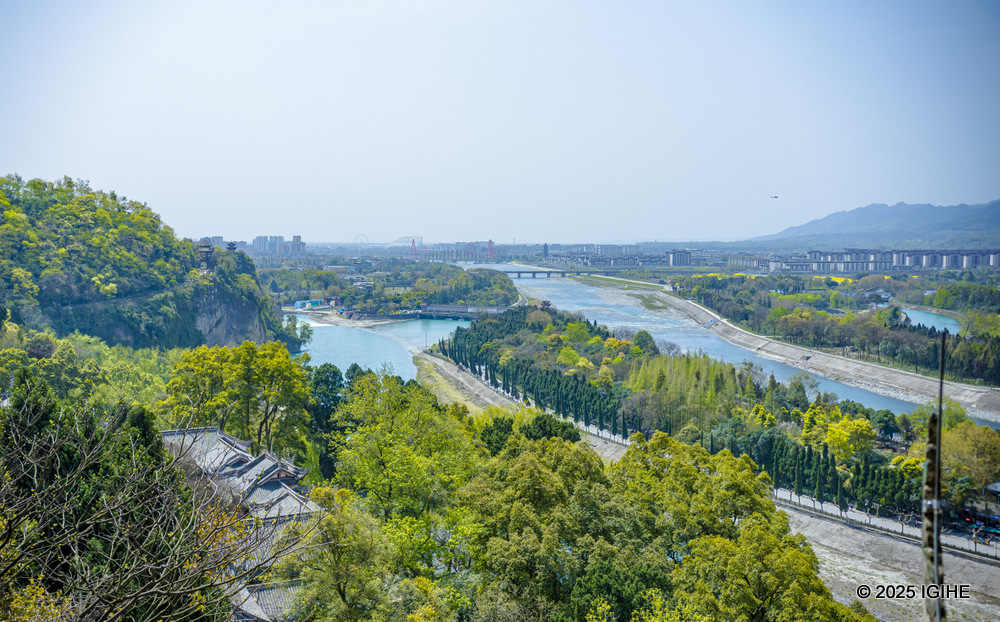
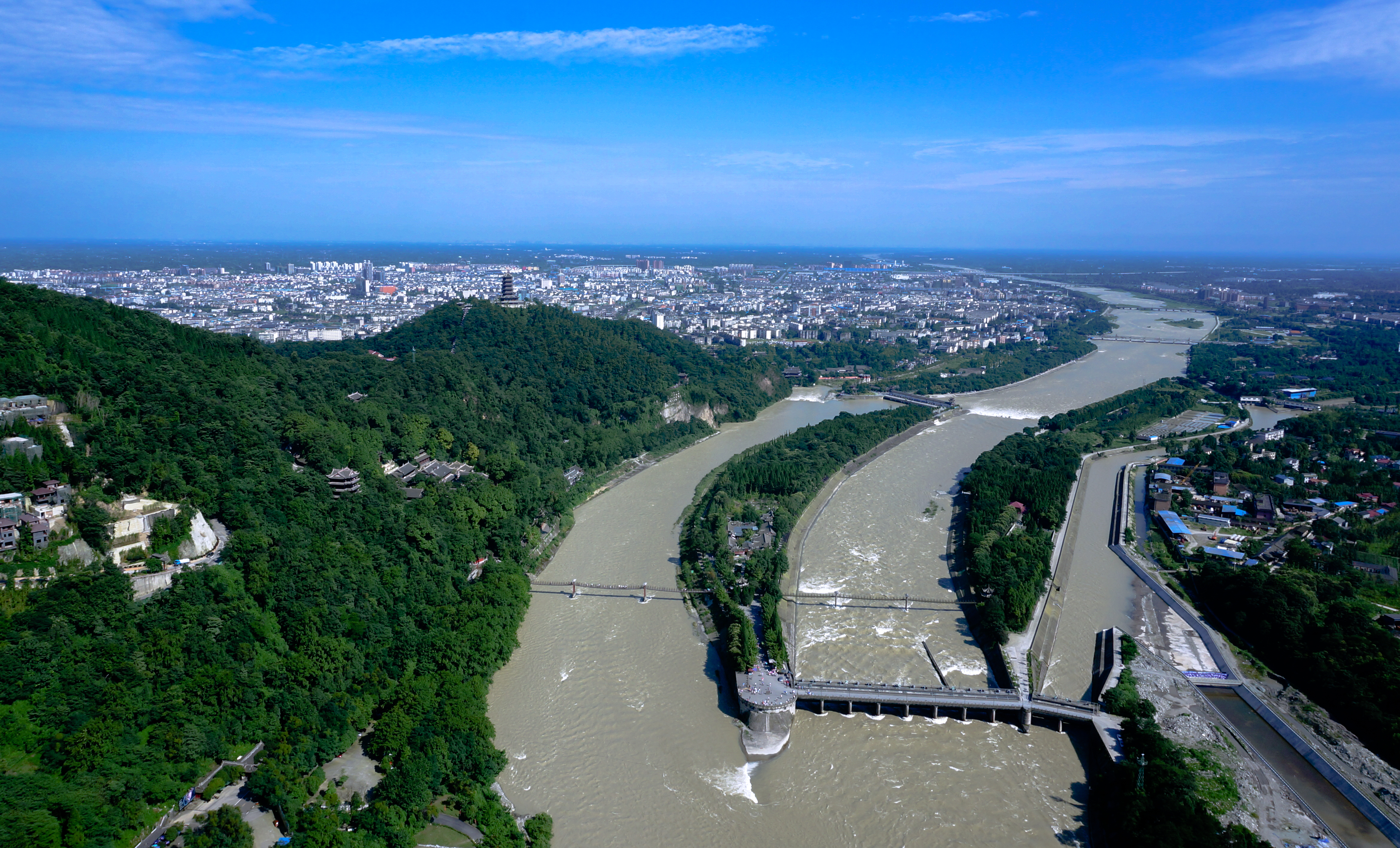
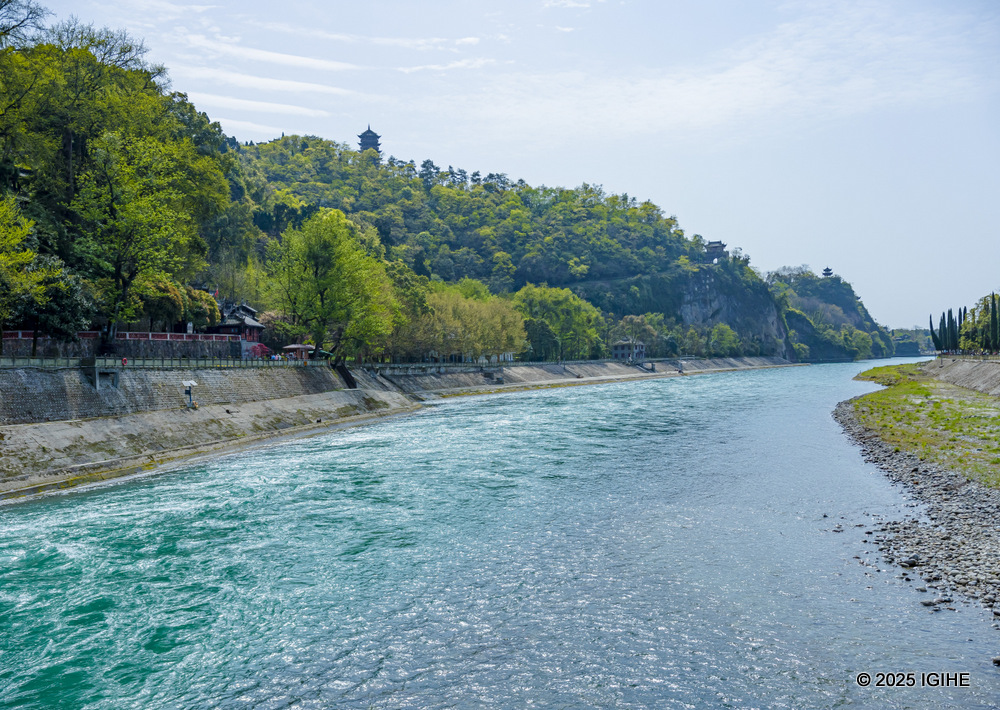
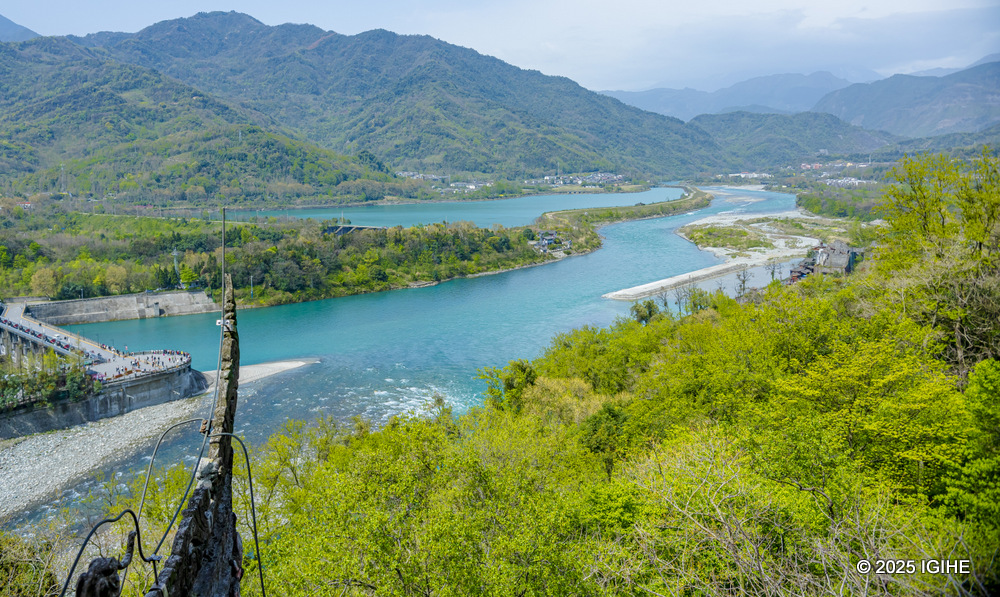
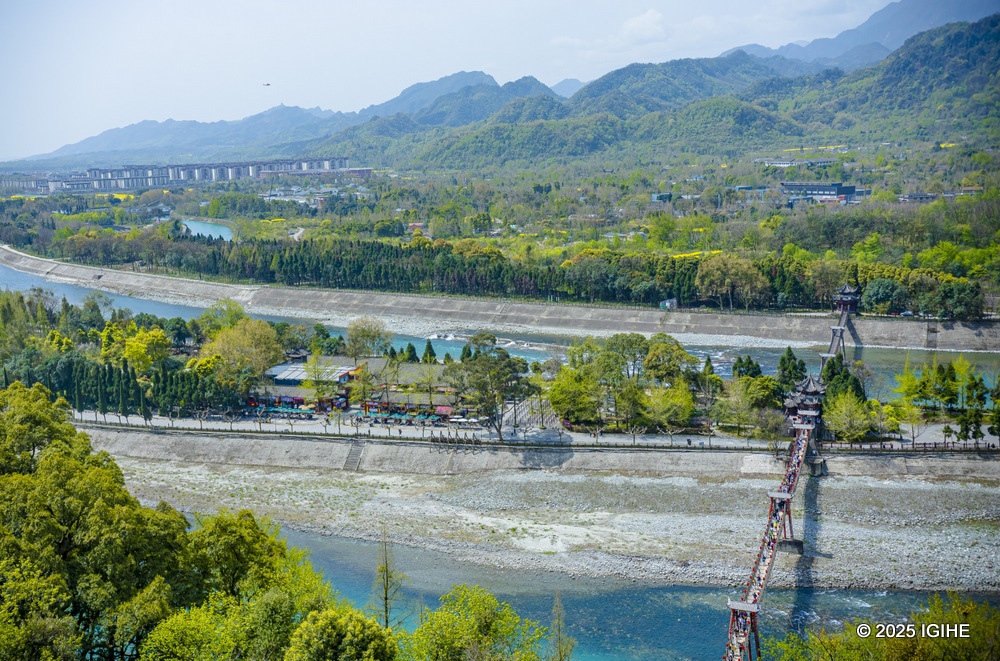
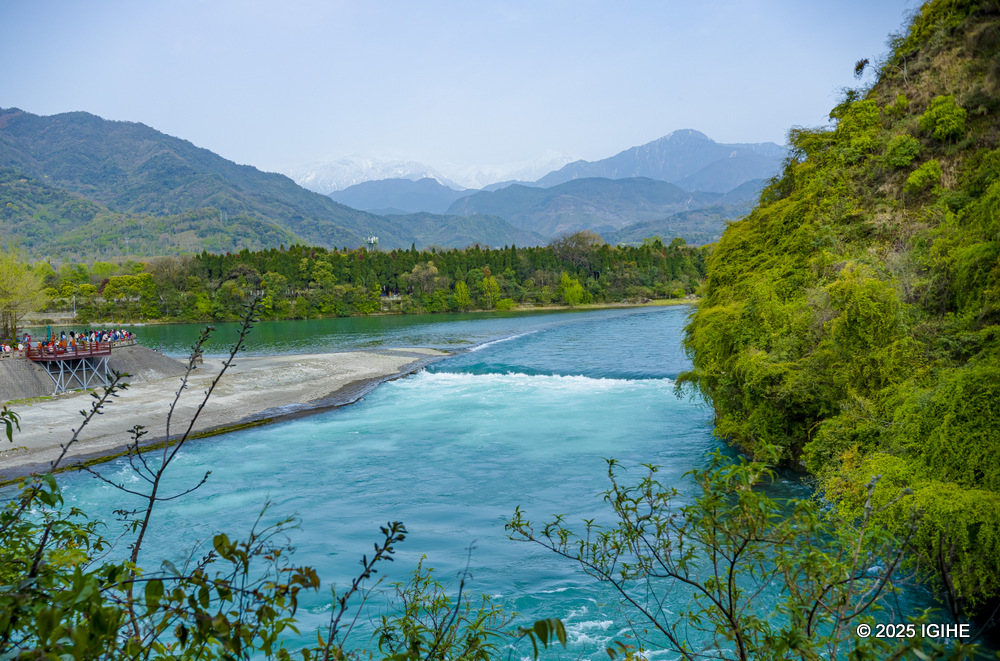
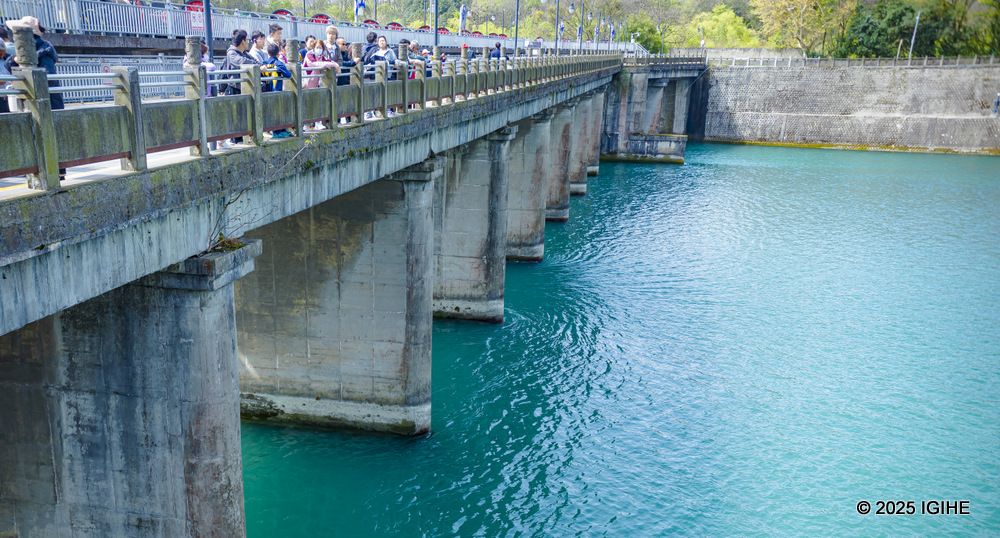
Nestled between the flowing waters of the Min River and the rolling fields of the Chengdu Plain stands the Dujiangyan Irrigation System—a testament to human ingenuity and harmony with nature.
The Dujiangyan Irrigation System is one of the most extraordinary engineering achievements in human history, a masterpiece of ancient design that still serves millions today.
Built over 2,300 years ago, during the Warring States period in what is now Sichuan Province, this system was designed not to block the river with a dam, but to work with nature—taming the unruly Min River while providing life-giving irrigation to the fertile Chengdu Plain.
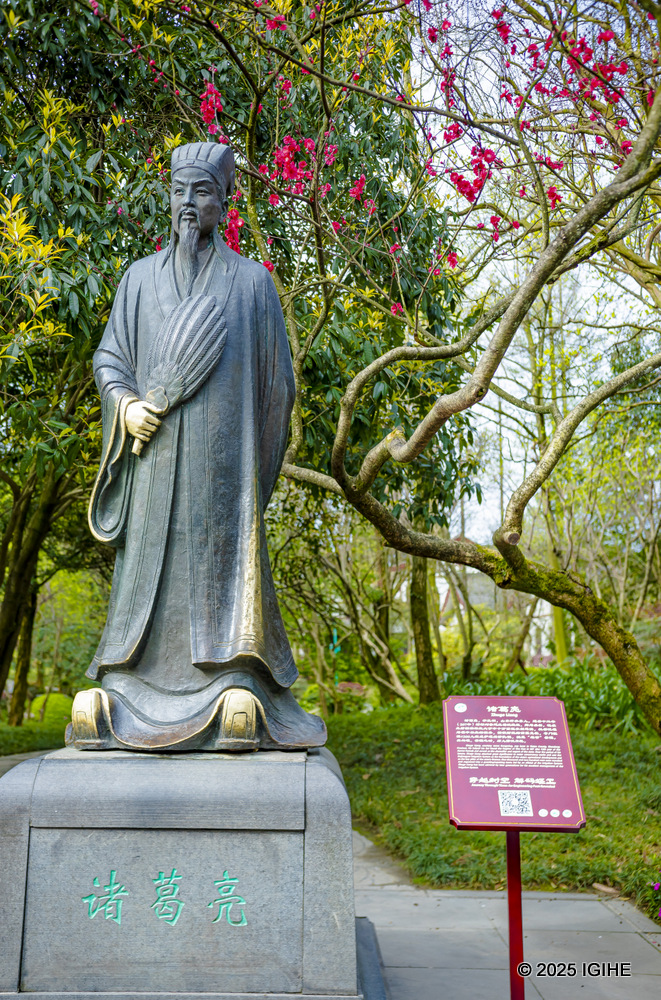
Its story begins at a time when floods and droughts brought suffering to the people of Sichuan. The Qin Dynasty, seeking to strengthen its hold on the region, appointed a governor named Li Bing to solve the problem.
Li Bing studied the river’s behavior and devised a system that would forever change the fate of Sichuan. Instead of fighting the river, he redirected it.
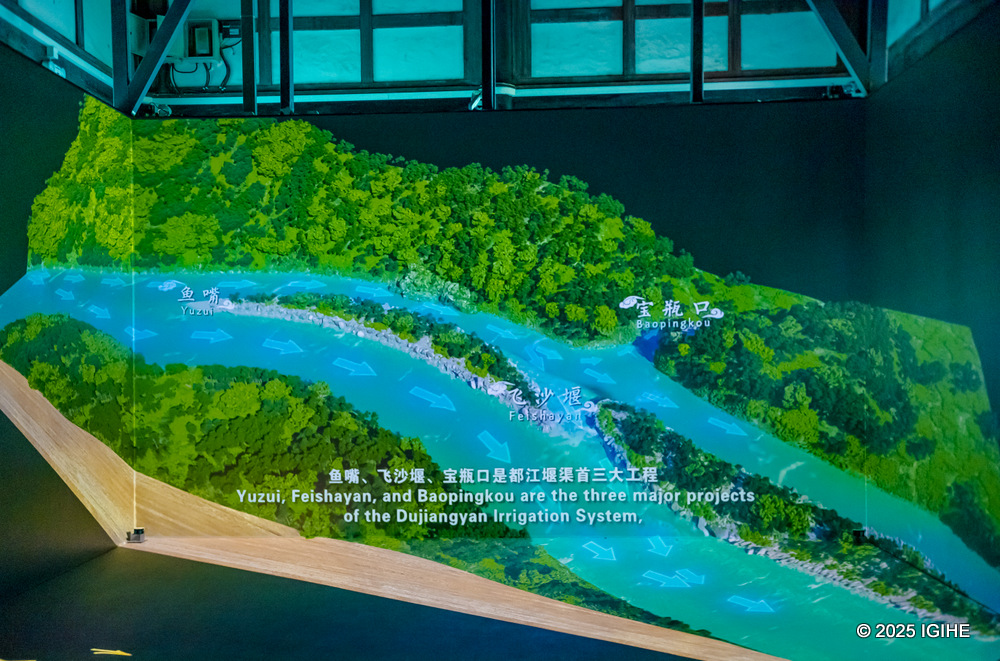
The heart of his design was the Fish Mouth Levee—a carefully shaped divider that splits the Min River into two channels, one for irrigation and the other for flood control.
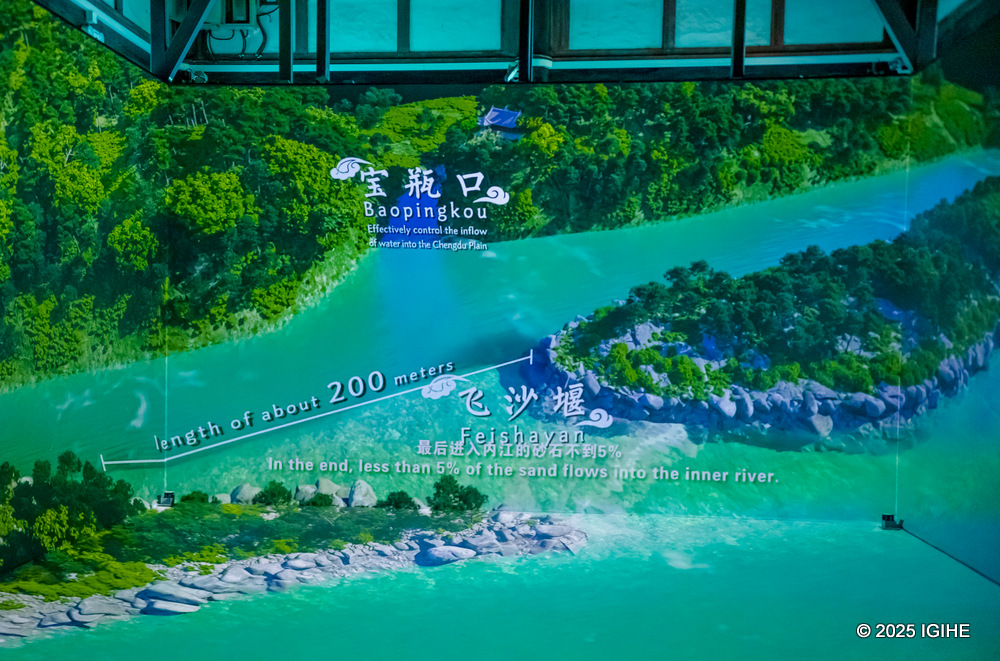
This simple yet brilliant structure ensured that water would flow steadily to farmlands while excess floodwaters were safely carried away. To manage the buildup of silt, he built the Flying Sand Weir—a spillway that uses the river’s own swirling currents to flush out sediment, keeping the system clear.
Finally, the Bottleneck Channel acted as a precise regulator, controlling how much water entered the irrigation network.
What makes Dujiangyan truly remarkable is that it has never stopped working. For centuries, it has turned Sichuan into one of China’s most productive agricultural regions, earning it the nickname “Land of Abundance.”
Even today, the system irrigates over 5,300 square kilometers of farmland, supporting crops that feed millions. Unlike modern dams, which often disrupt ecosystems, Dujiangyan operates in harmony with nature, requiring no artificial barriers or destructive interventions.
It has survived wars, dynasties, and even the devastating 2008 Sichuan earthquake, which caused only minor damage.
Beyond its practical benefits, Dujiangyan stands as a symbol of human innovation and sustainability. Recognized as a UNESCO World Heritage Site in 2000, it attracts visitors from around the world who come to marvel at its ancient yet timeless design.
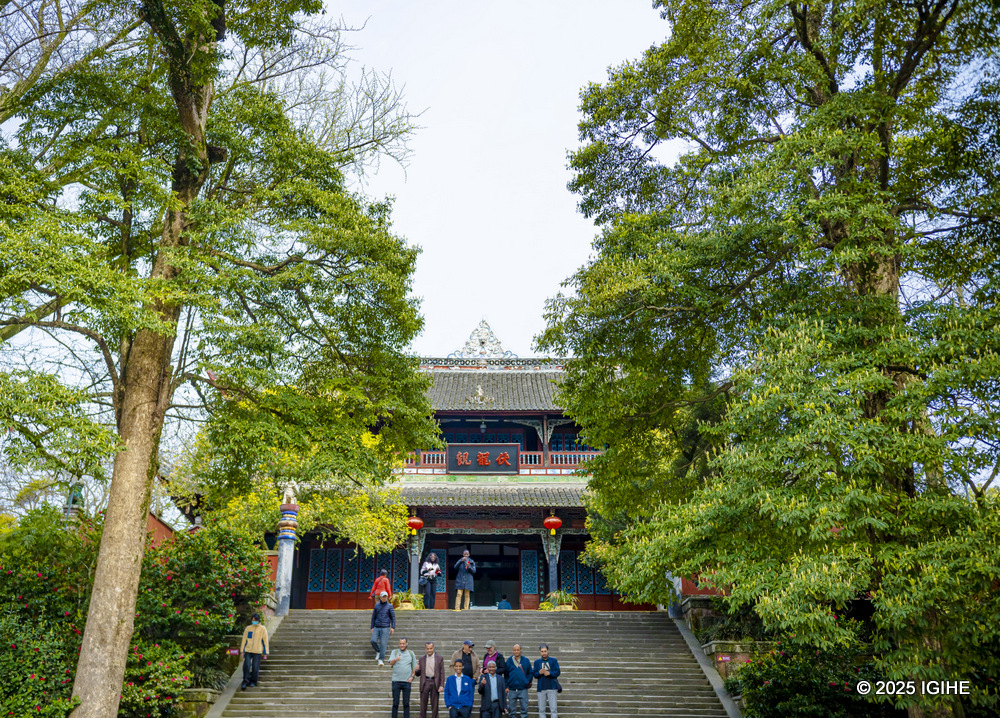
Walking along its pathways, one can see the same structures that Li Bing built over two millennia ago, still performing their duty just as effectively as they did in the days of the Qin Dynasty.
As the world today grapples with climate change and environmental challenges, Dujiangyan remains a powerful reminder of what can be achieved when ingenuity and respect for nature come together.
{{A Festival of Water and Memory
}}
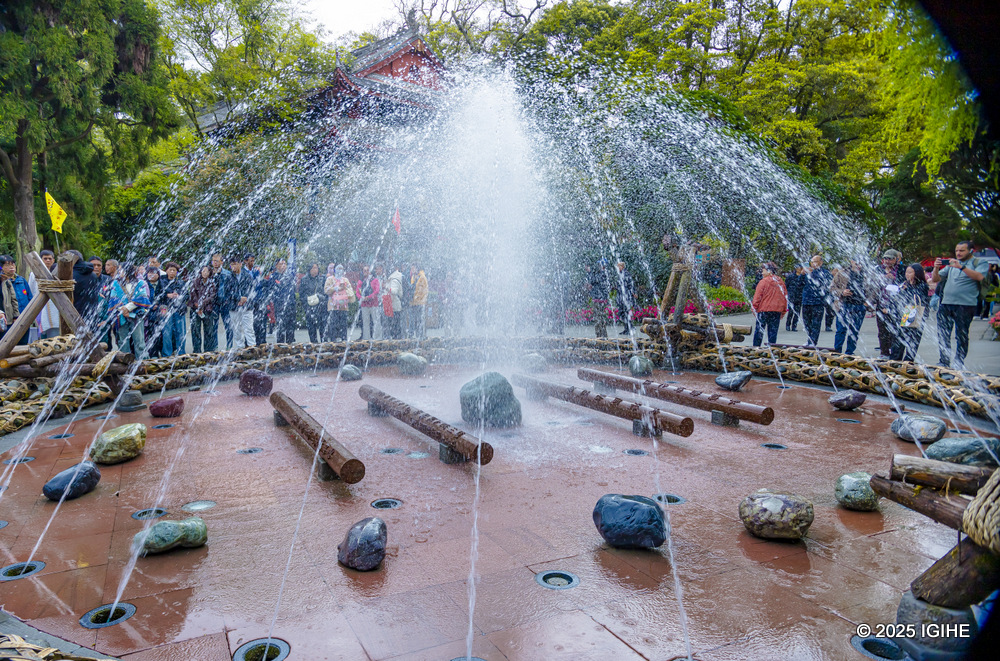
Every spring during Qingming Festival (around April 4–6), the city of Dujiangyan comes alive with one of China’s oldest and most symbolic cultural events: The Water-Releasing Festival. With a history of over 1,000 years, this grand ceremony honors both the annual maintenance of the Dujiangyan Irrigation System and the legacy of its visionary creator, Li Bing.
The celebration is not only a tribute to ancient engineering but also a spiritual rite marking the beginning of spring ploughing—a time of renewal and agricultural hope.
Declared a National Intangible Cultural Heritage in 2006, the festival culminates in a dramatic Water-Releasing Ceremony. Dressed in traditional Han attire, local officials, invitees, and participants reenact age-old rituals, including the symbolic cutting of rope-bound cofferdams made of wood, bamboo, and stone to release the river’s flow back into the irrigation channels.
Offerings are made to the gods and to Li Bing himself, while spectators throw symbolic items into the water to pray for good harvests and well-being.
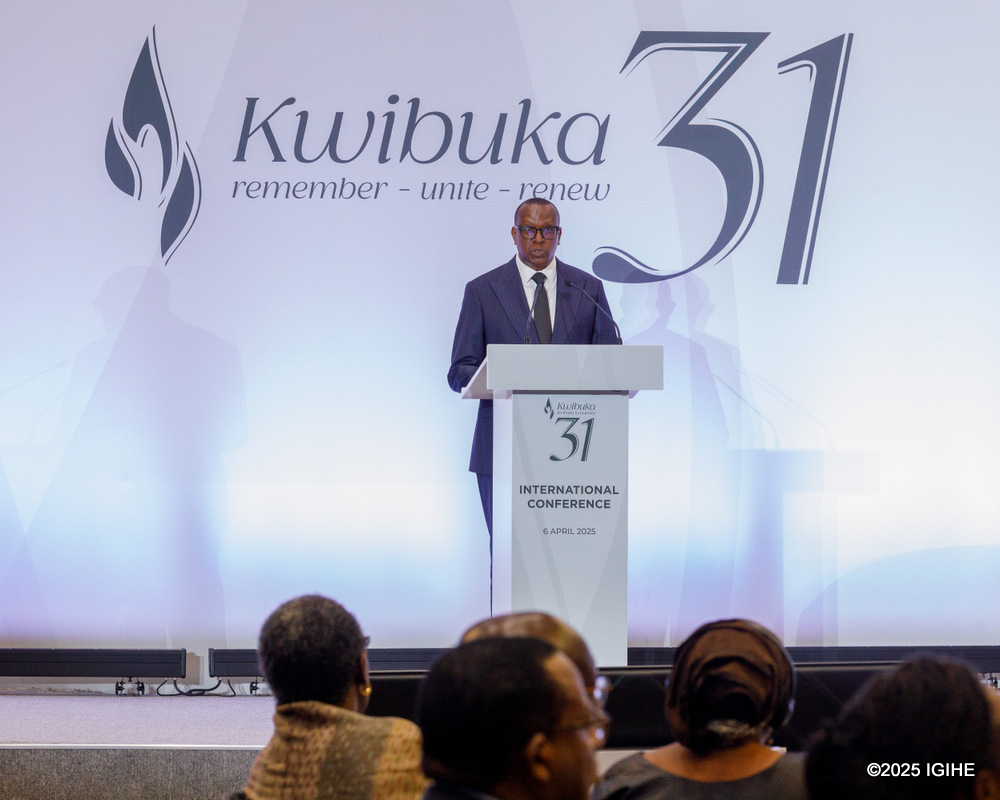
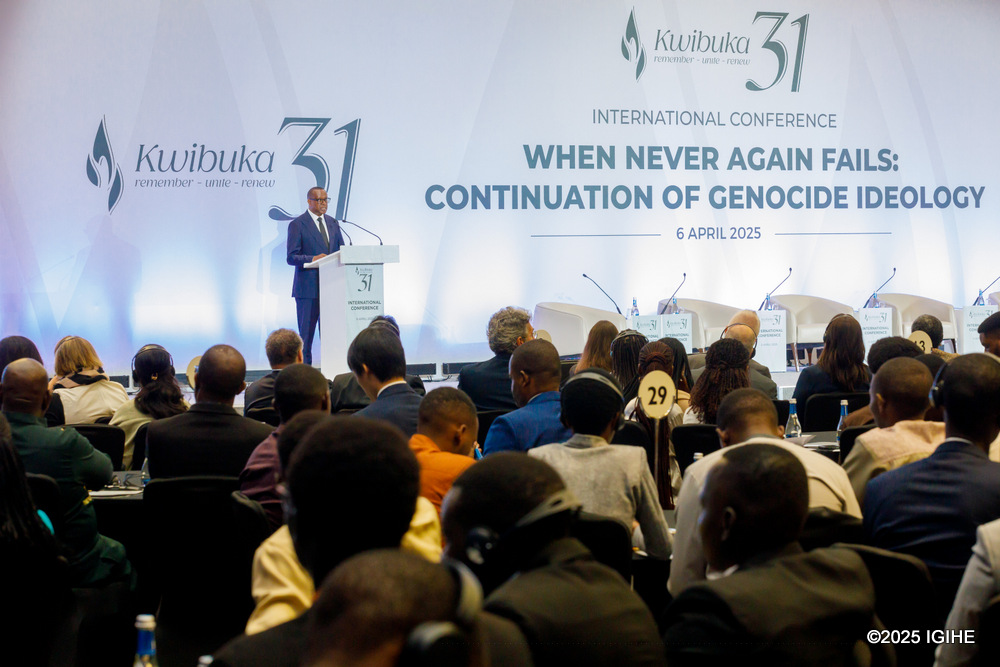
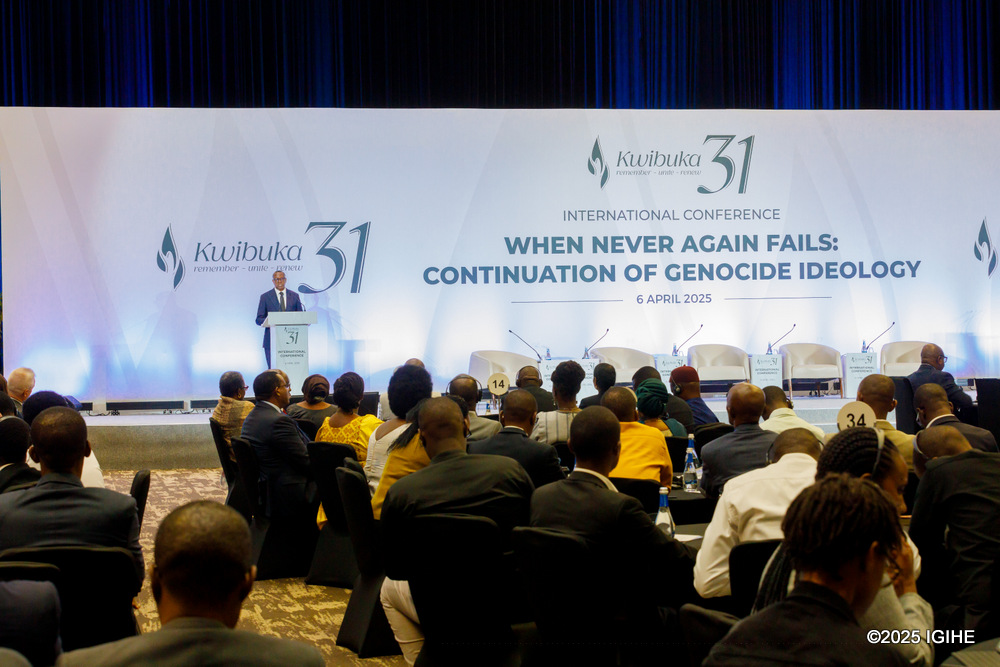
Speaking during the Kwibuka31 International Conference on Sunday, April 6, 2025, Minister Bizimana said the cancellation of genocide memorial activities that had been scheduled in the cities of Liège and Brussels undermines the memory of the victims.
“We are now witnessing government-backed actions that obstruct remembrance of the Genocide against the Tutsi,” said Dr. Bizimana. “This is happening in Belgium, a country that once apologized for its role in the genocide but now undermines the memory of its victims.”
The Belgian city of Liège withdrew from a previously scheduled April 12 commemoration event, citing concerns over public order due to tensions between Congolese and Rwandan communities.
According to Belgian state broadcaster RTBF, the local police advised against the event, warning it could trigger clashes due to the strained relations between Rwanda and the Democratic Republic of Congo (DRC).
“An analysis of the potential issue was conducted. The Liège police provided an unfavourable recommendation. The international political climate is unstable,” said police spokesperson Jadranka Lozina.
While Rwandan communities will still be allowed to hold private gatherings, Liège Mayor Willy Demeyer will not attend, and authorities have warned that any public threat could lead to a complete ban.
In Brussels, another major event—a conference organized by Ibuka Memory and Justice Association, a non-profit that advocates for genocide survivors—was abruptly canceled by Belgium’s House of Representatives just one day before it was scheduled to take place on March 27.
The event, titled “Transmitting Memory: Analyzing the Deep Origins and Unfolding of the Tutsi Genocide, 31 Years Later,” had included a planned video address by Minister Bizimana. Organizers say they were blindsided by the cancellation, which was attributed to deteriorating diplomatic relations between Belgium and Rwanda.
In his keynote speech, Dr. Bizimana took a historical perspective, arguing that the genocide ideology was imported and fueled by European colonialism—specifically Belgian colonial rule. He asserted that the unity and values that once defined pre-colonial Rwandan society were systematically dismantled for colonial gain.
“A society as unified as the one the first Europeans found in Rwanda would never have committed genocide—had its values not been destroyed by colonial powers,” he said.
He pointed to the writings of early missionaries like Chanoine Louis de Lacger, who documented that Rwandans were a culturally and socially cohesive people. That harmony, Dr. Bizimana said, was deliberately unraveled by Belgium through discriminatory policies and political manipulation, leading to the eventual eruption of genocide in 1994.
“If Europeans had not entered Africa—and Rwanda in particular—we would not be here today at a conference about a genocide that took over a million lives, simply because of who those people were,” he added.
Tensions between Rwanda and Belgium have worsened in recent weeks. On March 17, Rwanda formally severed diplomatic relations with Belgium, accusing the European nation of siding with the DRC in the ongoing regional conflict.
Ibuka-Belgium expressed deep disappointment over the Brussels cancellation, emphasizing that it had no political agenda and that the inclusion of Dr. Bizimana’s speech was based on his expertise and relevance to the topic. The group called the move an “unfortunate politicization” of a human rights cause.
“Our organization has neither a mandate nor a vocation to engage in politics,” Ibuka said in a statement. “The cancellation of this event implicates us in a highly political dispute that we are not part of.”
{{No lessons learnt
}}
Meanwhile, on Sunday, Minister Bizimana also expressed concern that the international community—including Belgium—has failed to learn from past atrocities, as evidenced by the targeted killings of Congolese Tutsis in the DRC.
“Even as we commemorate 31 years since the Genocide, some leaders in the DRC are still inciting hatred and killings, while the world looks on,” he said. “We are witnessing a repeat of the very mistakes some governments once apologized for—this time with fresh victims in Congo and renewed global indifference.”
The 31st Commemoration of the Genocide against the Tutsi is scheduled to start on Monday, April and continue for the next 100 days.
April 7 was designated as the International Day of Reflection on the 1994 Genocide against the Tutsi by the UN General Assembly in 2003.
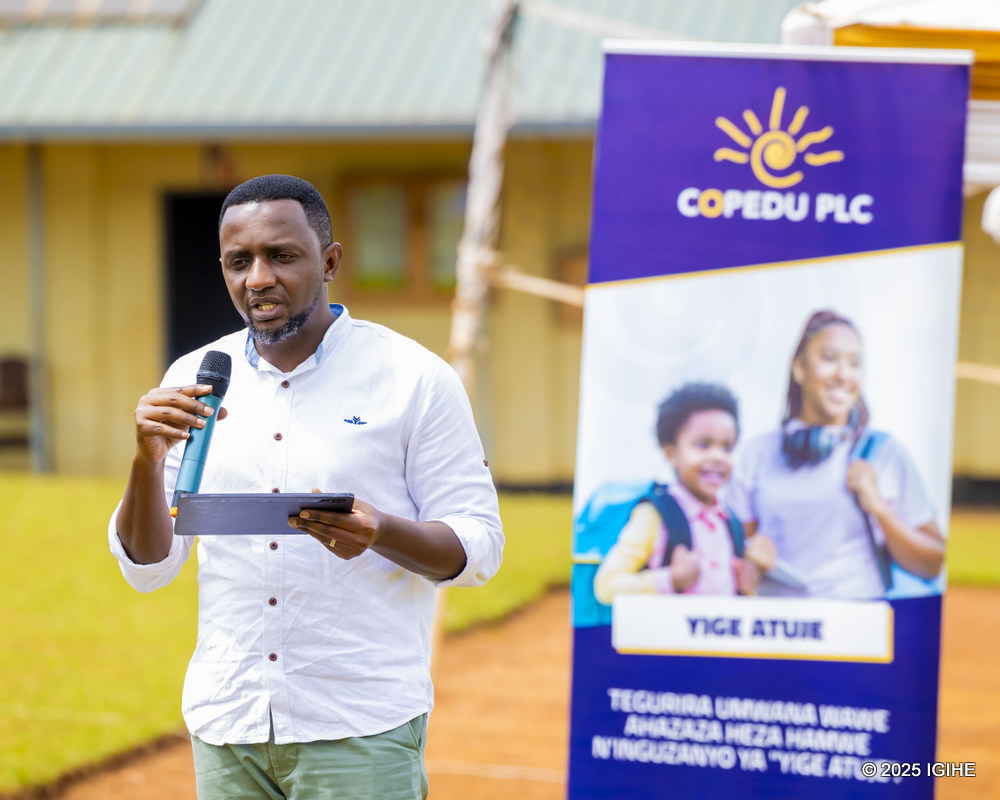
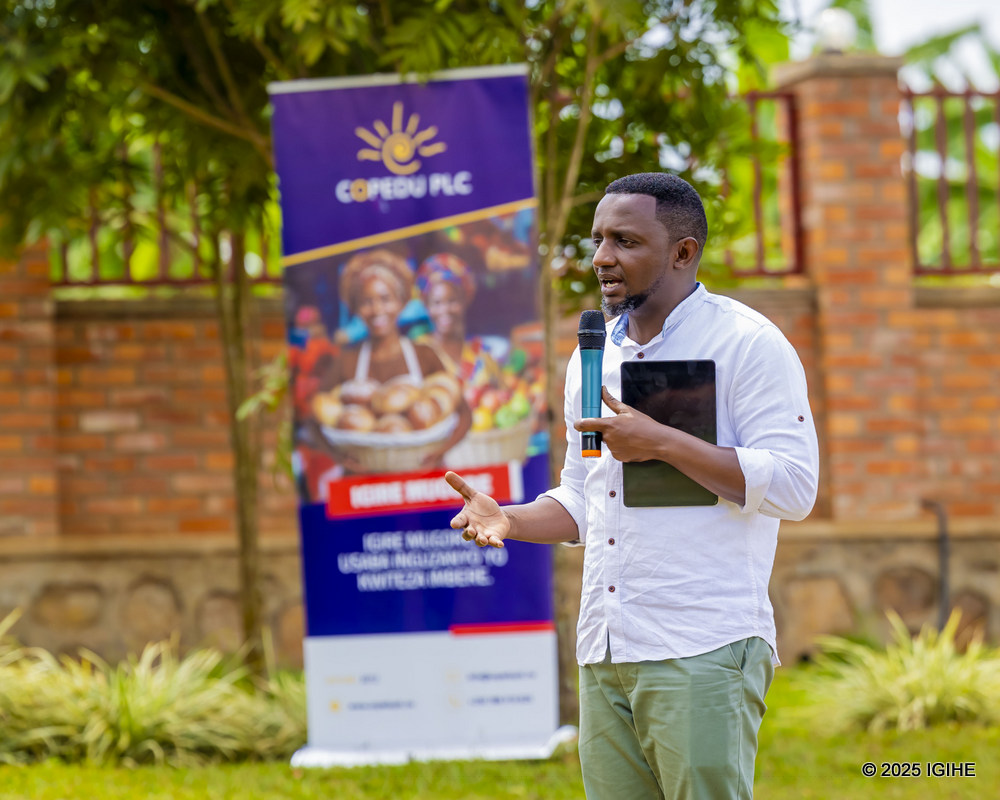
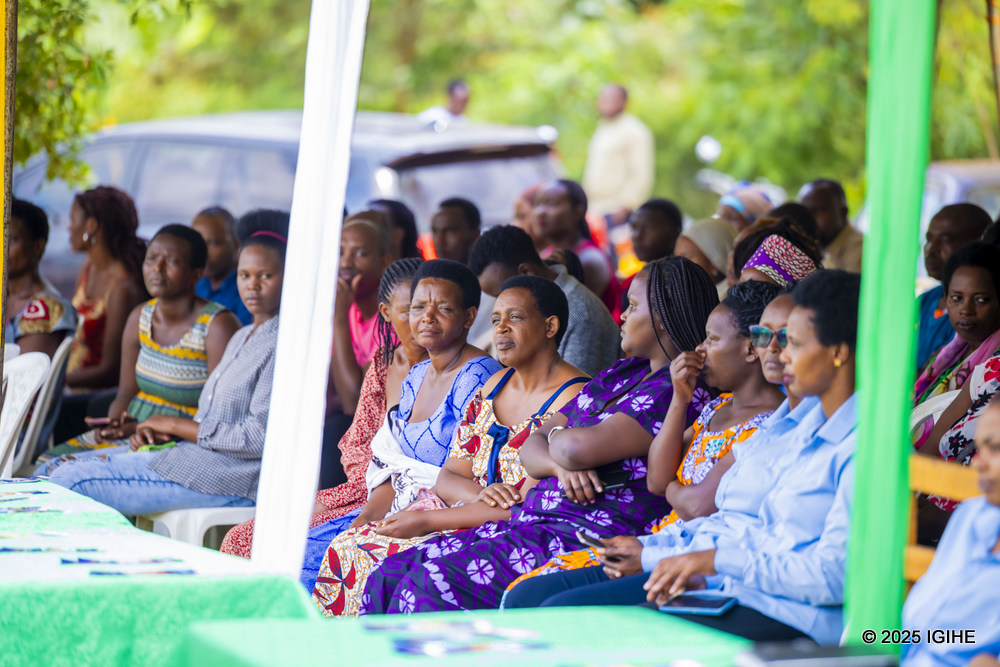
This message was emphasized during a financial management training session organized by COPEDU PLC for parents and guardians at Rise To Shine School on April 5, 2025.
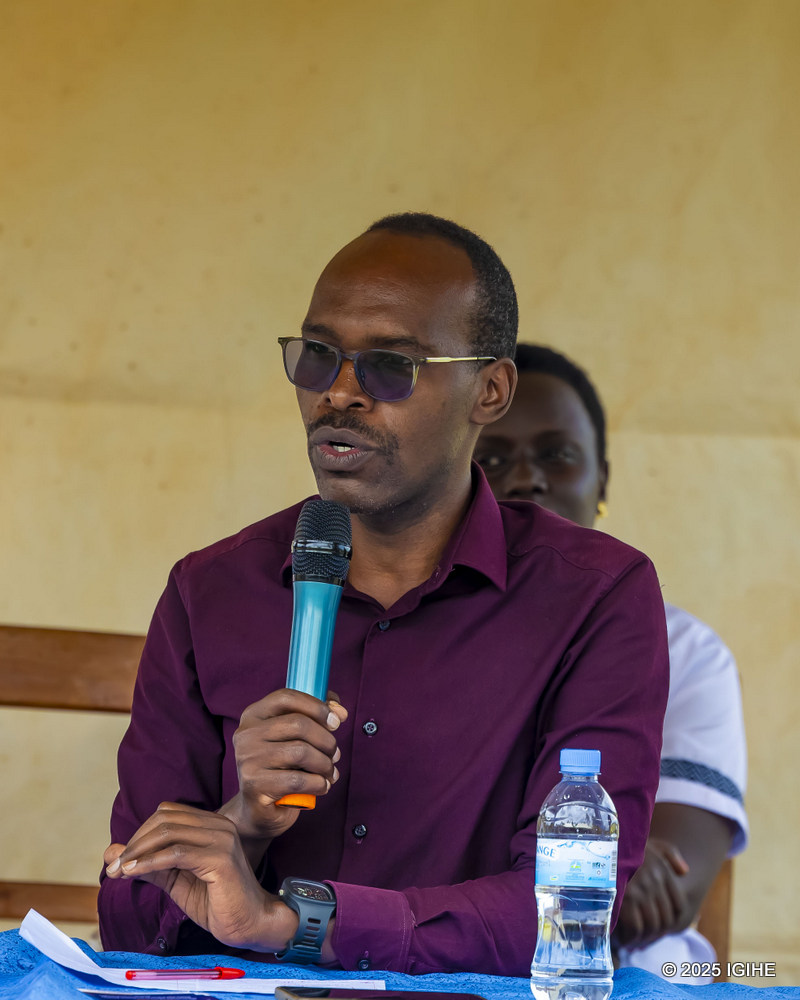
Seif Mbarushimana, Head of Branches at COPEDU PLC, stressed that school fee payments should be integrated into household financial planning, much like other essential expenses.
He explained that prompt payments enable schools to achieve their financial goals, ensuring students benefit from consistent, quality education.
“Just as families budget for their needs, schools rely on structured financial plans,” Mbarushimana said. “When parents delay payments, it disrupts these plans and ultimately impacts the education students receive.”
He also highlighted COPEDU PLC’s tailored services, such as savings accounts and the ‘Yige Atuje’ loan, designed to help parents manage school fee payments effectively.
Jean Marie Mboningarukiye, Deputy Managing Director of Rise To Shine School, reflected on past challenges caused by late fee payments, which hindered the school’s ability to pay teachers on time. He expressed optimism that the training would lead to better financial habits among parents.
“The issue wasn’t a lack of money but rather poor planning,” he noted. “We’re confident this will change moving forward.”
Jean De Dieu Dusingize, a parent at the school, admitted that many parents previously overlooked how their payment habits affected the school’s operations.
“We now understand the importance of paying on time and are committed to it,” he said.
“COPEDU PLC’s services can support us in ensuring our children enjoy a stable and effective learning environment.”
With 28 years of service, COPEDU Plc continues to empower its clients by providing accessible savings and loan solutions.
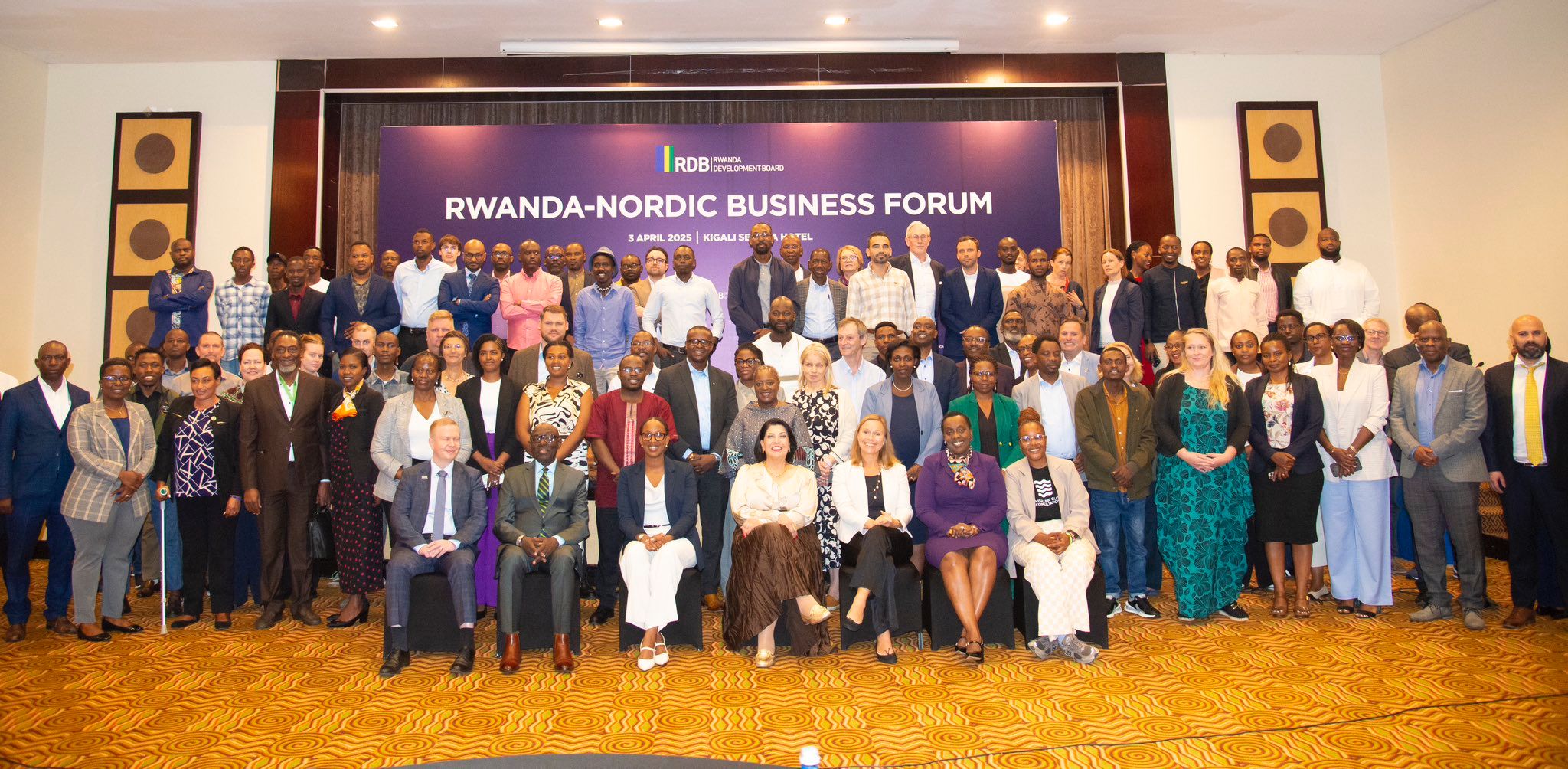
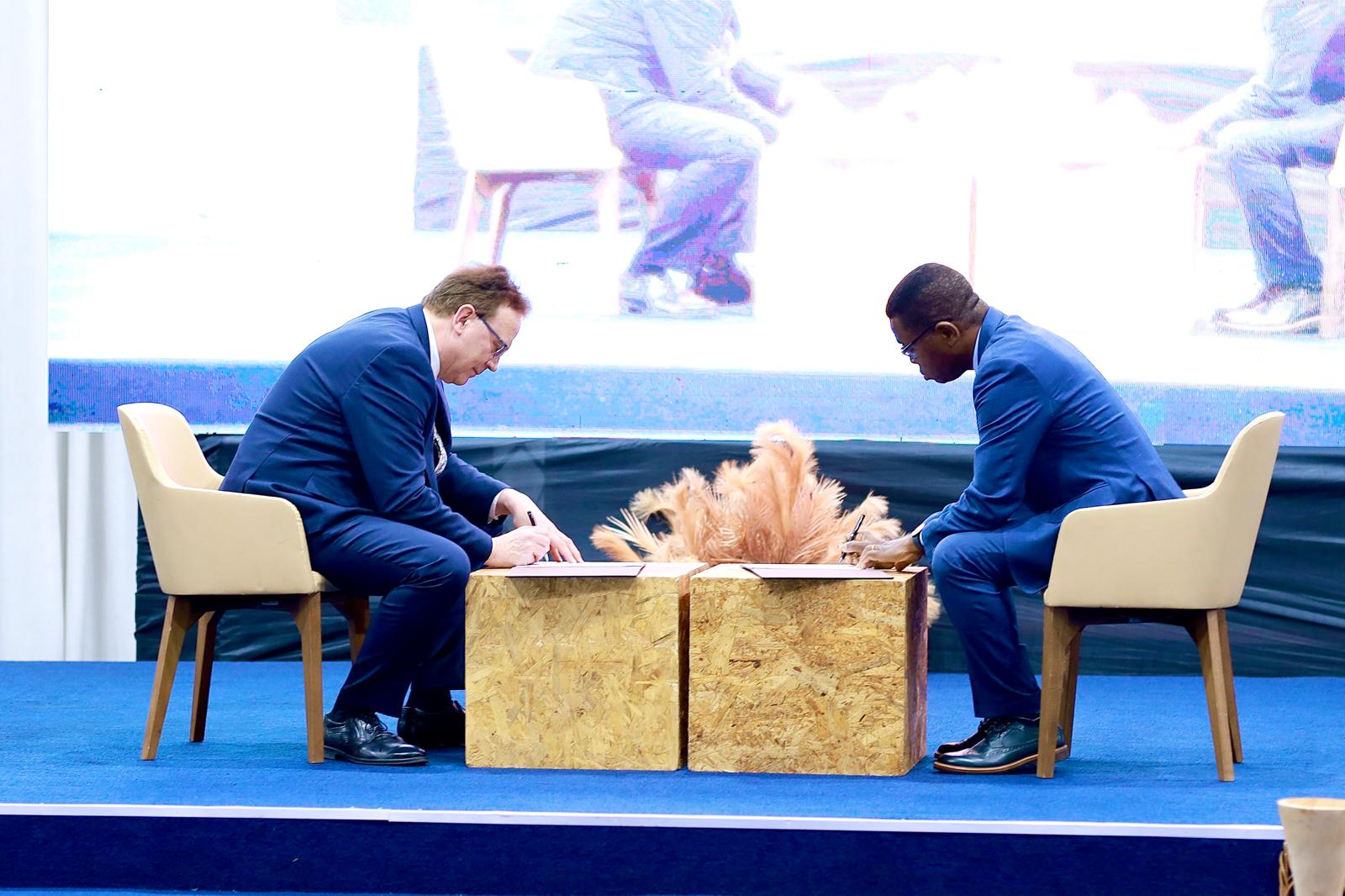
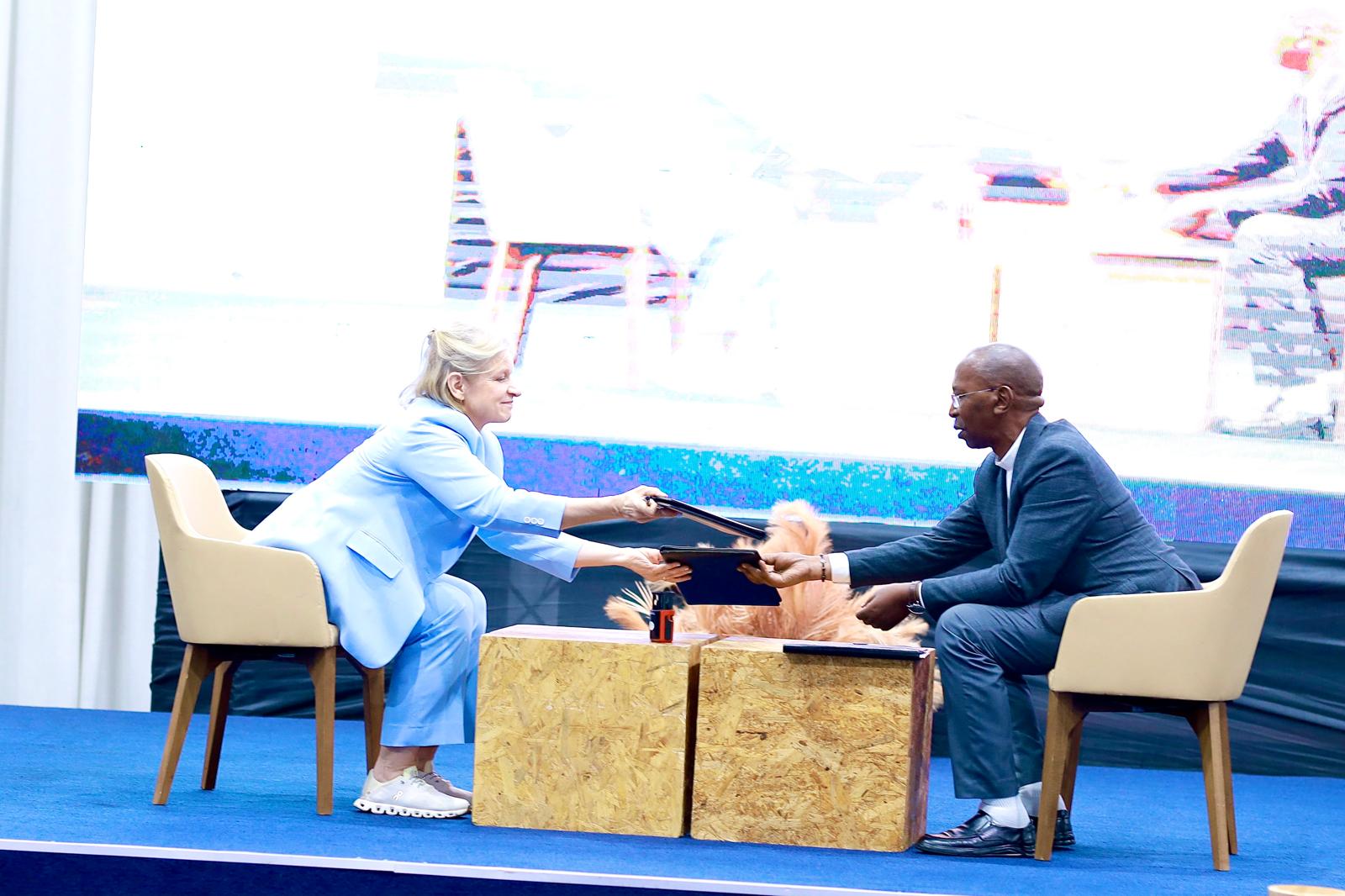
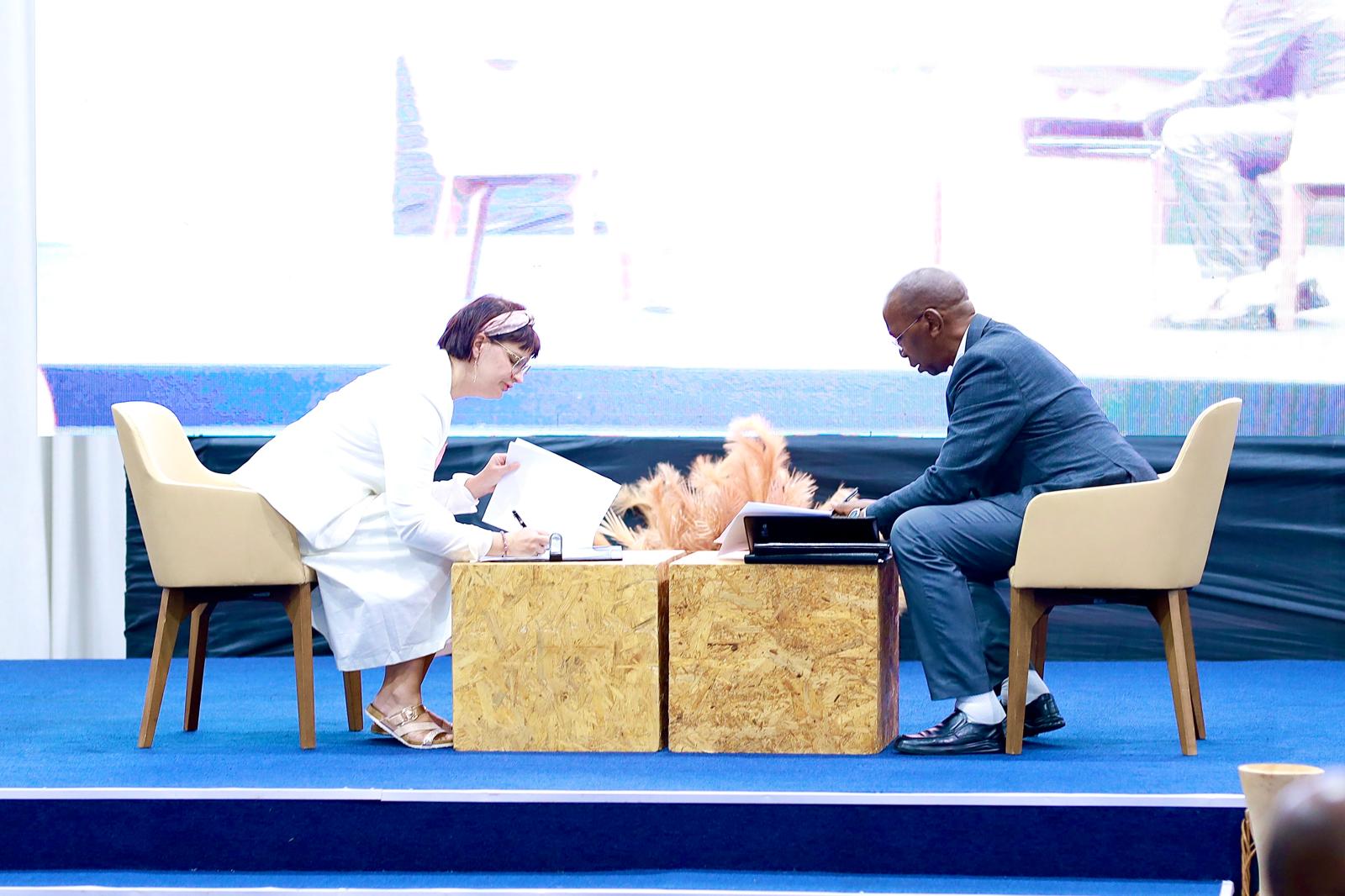
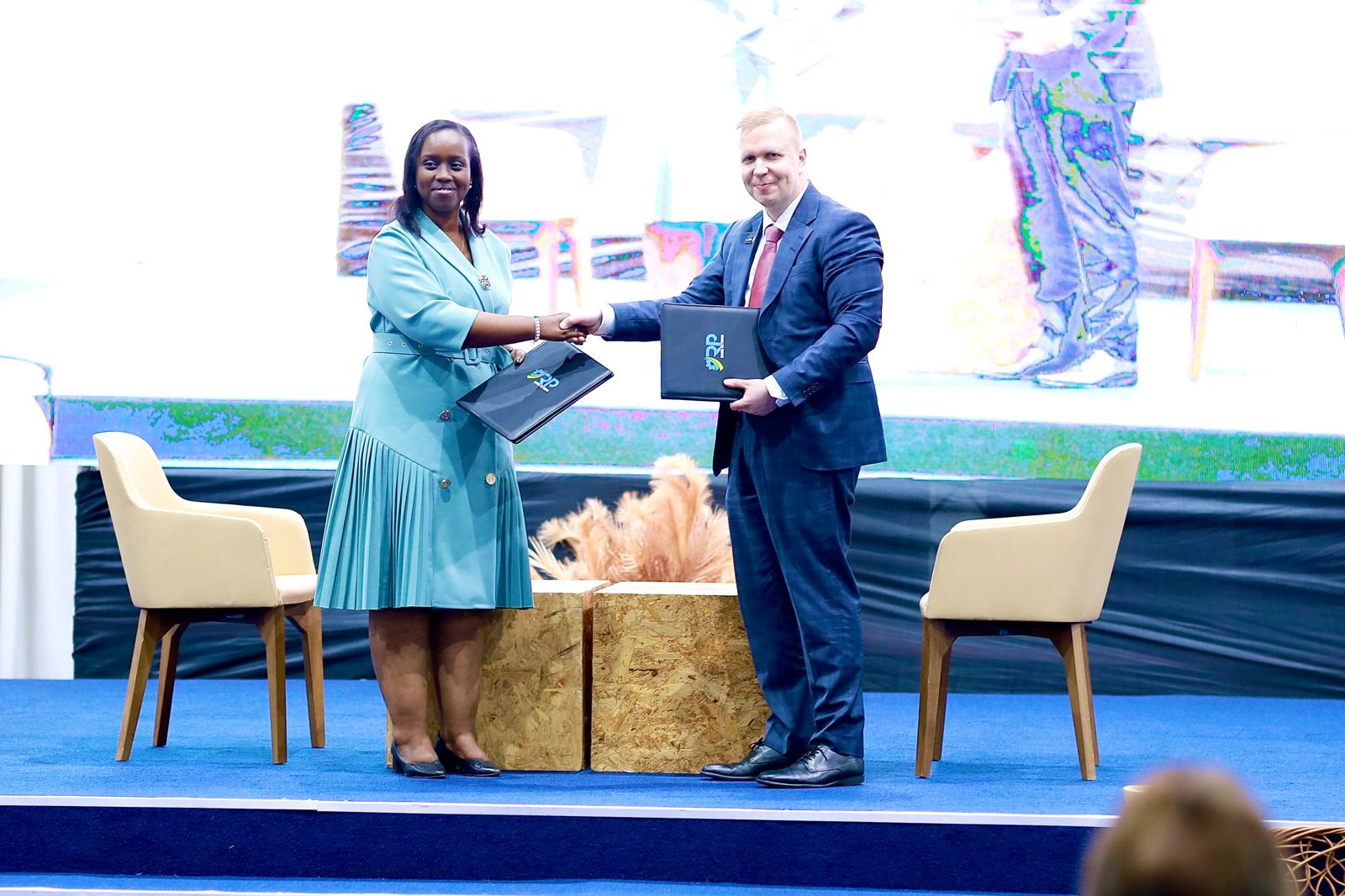
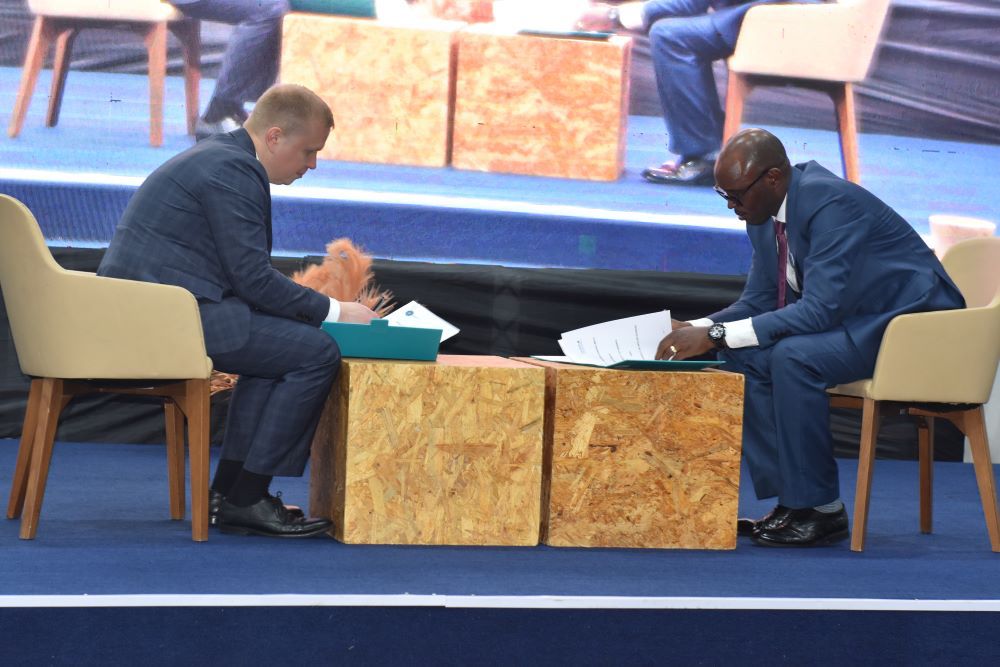
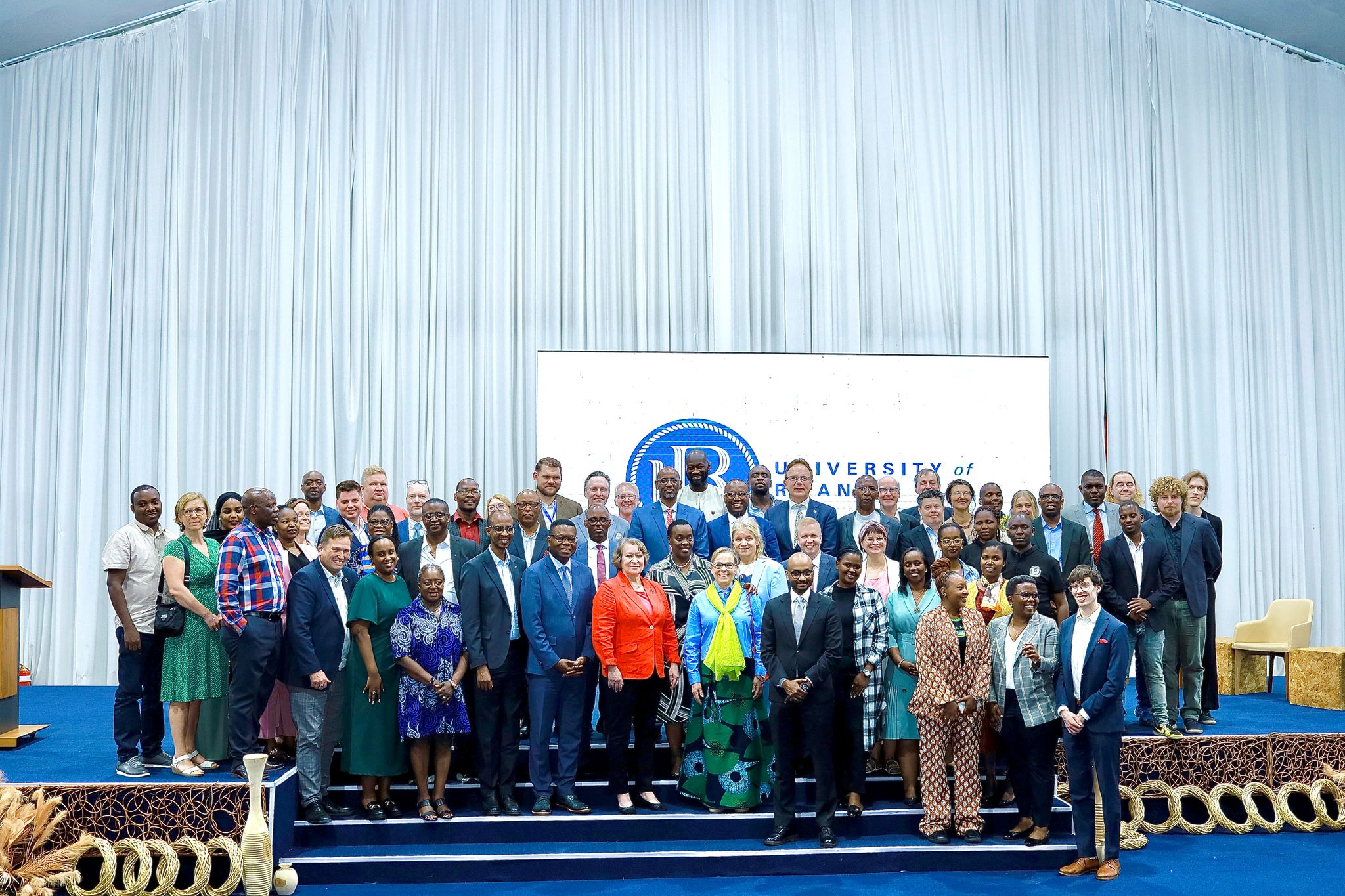
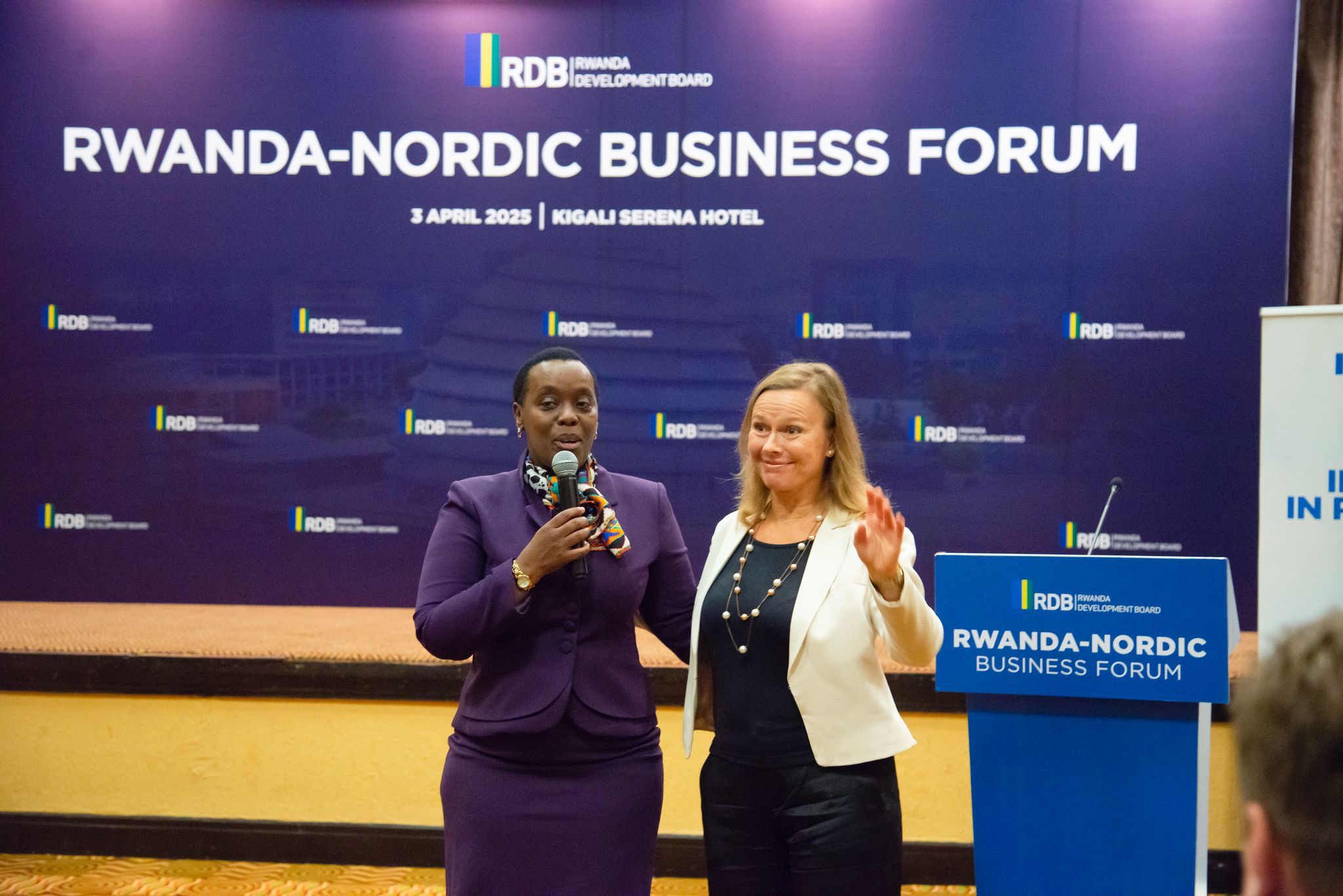
The agreements were formalized during a two-day Rwanda–Nordic Business Forum, held in Kigali from April 3 to 4, 2025.
The forum brought together over 100 participants, including 55 delegates from Nordic countries, primarily from Finland (70 percent), Sweden (25 percent), and the remainder from Denmark. Among them were university leaders, researchers, investors, and entrepreneurs, many of whom were visiting Rwanda—and Africa—for the first time.
The MoUs cover a wide range of academic and research collaborations. Among the highlights, Malardalen University from Sweden signed an agreement with the African Institute for Mathematical Sciences (AIMS Rwanda) to establish an African branch with headquarters in Kigali.
The Catholic University of Rwanda and Seinajoki University from Finland committed to launching a joint Bachelor’s program in food processing. Another agreement between the Catholic University of Rwanda and Lab University of Applied Sciences in Finland focuses on strengthening medical education and healthcare research.
Lab University also signed a separate agreement with the University of Rwanda to collaborate in the areas of health sciences and research, while the University of Rwanda and Seinajoki University agreed to work together in science and technology disciplines.
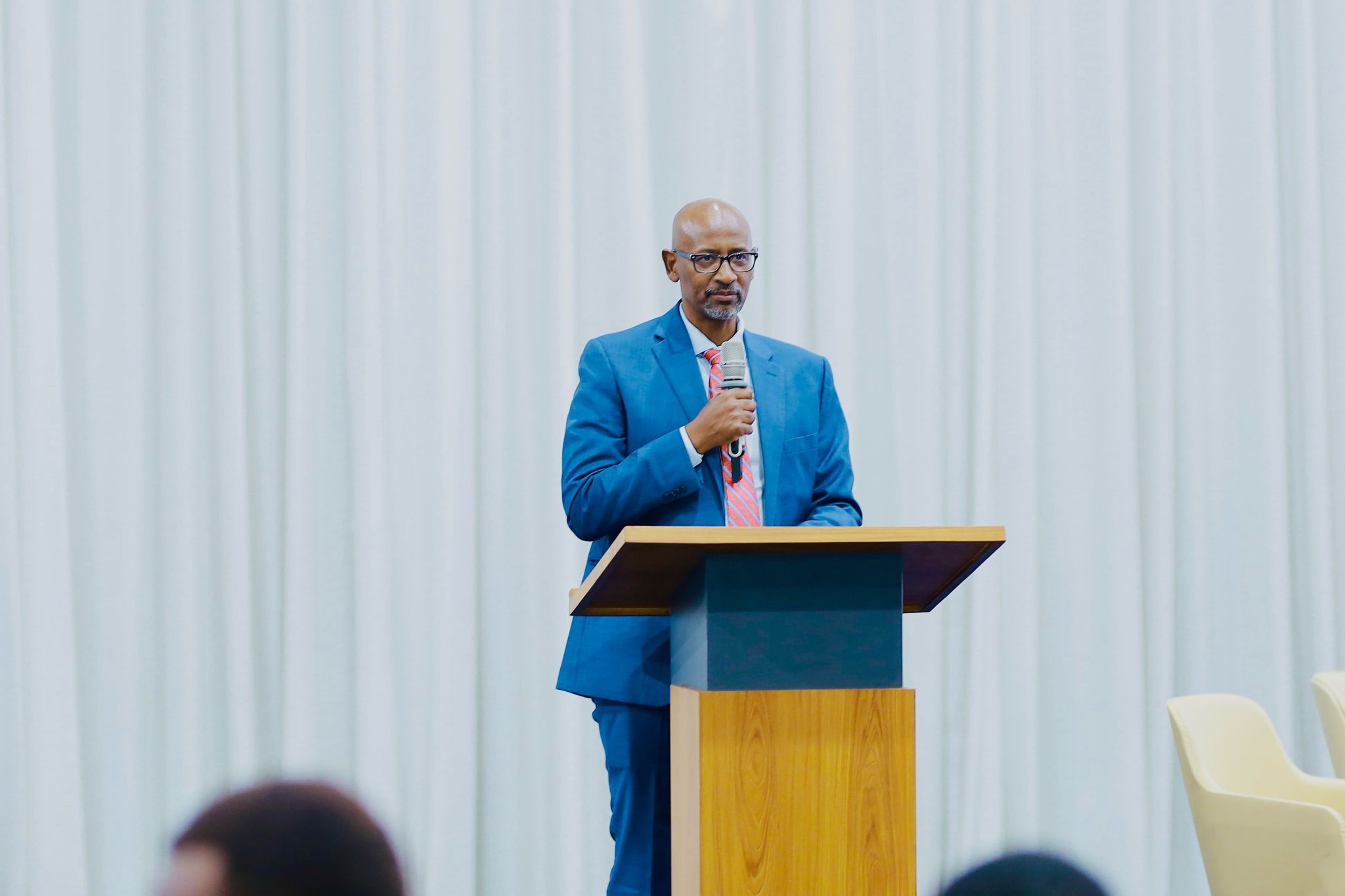
Speaking at the event, Minister of Education Joseph Nsengimana emphasized the importance of such international collaborations in shaping Rwanda’s development agenda.
He noted that education remains the cornerstone of national progress and highlighted the significance of working with countries that have strong educational systems. He thanked the Nordic representatives for making the journey to Rwanda to explore opportunities that will not only benefit Rwanda but also their own institutions and countries.
Beyond academia, the forum also addressed early childhood development, healthcare, and private sector investment.
Campus Company, a Finnish organization specializing in innovative learning methods, signed an MoU with Rwanda’s National Child Development Agency (NCDA) to introduce a Finnish-inspired fun learning approach in early childhood development centers across the country. The company also entered into partnerships with the University of Rwanda and the Catholic University of Rwanda to expand teacher training and pedagogical research.
Healthcare innovation also featured prominently. A Swedish-owned health clinic that recently opened a branch in Rwanda aims to improve laboratory diagnostics using modern technology and localized solutions.
Operation Smile – Sweden, a longstanding partner in surgical care and medical training, held its board meeting in Kigali during the forum and reaffirmed its commitment to support Rwanda’s healthcare sector, especially in training young professionals.
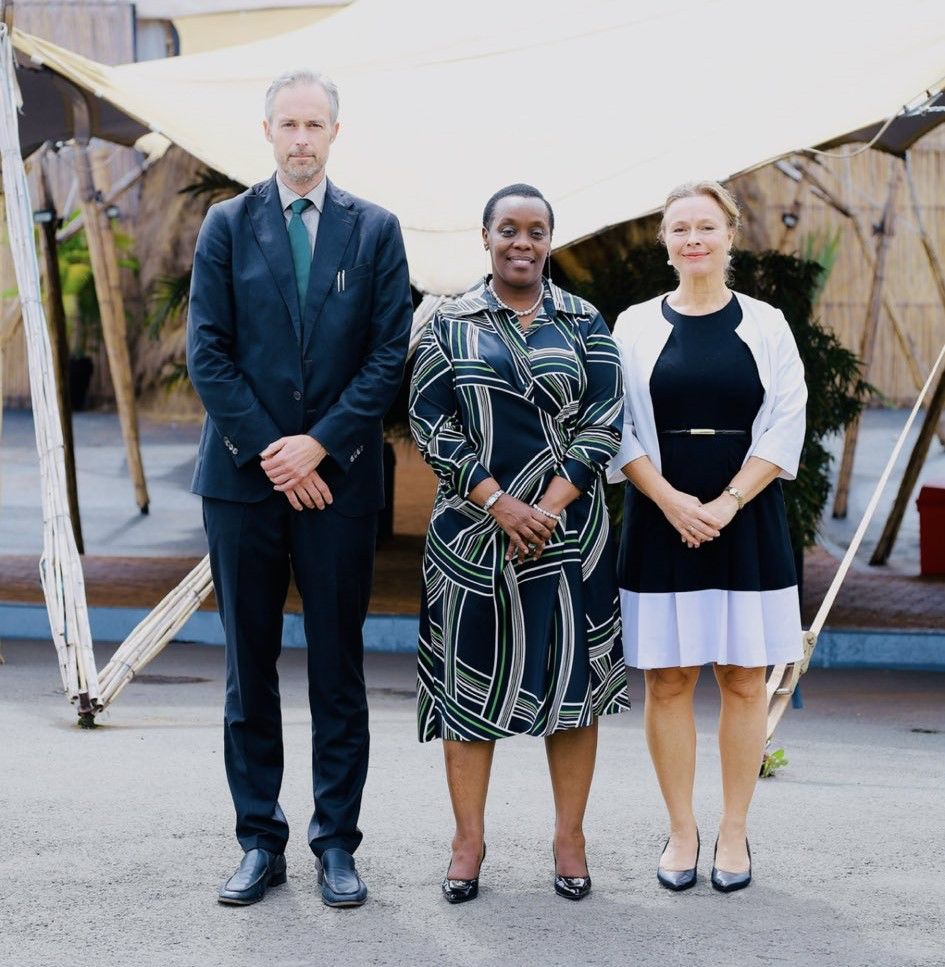
Addressing participants, Ambassador Dr. Diane Gashumba, Rwanda’s envoy to the Nordic countries, commended the delegates for taking the time to witness the country’s progress firsthand.
She encouraged them to look beyond negative narratives they might have encountered and instead focus on the opportunities for mutual growth. She noted that the partnerships formed during the forum reflect Rwanda’s openness to innovation and its commitment to building strong international networks.
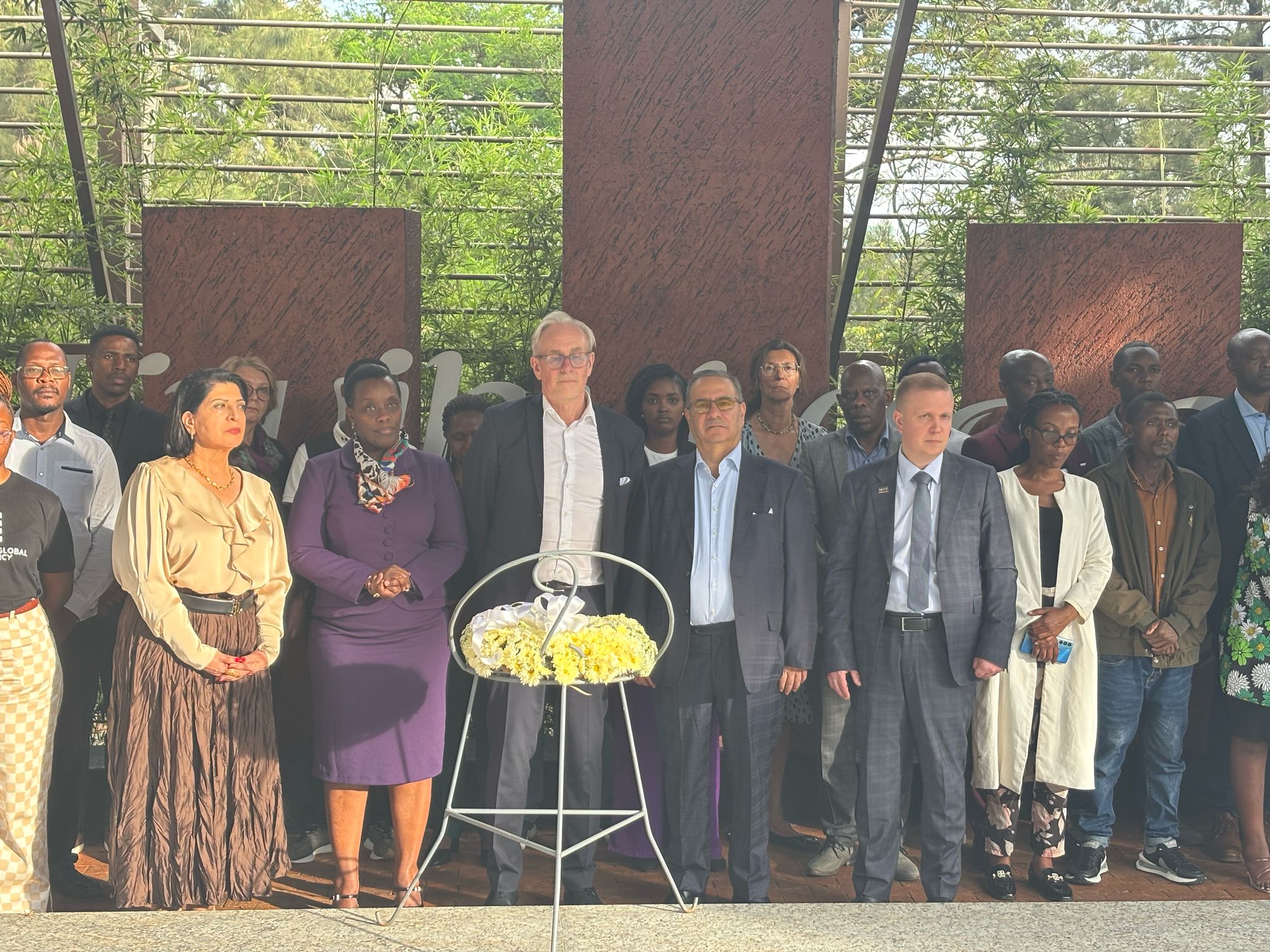
Delegates had the opportunity to visit several key Rwandan institutions, including hospitals, laboratories, insurance companies, and universities. They also toured the Kigali Genocide Memorial and other cultural landmarks.
In addition to professional engagements, they explored some of Rwanda’s natural and cultural heritage, including trips to Akagera National Park, Lake Muhazi, Volcanoes National Park, and historical sites in Nyanza, Musanze, and Bugesera.
The forum was organized by the Rwandan Embassy in Sweden, which represents Rwanda in the Nordic region, in collaboration with HillsConnect (a Rwandan-Finnish diaspora-led company), Remode (a Finnish company founded by a Gambian national), Rwanda Development Board (RDB), the University of Rwanda, and several local private universities including the Catholic University of Rwanda and INES-Ruhengeri.
Support was also provided by the Ministries of Foreign Affairs and Education from both Rwanda and Finland, and the Swedish Embassy in Rwanda.
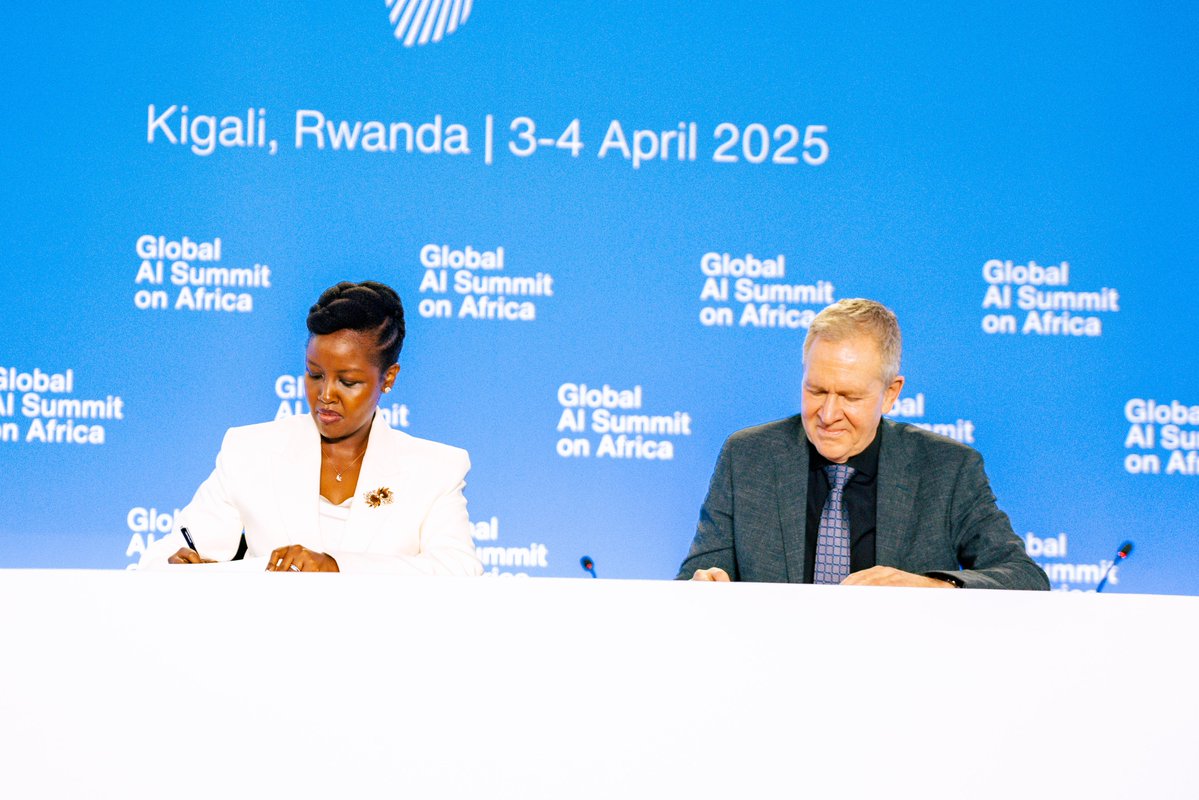
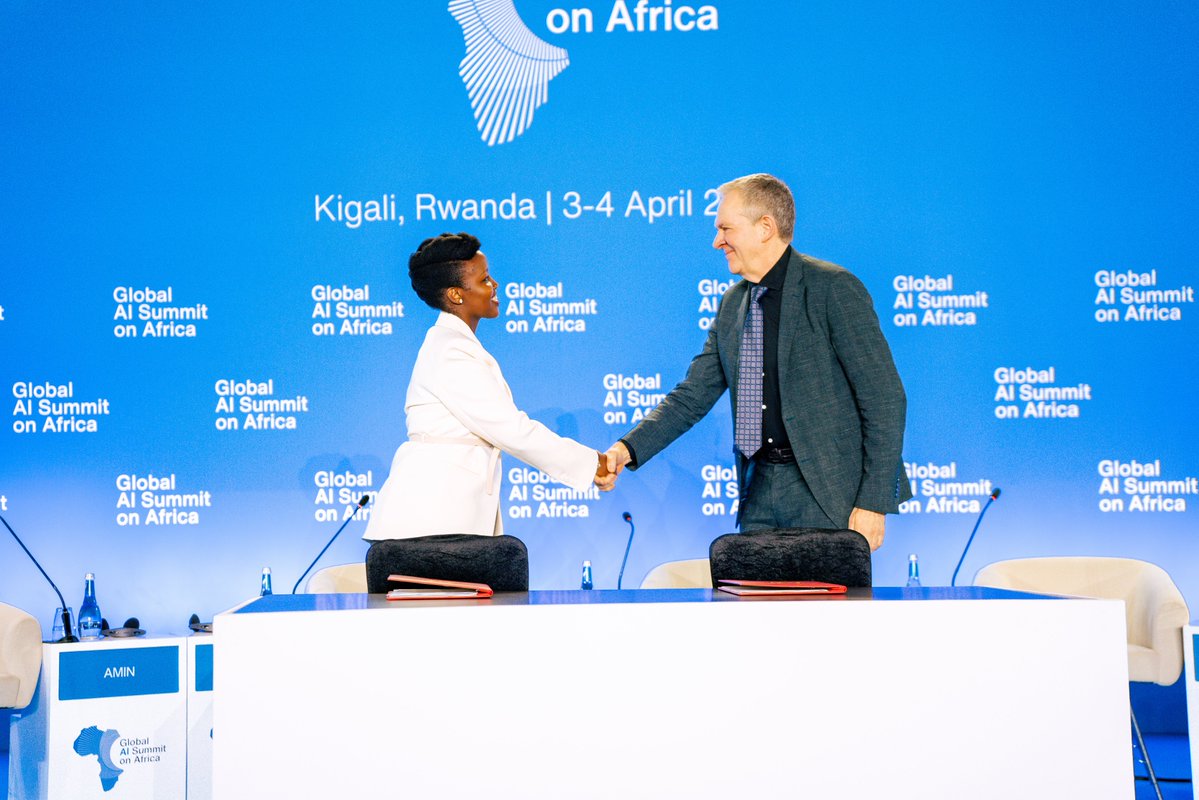
The initiative is a joint effort between the Government of Rwanda and the Bill & Melinda Gates Foundation, formalized through a Memorandum of Understanding (MoU) signed during the recently concluded Global AI Summit on Africa.
Spearheaded by the Ministry of ICT and Innovation and hosted at the Rwanda Centre for the Fourth Industrial Revolution (C4IR Rwanda), the AI Scaling Hub is designed to serve as a continental nerve center for high-impact AI solutions. The Gates Foundation has pledged up to $7.5 million over the next three years to support this ambitious venture.
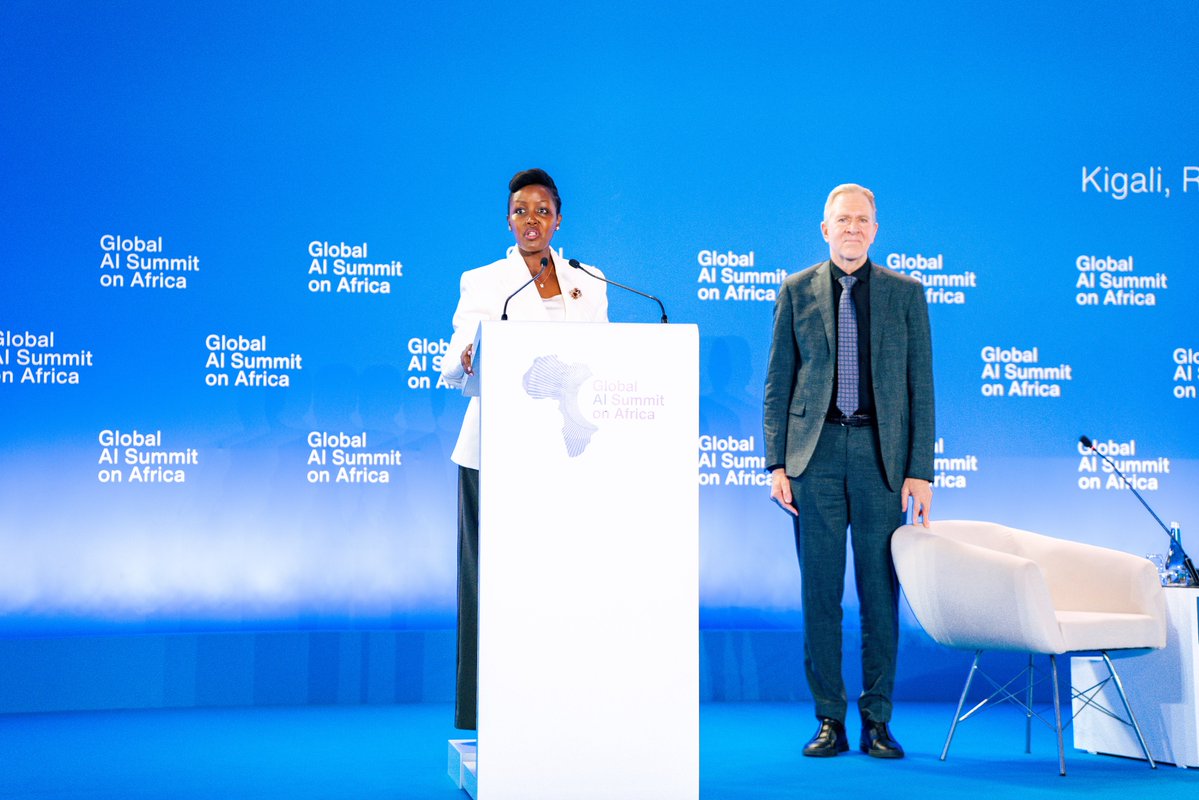
Rwanda’s Minister of ICT and Innovation, Hon. Paula Ingabire, emphasized the hub’s focus on practical innovation in critical sectors, including healthcare, agriculture, and education—areas that touch the lives of millions across Africa.
“We’re excited about this partnership with the Gates Foundation around the AI Scaling Hub, designed to be a platform where we can scale AI solutions—starting with three sectors: healthcare, agriculture, and education,” she stated.
According to the Ministry, the hub will not only develop solutions but will also ensure that AI is rolled out ethically, inclusively, and sustainably—principles often overlooked in the rapid race for innovation.
Dr. Trevor Mundel, President of Global Health at the Gates Foundation, described the partnership as a strategic move to dismantle barriers to technological scale and help AI reach those who need it most.
This initiative signals Rwanda’s intention to lead Africa into a new era of AI-driven development.
The hub will build on the country’s track record of digital transformation, exemplified by projects like Zipline, the drone-based medical supply system launched in 2016. In agriculture, where much of Africa’s population earns a living, AI tools could optimize crop yields and combat climate challenges. In education, scalable AI solutions could democratize access to quality learning, addressing disparities that have long plagued the continent.
These efforts have already positioned Rwanda as a rising tech hub, attracting global players and positioning the nation as a model for African-led innovation.
Discussions are already underway to replicate similar AI hubs in countries such as Senegal, Kenya, and Nigeria. By building a pan-African network of AI innovation centers, the initiative could promote unprecedented regional collaboration and shared growth.
The two-day summit, held at the Kigali Convention Center from April 3 to 4, brought together African and global leaders, tech experts, and policymakers to discuss AI’s role in shaping the continent’s future.
At the summit, President Paul Kagame urged African leaders to embrace AI, warning that the continent “cannot afford to be left behind, once again playing catch-up.”
“We have to adapt, cooperate, and compete—because it is in our best interest to do so. That’s why we are here,” Kagame said.
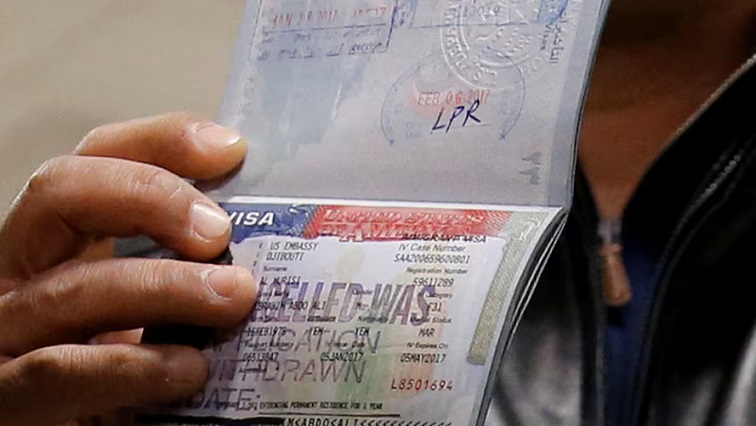
The move, which takes immediate effect, also halts the issuance of new visas to South Sudanese passport holders.
In a strongly worded statement released on April 5, U.S. Secretary of State Marco Rubio accused South Sudan’s leadership of exploiting the goodwill of the United States by refusing to accept the return of its nationals facing deportation, in line with President Donald Trump’s new immigration policy.
“It is time for the Transitional Government of South Sudan to stop taking advantage of the United States,” Rubio stated. “Enforcing our nation’s immigration laws is critically important to the national security and public safety of the United States.”
He added that all countries must accept the return of their citizens when they are subject to removal, and that South Sudan’s failure to do so has prompted this sweeping visa ban. The State Department says it will reconsider the measures only when South Sudan fully complies with deportation processes.
The announcement comes amid rising tensions in South Sudan, where renewed fighting has threatened to unravel a fragile peace agreement signed in 2018. On March 8, the U.S. ordered all non-emergency staff to leave its embassy in Juba, citing security concerns due to escalating regional violence.
South Sudanese nationals living in the U.S. had been granted Temporary Protected Status (TPS), allowing them to remain in the country temporarily due to instability back home. That protection is set to expire by May 3, unless renewed.
South Sudan, which became the world’s newest country in 2011 after seceding from Sudan, has struggled with chronic instability. A brutal civil war broke out in 2013 following political tensions between President Salva Kiir and his then-deputy Riek Machar, leaving over 400,000 people dead.
Although the 2018 peace deal brought an end to the large-scale conflict, key provisions—including national elections, constitutional reforms, and the unification of armed forces—remain unfulfilled. Sporadic violence continues in several regions, undermining efforts to bring lasting peace.
The incident is said to have occurred on the night of April 4 to 5 in Kanzana, a locality in Nyiragongo territory.
In a statement released on Saturday, April 5, the group revealed that the victims included women and children and blamed what it described as “enemies of peace under direct orders of the Kinshasa regime” for the killings.
AFC/M23 said the attack was carried out by infiltrators taking advantage of the group’s policy of free movement and the lifting of roadblocks in areas under its control.
Describing the incident as an act of cowardice and terrorism, the rebel group warned the Congolese government against further such actions, vowing to take measures to neutralise those responsible.
“This organised crime orchestrated by Kinshasa, aimed at tarnishing the reputation of the AFC/M23, is an act of cowardice,” AFC/M23 spokesperson Lawrence Kanyuka said in a statement.
The group also claimed that such acts undermine the ongoing ceasefire and efforts by the international community to find a peaceful resolution to the ongoing conflict in eastern Democratic Republic of Congo.
“The AFC/M23 reiterates its commitment to protect and defend civilian populations, as well as to work towards lasting peace in the DRC,” the group added.
The Kinshasa government is yet to respond to the allegations.
AFC/M23, which says it is fighting for the rights of marginalised groups, including Kinyarwanda-speaking communities who have endured decades of persecution in the east, controls large swaths of territory in the east Congo following its recent offensive.
The group is scheduled to engage in direct talks with Kinshasa in Qatar on April 9, with the aim of resolving the conflict.
The AU Commission Chair is in Kigali to participate in the Global AI Summit on Africa.
During their meeting, the two leaders discussed ongoing regional efforts to promote peace and security across the continent. The talks took place against the backdrop of renewed efforts to resolve the conflict in eastern DRC, led by joint teams from the East African Community (EAC) and the Southern African Development Community (SADC), which recently [appointed a five-member panel to facilitate the peace process->https://en.igihe.com/politics-48/article/three-former-african-presidents-join-drc-peace-facilitators-panel].
Friday’s talks also highlighted Rwanda and the African Union’s shared ambition to position Africa as a key player in the global artificial intelligence revolution.
“They discussed the progress of regional-led processes in advancing peace and security in the region, as well as Rwanda and the AU’s mutual commitment to ensuring Africa’s place in the global AI revolution,” a statement released by the Office of the President reads.
President Kagame also held talks with Olivier Cadic, a French Senator and Vice-President of the Foreign Affairs, Defence and Armed Forces Committee, who was in Kigali to attend the AI Summit.
The two-day Global AI Summit on Africa brought together leaders, policymakers, and technology experts from across the continent and beyond to explore opportunities for harnessing AI for Africa’s development.
While officiating the opening session of the conference on Thursday, Kagame emphasized the transformative power of artificial intelligence in decision-making and innovation.
“AI is driving innovation, accelerating technological advancements, and proving its benefits across various sectors. It enhances productivity, supports evidence-based decision-making, and reduces human errors,” he stated.
Rwanda has already integrated AI into key sectors such as healthcare and education, significantly improving service delivery and efficiency. Kagame stressed that technology should be harnessed for positive change.
“Technology is supposed to be a force for good, and we have a responsibility to use it accordingly,” he remarked.
“Certainly, it would be a dangerous place if we involved artificial intelligence too much in our politics. We may have something good come out of it, but I think we might also experience terrible things happening to us,” he added.