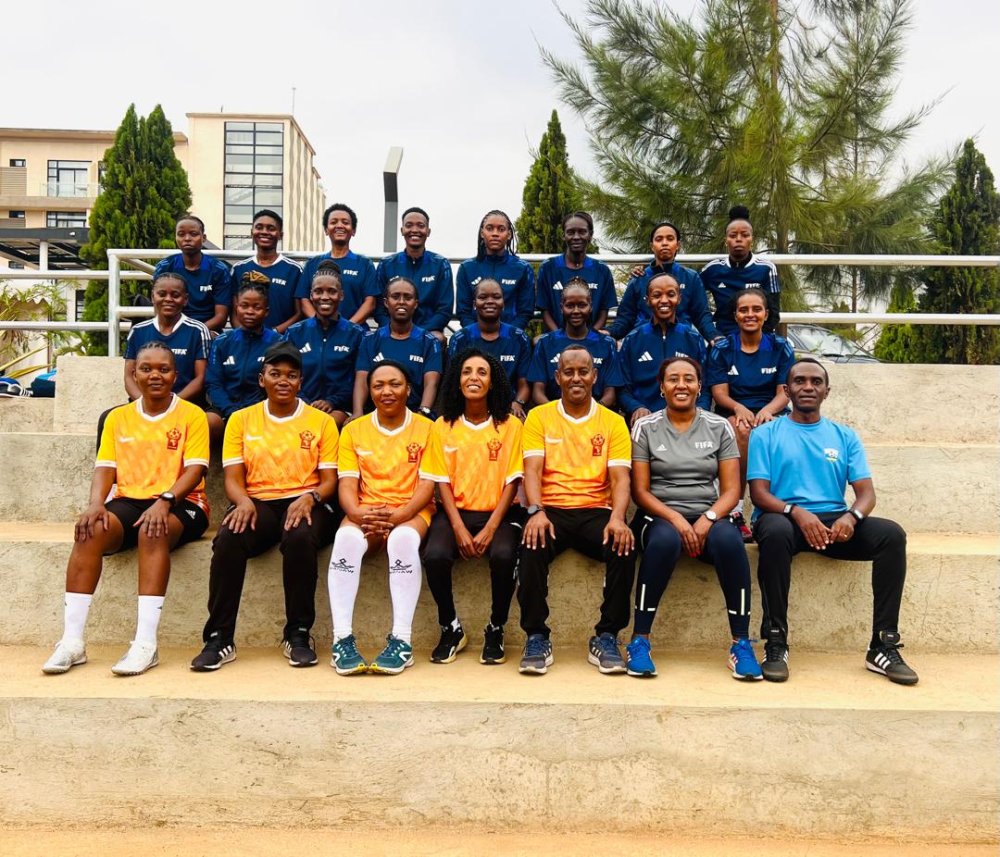
The three are Henriette Buyukenya, Aline Umutoni and Regine Mukayiranga.
The tournament kicks off on Friday, August 21, at Kigali Pele Stadium, with teams competing for a place in the group stage of the CAF Women’s Champions League.
Ahead of the competition, the Council of East and Central African Football Associations (CECAFA) announced the officials who will oversee the matches.
Ali Ahmed, a member of the CECAFA Referees Committee, said the officials are in good condition and ready for the tournament.
“We are pleased with the level of the referees and their assistants who have been invited and are here today. We are confident that they will give their best to ensure that the matches run smoothly,” he said.
The tournament will run from August 21 to 31 in Kigali and will feature 10 teams. A total of eight referees and nine assistant referees have been appointed for the competition.
Umutoni is the only Rwandan referee on the list. She recently officiated at the Women’s Africa Cup of Nations in Morocco and will be joined in Kigali by Kenya’s Josephine Wanjiku, who also officiated at the continental tournament.
The other referees are Henriette Buyukenya and Regine Mukayiranga of Rwanda; Diana Murungi and Immaculate Ongiera of Uganda; and Joseyline Nsabimana and Anitha Niyokindi of Burundi.
The officiating team also includes Kenya’s Josephine Wanjiku and Virginia Wangui, Deka Muse of Djibouti, Mary Sulaimani and Zawadi Yusuf of Tanzania, Yordanos Mulgeta and Woinshet Abera of Ethiopia, Arsema Haile of Eritrea, and Emmanuella Ako and Stella Sebit of South Sudan.
The 10 participating teams are Rayon Sports WFC, Yei Joint Star FC, Mafunzo SC, Denden FC, CBE FC, Kawempe Muslim Ladies, FC Ujeco, Simba Queens, Kenya Police Bullets FC and Top Girls Academy FC.
The three are Henriette Buyukenya, Aline Umutoni and Regine Mukayiranga.
The tournament kicks off on Friday, August 21, at Kigali Pele Stadium, with teams competing for a place in the group stage of the CAF Women’s Champions League.
Ahead of the competition, the Council of East and Central African Football Associations (CECAFA) announced the officials who will oversee the matches.
Ali Ahmed, a member of the CECAFA Referees Committee, said the officials are in good condition and ready for the tournament.
“We are pleased with the level of the referees and their assistants who have been invited and are here today. We are confident that they will give their best to ensure that the matches run smoothly,” he said.
The tournament will run from August 21 to 31 in Kigali and will feature 10 teams. A total of eight referees and nine assistant referees have been appointed for the competition.
Umutoni is the only Rwandan referee on the list. She recently officiated at the Women’s Africa Cup of Nations in Morocco and will be joined in Kigali by Kenya’s Josephine Wanjiku, who also officiated at the continental tournament.
The other referees are Henriette Buyukenya and Regine Mukayiranga of Rwanda; Diana Murungi and Immaculate Ongiera of Uganda; and Joseyline Nsabimana and Anitha Niyokindi of Burundi.
The officiating team also includes Kenya’s Josephine Wanjiku and Virginia Wangui, Deka Muse of Djibouti, Mary Sulaimani and Zawadi Yusuf of Tanzania, Yordanos Mulgeta and Woinshet Abera of Ethiopia, Arsema Haile of Eritrea, and Emmanuella Ako and Stella Sebit of South Sudan.
The 10 participating teams are Rayon Sports WFC, Yei Joint Star FC, Mafunzo SC, Denden FC, CBE FC, Kawempe Muslim Ladies, FC Ujeco, Simba Queens, Kenya Police Bullets FC and Top Girls Academy FC.
Three Rwandan referees have been selected to officiate the 2026 CAF Women’s Champions League CECAFA qualifiers, which bring together top women’s clubs from East and Central Africa.
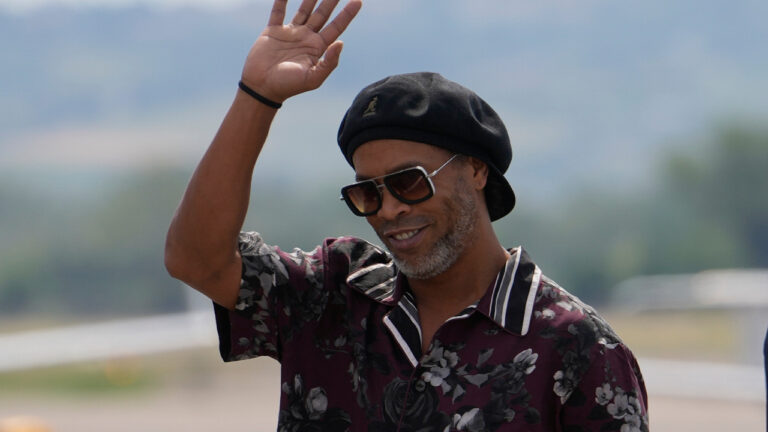
The former Ballon d’Or winner arrived in Italy on Thursday ahead of his official presentation, which is expected to be the centrepiece of a lavish “Ronaldinho Day” celebration on the Adriatic coast.
Thousands of supporters are expected to attend the beach event, where Ravenna will unveil its squad ahead of the 2026-27 season.
Ronaldinho’s return comes more than 11 years after his last competitive appearance for Fluminense in 2015. His decision to join Ravenna was announced in June as part of a wider agreement involving the club’s ownership group.
Ravenna president Ignazio Cipriani, a member of the family behind the famous Cipriani restaurant and hospitality business, has stressed that Ronaldinho’s involvement goes beyond publicity.
“This is not window dressing or a marketing stunt,” Cipriani said.
🚨 Ronaldinho has arrived in Italy ahead of signing for Ravenna! 🤯
The Brazilian legend will be officially unveiled tonight and has one final ambition in mind: to score the last professional goal of his career in a Ravenna shirt.
Ronaldinho is set to become a shareholder in the club and, remarkably, is also expected to take part in at least one official match during the season.
Cipriani has revealed the Brazilian has a particularly romantic ambition for his comeback: to score one final goal before bringing the curtain down on his playing career.
“His goal is to score his final goal in a Ravenna shirt,” Cipriani said.
It remains unclear exactly when Ronaldinho will take to the pitch. He has not been part of Ravenna coach Andrea Mandorlini’s pre-season preparations, meaning he is unlikely to feature in the club’s opening Serie C fixture against Reggiana.
Cipriani previously suggested Ronaldinho could play in a home league match, with his involvement dependent on his fitness and other circumstances.
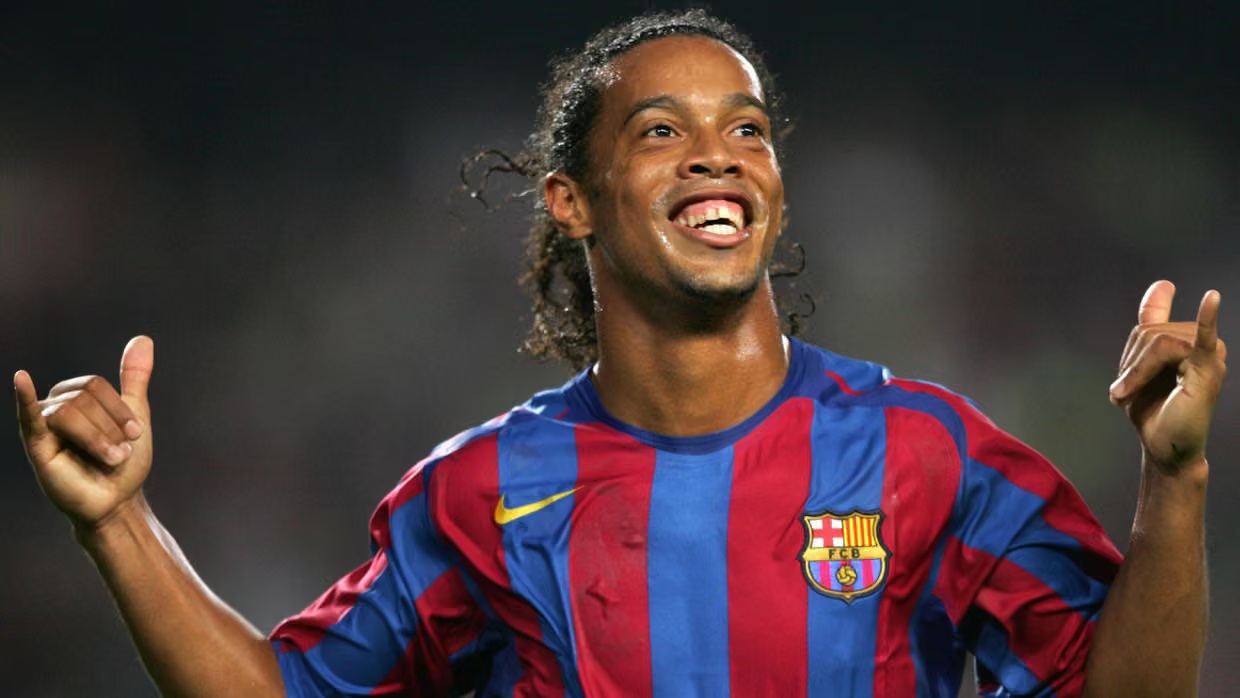
The Brazilian enjoyed a glittering career that also included spells with Paris Saint-Germain, Barcelona, Atletico Mineiro and Mexican club Queretaro.
The comeback represents a remarkable second chapter in Italy for Ronaldinho, who spent two and a half seasons with AC Milan after joining the Rossoneri in 2008. He later moved to Flamengo in January 2011.
The Brazilian enjoyed a glittering career that also included spells with Paris Saint-Germain, Barcelona, Atletico Mineiro and Mexican club Queretaro.
At international level, Ronaldinho earned 97 caps for Brazil and was part of the team that won the 2002 World Cup. Three years later, he claimed the Ballon d’Or after a sensational spell at Barcelona.
Now, more than a decade after his final competitive appearance, one of football’s most celebrated entertainers is preparing to lace up his boots again.
For Ravenna, the hope is that Ronaldinho can provide one last moment of magic, and perhaps score the final goal of a career that has already delivered countless unforgettable ones.
Former soccer star Ronaldinho acknowledges the media as he arrives at the airport ahead of the Ravenna Serie C 2026 soccer team presentation, joining the club as a technical coach and playing in one match in Ravenna, Italy.
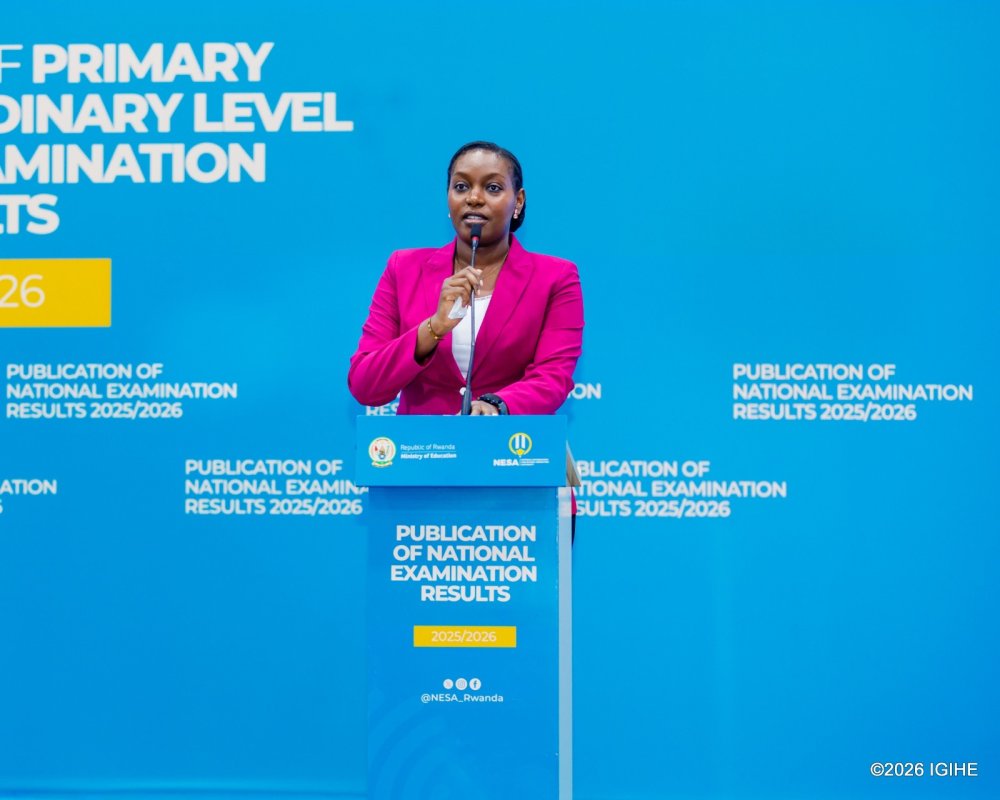
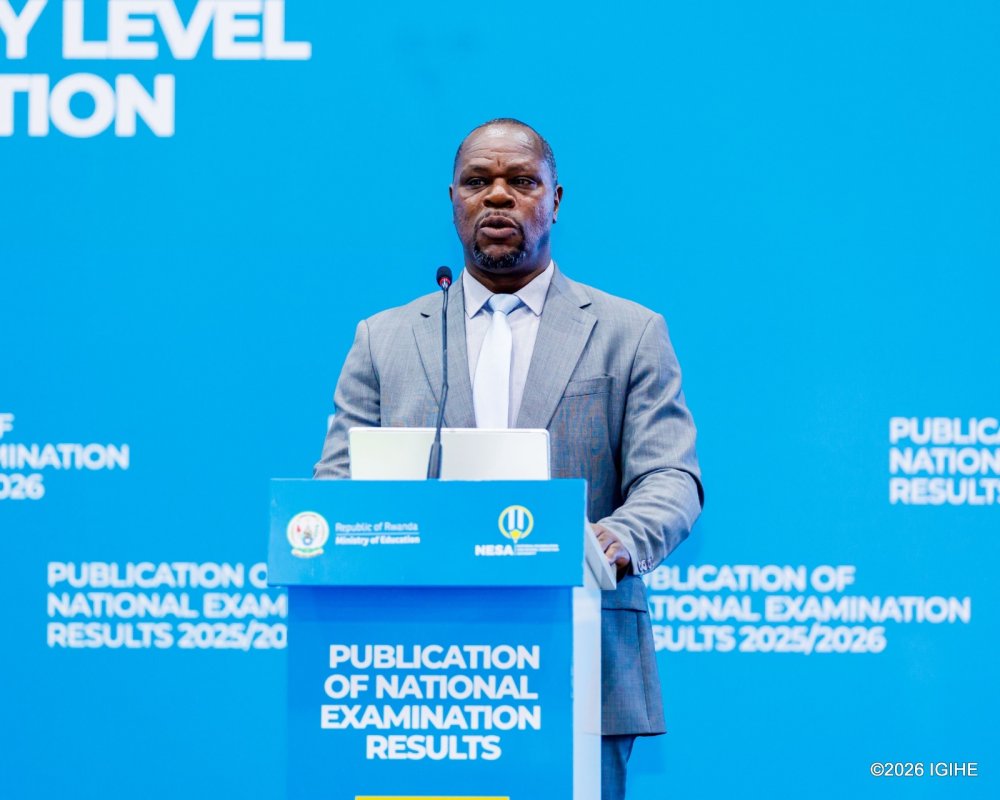
Announcing the results on Thursday, August 20, NESA Director General Dr Bahati Bernard said the results showed a significant improvement in students’ performance compared with the 2024/25 academic year.
Girls recorded a pass rate of 87.1%, while boys performed slightly better, with a pass rate of 89.59%.
A total of 276,579 students from 3,895 schools across the country sat the primary school leaving examinations. Boys accounted for 44.35% of the candidates, while girls made up 55.65%.
At the end of lower secondary education, commonly known as ordinary level, 149,015 students sat the national examinations, with 85.70% passing. This was a marked increase from the 64% pass rate recorded in 2024/25.
Girls recorded a pass rate of 82.62%, compared with 89.8% among boys.
Among students who passed and progressed to the first year of secondary school, 17,412 were assigned to boarding schools, while more than 226,546 will attend day schools.
For students progressing to Senior Four in general education, 18,944 were assigned to boarding schools and 57,276 to day schools. A further 26,098 students were placed in technical and vocational education and training (TVET), including 17,000 who will attend day schools.
Meanwhile, 7,497 students were admitted to professional education programmes as boarding students, while 148 will attend as day students.
State Minister for Education Irere Claudette said students who sat the national examinations at both levels had generally performed well, with the number of successful candidates increasing by more than 50,000 compared with the previous year.
“When the number of students increases and their performance also improves, it is understandable that this has an impact on determining the schools to which students are assigned,” she said.
However, Irere called for action against students involved in examination malpractice, including cheating and helping others to cheat.
“Cheating and helping others to cheat were observed, and wherever this occurred, everyone involved will be punished in accordance with the regulations governing national examinations,” she said. “For students suspected of cheating, we are not releasing their results today. We first need to conduct a thorough investigation.”
Bahati said the improvement in results was also reflected in the distribution of students’ scores.
In the primary school leaving examinations, for example, more than 10,000 students scored between 30% and 40% in 2024, compared with about 4,000 this year.
“Those who scored between 40% and 50% numbered more than 41,000 last year, but this year their number fell to 27,000,” he said.
“This resulted in an increase in the number of students scoring higher marks, with the number of those scoring between 50% and 60%, and up to 90%, increasing. This means that students who were previously below 50% moved into the category above 50%.”
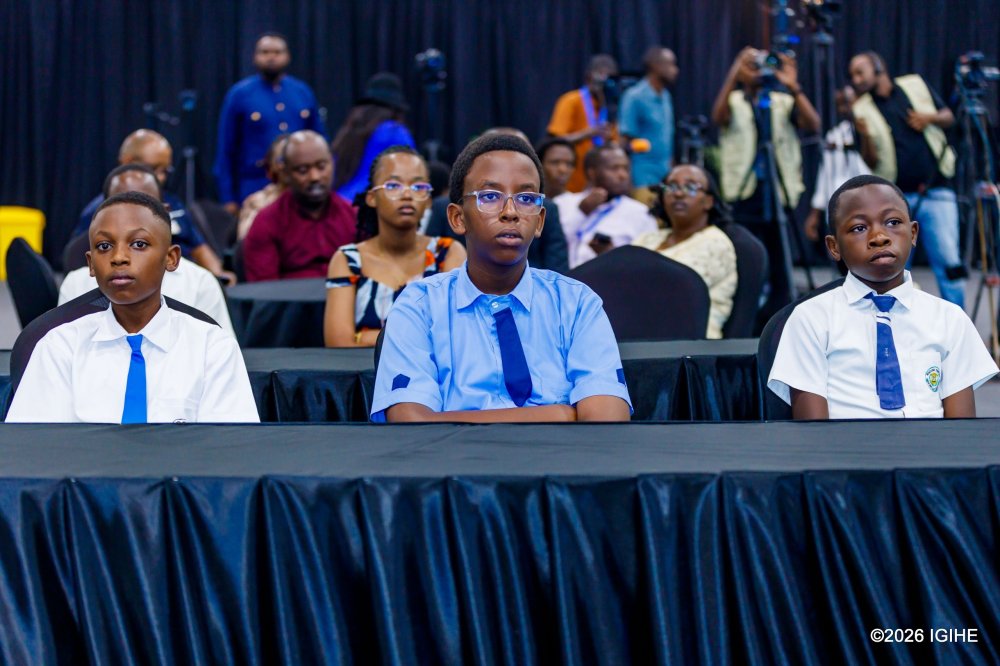
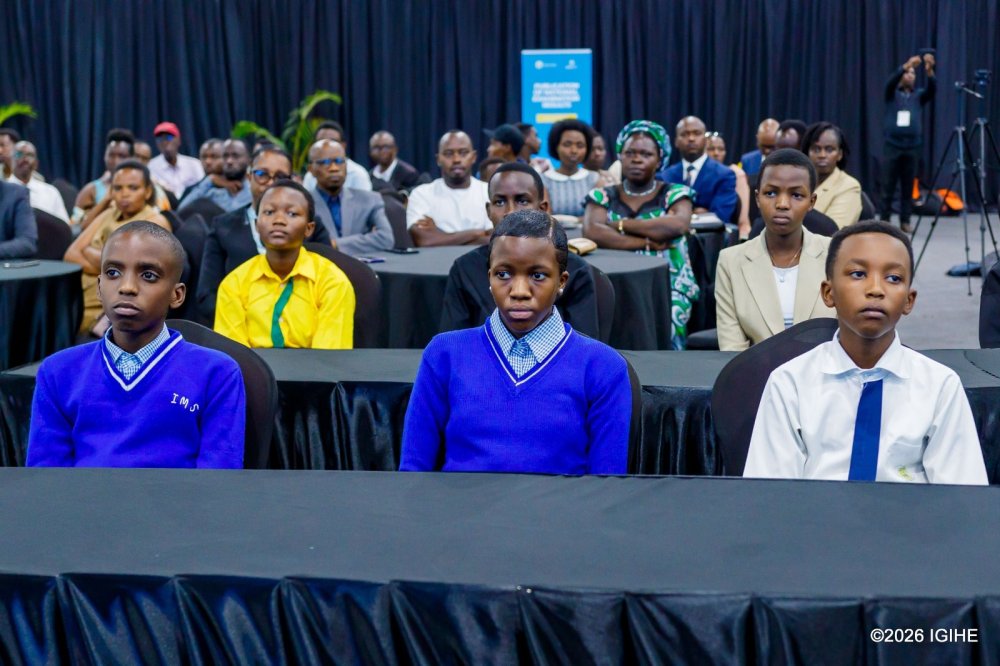
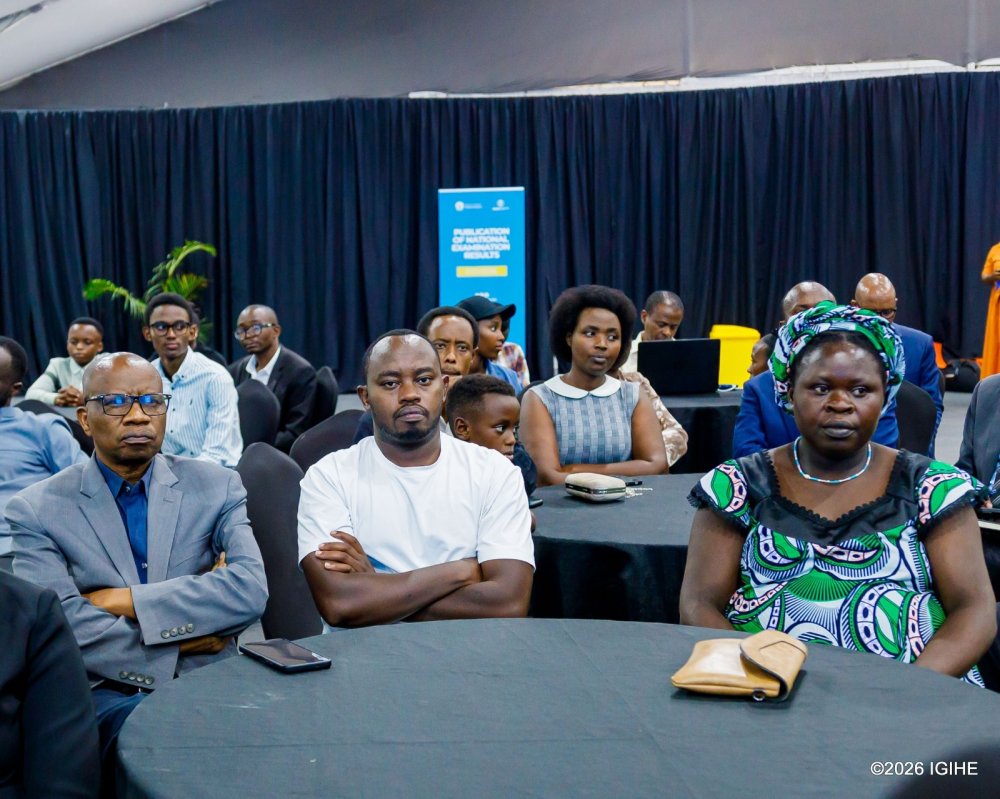
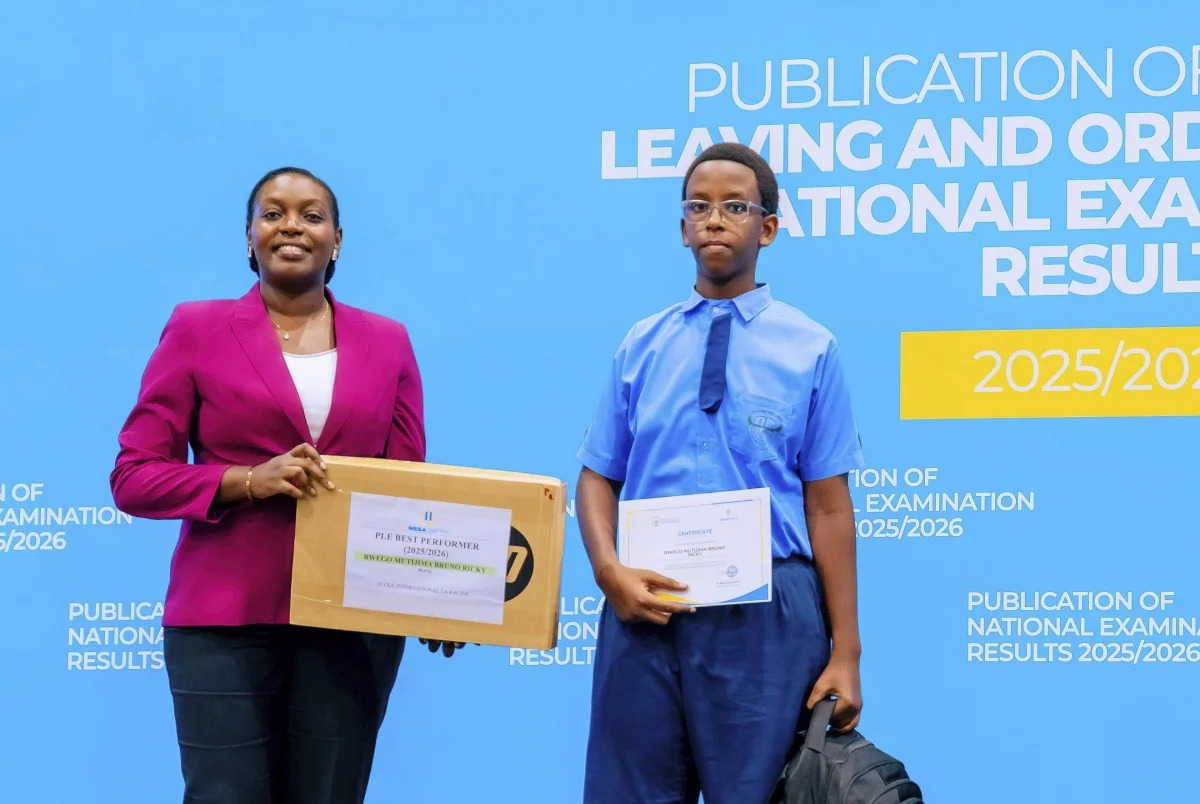
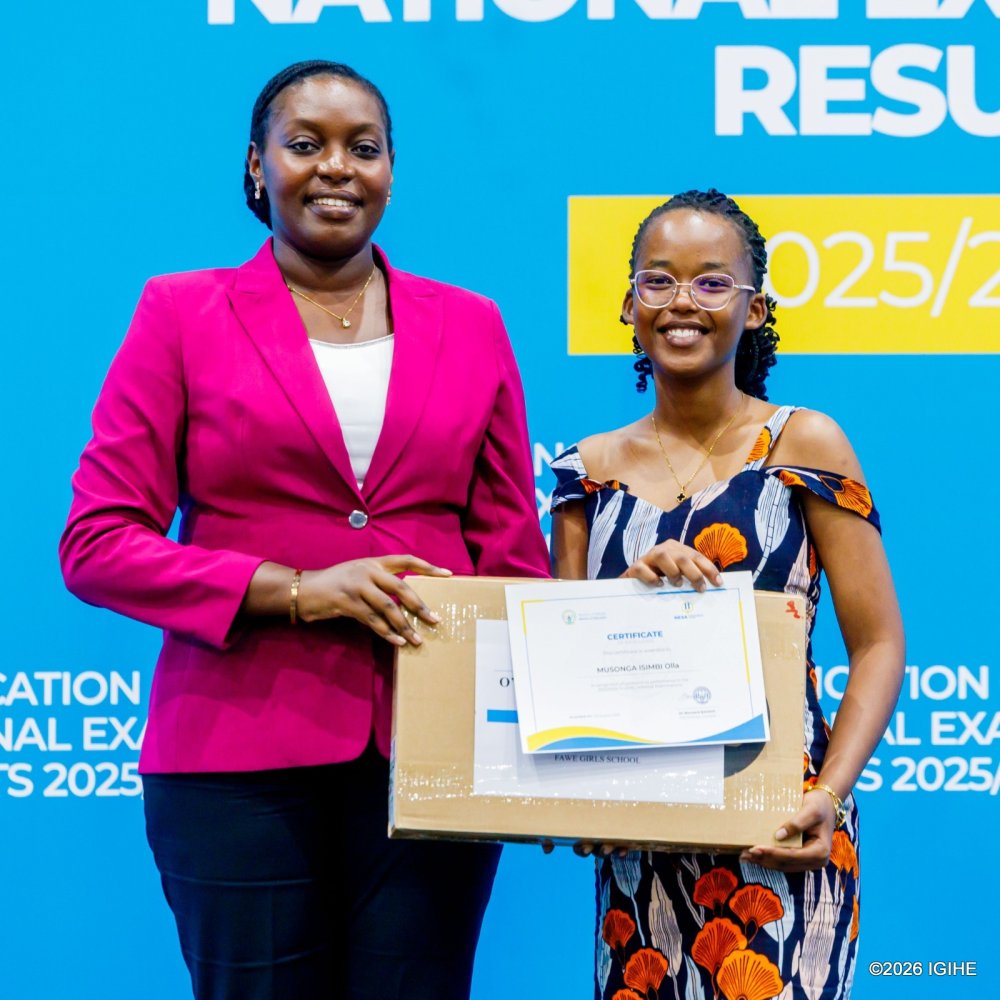
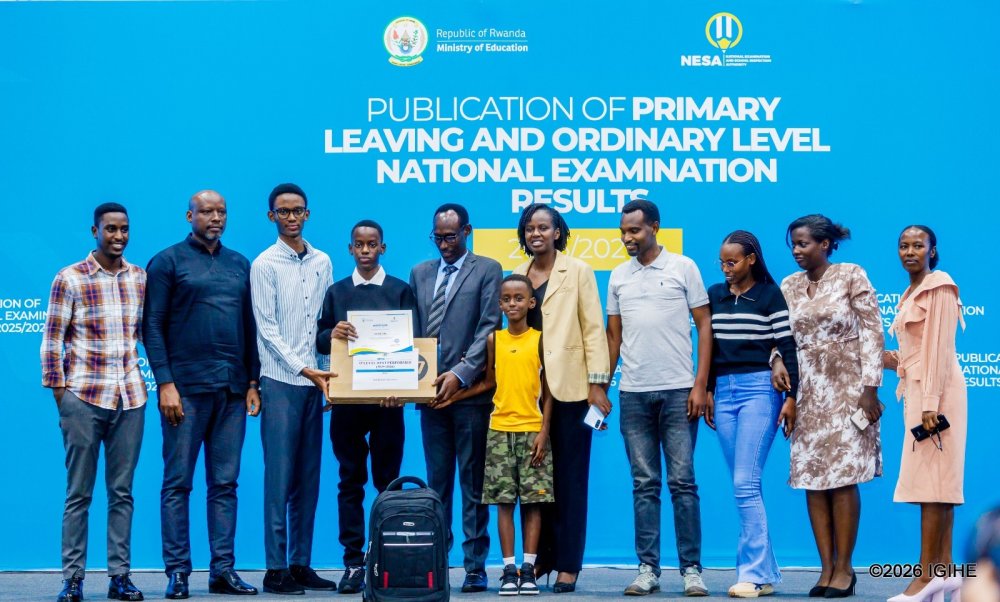
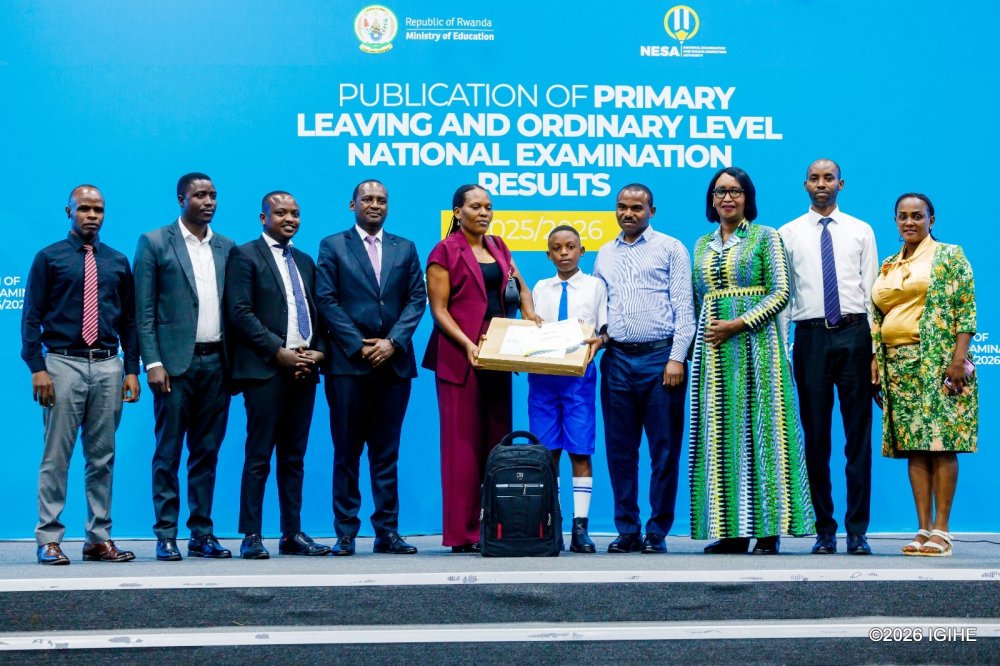
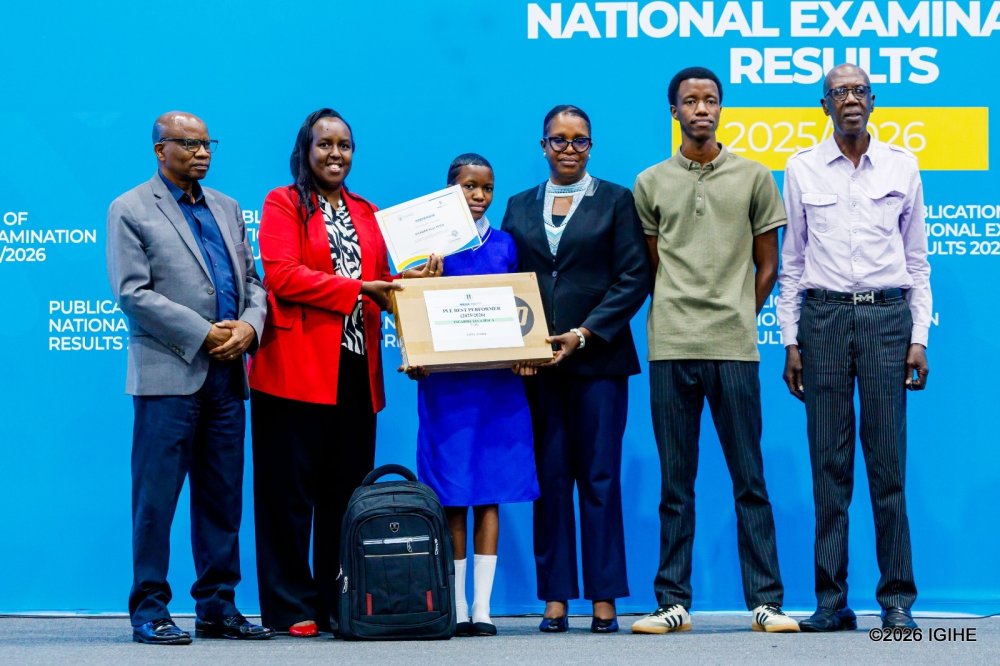
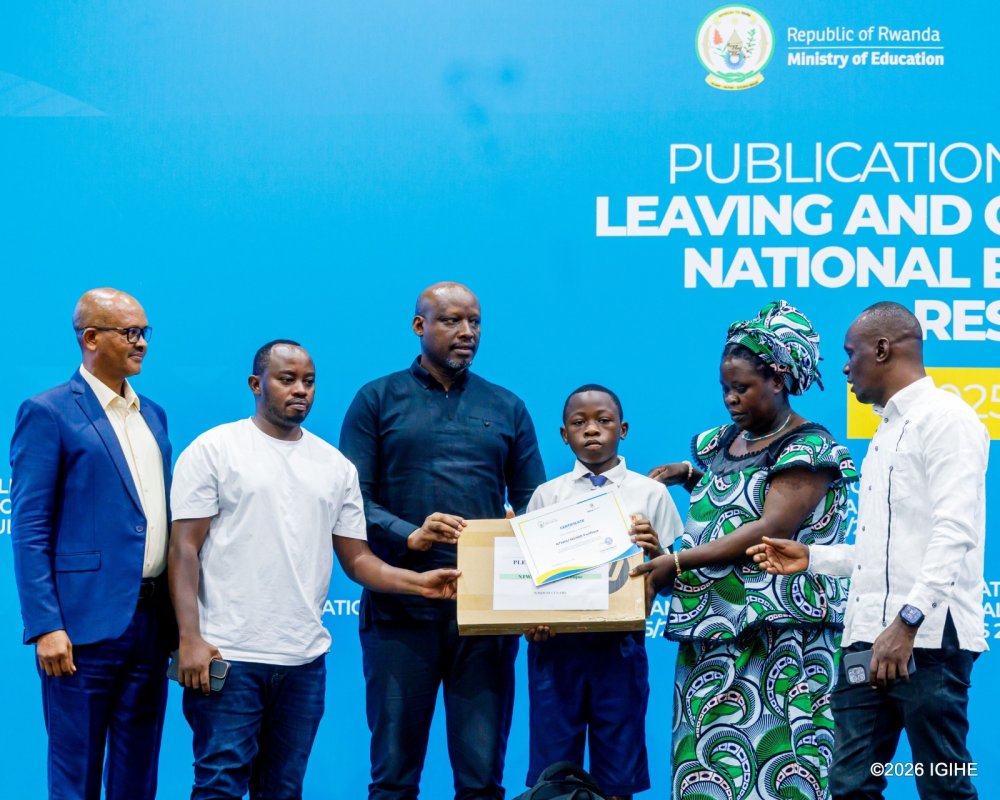
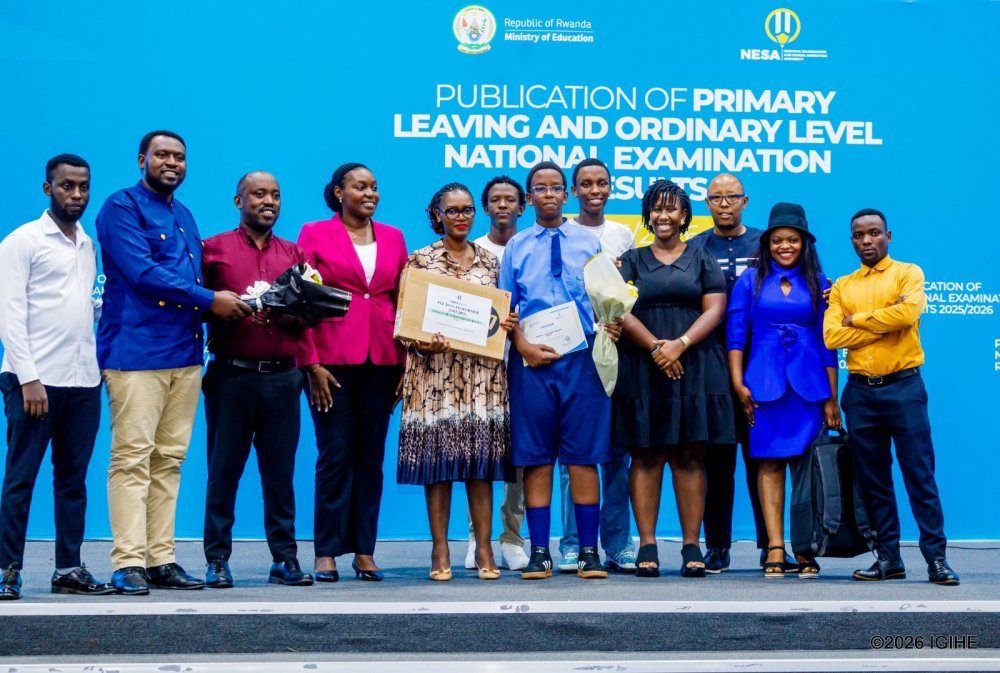
The pass rate for the Primary Leaving Examination (PLE) in Rwanda rose to 88.21% in the 2025/26 academic year, up from 75.6% recorded the previous year.Minister of State for Education Irere Claudette said students who sat the national examinations at both levels performed well overall, with the number of candidates increasing by more than 50,000 compared with the previous year.NESA Director General Dr Bahati Bernard said the results showed a significant improvement in students’ performance compared with the 2024/25 academic year.State Minister Claudette Irere presents an award to Rwego Mutijima of École Internationale La Racine in Bugesera, who emerged as the top-performing student in the 2025/2026 Primary School National Examinations. Musonga Isimbi Orah topped the ordinary-level national examinations, scoring 98.7%.
The top performing students at were recognized and awarded for their outstanding performance. Each student received a laptop, a certificate, and a one-year school-fee scholarship.
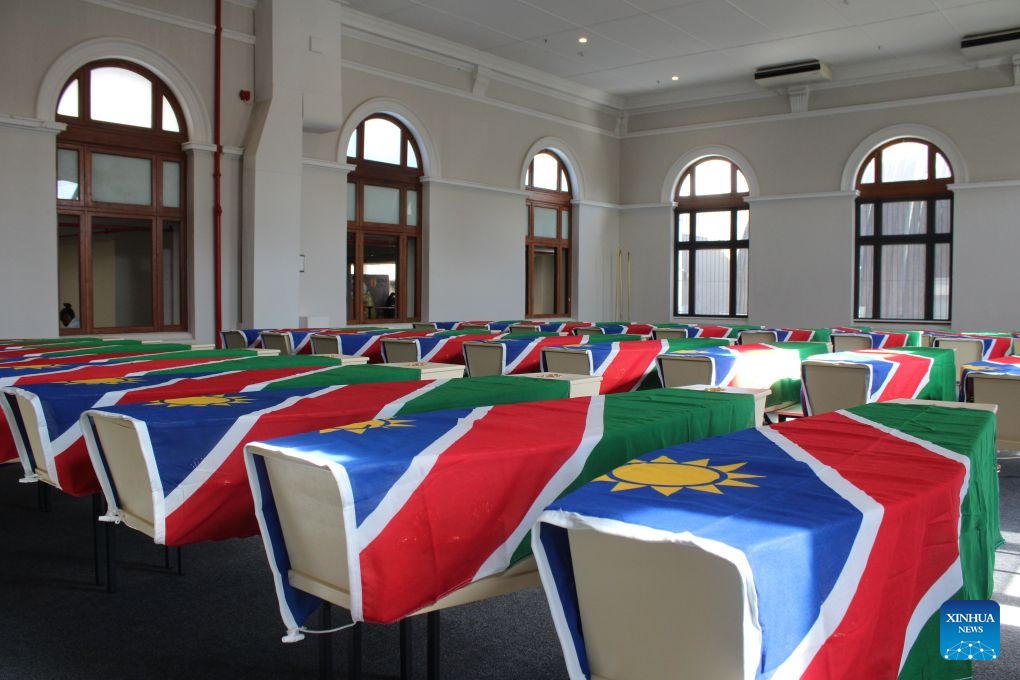
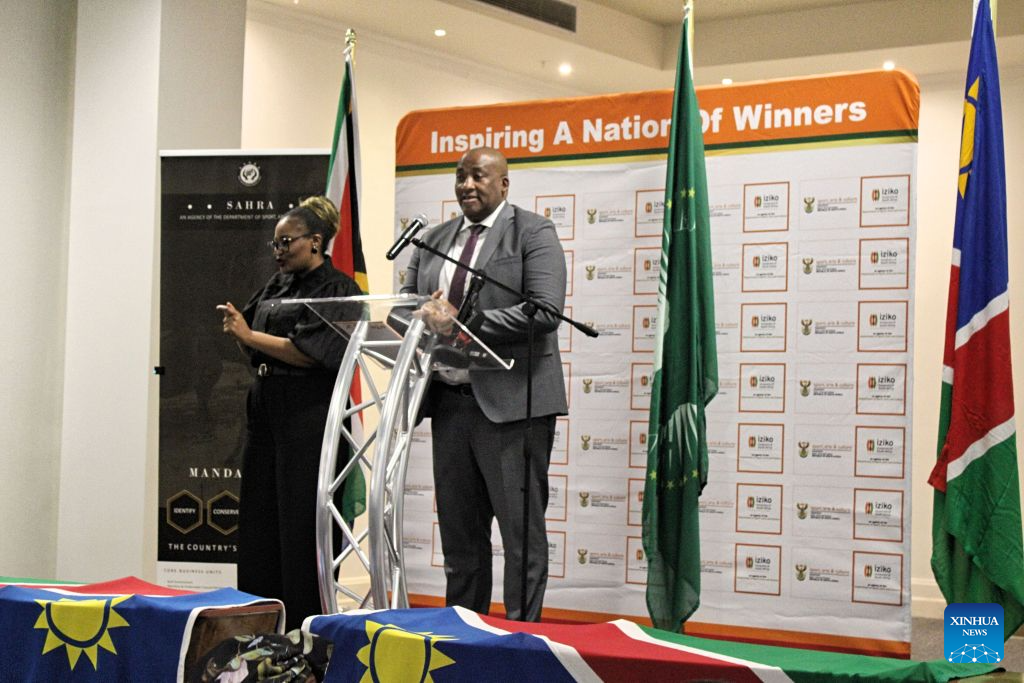
Two rooms were filled with ivory-colored coffins, side by side, each draped with the Namibian flag. The mortal remains of 84 indigenous people had been held at the Iziko South African Museum for more than 100 years and were said to have been used for “scientific reasons.”
Chairperson of the Council of Iziko Museums of South Africa Marvin Mdhluli said: “They entered the South African Museums as objects of race-based pseudo-scientific research,” aimed at portraying indigenous communities as having inferior attributes and status.
In a separate room stood two coffins containing the remains of political prisoners Festus Nehale, who died in 1971, and Simon Petrus Nileng, who died in 1974. Both had been imprisoned on Robben Island, South Africa’s notorious prison where anti-apartheid and other political prisoners were detained during apartheid. They were buried in Cape Town.
Members of the Namibian delegation solemnly bowed their heads before the coffins before addressing guests at the ceremony.
The handover also included grave goods and body casts, including beads, ostrich eggs and jewelry with lineage to Namibia.
“For too many years, the remains of our freedom fighters and ancestors were kept far from the land they called home. This was an injustice to them, their families and their communities,” South African Minister of Sport, Arts and Culture Gayton McKenzie said in a statement.
“By bringing these political heroes and ancestors home, representing the Ovambo, Himba, San, Nama, Damara and Herero peoples, we restore their dignity, identity and rightful place in their homeland,” he said.
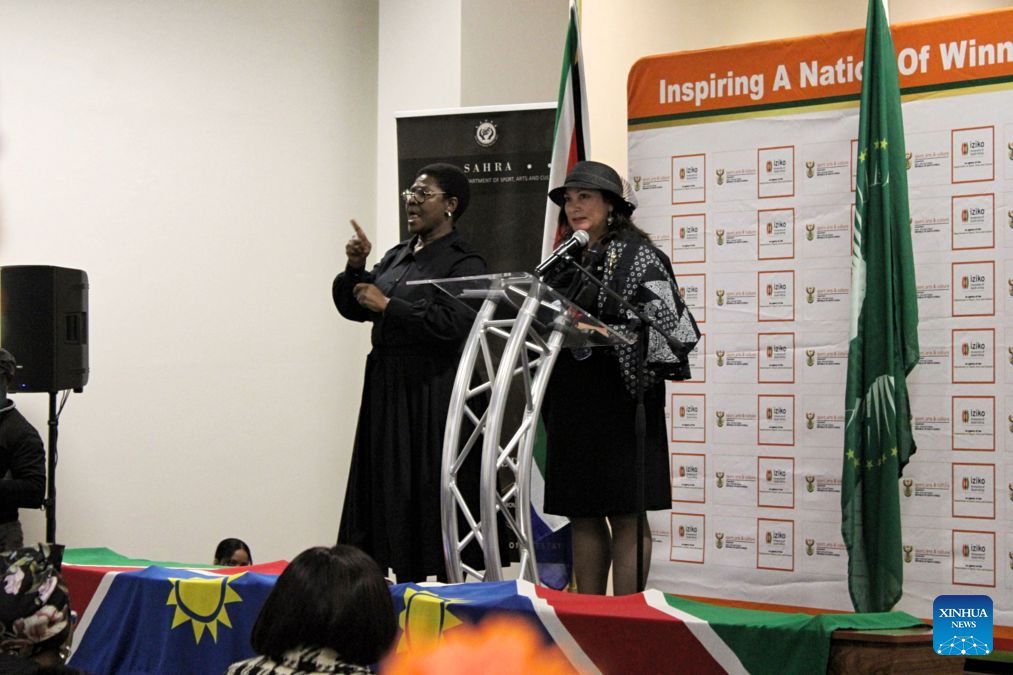
Namibia’s Minister of Education, Innovation, Youth, Sports, Arts and Culture Sanet Steenkamp said the liberation heroes will be reburied at Namibia’s Heroes’ Acre on August 24.
“Now they return to a free and sovereign Namibia,” she said. “Some of these ancestors were taken from their communities and became part of the colonial scientific and museum collections where they were treated as objects, rather as people.”
Two rooms were filled with ivory-colored coffins, side by side, each draped with the Namibian flag. The mortal remains of 84 indigenous people had been held at the Iziko South African Museum for more than 100 years and were said to have been used for “scientific reasons.”South African Minister of Sport, Arts and Culture Gayton McKenzie (R) speaks during a repatriation ceremony at the Iziko South African Museum in Cape Town, South Africa, August 19, 2026. Namibia’s Minister of Education, Innovation, Youth, Sports, Arts and Culture Sanet Steenkamp (R) speaks during a repatriation ceremony at the Iziko South African Museum in Cape Town, South Africa, August 19, 2026. TO GO WITH “South Africa returns ancestral remains to Namibia for colonial redress, healing”.
The Eurocopter EC130 B4 was carrying seven people when it went down near Mount Ololokwe at about 9:13 a.m. local time, according to the Kenya Civil Aviation Authority. The aircraft, operated by Lady Lori Helicopters, had been flying from Loisaba to Ewaso Nyiro.
Among those killed was Michele Sensi-Contugi, Ecuador’s Director General of the Strategic Intelligence Center (CIES) and an ally of President Daniel Noboa. His wife, Stephany Maria Hollihan Vásconez, also died in the crash. Ecuador’s Foreign Ministry confirmed the couple were aboard the helicopter and said they held dual Ecuadorian and Italian citizenship.
Michele Sensi-Contugi, Ecuador’s Director General of the Strategic Intelligence Center (CIES), was among those killed in the crash.
The five Americans killed were identified as Roger Edward Duarte, Adam Martin Hlavaty, Henry Parra, Jose Alberto Suarez and Vásconez, according to officials. Suarez was president and general manager of several Telemundo stations.
The Kenyan pilot, Josh Outram, also died. Outram was described as an experienced aviator and founder of Africa Heli Adventures.
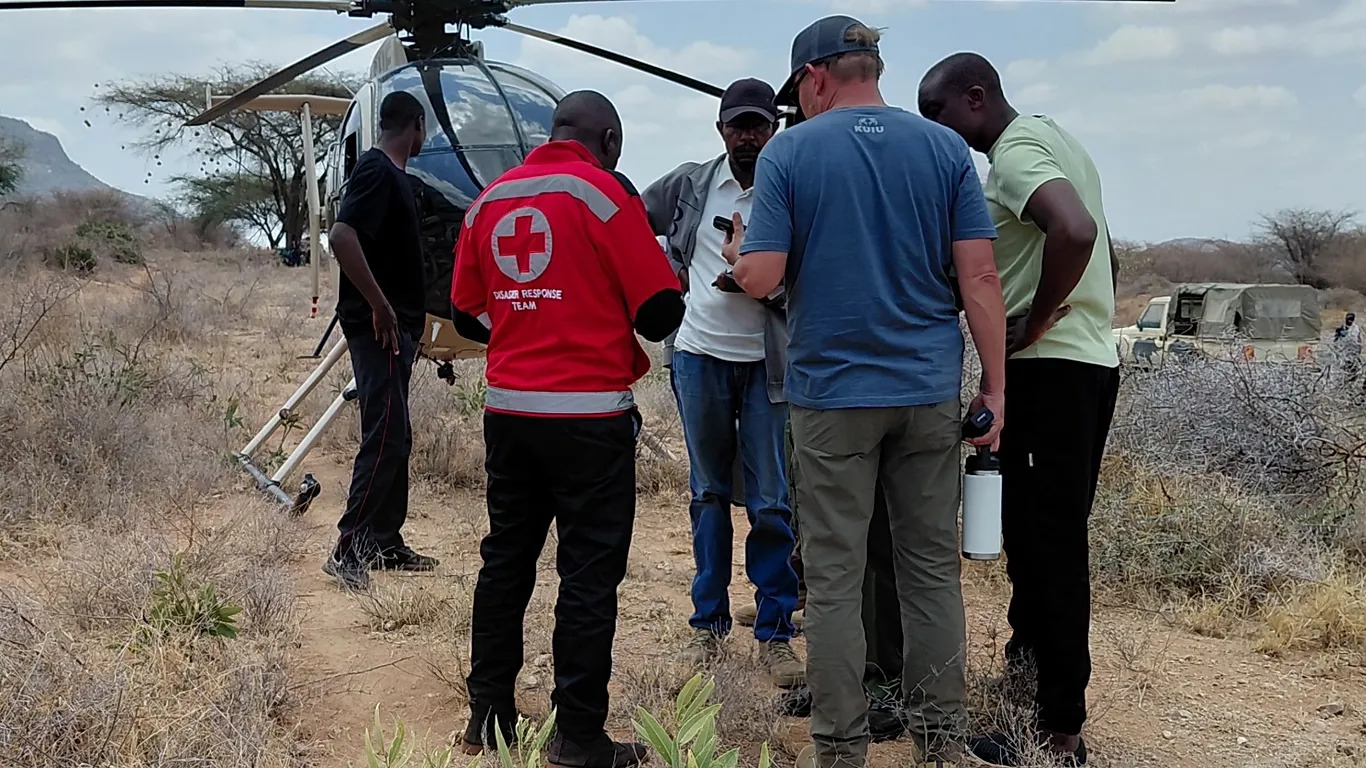
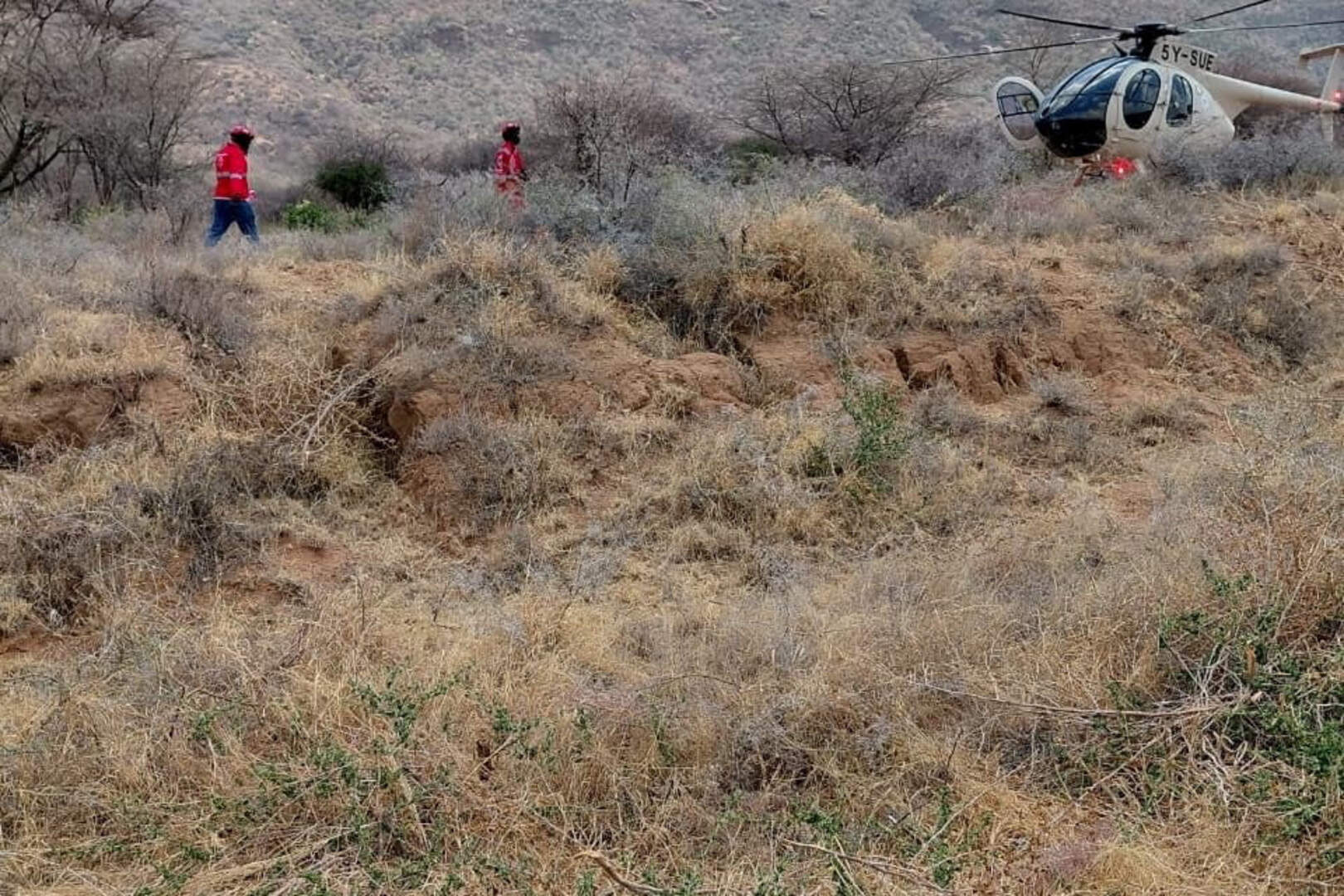
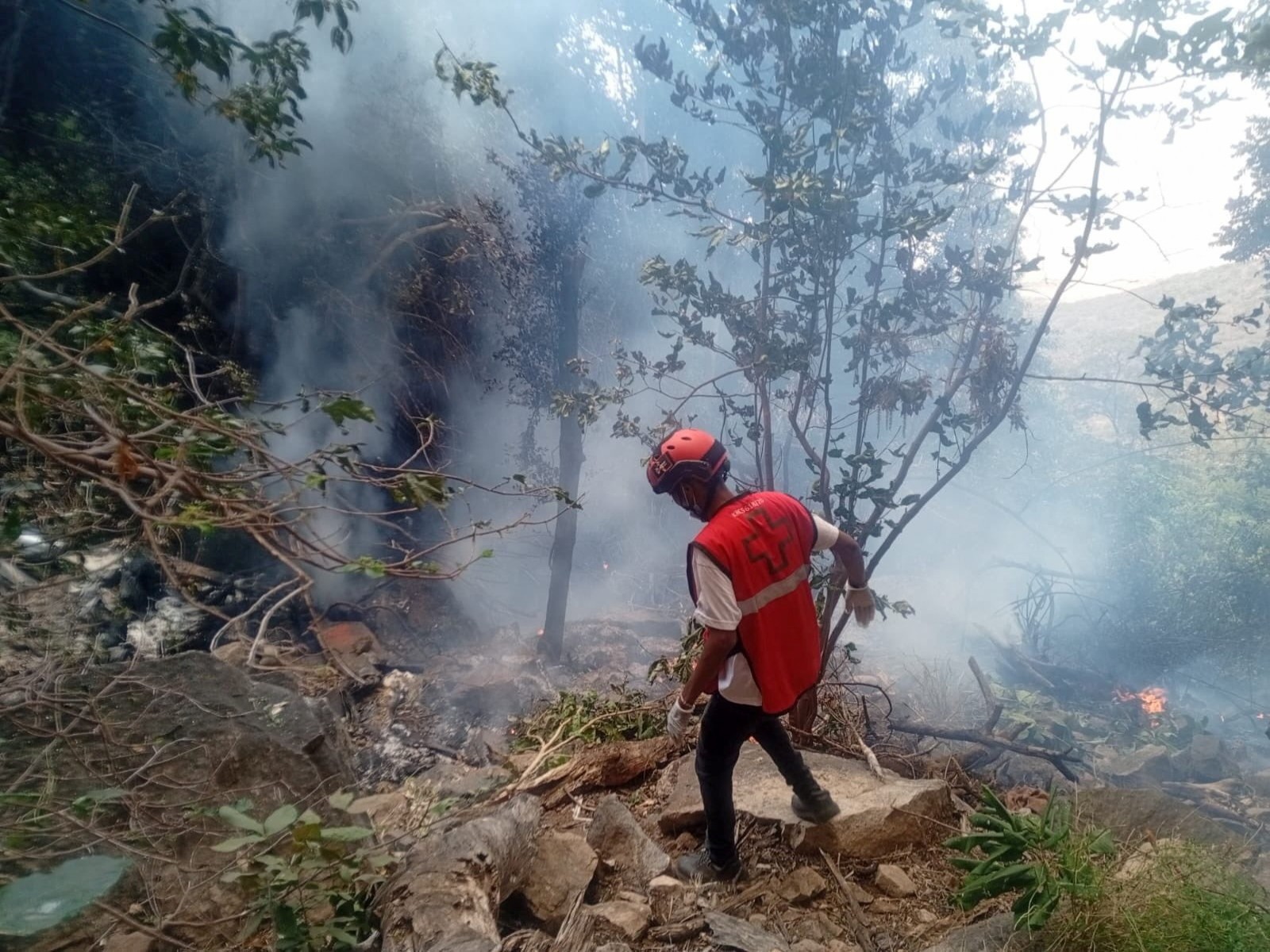
The helicopter crashed in rugged terrain near Mount Ololokwe and caught fire, complicating rescue and recovery efforts. The Kenya Red Cross said a multi-agency operation was launched, with difficult terrain and the active fire hampering access to the wreckage.
Kenya Red Cross emergency teams during a rescue and recovery operation after a helicopter crash killed tourists near Mt. Ololokwe in Samburu, Kenya, Wednesday, August 19, 2026.
The U.S. State Department said the U.S. Embassy in Kenya was assisting local authorities and providing consular support to the victims’ families.
“We extend our deepest condolences to the families and loved ones on their loss,” a State Department spokesperson said.
Luxury travel company &Beyond, which said the helicopter was carrying its guests, also expressed condolences. Lady Lori Helicopters said the cause of the crash remained under investigation.
Kenya’s Air Accident Investigation Department is investigating the circumstances surrounding the crash. Authorities have not established a definitive cause, and officials have cautioned that the investigation remains ongoing.
The Eurocopter EC130 B4 was carrying seven people when it went down near Mount Ololokwe at about 9:13 a.m. local time, according to the Kenya Civil Aviation Authority.
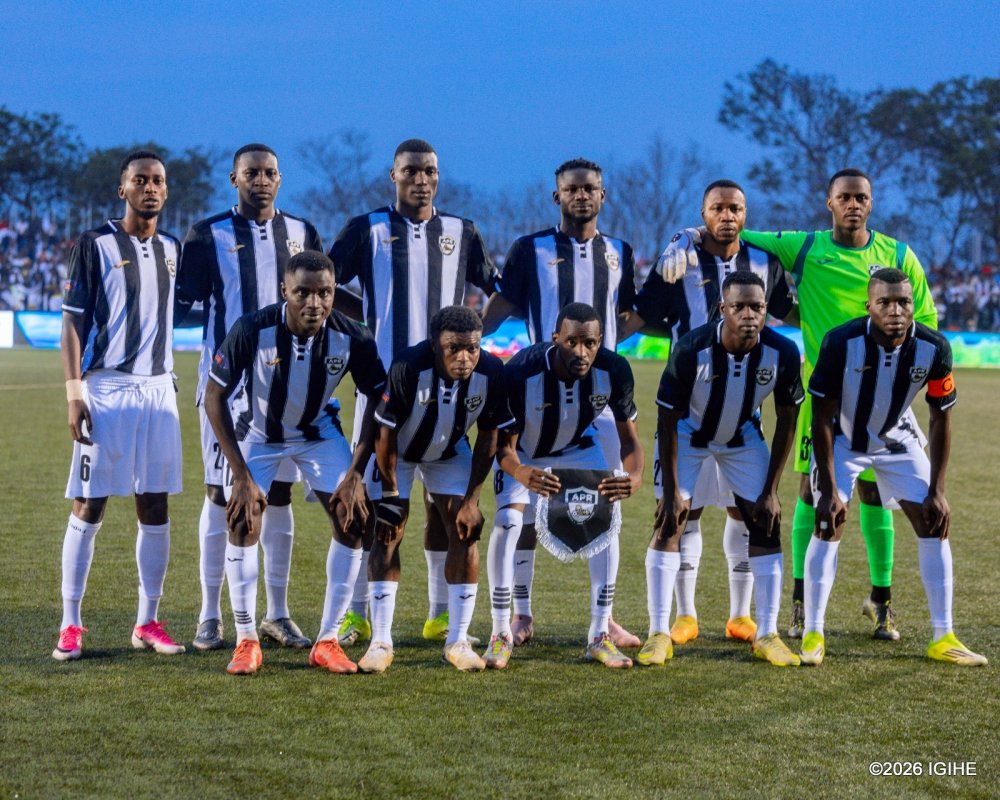
APR FC will face Les Aigles du Congo in the preliminary round of the 2026/27 CAF Champions League after the two sides were drawn against each other on August 6, 2026.
The Rwandan champions had written to CAF requesting that the first leg be moved from the DRC, citing security concerns and the Ebola outbreak, which had raised concerns over travelling with the squad to Kinshasa.
APR FC had asked for the match to be played at a neutral venue, with the possibility of moving both legs to another country.
However, IGIHE has learned that CAF rejected the request and informed APR FC that the match would proceed as scheduled in Kinshasa.
The first leg is set to be played at Stade des Martyrs in Kinshasa, despite the venue not being among the stadiums most recently listed by CAF as approved to host its competitions in the DRC.
The DRC currently has two stadiums approved for CAF competitions, TP Mazembe Stadium and Frédéric Kibassa Maliba Stadium, both located in Lubumbashi.
Before CAF’s decision, APR FC head coach Abderrahim Taleb had raised concerns about travelling to the DRC, stressing that the health and safety of his players should be the club’s priority.
Following APR FC’s 2-1 friendly win over Etincelles FC on August 9, Taleb said, “We cannot put our players at risk,” adding that the club’s management was in discussions with CAF about potentially moving the match.
Les Aigles du Congo finished second in the 2025/26 DRC Premier League and will host APR FC in the first leg before travelling to Rwanda for the return fixture.
The winner of the tie will face the winner of the preliminary-round match between AS Port of Djibouti and Egyptian side Zamalek in the next stage of the competition.
APR FC will face Les Aigles du Congo in the preliminary round of the 2026/27 CAF Champions League after the two sides were drawn against each other on August 6, 2026.Les Aigles du Congo finished second in the 2025/26 DRC Premier League and will host APR FC in the first leg before travelling to Rwanda for the return fixture.
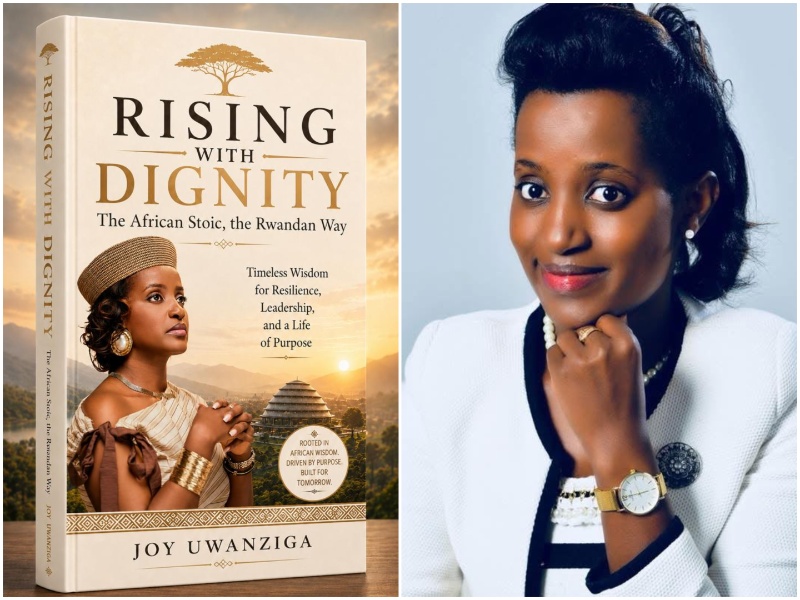
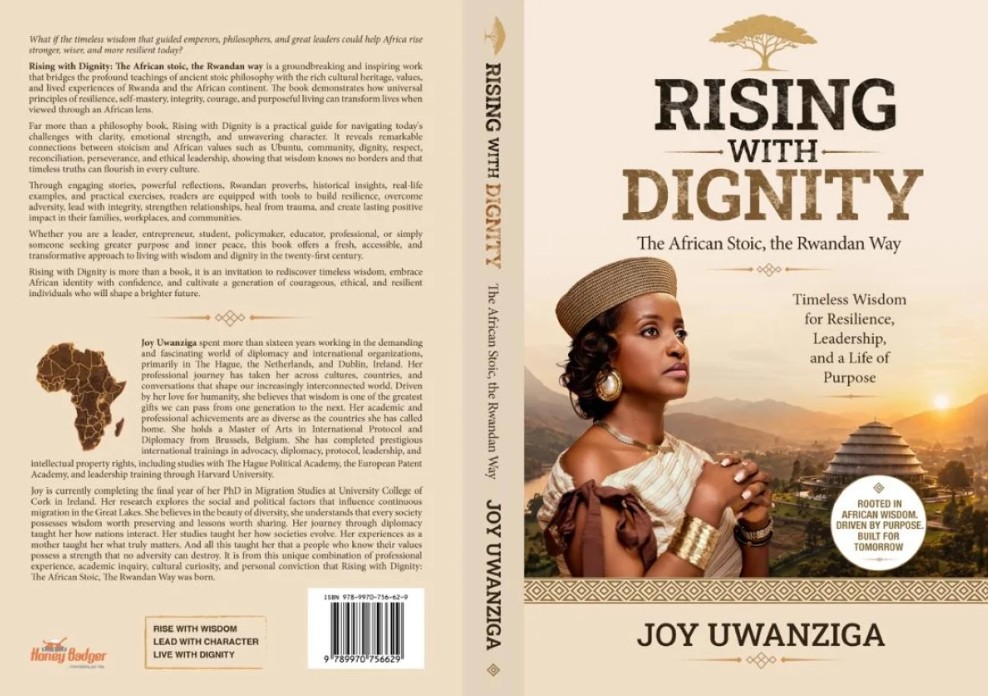
It is a small morning ritual, but it reflects the philosophy behind her new book, Rising with Dignity: The African Stoic, The Rwandan Way, a book about learning to manage what is within your control and respond thoughtfully to everything else.
For Uwanziga, Stoicism is not about becoming emotionless or simply enduring whatever life brings. It is a practical way of thinking about everyday life, how to deal with disappointment, manage anger, respond to pressure and, perhaps most importantly, how to get back up after falling.
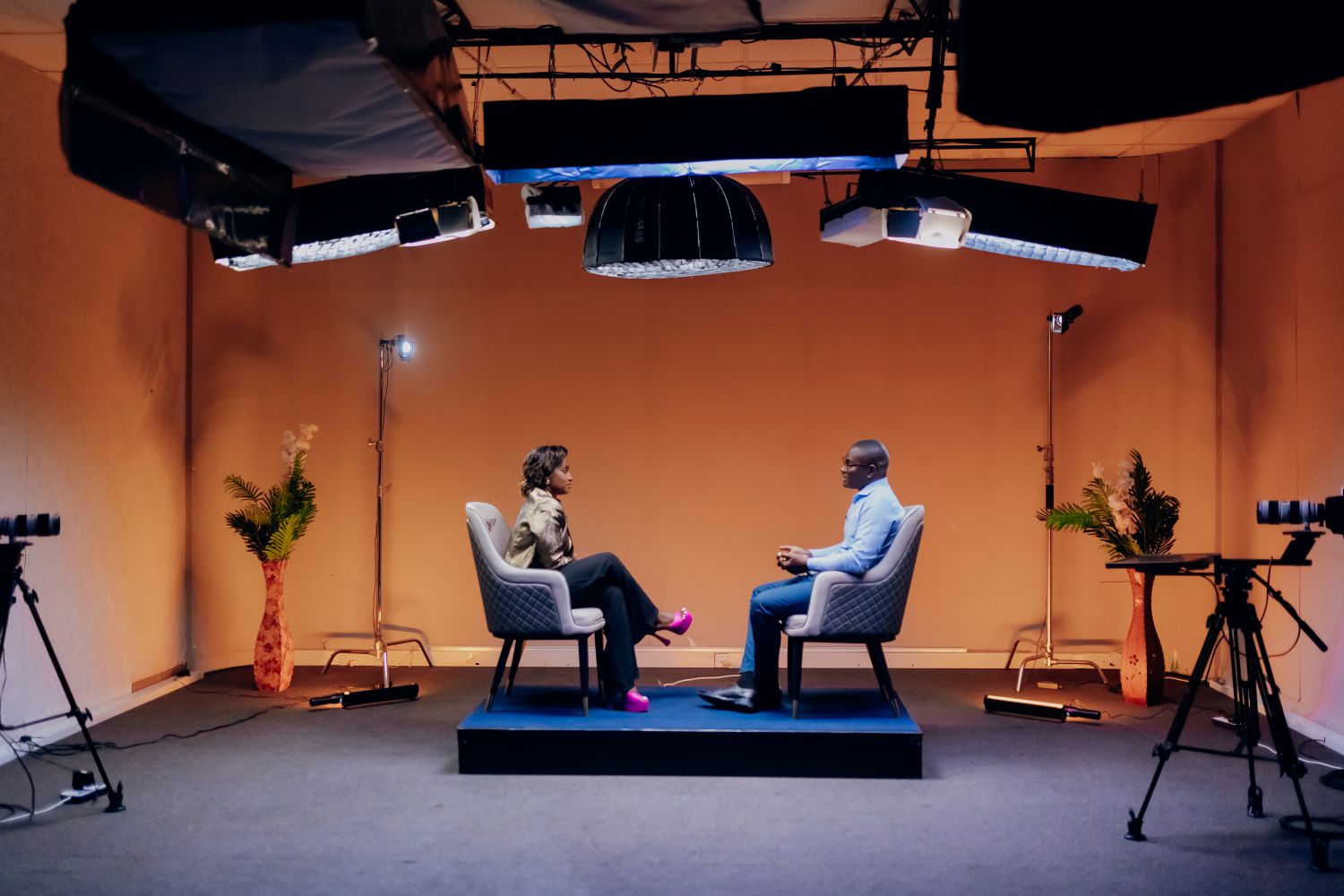
The more than 250-page book took five years to complete, but its beginnings were much more modest, she told IGIHE in a recent exclusive interview.
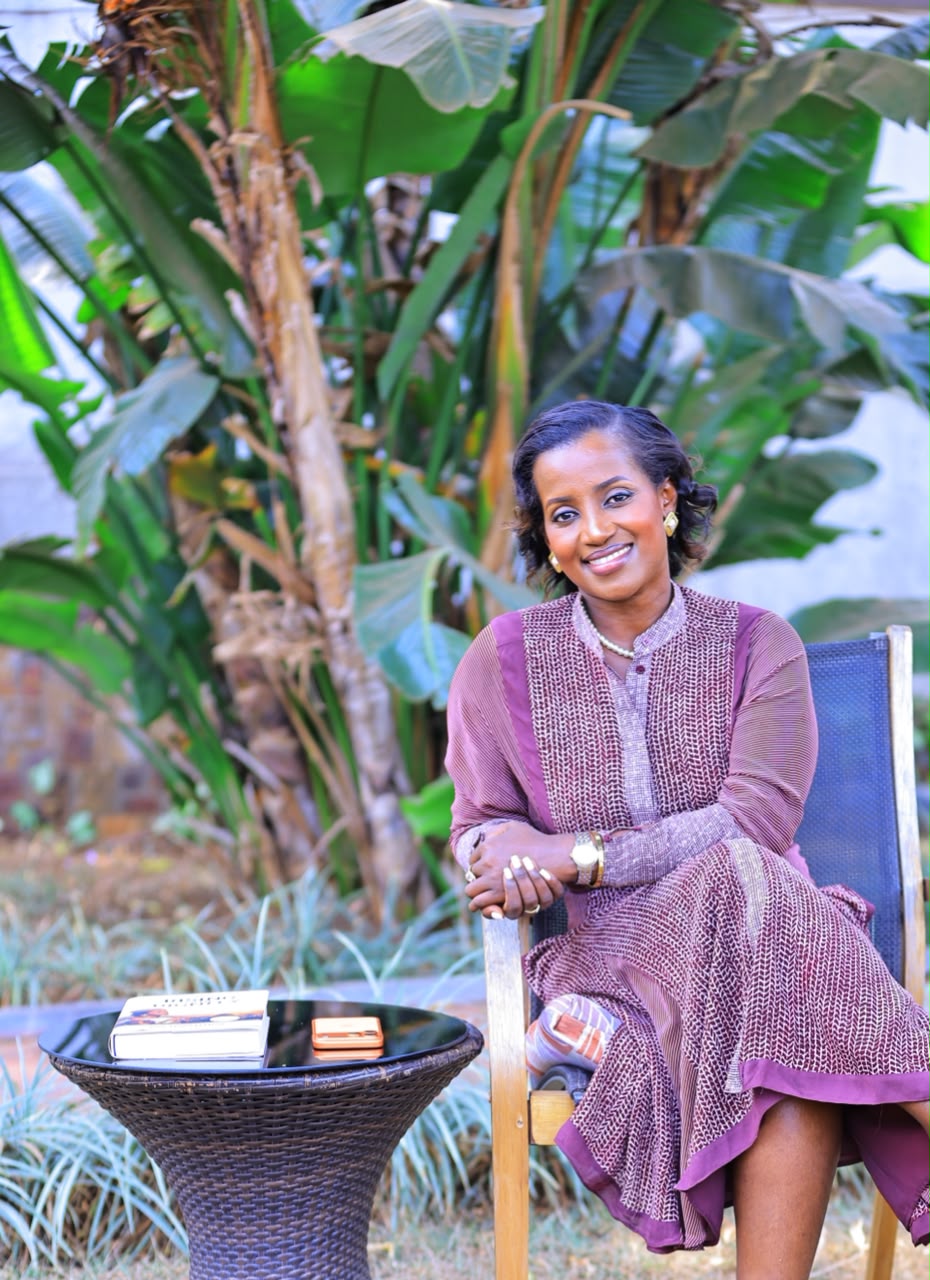
Joy Uwanziga will launch her new book at the Kigali Marriott Hotel on August 29.
Uwanziga started by writing notes to herself, passages and reflections from Stoic philosophy that resonated with her. Over time, she began sharing some of those ideas with friends and family, eventually realising they could become something larger.
The book launches at Marriott Hotel Kigali on August 29 and will later be available through Amazon and bookstores in Rwanda.
Uwanziga is currently completing a PhD in migration studies at University College Cork. Before moving to Ireland, she spent several years at the Rwandan diplomatic mission in The Hague as a consular affairs officer. Rising with Dignity is her third book, following Manners in Rwanda, published in 2015, and a 2018 book on parenting.
A philosophy Rwandans already know
Uwanziga’s interest in Stoicism began with Marcus Aurelius’s Meditations, the Roman emperor’s private reflections that have remained influential centuries later.
What drew her in was a powerful principle centred on separating what we can control from what we cannot.
“You can’t control external events, so don’t let them control you by the way you react,” she says.
It is a principle that can easily be applied to ordinary situations. You can prepare for an examination, but you cannot control the questions. You can choose your words in a difficult conversation, but not how another person responds. You can decide how you begin your morning, but not everything that will happen before the day is over.
For Uwanziga, this way of thinking also has a familiar African dimension.
She points to the historical relationship between Greek philosophy and Egypt and argues that some values associated with Stoicism have parallels in African traditions that were passed down orally.
“When you put Emperor Marcus Aurelius and a Rwandan or African elder in a room, they would practise or say things about Stoicism, maybe with a different name,” she adds.
“We’ve been practising Stoicism without calling it Stoicism.”
She is careful not to present this as a claim that Africans invented Stoicism. Rather, she sees it as a recognition that different cultures can arrive at similar principles, including integrity, discipline, responsibility and resilience.
Uwanziga is currently completing a PhD in migration studies at University College Cork. Rising with Dignity is her third book.
What happens after failure?
For Uwanziga, one of the most important tests of character is what happens when things do not go according to plan.
She uses the example of a student preparing for an examination. The student can control the effort put into studying, but not the questions that appear on the paper or how it is marked.
What remains within her control is how she responds.
“Do we rise with dignity?” Uwanziga asks. “Because we fail every day.”
That idea gives the book its title and connects philosophy with one of Rwanda’s most recognisable qualities, resilience.
Uwanziga sees Rwanda’s recovery after the 1994 Genocide against the Tutsi as a powerful example. She recalls how people were forced to take on responsibilities beyond their previous professions because the country needed to be rebuilt and there were not enough people with the necessary skills.
Seeing people start again and contribute to rebuilding Rwanda deeply influenced her.
But Uwanziga is careful not to romanticise suffering.
Resilience, she argues, should not mean pretending that pain is easy or expecting everyone to cope in exactly the same way. People process difficult experiences differently, and sometimes they need psychological or other forms of support.
“What’s wrong with asking for help when you need it?” Uwanziga asks.
For her, rising with dignity does not mean denying pain. It means finding a way forward while accepting that support may be part of that journey.
The more than 250-page book took five years to complete, but its beginnings were much more modest, she told IGIHE in a recent exclusive interview.
Calm does not mean silence
Asked whether Stoicism means staying quiet in the face of injustice, Uwanziga pushed back on that idea.
“If you have to talk, talk with wisdom,” she stresses. “But if being silent will help more until you calm down and think of a wiser response, then be silent.”
Asked how that applies beyond individual situations, she pointed to leadership in everyday life, parenting, teaching, leading a student group, even managing a WhatsApp group, saying the question in each case is whether a response will improve things or make them worse.
On anger, she gave a similar answer.
“You are allowed to be angry, but don’t take a decision when you’re angry,” she said. “Think about it.”
Dignity, agaciro and strength
On whether a person can lose everything and still retain their dignity, Uwanziga connected the idea to the Rwandan concept of agaciro, self-worth expressed through conduct, and inyangamugayo, referring to a person of integrity. For her, dignity is not dependent on wealth, status or circumstances.
“Losing what you have, or the most valuable thing, and still living with dignity, we (Rwandans) are a good example,” she affirms.
She also challenged expectations around masculinity.
Uwanziga said boys are often taught to “man up” when they are hurt, creating an idea of strength that can make men reluctant to acknowledge pain or seek help.
Her message carries a deeper truth that emotional honesty does not cancel out strength.
“Men are allowed to have feelings too,” she argues. “You are human the same way everyone is.”
That is consistent with her broader understanding of Stoicism. The goal is not to stop feeling, but to recognise feelings without allowing them to dictate every decision.
Uwanziga’s interest in Stoicism began with Marcus Aurelius’s Meditations, the Roman emperor’s private reflections that have remained influential centuries later.
Practising what she writes
Uwanziga does not claim to have mastered the philosophy she writes about.
She describes herself as “a very emotional person” who cries easily, including at weddings, and says regulating her own emotions remains one of the most difficult parts of Stoicism for her.
That honesty is part of what makes her interpretation of the philosophy feel less like a set of rules and more like a practice.
Her morning routine is one example.
Rather than immediately reaching for her phone and allowing social media and the news to influence her mood, she tries to do something for herself first. Stretching, drinking water and making her bed create a small buffer between waking up and confronting the outside world.
She also tries to appreciate ordinary moments, a cup of tea, a hug from a loved one, rather than waiting for major achievements to provide happiness.
From personal notes to a reminder
The book eventually became a 12-chapter work, but Uwanziga still describes its message as less about discovering something new and more about remembering values that are already familiar.
She believes integrity, discipline, responsibility and resilience remain particularly important for young people navigating pressure, ambition and the temptation to look for shortcuts.
“We just want to live an easy life; we don’t want to go the hard way,” she remarks. “But then what are the results of the shortcuts?”
For Uwanziga, Rising with Dignity is ultimately an invitation to slow down before reacting, focus on what can be controlled and consider the kind of person one wants to be when circumstances are difficult.
Asked for the single most important lesson she hopes readers take from the book, Uwanziga offered a direct answer. “To be a man or a woman of integrity.”
Watch the full video below to learn more about the book and what Uwanziga stands for.
RIB spokesperson Dr. Murangira B. Thierry told IGIHE that the file was submitted on August 18, 2026.
Murangira said that although investigations are still ongoing, Shema is being investigated for allegedly issuing a bad cheque.
“His case file has been sent to the prosecution. Although investigations are still ongoing, he is being investigated for issuing a bad cheque,” he said.
RIB arrested Shema on August 11, 2026. He was subsequently detained at the RIB station in Kicukiro.
Shema was elected FERWAFA president on August 30, 2025, during the federation’s ordinary general assembly, alongside members of the executive committee he leads. The team was dubbed the “Dream Team.”
After taking office, Shema, a former president of AS Kigali, outlined plans to transform Rwandan football, with a focus on women’s football, youth development and infrastructure, among other areas.
Shema served as president of AS Kigali for six years, during which the club won several trophies, including the 2019 and 2022 Peace Cups and the 2022 Super Cup.
Outside football, Shema is the managing director of Africa Medical Supplier, a company that supplies medical equipment in Rwanda.
The case file of Rwanda Football Federation (FERWAFA) president Fabrice Shema has been forwarded to the prosecution, the Rwanda Investigation Bureau (RIB) has confirmed.
In a statement issued on Tuesday, the alliance described the enforcement measures as a vital step towards protecting public health.
“Closing non-compliant manufacturing facilities and issuing an immediate product recall marks a vital step in protecting public health,” the alliance said.
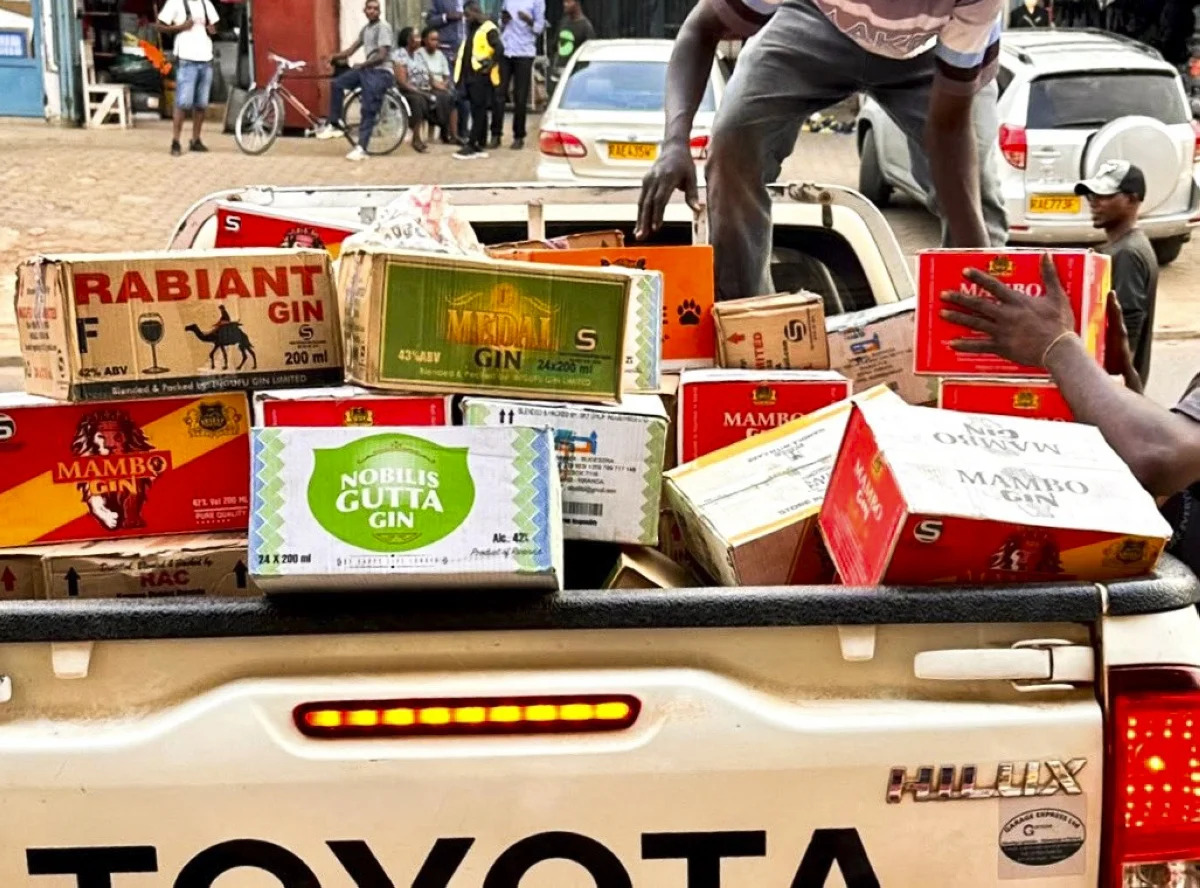
The Rwanda FDA has shut down 148 local alcohol manufacturers and revoked their operating licences as part of the nationwide crackdown on substandard and illicit alcoholic beverages.
The government has also suspended the importation of 52 alcoholic beverage brands from international markets and ordered their immediate nationwide recall.
The crackdown follows growing concerns over the health effects of unsafe alcoholic beverages. Speaking to IGIHE earlier this month, Minister of Health Dr. Sabin Nsanzimana said investigations had linked unsafe alcoholic drinks to more than 50 deaths recorded between January and July.
He said more than 500 people had sought medical treatment after consuming the drinks, while more than 100 people had lost their eyesight. A nationwide assessment also identified nearly 11,000 people struggling with alcohol addiction.
More than 100 people have been arrested in connection with the crackdown, including Rwanda FDA Director-General Emile Bienvenu.
The RNCDA said removing illicit products was important in preventing immediate harm but called for broader measures to address alcohol-related health risks.
Citing World Health Organization data, the alliance noted that alcohol is a toxic and dependence-producing substance associated with more than 200 health conditions. Globally, alcohol consumption contributes to approximately three million deaths each year and is a major behavioural risk factor for noncommunicable diseases, including cardiovascular diseases, liver cirrhosis, metabolic disorders and several types of cancer.
The alliance also noted that informally and illegally produced alcohol accounts for an estimated 25 percent of total alcohol consumption per capita worldwide and remains difficult to control.
RNCDA highlighted that Rwanda’s measures were in line with the WHO Global Alcohol Action Plan 2022-2030, which promotes cost-effective measures to reduce alcohol-related harm.
It called for measures including higher taxes on alcoholic beverages, restrictions on alcohol advertising and tighter controls on the physical availability of alcohol, particularly to young people.
The alliance said sustained action against harmful alcohol consumption was necessary to reduce preventable deaths and advance Rwanda’s health priorities.
It also pledged to work with government institutions, civil society organisations and other stakeholders to promote evidence-based alcohol control policies and public awareness.
The Rwanda Noncommunicable Disease Alliance (RNCDA) has backed the government’s ongoing crackdown on illicit and unsafe alcoholic beverages, commending the Rwanda Food and Drugs Authority (Rwanda FDA) for shutting down non-compliant manufacturers and recalling products considered unsafe.
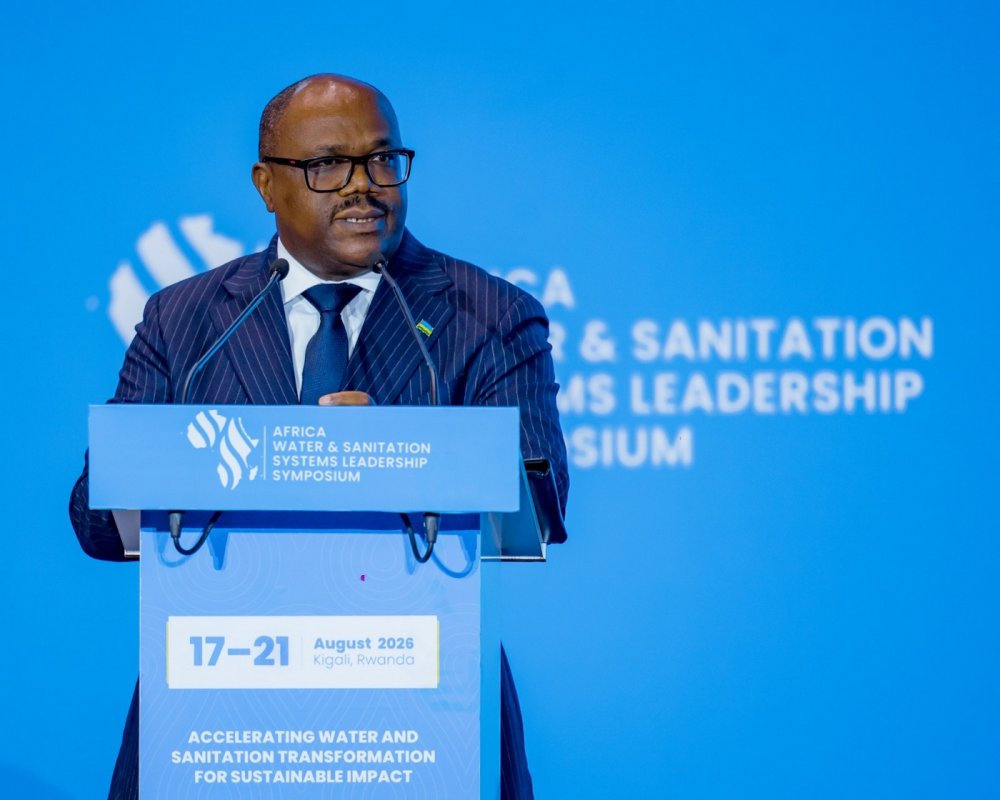
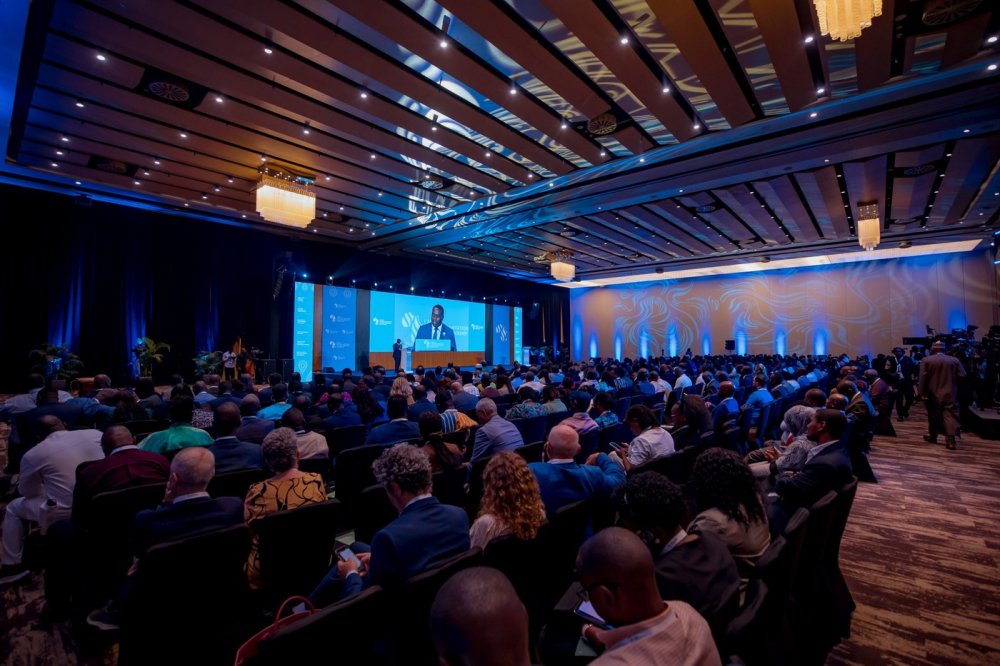
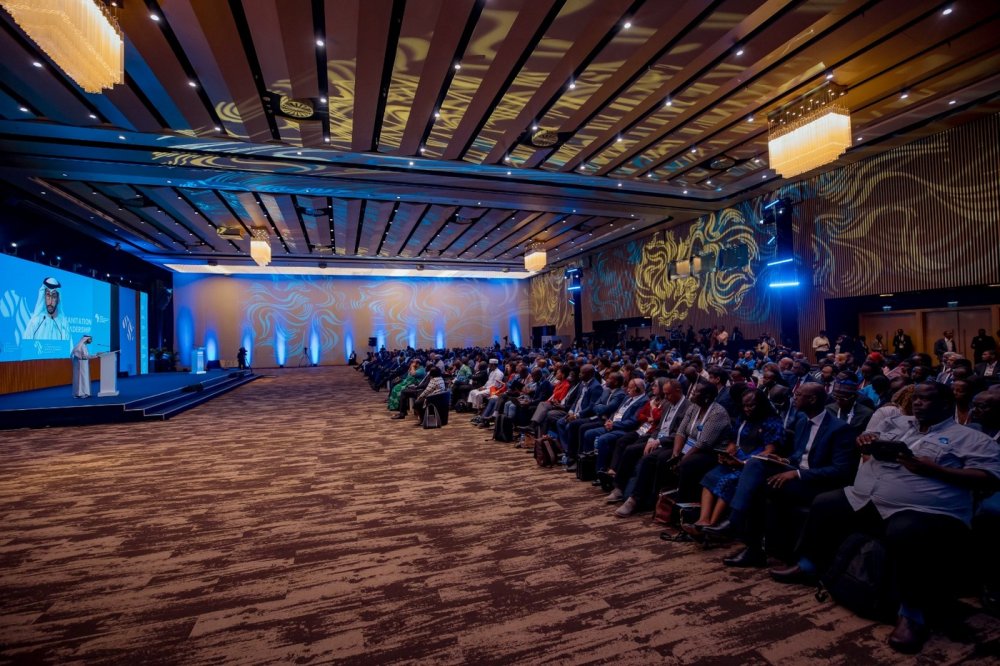
Nsengiyumva made the remarks on Tuesday, August 18, 2026, while opening the Africa Water and Sanitation Systems Leadership Symposium at the Kigali Convention Centre.
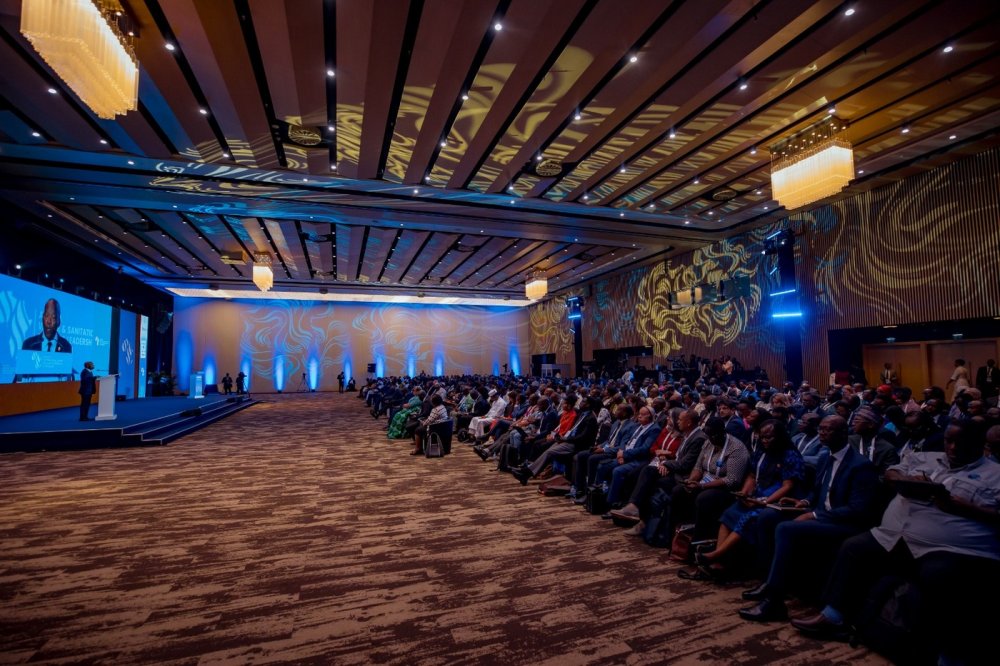
The five-day symposium, running through August 21, is jointly organised by the African Union, the African Ministers’ Council on Water (AMCOW) and the Government of Rwanda, and facilitated by IRC, a global water, sanitation and hygiene organisation.
The event brings together African leaders, reformers, financiers and development partners to discuss ways of strengthening water and sanitation systems and mobilising sustainable investment.
Nsengiyumva said Africa remains significantly off track in meeting the Sustainable Development Goal on water and sanitation as the 2030 deadline approaches.
“Across Africa, 418 million people still lack basic water services, 779 million lack basic sanitation, and 839 million lack basic hygiene,” he said.
He noted that African countries have invested heavily in infrastructure, including water pipelines, boreholes and treatment plants, but said many of these facilities are not delivering services effectively.
“The lesson is clear: building infrastructure is important but, to a large extent, it is only the beginning; ensuring that the built infrastructure functions effectively and reaches communities over the long term is the real measure of success,” Nsengiyumva said.
He argued that stronger institutions, effective governance, sustainable financing and accountable leadership are needed to turn infrastructure investments into reliable and lasting services.
The Prime Minister also pointed to the African Union’s endorsement in February 2026 of the Africa Water Vision and Policy 2063, saying it places governance and leadership at the centre of efforts to achieve water security on the continent.
He said better governance could also help African countries unlock more domestic resources for the sector.
According to Nsengiyumva, an African Union panel on water investment found that improved governance, including sound tariffs, effective revenue collection and disciplined financial management, could unlock about $11.5 billion annually, while stronger domestic resource mobilisation could generate another $17.5 billion.
“Africa’s water future can and should be paid for by Africans,” he said, while stressing that investors are more likely to commit capital to institutions that demonstrate financial discipline and accountability.
He urged participants to shift the conversation from simply seeking additional funding to building institutions capable of attracting and effectively managing investment.
Nsengiyumva also acknowledged challenges within Rwanda’s own water sector, including high non-revenue water and ongoing efforts to improve rural water service delivery, including through private operators.
“There is nothing ‘non-revenue’ about water that has been treated and pumped, but never reaches the people it is meant to serve,” he said, describing such losses as both a waste of resources and a failure to deliver services to citizens.
The symposium is expected to produce the Kigali Communiqué on Systems Transformation for the Realisation of the Africa Water Vision and Policy 2063.
Nsengiyumva urged participants to make the commitments in the communiqué specific and measurable, saying the success of the gathering should ultimately be judged by changes in the institutions, decisions and services delivered after participants return to their respective countries.
He also called for the discussions to continue beyond Kigali, urging participants to carry the commitments and proposed solutions to Abu Dhabi in December.
“I encourage all of you: ministers, regulators, utility leaders, mayors, financiers, civil society organisations and young professionals, to make this a document you truly own,” he said.
The symposium is focused on accelerating water and sanitation transformation for sustainable impact, with particular emphasis on financial credibility as a foundation for sustainable investment and resilient water and sanitation systems.
PM Nsengiyumva made the remarks on Tuesday, August 18, 2026, while opening the Africa Water and Sanitation Systems Leadership Symposium at the Kigali Convention Centre.The five-day symposium, running through August 21, is jointly organised by the African Union, the African Ministers’ Council on Water (AMCOW) and the Government of Rwanda, and facilitated by IRC, a global water, sanitation and hygiene organisation.