The Israeli Defense Forces (IDF) have stated that the airstrikes were a retaliation for the killing of one of its soldiers, while President Donald Trump has strongly asserted that “nothing will jeopardize” the ceasefire, stressing that Hamas “has to behave.”
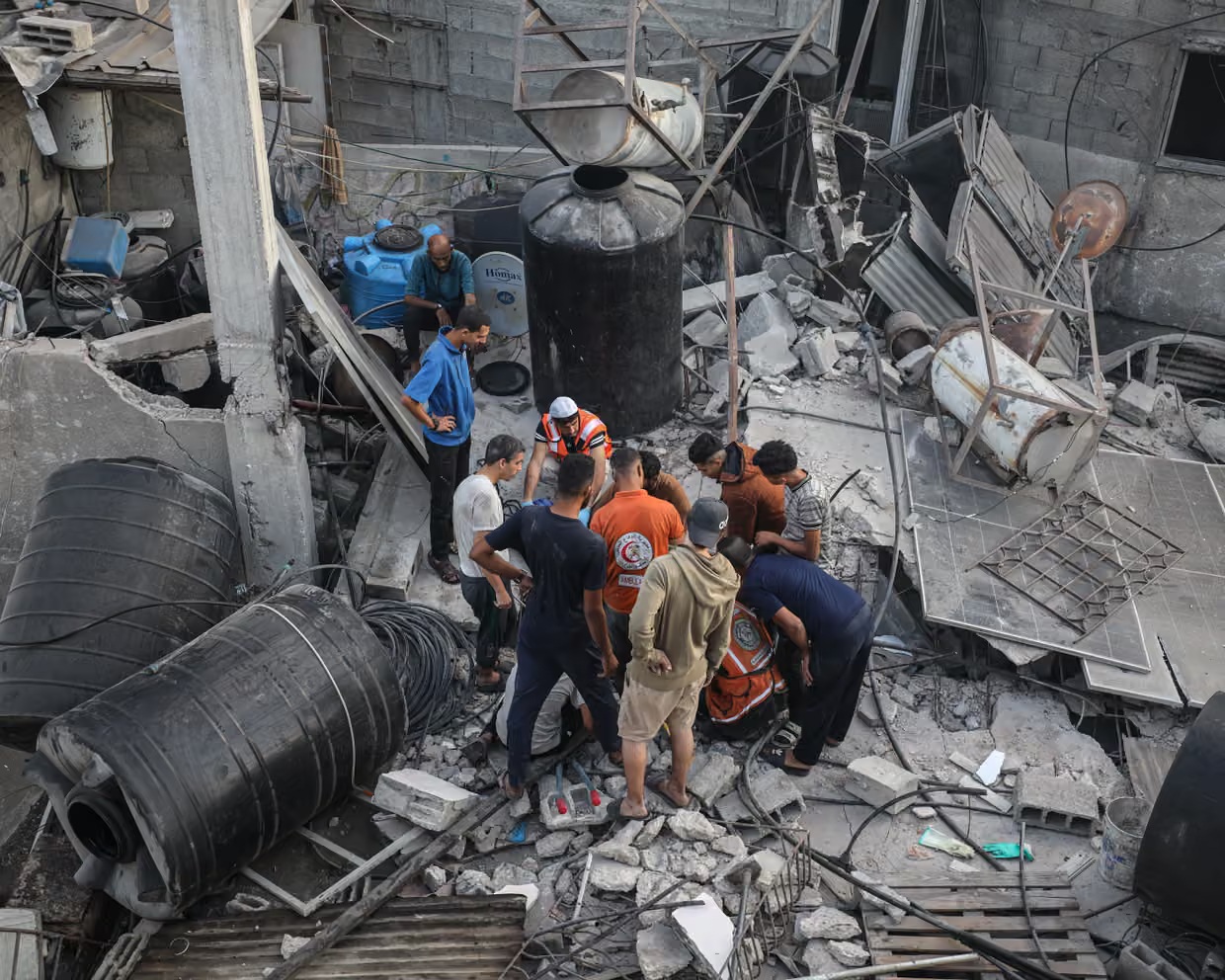
The airstrikes primarily targeted densely populated areas in Gaza, including the Al-Mawasi tent camp in southern Gaza, where thousands of displaced families had sought refuge. The strikes also affected other civilian areas, causing widespread destruction.
Local medical teams reported that in addition to the confirmed civilian deaths, dozens more have been injured, some critically.
The international community has reacted with condemnation, with many calling for an immediate return to the ceasefire.
Humanitarian organisations have expressed concerns over the escalation of violence, as it threatens to exacerbate the already dire humanitarian crisis in Gaza. Displaced families, many of whom had hoped for a reprieve after the ceasefire agreement, now face renewed danger and uncertainty.
The ceasefire agreement, brokered by the United States and signed by both Israeli and Palestinian factions, had been hailed as a breakthrough, promising a path to peace. However, these recent attacks have raised serious concerns about the durability of the ceasefire and the prospects for future peace talks.
Despite the growing calls for an end to the violence, Israel’s government has made it clear that it will continue to take action to defend its soldiers and citizens, while also calling for Hamas to honour the ceasefire and refrain from further provocations.
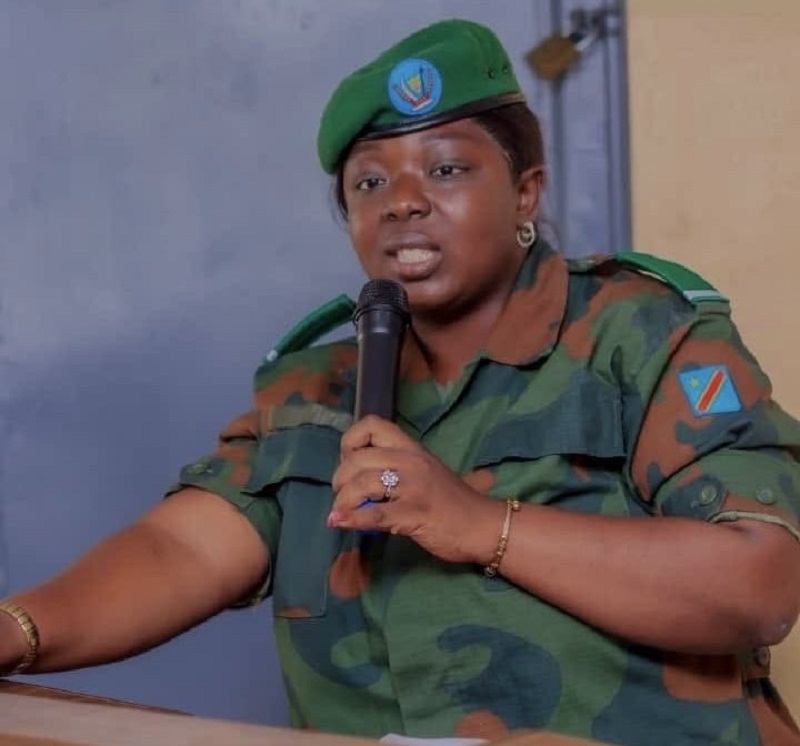
Ebabi and her partner were preparing for their wedding, set for October 31, 2025. Ahead of the event, they visited ‘Raw Studio’ in Kinshasa to take photos and videos to commemorate the occasion.
The DRC military arrested Ebabi on October 24 after a video showing her kissing her partner went viral on social media. She is currently being held at the Military Prosecutor’s office.
The prosecution accuses Ebabi of tarnishing the image of the national army and violating military regulations. They argue that the incident, kissing while in uniform, was compounded by her alleged role in spreading the 25-second video.
During proceedings at the Military High Court, Ebabi testified that the photographer from Raw Studio, Yannick Kayembe, admitted to posting the video and photos on his TikTok account to promote his work.
She told the court president, “The crime is the photographer’s, Mr. President. I didn’t share the video.”
The military prosecution, however, insists that Ebabi was responsible for posting the photos and videos and is requesting a 10-year prison sentence.
The court’s final decision is expected to be announced on the afternoon of October 29, 2025.
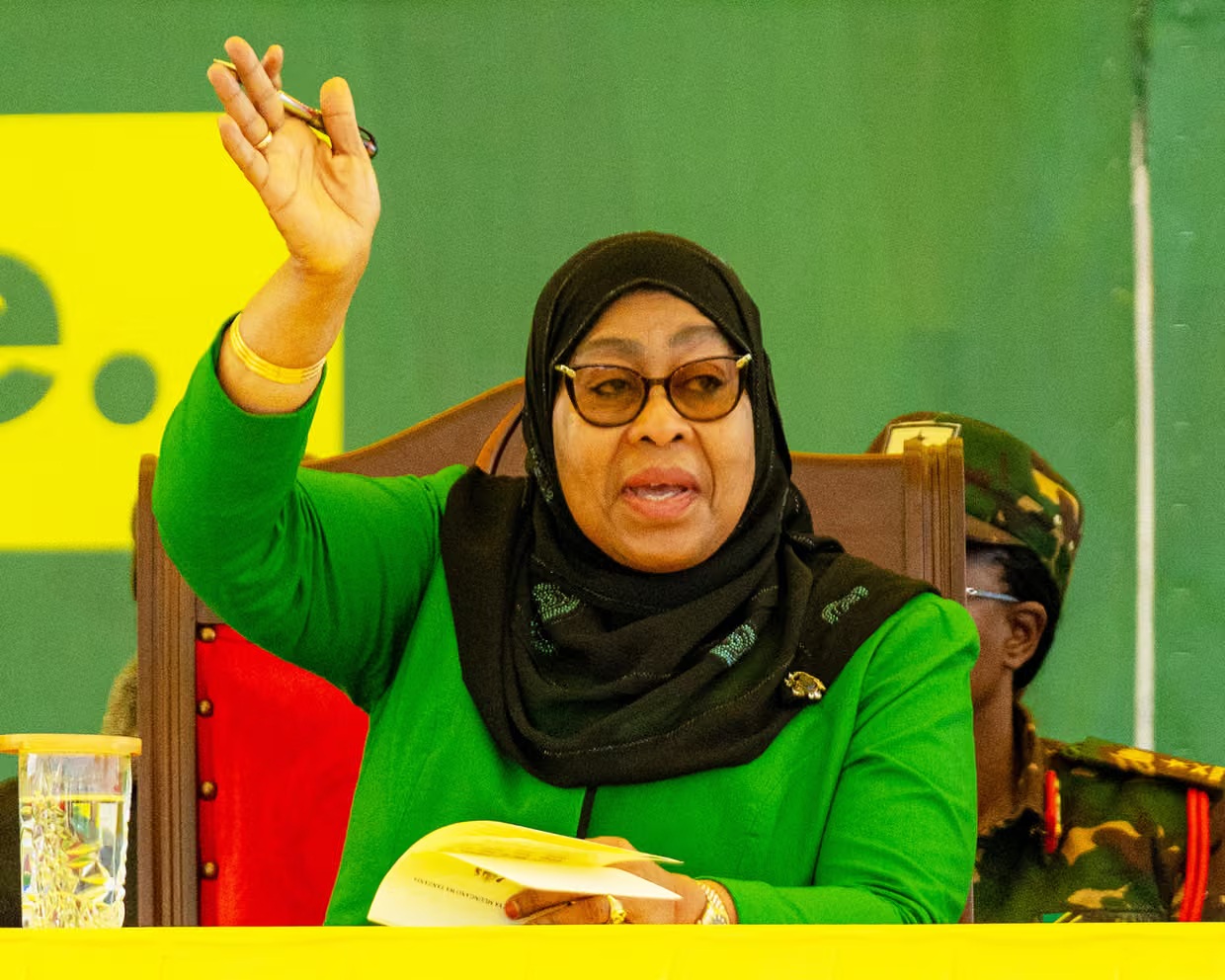
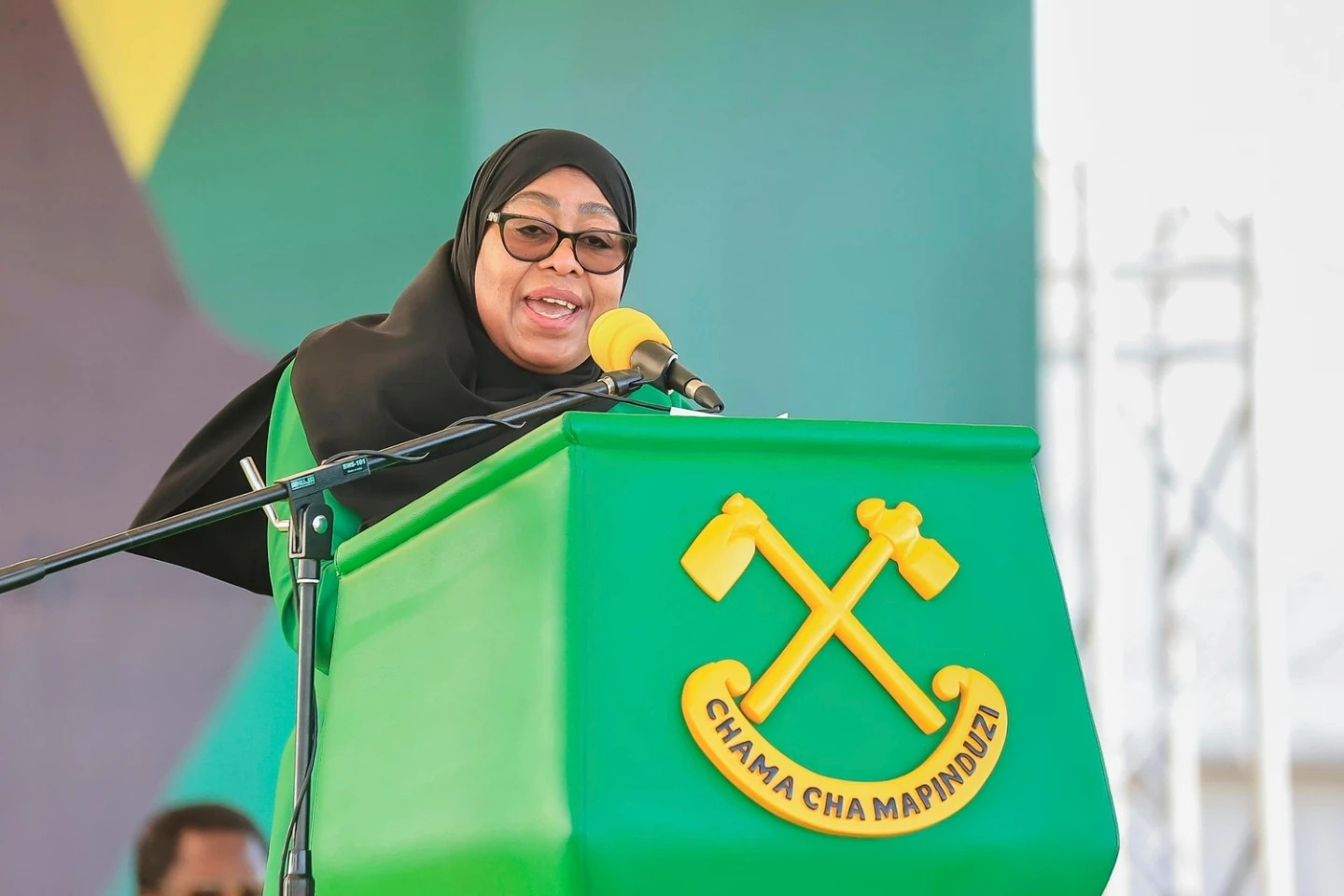
This marks Suluhu’s first electoral test since assuming office in 2021 following the death of her predecessor, John Magufuli. Running on the ticket of the long-dominant Chama Cha Mapinduzi (CCM) party alongside former minister Emmanuel Nchimbi, she is seeking her first full term in office.
Despite a crowded field of 17 presidential candidates, analysts describe the race as largely uncompetitive. The disqualification of Tanzania’s two main opposition parties, Chadema and ACT-Wazalendo, has cleared the path for Suluhu and CCM to maintain their six-decade rule, uninterrupted since independence.
The Independent National Electoral Commission (INEC) barred both major opposition parties earlier this year. Chadema’s leader, Tundu Lissu, was arrested on treason charges in April following his calls for electoral reforms under the slogan “No Reforms, No Election,” while ACT-Wazalendo’s candidate, Luhaga Mpina, was twice disqualified after a series of court challenges.
Their exclusion has left smaller opposition figures to fill the vacuum, though few command significant national appeal.
Among them is Salum Mwalimu of the Public Liberation Party (Chaumma), once a close ally of Lissu and a former Chadema secretary-general. Mwalimu, who served as Lissu’s running mate in the 2020 election, has promised far-reaching reforms, including a new constitution.
“Tanzanians should expect great change from our party, which is committed to transforming the country,” he said when collecting his nomination forms last month.
Other contenders include Haji Ambar Khamis of NCCR-Mageuzi, who has pledged to introduce a new constitution within his first 100 days in office, and Gombo Samandito Gombo of CUF, whose campaign focuses on anti-corruption, domestic revenue generation, and agricultural investment.
Two women, Saum Hussein Rashid of UDP and Mwajuma Noty Mirambo of UMD, also feature on the ballot, highlighting the slow but steady rise of female representation in Tanzanian politics.
Observers say the fragmented opposition, coupled with CCM’s vast resources and entrenched grassroots network, leaves little doubt about the likely outcome.
More than 37 million Tanzanians are eligible to vote in an election that also includes parliamentary and local government contests.
In the 2020 election, the late John Magufuli secured a landslide 84.4% of the vote, while Tundu Lissu came second with 13.04%.
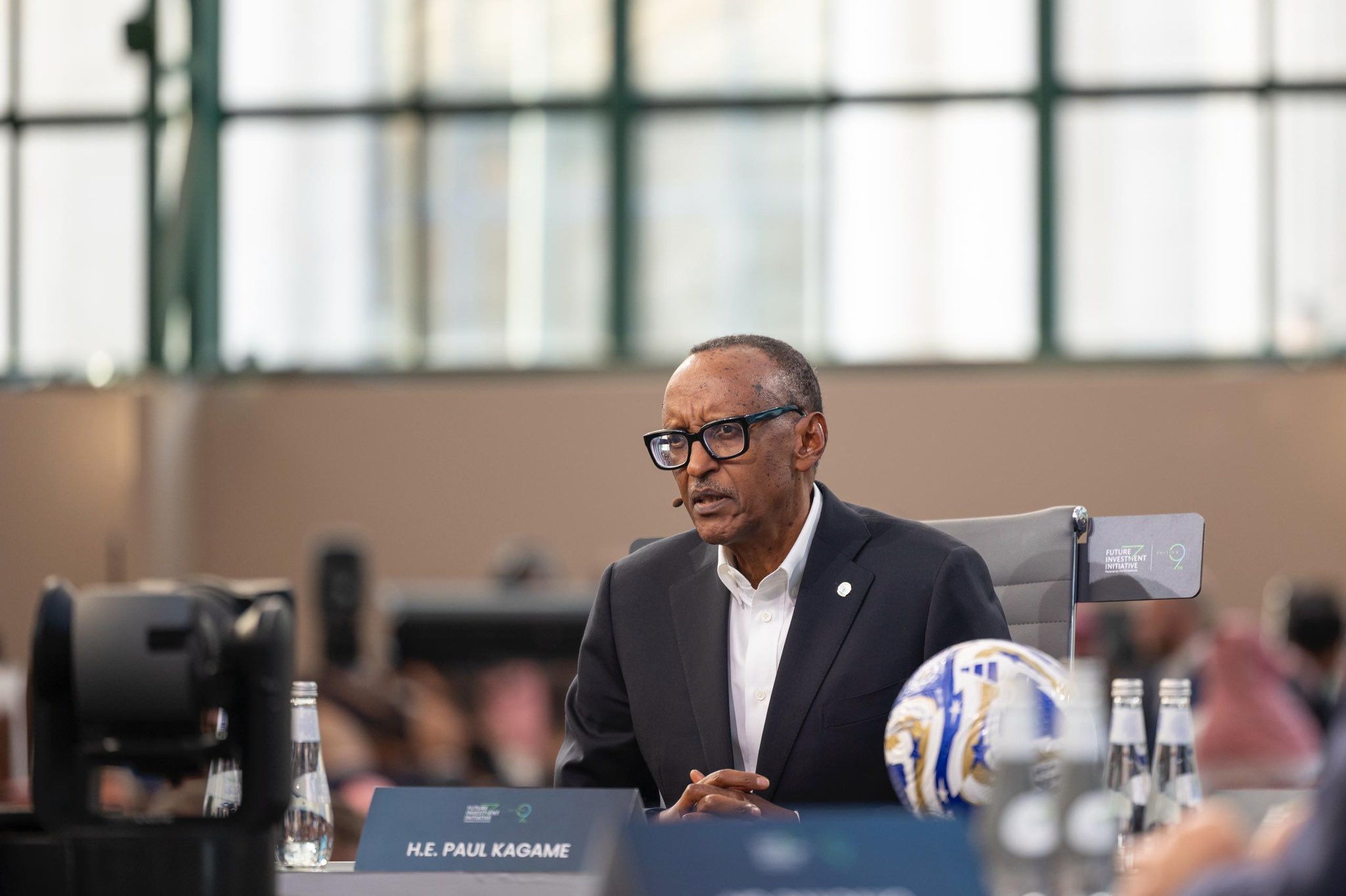
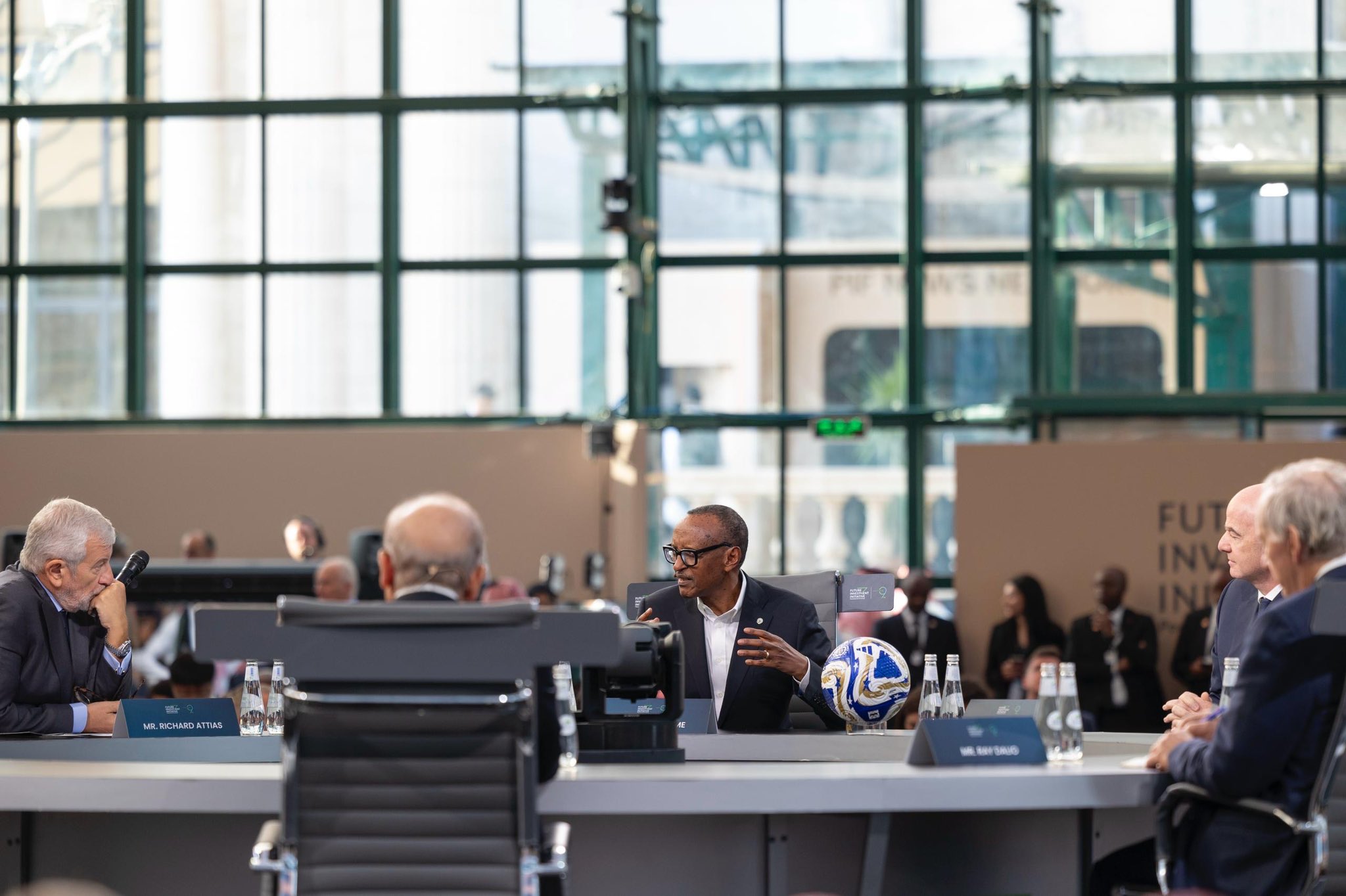
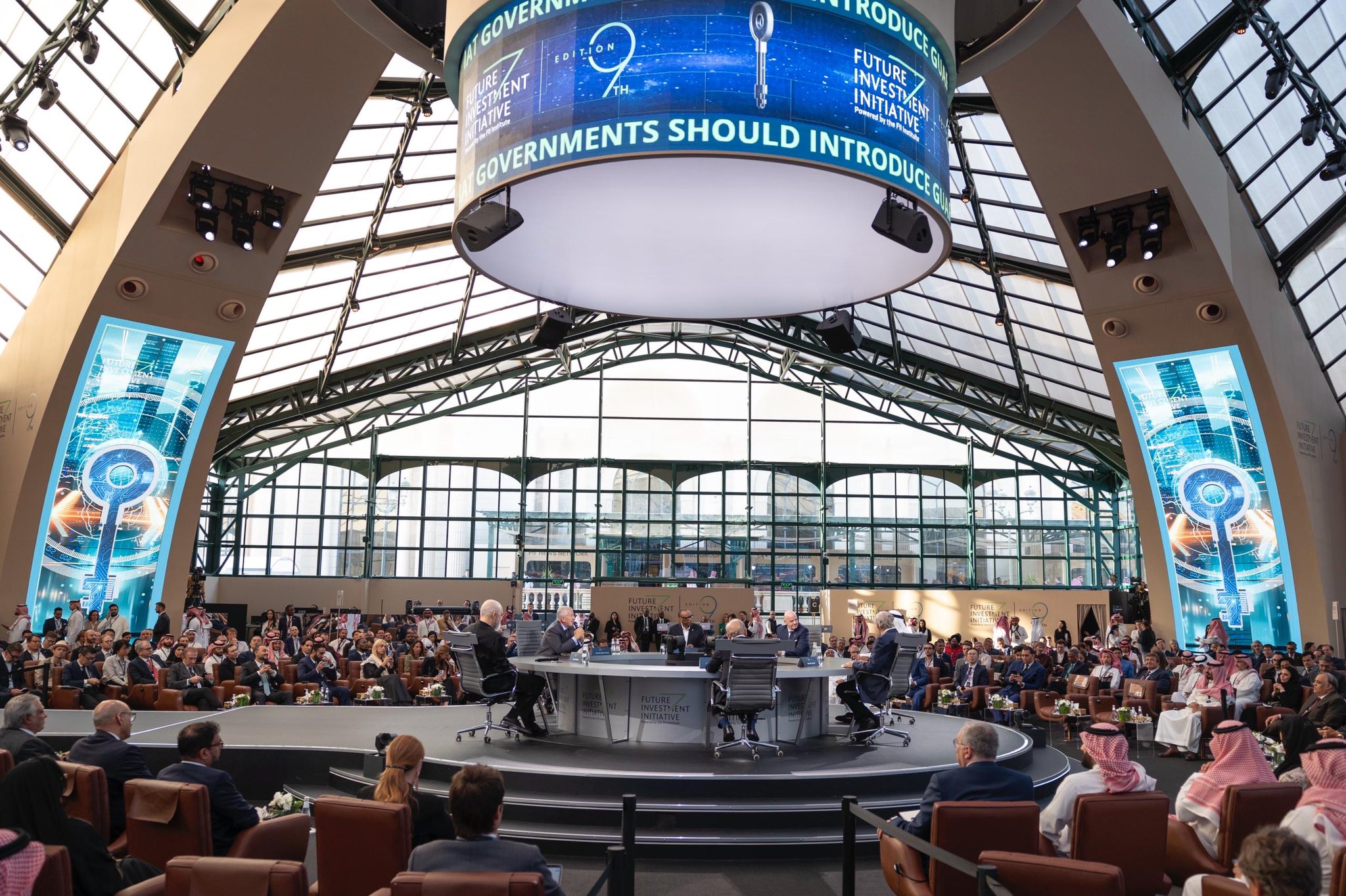
The discussion on “Is Humanity Heading in the Right Direction?” featured an array of world leaders, including President Mohamed Irfaan Ali of Guyana, President Gustavo Petro of Colombia, Prime Minister Edi Rama of Albania, Prime Minister Muhammad Shahbaz Sharif of Pakistan, as well as business luminary Ray Dalio, founder of Bridgewater Associates, and Gianni Infantino, president of FIFA.
The session was moderated by Richard Attias, Chairman of the FII Institute Executive Committee and Acting CEO of FII Institute.
Addressing the panel, moderator Attias highlighted Rwanda as a model of resilience and reform, asking President Kagame what leadership quality is most crucial to restoring trust between citizens and leaders.
President Kagame responded, emphasising that “delivery” aligning what leaders promise with the experiences of the people, is fundamental. He stated that leaders must understand what their people expect and work within available structures to meet those expectations.
“Trust is created when the delivery we promise and the experience people have move in harmony,” he said.
Highlighting Rwanda’s journey, Kagame noted, “For my country, which is a very small country, we make sure that everybody understands that we are small geographically in size, but we are not a people of small minds or spirit… The first people to take care of ourselves are us, and partnerships can accelerate growth, but it has to start with us.”
The discussion also explored how medium and small-sized countries can redefine their paths to development. Kagame stressed that size is not a limitation; rather, mindset, practice, and accountability are key.
He reflected on Rwanda’s recovery from its tragic past of the Genocide against the Tutsi, stating, “Thirty years ago, the country was completely destroyed. So those of us who survived the tragedy had to make a choice. Do we go along with the destruction and disappear ourselves? Or do we do something and live again, and later on connect with the rest of the world?
“We learned to take care of our business, hold ourselves accountable, and make sure that we are able to measure the results we get throughout this journey we have undertaken…We don’t forget to cooperate with others across the world for what they can provide. We also prepare the ground for other people from outside who can come and make investments with us, trade with us, or cooperate in all kinds of ways we can.”
President Mohamed Irfaan Ali of Guyana echoed Kagame’s sentiment, stressing the importance of bold thinking, investment in human capital, technology, and infrastructure as essential for competitiveness, regardless of a country’s size.
Earlier in the day at the King Abdulaziz International Conference Center, President Kagame participated in another high-level discussion on “the true cost of economic security,” where he called for a more inclusive global trade framework that enables equitable growth for developing nations.
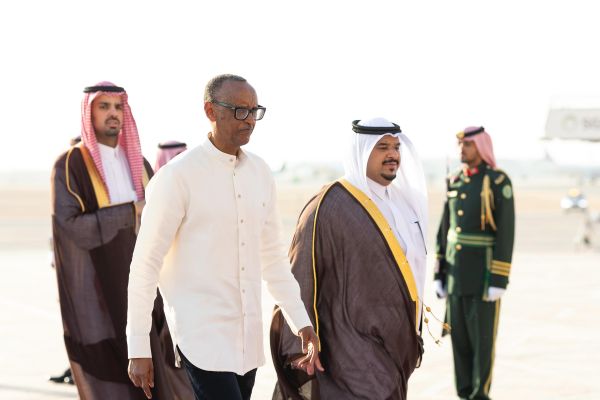
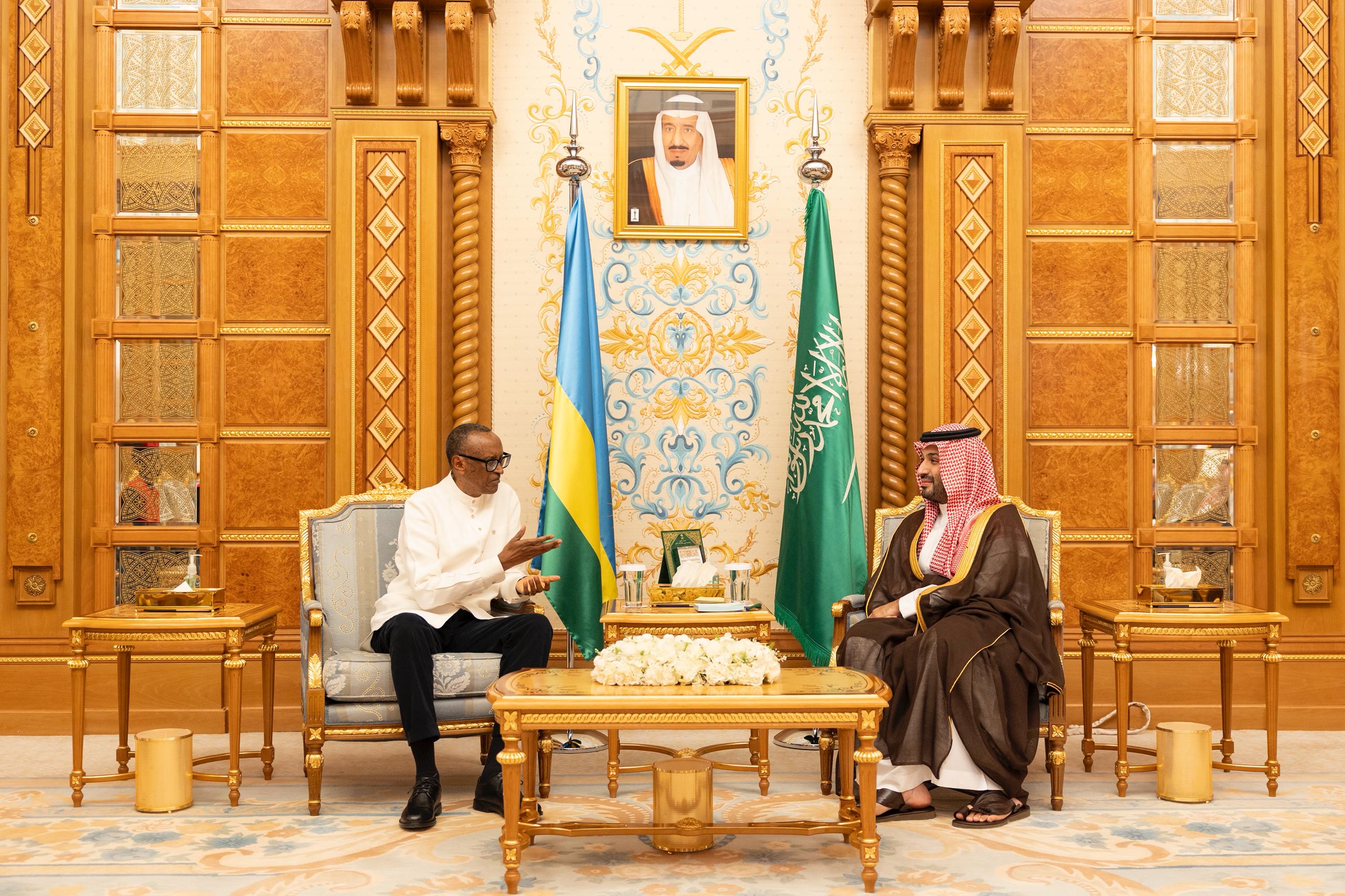
President Kagame arrived in Riyadh on Monday, October 27, joining global leaders, CEOs, investors, and policymakers for FII9, which runs through October 30 under the theme “The Key to Prosperity: Unlocking New Frontiers of Growth.”
The conference, organised by the FII Institute, provides a platform for debate and solutions-oriented dialogue on global investment and policy challenges, focusing on AI & Robotics, Education, Healthcare, and Sustainability.
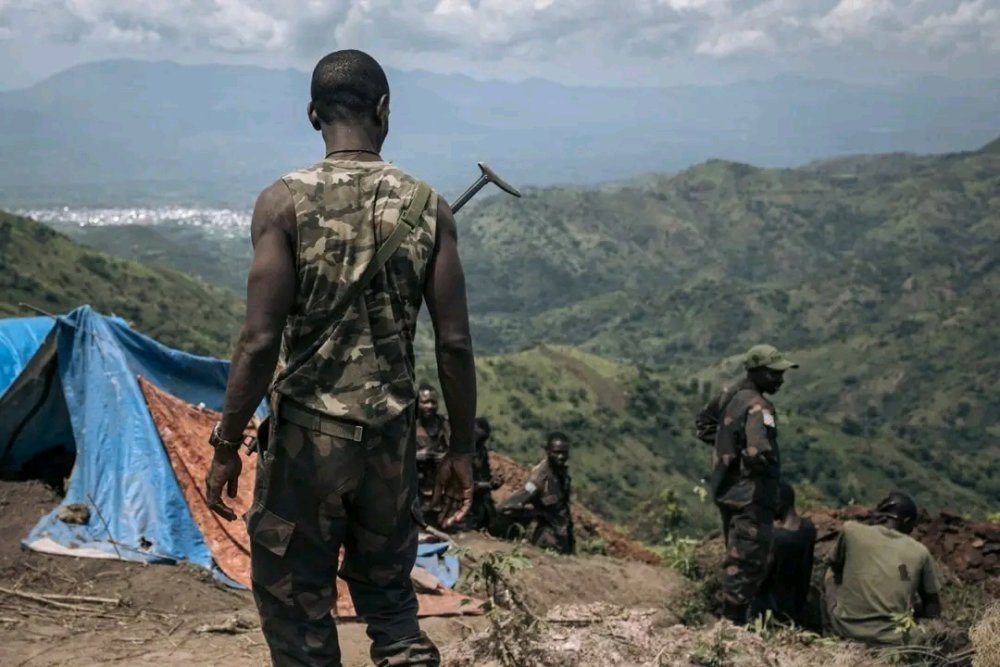
In a statement issued on Tuesday, October 28, the rebel group claimed that government forces launched a “comprehensive offensive across all front lines” at around 3:00 a.m., targeting densely populated areas in Kibati, Bibwe, Nyabiondo, Bukombo, and surrounding localities.
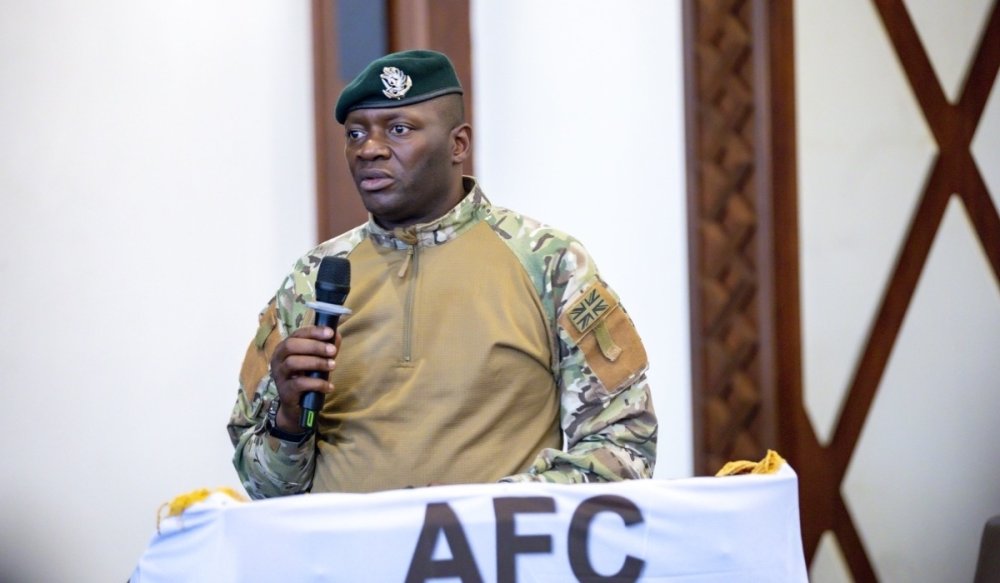
“The Kinshasa regime has escalated its flagrant violations of the ceasefire, operating with impunity both along and beyond the front lines,” read the communiqué signed by AFC/M23’s Spokesperson Laurence Kanyuka.
The group accused the Congolese army of “criminal barbarism” and “orchestrated massacres,” adding that heavy artillery and combat drones were deliberately aimed at civilian areas.
According to the statement, the attacks have resulted in civilian deaths, including women and children, and triggered mass displacement.
“By sabotaging all international peace efforts, Kinshasa has made its intentions clear: it is waging a war against the Congolese people,” Kanyuka said, asserting that the group would “exercise its right to self-defence” to protect civilians.
The allegations come just two weeks after representatives from both the DRC government and the AFC/M23 signed an agreement in Doha establishing a joint ceasefire monitoring and verification mechanism. The accord, facilitated by the State of Qatar, was hailed as a major step toward consolidating peace in the DRC’s restive eastern provinces.
The Doha mechanism, signed on October 14, builds on the Doha Declaration of Principles of July 19, 2025. It outlines a structured process to monitor compliance with the permanent ceasefire, investigate alleged violations, and engage stakeholders to prevent renewed hostilities.
Tuesday’s accusations now raise concerns about the fragility of the peace process and the durability of recent diplomatic gains. There are growing fears that renewed hostilities could derail ongoing international efforts to stabilise eastern DRC, where the AFC/M23 accuses the Kinshasa administration of marginalising and persecuting Kinyarwanda-speaking communities.
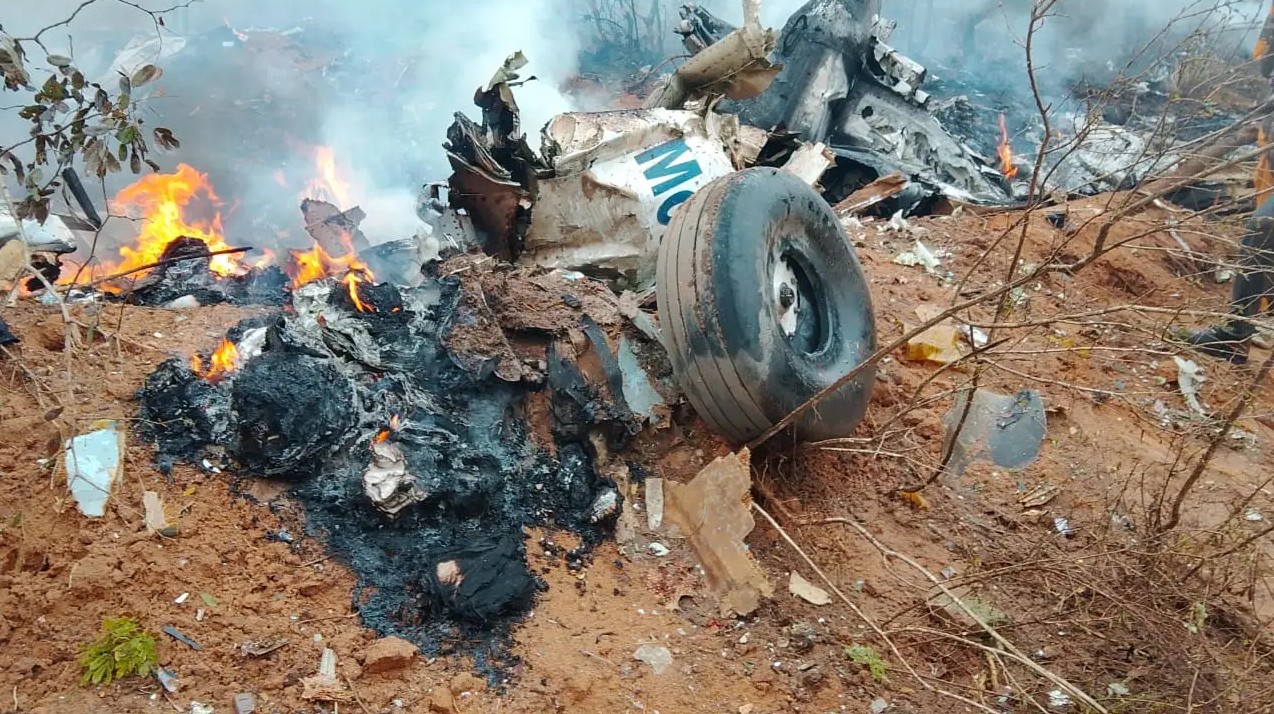
The Kenya Civil Aviation Authority (KCAA) confirmed that the plane, registration number 5Y-CCA, was en route from Diani to Kichwa Tembo, a popular airstrip serving lodges in the world-famous Masai Mara National Reserve, when it went down early Tuesday morning. The crash occurred around 07:30 CAT in the Tsimba-Matuga area of Matuga Constituency.
“Government authorities have already arrived at the scene to determine the cause of the crash and its consequences,” said KCAA Director General Emile Arao in a statement.
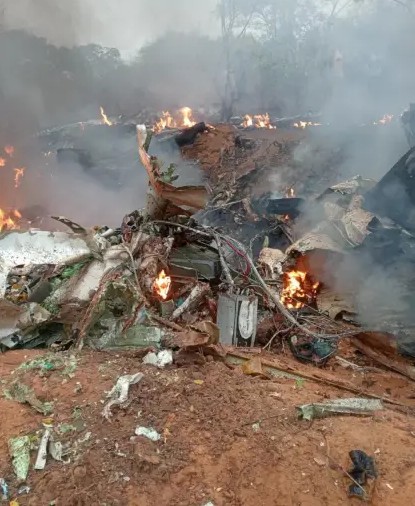
According to reports by Kenya’s Citizen TV, the aircraft burst into flames upon impact, leaving debris scattered across the crash site. Photos shared from the scene showed parts of the aircraft smouldering as emergency teams worked amid difficult weather conditions.
Rescue and recovery operations were immediately launched, though officials noted that poor weather was hampering efforts. Police and other government agencies have secured the area as investigators begin probing the cause of the crash.
Mombasa Air Safari said there were 10 passengers on board, eight Hungarians, two Germans, and the captain.
“Sadly, there are no survivors. Our hearts and prayers are with all those affected by this tragic event,” said the travel agency in a statement.
The Masai Mara, located in southwest Kenya, is one of Africa’s most visited safari destinations, attracting thousands of tourists annually for its rich wildlife and spectacular Great Migration.
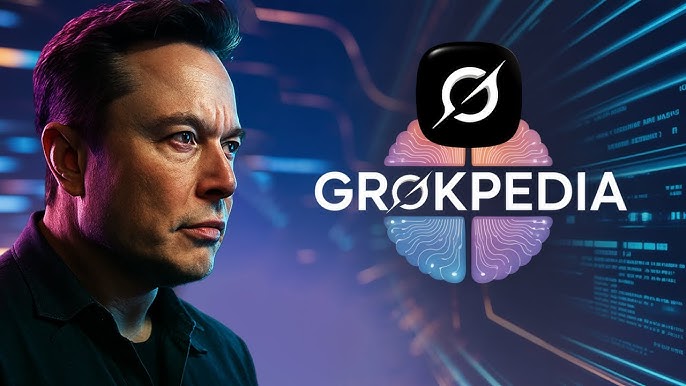
The launch, however, came after a brief delay, with Musk explaining that the team needed additional time to “purge out the propaganda.”
At its initial release, GrokPedia featured over 885,000 articles, though technical issues caused the site to briefly go offline. The platform returned later the same day, showcasing a dark-themed homepage with a single search bar and font styling reminiscent of both Wikipedia and the Grok chatbot.
Labeled as “version v0.1,” the site is still in early beta, with a significant gap compared to Wikipedia’s more than seven million English-language articles.
Unlike Wikipedia, GrokPedia is entirely AI-driven. Content is managed and fact-checked by Grok rather than edited by users. Corrections can only be suggested through a form, which the system then reviews.
Each entry includes subheadings and citations, reflecting Wikipedia’s familiar structure. Much of GrokPedia’s content is adapted from Wikipedia itself under the Creative Commons Attribution-ShareAlike 4.0 license, allowing reuse with proper credit.
Lauren Dickinson, a spokesperson for the Wikimedia Foundation, said, “Wikipedia’s knowledge is and always will be human. Through open collaboration and consensus, people from all backgrounds build a neutral, living record of human understanding… even GrokPedia needs Wikipedia to exist.”
{{Musk’s motivation
}}
Musk has long accused Wikipedia of holding a left-wing bias, claiming the platform gives unfair treatment to conservative viewpoints and relies heavily on liberal-leaning sources. In 2019, he called his own Wikipedia page a “war zone with a zillion edits” on X. Earlier this year, he urged followers to “defund Wikipedia until balance is restored.”
In September, Musk described GrokPedia as a “massive improvement over Wikipedia” and “a necessary step towards the xAI goal of understanding the Universe.”
The launch follows Musk’s pattern of creating alternatives to mainstream platforms he perceives as politically slanted. Notably, Larry Sanger, one of Wikipedia’s cofounders, voiced support for GrokPedia’s creation.
{{How GrokPedia differs from Wikipedia
}}
Unlike Wikipedia, which relies on volunteers to edit and discuss entries, GrokPedia limits public editing to suggested corrections. While this is intended to reduce misinformation, it may slow updates to fast-changing topics.
As of the beta release, the platform lists under 900,000 entries, roughly an eighth of Wikipedia’s English total. Musk has stated that the AI will rapidly expand the database, though the project remains in early testing.
GrokPedia also highlights ideological differences. Users have noted stark contrasts in entries on politically and socially sensitive topics. For example, the AI entry on George Floyd positions him as an “American man with a lengthy criminal record,” while Wikipedia describes him as “an African American man who was murdered by a white police officer in Minneapolis, Minnesota, during an arrest.”
Critics argue that GrokPedia, rather than eliminating bias, appears to replace Wikipedia’s perceived left-leaning bias with a more conservative or “anti-woke” perspective. Controversial topics such as transgender issues, U.S. slavery, and Musk’s own biography have sparked debate over content framing and ideological slant.
{{AI limitations and plagiarism concerns
}}
Despite Musk positioning GrokPedia as a rival to Wikipedia, early analysis revealed instances of content nearly identical to Wikipedia, with only minor adaptations and a disclaimer noting its source. The AI model, like any large language model, is prone to hallucinations.
Additionally, GrokPedia lacks Wikipedia’s open editing history and decentralised moderation, making independent verification of information difficult. Critics argue that the AI-driven approach, intended to eliminate human bias, may instead reflect the ideological views of its creator and the training data used.
While GrokPedia remains in beta, Musk touts it as “the world’s largest and most accurate knowledge source without centralised control.” It aims to serve both human readers and artificial intelligence models. Whether GrokPedia will evolve into a credible alternative to Wikipedia or remain a controversial, AI-driven encyclopedia will depend on how its content, bias, and reliability are addressed in the coming months.
While 17 candidates have been cleared to contest the presidency, the race is widely seen as uncompetitive, with President Samia Suluhu Hassan facing only minor challengers following the disqualification of the country’s two largest opposition parties.
President Samia Suluhu Hassan, who assumed power in 2021 following the death of John Magufuli, is running with Emmanuel Nchimbi, a seasoned politician and former minister.
Since the reintroduction of multi-party democracy in 1992, CCM has never lost a general election, and Samia Suluhu is highly likely to extend her party’s unbroken run of power, which began with its predecessor in 1961, to over six decades in the upcoming 2025 general election.
{{Main opposition leaders barred
}}
The election landscape changed dramatically after the Independent National Electoral Commission (INEC) barred the two largest opposition parties, Chadema and ACT-Wazalendo, from participating.
Tundu Lissu, leader of Chadema, was arrested in April on treason charges after what he termed a campaign for electoral reforms. His party was subsequently disqualified from the election.
Similarly, Luhaga Mpina, the presidential hopeful from ACT-Wazalendo, was disqualified twice. Although the High Court initially reinstated his candidacy, the electoral commission quickly reversed the decision following an objection from the Attorney General, and the High Court later upheld the final disqualification.
These developments have left smaller opposition parties in the running, though none are seen as posing a serious threat to CCM’s dominance.
With the main opposition out of the race, the remaining contenders include the incumbent, Samia Suluhu Hassan, along with 16 candidates from smaller parties.
Salum Mwalimu of the Public Liberation Party (Chaumma) is arguably the most politically significant figure among the minor opposition, largely due to his recent high-profile role in the main opposition movement.
Mwalimu previously served as the running mate to Tundu Lissu, the disqualified Chadema leader, in the 2020 presidential election, and was a former Secretary-General of that party before his defection to Chaumma. His participation is notable as he attempts to capitalise on the void left by his former party.
Haji Ambar Khamis (National Convention for Construction and Reform – Mageuzi – NCCR-MAGEUZI), representing a veteran opposition party, has put forth a core campaign pledge focused on major political change, promising to enact a new national constitution within his first 100 days if elected.
Gombo Samandito Gombo of the People’s United Front (CUF) represents one of Tanzania’s oldest opposition parties, with historical strength, particularly in Zanzibar. His campaign focuses on combating corruption, promoting fiscal independence through domestic revenue mobilisation, and pledging major investments in agriculture and free social services.
Saum Hussein Rashid of the United Democratic Party (UDP) and Mwajuma Noty Mirambo of the Union for Multiparty Democracy (UMD) are notable as two of the few female presidential candidates in the 2025 contest, highlighting the limited but significant representation of women in Tanzania’s political landscape.
Majalio Paul Kyara of the Sauti ya Umma Party (SAU) carries forward his party’s tradition of contesting presidential elections, with SAU having fielded candidates in every general election since 2005.
Hassan Kisabya Almas of the National Reconstruction Alliance (NRA), Coster Jimmy Kibonde of the Makini Party (MAKINI), Abdul Juma Mluya of the Democratic Party (DP), and Kunje Ngombale Mwiru of the Alliance for African Farmers Party (AAFP) are among the smaller party candidates seeking to offer alternative platforms, though none are seen as major contenders.
Georges Gabriel Bussungu of the Tanzania Democratic Alliance (ADA-TADEA), Twalib Ibrahim Kadege of the United People’s Democratic Party (UPDP), Doyo Hassan Doyo of the National League for Democracy (NLD), and Wilson Elias Mulumbe of the Alliance for Democratic Change (ADC) also bring their parties’ distinct agendas to the race, representing minor opposition voices.
David Daud Mwaijojele of the Social Democratic Party (CCK) and Yustas Mbatina Rwamugira of the Tanzania Labour Party (TLP) round out the field, adding further diversity to the slate of candidates despite their limited political reach.
If re-elected, President Suluhu is expected to consolidate her leadership within CCM and continue her agenda focused on economic reform, gender inclusion, and international cooperation.
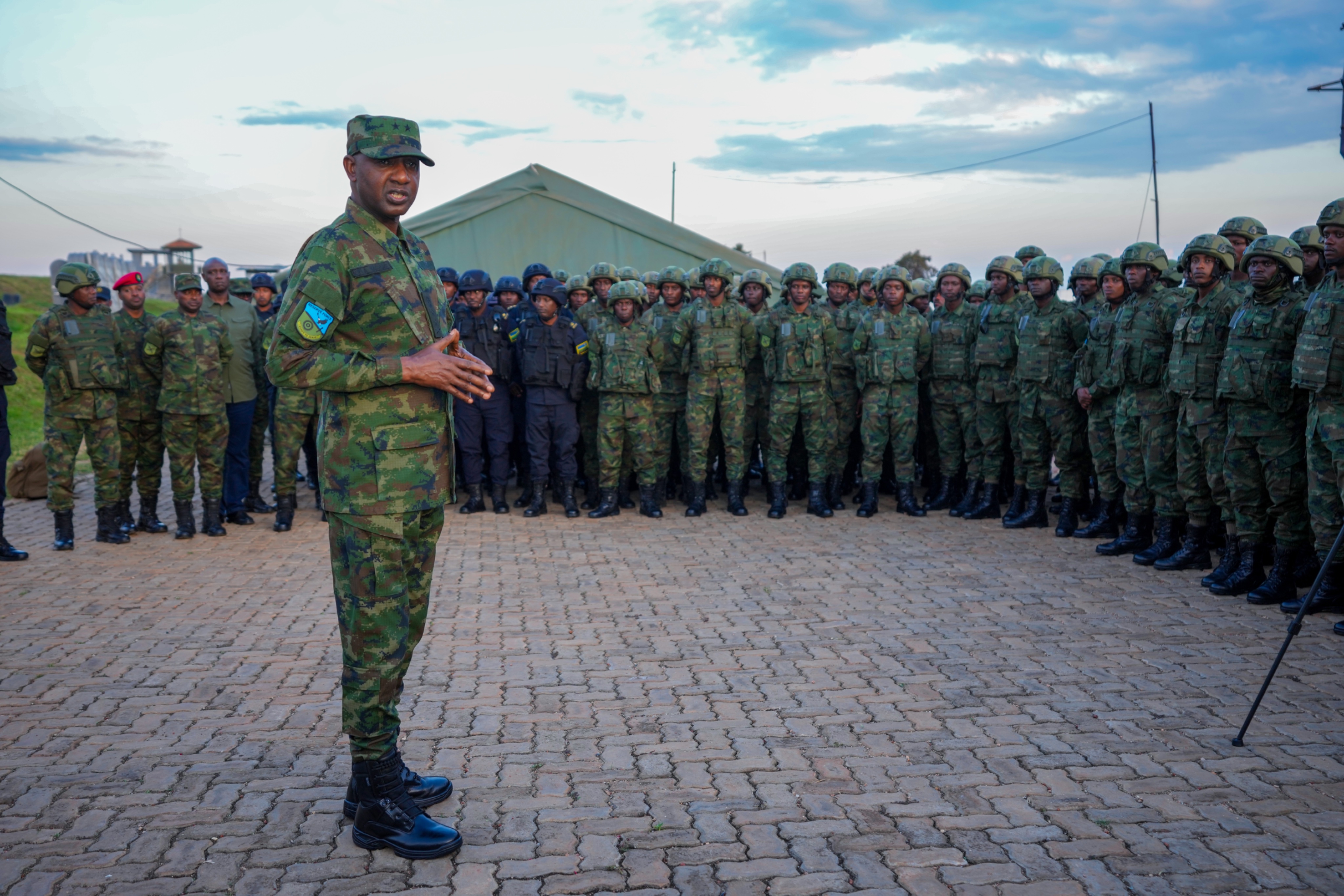
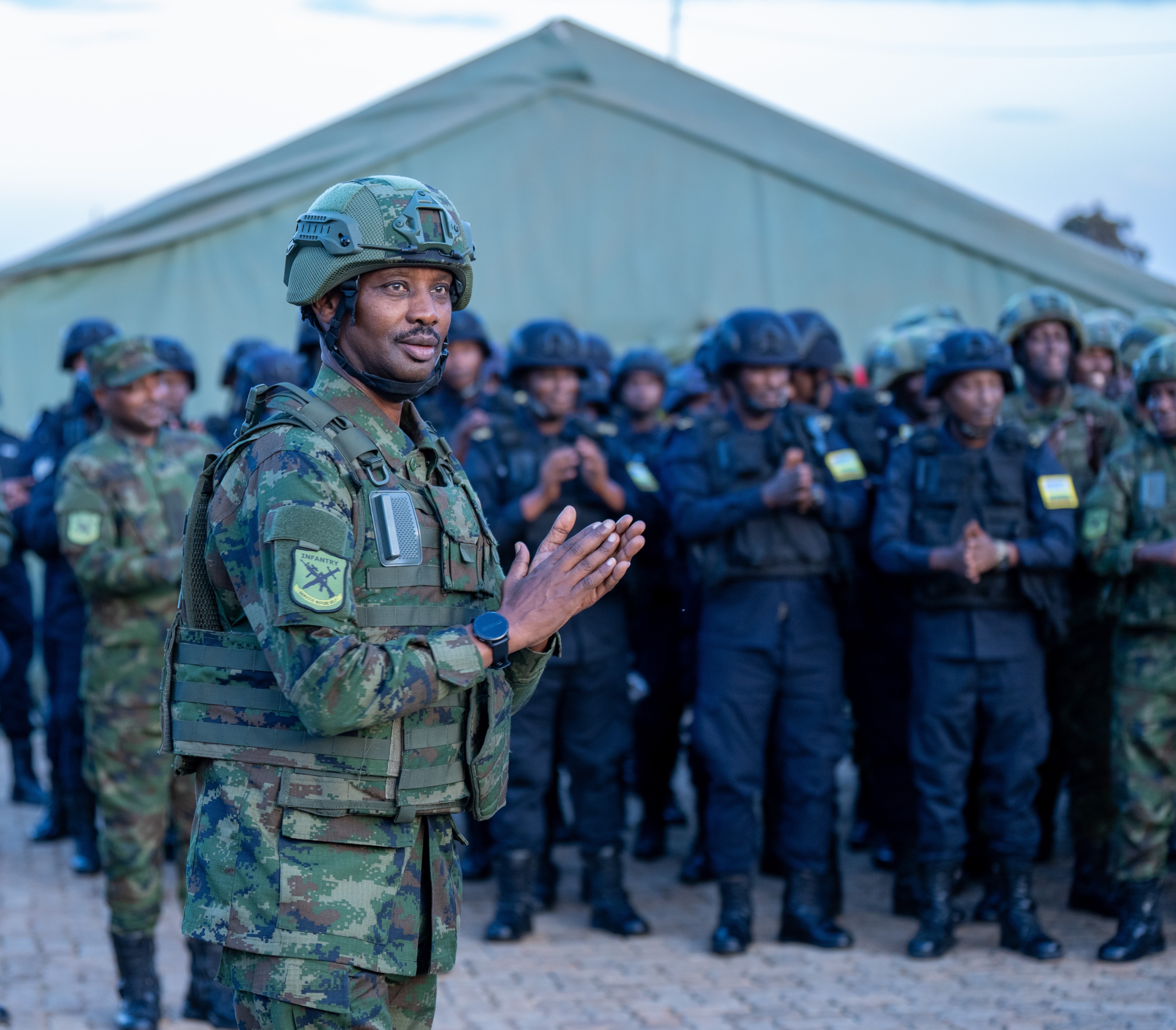
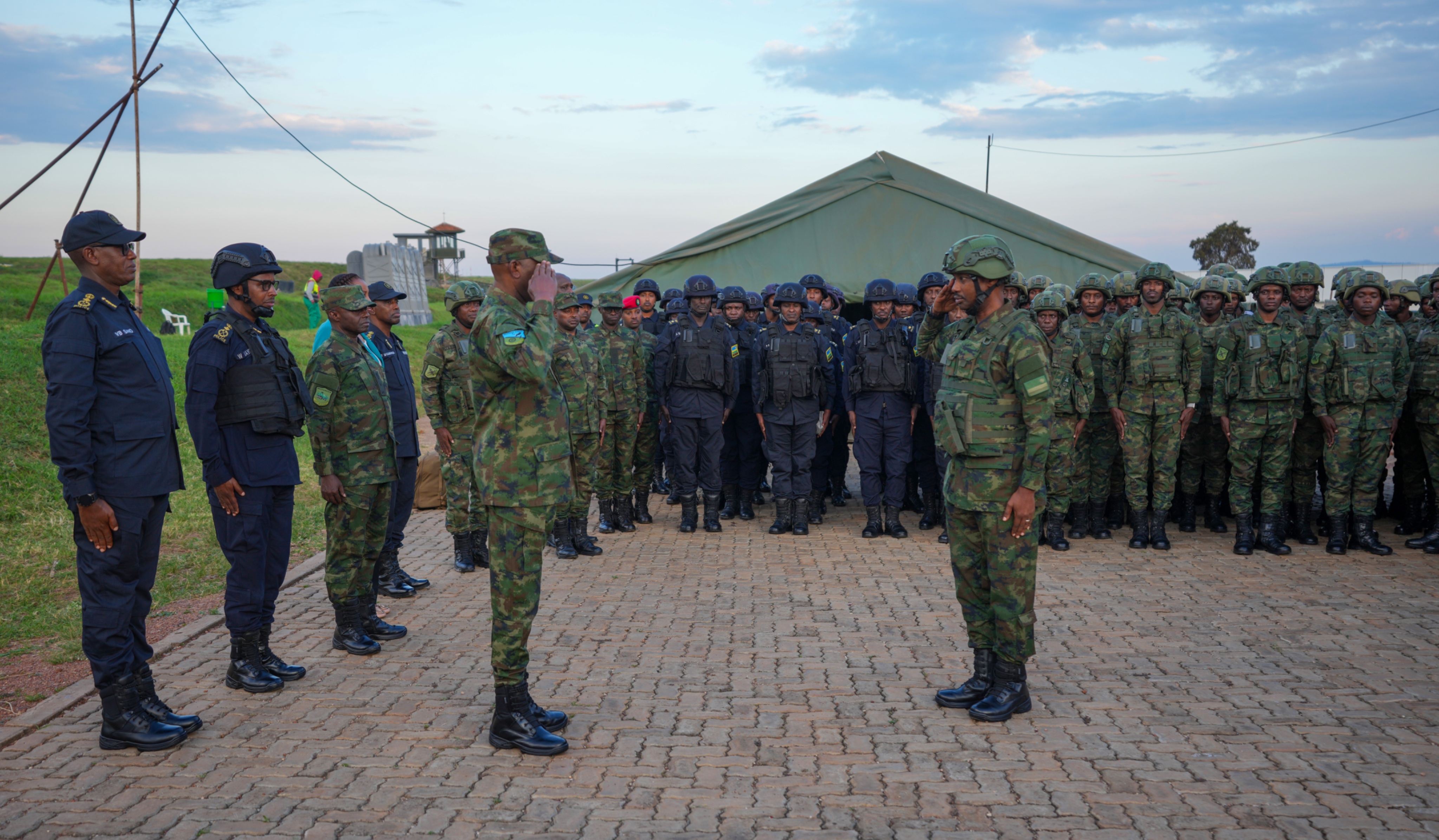
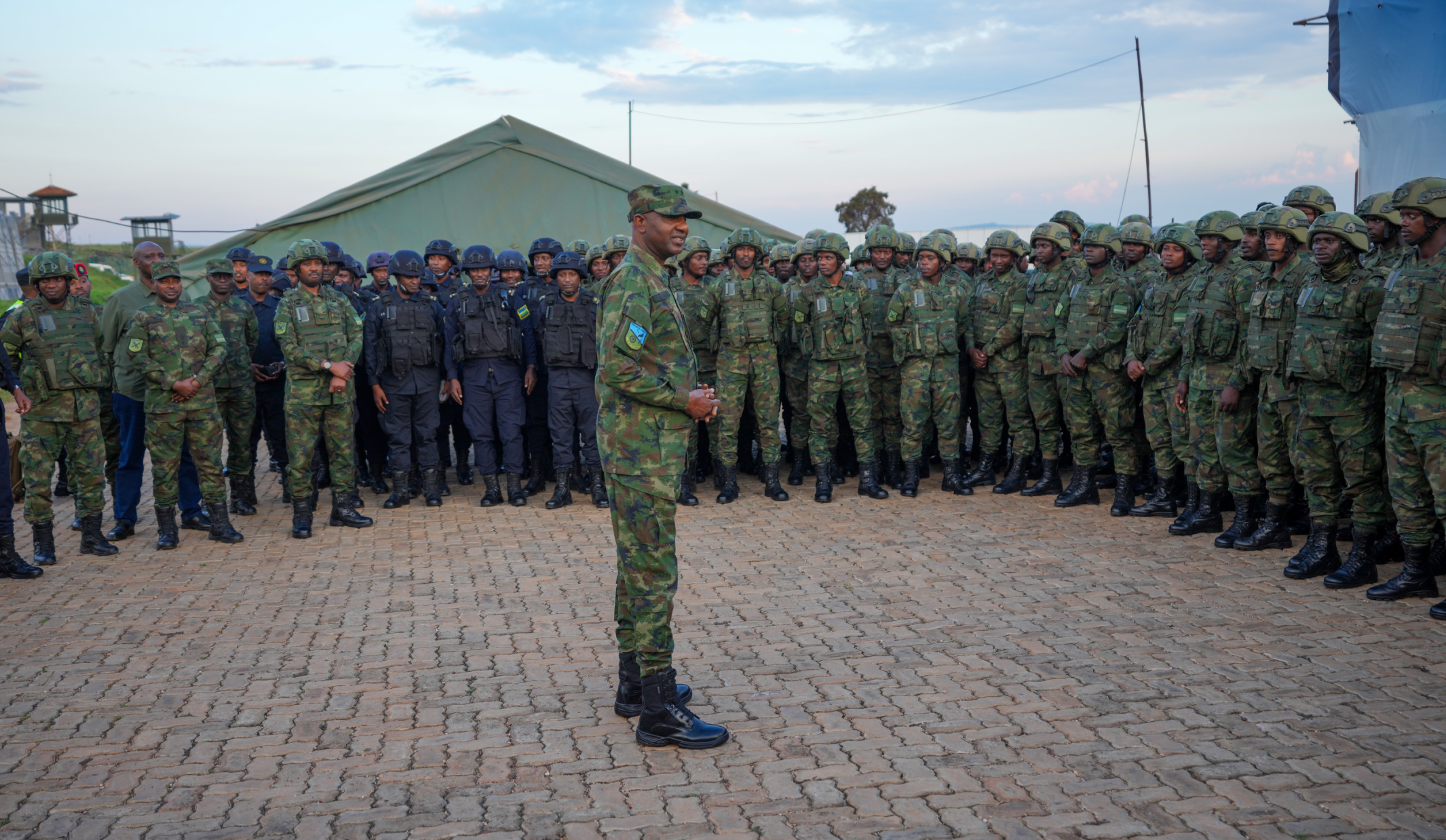
The contingent, led by Joint Task Force Commander Major General Emmy K. Ruvusha, arrived at Kigali International Airport to a warm reception following their contribution to ongoing counter-insurgency efforts in northern Mozambique.
Addressing the troops, Major General Kagame commended their dedication, professionalism, and resilience in the face of operational challenges. He lauded their outstanding achievements over the past year and urged them to continue upholding the highest standards of conduct and discipline as members of the RDF.
Rwandan troops were first deployed to Mozambique’s Cabo Delgado Province in July 2021 at the request of the Mozambican government, following years of attacks by Islamic State-linked insurgents.
Since the deployment, joint operations between the Rwanda Security Forces and the Mozambican Defence Armed Forces have significantly weakened the insurgency, restored security in several districts, and facilitated the safe return of thousands of displaced residents.
The return of the contingent comes two months after Mozambican President Daniel Francisco Chapo’s visit to Rwanda, during which a renewed Status of Forces Agreement was signed to extend Rwanda’s military support in Cabo Delgado.
“Thanks to this cooperation, we can see peace returning to the region,” President Chapo said during his visit, acknowledging Rwanda’s crucial role in stabilising Cabo Delgado despite sporadic attacks that still occur.
The government’s five-year plan, running from 2024 to 2029, is supported by a clear financing architecture. While private investment is set to provide 43 percent of the total, the remaining 57 percent will come from public resources, including government revenues and external grants and concessional loans. This public-private funding mix is designed to propel Rwanda towards an average annual GDP growth rate of 9.3 percent over the five-year period.
{{Doubling private investment and creating jobs
}}
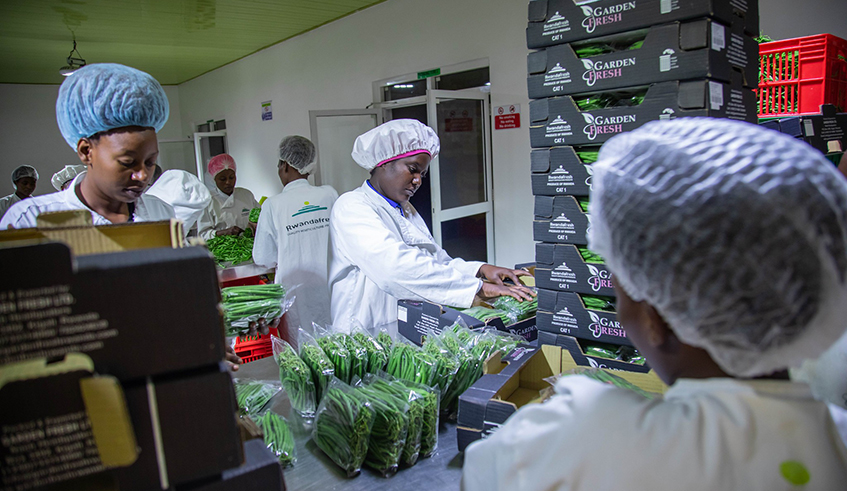
The NST2 aims to more than double private investment, from a 2023 baseline of $2.2 billion to $4.6 billion by 2029. This capital influx is expected to support the creation of 1.25 million productive and decent jobs over the strategy’s duration, addressing key unemployment challenges.
Much of the investment will be channelled through the domestic financial system, according to the newly released Financial Sector Development Strategy (FSDS) 2025–2029. Over 70 percent of private funding is expected to flow via local banks, insurers, pension funds, capital markets, and a growing fintech sector.
The approach aligns with Rwanda’s long-term goals of achieving upper-middle-income status by 2035 and high-income status by 2050, by building a more competitive, innovative financial sector capable of directing capital to manufacturing, agriculture, housing, and small businesses.
{{Addressing financial bottlenecks
}}
Despite a 96 percent financial inclusion rate, Rwanda faces bottlenecks that limit private capital flow. These include low national savings, high lending costs, a shortage of long-term financing products, and gaps in access to finance for SMEs, women, youth, and agriculture-dependent communities. The government aims to raise national savings from 12.4 percent of GDP to over 25 percent by 2029.
{{Reforms to unlock credit
}}
The FSDS sets out reforms to strengthen trust in financial institutions, expand accessibility, enhance customer engagement, and boost financial literacy. Banks and microfinance institutions are expected to expand credit to productive enterprises, while Umurenge SACCOs will be consolidated into a national cooperative bank to improve community-level lending efficiency. These reforms are intended to help businesses grow and generate jobs.
{{Capital markets as an engine of growth
}}
The strategy also targets capital market development. Plans include expanding listings on the Rwanda Stock Exchange, increasing corporate bond issuance, and attracting venture capital and private equity into high-growth sectors. Export revenues are projected to grow by at least 13 percent annually, reaching $7.3 billion by 2029.
Pension funds, including the Ejo Heza long-term savings scheme, will provide a stronger domestic supply of long-term capital, offering Rwandans more opportunities to save and invest.
{{Digital finance to accelerate investment
}}
Digital finance forms a key part of the plan. Building on mobile money and the eKash national payment system, Rwanda is exploring the introduction of a Central Bank Digital Currency to reduce transaction costs and facilitate cross-border trade.
To track implementation, the FSDS establishes a governance and monitoring framework led by the Ministry of Finance with sector regulators. Progress will be measured through quarterly reports and joint reviews assessing the financial sector’s contribution to NST2 goals.
Though Rwanda’s financial sector currently contributes just 2 percent of GDP, the government emphasises its outsized role in mobilising investment for national growth.
Officials believe that, if successfully implemented, these reforms will create a stronger, more resilient economy, reduce reliance on concessional financing, and unlock opportunities for citizens to save, invest, and generate wealth.