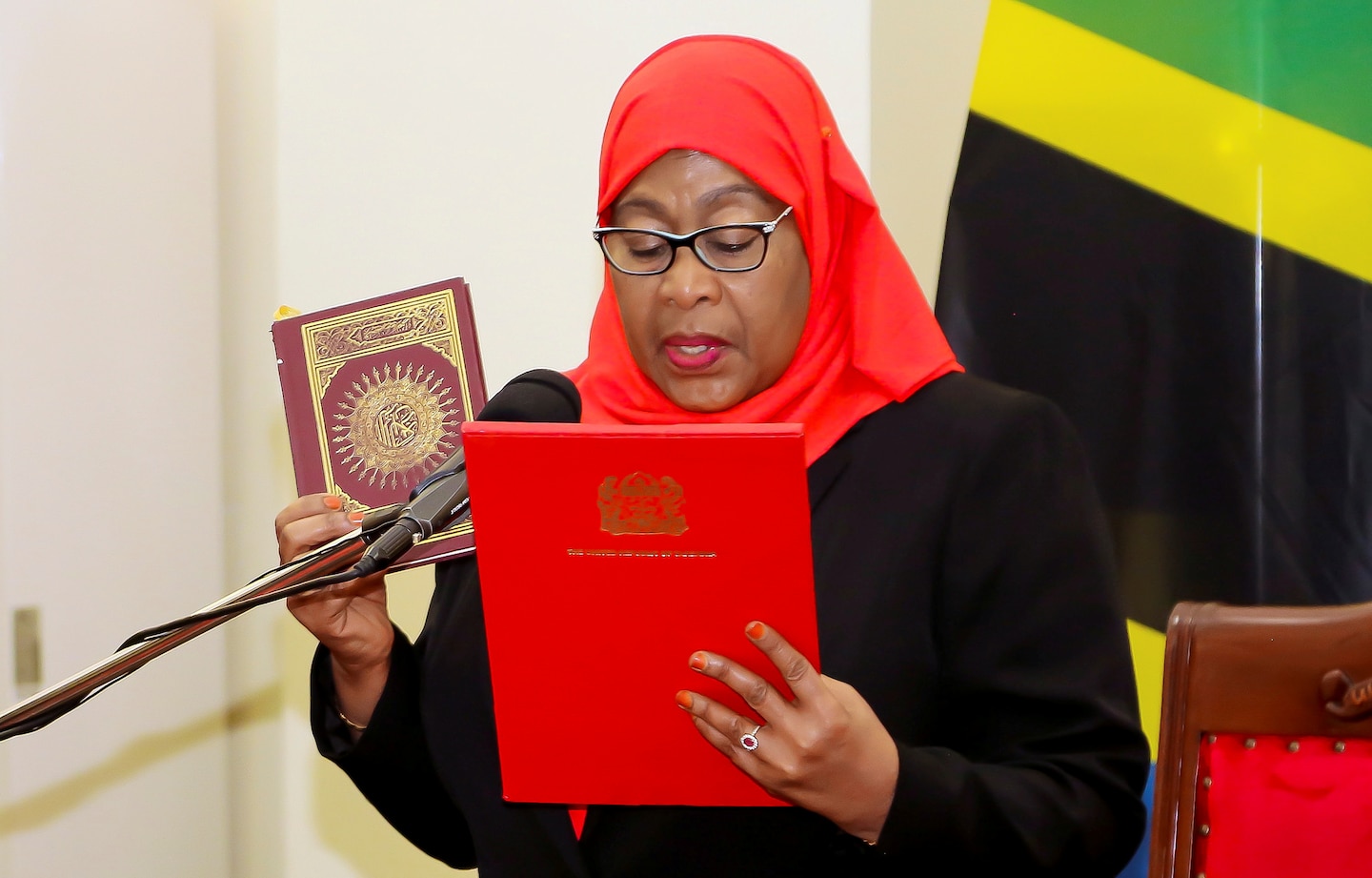
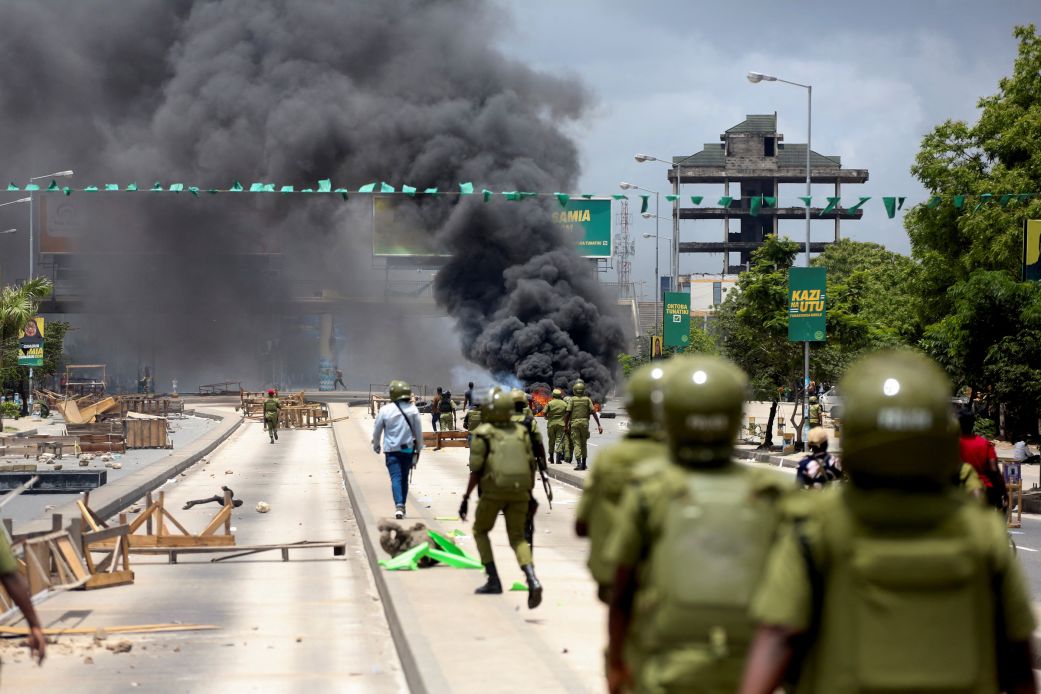
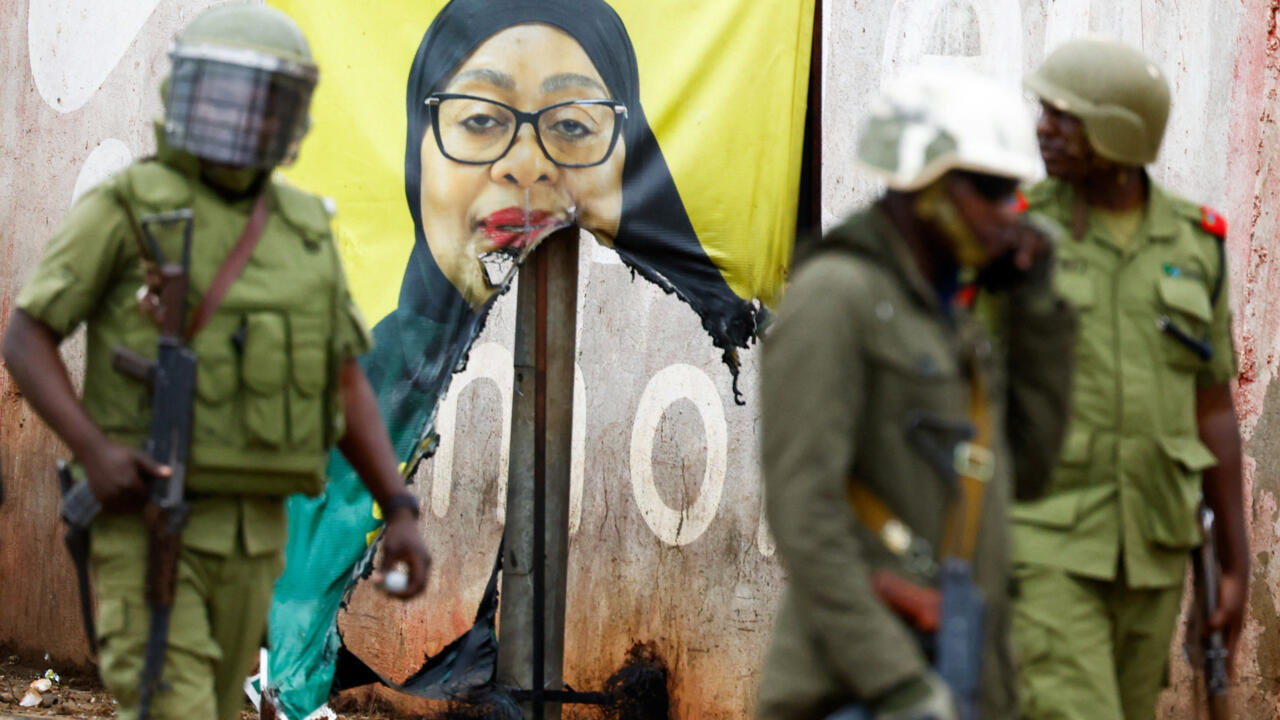
The inauguration ceremony was held at a military base in the administrative capital, Dodoma, amid restrictions following violent protests that marred the election, during which opposition leaders say hundreds were killed. The event, closed to the public, was broadcast live on state television.
Wearing a red headscarf and dark glasses, Suluhu, 65, officially took the reins of power and will be deputised by Emmanuel Nchimbi.
Suluhu, of the ruling Chama Cha Mapinduzi (CCM) party, was declared the winner on Saturday with 97.66% of the vote. She faced little opposition, with leading rival Chadema’s Tundu Lissu detained on treason charges.
According to the Independent National Electoral Commission, Suluhu secured more than 31.9 million votes, with nearly 87 percent of Tanzania’s 37.6 million registered voters turning out.
Suluhu first became president in 2021 after the death of her predecessor, John Magufuli. She is the first woman to hold the Tanzanian presidency and the first to be born in Zanzibar.
A long-serving member of CCM, Suluhu began her political career in Zanzibar and later served in multiple ministerial roles. In 2010, she was elected to Tanzania’s National Assembly and appointed Minister of State for Union Affairs. She also served as vice chair of the Constitutional Assembly, tasked with drafting the country’s new constitution.
In 2015, she made history as Tanzania’s first female deputy president alongside Magufuli. Monday’s inauguration marks the start of her first full term as an elected president.
“We strongly condemn the false accusations made by U.S. Central Command regarding the alleged looting of an aid truck,” Hamas said in a statement. It described the U.S. allegations as “baseless and unjustified,” accusing Washington of trying to justify “further reductions of already limited humanitarian aid.”
Hamas said no international or local aid agencies, nor any drivers working with convoys, had reported such an incident.
“The continued U.S. adoption of the Israeli narrative only deepens its immoral bias and makes it a partner in the blockade and the suffering of the Palestinian people,” the group said.
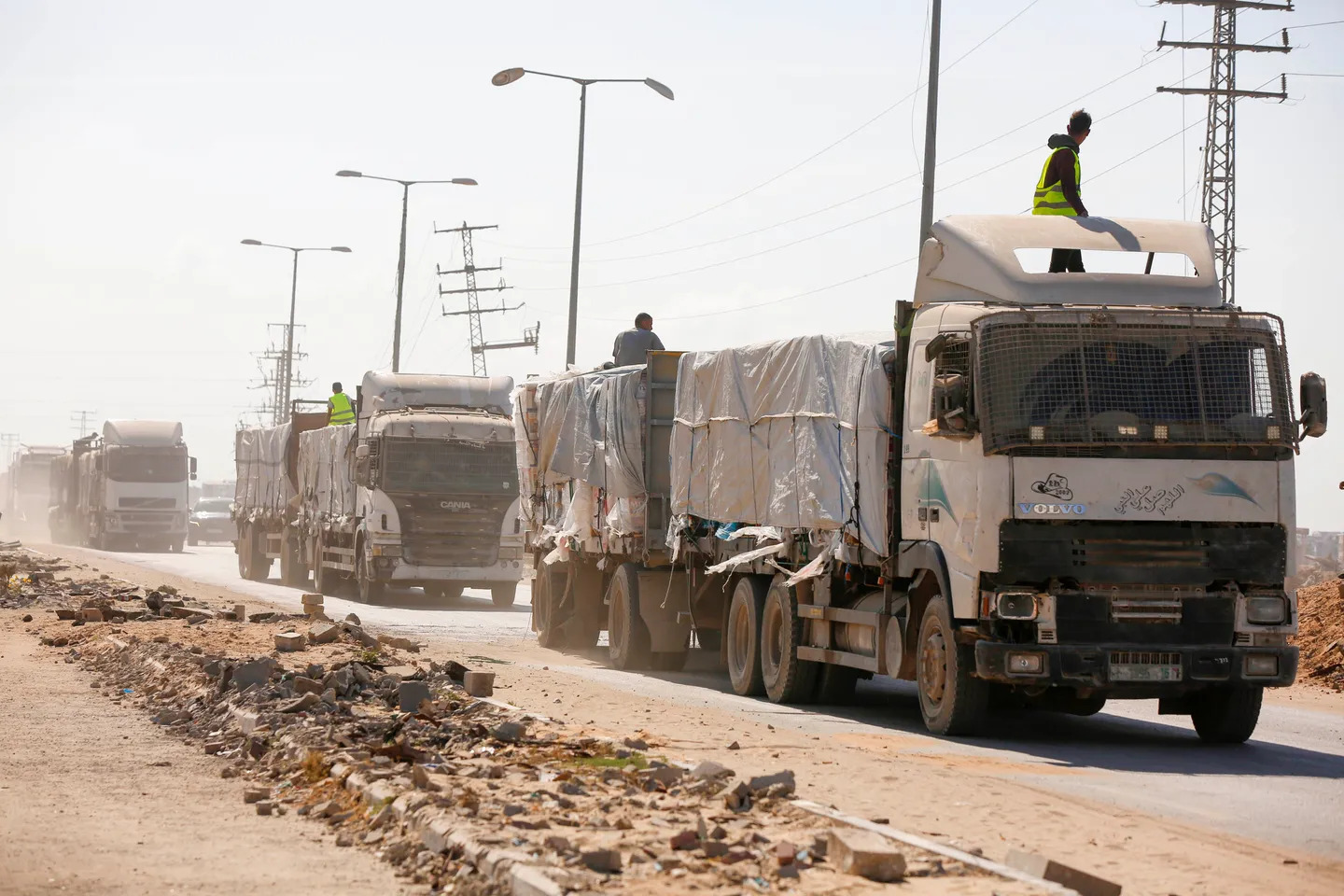
U.S. Central Command said Saturday that a U.S. drone had observed suspected Hamas operatives seizing an aid truck from a convoy in southern Gaza. CENTCOM said the truck was part of a humanitarian convoy carrying supplies provided by Israel and that the driver’s fate remained unknown.
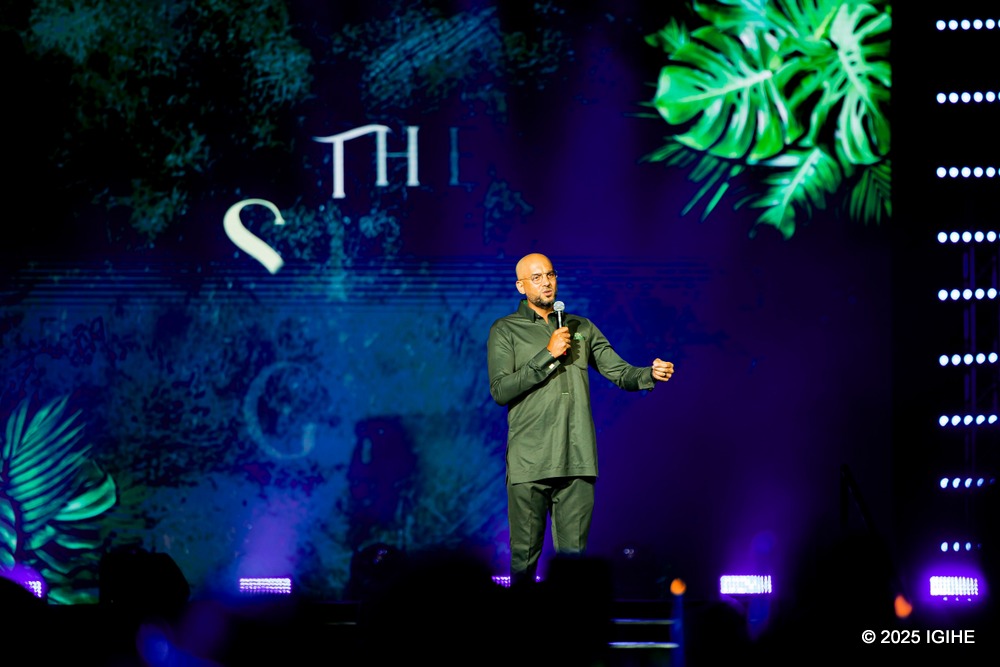
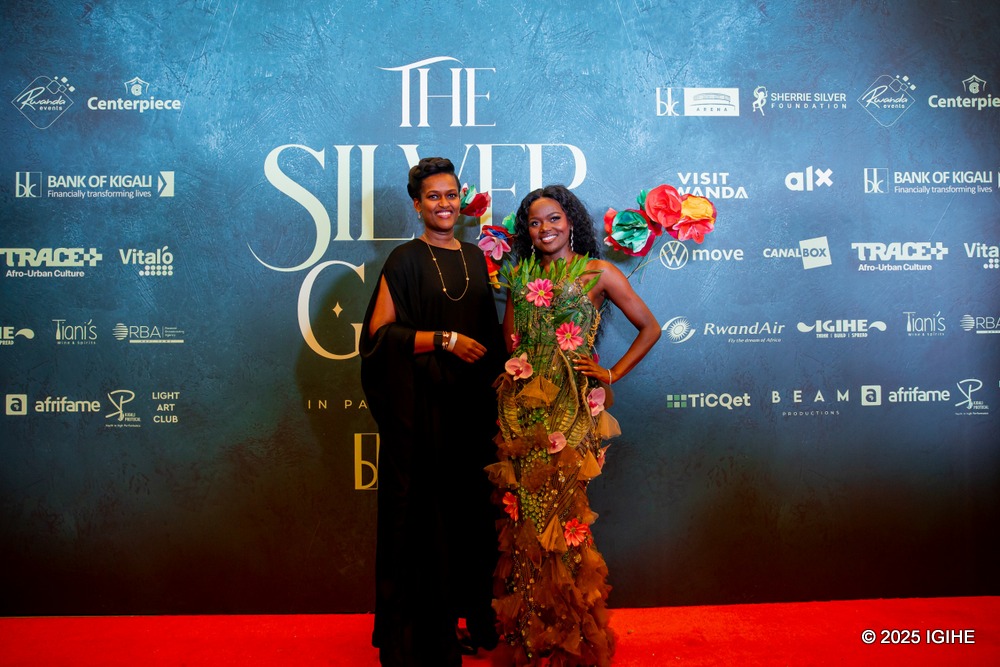
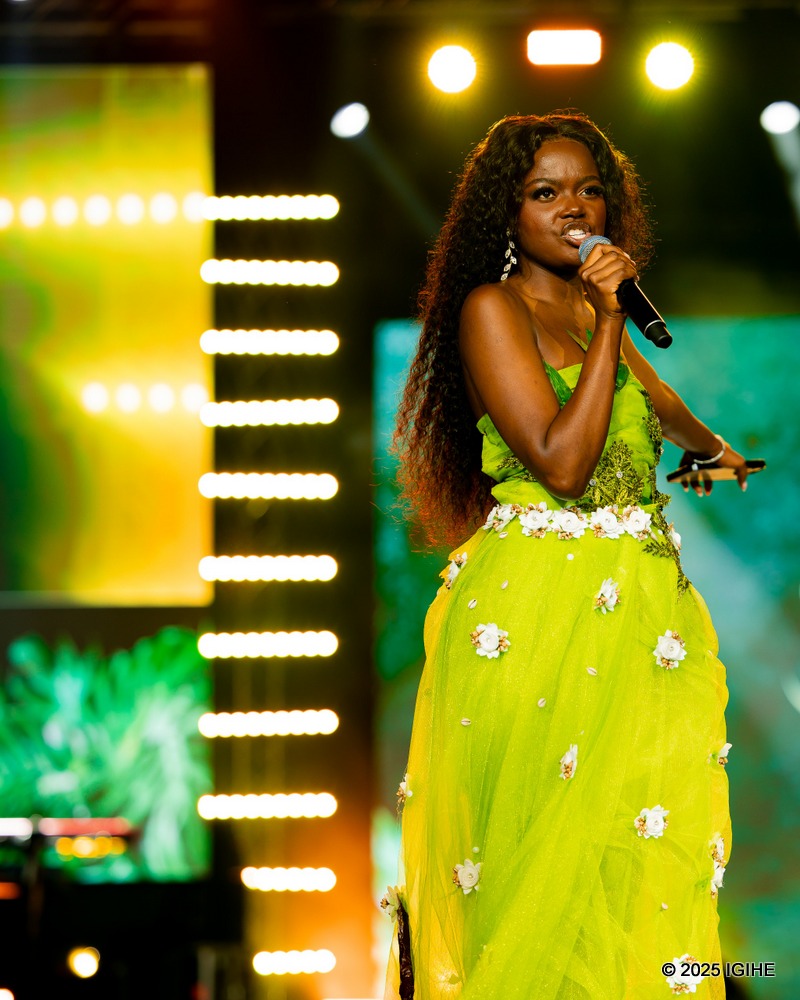
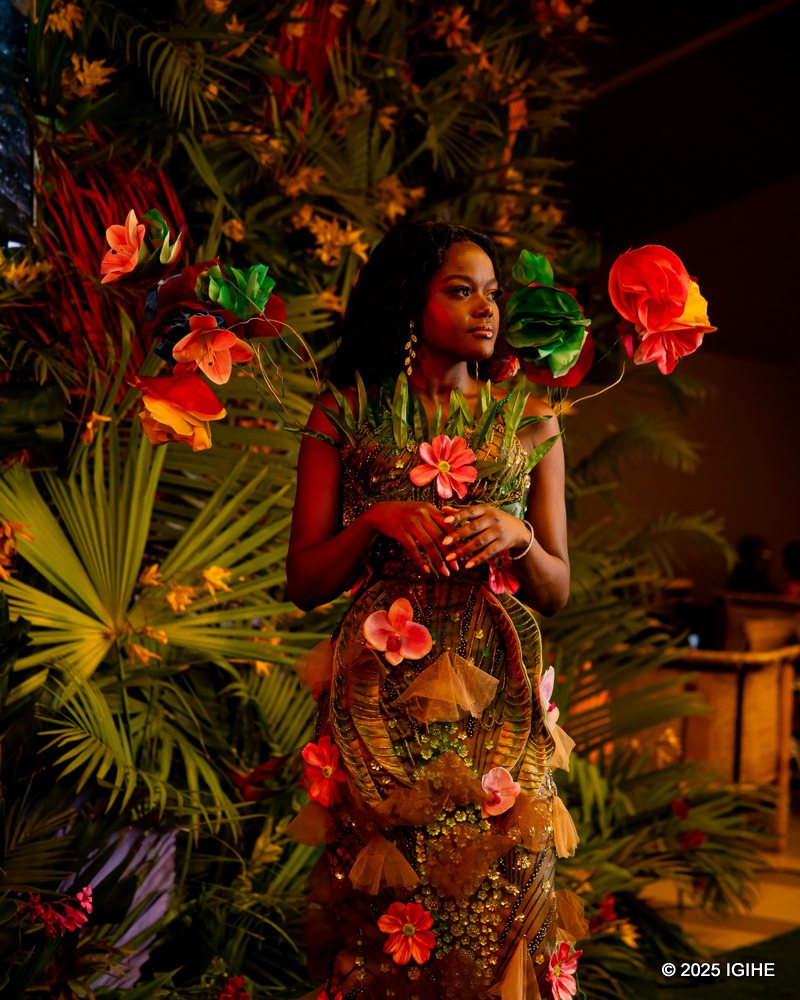
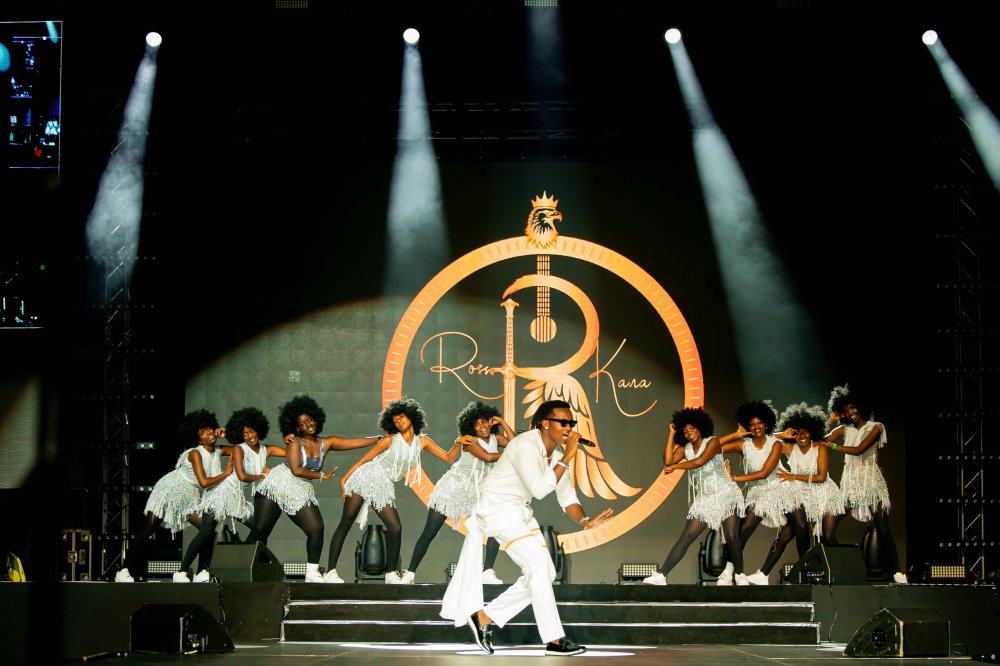
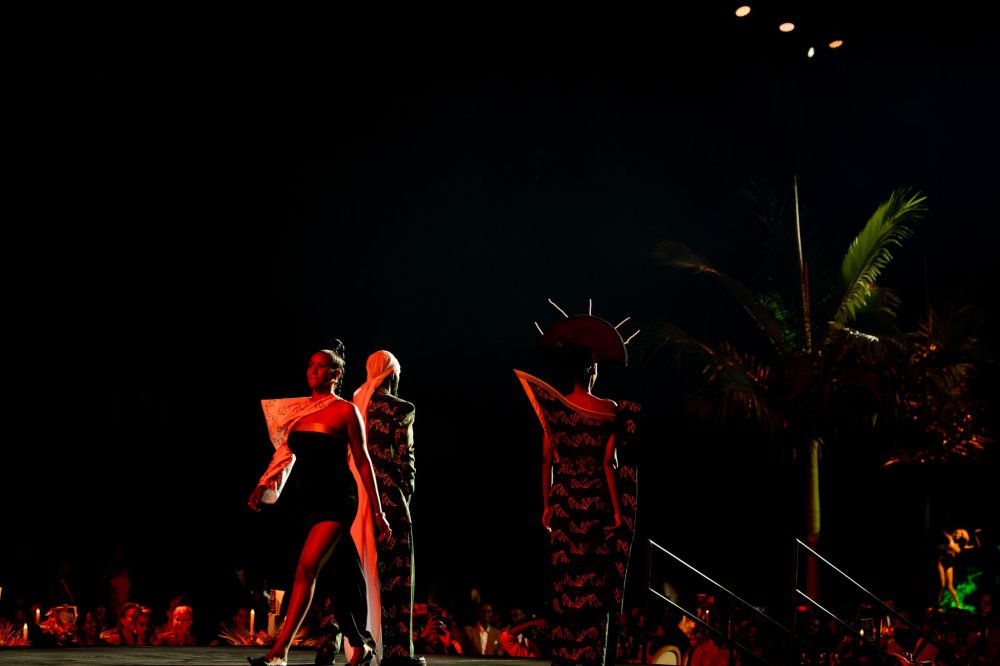
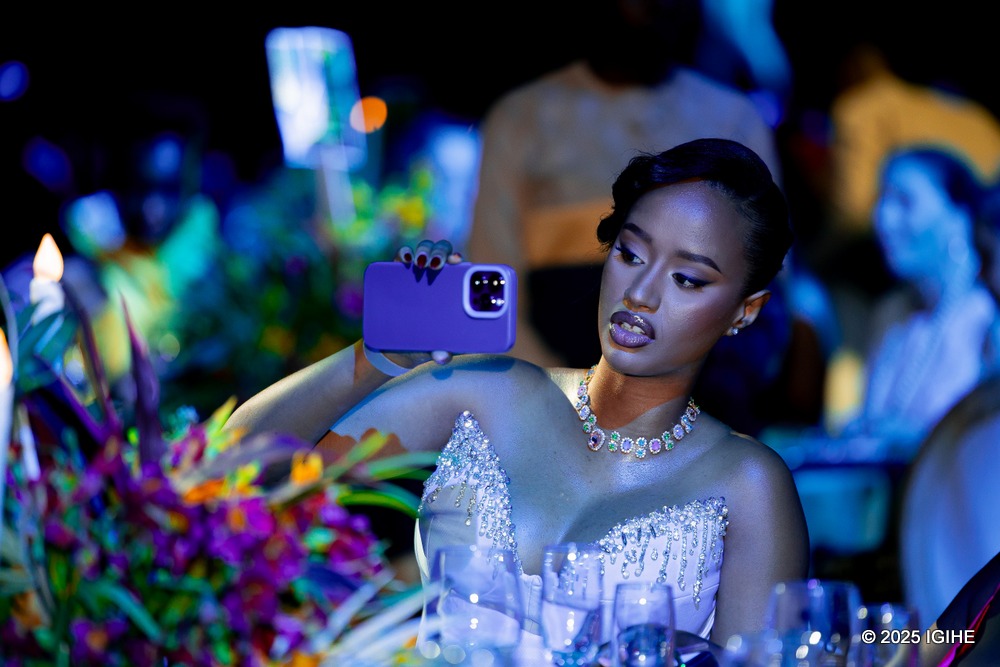
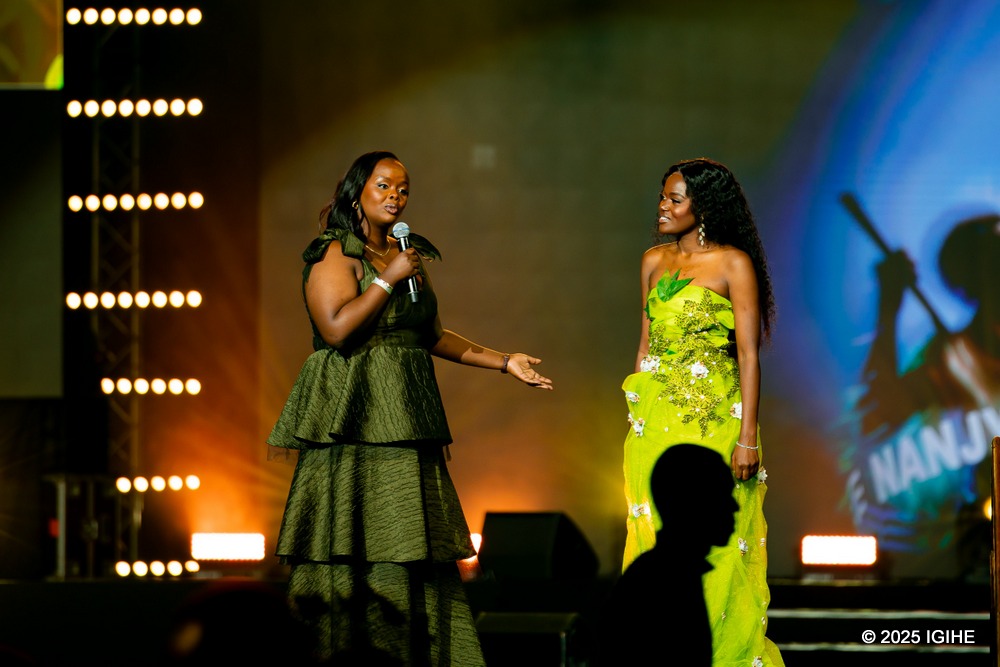
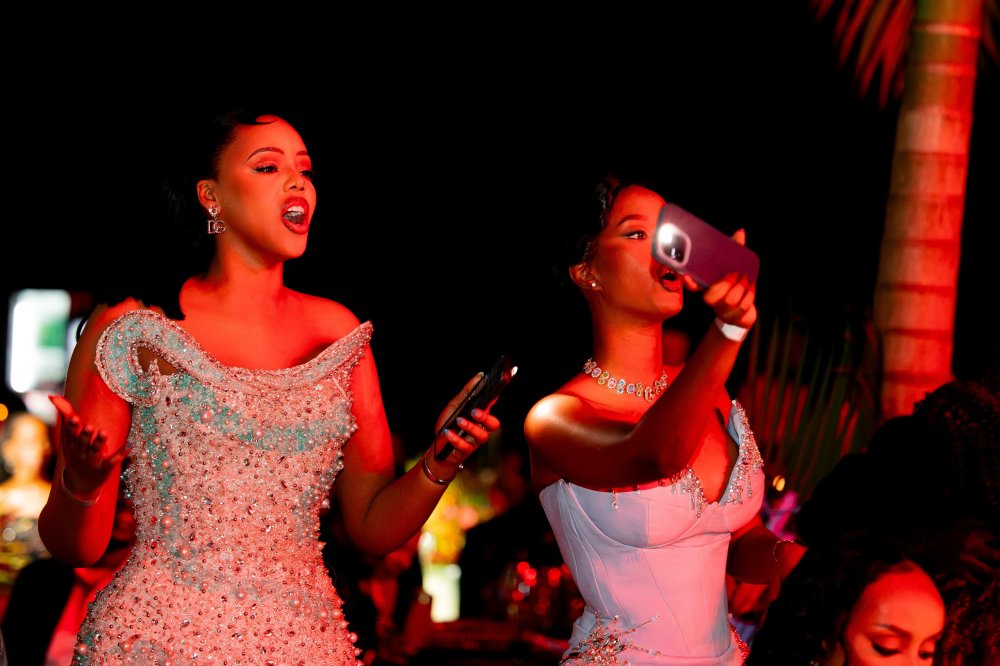
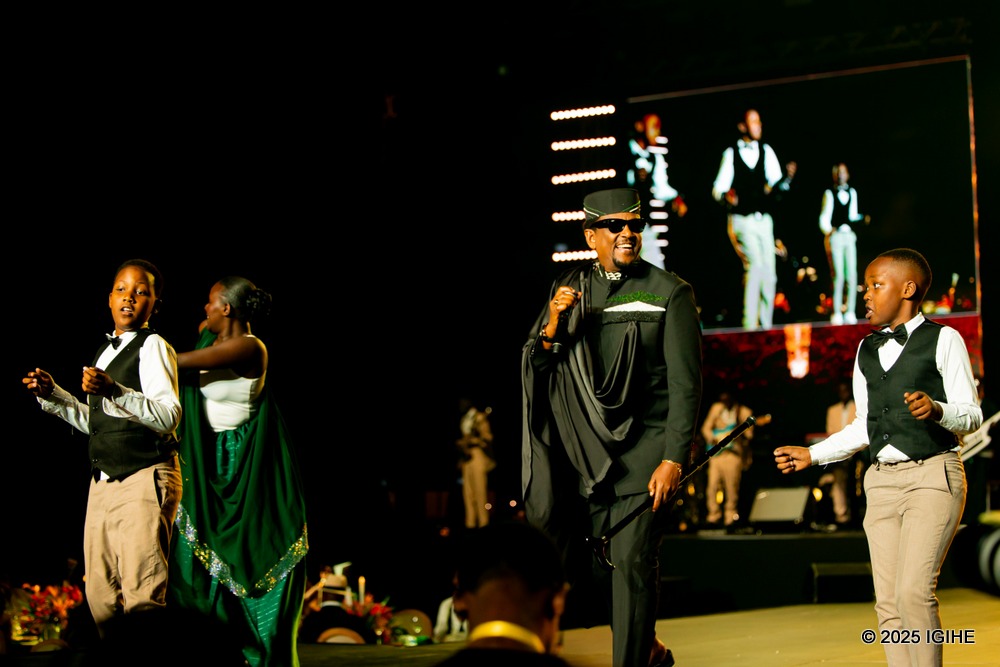
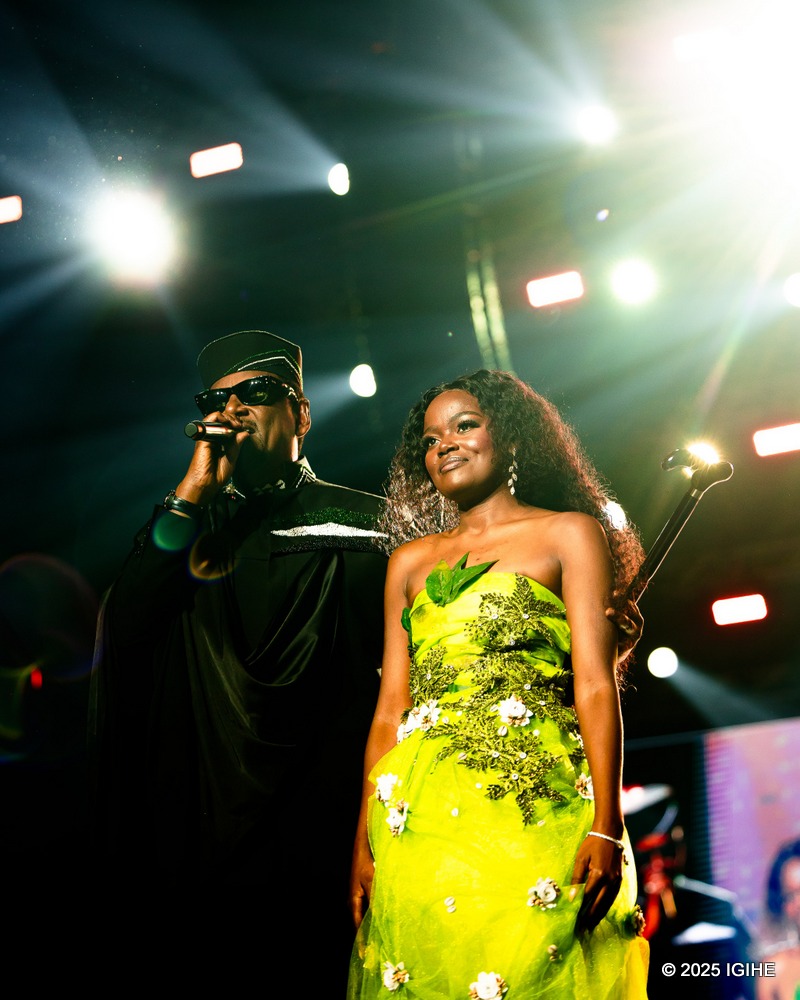
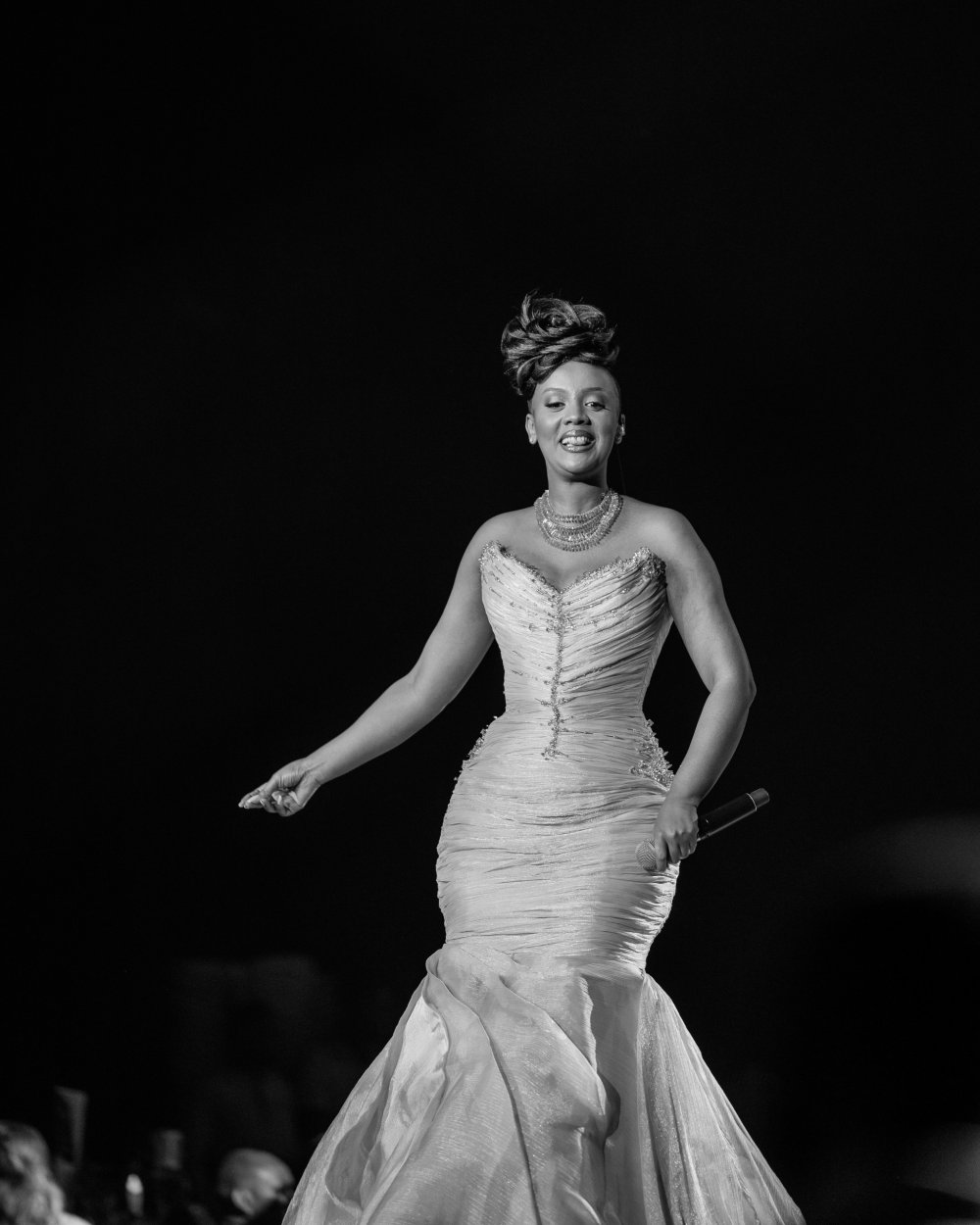
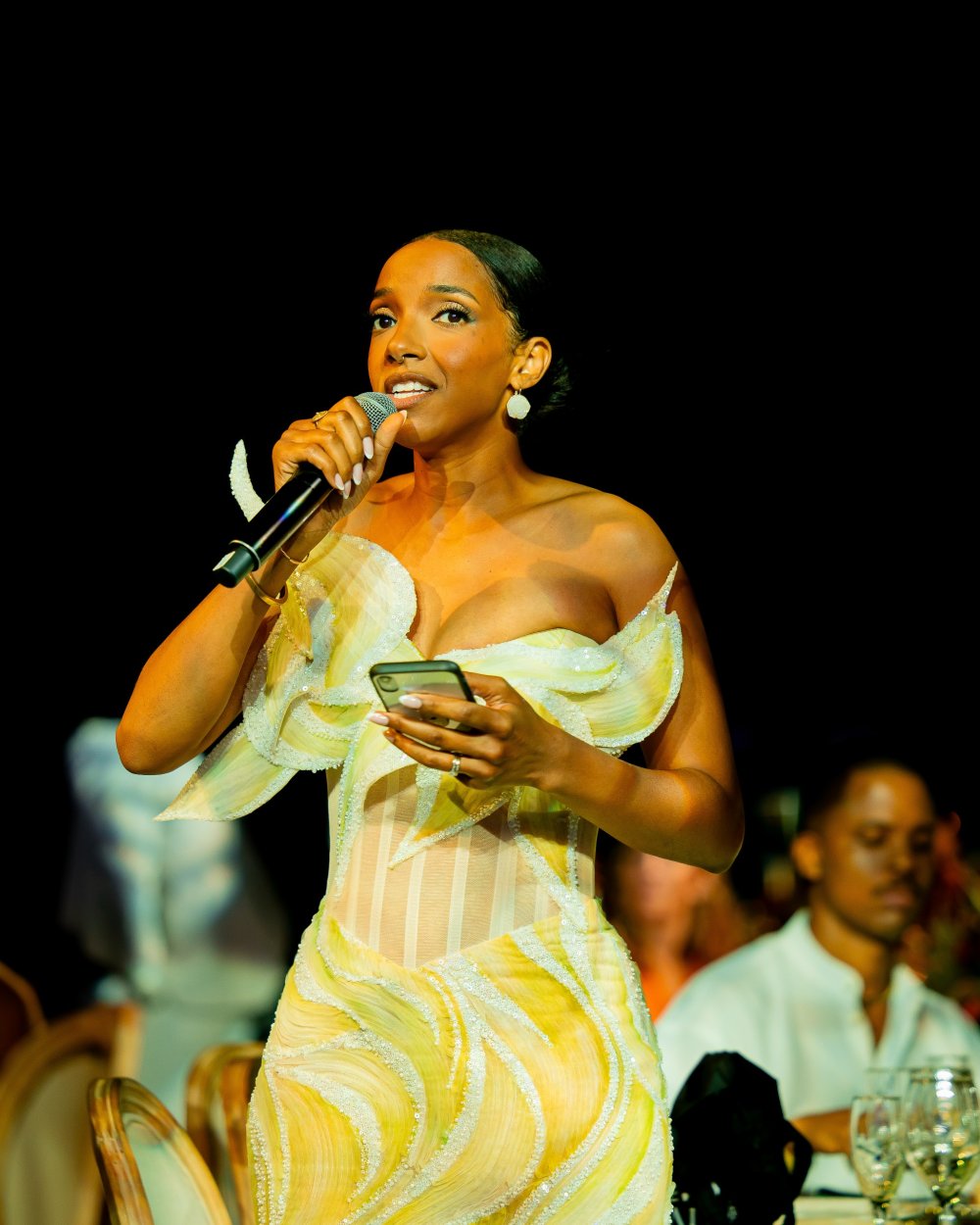
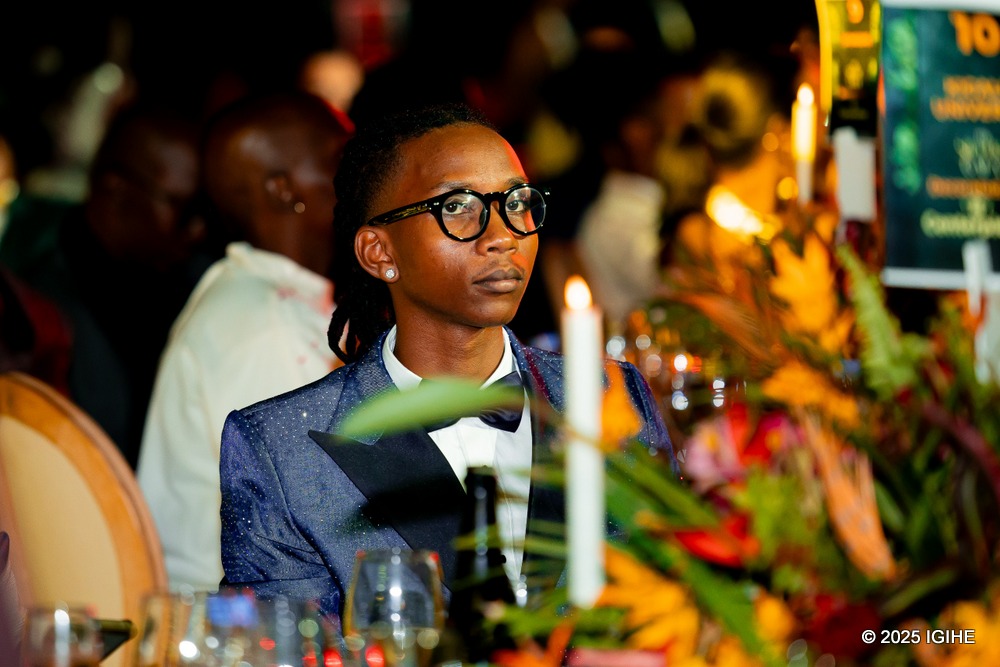
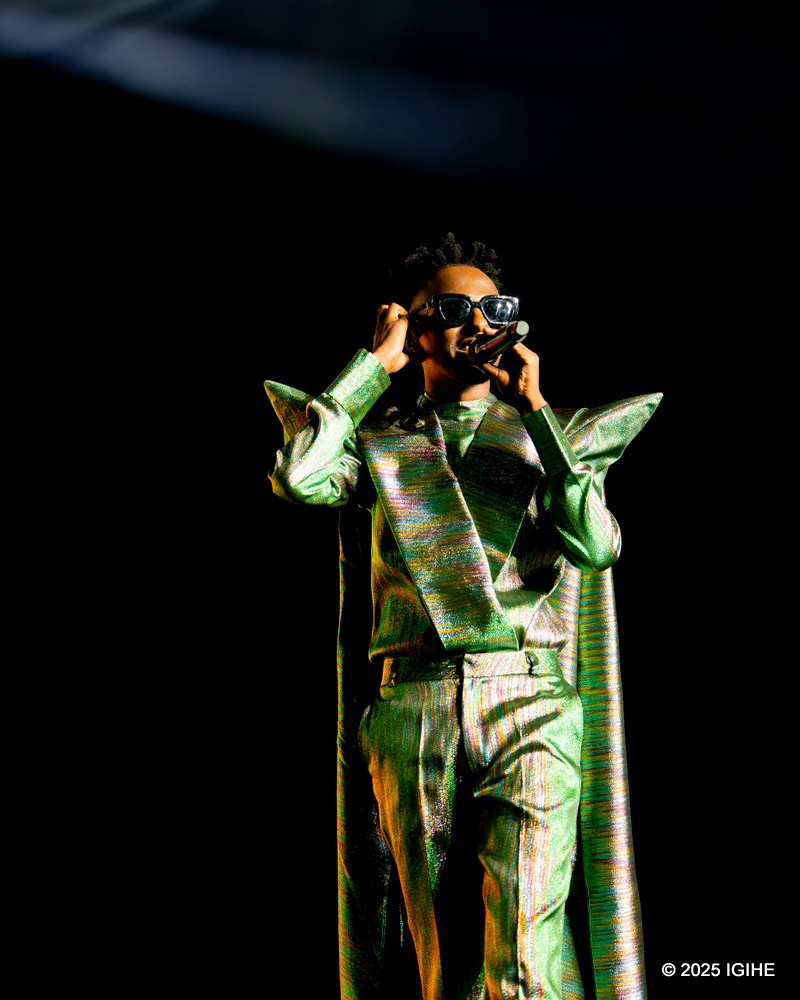
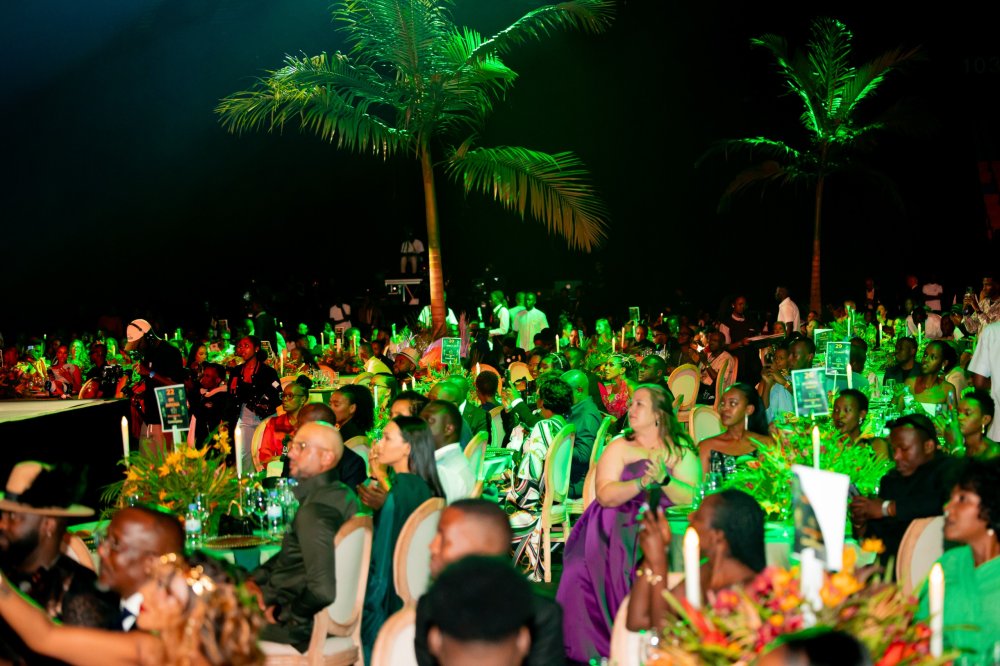
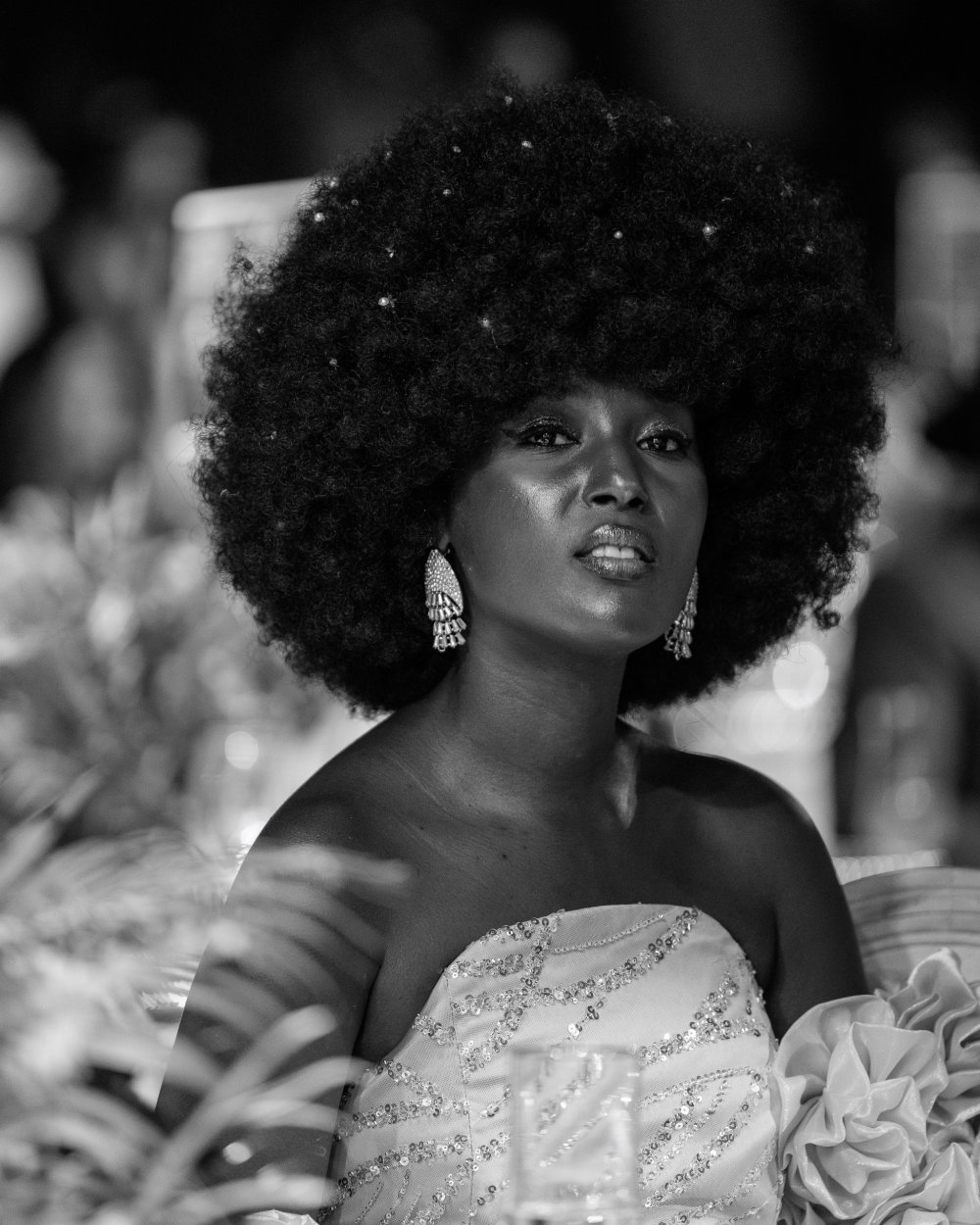
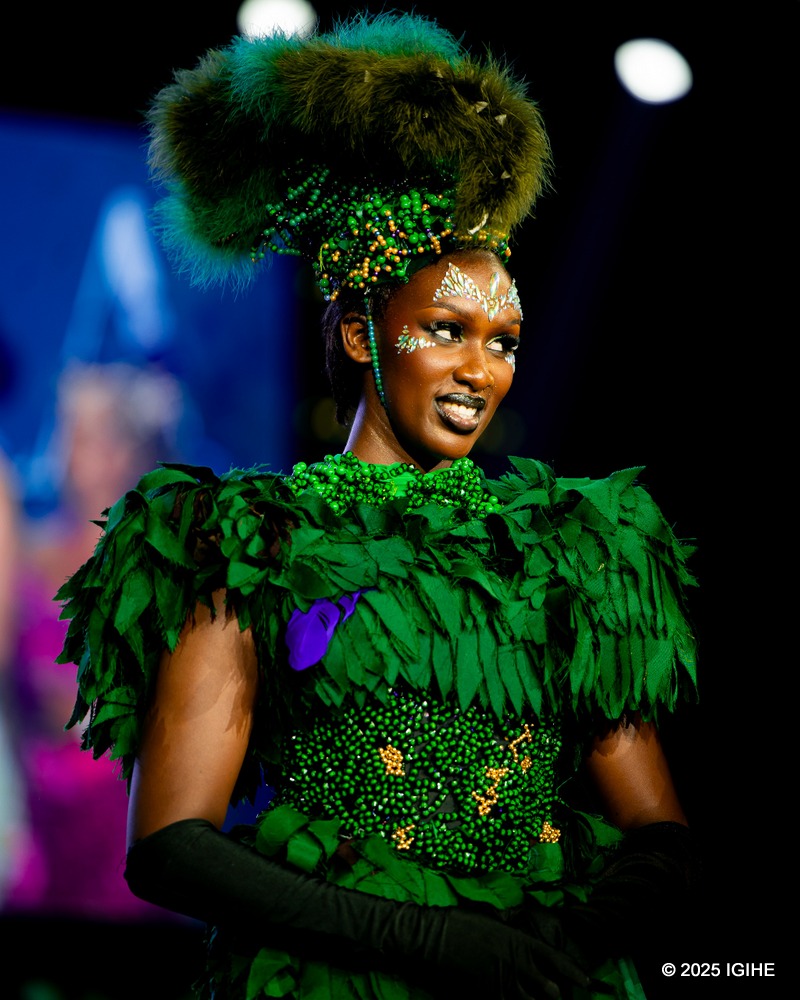
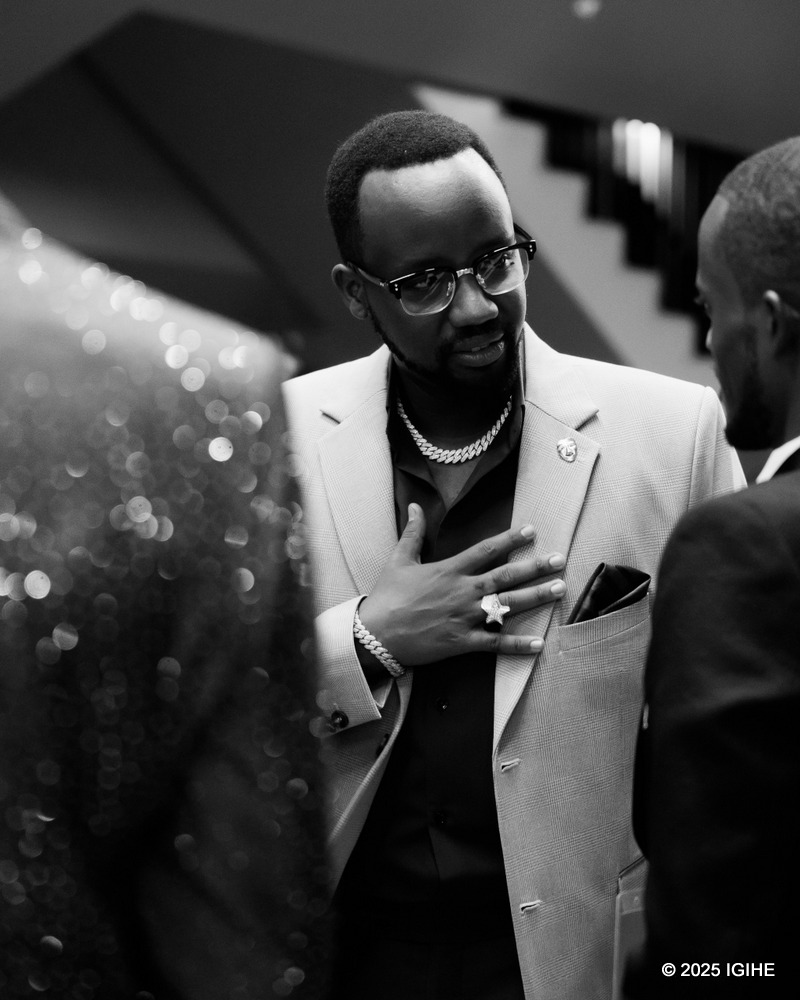
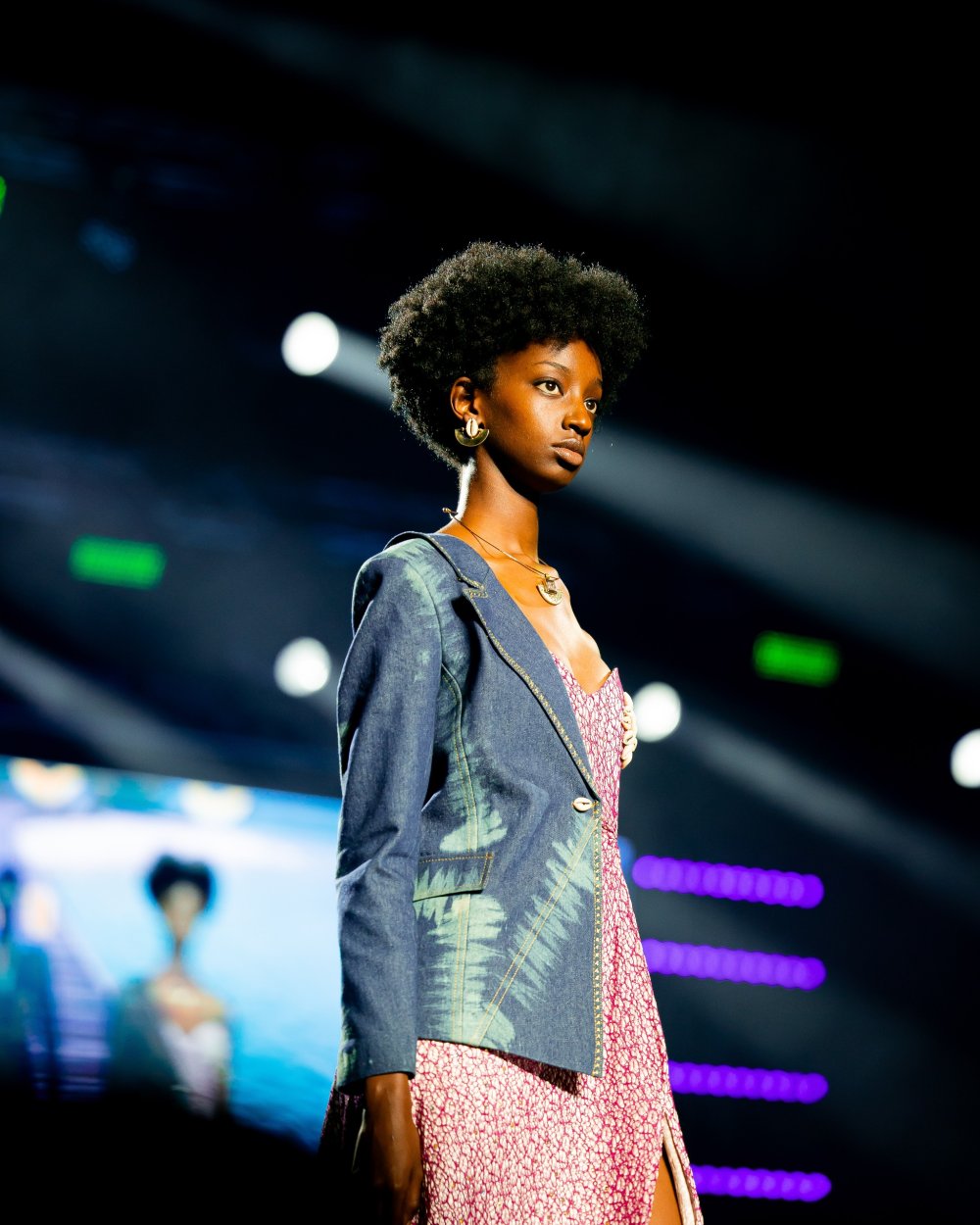
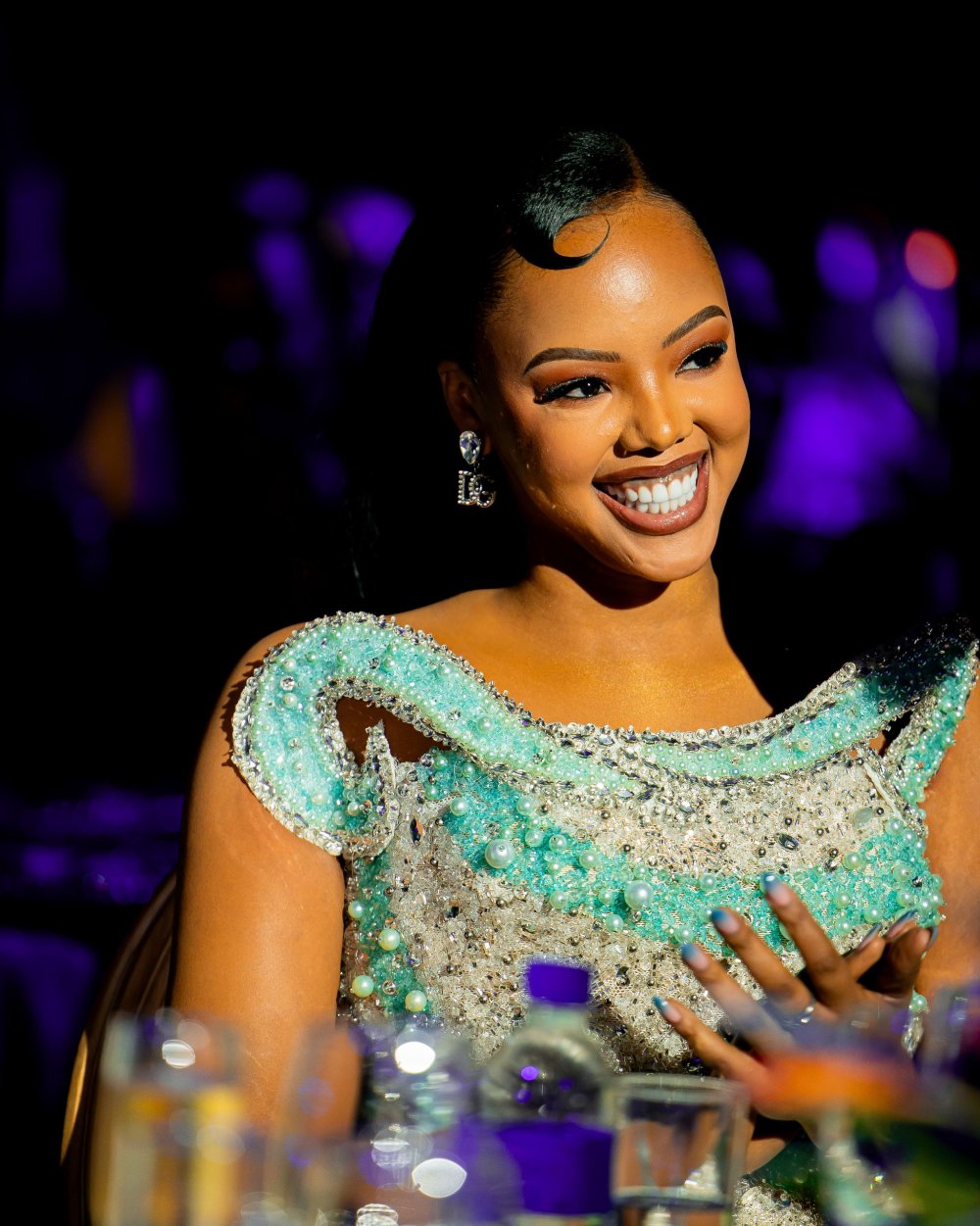
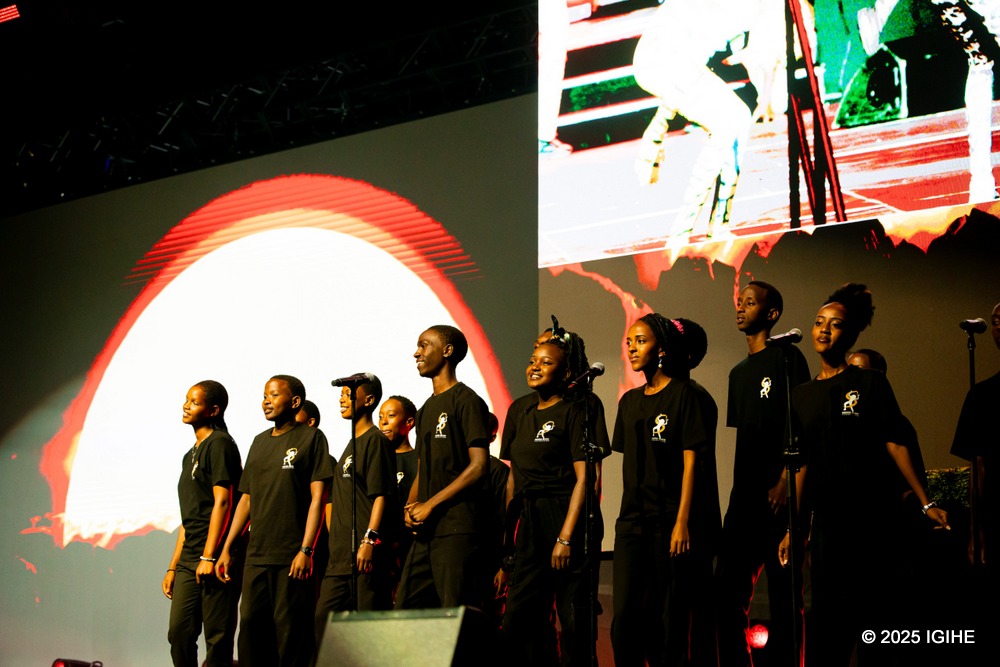
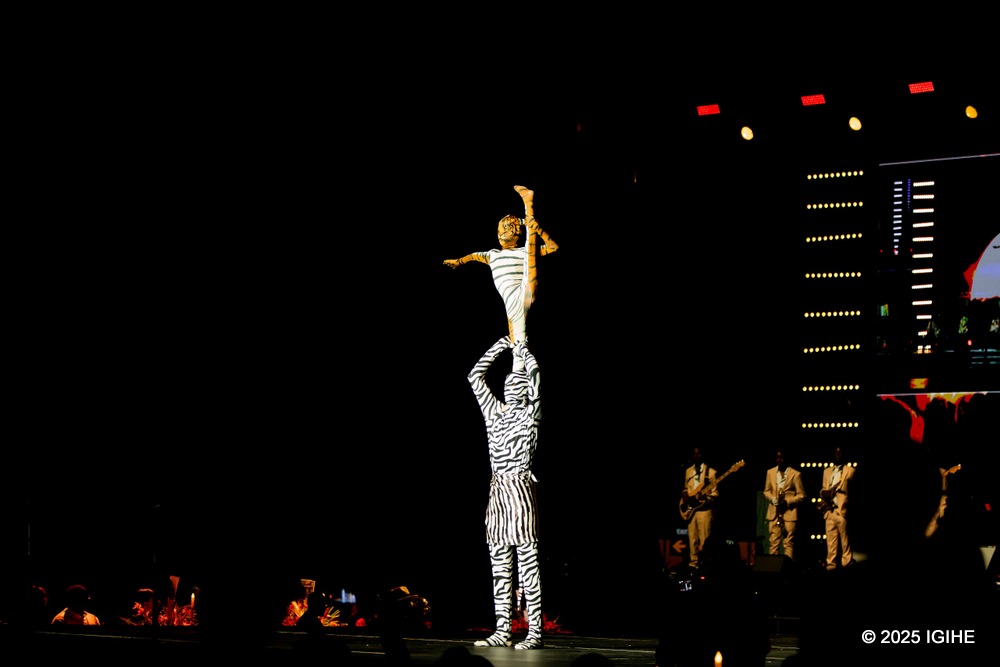
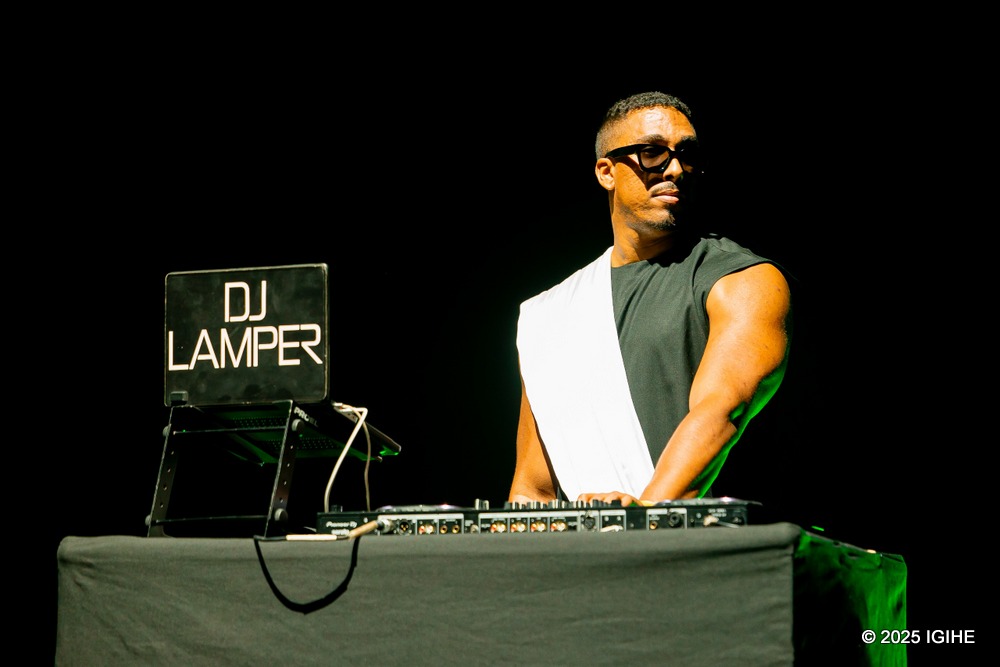
The red carpet sparkled with stunning outfits and flashing cameras as guests posed for photos and shared laughs with the press before heading into the main hall. The evening blended fashion, music, and art, offering a taste of Rwanda’s growing creative energy.
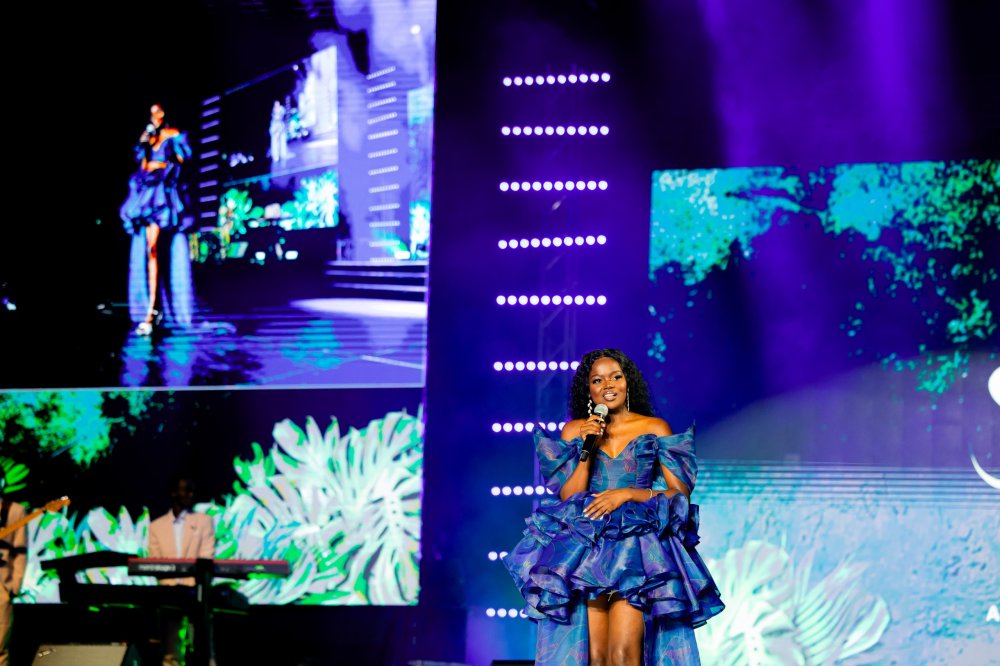
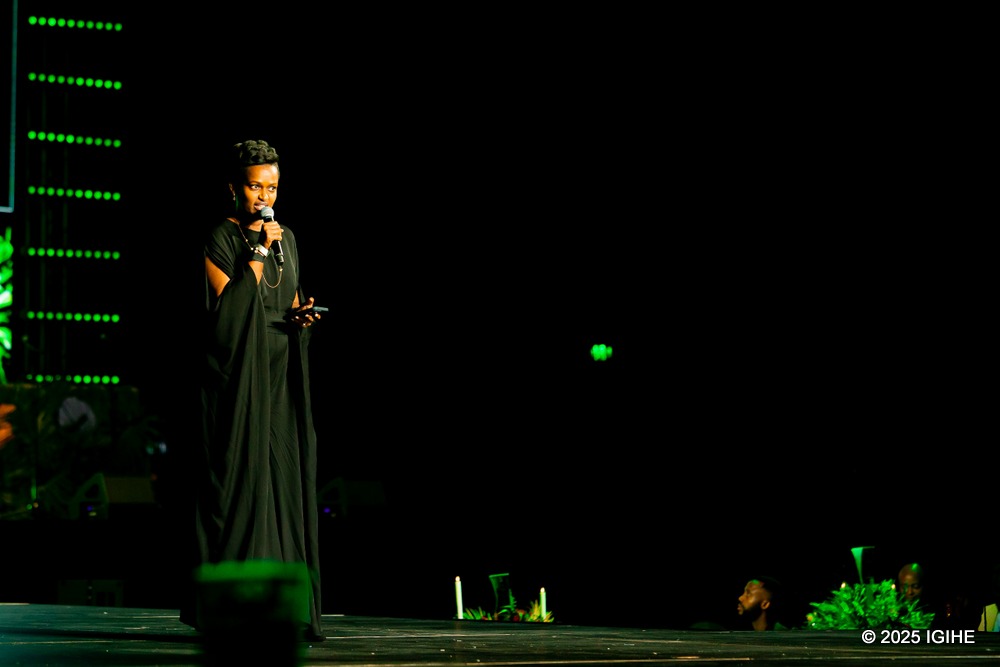
Opening the night, Sherrie Silver said her inspiration for the gala stemmed from a desire to empower young Rwandans with talent.
“I wanted to create a platform where the youth can shine, express themselves, and realise their potential, not just for their own success, but to uplift the country,” she said.
Umutoni Sandrine, Minister of State in the Ministry of Youth and Arts Development, applauded Silver’s initiative, describing her as a role model for Africa’s creative industry.
“Sherrie Silver has used her talent to open doors for others and showcase African artistry on the global stage,” she said. “Tonight is proof of what happens when we believe in young people and invest in the arts, not as charity, but as a tool for transformation.”
She reaffirmed the government’s commitment to nurturing the creative sector under the leadership of President Paul Kagame, adding that Rwanda continues to place art and innovation at the centre of national progress.
{{A night of glamour, bids, and beats
}}
Adding a sporty twist to the glamorous night, Miss Jolly Mutesi outbid several guests to secure a signed Paris Saint-Germain (PSG) jersey for $1,000 (about Frw 1.4 million). She revealed that she plans to display the prized collectible as a home décor piece. The French football club is a partner of Visit Rwanda, the tourism-focused arm of the Rwanda Development Board (RDB).
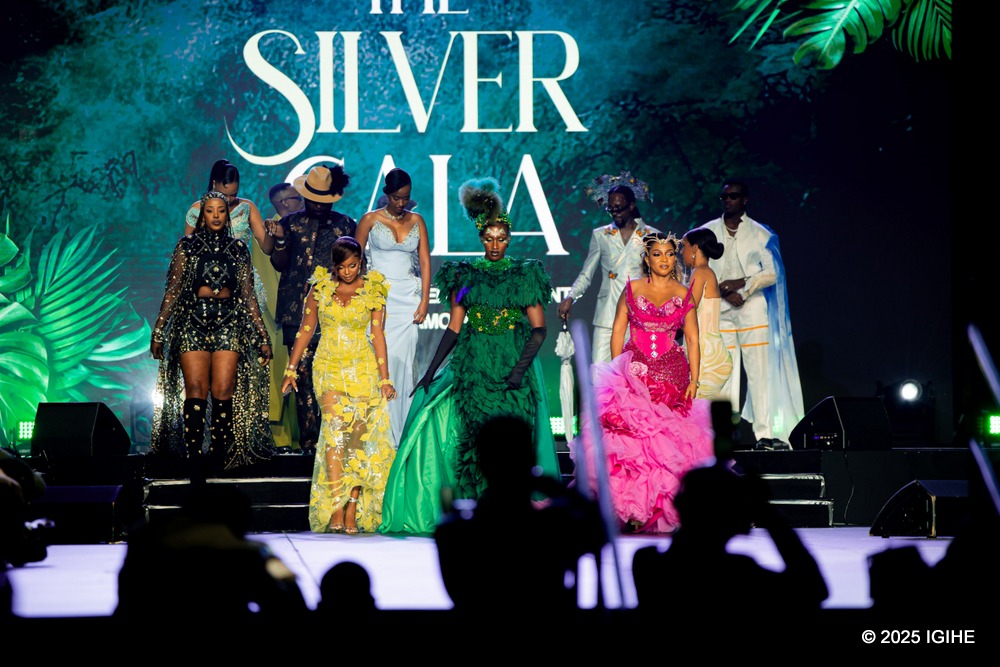
The Best Dressed category turned into a stylish showdown featuring Bwiza, Mutesi Jolly, Miss Nishimwe Naomie, Anitha Urayeneza (of Romantic Garden), Olivia The Design, Tanga Designs, Juno Kizigenza, and Ross Kana.
Pop star Bwiza once again stole the spotlight, walking away with the $1,000 Best Dressed Award, marking her second consecutive win after triumphing at last year’s inaugural gala.
The night also carried a touch of philanthropy. The BK Foundation pledged to cover school fees for 100 children supported by the Sherrie Silver Foundation, both in public and private schools.
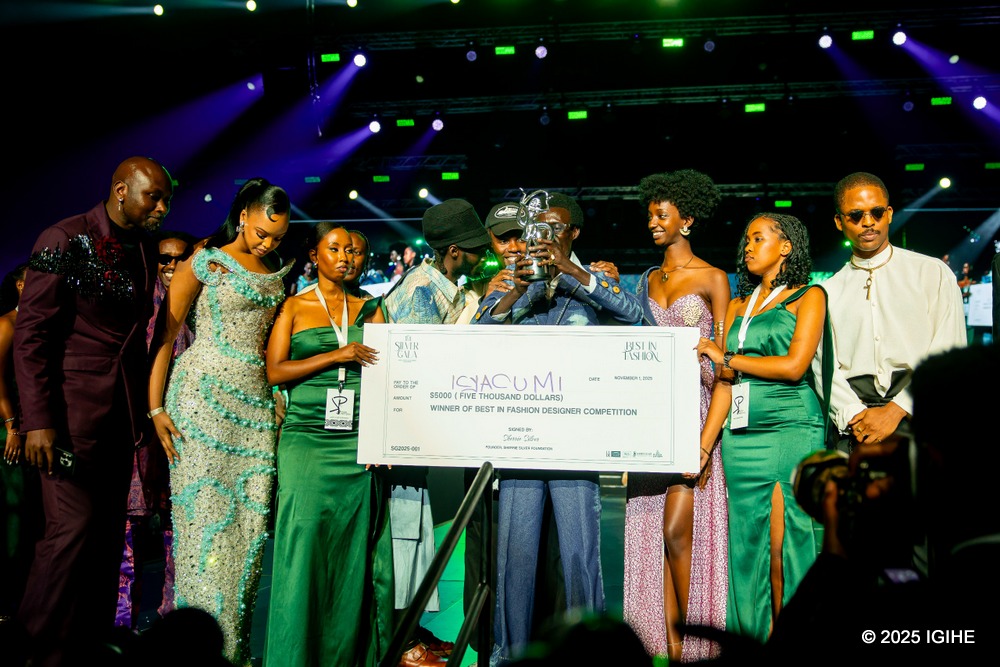
In the fashion segment, Icyacumi was crowned Best Fashion Designer, taking home $5,000 and six months of free Canal Box internet.
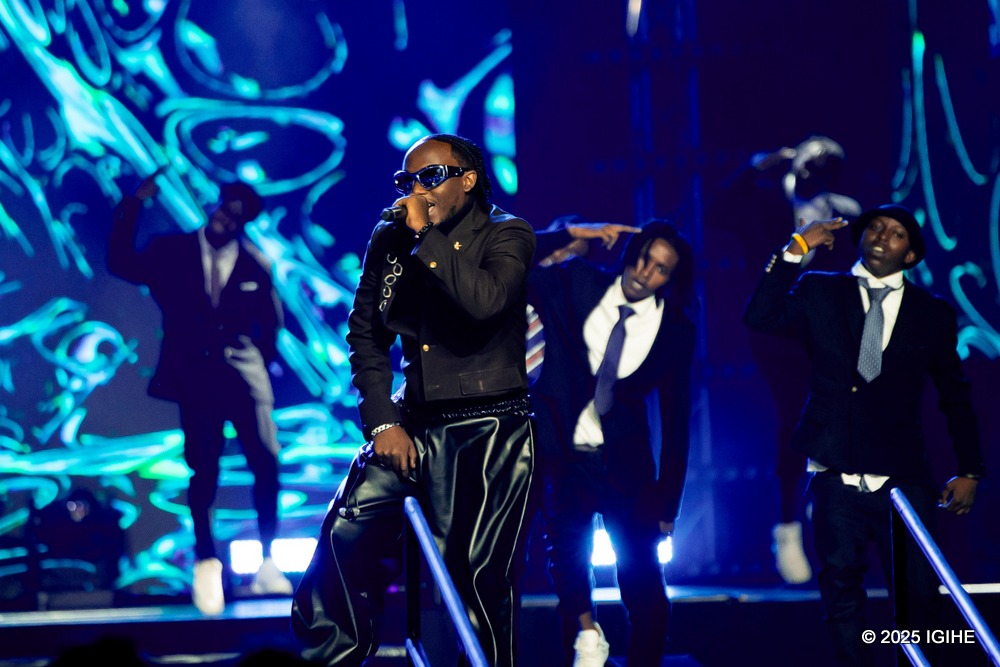
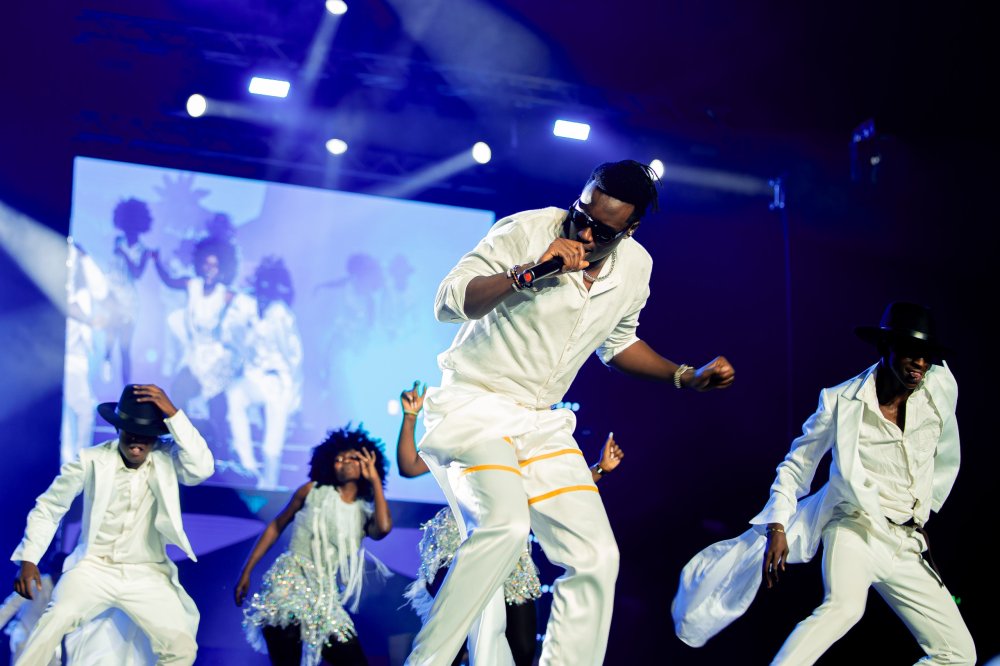
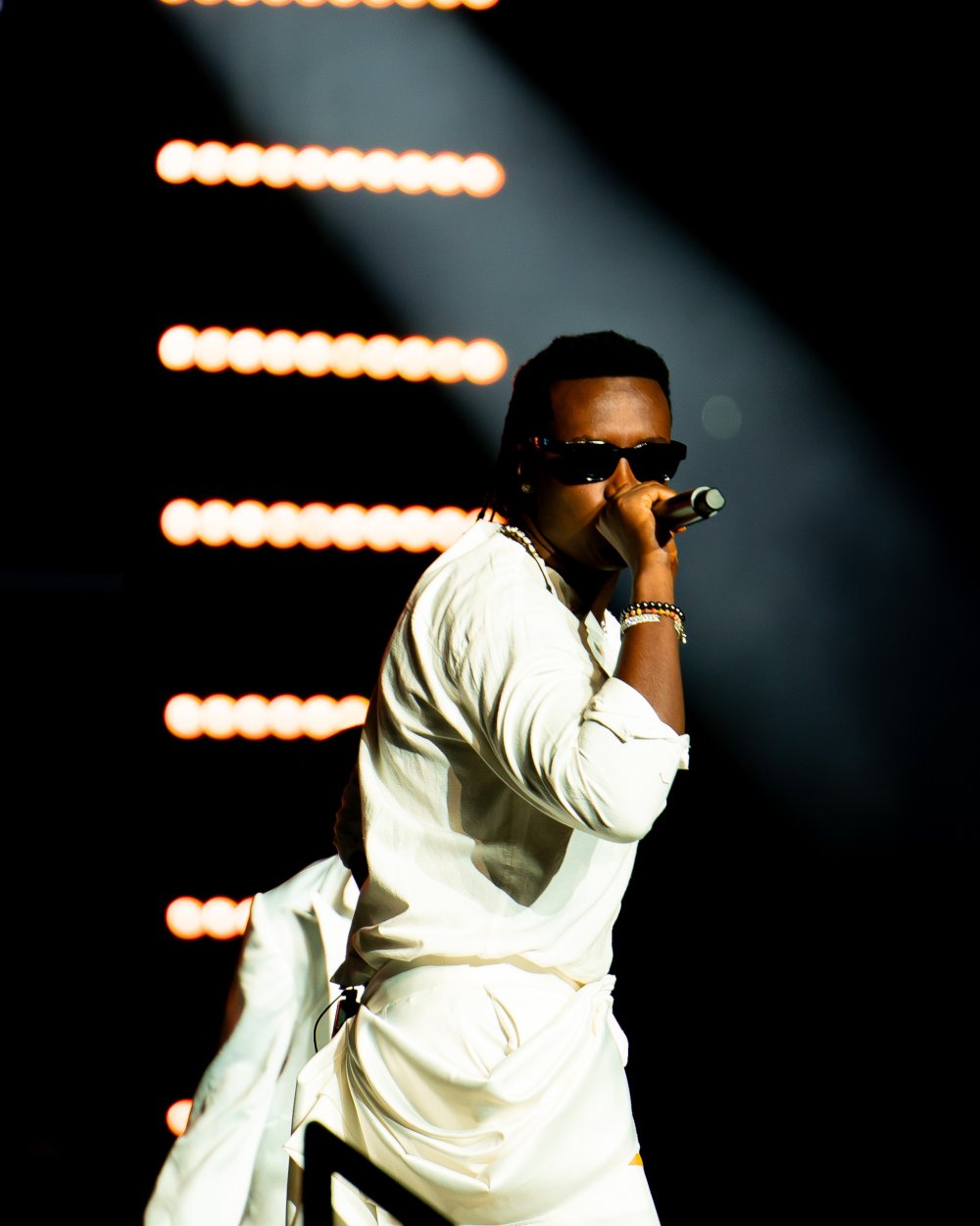
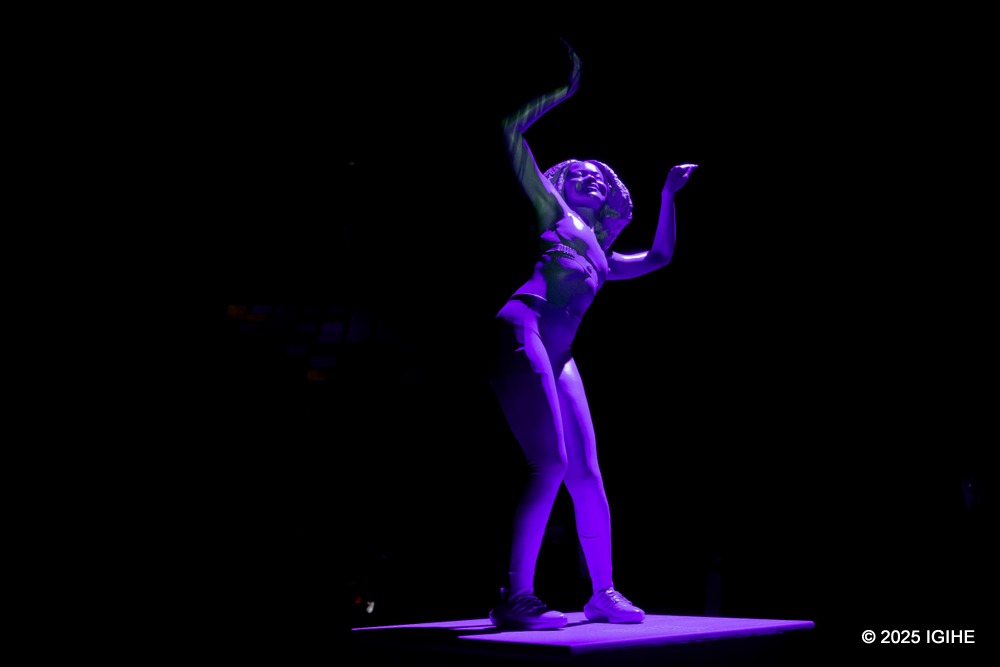
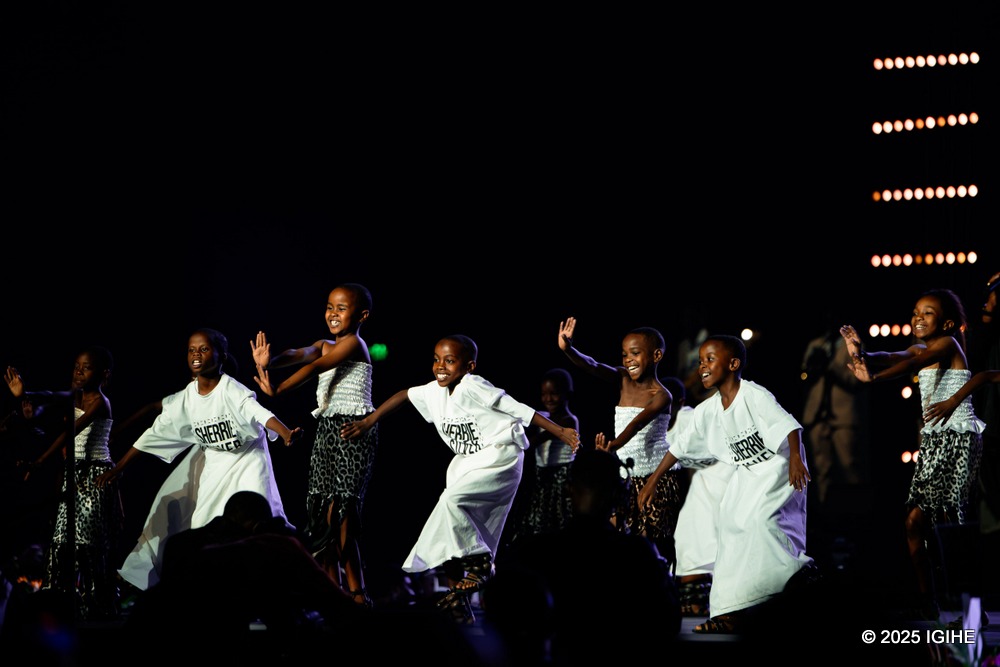
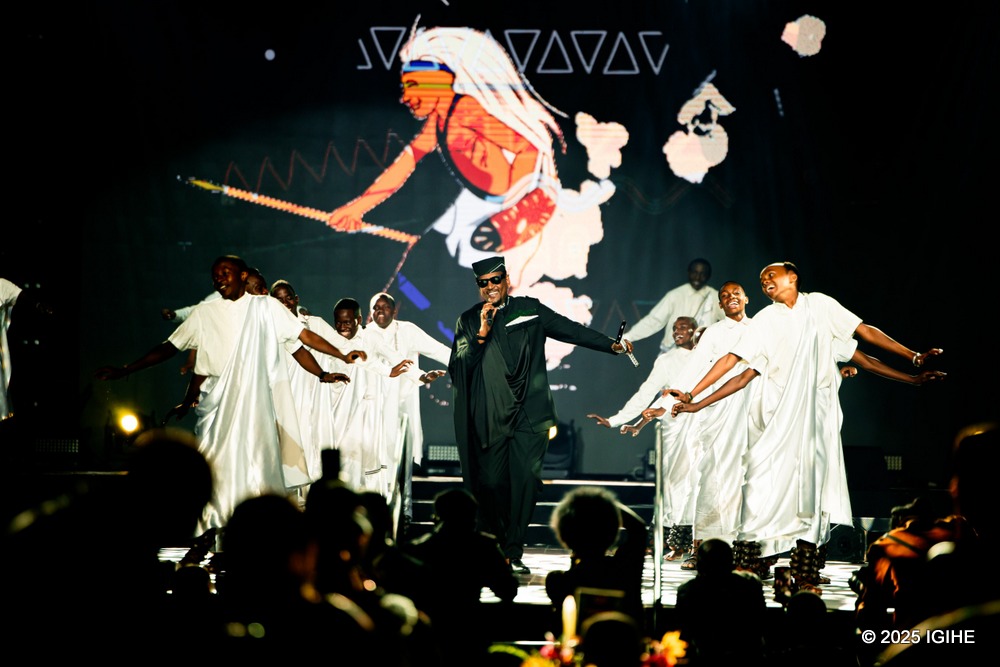
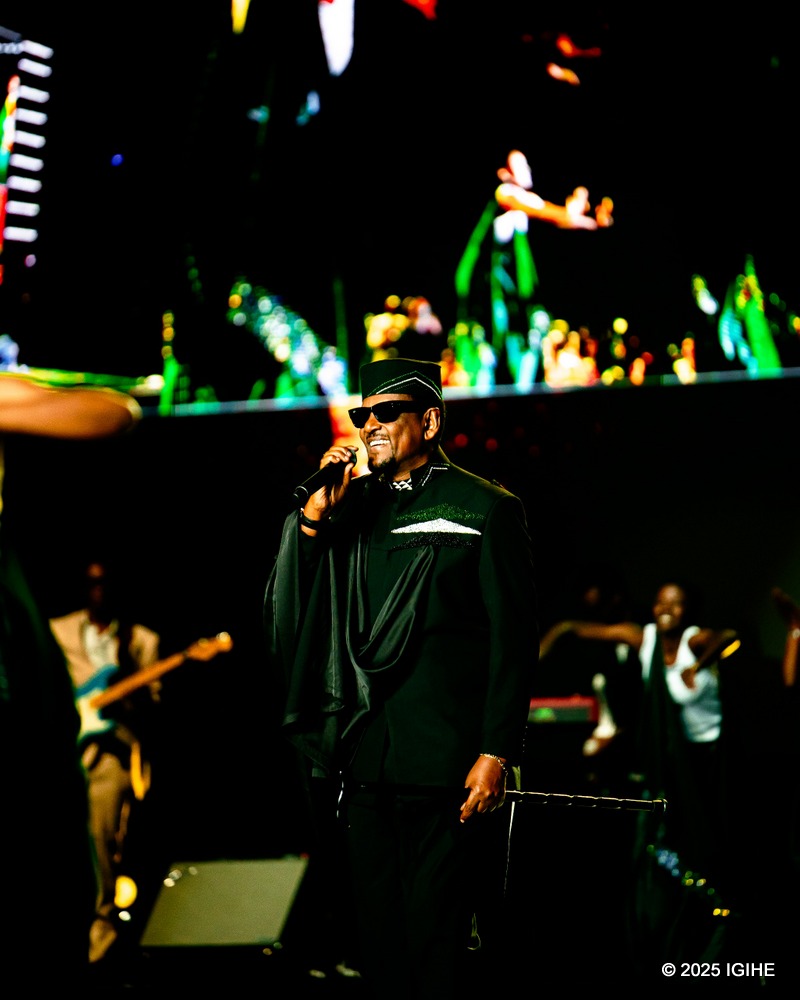
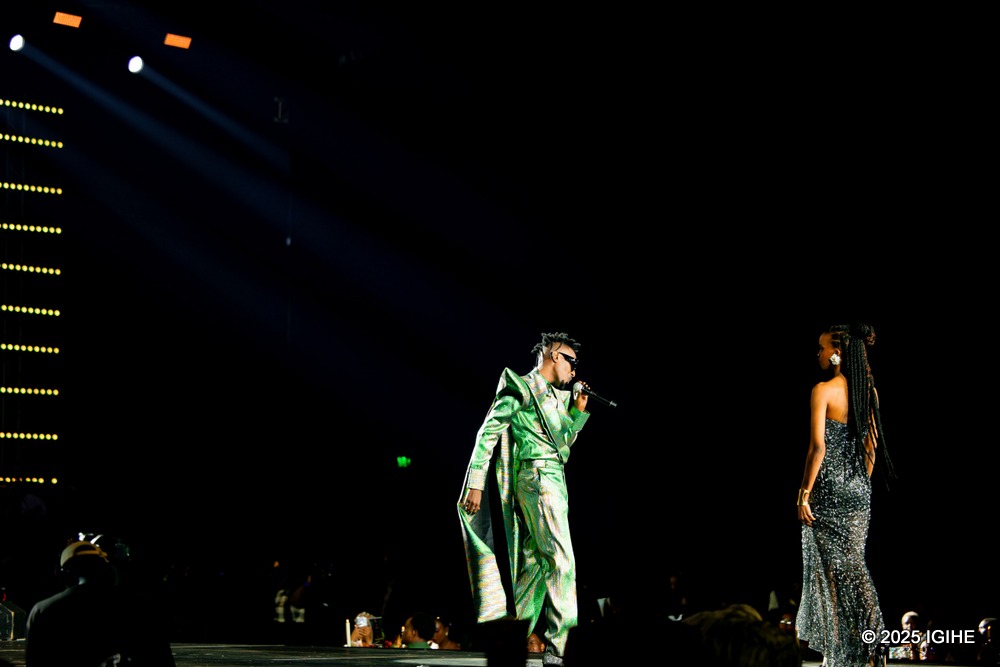
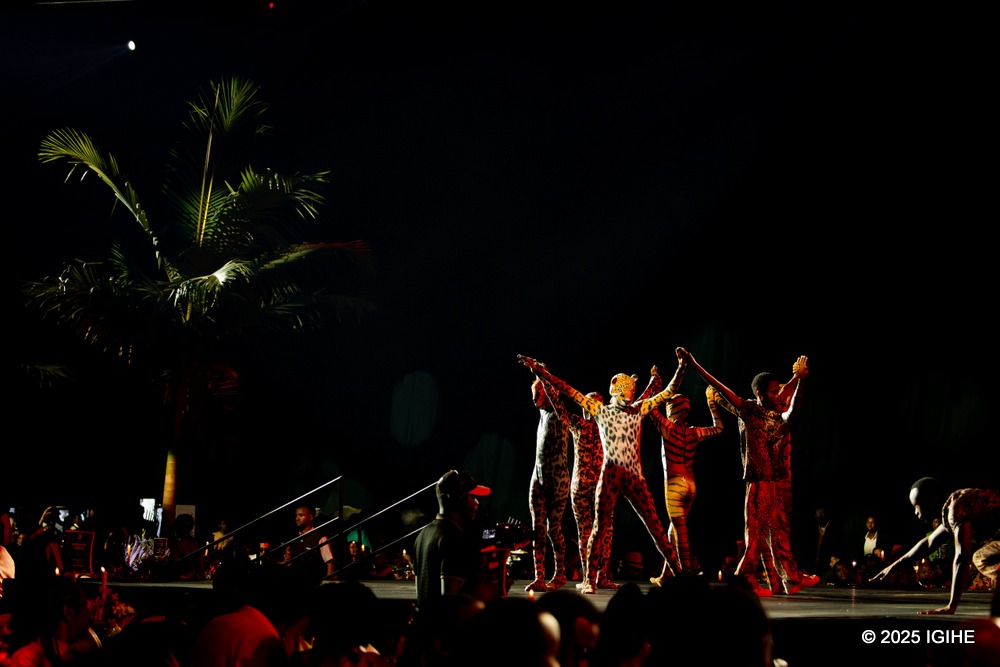
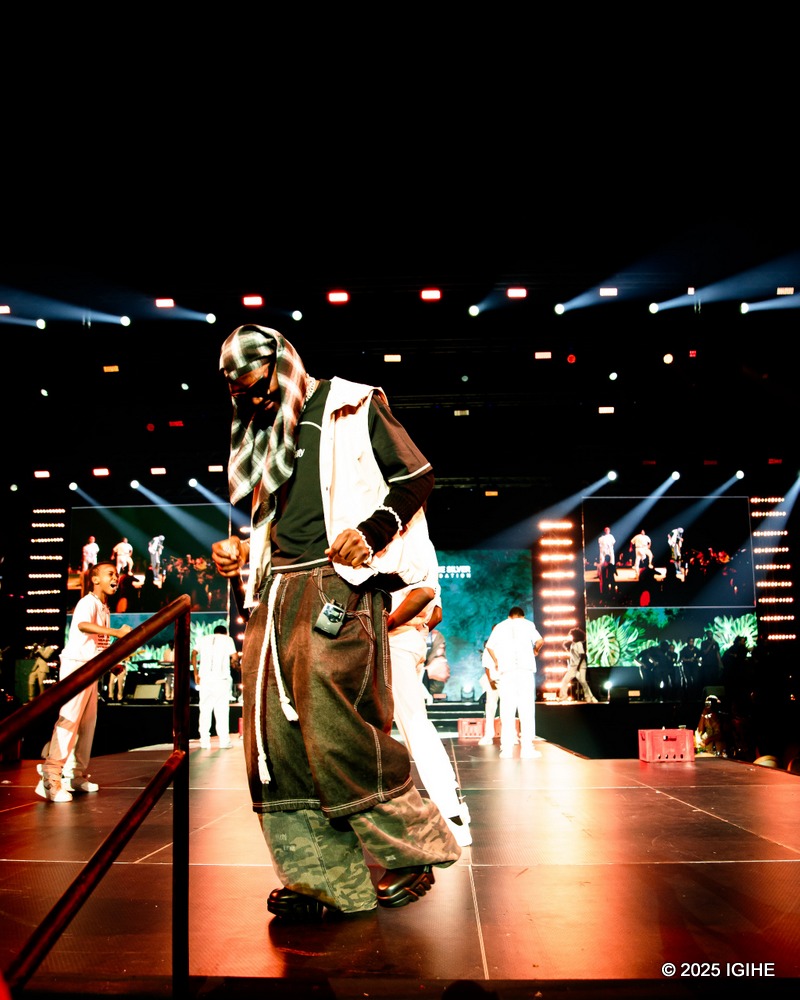
Performances by Juno Kizigenza, Butera Knowless, Massamba Intore, Nigerian singer Chella, and Sherrie Silver herself, joined by children from her foundation, kept the energy high until late in the night.
The Silver Gala once again proved why it’s becoming one of Kigali’s most anticipated annual events, a celebration of creativity, talent, and style with a purpose.
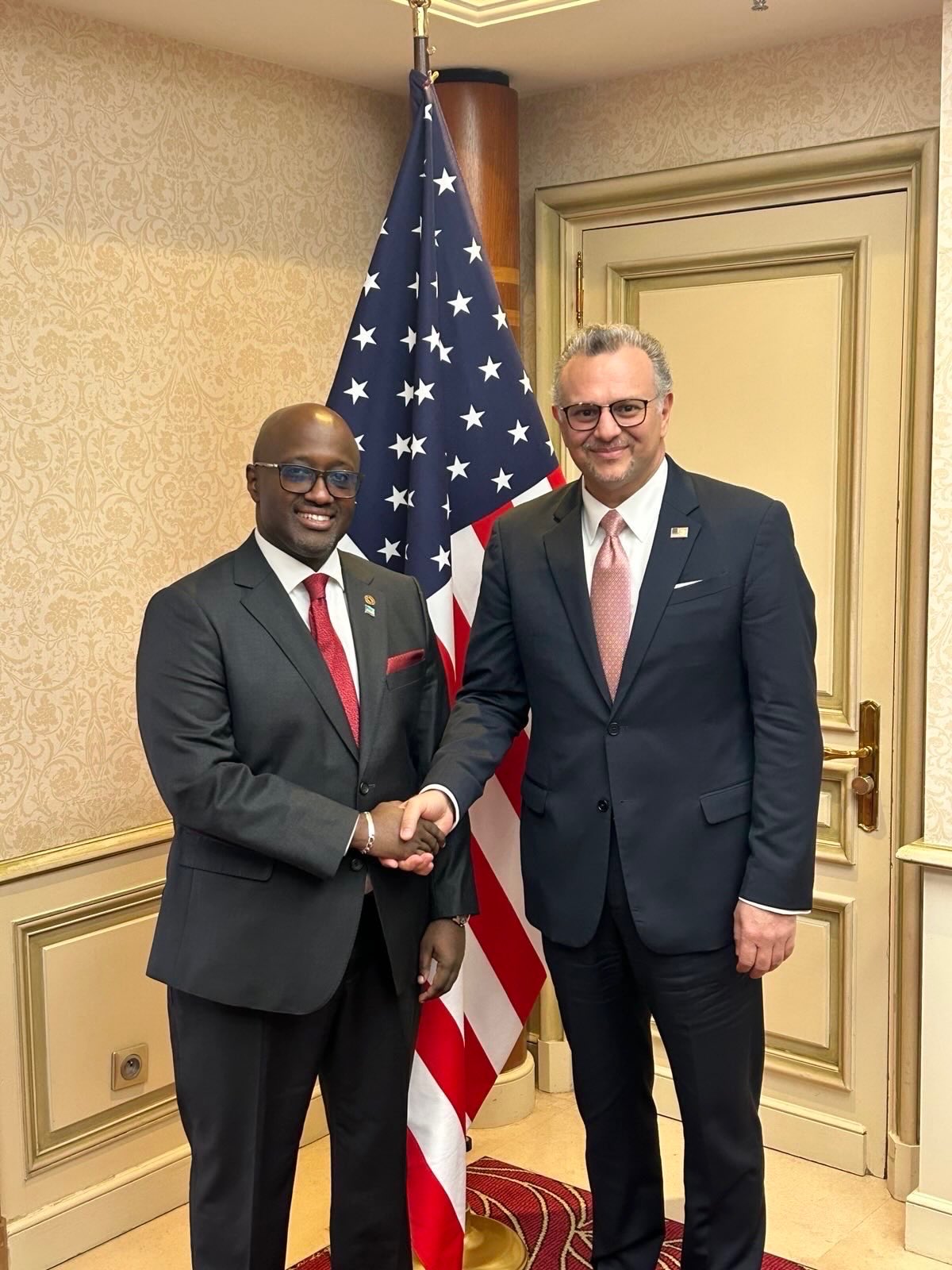
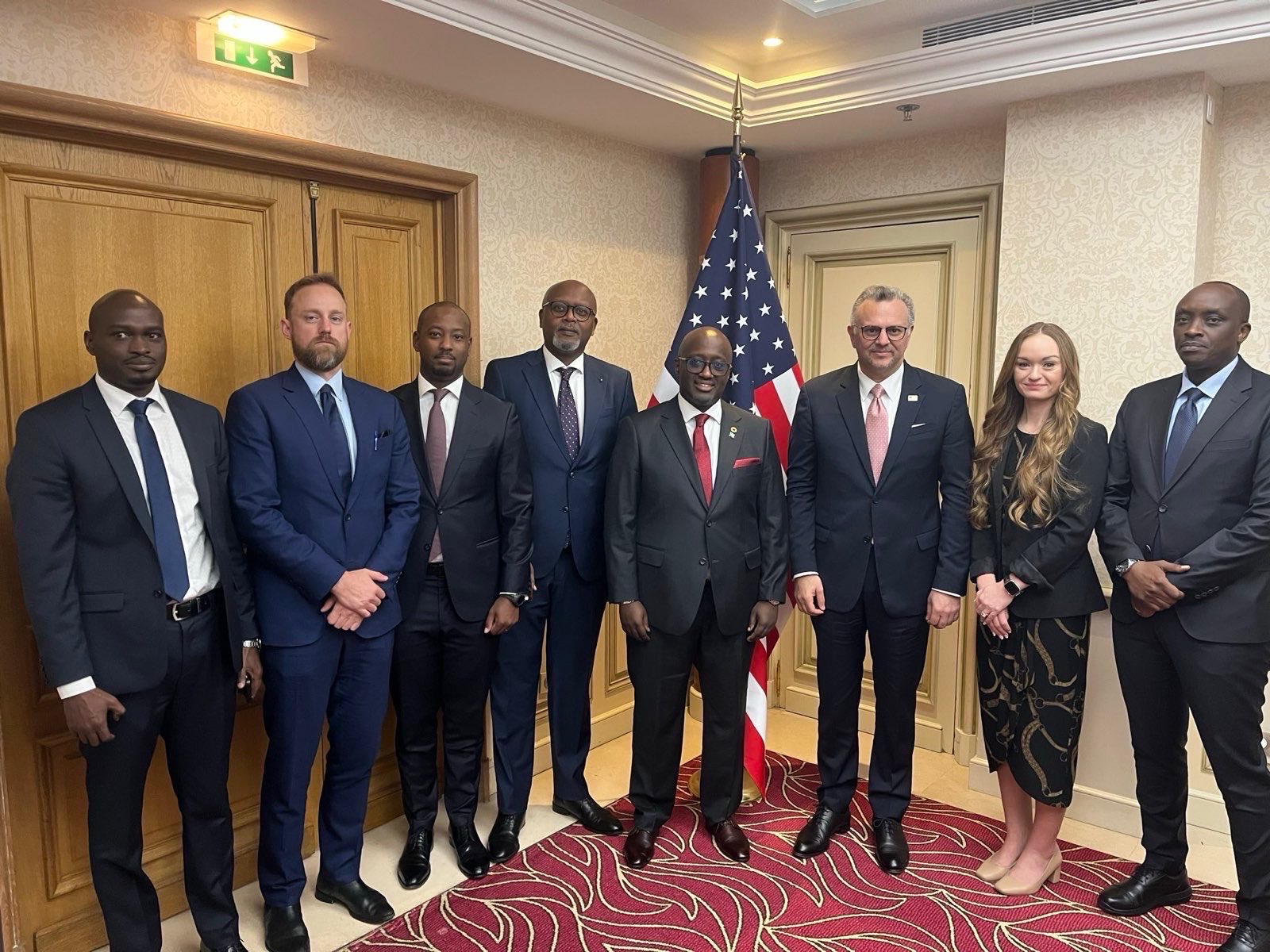
In a post on X on Sunday, U.S. Senior Advisor for Arab and African Affairs, Massad Boulos, said he held an in-depth discussion with Rwanda’s Minister of Foreign Affairs, Olivier Nduhungirehe, focused on consolidating peace and prosperity across the region.
Boulos said the talks focused on reviewing progress made under the Washington Peace Agreement, particularly the implementation of its Concept of Operations, and on advancing the Doha track, which complements U.S. efforts to secure a peaceful resolution between the DRC and the AFC/M23 rebel coalition.
He noted that the discussions also covered the Regional Economic Integration Framework (REIF), a U.S.-backed initiative aimed at promoting peace and stability through cooperation in trade, infrastructure, energy, and transparent mineral supply chains.
The U.S. envoy stressed that lasting peace in the Great Lakes region hinges on the full and timely implementation of the Washington Peace Agreement, adding that Washington remains confident in President Kagame’s commitment to achieving that goal.
“We are relying on President Kagame’s continued commitment to lasting peace and prosperity,” Boulos said.
Boulos’ statement came shortly after another post on his meeting with DRC President Félix Tshisekedi, on the progress made under the Washington Peace Agreement and the parallel Doha track aimed at restoring sovereignty and reinforcing regional stability.
He noted that a foundation of peace and stability would pave the way for greater U.S. investment in transparent mineral supply chains and infrastructure benefiting the Congolese people.
The renewed diplomatic engagement follows Boulos’s visit to Rwanda in October, when he met President Paul Kagame for talks focused on the U.S.-mediated peace process and regional security.
According to the Rwandan Presidency, the discussions at the time underscored “ongoing efforts to advance peace in the Great Lakes region, and Rwanda’s continuous commitment to lasting peace and security.”
The Washington Accord, signed on June 27, 2025, was brokered by the United States to normalise relations between Rwanda and the DRC. The agreement aims to dismantle the FDLR militia, composed of remnants of the perpetrators of the 1994 Genocide against the Tutsi, and lead to the lifting of Rwanda’s defensive posture along its western border.
However, progress has not been without challenges. Tensions resurfaced last month after the DRC declined, at the last minute, to sign the Regional Economic Integration Framework (REIF), a key pillar of the peace process designed to strengthen economic cooperation between Kigali and Kinshasa.
“The Rwandan delegation in Washington, D.C. was ready to sign the Regional Economic Integration Framework (REIF), which benefits both our countries and the region,” Government Spokesperson Yolande Makolo wrote on X on October 4.
“We are puzzled by the DRC’s last-minute decision not to sign the agreement, given the positive atmosphere of the negotiations … and the diligent mediation work of Senior Advisor Massad Boulos and the State Department,” she added.
Despite the setback, Rwanda has maintained its commitment to the peace accord and the broader U.S.-led process.
“Rwanda believes in the peace agreement and in the approach of the U.S. mediation, and hopes that the REIF will eventually be signed,” Makolo noted. “The peace process must succeed. It is the best chance for stability and economic development for our region.”
Egyptian President Abdel-Fattah al-Sisi officially inaugurated the colossal museum complex on the Giza Plateau in a ceremony attended by 79 delegations from around the world, including heads of state, members of royal families, and government officials.
In his speech, al-Sisi hailed the opening of the museum as “a living testament to the genius of the Egyptian people.”
“The Egyptian people were and still are builders of civilizations, creators of glory, and messengers of peace,” he said, describing the opening of the GEM as “writing a new chapter in the history of the present and the future.”
According to the Egyptian president, the GEM is the largest museum in the world dedicated to a single civilization, the civilization of Egypt.
Spanning nearly 500,000 square meters, the museum will house an unprecedented collection of over 100,000 artifacts spanning thousands of years of Egyptian history. Its undisputed centerpiece is the complete collection of the boy-king Tutankhamun, some 5,992 pieces, including his iconic golden mask and two coffins. This priceless collection will be displayed together for the first time since the discovery of his tomb in 1922.
The museum occupies a symbolically significant site on the Giza Plateau, where the ancient pyramids are located, offering panoramic views of the pyramids and forging a direct connection between these ancient wonders and the new monumental cultural institution.
The inauguration ceremony, staged in the museum courtyard with the Great Pyramids of Giza and the Sphinx as a backdrop, featured cultural events and artistic performances celebrating Egypt’s rich heritage. Festivities included musical performances, a light show, and a fireworks display.
The GEM is expected to act as a major catalyst for Egypt’s vital tourism sector, with officials anticipating a substantial annual influx of visitors that will significantly enhance the country’s tourism revenue.
“The museum will completely change the map of cultural tourism in Egypt and significantly aid the tourism industry,” said Mohamed Ismail Khaled, secretary-general of Egypt’s Supreme Council of Antiquities.
CEO of the GEM Ahmed Ghoneim hailed the museum as “Egypt’s gift to the world,” noting that the museum “changes the context of tourism in Egypt and enhances cultural tourism.”
“It is not only the heritage that we have, but rather how we show it,” he told Xinhua.
Construction of the museum began in 2005, but the project faced numerous delays over the years due to political instability and funding challenges. Now complete, the facility blends modern architectural design with elements inspired by ancient Egypt, featuring spacious halls and state-of-the-art display technologies.
The museum complex is set to officially open to the public on November 4.
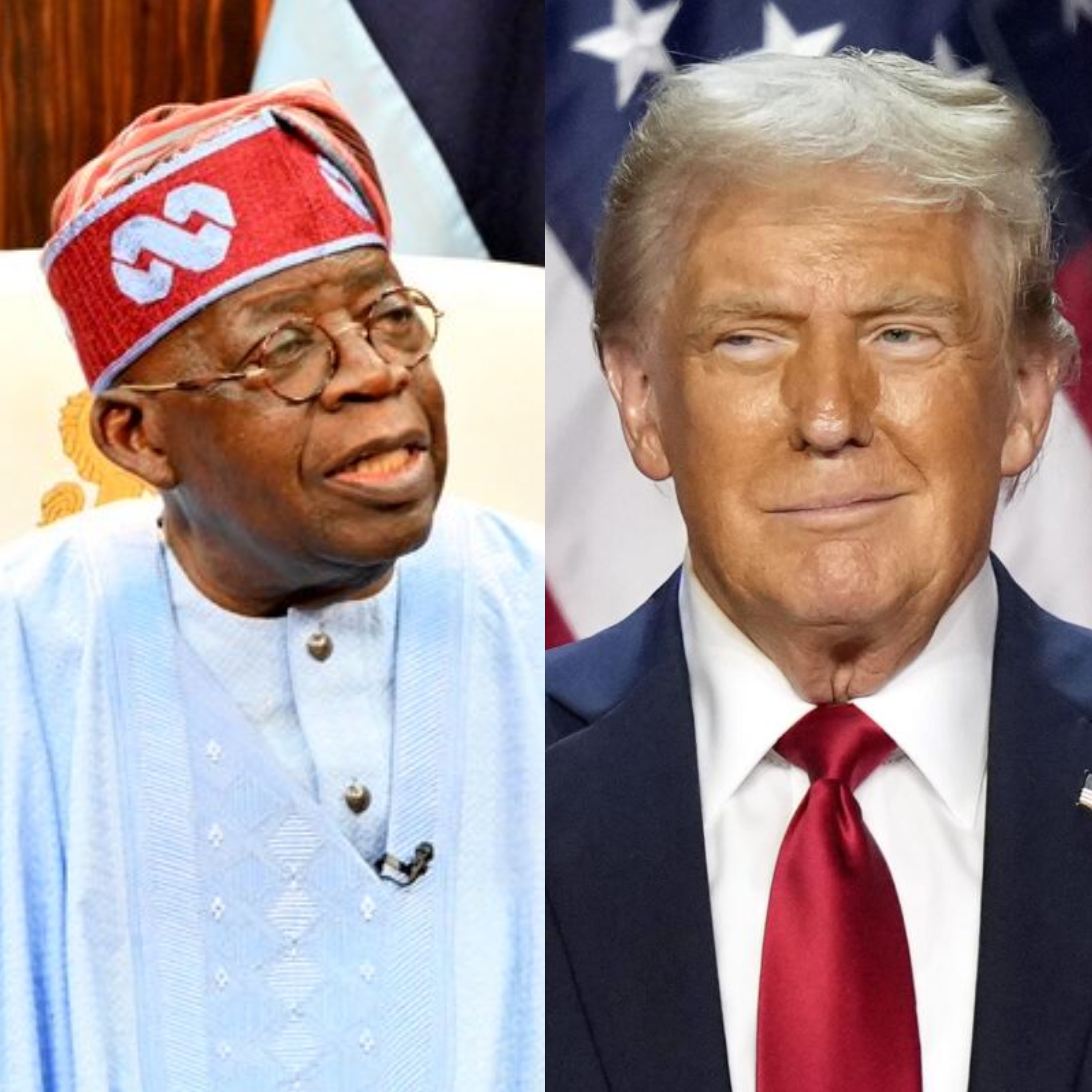
In a statement released on Saturday, Tinubu stressed that Nigeria “stands firmly as a democracy governed by constitutional guarantees of religious liberty.” He said his administration has maintained active engagement with both Christian and Muslim leaders since 2023 and continues to address security challenges affecting citizens across all faiths.
“The characterisation of Nigeria as religiously intolerant does not reflect our national reality,” Tinubu said, noting the government’s consistent efforts to safeguard freedom of religion and belief. “Nigeria opposes religious persecution and does not encourage it.”
The statement follows Trump’s social media posts accusing Nigeria of allowing the “mass slaughter” of Christians by Islamic terrorists. Trump said he had instructed the U.S. Department of War to “prepare for possible action” and warned that military intervention could follow if Nigeria does not act. He also announced that U.S. aid to the country would be immediately halted unless protections were strengthened.
Nigeria’s officials, however, rejected the allegations as exaggerated. Tinubu’s press secretary described the claims as “a gross exaggeration,” noting that attacks in Nigeria affect both Christians and Muslims and are often linked to communal tensions, resource disputes, and extremist activity.
Kimiebi Ebienfa, spokesperson for Nigeria’s Ministry of Foreign Affairs, said the government is committed to protecting all citizens, regardless of faith, and celebrated the country’s diversity as a national strength.
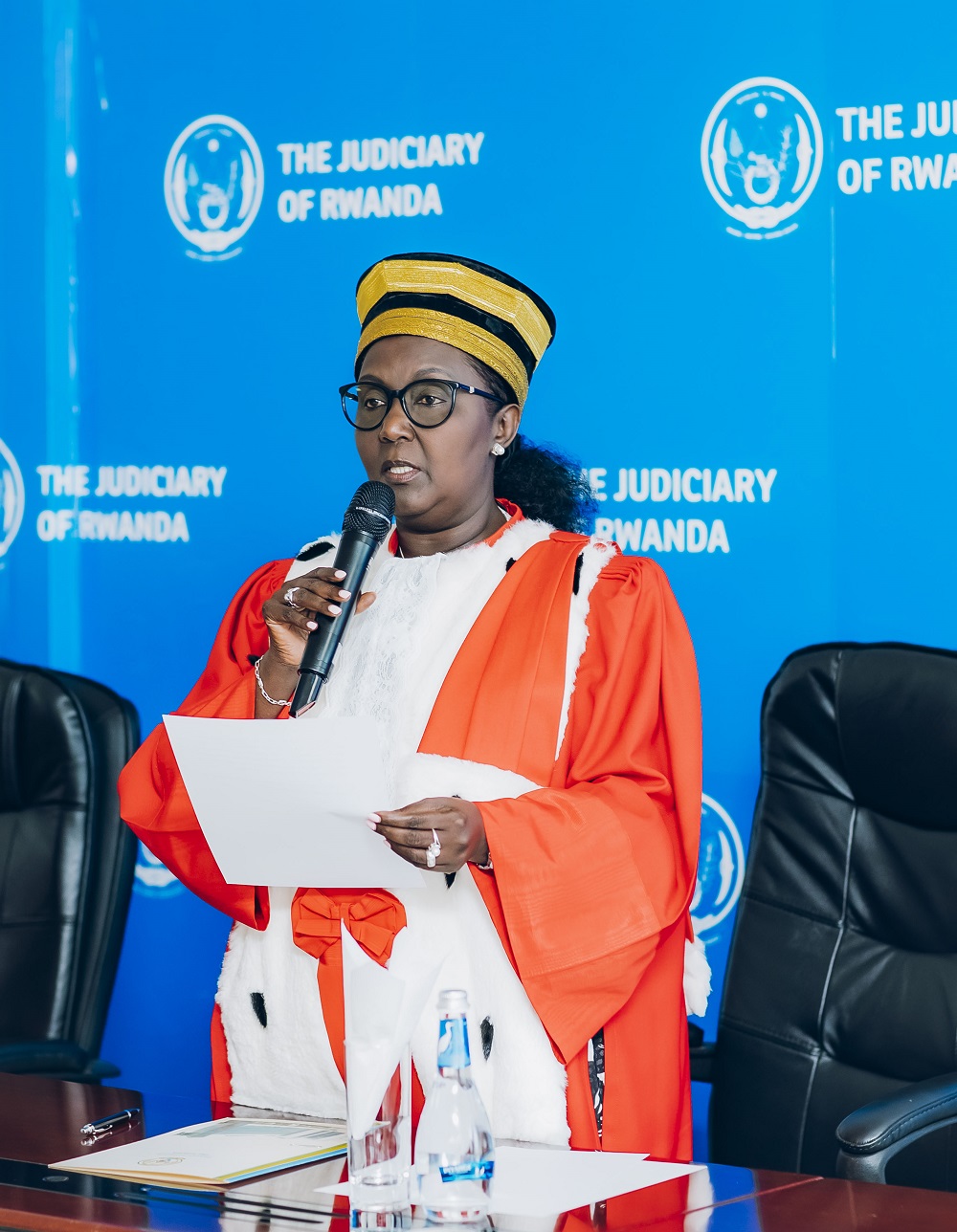
She made the call on October 31 during an engagement with judges and judicial staff from courts under the Musanze High Court Circuit.
Mukantaganzwa underscored the importance of efficiency in case management, reminding judges that cases should be heard in the order they are filed. She, however, acknowledged that some delays arise from factors beyond the courts’ control, such as adjournments or party-related interruptions.
Data presented during the session indicated that the Musanze Intermediate Court currently handles 1,499 cases, of which 1,096 are backlog cases.
Mukantaganzwa noted that measures previously introduced to address case backlogs are beginning to yield positive outcomes, though further effort is still required.
“It has long been established that backlog cases should not be allowed to stagnate in our courts. That is why, in their reports, you can see consistent progress in clearing old cases each year,” she stated.
She added that most of the remaining old cases date back to 2022, and are being prioritised for conclusion in line with judicial procedures.
“Our principle is straightforward: cases filed earlier should be heard first. However, delays sometimes result from adjournments requested by the parties involved, rather than from the court itself,” she explained.
The Chief Justice further reminded judges that any case pending for more than six months is classified as a backlog. She said this benchmark aims to ensure timely service delivery and public trust in the judiciary.
“Six months may not seem long, but we set that target to promote efficiency and fast-track justice, so that citizens do not have to wait unnecessarily for verdicts,” Mukantaganzwa said.
During the discussions, it was revealed that the Musanze High Court Circuit currently has 1,214 cases, with 95% being criminal and 5% civil. Of the backlog cases, 585 date from 2022, 97% of which are criminal.
The most frequent offences among the pending cases include drug-related crimes, child defilement, theft, murder, and assault.
In a statement, the Africa CDC said it is dispatching critical medical supplies after last week’s assault on the Saudi Maternity Hospital in El Fasher.
“The assault, which killed hundreds of patients and caregivers and led to the abduction of several health workers, has crippled one of the few remaining medical facilities in the region and raised grave concerns about the continuity of essential health services,” the Africa CDC said.
It warned that ongoing conflict, mass displacement, and restricted access to healthcare are worsening Sudan’s health crisis, as the country battles concurrent outbreaks of cholera, dengue fever, measles, and diphtheria.
The African Union’s specialized health agency said it has deployed emergency medical and laboratory experts to assess conditions on the ground and support outbreak control, sustain essential health services, and strengthen biosafety in affected areas.
Working in partnership with Sudan’s Ministry of Health and the World Health Organization, the Africa CDC said it is verifying casualty figures, monitoring for potential disease outbreaks, and assessing the broader public health impact.
“This is not only a human tragedy but a public-health emergency,” the statement quoted Jean Kaseya, director general of Africa CDC, as saying. “Our immediate priority is to preserve life, prevent secondary outbreaks, and protect the health infrastructure that communities depend on. Health facilities and workers must never be targets of war.”
The agency urged all parties to the conflict to safeguard laboratories and biomedical facilities that store or handle dangerous pathogens, warning that any compromise could pose grave biosecurity and public health risks.
On Wednesday, Sudan’s government said more than 2,000 civilians had been killed by the paramilitary Rapid Support Forces (RSF) since their entry into El Fasher.
Sudan remains gripped by a devastating conflict between the Sudanese Armed Forces and the RSF, which erupted in April 2023. The war has claimed tens of thousands of lives and displaced millions, plunging the country deeper into a humanitarian crisis.
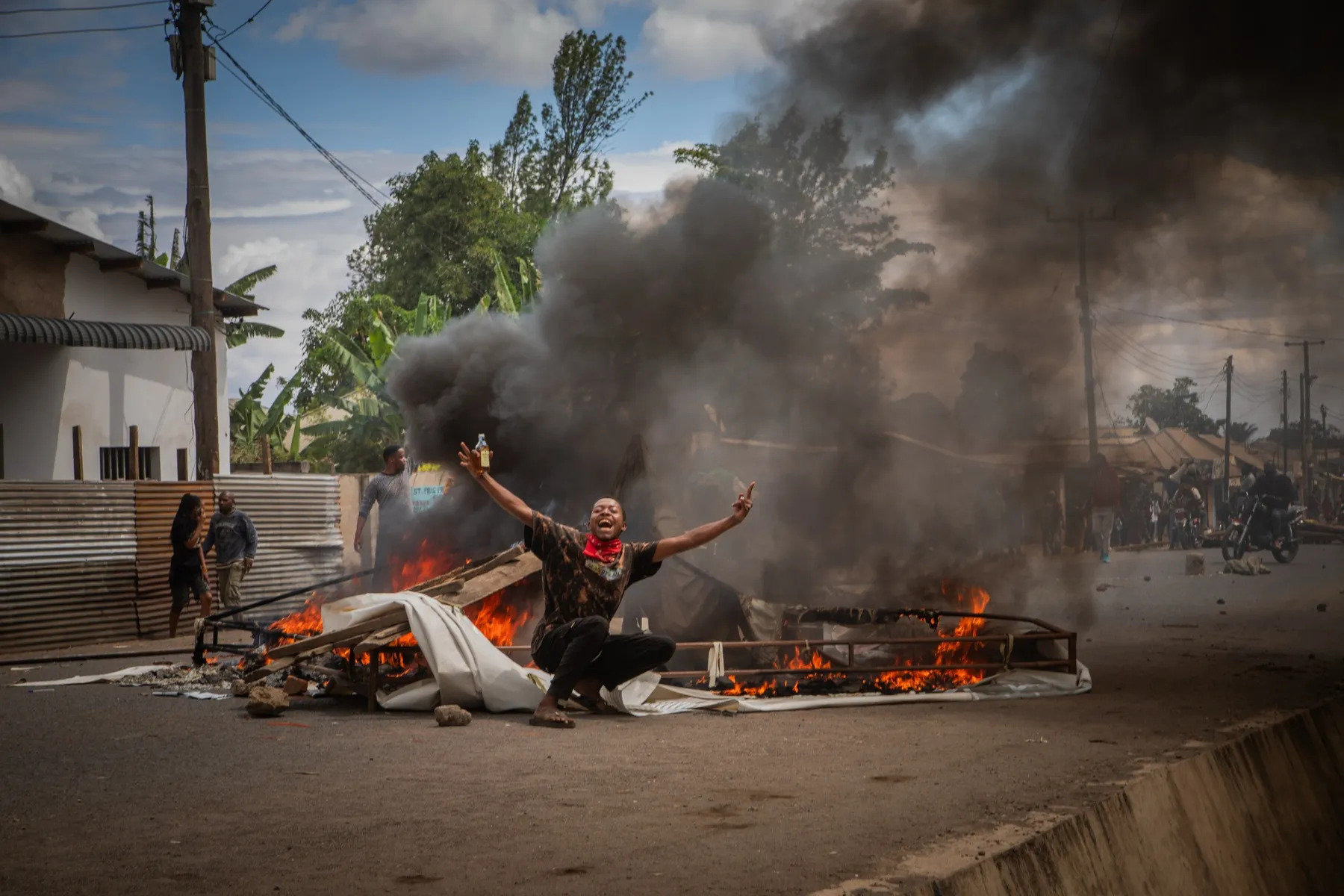
Crowds, largely made up of young people, gathered in major cities including Dar es Salaam, calling for electoral reforms and accusing authorities of sidelining opposition candidates in the polls.
President Samia Suluhu Hassan, representing the long-ruling Chama Cha Mapinduzi (CCM) party, is widely expected to secure victory once official results are announced.
{{Calls for calm amid heavy security presence
}}
The Chief of Defence Forces, Gen Jacob John Mkunda, on Thursday urged citizens to stay off the streets, saying the army was working with police and other agencies to restore order. He described those engaged in violent acts as “criminals” and said security forces had the situation under control.
Despite the appeal, some demonstrators returned to the streets on Friday, particularly in the commercial capital, Dar es Salaam. Authorities have since extended a night-time curfew and maintained an internet shutdown, making it difficult to verify reports circulating on social media.
Witnesses say police have used tear gas to disperse crowds, while several public offices and buildings were vandalised earlier in the week. Government officials have emphasised that the measures being taken are temporary and necessary to protect citizens and property.
In a message to the diplomatic community broadcast on state television, the Ministry of Foreign Affairs assured that the government was monitoring the situation and taking necessary steps to maintain stability.
“Owing to isolated incidents of breaches of law and order, the government has heightened security and taken precautionary measures. These are temporary but necessary steps, and normalcy will return shortly.”
The United Nations has expressed concern over reports of casualties, urging Tanzanian security agencies to exercise restraint. UN human rights spokesperson Seif Magango said credible reports indicated that at least ten people had been killed in the unrest in Dar es Salaam, Shinyanga, and Morogoro.
Amnesty International said it was unable to independently verify those figures due to the ongoing internet restrictions. Hospitals and local authorities have also declined to comment publicly on the number of casualties.
The main opposition party, CHADEMA, which boycotted the election after its leader Tundu Lissu was arrested on treason charges earlier this year, has alleged that hundreds of people have died. The government has not confirmed those figures.
According to the National Electoral Commission, results from 80 out of 100 regions have already been tallied, with President Hassan holding a commanding lead. Her main challengers, Tundu Lissu of CHADEMA and Luhaga Mpina of the ACT-Wazalendo party, were unable to participate, the former due to his detention and the latter following disqualification over legal technicalities.
On the semi-autonomous island of Zanzibar, the CCM’s Hussein Mwinyi has been declared the winner with nearly 80 percent of the vote. Opposition groups there have alleged electoral irregularities, though authorities insist the process was free and fair.
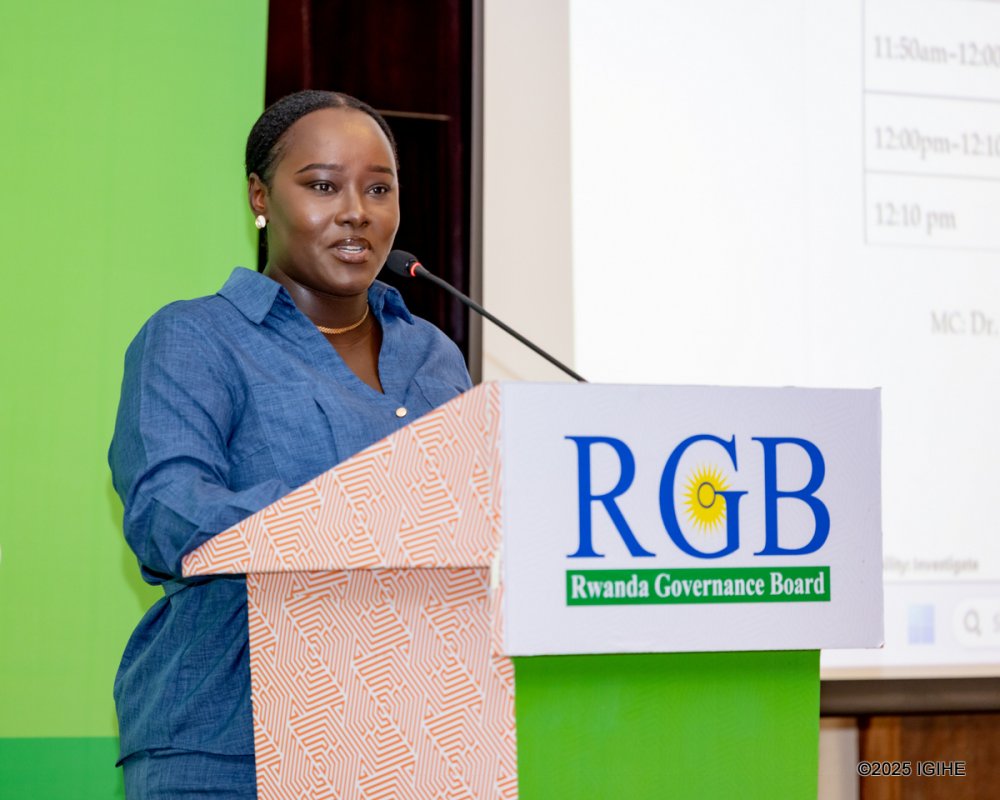
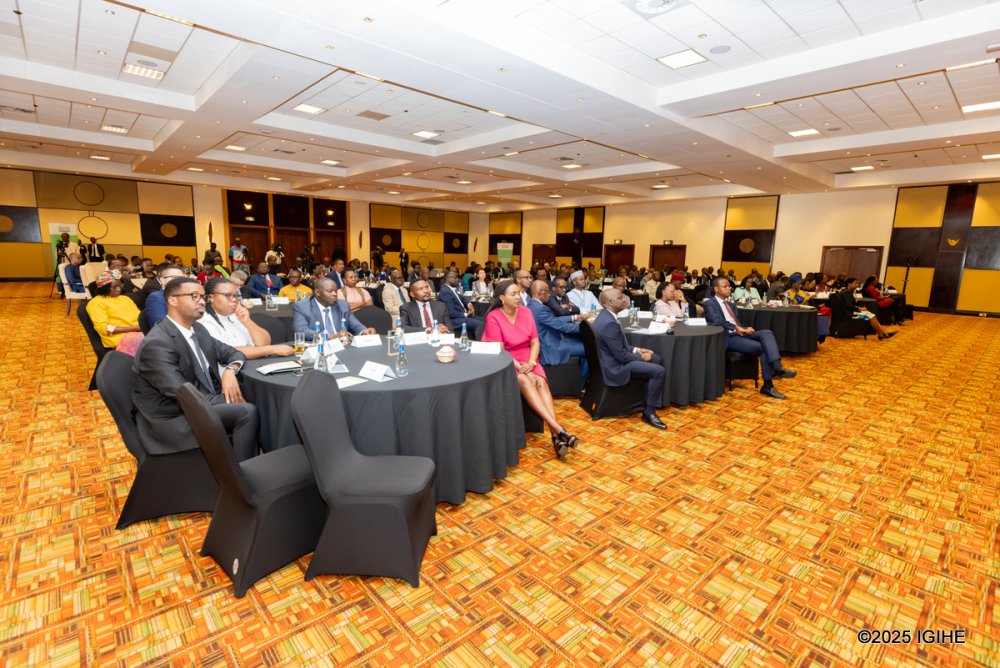
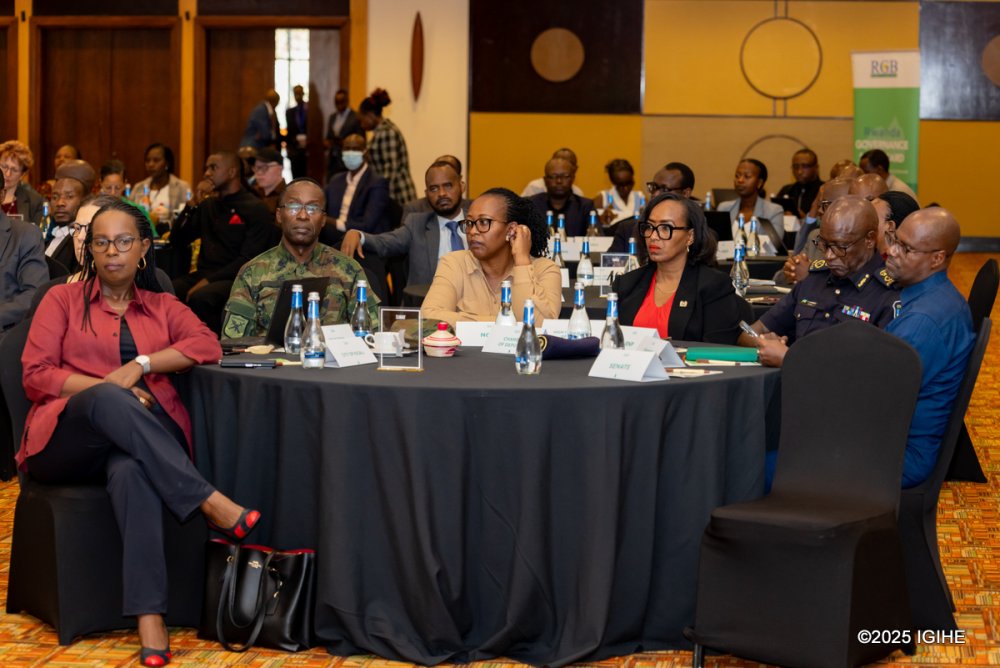
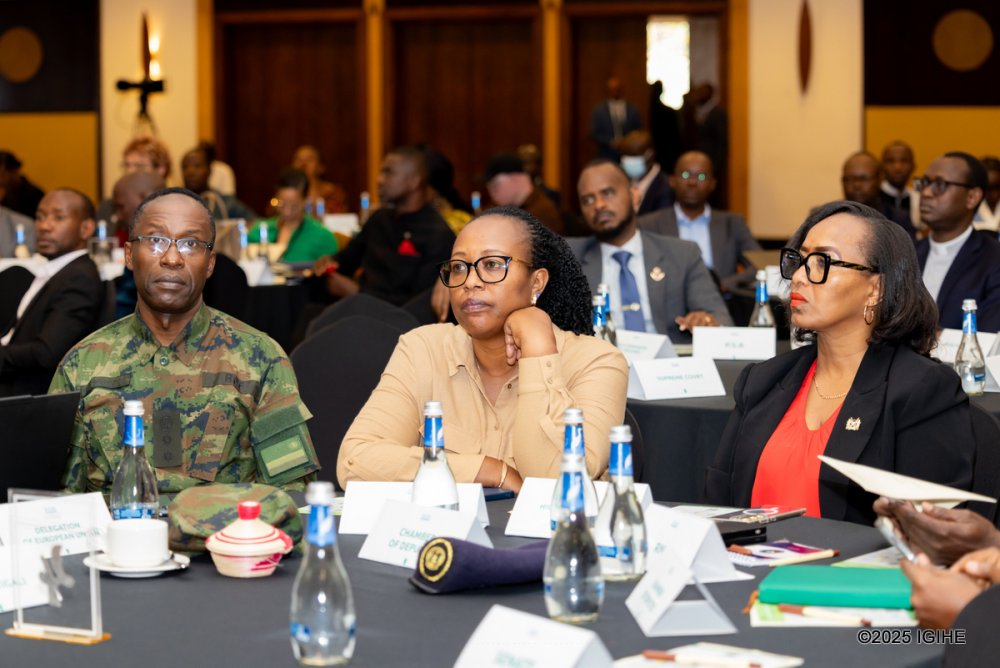
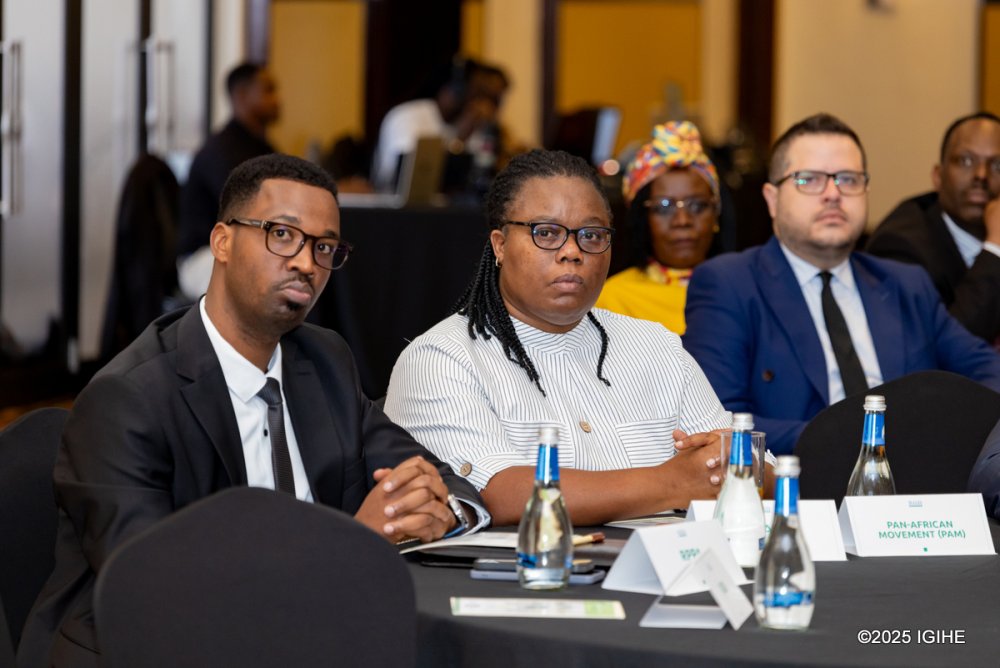
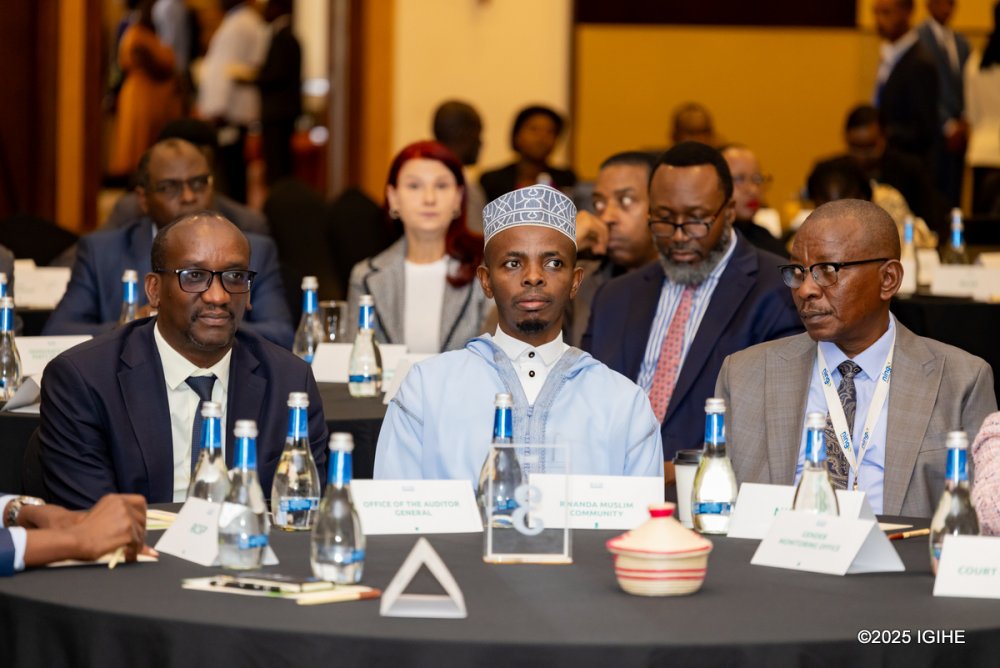
The report was officially launched on Friday, October 31, 2025, at Kigali Serena Hotel, in a ceremony attended by senior government officials, parliamentarians, diplomats, development partners, civil society representatives, and the media.
The Rwanda Governance Scorecard, produced annually by the Rwanda Governance Board (RGB), remains the nation’s flagship tool for measuring progress in governance, accountability, and service delivery.
{{Strong performance in safety, inclusion, and rule of law
}}
The Safety and Security pillar remains Rwanda’s highest-performing area with a score of 90.02%, reaffirming the country’s reputation as one of Africa’s safest nations. The report attributes this to consistently high citizen confidence in the Rwanda Defence Force, National Police, and local security structures.
Participation and Inclusiveness ranked second with 86.31%, reflecting broad citizen involvement in public affairs, effective decentralisation, and gender-balanced leadership. The report notes that power sharing and inclusiveness scored a full 100%, while gender equality in leadership reached 82.42%.
Political Rights and Civil Liberties followed with 82.71%, supported by strong results in democratic rights and freedoms (86.36%), respect for human rights (84.11%), and access to public information (81.77%).
The Rule of Law pillar achieved 81.63%, indicating continued public trust in justice institutions. The report highlights high scores in performance of the legislature (90.44%), though it identifies challenges such as case backlogs (50.85%) and limited digitalisation, with only 11% of government services fully automated.
{{Governance integrity and accountability
}}
Under the Anti-Corruption, Transparency, and Accountability pillar, Rwanda scored 79.25%, driven by transparency (92.35%) and accountability (80.39%). The report acknowledges sustained institutional integrity but notes that anti-corruption mechanisms (67.9%) and training of committees in public and private institutions remain areas for improvement.
The Economic and Corporate Governance pillar scored 74.84%, showing sound macroeconomic management (72.75%) and steady progress in corporate governance (77.67%). However, the report points to weaker results in exports of goods and services (47.95%), credit to the private sector (57.75%), and savings rate (60.23%).
The Quality of Service Delivery pillar registered 71.73%, showing advances in ICT-enabled services (66.9%) but emphasising the need to accelerate full digitalisation, with only a small fraction of services end-to-end automated.
The lowest-performing pillar, Investing in Human and Social Development, stood at 64.69%. The report notes continuing progress in health (74.14%) and education (65.65%), but identifies gaps in nutrition, social protection, and climate resilience, highlighting these as priority areas under the National Strategy for Transformation (NST2).
{{A renewal of Rwanda’s commitment to good governance
}}
Opening the event, Dr. Doris Uwicyeza Picard, Chief Executive Officer of the Rwanda Governance Board, described the Scorecard as more than an annual report, “a renewal of Rwanda’s commitment to good governance.”
“Each edition of the Scorecard is a covenant with our collective pledge to measure ourselves transparently, correct course where needed, and continuously strive for excellence in public service,” Dr. Uwicyeza said.
She noted that the 12th edition reaffirms Rwanda’s strong foundation built on trust in institutions, security, and citizen participation, while also highlighting the need to strengthen decentralised service delivery and human development outcomes.
“Our challenge now is to translate governance strength into tangible results felt in citizens’ daily lives,” she added. “The Government of Rwanda has always chosen self-accountability as a pillar of leadership; this Scorecard embodies that principle.”
Dr. Uwicyeza paid tribute to President Paul Kagame, emphasising his leadership vision rooted in unity, ambition, and accountability.
“When President Kagame was asked about Rwanda’s secret, he said it lies in three choices: we chose to stay together, to think big, and to be accountable. The Rwanda Governance Scorecard is the embodiment of that accountability.”
{{Data is the lifeline of governance
}}
Ms. Fatmata Sesay, UNDP Resident Representative in Rwanda, commended the Government and RGB for maintaining 15 years of consistent commitment to data-driven governance.
“Governance data is more than numbers; it is the lifeline of informed decision-making, policy dialogue, and accountability,” she said. “The Rwanda Governance Scorecard is not just a national tool; it is a global model for how governance data can be systematically collected, analysed, and used to drive transformation.”
She applauded Rwanda’s focus on evidence-based policy and citizen-centred governance, emphasising the Scorecard’s value as a practical instrument for reform.
“Let us not keep this document until next year’s launch,” she urged. “Let it inform our programs, shape our policies, and strengthen accountability. Governance is not abstract—it’s about how services are delivered and how every Rwandan participates in shaping the future.”
Sesay also highlighted the growing role of digital technology and artificial intelligence in public data systems, calling for innovation to enhance citizen feedback mechanisms and real-time data analysis.
{{Turning insight into action
}}
Delivering the keynote address, Prof. Ozonnia Ojielo, UN Resident Coordinator in Rwanda, described the RGS as “a remarkable homegrown innovation that embodies Rwanda’s deep commitment to accountability and continuous improvement.”
“This Scorecard confirms that Rwanda continues to perform strongly in most governance areas, with five out of eight pillars scoring above 80 percent,” Prof. Ojielo said.
He observed that while Rwanda’s governance remains robust, modest declines in human and social development, education quality, and economic competitiveness underscore the need for renewed focus under NST2.
The key goals of NST2 include achieving an average annual GDP growth rate of 9.3 percent, creating 1.25 million decent jobs, doubling private investment to USD 4.6 billion, doubling export revenues to USD 7.3 billion, and reducing child stunting from 33 percent to 15 percent by 2029.
“Governance is about values, how a society chooses to hold itself accountable. What we see in Rwanda is not just a technical exercise but a foundational process of reimagining the socio-economic fabric of society,” he remarked.
Prof. Ojielo emphasised that measuring performance drives progress.
“What gets measured gets managed, and what gets measured gets done. Measurement is not just observation; it is a catalyst for transformation.”
He called for stronger investments in digital public services, education, export readiness, and citizen engagement, reinforcing that “the Scorecard is not just about data, it is about direction.”
{{A tool for continuous renewal
}}
Now in its 12th edition since its inception in 2010, the Rwanda Governance Scorecard continues to serve as both a mirror and a compass, reflecting the country’s governance achievements while guiding future reforms. It benchmarks Rwanda’s progress against global indices such as the Mo Ibrahim Index, the Chandler Good Government Index, and the World Justice Project, while remaining firmly grounded in homegrown accountability principles.