Lawyer Richard Gisagara submitted the complaint to the French media regulatory authority, ARCOM, on November 15, 2025.
The community cited an article published by RFI on November 10, 2025, titled “We will continue to resist until Kigali accepts dialogue: FDLR says” (Nous résisterons jusqu’à ce que Kigali accepte un dialogue”, affirment les FDLR).
The community argues that the article misrepresents the FDLR as a lightly armed faction operating in eastern Democratic Republic of Congo (DRC), while ignoring its genocidal history and the sanctions imposed on it by the UN Security Council, the United States, and the European Union.
“The FDLR has been responsible for mass killings in Rwanda and atrocities in eastern Congo over the past 30 years,” the association said in the complaint. “Some of its leaders have even been prosecuted in German courts. RFI’s report gives this group an undeserved legitimacy by failing to provide this critical context.”
The association emphasised that RFI, as a state media outlet, is expected to uphold democratic values and provide accurate, impartial reporting. Citing French law, France Médias Monde regulations, and RFI’s own code of conduct, CRF said journalists must not act as mouthpieces for armed groups.
The community also highlighted that this misreporting occurred in the context of prior intimidation of French media by the DRC government in January 2025, warning journalists that reporting contrary to government lines could lead to sanctions or even threats of death.
The Rwandan community has urged the French media regulator to review RFI’s practices and ensure that the station fulfils its legal and ethical responsibilities. The organisation also reaffirmed its commitment to preserving historical truth and combating hate speech and impunity.
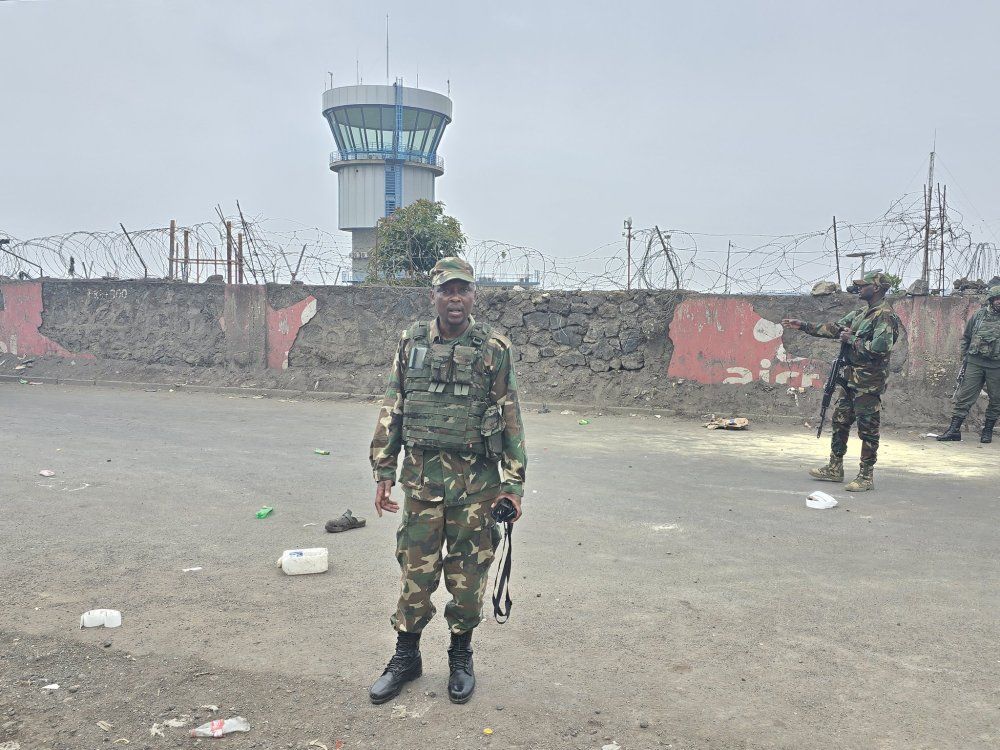
Goma International Airport was closed on January 26, 2025, following intense clashes between M23 and DRC government forces, which resulted in the fall of Goma city to the rebels.
In a statement issued on Sunday, November 16, the rebel coalition said President Félix Tshisekedi’s government lacks both the “legitimacy” and the authority to decide on the fate of infrastructure located in what it described as “liberated territory.”
According to the statement, the airport, currently under AFC/M23 control, “can and will be reopened solely by AFC/M23, not by Mr Tshisekedi Tshilombo or any other party,” accusing the government of having previously “plundered and sabotaged” the facility.
{{Monitoring military movements
}}
The group also addressed the broader security situation, stating that it continues to monitor the deployment of Congolese forces, military equipment and logistics support to what it described as “mercenaries” aligned with Kinshasa. The rebel coalition reaffirmed that its units remain stationed across the front lines and are closely observing the operations of the government-led coalition forces.
Rwanda Dispute ‘Not Our Concern’
AFC/M23 further distanced itself from the ongoing diplomatic tensions between Kinshasa and Kigali, saying the tensions “in no way concern” the rebel movement.
“The Kinshasa regime alone is responsible for its actions toward neighbouring states,” the statement read, insisting that the DRC government should resolve the dispute without attempting to “involve our organisation.”
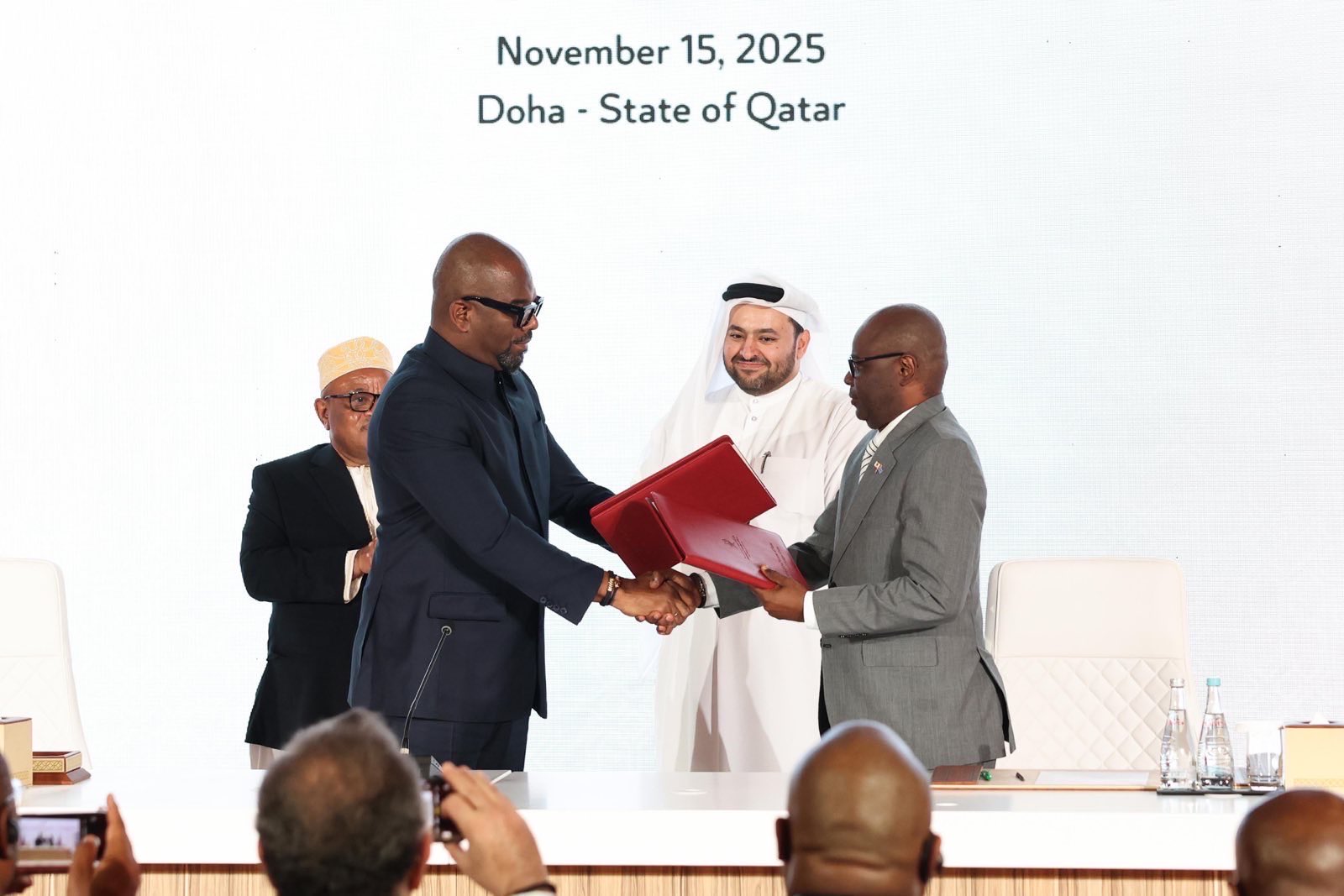
The strongly worded declaration comes only days after the DRC government and AFC/M23 signed the Framework for a Comprehensive Peace Agreement in Doha, Qatar, described as one of the most significant steps toward resolving the eastern DRC conflict in years.
The agreement, signed on Saturday, was hailed by regional and international partners as a major step toward stabilising a region that has suffered cycles of conflict and humanitarian crises for over two decades.
U.S. Senior Advisor for African Affairs Massad Boulos described the framework as one that “charts a clear path toward a peace accord,” noting that both sides had committed to upholding the ceasefire, ending hostilities, and addressing the root causes of the conflict.
Boulos outlined eight key protocols embedded in the framework, explaining that they include provisions for prisoner exchanges, mechanisms for ceasefire monitoring and verification, expanded humanitarian access, and the restoration of state authority. The framework also covers the disarmament and reintegration of armed groups, the return of displaced populations, measures to support economic recovery, and initiatives aimed at promoting justice and reconciliation.
“These obligations will strengthen the foundation for peace, stability, and the rebuilding of trust in affected communities,” Boulos said, expressing appreciation to Qatar for its mediation.
{{Phased implementation roadmap
}}
AFC/M23 Permanent Secretary Benjamin Mbonimpa confirmed that each protocol will be implemented progressively under a phased roadmap. A final peace agreement will only be signed once both sides have met all obligations under the framework.
Among the commitments is a plan to jointly restore state institutions and public services in eastern DRC, envisioned to roll out in stages. Another protocol sets out temporary security arrangements to maintain calm and protect civilians during the transition.
The parties also agreed to create an independent national commission tasked with advancing truth, reconciliation, accountability for crimes and preparing the reconstruction of damaged infrastructure.
The signing ceremony in Doha was witnessed by Qatar’s Minister of State for Foreign Affairs, Dr Mohammed bin Abdulaziz bin Saleh Al-Khulaifi, and Massad Boulos, Advisor to the U.S. President on African Affairs.
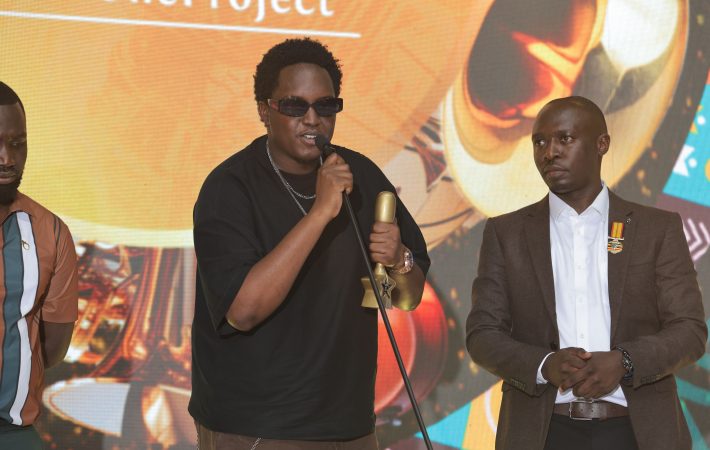
The awards ceremony, held at Kampala Serena Hotel on Saturday, celebrated excellence in African music. The Ben’s hit single “True Love” earned him the prestigious accolade, beating out other major hits including Mbosso’s “Pawa”, Vestine & Dorcas’ “Yebo”, and Karole Kasita’s “Go”.
Meanwhile, Ugandan artist Joshua Baraka dominated the night, sweeping multiple awards including Africa’s Number One, East Africa’s Best Artist, Best Male Artist, and Artist of the Year.
Ugandan singer Ava Peace also made a mark, taking home two awards, including Best Female Artist.
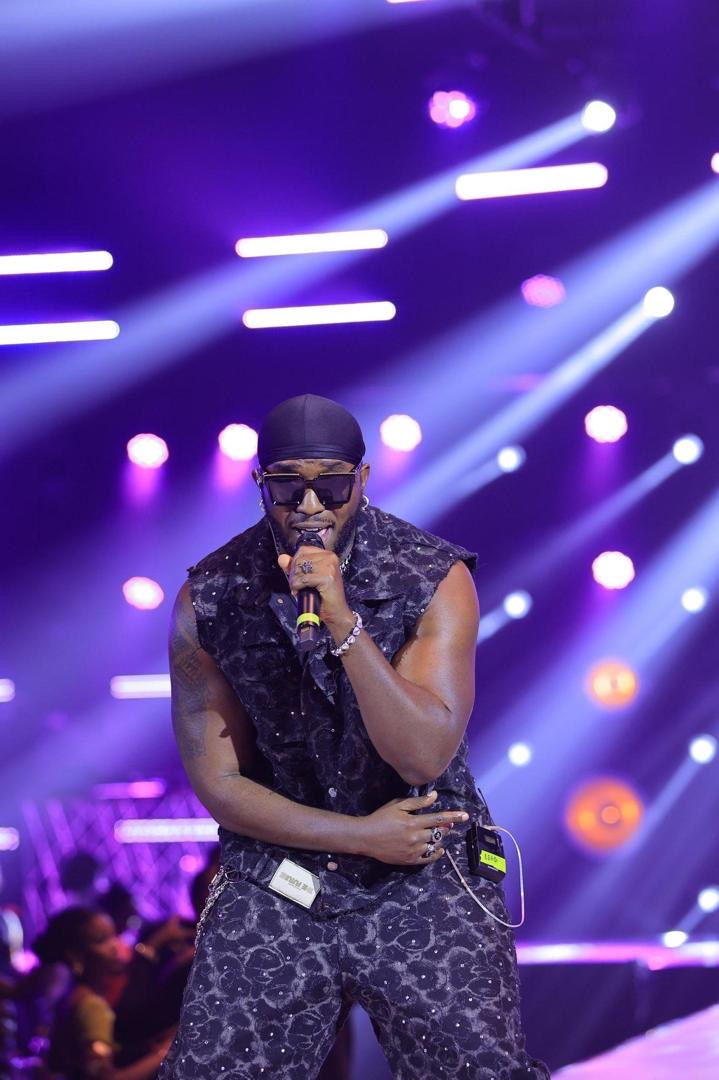
Other performers who lit up the stage included Khalifa Aganaga, MUN G, Happy Kyazze, Augustine Mukisa, Carol Komeza, Serena Bata, and Roden Y Kabako, thrilling the audience with their live performances.
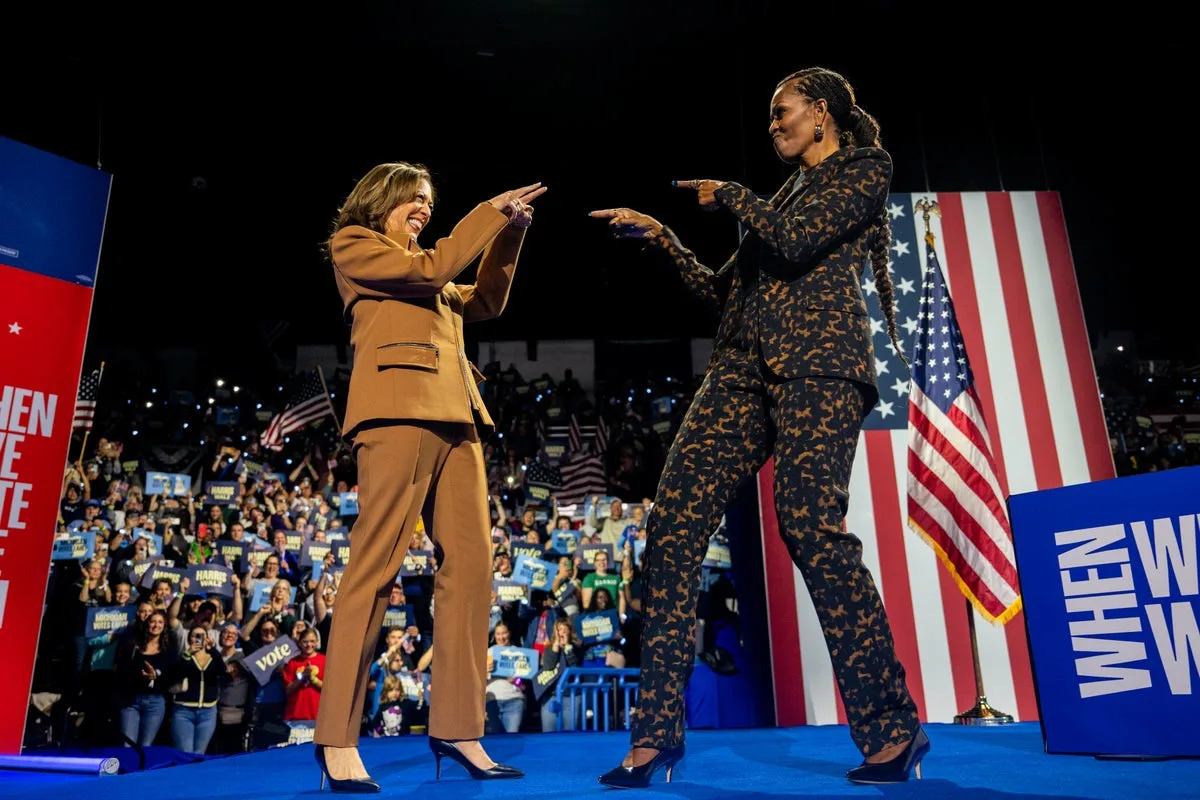
Speaking during a conversation at the Brooklyn Academy of Music on November 5, a discussion later published on her YouTube channel, Obama reflected on the outcome of the 2024 presidential election and dismissed ongoing speculation about her own political ambitions.
“As we saw in this past election, sadly, we ain’t ready,” she said, referring to former Vice President Kamala Harris’s loss to President Donald Trump. “Don’t even look at me about running, because you all are lying. You’re not ready for a woman. You are not.”
Obama made the remarks during a live event with actor Tracee Ellis Ross, held as part of the promotional tour for her new book, The Look. The pair discussed the pressures placed on women in public life, including how expectations around femininity and the traditional role of First Lady intersect with broader debates about female leadership.
When Ross asked whether her time in the White House had influenced public perceptions of women’s suitability for the presidency, Obama was candid: “We’ve got a lot of growing up to do, and there’s still, sadly, a lot of men who do not feel like they can be led by a woman, and we saw it.”
Throughout the 2024 campaign, Obama had been one of the Democratic Party’s most influential figures, drawing large crowds while urging voters, particularly men, to consider the consequences of another Trump term for women’s rights and reproductive health. Despite her popularity, she has repeatedly ruled out seeking elected office herself.
Her comments also touched on her experiences of public scrutiny during her years in the White House. In The Look, released on November 4, Obama writes about how women in politics are often judged on appearance rather than ability, noting that her own fashion choices, hair and presentation were regularly dissected in ways male leaders rarely face.
Polling after the 2024 election suggests the cultural barriers she highlighted persist. Research from American University found nearly one in five voters would not support a woman for president, including a quarter of women under 50. Pew Research data further indicated a widening gender divide, with a majority of men under 50 backing Trump.
While the majority of Americans say they support electing more women to high office, Obama argues that the reality at the ballot box tells a different story.
For now, she insists her message is not about her own political future, but about the country’s readiness for genuine equality in leadership. “Don’t waste my time,” she said. “We’re not there yet.”
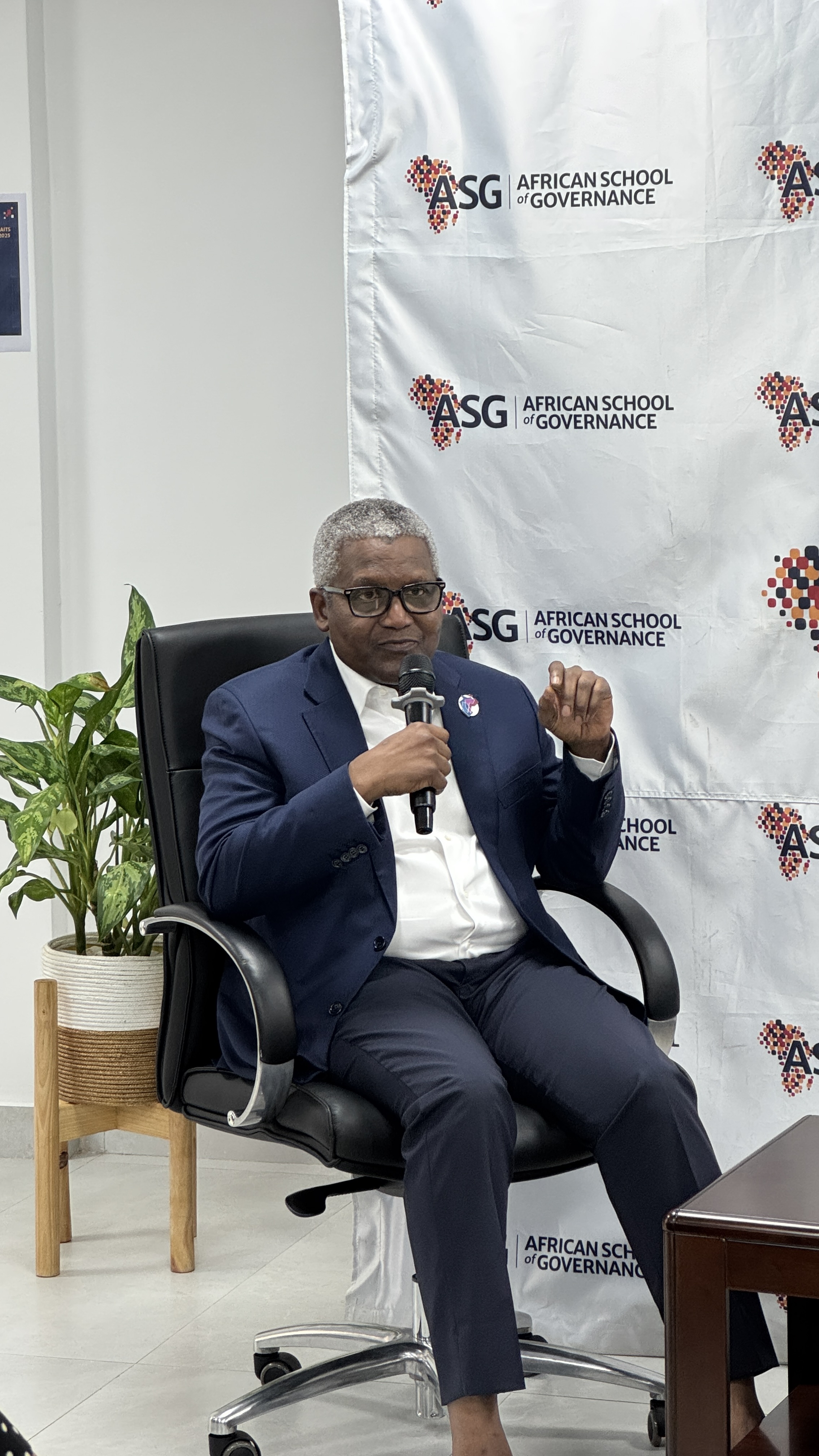
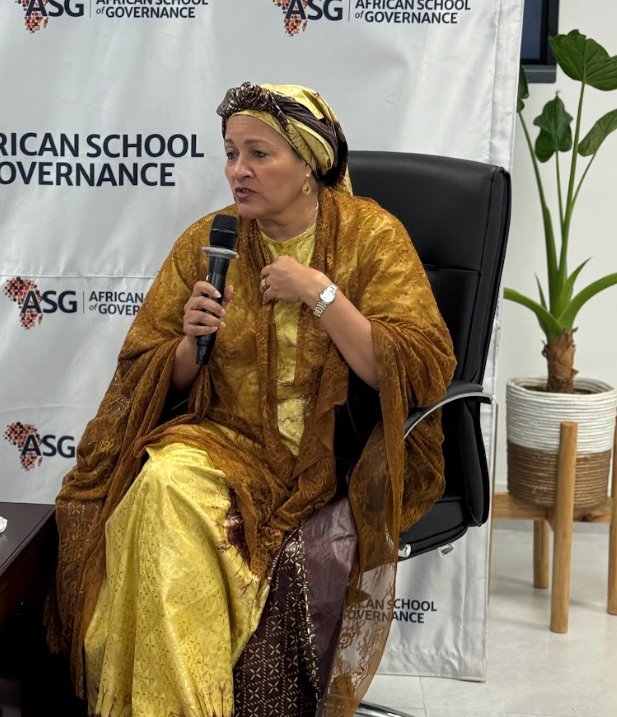
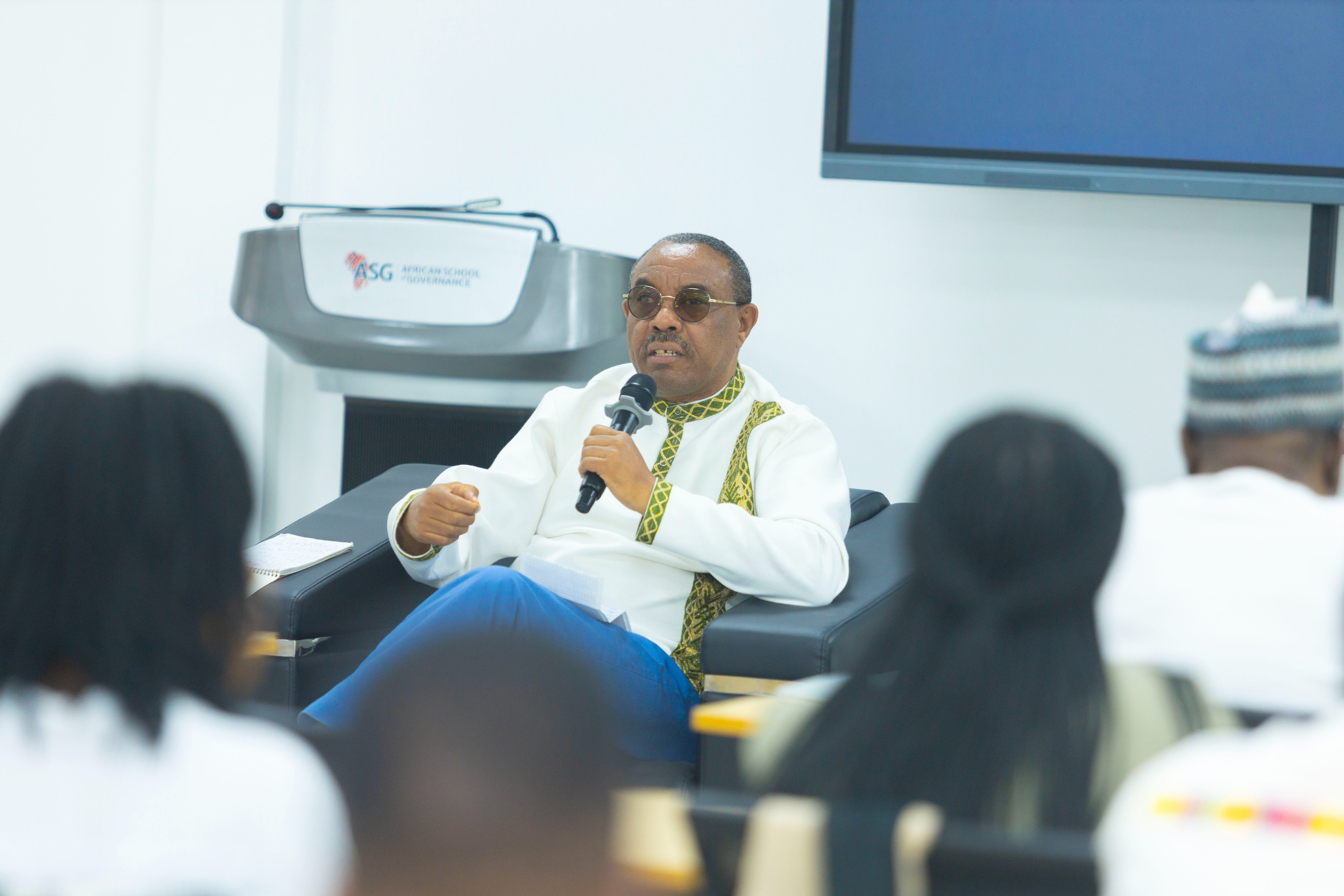
The Dangote Group boss delivered the remarks at the Africa School of Governance (ASG) in Kigali, an institution co-founded by President Paul Kagame of Rwanda and former Ethiopian Prime Minister Hailemariam Desalegn, designed to nurture visionary African leaders.
Dangote stressed that Africa cannot progress without leaders guided by mission, clarity, and conviction.
“We need leaders with a mission. If we don’t have this, we are not going to build anything,” he said.
UN Deputy Secretary-General Amina J. Mohammed, on her part, emphasised that the continent already has the tools and frameworks required; what is needed now is implementation, accountability, and confidence in its own institutions. She urged leaders to “look to the inside,” insisting that Africa must rebuild and trust the institutions it already owns.
Hailemariam Desalegn echoed this sentiment, noting that no nation can grow without strong and functional institutions. He stressed that many African institutions are relics of the past and must be reimagined to truly serve the people. He also highlighted the importance of leadership culture, insisting that Africa was never inferior and must reject perceptions that undermine its potential.
Hailemariam called for a critical mass of purpose-driven leaders capable of igniting change across the continent and encouraged emerging leaders not to conform to the limitations of the status quo.
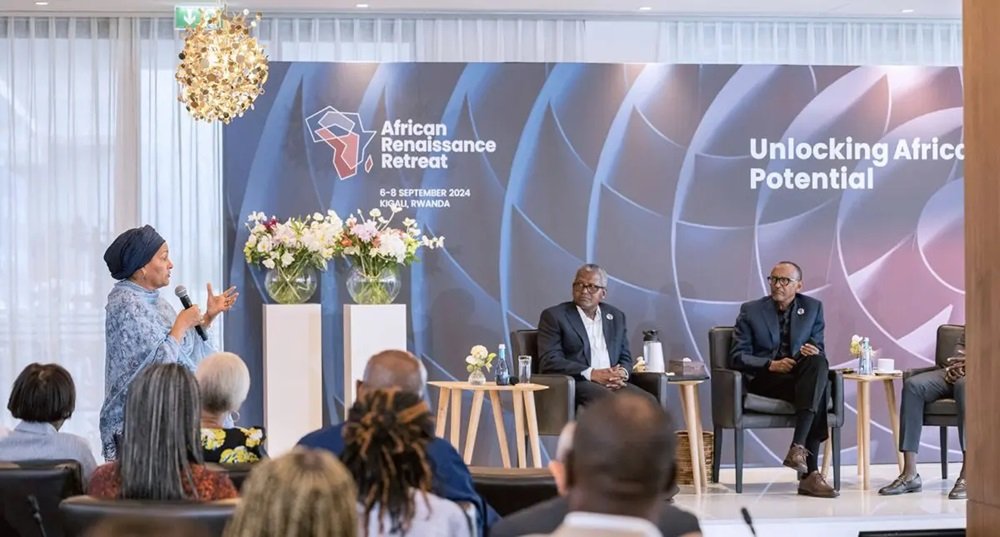
The leaders are in Kigali to attend the second edition of the African Renaissance Retreat (ARR), which kicked off at the Pinnacle Kigali Hotel on Friday, November 14, 2025.
The exclusive annual gathering, co-founded by President Paul Kagame and Dangote, brings together African billionaires, senior policymakers, and influential thinkers for three days of closed-door dialogue focused on accelerating Africa’s transformation.
The high-level meeting is structured around intensive sessions, fireside discussions, and strategic breakout meetings designed to translate ideas into implementable projects. Day 1 featured a fireside chat with former presidents Olusegun Obasanjo and Ellen Johnson Sirleaf, followed on Day 2 by an in-depth conversation with former Ethiopian Prime Minister Hailemariam Desalegn and former South African President Thabo Mbeki. The final day, Sunday, will feature a session with President Kagame and Aliko Dangote.
Meanwhile, Dangote’s remarks in Kigali reinforce his engagement in continental development initiatives. In July this year, he attended the inauguration of the US$25 million Zaria Court sports and entertainment complex in Kigali, established by Giants of Africa founder Masai Ujiri.
During the event, President Kagame commended Dangote for championing African-led progress and investing in projects that elevate African talent, infrastructure, and leadership.
Last year, Dangote also participated in the private African Renaissance Group retreat held at Kigali Golf Resort & Villas, which brought together around 50 of Africa’s most influential business and policy leaders to explore long-term strategies for the continent’s advancement.
With the ARG retreat once again convening in Kigali, Rwanda continues to strengthen its position as a trusted home for strategic dialogue and forward-looking African initiatives.
Speaking in Kliptown, Johannesburg, on Friday, Ramaphosa said South Africa is ready to welcome world leaders and deliver a successful meeting. “The summit will go on. We are not going to stop because they are not here,” he said, adding that most G20 leaders have confirmed their attendance.
Ramaphosa noted that U.S. President Donald Trump had withdrawn all U.S. representatives, citing allegations of ill-treatment of Afrikaners and “genocide.”
Stressing “boycott politics never work,” he said, “If you boycott an event or a process, you lose because the show will go on.”
The G20 Leaders’ Summit is scheduled for November 22 and 23 in Johannesburg, South Africa’s largest city and economic hub.
The G20 is a forum for major global economies that brings together 19 countries along with two large economic blocs: the European Union and the African Union. It represents a significant share of the world’s GDP, international trade, and population. Established in 1999 to address international economic and financial stability, the G20 has since expanded its agenda to include issues such as climate change and sustainable development.
Its members are Argentina, Australia, Brazil, Canada, China, France, Germany, India, Indonesia, Italy, Japan, Mexico, the Republic of Korea, Russia, Saudi Arabia, South Africa, Türkiye, the United Kingdom, and the United States, in addition to the European Union and the African Union.
In a statement issued on Saturday night, Rwanda’s Ministry of Foreign Affairs and International Cooperation said the framework marks “an important step on the road to definitively addressing the root causes of conflict in eastern DRC, and the obstacles to peace in the Great Lakes Region.”
Kigali also commended Qatar for its sustained engagement as mediator, as well as the support provided by the United States and the African Union.
The agreement, signed in Doha earlier in the day, is being celebrated as one of the most concrete advances in years toward stabilising a region that has endured insecurity and humanitarian crises for over two decades.
According to U.S. Senior Advisor for African Affairs, Massad Boulos, the framework “charts a clear path toward a peace accord”, with both the DRC government and the AFC/M23 committing to uphold the ceasefire, end hostilities, and jointly tackle the root causes of the conflict.
Boulos highlighted eight core protocols contained in the framework, including mechanisms for prisoner exchanges, ceasefire monitoring and verification, expanded humanitarian access, restoration of state authority, disarmament and reintegration of armed groups, return of displaced people, economic recovery, and efforts to promote justice and reconciliation.
“These obligations will strengthen the foundation for peace, stability, and the rebuilding of trust in affected communities,” Boulos said, thanking Qatar for facilitating the process.
Further details shared by the Permanent Secretary of AFC/M23, Benjamin Mbonimpa, reaffirmed that the framework establishes a phased implementation roadmap. Each of the eight protocols will be discussed and executed progressively, with a defined timeline guiding the process. A comprehensive peace agreement will only be signed once both parties have fully addressed all protocol components.
Among the protocols is a commitment to collaborate on restoring state institutions and public services in eastern DRC, a process envisioned to unfold in stages. Another protocol includes temporary security measures designed to maintain public calm and protect civilians during the transition period.
Both parties have also agreed to form an independent national commission tasked with advancing truth, reconciliation, accountability for crimes, and planning the reconstruction of damaged infrastructure.
The signing ceremony in Doha was witnessed by Qatar’s Minister of State for Foreign Affairs, Dr. Mohammed bin Abdulaziz bin Saleh Al-Khulaifi, and Massad Boulos, the Advisor to the U.S. President on African Affairs.
“Every single day,” he says, “I have to do this. It’s no joke. I spend most of the time just imagining how great this project will be.”
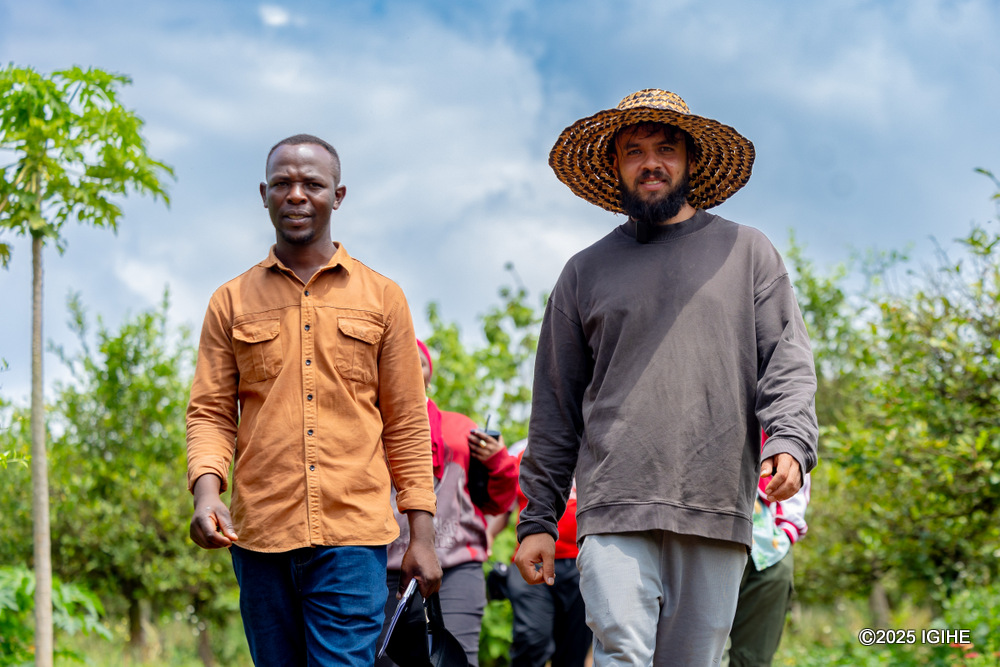
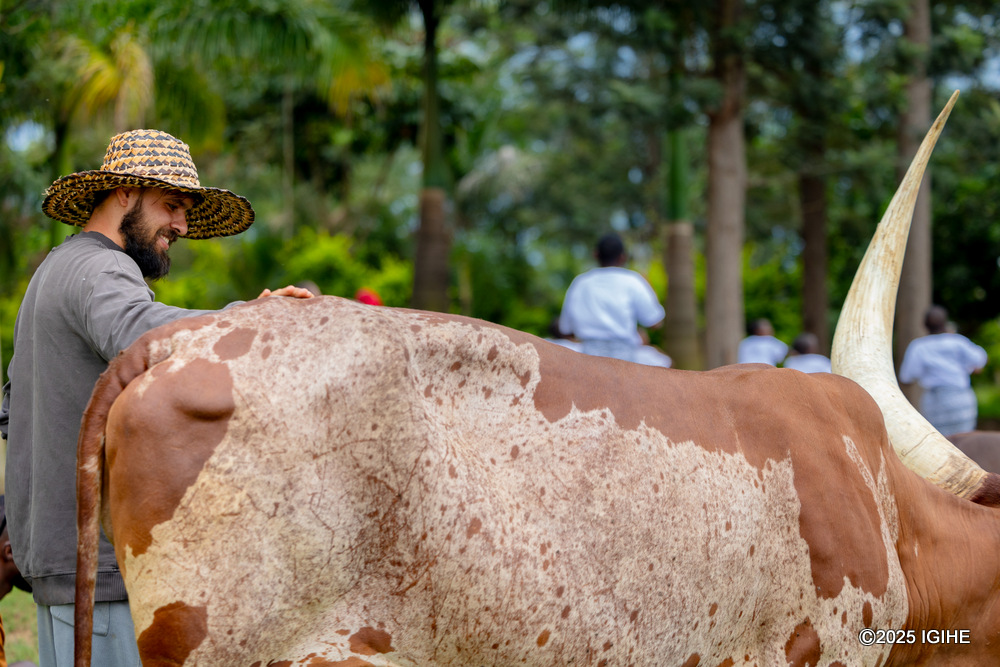
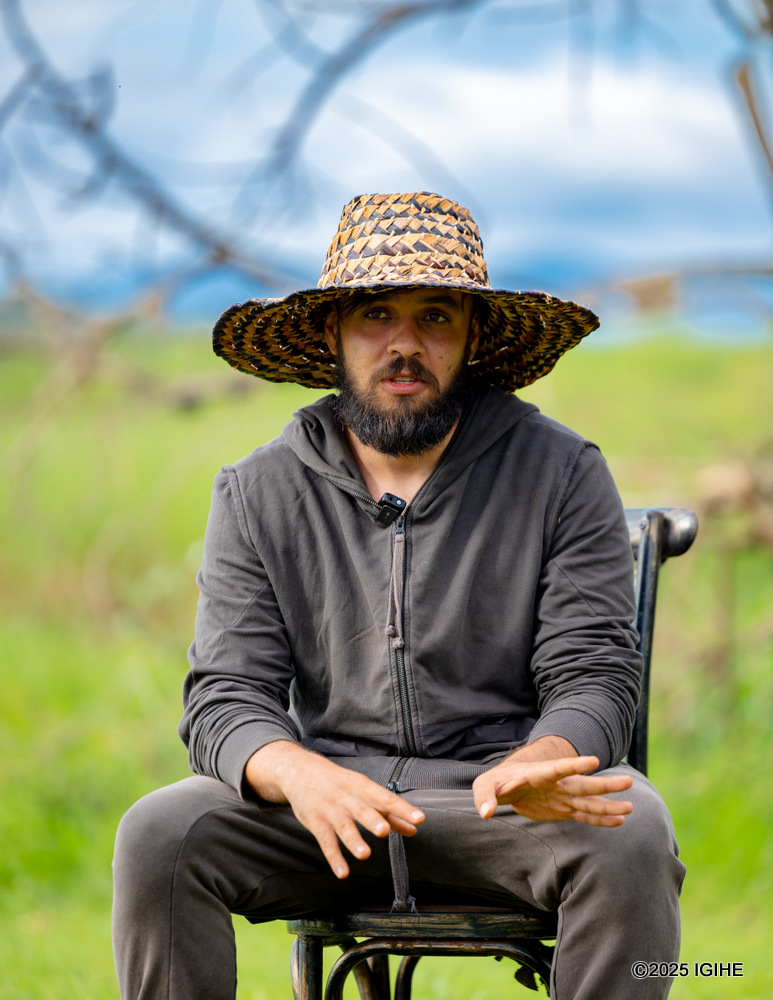
Half Yemeni, half Ukrainian, Richi never imagined his life would take root in Rwanda. Before the war in Ukraine, triggered on February 24, 2022, when Russia launched a full-scale invasion, he was a successful real estate entrepreneur in Kyiv, owner of a café, a beauty salon, and a father to twins born just months before the fighting erupted.
Since then, fighting and airstrikes have caused more than 40,000 civilian casualties, while 3.7 million people have been internally displaced, and a further 6.9 million have fled Ukraine, creating one of the world’s largest humanitarian crises.
On the day the war began, he was in Poland. His family soon joined him. They drove west to Spain, spent nearly two years there, tried Germany, where his wife has family roots, and visited Portugal. But Europe, for all its comfort, felt temporary.
“I wasn’t sure where my life was leading,” he recalls. “I never thought I’d find happiness again. I never thought that this would be in Rwanda.”
Then a friend who lived in Kigali suggested, “Just come. Visit without your family. See if it’s for you.” Richi bought a ticket and arrived for a 10-day scouting trip. The moment he stepped out of Kigali International Airport, he knew.
“The streets were so clean. Everything was so simple, so beautiful, so organized,” he says.
“Then I learned about more rapid development, huge opportunities in the service sector, and everyone said it was safe. I’m not here to find a job. I’m here to start a business. It was clean, safe, simple, far from Europe’s problems. It felt like destiny.”
Richi soon discovered that Rwanda is not only welcoming to foreigners but is also engineered for their success. “Not only the government, but the people, business partners, other owners, everyone wants to do better business,” he says. “In Europe and Ukraine, you’re more on your own. Here, everybody is open.”
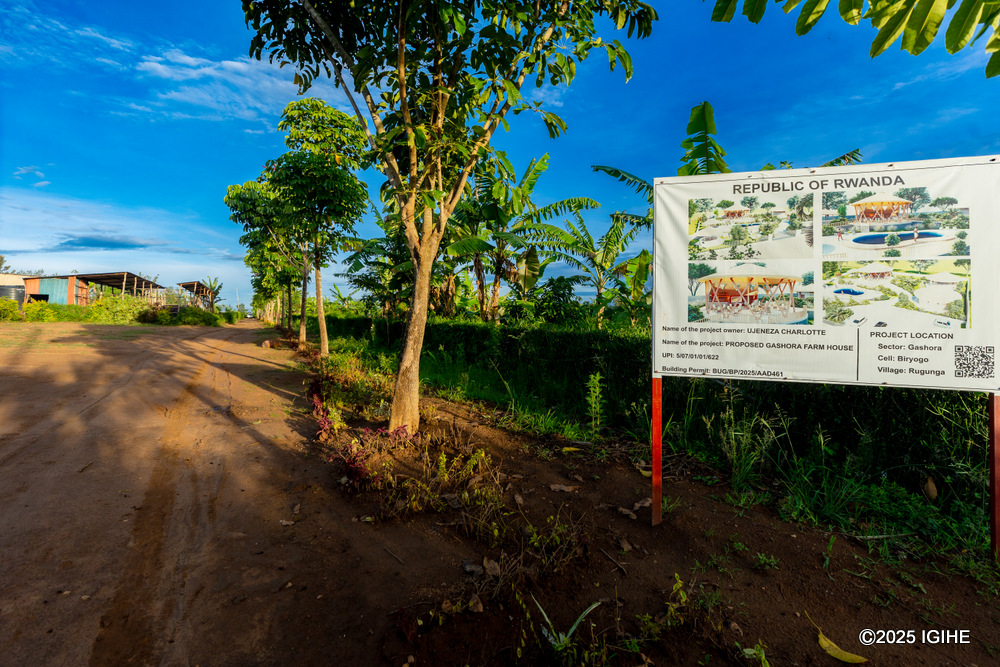
That openness led him to William Shaka, a local landowner who had nurtured a farm in Bugesera for 15 years with a quiet dream to one day transform it into something more than agriculture.
Richi and his wife, passionate about eco-tourism, real estate, and marketing, saw the same vision. “We met,” Richi says, “and it was destiny again.”
Their first test? A mango festival. Over 1,100 people showed up. “It was crazy,” Richi laughs. “We realised there is demand for farm visits in Rwanda. People in Kigali want something new. Bugesera is closer, the roads are better, and it’s fresh.”
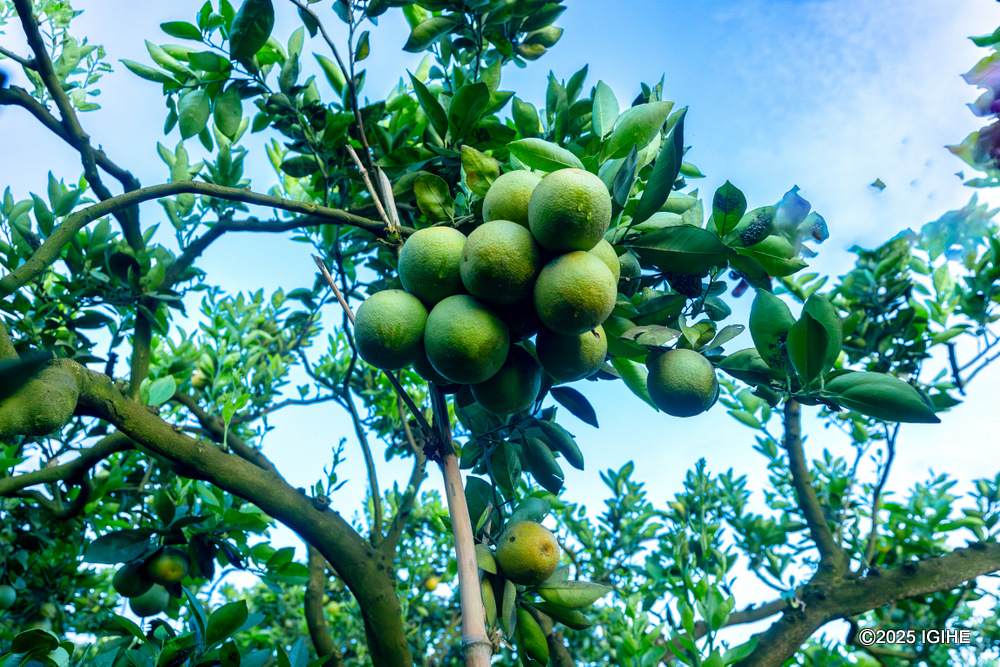
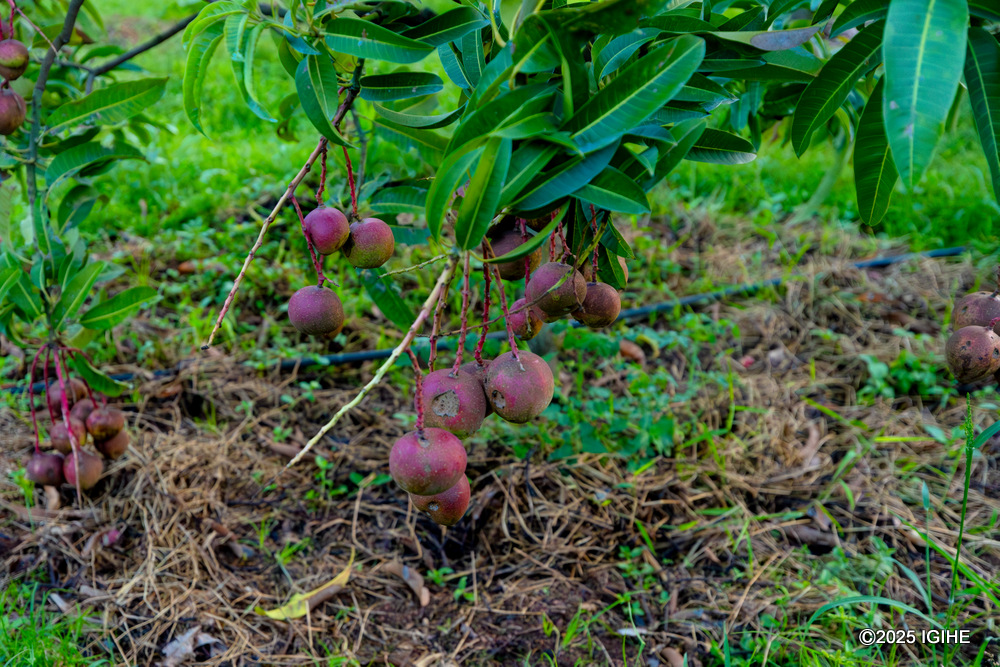
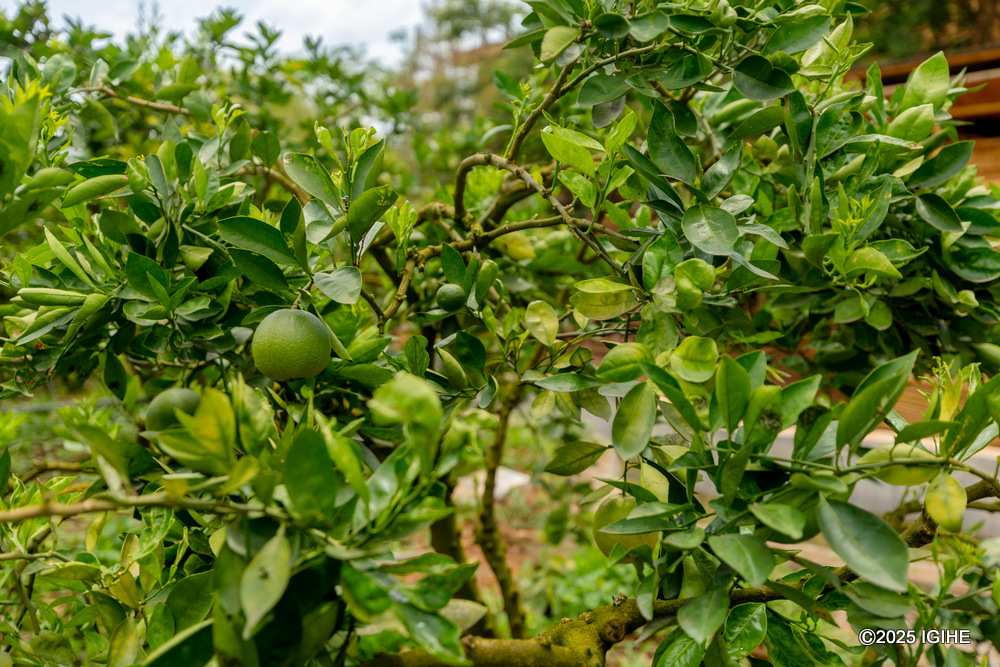
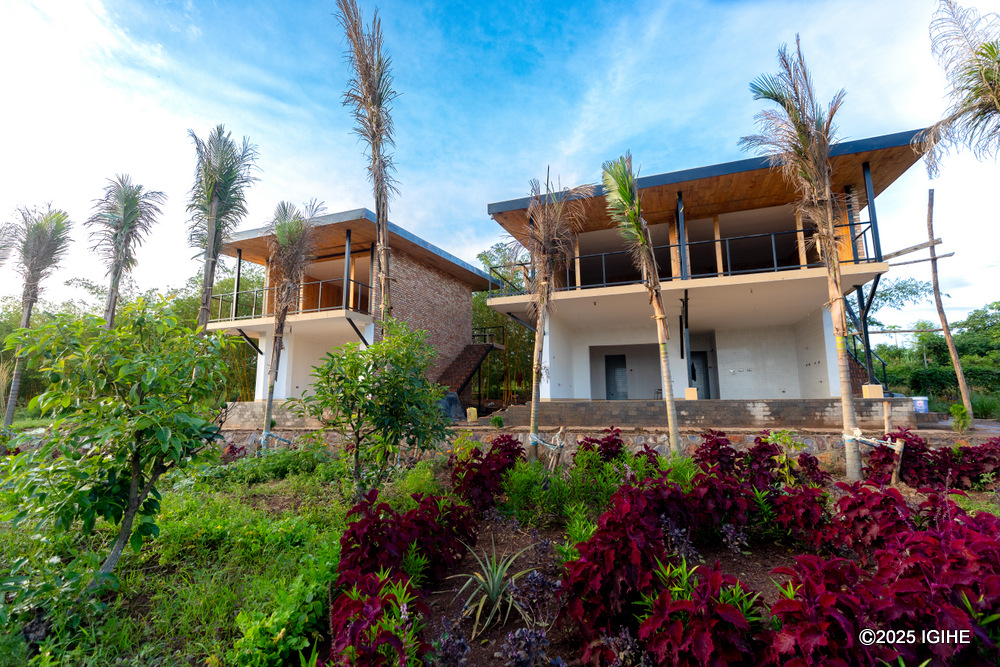
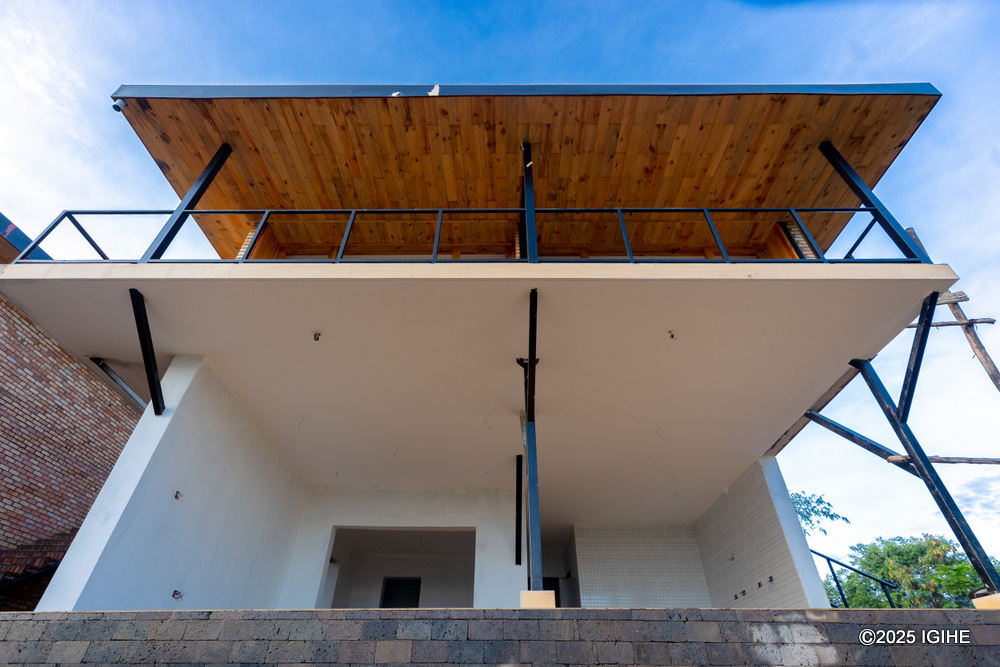
What began as a festival soon blossomed into Eagle View Farm: an agro-tourism project blending working agriculture with guest rooms, a lakeside restaurant, a wellness centre, and a vision of families waking up to pick oranges from trees outside their door.
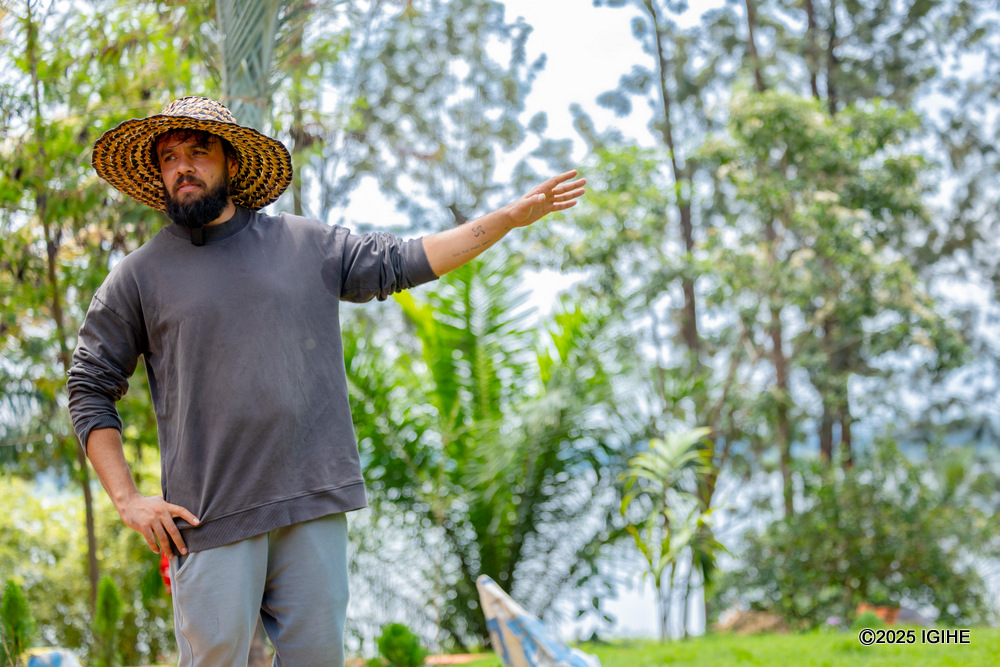
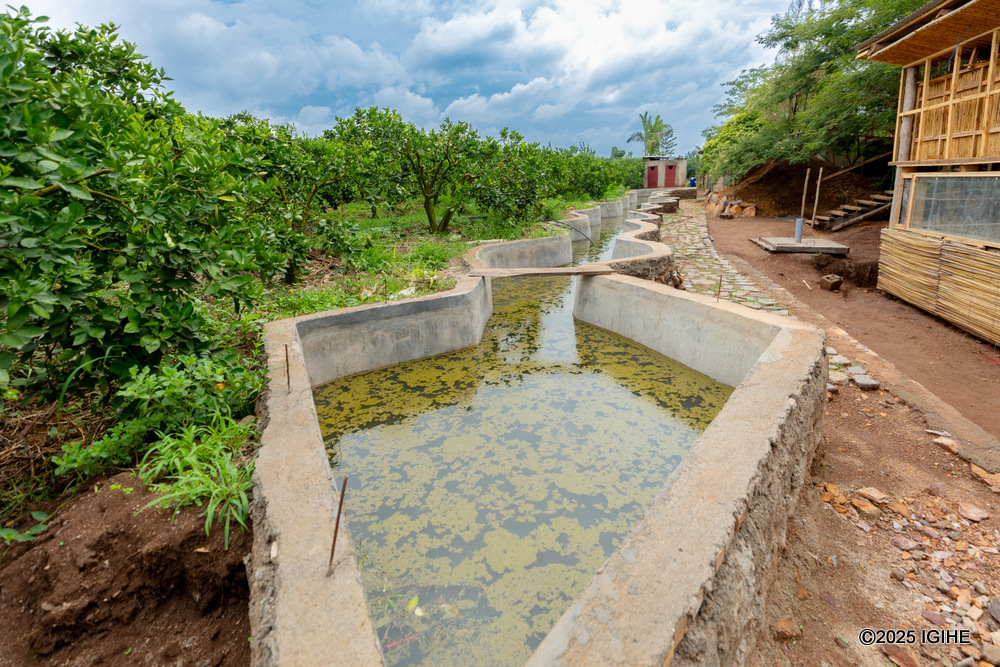
“Imagine this,” Richi says, standing by a fish pond with orange groves behind it. “Your children wake up and say, ‘Wow, oranges!’ You tell them, ‘Go get some.’ They pick them. You wash them, cut them. Just like it was supposed to be.”
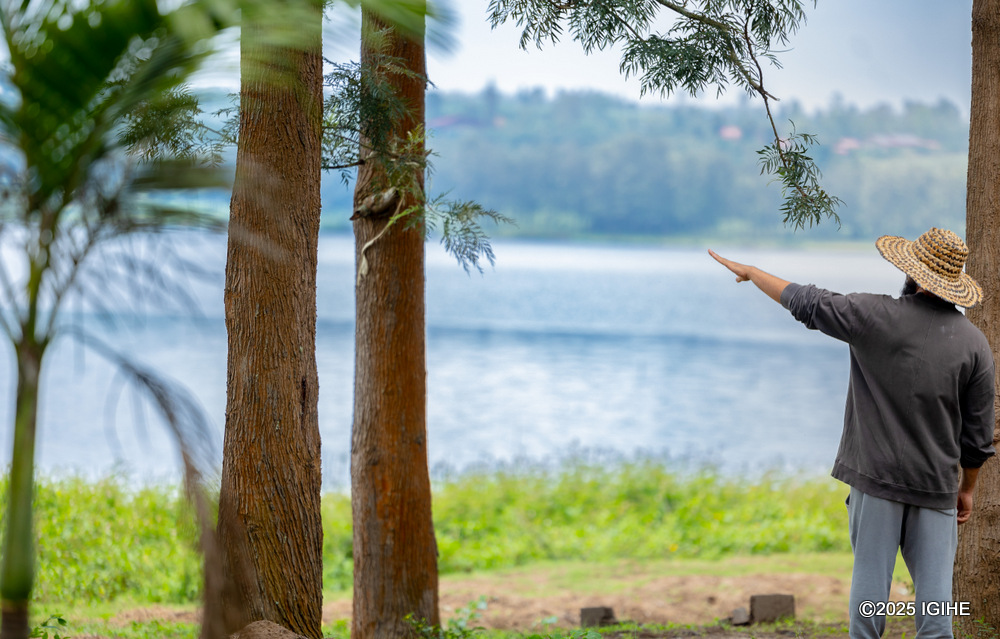
Every morning, Richi and his family do yoga on the lake shore, watching fishermen cast nets at 7:30 a.m. in perfect unison. “Only birds and fishermen,” he says. “Pure peace.”
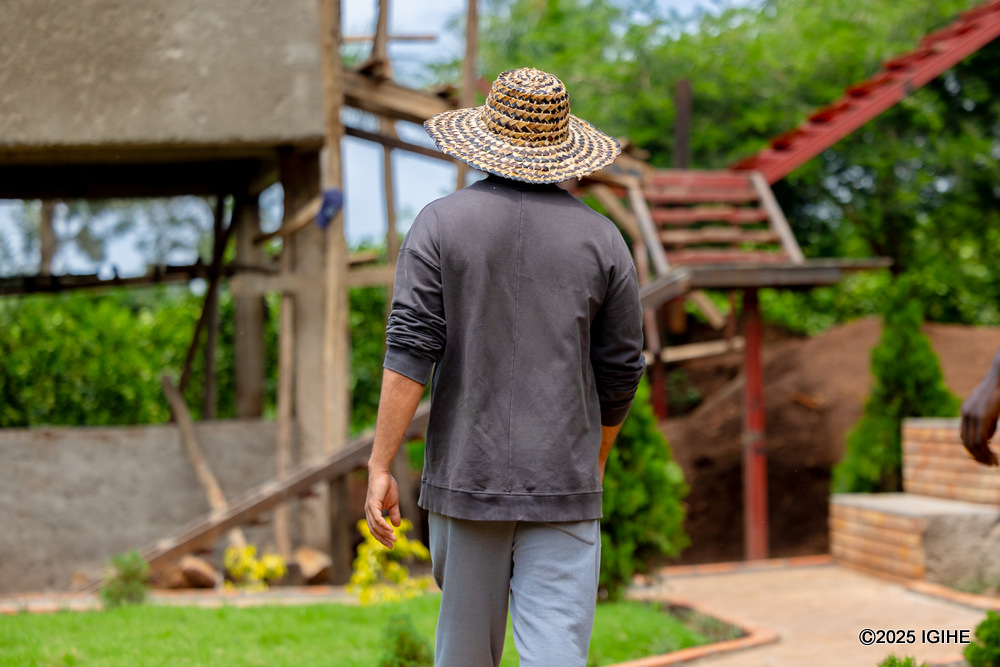
The future kitchen, still under construction, overlooks the water. “Can you imagine working here?” he asks, gesturing wide. “Chefs getting fresh products from the farm, cooking with this view. It’s the dream.”
One year ago, when the family moved in, there was only a house. Now, over 10 guest rooms are rising, along with the restaurant and wellness centre.
“It’s all coming to reality,” Richi says. “Very soon, everyone will know about this project.” But Eagle View is more than a business, it’s a prototype. “I hope we motivate other investors to create farm-integrated, eco-tourism projects across Rwanda,” he says.
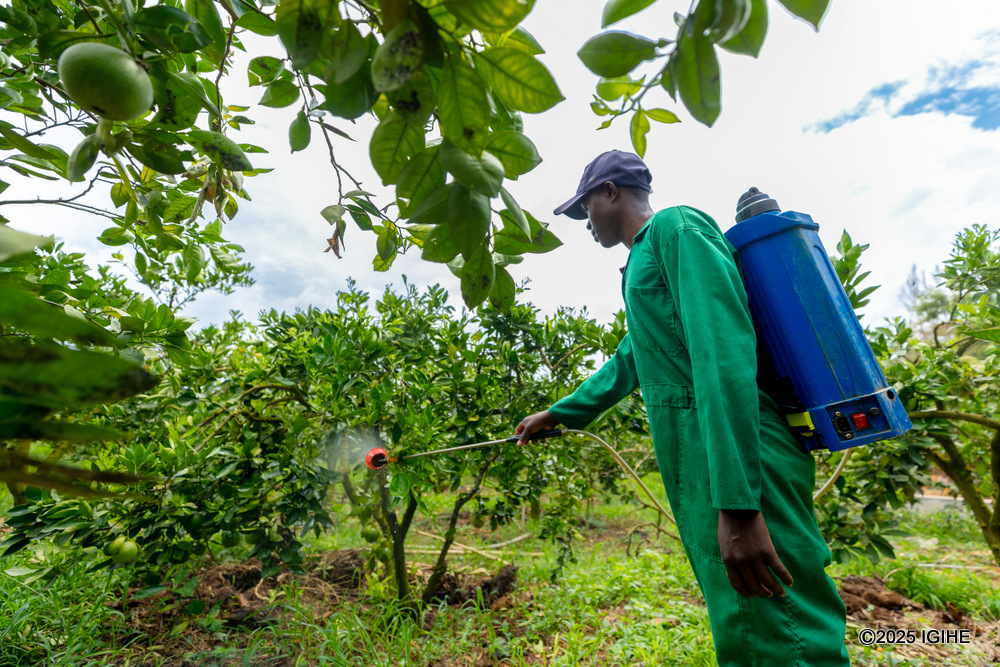
“With fast internet and AI, you can be in the middle of nowhere and still solve problems instantly. Take a photo of a diseased leaf AI tells you what to do. No waiting for an expert from Kigali. This opens crazy possibilities.”
Since Richi began posting about farm life online, the messages pour in from expats, investors, and especially Rwandans abroad. Many own unused land back home.
Some write: “You’re living the dream. We want to come home.” His response is direct: “Come home. It’s time to invest in Rwanda. The longer you wait, the harder this will be. Such lifestyles will become rarer.”
He speaks not of happiness, but of something more sustainable. “Happiness comes in phases,” he says. “We’re not designed to be happy all the time. But we can be calm. We can be peaceful.” Buddhist monks don’t seek happiness. They seek peace. If I had to describe my life now, I’d say: peaceful.”
To anyone curious about Rwanda, agro-tourism or a life rooted in the land, Richi extends a warm invitation to come and see it firsthand.
“Please visit us. If you’re into eco-tourism, nature, agriculture, wilderness, and self-development, you’ll see a project that shows where Rwanda is heading. We’re building something unique. Welcome to Eagle View Farm.”
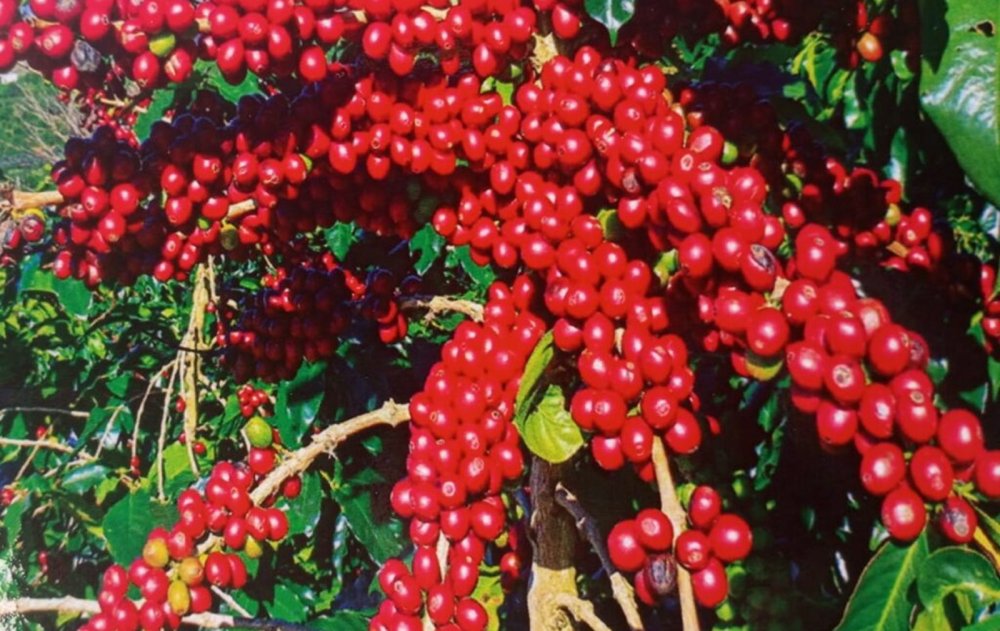
Agricultural and livestock products remain among Rwanda’s strongest foreign exchange contributors. In the 2023/24 fiscal year, the country earned more than $839.2 million (over 1.2 trillion Rwandan Francs) from the export of agricultural produce.
Coffee continues to play a central role in this performance. This year alone, the crop generated $78.71 million, reinforcing Rwanda’s reputation for producing high-quality speciality coffee that enjoys strong international demand.
To boost future earnings, NAEB is intensifying efforts to expand and rejuvenate the country’s coffee plantations. This year, 2,902,145 seedlings will be planted across 1,043 hectares, while an additional 443 hectares of ageing, low-yield trees, many of which have produced for more than three decades, will be replaced. Last year, farmers planted 1.3 million seedlings as part of the same long-term expansion strategy.
A significant driver of this growth is the Promoting Smallholder Agro-export Competitiveness (PSAC) project, which runs until 2029. Under PSAC, 9 million coffee seedlings are set to be planted on 3,050 hectares. The initiative supports smallholder farmers to increase both the volume and quality of export crops, enabling them to compete more effectively in global markets.
PSAC is currently active in six major tea- and coffee-producing districts: Nyaruguru, Karongi, Nyamasheke, Rutsiro, Nyabihu, and Rulindo.
NAEB Chief Executive Officer Bizimana Claude emphasised the importance of collaboration with farmers to drive export growth.
“Working closely with coffee farmers across the country, we aim to increase exports by replacing old trees and expanding cultivation areas,” he said. “NAEB is providing new seedlings and fertilisers to ensure higher yields and better quality, helping farmers secure improved prices.”
For many farmers, the impact is already visible. Seth Ndutiye, a veteran coffee grower from the Mubuga sector in Karongi District, has cultivated coffee for 30 years.
“I began planting coffee at 15 and now have 2,000 trees,” he said. “Thanks to the new seedlings supplied by NAEB, our production has increased significantly.”
Ndutiye added that ageing trees had long been a challenge, with some producing fewer than three kilogrammes per tree for decades. In contrast, the new varieties are already yielding up to 12 kilogrammes per tree, offering hope for higher incomes and a more sustainable future for coffee farming.
Rwanda’s renewed push in the coffee sector is expected to sustain its export growth trajectory while strengthening the livelihoods of thousands of smallholder farmers nationwide.
Her remarks come amid long-standing international concern over alleged DRC military support for the group and ongoing instability in the region.
In a recent interview on Al Jazeera, Kayikwamba denied any government support, stating, “We do not. They are Rwandans. They have been on our territory for the past 30 years. They have been preying predominantly on our population, not on the Rwandan population.”
International human rights organisations, including Human Rights Watch, have repeatedly reported that the DRC has at times supported the FDLR depending on its political relations with Rwanda. When pressed on these accusations, Kayikwamba dismissed them: “It isn’t. You are talking about 2009 when we are in 2025.”
She also sought to downplay the UN Security Council Resolution 2773, adopted in February 2025, which condemned DRC military support for the FDLR and called for its cessation, describing such incidents as isolated cases.
“Well, if there are cases of support to the FDLR, and I think this is the important distinction we need to make, it is not state policy. We are talking about individuals. We are talking about individuals within the army. And when we have evidence of that, we also have mechanisms to hold them accountable and to sanction them,” she said.
Pressed on why the Security Council addressed the Congolese military rather than the individuals allegedly involved, she insisted: “No, because these random members are still part of the army. And so the army is held accountable, and is held accountable to make sure that any behaviour that is not in line with its policy is sanctioned.”
She was taken to task over why the military had to issue a formal communiqué on 10 October 2025, if such cases were truly isolated. The directive warned soldiers not to collaborate with the FDLR, raising questions about how widespread such behaviour really is.
Kayikwamba responded: “We clearly communicate to the public and to our army that any discretion will not be tolerated.”
When asked if FDLR fighters had begun complying with disarmament efforts under the Washington agreement between Rwanda and the DRC signed in June, Kayikwamba said that some are already laying down their arms through the UN programme for reintegrating former combatants into civilian life.
However, the FDLR’s military spokesperson, Lt Col Octavien Mutimura, recently told Radio France Internationale (RFI) that their fighters have no intention of disarming and are prepared to fight if attacked.
“We are here to defend ourselves and protect the abandoned Rwandan refugees. Asking us to lay down our arms without honouring our request is just a dream,” he said.
FDLR fighters remain active across eastern DRC, including the Walikale territory, and continue coordinating with other armed factions in offensives against the AFC/M23 rebel group, which is engaged in conflict with the Kinshasa administration.
Rwanda Defence Forces spokesperson Brig Gen Ronald Rwivanga said in June that the FDLR comprises between 7,000 and 10,000 fighters. This week, the UN repatriated 12 FDLR combatants, highlighting the slow pace of the disarmament process.