Ivana Lisette Ortiz, 35, appeared briefly on Wednesday at Los Angeles Superior Court wearing yellow prison attire. Through her attorney, she entered a plea of not guilty to 14 charges, including one count of attempted murder and 10 felony counts of assault with a semiautomatic firearm.
Judge Theresa McGonigle denied a request to reduce Ortiz’s $1.875 million (approximately Rwf 2.7 billion) bail and ruled that she cannot work as a licensed speech therapist in California while the case is pending. If convicted on all charges, Ortiz faces a maximum sentence of life in prison.
Prosecutors said Ortiz drove to the Beverly Crest neighborhood home on Sunday, March 8, and fired approximately 20 rounds. At the time, Rihanna and her partner A$AP Rocky were in a trailer on the property, while their three children, Rihanna’s mother, and staff members were inside the main house. No one was injured.
Deputy District Attorney Alexander Bott described the incident in court as “the kind of conduct that easily could have resulted in numerous homicides.”
Authorities said Ortiz fled the scene but was arrested a short time later in Los Angeles, found in a car with a rifle, extra ammunition, and a wig she had intended to use as a disguise.
Ortiz’s lawyer, deputy public defender Derek Ray Dillman, spoke on her behalf as she appeared behind glass in the custody area. She also waived her right to a speedy preliminary hearing, the next stage where evidence is reviewed to determine whether a trial is warranted.
Public records show Ortiz has been a licensed speech pathologist for more than a decade.
Rihanna, a nine-time Grammy winner with hits including We Found Love, Umbrella, and Diamonds, is also the founder of the make-up brand Fenty Beauty.
Bullet holes are seen as workers repair the exterior of Rihanna’s Beverly Hills home on March 17, 2026 in Los Angeles.
The event was designed to provide an understanding of modern access control, biometric systems, and intelligent surveillance solutions. With the theme “Effective, Reliable, and Efficient Security through Smart Access Systems”, the conference offered a deep dive into technologies that are redefining how organisations protect people, property, and information.
The conference was designed to provide understanding of modern access control, biometric systems, and intelligent surveillance solutions.
Orbit Solutions, a Rwandan company known for providing advanced electronic security equipment since 2014, has played a key role in bringing smart security solutions to businesses across Rwanda and the wider East African region. Through its exclusive partnership with ZKTeco, a global leader in biometric verification, AI-driven access control, and smart office platforms, the company offers everything from facial recognition and fingerprint devices to smart locks, fire detection systems, and CCTV solutions.
The conference also highlighted the long-standing partnership between the two companies, with the signing of a new agreement that strengthens Orbit Solutions’ role as ZKTeco’s official distributor in Rwanda. The agreement lays out plans to continue providing technical training, after-sales support, and expert guidance, ensuring clients not only access advanced security technology but also the knowledge to use it effectively.
Orbit Solutions Ltd Managing Director Jenipher Ingabire and ZKTeco East Africa Managing Director Mostafa Kamel signed a new partnership agreement during the Kigali conference.
Bridging technology and training
Organisers split the programme into two tracks. The morning session targeted technical teams, giving engineers and technicians a chance to handle the equipment, explore configurations, and understand integration with existing systems.
The technical sessions provided training on ZKTeco’s security ecosystem, covering access control, time and attendance systems, smart locks, parking solutions, and inspection technologies. Attendees gained insights into integrating biometric verification, AI, and advanced analytics into organisational security strategies.
Attendees were trained on ZKTeco’s access control, smart locks, and AI-powered security solutions.
The afternoon session focused on decision-makers, helping them grasp the strategic benefits of smart security, including improved efficiency, faster response times, and safer work environments.
A standout feature discussed throughout the day was ZKTeco’s AI-enabled CCTV technology. Unlike conventional cameras, these systems can detect fights, unauthorised access, or unusual behaviour in real time and send alerts directly to security control rooms, allowing teams to respond immediately rather than relying on manual monitoring or post-event review.
“With AI, CCTV moves from being a passive observer to an active partner in security,” explained Mostafa Kamel, Managing Director of ZKTeco East Africa.
Orbit Solutions MD Jenipher Ingabire highlighted the company’s modern security solutions in Rwanda.
For Orbit Solutions’ Managing Director, Jenipher Ingabire, the conference was an opportunity to showcase the company’s approach to modern security in Rwanda.
“Access automation is no longer a luxury; it is a necessity. From residential developments to commercial facilities and critical infrastructure, the demand for secure, efficient, and intelligent access systems continues to grow,” she said.
Ingabire highlighted Orbit’s role as a distributor of a wide range of electronic security solutions, including biometric access devices, fire detection and suppression systems, CCTV cameras, metal detectors, and smart locks, all available locally and backed by technical support.

“We are a one-stop shop with everything available in stock. If we don’t have something, we can get it quickly through our strategic partnerships with suppliers. We have credit facilities available, so there is no project we cannot execute at any scale.”
Global expertise, local impact
Kamel highlighted how ZKTeco’s technology has been adopted globally, including by governments, multinational corporations, and logistics companies. He explained that the company’s research and development focuses on AI, biometrics, and cloud-enabled access control, ensuring solutions meet both international standards and local requirements.
Mostafa Kamel highlighted how ZKTeco’s technology has been adopted globally, including by governments.
He reminded organisations that only genuine ZKTeco products come with proper support, warranties, and compliance with privacy laws, cautioning that counterfeit devices could compromise security and create operational challenges.
Kamel also noted Rwanda’s growing role as a regional hub for technological innovation, highlighting the country’s openness to new solutions.
“Rwanda is a land of opportunity. By combining local expertise with global innovation, we aim to deliver comprehensive security solutions tailored to the region’s needs,” he said.
He further emphasised ZKTeco’s commitment to research and development, highlighting cutting-edge technologies such as visible-light 3D facial recognition, palm recognition from up to 30 metres, and AI-powered integration across security systems.
Conversations on the floor
Panel sessions were lively, with participants exploring practical applications of AI and smart access systems. From corporate offices to public institutions, attendees discussed how technology can reduce reliance on traditional security personnel while increasing overall safety. One example: AI CCTV detecting a fight in real time can alert security, lock or unlock doors as needed, and even integrate with other systems such as fire alarms.
Panel sessions were lively, with participants exploring practical applications of AI and smart access systems.
The discussions also covered challenges, including budget constraints, integration with existing infrastructure, and staff training. Panellists encouraged organisations to view security as an investment in efficiency, rather than a cost.
Government support and collaboration
Decision-makers in attendance, including representatives from the Ministry of ICT and Innovation, underscored the importance of interoperable, reliable systems for Rwanda’s evolving digital infrastructure.
Thomas Ndayambaje, representing Minister Paula Ingabire, highlighted the strategic role of smart security technologies in safeguarding personal data and enabling safe access to digital services, particularly as Rwanda rolls out its national digital ID initiative.
“Even the smartest systems still require informed users,” emphasising the need for capacity building alongside technological deployment.
Thomas Ndayambaje represented ICT Minister Paula Ingabire at the event.
Ndayambaje further stressed that smart technologies, such as biometric authentication and access control systems, are essential in building trust within Rwanda’s digital ecosystem, enabling secure and seamless interactions across both public and private services.
He acknowledged the vital role of private-sector partnerships, pointing to the collaboration between organisations such as Orbit Solutions Ltd and ZKTeco as an example of how innovation can be brought closer to institutions and citizens.
The conference closed with a clear message for Rwanda’s growing security sector from Christine Uwase, Admin Manager at Orbit Solutions Ltd. Highlighting the skills, knowledge, and networks attendees had gained, she framed the event not just as a training session but as a catalyst for raising standards across the industry.
“As we leave this evening, kindly be the brand ambassador of effective, reliable, and efficient smart security equipment and accessories,” Uwase urged, positioning professionals as key drivers of a more secure, technology-enabled future.
Uwase’s remarks also underscored Orbit Solutions’ commitment as ZKTeco’s official distributor, ensuring that businesses and institutions across Rwanda have access to genuine products, local support, and the capacity to implement advanced security solutions, a message that resonates amid Rwanda’s push for digital innovation and modern infrastructure.
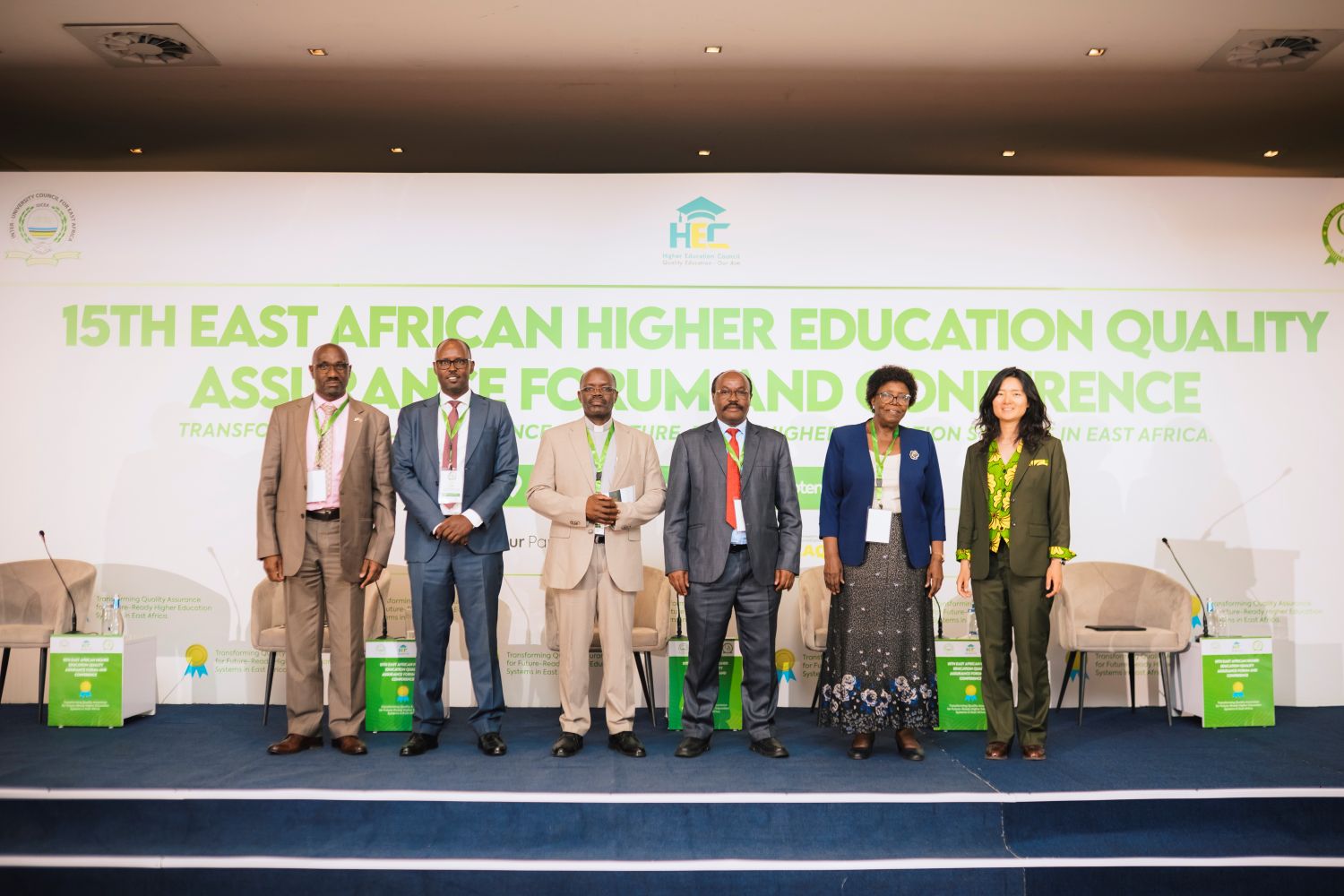
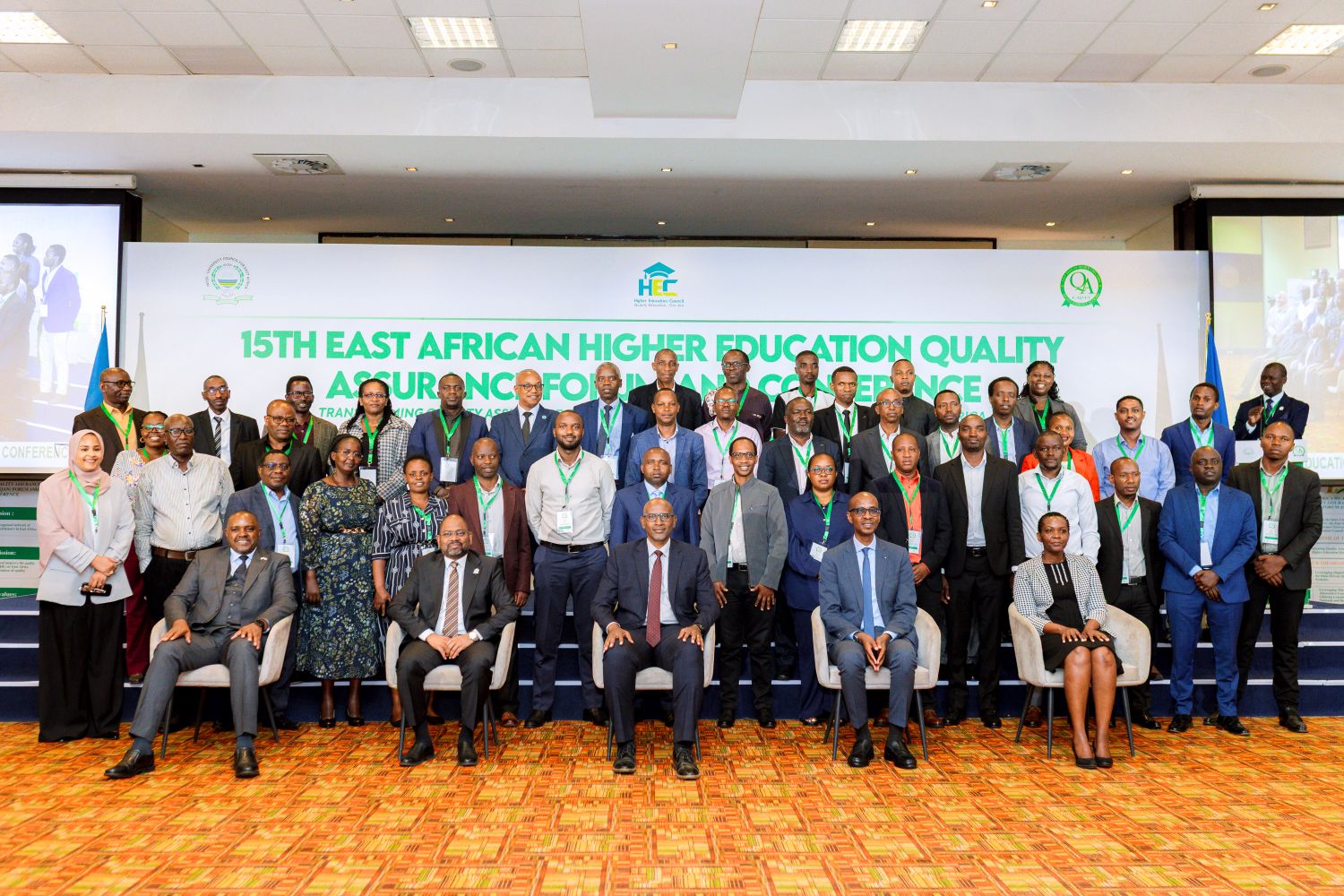
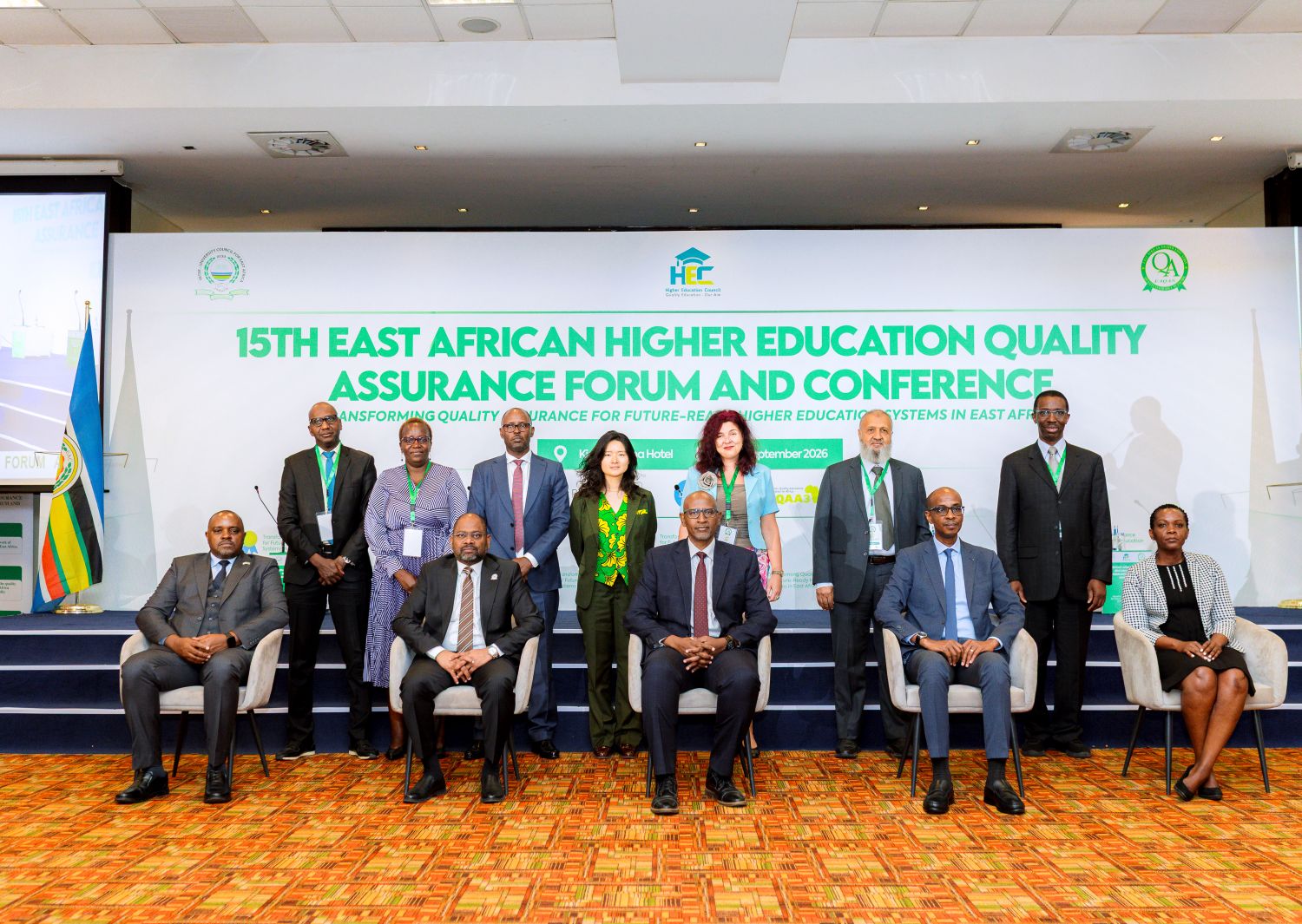
The conference brought together security professionals and decision-makers at Kigali Serena Hotel to explore modern security solutions transforming workplaces and institutions.Attendees explored security devices firsthand at the event.Participants represented various organisations, including banks and other key sectors.Participants actively engaged in interactive and practical sessions.From corporate offices to public institutions, attendees discussed how technology can reduce reliance on traditional security personnel while increasing overall safety.The conference also highlighted the long-standing partnership between the two companies, with the signing of a new agreement that strengthens Orbit Solutions’ role as ZKTeco’s official distributor in Rwanda. Participants were awarded attendance certificates.
“President Trump does not bluff and he is prepared to unleash hell,” she said at a White House press briefing. “Any violence beyond this point,” she said, will be because Iran “refused to understand they have already been defeated and refused to come to a deal.”
Leavitt declined to reveal whom Washington is negotiating with over how to end the war with Iran.
“We’re not going to get into the details of these negotiations and conversations that continue to take place as, of course, you can imagine, they are very sensitive diplomatic discussions,” she said.
Leavitt argued the war, breaking out on February 28, remains on track to endure for four to six weeks.
There are no talks or negotiations between Iran and the United States, said Iran’s foreign ministry spokesman Esmail Baghaei in an exclusive interview with India Today on Wednesday.
“No one can trust U.S. diplomacy,” Baghaei said, noting that Iran had a very catastrophic experience with U.S. diplomacy, evidenced by U.S. attacks during negotiations over the nuclear issue in the past.
Ebrahim Zolfaghari, spokesman of Iran’s main military command Khatam al-Anbiya Central Headquarters, said the United States is negotiating with itself due to its internal strife.
He urged the United States to stop disguising its defeat as “an agreement,” adding, “the strategic power the enemies would brag about has turned into a strategic defeat.”
White House Press Secretary Karoline Leavitt gestures at a White House press briefing in Washington, D.C., the United States, March 25, 2026. U.S. President Donald Trump will “unleash hell” if Iran refuses to make a deal over the ongoing U.S.-Israeli war against Iran, White House Press Secretary Karoline Leavitt said on Wednesday.
In a statement citing the Global Tuberculosis Report 2025 released by the World Health Organization, the Rwanda Biomedical Center (RBC) said tuberculosis cases in the country fell from 238 to 62 per 100,000 people between 2000 and 2024, while deaths dropped from 77 to 3 per 100,000 people over the same period due to various health interventions.
The interventions cited by the RBC include increasing the role of health workers in awareness campaigns, promoting early detection and supporting treatment in villages. In addition, the agency highlighted the extension of free diagnosis and treatment of tuberculosis to health facilities across the country.
During an event held on Tuesday to mark World Tuberculosis Day, Albert Tuyishime, in charge of disease prevention and control at the RBC, reaffirmed the government’s commitment to curbing tuberculosis by 2035.
Tuberculosis is an infectious disease caused by bacteria that spread through the air when an infected person coughs or sneezes.
However, in Rwanda, a lack of awareness among many people about how tuberculosis spreads, its symptoms and prevention measures calls for more public education, health officials said.
About 600,000 people with tuberculosis in the African region are either undiagnosed or not receiving treatment every year, according to the World Health Organization.
Tuberculosis is an infectious disease caused by bacteria that spread through the air when an infected person coughs or sneezes.
The Communications Regulatory Authority of Namibia confirmed that Starlink’s applications for both a telecommunications service licence and access to radio spectrum were rejected, according to a notice published in the government gazette earlier this week.
The regulator said Starlink only satisfied three of the six legal criteria required for approval. A key issue was non-compliance with Namibia’s local ownership laws, which require that at least 51% of a telecommunications company be owned by Namibian citizens or entities. Starlink, being wholly foreign-owned, had not obtained an exemption from this requirement.
Authorities also raised concerns related to national defence and public security, arguing that Starlink’s ownership structure presented challenges around jurisdiction and enforcement of regulatory obligations.
In addition, the regulator pointed to past instances in which Starlink was found to have contravened Namibia’s Communications Act and failed to respond to a regulatory summons, describing the conduct as showing “a total disregard” for the sector’s governance framework.
Despite the rejection, the regulator noted that Starlink met criteria related to competition, technical and financial capacity, as well as frequency availability.
Starlink has been expanding its presence across Africa, operating in several countries including Rwanda, but has encountered regulatory hurdles in others due to local ownership requirements and policy restrictions.
In Namibia, authorities previously issued a cease-and-desist order in November 2024, stating that the company had been operating without a licence and advising the public against using its services.
The regulator said it may reconsider the decision within 90 days, either on its own initiative or following a petition from an affected party.
Starlink has been expanding its presence across Africa, operating in several countries, but has encountered regulatory hurdles in others due to local ownership requirements and policy restrictions.
According to the ruling, the judge will reassess whether the conditions for house arrest remain in place once the period expires.
The decision follows a statement from Attorney General Paulo Gonet, who supported easing Bolsonaro’s detention conditions due to his health condition.
Bolsonaro is serving a final sentence of 27 years and three months in prison for leading an attempted coup in 2022.
He suffered a health episode on March 13 at a military police facility, which prompted his urgent transfer to a hospital in Brasilia. Medical reports showed respiratory complications and bilateral bacterial bronchopneumonia. According to the latest update, he is recovering well and is expected to leave intensive care within 24 hours.
The former president had previously been under house arrest but was returned to preventive detention in November, after violating the terms of his electronic monitoring.
The former president had previously been under house arrest but was returned to detention in November after violating electronic monitoring terms.
At the centre of that transformation is Jonathan Shauri Kalibata, a mechanical engineer trained at Rwanda Polytechnic and the founder of Re-Banatex, a startup turning discarded banana stems into textile fibres. His work recently gained national attention after winning Hanga Pitch Fest 2025, a platform organised by the Ministry of ICT and Innovation (MINICT) and the Rwanda Development Board, with support from partners including UNDP.
For Shauri, the idea did not begin in a lab, but in memory.
Growing up, banana stems were part of everyday life, playthings, discarded remnants, and later, invisible waste. Years later, that same material would become the raw input for an emerging textile innovation.
“Banana plants only produce fruit once,” he explains. “After harvesting, the stems are usually thrown away without any economic value. We are giving them that value.”
Re-Banatex turns banana stems into textile fibres.
From agricultural waste to industrial input
Rwanda’s position as one of the region’s major banana producers means large volumes of post-harvest biomass are generated daily. Traditionally left to decompose or be discarded, these stems are now being reclassified by Re-Banatex as a resource rather than waste.
The process begins at the farm level. Re-Banatex works directly with banana farmers, purchasing stems after harvest at a rate of 100 Rwandan francs per meter. The arrangement is simple but impactful, allowing farmers to earn income from material that previously had no market value, while the company secures its primary raw input.
Rather than relying on dried material, the startup uses fresh banana stems. According to Shauri, fresh stems yield stronger fibres, which are better suited for textile production.
Once collected, the stems are transported to processing sites where fibres are extracted. Initially, this process was manual with workers physically beating the stems to reveal the fibres inside. Over time, the team engineered machinery to improve efficiency and consistency.
Re-Banatex buys banana stems that were often discarded by farmers.
Engineering a new material
What begins as a thick, water-rich stem is transformed through a multi-stage process into usable fibre. The stems contain multiple layers, each with potential applications, though Re-Banatex continues to explore ways to utilise even the inner portions more effectively.
After extraction, the fibres are dried and processed into a softer form suitable for blending. This intermediate material is then mixed with cotton and spun into yarn, which can be woven into fabric using loom machines.
The result is a plant-based textile that can be used in a range of products, including bags and shoes to carpets and garments.
Shauri notes that the company is still expanding its material applications, reflecting the experimental nature of the innovation.
Rather than relying on dried material, the startup uses fresh banana stems. According to Shauri, fresh stems yield stronger fibres, which are better suited for textile production.
Trial, error, and iteration
Re-Banatex’s journey has not been linear.
The team’s first fabric prototype, Shauri recalls, was far from market-ready. It was stiff, rough, and visually unappealing. But rather than discouraging the team, it became a turning point.
“It was very bad,” he admits. “But it gave us feedback that pushed us to improve.”
That early failure led to experimentation with blending banana fibres with other materials, including cotton. The goal, as Shauri recalls, was to improve texture, durability, and usability while maintaining sustainability.
The company also began exploring ways to repurpose byproducts from the extraction process. The residual material left after fibre extraction is not wasted as it can be used as fertiliser, animal feed, or even for mushroom cultivation.
The textile material extracted from banana stems is used in the fashion value chain to make products such as bags.
Building a circular value chain
Beyond the technical process, Re-Banatex is building a value chain that connects farmers, engineers, and designers.
Farmers benefit from an additional income stream. Designers gain access to locally produced, eco-friendly materials. And the startup positions itself at the intersection of agriculture, manufacturing, and sustainability.
“We bring banana farmers, fashion designers, and other stakeholders together,” Shauri says.
The company’s products, including woven fabrics and finished goods like bags, are already being introduced to local designers. These collaborations are helping test market acceptance while refining product quality.
Like many early-stage innovations, Re-Banatex has faced resistance. Introducing a new material into a market accustomed to synthetic and imported textiles has required persistent education and outreach. Early reactions from designers were sceptical, particularly when presented with initial fabric samples.
At the same time, scaling production and transitioning from manual to industrial processes has been a technical and financial challenge.
There were moments of doubt.
“At some point, I felt like giving up,” Shauri reflects. “But innovation requires resilience.”
The co-founder says winning Hanga Pitchfest 2025 marked a significant milestone for Re-banatex.
Recognition and momentum
Winning Hanga Pitchfest 2025 marked a significant milestone for Re-banatex. As one of the Rwandan government’s premier innovation platforms, the competition has empowered hundreds of startups since its inception in 2021 by bridging the gap between raw ideas and market readiness. To date, it has disbursed over Rwf 600 million in direct grants, providing the critical capital and mentorship needed for entrepreneurs to scale their solutions.
For Re-Banatex, the prize of 50 million Rwandan francs extends beyond financial support. It represents validation from institutions such as MINICT and the Rwanda Development Board, signalling confidence in the startup’s potential.
Shauri says the recognition is already accelerating the company’s transition toward industrial-scale production. The start-up is in the process of importing new machinery to automate processes such as fibre carding and spinning, with plans to fully industrialise operations within months.
Re-Banatex is in the process of importing high-tech machinery to replace their mechanical processes as they look to fully industrialise their idea.
Aligning with “Made in Rwanda”
Re-Banatex’s ambitions extend beyond entrepreneurship. The company sees itself as contributing to Rwanda’s broader industrial and sustainability goals, particularly within the “Made in Rwanda” agenda.
By sourcing raw materials locally and reducing reliance on imported synthetic fibres, the startup is attempting to close gaps in the textile value chain.
“In the future, we want ‘Made in Rwanda’ to truly mean made from Rwanda’s own resources,” Shauri explains.
Over the next five to ten years, Re-Banatex aims to position itself as a leading player in eco-friendly textile manufacturing in Rwanda and across Africa. The vision includes expanding production capacity, improving material quality, and influencing a shift toward sustainable alternatives in the fashion industry.
For now, the journey continues, rooted in experimentation, driven by local resources, and sustained by a belief that waste can be transformed into value.
In a public notice issued on March 24, 2026, the Central Bank Governor Soraya Hakuziyaremye said the move follows Presidential Order nº11/01 of February 27, 2026, which authorised the withdrawal of specific banknote series. The order was published in the Official Gazette on March 2, 2026, marking the start of the transition period.
The affected denominations include Rwf 500 notes issued on July 1, 2004 and January 1, 2013; Rwf 1,000 notes issued on July 1, 2004 and May 1, 2015; Rwf 2,000 notes issued on October 31, 2007; as well as Rwf 5,000 notes issued on April 1, 2004 and February 1, 2009.
According to the announcement, these banknotes will officially lose their legal tender status on March 2, 2027.
“After this period, these banknotes will no longer be accepted as a means of payment,” said the central bank boss.
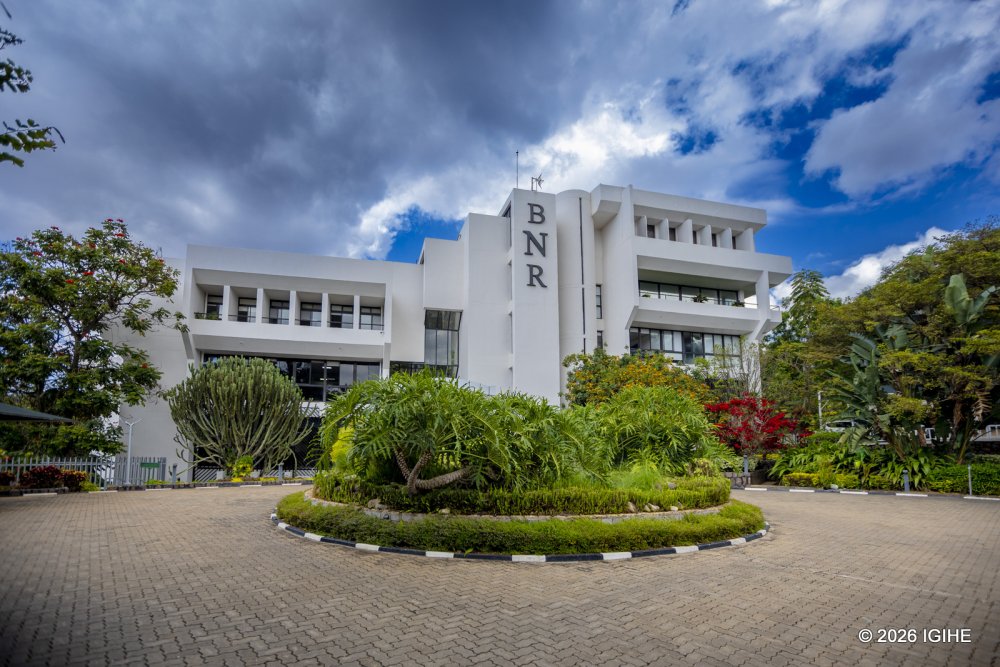
Holders of the affected notes have been advised to exchange them within set timelines. From March 2, 2026, to November 1, 2026, the banknotes can be exchanged at commercial banks and Umwalimu SACCO branches across the country. After this period, they will only be exchangeable at the headquarters of the National Bank of Rwanda in Kiyovu, Kigali, and its branches until March 1, 2027.
In a statement issued on Tuesday, March 24, the company clarified that it has no intention of ceasing its operations in Rwanda and urged stakeholders, customers, and the general public to disregard the circulating reports.
“The media reports about Volkswagen disinvesting or leaving Rwanda are incorrect and unfounded,” the company stated, reaffirming its continued presence in the country.
The automaker further announced that, effective April 1, 2026, Volkswagen Mobility Solutions Rwanda will relocate to new and larger premises in the Special Economic Zone, signalling continued investment in its local operations.
Volkswagen Group Africa emphasised that it will maintain and expand its business activities in Rwanda, which include mobility services, vehicle assembly, vehicle retail, and after-sales services.
The company also outlined its broader strategy to strengthen its presence in the country by building a regional team to drive its mobility services across Africa.
Reaffirming its long-term outlook, Volkswagen Group Africa said it remains committed to delivering world-class automotive products and services in Rwanda.
Volkswagen Group Africa operates a vehicle assembly plant in Kigali, Rwanda, opened in 2018 in partnership with CFAO Mobility to promote local manufacturing and reduce reliance on used car imports. The plant specialises in assembling models like the Polo, Passat, and Teramont, with a capacity of roughly 5,000 cars per year.
President Paul Kagame inaugurated a Volkswagen assembly plant in Rwanda back in 2018.
The Sudanese club was knocked out after losing 1–0 in the second leg played on Sunday, March 24, 2026, at Amahoro Stadium, resulting in a 2–1 aggregate defeat. The club has been playing its “home” matches at the Amahoro Stadium in Kigali due to the ongoing civil war in Sudan.
In a strongly worded complaint, Al Hilal accused both the central referee and the Video Assistant Referee (VAR) official of responsibility for the loss, alleging bias in favour of their opponents.
“Al Hilal Club has sent a protest to CAF against the refereeing team of its match against RS Berkane. The club considers that the main referee and the VAR official were responsible for the defeat due to bias in favour of the opponent,” the statement reads.
The club further questioned the competence of the officiating team, stating that it had previously requested the appointment of experienced, qualified and credible referees to handle high-stakes matches, in order to safeguard the integrity of competition and respect teams’ preparations.
According to the complaint, those concerns were not addressed, with Al Hilal arguing that a referee lacking sufficient experience was instead appointed. The club also accused the VAR official of being complicit, describing the decisions made during the match as “catastrophic” and directly influencing the outcome.
Al Hilal supported its protest with video evidence highlighting what it described as major refereeing errors. These include a controversial incident in which a penalty was awarded against its defender following a VAR review. The club maintains that the footage shows the opposing attacker raising his foot onto the defender, causing injury and forcing the Al Hilal player off the pitch, yet the referee still awarded what it termed a non-existent penalty.
The club also raised concerns over the application of VAR, arguing that its use in the incident violated Article 5 of the protocol, which states that VAR should not be applied once play has restarted. It further criticised the amount of stoppage time added, saying it did not reflect the actual time lost during reviews and interruptions.
Al Hilal additionally expressed frustration over what it described as CAF’s continued disregard of its previous complaints regarding refereeing, warning that such inaction risks enabling unfair decisions.
Based on its submission and the accompanying video evidence, the club has called for an immediate investigation, urging CAF to take action to protect the integrity of the competition and ensure justice is served.
Al Hilal SC was eliminated from the CAF Champions League quarterfinals. In a strongly worded complaint, Al Hilal accused both the central referee and the Video Assistant Referee (VAR) official of responsibility for the loss, alleging bias in favour of their opponents.Al-Hilal SC defender Saeed Ahmed was taken off on a stretcher after his challenge in the penalty area resulted in a penalty.Al Hilal SC does not accept the penalty decision.