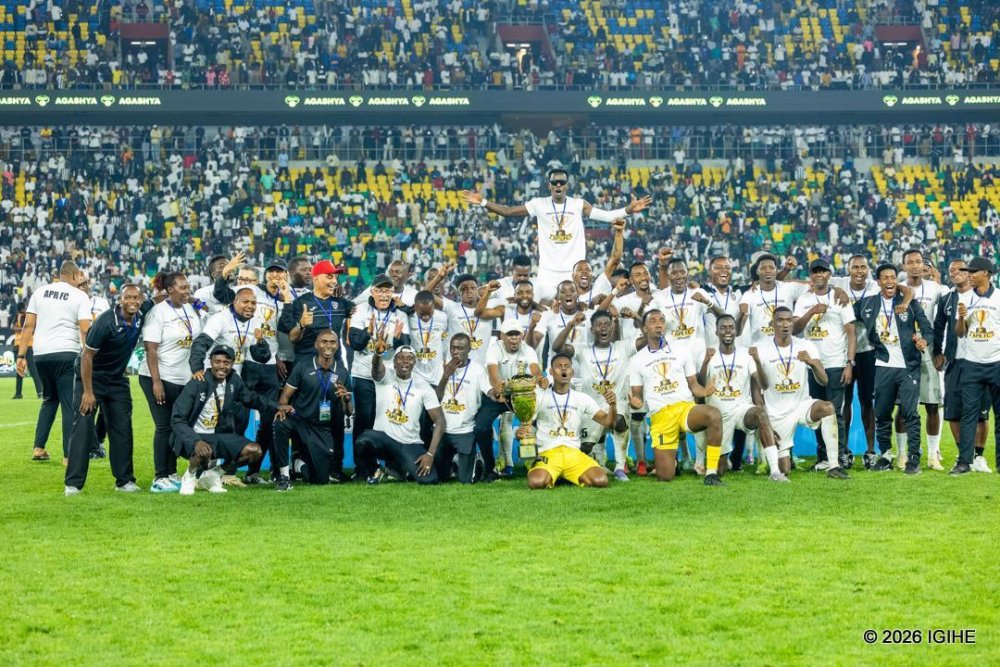
The army side moved closer to securing a seventh consecutive league crown after edging AS Kigali 2-1 on Sunday.
APR FC now sit eight points clear of Rayon Sports and require just one point from their remaining three fixtures against Rutsiro FC, Al-Merrikh SC, and Gicumbi FC to mathematically secure the title.
Following the victory over AS Kigali, head coach Taleb Abderrahim urged supporters to turn out in large numbers for Sunday’s clash against Rutsiro FC, where a draw or victory would officially confirm the championship.
“This was a match we had to win to move closer to the title. There are now three games left and we only need one point, God willing, next week,” he said. “I invite our fans to come and support us. If we win or draw, we will celebrate the title together.”
Title success could deliver nearly Rwf250 million
Questions remain over how the league trophy will be awarded this season after the Rwanda Premier League admitted Sudanese guest clubs, with Al-Hilal SC currently on course to finish top of the overall standings.
However, the situation is not expected to affect prize allocations for Rwandan clubs. In October, Rwanda Premier League officials stated that two trophies would be awarded if the overall leader was not a domestic side, although discussions are ongoing over the possibility of presenting only one trophy.
Should APR FC secure the point they need, they would become the first Rwandan club to receive Rwf80 million for winning the league title after the new FERWAFA administration led by Shema Fabrice increased prize money this season.
Previously, the men’s league champions earned Rwf25 million, with no prize money distributed beyond the winner. This season, however, the top eight clubs will share a combined prize pool of Rwf280 million.
APR FC are also set to qualify for the CAF Champions League, where clubs participating in the preliminary round have been guaranteed $100,000 (about Rwf146.2 million) since the 2024/25 campaign.
The club is further expected to receive Rwf10 million from StarTimes, the broadcaster of the Rwanda Premier League, and another Rwf10 million from Bank of Kigali distributed to all participating clubs.
According to information obtained by IGIHE, teams could start earning up to Rwf30 million annually beginning next season under a new five-and-a-half-year sponsorship agreement recently signed between Bank of Kigali and Rwanda Premier League, which will see the competition rebranded as the “BK Pro League.”
League organisers are also reviewing a new revenue-sharing structure that would provide clubs with equal baseline funding while allocating additional financial rewards based on performance in a bid to increase competitiveness across the league.
APR FC are set to earn nearly Rwf250 million if they win this year’s league title.APR FC moved a step closer to clinching the league title after a 2-1 victory over AS Kigali on Sunday.
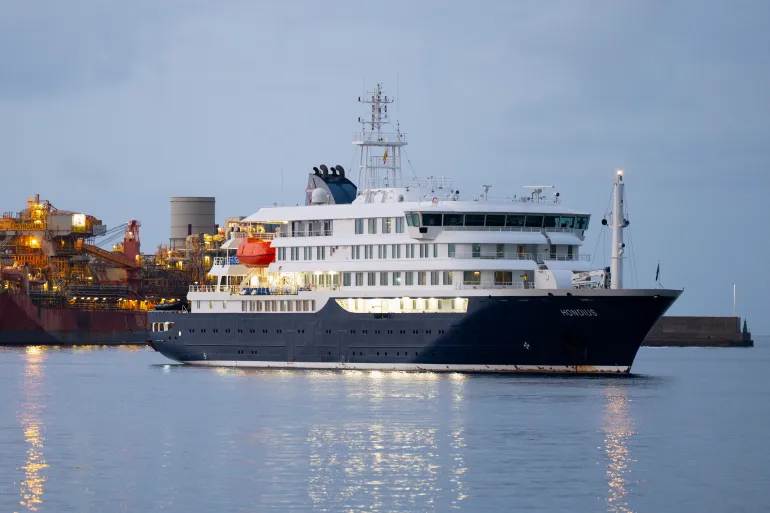
The ship docked in Tenerife, Spain, on Sunday as authorities began evacuating nearly 150 passengers and crew members in a tightly controlled international operation coordinated by the World Health Organisation (WHO) and Spanish authorities.
According to the WHO, at least eight people aboard the vessel fell ill during the voyage, with six cases confirmed as Andes virus hantavirus infections. Three passengers, including a Dutch couple and a German national, died from the disease.
The outbreak has drawn global attention because the Andes virus is the only known strain of hantavirus capable of limited person-to-person transmission, although experts say such spread is rare and usually requires prolonged close contact.
The Rwanda Biomedical Centre said on Sunday that health officials are closely monitoring the situation while continuing public awareness efforts on prevention and early detection. The centre is Rwanda’s national health implementation agency, responsible for disease prevention, public health surveillance, diagnostics, and coordinating health programmes.
“Rwanda’s health authorities are closely monitoring the situation regarding the #Hantavirus disease, which has recently been reported in some countries,” RBC
said.
RBC explained that hantaviruses are primarily transmitted between animals and humans, with wild rodents serving as the main carriers. Infection typically occurs when people inhale airborne particles from contaminated rodent urine, droppings, or saliva.
The RBC also noted that the Andes virus linked to the cruise ship outbreak can, in rare cases, spread between humans through close and prolonged contact, particularly among household members or healthcare workers.
WHO officials have classified all passengers and crew aboard the MV Hondius as “high-risk contacts” and recommended active health monitoring for 42 days after disembarkation, despite no new symptomatic cases being reported during the evacuation phase.
Passengers leaving the vessel were screened for symptoms before boarding repatriation flights to their home countries. Some were transported wearing face masks and protective gear as a precautionary measure.
Spanish authorities stressed that the evacuation operation posed “very low” risk to the general public, a position echoed by WHO Director-General Tedros Adhanom Ghebreyesus, who reassured residents in Tenerife that “this is not another Covid.”
Health experts say early symptoms of hantavirus infection may include fever, headaches, chills, muscle pain, nausea, vomiting, diarrhoea, and abdominal pain. In severe cases, the disease can progress into respiratory complications.
The MV Hondius is expected to continue to the Netherlands after all passengers are evacuated and health protocols completed.
The Dutch-flagged hantavirus-stricken cruise ship MV Hondius arrives at the industrial port of Granadilla de Abona on the island of Tenerife in Spain’s Canary Islands.
The Ivorian Minister of Water and Forests Jacques Assahore Konan expressed regret over the gradual degradation of the national forest cover since the country’s independence.
Despite the resources mobilized, the results achieved remain insufficient, he said during a meeting with stakeholders in the forestry sector in the western city of Man.
“Faced with the pressure on forests, the degradation of water resources and the decline in biodiversity, we must act and redouble our efforts,” he said.
He called on stakeholders in the forestry sector to make a firm commitment to fighting deforestation. “The sustainable protection of forests and biodiversity in our country is a necessity,” he added.
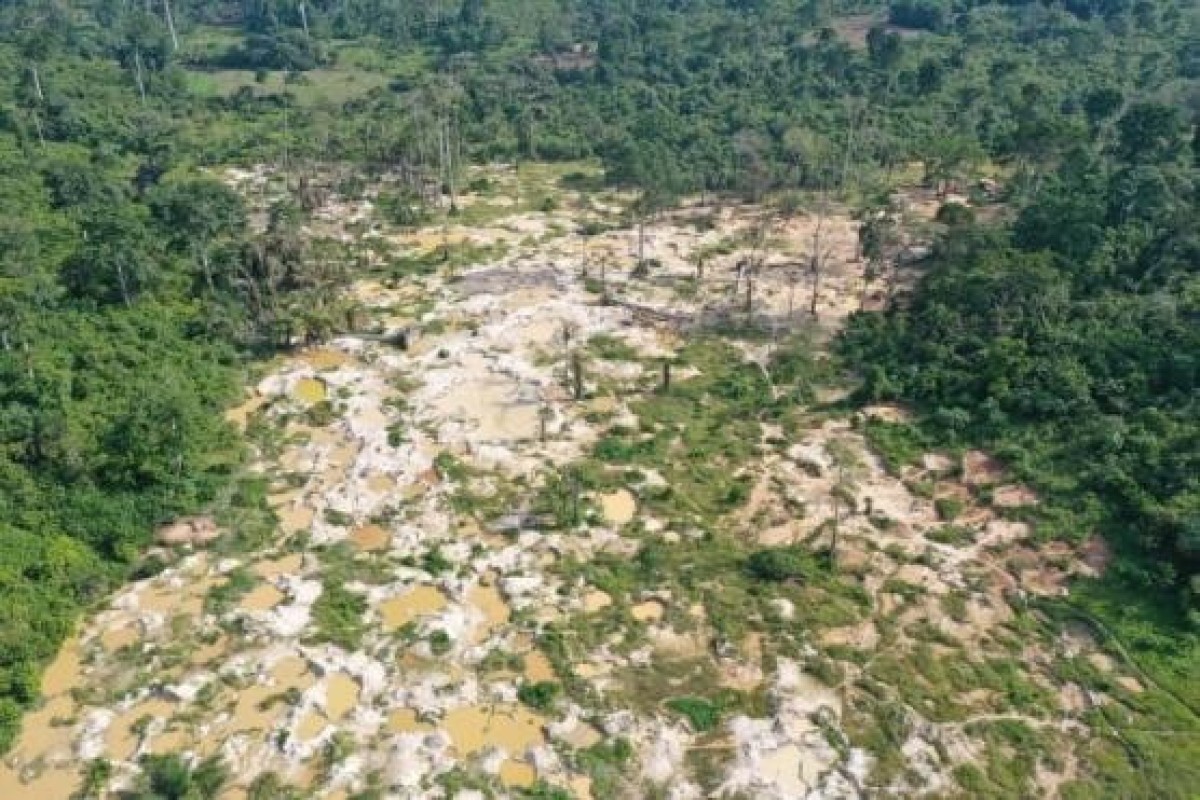
For several years, Cote d’Ivoire has been facing a drastic reduction in its forest cover, mainly due to uncontrolled and abusive exploitation.
The Ivorian Minister of Water and Forests Jacques Assahore Konan expressed regret over the gradual degradation of the national forest cover since the country’s independence.
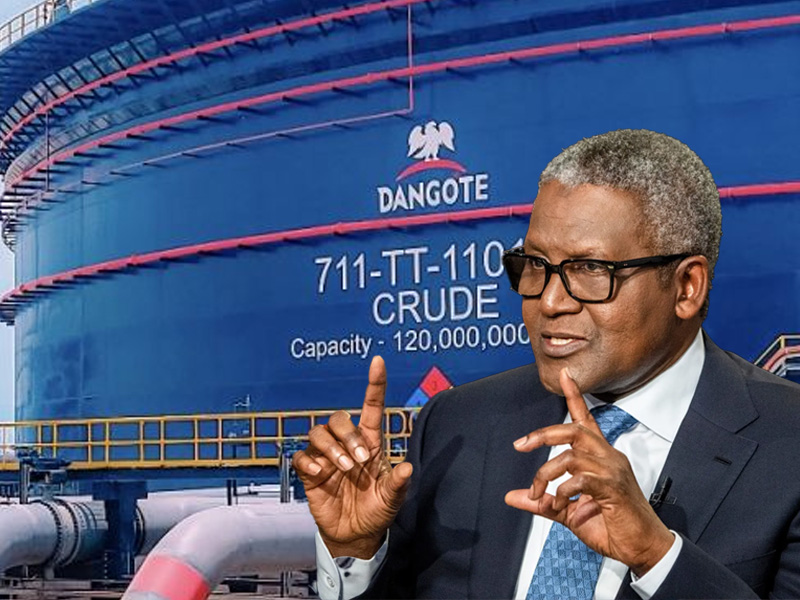
According to a report by the Financial Times, Dangote said he is leaning towards Kenya’s coastal city of Mombasa for the proposed 650,000-barrel-a-day refinery, citing its strategic maritime advantages.
“I’m leaning more towards Mombasa because Mombasa has a much larger, deeper port,” Dangote said in an interview cited by the publication.
The Nigerian billionaire also pointed to Kenya’s market size and consumption levels as key factors influencing his preference, comparing the country favourably to neighbouring Tanzania, which had also been floated as a potential host.
“Kenyans consume more. It’s a bigger economy,” he said, adding that the final decision would depend on political backing from regional leaders. “The ball is in the hands of President Ruto. Whatever President Ruto says is what I’ll do.”
Regional race for refinery hub
The remarks come amid growing debate in East Africa over where to establish a joint regional refinery, a project aimed at reducing reliance on imported fuel and strengthening energy security.
Last month, Kenyan President William Ruto revealed that East African countries were discussing plans for a shared refinery at the Tanzanian port of Tanga, modelled on Dangote’s landmark Nigerian refinery. The proposal, unveiled during the Africa We Build Summit in Nairobi, envisions processing crude oil from the Democratic Republic of Congo, Kenya, South Sudan and Uganda.
Ruto also outlined plans for an interconnected infrastructure system, including a pipeline linking Tanga to Mombasa and jointly owned regional energy infrastructure with Uganda.
The issue briefly came back into focus during President Ruto’s state visit to Dar es Salaam on May 4, 2026, when President Samia Suluhu expressed concern over the way the earlier announcement had been handled, saying she was not aware of the Tanga plans, creating a light but noticeable moment of diplomatic unease between the two East African neighbours.
Dangote’s potential investment comes at a time when East Africa continues to rely entirely on imported refined petroleum products, primarily from the Middle East. This dependence has left the region exposed to global supply disruptions and price volatility, particularly during geopolitical tensions such as the U.S.-Israeli conflict involving Iran.
The Nigerian industrialist said he is ready to replicate the scale of his Lagos-based refinery in East Africa, provided there is sufficient government support and regional coordination.
At a recent infrastructure summit in Nairobi, he reiterated his willingness to invest in the region, signalling that his decision would ultimately depend on policy alignment and political commitment from host governments.
If realised, the proposed refinery would mark one of the largest private energy investments in Africa and could significantly alter fuel supply dynamics across the continent’s fastest-growing economic region.
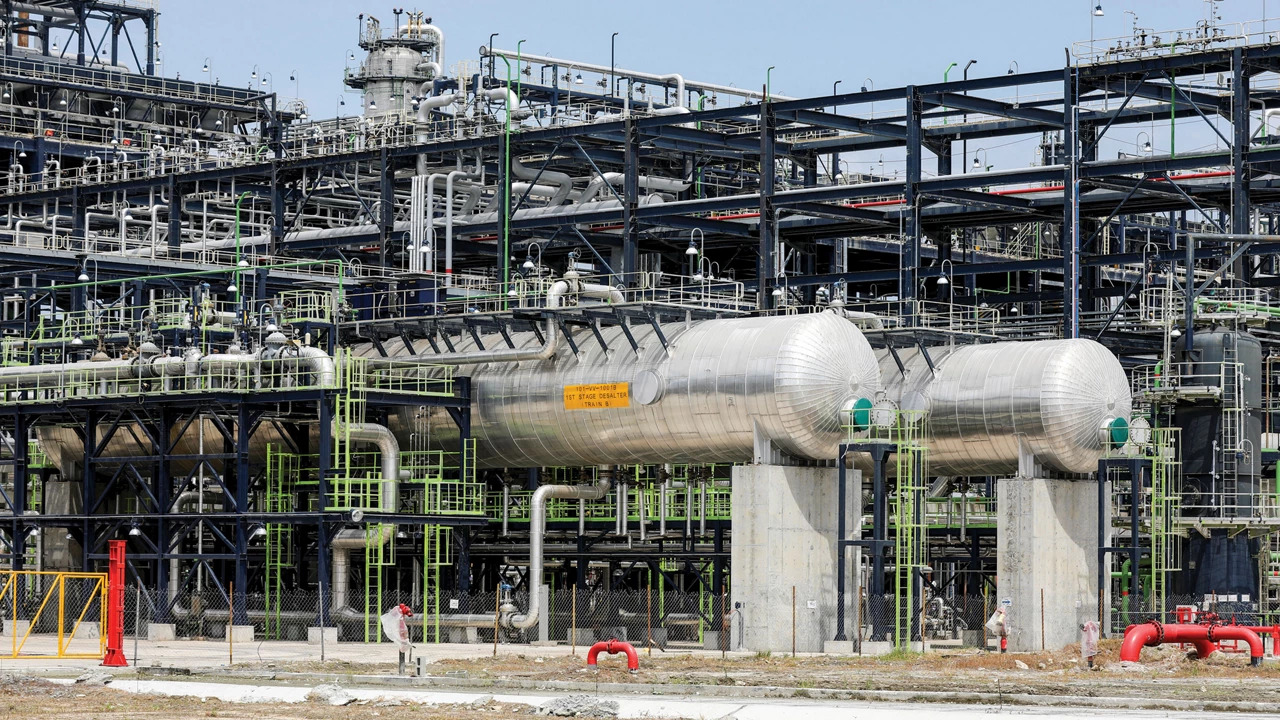
The Dangote Industries refinery on the outskirts of Lagos, Nigeria, shown here in 2023, is the largest in Africa. Africa’s richest man, Aliko Dangote, is considering Kenya as the preferred location for a massive oil refinery project in East Africa.
Nearly five years after the original Spanish series ended in 2021, the streaming giant has officially hinted at a continuation of La Casa de Papel, sparking speculation about what form the next chapter will take.
New teaser reignites the franchise
Ahead of the release of Berlin Season 2, titled Berlín y la dama del armiño (Berlin and the Lady with an Ermine), set to premiere globally on May 15, Netflix dropped a teaser titled “The World of ‘Money Heist’ Continues.”
The trailer revisits key moments from the original series, including the Royal Mint and Bank of Spain heists, while teasing that the story is far from finished. A dramatic message in the teaser states that after money, gold, and treasure, “the revolution isn’t over yet,” hinting at new heist-driven adventures.
Familiar elements such as red jumpsuits, Dalí masks, and the anthem “Bella Ciao” feature prominently, reinforcing the show’s rebellious identity.
“Bella Ciao continues to echo”
The announcement was also shared on Money Heist’s official social media pages, featuring red-and-black visuals of masked figures, money, and gold. The caption declared that “Bella Ciao continues to echo” and that the universe of La Casa de Papel continues to expand.
Netflix took the reveal further with a large-scale event in Seville, Spain, on May 9. Thousands of fans gathered along the Guadalquivir River to witness a boat filled with performers dressed in red jumpsuits and Dalí masks sailing past as “Bella Ciao” played.
The spectacle confirmed to fans that the Money Heist story will continue beyond Berlin Season 2, reinforcing Netflix’s tradition of theatrical, high-impact marketing for the franchise.
What comes next?
While Netflix has confirmed the expansion of the universe, it has not revealed whether the next chapter will be a spin-off, a continuation of the original story, or a new heist entirely. Possibilities remain open, including further stories involving existing characters or new global spin-offs.
Created by Álex Pina, Money Heist remains one of Netflix’s most successful non-English series, turning its red jumpsuits, Dalí masks, and anthem “Bella Ciao” into global cultural symbols.
Nearly five years after the original Spanish series ended in 2021, Netflix has officially hinted at a continuation of La Casa de Papel, sparking speculation about what form the next chapter will take.
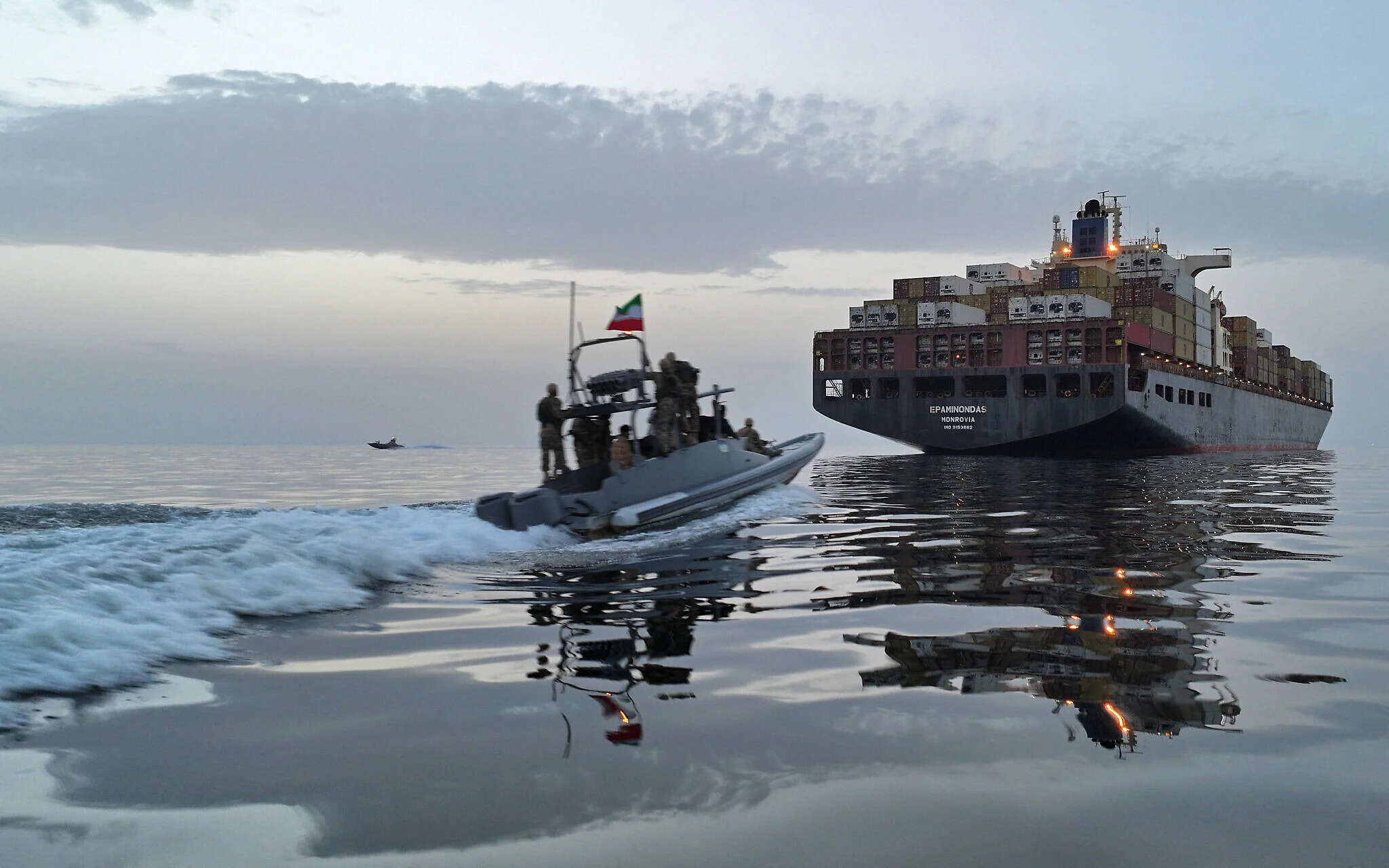
The remarks were released in a post on social media platform X, following sporadic clashes that erupted between Iran and the United States in and around the Strait of Hormuz on Thursday and Friday.
Iran tightened control over the Strait of Hormuz beginning February 28, when it barred passage for vessels belonging to or affiliated with Israel and the United States after the two countries launched joint strikes on Iranian territory.
The United States has also imposed a naval blockade on the strait, preventing ships to and from Iranian ports from transiting the waterway. The U.S. military has attacked several Iranian ships and oil tankers over the past days.
In another post on X, the IRGC’s Aerospace Division said that its missiles and drones have locked onto U.S. targets in the region and ships of the “aggressive enemy.”
“We are awaiting the order to fire,” it added.
Iran tightened control over the Strait of Hormuz beginning February 28, when it barred passage for vessels belonging to or affiliated with Israel and the United States after the two countries launched joint strikes on Iranian territory.
According to the latest Consumer Price Index (CPI) report from the National Institute of Statistics of Rwanda (NISR), the urban index, a key benchmark for monetary policy, saw a 4.7% increase in just one month.
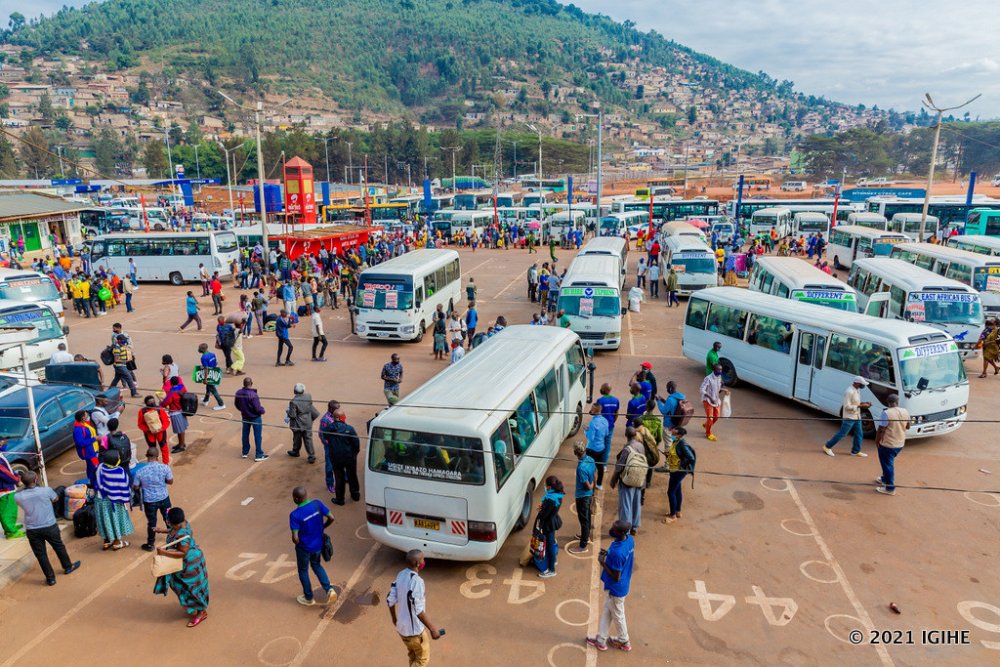
The sharp rise can be attributed to a 23.7% annual jump in transport costs. In April alone, transport prices climbed by 15.1%, reflecting the immediate impact of global fuel price volatility.
The broader energy sector felt the heaviest blow as the specific Energy Index, which tracks fuel and electricity directly, skyrocketed by 47.9% on an annual basis and rose 18.0% within the month of April. These increases have been compounded by a 21.3% rise in costs for housing, water, electricity, and gas.
Beyond energy, several other sectors recorded substantial price hikes. Healthcare saw a staggering 70.0% annual increase. Prices for restaurants and hotels rose by 18.5%, while alcoholic beverages and tobacco recorded a 17.1% increase.
In the food and non-alcoholic beverages category, prices increased by 5.8% annually, with specific staples such as meat rising by 12.2% and bread and cereals increasing by 10.0%. Notably, the price of locally produced goods rose by 13.6% annually, outpacing the 11.4% increase for imported goods.
Core inflation, which excludes volatile fresh products and energy, stood at 12.5%, suggesting that inflationary pressures are becoming embedded in the wider economy. The annual average inflation rate for the last twelve months was recorded at 8.2%.
In rural areas, the annual inflation rate reached 10.6%, with a significant monthly increase of 6.8%. Nationally, the Overall Rwanda Index rose to 11.5% compared to April 2025.
The NISR calculates the CPI by monitoring the prices of 1,622 products across Rwanda. To ensure accuracy, the institute collects over 29,482 price entries in urban centres and 10,744 in rural areas every month from markets, shops, hospitals, and schools.
The Urban CPI remains the primary reference for the National Bank of Rwanda (BNR) in assessing economic stability and guiding monetary policy decisions.
The sharp rise can be attributed to a 23.7% annual jump in transport costs. In April alone, transport prices climbed by 15.1%, reflecting the immediate impact of global fuel price volatility.
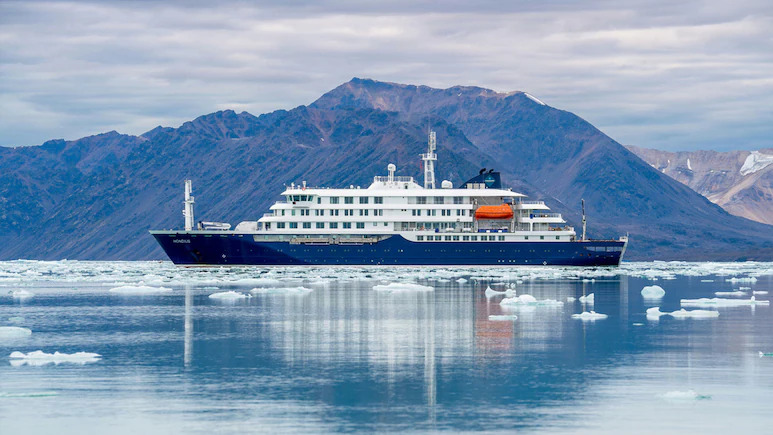
The Dutch-flagged MV Hondius reached waters near the Port of Granadilla early on Sunday, escorted by a Spanish Civil Guard vessel, according to maritime tracking data. The ship had departed from Cape Verde on Wednesday after the World Health Organisation (WHO) and the European Union requested Spain take charge of managing the evacuation.
Health authorities confirmed the outbreak has so far been linked to at least eight illnesses on board, including three deaths, a Dutch couple and a German national. Six cases have been confirmed as hantavirus infections, with two additional suspected cases under investigation, according to the WHO.
The Dutch-flagged hantavirus-stricken cruise ship MV Hondius arrives at the industrial port of Granadilla de Abona on the island of Tenerife in Spain’s Canary Islands.
Hantavirus is typically transmitted through contact with infected rodents or their droppings, though rare person-to-person transmission has been reported in limited circumstances. European public health officials have classified all passengers as high-risk contacts as a precaution.
Spanish authorities said medical teams boarded the vessel on Sunday morning to test passengers and crew before disembarkation begins. Evacuations are expected to start between 7:30am and 8:30am local time, with Spanish nationals leaving first, followed by other nationalities in staged groups.
Passengers will be transferred from the ship in small boats to shore, where sealed buses will take them to Tenerife’s main airport, roughly 10 minutes away. From there, they will board flights arranged by their respective governments.
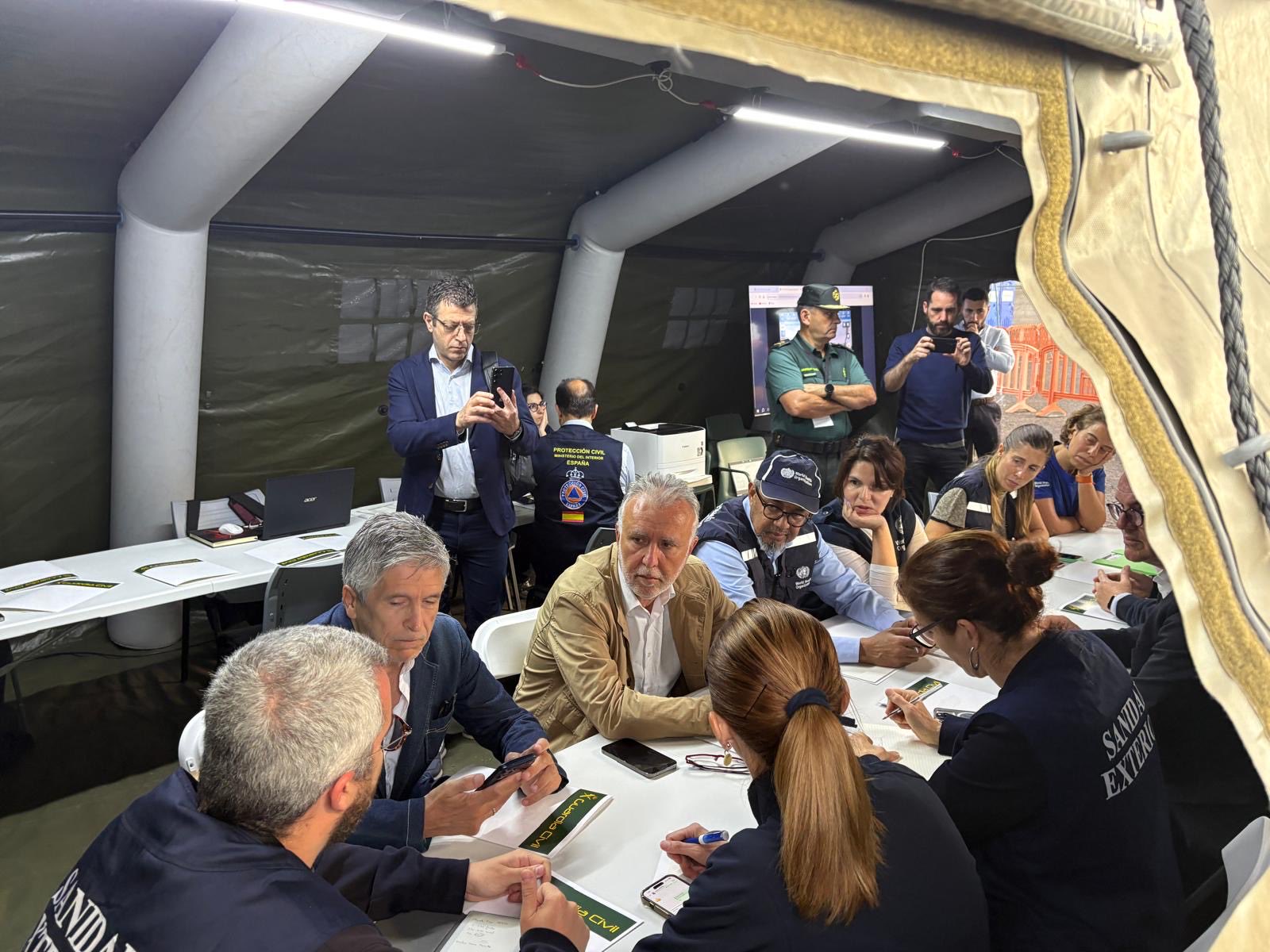
WHO Director-General Tedros Adhanom Ghebreyesus travelled to Tenerife to coordinate the response alongside Spanish ministers.
Several countries, including the United States, Germany, France, Belgium, Ireland, and the Netherlands, are sending aircraft for repatriation. The ship’s 147 passengers will undergo further medical monitoring upon return, with some facing quarantine or extended observation periods depending on national protocols.
In Spain, fourteen nationals will be transported to a military hospital for isolation and testing, while 17 American passengers will be taken to the University of Nebraska Medical Center’s National Quarantine Unit. Two Dutch passengers will be among the second group to disembark.
WHO Director-General Tedros Adhanom Ghebreyesus travelled to Tenerife to coordinate the response alongside Spanish ministers. In an open letter, he reassured residents, stressing: “This is not another Covid,” while officials emphasised that the risk to the wider public remains low.
Despite the scale of the operation, daily life in Granadilla appeared largely unaffected on Sunday morning, with residents continuing routine activities as emergency teams prepared nearby.
After evacuation, the MV Hondius is expected to sail to Rotterdam, where it will undergo full disinfection. Meanwhile, health authorities across multiple countries continue tracing potential contacts linked to passengers who had already disembarked during the voyage, which began in Argentina in early April.
The Dutch-flagged hantavirus-stricken cruise ship MV Hondius arrives at the industrial port of Granadilla de Abona on the island of Tenerife in Spain’s Canary Islands.
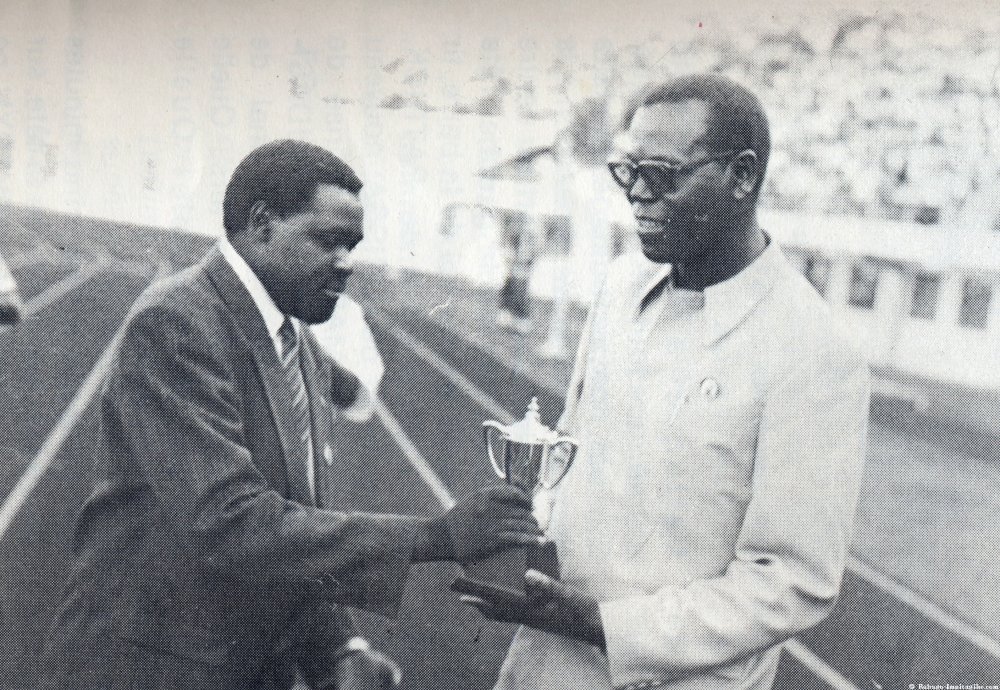
The document was written by Lt. Col. Charles Uwihoreye, a former officer in Habyarimana’s presidential security apparatus who also served as commander of the military gendarmerie in Ruhengeri Prefecture.
In the letter dated June 24, 1994, Uwihoreye wrote to Col. René Galinié, who served as military adviser at the French Embassy in Kigali between 1988 and 1991, detailing killings taking place across Rwanda.
The letter remained undisclosed for years before Galinié handed it in 2022 to historian Prof. Vincent Duclert, who chaired the French commission investigating France’s role and support for the Rwandan government between 1990 and 1994.
French newspaper Le Monde published the document on May 7, 2026, after Galinié authorised its release to journalists through Prof. Duclert.
In the letter, Uwihoreye describes how soldiers from Habyarimana’s presidential guard under the command of Major Mugemana killed Tutsi civilians in the communes of Kinigi and Kigombe in Ruhengeri on January 22, 1991. He also recounts how members of his own family were subsequently targeted.
The officer further notes that massacres of Tutsis in Bugesera and other regions, including Kibilira, were carried out by Interahamwe militias operating under the supervision of presidential guard units and with the backing of senior government officials.
According to Uwihoreye, the government at the time prioritised the elimination of political opponents over developing a military strategy against the RPA, relying instead on informal directives issued through the Presidency.
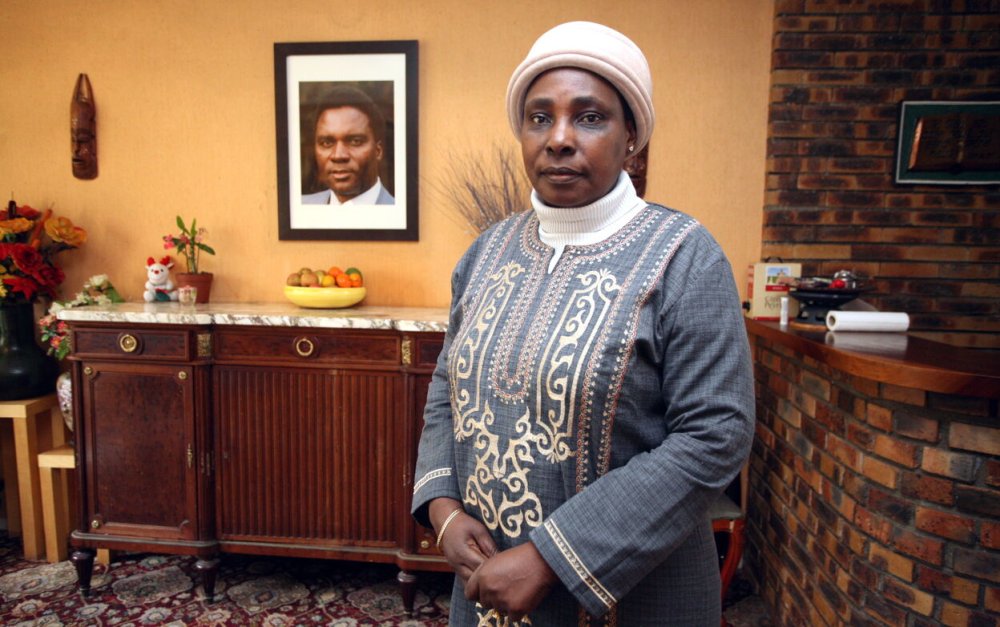
He states that orders to target Tutsi civilians originated from members of the Akazu, also referred to as the “Réseau Zéro”, a powerful network composed of Habyarimana, his wife Agathe Kanziga, and close family associates.
Uwihoreye wrote that officials across political, military, and economic institutions were expected to comply with directives issued by the Akazu. He noted, however, that then-Minister of Defence James Gasana opposed the system and ultimately resigned.
The letter identifies Habyarimana as the leading figure within the Akazu, followed by Agathe Kanziga. Protais Zigiranyirazo, Kanziga’s brother, widely known as “Monsieur Z” and a former prefect of Ruhengeri, is identified as the third-ranking member.
Prof. Duclert said Uwihoreye had served the Habyarimana government loyally before being imprisoned in 1991 on accusations of treason, allegations he said were based solely on the officer’s Tutsi identity.
Duclert also said Uwihoreye trusted Galinié because the French officer had intervened on his behalf, helping secure his release and reinstatement.
“Charles Uwihoreye served Habyarimana’s government faithfully before being imprisoned in 1991 because, as a Tutsi, he was considered a traitor,” Duclert said.
“He was later released thanks to René Galinié’s intervention and returned to his duties. Galinié considered him a reliable source and someone with deep knowledge of the Habyarimana government.”
A separate document from the French external intelligence agency (DGSE), dated September 22, 1994, also identified Habyarimana, Kanziga, and Zigiranyirazo as leading figures within the Akazu and described its members as “Hutu extremists” opposed to democratic reforms.
That intelligence report, published by Mediapart and Radio France in February 2019, further alleged that several military officers protected by Kanziga and Zigiranyirazo, while directing attacks against Tutsi civilians, became known as the “Colonels de Madame.”
Among those named were Col. Elie Sagatwa, Kanziga’s brother; Séraphin Rwabukumba, another relative of Kanziga; and Charles Nzabagerageza, a cousin of Habyarimana and former prefect of Ruhengeri.
Others identified as members of the Akazu included Col. Théoneste Bagosora, a senior official in the Ministry of Defense; Lt. Col. Anatole Nsengiyumva, head of military intelligence; Lt. Col. Nkundiye, former commander of the presidential guard; Capt. Pascal Simbikangwa; former Justice Minister Matayo Ngirumpatse; RTLM executive Ferdinand Nahimana; Lt. Col. Tharcisse Renzaho; Emmanuel Bagambiki; Col. Laurent Serubuga; and Col. Pierre Célestin Rwagafilita.
During investigations into Kanziga in France, Col. Galinié told investigating judges Stéphanie Tacheau and Carole Vujasinovic that Kanziga was indeed part of the Akazu, although she sought to avoid public association with the group.
Uwihoreye’s letter was never introduced as evidence in court proceedings. However, it may now become part of renewed efforts to examine Kanziga’s role in the planning and implementation of the 1994 Genocide against the Tutsi.
This week, the Paris Court of Appeal ruled that the investigation into Kanziga should be reopened.
The decision, issued on Wednesday, May 6, 2026, overturned a previous ruling by investigative judges on August 21, 2025, which had ordered the closure of the case due to what they described as insufficient evidence linking Kanziga to the crimes.
The document was written by Lt. Col. Charles Uwihoreye, a former officer in Habyarimana’s presidential security apparatus who also served as commander of the military gendarmerie in Ruhengeri Prefecture.Lt. Col. Charles Uwihoreye (right) stated that orders to kill Tutsi civilians originated from the Akazu.
Uwihoreye’s letter was never introduced as evidence in court proceedings. However, it may now become part of renewed efforts to examine Kanziga’s role in the planning and implementation of the 1994 Genocide against the Tutsi.
“We classify everybody on board as what we call a high-risk contact,” Maria Van Kerkhove, WHO’s director of epidemic and pandemic preparedness and prevention, told a media briefing.
She noted that currently “nobody on board has any symptoms,” but recommended “active monitoring and follow-up of all the passengers and crew who disembark for a 42-day period.”
However, she stressed that the risk to the public and people in the Canary Islands, where the MV Hondius is expected to dock on Sunday, remains “low.”
According to a WHO Disease Outbreak News update on Saturday, severe respiratory illness was first reported on the cruise ship on 2 May. At the time, there were 147 passengers and crew members onboard, while 34 others had already disembarked. All WHO’s contact points in concerned countries have been informed and are supporting international contact tracing.
As of 8 May, eight symptomatic cases have been reported, including three deaths. Six cases are laboratory-confirmed as Andes virus (ANDV) hantavirus infections.
The WHO urged the countries involved to continue public health coordination, including contact tracing, case management, infection prevention and transparent communication.
Early symptoms of hantavirus infection include headache, dizziness, chills, fever, myalgia, and gastrointestinal problems, such as nausea, vomiting, diarrhoea, and abdominal pain, according to the WHO.
Given that pre-symptomatic transmission in past ADNV outbreaks cannot be entirely ruled out, WHO also recommends self-monitoring, medical evaluation and mask-wearing for low-risk contacts if symptoms occur.
The World Health Organization (WHO) said on Saturday that all people aboard a cruise ship affected by a hantavirus outbreak should be considered “high-risk” contacts and actively monitored for 42 days.