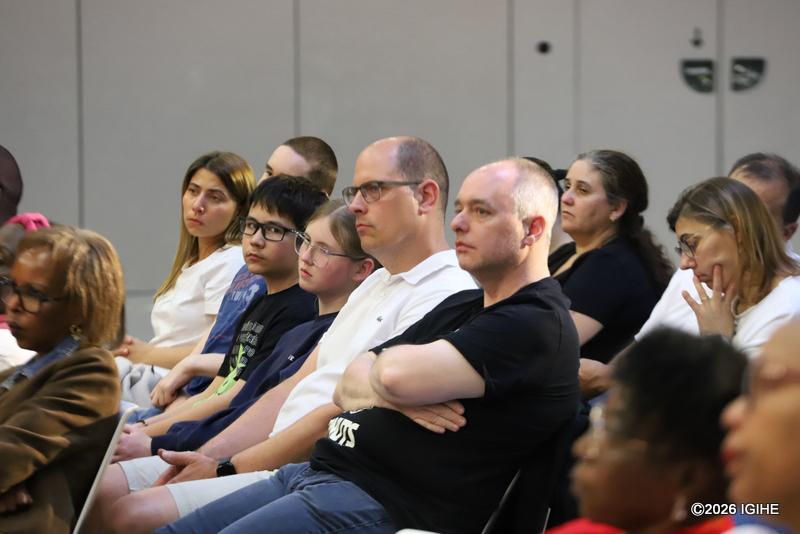
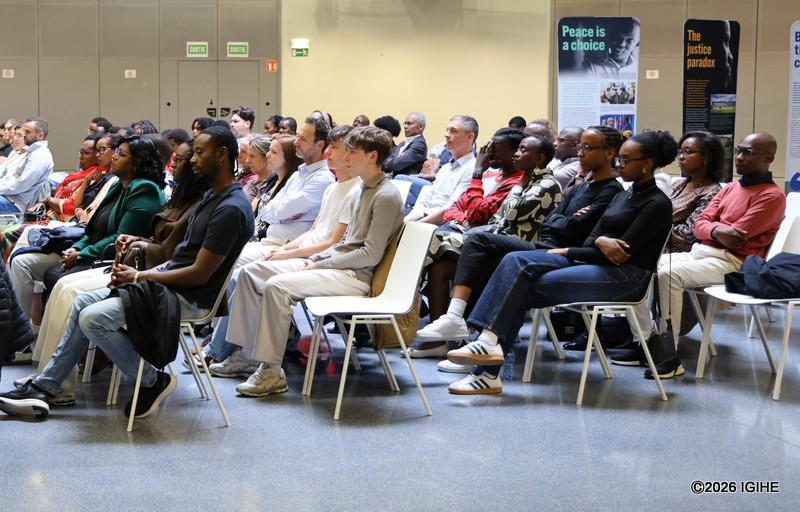
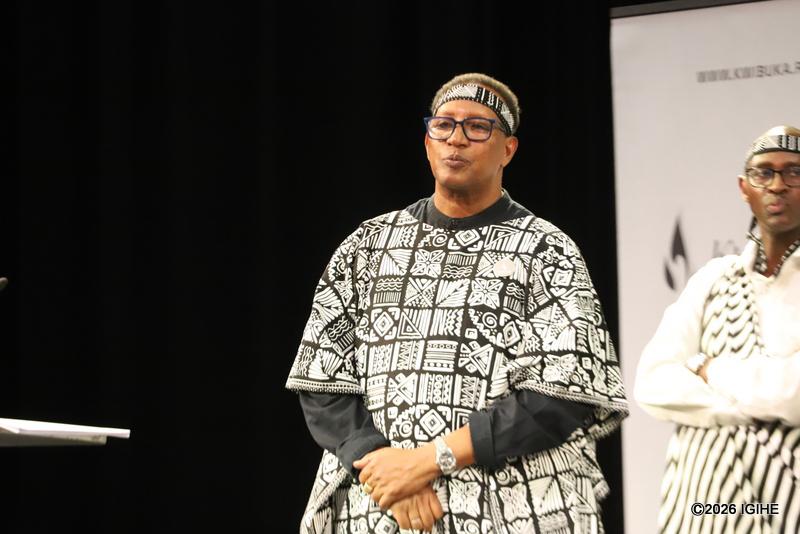
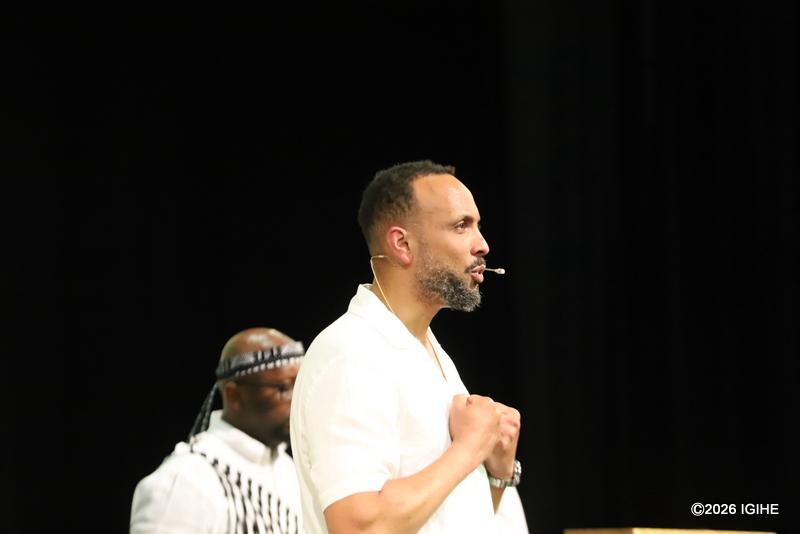
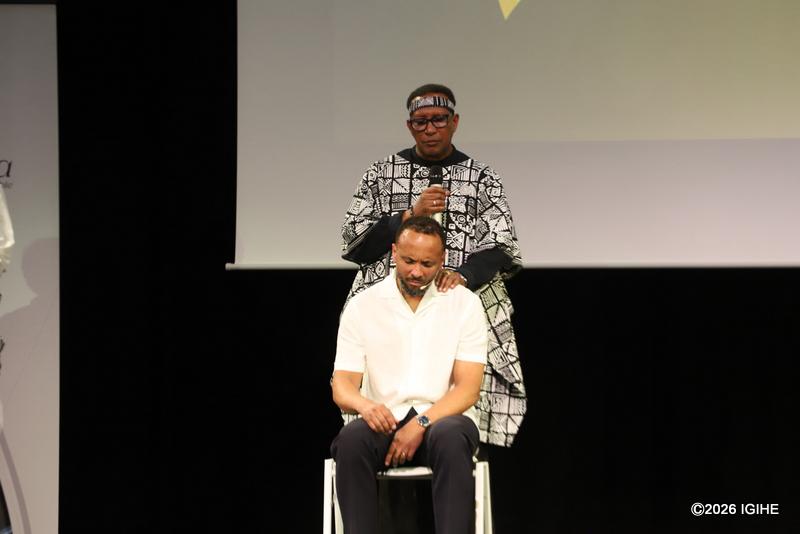
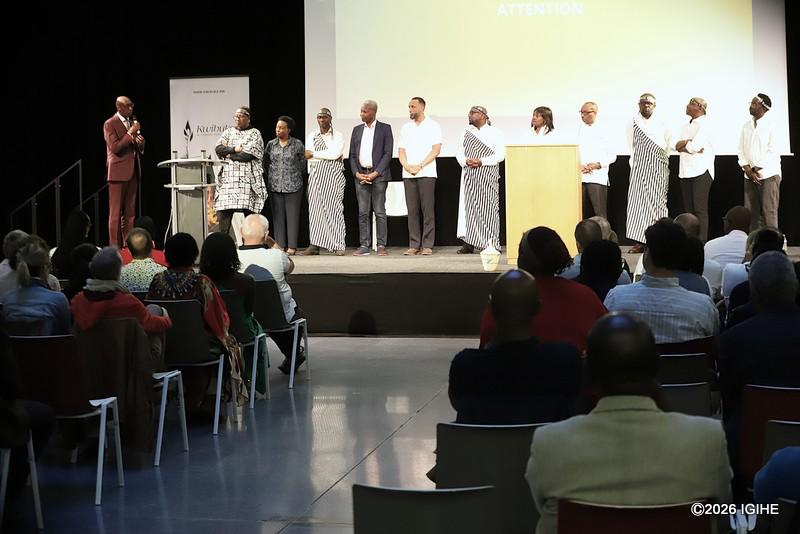
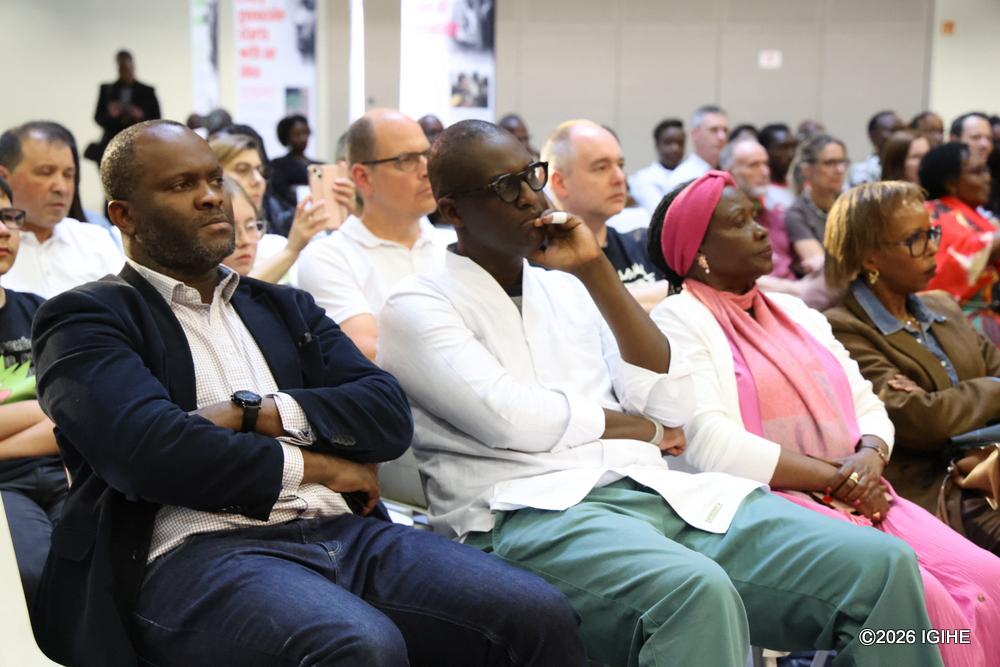
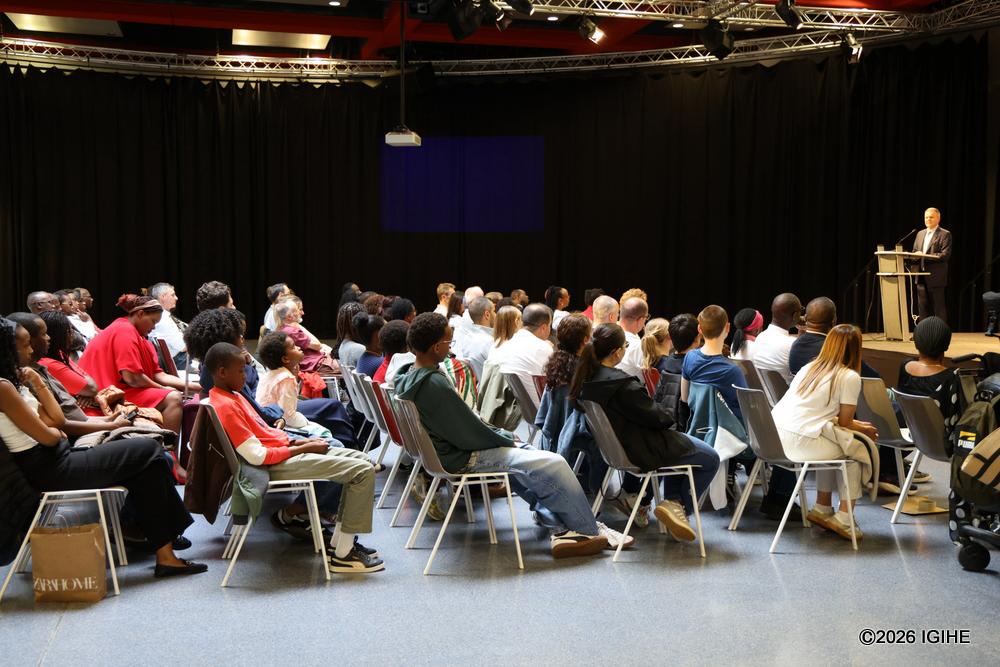
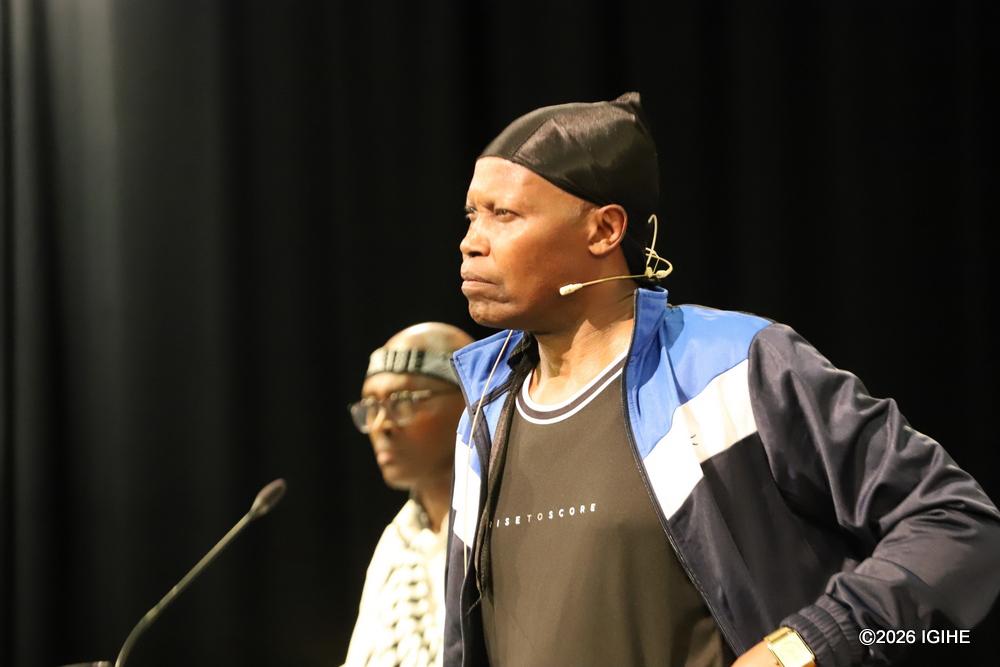
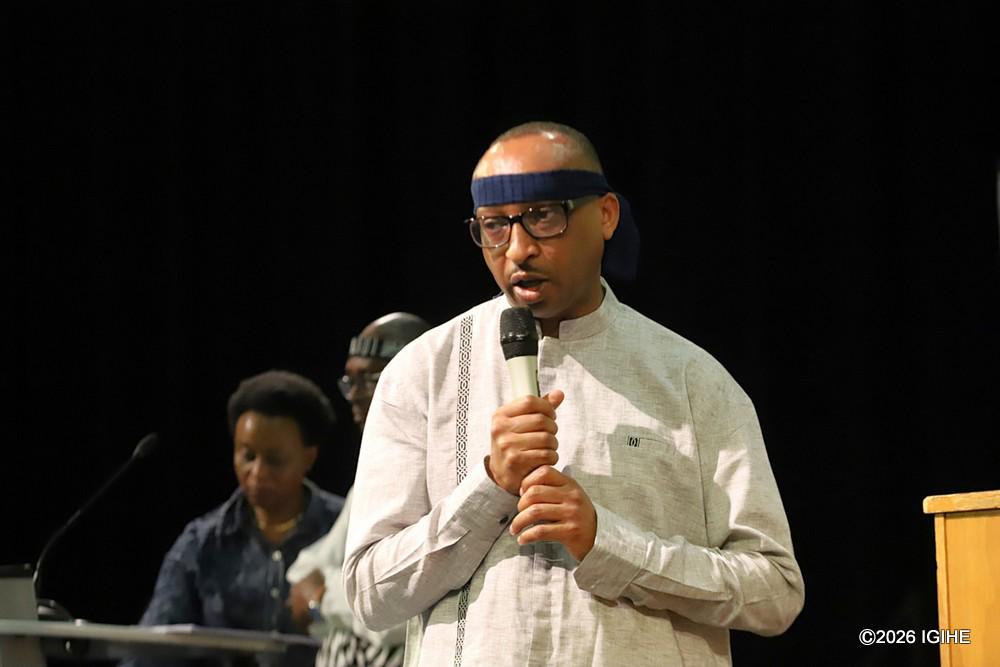
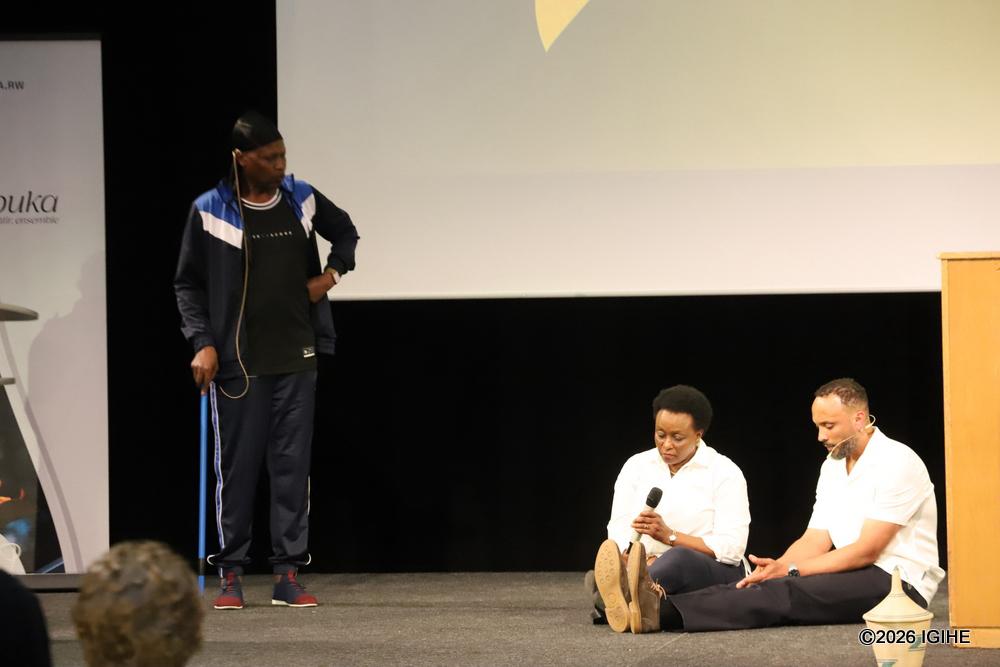
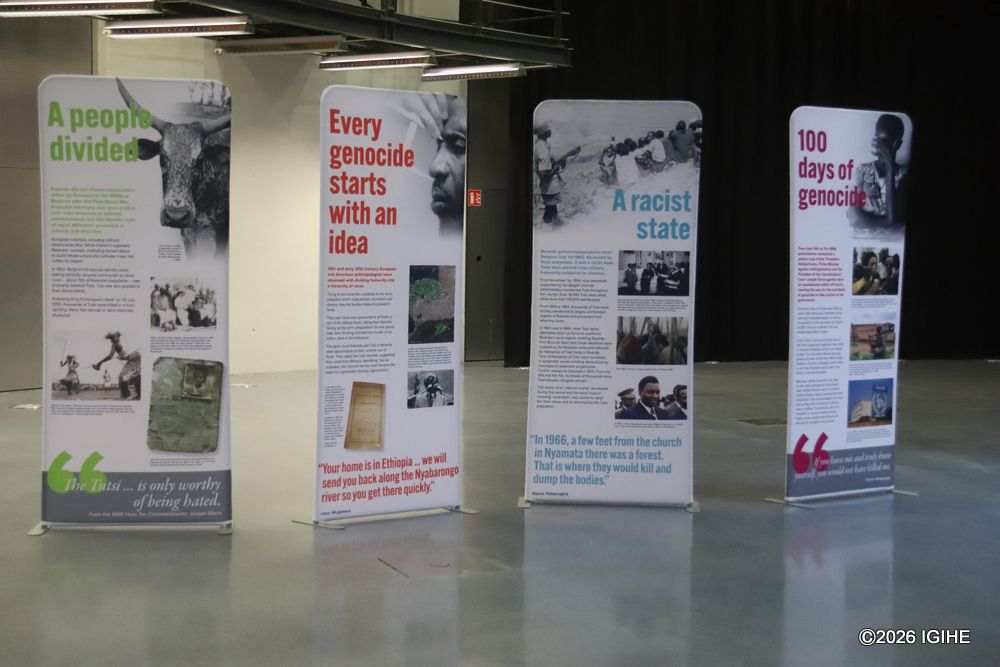
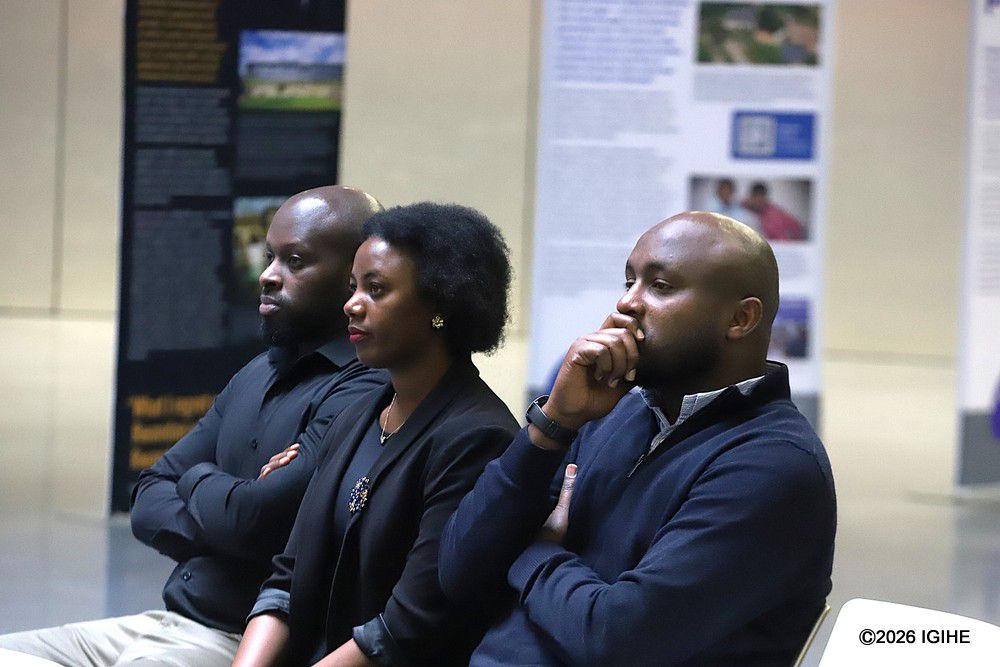
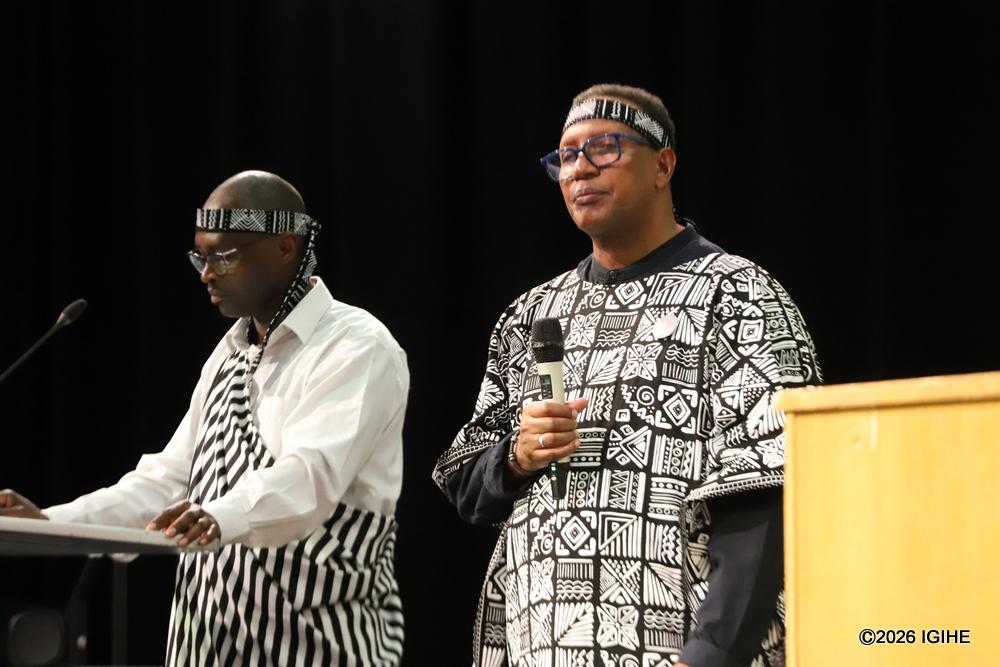
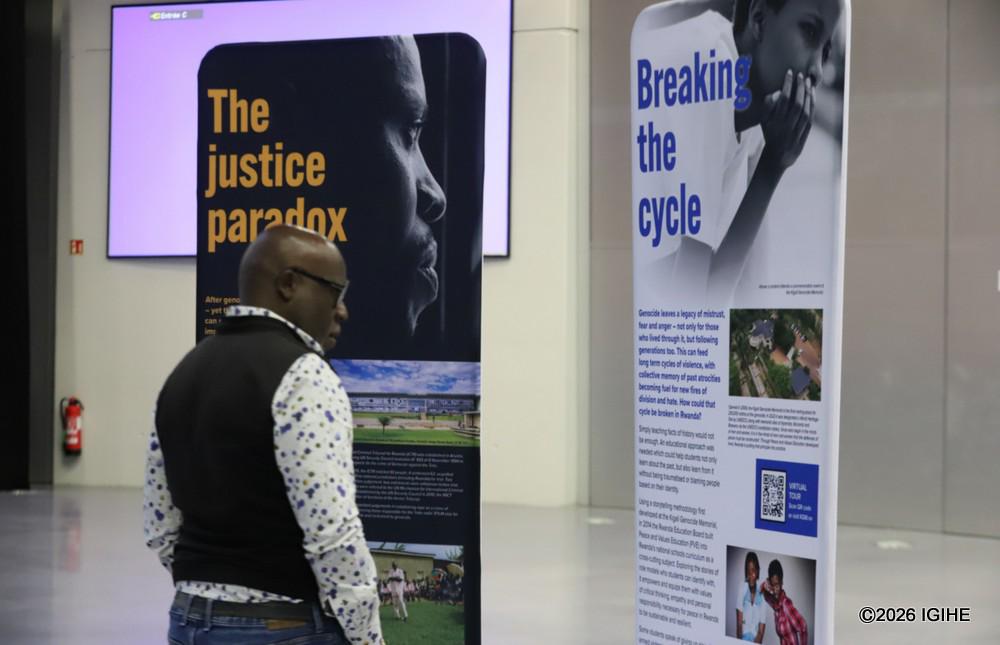
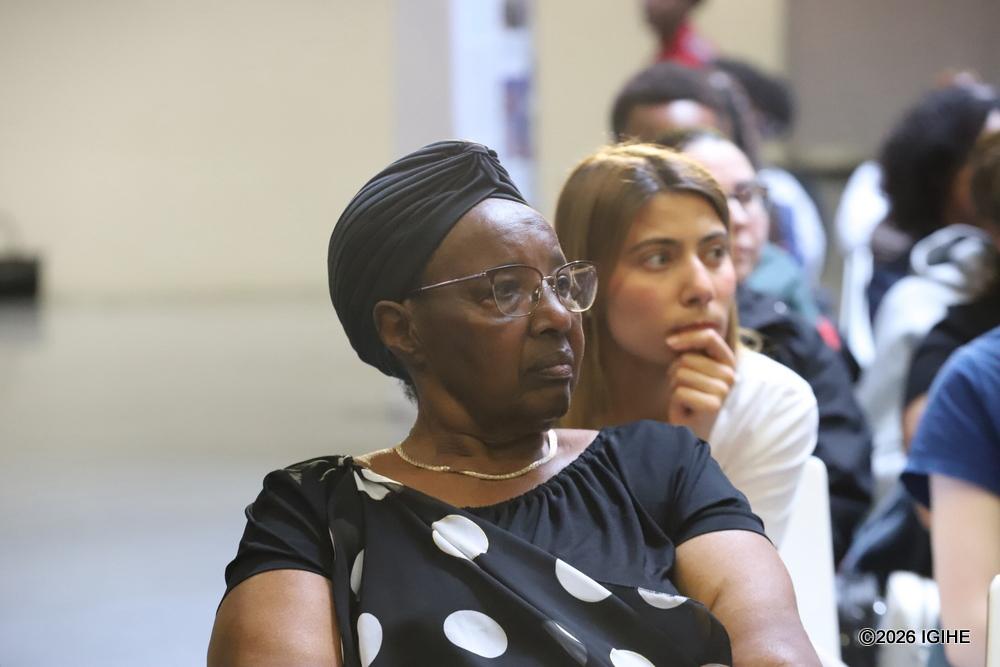
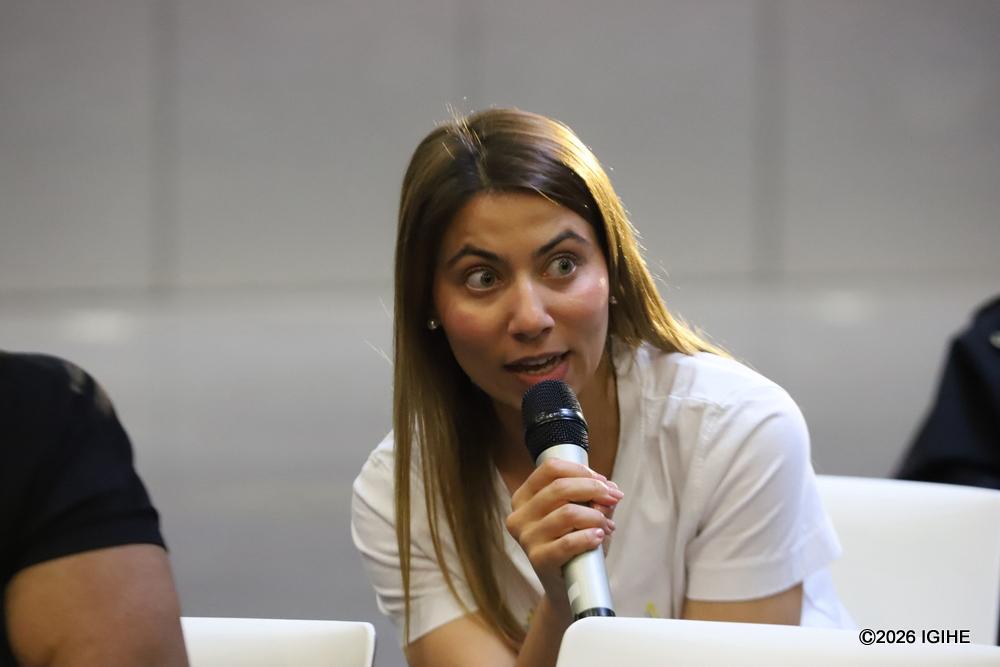
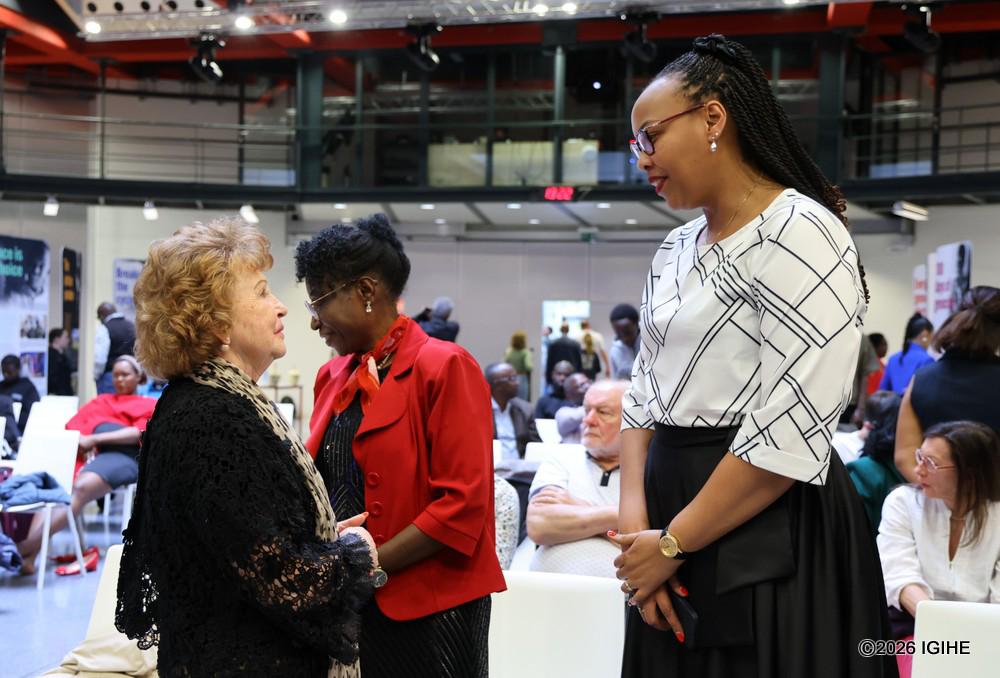
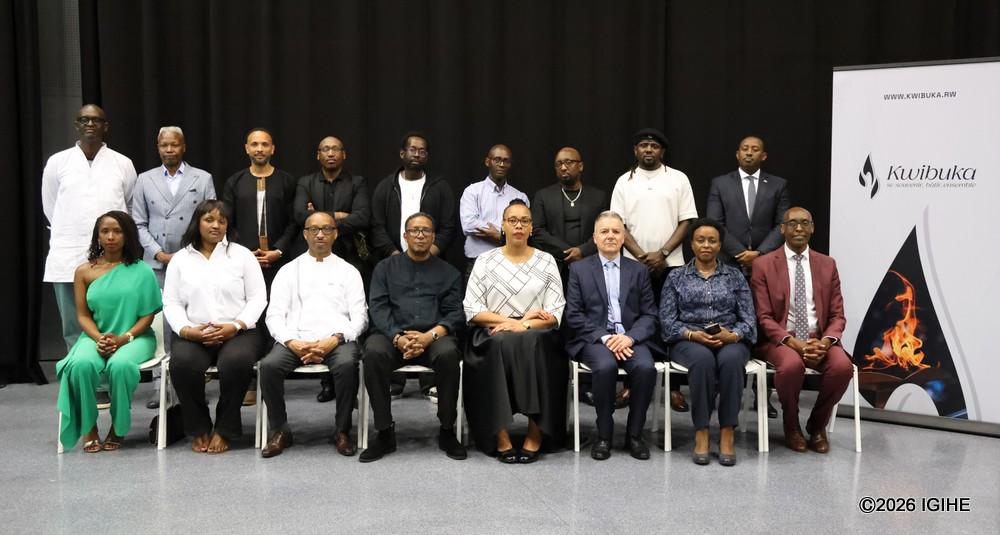
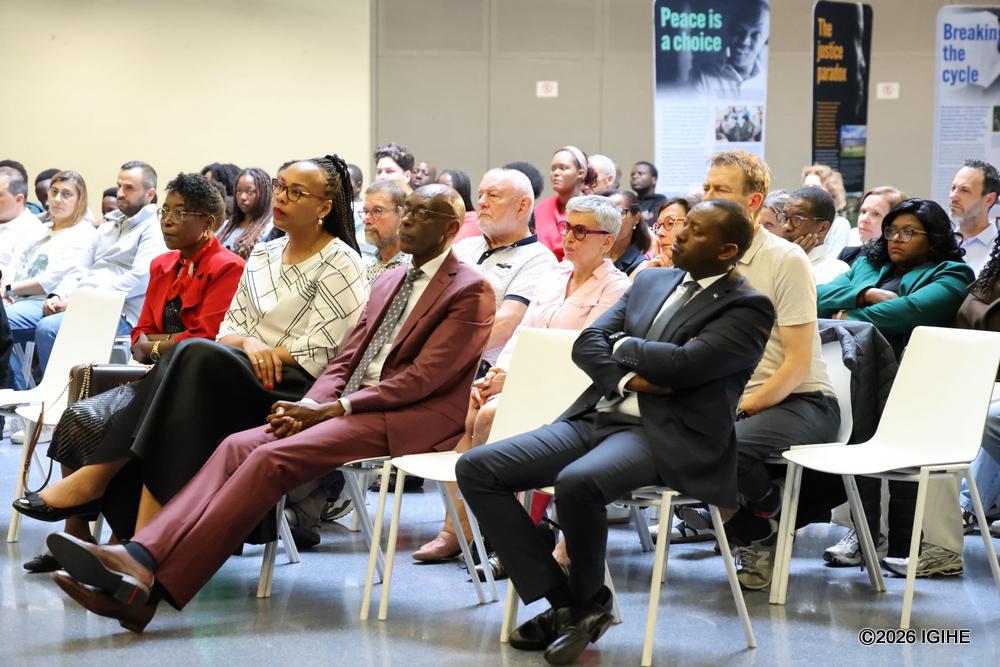
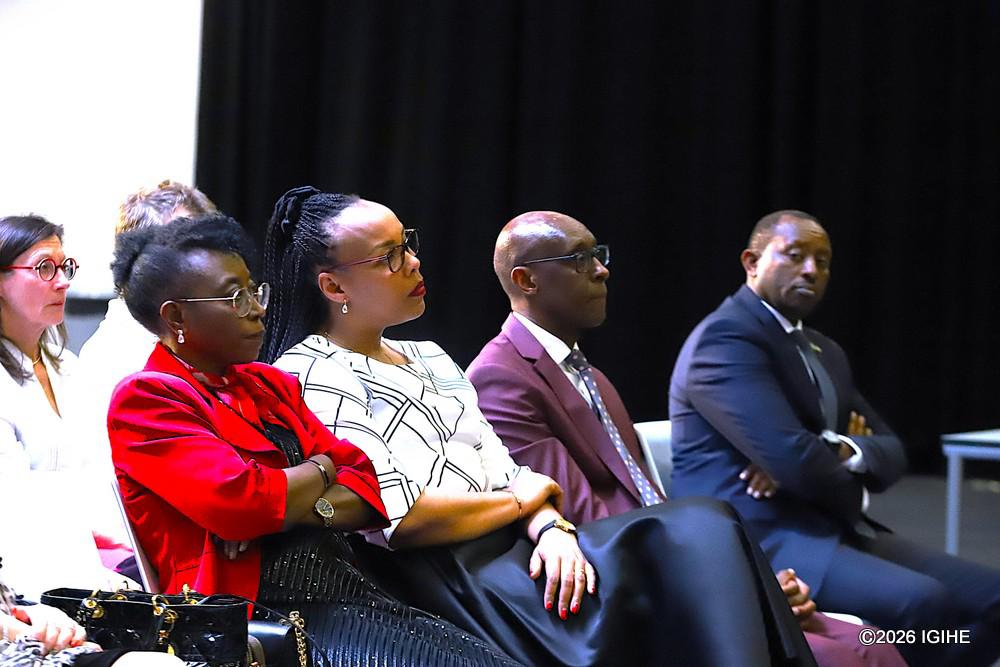
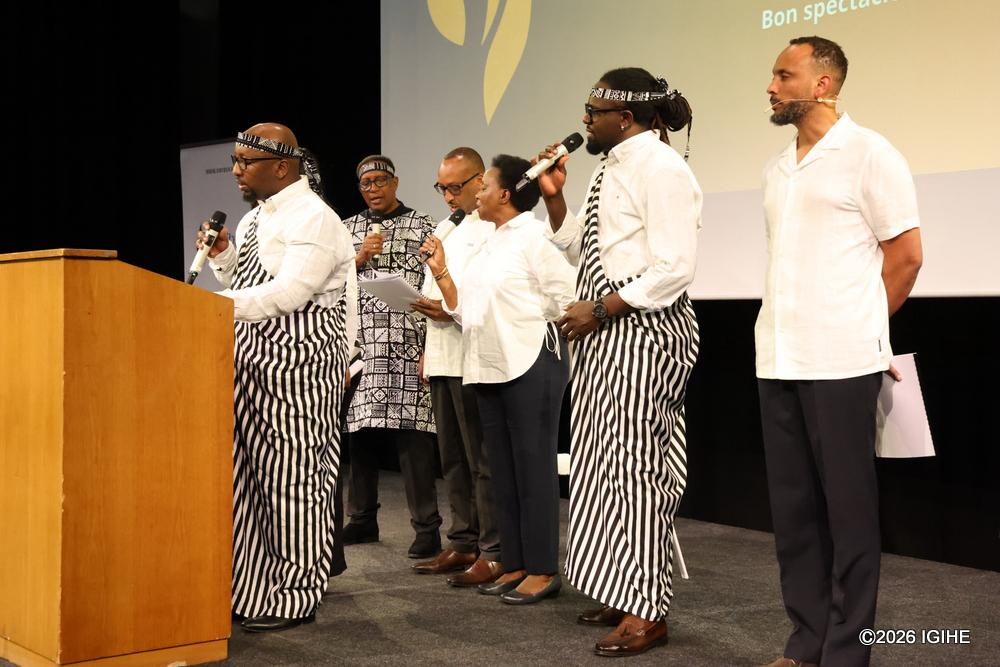
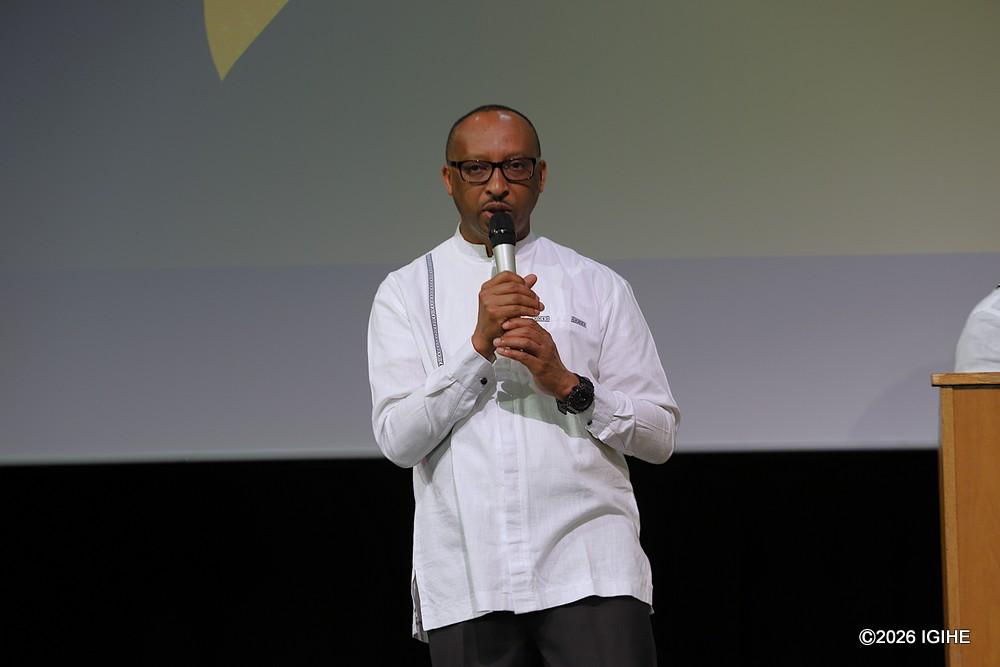
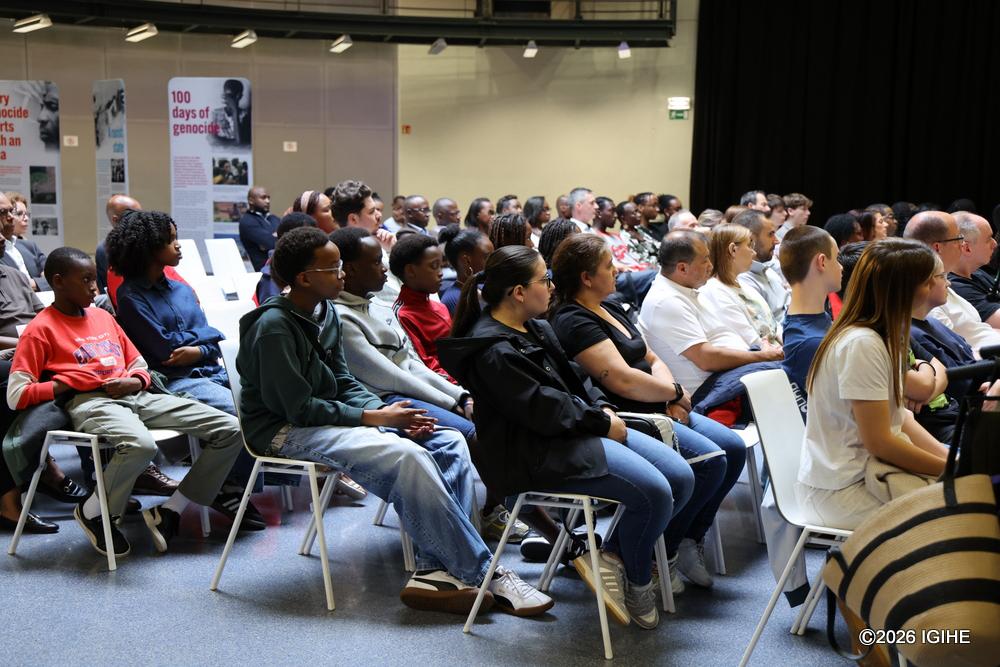
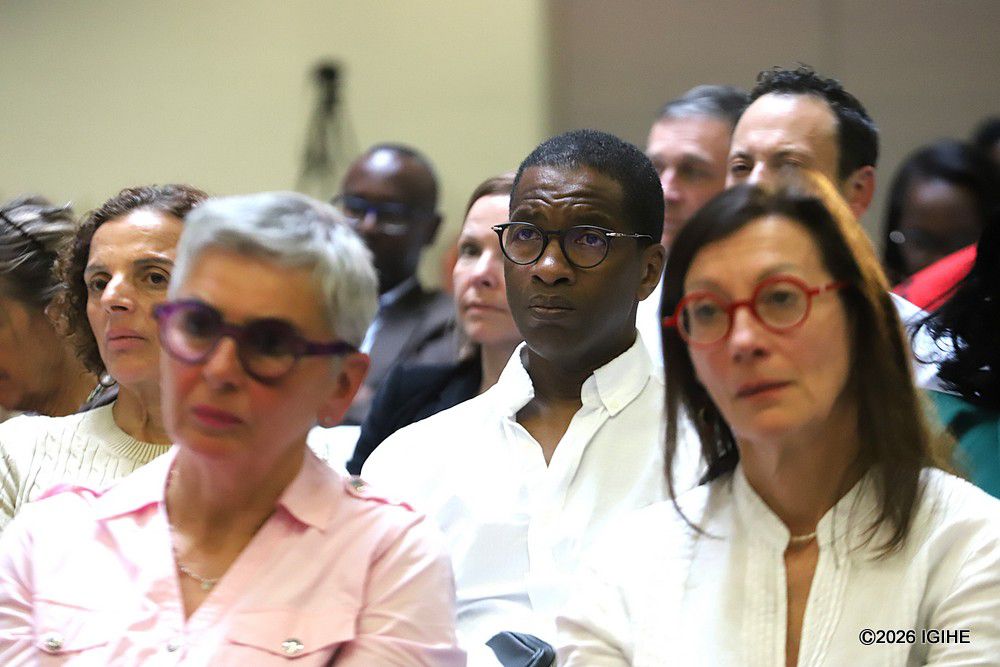
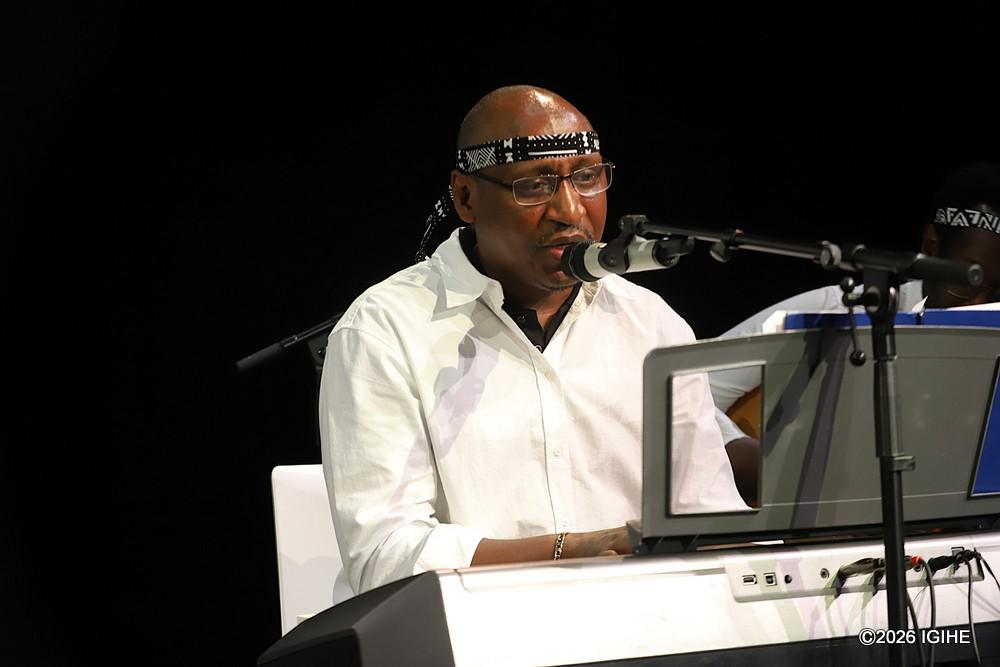
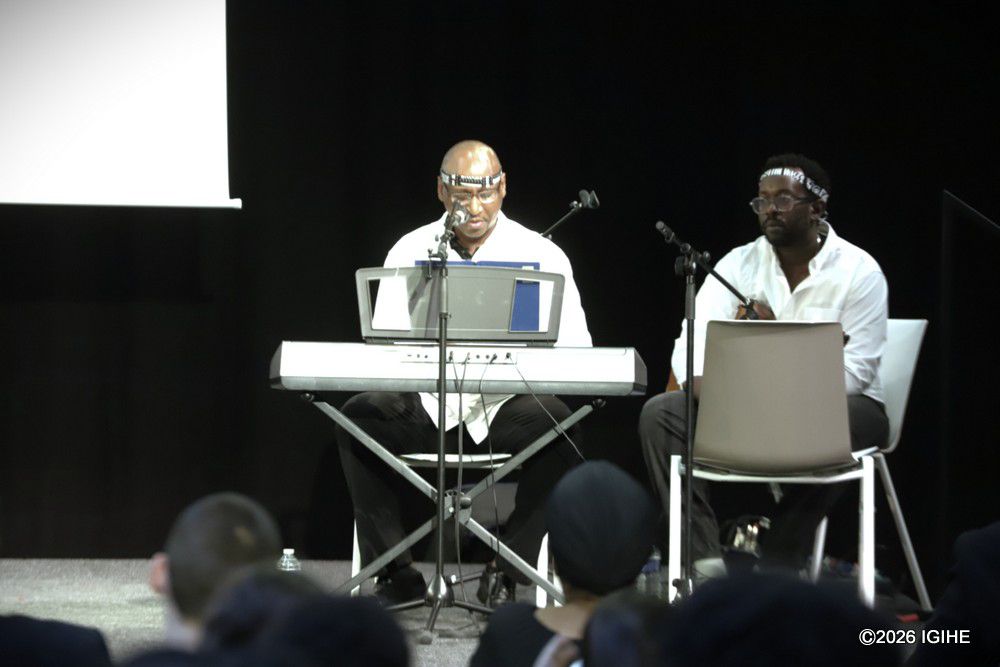
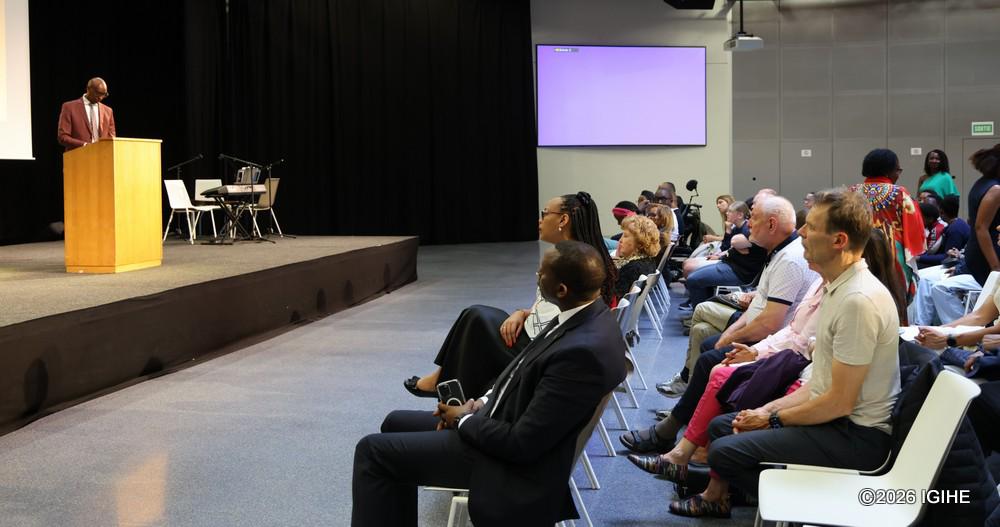
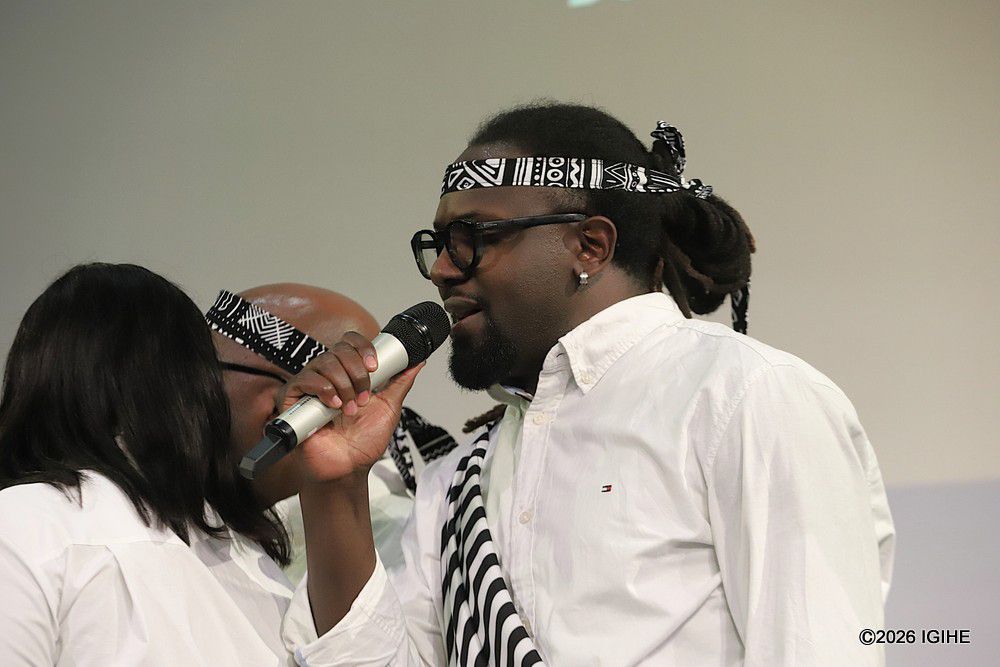
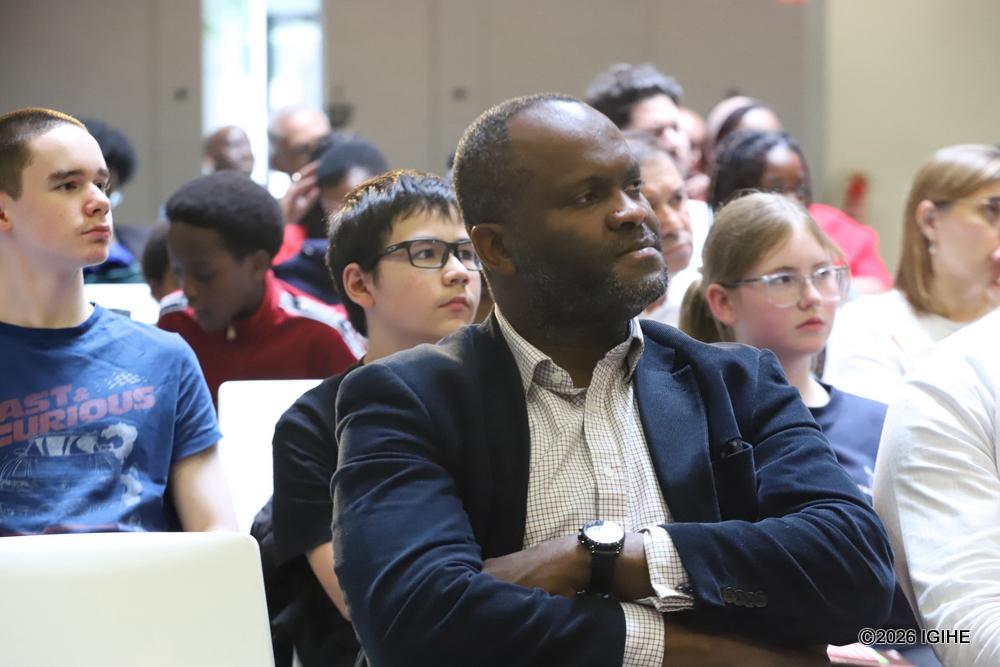
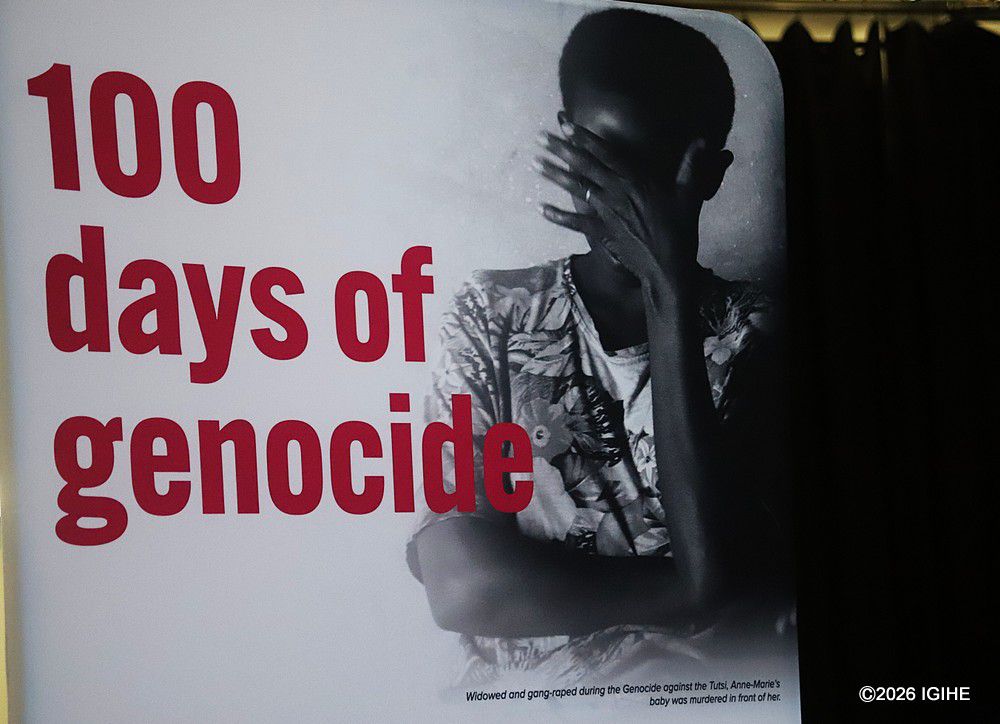
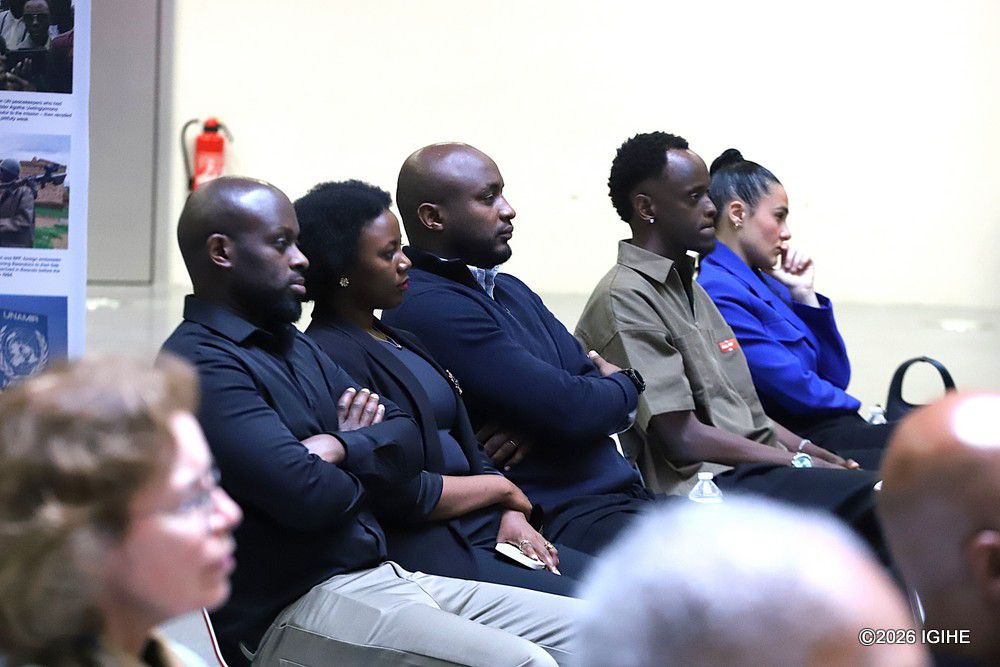
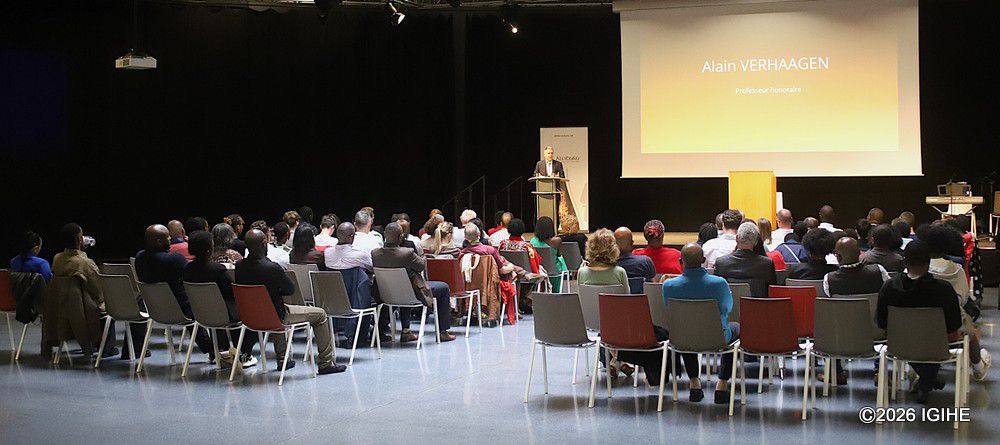
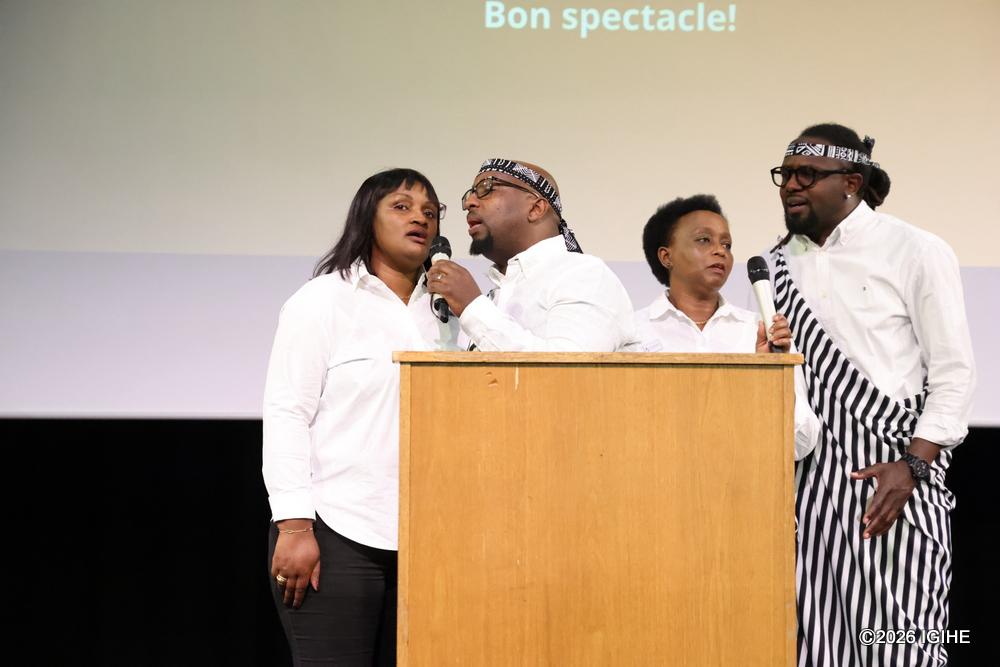
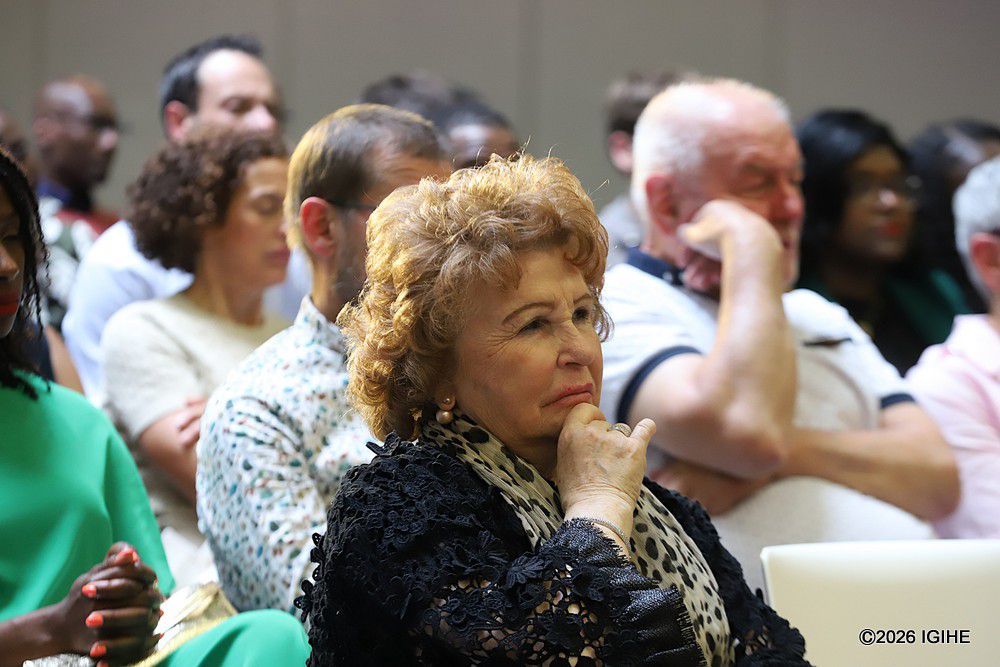
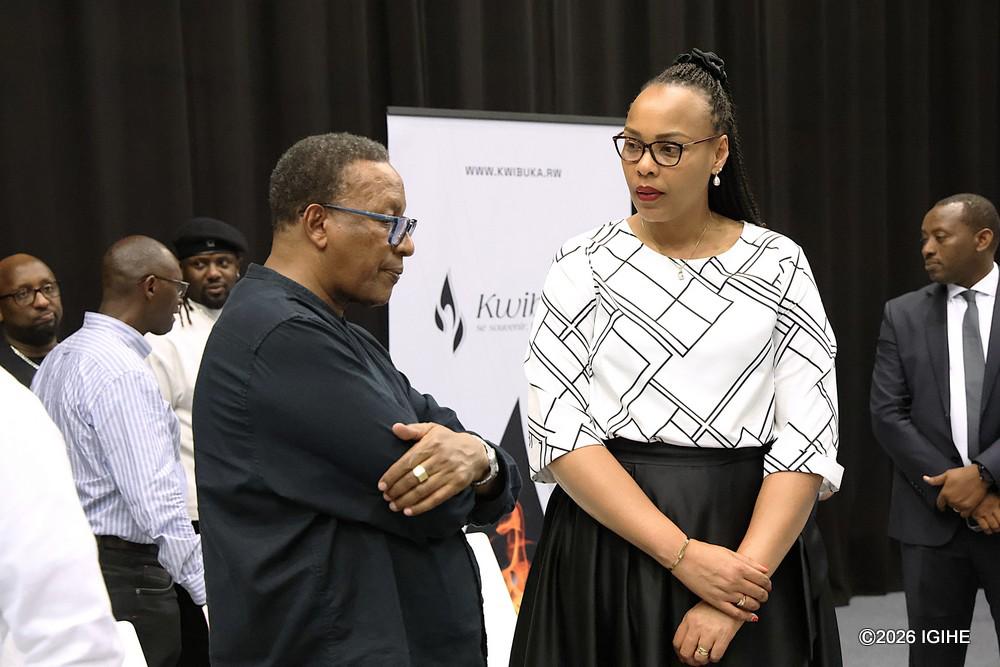
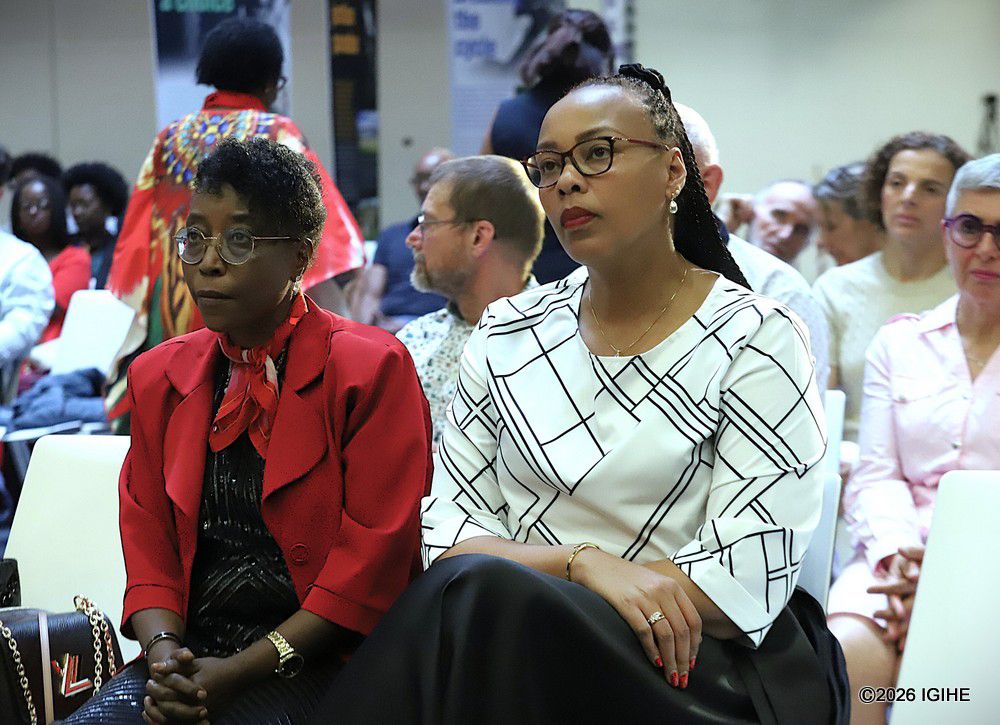
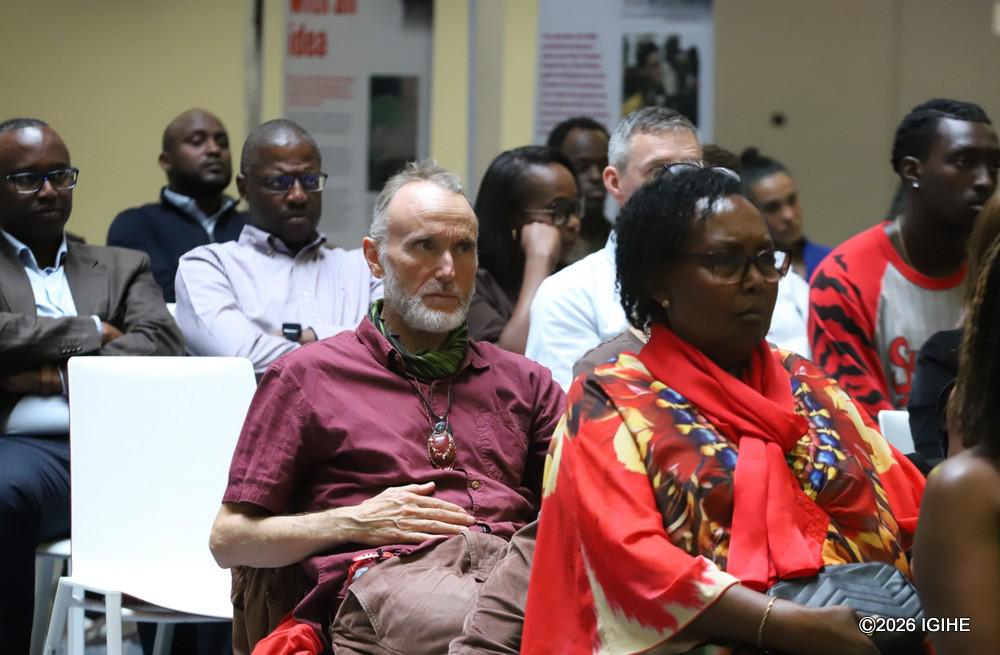
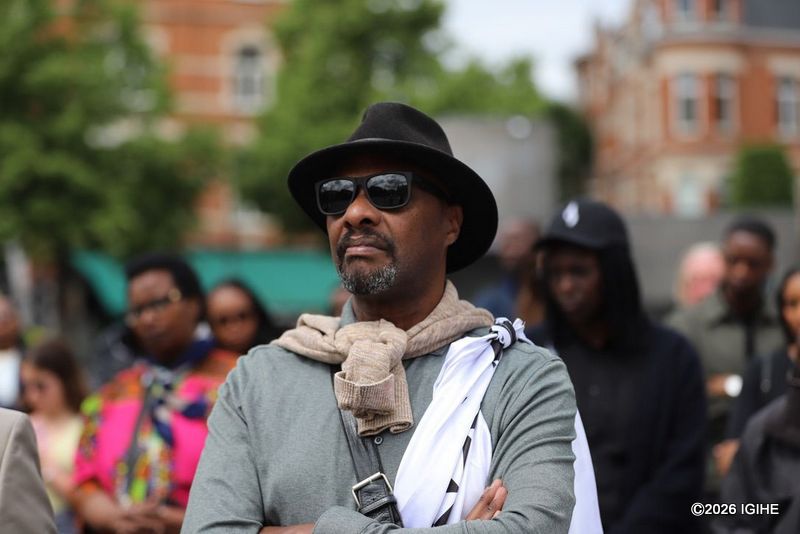
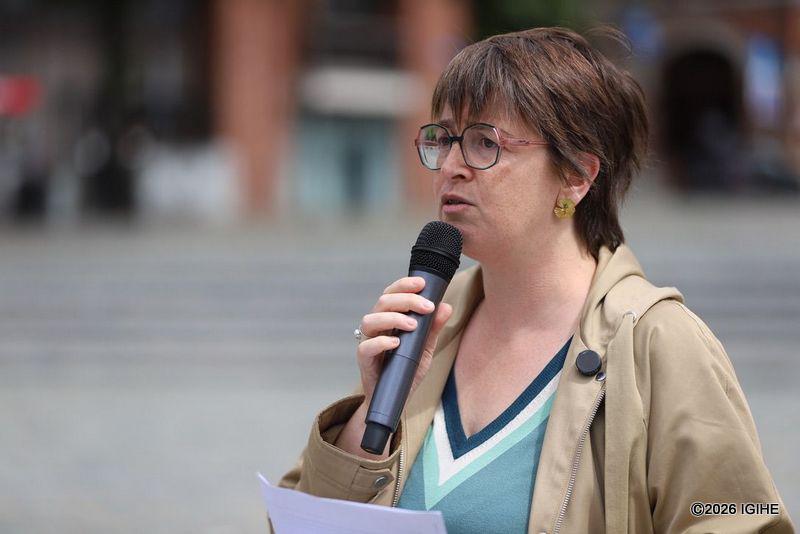
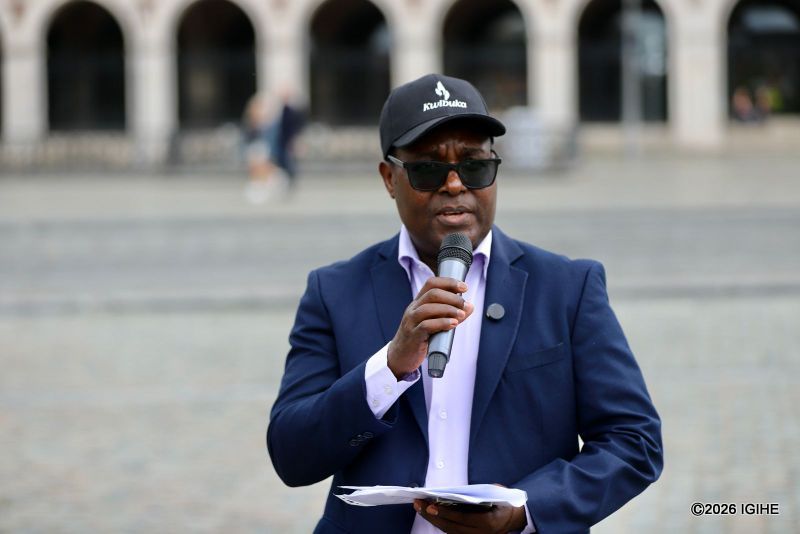
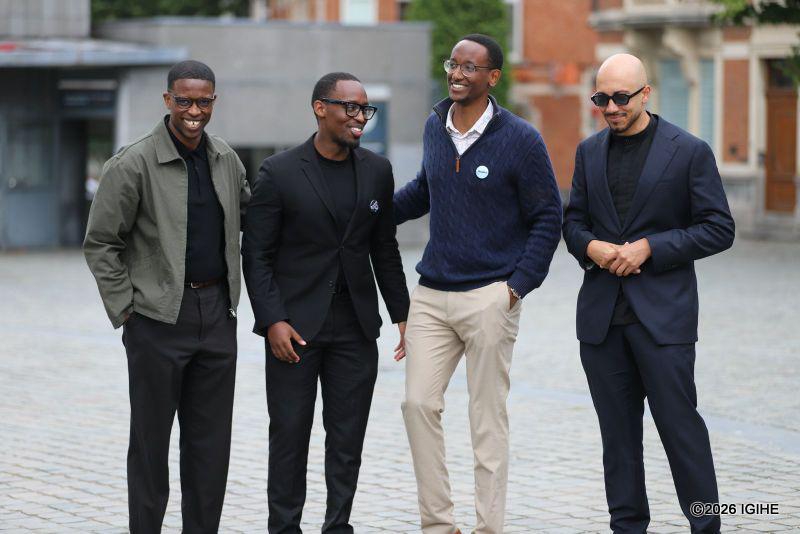
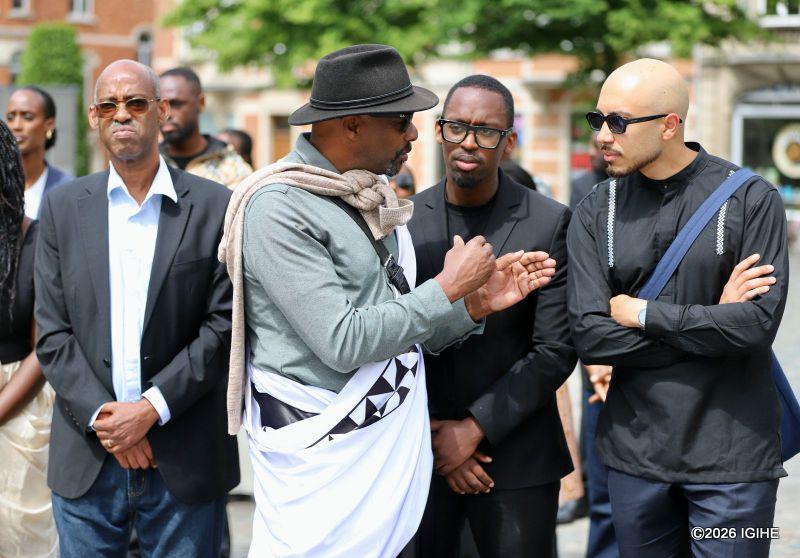
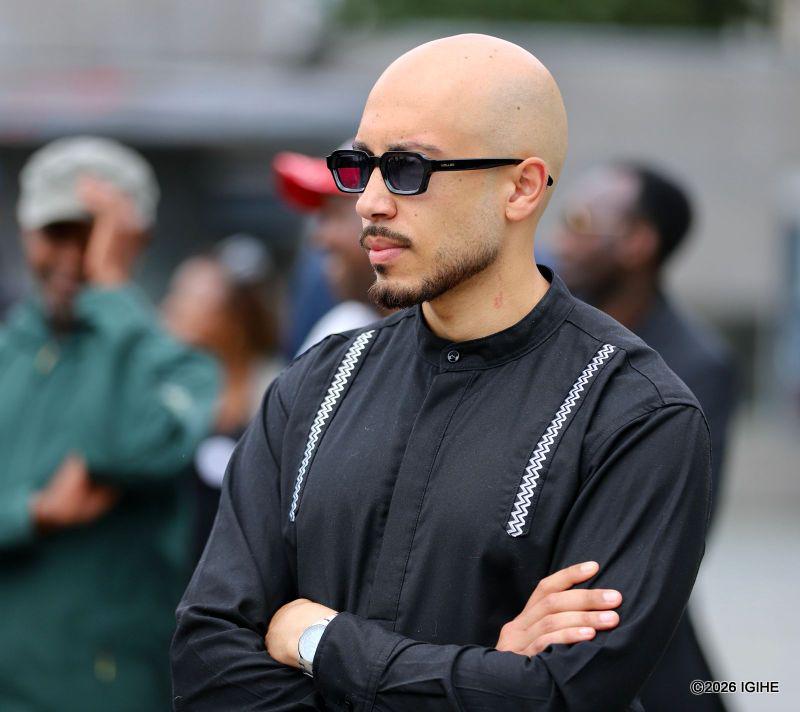
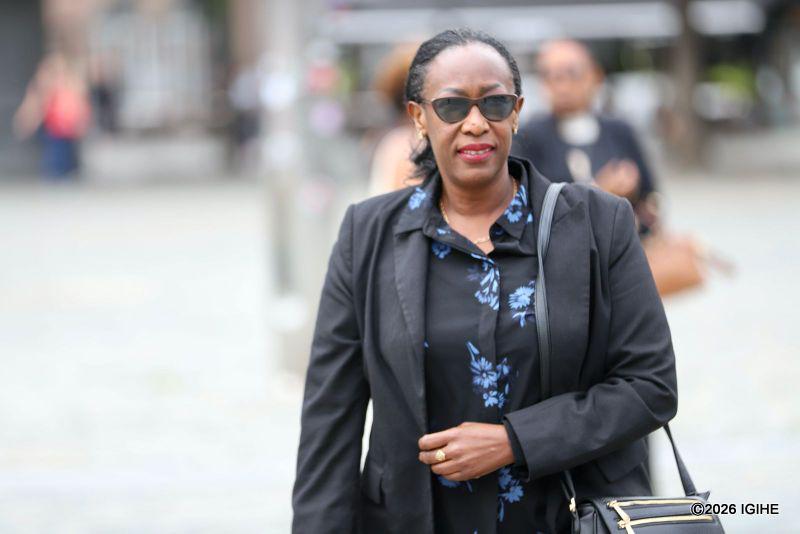
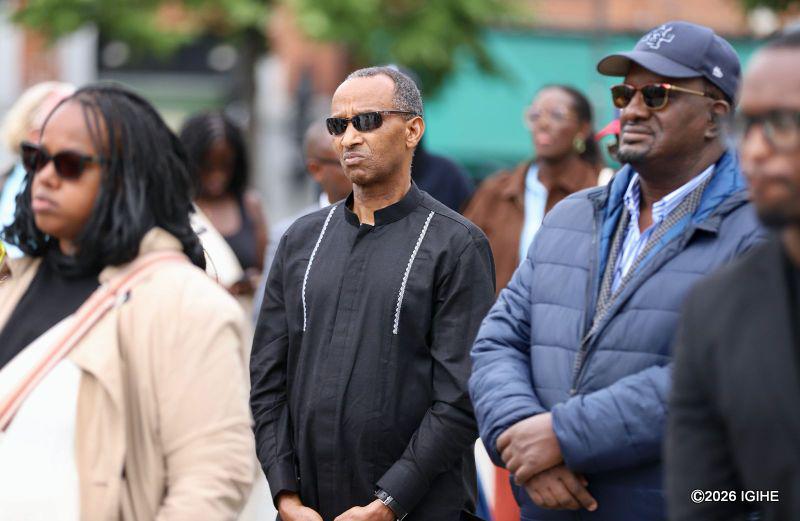
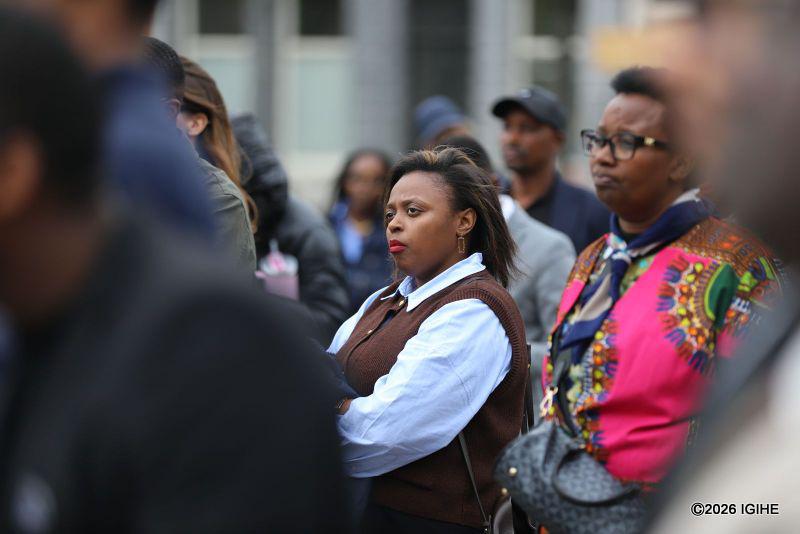
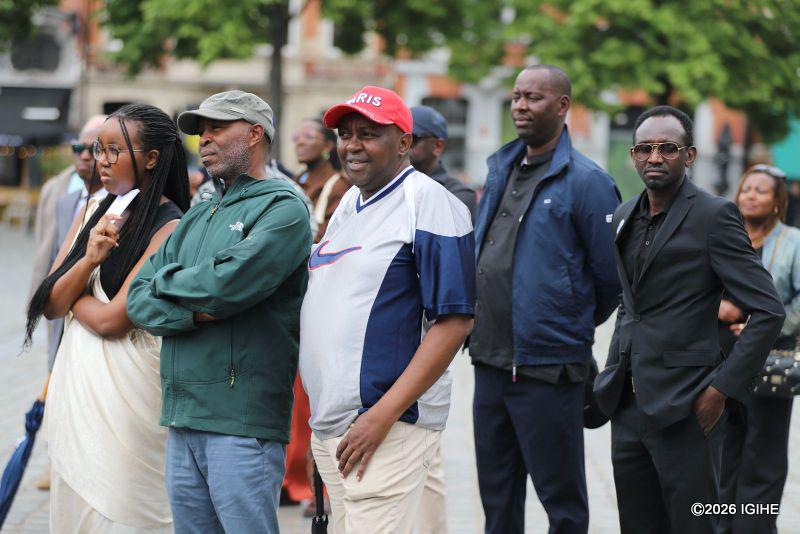
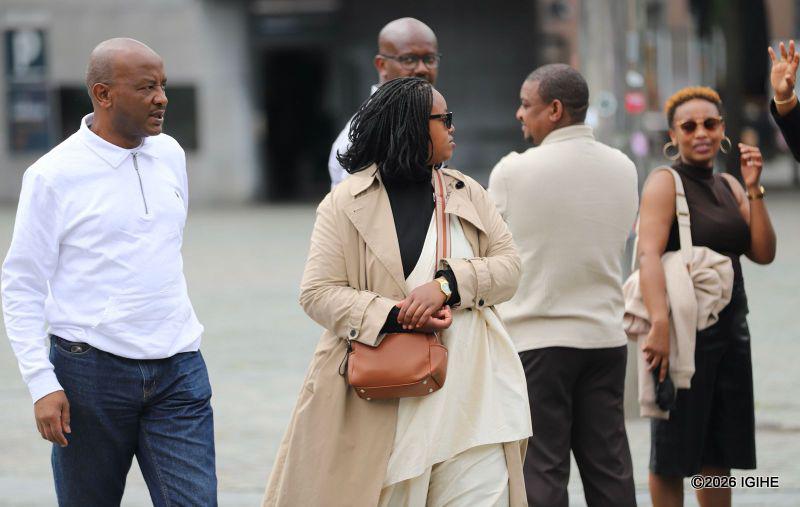
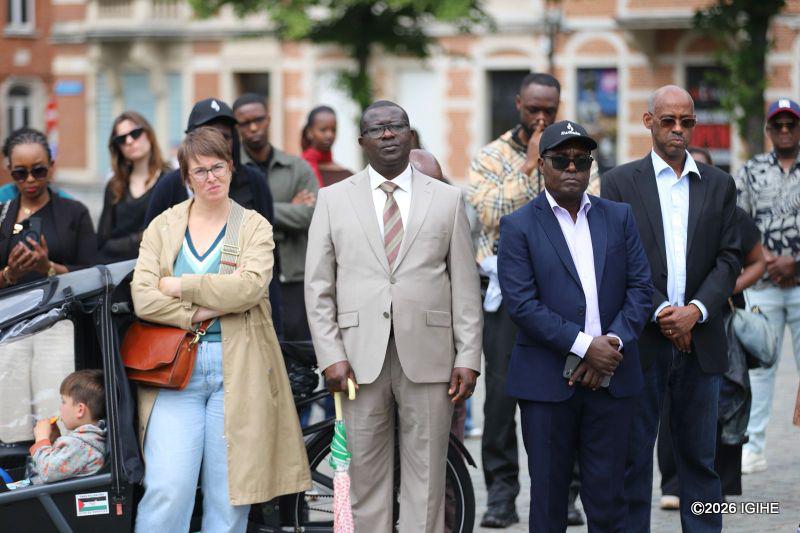
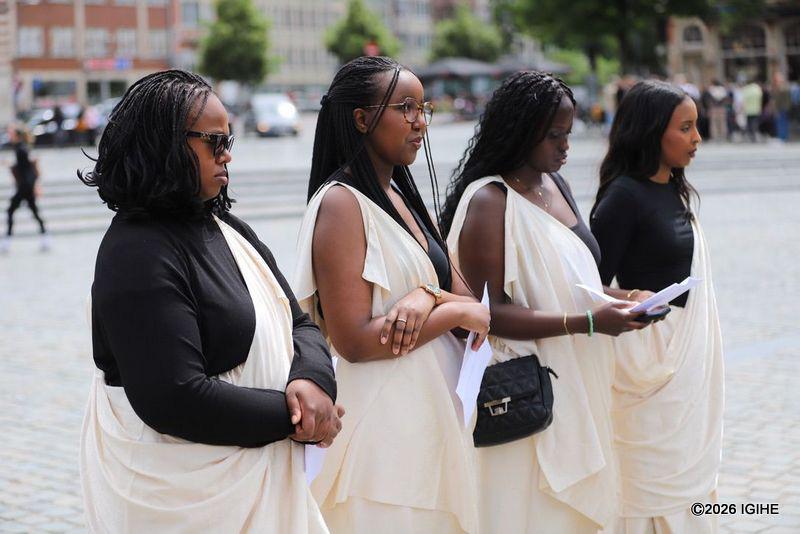
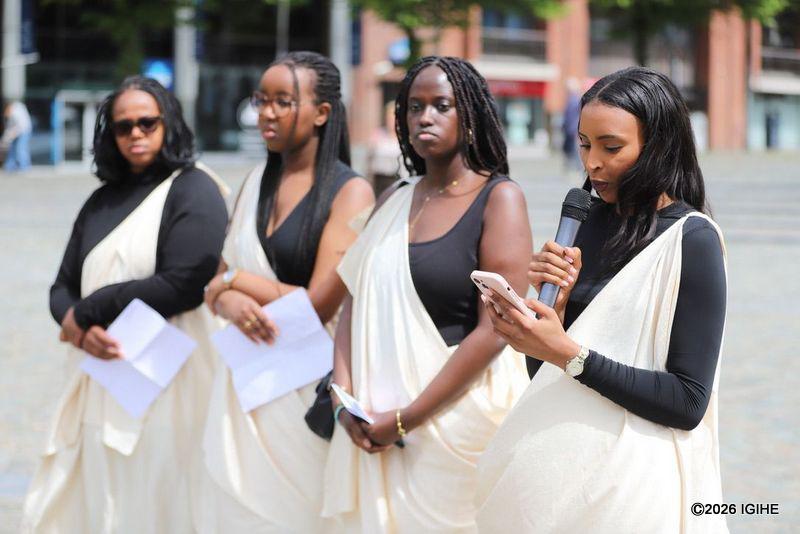
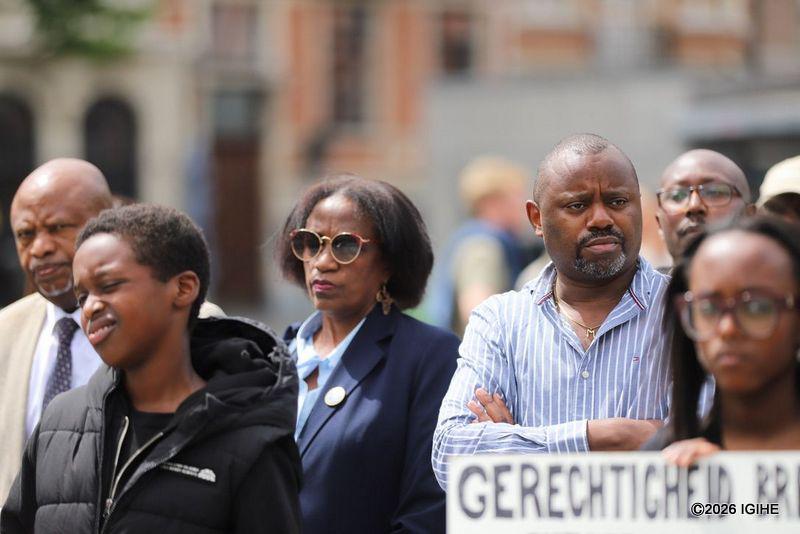
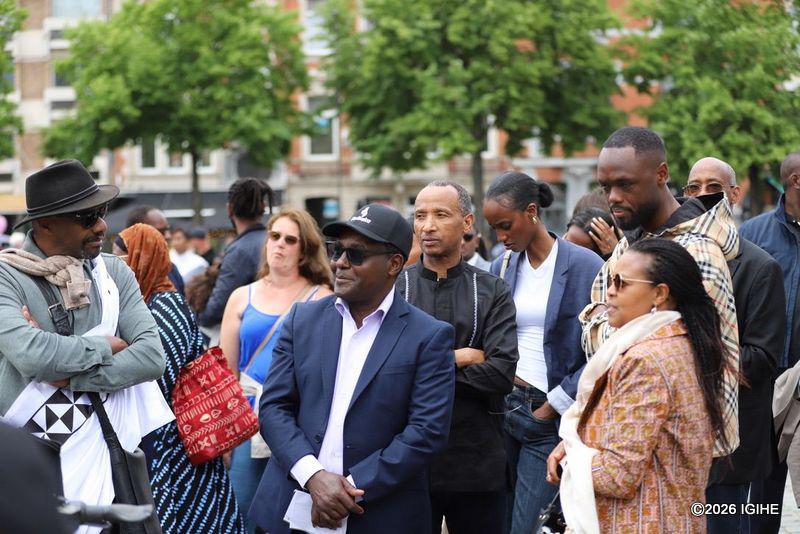
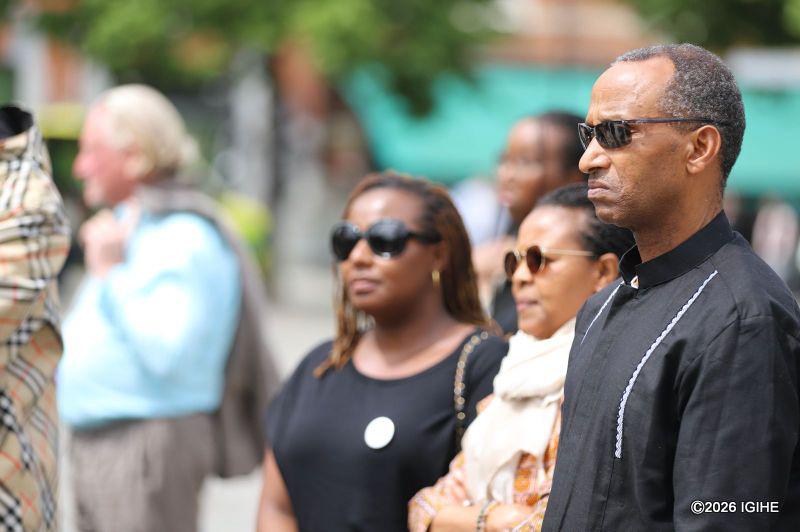
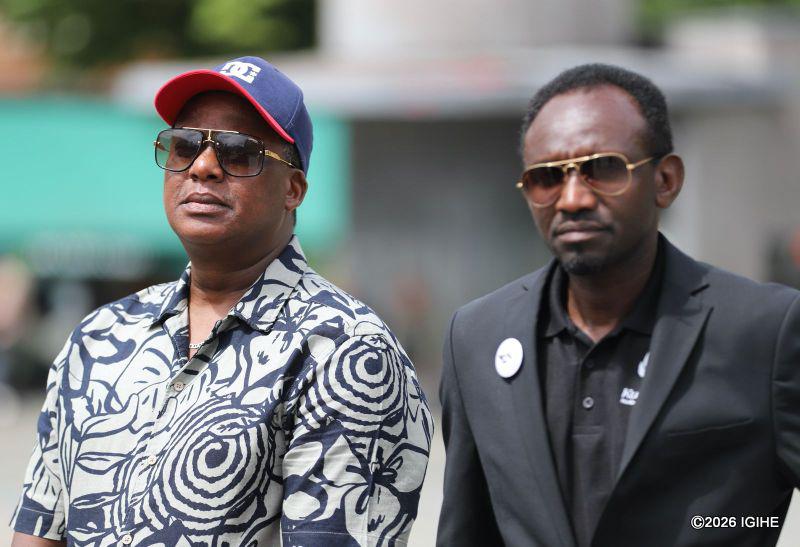
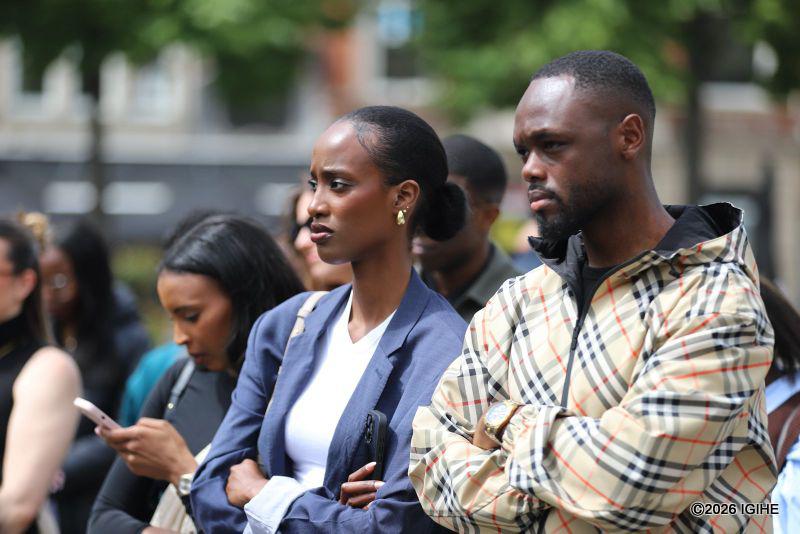
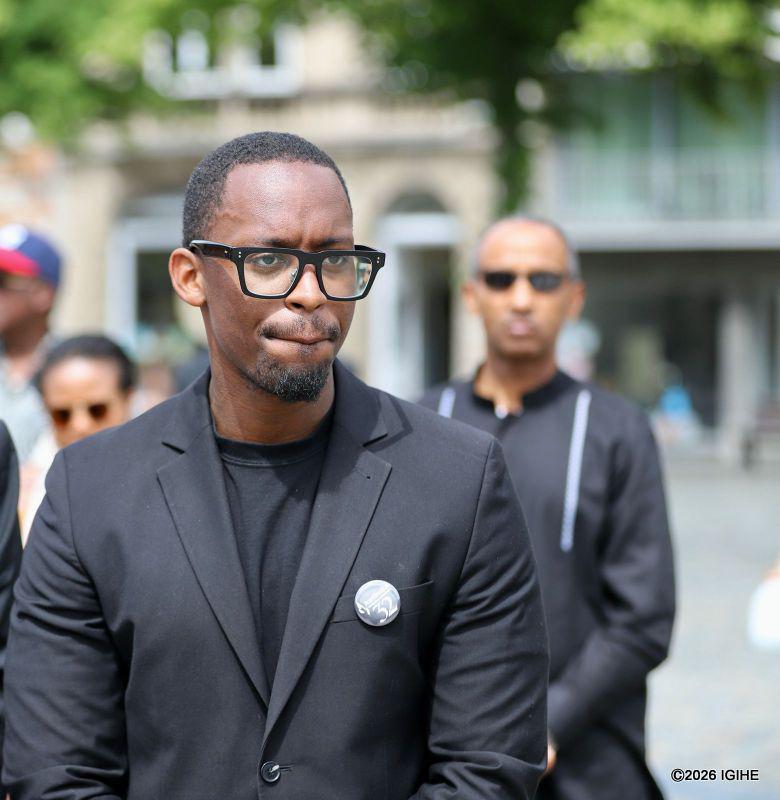
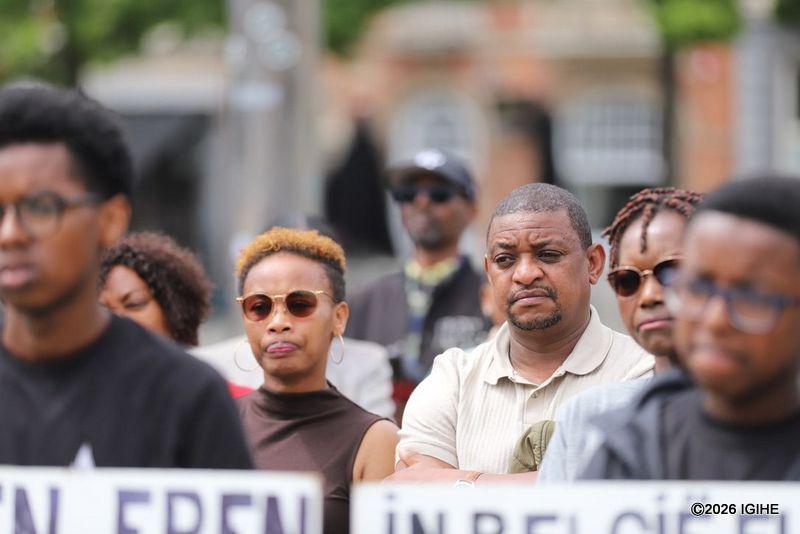
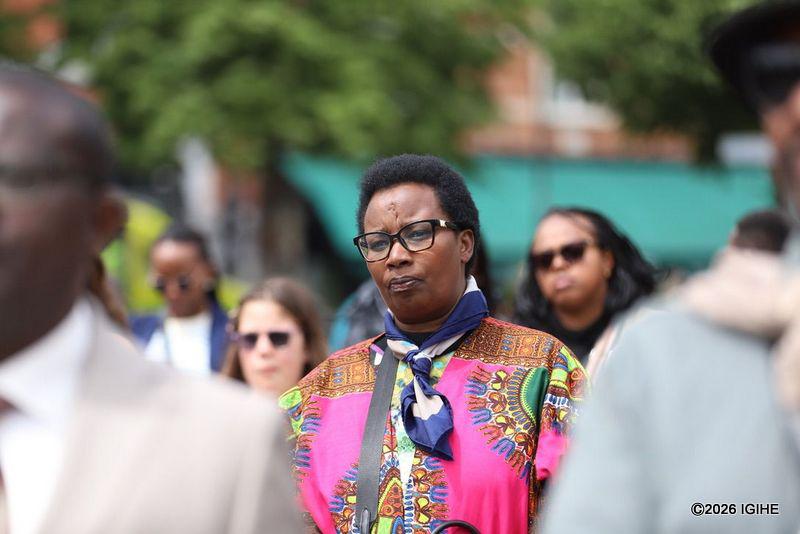
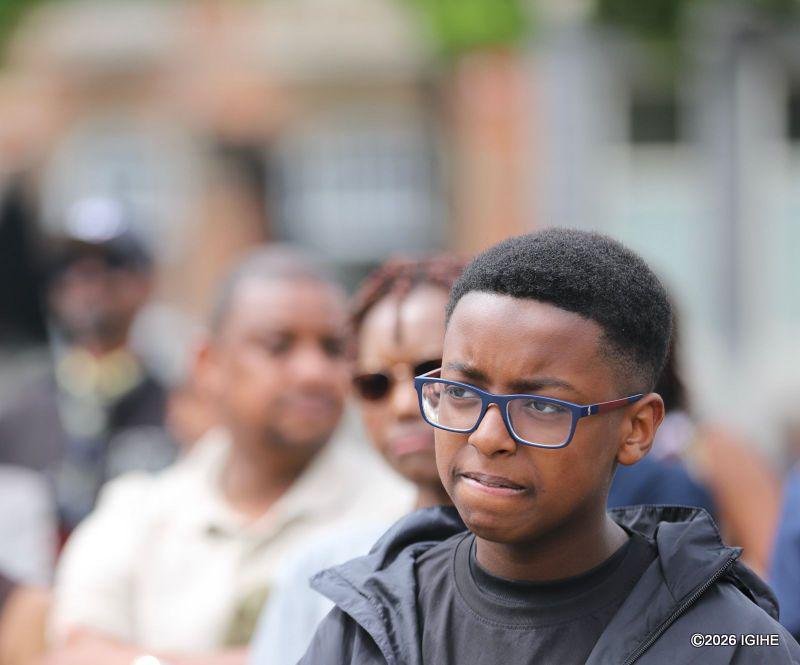
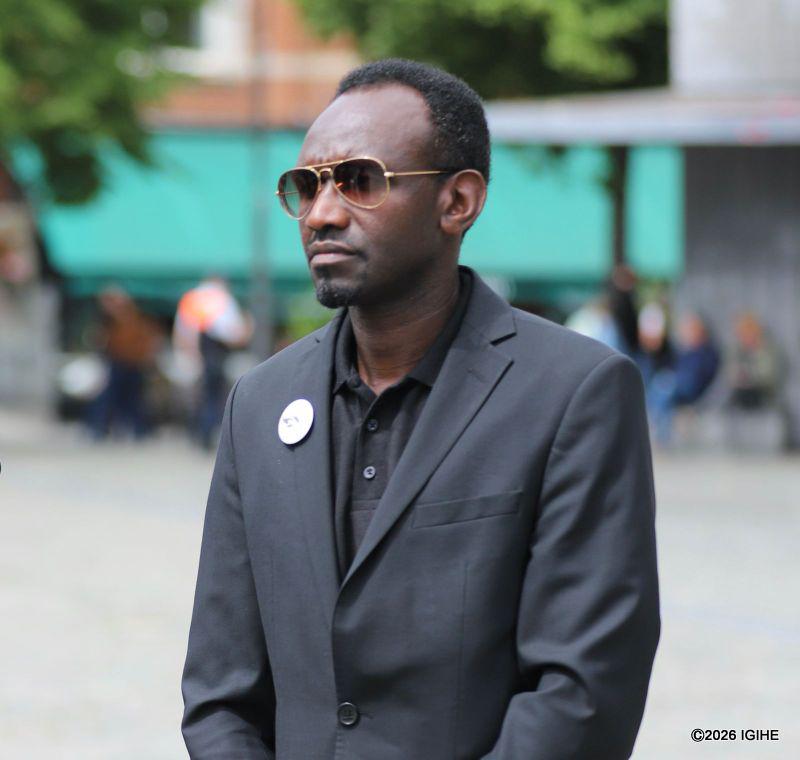
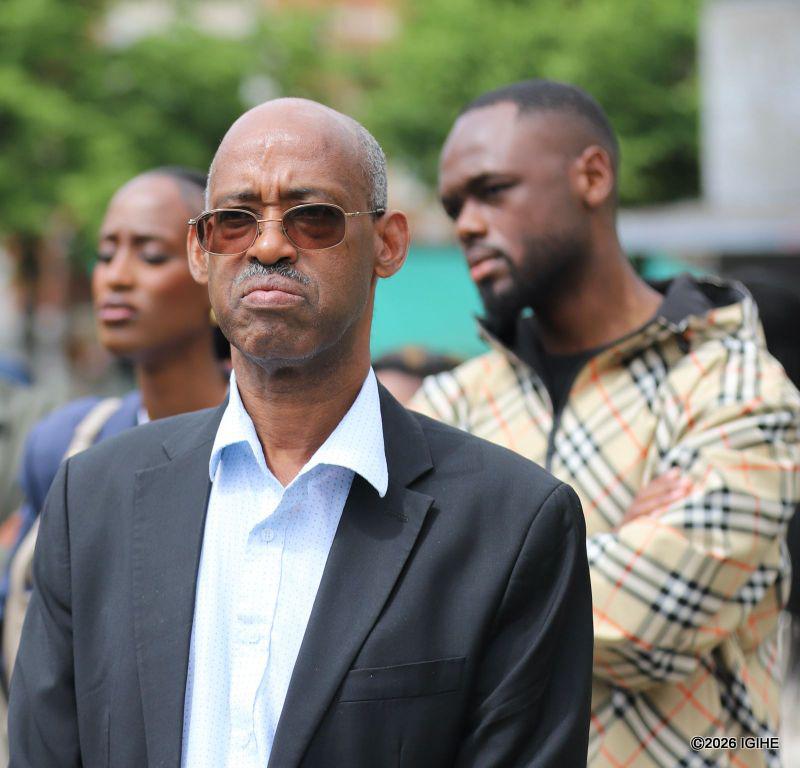
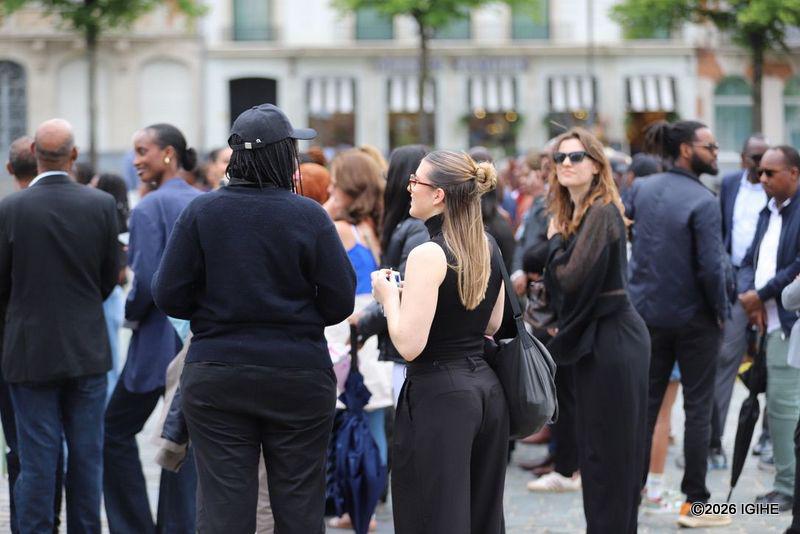
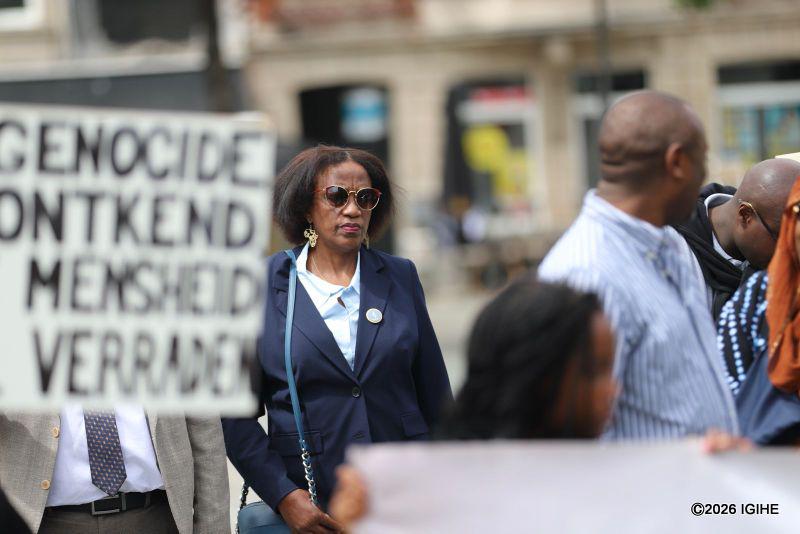
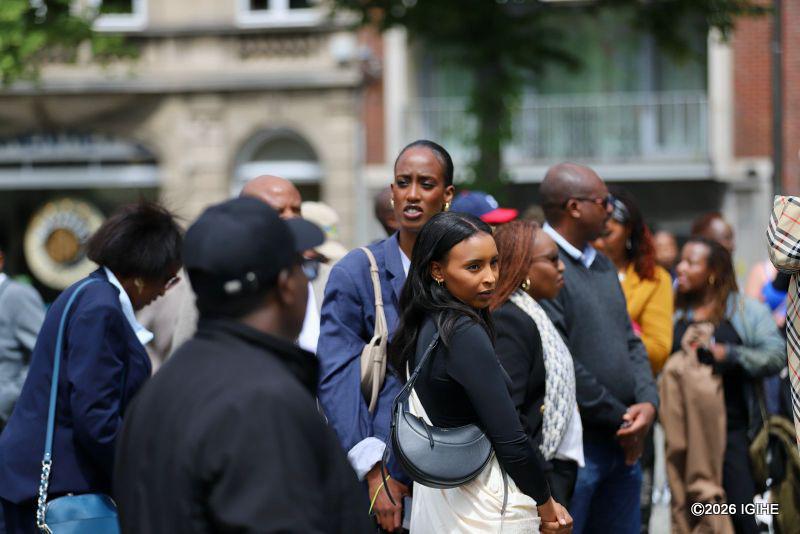
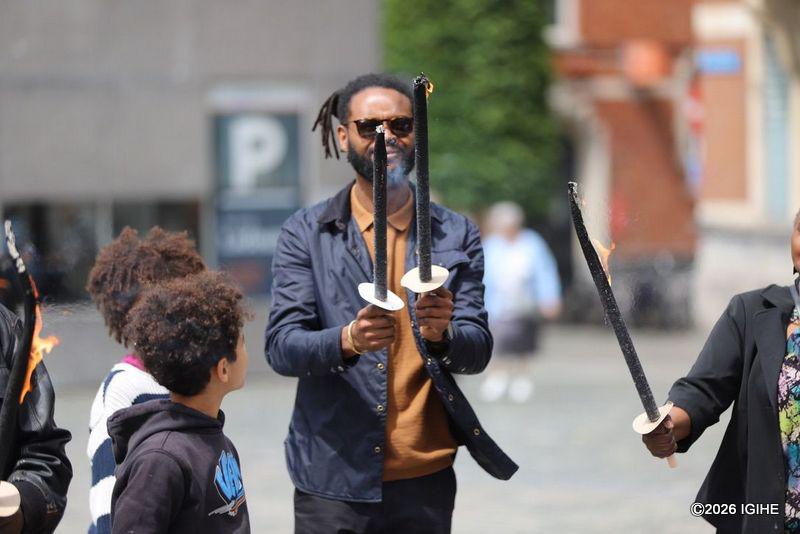
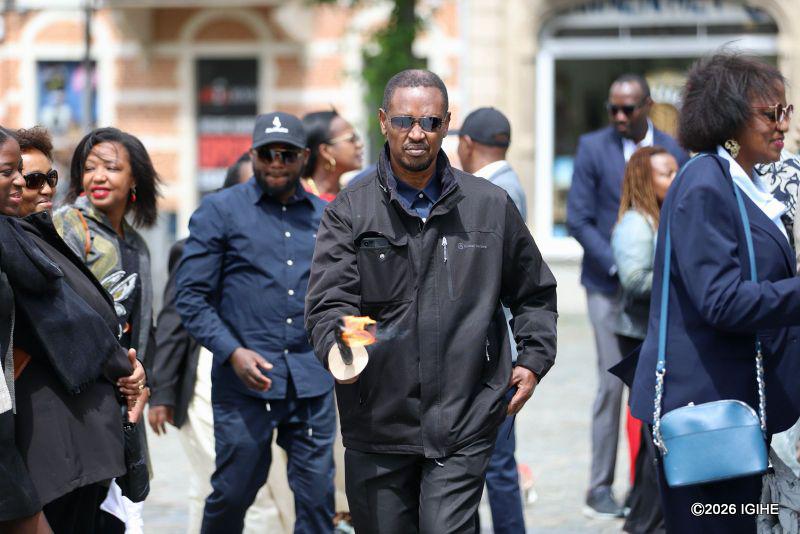
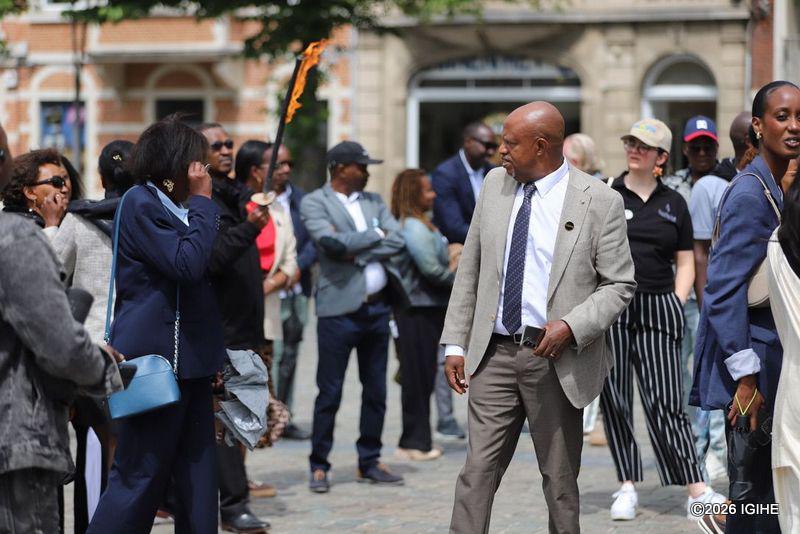
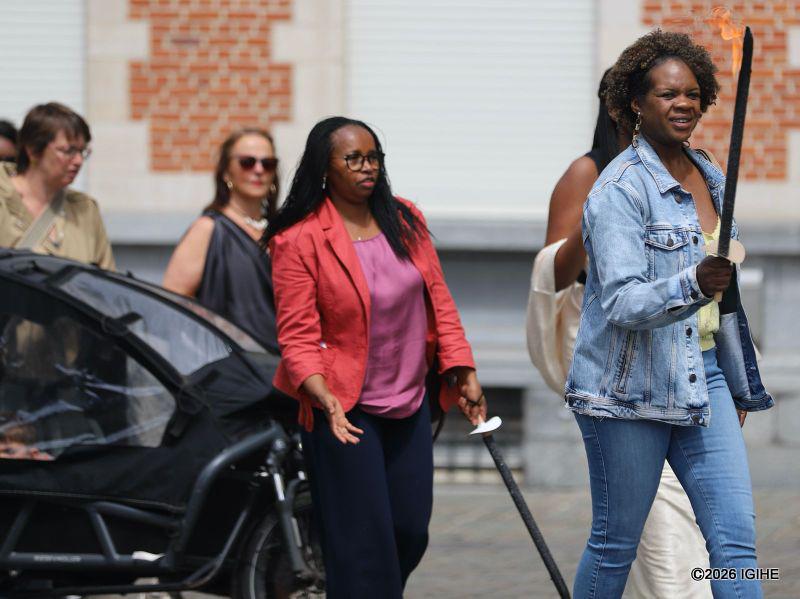
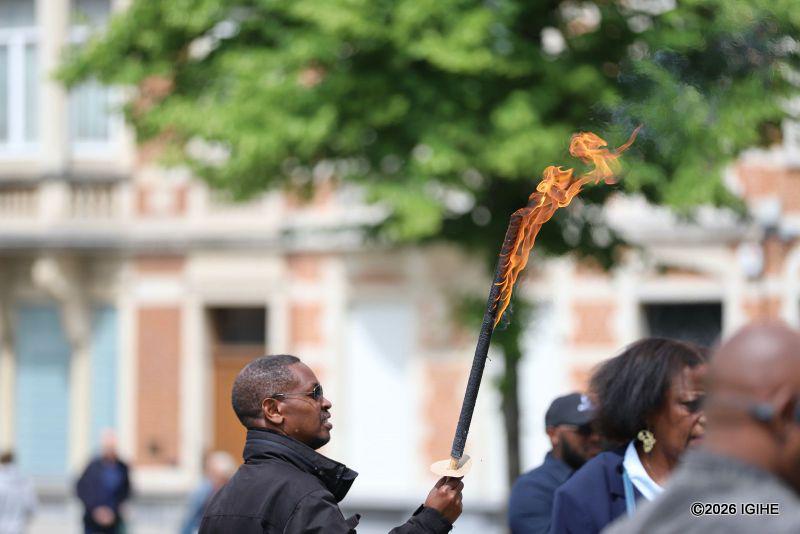
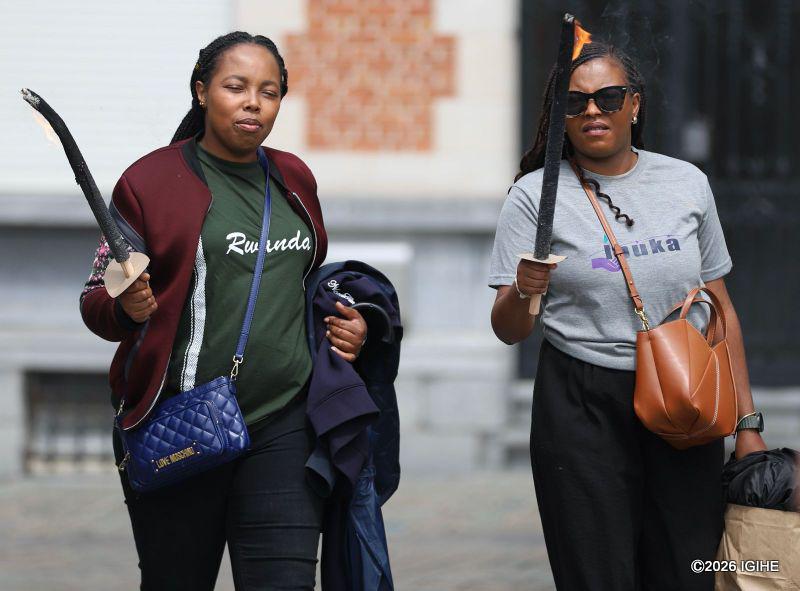
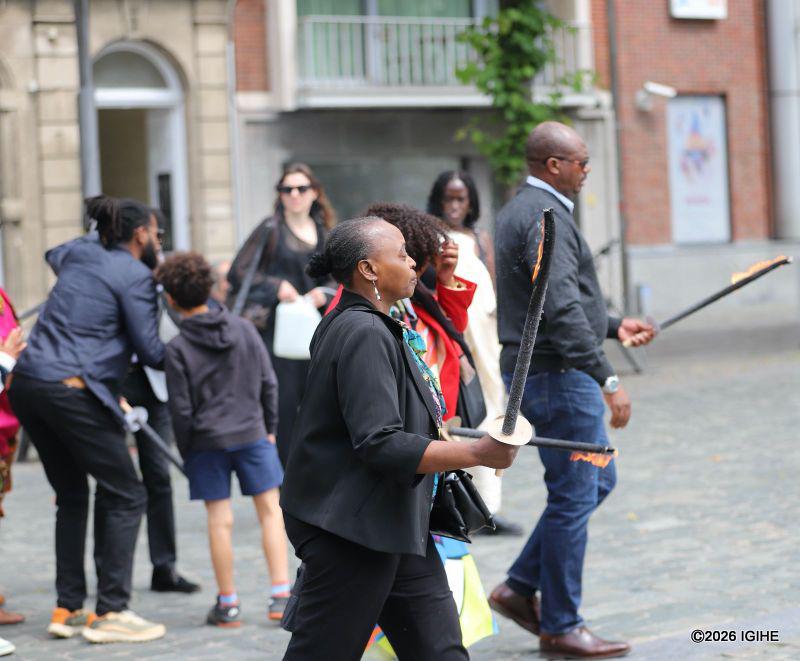
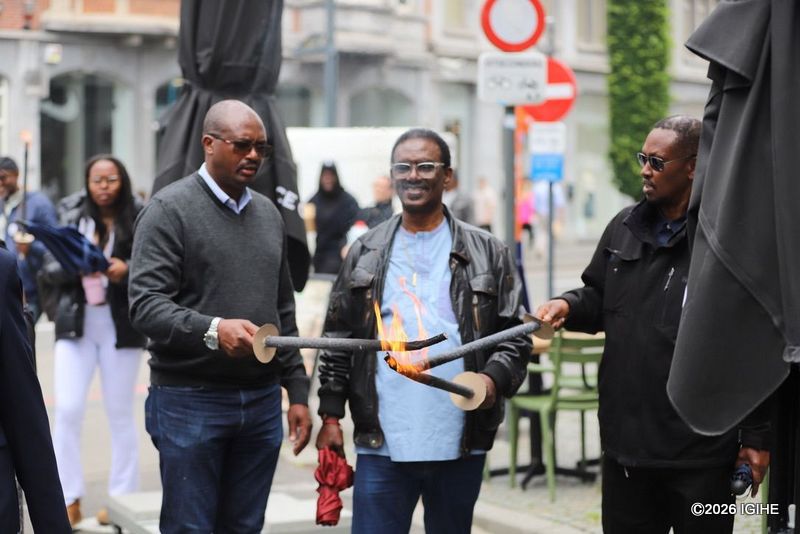
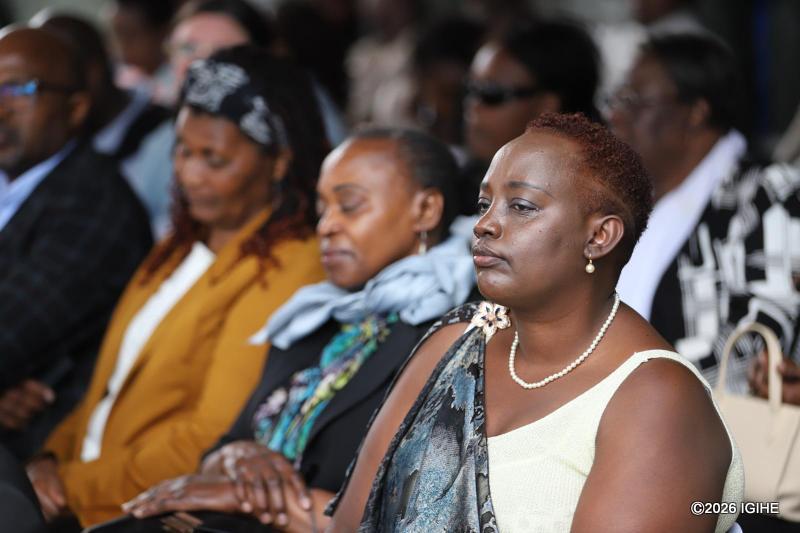
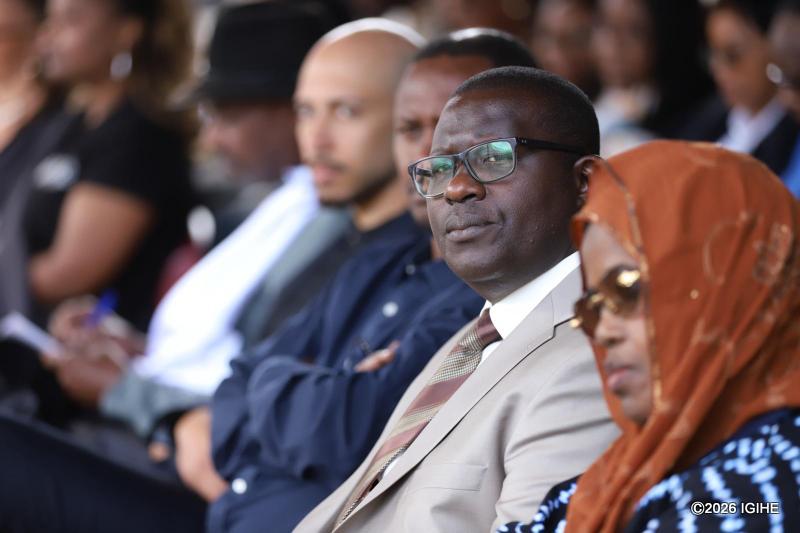
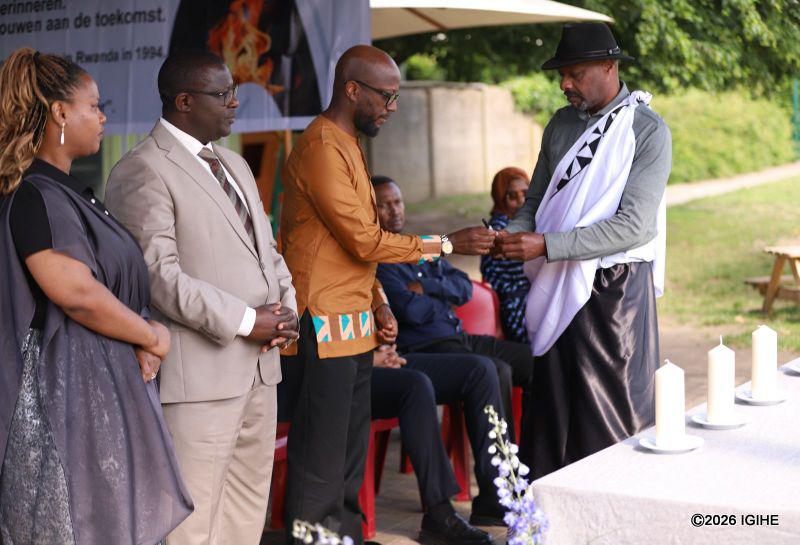
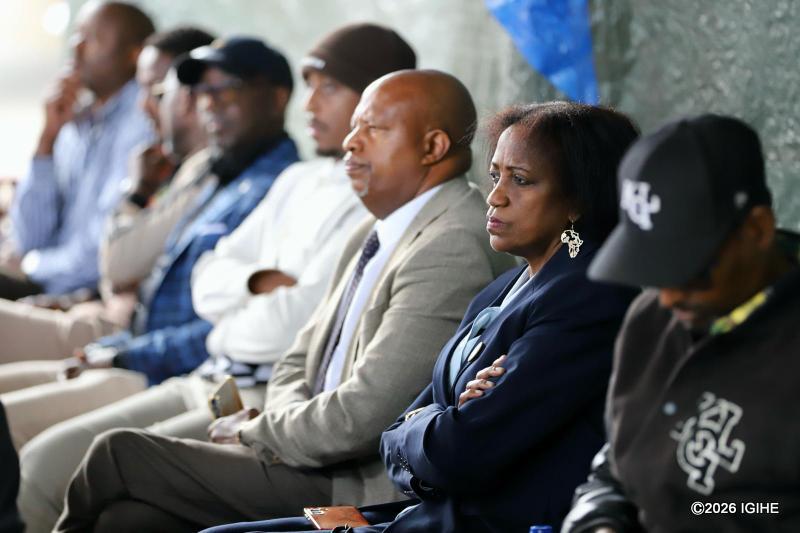
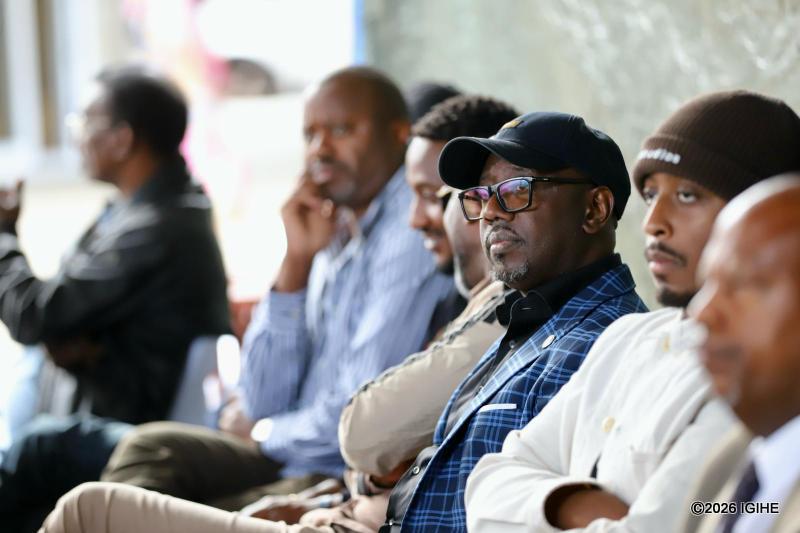
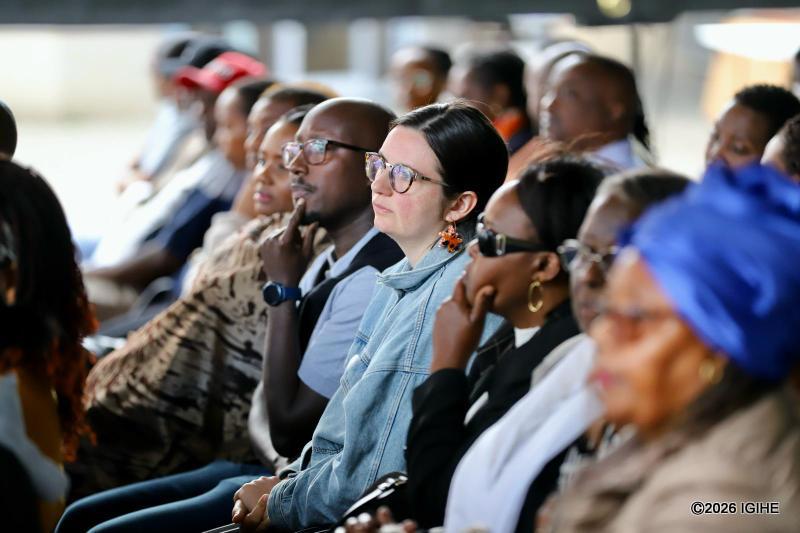
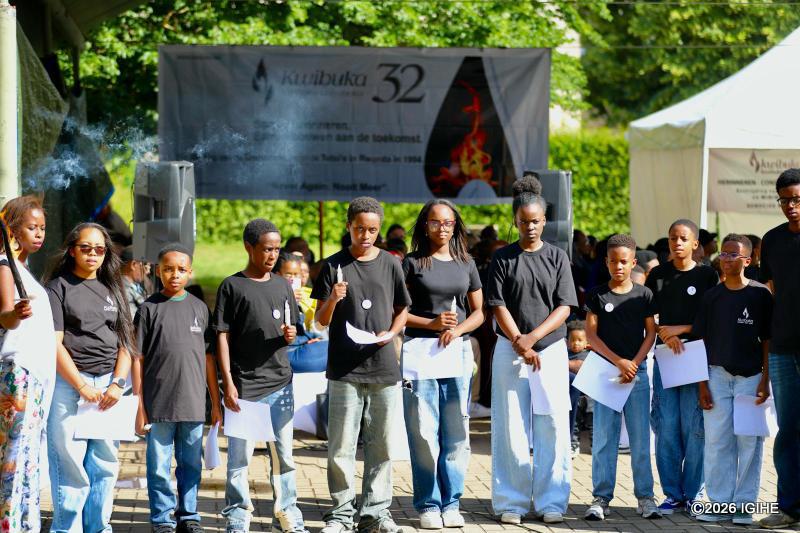
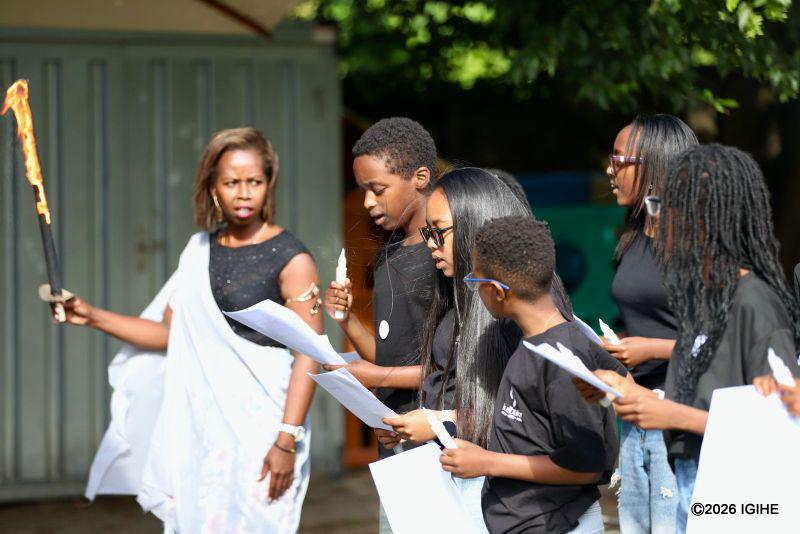
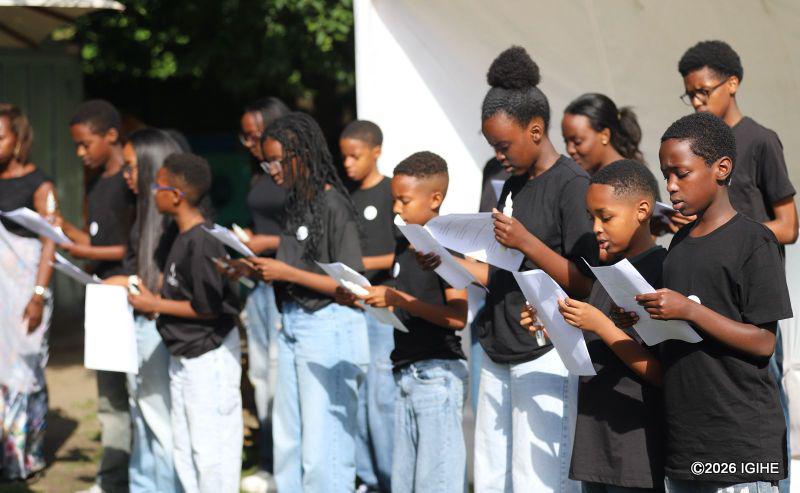
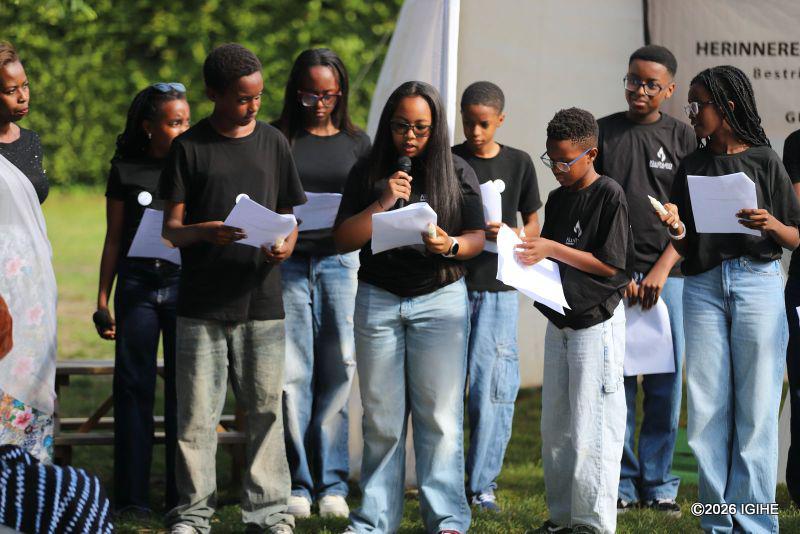
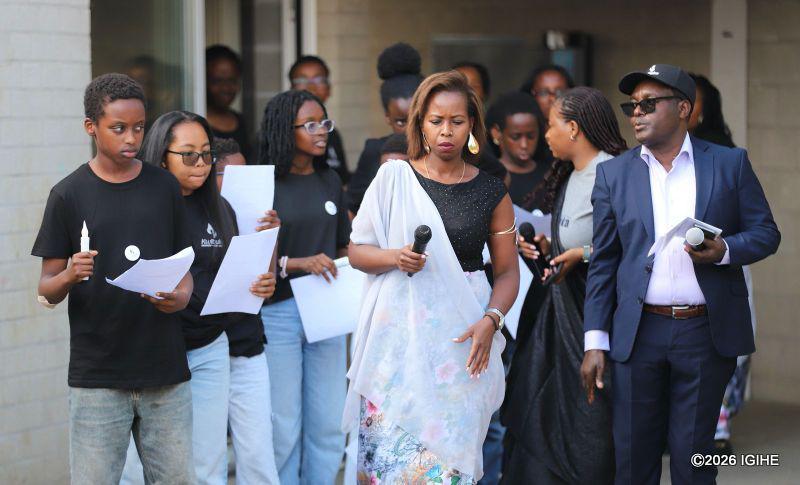
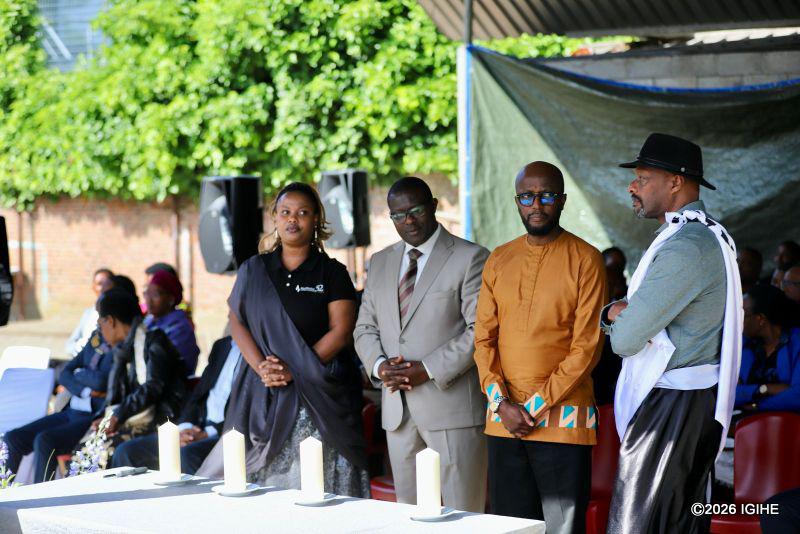
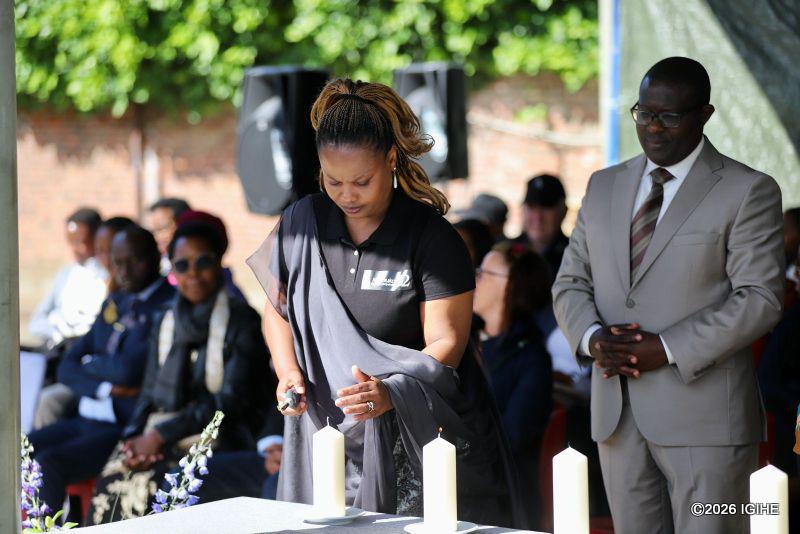
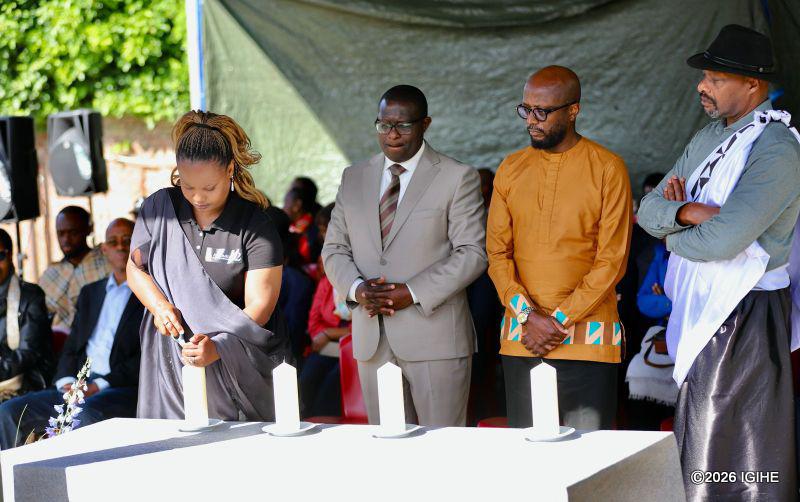
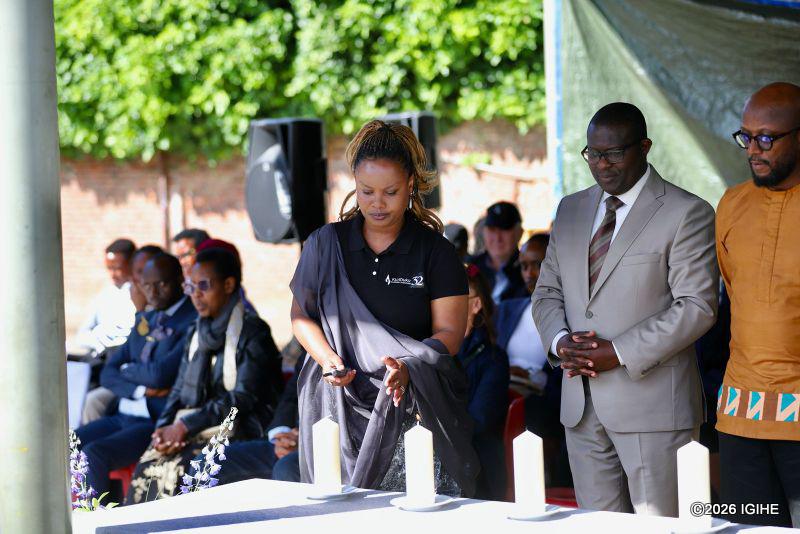
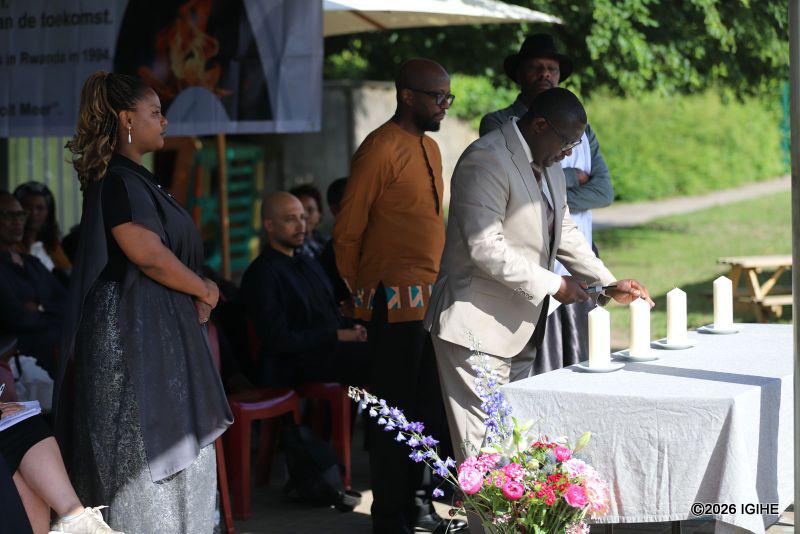
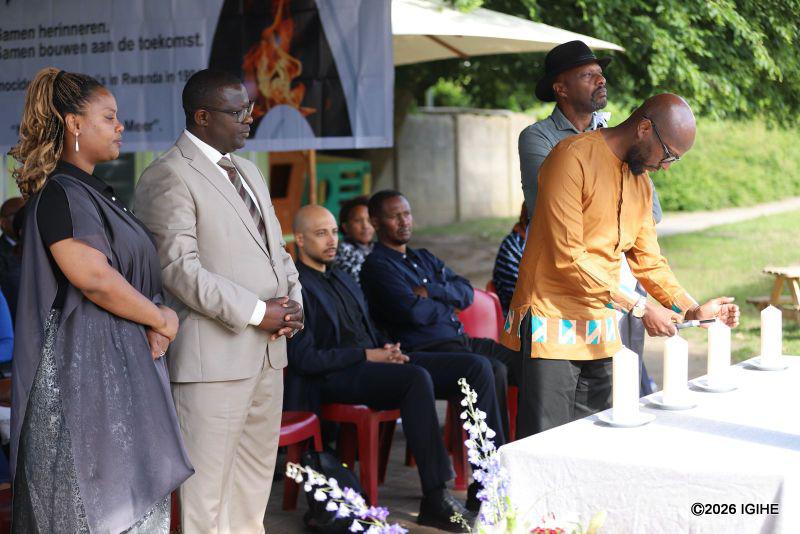
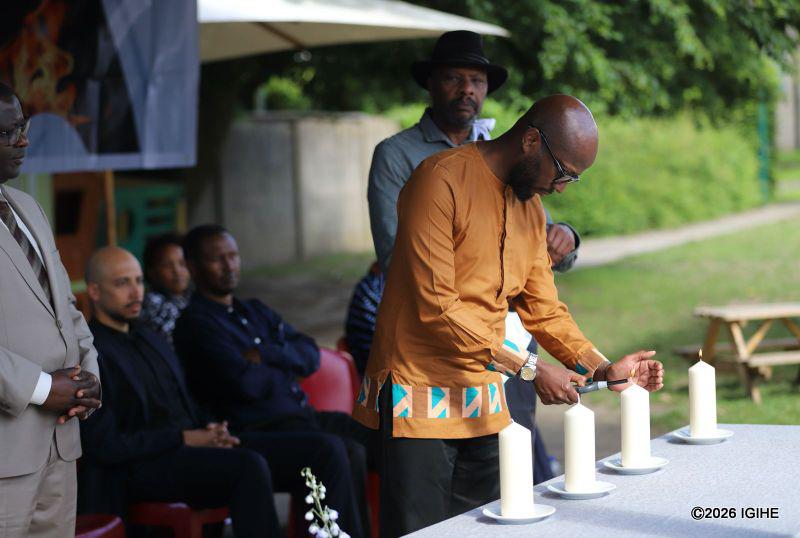
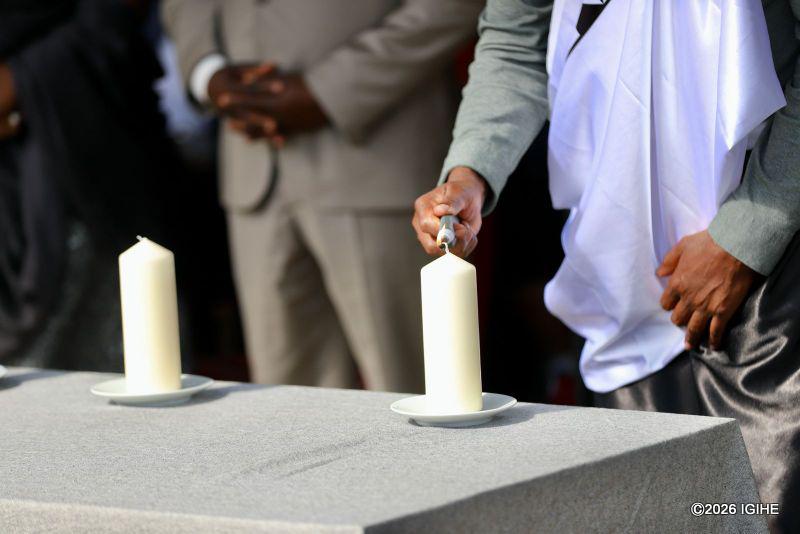
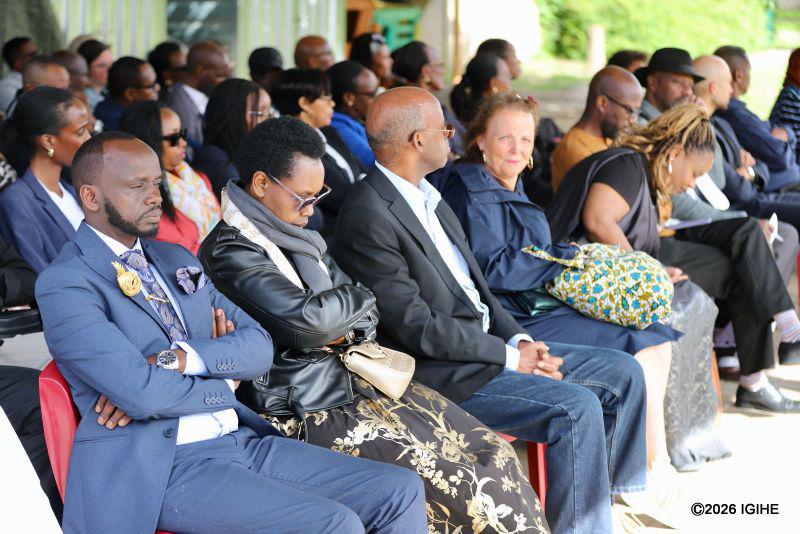
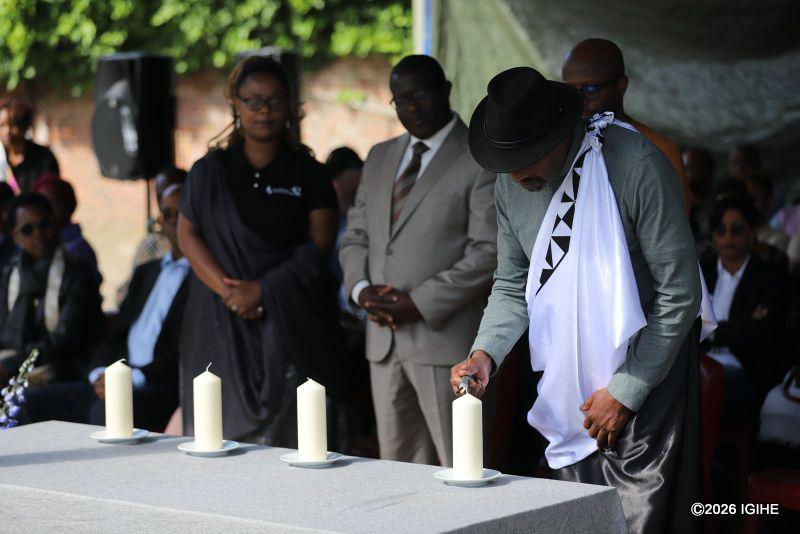
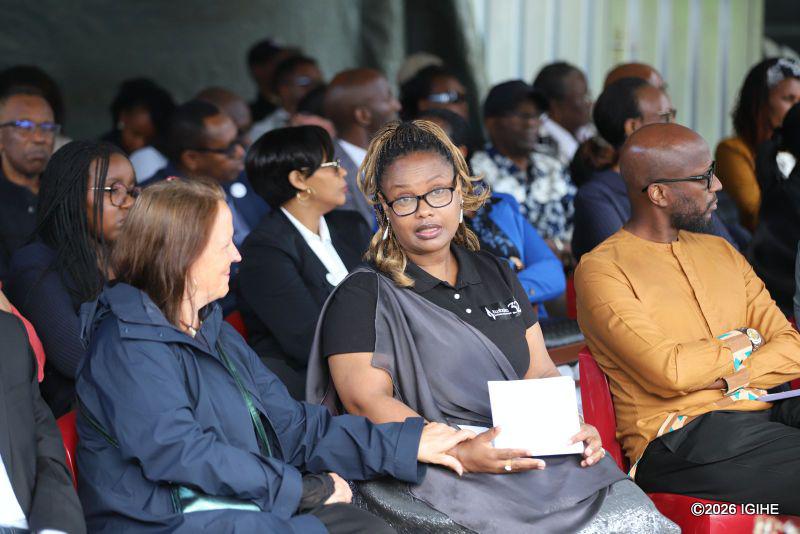
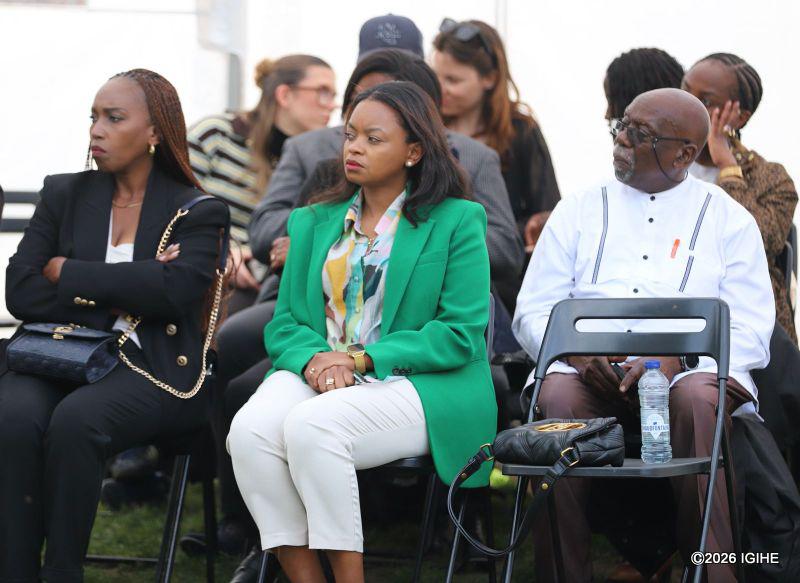
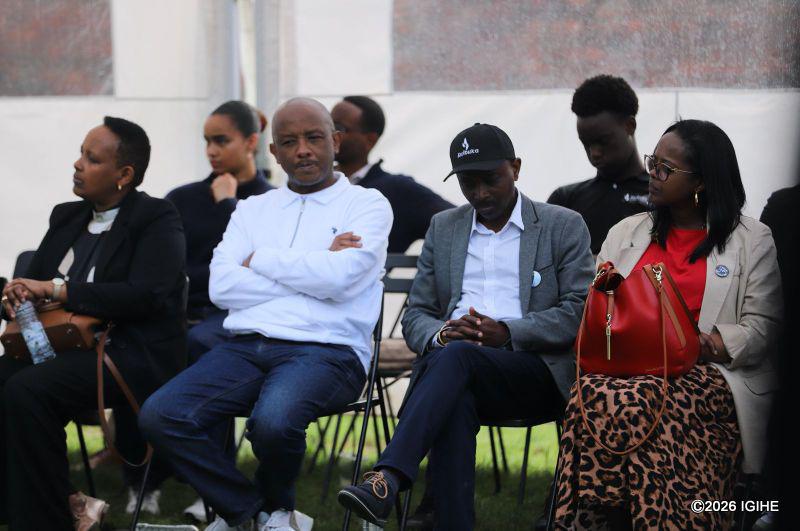
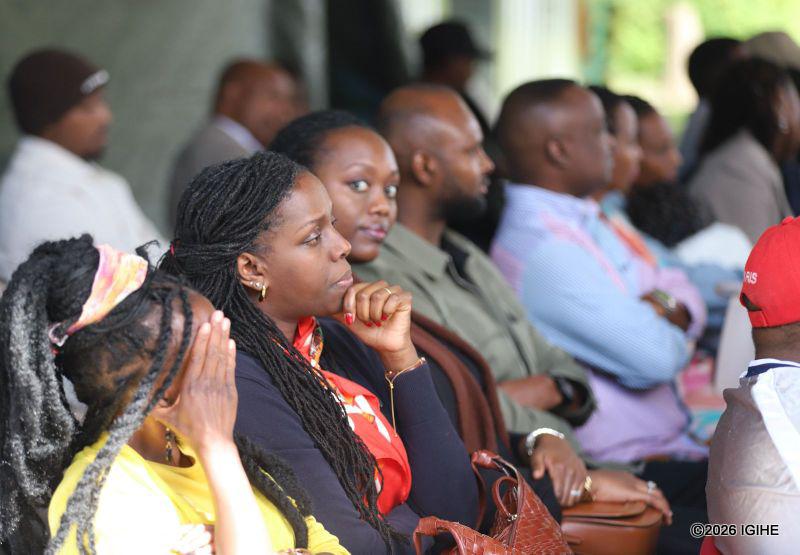
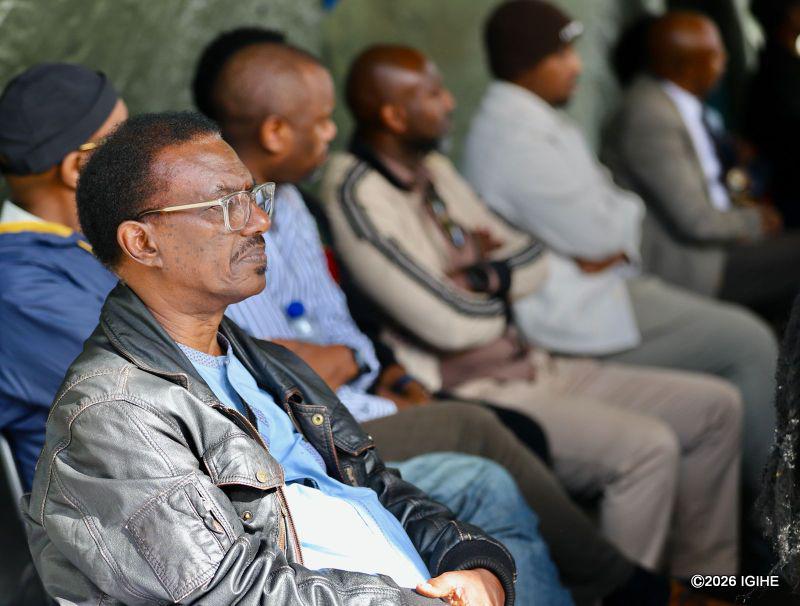
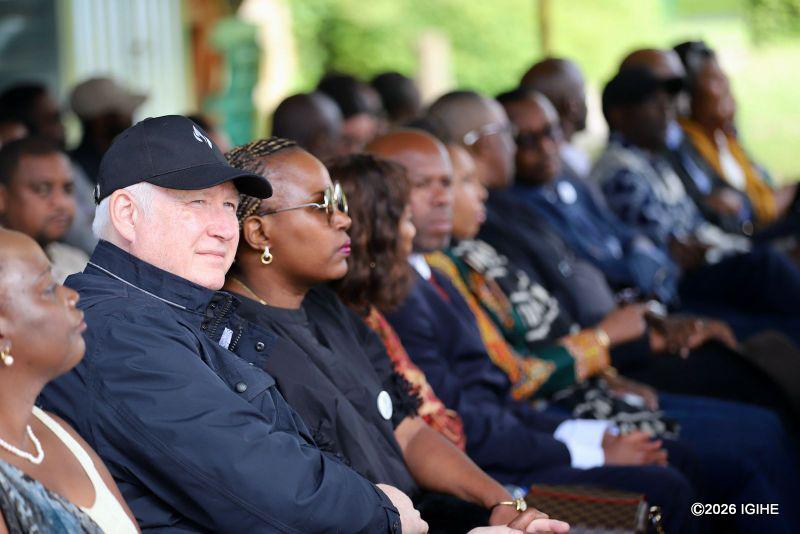
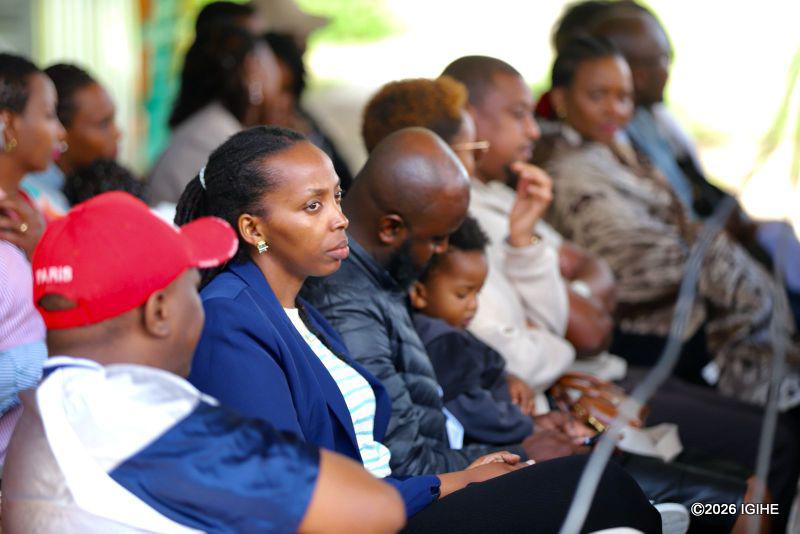
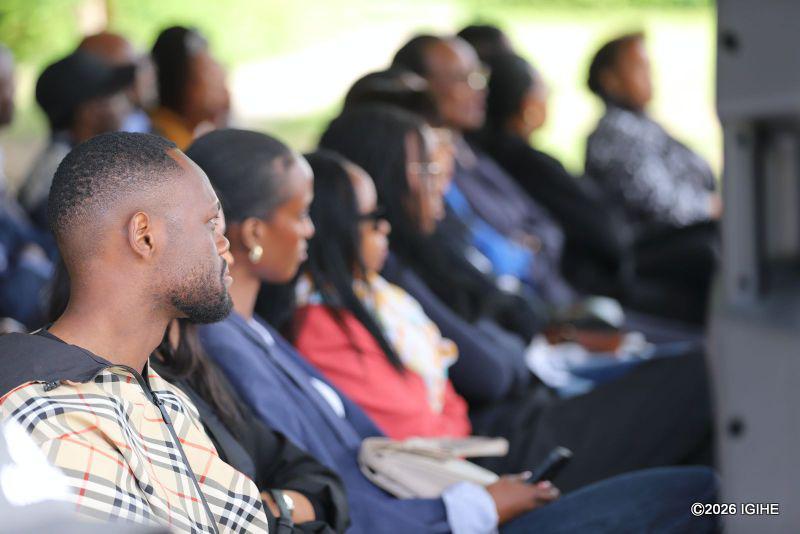
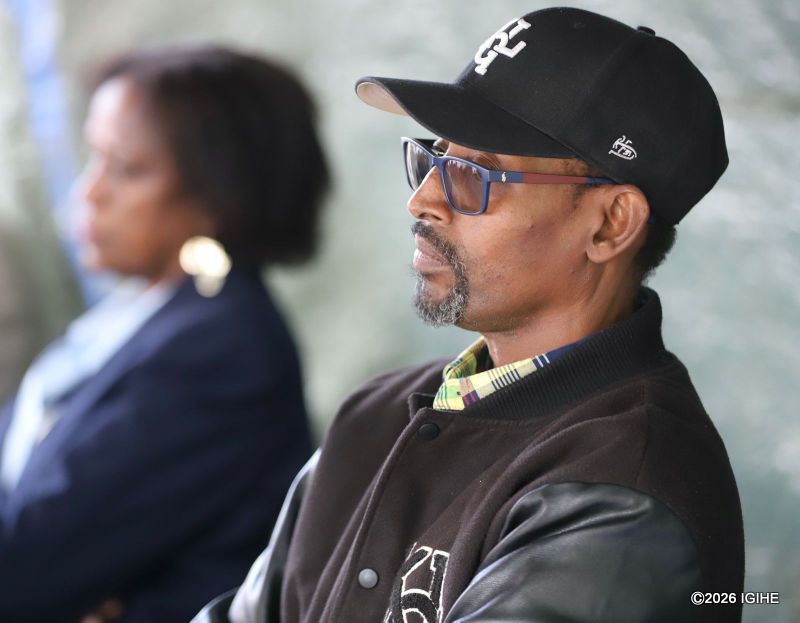
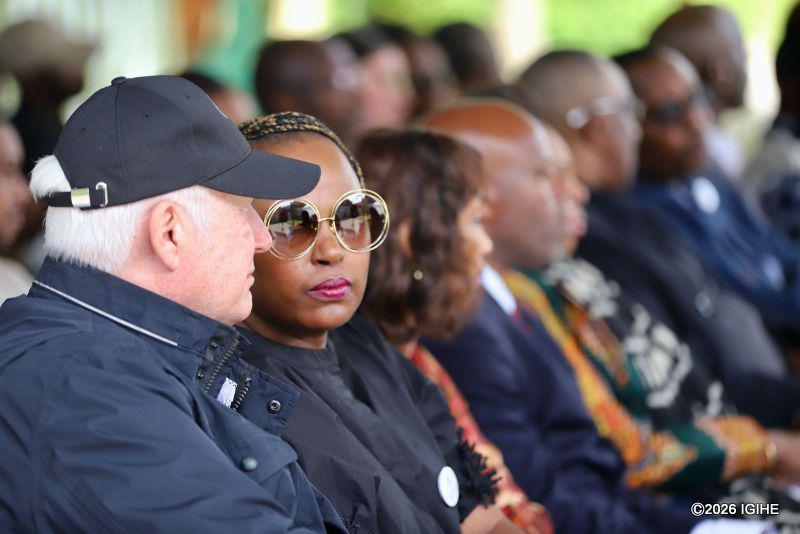
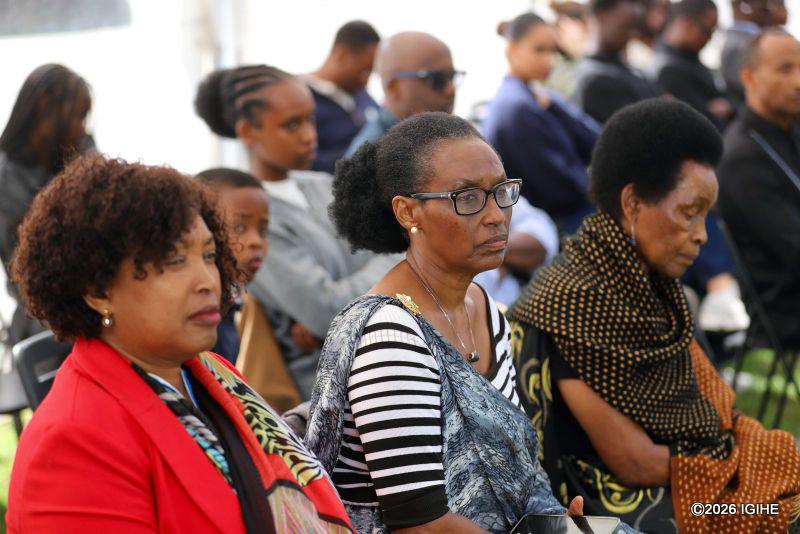
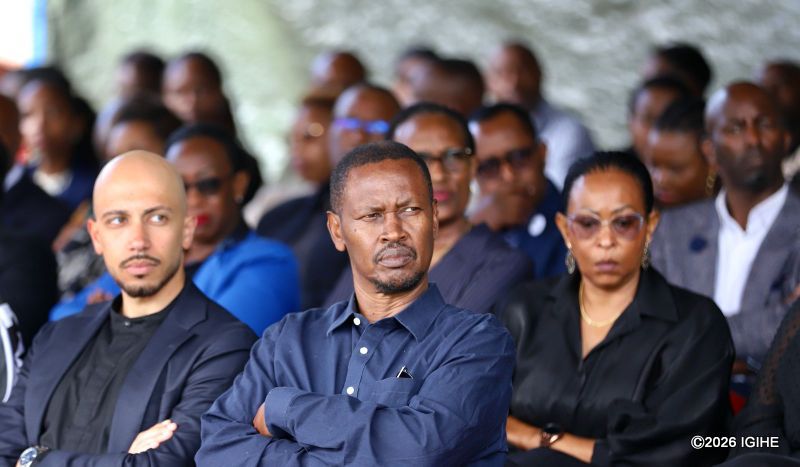
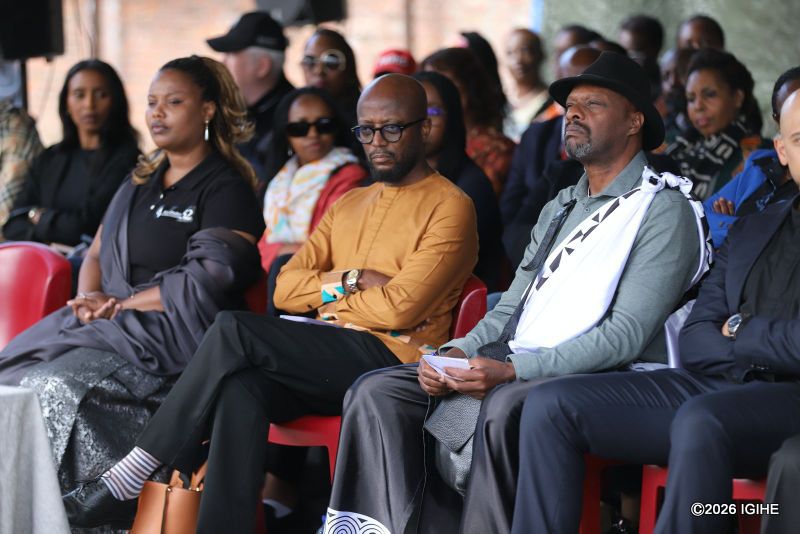
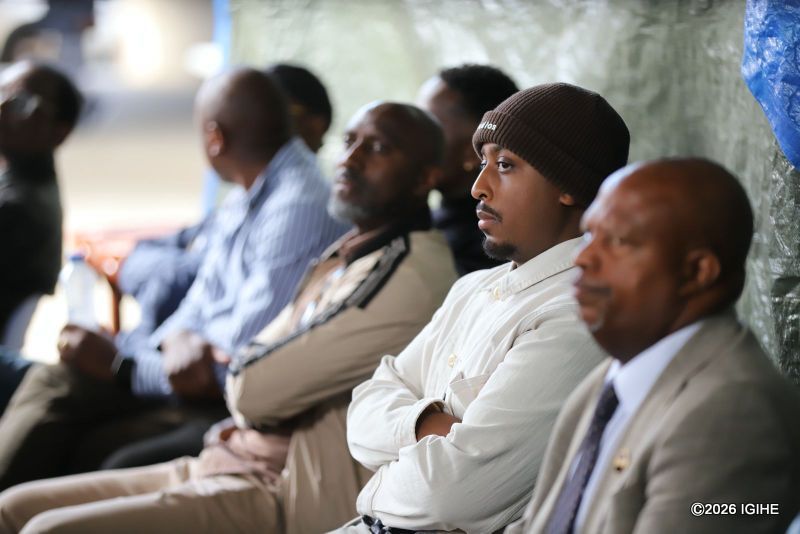
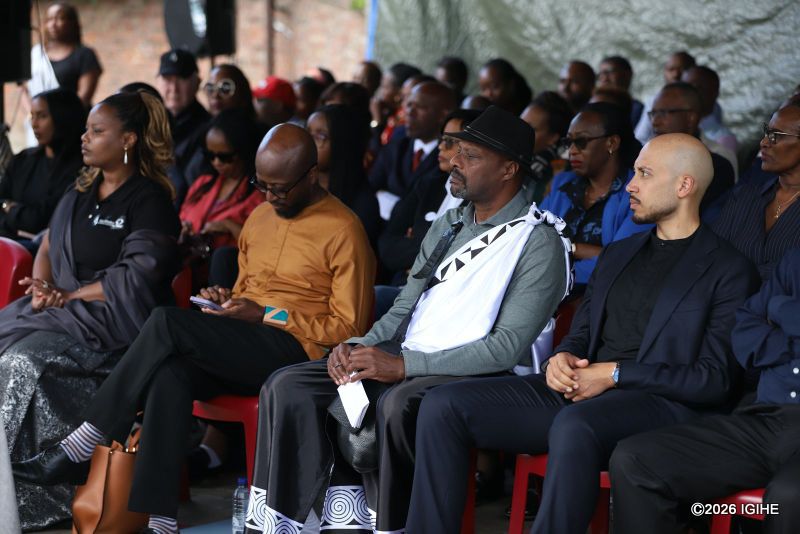
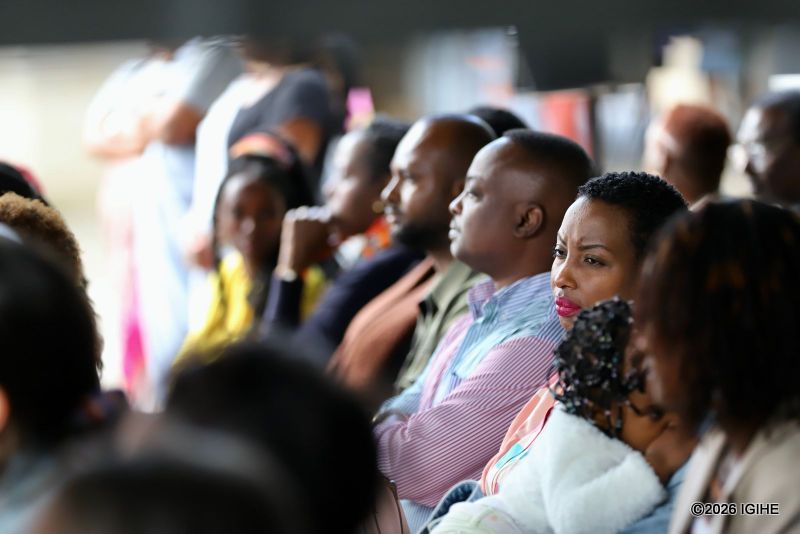
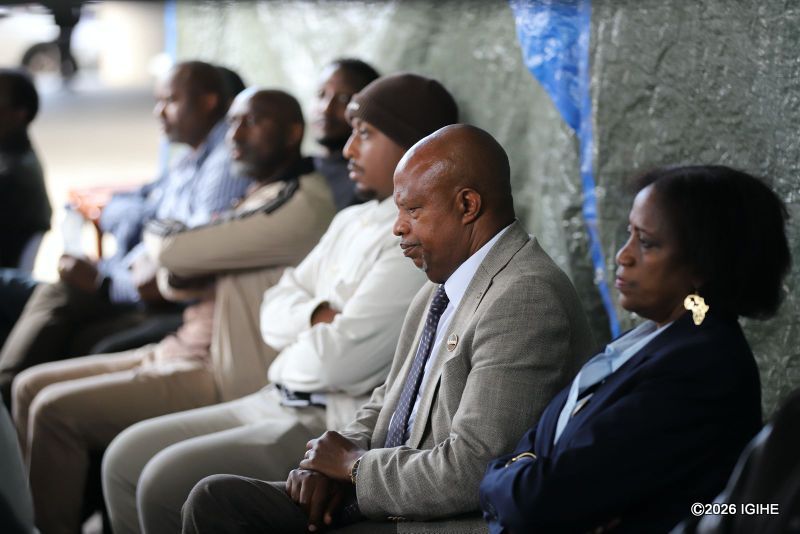
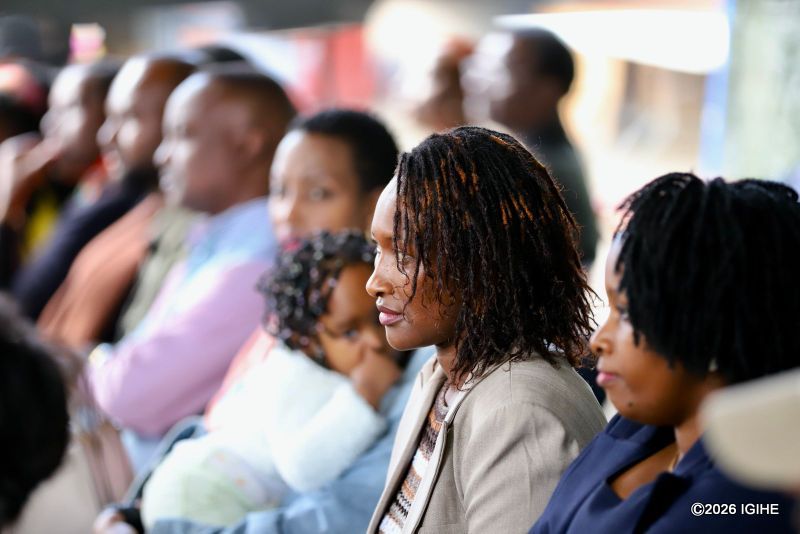
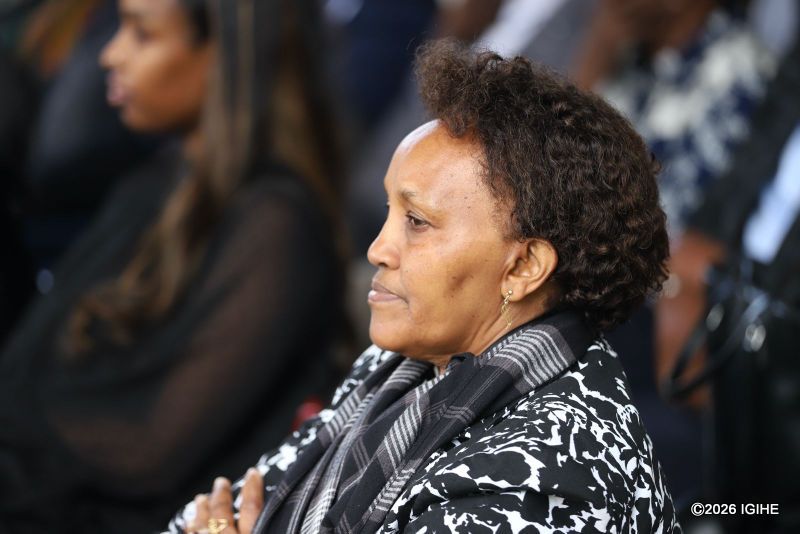
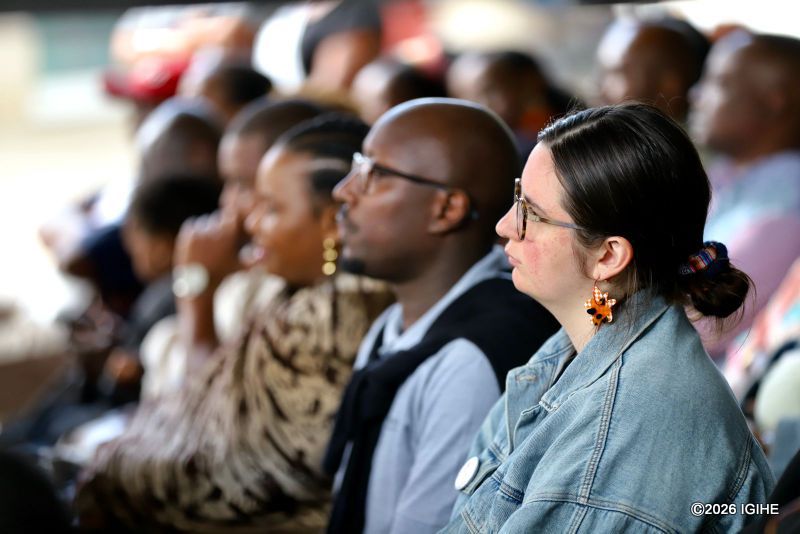
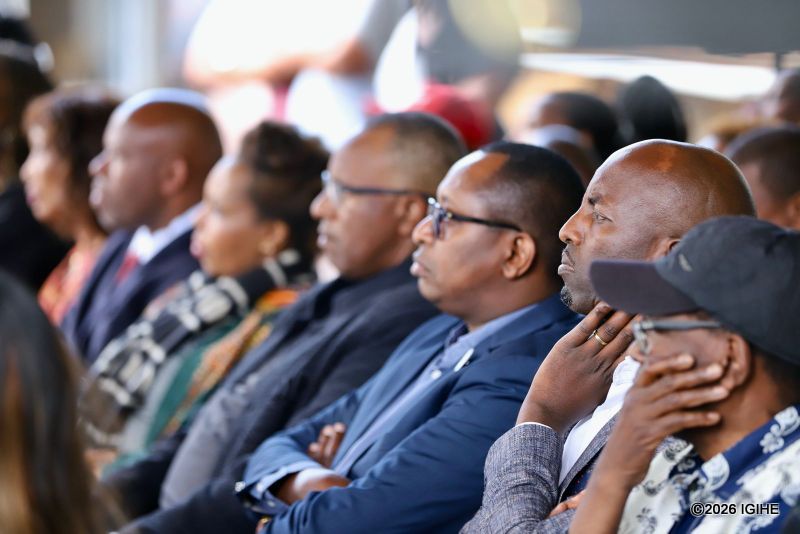
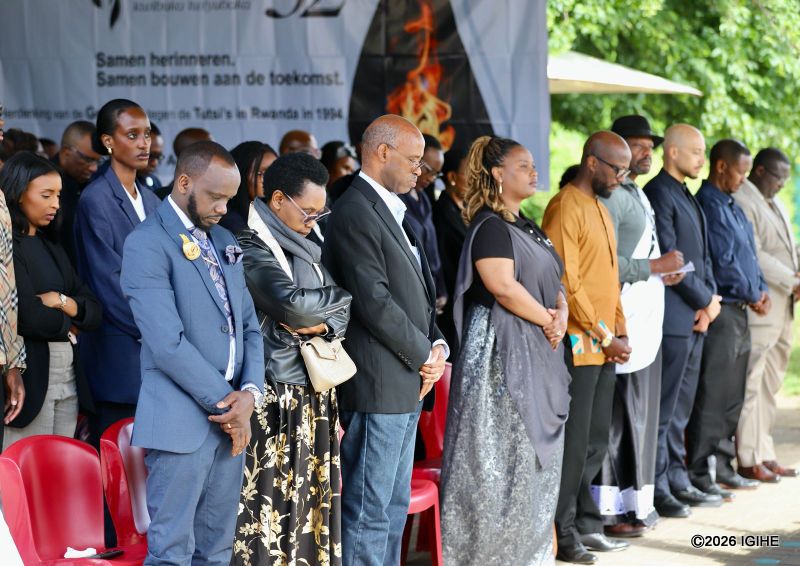
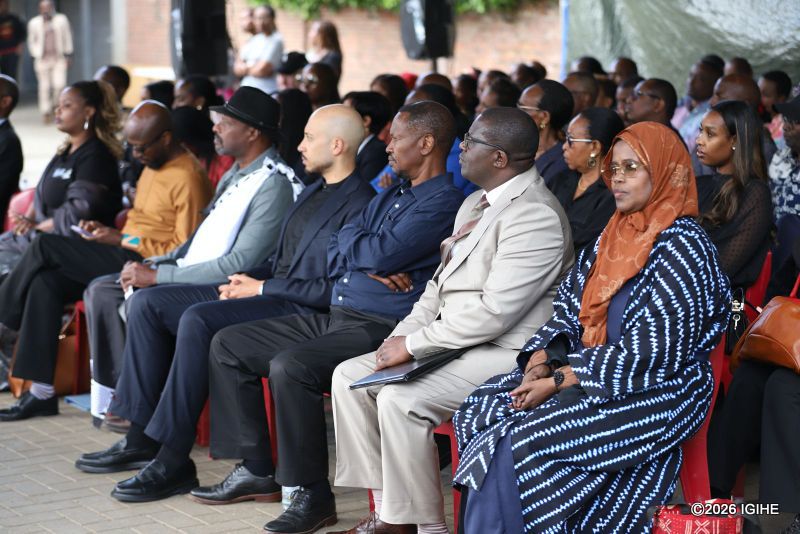
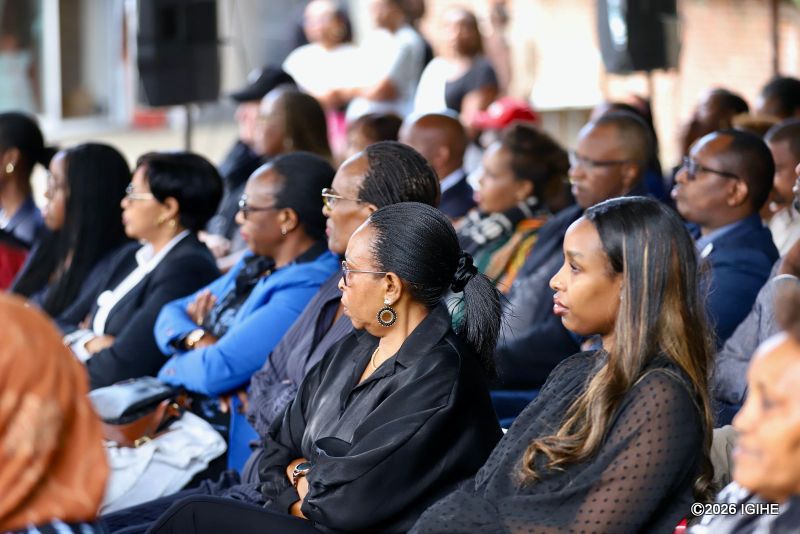
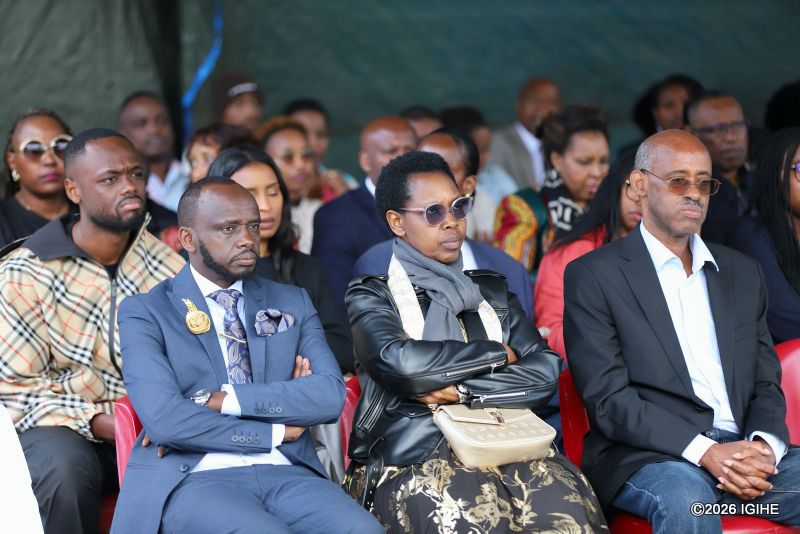
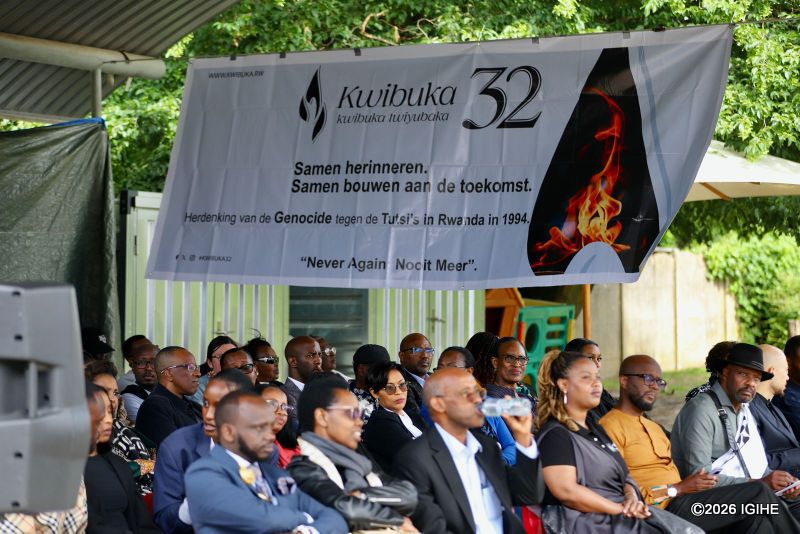
The event brought together many members of the Rwandan community as well as several distinguished guests, including the Ambassador of Rwanda to Luxembourg, Aurore Mimosa Munyangaju.
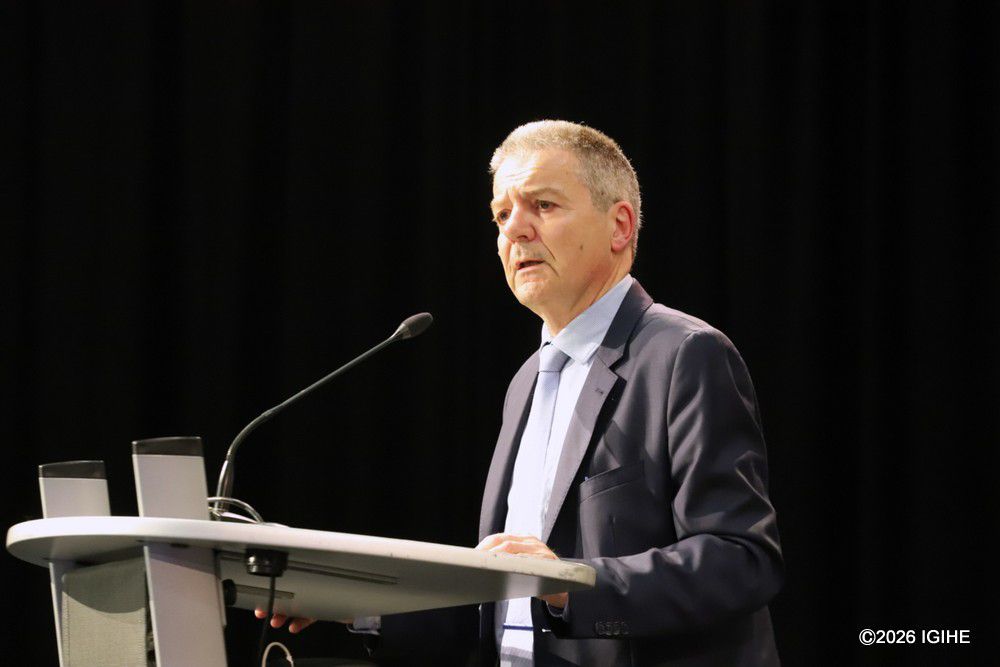
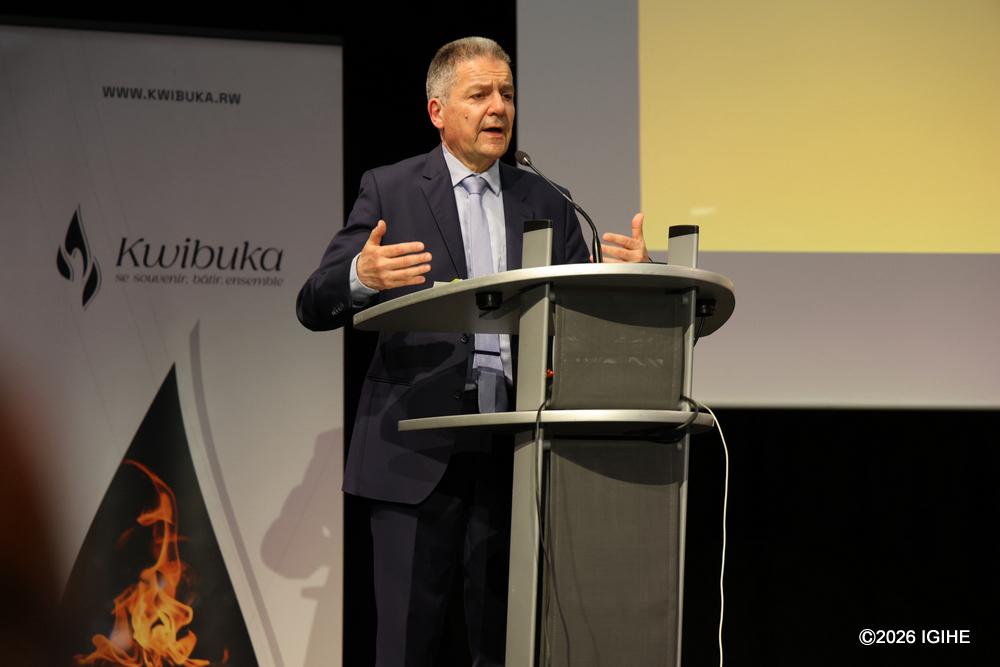
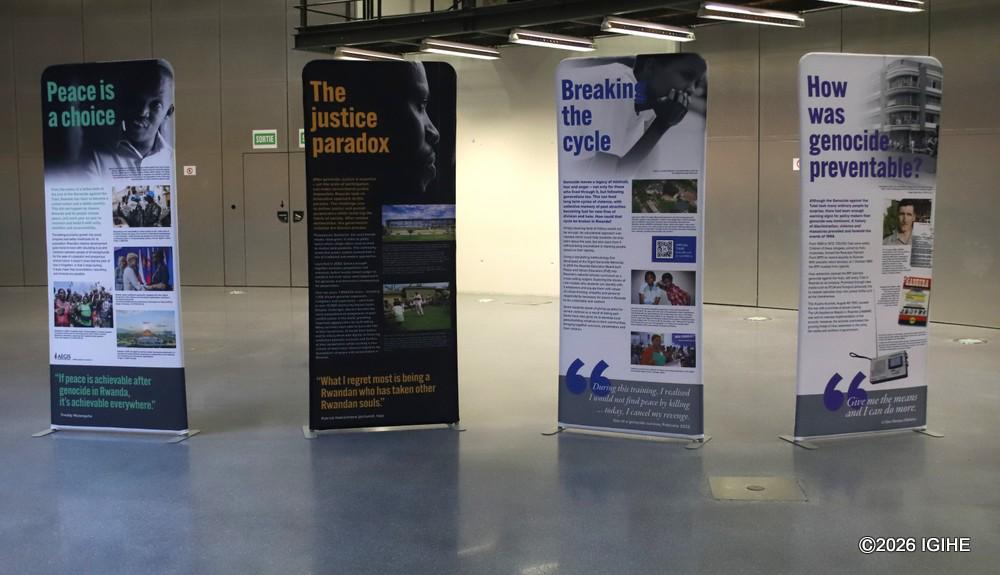
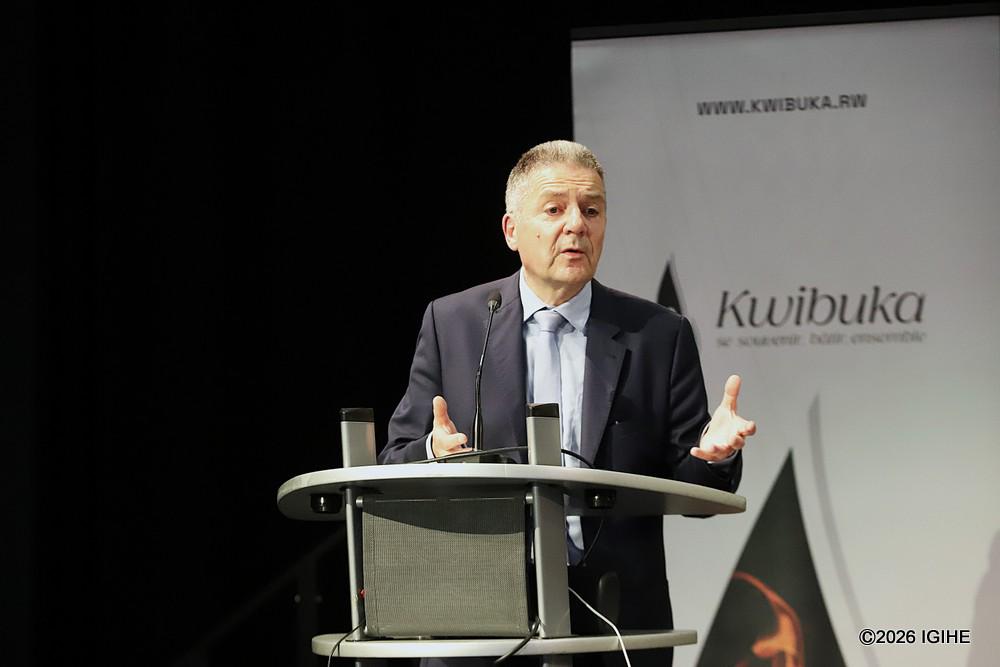
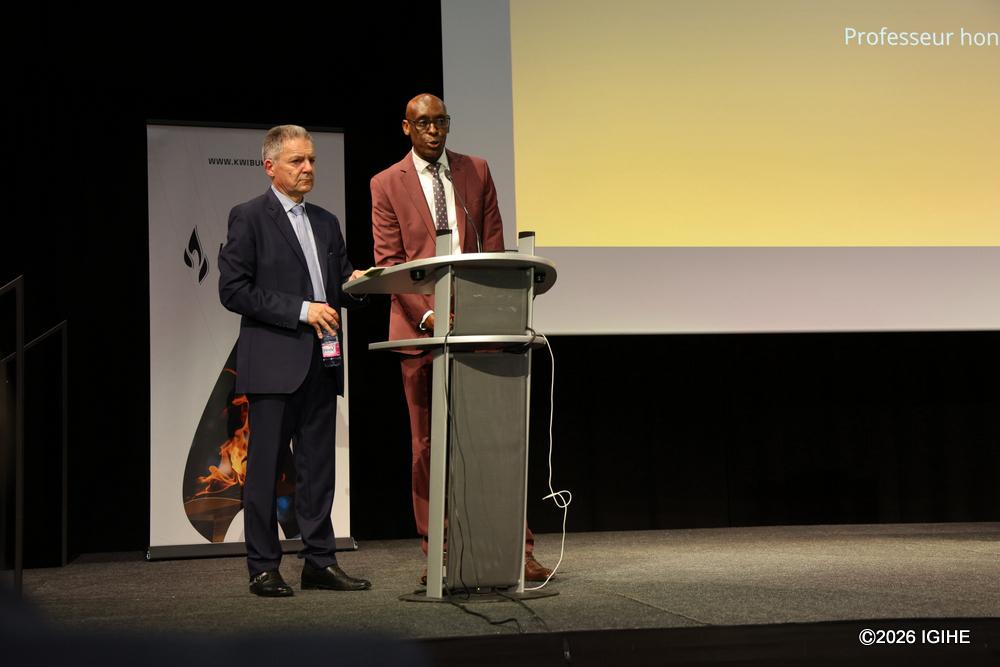
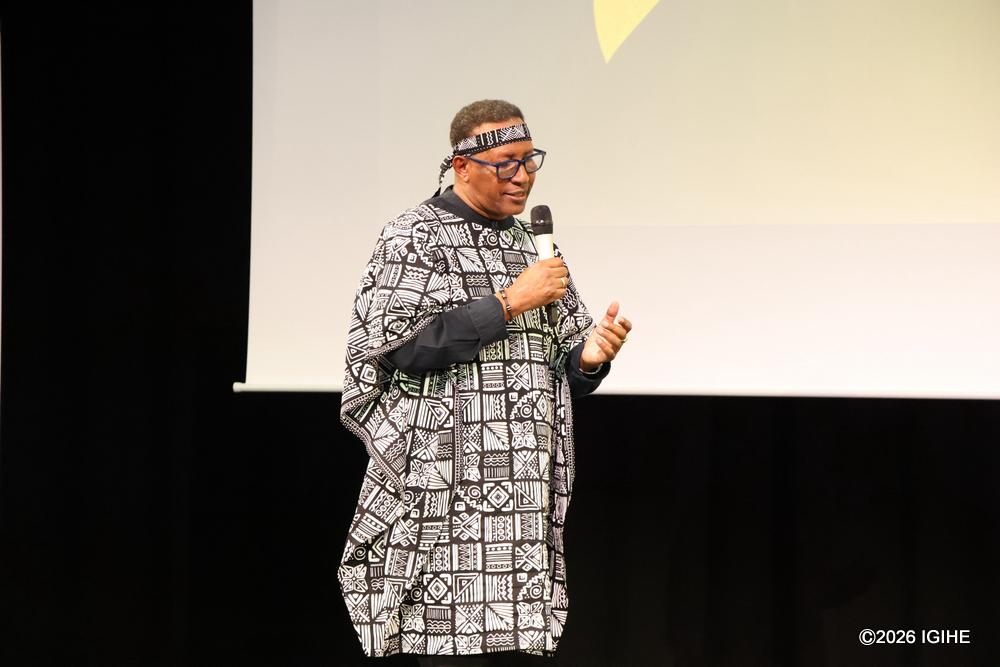
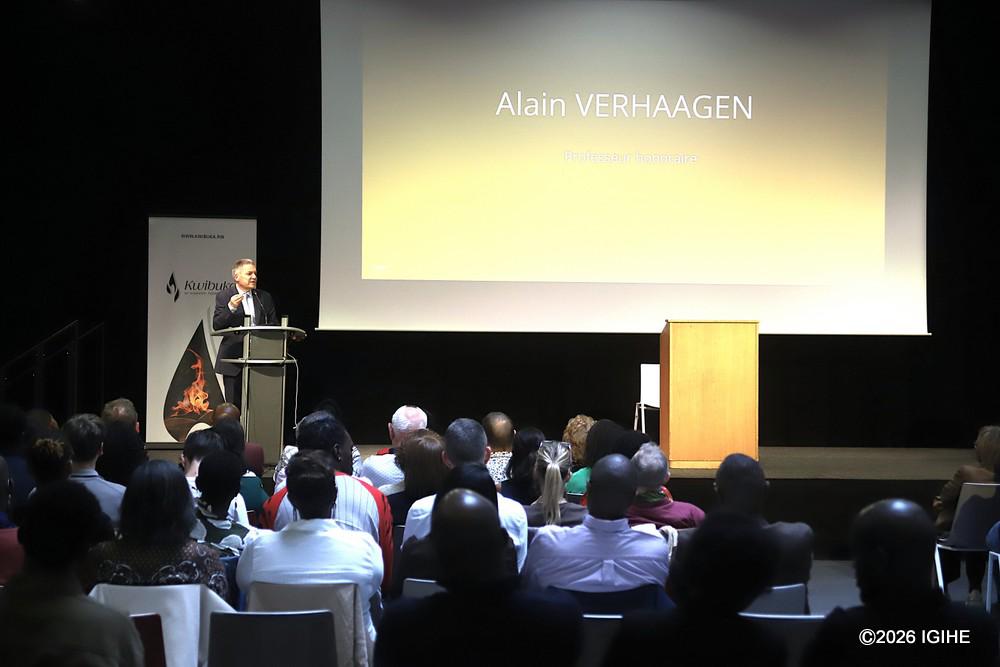
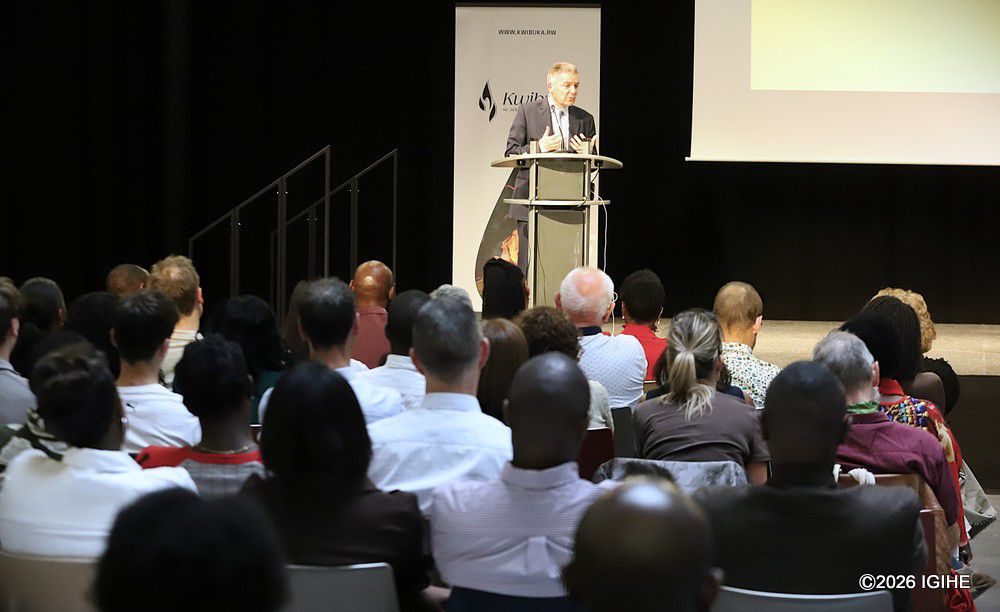
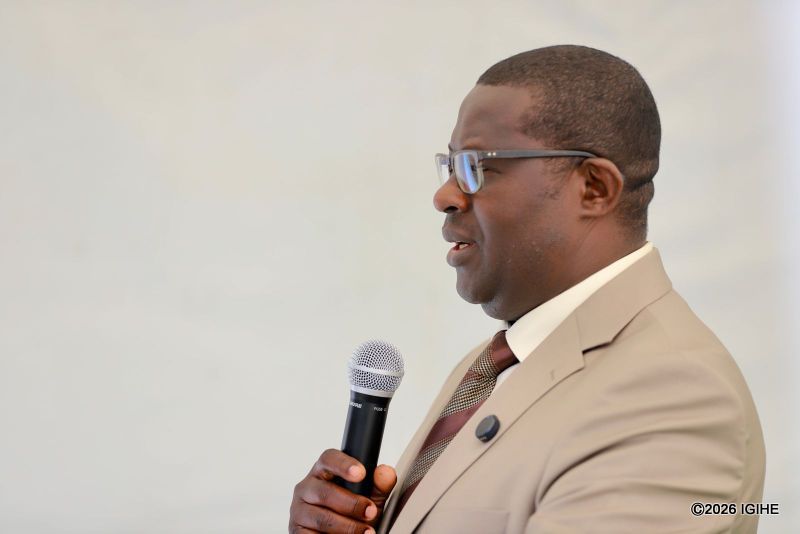
The evening was further enriched by a presentation from Professor Alain Verhaagen, who provided historical insight into the mechanisms that led to the Genocide against the Tutsi in Rwanda and the country’s reconstruction process based on unity, reconciliation, and peace.
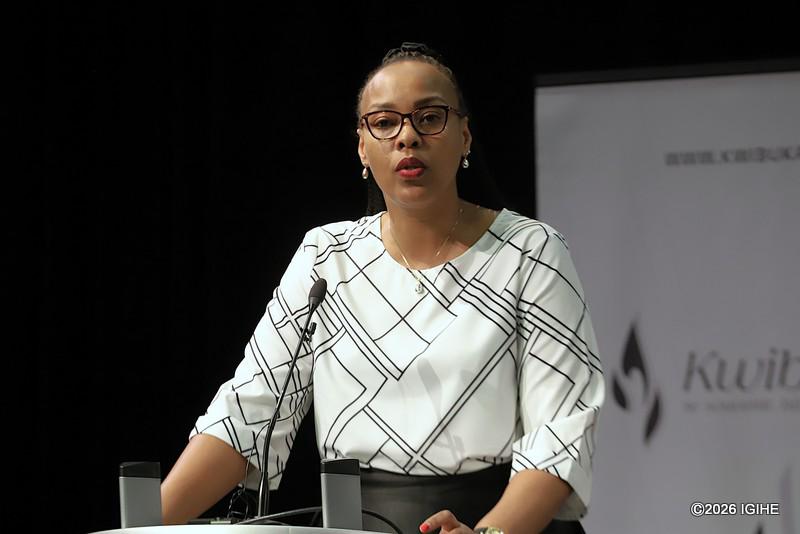
In her remarks, the Ambassador praised the play as a work that goes beyond artistic expression to become a powerful vehicle of memory, conveying essential values such as unity, respect, solidarity, resilience, and dialogue.
She emphasized the fundamental role of culture and the arts in preserving memory and passing this legacy on to younger generations.
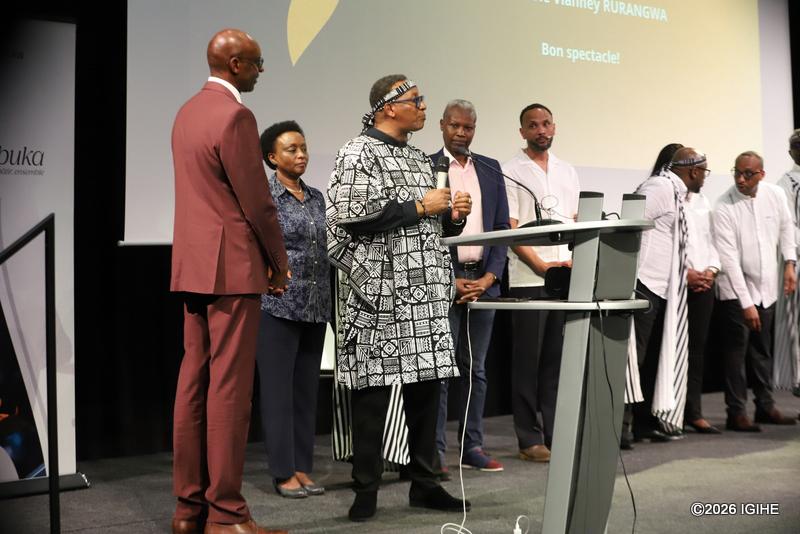
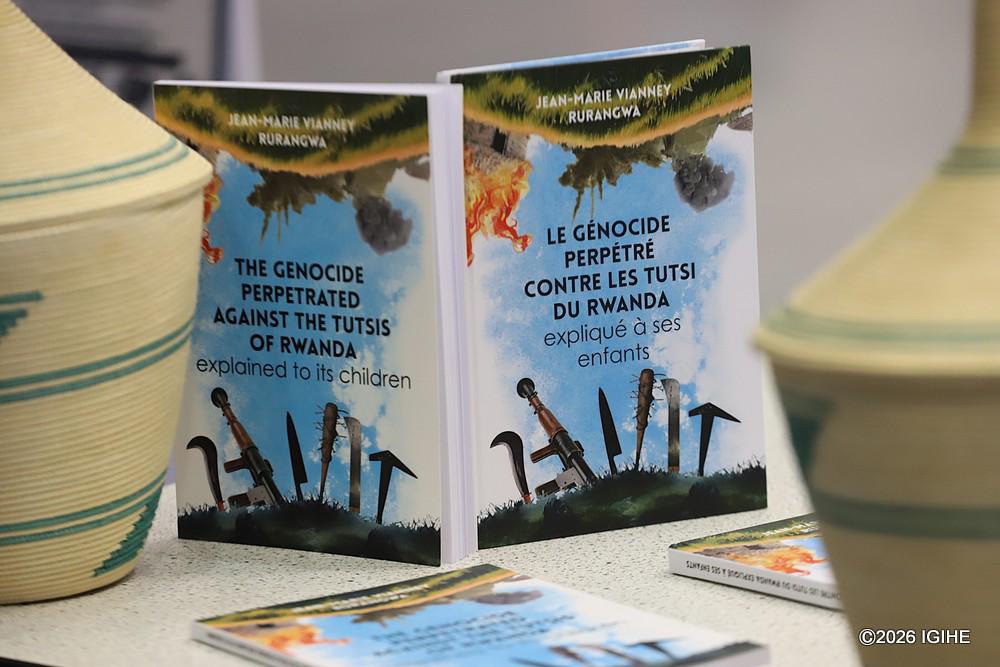
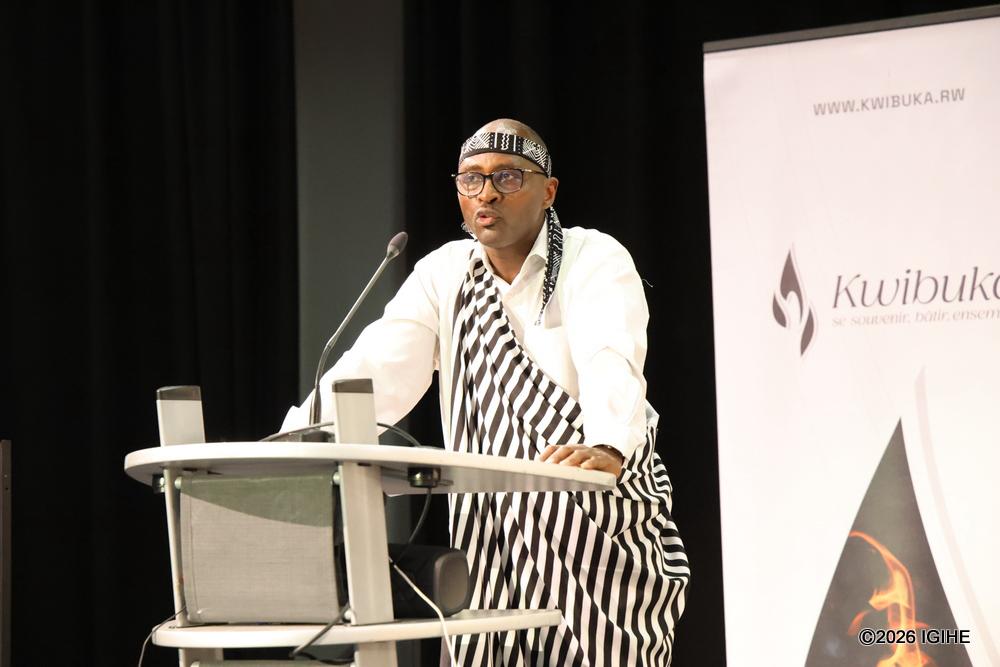
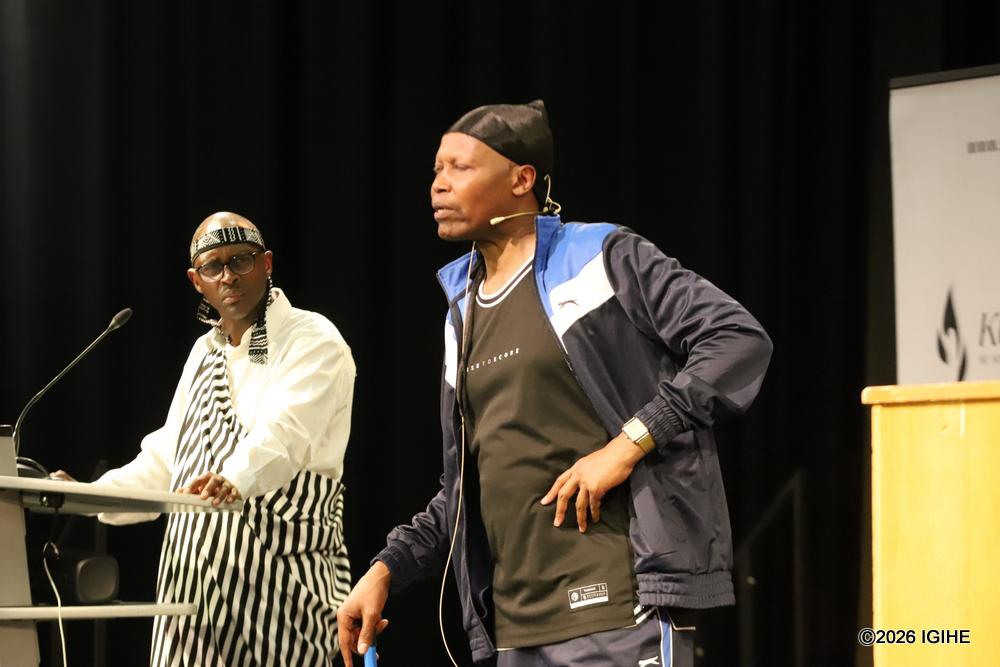
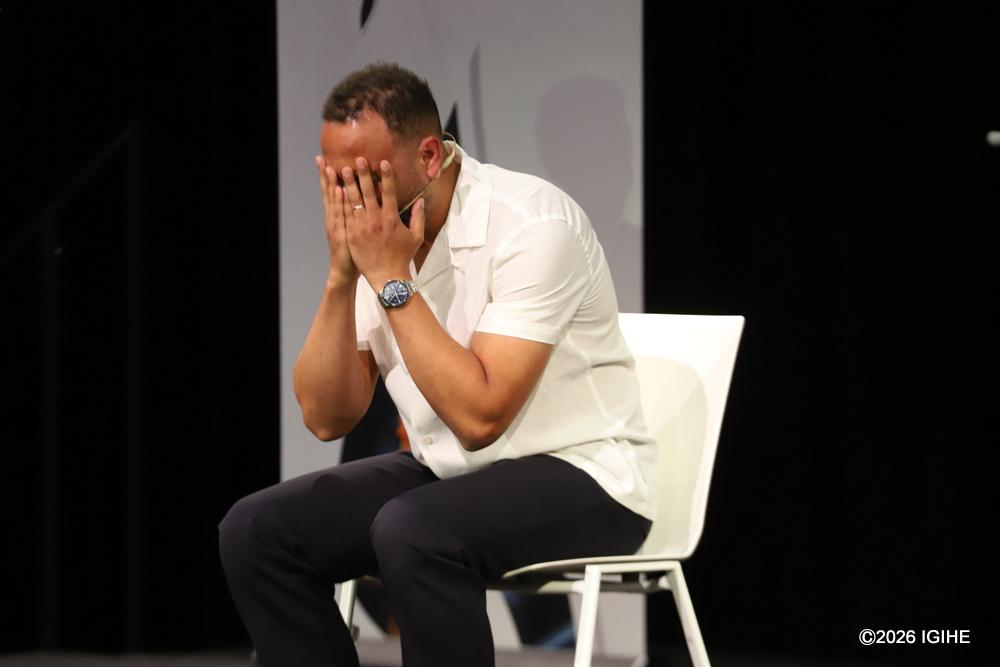
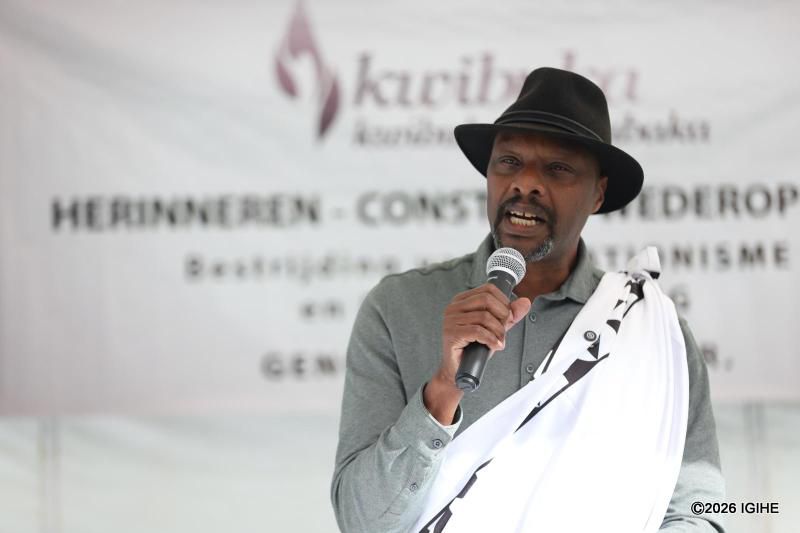
In an interview following the performance, author and director Jean-Marie Vianney Rurangwa expressed his delight at presenting Wipe Away Your Tears and Stand Up in the Grand Duchy of Luxembourg.
Having already brought the play to several countries, including Rwanda, Uganda, Egypt, the United States, Belgium, Poland, Senegal, and Guinea-Conakry, he said he was honored to have been invited by Ibuka Luxembourg in collaboration with the Embassy of Rwanda in the Grand Duchy of Luxembourg.
He extended his sincere gratitude to all the artists, organizers, partners, and everyone who contributed to the success of the performance. He also expressed his deep appreciation to the audience for their presence, attention, and commitment to the duty of remembrance.
According to him, everyone’s contribution helped make the Luxembourg stage of this journey a significant moment of commemoration, transmission, and reflection.
For his part, Kalisa Didace, President of Ibuka Luxembourg, recalled the importance of preserving the memory of the victims and continuing the fight against genocide denial, racism, and all forms of discrimination.
He also noted that this initiative, one of the first organized by the young association founded last March, is fully in line with its mission of transmitting memory to present and future generations.
Through discussions, testimonies, and the power of theatre, the evening reaffirmed the importance of remembrance while conveying a message of hope, human dignity, and collective commitment to peace, mutual understanding, and social cohesion.
It also highlighted the essential role of culture in preserving the memory of the Genocide against the Tutsi and transmitting its lessons to future generations.
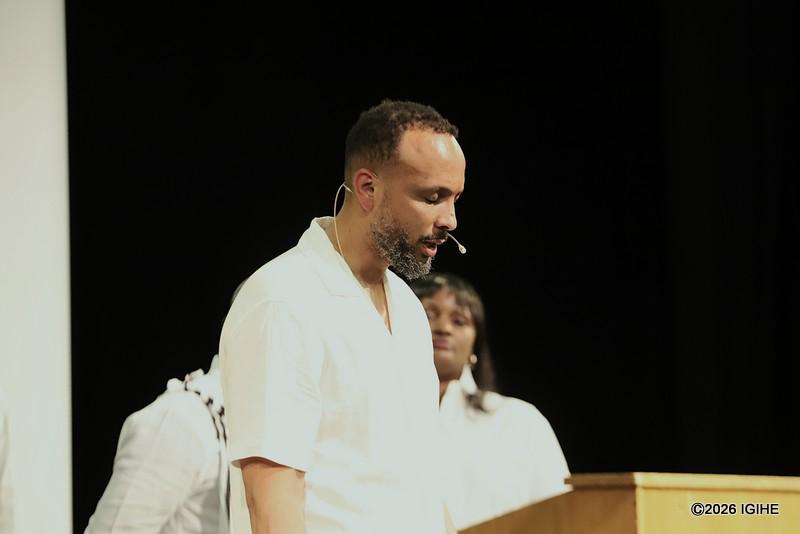
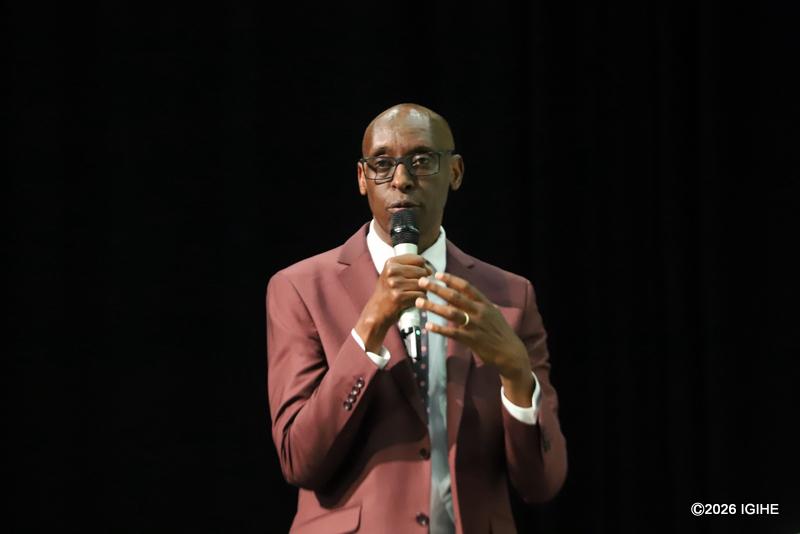
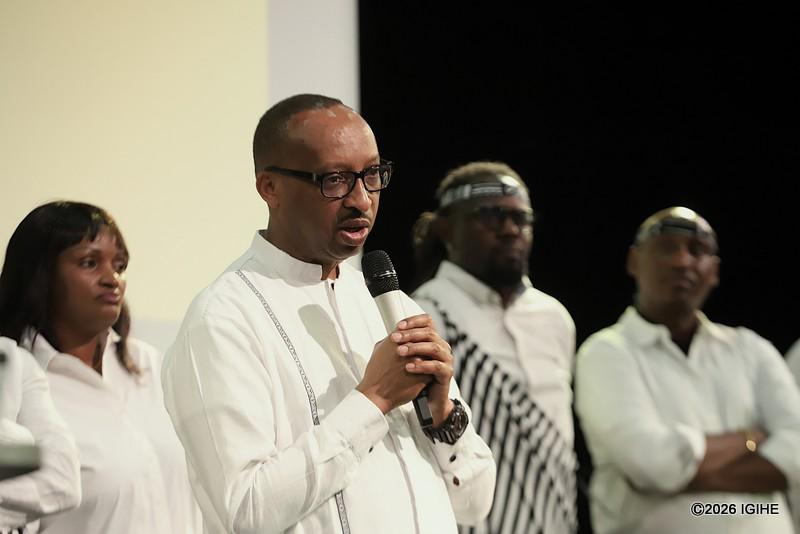
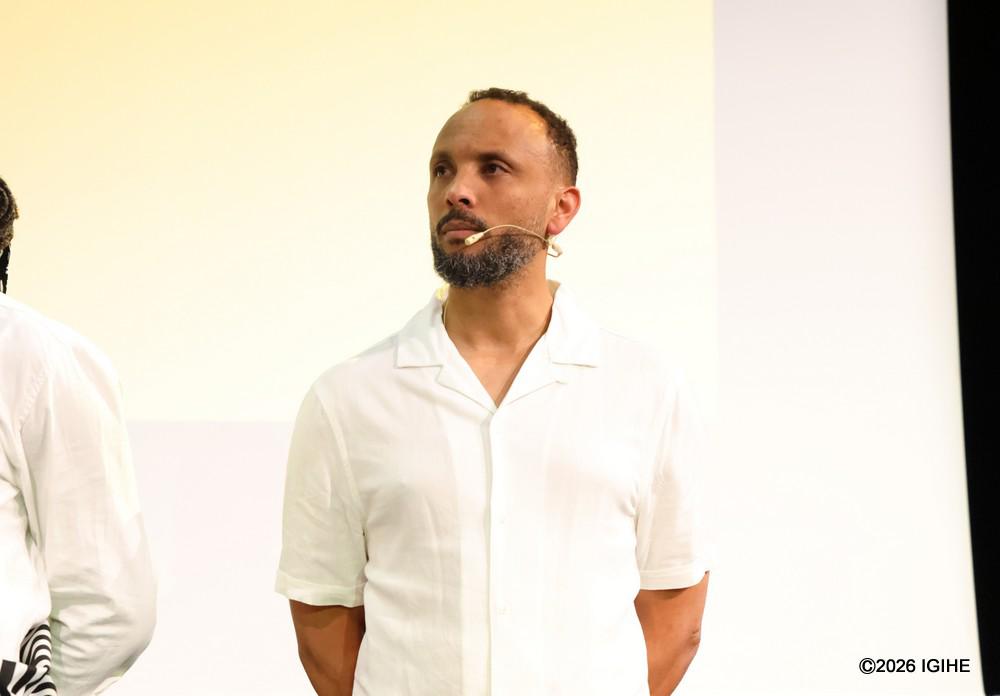
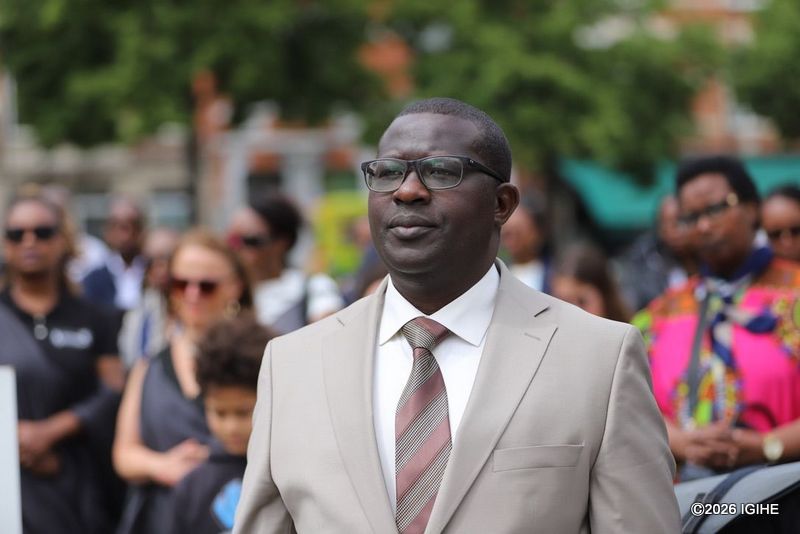
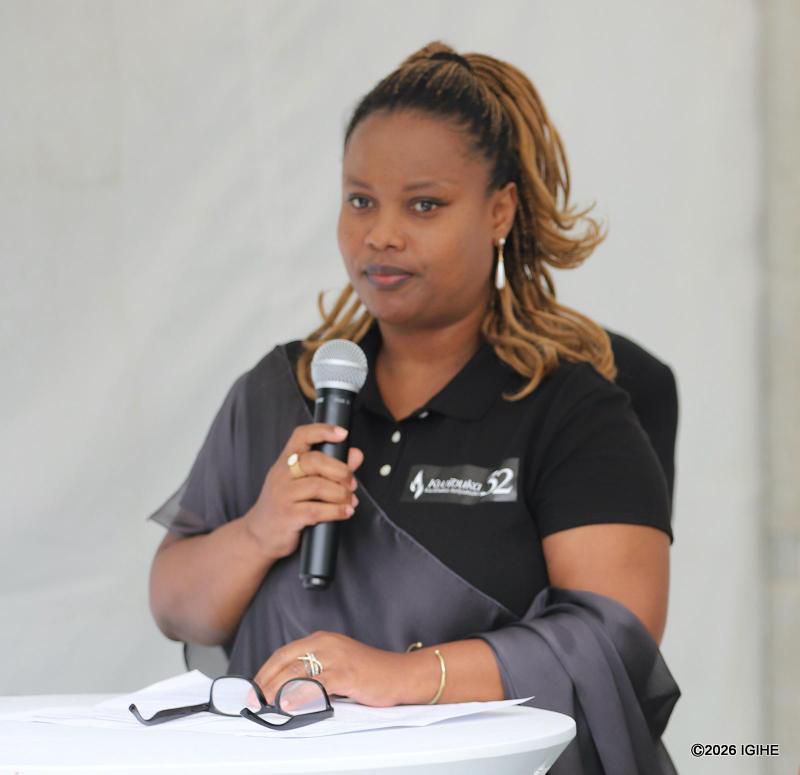
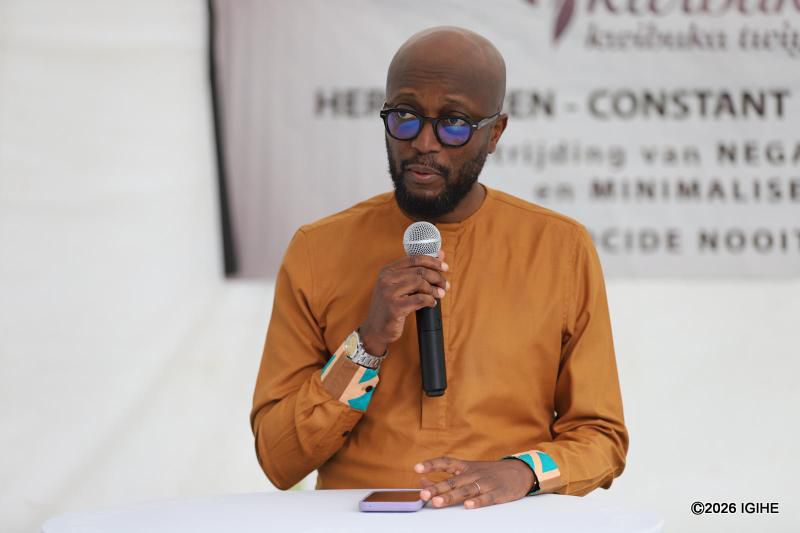
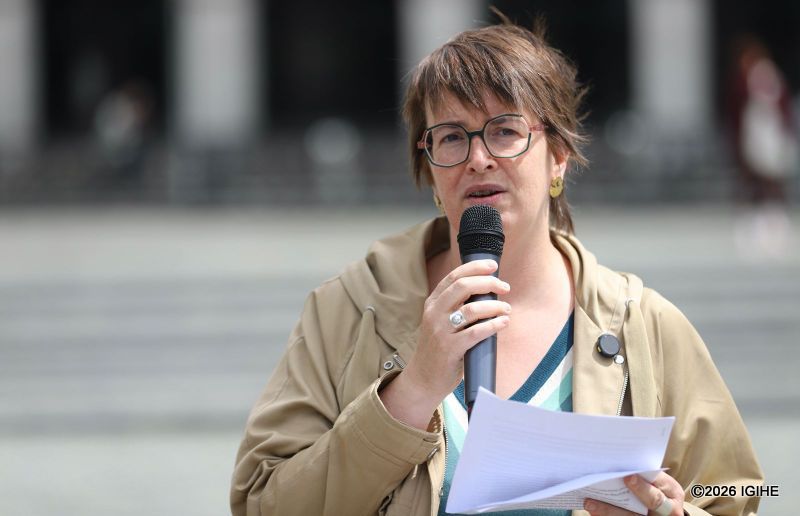
Professor Alain Verhaagen provided historical insight into the mechanisms that led to the Genocide against the Tutsi in Rwanda and the country’s reconstruction process, founded on unity, reconciliation, and peace.Author and director Jean-Marie Vianney Rurangwa expressed his delight at presenting Wipe Away Your Tears and Stand Up in the Grand Duchy of Luxembourg.Martin Janssens is also a member of the cast of this theatrical production.Amb. Aurore Mimosa Munyangaju praised the play as a work that transcends artistic expression to become a powerful vehicle of remembrance, conveying essential values such as unity, respect, solidarity, resilience, and dialogue. Kalisa Didace, President of Ibuka Luxembourg, recalled the importance of preserving the memory of the victims and continuing the fight against genocide denial, racism, and all forms of discrimination.Lawyer André Karongozi, a member of the cast of this theatrical production.Author and director Jean-Marie Vianney Rurangwa expressed his delight at presenting Wipe Away Your Tears and Stand Up in the Grand Duchy of Luxembourg.Professor Alain Verhaagen provided historical insight into the mechanisms that led to the Genocide against the Tutsi in Rwanda and the country’s reconstruction process, founded on unity, reconciliation, and peace.
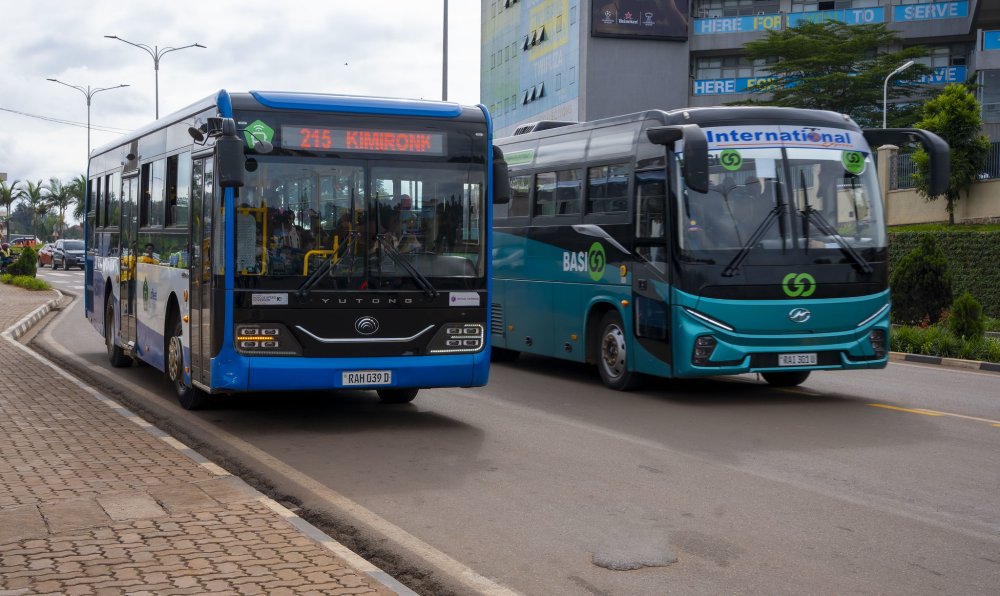
The announcement was made by the Minister of State for Infrastructure, Ambassador Jean de Dieu Uwihanganye, after the price of diesel rose by Rwf722 per litre, from Rwf2,205 to Rwf2,927, largely due to rising international fuel prices.
Diesel price hikes typically lead to higher transport costs, as most buses and public transport vehicles operating in Rwanda run on diesel.
However, Uwihanganye assured commuters that transport fares would remain unchanged.
“Public transport buses will continue purchasing diesel at the previous price because the Government will provide a subsidy. We have worked with fuel station operators and transport companies to make this possible. The objective is to ensure that the benefit reaches ordinary citizens,” he said during an interview with RadioTV1.
He added that transport fares would remain stable across the country, including in Kigali and the provinces, because the main factor that would ordinarily drive fare increases has been addressed.
“The cost of transport will not increase anywhere in the country, whether in Kigali or upcountry,” he said. Uwihanganye also noted that businesses are being encouraged to adapt to the changing fuel market and consider investing in electric vehicles as part of long-term efforts to reduce dependence on fossil fuels.
Claudien Habimana, Chief Executive Officer of Société Pétrolière (SP), one of Rwanda’s leading petroleum importers and distributors, confirmed to IGIHE that fuel companies had been informed about the subsidy plan, although it has not yet been implemented as authorities finalize operational details.
“The Rwanda Utilities Regulatory Authority [RURA] is still holding discussions with bus operators. Once they reach an agreement, we will receive guidance on how the system will work,” Habimana said.
“For now, public transport operators are paying the market price because we have not yet received official instructions. The discussions are ongoing, and we expect the framework to be finalized within the next few days.”
According to Habimana, RURA is preparing regulations that will determine how the diesel subsidy for public transport operators will be administered.
He explained that several options can be considered. Under one model, fuel stations could sell diesel to bus operators at the subsidized rate of Rwf2,205 per litre and later claim reimbursement from the Government. Another option would require transport companies to pay the full market price and then seek reimbursement through the subsidy scheme.
“If the proposal is approved, we could receive payment after deducting the subsidy and then recover the difference from the Government. Alternatively, bus operators could pay the full amount and later apply for reimbursement. Discussions are still ongoing regarding the most practical approach,” Habimana said.
On July 5, the Rwanda Utilities Regulatory Authority announced new fuel prices, maintaining petrol at Rwf2,938 per litre while increasing diesel from Rwf2,205 to Rwf2,927 per litre.
Prime Minister Dr. Justin Nsengiyumva recently revealed that without government intervention, the price of diesel could have reached Rwf3,581 per litre.
The recent surge in global fuel prices has largely been attributed to escalating tensions involving the United States, Israel and Iran. The conflict has disrupted shipping through the Strait of Hormuz, a strategic maritime route through which around 20 percent of the world’s daily oil supply passes.
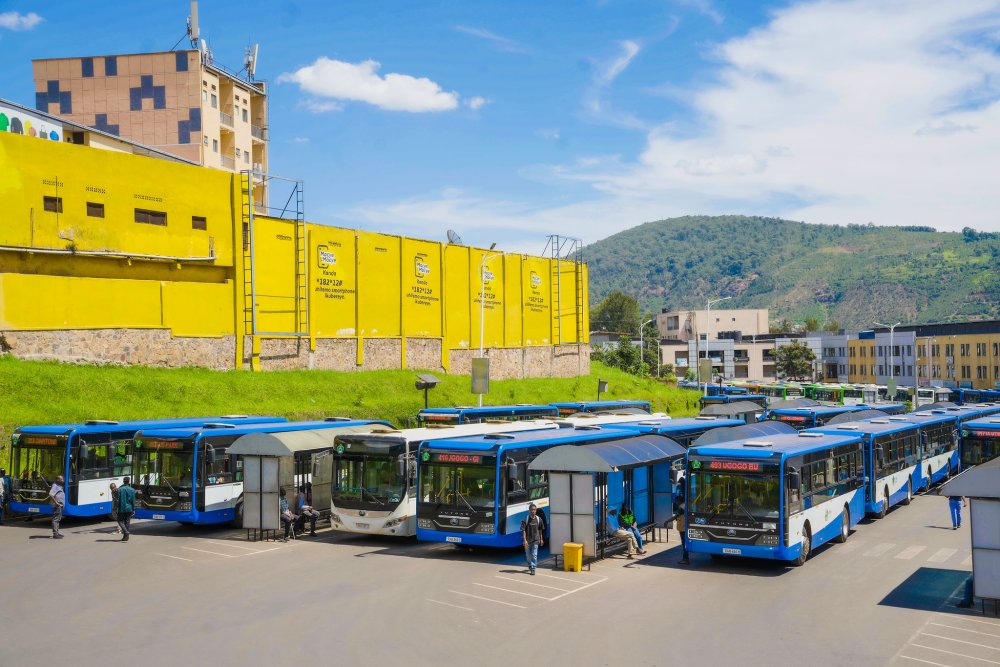
This photo shows buses parked at Downtown Bus Park. The Government of Rwanda has been subsidizing public transport to lessen the burden on passengers.
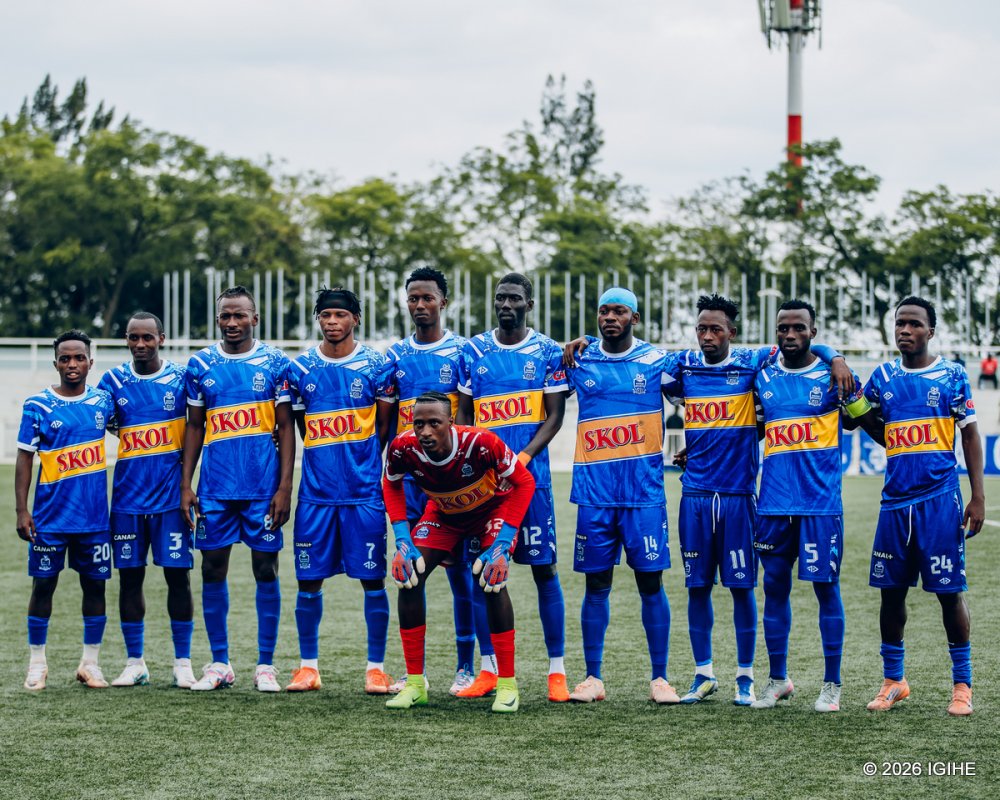
In a statement released on Monday, the company stated that over the past 12 years, the partnership between SKOL and Rayon Sports evolved into one of the most recognized and impactful collaborations in Rwandan football, built on shared ambition, mutual respect, and a common commitment to the development of sport in Rwanda.
Throughout the partnership, both institutions worked closely together to support the club, strengthen fan engagement, and contribute to the continued growth of football across the country.
SKOL said it remains committed to maintaining and strengthening its long-standing relationship with Rayon Sports and its supporters in a sustainable manner.
The company indicated that representatives from both institutions have engaged in positive and constructive discussions regarding the future of the partnership, with a shared interest in identifying approaches that can support the club’s long-term ambitions and continued development.
As part of these discussions, SKOL presented an evolution of the partnership structure from a Principal Sponsorship arrangement toward a mutual-benefit sponsorship model. According to the company, the approach is intended to create greater flexibility and potentially open opportunities for additional partnerships capable of contributing to the long-term sustainability and development of Rayon Sports.
SKOL stated that the continued evolution of sports partnerships requires adaptive and sustainable models that can support clubs in an increasingly dynamic environment while preserving strong institutional relationships.
The company added that discussions remain ongoing and expressed confidence in the spirit of mutual respect and collaboration that has characterized its relationship with Rayon Sports for more than a decade.
SKOL also thanked Rayon Sports’ leadership, players, supporters and all stakeholders for the trust, collaboration and memorable moments shared throughout the years, reaffirming its dedication to supporting the advancement of sport and meaningful partnerships that positively contribute to Rwandan communities.
SKOL said it remains committed to maintaining and strengthening its long-standing relationship with Rayon Sports and its supporters in a sustainable manner.
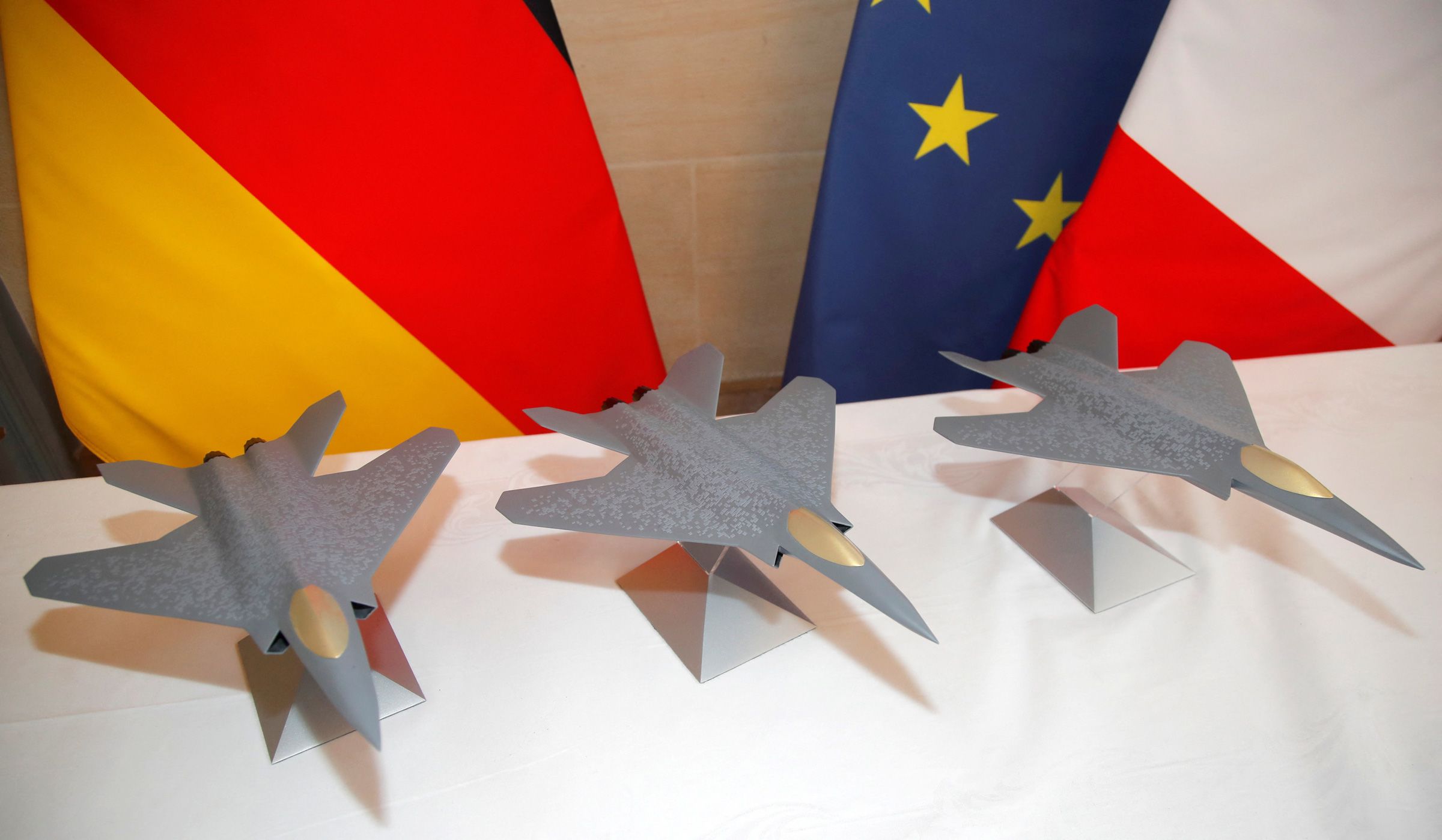
German Chancellor Friedrich Merz and French President Emmanuel Macron have come to the conclusion that aviation companies Airbus and Dassault cannot reach an agreement on jointly building the combat aircraft, said German public broadcaster ARD on its news website Tagesschau, quoting German government sources.
According to the report, Merz advised Macron not to pursue the construction of the fighter jet any further.
The two nations are expected to continue developing the “Combat Cloud,” a network intended to connect military platforms and weapons systems, the report said.
Launched in 2017 by Macron and former German Chancellor Angela Merkel, the FCAS is considered a flagship European defense project to develop a next-generation air combat system.
German Chancellor Friedrich Merz and French President Emmanuel Macron have come to the conclusion that aviation companies Airbus and Dassault cannot reach an agreement on jointly building the combat aircraft,
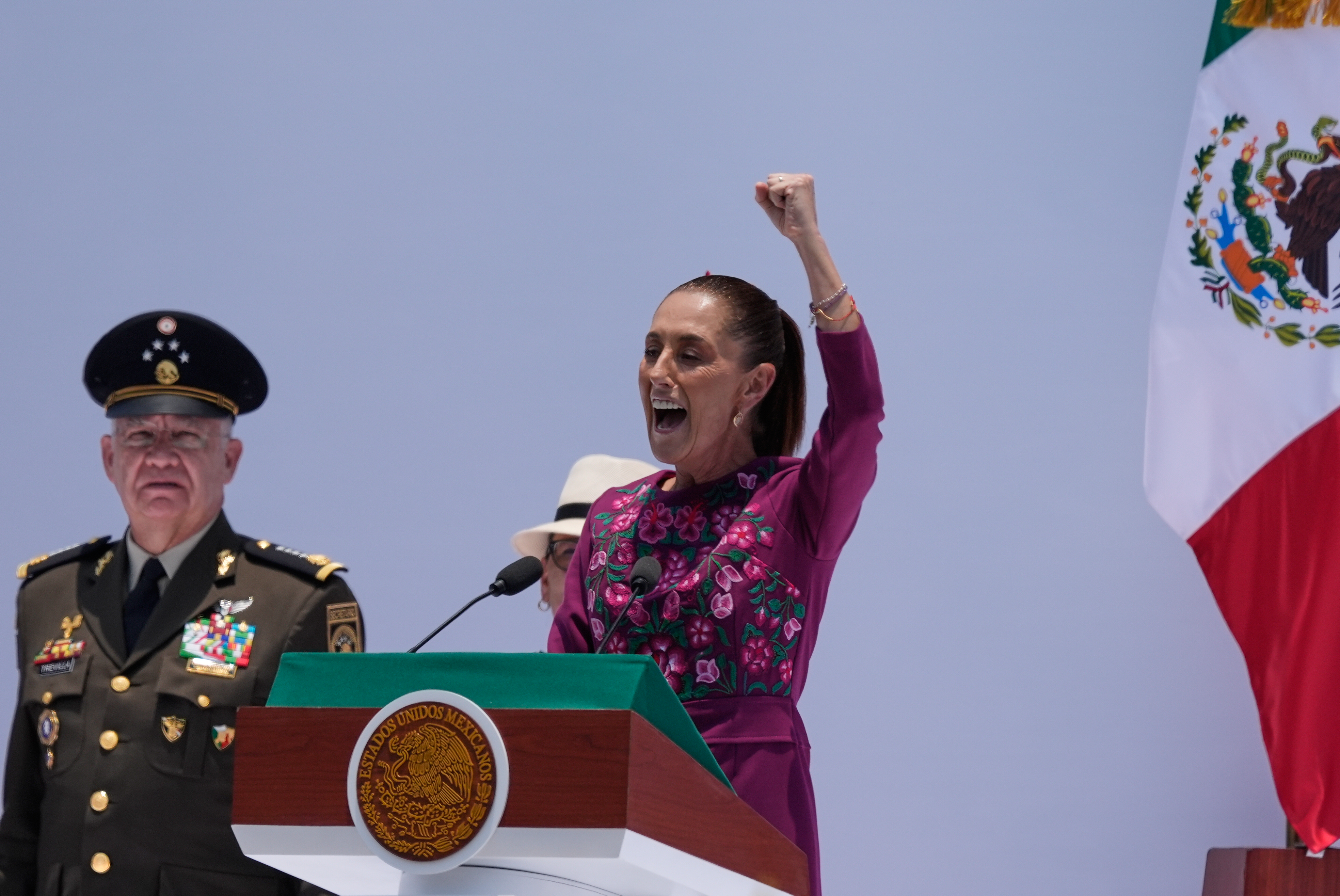
Speaking during her daily morning press conference at the National Palace in Mexico City, Sheinbaum accused political opponents of attempting to provoke a government crackdown in order to generate negative international headlines ahead of the tournament.
However, she ruled out the use of repressive police measures in response to any demonstrations.
“There are groups that want to provoke us, and they are not necessarily teachers. What they want is repression,” Sheinbaum said.
“We will also ensure that the World Cup opening ceremony proceeds smoothly, peacefully and calmly,” she added.
Mexico is one of three host countries for the 2026 FIFA World Cup, alongside the United States and Canada. The country is scheduled to host 13 matches across three cities: Mexico City, Guadalajara and Monterrey.
Sheinbaum’s comments come after the CNTE warned that it could stage protests if the federal government fails to meet its demands, including higher wages and other labor-related concessions.
Mexican President Claudia Sheinbaum addresses supporters at the Monument to the Revolution in Mexico City, Sunday, May 31, 2026, marking two years in power. (AP Photo/Marco Ugarte)
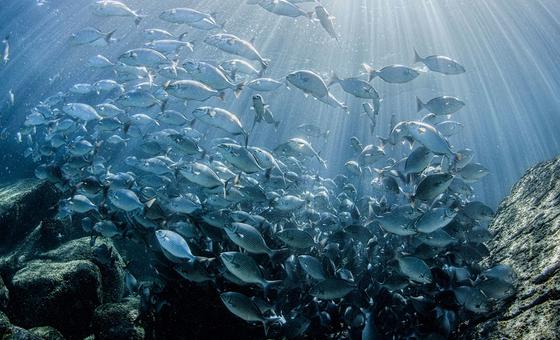
Launched on World Oceans Day, which is observed annually on June 8, the third World Ocean Assessment found that the ocean continues to be under severe and accelerating anthropogenic pressure, driven by climate change, pollution and increased human activities.
These pressures are often cumulative, combining to cause widespread biodiversity loss, undermining the ecosystems that support fisheries, coastal protection and human health.
“The third World Ocean Assessment, launched today, documents a deepening crisis driven by climate change, overfishing, biodiversity loss and marine pollution,” UN Secretary-General Antonio Guterres said in a message for the launch of the report.
“We cannot keep treating the ocean as limitless. We must build a new relationship with the ocean: Grounded in science. Framed by international law. And built on shared responsibility — across nations, sectors, and generations — to advance the Sustainable Development Goals,” said Guterres.
The third World Ocean Assessment identified the main human drivers of change to the ocean: human population growth and demographic changes; economic activity; technological advances; changing governance structures and social, economic and geopolitical instability; climate change, biodiversity loss and pollution.
It found that about 16 percent of the total increase in ocean heat content since 1955 has occurred since 2018. The greatest relative warming has been observed in the Atlantic Ocean and the southern parts of the Indian and Pacific Oceans.
The sea level continued to rise at increasing rates, from less than 2 millimeters per year prior to 2015 to 4.3 millimeters per year in 2023, according to the report.
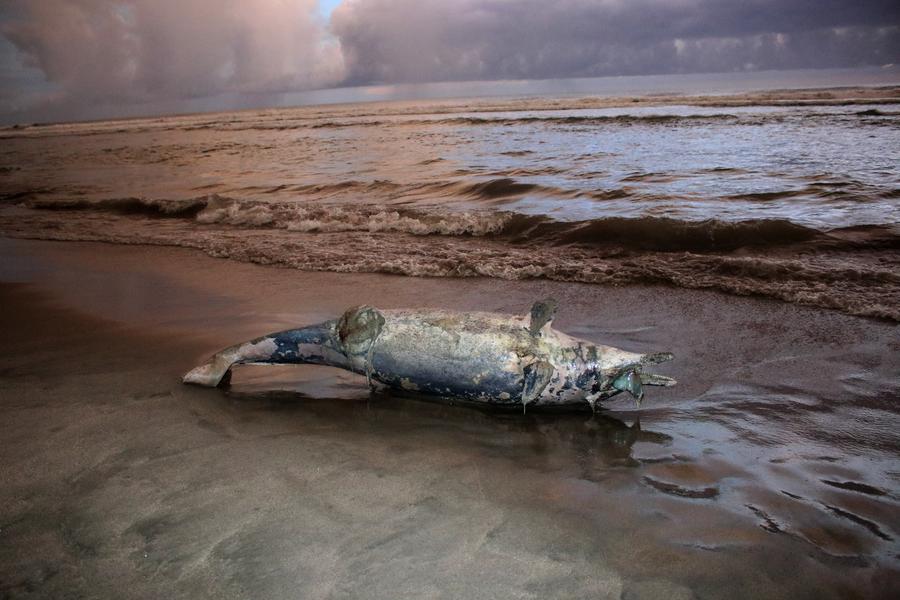
Also, it found that 52.1 million tonnes of plastic waste enter the ocean each year, contributing to an estimated 24.4 trillion microplastic particles, which are now known to affect more than 4,000 marine species.
Large gaps persist in ocean knowledge, the report said, with only 27.3 percent of the seafloor mapped as of 2025, leaving deep-sea ecosystems, biological processes, and cumulative impacts poorly understood.
“The imperative for a healthy and resilient ocean has never been more urgent. Global collaborations and research, and our increased understanding of the ocean, provide essential insights into the state of marine ecosystems, the profound changes they are undergoing and the need for our care,” said Rafael Gonzalez-Quiros, joint coordinator of the group of experts for the third World Ocean Assessment.
The third World Ocean Assessment found that the ocean continues to be under severe and accelerating anthropogenic pressure, driven by climate change, pollution and increased human activities.
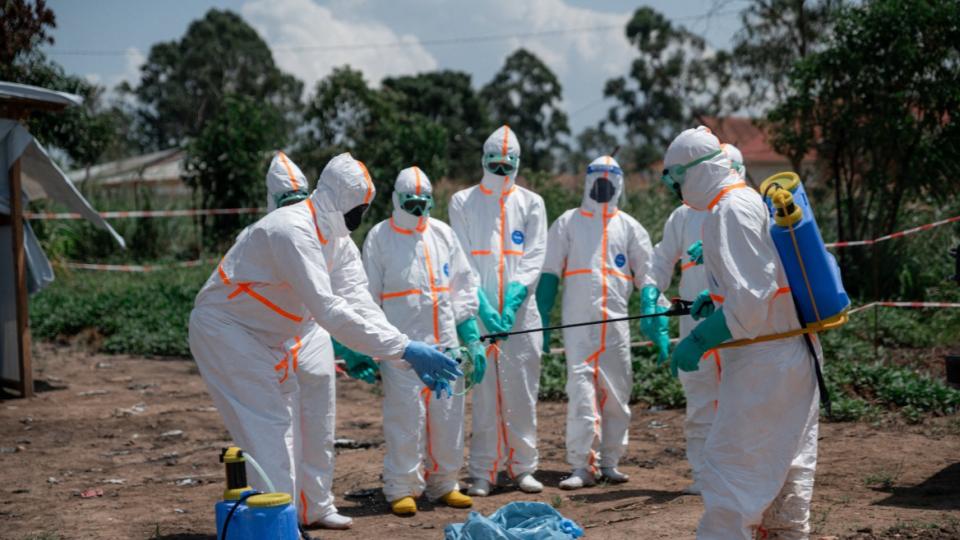
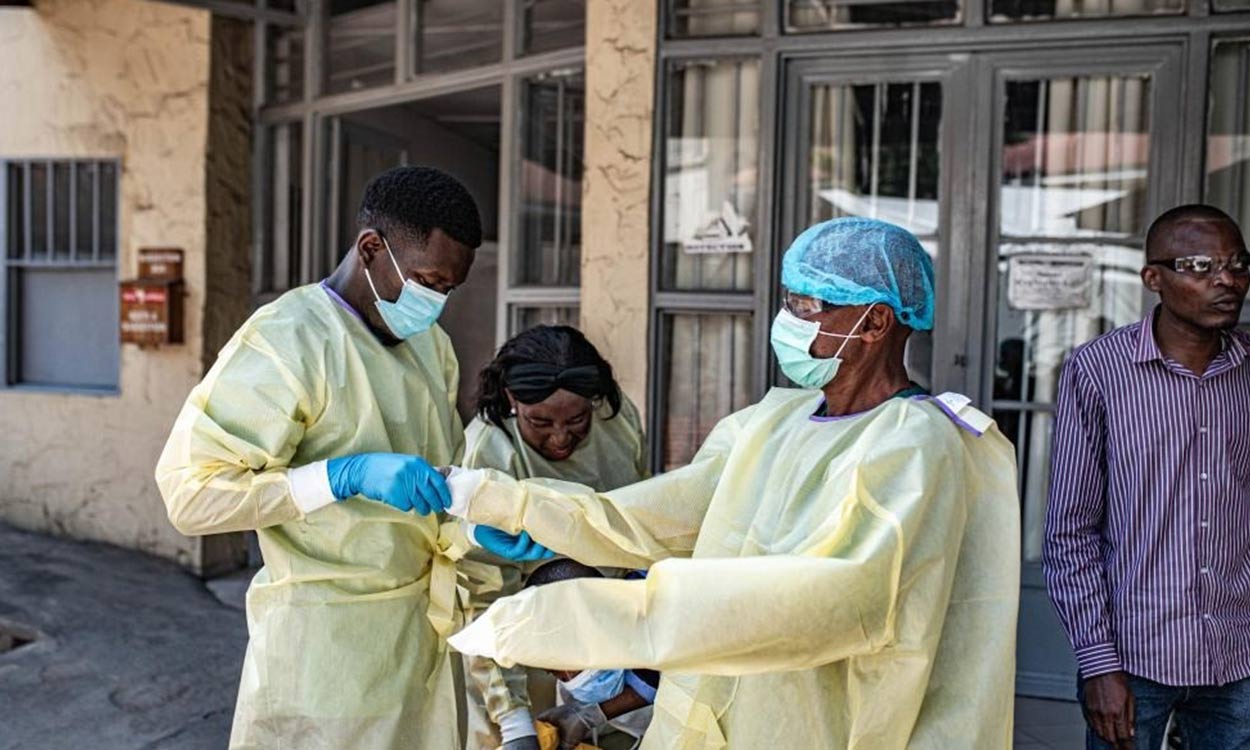
According to an update released Monday, 35 new confirmed cases, including 10 deaths, were recorded on Sunday in the eastern provinces of Ituri and North Kivu. Seven additional patients recovered, bringing the total to 19.
The outbreak was still on an upward weekly trend and the recent slight decline shown in the epidemic curve may reflect delayed laboratory updates, not a real slowdown in transmission, it said.
As of Sunday, 309 people were in isolation or hospitalized, including 116 confirmed cases and 193 suspected cases.
The contact follow-up rate in the three affected provinces rose to 64.4 percent, with 5,418 contacts under follow-up and 3,489 seen. The rate remained well below the target of 95 percent.
Laboratory capacity remained under pressure in North Kivu, with 183 test results pending due to a shortage of reagents.
The current outbreak, caused by the Bundibugyo strain of the Ebola virus, was officially declared by the DRC Health Ministry on May 15.
The affected provinces, namely Ituri, North Kivu and South Kivu, have a combined population of nearly 15 million people and face massive internal displacement and cross-border movements toward neighboring countries.
The number of confirmed Ebola cases in the Democratic Republic of the Congo (DRC) has risen to 550, including 101 deaths, with health authorities warning that the outbreak continues to trend upward.
The event, organised by DJ Spinny, will bring together music fans for a two-day experience combining live performances and entertainment activities. On July 18, revellers will enjoy performances from various artists, while July 19 will feature additional entertainment alongside the screening of the FIFA World Cup final.
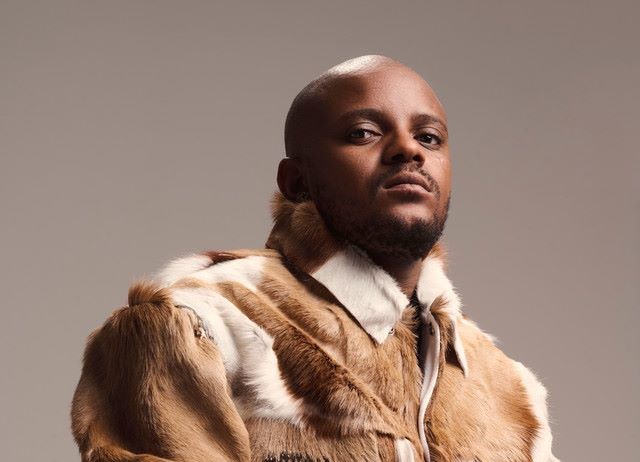
Kabza De Small, born Kabelo Petrus Motha on November 27, 1992, in Mpumalanga and raised in Pretoria, is widely regarded as one of the pioneers of Amapiano, a genre that has gained massive global popularity in recent years.
He began his career as a DJ in 2009 and released his debut album Avenue Sounds in 2016. However, his breakthrough came with the rise of Amapiano, which propelled him to international recognition.
In 2018, his hit track Umshove further cemented his status, followed by successful projects including Pretty Girls Love Amapiano, I Am the King of Amapiano: Sweet & Dust, and Bab’Motha released in 2025.
Kabza De Small is also best known for his collaboration with DJ Maphorisa under the duo Scorpion Kings, a partnership that has played a key role in pushing Amapiano onto the global stage, with collaborations featuring artists such as Wizkid and Burna Boy.
This will be the second edition of the “Spinny and Friends” festival, following its debut in 2025, when DJ Spinny marked a decade in music with shows held in Uganda and Rwanda.
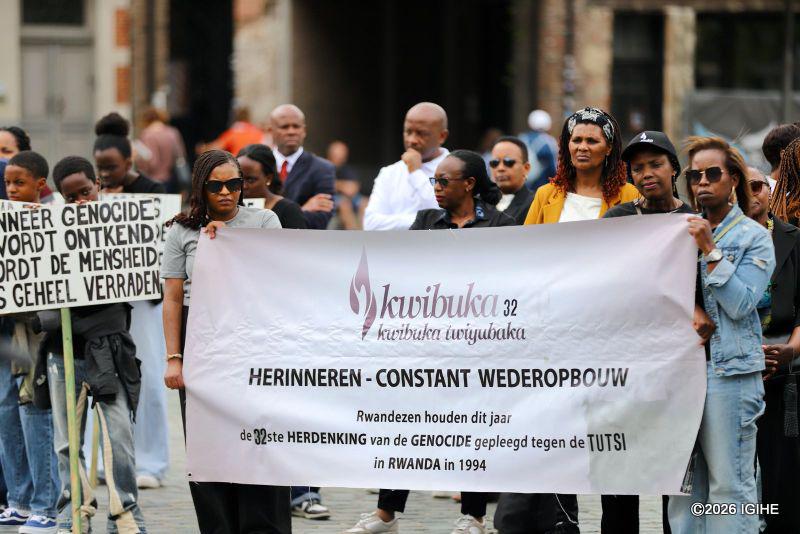
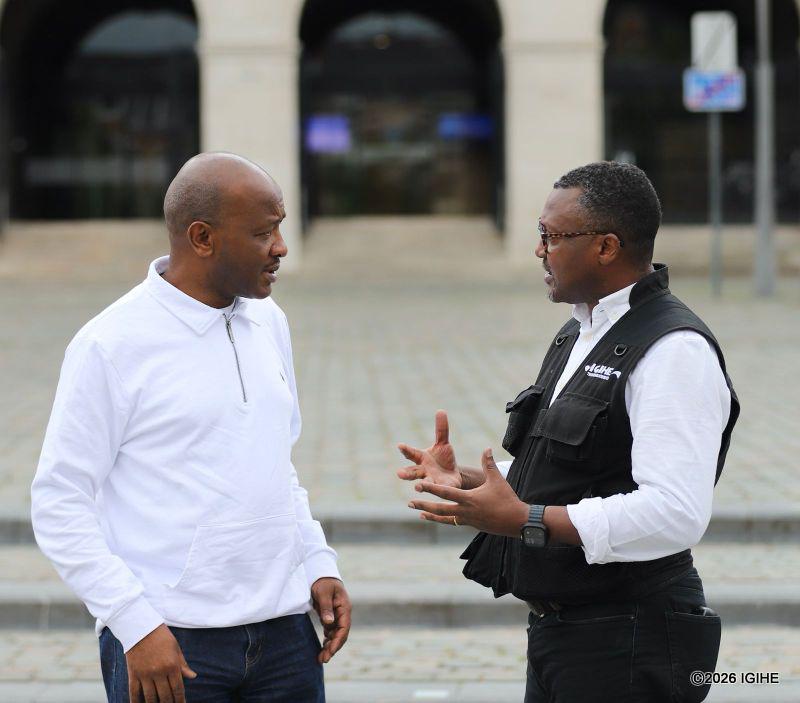
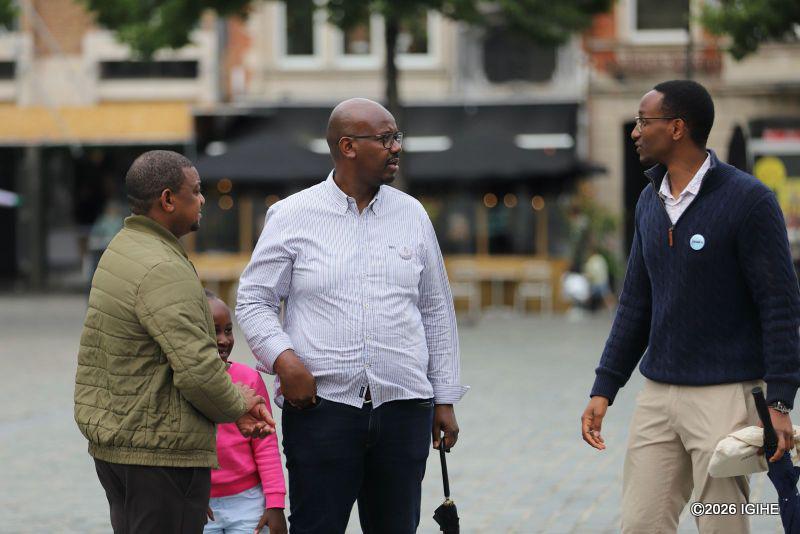
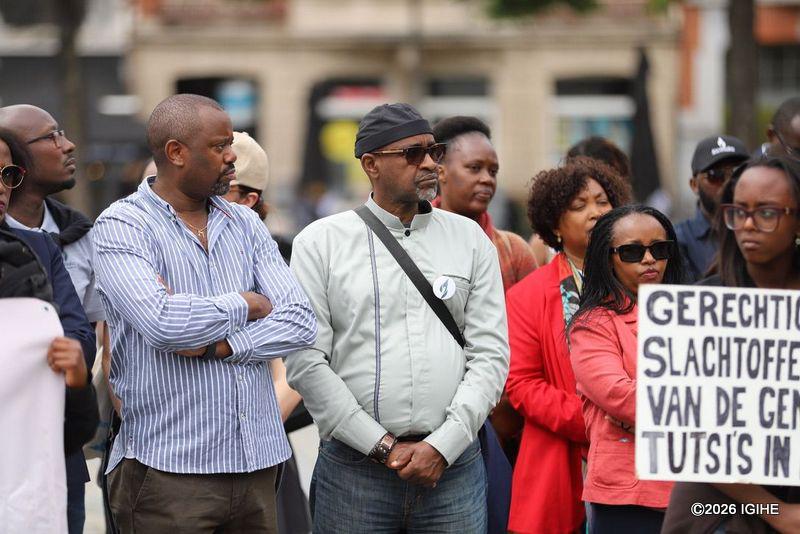
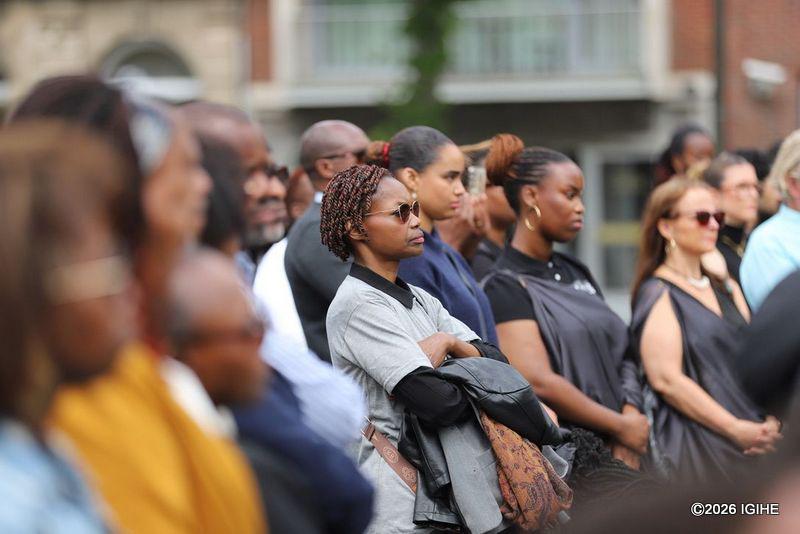
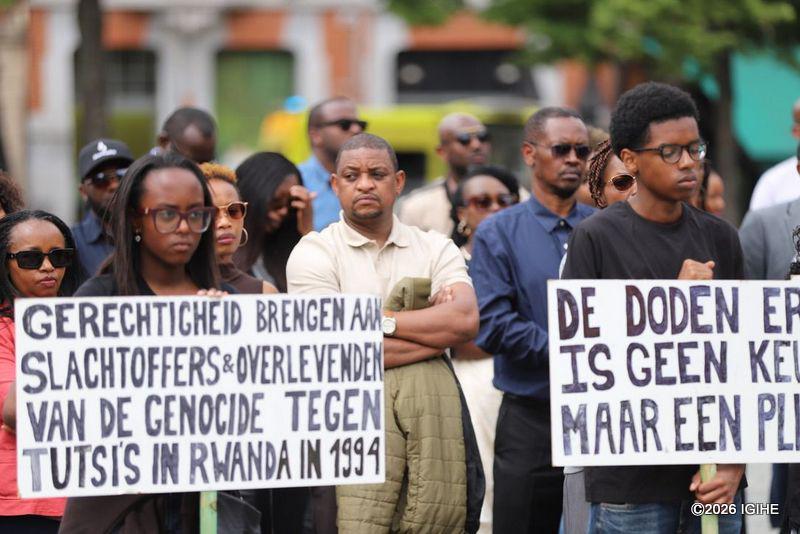
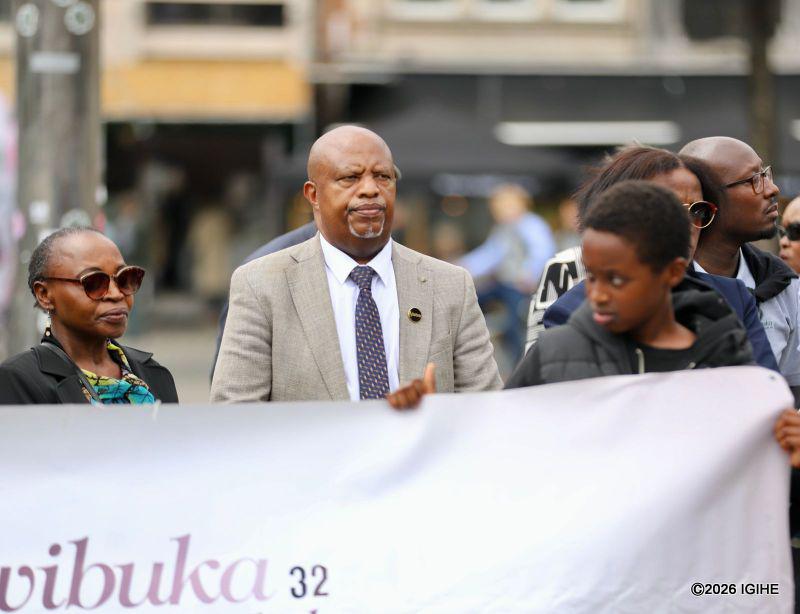
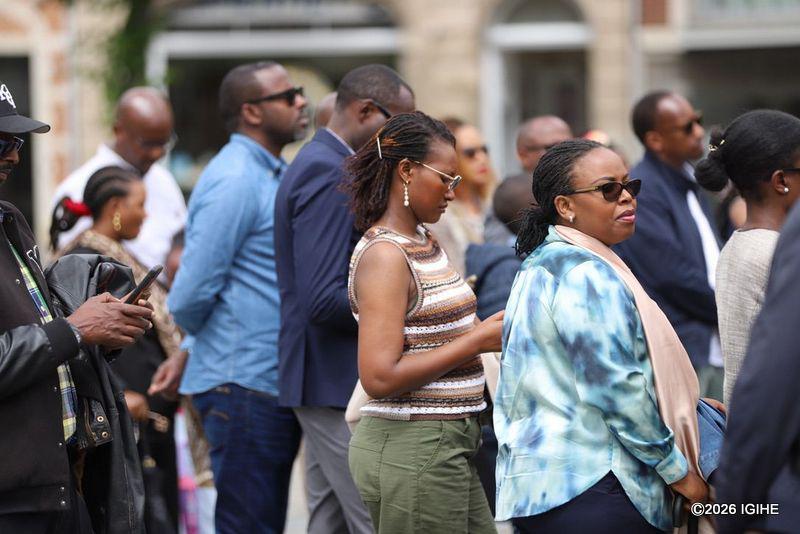
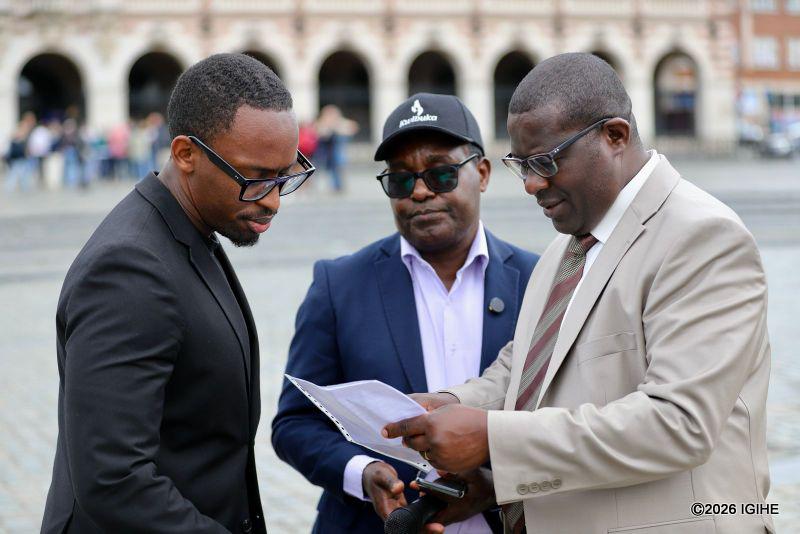
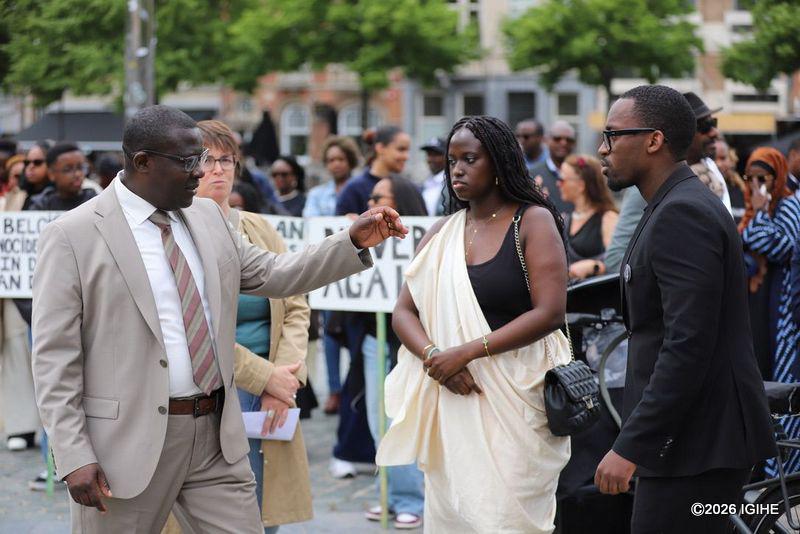
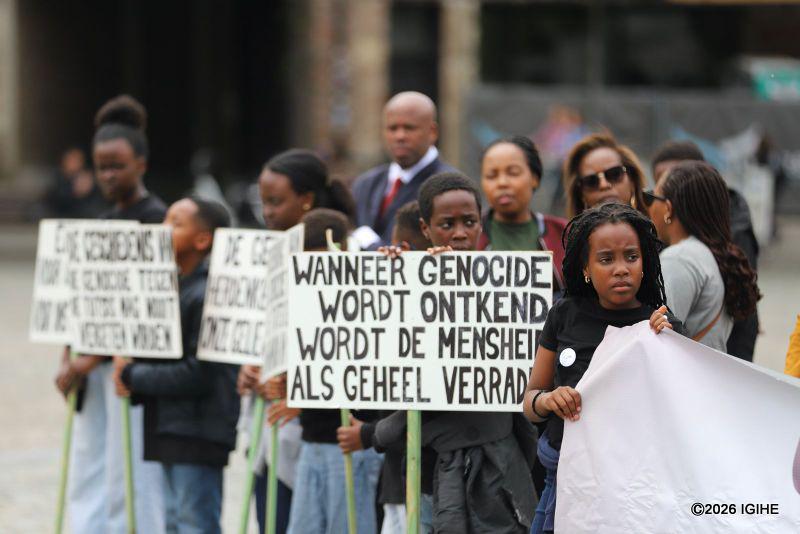
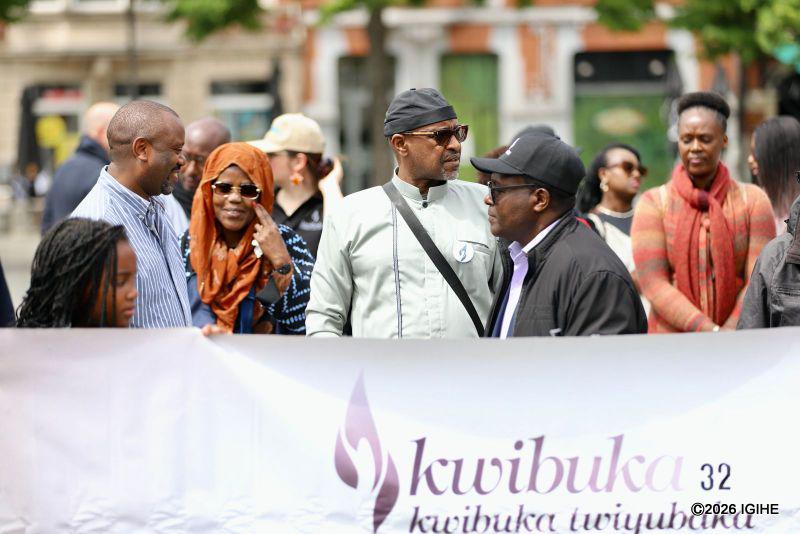
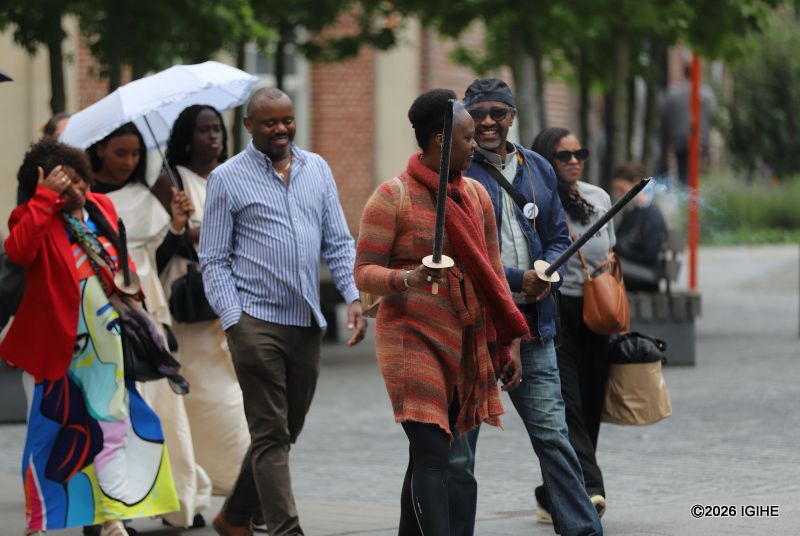
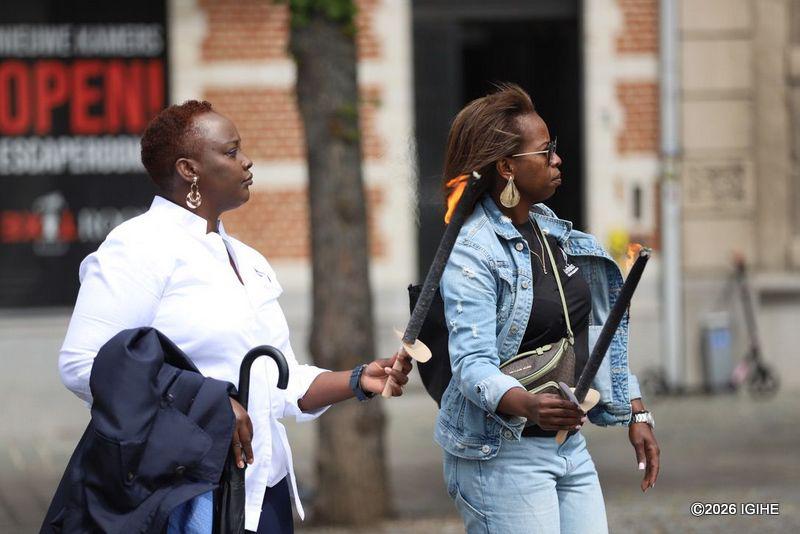
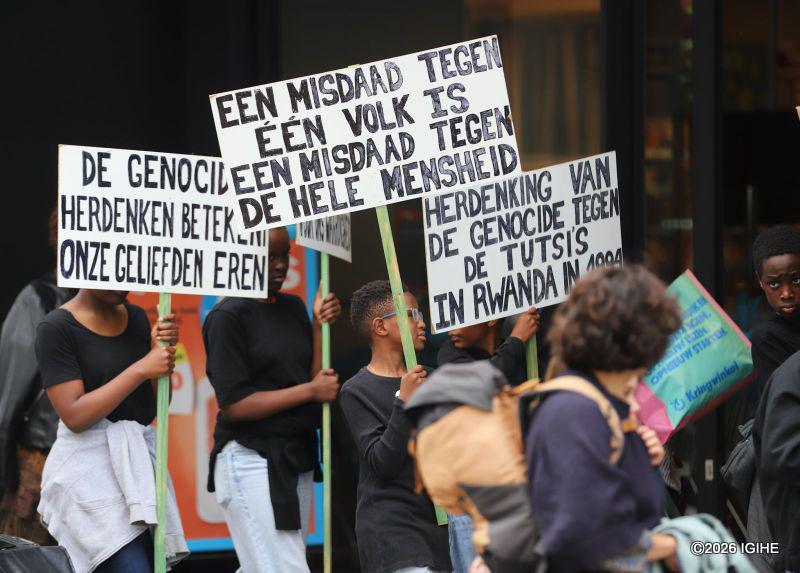
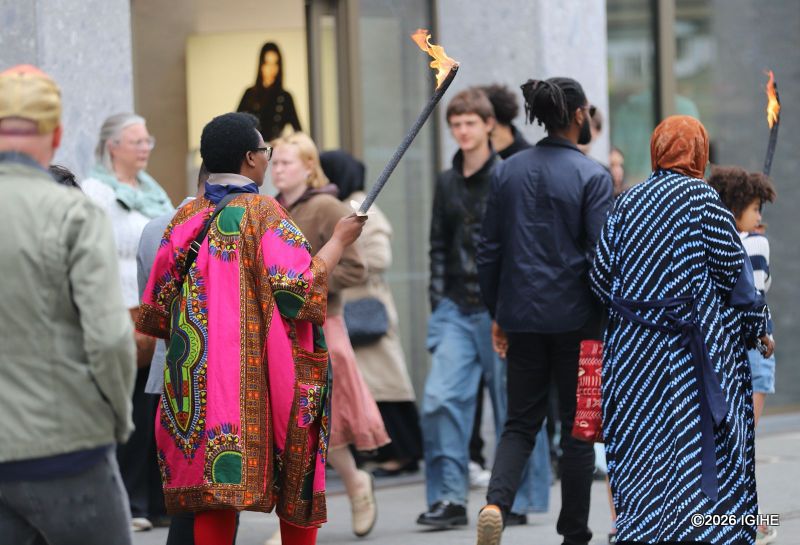
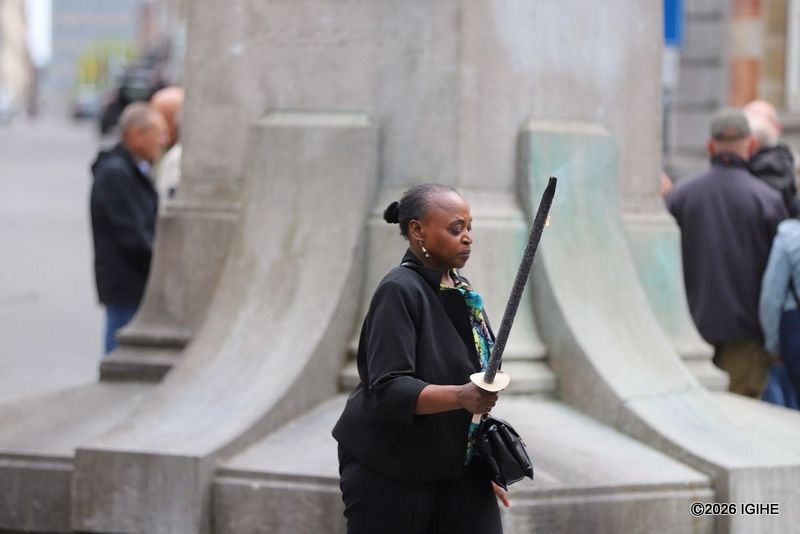
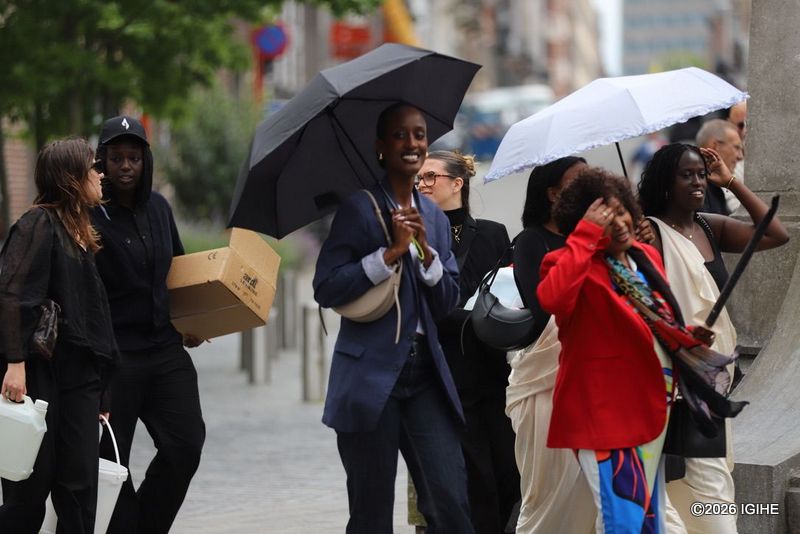
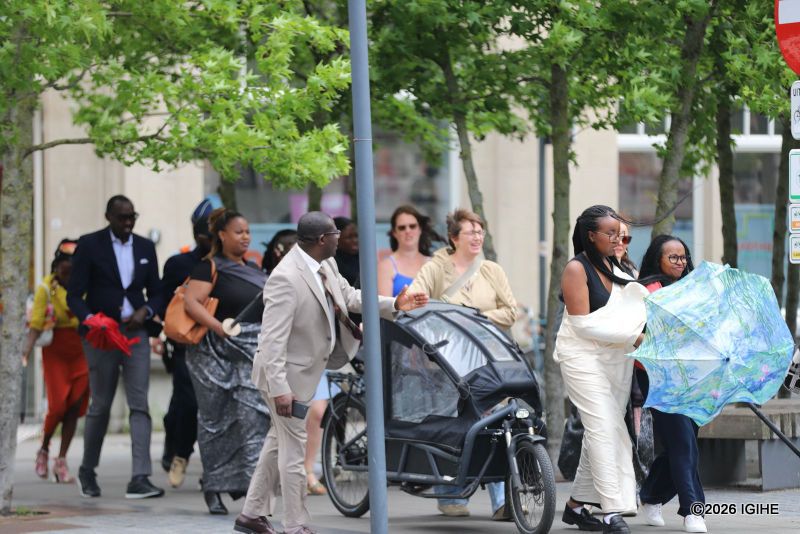
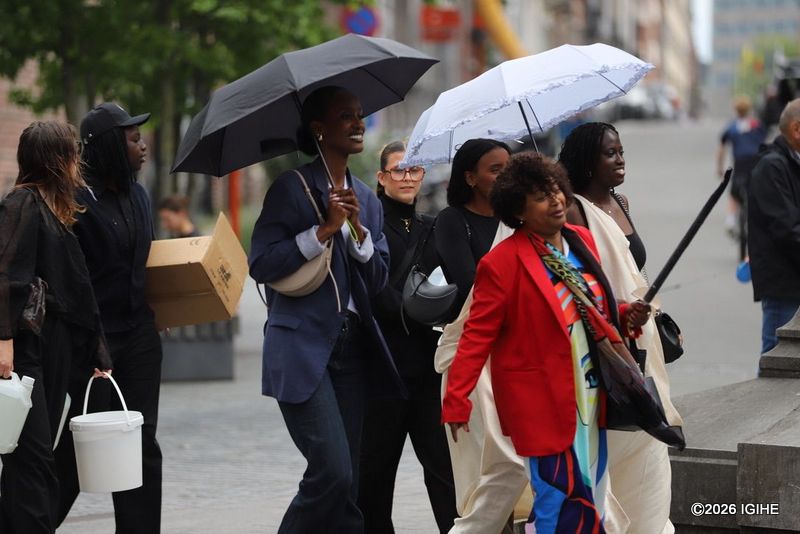
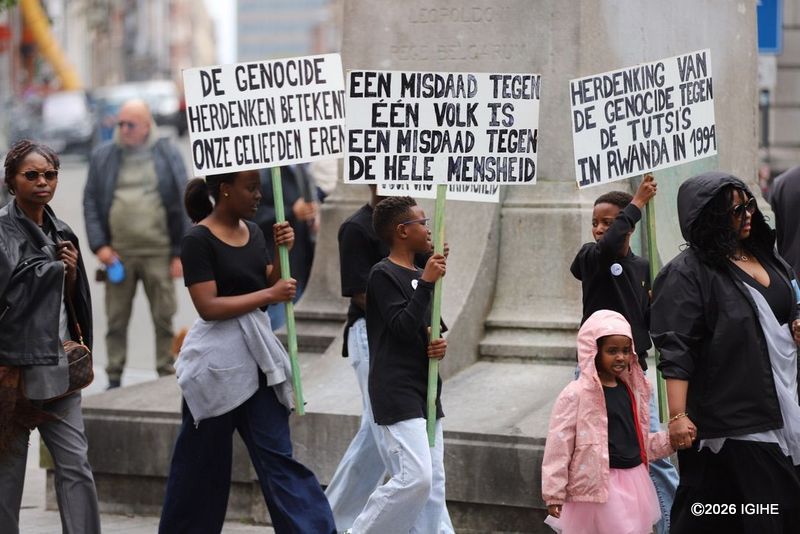
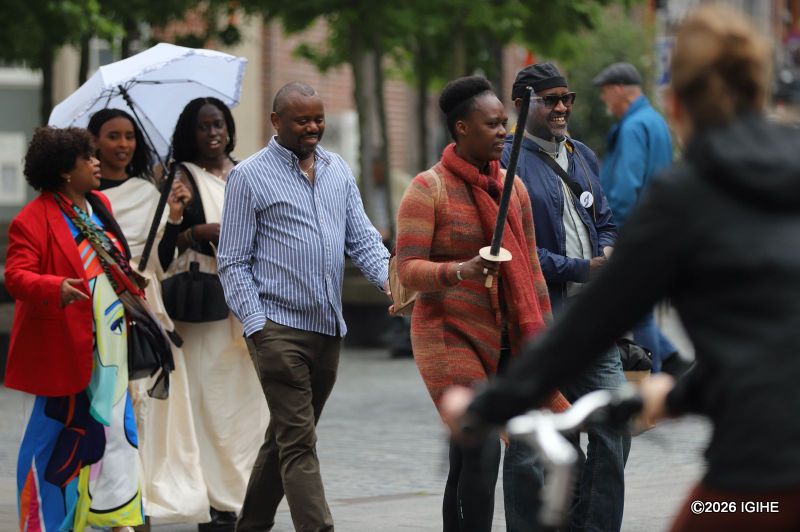
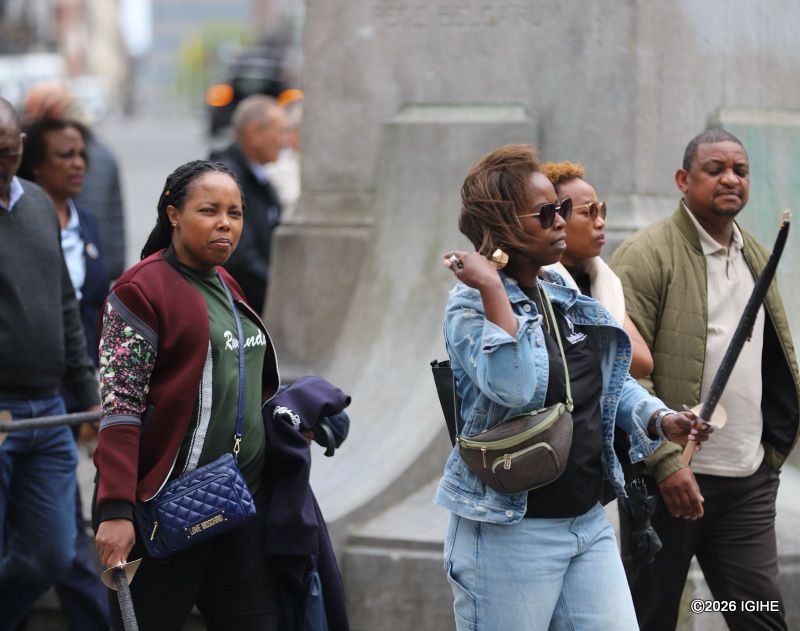
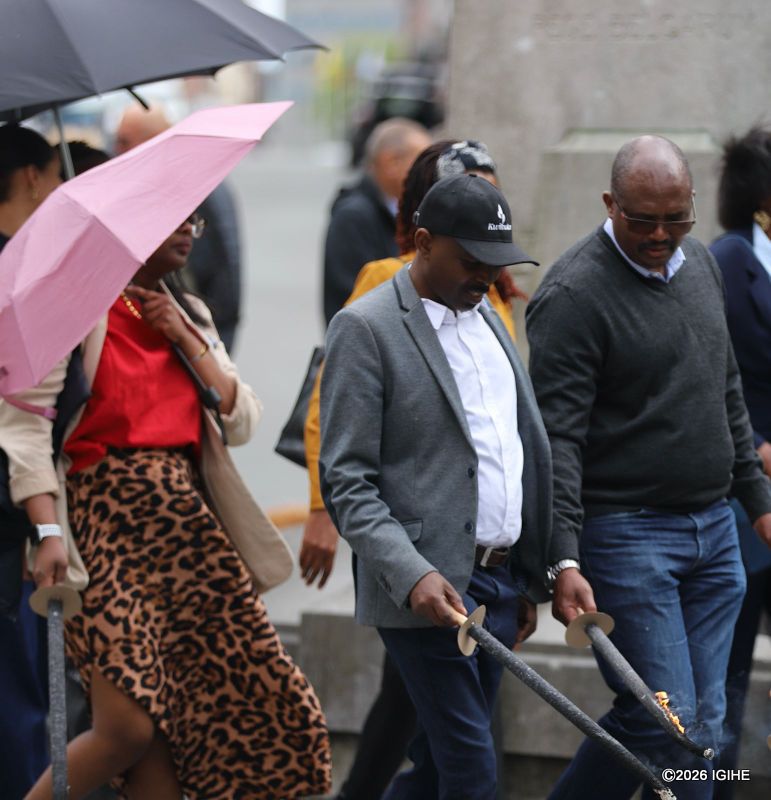
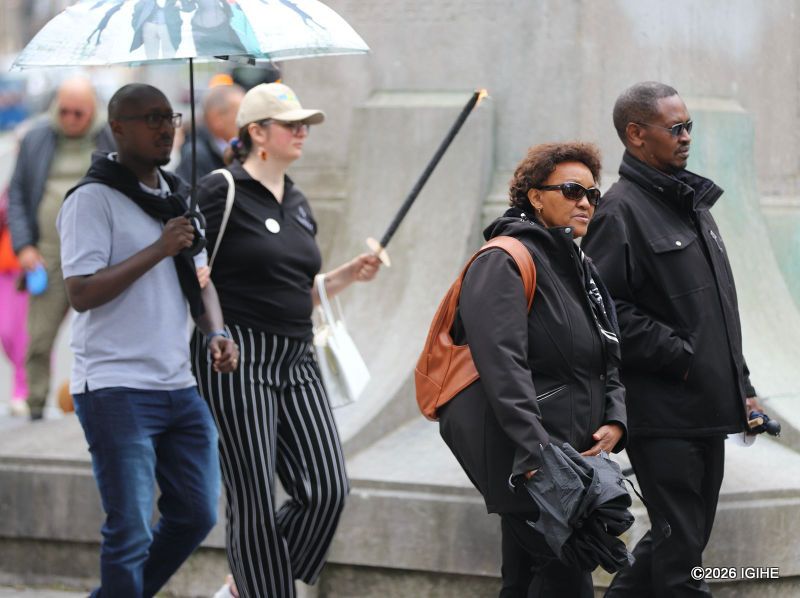
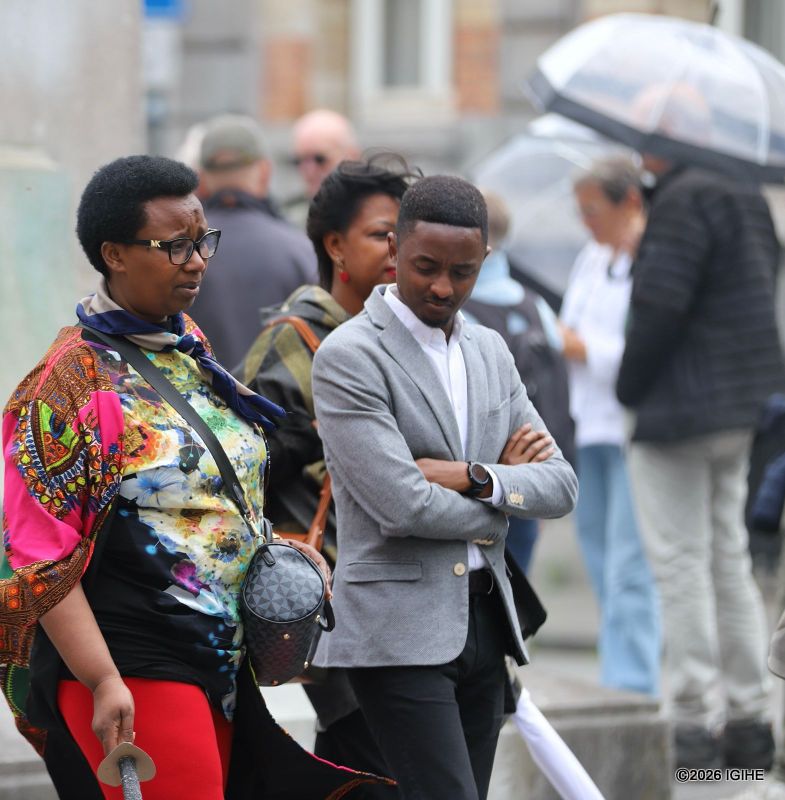
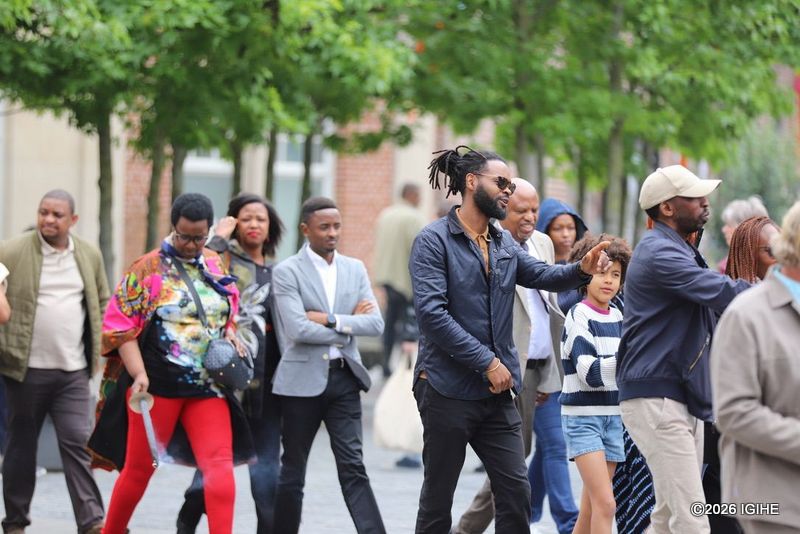
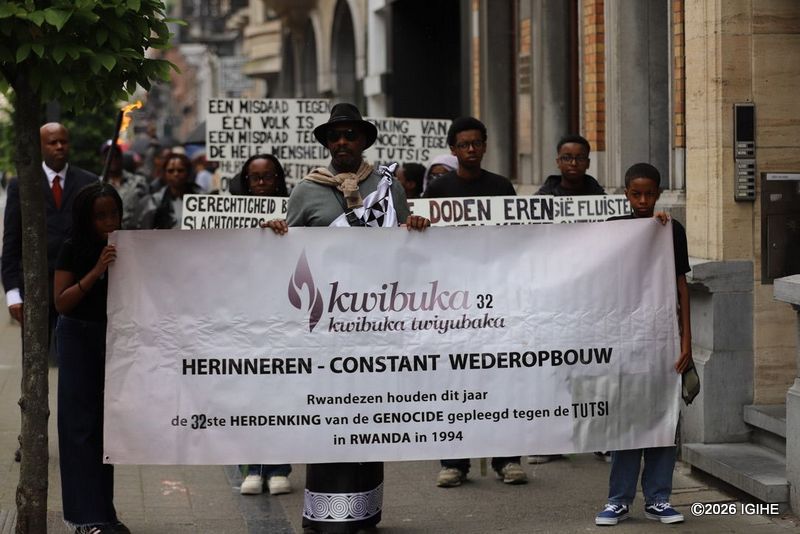
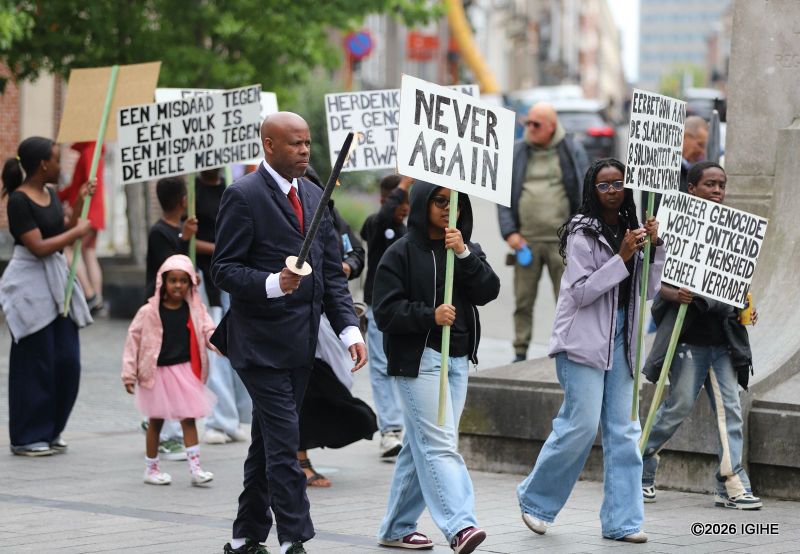
The remembrance event featured a walk from Leuven railway station to Ladeuzeplein, symbolizing solidarity with victims, followed by speeches, testimonies, reflections, and artistic performances dedicated to honoring the memory of those who were killed and reaffirming a commitment to never forget.
The commemoration was coordinated by Édouard Karangwa and attended by Leuven Alderman for International Affairs Lies Corneillie, alongside representatives of associations and members of the Rwandan youth community in Belgium.
In his opening remarks, Rev. Dr. Martin Ikomeze, President of the Rwandan Diaspora in Belgium (DRB) in Leuven, thanked participants who had traveled from different parts of the country.
According to him, remembrance is a responsibility for every Rwandan and provides a unique opportunity to transmit historical truth.
He stressed the importance of honoring the victims of the Genocide against the Tutsi while continuing efforts toward unity and reconciliation.
Speaking about the role of testimonies, he underlined their importance in preserving memory, combating genocide denial, and transmitting history to younger generations so that such a tragedy may never happen again.
One of the most moving moments of the day was the testimony of Mrs. Jeannette Mukandwari, a survivor of the Genocide against the Tutsi.
Now a mother of two children, she shared a story marked by courage and resilience. Through her personal journey, she demonstrated her determination to overcome the hardships of the past and rebuild her life despite the wounds left by the genocide.
Speaking on behalf of Ibuka, Johan Sebukire highlighted the importance of remembrance for younger generations. He noted that although most young people in the diaspora did not experience the 1994 genocide themselves, they nevertheless carry its legacy through the stories of their families and communities.
He stressed the need to combat genocide denial, preserve the memory of the victims, and pass this history on to future generations.
On this occasion, he also called on the City of Leuven to consider, in consultation with the Rwandan community, the installation of a memorial plaque in honor of the victims of the Genocide against the Tutsi.
According to him, such a memorial site would serve as a place of reflection, an educational tool for future generations, and a powerful symbol of the city’s commitment against hatred, racism, and all forms of discrimination.
Lies Corneillie, Alderman for International Affairs of the City of Leuven, emphasized the importance of testimonies, the transmission of memory to younger generations, and the duty of remembrance.
She also expressed the City’s willingness to continue the dialogue on the establishment of a memorial site, with the aim of preserving the memory of the victims and raising awareness among future generations.
The Leuven ceremony also marked the final stage of the national program of the 32nd commemoration of the victims of the Genocide against the Tutsi, which had been organized in different cities across Belgium since April 7.
On this occasion, Gakuba Ernest, President of the Rwandan Diaspora in Belgium (DRB), recalled that remembrance is not limited to a particular period of the year but constitutes a permanent responsibility toward the victims and future generations.
Thirty-two years after the genocide, he noted, the wounds remain deep, and commemoration continues to be both a tribute to those who perished and a commitment to truth, as well as a safeguard against genocide denial and genocidal ideology.
He also referred to the historical factors that led to the genocide and the abandonment of Rwanda by the international community in 1994.
Paying tribute to the soldiers of the FPR-Inkotanyi who stopped the genocide and saved countless lives, he praised their decisive role in the liberation of the country.
Addressing young people, particularly those in the diaspora, he encouraged them to take ownership of this history, transmit it faithfully, and uphold the values of truth, unity, courage, and humanity.
The day concluded with a musical tribute by artist Nyiranyamibwa Suzanne. Through several deeply emotional songs, she honored the memory of the victims of the Genocide against the Tutsi and offered participants a moment of reflection and hope.
Beyond remembrance, this 32nd commemoration highlighted the importance of preserving historical truth, supporting survivors, and passing memory on to future generations.
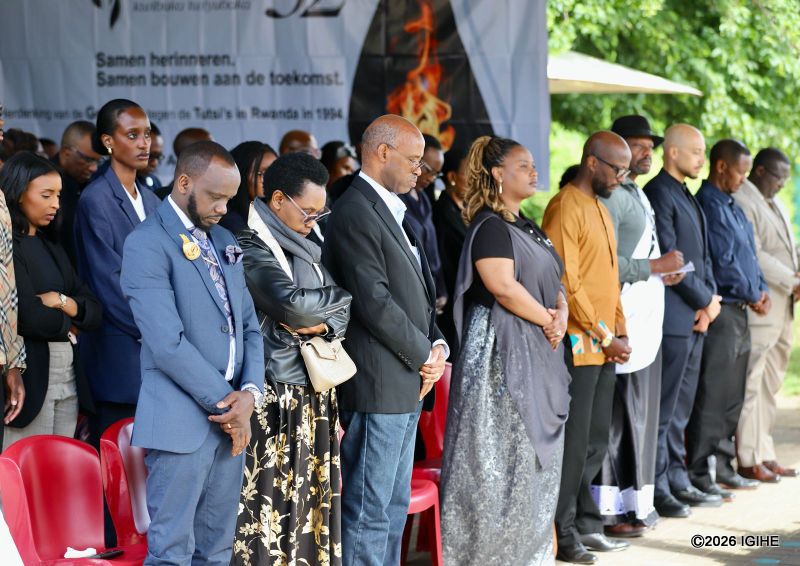
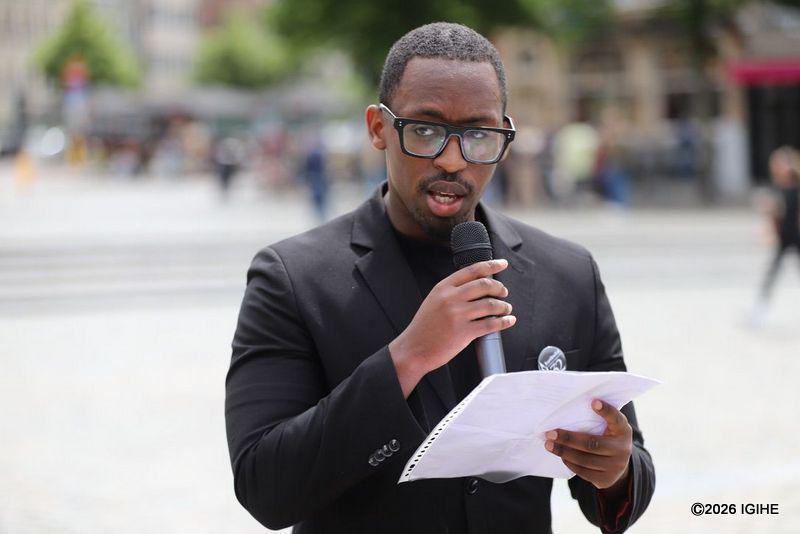
In his address, Rev. Dr. Martin Ikomeze, President of the Rwandan Diaspora in Belgium (DRB) in Leuven, welcomed participants who had come from different cities across Belgium to take part in the 32nd commemoration of the victims of the Genocide against the Tutsi.During the 32nd commemoration of the Genocide against the Tutsi in Leuven, Mrs. Jeannette Mukantwari, a survivor of the genocide and now a mother of two children, shared a moving testimony of courage and resilience.Gakuba Ernest, Federal President of the Rwandan Diaspora in Belgium (DRB), recalled that the duty of remembrance is not limited to a specific period of the year, but constitutes an ongoing responsibility toward the victims and future generations.The ceremony was notably attended by Lies Corneillie, Alderman for International Affairs of the City of LeuvenTwagira Mutabazi Eugène, President of Ibuka – Mémoire et Justice, BelgiqueÉdouard Karangwa served as the coordinator of the ceremony marking the 32nd commemoration of the victims of the Genocide against the Tutsi in Leuven.Johan Sebukire, speaking on behalf of Ibuka, highlighted the importance of the duty of remembrance for younger generations.
Photos showing the second part of the commemoration event
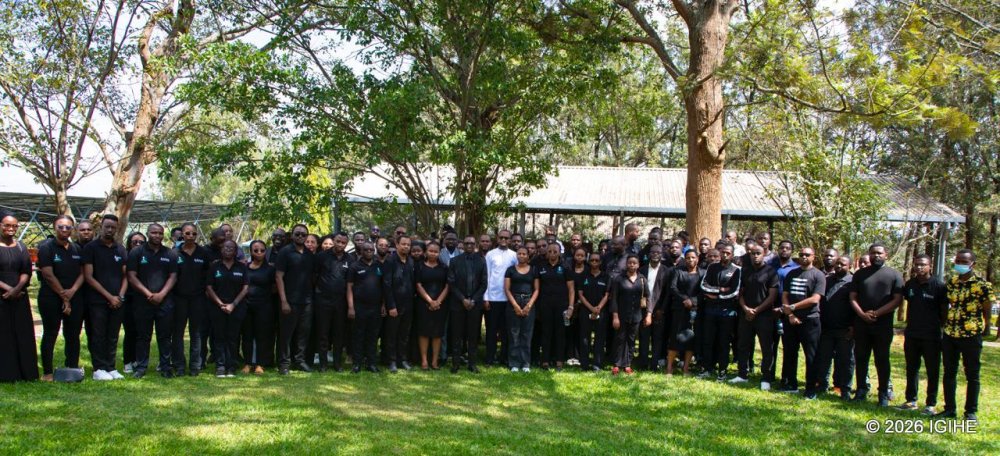
The support was extended on June 5, 2026, as part of activities marking the 32nd commemoration of the Genocide against the Tutsi.
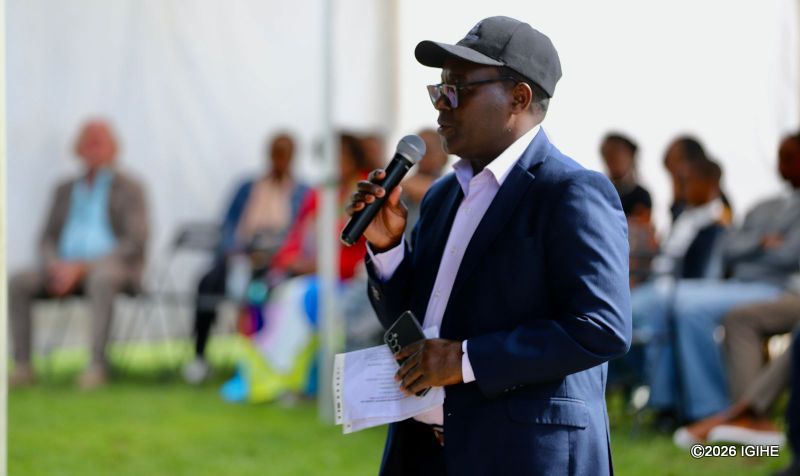
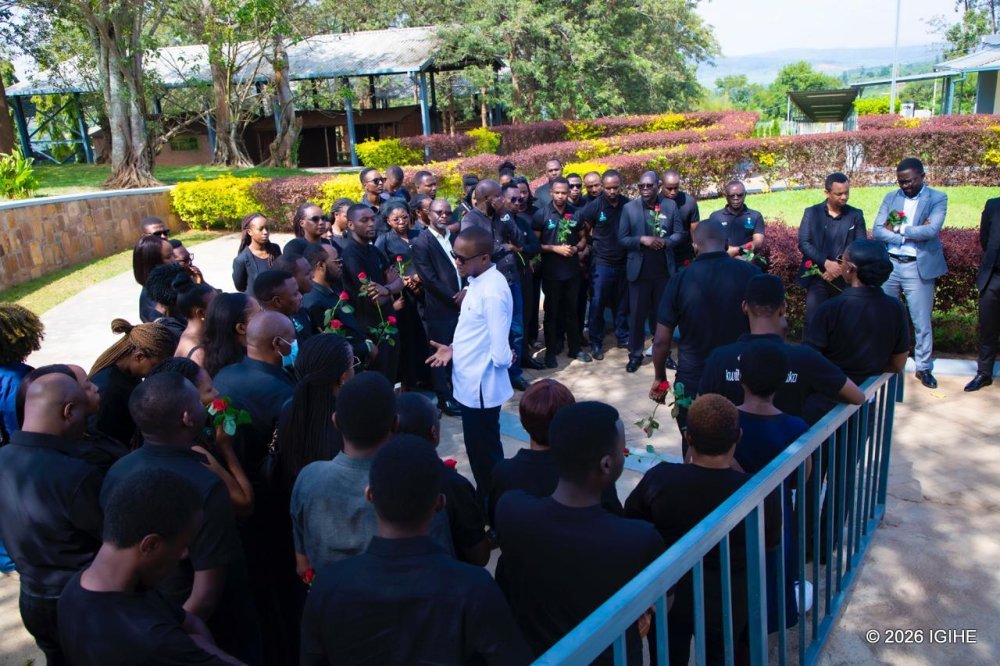
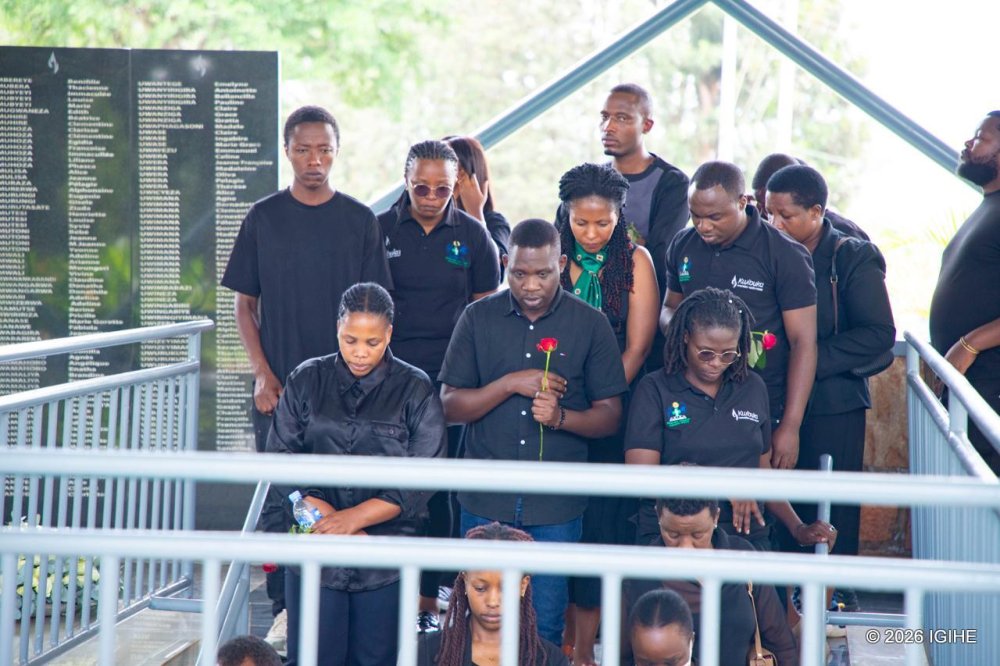
The initiative began with a visit by the hospital’s staff and leadership to the Ntarama Genocide Memorial in Bugesera District, where they were briefed on the history of the genocide in the area and toured a recently opened historical exhibition.
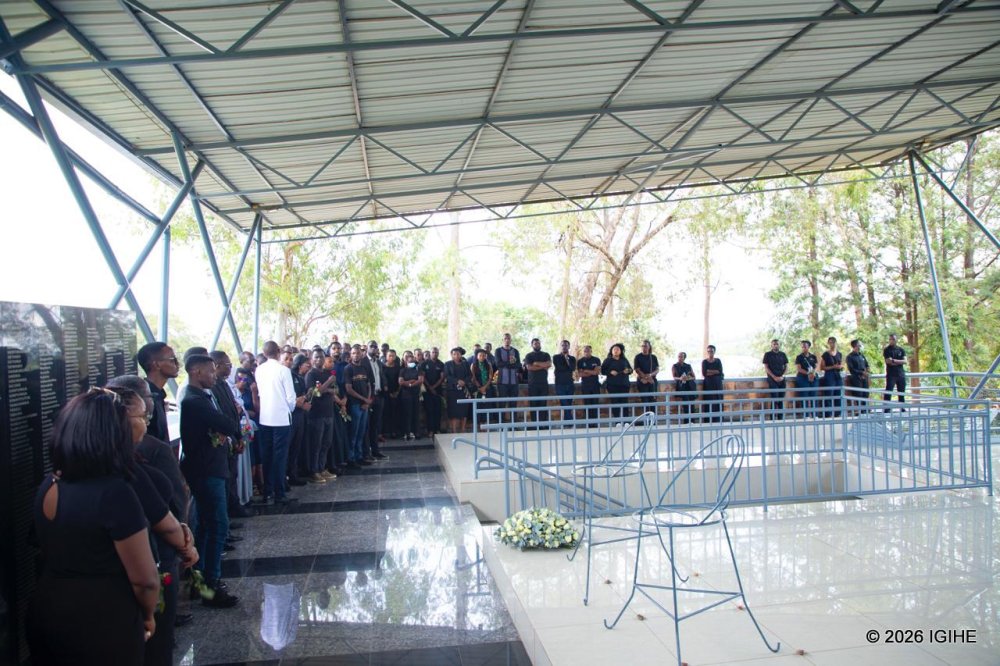
They paid tribute to more than 5,000 victims laid to rest at the memorial and laid wreaths on the graves in their honour.
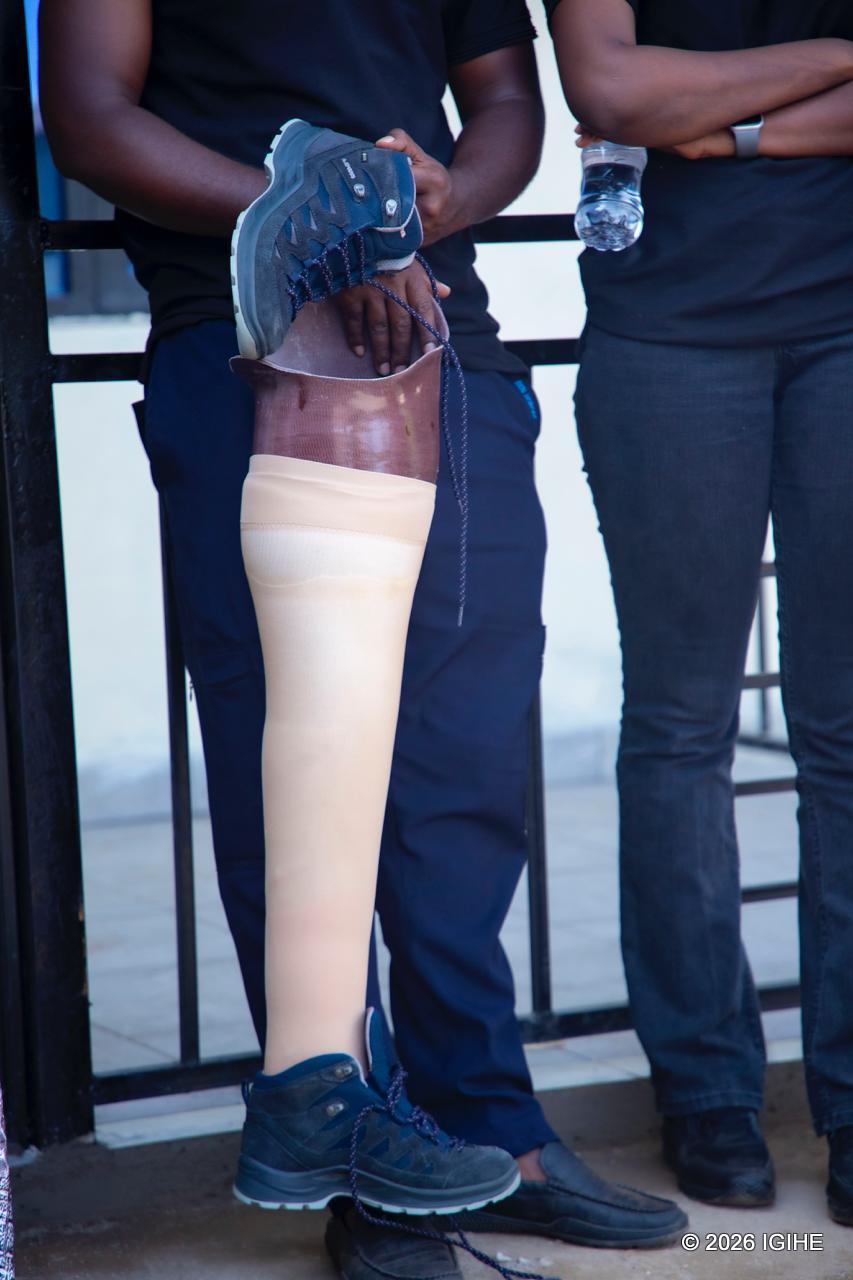
Following the visit, the team travelled to Musabende’s residence, where they handed over a new prosthetic leg valued at Rwf4 million.
They also unveiled a fully renovated house that had previously fallen into severe disrepair and was at risk of collapsing. The home was upgraded to provide safer and more dignified living conditions, and plans are underway to furnish it.
Musabende expressed her gratitude, saying the support had transformed her life after years of hardship. She explained that she had been struggling to live in a deteriorating house because she lacked the financial means to repair it.
“I am very happy,” she said. “I was living in isolation, unable to do much on my own, while watching the house gradually fall apart. The walls had begun separating, and visitors would often tell me to leave the room because it could collapse at any moment. I would simply tell them that if it happened, I would go the same way others had gone before me.”
Musabende said she initially doubted that the promised renovations would materialise, having previously received visitors who documented her situation but never returned with assistance.
“I thought they were making promises that would never be fulfilled,” she said. “But when I saw construction materials arriving, I realised it was really happening.”
She also welcomed the new prosthetic leg, noting that the one she had been using was worn out and missing some parts, while financial constraints had prevented her from replacing it.
The Director General of Inkuru Nziza Hospital, Dr. Mpatswenumugabo Bosco, said supporting survivors of the Genocide against the Tutsi is one of the ways the institution contributes to remembrance and recovery.
“This mother was living in difficult conditions, and we felt compelled to help her secure decent housing so that she can live with dignity,” he said. “As a hospital that specialises in prosthetic and orthotic services, we also decided to provide her with a new prosthetic leg. In a way, it is like extending a helping hand and encouraging her to stand up and move forward.”
Dr. Mpatswenumugabo noted that such initiatives are carried out annually, particularly in Kicukiro District, where the hospital regularly supports Genocide survivors. He added that there are plans to expand the programme to benefit survivors in other parts of the country.
He said the visit to the Ntarama Genocide Memorial was intended to draw lessons from one of the darkest chapters in Rwanda’s history, where people who sought refuge in a church were instead massacred.
“Churches and hospitals are places meant to protect and preserve life, yet those who fled to Ntarama were killed there,” he said. “As a faith-based hospital, this is something we must continue to remember and teach so that such atrocities never happen again.”
Inkuru Nziza Hospital operates under the Inkuru Nziza Church in Rwanda and is known for providing specialised orthopaedic care, rehabilitation services, prosthetics, orthotics and support for people living with disabilities.
Staff of Inkuru Nziza Hospital handed over a renovated home to a survivor of the Genocide against the Tutsi.Staff of Inkuru Nziza Hospital were briefed on the devastating effects of ethnic discrimination and genocide ideology.Eurélie Musabende spoke about the hardship of living in a house that was on the verge of collapsing due to a lack of resources to repair it.The Managing Director of Inkuru Nziza Hospital, Dr. Mpatswenumugabo Bosco, said supporting Genocide survivors is part of the institution’s commitment to remembrance and rebuilding lives.Eurélie Musabende, a resident of Nyarugunga Sector in Kicukiro District, was left disabled by the Genocide against the Tutsi.The recently opened historical exhibition at the Ntarama Genocide Memorial was visited by staff of Inkuru Nziza Hospital.Staff of Inkuru Nziza Hospital toured various sections of the Ntarama Genocide Memorial.The prosthetic limb provided to Genocide survivor Eurélie Musabende.Staff of Inkuru Nziza Hospital paid tribute to victims of the Genocide against the Tutsi laid to rest at the Ntarama Genocide Memorial.