Trump told reporters at the White House that he expected a signing ceremony, attended by Vice President JD Vance, to be held in Europe over the weekend.
He said the documents were in “final shape” and that the deal would be completed “pretty quickly.”
Asked if Iran’s Supreme Leader Mojtaba Khamenei had agreed to the deal, Trump said: “I understand the answer is yes.”
While describing the possible deal as “a little conceptual,” Trump said it is “a very strong memorandum of understanding” and “something that’s going to get done.”
Tehran has not yet confirmed whether it has agreed to terms with the United States on a settlement to end the war that the United States and Israel launched against Iran on Feb. 28.
Earlier on Thursday, Trump vowed to strike Iran for the third consecutive day but announced hours later that he had canceled the plan.
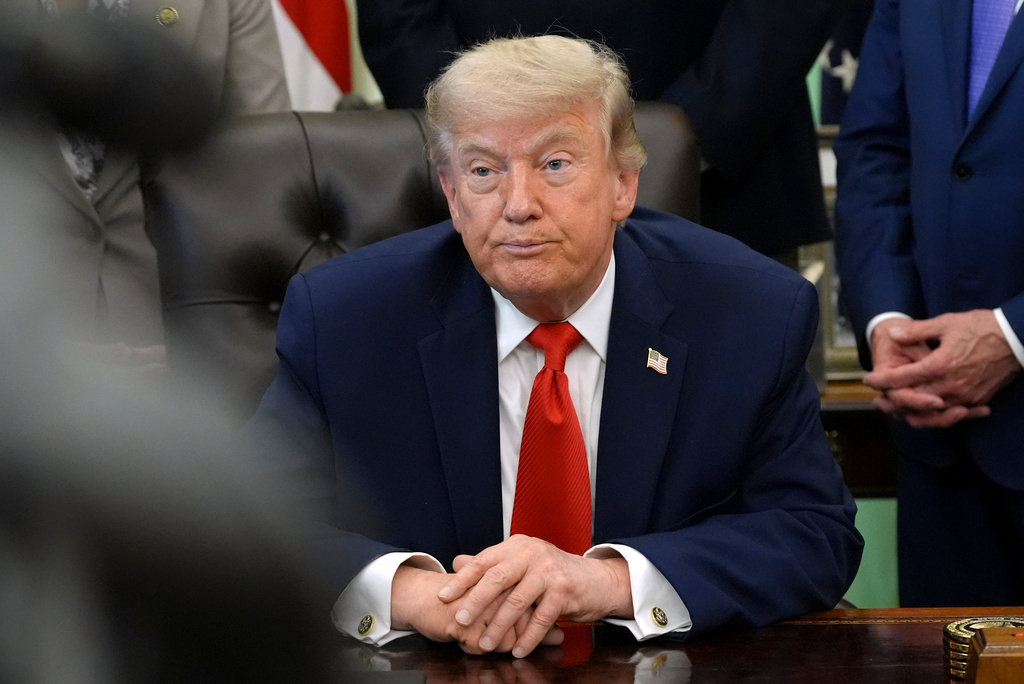
President Donald Trump listens during an event to sign a proclamation about the fishing industry, in the Oval Office of the White House, Thursday, June 11, 2026, in Washington. (AP Photo/Jacquelyn Martin)
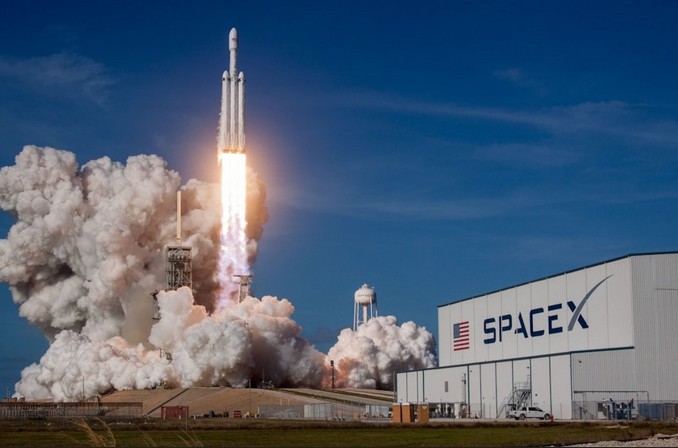
The IPO values the company at about 1.77 trillion dollars, according to reports. SpaceX shares are expected to begin trading on the Nasdaq on Friday. In terms of fundraising size, the IPO would set a record for an initial public offering. Based on the valuation, SpaceX would rank among the top 10 most valuable U.S.-listed companies.
Founded by U.S. entrepreneur Elon Musk in 2002, SpaceX has businesses in space launch services, satellite internet and artificial intelligence. The IPO has drawn strong market attention, while the company’s high valuation has also prompted discussion among market watchers about its profit outlook and the sustainability of its future growth.
Reports said SpaceX’s listing arrangement breaks with some Wall Street conventions, including setting the IPO price in advance and reserving a relatively high proportion of shares for retail investors. Musk will retain strong voting control over the company after the IPO.
Given Musk’s large stake in SpaceX, the valuation could significantly increase the value of his holdings and make him the world’s first trillionaire.
Founded by U.S. entrepreneur Elon Musk in 2002, SpaceX has businesses in space launch services, satellite internet and artificial intelligence.
According to the latest situation report released on Thursday by the DRC’s health authorities, 41 new confirmed cases, including nine deaths, were reported on Wednesday in the provinces of Ituri and North Kivu.
The outbreak, caused by the Bundibugyo strain of the Ebola virus, has so far affected 29 health zones across three eastern provinces: Ituri, North Kivu and South Kivu.
The latest official assessment said confirmed cases have been increasing from week to week, indicating continued community transmission. It warned that a sudden geographic expansion of the outbreak is feared if public health measures are not implemented quickly.
Health authorities also said 5,768 contacts were under follow-up across the three affected provinces, with a follow-up rate of 71.8 percent. The report listed weak contact tracing as one of the main challenges, saying the current rate remains below the 95-percent target and could compromise efforts to interrupt transmission chains.
Two Ebola patients in Bunia, the capital of Ituri Province, were declared recovered, bringing the cumulative number of recoveries to 32, the report said.
The current Ebola outbreak in the DRC, the country’s 17th since the disease was first identified in 1976, was officially declared on May 15. The affected provinces, with a combined population of nearly 15 million, are marked by large-scale internal displacement and cross-border population movements toward neighboring countries, according to the report.
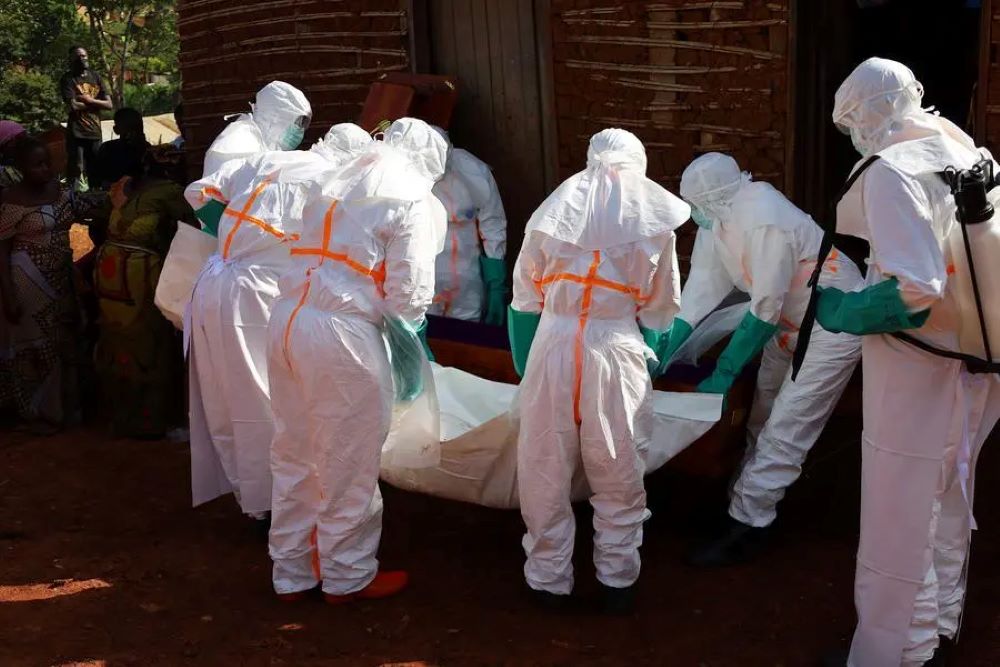
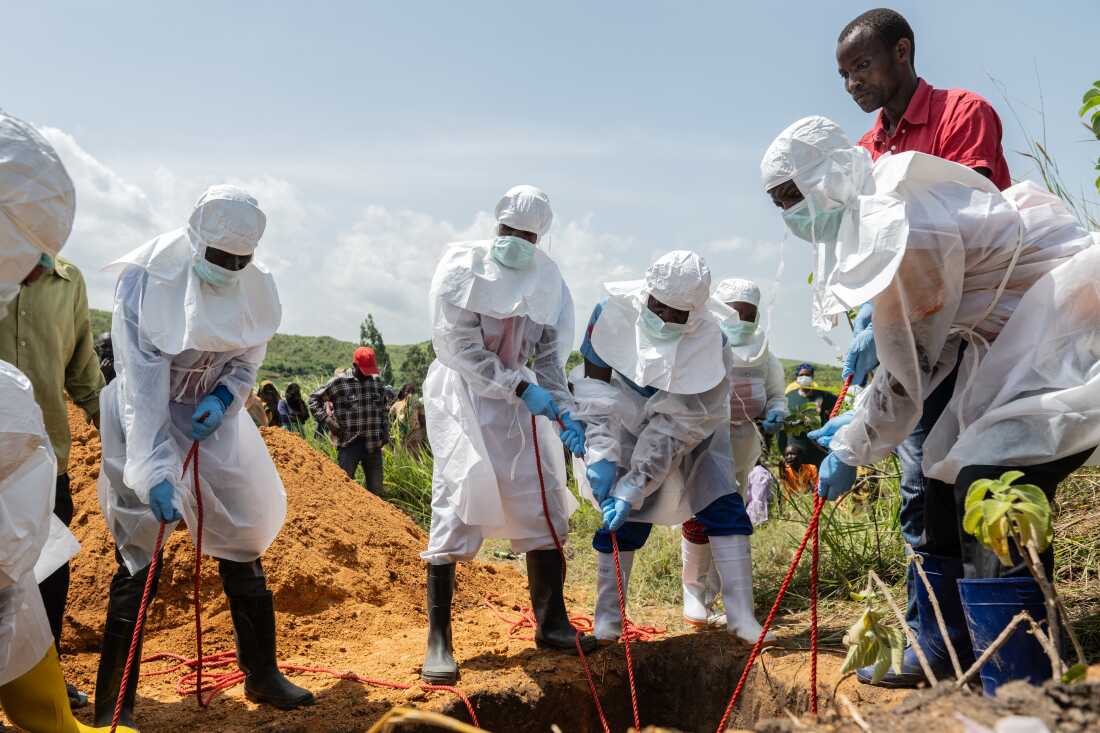
Red Cross workers bury an Ebola victim at the Rwampara Cemetery, in Rwampara, Congo, May 23, 2026.
The bank’s semi-annual Global Economic Prospects report cited higher energy prices, steeper inflation and increased borrowing costs amid the Middle East conflict for the growth cut.
Downside risks are significant, the report warned. Global growth could further slow to 2.1 percent if the energy disruptions lasted longer and oil prices averaged 115 U.S. dollars per barrel this year, driving inflation to 4.4 percent; or worsen to 1.3 percent if the energy shock affected financial markets.
The report lowered growth forecast for two-thirds of countries compared to its January report this year, with countries in the Gulf taking the biggest cuts from 3.9 percent in 2025 to close to zero in 2026.
South Asia is expected to have the strongest growth of any region at 6.3 percent in 2026, still a slowdown from 7 percent in 2025.
The report maintained its 2.2 percent growth forecast for the U.S. economy in 2026, although it noted that this figure could drop to 2.1 percent in 2027 and 2 percent in 2028.
Economy in the euro area is expected to grow 0.8 percent in 2026, down from 1.4 percent in 2025. Japan’s gross domestic product is forecast to grow 0.7 percent in 2026, down from 1.1 percent in 2025.
The report expects global growth to improve to 2.8 percent in 2027, but this will remain 0.4 percentage points below the average in the 2010s.
While risks remain skewed to the downside amid escalating hostilities, further commodity market disruptions and additional geopolitical strains, the bank holds that policy action is critical.
Globally, the World Bank urges concerned countries to safeguard energy and food security and advance the energy transition; domestically, it urges all countries to control inflation, strengthen fiscal sustainability and support job creation.
The World Bank on Thursday lowered its global growth forecast to 2.5 percent for 2026.
The investment comes as the company prepares to introduce 18 new electric passenger buses, which are expected to arrive in Kigali by June 15, 2026.
The buses will operate on routes serving different provinces, supporting Rwanda’s efforts to promote clean transportation while helping operators cope with rising fuel costs.
One of the buses’ key advantages is their long driving range. According to the company, a fully charged bus can travel up to 400 kilometres, allowing it to make a round trip from Kigali to Eastern Province without requiring a recharge.
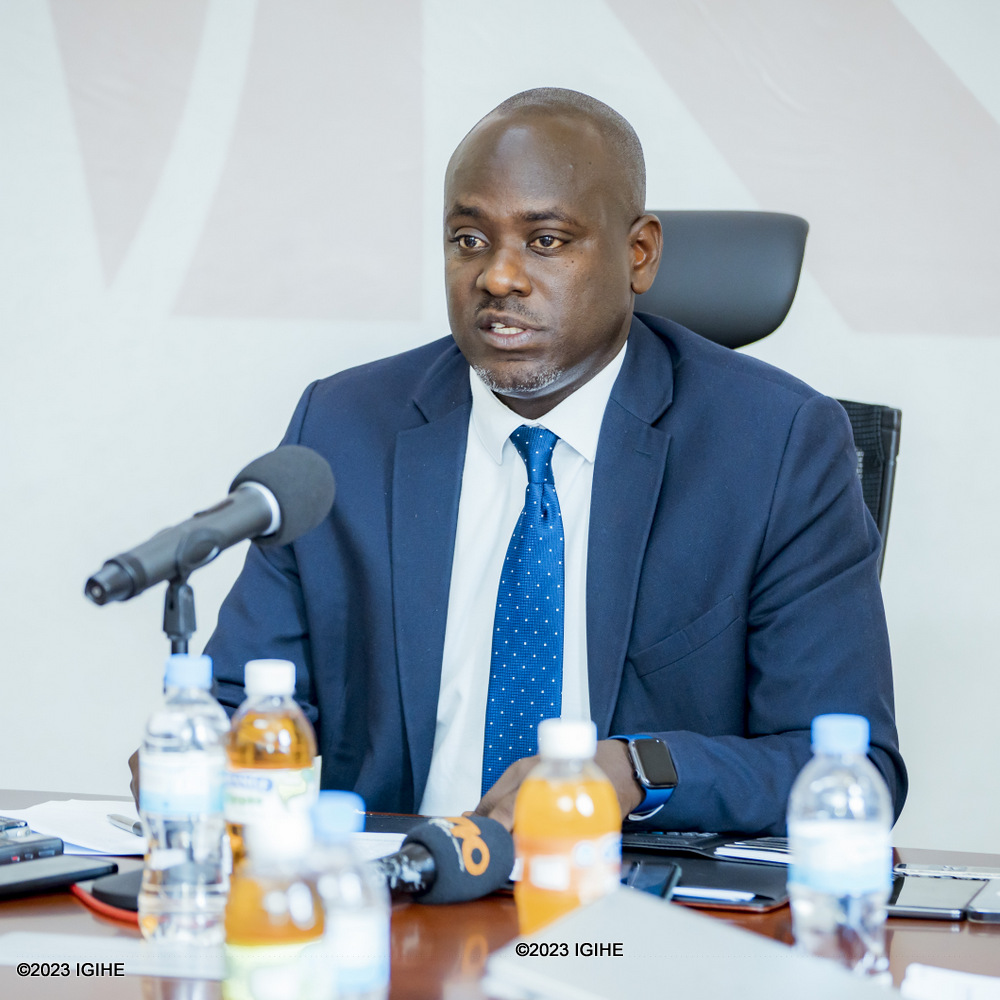
BasiGo Rwanda Managing Director Jones Kizihira told IGIHE that the company has already invested more than $10 million in Rwanda since it began operations and now intends to invest a similar amount within the next year.
“At a time when fuel prices continue to rise, electric buses can help public transport operators meet their targets and maintain their investments,” he said. “Most operators still rely on diesel-powered fleets. Adding electric buses helps reduce their daily operating costs.”
Kizihira said BasiGo remains committed to introducing only electric buses to the Rwandan market, in line with the country’s efforts to accelerate the adoption of electric mobility in public transport.
“That is the direction we will continue to follow as BasiGo,” he said. “We will keep bringing electric buses, expanding charging infrastructure and building local expertise not only in operating the vehicles but also in maintaining and repairing them so they can remain on the road for a long time.”
The company aims to have at least 100 electric buses operating in Rwanda by the end of 2026.
The expansion will also include training technicians, charging station operators and other personnel needed to support the growing electric mobility ecosystem.
Kizihira noted that the company’s experience in Rwanda has demonstrated the economic benefits of electric vehicles, especially as global events continue to affect fuel prices.
On June 5, 2026, the Rwanda Utilities Regulatory Authority (RURA) announced new fuel prices, maintaining petrol at Rwf 2,938 per litre while increasing diesel prices from Rwf 2,205 to Rwf 2,927 per litre.
Kizihira encouraged investors and transport operators to consider electric vehicles, saying many early adopters have already experienced their benefits.
“Electric vehicles are still relatively new technology, so it is normal for people to have concerns at first,” he said. “But what we have seen in Rwanda is that more people are becoming confident in using them. The more electric vehicles we have on the road, the more expertise we develop in maintaining and servicing them.”
To support the growing fleet, BasiGo plans to expand its charging network beyond its existing facilities in Kigali and Muhanga.
Although a fully charged bus can travel from Kigali to Rubavu and back without running out of power, the company intends to establish additional charging stations in Rubavu and Huye before expanding to other parts of the country.
The investment is expected to strengthen Rwanda’s transition to cleaner transport while reducing dependence on fossil fuels and lowering operating costs for public transport operators.
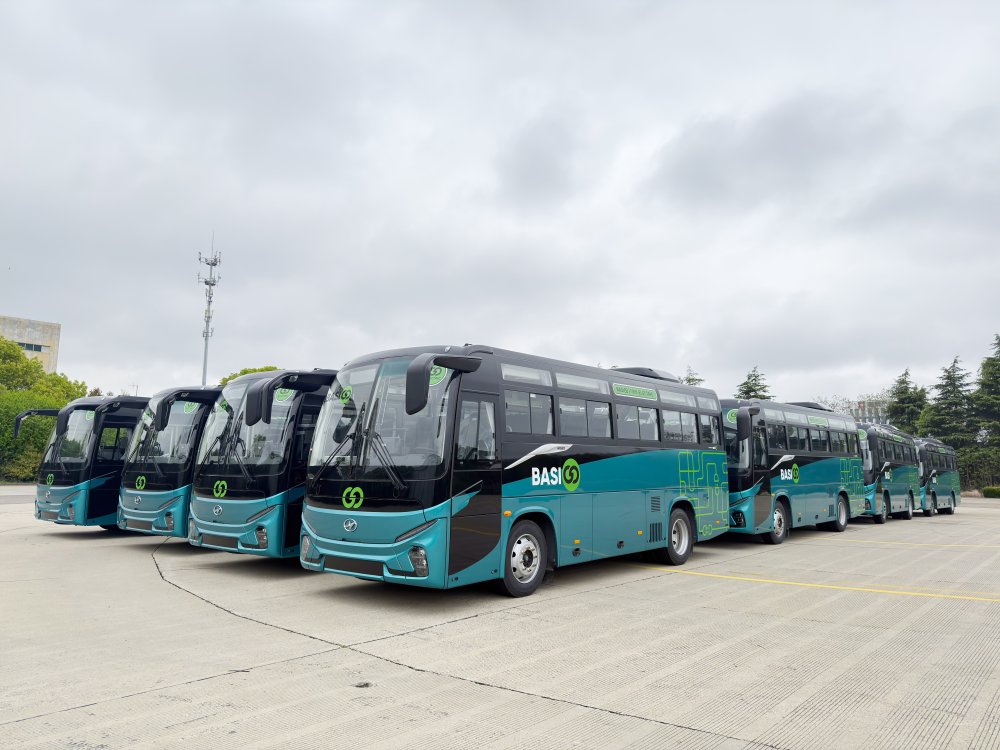
BasiGo’s new electric buses can travel up to 400 kilometres on a single charge, enabling long-distance operations across Rwanda.BasiGo Rwanda plans to invest $10 million in expanding its electric bus fleet and charging infrastructure across the country.
The revenue was generated from 10,989 tonnes of agricultural and livestock products exported to various international markets. These included coffee, tea, vegetables, fruits, flowers, livestock products, and other agricultural commodities.
Coffee exports totaled 652 tonnes, generating about Rwf 4.5 billion, while tea exports reached 1,166 tonnes, earning approximately Rwf 4.8 billion.
Vegetable exports stood at 450 tonnes, bringing in around Rwf 772 million. These products were mainly exported to countries including China, the United Kingdom, the Netherlands, France, and several African markets.
Fruit exports reached 22 tonnes, generating Rwf 82 million, with shipments going to the United Arab Emirates and other African countries.
Flower exports amounted to 7 tonnes, earning about Rwf 56 million, mainly destined for the United Kingdom and the Netherlands.
Other agricultural products such as tubers, legumes, cereals, and related commodities accounted for the largest volume, with 7,822 tonnes exported, generating about Rwf 7 billion. These were mainly shipped to Bangladesh, the United States, and various African countries.
Livestock and related products also contributed to export earnings, with 869 tonnes exported, generating approximately Rwf 767 million, primarily destined for African markets.
Tea exports reached 1,166 tonnes in five days, earning approximately Rwf 4.8 billion.
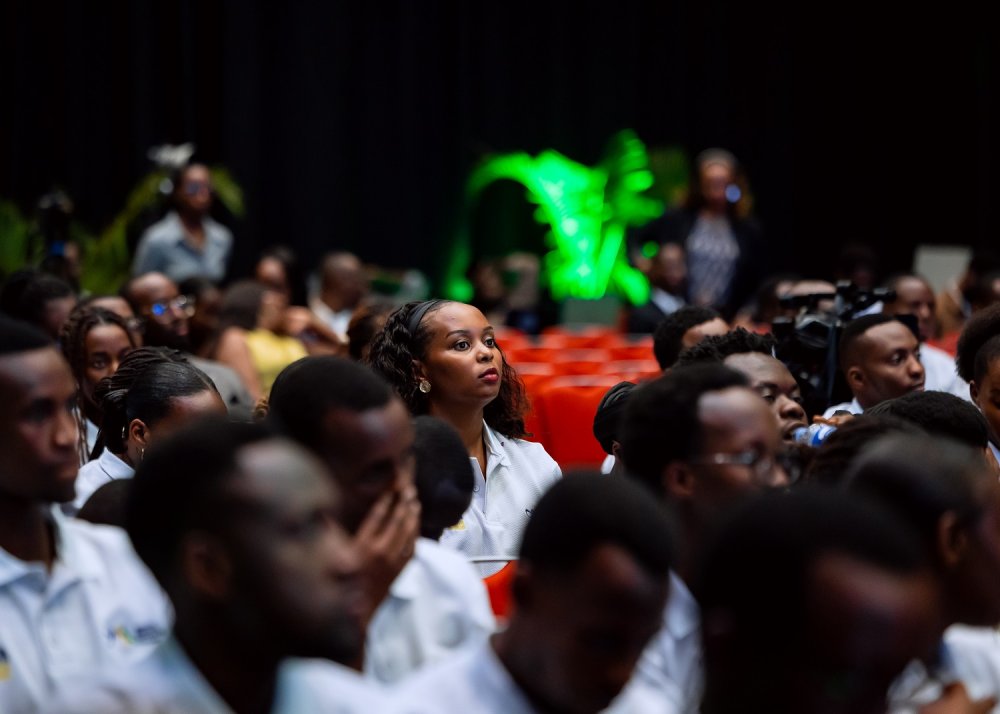
The message was delivered during the 2026 Capital Markets Youth Forum, a national campaign that attracted more than 1,100 contestants and reached over 6,000 students through roadshows across all provinces.
The forum was organised by the Capital Markets Authority, Rwanda National Investment Trust, Rwanda Stock Exchange and Luxembourg Development Cooperation Agency. It focused on helping young people understand savings, investment, shares, bonds and collective investment schemes.
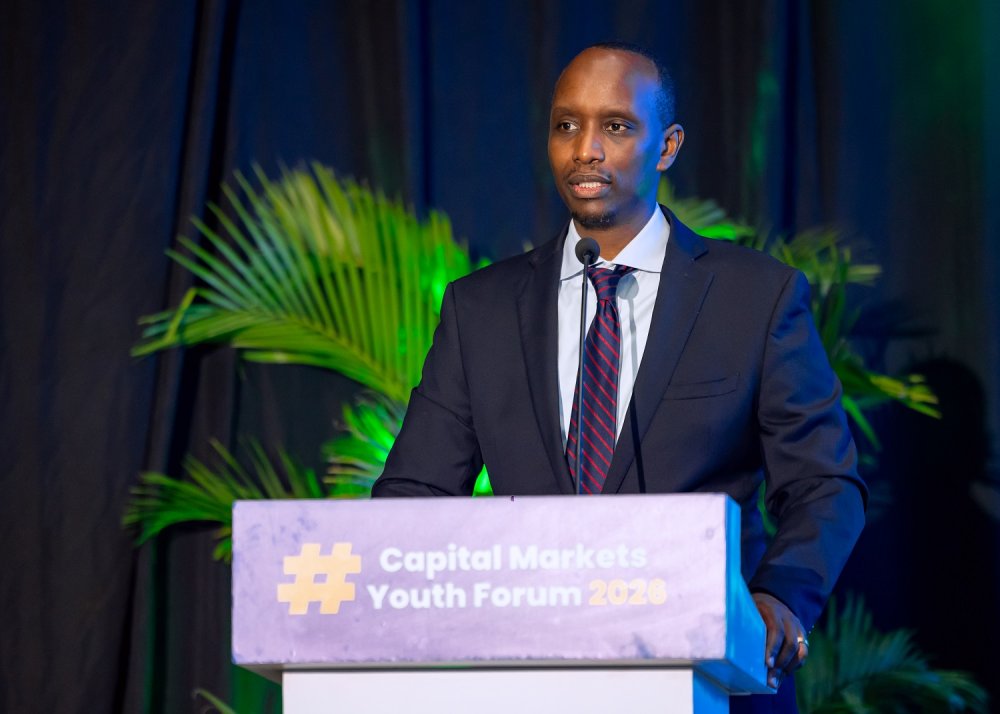
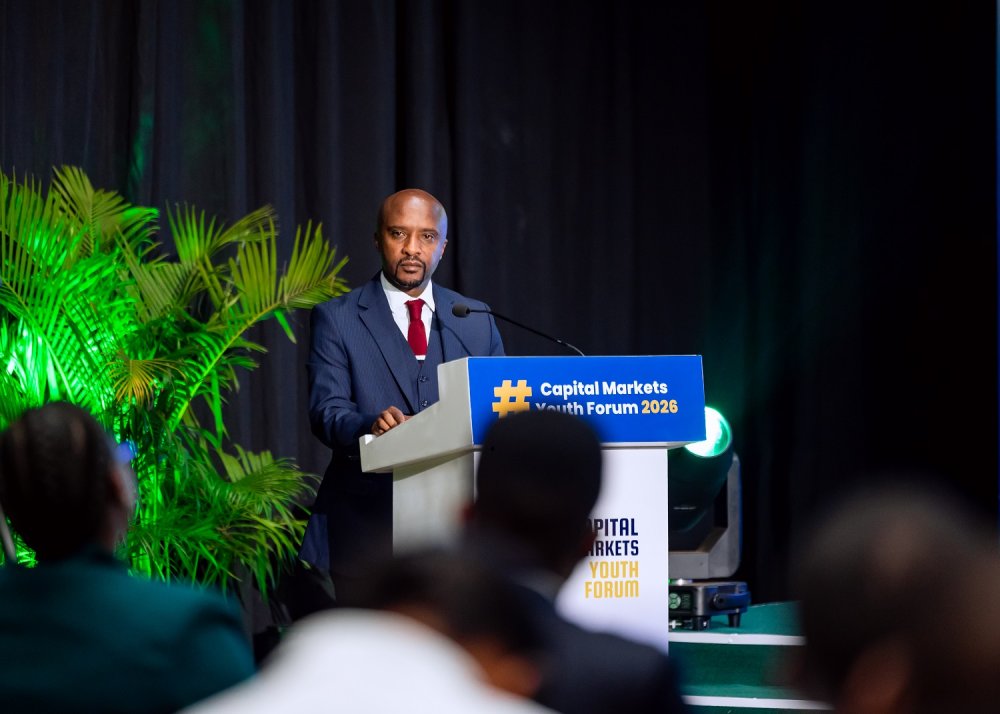
The Chief Executive Officer of the Capital Markets Authority, Romeo Ngarambe said the capital market should not be viewed as a space reserved for large companies, wealthy individuals or financial institutions.
He noted that “Through this programme, we seek to build a stronger culture of saving and investment among youth. We want young people to understand that the capital market is not reserved for a few institutions or large investors.”
For young people, the capital market offers practical entry points. Through shares, they can own part of listed companies. Through bonds, they can lend to the government or companies and earn returns. Through collective investment schemes, they can pool modest amounts with other investors and benefit from professional fund management.
Alodie Iradukunda, a Member of the East African Legislative Assembly, urged young people to look beyond saving alone and put money into productive assets. She said that “Saving alone is no longer enough.”
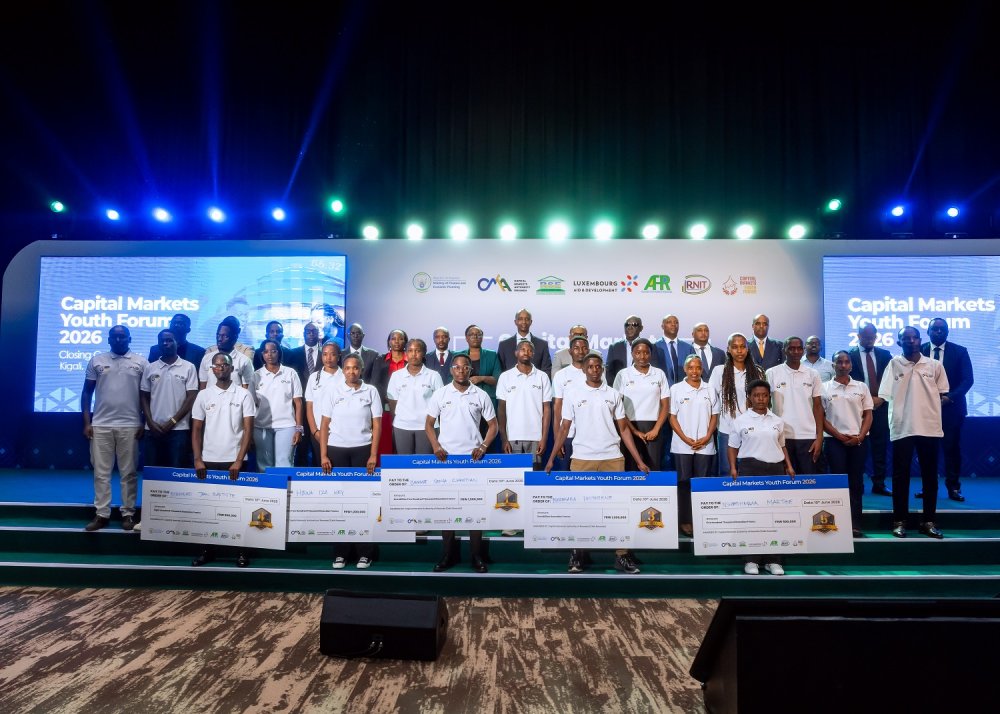
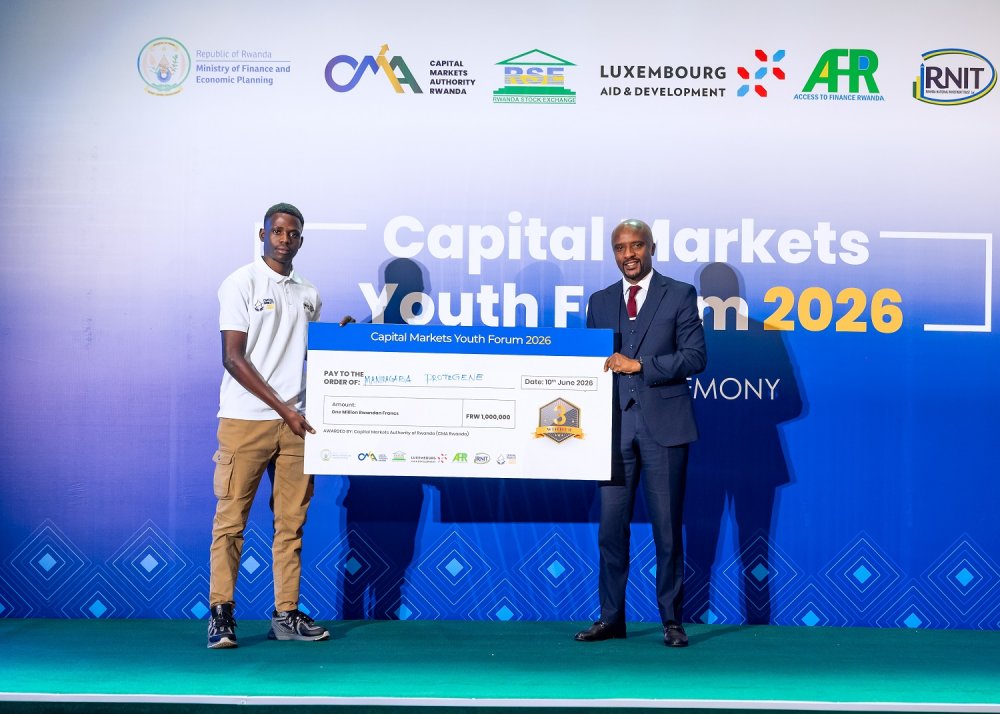
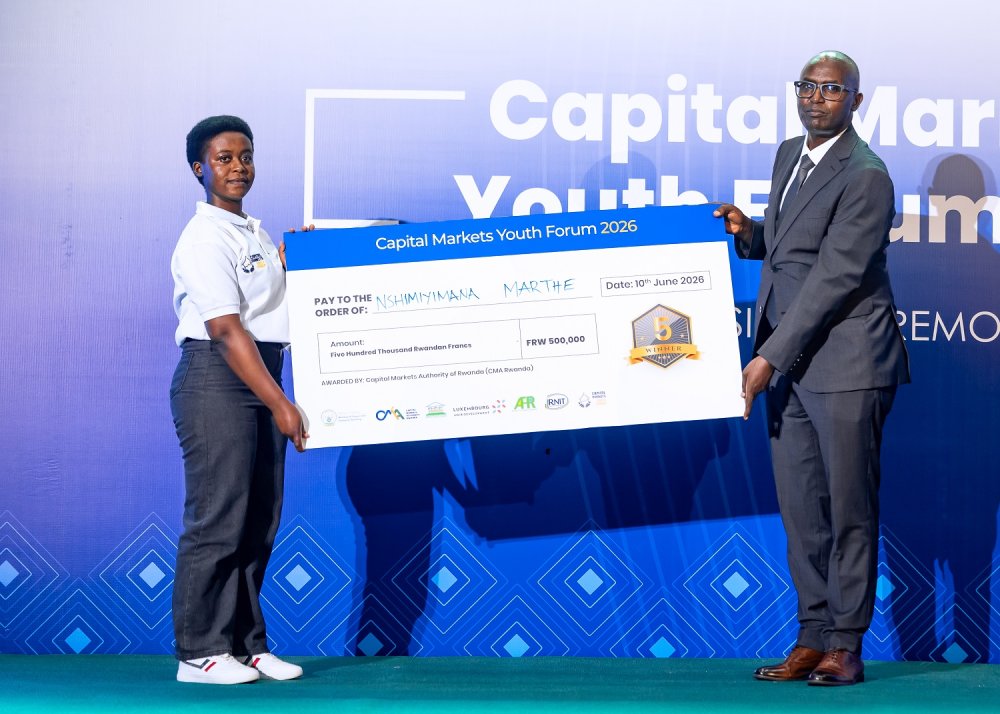
The Capital Markets University Challenge held as part of the Capital Markets Youth Forum, concluded with 5 winners from 1,100 contestants.
The winners received prizes in shares, bonds and Collective Investment Schemes which provide practical exposure to capital market products & long-term investment.
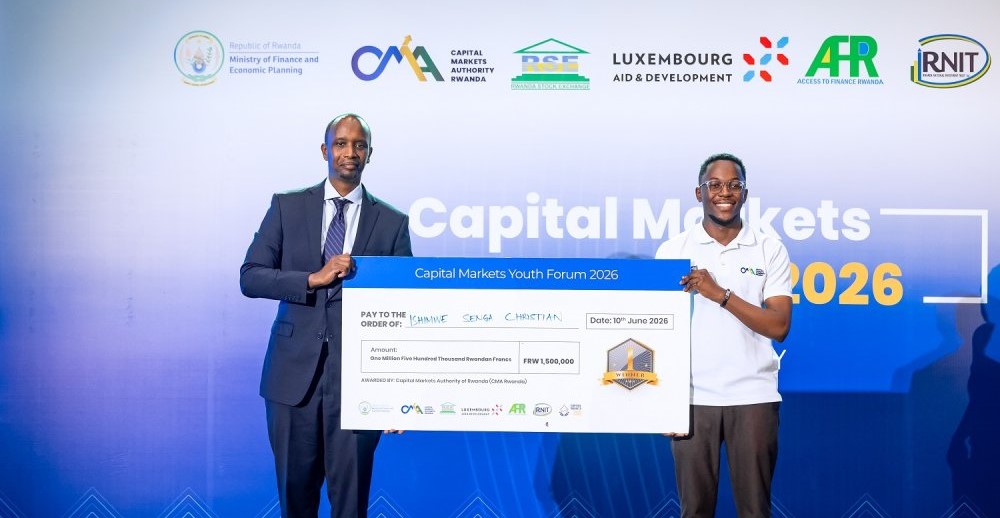
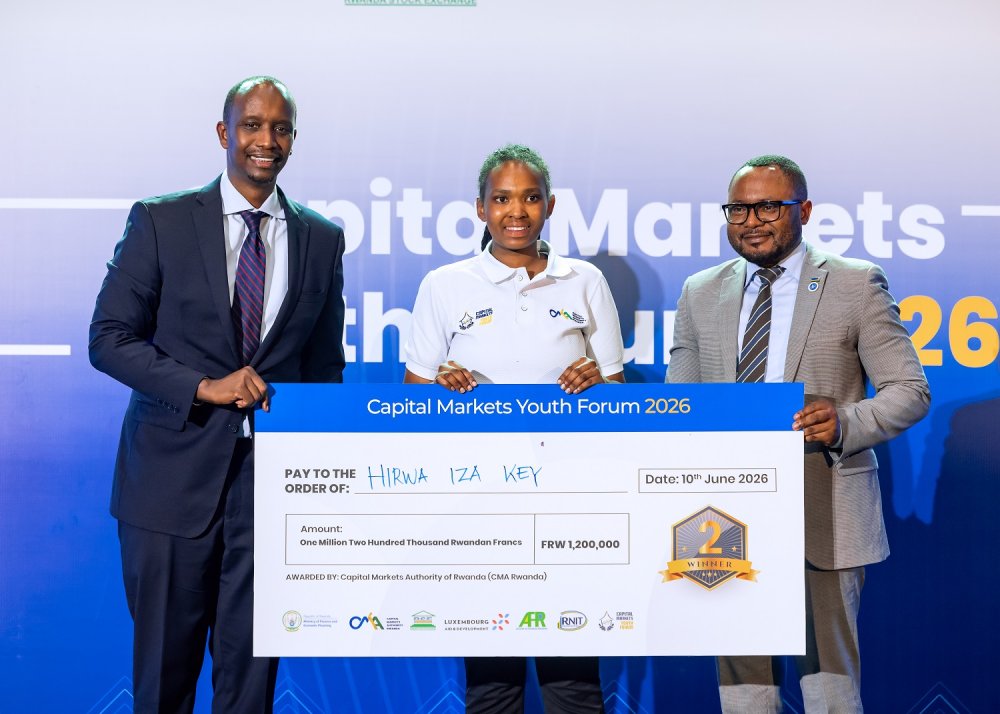
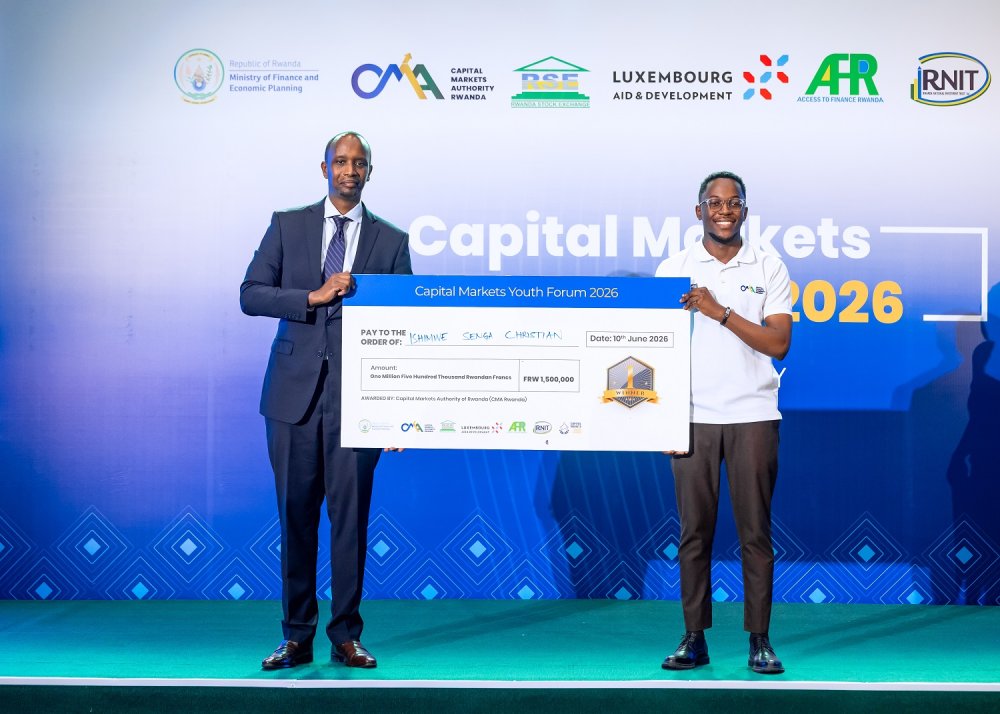
Christian Ishimwe Senga took first place and received Rwf 1.5 million worth of shares, bonds and Collective Investment Schemes. Iza Key Hirwa came second with Rwf 1.2 million, while Protegene Maniragaba finished third with Rwf1 million. Jean Baptiste Byiringiro came fourth with Rwf800,000, while Marthe Nshimyimana came fifth with Rwf500,000.
The forum focused on helping young people understand savings, investment, shares, bonds and collective investment schemes.The youth forum was organized by the Rwanda Capital Markets Authority (CMA), RNIT Iterambere Fund, the Rwanda Stock Exchange, and Luxembourg’s development cooperation agency. Iza Key Hirwa came second with Frw 1.2 millionChristian Ishimwe Senga took first place and received Frw 1.5 million worth of shares, bonds and Collective Investment Schemes.Marthe Nshimyimana came fifth with Frw 500,000.Capital Markets Authority Chief Executive Officer, Romeo Ngarambe, said the capital market should not be seen as a space reserved only for large companies or financial institutions.Rwanda Stock Exchange Chief Executive Officer, Rwabukumba Pierre-Célestin.
The changes also affected the structure of government, including the number of ministries and state ministers. Following the restructuring, Rwanda now has 20 ministries led by 20 ministers, down from 21 previously. The number of State Ministers has also increased from 11 to 12.
The Ministry of Infrastructure has been reorganised and now includes a minister and two state ministers, making it one of only two ministries with more than one state minister, alongside the Ministry of Finance and Economic Planning.
The Minister in the Office of the President reviews all legislation before promulgation by the President of the Republic. The Minister is also charged with resolving the citizen complaints addressed to the President and supervises implementation of Presidential pledges; and serves as liaison between Cabinet and Parliament.
The dissolution will not affect the handling of citizens’ complaints, which will continue to be addressed.
The role had been held by Judith Uwizeye since 2017. Following the latest changes, she has been appointed Minister of Public Service and Labour, a post she had previously held between 2014 and 2017.
Before Uwizeye, the position was held by Venantie Tugireyezu, who served from 2011. He currently serves as a judge at the Court of Appeal.
These changes form part of ongoing adjustments within President Paul Kagame’s fourth-term. The most recent reshuffle prior to this took place in December 2025, when Dr Telesphore Ndabamenye was appointed Minister of Agriculture and Animal Resources and Dr Solange Uwituze was named State Minister.
In the same period, Dr Usta Kaitesi was appointed State Minister in the Ministry of Foreign Affairs, replacing Gen (Rtd) James Kabarebe.
Earlier, in September 2025, Yves Iradukunda joined the cabinet as State Minister in the Ministry of ICT and Innovation.
These remain the only changes recorded since July 2025, when Dr Justin Nsengiyumva was appointed Prime Minister.
Before that, a reshuffle in December 2024 affected the Ministry of Sports, where Nelly Mukazayire became Minister, Rwego Ngarambe was appointed State Minister, and Godfrey Kabera took up the role of State Minister in the Ministry of Finance and Economic Planning, responsible for Treasury.
The Ministry in the Office of the President has been dissolved.
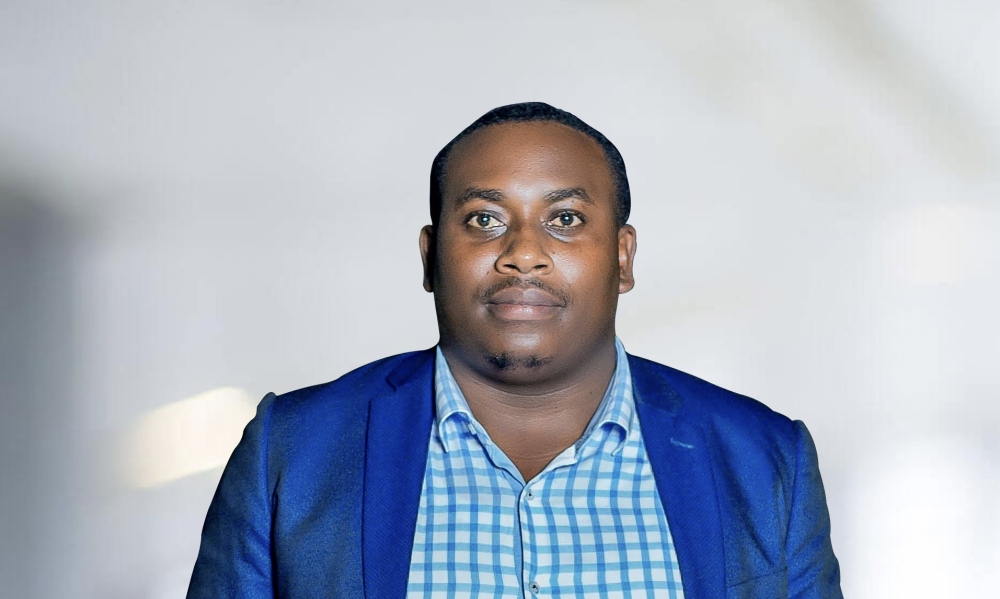
Among the most notable appointments is that of Damien Murwanashyaka, who was named Minister of Infrastructure, a ministry that has recently been under scrutiny over delayed projects, including roads, dams, and buildings that have led to significant financial losses.
Murwanashyaka joins the government from the private sector, where he brings more than 15 years of experience in the construction industry. A Professional Civil Engineer and Associate Member of the Chartered Institute of Arbitrators, Murwanashyaka most recently served as the Managing Director of Preferred Contractors.
Before that, his senior leadership career included roles as the CEO of UDL, Chief Quantity Surveyor at Real Contractors Ltd, and Projects Manager at ROKO Construction Ltd. He also held consultant leadership roles at Century Engineering and Contractors Ltd and Gasabo 3D Design Ltd.
He graduated with a First Class Honors Degree in Civil Engineering and later earned an MBA from Oklahoma Christian University.
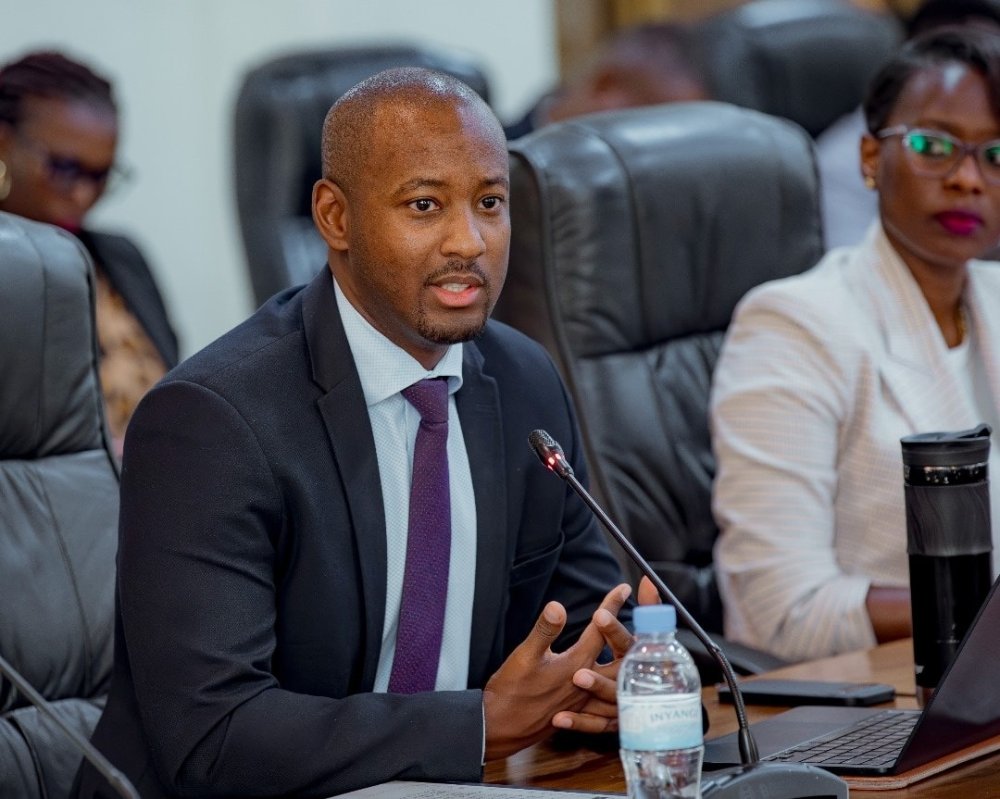
The Ministry of Infrastructure also welcomed Armand Zingiro as State Minister. Zingiro previously served as Chief Executive Officer of the Rwanda Energy Group (REG), a position he held since September 2023 after leading the Energy Utility Corporation Limited (EUCL) from 2020.
He was replaced at REG by Maximilien Byilingiro, who has been appointed the new Chief Executive Officer of the energy utility.
Another new entrant to the ministry is Col Claudien Bizimungu, who was appointed State Minister for Infrastructure. Since 2022, he has served as Deputy Commander of the Rwanda Defence Force’s Engineer Brigade. He was also part of a Rwandan military mission that assisted Jamaica in rebuilding infrastructure damaged by natural disasters.
In the Ministry of Trade and Industry, Marie Antoine Kajangwe was appointed Minister, replacing Prudence Sebahizi. Kajangwe is no stranger to the ministry, having served as Permanent Secretary since August 2024.
Prior to that, she was Director General in charge of Trade and Investment Promotion at the ministry.
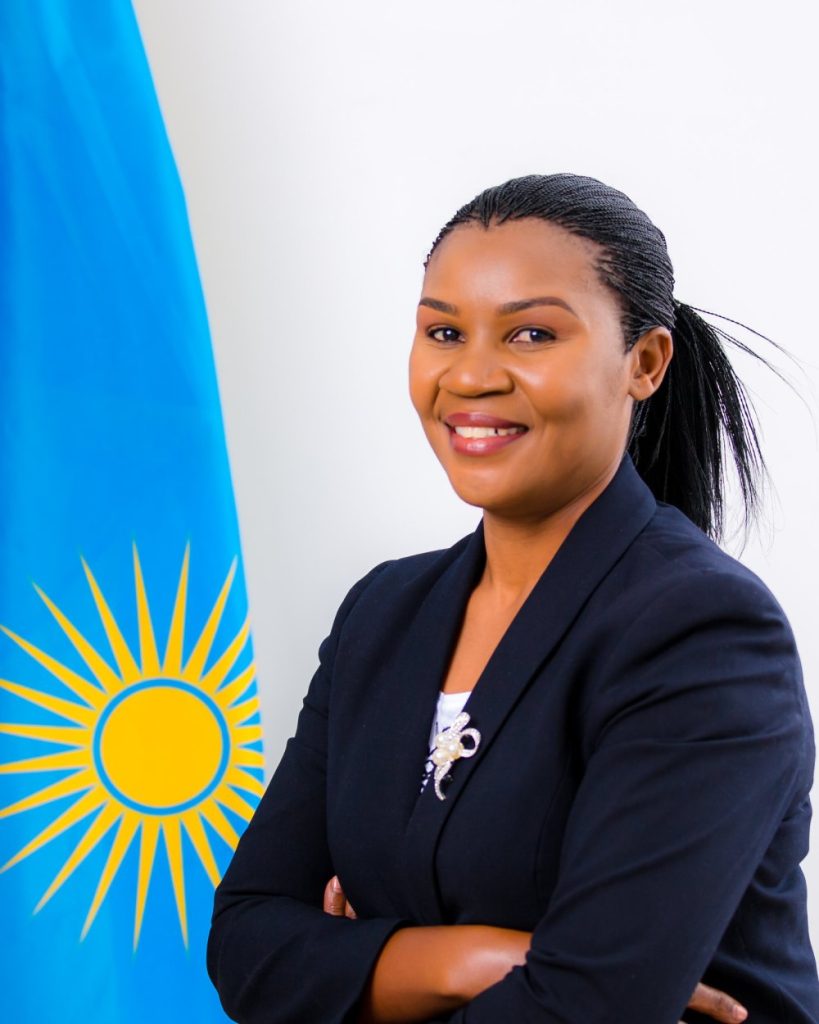
Her former position as Permanent Secretary has been filled by Chantal Tuyishimire.
Meanwhile, Judith Uwizeye was appointed Minister of Public Service and Labour, replacing Ambassador Christine Nkulikiyinka. Uwizeye previously served as Minister in the Office of the President following the formation of a new Cabinet in July 2025.
This is not her first time leading the Public Service and Labour Ministry. She held the same portfolio between 2014 and 2017. A lawyer by training, Uwizeye graduated from the former National University of Rwanda in 2006 before earning a master’s degree in International Economic and Business Law from the University of Groningen in the Netherlands. She also taught in the university’s Faculty of Law.
The appointments also included several diplomatic and institutional changes. Lt Gen (Rtd) Karenzi Karake was appointed Rwanda’s Ambassador to China, while Emmanuel Bayingana was named Ambassador to Israel.
Jeannot Ruhunga was appointed Ambassador to Poland, and Christine Nkulikiyinka was named Ambassador to Spain.
Among others, Louise Kanyonga was appointed Chief Executive Officer of Zigama CSS, while Michelle Umurungi was named Deputy Chief Executive Officer in charge of Investments at RSSB at Rwanda Social Security Board.
The changes bring a mix of experienced public servants, private-sector professionals and security experts into leadership positions as the government seeks to strengthen service delivery across key sectors.
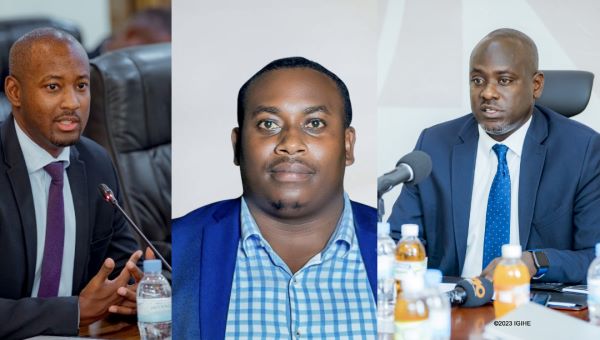
Murwanashyaka was appointed as Minister of Infrastructure, replacing Dr. GasoreKajangwe was named Minister of Trade and Industry, replacing SebahiziJudith Uwizeye was appointed Minister of Public Service and Labour, a position she previously held from 2014 to 2017Zingiro, former REG CEO, is now State Minister in MININFRA
Seventy-three UN personnel remain arbitrarily detained. One UN staff member has died in detention. Some colleagues are being held incommunicado, said Farhan Haq, the deputy spokesman, in a statement to mark two years of Houthis’ detention of personnel from the United Nations, nongovernmental organizations, civil society organizations, and diplomatic missions.
“These actions violate international law, cause deep suffering to families, and have severely constrained the ability of the United Nations and its partners to assist millions of people in need across Yemen,” said the statement.
UN personnel, including those who are nationals of Yemen, are immune from legal process in respect of all acts performed by them in their official capacity, it said.
Guterres underscores the importance of continued dialogue and engagement with the Houthis to secure the release of detained personnel and enable the resumption of humanitarian and development activities. The United Nations will continue to pursue all possible avenues to secure their immediate and safe release, said the statement.
The secretary-general remains steadfast in the United Nations’ commitment to supporting the people of Yemen and their aspirations for a just and lasting peace, it said.
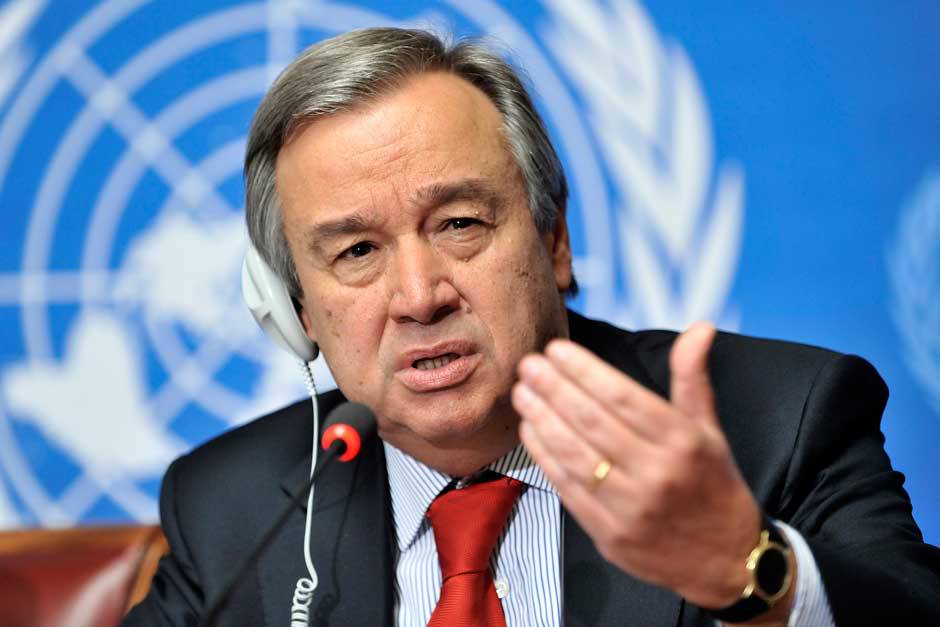
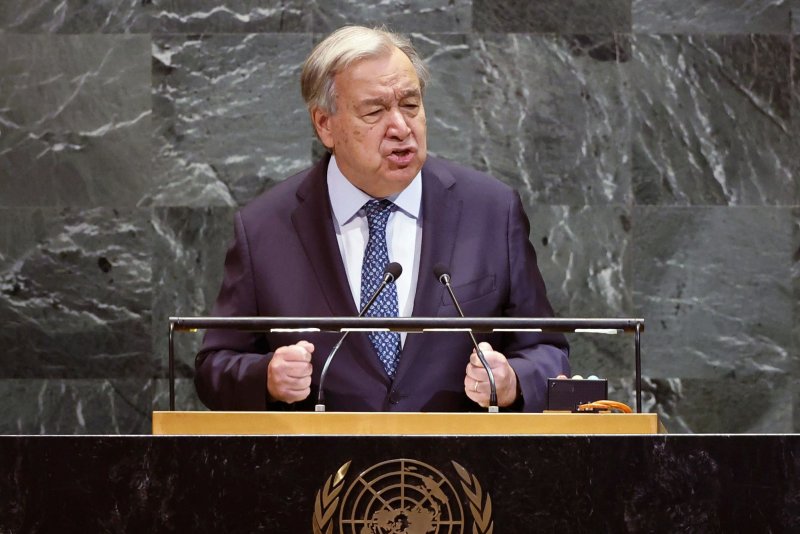
UN Secretary-General Antonio Guterres has reiterated his condemnation of the detention of UN and other personnel and calls for their immediate and unconditional release