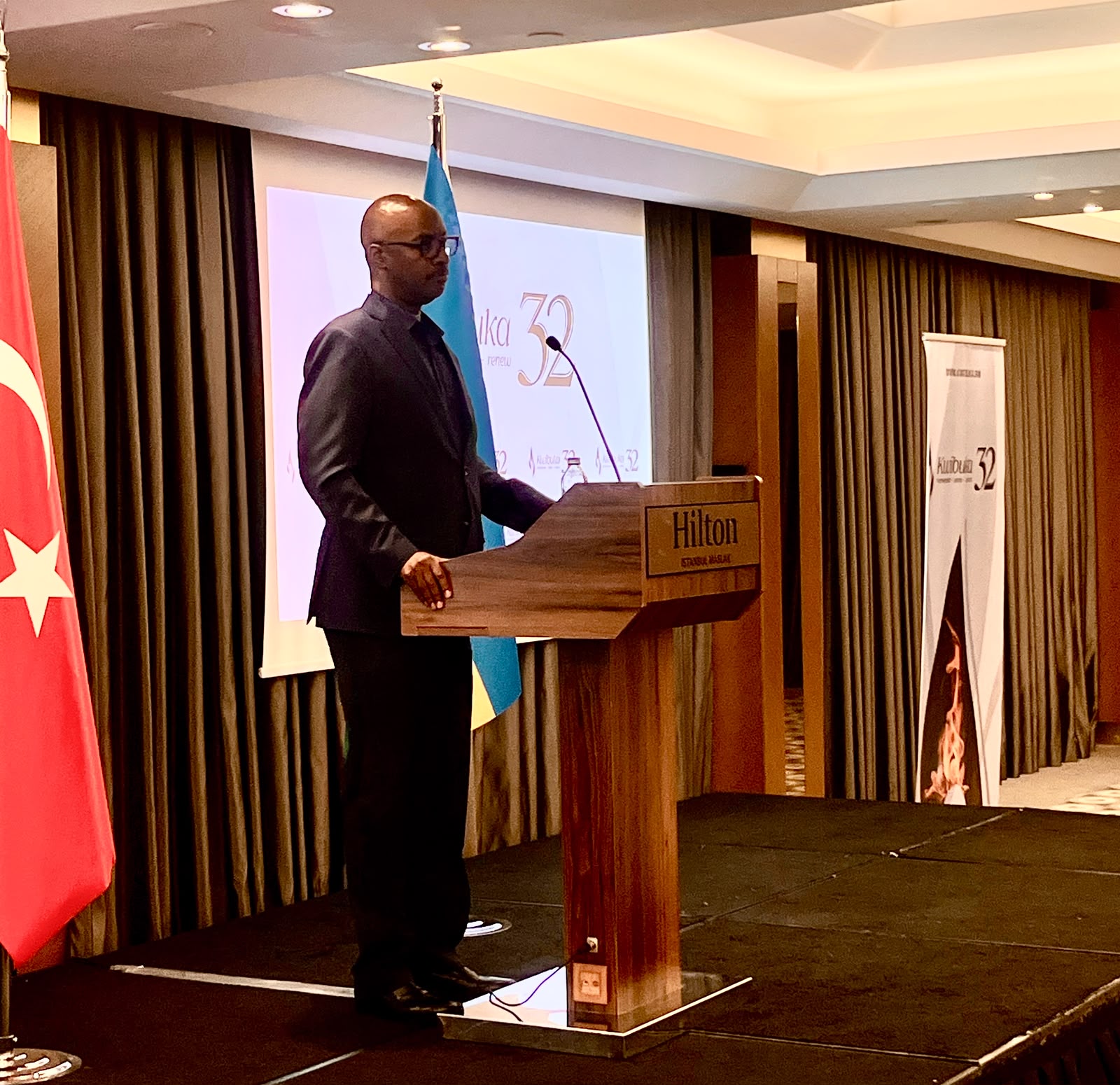
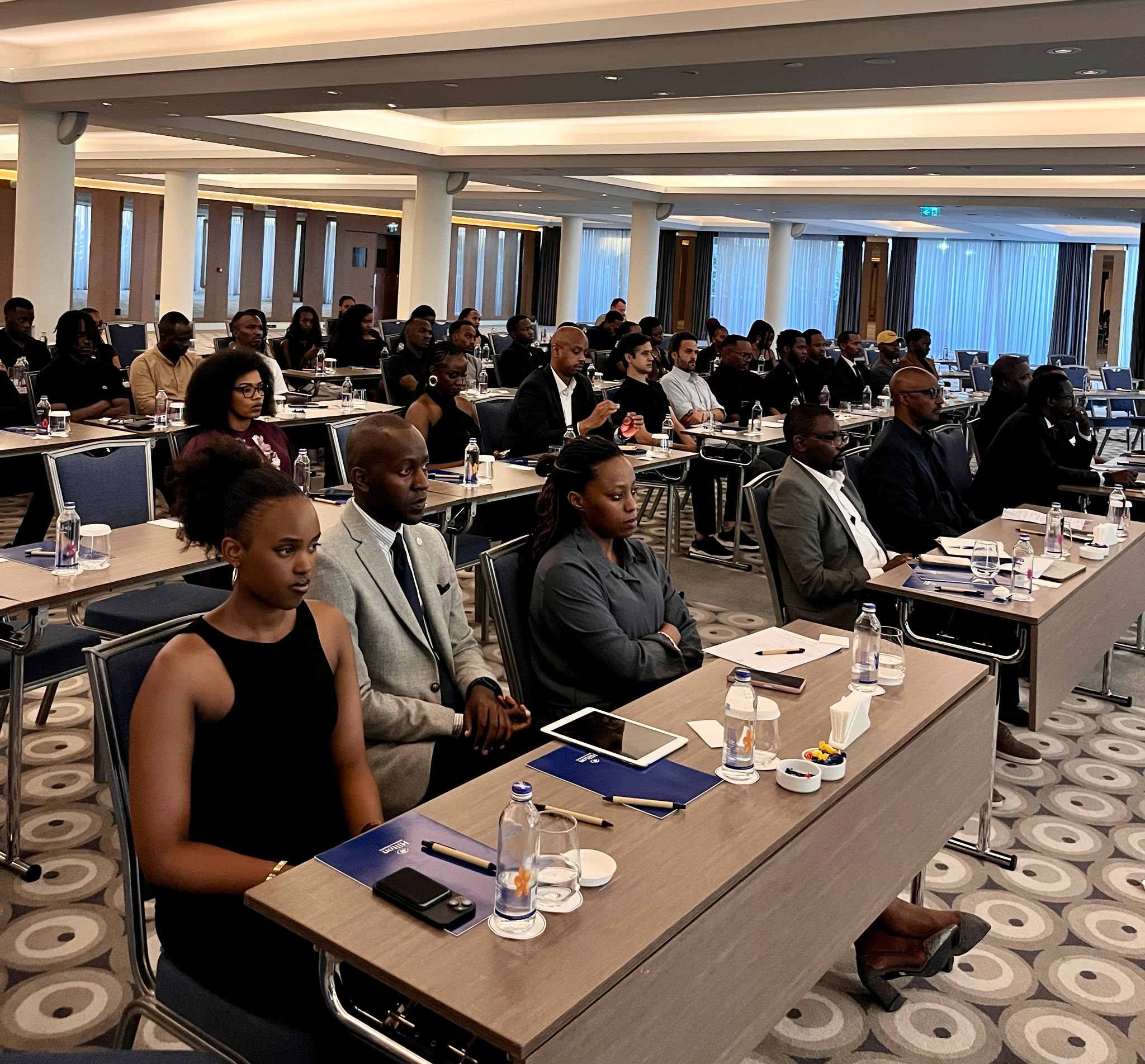
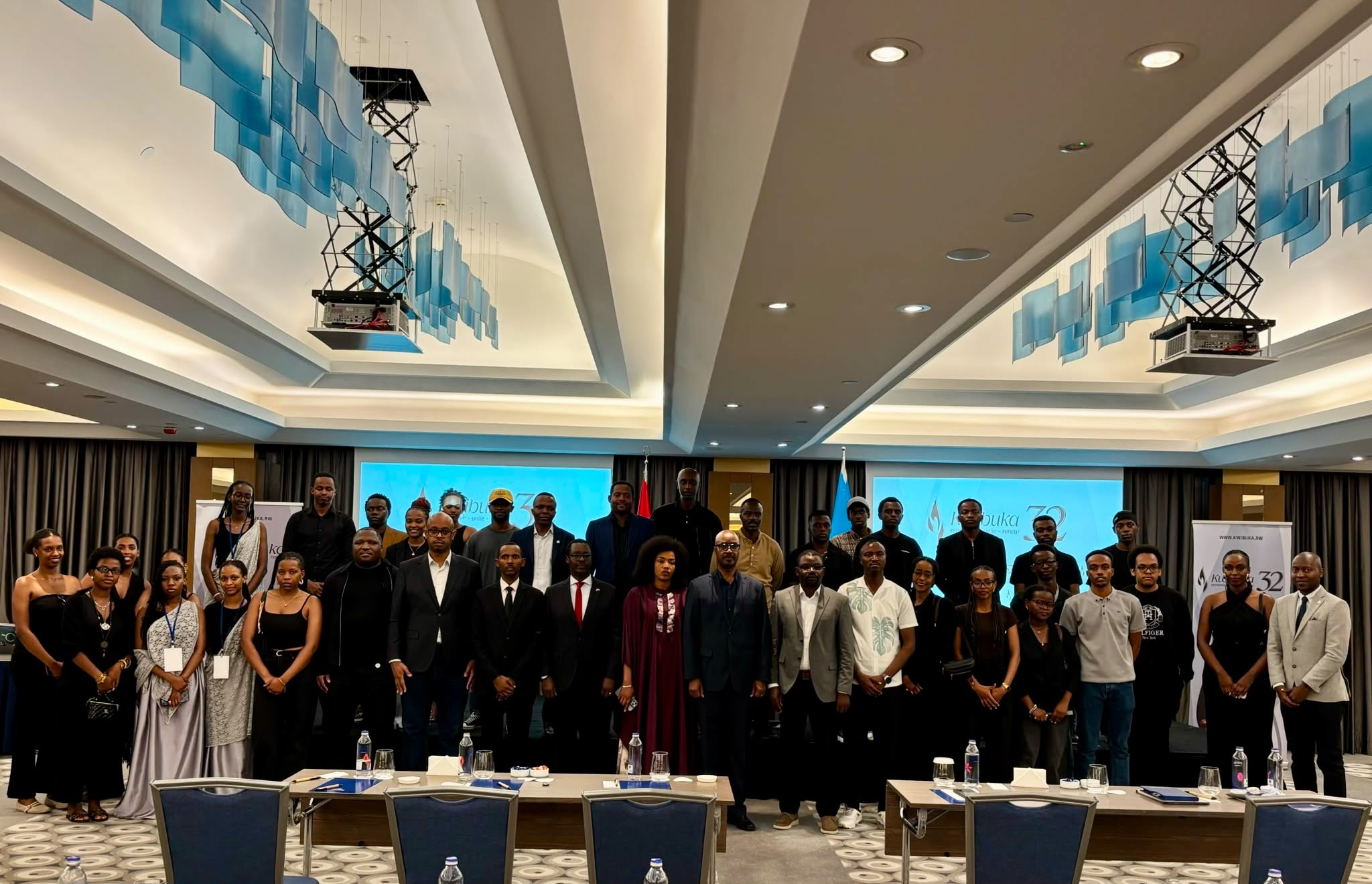
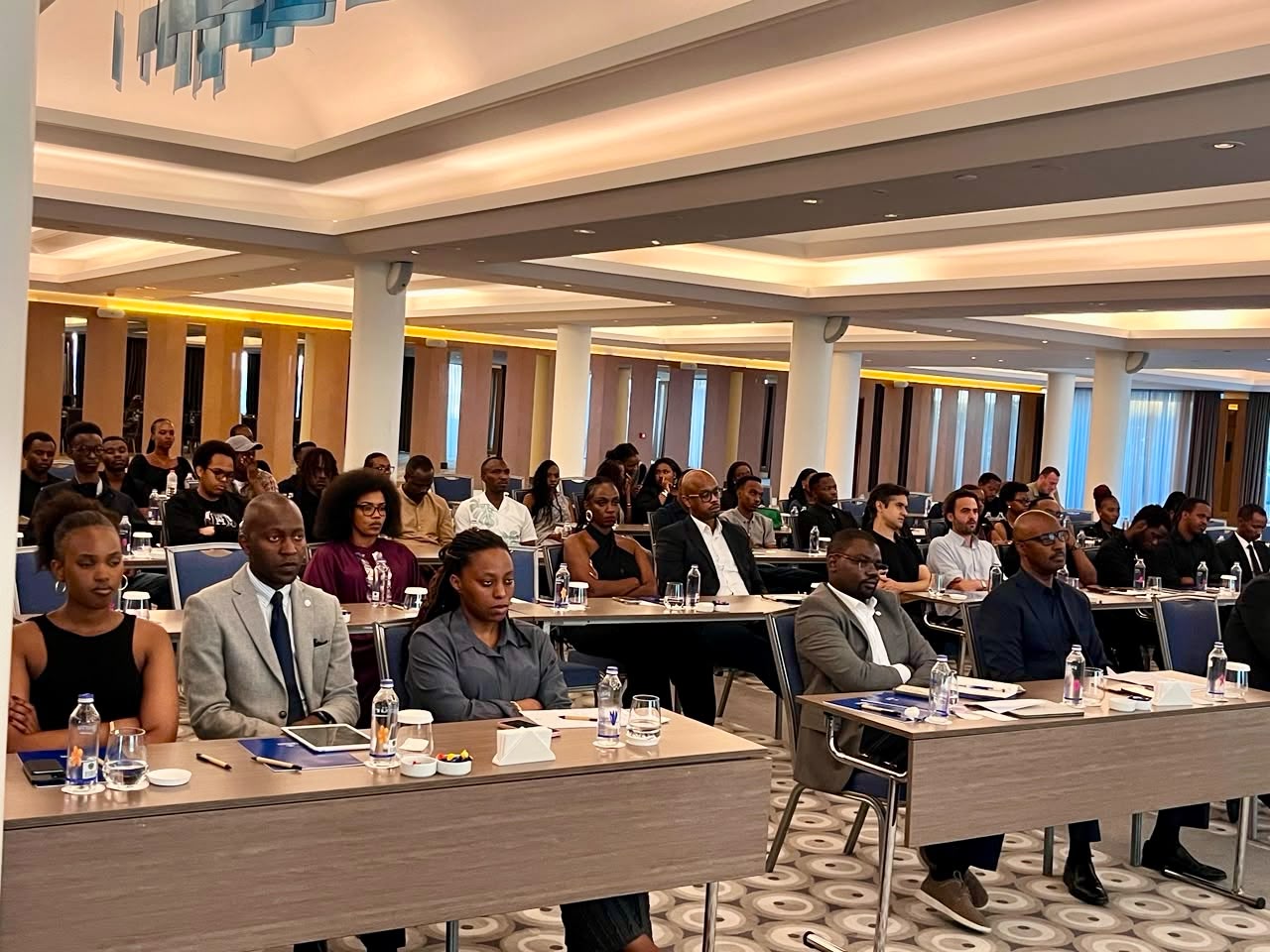
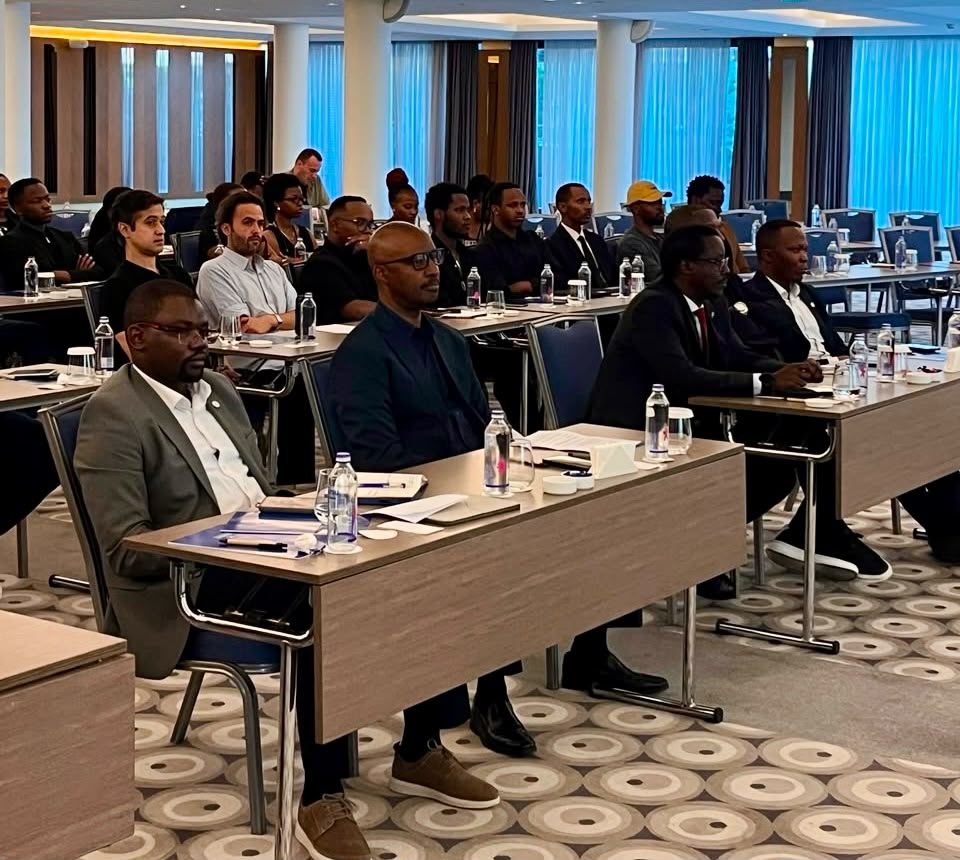
The event took place in Istanbul on June 27, as part of the 100-day commemoration period. Participants reflected on the roots of the Genocide against the Tutsi and discussed the role of young people in ensuring that such atrocities never happen again.
The gathering brought together Rwandans from different professional backgrounds living in Istanbul. It began with welcoming remarks delivered by Nshuti Aime Benjamin, the leader of the Rwandan community in the city.
During an interactive discussion, Rwanda’s Ambassador to Türkiye, Lt Gen (Rtd) Charles Kayonga, spoke about other genocides that have occurred throughout world history and highlighted the unique nature of the Genocide against the Tutsi, its origins, ways to eradicate its ideology, and the critical role of youth in that effort.
Young participants were reminded that the roots of genocide include hatred, ethnic discrimination, injustice, and governance based on exclusionary policies. They were encouraged to understand these issues thoroughly so that they can contribute to combating the remnants of genocidal ideology.
Amb. Kayonga also noted that individuals who oppose Rwanda or seek to deny or trivialize the Genocide against the Tutsi, whether Rwandans or foreigners, are often driven by their own interests rather than concern for Rwanda’s history and suffering.
He urged the youth to actively promote and strengthen national unity at all levels through awareness campaigns against hatred, genocide ideology, genocide denial, and genocide minimization.
In his closing remarks, Amb. Kayonga encouraged young people not to remain bystanders but to use their knowledge, talents, and energy to contribute to Rwanda’s development and to building a society free from genocide ideology.
He further called on them to seek historical truth and deepen their understanding of Rwanda’s past in order to uphold the principle of “Never Again.”
Participants also exchanged views on how genocide ideology had become entrenched within various state institutions, including the former national army, which ultimately played a major role in the execution of the Genocide against the Tutsi.
The discussion further highlighted the dedication, courage, and sacrifices of the Rwanda Patriotic Army (RPA) in stopping the genocide and its contribution to rebuilding the country in the years that followed.
Faustin Rutayisire, the representative of the Rwandan community in Türkiye, thanked all those who attended the commemoration evening.
He noted that their participation reflects a strong desire to understand history and offers hope that unity among Rwandans will help turn “Never Again” into a lived reality, with unity serving as the bond that brings all Rwandans together.
Rwanda’s Ambassador to Türkiye, Lt Gen (Rtd) Charles Kayonga, addresses participants during the commemoration evening in Istanbul.Rwandans living in Istanbul, Türkiye, gather for a commemoration evening marking the 32nd commemoration of the 1994 Genocide against the Tutsi.Participants reflected on Rwanda’s history during a remembrance event held as part of the 100-day commemoration period in Istanbul.
The three-day exhibition, held from June 25 to 27 at the Brussels Expo, brought together key players from across the global coffee value chain, including farmers, exporters, processors, buyers, investors, and industry experts.
Rwanda was represented by the National Agricultural Export Development Board (NAEB) alongside more than 30 companies engaged in the country’s coffee trade, showcasing a range of products and engaging in tastings, networking sessions, and industry discussions aimed at expanding international market access.
For Rwanda, the event provided an important platform to promote its coffee. Exhibitors told IGIHE that the event enabled them to establish new business contacts and explore opportunities for expanding into new markets.
According to Oreste Baragahorana, a representative of Rwandan coffee processors and exporters, Rwandan coffee is now gaining recognition in various parts of the world, and the exhibition proved highly beneficial.
“We met people from all segments of the coffee industry and exchanged views on the current state of the sector. This exhibition has been very valuable for us. We came as a delegation of more than 30 Rwandan exhibitors, and we believe the outcomes will contribute to improving farmers’ livelihoods and strengthening the coffee industry in Rwanda as a whole,” he said.
Meanwhile, Angélique Karekezi, head of RWASHOSCCO, explained that the event allowed her company to strengthen relationships with existing clients while also attracting new buyers interested in discovering Rwandan coffee.
She also praised NAEB’s organization of the Rwanda Pavilion, noting that its strategic location at the entrance of the exhibition gave it strong visibility among visitors.
Rwanda Farmers Coffee Company Coffee to be available in Delhaize stores in Belgium
In an interview with IGIHE, Filip Tack, Managing Partner of FT Advisors, revealed that following a partnership agreement with Rwanda Farmers Coffee Company, Rwandan coffee will soon be available in several Delhaize stores across Belgium.
“We have agreed to begin selling fully processed Rwandan Arabica coffee in a number of Delhaize stores. Some agreements have already been finalized, while discussions with others are still ongoing,” he said.
He added that the objective is now to import coffee from Rwanda that is fully processed, packaged, and marketed under Rwandan brands.
Emmanuel Rusatira, founder of Baho Coffee, said that participation in the global exhibition provided an excellent opportunity to showcase the strengths of Rwandan coffee to international buyers.
“This exhibition brought together key players from the global coffee industry. It gave us an opportunity to explain the quality of Rwandan coffee and the policies Rwanda has put in place to support the sector,” he explained.
He noted that many visitors were curious about how Rwanda exports its coffee despite being a landlocked country.
“They were satisfied with the explanations we provided and decided to take steps toward purchasing Rwandan coffee. We expect to secure new markets in the near future,” he added.
Kalila Kantengwa, Managing Director of Kivu Belt Coffee, emphasized that the quality of Rwandan coffee is reflected in the growing interest shown by international buyers.
She cited the example of a European coffee trader who purchases Rwandan coffee, packages it under his own brand, yet continues to highlight its Rwandan origin.
“This demonstrates that we produce high-quality coffee that is in demand. International awards won by our coffee have also helped raise its profile globally,” she said.
With 25 years of experience in the coffee sector, Michaella Kubwimana noted that the Rwandan coffees tasted during the exhibition scored between 85 and 90 points, reflecting their outstanding quality.
For Aloys Rubayiza, this edition of World of Coffee confirmed that Rwandan coffee has achieved international recognition.
“Rwandan coffee is now highly sought after and appreciated. We must intensify our marketing efforts abroad and work together to increase export volumes so that the revenues Rwanda earns from coffee can double or even triple,” he said.
In Wavre, Belgium, specialty coffee expert Taki Hadjili also praised the qualities of Rwandan coffee, highlighting its distinctive aroma, rich flavor profile, authenticity, and high-quality processing.
Currently, approximately 60% of Rwanda’s coffee production is exported.
According to NAEB, coffee export volumes increased by 39% in 2025 compared to 2024, while export revenues rose by 65% over the same period.
In 2025, Rwanda exported 23,860 tonnes of coffee, generating more than RWF 216 billion in revenue.
Oreste Baragahorana, representing Rwandan coffee processors and exporters, attended the World of Coffee Brussels 2026 exhibition.Aaron Rutayisire of Rwanda Farmers Coffee Company and Filip Tack of FT Advisors on the sidelines of the exhibition in Belgium.Specialty coffee expert Taki Hadjili from Wavre, Belgium, praises the aroma and quality of Rwandan coffee.Coffee sector expert Michaella Kubwimana highlights the high quality scores achieved by Rwandan coffee during tastings in Brussels.Janet Basiima, the Division Manager of Export Market Development & Innovation at the National Agricultural Export Development Board (NAEB) attended the exhibition.Emmanuel Rusatira, founder of Baho Coffee, speaks on the benefits of participating in the Brussels international coffee exhibition.Aloys Rubayiza (right) and AFCA Executive Director Gilbert Gatari at the World of Coffee Brussels 2026 exhibition.Angélique Karekezi, head of RWASHOSCCO, at the Rwanda coffee pavilion in Brussels.
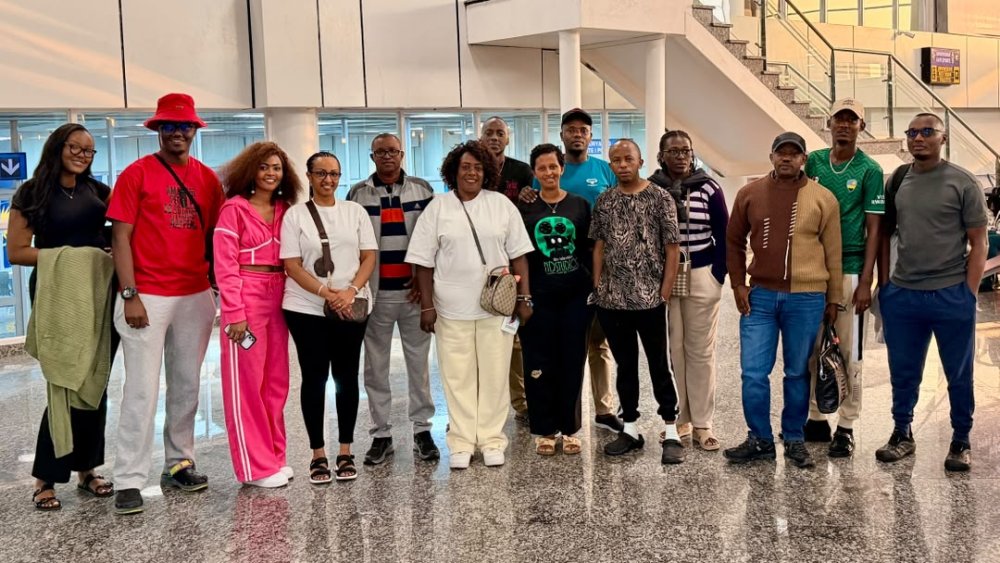
The group travelled to South Korea on June 27, 2026, with the training programme officially kicking off on June 28. It is scheduled to run until July 11, 2026, and is taking place in the city of Busan.
The initiative forms part of the “Capacity Building for Film and Video Industry in Rwanda” programme, which seeks to enhance the competitiveness of Rwanda’s creative sector through international exposure and professional development.
It is being implemented through a partnership between the Busan Metropolitan City, Busan Global City Foundation (BGCF), the Korea International Cooperation Agency (KOICA), and CIAT. The programme focuses on knowledge exchange and supporting the growth of Rwanda’s film industry.
Participants are engaging in practical and theoretical sessions covering film production, directing, modern audiovisual technologies, industry management, and approaches to building international collaborations within the creative sector.
Busan, one of South Korea’s leading cultural hubs, is globally known for hosting the Busan International Film Festival (BIFF), one of Asia’s most influential film events.
The training is expected to contribute to the long-term development of Rwanda’s film industry by equipping practitioners with updated skills, global perspectives, and professional networks.
15 Rwandan film actors, including Clapton Kibonge and Siperansiya, are in South Korea for a professional film training programme
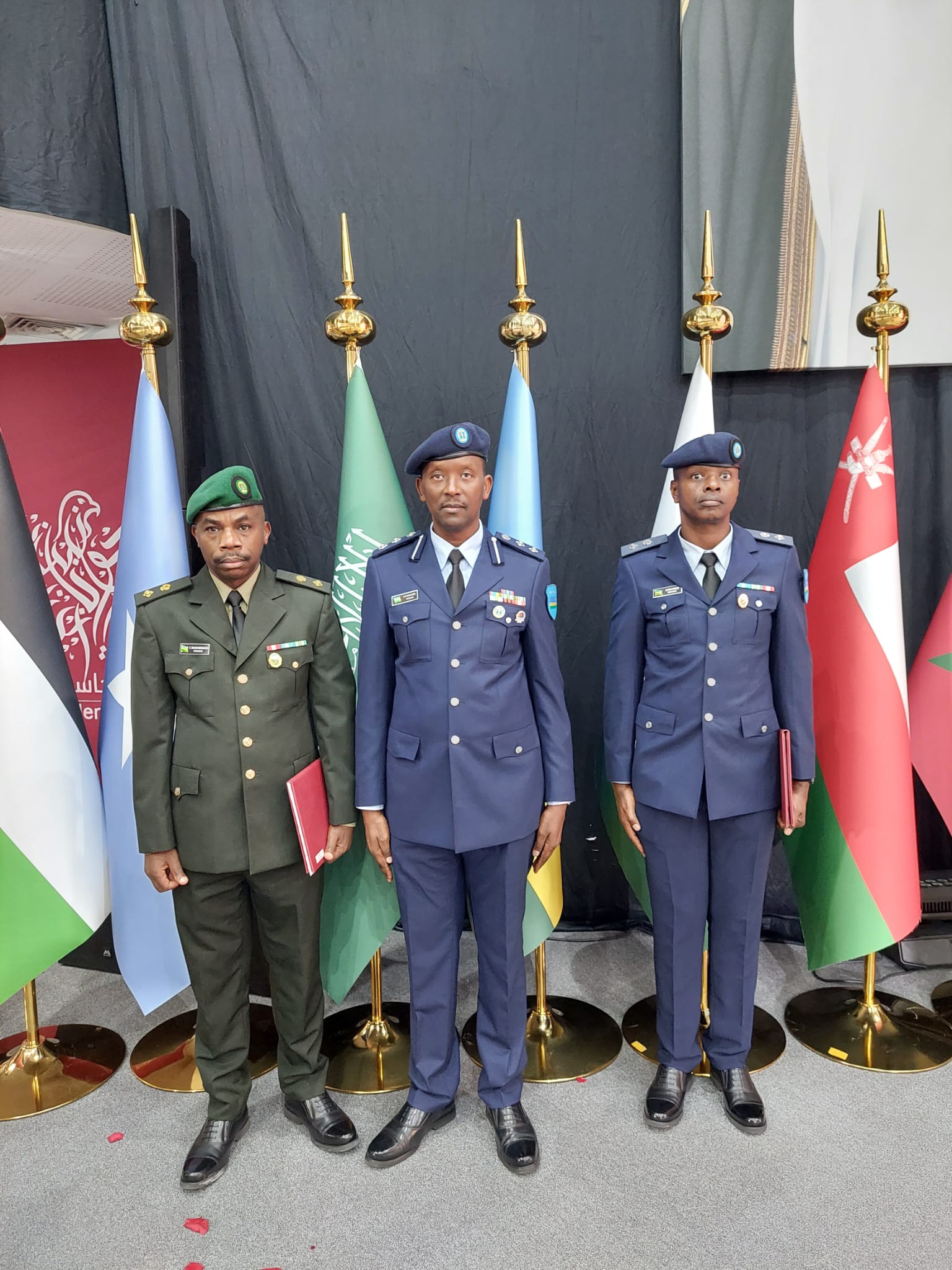
In addition to their military training, the officers also completed Arabic language studies, further strengthening their capacity for international military cooperation.
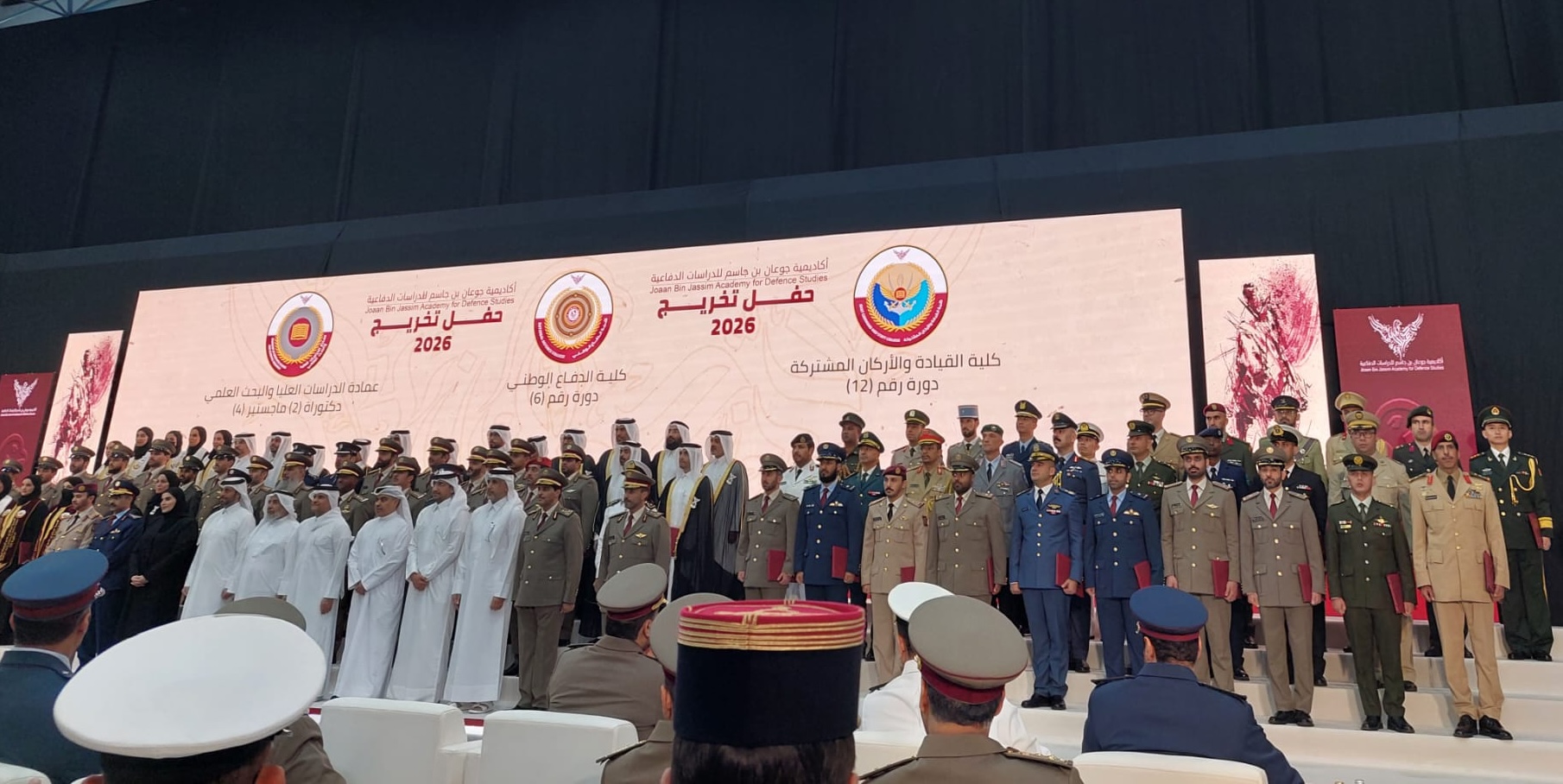
The graduation ceremony was held under the patronage of Sheikh Saud bin Abdulrahman Al Thani, Deputy Prime Minister and Minister of State for Defence Affairs.
It was attended by senior officials of the Qatar Armed Forces, diplomatic representatives, and other distinguished guests. The Rwanda Defence Force was represented by the Defence Attaché to Qatar, Col. Bernard Niyomugabo.
The latest milestone reflects the continued strengthening of defence relations between Rwanda and Qatar, which have expanded significantly in recent years across military, economic, and strategic sectors.
In January 2025, Rwanda and Qatar signed an agreement focused on training RDF personnel, sharing expertise, and enhancing aviation capacity.
The agreement was signed by Brig Gen Célestin Kanyamahanga, Permanent Secretary in the Ministry of Defence, and Sheikh Jabor Bin Hamad Al Thani, head of Qatar Aviation College.
Beyond military training, cooperation between the two countries has extended to policing and security development.
Rwanda’s Inspector General of Police, CG Felix Namuhoranye, previously led a delegation to Qatar on a working visit that included attendance at a graduation ceremony for junior officers at the Qatar Police Academy in Doha, presided over by the Emir of Qatar, Sheikh Tamim bin Hamad Al Thani.
Rwanda and Qatar also maintain broader partnerships in investment promotion, trade, tourism, and technology.
Qatar has emerged as a key partner in Rwanda’s aviation ambitions, particularly in the development of Bugesera International Airport, where Qatar Airways holds a 60% stake. Discussions have also included potential investment in RwandAir.
High-level visits between the two countries have further reinforced bilateral relations.
These include President Paul Kagame’s visits to Qatar in 2018, 2024, and other engagements, as well as reciprocal visits by the Emir of Qatar, Sheikh Tamim bin Hamad Al Thani, including his participation as guest of honour at the 2022 Commonwealth Heads of Government Meeting in Kigali.
Senior officials of the Qatar Armed Forces attend the graduation ceremony held under the patronage of Sheikh Saud bin Abdulrahman Al Thani.RDF Defence Attaché to Qatar, Col Bernard Niyomugabo, represented the Rwanda Defence Force at the graduation ceremony in Doha.The graduation ceremony took place on June 29, 2026.
The warning comes amid growing tensions between the government and opposition leaders, including Martin Fayulu, Delly Sesanga and Jean-Marc Kabund, over plans to amend the country’s Constitution.
The three politicians are part of a coalition known as C64, which was established to oppose the proposed constitutional changes. On June 12, 2026, the coalition organized a demonstration outside the National Assembly in Kinshasa, where protesters were reportedly dispersed by police.
The group is now preparing another major protest scheduled for July 8 outside the Presidential Palace. During the demonstration, opposition supporters are expected to call for Tshisekedi’s resignation, arguing that efforts to amend the Constitution while the country remains at war amount to a betrayal of national interests.
Speaking to Télé 50, Shabani condemned the opposition’s actions, accusing its leaders of encouraging Congolese citizens to remove the Commander-in-Chief at a time when government forces are engaged in fighting in the eastern part of the country.
“You meet in Kinshasa and then announce to the Congolese people that you have set a date to remove the leader of the armed forces while the country is engaged in war. These are acts of high treason,” Shabani said.
The minister further argued that Tshisekedi’s removal from office would primarily benefit the country’s adversaries and would not serve the interests of the Congolese people.
Shabani also suggested that the planned July 8 protest could expose its organizers to legal action. He noted that under previous administrations, it would have been unthinkable for politicians to publicly call for the resignation of a sitting president.
At the heart of the dispute is a proposed constitutional reform that critics say could allow Tshisekedi to remain in power beyond the current two-term limit.
Opposition leaders maintain that the existing Constitution bars him from serving beyond 2028.
During a press conference in early May 2026, Tshisekedi stated that if the conflict in eastern DRC remains unresolved by 2028, elections would not take place and he would continue leading the country.
The president also indicated that he would be willing to remain in office beyond 2028 if Congolese citizens requested him to do so.
The constitutional reform initiative has already advanced significantly, with both chambers of Parliament approving plans for a referendum on the proposed changes.
On June 12, 2026, the C64 coalition organized a demonstration outside the National Assembly in Kinshasa, where protesters were reportedly dispersed by police.
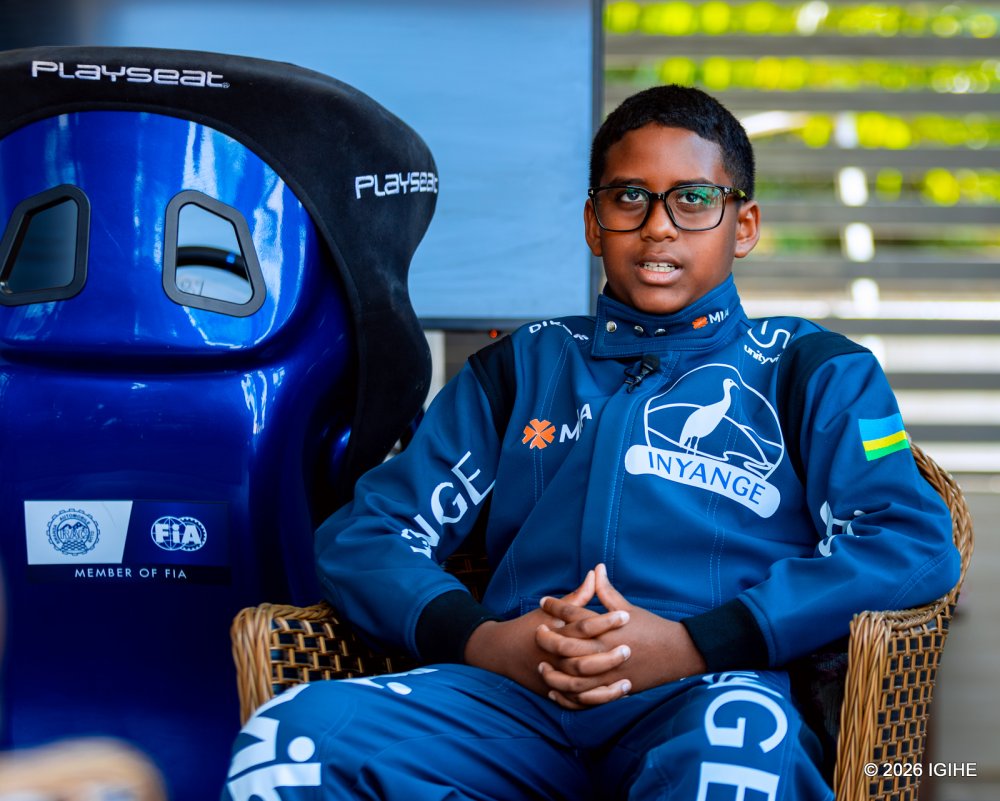
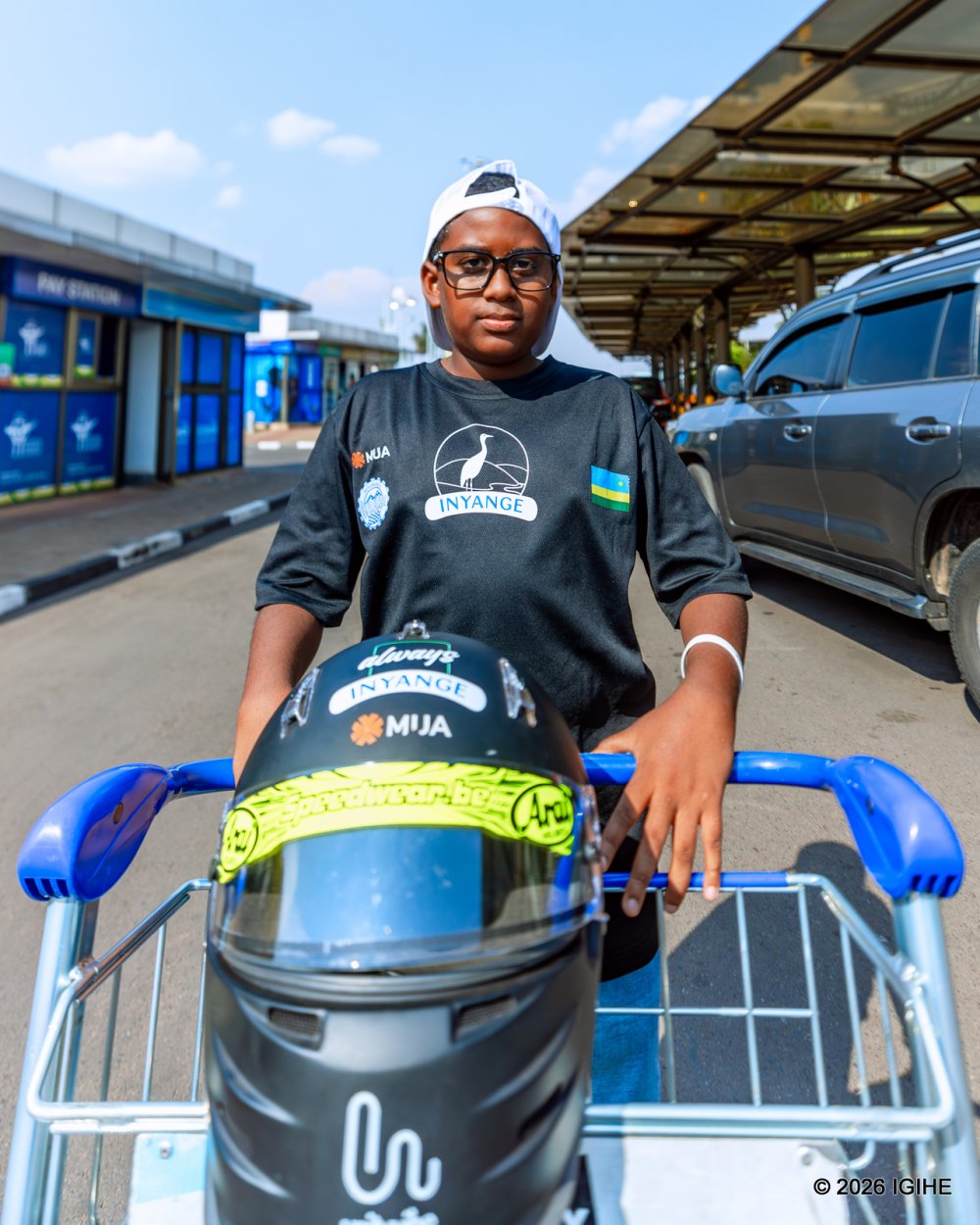
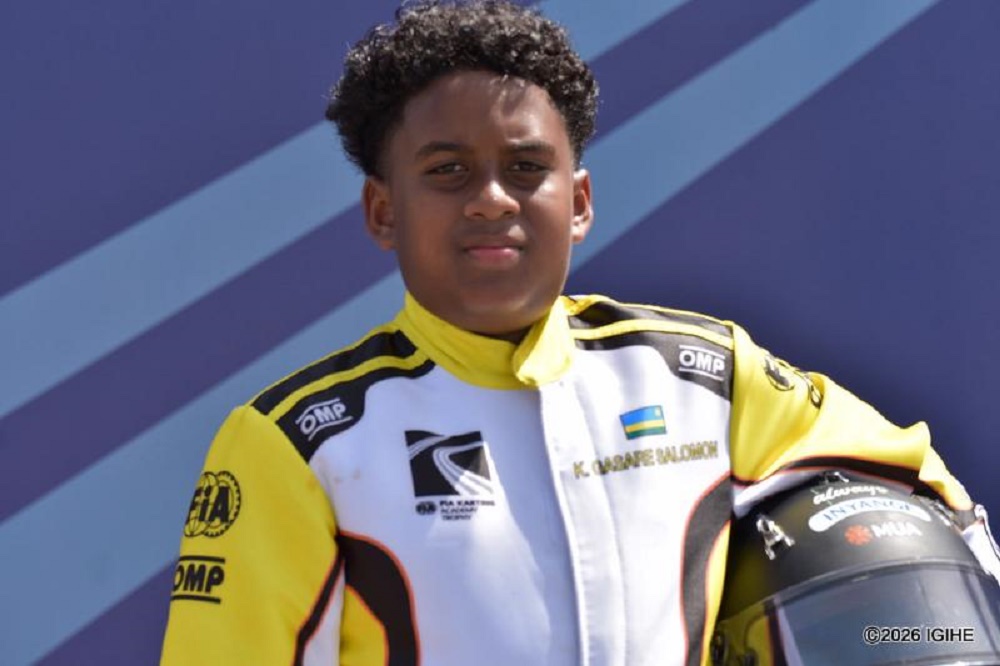
The idea of a Rwandan competing in Formula 1 may sound far-fetched to some, but 11-year-old Kabera Gasare Salomon is determined to turn that dream into reality.
The young motorsport enthusiast is balancing his studies with a growing passion for racing, steadily building a path toward what many consider the world’s most prestigious motorsport competition.
From a young age, Salomon developed a keen interest in technology. He dreamed of one day creating robots that could be used in fields such as healthcare, defense and other sectors to contribute to Rwanda’s development.
As he grew older, however, he discovered another remarkable talent: racing. His journey began with virtual racing games before progressing to real-life motorsport.
How the journey began
Motorsport remains relatively underdeveloped in Rwanda, with limited facilities and equipment available for aspiring racers. Salomon’s first experience behind the wheel of a kart did not even happen in Rwanda.
“I started karting in 2023,” he recalls. “I visited an amusement park in the United States and saw go-karts. I started the race in last place but finished first. Even before that, I loved racing games and technology.”
His passion grew stronger in December 2023 when Rwanda hosted the General Assembly of the Fédération Internationale de l’Automobile (FIA). The event exposed him to some of the world’s biggest motorsport stars, including Max Verstappen, who had just secured another Formula 1 world title.
“Then in 2024, President Kagame awarded Formula 1 champions, and I immediately told my parents that I wanted to become a Formula 1 driver,” he said.
Just one year after entering the sport, Salomon made history by becoming the only Rwandan driver to represent the country in an international karting competition.
In May this year, he competed in the FIA Karting European Championship held in Genk, Belgium. He is also preparing to take part in the upcoming race at Circuito Internazionale Napoli in Sarno, Italy, scheduled for July 2-5, 2026.
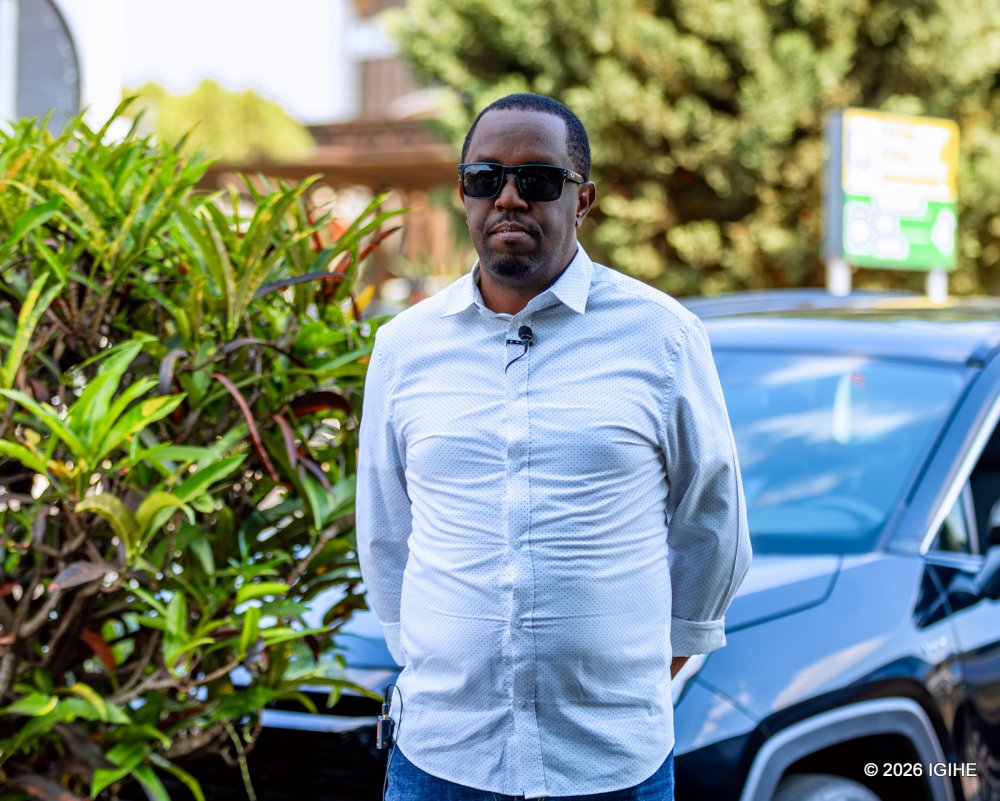
Eleven-year-old Salomon Kabera dreams of becoming Rwanda’s first Formula 1 driver and is already representing the country in international karting competitions.
A sport with many challenges
Despite his growing success, Salomon says the road ahead remains difficult. Like many aspiring racers, he faces significant financial and infrastructural challenges.
A devoted fan of four-time Formula 1 world champion Max Verstappen of Red Bull Racing, Salomon hopes to one day compete at the same level and proudly represent Rwanda on the global stage.
“The support I need is help with training and access to professional racing academies,” he said. “I have seen that President Kagame loves sports just as I do. If he is watching this, I kindly ask for his support so that I can go abroad and make Rwanda proud.”
According to Ange François Cyatangabo, Secretary General of the Rwanda Automobile Club (RAC), motorsport in Rwanda is growing but still faces major obstacles due to its high costs.
“The sport is developing well because more young people are joining, especially children. We currently have around 30 young racers, and that is where we have identified talents to represent Rwanda internationally,” he said.
He added that infrastructure remains one of the biggest challenges.
“Working with the Ministry of Sports, we are looking for a permanent karting circuit and motorsport facility. We hope the issue will be resolved within one or two years. We also need to improve our equipment because some of the vehicles currently available are outdated.”
For now, Salomon and his fellow racers often train in parking areas around Amahoro Stadium whenever space is available, limiting the amount of practice they can get.
Young racer Salomon Kabera has combined his passion for technology and speed to pursue a career in competitive motorsport.
Sponsors step in
Recognizing his talent and potential, Inyange Industries and MUA Insurance Rwanda have stepped forward to support Salomon’s racing ambitions.
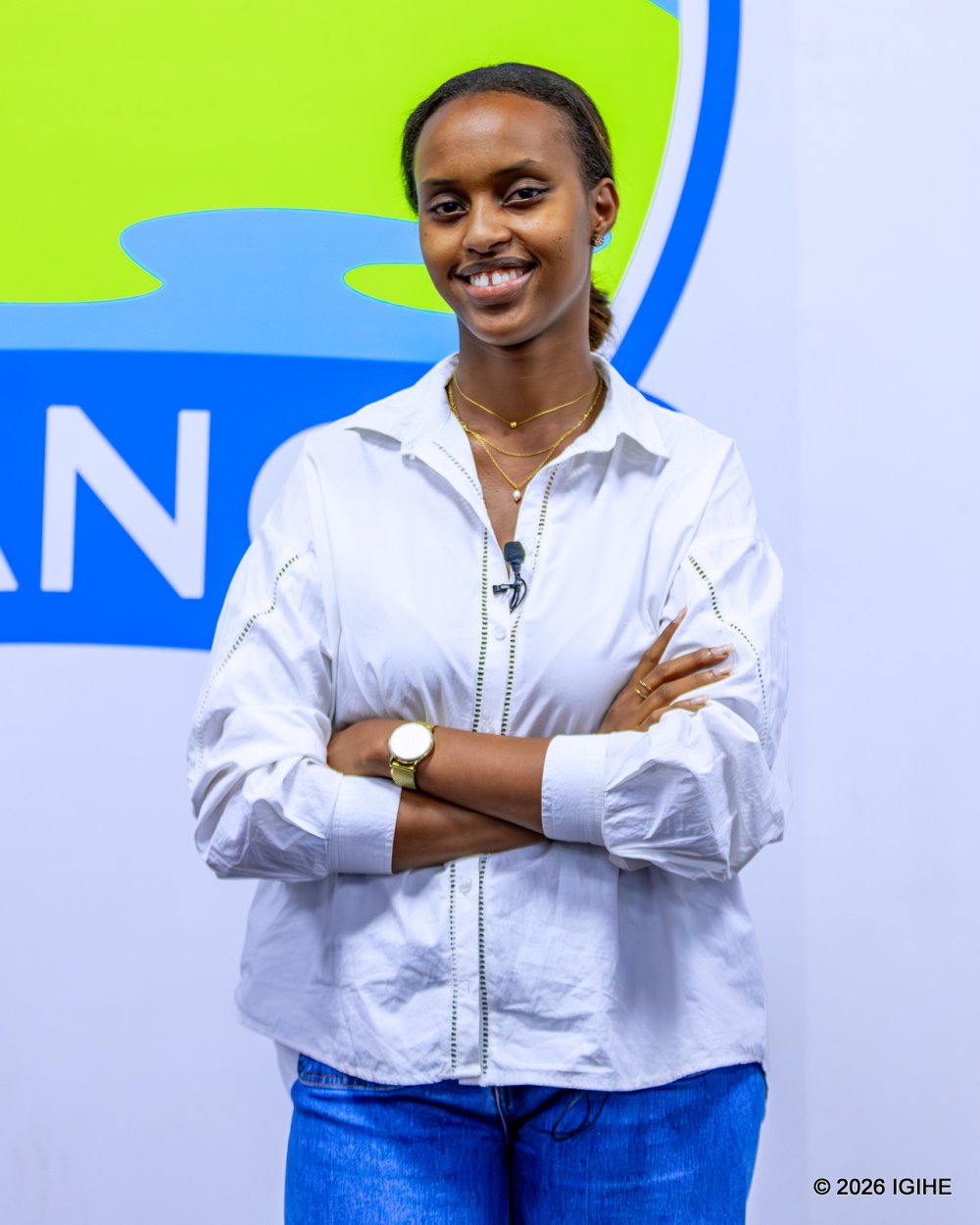
Nicole Teta Ndenga, Brand and Communications Officer at Inyange Industries, said supporting young talent is part of the company’s broader mission to contribute to Rwanda’s development.
“Our goal goes beyond producing and delivering quality products. We also want to contribute to the well-being and development of Rwandans. We chose to support Salomon because we saw exceptional talent, determination and a clear vision to represent Rwanda internationally,” she said.
She explained that part of the support includes financial assistance to help him prepare for competitions.
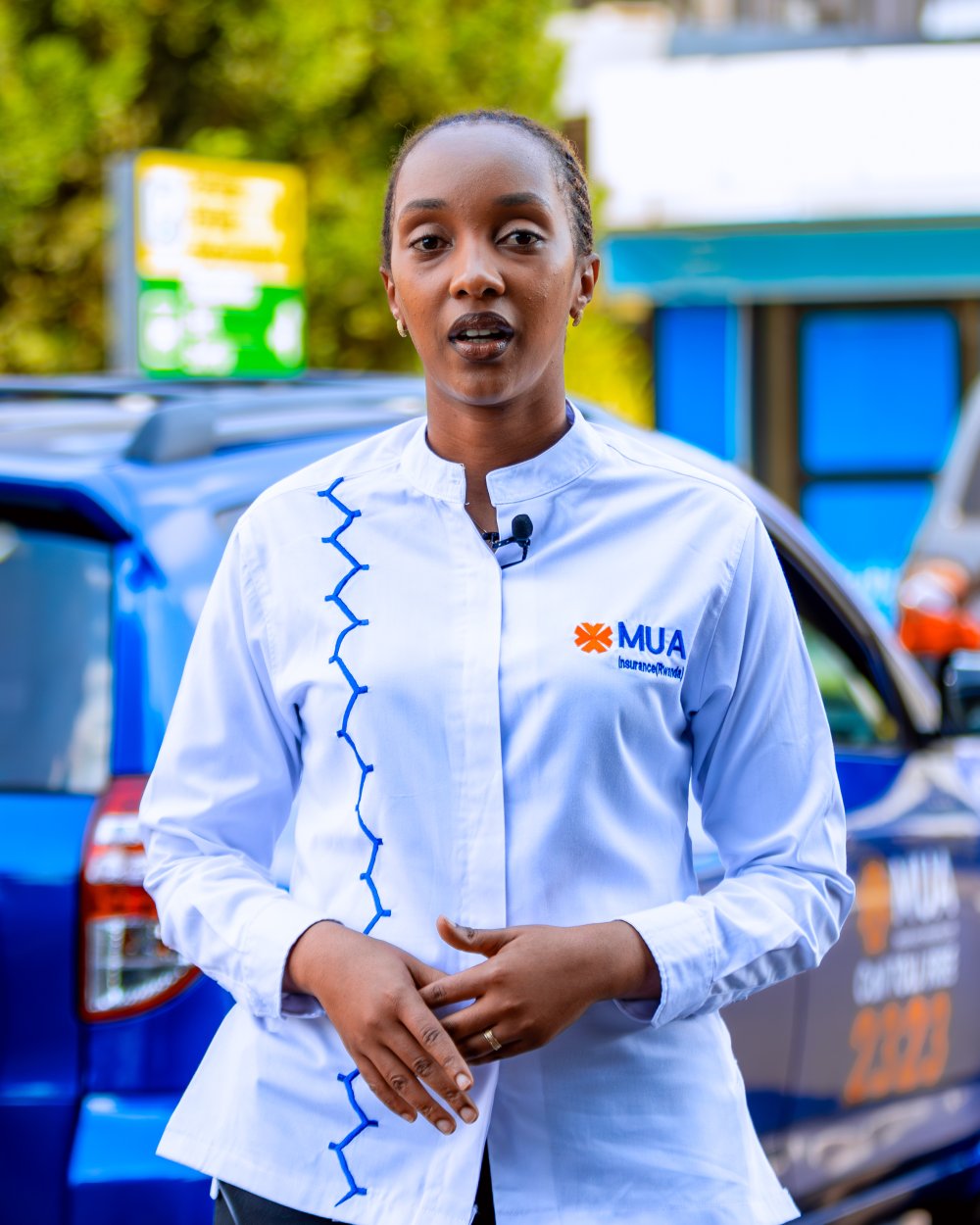
Sharifa Umuhoza, Brand Manager at MUA Insurance Rwanda, also emphasized the company’s commitment to supporting the young driver.
“As sponsors, we encourage and support him because whenever a young person has talent, it takes the combined effort of parents, partners and sponsors to help turn those dreams into reality,” she said.
Salomon Kabera trains with determination despite limited motorsport infrastructure in Rwanda, keeping alive his dream of racing on the world’s biggest stage.
Following the path of Formula 1 legends
Karting has long been regarded as the foundation of Formula 1 careers. Many of the world’s greatest drivers began their journey in karting, including Max Verstappen, who started karting at the age of four and was already competing in major championships by the age of seven.
Since making his Formula 1 debut in 2015, Verstappen has become one of the sport’s most successful drivers, winning four world championships and securing more than 70 Grand Prix victories.
For Salomon, those achievements serve as inspiration rather than intimidation.
While the road from Rwanda to Formula 1 remains challenging, the young racer believes his dream is possible with hard work, dedication and the right support.
And if his journey so far is any indication, Rwanda may one day have its own representative on motorsport’s biggest stage.
At just 11 years old, Salomon Kabera has already competed in the FIA Karting European Championship, representing Rwanda internationally.Ange François Cyatangabo, Secretary General of the Rwanda Automobile Club (RAC), said motorsport in Rwanda is growing but still faces major obstacles due to its high costs.Nicole Teta Ndenga, Brand and Communications Officer at Inyange Industries, said supporting young talent is part of the company’s broader mission to contribute to Rwanda’s development.Sharifa Umuhoza, Brand Manager at MUA Insurance Rwanda, emphasized the company’s commitment to supporting the young driver.
“Right now 150 million people are living under extreme heat, hundreds have died, schools are shut, grids are buckling,” Tedros said on X.
He warned that “heat stress is often called the ‘silent killer’ – and European homes, workplaces and schools were not built for these temperatures”.
Europe is the fastest-warming continent on Earth, heating at twice the global average, Tedros noted. “Driven by climate change and global warming, the phenomenon of the ‘once-in-a-generation’ heatwave is now occurring” nearly annually, he said.
The WHO is working with its members and partners to address the health threats posed by extreme heat through focusing on preparedness, prevention and stronger health system responses. Tedros called on European countries to “implement heat health action plans” as part of the broader agenda to protect health against climate change.
Separately, the WHO has published practical tips for keeping cool during extreme heat on its website. The guidance recommends staying out of the heat by avoiding outdoor activity during the hottest time of day, staying in the shade, and spending two to three hours daily in a cool place.
To keep homes cool, the WHO advises using night air to cool down homes after dark, closing windows and covering them with blinds during the day when outdoor temperatures are higher than indoors, and turning off as many electrical devices as possible.
The guidance also warns that electric fans should only be used when temperatures are below 40 degrees Celsius — in temperatures above 40 degrees Celsius, fans will heat the body. If using air conditioning, the WHO recommends setting the thermostat to 27 degrees Celsius and turning on an electric fan, which will make the room feel 4 degrees Celsius cooler and can save up to 70 percent on electricity bills for cooling.
To keep the body cool and hydrated, the WHO suggests wearing light and loose-fitting clothing, taking cool showers, wetting skin with a damp cloth or spray, and drinking water regularly — at least one cup per hour and two to three liters per day.
WHO chief Tedros Adhanom Ghebreyesus called on European countries to “implement heat health action plans” as part of the broader agenda to protect health against climate change.
More than 1,300 excess deaths have been recorded across Europe since June 21 linked to high temperatures, World Health Organization (WHO) Director-General Tedros Adhanom Ghebreyesus said on social media platform X on Sunday.
“Right now 150 million people are living under extreme heat, hundreds have died, schools are shut, grids are buckling,” Tedros said on X.
He warned that “heat stress is often called the ‘silent killer’ – and European homes, workplaces and schools were not built for these temperatures”.
Europe is the fastest-warming continent on Earth, heating at twice the global average, Tedros noted. “Driven by climate change and global warming, the phenomenon of the ‘once-in-a-generation’ heatwave is now occurring” nearly annually, he said.
The WHO is working with its members and partners to address the health threats posed by extreme heat through focusing on preparedness, prevention and stronger health system responses. Tedros called on European countries to “implement heat health action plans” as part of the broader agenda to protect health against climate change.
Separately, the WHO has published practical tips for keeping cool during extreme heat on its website. The guidance recommends staying out of the heat by avoiding outdoor activity during the hottest time of day, staying in the shade, and spending two to three hours daily in a cool place.
To keep homes cool, the WHO advises using night air to cool down homes after dark, closing windows and covering them with blinds during the day when outdoor temperatures are higher than indoors, and turning off as many electrical devices as possible.
The guidance also warns that electric fans should only be used when temperatures are below 40 degrees Celsius — in temperatures above 40 degrees Celsius, fans will heat the body. If using air conditioning, the WHO recommends setting the thermostat to 27 degrees Celsius and turning on an electric fan, which will make the room feel 4 degrees Celsius cooler and can save up to 70 percent on electricity bills for cooling.
To keep the body cool and hydrated, the WHO suggests wearing light and loose-fitting clothing, taking cool showers, wetting skin with a damp cloth or spray, and drinking water regularly — at least one cup per hour and two to three liters per day.
The guidance also emphasizes checking in regularly with vulnerable people, especially those over 65 and those with heart, lung or kidney conditions, disabilities, or living alone.
The WHO also warns people never to leave children or animals in parked vehicles, to avoid direct sun exposure during peak hours, and never to cover an infant stroller with dry fabric — which makes it hotter inside — but instead use a wet, thin cloth and re-wet as necessary.
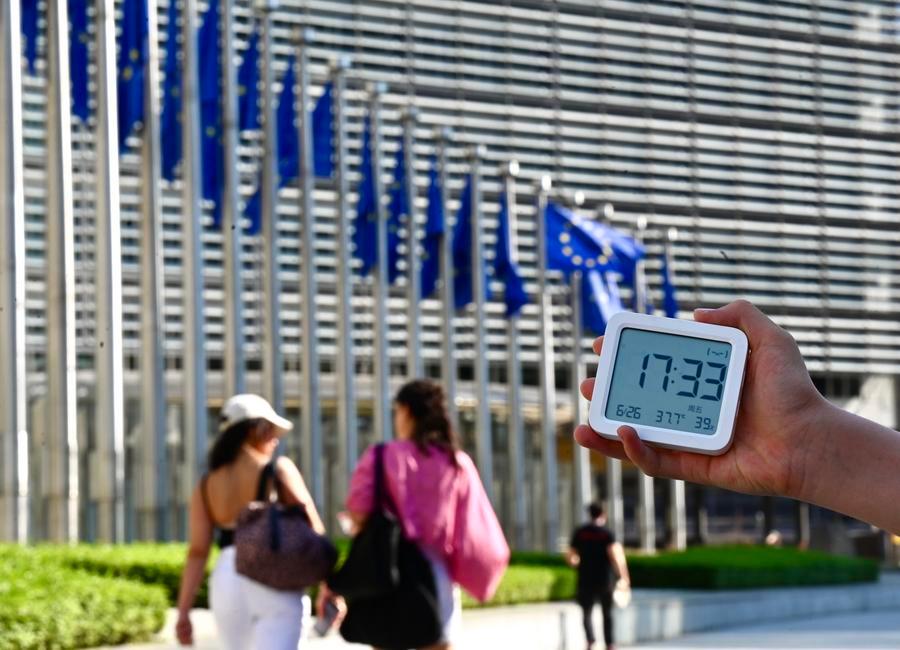
A thermometer shows temperature reaching 37 degrees Celsius outside the European Union headquarters in Brussels, Belgium, June 26, 2026. (Xinhua/Lyu You)
The two sides will stand down “for now” and “vessels can move freely” as technical talks are set to continue, a U.S. official was quoted as saying.
The Tuesday talks were originally set to be held in Switzerland and focused on Iran’s nuclear program. However, renewed tensions in the Strait of Hormuz prompted the talks to be moved to Doha, shifting the focus to shipping security in the strategic waterway.
During negotiations in Switzerland a week ago, the U.S. delegation agreed with Iran to establish a “hotline” between the U.S. military and Iran’s Islamic Revolution Guard Corps to coordinate traffic in the strait.
However, as of Saturday, the “hotline” still wasn’t operational, according to the report.
The United States conducted strikes on Iranian targets on Friday and Saturday, citing “continued Iranian aggression against commercial shipping” in the Strait of Hormuz. Iran responded by striking U.S. military positions in the region.
Boats are seen anchored off Oman’s northern Musandam Peninsula near the Strait of Hormuz, June 27, 2026. /VCG
Having operated in Rwanda for the past five years as a global delivery hub, TeKnowledge has contributed to the development of local talent, training and employing Rwandan professionals to support enterprise technology environments across the globe.
With this launch, the company is introducing a broader portfolio of services designed to build leadership capability, develop digital skills, and enhance cybersecurity resilience across the region.
A strategic step toward Rwanda’s Vision 2050
Rwanda’s Vision 2050 outlines a clear path toward building a knowledge-driven economy powered by skills, innovation, and technology.
During the event, TeKnowledge emphasized the need to accelerate capability development in parallel with rapid technological change, particularly as AI continues to reshape industries, skills requirements, and economic models.
Delivering leadership, skills, and cyber resilience
The launch focuses on three key areas that TeKnowledge considers essential for building a competitive, AI-ready economy.
These include an Executive AI Training Centre designed to help leaders develop a practical understanding of artificial intelligence, its risks, and governance requirements; large-scale training academies aimed at equipping people with skills in AI, data, cybersecurity, and digital services that match evolving job market needs; and cybersecurity services supported by a Security Operations Centre to enhance protection, awareness, and resilience across organizations.
Together, these initiatives are intended to move beyond strategy and enable large-scale implementation, supporting digital transformation across both the public and private sectors.
Supporting Rwanda’s next phase of growth
TeKnowledge’s launch reflects its commitment to partnering with governments, enterprises, and local organizations to translate ambition into execution, particularly in complex, regulated environments such as financial services and the public sector.
A key highlight of the event was the strengthening of TeKnowledge’s ongoing partnership with Harambee Youth Employment Accelerator, reinforcing a shared commitment to advancing youth employment and digital skills development in Rwanda.
Building on this collaboration, TeKnowledge will deliver a structured six-session AI training program to youth enrolled in Harambee’s programs, focused on developing practical, in-demand capabilities. Participants will earn certifications and digital learning badges, enhancing their employability and supporting their transition into the workforce.
This partnership reflects a broader ambition: to drive tangible, scalable impact. Alongside leadership enablement and secure technology deployment, TeKnowledge aims to support Rwanda in accelerating job creation, advancing digital capabilities, and positioning itself as a global hub for next-generation services.
Speaking at the event, TeKnowledge President and CEO, Aileen Allkins, said: “Rwanda has already shown what is possible when leadership aligns around a clear vision. The next phase will be defined by execution—building capability at pace in the areas where demand is evolving fastest. AI is already reshaping how decisions are made and how value is created. The opportunity now is not whether to adopt it, but how to lead, govern, and scale it responsibly.
“Equally important is ensuring that this transformation translates into real opportunity. Through our partnership with Harambee, we are equipping young people with practical AI skills and recognized certifications that strengthen their path into employment.”
Through leadership enablement, workforce development, and cybersecurity resilience, TeKnowledge aims to help accelerate Rwanda’s transition to a knowledge-based economy while creating new pathways for talent, innovation, and inclusive economic growth
About TeKnowledge
TeKnowledge is a trusted expert technology services company that partners with companies and countries to navigate the complexities of becoming AI-first, managing the full lifecycle from data to security, adoption, and ongoing support.
Operating across 10+ global hubs, TeKnowledge delivers 24/7 operations through more than 4,000 experts.
Founded in 2010, TeKnowledge is part of the YNV Group, a privately held global holding company operating across three sectors: Technology, Real Estate, and Financial Services, including an EU-licensed financial institution.
TeKnowledge President and CEO Aileen Allkins has emphasized the importance of turning ambition into execution as organizations and countries navigate the opportunities created by artificial intelligence. Paula Ingabire, Minister of ICT & Innovation also graced the event. A key highlight of the Kigali event was the strengthening of TeKnowledge’s ongoing partnership with Harambee Youth Employment Accelerator
The call was made on June 18, 2026, during a forum that brought together women entrepreneurs, many of them young professionals from various organizations. The event focused on raising awareness about investment opportunities, particularly in stocks and savings products.
BK Capital emphasized that investing does not require large amounts of money. Participants were informed that one can start investing with as little as Rwf10,000, with returns that can reach around 10%, especially when investments are maintained over the long term.
The company also highlighted that 52% of the work performed by women globally is considered unpaid care and domestic work, despite its significant economic value. While such contributions often go uncompensated, women were encouraged to build financial security through saving and investing the income they earn.
BK Capital Managing Director Pacific Tuyishime said women still account for less than 40% of the company’s investors and shareholders, indicating that their participation remains relatively low.
“Although women have made significant progress in various sectors, including finance, they are still underrepresented in investment and stock ownership. There is therefore a need for greater collaboration to increase their participation, promote economic inclusion, and help them take advantage of opportunities available in the capital market,” he said.
Lyna Muganwa Kadigwa, an official at BK Capital, noted that women often juggle multiple responsibilities, leaving investment low on their list of priorities. She encouraged them to view the current period as an opportunity to invest and secure their future as well as that of future generations.
Josephine Mbabazi, head of corporate services at Capital Markets Authority (CMA) Rwanda, said many women and young people still perceive investing as something beyond their reach, largely due to limited awareness and information.
She noted that sustained awareness campaigns would help change perceptions and encourage greater participation in investment activities.
BK Capital has operated in Rwanda since 2012 and is one of the subsidiaries of BK Group Plc. It is among Rwanda’s leading investment and financial services firms, offering stock brokerage, asset management, and financial advisory services.
BK Capital has encouraged women to save by investing in different sectors.She Invest is a campaign aimed at increasing the number of women investors.BK Capital Managing Director Pacific Tuyishime said women still make up less than 40% of investors and shareholders at BK Capital.BK Capital official Lyna Muganwa Kadigwa encouraged women to invest to secure their future.