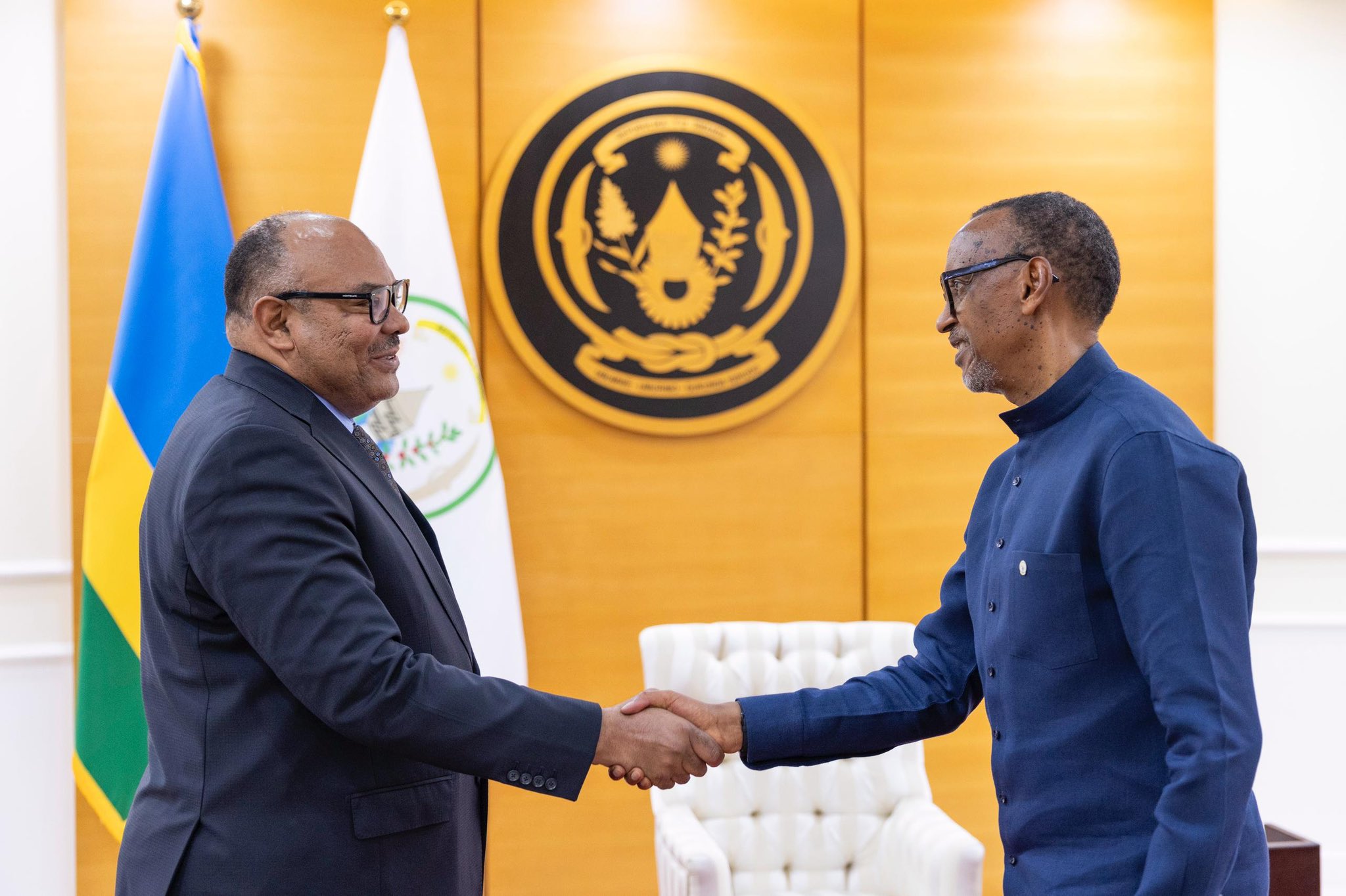
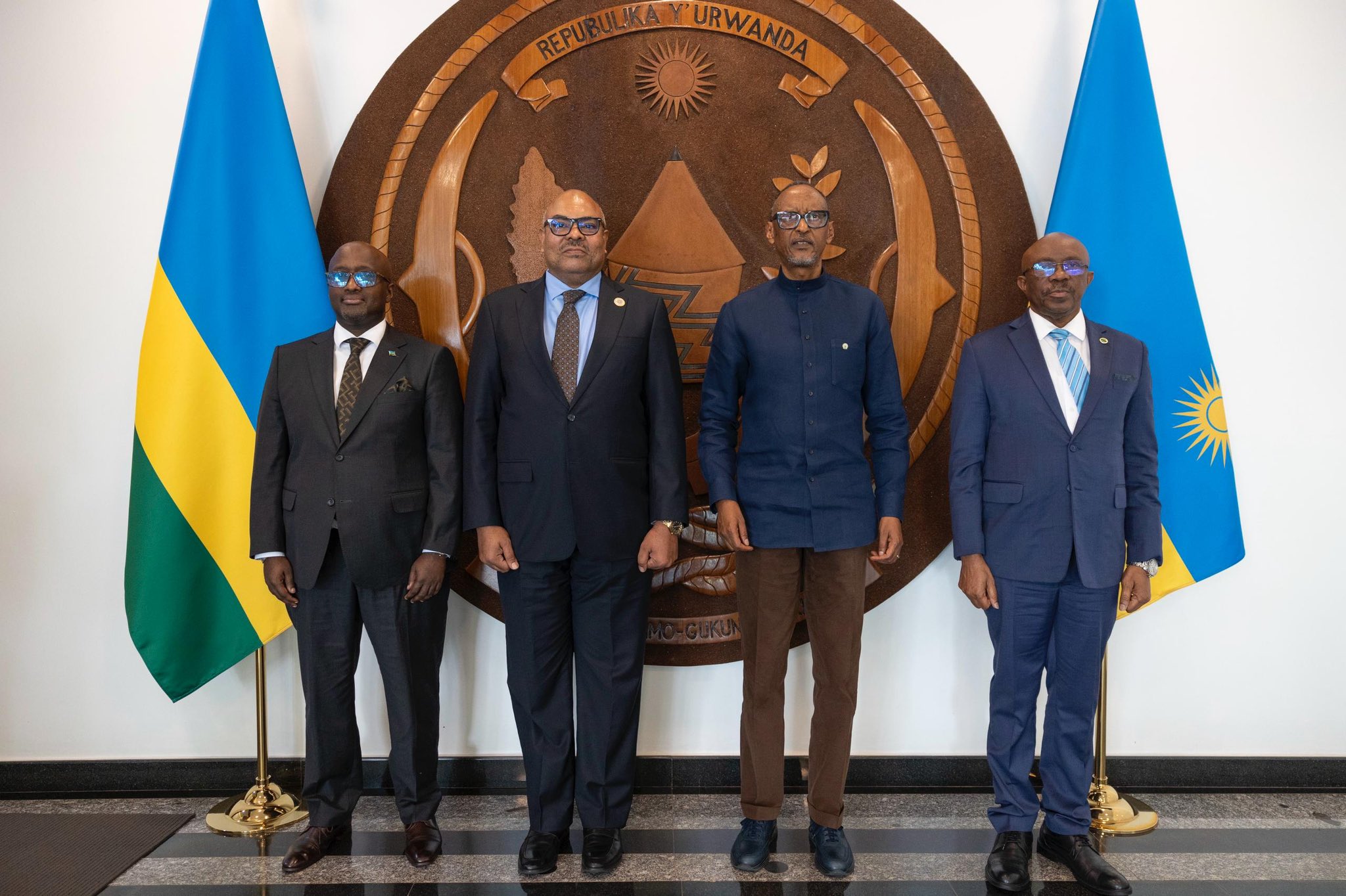
This project, funded by the African Development Bank (AfDB), aims to enhance agricultural productivity and sustainability across East Africa.
ENSURE seeks to improve long-term agricultural sustainability by expanding access to robust extension services and strengthening Partner States’ capacity to deliver effective training and responsive services.
It will focus on three primary areas: creating a harmonized regional policy for extension and inputs, deploying a regional pluralistic extension approach (involving public, private, and NGO sectors), and building capacity to address trans-boundary pests like the fall armyworm and desert locusts.
Over 5 million people, including 50% women, are expected to benefit from improved agricultural extension systems, and the project is expected to create at least 1 million jobs, with half of those benefiting women.
Speaking during the launch of the project on Tuesday, the EAC Deputy Secretary General in charge of Infrastructure, Productive, Social and Political Sectors, Andrea Aguer Ariik Malueth, said that the project begins at a pivotal moment as the EAC aims to transform its agricultural sector through various initiatives, including the Agricultural Inputs System Development Programme and the EAC Regional Agriculture Investment Plan (RAIP).
The DSG underscored the importance of the project in promoting a regional approach to strengthening agricultural extension, enhancing the role of extension in transforming agriculture, facilitating farmers access to advice and information, and supporting the adoption of climate-smart technologies and building the resilience of farming communities.
“I ask everyone to concentrate on how our efforts will contribute to the project’s broader goals, while also emphasizing value for money. Our citizens are the true stakeholders in this process, and it is our responsibility to ensure that the outcomes of this project lead to meaningful improvements in the agricultural sector of the Partner States.”
Ariik further emphasised the critical role of agriculture in the region’s economic landscape, adding that the agricultural sector remains the backbone of EAC economies in addition to employing over 60% of the population.
On his part, the AfDB Chief Agricultural Technologies Officer – Agricultural Research, Production and Sustainability, Dr. Innocent Musyabimana, highlighted the importance of investment in agriculture for fostering regional development.
“The African Development Bank is committed to financing projects that enhance agricultural resilience and productivity. We are proud to support the ENSURE Project, as it aligns with our mission to improve food security and reduce poverty across the continent,” said Dr. Nusyabimana.
Dr. Musyabimana said the project seeks to address the main challenges faced by farmers in the region including: limited access to extension services and training, limited access to new climate-smart technologies and inputs, and limited knowledge and skills to use these inputs effectively.
“With the use of digital extension technologies (internet, podcasts, videos, social media platforms), the project will seek to bridge the gap in access to extension information between men, women, and youth by promoting more equitable access among these different beneficiaries,” he said.
The three-year project is expected to meaningfully support the improvement of women and men’s access to agricultural technology and knowledge to support the implementation of its Gender Policy and place the institution as a leader in this sector.
The project will concentrate on advancing agricultural innovations that can attract youth to participate in agricultural activities as well as reduce the workload for women and boost their productivity and raise their income.
The meeting brought together stakeholders from the rice sector to assess progress, discuss challenges, and advocate for increased investment to strengthen the sector’s development.
In his opening remarks, the Minister of Agriculture and Animal Resources, Dr. Mark Cyubahiro Bagabe, emphasized the importance of improving rice productivity and aligning production with market demands.
“The rice value chain has become a critical part of Rwanda’s food systems. Income from rice cultivation contributes to improved livelihoods in rural areas and drives national economic growth,” he stated.
The event was organized under the leadership of Ms. Alice Mukamugena, the Director General of Agriculture Value Chain Management and Trade at MINAGRI, who highlighted the importance of collaboration in achieving the sector’s goals.
“This meeting provides an essential platform for stakeholders to share progress, identify challenges, and work together toward solutions for the growth of Rwanda’s rice sector,” she remarked.
{{Progress and Challenges in the Rice Sector
}}
During the meeting, updates on the progress of the rice sector over the past five years were shared. The area under rice cultivation expanded from 29,600 hectares to 34,900 hectares, and annual paddy rice production increased from 116,500 to 141,900 metric tons.
Post-harvest infrastructure has also improved, with 585 drying grounds now capable of processing 14,495 metric tons of paddy rice. Additionally, 28 rice milling companies currently operate in Rwanda, 14 of which are certified by the Rwanda Standards Board (RSB).
These companies are organized under the Rwanda Forum for Rice Millers (RFRM), an industry body that promotes coordination, advocates for millers’ needs, and works to enhance the efficiency and competitiveness of the rice milling sector.
Farmer cooperatives were also recognized as key drivers of the rice sector’s development. The sector is supported by 120 cooperatives, of which 75 are organized into unions under the National Federation of Rice Farmers’ Cooperatives (FUCORIRWA). FUCORIRWA plays a vital role in coordinating activities across the value chain, from production to marketing, ensuring that farmers’ interests are well-represented and their productivity enhanced.
The meeting also featured participation from the Rwanda Agriculture and Animal Resources Development Board (RAB), which plays a critical role in addressing the challenges of rice breeding and seed production. RAB collaborates with research institutions and private sector partners to develop high-yield, resilient rice varieties. Its efforts have been instrumental in improving seed availability, but gaps in the seed system remain a key barrier, highlighting the need for continued investment in seed production and distribution systems.
Despite these achievements, challenges remain. Only 55% of the potential area for rice cultivation has been developed, and climate change impacts, such as flash floods and water scarcity, pose risks to rice farming. Furthermore, low utilization rates of local rice mills—currently operating at 47% capacity—and gaps in post-harvest infrastructure constrain the sector’s potential. Rwanda continues to import 78% of its rice to meet demand.
“These challenges also present untapped opportunities for investment,” Dr. Bagabe noted, urging stakeholders to collaborate on solutions. He reaffirmed the government’s commitment to implementing the National Rice Development Strategy-2 (NRDS-2) in alignment with the National Strategy for Transformation (NST2) and the Strategic Plan for Agriculture Transformation (PSTA5).
{{Key Insights and Partnerships
}}
Ms. Shiotsuka Minako, Chief Representative of JICA in Rwanda, addressed the audience, highlighting JICA’s support for the rice sector through the Coalition for African Rice Development (CARD) initiative.
She explained that Rwanda has been an active member of CARD since its launch in 2010, which aims to double rice production across Africa. Under this initiative, Rwanda successfully implemented its first National Rice Development Strategy (NRDS-1) and is now making strides with NRDS-2 (2020–2030).
Ms. Shiotsuka commended MINAGRI for its leadership and reiterated JICA’s commitment to providing technical support and capacity building to further enhance the rice value chain in Rwanda.
{{Vision for the Future
}}
The NRDS-2 aims to triple domestic rice production to 390,000 metric tons by 2030. This will be achieved by expanding the area under rice cultivation to 60,000 hectares and increasing productivity to 6.5 metric tons per hectare. MINAGRI and RAB will play central roles in driving this transformation, providing strategic leadership and ensuring that necessary investments and policies are implemented to strengthen the entire rice value chain.
By supporting these efforts, FUCORIRWA and RFRM will foster coordination among farmers and millers, advocate for their needs, and improve the efficiency and competitiveness of rice production and processing. RAB’s leadership in rice breeding and seed production will also remain critical to boosting productivity and ensuring that farmers have access to high-quality, resilient seeds.
Ms. Mukamugena, in her closing remarks, reiterated the importance of collective efforts in achieving the sector’s goals.
“The growth of the rice sector requires collaboration not only from the government but also from all stakeholders. Together, we can achieve sustainable development in this vital sector,” she concluded.
The appreciation was voiced on January 16, 2025, as the four-year project officially came to an end during a ceremony that celebrated its achievements.
The event included testimonials from beneficiaries, coffee exhibitions, and tastings, and it was graced by coffee industry stakeholders, TechnoServe staff, and various partners, including representatives from the Government of Rwanda.
The Rwanda INC project, implemented in six districts, was funded by the European Union (EU) with a contribution of €2 million and JDE Peet’s, which provided €500,000.
It sought to enhance Rwanda’s coffee value chain by enabling farmers, washing stations, and service providers to access critical information and financing, ensuring they could produce high-quality coffee for local, regional, and international markets.
TechnoServe’s presence in Rwanda spans over 15 years, during which the organization has empowered more than 80,000 farmers and entrepreneurs.
The Rwanda INC program is one of over 15 projects TechnoServe has implemented in the country, making a profound impact on the coffee sector.
In addition to distributing over 1.9 million coffee seedlings, it supported more than 11,000 coffee farmers.
The initiative also trained 53 young professionals in collaboration with the Coffee Quality Institute, fostering their growth in the coffee sector.
Additionally, 50 Coffee Washing Stations received support to improve their quality and operational efficiency, further strengthening Rwanda’s coffee production capabilities.
Dr. Olivier Kamana, the Permanent Secretary at MINAGRI, praised TechnoServe for its critical role in advancing the nation’s coffee industry.
He highlighted the productive collaboration between TechnoServe and the National Agricultural Export Development Board (NAEB), noting the development of quality and sustainable guidelines that will benefit the coffee sector for years to come.
“The decision to transfer ownership of the Digital Farmer Extension Monitoring System to NAEB demonstrates your commitment to ensuring the long-term sustainability of these interventions,” he noted.
Dr. Kamana reaffirmed the government’s dedication to building upon the achievements of the Rwanda INC project and pledged to expand its successful interventions to other Coffee Washing Stations across the country.
The impact of the project extended to individuals and businesses across the coffee sector.
Christine Vuguziga, co-founder of Ngoma Coffee Washing Station in Nyamasheke District, described how the project transformed her operations.
“The project enabled us to plant 40,000 new coffee trees, which grow faster and adapt to climate changes. We also use a digital application that helps our agronomists address farmers’ issues, resulting in better yields,” she said.
Similarly, Manasseh Hategekimana, a graduate from IPRC Huye College in crop production, expressed his gratitude for the training he received through TechnoServe and the Coffee Quality Institute.
“Before the training, I didn’t see coffee farming as a viable career for youth. But after gaining skills and earning a Professional Certificate, I got employed immediately.
“Today, I’m an agronomist at the Land of Thousand Hills Coffee Company. I encourage more young people to explore opportunities in coffee farming and processing because it’s a lucrative industry,” Hategekimana shared.
Sophie Duchanoy, TechnoServe Rwanda’s Country Manager, reflected on the project’s success in elevating the value of Rwandan coffee in local and international markets.
She expressed her deepest gratitude to the EU, JDE Peet’s, and the Government of Rwanda for their trust and support, which enabled the program to achieve its goals.
“By supporting farmers, washing stations, and service providers, the program has facilitated access to critical information and financing needed to produce high-quality coffee for local, regional, and international markets,” she noted.
Amparo Gonzalez Diez, team leader of the Agriculture and Rural Development section at the EU delegation to Rwanda, commended the project for its emphasis on youth involvement and modern practices while pledging the EU’s continued support for Rwanda’s coffee sector.
Although the Rwanda INC project has concluded, TechnoServe remains active in Rwanda through the ReGenerate Rwanda project, funded by the Swedish Embassy.
This initiative aims to sustainably increase incomes for 30,000 individuals living in poverty in the Western and Southern Provinces.
By collaborating with private sector partners, the project seeks to develop innovative business solutions that address unmet demands for essential products and services.
With a focus on inclusivity, the project integrates women and youth as key drivers of transformative growth, advancing regenerative economic models that promise to build a sustainable future for Rwanda’s coffee industry and beyond.
As we approach the close of 2024, it is a perfect opportunity to reflect on the remarkable strides made in Rwanda’s agricultural sector.
In this article, we revisit the key moments and significant achievements that have shaped the agricultural landscape of Rwanda throughout 2024, marking it as a transformative year for the sector.
{{17th Rwanda National Agriculture Show}}
One of the key highlights of Rwanda’s agricultural calendar was the 17th Rwanda National Agriculture Show, which took place from July 31 to August 9, 2024, at the Mulindi showground in Gasabo District, Kigali.
This year’s event was organized by the Ministry of Agriculture and Animal Resources (MINAGRI) under the theme “Building Resilient and Sustainable Food Systems.”
The show attracted over 470 exhibitors, showcasing the latest innovations and developments in the agricultural sector.
The exhibition was a vibrant display of cutting-edge technologies aimed at bolstering Rwanda’s food systems, with a focus on climate resilience and sustainability.
Among the notable exhibits were solar-powered irrigation systems, hydroponics, modern livestock management, mechanization technologies, and the integration of Information and Communication Technologies (ICTs) in farming.
The Rwanda National Agriculture Show serves as a critical platform for stakeholders within the agriculture sector, including individual farmers, farmer organizations, financial service providers, and international entities supporting the industry.
The event provided an opportunity for participants to exchange knowledge, discover new products and services, and foster partnerships that will contribute to the creation of sustainable agricultural systems in Rwanda and the wider region.
At the opening ceremony, the Minister of State for Agriculture and Animal Resources, Eric Rwigamba, underscored the importance of collaboration within the agricultural sector to achieve food security.
He called on stakeholders to identify scalable solutions and reaffirmed the government’s commitment to continued investment in agriculture.
{{Rwanda and Guinea sign MoU in agriculture}}
On June 3, 2024, Rwanda and Guinea-Conakry signed a Memorandum of Understanding (MoU) aimed at strengthening cooperation in agriculture and animal resources.
The agreement, signed by Rwanda’s then Minister of Agriculture and Animal Resources, Ildephonse Musafiri, and his Guinean counterpart, Felix Lamah, outlines areas of collaboration in crop and animal production, pest and disease control, and agricultural research.
The MoU encompasses a variety of initiatives, such as sharing knowledge and expertise in plant production, promoting value addition, and expanding market access for agricultural products.
Additionally, it includes the digitalization of agro-input distribution and agricultural insurance, as well as the fostering of innovation and technology transfer.
This partnership not only aims to improve agricultural productivity in both countries but also strengthens ties between Rwanda and Guinea in the pursuit of sustainable agricultural development.
{{Rwanda presents key investment opportunities in agriculture }}
On October 15, 2024, Rwanda showcased its agricultural investment opportunities at the Hand in Hand Investment Forum in Rome, Italy.
The forum, hosted by the Food and Agriculture Organization (FAO), highlighted the country’s ambition to transform its agricultural sector through substantial investments.
Rwanda presented five key investment opportunities totalling $785 million, focusing on areas with significant growth potential.
These include investments in tea, livestock, potatoes, horticulture, and beef production.
The tea sector alone saw a $289 million investment aimed at expanding cultivation and establishing a new factory in Nyamagabe, while $169.8 million was earmarked for enhancing poultry and pig production.
Additionally, investments of $63.8 million and $222.3 million will support potato production and the expansion of horticulture, respectively, focusing on high-value crops like avocado and chilli peppers.
These investments are aligned with Rwanda’s Fifth Strategic Plan for Agricultural Transformation (PSTA 5) for 2024-2029, which aims to build resilient and sustainable agri-food systems.
The then Minister of Agriculture, Ildephonse Musafiri, emphasized that these investment opportunities not only promise business growth but also contribute to job creation, especially for women and youth, and to the overall development of the agricultural sector.
{{Rwanda’s agricultural exports reach $3.2 billion over five years}}
Rwanda’s agricultural sector has made significant strides in terms of exports, with revenue from agricultural exports reaching $3.2 billion (over 4.3 trillion Rwandan Francs) between 2020 and 2024. This marked a significant milestone in the country’s agricultural export growth.
In the 2023/2024 fiscal year alone, agricultural exports generated $839.2 million (around Frw1.1 trillion), representing a slight decrease from the previous year.
Despite this, Rwanda continues to see strong export volumes, including 261.6 million kilograms of vegetables, fruits, and flowers, which contributed significantly to the nation’s economy.
Advancements in air transport, particularly through RwandAir, have played a crucial role in expanding Rwanda’s export capacity.
In 2023, RwandAir cargo flights transported 4,595 tons of goods to major international markets, including Dubai, the UK, and Belgium.
Rwanda’s government has set an ambitious goal to double its exports to $7.3 billion over the next five years, with agricultural exports expected to grow significantly as part of this vision.
{{Rwanda hosts Africa Food Systems Forum 2024}}
From September 2-6, 2024, Rwanda hosted the Africa Food Systems Forum (AFS Forum) in Kigali. The forum brought together over 4,900 participants from across the globe to engage in discussions aimed at transforming Africa’s food systems.
The theme for this year’s forum was “Innovate, Accelerate, and Scale: Delivering Food Systems Transformation in a Digital and Climate Era.”
The forum addressed critical issues such as climate resilience, digital technologies, and the need for inclusive food systems across the African continent.
Rwanda’s Prime Minister, Dr. Edouard Ngirente, called for governments to utilize digital technologies and implement climate-resilient practices to ensure food security for all Africans.
He also emphasized the importance of collaboration between governments, the private sector, and other stakeholders to drive the transformation of agriculture and secure sustainable food systems.
The AFS Forum provided a platform for sharing innovative policies, business models, and technologies that will help move Africa’s food systems forward.
Rwanda’s commitment to embracing innovation and evidence-based policymaking in its agricultural sector was highlighted as a key driver of the country’s ongoing transformation.
{{Rwanda hosts the 6th African Tea Convention and Exhibition}}
In October 2024, Rwanda also had the honour of hosting the 6th African Tea Convention and Exhibition in Kigali.
The event, held from October 9-11 at the Kigali Conference and Exhibition Village, brought together industry leaders, innovators, and tea enthusiasts from around the world to discuss the future of tea in Africa.
The convention, under the theme “Harmony in the Cup: Promoting Tea for People and the Planet,” attracted 476 delegates, including 108 international participants.
The exhibition showcased a wide array of tea-related products, advanced technologies, and sustainability practices in the tea industry.
The event underscored the importance of promoting environmentally-friendly practices and innovations within the tea sector.
Rwanda, known for its high-quality tea production, was able to demonstrate its leadership in the industry while fostering global collaborations.
{{Rwanda showcases its floriculture at IFTF 2024 in the Netherlands}}
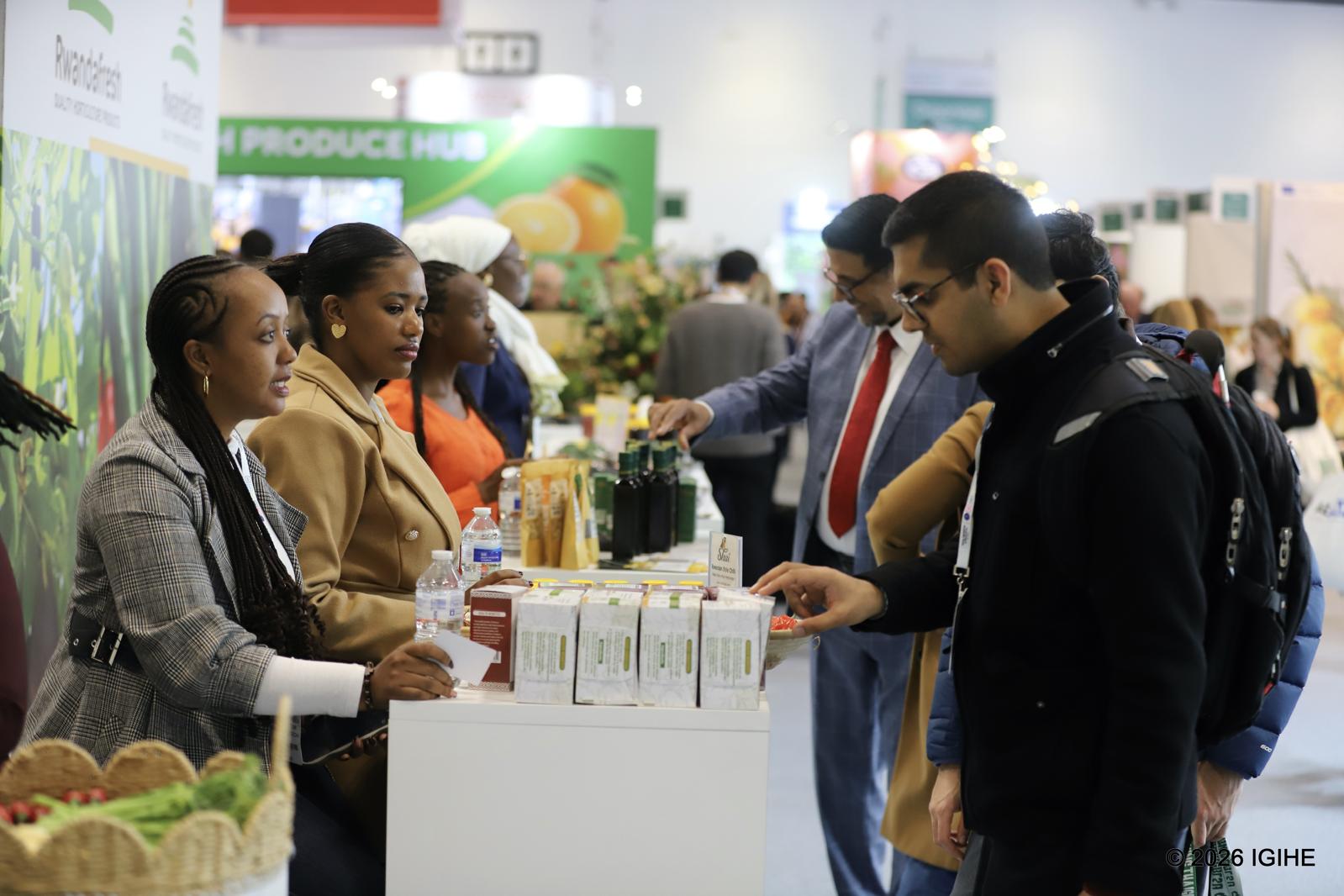
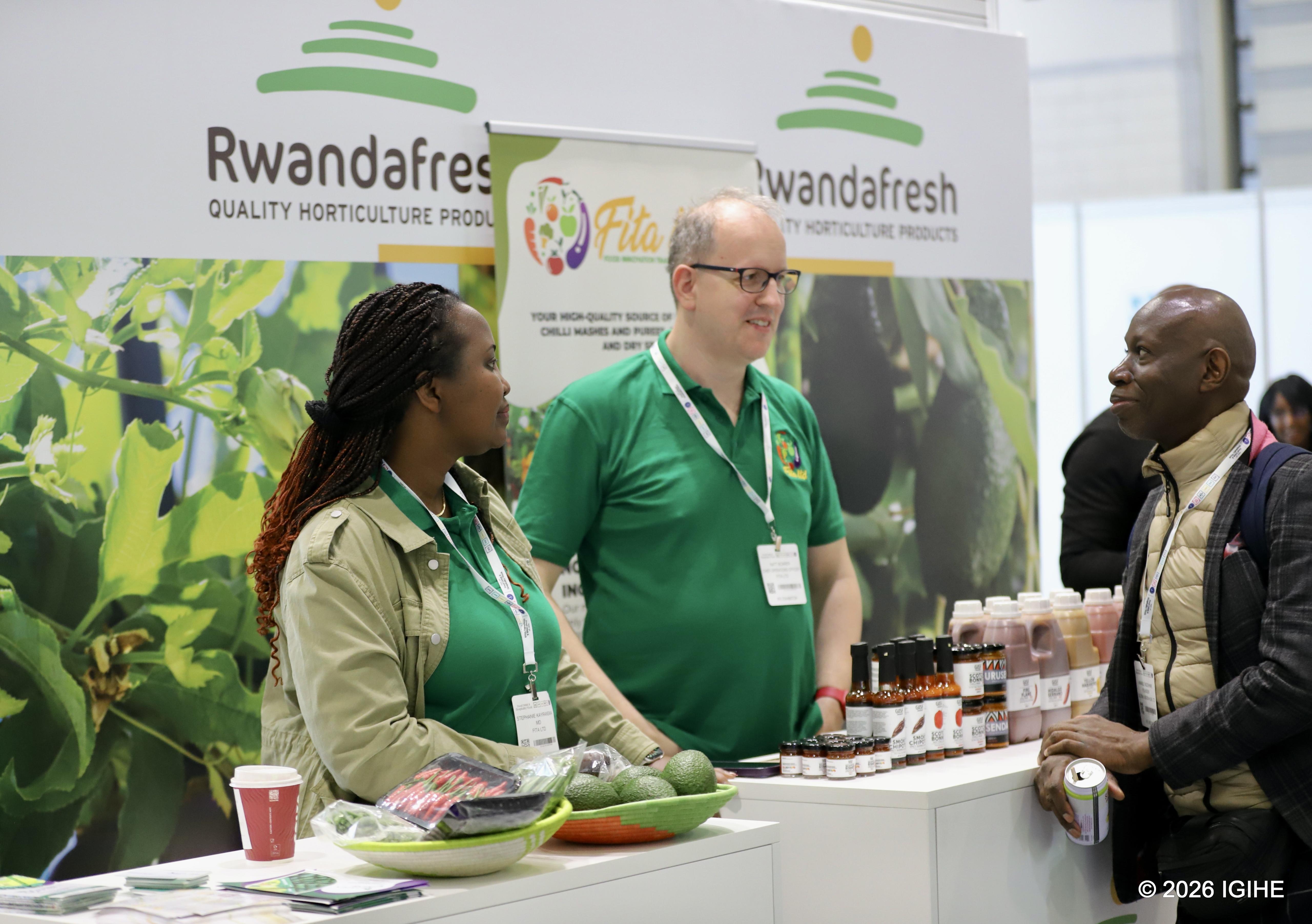
Rwanda’s floriculture sector also took centre stage on the global stage in early November 2024 at the 14th edition of the International Flower Trade Fair (IFTF) in the Netherlands.
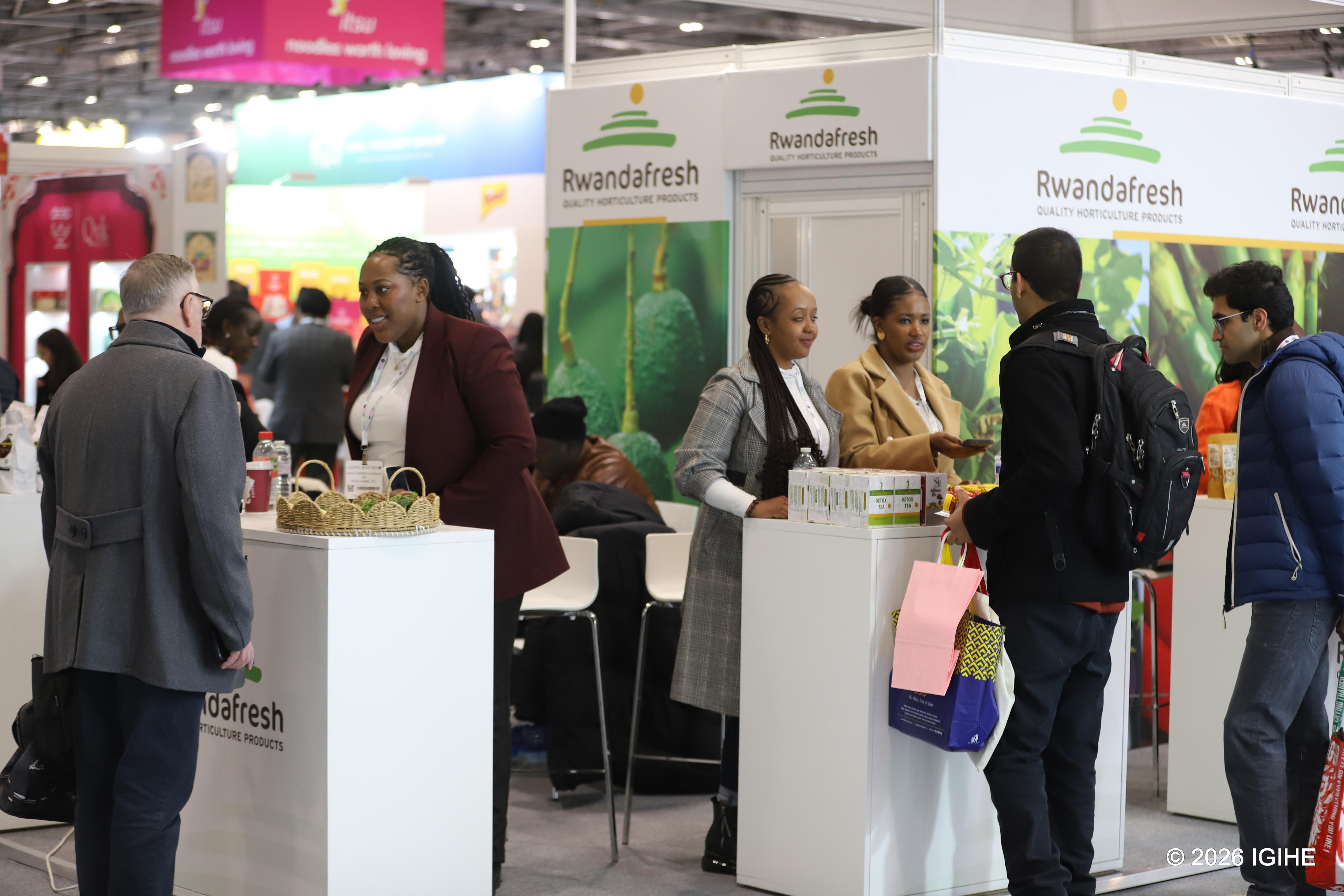
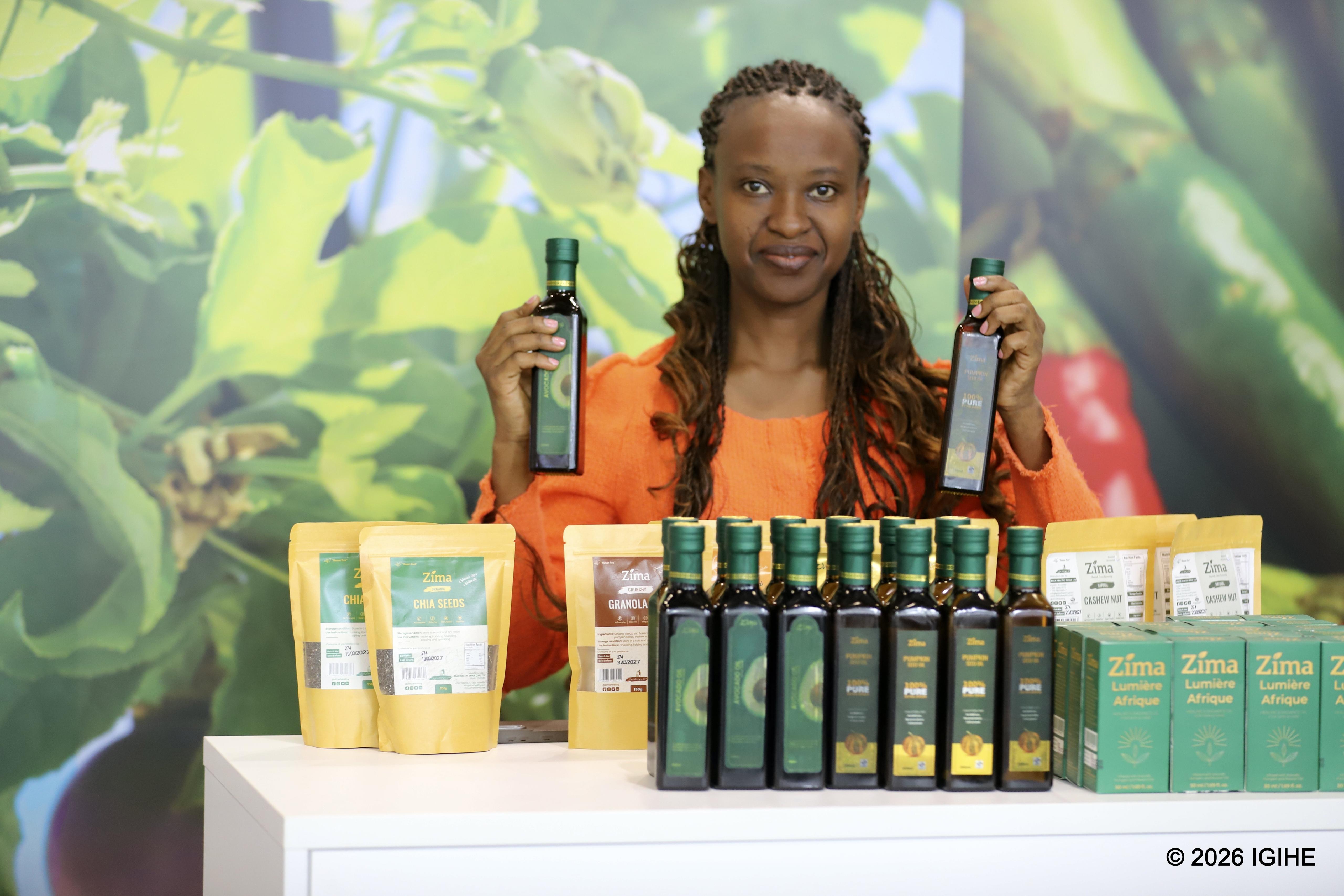
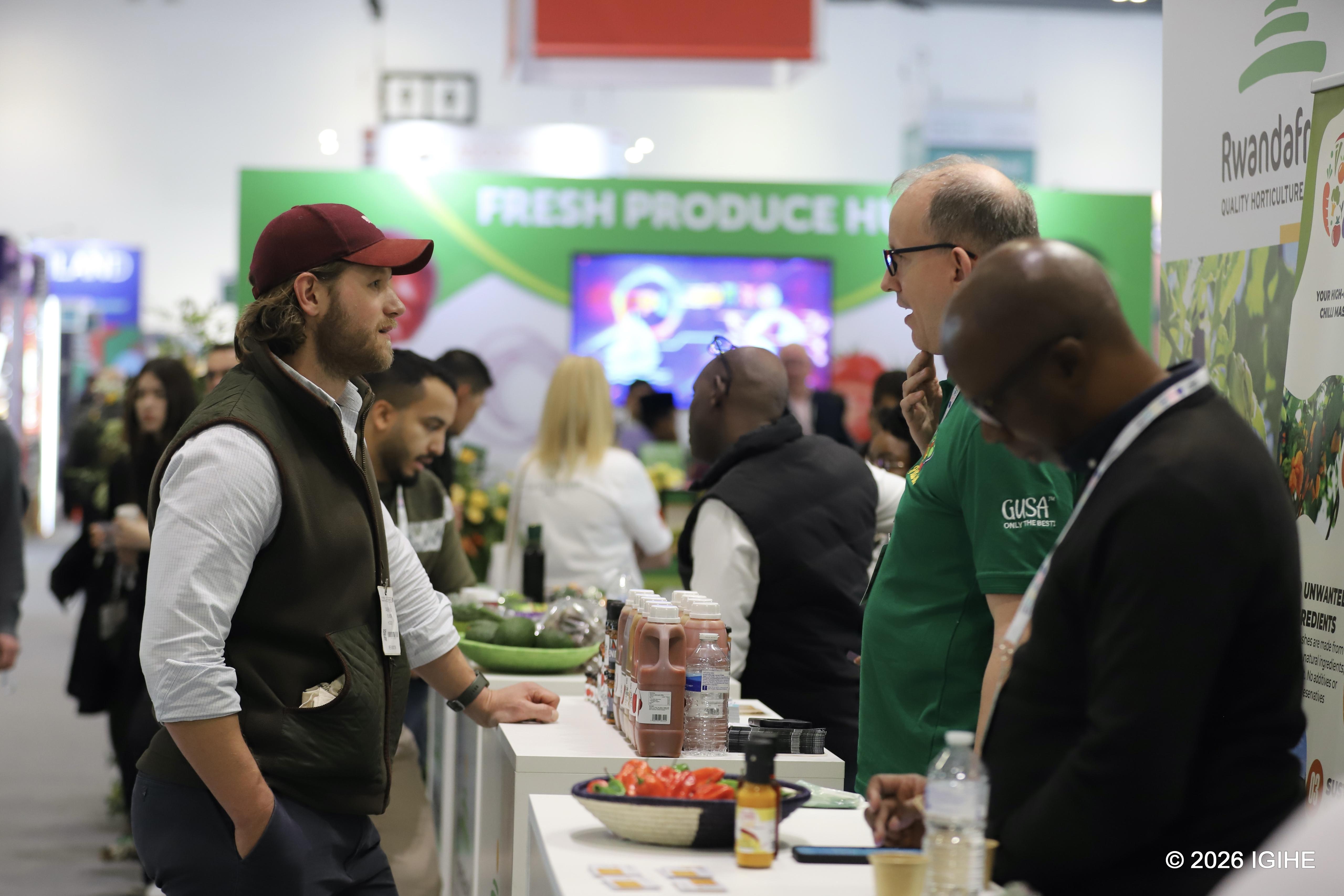
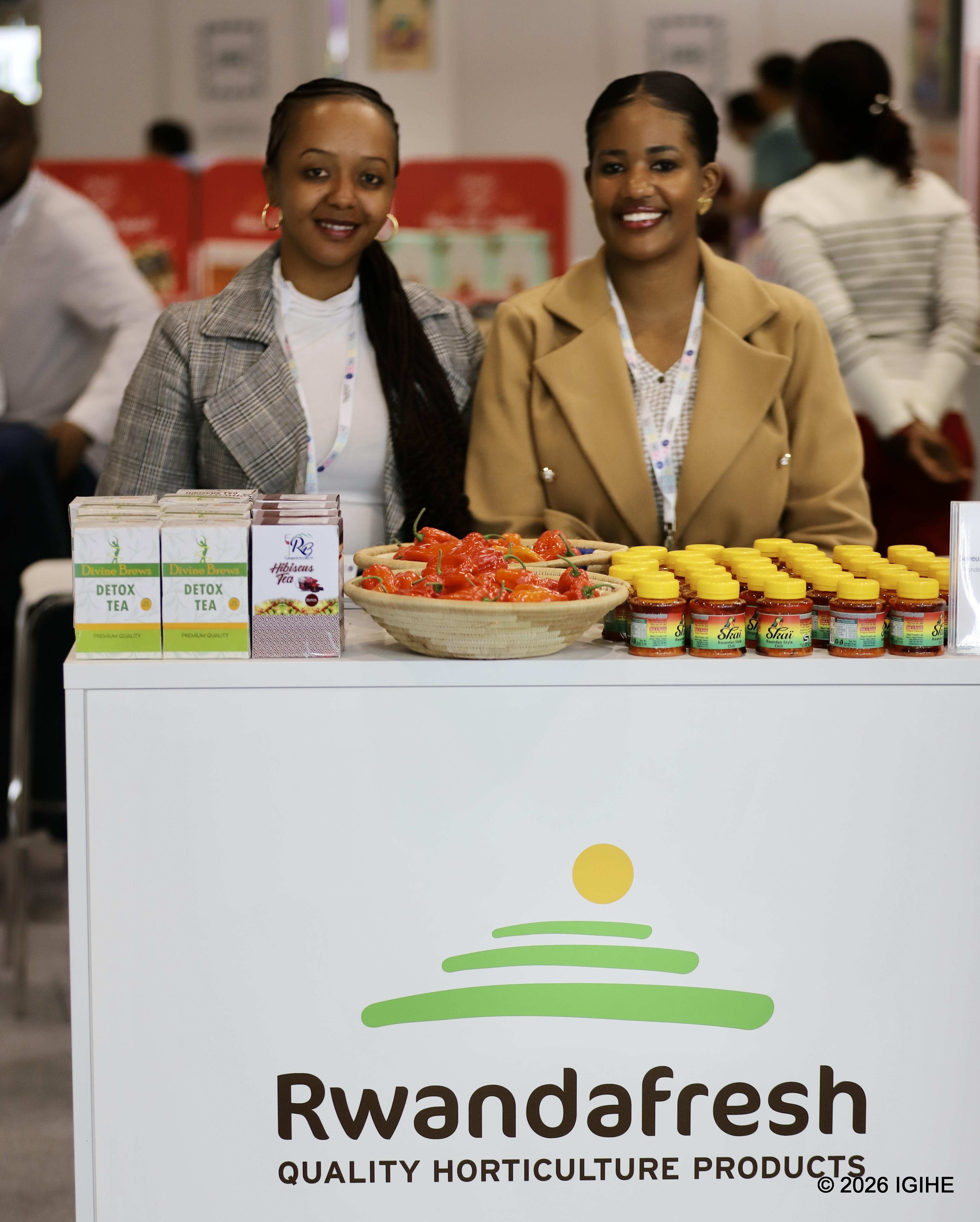
As one of the world’s largest flower trade events, IFTF 2024 attracted a record number of exhibitors, including Rwanda’s delegation, which showcased premium flowers under the Rwanda Fresh brand.
The event provided a platform for Rwanda to engage with international buyers, strengthen its position in the global flower market, and showcase the country’s commitment to sustainable floriculture practices.
Rwanda’s participation at IFTF 2024 was a strategic move to elevate its floriculture industry, with experts like Ms. Janet Basiima, Division Manager at the National Agricultural Export Development Board (NAEB), highlighting the opportunity to elevate Rwanda’s flowers on a global scale.
This recognition came on Wednesday, November 27, 2024, during a visit by World Bank representatives and donors to SAIP II-supported projects in Rwamagana District.
SAIP II is implemented under the Single Project Implementation Unit (SPIU) of the Rwanda Agricultural and Animal Resources Development Board (RAB).
Some of the projects visited include the Gwiza Rw34 cooperative, which utilizes water from the Nyirabidibiri dam for irrigation and greenhouse farming, as well as an avocado farm spanning eight hectares.
Jean Hitimana, the SAIP II manager, revealed that the initiative, along with its predecessor SAIP I, had received a total of $52 million in funding. He emphasized that the project aims to boost agricultural productivity in Rwanda, with a particular focus on crops such as maize, beans, potatoes, vegetables, and fruits.
“The primary goal is to improve nutrition, which is why we are working with farmers on various initiatives, including distributing chickens for egg production, teaching kitchen gardening, and supplying mushroom cultivation kits. These efforts all contribute to improving the diets of local farmers,” Hitimana said.
He added that World Bank officials and other donors were pleased with the positive outcomes their support had produced in the community, urging citizens to maintain the infrastructure in place and use the funding responsibly.
“The donors observed the progress made and were pleased to see that the funding was being used effectively. Farmers shared their progress and outlined their plans for future growth, showing that the funding is continuing to deliver positive results,” he added.
Fidele Dushimirimana, president of the Gwiza Rw34 cooperative, which farms across 215 hectares in the Mwulire, Rubona, Nzige, and Gahengeri sectors, explained that before the introduction of irrigation infrastructure, farmers relied on unpredictable rainfall, which often led to crop losses.
“Now, we can farm even without rain. We grow crops like chili peppers, tomatoes, sweet potatoes, carrots, and potatoes, while also practicing crop rotation with maize, beans, and soybeans. Many of us now have a stable income, as tomato farmers, for example, can sell their produce regularly in the market,” Dushimirimana said.
He expressed his gratitude to the Rwandan government for facilitating such effective partnerships with donors, which have quadrupled the benefits farmers are experiencing and allowed them to farm sustainably throughout the year.
Josiane Mukansanga, a farmer from Kigarama in the Nzige sector, shared her success story of growing vegetables, tomatoes, and sweet potatoes.
“Previously, we farmed just for subsistence, but now we have access to markets where we sell our produce regularly. In one season, I earned over 300,000 Rwandan Francs, which enabled me to renovate my house and buy livestock,” Mukansanga said.
Oliver Mutesi, the Director of Agriculture and Natural Resources for Rwamagana District, praised the SAIP for its support, including the provision of solar-powered irrigation systems and other vital resources.
She urged the World Bank to continue supporting such initiatives, recognizing the profound impact they have on farmers’ livelihoods. Mutesi also assured that the district would continue to monitor and support farmers in maintaining the infrastructure provided to them.
Currently, the SAIP II is operational in 20 districts across Rwanda, helping farmers increase productivity in crops such as potatoes, beans, maize, vegetables, and fruits.
The project emphasizes improving nutrition, facilitating small-scale irrigation on small plots, and supporting smallholder farmers through infrastructure development and value addition.
Agriculture remains the backbone of Rwanda’s economy, and the Bank of Kigali is playing a crucial role in supporting its modernization. By providing financing solutions to innovative enterprises like Kivu Choice, BK is helping to enhance food production and affordability.
The aquaculture sector, in particular, holds immense potential to provide sustainable, nutritious foods to Rwandans while creating jobs and supporting rural livelihoods. This partnership will enable Kivu Choice to expand its production capacity and make nutritious fish products more accessible to communities across the country.
Speaking at the signing ceremony, Dr. Diane Karusisi, CEO of the Bank of Kigali described the partnership as a transformative step for Rwanda’s agricultural sector.
“By supporting innovative businesses in aquaculture, we are helping to ensure affordable, sustainable nutritious foods for our people while also driving rural development. At Bank of Kigali, we believe that investing in agriculture is not just about growing food—it’s about fostering inclusive economic growth and building resilience in the communities that depend on it,” she stated.
Kamran Ahmad, Founder and CEO of Kivu Choice, emphasized the importance of the partnership for their mission.
“Our partnership with BK will allow us to significantly expand our equipment and infrastructure capacity so that we can continue to scale at pace to serve more of the market. We’re grateful for the opportunity to work closely together to tackle food and nutrition security; this investment takes us one step closer to making our products accessible and affordable across the entire country,” he noted.
In addition to expanding production capacity for Kivu Choice, this partnership also aims at financing the whole value chain to ensure the wider aquaculture industry benefits from it.
With 350 employees growing to 1,200 in 3 years, over 200 suppliers, and 3000 traders, this partnership will also target supplier and trader financing.
As part of its strategic focus on agricultural financing, Bank of Kigali continues to develop tailored financial solutions that support the sector’s modernization and resilience. From providing accessible financing to agribusinesses to offering customized financial products for farmers, BK ensures that the agriculture industry receives the necessary support to thrive.
{{About Bank of Kigali Plc}}
Established in 1966, Bank of Kigali is Rwanda’s largest financial institution. As a leading commercial bank, it provides a wide range of services, including digital banking, to over 500,000 customers through an extensive branch network and digital platforms. BK is committed to fostering innovation and economic growth through targeted financial solutions for individuals, SMEs, and corporations.
{{About Kivu Choice Ltd}}
Kivu Choice is a vertically integrated Aquaculture company based in Rwanda with associated feed mill, hatchery, cage production, distribution, and sales outlets. Founded in 2021, and now producing over 500 thousand fish meals a month, the company is positioning itself as Africa’s fastest growing fish farm, with a mission to democratize access to animal protein by radically increasing affordability and supply across the region.
From the moment visitors step out of Beijing Capital International Airport, they are welcomed by a vibrant display of African flags lining the streets, alongside summit banners that echo the shared commitment of Africa and China to forging a brighter future together.
The atmosphere is charged with anticipation, as delegates from across the globe converge on the city.
Besides, security measures have been visibly heightened, with meticulous organization reflecting the importance placed on the summit.
At the China National Convention Center, the summit venue, a hive of activity is already underway. Various pre-summit events and discussions are setting the stage for the main event, while media representatives from around the world finalize their preparations to cover the summit comprehensively. With over 130 international journalists on the ground, the global spotlight is firmly on Beijing.
The summit, scheduled for August 4th to 6th in the Chaoyang District, will unite representatives from 53 African countries and China under the theme, “Joining Forces to Promote Modernization and Build a High-Level China-Africa Community of Shared Future.”
Established in 2000, the Forum on China-Africa Cooperation (FOCAC) has evolved into a cornerstone for deepening ties between Africa and China. Held every three years, alternating between China and an African host country, FOCAC has facilitated significant strides in the partnership between these regions.
The 2021 summit, which was held semi-virtually due to COVID-19, set ambitious targets, including increasing African imports to China to $300 billion. It also marked the formal integration of FOCAC into China’s Belt and Road Initiative, further intertwining the fates of these two regions.
As this year’s summit approaches, expectations are high. Many view this event as a potential turning point in Sino-African relations. Numerous bilateral agreements are expected to be signed, further solidifying the foundation for a shared future based on mutual respect and collaboration.
High-profile leaders, including Rwanda’s President Paul Kagame, have already arrived in Beijing. Rwanda’s cooperation with China spans multiple platforms, including FOCAC, the Belt and Road Initiative (BRI), and the Joint Economic, Technical, and Trade Committee (JETTCO).
China remains a leading investor in Rwanda, with over $1.1 billion in investments since 2019, primarily in manufacturing, construction, real estate, and mining. Among China’s ongoing projects in Rwanda is the upgrade of Masaka District Hospital, which will expand into an 837-bed facility and become part of the Kigali University Teaching Hospital (CHUK).
Apart from Kagame., other leaders from other African nations, such as Malawi, South Africa, Tanzania, Kenya, Chad, Gabon, South Sudan, Equatorial Guinea, Seychelles, and the Prime Minister of Cape Verde, have also made their way to Beijing. Those unable to attend in person have sent senior ministerial officials to represent them at this significant triennial event.
Since its inception, FOCAC has convened several key sessions: the inaugural meeting in Beijing in October 2000, followed by sessions in Addis Ababa, Sharm El Sheikh, and Johannesburg. The 2021 summit, adapted for the pandemic with a videolink between Dakar and Beijing, continued the tradition of fostering closer ties.
This year’s summit will be marked by the adoption of the FOCAC Joint Declaration and the Action Plan (2025-2027) during the opening ceremony, setting the stage for the next phase of China-Africa cooperation.
The primary objective of this program is to enhance the entrepreneurial acumen of young individuals by helping them conceptualize, manage, and expand their promising and inventive ideas. This marks the official completion of the first phase of the program on October 13, 2023. This Horticulture project is slated for completion by 2025, with numerous young entrepreneurs set to receive training on bolstering horticulture practices to increase yields, enhance product value, and tap into lucrative markets.
During the closing ceremony, Fred Mugisha, the Chief Finance and Operations Officer at AEE Rwanda, underscored the significance of engaging youth in agriculture as a means to bring in fresh, capable hands and instigate positive transformations. Mugisha expressed gratitude to the European Union, Tearfund, and all project partners, including the Ministry of Agriculture, Ministry of Youth, NAEB, RYAF, districts, and other collaborating institutions and organizations working towards the development of Rwanda. He also acknowledged the commitment of the participating youth to embrace professional agriculture.
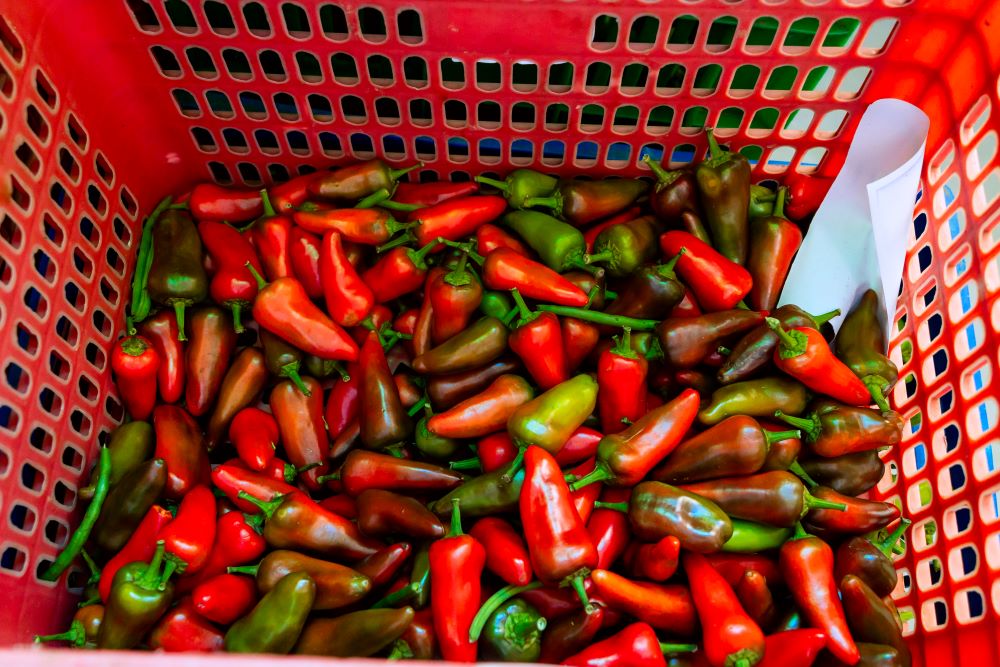
Graduates of the training program are eager to implement the knowledge they have gained into their projects. Additionally, they are poised to use the Rwf1 million funding to expand their agricultural products. For example, Emelyne Mukamugema, a chili farmer, highlighted how the program enhanced her understanding of chili processing, enabling her to produce chili powder and chili oil. She plans to utilize the financial support to expand her operations, acquire essential equipment, and seek additional funding from partners to bring her vision to fruition.
Nzamutashya Jean Pierre, specializing in sustainable and climate-resilient agriculture, emphasized the importance of selecting the right project, developing a business plan, managing, and collaborating with supportive partners. Pierre aspires to extend his impact globally by sharing his newfound knowledge with farmers worldwide, aiming to improve their farming practices, businesses and lives.
The entrepreneurs have been trained in four distinct categories: six of them focused on value addition, particularly for chili, while two received training in modern agricultural practices that conserve soil and adapt to climate change. An additional five entrepreneurs received training in compost production and pesticide making, and another five were educated in the use of modern and automated irrigation technology.
Uwiringiye Simeon, the project’s Manager at AEE Rwanda, underlined the training’s goal of making a difference in the realm of vegetable and fruit farming by equipping passionate young individuals with the requisite knowledge. He urged the trained youth to persist in their endeavors and assured them of continued support and monitoring. He also called upon project partners to support these youth in utilizing their newfound knowledge productively.
Simeon expressed gratitude to Agri Research Unguka Ltd, YEAN, IPRC Gishari, and Nyarutarama Business Incubation Center for their invaluable contributions to the project, as well as RYAF and the districts of Gasabo, Bugesera, Rwamagana, and Kayonza for their ongoing support.
Representing the Ministry of Agriculture in the event, Mukamugena Alice, an expert in horticulture value addition and market department at Minagri, emphasized the ministry’s role in daily monitoring of such activities. She stressed the importance of collaboration with various agencies to ensure that these projects reach their full potential. She lastly said that MINAGRI will continuously point out possible opportunities that the youth can grab.
The AEE Rwanda disclosed that an initial investment of around Rwf35 million was made in the first phase of the training program.
Goodwell provided funding through uMunthu II, the impact investor’s 150 EUR million fund focused on scalable, early-growth stage businesses in Africa. The investment provides SOUK Farms with a solid foundation for scaling their sustainable agricultural business in Rwanda, enabling them to create resilient systems and value chains that benefit local farmers and the surrounding community.

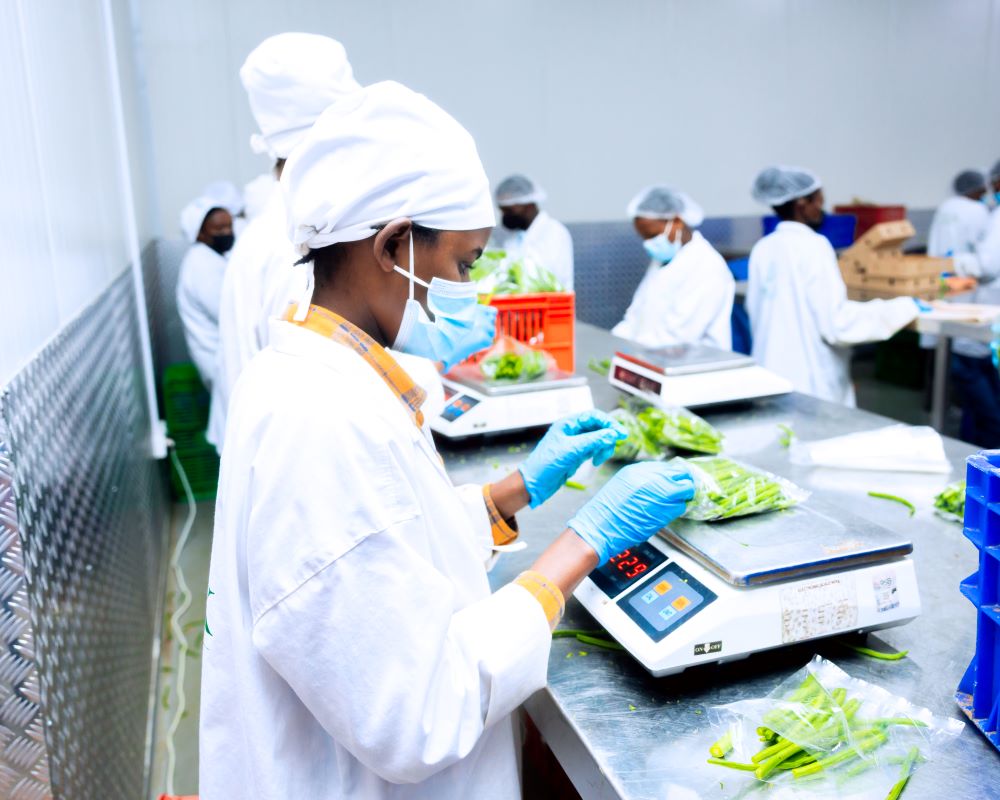
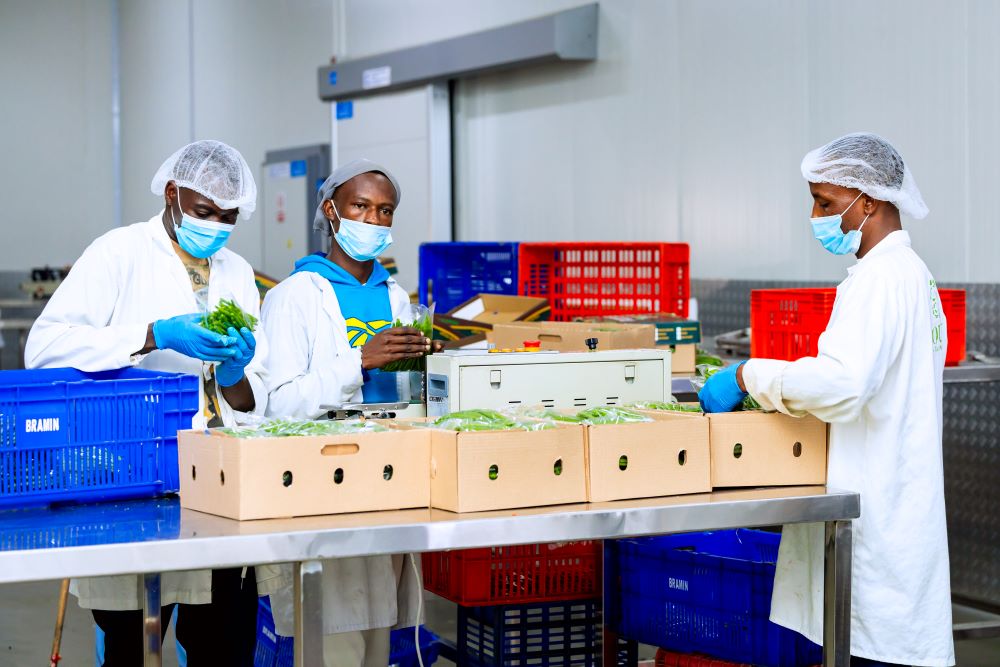
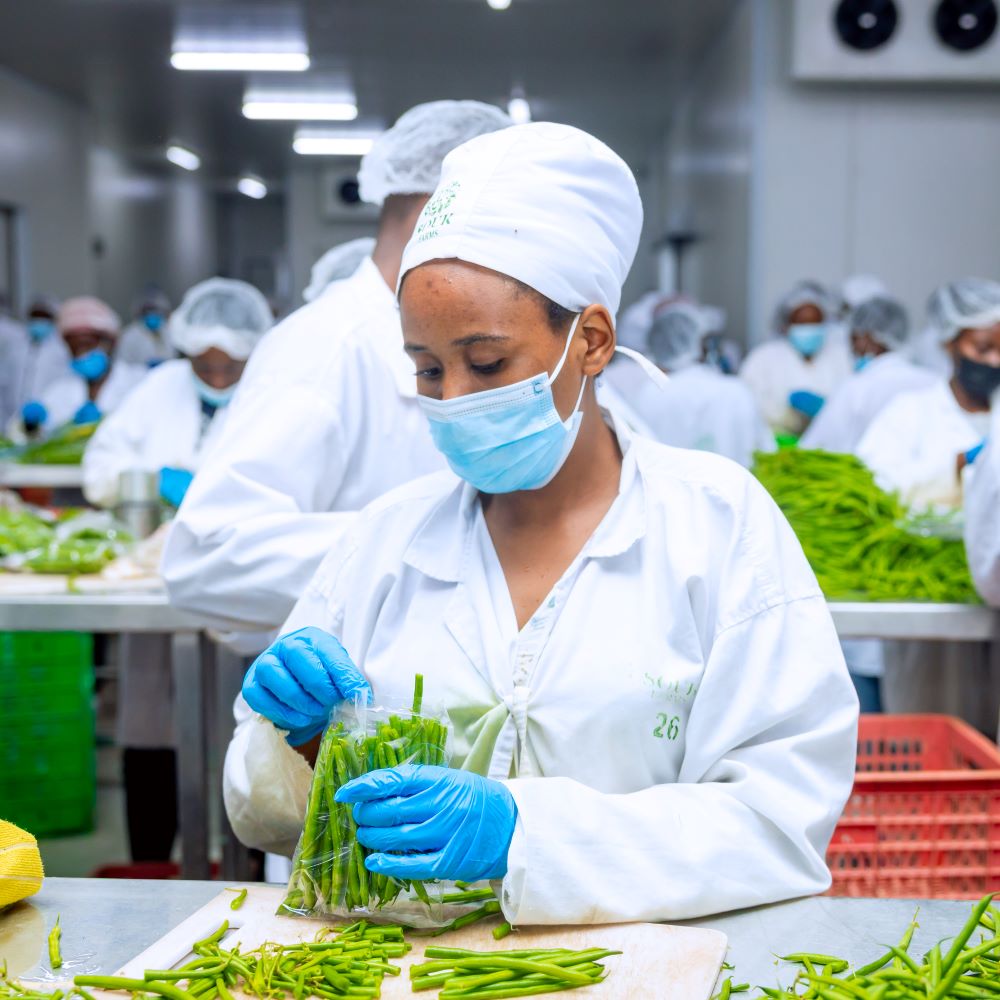
Founded in 2019, SOUK Farms has already carved out a significant niche in Rwanda’s agricultural landscape, building its own farming operations as well as working with a wide network of outgrowers to cultivate and export high-quality exotic horticultural produce while also serving consumers in the Rwanda market.
They have achieved this with a unique blend of innovation and a steadfast commitment to strengthening the resilience of local farms against climate change and disruptive rainfall patterns.
Partnering with Goodwell gives SOUK Farms the necessary capital to pursue these ambitions at a wider scale.
“The opportunities to create sustainable agricultural practices and improve existing ones in Rwanda are great. Our partnership with Goodwell will drive a huge impact not only for the growth of SOUK Farms but also for the farmers and the communities we work as we continue to offer solutions that improve incomes and create employment while also implementing education and outreach programs for youth and women,” said Seun Rasheed, Founder and CEO at SOUK Farms.
SOUK Farms has been a key player in Rwanda’s socio economic transformation, and their ability to create a positive impact in the local agricultural supply chain is well established. Working closely with over 1,200 farmers across Rwanda, they have greatly improved livelihoods, enabling farmers to earn upwards of 300% more than they did prior to being out growers for SOUK Farms.
Currently, 71% of the company’s workforce are women, aligning with the Rwandan government’s national Agriculture policy which promotes gender equality at all levels of the agricultural value chain.
Their impact efforts and solid business model are an ideal fit for Goodwell’s agricultural investment strategy, which strives to improve value chains, reduce post-harvest losses, and create better livelihoods for smallholder farmers.
“Under the experienced leadership of Seun Rasheed, SOUK Farms has a clear vision for expanding their impact and productivity in a sector with ever-increasing demand. We are proud to support the company in this exciting stage of their business growth, and look forward to seeing how they continue to innovate in the agricultural space. With this investment, we are also pleased to mark our entry into the Rwandan market, further expanding Goodwell’s presence in East Africa,” said Judith Ngonyo, Investment Manager at Goodwell Investments.
This investment comes at a crucial time, enabling SOUK Farms to build on its success, scale operations, and increase the productivity of Rwandan farmers. It also reinforces Goodwell’s commitment to supporting companies that improve livelihoods and deliver affordable, accessible, high-quality goods and services to underserved populations.
{{About Goodwell Investments}}
Goodwell Investments is a pioneering impact investment firm focused on inclusive growth in sectors providing basic goods and services and income generation opportunities to underserved communities in Africa and India. The firm provides early-stage equity to high growth, high impact businesses.
With teams in Kenya, Nigeria, South Africa and the Netherlands and a track record of over fifteen years, Goodwell demonstrates the ability to simultaneously deliver significant social impact and strong financial returns.
{{About SOUK Farms}}
SOUK Farms grows and exports high-quality horticultural produce to stimulate social development in Rwanda. Serving markets across Europe and the Middle East, as well as local consumers, the company’s foundation is built upon sustainability, innovation, and superior business operations.
Working with a network of 1,200 farmers, SOUK’s guiding principle is putting people first: giving them the support, skills and financial stability to achieve more.
The testimonies were delivered by farmers grouped in Kopakaki-Dutegure Cooperative as Japan’s ambassador to Rwanda, Isao Fukushima visited them on 7th March 2023.
Japan supports five cooperatives including Kopakaki-Dutegure belonging to coffee farmers in Kibuye to enhance the quality of their produce. Kopakaki-Dutegure is based in Rubengera Sector of Karongi District.
The National Agricultural Export Development Board (NAEB) indicates that Japan is among top three destinations for Rwanda’s coffee whereby coffee exports to the country increase gradually.
In 2012, Japan through International Cooperation Agency (JICA) started working with farmers in the area of capacity building. In the following year, Rwandans started travelling to Japan to learn from best practices in coffee farming.
Amb. Isao Fukushima said that the country plans to continue marketing Rwanda’s coffee on the international market.
Eric Ruganintwari, Quality Assurance and Regulatory Division Manager at NAEB said that cooperation between Rwanda and Japan is an opportunity for Rwanda’s coffee farmers because the country’s coffee consumers have increased for the past ten years.
“Upon arrival in Rwanda, the ambassador himself visited joint projects being implemented in Rwanda through JICA. There is optimism for this program to make a great impact, benefit farmers and the country as well,” he said.
{{Farmers thankful }}
Nyirabantu Thérèse, a farmer owning 444 coffee trees told IGIHE that Japanese agronomists trained them on quantities of fertilizers to be applied in their plantations and mulching techniques.
“Before, we practiced rudimentary farming techniques. After receiving training, the produce has increased from four to six sacks,” she said.
The President of Kopakaki-Dutegure, Bonavanture Munyeshema explained that cooperation with Japan capacitated farmers to regenerate trees and increase the number of young people growing coffee.
The Mayor of Karongi District, Vestine Mukarutesi said that coffee farming has a great significance to economic growth and improved wellbeing of residents.
Through coffee, she said, farmers in the district subscribe for Community Based Health Insurance (Mutuelle de Santé), make contributions in Ejo Heza saving scheme, pay school fees and feed their families.
Mukarutesi encouraged farmers to adopt best practices to make coffee a sustainable source of income.
In the fiscal year 2021-2022, Rwanda exported 15 million kilograms of coffee that generated US$75.5 million.