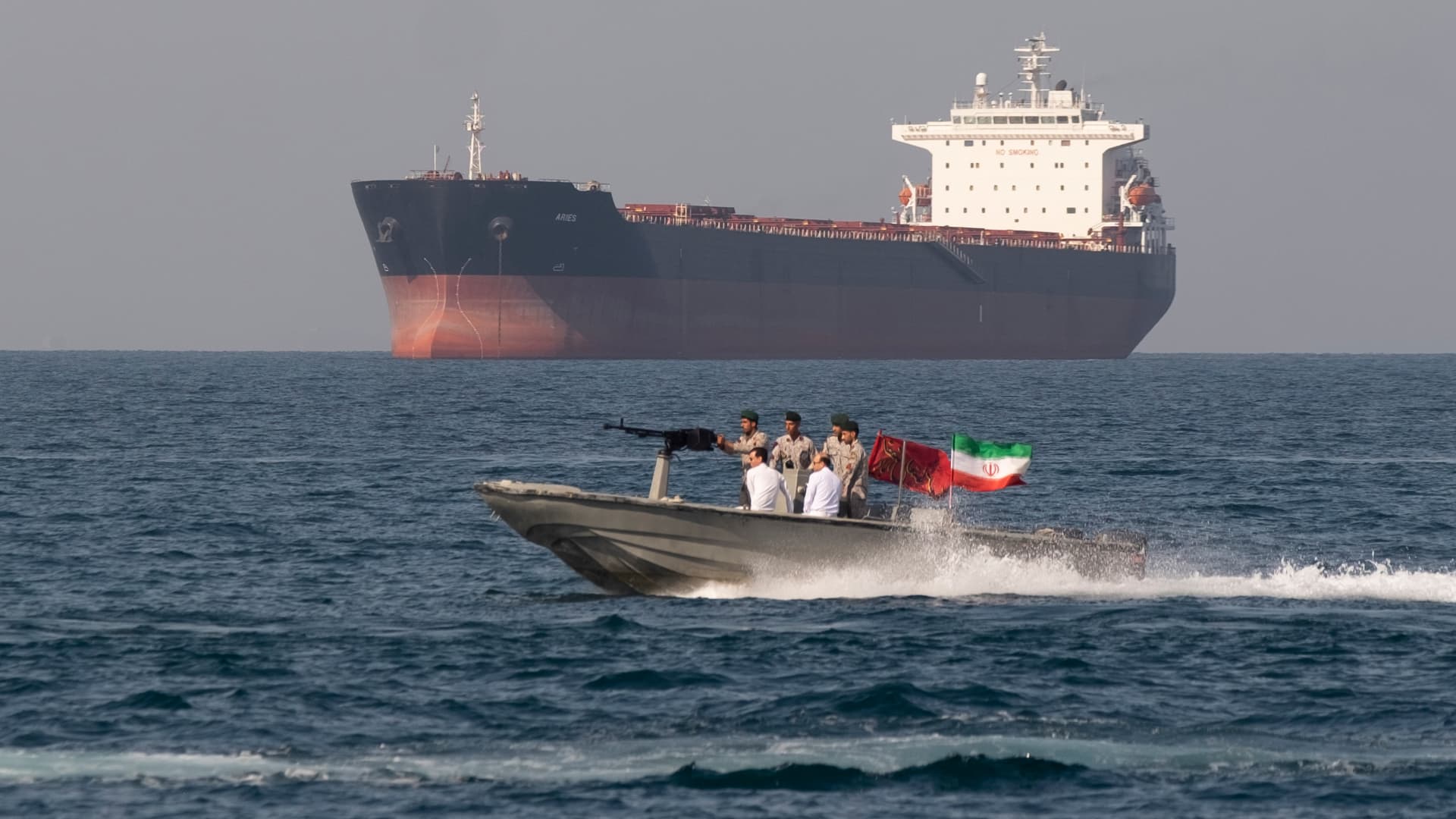
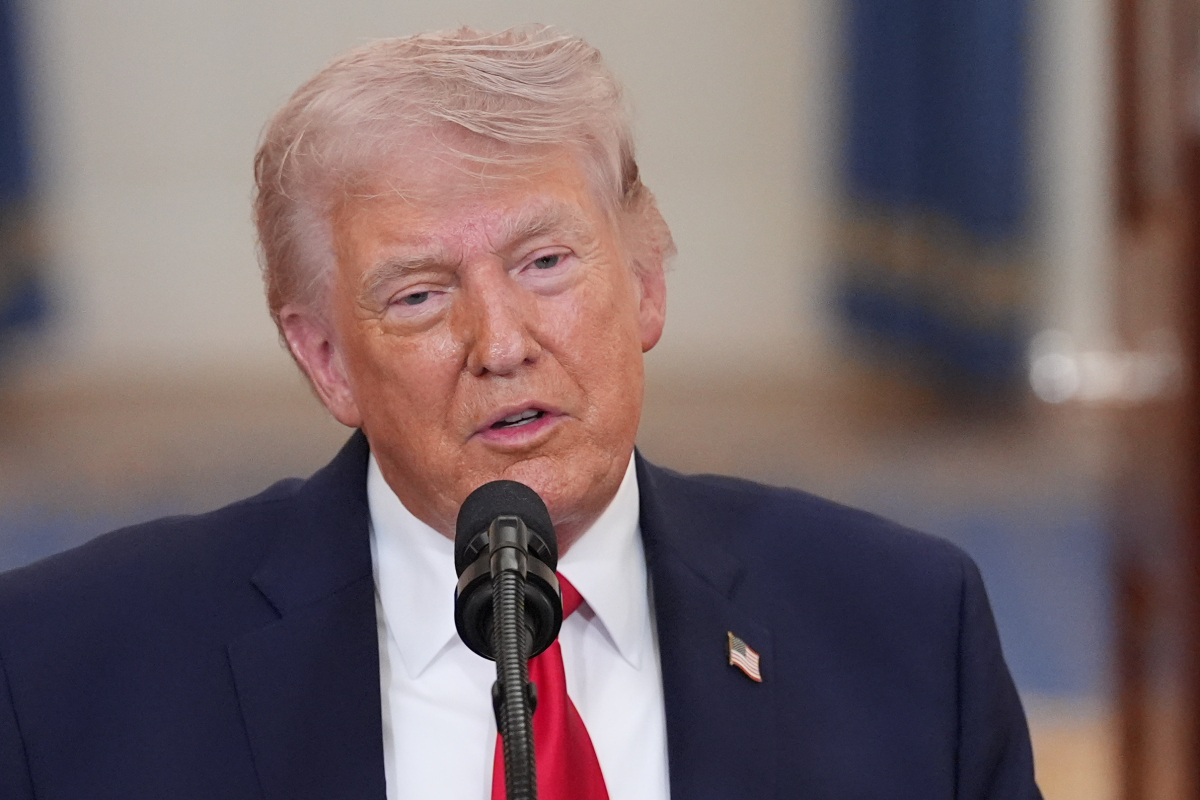
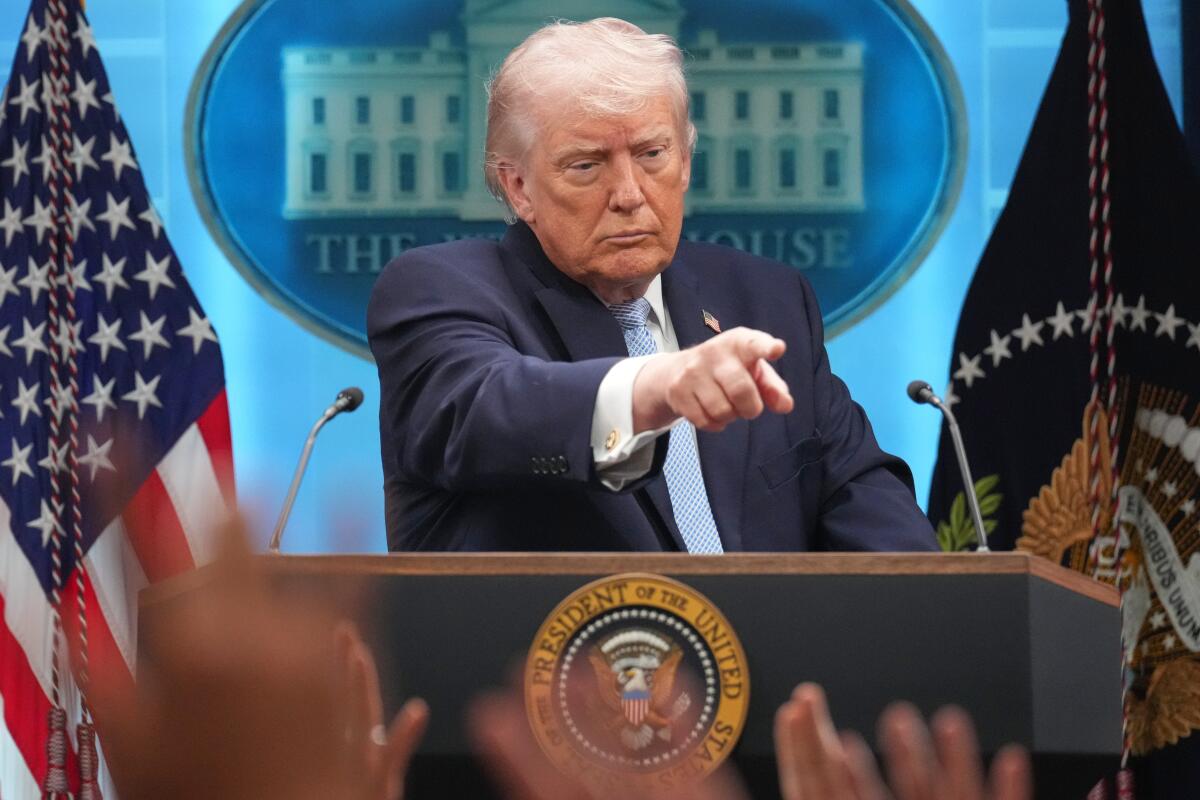
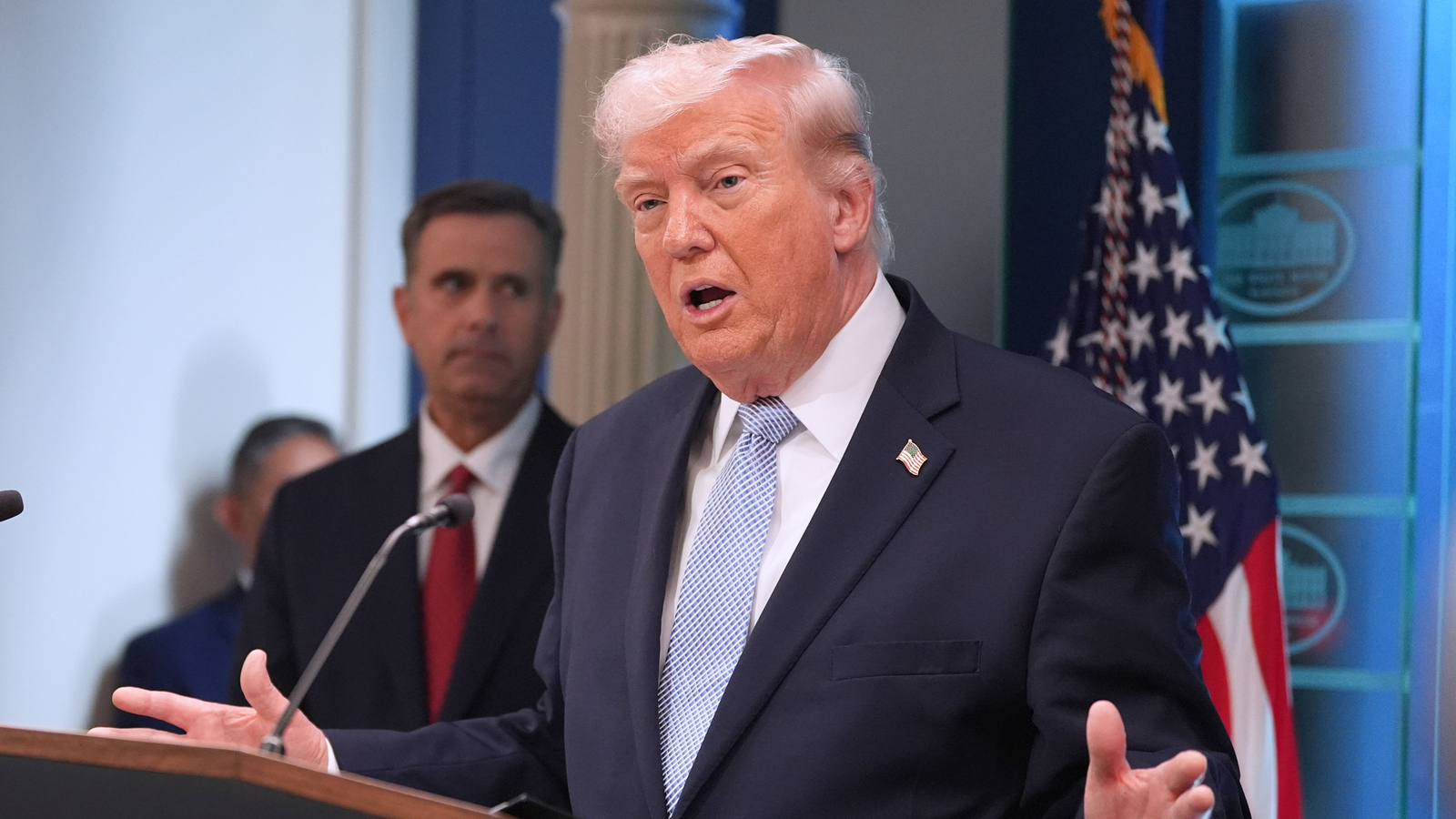
“There are reports that Iran is charging fees to tankers going through the Hormuz Strait — They better not be and, if they are, they better stop now!” Trump wrote on his social media platform Truth Social.
A day earlier, Trump told ABC News he is weighing to set up a “joint venture” with Iran to charge tolls from vessels passing through the crucial waterway through which about 20 percent of global oil is transported, calling it “a beautiful thing.”
He also said on social media on Wednesday that “big money” could be made by the U.S. “helping with the traffic buildup in the Strait of Hormuz.”
Iran demands oil tankers pay a transit toll of 1 U.S. dollar per barrel for passing through the strait, according to a report from The Wall Street Journal on Thursday.
Marine traffic in the strait remained at a trickle. For the first time since the ceasefire was reached on Tuesday, two non-Iranian oil tankers were tracked crossing the strait, The New York Times reported on Thursday, citing ship-tracking firm Kpler.
U.S. President Donald Trump on Thursday threatened Iran to stop charging fees to tankers passing through the Strait of Hormuz if the country is doing so.
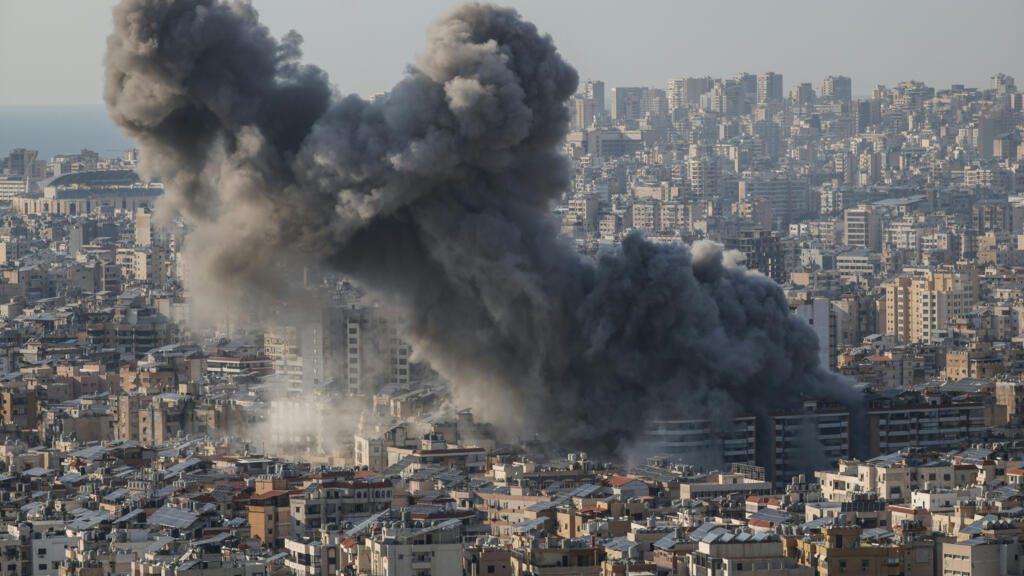
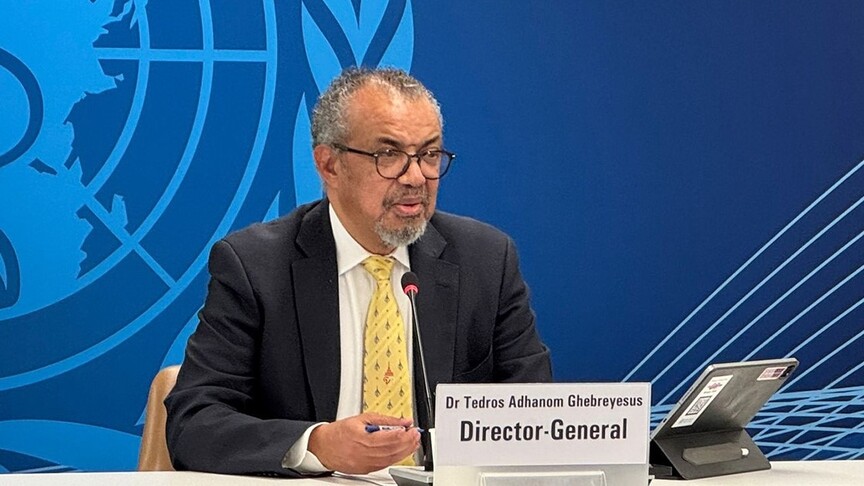
In a post on social media platform X, Tedros said the evacuation order issued by the Israeli Defense Forces targets the Jnah area in Beirut’s southern suburbs, where two major referral hospitals – Rafik Hariri University Hospital and Al Zahraa Hospital – are located.
He noted that “no alternative medical facilities” are available to accommodate around 450 patients from the two hospitals, including 40 in intensive care units (ICU), making evacuation “operationally unfeasible.”
Both hospitals are operating at full capacity, including treating those injured in the April 8 strikes, he added.
Tedros said the affected area also includes a health ministry complex and five shelters housing more than 5,000 people.
He called on Israel to “ensure the protection of all health facilities, health workers, patients and civilians.”
World Health Organization (WHO) Director-General Tedros Adhanom Ghebreyesus has urged Israel to rescind an evacuation order covering a district in Beirut, warning that it puts hundreds of patients at serious risk.
Interior Minister Mohsin Naqvi said on Thursday that a comprehensive plan has been prepared to ensure foolproof security for all visiting foreign delegates.
The negotiations are expected to bring together senior officials from both countries as part of diplomatic efforts to reach a longer-term settlement after weeks of escalating conflict.
According to Iran’s Students’ News Agency, Iran’s Parliament Speaker Mohammad Baqer Qalibaf will lead the Tehran delegation for talks with U.S. Vice President JD Vance in Islamabad. The White House confirmed that the U.S. team will include senior envoys Steve Witkoff and Jared Kushner, with the first round of negotiations expected on Saturday.
Analysts said Pakistan-facilitated talks face cautious optimism, saying that both sides have suffered heavy military, political, and economic losses, creating pressure for a negotiated settlement.
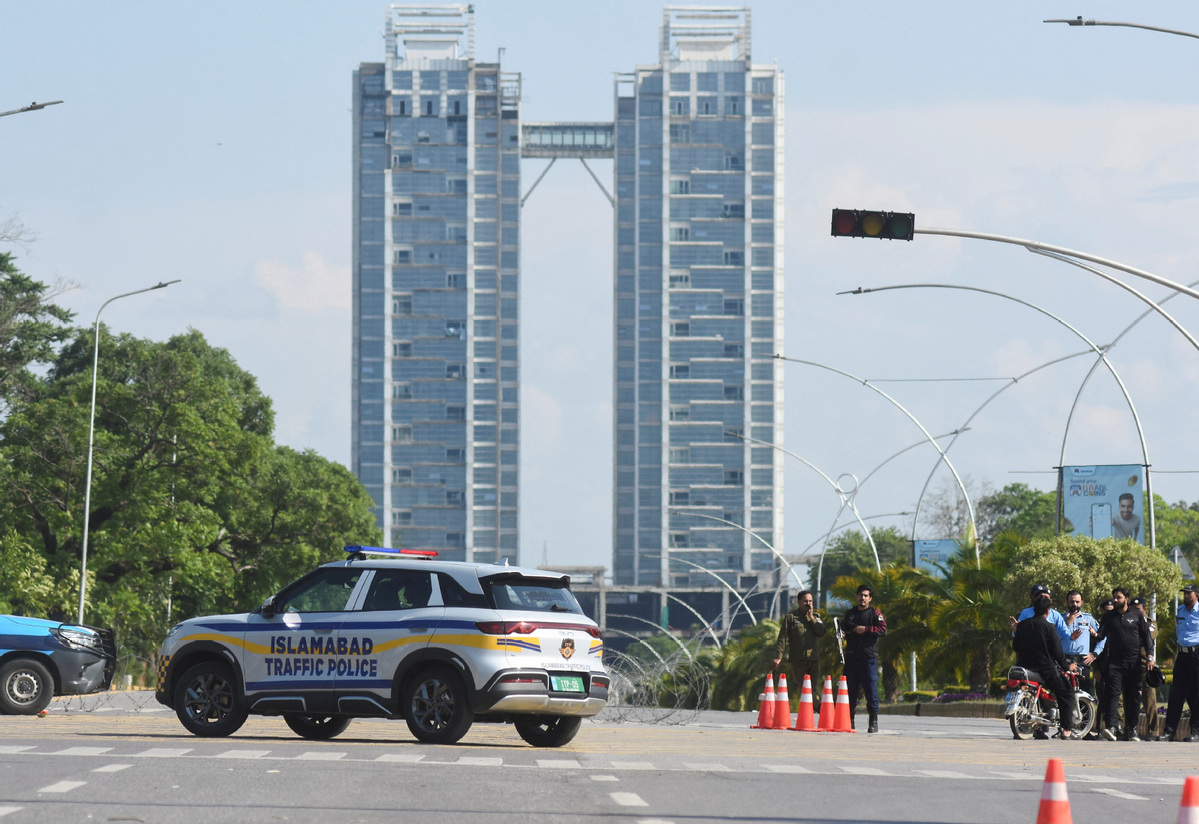
Authorities in Islamabad have introduced sweeping security measures ahead of the talks. Local holidays have been declared in the twin cities of Islamabad and Rawalpindi to facilitate arrangements. Police, paramilitary troops, and other security agencies are deployed under the Blue Book VVIP protocol, with separate routes designated for the movement of foreign delegations.
Islamabad Police issued a traffic advisory warning commuters of diversions on the Express Highway. Rescue services and hospitals have been placed on high alert. Serena Hotel, a five-star property in the Red Zone, has been reserved exclusively for the delegations, while several entry points to the capital will remain sealed during their stay.
Despite the ceasefire, several contentious issues are expected to dominate the negotiations.
One major point is the future of the Strait of Hormuz, a critical maritime corridor through which a significant portion of the world’s oil and liquefied natural gas passes.
Sanctions relief is another central issue, with Iran seeking the lifting of sanctions imposed on it, which have severely restricted its economy and international financial transactions.
Differences also persist over uranium enrichment. Iran insists on maintaining its program for civilian nuclear energy purposes, while Washington has reiterated that it seeks strict limits on the activity.
To bring both sides to the negotiating table, Pakistani Prime Minister Shehbaz Sharif and Deputy Prime Minister and Foreign Minister Mohammad Ishaq Dar have held consultations with regional leaders and maintained diplomatic contacts with both Tehran and Washington. Analysts said the country’s neutrality, backed by longstanding ties with all stakeholders, gives it unique leverage in promoting dialogue.
Tughral Yamin, retired brigadier and a regional security analyst, described Pakistan’s success in convening the talks as “a remarkable achievement,” noting that bringing two deeply distrustful parties together was once considered improbable. “It demonstrates ambition and a willingness to take risks in pursuit of peace,” he said.
He said the real challenge lies in shaping a mutually acceptable outcome, requiring pragmatism, flexibility, and careful concessions.
Officials and analysts expressed the hope that the talks could mark a critical step toward reducing tensions in one of the world’s most volatile regions.
Security guards stand at a checkpoint outside Constitution Towers as Pakistan gears up to host the US and Iran for peace talks, in Islamabad, Pakistan, April 9, 2026.
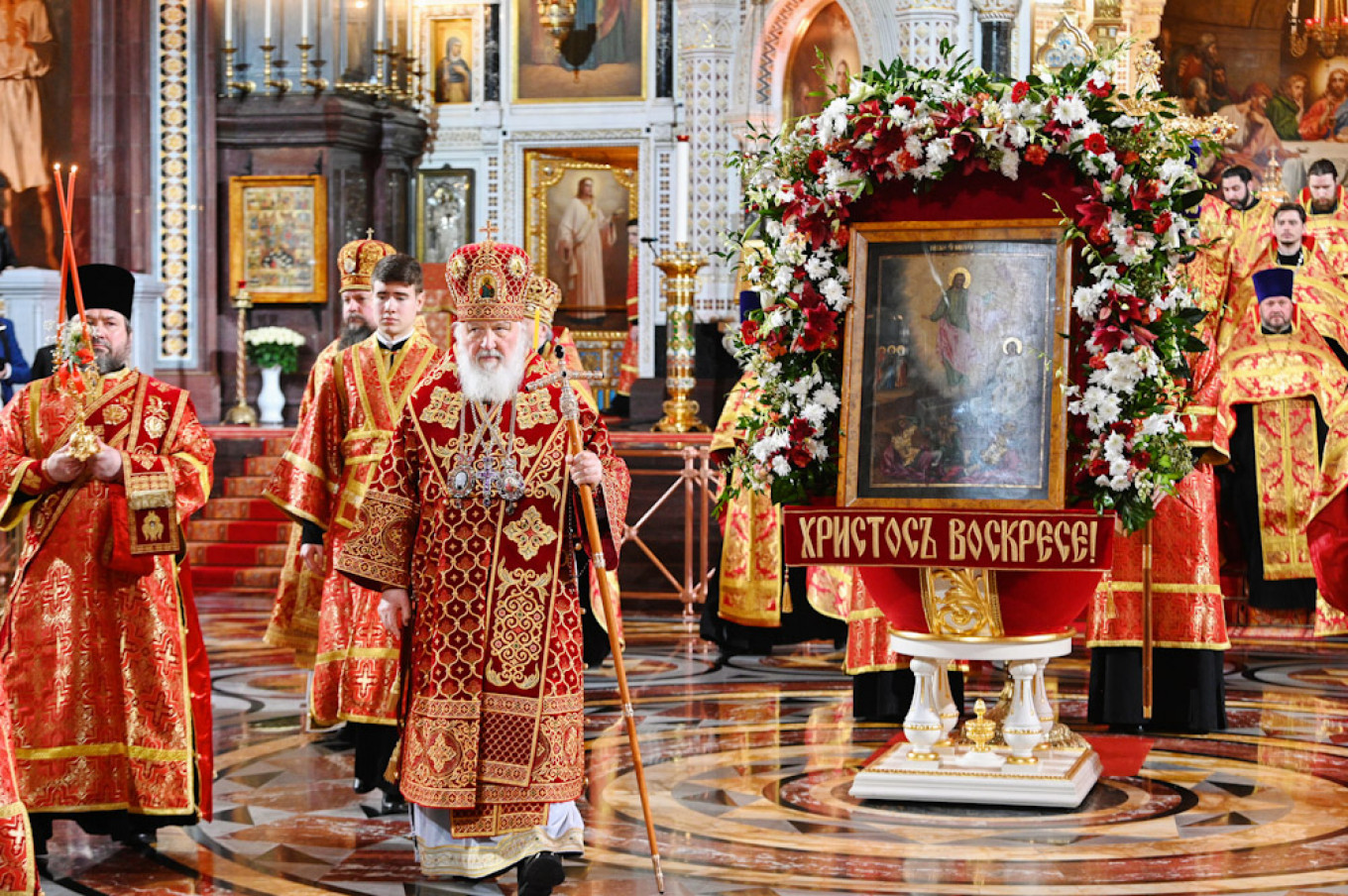
“By the decision of the Supreme Commander-in-Chief of the Armed Forces of the Russian Federation, Vladimir Putin, a ceasefire has been declared in view of the upcoming Orthodox holiday of Easter, from 16:00 on April 11 until the end of the day on April 12, 2026,” the Kremlin said in a statement.
According to the statement, Russia’s Defense Minister Andrei Belousov and Chief of the General Staff of the Russian Armed Forces Valery Gerasimov have been instructed to cease combat operations along all fronts during this period.
“Troops must be prepared to thwart any possible provocations by the enemy, as well as any aggressive actions,” the Kremlin said, adding that it expects that the Ukrainian side will follow Russia’s lead.
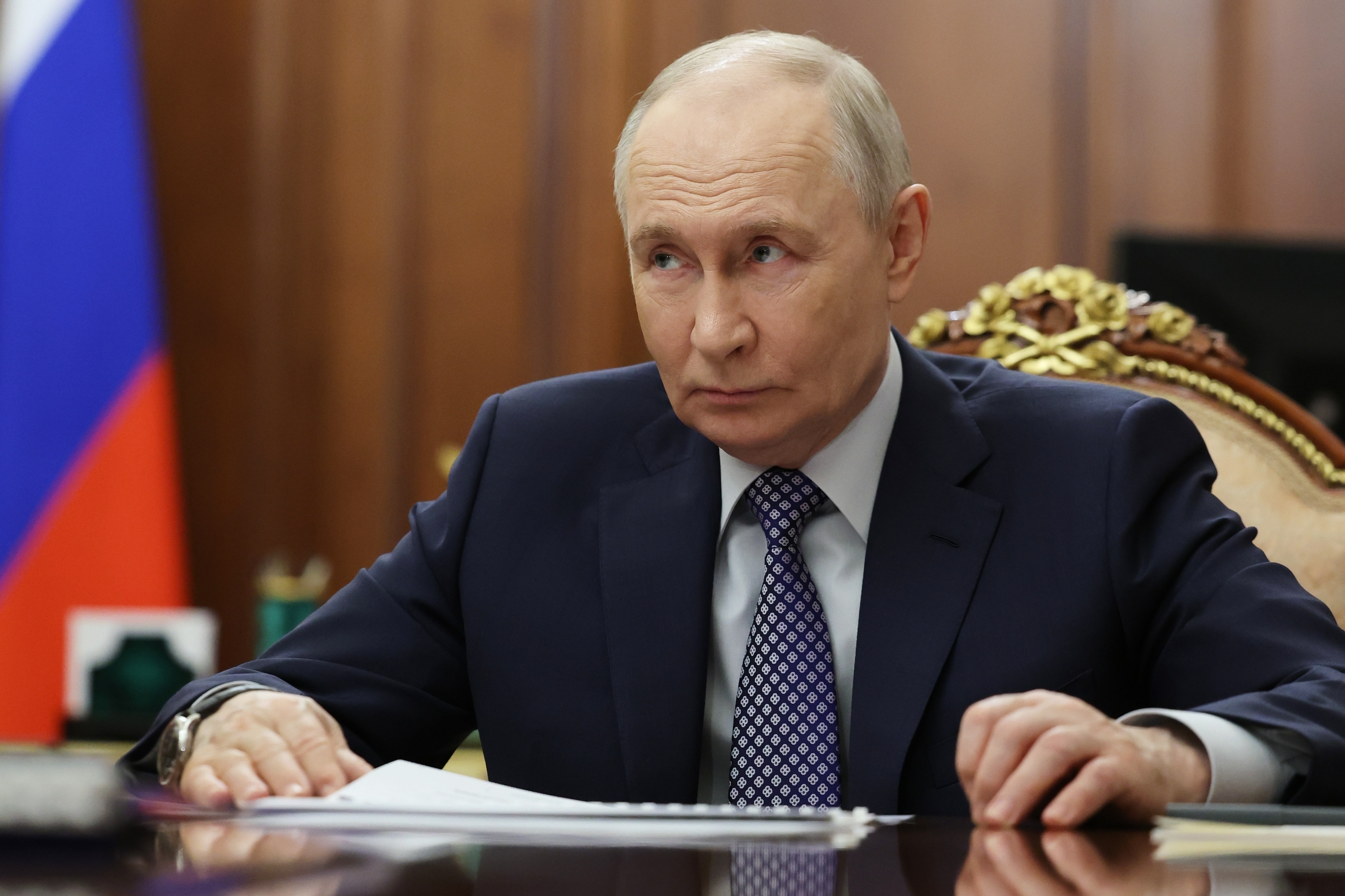
Russian President Vladimir Putin listens to Deputy Prime Minister, Chief of the Government Staff Dmitry Grigorenko during their meeting at the Kremlin, in Moscow, Thursday, April 9, 2026. (Alexander Kazakov/Sputnik, Kremlin Pool Photo via AP)
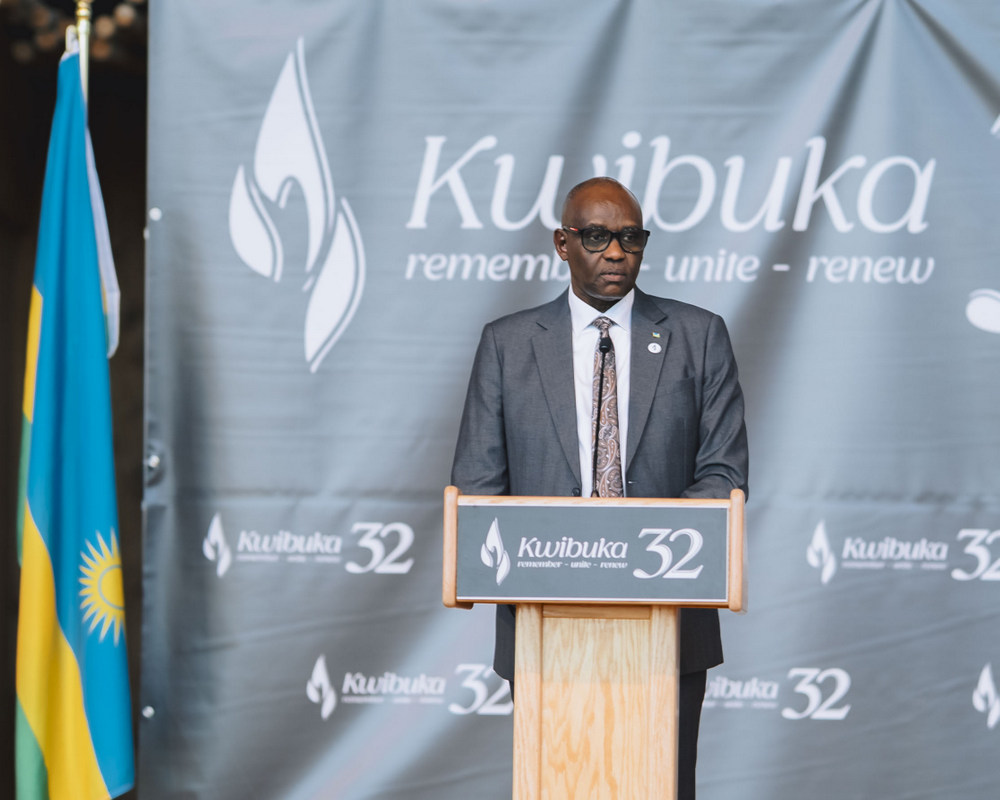
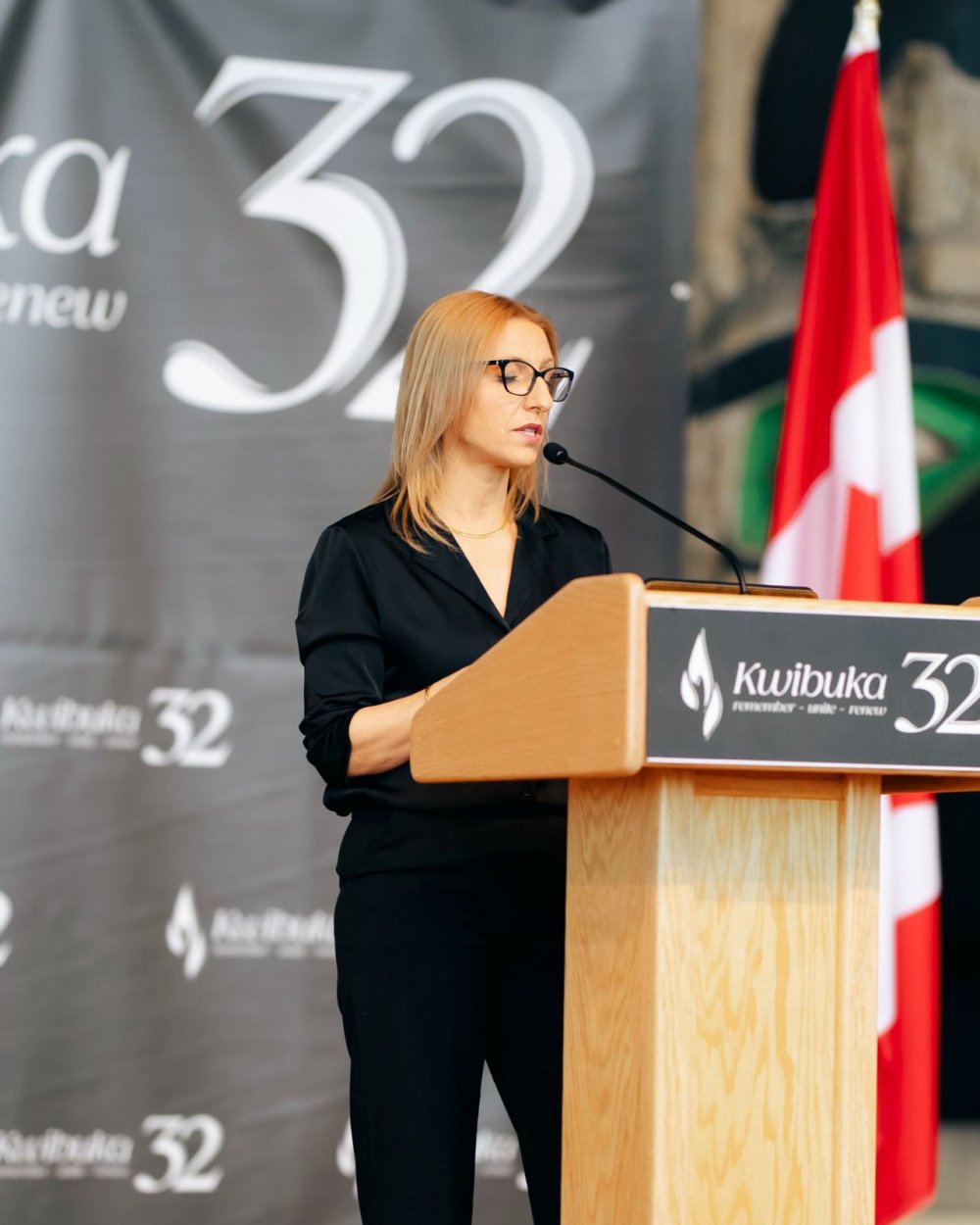
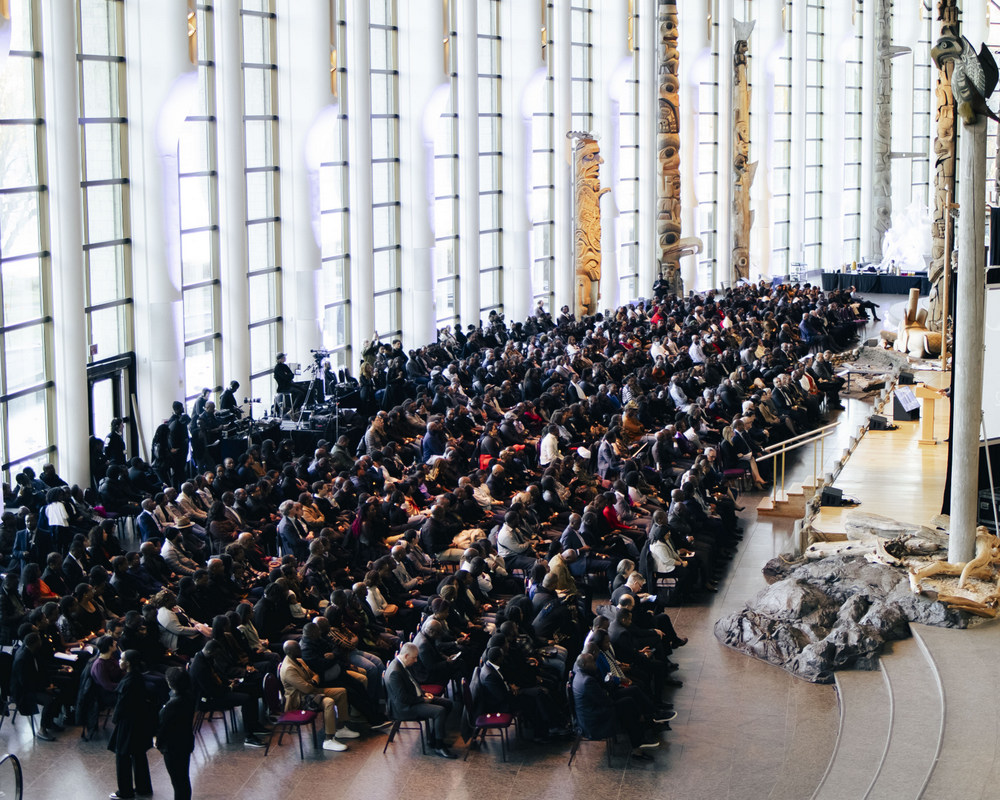
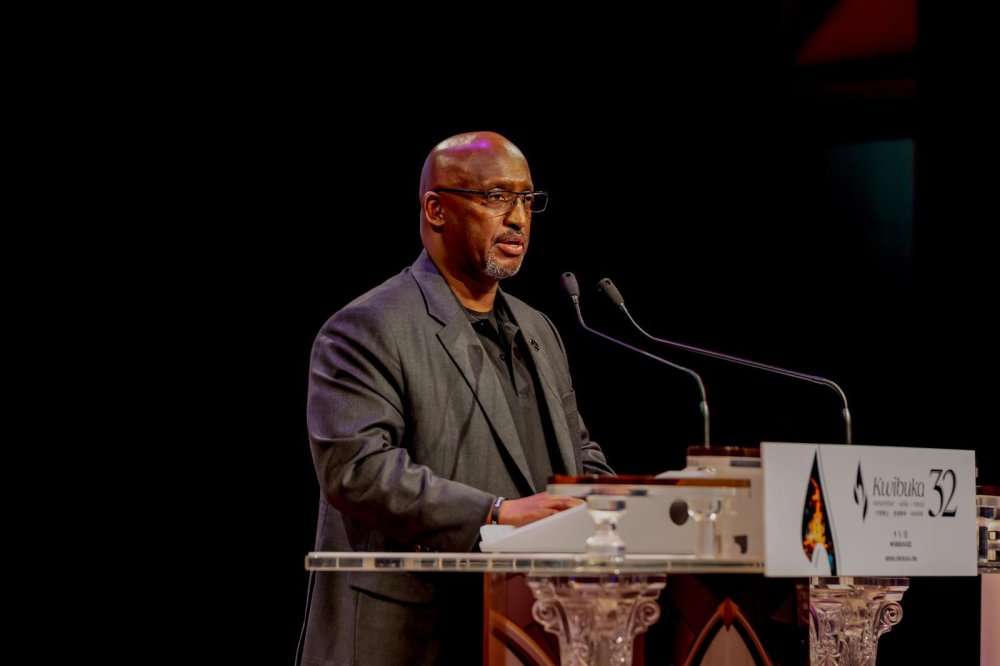
He was speaking during the 32nd commemoration held at the Canadian Museum of History.
“We remember the lives that were lost. We honour the dignity that was denied. And we reaffirm the responsibility that history has placed upon all of us. Kwibuka is not only an act of memory. It is an act of truth, an act of resistance, and a call to action,” he said.
Amb. Higiro also emphasized the urgent need to confront genocide denial wherever it appears, warning that indifference is never neutral: “Indifference is not neutral. It never was.”
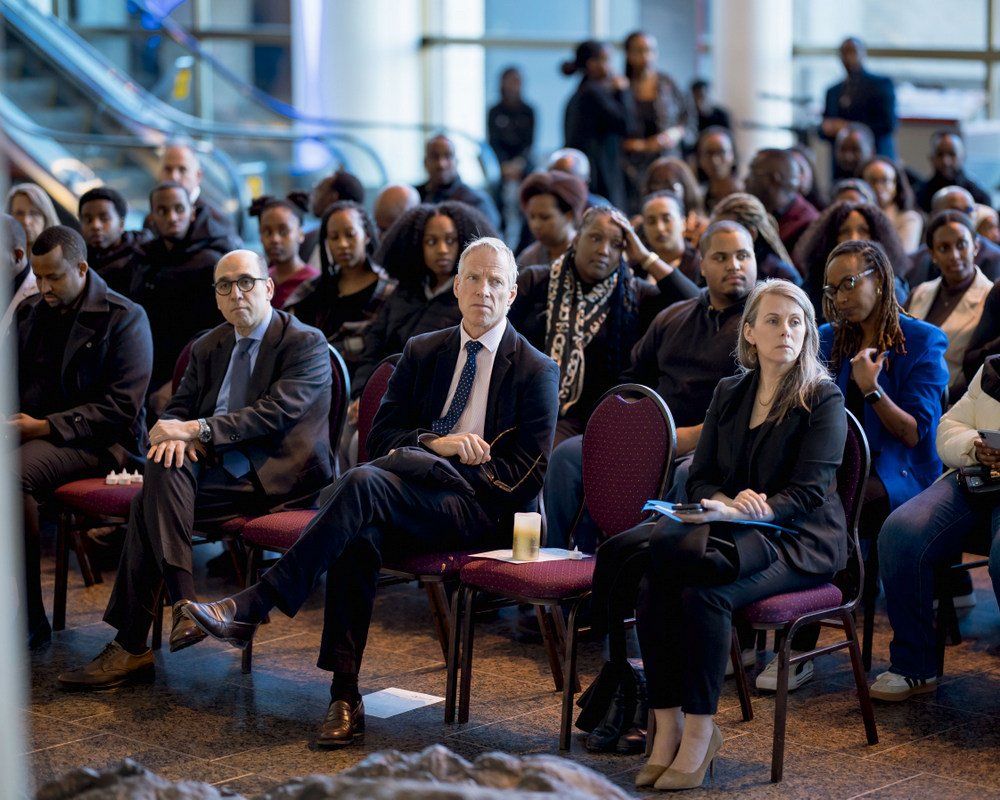
The commemoration, organized by the High Commission of the Republic of Rwanda in Canada in collaboration with RCA Ottawa-Gatineau, the Humura Association, and PLP Canada, drew approximately 800 participants, including members of the diplomatic corps, Canadian government representatives, Members of Parliament, the Rwandan community, and friends of Rwanda. The event was held under the theme “Remember — Unite — Renew.”
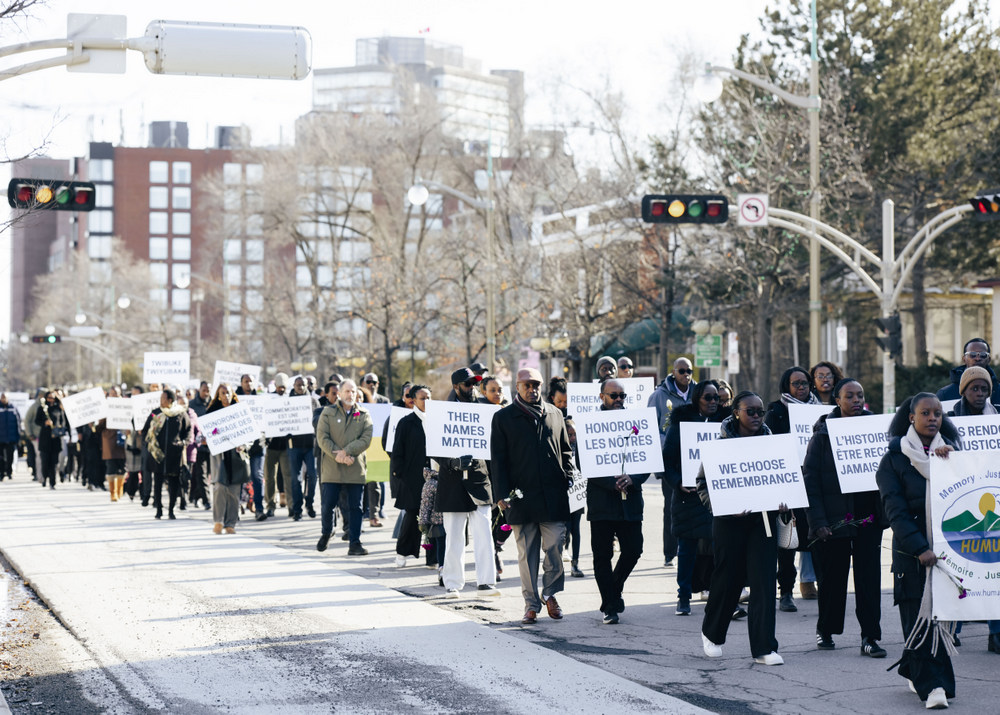
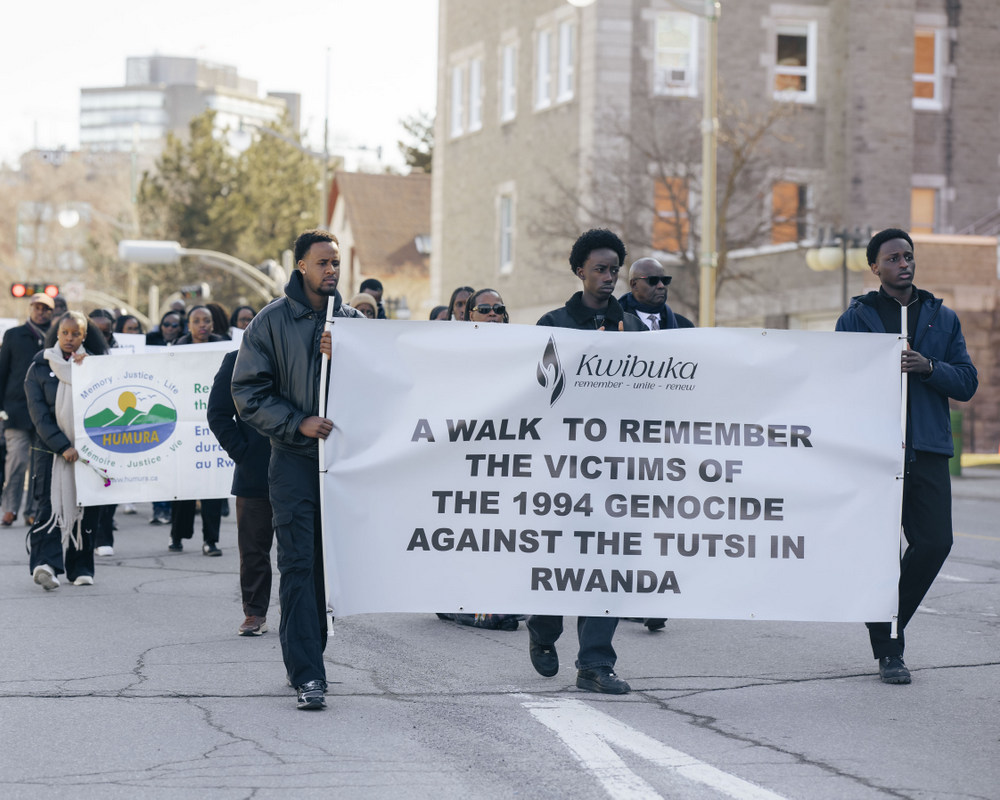
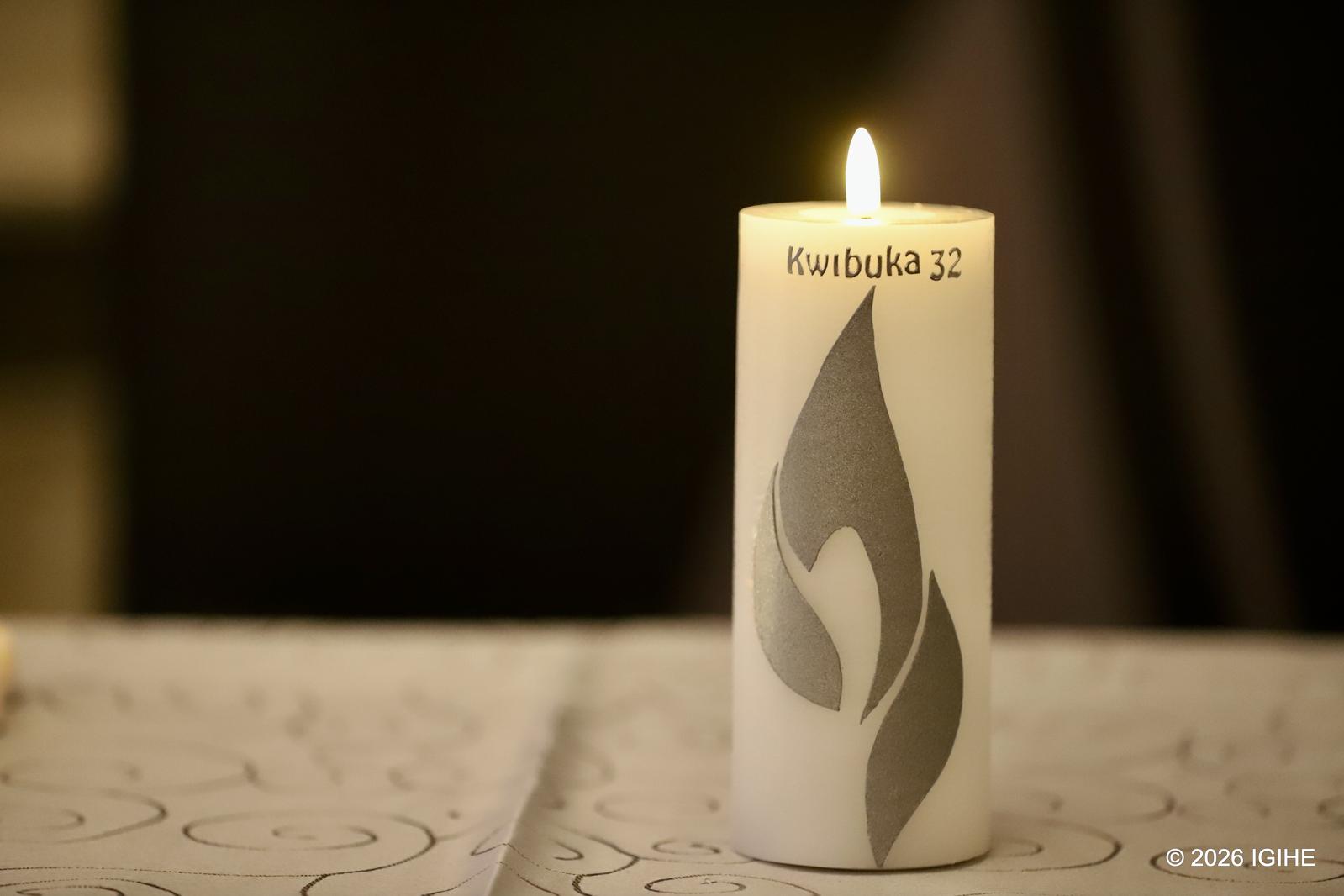
The afternoon began with the Walk to Remember, a symbolic procession led by the Humura Association along the Ottawa River, culminating in a flower release. The formal ceremony followed, featuring a moment of silence, candle lighting, a nondenominational prayer, survivor testimony, artistic performances, and remarks from distinguished speakers.
Canadian government engagement was notable.The Office of the Prime Minister posted on X: “Today, we remember and reflect on the horrific 1994 Genocide against the Tutsi in Rwanda. We honour the victims, survivors, and everyone whose lives were changed forever by the atrocities and commit to building a better world where such horrors are never forgotten or repeated.”
Greg Fergus, Member of Parliament, expressed solidarity with the Rwandan people, while Ms. Cheryl Urban, Assistant Deputy Minister, delivered remarks on behalf of the Government of Canada, reaffirming Canada’s commitment to remembrance and genocide prevention.
Arielle Kayabaga, MP for London West, sent a formal message recognizing the Humura Association’s role in fostering community unity and remembrance.
The keynote address was delivered by Dr. Bojana Coulibaly, PhD, Harvard University, who stressed the importance of confronting revisionist narratives: “Denial is not an opinion, it is part of the genocide process.”
A moving testimony from genocide survivor Diane Muberarugo reminded attendees of the human cost of the tragedy and the enduring resilience of survivors. The event concluded with closing remarks by Ms. Denyse Umutoni, President of the Humura Association, reflecting the strength of community partnership in Canada.
The 32nd commemoration of Genocide against the Tutsi , known as Kwibuka32, continues over a 100-day period, with commemorative activities taking place across Canada and worldwide, reinforcing the global commitment to remembrance, truth, and the prevention of genocide.
Prosper Higiro, Rwanda’s High Commissioner to Canada, has urged that remembrance of the 1994 Genocide against the Tutsi must go beyond reflection and become an active commitment to truth and justice. Dr. Bojana Coulibaly, PhD, Harvard University, stressed the importance of confronting revisionist narratives.The afternoon began with the Walk to Remember, a symbolic procession led by the Humura Association along the Ottawa River, culminating in a flower release.Various Canadian officials attended the event. The 32nd commemoration of Genocide against the Tutsi was held at the Canadian Museum of History on April 7, 2026.
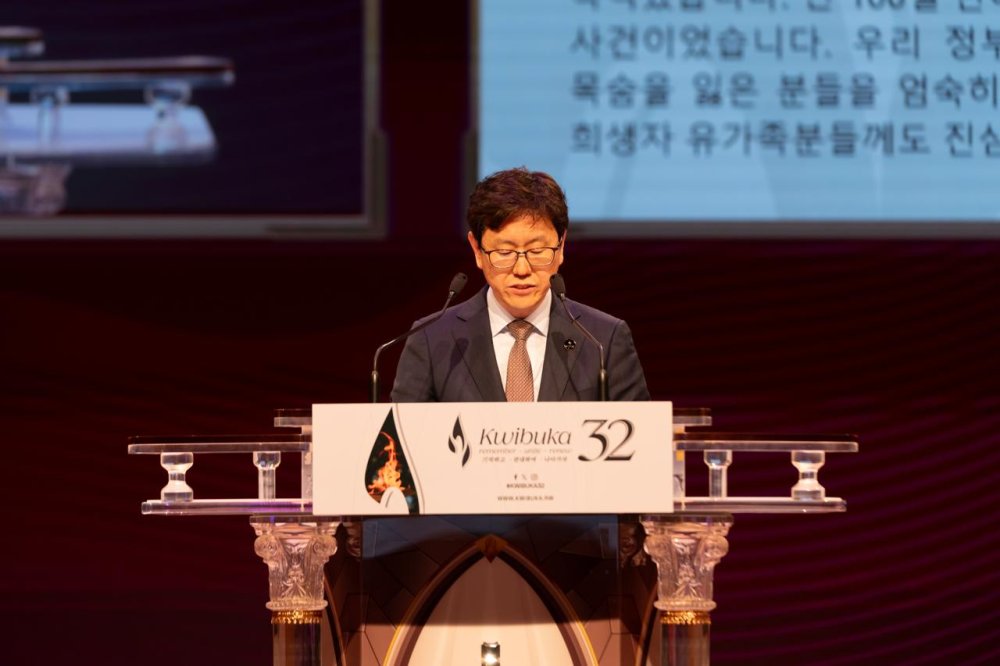
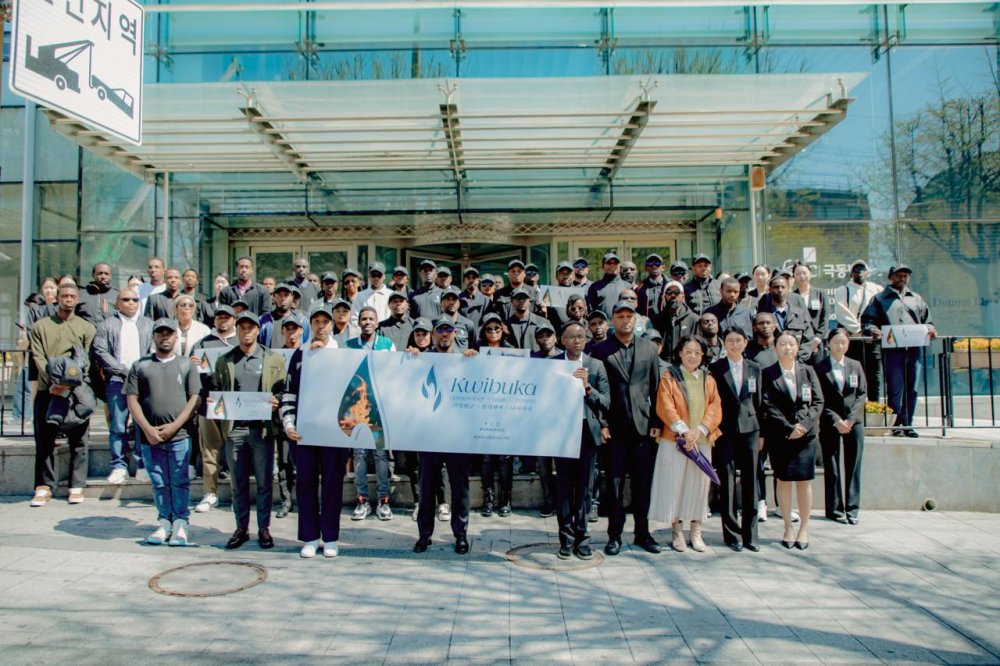
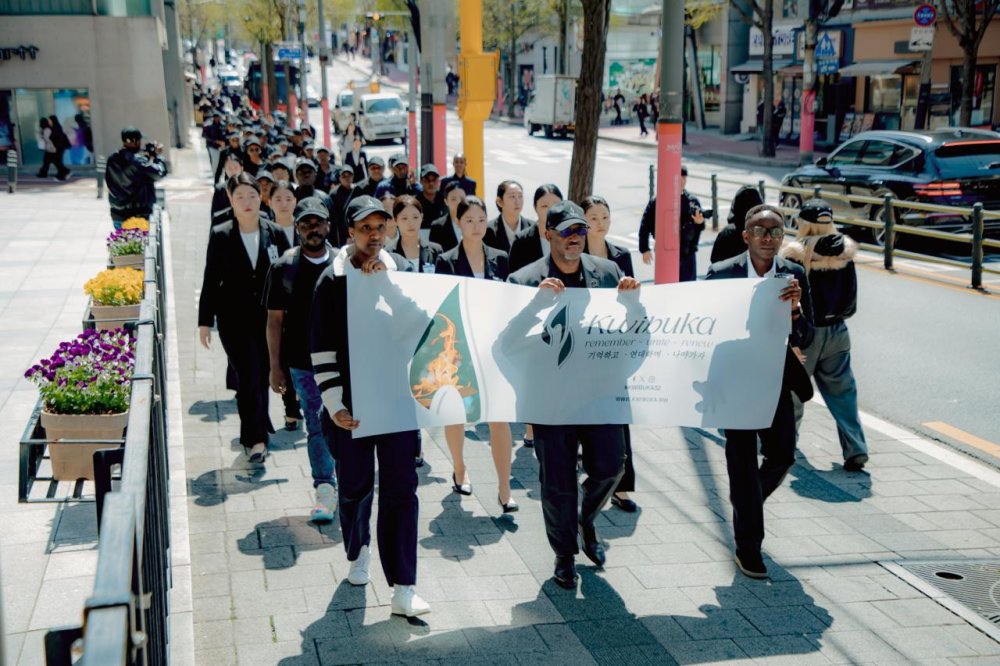
The message was delivered during the Kwibuka32 commemoration held in Seoul on April 7, 2026, where diplomats, government officials, members of the Rwandan community, and friends of Rwanda gathered under the theme “Remember – Unite – Renew.”
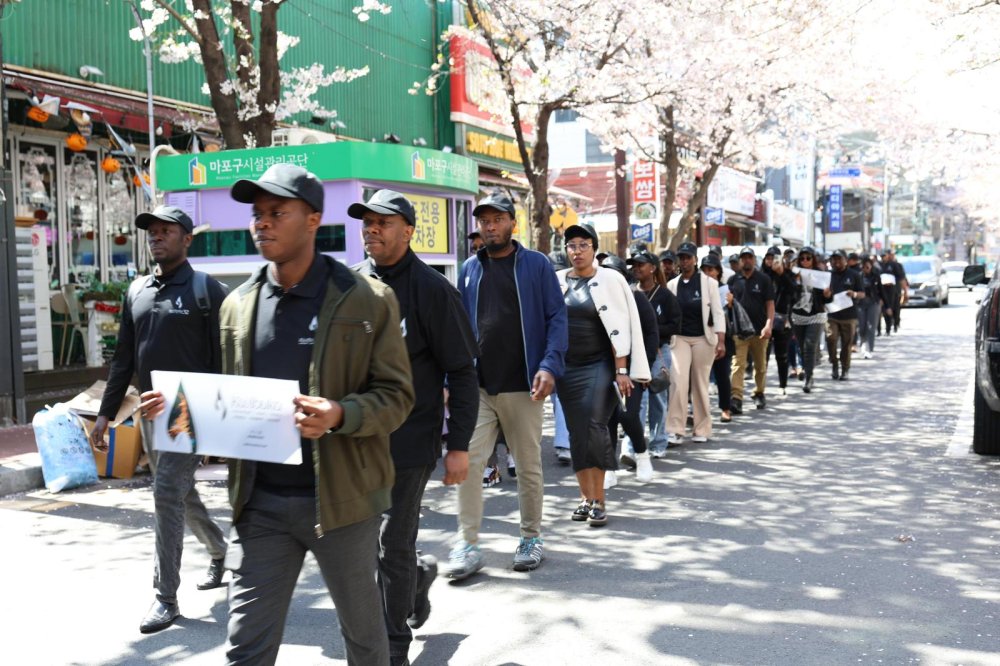
The event began with a Walk to Remember, honoring the victims, supporting survivors, and paying tribute to those who stopped the Genocide and contributed to Rwanda’s liberation.
Participants reflected on the historical reality of the Genocide against the Tutsi, which was planned and executed, leading to the killing of more than one million innocent Tutsi in just 100 days, from April to July 1994.
Representing the Government of the Republic of Korea, Chung Kwangyong, Director-General for African and Middle Eastern Affairs, noted that Rwanda’s journey of recovery and transformation resonates with the Korean people, who have also overcome the devastation of war to rebuild their nation.
He commended Rwanda’s resilience and highlighted its emergence as a hub of innovation and a model for sustainable development.
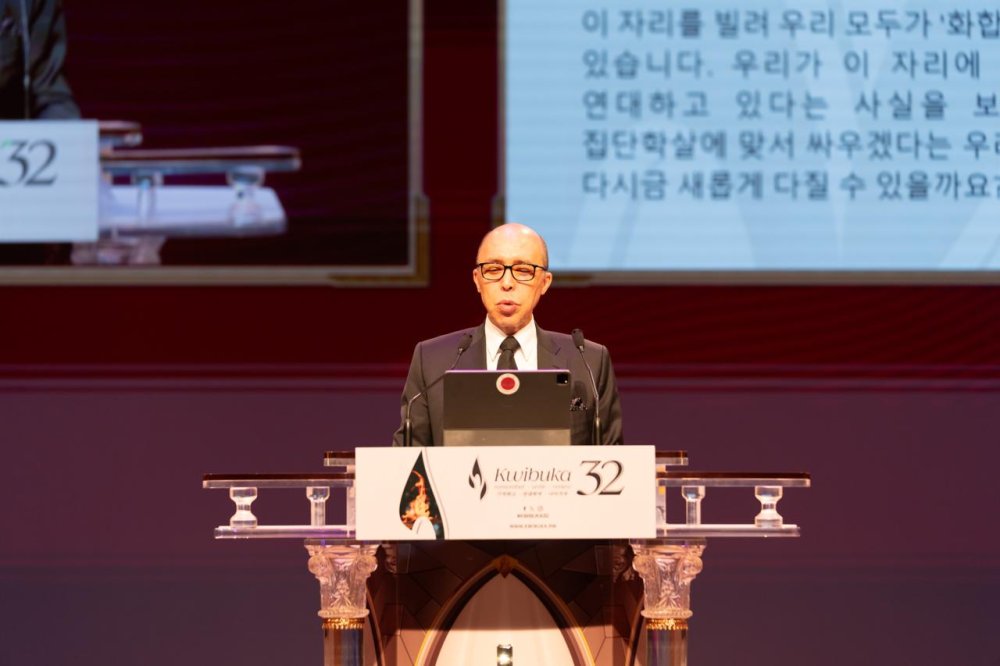
Speaking at the event, Chafik Rachadi, Ambassador of the Kingdom of Morocco and Dean of the Diplomatic Corps, emphasized the importance of vigilance against hate speech and division, calling for continued global commitment to human dignity and the prevention of atrocities.
Rwanda’s Ambassador to South Korea, Bakuramutsa Nkubito stressed that remembrance must remain active and grounded in truth.
He highlighted that ‘genocide denial and distortion, particularly in the digital age, constitute a continuation of genocide ideology and must be firmly confronted’.
He further underscored Rwanda’s continued commitment to unity, reconciliation, and resilience, noting that these values have been central to the country’s rebuilding process over the past three decades.
Thirty-two years after the Genocide, concerns remain over the persistence of denial and distortion, increasingly spread through digital platforms and transnational networks, a trend the Embassy warned must be actively countered.
The commemoration also highlighted Rwanda’s progress in rebuilding a united nation founded on the principle of Ndi Umunyarwanda, reflecting inclusive governance, justice, and reconciliation.
The Embassy called on the international community to uphold the truth, combat genocide denial and hate speech, and ensure accountability by bringing genocide fugitives to justice in line with international obligations.
Rwanda’s Ambassador to South Korea, Bakuramutsa Nkubito stressed that remembrance must remain active and grounded in truth. Chung Kwangyong, Director-General for African and Middle Eastern Affairs, noted that Rwanda’s journey of recovery and transformation resonates with the Korean people.Chafik Rachadi, Ambassador of the Kingdom of Morocco and Dean of the Diplomatic Corps, emphasized the importance of vigilance against hate speech and division.A Walk to Remember preceded commemoration talks.
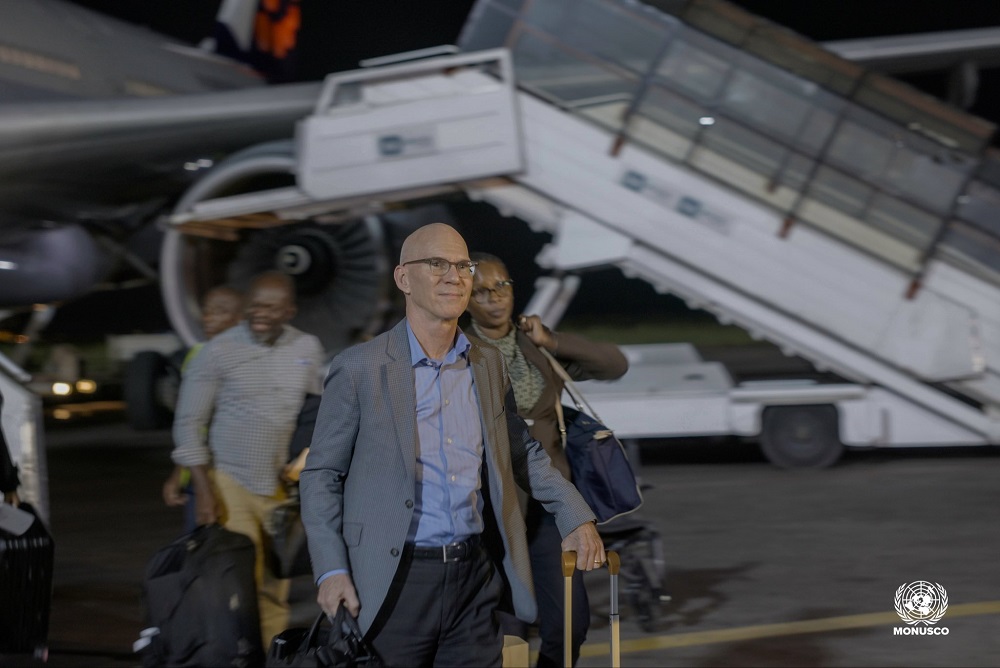
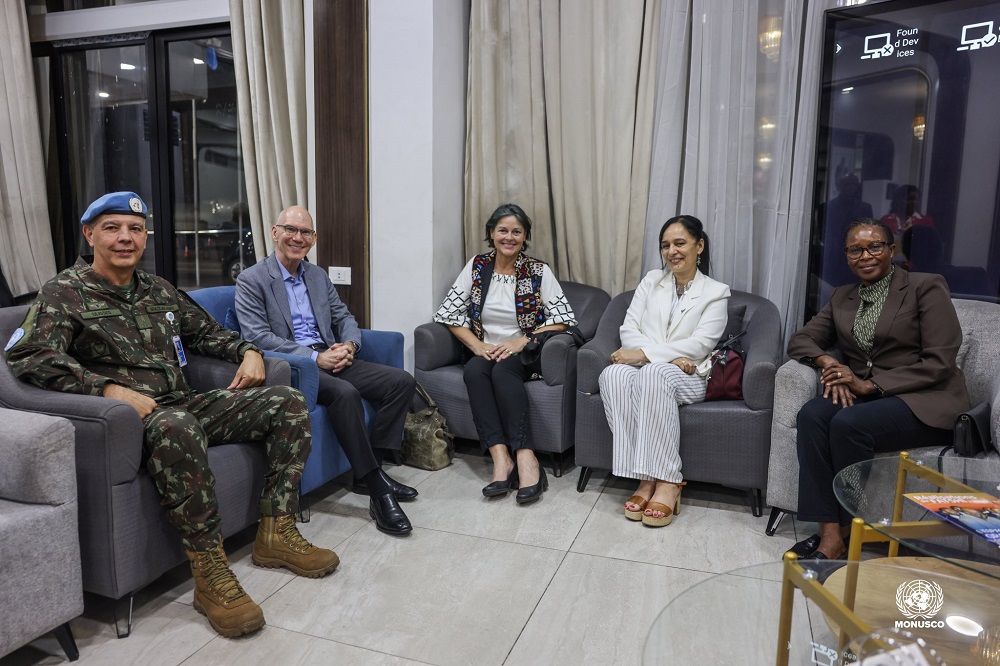
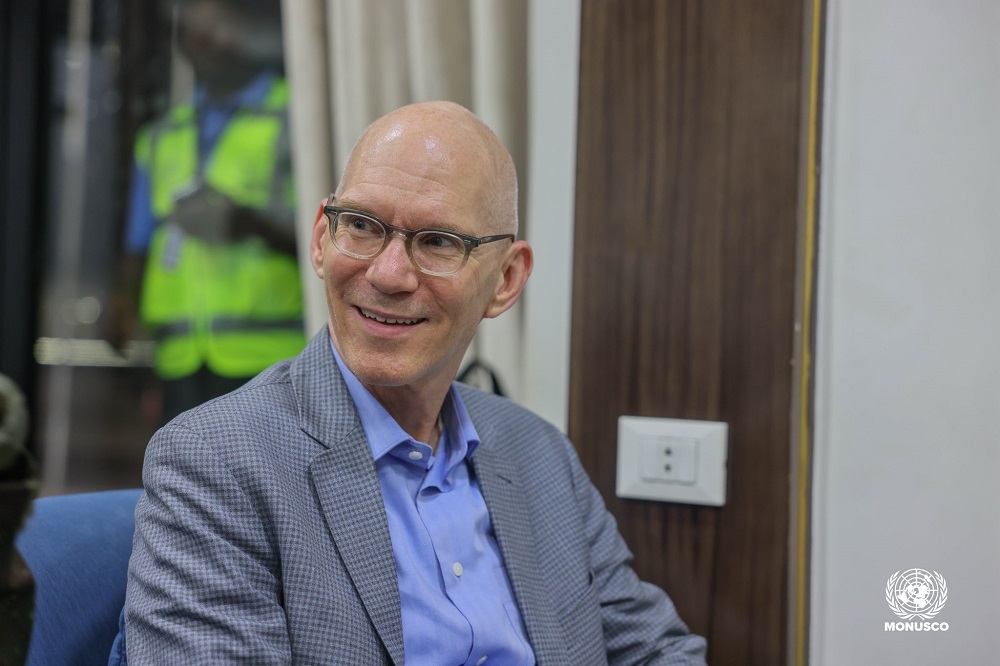
American diplomat James Swan has officially assumed leadership of the United Nations Organization Stabilization Mission in the Democratic Republic of the Congo (MONUSCO).
António Guterres appointed Swan as his Special Representative for MONUSCO early March 2026, succeeding Bintou Keita of Guinea, who left office on November 30, 2025.
Upon his arrival in Kinshasa on April 7, Swan underscored that the crisis in eastern DRC cannot be resolved through military means, pointing instead to dialogue, regional engagement, and the implementation of existing agreements as essential pathways to progress.
He reaffirmed that the protection of civilians remains MONUSCO’s central responsibility.
Swan further indicated that the mission will continue to support efforts aimed at reducing violence and creating conditions conducive to sustainable peace in the eastern region.
Swan assumes his duties at a time when MONUSCO has been tasked with overseeing the implementation of a ceasefire in Uvira territory, South Kivu Province, following the Doha negotiations between the Congolese government and the AFC/M23 coalition.
The United Nations Security Council has maintained that MONUSCO’s core mandate includes protecting civilians, preventing and responding to attacks on displacement camps, supporting the reintegration of former combatants, and monitoring compliance with sanctions related to arms flows.
In addition, the mission’s Force Intervention Brigade has been restructured to enhance its effectiveness in restoring stability in eastern DRC, with a strengthened mandate to conduct operations against armed groups independently or in coordination with national forces.
MONUSCO staff members welcomed Swan upon arrival The United Nations Secretary-General António Guterres appointed Swan as his Special Representative for the United Nations Organization Stabilization Mission in the Democratic Republic of the Congo (MONUSCO) early March 2026. Upon his arrival in Kinshasa on April 7, Swan underscored that the crisis in eastern DRC cannot be resolved through military means.
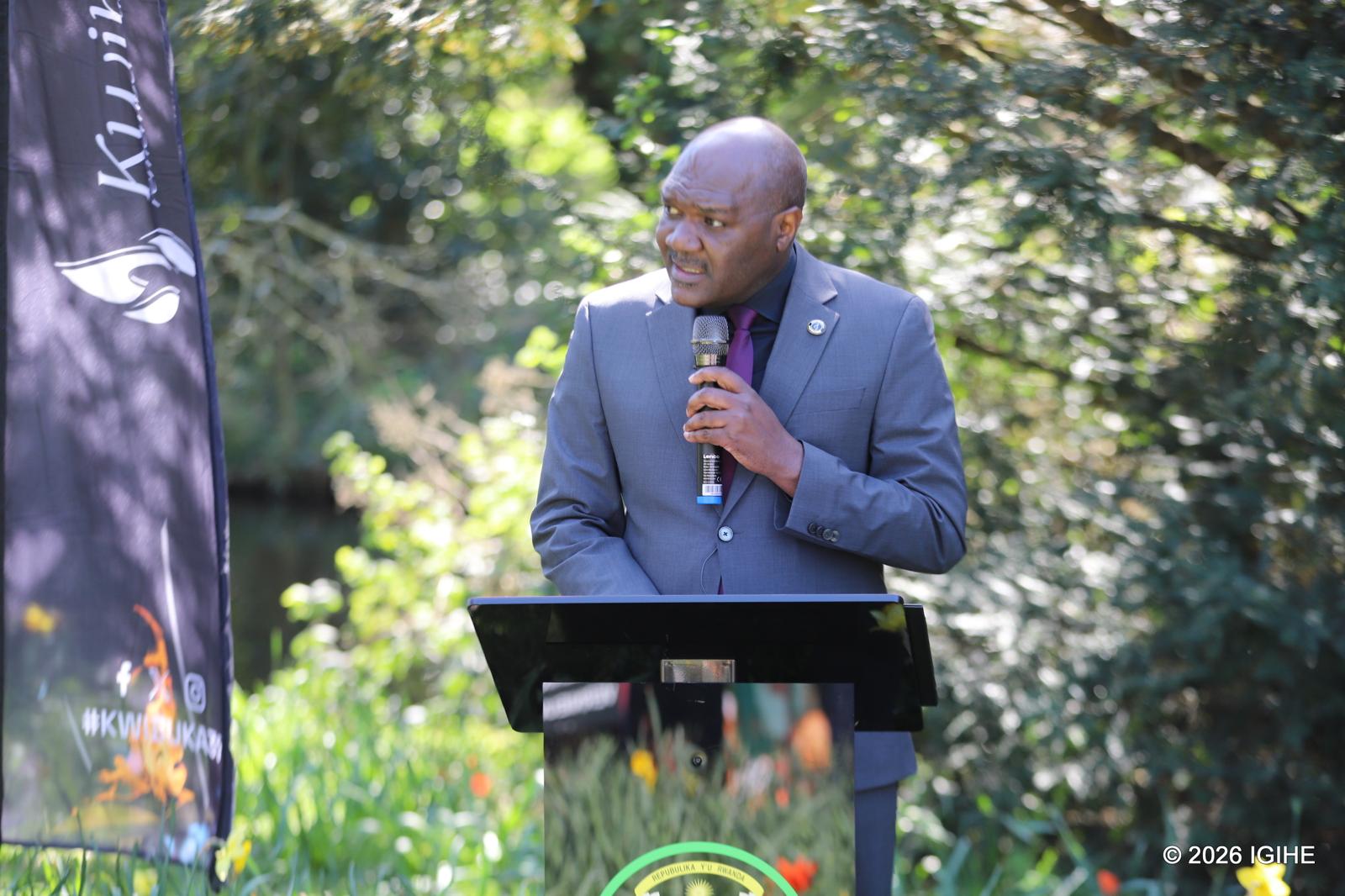
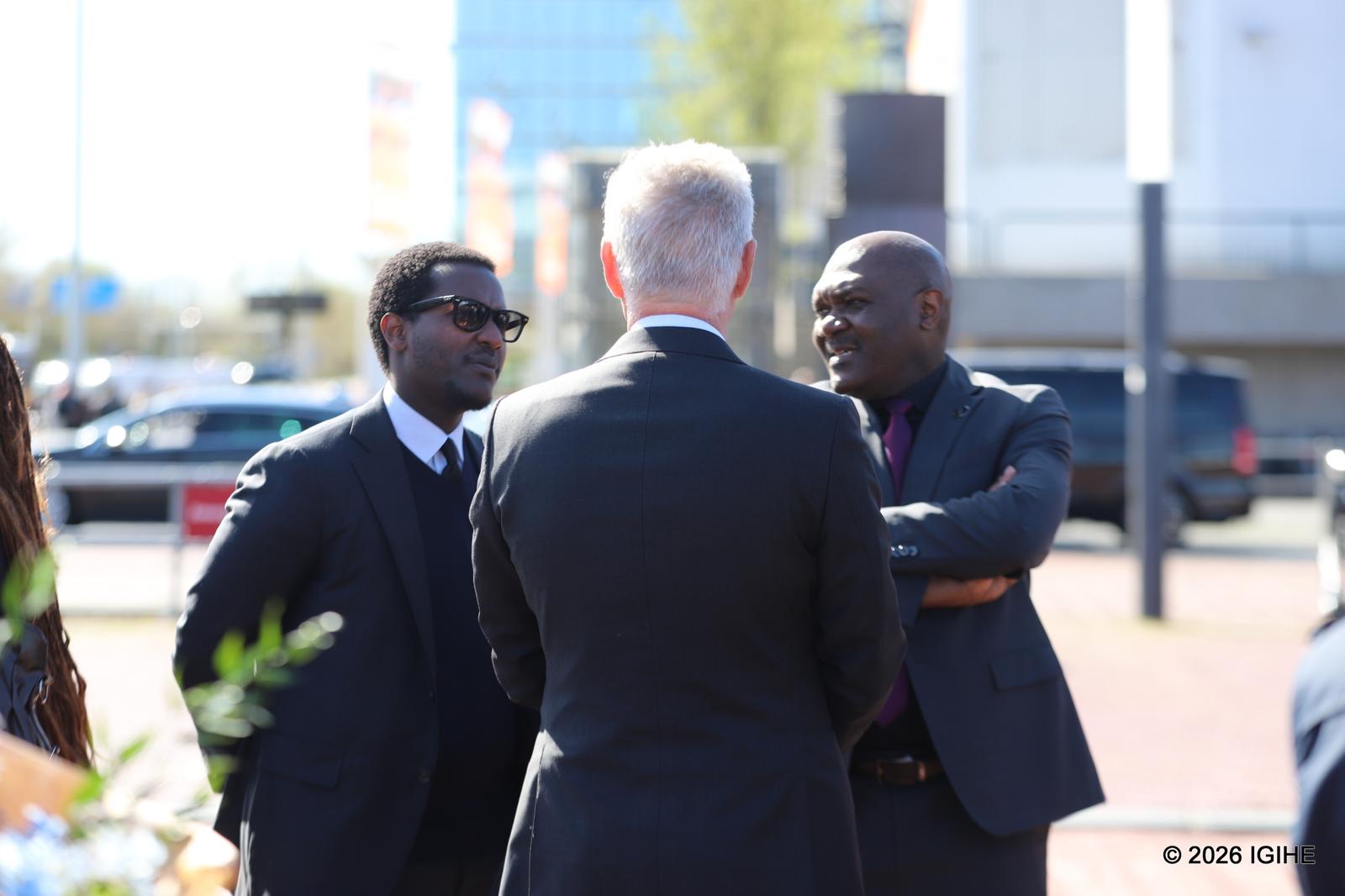
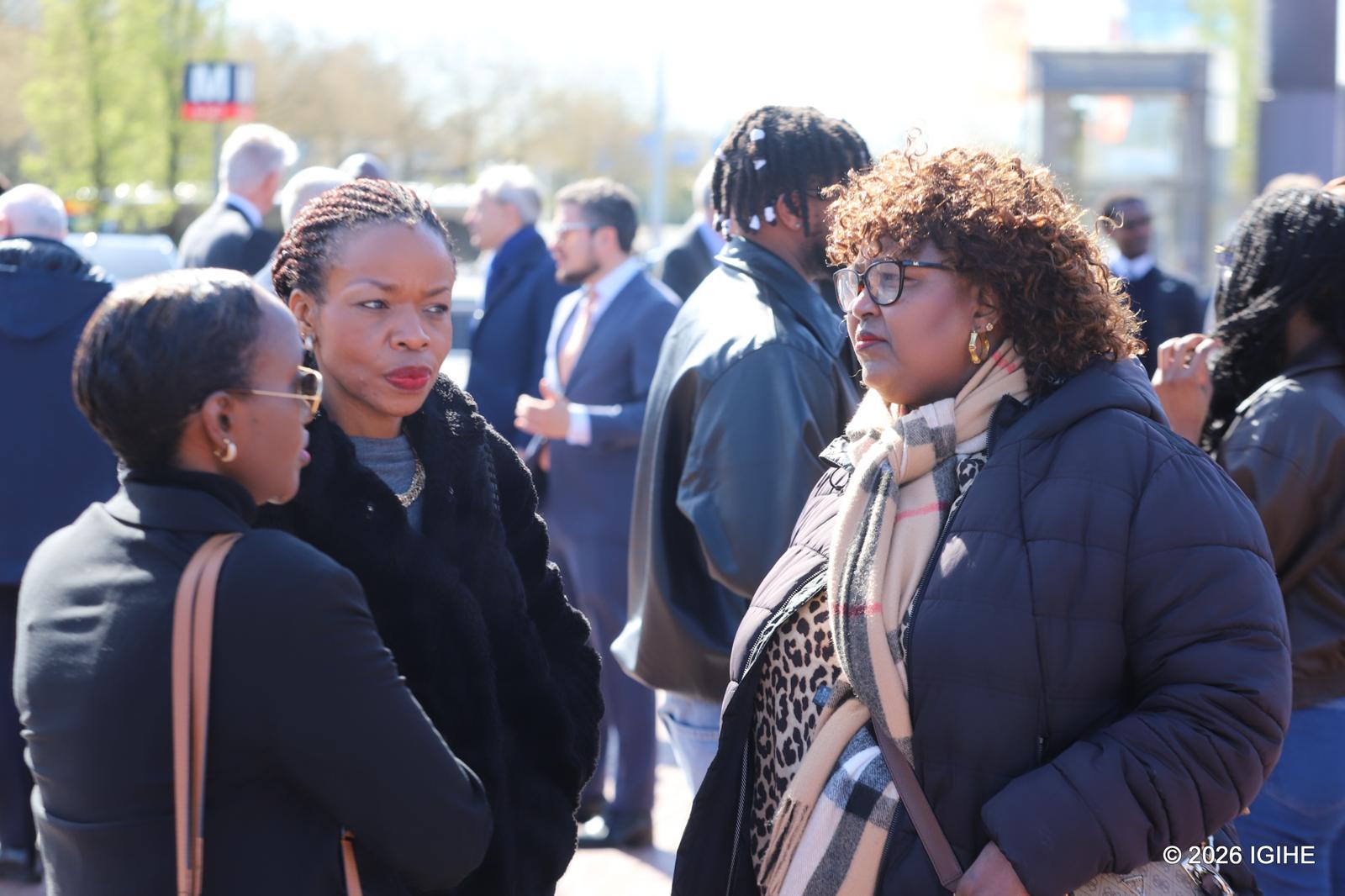
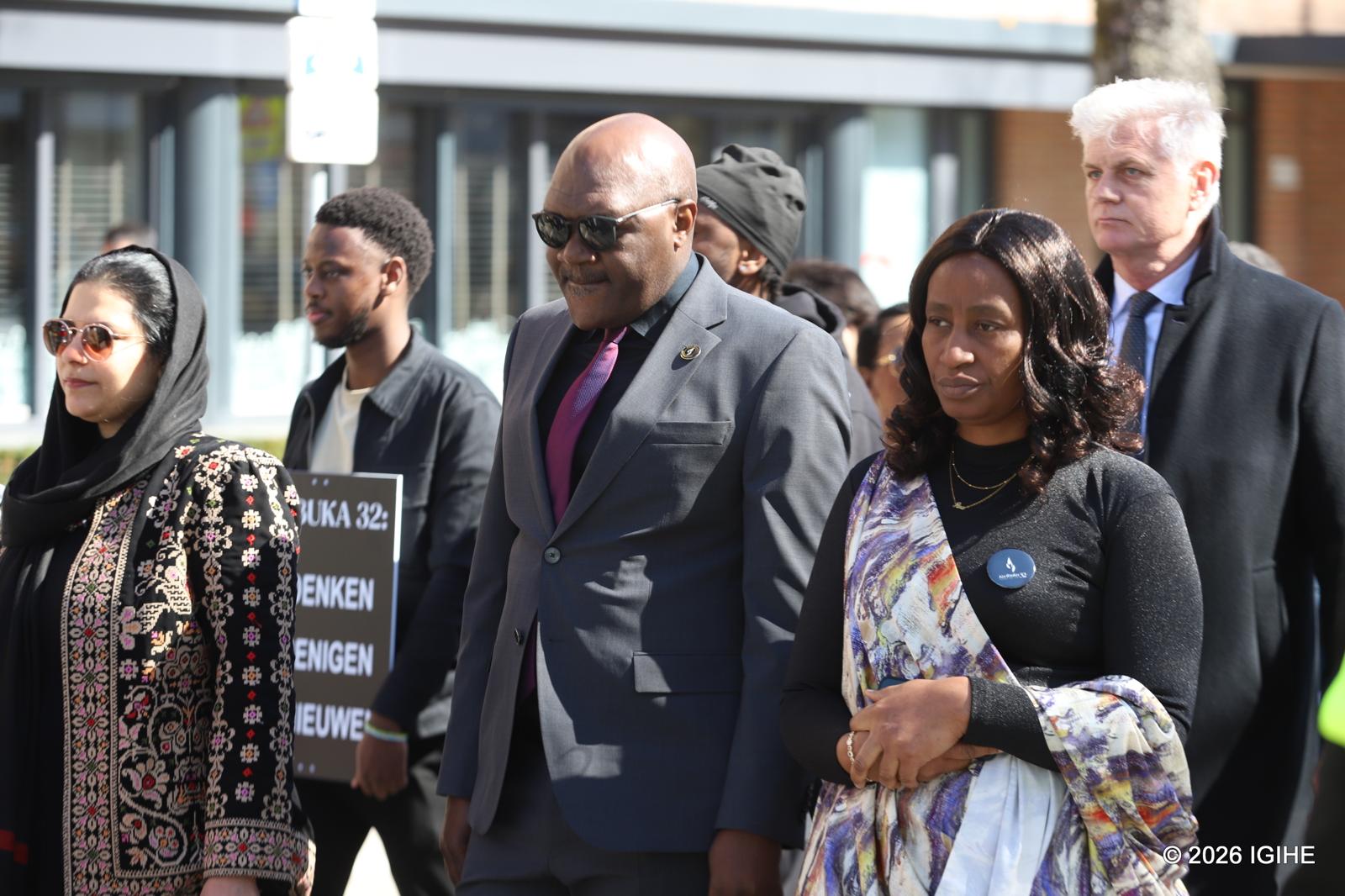
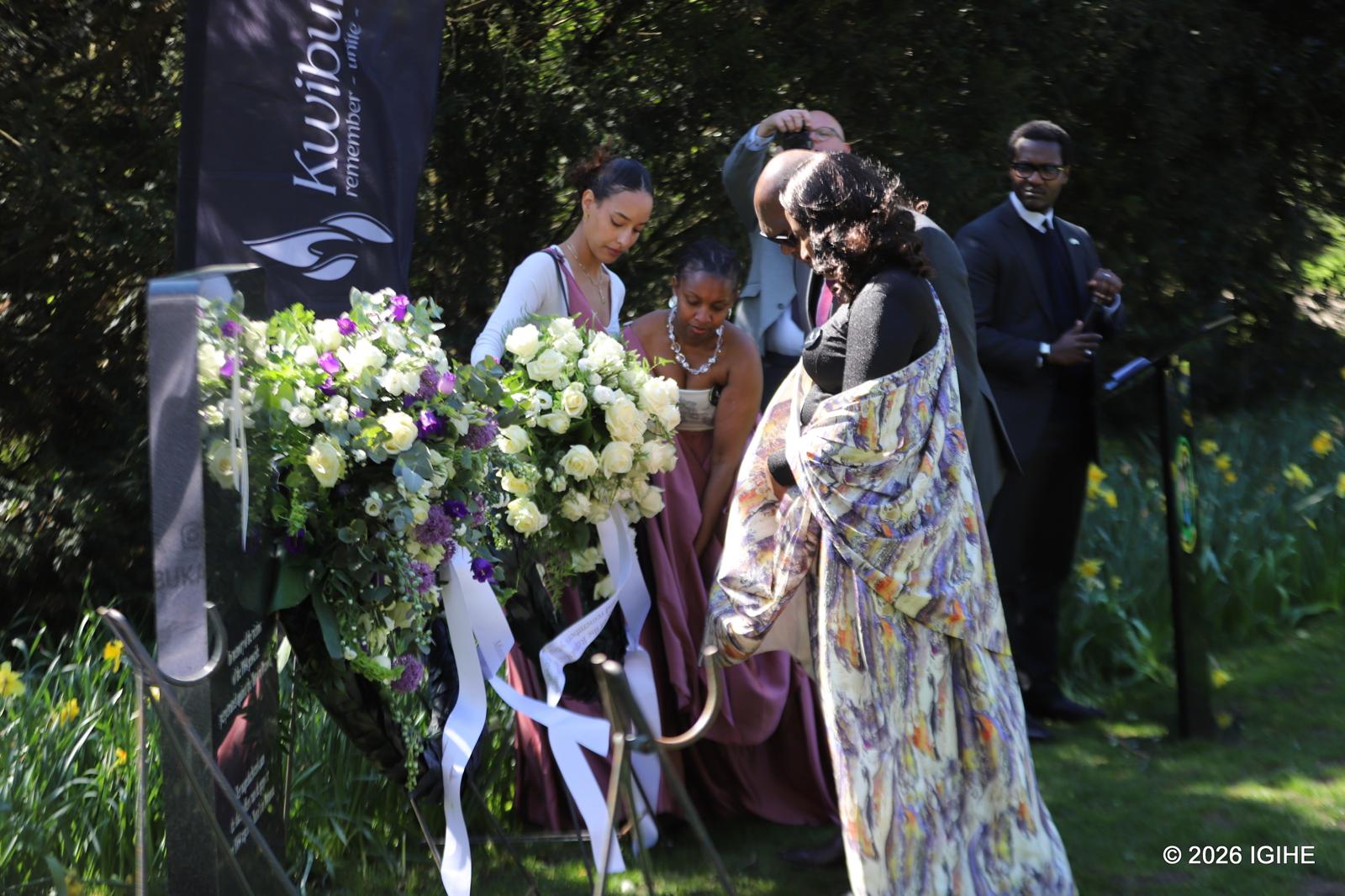
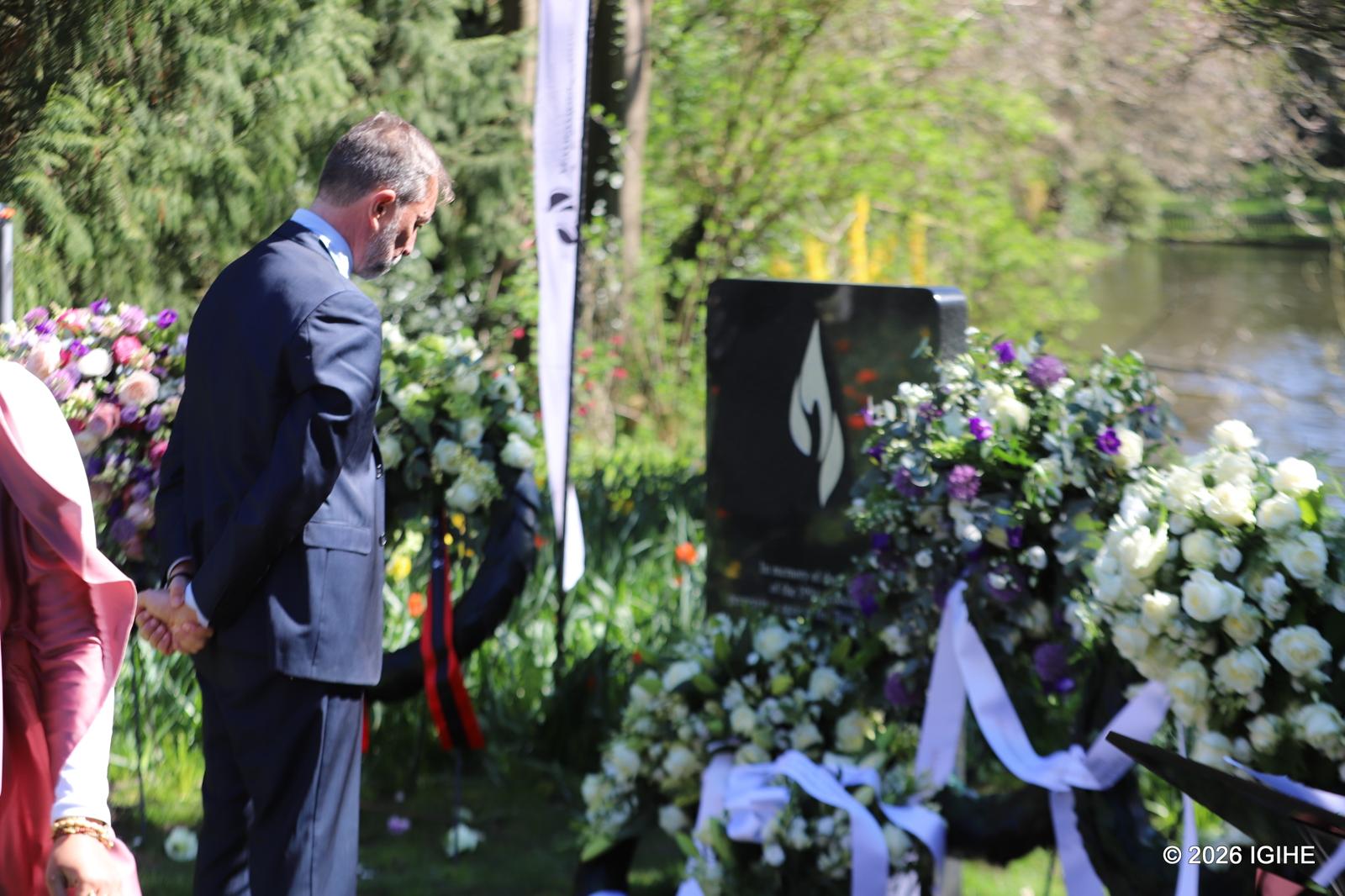
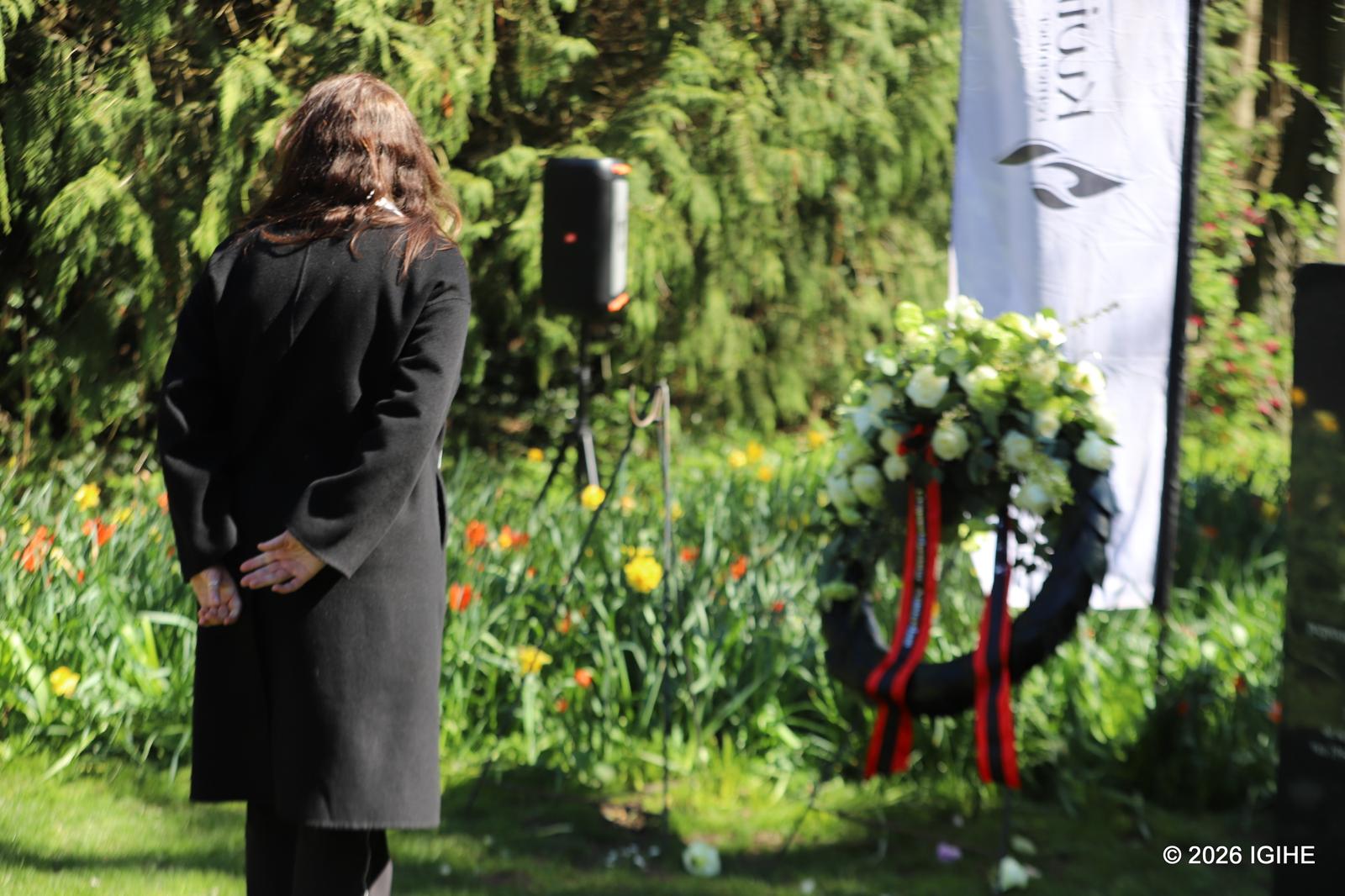
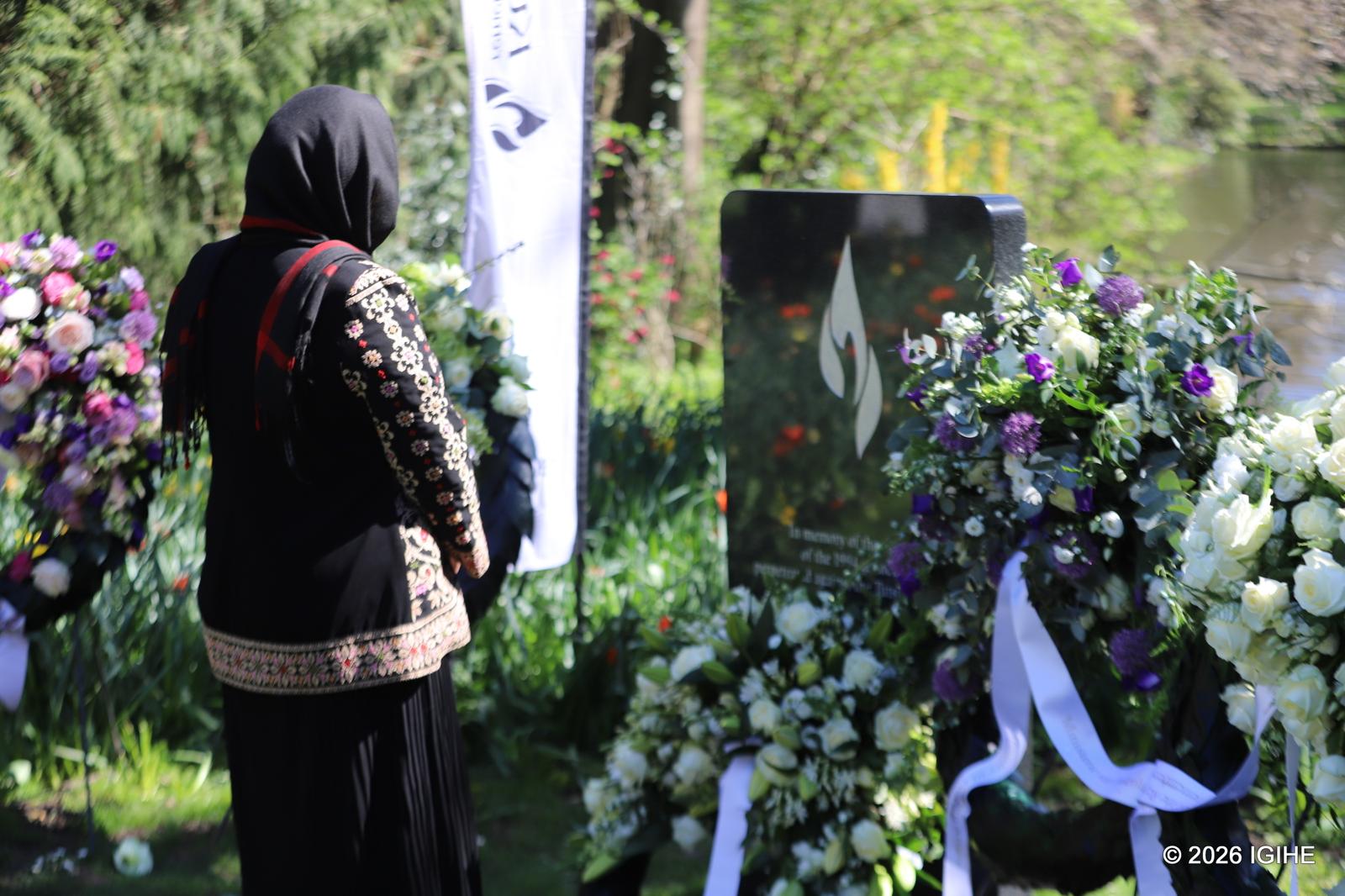
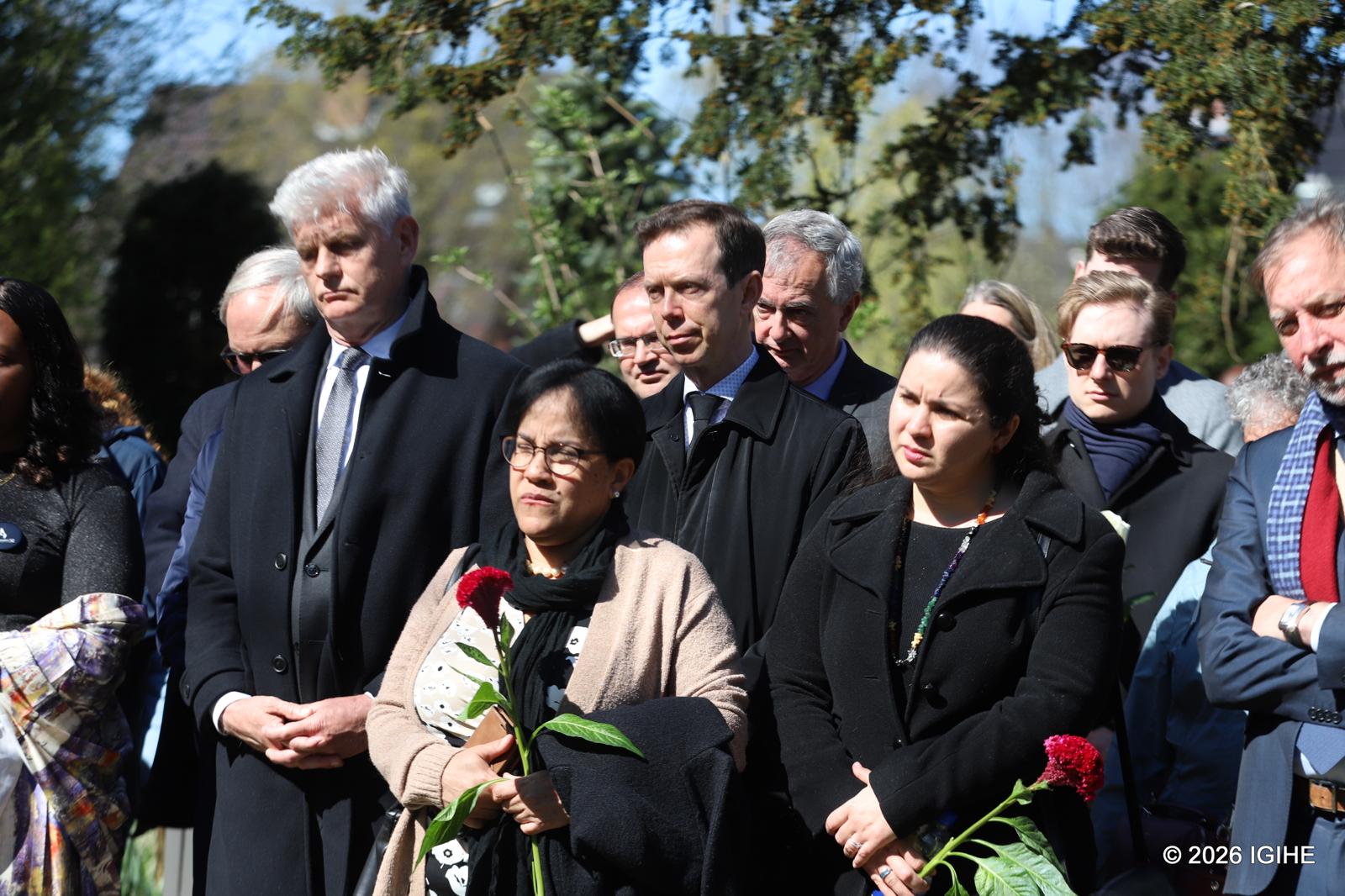
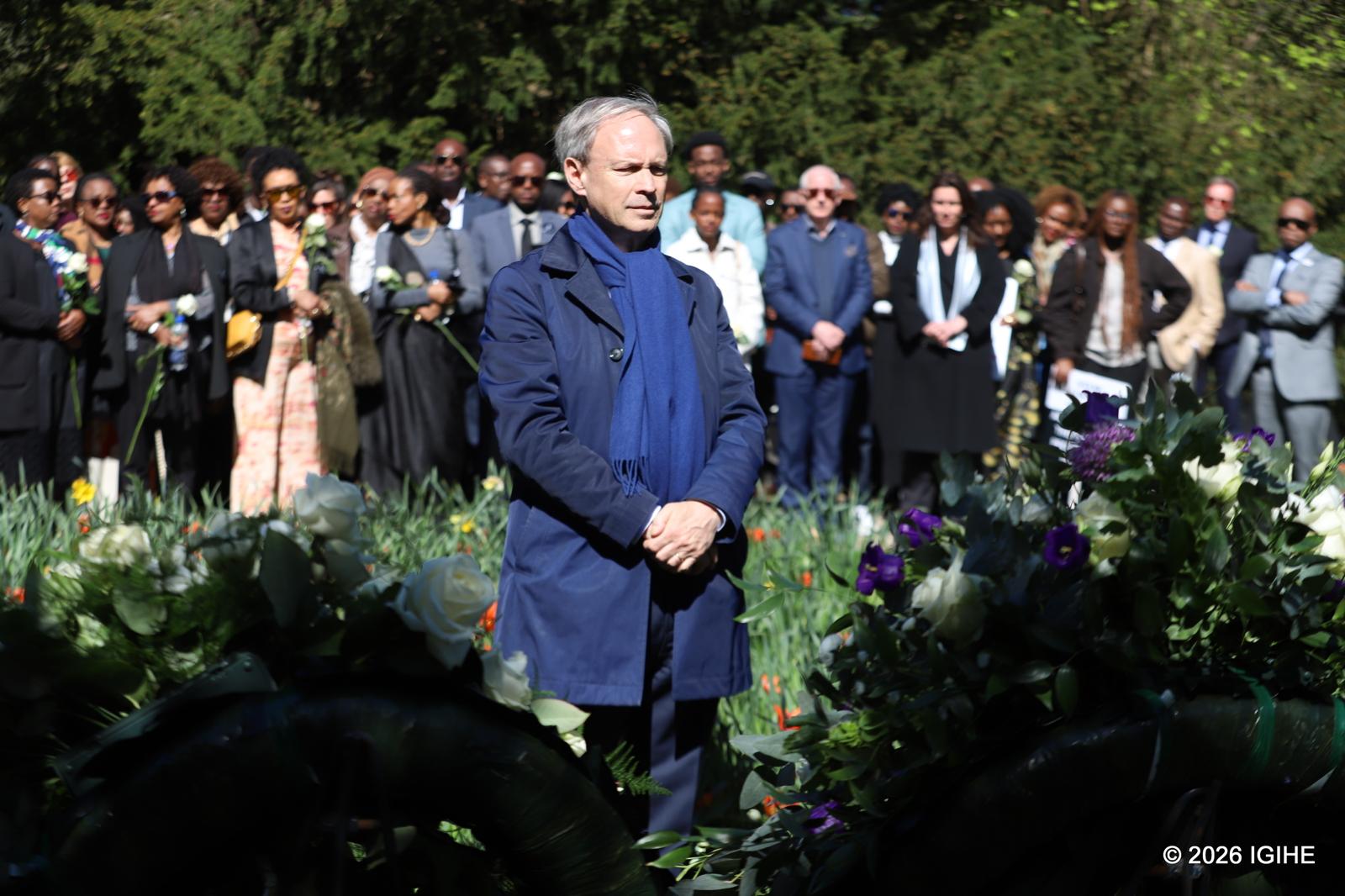
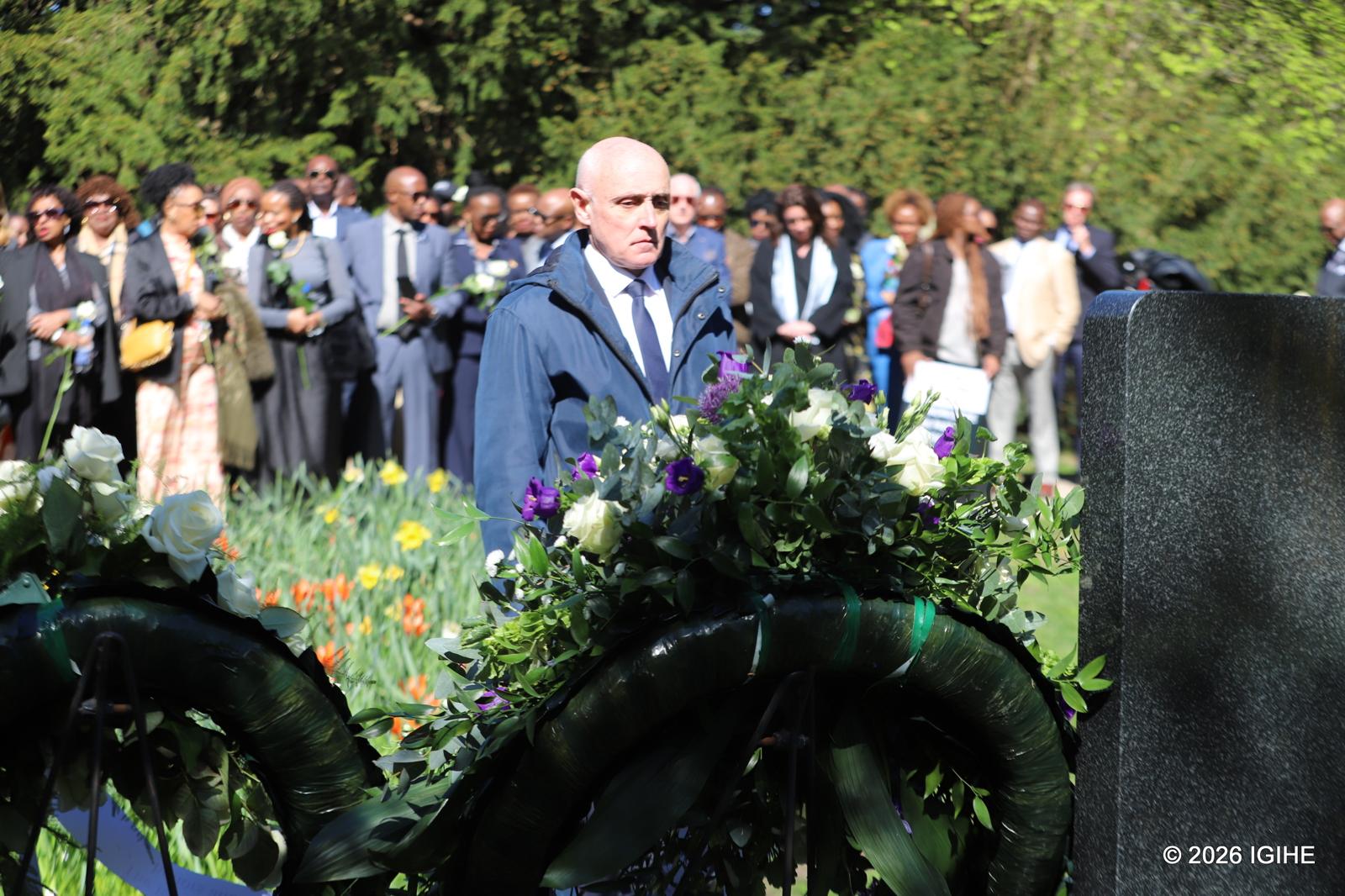
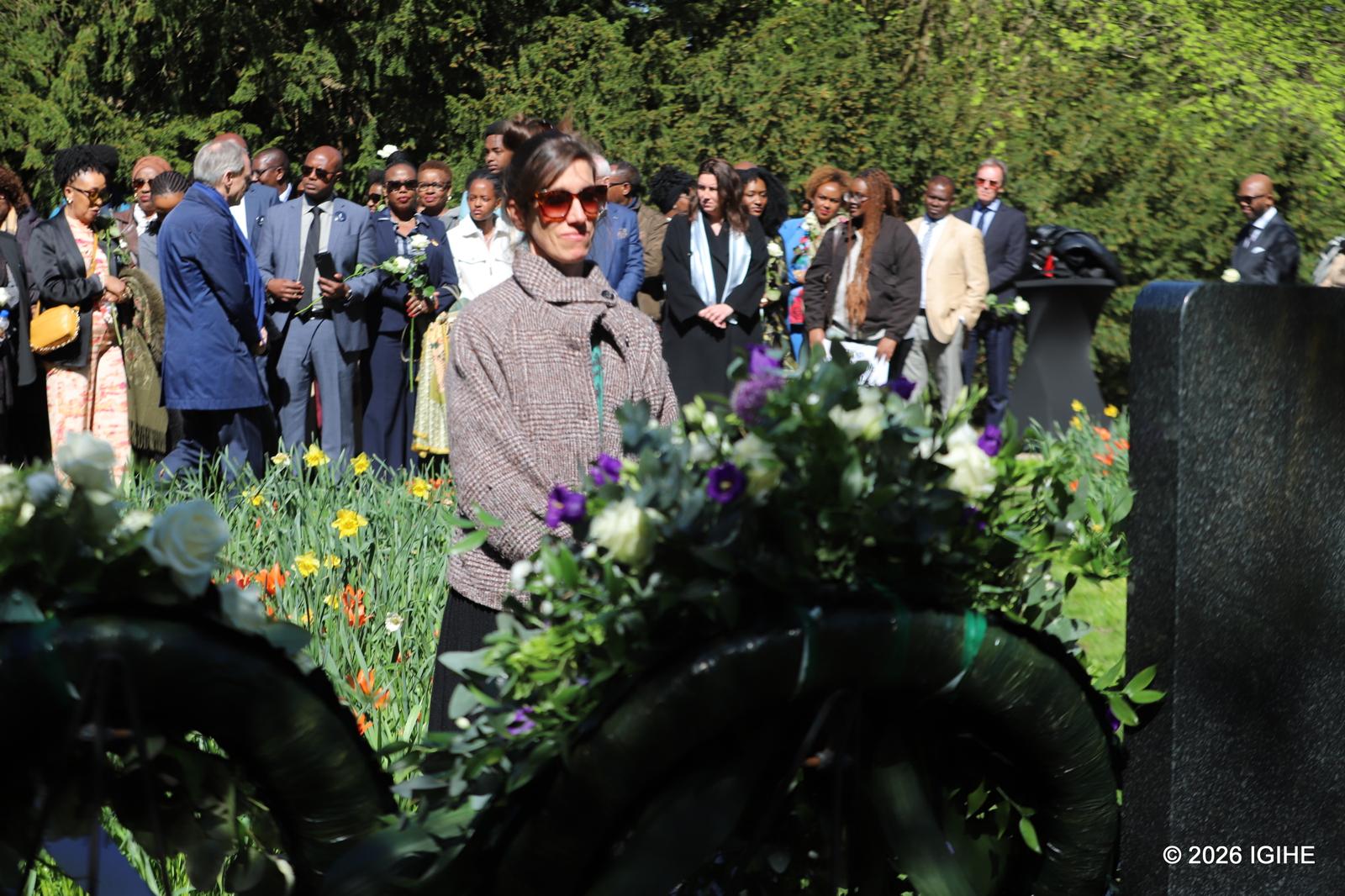
The event was attended by several guests, including Hans Docter, Deputy Secretary General at the Ministry of Foreign Affairs of the Netherlands, as well as local authorities such as Flora Breemer, representing the Municipality of Amsterdam, and Joseph Rutazihana, President of Ibuka Netherlands.
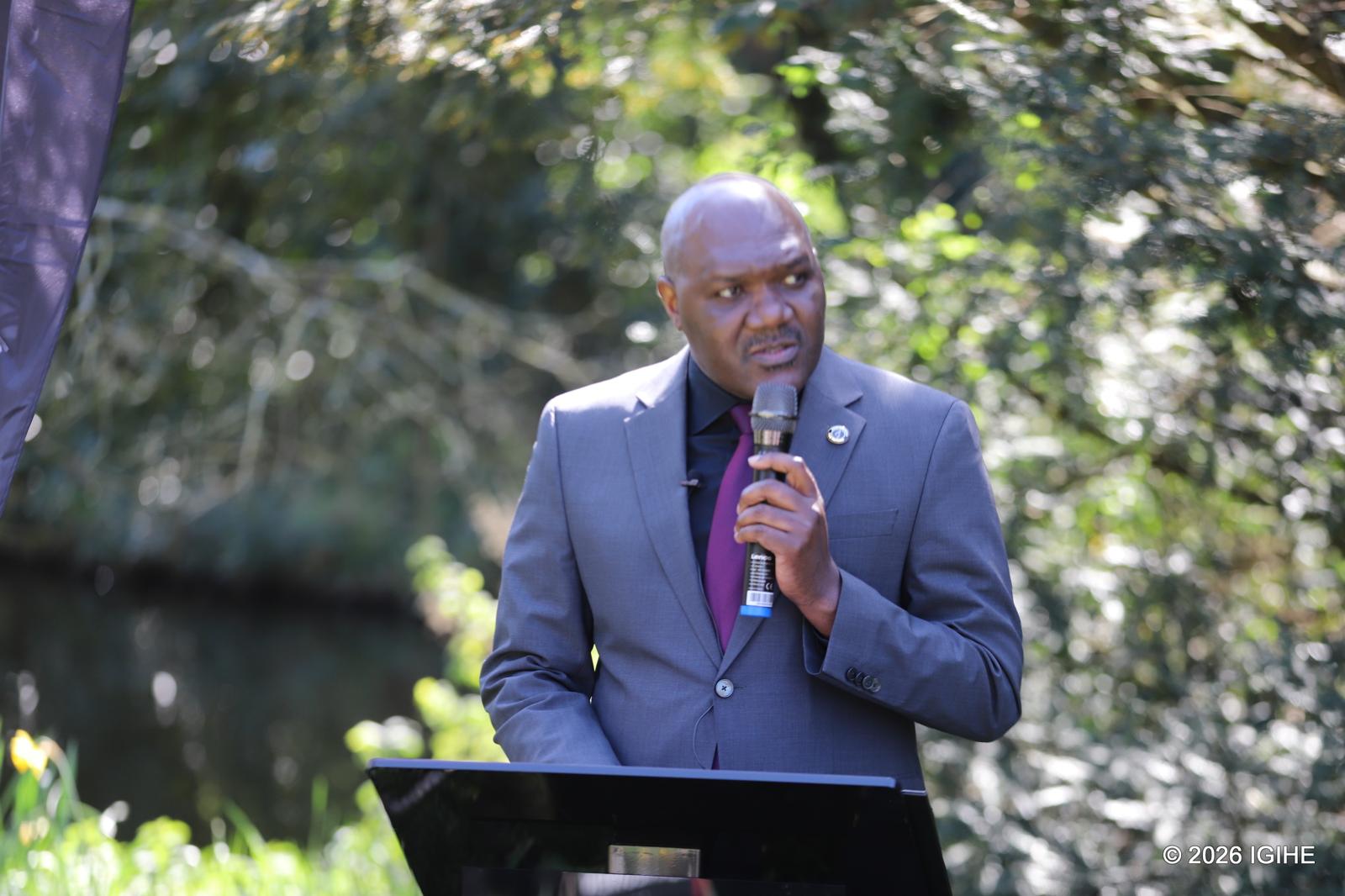
In his remarks, Rwanda’s Ambassador to the Netherlands, Dushimimana Lambert, emphasized that this moment is not only for remembrance but also for renewing the collective responsibility to combat genocide ideology.
He recalled that 32 years have passed since the Genocide began on April 7, 1994, claiming the lives of over one million innocent people.
Women, men, and children were killed simply because of who they were, and their dreams and aspirations were forever destroyed by hatred and discrimination.
Amb. Dushimimana paid tribute to survivors of the Genocide against the Tutsi, commending their resilience and courage, which continue to serve as a source of strength in rebuilding Rwanda.
Reflecting on the aftermath of the Genocide, he noted that Rwanda faced immense challenges across all sectors; human, economic, institutional, and moral but chose a path of rebuilding founded on unity, justice, and reconciliation.
He expressed gratitude to countries that supported Rwanda throughout this journey, particularly the Kingdom of the Netherlands, for its significant role in strengthening the justice sector and supporting efforts to prosecute genocide suspects.
However, the Ambassador also raised concerns about ongoing challenges. Despite the global commitment to “Never Again,” there are still alarming signs, including the resurgence of genocide ideology, the spread of hate speech, and attempts to distort historical facts.
He warned that such developments should not be taken lightly, as history has shown that unchecked hate speech can escalate into extreme violence.
Amb. Dushimimana called on the international community to take stronger action in identifying, arresting, and prosecuting genocide fugitives, stressing that justice must neither be delayed nor selective.
He also addressed the Rwandan community in the Netherlands, urging them to preserve memory, promote unity, and actively oppose denial and distortion of the Genocide against the Tutsi.
Amb. Dushimimana further stated that commemoration is not only about reflecting on the past but also a call to act in the present, to ensure that the words “Never Again” carry real and lasting meaning.
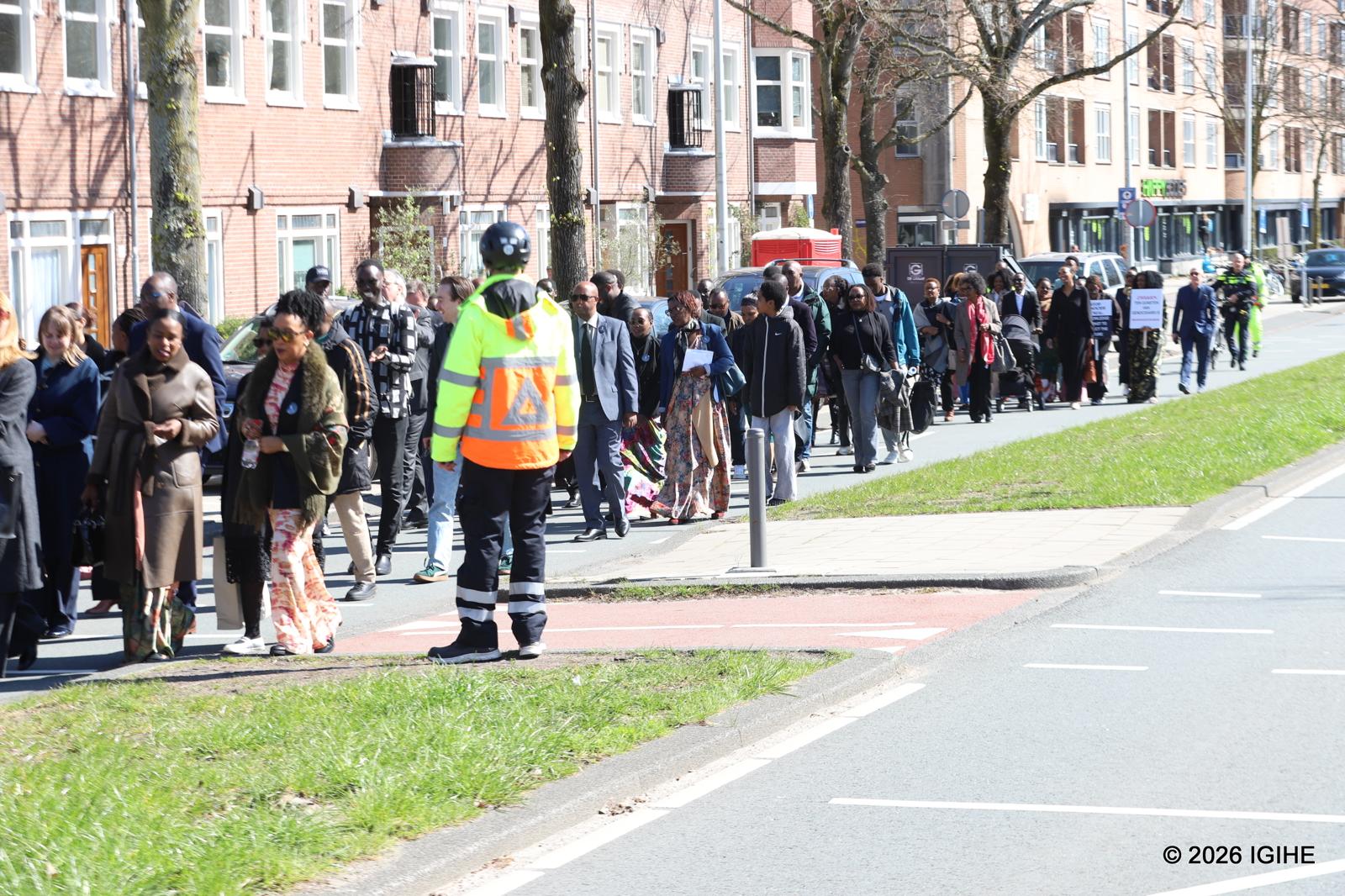
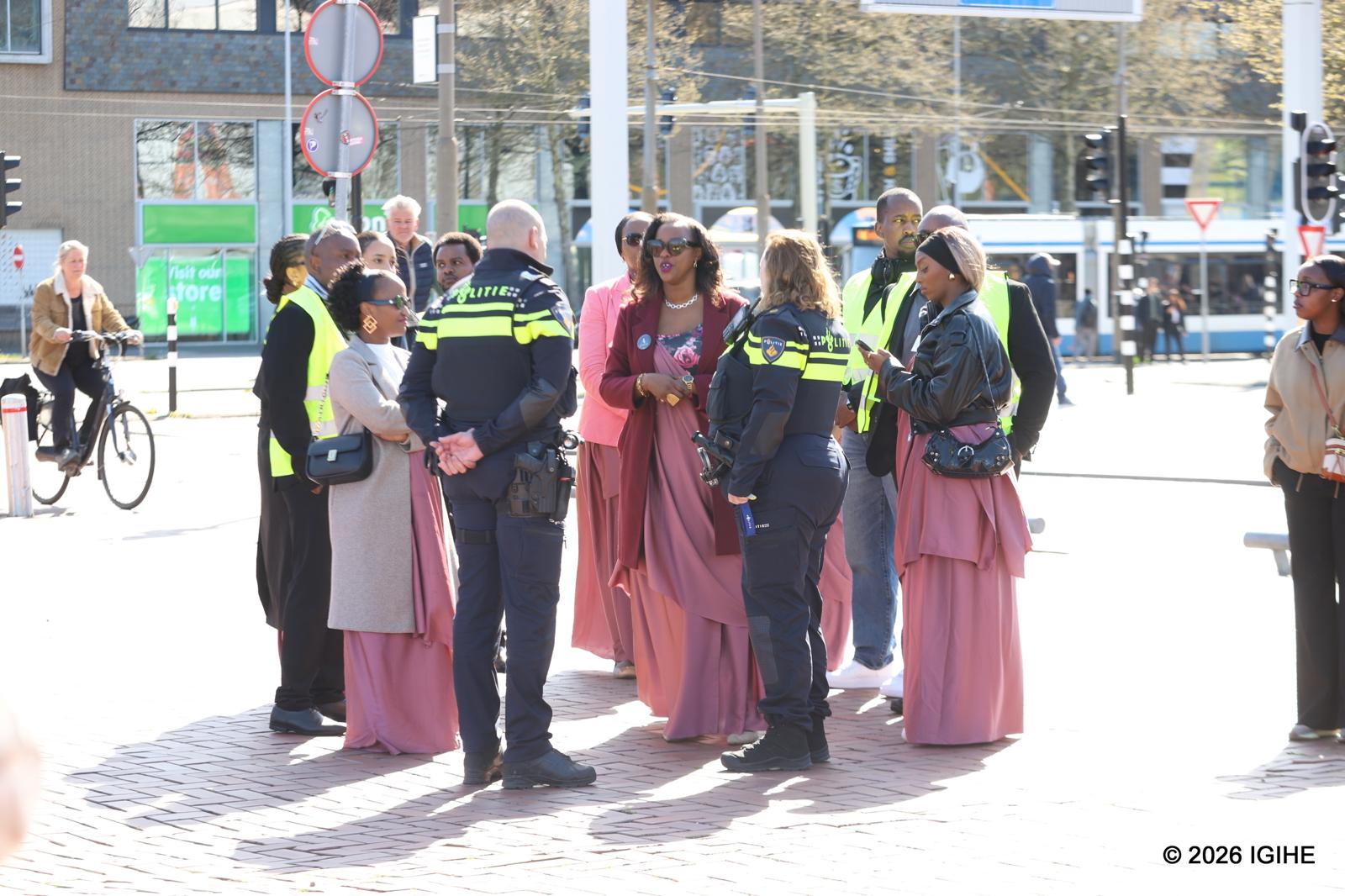
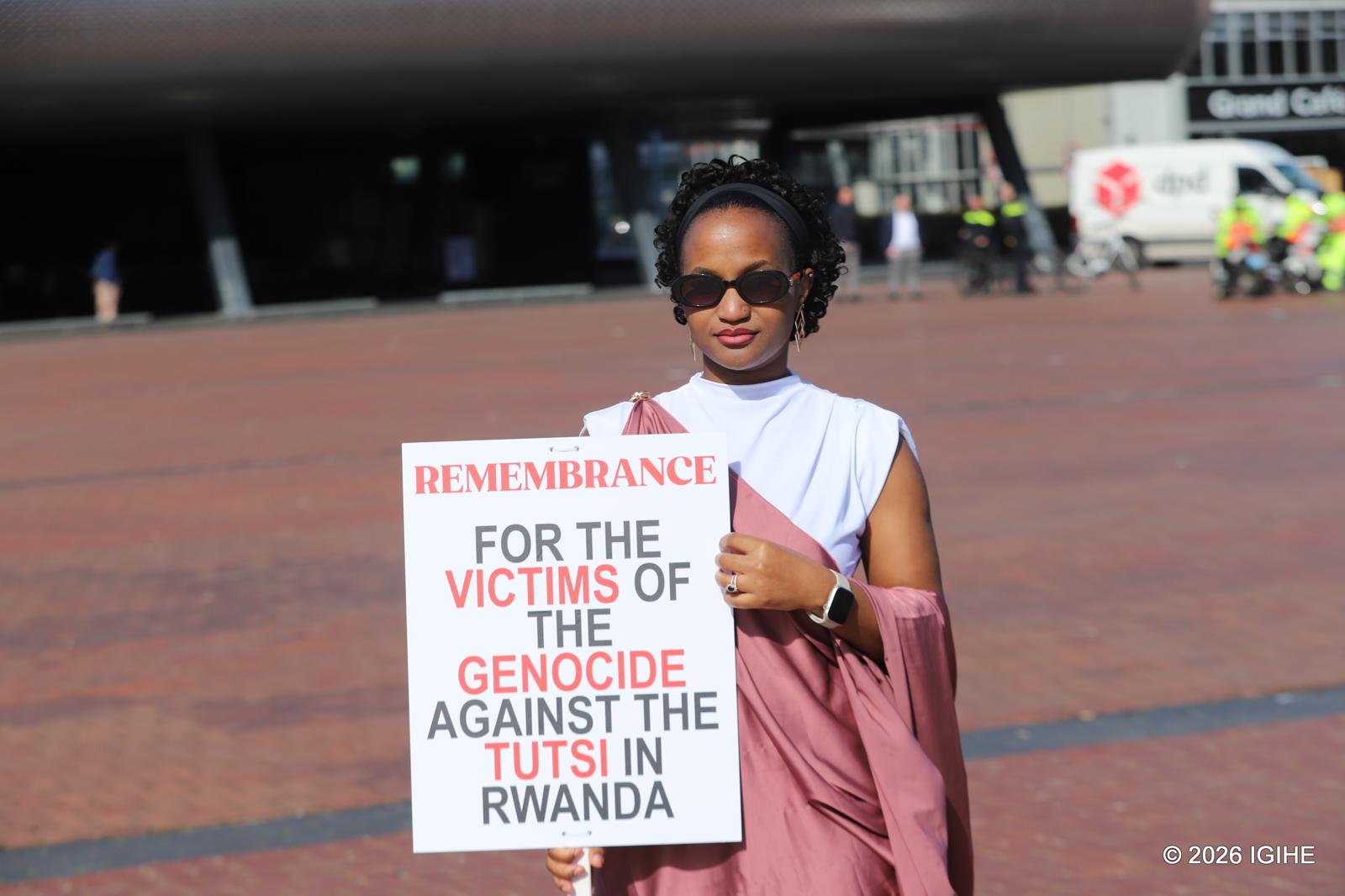
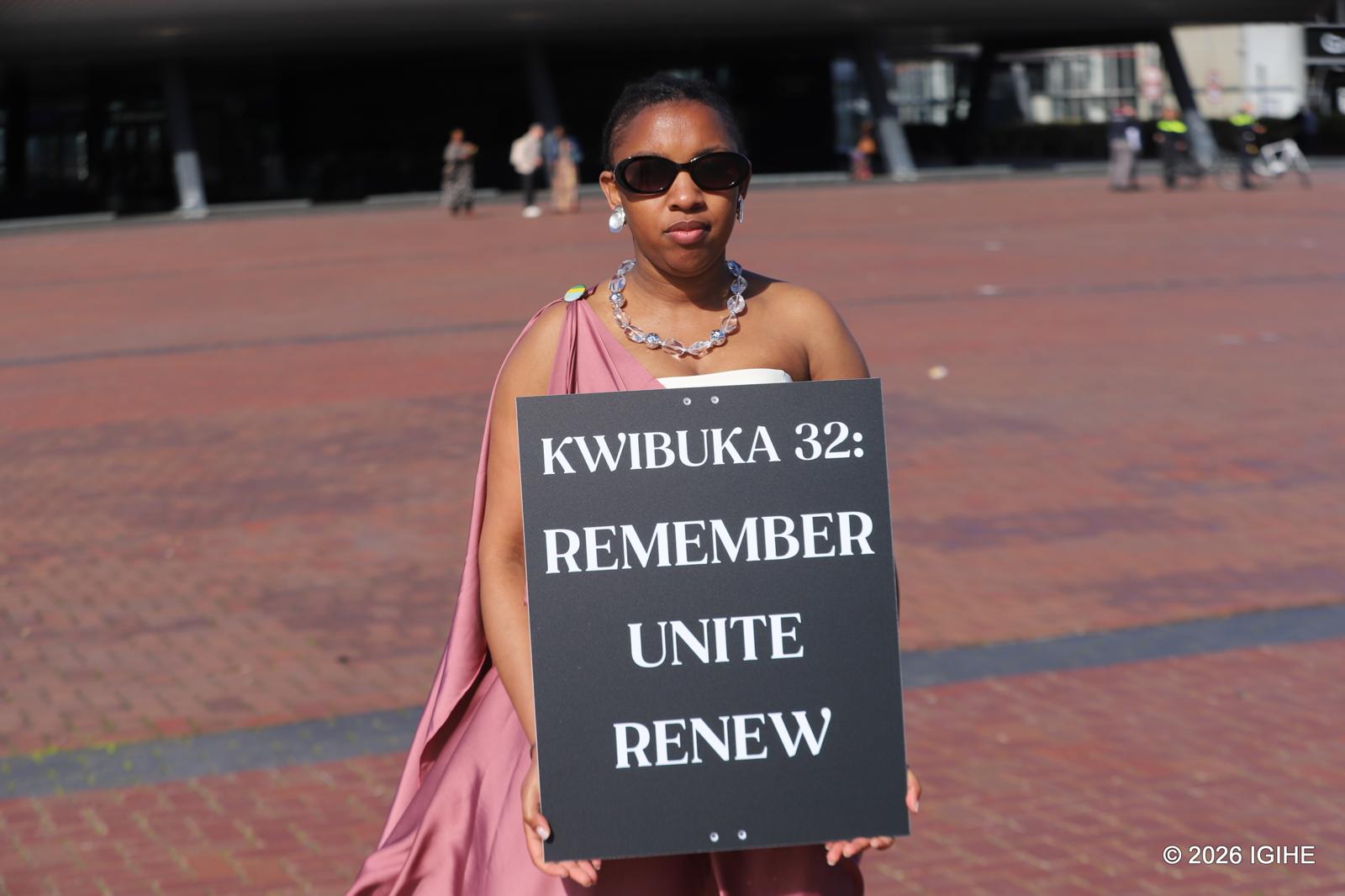
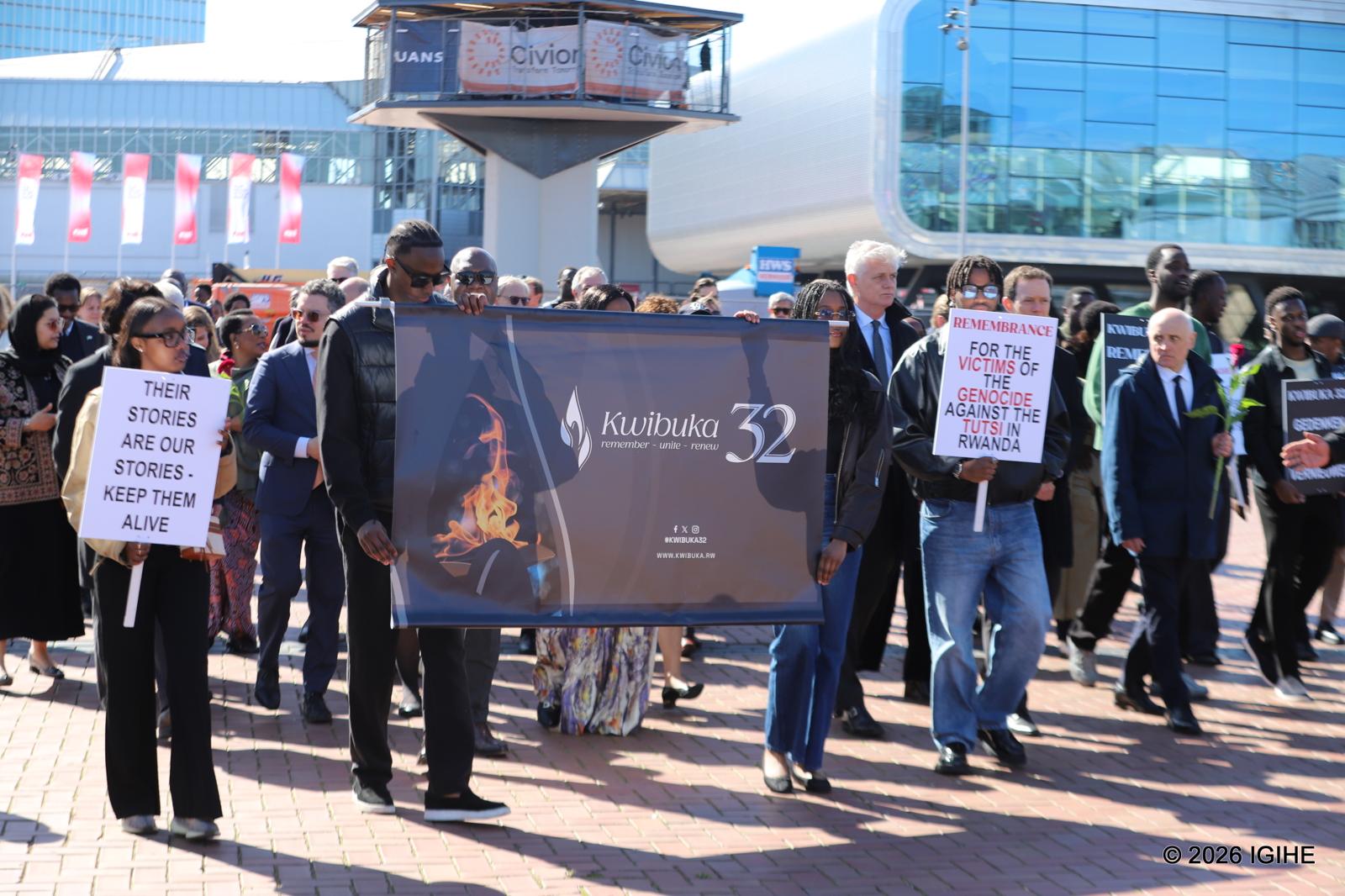
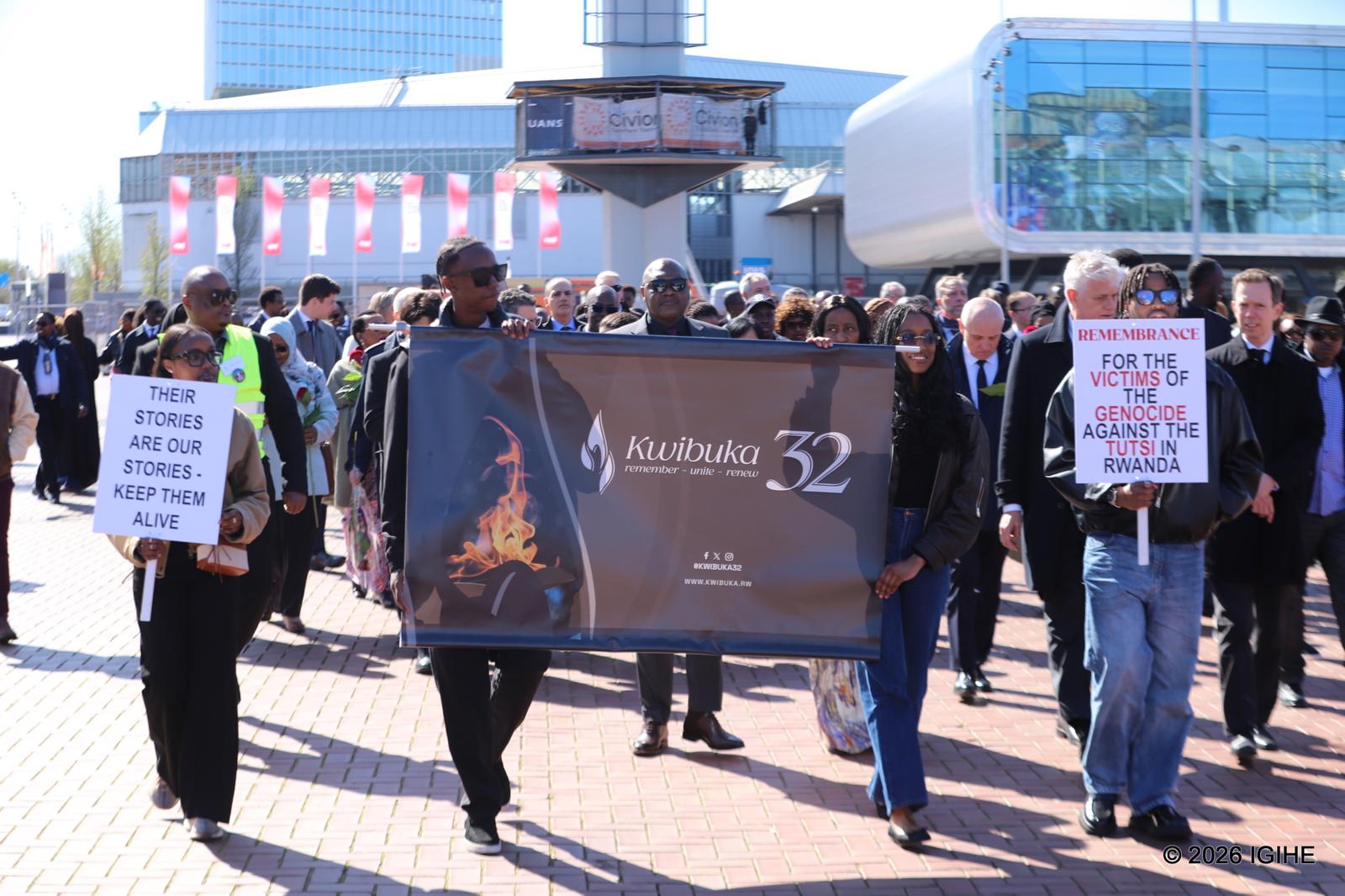
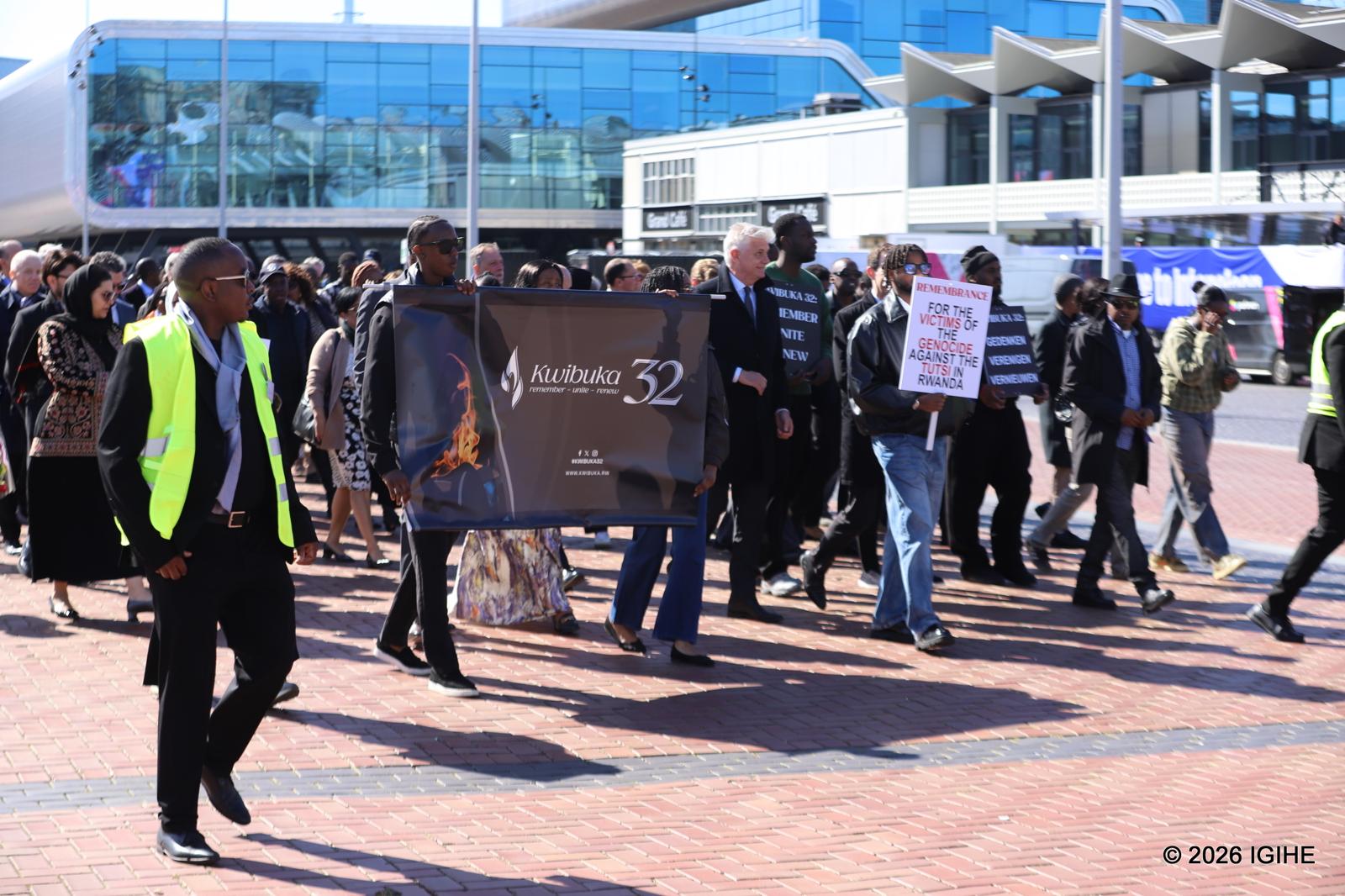
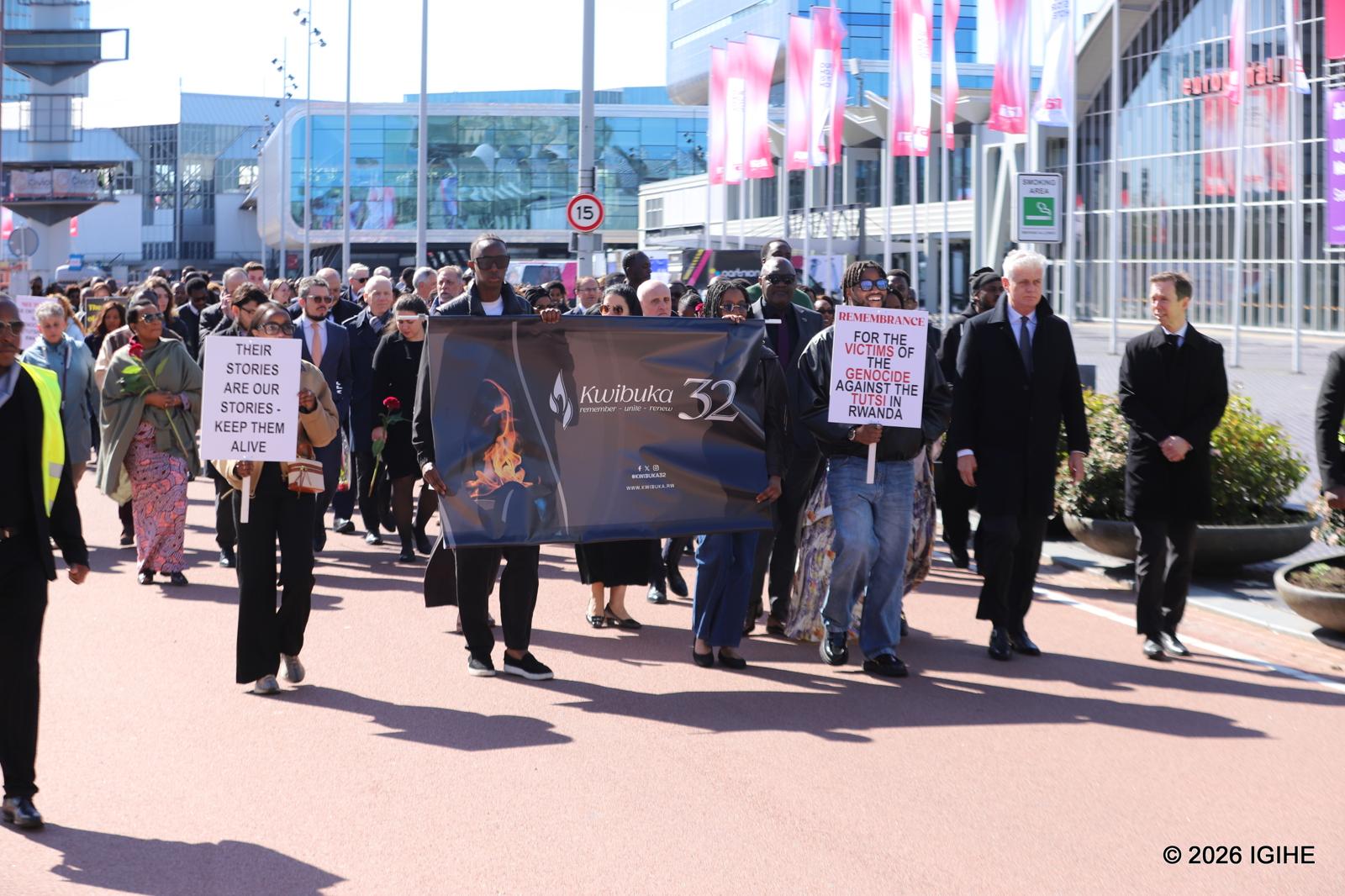
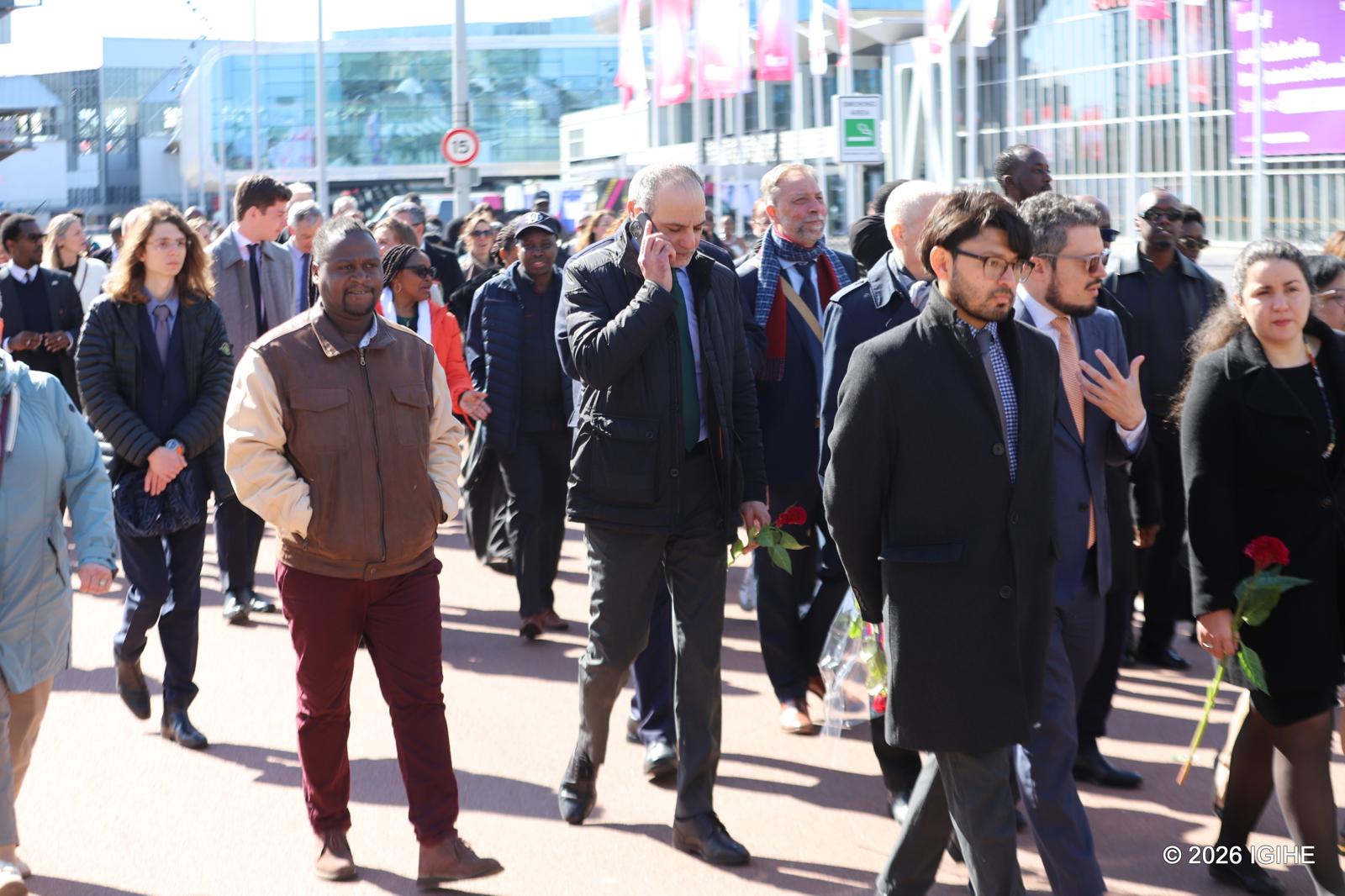
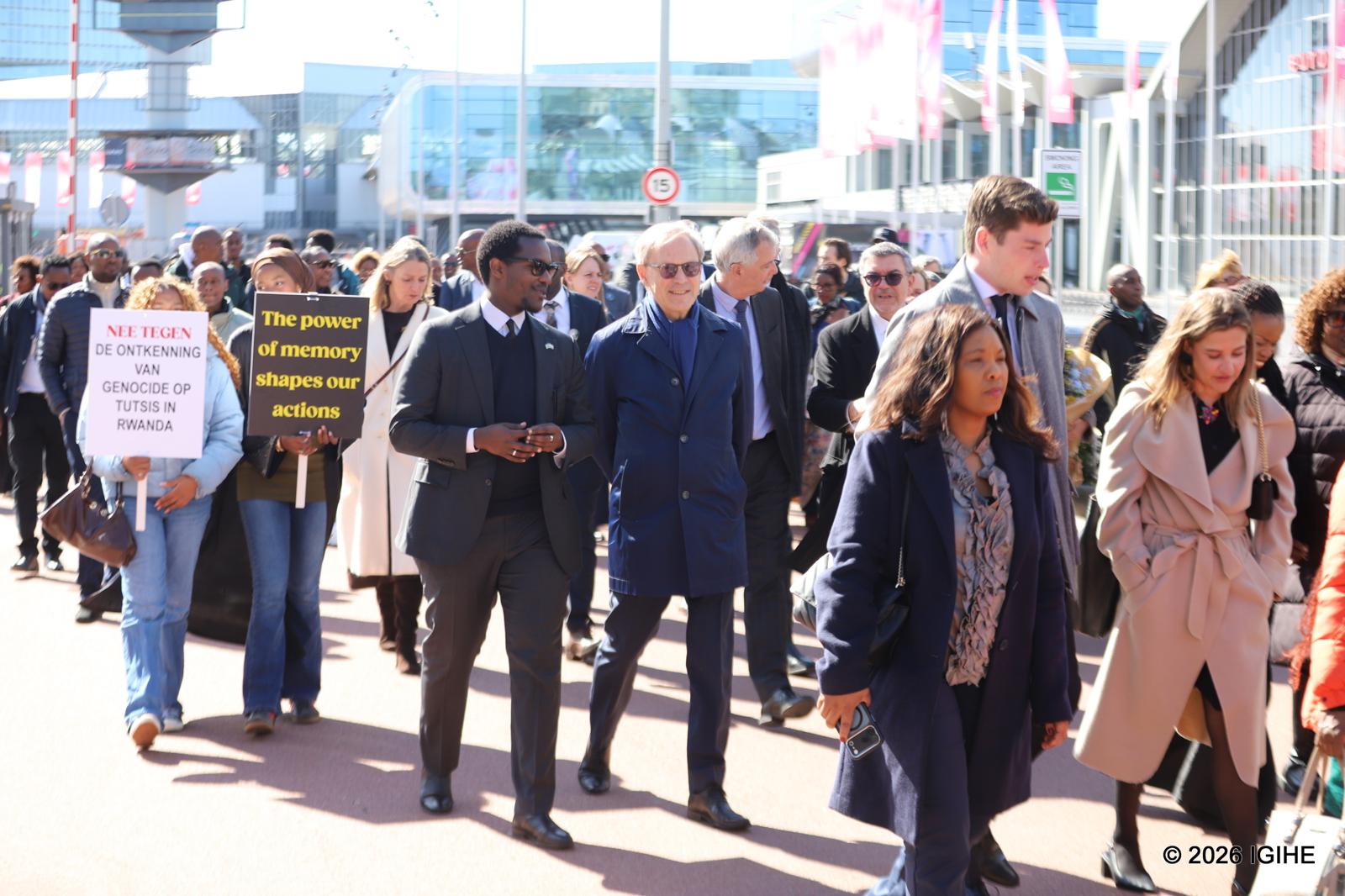
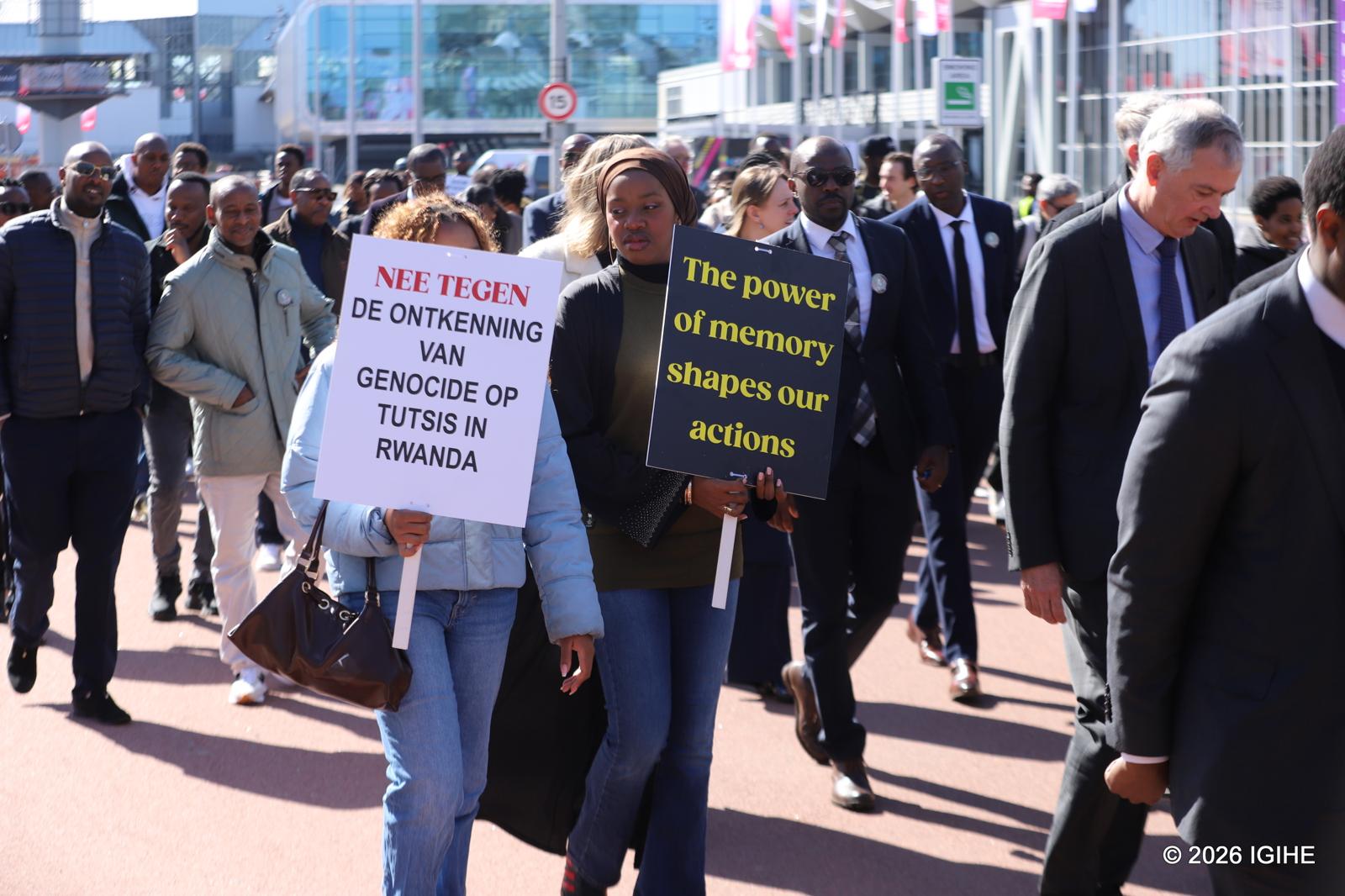
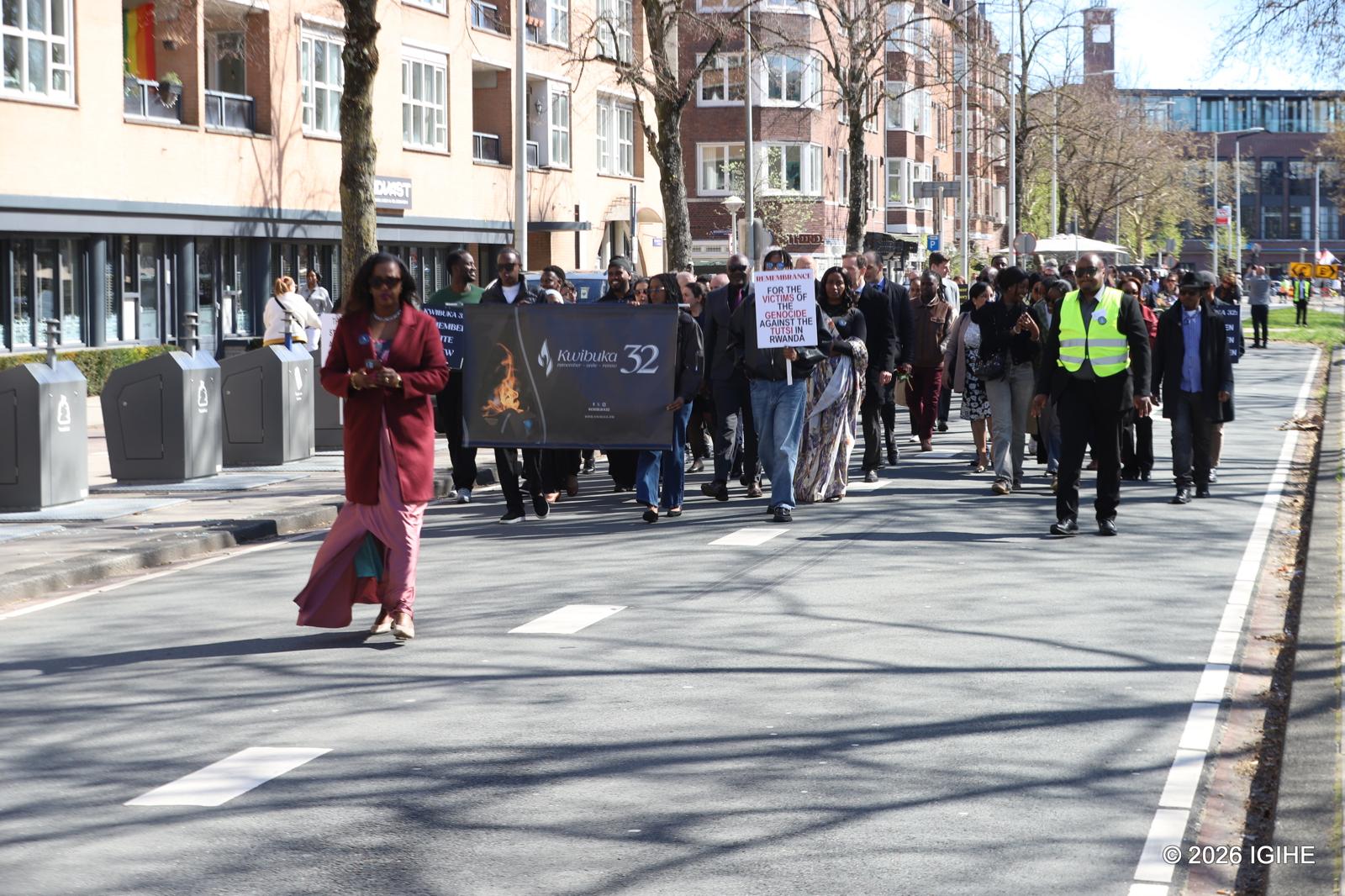
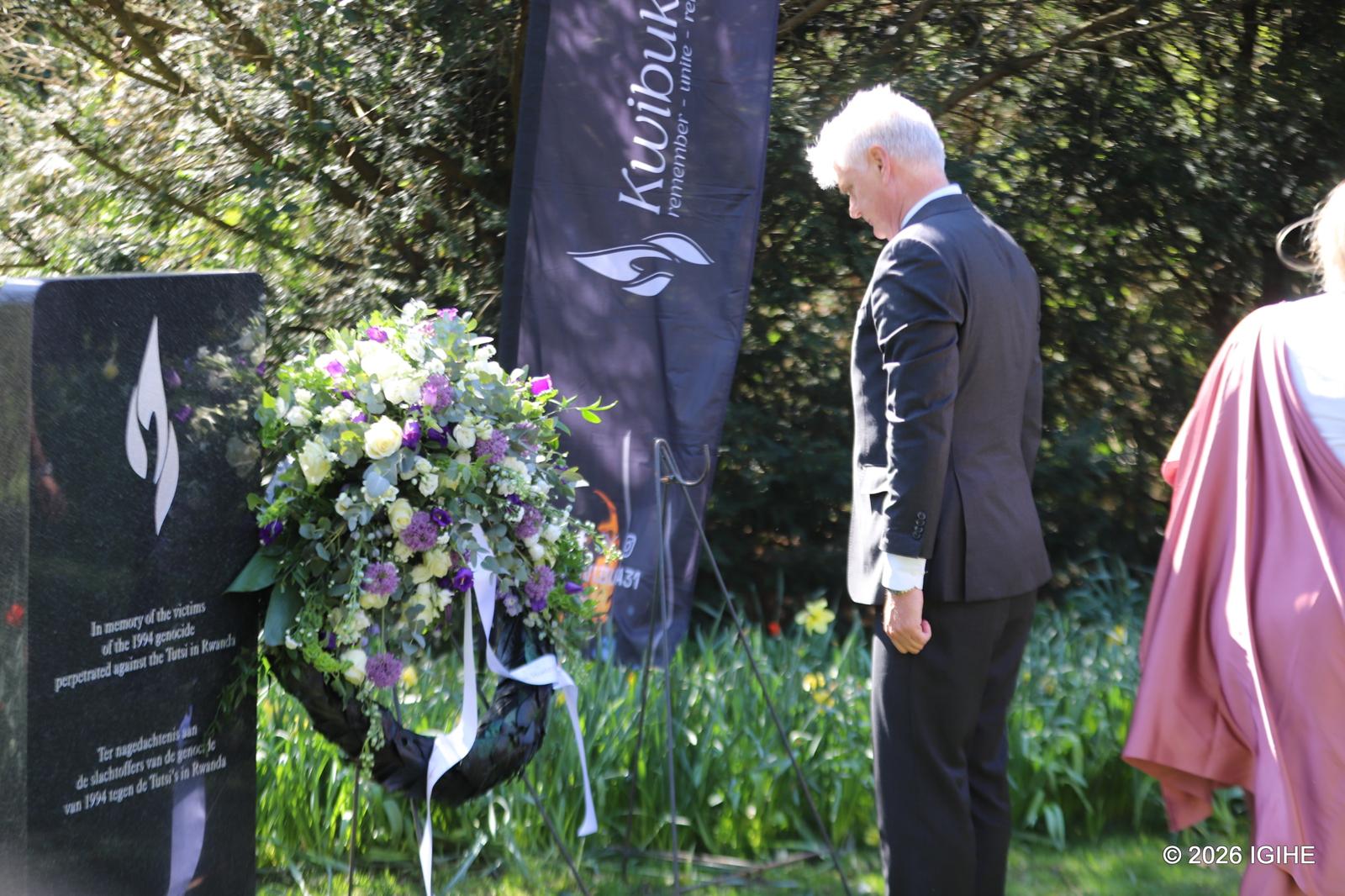
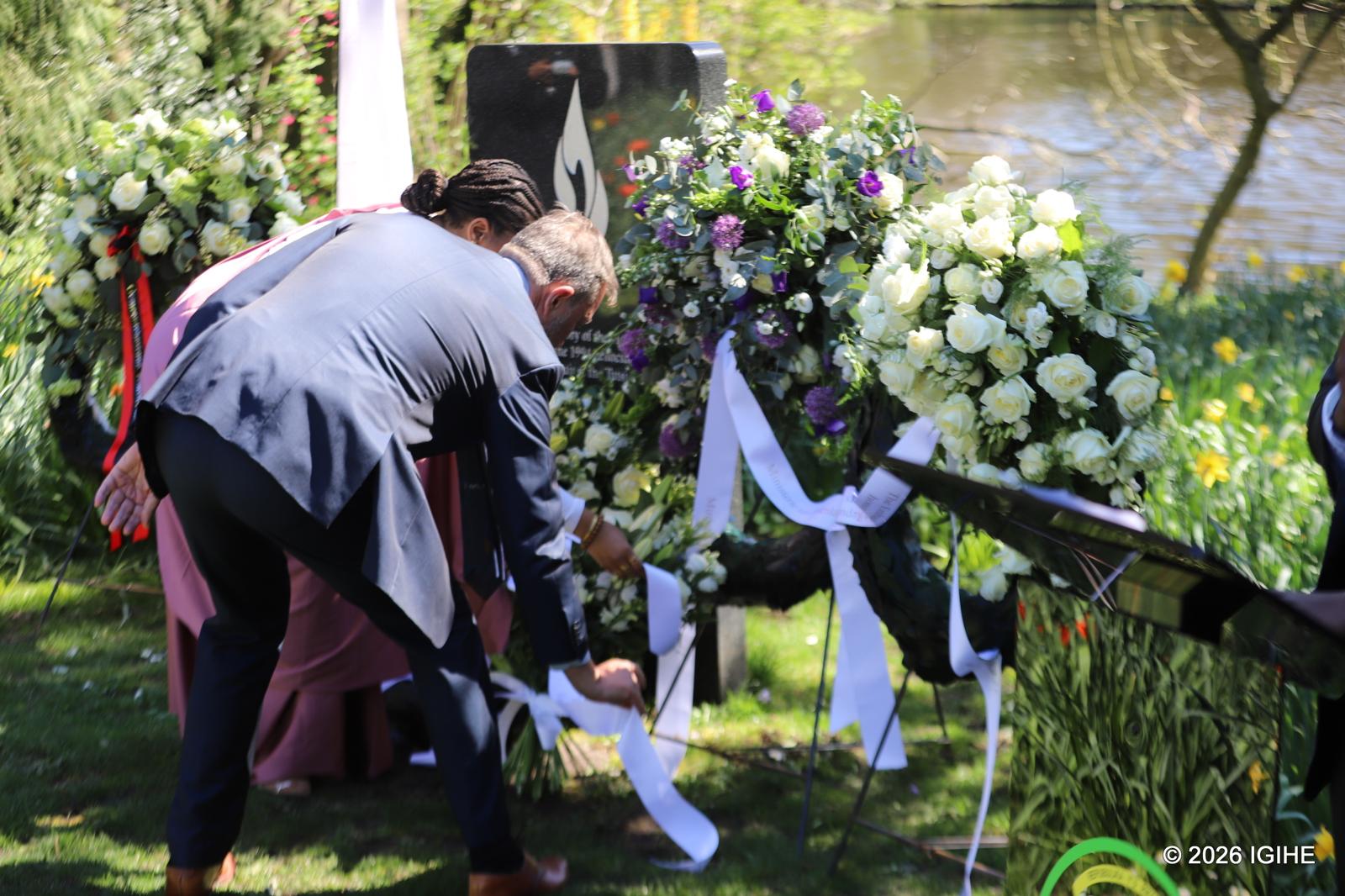
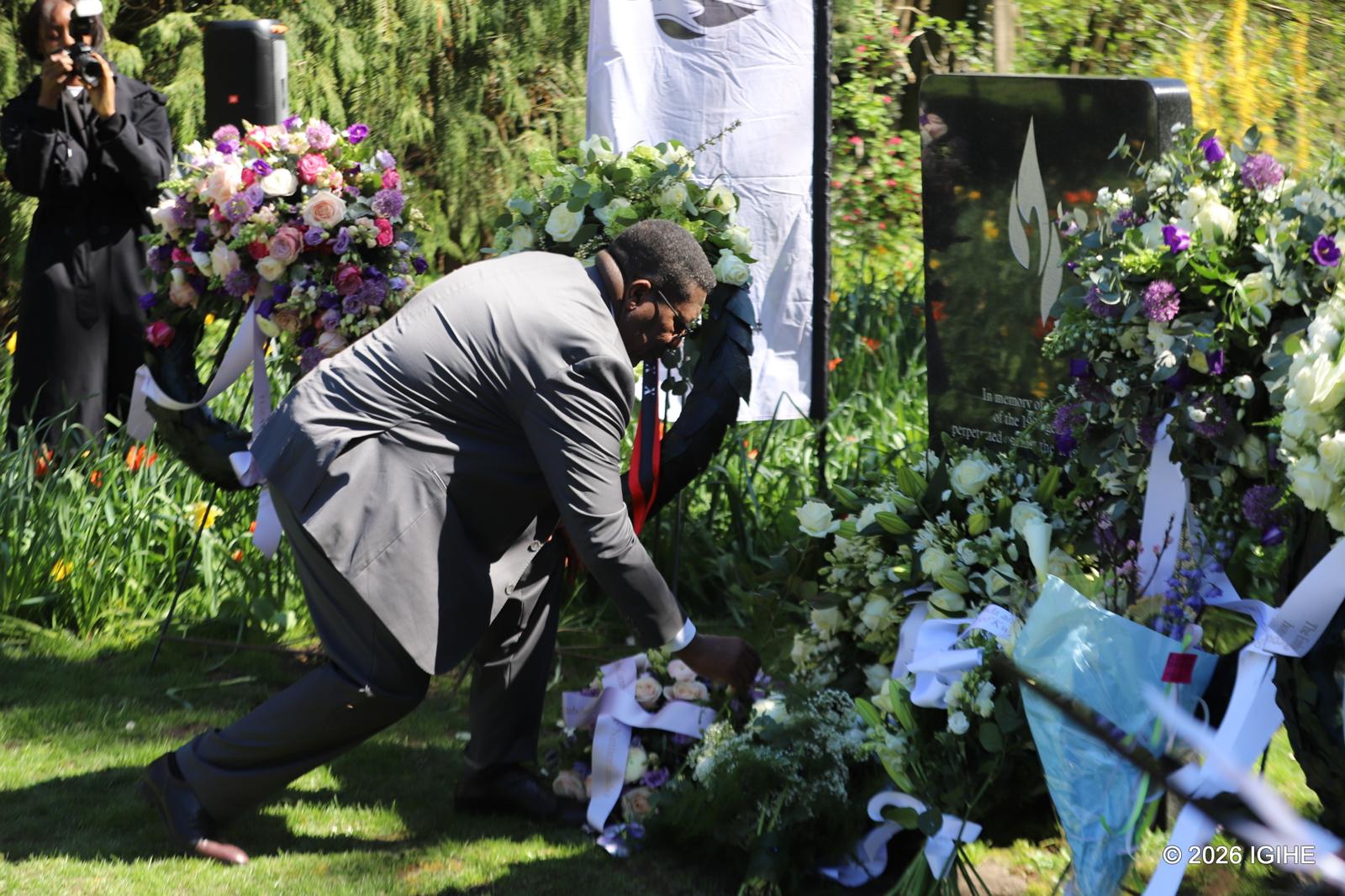
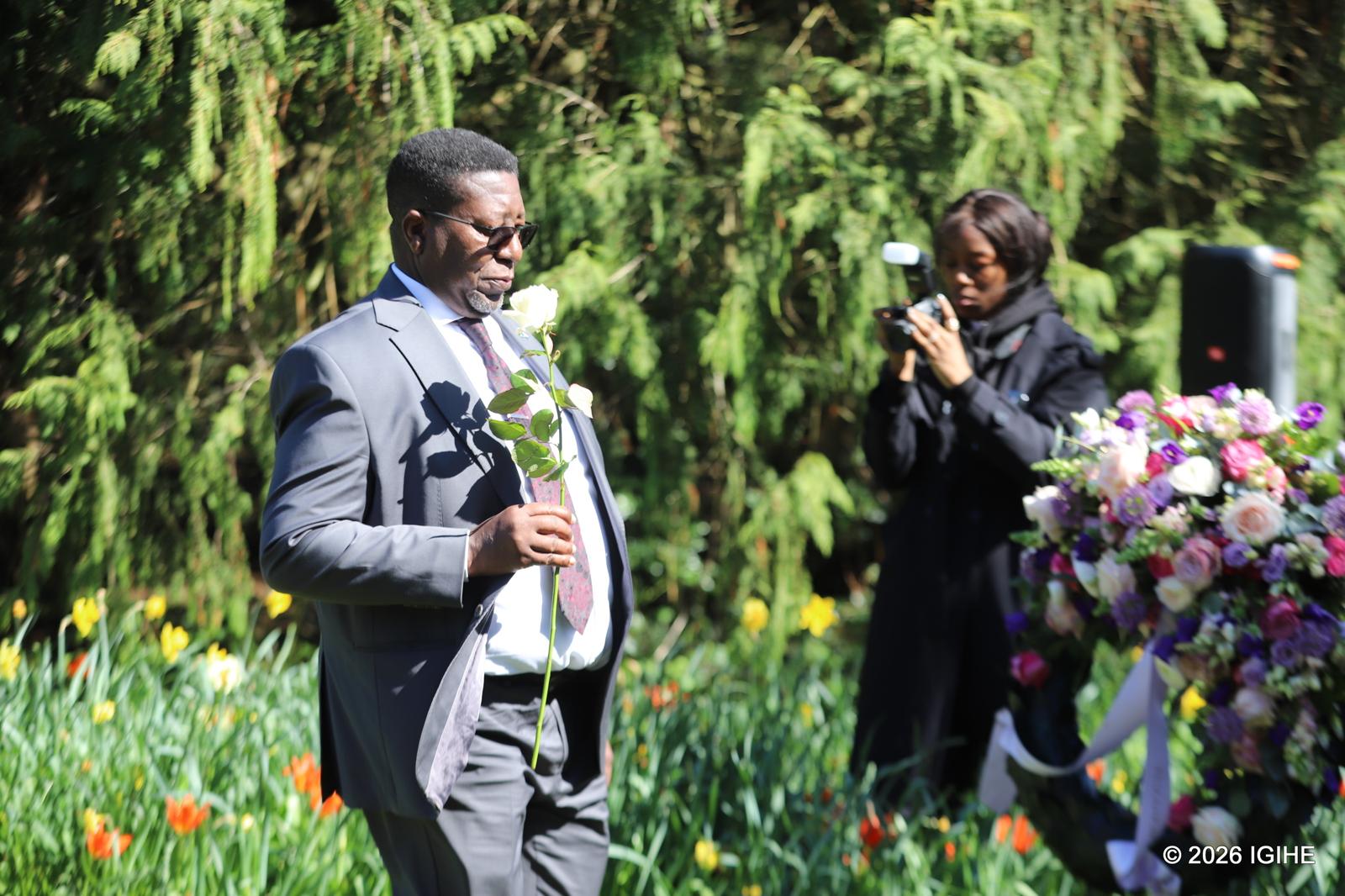
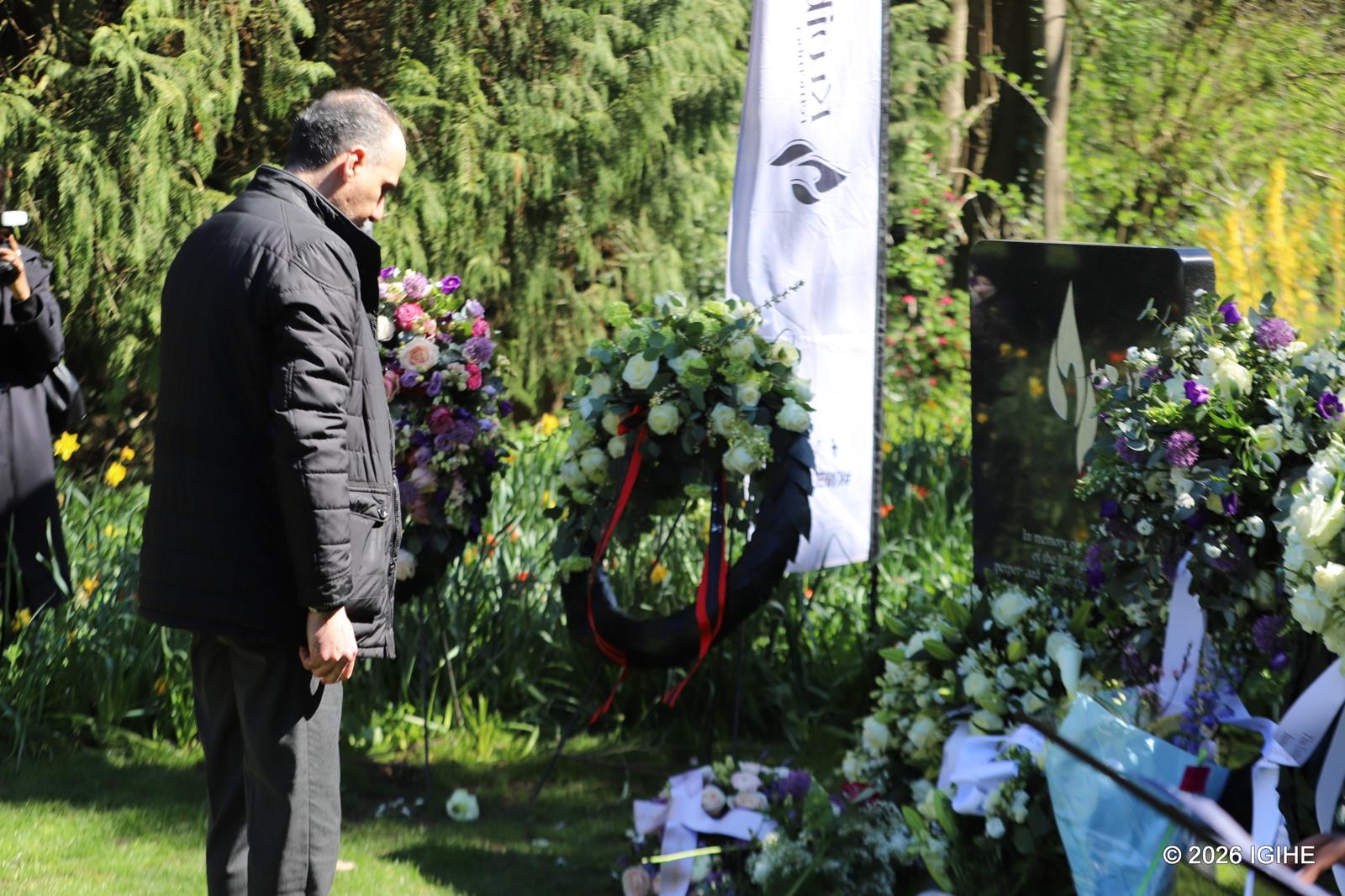
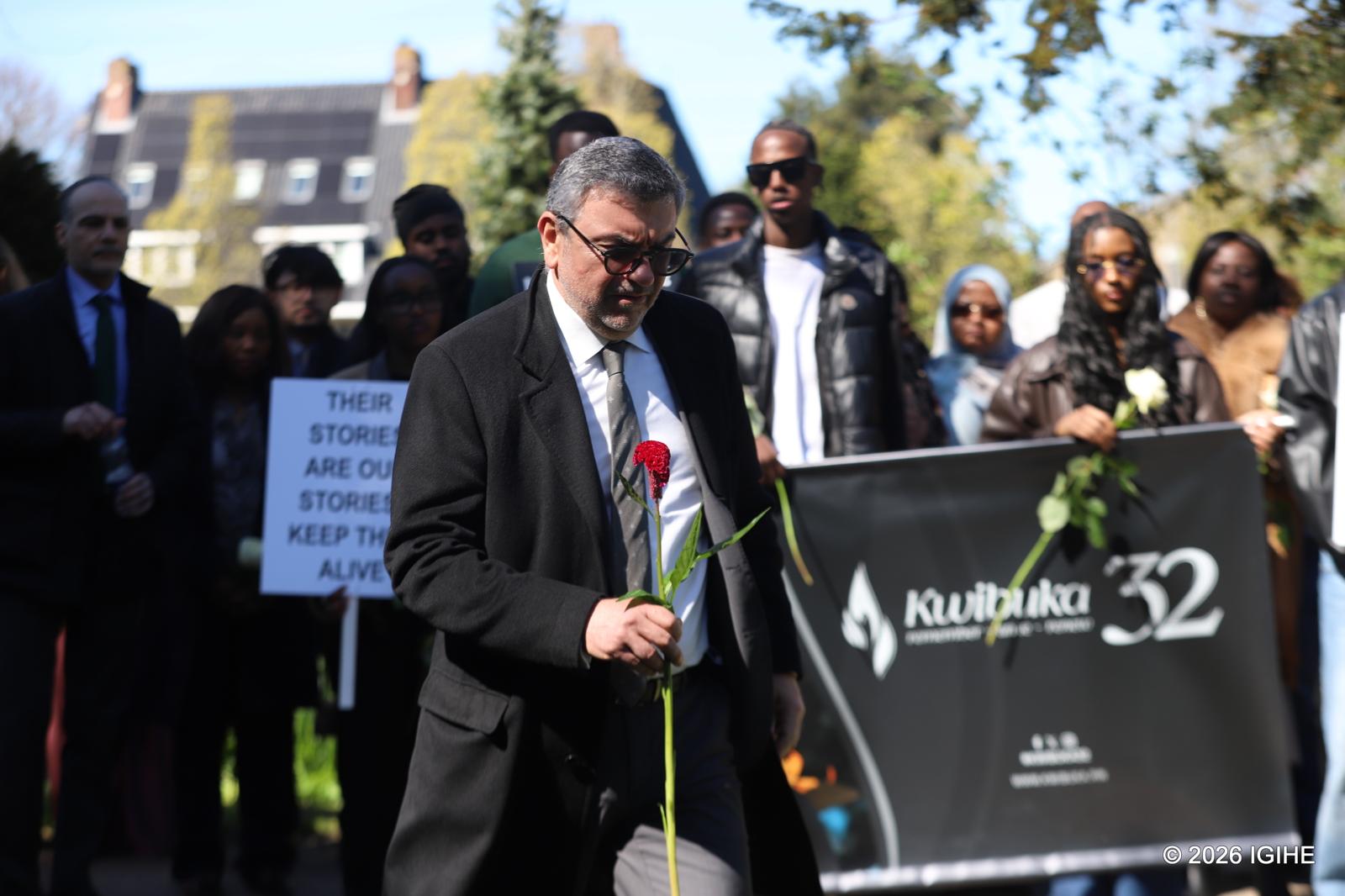
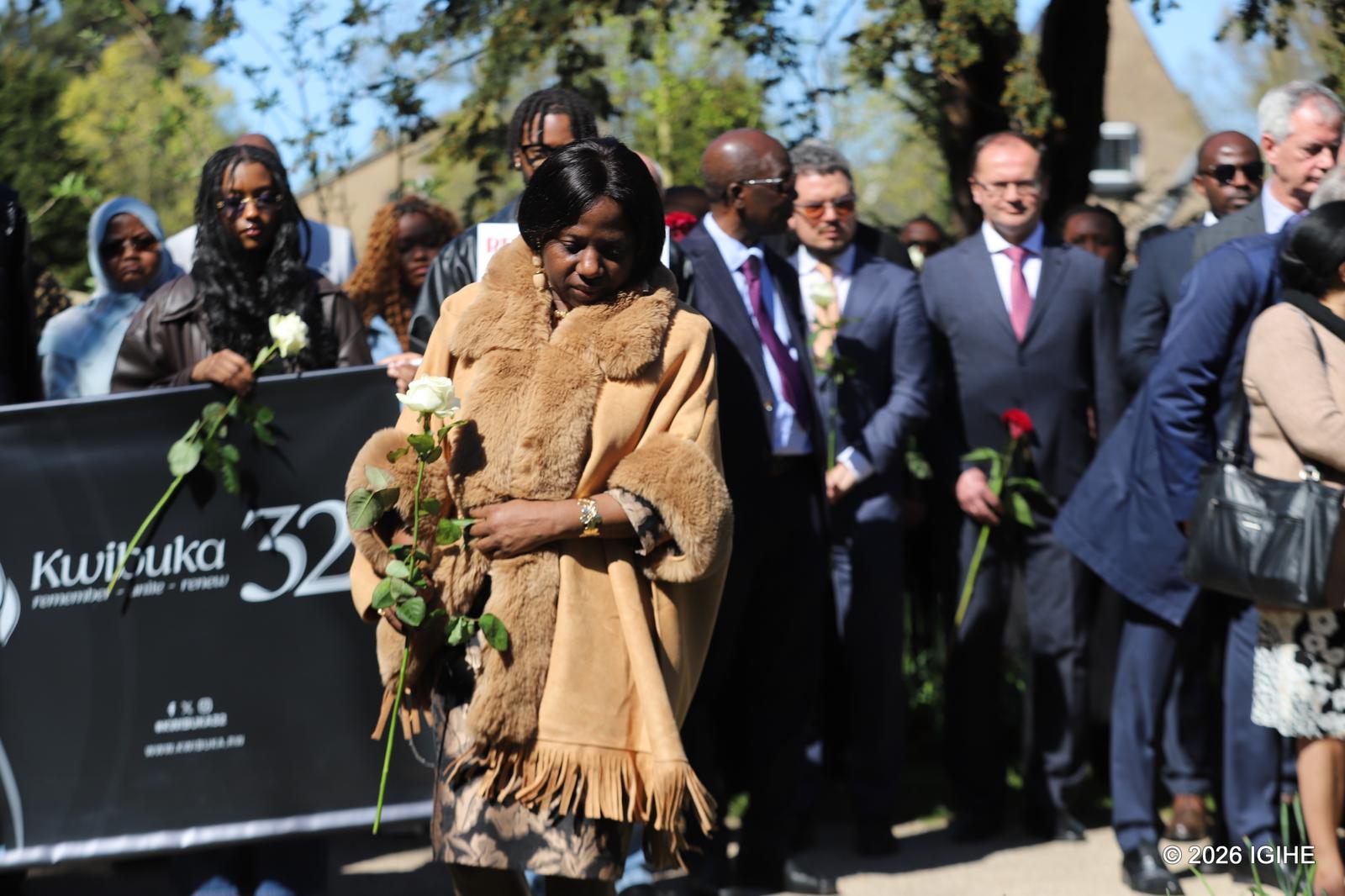
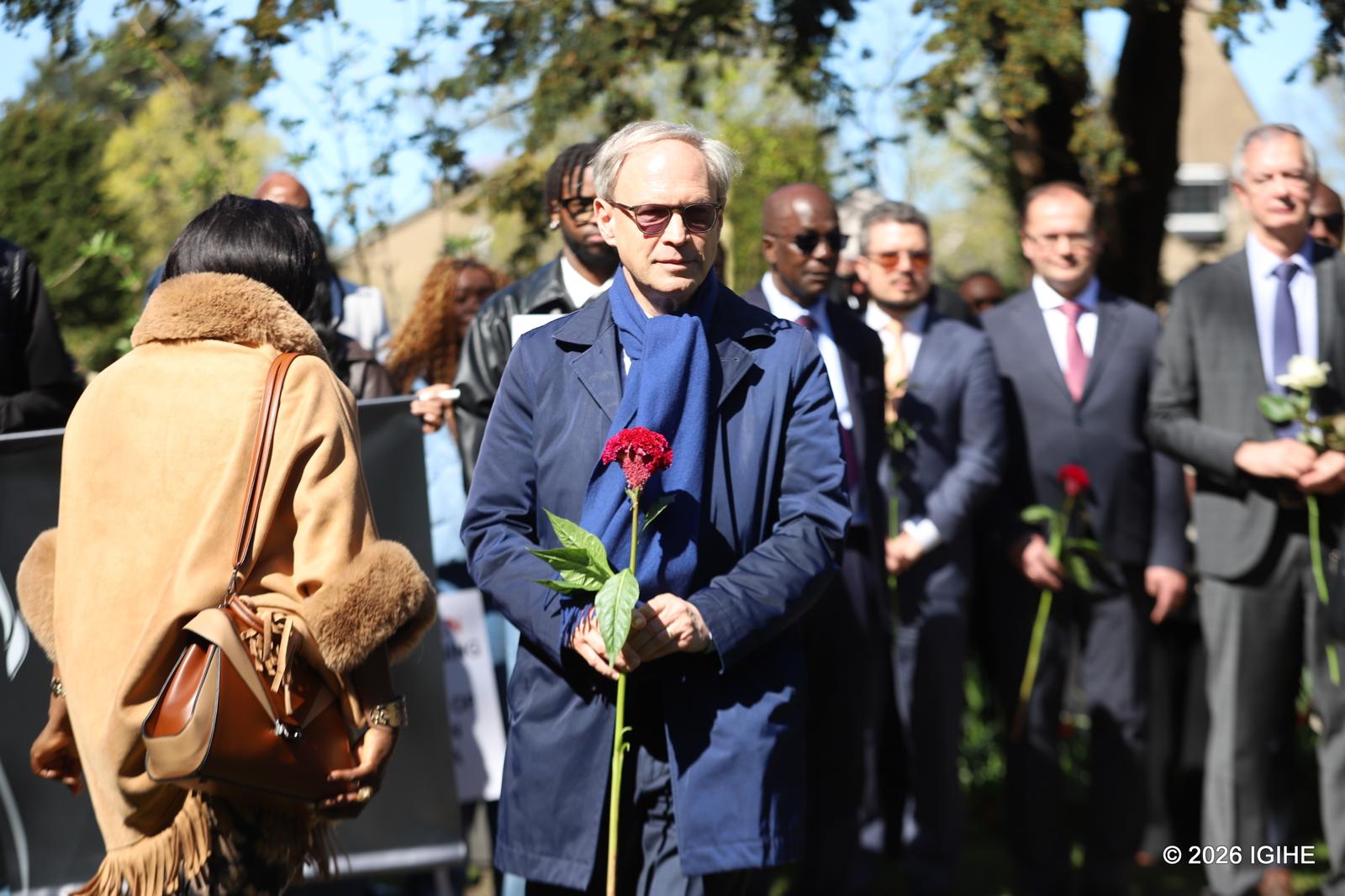
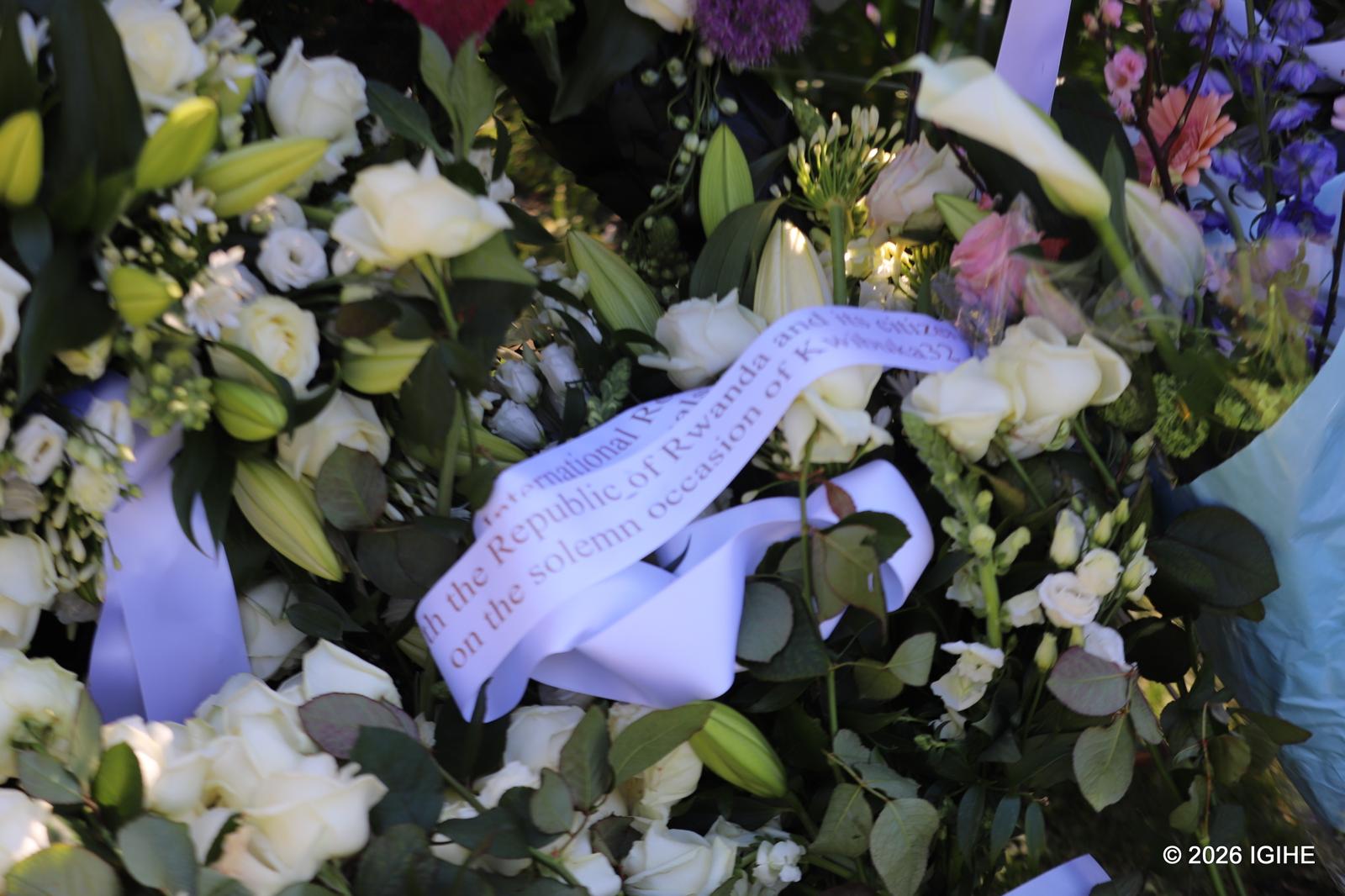
The event began with a Walk to Remember, followed by a wreath-laying ceremony.
Among the speakers, the President of Ibuka Netherlands, Joseph Rutazihana, thanked the Government of the Netherlands for its continued support to Rwanda, particularly in the area of justice.
He emphasized that remembrance is essential and must remain ongoing, while encouraging survivors to stay strong during this 32nd commemoration period.
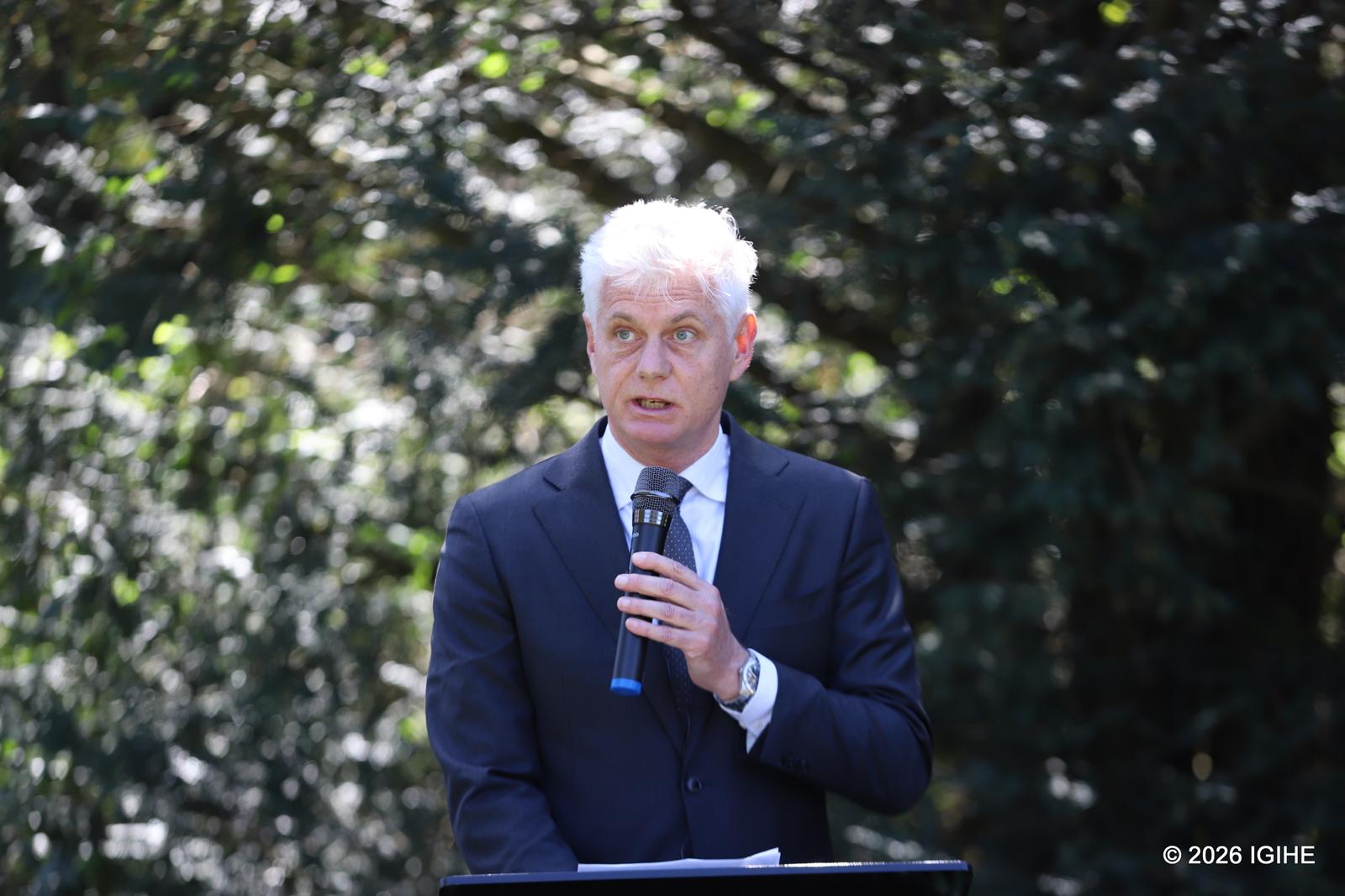
Representing the Dutch Ministry of Foreign Affairs, Hans Docter reaffirmed the Netherlands’ commitment to continue working with Rwanda on justice related to the history of the Genocide against the Tutsi.
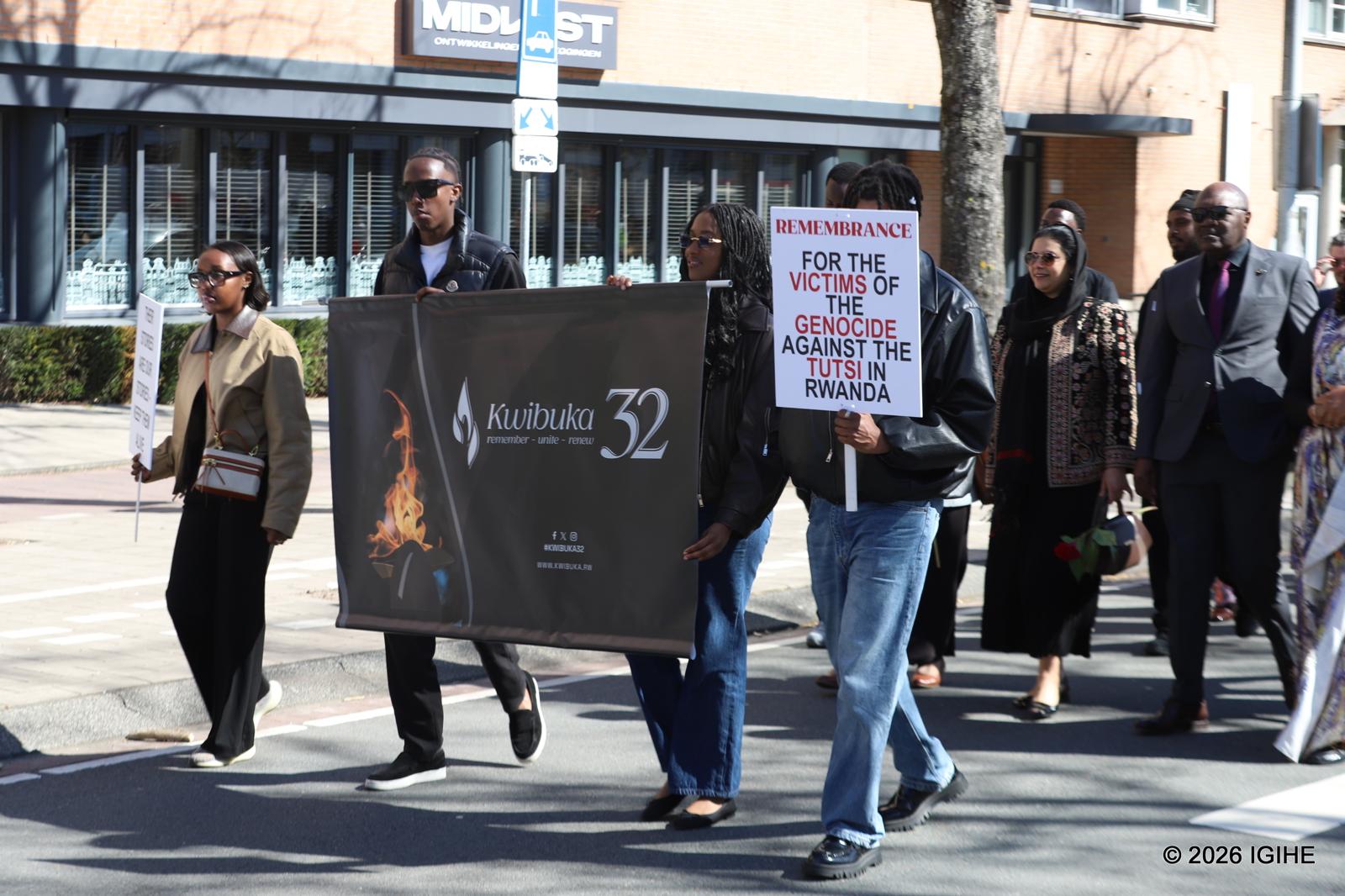
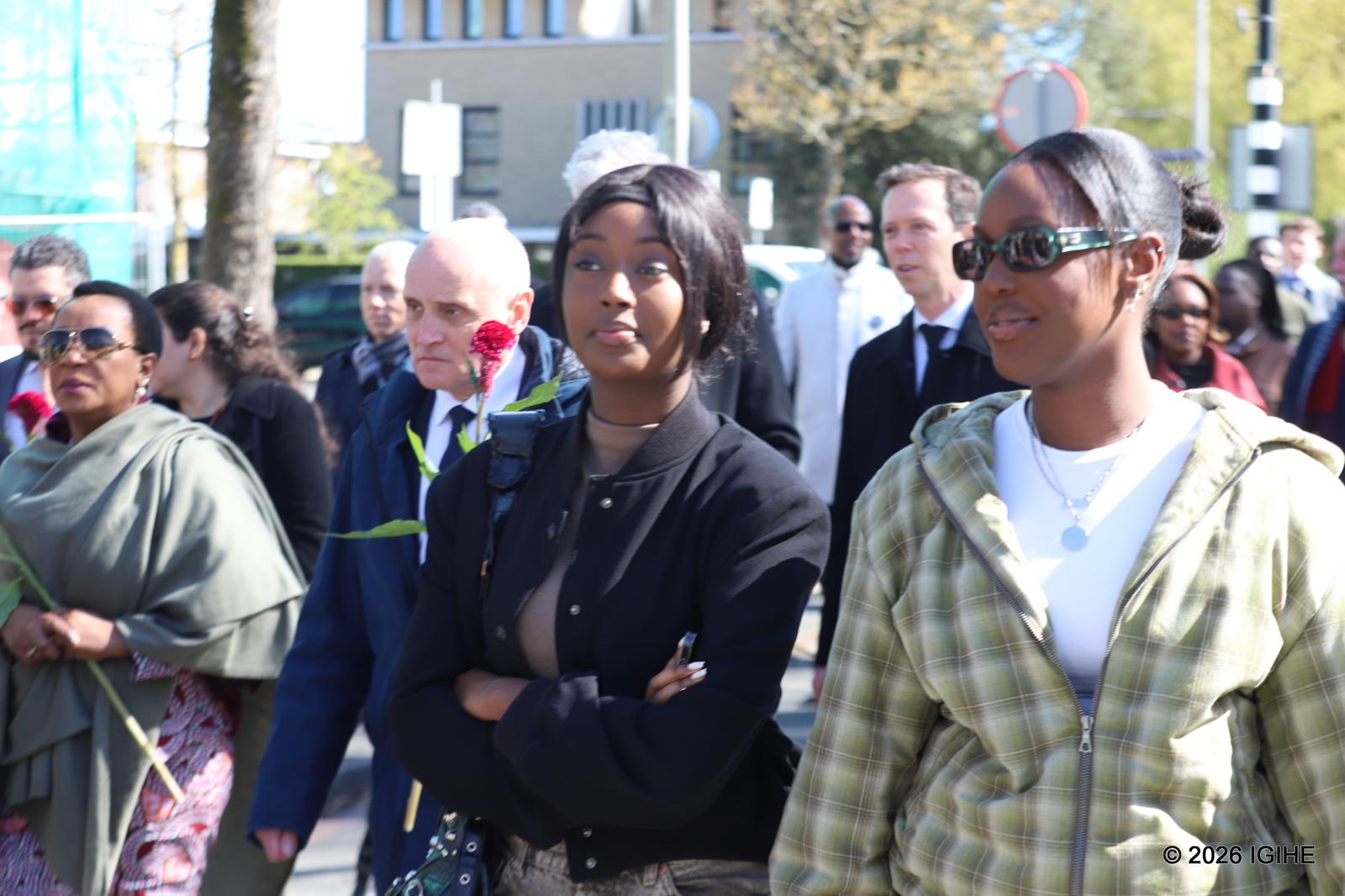
Walk to remember
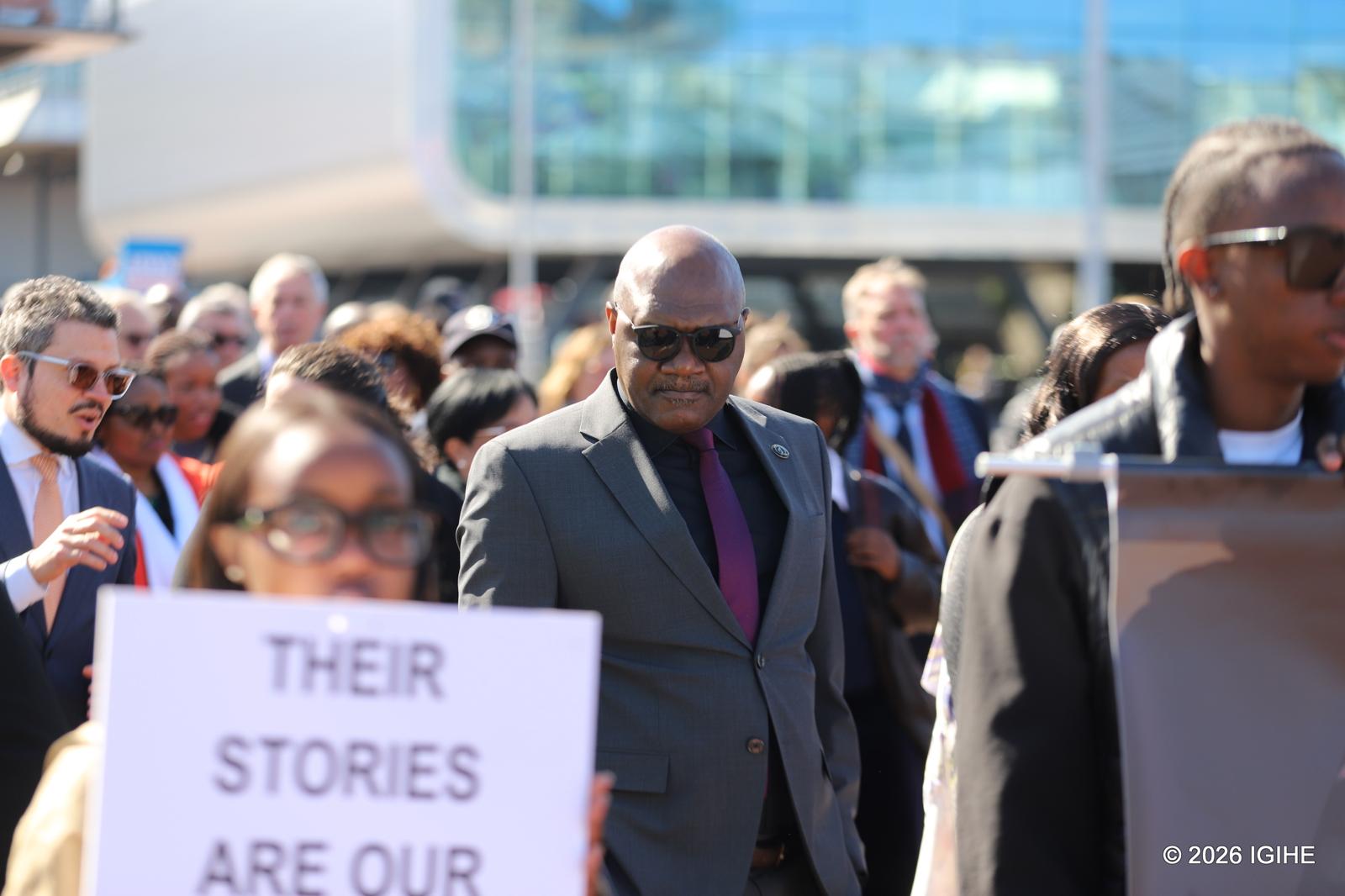
Members of the Rwandan community in the Netherlands joined the Walk to Remember, honoring the memory of victims of the 1994 Genocide against the Tutsi.
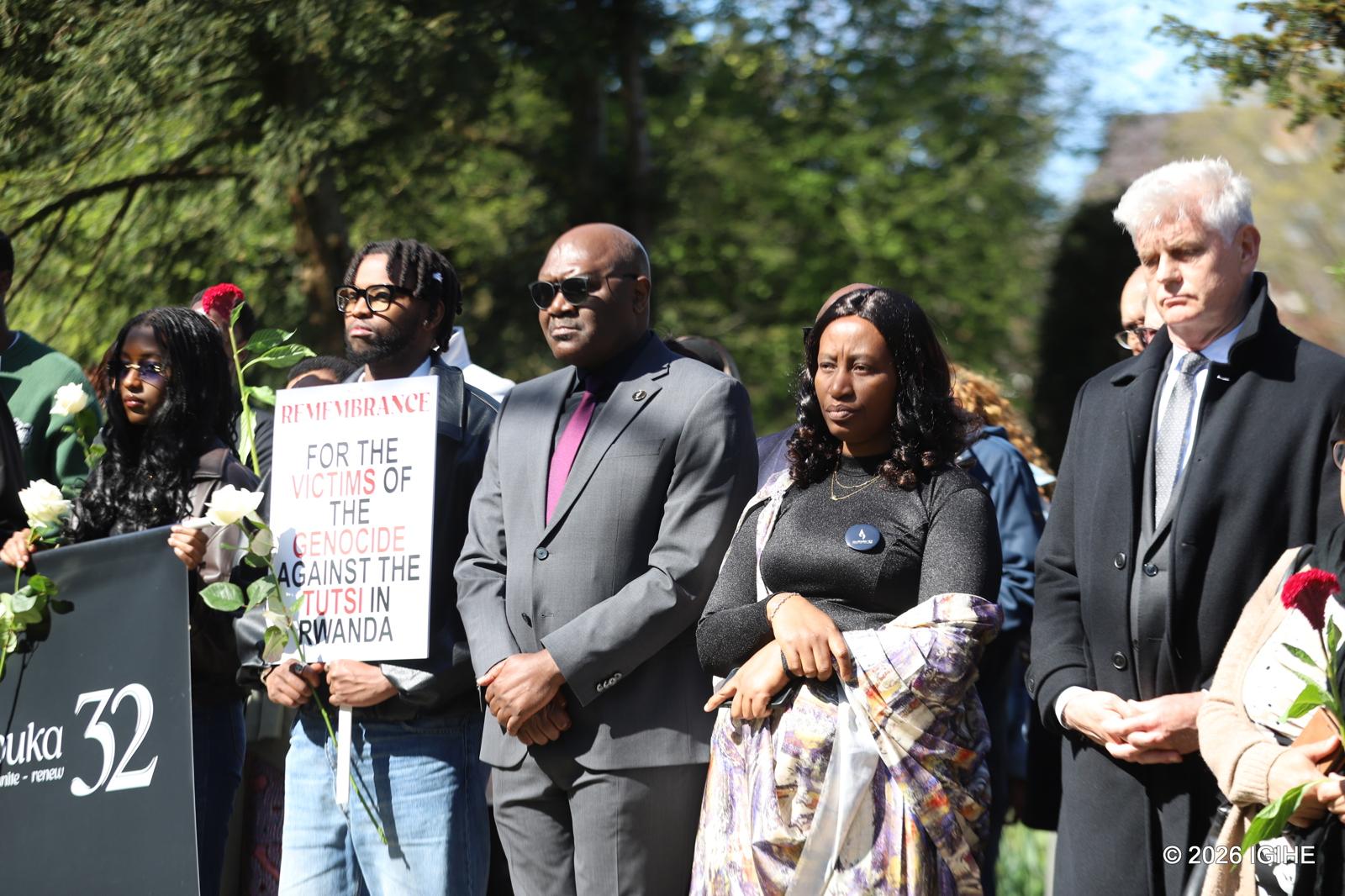
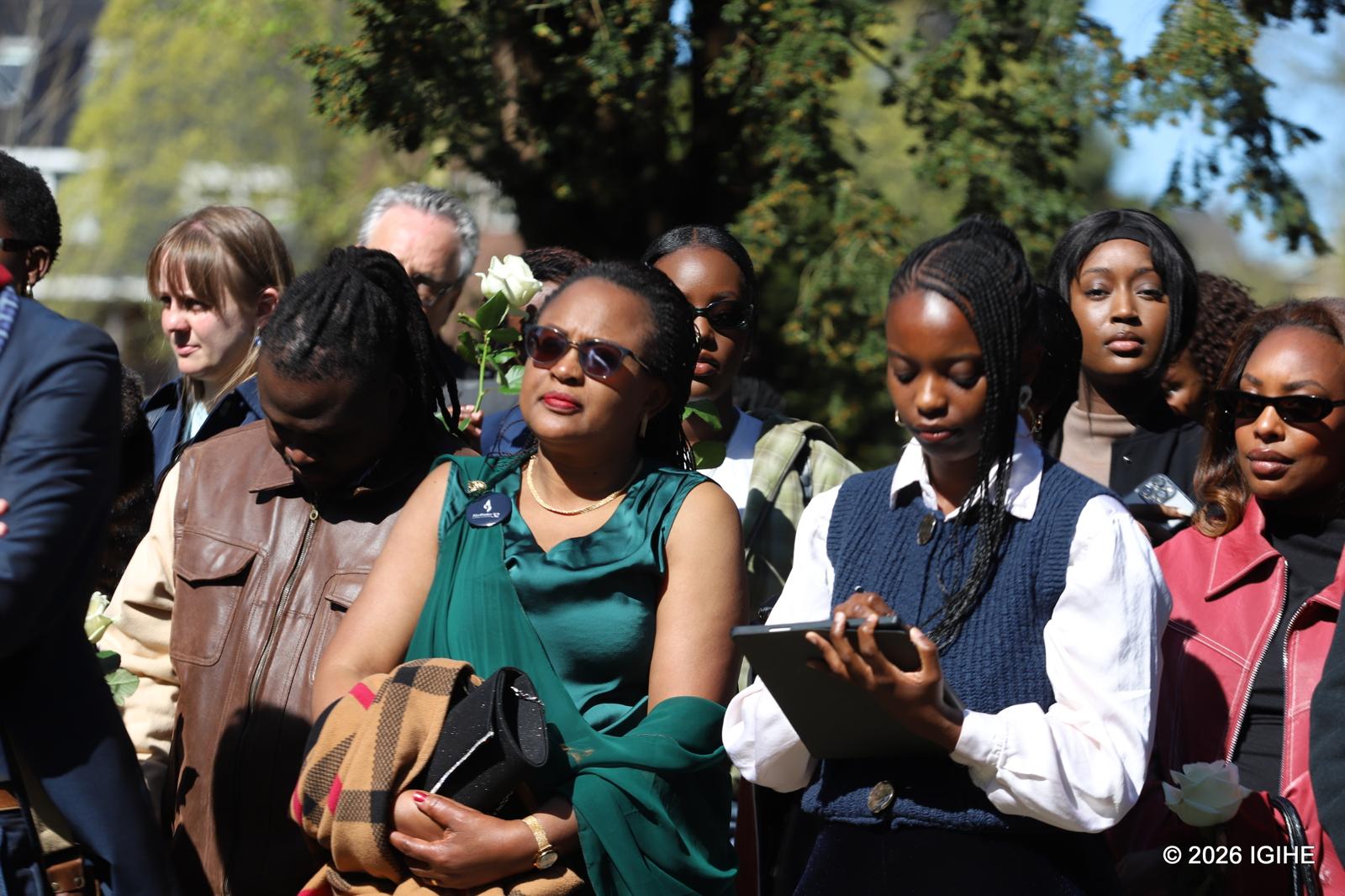
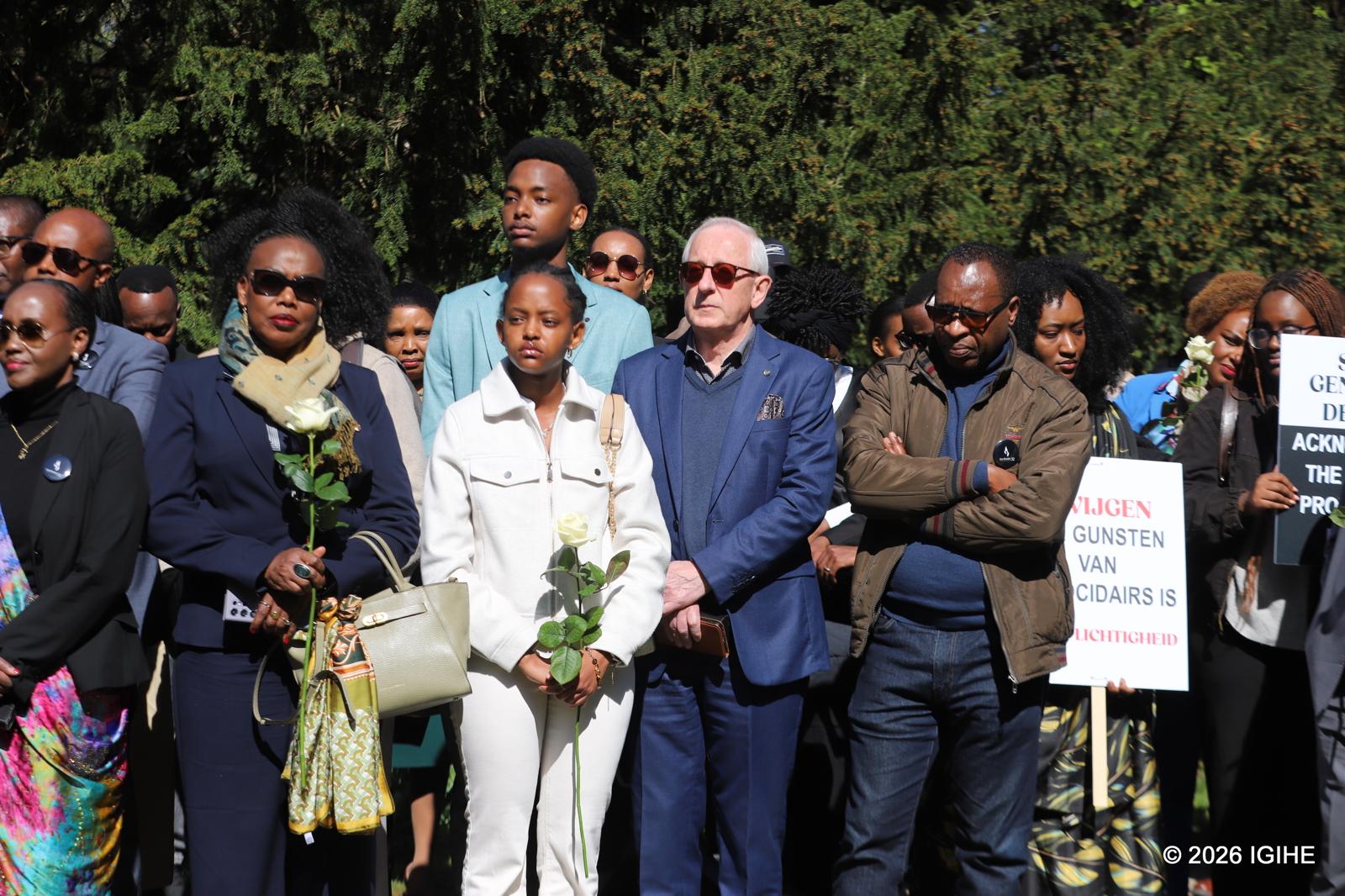
Commemoration talksand laying of wreaths
Amb. Dushimimana Lambert addresses attendees in the Netherlands, urging continued vigilance against genocide denial and the distortion of history.Hans Docter, Deputy Secretary General at the Ministry of Foreign Affairs of the Netherlands delivering his remarks. Joseph Rutazihana, President of Ibuka Netherlands, spoke on the importance of remembrance and international support for justice.
The whiplash was breathtaking, even by Trump’s own standards. On Tuesday morning, Trump posted on his Truth Social platform that “a whole civilization will die tonight, never to be brought back again” if Iran failed to meet his deadline to strike a deal.
He had set 8 p.m. ET as the cutoff, threatening to target Iran’s power plants and bridges — actions that legal experts warned could constitute a war crime.
Hours later, the same man was singing a very different tune.
In announcing a two-week ceasefire deal brokered by Pakistan, Trump wrote that Iran had proposed a “workable” 10-point peace plan and declared: “This will be a double-sided CEASEFIRE!”
Then came the Trump Social post captured in the viral screenshot circulating on X: “A big day for World Peace! Iran wants it to happen, they’ve had enough!”
He predicted “lots of positive action,” said “big money will be made,” and invited Iran to “start the reconstruction process” — concluding that “this could be the Golden Age of the Middle East!!!”
The contrast left much of the world blinking. The abrupt pivot came just two hours before his own self-imposed deadline, after Pakistani Prime Minister Shehbaz Sharif asked Trump to extend the ultimatum and urged Iran to reopen the Strait of Hormuz as a goodwill gesture.
It was not the first time. Since the war began on February 28, Trump has repeatedly imposed deadlines linked to threats, only to extend them.
This particular escalation-and-retreat cycle was sharper than most. Just hours before the ceasefire announcement, Trump had described the looming crossroads as “one of the most important moments in the long and complex history of the world,” and warned that “47 years of extortion, corruption, and death will finally end.”
Critics were quick to point out the contradiction. As commentator Mario Nawfal noted on X: “Twelve hours ago he threatened to end an entire civilization. Now he’s…” — with the rest of the sentence left to speak for itself.
The ceasefire marks the most significant pause in a war that has rattled global energy markets, sent oil prices soaring, and drawn in regional powers since the United States and Israel launched their campaign against Iran’s military and nuclear infrastructure in late February.
Pakistan’s Prime Minister Sharif declared that “both parties have displayed remarkable wisdom and understanding,” and invited delegations from the U.S. and Iran to Islamabad on April 10 to continue negotiations toward a permanent peace.
Whether this latest ceasefire holds, and whether Trump’s “Golden Age” rhetoric lasts longer than a news cycle, remains very much an open question.
Donald Trump had threatened Iran with severe consequences, warning that an entire civilization could be destroyed if his demands were not met.
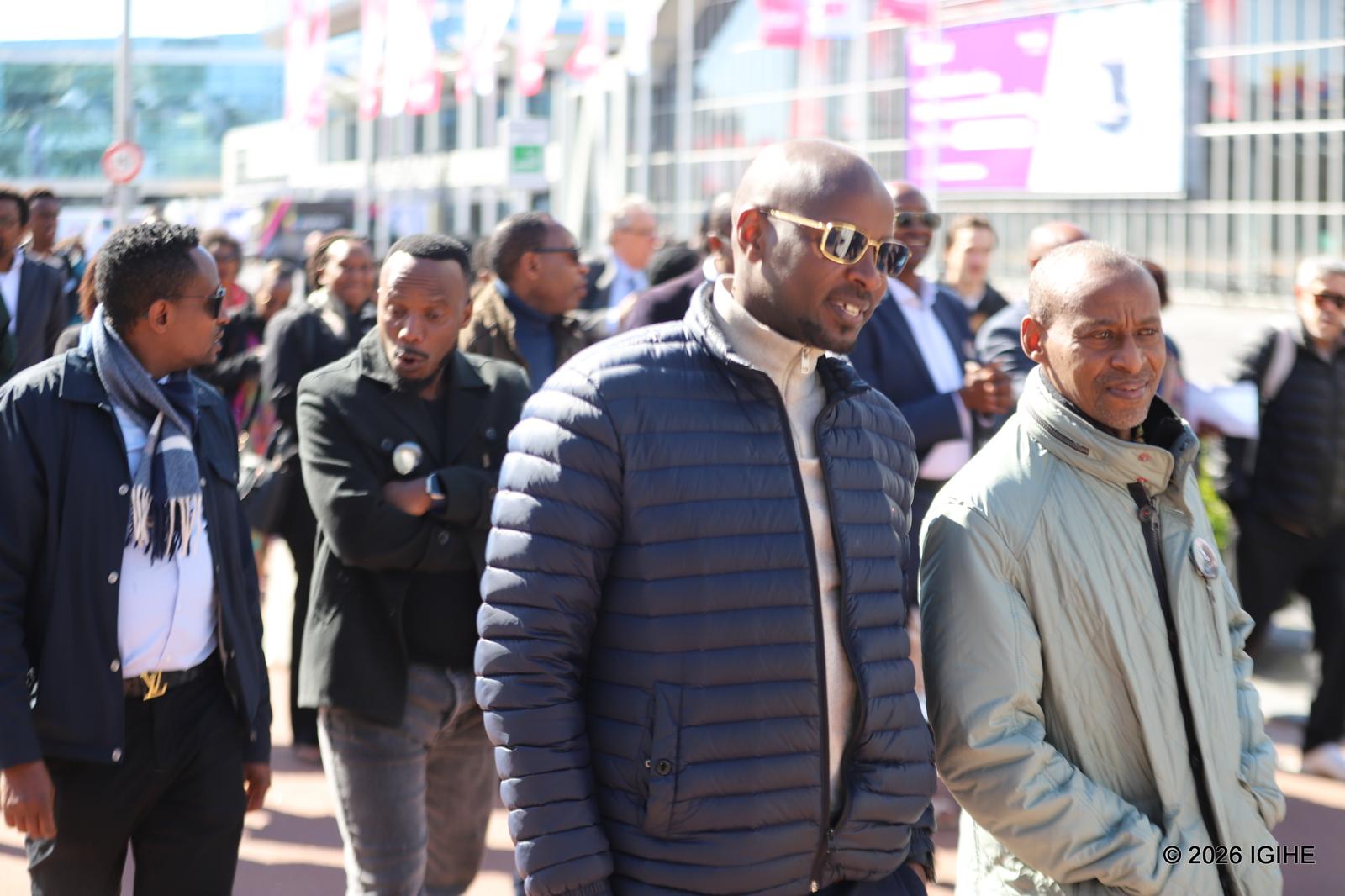
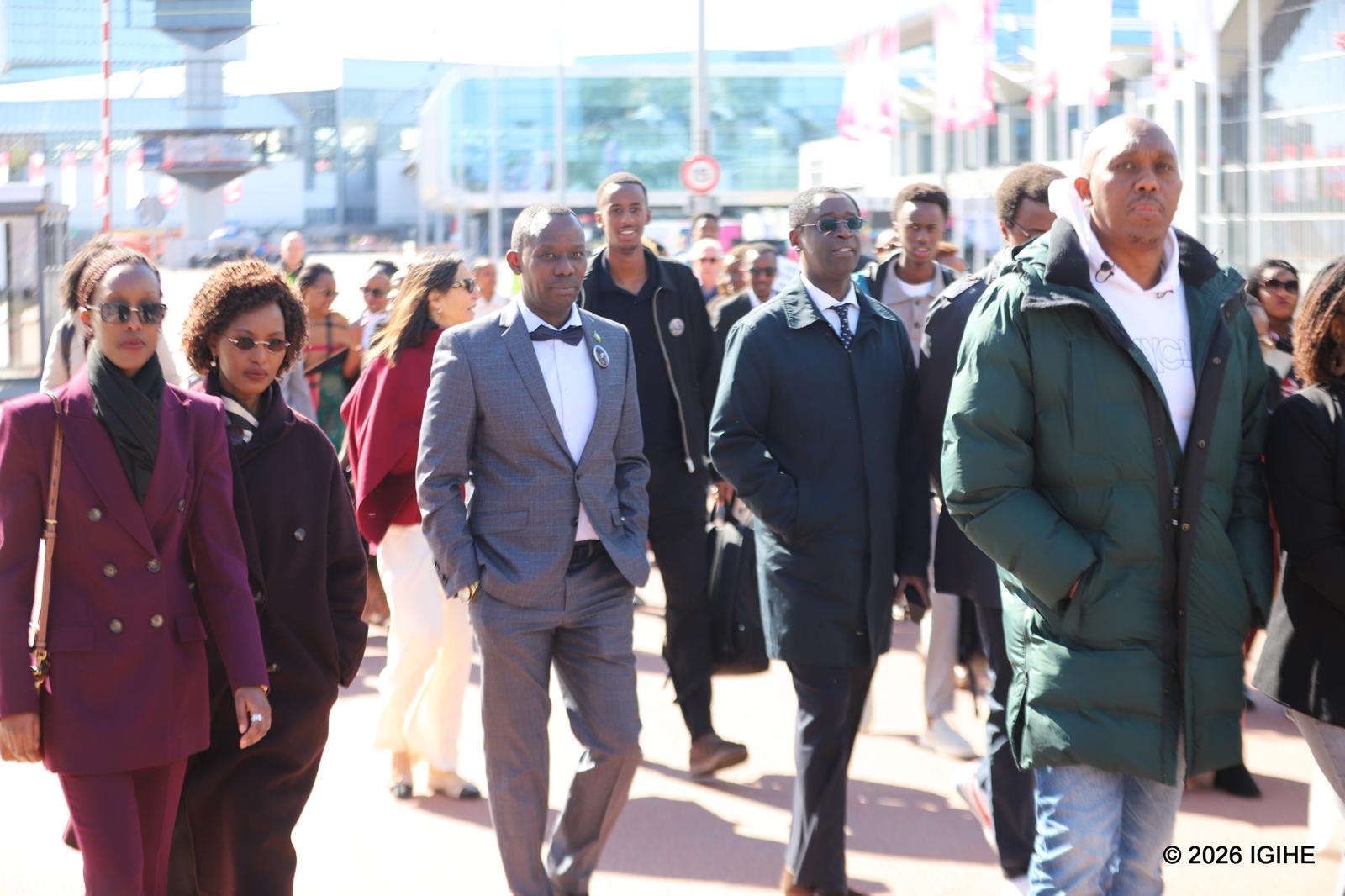
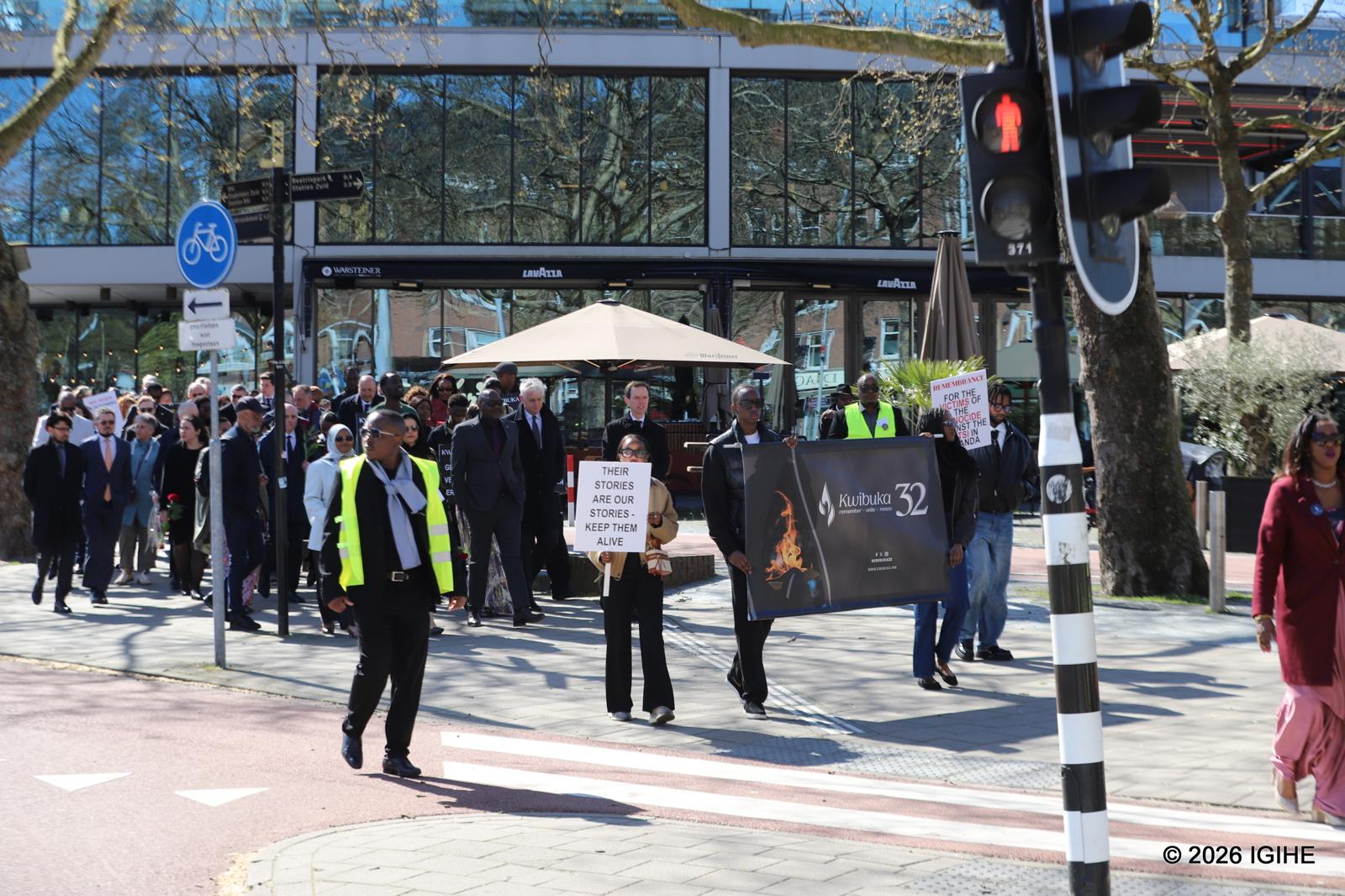
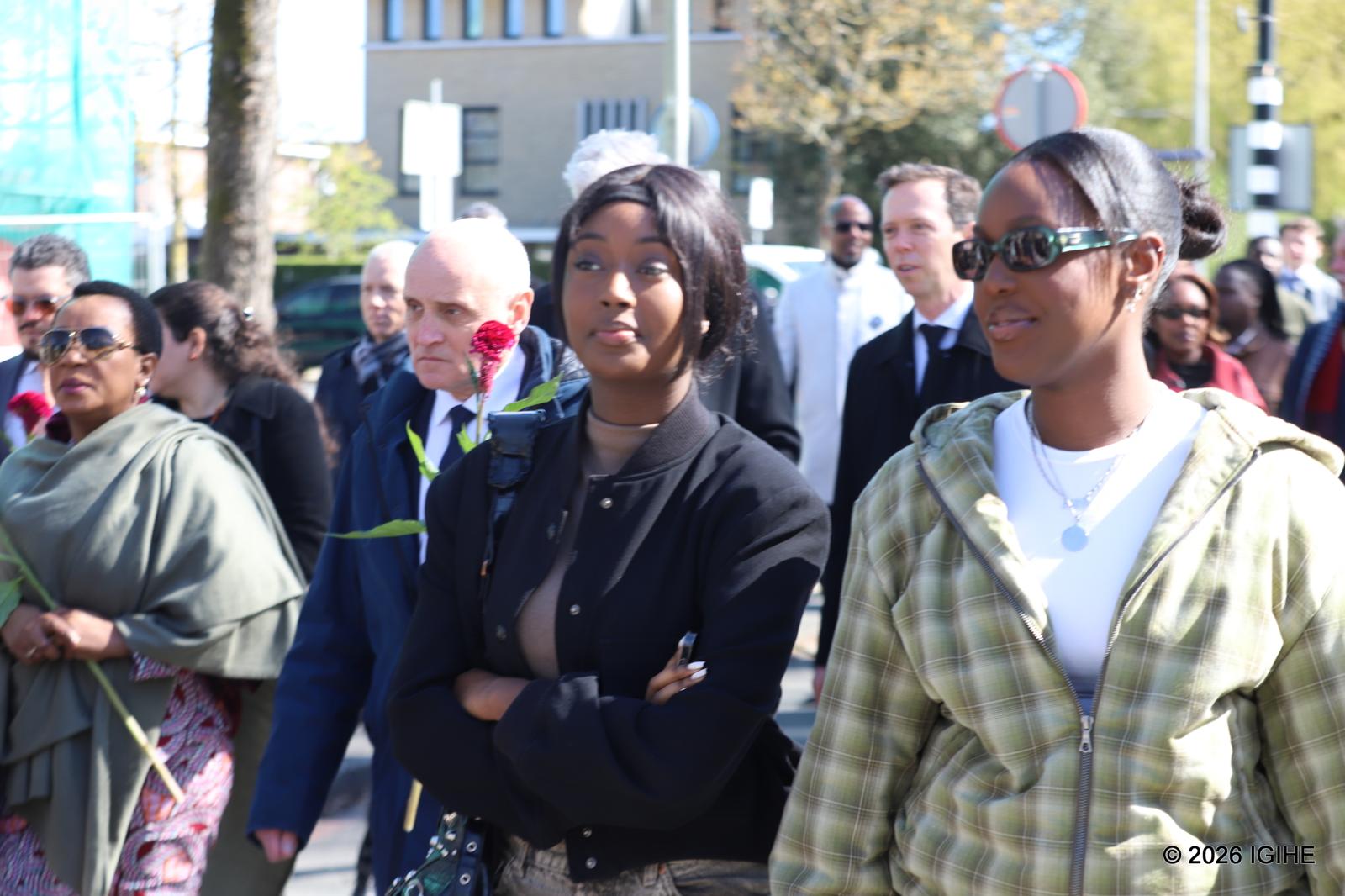
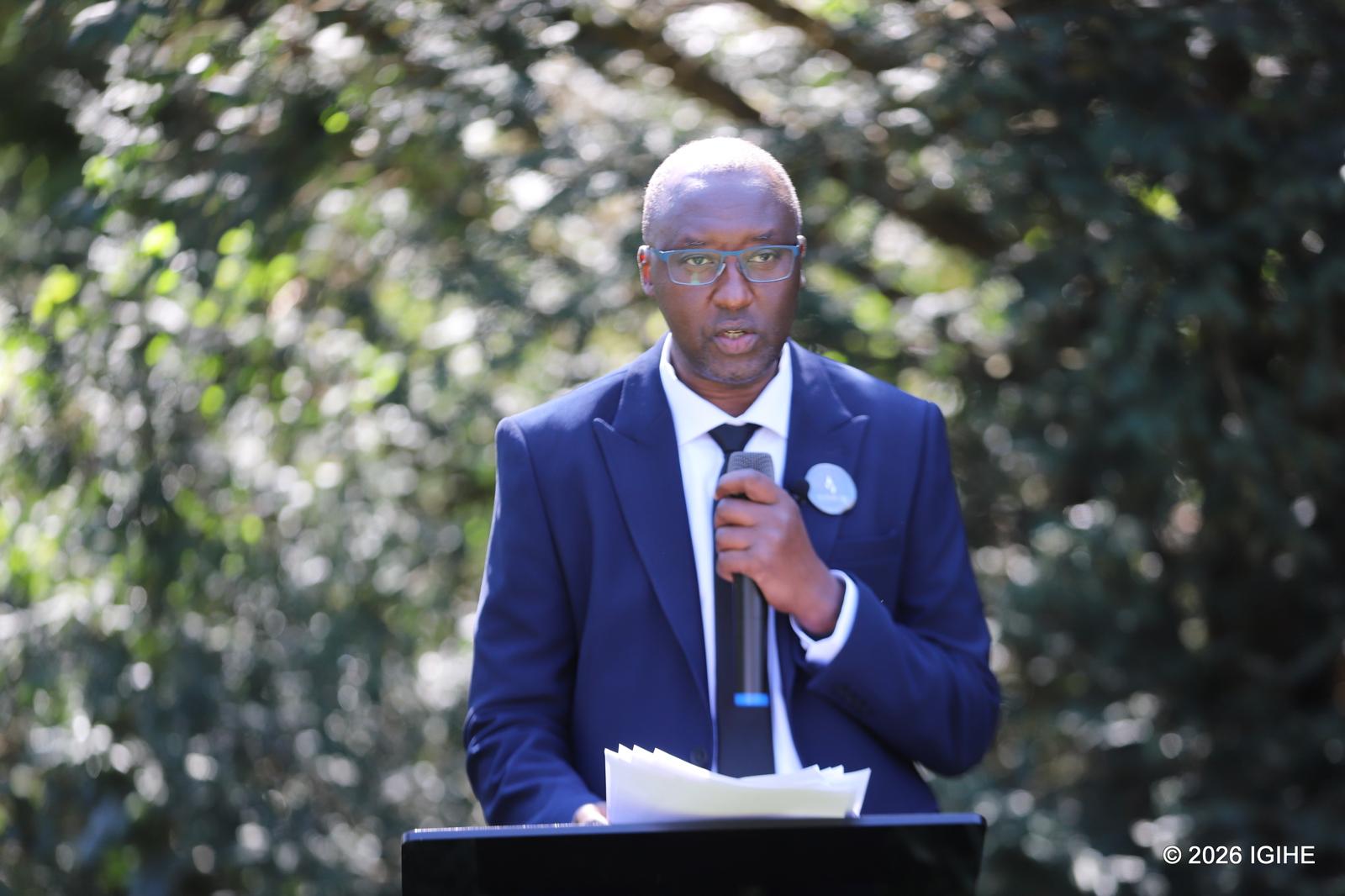
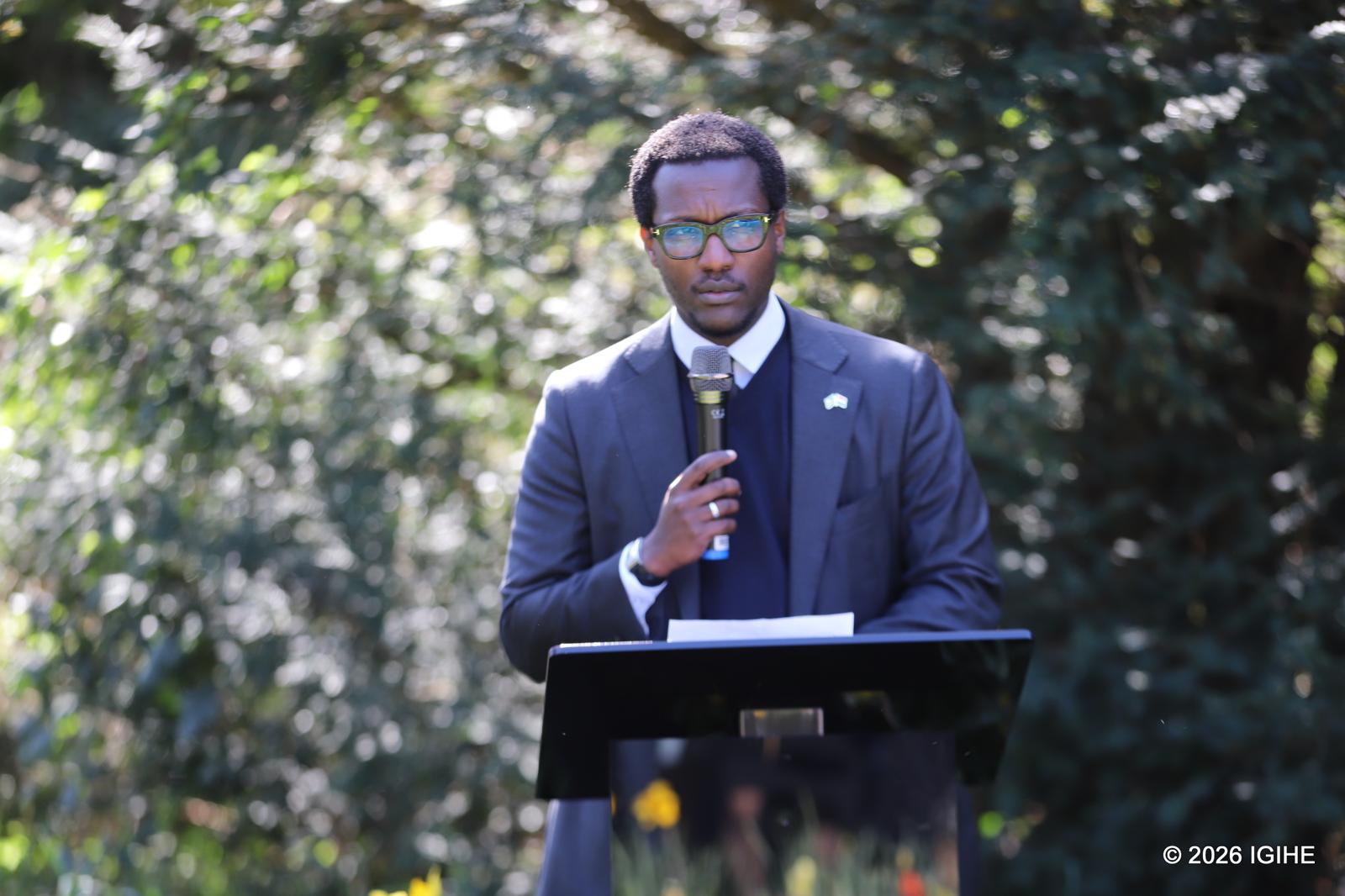
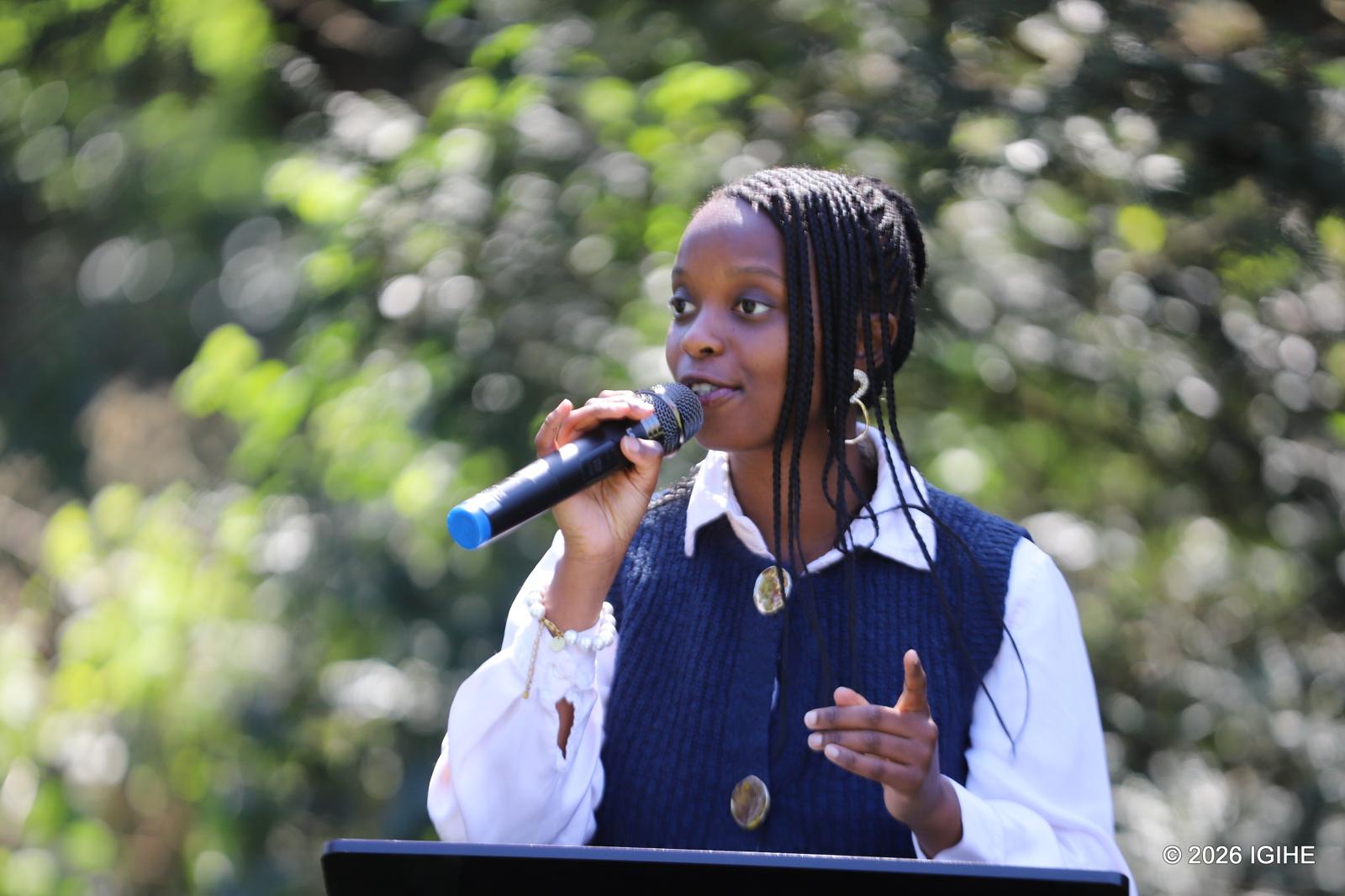
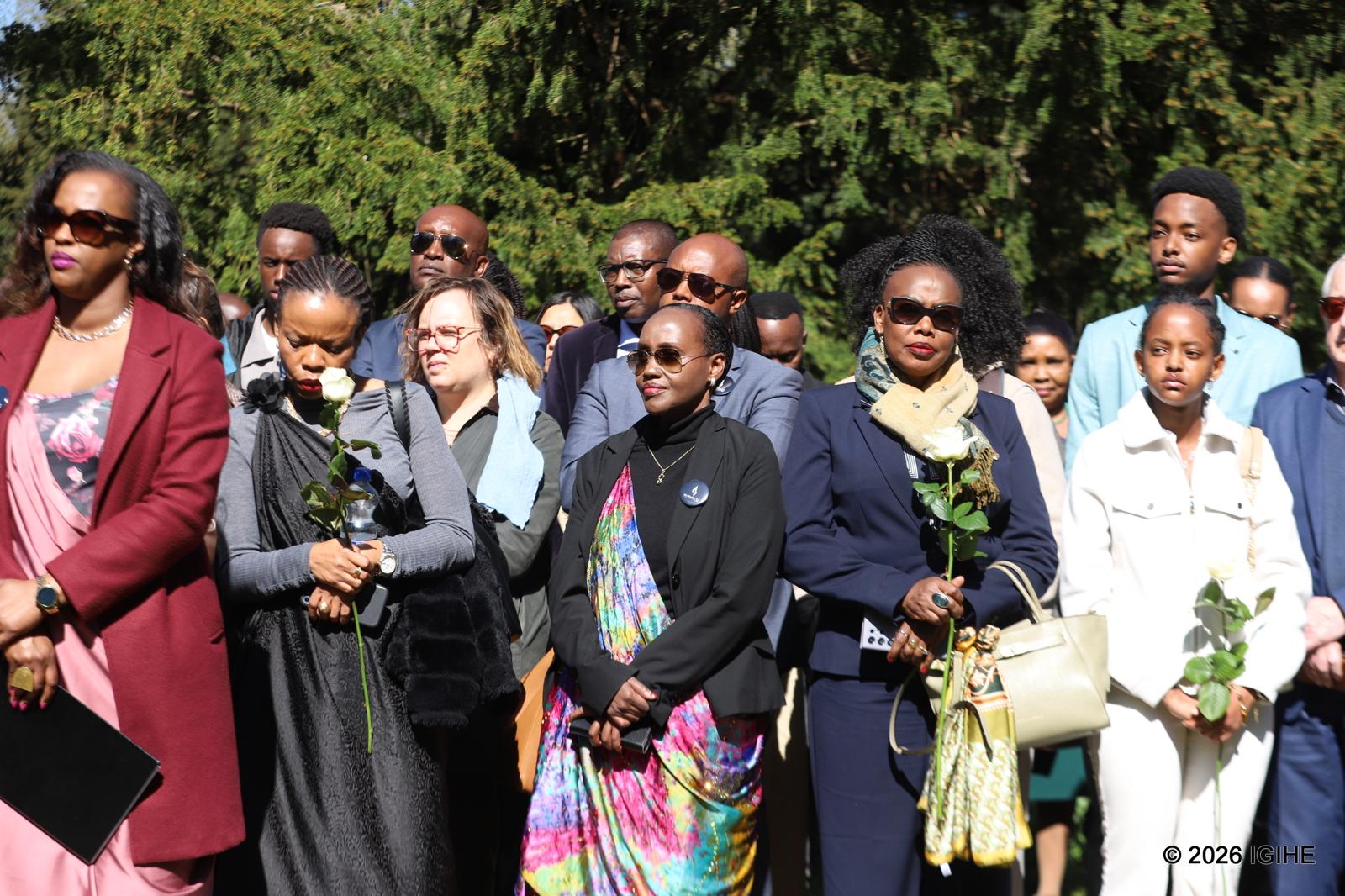
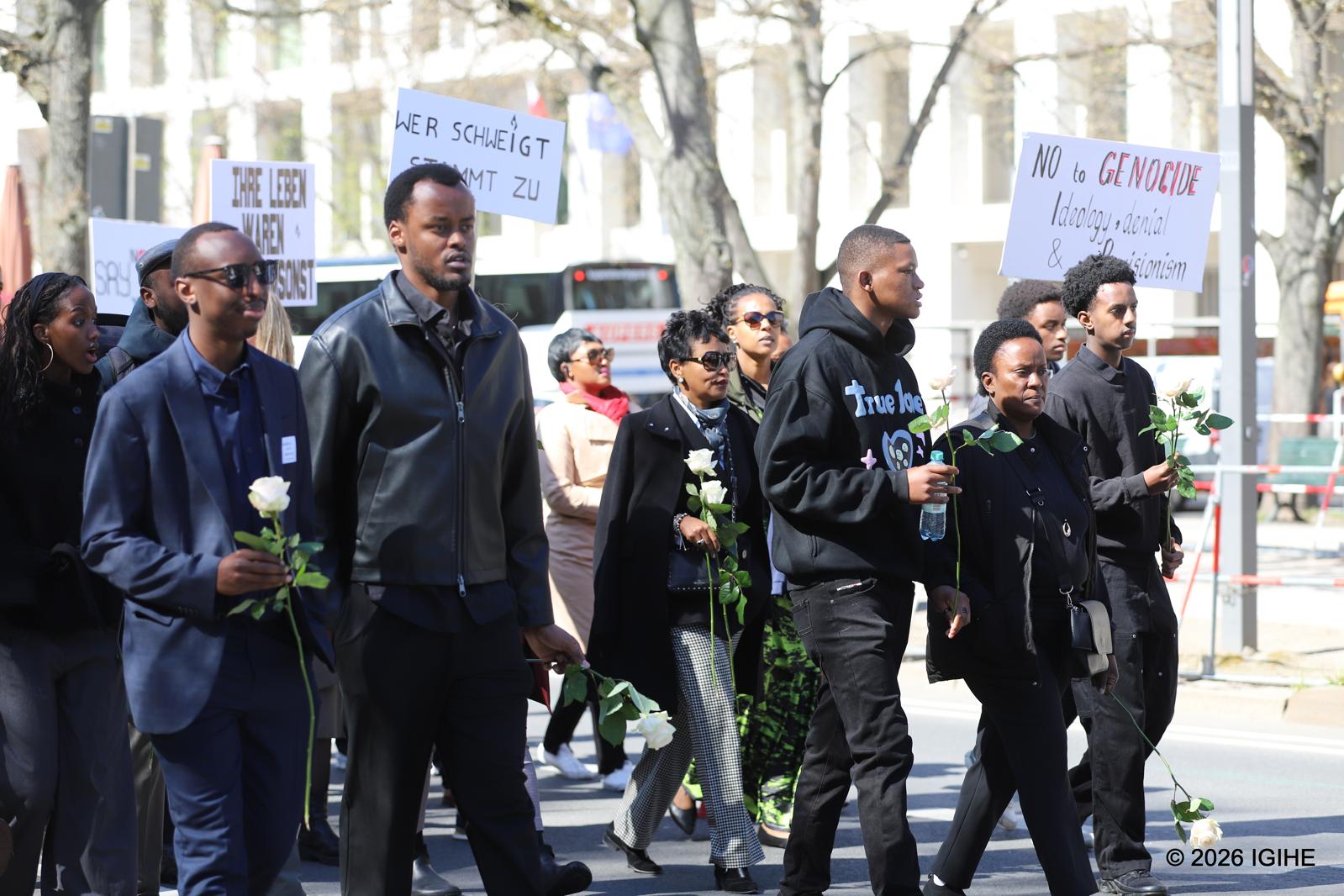
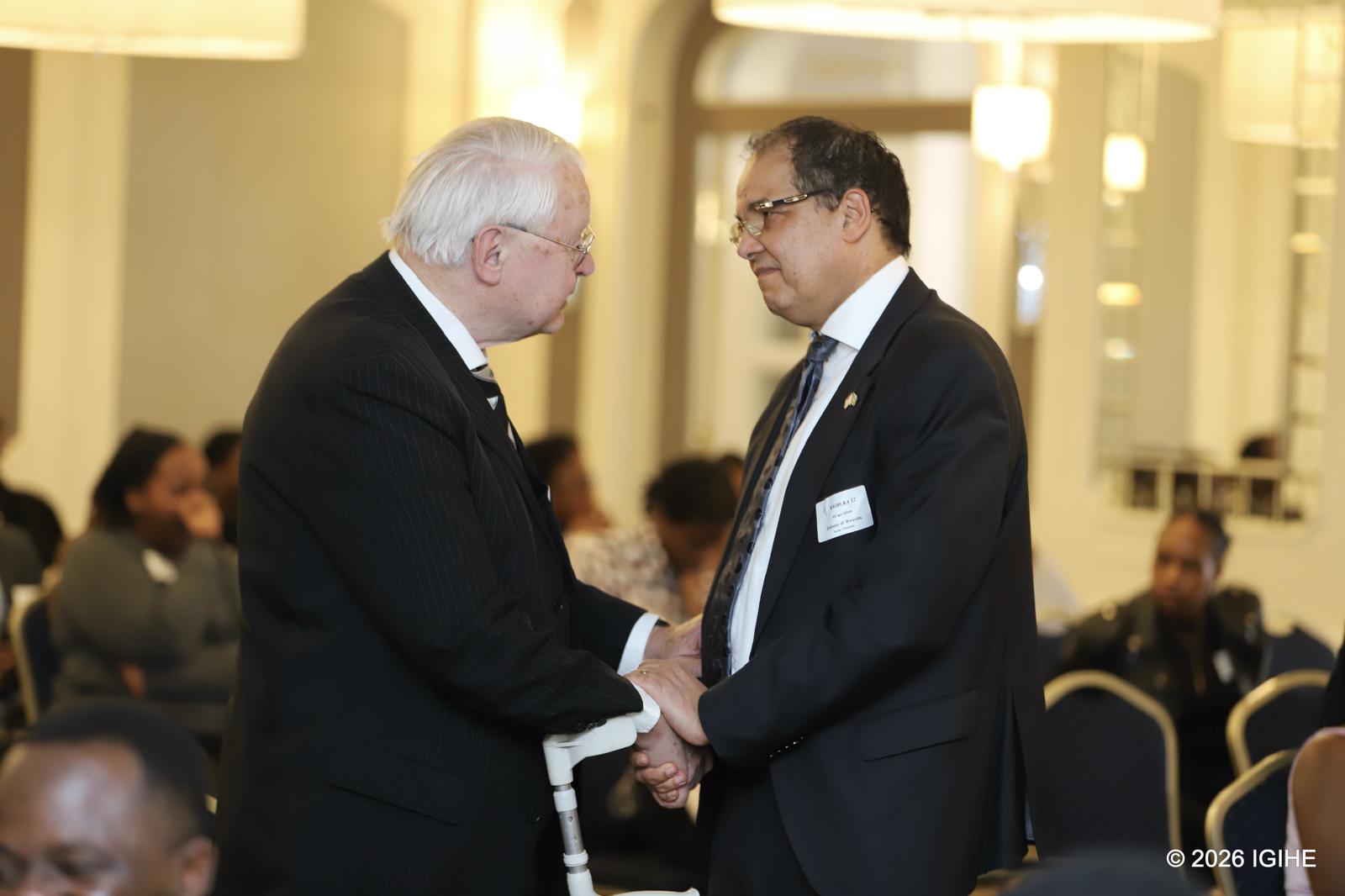
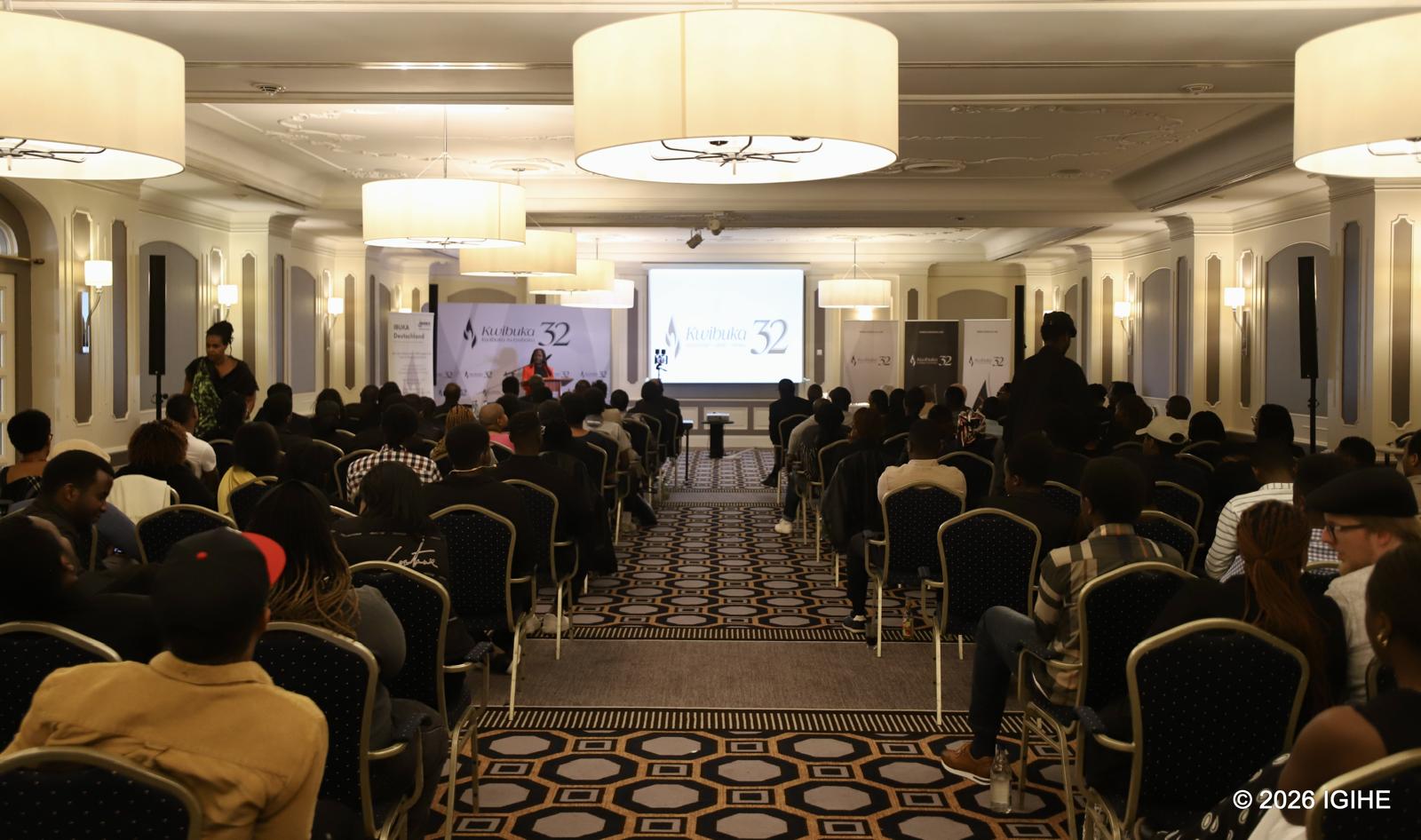
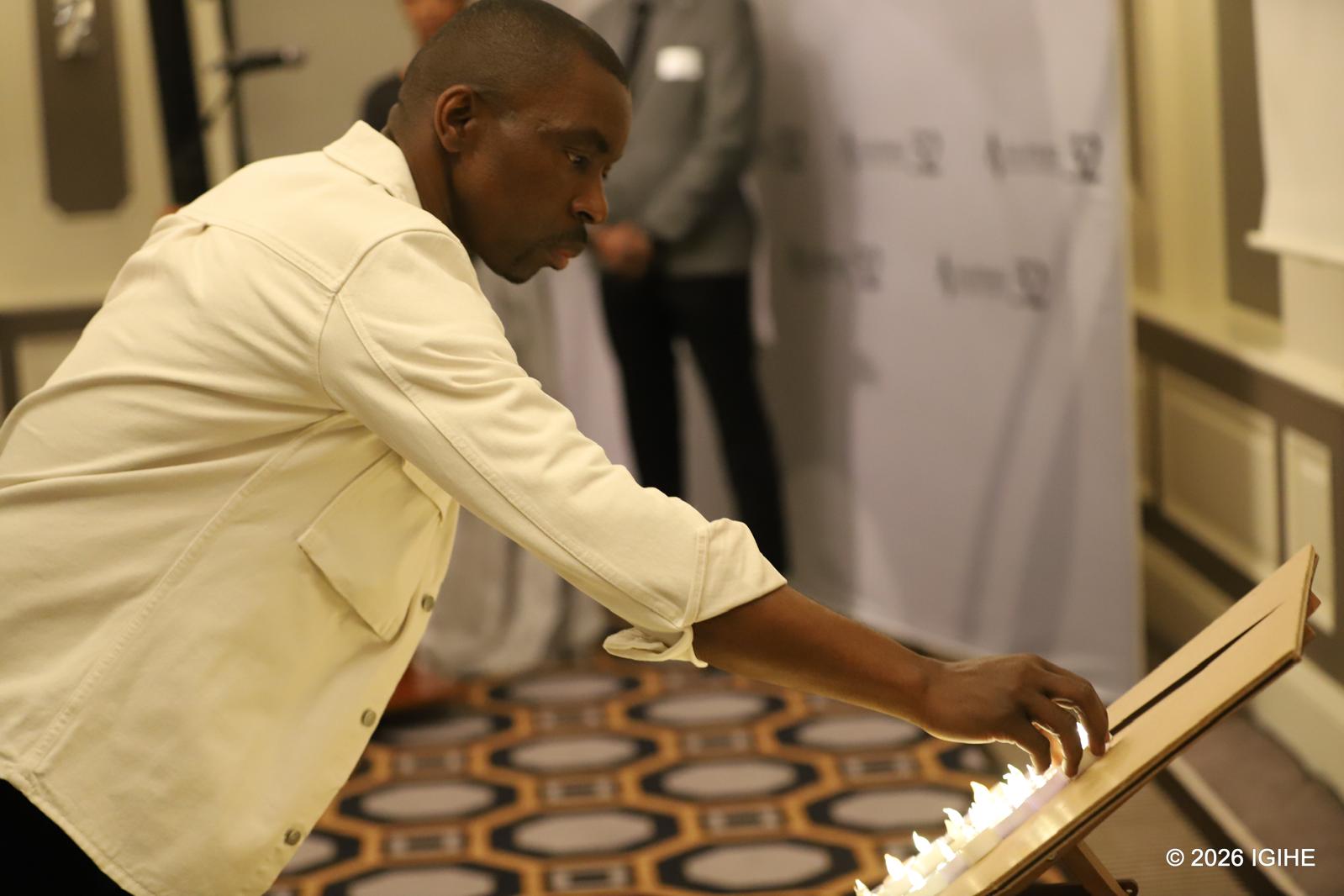
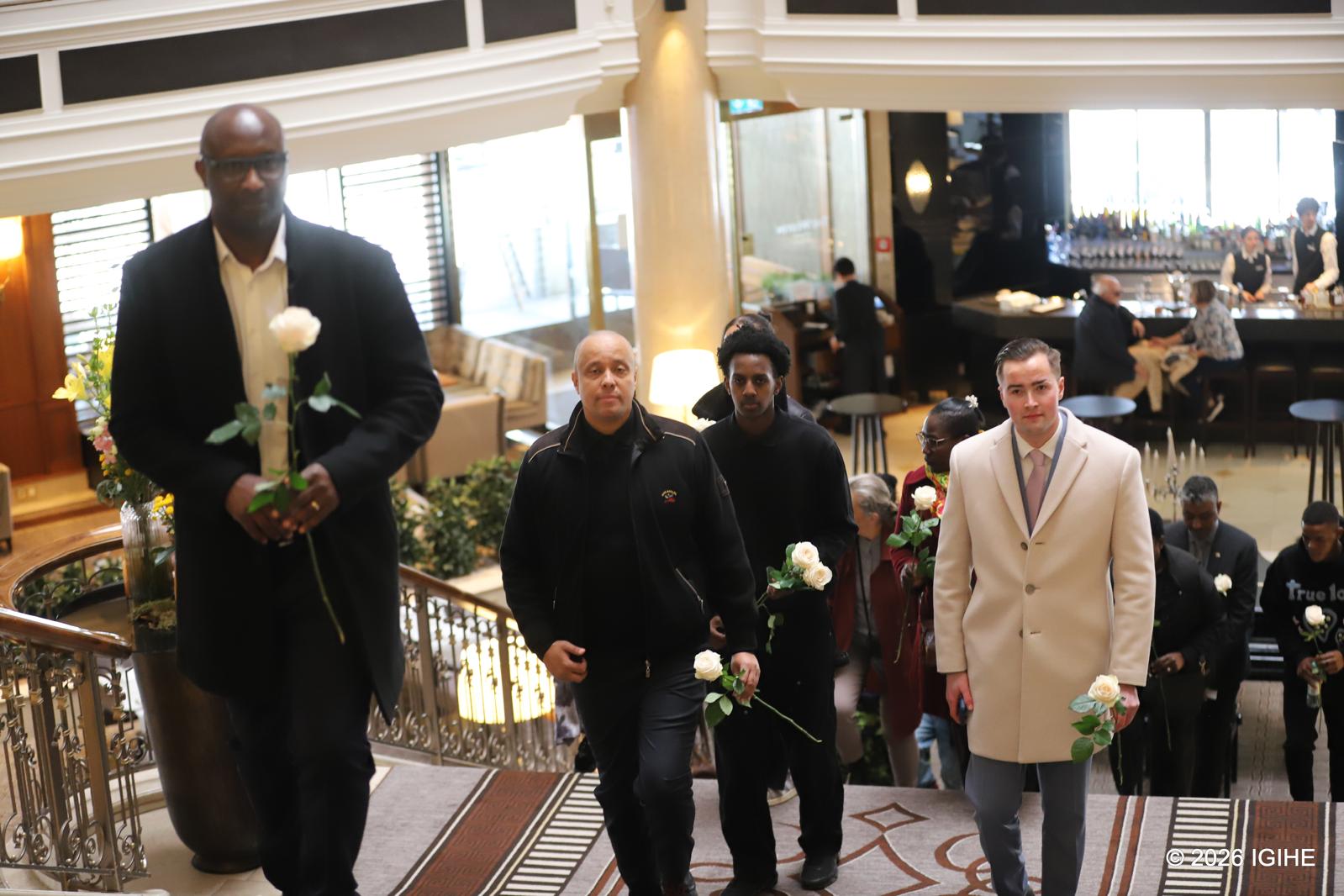
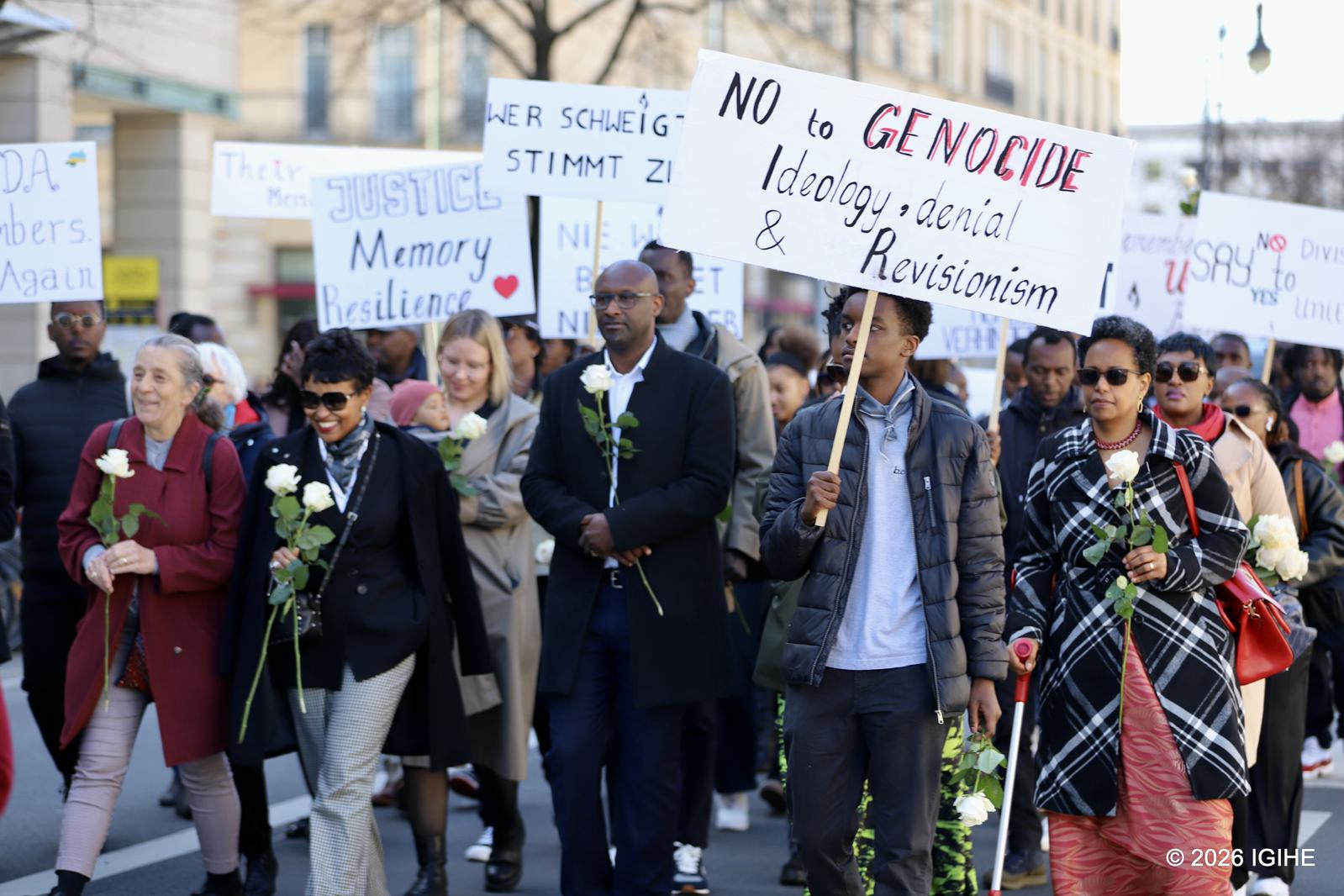
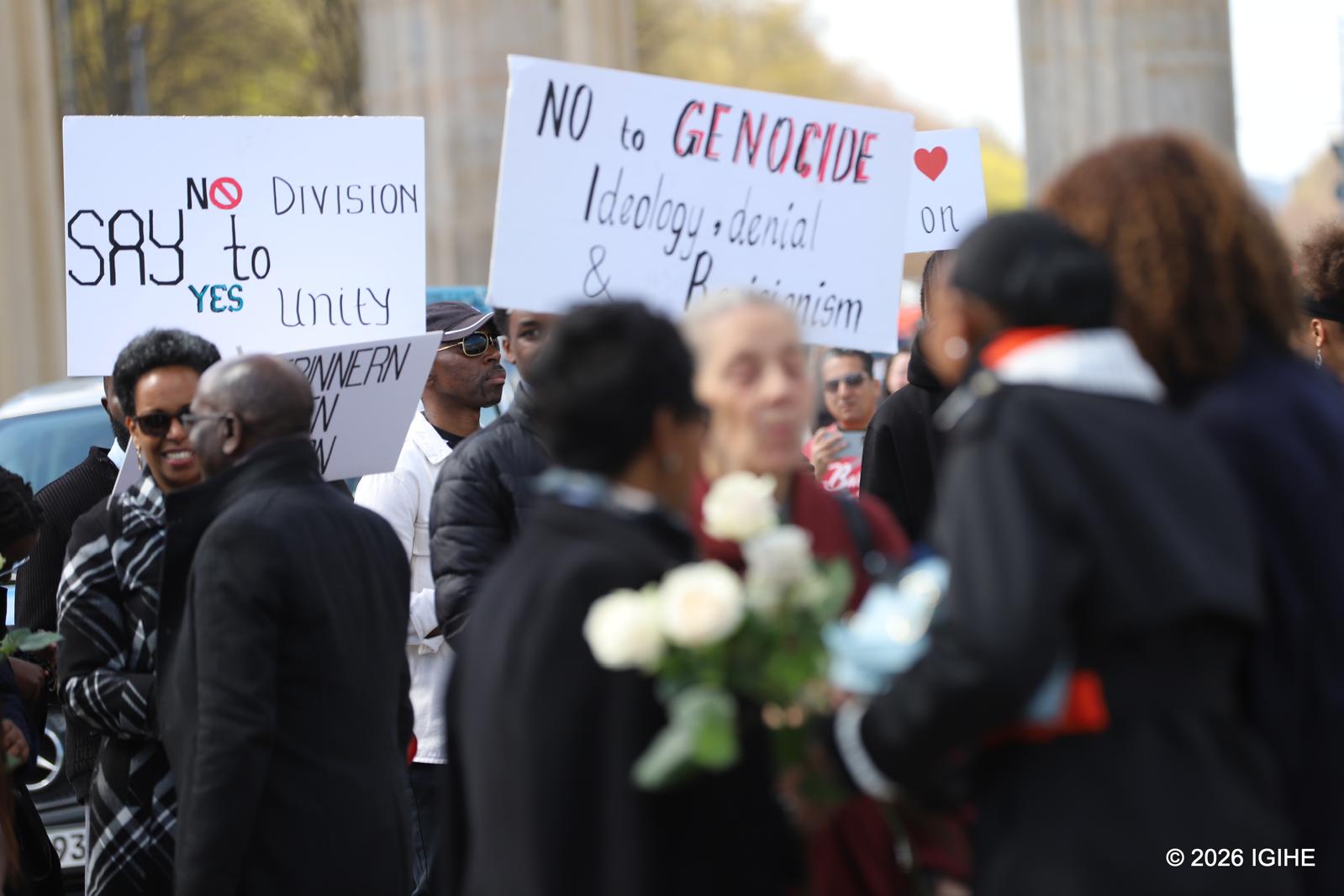
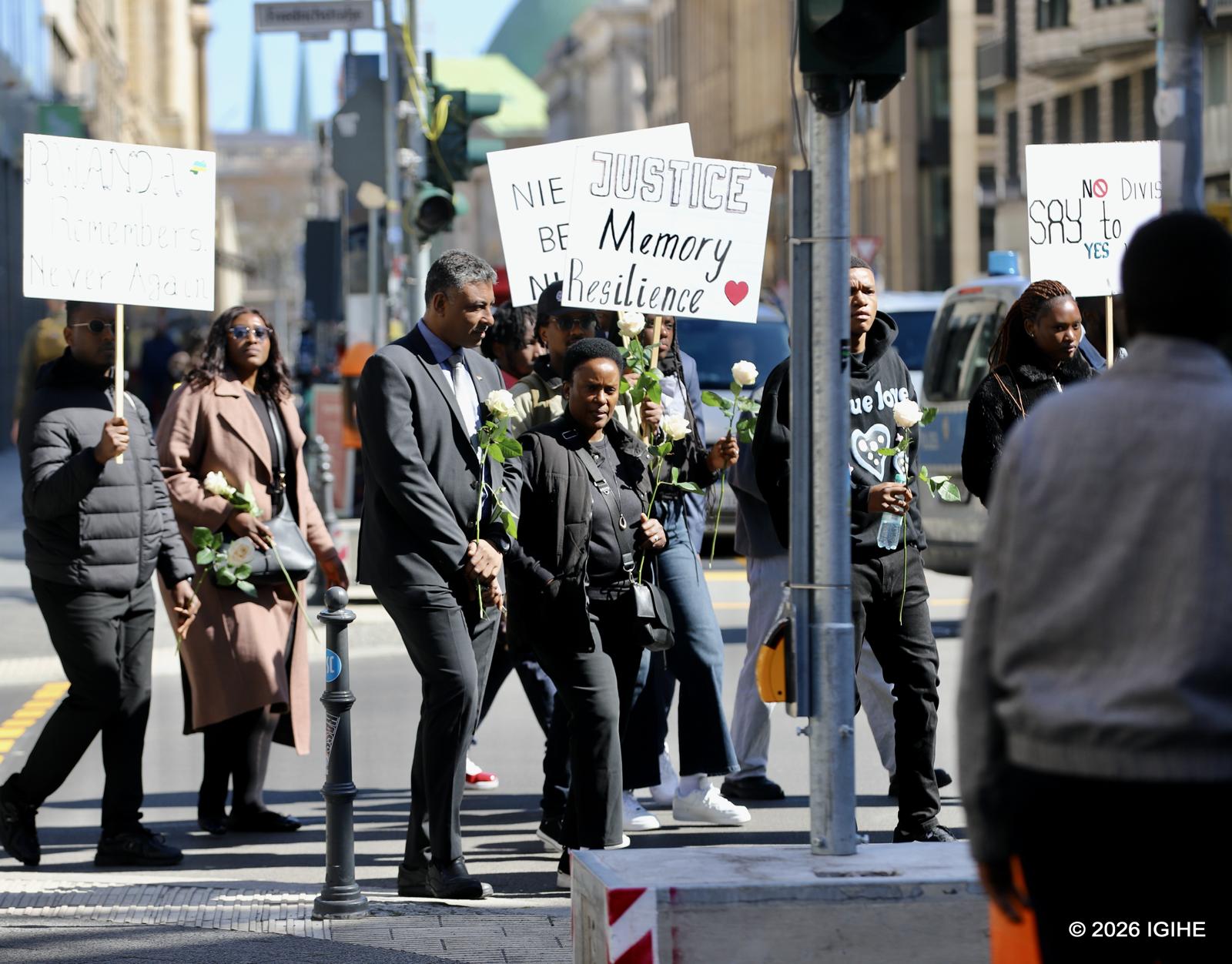
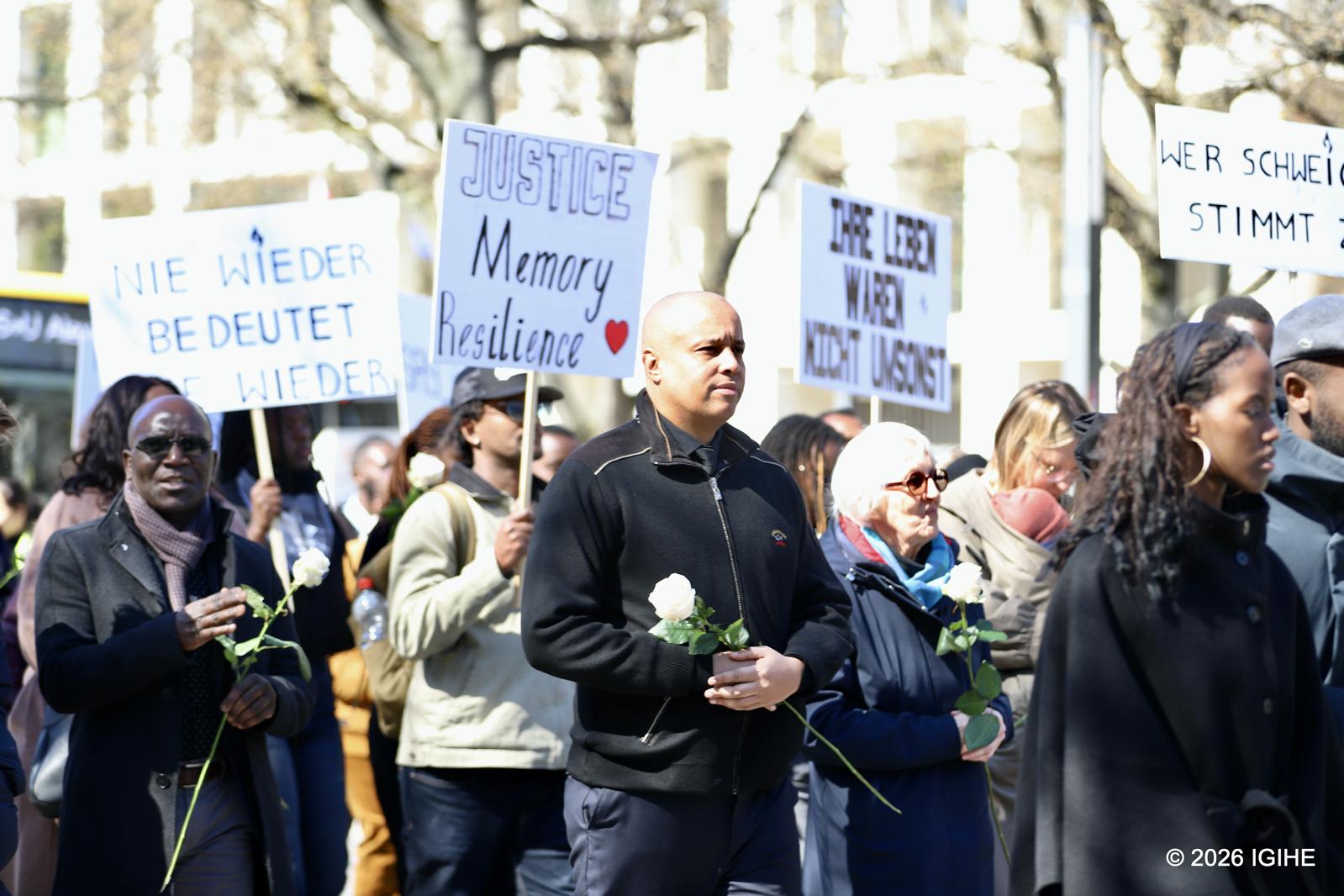
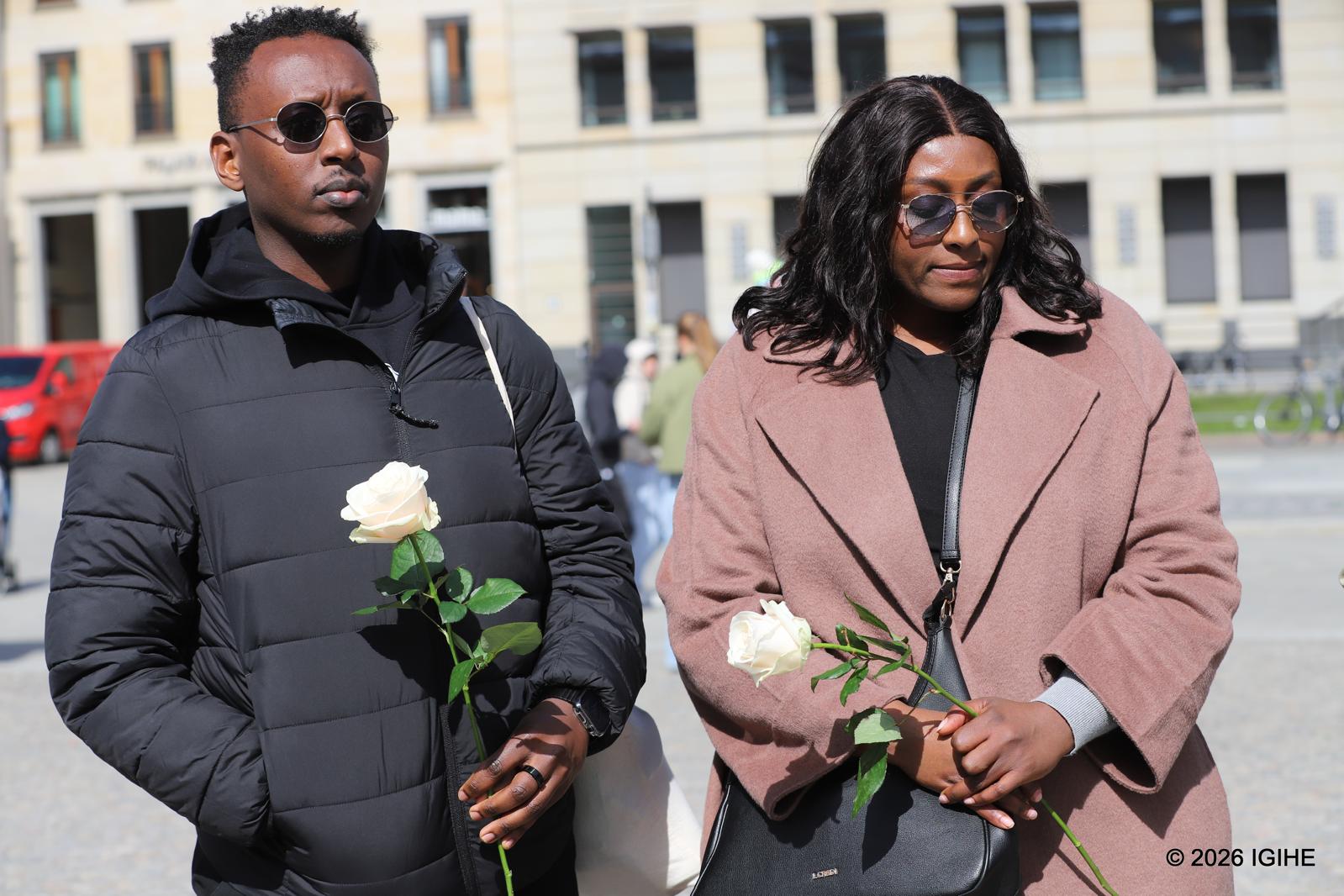
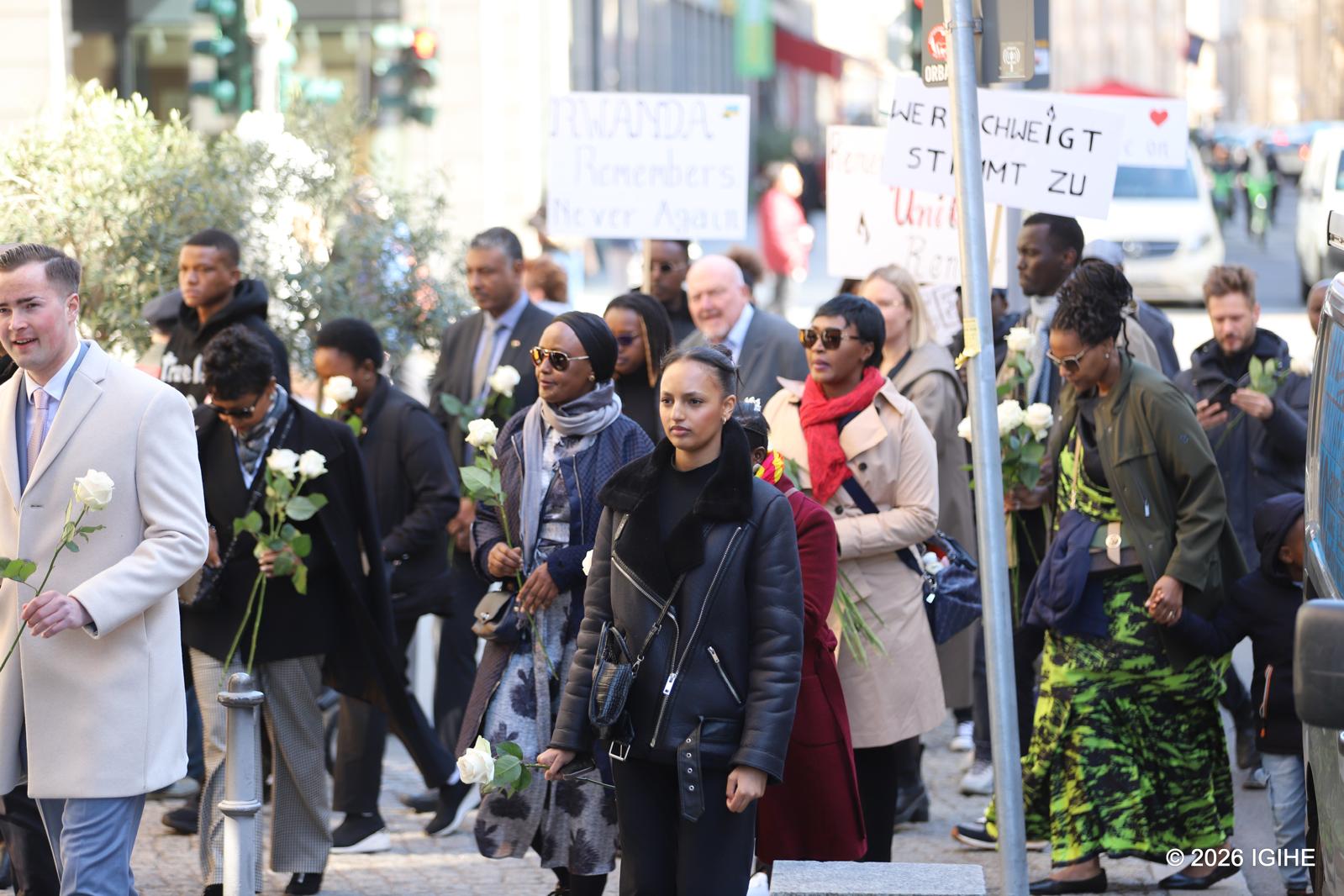
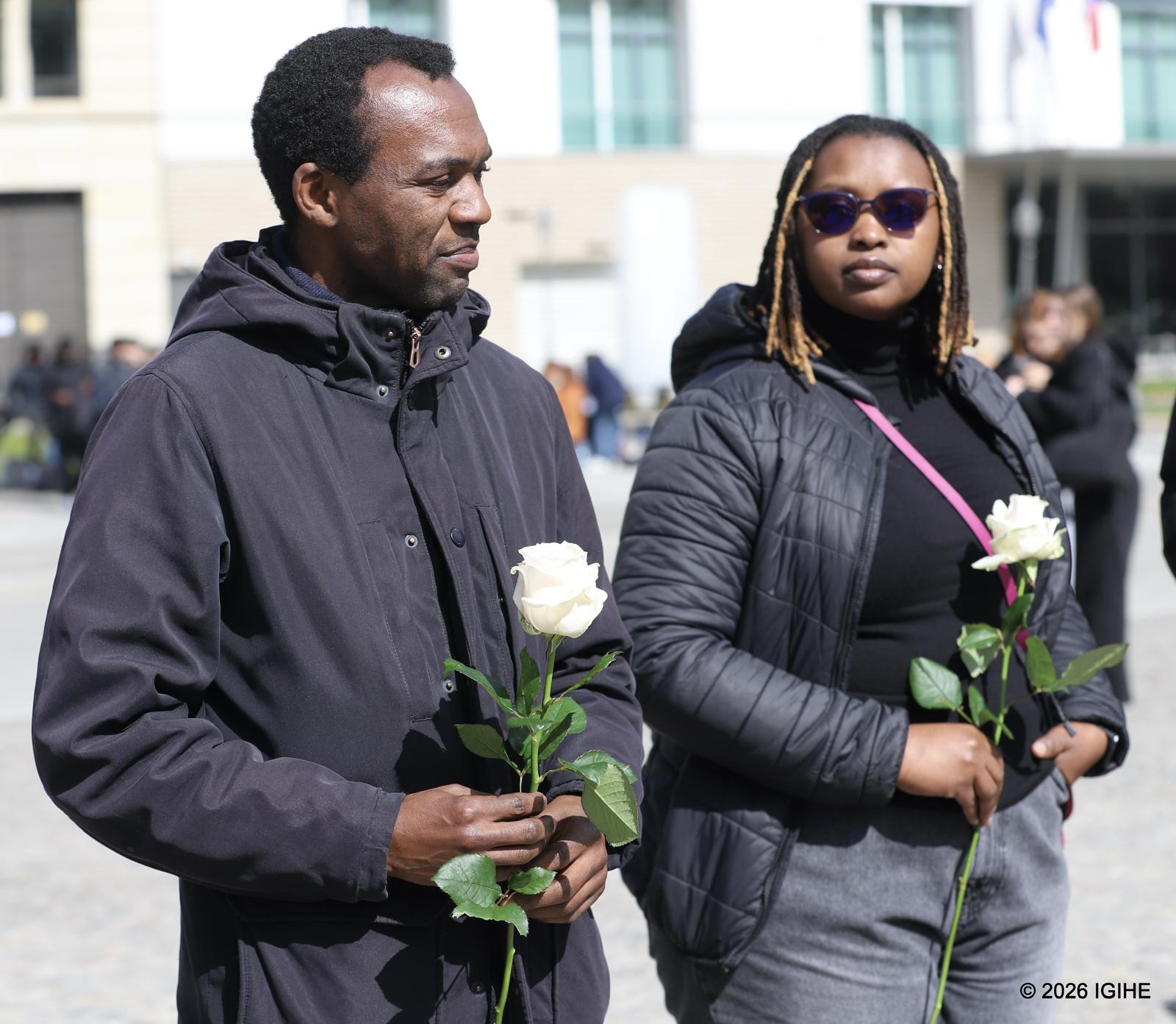
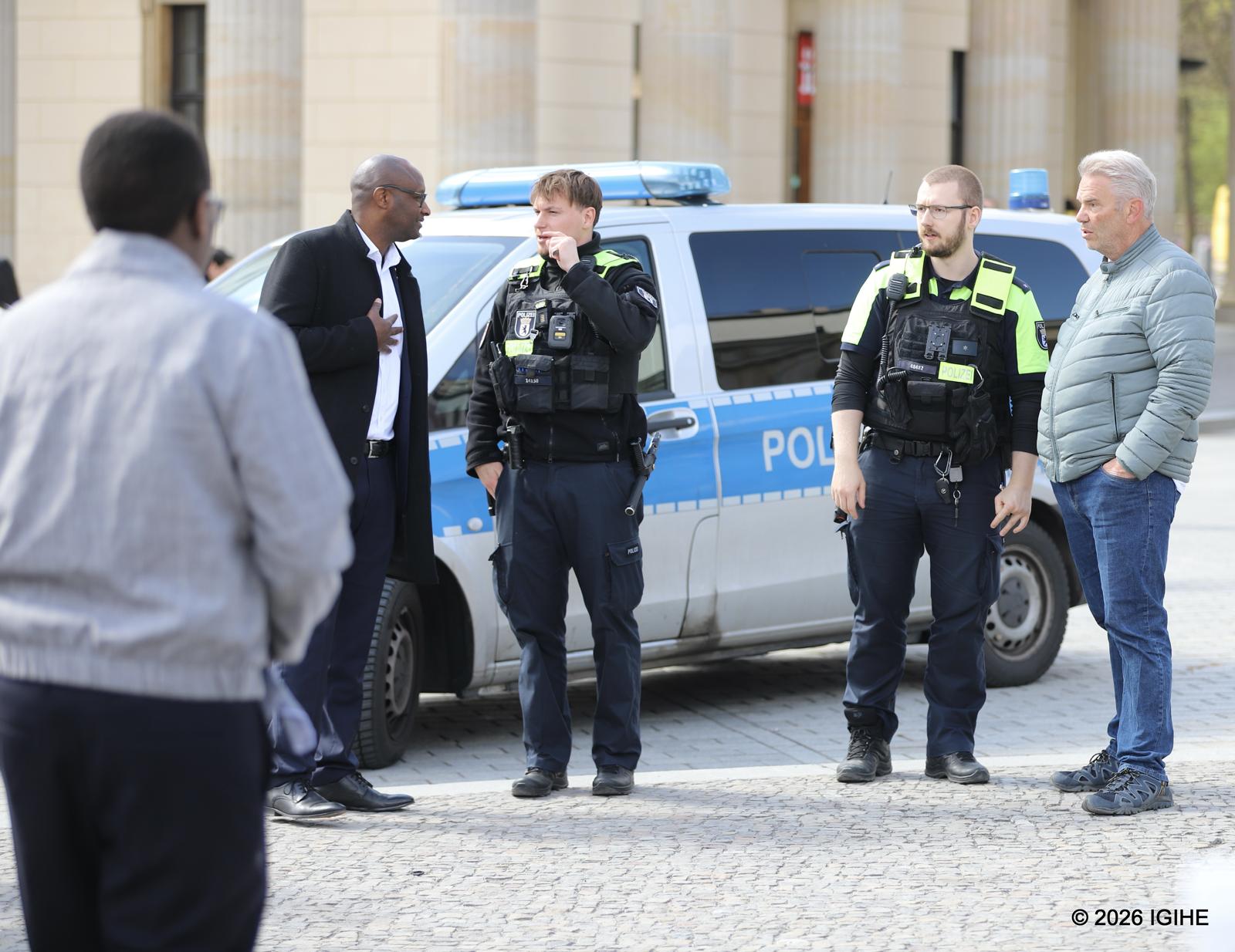
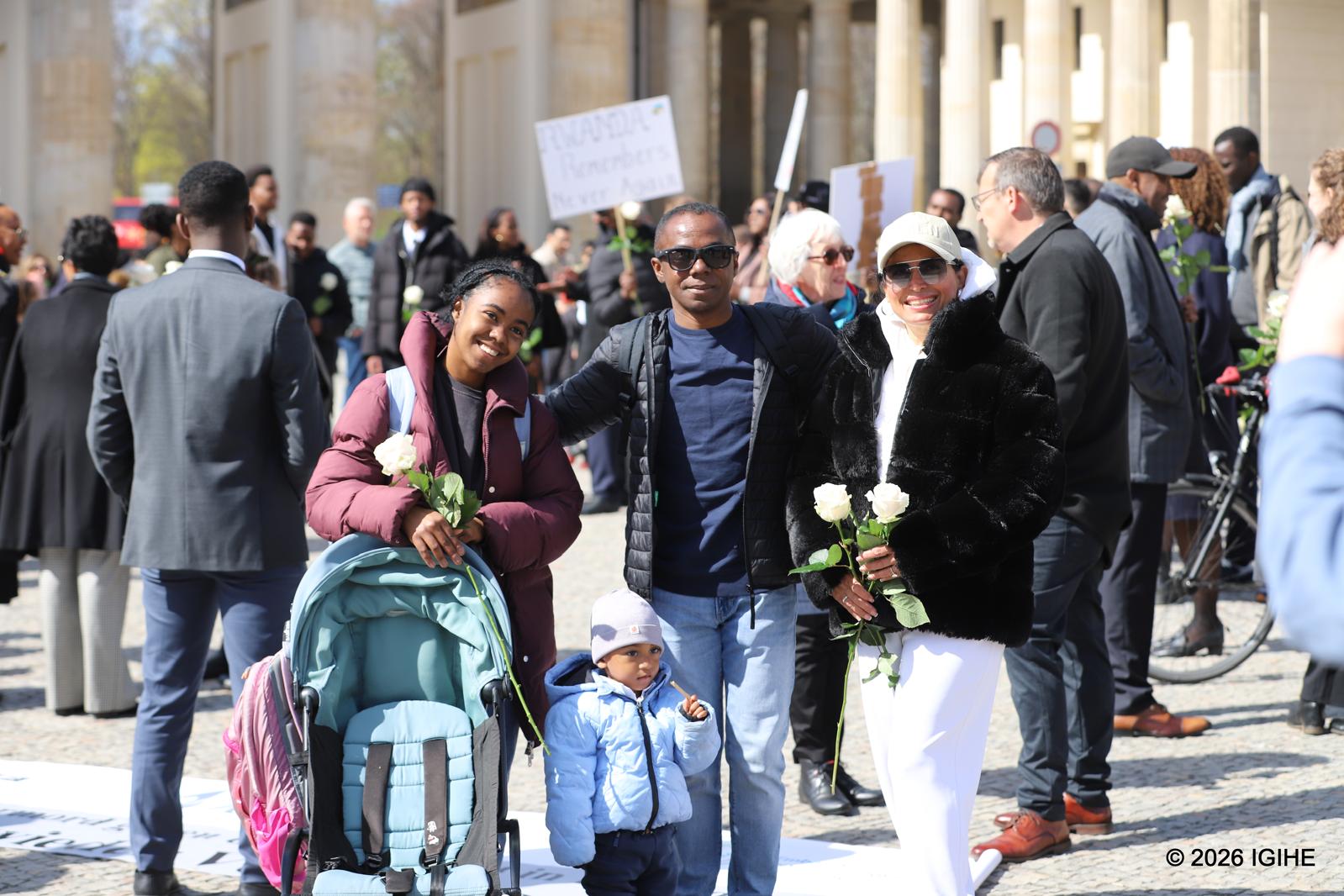
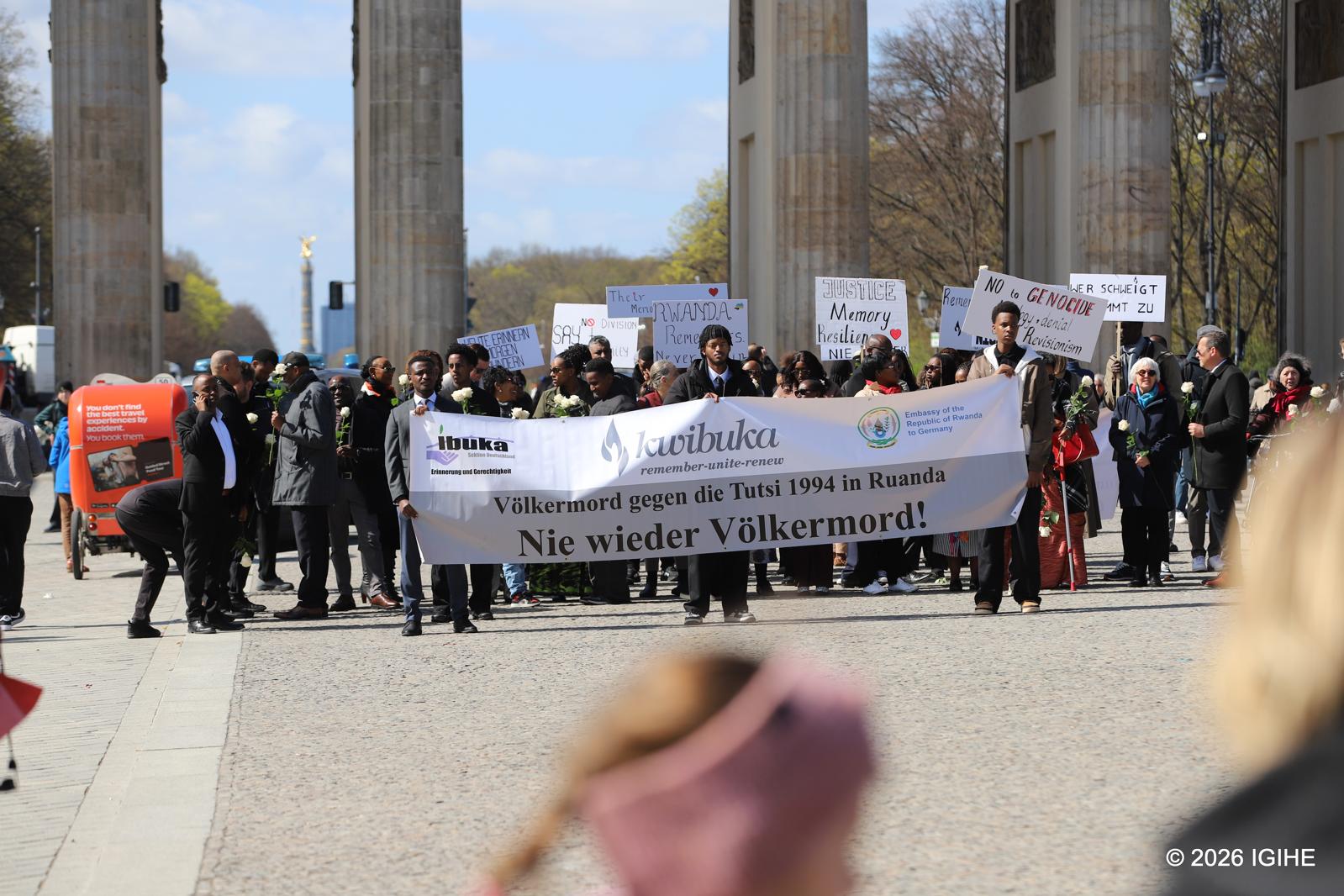
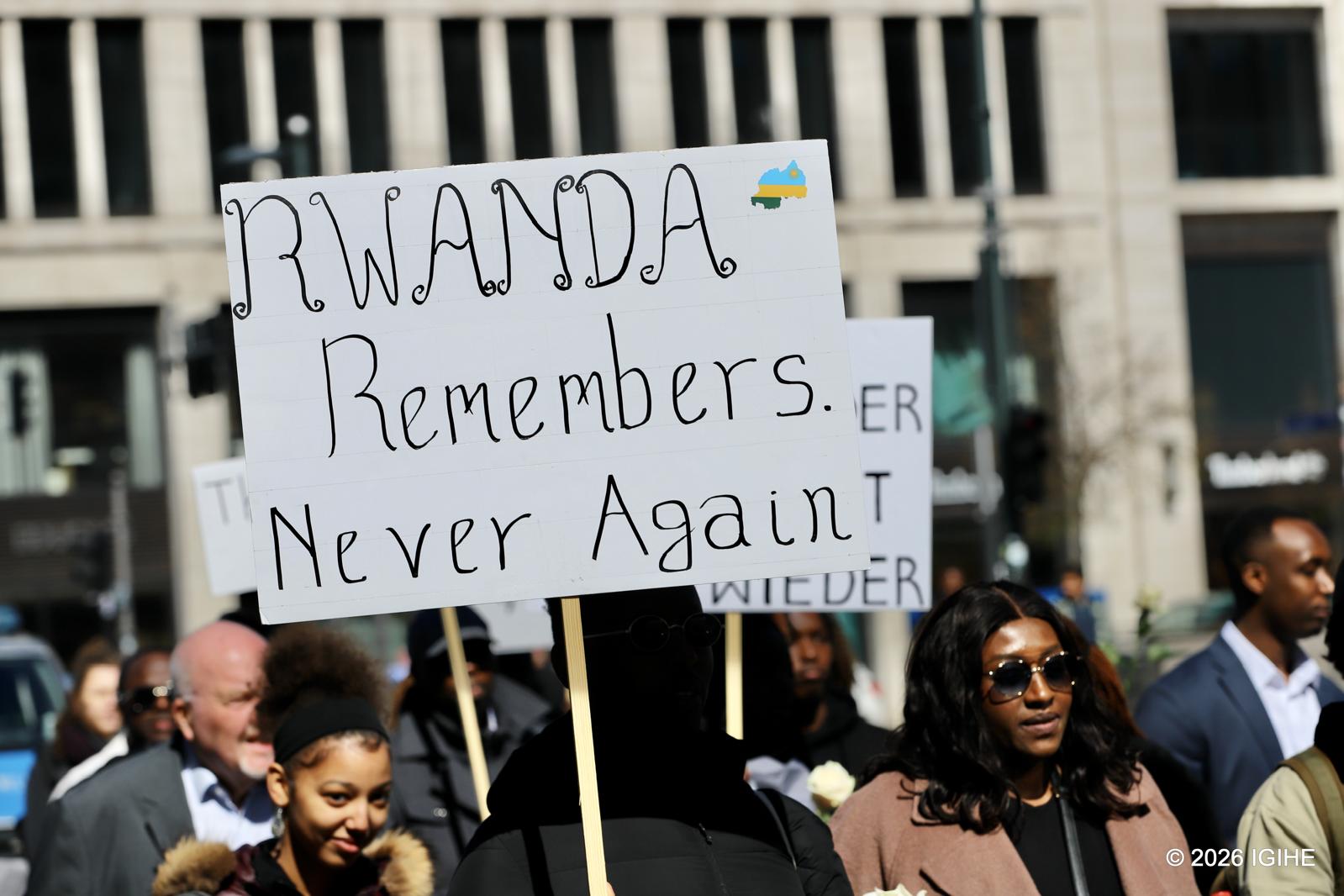
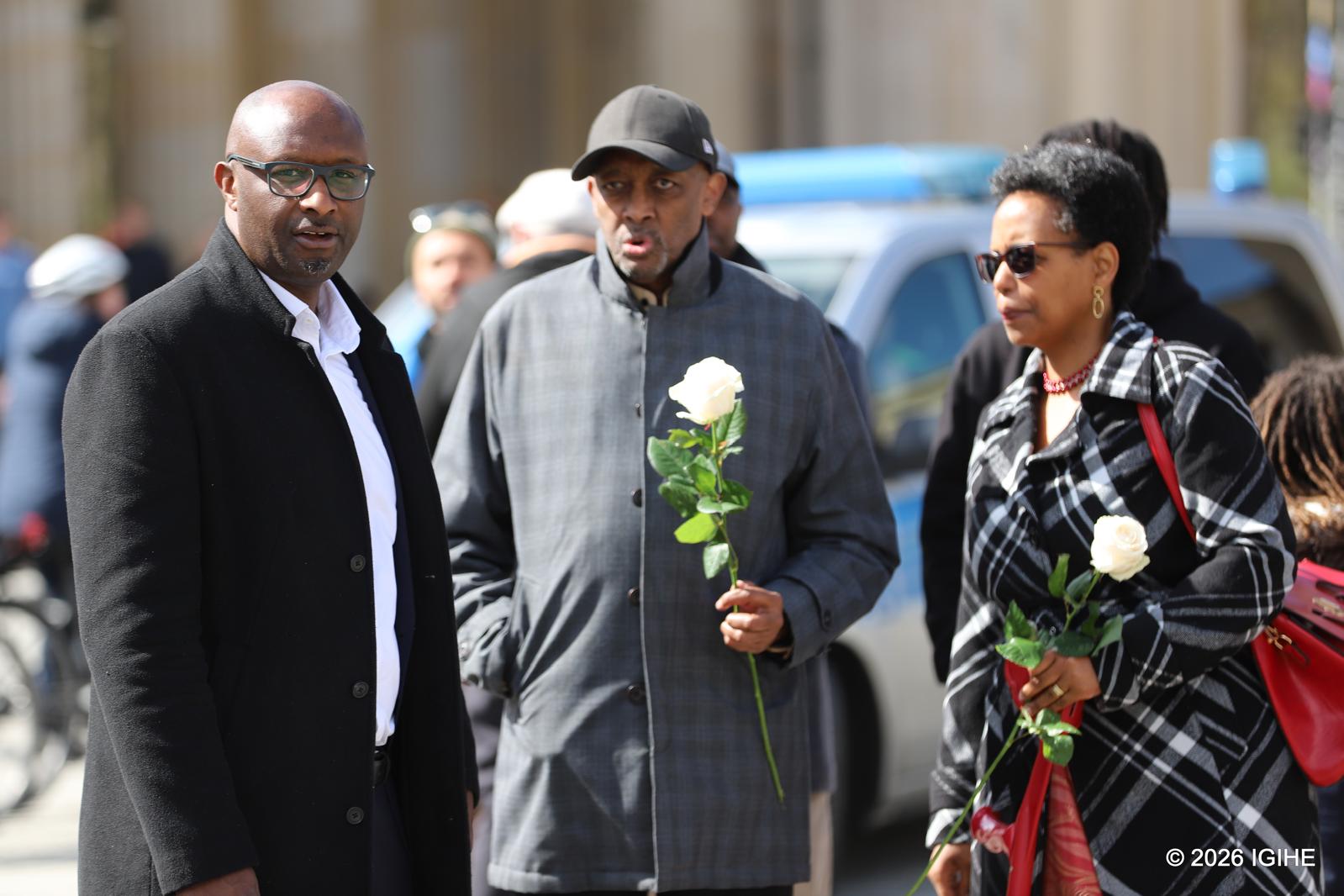
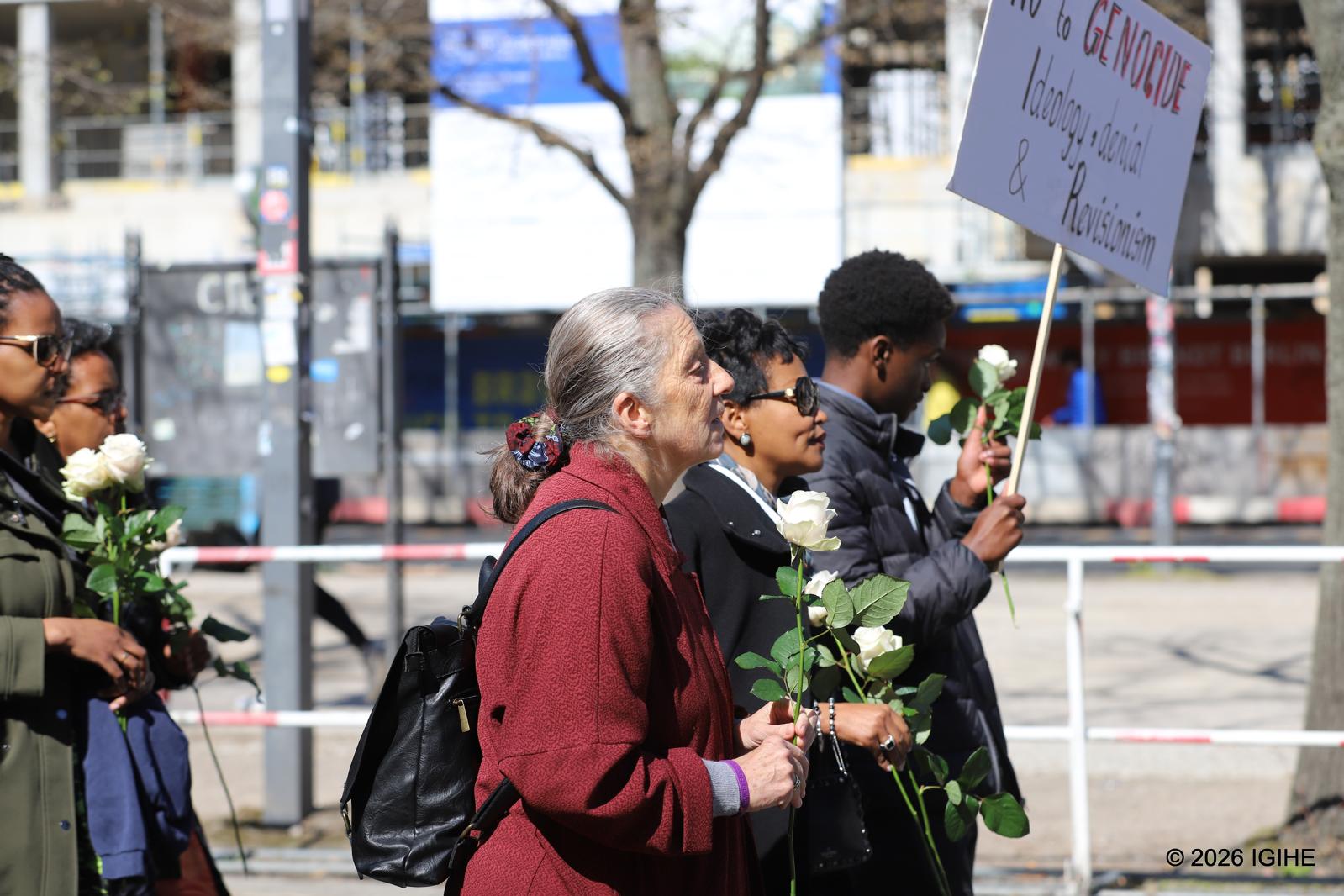
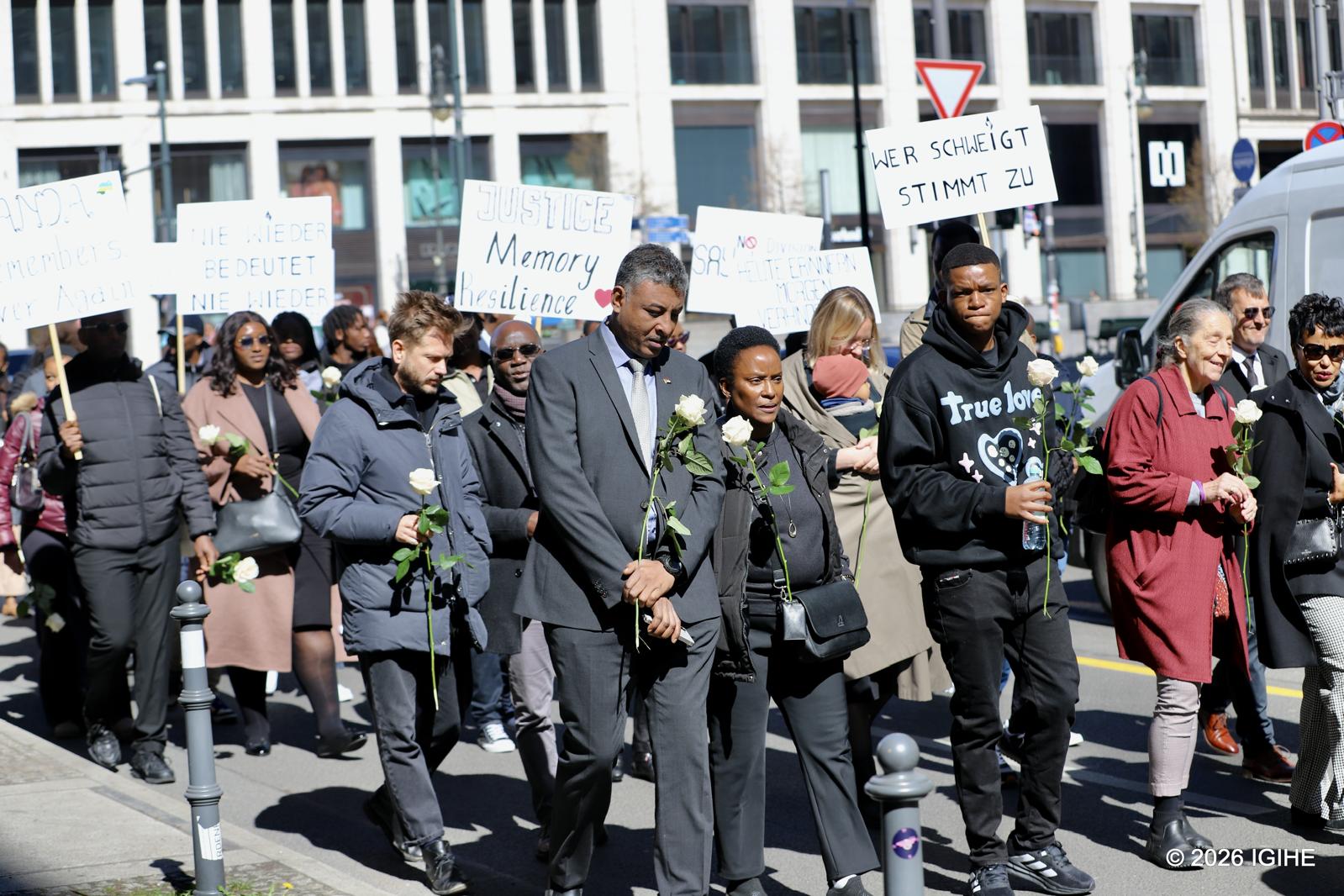
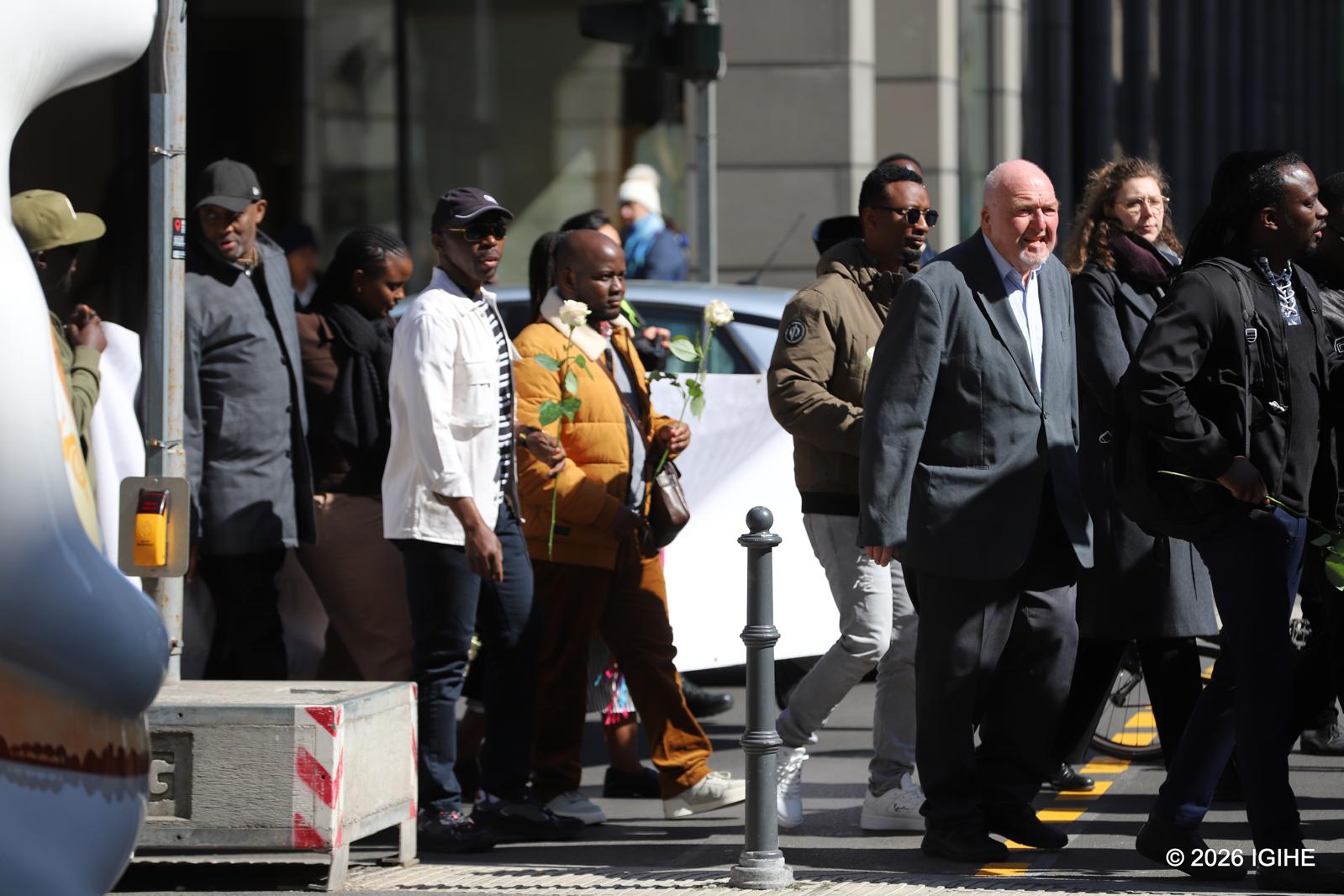
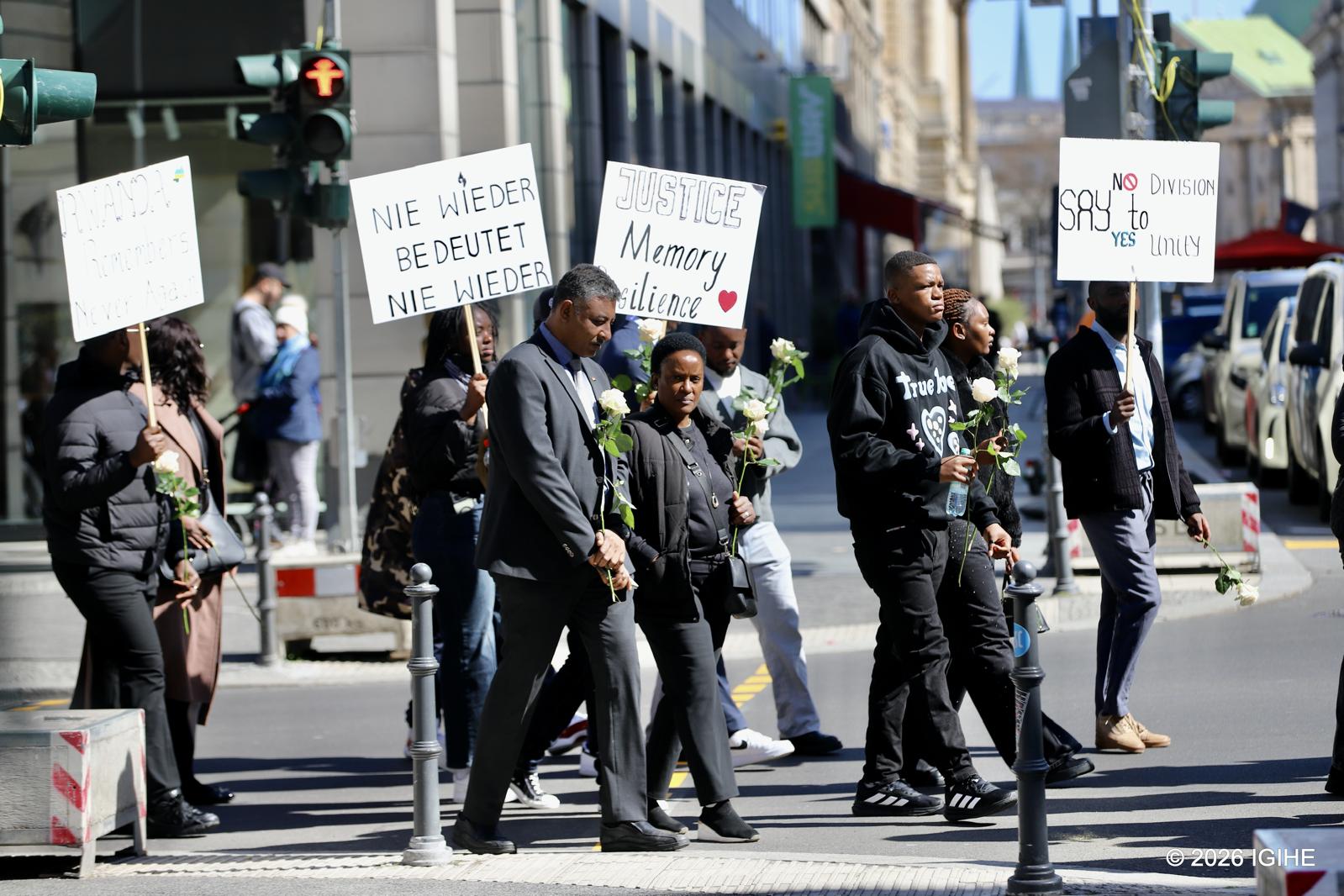
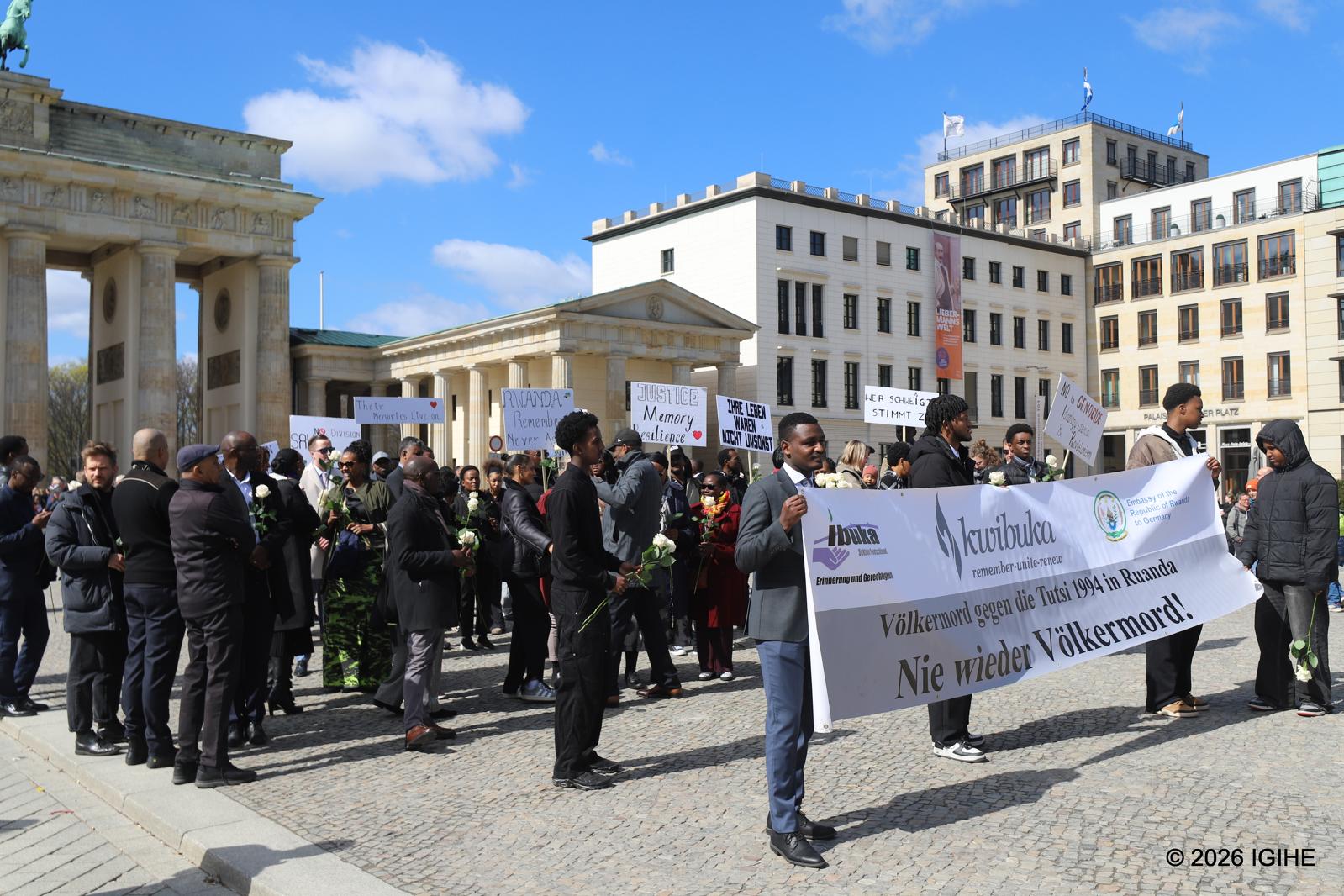
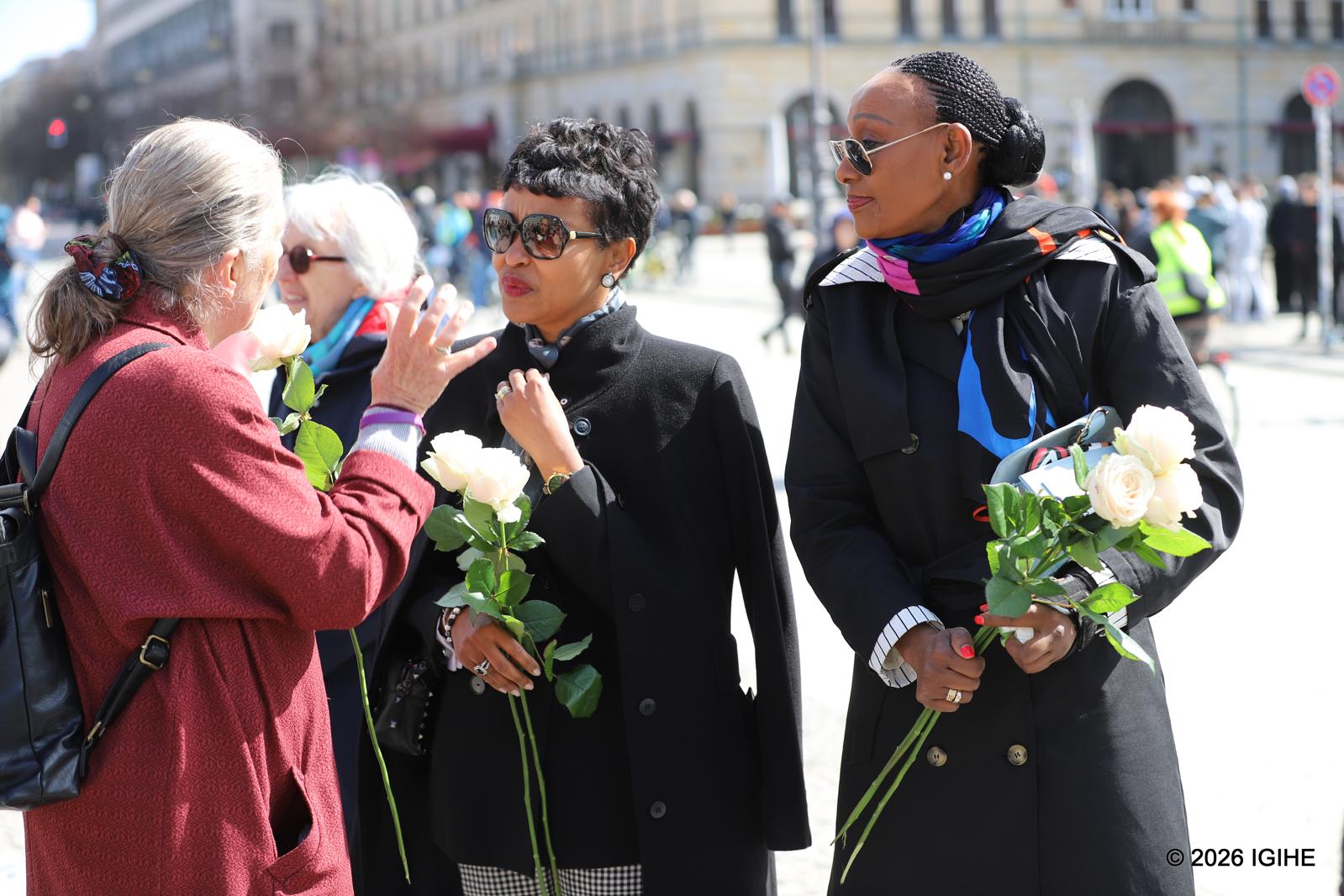
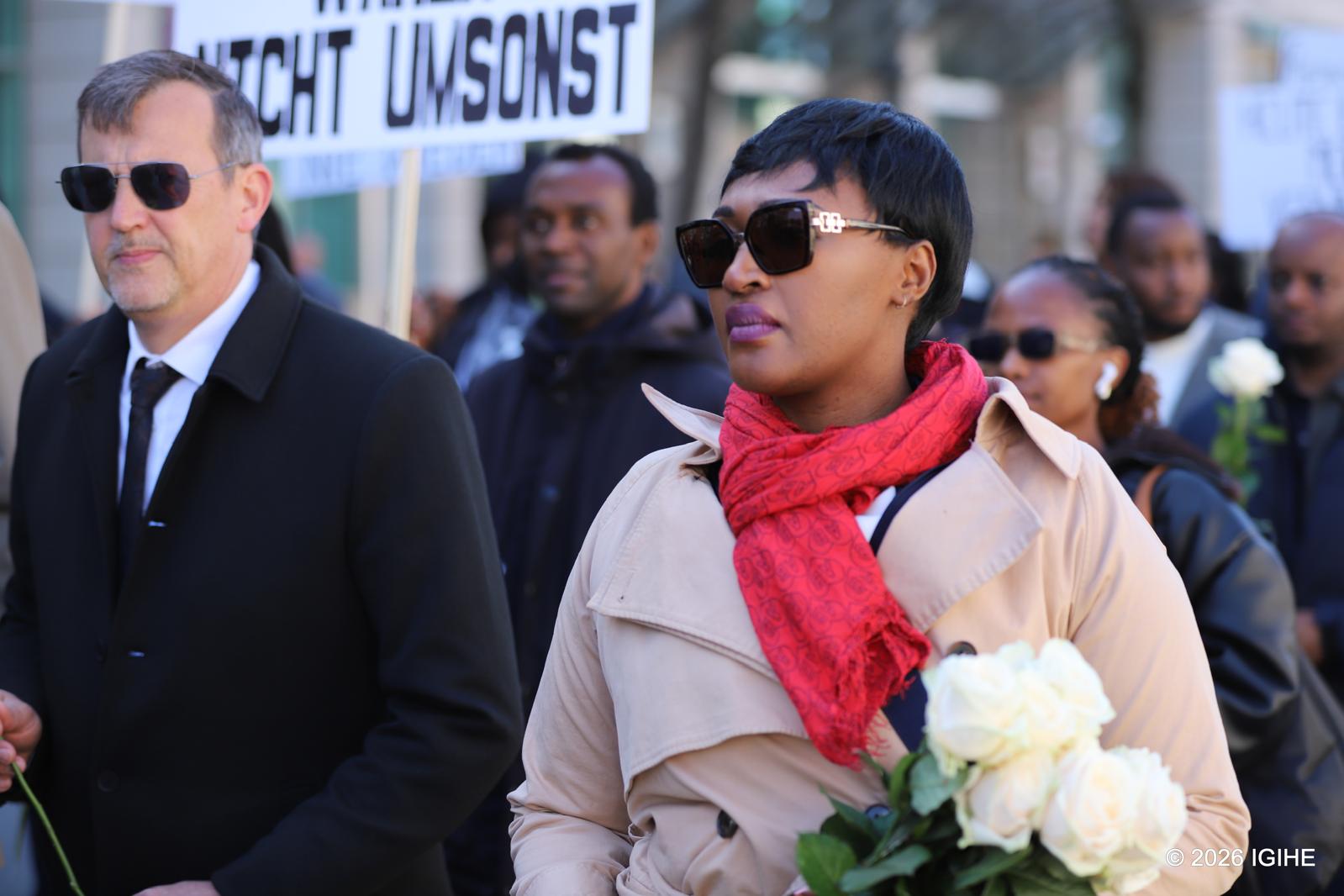
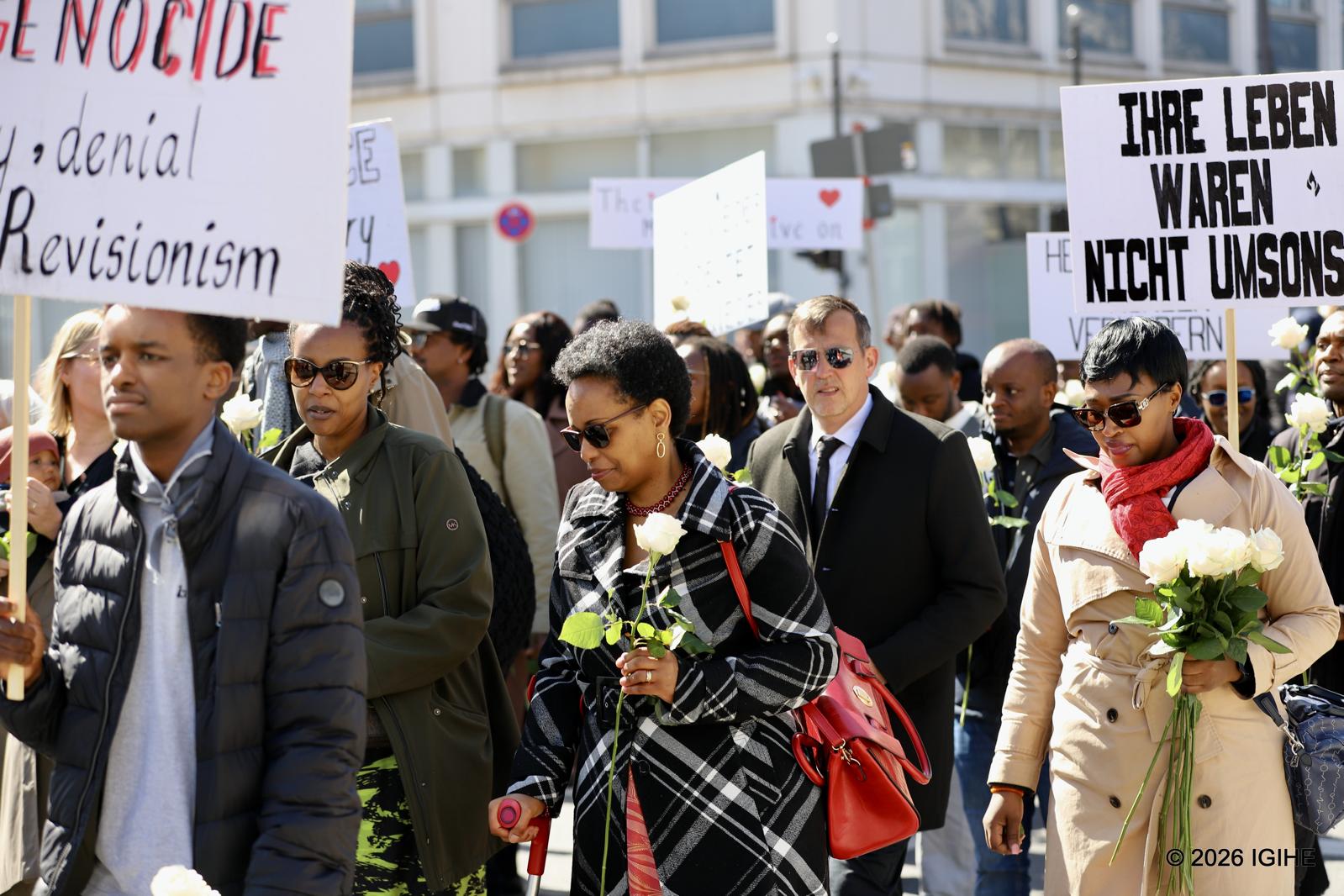
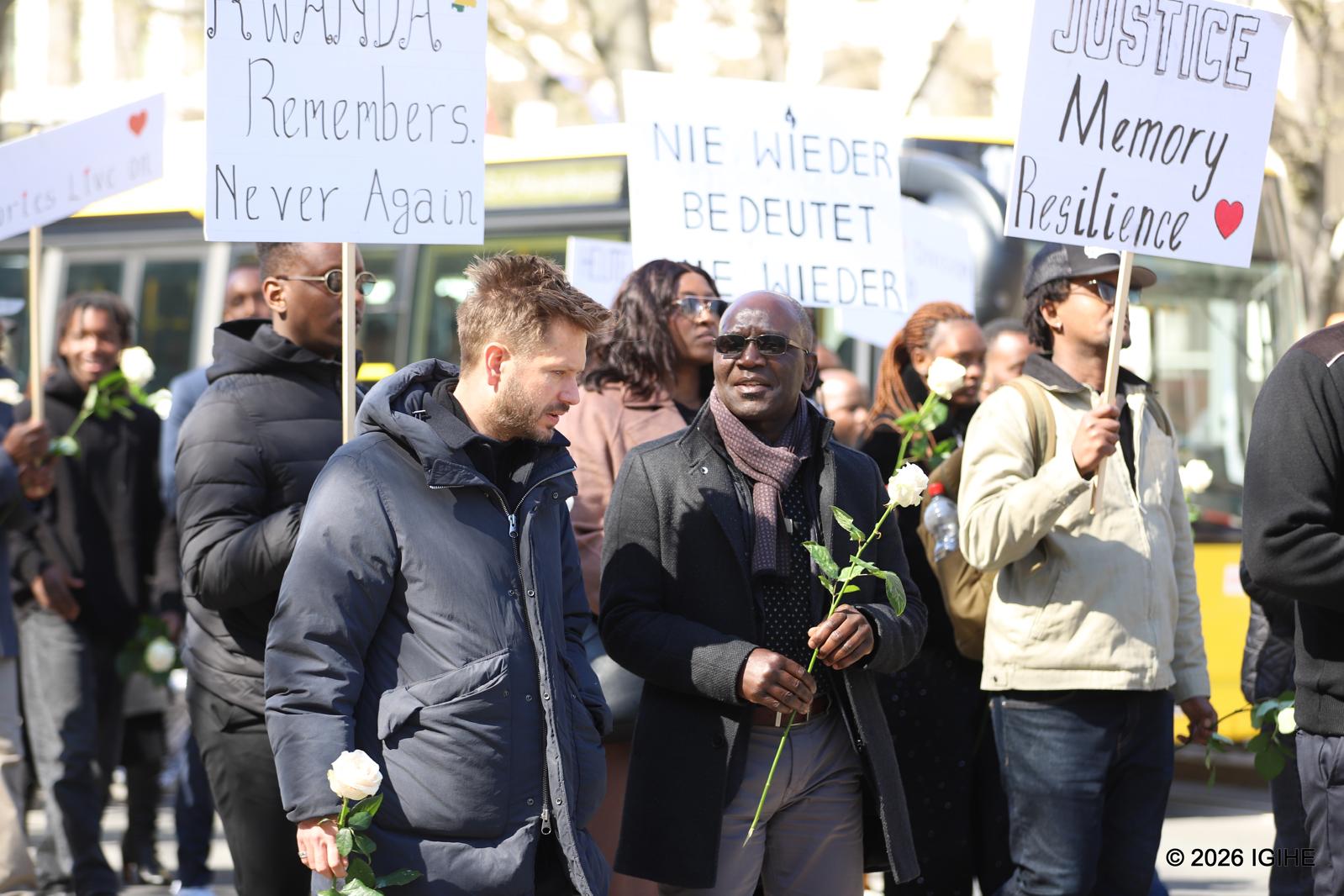
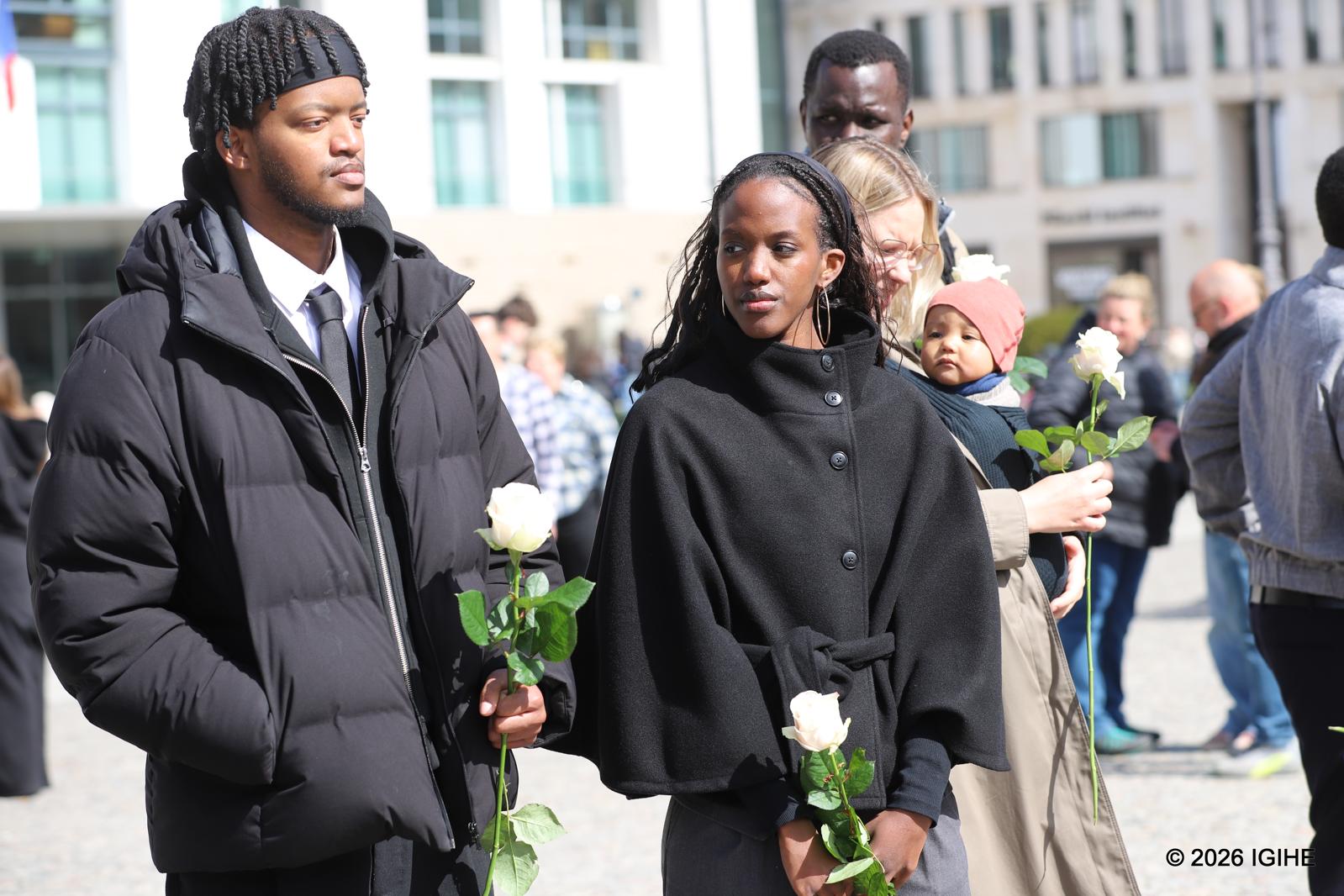
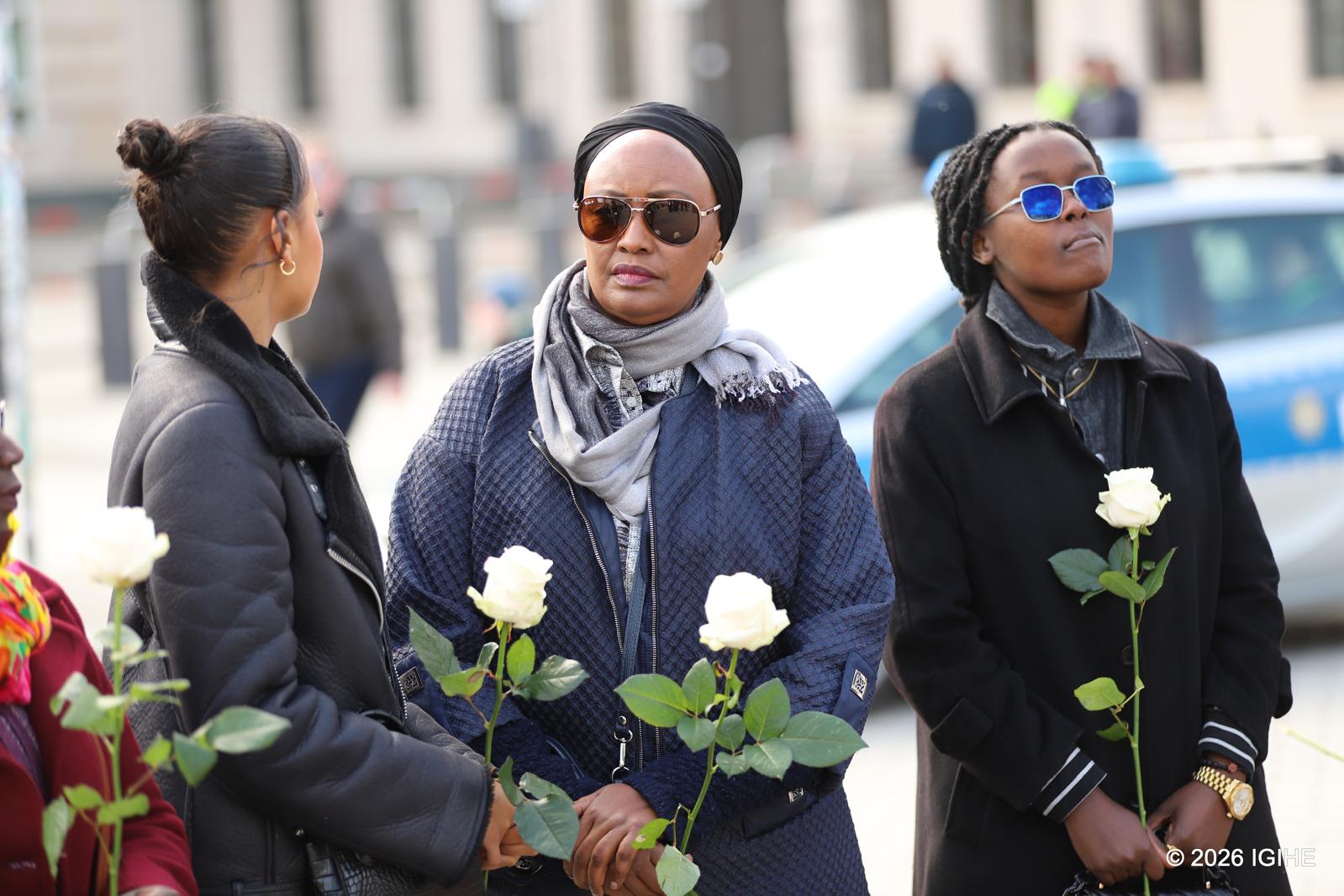
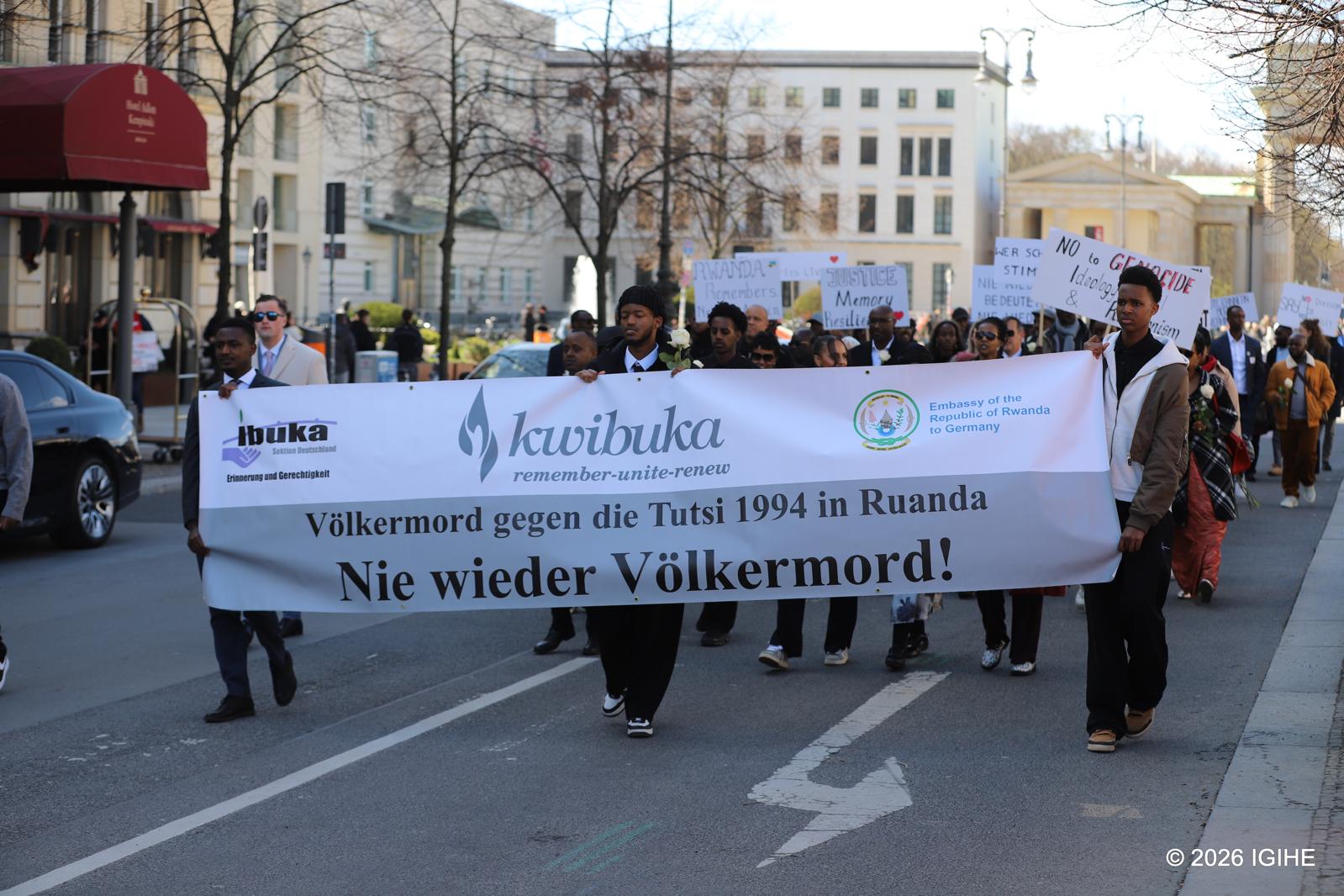
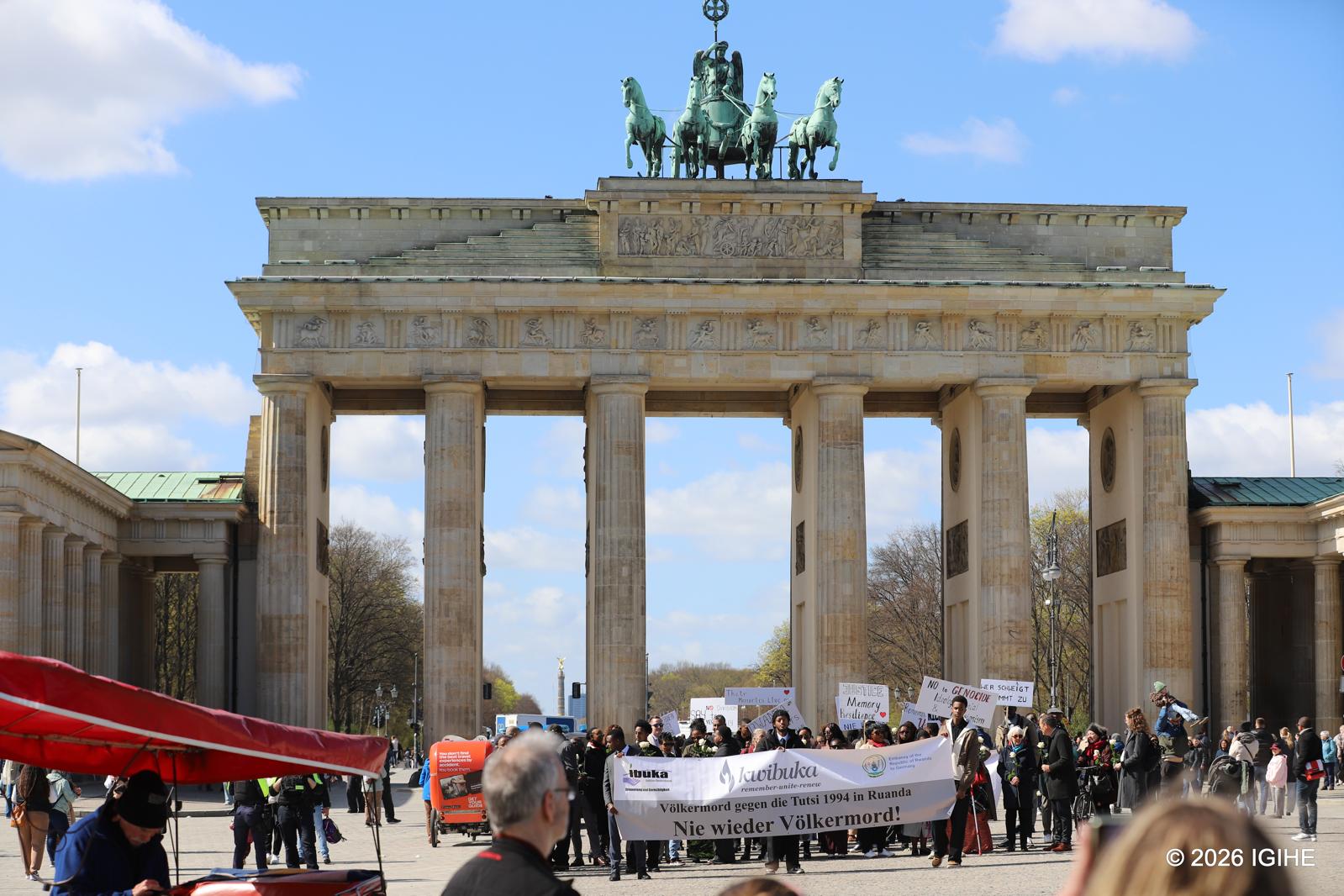
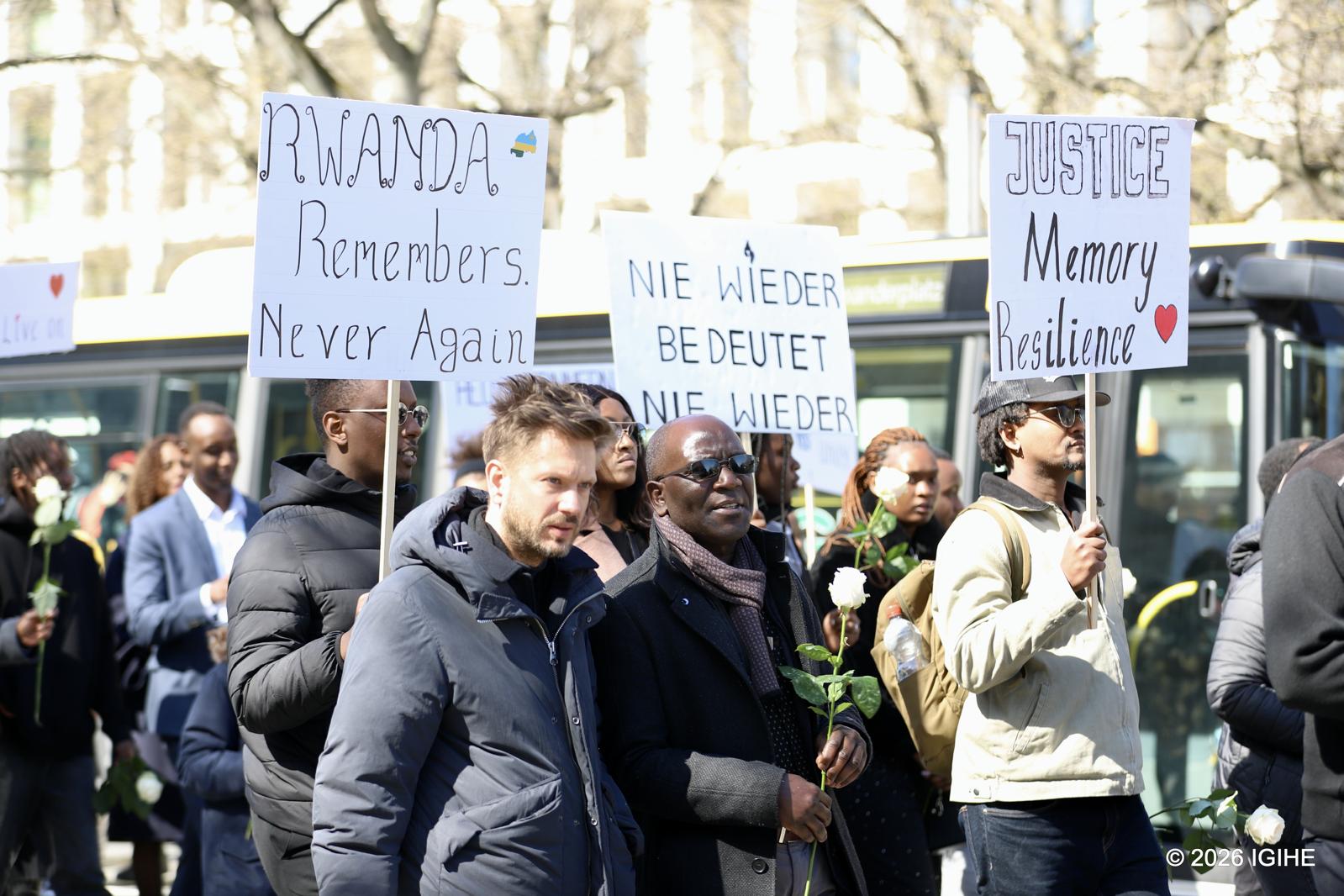
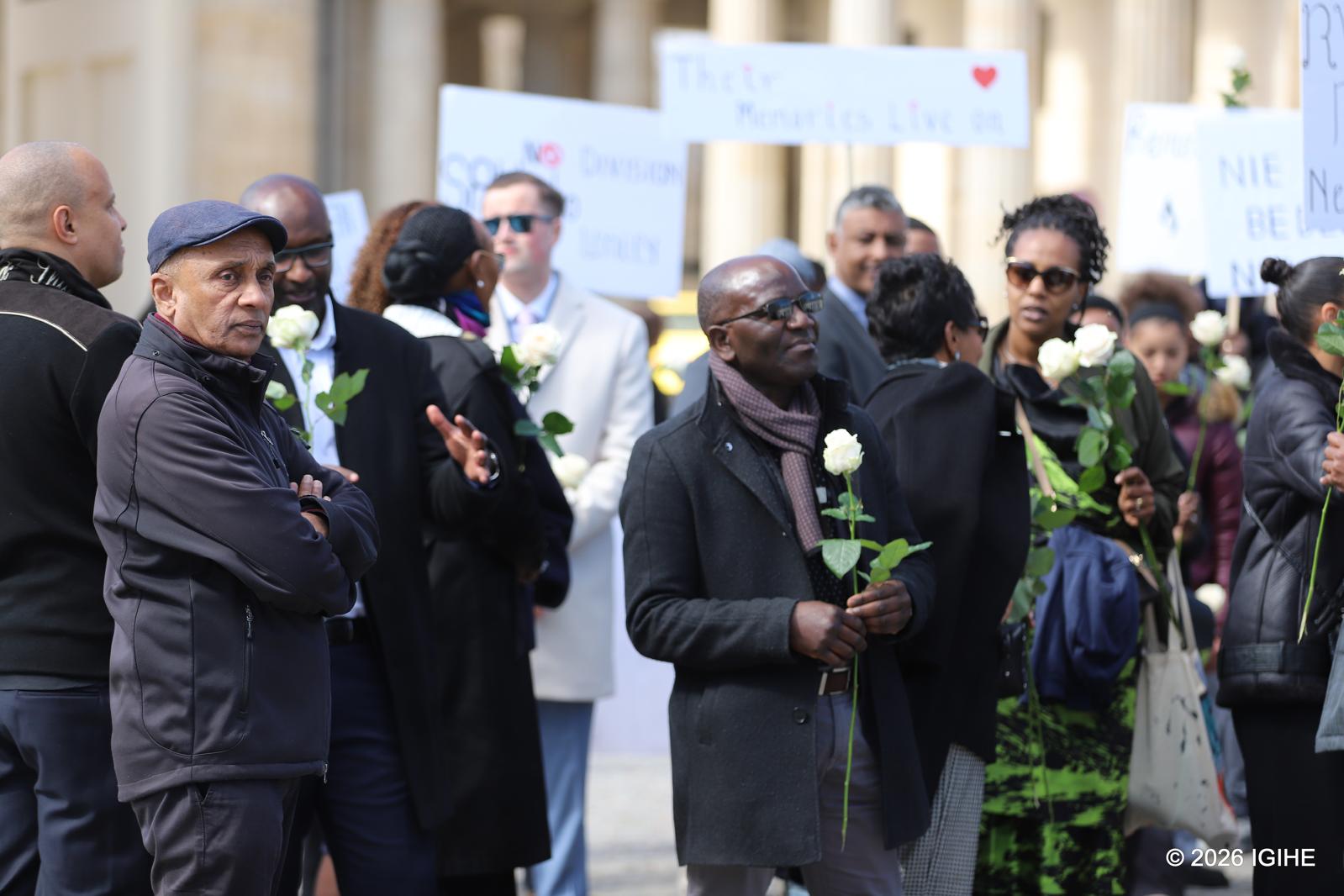
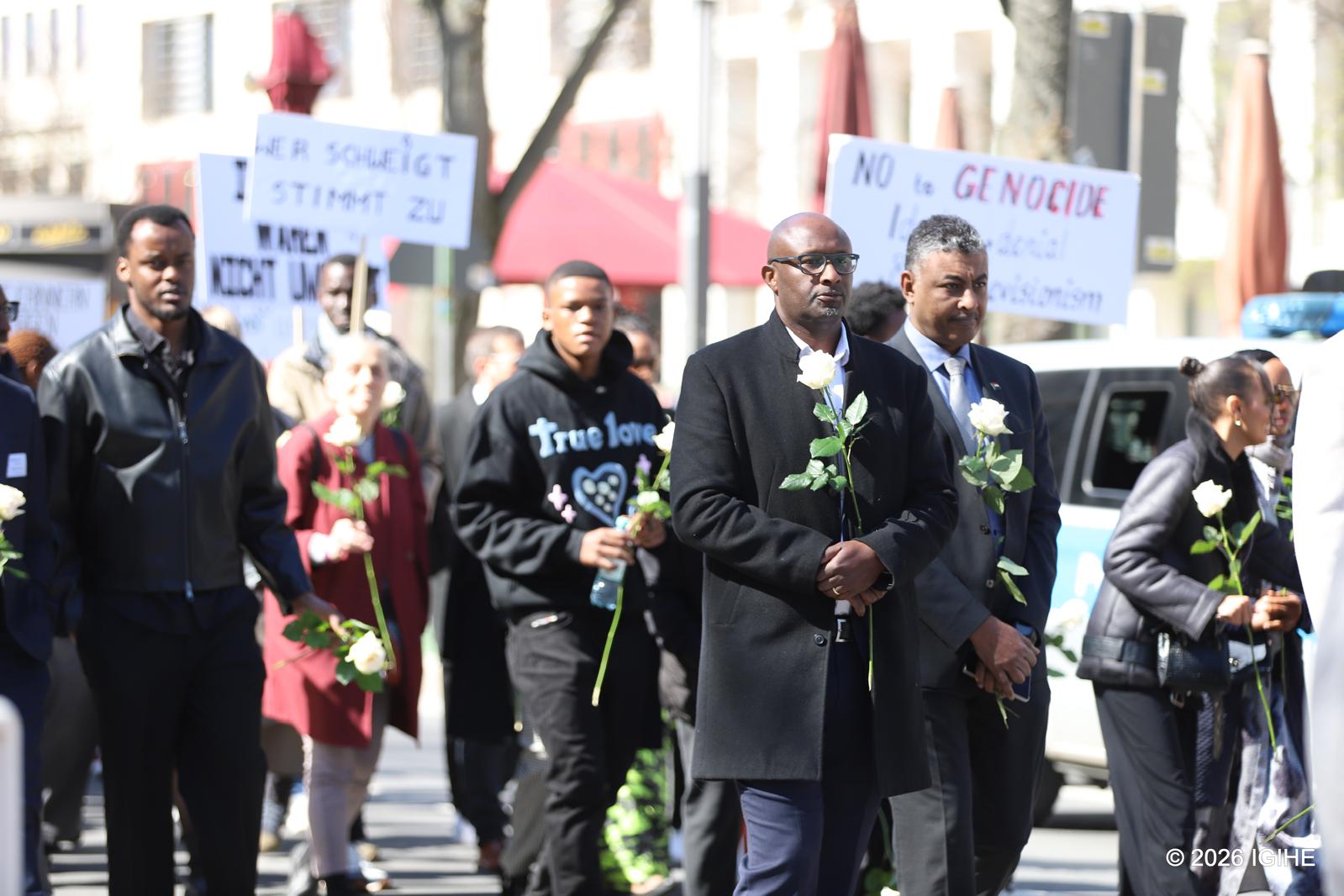
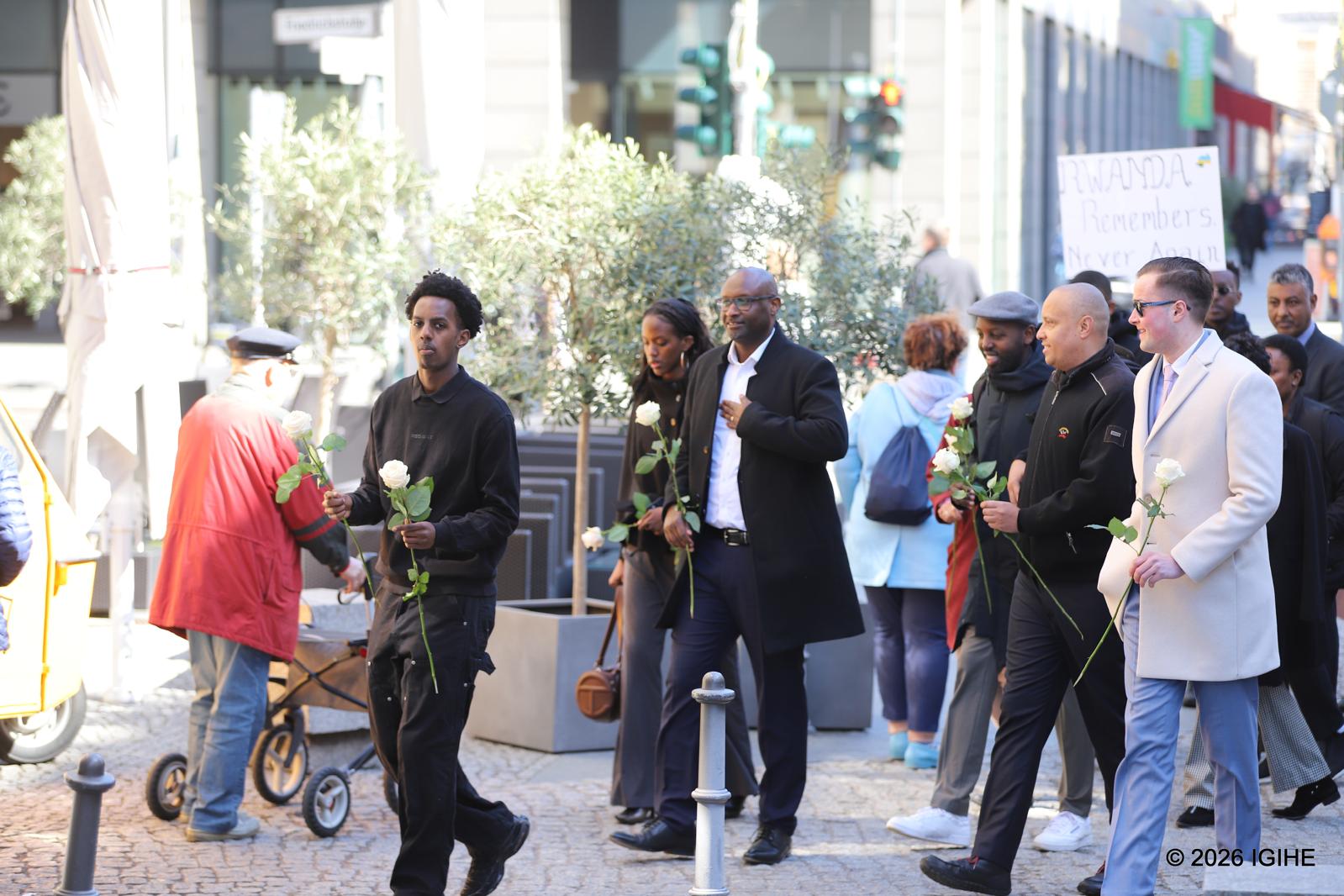
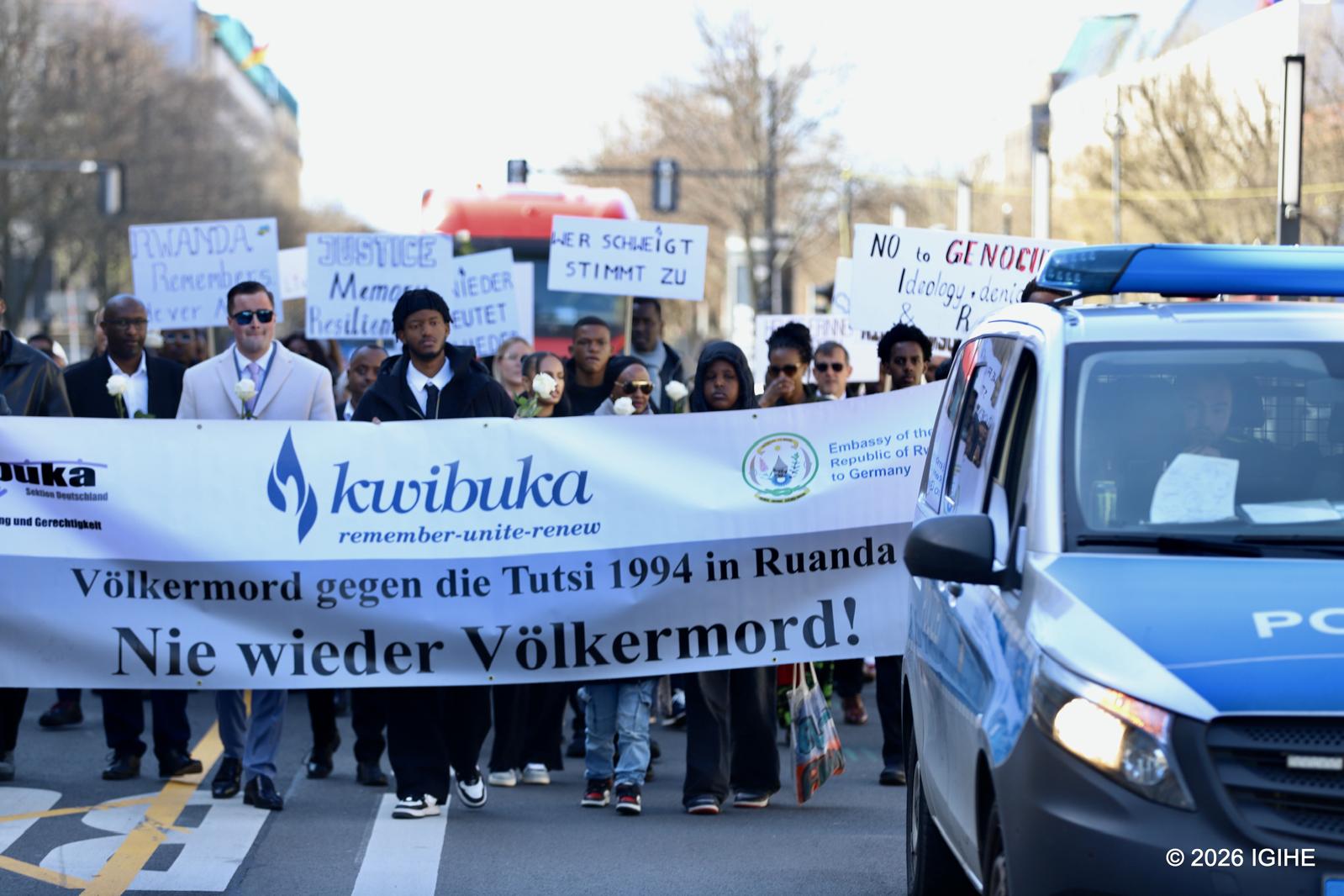
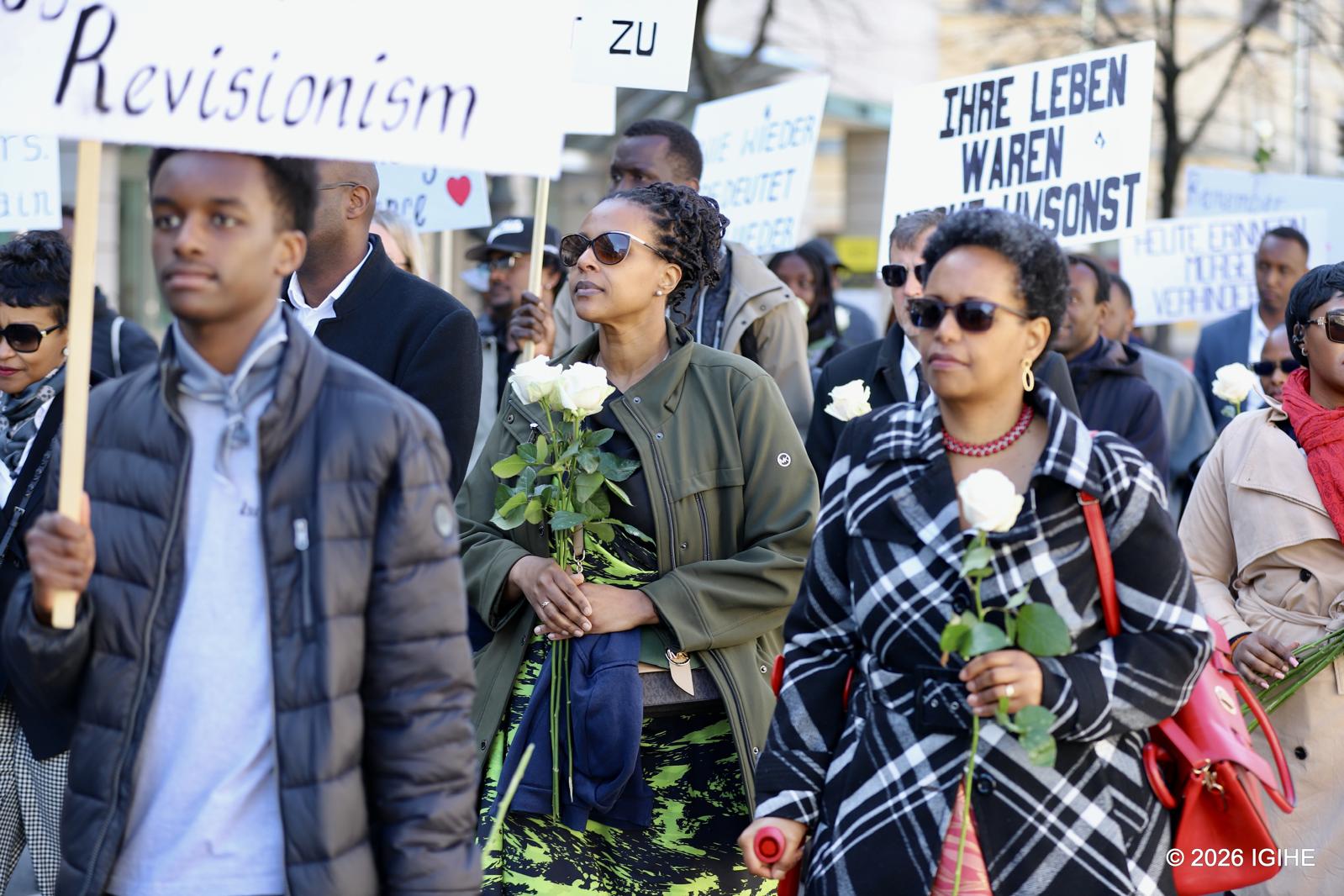
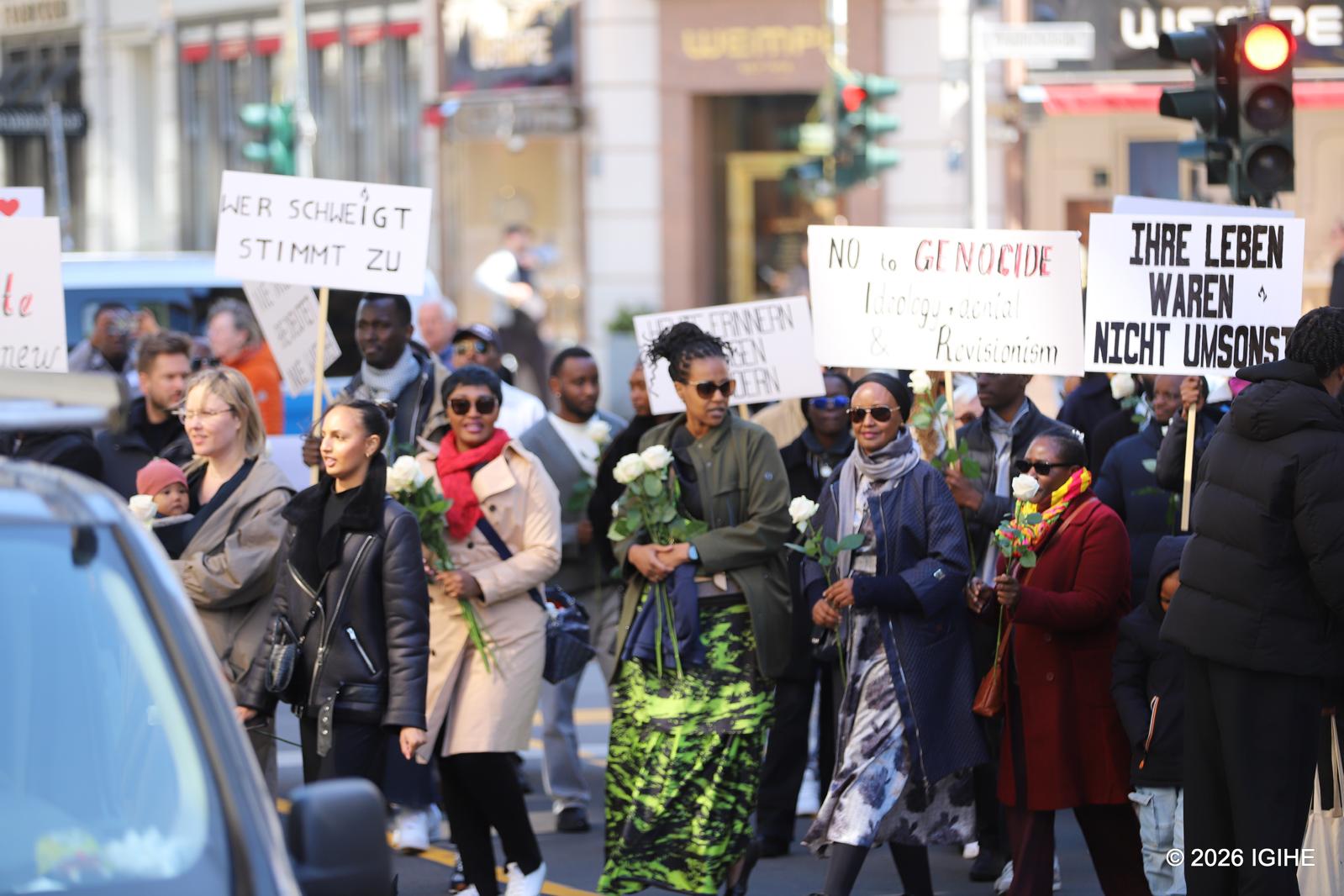
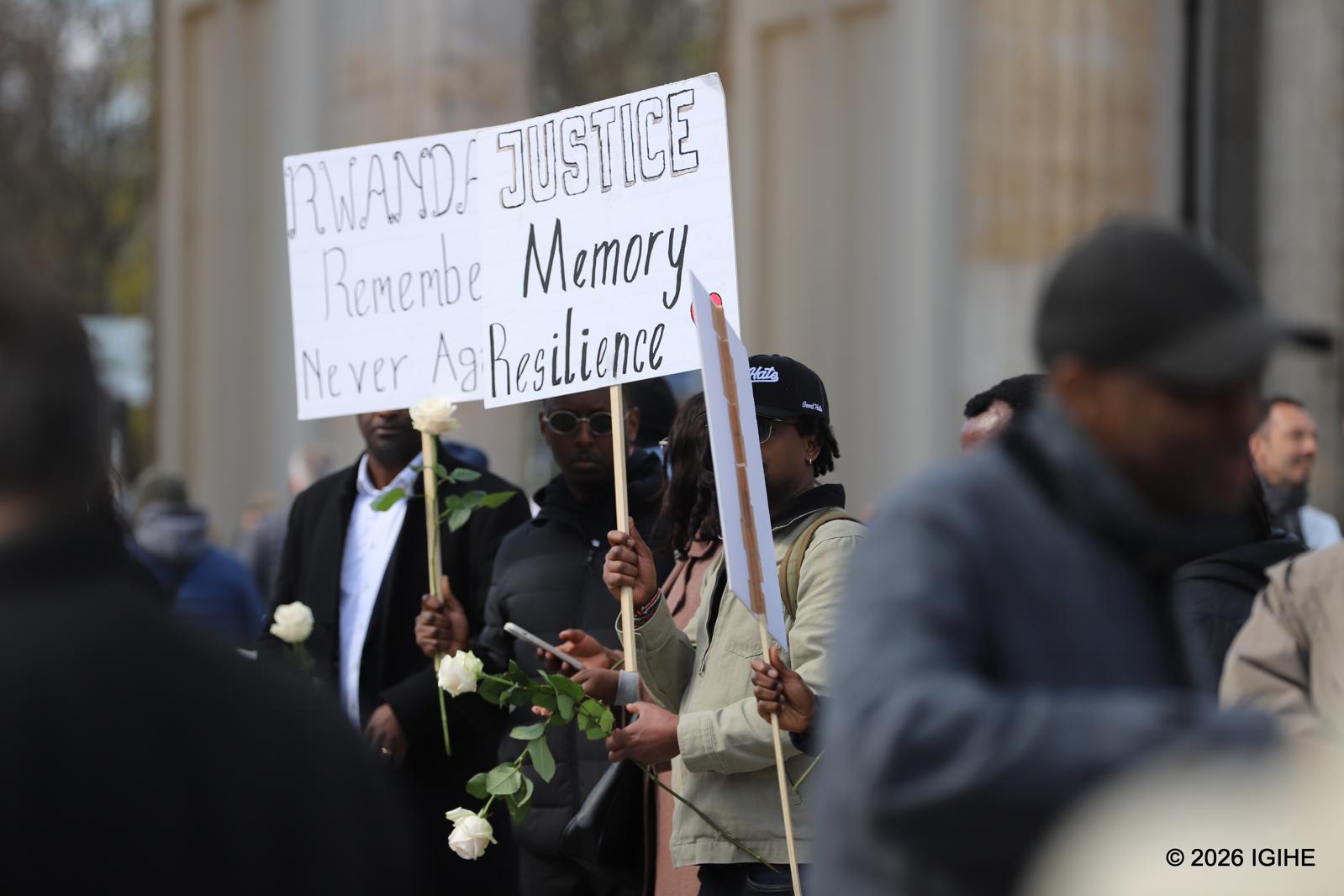
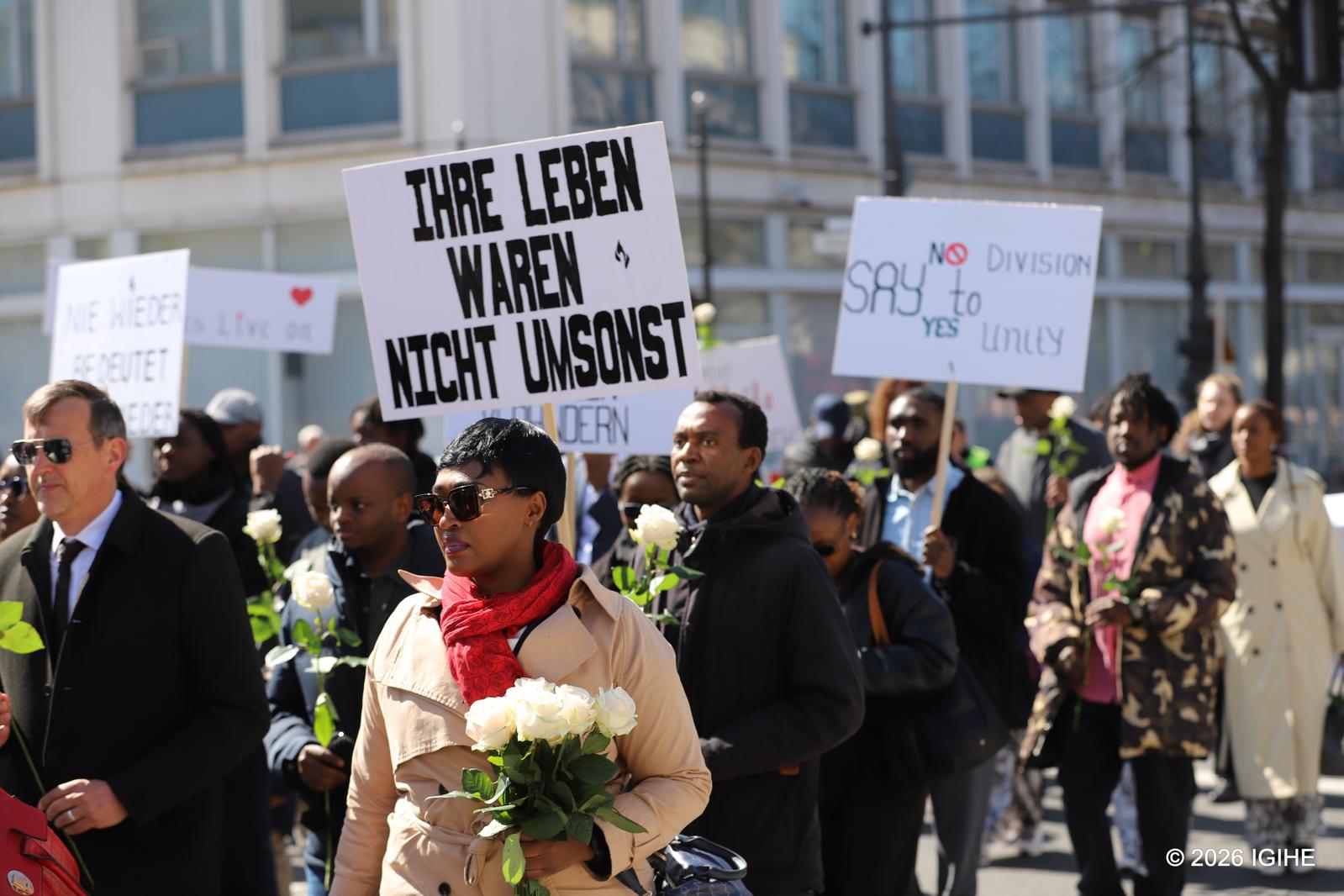
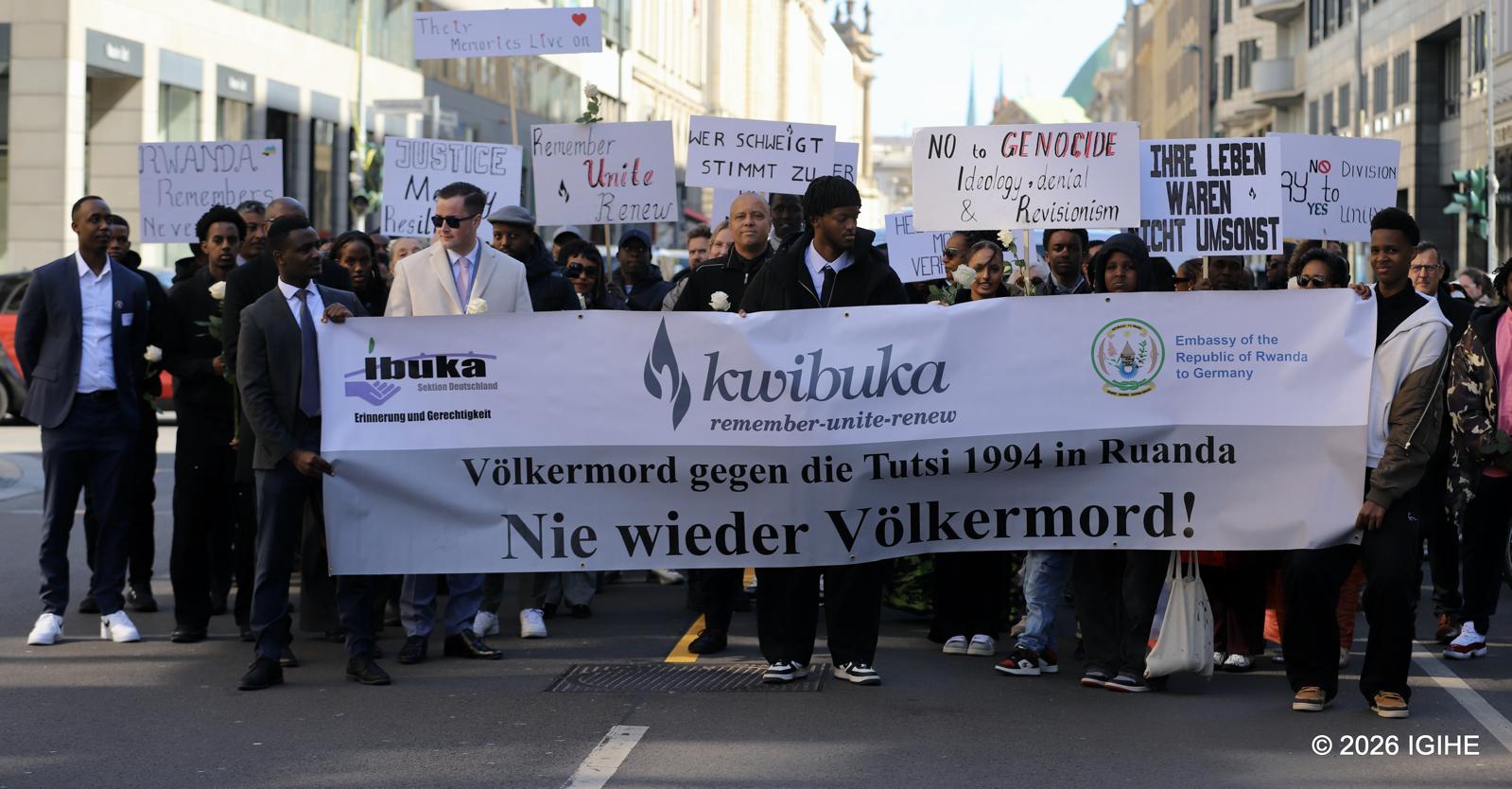
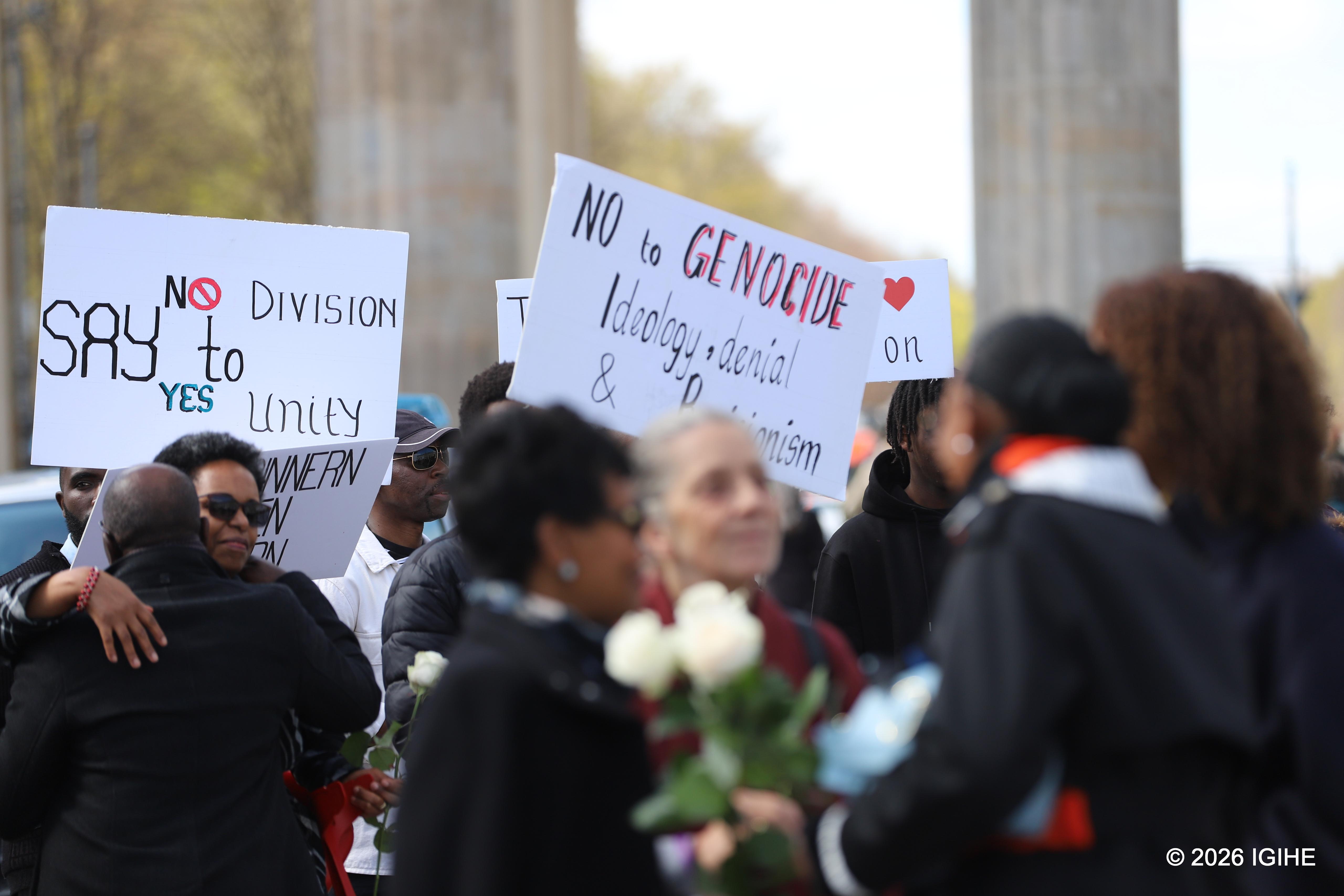
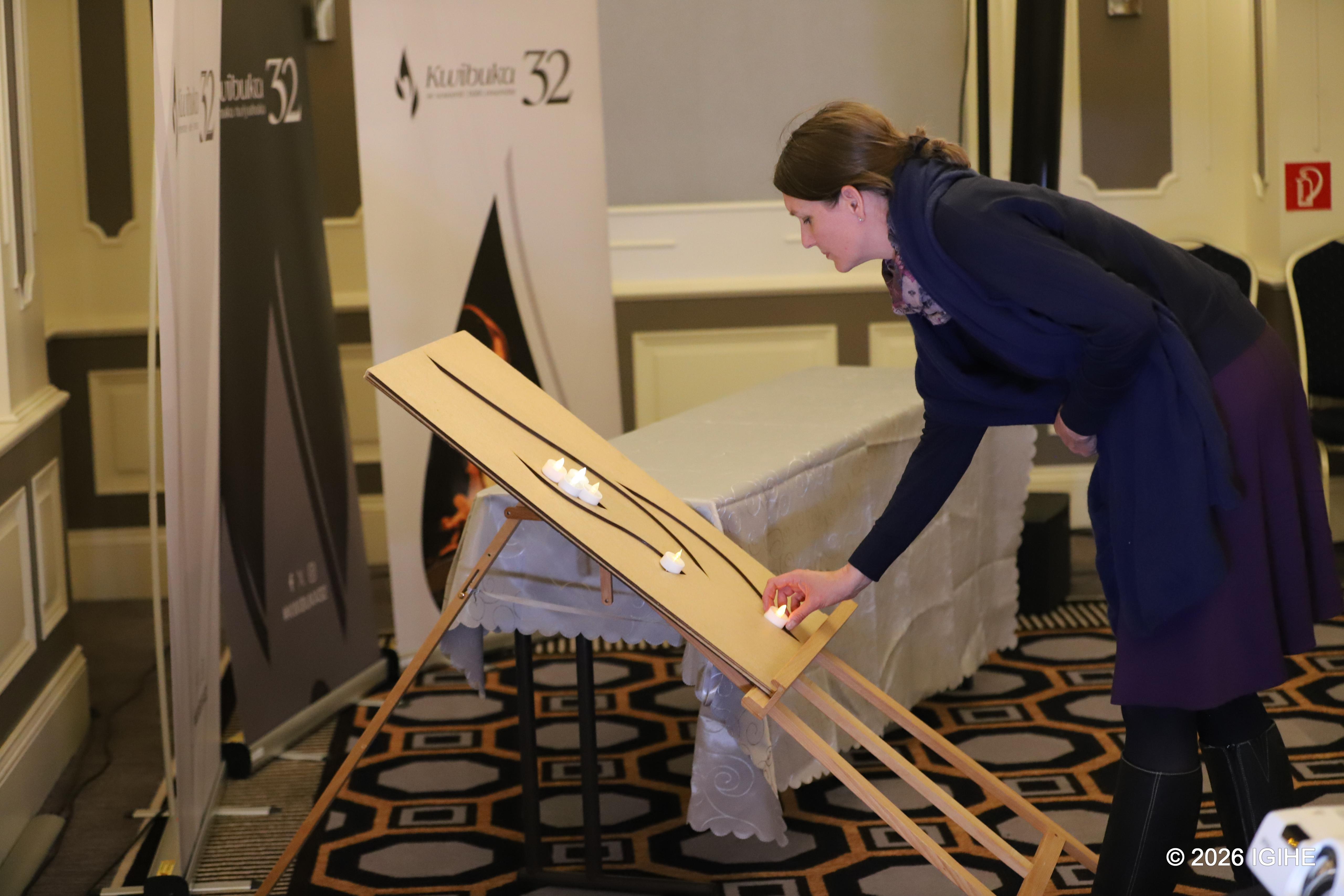
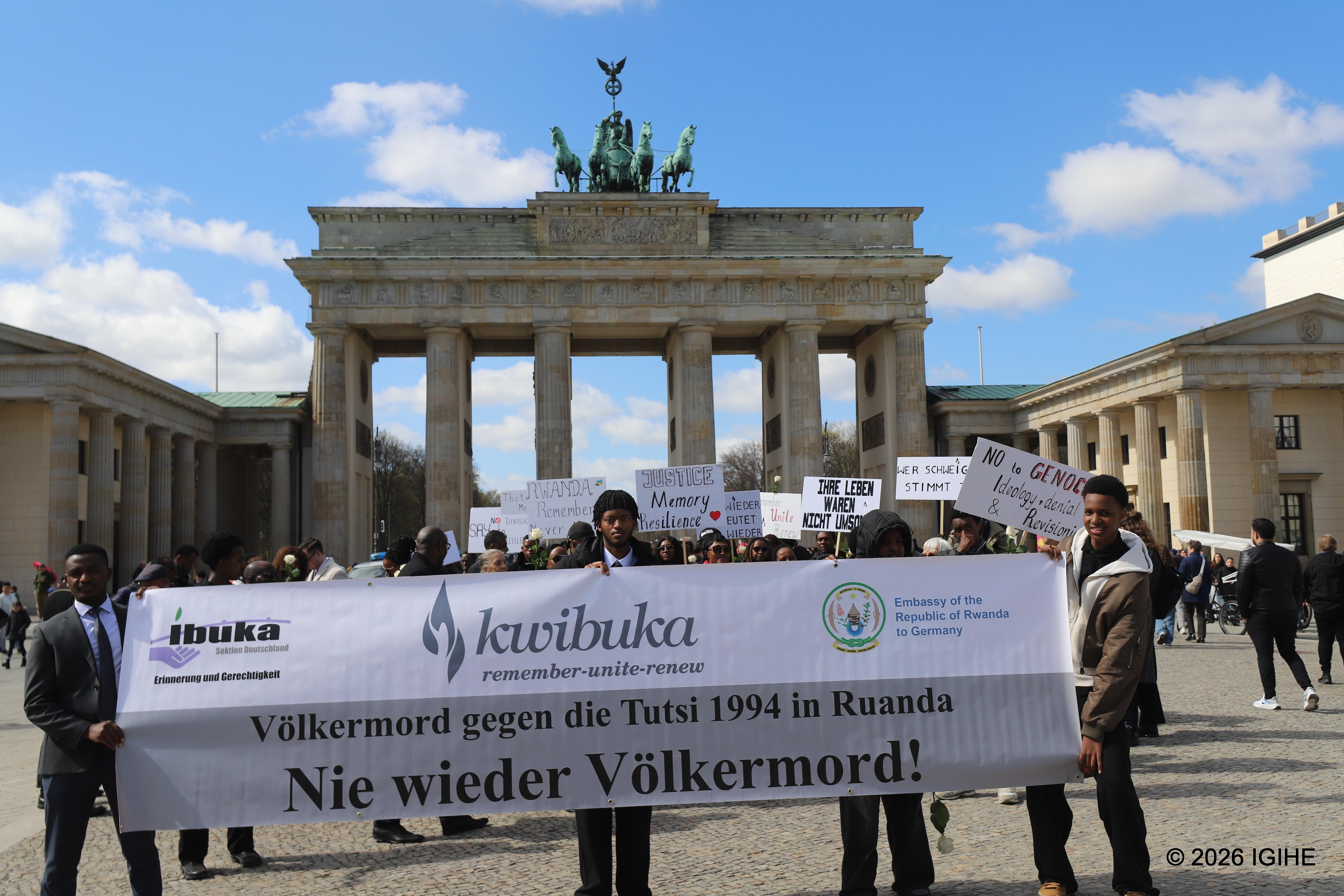
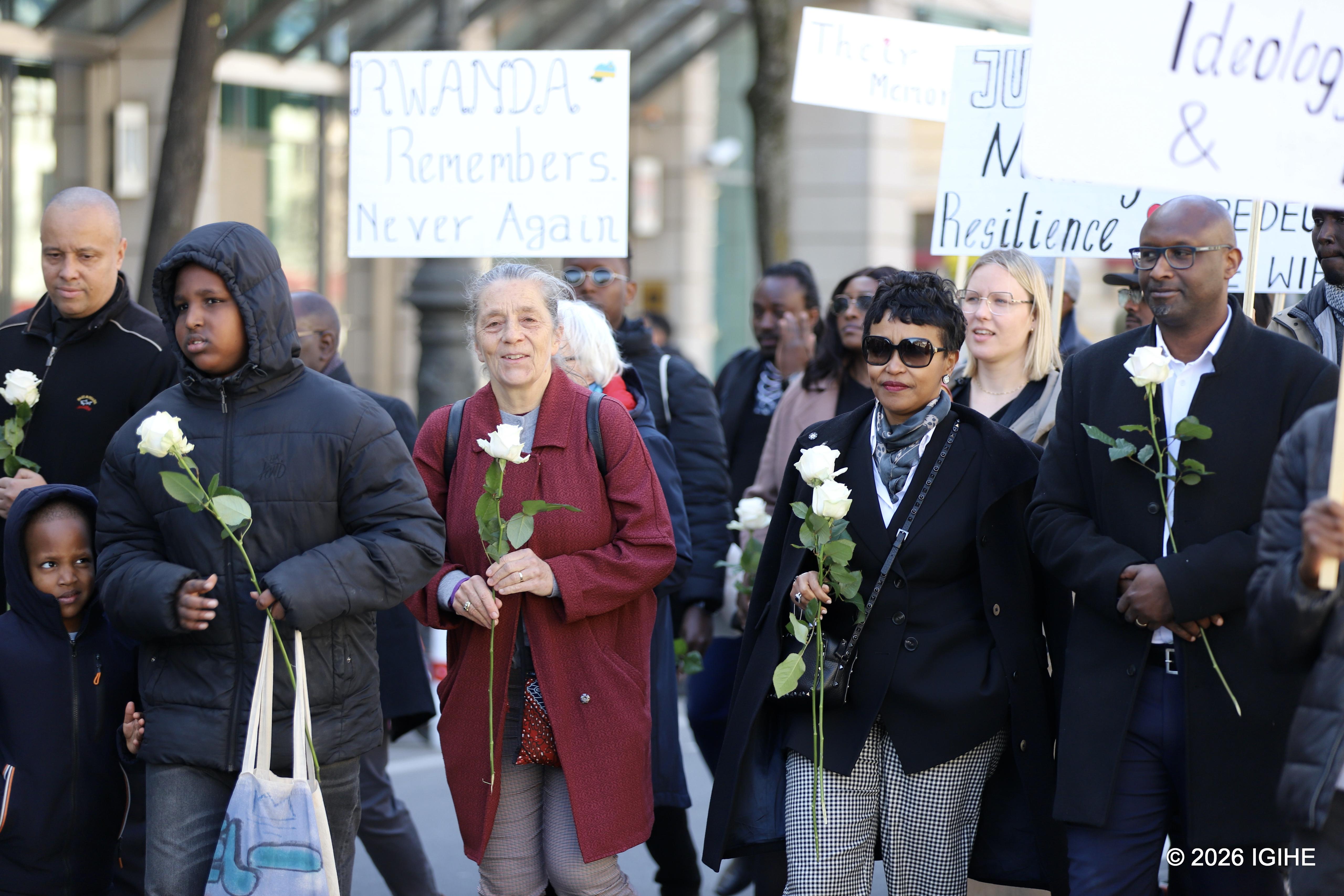
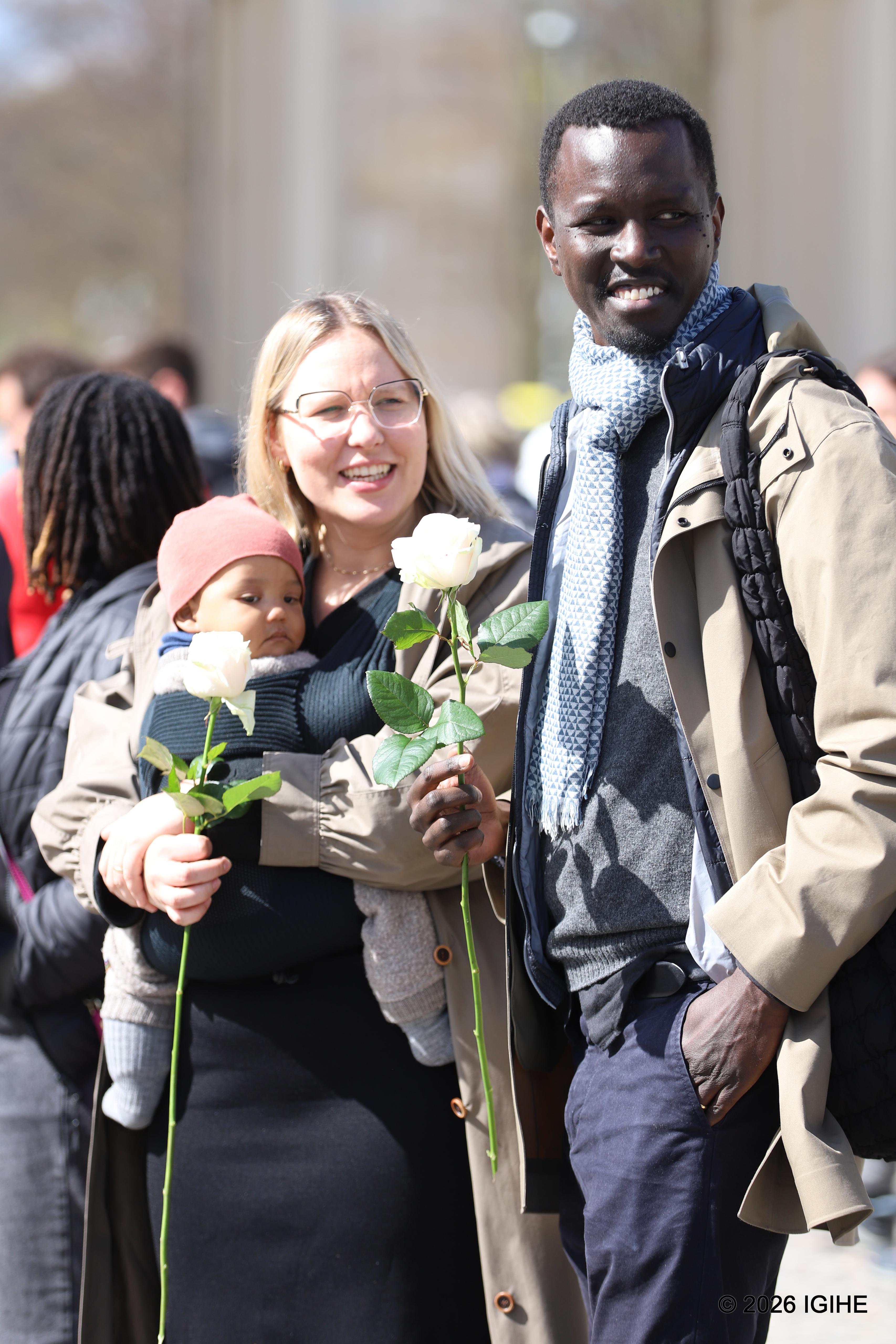
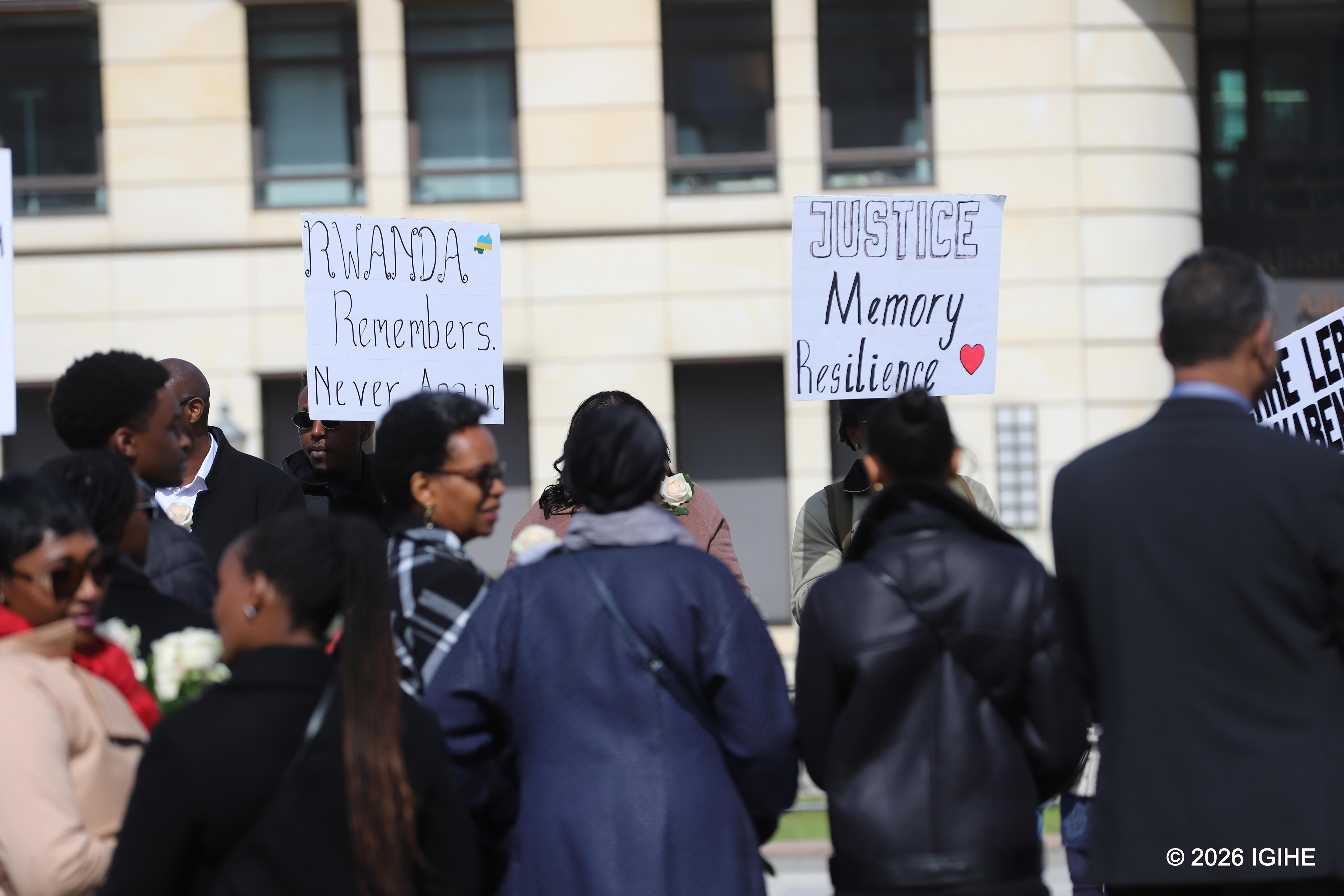
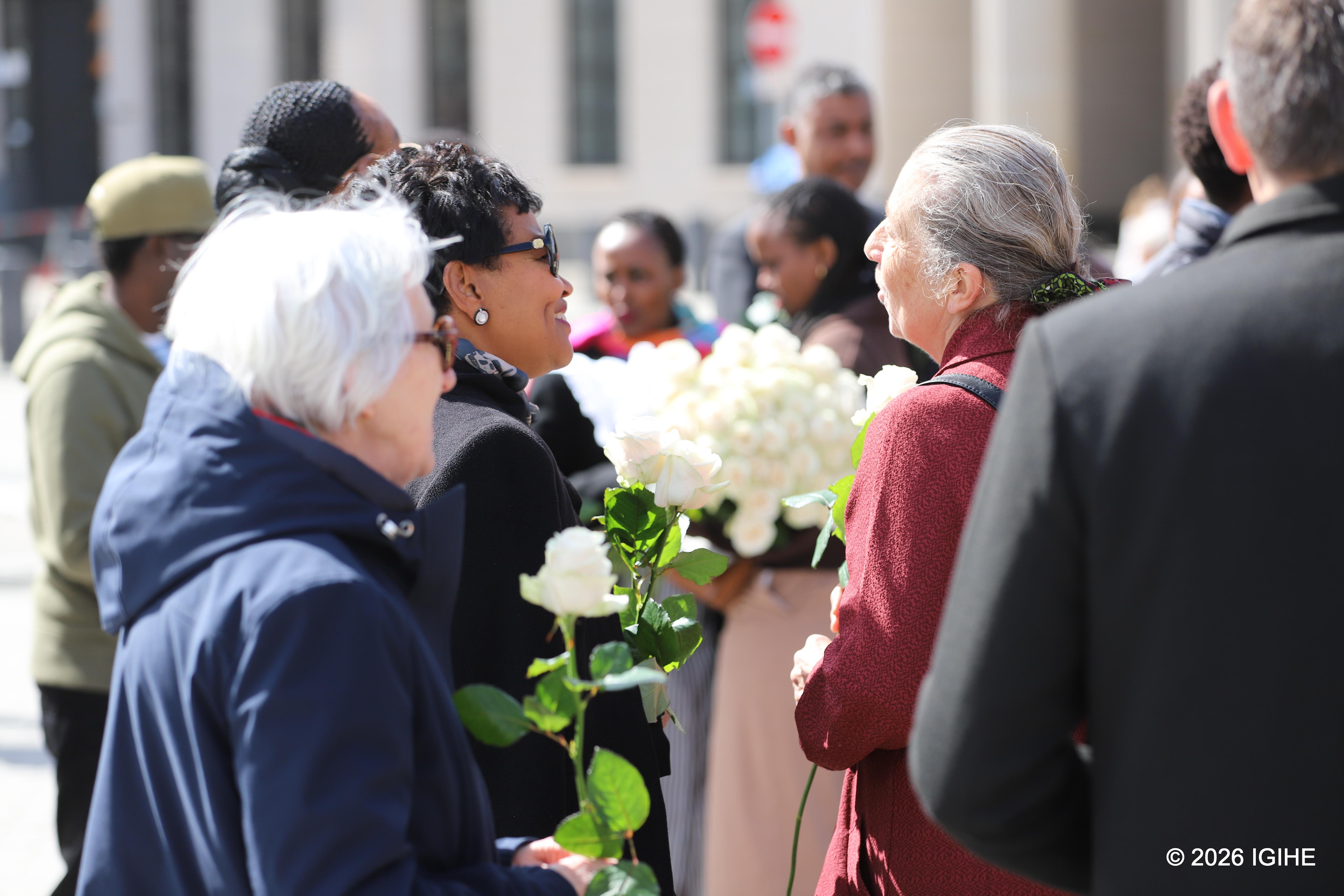
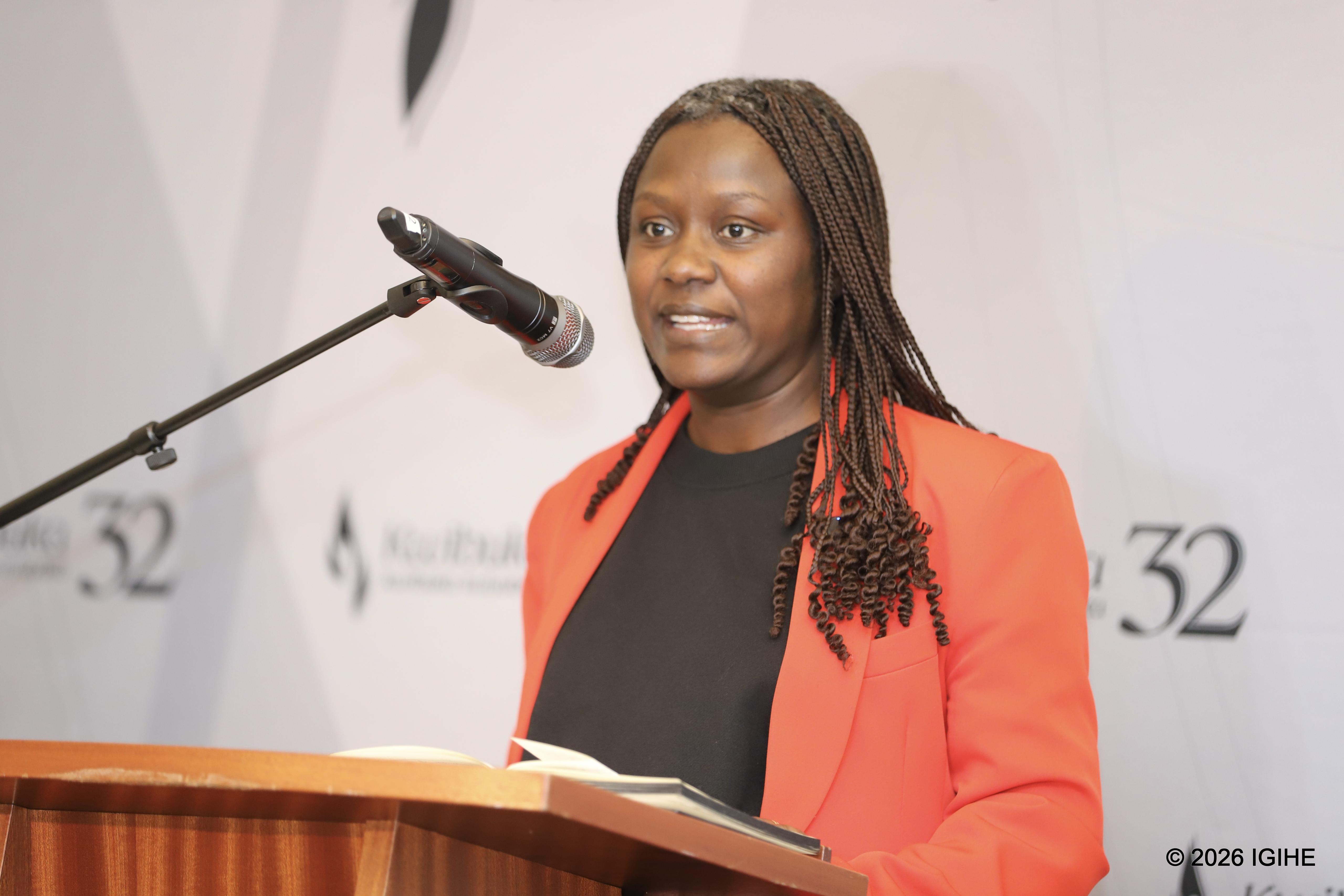
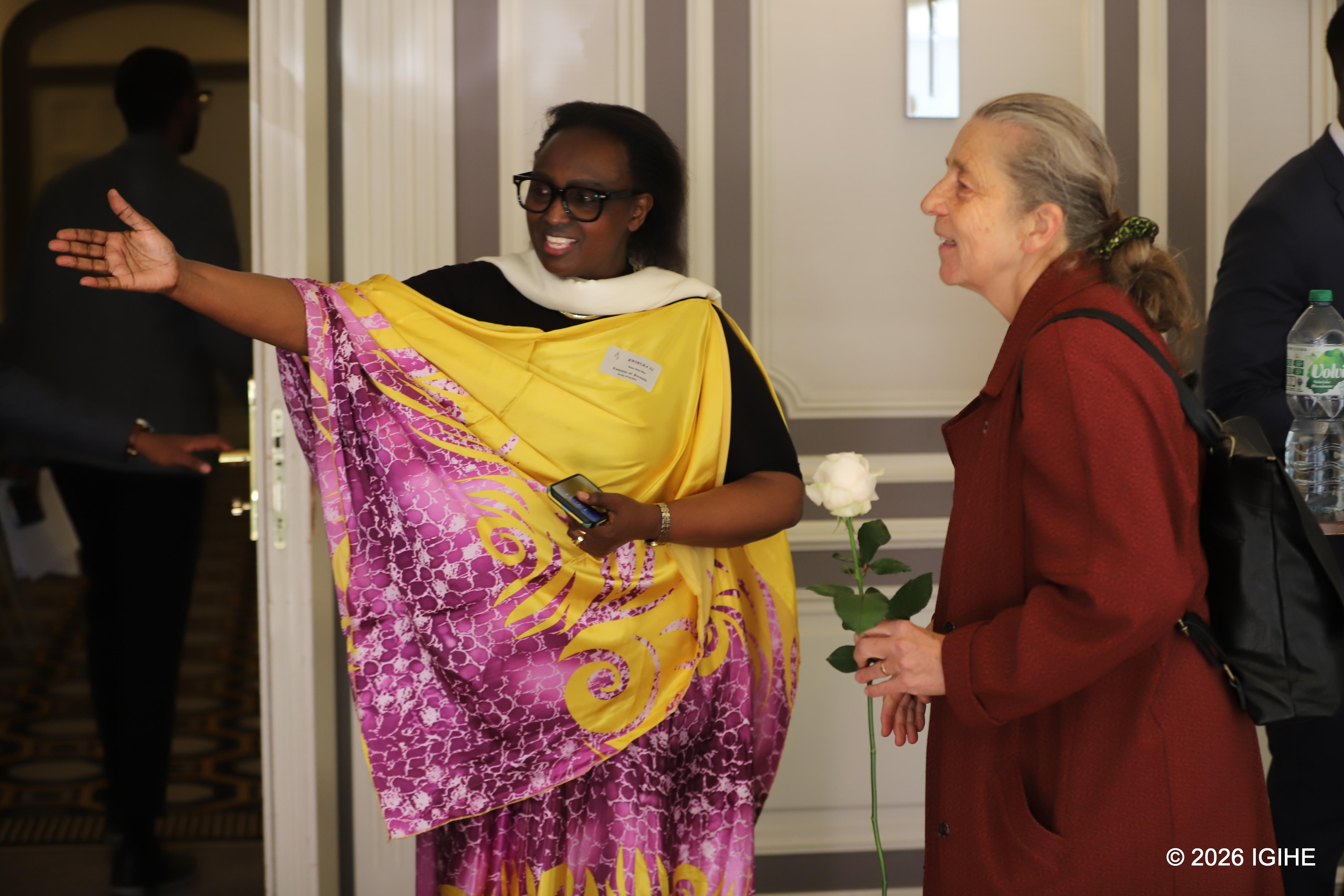
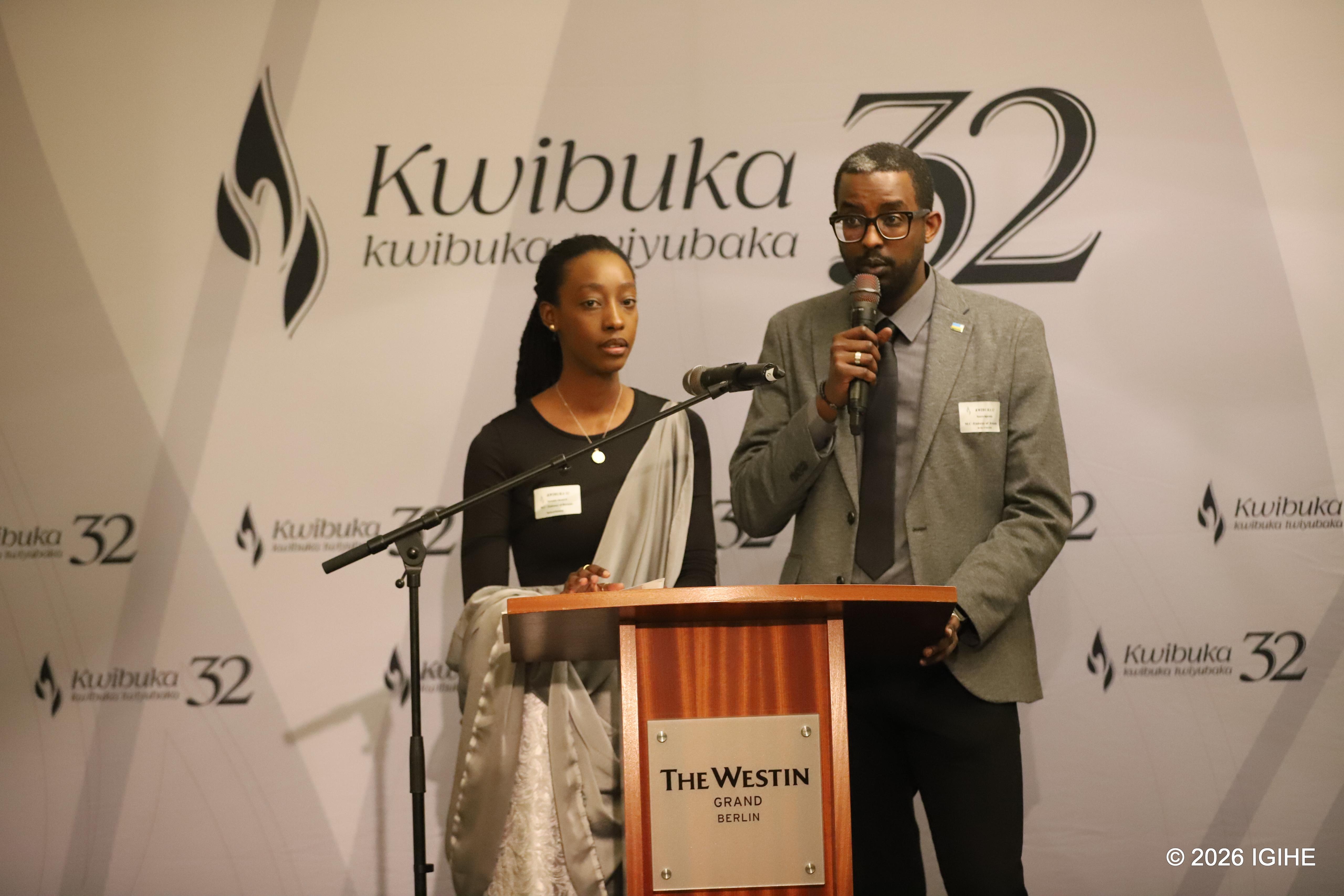
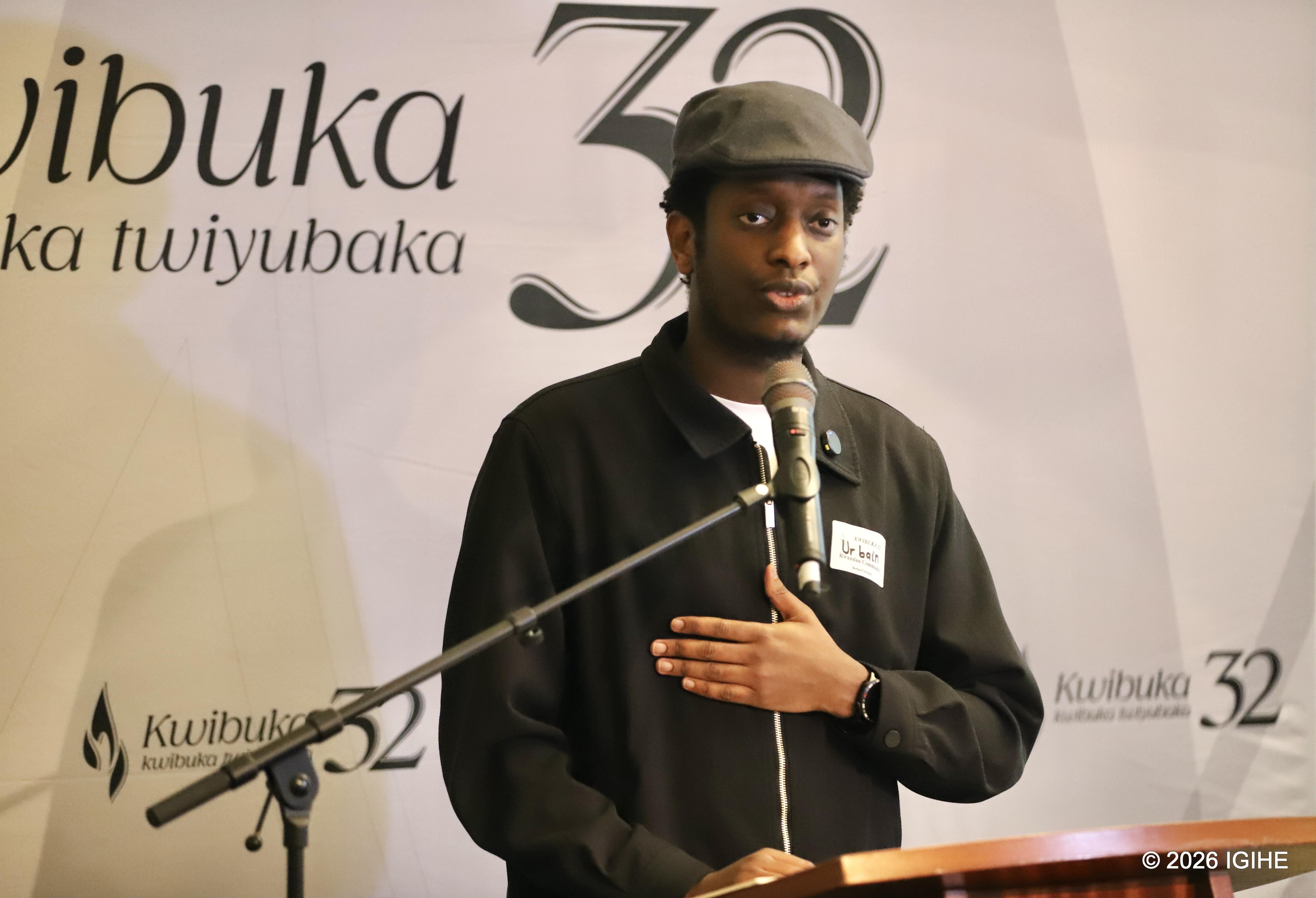
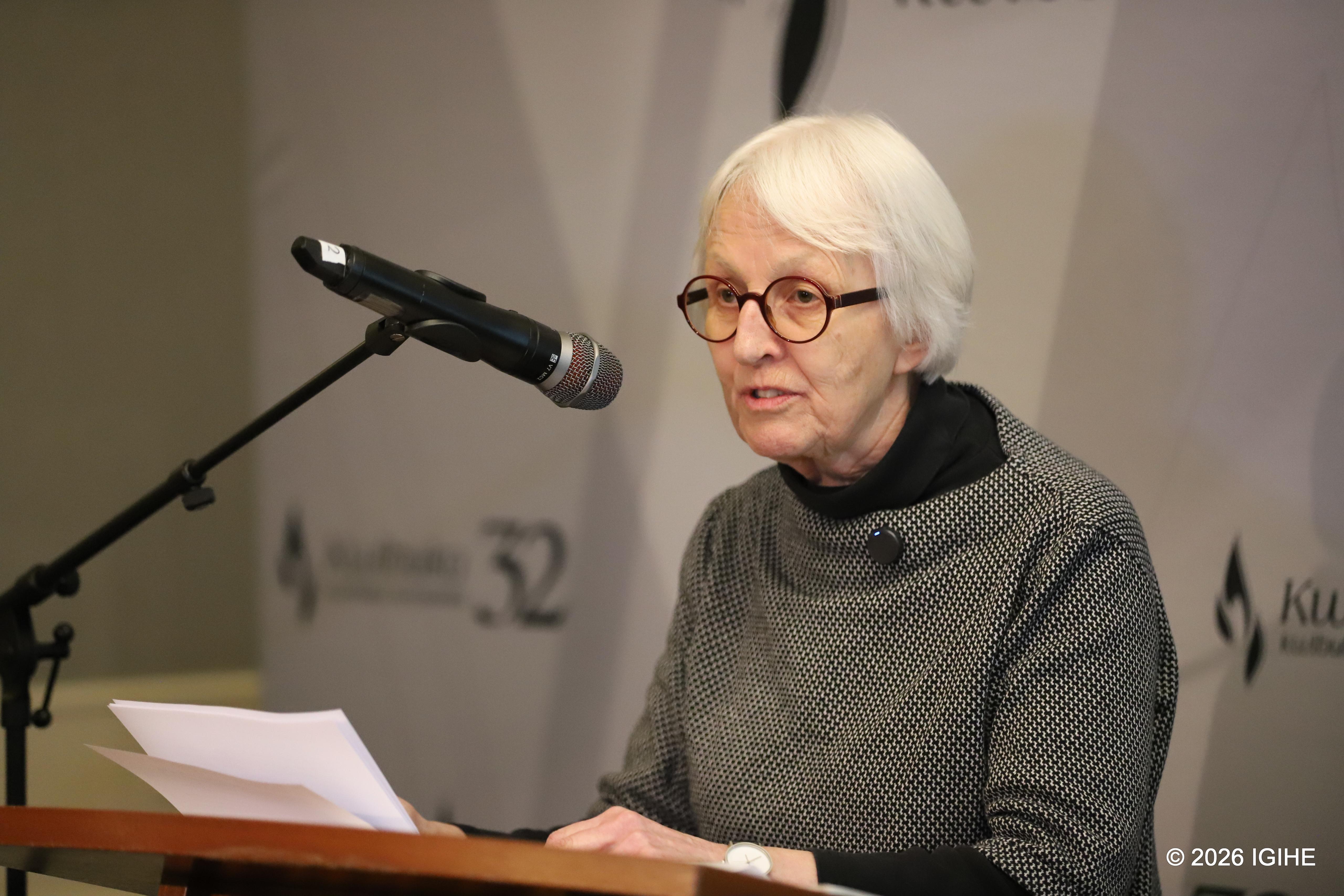
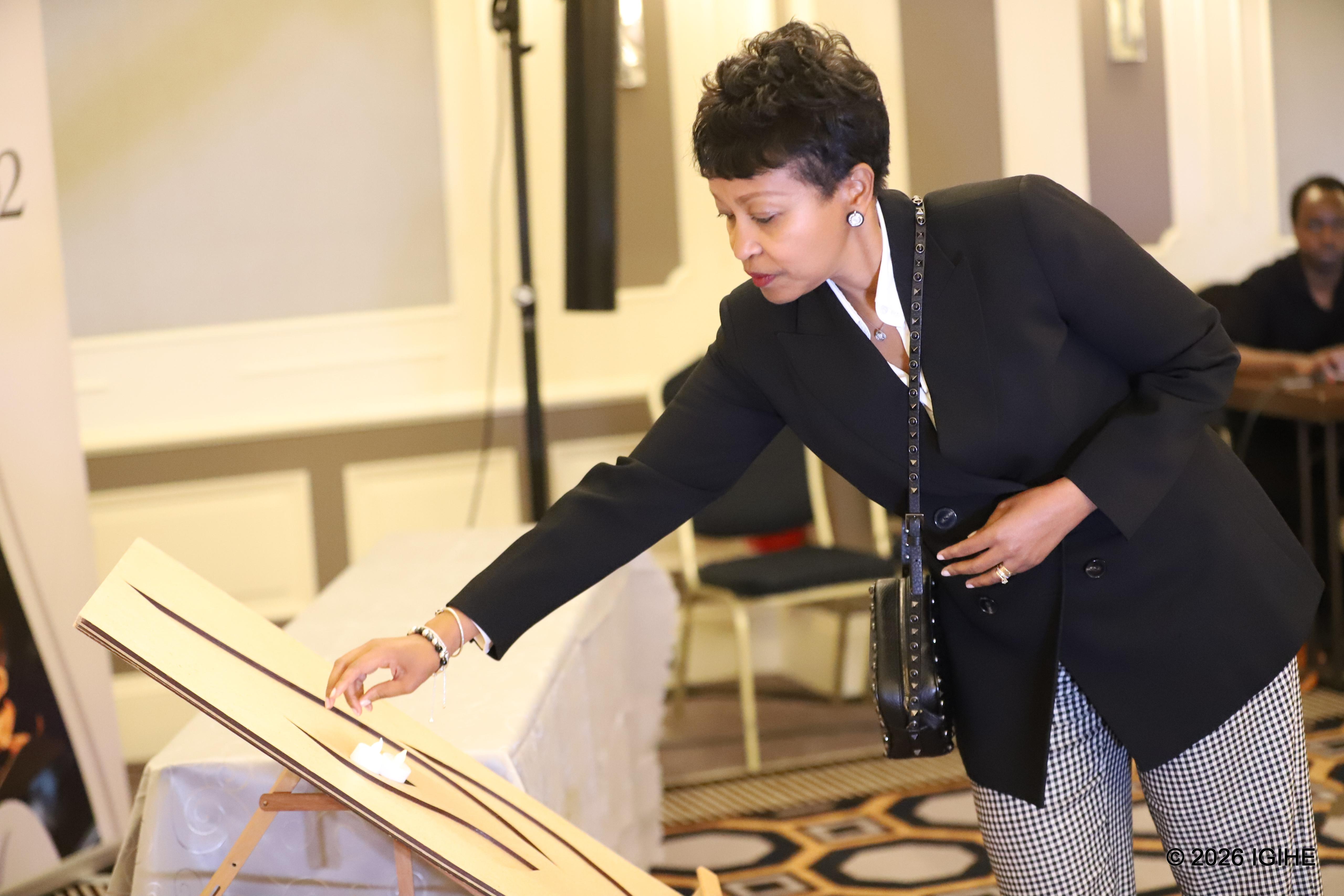
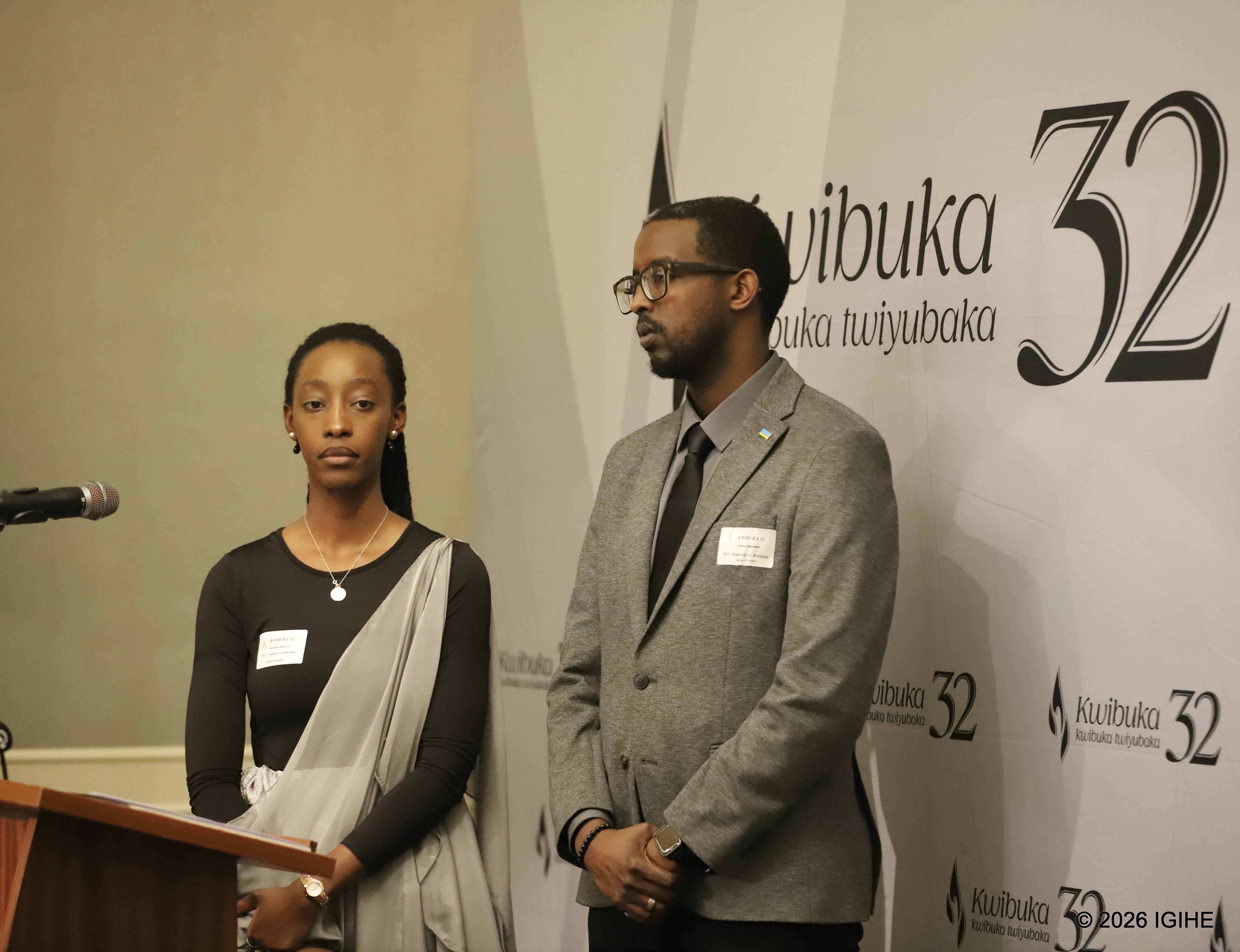
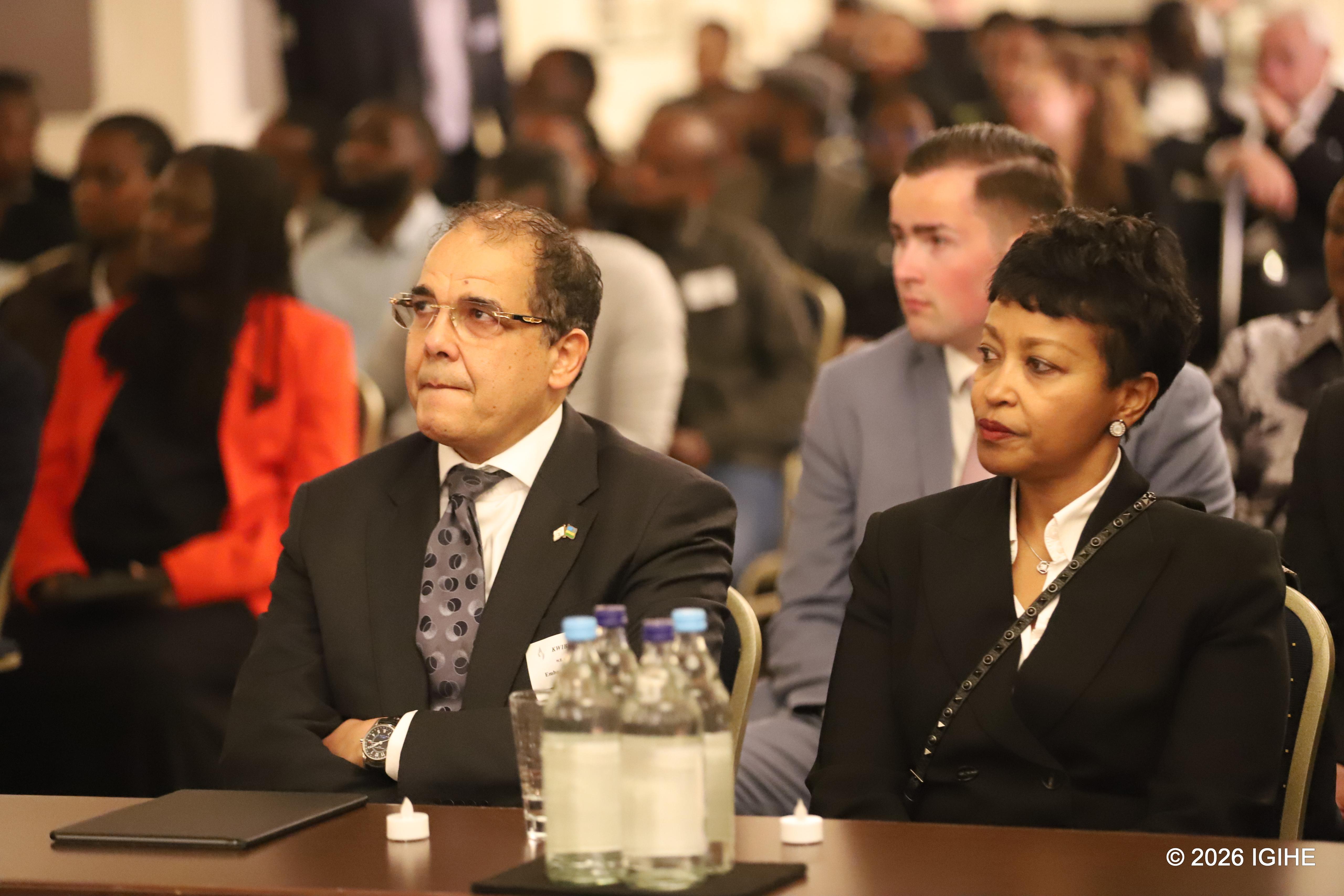
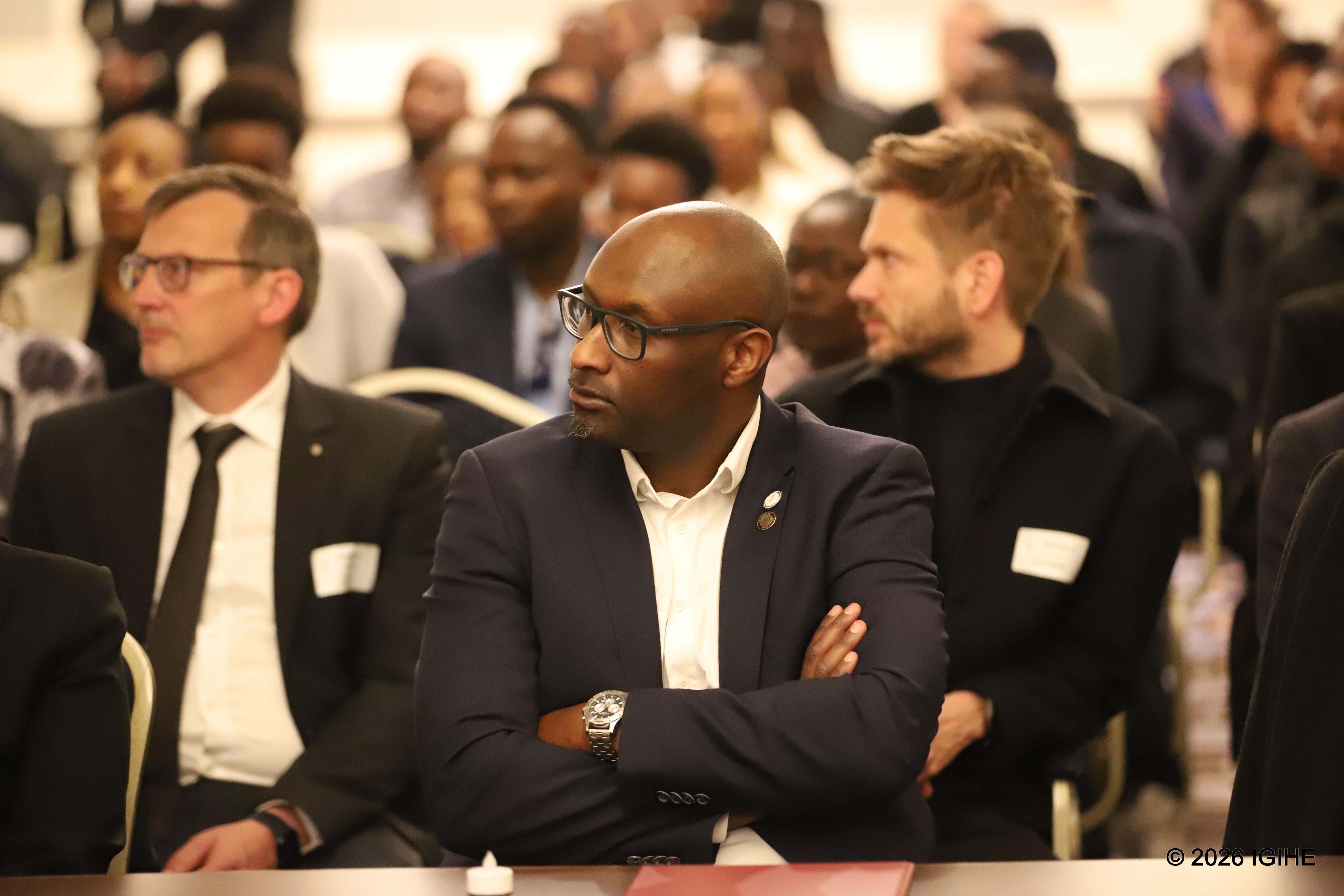
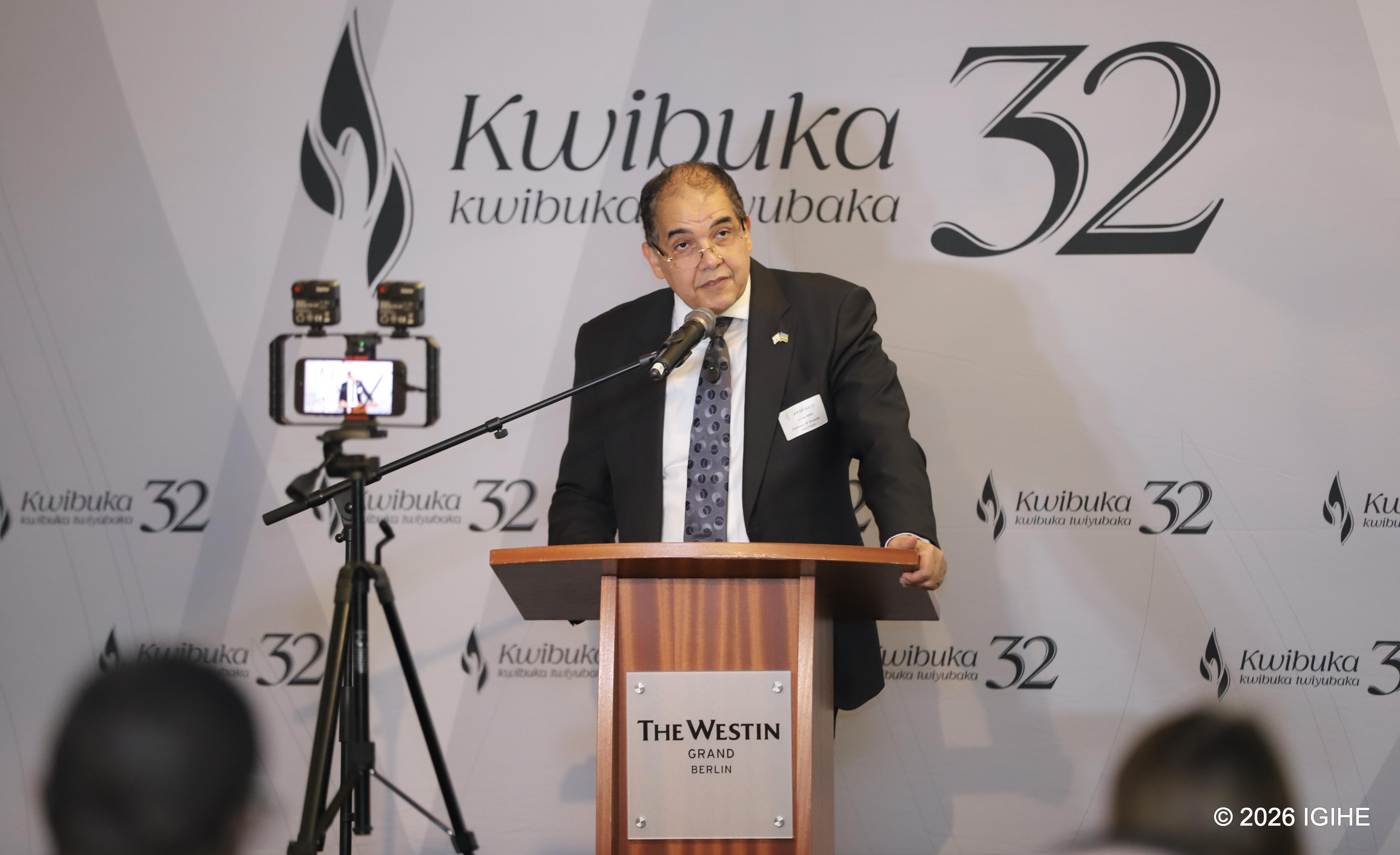
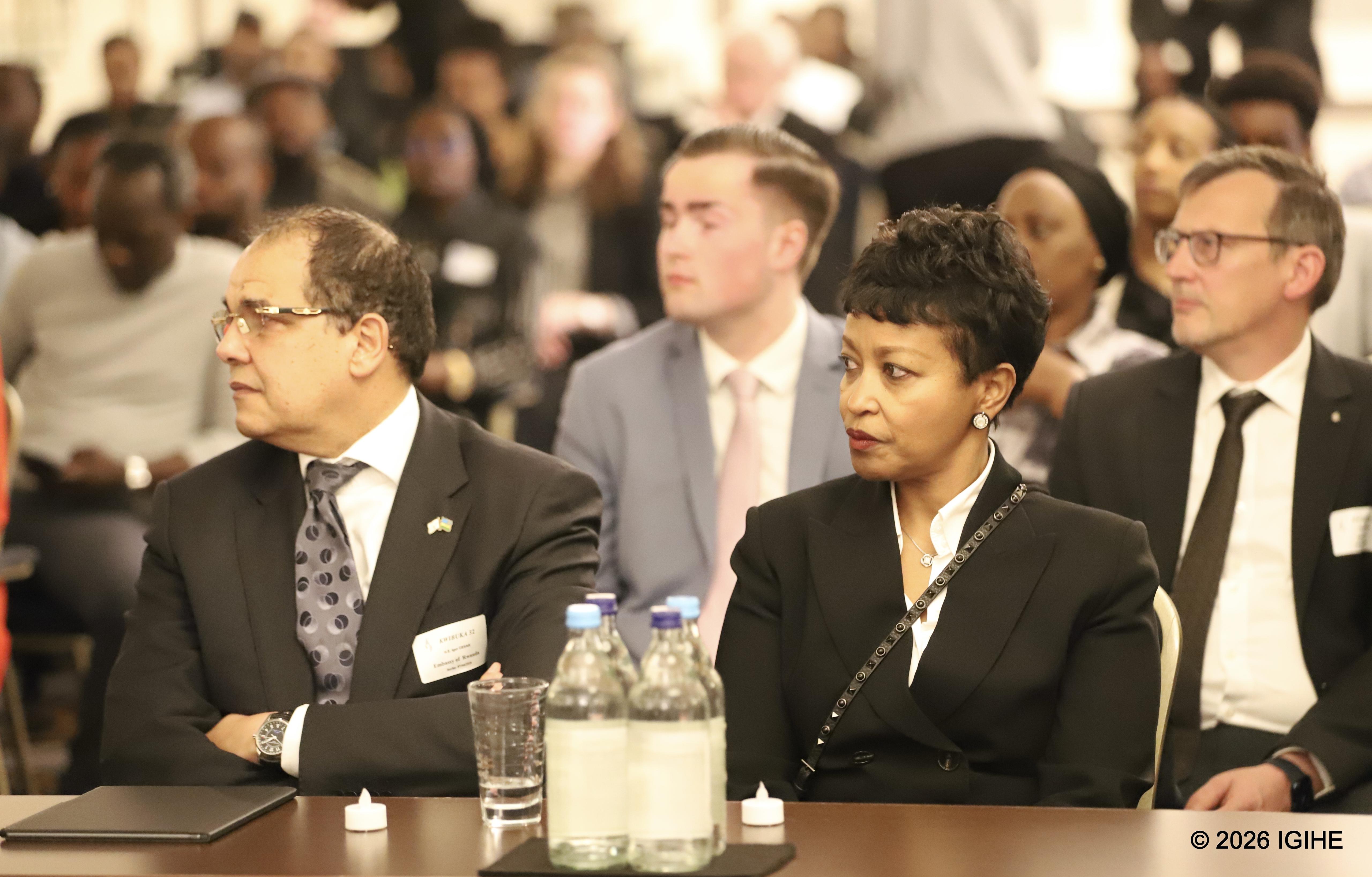
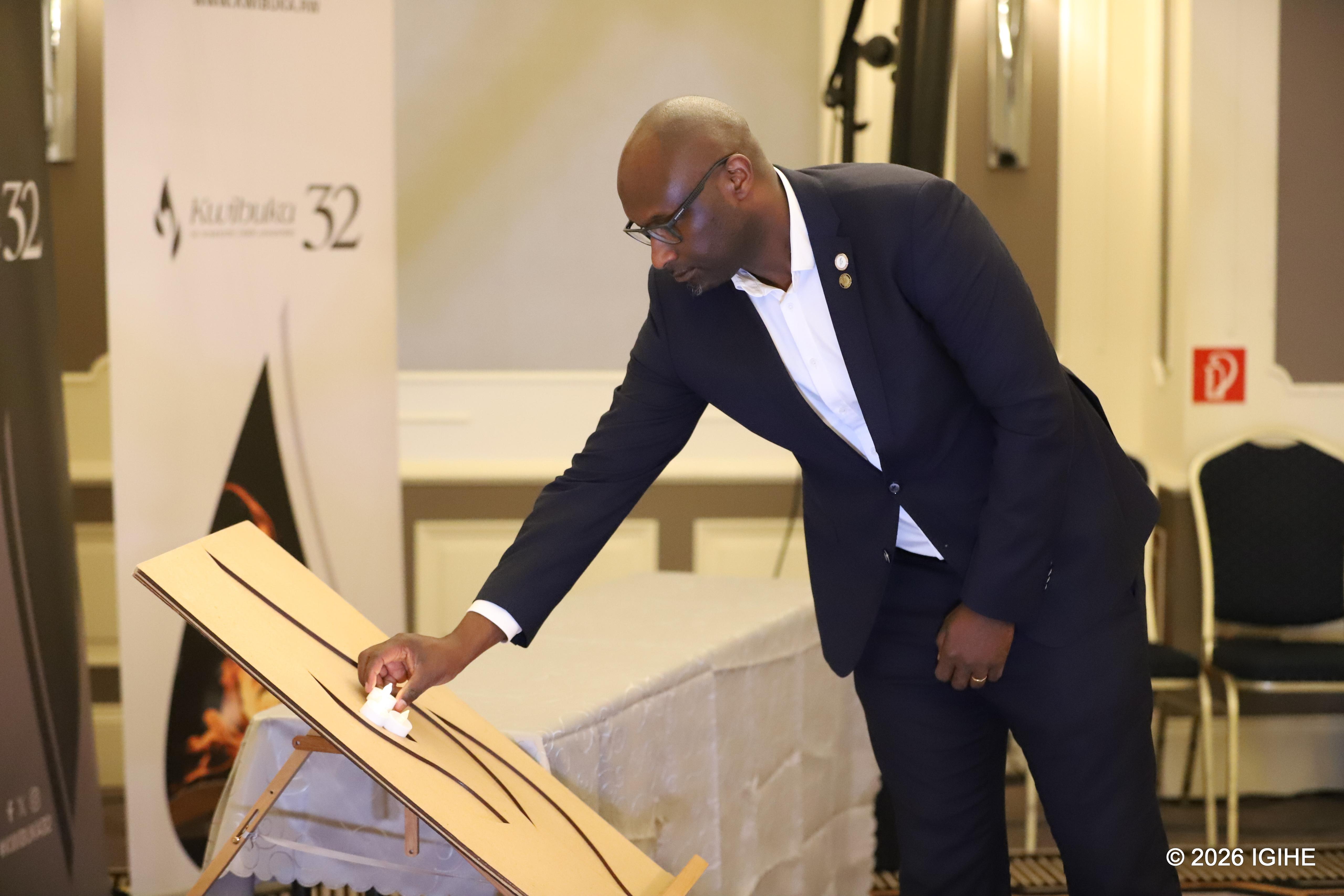
He made the remarks during the 32nd commemoration of the 1994 Genocide against the Tutsi, held in Berlin under the theme “Remember – Unite – Renew,” where government officials, representatives of IBUKA Germany, members of the Rwandan community, friends of Rwanda, and other distinguished guests gathered in solidarity.
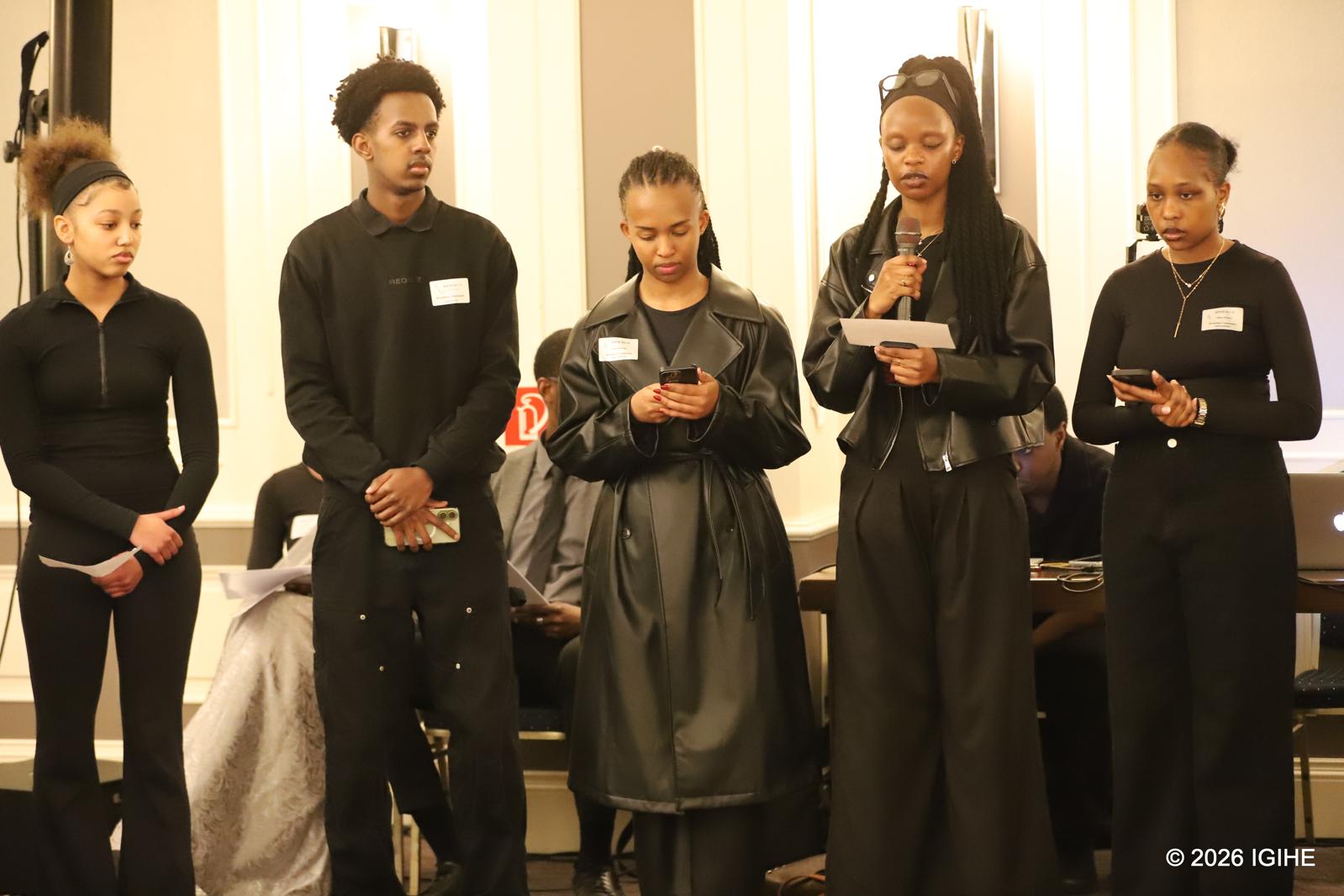
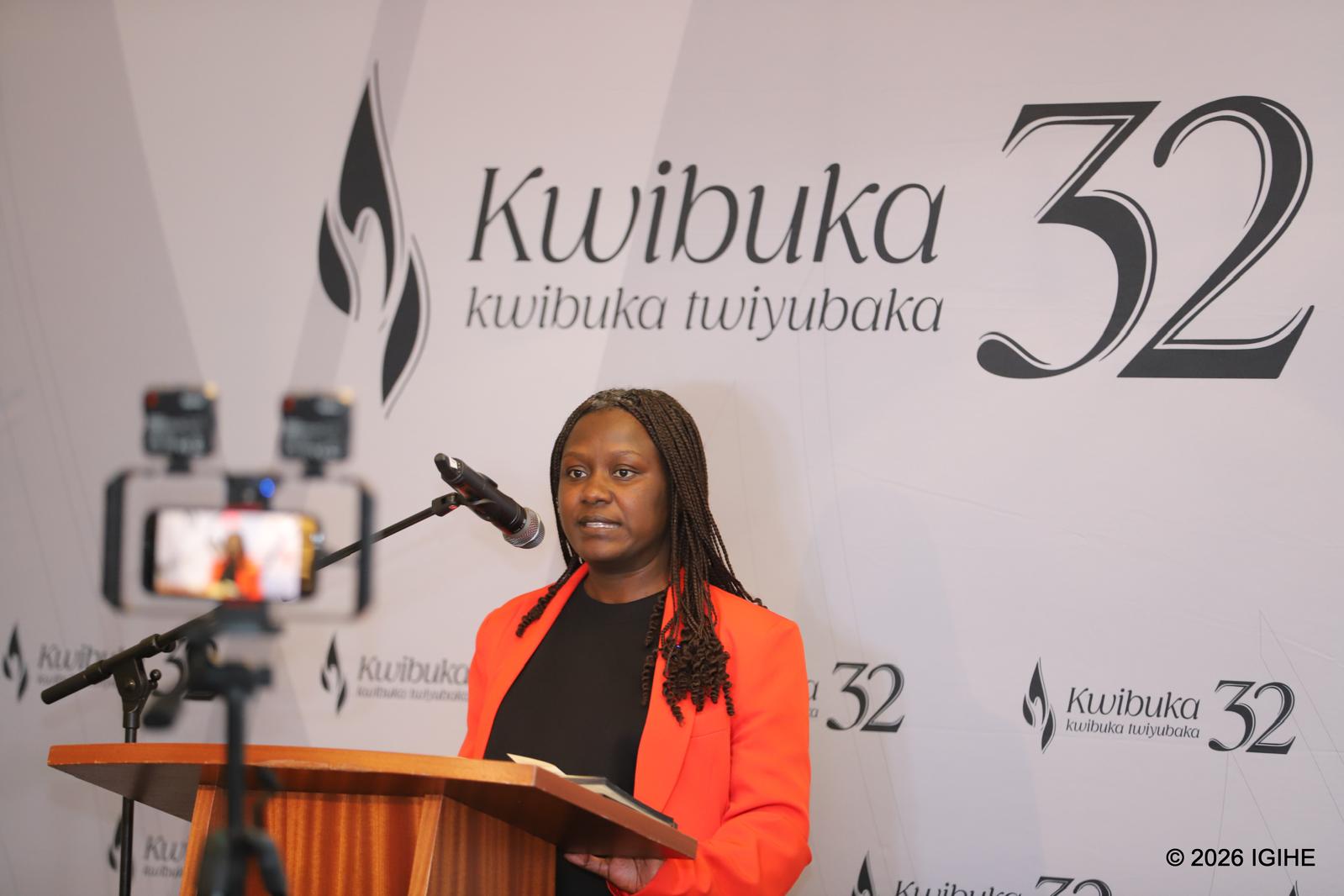
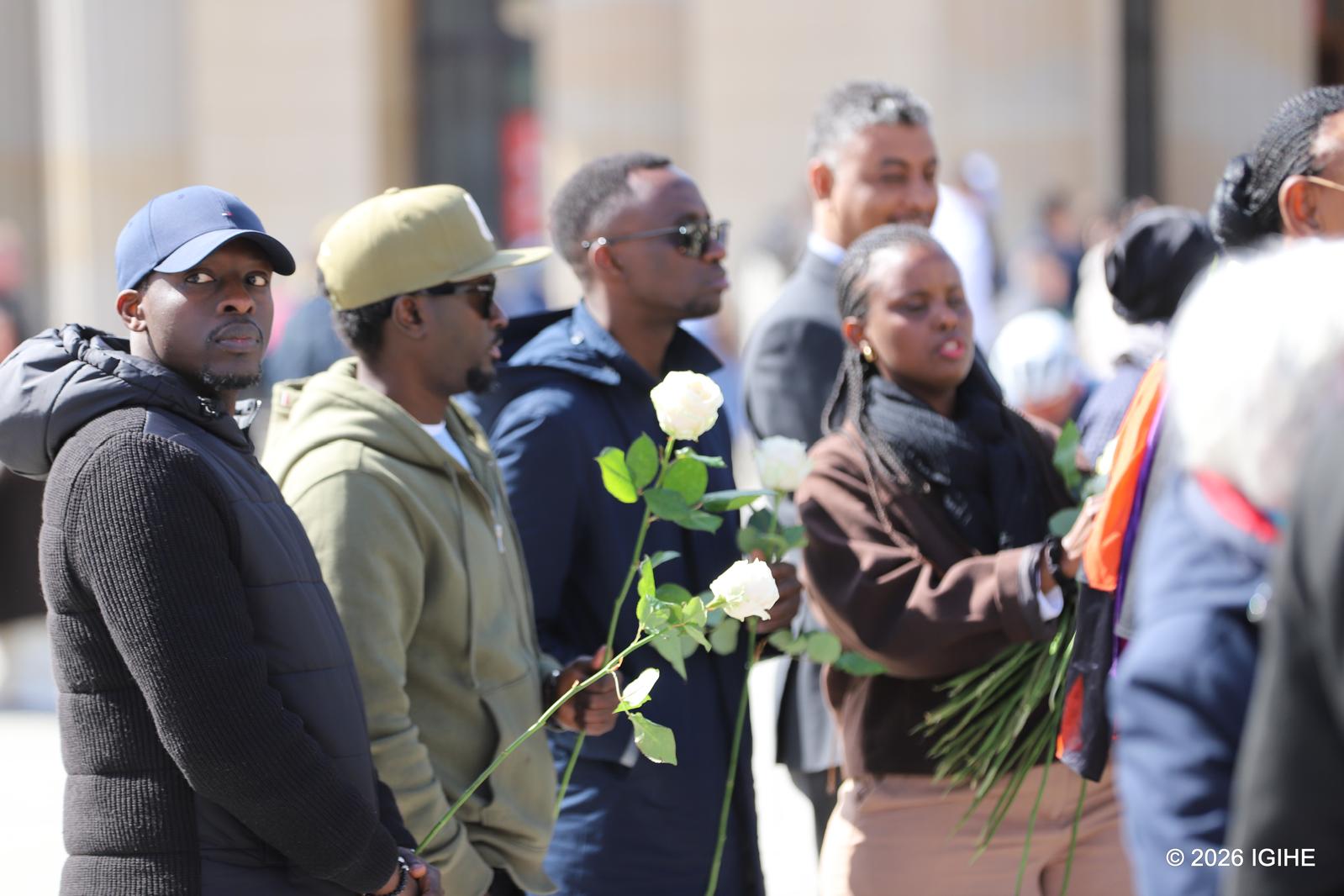
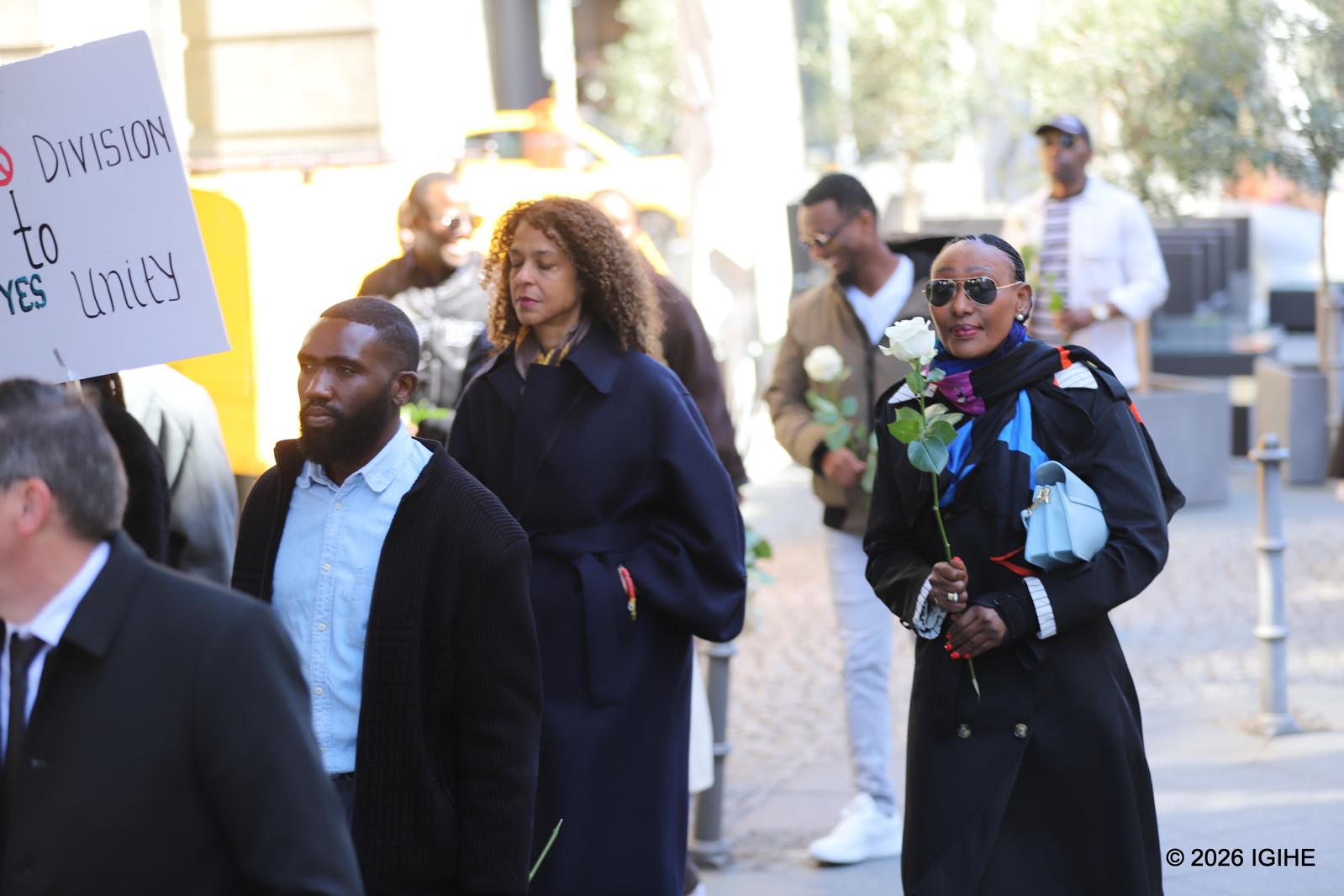
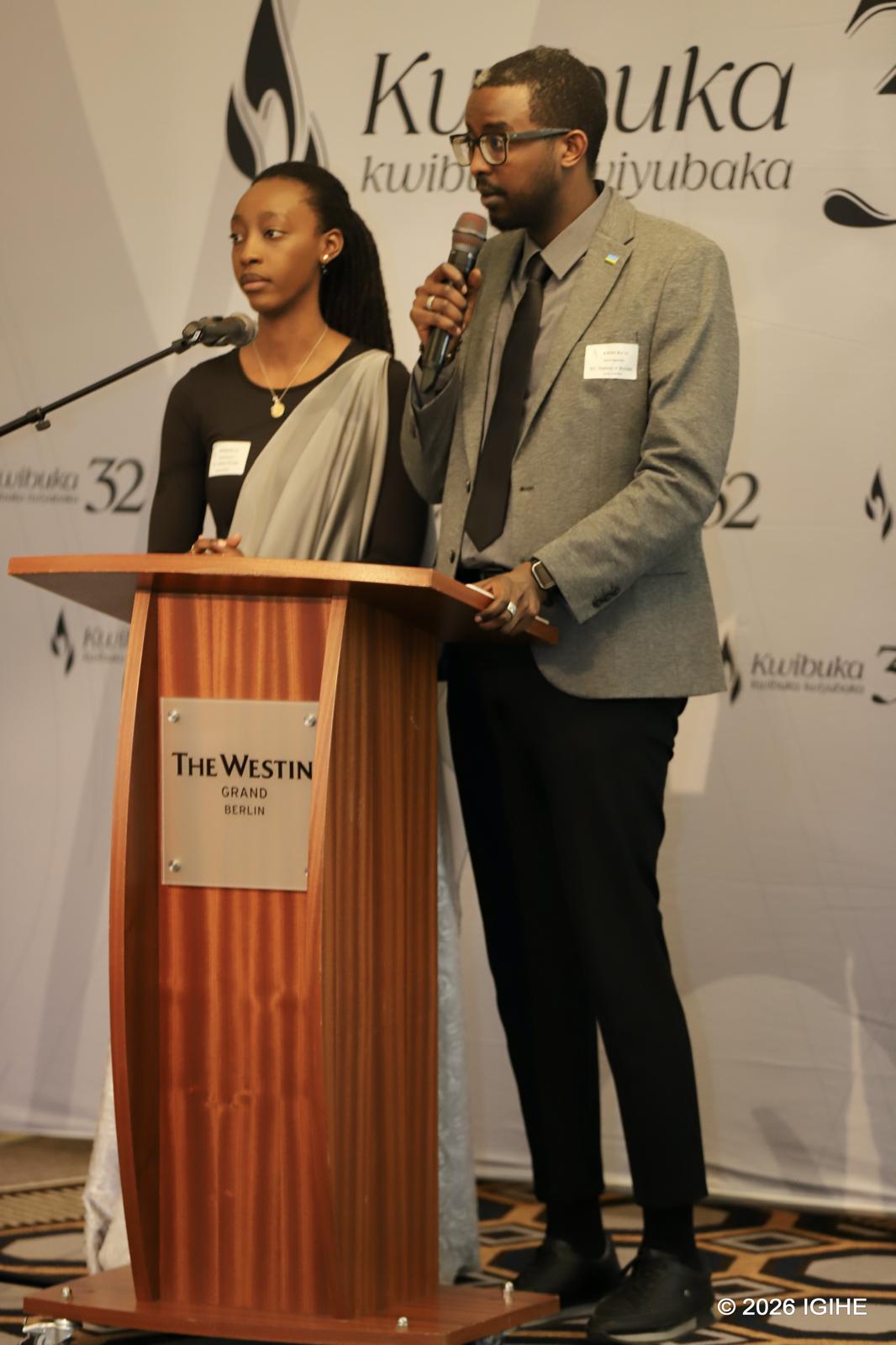
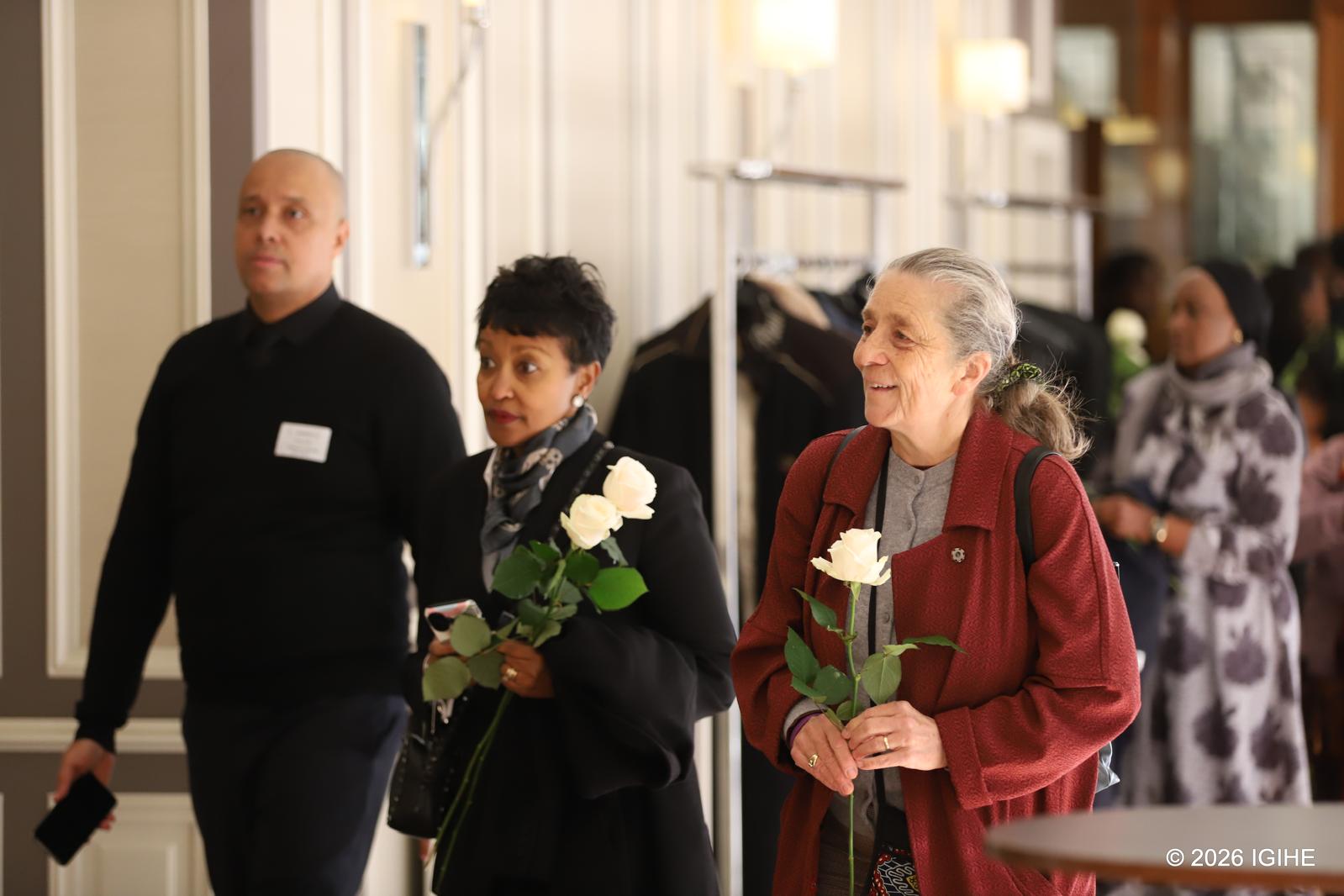
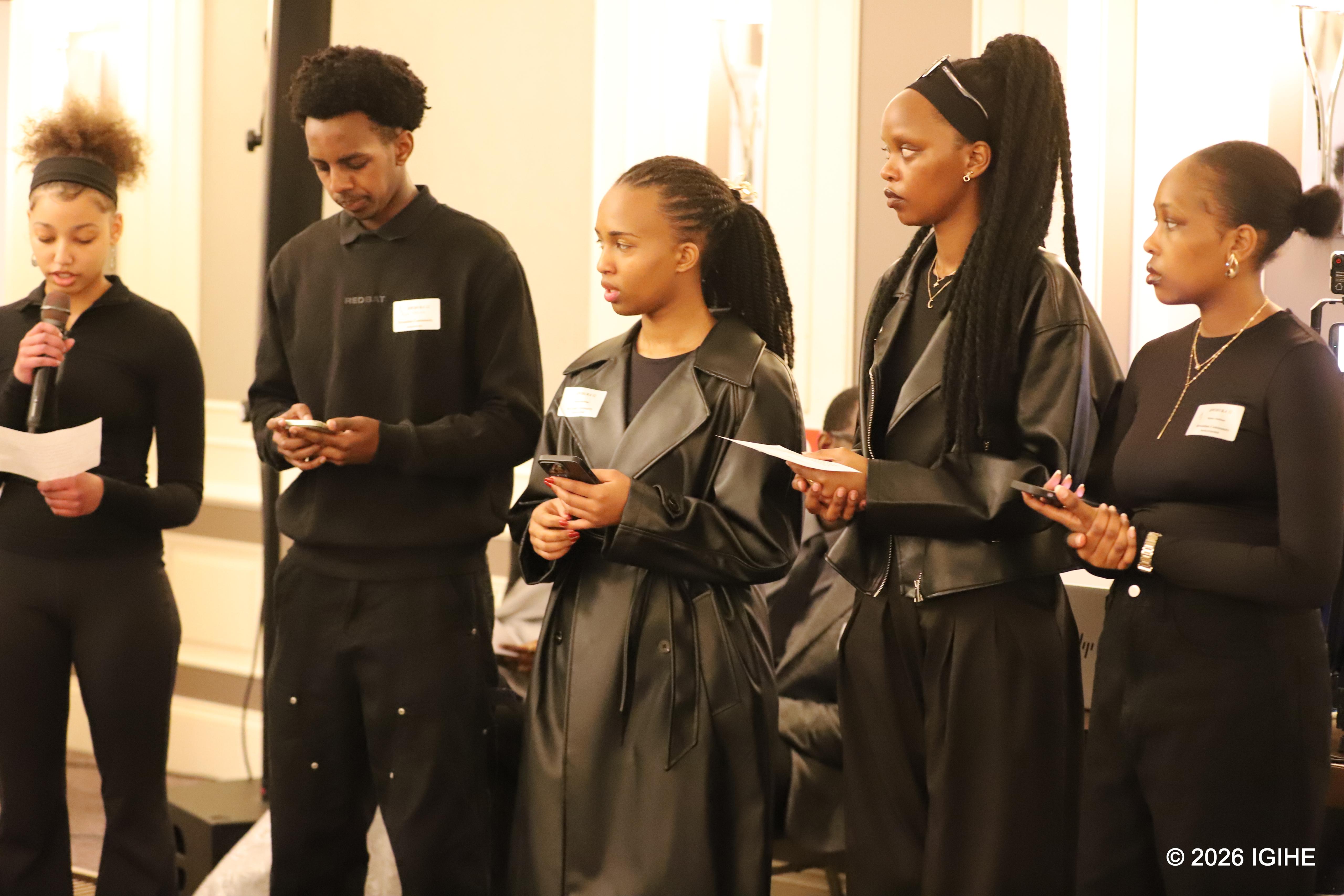
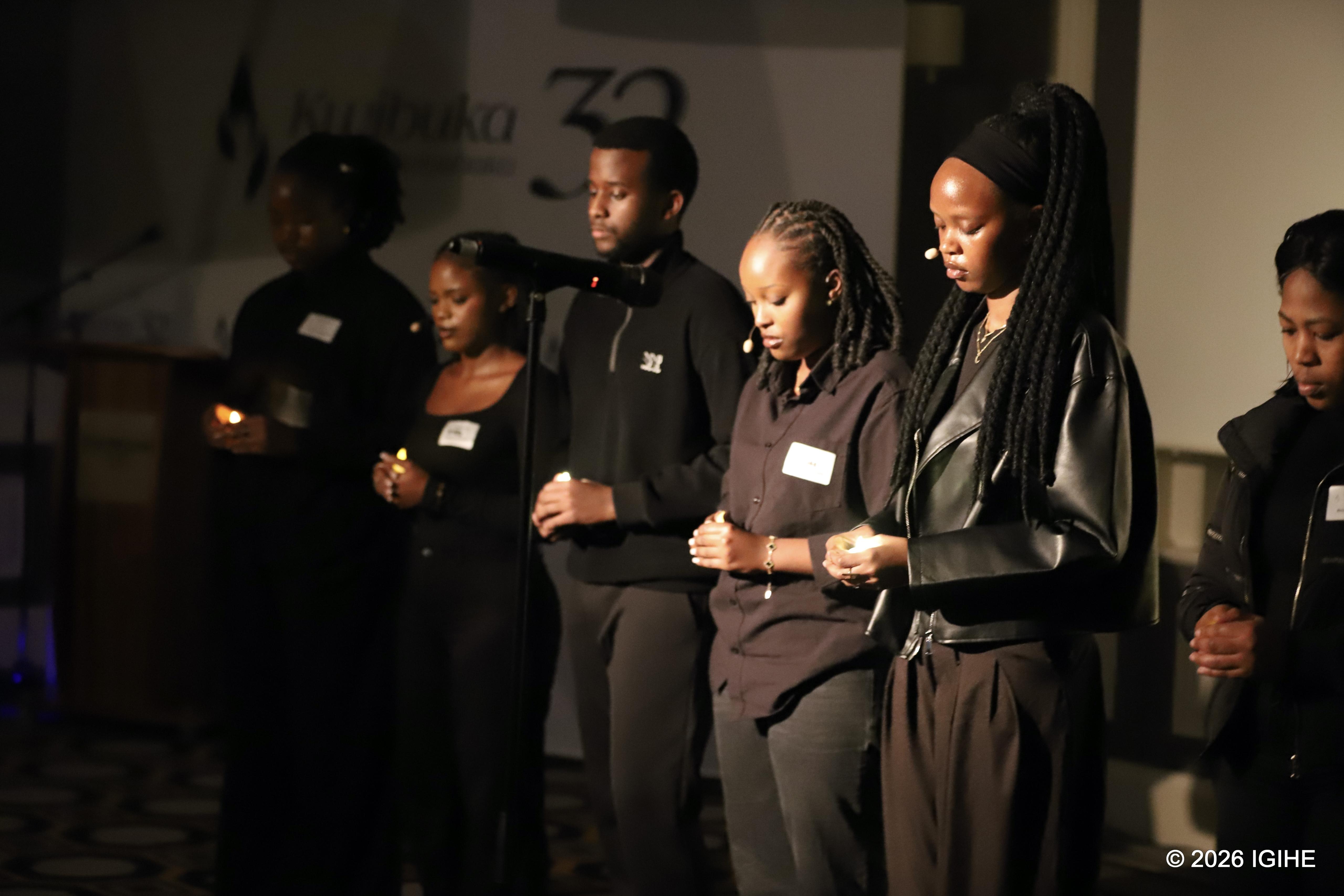
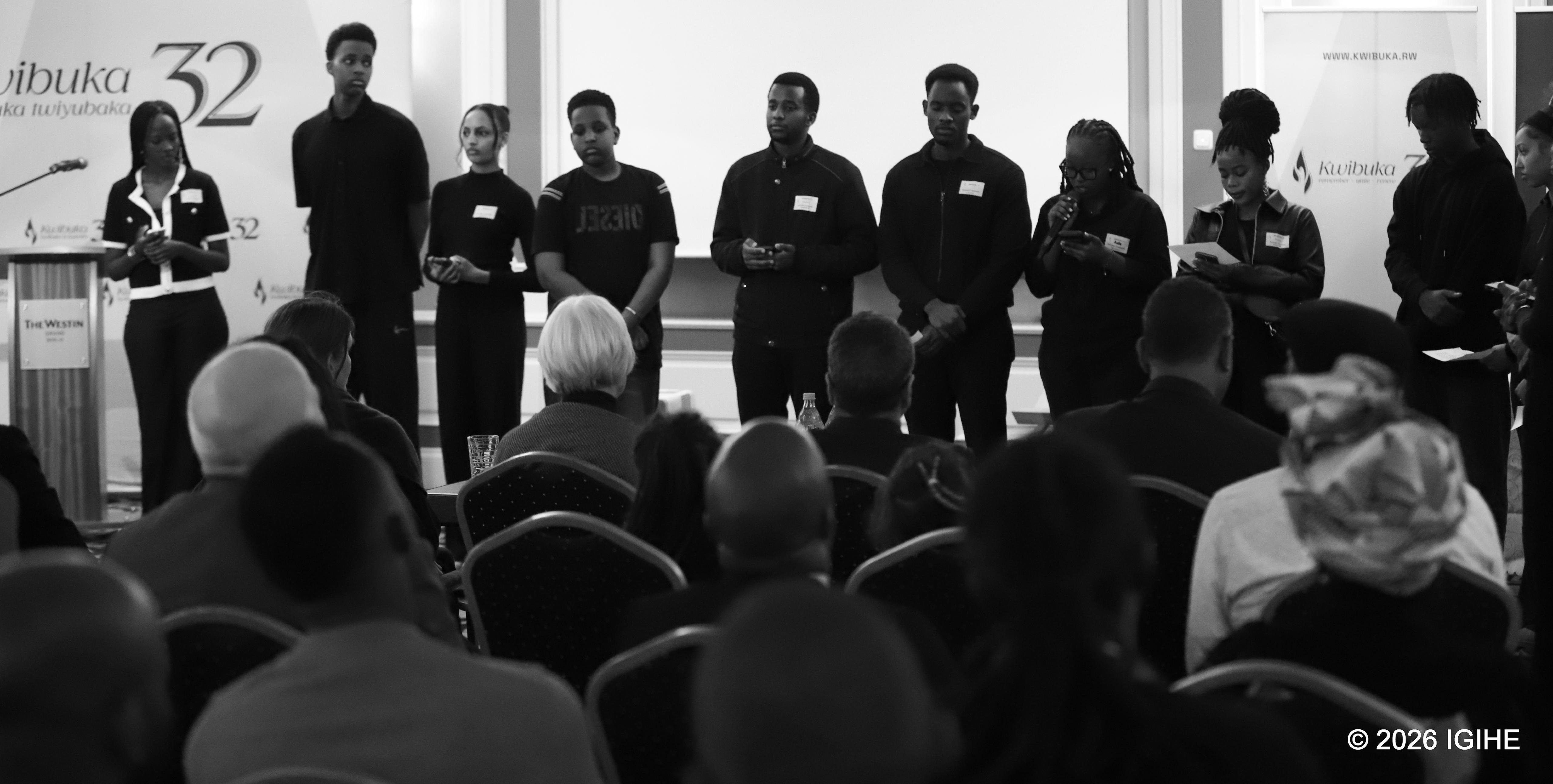
After a Walk to Remember, the commemoration continued with commemoration talks held at the Westin Grand Hotel, featuring a testimony by Umubyeyi Constantine, a poem recited by Sugira Hubert, and a theatrical performance by youth from Germany, all centered on the history of the Genocide against the Tutsi in Rwanda.
The representative of IBUKA in Germany, Philbert Gakuba, expressed gratitude to friends of Rwanda who attended.
He reflected on the history of the Genocide against the Tutsi, which left him orphaned, noting that today he has rebuilt his life, become a father, and moved forward with resilience.
Gakuba encouraged survivors to remain strong during this period of commemoration, acknowledging that it is a particularly difficult time, even though remembrance is something they live with every day.
He also addressed the youth, emphasizing that they are the ones who will carry forward the responsibility of remembrance. He noted that the commitment and actions already demonstrated by young people show that they are capable of sustaining this duty in the future.
Gakuba further reminded the international community of its inaction during the Genocide, stating: “This is why we remember, so that it never happens again.”
He also expressed sincere appreciation to Lise Nirk, a resident of Lauchringen, who played a significant role in supporting the establishment of the first genocide memorial in Germany.
Dr. Charity Wibabara also delivered a presentation addressing genocide denial and minimization, and the ongoing efforts to combat them.
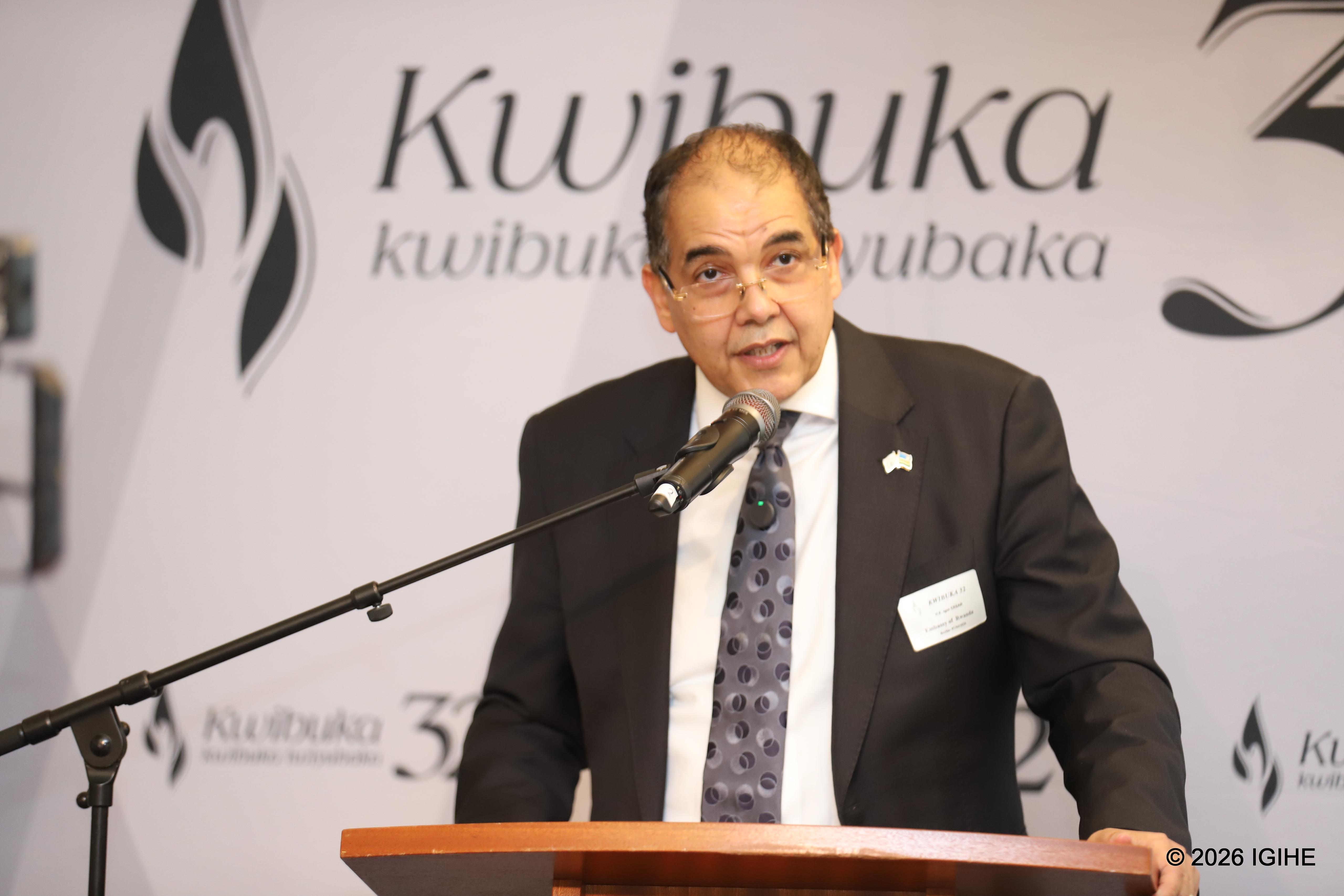
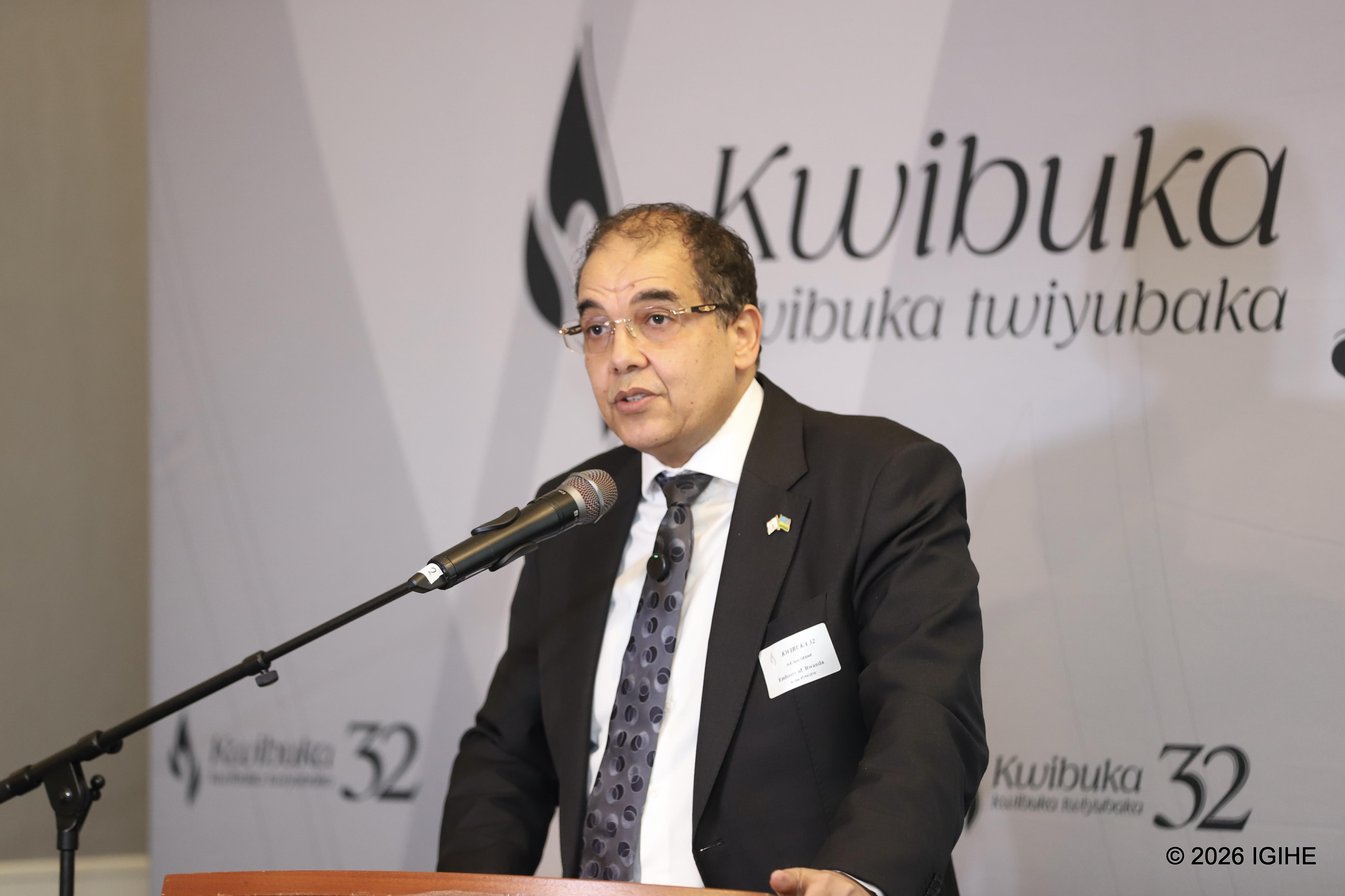
In his speech, Ambassador Igor César expressed sincere gratitude to participants for honoring the occasion, noting that their presence reflected a shared commitment to preserving memory and strengthening the global fight against genocide and hate speech.
He warned that genocide ideology, denial, and distortion are not only persisting but spreading rapidly across borders, often amplified by digital platforms and emerging technologies such as artificial intelligence.
“This makes our shared responsibility to remember, to educate, and to act more urgent than ever,” he stated.
Reflecting on the events of 1994, the Ambassador emphasized that the Genocide against the Tutsi was not spontaneous, but the result of a carefully orchestrated plan rooted in decades of division, discrimination, and dehumanization.
Long before 1994, Tutsis faced repeated persecution, exclusion, and violence, forcing many into exile. These injustices culminated in April 1994, when roadblocks were erected, lists of victims were used, and militias carried out killings with brutality.
In just one hundred days, more than one million people were killed, leaving behind devastating consequences. Approximately 250,000 women were widowed and around 300,000 children were orphaned, many forced to survive under unimaginable conditions.
Despite clear warning signs, the international community failed to act decisively, with the crimes denied, minimized, or mischaracterized.
“History will forever bear witness to that failure,” the Ambassador noted.
Ambassador Igor César explained that Kwibuka, meaning “to remember” in Kinyarwanda, reflects Rwanda’s commitment to honoring victims while firmly confronting denial. However, he cautioned that the ideologies that led to the genocide have not disappeared.
In some regions, particularly in the Great Lakes region, such narratives continue to fuel violence, persecution, and displacement, underscoring the need for constant vigilance.
“Silence in the face of such warning signs is complicity.”
He also urged governments to strengthen legal frameworks against genocide denial and revisionism, while highlighting the crucial role of education in ensuring younger generations safeguard the truth.
The Ambassador further highlighted Rwanda’s recovery since 1994, noting that the country emerged from devastation marked by collapsed institutions, a crippled economy, destroyed infrastructure, and a deeply traumatized population.
Rebuilding required restoring trust, delivering justice while fostering reconciliation, and reconstructing a fractured society. Through strong leadership, inclusive governance, and homegrown solutions, Rwanda chose a path of unity and nation-building.
Today, Rwanda stands as a testament to resilience, determination, and transformation.
Ambassador Igor also expressed gratitude to those who supported Rwanda’s reconstruction and continue to stand in solidarity, stressing that remembrance must be matched with action.
“‘Never Again’ must be a lived reality, not just a slogan.”
Additional remarks were given by invited guests, including German national Lise Nirk, a resident of Lauchringen, who was recognized for her key role as a friend of Rwanda in the establishment of the country’s first genocide memorial.
The discussions were moderated by Ngarambe Rwema and Samantha Umurera Kayitete.
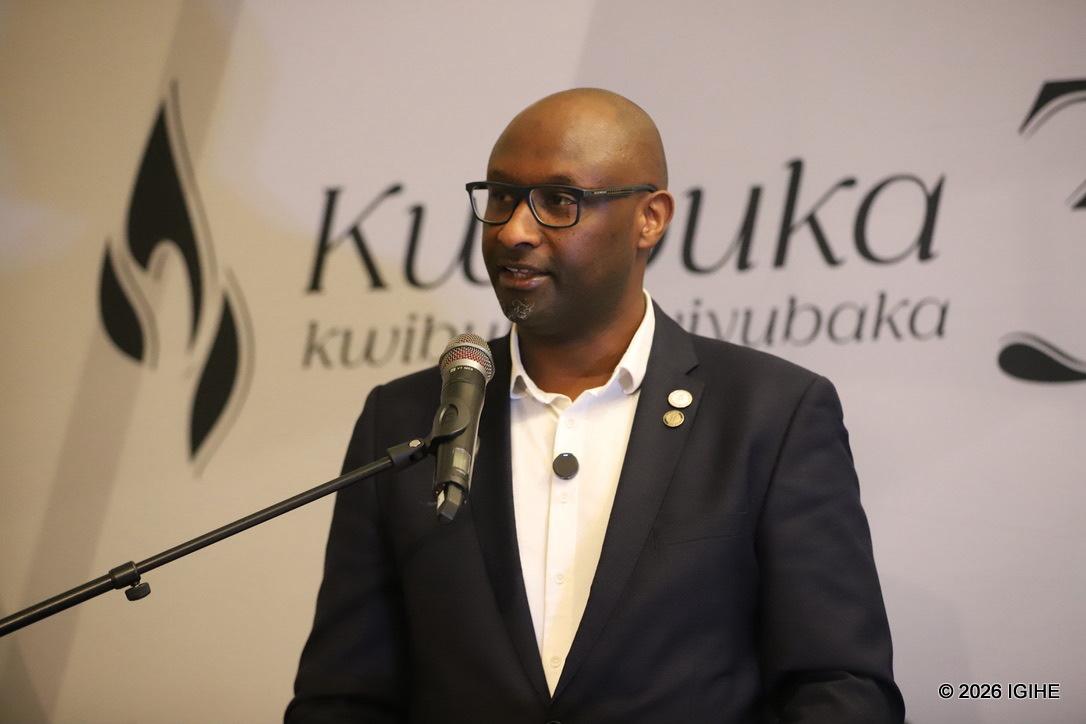
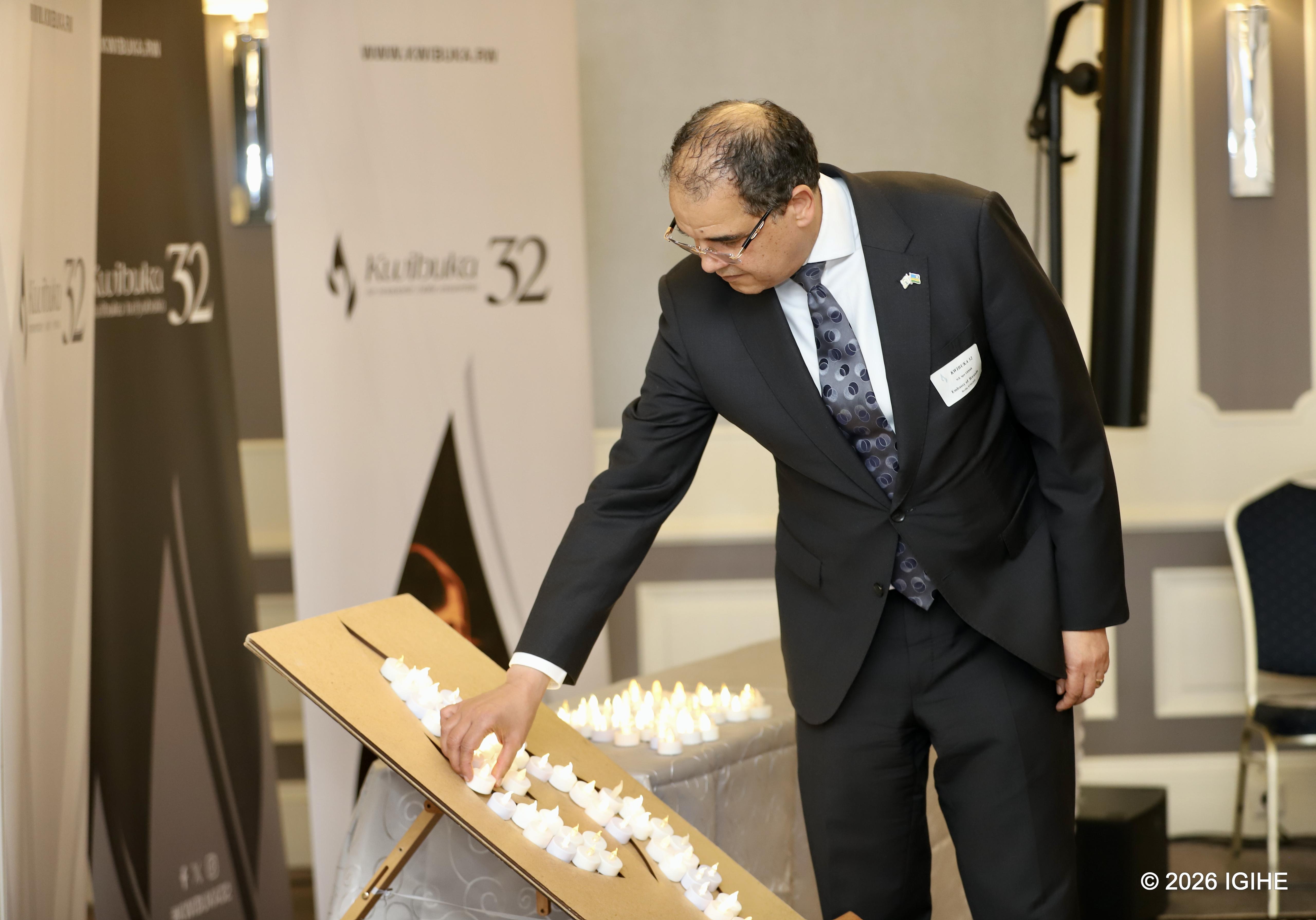
The representative of IBUKA in Germany, Gakuba Philbert, expressed gratitude to friends of Rwanda who attended and reflected on the history of the Genocide against the Tutsi.Ambassador Igor César addresses attendees during the 32nd commemoration of the Genocide against the Tutsi in Berlin.Rwanda’s Ambassador to Germany, Igor César, has called for renewed global commitment to confronting genocide ideology.Attendees gather in Berlin for the 32nd commemoration of the Genocide against the Tutsi under the theme “Remember – Unite – Renew.”A walk to remember preceded commemoration talks.