Author: Nicole Kamanzi Muteteri
-
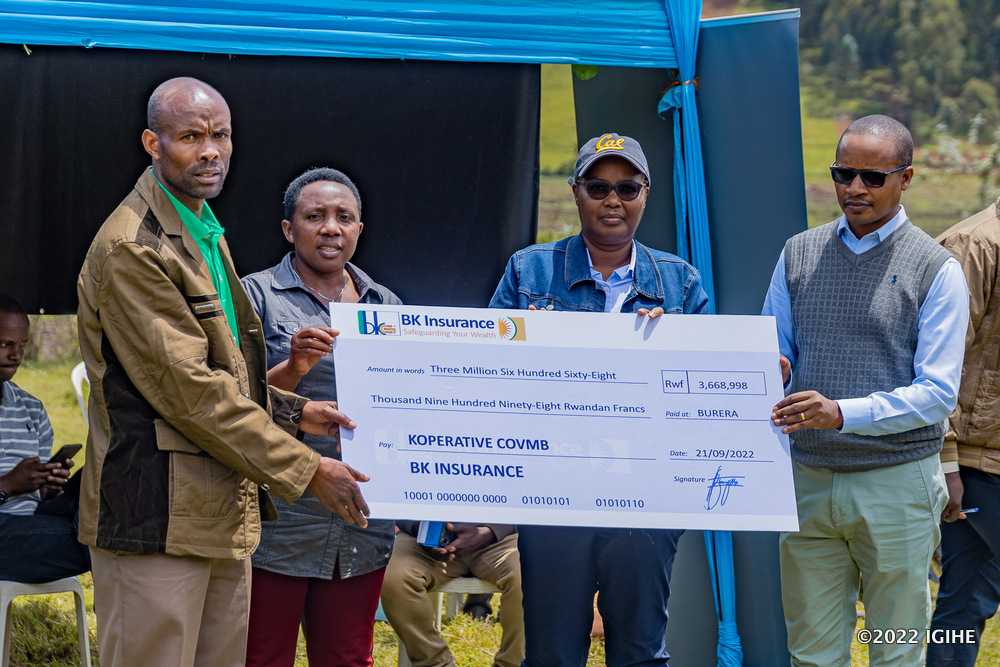
Burera: BK Insurance compensates disaster-hit farmers with Rwf3 million
The farmers were compensated on Wednesday, September 21, 2022, during a ceremony held in Nyamugari Cell attended by the Minister of Agriculture and Animal Resources (MINAGRI), Dr. Gérardine Mukeshimana; the Director General of Rwanda Agriculture Board (RAB), Dr. Karangwa Patrick; the Mayor of Burera District, Marie Chantal Uwanyirigira and others.
Compensated farmers are from COVMB cooperative growing crops in Nyirabibande wetland, who are members of BK Insurance.
During the event, farmers also paid Rwf1 million for insurance of corns planted in this season.
The president of Cooperative COVMB, which consists of more than 1450 farmers, commended the system of crop consolidation because it allows the farmer to take care of crops being assured of compensation in case of losses.
He thanked BK Insurance for introducing the insurance scheme because their crops would get ravaged and suffer losses before without anyone to intervene.
Nyirabibande Swamp has an area of 319 hectares. Farmers experienced loss in potatoes grown on 14.99 hectares due to drought, diseases and floods.
The CEO of BK Insurance, Alex Bahizi said that the company has released Rwf 328 million including Rwf100 million used to compensate the farmers while the rest was allocated for support to the farmers.
He revealed that the crop insurance covers corns, potatoes, wheat, rice, pepper, beans, and others. Bahizi went on to explain that they want to insure 40% of all the crops in the country.
He urged residents to do farming professionally to prevent avoidable losses.
Bahizi asked the farmers to participate in the insurance scheme because disasters improvise often.
He requested them to take advantage of the subsidy program introduced the government to get insurance.
The Mayor of Burera District, Marie Chantal Uwanyirigira said that residents were initially reluctant but have gradually changed mindsets and got their crops insured to avoid heavy blows.
Minister Mukeshimana said that farmers should organize their activities because disasters do not send a warning.
BK Insurance also donated 10 spray pumps and 15 hoes to farmers who helped their colleagues understand the program.
-
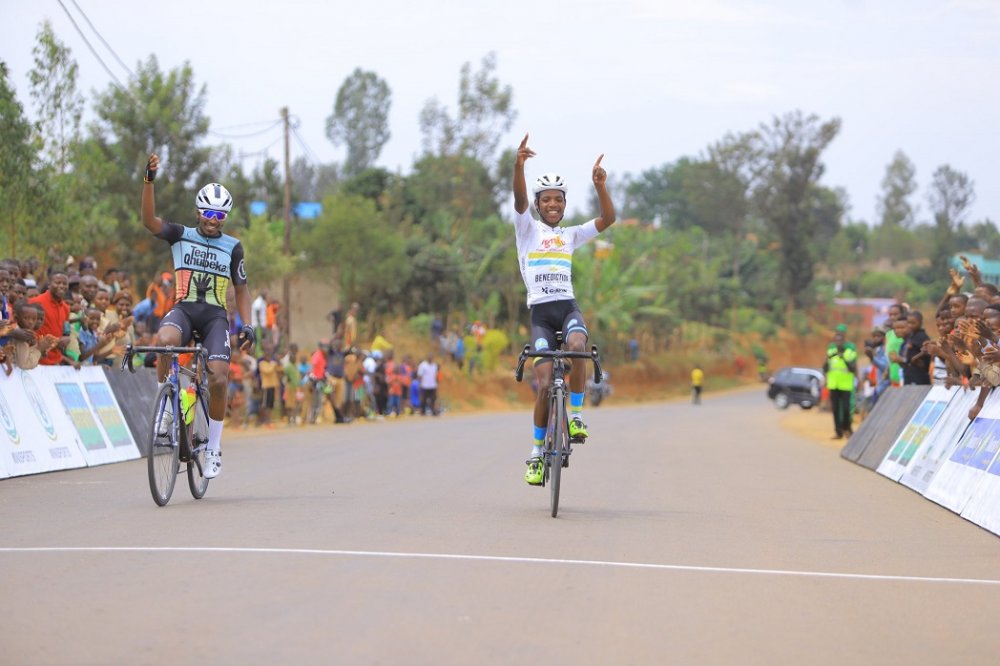
Rwanda organizes first ever cycling race in celebration of ‘Patriotism Day’
‘Gisaka Race’ that will see riders making laps in Kirehe District is scheduled on October 1, 2022.
It will attract the participation of 18 teams including Ferwacy members and continental teams among others.
It is planned that cyclists in the men’s category will cover a distance of 102.8 kilometers while girls and juniors will race for a distance of 87.7 kilometers. They will use the routes through Nyakarambi, Cyunuzi, and Rusumo areas.
‘Gisaka Race’ was mainly organized to increase the number of athletes participating in the competition and helping Kirehe District to showcase its natural beauty.
The Executive Director of Ferwacy, Alphonse Nkuranga, has told IGIHE that they decided to work with Kirehe District after proving that it has a big cycling fanbase.
“They also showed us that they have attractions in the district to be showcased as the race will be going on. There are rice fields, coffee plantations, where it is an opportunity to showcase the green Kirehe, the traditional, the traditional Imigongo patterns, there is an international border between Rwanda and Tanzania and hydro-electric plant under construction,” he said.
Nkuranga explained that the district can showcase all these attractions as cyclists will ride along them.
“Gisaka Race might be held every year in celebration of Patriotism Day, which is usually held on October 1st. This day reflects the time when the APR, the military wing of the RPF Inkotanyi, attacked the Kagitumba border under the leadership of Maj Gen Fred Gisa Rwigema, marking the start of Liberation Struggle,” he noted.
Nkuranga said that there will be talks that will lead to a permanent agreement.
Ferwacy has been in discussions for some time now with districts for the purpose of organizing monthly cycling competitions to raise new talents.
Apart from professionals, it is expected that residents aged 12-15 and others aged above 16 will be allowed to compete in the “Gisaka Race” using ordinary bikes.
The best young players will be recruited to join a new cycling team in Kirehe.
The athletes who will participate in this race will be given coffee as one of the crops cultivated in Kirehe. Awards yet to be announced will be given to top performers in the race.
-
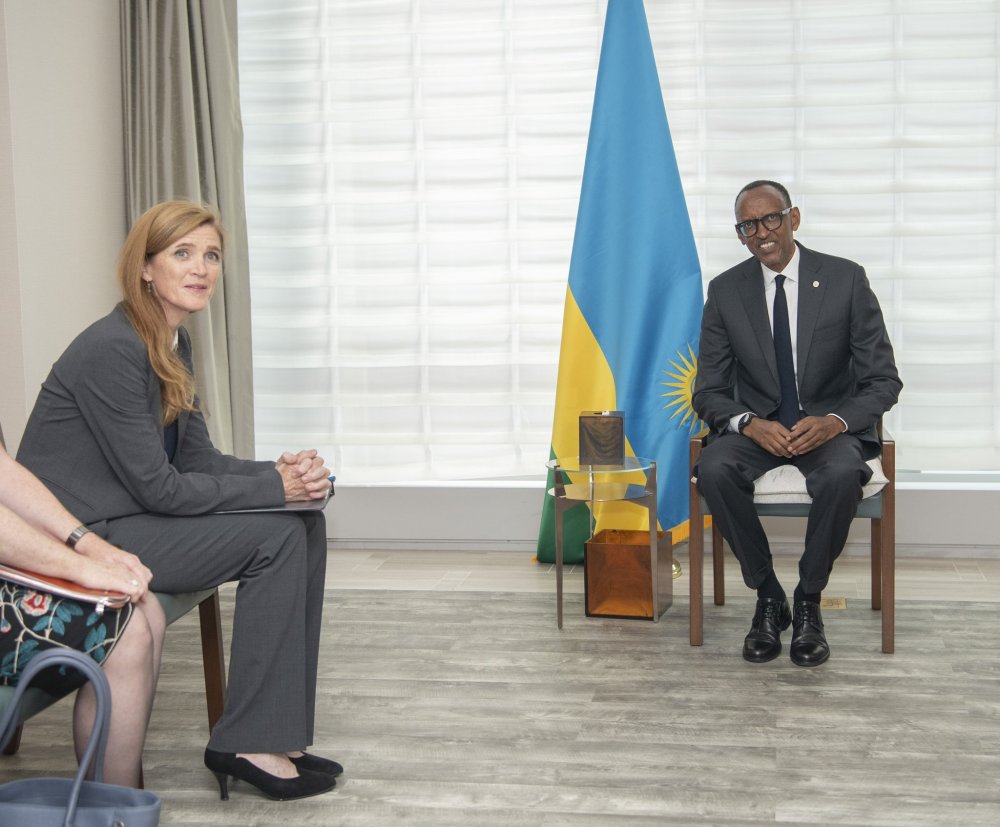
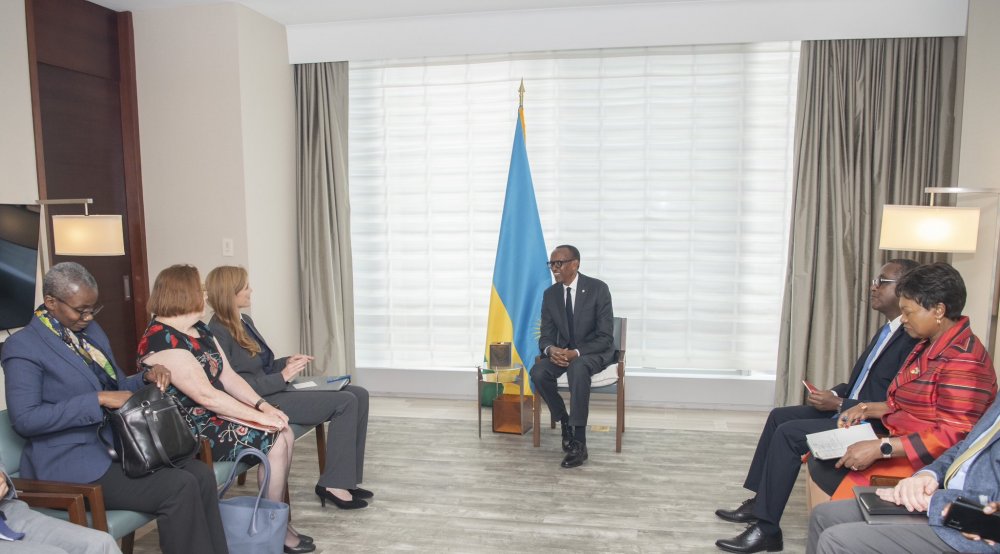
Kagame holds talks with Administrator of USAID, Samantha Power
The Head of State is in the New York, United States of America (USA) for the 77th United Nations General Assembly.
Before assuming duties as the Administrator of USAID, Samantha Power served as the 28th US Ambassador to the United Nations.
USAID provides funding to Rwanda’s agriculture and health among other sectors.
In 2021, Rwanda was the 21st African country that received large funding from the agency which stood at US$132,847,206 (over Rwf140 billion) while the country had received US$137,601,458 (Rwf146 billion) in the previous year.
In 2019, USAID supported Rwanda with US$167,252,235 (0ver Rwf177 billion) up from US$112,298,347 (almost Rwf120 billion) of 2018.
Lat year, a large portion of the funding from USAID to Rwanda (US$75 million) was allocated to the health sector.
Of them, US$31 million was allocated for primary healthcare while US$16 million was utilized to address maternal and child health needs as well as family planning.
A total of US$21 million were injected in anti-HIV/AIDS program while US$6.9 million was allocated to water distribution, hygiene and sanitation programs.
Among others, USAID supported Rwanda with US$16$ million to promote agriculture, US$8.3 million for emergency management, US$6.9 million to promote good governance and US$3.9 million to promote economic activities.
The agency’s funding to Rwanda continued in the areas of health and education among others.
-
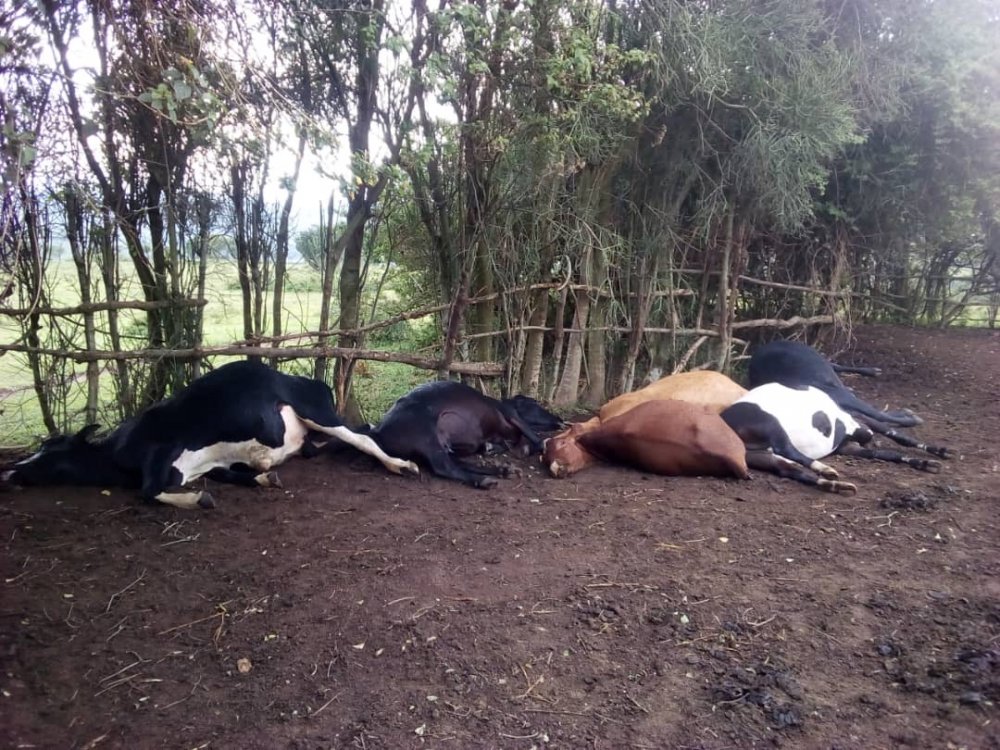
Lightning strikes six cows dead in Nyagatare
The incident occurred in the evening of Thursday 22nd September 2022 as it rained heavily in Karuhozi Village, Mbale Cell of Karangazi Sector.
The Executive Secretary of Karangazi Sector, Hope Mutesi has confirmed to IGIHE that the cows were struck dead by lightning in a farm.
She advised farmers to subscribe for livestock insurance so that they can get compensated in case of losses.
Similar incidents have been happening in Nyagatare District. Recently on 7th September, lightning also struck four cows dead in Rwempasha Sector of the same district.
On 14th August last year, another resident identified as Scovia Kobusingye lost nine cows to lightning strike. He was however compensated 28 cows by kind people.
-
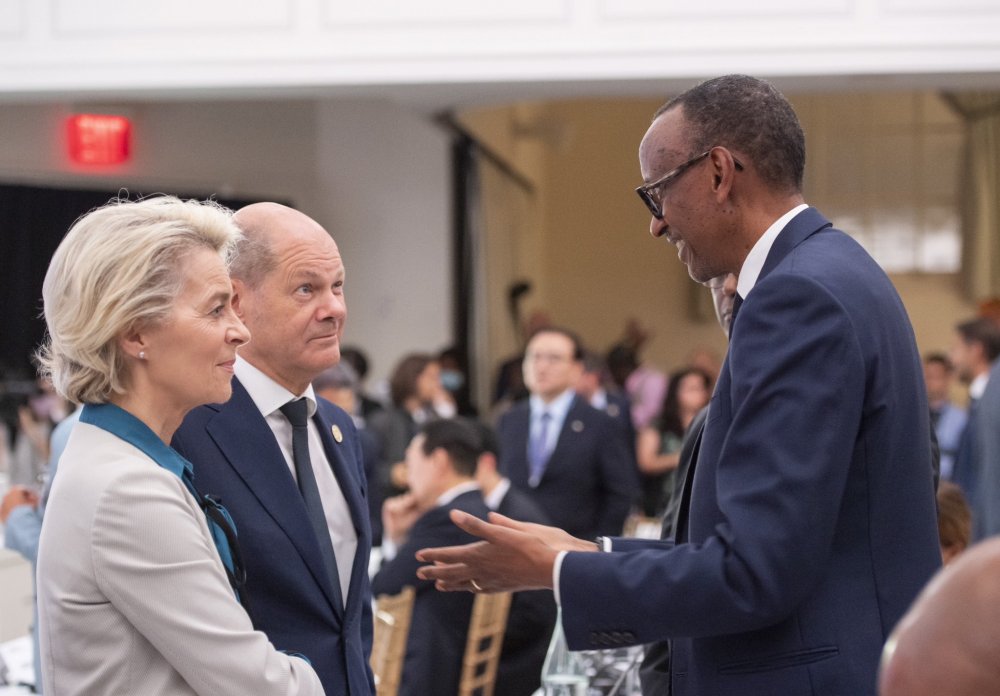
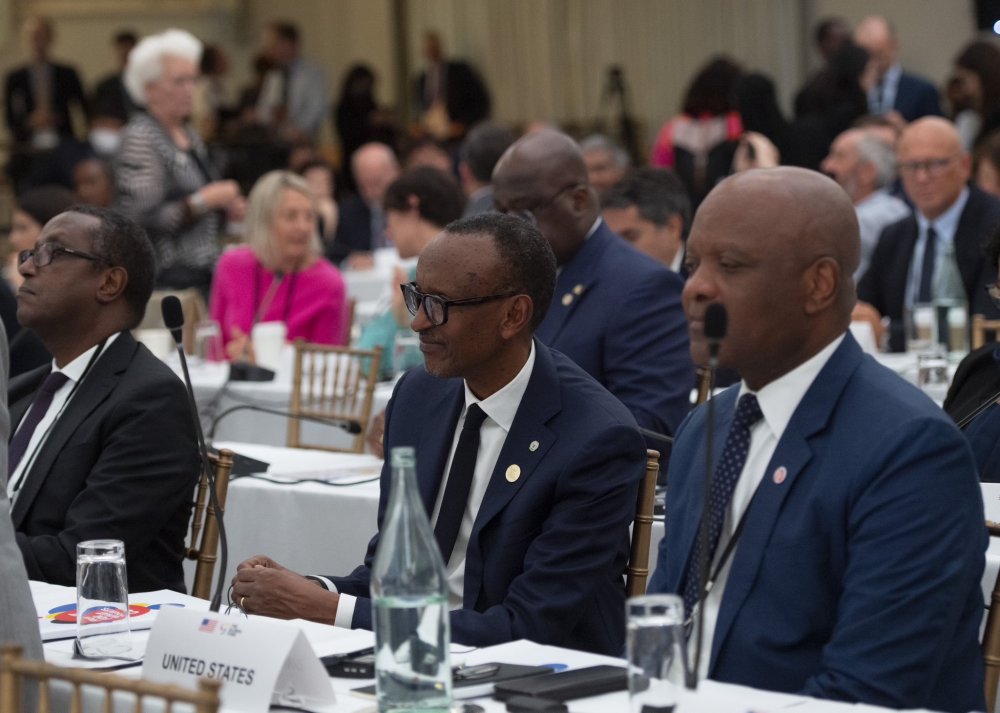
Rwanda contributes $3.3 million to Global Fund
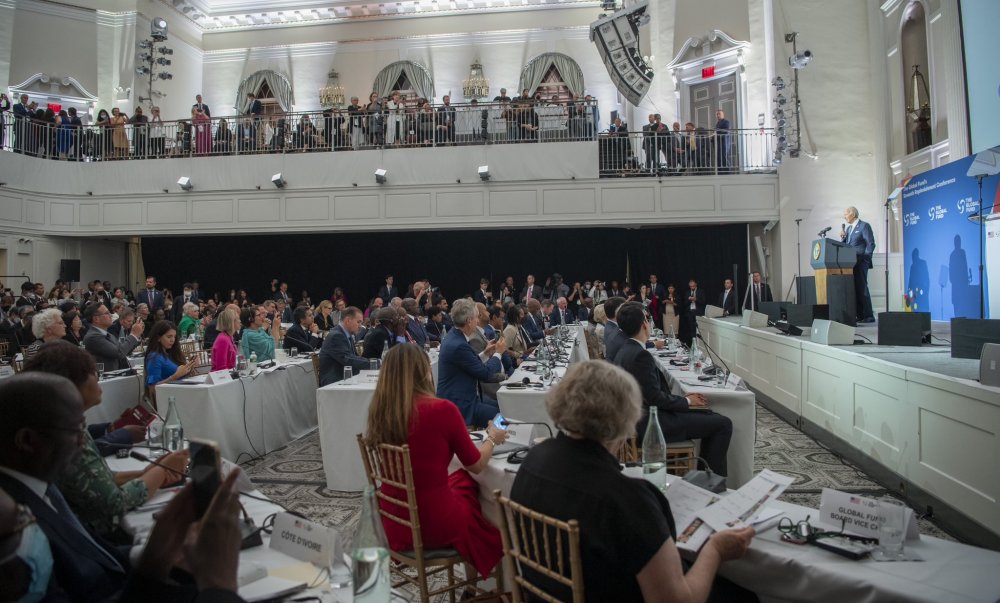
The meeting held in New York and chaired by the United States President Joe Biden, was aimed at raising funds for health care efforts in the fight against diseases including AIDS, Tuberculosis, and Malaria.
The goal was to collect $18 billion but only $14.25 billion has been collected. Nonetheless, there are countries that have not yet contributed, including Italy and the United Kingdom.
In addition to Rwanda’s contribution of $3.25 million, the United States of America has pledged to contribute ⅓ of the Global Fund’s budget. Initially, the country provided $2 billion out of its $6 billion pledge.
The President of France, Emmanuel Macron, said that his country will contribute $1.6 billion dollars, an addition to the 300 million Euros that his country pledged recently.
Germany committed to giving $3 billion while Canada pledged $1.21 billion. Many countries around the world have pledged to increase their contribution by 30%. These include Belgium, Canada, Germany, Ireland, Luxembourg, Portugal, and Spain.
The European Union has also announced that it will increase its funding by 30%, pledging 750 million Euros to help the world’s health sector.
African countries that increased their contribution by 30% include Burkina Faso, Ivory Coast, Kenya, Malawi, Rwanda, South Africa, Tanzania, Togo, and Uganda.
The contributions will be allocated to health programs including the fight against AIDS.
Statistics from The Joint United Nations Programme on HIV/AIDS (UNAIDS), show that the number of people infected with AIDS increased by 1.5 million last year.
Meanwhile, tuberculosis cases also increased, with 1.5 million deaths in 2020 alone, which is the highest number in more than 10 years. Malaria-related deaths have decreased by 47% between 2002 and 2020.
-
Rwanda, Barbados discuss opportunities for partnerships in vaccine manufacturing
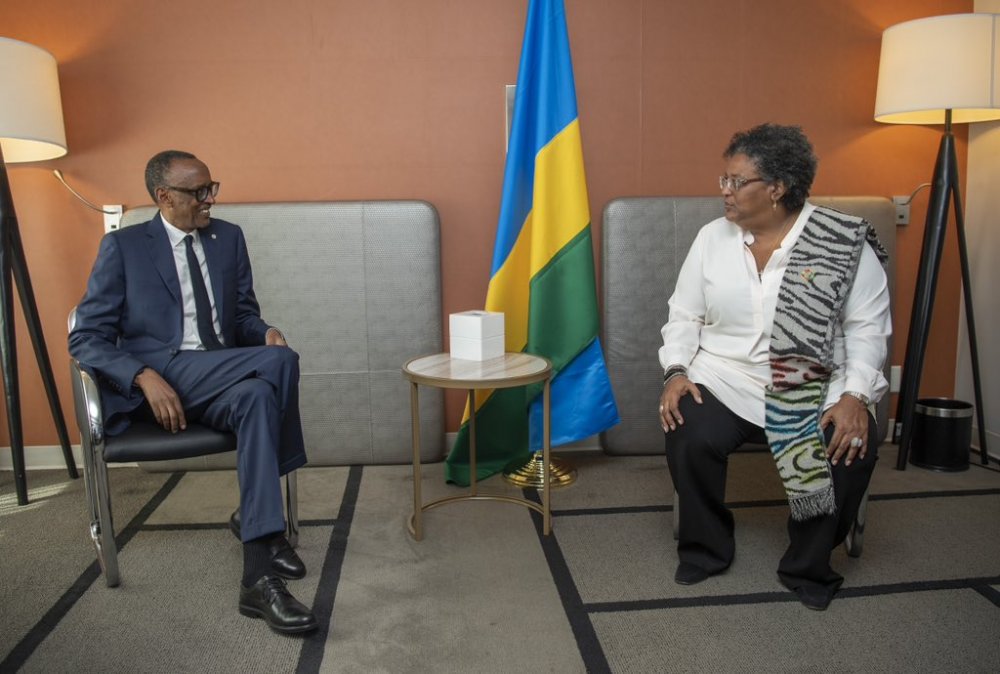
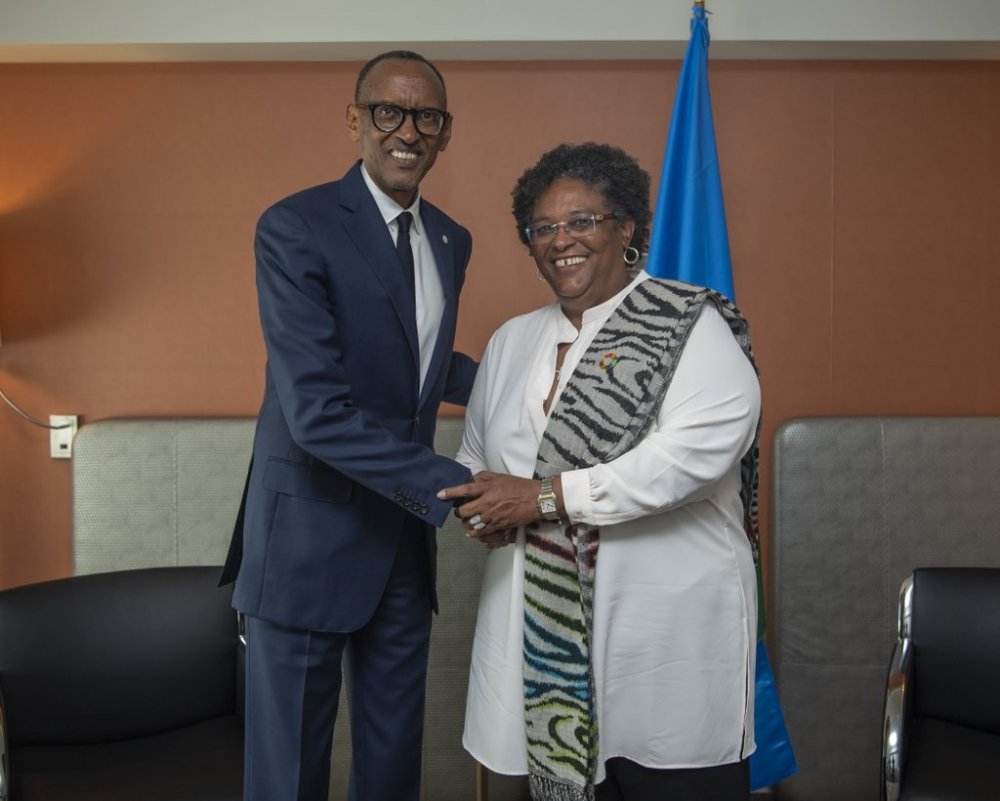
President Kagame and Prime Minister Amor Mottley last met in April 2022 during his visit to Barbados.
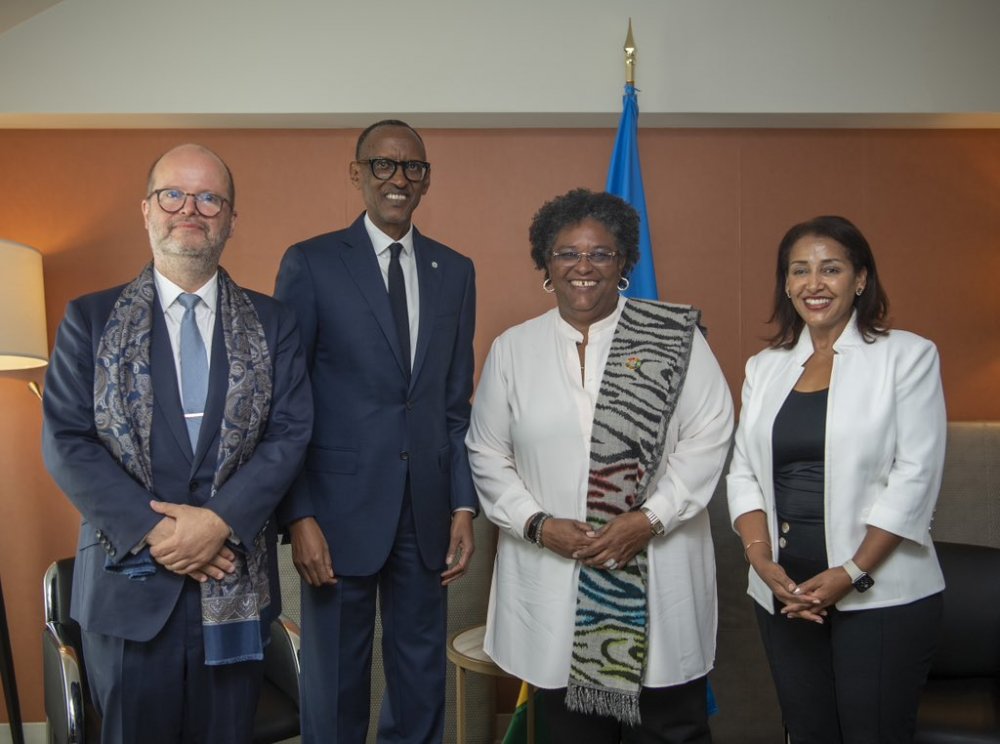
Rwanda’s Presidency has revealed that President Kagame held talks with Mia Amor Mottley on Wednesday 21st September 2022.
Discussions were also attended by Holm Keller, the Chairman of kENUP Foundation; Prof Senait Fisseha, a health expert and board member of the University of Global Health Equity (UGHE).
kENUP is a global non-profit public foundation supporting research-based innovation in the wider health industries for societal benefit.
Rwanda and Senegal are among the first African countries selected to host vaccine manufacturing facilities.
Rwanda has been undergoing preparatory phases to start producing vaccines for different diseases locally.
On 23rd June 2022, President Kagame laid the foundation stone for the construction of a vaccine manufacturing plant in Kigali Special Economic Zone located in Masoro of Gasabo District.
At the time, the CEO of BioNTech, Prof Uğur Şahin revealed that they want to enter first clinical trial of Malaria and Tuberculosis vaccines by the end of this year and beginning next year.
Africa seeks to manufacture 60% of needed vaccines in 20 years from the current 1 percent.
-
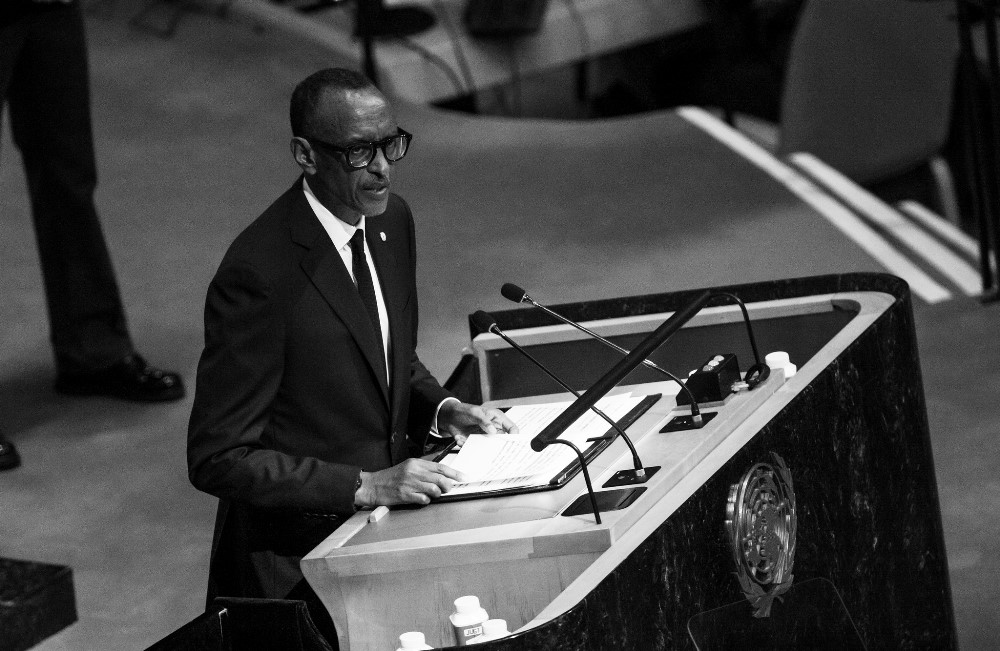
The blame game does not solve problems – President Kagame reminisces on instability in DRC
Kagame was delivering remarks at the 77th United Nations General Assembly in New York on Wednesday 21st September 2022.
The President of DRC, Felix Tshisekedi who also attended the assembly accused Rwanda of being behind M23 rebel group which is pointed out as the main security threat in the country despite the presence of more than 130 armed groups.
President Kagame said that the world is in a state of turbulence, with intersecting crises growing in scale and severity, including climate change, food price inflation, conflict, and uncontrolled migration.
“These challenges all require multilateral cooperation and efforts. Yet the perception, that the international system is no longer up to the task, has only deepened, particularly where the interests of powerful members are at stake,” he said.
The Head of State also talked about security problems in eastern DRC highlighting that the current situation is not different from what happened 20 years ago when the largest and most expensive United Nations peacekeeping mission was first deployed.
“This has exposed neighbouring states, notably Rwanda, to cross-border attacks that are entirely preventable. There is an urgent need to find the political will to finally address the root causes of instability in eastern DRC. The blame game does not solve the problems. These challenges are not insurmountable, and solutions can be found. This would ultimately be much less costly in terms of both money and human lives,” he said.
As regional troops resolved to deploy troops to fight armed groups in DRC, Tanzania refused to send its troops. Meanwhile, DRC boycotted Rwandan troops from participating in joint regional operations.
Speaking at UN General Assembly, Kagame also pointed out examples demonstrating how cooperation can help countries address problems facing them.
In the area of peacebuilding and counterterrorism, the President underscored that regional initiatives can complement the important work of the United Nations.
Kagame pointed out examples where regional or bilateral initiatives have been proven to make a big difference, whether in the Central African Republic, or the successful engagement to contain violent extremism in northern Mozambique conducted by Rwanda and the Southern African Development Community.
“If this approach was tried properly in DRC, as proposed by the Nairobi Process, it would make a difference. However, to be sustainable, such efforts require consistent financial support from the international community. A lot is at stake, and time is not on our side,” he affirmed.
“We cannot anticipate or prevent every crisis. But we can be better prepared to react quickly and effectively when needed, especially if we work together,” he added.