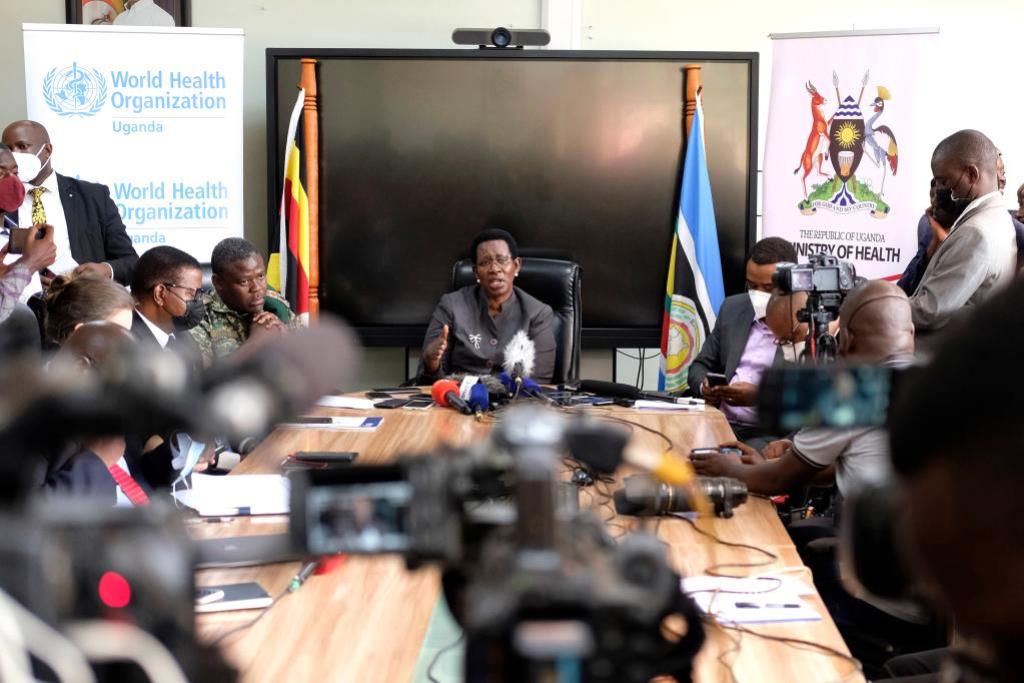
The Ministry of Health said in a statement issued here Friday that in the last 24 hours, four more cases were registered, bringing the cumulative number of confirmed Ebola cases in the country to 11.
The ministry also said three more deaths were recorded during the period, bringing the cumulative number of deaths to 11, including confirmed Ebola and suspected cases. Of these, eight deaths were from the community while three others were health facility based.
The statement said that currently there are 25 cases on admission at the health facility, out of which, six are confirmed cases while 19 are suspected ones.
The Ministry of Health teams are currently in Mubende district, the epicenter of the rare Ebola virus strain, carrying out contact tracing. Cumulatively 58 contacts have been listed, according to the ministry.
Uganda on Tuesday announced the outbreak of the rare Sudan Ebola strain after a 24-year-old male tested positive for the disease after being admitted to hospital.
Uganda said it is working with partners like the World Health Organization (WHO) to contain the spread of the disease.
The Ministry of Health urged the public to remain calm, practice preventive measures and report any suspected cases.
Ruth Aceng, the minister of Health is scheduled to hold a National Task Force meeting in Mubende to discuss measures of containing the disease.
Diana Atwine, permanent secretary of the Ministry of Health, told reporters that Uganda has the capacity to contain the disease, drawing from past experience.
“There is no need to panic at all, because Uganda is well known for handling epidemics. We have built capacity and we want to assure the public that we shall contain this epidemic,” Atwine said.
Ugandan scientists say they are still investigating the source of the current outbreak, warning that there is no vaccine against the Sudan strain, unlike the Zaire strain. They urge the public to install hand washing facilities in all public places as one of the measures to fight the epidemic.
Uganda’s neighbors — South Sudan, Kenya, and Tanzania — have issued Ebola alerts, urging their citizens to be vigilant and report any suspected cases.
The Ebola virus is highly contagious and causes a range of symptoms including fever, vomiting, diarrhea, generalized pain or malaise, and in many cases internal and external bleeding.
Mortality rates of Ebola fever are extremely high, with the human case fatality rate ranging from 50 percent to 89 percent, depending on the viral sub-type, according to the WHO.
Felix Kulayigye, a military spokesperson, tweeted that the MI-24 helicopter developed a mechanical fault while in flight and the pilot made an emergency landing.
“Fortunately no casualties both to the occupants of the plane and on the ground,” he said.
Kulayigye said a team has been dispatched to the crash site from the air force headquarters to establish the cause of the accident.
Last year in February two cadet trainees of the Uganda military were injured when a military helicopter they were traveling in crash-landed soon after take-off at the Entebbe International Airport, 40 km south of Kampala, the capital of Uganda. The February accident occurred just after a week when another Ugandan military helicopter crashed in Somalia, injuring four soldiers on an African Union peacekeeping mission.
In January 2020, the military lost two soldiers in a Jet Ranger which crashed in the central district of Gomba.
This cooperation between Rwandan and Chinese doctors started through the Chinese government’s program known as “The Belt and Road ‘Global Partnership seed fund project’”, which aims to cooperate with developing countries in the health sector.
Dr. Muhuza Marie Parfaite Uwimana, from Rwanda who s currently pursuing her Master’s degree at Women’s Hospital, Zhejiang University of School of Medicine along with her two colleagues, Gihoho Mutangana Justine and Cyuzuzo Cynthia are among those who managed to present a good project to work with Rwandan doctors through their project known as “Khiliads.”
Khiliads aims to educate and train people about social welfare.
Dr. Muhuza says that this program will benefit Rwandan doctors because it will support their research where they will have an opportunity to share knowledge.
“This project will support researchers, doctors who want to do research, nurses, or medical students. Those who participate in the research will be rewarded through the program. There will also be ways to train and exchange knowledge in reducing the number of maternal and child deaths in Rwanda.”
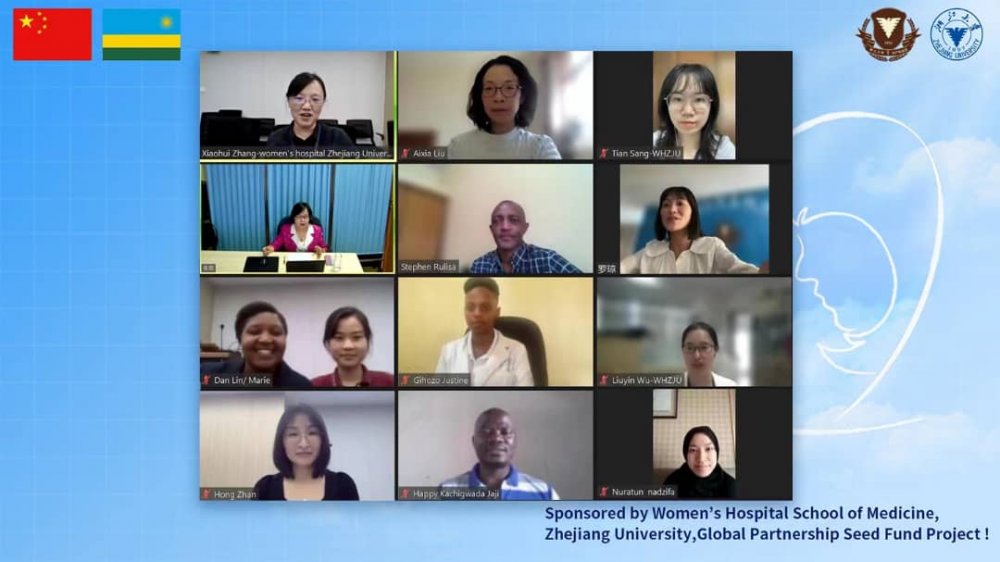
On Friday, September 16, 2022, Chinese doctors held a meeting with their Rwandan colleagues, with the aim of ensuring that the health of the pregnant mother is taken care of and train girls and women adequately on reproductive health.
The Chinese medical team consisted of Dr. Xiaohui Zhang, representative of Women’s Social Affairs in China, Prof. Jun Zhu, head of women and children’s supervision in China and Prof. Qiong Luo, head of Women’s Hospital, Zhejiang University School of Medicine.
Rwanda’s team was composed of Prof. Stephen Rulisa, head of the Faculty of Medicine at the University of Rwanda, Dr. Kayigema Eugene who works as a midwife at Kanombe Military Hospital, and Dr. Justine Mutangana who is working at Kibagabaga Hospital.
The discussions focused on how the health of a pregnant woman in Rwanda is taken care of hand in hand with the health of the unborn child.
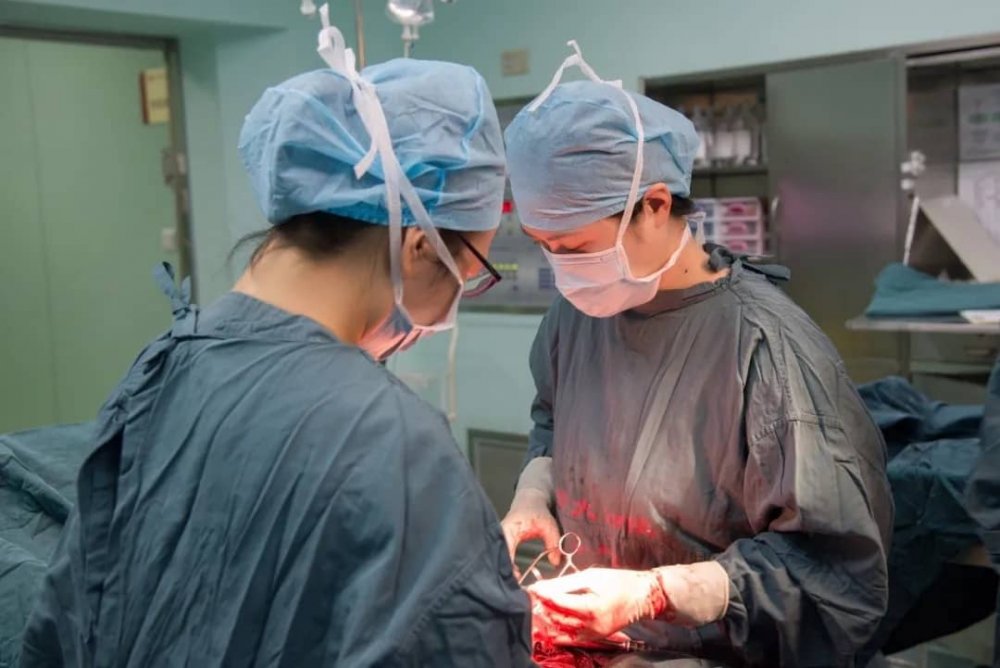
These Rwandan doctors have shown that even though the country has made good progress in reducing maternal deaths, there is still a problem that some mothers still die after birth as a result of severe bleeding or ‘infection’ from surgical wounds.
Their counterparts from China have shown that they also faced these problems but managed to overcome them.
It is expected that through the program, 100 pregnant women in Rwanda will be subscribed to Mutuelle de Santé.
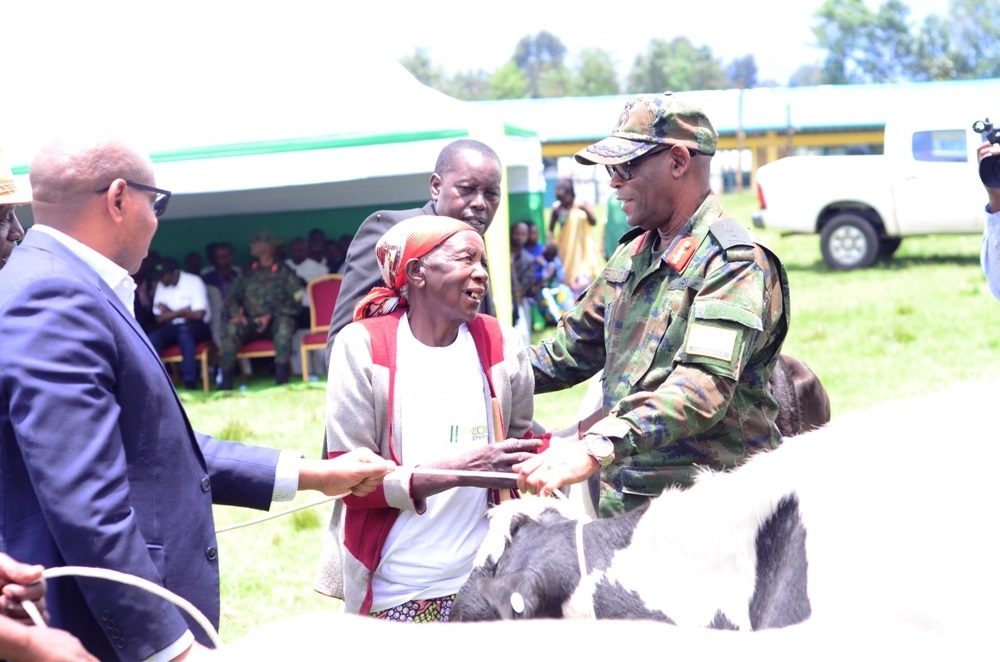
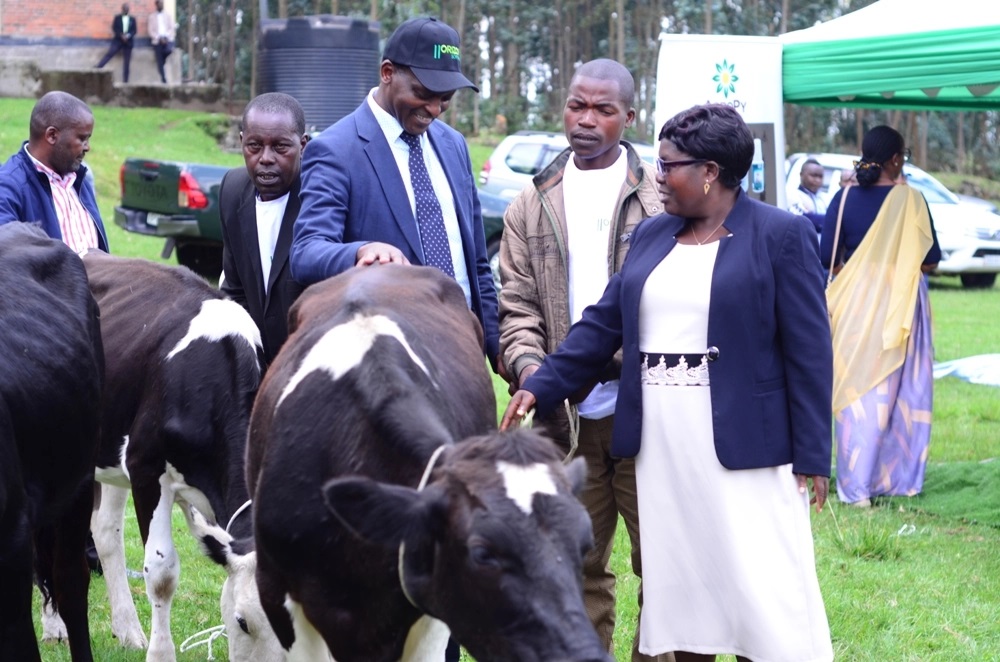
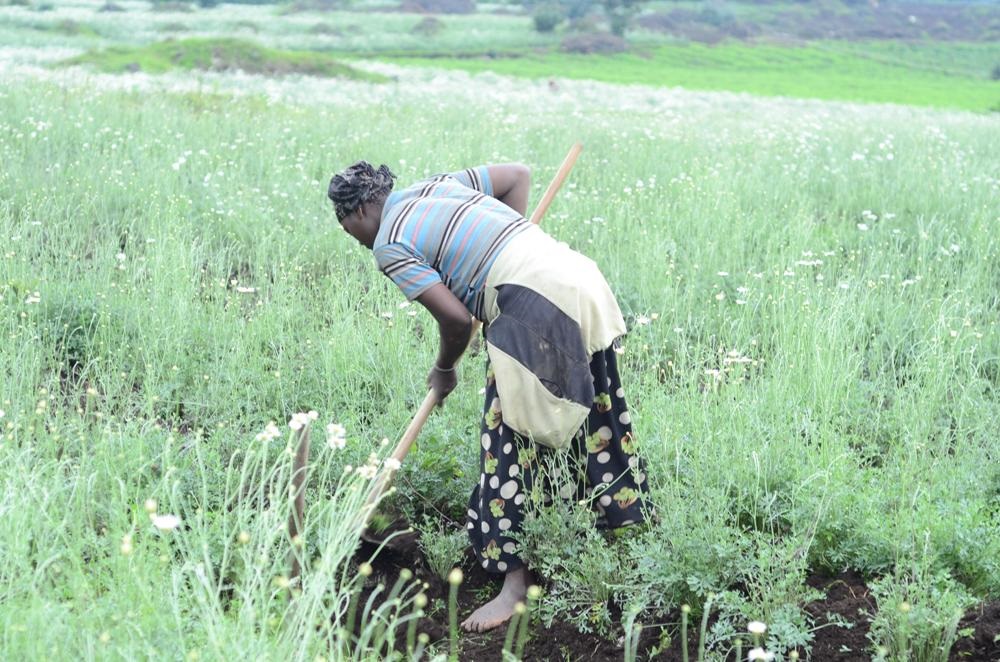
These farmers revealed that the crop has helped them to improve their livelihoods and expressed delight for received cows from SOPYRWA and price increment which encourages them to continue working hard to achieve envisioned progress.
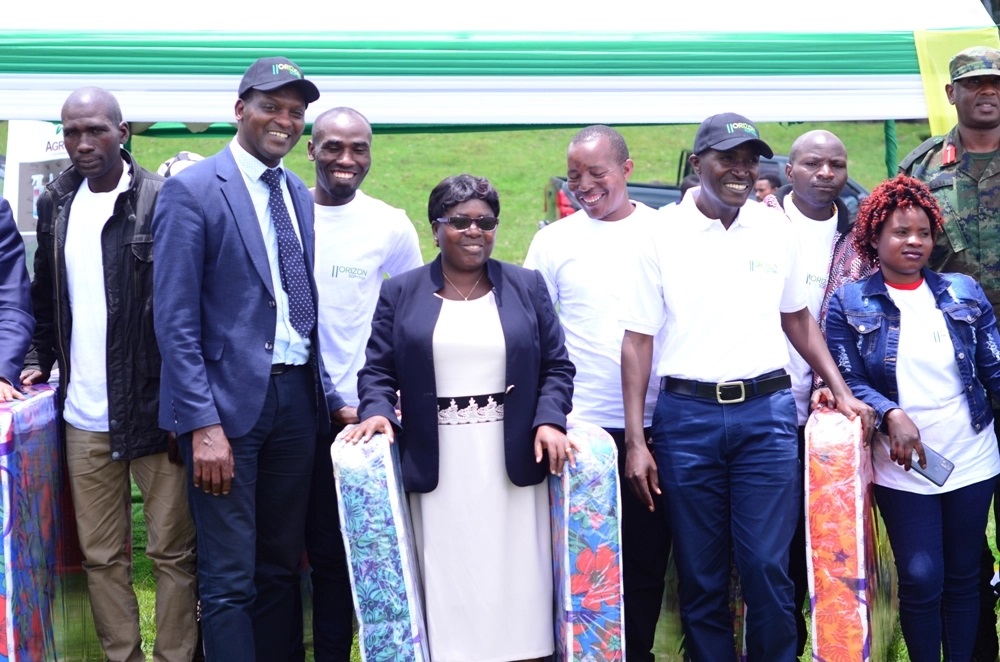
At least 50 farmers were given cows by SOPYRWA while 80 received beddings in Northern and Western provinces.
Elias Kanyamuhanda received a cow on behalf of his father who emerged among excellent pyrethrum farmers.
Aged 86, his mother has been growing pyrethrum for 48 years.
“I am the eldest son of that old woman. All my siblings are educated and have a good life, all because of the pyrethrum. In 1976 the pyrethrum helped us move from a grass thatched house into a decent house. We are thankful that the leadership has been extending support to pyrethrum farmers. It is also our great pleasure to receive cows as they will serve as source compost leading to increased quantity and quality yields,” he said.
Olivier Tuyizere, a 28-year-old resident of Shingiro sector in Musanze District, has been growing pyrethrum for three years. He attested that this farming changed his socio-economic status.
“It has changed my livelihood. I used to be in the first Ubudehe social-economic category but I have joined the second one. I have built a house in which I live together with a wife and children,” he said.
Marceline Nyiransabimana, who also lives in Shingiro Sector, said the Rwf100 increment per kilogram will help them fast track their development goals.
“Increasing the unit price gives us optimism for my family’s bright future. Besides, the received cow will help me get enough milk for my family and share with neighbors. We will expend much more effort to maximize to the fullest, all benefits from the agriculture of pyrethrum,” she noted.
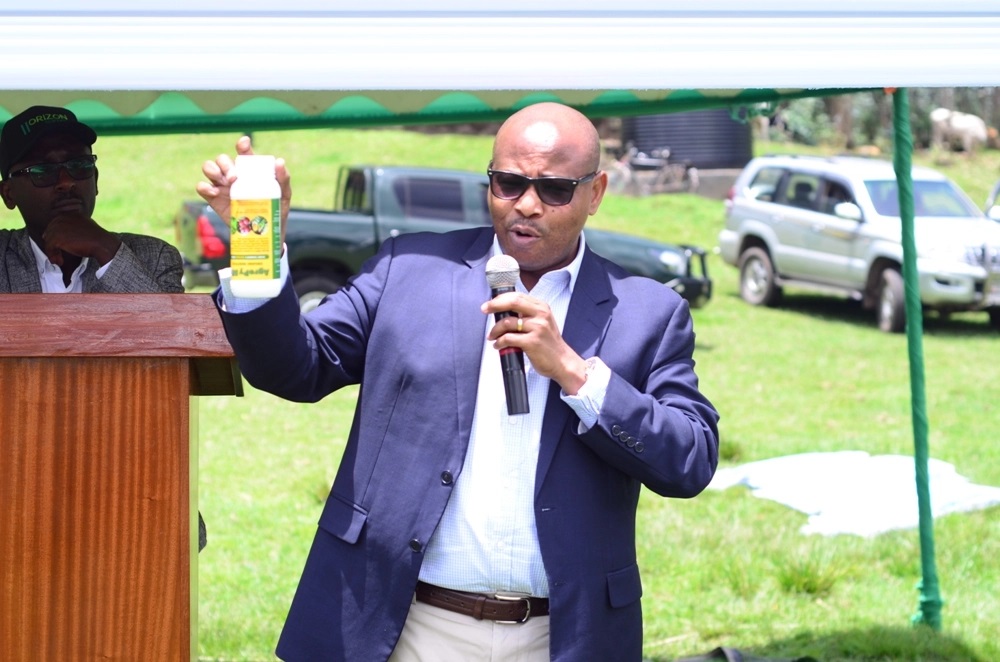
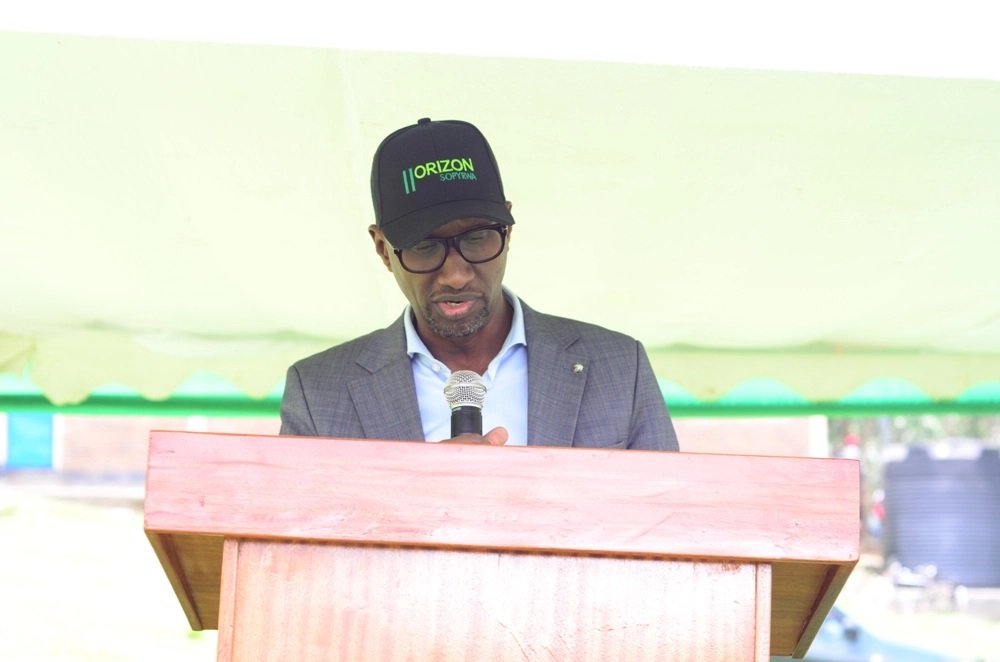
Gabriel Bizimungu , the General Manager of HORIZON SOPYRWA, a company producing and processing pyrethrum, said that they increased pyrethrum’s unit price in consideration of rising food prices and farmers’ requests.
He revealed that they will assess the possibility to continue increasing it every year for farmers to generate good returns from their produce.
“It induces pride to see residents attain progress. It is a privilege for Rwanda that countries like China, USA, and others prefer our pyrethrum. This requires us to increase productivity. In light of this, we will do everything possible to make it. To help farmers preserve crops, we are going to build a decent dryer starting next week to avoid rain related ravages,” he said.
Fidèle Hakizimana, an employee from the National Agricultural Export Development Board (NAEB) assured farmers that pyrethrum is highly needed at the global market.
“Have you ever heard of a disease that affected maize? It was defeated by applying pesticides extracted from pyrethrum. Medicines from the crop were also used to fight Ubuganga [the Rift Valley Fever Disease]. You can understand how it is helping to change the lives of the people,” he said.
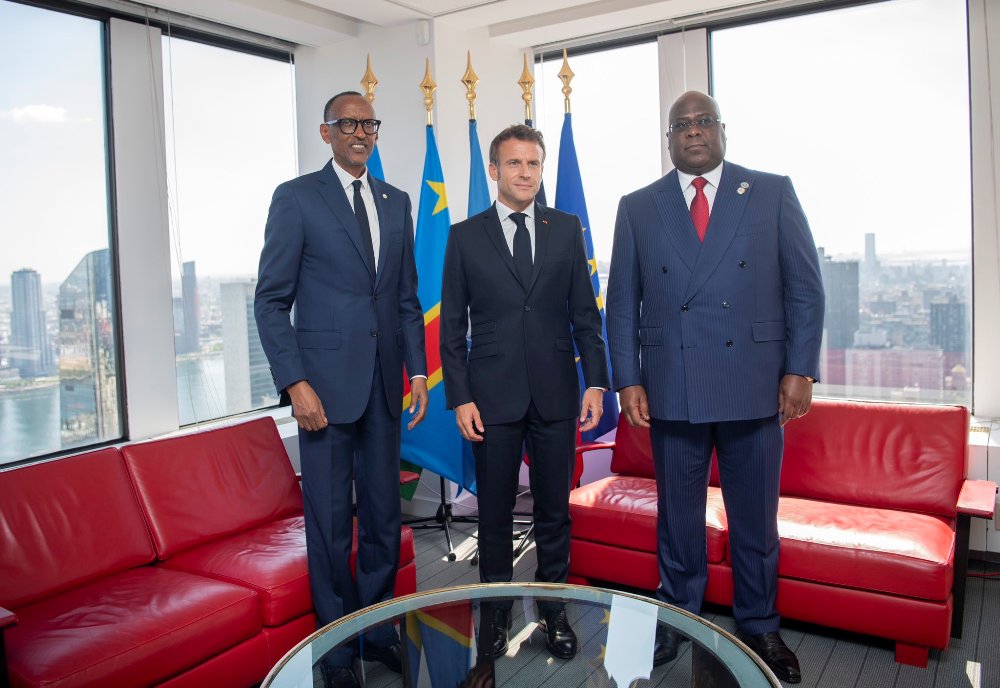
The photo followed another one showing both countries’ First Ladies exchanging greetings in a friendly atmosphere.
However, the speech delivered by Tshisekedi at the UN General Assembly on Tuesday this week pointing at Rwanda as the origin of his country’s instability that existed for long and requesting the international community to take action reignited confusion among some people.
It was followed by the speech by President Kagame on Wednesday who stressed that blame games will not solve the problems highlighting that political will is much needed to address the root causes of instability in eastern DRC.
Later on, French President released a statement announcing that the three heads of state met in New York on the sidelines of the 77th UN General Assembly.
President Kagame and Tshisekedi were invited by Macron for discussions with a view to calm tensions between both countries.
The tensions rose early this year following the resurgence of M23 rebel group which resumed attacks requesting the Congolese government to implement peace accords that did not materialize.
A statement released by France indicated that Kagame and Tshisekedi expressed concerns over the resurgence of violence in eastern DRC.
France said that Kagame and Tshisekedi agreed on the need for the pullout of M23 rebels which has currently seized different areas, put an end to activities of armed groups in the Great Lakes region, including the Democratic Forces for the Liberation of Rwanda (FDLR), going hand in hand with the Nairobi Peace process and the mediation of Angola in collaboration with the African Union.
{{Intentions}}
Since he was installed French President in 2017, Emmanuel Macron has shown interest in peace and security with a focus on restoring the country’s image tarnished by its disputed reactions in problems that the world has been facing for over 100 years.
International analysts consider Macron as one of influential leaders in Europe after Angel Merkel left German chancellery.
Having Macron as a mediator is nothing of extraordinary as France is currently chairing the UN Security Council in September.
It goes with the active involvement of Macron in handling different problems facing the world where he attempted to mediate the tension between Russia and Ukraine.
A journalist and analyst, Tite Gatanazi has observed that France already enjoys cordial relations with Rwanda at the regime of Macron where serving as a mediator on the issue is something of critical significance.
Gatabazi also highlighted that France is a country with global influence that it would be easier for DRC to respect its mediation efforts.
“Tshisekedi would be lucky to have Macron getting him out of his labyrinth. Secondly, France is a powerful country whether you accept or not and has strong connections with USA. It is an influential country in the European Union and other international organizations like the World Bank, Francophonie, International Monetary Fund [IMF] and UN agencies,” he said.
France has for long been blamed by African countries over continuing to exercise colonial policy especially in its former colonies in West and Central Africa.
Macron came with new policies to admit mistakes committed by his country like its responsibility during the 1994 Genocide against the Tutsi. He has also shown that there are other avenues for collaboration between France and Africa where companies from the European country can be given floor to contribute to Africa’s development.
Gatabazi says that France has already identified potential development opportunities in East Africa in the near future where building strong connections with countries in the region would be an ideal approach.
“France strongly wants to bridge the gap resulting from a negative reputation associated with the Genocide to forge development partnerships,” he noted.
France last enjoyed cordial relations with Congo at the regime of Mobutu Sese Seko.
After leaving power, the leadership of Kabila and his son, Joseph Kabila seem to have turned backs against Europeans and focused on deepening ties with countries in eastern part of the world.
As Felix Tshisekedi was installed, it served as an opportunity for France to approach Congo given that the current president understands well Europe where he spent many days of his life in Brussels.
Ten months after Tshisekedi took power (towards the end of 2019), France committed to strengthening relations with DRC especially in the area of security to fight armed groups.
A political analyst, Albert Rudatsimburwa has observed that France’s gesture in New York was just to calm down the wrath of Tshisekedi.
“French people have many problems that DRC issues cannot sidetrack their attention. For the time being, the major problem is in Europe. Putin cut the supply […] Congo is not on their agenda,” he said.
The statement released after the tripartite meeting does neither indicate that France replaced Angola nor Kenya but supports their mediation efforts and call for speedy implementation.
For Rudatsimburwa, the mediation of Macron on Rwanda, DRC tensions bore no fruits.
“There is no mediation. It is just about taking pictures. Tshisekedi was crying loud to be heard. In fact, there is no new development. It is a time to cool down the wrath,” he said.
“Nothing is expected to change because there are no specific commitments on each concerned side. Do you think Rwanda can accept to call Makenga over the phone and propose the withdrawal? Does the country command the rebel group [M23]?” wondered Rudatsimburwa.
He underscored that the solution will come out of Nairobi process requesting DRC to engage with armed groups and particularly respecting peace accords signed with M23 in 2013 that have not yet been implemented.
France has been supporting dialogues to solve the issue of instability in DRC but the latter has been boycotting any engagements, particularly with M23.
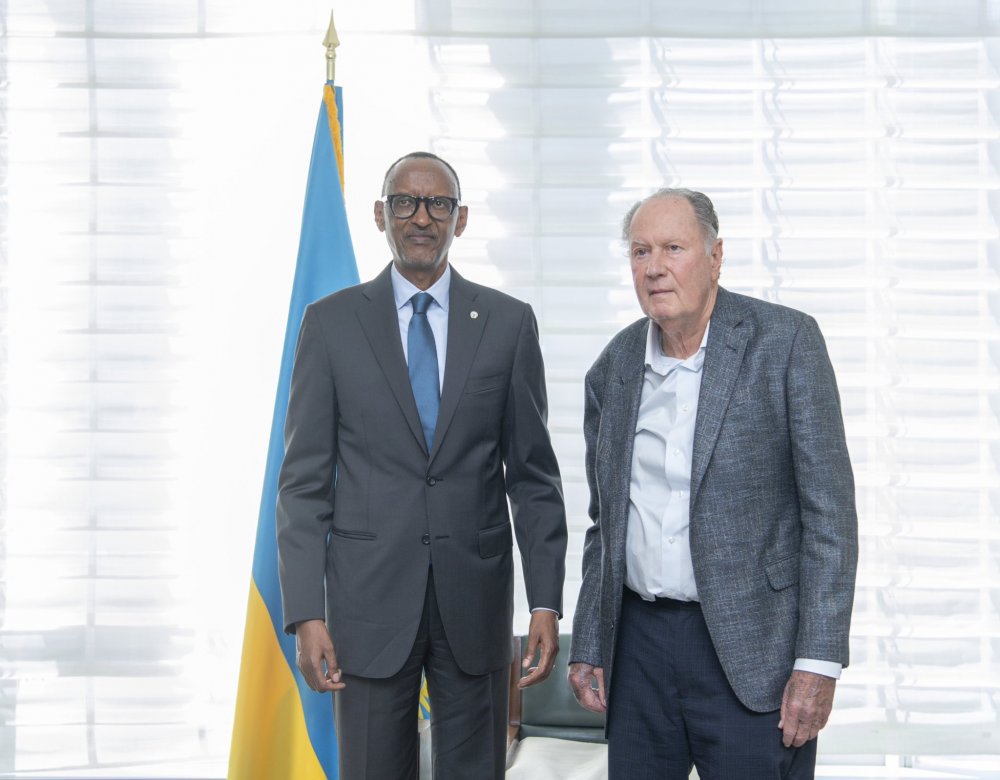
David Bonderman,79, is among tycoons in the USA whose net worth is estimated at $6.5 billion, according to Forbes.
He has invested in diverse businesses including TPG Capital, Boston Celtics Basketball Team and Seattle Kraken, a professional ice hockey team based in Seattle.
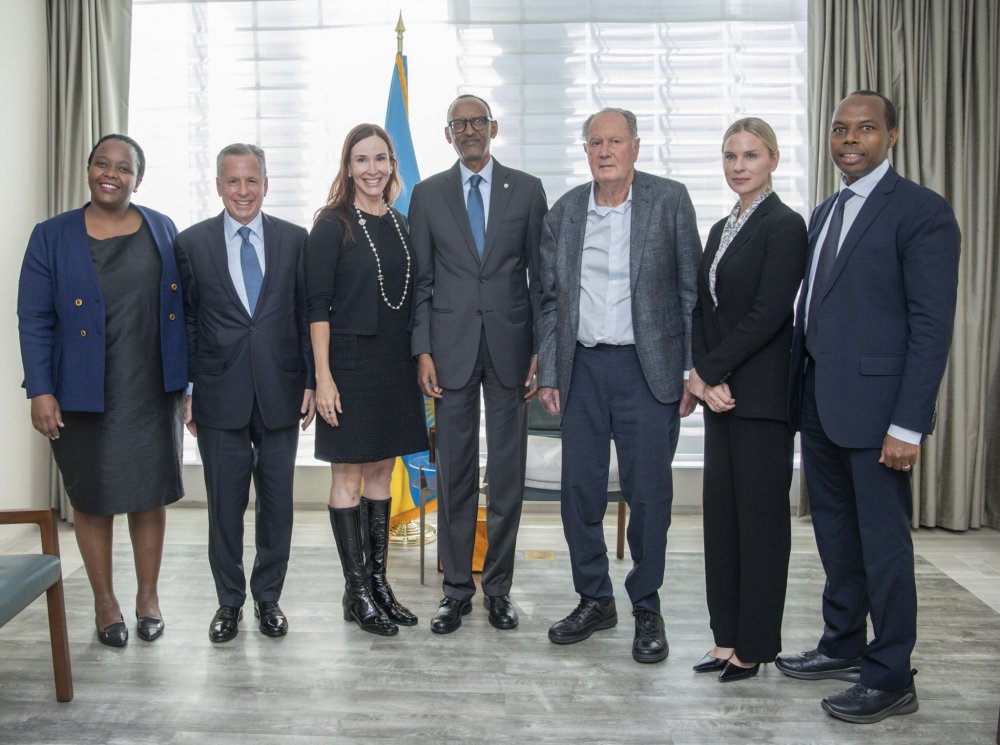
President Kagame held talks with the businessman on Friday 23rd September 2022 in the United States.
Their discussions on investment opportunities in Rwanda were also attended by the CEO of Rwanda Development Board (RDB), Clare Akamanzi and Francis Gatare, Senior Economic Advisor to the President.
In 2015, David Bonderman announced a plan to invest in Africa through TPG Capital in which he owns shares.
He would partner with Sudanese businessman, Mo Ibrahim to run the investment on the African continent.
Apart from being a businessman, David Bonderman is also a philanthropist running different biodiversity conservation projects in Africa.
Through Wildcat Foundation, he has massively contributed to the fight against poachers killing elephants and rhinos to sell their tusks.
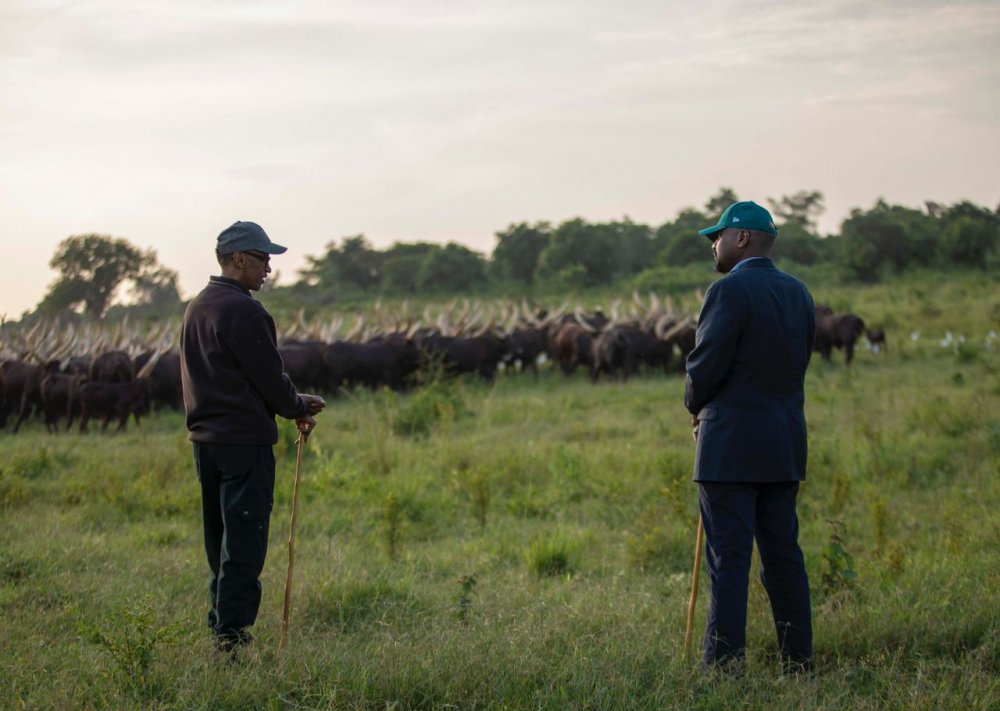
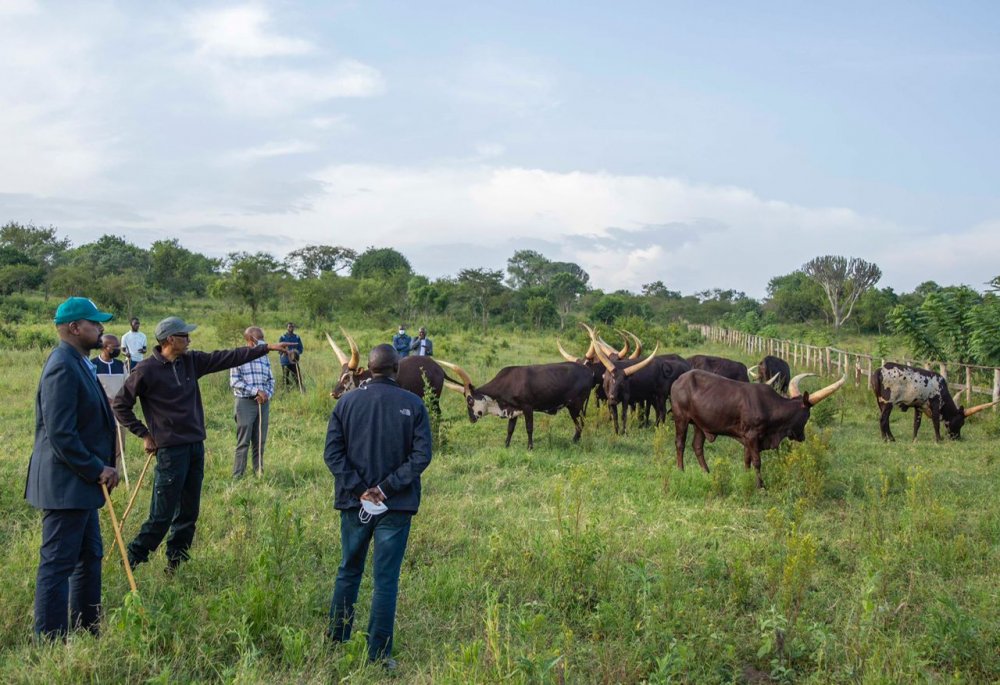
“Happy to announce that I will be visiting my uncle, H.E. @PaulKagame, soon to get more tips on cattle keeping. Look forward to meeting with more friends in Kigali. God bless Uganda and Rwanda!” he tweeted on Friday 23rd September 2022.
Lt Gen Muhoozi was last in Rwanda in March 2022 for a three-day visit that was concluded with a donation of Inyambo cows from President Kagame.
The visit aimed at mending bilateral ties between the two neighbouring countries that had deteriorated since 2017.
Muhoozi later revealed that Kagame gifted him ten cows.
On the first day of his visit to Rwanda on Monday 14th March 2022, Lt Gen Muhoozi was received by Chargé d’Affaires at Uganda’s Embassy in Kigali, Anne Katusiime along with senior officers from the Rwanda Defence Force (RDF) upon arrival at Kigali International Airport.
He was received by President Paul Kagame on the same day. On the second day, Lt Gen Muhoozi visited Kigali Genocide Memorial where he paid homage to victims of the 1994 Genocide against Tutsi laid there and other facilities including Kigali Arena.
In Rwandan culture, cows represent a very significant symbol of friendship and are considered part of the best wealth a person can ever possess.
Cows were the only token that would be given for dowry or as a present to a friend in Rwanda. Even today, a cow is still considered the best present one can ever give a beloved one. Be it a wedding, graduation or a birthday party, cow giving makes the occasion more colourful and real.
It was not the first time Kagame was giving cows to the family of Museveni.
On 31st July 2011, President Kagame gave cows to his counterpart of Uganda, Yoweri Kaguta Museveni who was on a visit to Rwanda.
At the time, Museveni was joining Rwanda for a community work to build a school for Nine Year Basic Education in Kanombe. Museveni pledged a contribution worth US$300,000 for completion of the school.
Towards the end of the same year, President Paul Kagame who was in Uganda was given 20 cows by Museveni.
This year’s donation of cows to Lt Gen Muhoozi is a great symbol evidencing that efforts to restore bilateral ties to normal are yielding good results.
Rwanda, Uganda relations worsened since 2017 where Rwanda expressed concerns over Rwandans who travel to Uganda for business purposes but are abducted, imprisoned and tortured accused of being spies.
Rwanda also accused Uganda of hosting dissidents posing threat to national security.
In 2019, the Government of Rwanda closed Gatuna border and officially advised citizens against travelling to Uganda for their security following testimonies of over 1000 Rwandans tortured and deported from Uganda.
In August 2019, President Yoweri Museveni of Uganda and his Rwandan counterpart, Paul Kagame signed a memorandum of understanding ‘Luanda Agreement’ in a bid to solve conflicts between both countries.
Negotiations did not yield expected results until efforts to mend Rwanda and Uganda relations took shape in February this year following the visits of Lt Gen Muhoozi.
Since he was involved in the process to restore relations to normal, Lt Gen Muhoozi has been warning Rwanda’s dissidents that they have no place in Uganda. He revealed that no official fighting Rwanda would retain job in Uganda.
Lt Gen Muhoozi also echoed similar message in February this year where he warned Rwanda’s dissident Kayumba Nyamwasa against using his country to threaten the neighbouring country’s security.
His first visit to Rwanda was on 22nd January 2022, a move that was followed by the reopening of Gatuna border.
Later on, Rwanda reopened all land borders on 7th March 2022.
Lt Gen Muhoozi visited Rwanda for the second time on 14th March 2022 where he held talks with President Kagame on pending issues affecting bilateral relations.
On the occasion of his birthday celebration in April this year, Lt Gen Muhoozi said that both countries currently have good relations with optimism that the situation would improve further in the future.
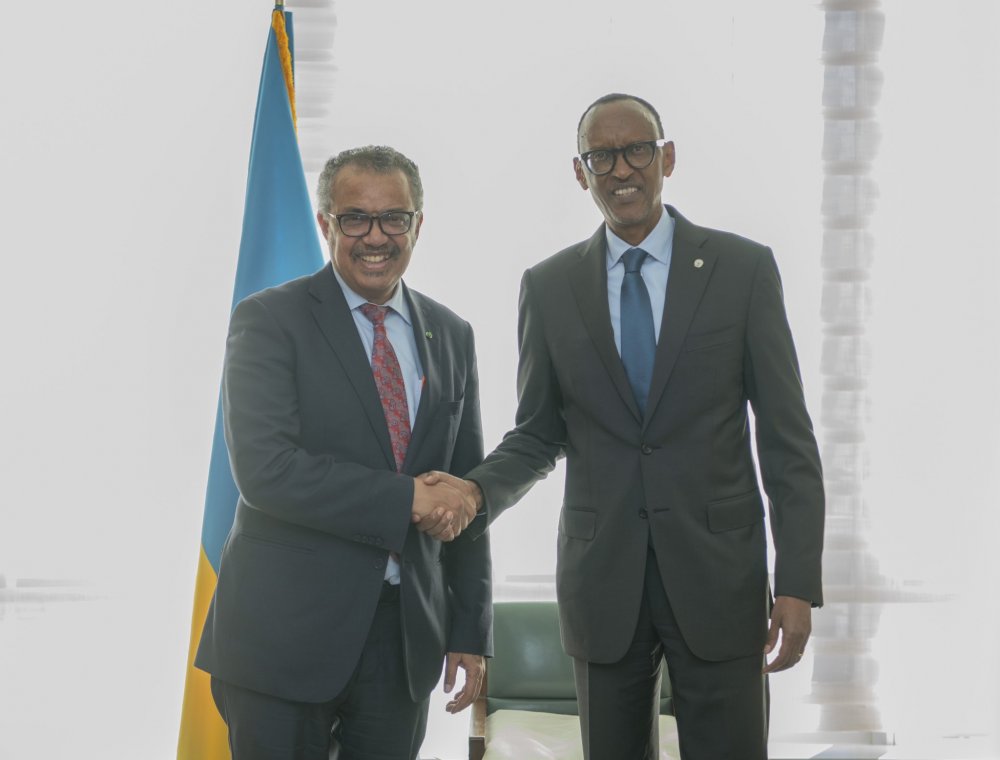
Kagame met with Dr. Tedros in New York on the sidelines of the 77th United Nations General Assembly.
Following their discussions, Dr. Tedros took to his Twitter handle that he had a great conversation with President Kagame about the African Medicines Agency.
As per message shared via Twitter handle, he also assured WHO’s commitment to continue providing technical and financial support to make it a success together with a strong continental regulatory body.
While addressing hundreds of residents from Rubavu and Bugeshi sectors on Thursday, September 22, Police and local leaders urged them to invest in legal businesses instead of wasting their money in producing and selling illicit drinks, leading to their arrest and imprisonment.
The sensitization included disposing of 2300 litres of illicit brew, which was seized from two producers in the two sectors of Rubavu and Bugeshi.
About 2000 litres were seized from the home of one Fidele Hitiyaremye in Rubavu Sector and other 300 litres from one Febron Ndayambaje in Bugeshi Sector.
Rubavu District Police Commander, Superintendent of Police (SP) Bosco Karega, told the residents that besides committing crimes by producing and selling illicit brew, they are also poisoning people with these harmful substances.
“Illicit brew fuels other crimes like theft and fightings including domestic violence. People spend days and nights drinking these substances and end up not engaging in productive work,” SP Karega said.
He warned that Police and local leaders will continue operations against illicit brew, urging residents to report people, who produce or sell them.
Article 5 of the Ministerial order Nº 001/MoH/2019 of 04/03/2019 establishing the list of narcotic drugs and their categorisation classifies alcoholic drinks produced without complying with standards and other laws; on the list of simple narcotic drugs.
Article 263 of the law determining offences and penalties in general states that; any person who, unlawfully produces, transforms, transports, stores, gives to another or who sells narcotic drugs and psychotropic substances commits an offence.
Upon conviction, he/she is liable to imprisonment for a term of not less than seven years and not more than ten years and a fine of not less than Rwf5 million and less than Rwf10 million in regard to “simple narcotics.”
Blaise Harerimana Emmnanuel, the executive secretary of Rubavu urged the residents to work with the Police to fight production or sell of narcotic drugs and psychotropic substances.
He further reminded them to follow the right procedure to produce alcoholic beverages with the required standards.
Rwanda Standards Board (RSB) specifies that “only food-grade processing aids recognized as safe for human consumption shall be used during the manufacture.”
Only those with the Standard-Mark (S-Mark) are allowed to produce and sell alcoholic or non-alcoholic beverages.
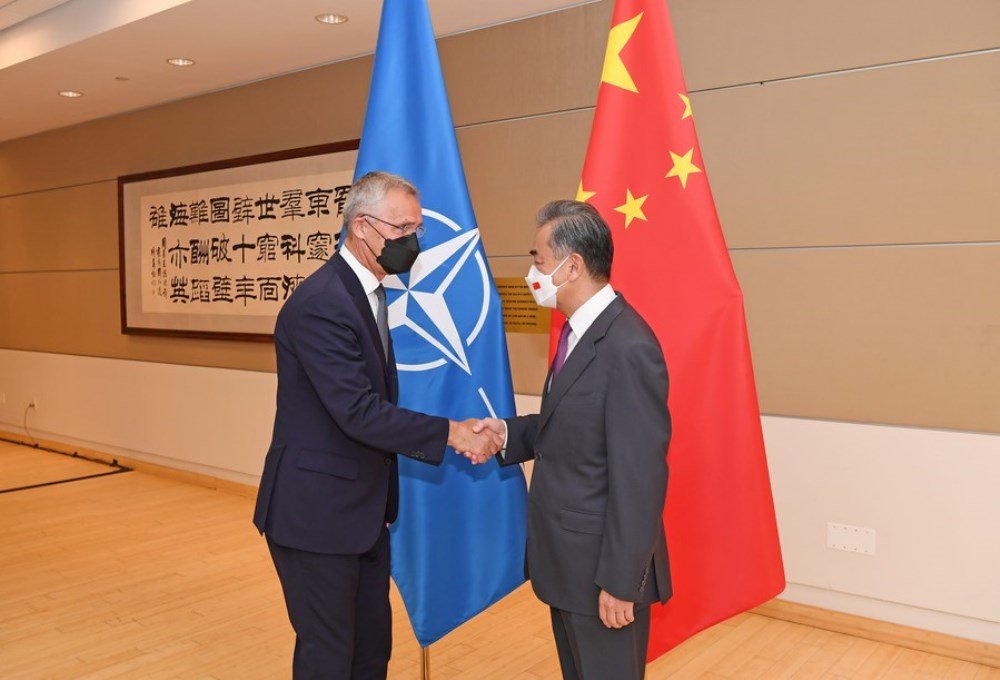
Wang said that as a permanent member of the UN Security Council, China is open to dialogue and exchanges with NATO, and is willing to jointly promote the sound and steady development of bilateral relations.
The two sides should enhance communication and mutual understanding on the basis of frankness and mutual respect, and prevent misunderstanding and false information, he said.
Stoltenberg said that China plays an important role in global issues with its growing economy and influence.
Noting that NATO does not regard China as a rival, he said the organization attaches importance to maintaining and strengthening engagements with China and has a positive attitude towards developing relations with China.
Stoltenberg said NATO will stay committed to its original geographical location when it was established, and expected to explore cooperation with China in arms control, climate change and other fields so as to better cope with global challenges.
NATO and its member countries follow the one-China policy and remain unchanged in their position on the Taiwan question, he said, adding that he expected China to play an important role in ending the conflict in Europe.
Wang expressed hope that NATO will handle the current international situation objectively and calmly, instead of simply drawing a dividing line based on “political correctness.”
On the issue of peace and security, he said China is a major country with the best record. China has no genes for external expansion, and has never invaded other countries, engaged in proxy war, sought spheres of influence, exported ideology, interfered in other countries’ internal affairs, or participated in military blocs.
China has decided to follow a path of peaceful development, which is enshrined in law, Wang said, adding that he hoped NATO will establish a rational and correct understanding of China.
China is willing to carry out necessary cooperation with NATO on global issues and contribute to peace and stability, he said.
Wang also clarified China’s consistent position on the Ukraine issue and its constructive role in promoting peace talks. He said it is necessary to explore the establishment of a balanced, effective and sustainable European security framework to ensure long-term stability in Europe.